


Abstract
Rural tourism has been regarded as a vital approach for the development of marginalized rural regions. Against the backdrop of Lebanon’s ongoing crisis, there is a significant and increasing interest in the tourism sector that can advance key SDGs by creating decent jobs, building sustainable communities, promoting responsible resource consumption, and conserving the environment. Nevertheless, the promise of this approach is endangered by the current situation of weak governance and institutional deficiencies. This paper examines the role of tourism governance in shaping the development of sustainable rural tourism in Shouf El-Souayjani, a rural area in Lebanon. The study adopts a sequential explanatory design to integrate quantitative and qualitative viewpoints, with a quantitative survey consisting of 388 respondents for collecting data, which is further enriched by 43 interviews with different stakeholders. Quantitative results indicate statistically significant relationships between governance dimensions, participation, knowledge sharing, empowerment, community knowledge, and legislative adequacy with perceived sustainability outcomes in Lebanon. Qualitative findings show major governance gaps, balanced by rural strengths like entrepreneurship and resilience. The study proposes a comprehensive governance model that highlights how a particular governance mechanism shapes rural tourism sustainability, particularly in a country affected by successive crises like Lebanon.
1. Introduction
Rural and nature-based tourism have become more important in the context of rural revitalization as they have helped the rural areas cope with economic decline, loss of population, and decline of traditional sources of income. The international literature on sustainable tourism underlines that rural tourism is not just about promoting natural and cultural resources; this approach should instead be considered in overall sustainability-focused management frameworks (Bramwell & Lane, 2011).
Sustainable tourism planning needs to be a collaborative effort among various stakeholders. Putting this principle into practice for a more robust destination has indicated a more effective resilience, with voices being heard across communities. This indicates a form of collaborative planning for a more effective destination sustainability for a better future (Sakypbek et al., 2025).
The literature on tourism governance explores it as a complex phenomenon that involves policymaking, coordination of stakeholders, and the goal of sustainable development (Bramwell & Lane, 2011). In this regard, successful tourism governance enables successful cooperation between public and private stakeholders (Dredge & Jenkins, 2011), while ensuring that economic development occurs alongside the conservation of the natural environment and the preservation of cultural heritage. Governance in emerging tourist destinations is often challenged by the fragmented institutional setting, the lack of financial support arrangements (Ruhanen, 2013), and the unstandardized regulation frameworks. The studies have found that the success of governance is mostly dependent on governments’ capabilities to encourage and attract investment and improve the harmonization of rules in the destination (Beritelli & Bieger, 2014).
A case in point is offered by the experience of Lebanon. This country boasts some excellent natural features and rich tourism traditions related to its mountains and rural areas, but it is at the same time faced with development disparities and a lack of infrastructure in many of its rural areas. Contributing to this condition is its recently deteriorated economy and lack of government functionality, coupled with a minimal provision for basic services for its population. The state of limited legislative frameworks, top-down approaches, and a lack of cooperation between ministries, municipalities, and civil society organizations represents the reality of rural areas in Lebanon. As a consequence, rural tourism is still poorly defined, poorly regulated, and dependent on projects and foreign aid interventions to gradually adjust to SDG-led development paths.
Shouf El-Souayjani, a rural area in Lebanon, is one of the regions that shows how tourism governance can be examined to assess whether it plays a constructive role in the development of sustainable rural tourism despite the challenges faced. The nine municipalities forming this region in Mount Lebanon have plenty of natural resources at their disposal and rich cultural and agricultural know-how and experience. In addition to these obvious advantages, they have recently started to experience growth in tourism-related projects, especially guest houses and natural attractions-based tourism activities.
This is further enhanced by the presence of the nearby Shouf Biosphere Reserve, one of the most prominent reserves in Lebanon, which is also one of the biosphere reserves around the world within the UNESCO network (UNWTO, 2023). This reserve indicates not only the natural significance of the region but also its immediate relevance to the SDGs and the projected future. On the other hand, governance obstacles are also present in the pairing of such potentials, and these include the lack of autonomy, institutional overlaps, inadequate implementation capacities, politicization, and a lack of long-term strategic planning. All these factors also prevail at a country level, making this region a microcosm of Lebanon’s overall rural development dilemma.
Rural tourism in Lebanon is expanding, notwithstanding all these obstacles, due to the aforementioned developments at the grassroots level, local entrepreneurship, and the community-based programs to conserve both the land and the culture. There is insufficient research on the topic of tourism governance in Lebanon, with particular emphasis on rural areas. The majority of studies will mention exemplary cases of ecotourism, such as Shouf Biosphere Reserve, but will overlook other less developed areas like Shouf El-Souayjani, which still have untapped potential in rural areas.
This article will examine governance in the region of Shouf El-Souayjani with a focus on understanding the configuration of governance in a multi-municipal setting in a rural area. This research combines a mixed-methodology approach, incorporating both a quantitative analysis of local residents’ perception studies and a qualitative analysis of views of key stakeholders, in order to reach an integrated conclusion on both a local level and an institutional level.
2. Literature Review
2.1. Rural Tourism as a Development Tool for Rural Areas
UN Tourism describes rural tourism as tourism practiced in a non-urban environment showing low population density, agricultural and forestry landscape composition, and traditional social structures (UN Tourism, n.d.). Rural tourism has become one of the most important themes in the rural development literature because of its environmental, economic, and social aspects, which are considered critical to sustainability. Its expansion has a strong connection with natural characteristics inherent in rural areas and is being conceptualized more and more in line with other dynamics of region-wide developments (Sadeghi & Seidaiy, 2023).
The reports of UNWTO emphasize that a new role for rural tourism has begun to emerge regarding rural regeneration and sustainable development in general, with particular considerations regarding a post-COVID-19 era, due to a rising interest in outdoor and less crowded destinations (UNWTO, 2020).
Nevertheless, a number of threats exist in rural tourism. These risks include climate change, land deterioration, deforestation, depletion of biodiversity, erosion of rural identity, and being far away from urban areas that increase their vulnerability to poverty and exclusion, especially in less developed countries in Africa, Asia, and Latin America (Mihai & Iatu, 2020). Development would further be impeded by a lack of infrastructure development, provision of basic services, telecommunications development, and depopulation of rural areas (European Parliament, 2023).
All such risks and challenges indicate the importance of rural tourism and agritourism in promoting rural regeneration and development, as well as better living standards for rural communities and protecting their agricultural and cultural properties (Mulita & Sefa, 2025). And this can be achieved through wise planning to channel rural tourism to support sustainable development (Eidi et al., 2024).
2.2. Sustainable Rural Tourism
Sustainable development was defined by the World Commission on Environment and Development in 1987 as a form that “meets the needs of the present without compromising the ability of future generations to meet their own needs.” In a rural setting, sustainable tourism has also been identified as a matter of importance because of its strong connection with natural resources and communities (Ristić et al., 2019). This form of tourism is typically linked with more jobs and a better quality of life (Lisiak et al., 2017). This connects with the concept of Triple Bottom Line (TBL), a model that focuses more on environmental and social aspects as well as economics (Hu et al., 2025; Freude, 2019).
Sustainable tourism brings economic benefits to the communities and rural regions by encouraging responsible practices that minimize environmental and social impacts (Prayitno et al., 2023; Chamodya & Wickramaratne, 2024; Selcuk et al., 2021). According to the World Commission on Environment and Development (WCED, 1987), achieving sustainability will necessitate a strategy that prioritizes environmental and social goals over economic growth as the foundation and dimension of development. Although sustainable development has become a well-considered factor in theoretical literature and discussion in relation to sustainable development, it has been suggested that a mass discrepancy remains between theoretical ambitions of sustainability and actual application in practice in reality (Simpson, 2001).
International tourism also highlights tourism’s contribution to all 17 Sustainable Development Goals SDGs. Though every SDG is clearly interconnected with the others, three SDGs have received particular attention in the literature. SDG8 (Decent work and Economic Growth), SDG 12 (Responsible Consumption and Production), and SDG 17 (Partnerships for the Goals) (UNWTO & UNDP, 2017). Achieving Sustainable Development Goals requires a governance approach that involves a wide range of stakeholders in a manner that takes into consideration the participation of local communities, businesses, civil society, and government institutions (Faulkner, 2003). In this regard, it has been highlighted that host community participation should also come from decision-making structures, especially in government, as emphasized by Hall in 2008 (Bramwell & Lane, 2011). Stakeholder participation, therefore, becomes a critical component in sustainable practices of tourism.
2.3. Governance as a Possible Pathway for Sustainable Rural Tourism Development
The concept of tourism governance is understood to be a dynamic process of engaging with various individuals in a stakeholder coordination process that requires cooperation for effective economic, cultural, social, and environmental outputs to be achieved (Anjos & Kennell, 2019). The World Bank roadmap for good governance identifies some key areas: Voice and accountability, Political stability and absence of violence, Government effectiveness, Regulatory quality, Rule of law, and Control of corruption. Such dimensions highlight the significance of quality institutions and state capacity in influencing developmental outcomes and government trust (Durán-Fuentes, 2013).
Governance failure in tourism is prevalent due to its fragmentation, especially in the context of sustainable development and disaster recovery (Amore & Hall, 2016; Bramwell, 2011; Hall, 2011b). Research on tourism governance, which frequently employs typologies of diverse governance modalities (Amore & Hall, 2016; Hall, 2011a), demonstrates that a lack of coordination and exclusion result in inefficiencies, missed opportunities, and interruptions in reacting to stressors. Constant adaptation of tourism governance, particularly in a co-constructive framework, is required to navigate unpredictability in development trajectories and address difficulties connected to equitable stakeholder engagement (Plummer & Fennell, 2009).
Weak local governance combined with inefficient management policies can contribute to increased socio-economic disparities in addition to undermining the capacity of institutions in efficient management of rural resources (Voronkova et al., 2019; Belikova et al., 2023). On the other hand, a lack of involvement of local people in decision-making can contribute to poor governance in addition to undermining the application of more sustainable practices in agriculture and environmental conservation (Bulygina et al., 2021; Romanelli, 2023).
Nevertheless, political patronage hinders the efficiency of governance, functionality of democracy, and socio-economic development through the loss of accountability and transparency. This phenomenon results in governance crises that sustain socio-economic inequality (Zeeshan et al., 2022). It is apparent that there exists a failure in governance, through which public funds are diverted or improperly allocated in a way that hinders the state’s ability to offer fair and satisfactory public services to its citizens. This improper allocation has a great developmental effect since when funds that are needed for proper public advancement are diverted, it results in the intensification of socio-economic issues since it hinders the advancement of the less fortunate sections of the public who largely depend on public services (Gray, 2017).
However, in many parts of the world, the local informal institutions play the main governance role concerning service provision, conflict resolution, representation, and participation in electoral processes. These institutions wield significant power over the way poor and rural communities relate to governance structures, local government, and donor projects, concerning the information they receive, their voting behavior, and their participation in deliberative and participative settings. The informal institutions vary significantly across countries, not only in their nature but also with respect to the underlying forces that shape their emergence. Sometimes they appear as a consequence of the failure of the state, filling the gap or the absence of the state (Corbridge et al., 2005).
Based on the above, there has been a need for more inclusive management practices that have the capacity to improve local capacities in addition to promoting improved levels of sustainability in decision-making, especially in cases that have empowered local people in addition to incorporating local knowledge in decision-making (Romanelli, 2023; Belikova et al., 2023).
2.4. Local Communities as Key Actors in Achieving Sustainable Rural Tourism
Dangi and Jamal (2016) define community from a tourism standpoint as local groups that engage with tourists during their trip. In the implementation of tourism, this community serves as the primary actor or backbone (Draçi & Demi, 2023). As a result, tourism develops and is run directly by the locals. The community must always work to preserve its existence and define its own wants and interests since it must comprehend the stability of values (Draçi & Demi, 2023).
It is commonly acknowledged that one of the objectives and tenets of tourism is community involvement. The tourism development agenda must include local communities. Because their interests both influence and are influenced by the decisions of important policy makers, they are regarded as legitimate and moral actors in the development of tourism and represent the group of key tourism development actors (Kuqi et al., 2019).
Community Participation remains a foundational theory with great importance for this study because of its potential for successful rural tourism development. Community involvement ensures that tourism developments address community needs and maximize community ownership for sustainability purposes (Ramukumba & Matyile, 2024). This critical involvement requires certain levels of community knowledge and awareness among residents to be able to fully understand tourism effects and effectively participate in tourism planning. Evidence perhaps best illustrates a strong connection where involvement in decision-making boosts employment opportunities, protection of culture, and environmental conservation; conversely, a low level of involvement due to issues of exclusion, a low level of tourism consultation engagement, and a lack of available community resources results in a misaligned form of tourism development and a community with adverse attitudes towards tourism development (Ramukumba & Matyile, 2024).
According to Ramukumba and Matyile (2024), Capacity building emerges as a prominent approach towards enabling effective participation, with training, funding, and leadership building locally emphasized. Without this intervention, rural communities continue to rely on external help and remain distanced from tourism benefits; meanwhile, factors such as adverse infrastructure and centralized focus continue to impede this.
Grounded in these insights, this research uses Fong and Lo’s (2015) model of community involvement in tourism development, encompassing four dimensions: participation, knowledge sharing, empowerment, and community knowledge. The Fong and Lo (2015) model provides a coherent framework for examining the relationship between community involvement and sustainable rural tourism development across its social, cultural, economic, and environmental dimensions. However, although Fong and Lo’s (2015) model does address factors at a community level, this paper proposes a fifth level: adequacy of legislation and regulation. This addition represents a contextual governance condition that shapes the extent to which community participation can occur. Including this dimension allows the model to reflect residents’ perceptions of the policy environment within which involvement takes place.
Tourism policy consists of measures, rules, and best practices designed for tourism development purposes and requires a focus on sustainability frameworks with regard to economic, cultural, social, and environmental pillars. Nevertheless, policymakers face numerous issues during policy execution, such as a lack of coordination and conflicts among interests, issues concerning corruption and poor management structures, and conflicts of interest about changes; thus, inclusive policymaking concerning equity and sustainability for tourism development purposes becomes a prerequisite (Hajar et al., 2024).
Since tourism greatly depends on the goodwill of the local community, it is crucial to comprehend how the community reacts to tourism development in order to guarantee community support. Therefore, it is worthwhile to look into and clarify the community’s perspectives, understanding, knowledge, and support in the context of the government’s action plan (Draçi & Demi, 2023).
2.5. The National Context: Institutional Weakness in Lebanon
Lebanon’s tourism sector, which has long contributed to the backbone of its economy, has experienced decades of disruption due to civil war, instability in the state, regional unrest, as well as state weakness. The country’s civil war, which lasted between 1975 and 1991, disrupted infrastructure and effectively halted the tourism sector in the country; although the sector witnessed revival during the early 1990s due to reconstruction efforts during the decade that followed the war. However, the sector witnessed further disruption that took place in the country in the form of the Arab Spring of 2011 and the subsequent Syrian conflict that forced the closure of borders, in addition to the travel bans imposed by the Gulf countries on the state.
Before the onset of the financial crisis that marked the beginning of the collapse of the Lebanese economy, the tourism sector represented one of its main engines of growth, with direct growth of USD 3.8 bn and an overall growth of USD 10.4 bn in the year of 2018. This represented an increase of 1.9 million visitors on the highest recorded levels of tourism after the year of 2010 (IDAL, 2019).
This trend took an immediate reversal at the end of the year 2019 with the onset of the financial crisis that followed with COVID-19 and the explosion of the Beirut Port in 2020. Conflict levels escalated due to border clashes during the period of 2023–2024, with the most severe conflict occurring after the events of 2006; the downturn of the economy continued further. The growth of the gross domestic product fell by 28% between 2018 and 2021; the value of the Lebanese currency fell by more than 98%; the effects of inflation continued to reduce the purchasing power of the community (REACH, 2024; Said, 2024). The tourism sector, which made up almost 30% of the gross domestic product with an amount of USD 5.4 billion earned annually, slowed with the continued reduction in air travel and increased pressure on tourism-related businesses.
In addition, the Corruption Perception Index of Lebanon indicates that there is an overall decline over the years from 30/100 in 2012 to a figure of 22/100 in the index of 2024. This indicates that the country’s integrity levels have significantly deteriorated. At the global level, the country currently stands at the 154/180 ranking index as of 2024 by Transparency International (Figure 1). The sharp decline after the index of 2019 corresponds with the financial deterioration of the state and the crisis of government institutions. This indicates the weakness of the administration that hampers tourism development (Barone, 2024).
Figure 1.
Lebanon’s Corruption Perceptions Index (CPI) Trend, 2012–2024. Source: (Barone, 2024).
2.6. The Rural Tourism Sector in Lebanon
Within the last couple of decades, rural and nature tourism in Lebanon has emerged as an extremely pivotal development alternative that continues to receive focus through various state and global platforms. Either the Lebanon Mountain Trail initiative (LMT, n.d.) or the accomplishments of the municipality of Douma, which is recognized as the best tourism village under the auspices of the United Nations Tourism Initiative of 2023, demonstrate the potential of community-based tourism and heritage-led local governance (Lebanon Traveler, 2024; UNWTO, 2023).
Despite the significant development steps that have taken place, such as the Decree No. 6298/2011 (regarding the regulation of guesthouses) (Republic of Lebanon, 2011), the Strategy of Rural Tourism of 2014 (MOT, 2014), the Law of Protected Areas No. 130/2019 (UNDP, 2024), the development of DMOs, and the creation of the syndicate of the guesthouse of 2023 (DIYAFA, n.d.), the weakness of the management structure persists in the sector. The new development steps taken recently are Circular No. 2 of 2024 and the new regulation of the investment licenses of 2025, but a unified ecotourism/rural tourism act still lacks (Gemayel, 2025).
These are set within the context of big demographic changes. The rural populace of Lebanon fell significantly from 57.66% of the nation’s population in 1960 to only 10.4% of the population of the country by the year 2024 (Figure 2); this stands out as low across the world because the average rural populace stands at 38.30% (TheGlobalEconomy.com, 2025).
Figure 2.
Rural population in Lebanon, percent of total population. Source: Author’s elaboration based on data from (TheGlobalEconomy.com, n.d.).
Agriculture, an integral part of the rural economy and a natural fit with nature tourism and agritourism, has underperformed; in fact, its share of the country’s GDP fell from 3.23 percent in 2018 to only 0.97 percent in 2023 (Figure 3) (TheGlobalEconomy.com, 2025). Current issues of inequitable land distribution, poor infrastructure, and government interference continue unabated (UNDP, 2023), although developing this sector remains a priority in rural areas.
Figure 3.
Value added in the agricultural sector as a percent of GDP. Source: Author’s elaboration based on data from (TheGlobalEconomy.com, 2025).
The National Rural Tourism Strategy of 2014 aimed at improving rural income and encouraging the growth of domestic tourism; however, the progress made after 2017 remained hampered. Most of the targets, especially those regarding legislation and documentation, show low levels of implementation (UNDP, 2023). As stated by (UNDP, 2023), there must be greater coordination and networking among the institutions so that national policy aligns with development at the local levels.
2.7. The Study Area
2.7.1. Shouf District
The Shouf area has long been recognized for its great cultural heritage as well as its possession of three interconnected biosphere reserves. It also has many cultural sites such as Beit ed-Dine, Deir el-Qamar, and Qasr Moussa. Due to its significance in preserving and protecting its tourism resources, it has become a common venue for ecotourism projects in Lebanon. It must be noted that the Shouf Biosphere Reserve has taken a major initiative in promoting ecotourism in the highland villages (UNDP, 2023).
The Cedar Forest of Shouf is a natural resource for the region, classified as a UNESCO Biosphere Reserve, and is one of the most extensive and well-structured protected zones in Lebanon, with access through four major entry points. The trail of forests covers more than 400 km. The stands of cedars cover around a quarter of Lebanon’s cedar forests, with some trees believed to be two millennia old. The wide geographical extent of the reserve helps with biodiversity protection by providing habitats for medium-sized mammals such as the wolf and the Lebanese jungle cat, besides the flora and fauna of the Lebanon Mountains. The Niha Reserve is a major entry point for the Shouf Biosphere Reserve, classified as a UNESCO Biosphere Reserve (UNDP, 2023).
Besides its natural resources, the Shouf area contains many archaeological and architectural sites that reveal the history of Mount Lebanon. Among the cultural sites in Mount Lebanon are Deir el-Qamar and the Beit ed-Dine Palace. The Beit ed-Dine complex is the most outstanding example of Lebanese architecture in the first half of the nineteenth century. The Beit ed-Dine palace is also the summer residence of the President of the Republic (UNDP, 2023).
The proximity of Shouf makes it easily reachable from different locations, such as Beirut, Matn, Bekaa, and South Lebanon. Car accessibility to the Barouk nature reserve exists, and cars can be driven within the nature reserve up to a distance of 5 km. A large number of trails connect the nature reserves to nearby villages, along with a variety of accommodations and food services. Shouf is considered to be the most developed ecotourism site in Lebanon because of the organized tourism services offered. A wide array of activities can be experienced within the biosphere reserve, such as forest and biosphere region trekking, horse riding, bird watching, cooking, and visits to handicraft makers.
Deir el-Qamar is identified as one of the main tourist attractions within the Chouf region, due to its distinctiveness and closeness to the “Beit ed-Dine Palace.” Moreover, there are seven other villages that make up around 40–45% of the region’s tourism. These villages make up the remaining locations identified as the top five tourist attractions, besides others such as Niha and Maasser El-Chouf, which are mountainous and have high tourism potential (UNDP, 2023).
2.7.2. Shouf El-Souayjani Union of Municipalities
The focus of the study is the Shouf El Souayjani Union of Municipalities, encompassing various countryside municipalities of the Mount Lebanon basin’s Shouf Caza (Figure 4), located within the Mount Lebanon governorate.
Figure 4.
Federation of Shouf Souayjani Municipalities within the Shouf District, Lebanon. Source: (Baakline Municipality, n.d.).
Situated between an altitude of 800 and 1000 m above sea level in the central area of the Shouf reserve, the Shouf El Souayjani incorporates nine municipalities (refer to Figure 4) and constitutes the Druze community. According to a study by the UN-Habitat in 2024, the estimated total population of the nine municipalities of the Shouf El-Souayjani federation of municipalities is about 70,000. Of this total, non-Lebanese nationals make up about 12% of the total, who are mostly Syrian refugees. The Union of Municipalities (UoM) has a demographic composition dominated by the youth and adult population, which makes up about 68% of the total population, as estimated in a survey conducted by the mayor of the region (UN-Habitat, 2023). Further, it was estimated that about 28% of the total registered population is found outside of Lebanon, and these countries include the United States of America, Canada, Gulf countries, and countries in the Sub-Saharan regions, particularly countries that are producers of oil. There has been emigration from this region, which started in the latter part of the twentieth century and gained momentum with the start of the Lebanese Civil War in 1975 and continued until 1990. There has been continuous emigration since then, which gained pace after 2005 and reached its peak after 2019, which is associated with the start of the economic crisis and the limited job market.
The population data for Shouf El-Souayjani at the municipal level reflects a large degree of variability in terms of the lack of up-to-date local population registries in Lebanon. Table 1, obtained from Abu Ajram (2016), reflects local registries that are outdated and therefore not representative of the local population structure of the region. At the same time, the mayors of the nine municipalities were unable to give exact figures for the population of each municipality during the interview phase, and this issue was reflected in the limitation section of the research.
Table 1.
The distribution of permanent and seasonal residents in Shouf El-Souayjani. Source: (Abu Ajram, 2016).
The topographical nature of the region and the existence of biodiverse villages such as Mazraat El-Shouf and Baaqline make them potential spots for rural tourism development. Despite this potential, the underdevelopment of the region’s tourism sector, which constitutes only 6% of employment, results from a lack of infrastructure development due to the Lebanese crisis (Ghosseini, 2017; UN-Habitat, 2023).
However, there is no data available at the district level about the typology of tourists; hence, the analysis of the development of tourism demand in the Shouf El-Souayjani region has been conducted through in-depth interviews with local stakeholders in the tourism sector. The results show that prior to the Lebanese economic crisis, there was a large international element in the Shouf tourism sector, as many of the interviewees reported that around 80% of their clientele came from abroad. These tourists included organized groups from a range of countries in Europe (including Russian, French, and German tourists) and tourists from other countries such as Norway and Canada. The tourists also included people from countries in Asia such as Nepal, China, India, and Japan. The participants also reported that there had been visits from diplomats and politicians from around the world, including the French Ambassador and a delegation of 11 members of the French parliament. However, the different stakeholders highlighted that due to increased insecurity in the region in the last few years, there has been a large decline in the level of international tourism in the region. Instead, there has been a shift towards domestic tourism with only a trickle of tourists from Arab markets in the neighboring countries (including Iraq and Gulf Cooperation Council countries).
The Shouf El-Souayjani Union of Municipalities was chosen as the study area due to its unique characteristics of diversity in the socio-economic environment and the presence of natural richness, together with various development projects being implemented. The region’s different levels of infrastructure development create an integral insight into the structure of the rural area, and the projects implemented give an adequate view of the difficulties encountered.
As reported by the field study of the UN-Habitat in 2024, the system of municipal government of the Shouf El-Souayjani area corresponds with the overall problem of the Lebanese state’s structure, situated between the ambition of decentralization and the fait accompli of the centralized system of control. Despite the municipality’s complete independence as an administrative and legal institution, its decision-making power and financial autonomy remain restricted.
3. Materials and Methods
This part of the paper provides an overview of the methodology used to investigate the role of governance in shaping sustainable rural tourism in the Shouf El-Souayjani area. The study uses a two-tier governance structure to examine the perceptions of the community and practices at the institutional level among key stakeholders, including public, private, and civil society actors. In a sequential explanatory mixed-method design (Toyon, 2021), the study will commence with a quantitative survey of 388 residents to establish five dimensions of governance participation, knowledge sharing, empowerment, community knowledge, and legislative adequacy, followed by a qualitative phase that is based on interpretivist epistemology and includes 43 interviews.
Consistent with its two-layered system of governance and mixed-method design in stages, the study is informed by the following research question:
“To what extent does tourism governance influence sustainable rural tourism development in the Shouf El-Souayjani region of Lebanon?”
3.1. Phase One: Quantitative Approach
The first phase involved conducting a structured survey for the residents in the nine municipalities of the Shouf El-Souayjani Federation. The community residing in the Federation of Shouf El-Souayjani represents the primary population capable of providing the information needed to achieve this study’s goals. The area’s spatial characteristics, rurality, and tourism potential make it a suitable setting for studying how governance affects sustainable rural tourism development. Thus, this study examines how community members of this area perceive community involvement, as it pertains to participation, knowledge sharing, empowerment, community knowledge, in addition to legislative adequacy, in relation to sustainable rural tourist development.
Local communities also have various knowledge bases that are important for making sense of tourism development in their territorial setting. These are insights that members of a community possess in relation to their local setting, as well as knowledge of local cultural practices, environmental conditions, and past experiences in dealing with similar development issues in their villages or neighboring areas (Draçi & Demi, 2023).
Based on this premise, this study aims to examine perceptions, notions, and attitudes of Shouf El-Souayjani community members in relation to rural tourism as well as sustainable development. Such perceptions are considered important sources of information that would help in understanding development practices and governance conditions for sustainable rural tourism development.
The process involved the distribution of a total of 450 questionnaires between the years 2023 and 2024 through a combination of online Google forms and face-to-face administration to target those who lacked access to the online platform. The minimum sample size for the household questionnaire was determined using the standard sample size formula, which is equivalent to that proposed by Cochran in 1977 (Israel, 1992) for a large/unknown population. A confidence level of 95% was employed (Z = 1.96), with maximum variability in the population assumed (p = 0.50), in the absence of any prior statistical evidence, and an error margin of 5% (e = 0.05), resulting in the following estimate:
Although Cochran’s formula indicated that there was a need for a minimum sample size of 384 respondents, more questionnaires (450) were employed to counteract non-response, partial, and invalid responses, especially considering that this study was conducted partially online. In this regard, oversampling was employed to ensure that this study would meet the required statistical threshold despite data cleaning. After screening, 388 questionnaires were selected, which slightly exceeded the required sample size. The questionnaire was administered and analyzed, which formed the basis of the study and served to provide a factual perspective that informed the identification of trends related to the theme of tourism governance and rural development in the region. This quantitative phase determined the statistically significant trends in the community perceptions of governance, setting out the areas of strength and some significant gaps.
3.1.1. Questionnaire Development and Design
The questionnaire was well structured both in English and the Arabic language to establish community experiences, perceptions, and knowledge relevant to the study. The first part of the survey aims to capture the demographic and geographical attributes of the surveyed communities, along with their views regarding tourism, rural development, and the involvement of the Federation of municipalities of Shouf El-Souayjani in rural tourism development in the region. The following sections aim to measure the dimensions concerning the involvement of the communities in the tourism governance and are based primarily on the community involvement framework proposed by Fong and Lo (2015) and related literature. These governance dimensions: citizen participation in decision-making, sharing of knowledge, empowerment, community knowledge, and legislative adequacy, were operationalized through a series of questions (5 items) using a five-point Likert scale ranging from 1: strongly disagree to 5: strongly agree. Sustainable rural tourism development perception was measured using a multidimensional scale with sustainable social, cultural, economic, and environmental factors for tourism development, with each type of sustainability covered by four items (in total, 16 items). All items were perception-based with five-point Likert scales.
Nevertheless, the absence of sound secondary information and official data at both municipal and ministerial levels identified wider gaps in governance and further justified the necessity of primary data gathering to come up with the right information based on the community, to be used in the study.
3.1.2. Research Questions and Hypotheses
The quantitative phase was guided by the following research questions:
- RQ1: How do local residents perceive their level of involvement in tourism governance in the Shouf El-Souayjani region?
- RQ2: How do local residents perceive the environmental, social, cultural, and economic sustainability outcomes of rural tourism development in the Shouf El-Souayjani region?
- RQ3: What relationships exist between perceived tourism governance dimensions and perceived sustainability outcomes?
To answer this question, the study establishes the following hypothesis based on the theoretical formulations and gaps that occurred in the literature:
Hypothesis.
There is a statistically significant impact of perceived tourism governance on residents’ perceptions of sustainable rural tourism development in Shouf El-Souayjani.
The operational sub-hypotheses of the study are as follows (Figure 5):
Figure 5.
The sub-hypotheses that guide this phase of the research study. Source: Author.
3.1.3. Data Analysis Procedures
The questionnaire has a combination of Likert Scale, closed-ended questions, and open-ended questions that can help in obtaining quantitative indicators and contextual nuances, where the simple language has been used to ensure cultural clarity, irrespective of educational level. Before full deployment, a pilot test was conducted with 10 participants to confirm that the questions were easily understood. According to Hair et al. (2020), alpha Cronbach’s values that are more than 0.7 are regarded to be reliable. Reliability analysis using Cronbach’s Alpha confirmed good consistency across all scales (Table 2).
Table 2.
Cronbach’s alpha reliability coefficients for study constructs.
No detailed and exact record of the population existed; the sampling strategy was a hybrid between non-probabilistic snowballing through the networks of previous fieldwork, and referring to the communities was completed by convenience sampling at the time of municipal visits and local events. This method facilitated extensive involvement by age, sex, and level of engagement. Because sampling was non-probabilistic, findings cannot be generalized statistically to the full population; results represent the participants’ perceptions only.
SPSS Version 27 was used to analyze data. The respondents were profiled using descriptive statistics after cleaning, and patterns of participation and awareness were identified. The data was found to be suitable for multivariate analysis, as confirmed by the tests of KMO and Bartlett. Pearson correlations evaluated the association between five governance dimensions and sustainable rural tourism in the next stage, which was followed by multiple linear regression to determine the significant predictors. The quantitative findings were robust and valid since all the assumptions of linearity, multicollinearity, autocorrelation, and homoscedasticity were met.
3.2. Phase Two: Qualitative Approach
The second research stage used qualitative research in order to explore experiences of tourism governance structures, practices, and perceptions at different institutional levels. This step was intended to supplement and explain the results of the community survey through participation with various groups of stakeholders in the governance continuum. These actors delivered a context-rich, situated understanding of the process of governance, power relations, institutional coordination, sustainability issues, and the reality of tourism development in the rural context. The complete semi-structured interview guide is provided in the Supplementary Materials.
The qualitative phase was guided by the following research questions:
- RQ4: How do key stakeholders perceive the effectiveness of tourism governance mechanisms in supporting sustainable rural tourism development?
- RQ5: What challenges, enabling factors, and opportunities do stakeholders identify in the governance of sustainable rural tourism?
The approach taken was a purposive and snowball sampling, which has helped to cover those individuals who have a direct influence or strategic role in planning, regulation, implementation, or even community engagement. The process of sampling proceeded until the thematic convergence arrived, so that the data reflected the diverse views but not repetition. As the stakeholder mapping framework (Figure 6) depicts, interviewees also represented multi-scalar, at various governance levels, which conform to the stakeholder theory and multi-level governance principles, which are advocated by the UNWTO.
Figure 6.
Stakeholder Mapping Framework. Source: Author.
In total, 43 interviews were conducted across eight stakeholder categories. At the national level, five interviews were conducted with key representatives from five ministries and four representatives from national tourism-related syndicates. At the regional level, the study included three interviews with environmental organizations, seven interviews with experts and academics, and five interviews with non-governmental organizations involved in rural tourism development, environmental protection, and governance. At the local level, nine interviews were conducted with the mayors of the selected municipalities, two interviews were conducted with the president of the federation of Shouf Souayjani, and the director of the growth and local development office of the federation. Alongside, four interviews were conducted with guesthouse owners, and four interviews with the private sector rural tourism entrepreneurs.
3.2.1. Thematic Analysis Procedure
Qualitative analysis was grounded in a hybrid thematic methodology that combined inductive insights from stakeholder narratives with deductive codes informed by governance, rural development, and sustainability theories. The analysis of data involved the use of Excel as an organizational and comparative tool that allows systematic cross-analysis across eight stakeholder groups. The analytical process followed the six phases of the thematic analysis framework proposed by Braun and Clarke (2006). At the same time, predetermined dimensions of governance were employed in Template Analysis (King, 2012), but these dimensions were susceptible to emergent, context-specific themes. Thematic Network Analysis (TNA) helped increase interpretive rigor by organizing data into basic, organizing, and global themes, which revealed key governance themes of the study (Attride-Stirling, 2001). An integrated version of the TNA and the Template Analysis has produced a multi-layered analysis that has triangulated the perceptions of the community and the institutional views, yielding a complete image of tourism governance in the Shouf El-Souayjani region (Figure 7).
Figure 7.
Qualitative analytical approaches for theme development. Source: Author.
3.2.2. Voice Authenticity, Cross-Stakeholder Synthesis, and Theoretical Saturation
Authenticity was achieved through adding the anonymized illustrative quotes that represented the experiences and visions of a large group of actors. Comparisons of the eight groups of actors were made systematically with the use of a cross-stakeholder matrix, making it possible to find coincidences, deviations, and complements in the dual-governance model. Theoretical saturation was reached after 43 interviews. Although 46 interviews were conducted in total, three were excluded due to insufficient or unusable data, and repeated memoing and code-tracking confirmed that no further themes were emerging. This ensured that the thematic structure was broad, plausible, and premised on the whole range of stakeholder opinion.
3.3. Integration and Triangulation of Findings
The integration of quantitative and qualitative findings occurred in the form of triangulation, according to which the findings of the interview were applied to explain, contextualize, and elaborate the results identified in the survey. The process strengthened validity and provided a multi-scalar perspective of tourism governance (Figure 8).
Figure 8.
Sequential Explanatory Mixed-Methods Research Design. Source: Author.
4. Results
This section presents the combined outcome of the quantitative and qualitative stages of the study, which includes a comprehensive analysis of the role that tourism governance plays in the development of sustainable rural tourism within the Federation of Shouf El-Souayjani Municipalities. The quantitative results, based on 388 community survey questionnaires, explore the relationship between five dimensions of governance and sustainability results, using both descriptive and inferential statistics. To augment these findings, the qualitative analysis of 43 semi-structured interviews gives more detail on the governance processes, power, coordination, and institutional practice that developed tourism development. Collectively, these results are the empirical basis of the perception of governance performance in the area and are directed to further cross-analysis and discussion.
4.1. Phase 1: Quantitative Findings
This stage gives empirical findings that determine the impact of tourism governance on the sustainable rural tourism development in the Federation of Shouf El-Souayjani Municipalities. There were 388 valid answers, which centered on five dimensions of governance, including participation in decision making, sharing of knowledge, empowerment, community knowledge, and the adequacy of legislation and regulations, and their overall impact on the sustainable development of rural tourism. The descriptive and inferential statistics were used to assess reliability, construct validity, correlation, and regression.
4.1.1. Descriptive Analysis
Table 3 represents a balanced gender representation with youth dominance, a relatively well-educated population, and a high level of employment from the Shouf region.
Table 3.
Sociodemographic Characteristics of Survey Respondents.
Table 4 showed that most of the participants are from Baaqline, representing 14.69% of the total sample, followed by 12.6% from Gharifeh, 11.3% from Mazraat Al Shouf, 10.31% from Ainbaal, 10.05% from Kahlonieh, 8.76% from Atrin, 7.73% Samqaniyeh and Ain ou Zein, 6.96% from Jdaidet Al Shouf. However, out of 388, 38 respondents have responded “others”, the category “Others” comprises residents living in the neighboring municipalities within the broader region of Shouf, or those who did not specify the municipality they reside in due to mixed residence (Ex, seasonal residence, moved residence).
Table 4.
Village of Origin for Shouf Respondents.
Table 5 demonstrates that Shouf El-Souayjani has a high cultural and recreational tourism attraction, and lower sustainability awareness and tourism employment capacity, which makes better planning and coordination necessary.
Table 5.
Tourism Characteristics and Local Perceptions.
Table 6 illustrates low levels of community awareness and engagement on sustainable tourism, but deep-rooted perceptions on the importance of rural tourism in local development and decreasing migration, in addition to fear of economic leakage and lack of transparency in governance.
Table 6.
Community Perceptions on Rural Tourism, Sustainability, and Local Development.
Table 7 suggests that local authorities do not attach importance to tourism since they do not allocate enough funds to support the sector, and the population has little or no knowledge of the concept of governance.
Table 7.
Community Perceptions on Tourism Governance and Municipal Policy Priorities.
Table 8 indicates that all the variables reported moderate mean scores, indicating overall positive perceptions but also emphasizing the improvement required in all dimensions of governance.
Table 8.
Descriptive Statistics of Tourism Governance Dimensions and Sustainability Variables.
4.1.2. Reliability and Validity Analysis
Cronbach’s Alpha values range between 0.748 and 0.973, all above 0.7, hence indicating that all study variables are reliable and measure a consistent underlying concept. These findings thus imply that the study variables are valid and consistent.
4.1.3. Exploratory Factor Analysis (EFA)
Exploratory Factor Analysis was used to verify the suitability of using the data in factor extraction (Yong & Pearce, 2013). Hair et al. (2020) established that KMO values must exceed 0.6 to guarantee suitable sample size selection and sampling. The sphericity assumption is considered valid when the BTS significance level is below 0.05. With the KMO value of 0.910, which indicates excellent sampling adequacy with a significant Bartlett’s Test of Sphericity (χ2(820) = 17,127.515) with a p-value of 0.000, indicating adequate inter-item correlations. Consequently, all items were integrated into the model fitting process.
4.1.4. Correlation Analysis
The result of Pearson correlation showed that it gave moderate, positive, and significant associations (p < 0.01) between all the dimensions of tourism governance and residents’ perceptions of sustainable rural tourism development (Table 9). The correlation coefficients ranged from 0.437 to 0.609 (the strongest association was participation in decision-making and empowerment the weakest), indicating that higher perceived levels of tourism governance are associated with more favorable perceptions of sustainability outcomes in Shouf El-Souayjani.
Table 9.
Correlation Analysis using Pearson correlation.
4.1.5. Hypotheses Testing, Research Framework
This section will display the multiple linear regression findings that will investigate the relationship between tourism governance dimensions and perceived sustainable rural tourism development in Shouf El-Souayjani.
The main hypothesis that guides this research study can be articulated as follows:
H1.
There is a statistically significant impact of perceived tourism governance on residents’ perceptions of sustainable rural tourism development in Shouf El-Souayjani.
4.1.6. Multiple Linear Regression Model
To evaluate the relative associations between tourism governance dimensions, decision-making participation, knowledge sharing, empowerment, community knowledge, and adequacy of legislation and perceived sustainable rural tourism development, the Multiple Linear Regression analysis was used to test the main assumptions of linearity, multicollinearity, autocorrelation, and homoscedasticity to confirm the correctness of the model (Zuo, 2024).
The following section depicts the model of the multiple linear regression:
Y = Sustainable rural tourism development (SRT)
β0 = Constant
β = Regression coefficients
X1 = Participation in decision making (PDM)
X2 = Knowledge sharing (KSH)
X3 = Empowerment (EMP)
X4 = Community knowledge (CKN)
X5 = Adequacy of legislation and regulations (ALR)
εt = Error term
4.1.7. Regression Assumptions and Model Fit
All the assumptions of multiple linear regression were checked and met. Characteristics of linearity (Casson & Farmer, 2014) were also checked using the residual check, and there was no evidence of multicollinearity (Chatterjee & Hadi, 2012), as VIF values ranged from 1.516 to 2.307, all of which were less than 10, and tolerance values were greater than 0.2, ranging from 0.433 to 0.660. The Durbin Watson value (2.128) showed that there was no autocorrelation (Chatterjee & Hadi, 2012), and the Breusch-Pagan test (p-value = 0.477 > 0.05) showed the absence of heteroscedasticity (Casson & Farmer, 2014). Together, these findings confirm the sufficiency of the model and demonstrate that the regression assumptions were not violated, thereby further supporting the analysis.
4.1.8. Multiple Linear Regression Results
This part will provide the results of the multiple linear regression model to examine the relative contribution of tourism governance and its role in explaining the variations in perceived sustainable rural tourism development.
Table 10 demonstrates that perceived sustainable rural tourism development in Shouf El-Souayjani is significantly explained by the set of tourism governance dimensions (R-square = 0.532), with the overall model being statistically significant (ANOVA p < 0.001). Specifically, participation (β = 0.266, p < 0.001), sharing knowledge (β = 0.193, p < 0.001), empowerment (β = 0.099, p = 0.023), community knowledge (β = 0.108, p = 0.024), and adequacy of legislation (β = 0.334, p < 0.001) emerged as significant predictors of residents’ perceptions of sustainable rural tourism development. Accordingly, all five sub-hypotheses (H1.1 to H1.5) were accepted.
Table 10.
Multiple linear regression results.
Multiple linear regression equation:
SRT = 0.054 + 0.266PDM + 0.193KSH + 0.099EMP + 0.108CKN + 0.334ALR
Based on the above results, all five tourism governance dimensions are positively associated with residents’ perceptions of sustainable rural tourism in the Shouf El-Souayjani region. The aspect of participation relates to the reinforcement of locally-rooted tourism projects and initiatives, and knowledge-sharing practices are associated with better utilization and distribution of human capital. Empowerment indicates better community involvement within local resource management, and community knowledge highlights an understanding and recognition that it is imperative to protect natural and cultural resources within their respective ecological and cultural contexts. At the same time, the perceived appropriateness of legislation regards an alignment with tourism development goals and related environmental and cultural considerations.
4.2. Phase 2: Qualitative Findings
To supplement the quantitative analysis, a qualitative study was conducted to reveal the perceptions and navigation of the governance reality of rural tourism in Shouf El-Souayjani among the stakeholders. A total of ten interrelated themes were discovered by means of thematic coding of massive interviews with the most influential actors of the public, private, and community spheres. These themes are described in Figure 9, which gives an understanding of the governance processes that shape the region. The figure is then elaborated by individual descriptions of each theme explaining how they all constitute a system of governance that is both fragmented and innovative, showing systemic weakness and the potential of local ability to build sustainable rural development.
Figure 9.
Cross-Thematic Coding Framework. Source: Author.
Thematic Analysis
- Theme 1: Donor Dependency and Project Discontinuity
Rural tourism in Lebanon, such as Shouf El-Souayjani, operates in a donor-based governance structure that tends to avoid national planning. Stakeholders observed that the external agendas influence the project, instead of the local agenda, and one of the municipal officials confessed that “we only invite ministries to the ribbon-cutting ceremony after securing donor funds”. Donors and NGOs act as de facto planners, in which cases the ministries play the role of observers, hence fragmented short-term projects depending on donor themes. Although the donors can offer valuable support, their intervention often works around the coordination, establishing a paradox: “those with resources lack policymaking authority, and those with mandates lack capacity.” Sustainable development would entail a transition towards a system of co-production of locally based governance.
This is supported by the post-blast experience in Beirut, where the absence of the state led to the emergence of a “donor-centric” recovery environment, in which NGOs and other external stakeholders defined the priorities and beneficiaries, while public institutions played marginal or symbolic roles. Financial responses were dictated by short-term humanitarian necessities, as well as sectarian or political considerations, thereby hampering strategic recovery of the tourism and cultural sectors (El Alam et al., 2024). This example shows that the structural character of the Lebanese state’s donor dependence is not spatially limited to areas such as Shouf El-Souayjani but also affects the rehabilitation and development of urban areas in situations where the governance capacity is weak.
- Theme 2: Local Weakness and Failed Decentralization
Even though the concept of decentralization is long-established, tourism-related governance in rural Lebanon, particularly in Shouf El-Souayjani, is still extremely centralized and institutionally weak. The municipalities are run with few powers and resources; in the words of one mayor, “we have no authority whatsoever, we can get no help without the governor’s sign-off”. The majority do not have technical personnel and planning potential, and governance is reactive due to patronage and hereditary rule. External projects often fail to last, with one official recalling, “The donors trained our workers, and they have left; we could not even keep operational”. The local authorities are supposed to take the lead in tourism development, but they are structurally weak and cannot be able to be coherent and locally led governments.
This governance trend aligns with findings in other environments, where the lack of local tourism governance and the failure of decentralization efforts, such as in Ghana, are noted. Within the Komenda-Edina-Eguafo-Abrem Municipal Assembly, for instance, Wiafe (2023) argues that tourism sector decentralization is more of a token gesture, where, despite laws delegating powers to the municipal level, they are not functionally allocated. As a consequence, tourism sector development is piecemeal and not linked to the administrative capability of the municipality. More generally, findings from West Africa show that, despite the implementation of decentralization policies, local autonomy is often not achieved, being impeded by local political culture and traditional governance systems that shape how decisions are made outside their official structure (Tanoh, 2019).
- Theme 3: Fragmented Governance and Lack of Coordination
Sustainable rural tourism in Shouf El-Souayjani is hampered by its fragmented governance structure, whereby there is no coordination among different ministry entities. Ministries with common objectives operate in different silos, with some ministry employees admitting, “tourism overlaps with culture, environment, and agriculture… and we’re not always aligned.” Additionally, there is no coordination among municipal bodies, with each entity in these bodies having its own agenda, with an individual in the civil society organization pointing out, “Every village is doing its own thing.” Collaborative efforts in these bodies, such as those taking place in the Federations or newly formed DMOs, have yet to gain momentum. Civil society groups are not represented in decision-making, with one civil society organization employee complaining, “Ministries work alone; there should be a common committee to coordinate.”
Similarly, in South Africa, there is a lack of governance on all levels, as well as a lack of accountability and enforcement, which negatively affects service delivery and development, creates wastage of public expenditure, discourages investments, hinders institutions, and perpetuates corruption in the country (Masuku, 2019). All of these provide further evidence to support the findings in the Shouf El-Souayjani study, since they demonstrate that fragmentation, or lack of coordination, is not only an administrative issue, but more specifically, an issue of governance, which hinders not only administrative efficiency, but also negatively affects sustainable tourism.
- Theme 4: Political Interference and Clientelism
Political meddling is presently one of the most lethal factors impeding sustainable rural tourism management in Lebanon. Its origin can be found in widespread corruption, the practice of patronage, and the decline of professionalism due to loyalty to political parties. The situation was described as: “It permeates all layers, from local to national, to global. Even NGOs sometimes, their hiring is based on influence, not on ability.” Additionally, natural resources and legal proceedings are not very difficult to corrupt: “A political move can delay a lawsuit.” The ongoing economic crisis, coupled with the state’s financial mismanagement and paralysis, has created an atmosphere of discontent among the people, especially the youth, who have little trust in the whole political class since the 2019 incidents. It can be stated that there exists a political scenario where the political actors are more concerned about their power rather than being accountable to the public.
Nevertheless, the data brought to light a paradox. On the one hand, most of the stakeholders pointed out the drawbacks of the political elite in Lebanon, while on the other hand, some stakeholders mentioned Walid Joumblatt, the political leader in the Shouf region, as a remarkable exception whose leadership played a good role in the Shouf region. The establishment of the Shouf Biosphere Reserve was one of the factors that the people mentioned while highlighting Joumblatt’s achievements: “There’s a political decision to develop rural and eco-tourism… Joumblatt can make his positive vision come true,” and “He is a nature lover, he loves his village.” But others were in doubt about his power and referred to the Aquafina bottling plant project as an instance of a top-down decision that did not involve the community at all. This contradiction gives a good picture of Lebanon’s hybrid governance, where trust is personal and not institutional, and progress is dependent on individual goodwill and not on transparent, accountable norms. If governance continues to be ensnared in corruption, political patronage, and youth discontent, sustainable rural tourism will still be susceptible to political cycles rather than having stable institutional frameworks that support it.
Findings from South Africa offer similar evidence of these governance challenges, whereby the goals of tourism and conservation in the country remain undermined in spite of their existence in policy frameworks owing to inadequate enforcement, overlapping mandates, and competing sectoral interests (Siakwah et al., 2020). The approval of mining in protected conservation areas such as Mapungubwe and Mabola shows how the interests of the extractive sector override the principles of sustainability, leading to degradation of the environment and a lack of trust between the government and the people (Leonard & Lebogang, 2017, as cited in Siakwah et al., 2020; Centre for Environmental Rights, 2017). Apart from the effects on the natural environment, evidence from South Africa also shows that political patronage leads to reduced efficiencies in governance, which in turn affects the allocation of resources in the country and has serious implications for economic and social equity (Zeeshan et al., 2022; Gray, 2017). The malaise in the economy and the continued rise in corruption scandals in South Africa also reduce citizen engagement and trust in the country’s democratic institutions (Olver, 2018; Kgobe, 2025). All these forms of evidence support the Lebanese understanding that interference in the economy is not just a localized problem but also a structural approach in the country’s economy that leads to undermined sustainability outcomes through reduced enforcement capacity, lack of institutional credibility, and institutionalized inequalities.
- Theme 5: Policy Gaps, Weak Legal Framework
Lebanon’s rural tourism industry is being administered in a regulatory and strategic vacuum. The laws that came into force “meant for urban hotels, not rural guesthouses,” and along with weak enforcement led to arbitrary licensing and clientelism favoritism. The different ministries do not have the capabilities to regulate the new forms of tourism arising, and the municipalities provide basic services only. “We act on a gut feeling about how to proceed,” one mayor conceded. The national strategies are merely symbolic and fragmented and are often dictated by donors rather than the local population’s needs.
The case of Bosnia and Herzegovina (BiH) presents another relevant comparative case study for the purposes of analyzing the gaps in the Lebanese case of rural tourism policy and the weak legal framework in place in the latter. Specifically, in the case of BiH, the tourism sector has a weak institutional framework, as the tourism sector in the country is split over various entities and the Brčko District, creating a situation of overlapping competencies and legislation in the sector. This has led to a situation of a prolonged decision-making process, a lack of coordination, and a diffusion of responsibility in the sector, hence undermining the overall efficiency of tourism policy in the country (CEEP Research, 2022). Thus, the case of BiH presents a relevant illustration of how a weak institutional framework in the tourism sector could impede the development of a coherent policy in the sector, as in the case of Lebanon.
- Theme 6: Infrastructure and Resource Deficiencies
One of the greatest challenges facing sustainable rural tourism in Shouf El-Souayjani is a serious shortage of infrastructure and institutional capability. Essential services like roads, sewage, power, and signages are in poor conditions, and the local players are left with no choice but to do the state work, which includes the provision of water, electricity, sewage, and the road in addition, as one guesthouse owner remarked, We had to install everything ourselves, water, electricity, sewage, even the road. The poorly funded municipalities find it difficult to control tourism, with one of the mayors confessing, “We do not have a tourism officer; no one in this place is even aware of what sustainable tourism is”. These constraints are exacerbated by old-fashioned budgets, personnel deficits, and outmigration, and training has been disjointed and reliant on donor funding. Even a representative from the Ministry of Tourism said, “Our budget only takes 0.3 percent of the national budget. We rely on donors.” Rural tourism is very fragile and not sustainable without investment in infrastructure and capacity of the institutions.
Evidence from rural South Africa supports this governance challenge found in Shouf El-Souayjani, in that the sustainability of rural tourism is impeded by a lack of infrastructure and local capacity (Ramukumba & Matyile, 2024). This pattern aligns well with evidence from a comparative study in Kosovo, in that the lack of skilled human resources in the tourism sector contributes to poor service quality and competitiveness in the destination, exacerbated by the emigration of trained human resources (Qahili et al., 2024). The same governance dilemma exists in the case of Montenegro, where tourism has increasingly come to be seen as a short-term source of funds rather than a development sector in the longer term. Lack of planning and poor investment have been associated with a reduction in overnight stays and length of stay, indicative of reduced competitiveness in the face of poor service quality, modernization, and a lack of infrastructure development (Golubović, 2025). In the case of Montenegro, financial constraints in the form of high VAT further increase costs of doing business and reduce competitiveness, while the postponement of infrastructure development projects further accentuates the gap between government commitments and outcomes.
- Theme 7: Sustainability in Rhetoric vs. Practice, and Conceptual Ambiguity
The stakeholders concurred the fact that although sustainability is the dominant discourse in the tourism sector in Lebanon, the concept is more rhetoric than actual. Interviewees explained that there has always been a gap between language and action regarding sustainability, as it is primarily a political slogan or donor necessity rather than a principle of governance. This is because, as one of the NGO representatives claimed, “everyone uses the term in proposals, but very few people are aware of its practical meaning and implementation”. This was also echoed by the public officials, who stated, “Our sustainability strategy is old, and it is mostly symbolic. Real eco-projects by part of the guesthouse owners, like solar power and waste minimization, are not supported and are financed by them. Another issue that was brought to light by a syndicate representative concerned misconceptions, as most people believe that “sustainability is four seasons of tourism”. As a result, there are numerous projects that are labeled as green without quantifiable results. The absence of definition, indicators, and accountability makes sustainability risks a buzzword and not a transformational governance framework for rural tourism. Conceptual confusion exacerbates the problem since “everyone uses the terms differently, rural, eco, sustainable, without clear standards.” These gaps in policy, law, and definitions hinder coordination, dissuade investments, and keep rural tourism from being a clear-cut sustainable development tool.
Such claims can also be evidenced by comparison in the context of Ecuador, where some aspects of cultural and spiritual tourism have been deemed “authentic” and “sustainable” despite the lack of sufficient safeguards in governance, ultimately leading to the commercialization of cultural practices (Sustainable Travel International, n.d.; Ovies & Bautista, 2021). Such trends have come to typify greenwashing in practice, whereby claims of sustainability are made in discourse without necessarily being subject to measurable indicators or enforceability. Such tensions between communities who have come to accommodate tourism and those who have come to reject it thus show how narratives of sustainability can mask cultural risk in the lack of safeguards in governance, much like in Shouf El-Souayjani in relation to cultural change in the context of tourism.
- Theme 8: Environmental Hazards and Weak Implementation
The rural tourism industry in Lebanon has environmental governance that is characterized by laxity and inefficiency. Despite the fact that the stakeholders recognize the necessity of protection, little has been done on the same. Fines are too low, as one of the officials himself admitted, “People do not consider them seriously”, and “municipalities do not have the capacity, and we lack rangers enough to cover the entire reserve”. In the absence of zoning, carrying capacity evaluations, and comprehensive planning, the activities of quarrying, deforestation, and habitat destruction are not controlled. The same can be said about cultural heritage, which is also undergoing a certain downturn because heritage is just an ornament, not identity. Collectively, these gaps uncover a dual degradation of environment and culture that demeans ecotourism, which supports the demand to have integrated governance between environmental protection and cultural preservation.
Similar shortcomings are also seen in the Peruvian example, where the findings of the study indicate that the lack of land-use planning to prevent environmental disputes was absent, little recognition of environmental protection, unsustainable resource use, and little done about biodiversity (Solis-Luis et al., 2025). Similarly, in South Africa, it has been seen that the ineffectiveness of environmental management is possible even when there is strong legislation in place, whereas mining development is accorded priority in tourism-considerate regions. This is because Environmental Impact Assessments in regions like Dullstroom in the province of Mpumalanga have become nothing more than tokenistic participation exercises to validate mining authorizations, resulting in the degradation of sustainable tourism (Leonard, 2017). In both instances, the degradation of the environment is institutional rather than ecological in focus because sustainability policies are rendered ineffective due to the institutional environment lacking enforceable tools, citizen awareness tools, or planning frameworks to control environmental pressures.
- Theme 9 Community Engagement and Empowerment
The idea of community participation and empowerment is regarded as a prerequisite to sustainable rural tourism in Shouf El-Souayjani. This has been spearheaded by NGOs via forums, youth committees, and citizen hearings, where “we tend to pull the entire community together, and they determine which project to participate”, as observed by one NGO practitioner. These are informal practices that develop ownership and responsibility but are externally focused. “There is a sense of exasperation with the superficial check-box approach to participation”, as one expert noted, where municipalities and ministries are involved. Although the owners of guesthouses and the local entrepreneurs are showing strong grassroots-level agency, the two are not supported institutionally. Community engagement must be a structural part of rural tourism governance, and this requires genuine co-creation and not token participation.
The Peruvian experience provides another appropriate comparative perspective for understanding the Lebanese focus on local engagement and empowerment. Within Peru, local testimonies reveal the strength of local assemblies where citizens express their opinions and vote for major decisions, thus indicating their underlying democratic potential. However, these processes are viewed as weak due to their lack of support, limited inclusivity, and structural factors that limit equity, cohesion, and cooperation (Solis-Luis et al., 2025). This finding aligns with Ostrom’s governance principles (Ostrom, 2008), which hold that effective long-term results are possible through collective actions and local bodies that are self-organized, track user behavior, and are able to devise and implement rules through appropriate and legitimate processes.
- Theme 10: Local Resilience and Local Adaptive Model
Rural tourism in Shouf El-Souayjani also grew through local innovation rather than government planning and has developed into a system of self-driven initiatives where guesthouse owners, mayors, and local NGOs have become actors in the system of governance. According to one stakeholder: “Today, guesthouses have become centers for culture and environmentalism, and this is also indicative of one of the most significant changes among locals: Locals who never before invested in tourism started to transform their residences into guesthouses. This is an attitude shift and economically significant because now investments are happening at a local rather than national or international level.” The economic crisis and COVID-19 pandemic also pushed this development forward, according to stakeholder perceptions: “COVID gave rural tourism a good opportunity, but no one had any strategy for it.”
This theme is consistent with the results of research conducted in transboundary wildlife-tourism systems in Southern Africa regarding the adaptation of community livelihoods in the context of macro-institutional vulnerabilities and imbalances in state capacities. In the context of the study area, adaptation and mitigation are found to be highly dependent upon state capacities for effectiveness and governance architecture, including the failures of meta-governance in shaping community responses (Lekgau & Tichaawa, 2025). Most importantly, the lack of state support is seen to limit development in addition to encouraging adaptational traits in the community itself, including community self-organization and the development of individual entrepreneurship.
5. Discussion
The combination of quantitative and qualitative results is a way of getting a complete picture of how tourism governance is related to sustainable rural tourism development in the Shouf El-Souayjani region. The quantitative study, which utilized the responses of 388 surveys, proved that there are statistically significant positive correlations between all five dimensions of governance: participation in decision-making, knowledge sharing, empowerment, community knowledge, and adequacy of legislation and residents’ perceptions of sustainable rural tourism outcomes.
These statistical associations were further elaborated using qualitative thematic analysis, which was based on forty-three interviews with the concerned stakeholders, which helps to clarify how and why participation, empowerment, sharing of knowledge, community knowledge, and legislative adequacy are experienced, constrained, or facilitated, revealing the institutional reality that shapes residents’ perceptions of sustainability. It unveiled the fact that governance is a concept that is not implemented due to fragmentation, clientelism, and a shortage of resources, etc. The interviews also demonstrated that the community-based endeavors tend to substitute the weak states to form informal and yet robust forms of local governance.
Collectively, the mixed-method results indicate that sustainable rural tourism in Lebanon is not perceived as much an outcome of official policy construction in Lebanon as it is a product of a negotiated relationship between the state, civil society, and the private sector. This discussion generalizes these dimensions by connecting quantitative facts with qualitative knowledge in order to analyze the role of governance practices, formal and informal, in shaping the patterns of rural tourism in the Shouf El-Souayjani situation.
In order to generalize these multi-level results, in Figure 10, the combined model of governance based on both the quantitative and the qualitative themes is synthesized.
Figure 10.
Proposed Integrated Governance Model for Sustainable Rural Tourism Development in Shouf El-Souayjani. Source: Author.
Figure 10 shows a comprehensive governance framework that makes the results of the study conform to the main objective of sustainable development of rural tourism. Left side, bottom-up dimensions are represented by survey constructs, which are participation, sharing of knowledge, empowerment, community knowledge, and legislative adequacy. The challenges/opportunities and multi-level dynamics are driven by cross-stakeholder thematic analysis. Top-down national and regional governance conditions, including rule of law, accountability, and government effectiveness, etc., appear on the right side. The model emphasizes the interrelationship between the main challenges (e.g., unsuccessful decentralization, dependency on donors, political interference, and poor law enforcement) and the opportunities (community engagement and local resilience). In general, it has been suggested that sustainable rural tourism is perceived as emerging from the harmonization of local efforts and favorable institutional structures at the regional and national levels in a multi-level governance system.
5.1. Governance Dimensions and Empirical Convergence
- Adequacy of legislation and regulations:
Even though legislation and regulatory adequacy stood out as the most important predictor of sustainable rural tourism development (β = 0.334, p < 0.001), residents scored this factor moderately (M = 3.34), suggesting that while it is important, it is not being implemented to its fullest extent. The results of the qualitative analysis help to clarify this disparity in relation to the consequences of governance.
First, environmental hazards and ineffective enforcement, due to the lack of coordination and political interference, are consistent with the descriptive finding that 59.5% of respondents disagreed with the statement that there is compatibility between tourism development and environmental sustainability.
Second, the gap between the discourse of sustainability and actual practice, as well as the lack of clarity in definitions, has been identified as contributing towards the lack of awareness of sustainability, with 68.0% of the population unaware of what sustainability is, 61.9% unaware of whether it is practiced locally, and 51.0% unaware of the linkage between tourism and sustainability. Similarly, 83.8% were unaware of governance, which shows that there has been a lack of communication between institutions, with a lack of clarity on policy. However, despite this unfamiliarity with definitions, the actual dimensions of governance were identified as crucial determinants for sustainable rural tourism.
Third, the failure of decentralization and the weakness of local institutional frameworks and structures in the face of resource and infrastructure challenges and the reliance on donors can explain the low priority given to tourism by the municipality (60.1% disagree) and the lack of municipal budgetary support for tourism (41.0%), as well as the leakage of economic benefits (50.0%) and the low employment in tourism (7.5%). In this regard, the lack of infrastructure and resource constraints becomes the result of the failure of decentralization and the subsequent reliance of the local government on donors as a compensatory strategy instead of through a sustainable financing strategy. Overall, the law predicts the perceptions of sustainability because the residents see it as a necessary condition for development; however, the challenges of governance and the failure of decentralization make the regulation ineffective as a governance tool.
- Participation and Empowerment:
Both participation in decision making (β = 0.266, p < 0.001), M = 3.36, and empowerment (β = 0.099, p = 0.023), M = 3.12 were significant predictors of sustainable rural tourism development perceptions; although empowerment seemed weaker than participation, implying that participation does not necessarily result in long-term community empowerment. This is supported by the descriptive result showing that 90.7% of the residents did not participate in sustainable rural tourism. This further supports the idea that participation and, consequently, empowerment is structurally constrained. This is also supported by qualitative data in Theme 9: Community Engagement and Empowerment. The data indicate that participatory tools in decision-making are mostly introduced through projects initiated by NGOs and donors. These projects have introduced temporary ownership and trust rather than institutionalizing participation in decision-making in local and state governments. This project-based and donor-driven participation is consistent with failed decentralization, where cities have neither the power nor the personnel to institutionalize participation in decision-making, and in fragmented governments where the sense of responsibility for tourism is diffused without providing institutions through which local participation in decision-making can be effectively organized. The limited participation and empowerment also have sustainability consequences. When communities are not involved in decision-making, ownership and accountability are undermined. This further hampers communities in respecting the environment since sustainability regulations are less likely to be enforced when communities are not involved in decision-making.
- Knowledge sharing:
Knowledge sharing has a positive and significant association with the perceived sustainable development of rural tourism (β = 0.193, p < 0.001), although it is only moderately practiced (M = 3.31), reflecting that although knowledge sharing is much appreciated, it is not consistently practiced. The qualitative findings have clearly identified this gap through the lack of communication between institutions, where information sharing is hierarchical-based, and with coordination between the ministries and the municipalities being limited (e.g., a mayor stated that the municipalities do not receive the circulars sent out by the ministries). Such a lack of coordination represents the lack of success of decentralization, with governance fragmentation, since the local authorities lack systematic approaches for the flow of knowledge. Nonetheless, learning processes led by the donors often have priorities outside of the local context, making knowledge sharing technical or project-based, rather than being a systematic learning process for governance. The lack of coordination, where knowledge sharing is led by the donors, ensures that sustainability is only rhetorical, since it is implemented through projects with time limitations, without any systematic follow-through or monitoring for sustained implementation at the local governance level.
- Community Knowledge
Community knowledge shows a weak but statistically significant relationship with perceived sustainable rural tourism development (β = 0.108, p = 0.024) and scored moderately (M = 3.31). This suggests that a sense of community, tradition, and knowledge of the area have some significance, but their potential in terms of sustainability remains limited due to the lack of institutional knowledge and planning. In Shouf El-Souayjani, this knowledge appears in practical, day-to-day expressions of hospitality, farming, and indigenous crafts, which can inherently serve as the foundation for culturally rooted tourism. This knowledge of the area has increasingly come to serve the development of tourism entrepreneurship in the area, as indicated by one participant: “Residents who never invested in tourism have begun converting their homes into guest houses, and the investment has shifted at the local level.
However, descriptive results indicate a poor level of conceptual literacy in terms of sustainability and governance, which implies a poor translation of experiential knowledge into a systematic tourism plan and a governance framework. This is consistent with Theme 7 (Sustainability in Rhetoric vs. Practice and Conceptual Ambiguity), where a lack of clear standards and a symbolic form of sustainability talk affect the ability to implement sustainability principles effectively: “Everyone talks about it in proposals, but very few individuals have a clear understanding of its meaning and implementation.” It is also consistent with the findings about knowledge sharing, where a lack of knowledge and poor institutional support limit its effectiveness. It is pertinent to note that this is a function of a poor level of conceptual understanding and is evident in their perceptions about sustainability and governance, in addition to their perception of tourism as a source of change in their societies, where 53.9% of respondents agreed about tourism as a driver of sociocultural change. This is a clear indication of their understanding of its impact and a poor ability to implement it effectively using a sustainability framework (e.g., cultural protection and local support), which is prone to cultural commoditization.
5.2. Theoretical and Comparative Discussion
The results of Shouf El-Souayjani confirm and go further to support the theoretical ideas of Fong and Lo’s (2015) community involvement model. Fong and Lo established that decision-making, empowerment, and community knowledge participation were positively related to sustainable rural tourism development, and knowledge sharing was not significantly related to the same, since weak relationships, limited cooperation, and poor communication among stakeholders prevented shared knowledge from translating into sustainable tourism outcomes in the Malaysian context. The current research confirms the constructive role of participation, empowerment, and community knowledge in the fragmented and crisis-ridden governance system of Lebanon but also shows that the sharing of knowledge is an important and responsive factor.
To fill in these systemic weaknesses, this paper proposes a fifth aspect of governance, Adequacy of Legislation and Regulation, based on new comparative studies in Eastern Europe. As it is seen in the example of the agritourism industry in Romania (Bacter et al., 2024), clear, coherent, and enforceable legal regulations are the defining factors of a successful development of rural tourism as a competitive, environmentally friendly, and socially inclusive practice. The legislative adequacy concept is the transparency, uniformity, and implementation of the legislation that controls tourism operations, licensing, environmental protection, and classification systems.
Nevertheless, the Lebanese example suggests that the design of the law is not a sufficient condition for its effectiveness and that ethics and enforcement are necessary. Indeed, as Ababio and Vyas-Doorgapersad (2010) strongly suggest, ethical behavior and consistent enforcement are essential for good governance. Although the adequacy of legislation and regulations in Shouf El-Souayjani can be seen as necessary in the tourism sector, the enforcement of this regulation has been selective and politically driven and lacks institutional strength, thereby suggesting that in such settings can be seen as a matter of credibility and public trust built through the visible and fair enforcement of the law. This can be seen as consistent with the phenomenon of “tourism greenwashing,” where the sustainability discourse has become symbolic because of the lack of definition and the ease of promotion in low-accountability settings (Garcia & Vargas, 2024).
These factors also help to shed light on the reasons for the continued limitations of participation. While public–private partnerships are theorized as tools of participatory governance, in situations of weak government capacity, these tools may serve as a form of outsourcing (McEwan, 2003). In the Shouf area, the process of participation was often externally driven and time-specific, creating a situation of sporadic rather than institutionalized empowerment, thus proving the point that partnerships could create a situation of continued dependence if the community remains a recipient rather than a decision-maker. Regarding the Shouf example, it can be seen that participation in this context remains at a level of limited engagement, while for sustainability, it should move in the direction of collaborative participation and residents’ control. And finally, in the absence of these enabling conditions, governance became more prone to political interference and elite capture.
Nevertheless, the reasons for the fragility of the destination are the result of a set of opaque political structures that are sustained through elite power. Zadi (2013) states that a destination that lacks opacity and accountability will decay, whereas van Baalen (2021) explains that the responsiveness of the destination is conditioned by the elite’s control over resources. These issues are worsened by corruption, which hampers reform and reduces the effectiveness of governance (Biscione & Muço, 2021). This also creates rights-related effects, such as weakening the rule of law and promoting impunity and inequality (IACHR, 2018), while similar parallels in Latin American evidence show corruption’s link to politicized distrust, deterioration of services, and stagnation (Reyes Ramírez, 2023). As such, effective and sustainable management of rural tourism not only involves reform in the sector but also overall accountability and corruption eradication.
Yet, when there is little coordination strength, there are challenges for effective management within destinations due to mandate fragmentation and power relations that exclude some stakeholders (Durán-Fuentes, 2013). This is the challenge that is experienced within Shouf El-Souayjani. Since there is an inherently fragmented nature of tourism and it is dependent on various stakeholders, there is often evidence of governance failure, especially in terms of sustainability and post-crisis (Amore & Hall, 2016; Bramwell, 2011; Hall, 2011b). The lack of coordination leads to inefficiencies, development losses, and limitations in responding to disasters (Amore & Hall, 2016; Hall, 2011a). The role of power is critical as coordination in the marketplace and between the state and communities is never unproblematic (Stoffelen et al., 2017). Even as more network and non-hierarchical forms of coordination have developed (Brenner & Theodore, 2002), collaborative forms of governance require inclusive engagement, platform development, and other resources such as legitimacy, knowledge, time, and finance (Keyim, 2018), which continue to be lacking in Shouf, and hence the reason for engagement being mostly project-specific.
On a macro-level, this Lebanese example underlines the shortcomings of decentralization without simultaneous building of capability. Even if, as argued, “decentralization is assumed to bring modernization to governance and increase citizen participation” (Tanoh, 2019), this could, in reality, lack substance and further fragment local governance. Instead, informal governance helps fill these vacuums; societies find ways and means to compensate for these shortcomings through alternative arrangements, such as community structures, civil society, and informal bureaucracies, to cope with issues of coordination and delivery (Kohnert, 2025). For Shouf El-Souayjani, this complementarity helps to ensure tourism resilience, but this resilience, if left to its own resources, is hard to sustain.
Moreover, rural tourism can provide diversification for livelihoods, enhance entrepreneurship, and support heritage conservation and ecosystem-based approaches (Cheng & Zhang, 2020). The potential for such benefits can be realized if the necessary supporting infrastructure and human resource capacities are in place. The challenges that remain as impediments to the sustainability and competitiveness of rural tourism lie in the areas of transport, utilities, and skills and training (Yu et al., 2024).
Simultaneously, the analysis corresponds to the SDG framework, according to which this paper was conducted by demonstrating the potential and restrictions of tourism as a stimulator of inclusive and sustainable growth. Themes 6 and 8 (infrastructure and Resource Deficiencies, and Environmental Threats and Weak Enforcement) point to critical gaps that undermine SDGs 11, 12, and 15, with a lack of proper public services, insufficient monitoring of the environment, and minimal funding of municipalities as part of the barriers to community resiliency and environmental stewardship. On the other hand, the local delivery of SDG 8 and SDG 17, which is reflected in Community Engagement and Empowerment (Theme 9) and Local Resilience and Adaptive Local Model (Theme 10), involves self-organized guesthouse owners, youth groups, and NGOs creating employment, partnerships, and new models of governance without the support of a state. These tendencies prove that rural tourism development in Lebanon tends to be developed in an informal way by cooperation and adaptive learning from the bottom up, instead of being the consequence of the development of a coherent policy.
Together, the Shouf El-Souayjani example reveals that sustainable rural tourism is only possible through the successful interaction of bottom-up actions and top-down policies. Without the amelioration of the above-mentioned issues: the absence of strong enforcement power, the limited capacity of decentralization, the problem of corruption, and the problem of incoherent coordination, it is very likely that this sector will not prosper.
6. Limitations and Future Research
The present study also recognizes several limitations. Firstly, the quantitative survey conducted in the study utilized non-probability sampling methods, which limits the generalizability of the results using statistical measures beyond the specific Shouf El-Souayjani setting. Secondly, the perceptions gathered from the respondents could also be affected by the prevailing crisis situation in Lebanon, which could lead to negativity bias or crisis-related pessimism in their evaluations of governance quality, rural tourism, and sustainability outcomes. Thirdly, there were administrative limitations in the data gathering process, as the population registry in Shouf El-Souayjani was outdated, and although requests for updated information were sent to the Ministry of Interior and Municipalities, access to updated statistics was denied. As such, estimates of the population in Shouf El-Souayjani were obtained from existing literature and estimates, which could also affect the accuracy of sampling assumptions and representativeness. Fourthly, the crisis situation in Lebanon also affected access to other stakeholders, such as tourists, who could not be surveyed and could not be considered as a stakeholder group, in addition to residents and institutional stakeholders. Lastly, there was also the limitation of the absence of updated information on the number of tourists and their profiles, as well as the development of tourism in and around the Shouf district and Shouf El-Souayjani area, which could also limit the triangulation of perception evaluations of destination performance.
There are a number of possible research avenues that could be explored in the future. Longitudinal research studies could be used to measure the evolution of governance, resilience, and sustainability as crisis conditions escalate or stabilize. Comparative research studies could be used to test whether the same governance challenges will result in the same tourism outcomes in different areas, or whether variations in territories will affect the trajectory of development. Further research could also seek to utilize tourist data and compare tourist experiences with resident and stakeholder experiences. Finally, the results of this research study show a strong disparity in the views of the different stakeholders as to the role of political leaders in acting as facilitators or inhibitors of sustainable rural tourism in Shouf El-Souayjani; future research studies could seek to explore this disparity in further depth and explore the impact of political leadership in the further development of sustainable rural tourism.
7. Conclusions
This paper examines the extent to which tourism governance influences the development of sustainable rural tourism in the Shouf El-Souayjani area, located in Lebanon. The paper contributes to the existing literature by identifying a gap that has not received much attention, which is the governance of Lebanese tourist destinations in rural areas. This concept has not been adequately investigated, especially since Lebanon has faced so many crises that have weakened the state’s capacity. The paper adopted a sequential design for a mixed-methods study that allowed the unveiling of realities of governance at the local, regional, and national levels, using quantitative surveys, complemented by qualitative approaches that reflected the views of different stakeholders. The findings were integrated into a governance model that was tailored for countries that face fragility, identifying the key conditions required for the sustainable development of tourist destinations.
The quantitative analysis shows that core governance factors such as participation in decision-making, knowledge exchange, empowerment, and community knowledge have a significant relationship with residents’ attitudes towards the development of sustainable rural tourism destinations. At the same time, this analysis also illustrates that community involvement alone would not result in sustainable rural tourism within a crisis governance context. Therefore, this current study proposes a new governance dimension for extending Fong and Lo’s (2015) current model for community involvement by establishing a new factor named “Adequacy of Legislation and Regulation.” The new factor represents that a legitimate and credible regulatory factor is required for a sustainable rural tourism destination like Shouf El-Souayjani.
The qualitative results clarify these links by pointing out that governance performance is limited by structural and political factors, and most importantly, political intervention, poor decentralization, gaps in policies, and divergent mandates. Such basic limitations result in governance performance as perceived by stakeholders, which includes sustainability that is discursively constructed but not effectively translated into reality, selective enforcement, gaps in infrastructure and resources, dependency on donors, and increasing environmental threats that are not under effective regulation. At the same time, there is evidence that local communities are core to destination development and hold territorial knowledge and awareness of local needs. Nevertheless, their ability to support rural tourism sustainably is limited. Finally, the results show that despite the weakness of institutions, the modest development of rural tourism in Shouf El-Souayjani has been achieved through community resilience and external assistance. Although external interventions were not institutionally strategic, these interventions led to building capacity and short-term sustainability. Based on these empirical contributions, the proposed model defines the sustainability of rural tourism as the result of cooperative governance, wherein bottom-up community engagement is facilitated by top-down institutional integrity, encompassing successful decentralization, strict regulation, and national coordination. The study makes it clear that for Lebanon, sustainability in rural tourism is possible through the integrated relationship between community engagement and credible legislation, institutions, and coordination.
8. Recommendations
Proposed implementation mechanism for the integrated Governance Model:
The integrated governance model can be implemented through the reinstatement of the National Council for the Development of Tourism (NCDTL/CNT) as a national coordination mechanism. Although the duties of CNT were later delegated to the Ministry of Tourism in 1992, CNT played a pivotal role in the promotion of tourism as well as the development of the sector in general before 1975 (Farra Haddad, 2015). On a formal basis, the NCDTL is still tasked with the promotion and development of the tourism sector in key areas of heritage, nature, food, events, and sustainable tourism (Ministry of Tourism, n.d.), although it is found to be non-functional at present.
The revival of NCDTL would help reinforce multi-level governance as it would connect different levels of stakeholders, at the local level (DMOs, municipalities, communities, guest houses, and the private sector), regional (NGOs, environmental institutions, and experts), and national (ministries and tourism syndicates). In fact, a revived NCDTL would serve as a “bridge” institution that would connect different national development agencies, especially IDAL and CDR, to the priorities of destinations. Within their respective roles, IDAL promotes tourism development as it provides facilitation of investments, fiscal incentives, and administrative support for private sector undertakings (IDAL, n.d.), while CDR is responsible for integrated development planning and infrastructure implementation, including tourism and heritage projects consistent with environmental and social considerations (CDR, n.d.). These would be coordinated through NCDTL.
This proposal is supported by the most recent statements in the media that NCDTL’s effectiveness is based on its autonomy and intersectoral coordination. During the opening ceremony of the NCDTL head office, the Minister of Tourism stated that NCDTL’s effectiveness will depend on its autonomy in its structure and that its major driving role in the tourism sector before 1975 was played by CNT (L’Orient-Le Jour, 2024). This stance underlines the need for NCDTL’s revival as a coordination center and not just as a symbolic institution in the tourism sector under conditions of fragile governance.
Implementation of the integrated governance framework follows a specific sequence from strategic planning to regulation and then to readiness and destination marketing as follows:
Phase 1: Strategy (Vision and Priorities)
It is important to communicate the vision of the destination, identify the priorities in strategy, and develop goals.
Phase 2: Policy and regulation (Governance design)
Strengthen governance frameworks, define mandates, and enforce rules, standards, and regulations for ensuring accountability and sustainability.
Phase 3: Management Infrastructure (Institutional and operational setup)
Establish operational systems such as coordination platforms, destination management organizations (DMOs), monitoring and reporting systems, as well as institutional frameworks necessary for long term implementation.
Phase 4: Physical infrastructure (Service readiness on the ground)
Assess the needs of rural tourism infrastructure that are crucial for a sustainable approach (roads, paths, road signs, waste management, sanitary facilities, energy supply, water supply, and internet access etc).
Phase 5: Marketing and Innovation (Destination Visibility and Investment Attraction)
Branding and promotion of the destination should be improved by storytelling, online methods, and market-based tools to attract visitors as well as responsible investments to the destination.
Table 11 translates the results of the study into implementation tools for each of the governance challenges that have been identified (donor dependency, failed decentralization, fragmentation of governance, politics interference, regulatory gaps, lack of enforcement of the law, and infrastructure deficits), to implementation instruments, actors involved, governance indicators targets, and a minimum timeline for implementation under the supervision of the reactivated coordination body “NCDTL”.
Table 11.
Proposed Tourism Governance Model: Implementation instruments, Actors involved, Governance indicators, and Timeline.
Supplementary Materials
The following supporting information can be downloaded at: https://www.mdpi.com/article/10.3390/tourhosp7020056/s1.
Author Contributions
Writing—Original Draft Preparation, F.M.; Conceptualization, F.M. and L.B.-B.; Supervision, L.B.-B.; Project administration, L.B.-B.; Writing—review and editing, L.B.-B. All authors have read and agreed to the published version of the manuscript.
Funding
The APC was funded by Saint Joseph University of Beirut.
Institutional Review Board Statement
The study was approved by the Research Ethics Committee of Saint Joseph University of Beirut Center for Ethics (Approval Code USJ-2022-184), with the approval granted on 7 July 2022.
Informed Consent Statement
Informed consent was obtained from all subjects involved in the study.
Data Availability Statement
The original contributions presented in the study are included in the article, further inquiries can be directed to the corresponding author.
Conflicts of Interest
The authors declare no conflicts of interest.
References
- Ababio, E., & Vyas-Doorgapersad, S. (2010). The illusion of ethics for good local governance in South Africa. Research in Southern Africa, 6(2), 411–427. [Google Scholar] [CrossRef] [Scilit]
- Abu Ajram, N. E.-H. (2016). The developmental strategic plan for the Chouf El-Souayjani region. Federation of Municipalities of Chouf El-Souayjani. [Google Scholar]
- Amore, A., & Hall, C. M. (2016). From governance to meta-governance in tourism? Re-incorporating politics, interests and values in the analysis of tourism governance. Tourism Recreation Research, 41(2), 109–122. [Google Scholar] [CrossRef] [Scilit]
- Anjos, F. A., & Kennell, J. (2019). Tourism, governance, and sustainable development. Sustainability, 11(16), 4257. [Google Scholar] [CrossRef] [Scilit]
- Attride-Stirling, J. (2001). Thematic networks: An analytic tool for qualitative research. Qualitative Research, 1(3), 385–405. [Google Scholar] [CrossRef] [Scilit]
- Baakline Municipality. (n.d.). Live your tour: Chouf Souayjani (Chouf Souayjani map) [Brochure/map]. ENPI CBCMED, European Union.
- Bacter, R. V., Gherdan, A. E. M., Dodu, M. A., Ciolac, R., Iancu, T., Pîrvulescu, L., Brata, A. M., Ungureanu, A., Bolohan, R. M., & Chebeleu, I. C. (2024). The influence of legislative and economic conditions on Romanian agritourism: SWOT study of north-western and north-eastern regions and sustainable development strategies. Sustainability, 16(17), 7382. [Google Scholar] [CrossRef] [Scilit]
- Barone, B. (2024). 2024 investment climate statements: Lebanon. U.S. Department of State. Available online: https://www.state.gov/reports/2024-investment-climate-statements/lebanon/ (accessed on 10 December 2025).
- Belikova, I., Kurennaya, V., Ivashova, V., Chernobay, N., Narozhnaya, G., & Kapustina, E. (2023). Rural areas’ factors of sustainable socio economic development: Estimates of agricultural producers. E3S Web of Conferences, 462, 01019. [Google Scholar] [CrossRef] [Scilit]
- Beritelli, P., & Bieger, T. (2014). From destination governance to destination leadership: Defining and exploring the significance with the help of a perspective. Tourism Review, 69(1), 41–57. [Google Scholar] [CrossRef] [Scilit]
- Biscione, A., & Muço, K. (2021). The impact of corruption and good governance on the economic growth of the Balkan countries. Journal Transition Studies Review, 28(2), 81–92. [Google Scholar] [CrossRef]
- Bramwell, B. (2011). Governance, the state and sustainable tourism: A political economy approach. Journal of Sustainable Tourism, 19(4–5), 459–477. [Google Scholar] [CrossRef] [Scilit]
- Bramwell, B., & Lane, B. (2011). Critical research on the governance of tourism and sustainability. Journal of Sustainable Tourism, 19(4–5), 411–421. [Google Scholar] [CrossRef] [Scilit]
- Braun, V., & Clarke, V. (2006). Using thematic analysis in psychology. Qualitative Research in Psychology, 3(2), 77–101. [Google Scholar] [CrossRef] [Scilit]
- Brenner, N., & Theodore, N. (2002). Cities and the geographies of “actually existing neoliberalism”. Antipode, 34(3), 349–379. [Google Scholar] [CrossRef] [Scilit]
- Bulygina, T., Tufanov, E., Yanush, S. V., Kravchenko, I., & Ivashova, V. (2021). Modeling the regional agro-elite’s social position in rural areas’ sustainable development system. E3S Web of Conferences, 258, 5029. [Google Scholar] [CrossRef] [Scilit]
- Casson, R. J., & Farmer, L. D. (2014). Understanding and checking the assumptions of linear regression: A primer for medical researchers. Clinical & Experimental Ophthalmology, 42(6), 590–596. [Google Scholar] [CrossRef] [Scilit]
- Center of Excellence for Evaluation and Policy Research. (2022, March). Tourism in Bosnia and Herzegovina: In-depth analysis. University of Sarajevo, School of Economics and Business. Available online: https://www.efsa.unsa.ba/ef/sites/default/files/peer_sebs_tourism_report_clean_2022.04.05.pdf (accessed on 15 January 2026).
- Centre for Environmental Rights. (2017). Coalition defending Mpumalanga water source area. Available online: https://fse.org.za/coalition-defending-mpumalanga-water-source-area/ (accessed on 10 December 2025).
- Chamodya, K. M. K., & Wickramaratne, D. K. A. I. (2024, July 15–17). International conference on arts, culture, literature, languages, gender studies/sexuality, humanities and philosophy for sustainable societal development. Promoting Sri Lanka as a Sustainable Tourist Destination, Colombo, Sri Lanka. [Google Scholar]
- Chatterjee, S., & Hadi, A. S. (2012). Regression analysis by example (5th ed.). Sadbhavna Publications. Available online: https://sadbhavnapublications.org/research-enrichment-material/2-Statistical-Books/Regression-Analysis-by-Example.pdf (accessed on 10 December 2025).
- Cheng, L., & Zhang, J. (2020). Is tourism development a catalyst of economic recovery following natural disaster? An analysis of economic resilience and spatial variability. Current Issues in Tourism, 23(20), 2602–2623. [Google Scholar] [CrossRef] [Scilit]
- Corbridge, S., Williams, G., Srivastava, M., & Véron, R. (2005). Seeing the state: Governance and governmentality in India. Cambridge University Press. [Google Scholar]
- Council for Development and Reconstruction (CDR). (n.d.). About CDR. Available online: https://www.cdr.gov.lb/en-US/About-CDR.aspx (accessed on 8 January 2026).
- Dangi, T. B., & Jamal, T. (2016). An integrated approach to sustainable community-based tourism. Sustainability, 8(5), 475. [Google Scholar] [CrossRef] [Scilit]
- DIYAFA—Syndicate of Guesthouse Owners & Operators in Lebanon. (n.d.). Home. Available online: https://www.diyafa.com.lb/ (accessed on 10 December 2025).
- Draçi, P., & Demi, A. (2023). Residents’ perceptions of sustainable tourism governance and development. Corporate & Business Strategy Review, 4(2), 94–113. [Google Scholar] [CrossRef] [Scilit]
- Dredge, D., & Jenkins, J. (2011). New spaces of tourism planning and policy. In D. Dredge, & J. Jenkins (Eds.), Stories of practice: Tourism policy and planning (pp. 1–12). Ashgate. [Google Scholar]
- Durán-Fuentes, C. (2013). Governance for the tourism sector and its measurement (STSA/IP/2013/01). World Tourism Organization (UNWTO). [CrossRef] [Scilit]
- Eidi, A., Shokati Amghani, M., & Kazemiyeh, F. (2024). Strategic planning of sustainable tourism development in tourism target villages of Eastern Azerbaijan Province. Village and Development, 26(4), 195–224. [Google Scholar]
- El Alam, N., Stoffelen, A., Bolderman, L., & Groote, P. D. (2024). Tourism Meta governance and the role of the state: Insights from post-blast Beirut. Annals of Tourism Research, 109, 103848. [Google Scholar] [CrossRef] [Scilit]
- European Parliament, European Parliamentary Research Service. (2023, September). Rural tourism (EPRS briefing, PE 751.464). Available online: https://www.europarl.europa.eu/RegData/etudes/BRIE/2023/751464/EPRS_BRI(2023)751464_EN.pdf (accessed on 10 December 2025).
- Farra Haddad, N. (2015). Planning for sustainable tourism development in a context of regional instability: The case of the Lebanon. In N. D. Morpeth, & H. Yan (Eds.), Planning for tourism: Towards a sustainable future (pp. 186–202). CABI. [Google Scholar] [CrossRef] [Scilit]
- Faulkner, B. (2003). Rejuvenating a maturing destination: The case of the Gold Coast. In L. Fredline, L. Jago, & C. Cooper (Eds.), Progressing tourism research: Bill Faulkner (pp. 34–86). Channel View Publications. [Google Scholar]
- Fong, S.-F., & Lo, M.-C. (2015). Community involvement and sustainable rural tourism development: Perspectives from the local communities. European Journal of Tourism Research, 11, 125–146. [Google Scholar] [CrossRef] [Scilit]
- Freude, T. (2019). Ecotourism and sustainable development. In W. Leal Filho, A. Azul, L. Brandli, P. Özuyar, & T. Wall (Eds.), Decent work and economic growth: Encyclopedia of the UN sustainable development goals (pp. 1–12). Springer. [Google Scholar] [CrossRef] [Scilit]
- Garcia, F. C. S., & Vargas, W. F. C. (2024). Greenwashing in the tourism and hospitality sector: A systematic analysis of the literature. Revista Interamericana de Ambiente y Turismo, 20(2), 174–191. [Google Scholar] [CrossRef] [Scilit]
- Gemayel, F. (2025, May 13). Tourism minister urges all Lebanese tourism businesses to comply ahead of the summer season. L’Orient-Le Jour. Available online: https://today.lorientlejour.com/article/1459960/tourism-minister-urges-all-lebanese-tourism-businesses-to-comply-ahead-of-summer-season.html (accessed on 5 November 2025).
- Ghosseini, N. (2017). Baakline: Towards a smart city—Leading change into Chouf Souayjani region. In A. Stratigea, E. Kyriakides, & C. Nicolaides (Eds.), Smart cities in the Mediterranean (pp. 59–84). Springer. [Google Scholar] [CrossRef] [Scilit]
- Golubović, V. (2025). Montenegro political briefing: Montenegro between integration and stagnation. China-CEE Institute. [Google Scholar]
- Gray, B. (2017). The Jesuits and globalization: Historical legacies and contemporary challenges. Cambridge Review of International Affairs, 30, 442–445. [Google Scholar] [CrossRef] [Scilit]
- Hair, J. F., Howard, M. C., & Nitzl, C. (2020). Assessing measurement model quality in PLS-SEM using confirmatory composite analysis. Journal of Business Research, 109(1), 101–110. [Google Scholar] [CrossRef] [Scilit]
- Hajar, S., Wahyudi, H., Arma, N. A., & Kholik, K. (2024, November 5–7). Tourism policy based on good tourism governance in realizing sustainable tourism in the Lake Toba tourism area, North Sumatera [Conference session]. AAPA-EROPA-AGPA-IAPA International Conference 2024: Towards World Class Bureaucracy, Yogyakarta, Indonesia. [Google Scholar]
- Hall, C. M. (2011a). A typology of governance and its implications for tourism policy analysis. Journal of Sustainable Tourism, 19(4–5), 437–457. [Google Scholar] [CrossRef] [Scilit]
- Hall, C. M. (2011b). Policy learning and policy failure in sustainable tourism governance: From first-and second-order to third-order change? Journal of Sustainable Tourism, 19(4–5), 649–671. [Google Scholar] [CrossRef] [Scilit]
- Hu, Y., Sun, S., Chen, Y., & Yang, Z. (2025). Role and challenges of rural tourism in promoting sustainable rural development. International Theory and Practice in Humanities and Social Sciences, 2(3), 16–30. [Google Scholar] [CrossRef] [Scilit]
- Inter-American Commission on Human Rights (IACHR). (2018, March). Resolution 1/18 corruption and human rights. Available online: https://www.oas.org/es/cidh/decisiones/pdf/resolucion-1-18-es.pdf (accessed on 28 October 2025).
- Investment Development Authority of Lebanon. (n.d.). Invest in Lebanon. Available online: https://investinlebanon.gov.lb/ (accessed on 10 December 2025).
- Investment Development Authority of Lebanon (IDAL). (2019, August 21). Tourism sector in Lebanon: 2019 factbook. Available online: https://www.opendatalebanon.org/wp-content/uploads/2020/10/IDAL-Tourism_factbook_2019.pdf (accessed on 10 December 2025).
- Israel, G. D. (1992). Determining sample size (PEOD-6). University of Florida Cooperative Extension Service, Institute of Food and Agricultural Sciences.
- Keyim, P. (2018). Tourism collaborative governance and rural community development in Finland: The case of Vuonislahti. Journal of Travel Research, 57(4), 483–494. [Google Scholar] [CrossRef] [Scilit]
- Kgobe, F. K. L. (2025). Corruption in South Africa: A clear case of seeing is not believing in an African National Congress-led Government. Analecta Política, 15(28), 1–26. [Google Scholar] [CrossRef] [Scilit]
- King, N. (2012). Doing template analysis. In G. Symon, & C. Cassell (Eds.), Qualitative organizational research (pp. 426–450). Sage. [Google Scholar] [CrossRef] [Scilit]
- Kohnert, D. (2025). The African governance gap: How societies cope when the state falters (MPRA Paper No. 126165). GIGA Institute for African Affairs. Munich Personal RePEc Archive.
- Kuqi, B., Shabani, H., & Hasanaj, P. (2019). The role of community in rural tourism development and economic impact. KNOWLEDGE—International Journal, 34(1), 229–234. [Google Scholar] [CrossRef] [Scilit]
- Lebanon Mountain Trail Association. (n.d.). Lebanon mountain trail: Lebanon’s longest distance hiking trail. Available online: https://www.lebanontrail.org (accessed on 4 January 2026).
- Lebanon Traveler. (2024, July 29). Douma: Lebanon’s crown jewel of tourism. Lebanon Traveler. Available online: https://www.lebanontraveler.com/en/magazine/douma-lebanons-crown-jewel-of-tourism-in-2023/ (accessed on 4 January 2026).
- Lekgau, R. J., & Tichaawa, T. M. (2025). Wildlife tourism and resilient community livelihoods: A transfrontier conservation area perspective. Tourism Planning & Development, 1–22. [Google Scholar] [CrossRef] [Scilit]
- Leonard, L. (2017). Environmental impact assessments and public participation: The case of environmental justice and mining development in Dullstroom, Mpumalanga. Environmental Assessment Policy and Management, 19(1), 1–25. [Google Scholar]
- Leonard, L., & Lebogang, T. (2017). Exploring the impacts of mining on tourism growth and local sus tainability: The case of Mapungubwe Heritage site, Limpopo, South Africa. Sustainable Development, 26(3), 206–216. [Google Scholar] [CrossRef] [Scilit]
- Lisiak, M., Borowiak, K., & Muńko, E. (2017). The concept of sustainable tourism development in rural areas—A case study of Zbąszyń commune. Journal of Water and Land Development, 32(I–III), 63–69. [Google Scholar] [CrossRef] [Scilit]
- L’Orient-Le Jour. (2024, February 5). Leila Solh Hamadé inaugurates the headquarters of the National Council for the Development of Tourism [Translated from French]. L’Orient-Le Jour. Available online: https://www.lorientlejour.com/article/1367005/leila-solh-hamade-inaugure-le-siege-du-conseil-national-pour-le-developpement-du-tourisme.html (accessed on 7 January 2026).
- Masuku, M. M. (2019). Effective governance in South Africa: Reality or myth? African Journal of Democracy and Governance, 6(2–3), 118–134. [Google Scholar]
- McEwan, C. (2003). ‘Bringing government to the people’: Women, local governance and community participation in South Africa. Geoforum, 34(4), 469–481. [Google Scholar] [CrossRef] [Scilit]
- Mihai, F.-C., & Iatu, C. (2020). Sustainable rural development under Agenda 2030. In M. J. Bastante-Ceca, J. L. Fuentes-Bargues, L. Hufnagel, & F.-C. Mihai (Eds.), Sustainability assessment at the 21st century. IntechOpen. [Google Scholar] [CrossRef] [Scilit]
- Ministry of Tourism, Lebanon [MOT]. (2014). Executive summary: Rural tourism strategy (TOU-14-3). Available online: http://www.studies.gov.lb/getattachment/Sectors/Tourism-and-Culture/2014/TOU-14-3/Executive-Summary_Rural-Tourism-Strategy_English.pdf (accessed on 15 December 2025).
- Ministry of Tourism—Republic of Lebanon. (n.d.). Authorities & syndicates. Available online: https://mot.gov.lb/en/authorities-amp-syndicates/ (accessed on 10 December 2025).
- Mulita, R., & Sefa, B. (2025). Agritourism management in sustainable rural development and cultural heritage preservation. Economics Ecology Socium, 9(1), 65–76. [Google Scholar] [CrossRef] [Scilit]
- Olver, C. (2018). Patronage and politics in a South African city: A case study of Nelson Mandela Bay. Area Development and Policy, 3, 275–292. [Google Scholar] [CrossRef] [Scilit]
- Ostrom, E. (2008). The challenge of common-pool resources. Environment: Science and Policy for Sustainable Development, 50(4), 8–21. [Google Scholar] [CrossRef] [Scilit]
- Ovies, D. H., & Bautista, J. J. R. (2021). Commodified spirituality: Tourism and indigenous heritage practices in Huautla de Jiménez, Mexico. Tourism Culture & Communication, 21(4), 313–329. [Google Scholar] [CrossRef] [Scilit]
- Plummer, R., & Fennell, D. A. (2009). Managing protected areas for sustainable tourism: Prospects for adaptive co-management. Journal of Sustainable Tourism, 17(2), 149–168. [Google Scholar] [CrossRef] [Scilit]
- Prayitno, G., Auliah, A., Ari, I. R. D., Effendi, A., Hayat, A., Delisa, A., Siankwilimba, E., & Hiddlestone-Mumford, J. (2023). Social capital for sustainable tourism development in Indonesia. Cogent Social Sciences, 10(1), 2293310. [Google Scholar] [CrossRef] [Scilit]
- Qahili, P., Shala Dreshaj, F., & Dreshaj, K. (2024, October 25–27). Lack of qualified workforce in the tourism sector in the Republic of Kosovo. UBT International Conference (p. 44), Pristina, Kosovo. Available online: https://knowledgecenter.ubt-uni.net/conference/2024UBTIC/MBE/44 (accessed on 10 December 2025).
- Ramukumba, T., & Matyile, N. (2024). Challenges to rural development through tourism: A South African case study. African Journal of Hospitality, Tourism and Leisure, 13(4), 851–859. [Google Scholar]
- REACH. (2024, October 5). Socio-economic vulnerability in Lebanon: Impact and outlook of conflict escalation. ReliefWeb. Available online: https://reliefweb.int/report/lebanon/socio-economic-vulnerability-lebanon-impact-and-outlook-conflict-escalation-04-october-2024 (accessed on 1 October 2025).
- Republic of Lebanon. (2011). Decree No. 6298 regulating guesthouses and alternative lodging. Official Gazette of Lebanon. Available online: http://77.42.251.205/Law.aspx?lawId=229269 (accessed on 1 November 2025).
- Reyes Ramírez, R. D. L. (2023). The misery of some, the wealth of others: Corruption in Latin America and the Caribbean. IEEE Analysis Paper 68/2023. Available online: https://www.ieee.es/Galerias/fichero/docs_analisis/2023/DIEEEA68_2023_ROCREY_America_ENG.pdf (accessed on 10 January 2026).
- Ristić, D., Vukoičić, D., & Milinčić, M. (2019). Tourism and sustainable development of rural settlements in protected areas-example NP Kopaonik (Serbia). Land Use Policy, 89, 104231. [Google Scholar] [CrossRef] [Scilit]
- Romanelli, M. (2023). Towards sustainable rural communities. In ECKM 2023 24th European conference on knowledge management (Vol. 2, pp. 1123–1128). Academic Conferences and Publishing Limited. [Google Scholar]
- Ruhanen, L. (2013). Local government: Facilitator or inhibitor of sustainable tourism development? Journal of Sustainable Tourism, 21, 80–98. [Google Scholar] [CrossRef] [Scilit]
- Sadeghi, H. O., & Seidaiy, S. (2023). Tourism and rural development. In D. S. Gasselt (Ed.), Rural areas—Development and transformations. IntechOpen. [Google Scholar] [CrossRef] [Scilit]
- Said, M. (2024). Humanitarian, economic, and social effects of war on Lebanon. BLOMINVEST Bank. Available online: https://blog.blominvestbank.com/wp-content/uploads/2024/10/Humanitarian-Economic-and-Social-Effects-of-War-on-Lebanon-1.pdf (accessed on 3 June 2025).
- Sakypbek, M., Assipova, Z., Minnaert, L., Yessenov, M., & Aktymbayeva, A. (2025). Governance barriers to sustainable tourism development in Almaty city and region: Evidence from stakeholder interviews (2018 and 2024) conducted in Kazakhstan. Tourism and Hospitality, 6(5), 238. [Google Scholar] [CrossRef] [Scilit]
- Selcuk, O., Karakas, H., Cizel, B., Fırat Ciftci, S., & Oksuz, F. C. (2021). Comparative analysis of residents’ attitudes toward sustainable tourism development using a multi-criteria decision-making technique. Iranian Journal of Management Studies, 14(3), 585–607. [Google Scholar]
- Siakwah, P., Musavengane, R., & Leonard, L. (2020). Tourism governance and attainment of the sustainable development goals in Africa. Tourism Planning & Development, 17(4), 355–383. [Google Scholar] [CrossRef] [Scilit]
- Simpson, K. (2001). Strategic planning and community involvement as contributors to sustainable tourism development. Current Issues in Tourism, 4(1), 3–41. [Google Scholar] [CrossRef] [Scilit]
- Solis-Luis, F., Poma-Castellanos, G., Victoria-Quinto, D., & Sotelo-de Mendiola, R. (2025). Management model and strategies for sustainable development in peruvian smallholder communities. Sustainability, 17, 10077. [Google Scholar] [CrossRef] [Scilit]
- Stoffelen, A., Ioannides, D., & Vanneste, D. (2017). Obstacles to achieving cross-border tourism governance: A multi-scalar approach focusing on the German-Czech borderlands. Annals of Tourism Research, 64, 126–138. [Google Scholar] [CrossRef] [Scilit]
- Sustainable Travel International. (n.d.). How to spot and avoid greenwashing in tourism. Available online: https://sustainabletravel.org/how-to-spot-avoid-greenwashing-tourism/ (accessed on 4 July 2025).
- Tanoh, M. A. (2019). Décentralisation et bonne gouvernance des états francophones ouest Africains: Contribution à l’étude du cas de la Côte d’Ivoire [Doctoral dissertation, Université de Perpignan]. [Google Scholar]
- TheGlobalEconomy.com. (n.d.). Lebanon: Rural population, percent of total population. Available online: https://www.theglobaleconomy.com/Lebanon/rural_population_percent/ (accessed on 13 October 2025).
- TheGlobalEconomy.com. (2025). Lebanon: GDP share of agriculture. Available online: https://www.theglobaleconomy.com/Lebanon/share_of_agriculture/ (accessed on 13 October 2025).
- Toyon, M. A. S. (2021). Explanatory sequential design of mixed methods research: Phases and challenges. International Journal of Research in Business and Social Science, 10(5), 253–260. [Google Scholar] [CrossRef] [Scilit]
- UN-Habitat. (2023). A road map towards a socioeconomic development plan for the union of municipalities of chouf el-souayjani, mount lebanon governorate. UN-Habitat Lebanon. [Google Scholar]
- United Nations Development Programme. (2024). Technical workshop on strengthening legal and institutional frameworks of Lebanon’s protected areas. UNDP Lebanon. Available online: https://www.undp.org/lebanon/press-releases/technical-workshop-strengthening-legal-and-institutional-frameworks-lebanons-protected-areas (accessed on 1 December 2025).
- United Nations Development Programme (UNDP) Lebanon. (2023). Sustainable tourism strategy for the mountains of Lebanon (STSML). Available online: https://www.undp.org/lebanon/publications/sustainable-tourism-strategy-mountains-lebanon (accessed on 15 March 2024).
- United Nations World Tourism Organization. (2020). UNWTO recommendations on tourism and rural development—A guide to making tourism an effective tool for rural development. UNWTO. [Google Scholar] [CrossRef] [Scilit]
- United Nations World Tourism Organization. (2023, October 19). UNWTO names its best tourism villages 2023. Available online: https://www.untourism.int/news/unwto-names-its-best-tourism-villages-2023 (accessed on 16 October 2025).
- UN Tourism. (n.d.). Rural tourism. Available online: https://www.unwto.org/rural-tourism (accessed on 1 December 2025).
- UNWTO & UNDP. (2017). Tourism and the sustainable development goals—Journey to 2030. UNWTO. [Google Scholar] [CrossRef] [Scilit]
- van Baalen, S. (2021). Local elites, civil resistance, and the responsiveness of rebel governance in Côte d’Ivoire. Journal of Peace Research, 58(5), 930–944. [Google Scholar] [CrossRef] [Scilit]
- Voronkova, O., Iakimova, L., Frolova, I. I., Shafranskaya, C. I., Kamolov, S., & Prodanova, N. A. (2019). Sustainable development of territories based on the integrated use of industry, resource and environmental potential. International Journal of Economics & Business Administration, 7(2), 151–163. [Google Scholar]
- Wiafe, J. O. (2023). Governance capacities of local governments for tourism development: A case study of the Komenda-Edina-Eguafo-Abrem municipal assembly in Ghana (GEO80436) [Master’s thesis, Wageningen University & Research]. [Google Scholar]
- World Commission on Environment and Development. (1987). Our common future. Oxford University Press. [Google Scholar]
- Yong, A. G., & Pearce, S. (2013). A beginner’s guide to factor analysis: Focusing on exploratory factor analysis. Tutorials in Quantitative Methods for Psychology, 9(2), 79–94. [Google Scholar] [CrossRef] [Scilit]
- Yu, Y., Appiah, D., Zulu, B., & Adu-Poku, K. A. (2024). Integrating rural development, education, and management: Challenges and strategies. Sustainability, 16(15), 6474. [Google Scholar] [CrossRef] [Scilit]
- Zadi, J. (2013). La question de la bonne gouvernance et des réalités sociopolitiques en Afrique: Le cas de la Côte d’Ivoire [Doctoral dissertation, Université Paris-Est]. [Google Scholar]
- Zeeshan, M., Rehman, A., Ullah, I., Hussain, A., & Afridi, F. E. A. (2022). Exploring symmetric and asymmetric nexus between corruption, political instability, natural resources and economic growth in the context of Pakistan. Resources Policy, 78, 102785. [Google Scholar] [CrossRef] [Scilit]
- Zuo, P. (2024). Multiple linear regression with applications in college admission rate. Highlights in Business, Economics and Management, 45, 336–341. [Google Scholar] [CrossRef] [Scilit]
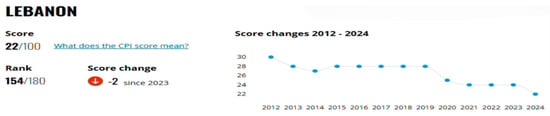
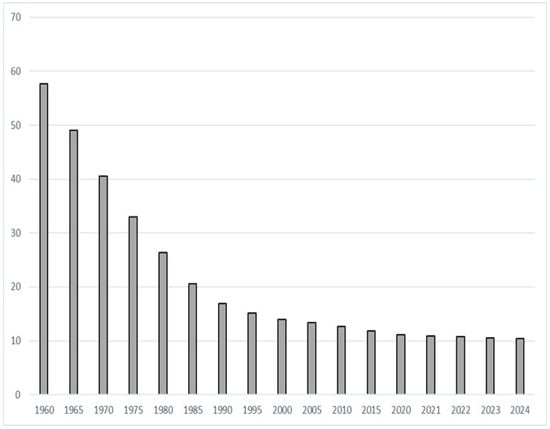
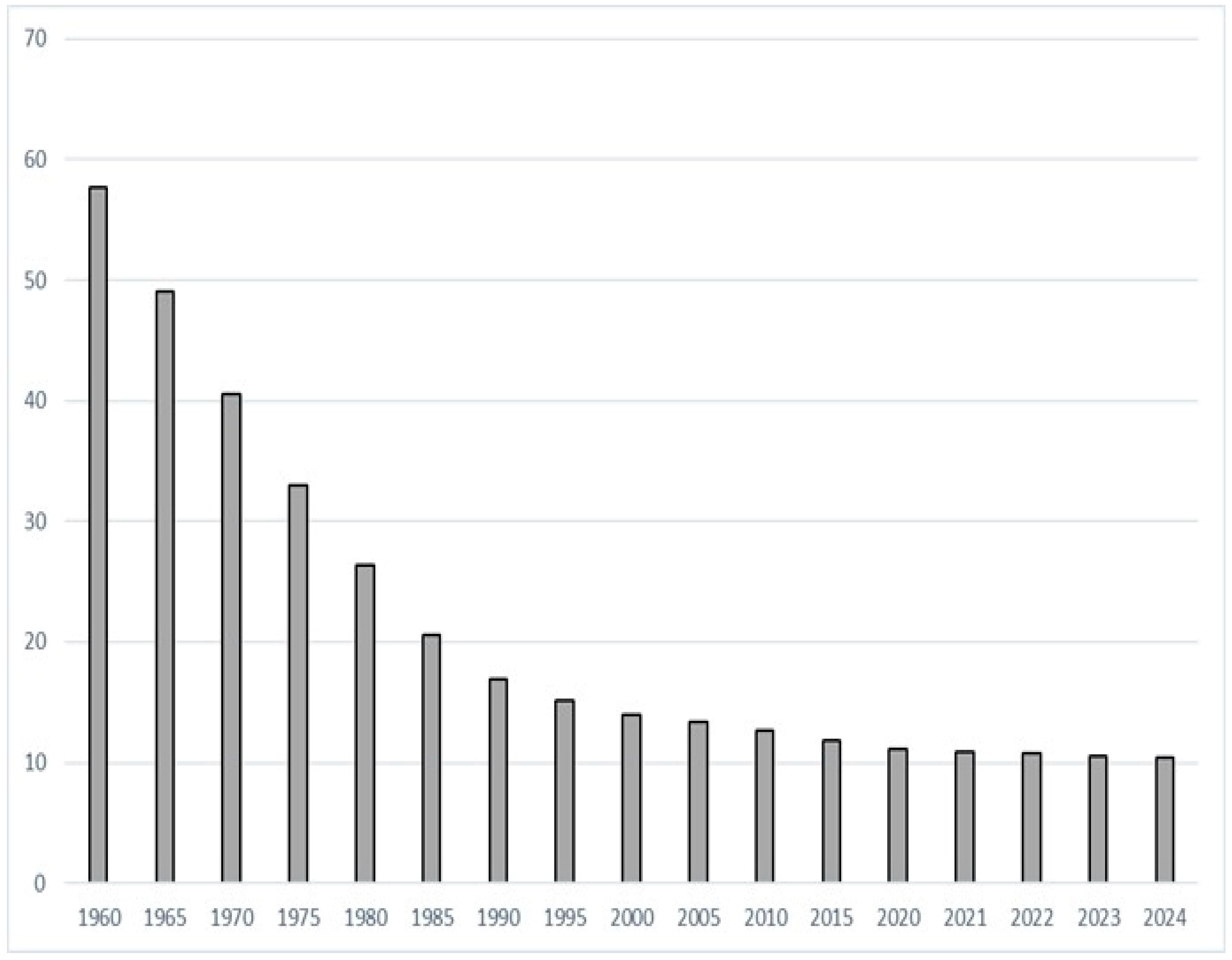
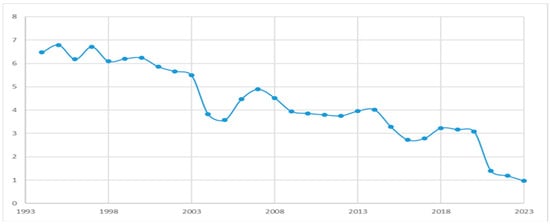
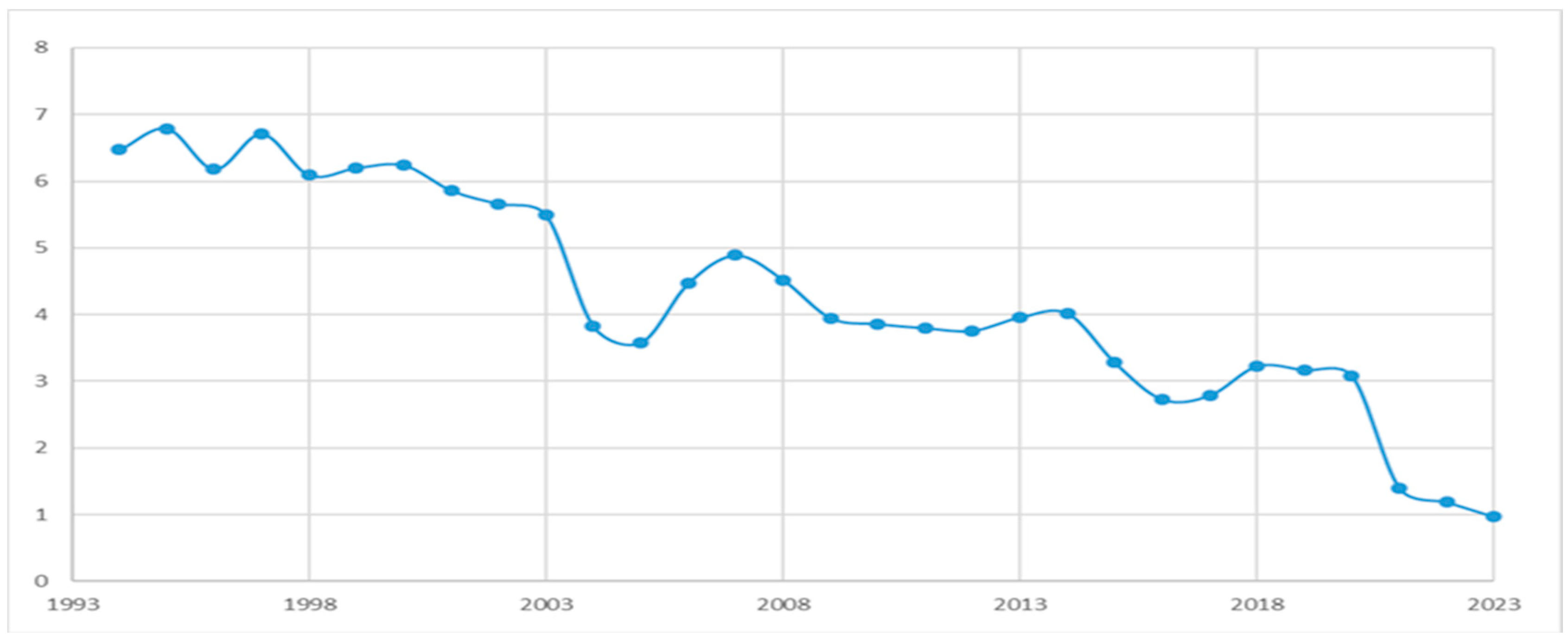
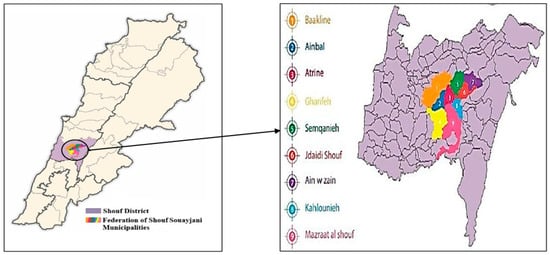
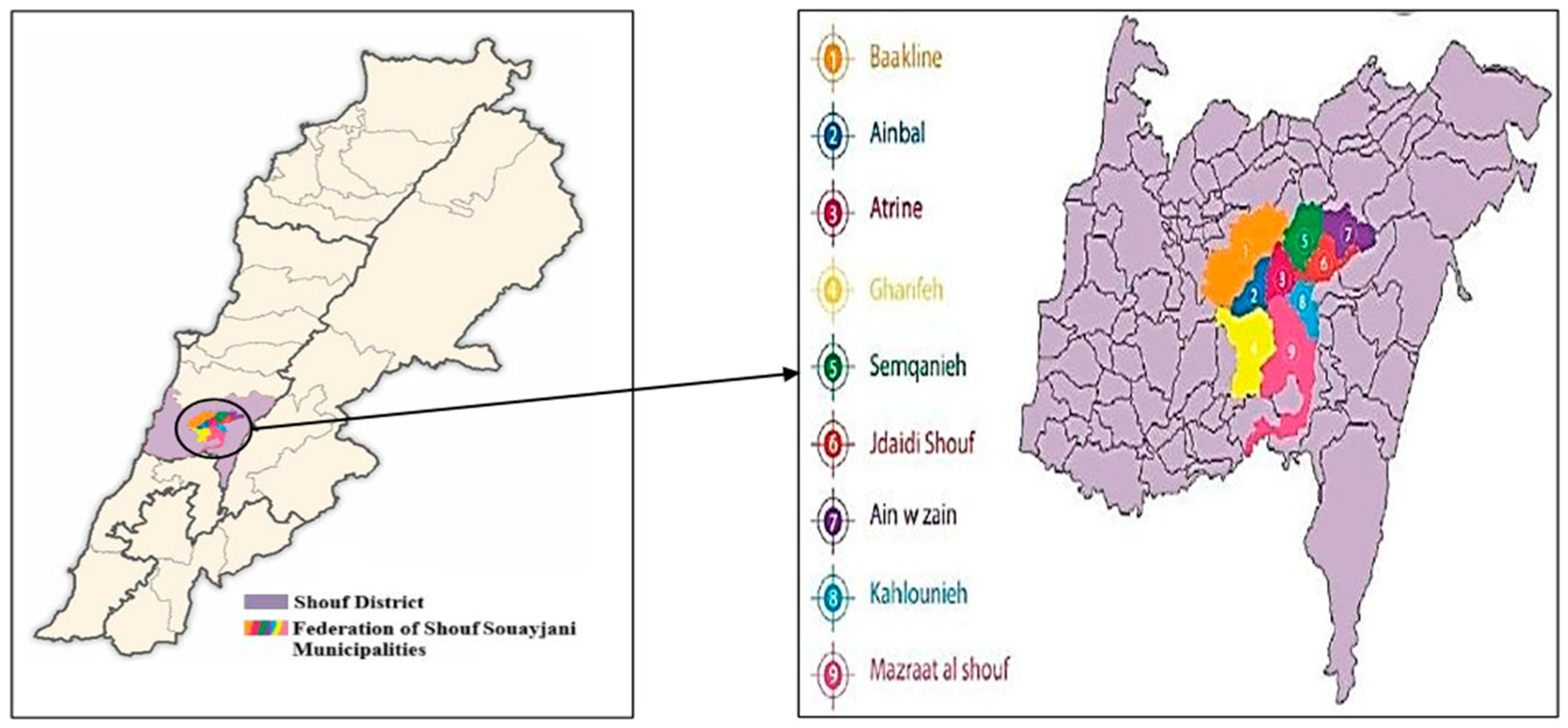
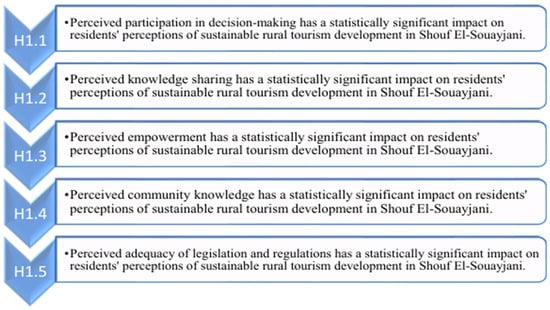
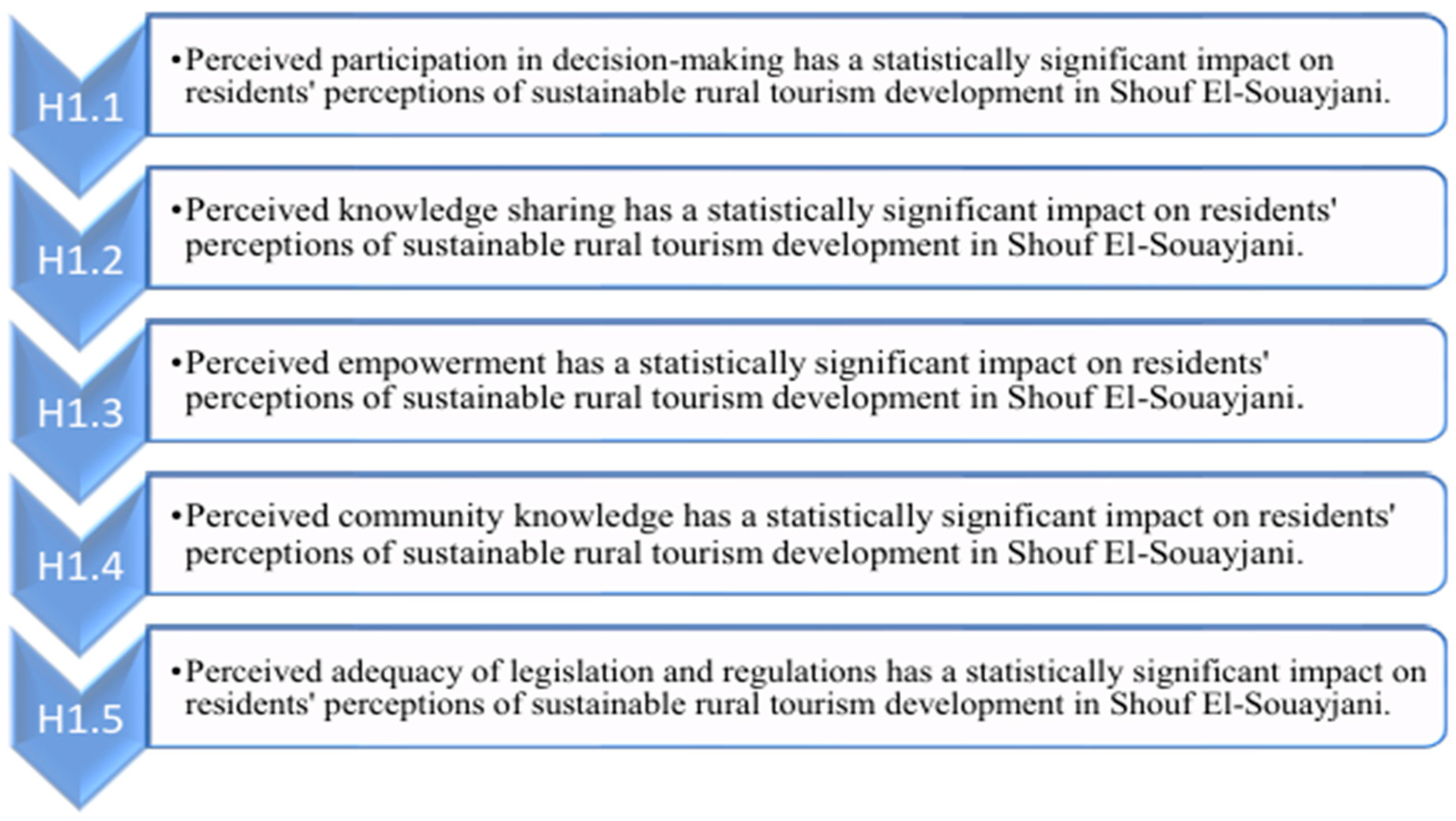
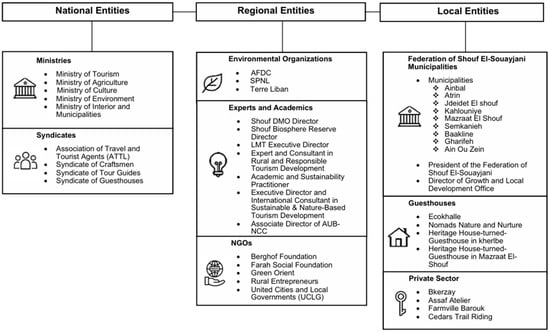
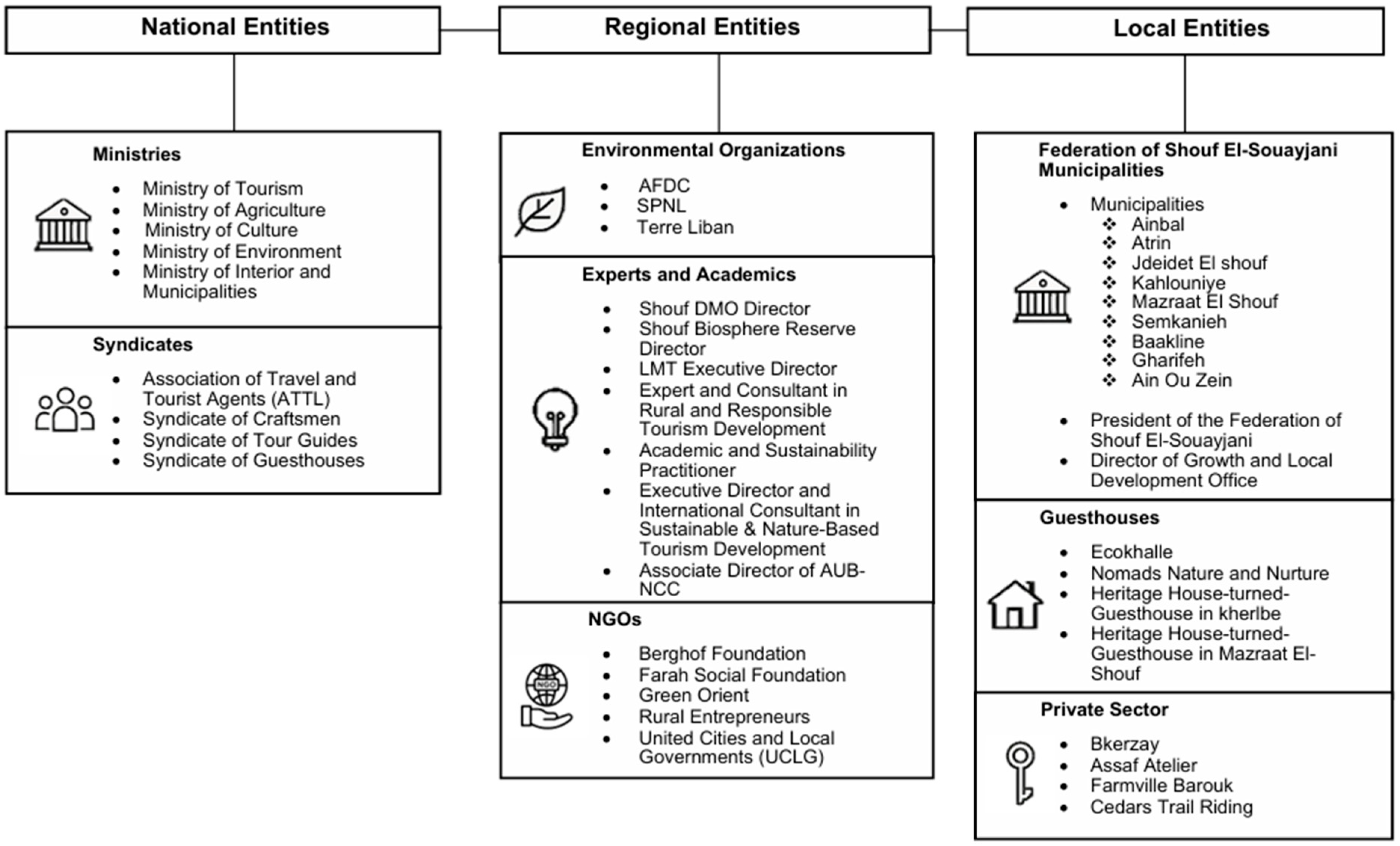
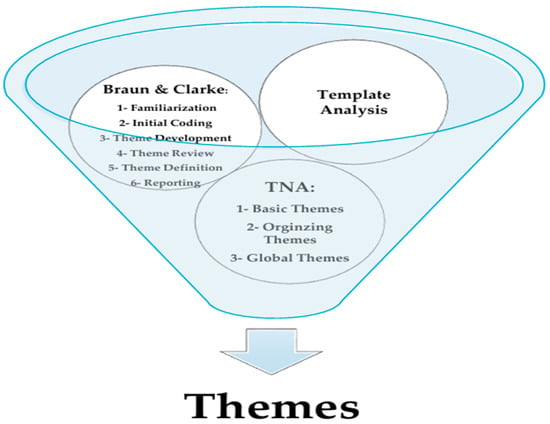
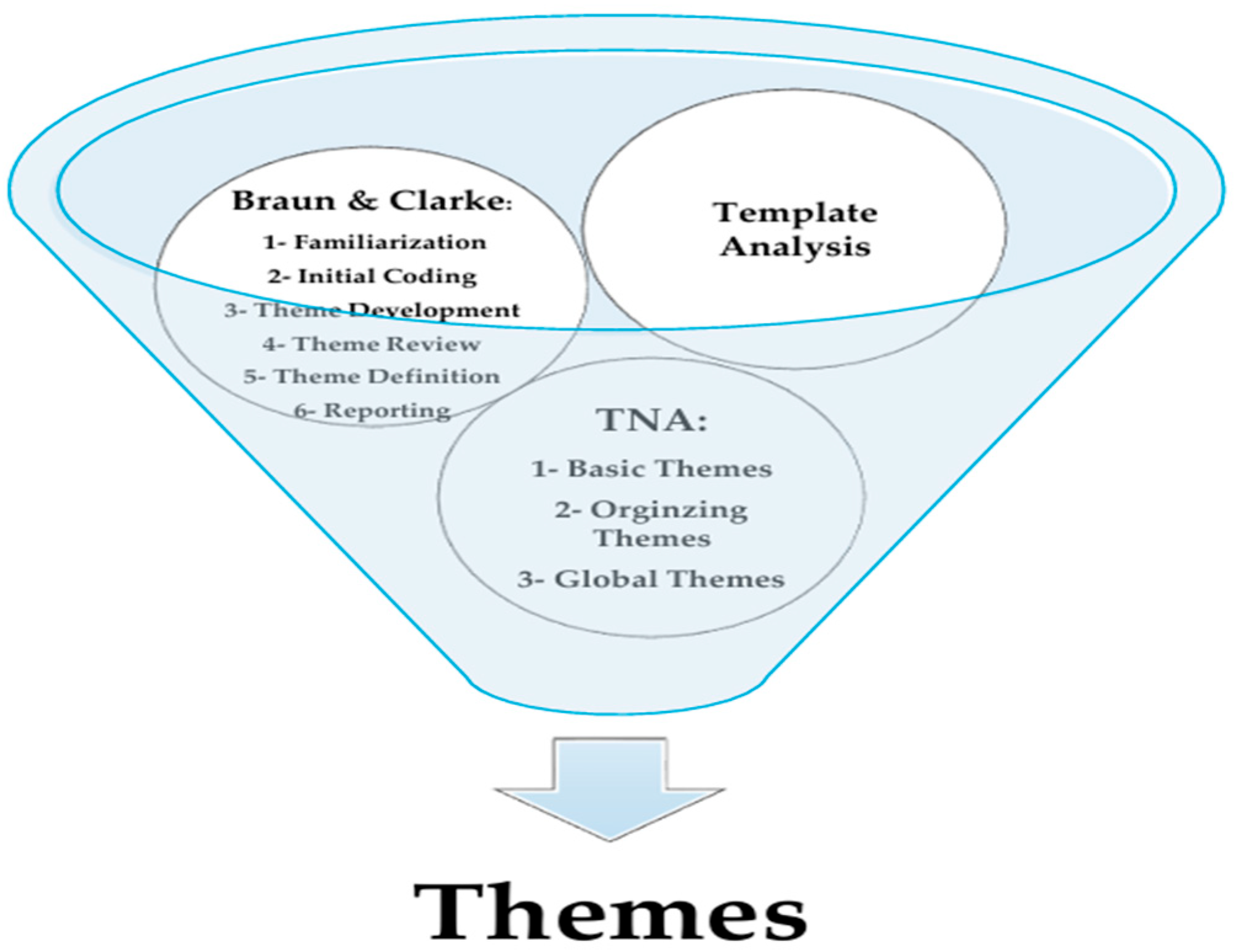
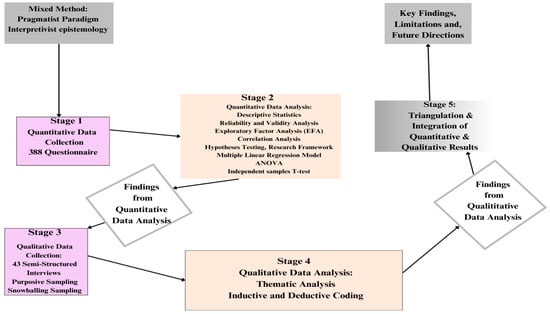
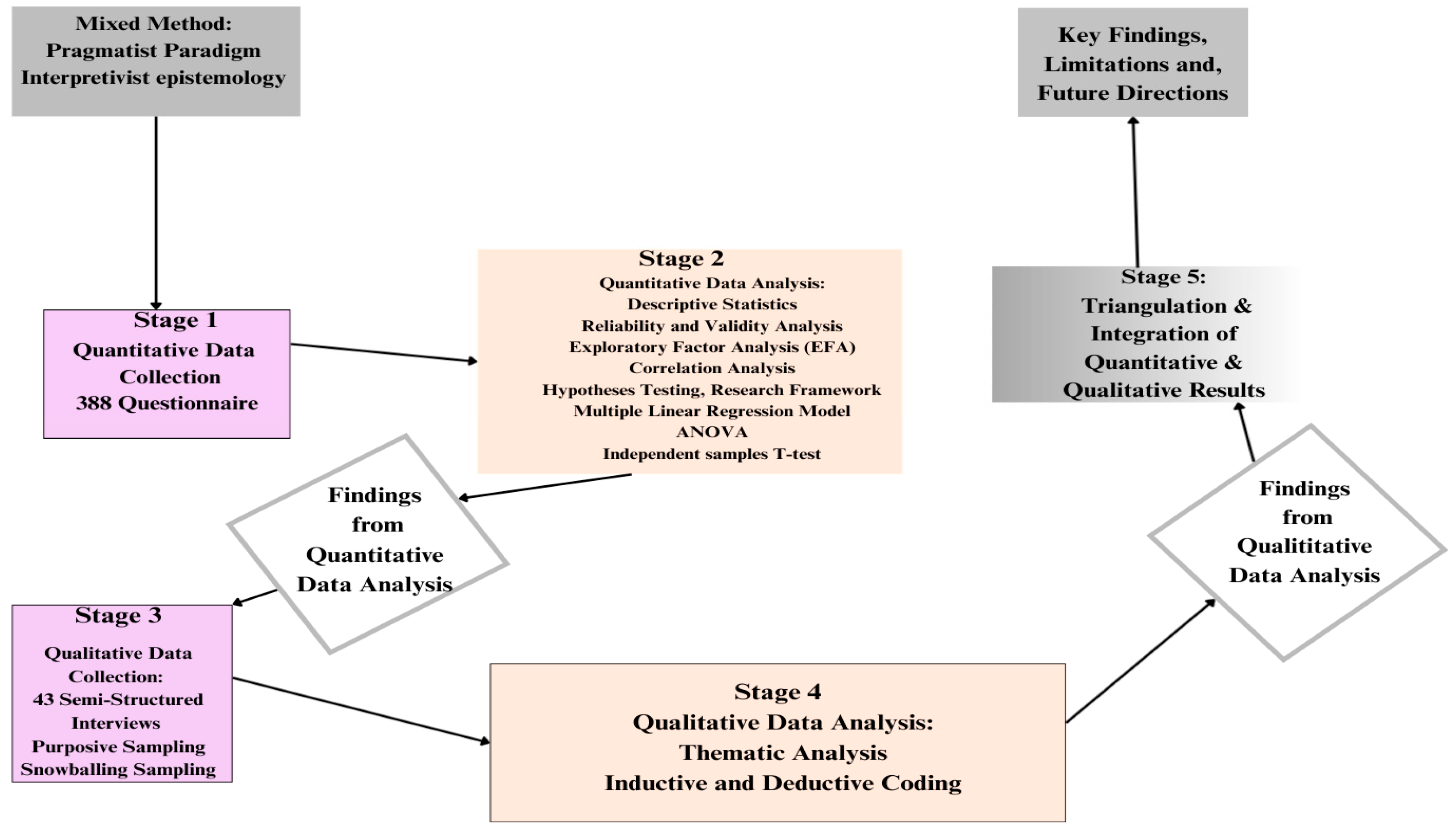
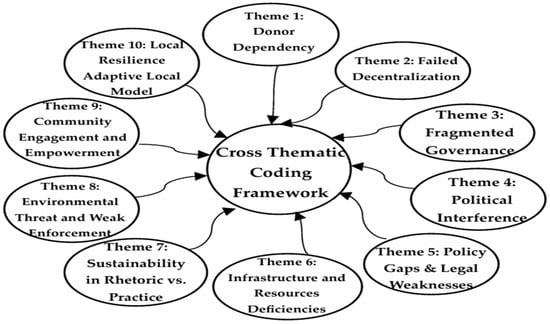
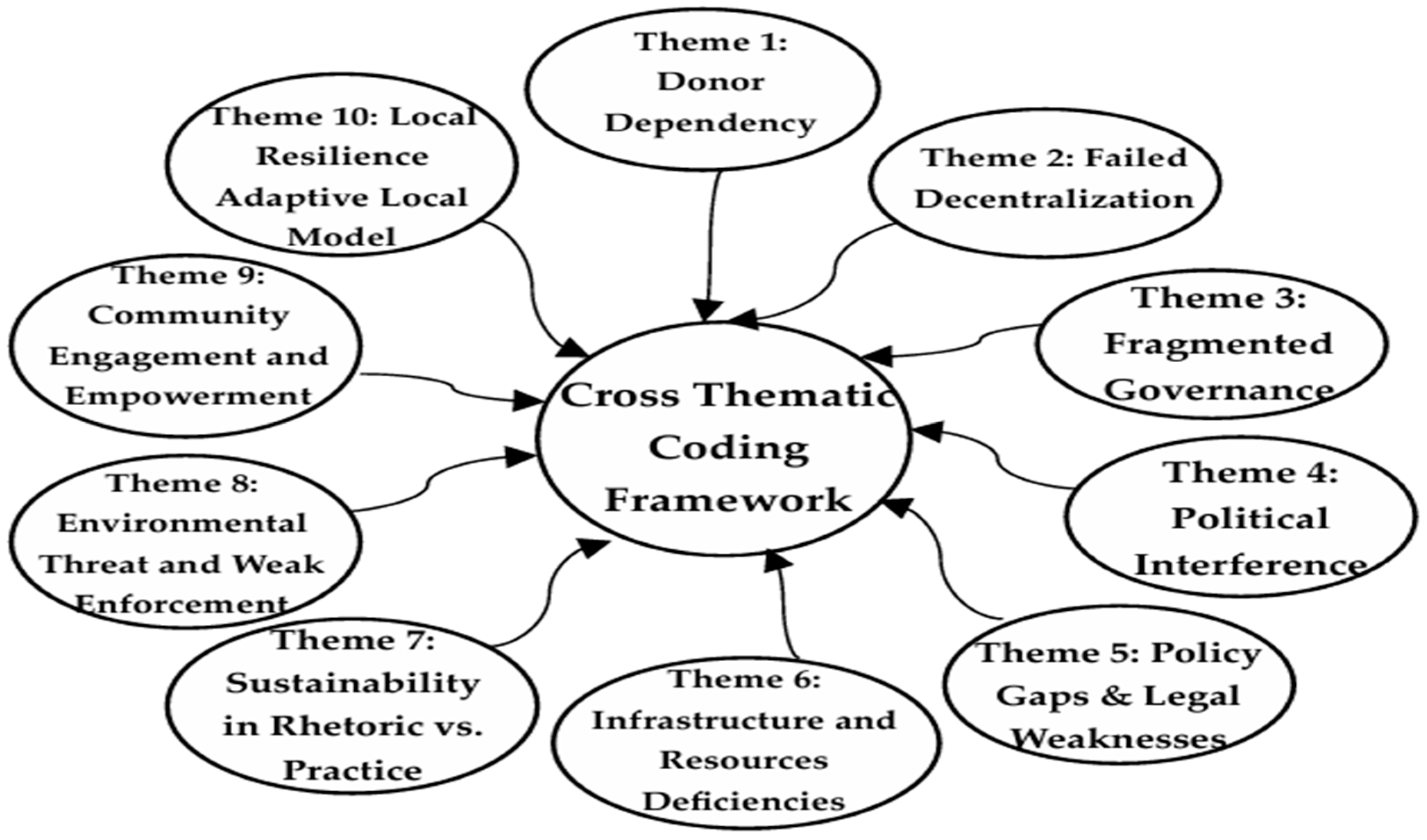
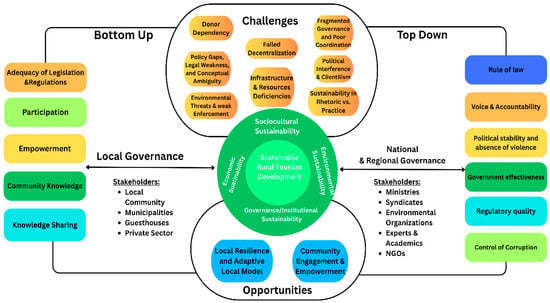
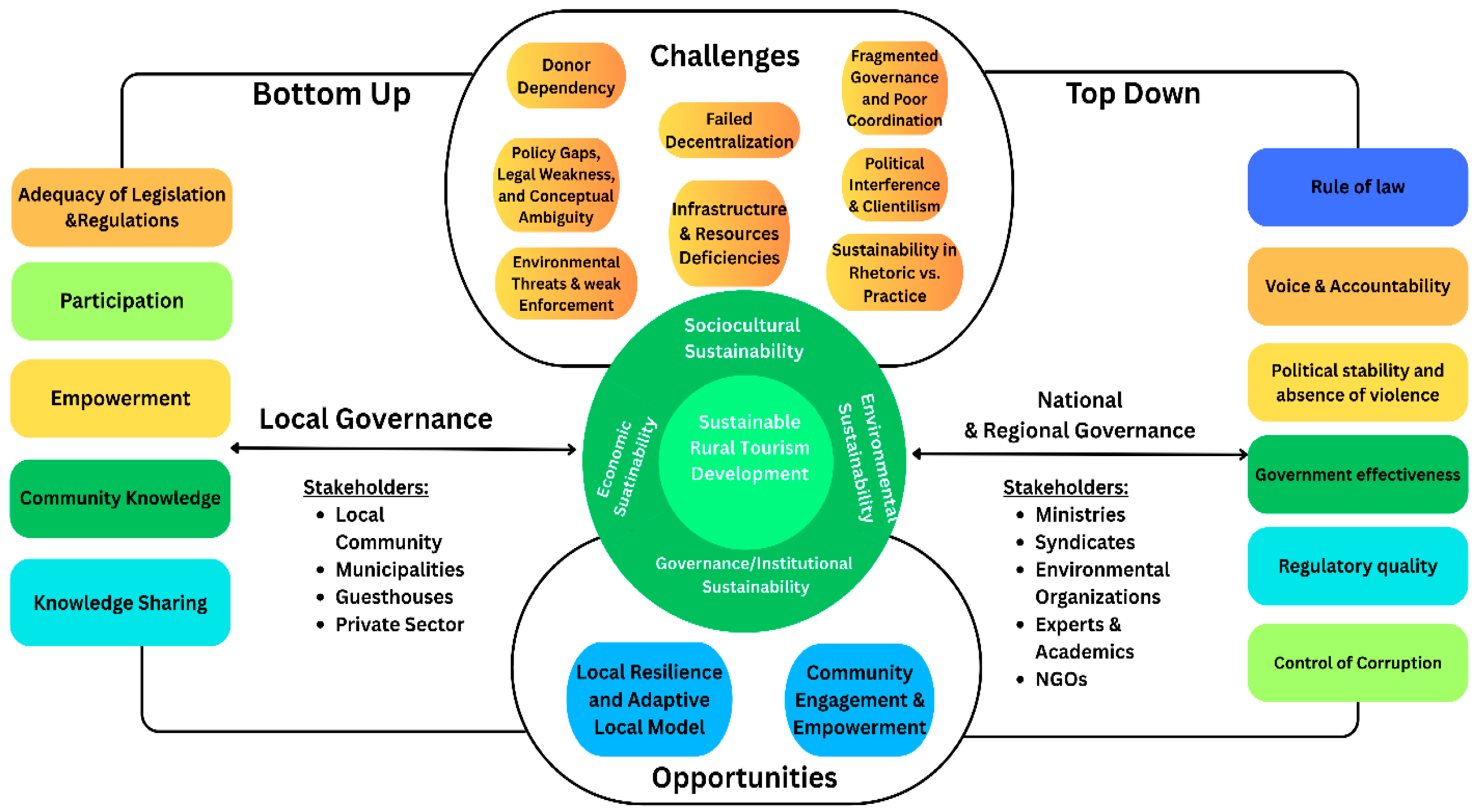

Disclaimer/Publisher’s Note: The statements, opinions and data contained in all publications are solely those of the individual author(s) and contributor(s) and not of MDPI and/or the editor(s). MDPI and/or the editor(s) disclaim responsibility for any injury to people or property resulting from any ideas, methods, instructions or products referred to in the content. |
© 2026 by the authors. Licensee MDPI, Basel, Switzerland. This article is an open access article distributed under the terms and conditions of the Creative Commons Attribution (CC BY) license.