


Abstract
Private healthcare organizations increasingly compete on their internal culture and on how consistently that culture reaches patients, particularly in destinations where treatment and cultural tourism overlap. Organizational communication and internal branding are established antecedents of employee commitment, but whether they are also associated with employees’ digital behavior has not been examined. This study extends a communication–branding–commitment framework by adding employees’ digital engagement in cultural tourism promotion (EDCTP), a newly developed measure, as a distal outcome. A structured questionnaire was completed by 247 professionals in three private healthcare institutions in Greece. Confirmatory factor analysis, correlation analysis, multiple regression, and bootstrapped mediation analysis were used. Organizational communication and internal branding were both positively associated with employee commitment, and internal branding partially mediated the communication–commitment relationship. Commitment was the strongest predictor of digital engagement and partially mediated the associations of both communication and branding with this outcome. Given the cross-sectional design, these relationships are interpreted as associations rather than causal effects. The findings suggest that healthcare managers who wish to encourage employees’ voluntary digital promotion should treat communication and internal branding as complementary rather than interchangeable levers.
1. Introduction
The competitive pressures facing private healthcare organizations have shifted considerably in recent years (Ali Mohamad et al., 2023). Institutional reputation, patient trust, and the ability to retain a stable and engaged workforce now depend as much on internal coherence as on clinical outcomes, specifically on the degree to which what an organization claims to represent is reflected in how its employees actually behave (Hoxha et al., 2026). Two managerial mechanisms have been consistently identified as central to producing this coherence. Organizational communication supplies the channels through which information and priorities reach staff, whereas internal branding is the process through which employees come to internalize and enact organizational values (Punjaisri & Wilson, 2011). Each has been independently linked to employee commitment, and together they are increasingly understood to shape commitment as a sustainability-relevant outcome with measurable consequences for workforce retention, care continuity, and the consistency of patient interactions (Hoxha et al., 2026; Santos et al., 2023).
A further dimension complicates this picture. Private healthcare institutions in many countries now operate in settings where patients combine treatment with cultural tourism, and where digital platforms have become the dominant medium through which such destinations are discovered, evaluated, and shared (Ikhtiyorovna & Salimovich, 2026). Research in branding and tourism has established that frontline employees often function as informal digital ambassadors for their organizations, with their readiness to represent the institution online, whether through social media advocacy or by shaping how a destination appears to visiting patients, constituting a distinct and organizationally consequential form of behavior (Sakka & Ahammad, 2020; Wilk et al., 2024). The research problem, therefore, is that private healthcare institutions located in medical and cultural tourism destinations increasingly depend on their employees’ voluntary online representation, yet it remains unknown which internal organizational conditions are associated with healthcare professionals’ willingness to engage in such digital promotion. Without this evidence, managers cannot judge whether investment in communication and internal branding is relevant to outcomes that extend beyond the clinical encounter.
This problem reflects three gaps in the literature. First, Hoxha et al. (2026) showed that organizational communication and internal branding jointly predict employee commitment in private healthcare, but deliberately limited their outcome to commitment and left more distal behavioral outcomes for future research. Second, internal branding and employee advocacy research has developed mainly in corporate, retail, and hospitality settings (Punjaisri & Wilson, 2011; Santos et al., 2023), with little attention to clinical workforces, whose strong professional identities may either weaken or channel organizationally directed behavior. Third, the digital marketing and cultural tourism literature examines digital promotion from the perspective of destination managers and consumers (Ikhtiyorovna & Salimovich, 2026; Wilk et al., 2024), without considering the internal conditions of the organizations whose employees interact with visiting patients. No study to date has tested whether the internal alignment mechanisms of communication and branding, operating through employee commitment, extend to predict healthcare professionals’ digital engagement in promoting the cultural tourism dimension of the patient experience. This is a meaningful omission since if commitment is indeed a pathway through which internal alignment shapes employees’ digital-era behavior, healthcare managers need evidence of that pathway to justify investment in communication and branding as levers for outcomes that reach beyond the clinic itself. Accordingly, this study examines whether organizational communication and internal branding are associated with employee commitment among private healthcare professionals, and whether commitment links this internal alignment to employees’ digital engagement in promoting the cultural tourism dimension of the patient experience. Specifically, it investigates how communication and internal branding relate to each other and to commitment, both independently and jointly (H1–H4); whether commitment is associated with digital engagement in cultural tourism promotion (H5); and whether commitment mediates the relationships of communication and internal branding with this outcome, or whether direct relationships persist (H6–H7). In doing so, the study extends an established communication–branding–commitment framework to a distal, digitally mediated outcome, tests the identification-to-advocacy logic of internal branding in a clinical workforce, and introduces a new measure, Employee Digital Engagement in Cultural Tourism Promotion (EDCTP), with initial psychometric evidence.
2. Literature Review
2.1. Organizational Communication in Healthcare Settings
Organizational communication has occupied a central topic in several studies during the last few decades (Ramos-Macaes & Roman-Portas, 2022). Early models treated it as the transmission of information through hierarchical channels (Conrad & Sollitto, 2017; Joseph & Gaba, 2020), while more recent scholarship argues that organizations are continuously produced through communicative acts, negotiated roles, and shared meaning-making, rather than existing independently of the exchanges that animate them (Berkelaar & Buzzanell, 2026). In healthcare, this distinction carries real weight since the conversations that occur during diagnosis discussions, patient handovers, and interdisciplinary rounds do more than move information between people (Komulainen et al., 2025). Actually, they define professional roles, establish relational authority between clinical groups, and either reproduce or contest the institutional norms that shape how care is delivered.
Communication quality produces direct, measurable consequences (Liu et al., 2010). Poorly structured communication has been linked to fragmented care pathways and preventable clinical errors, especially at transition points such as shift changes (Vermeir et al., 2015), while structured channels and consistent leadership messaging improve role clarity and collaborative problem-solving (Reddy & Devassy, 2026). Leadership communication is especially consequential here, since leaders function as symbolic figures whose communicative style signals institutional values to frontline staff (Ramos-Macaes & Roman-Portas, 2022). Transparent, consistent messaging from senior leadership cultivates the psychological safety that allows clinical teams to raise concerns without fear of punitive consequences (Hawsawi & Alhajri, 2025). Digital technologies have extended this landscape further, multiplying the channels through which clinical and administrative information moves (Agarwal et al., 2010), but also introducing information overload and eroding the informal interpersonal contact that has historically built trust in clinical teams (Schaepe et al., 2025). Increasingly, this internal communication capacity also shapes how the organization is perceived externally, particularly where treatment intersects with tourism (Van der Zee et al., 2017; Ngamvichaikit & Beise-Zee, 2014). Taken together, this study establishes organizational communication as a foundational condition for coordination, psychological safety, and institutional coherence in healthcare. Structured, participatory communication strengthens organizational identification and reduces role ambiguity, while the reciprocity logic of social exchange suggests that employees who perceive genuine organizational investment in communication feel obliged to reciprocate with commitment, particularly in private healthcare, where interdisciplinary collaboration and shared understanding are preconditions for safe and effective care (Bahand, 2025). This reasoning leads to the first hypothesis.
H1.
Organizational communication is positively associated with employee commitment among private healthcare professionals.
2.2. Internal Branding
Branding has traditionally been treated as an external positioning function and a set of marketing activities aimed at differentiating an organization within a competitive market (Theocharis & Tsekouropoulos, 2025; Theocharis et al., 2019). Scholars have since challenged the sufficiency of this outward-facing view, arguing that a brand’s credibility depends on its internal enactment rather than its external messaging alone (Punjaisri & Wilson, 2011). Internal branding, in this reframed sense, refers to the organizational processes through which brand values, mission, and identity are communicated to employees with the aim of encouraging them to deliver the brand promise through their own professional conduct (Sharma & Kamalanabhan, 2012). In service-intensive sectors, with healthcare among the most demanding of these, this distinction determines whether stated values translate into lived experience or remain confined to marketing collateral (Hoxha et al., 2026).
Two theoretical frameworks support this approach. Organizational Identity Theory holds that a brand is best understood as an expression of what an organization considers central, distinctive, and enduring about itself (Knorr & Hein-Pensel, 2024), while Social Identity Theory explains how individuals derive part of their self-concept from the groups they belong to and orient their behavior toward those groups’ norms and values (Hogg, 2016). When brand identity is clearly articulated and consistently reinforced, employees are more likely to incorporate organizational membership into their sense of self (Bravo et al., 2017). The literature describes this process as brand identification. It produces voluntary, value-consistent enactment rather than the instrumental, inconsistent behavior typical of mere compliance (Elbedweihy et al., 2016). This distinction matters especially in healthcare, where much of what constitutes service quality, such as empathy, attentiveness, and ethical responsiveness, occurs in moments with no managerial observation. Structured training, value-based recruitment, and performance systems that recognize brand-aligned behavior are the most established levers for building this identification (Punjaisri et al., 2009). Onboarding, socialization, and internal storytelling have also gained growing recognition (Junça Silva et al., 2026). Leadership modeling, however, remains outsized in its influence. Visible, brand-consistent leadership conduct lends formal branding initiatives a credibility they cannot generate on their own, while contradictory conduct breeds cynicism that is difficult to reverse (LaGree & Olsen, 2026).
Applying internal branding within healthcare requires particular attention, since it enters an environment with an unusually strong, pre-existing source of professional identity (Huang & Lai, 2021). Physicians, nurses, and allied health practitioners develop occupational identities through years of professional socialization well before any employer-specific branding reaches them, and these identities can sit in tension with organizationally constructed brand identities, particularly where brand values are perceived as prioritizing commercial objectives over clinical ones. Internal branding is effective in such contexts when it is framed as an amplification of existing professional values rather than a replacement for them, and when employees have a genuine voice in shaping what the brand means in practice (Gapp & Merrilees, 2006). Where this identification takes hold, employees come to identify with the brand as part of their own sense of self, producing a durable, intrinsically motivated form of commitment that is more stable and less contingent on external incentive than compliance-based alignment, a pathway theoretically distinct from, and expected to operate alongside, the reciprocity-based pathway through which communication shapes commitment (Hoxha et al., 2026). Finally, internal branding is not a parallel or competing concern to organizational communication but a construct that depends on communication to function. Brand values cannot be disseminated, interpreted, or kept salient over time without a functioning communicative infrastructure to carry them. This leads to the second hypothesis.
H2.
Internal branding is positively associated with employee commitment among private healthcare professionals.
2.3. Organizational Communication and Internal Branding
Although organizational communication and internal branding are frequently treated as separate managerial functions, the first concerned with information flow and the second with identity and values, a growing body of studies argues that they are mutually constitutive rather than independent (Vallaster & De Chernatony, 2006). Brand values remain abstract and operationally inert until they are disseminated, interpreted, and repeatedly reinforced through the everyday communication within the organization (Tong & Kang, 2025). Where structured communication is absent, brand values tend to stay disconnected from professional practice (Hoxha et al., 2026). On the other hand, a well-articulated brand gives communication substantive direction and normative weight, transforming routine organizational messaging into a valuable and purposeful outcome (Sharma & Kamalanabhan, 2012). Functioning feedback mechanisms add a further dimension, allowing management to assess whether brand values are being enacted consistently across professional groups and to identify gaps before they transformed into service inconsistency or reputational exposure (Saleem & Iglesias, 2016). Middle management occupies a pivotal position in operationalizing this relationship (Raj & Goute, 2025). Senior leadership typically articulates brand values and communication strategy, but it is the middle managers who translate and enact these messages within the daily clinical work (Poloski Vokic et al., 2023). Their own communicative behavior either reinforces or undermines the coherence of internal branding initiatives across the workforce (Vallaster & De Chernatony, 2006). Employees, for their part, are not passive recipients of brand values transmitted from the management of the organization. They interpret, negotiate, and at times contest organizational messages in line with their own professional identities and peer relationships (Karreman & Rylander, 2008). This means that effective internal branding requires genuine dialog channels rather than unidirectional communication, particularly in a workforce with the deep subject-matter expertise and normative commitments that characterize healthcare. Taken together, the previous literature supports two related propositions. Organizational communication is positively associated with internal branding, because communication supplies the infrastructure through which brand values are transmitted and kept salient over time.
H3.
Organizational communication is positively associated with internal branding in private healthcare organizations.
Part of communication’s influence on employee commitment is also expected to operate indirectly, through the internal branding it enables, rather than solely through its own direct effects (Leijerholt et al., 2022). Effective communication enhances the clarity of internal branding, which in turn strengthens employee commitment. A direct effect of communication is also expected to persist alongside this indirect path and this implies partial rather than full mediation.
H4.
Internal branding partially mediates the positive relationship between organizational communication and employee commitment.
2.4. Employee Commitment in Healthcare
Organizational commitment has long been defined as the relative strength of an individual’s identification with, and involvement in, a particular organization (Mosadeghrad & Ferdosi, 2013). This definition includes a strong belief in and acceptance of organizational goals and values, a willingness to exert effort to support this organization, and a desire to maintain the relationship with the organization (Mowday et al., 1979). Meyer and Allen’s three-component model refines this into affective commitment, an emotional attachment to the organization, continuance commitment, a perceived cost of leaving, and normative commitment as a felt obligation to remain (Allen & Meyer, 1990). These are not behaviorally equivalent. Affective and normative commitment are associated with genuinely voluntary, identity-consistent behavior, while continuance commitment reflects a calculative attachment that can coexist with disengagement (Baird et al., 2019). For a study concerned with discretionary behavior, and later with voluntary, unmonitored digital promotion of the organization, it is the affective and normative dimensions, identification and felt obligation, rather than the cost of leaving, that extend into behavior (Nayak et al., 2018).
Commitment is particularly important in healthcare since clinical work depends on discretionary effort, professional judgment, and the continuity of relationships between staff, patients, and interdisciplinary teams (Eapen et al., 2025). Empirical research consistently links organizational commitment to workforce retention and reduced turnover intention among nurses and physicians (De Vries et al., 2023), outcomes with direct operational and financial consequences given the cost of clinical staff turnover. Because retention, service continuity, and collaborative behavior are recognized as proximal indicators of organizational sustainability, commitment functions as a tractable, measurable entry point into how internal alignment translates into sustained performance (Nayak & Sahoo, 2015). It is this role, rather than one outcome among several equally plausible candidates, that makes commitment the pivotal construct in the present model. Communication and internal branding constitute the operational mechanisms through which abstract cultural content is transmitted to frontline staff, whereas commitment represents the workforce-level construct most consistently associated with the downstream outcomes central to institutional performance (Hoxha et al., 2026). The current study seeks to extend this logic further. Affective and normative commitment already predispose employees toward voluntary, identity-consistent effort that exceeds formal job requirements, and there is no a priori reason to assume this disposition is confined to the boundaries of the clinical workplace. Whether the same disposition extends to a digitally mediated form of discretionary behavior, namely employees’ engagement in promoting the cultural tourism dimension of the patient experience, remains an empirical question.
2.5. Private Healthcare Organizations at the Intersection of Medical and Cultural Tourism
Medical tourism, conventionally defined as the practice of traveling across national or regional borders to access healthcare services, has long resisted a purely transactional characterization (Cha et al., 2024). Connell (2013) contends that the phenomenon cannot be adequately understood as a straightforward transaction in which patients purchase clinical procedures abroad. The destinations patients select, and the experiences they seek within them, are shaped as much by cultural appeal and leisure motivation as by clinical reputation or cost (Li et al., 2024). Greece, the setting of the present study, offers a concrete illustration of this intersection. It is one of the most visited countries in Europe, with approximately 36 million international arrivals in 2024 (Bank of Greece, 2025), and it holds 21 properties on the UNESCO World Heritage List, several of which are located in Central Macedonia (UNESCO, 2026). Its medical tourism offer combines comparatively low treatment costs and shorter waiting times with experienced clinicians, particularly in ophthalmology, assisted reproduction, dental care, orthopedics, and cosmetic surgery (Batakis et al., 2023; Tsekouropoulos et al., 2024). Visitors are characteristically attracted by the opportunity to combine treatment with leisure and cultural experiences, often traveling with companions and staying for about a week (Tsekouropoulos et al., 2024). Regional strategies accordingly promote medical tourism as part of a wider cultural and experiential offer (Tsekouropoulos et al., 2024). Research in Crete further shows that healthcare providers, hotel managers, and medical tourists already form a shared ecosystem, in which patients do not perceive the quality of the clinical experience as separate from the quality of the surrounding cultural and hospitality experience (Batakis et al., 2023). At the same time, Greece remains an emerging rather than a leading medical tourism destination. It ranked 34th of 46 countries on the Medical Tourism Index, and its patient flows remain largely domestic, which has been attributed partly to limited international promotion (Tsekouropoulos et al., 2024). This makes the voluntary, digitally mediated promotion carried out by healthcare employees a particularly relevant and under-used resource. For the current study, this matters because it establishes that the boundary between patient and cultural tourist is, in practice, considerably more porous than conventional healthcare management frameworks tend to presuppose. Healthcare professionals operating in these settings are participants, whether by design or by circumstance, in an experience that extends well beyond the clinical encounter.
The medical tourism literature further shows that destinations compete not only on clinical capability but also on how they are marketed as places to visit. Heung et al. (2010) conceptualize medical tourism as a combined demand for medical services and tourism-related services, and the Medical Tourism Index developed by Fetscherin and Stephano (2016) identifies the destination environment, including its image and tourism attractiveness, as a determinant of destination choice alongside the quality of medical facilities and services. Consistent with this view, destination image has been found to influence medical tourists’ satisfaction and revisit intentions (Cham et al., 2021), while perceived quality and trust drive their loyalty to providers and destinations (Han & Hyun, 2015). Medical tourism destinations are therefore typically marketed through the joint promotion of clinical expertise and cultural, natural, and leisure attractions, an approach that places the patient’s non-clinical experience at the center of destination branding. This intersection is, moreover, increasingly mediated by digital channels (Nouhaila et al., 2024; Tsekouropoulos et al., 2018). Digital marketing has become central to how emerging medical and wellness tourism destinations are positioned and discovered by prospective patients (Khaydarova et al., 2026). The growing prominence of digital and social media platforms has, in turn, broadened the range of actors capable of meaningfully shaping how a destination’s cultural offerings are represented online, healthcare professionals among them, irrespective of whether digital promotion appears anywhere in their formal job description (H. L. Kim & Hyun, 2022). Private healthcare institutions located in such destinations are therefore not merely clinical service providers that happen to operate in an attractive location (Connell, 2015). Rather, they are active participants in the broader digital and experiential ecosystem through which the destination is marketed and experienced. This reframes a question that internal branding and communication research has not previously had occasion to ask, namely whether the same internal alignment mechanisms that shape how consistently employees enact clinical brand values also extend to a related but conceptually distinct form of behavior, one directed not at colleagues or patients within the clinical encounter but at a wider, digitally reachable audience.
2.6. Digital Engagement in Cultural Tourism Promotion
Employees who internalize an organization’s brand values do not necessarily restrict that identification to the boundaries of their formal job duties (Morhart et al., 2009). Sakka and Ahammad (2020) propose that employees who have internalized organizational brand values are more likely to act as brand ambassadors through their personal social media use, a voluntary extension of workplace identification into the digital domain rather than a function of their job requirements. This extension acquires additional theoretical complexity once the brand in question is entangled with a place rather than a single organization, as is the case for healthcare institutions situated within cultural or medical tourism destinations. Place branding theory holds that destination brands are co-produced by a wide range of actors whose everyday actions shape how a place is perceived, rather than being produced solely by official destination marketing organizations (Kavaratzis, 2004). The tourism literature has documented this dynamic from the consumer side, demonstrating that unpaid, identity-driven digital advocacy constitutes a distinct and increasingly consequential form of promotion alongside official marketing efforts (Sood et al., 2025). It has not, however, yet examined whether employees of organizations embedded within such destinations engage in a structurally analogous form of advocacy, nor, if so, under which internal conditions.
Service-Dominant Logic offers a useful theoretical bridge in this regard (Vargo & Lusch, 2004). Rather than treating the clinical service and the surrounding cultural experience as separate products, this perspective conceptualizes value as co-created through the interactions between an organization’s employees and the individuals they serve, with the boundaries of the service delimited by the interaction itself rather than by a formal job description (Ramaswamy & Ozcan, 2018). Under this framing, a healthcare professional who shares local cultural information with a patient, or who engages online with inquiries about the destination, extends the value co-creation already implicit in patient-centered care into a domain the patient may value as highly as the clinical outcome itself. The present study introduces Employee Digital Engagement in Cultural Tourism Promotion (EDCTP) as an outcome construct capturing this behavior, defined as the extent to which healthcare professionals employ digital channels to share, recommend, or otherwise promote the cultural tourism dimension of the patient experience. To date, no existing scale measures this behavior directly. The construct developed here draws on the employee social media advocacy tradition (Sakka & Ahammad, 2020) for its behavioral framing, while adapting its content domain to the private healthcare context.
2.7. Employee Commitment and Digital Engagement
Affective and normative commitment predispose employees toward behavior that exceeds the boundaries of formal job requirements (Meyer et al., 2002). An employee who identifies emotionally with an organization, or who feels a genuine sense of obligation toward it, is intrinsically motivated to act in its interest even in the absence of any policy requirement to do so (S. H. Kim et al., 2020). This logic aligns with the construct of organizational citizenship behavior, discretionary behavior not directly recognized by the formal reward system that, in the aggregate, promotes organizational functioning (Organ, 1994), a construct that meta-analytic evidence consistently links to affective and normative commitment (Meyer et al., 2002). Employee brand advocacy on digital platforms falls within the same conceptual category. Sharing organization-relevant content or recommending an employer are actions that no job description mandates, yet they plausibly derive from the same underlying disposition that produces conventional citizenship behavior (Sutha, 2026). Employees who have internalized organizational brand values are, correspondingly, more likely to act as informal brand ambassadors through their own social media activity, a voluntary extension of workplace identification into the digital domain (Sakka & Ahammad, 2020). If commitment predisposes healthcare professionals toward effort that the organization does not formally require, this predisposition should reasonably extend to their willingness to represent the organization, and the destination within which it operates, in digital spaces.
H5.
Employee commitment is positively associated with employees’ digital engagement in cultural tourism promotion.
This reasoning further suggests a mediating role for commitment. Organizational communication cultivates commitment through a relational, trust-building process (Rajhi & Aljuhmani, 2026). Internal branding cultivates it through an identity-based process that deepens employees’ sense of belonging (Kashyap & Kang, 2025). Commitment, as the state that these two mechanisms jointly produce, constitutes the most plausible route through which both antecedents reach a behavioral outcome as specific as digital cultural tourism promotion, given that an employee is unlikely to volunteer personal time and digital visibility to promote an organization’s surrounding destination without some underlying motivational attachment (Trifan & Dolezal, 2024). At the same time, there is little theoretical reason to expect commitment to account for the entire effect of either antecedent. Organizational communication may equip employees more directly, independent of their level of attachment, with the confidence and implicit sanction required to represent the institution online, whereas internal branding may convey a similarly direct signal, a sense of personal ownership over how brand values are represented externally, which is narrower in scope and more immediately activated than diffuse commitment. Commitment therefore functions as a partial, rather than exhaustive, pathway for both antecedents, leading to the study’s final two hypotheses.
H6.
Employee commitment mediates the relationship between internal branding and employees’ digital engagement in cultural tourism promotion.
H7.
Employee commitment mediates the relationship between organizational communication and employees’ digital engagement in cultural tourism promotion.
2.8. Synthesis and Conceptual Model
The model developed in this review rests on a small set of theoretical perspectives, best understood not as separate justifications for separate paths but as complementary lenses on the same underlying process. The starting point is the relationship between communication and branding. The Communication Constitutes Organizations perspective (McPhee & Zaug, 2009) and the Resource-Based View (Barney & Arikan, 2005), extended through Dynamic Capabilities Theory (Teece et al., 1997), work together in a meaningful way. If organizations are continuously brought into being through communicative acts rather than simply coordinated by them, then internal branding cannot be treated as a standalone program that merely happens to need communication for its implementation. Brand values only become organizationally real through the same communicative processes that constitute the organization more broadly. Because a given organization’s communication culture, along with the brand identification it produces, is embedded in its own particular history and relationships, this also turns communication and branding into a strategic resource, one that competitors find difficult to imitate or acquire. That same brand identification is what carries the model into employee commitment. Social Identity Theory (Tajfel & Turner, 2004) and Social Exchange Theory (Blau, 1964), operationalized through perceived organizational support (Eisenberger et al., 1986), account for two distinct routes to the same outcome. Social identity explains commitment as a matter of who an employee comes to understand themselves to be once brand values are internalized, while social exchange explains it as reciprocation for organizational investment in communication, regardless of whether brand identification has occurred at all. Because these are empirically separable mechanisms, the model treats organizational communication and internal branding as independent predictors of commitment rather than redundant proxies for the same process.
Commitment is the point at which identity-based motivation extends outward. Social Identity Theory reconnects with Service-Dominant Logic (Vargo & Lusch, 2004) and place branding theory (Kavaratzis, 2004) to explain the model’s most distal outcome. An employee who has internalized the organization’s brand does not necessarily stop at compliant workplace behavior, and that same identification is theorized to extend into a willingness to represent the organization in unmonitored digital spaces. Integrated across these three movements, the theoretical account converges on a single structural model. Organizational communication and internal branding, linked reciprocally as strategic resources, jointly predict employee commitment through the twin mechanisms of identification and reciprocity, and that commitment carries forward, partially but not fully, into employees’ digital engagement in cultural tourism promotion. Figure 1 presents this conceptual model, with each hypothesized path labeled according to the hypothesis it corresponds to.
Figure 1.
Conceptual framework.
Together, these seven hypotheses constitute the complete empirical proposition the study tests. H1 through H3 address the direct structural relationships among organizational communication, internal branding, and employee commitment; H4 specifies the indirect mechanism through which communication’s influence on commitment is partly carried by branding; H5 extends the model’s proximal outcome to a novel distal outcome; and H6 and H7 specify the mechanisms through which communication and branding reach that outcome, directly and through commitment. Taken as a whole, the hypothesized framework positions organizational communication and internal branding as complementary pathways to employee commitment and, through it, to a form of employee behavior that has not previously been connected to the internal alignment mechanisms of private healthcare organizations.
3. Materials and Methods
3.1. Research Design
This study adopts a quantitative research design to investigate organizational communication and internal branding as strategic management tools shaping employee commitment and, through it, employees’ digital engagement in cultural tourism promotion within private healthcare organizations. Epistemologically, it is grounded in a post-positivist orientation, which holds that social phenomena can be examined through the systematic measurement of observable variables and the statistical analysis of relationships among constructs (Pease, 2020). This stance is well suited to the study’s objectives, which seek to identify and quantify associations among four constructs rather than to explore the subjective meanings individuals attach to them. A cross-sectional survey methodology was selected as the most appropriate approach for capturing the perceptions of private healthcare professionals in Greece at a single point in time, consistent with the aims of establishing the prevalence and directionality of the hypothesized relationships rather than tracing their development over time.
3.2. Population, Sampling, and Data Collection
The target population comprises healthcare professionals employed in private healthcare institutions, a choice grounded in the study’s theoretical focus on private healthcare as the organizational context within which communication, branding, commitment, and digital engagement in cultural tourism promotion were examined jointly, rather than as a comparison across sectors. To take part, respondents had to be currently employed by a private healthcare institution in a clinical, paramedical, or administrative role, and had to have been with the institution for at least six months, so that they had sufficient exposure to its day-to-day communication and branding practices to answer the items meaningfully. The intended sample size was set on the basis of a priori power considerations for multiple regression and mediation analysis with up to three predictors. Following standard guidance, a minimum of 200 respondents was targeted, corresponding to a power of at least 0.80 for detecting medium-sized standardized effects at α = 0.05. Data were collected between April and June 2026 using an online questionnaire distributed to 564 employees identified through the sampling frame, yielding 252 returned questionnaires (44.7% response rate). Responses were screened for eligibility (at least six months of tenure in a clinical, paramedical, or administrative role), completeness, and careless responding (identical answers across all items of a construct, including reverse-worded items) and 5 cases were excluded on these grounds. The final sample of 247 respondents exceeds the a priori minimum of 200 and provides adequate statistical power for the regression and mediation analyses. Participation was voluntary and respondents were free to withdraw at any stage. A consent form was completed before the respondents started answering the questions. The study was conducted in Greece and data were collected from a sampling frame provided by the human resources departments of three private healthcare providers located in Thessaloniki, Central Macedonia, a region that combines a developing medical tourism offer with a rich cultural heritage (Tsekouropoulos et al., 2024). The study was conducted in line with the Declaration of Helsinki. The demographic profile of the final sample (N = 247) shows 58.3% female and 41.7% male respondents, broadly reflective of the mixed-gender composition of the healthcare workforce. The mean age of respondents was 40.7 years (SD = 8.80), pointing to a moderately experienced professional group. In terms of educational level, 50.2% of respondents held a Bachelor’s degree, 35.6% held a Master’s degree, 10.1% were graduates of vocational training institutes, and 4.0% held a doctoral degree. Because the outcome construct is specific to healthcare institutions where treatment and cultural tourism intersect, the questionnaire also asked whether respondents’ institutions serve patients who combine treatment with cultural tourism (e.g., domestic or international medical or wellness tourists); respondents were asked to report whether their institution serves such patients, with all of them responding positively. This item was used to characterize the sample rather than to split it into comparison groups, as well as to exclude respondents who work in institutions without a connection to tourism.
3.3. Research Tool
The primary data collection tool was a structured questionnaire developed on the basis of established theoretical frameworks and validated measurement scales drawn from the existing literature, with one construct developed specifically for this study. Items for the organizational communication construct were adapted from the Communication Satisfaction Questionnaire tradition (Downs & Hazen, 1977; Meintjes & Steyn, 2006), capturing perceptions of communication clarity, transparency, frequency, bidirectionality, and leadership messaging (8 items). Items for the internal branding construct were adapted from established internal branding scales (Punjaisri & Wilson, 2011; Punjaisri et al., 2009), capturing the extent to which respondents perceived brand values to be clearly communicated, consistently reinforced, and modeled by leadership (14 items). Items for the employee commitment construct were adapted from the Organizational Commitment Questionnaire tradition (Mowday et al., 1979), capturing willingness to exert effort beyond formal expectations, identification with organizational values, and desire to remain with the institution (15 items). Finally, items for the new Employee Digital Engagement in Cultural Tourism Promotion (EDCTP) construct were developed specifically for this study, since no existing validated scale captures this behavior. Item content was informed by the employee brand advocacy and social media engagement literature (Thelen & Yue, 2026; Aksoy et al., 2023; Sakka & Ahammad, 2020) for its behavioral framing, adapted to the cultural tourism context this study addresses. The items cover the use of digital channels to share local cultural information with patients, recommend cultural or heritage experiences, and act as an informal digital ambassador for the destination (7 items). Because this construct is newly introduced, its items were reviewed by subject-matter experts for face and content validity and refined through piloting before being treated as a finalized measure, consistent with standard scale development practice. The initial pool of seven items was reviewed by five experts for relevance, clarity, and content coverage, and was then piloted with 20 healthcare professionals who were not included in the main sample. In the main study, two items were removed because of low standardized loadings (<0.50), resulting in the final five-item measure. All items were measured on a five-point Likert-type scale ranging from 1 (strongly disagree) to 5 (strongly agree). The questionnaire was organized into thematic sections corresponding to each construct, with demographic items collected separately. Several procedural remedies for common method bias were also built into the design. Items measuring the predictor, mediator, and outcome constructs were presented in separate thematic sections to create psychological separation between measurements, and item wording was reviewed to minimize ambiguity and overlapping content across constructs. Respondent anonymity and confidentiality were explicitly secured to reduce evaluation apprehension and social desirability bias.
3.4. Data Analysis, Reliability and Validity Assessment
The collected data were analyzed using a sequential strategy combining descriptive and inferential statistics, consistent with the study’s quantitative and relational objectives. All analyses were performed in IBM SPSS Statistics (version 29). Mediation models were estimated with the PROCESS macro for SPSS (version 5, Model 4; Hayes, 2022), and the heterotrait–monotrait ratios were computed with Microsoft Excel. Descriptive statistics were computed to characterize the demographic composition of the sample and summarize respondents’ mean perceptions of organizational communication, internal branding, employee commitment, and digital engagement in cultural tourism promotion. Pearson correlation analysis was then conducted to examine bivariate relationships among the four constructs, offering an initial assessment of the direction and magnitude of inter-variable association prior to more complex multivariate modeling. Multiple linear regression analysis was performed to test H1 and H2 jointly, with employee commitment specified as the dependent variable and organizational communication and internal branding entered simultaneously as predictors. It was also used to test H5, with digital engagement specified as the dependent variable and employee commitment, organizational communication, and internal branding entered simultaneously as predictors. Simple linear regression, supplemented by Pearson correlation, was used to test H3, the association between organizational communication and internal branding. Mediation analysis was conducted to test H4, H6, and H7. Mediation was tested with bootstrapped indirect effects (5000 resamples, bias-corrected 95% confidence intervals; Hayes, 2022), and an indirect effect was considered significant when its confidence interval excluded zero. The causal-steps logic of Baron and Kenny (1986) was used only to describe the pattern of total, direct, and indirect effects. In the mediation models for H6 and H7, the other antecedent was entered as a covariate. A regression-based approach with bootstrapped indirect effects was preferred to partial least squares structural equation modeling (PLS-SEM). The study tests a small set of theoretically specified hypotheses among four reflectively measured constructs, whereas PLS-SEM is recommended mainly for prediction-oriented research, highly complex models, or models containing formative constructs (Hair et al., 2019). With observed composite scores, regression-based path analysis and structural equation modeling yield essentially identical estimates of direct and indirect effects (Hayes et al., 2017). Moreover, because the EDCTP scale is at an exploratory stage of validation, a composite-based method would not provide additional confirmatory evidence regarding its measurement properties (Ronkko et al., 2016). Significance for all inferential tests was evaluated at the conventional threshold of p < 0.05, and multicollinearity was checked with variance inflation factors (VIFs). Internal consistency reliability was assessed using Cronbach’s alpha and composite reliability (CR). Because one of the four constructs was newly developed, construct validity was examined through exploratory factor analysis, which is the recommended approach at the initial stage of scale development. Principal axis factoring was first performed separately for each construct to confirm unidimensionality. It was then performed on the pooled set of 42 items with promax rotation to verify that items loaded on their intended factors; the 15 commitment items were entered after reverse-scoring the negatively worded items. Sampling adequacy and factorability were assessed with the Kaiser–Meyer–Olkin (KMO) measure and Bartlett’s test of sphericity. Items with loadings below 0.50 or cross-loadings above 0.30 were removed. Convergent validity was assessed through standardized loadings (≥0.50), CR (≥0.70), and average variance extracted (AVE ≥ 0.50); following Fornell and Larcker (1981), convergent validity was considered adequate when AVE was slightly below 0.50 but CR exceeded 0.70. Discriminant validity was assessed with the Fornell–Larcker criterion and the heterotrait–monotrait ratio (HTMT < 0.85; Henseler et al., 2015). Finally, common method bias was examined with Harman’s single-factor test, used as a diagnostic in addition to the procedural remedies described in Section 3.3 (Podsakoff et al., 2003).
4. Results
4.1. Data Screening and Preliminary Analyses
Of the 252 returned questionnaires, five were excluded during screening for eligibility, completeness, and careless responding, resulting in a final sample of 247 respondents on which all analyses are based. No missing values were present in the 42 study items. Variance inflation factors were 1.30 for both predictors in the commitment model and ranged from 1.25 to 1.42 in the digital engagement model (EC = 1.25, OC = 1.36, IB = 1.42), indicating that multicollinearity is not a concern.
4.2. Convergent and Discriminant Validity Assessment
Construct validity was first examined with principal axis factoring for each construct separately, which supported unidimensionality, with standardized loadings ranging from 0.596 to 0.768 across the four constructs (Table 1). Average variance extracted and composite reliability were computed from these standardized loadings following Fornell and Larcker (1981). A pooled principal axis factoring of all 42 items with promax rotation was then performed. Sampling adequacy was excellent (KMO = 0.943), and Bartlett’s test of sphericity was significant (χ2 = 5264.15, df = 861, p < 0.001). The four extracted factors corresponded clearly to internal branding (30.39% of variance), employee commitment (9.74%), organizational communication (6.02%), and digital engagement (2.72%), jointly explaining 48.87% of the variance. All items loaded on their intended factor above 0.50, and no cross-loading exceeded 0.30 (largest secondary loading = 0.159). Organizational communication (AVE = 0.507) and internal branding (AVE = 0.510) exceeded the conventional 0.50 threshold, indicating adequate convergent validity. Employee commitment (AVE = 0.454) and digital engagement (AVE = 0.440) fell just short of 0.50. This is a common pattern in longer or more heterogeneous scales; the 15-item commitment scale, for example, mixes positively and negatively worded items. It is not, on its own, disqualifying, since composite reliability for both constructs remains well above 0.70 (0.925 and 0.797, respectively), and Fornell and Larcker (1981) note that AVE is a conservative criterion. Convergent validity can therefore reasonably be considered acceptable. Because EDCTP is a newly developed measure, its psychometric properties deserve particular attention. The initial seven items were reviewed by five experts and piloted with 20 healthcare professionals; in the main study, two items were removed because their standardized loadings fell below 0.50. The items were subjected to exploratory rather than confirmatory analysis because the scale is newly developed, and its factor structure should be confirmed in an independent sample. The five retained items loaded between 0.615 and 0.692 in the single-construct solution and between 0.538 and 0.729 in the pooled solution, with no cross-loadings above 0.30, CR = 0.797, and Cronbach’s α = 0.796. Its AVE (0.440) fell below the 0.50 threshold, meaning that less than half of the item variance is explained by the construct. However, CR exceeded 0.70, and the square root of its AVE (0.663) was greater than its correlations with organizational communication (0.442), internal branding (0.435), and employee commitment (0.508). Convergent validity can therefore be considered adequate for a first-stage measure (Fornell & Larcker, 1981).
Table 1.
Convergent validity and reliability.
Discriminant validity was assessed with the Fornell–Larcker criterion (Table 2). The square root of AVE for every construct exceeded its correlations with all other constructs, confirming that the four constructs, while positively related, represent empirically distinct dimensions.
Table 2.
Fornell–Larcker Criterion.
The heterotrait–monotrait ratio provided further support (Table 2a). All HTMT values ranged from 0.393 to 0.591, well below the 0.85 threshold (Henseler et al., 2015). Regarding common method bias, Harman’s single-factor test showed that the first unrotated factor accounted for 31.59% of the total variance, below the 50% threshold. Although this test is a diagnostic rather than proof that common method bias is absent, the result suggests that a single method factor is unlikely to account for the observed covariance among the measures (Podsakoff et al., 2003).
4.3. Reliability Analysis and Descriptive Statistics
Internal consistency reliability was assessed using Cronbach’s alpha for each construct. Descriptive statistics were computed on the composite mean scores of each construct (Table 3), based on responses from 247 private healthcare professionals (58.3% female, 41.7% male; mean age = 40.7 years, SD = 8.8). All four constructs demonstrated satisfactory to excellent internal consistency, with alpha coefficients ranging well above the conventional 0.70 threshold. Mean scores clustered in a moderate-to-high range, indicating that respondents generally perceived communication, internal branding, commitment, and their own digital engagement in cultural tourism promotion as quite high.
Table 3.
Reliability analysis and descriptive statistics.
4.4. Correlational Analysis
Pearson correlation coefficients were computed among the four composite constructs as a preliminary check on the pattern of association before regression and mediation testing (Table 4). All six correlations were found to be positive and statistically significant, consistent with the proposed model. Organizational communication correlates with employee commitment (r = 0.359, consistent with H1) and internal branding correlates with commitment somewhat more strongly (r = 0.408, consistent with H2), an early indication that branding may carry a larger share of influence on commitment, which the regression analysis below tests formally. Organizational communication and internal branding are themselves substantially related (r = 0.480, consistent with H3), consistent with the theoretical premise that communication is the channel through which brand values are transmitted. Employee commitment shows its strongest association with digital engagement in cultural tourism promotion (r = 0.508, in line with H5), and both organizational communication (r = 0.442) and internal branding (r = 0.435) also correlate with digital engagement at a comparable magnitude, consistent with the mediation logic tested in H6 and H7, namely that part of their influence on digital engagement should run through commitment.
Table 4.
Inter-construct correlations.
4.5. Regression Analysis for Employee Commitment Prediction
Multiple linear regression was used to test the combined and independent effects of organizational communication and internal branding on employee commitment (H1 and H2). Together, organizational communication and internal branding explain approximately 20% of the variance in employee commitment (R2 = 0.201). Both predictors make statistically significant, independent, positive contributions, with internal branding emerging as the stronger of the two (β = 0.307 and β = 0.212). Additionally, as reported in Table 5, organizational communication significantly and positively predicts employee commitment, controlling for internal branding (B = 0.198, β = 0.212, t = 3.246, p = 0.001). The particular finding shows that healthcare professionals who experience the internal communication environment as clear, timely, and participatory report meaningfully higher commitment to their organization, and this holds even after accounting for how well the organization’s brand values are communicated. Practically, communication quality is not simply a background condition for internal branding to work, but it makes its own, separable contribution to how attached employees feel. Because clearer, more responsive communication reduces uncertainty and signals that staff input matters, managers cannot expect branding initiatives alone to sustain commitment, and the everyday mechanics of information-sharing, feedback loops, and leadership messaging carry independent weight. Finally, testing Hypothesis 2, internal branding significantly and positively predicts employee commitment, controlling for organizational communication (B = 0.278, β = 0.307, t = 4.707, p < 0.001). Specifically, internal branding emerges as the stronger of the two predictors of commitment in this sample. Employees who perceive brand values as clearly communicated, consistently reinforced through training and recognition, and genuinely modeled by leadership report higher commitment than those who do not, independent of how well communication functions in general. This is consistent with identity-based theory: when employees internalize organizational brand values, their attachment becomes rooted in a shared sense of identity and purpose, not merely in the adequacy of day-to-day information flow. For healthcare managers, this suggests that investment in authentic, well-implemented internal branding (value-based recruitment, recognition of brand-aligned behavior, and leadership modeling) is associated with somewhat higher commitment than communication quality alone.
Table 5.
Multiple regression for the prediction of employee commitment by organizational communication and internal branding.
4.6. Regression Analysis for Digital Engagement in Cultural Tourism Promotion Prediction
A multiple regression tested the combined effects of employee commitment, organizational communication, and internal branding on digital engagement (H5, outcome-side path for H6 and H7). The three predictors jointly explain 35.9% of the variance in digital engagement in cultural tourism promotion, indicating that the three internal conditions combine to shape this outcome. Employee commitment has the largest standardized effect (β = 0.352), ahead of organizational communication (β = 0.229) and internal branding (β = 0.181), both of which nonetheless remain significant. Testing Hypothesis 5, the outcomes show that the zero-order relationship between employee commitment and digital engagement is strong and significant (B = 0.561, β = 0.508, t = 9.239, p < 0.001, R2 = 0.258). As reported in Table 6, this effect remains significant even after controlling for organizational communication and internal branding (B = 0.389, β = 0.352, t = 6.128, p < 0.001). Specifically, employee commitment is the strongest single predictor of digital engagement among the three constructs tested. This indicates that commitment is not merely a proximal internal outcome, as established in H1 and H2, but also a substantive correlate of employees’ digital behavior. Healthcare professionals who feel more attached to and identify more strongly with their organization are considerably more willing to go beyond core clinical duties to engage digitally in promoting the cultural tourism dimension of the patient experience, sharing local cultural information, recommending heritage experiences, and acting as informal digital ambassadors for the destination.
Table 6.
Multiple regression for the prediction of digital engagement in cultural tourism promotion by employee commitment, organizational communication, and internal branding.
4.7. Regression Analysis for Internal Branding Prediction
Testing Hypothesis 3, organizational communication and internal branding were found to be strongly and positively associated (Table 7). Communication quality alone accounts for 23% of the variance in how clearly and consistently employees perceive brand values to be embedded in the organization (R2 = 0.230). This finding confirms previous studies suggesting that communication functions as the operational channel through which brand values are disseminated, interpreted, and kept salient.
Table 7.
Regression analysis for the prediction of internal branding by organizational communication.
4.8. Mediation Analysis for the Impact of Internal Branding on the Relationship Between Organizational Communication and Employee Commitment
Mediation was tested with bias-corrected bootstrapped indirect-effect estimation (5000 resamples). Testing Hypothesis 4, the indirect effect of organizational communication on employee commitment through internal branding is significant (Table 8; indirect effect = 0.138, 95% CI: 0.073, 0.217). Since the direct effect remains significant after internal branding is included in the model, the mediation is partial rather than full. Substantively, about 41% of communication’s total influence on commitment (0.138 of 0.336) is statistically accounted for by the indirect path through internal branding, while the remaining 59% reflects a direct, relational contribution of communication to commitment that does not depend on branding. This confirms that communication and branding operate as complementary, partly overlapping pathways rather than a single mechanism.
Table 8.
Mediation analysis for the impact of internal branding on the relationship between organizational communication and employee commitment.
4.9. Mediation Analysis for the Impact of Employee Commitment on the Relationship Between Internal Branding and Digital Engagement in Cultural Tourism Promotion
Testing Hypothesis 6, the findings show that the indirect effect is significant, and the direct effect remains significant, with internal branding still predicting digital engagement after employee commitment is added, indicating partial mediation (Table 9, Figure 2). About 37% of internal branding’s total effect on digital engagement (0.108 of 0.290) flows through employee commitment. In substantive terms, employees who identify strongly with the organization’s brand values are more digitally active in promoting cultural tourism content partly because that identification deepens their commitment. Additionally, a sizeable direct pathway also exists, suggesting that brand identification carries its own behavioral signal (for instance, a sense of personal ownership over how the organization is represented online) beyond what is captured by general organizational commitment.
Table 9.
Mediation analysis for the impact of employee commitment on the relationship between internal branding and digital engagement in cultural tourism promotion.
Figure 2.
Mediation analysis for the impact of employee commitment on the relationship between internal branding and digital engagement in cultural tourism promotion.
4.10. Mediation Analysis for the Impact of Employee Commitment on the Relationship Between Organizational Communication and Digital Engagement in Cultural Tourism Promotion
Testing Hypothesis 7, the indirect effect is again significant, with a persistently significant direct effect, suggesting partial mediation (Table 10, Figure 3). However, the mediated share is smaller; about 25% of communication’s total effect on digital engagement (0.077 of 0.313) passes through employee commitment, with the majority (75%) operating directly. This suggests that organizational communication shapes employees’ digital promotion behavior partly by fostering the emotional attachment captured in commitment, but more substantially through channels that bypass commitment altogether, plausibly by directly equipping employees with the information, confidence, and organizational sanction needed to represent the institution online, regardless of how emotionally attached they feel.
Table 10.
Mediation analysis for the impact of employee commitment on the relationship between organizational communication and digital engagement in cultural tourism promotion.
Figure 3.
Mediation analysis for the impact of employee commitment on the relationship between organizational communication and digital engagement in cultural tourism promotion.
4.11. Hypothesis Testing Summary
Table 11 summarizes the outcome of the seven hypotheses tested. All seven hypotheses were supported. Organizational communication and internal branding each make independent, positive contributions to employee commitment, and communication also shapes branding directly, consistent with the mutually reinforcing relationship proposed in the literature review. Employee commitment, in turn, is consistent with a pathway linking both communication and branding to employees’ digital engagement in promoting the cultural tourism dimension of the patient experience. In every mediation test, a significant direct effect persisted alongside the significant indirect effect, indicating that commitment is one important channel among several, rather than the sole mechanism, through which internal alignment reaches employees’ digital-era behavior.
Table 11.
Summary of hypothesis testing.
5. Discussion
This study set out to test whether organizational communication and internal branding jointly shape employee commitment among private healthcare professionals, and whether commitment extends beyond its established role as a proximal internal outcome to predict a more distal, digitally mediated behavior: employees’ engagement in promoting the cultural tourism dimension of the patient experience. All seven hypotheses were supported, and together, the findings ground a model that connects internal management levers already well documented in the healthcare literature to an outcome no prior study has examined in this context. Specifically, the finding that organizational communication and internal branding both significantly and independently predict employee commitment reproduces the pattern already established in prior healthcare-focused work on these two constructs (Hoxha et al., 2026). Internal branding emerged as the somewhat stronger of the two predictors. This fits Social Identity Theory’s account of identification as a more durable, self-referential basis for commitment than the reciprocity-based attachment that communication alone generates (Tajfel & Turner, 2004; Hogg, 2016). Communication nonetheless retained a significant, non-trivial direct effect even after branding was accounted for. This supports the Social Exchange Theory reading that communication signals organizational investment through a mechanism partly independent of brand identification (Blau, 1964; Eisenberger et al., 1986).
Table 12 summarizes how the present findings relate to prior research. The positive associations of organizational communication and internal branding with commitment, and the association between communication and internal branding, replicate established relationships. The association between commitment and digital engagement, and the partial mediating role of commitment for this outcome, extend the literature. One finding departs from what the employee advocacy literature would lead us to expect. That literature presents brand identification as the main source of employees’ online advocacy (Morhart et al., 2009; Sakka & Ahammad, 2020), yet in the present sample the direct association of organizational communication with digital engagement (β = 0.229) was larger than that of internal branding (β = 0.181), and only about a quarter of communication’s total association passed through commitment. This suggests that, in healthcare, digital promotion may depend as much on being informed and implicitly authorized as on identifying with the brand, a possibility that future research should test directly.
Table 12.
Comparison of the present findings with prior research.
Moreover, the confirmation that internal branding partially mediates communication’s effect on commitment, carrying approximately 41% of the total effect, reinforces the account of communication and branding as mutually constitutive rather than competing levers (McPhee & Zaug, 2009; Vallaster & De Chernatony, 2006; Tong & Kang, 2025). A substantial direct effect of communication on commitment persists alongside this indirect pathway, and a practical implication follows from that. Neither construct can substitute for the other. An organization that communicates well but has not built a coherent internal brand still leaves roughly three-fifths of communication’s potential contribution to commitment unrealized, while an organization that invests in branding without adequate communication infrastructure has no reliable channel through which brand values can reach employees in the first place (Leijerholt et al., 2022). These foundational relationships set up and support the study’s central question, whether commitment carries this internal alignment forward into something far more distal than retention or service consistency. Additionally, employee commitment significantly predicts digital engagement, with the largest standardized effect of any predictor in the model. This is in line with the view that affective and normative commitment produce discretionary, identity-consistent behavior extending well beyond formal job requirements (Organ, 1994; Meyer et al., 2002). To our knowledge, this study provides initial evidence that the same motivational state linked in prior research to retention and service consistency (De Vries et al., 2023; Nayak & Sahoo, 2015) also predicts a specific, digitally mediated advocacy behavior, one directed at a destination’s cultural offerings rather than at the organization’s brand alone.
Furthermore, the mediation results add value rather than simply confirming a single mechanism. Employee commitment carries a larger share of internal branding’s total effect on digital engagement than it does of organizational communication’s total effect. In other words, organizational communication reaches digital engagement predominantly through channels that bypass commitment altogether. Based on Service-Dominant Logic (Vargo & Lusch, 2004) and place branding theory (Kavaratzis, 2004), this asymmetry makes theoretical sense. Communication plausibly equips employees directly, through information about what cultural content is appropriate to share and organizational sanction to share it, in a way that does not require deep emotional attachment to activate such behavior (Rajhi & Aljuhmani, 2026). Internal branding’s influence on this behavior, by contrast, is more bound up with the identification process that commitment itself captures (Kashyap & Kang, 2025). However, both pathways remain partial. In neither case does commitment fully account for the effect of its antecedent, which suggests that digital cultural tourism promotion is best understood as a behavior with multiple, only partly overlapping determinants, rather than one funneled entirely through a single psychological state (Trifan & Dolezal, 2024).
These findings should also be read critically. The effect sizes are modest, and communication and internal branding together account for only about one-fifth of the variance in commitment, so most of the variation in commitment is related to factors outside the model, such as job satisfaction, workload, leadership quality, or tenure. The direction of the relationships cannot be established with the present design. Committed employees may evaluate their organization’s communication and branding more favorably, and employees who are already active online may, in turn, feel more attached to an organization they publicly represent. The mediation results therefore describe statistical indirect associations that are consistent with the proposed model, but they do not show that commitment temporally follows communication and branding or precedes digital engagement (Maxwell & Cole, 2007). Finally, because the outcome is measured with a new scale whose AVE falls below 0.50, the associations involving digital engagement should be regarded as preliminary.
5.1. Theoretical Implications
This study draws together three bodies of literature that have developed largely independently. Healthcare management research has established communication and internal branding as antecedents of commitment, but has stopped short of tracing their effects into digitally mediated behavior (Hoxha et al., 2026). The present study extends that framework beyond its original proximal outcome to a distal, behaviorally observable outcome, answering that literature’s call for research connecting internal alignment mechanisms to outcomes beyond retention and service consistency (Eapen et al., 2025). A related contribution follows for the internal branding and employee advocacy literature, developed predominantly in corporate and hospitality settings (Punjaisri & Wilson, 2011; Sakka & Ahammad, 2020). The evidence here shows that the identification-to-advocacy pathway documented in those settings also operates among healthcare professionals. This is a workforce with a strong, pre-existing professional identity (Huang & Lai, 2021), which might have been expected to override organizationally directed brand behavior rather than channel it into a specific content domain (Gapp & Merrilees, 2006). The cultural and medical tourism literature is extended in a different direction. Previous studies have examined digital marketing and destination branding largely from the perspective of official marketing bodies and consumers (Khaydarova et al., 2026; Wilk et al., 2024), leaving the healthcare workforce out of the picture. This study brings that workforce into the center as an overlooked, internally motivated contributor to destination image, and offers an initial, psychometrically promising measure, the EDCTP scale, which requires further validation, for measuring that contribution empirically. Theoretically, the differential mediation pattern for communication versus branding also offers a modest refinement to how Social Identity Theory and Social Exchange Theory should be expected to operate jointly rather than in isolation. The two mechanisms do not simply sum to produce commitment, which then uniformly transmits both antecedents’ effects downstream. Instead, each antecedent appears to retain a signature, direct pathway to distal behavior that reflects its own underlying mechanism, reciprocity-based confidence and information for communication (Blau, 1964) and identity-based ownership for branding (Tajfel & Turner, 2004), even after the shared commitment pathway is accounted for.
5.2. Practical and Managerial Implications
For healthcare managers, particularly those operating in destinations where treatment and cultural tourism intersect, the findings suggest that communication and branding investments serve distinguishable, complementary purposes rather than being interchangeable levers aimed at the same outcome. Organizational communication (structured feedback channels, transparent leadership messaging, and clear guidance on appropriate digital representation of the organization) showed a substantial direct association with employees’ digital promotion, only partly accounted for by commitment. This suggests that clear information and explicit organizational endorsement may encourage digital engagement even among employees who are not strongly attached to the organization. Internal branding, by contrast, was related to digital engagement to a larger extent through commitment, which suggests that its contribution may be better evaluated together with its established benefits for retention and service consistency. Longitudinal evidence would be needed to determine whether these two levers differ in how quickly they influence behavior. Practically, this suggests a two-track approach. On the near-term side, this means explicit digital conduct guidelines, recognition for employees who represent the organization online, and regular sharing of cultural content worth promoting. Alongside that, the longer-term side calls for investment in authentic internal branding, participatory brand co-construction, leadership modeling of brand values, and onboarding that builds identification from an employee’s earliest interactions with the organization.
5.3. Limitations and Future Research
Several limitations, familiar to survey-based organizational research more broadly, bear on how these conclusions should be read. The cross-sectional, single-source design means all reported relationships describe patterns of association consistent with the proposed model rather than established causal sequences, and although procedural remedies were built into the questionnaire to reduce common method bias, the possibility that shared method variance inflated some relationships cannot be fully excluded. In addition, mediation tested with cross-sectional data cannot establish the temporal ordering that the mediation logic assumes, and indirect effects estimated in this way may be biased (Maxwell & Cole, 2007). Harman’s single-factor test, although reassuring, is a diagnostic and cannot rule out common method variance entirely. Moreover, the sample is drawn from a single professional population and from a single country’s private healthcare sector, from a specific institutional and cultural context, limiting how these findings generalize to other healthcare systems or tourism destinations. Future research could combine and test differences based on these possible influential factors. The Employee Digital Engagement in Cultural Tourism Promotion construct is newly developed for this study. While it showed acceptable composite reliability and discriminant validity, its convergent validity fell just below the conventional threshold, and it has not yet been validated by comparison against objective digital behavior data, such as actual social media activity, which future research should pursue. Moreover, construct validity was examined through exploratory factor analysis; thus, confirmatory factor analysis in an independent sample is needed to establish the factor structure of the EDCTP scale and of the measurement model as a whole. Relatedly, the hypotheses were tested with observed composite scores, which do not account for measurement error; thus, future studies should re-estimate the model with covariance-based or PLS structural equation modeling once the EDCTP scale has been confirmed. Finally, this study relied entirely on employees’ self-reported digital engagement rather than observed behavior. A future longitudinal or multi-wave design, or incorporating objective digital trace data, would allow the directionality of the associations reported here to be tested more rigorously than a single cross-sectional survey permits.
6. Conclusions
This study examined whether the internal alignment mechanisms of organizational communication and internal branding, through employee commitment, are associated with healthcare professionals’ digital engagement in promoting the cultural tourism dimension of the patient experience. The results indicate that they are. Commitment emerged as an important, though partial, pathway, and both communication and internal branding retained direct associations with digital engagement. The study contributes to the literature by extending the communication–branding–commitment framework in private healthcare to a distal, digitally mediated behavior, and by showing that the identification-to-advocacy logic developed in corporate and hospitality settings also applies to a clinical workforce, although communication appears to matter for digital advocacy more directly than identification-based accounts assume. It also introduces the EDCTP scale as a first basis for measuring healthcare employees’ contribution to destination promotion. For managers of private healthcare institutions in medical and cultural tourism destinations, the main implication is that employees’ digital promotion should not be treated as a marketing task detached from human resource practice. Clear communication and authentic internal branding appear to be complementary, not interchangeable, conditions for employees’ willingness to act as digital ambassadors. These conclusions are subject to limitations arising from the design and sample. The cross-sectional, single-source survey does not allow causal or temporal inferences, and self-reported digital engagement may differ from actual online behavior. The sample of 247 professionals from three private providers in Greece limits generalization to other healthcare systems, the public sector, and other destinations. The EDCTP scale showed acceptable reliability and discriminant validity, and it was examined only through exploratory factor analysis, so it requires confirmatory validation. Future research should use longitudinal or multi-wave designs, objective digital trace data, and multi-country and public–private comparisons, and should examine boundary conditions such as digital literacy, professional group, and the share of international patients.
Author Contributions
Conceptualization, G.H., S.A. and G.T.; methodology, G.H., S.A. and G.T.; software, D.T.; validation, G.H., S.A. and D.T.; formal analysis, G.H. and D.T.; data curation, D.T.; writing—original draft preparation, G.H.; writing—review and editing, G.H. and A.T.; visualization, G.H. and A.T.; supervision, G.T., S.A. and A.T.; project administration, G.H. and S.A. All authors have read and agreed to the published version of the manuscript.
Funding
This research received no external funding.
Institutional Review Board Statement
The research is a part of the first author’s PhD thesis. The whole study was conducted in accordance with the Declaration of Helsinki and approved by the Department of Organizations, Marketing and Tourism, International Hellenic University (IHU) (protocol code 1/2-04-24, approved 20 April 2026).
Informed Consent Statement
Informed consent was obtained from all subjects involved in the study.
Data Availability Statement
The raw data supporting the conclusions of this article will be made available by the authors on request.
Conflicts of Interest
The authors declare no conflicts of interest.
References
- Agarwal, R., Gao, G., DesRoches, C., & Jha, A. K. (2010). Research commentary—The digital transformation of healthcare: Current status and the road ahead. Information Systems Research, 21(4), 796–809. [Google Scholar] [CrossRef] [Scilit]
- Aksoy, N. C., Yazici, N., & Duzenci, A. (2023). Employees’ online brand advocacy behaviors as a response to justice and emotion. Journal of Product and Brand Management, 32(6), 878–891. [Google Scholar] [CrossRef] [Scilit]
- Ali Mohamad, T., Bastone, A., Bernhard, F., & Schiavone, F. (2023). How artificial intelligence impacts the competitive position of healthcare organizations. Journal of Organizational Change Management, 36(8), 49–70. [Google Scholar] [CrossRef] [Scilit]
- Allen, N. J., & Meyer, J. P. (1990). The measurement and antecedents of affective, continuance and normative commitment to the organization. Journal of Occupational Psychology, 63(1), 1–18. [Google Scholar] [CrossRef] [Scilit]
- Bahand, M. Z. (2025). The role of organizational communication in enhancing organizational efficiency. Journal of Social Sciences and Humanities, 2(4), 227–247. [Google Scholar] [CrossRef] [Scilit]
- Baird, K. M., Tung, A., & Yu, Y. (2019). Employee organizational commitment and hospital performance. Health Care Management Review, 44(3), 206–215. [Google Scholar] [CrossRef] [Scilit] [PubMed]
- Bank of Greece. (2025). Travel services: Balance of payments data 2024. Bank of Greece. [Google Scholar]
- Barney, J. B., & Arikan, A. M. (2005). The resource-based view: Origins and implications. In The Blackwell handbook of strategic management (pp. 123–182). Wiley. [Google Scholar]
- Baron, R. M., & Kenny, D. A. (1986). The moderator–mediator variable distinction in social psychological research: Conceptual, strategic, and statistical considerations. Journal of Personality and Social Psychology, 51(6), 1173. [Google Scholar] [CrossRef] [Scilit] [PubMed]
- Batakis, D., Sidiropoulos, S., Emmanouil-Kalos, A., Fouskas, T., Zopounidis, C., & Vozikis, A. (2023). Medical tourism in the region of Crete, Greece: Perspectives from healthcare providers, hotel managers, and medical tourists. Sustainability, 15(24), 16822. [Google Scholar] [CrossRef] [Scilit]
- Berkelaar, B., & Buzzanell, P. (2026). The communicative constitution of calling: From individual possession to relational processes of meaningful work. Human Relations. [Google Scholar] [CrossRef] [Scilit]
- Blau, P. M. (1964). Justice in social exchange. Sociological Inquiry, 34(2), 193. [Google Scholar] [CrossRef] [Scilit]
- Bravo, R., Buil, I., de Chernatony, L., & Martínez, E. (2017). Managing brand identity: Effects on the employees. International Journal of Bank Marketing, 35(1), 2–23. [Google Scholar] [CrossRef] [Scilit]
- Cha, J., Jo, M., Lee, T. J., & Hyun, S. S. (2024). Characteristics of market segmentation for sustainable medical tourism. International Journal of Tourism Research, 26(1), e2626. [Google Scholar] [CrossRef] [Scilit]
- Cham, T. H., Lim, Y. M., Sia, B. C., Cheah, J. H., & Ting, H. (2021). Medical tourism destination image and its relationship with the intention to revisit: A study of Chinese medical tourists in Malaysia. Journal of China Tourism Research, 17(2), 163–191. [Google Scholar] [CrossRef] [Scilit]
- Connell, J. (2013). Contemporary medical tourism: Conceptualisation, culture and commodification. Tourism Management, 34, 1–13. [Google Scholar] [CrossRef] [Scilit]
- Connell, J. (2015). From medical tourism to transnational health care? An epilogue for the future. Social Science & Medicine, 124, 398–401. [Google Scholar] [CrossRef] [Scilit] [PubMed]
- Conrad, C., & Sollitto, M. (2017). History of organizational communication. International Encyclopedia Organizational Communication, 22, 1–32. [Google Scholar] [CrossRef] [Scilit]
- De Vries, N., Boone, A., Godderis, L., Bouman, J., Szemik, S., Matranga, D., & De Winter, P. (2023). The race to retain healthcare workers: A systematic review on factors that impact retention of nurses and physicians in hospitals. INQUIRY: The Journal of Health Care Organization, Provision, and Financing, 60, 00469580231159318. [Google Scholar] [CrossRef] [Scilit] [PubMed]
- Downs, C. W., & Hazen, M. D. (1977). A factor analytic study of communication satisfaction. The Journal of Business Communication (1973), 14(3), 63–73. [Google Scholar] [CrossRef] [Scilit]
- Eapen, N., Thundiyil, N., Shenai, S., Somaskandan, K., Parayitam, S., & Cristofaro, M. (2025). Unfolding the relationship between dialogue and inquiry, empowerment, and employee commitment in healthcare industry: Evidence from India. Administrative Sciences, 15(9), 343. [Google Scholar] [CrossRef] [Scilit]
- Eisenberger, R., Huntington, R., Hutchison, S., & Sowa, D. (1986). Perceived organizational support. Journal of Applied Psychology, 71(3), 500. [Google Scholar] [CrossRef] [Scilit]
- Elbedweihy, A. M., Jayawardhena, C., Elsharnouby, M. H., & Elsharnouby, T. H. (2016). Customer relationship building: The role of brand attractiveness and consumer–brand identification. Journal of Business Research, 69(8), 2901–2910. [Google Scholar] [CrossRef] [Scilit]
- Fetscherin, M., & Stephano, R. M. (2016). The medical tourism index: Scale development and validation. Tourism Management, 52, 539–556. [Google Scholar] [CrossRef] [Scilit]
- Fornell, C., & Larcker, D. F. (1981). Evaluating structural equation models with unobservable variables and measurement error. Journal of Marketing Research, 18(1), 39–50. [Google Scholar] [CrossRef] [Scilit]
- Gapp, R., & Merrilees, B. (2006). Important factors to consider when using internal branding as a management strategy: A healthcare case study. Journal of Brand Management, 14(1), 162–176. [Google Scholar] [CrossRef] [Scilit]
- Hair, J. F., Risher, J. J., Sarstedt, M., & Ringle, C. M. (2019). When to use and how to report the results of PLS-SEM. European Business Review, 31(1), 2–24. [Google Scholar] [CrossRef] [Scilit]
- Han, H., & Hyun, S. S. (2015). Customer retention in the medical tourism industry: Impact of quality, satisfaction, trust, and price reasonableness. Tourism Management, 46, 20–29. [Google Scholar] [CrossRef] [Scilit]
- Hawsawi, A. O., & Alhajri, S. T. (2025). Psychological safety in nursing: A narrative review of leadership, burnout, and cultural barriers to patient safety. Journal of Nursing Science and Professional Practice, 2(3), 140–145. [Google Scholar] [CrossRef] [Scilit] [PubMed]
- Hayes, A. F. (2022). Introduction to mediation, moderation, and conditional process analysis: A regression-based approach (3rd ed.). Guilford Press. [Google Scholar]
- Hayes, A. F., Montoya, A. K., & Rockwood, N. J. (2017). The analysis of mechanisms and their contingencies: PROCESS versus structural equation modeling. Australasian Marketing Journal, 25(1), 76–81. [Google Scholar] [CrossRef] [Scilit]
- Henseler, J., Ringle, C. M., & Sarstedt, M. (2015). A new criterion for assessing discriminant validity in variance-based structural equation modeling. Journal of the Academy of Marketing Science, 43(1), 115–135. [Google Scholar] [CrossRef] [Scilit]
- Heung, V. C. S., Kucukusta, D., & Song, H. (2010). A conceptual model of medical tourism: Implications for future research. Journal of Travel & Tourism Marketing, 27(3), 236–251. [Google Scholar] [CrossRef] [Scilit]
- Hogg, M. A. (2016). Social identity theory. In Understanding peace and conflict through social identity theory: Contemporary global perspectives (pp. 3–17). Springer International Publishing. [Google Scholar]
- Hoxha, G., Tsekouropoulos, G., & Theocharis, D. (2026). From internal branding to sustainability: The role of organizational communication in private healthcare management. Sustainability, 18(11), 5537. [Google Scholar] [CrossRef] [Scilit]
- Huang, C. Y., & Lai, C. H. (2021). Effects of internal branding management in a hospital context. The Service Industries Journal, 41(15–16), 985–1006. [Google Scholar] [CrossRef] [Scilit]
- Ikhtiyorovna, K. D., & Salimovich, I. N. (2026). Digital marketing strategies for sustainable medical tourism development: A framework for emerging destinations. Frontiers in Communication, 11, 1798866. [Google Scholar] [CrossRef] [Scilit]
- Joseph, J., & Gaba, V. (2020). Organizational structure, information processing, and decision-making: A retrospective and road map for research. Academy of Management Annals, 14(1), 267–302. [Google Scholar] [CrossRef] [Scilit]
- Junça Silva, A., Faria, C., & Lopes, R. R. (2026). Onboarding for success: Exploring the effects of socialization tactics on newcomer well-being. International Journal of Organizational Analysis, 34(2), 657–680. [Google Scholar] [CrossRef] [Scilit]
- Karreman, D., & Rylander, A. (2008). Managing meaning through branding—The case of a consulting firm. Organization Studies, 29(1), 103–125. [Google Scholar] [CrossRef] [Scilit]
- Kashyap, S., & Kang, L. S. (2025). Identity-based effect of internal branding on brand performance: The contingent role of co-worker support. Asia-Pacific Journal of Business Administration, 17(1), 46–69. [Google Scholar] [CrossRef] [Scilit]
- Kavaratzis, M. (2004). From city marketing to city branding: Towards a theoretical framework for developing city brands. Place Branding, 1(1), 58–73. [Google Scholar] [CrossRef] [Scilit]
- Khaydarova, D., Fayzieva, S. K., Khayrullaeva, N. N. Q., Nurmanov, U., Ruziyev, S., & Narzullayeva, G. (2026). Medical tourism growth and the spatial concentration of healthcare capacity in Bukhara region, Uzbekistan. Frontiers in Sustainable Tourism, 5, 1872934. [Google Scholar] [CrossRef] [Scilit]
- Kim, H. L., & Hyun, S. S. (2022). The future of medical tourism for individuals’ health and well-being: A case study of the relationship improvement between the UAE (United Arab Emirates) and South Korea. International Journal of Environmental Research and Public Health, 19(9), 5735. [Google Scholar] [CrossRef] [Scilit] [PubMed]
- Kim, S. H., Kim, M., & Holland, S. (2020). Effects of intrinsic motivation on organizational citizenship behaviors of hospitality employees: The mediating roles of reciprocity and organizational commitment. Journal of Human Resources in Hospitality & Tourism, 19(2), 168–195. [Google Scholar] [CrossRef] [Scilit]
- Knorr, K., & Hein-Pensel, F. (2024). Since Albert and Whetten: The dissemination of Albert and Whetten’s conceptualization of organizational identity. Management Review Quarterly, 74(2), 597–625. [Google Scholar] [CrossRef] [Scilit]
- Komulainen, K., Niemi, R., Gutvilig, M., Momen, N. C., Böckerman, P., Elovainio, M., Plana-Ripoll, O., & Hakulinen, C. (2025). Association of a child’s mental disorder with parental income and employment: Analysis of nationwide register-based cohorts in Finland and Denmark. BMJ Mental Health, 28(1), e301701. [Google Scholar] [CrossRef] [Scilit] [PubMed]
- LaGree, D., & Olsen, K. (2026). Strengthening the pipeline: A leadership communication and organizational culture model to engage, retain and advance early-career women. Leadership & Organization Development Journal, 47(1), 171–184. [Google Scholar] [CrossRef] [Scilit]
- Leijerholt, U., Biedenbach, G., & Hultén, P. (2022). Internal brand management in the public sector: The effects of internal communication, organizational practices, and PSM on employees’ brand perceptions. Public Management Review, 24(3), 442–465. [Google Scholar] [CrossRef] [Scilit]
- Li, X., Hyun, S. S., & Kim, H. S. (2024). Perception of medical practitioners on the importance of medical tourism services. International Journal of Tourism Research, 26(1), e2617. [Google Scholar] [CrossRef] [Scilit]
- Liu, L. A., Chua, C. H., & Stahl, G. K. (2010). Quality of communication experience: Definition, measurement, and implications for intercultural negotiations. Journal of Applied Psychology, 95(3), 469. [Google Scholar] [CrossRef] [Scilit] [PubMed]
- Maxwell, S. E., & Cole, D. A. (2007). Bias in cross-sectional analyses of longitudinal mediation. Psychological Methods, 12(1), 23–44. [Google Scholar] [CrossRef] [Scilit] [PubMed]
- McPhee, R. D., & Zaug, P. (2009). The communicative constitution of organizations. Building Theories of Organization: The Constitutive Role of Communication, 10(1–2), 21. [Google Scholar]
- Meintjes, C., & Steyn, B. (2006). A critical evaluation of the Downs-Hazen instrument (CSQ) by measuring employee communication satisfaction at a private higher education institution in South Africa. South African Journal for Communication Theory and Research, 32(1), 152–188. [Google Scholar] [CrossRef] [Scilit]
- Meyer, J. P., Stanley, D. J., Herscovitch, L., & Topolnytsky, L. (2002). Affective, continuance, and normative commitment to the organization: A meta-analysis of antecedents, correlates, and consequences. Journal of Vocational Behavior, 61(1), 20–52. [Google Scholar] [CrossRef] [Scilit]
- Morhart, F. M., Herzog, W., & Tomczak, T. (2009). Brand-specific leadership: Turning employees into brand champions. Journal of Marketing, 73(5), 122–142. [Google Scholar] [CrossRef] [Scilit]
- Mosadeghrad, A. M., & Ferdosi, M. (2013). Leadership, job satisfaction and organizational commitment in healthcare sector: Proposing and testing a model. Materia Socio-Medica, 25(2), 121. [Google Scholar] [CrossRef] [Scilit] [PubMed]
- Mowday, R. T., Steers, R. M., & Porter, L. W. (1979). The measurement of organizational commitment. Journal of Vocational Behavior, 14(2), 224–247. [Google Scholar] [CrossRef] [Scilit]
- Nayak, T., & Sahoo, C. K. (2015). Quality of work life and organizational performance: The mediating role of employee commitment. Journal of Health Management, 17(3), 263–273. [Google Scholar]
- Nayak, T., Sahoo, C. K., & Mohanty, P. K. (2018). Workplace empowerment, quality of work life and employee commitment: A study on Indian healthcare sector. Journal of Asia Business Studies, 12(2), 117–136. [Google Scholar] [CrossRef] [Scilit]
- Ngamvichaikit, A., & Beise-Zee, R. (2014). Communication needs of medical tourists: An exploratory study in Thailand. International Journal of Pharmaceutical and Healthcare Marketing, 8(1), 98–117. [Google Scholar] [CrossRef] [Scilit]
- Nouhaila, B. K., Aarabe, M., & Alla, L. (2024). The impact of digitalisation on the customer experience in medical tourism: A systematic review. Impact of AI and Tech-Driven Solutions in Hospitality and Tourism, 408–428. [Google Scholar] [CrossRef] [Scilit]
- Organ, D. W. (1994). Personality and organizational citizenship behavior. Journal of Management, 20(2), 465–478. [Google Scholar] [CrossRef]
- Pease, B. (2020). From evidence-based practice to critical knowledge in post-positivist social work. In Critical social work (pp. 45–57). Routledge. [Google Scholar]
- Podsakoff, P. M., MacKenzie, S. B., Lee, J. Y., & Podsakoff, N. P. (2003). Common method biases in behavioral research: A critical review of the literature and recommended remedies. Journal of Applied Psychology, 88(5), 879–903. [Google Scholar] [CrossRef] [Scilit] [PubMed]
- Poloski Vokic, N., Tkalac Vercic, A., & Sincic Coric, D. (2023). Strategic internal communication for effective internal employer branding. Baltic Journal of Management, 18(1), 19–33. [Google Scholar] [CrossRef] [Scilit]
- Punjaisri, K., Evanschitzky, H., & Wilson, A. (2009). Internal branding: An enabler of employees’ brand-supporting behaviours. Journal of Service Management, 20(2), 209–226. [Google Scholar] [CrossRef] [Scilit]
- Punjaisri, K., & Wilson, A. (2011). Internal branding process: Key mechanisms, outcomes and moderating factors. European Journal of Marketing, 45(9–10), 1521–1537. [Google Scholar] [CrossRef] [Scilit]
- Raj, A. B., & Goute, A. K. (2025). Internal branding and technostress among employees-the mediation role of employee wellbeing and moderating effects of digital internal communication. Acta Psychologica, 255, 104943. [Google Scholar] [CrossRef] [Scilit] [PubMed]
- Rajhi, M., & Aljuhmani, H. Y. (2026). Fostering sustainable innovation through communication quality: The sequential role of trust in leadership and organizational commitment in team-based enterprises. Sustainability, 18(2), 554. [Google Scholar] [CrossRef] [Scilit]
- Ramaswamy, V., & Ozcan, K. (2018). What is co-creation? An interactional creation framework and its implications for value creation. Journal of Business Research, 84, 196–205. [Google Scholar] [CrossRef] [Scilit]
- Ramos-Macaes, M. A., & Roman-Portas, M. (2022). The effects of organizational communication, leadership, and employee commitment in organizational change in the hospitality sector. Communication & Society, 35(2), 89–106. [Google Scholar] [CrossRef] [Scilit]
- Reddy, K. J., & Devassy, V. P. (2026). Introduction to positive psychology and leadership. In Positive psychology in leadership: Cultivating resilient, engaged, and purpose-driven leaders (pp. 1–14). Springer Nature Switzerland. [Google Scholar]
- Ronkko, M., McIntosh, C. N., Antonakis, J., & Edwards, J. R. (2016). Partial least squares path modeling: Time for some serious second thoughts. Journal of Operations Management, 47–48, 9–27. [Google Scholar] [CrossRef] [Scilit]
- Sakka, G., & Ahammad, M. F. (2020). Unpacking the relationship between employee brand ambassadorship and employee social media usage through employee wellbeing in workplace: A theoretical contribution. Journal of Business Research, 119, 354–363. [Google Scholar] [CrossRef] [Scilit]
- Saleem, F. Z., & Iglesias, O. (2016). Mapping the domain of the fragmented field of internal branding. Journal of Product & Brand Management, 25(1), 43–57. [Google Scholar] [CrossRef] [Scilit]
- Santos, S., Augusto, L., Ferreira, S., Espírito Santo, P., & Vasconcelos, M. (2023). Recommendations for internal communication to strengthen the employer brand: A systematic literature review. Administrative Sciences, 13(10), 223. [Google Scholar] [CrossRef] [Scilit]
- Schaepe, K. S., Shanafelt, T. D., Dyrbye, L. N., Matt-Hensrud, N., & West, C. P. (2025). When structure creates strain: Physician perspectives on work-home interference, professional relationships, and organizational resilience. SSM-Qualitative Research in Health, 7, 100558. [Google Scholar] [CrossRef] [Scilit]
- Sharma, N., & Kamalanabhan, T. J. (2012). Internal corporate communication and its impact on internal branding: Perception of Indian public sector employees. Corporate Communications: An International Journal, 17(3), 300–322. [Google Scholar]
- Sood, D., Sharma, S., & Tiwari, A. (2025). Identity-driven tourism marketing for millennials: Aligning destination branding with values and self-expression. In Decoding tourist behavior in the digital era: Insights for effective marketing (pp. 309–328). IGI Global Scientific Publishing. [Google Scholar]
- Sutha, J. (2026). Equity sensitivity as a boundary condition for the effects of self-aggrandisement on organisational citizenship behaviour and innovative work behaviour. Sri Lankan Journal of Management, 31(1), 68. [Google Scholar] [CrossRef] [Scilit]
- Tajfel, H., & Turner, J. C. (2004). The social identity theory of intergroup behavior. Political Psychology: Key Readings, 13, 276–293. [Google Scholar] [CrossRef] [Scilit]
- Teece, D. J., Pisano, G., & Shuen, A. (1997). Dynamic capabilities and strategic management. Strategic Management Journal, 18(7), 509–533. [Google Scholar] [CrossRef] [Scilit]
- Thelen, P. D., & Yue, C. A. (2026). Measuring employee advocacy: Scale development and its communication-based antecedents. Corporate Communications: An International Journal, 1–25. [Google Scholar] [CrossRef] [Scilit]
- Theocharis, D., & Tsekouropoulos, G. (2025). Sustainable consumption and branding for Gen Z: How brand dimensions influence consumer behavior and adoption of newly launched technological products. Sustainability, 17(9), 4124. [Google Scholar] [CrossRef] [Scilit]
- Theocharis, D., Tsekouropoulos, G., & Papaioanniu, E. (2019). Customer engagement in sports and its impact on brand strength and brand equity through social media. In International conference on economic sciences and business administration (Vol. 5, No. 1, pp. 187–196). Spiru Haret University. [Google Scholar]
- Tong, G. T., & Kang, G. D. (2025). The effect of internal branding on brand citizenship behavior and service performance. Journal of Innovation and Entrepreneurship, 14(1), 76. [Google Scholar] [CrossRef] [Scilit]
- Trifan, C. A., & Dolezal, C. (2024). Digital voluntourism and sense of place: Volunteers’ responsibility towards an ‘imaginary locality’. Tourism Geographies, 26(8), 1293–1312. [Google Scholar] [CrossRef] [Scilit]
- Tsekouropoulos, G., Koliouska, C., Theocharis, D., & Andreopoulou, Z. (2018). Green products: Digital marketing and consumer behavior for sustainability. Agricultural Economics Review, 19(2), 12–27. [Google Scholar]
- Tsekouropoulos, G., Vasileiou, A., Hoxha, G., Dimitriadis, A., & Zervas, I. (2024). Sustainable approaches to medical tourism: Strategies for Central Macedonia/Greece. Sustainability, 16(1), 121. [Google Scholar] [CrossRef] [Scilit]
- UNESCO. (2026). Greece: Properties inscribed on the world heritage list. Available online: https://whc.unesco.org/en/statesparties/gr/ (accessed on 29 September 2026).
- Vallaster, C., & De Chernatony, L. (2006). Internal brand building and structuration: The role of leadership. European Journal of Marketing, 40(7–8), 761–784. [Google Scholar] [CrossRef] [Scilit]
- Van der Zee, E., Gerrets, A. M., & Vanneste, D. (2017). Complexity in the governance of tourism networks: Balancing between external pressure and internal expectations. Journal of Destination Marketing & Management, 6(4), 296–308. [Google Scholar] [CrossRef] [Scilit]
- Vargo, S. L., & Lusch, R. F. (2004). Evolving to a new dominant logic for marketing. Journal of Marketing, 68(1), 1–17. [Google Scholar] [CrossRef] [Scilit]
- Vermeir, P., Vandijck, D., Degroote, S., Peleman, R., Verhaeghe, R., Mortier, E., Hallaert, G., Van Daele, S., Buylaert, W., & Vogelaers, D. (2015). Communication in healthcare: A narrative review of the literature and practical recommendations. International Journal of Clinical Practice, 69(11), 1257–1267. [Google Scholar] [CrossRef] [Scilit] [PubMed]
- Wilk, V., Sadeque, S., & Soutar, G. N. (2024). Exploring online destination brand advocacy. Tourism Recreation Research, 49(2), 283–301. [Google Scholar] [CrossRef] [Scilit]
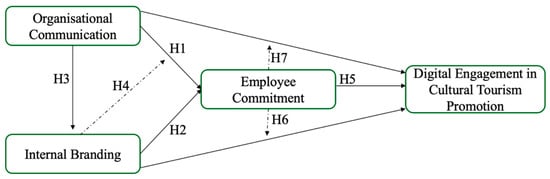
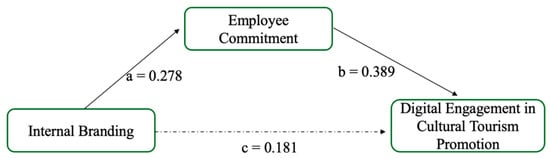
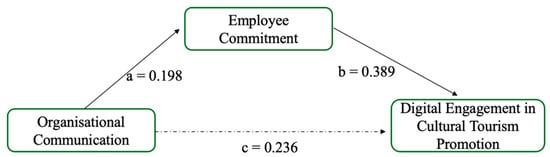
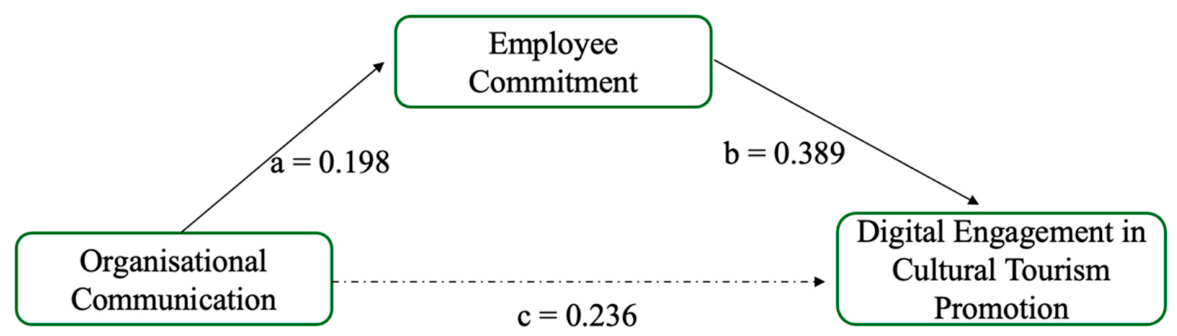

Disclaimer/Publisher’s Note: The statements, opinions and data contained in all publications are solely those of the individual author(s) and contributor(s) and not of MDPI and/or the editor(s). MDPI and/or the editor(s) disclaim responsibility for any injury to people or property resulting from any ideas, methods, instructions or products referred to in the content. |
© 2026 by the authors. Licensee MDPI, Basel, Switzerland. This article is an open access article distributed under the terms and conditions of the Creative Commons Attribution (CC BY) license.