


Abstract
Smart tourism technologies are increasingly transforming how tourists interact with destinations, yet the mechanisms through which technology quality contributes to memorable tourism experiences remain insufficiently understood. Drawing on Stimulus–Organism–Response (S-O-R) theory, this study examines the relationships among smart tourism technology quality (STTQ), smart destination perception (SDP), tourist psychological empowerment (TPE), and memorable tourism experience (MTE). Data were collected from tourists visiting selected Egyptian destinations characterized by extensive use of digital and smart tourism technologies. The proposed model was assessed using partial least squares structural equation modeling. The findings revealed that STTQ positively relates to MTE, SDP, and TPE, while both SDP and TPE positively relate to MTE. Furthermore, the results indicate significant indirect associations between STTQ and MTE through SDP and TPE. The findings extend S-O-R theory by demonstrating that smart tourism technology quality can influence memorable experiences through both destination-oriented cognitive perceptions and tourist-oriented psychological empowerment. The study contributes to smart tourism research by integrating technological quality, destination smartness, and tourist agency within a unified framework and offers practical implications for designing technology-enabled destination experiences.
1. Introduction
The rapid diffusion of digital and smart technologies is reshaping how tourism destinations are designed, experienced, and evaluated (Castillo et al., 2026; Diaz et al., 2026). Smart tourism technologies (STTs) have increasingly become embedded in tourists’ search, planning, mobility, communication, consumption, and post-visit activities, thereby changing the nature of interactions between tourists and destinations (Mohammed et al., 2026; Yahya et al., 2026). Rather than functioning merely as technological tools, STTs can connect tourists with destination resources in ways that facilitate more personalized, interactive, information-rich, and context-sensitive experiences (Buhalis & Amaranggana, 2015; Chhabra et al., 2025; Diaz et al., 2026; Moliner-Tena et al., 2026). This transformation has consequently shifted attention from technology adoption alone toward the quality of technology-enabled tourism experiences and the psychological processes through which smart technologies shape tourists’ perceptions and experiences.
The importance of technology quality has become particularly evident as destinations increasingly depend on smart technological infrastructures to support tourist experiences. Smart tourism technology quality (STTQ) captures the quality characteristics through which tourists evaluate the technological services and functionalities available during their destination experience (Pai et al., 2025). Recent scholarship has specifically recognized the need to conceptualize and measure STT quality as a multidimensional construct rather than treating the mere presence or adoption of technology as sufficient (Pai et al., 2025). This distinction is important because tourists may encounter numerous digital and smart technologies while still experiencing substantial differences in their usefulness, reliability, accessibility, responsiveness, personalization, and experiential value. Accordingly, understanding whether and how the perceived quality of STTs translates into meaningful tourist experiences represents an increasingly important issue for smart tourism research.
One particularly important outcome is the memorable tourism experience (MTE). Tourism experiences are not valuable only because of what tourists encounter during a trip, but also because of what remains cognitively and emotionally accessible after the experience has ended (Huang et al., 2024). MTE has therefore developed into an important research stream concerned with the characteristics that make tourism experiences memorable and consequential for subsequent tourist responses (Hosseini et al., 2023; Kim et al., 2012, 2024). Previous research has demonstrated the continuing relevance of MTE to tourism research, while subsequent studies have extended the construct across different experiential settings, including memorable gastronomic experiences and other forms of positive and negative tourism experiences (Hosseini et al., 2024; Williams et al., 2019). More recent work has increasingly connected smart technologies with the creation of memorable experiences, suggesting that technology-mediated interactions deserve greater attention in explaining why some destination experiences remain particularly salient in tourists’ memories (Elshaer & Marzouk, 2024; Qiao et al., 2026; Tandijaya et al., 2026; Yang & Zhang, 2022).
The relationship between smart technologies and memorable experiences, however, may not be adequately explained by a direct technological effect. Tourism experiences emerge through tourists’ interpretations of the destination and their psychological involvement in the experience (Bernaki & Marso, 2023; Sihombing et al., 2024). In this respect, smart destination perception (SDP) provides an important cognitive mechanism through which tourists may interpret technology-enabled destination environments (Gomes et al., 2026). A smart destination is not simply a destination possessing advanced technological infrastructure; rather, tourists’ perceptions of its smartness are likely to depend on how effectively technological capabilities are translated into an integrated and meaningful destination experience. Recent research has focused explicitly on tourists’ perceptions of smart tourism experiences and on the development of instruments for measuring smart destination perception, indicating growing recognition of the tourist’s subjective evaluation of destination smartness (Cerdá-Mansilla et al., 2026; Haghverdizadeh Dehligh et al., 2024). Related studies have also examined how smart tourism technologies influence destination image, satisfaction, and behavioral responses, further highlighting the importance of tourists’ destination-related perceptions in technology-enabled tourism environments (Czyz & Javed, 2025; Ilyas et al., 2025; Karya & Anshori, 2026; To et al., 2026).
At the same time, the psychological consequences of smart tourism technologies warrant greater attention. Tourist psychological empowerment (TPE) refers to the tourist’s sense of having greater control, competence, influence, and capacity to participate meaningfully in the tourism experience (Truong et al., 2025; Hua & Yang, 2026). Psychological empowerment has been examined in tourism-related contexts as a mechanism associated with value co-creation and positive experiential outcomes (Hu & Li, 2022; Prentice et al., 2016). Recent tourism research also indicates that empowerment can constitute an important psychological benefit of value co-creation and can be associated with social connectedness, positive emotions, and tourists’ broader well-being (L. Li et al., 2025). These perspectives suggest that smart technologies may influence tourists not only by providing functional benefits, but also by changing tourists’ perceived capacity to access information, make choices, interact with destination resources, and participate actively in constructing their experiences. Nevertheless, the role of psychological empowerment as a mechanism connecting smart tourism technology quality with memorable tourism experiences remains insufficiently developed.
The potential contribution of STTQ to MTE can therefore be understood through two complementary pathways. First, high-quality smart tourism technologies may contribute to tourists’ perceptions that a destination is technologically integrated, intelligent, responsive, and capable of supporting contemporary travel needs. Research examining smart destination environments has associated smart tourism technologies with destination perceptions, satisfaction, loyalty, and other tourist responses (Buhalis & Amaranggana, 2015; Ngan et al., 2025; Torabi et al., 2023). Second, technologically well-designed and useful interactions may strengthen tourists’ psychological sense of empowerment, enabling them to participate more actively in planning, navigating, customizing, and co-creating their experiences. This possibility is consistent with research linking technology-enabled tourism with customer empowerment and value co-creation (Hu & Li, 2022; L. Li et al., 2025; Prentice et al., 2016). Examining these two pathways together can consequently provide a more psychologically informed explanation of how technology quality becomes translated into memorable tourism experiences.
The theoretical logic of these relationships is consistent with the Stimulus–Organism–Response (S-O-R) framework. Originally developed to explain how environmental stimuli influence internal states and subsequently generate behavioral responses, the S-O-R perspective conceptualizes the environment as a source of external stimuli that affect individuals’ internal cognitive and affective states before producing responses (Mehrabian & Russell, 1974). Subsequent meta-analytic work has demonstrated the applicability of the framework for understanding how environmental stimuli operate through organismic states to produce consumer responses (Vieira, 2013). The framework has also been applied in contemporary tourism research to explain technology-related relationships, including research examining smart technologies, tourist responses, and technology-enabled experiences (Gao et al., 2026; Ma et al., 2026; To et al., 2026). Thus, S-O-R offers a suitable theoretical basis for conceptualizing STTQ as an external stimulus, SDP and TPE as tourists’ organismic states, and MTE as the resulting response.
From this perspective, STTQ represents the technologically induced environmental stimulus encountered by tourists. When tourists perceive smart tourism technologies as high in quality, these technological characteristics may influence how they cognitively interpret the destination and how empowered they feel within the tourism environment. SDP consequently represents a destination-oriented cognitive state, reflecting how tourists make sense of the destination’s smart characteristics, whereas TPE represents a more personal psychological state concerning tourists’ perceived agency and capacity within the experience. These organismic states may then shape the extent to which the tourism encounter becomes memorable. This theoretical sequence provides an explanation that goes beyond asking whether smart technologies directly improve tourism experiences and instead considers why and through which psychological pathways technology quality may contribute to memorability.
Although the literature has made substantial progress in connecting smart tourism technologies with tourist satisfaction, destination image, revisit intentions, loyalty, and memorable experiences, several issues remain open. Existing research has examined the contribution of STTs to memorable experiences in different contexts (Elshaer & Marzouk, 2024; Qiao et al., 2026; Torabi et al., 2022; Yang & Zhang, 2022), while other studies have focused on technology attributes, tourist satisfaction, destination perceptions, or behavioral intentions (Goo et al., 2022; Hoang et al., 2026; Ngan et al., 2025; Torabi et al., 2023). Similarly, recent research has advanced understanding of technology-driven consumer experiences and the role of smart technologies in shaping tourist experiences (Diaz et al., 2026; J. Li et al., 2026; San Martín et al., 2026). However, these streams have not yet been sufficiently integrated into a single explanatory model that simultaneously considers technology quality, tourists’ perceptions of destination smartness, tourists’ psychological empowerment, and memorable tourism experiences.
This gap is particularly important because the relationship between smart tourism technology quality and memorable tourism experience is unlikely to be explained adequately by a direct technology-to-experience association. Once tourists encounter smart technologies at a destination, they do not simply evaluate the technologies themselves; they interpret what those technologies imply about the destination and assess how the technological environment affects their own capacity to participate in the experience. The present study therefore focuses on two theoretically distinct organismic mechanisms. The first is smart destination perception (SDP), which captures a destination-oriented cognitive process. High-quality smart tourism technologies can provide tourists with signals that destination services are integrated, responsive, intelligent, accessible, and capable of supporting their travel needs. Thus, SDP explains how tourists translate technological encounters into a broader cognitive interpretation of the destination. The second is tourist psychological empowerment (TPE), which captures a tourist-oriented psychological process. Smart technologies can provide information, facilitate choices, improve access to destination resources, and enable tourists to manage and participate in their experiences more actively. TPE therefore explains how the technological environment may be associated with tourists’ perceived agency, competence, control, and capacity to participate. These two mechanisms are complementary but not conceptually redundant. SDP concerns what tourists infer about the destination, whereas TPE concerns how tourists perceive their own capacity within the destination environment. This distinction is particularly relevant to an S-O-R perspective because both constructs represent internal organismic responses to the same environmental stimulus while operating at different psychological levels. Examining them simultaneously therefore allows the study to move beyond the question of whether smart tourism technology quality is associated with memorable experiences and toward the more theoretically informative question of how and through which internal processes this association occurs. Recent studies provide indirect support for this perspective by linking smart tourism technologies with destination image, sustainable destination perceptions, tourist satisfaction, vivid memory, and other experiential outcomes (Czyz & Javed, 2025; Ilyas et al., 2025; Tandijaya et al., 2026; To et al., 2026). Moreover, emerging research on artificial intelligence and technology-mediated tourism experiences emphasizes the increasingly important role of tourists’ psychological and experiential responses to technology (Al-Romeedy et al., 2025; Hosseini et al., 2025; Shin et al., 2023). Yet the specific mediating roles of smart destination perception and tourist psychological empowerment in translating STTQ into MTE require further empirical examination.
Accordingly, the present study develops and tests an S-O-R-based model in selected Egyptian tourist destinations characterized by extensive use of digital and smart tourism technologies. The study examines whether perceived smart tourism technology quality is associated with memorable tourism experiences and whether this relationship operates through tourists’ perceptions of destination smartness and their psychological empowerment. Specifically, the study investigates the direct effects of STTQ on MTE, SDP, and TPE, as well as the effects of SDP and TPE on MTE. It further examines whether SDP and TPE mediate the relationship between STTQ and MTE. By integrating these constructs within a unified S-O-R framework, the study seeks to clarify the experiential and psychological mechanisms through which technology quality may contribute to memorable tourism experiences.
The study makes three related contributions. First, it shifts the focus from the availability or adoption of smart tourism technologies toward tourists’ evaluation of their quality, responding to the emerging measurement literature on STTQ (Pai et al., 2025). Second, it brings together smart destination perception and tourist psychological empowerment as distinct organismic mechanisms, thereby connecting destination-level cognitive evaluation with tourist-level psychological experience. Third, it extends the application of the S-O-R framework to explain memorable tourism experiences in smart destination environments by positioning MTE as an experiential response to technology-mediated stimuli and internal tourist states. In doing so, the study responds to the continuing call for research that connects technological transformation with the experiential dimensions of contemporary tourism (Chhabra et al., 2025; Moliner-Tena et al., 2026) and contributes evidence from the Egyptian destination context.
Accordingly, this study addresses four research questions: (RQ1) How is perceived smart tourism technology quality associated with memorable tourism experience? (RQ2) How is smart tourism technology quality associated with tourists’ perceptions of destination smartness? (RQ3) How is smart tourism technology quality associated with tourists’ psychological empowerment? and (RQ4) To what extent do smart destination perception and tourist psychological empowerment transmit the association between smart tourism technology quality and memorable tourism experience?
The contribution of the present study therefore lies not in establishing the direct STTQ-MTE relationship itself, but in examining two theoretically distinct organismic pathways, namely smart destination perception and tourist psychological empowerment, through which perceived technology quality is associated with memorable tourism experience.
2. Literature Review and Hypotheses Development
2.1. Theoretical Foundation
The Stimulus–Organism–Response (S-O-R) perspective provides the theoretical foundation for explaining how environmental conditions are processed within individuals before being reflected in subsequent responses. The conceptual roots of the S-O-R framework can be traced to Woodworth (1929), who introduced the organismic component to move beyond a simple stimulus–response formulation and to recognize that the effect of an environmental stimulus depends partly on processes occurring within the organism. In this broader perspective, the organism represents the internal processes through which individuals receive, interpret, and respond to environmental conditions. Mehrabian and Russell (1974) subsequently developed an influential environmental-psychology formulation of S-O-R in which environmental stimuli influence internal affective states, particularly pleasure, arousal, and dominance, which subsequently shape approach or avoidance responses. Thus, while affective states constitute a central component of the Mehrabian–Russell formulation, the broader S-O-R logic emphasizes the role of internal organismic processes in explaining how environmental conditions are translated into responses. The framework has subsequently been applied extensively to explain consumer responses to environmental stimuli across different contexts (Vieira, 2013).
The distinction between these formulations is important for the present study. The study does not seek to reproduce the specific pleasure–arousal–dominance structure of the Mehrabian–Russell environmental model. Instead, it adopts the broader S-O-R logic in which environmental stimuli are processed through internal psychological mechanisms before producing a consequential response. This interpretation is consistent with subsequent extensions of S-O-R in consumer research, including Jacoby’s (2002) reconsideration of the framework, which emphasizes the complexity and interconnectedness of stimulus, organismic processes, and responses. Accordingly, the organismic component need not be restricted to the three affective dimensions specified by Mehrabian and Russell (1974); it can encompass relevant internal cognitive and psychological processes through which individuals interpret environmental stimuli and formulate subsequent responses.
This broader interpretation is particularly relevant to smart tourism environments, where tourists encounter technological features as part of an integrated destination setting. Smart tourism technologies can provide information, facilitate interactions, personalize services, support decision-making, and connect tourists with destination resources. These technology-enabled environmental characteristics can influence not only tourists’ evaluations of the destination but also their perceptions of their own capacity to participate in, navigate, and control their tourism experiences. Recent tourism research has similarly applied S-O-R logic to explain relationships involving smart tourism technologies, tourist perceptions, enjoyment, and behavioral responses (Gao et al., 2026; Ma et al., 2026; To et al., 2026).
Within this framework, smart tourism technology quality (STTQ) is conceptualized as a perceived environmental stimulus rather than as an objectively measured technological attribute. Tourists encounter smart technologies through destination services and form perceptions regarding their quality, usefulness, accessibility, reliability, responsiveness, and functionality. Thus, STTQ represents tourists’ perception of the quality characteristics of the technology-enabled environment that they encounter during their tourism experience. Conceptualizing STTQ as a perceived stimulus does not imply that it is an objective technological condition. Rather, it recognizes that environmental stimuli in tourism are experienced and interpreted by individuals through their perceptions of the environment. This distinction is important because the relevant stimulus in the present study is the technology-enabled destination environment as perceived by tourists, rather than the technical infrastructure considered independently of tourists’ experiences.
The organismic component is represented by two theoretically distinct internal processes: smart destination perception (SDP) and tourist psychological empowerment (TPE). Although both constructs are perceptual, they concern different objects of evaluation and operate at different psychological levels. SDP represents a destination-oriented cognitive appraisal, through which tourists interpret what their encounters with smart technologies imply about the destination as a whole. A destination may therefore be perceived as smart when its technological services appear integrated, responsive, intelligent, accessible, and capable of supporting tourists’ needs. TPE, in contrast, represents a tourist-oriented psychological state, reflecting tourists’ perceived competence, autonomy, influence, control, and capacity to participate in and manage their tourism experiences. The distinction between these two organismic processes is therefore not simply a distinction between objective and subjective evaluation. Rather, STTQ captures tourists’ perceived quality of technological environmental cues, SDP captures their broader cognitive interpretation of the destination, and TPE captures their perception of their own agency within that destination environment.
Positioning SDP and TPE as organismic mechanisms therefore provides a differentiated application of S-O-R to smart tourism. SDP captures how tourists cognitively interpret the destination in response to the technology-enabled environment, whereas TPE captures how they perceive their own capacity to act within that environment. These processes may coexist without requiring a sequential relationship between them. A tourist may perceive a destination as technologically smart without necessarily experiencing a corresponding sense of personal empowerment, while another tourist may feel highly capable of managing the tourism experience without forming an equally strong judgment about the destination’s overall smartness. Modeling SDP and TPE as parallel organismic mechanisms consequently allows the study to examine complementary cognitive and psychological processes through which perceived technology quality may be associated with experiential outcomes.
The response component is also adapted to the experiential nature of tourism. In the classical environmental-psychology formulation, responses are often expressed through approach or avoidance behaviors (Mehrabian & Russell, 1974). However, the broader S-O-R perspective can be applied to consequential outcomes that emerge from internal cognitive and psychological processing rather than being restricted to immediate overt behavior (Jacoby, 2002). In the present study, memorable tourism experience (MTE) is therefore conceptualized as an experiential response rather than as a conventional behavioral response. MTE reflects the extent to which the tourism encounter becomes sufficiently meaningful, salient, and memorable to remain in tourists’ memories. This operationalization is appropriate to the study’s objective because the research focuses specifically on the experiential consequences of technology-enabled destination environments rather than on subsequent behavioral intentions such as revisit or recommendation.
Accordingly, the present study applies S-O-R as an adapted process framework in which perceived smart tourism technology quality represents the technology-enabled environmental stimulus, smart destination perception and tourist psychological empowerment represent distinct internal cognitive and psychological processes, and memorable tourism experience represents the resulting experiential response. This conceptualization preserves the central logic of S-O-R while recognizing the distinction between the broader organismic tradition and the specific affective operationalization proposed by Mehrabian and Russell (1974). It also provides a theoretically grounded basis for examining whether technology quality is associated with memorable tourism experiences through both destination-oriented cognitive interpretation and tourist-oriented psychological empowerment.
Although affective states such as pleasure, arousal, and dominance are central to the classical Mehrabian–Russell formulation, they are not included as additional organismic constructs in the present empirical model because they were not measured in the study. Introducing these affective states would require additional constructs, measures, and hypotheses and would consequently change the scope of the proposed model. Their potential role nevertheless remains theoretically relevant. Future research could incorporate affective states alongside SDP and TPE to examine whether cognitive, psychological, and affective organismic processes operate independently or interactively in explaining memorable tourism experiences in smart destination environments.
Although smart destination perception (SDP) and tourist psychological empowerment (TPE) are expected to be empirically associated, the present study does not specify a directional relationship between them. The two constructs represent different levels and objects of internal processing: SDP reflects tourists’ cognitive interpretation of the destination’s technological and smart characteristics, whereas TPE reflects tourists’ perceptions of their own agency, competence, autonomy, and control within the destination environment. Their conceptual distinction therefore does not imply that they should be statistically independent. Indeed, tourists may simultaneously form favorable judgments about a destination’s smartness and experience greater psychological empowerment. Accordingly, the present study treats SDP and TPE as parallel organismic mechanisms rather than as sequential mediators. The observed correlation between them represents their empirical association, whereas a structural path between them would require a separate theoretical proposition concerning directional influence that is beyond the scope of the present model.
Alternative technology-adoption perspectives, particularly the Technology Acceptance Model (TAM) and the Unified Theory of Acceptance and Use of Technology (UTAUT), provide complementary explanations of tourists’ interactions with digital technologies. TAM emphasizes perceptions such as usefulness and ease of use, whereas UTAUT incorporates performance expectancy, effort expectancy, social influence, and facilitating conditions. These perspectives are particularly useful when the primary outcome concerns technology acceptance, behavioral intention, or use. The present study addresses a different question by examining how tourists’ perceived quality of technology-enabled services is associated with destination perceptions, psychological empowerment, and memorable tourism experiences. S-O-R is therefore used as the principal theoretical lens because it accommodates the movement from technology-related environmental evaluation through internal cognitive and psychological processes to an experiential response. TAM and UTAUT may nevertheless provide useful complementary mechanisms in future extensions of the model.
2.2. Smart Tourism Technology Quality and Memorable Tourism Experience
Smart tourism technologies have become increasingly important in shaping contemporary tourism experiences. Unlike conventional information technologies, smart tourism technologies can facilitate interconnected, personalized, context-sensitive, and interactive encounters between tourists and destination resources. Buhalis and Amaranggana (2015) highlighted the potential of smart destinations to enhance tourism experiences through personalization, while more recent research has continued to demonstrate the expanding role of smart technologies in technology-mediated tourist experiences (Diaz et al., 2026; San Martín et al., 2026).
Importantly, the experiential consequences of smart technologies may depend not simply on their availability but on their perceived quality. Pai et al. (2025) specifically addressed this issue by developing and validating a measurement scale for assessing smart tourism technology quality. This development reflects a broader shift in the literature from considering whether tourists use smart technologies toward examining the characteristics that determine the quality of technology-enabled interactions.
The importance of technology quality is particularly relevant to memorable tourism experiences because memorability depends on the characteristics and psychological significance of tourists’ encounters. MTE has become an established construct in tourism research following the development of a dedicated measurement scale by Kim et al. (2012), with subsequent research examining its conceptual evolution and applications across different tourism settings (Hosseini et al., 2023; Kim et al., 2024).
A growing body of research directly connects smart technologies with memorable experiences. Torabi et al. (2022), for example, examined the role of smart tourism technologies in enhancing memorable experiences alongside tourist satisfaction and revisit intention. Yang and Zhang (2022) similarly examined smart tourism technologies in relation to memorable experiences among museum visitors. More recent studies have continued this research direction by examining smart technologies and memorable experiences in different tourist populations and destination settings (Elshaer & Marzouk, 2024; Qiao et al., 2026; Tandijaya et al., 2026).
The S-O-R framework provides an explanation for this relationship. When tourists encounter smart technologies that they perceive as useful, reliable, responsive, and capable of supporting their travel activities, the technological environment may become a meaningful part of the overall tourism experience. Such technology-mediated interactions can contribute to richer experiential encounters, potentially increasing the salience of the experience in tourists’ memories. Accordingly, the present study proposes that higher perceived STTQ is associated with stronger MTE. Therefore, the following hypothesis is formulated:
H1.
Smart tourism technology quality (STTQ) is positively related to memorable tourism experience (MTE).
2.3. Smart Tourism Technology Quality and Smart Destination Perception
Smart destination perception refers to tourists’ evaluation of the extent to which a destination is characterized by smart, technology-enabled capabilities and services. The concept is increasingly important because destination smartness cannot be understood solely through the existence of technological infrastructure. Rather, tourists’ perceptions provide an experiential perspective through which the effectiveness and relevance of smart destination capabilities can be evaluated.
The literature on smart destinations has increasingly moved toward understanding how technological capabilities are perceived by tourists. Buhalis and Amaranggana (2015) proposed the role of smart destination technologies in enhancing and personalizing tourism experiences, establishing an early foundation for understanding technology as an integral component of smart destination development. Subsequent research has examined tourists’ perceptions of smart tourism experiences and, more recently, Cerdá-Mansilla et al. (2026) developed and validated a smart destination perception scale for tourists and residents.
The relationship between technological characteristics and destination perceptions is also evident in studies examining destination image and tourist responses. Czyz and Javed (2025) investigated the role of smart tourism technologies in shaping sustainable destination images, while To et al. (2026) examined the relationship among smart tourism technology attributes, destination image, and tourist responses within an integrated ECT-SOR framework. Such research indicates that tourists’ evaluations of technological attributes can become incorporated into broader destination-level evaluations.
From an S-O-R perspective, STTQ constitutes an environmental stimulus that tourists process cognitively. When technological services are perceived to function effectively and provide meaningful support throughout the tourist journey, tourists may be more likely to interpret the destination itself as technologically capable and smart. Thus, destination smartness can be understood partly as a perception emerging from tourists’ interactions with the technological environment. Accordingly, the present study proposes:
H2.
Smart tourism technology quality (STTQ) is positively related to smart destination perception (SDP).
2.4. Smart Tourism Technology Quality and Tourist Psychological Empowerment
Tourist psychological empowerment represents another potential psychological consequence of technology-enabled tourism. Psychological empowerment concerns an individual’s perceived capacity, control, competence, and influence in an interaction or experience. Within tourism, the construct is particularly relevant because tourists increasingly participate actively in designing, customizing, navigating, and co-creating their experiences rather than simply consuming standardized tourism services.
Previous tourism research has connected empowerment with value co-creation. Prentice et al. (2016) developed and validated a customer empowerment scale in the context of co-creating service designs and delivery, while Hu and Li (2022) examined customer psychological empowerment and value co-creation within travel agencies. More recent research has emphasized the psychological benefits associated with empowerment, social connectedness, and positive emotions in tourism value co-creation (L. Li et al., 2025).
Smart technologies may contribute to this psychological state by giving tourists greater access to information and resources and by facilitating more autonomous decision-making. Technology can potentially reduce informational constraints, increase tourists’ ability to customize their journeys, and facilitate direct interaction with destination services. Research on technology readiness and technological empowerment in hospitality further indicates that technology-related capabilities can be connected with customers’ psychological and behavioral responses (Al-Romeedy et al., 2025; Neuhofer et al., 2014; Hosany et al., 2022).
Within the S-O-R framework, high-quality technological stimuli can influence tourists’ internal perceptions of what they can accomplish within the destination environment. Thus, STTQ may contribute to TPE by providing tourists with technological resources that facilitate control, competence, choice, and active participation. When tourists perceive smart tourism technologies as capable and supportive, they may feel better equipped to manage their experiences and participate in value creation. Therefore:
H3.
Smart tourism technology quality (STTQ) is positively related to tourist psychological empowerment (TPE).
2.5. Smart Destination Perception and Memorable Tourism Experience
The perception of a destination as smart may itself contribute to the memorability of tourism experiences. Destination perceptions influence how tourists interpret and organize their encounters with places, and smartness can become an experiential characteristic of the destination when technology is meaningfully integrated into tourism activities.
Recent research demonstrates increasing attention to the relationship between smart destination characteristics and tourist experiences. Haghverdizadeh Dehligh et al. (2024) examined tourists’ perceptions of smart tourism experiences in tourism destinations, while Moliner-Tena et al. (2026) reviewed the smart tourist destination literature and identified tourist experience as an important area for continued investigation.
Empirical studies have also associated smart destination environments with experiential and behavioral outcomes. Shin et al. (2023) investigated memorable tourism experiences at smart tourism destinations, while Torabi et al. (2022) linked smart tourism technologies with memorable experiences, tourist satisfaction, and revisit intention. More recent research has examined vivid memory and behavioral intention in relation to smart tourism technology (Tandijaya et al., 2026).
A smart destination perception may therefore provide tourists with an interpretive framework through which technology-supported encounters become part of a distinctive destination experience. When tourists perceive a destination as smart, technologically capable, and responsive to their needs, this perception may contribute to the uniqueness and salience of the overall experience. Such perceptions can subsequently increase the likelihood that the experience will be retained as memorable. Hence:
H4.
Smart destination perception (SDP) is positively related to memorable tourism experience (MTE).
2.6. Tourist Psychological Empowerment and Memorable Tourism Experience
The relationship between psychological empowerment and memorable tourism experiences can be explained through the active role tourists increasingly play in constructing their own experiences. Tourism experiences are not necessarily produced entirely by destination providers. Instead, tourists interpret, customize, participate in, and co-create experiences through their interactions with people, places, services, and technologies.
The literature on memorable tourism experiences emphasizes the importance of tourists’ subjective experiences in determining memorability (Hosseini et al., 2023; Kim et al., 2012, 2024). Meanwhile, research on tourism value co-creation suggests that empowerment can generate psychological benefits, including positive emotions and enhanced well-being (L. Li et al., 2025). These perspectives can be connected by arguing that tourists who feel capable of influencing and actively participating in their experiences may engage more deeply with the tourism environment, increasing the potential for the experience to become personally meaningful and memorable.
Psychological empowerment may therefore function as an organismic state that transforms the technological and destination environment into a personally meaningful experience. A tourist who feels greater autonomy and control may be more actively involved in selecting activities, accessing destination information, adapting plans, and interacting with tourism resources. Such active participation may increase the experiential significance of the journey and consequently strengthen memorability.
This reasoning is consistent with the S-O-R framework, where an internal psychological state mediates the relationship between environmental stimuli and subsequent responses. Thus, tourist psychological empowerment is expected to be positively associated with MTE. Therefore, the following hypothesis is formulated:
H5.
Tourist psychological empowerment (TPE) is positively related to memorable tourism experience (MTE).
2.7. Mediating Roles of Smart Destination Perception and Tourist Psychological Empowerment
STTQ may first influence how tourists perceive the destination and subsequently affect their tourism experiences. High-quality smart technologies can provide visible and experiential evidence of technological integration within a destination. When tourists encounter effective digital services, connected information systems, responsive technological interfaces, and other smart capabilities, these interactions may contribute to a broader perception that the destination itself is smart.
SDP can then influence MTE because destination perceptions shape how tourists interpret their overall encounters with the place. Existing research has examined smart destinations in relation to tourism experience, destination image, satisfaction, and behavioral responses (Buhalis & Amaranggana, 2015; Czyz & Javed, 2025; Shin et al., 2023; To et al., 2026). The proposed mediation therefore follows the sequence: STTQ → SDP → MTE. This pathway extends the S-O-R logic by suggesting that the technological stimulus affects memorability partly through tourists’ cognitive interpretation of the destination environment. Accordingly:
H6.
Smart destination perception (SDP) mediates the relationship between smart tourism technology quality (STTQ) and memorable tourism experience (MTE), such that STTQ is indirectly associated with MTE through SDP.
A second mediation pathway concerns the psychological consequences of interacting with high-quality smart tourism technologies. STTQ may increase tourists’ access to information, choices, personalized services, and destination resources, thereby strengthening their sense of competence and control. Research on customer empowerment and tourism value co-creation provides a conceptual basis for understanding how empowerment can emerge from tourists’ active participation in service and experience creation (Hu & Li, 2022; Prentice et al., 2016). Recent research further connects empowerment with positive psychological outcomes in tourism value co-creation (L. Li et al., 2025).
Once tourists experience greater psychological empowerment, they may become more active participants in constructing their tourism experiences. This active involvement can increase the personal significance of the journey and thereby contribute to memorability. The proposed mechanism can therefore be expressed as: STTQ → TPE → MTE. This pathway positions TPE as an organismic psychological state through which the external technological environment is translated into a memorable experiential response. Thus:
H7.
Tourist psychological empowerment (TPE) mediates the relationship between smart tourism technology quality (STTQ) and memorable tourism experience (MTE), such that STTQ is indirectly associated with MTE through TPE.
H6 and H7 specify two parallel mediation mechanisms rather than a sequential mediation process. Thus, the model does not assume that SDP leads to TPE or that TPE leads to SDP. Instead, each construct is proposed to independently transmit part of the association between STTQ and MTE. Although SDP and TPE may be empirically correlated, their distinct conceptual meanings justify examining their indirect associations with MTE separately.
The theoretical model of the study is illustrated in Figure 1.
Figure 1.
The Theoretical Model of the Study.
3. Methodology
3.1. Study Context
The study was conducted among tourists visiting two prominent Egyptian tourism attractions: the Grand Egyptian Museum (GEM) and the Giza Pyramids area. These sites were selected because visitors can encounter a range of technology-enabled services that support heritage interpretation, visitor access, information provision, and the overall tourism experience. At GEM, visitors can interact with immersive and digital technologies, including audio-guided services, interactive digital displays, augmented and virtual reality, mixed-reality applications, holographic presentations, and other multimedia experiences. At the Giza Pyramids area, technology-enabled services include electronic ticketing, self-service ticket machines, electronic entry gates, and technology-supported visitor mobility services. These features provided appropriate contexts for examining tourists’ perceptions of smart tourism technology quality and its relationship with destination perceptions, psychological empowerment, and memorable tourism experiences.
3.2. Measures
All constructs were measured using previously validated scales, with appropriate wording adaptations to reflect the tourism destination context. Smart tourism technology quality (STTQ) was assessed using 21 items adapted from the STTQUAL scale developed by Pai et al. (2025). Illustrative items include: “The smart tourism technologies available at this destination provide useful functions for planning and experiencing my trip” and “The smart tourism technologies available at this destination help me accomplish tourism-related tasks effectively”. Smart destination perception (SDP) was measured using 12 items adapted from the smart destination perception scale developed by Cerdá-Mansilla et al. (2026). Representative items include: “This destination promotes innovative tourism businesses” and “This destination encourages innovation in tourism services”. Tourist psychological empowerment (TPE) was measured with six items adapted from established customer psychological empowerment research, particularly Prentice et al. (2016). Sample items include: “Smart tourism technologies give me considerable choice in how I experience the destination” and “I can choose the tourism options that best suit my needs”. Memorable tourism experience (MTE) was assessed using 24 items adapted from the established scale proposed by Kim et al. (2012). Representative items include: “This tourism experience was a once-in-a-lifetime experience for me” and “I really enjoyed this tourism experience”.
The constructs were operationalized at the overall construct level in accordance with the conceptualization adopted in their respective scale-development studies. Although STTQ and MTE comprise multiple conceptually distinct facets, the present study treats each as an overall theoretical construct because the hypotheses concern the aggregate perceived quality of smart tourism technologies and the overall memorability of the tourism experience rather than the differential effects of individual dimensions. Accordingly, the dimensions were retained as indicators of the broader construct rather than modeled as separate structural antecedents. This approach preserves the conceptual correspondence between the validated measurement instruments and the hypothesized structural relationships.
The questionnaire was presented in a bilingual format, with both English and Arabic included within the same online form. The English version was translated into Arabic and then back-translated into English following the translation and back-translation principles recommended by Brislin (1970). The two English versions were compared to identify discrepancies in meaning, terminology, and item interpretation. Any discrepancies were reviewed and resolved before the questionnaire was finalized for pilot testing and subsequent main data collection.
Data were collected exclusively through an online survey administered using Google Forms. The survey link was distributed through relevant tourism platforms and online channels and was also shared on-site through tour guides, who disseminated it among their tourist groups. Respondents completed the questionnaire independently during their visit, after experiencing the destination and interacting with its technology-enabled tourism services. This timing enabled respondents to evaluate their experience while the destination, technologies, and related experiences were still recent and directly accessible in memory. The survey instructions asked participants to reflect on their experience at the selected destination when responding to the MTE items. Although this approach reduced the potential effects of extended recall periods, some degree of recall bias cannot be completely excluded because MTE was assessed through self-reported evaluations.
Before the main survey, the questionnaire was pilot-tested with 30 respondents who met the study’s eligibility criteria. The pilot was conducted to assess item clarity, wording, completion time, and the appropriateness of the questionnaire for tourists in the Egyptian destination context. Based on the pilot participants’ feedback, no significant modifications needed. The pilot responses were not included in the final dataset.
3.3. Sampling and Sample Size
A non-probability purposive convenience sampling approach was employed to recruit respondents with direct experience of smart tourism technologies. Participants were eligible when they had visited one of the selected destinations, had used or interacted with smart tourism technologies during their tourism experience, and voluntarily agreed to participate in the survey. This approach was appropriate for the research because the proposed relationships required respondents to possess firsthand knowledge of technology-enabled tourism services and destination experiences.
The adequacy of the sample size was evaluated through an a priori power analysis using G*Power version 3.1.9.1. The most complex endogenous construct in the structural model was MTE, which was simultaneously predicted by STTQ, SDP, and TPE. Assuming a medium effect size (f2 = 0.15), a significance level of 0.05, and statistical power of 0.80, the analysis indicated a minimum sample requirement of approximately 77 observations. The study ultimately obtained 502 valid responses, considerably exceeding the minimum requirement and providing sufficient observations for estimating the proposed PLS-SEM model.
Data collection for the main survey was conducted from May 2025 to July 2025. Participation was voluntary and anonymous, and respondents were informed that their responses would be used solely for academic research purposes. To ensure that participants met the study criteria, the questionnaire included screening questions confirming that respondents had visited either the Grand Egyptian Museum or the Giza Pyramids area and had interacted with technology-enabled tourism services during their visit. No questionnaires were discarded after screening, and all 502 completed responses met the eligibility criteria. Although tour guides assisted in disseminating the survey link to eligible tourists, they had no role in completing or influencing respondents’ answers.
The final sample comprised 502 valid responses, equally distributed between the two destinations (251 respondents from GEM and 251 from the Giza Pyramids area). Eligible participants were tourists who had visited one of the selected destinations and had interacted with technology-enabled tourism services during their visit. The two destinations were pooled because the study’s unit of analysis was the individual tourist rather than the destination, and the proposed model examined tourists’ evaluations and psychological responses to technology-enabled tourism experiences. Although the specific technologies available at the two sites differ, both settings provide technology-supported visitor services and satisfy the study’s common eligibility criterion. Accordingly, pooling the two samples enabled the model to examine the proposed relationships across technology-enabled Egyptian tourism contexts rather than comparing destination-specific effects. Destination-specific differences are acknowledged as a contextual consideration and may be examined through multi-group or multilevel approaches in future research.
3.4. Participant Profile
The final sample consisted of 502 tourists. Males represented 57.0% of the respondents (n = 286), whereas females accounted for 43.0% (n = 216). In terms of age, respondents aged 20 to under 35 years constituted the largest group (42.6%, n = 214), followed by those aged 35 to under 45 years (29.1%, n = 146) and those aged 45 to 60 years (19.5%, n = 98). Respondents younger than 20 years represented 3.6% of the sample (n = 18), while those older than 60 years accounted for 5.2% (n = 26). Regarding educational attainment, undergraduate degree holders constituted the largest category (57.0%, n = 286), followed by respondents holding postgraduate qualifications (29.1%, n = 146). The remaining 13.9% (n = 70) reported a high school education or below. Overall, the sample was characterized primarily by young and middle-aged tourists and a relatively high level of educational attainment.
Although nationality was not hypothesized as a determinant of the structural relationships, domestic and international tourists may differ in technological familiarity, travel expectations, language, destination familiarity, and experiential evaluation. The present study therefore recognizes nationality as a potentially relevant contextual factor. The study examines the proposed relationships across the pooled tourist sample rather than testing nationality differences. Accordingly, nationality is considered a boundary condition that should be examined in future research and, where data permit, controlled statistically or assessed through multi-group analysis.
3.5. Data Analysis
Data were analyzed using WarpPLS 8.0 and Partial Least Squares Structural Equation Modeling (PLS-SEM). Following established guidelines for PLS-SEM, the analysis was conducted in two sequential stages: assessment of the measurement model and evaluation of the structural model (Hair et al., 2019). The measurement model was assessed in terms of indicator reliability, internal consistency reliability, convergent validity, and discriminant validity. Indicator reliability was examined using standardized outer loadings, while internal consistency was assessed using Cronbach’s alpha and composite reliability. Convergent validity was evaluated using the average variance extracted (AVE). Discriminant validity was assessed using the Fornell–Larcker criterion and the heterotrait–monotrait (HTMT) ratio, following the recommendations of Henseler et al. (2015).
The structural model was subsequently evaluated by examining the significance and magnitude of the hypothesized path coefficients, coefficient of determination (R2), effect sizes (f2), and predictive relevance (Q2). Collinearity diagnostics were also assessed to identify potential multicollinearity concerns. The significance of direct and indirect effects was evaluated using bootstrapping with 100 resamples. Mediation effects were assessed through the significance of the indirect effects and their associated confidence intervals, following the mediation framework proposed by Zhao et al. (2010). In addition, potential common method bias was considered in accordance with the recommendations of Podsakoff et al. (2003).
Because WarpPLS provides additional global model-fit and model-quality indices, the analysis also considered the average path coefficient (APC), average R-squared (ARS), and related diagnostic indices provided by the software (Kock, 2015). These indices were interpreted alongside the measurement- and structural-model results rather than as substitutes for the assessment of reliability, validity, explanatory power, and predictive relevance.
4. Results
To mitigate potential common method bias (CMB) in the study, self-reported responses were gathered through a single questionnaire, incorporating various procedural precautions. Respondents were assured of anonymity, promoting honest feedback, and were informed there was no right or wrong answers to reduce evaluation apprehension. The questionnaire was structured to minimize confusion and limit patterned responses. Statistical procedures were utilized to evaluate common method bias. Harman’s single-factor test revealed no single factor exceeding 50% of the total variance. Additionally, VIF statistics were assessed, with values below the 3.3 threshold, indicating that common method bias is unlikely to significantly affect the structural model’s relationships.
4.1. Measurement Model
The psychometric properties reported in Table 1 indicate satisfactory measurement quality across all four constructs. The indicator loadings ranged from 0.708 to 0.798, exceeding the commonly accepted threshold of 0.70 and demonstrating adequate indicator reliability. Internal consistency was also supported, with Cronbach’s alpha values ranging from 0.863 for tourist psychological empowerment to 0.960 for memorable tourism experience, while composite reliability (CR) values ranged from 0.872 to 0.965. These values indicate strong internal consistency for all constructs. In addition, the average variance extracted (AVE) values ranged from 0.514 to 0.573, exceeding the recommended minimum of 0.50 and confirming adequate convergent validity. Furthermore, collinearity was also assessed using variance inflation factor (VIF) values. The VIF values ranged from 1.960 to 3.302 across the four constructs, remaining below the conservative threshold of 5.0. The highest value was observed for MTE (3.302), while the lowest was observed for SDP (1.960). These results indicate that the indicators did not exhibit problematic levels of collinearity.
Table 1.
Results of psychometric properties.
Table 2 and Table 3 provide evidence for the discriminant validity of the study constructs. As shown by the Fornell–Larcker criterion in Table 2, the square root of AVE for each construct, presented on the diagonal, is greater than its correlations with the other constructs. Specifically, the diagonal values range from 0.717 to 0.757, whereas the inter-construct correlations range from 0.556 to 0.687, indicating that each construct shares greater variance with its own indicators than with other constructs. This pattern supports discriminant validity according to the Fornell–Larcker criterion. The HTMT results in Table 3 provide further support, with values ranging from 0.611 to 0.745, all remaining below the commonly recommended threshold of 0.85. These findings indicate that the constructs are empirically distinct and that discriminant validity is adequately established in the measurement model.
Table 2.
Fornell–Larcker criterion results.
Table 3.
Heterotrait–Monotrait ratio (HTMT) results.
The correlation matrix indicates a moderate positive association between SDP and TPE (r = 0.556). This association suggests that tourists who perceive the destination as technologically smart may also tend to report greater psychological empowerment. However, the correlation does not establish the direction of the relationship between the two constructs. Because SDP and TPE represent theoretically distinct organismic processes and no directional hypothesis was formulated between them, they were retained as parallel mediators in the structural model.
4.2. Model Fit Indices
The model fit and quality indices show that the proposed model meets the WarpPLS criteria (Kock, 2021). The Average Path Coefficient (APC) is 0.459 (p < 0.001), and both Average R-squared (ARS) and Average Adjusted R-squared (AARS) are statistically significant. The Average Block VIF (AVIF = 2.305) and Average Full Collinearity VIF (AFVIF = 2.669) remain below critical thresholds, indicating no substantial multicollinearity. The Tenenhaus Goodness-of-Fit (GoF) value at 0.533 exceeds the threshold for a large effect. Additional indices such as SPR, RSCR, SSR, and NLBCDR all equal 1.000, confirming compliance with key criteria (see Appendix A). The SMAR value of 0.080 is below the maximum recommendation, overall suggesting satisfactory model fit, predictive quality, and statistical validity.
4.3. Structural Model and Results of Testing Hypotheses
Table 4 and Figure 2 summarize the structural model results and provide empirical support for all five hypothesized direct relationships. The findings show that smart tourism technology quality (STTQ) has a significant positive effect on memorable tourism experience (MTE) (β = 0.33, p < 0.01, f2 = 0.257), smart destination perception (SDP) (β = 0.61, p < 0.01, f2 = 0.371), and tourist psychological empowerment (TPE) (β = 0.72, p < 0.01, f2 = 0.520). In addition, both SDP (β = 0.30, p < 0.01, f2 = 0.209) and TPE (β = 0.34, p < 0.01, f2 = 0.258) exhibit significant positive relationships with MTE. The effect-size values indicate meaningful contributions of the respective predictors to the endogenous constructs. The model explained 37% of the variance in SDP, 52% in TPE, and 72% in MTE, indicating that the predictors accounted for a substantial proportion of variance in the endogenous constructs, as reflected by the reported R2 values. Furthermore, the Q2 values of 0.368 for SDP, 0.518 for TPE, and 0.722 for MTE are all positive, indicating that the model possesses predictive relevance for these endogenous constructs. Taken together, the structural model results provide empirical support for H1 through H5 and demonstrate that smart tourism technology quality is directly associated with tourists’ destination perceptions, psychological empowerment, and memorable tourism experiences, while destination perceptions and psychological empowerment are also positively related to memorable tourism experiences.
Table 4.
Direct effects.
Figure 2.
Final results of the study.
Table 5 reports the mediation effects using the bootstrap confidence interval approach (Preacher & Hayes, 2008). The findings indicate that both proposed mediating pathways are statistically significant. For H6, smart destination perception (SDP) significantly mediates the relationship between smart tourism technology quality (STTQ) and memorable tourism experience (MTE), with an indirect effect of 0.183 (SE = 0.042, t = 4.357, 95% CI [0.101, 0.265]). Because the confidence interval does not include zero, the indirect effect is statistically significant. The VAF of 0.50 indicates that SDP accounts for approximately 50% of the total effect, supporting partial mediation. Similarly, H7 demonstrates a significant indirect effect of STTQ on MTE through tourist psychological empowerment (TPE) (indirect effect = 0.245, SE = 0.041, t = 5.971, 95% CI [0.164, 0.325]). The confidence interval again excludes zero, confirming the significance of the mediating effect, while the VAF of 0.50 indicates partial mediation. Thus, both H6 and H7 are supported, suggesting that STTQ influences tourists’ memorable experiences partly through their perceptions of the destination and their sense of psychological empowerment.
Table 5.
Mediation analysis results.
Following Zhao et al. (2010), H6 represents complementary partial mediation because the direct effect of STTQ on MTE and the indirect effect through SDP are both significant and operate in the same direction. Similarly, H7 represents complementary partial mediation because the direct effect of STTQ on MTE and the indirect effect through TPE are both significant and positive.
5. Discussion
The findings provide consistent support for the proposed relationships among smart tourism technology quality (STTQ), smart destination perception (SDP), tourist psychological empowerment (TPE), and memorable tourism experience (MTE). Rather than suggesting that smart tourism technologies influence memorable experiences through a single mechanism, the results indicate that their experiential consequences operate through both destination-oriented cognition and tourist-oriented psychology. In particular, STTQ was positively associated with MTE, SDP, and TPE, while both SDP and TPE were positively associated with MTE. The two indirect pathways were also significant, confirming that SDP and TPE function as parallel mechanisms rather than as sequential stages. This distinction is important because the correlation between SDP and TPE does not establish that one produces the other.
5.1. From Technology Quality to Memorable Tourism Experience
The positive association between STTQ and MTE confirms that tourists’ evaluations of smart tourism technology quality are relevant to the memorability of their destination experiences. This finding is consistent with earlier research showing that smart destination technologies can facilitate personalized and technology-supported tourism experiences (Buhalis & Amaranggana, 2015) and with subsequent evidence linking smart technologies with tourists’ experiential evaluations (Elshaer & Marzouk, 2024; Yang & Zhang, 2022). It also corresponds to research that has directly connected smart tourism technologies with memorable experiences (Torabi et al., 2022; Qiao et al., 2026; Tandijaya et al., 2026).
The contribution of the present finding therefore lies less in establishing the existence of a technology–MTE relationship and more in specifying the role of perceived technology quality. Earlier research has already demonstrated that smart technologies can contribute to memorable experiences. The present evidence suggests that what matters is not simply whether technology is present or used, but how tourists evaluate its usefulness, accessibility, reliability, responsiveness, and relevance during their destination experience. In this sense, STTQ provides a more experience-oriented perspective than an infrastructure-oriented assessment of smart tourism.
The Egyptian context helps explain why this relationship is meaningful. The study involved tourists visiting the Grand Egyptian Museum (GEM) and the Giza Pyramids area, where technology is increasingly incorporated into visitor encounters. At GEM, visitors may encounter immersive and interactive technological features, whereas the Giza Pyramids area includes electronic ticketing, self-service facilities, and electronic entry systems. These technologies become part of the visitor journey rather than remaining invisible back-end infrastructure. For visitors, therefore, the perceived quality of these encounters can become part of what makes the destination experience distinctive and memorable.
At the same time, the finding should not be interpreted as evidence that technology itself necessarily creates memorable experiences. The present study measured tourists’ perceptions of technology quality rather than objective technological investment or infrastructure. Thus, the result indicates that perceived quality is associated with MTE, not that greater technological sophistication objectively produces greater memorability. This distinction is particularly important in heritage destinations, where the technological experience must coexist with the historical and cultural significance of the site.
5.2. Destination Smartness as a Cognitive Mechanism
The positive relationship between STTQ and SDP indicates that tourists’ encounters with technology can extend beyond evaluations of individual technological services and contribute to broader perceptions of destination smartness. This finding is consistent with the evolution of smart destination research. Buhalis and Amaranggana (2015) emphasized the contribution of technology to smart destination development and tourism experiences, while subsequent research has increasingly examined tourists’ perceptions of smart tourism experiences and smart destination characteristics (Haghverdizadeh Dehligh et al., 2024; Moliner-Tena et al., 2026). The recent development of a smart destination perception scale further reflects the shift from assessing smart destinations exclusively through infrastructure toward considering how tourists perceive destination smartness (Cerdá-Mansilla et al., 2026).
The result also corresponds to research showing that smart tourism technology attributes can influence broader destination evaluations, including destination image, satisfaction, and other tourist responses (Czyz & Javed, 2025; To et al., 2026). The present study extends this reasoning by showing that perceived technology quality is associated specifically with tourists’ perceptions of the destination as smart. In other words, technological encounters can provide cues through which tourists interpret the broader technological capability of the destination.
This mechanism is particularly relevant in the Egyptian study setting. GEM and the Giza Pyramids area are not merely collections of technological services; they are heritage environments in which tourists form holistic judgments about the destination. When electronic systems, interactive technologies, digital information, and other technology-enabled services operate coherently, tourists may interpret these encounters as evidence that the destination is technologically capable and responsive. Tour guides and other tourism intermediaries may also contribute to this interpretation by explaining or facilitating visitors’ interactions with digital services, although the present study did not directly measure the guide’s role. This provides one possible contextual explanation for why individual technological encounters may become incorporated into broader destination perceptions.
The significant indirect effect through SDP further indicates that the STTQ-MTE relationship is not purely functional. Tourists may first interpret the quality of technology-enabled encounters, form a broader cognitive impression of destination smartness, and then evaluate their overall experience as more memorable. This interpretation is compatible with the S-O-R logic adopted in the study, in which technological characteristics are processed through an internal cognitive state before being associated with an experiential outcome. Research connecting smart technology with destination-level evaluations and research connecting smart destinations with memorable experiences have largely developed along related but distinct streams (Czyz & Javed, 2025; To et al., 2026; Shin et al., 2023; Torabi et al., 2022). The present findings bring these relationships together by identifying SDP as one cognitive pathway between perceived technology quality and MTE.
5.3. Tourist Psychological Empowerment as the Stronger Experiential Pathway
The relationship between STTQ and TPE provides a second, distinctly tourist-centered mechanism. High-quality smart technologies may provide tourists with greater access to information, more opportunities to personalize activities, greater control over decisions, and stronger capabilities to interact with destination resources. This interpretation is consistent with research conceptualizing customer empowerment around participation in service design and delivery (Prentice et al., 2016), research demonstrating the relevance of psychological empowerment to tourism value co-creation (Hu & Li, 2022), and recent evidence emphasizing the psychological benefits of empowerment within tourism value co-creation (L. Li et al., 2025).
The association between TPE and MTE further indicates that the psychological consequences of technology matter for the memorability of the experience. Tourists who feel capable of making choices, accessing resources, influencing their activities, and managing aspects of their journey may become more actively involved in constructing the experience. Such involvement can increase the personal significance and salience of the experience, making it more memorable. This interpretation complements the broader literature emphasizing tourists as active participants in value creation rather than passive recipients of tourism services (Prentice et al., 2016; Hu & Li, 2022; L. Li et al., 2025).
A particularly important result is that TPE represents the strongest direct antecedent of MTE in the model (β = 0.72). This coefficient is substantially larger than the corresponding role of SDP and indicates that, within this sample and model, tourists’ perceptions of their own agency and capabilities were more strongly associated with memorable experiences than their cognitive perception of the destination as smart. This finding provides an important qualification to technology-centered explanations of memorable tourism experiences. It suggests that technology may become most consequential when it changes what tourists feel they can do, rather than merely changing how technologically advanced the destination appears.
Several explanations are plausible. First, psychological empowerment is directly connected to tourists’ participation in the experience. A perception of destination smartness describes the destination, whereas empowerment describes the tourist’s own position within that destination. The latter may therefore be more closely connected to the active construction and personal meaning of an experience. Second, technologies that provide information, facilitate choices, support navigation, or enable personalized interactions may increase tourists’ sense of control over the journey. Such perceived agency can make experiences more personally involving and therefore more memorable. Third, the stronger TPE-MTE relationship may reflect the particular characteristics of heritage tourism, where visitors are not simply evaluating technological sophistication but are actively navigating complex cultural and spatial environments.
The stronger TPE pathway also explains why its indirect effect exceeds the indirect effect through SDP. The difference should not be interpreted as evidence that empowerment is universally more important than destination perception. Rather, it indicates that in this sample and under the tested model, the pathway through tourists’ psychological empowerment carries a stronger statistical association with MTE. The result therefore points to the importance of moving beyond a destination-centered conception of smart tourism toward a more tourist-centered understanding in which technology facilitates agency, participation, and experiential control.
This interpretation also complements recent hospitality research connecting technology readiness and technological empowerment with customer responses (Neuhofer et al., 2014; Hosany et al., 2022; Al-Romeedy et al., 2025). The present study extends this literature by linking perceived smart tourism technology quality with tourist psychological empowerment and then with memorable tourism experience.
5.4. Parallel Psychological Pathways, Contextual Interpretation, and Alternative Explanations
Taken together, the mediation findings show that SDP and TPE operate as two complementary rather than sequential mechanisms. SDP captures tourists’ cognitive evaluation of the destination’s smartness, whereas TPE captures tourists’ evaluation of their own capabilities, agency, and control within the destination experience. Although the two constructs were positively correlated, the correlation does not establish a directional relationship between them. Accordingly, the results support two parallel indirect pathways: STTQ → SDP → MTE and STTQ → TPE → MTE.
This distinction is theoretically important. The findings suggest that smart tourism technology can influence memorable experiences in at least two conceptually different ways. One pathway is destination-oriented, whereby tourists interpret technology-enabled encounters as evidence of destination smartness. The other is tourist-oriented, whereby technology contributes to tourists’ perceived ability to participate in and manage their experiences. The latter pathway was statistically stronger in the present model, but the two mechanisms should not be treated as interchangeable.
The findings also warrant consideration of alternative explanations. One possibility is a halo effect, whereby tourists who generally enjoyed their visit may have evaluated technology quality, destination smartness, empowerment, and memorability more positively. A second possibility is some degree of construct overlap, particularly because STTQ, SDP, TPE, and MTE are all based on tourists’ subjective evaluations of the same destination encounter. Although the measurement assessment was used to distinguish the constructs empirically, statistical discriminability does not completely eliminate the possibility of conceptual or perceptual overlap. A third possibility concerns sample selection. Tourists willing to participate in a survey, particularly those who interacted actively with digital tourism services, may have been more receptive to smart technologies than tourists who were less digitally engaged. These possibilities mean that the observed relationships should be interpreted as associations rather than definitive causal mechanisms.
The Egyptian context further provides an important boundary condition for interpretation. GEM and the Giza Pyramids area combine highly distinctive cultural and heritage resources with increasing digitalization. The visitor experience therefore involves an interaction between technological services, physical heritage environments, cultural interpretation, and human assistance. The role of tour guides is particularly relevant because technology-mediated information and human interpretation may coexist rather than operate independently. However, because guide involvement, specific technology usage patterns, and the relative contribution of different visitor services were not modeled, these contextual explanations remain plausible interpretations rather than empirically tested mechanisms.
Overall, the findings refine the S-O-R explanation of smart tourism by showing that technological quality can be associated with memorable experiences through both cognitive destination interpretation and tourist psychological empowerment. The results do not suggest that technology automatically produces memorable experiences. Instead, they indicate that the experiential value of smart tourism technology is linked to what tourists perceive about the destination and, more strongly in this study, what they perceive themselves to be capable of doing within it.
6. Conclusions
The present study examined how smart tourism technology quality (STTQ) contributes to memorable tourism experiences (MTE) by considering tourists’ perceptions of destination smartness and their psychological empowerment. Drawing on the Stimulus–Organism–Response (S-O-R) framework, the study conceptualized STTQ as an external technological stimulus, smart destination perception (SDP) and tourist psychological empowerment (TPE) as organismic states, and MTE as the resulting experiential response.
The findings provide support for the proposed conceptual model. STTQ was positively related to MTE, SDP, and TPE, while both SDP and TPE were positively related to MTE. Furthermore, the results indicate significant indirect associations between STTQ and MTE through SDP and TPE. Taken together, these results indicate that the contribution of smart tourism technologies to memorable experiences extends beyond their technological functionality. Tourists’ interpretations of destination smartness and their psychological sense of empowerment are also relevant to how technology-enabled destination experiences become memorable.
The study consequently offers an integrated perspective on technology-enabled tourism experiences. Rather than viewing tourists simply as users of smart technologies, the findings highlight their role as active interpreters and participants within smart destination environments. High-quality technological encounters are associated with how tourists perceive the destination and how they experience their own capacity to participate in the tourism journey. These processes, in turn, are associated with memorable tourism experiences.
Overall, the study extends current understanding of smart tourism by connecting technological quality with destination perception, tourist psychological empowerment, and experiential memorability within a single S-O-R framework. The findings suggest that the experiential value of smart tourism technologies should be considered in terms of both the quality of the technological environment and the cognitive and psychological experiences that it generates for tourists.
7. Implications
7.1. Theoretical Implications
This study contributes to smart tourism and tourism experience research by clarifying how smart tourism technology quality is associated with memorable tourism experiences through distinct cognitive and psychological processes. Rather than treating the direct relationship between smart tourism technology quality (STTQ) and memorable tourism experience (MTE) as the primary theoretical contribution, the findings extend understanding of the mechanisms through which technology-enabled destination environments are translated into meaningful and memorable tourism experiences.
First, the findings extend the application of Stimulus–Organism–Response (S-O-R) theory to smart tourism by demonstrating that the organismic component can encompass more than a single psychological state. In the present model, STTQ represents tourists’ perceived technological characteristics of the destination environment, while smart destination perception (SDP) and tourist psychological empowerment (TPE) represent two conceptually distinct organismic processes. SDP captures a destination-oriented cognitive response through which tourists interpret the smartness, integration, and responsiveness of the destination, whereas TPE captures a tourist-oriented psychological response concerning perceived agency, competence, control, and capacity to participate in the tourism experience. The significant relationships from STTQ to both SDP and TPE, followed by their relationships with MTE, therefore provide empirical support for an S-O-R sequence in which the same environmental stimulus can operate through multiple internal processes before being reflected in an experiential response. This extends conventional applications of S-O-R in tourism by distinguishing between what tourists infer about the destination and how capable they feel within that destination environment.
Second, the study extends the emerging literature on smart tourism technology quality by shifting the theoretical focus from technology availability or adoption toward the experiential consequences of perceived technology quality. Previous research has established that smart tourism technologies can influence tourist satisfaction, destination perceptions, behavioral intentions, and memorable experiences. However, the present findings suggest that perceived technology quality is not simply an attribute that tourists evaluate independently of the destination experience. Instead, it is associated with how tourists interpret the destination and how they perceive their own role within it. The significant association between STTQ and SDP indicates that technological quality can become part of tourists’ broader cognitive evaluation of destination smartness. In this sense, the findings extend STTQ research from a technology-centered perspective toward a destination-experience perspective.
Third, the study provides a more differentiated explanation of the organismic mechanisms linking smart tourism technology quality with memorable tourism experiences. The mediation results show that both SDP and TPE transmit part of the STTQ-MTE association. These pathways represent theoretically different processes rather than interchangeable mediators. The SDP pathway reflects a cognitive interpretation of the external destination environment: tourists who encounter higher-quality smart technologies may perceive the destination as more intelligent, integrated, responsive, and capable of supporting contemporary travel needs. The TPE pathway reflects a more self-oriented psychological process: high-quality technological services may be associated with tourists’ perceptions that they have greater access to information, choice, control, competence, and capacity to participate in shaping their experiences. By identifying these parallel pathways, the study moves beyond the assumption that technology contributes to memorable experiences through a single generalized mechanism.
Fourth, the findings extend research on tourist psychological empowerment by identifying smart tourism technology quality as a relevant technological correlate of tourists’ perceived agency. Existing tourism research has connected psychological empowerment with participation, value co-creation, positive experiential outcomes, and tourist well-being. The present findings add a technology-oriented dimension to this literature by suggesting that the quality of smart technological environments is associated with tourists’ perceptions of what they can do within the destination experience. The particularly strong estimated association between STTQ and TPE (β = 0.72) further indicates that, within the present sample and model, the relationship between perceived technology quality and tourists’ psychological empowerment is substantial. This result should not be interpreted as establishing causal priority, but it does highlight the potential importance of tourist agency in explaining the experiential consequences of smart tourism technologies.
Fifth, the study contributes to memorable tourism experience research by positioning MTE as an experiential response that can emerge from both destination-oriented cognition and tourist-oriented psychological states. Previous research has established the relevance of smart tourism technologies to memorable experiences, but the present model specifies two internal processes through which this association can be understood. The findings therefore suggest that memorability is not necessarily a direct consequence of technological functionality. Rather, technology-enabled experiences may become more memorable when tourists interpret the destination positively in terms of its smart capabilities and simultaneously experience greater psychological agency during the journey. This interpretation connects the literature on smart tourism technology with research on destination perception, psychological empowerment, and experiential memorability.
Finally, the study contributes to the integration of these previously related but relatively separate research streams. Smart tourism technology quality, smart destination perception, tourist psychological empowerment, and memorable tourism experience have each received increasing scholarly attention, but they have rarely been examined as components of a single explanatory process. The present findings provide an integrated S-O-R-based account in which technological quality is associated with two distinct organismic mechanisms, which are in turn associated with memorable tourism experiences. The theoretical contribution therefore lies less in establishing that smart tourism technologies are related to memorable experiences, a relationship already recognized in prior research, and more in specifying and empirically examining the complementary cognitive and psychological pathways through which this relationship may occur.
7.2. Practical Implications
The findings provide several practical implications for Egyptian tourism stakeholders, particularly the Egyptian Ministry of Tourism and Antiquities, destination management organizations, heritage-site managers, tourism and hospitality businesses, and smart tourism technology providers. Importantly, these implications are derived from tourists’ perceived quality of smart tourism technologies and their reported destination perceptions, psychological empowerment, and memorable tourism experiences.
First, Egyptian destination managers and tourism authorities should prioritize the experiential quality of smart tourism technologies. The significant positive relationship between STTQ and MTE indicates that tourists who perceive smart tourism technologies as higher in quality also report more memorable tourism experiences. Accordingly, managers of major Egyptian attractions such as the Grand Egyptian Museum and the Giza Pyramids area should evaluate digital services from the tourist’s perspective, with particular attention to usefulness, accessibility, reliability, responsiveness, and relevance to the visitor journey. Rather than evaluating smart tourism initiatives solely through technical performance or the existence of digital infrastructure, destination managers can incorporate visitor feedback into the continuous evaluation and improvement in technology-enabled services.
Second, the findings suggest that technology quality can contribute to tourists’ broader perceptions of destination smartness. The significant STTQ → SDP relationship indicates that tourists’ evaluations of smart tourism technologies are associated with how they perceive the destination as a smart destination. For the Egyptian Ministry of Tourism and Antiquities and destination managers, this highlights the importance of coordinating digital touchpoints across the visitor journey. At heritage destinations, electronic ticketing, self-service systems, interactive and immersive experiences, digital information, and other technology-enabled services should be designed as complementary components of the overall destination experience rather than as isolated technological applications. Such coordination may help create a more coherent perception of destination smartness.
Third, the particularly strong relationship between STTQ and TPE highlights the importance of designing smart tourism technologies around tourist agency. Because TPE showed a strong positive association with MTE and generated a larger indirect effect of STTQ on MTE than SDP, technology providers and destination managers should pay particular attention to whether digital services enable tourists to exercise choice, access relevant information, personalize aspects of their visit, and maintain a sense of control over their experience. For example, digital systems at Egyptian heritage attractions can provide visitors with flexible information options, personalized content, interactive interpretation, and opportunities to choose how they explore destination resources. The managerial objective should therefore extend beyond providing technological functionality to creating technology-enabled conditions in which tourists can actively shape their experiences.
Fourth, the mediation findings indicate that improving technology quality alone is not the only managerial consideration; destination perceptions and tourist empowerment represent important experiential pathways. The indirect effects through SDP and TPE indicate that the relationship between STTQ and MTE operates partly through these two psychological and perceptual mechanisms. Consequently, the Egyptian tourism authorities, heritage-site managers, and technology providers should assess smart tourism initiatives using a combination of technology-quality indicators and visitor-experience indicators. Monitoring tourists’ perceptions of destination smartness and psychological empowerment alongside their memorable tourism experiences can help managers determine whether technology-enabled services are contributing to broader experiential outcomes. This approach is more consistent with the findings than assuming that the presence or scale of technological infrastructure itself guarantees positive tourist perceptions.
Finally, tourism stakeholders can use visitor-based experiential measures to evaluate and refine smart tourism initiatives. The results suggest that tourists’ perceptions of technology quality, destination smartness, psychological empowerment, and memorable experiences provide complementary information about the experiential consequences of smart tourism services. The Egyptian Ministry of Tourism and Antiquities, destination managers, and individual attraction operators could therefore incorporate these dimensions into visitor-feedback systems and post-visit evaluations. Such assessments could identify whether tourists perceive existing digital services as useful and high-quality, whether these services contribute to perceptions of destination smartness, and whether they provide visitors with greater choice and control. This would allow technology-related initiatives to be evaluated not only in terms of implementation or usage, but also in terms of the tourist experiences they are associated with.
8. Limitations and Future Research
Despite its theoretical and practical contributions, this study has some limitations that provide opportunities for future research.
First, the use of purposive convenience sampling introduces self-selection bias. Tourists who were willing to participate may differ from non-participants in their digital engagement, technology familiarity, interest in smart tourism, or willingness to provide evaluations. This may have influenced the observed relationships and limits the statistical generalizability of the findings to the wider population of visitors. Future research should employ probability-based or stratified sampling procedures where feasible and deliberately represent different visitor segments.
Second, the empirical context is geographically and culturally bounded. The study was conducted at the Grand Egyptian Museum and the Giza Pyramids area, both of which are prominent Egyptian heritage attractions. The findings may therefore reflect characteristics of heritage-oriented tourism environments and may not transfer directly to beach, urban, nature-based, or other destination types. Similarly, cultural norms, digital infrastructure, and visitor expectations may influence the strength of the proposed relationships in other countries. Replication across different destination types, levels of technology maturity, and cultural settings is therefore necessary.
Third, the cross-sectional design limits causal inference. Although the S-O-R model provides a theoretically ordered structure, the simultaneous measurement of STTQ, SDP, TPE, and MTE does not establish temporal precedence. The observed indirect effects therefore indicate statistical associations consistent with the proposed mediation model rather than definitive causal mediation. Longitudinal, time-lagged, or experimental research would be required to establish temporal ordering and strengthen causal inference.
Fourth, the sample showed a modest male predominance (57% male and 43% female) and was concentrated among young and middle-aged adults. Because age and gender may be associated with digital familiarity, technology use, travel expectations, and experiential evaluation, the observed relationships may not operate identically across all demographic groups. Future research should seek more balanced demographic representation and examine age and gender as potential boundary conditions.
A further limitation concerns the visitor characteristics captured in the survey. The study did not collect information on respondents’ nationality or residence, first-time versus repeat visitation, trip purpose, or prior experience with tourism-related technologies. These characteristics may shape tourists’ digital readiness, expectations, familiarity with smart tourism technologies, and appraisal of destination experiences. Their absence therefore prevents the present study from examining whether the proposed relationships vary across different visitor profiles or from statistically controlling for potential differences associated with these characteristics. Future research should collect these variables and incorporate them as theoretically justified control variables or examine their potential moderating effects. Such an approach would provide a more nuanced understanding of how visitor heterogeneity may influence the relationships among smart tourism technology quality, destination perceptions, tourist psychological empowerment, and memorable tourist experiences.
Finally, future research on smart tourism technologies (STT) should enhance perceptions assessment by integrating behavioral data. Exploring additional mediating factors, like enjoyment and trust, could deepen understanding of STT’s impact on memorable experiences. Longitudinal studies are recommended to chart perception evolution during tourist journeys. Furthermore, examining tourist characteristics may reveal varied responses to intelligent technologies, while investigating long-term outcomes, such as destination loyalty, could connect immediate experiences to broader implications. Lastly, comparing different smart technologies could elucidate the unique tourist responses elicited by each application.
Author Contributions
Conceptualization, A.M.H. and H.A.K.; methodology, H.A.K.; software, H.A.K.; validation, A.M.H. and H.A.K.; formal analysis, H.A.K.; investigation H.A.K.; resources, A.M.H.; data curation, H.A.K.; writing—original draft preparation, A.M.H. and H.A.K.; writing—review and editing, A.M.H. and H.A.K.; visualization, A.M.H. and H.A.K.; supervision, A.M.H. and H.A.K.; project administration, A.M.H. and H.A.K.; funding acquisition, H.A.K. All authors have read and agreed to the published version of the manuscript.
Funding
This research was funded by the Deanship of Scientific Research, Vice Presidency for Graduate Studies and Scientific Research, King Faisal University, Saudi Arabia, grant number [KFU265874].
Institutional Review Board Statement
The study was conducted according to the guidelines of the Declaration of Helsinki and approved by the Deanship of Scientific Research Ethical Committee, King Faisal University (project number: KFU265874, date of approval: 1 January 2025).
Informed Consent Statement
Informed consent was obtained from all subjects involved in this study.
Data Availability Statement
The raw data supporting the conclusions of this article will be made available by the authors upon request from researchers who meet the eligibility criteria. Kindly contact the first author privately through e-mail.
Conflicts of Interest
The authors declare no conflicts of interest.
Appendix A. Model Fit and Quality Indices (Kock, 2021 Criteria)
| Assessment | Criterion | Decision | |
| Average path coefficient (APC) | 0.459, p < 0.001 | p < 0.05 | Meets criterion |
| Average R-squared (ARS) | 0.539, p < 0.001 | p < 0.05 | Meets criterion |
| Average adjusted R-squared (AARS) | 0.537, p < 0.001 | p < 0.05 | Meets criterion |
| Average block VIF (AVIF) | 2.305 | acceptable if ≤5, ideally ≤3.3 | Acceptable |
| Average full collinearity VIF (AFVIF) | 2.669 | acceptable if ≤5, ideally ≤3.3 | Acceptable |
| Tenenhaus GoF (GoF) | 0.533 | small ≥ 0.1, medium ≥ 0.25, large ≥ 0.36 | Large |
| Simpson’s paradox ratio (SPR) | 1.000 | acceptable if ≥0.7, ideally = 1 | Acceptable |
| R-squared contribution ratio (RSCR) | 1.000 | acceptable if ≥0.9, ideally = 1 | Acceptable |
| Statistical suppression ratio (SSR) | 1.000 | acceptable if ≥0.7 | Acceptable |
| Nonlinear bivariate causality direction ratio (NLBCDR) | 1.000 | acceptable if ≥0.7 | Acceptable |
| Standardized mean absolute residual (SMAR) | 0.080 | acceptable if ≤0.1 | Acceptable |
| Standardized root mean squared residual (SRMR) | 0.091 | acceptable if ≤0.1 | Acceptable |
| Standardized mean absolute residual (SMAR) | 0.079 | acceptable if ≤0.1 | Acceptable |
References
- Al-Romeedy, B. S., Khairy, H. A., Jasim, T. A., & Baquero, A. (2025). Customer ability, readiness, and intention to purchase using AI in tourism and hospitality businesses: The mediating roles of trust in AI and customer engagement. In Transforming the service sector with new technology (pp. 145–166). IGI Global Scientific Publishing. [Google Scholar]
- Bernaki, W., & Marso, S. (2023). Tourist experience in destinations: Rethinking a conceptual framework of destination experience. Journal of Marketing Research and Case Studies, 20(23), 340232. [Google Scholar]
- Brislin, R. W. (1970). Back-translation for cross-cultural research. Journal of Cross-Cultural Psychology, 1(3), 185–216. [Google Scholar] [CrossRef] [Scilit]
- Buhalis, D., & Amaranggana, A. (2015). Smart tourism destinations enhancing tourism experience through personalisation of services. In Information and communication technologies in tourism 2015: Proceedings of the international conference in Lugano, Switzerland, February 3–6, 2015 (pp. 377–389). Springer International Publishing. [Google Scholar] [CrossRef] [Scilit]
- Castillo, C. L. A., Santiago, M. P., Jimenez, R. P., & Parra-López, E. (2026). From smart destinations to cognitive destinations: The next evolution in AI-driven tourism by 2050. Journal of Destination Marketing & Management, 42, 101128. [Google Scholar] [CrossRef] [Scilit]
- Cerdá-Mansilla, E., Rubio, N., & Campo, S. (2026). Development and validation of a smart destination perception scale for tourists and residents (SDPS): Evidence from Madrid. Cities, 178(1), 107327, (Correction in 2026, Cities, 107461). [Google Scholar] [CrossRef] [Scilit]
- Chhabra, M., Roy, B., Gupta, Y., Kumar, A., & Yaja, M. (2025). Mapping the transformative impact of technology on experiential tourism: A systematic literature review. Journal of Tourism Futures, 178, 1–27. [Google Scholar] [CrossRef] [Scilit]
- Czyz, M., & Javed, M. (2025). Revolutionizing travel: The role of smart tourism technologies in enhancing tourist satisfaction and shaping sustainable destination images: Insights from Istanbul. Geojournal of Tourism and Geosites, 58, 446–455. [Google Scholar] [CrossRef] [Scilit]
- Diaz, E., Carranza, R., Martin-Consuegra, D., & Zhang, J. (2026). Technology-driven smart consumer experiences in tourism destinations. Current Issues in Tourism, 29(5), 967–997. [Google Scholar] [CrossRef] [Scilit]
- Elshaer, A. M., & Marzouk, A. M. (2024). Memorable tourist experiences: The role of smart tourism technologies and hotel innovations. Tourism Recreation Research, 49(3), 445–457. [Google Scholar] [CrossRef] [Scilit]
- Gao, J., Guo, J., Yao, S., & Yin, Y. (2026). The impact of anthropomorphic AI devices on tourists’ revisit intentions: Based on the stimulus-organism-response framework. Tourism Review, 81(6), 1631–1648. [Google Scholar] [CrossRef] [Scilit]
- Gomes, D., Esteves, P., Lavaredas, A., & Almeida, P. (2026). Digital technologies in the management of smart tourism destinations: A systematic review. Sustainability, 18(12), 6095. [Google Scholar] [CrossRef] [Scilit]
- Goo, J., Huang, C. D., Yoo, C. W., & Koo, C. (2022). Smart tourism technologies’ ambidexterity: Balancing tourist’s worries and novelty seeking for travel satisfaction. Information Systems Frontiers, 24(6), 2139–2158. [Google Scholar] [CrossRef] [Scilit] [PubMed]
- Haghverdizadeh Dehligh, A., Zarei, G., Asgarnezhad Nouri, B., & Rahimi Kolour, H. (2024). Tourists’ perception of smart tourism experience in tourism destinations. Journal of Urban Social Geography, 11(1), 233–252. [Google Scholar] [CrossRef] [Scilit]
- Hair, J. F., Risher, J. J., Sarstedt, M., & Ringle, C. M. (2019). When to use and how to report the results of PLS-SEM. European Business Review, 31(1), 2–24. [Google Scholar] [CrossRef] [Scilit]
- Henseler, J., Ringle, C. M., & Sarstedt, M. (2015). A new criterion for assessing discriminant validity in variance-based structural equation modeling. Journal of the Academy of Marketing Science, 43(1), 115–135. [Google Scholar] [CrossRef] [Scilit]
- Hoang, H. H., Vu, T. T. H., Tran, H. T. B., & Nguyen, D. M. (2026). Smart tourism technologies and revisit intention in Vietnam’s agritourism destinations: An expectation–confirmation model with novelty and worry. Digital Technologies Research and Applications, 5(2), 321–340. [Google Scholar] [CrossRef] [Scilit]
- Hosany, S., Sthapit, E., & Björk, P. (2022). Memorable tourism experience: A review and research agenda. Psychology & Marketing, 39(8), 1467–1486. [Google Scholar] [CrossRef] [Scilit]
- Hosseini, S., Carrasco-Santos, M. J., Sthapit, E., & Mercadé-Melé, P. (2025). Reimagining travel memories: The role of artificial intelligence in shaping tourist experiences. Current Issues in Tourism, 1–24. [Google Scholar] [CrossRef] [Scilit]
- Hosseini, S., Cortes Macias, R., & Almeida Garcia, F. (2023). Memorable tourism experience research: A systematic review of the literature. Tourism Recreation Research, 48(3), 465–479. [Google Scholar] [CrossRef] [Scilit]
- Hosseini, S., Cortes-Macías, R., & Almeida-García, F. (2024). Extending the memorable tourism experience construct: An investigation of tourists’ memorable dark experiences. Journal of Vacation Marketing, 30(1), 21–44. [Google Scholar] [CrossRef] [Scilit]
- Hu, X., & Li, X. (2022). How does customer psychological empowerment affect value co-creation? An empirical study of travel agencies in Mainland China. Asia Pacific Business Review, 28(3), 431–459. [Google Scholar] [CrossRef] [Scilit]
- Hua, C., & Yang, D. (2026). From policy perception to participation: Psychological empowerment and tourism governance in ethnic communities. Journal of Destination Marketing & Management, 41, 101113. [Google Scholar] [CrossRef] [Scilit]
- Huang, J., Chen, Y., Wang, J., & Xing, D. (2024). Exploring memorable tourism experiences of senior tourists: An embodied cognitive perspective. Journal of Vacation Marketing, 30(3), 361–375. [Google Scholar] [CrossRef] [Scilit]
- Ilyas, M. F. G. B., Azizurrohman, M., & Loreño, D. T. (2025). When smart destinations become sustainable: How technology and communication shape tourist satisfaction. Jurnal Kepariwisataan Indonesia: Jurnal Penelitian dan Pengembangan Kepariwisataan Indonesia, 19(2), 177–200. [Google Scholar] [CrossRef] [Scilit]
- Jacoby, J. (2002). Stimulus-organism-response reconsidered: An evolutionary step in modeling (consumer) behavior. Journal of Consumer Psychology, 12(1), 51–57. [Google Scholar] [CrossRef] [Scilit]
- Karya, D. F., & Anshori, M. Y. (2026). How smart destinations influence tourist satisfaction and revisit intention? An integrated TAM perspective. Jurnal Manajemen Teori dan Terapan, 19(1), 80. [Google Scholar] [CrossRef] [Scilit]
- Kim, J. H., Badu-Baiden, F., Kim, S., Koseoglu, M. A., & Baah, N. G. (2024). Evolution of the memorable tourism experience and future research prospects. Journal of Travel Research, 63(6), 1315–1334. [Google Scholar] [CrossRef] [Scilit]
- Kim, J. H., Ritchie, J. B., & McCormick, B. (2012). Development of a scale to measure memorable tourism experiences. Journal of Travel Research, 51(1), 12–25. [Google Scholar] [CrossRef] [Scilit]
- Kock, N. (2015). Common method bias in PLS-SEM: A full collinearity assessment approach. International Journal of e-Collaboration (IJEC), 11(4), 1–10. [Google Scholar]
- Kock, N. (2021). WarpPLS user manual: Version 7.0. ScriptWarp Systems. [Google Scholar]
- Li, J., Shin, S., & Han, H. (2026). How smart tourism technology improves tourist experiences and what aspects of the technology are important for the improvement. Journal of Hospitality and Tourism Technology, 1–23. [Google Scholar] [CrossRef] [Scilit]
- Li, L., Yu, M., Choi, H. S. C., & Lee, H. (2025). Exploring the psychological benefits of value co-creation in tourism: Enhancing hedonic and eudaimonic well-being through empowerment, social connectedness, and positive emotions. Journal of Vacation Marketing, 32, 1545–1563. [Google Scholar] [CrossRef] [Scilit]
- Ma, Z., Ling, J., Xu, Z., Yang, Y., & Wang, J. (2026). Effects of perceived enjoyment on on-site destination visit intention in digital sustainable tourism: A chain-mediating model based on an integrated SOR-TR-TAM framework. Sustainability, 18(13), 6721. [Google Scholar] [CrossRef] [Scilit]
- Mehrabian, A., & Russell, J. A. (1974). The basic emotional impact of environments. Perceptual and Motor Skills, 38(1), 283–301. [Google Scholar] [CrossRef] [Scilit] [PubMed]
- Mohammed, A., Alboqami, H., & Alhakimi, W. (2026). How do smart tourism technologies influence eWOM? Exploring the role of destination attachment and tourists’ well-being. Humanities and Social Sciences Communications. [Google Scholar] [CrossRef] [Scilit]
- Moliner-Tena, M. A., Monteserín-Abella, O., Callarisa-Fiol, L. J., & Ferreres Bonfill, J. B. (2026). Smart tourist destination: A literature review and future agenda. Journal of Hospitality and Tourism Insights, 9(3), 1065–1085. [Google Scholar] [CrossRef] [Scilit]
- Neuhofer, B., Buhalis, D., & Ladkin, A. (2014). A typology of technology-enhanced tourism experiences. International Journal of Tourism Research, 16(4), 340–350. [Google Scholar] [CrossRef] [Scilit]
- Ngan, H. F. B., Eddy, M. E., & Fong, M. H. (2025). Trust, privacy and smart tourism technologies (STTs): Effects on satisfaction and destination loyalty. Journal of Vacation Marketing, 13567667251383176. [Google Scholar] [CrossRef] [Scilit]
- Pai, C. K., Chen, H., Lai, I. K. W., & Li, T. (2025). Assessing the quality of smart tourism technology: Development and validation of a measurement scale. Journal of Hospitality and Tourism Technology, 16(4), 645–664. [Google Scholar] [CrossRef] [Scilit]
- Podsakoff, P. M., MacKenzie, S. B., Lee, J. Y., & Podsakoff, N. P. (2003). Common method biases in behavioral research: A critical review of the literature and recommended remedies. Journal of Applied Psychology, 88(5), 879. [Google Scholar] [CrossRef] [Scilit] [PubMed]
- Preacher, K. J., & Hayes, A. F. (2008). Asymptotic and resampling strategies for assessing and comparing indirect effects in multiple mediator models. Behavior Research Methods, 40(3), 879–891. [Google Scholar] [CrossRef] [Scilit] [PubMed]
- Prentice, C., Han, X. Y., & Li, Y. Q. (2016). Customer empowerment to co-create service designs and delivery: Scale development and validation. Services Marketing Quarterly, 37(1), 36–51. [Google Scholar] [CrossRef] [Scilit]
- Qiao, G., Chen, Y., Wang, J., Liu, Z., & Shao, Z. (2026). The impact of smart tourism technologies on senior tourists’ perceptions of equity and memorable experiences. Journal of Hospitality and Tourism Management, 66, 101415. [Google Scholar] [CrossRef] [Scilit]
- San Martín, H., Collado, J., & Herrero, A. (2026). The role of smart technologies in shaping tourist experience. Spanish Journal of Marketing-ESIC, 1–23. [Google Scholar] [CrossRef] [Scilit]
- Shin, H. H., Kim, J., & Jeong, M. (2023). Memorable tourism experience at smart tourism destinations: Do travelers’ residential tourism clusters matter? Tourism Management Perspectives, 46, 101103. [Google Scholar] [CrossRef] [Scilit]
- Sihombing, S. O., Antonio, F., Sijabat, R., & Bernarto, I. (2024). The role of tourist experience in shaping memorable tourism experiences and behavioral intentions. International Journal of Sustainable Development & Planning, 19(4), 1319. [Google Scholar] [CrossRef] [Scilit]
- Tandijaya, T. N. B., Jokom, R., Semuel, H., & Thio, S. (2026). Smart tourism technology as a driver of vivid memory and behavioral intention: Evidence from domestic tourists in Indonesia. Jurnal Bisnis dan Manajemen, 13(1), 101–115. [Google Scholar]
- To, A. T., Nguyen, T. D., Mai, T. D. P., Phan, T. V., & Ngo, N. B. K. (2026). Smart tourism technology attributes, destination image and tourist responses: An integrated ECT-SOR model from Vietnam. Journal of Hospitality and Tourism Insights, 1–19. [Google Scholar] [CrossRef] [Scilit]
- Torabi, Z. A., Pourtaheri, M., Hall, C. M., Sharifi, A., & Javidi, F. (2023). Smart tourism technologies, revisit intention, and word-of-mouth in emerging and smart rural destinations. Sustainability, 15(14), 10911. [Google Scholar] [CrossRef] [Scilit]
- Torabi, Z. A., Shalbafian, A. A., Allam, Z., Ghaderi, Z., Murgante, B., & Khavarian-Garmsir, A. R. (2022). Enhancing memorable experiences, tourist satisfaction, and revisit intention through smart tourism technologies. Sustainability, 14(5), 2721. [Google Scholar] [CrossRef] [Scilit]
- Truong, T. L. H., Tran, H. T., Tu, T. A., & Than, T. T. (2025). Psychological empowerment and place identity: Enhancing resident support for sustainable tourism in a highland retreat, Vietnam. Journal of Hospitality and Tourism Insights, 8(10), 3721–3737. [Google Scholar] [CrossRef] [Scilit]
- Vieira, V. A. (2013). Stimuli–organism-response framework: A meta-analytic review in the store environment. Journal of Business Research, 66(9), 1420–1426. [Google Scholar] [CrossRef] [Scilit]
- Williams, H. A., Yuan, J., & Williams, R. L., Jr. (2019). Attributes of memorable gastro-tourists’ experiences. Journal of Hospitality & Tourism Research, 43(3), 327–348. [Google Scholar] [CrossRef] [Scilit]
- Woodworth, R. S. (1929). Psychology (2nd ed.). Henry Holt and Company. [Google Scholar]
- Yahya, N. E., Mior Shariffuddin, N. S., Azinuddin, M., Mat Som, A. P., & Hanafiah, M. H. (2026). Digital encounters and tourist decisions: Linking smart technologies, readiness, and travel motivations. Quality & Quantity, 60, 12773–12798. [Google Scholar] [CrossRef] [Scilit]
- Yang, X., & Zhang, L. (2022). Smart tourism technologies towards memorable experiences for museum visitors. Tourism Review, 77(4), 1009–1023. [Google Scholar] [CrossRef] [Scilit]
- Zhao, X., Lynch, J. G., Jr., & Chen, Q. (2010). Reconsidering Baron and Kenny: Myths and truths about mediation analysis. Journal of Consumer Research, 37(2), 197–206. [Google Scholar] [CrossRef] [Scilit]
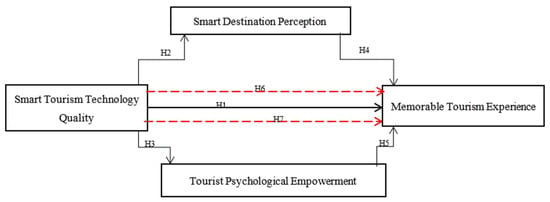
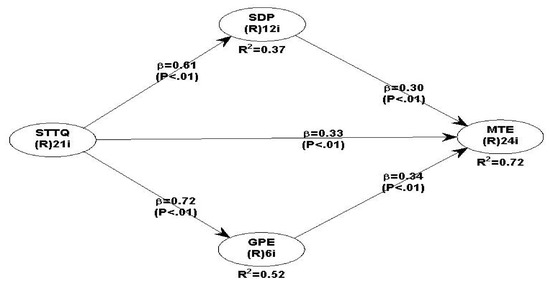

Disclaimer/Publisher’s Note: The statements, opinions and data contained in all publications are solely those of the individual author(s) and contributor(s) and not of MDPI and/or the editor(s). MDPI and/or the editor(s) disclaim responsibility for any injury to people or property resulting from any ideas, methods, instructions or products referred to in the content. |
© 2026 by the authors. Licensee MDPI, Basel, Switzerland. This article is an open access article distributed under the terms and conditions of the Creative Commons Attribution (CC BY) license.