


Abstract
Elaeagnus angustifolia L. (Russian olive) combines traits that make it both a management concern and a potentially useful source of biomass. This critical review integrates evidence on three linked dimensions: invasion risk and control, possible use in degraded-soil restoration research, and nutraceutical/bioeconomic valorization. We also discuss implications for botanical gardens and other institutions maintaining non-native plant collections, where ex situ conservation and research must be balanced against biosecurity. The literature shows that E. angustifolia tolerates drought, moderate salinity, and nutrient-poor substrates and fixes atmospheric nitrogen through actinorhizal symbiosis. However, these same traits can enhance establishment and alter nutrient dynamics in invaded habitats. Fruits, leaves, and seeds contain phenolics, flavonoids, carotenoids, organic acids, fibers, minerals, and fatty acids with experimentally reported bioactivities. These characteristics justify controlled investigation of biomass obtained from existing populations or management operations, but they do not demonstrate a net ecological-restoration benefit and do not justify expanding cultivation of the species. We propose a precautionary risk–benefit framework based on site exclusion, propagule control, contaminant testing, monitoring, reversibility, and planned replacement with native or non-invasive species. Under these conditions, E. angustifolia should be treated not as a general restoration solution but as a conditional research resource whose use must demonstrably reduce, rather than amplify, invasion risk.
1. Introduction
Elaeagnus angustifolia L., known in the international literature as Russian olive or oleaster, is a woody species in the family Elaeagnaceae with a readily recognizable field appearance. It usually occurs as a tall shrub or a small-to-medium sized tree, with occasionally thorny branches, an irregular crown, and narrow leaves ranging from gray-green to silvery. This silvery hue, produced by the scaly hairs on the leaf surface, is diagnostically useful and is associated with the species’ adaptation to high light intensity and water stress. The flowers are small and fragrant, yellowish on the inside and silvery on the outside, while the drupe-like fruits may be consumed by birds and mammals, thereby contributing to seed dispersal [1,2].
Interest in the species stems from the combination of its high ecological tolerance and its potential for spread. E. angustifolia can grow on nutrient-poor, dry, or moderately saline soils, tolerates intense light, and establishes readily on open ground [2,3]. Accordingly, it was formerly used in shelterbelts and in projects aimed at land stabilization and soil improvement [3,4]. However, the same traits may facilitate expansion beyond planted areas, particularly where disturbance has reduced competition from native vegetation [2,5].
Outside its native range in south-eastern Europe and western–central Asia, the species has become problematic in parts of North America, where it frequently invades riparian ecosystems. In these habitats, it can form dense thickets, reduce the regeneration of native species, and alter nutrient regimes, particularly through nitrogen inputs [2,6,7]. For this reason, any discussion of its use must begin with risk rather than benefit.
This paper evaluates whether and under what conditions E. angustifolia may be considered a conditional resource despite its status as a management problem. It does not seek to demonstrate that the species can generally be transformed into a resource. Instead, it identifies the biosecurity thresholds that must be met before biomass from existing populations is valorized or experimental testing is undertaken. The working hypothesis is that a local benefit is acceptable only when dispersal prevention, the availability of native or non-invasive alternatives, biomass safety, monitoring, and intervention reversibility are documented, and when the residual risk remains controllable.
This issue is particularly relevant to botanical gardens and other ex situ collections, where the maintenance of non-native taxa for research, education, and conservation must be balanced against the prevention of escape from cultivation and naturalization [8,9]. In this context, E. angustifolia provides a useful case study for assessing how a species’ scientific and applied value can be considered alongside biosecurity requirements.
2. Methodology of the Critical Synthesis and the Risk–Benefit Assessment Framework
This paper presents a critical synthesis, incorporating an exploratory bibliometric component, of the literature on Elaeagnus angustifolia L. No primary experimental data were generated. Sources were evaluated according to their relevance to three analytical strands—invasiveness and management, the rehabilitation of degraded soils, and nutraceutical potential—as well as by study type, geographical context, and robustness of evidence. In this paper, rehabilitation refers to the recovery of soil functions on anthropogenic or severely degraded land, whereas ecological restoration refers to the recovery of native ecosystem structure and processes. The resulting risk–benefit framework is not intended to legitimize the cultivation of the species but to define the restrictive conditions under which existing biomass or experimental testing might be investigated without increasing ecological risk.
The narrative synthesis does not constitute an exhaustive systematic review or a meta-analysis.
The analysis was structured around three principal strands. The first examines the species’ invasive behavior and the factors facilitating its spread. Evidence relating to ecological adaptability, fruit production and dispersal, the capacity to colonize disturbed habitats, effects on plant communities, and changes in soil properties through nitrogen fixation were considered. This strand is necessary because any discussion of the species’ use must begin with the genuine ecological risk it may create. In the literature, E. angustifolia is described as capable of invading riparian habitats and disturbed land, where it may alter vegetation structure and the regeneration dynamics of native species [2,5]. Its effects on soil nitrogen may likewise influence local ecological processes and complicate management strategies following plant removal [10,11].
The second strand concerns the plant’s ecological requirements and their compatibility with certain categories of degraded soil in Romania. Information was reviewed on drought tolerance, light requirements, and tolerance of nutrient-poor soils, sandy substrates, eroded soils, moderately saline or alkaline soils, and land affected by anthropogenic disturbance. The species’ capacity to fix nitrogen through actinorhizal symbiosis with bacteria of the genus Frankia is relevant in this context because it may contribute to the improvement of nitrogen-poor soils while conferring a competitive advantage in natural or semi-natural ecosystems [3,12]. The analysis therefore does not seek to recommend widespread cultivation of the species, but to identify contexts in which controlled testing might be theoretically justified.
To relate the analysis to conditions in Romania, sources addressing land degradation, drought, erosion, localized salinization, and loss of organic matter were consulted. This information is not used to recommend species introduction but to identify land types where controlled testing might be assessed theoretically. Recent remote-sensing analyses indicate that land degradation in Romania has a differentiated regional distribution and requires solutions adapted to local conditions [13].
The third strand analyses the nutraceutical and bioeconomic potential of plant biomass. Studies describing the phytochemical composition of fruits, leaves, flowers, and seeds were considered, with emphasis on the principal classes of bioactive compounds reported in the literature: phenolics, flavonoids, carotenoids, organic acids, fiber, minerals, and fatty acids. Review studies have highlighted compounds with potential antioxidant, anti-inflammatory, and pharmacological activities, thereby supporting interest in the valorization of biomass in nutraceutical products, functional foods, or standardized plant extracts [14]. Some research has also examined the biological effects of E. angustifolia extracts, including in contexts associated with inflammation and osteoarthritis; however, these findings must be interpreted cautiously and cannot be generalized without further validation [15]. In this paper, nutraceutical potential is treated as a possible avenue for valorization, not as sufficient evidence for therapeutic recommendations or the uncontrolled introduction of species.
To organize the evidence, the selected studies were arranged within a thematic framework comprising the author and year of publication, study region, study type, plant part analysis, principal findings, and relevance to the article’s three strands: invasion risk, degraded-soil restoration, and nutraceutical potential. The matrix enabled the comparison of the convergence of evidence and identification of knowledge gaps. The literature on phytochemical composition and biological activities is more extensive than that addressing the controlled use of the species on degraded soils in Romania; this imbalance limits direct transfer of conclusions to local contexts and indicates a priority for future research.
Representative original studies were descriptively assessed in terms of design, sample size or replication, comparison groups, methodological limitations and potential sources of bias, thematic relevance, and transferability to Romania.
Table 1 summarizes this structured assessment, without a formal risk-of-bias assessment or meta-analysis.
Table 1.
Critical assessment of representative studies on Elaeagnus angustifolia L.
Transferability was assessed qualitatively by comparing the climates, soils, and habitats studied with those in Romania. Similarities support research hypotheses; they do not imply equivalent efficacy or ecological safety.
Publication frequency and term co-occurrence describe the thematic structure of the literature, not the quality of evidence or the effectiveness of applications; these were assessed separately in the critical synthesis [18,19].
The bibliometric analysis played a secondary, exploratory role. The general search addressed literature on the species, while thematic queries covered three areas: invasiveness and management; degraded soils and nitrogen fixation; and phytochemical and nutraceutical potential. Results were not summed across levels because the same study could appear in more than one category. The general dataset was used to construct the keyword co-occurrence map in VOSviewer, without the intention of conducting an exhaustive quantitative meta-analysis.
Table 2 presents the search strings and number of results for each thematic level. The general dataset was used for the co-occurrence analysis, whereas the thematic datasets served solely as an indicative comparison of the relative weight of research domains; the values were not summed because the same study could be retrieved by more than one query.
Table 2.
Exploratory bibliometric search strategy for the literature on Elaeagnus angustifolia L.
Searches of the Web of Science Core Collection were conducted on 8–9 July 2026 for the period 1976–2026, using the Topic field (TS: title, abstract, author keywords, and Keywords Plus), without restrictions on document type or publication language. The general and thematic queries used the AND and OR operators and parentheses for grouping; the search strings and corresponding results are presented in Table 2, while their distribution across thematic levels is illustrated in Figure 1.
Figure 1.
Distribution of bibliometric results across thematic levels related to Elaeagnus angustifolia L.
Records from the general search were exported as text and analysed in VOSviewer 1.6.20 using all keywords and full counting. Of the 3565 distinct terms, 425 met the minimum threshold of three occurrences and were included in the network.
The narrative synthesis for Romania was supplemented by manual searches in Google Scholar on 11–12 July 2026, using the terms “Elaeagnus angustifolia”, “Russian olive”, Romania, Romanian, Dobrogea, Oltenia, Baragan, “Bărăgan”, and Moldova. These results were not included in the bibliometric counts or the co-occurrence map.
The distribution of bibliometric results across thematic levels indicates a relatively substantial body of general literature on Elaeagnus angustifolia L., as well as a clear differentiation among research directions.
The most strongly represented thematic levels are invasiveness/management and phytochemical–nutraceutical potential, whereas studies associated with degraded soils, nitrogen fixation, and restoration are fewer. The limited number of results directly related to Romania supports the need for an applied critical synthesis linking international evidence on the species with regional land-degradation issues and the principles of invasive-species management.
Figure 2 presents the exploratory keyword co-occurrence map generated from the general search. The network included 425 keywords in six clusters, 6025 links, and a Total Link Strength of 8137; these were used to describe co-occurrence relationships and thematic directions. No thesaurus file was used; “Russian olive”, “oleaster”, “Elaeagnus angustifolia”, and “Elaeagnus angustifolia L.” remained separate terms. This terminological fragmentation should be considered when interpreting the frequencies and network.
Figure 2.
Keyword co-occurrence map for the literature on Elaeagnus angustifolia L., produced in VOSviewer from the general bibliographic dataset. The colours indicate the six bibliometric clusters, node size reflects term frequency, and lines represent co-occurrence links between terms.
The green cluster associates “Russian olive”, “invasive species”, “vegetation”, “riparian”, “establishment”, and “management”, reflecting research on spread, plant communities, and control. The blue cluster brings together “salinity”, “drought”, “water”, “reclamation”, and “afforestation”, relating to abiotic stress and degraded land.
The purple cluster associates “Frankia”, “nodulation”, “root-nodules”, and “genetic diversity”, relating to actinorhizal symbiosis, plant–microorganism interactions, and nitrogen fixation.
The red cluster on the right of the map associates “antioxidant activity”, “extract”, “inflammation”, “fruit”, and “phenolic compounds”, relating to phytochemistry and experimental biological activities.
The yellow cluster associates “adsorption”, “activated carbon”, “nanoparticles”, “composite”, and “degradation”, indicating research on biomass-derived materials and environmental technologies, outside the main objectives of this synthesis.
The six VOSviewer clusters were interpreted through three conceptual directions of the article: invasiveness and management, soil processes and rehabilitation, and phytochemistry and nutraceutical potential. This conceptual synthesis does not change the number of clusters generated.
The contribution of this synthesis lies in developing an integrated decision threshold for assessing the species’ potential uses. Edaphic and nutraceutical potential becomes relevant only after excluding sites connected to sensitive habitats, assessing native or non-invasive alternatives, controlling propagules, evaluating contaminants in biomass, and ensuring the reversibility of the intervention. This threshold links the literature on invasiveness, land restoration, and biomass valorization within a framework applicable to future research in Romania.
This approach does not demonstrate that an ecological problem can generally be transformed into an opportunity. It provides a framework for testing whether, in a clearly delimited local context, the valorization of existing biomass or a reversible experimental intervention can yield a measurable benefit without increasing propagule pressure. In the absence of local data on effectiveness, costs, biomass safety, and long-term control, the outcome remains an applied hypothesis requiring experimental validation.
The results depend on the coverage of the Web of Science Core Collection, the queries, and the search date; they do not represent an exhaustive or continuously updated inventory.
3. Invasion Risk and the Control Framework for the Experimental Use of Elaeagnus angustifolia L.
Any analysis of Elaeagnus angustifolia L. as a potential resource for degraded soils must begin with an essential precaution: the plant has documented invasive behavior. It cannot be treated as an ordinary ameliorative species because the traits that enable it to survive on difficult soils—tolerance of drought and moderate salinity, rapid establishment on disturbed land, nitrogen fixation, and fruit-mediated dispersal—may also support uncontrolled expansion.
In the literature, E. angustifolia is described primarily as invasive in riparian ecosystems, floodplains, and disturbed habitats, where it may alter vegetation structure and ecosystem functioning [2,5,20].
Accordingly, this section does not merely catalogue risks; it establishes the conditions under which the species might be tested without allowing a restoration intervention to become, over time, a new source of invasion. It underpins the exclusion and inclusion criteria subsequently used to select experimental sites. Emphasis is placed on prudent site selection, monitoring of ecological processes, and the existence of a clear withdrawal strategy or replacement with native or non-invasive species.
This approach is justified by studies showing that effects on soil and plant communities may persist after tree removal, thereby necessitating post-intervention monitoring and site-specific revegetation [11,21].
Figure 3 summarizes the relationship between potential benefits, ecological risks and the methodological filters required to ensure that testing remains isolated, monitored and reversible.
Figure 3.
Conceptual risk–benefit model for the experimental use of E. angustifolia L. on degraded soils.
3.1. Traits Promoting Invasiveness
The invasiveness of E. angustifolia results from the interaction of several morphological, physiological, and reproductive traits. The plant tolerates nutrient-poor soils, sandy substrates, drought, and moderate salinity, enabling it to establish where native vegetation is sparse or disturbance-affected. It favors open, well-lit spaces, including abandoned land, roadsides, embankments, disturbed floodplains, and anthropogenically degraded areas [2,5,22].
An important advantage is nitrogen fixation through actinorhizal symbiosis with bacteria of the genus Frankia. On nutrient-poor soils, this capacity can support plant growth without substantial dependence on nitrogen already present in the substrate. In restoration, the mechanism may appear useful; in natural or semi-natural ecosystems, however, it may alter nutrient availability and redirect vegetation succession [10,12,21].
The risk is amplified by reproduction from seed. Fruits are consumed by birds and mammals, and seeds may be transported far from the parent plant. In European starlings, some seeds have been observed to remain viable after passage through the digestive tract, confirming the role of fauna in dispersing the species [23].
Water transport may further accelerate dispersal, particularly in riparian habitats. Floodplain studies show that the species’ distribution is associated with frequently inundated areas, suggesting that hydrochory may shorten the invasion lag phase and facilitate habitat occupation along rivers [20]. For Romania, this observation is relevant because floodplains, riverbanks, and irrigation canals may function as dispersal axes, while recent European and Romanian sources report the species as alien/invasive [24,25,26].
Proximity to watercourses must therefore be treated as a major exclusion criterion. Quantitative indicators of reproduction, dispersal, regeneration, and growth are summarized in Table 3.
Table 3.
Quantitative indicators of the invasive capacity of Elaeagnus angustifolia L. and limits to the transferability of results.
Values relating to reproduction, dispersal, and regeneration are specific to the conditions studied and should not be directly extrapolated to Romania. The projection for Montana for 2041–2070 does not estimate changes in the species’ range in Romania; local assessments should include demography, regeneration, and regional climate scenarios before testing.
3.2. Habitats Vulnerable to Invasion
The most vulnerable habitats are those in which disturbance, light availability, and dispersal opportunities overlap. In the North American literature, the species is frequently associated with riparian ecosystems, alluvial terraces, riverbanks, canals, wet grasslands, and disturbed land. Lesica and Miles [29] documented invasion along rivers in Montana and showed that populations may include individuals with different ages, indicating repeated establishment and regeneration over time.
Applied to the Romanian context, these findings support the exclusion of the species from active floodplains, riverbanks, canals, and wetlands, the Danube Delta, protected areas, natural steppe habitats, and grasslands of high conservation value. In such settings, the risks of dispersal and alteration of native communities may outweigh any local benefit, particularly because riparian ecosystems often function as establishment zones and dispersal corridors for alien plants [2,20].
Any testing should be restricted to degraded, isolated, and readily monitored land: sandy soils affected by erosion, abandoned agricultural land, mine spoils, disused industrial sites, or nutrient-poor soils located at a distance from sensitive natural habitats. A suitable site is defined not only by the degree of soil degradation but also by the practical feasibility of demarcation, fruiting control, seedling monitoring, and rapid intervention should individuals appear outside the plot.
3.3. Effects on Biodiversity and Plant Communities
Once established, E. angustifolia may alter the structure of plant communities through competition for light, water, space, and nutrients. Dense stands reduce the light available to herbaceous plants and seedlings of native species. In riparian ecosystems, where the regeneration of native trees depends on light windows and flood dynamics, species may alter natural succession and favor exotic or nitrophilous species [2,5,21].
The relationship with fauna must be treated with nuance. Fruits may provide food for some animals, but this local advantage does not offset the ecological risk when the plant expands into natural or semi-natural habitats. In experimental use, potential benefits to fauna must be assessed alongside propagule pressure, seedling emergence, and effects on the regeneration of native species.
In a controlled scenario involving degraded soils in Romania, the essential condition is that the species must not become dominant in the long term. Experimental use of the species to improve soil functions must not be confused with ecological restoration and may be examined only in comparative studies involving native or non-invasive alternatives, with predefined measures to prevent dispersal and ensure complete removal of the tested individuals. Without this stage, a restoration intervention may generate secondary invasion or reinvasion, as observed in removal and revegetation programs in North American riparian ecosystems [21,30].
3.4. Modification of the Nitrogen Cycle and Ecological Implications
Biological nitrogen fixation by Elaeagnus angustifolia L. may alter the fertility of degraded substrates.
In natural or semi-natural habitats, however, the same mechanism may produce undesirable effects. DeCant [10] showed that the species may alter patterns of soil nitrogen in riparian ecosystems along the Rio Grande, indicating effects on biogeochemical processes as well as vegetation. Subsequent studies confirmed that effects on nitrogen and plant communities may persist after tree removal and that a return to reference conditions may remain slow or incomplete several years after control [11,21].
Monitoring must therefore extend beyond a simple assessment of plant survival. Where the species is used on degraded soil, the effects on total and mineral nitrogen, organic matter, pH, salinity, moisture, and spontaneous vegetation must also be monitored. A soil rapidly enriched with nitrogen is not automatically a restored soil; in some cases, excess nitrogen may favor competitive weeds or other invasive species. Nitrogen fixation should therefore be presented as a conditional advantage, not a universal benefit.
For Romania, this distinction is important. On sandy, eroded, or post-industrial soils, nitrogen input might be useful if monitored and time-limited. In natural grasslands, steppe habitats, or protected areas, altered nitrogen availability may affect communities adapted to nutrient-poor soils. Use of the species should therefore be excluded wherever nutrient poverty forms part of the natural ecological balance.
3.5. Methodological Framework for Controlling Experimental Use
If E. angustifolia is considered a resource for degraded soils, control must be integrated into the method of use itself. Planting or observing plant performance is insufficient; the experiment must incorporate dispersal prevention, plot demarcation, ecological monitoring, and rapid intervention. The management literature shows that removal may be difficult and that interventions must be followed by monitoring of regeneration and revegetation because persistent soil effects, reinvasion from seed, or establishment by other exotic species may occur [11,21,30].
For Romania, a minimum control framework may be organized into four components:
- Exclusion criteria: sites located on active floodplains, riverbanks, near canals, wetlands, protected areas, valuable natural habitats, or areas directly connected to dispersal corridors are excluded from consideration.
- Testing conditions: Testing is undertaken only in small experimental plots that are demarcated, ecologically isolated, and accessible for regular intervention; large-scale planting is not recommended.
- Monitoring indicators: fruiting, seedling emergence, spread beyond the plot, plant density, harvested biomass, and soil changes—especially nitrogen, organic matter, pH, salinity, and moisture—are monitored.
- Intervention measures: fruits are harvested before dispersal, seedlings outside the plot are removed immediately, biomass is harvested under controlled conditions, and individuals are gradually replaced with native or non-invasive species once the soil has stabilized.
Within this framework, fruiting control is decisive because it reduces propagule pressure and limits seed transport by the fauna. Removed biomass or fruits may be used for phytochemical or nutraceutical analyses, but only if such valorization does not become an argument for expanding cultivation. Harvesting may thus function simultaneously as a control measure and a source of research material.
3.6. Methodological Implications for Selecting Experimental Sites
The selection of experimental sites must follow a clear biological-invasion prevention filter. Land selection cannot depend solely on the degree of soil degradation; it must also account for the probability of dispersal, the sensitivity of neighboring habitats, and the capacity for rapid intervention. This logic is consistent with European approaches to invasive alien species, which emphasize prevention, surveillance, early detection, and adaptive management [33,34].
Exclusion criteria must be applied before any testing. Active floodplains, riverbanks, wetlands, irrigation canals, protected areas, natural steppe habitats, grasslands of high conservation value, and areas directly connected to dispersal corridors are incompatible with experimental use. Their exclusion is justified by the species’ capacity to establish in riparian ecosystems, its association with flood dynamics, and the possible persistence of effects on soil and plant communities after removal [2,20,21].
Inclusion criteria must restrict testing to degraded, isolated, and controllable land: eroded sandy soils, abandoned agricultural areas, mine spoils, post-industrial land, or nutrient-poor soils located away from sensitive natural habitats. A site is suitable only if it permits clear plot demarcation, regular access for monitoring, fruit harvesting before dispersal, removal of spontaneously emerging seedlings, and gradual replacement with native or non-invasive species. The central criterion is not merely the species’ stress tolerance but the ability to control the entire experimental cycle [11,31,35].
Site assessment should combine botanical observations and soil analyses with satellite indices such as NDVI, which are useful for identifying low vegetation cover and tracking changes [13,36] but are insufficient to determine floristic composition, degradation, or ecological suitability. On post-industrial, mining, or waste-affected land, the history of land use should guide analyses of Pb, Cd, As, and Cr in soil and, where valorization is intended, in biomass. Contamination characterization assesses biomass safety; it does not demonstrate the suitability of the species for phytoremediation.
Monitoring must address both plant performance and ecological risk. Relevant plant-level indicators include survival, annual growth, fruiting, seedling density, and spread beyond the plot.
At the soil level, total and mineral nitrogen, organic matter, pH, salinity, moisture, and spontaneous vegetation cover should be monitored. At the community level, the emergence of nitrophilous species, competitive weeds, or other alien species should be recorded. If seedlings appear outside the plot, fruiting becomes uncontrolled, or rapid increases in nitrogen are associated with undesirable species, the experiment must be reassessed or terminated in accordance with the principles of early detection and rapid response [34,35,37].
From legislative and biosecurity perspectives, any experimental use of a species with invasive potential must be governed by the precautionary principle. Preventing the introduction and spread of invasive alien species is considered more effective than subsequent control [33,38].
Risk assessment must precede testing and include the probability of establishment and dispersal, as well as impacts on biodiversity and ecosystem services [38,39]. Monitoring must continue throughout the experiment and after its completion so that early detection and rapid response can prevent populations from expanding beyond the experimental site [33,35].
At the European Union level, the regulatory framework for invasive alien species is established by Regulation (EU) No. 1143/2014 on the prevention and management of the introduction and spread of invasive alien species [38]. Elaeagnus angustifolia is not included in the Union list, as updated by Commission Implementing Regulation (EU) 2025/1422 [40]. Consequently, the species is not subject, on the basis of this Regulation, to the specific Union-wide restrictions concerning keeping, importing, selling, breeding, growing and releasing listed invasive alien species [25,38].
In Romania, from an ecological and regulatory perspective, Elaeagnus angustifolia represents an interesting example of a plant species whose invasive behaviour is recognised at national level [41], while its legal status remains distinct from that of invasive alien species of Union concern. The invasive potential of the species is documented in the management plan for the Natura 2000 site ROSCI0103 “Lunca Buzăului” [42] and its presence is noted in the documentation for the Natura 2000 sites ROSCI0067 and ROSPA0032 “Deniz Tepe” [43]; these references do not equate to the inclusion of the species on the European Union’s legal list. Consequently, any experimental use of the species must be preceded by verifying and complying with applicable regulations regarding habitat protection, the prevention of the spread of non-native species, and the specific conditions pertaining to the proposed site. Its presence in botanical collections therefore deserves attention from the perspective of preventive management, monitoring and the assessment of potential escape into surrounding habitats.
In conclusion, invasion risk does not entirely preclude investigation of the species’ potential uses, but it imposes strict limits on how such investigation may proceed. E. angustifolia can be considered a resource only if it is simultaneously managed as a species with documented invasive behavior. Without site isolation, monitoring, and dispersal control, potential benefits for soil rehabilitation or nutraceutical-biomass research may be outweighed by the ecological costs of invasion.
The methodological premise of this section is that risk must be assessed before intervention, controlled throughout the experimental period, and addressed at every stage of biomass handling, site management, and eventual removal.
4. Ecological Requirements and Contexts Compatible with Controlled Testing on Degraded Soils in Romania
The species’ ecological suitability for degraded land in Romania cannot be inferred from stress tolerance considered in isolation. The assessment must combine substrate properties with site isolation, hydrological connectivity, proximity to sensitive habitats, availability of native alternatives, and capacity for monitoring and eradication. Accordingly, this section analyses contexts of compatibility for experimental research, rather than cultivation opportunities.
4.1. Ecological Traits Relevant to Degraded Soils
Elaeagnus angustifolia L. tolerates drought, moderate salinity, cold, wind, and low-fertility soils, traits that explain the interest in evaluating it on degraded land. These tolerances demonstrate a capacity for survival and establishment, not ecological-restoration effectiveness. A species that performs well under stress may stabilize a severely degraded substrate, but the same performance may amplify its naturalization potential if propagules reach natural or semi-natural habitats. Edaphic suitability and ecological safety must therefore be assessed separately.
From a soil perspective, the species displays a degree of ecological flexibility. It can grow on sandy, nutrient-poor, moderately saline, or alkaline soils, that is, on substrate types where vegetation recovery is often slow and difficult. Liu et al. [16] showed that E. angustifolia seedlings can withstand the combined stress of salinity and temporary waterlogging, maintaining essential physiological functions through mechanisms of osmotic regulation and antioxidant protection. This response explains why the species may be considered for degraded land, but it does not alter the requirement that its use be confined to isolated and carefully monitored areas [16].
Another important feature is the species’ capacity to fix nitrogen in the soil through association with actinorhizal bacteria of the genus Frankia. This trait may be valuable on land where the soil is nutrient-poor and nitrogen deficiency limits vegetation establishment. Khamzina et al. [3] observed that, in mixed plantations on degraded agricultural land in Central Asia, E. angustifolia contributed to biological nitrogen fixation even under conditions of high salinity and low phosphorus availability. Their findings suggest that the species may contribute to the gradual improvement of soil fertility in such challenging contexts [3].
This capacity should not, however, be interpreted as a universal advantage. On degraded, isolated, and infertile land, nitrogen inputs may support soil recovery and vegetation establishment. In a natural habitat, by contrast, the same nitrogen enrichment may alter the balance of plant communities and favor opportunistic or invasive species.
4.2. Compatible Land Types and Exclusion Criteria
The relationship between E. angustifolia and degraded land in Romania must be established at two levels: first, through the species’ ecological traits and, second, through the specific forms of degradation described for Romania in the specialist literature. From this perspective, the species may theoretically be associated with sandy, eroded soils that are poor in organic matter, moderately saline or alkaline, as well as with abandoned agricultural land or post-industrial substrates. These land types share limited water and nutrient availability, while vegetation establishment is slow or unstable. This is precisely where the ecological interest in a stress-tolerant species arises, together with the need for a cautious assessment, because the same traits may facilitate spread beyond the test plots.
At the national scale, land degradation in Romania is unevenly distributed and is concentrated in regions where drought, aridification, arable-land degradation, and anthropogenic pressure overlap. Ontel et al. [13] assessed recent trends in degradation and desertification using remote-sensing indicators and identified degraded land across approximately 7.76% of the country.
Their results indicate that many affected areas overlap with dry zones and arable land, while vulnerable regions include Dobrogea, the Romanian Plain, the Western Plain, the Moldavian Plateau, and certain Subcarpathian areas [13]. This evidence provides a stronger basis for discussing the species in relation to documented patterns of land degradation rather than solely in relation to its general physiological tolerances. A qualitative comparison of the geographic, climatic, and edaphic contexts and their transferability to Romania is provided in Table 4.
Table 4.
Qualitative comparison of the geographic, climatic, and edaphic contexts reported in the literature on Elaeagnus angustifolia L. and the limitations of their applicability to Romania.
Nevertheless, this suitability must be interpreted selectively. Abandoned sandy agricultural land, an erosion-affected plot, or an isolated post-mining substrate may be examined as possible settings for controlled testing. By contrast, natural habitats subject to water stress, such as steppe grasslands, active floodplains, or wetlands, should not be conflated with degraded land available for intervention. In other words, the edaphic criterion is insufficient. For suitability to be scientifically credible, site isolation, distance from dispersal corridors, the conservation value of surrounding habitats, and the feasibility of long-term monitoring must also be considered.
4.2.1. Potential Areas for Controlled Assessment
On the basis of edaphic and biosecurity criteria, several categories of areas in Romania may be identified solely as hypothetical contexts in which E. angustifolia could be assessed in controlled research. These examples do not constitute recommendations for siting or cultivation and do not replace a local risk assessment. Any study would require verification of the current legal status of the species and the land, all applicable approvals, analysis of ecological and hydrological connectivity, comparison with native or non-invasive alternatives, and a fully funded eradication and post-experiment monitoring plan. Table 5 summarizes categories of territorial contexts in which the experimental hypothesis could be assessed only after applying legal, ecological, and operational filters.
Table 5.
Categories of Territorial Contexts in Romania Assessed through Edaphic and Biosecurity Filters for Potential Controlled Research with Elaeagnus angustifolia L.
The listed regions are not recommended sites and do not replace local risk analysis. The qualitative classification shows that edaphic suitability is insufficient: hydrological connectivity, proximity to sensitive habitats, availability of native alternatives, and feasibility of eradication may lead to a site being excluded even where the soil is degraded.
Southern Oltenia provides a relevant example for this discussion. The recent literature describes the sandy soils of Oltenia as having low water retention capacity and low nutrient and organic matter contents, against a background of increasing desertification risk, particularly in Dolj County [45]. The area is therefore relevant to the theoretical analysis of a species tolerant of drought and nutrient-poor soils. Relevance does not, however, imply a direct recommendation: any testing should be restricted to isolated plots, with fruit harvesting, regeneration control, and monitoring for seedlings outside the experimental area.
The Bărăgan Plain provides another example of vulnerable agricultural land. Using Landsat imagery and spectral mixture analysis, Vorovencii [36] showed that degradation risk increased between 1988 and 2011, influenced by drought and high temperatures and socio-economic factors such as agricultural-land fragmentation and the deterioration of irrigation systems. In this context, E. angustifolia may only be discussed as the subject with small-scale, controlled testing. The presence of canals, open agricultural land, and potential dispersal corridors makes the ecological risk greater than in isolated post-industrial areas.
For Dobrogea and the Moldavian Plateau, the data presented by Ontel et al. [13] support including these regions in the discussion of vulnerability to degradation and desertification. At the same time, they underline why a simple overlap between the species’ tolerance and environmental conditions is insufficient. Dobrogea encompasses valuable steppe habitats, protected areas, and areas near the Danube Delta, while the Moldavian Plateau includes slopes and grasslands of conservation value. In these cases, the use of the species should be excluded from natural habitats and considered only on anthropogenic, isolated, and already degraded land, where the risk of dispersal can be controlled.
Potential native alternatives are summarized in Table 6.
Table 6.
Native species that may be assessed as alternatives to Elaeagnus angustifolia L. according to site conditions in Romania.
The comparison of alternatives should consider substrate stabilization, establishment of native vegetation, effects on biodiversity, maintenance costs, and ecological risks.
Even on embankments and severely degraded sites requiring rapid stabilization, the experimental assessment of Elaeagnus angustifolia L. should be considered only after the inadequacy of suitable alternatives has been demonstrated, without weakening biosecurity measures [11,21,30]. Existing ruderal or invasive vegetation should be assessed and, where appropriate, controlled before the establishment of suitable locally native species.
4.2.2. Ecological Exclusion Criteria
Use of the species must be excluded in areas where dispersal risk is high or native plant communities have conservation value. This category includes active floodplains, riverbanks, irrigation and drainage canals, wetlands, the Danube Delta, protected areas, natural steppe habitats, valuable semi-natural grasslands, and Natura 2000 sites. Even where some of these habitats have nutrient-poor, sandy, or saline soils, or are affected by drought, they must not be treated as degraded land available for experimental interventions. The decisive criterion is not simply soil condition, but habitat conservation value, ecological connectivity, and the likelihood that fruits or seedlings will be dispersed beyond the controlled plot.
This precaution is justified primarily by the species’ behavior in riparian ecosystems. Katz and Shafroth [2] showed that E. angustifolia meets the criteria for an invasive species in riparian habitats of western North America, where it may benefit from reduced natural disturbance in flow regimes and alter the structure of native vegetation. Collette et al. [5] likewise emphasized that shade tolerance, nitrogen fixation, and the capacity to dominate riparian vegetation can transform the functioning of riparian ecosystems and aquatic food webs. Moreover, Mineau et al. [59] showed that Russian olive invasion may alter organic matter flows between riparian vegetation and watercourses, reducing river-ecosystem efficiency. By analogy, riparian corridors, floodplains, and wetlands in Romania must be regarded as major risk zones and excluded from any controlled-testing scenario.
Excluding steppe and seminatural grasslands is equally important. In the Pontic region, Sudnik-Wójcikowska et al. [60] showed that E. angustifolia may impede the regeneration of steppe vegetation and create favorable conditions for nitrophilous weeds and alien species, particularly near protected areas. For Romania, this observation is particularly relevant to Dobrogea, southern Moldavia, and Oltenia, where habitats 6120*, 6240*, 6260*, and 62C0* have high conservation value. Răduțoiu and Băloniu [61] highlighted that Natura 2000 xeric, sub-Pannonian, Pannonian sandy, and Ponto-Sarmatic grassland habitats in Oltenia are already affected by invasive or potentially invasive species, supporting the application of the precautionary principle and exclusion of any additional introduction with naturalization potential.
In addition, recent regional data on invasive woody species indicate that the presence of surface water, groundwater level, soil texture, and climatic conditions may influence the occurrence and persistence of E. angustifolia. In a Hungarian study of invasive woody species, Visztra et al. [44] included E. angustifolia among the invasive trees analyzed and showed that preventing spread requires identification of the edaphic, hydrological, and climatic factors that favor establishment. This conclusion reinforces the need in Romania to exclude testing not only from protected areas themselves but also from buffer zones and from the vicinity of watercourses, canals, lakes, marshes, floodplains and ecologically connected natural grasslands.
Accordingly, the exclusion criteria must be formulated operationally: no sites should be selected within or at the edge of protected areas, Natura 2000 sites, habitats of community interest, riparian corridors, land with high hydrological connectivity, areas adjoining wetlands, or natural and semi-natural grasslands. Land from which fruits may be transported by water, birds, or mammals into natural habitats must also be excluded. A site may be considered only if it is anthropogenic, isolated, and lacks direct connectivity with sensitive habitats, and if a verifiable plan exists for monitoring, removing spontaneous regeneration, and replacing the species with native or non-invasive taxa.
4.3. Temporary Use in the Rehabilitation of Degraded Soils
On degraded, isolated, and monitorable land, E. angustifolia may be assessed only as a temporary pioneer species within a controlled experimental hypothesis. Testing should measure substrate stabilization, organic matter accumulation, changes in nitrogen and microbial communities, the establishment of native or non-invasive species, and regeneration beyond the plot as separate outcomes. In a short-term experiment, Sui et al. [62] reported increases in total and ammoniacal nitrogen, organic matter, and the abundance of soil microbial communities, together with reductions in pH and salinity; these findings document edaphic and microbial changes, not ecological-restoration effectiveness. Available evidence shows that the species may alter soil properties, but does not demonstrate that these changes produce net ecological restoration or that the benefit persists once the plant is removed.
In an applied model for Romania, this function should be temporary and conditional upon measurable objectives. The species could be tested in small, isolated plots where the soil is severely degraded, poor in organic matter, affected by drought, moderate salinity, or an anthropogenic substrate, and where native or non-invasive alternatives have documented establishment difficulties. The period of use should be defined in advance, for example, as an initial substrate-amelioration phase rather than a permanent introduction. At the end of this phase, the strategy must provide for the gradual reduction or removal of E. angustifolia specimens and their replacement with native or non-invasive species adapted to the local context. In this way, the plant would serve as a transitional element in substrate rehabilitation rather than as a long-term dominant species. The comparative feasibility assessment must include the total costs of control and monitoring, alongside the functional outcomes of the intervention.
The temporary nature of use must be defined through entry and exit indicators. Entry indicators would include site isolation, the absence of direct connectivity with natural habitats, the feasibility of fruit harvesting, and the existence of a monitoring plan. Exit indicators should include increased vegetation cover, achievement of a predetermined increase in organic matter, reduced surface erosion, establishment of introduced native or non-invasive species, and absence of E. angustifolia seedlings outside the plot. If seedlings emerge in adjacent areas, fruiting becomes uncontrolled, or dispersal occurs toward canals, floodplains, grasslands, or the margins of protected areas, the experiment must be terminated and the specimens removed.
A cautious approach is also supported by the literature on restoration following removal of species from invaded ecosystems. Gaddis and Sher [11] showed, at sites in the western United States, that restoration success after the removal of E. angustifolia depends on moisture and temperature conditions and on the capacity of native vegetation to re-establish. Espeland et al. [30] emphasized that subsequent control is essential after Russian olive removal because reinvasion or secondary invasions may occur. These findings should not be transferred mechanically to Romania, but they are useful in developing a safety rule: any testing with E. angustifolia must incorporate a removal and post-testing restoration scenario from the outset.
In designing such a model, the principles of restoration through assisted succession may be useful, but they must be applied inversely when using a species with invasive potential. The aim is not for E. angustifolia alone to accelerate succession until it becomes dominant, but for the intervention to create a brief window of substrate reduction followed by the deliberate establishment of native species. Recent studies on assisted succession and natural regeneration show that restoration is more likely to succeed when interventions are linked to ecological thresholds, long-term monitoring, and control of invasive or competitive species [63,64]. For Romania, this logic entails using E. angustifolia solely as a transitional experimental hypothesis, with a predetermined end date, and not as a permanent ecological reconstruction tool.
The species’ suitability for degraded soils in Romania cannot be established solely on the basis of its stress tolerance. Ecological-safety criteria and a monitoring protocol are required. Land may be considered theoretically suitable only if it simultaneously meets several conditions: it is degraded, has low fertility, is isolated from natural habitats, is not located near watercourses, can be monitored, and its fruiting and regeneration can be controlled. Annual monitoring should cover survival, fruiting, seedling emergence, changes in vegetation cover, trends in organic matter, nitrogen, salinity, and pH, and the presence of planted or spontaneously establishing native species. In the absence of these conditions, the use of the species becomes risky and cannot be justified as an ecological restoration measure.
Restoration assessment must also monitor the cover and diversity of native species, their spontaneous regeneration, the reduction in the dominance of invasive or undesirable nitrophilous species, and the extent to which the plant community approaches the local reference habitat. Indicators are compared against the baseline (initial) state and control sites, including following the removal of Elaeagnus angustifolia L.
Accordingly, E. angustifolia should not be proposed as a general solution for rehabilitating degraded land but as the subject with experimental assessment in strictly delimited contexts. Its potential value derives from the fit between the plant’s ecological requirements and certain categories of degraded soil, but this value is nullified where invasion risk cannot be controlled. Within this logic, controlled testing on degraded soils in Romania can be formulated only as an applied research hypothesis, involving small plots, monitoring, fruit harvesting, removal of spontaneous regeneration, clear termination criteria, and a mandatory plan for replacement with native or non-invasive species. Without these conditions, the use of the species could transform a temporary reduction tool into a source of ecological pressure on natural habitats.
5. Nutraceutical and Bioeconomic Potential of Biomass
The biomass of Elaeagnus angustifolia L. may be regarded as a resource only under conditions of strict ecological control. The central premise is not the introduction or expansion of cultivation of a species with an invasion risk, but the use of plant material derived from existing populations, control operations, or isolated experimental plots. Within this framework, the recent literature indicates that the species’ biomass is of nutritional, phytochemical, and applied interest, although its valorization must be linked to traceability, standardization, and the prevention of dispersal [14,65,66].
5.1. Plant Parts of Applied Interest
The parts of greatest interest are the fruits, leaves, flowers, and seeds. Fruits are the best documented for food and nutraceutical uses because they have traditionally been consumed and contain carbohydrates, fiber, minerals, amino acids, organic acids, and phenolic compounds. They may be processed and assessed as powder, flour, extract, or a functional ingredient; however, harvesting must be organized to reduce, rather than increase, the risk of the species spreading [14,65,67].
Leaves represent another important source of bioactive compounds. Recent studies have shown that leaf extracts may contain high levels of phenols, flavonoids, and tannins and that their composition varies according to the extraction solvent used [68]. In one study of the leaves, the n-butanol and ethyl acetate fractions exhibited high phenolic contents, while the ethyl acetate fraction was rich in flavonoids; the same extracts were associated with antioxidant activity in in vitro assays [68].
Flowers and seeds have been reported as sources of phenolic compounds, flavonoids, and other metabolites of possible pharmacological interest, although their practical use is less developed than that of fruits and leaves. Accordingly, in this section, they are treated as secondary sources of interest, principally for further phytochemical research [14,69].
5.2. Classes of Bioactive Compounds Reported in the Literature
The nutraceutical interest of the biomass is supported by the presence of several classes of compounds: phenols, flavonoids, carotenoids, organic acids, fiber, minerals, fatty acids, amino acids, polysaccharides, and other secondary metabolites. In the literature, these classes are associated with antioxidant, anti-inflammatory, antimicrobial, or metabolic activities observed in experimental studies [14,65,66].
A recent line of research concerns free and bound polyphenols. Lv et al. [70] used ultrasound-assisted extraction and enzymatic hydrolysis to obtain bound polyphenols from E. angustifolia and identified 27 phenolic compounds by UPLC–IMS-QTOF-MS, including coumarins, lignans, polyphenols, flavonoids, and tannins. The authors also reported significant antioxidant activity in DPPH and ABTS assays, supporting interest in polyphenolic extracts in research on functional foods, nutraceutical products, and cosmetic applications [70].
The fruits are of particular interest because of the differences between the pulp and peel. Hassanpour [71] reported that the pulp is richer in sugars such as glucose, fructose, and sucrose, as well as certain amino acids and fatty acids, whereas the peel is richer in bioactive compounds and minerals. This distinction is important because it suggests that fruit fractions may have different uses: the pulp as a nutritional ingredient, and the peel as a concentrated source of bioactive compounds for functional foods or nutraceutical products [71]. Fu et al. [72] characterized 56 compounds in the fruits, including phenols, triterpenes, and other metabolites, and identified in vitro anti-inflammatory activity for some of the compounds tested, thereby expanding the phytochemical evidence base without demonstrating therapeutic efficacy [72]. Raw-material variability must also be taken into account: Safdari and Khadivi [73] identified considerable differences among genotypes in traits associated with fruit quality, supporting the need for batch characterization and standardization.
5.3. Reported Biological Activities
The biological activities attributed to the species must be discussed cautiously because the literature includes in vitro studies, animal studies, limited clinical studies, and review papers. These findings do not support general claims of therapeutic efficacy; they support only the conclusion that certain extracts or preparations have exhibited relevant biological activities under controlled experimental conditions.
Antioxidant activity is among the most frequently reported. It is associated particularly with the presence of phenolic compounds, flavonoids, carotenoids, and tannins. Carradori et al. [17] analyzed powdered fruits and leaves and observed a relationship between chemical composition and antioxidant potential; leaf extracts exhibited high antioxidant potential compared with fruit extracts, particularly because of their phenolic and pigment contents (Table 7).
Table 7.
Reported compounds, biological activities, potential uses, and limitations of Elaeagnus angustifolia L. biomass.
Panahi et al. [15] evaluated a standardized aqueous extract of E. angustifolia for symptoms of knee osteoarthritis in a randomized clinical trial. Under that protocol, participants receiving the tested preparation showed improvements in pain and function, and the preparation was reported to be well tolerated during the study period. However, the sample size, study duration, extract characteristics, and choice of comparator limit the generalisability of the findings. The study should therefore be interpreted as a preliminary clinical signal requiring independent replication, not as evidence that E. angustifolia products in general are therapeutically effective or equivalent to ibuprofen.
Other studies have investigated effects in animal models or in vitro. Nasrabadi et al. [74] compared the effect of E. angustifolia extract with quercetin in a murine model of osteoarthritis, suggesting biologically relevant potential in relation to inflammation and joint degradation. However, because the study used an animal model, direct extrapolation to human populations requires further validation [74].
In addition, recent research on the leaves has identified antioxidant, antimicrobial, and cytotoxic activities in experimental systems. Doğan et al. [75] analyzed leaf extracts and reported free-radical-scavenging capacity, antimicrobial effects, and cytotoxic effects in certain cell lines. These findings may support further research on plant extracts, but they do not justify direct clinical applications [75].
5.4. Potential Valorization Pathways
On the basis of the reported phytochemical composition and biological activities, E. angustifolia biomass may be investigated through several valorization pathways. The first concerns nutraceutical products and functional foods. Fruits or fruit powder may be assessed as food ingredients rich in fiber, minerals, natural sugars, and phenolic compounds. Sabouri et al. [67] discussed the potential of oleaster flour as an ingredient with prebiotic value, noting increased levels of antioxidants, polyphenols, fiber, flavonoids, sterols, carbohydrates, and proteins in food products enriched with this raw material.
The second pathway is the production of standardized plant extracts. Leaves, fruits, or peels may be subjected to extraction methods designed to concentrate phenolic and flavonoid compounds. Recent studies show that the extraction method and solvent polarity strongly influence the extraction yield and phytochemical profile of the resulting extracts [67,69]. This observation is important for any nutraceutical application because a product intended for valorization must have a reproducible composition, a controlled concentration of active compounds, and a known safety profile.
For food products, nutritional properties, technological characteristics, and consumer acceptability must be evaluated; for extracts, the yield and stability of bioactive compounds must be assessed. Economic feasibility is analyzed in relation to the biomass available from existing populations, factoring in the costs of harvesting, separation, transport, processing, and residue disposal—without the need to establish new cultivation sites. In the absence of data regarding costs, product safety, and the reduction of propagation pressure, such applications remain mere research avenues rather than validated commercial supply chains.
5.5. Biomass Valorization as Part of Invasive-Species Management
One approach proposed in this paper is to integrate biomass valorization into invasion-risk management. In E. angustifolia, fruits are relevant both to the nutraceutical potential and the spread of the species. Harvesting fruits before dispersal may therefore be interpreted simultaneously as an ecological control measure and as a source of raw material.
In a scenario applicable to degraded soils in Romania, biomass might originate from three sources: existing populations on degraded land, control interventions in areas where the species must be restricted, and strictly isolated experimental plots. Harvested material could be separated into fruits, leaves, young branches, and seeds. Fruits could be analyzed for food and nutraceutical potential, leaves for phenolic and antioxidant extracts, and woody residues could be directed toward controlled composting or other bioeconomic uses, provided that regeneration and dispersal are prevented.
This approach may reduce biomass-disposal costs and generate research material, but the net benefit has not been demonstrated. Assessment must compare the effects of harvesting on propagule pressure with the risks associated with transport, processing, and the creation of demand that might encourage planting. Valorization is justifiable only where the documented balance shows a reduction in invasion risk and introduces no new pathways for spread.
5.6. Limitations on Nutraceutical Use
Although the literature supports the presence of bioactive compounds and relevant biological activities, the nutraceutical use of E. angustifolia has clear limitations. First, chemical composition may vary according to plant part, geographical region, soil and climatic conditions, stage of maturity, drying method, extraction solvent, and processing technology. Bouaita et al. [68] demonstrated that the solvent significantly influences the yield and profile of compounds extracted from leaves, showing that standardization is essential for any practical application.
Second, the reported biological activities do not constitute evidence of therapeutic efficacy. In vitro antioxidant assays, cell-line studies, and animal models provide important indications but cannot replace robust clinical trials. Even for existing clinical studies, such as that of Panahi et al. [15], the conclusions must be limited to the extract tested, the dose administered, the treatment duration, and the population investigated.
The safety of raw materials and the final product requires traceability, the analysis of relevant contaminants—including heavy metals and pesticide residues—microbiological control, toxicological assessment, and verification of stability during processing and storage. Biomass sourced from potentially contaminated sites is not automatically suitable for human consumption. Commercialization necessitates verifying the legal classification and ensuring compliance with applicable food safety requirements. The nutraceutical and bioeconomic potential of E. angustifolia is supported by the literature on its phytochemical composition and reported biological activities, but practical valorization must be conditional upon standardization, safety, and strict ecological management. Within the logic of this paper, the species may be regarded as a resource only where biomass is obtained under controlled conditions, harvesting contributes to reducing invasion risk, and nutraceutical applications are grounded in scientific evidence rather than uncontrolled extrapolation.
The recent literature confirms that the phytochemical profile depends on the plant part and extraction method, that antioxidant, antimicrobial, and cytotoxic activities remain predominantly experimental, and that clinical findings are limited and specific to the preparation tested. Consequently, the nutraceutical pathway warrants extract standardization, contaminant testing, and independent clinical replication, but it does not demonstrate the feasibility of commercial valorization and does not support expansion of the species’ cultivation.
6. Framework for Controlled Use
The proposed controlled-use framework integrates the criteria developed in the preceding sections: exclusion of floodplains, watercourses, protected areas, and habitats of conservation value; selection of anthropogenic, isolated, and monitorable sites; prevention of propagule production and dispersal, including fruit removal before dispersal and control of spontaneous regeneration; definition of intervention and termination criteria; and planning for replacement with native or non-invasive species. The framework is not intended as a recommendation to cultivate Elaeagnus angustifolia L. Rather, it provides a decision-making scheme for evaluating authorized, small-scale, and reversible interventions, with particular emphasis on ecological risk prevention and long-term control.
The proposed framework comprises four main steps (Figure 4). First, the site is assessed in terms of its degree of degradation, proximity to sensitive habitats, hydrological connectivity, and accessibility for monitoring. Second, the objectives of the intervention are defined, such as temporary soil stabilization, improvement of soil organic matter, management of existing biomass, or controlled experimental assessment. Third, appropriate control measures are established, including delimitation of the experimental area, management of biomass, removal of fruits before dispersal, cutting where necessary, and elimination of spontaneous regeneration. Finally, an exit strategy is defined, including the gradual replacement of the species with native or non-invasive alternatives and verification of soil and vegetation recovery [11,76].
Figure 4.
Proposed framework for the controlled evaluation of Elaeagnus angustifolia L. on degraded soils.
Following the removal of E. angustifolia, revegetation should begin as soon as seasonal and site conditions permit, in order to reduce erosion, reinvasion, and the establishment of undesirable species [11,21,30]. Native grasses, other herbaceous plants, and woody species compatible with the soil conditions and reference plant community may be selected. Alnus glutinosa should be considered only where soil moisture and hydrological conditions are compatible with its ecological requirements [56]. Monitoring should continue after removal to detect seedling recruitment and vegetative regrowth. The intervention budget should account for plant removal, biomass transport and management, site preparation, establishment and maintenance of native vegetation, and subsequent monitoring. On suitable agricultural land, green manure crops may also be considered as a complementary soil-management measure, provided that non-invasive species are used and the measure does not compromise the objectives of ecological restoration.
The monitoring schedule and intervention criteria presented in Table 8 are proposed as precautionary guidelines that should be adapted to local conditions. They do not represent experimentally validated thresholds for E. angustifolia. The detection of regeneration outside the designated area or the inability to prevent propagule dispersal should trigger prompt corrective action and reassessment of whether the intervention can continue safely.
Table 8.
Proposed monitoring protocol and precautionary intervention criteria for the controlled experimental assessment of Elaeagnus angustifolia L.
6.1. Economic Feasibility and Institutional Responsibilities
The implementation of the proposed framework depends not only on ecological feasibility but also on the availability of financial, technical, and institutional resources for intervention, monitoring, biomass management, and site restoration. The entity initiating and coordinating an intervention is responsible for its organization, financing, and documentation, in accordance with the applicable legal requirements. The need for an environmental impact assessment and for obtaining the relevant permits, approvals, or agreements must be determined in consultation with the competent authority, taking into account the nature, scale, and location of the proposed intervention, pursuant to Law No. 292/2018 [77] and the institutional framework established by Government Decision No. 311/2025 concerning the National Agency for Environment and Protected Areas (ANMAP) [78].
Where the biomass generated by an intervention is legally classified as waste, its collection, transport, traceability, recovery, or disposal must comply with Government Emergency Ordinance No. 92/2021 on the waste regime, as amended [79]. Additional assessments and approvals may be required for interventions on contaminated land, within protected natural areas, or at sites subject to other specific environmental restrictions. Such requirements depend on the characteristics of the site, the nature of the intervention, and the applicable legislation.
Economic feasibility should be assessed by considering both direct intervention costs and subsequent management expenses. Relevant components include site preparation, equipment and personnel, removal or harvesting of existing plants, biomass transport and management, soil analyses, establishment of replacement vegetation, maintenance, and post-intervention monitoring. Where biomass recovery is considered, the assessment should also account for the costs of handling, transport, contaminant testing where necessary, and compliance with applicable waste-management requirements.
Importantly, biomass valorization in this framework refers exclusively to material generated through the management or removal of existing populations. It does not imply the cultivation, propagation, or deliberate expansion of E. angustifolia. The economic and ecological justification for any recovery option should therefore be assessed against the costs and outcomes of alternative management strategies, including replacement with native or non-invasive species.
Three broad management alternatives are proposed for comparison: restoration using native or non-invasive species; management and potential valorization of biomass from existing populations; and controlled experimental assessment. These alternatives differ in their operational requirements, monitoring intensity, biomass-management needs, and potential restoration outcomes. The three alternatives are compared in Table 9.
Table 9.
Proposed management alternatives for evaluating the costs and feasibility of interventions involving Elaeagnus angustifolia L.
6.2. Implications for Botanical Gardens and Ex Situ Collections
Although the analysis uses degraded land and the management of Elaeagnus angustifolia L. biomass as its case study, the proposed risk–benefit framework is also relevant to botanical gardens, arboreta, experimental nurseries, and other institutions maintaining non-native plant taxa. In these settings, decisions concerning the retention, experimental use, or removal of a species should integrate its scientific and educational value with propagule control, surveillance of spontaneous regeneration, biomass traceability, prevention of connectivity with natural habitats, and the availability of a documented removal plan.
A retain–monitor–remove protocol should be established and documented for species requiring specific biosecurity consideration. Before an individual is introduced or retained, its legal status, invasion history, reproductive characteristics, dispersal potential, proximity to sensitive habitats, and available non-invasive alternatives should be assessed. Retention should be supported by a defined scientific, conservation, or educational purpose and should be permitted only where the associated risks can be managed effectively and applicable legal requirements are met.
Each individual or managed accession should be recorded in an institutional register containing a unique identifier, provenance, location, reproductive status, designated responsible person, assessment history, and record of management interventions. Inspections should focus on fruit production, seed dispersal, and the occurrence of seedlings within the collection and its surroundings. Additional inspections should be conducted before the expected dispersal period where reproductive material is present.
The detection of regeneration outside the designated collection area should prompt the removal of seedlings, investigation of the source, and reassessment of the effectiveness of containment measures. Recurrent external regeneration or dispersal that cannot be adequately controlled should trigger a formal review and, where warranted, removal of the individual using appropriate and legally authorized methods. All interventions should be documented, and monitoring should continue after removal to verify that regeneration has been brought under control.
The application of this protocol should be proportionate to the species’ biological characteristics, the environmental sensitivity of the site, and the institution’s capacity to maintain effective long-term surveillance. Where adequate containment, monitoring, or removal cannot be assured, continued retention or experimental use should be reconsidered. In this way, botanical gardens and ex situ collections can preserve legitimate scientific and educational functions while minimizing the risk of unintended establishment and spread into surrounding natural habitats.
7. Conclusions
Overall, E. angustifolia cannot be recommended as a general-purpose resource; however, the literature supports the existence of conditional research potential that may be assessed only in strictly controlled contexts. Its capacity to tolerate challenging edaphic conditions, fix nitrogen, and provide biomass with a diverse phytochemical profile supports exploration of clearly delimited uses. The most promising directions are the valorization of biomass from existing populations and small-scale comparative testing of edaphic functions at isolated, monitorable sites.
The exploratory bibliometric analysis highlights three conceptual directions—invasiveness and management, edaphic processes and nitrogen fixation, and phytochemistry and biological activities—whose integration opens a relevant interdisciplinary avenue. The contribution of this paper lies precisely in bringing these perspectives together within a framework in which potential benefits are assessed alongside ecological safety, biomass traceability, and intervention reversibility. This approach may guide the design of more rigorous studies that are more readily transferable to management and restoration practice.
For Romania, the literature supports the formulation of a clear research agenda and criteria for the responsible selection of experimental contexts. Anthropogenic, isolated, and monitorable land with documented degradation and genuine constraints on the establishment of native or non-invasive alternatives may provide suitable assessment settings. In parallel, excluding floodplains, watercourses, wetlands, protected areas, steppe habitats, and valuable grasslands provides a safety filter that allows research to focus on locations where potential benefit can be measured without compromising sensitive habitats. The available evidence regarding edaphic functions does not demonstrate a net benefit for ecological restoration. Plant biomass represents one of the research directions most directly supported by the available phytochemical literature. Fruits, leaves, flowers, and seeds contain phenols, flavonoids, carotenoids, fiber, minerals, organic acids, and fatty acids, while experimental findings support continued research into food, nutraceutical, and phytochemical applications. Extract standardization, safety assessment, and contaminant control may provide the basis for a coherent applied research program, particularly where the raw material originates from existing populations or control operations.
Valorizing biomass from existing populations, control interventions, or isolated experimental plots offers an opportunity to connect invasive-species management with applied research. Harvesting fruits before dispersal may reduce the quantity of seed available for spread while simultaneously providing material for phytochemical analyses. If traceability, transport, and processing are organized to avoid creating new dispersal pathways, this approach may contribute to the valorization of material generated through management without turning valorization into an incentive to expand planting.
Elaeagnus angustifolia L. may therefore be regarded as a resource with conditional potential when research and valorization are integrated within a rigorous biosecurity framework. The priority is not the expansion of planting, but the controlled use of available biomass and the testing of small, authorized, comparative, and reversible interventions. If future studies demonstrate a local benefit superior to that of native or non-invasive alternatives, confirm biomass safety, document reduced propagule pressure and the absence of regeneration beyond the site, and establish the feasibility of complete removal, the species could contribute to research on the management of challenging land and on phytochemical and nutraceutical applications. Accordingly, this paper does not endorse the use of the species; it defines the evidence and safeguards required before such use could be considered responsible.
Author Contributions
Conceptualization, H.I.T. and C.M.D.; methodology, H.I.T., C.M.D. and G.C.; formal analysis and data curation, H.I.T., C.M.D. and G.C.; software, A.G.T., L.-T.H. and M.L.D.; writing—original draft, A.G.T.; writing—review & editing, H.I.T., C.M.D. and M.L.D.; supervision, L.A.B. All authors have read and agreed to the published version of the manuscript.
Funding
This research received no external funding.
Data Availability Statement
Bibliometric data were obtained from the Web of Science Core Collection; the search strategies and parameters are described in the manuscript. Analysis files and derived data are available from the corresponding author upon request, subject to the database’s terms of use.
Conflicts of Interest
The authors declare no conflicts of interest.
References
- Campbell, J.W.; West, N.M. Coyote and porcupine spread Russian olive seeds through endozoochory. J. Wildl. Manag. 2022, 86, e22242. [Google Scholar] [CrossRef] [Scilit]
- Katz, G.L.; Shafroth, P.B. Biology, ecology and management of Elaeagnus angustifolia L. (Russian olive) in western North America. Wetlands 2003, 23, 763–777. [Google Scholar] [CrossRef] [Scilit]
- Khamzina, A.; Lamers, J.P.A.; Vlek, P.L.G. Nitrogen fixation by Elaeagnus angustifolia in the reclamation of degraded croplands of Central Asia. Tree Physiol. 2009, 29, 799–808. [Google Scholar] [CrossRef] [Scilit]
- Enescu, C.M. Russian olive (Elaeagnus angustifolia L.): A multipurpose species with an important role in land reclamation. Curr. Trends Nat. Sci. 2018, 7, 54–60. [Google Scholar]
- Collette, L.K.D.; Pither, J.; Jones, M.T. Russian-olive (Elaeagnus angustifolia) biology and ecology and its potential to invade northern North American riparian ecosystems. Invasive Plant Sci. Manag. 2015, 8, 1–14. [Google Scholar] [CrossRef] [Scilit]
- Follstad Shah, J.J.; Harner, M.J.; Tibbets, T.M. Elaeagnus angustifolia elevates soil inorganic nitrogen pools in riparian ecosystems. Ecosystems 2010, 13, 46–61. [Google Scholar] [CrossRef] [Scilit]
- Mineau, M.M.; Baxter, C.V.; Marcarelli, A.M. A non-native riparian tree (Elaeagnus angustifolia) changes nutrient dynamics in stream ecosystems. Ecosystems 2011, 14, 353–365. [Google Scholar] [CrossRef] [Scilit]
- Hulme, P.E. Addressing the threat to biodiversity from botanic gardens. Trends Ecol. Evol. 2011, 26, 168–174. [Google Scholar] [CrossRef] [Scilit]
- Hulme, P.E. Resolving whether botanic gardens are on the road to conservation or a pathway for plant invasions. Conserv. Biol. 2015, 29, 816–824. [Google Scholar] [CrossRef] [Scilit]
- DeCant, J.P. Russian olive, Elaeagnus angustifolia, alters patterns in soil nitrogen pools along the Rio Grande River, New Mexico, USA. Wetlands 2008, 28, 896–904. [Google Scholar] [CrossRef] [Scilit]
- Gaddis, M.; Sher, A. Russian olive (Elaeagnus angustifolia) removal in the western United States: Multi-site findings and considerations for future research. Sustainability 2012, 4, 3346–3361. [Google Scholar] [CrossRef] [Scilit]
- Huss-Danell, K. Actinorhizal symbioses and their N2 fixation. New Phytol. 1997, 136, 375–405. [Google Scholar] [CrossRef] [Scilit]
- Ontel, I.; Cheval, S.; Irimescu, A.; Boldeanu, G.; Amihaesei, V.-A.; Mihailescu, D.; Nertan, A.; Angearu, C.-V.; Craciunescu, V. Assessing the recent trends of land degradation and desertification in Romania using remote sensing indicators. Remote Sens. 2023, 15, 4842. [Google Scholar] [CrossRef] [Scilit]
- Farzaei, M.H.; Bahramsoltani, R.; Abbasabadi, Z.; Rahimi, R. A comprehensive review on phytochemical and pharmacological aspects of Elaeagnus angustifolia L. J. Pharm. Pharmacol. 2015, 67, 1467–1480. [Google Scholar] [CrossRef] [Scilit]
- Panahi, Y.; Alishiri, G.H.; Bayat, N.; Hosseini, S.M.; Sahebkar, A. Efficacy of Elaeagnus angustifolia extract in the treatment of knee osteoarthritis: A randomized controlled trial. EXCLI J. 2016, 15, 203–210. [Google Scholar] [CrossRef] [Scilit]
- Liu, X.; Chen, C.; Liu, Y.; Liu, Y.; Zhao, Y.; Chen, M. The presence of moderate salt can increase tolerance of Elaeagnus angustifolia seedlings to waterlogging stress. Plant Signal. Behav. 2020, 15, 1743518. [Google Scholar] [CrossRef] [Scilit]
- Carradori, S.; Cairone, F.; Garzoli, S.; Fabrizi, G.; Iazzetti, A.; Giusti, A.M.; Menghini, L.; Uysal, S.; Ak, G.; Zengin, G.; et al. Phytocomplex characterization and biological evaluation of powdered fruits and leaves from Elaeagnus angustifolia. Molecules 2020, 25, 2021. [Google Scholar] [CrossRef] [Scilit]
- Donthu, N.; Kumar, S.; Mukherjee, D.; Pandey, N.; Lim, W.M. How to conduct a bibliometric analysis: An overview and guidelines. J. Bus. Res. 2021, 133, 285–296. [Google Scholar] [CrossRef] [Scilit]
- van Eck, N.J.; Waltman, L. Software survey: VOSviewer, a computer program for bibliometric mapping. Scientometrics 2010, 84, 523–538. [Google Scholar] [CrossRef] [Scilit]
- West, N.M.; Reinhold, A.M.; Poole, G.C.; Espeland, E.K. Flood dynamics dictate distributions of Elaeagnus angustifolia L. (Russian olive) on a riverine floodplain. Biol. Invasions 2020, 22, 3313–3324. [Google Scholar] [CrossRef] [Scilit]
- Katz, G.L.; Tuttle, G.M.; Denslow, M.W.; Norton, A.P. Legacy effects of Russian olive (Elaeagnus angustifolia L.) in a riparian ecosystem three years post-removal. Wetlands 2020, 40, 2425–2435. [Google Scholar] [CrossRef] [Scilit]
- USDA Natural Resources Conservation Service. Russian Olive (Elaeagnus angustifolia L.) Plant Guide; USDA Natural Resources Conservation Service, 2019. Available online: https://www.nrcs.usda.gov/plantmaterials/mtpmcpg13644.pdf (accessed on 17 August 2026).
- Edwards, R.J.; Beck, K.G.; McDaniel, K.C. Russian olive (Elaeagnus angustifolia) dispersal by European starlings (Sturnus vulgaris). Invasive Plant Sci. Manag. 2014, 7, 425–431. [Google Scholar] [CrossRef] [Scilit]
- European and Mediterranean Plant Protection Organization. Updated List of Non-Native Ornamental Plants in Romania. EPPO Reporting Service, 2021, Article 2021/047. Available online: https://gd.eppo.int/reporting/article-6986 (accessed on 17 August 2026).
- European Commission, Joint Research Centre. EASIN Species Factsheet: Elaeagnus angustifolia L.; European Alien Species Information Network: Ispra, Italy, 2026. [Google Scholar]
- Urziceanu, M.; Camen-Comănescu, P.; Nagodă, E.; Raicu, M.; Șîrbu, I.-M.; Anastasiu, P. Updated list of non-native ornamental plants in Romania. Contrib. Bot. 2020, 55, 59–82. [Google Scholar] [CrossRef] [Scilit]
- Zouhar, K. Elaeagnus angustifolia, Russian-olive. In Fire Effects Information System [Online]; U.S. Department of Agriculture, Forest Service, Rocky Mountain Research Station, Fire Sciences Laboratory (Producer), 2005. Available online: https://research.fs.usda.gov/feis/species-reviews/elaang (accessed on 23 October 2026). [CrossRef] [Scilit]
- Scianna, J.; Kilian, R.; Muscha, J. Russian olive Elaeagnus angustifolia L. Seed Longevity; Plant Materials Tech. Note MT-86; USDA-Natural Resources Conservation Service, Bridger Plant Materials Center: Bridger, MT, USA, 2012. Available online: https://www.nrcs.usda.gov/plantmaterials/mtpmctn11276.pdf (accessed on 24 October 2026).
- Lesica, P.; Miles, S. Natural history and invasion of Russian olive along eastern Montana rivers. West. N. Am. Nat. 2001, 61, 1–10. [Google Scholar]
- Espeland, E.K.; Muscha, J.M.; Scianna, J.; Kilian, R.; West, N.M.; Petersen, M.K. Secondary invasion and reinvasion after Russian-olive removal and revegetation. Invasive Plant Sci. Manag. 2017, 10, 340–349, Correction in Invasive Plant Sci. Manag. 2018, 11, 107. [Google Scholar] [CrossRef] [Scilit]
- Espeland, E.K.; Perkins, L.B.; Leger, E.A. Comparison of seed bank estimation techniques using six weed species in two soil types. Rangel. Ecol. Manag. 2010, 63, 243–247. [Google Scholar] [CrossRef] [Scilit]
- Ricklefs, S.; Riddle, J.; Bjorklund, E. Montana Woody Invasive Species Statewide Management Plan; Prepared for Montana Noxious Weed Trust Fund; Montana Department of Agriculture: Helena, MT, USA, 2025; 127p.
- European Commission. Report from the Commission to the European Parliament and the Council on the Review of the Application of Regulation (EU) No 1143/2014 on the Prevention and Management of the Introduction and Spread of Invasive Alien Species (COM 628 Final); European Commission: Brussels, Belgium, 2021. [Google Scholar]
- Convention on Biological Diversity; International Union for Conservation of Nature. Invasive Alien Species Toolkit for Target 6 of the Kunming-Montreal Global Biodiversity Framework; Secretariat of the Convention on Biological Diversity: Montreal, QC, Canada, 2024. [Google Scholar]
- Reaser, J.K.; Burgiel, S.W.; Kirkey, J.; Brantley, K.A.; Veatch, S.D.; Burgos-Rodríguez, J. The early detection of and rapid response to invasive species: A conceptual framework and federal capacities assessment. Biol. Invasions 2020, 22, 1–19. [Google Scholar] [CrossRef] [Scilit]
- Vorovencii, I. Assessing and monitoring the risk of land degradation in Bărăgan Plain, Romania, using spectral mixture analysis and Landsat imagery. Environ. Monit. Assess. 2016, 188, 439. [Google Scholar] [CrossRef] [Scilit]
- National Invasive Species Council. Federal Invasive Species Rapid Response Fund: Criteria and Considerations for Establishment; U.S. Department of the Interior: Washington, DC, USA, 2022. Available online: https://www.doi.gov/sites/default/files/nisc-rapid-response-fund-establish-508.pdf (accessed on 11 November 2026).
- European Parliament; Council of the European Union. Regulation (EU) No 1143/2014 of the European Parliament and of the Council of 22 October 2014 on the prevention and management of the introduction and spread of invasive alien species. Off. J. Eur. Union 2014, L317, 35–55. Available online: https://eur-lex.europa.eu/eli/reg/2014/1143/oj (accessed on 18 August 2026).
- IPBES. Summary for Policymakers of the Thematic Assessment Report on Invasive Alien Species and Their Control of the Intergovernmental Science-Policy Platform on Biodiversity and Ecosystem Services; Roy, H.E., Pauchard, A., Stoett, P., Renard Truong, T., Bacher, S., Galil, B.S., Hulme, P.E., Ikeda, T., Sankaran, K.V., McGeoch, M.A., et al., Eds.; IPBES Secretariat: Bonn, Germany, 2023. [Google Scholar] [CrossRef]
- European Commission. Commission Implementing Regulation (EU) 2025/1422 of 17 July 2025 amending Implementing Regulation (EU) 2016/1141 to update the list of invasive alien species of Union concern. Off. J. Eur. Union 2025, L 2025/1422. Available online: https://eur-lex.europa.eu/eli/reg_impl/2025/1422/oj (accessed on 23 October 2026).
- Sîrbu, C.; Miu, I.V.; Gavrilidis, A.A.; Grădinaru, S.R.; Niculae, I.M.; Preda, C.; Oprea, A.; Urziceanu, M.; Camen-Comănescu, P.; Nagoda, E.; et al. Distribution and pathways of introduction of invasive alien plant species in Romania. NeoBiota 2022, 75, 1–21, Correction in NeoBiota 2022, 75, 79–82. [Google Scholar] [CrossRef] [Scilit]
- Ministry of Environment, Waters and Forests. Management Plan for the Natura 2000 Site ROSCI0103 Lunca Buzăului; approved by Order No. 1,075/2016; Official Gazette of Romania, No. 705 Bis: Bucharest, Romania, 2016. Available online: https://legislatie.just.ro/Public/DetaliiDocument/200951 (accessed on 25 October 2026).
- Ministry of Environment, Waters and Forests. Management Plan for the Natura 2000 Sites ROSPA0032 Deniz Tepe and ROSCI0067 Deniz Tepe and the Deniz Tepe Hill Nature Reserve, Code IV.70; Approved by Order No. 1,219/2016; Ministry of Environment, Waters and Forests: Bucharest, Romania, 2016. Available online: https://www.mmediu.ro/app/webroot/uploads/files/2016-06-23_PM_Deniz_Tepe.pdf (accessed on 25 October 2026).
- Visztra, G.V.; Frei, K.; Hábenczyus, A.A.; Soóky, A.; Bátori, Z.; Laborczi, A.; Csikós, N.; Szatmári, G.; Szilassi, P. Applicability of point- and polygon-based vegetation monitoring data to identify soil, hydrological and climatic driving forces of biological invasions—A case study of Ailanthus altissima, Elaeagnus angustifolia and Robinia pseudoacacia. Plants 2023, 12, 855. [Google Scholar] [CrossRef] [Scilit]
- Iancu, P.; Soare, M.; Niculescu, M. Afforestation of Sandy Soils of Oltenia—A Review. Sci. Pap. Ser. E Land Reclam. Earth Obs. Surv. Environ. Eng. 2025, 14, 239–245. Available online: https://landreclamationjournal.usamv.ro/pdf/2025/Art27.pdf (accessed on 20 August 2026).
- Mao, Y.; Cui, X.; Wang, H.; Qin, X.; Liu, Y.; Yin, Y.; Su, X.; Tang, J.; Wang, F.; Ma, F.; et al. De novo assembly provides new insights into the evolution of Elaeagnus angustifolia L. Plant Methods 2022, 18, 84. [Google Scholar] [CrossRef] [Scilit]
- European Environment Agency. EUNIS: Podișul Nord Dobrogean (ROSCI0201), Natura 2000 Site Information. Available online: https://eunis.eea.europa.eu/sites/ROSCI0201 2020 (accessed on 23 August 2026).
- Dumitru, E.; Popescu, A. Reclamation on Land Disturbed by Surface Mining in Romania. In Proceedings of the 2002 National Meetings of the American Society of Mining and Reclamation, Lexington, KY, USA, 9–13 June 2002; pp. 115–129. [Google Scholar] [CrossRef] [Scilit]
- Nyari-Apostu, I.-M.; Lazar, M. Current Condition of Lignite Mining in Oltenia Coal Basin and Solutions for Reuse of Mined-Out Space of Closed Pits. Min. Sci. Technol. 2018, 3, 48–57. [Google Scholar] [CrossRef] [Scilit]
- Mocanu, V.; Dragomir, N.; Blaj, V.A.; Ene, T.A.; Tod, M.A.; Mocanu, V. Romania’s Grasslands: Resources, Improvement and Valorization Strategies; Transilvania University of Brașov Publishing House: Brașov, Romania, 2021; Available online: https://www.pajisti-grassland.ro/wp-content/uploads/2021/12/Pajistile_romaniei_resurse_strategii_de_valorificare.pdf (accessed on 25 October 2026).
- Halassy, M.; Singh, A.N.; Szabó, R.; Szili-Kovács, T.; Szitár, K.; Török, K. The application of a filter-based assembly model to develop best practices for Pannonian sand grassland restoration. J. Appl. Ecol. 2016, 53, 765–773. [Google Scholar] [CrossRef] [Scilit]
- Belesky, D.P. Lotus Species Used in Reclamation, Renovation, and Revegetation. In Trefoil: The Science and Technology of the Lotus; Beuselinck, P.R., Ed.; Crop Science Society of America: Madison, WI, USA, 1999; Volume 28, pp. 133–143. [Google Scholar] [CrossRef] [Scilit]
- Růžek, L.; Růžková, M.; Voříšek, K.; Vráblíková, J.; Vráblík, P. Slit seeded grass-legume mixture improves coal mine reclamation. Plant Soil Environ. 2012, 58, 68–75. [Google Scholar] [CrossRef] [Scilit]
- Constandache, C.; Peticilă, A.; Dincă, L.; Vasile, D. The usage of sea buckthorn (Hippophae rhamnoides L.) for improving Romania’s degraded lands. AgroLife Sci. J. 2016, 5, 50–58. [Google Scholar] [CrossRef] [Scilit]
- Bita-Nicolae, C.; Florescu, L.I.; Purice, D.; Kaya, O. Riparian woody plant communities in the Romanian Carpathians: Species diversity and community structure of Salix and Hippophaë communities. Ecol. Evol. 2024, 14, e11361. [Google Scholar] [CrossRef] [Scilit]
- European Forest Genetic Resources Programme (EUFORGEN). Alnus glutinosa. Available online: https://www.euforgen.org/species/alnus-glutinosa/ (accessed on 23 October 2026).
- Miletić, Z.; Knežević, M.; Stajić, S.; Košanin, O.; Đorđević, I. Effect of European black alder monocultures on the characteristics of reclaimed mine soil. Int. J. Environ. Res. 2012, 6, 703–710. [Google Scholar] [CrossRef] [Scilit]
- Matić, V. The implementing of some plant species in erosion control on slopes. Arch. Biol. Sci. 2010, 62, 719–724. [Google Scholar] [CrossRef] [Scilit]
- Mineau, M.M.; Baxter, C.V.; Marcarelli, A.M.; Minshall, G.W. An invasive riparian tree reduces stream ecosystem efficiency via a recalcitrant organic matter subsidy. Ecology 2012, 93, 1501–1508. [Google Scholar] [CrossRef] [Scilit]
- Sudnik-Wójcikowska, B.; Moysiyenko, I.; Slim, P.A.; Moraczewski, I.R. Impact of the invasive species Elaeagnus angustifolia L. on vegetation in Pontic desert steppe zone, southern Ukraine. Pol. J. Ecol. 2009, 57, 269–281. [Google Scholar]
- Răduțoiu, D.; Băloniu, L. Natura 2000 habitats from Oltenia affected by invasive and potentially invasive species (II). Sci. Pap. Ser. B Hortic. 2024, 68I, 871–877. Available online: https://horticulturejournal.usamv.ro/pdf/2024/issue_1/Art106.pdf (accessed on 23 August 2026).
- Sui, M.; Qin, X.; Sun, N.; Liu, Y.; Yang, C.; Guan, L.; Zhang, Y.; Wang, H.; Zhang, M.; Mao, Y.; et al. Effect of Elaeagnus angustifolia Linn. on the physicochemical properties and microbial community structure of inter-rhizosphere soils. Plants 2025, 14, 1242. [Google Scholar] [CrossRef] [Scilit]
- Palacio-López, K.; Hovick, S.M.; Weston, L.M.; Hofford, N.P.; Finley, L.; Mattingly, K.Z.; Tayal, A.; Reinartz, J.A. Suppression of reed canarygrass by assisted succession: A sixteen-year restoration experiment. J. Appl. Ecol. 2024, 61, 1242–1255. [Google Scholar] [CrossRef] [Scilit]
- Oluwajuwon, T.V.; Chazdon, R.L.; Ota, L.; Gregorio, N.; Herbohn, J. Bibliometric and literature synthesis on assisted natural regeneration: An evidence base for forest and landscape restoration in the tropics. Front. For. Glob. Change 2024, 7, 1412075. [Google Scholar] [CrossRef] [Scilit]
- Azmat, M.A.; Shahzad, A.; Shaban, M.; Khan, A.A.; Shakoor, S. Exploring the multifaceted potential of Elaeagnus angustifolia L.: A comprehensive review of its nutritional, pharmacological, and environmental significance. Food Sci. Nutr. 2025, 13, e70486. [Google Scholar] [CrossRef] [Scilit]
- Sevindik, M.; Krupodorova, T.; Sevindik, E.; Koçer, O.; Uysal, I.; Ünal, O. Elaeagnus angustifolia L.: A comprehensive review of its biological activities, phenolic and chemical constituents, and applications. Appl. Fruit Sci. 2025, 67, 70. [Google Scholar] [CrossRef] [Scilit]
- Sabouri, S.; Rad, A.H.; Peighambardoust, S.H.; Fathipour, R.B.; Feshangchi, J.; Ansari, F.; Pourjafar, H. The oleaster (Elaeagnus angustifolia): A comprehensive review on its composition, ethnobotanical and prebiotic values. Curr. Pharm. Biotechnol. 2021, 22, 367–379. [Google Scholar] [CrossRef] [Scilit]
- Bouaita, R.; Djemil, R.; Bouhalit, S.; Lekmine, S.; Benslama, O.; Boutellaa, S.; Touzout, N.; Nieto, G.; Mustać, I.; Ondrašek, G.; et al. Phytochemistry and in vitro bioactivities of Elaeagnus angustifolia L. leaves: Influence of solvent polarity, antioxidant properties, and α-amylase inhibition. Molecules 2026, 31, 861. [Google Scholar] [CrossRef] [Scilit]
- Saboonchian, F.; Jamei, R.; Hosseini Sarghein, S. Phenolic and flavonoid content of Elaeagnus angustifolia L. (leaf and flower). Avicenna J. Phytomed. 2014, 4, 231–238. [Google Scholar]
- Lv, J.; Li, L.; Liang, Z.; Wu, W.; Zhang, N.; Jia, Q. Extraction of bound polyphenols from Elaeagnus angustifolia L. by ultrasonic-assisted enzymatic hydrolysis and evaluation of its antioxidant activity in vitro. Foods 2025, 14, 1567. [Google Scholar] [CrossRef] [Scilit]
- Hassanpour, H. Comparative phytochemical, nutritional, and antioxidant properties of peel and pulp of Elaeagnus angustifolia L. fruits. Appl. Food Res. 2026, 6, 101669. [Google Scholar] [CrossRef] [Scilit]
- Fu, Y.; Ruan, J.; Zhang, P.; Zhang, W.; Yang, D.; Zhang, Y.; Dang, Z.; Zhang, Y.; Wang, T. The bioactive constituents from the fruits of Elaeagnus angustifolia L. Phytochemistry 2025, 230, 114334. [Google Scholar] [CrossRef] [Scilit]
- Safdari, L.; Khadivi, A. Identification of the promising oleaster (Elaeagnus angustifolia L.) genotypes based on fruit quality-related characters. Food Sci. Nutr. 2021, 9, 5712–5721. [Google Scholar] [CrossRef] [Scilit]
- Nasrabadi, M.H.; Parsivand, M.; Mohammadi, N.; Moghaddam, N.A. Comparison of Elaeagnus angustifolia L. extract and quercetin on mouse model of knee osteoarthritis. J. Ayurveda Integr. Med. 2022, 13, 100529. [Google Scholar] [CrossRef] [Scilit]
- Doğan, S.; Meşe, A.; Baran, M.F.; Baran, A.; Aktepe, N.; Ahmadian, E.; Mohamed, A.J.; Eftekhari, A.; Aktaş, H. Anticancer, antioxidant and antimicrobial activity of Elaeagnus angustifolia L. leaf extract. Drug Des. Dev. Ther. 2025, 19, 7719–7734. [Google Scholar] [CrossRef] [Scilit]
- Tu, M.; Hurd, C.; Randall, J.M. Weed Control Methods Handbook: Tools and Techniques for Use in Natural Areas; The Nature Conservancy: Davis, CA, USA, 2001. Available online: https://www.fs.usda.gov/database/feis/pdfs/weeds/methods_handbook.pdf (accessed on 20 August 2026).
- Romanian Parliament. Law No. 292 of 3 December 2018 on the Assessment of the Environmental Impact of Certain Public and Private Projects; Official Gazette of Romania: Bucharest, Romania, 2018. Available online: https://legislatie.just.ro/Public/DetaliiDocument/208590 (accessed on 23 October 2026).
- Government of Romania. Decision No. 311/2025 on the Organization and Operation of the National Agency for Environment and Protected Areas; Official Gazette of Romania: Bucharest, Romania, 2025. Available online: https://legislatie.just.ro/Public/DetaliiDocument/296368 (accessed on 23 October 2026).
- Government of Romania. Emergency Ordinance No. 92 of 19 August 2021 on the Waste Regime; Official Gazette of Romania: Bucharest, Romania, 2021. Available online: https://legislatie.just.ro/Public/DetaliiDocument/245846 (accessed on 23 October 2026).
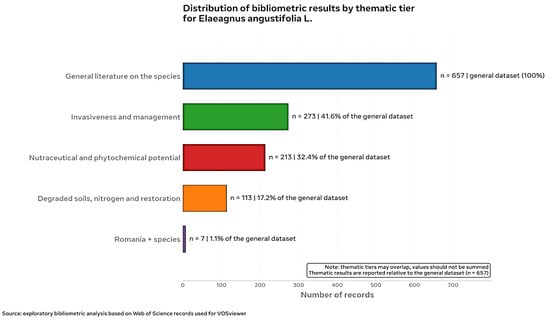
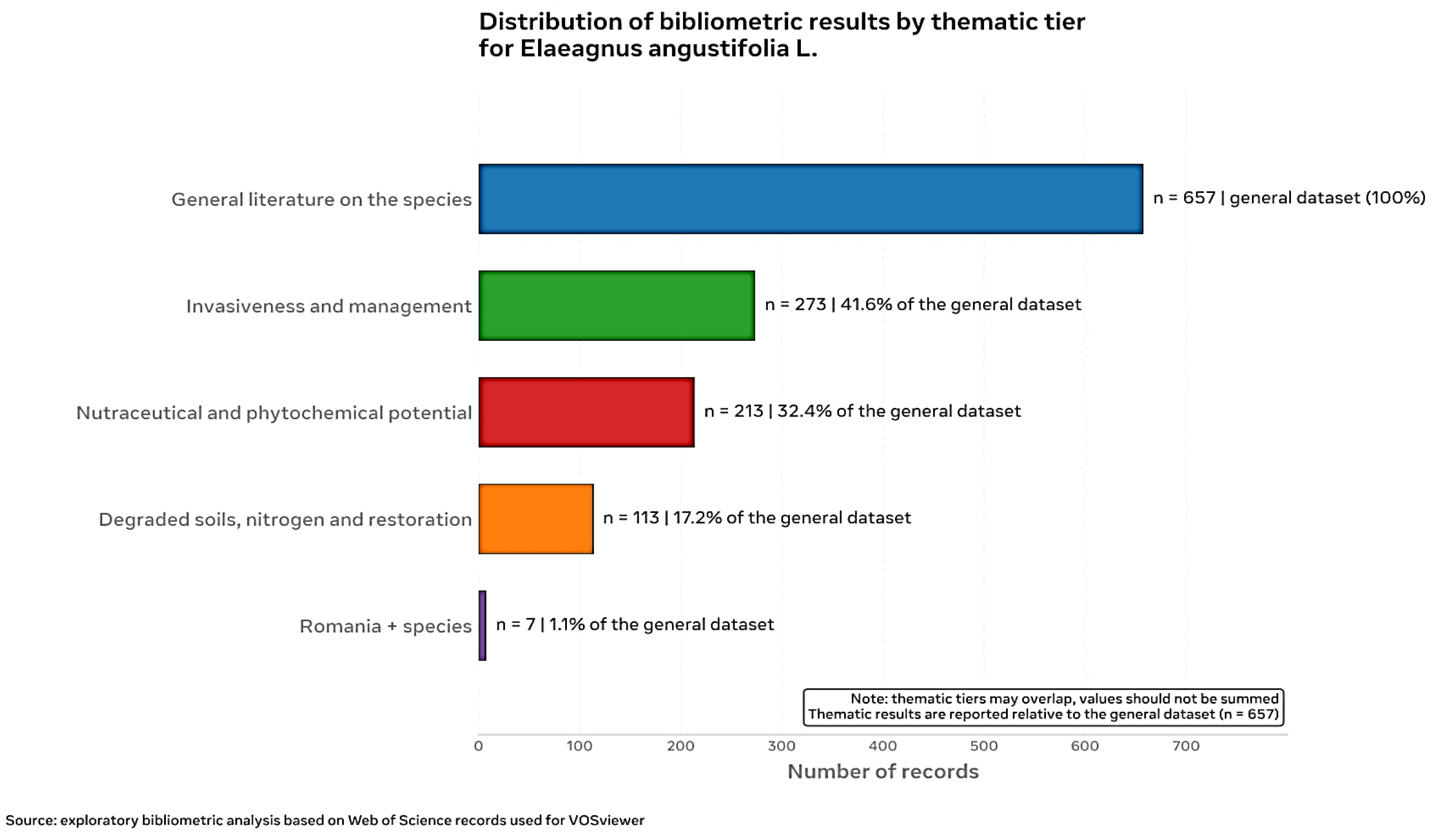
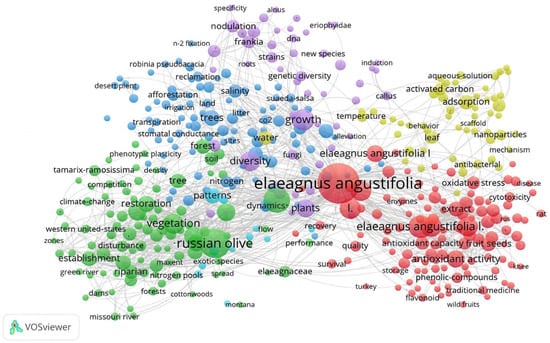
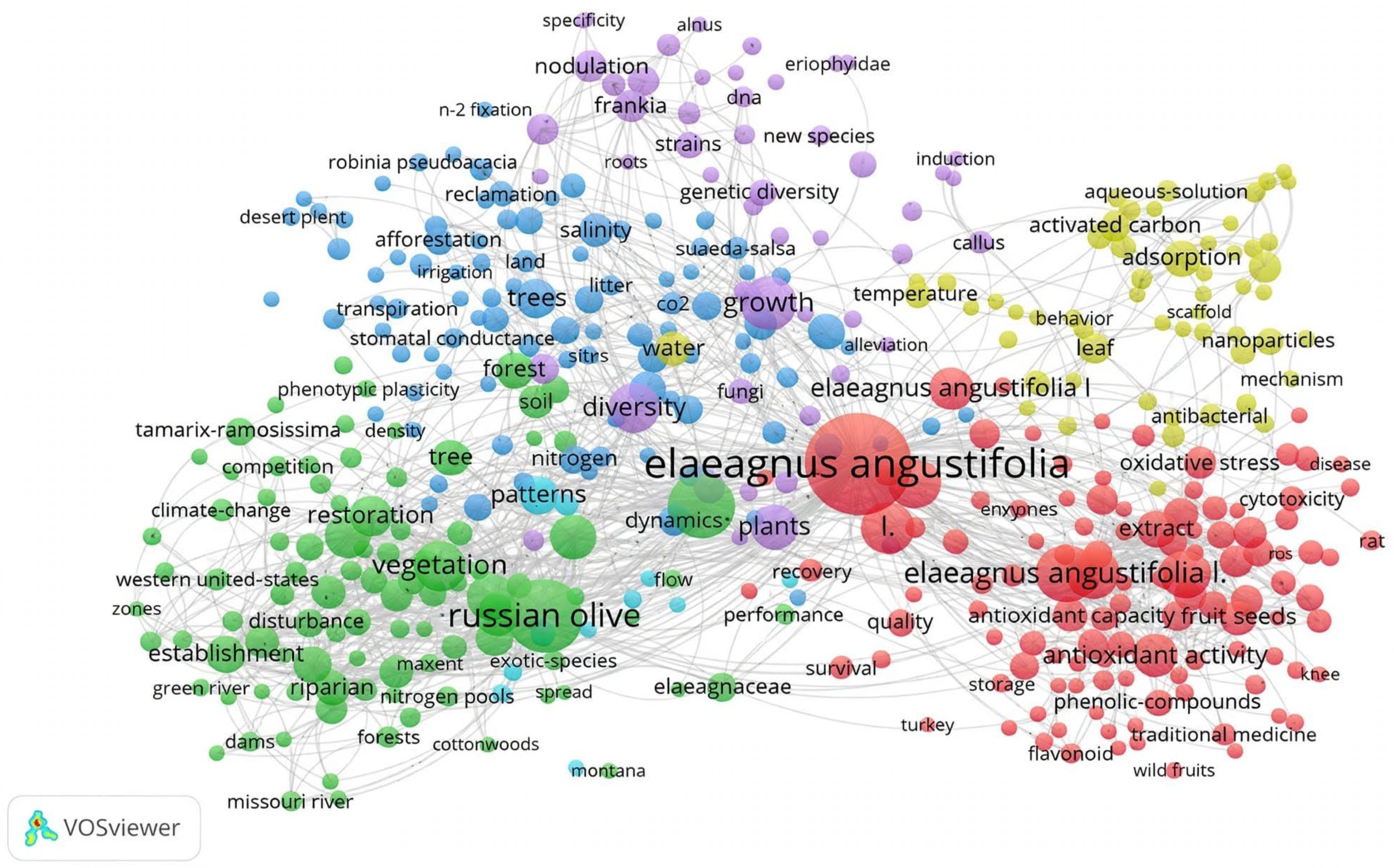
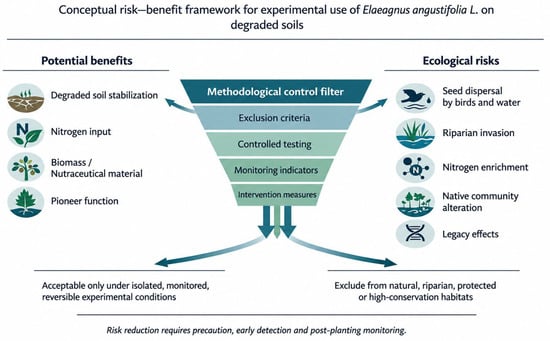
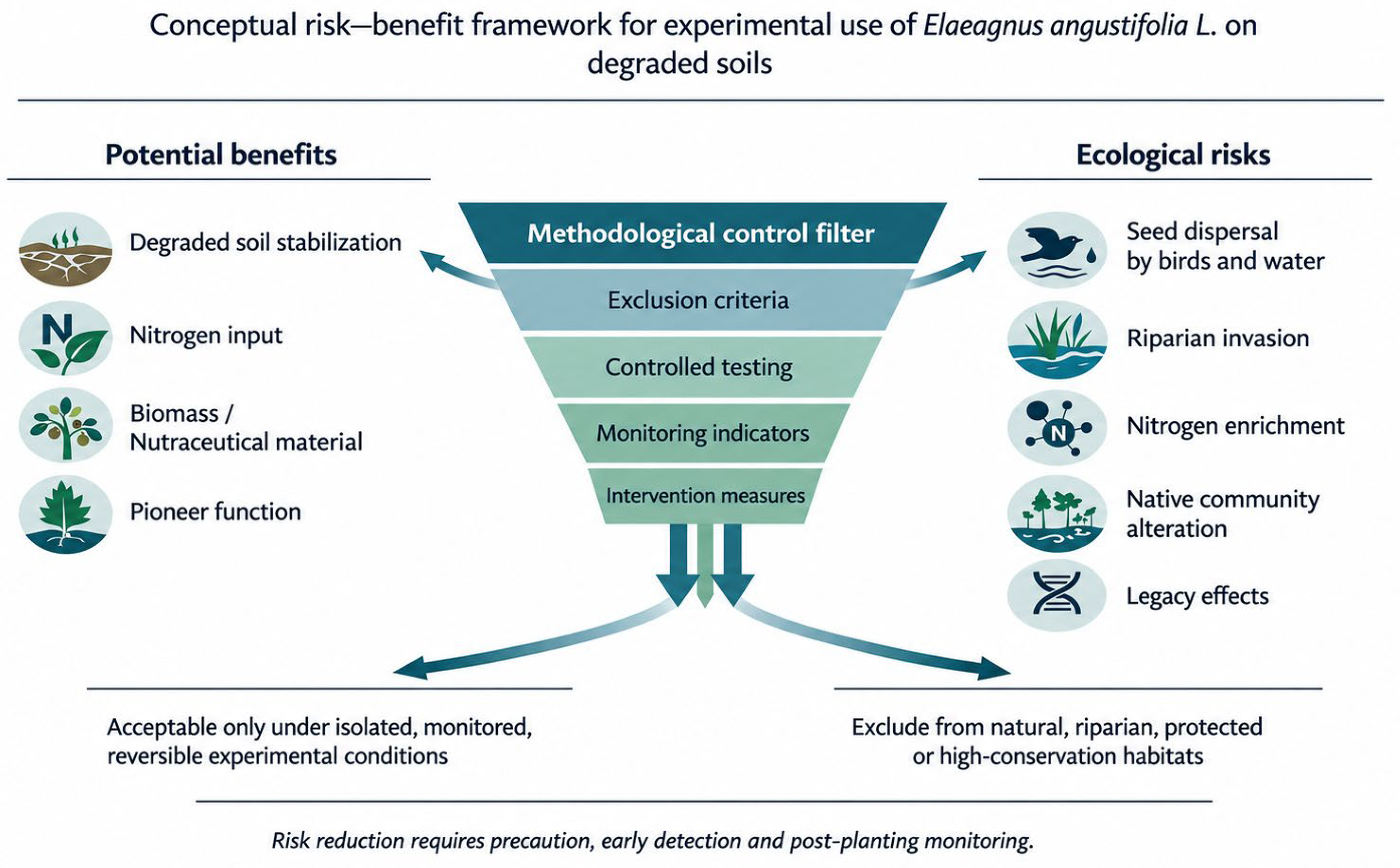
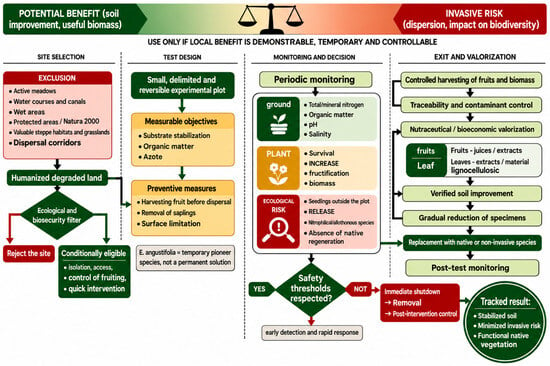
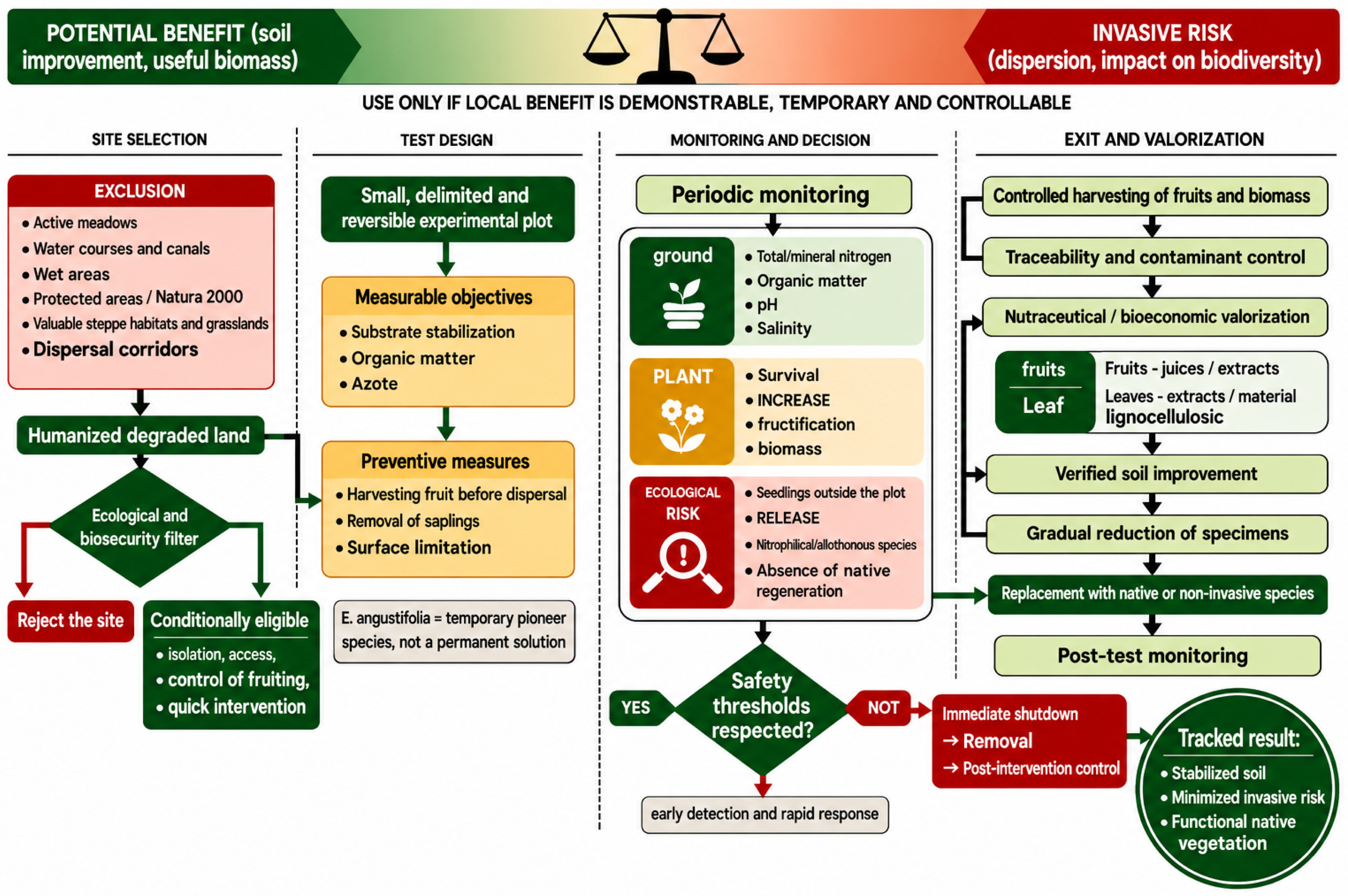

Disclaimer/Publisher’s Note: The statements, opinions and data contained in all publications are solely those of the individual author(s) and contributor(s) and not of MDPI and/or the editor(s). MDPI and/or the editor(s) disclaim responsibility for any injury to people or property resulting from any ideas, methods, instructions or products referred to in the content. |
© 2026 by the authors. Licensee MDPI, Basel, Switzerland. This article is an open access article distributed under the terms and conditions of the Creative Commons Attribution (CC BY) license.