

Journal Description
Journal of Molecular Pathology
is an international, peer-reviewed, open access journal on every topic related to modern histopathology and cytopathology, predictive pathology and molecular cytopathology, published quarterly online by MDPI.
- Open Access— free for readers, with article processing charges (APC) paid by authors or their institutions.
- High Visibility: indexed within Scopus, ESCI (Web of Science), CAPlus / SciFinder, and other databases.
- Journal Rank: CiteScore - Q1 (Health Professions (miscellaneous))
- Rapid Publication: manuscripts are peer-reviewed and a first decision is provided to authors approximately 30.6 days after submission; acceptance to publication is undertaken in 5.2 days (median values for papers published in this journal in the second half of 2025).
- Recognition of Reviewers: APC discount vouchers, optional signed peer review, and reviewer names published annually in the journal.
Impact Factor:
1.1 (2024);
5-Year Impact Factor:
1.1 (2024)
Latest Articles
Differential Promoter Methylation of MMP-9 and E-Cadherin Genes in CLL: Evidence for a Pathogenic Role of MMP-9 Hypomethylation
J. Mol. Pathol. 2026, 7(1), 14; https://doi.org/10.3390/jmp7010014 - 23 Mar 2026
Abstract
►
Show Figures
Background/Objectives: Chronic lymphocytic leukemia (CLL) is characterized by genetic and epigenetic alterations. This study aimed to assess the methylation status of E-Cadherin and MMP-9 gene promoters and to explore their relationships with disease pathogenesis and hematological parameters in CLL patients. Methods: A case–control
[...] Read more.
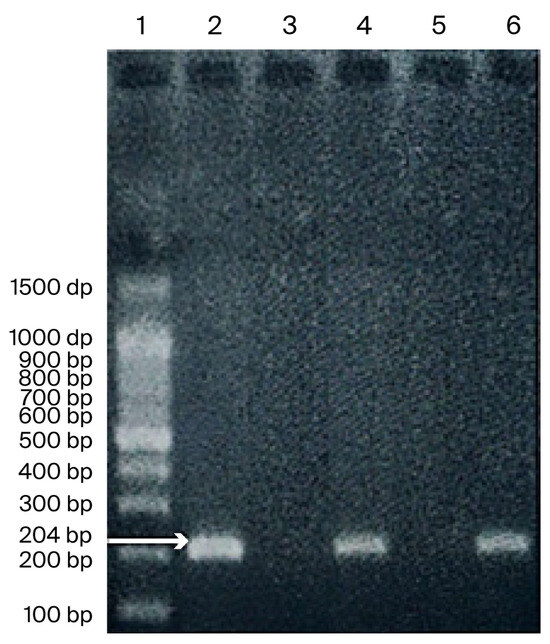
Background/Objectives: Chronic lymphocytic leukemia (CLL) is characterized by genetic and epigenetic alterations. This study aimed to assess the methylation status of E-Cadherin and MMP-9 gene promoters and to explore their relationships with disease pathogenesis and hematological parameters in CLL patients. Methods: A case–control study was conducted with 70 newly diagnosed CLL patients and 70 age- and sex-matched healthy controls. Promoter methylation of E-Cadherin and MMP-9 genes was evaluated using methylation-specific PCR (MSP) and methylation-sensitive restriction enzyme PCR (MSRE-PCR), respectively. Results: The median patient age was 62 years, and 68.5% were males. Binet stage A was the most common stage (57.3%). E-Cadherin promoter methylation was detected in 75.7% of CLL patients and 77.1% of controls (p = 0.91), showing no significant association with disease occurrence; however, it showed a significant correlation with higher lymphocyte counts (p = 0.01). In contrast, MMP-9 promoter methylation was significantly less frequent in CLL cases (70.0%) than in controls (100%, p = 0.001). Unmethylated MMP-9 correlated significantly with female gender (p = 0.02), lower hemoglobin (p = 0.031), reduced platelet counts (p = 0.001), and higher lymphocyte counts (p = 0.035). Conclusions: MMP-9 promoter hypomethylation may play a pathogenic role in CLL and is associated with female gender and cytopenia, whereas E-Cadherin methylation appears to be non-specific. MMP-9 methylation status could therefore serve as a potential biomarker for CLL biology and prognosis.
Full article
Open AccessCorrection
Correction: Markopoulos et al. Intraoperative Flow Cytometry Upon and Beyond the Cell Cycle: A Case Study of the Characterization of a Bone Metastasis. J. Mol. Pathol. 2023, 4, 225–233
by
Georgios S. Markopoulos, Emilios E. Pakos, Vasilios Gavrielatos, Dimitrios Kosmas, Ioannis Gkiatas, George A. Alexiou, Anna Batistatou, Evangeli Lampri and George Vartholomatos
J. Mol. Pathol. 2026, 7(1), 13; https://doi.org/10.3390/jmp7010013 - 20 Mar 2026
Abstract
Materials and Methods [...]
Full article
Open AccessArticle
Entosis in Colorectal, Lung, and Breast Cancer: Associations with Clinicopathological Features, Patient Outcomes, and Copy Number Alteration Landscape
by
Ksenia A. Gaptulbarova, Sergey V. Vtorushin, Marina K. Ibragimova, Irina A. Tsydenova, Natalia A. Tarabanovskaya, Vitaly P. Shubin, Aleksey S. Tsukanov, Evgeny O. Rodionov, Sergey I. Achkasov and Nikolai V. Litviakov
J. Mol. Pathol. 2026, 7(1), 12; https://doi.org/10.3390/jmp7010012 - 17 Mar 2026
Abstract
►▼
Show Figures
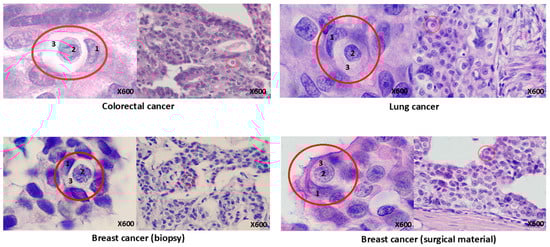
Objective: This study examined the frequency of entosis in solid tumors of various origins (colorectal cancer, breast cancer, and lung cancer) and its association with clinical and pathological characteristics. It also examined survival and copy number alterations (CNAs) in genes associated with
[...] Read more.
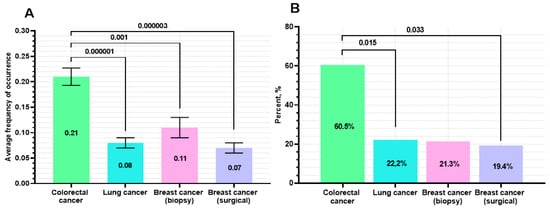
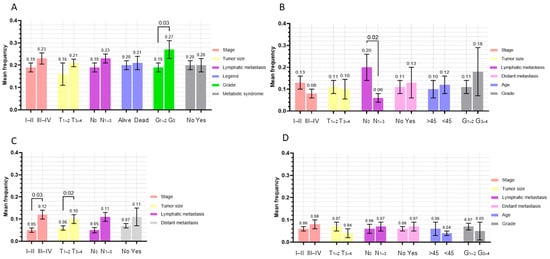
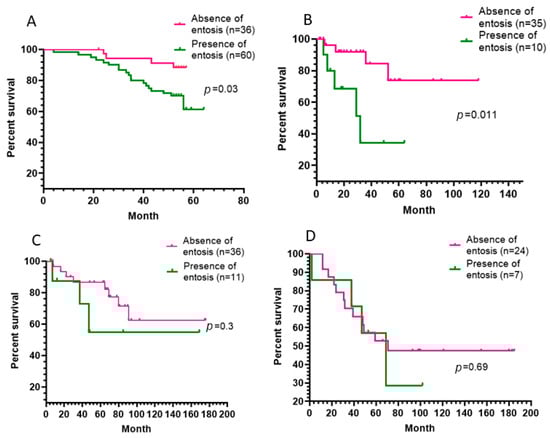
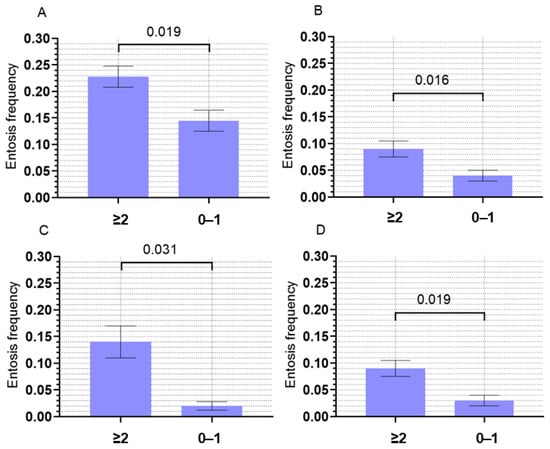
Objective: This study examined the frequency of entosis in solid tumors of various origins (colorectal cancer, breast cancer, and lung cancer) and its association with clinical and pathological characteristics. It also examined survival and copy number alterations (CNAs) in genes associated with stem cells. The aim was to assess the potential prognostic value of entotic events in tumors. Methods: A total of 238 patients were included: 96 with colorectal cancer (CRC), 45 with lung cancer (LC), and 97 with breast cancer (BC). Entotic cell-in-cell (CIC) structures were evaluated on hematoxylin–eosin–stained slides using Mackay’s criteria. A CIC frequency >0.1 per 20 high-power fields was considered positive. Clinicopathological parameters, overall survival (CRC), metastasis-free survival (LC and BC), and CNA profiles of stemness-related genes were analyzed. Amplifications of MAP1LC3A and other chromosomal loci were assessed. Results: CRC demonstrated the highest entosis rate, more than two-fold higher compared with BC and LC (p < 0.05). Entosis correlated with high tumor grade (G3) in CRC (p = 0.03). In LC, CIC-positive tumors were more frequent in patients with lymph-node metastases (p = 0.02), whereas in BC, the opposite trend was observed (p = 0.02). It was noted that in patients with stage III–IV LC, the frequency of entosis was significantly higher than in patients with stage I–II cancer (p = 0.03). CIC-positive status was associated with poorer overall survival in CRC (p = 0.03) and reduced metastasis-free survival in LC (p = 0.011). In breast cancer, no statistically significant survival differences were observed. Tumors harboring two or more stemness-gene amplifications showed significantly higher entosis frequency regardless of tumor site. A strong association was identified between entosis and MAP1LC3A amplification. Conclusions: Enosis is not a random morphological phenomenon but a process associated with unfavorable tumor characteristics, high malignancy, reduced survival, and amplification of stem cell-related genes. The results of this study confirm the working hypothesis that entosis may contribute to the emergence of aneuploid clones of tumor cells, including those containing amplifications of stem cell-associated genes. This positions entosis as a potential factor in tumor genetic heterogeneity, which is particularly important in the context of therapeutic selection pressure. The observed association between high entosis frequency and the presence of ≥2 stem cell gene amplifications, as well as its association with poor prognosis in colorectal and lung cancer, highlights its potential value as a prognostic indicator. Furthermore, MAP1LC3A amplification data may serve as a molecular marker of entotic activity and a potential therapeutic target.
Full article

Figure 1
Open AccessReview
From Dysbiosis to Tissue Destruction: Periodontal Pathogens as Inducers of Gingival Epithelial–Mesenchymal Transition (A Narrative Review)
by
Hadeel Mazin Akram and Saif Sehaam Saliem
J. Mol. Pathol. 2026, 7(1), 11; https://doi.org/10.3390/jmp7010011 - 4 Mar 2026
Abstract
►▼
Show Figures
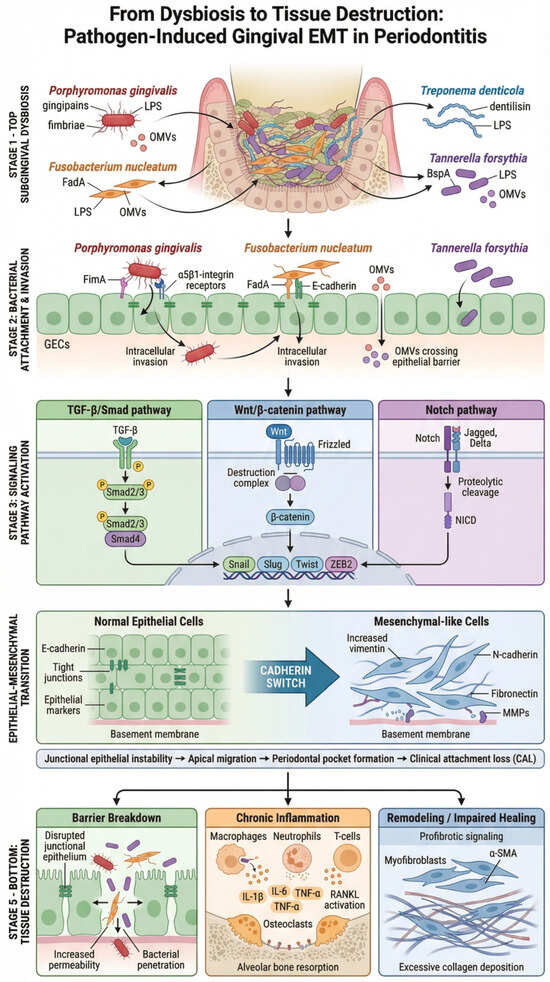
Periodontitis is a dysbiosis-driven inflammatory disease in which a pathogenic subgingival biofilm disrupts the host–microbe equilibrium and promotes progressive loss of tooth-supporting tissues. While periodontal destruction has traditionally been explained mainly through the host immune response, increasing experimental and clinical evidence suggests that
[...] Read more.
Periodontitis is a dysbiosis-driven inflammatory disease in which a pathogenic subgingival biofilm disrupts the host–microbe equilibrium and promotes progressive loss of tooth-supporting tissues. While periodontal destruction has traditionally been explained mainly through the host immune response, increasing experimental and clinical evidence suggests that epithelial–mesenchymal transition (EMT)-like changes in the gingival epithelium may contribute to barrier failure and tissue remodeling during disease progression. EMT is characterized by reduced epithelial adhesion and polarity, alongside a shift toward a mesenchymal-like phenotype with enhanced motility and impaired epithelial barrier function. This narrative review focuses on how periodontal pathogens, particularly red complex organisms and keystone species, may trigger gingival EMT through virulence factors such as gingipains, fimbriae, lipopolysaccharide, and outer membrane vesicles. These microbial signals can hijack host pathways including TGF-β/Smad, Wnt/β-catenin, and Notch to drive EMT-associated transcriptional changes and downstream functional consequences. Collectively, pathogen-induced gingival EMT may facilitate deeper microbial invasion, perpetuate chronic inflammation, impair wound healing, and contribute to fibrotic remodeling, ultimately linking microbial dysbiosis to connective tissue destruction. Understanding these mechanisms may support the development of EMT-related biomarkers and targeted interventions aimed at preserving epithelial barrier stability in periodontitis.
Full article

Figure 1
Open AccessArticle
Amyloid Deposits in Intramural Coronary Arteries of Feline Hearts: A Retrospective Histopathological Study
by
Izabela Janus-Ziółkowska, Joanna Bubak, Ewa Sawińska, Marcin Nowak and Agnieszka Noszczyk-Nowak
J. Mol. Pathol. 2026, 7(1), 10; https://doi.org/10.3390/jmp7010010 - 3 Mar 2026
Abstract
►▼
Show Figures
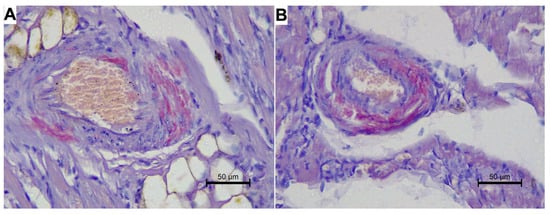
Background: Amyloidosis involving the heart is one of the types of the disease recognized in humans and has been previously described in dogs. To date, no data regarding the presence of amyloid in cardiac tissues of a large group of feline patients have
[...] Read more.
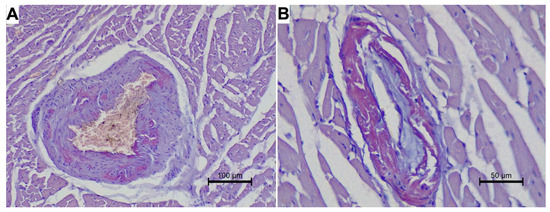
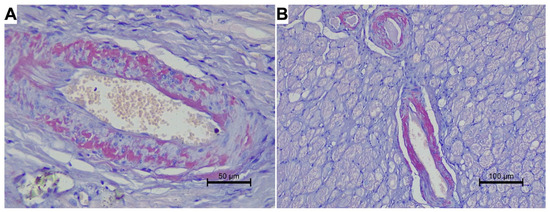
Background: Amyloidosis involving the heart is one of the types of the disease recognized in humans and has been previously described in dogs. To date, no data regarding the presence of amyloid in cardiac tissues of a large group of feline patients have been published. Our research aimed to analyze the presence and localization of amyloid in the atrial and ventricular cardiac tissue in retrospectively enrolled cats diagnosed with various types of primary cardiomyopathies, hyperthyroidism-induced cardiomyopathy, myocarditis, and generalized disorders. Methods: This study was conducted on atrial specimens obtained from 119 animals and on ventricular specimens obtained from 69 animals from that group. The atrial and ventricular specimens obtained from the enrolled animals were stained with Congo Red and evaluated in a light microscope and polarized light for the presence of amyloid deposits. Results: Five cases from the enrolled group turned out positive for amyloid deposits: three cats diagnosed with feline hyperthyroidism, one cat diagnosed with kidney glomerulonephritis, and one cat diagnosed with restrictive cardiomyopathy. In all positive cats, the amyloid deposits were present within the small intramural coronary arteries of the left ventricular free wall and interventricular septum and/or left and right atrium. No myocardial amyloid deposits were identified in the study group. Conclusions: In conclusion, cardiac coronary arterial amyloidosis, although infrequent, can be observed in cats.
Full article

Figure 1
Open AccessArticle
Evaluation of Predictive Markers for Immunotherapy in Colorectal Cancer: Concordance Between MMR Protein Expression and Microsatellite Instability in a Retrospective Series
by
Giulia Martinelli, Rossella Bruno, Marco Maria Germani, Anello Marcello Poma, Paola Vignali, Chiara Cremolini and Clara Ugolini
J. Mol. Pathol. 2026, 7(1), 9; https://doi.org/10.3390/jmp7010009 - 20 Feb 2026
Abstract
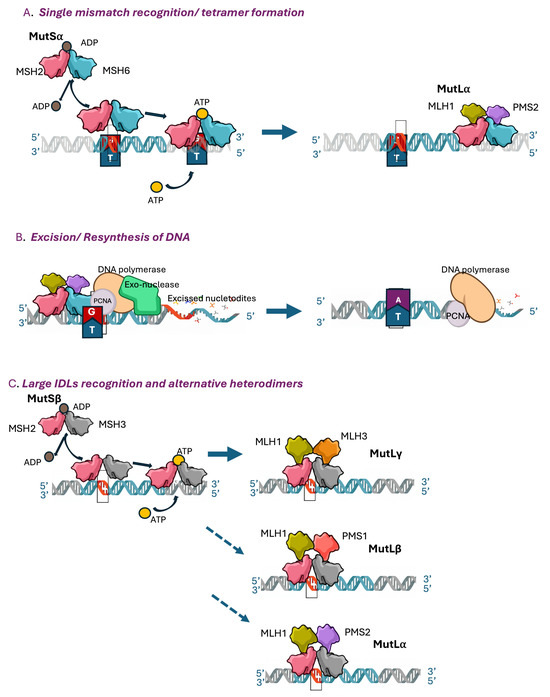
Background/Objectives: In metastatic colorectal cancer (mCRC) the evaluation of mismatch repair (MMR) and microsatellite instability (MSI) status is essential to identify patients eligible for treatment with immune-checkpoint inhibitors (ICI). This study aims to evaluate the potential utility of Comprehensive Genomic Profiling (CGP) in
[...] Read more.
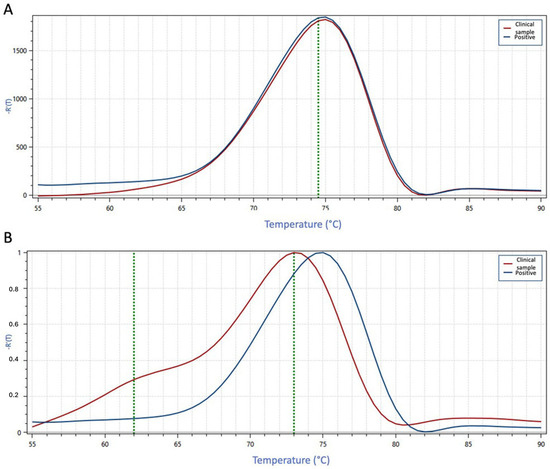
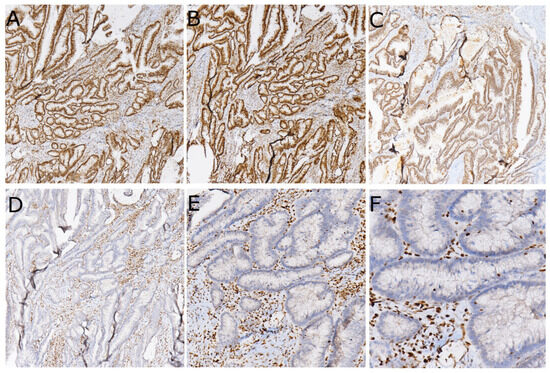
Background/Objectives: In metastatic colorectal cancer (mCRC) the evaluation of mismatch repair (MMR) and microsatellite instability (MSI) status is essential to identify patients eligible for treatment with immune-checkpoint inhibitors (ICI). This study aims to evaluate the potential utility of Comprehensive Genomic Profiling (CGP) in assessing MSI status, in addition to other immunotherapy-predictive biomarkers such as high tumor molecular burden (TMB) and the POLE and POLD1 mutations. Methods: A total of 138 mCRC tumor samples underwent a first-level molecular test (MMR status by immunohistochemistry, MSI by a melting-based PCR approach and RAS/BRAF mutational status by a small next-generation sequencing (NGS) panel) and second-level CGP analysis by the FoundationOne CDx assay. The prevalence of dMMR and MSI tumors was reported. Moreover, the concordance between the MMR and MSI status was determined, and discordant cases were discussed. Results: Twelve cases (8.7%) were MMR-deficient (dMMR); 10 showed high MSI and TMB (>10 mut/Mb). MSI status assessed by CGP and PCR was concordant in all cases except one MSH6-deficient tumor. Two dMMR cases were stable with low TMB. Moreover, in two MLH1/PMS2-deficient cases CGP revealed pathogenic alterations in the MSH2 and MSH6 genes; in both cases, the MLH1 promoter was hypermethylated. A high TMB was the only positive biomarker in 11 cases with a proficient MMR system and no MSI. Conclusions: MSI assessment by CGP analysis showed high concordance (98%) with MMR and was helpful in evaluating ICI eligibility in three out of twelve dMMR cases. Overall, compared to standard methods, analyzing a broader range of microsatellite loci and the simultaneous assessment of multiple predictive biomarkers by CGP may increase diagnostic accuracy and improve therapeutic assessment.
Full article
(This article belongs to the Special Issue Advancing Cancer Diagnosis: Integrating Molecular Pathology into Histopathology for Solid Tumors)
►▼
Show Figures

Figure 1
Open AccessArticle
Validated Approach for Flow Cytometric Quantification of Phospholipase C Zeta (PLCζ, PLCZ1) Protein Levels in Sperm
by
Marie-Helene Godin Pagé, Debbie Montjean, Cyntia Duval, Fabien Joao, Annabelle Calvé, Rosalie Cabry, Marie-Claire Bélanger, Moncef Benkhalifa and Pierre Miron
J. Mol. Pathol. 2026, 7(1), 8; https://doi.org/10.3390/jmp7010008 - 9 Feb 2026
Abstract
►▼
Show Figures
Background/Objectives: Phospholipase C zeta (PLCZ1; PLCζ) is a sperm-specific enzyme responsible for the Ca2+ oscillations required for oocyte activation, and altered PLCζ expression has been associated with fertilization failure in assisted reproductive technologies, particularly intracytoplasmic sperm injection (ICSI). This study aimed to
[...] Read more.
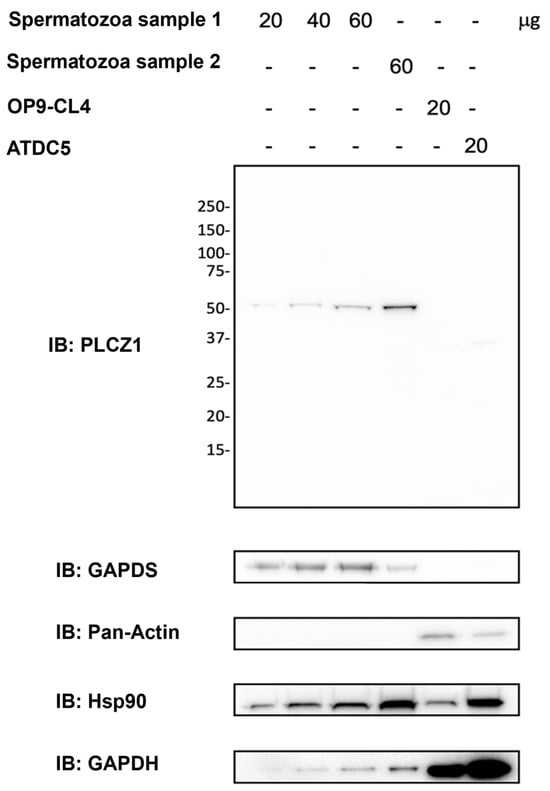
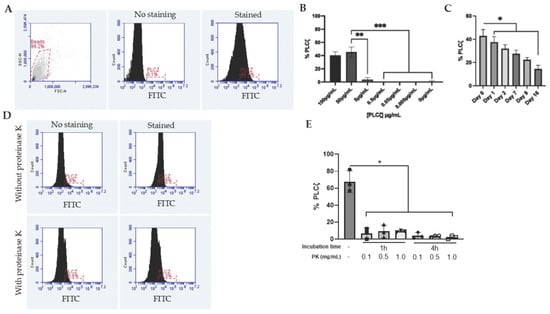
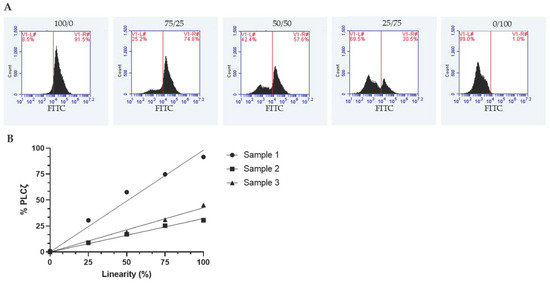
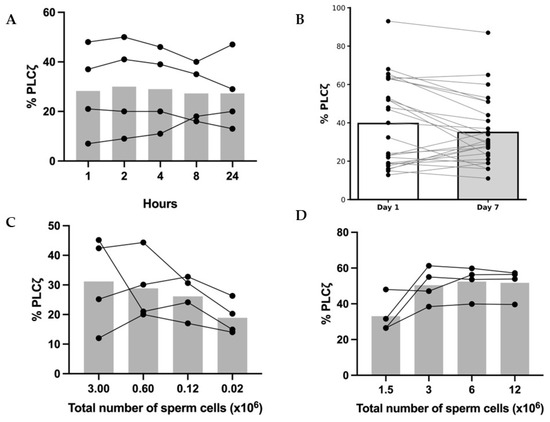
Background/Objectives: Phospholipase C zeta (PLCZ1; PLCζ) is a sperm-specific enzyme responsible for the Ca2+ oscillations required for oocyte activation, and altered PLCζ expression has been associated with fertilization failure in assisted reproductive technologies, particularly intracytoplasmic sperm injection (ICSI). This study aimed to develop and analytically validate a flow cytometry–based protocol for PLCζ quantification in human spermatozoa. Methods: The assay was established using normozoospermic samples and included validated positive and negative technical controls. Antibody specificity was confirmed by Western blot analysis. A defined gating strategy was used to assess linearity between fluorescence intensity and PLCζ expression. Analytical performance was evaluated for precision, reproducibility, stability, and sensitivity, including applicability to low sperm concentrations. Results: A linear relationship between fluorescence intensity and PLCζ expression was demonstrated. The assay showed high precision, reproducibility, and stability, with consistent results in samples stored up to 24 h at room temperature or up to one week post-fixation at 4 °C. Sensitivity testing confirmed suitability for low sperm concentrations. Conclusions: This work provides a standardized and analytically validated framework for PLCζ quantification using flow cytometry. Although the assay measures protein expression rather than functional competence or subcellular localization, it establishes a solid analytical basis for future studies to define clinically relevant PLCζ thresholds and assess its value as a biomarker of fertilization capacity.
Full article

Figure 1
Open AccessReview
Diabetic Retinopathy Therapeutics: Bridging Conventional Approaches and Gene Therapy with Focus on TXNIP-Targeted Interventions
by
Riddhi Tiwari, Archana Tiwari and Lalit P. Singh
J. Mol. Pathol. 2026, 7(1), 7; https://doi.org/10.3390/jmp7010007 - 6 Feb 2026
Abstract
►▼
Show Figures
Diabetic retinopathy (DR) is a progressive retinal disorder and a leading cause of vision impairment worldwide affecting the livelihood of millions. Its pathogenesis is driven by chronic hyperglycemia-induced neuronal and microvascular injury, leading to capillary occlusion, increased vascular permeability, and the eventual formation
[...] Read more.
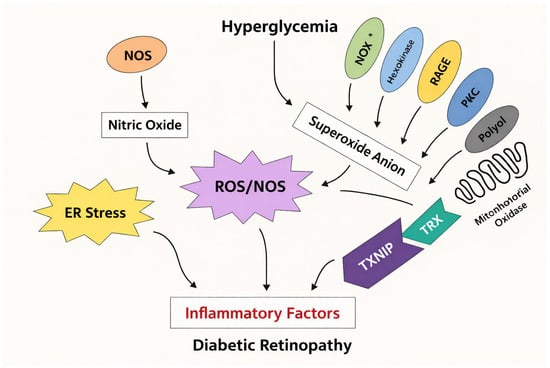
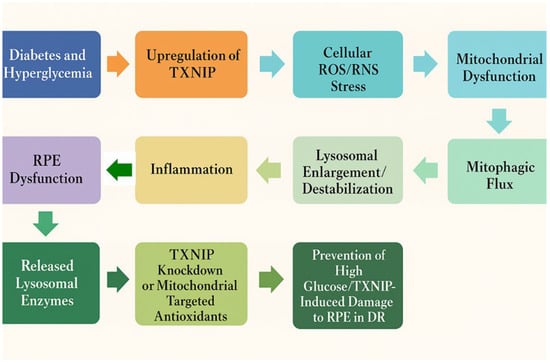
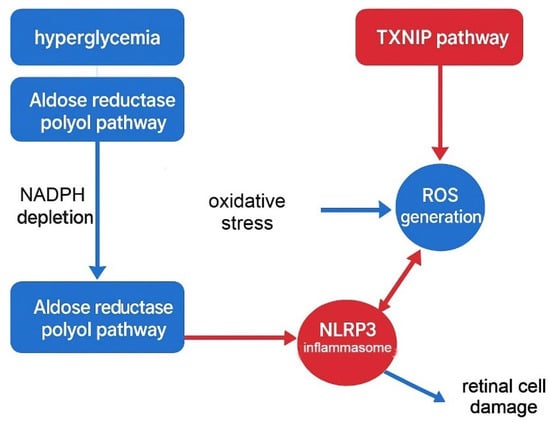
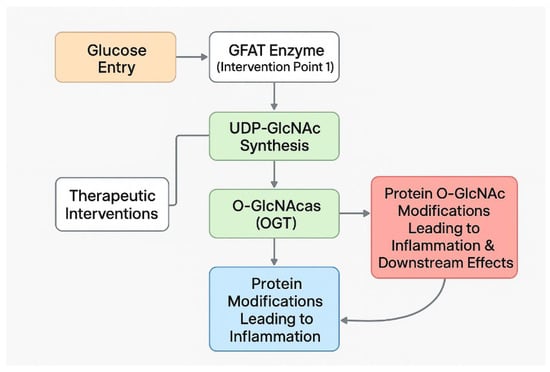
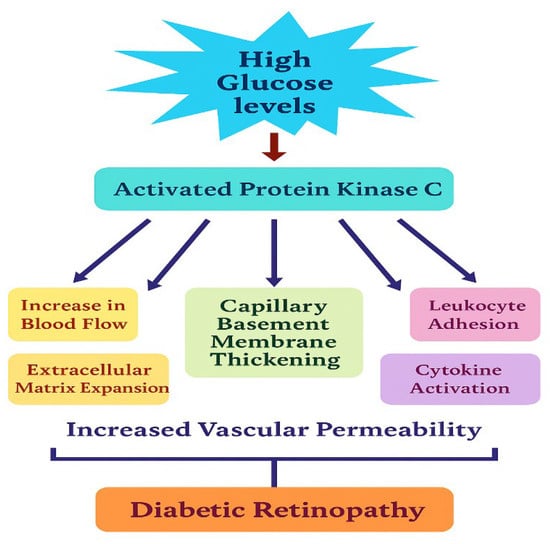
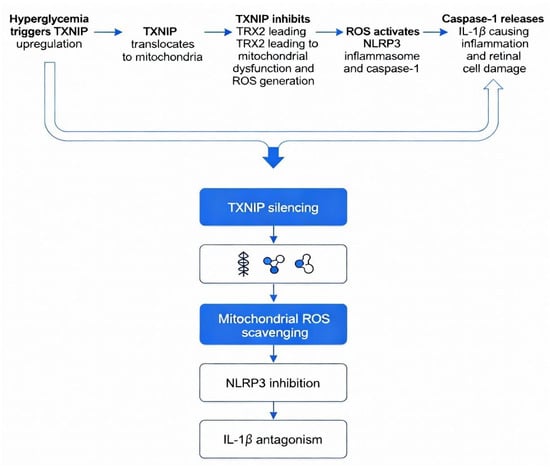
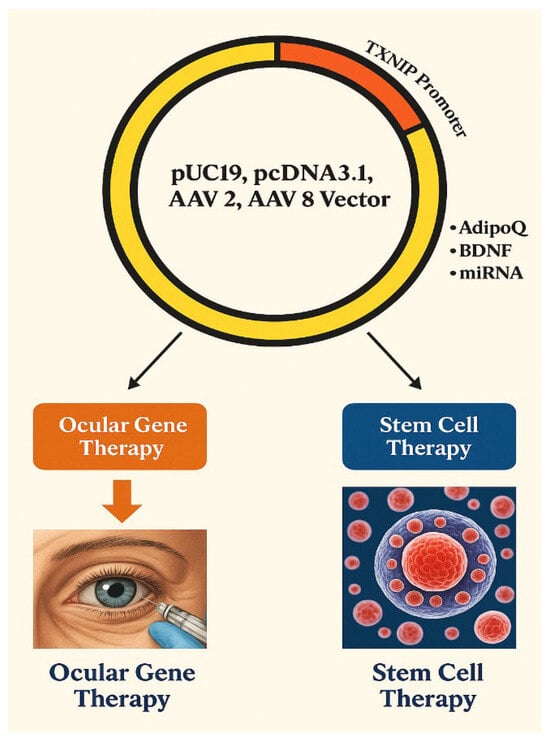
Diabetic retinopathy (DR) is a progressive retinal disorder and a leading cause of vision impairment worldwide affecting the livelihood of millions. Its pathogenesis is driven by chronic hyperglycemia-induced neuronal and microvascular injury, leading to capillary occlusion, increased vascular permeability, and the eventual formation of fragile neo vessels. These changes mark the progression from non-proliferative diabetic retinopathy (NPDR) to proliferative diabetic retinopathy (PDR). Diabetic macular edema (DME), characterized by blood–retinal barrier disruption and macular fluid accumulation, further contributes to vision loss. This review provides an integrative perspective on the cellular and molecular mechanisms of DR, highlighting both vascular and neuroglial contributions to retinal pathology. Current therapeutic approaches, including anti-VEGF agents and corticosteroids, offer symptomatic relief but are limited by the need for repeated administration and variability in patient response. Emerging evidence implicates the role of thioredoxin-interacting protein (TXNIP) as one of mediators of the disease progression. Strongly upregulated under hyperglycaemic stress, TXNIP induces oxidative damage, inflammation, and neuronal apoptosis, exacerbating neurovascular dysfunction. We explore potential therapeutic strategies such as gene therapy, TXNIP-targeted molecular interventions, and stem cell-based approaches aimed at achieving long-term modulation of disease mechanisms. This article thus attempts to address a comprehensive understanding of DR pathophysiology and innovative new strategies to improve long-term visual outcomes.
Full article

Graphical abstract
Open AccessArticle
Novel Combination of Icariin and Bone Xenograft Promotes the Expression of Collagen Fibers, BMP-2, and HIF-1α During Wound Healing in Wistar Rats
by
Christian Khoswanto and Ira Kusuma Dewi
J. Mol. Pathol. 2026, 7(1), 6; https://doi.org/10.3390/jmp7010006 - 4 Feb 2026
Abstract
►▼
Show Figures
Objectives: This study evaluated the impact of combining icariin with a bovine xenograft on the enhancement of early socket healing in Wistar rats. Methods: Male Wistar rats underwent incisive extraction and were randomized into three groups (n = 8/group): (1) control, (2)
[...] Read more.
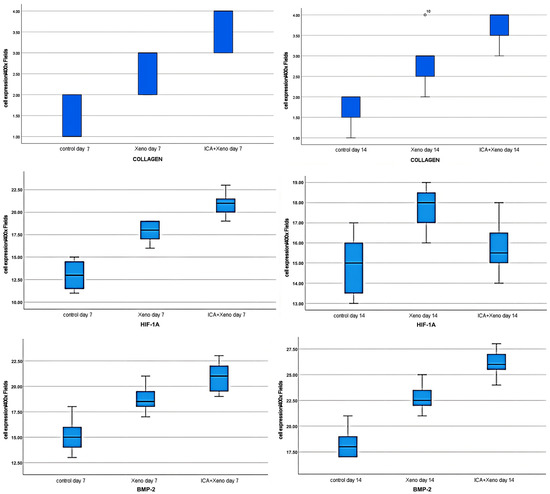
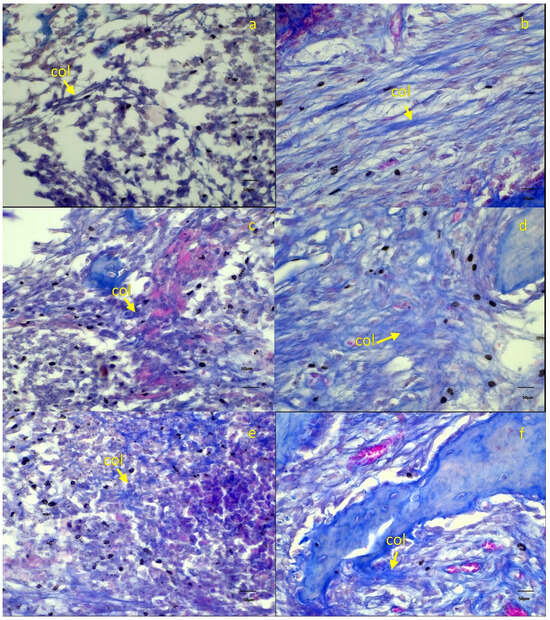
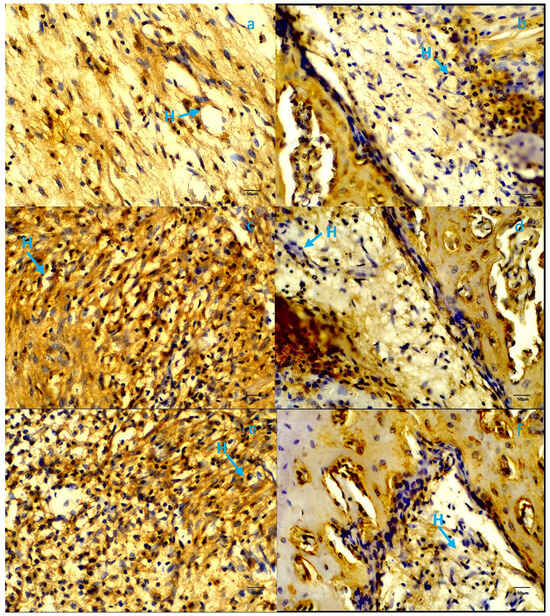
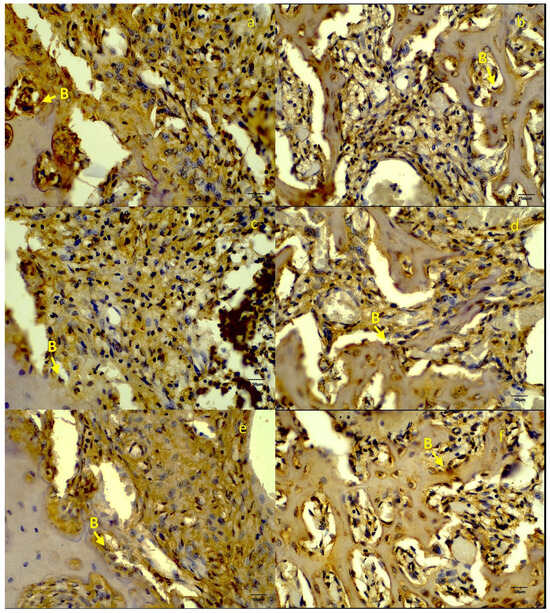
Objectives: This study evaluated the impact of combining icariin with a bovine xenograft on the enhancement of early socket healing in Wistar rats. Methods: Male Wistar rats underwent incisive extraction and were randomized into three groups (n = 8/group): (1) control, (2) xenograft, and (3) icariin–xenograft. On days 7 and 14, the animals were decapitated and their mandibles were examined. Histological analysis was conducted to assess the collagen matrix and the expression of BMP-2 and HIF-1α. Results: The icariin–xenograft group exhibited superior outcomes compared to the xenograft-alone and control groups. Histological analysis showed an earlier arrangement of connective tissue and an improved collagen matrix outcome in the icariin-treated sockets. Immunohistochemistry revealed elevated BMP-2 and HIF-1α expression in the icariin–xenograft group, indicating enhanced osteogenic and angiogenic signaling. Conclusions: Icariin-enhanced xenografts speed up the repair of early extraction sockets by enhancing the development of the collagen matrix and increasing the activity of pathways that promote osteogenesis and angiogenesis in low-oxygen conditions. This bioactive grafting technology appears to be a cost-effective method for preserving sockets and performing regenerative therapy in dentistry.
Full article

Figure 1
Open AccessCommunication
Diagnostic Value of Pax2 and PTEN Expression in Atypical Endometrial Hyperplasia in the Bulgarian Population
by
Angelina Mollova-Kyosebekirova, Ekaterina Uchikova, Anna Mihaylova, Mariya Koleva-Ivanova, Mariana Parahuleva and Nikoleta Parahuleva
J. Mol. Pathol. 2026, 7(1), 5; https://doi.org/10.3390/jmp7010005 - 2 Feb 2026
Abstract
►▼
Show Figures
Background: Differentiating atypical endometrial hyperplasia, also known as endometrial intraepithelial neoplasia (EAH/EIN) from endometrial hyperplasia without atypia is crucial due to the higher risk of progression to endometrioid adenocarcinoma, associated with atypical lesions. Immunohistochemical markers such as PAX2 and PTEN have emerged as
[...] Read more.
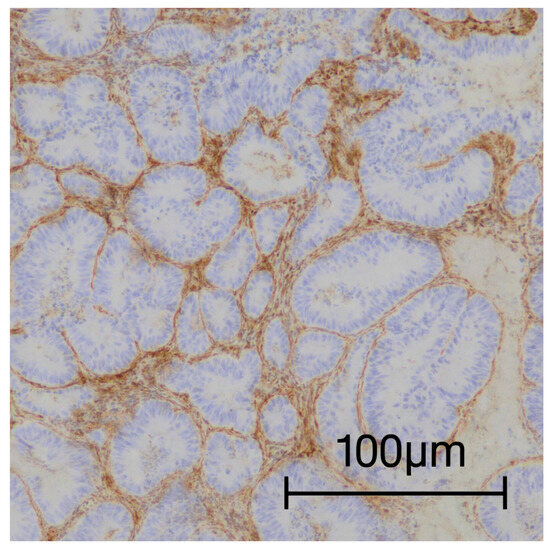
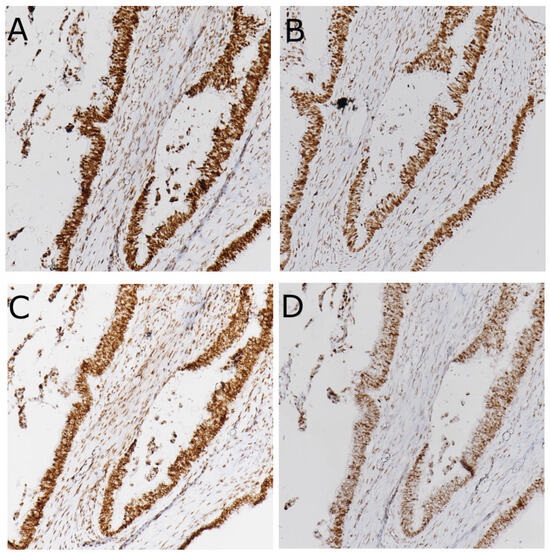
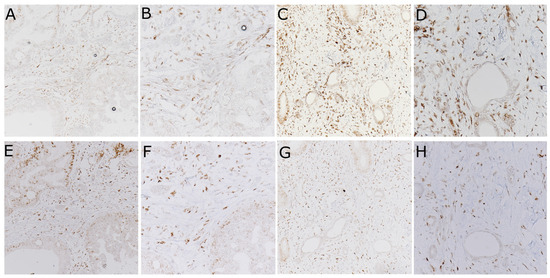
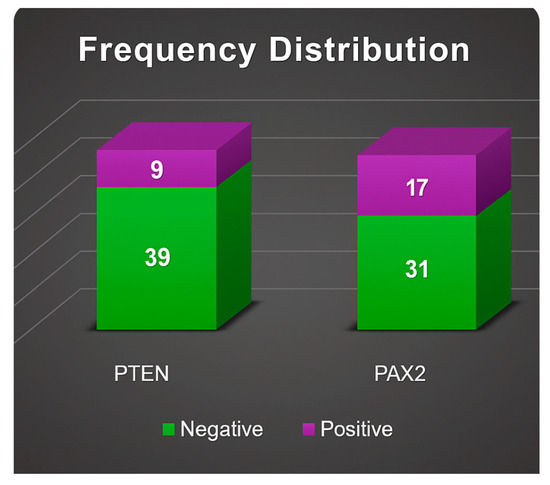
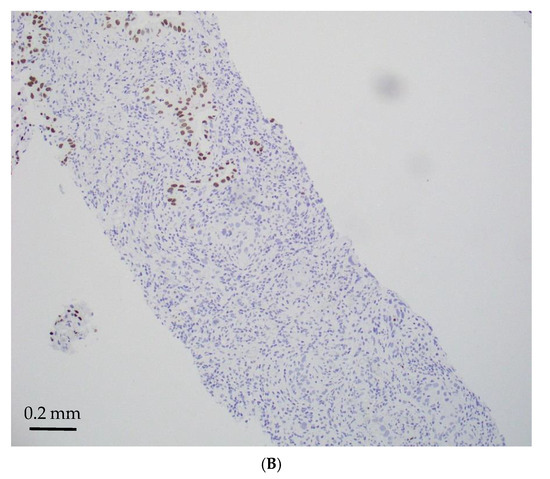
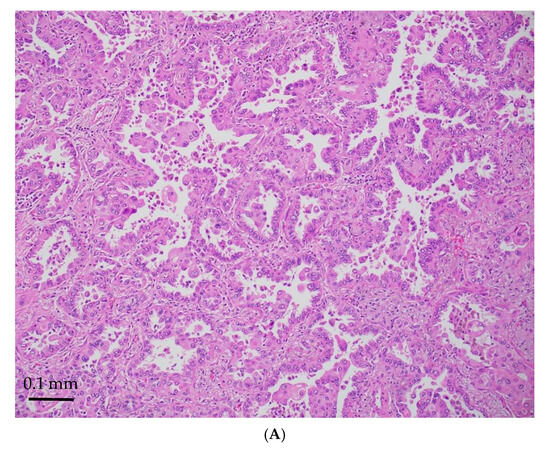
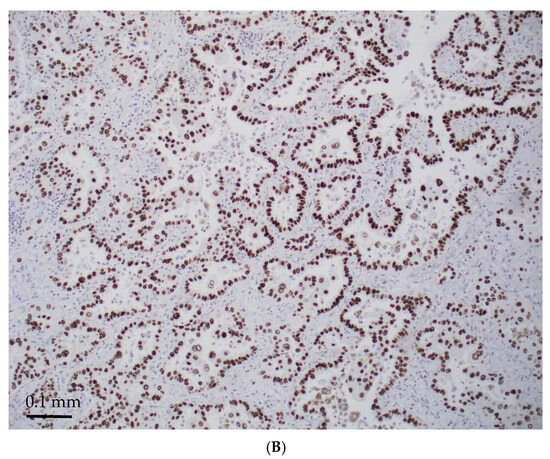
Background: Differentiating atypical endometrial hyperplasia, also known as endometrial intraepithelial neoplasia (EAH/EIN) from endometrial hyperplasia without atypia is crucial due to the higher risk of progression to endometrioid adenocarcinoma, associated with atypical lesions. Immunohistochemical markers such as PAX2 and PTEN have emerged as potential adjuncts to improve diagnostic accuracy in morphologically challenging cases. Objective: To evaluate the diagnostic value of PAX2 and PTEN expression in distinguishing atypical from endometrial hyperplasia without atypia in the Bulgarian population. Materials and Methods: A total of 96 endometrial hyperplasia cases (48 typical, 48 atypical) were included. Histopathological evaluation was performed on hematoxylin and eosin–stained sections, with two experienced pathologists confirming diagnoses according to the WHO criteria. Immunohistochemical analysis of PTEN and PAX2 was conducted on formalin-fixed, paraffin-embedded tissue sections. Results: PTEN expression loss was observed in 6% (3/48) of hyperplasia without atypia cases, compared with 81.3% (38/48) of EAH/EIN cases. For PAX2, strong nuclear staining was retained in 60% (29/48) of endometrial hyperplasia without atypia cases, with no complete loss of expression. In contrast, 64.6% (31/48) of EAH/EIN cases showed complete loss of PAX2 expression, while only 35.4% (17/48) preserved nuclear immunoreactivity. Together, these results highlight clear and consistent differences in PTEN and PAX2 expression between hyperplasia without atypia and EAH/EIN and may aid pathologists in distinguishing these two entities in routine diagnostic practice. Conclusions: Expression loss of PAX2 and PTEN is significantly associated with EAH/EIN. Immunohistochemical evaluation of these markers provides valuable adjunctive information for the diagnosis of morphologically ambiguous cases and may enhance diagnostic reproducibility and accuracy. Incorporating PAX2 and PTEN into routine assessment may guide appropriate clinical management and risk stratification of patients with endometrial hyperplasia.
Full article

Figure 1
Open AccessReview
Can Molecular Pathology Drive Progress in Microbiome Understanding? Lessons from Spousal and Household Studies
by
Doris Plećaš and Ozren Polašek
J. Mol. Pathol. 2026, 7(1), 4; https://doi.org/10.3390/jmp7010004 - 30 Jan 2026
Abstract
►▼
Show Figures
The human microbiome is often presented as “the next genetics,” with the expectation that microbial profiles will explain complex diseases and yield new therapies. Yet for most conditions, it remains unclear whether microbiome changes act as causal drivers or primarily mirror underlying host
[...] Read more.
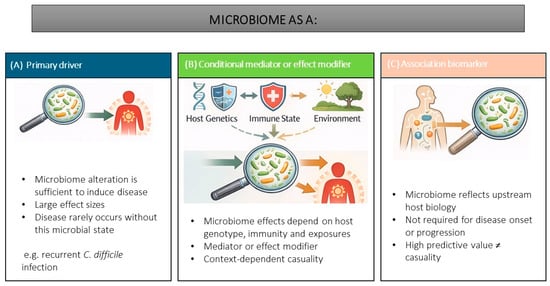
The human microbiome is often presented as “the next genetics,” with the expectation that microbial profiles will explain complex diseases and yield new therapies. Yet for most conditions, it remains unclear whether microbiome changes act as causal drivers or primarily mirror underlying host biology and pathology. In this narrative review, we argue that microbiome causality is frequently overstated relative to the roles of host genetics and the environment, and we explore the implications for molecular pathology. We outline a simple framework in which the microbiome can act as (i) a primary driver, (ii) a conditional mediator or effect modifier or (iii) an association biomarker that mainly reflects upstream processes. We then use marital and household studies as natural experiments to test whether chronic diseases track more strongly with a shared microbiome or with a shared lifestyle and host susceptibility. Across metabolic, inflammatory, neurodegenerative and ageing-related outcomes, spouses show only low to modest disease concordance, which is difficult to reconcile with a universally strong, transmissible microbiome causality. Adult microbiomes instead appear mostly host-constrained and context-dependent, acting more as destabilisers of homeostasis and amplifiers of allostatic load than as independent disease-causing factors. For molecular pathology, this suggests that microbiome features are often most informative as biomarkers integrated alongside host genomics, immune context and histopathology, rather than as standalone targets. Study designs and diagnostic workflows should therefore jointly model the host genome, environment, behaviour and microbiome within broader systems medicine frameworks.
Full article

Figure 1
Open AccessPerspective
Peptide-Based Therapeutics in Autoimmune Diseases: Restoring Immune Balance Through Precision
by
Derek Gu and Vincent Yuan
J. Mol. Pathol. 2026, 7(1), 3; https://doi.org/10.3390/jmp7010003 - 8 Jan 2026
Abstract
►▼
Show Figures
Autoimmune diseases arise from the loss of antigen-specific tolerance, leading to chronic inflammation and tissue damage. Peptide-based therapeutics provide a precise strategy to restore immune balance by targeting autoreactive lymphocytes and antigen-presenting cells in tolerogenic contexts. These therapies induce regulatory T cells, modulate
[...] Read more.
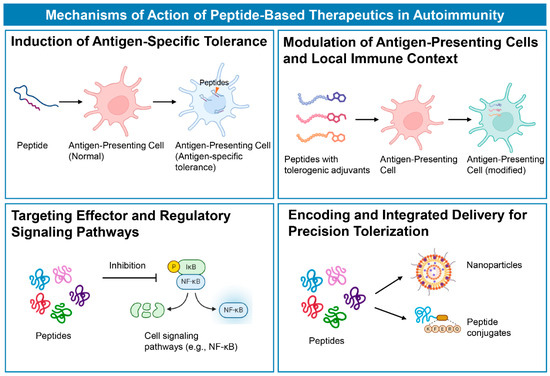
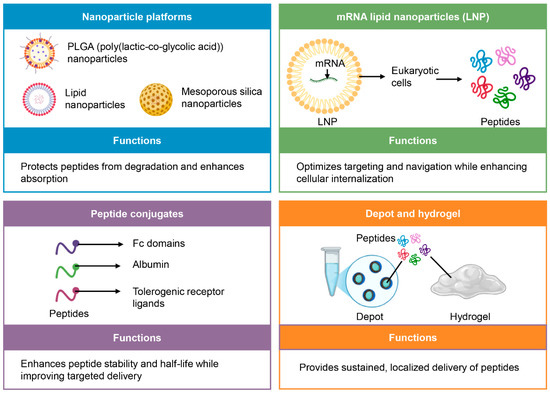
Autoimmune diseases arise from the loss of antigen-specific tolerance, leading to chronic inflammation and tissue damage. Peptide-based therapeutics provide a precise strategy to restore immune balance by targeting autoreactive lymphocytes and antigen-presenting cells in tolerogenic contexts. These therapies induce regulatory T cells, modulate APC phenotypes, and can interfere with proinflammatory signaling. Advances in delivery technologies, including nanoparticles, lipid nanoparticles, hydrogels, and conjugates, improve peptide stability, co-deliver tolerogenic cues, and enable targeted antigen presentation. mRNA lipid nanoparticle platforms permit in situ expression of peptides or immunomodulatory molecules. Preclinical studies in models of type 1 diabetes, multiple sclerosis, and lupus demonstrate robust antigen-specific tolerance, while early-phase clinical trials show safety and mechanistic engagement. Insights from approved peptide therapies in allergy and other fields underscore the importance of epitope selection, delivery context, and biomarker-guided development. Collectively, these strategies suggest that rationally formulated, precisely targeted peptide therapeutics hold promise for achieving durable immune tolerance in autoimmune disease.
Full article

Figure 1
Open AccessReview
The Role of Whole Slide Imaging in AI-Based Digital Pathology: Current Challenges and Future Directions—An Updated Literature Review
by
Samya A. Omoush, Jihad A. M. Alzyoud, Nidhal Kamel Taha El-Omari and Ahmad J. A. Alzyoud
J. Mol. Pathol. 2026, 7(1), 2; https://doi.org/10.3390/jmp7010002 - 1 Jan 2026
Cited by 1
Abstract
►▼
Show Figures
Background/Objectives: Combining Whole Slide Imaging (WSI) and Artificial Intelligence (AI) in digital pathology (DP) is accelerating the field of diagnostic pathology by improving analysis metrics accuracy, reproducibility, and speed. AI applications in pathology include automated image capture, assessment and analysis, risk stratification, and
[...] Read more.
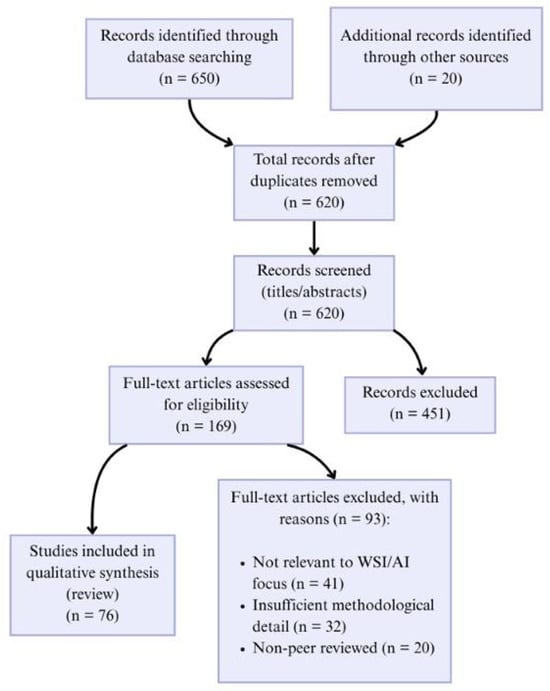
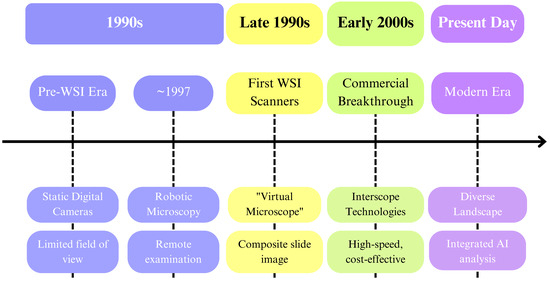
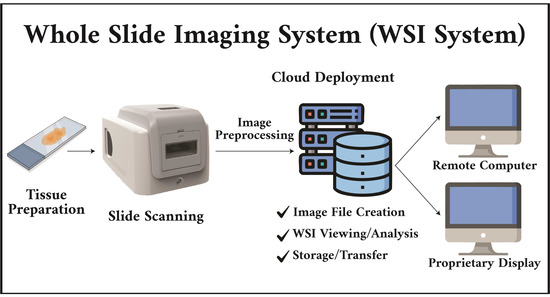
Background/Objectives: Combining Whole Slide Imaging (WSI) and Artificial Intelligence (AI) in digital pathology (DP) is accelerating the field of diagnostic pathology by improving analysis metrics accuracy, reproducibility, and speed. AI applications in pathology include automated image capture, assessment and analysis, risk stratification, and prognostic prediction. This integration introduces significant challenges, including data quality, high computational demands, the ability to generalize across different settings, and a range of ethical considerations. This review provides an end-to-end roadmap covering WSI acquisition, preprocessing, and deep learning (DL) channels through tumor recognition, biomarker prediction, and evolving computational methods such as original models and combined learning, highlighting the specific challenges and opportunities of WSI-attached AI in pathology. Methods: This review provides a WSI-centric analysis that examines AI and DL applications specifically as they overlap with the acquisition, processing, and computational analysis of WSI. Therefore, this review aims to comprehensively examine the challenges and pitfalls associated with the use of WSI in AI-Based Digital Pathology. Results: Pre-analytical factors like how the tissue is prepared, staining, and scanning artifacts affect AI and contain possible post-analytical barriers such as the range of colors used, color standardization, and algorithm transparency. Furthermore, there may be bias found in the training datasets that can blur the ethical and legal boundaries alongside regulatory uncertainty. Conclusions: Even though there is an array of challenges, AI applied in DP can enhance the accuracy of medical diagnosis, encourage workflow efficiency, facilitate cross-collaboration for pediatric research, and enable research into rare diseases. Further development on the topic needs to focus on defining standard operating procedures and guidelines alongside dependable datasets through teamwork from various scientific fields.
Full article

Figure 1
Open AccessArticle
Circulating miR-1246 as a Diagnostic and Prognostic Biomarker in Dengue Infection: A Case–Control Study
by
Vishesh Rajbhandari, Frienson Pradhan, Kriti Rajbhandari, Rasika Ghulu, Ashna Dhakal and Amol Dahal
J. Mol. Pathol. 2026, 7(1), 1; https://doi.org/10.3390/jmp7010001 - 1 Jan 2026
Abstract
►▼
Show Figures
Background: Dengue is a growing mosquito-borne viral infection of global concern. It remains a major public health challenge in Nepal, where reliable biomarkers for disease staging and prognosis are lacking. In this study, we investigated circulating microRNA-1246 (miR-1246) as a potential diagnostic and
[...] Read more.
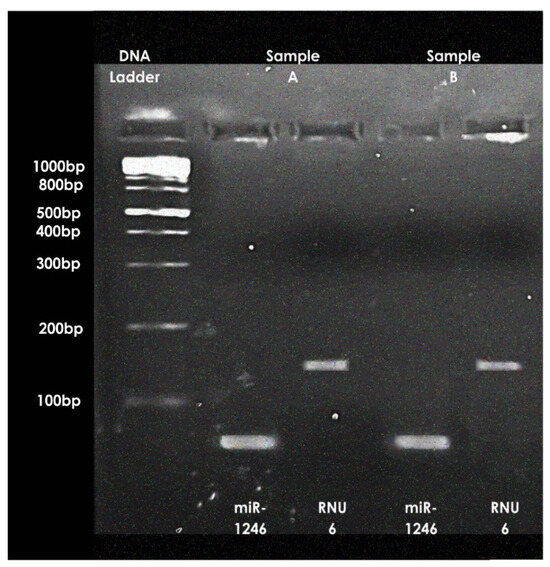
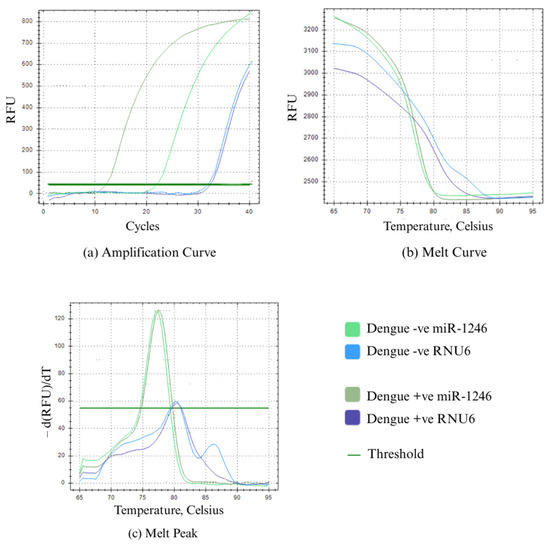
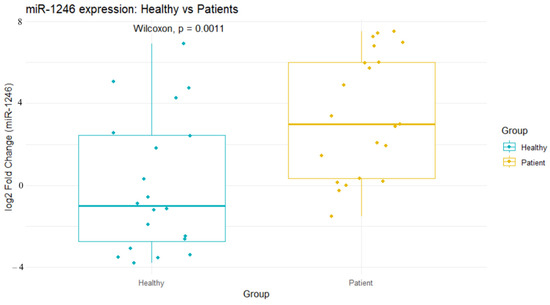
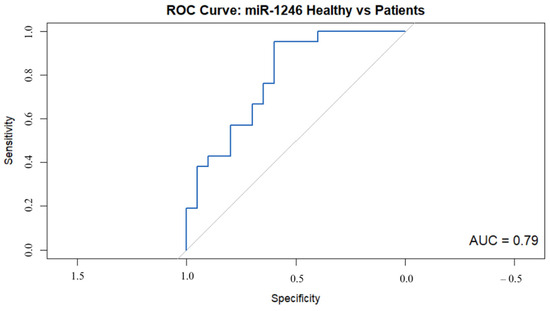
Background: Dengue is a growing mosquito-borne viral infection of global concern. It remains a major public health challenge in Nepal, where reliable biomarkers for disease staging and prognosis are lacking. In this study, we investigated circulating microRNA-1246 (miR-1246) as a potential diagnostic and prognostic marker in dengue infection. Methods: Serum samples from 21 dengue-positive patients and 20 healthy controls were analyzed by quantitative Reverse Transcription Polymerase Chain Reaction (RT-qPCR), with RNU6 as an internal control. Results: Dengue patients showed markedly elevated miR-1246 levels, with a mean 47-fold increase compared to controls (p = 0.001). Expression varied by disease stage, peaking in IgM positive cases, declining in weakly positive IgM patients, and reaching the lowest levels in IgG positive convalescent cases, a pattern consistent with clinical parameters such as platelet recovery. Receiver Operating Characteristic (ROC) analysis further highlighted diagnostic potential, yielding an Area Under the Curve (AUC) of 0.79, sensitivity of 95.24%, and specificity of 60.00%. Conclusions: These findings imply that miR-1246 is drastically dysregulated during dengue infection and could be a useful biomarker for tracking the intensity and course of the illness.
Full article

Figure 1
Open AccessArticle
Prevalence and Clinical Significance of miR-155-5p and miR-221-3p in Colorectal and Thyroid Cancer: A Study in Sulaymaniyah Province
by
Hersh Abdul Ham-Karim
J. Mol. Pathol. 2025, 6(4), 33; https://doi.org/10.3390/jmp6040033 - 18 Dec 2025
Abstract
►▼
Show Figures
Background: MicroRNAs (miRNAs) such as miR-155-5p and miR-221-3p are key regulators of gene expression in cancer. Although both have been implicated in colorectal cancer (CRC) and papillary thyroid carcinoma (PTC), data on their regional expression profiles and clinical associations remain scarce, particularly in
[...] Read more.
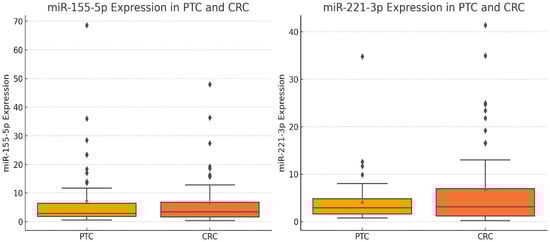
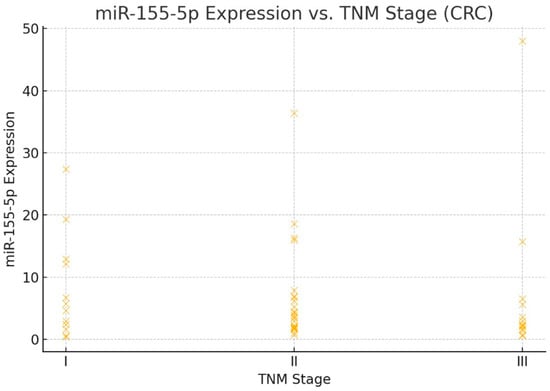
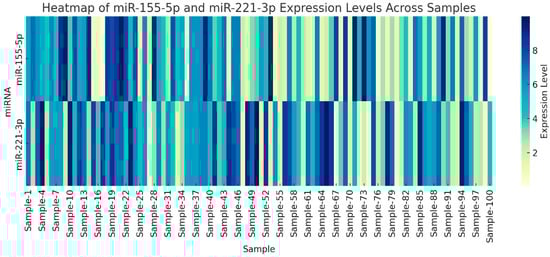
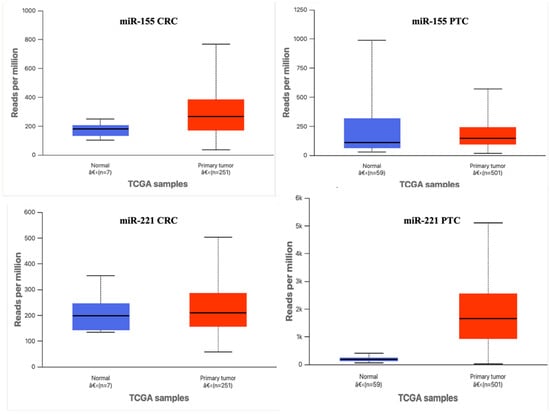
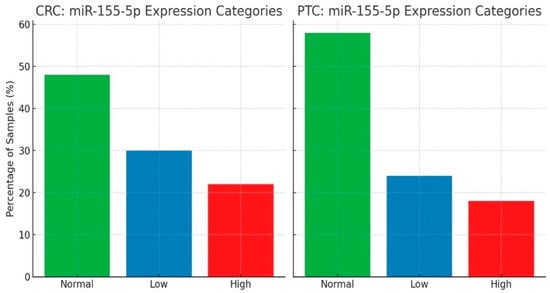
Background: MicroRNAs (miRNAs) such as miR-155-5p and miR-221-3p are key regulators of gene expression in cancer. Although both have been implicated in colorectal cancer (CRC) and papillary thyroid carcinoma (PTC), data on their regional expression profiles and clinical associations remain scarce, particularly in the Middle East. This study assessed the expression patterns and clinical relevance of miR-155-5p and miR-221-3p in CRC and PTC patients from Sulaymaniyah Province, Iraq. Methods: Formalin-fixed, paraffin-embedded (FFPE) tumor and adjacent normal tissue samples were collected from 60 CRC patients and 50 PTC patients. miRNA expression levels were quantified using real-time quantitative PCR (RT-qPCR) and analyzed by the ΔΔCt method, adjusted for tumor cellularity. Statistical analyses were conducted to evaluate associations between miRNA expression and clinicopathological parameters. Results: miR-155-5p and miR-221-3p were frequently overexpressed in both CRC (65%) and PTC (72% and 68%, respectively). In CRC, miR-155-5p expression correlated significantly with histological grade, tumor location, and TNM stage (p < 0.05), while miR-221-3p did not show significant associations with clinicopathological features. In PTC, miR-155-5p exhibited a trend toward association with TNM stage (p = 0.02). No significant differences in expression levels of these miRNAs were observed between CRC and PTC samples. Conclusions: Overall, miR-155-5p and miR-221-3p are consistently overexpressed in CRC and PTC, indicating their potential as diagnostic biomarkers. miR-155-5p, in particular, shows promise as a marker of disease progression in CRC. These findings underscore the importance of region-specific studies in advancing our understanding of the molecular landscape of cancer.
Full article

Figure 1
Open AccessReview
Molecular Perspective on Proteases: Regulation of Programmed Cell Death Signaling, Inflammation and Pathological Outcomes
by
Aafreen Ansari, Kishu Ranjan, Ashish Kumar and Chandramani Pathak
J. Mol. Pathol. 2025, 6(4), 32; https://doi.org/10.3390/jmp6040032 - 12 Dec 2025
Abstract
►▼
Show Figures
Proteases are essential enzymes that regulate numerous physiological processes and cellular signaling networks to maintain homeostasis and cellular fate. This regulation is mediated by a group of proteases with the primary function of cleaving peptide bonds, thereby modulating the activity of proteins for
[...] Read more.
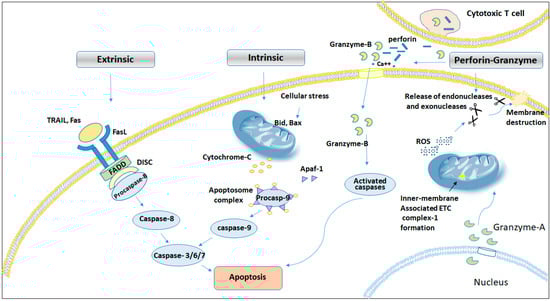
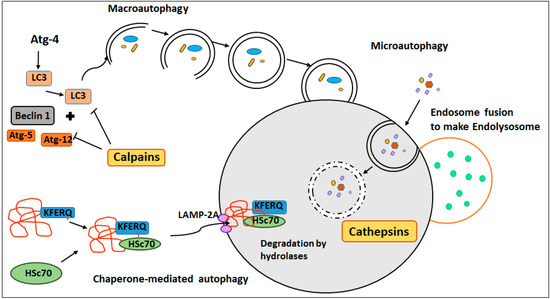
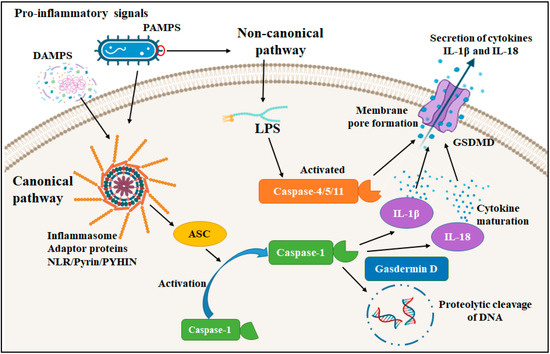
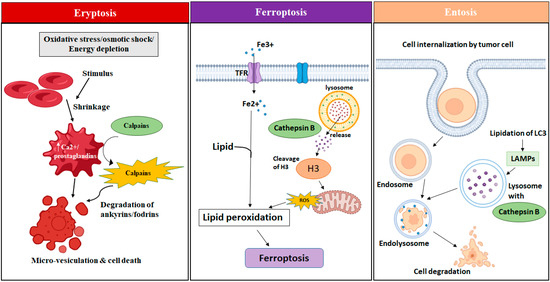
Proteases are essential enzymes that regulate numerous physiological processes and cellular signaling networks to maintain homeostasis and cellular fate. This regulation is mediated by a group of proteases with the primary function of cleaving peptide bonds, thereby modulating the activity of proteins for vital functions and influencing various cellular and physiological functions including digestion, absorption, cellular signaling, apoptosis, inflammation, immune response, cell growth, differentiation, cell death, and reproduction. Proteases define the fate of cells by modulating the downstream signal transduction pathways for modalities of cell death known as apoptosis, necroptosis, pyroptosis, and autophagy. Similarly, during inflammatory stimulation, proteases orchestrate a cascade of pathways that optimize the immune response to pathogens. Proteases play a crucial role in the pathogenesis of various human diseases, including cancer, metabolic, inflammatory, and neurological disorders. The activation of specific proteases determines the outcomes of different forms of cell death inflammation and imbalance may cause various pathological manifestations highlighted in this review. Understanding protease-mediated signaling mechanisms is therefore vital for elucidating disease pathogenesis and identifying potential therapeutic targets.
Full article

Figure 1
Open AccessReview
Cancer-Associated Fibroblasts and Epithelial–Mesenchymal Transition as Critical Contributors to Renal Cell Carcinoma Progression
by
Sergii Vernygorodskyi, Anton B. Tonchev, Nikolai T. Evtimov and Kameliya Zhechkova Bratoeva
J. Mol. Pathol. 2025, 6(4), 31; https://doi.org/10.3390/jmp6040031 - 9 Dec 2025
Abstract
►▼
Show Figures
Renal cell carcinoma (RCC) features a complex tumor microenvironment, where cancer-associated fibroblasts (CAFs) play key roles in tumor progression, epithelial–mesenchymal transition (EMT), immune evasion, and resistance to treatment. This article updates our understanding of CAF origins, diversity, and functions in RCC, incorporating recent
[...] Read more.
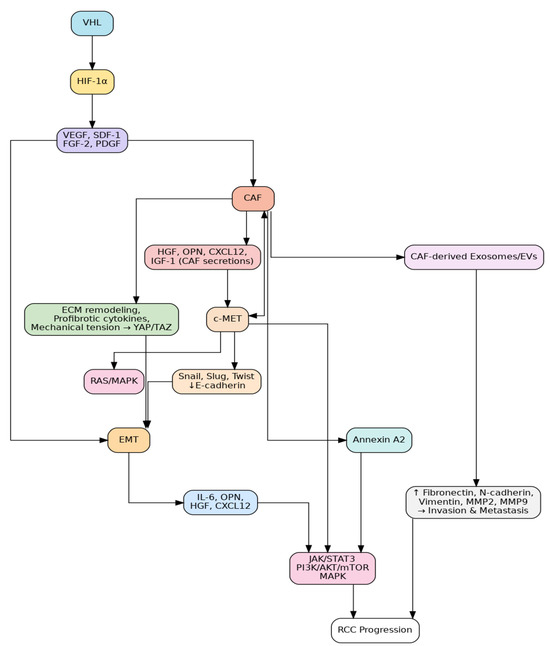
Renal cell carcinoma (RCC) features a complex tumor microenvironment, where cancer-associated fibroblasts (CAFs) play key roles in tumor progression, epithelial–mesenchymal transition (EMT), immune evasion, and resistance to treatment. This article updates our understanding of CAF origins, diversity, and functions in RCC, incorporating recent single-cell RNA sequencing (scRNA-seq) data that refine CAF subtypes. The paper explores the mechanistic interactions between CAFs and EMT, focusing on CAF-derived signaling pathways like TGF-β, IL-6/STAT3, HGF/c-MET, and Wnt/β-catenin, as well as extracellular-vesicle-mediated transfer of miRNAs and lncRNAs that promote metastatic behavior in RCC. It also addresses how CAF-driven remodeling of the extracellular matrix, metabolic changes, and activation of YAP/TAZ contribute to invasion and resistance to therapies, particularly in relation to tyrosine kinase inhibitors, mTOR inhibitors, and immune checkpoint blockade. The review highlights emerging therapeutic strategies targeting CAFs, such as inhibiting specific signaling pathways, disrupting CAF–tumor cell communication, and selectively depleting CAFs. In conclusion, it identifies limitations in current CAF classification systems and proposes future research avenues to improve RCC-specific CAF profiling and exploit the CAF–EMT axis for therapeutic gain.
Full article

Figure 1
Open AccessArticle
Incorporation of Microsatellite Instability and Tumor-Infiltrating Lymphocytes in Opisthorchis viverrini-Associated Cholangiocarcinoma: Predicting Patient Outcomes
by
Natcha Khuntikeo, Apiwat Jareanrat, Vasin Thanasukarn, Tharatip Srisuk, Vor Luvira, Watcharin Loilome, Poramate Klanrit, Anchalee Techasen, Jarin Chindaprasirt, Prakasit Sa-Ngiamwibool, Chaiwat Aphivatanasiri, Sureerat Padthaisong, Piya Prajumwongs and Attapol Titapun
J. Mol. Pathol. 2025, 6(4), 30; https://doi.org/10.3390/jmp6040030 - 1 Dec 2025
Abstract
Background: Cholangiocarcinoma (CCA) has the highest incidence in Northeastern Thailand, where patients generally present with late diagnosis and poor prognosis. Opisthorchis viverrini (OV) infection is the major cause of CCA, with oxidative stress driving DNA mutations and genetic instability. Microsatellite instability (MSI) is
[...] Read more.
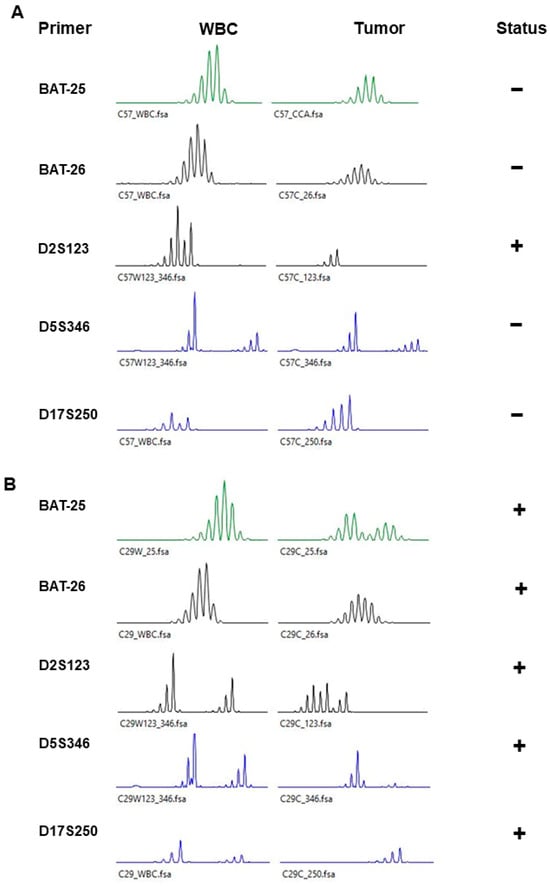
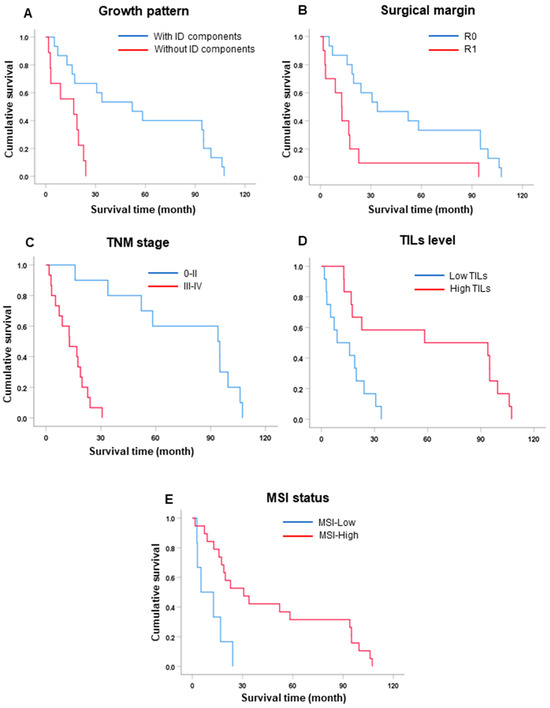
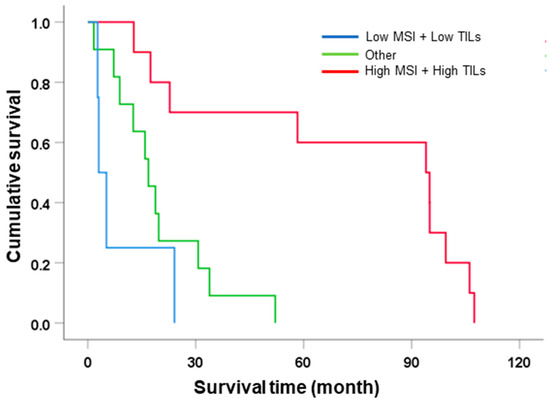
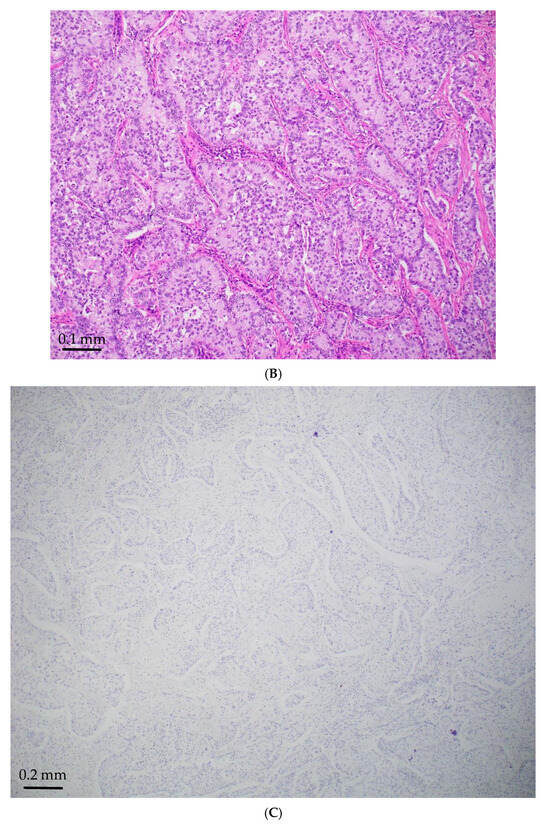
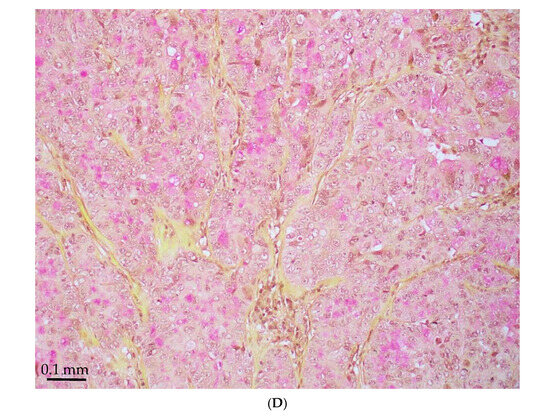
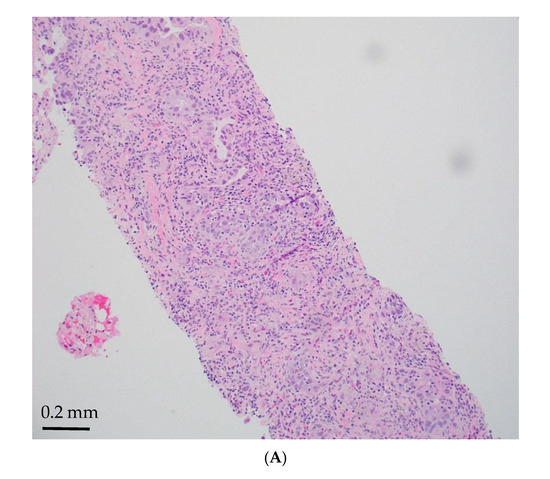
Background: Cholangiocarcinoma (CCA) has the highest incidence in Northeastern Thailand, where patients generally present with late diagnosis and poor prognosis. Opisthorchis viverrini (OV) infection is the major cause of CCA, with oxidative stress driving DNA mutations and genetic instability. Microsatellite instability (MSI) is a predictive biomarker in several cancers. This study aimed to investigate MSI status and its association with clinicopathological features and survival of CCA patients. Methods: Tissue and serum samples were collected from 25 surgical CCA patients. MSI status and mismatch repair (MMR) proteins were evaluated using an MSI scanner and immunohistochemistry (IHC). Serum OV IgG was assessed by ELISA, while tumor-infiltrating lymphocytes (TILs) were evaluated by two pathologists. Associations of MSI with clinicopathological features, OV status, MMR, and survival were analyzed. Results: Among CCA patients, 66.7% were MSI-high and 33.3% were MSI-low. MSI-high significantly correlated with age < 57 years, intraductal growth pattern, OV positivity, and early-stage disease. Patients with MSI-high and high TILs showed markedly improved median survival compared to MSI-low with low TILs (94.0 vs. 16.8 and 3.0 months; HR = 6.82 and 14.10; p = 0.004 and 0.001). Incorporation of MSI and TILs remained an independent prognostic factor in multivariate analysis (p < 0.05). Conclusions: MSI-high is highly prevalent in OV-associated CCA and is associated with intraductal growth, OV infection, and early-stage disease. Combined MSI and TIL status may serve as an independent prognostic factor, warranting validation in larger cohorts.
Full article
(This article belongs to the Special Issue Advancing Cancer Diagnosis: Integrating Molecular Pathology into Histopathology for Solid Tumors)
►▼
Show Figures

Figure 1
Open AccessCommentary
Mpox Insights: From Structure to Human Cell Interaction
by
Md S. Zaman, Robert C. Sizemore, Draven Rodriguez, Emilio Lopez, S. M. Golam Alam, Suleyman Tufa, Juan C. Lopez-Alvarenga, Nuraly S. Akimbekov and Mohammed S. Razzaque
J. Mol. Pathol. 2025, 6(4), 29; https://doi.org/10.3390/jmp6040029 - 21 Nov 2025
Cited by 1
Abstract
►▼
Show Figures
Mpox, a zoonotic viral disease, has emerged as a global concern due to outbreaks in both endemic and non-endemic regions in 2022. Rodents, including African squirrels and Gambian pouched rats, are suspected key reservoirs, with human infections occurring through direct contact with infected
[...] Read more.
Mpox, a zoonotic viral disease, has emerged as a global concern due to outbreaks in both endemic and non-endemic regions in 2022. Rodents, including African squirrels and Gambian pouched rats, are suspected key reservoirs, with human infections occurring through direct contact with infected animals or bushmeat consumption. Previously confined to rural Africa, mpox has spread via international travel and the exotic pet trade. Human-to-human transmission occurs mainly via respiratory droplets and direct contact with bodily fluids or lesions. The virus has a double-stranded DNA genome within a lipid envelope. Despite lower mutation rates in DNA viruses, mpox has developed mutations, particularly in genes like F8L, G9R, and F13L, facilitating viral replication and immune evasion. The virus targets immune cells such as monocytes and macrophages, weakening host defenses and prolonging infection. Immunocompromised individuals are at higher risk of severe complications. Although generally self-limiting, severe cases may require antiviral treatment. This article briefly summarizes the therapeutic and preventive strategies, and public health measures to combat zoonotic threats.
Full article

Figure 1
Open AccessCommunication
STK11 Mutated Lung Adenocarcinoma: A Molecular and Clinicopathologic Study
by
Jeffrey Jean, William D. Wallace and Guang-Qian Xiao
J. Mol. Pathol. 2025, 6(4), 28; https://doi.org/10.3390/jmp6040028 - 17 Nov 2025
Abstract
►▼
Show Figures
Targetable gene alterations have become increasingly important in the treatment of cancers. Thirty STK11-mutated lung cancers from 199 cases with molecular profiling performed during 2016–2024 were studied for clinical, morphologic, immunohistochemical (IHC) and molecular features. Of the 30 STK11-mutated lung cancers,
[...] Read more.
Targetable gene alterations have become increasingly important in the treatment of cancers. Thirty STK11-mutated lung cancers from 199 cases with molecular profiling performed during 2016–2024 were studied for clinical, morphologic, immunohistochemical (IHC) and molecular features. Of the 30 STK11-mutated lung cancers, 29 were lung adenocarcinomas (LADCs) and 1 was large cell neuroendocrine carcinoma (LCNEC). STK11 mutation was not found in other subtypes of lung cancers. Of the 29 STK11-mutated LADCs, 6 (21%) were mucinous and 23 (79%) were non-mucinous. Of the 19 non-mucinous LADCs with sufficient material for IHC, 9 (47%) displayed acinar/papillary/lepidic patterns, 8 (42%) were poorly differentiated (solid/trabecular/basaloid/complex glandular), and 2 (11%) had mixed solid and acinar patterns. The most common concurrent altered genes were KRAS (52%), followed by TP53 (38%), KEAP1 (34%), and DNA repair genes (BRCA2/ATM) (21%). A total of 6/15 (40%) LADCs with a KRAS mutation presented with mucinous morphology. Concurrent EGFR, ROS, or ALK alterations with STK11 mutation were rare or non-existent. Of the 3 LADCs with SMARCA4 deficiency, 2 were mucinous and 1 had basaloid/adenoid cystic-like features. All the cases were microsatellite stable (MSS). The majority (55%) had low TMB (<10). Most (86%) had PD-L1 TPS 0 or <5%. Among the 14 non-mucinous LADCs with IHC performed, 5 (36%) were TTF-1-negative and all displayed poorly differentiated morphology. Overall, 8/10 (80%) of poorly differentiated components in non-mucinous LADCs were negative for TTF-1. In contrast, all LADCs with better differentiated patterns (acini/papillary/lepidic) were positive for TTF-1. The majority (14/21, 67%) of patients with available follow-up presented with metastasis.
Full article

Figure 1
Highly Accessed Articles
Latest Books
E-Mail Alert
News
Topics
Topic in
Cells, JCM, Organoids, JMP
Novel Discoveries in Oncology 2nd Edition
Topic Editors: Michela Campolo, Giovanna Casili, Alessia Filippone, Marika LanzaDeadline: 20 June 2026
Topic in
Biomedicines, Biomolecules, Cardiogenetics, JCDD, JCRM, JMP, Metabolites, JPM
Advanced Imaging, Physiology, and Biomarkers in Ischemic Heart Disease
Topic Editors: Krishnaraj Sinhji Rathod, Alexandru CorlateanuDeadline: 10 March 2027
Topic in
Biomolecules, Cancers, Cells, JMP, Livers
Signaling Pathways in Liver Disease 2nd Edition
Topic Editors: Ralf Weiskirchen, Amedeo AmedeiDeadline: 31 March 2027
Special Issues
Special Issue in
JMP
New Insight of Genetic Alterations in Head and Neck and Salivary Gland Tumor
Guest Editor: Fuyuki SatoDeadline: 31 July 2026
Special Issue in
JMP
Selected Highlights of the 14th Molecular Cytopathology Meeting
Guest Editors: Giancarlo Troncone, Pasquale PisapiaDeadline: 30 September 2026
Special Issue in
JMP
Molecular Diagnostics in Cytopathology
Guest Editors: Eva M. Wojcik, Ryan HunterDeadline: 30 September 2026
Topical Collections
Topical Collection in
JMP
Feature Papers in Journal of Molecular Pathology
Collection Editors: Giancarlo Troncone, Pasquale Pisapia
Topical Collection in
JMP
Juggling the Various Facets of Modern Anatomic Pathology
Collection Editors: Pasquale Pisapia, Giancarlo Troncone