


Abstract
Generative artificial intelligence offers great potential for innovation, helping professionals and companies improve existing processes and create new products and services. This study examines the potential of AI-driven digital entrepreneurship to address specific professional challenges. It analyses a significant and pioneering case in communication: Journo, a tool for the semi-automatic creation of news texts from audio. The methodology combines documentary analysis, in-depth interviews, and user testing. The value proposition, business model and vision of its founders concerning entrepreneurship with AI, including the necessary learning and skills, have been compiled through content analysis and in-depth interviews. Journo’s usability and functionality and the perception of its potential recipients are addressed through a user-testing approach. The methodology combines documentary analysis, in-depth interviews, and user testing. The first two approaches examine Journo’s value proposition, business model, and its founders’ perspectives on AI entrepreneurship, while user testing assesses the tool’s usability and functionality from the perspective of potential users. The results show this to be an innovative tool that does not aim to replace professional work, but rather to complement it, and that despite errors, especially human ones, it is perceived positively by users in terms of usefulness and ease of use. However, limited utilisation is noted by users with no previous experience of AI or who tend to accept the results generated without checking them. We conclude that the success of AI-based journalistic entrepreneurship depends not only on technological innovation, but also on users’ critical competencies and their ability to supervise AI-generated content.
1. Introduction
Disruptive technologies such as artificial intelligence (AI), especially generative artificial intelligence (GAI), developed exponentially quite recently, are impacting the business ecosystem, promoting new forms of organisational innovation and entrepreneurship.
AI contributes to the digital transformation of organisations, to the improvement of their processes, services or products or even to the diversification and creation of new lines of business. At the same time, new players whose value proposition is based on these disruptive technologies are emerging, either because this technology allows them to work faster, cheaper or better than the competition, or because they offer new products or services implemented with AI for third parties, which would previously have been unattainable. In any case, “AI startups play a fundamental role in driving innovation, progressing AI technology, and determining the future of diverse industries” (Nam et al., 2024).
The field of communication and journalism is no stranger to this revolution, which requires technological innovation but also a cultural change, oriented towards intrapreneurship, learning and continuous improvement with new strategies and certain profiles and skills. In this context, several recent studies have analysed the integration of generative artificial intelligence in journalism from a professional and organisational perspective, highlighting its transformative potential as well as the ethical, cultural and training challenges that this technology poses, especially in the Ibero-American context (Apablaza-Campos et al., 2024).
Recent years have witnessed a digital transformation accelerated by AI that is affecting some of the classic benchmarks of journalism and communication. For example, major news agencies, such as the Associated Press (AP), have made a major commitment to artificial intelligence, and in addition to developing a pioneering implementation strategy, are offering training to journalists and working with various start-ups to develop AI projects (Associated Press, 2024).
This study focuses on a significant case of journalistic entrepreneurship based on generative artificial intelligence, Journo. It is a tool that transcribes audio (and more recently video) and converts it into news with the help of different artificial intelligence languages and is therefore primarily aimed at journalism professionals and media organisations.
Originating in Málaga, Spain, as an initiative by two young entrepreneurs, and officially launched on 5 May 2024 following a beta period, Journo’s unique selling point lies in its conception as an ‘editorial co-pilot’. The tool not only transcribes audio but also adds context using the classic 5 Ws of journalism to generate a news-style text that highlights the main idea suggested by the user.
To overcome the fragmentation commonly observed in the analysis of emerging technologies, this paper is conceived as a holistic case study of multi-stage innovation. The overall aim of this study is to analyse an entrepreneurship and innovation project with GenAI (Journo), linking the designer’s perspective with the potential users’ ability to use and take ownership of the product. A socio-technical validation cycle is proposed, thereby moving beyond the prevailing trend of research that focuses solely on one aspect of innovation. Through this holistic lens, Journo is analysed not merely as a technical product, but as a subject of study in which the value proposition and business model (the developer’s perspective) must converge with usability and algorithmic literacy (the user’s experience). Among the specific objectives set out are:
- -
- To examine the origins and defining features of Journo’s business model, how it works and its value proposition as a co-pilot, as well as, in addition, the experience that its managers have gained from launching an AI-based venture in terms of requirements and lessons learnt.
- -
- To analyse how users interact with Journo as a generative artificial intelligence tool specifically created for journalists, as we mentioned earlier, assessing the results of the user experience in terms of the tool’s usability (errors detected and reasons) and effectiveness in human-in-the-loop supervision of the algorithm.
- -
- To investigate the views of journalism students as future professionals on the quality of the content produced and its professional suitability. This approach also makes it possible to identify the gaps in critical thinking and algorithmic literacy needed to mitigate risks such as bias or a lack of verification.
Selecting a sample of aspiring professionals is justified by the need to assess transversal competencies prior to their entry into established newsrooms, thereby prompting reflection on the need to implement media literacy programs that foster reflective and critical interaction with AI. This approach is essential given that various studies address the complex integration of AI into academia, highlighting ethical concerns such as algorithmic bias, transparency, and accountability (Fernando Juárez & Rudick, 2025). Furthermore, various analyses emphasize the need to cultivate—in both students and future professionals—the confidence and competencies required to interact with AI tools like the one analysed here, including communication and critical thinking skills (Hu, 2025). International frameworks (UNESCO, 2023, 2024) advocate for incorporating specific AI competencies into higher education, and some experts argue for integrating algorithmic literacy into media education curricula (Morris, 2022).
Journo is, in addition to being a tool with a very specific purpose and audience, a pioneering project led by young people, unique in its functionality in the Spanish-speaking world, around which a start-up has begun to grow, a company committed to innovation and continuous improvement, and which brings together clients from different regions, hence some of the reasons for choosing it. It is also about, with its analysis, exploring an innovative benchmarking model and providing keys for entrepreneurs, companies, professionals and other interested actors based on the same new opportunities and challenges for digital entrepreneurship in times of generative artificial intelligence. This is all the truer given that academic research into the impact of AI on entrepreneurial practice, whilst attracting growing interest, has almost always been superficial, according to a recent systematic review carried out by Uriarte et al. (2026).
- RQ1.
- In what context and for what purpose was Journo launched, and what are the distinctive features of its business model and value proposition as an artificial intelligence tool applied to journalism compared to other similar tools?
- RQ2.
- What resources have been key to developing the Journo tool, including the skills of its developers, and what advantages and disadvantages emerge in GenAI-based journalistic entrepreneurship initiatives such as this one, from the developers’ perspective?
- RQ3.
- How user-friendly and functional is Journo for future journalists? To what extent are they able to complete the tasks assigned to them with a minimum of errors and achieve a concrete result?
- RQ4.
- How is the tool rated by this group of potential users in terms of its professional usefulness and the quality of the results?
- RQ5.
- What non-technological factors underlie the difficulties encountered? To what extent do the level of transferable skills and the exercise of critical thinking among future professionals influence the transformation of general content into potentially publishable journalistic pieces via GenAI?
2. Review of the Literature
2.1. The Impact of AI on Business Ecosystems
The arrival of ChatGPT and other recent milestones in generative artificial intelligence have brought about a debate concerning its potential and risks that reaches across different fields and disciplines, including the professional and business spheres. From an integrative perspective, Shi and Sun (2024) systematise these debates in the field of journalism, identifying key dimensions such as the impact of generative AI on production processes, organisational models, professional ethics and the redefinition of journalistic roles. As Garde notes in his monograph on AI and entrepreneurship, “a knife is an indispensable tool for eating, but it can also be a weapon…” (Garde, 2024); the same is true of artificial intelligence, whose use by companies in Europe, precisely for this reason, has been subject to legislative policies aimed at user protection since 2024 (Garriga et al., 2024).
Artificial intelligence is a tool that is having a significant impact on the business world. AI has already been in use for over a decade in the field of communication and journalism, where it has accumulated both achievements and challenges that authors such as Ufarte-Ruiz et al. (2023) summarise in the form of ‘lessons learned’. Today, AI offers some intriguing possibilities for, firstly, improving productivity and optimising processes through the automation of tasks. This could include cases such as using digital assistants to help professionals with specific jobs under their supervision, like turning interviews into text (Prodigioso Volcán, 2023).
Secondly, AI can also be used by communication professionals and companies to improve the user experience and foster user engagement, segmenting audiences to communicate more closely with them, or offering hyper-personalised products based on their practices and preferences.
The possibilities offered by AI in day-to-day journalism include reporting, production, and content distribution processes (Prodigioso Volcán, 2023). However it may be used, most academics and experts agree that “the adoption of artificial intelligence in newsrooms or in monetisation strategies (…) requires training, resources, and a debate on ethics” (Prodigioso Volcán, 2023). For example, processes developed with AI should be auditable, adjustable, transparent, and traceable, and should meet the ethical standards of journalism. This last aspect is the most critical in the implementation of artificial intelligence in the media industry (Prodigioso Volcán, 2023).
We are talking about artificial intelligence, but in this context, it is worth recalling the difference between predictive AI and generative AI. The former has traditionally been used by start-ups to anticipate and assess potential risks to users or customers, with a view, where appropriate, to improve the positioning of headlines and news stories. Generative AI, on the other hand, is geared towards creating content (text, images, code) similar to the existing data used for training, usually through specific generative tools. Many of these tools, such as Journo—the focus of this analysis—operate on the basis of external language models (LLMs), functioning as editorial co-pilots that automate transcription and news summarisation, but which require human supervision in the loop (‘human-in-the-loop’) for final validation. This specification, confirmed by its developers, places the tool in a realm where exponential technology is harnessed to serve professional judgement.
2.2. AI and Entrepreneurship: A Holistic Approach
On the other hand, artificial intelligence is also a weapon at the service of business. In this context of entrepreneurship, the phenomenon of AI can be approached from two angles. Firstly, as a tool that facilitates the launch of new businesses, and secondly, as the subject of entrepreneurship in itself. In other words, it has given rise to new companies, often in the form of start-ups, dedicated to developing products or services based on artificial intelligence.
As Shepherd and Majchrzak (2022) point out, entrepreneurship and AI can no longer be understood as separate phenomena:
“How they are combined and used will determine their impact on humanity. While researchers have independently developed a greater understanding of entrepreneurship and AI, these two streams of research have primarily run in parallel.”
Regarding the second point, artificial intelligence has also emerged as a catalyst for a new type of industry centred on the development of AI-based products and services. Recent studies describe this environment as an “AI business ecosystem” (Nam et al., 2024). Among the companies that make up this ecosystem, start-ups are particularly well positioned to leverage AI because of their agility and capacity for innovation. Their flexible structures enable them to develop innovative solutions across a wide range of sectors, making them key actors in technology-driven business ecosystems (Nam et al., 2024).
In other regions, certain organisations have been producing regular reports on their AI ecosystems with the aim of identifying challenges and opportunities that will help entrepreneurs, academics, educators, policymakers and citizens make informed decisions regarding the development of AI capabilities. This is the case in Australia, where a recent report (Hajkowicz et al., 2023) describes this ecosystem as a network comprising “start-ups, businesses of all sizes, universities, research institutes, industry organisations and public sector agencies dedicated to the development and application of AI technology”.
According to Quan and Sanderson (2018), business applications within the AI ecosystem can be grouped into different categories, including commercial AI applications designed to provide AI-based products and services directly to users. Journo, together with other journalistic tools discussed below, can be situated within this category, as its value proposition is based on applying AI to specific professional needs in journalism.
The business models of AI start-ups have received relatively little scholarly attention until recently. This is precisely what Martínez (2025) refers to; in response to this ‘gap’, he analyses how the 50 most important startups, as ranked by Forbes in 2023, use AI to create, deliver and capture value, and identifies the main components of their structure, key characteristics and distinctive features (p. 539). However, there are no journalism or media-focused startups among them.
2.3. Democratizing Journalistic Entrepreneurship Through No-Code Technologies
Digital entrepreneurship in journalism has attracted growing scholarly attention, particularly in response to the opportunities and challenges of the network society. This is shown by Mohammed et al.’s (2024) systematic mapping of research published between 2000 and 2020, which also situates it as a response to job insecurity and the search for social journalism, something of importance for democracy. The study also points out that the United States (20%) and Spain (19%) are the main contributors to research on entrepreneurial journalism (Mohammed et al., 2024).
In recent years, as artificial intelligence has increasingly become a driving force for journalistic entrepreneurship, as in other sectors, a number of significant case studies on this subject have been published.
Over a decade ago, with the emergence of so-called mobile journalism, m-journalism, or MO-JO, as a result of the spread of smartphones and other intelligent mobile devices that are permanently and ubiquitously connected, there was a stream of journalistic innovation and entrepreneurship. Certain AI-based projects were born in the form of instant messaging applications via mobile phones. Such is the case with chatbots or conversational bots, such as Politibot in Spain (Sánchez Gonzales & Sánchez González, 2017), which are regarded as a second generation of newsbots (Johri et al., 2016).
In the last five years, with the rise of fact-checking as a response to misinformation in scenarios such as the COVID-19 pandemic, numerous leading fact-checkers around the globe, many in the form of start-ups, have also been the driving force behind technological solutions and their own AI-based tools, almost always in the form of chatbots or web applications (Sánchez González et al., 2022). Many of these projects rely on multidisciplinary teams that bring together journalists with professionals from other fields, particularly software developers and data analysts.
In the most recent period, some of the manifestations of journalistic entrepreneurship and intrapreneurship with AI are the aforementioned synthetic media, many of which have emerged, rather than as independent projects, thanks to the investment of communication agencies. The analysis by Ufarte-Ruiz et al. (2023) of four such initiatives, three European (Reuters News Tracer in the UK, News Republic in France and Videre AI in Spain), and one Japanese, X Press Corp, describes their news production processes, impact on journalism as a profession, and their viability as innovations in the gradual integration of artificial intelligence into news production.
Among the reasons and motivations for starting a business in communications and journalism, as documented in both the academic literature and various industry reports, is the desire for editorial independence in certain regions where freedom of expression is restricted (Sembramedia, 2016) and the need to look for work or explore new opportunities in the face of precarious employment situations (Asociación Prensa Madrid, 2014), some of which survive today, almost all in the form of cybermedia. In addition to the personal reasons of their founders (veterans who lost their jobs or young people out of work), there is the availability of technically and economically affordable technologies and IT tools, which have led to a sharp reduction in the investment required for journalistic output (Manfredi Sánchez & Artero, 2014, p. 161). In the current situation, the rise of generative artificial intelligence is accompanied by another phenomenon that is undoubtedly bringing technology closer to businesses and professionals: the so-called ‘no-code’ or ‘low-code’ movement, a ‘golden age of no-code programming’ (BBVA, 2025), which brings with it tools that enable non-experts to create applications intuitively to meet their own or others’ needs, and even to market them as entrepreneurial ventures.
2.4. The Editorial Co-Pilot and Its Value Proposition
In the case of generative artificial intelligence, alongside the uses already outlined in the field of business management, entrepreneurs or intra-entrepreneurs can now use it to find inspiration, develop their business or innovation ideas, conduct market research, shape their strategic plans, or promote them. Not to mention that AI, in its analytical and predictive forms and due to its capacity for measurement and anticipation, has also influenced user relations and brought entrepreneurs and companies closer to their audiences (Li et al., 2022). All of the above are occurring across various sectors, such as healthcare, finance, customer service and education (Shepherd & Majchrzak, 2022), and even communication and journalism, areas that form the focus of a recent monograph edited by Sánchez Gonzales (2025), in which it defined ‘the use of artificial intelligence in entrepreneurial journalism as the integration of intelligent systems with human work teams in order to optimise processes, with the aim of creating a value chain that can be used to find new market niches’ (p. 2).
This work (Sánchez Gonzales, 2025) presents specific case studies, the application of tools and practices of different types of entrepreneurship in international contexts, with contributions and perspectives from different geographical areas (Spain, Argentina, Germany, Colombia, the United States, Chile and Mexico) and emphasises that AI requires human supervision of the algorithm (human-in-the-loop). In other words, it should be viewed as a co-pilot or technical assistant, and never as a substitute for human decisions or professional judgement.
The same study also argues that this technology also acts as a kind of facilitator of intrapreneurship, also known as corporate entrepreneurship, due to its ability to foster entrepreneurial initiatives within media organisations. That is, it is used to promote internal entrepreneurship in established companies with the aim of driving growth and making them more competitive (Sánchez Gonzales, 2025, p. 2).
2.5. User Perspective: UX and Technological Acceptance
Amid the AI bubble, some authors have criticized a certain amount of over-enthusiasm around business journalism mediated by these technologies. Among them is Ruotsalainen et al. (2021), whose paper looks at the future of journalism through the perception of pioneering entrepreneurial journalists in Finland. His main findings are that journalism is produced in networks of affinity and shared interests between journalists and audiences, and there is greater audience engagement as well as more autonomous and multidisciplinary journalistic work with higher incomes. However, it also carries the risk of leading to a more elitist form of journalism, as it is geared towards paying audiences, and the risk of fragmenting public discourse by focusing on specific niches and social media platforms that control the digital infrastructure (Ruotsalainen et al., 2021).
Meredith Broussard refers to the exaggeration of the real impact of technical tools in terms of “technochauvinism” (Broussard et al., 2019, p. 674) and argues for a human-centred perspective on AI applied to journalism. It is therefore necessary to understand the roles and tasks of journalists in the AI workflow, as well as to analyse how these technologies are creating and transforming journalists’ work in order to understand and shape this revolution in the profession (Broussard et al., 2019).
All of these are essential aspects for entrepreneurs to consider when it comes to products or services aimed at journalists and/or the media. It is not enough to propose innovative solutions; they must also be useful and functional for their target audience. In this regard, recent research based on interviews with journalists shows that the adoption of generative artificial intelligence tools in newsrooms is mediated by ambivalent perceptions, which combine opportunities for efficiency and support for reporting tasks with concerns related to loss of editorial control, content reliability, and the erosion of professional skills (Cools & Diakopoulos, 2024).
The idea of user experience is also important from the point of view of research in journalistic entrepreneurship. Along with the vision of the actors involved, entrepreneurs and audiences, it is vital to collect information on the way in which the latter are exposed to the tools, including objective and subjective aspects (difficulties and errors, emotions, etc.). Thus, usability can be assessed, meaning the ease of the target users’ utilisation of the interfaces (Nielsen, 2012) of tools based on artificial intelligence as well as their functionality, that is, their understanding and usefulness for the users (Cairo, 2011) and therefore their potential for the real fulfilment of their objective.
There have been multiple analyses focused on the perspective of companies and professionals, which mainly compile media practices implementing AI and assess the present and future impact of AI in newsrooms. A Spanish reference is the analyses carried out by Salaverría and de-Lima-Santos (2021) and Túñez-López et al. (2019), focused on measuring the quality and suitability of these practices to journalistic principles, or Lopezosa et al.’s (2023) bibliographic study to identify and synthesise the main research on automation in journalism, which also carried out a comparative analysis of sports news written by algorithms and news produced by human journalists.
However, research from the perspective of users of generative artificial intelligence tools—which, in the case at hand, Journo, also happens to be profiles closely linked to journalists such as its own promoters—is less common. This justifies the need to address significant cases through multiple and innovative perspectives that contribute not only to sustainable journalism, but also to the real, practical and critical empowerment of AI by media professionals.
These GenAI entrepreneurial projects must therefore be analysed from a perspective that combines not only the vision of the promoters (to determine their intention, mission and value proposition), but also that of their potential users, in this case journalists and future journalists. From the users’ perspective, a view is required that goes beyond the perception of these tools and also analyses the user experience in terms of ease of use and perceived usefulness for hypothetical everyday professional use (their functional value). This latter approach is in line with the technology acceptance model or TAM (Davis, 1989), which explains how users adopt and use new technology and argues that the intention to use a technology is determined primarily by two factors. On the one hand, perceived usefulness (PU), which is the extent to which a person believes that using a system will improve their work performance, and on the other hand, perceived ease of use (PEOU), understood as the extent to which a person believes that using a system will require little effort.
The choice of TAM in this study responds to the specific scope of the user analysis, which draws on perceived usefulness and perceived ease of use to examine the functional value and usability of Journo from the perspective of potential users. More comprehensive frameworks, such as the unified theory of acceptance and use of technology (UTAUT), incorporate additional individual, social and contextual determinants of technology acceptance (Venkatesh et al., 2003). However, applying such a framework would exceed the purpose of this exploratory case study, which does not aim to develop a comprehensive predictive model of technology adoption. TAM therefore provides a focused conceptual basis that can be combined with other aspects of the user experience relevant to the professional context of journalism.
TAM has also been applied to analyse the adoption of generative AI in the educational context. For example, Shahzad et al. (2025) examined the factors influencing the use of tools such as ChatGPT in higher education, concluding that perceived usefulness and ease of use are the most significant predictors of intention to use. Meanwhile, Ma (2025) used an extended TAM for postgraduate students studying English as a foreign language, finding that additional variables such as technological self-efficacy and perceived enjoyment significantly reinforce the acceptance of AI for language learning.
These dimensions of technology acceptance are particularly relevant to the development of products and services aimed at journalists and the media. In this context, journalistic innovation based on generative artificial intelligence does not depend solely on technological availability, but also on professionals’ ability to engage critically with these tools. Although AI can act as a strategic aid in decision-making and journalistic production, it does not replace essential skills such as critical thinking, emotional intelligence or leadership (Sánchez Gonzales et al., 2026).
Thus, the skills profile of media professionals constitutes another determining factor in the adoption of generative AI tools. Beyond digital skills, algorithmic literacy and artificial intelligence literacy shape the user experience and the perception of these tools’ usefulness. These competencies involve understanding how algorithmic systems work, critically evaluating their results, and exercising responsible oversight of the content generated, thereby mitigating risks such as bias or the uncritical acceptance of unverified information (Hu, 2025; Peña-Fernández et al., 2023).
Consequently, this paper presents a case study with two complementary levels of analysis that integrates the perspective of innovation promoters with that of their potential users. This approach allows for a joint analysis of Journo’s value proposition and the user experience of the tool, considering both technical and competency-related factors that may influence its acceptance and professional use.
Although perceived usefulness and ease of use are relevant factors in explaining the acceptance of artificial intelligence-based tools, recent research emphasises that these dimensions must be complemented by competencies related to algorithmic literacy and AI literacy (Araujo & de Sá, 2024; Cox, 2024; Gagrčin et al., 2024; Yang et al., 2025). In the field of journalism, these competencies reinforce the ability to critically oversee generated content and maintain editorial control over AI-assisted processes (Hollanek et al., 2025).
3. Methodology
The research is a case study of Journo as an entrepreneurial project using AI from a dual perspective: broadcasters and audiences. It took place between April and August 2024 through a proprietary methodology combining analytical, interrogative and experimental qualitative and quantitative techniques, plus the triangulation of data on key aspects of the initiative (Gaitán Moya & Piñuel Raigada, 1998).
In order to fine-tune the methodological design of subsequent phases, a documentary review was carried out and direct observation was made of the actual spaces and network channels of the application analysed. The perception of the tool and its usability was analysed on the testing experience of a group of users who were asked to carry out a series of tasks with the tool, these being recorded as video capture, and to then fill out a questionnaire to evaluate their experience. Finally, the promoters of Journo were contacted, and more information about AI entrepreneurship and other key issues for the research objectives were gathered through an in-depth web conference interview. Following the evaluation approach from the perspective of the developers and potential users, suggested by the academic literature on journalistic innovation, this triangulation allows us to compare the design intent (as captured in interviews with the founders) with users’ actual capacity to adopt the technology (measured in the experimental test) and their perception of the tool. As well as highlighting its relevance to the technology acceptance model (TAM), this approach makes it possible to identify the gap between GenAI’s technological promise and the critical skills required for its professional implementation.
3.1. User Experience
To address the research objectives and questions relating to Journo’s audiences, an experimental session was designed for potential recipients of Journo who had not used the tool before, employing the user test approach and building on previous studies, some on AI-based applications (Sánchez Gonzales & Sánchez González, 2018). The session consisted of two phases.
The first phase involved asking users to carry out a specific journalism-related task using the tool (writing a written news item about the drought in Andalusia based on audio with statements by representatives of political institutions and other actors). Using video capture software and a microphone, having guaranteed their anonymity, their movements on screen and their comments throughout the user experience were recorded. The aim was to be able to measure, through direct observation of their behaviour, the ease of learning, efficiency (how long they took to perform a task), or effectiveness (how many mistakes they made) while using it. To facilitate the experiment, an instruction sheet was designed for the participating users and made available to them at the start of the test from the desktop of each computer.
The second phase was based on the filling out of an online questionnaire, once the proposed task had been performed, to gather their perception of Journo, their understanding of its use, and in general, their assessment of their user experience, considering emotional aspects, as well as the ease of use of the tool itself.
The evaluation questionnaire was built on rating scales based on several specific items related to usability or other aspects linked to the user’s experience, covering its two basic dimensions, objective and subjective (Hassan-Montero, 2015). In other words, it measures the users’ perceptions of the ease of use of the tool or the complexity of the interface, for example, but also whether they found it attractive or innovative, or if performance of the task had been comfortable and pleasant.
The information gathered in the questionnaires from the participants’ experience was complemented, to deepen the understanding of the interactions with Journo, by a section based on direct observation of the tasks performed. This approach made it possible to identify patterns of behaviour, any core and digital competences involved, as well as specific challenges that may not have been fully reflected in the questionnaire responses.
Following a pilot study conducted with half a dozen users with similar profiles, the experiments were conducted in several sessions during the month of May 2024 at the Faculty of Communication Sciences of the University of Malaga, Spain. Each session lasted between 1 and 2 h, depending on the number of tools tested by each student. For each tool, a specific amount of time was allowed for completing the tasks, estimated based on the pilot’s experience, and included in the instructions provided to users. The research sample consisted of 102 students enrolled in the Bachelor’s degree in Journalism, selected using purposive sampling (Palinkas et al., 2015) as they constituted a representative profile of Journo’s potential users. The participants were diverse in terms of gender and academic level. As students and future communications professionals, they represent a particularly suitable group for identifying the tool’s strengths and weaknesses from the perspective of its potential users, as well as for detecting possible gaps in algorithmic literacy and artificial intelligence before they enter professional practice (UNESCO, 2024). A total of 54% of the participants identified themselves as female (n = 54), 46% as male (n = 46), while one person selected the option “I prefer not to answer” (n = 1) and another identified themself as non-binary (n = 1). The highest proportion of participants were in the first year of their Bachelor’s degree in Journalism (n = 30), followed by second year students (n = 26), fourth year (n = 23) and third year (n = 21). In addition, one participant in the Erasmus programme (n = 1) and one participant in an exchange programme were included, this last taking subjects from between the first and fourth years of the degree (n = 1). This diversity in the participants’ characteristics allows us to obtain a broad perspective on the interaction of different academic and gender profiles with the Journo tool.
Furthermore, young people of this age group are convinced that artificial intelligence not only contributes to the generation of false information (88%) but also facilitates its dissemination (85.9%) (García-Faroldi et al., 2025). Given this perception, the training of future communication professionals should include a critical and specialised approach to these technologies, in line with international frameworks that emphasise the development of specific AI competencies among students (UNESCO, 2024).
After the fieldwork, for the analysis phase and the recording of results, another online form was designed to compile the main data from the recordings in a standardised format, based on the viewing of the experiments. In addition to the parameters contemplated in the initial methodological design (time spent carrying out the task; absence or not of errors during its execution; and successful or unsuccessful completion of the task), regarding those tests in which there were execution errors, the nature or origin of the error(s) was also recorded (technical ones from the operating system; technical deriving from the tool; or the user’s own). When human errors occurred, where these were made and any possible reasons for them were also noted. These included: error in initial access/authentication (linked to not having access data or not having the skills to retrieve it); errors/difficulties due to not following instructions (not reading carefully or misinterpreting, copying and pasting instructions); inaccuracy in data input = initial prompt (grammatical errors, lack of context, ambiguous language); error in repeated interaction with tool = successive prompts (lack of ability to refine or readjust instructions); error in final execution and obtaining result; error in final execution of task (saving document); error(s) in documentation of the task and transfer of the results in the document (lack of expertise with Google Doc….); or abandonment of the uncompleted task (due to dissatisfaction or loss of patience, frustration management). As a complement, cases of lack of basic/transversal competences and/or digital skills that hindered the completion of the task were observed, and a transcription was made of the users’ most relevant oral comments during the test.
Finally, for part of the data analysis and the drawing up of graphs with the most significant results, we turned to Chat GPT, specifically the AI Data Analysis and Reporting tool, which facilitated the data processing, the obtaining of descriptive statistics or the carrying out, always under the supervision of the research team, of some inferential and exploratory analyses.
3.2. Semi-Structured Interview
The in-depth interview with Journo’s managers, related to the research objectives and questions concerning the emitters, was carried out with the aim of complementing the localised information on the project (triangulation) and to obtain the managers’ perception of the project and various issues related to journalistic entrepreneurship with/about generative artificial intelligence (complementation).
A semi-structured questionnaire was designed with two main blocks of questions.
The first block referred to the Journo project and the tool itself, and surveyed aspects such as reasons for its launch (need and value proposition of the project), Journo’s main mission and vision; development of the tool and a forecast of new functionalities and improvements in the short/medium term; major challenges in its development; quality control and measures in terms of compliance with professional ethical principles, accuracy of AI-generated news or respect for privacy and copyright; current and future basis of the business model and profitability; strategies to build a community and involve journalists in the process of improving the platform; current use of the tool by the media and impact on the news industry; or measuring the acceptance or impact of AI-generated news with Journo.
The second block focused on the vision and experience of Journo’s founders on journalistic and digital entrepreneurship in general, and the role therein of artificial intelligence. They were asked about their perception of the opportunities and challenges of journalistic entrepreneurship and communication with AI; the confluence of profiles and the importance of forming multidisciplinary teams; the skills needed to set up projects like Journo and the lessons learned from the experience; and the role of university education in entrepreneurship and innovation in communication.
The interview took place by videoconference on 12 August 2024, with the participation of the two partners and driving forces behind Journo, Demófilo Peláez, a journalist, and José Luis Hernández, an engineer, thus obtaining both a journalistic and technological vision of the initiative. It lasted approximately one hour. The aim of the recording was to enable its subsequent transcription, carried out in fragments with the help of the open-access software application Audacity and Google Docs artificial intelligence tool “type by voice”, with the researchers later checking the transcript manually.
The data were analysed using qualitative thematic analysis with a deductive-inductive approach (Guest et al., 2012). In the first phase, an initial system of deductive categories was defined based on the research questions (RQ1 and RQ2) and the theoretical framework, which ensured the theoretical and analytical consistency of the process. This categorical system was then analysed inductively based on the systematic coding of the transcripts, incorporating nuances, subcategories and relationships not initially anticipated (Flick, 2018). Finally, it was structured into two major analytical blocks, aligned with the objectives of the study:
- Journo’s business model and value proposition, which included categories related to the value proposition and differentiation of the tool, the mission and strategic vision of the project, its technological evolution, the ethical principles and governance mechanisms of artificial intelligence, the sustainability of the business model, and the adoption and perceived impact on the journalism industry.
- Journalistic entrepreneurship with generative artificial intelligence, which incorporated categories related to the opportunities and advantages of AI-based entrepreneurship, the associated challenges and risks, the profiles and skills needed to develop projects of this type, the lessons learned from the entrepreneurial process, and the role of university education in communication innovation.
The coding was carried out systematically, enabling the identification of patterns, recurring themes and significant relationships. To this end, relevant comments from each interviewee were tagged and grouped into thematic categories in order to organise the data systematically and address the research questions.
In order to ensure the methodological rigour of the qualitative analysis, the criteria proposed by Lincoln and Guba (1985) and subsequently developed by Nowell et al. (2017) were followed. To this end, various criteria were applied, with particular attention paid to the credibility of the analytical process, the consistency between the methodological design and the system of categories, interpretative transparency, and the triangulation of sources. Firstly, consistency was ensured between the research questions, the methodological design and the categorisation system. Secondly, the context of the interventions was preserved through the use of direct quotations, thereby promoting transparency and interpretative fidelity. Finally, the results of the interviews were cross-checked against a documentary analysis of the start-up, which included a review of its official website, press releases, media coverage and public statements by its founders published in secondary sources (Journo, n.d.; Soler, 2024; Vida Económica, 2024). This triangulation allows the perspective of interviews with personal sources directly involved in the company to be cross-checked against independent information on its business model and operations, mitigating the limitation arising from the small number of interviews and strengthening the validity of the study.
4. Results
4.1. Origins, Journo’s Mission, Vision and Business Model: The Vision of the People Behind It
Journo was founded in mid-2024 in Malaga, Spain, by two partners, Demófilo Peláez and José Luis Hernández, both under 30 years of age at the time and with backgrounds in journalism and engineering, respectively. Table 1 (Aspects of Journo to be assessed) summarises the main findings regarding the business model of Journo. It arose from Demófilo Peláez’s personal experiences as a journalist specialising in technology issues working at El Español de Málaga, producing his own newsletter via LinkedIn, or managing several professional events related to digital transformation.
Table 1.
Aspects of Journo to be assessed.
Journo uses artificial intelligence to automate audio-to-text transcriptions and produce news stories. However, it is conceived, from an operational perspective, as an editorial co-pilot that seeks to empower the journalist’s judgement by automating low-value-added processes. The idea is to harness the full potential of this technology whilst, at the same time, empowering the journalist’s judgement, according to Mr. Peláez (Peláez, 2024). Unlike other fully automated systems, this model places the journalist at the centre of the workflow, limiting the AI to tasks such as processing and prioritising audio data, whilst the journalist carries out the final editing of the information (Peláez, 2024):
“It is an artificial intelligence assistant that uses all the potential of that exponential technology, but at the same time maintains and empowers the journalist’s criteria. It is the journalist who is still the base, who provides the main information on which Journo is based, who contextualises, sets hierarchies and edits the final information.”
In terms of its functionalities, Journo not only transcribes and writes, but also accelerates the intermediate processes of organising ideas, establishing hierarchies and using data efficiently so that journalists can create quality information and increase their productivity. Therefore, the workflow, explained by D. Peláez (Peláez, 2024), is:
“Process audio, usually from statements, but it may also be from video. Journo then transcribes the material quickly and accurately. It then asks you to contextualise who the speaker is, when and where they spoke, plus other details. It organises the transcribed information by relevance, allowing the journalist to focus on what is most newsworthy or on a specific angle. Finally, Journo links the information into a news story that can be edited by the journalist.”
When it was launched, there were already some similar tools aimed at the journalism sector, although, as Mr. Peláez (Peláez, 2024) states, they were not exactly like Journo: Trint.com (which they took as a benchmark), as well as Narrativa in Spain, the world’s first automated news agency, created by David Llorente in 2015, which at that time was also involved in journalism. In any case, Journo’s value proposition compared to these lay in being an editorial co-pilot. It does not rely on data, like Narrativa, nor is it limited to converting speech to text, like Trint. Journo goes further, as it understands context, relevance and news hierarchy, and from there, directly produces the final journalistic product, unlike Trint, which merely transcribes and leaves the task of writing the story to the user.
At the time of the study, Journo was in an early stage of development and validation. With limited resources, at this stage, they relied primarily on a small team of promoters without a fully established business structure. The project has not received external funding or formal investment, and its development has been sustained through unpaid contributions of time and the use of no-code tools to reduce costs and accelerate prototyping.
The start-up has used AI models from external companies such as OpenAI, but they are developing their own model to be less dependent on third parties, said J. L. Hernández (Hernández, 2024), “Our goal is to improve the quality of the responses and get closer and closer to journalists’ expectations,” said the co-founder, that is, to have a more customisable tool.”
From a financial perspective, the tool leverages the digital scalability typical of SaaS (Software as a Service) models. It is aimed at journalists and communications professionals, to whom it offers various subscription plans. It has three plans (Hernández, 2024): “an individual plan, which we proposed from the start,” for 20 euros per month; “an editorial plan, which we’ve recently added,” for 100 euros a month; and, finally, an “Enterprise” plan, “which is larger and tailored to the specific needs of media outlets, agencies, or media groups.” This structure enables profitability, since, as its founders explain, “the technology has a relatively low fixed cost and a variable cost that depends on volume” (Hernández, 2024). Thus, once companies achieve a certain level of steady growth in subscriptions, they typically enjoy very high margins, and consequently, significant profits.
“Being a digital company has allowed them to have direct contact with customers from various countries, such as an Argentine radio station, which is among the top subscribers. The service is available in several languages, including English, Italian, and Portuguese, because they recognized the international demand” (Hernández, 2024).
Their website states that professionals from major media outlets and communications consulting firms have used and recommended Journo. Although until now they have mainly focused on journalism, as per the initial vision of the start-up, they believe it makes sense to expand into “the field of institutional communication, for example, in the drafting of press releases. We think this is an interesting market that also has incentives to adopt tools like ours” (Peláez, 2024).
Part of Journo’s value proposition, in addition to being a pioneering tool specifically created for the generation of journalistic texts, lies in the fact that they pay special attention to quality journalism and ethics and respect for copyright.
Tools like this can help news professionals to optimise their work while bringing real value to the job, as D. Peláez, one of its founders, emphasised (Peláez, 2024). “We know that many journalists would like to have more time to do these things, but can’t be due to the frenetic pace of today’s newsrooms.” The developers have expressed an interest in expanding the tool to support different inputs and outputs and in continuing to develop features in response to the needs of users and media organisations (Soler, 2024).
Regarding privacy, they make use of third-party tools, therefore, the content is sent to those companies that guarantee privacy, and failing that, as in the case of Chat GPT, they use the information to improve their model. However, the difference with Journo (Peláez, 2024) is their pragmatic use because they do it directly from their server.
Concerning copyright, the startup has taken individual intellectual property into account; indeed, it features in the terms and conditions as an important legal point. In fact, “it always falls on the user, and misuse is the user’s responsibility” (Peláez, 2024), as is the case with Journo.
4.2. Opportunities and Challenges for AI Entrepreneurship
The development process for Journo illustrates the challenges of technical validation at GenAI startups with limited resources. In the initial phase, its promoters identified budgetary constraints, the workload involved in balancing the project with other professional activities, and the need to validate a new product based on emerging and disruptive technologies with real users as general difficulties. These limitations were addressed using a lean approach, prioritising the creation of a minimum viable product (MVP) that would allow for rapid iterations based on feedback from journalists (Peláez, 2024).
Another challenge lay in building a robust technological infrastructure that would ensure the system’s stability in the face of the volatility of third-party AI models. What is interesting about this process is the challenge it also posed in terms of learning and acquiring new skills for a team that initially had a scientific background—coming from biotechnology (Hernández, 2024)—and journalism, respectively (Peláez, 2024), but had no background in programming or tech entrepreneurship. Becoming entrepreneurs also meant moving from a secure, guaranteed job to a role that operates more in a state of uncertainty and requires “gradually acquiring the skills and the right mindset to tackle those challenges” (Peláez, 2024), including professional networking. Table 2 summarises the views of Journo’s founders on the opportunities and challenges that AI presents for entrepreneurship.
Table 2.
Opportunities and challenges in AI entrepreneurship.
The founders of Journo explained that being able to collaborate with technological tools applied to journalism has allowed them to offer users a highly intuitive and easy-to-use solution. “Our role is to reach that audience that so far hasn’t necessarily been using artificial intelligence” (Peláez, 2024). The objective has been none other than to reach the journalist who is not necessarily technological and who uses basic tools. One of the key benefits of Journo AI is the automation of low-value-added tasks, freeing up time spent on repetitive work and improving editorial productivity (Vida Económica, 2024).
Looking to the future, they explained that they can establish synergies with technological tools to corroborate information. “We also want to grow in order not only to take what the journalist gives you as a source, but also to be able to search the Internet and add context automatically” (Peláez, 2024). They see the development of AI tools that verify information as a positive.
In D. Peláez’s opinion (Peláez, 2024), journalists have not taken advantage of the technological challenges to differentiate themselves from others and have allowed anyone to use the tools. “This has undermined our position and our differentiation; now we seem to be just one voice among many” Peláez, 2024). The reflection must be on how to adapt technologies to the criteria and professional spirit of journalism because the essential thing is how we apply tools so that they are useful in our work. The aim is to combine AI technology with technical and human journalistic standards to produce journalistic drafts without compromising the integrity of the information (Soler, 2024).
4.3. Perception of Digital Entrepreneurship in Journalism and Communication with AI
According to the founders of Journo, although journalists and entrepreneurs initially tend to focus on technology-oriented entrepreneurship, that is, on developing new tools, they should not overlook the wide range of entrepreneurial opportunities available in content creation. As D. Peláez explained, “there are countless opportunities for entrepreneurship in content creation. For example, by specialising in a specific niche, building your own community, and establishing yourself as a recognised voice in that field.” (Peláez, 2024).
Journo’s first steps were made possible by AI, (Peláez, 2024). “With hardly any programming knowledge—practically nothing—I was able to develop an initial version thanks to those artificial intelligence tools. Not only because AI was part of the product, but also because the tools allowed that first version to exist”. Then he found José Luis Hernández as a partner and they moved forward, he says.
Peláez also argued that the creation and distribution of journalistic content are becoming increasingly democratized. In other words, content no longer needs to be produced within the traditional structures of large media organisations. Rather than developing new platforms or tools, the real opportunity lies in making effective use of those that already exist, such as newsletter platforms, podcast distribution platforms, or visual social media platforms like Instagram to build communities. For him, it is about taking the first step without fear “because the process itself will provide the tools and skills you think you need right now. If you wait until you feel completely ready, you may never get started” (Peláez, 2024.).
It is therefore an experience with some good parts and some disadvantages, but one that pays off in terms of the learning made possible by the diversity of profiles and skills its members possess. Table 3 summarises some key points in this regard.
Table 3.
Advantages and disadvantages of AI entrepreneurship: Journo.
Journo has developed thanks to the combination of a journalist and a technician. “For projects as complex as this one, it is essential to have diverse visions and expertise. Nowadays, successful teams tend to be those that integrate different profiles, able to contribute complementary perspectives at different points in the process” (Hernández, 2024). He pointed out that he brings a more logical and structured way of thinking to Journo and his colleague brings a more communicative and journalistic vision. The current demands of the media and companies make it essential to work in multidisciplinary teams.
Education and training, including university education, also need to evolve in this direction, according to D. Peláez (Peláez, 2024). “I don’t believe that entrepreneurship necessarily needs a specific skill that you already have before you start”, but rather that it is acquired as a project moves forward. They deem being oriented towards continuous learning to be vital, as is having the ability to learn how to learn and do it autonomously, among other digital and multidisciplinary competences. In terms of specific skills, he also pointed out that during this time, he has acquired technical skills and abilities thanks to his partner who does have this professional profile. Therefore, he felt that “his vision has been key to building a tool that really works for journalists. Learning to see things differently has been extremely valuable to me.”
4.4. Interaction with Users and the Tool’s Impact
It was essential for Journo’s developers to analyse how users interact with AI tools. They mentioned that they have over 600 active users (as of this research in 2024), as well as a variety of people who have tried the tool. They also considered it valuable to know the users’ opinion and the use of the tool by specific media (Cuore and Woman), or by journalists in their testing phase, and later on as clients (Peláez, 2024).
“Our first client was an Argentinian radio station that had a team of three or four people. They mainly change radio news into text, and they use the platform for that. According to an internal benchmark they managed to produce 50% more news: if they used to write 20 articles a week, now they can generate between 30 and 40, a major increase.”
Organic growth and word of mouth have been fundamental to Journo’s growth because it has ensured that half of its registered users come from recommendations and from various, mainly Spanish-speaking, countries. They also considered it important to focus on assessing the real impact of the tool on professional performance and time management by analysing robust and standardised data beyond mere intuition. J. L. Hernandez (Hernández, 2024) said that preliminary data indicated, for example, that “for a 20-min audio, the work time is reduced from about an hour and a quarter to only 5 min with Journo. In this case, you upload the audio and, in that time, you have a news story written”. However, they indicated that these are preliminary analyses and that they still need to be carried out in greater detail to know exactly how much time Journo saves or how much it improves the quality of a text compared to one generated by Chat GPT.
As for their vision for the future, they want it to be as customisable as possible, that “users can add their own data, newspaper library, or database, and that the model is able to contextualise, taking the journalist’s writing style, or that of the media outlet, as a reference” (Peláez, 2024). This is an approach focused on adapting the tool to the needs of each (professional) user and medium or potential user (hence the relevance of our analysis for these entrepreneurs as well), besides optimising it once it is in use in the newsrooms.
4.5. Participation and Measurable Results of the Journo Test (User Test)
Just over a hundred participants (107) took part in the Journo evaluation, as described in the Methodology section. A total of 87.8% (n = 94) managed to successfully complete the task proposed during the research (news writing from audio), while 11.2% of the tasks were left unfinished (n = 12, excluding one task not completed due to a technical error). These results indicate a high overall success rate in interacting with the artificial intelligence, suggesting the system has a considerable level of functionality and adaptability to the participants’ needs. However, the percentage of unfinished tasks highlights the need to identify specific difficulties some users experienced during the process. This information, which will be analysed in depth in the following section, was complemented through the post-task evaluation questionnaire.
A total of 117 errors were made during completion of the task requested of all users in the sample. This gives an average of more than one error per person. In other words, each user made, on average, 1.09 mistakes. A total of 64.49% of users (69 out of 107) made at least one error during the task. On the other hand, 35.51% of users (38 out of 107) completed the task without incident. These data highlight that the errors were distributed and not concentrated on a few users.
Regarding the nature of the errors (see Figure 1), most of the incidents were related to not following the research team’s instructions properly (n = 37), representing 34.58% of the total. Other frequent errors included difficulties in the final execution and obtaining the result (n = 17, 15.89%), as well as in storing the test report documents in the cloud (Google Drive) and sending them to the research team (attached to the evaluation survey via Google Form) once the exercise was completed (n = 13, 12.15%). There were also problems in the initial access or authentication on the platform (n = 9, 8.41%), while errors in the documentation and transfer of results to the final document in Google Doc, where they were asked to report the test, came to a total of 12 cases (11.21%). Inaccuracies were also observed in the development of the initial prompt (n = 10, 9.35%) as were difficulties in the iteration with the tool when refining or readjusting the instructions provided to the AI (n = 9, 8.41%). These results reflect shortcomings in digital skills, but also in basic skills and a certain attitude toward AI. This has led to a paradox—one of uncritical trust or what Broussard et al. (2019) calls “technocauvinism” or “blind trust in machines”: the user relies on the power of AI and even manages to complete the task (87.8%, to be precise), but lacks the necessary attention to guide the process and carry it out according to the given instructions, which included, among other requirements, reviewing the results and interacting with the AI until they were refined.
Figure 1.
Nature of user errors observed during the task. Source: Created by the authors.
Finally, 13 users abandoned the task without completing it due to dissatisfaction with the experience or frustration while performing it, representing 12.15% of the total.
The distribution of these errors highlights critical areas for improvement, such as the design of clearer instructions and the implementation of interactive guides to minimize frequent errors. However, these findings also highlight the user’s responsibility for the results obtained, given that a significant part of the difficulties is associated with limited reading comprehension and inadequate interpretation of the initial instructions. They also highlight the need to foster skills such as attention and textual comprehension when using generative artificial intelligence tools, along with a critical approach to them.
4.6. Overall Assessment of the Tool After Testing
With regard to the overall evaluation of Journo (between 1 point—the lowest rating—and 5 points—the highest), users’ perceptions varied according to the dimensions evaluated, ranging from very positive scores to aspects identified as requiring improvement. Practically all of the items surveyed, with the exception of three, obtained an average rating of greater than 2.5 out of 5, a pass mark. The average rating was 3.17 points. That is, although this rating was slightly above the minimum pass threshold, it did not reach the high pass category, which would be between 3.5 and 3.9. Positive ratings also came from the user experience related to the subjective aspects. Some participants expressed satisfaction where the results of the AI met their expectations, highlighting a generally positive experience in cases such as the impact of Journo on the academic or professional environment. In contrast, the lowest ratings coincided with items of an objective nature: aspects related to the technical stability of the tool and the structure and design of the interface.
In specific terms, the user experience revealed significant challenges (see Graph 2). These included a lack of integrated tutorials or prompts (mean = 1.6) and a perception of complexity in surfing (mean = 1.9). The tool received its lowest score (mean = 1.3) concerning technical failures, in terms of errors during use, which reinforces its technical instability but could also be related to perceived complexity and lack of adequate guidance. The combination of these factors, together with the difficulty in generating and adjusting prompts effectively for many users, may have led to frustration among participants. This frustration, derived from the feeling of not fully mastering the tool and not having the necessary support, could partly explain the abandonment of the task by some users, as they felt unable to overcome the obstacles they faced.
The most highly rated aspects (see Figure 2) included the perceived usefulness of the tool both for journalism students (mean = 4.1) and for the work of professionals in the sector (mean = 4), also highlighting its innovative nature (mean = 4) and ease of use (mean = 3.9). These evaluations suggest that Journo has a high potential for integration in academic and professional environments, considerations that were answered in the previous section dedicated to the interview with the Journo AI entrepreneurs.
Figure 2.
Assessment of Journo by aspects evaluated. Source. Created by the authors.
Users appreciated the clarity in the organisation and visual appearance of the application (mean = 3.6) and had a positive opinion of the fact that surfing through menus and buttons facilitates its use (mean = 3.7). These evaluations may explain, in part, the positive average evaluation regarding enjoyment of the experience, as well as the need for previous knowledge or experience to gain the most out of the tool (mean = 3).
In terms of the tool’s ability to generate useful content, users indicated that while Journo allowed them to complete tasks quickly and easily (mean = 3.7) and they were moderately confident in the information provided (mean = 3.5), the output generated was not always considered publishable without further modification (mean = 2.7). This finding highlights the importance of natural intelligence versus generative artificial intelligence, and the indispensable role of the journalism student or journalist in the content generation process. Therefore, AI tools, such as Journo, function more effectively as assistants than replacements in a journalist’s work. In addition, the importance of a good prompt (mean = 3) and knowledge of the topic to evaluate and check the content generated by the technological resource (mean = 3.6) was underlined.
There is moderate technological acceptance (TAM) based on the perceived usability and usefulness when testing the tool, along with a certain critical awareness of the importance of professional intervention in supervising and editing the results (homo et machina): while future journalists rate the tool’s usefulness for professional performance as outstanding (mean = 4.1), they show a concerning tendency to validate the generated content without a rigorous verification process (mean = 2.7 for perceived need for editing). There is also a certain dissonance—perhaps due to the conditions of the user test itself—between this perception and the actual attitude toward the tool during the test, since, as we mentioned, a significant portion of the users did not follow the instructions regarding how to interact with the tool—based on the initial generated versions—to review and improve the results.
4.7. Highlights and Areas of Improvement for Journo
The Journo tool received positive ratings on several key factors that underline its potential as a resource for current and future professional journalists (remember that the users tested were all undergraduate journalism students). One of the most salient points was the perception that the content generated by the tool is publishable as it is, without the need for additional modifications. Likewise, the information provided by Journo was rated as reliable, consolidating its value as a support tool in the preparation of journalistic content. However, these results make disturbing reading regarding the unquestionable trust in the results generated by artificial intelligence. While these results may seem truthful, their acceptance without critical review could entail significant risks, especially in a context where accuracy and the verification of information are essential for the professional practice of journalism.
Another important aspect, in the opinion of those who tested the tool, was its ability to facilitate the agile fulfilment of the assigned tasks, which reinforces its functionality in academic and practical contexts. Moreover, they considered Journo to be extremely useful for professional journalists, highlighting its applicability at different stages of a career.
However, some less competitive areas were identified, which suggest room for improvement. Among the main difficulties indicated by the students participating in the research, the need for specific skills to create effective prompts stands out. This situation limits the full utilisation of the tool by users with no previous experience in artificial intelligence. There is a clear need to incorporate training in media literacy in artificial intelligence, which allows users not only to develop technical skills to interact with these tools, but also critical thinking to ensure their responsible and effective use.
One of the key aspects evaluated was the relationship between the appropriateness of the user-generated prompt and the capabilities of Journo, both of which are fundamental to the quality of results obtained. Regarding the appropriateness of the prompt, 25% of the sample considered that the prompt influences the generation of results “a lot” or “completely”, while 51.1% rated its influence as “quite a lot”. However, 17.4% perceived the prompt as having “little” influence, and 6.5% indicated that it had no influence at all. An insufficient perception of the importance of prompt design (23.9% considered it to be of little relevance) may lead to specific errors in its drafting and adjustment.
However, it was observed that 23% of the errors made by users were related to the wording of the initial prompt (grammatical errors, lack of context, ambiguous language), and to the reworking of successive prompts (lack of ability to refine instructions). This link suggests that those who do not fully recognise the importance of the prompt are more likely to make mistakes when interacting with the tool, which negatively affects the quality of the results obtained. Also, although the majority recognised the importance of prompt design, there is a significant percentage of people who may need training in this area.
Most users had a positive opinion of the tested AI’s usability (pertinence of the response, reaction times, intuitiveness). Some 46% thought that these had a ‘great deal of’ or ‘complete’ influence on the results, with 41% rating it as ‘quite’ influential. The rest, 8% and 5%thought that they had ‘little’ or ‘no’ influence, respectively. However, some participants felt that the results generated by Journo did not always align with their initial objectives, which could reflect the need for its promoters to continue implementing improvements in the interaction with the tool or in the clarity of the proposed instructions. This assessment could be linked to the difficulties expressed by users in the preparation of prompts and iteration.
Although the majority rated their experience positively, the qualitative feedback provided by the participants through the questionnaire shows that the content generated by Journo has room for improvement. Among the reasons associated with the lowest levels of satisfaction, the comments highlight: “recurring problems related to the functionality of the tool”, “inconsistent performance”, and “slow response in generating content”.
There is a clear correlation between the lowest rated items and the errors made by users. Technical failures, together with difficulty in understanding instructions, reflect how the limitations of the tool directly affect their ability to interact effectively with it. This is compounded by a lack of self-criticism on the part of some, who tend to attribute their mistakes exclusively to the tool rather than considering possible shortcomings in skills such as reading comprehension or attention to detail. The absence of accurate help or guidance worsens this problem, as without proper guidance, there is a greater propensity to make mistakes and become frustrated. This highlights the need to address both improvements in the tool and training, support and guidance for users.
4.8. Comments on Participants’ Core and Transversal Skills
The study considered compiling observations of what was found during the tests regarding users’ basic and digital competences, due to the relevance of these for effective interaction with artificial intelligence tools such as Journo. These competences, which include skills such as attention to instructions, reading comprehension, and the handling of specific digital tools, are determinants in the success or failure in executing the tasks the participants were given. Their assessment makes it possible to identify not only the users’ strengths and weaknesses in terms of knowledge, skills and abilities, but also attitudes or behavioural patterns that directly influence their use of digital technologies.
The results indicate that while some managed to adapt quickly to the tasks assigned to them, others faced difficulties due to inattention, impatience and technical problems. These skills directly influence success or failure in executing specific tasks. It should be remembered that 32% of the errors made were due to not reading the instructions carefully, to simply copying and pasting them, or to misinterpreting them.
This leads to avoidable mistakes such as not completing the steps correctly, not uploading audios in the right format, or not entering data in the required fields of the task. Organisational problems were also observed, such as not following the structures of the documents or not completing the steps in the order indicated, denoting a tendency of disorganisation and haste. Furthermore, superficial use of the tool was observed, characterised by a lack of personalisation in the drawing up of prompts and limited self-criticism. Such superficiality leads to results that could be improved with more critical and in-depth interaction. There was also a notable dependence on classmates and teachers to resolve doubts, which limits the development of skills such as autonomous learning.
As for the emotions associated with basic skills in the execution of the task, the tone employed by users reflects initial frustration due to a lack of familiarity with the tool and difficulties in completing the tasks. However, in some cases, progressive adaptation was observed, allowing participants to correct mistakes and overcome obstacles.
The journalism students’ (sample profile) digital skills were observed in the performance of the tasks, specifically: the quality of their interaction with the AI tool, skill in working with multiple tabs, and mastery of Google Doc. In general terms, a fair, although inconsistent, level of skills was found when interacting with Journo. While many users demonstrated proficiency in using multiple tabs and tools such as Google Doc, others made mistakes in authentication, uploading files and organising documents, which affected how well they performed the task.
A recurring pattern was the disconnect between digital skills and their practical application. Although participants were confident in their abilities, they often failed to correctly interpret or follow instructions due to a lack of digital skills, resulting in incomplete or poorly executed tasks. In addition, there was a tendency to accept AI-generated results without critical review, which reduced the quality of the final work. This rushed, automatic behaviour highlights the need to encourage more thoughtful and detailed interaction with artificial intelligence tools. To address the students’ difficulty noted above, practices focused on the critical analysis of AI-generated results could be implemented: algorithmic media education.
Regarding the feelings experienced by Journo users, a mixture of confidence in digital skills and frustration is evident. Lack of persistence in the face of technical problems resulted in some participants abandoning tasks. While it is true that the rate of abandonment before task completion was low (12 users), some managed to complete the tasks successfully; however, disorganisation in the completion of the task generated dissatisfaction in part of the sample.
5. Discussions and Implications
Organisations are already seeing material benefits from the use of generative AI, reporting both cost reductions and higher revenue in business units implementing the technology (McKinsey, 2024). Entrepreneurial or intrapreneurial initiatives and projects in the field of journalism and communication—a sector “that has struggled to adapt to certain technological revolutions” (Arias, 2024) and not particularly prone to innovation (Ferrucci & Perreault, 2021)—show the potential in various ways: as a weapon to combat the great evils of our times, in the service of fact-checking and the fight against disinformation, for example (Pino & Arréguez, 2025); but above all, as a tool that is already being used in newsrooms to automate content and personalise news experiences in order to “regain the attention of a mobile and fragmented audience” (González Alba, 2026).
The findings of this holistic study on Journo position it as part of the so-called “no-code” movement in journalism and communication. Not only from an entrepreneurial standpoint, but also as a tool that allows users to create digital content on current events without needing any knowledge of programming languages; and that functions, at the same time, as a co-pilot, placing people at the center of innovation and decision-making (though knowledge of current events and journalistic standards are required to take full advantage of the tool) and never serving as a substitute for the journalist. Man and machine.
Unlike research that focuses primarily on the economic sustainability of journalism startups, this study integrates the perspectives of the developers with those of their potential users, linking the innovation’s value proposition to its acceptance and professional use. Within this two-level approach, RQ1 and RQ2 characterise the entrepreneurial and organisational dimensions of the case and provide the context for interpreting the subsequent user analysis. Their findings show that AI-based entrepreneurship can support journalistic practice when it arises from the identification of specific needs within the sector and combines the capabilities of artificial intelligence with the journalist’s professional judgment. In this regard, the positive reception described by the developers appears to be linked precisely to the tool’s specialized nature and its focus on specific tasks, without seeking to replace journalistic work. Journo’s value proposition therefore lies in streamlining the processes of organizing, prioritizing, and contextualizing information so that professionals can focus on tasks with higher added value, such as analysis, interpretation, or creativity.
These results expand the literature on journalism entrepreneurship with AI by showing that the success of such initiatives does not depend exclusively on technological development or the business model, but also on the ability to address real needs in professional practice. As Hassan-Montero (2015) noted, the benefit is what drives its use—that is, the “perceived ability of the product to meet one’s needs.”
However, as the case study demonstrates, launching an AI-driven initiative also requires collaboration among professionals with diverse backgrounds. Journo’s experience highlights the importance of forming multidisciplinary teams and maintaining a continuous process of knowledge updating. This need for collaboration among journalists, technical experts, and engineers has also been identified in established organizations such as RTVE (Barceló et al., 2025), reinforcing the idea that responsible AI-based innovation requires complementary skills and collaborative work structures.
Regarding research questions RQ3, RQ4, and RQ5, the results show a positive assessment of Journo’s usability and perceived usefulness, although this is accompanied by limitations that affect its professional use. Participants identified difficulties related to navigation and the lack of tutorials to facilitate initial learning, while also expressing reservations about the reliability and verification of the content generated by the tool. However, these concerns coexisted with contradictory behaviour during the user test, as a significant portion of the participants did not follow the proposed instructions or engage in iterative interaction processes to improve the results obtained. Furthermore, gaps in digital and transferable skills were identified that hindered the proper use of the tool, both in navigating the interface and in interpreting and carrying out the assigned tasks.
The fact that most of the errors detected were attributable to the users themselves rather than to the tool allows us to identify two complementary implications. On the one hand, it highlights areas for improvement in Journo, particularly regarding navigation, guidance during use, and the reinforcement of mechanisms that encourage the verification of generated content. On the other hand, it confirms that the effective adoption of AI tools also depends on the skill level of their users. In this regard, the results support previous research conducted through user testing, in which the observed difficulties were associated not only with technological proficiency but also with gaps in basic skills, professional digital literacy, or the ability to navigate specialized digital environments (Sánchez Gonzales & Sánchez González, 2018). This evidence aligns with the recent literature on algorithmic literacy and AI literacy, which emphasizes the need to develop critical competencies to understand, evaluate, and oversee the results generated by algorithmic systems (Araujo & de Sá, 2024; Cox, 2024).
In addition to training future professionals, it is also essential to provide continuing education for those already practicing the profession, thereby addressing the skills gap identified by Olabe and Arias (2025), who warn of the limited understanding of AI’s potential to generate added value in news organizations. Beyond learning techniques such as prompt engineering, the results of this study point to the need to strengthen critical thinking, a reflective attitude, and the ability to ethically and responsibly oversee AI-generated content. In the field of journalism, these competencies are particularly relevant for preserving editorial judgment, human oversight, and professional accountability in the face of generative systems (Hollanek et al., 2025), in line with international recommendations on AI competencies for higher education (UNESCO, 2024).
Only under these conditions will AI-powered no-code entrepreneurship achieve true transformation and innovation in journalistic practices and the risks of what might be called the “paradox of uncritical trust”—a phenomenon also evident in the results—be mitigated. Although participants reported positive perceptions of Journo’s usefulness and ease of use—two core dimensions of TAM (Davis, 1989)—these favourable perceptions were not always accompanied by a critical attitude toward the generated results. In numerous cases, a tendency was observed to accept the information provided by the tool without conducting systematic verification or review processes, even when the participants themselves acknowledged that the content required modifications prior to publication. This attitude is closely related to the concept of “technological chauvinism” described by Broussard et al. (2019), according to which technological solutions tend to be perceived as objective or sufficient simply because they are based on algorithms.
Consequently, the results of this study suggest that positive perceptions of the usefulness and ease of use of AI-based journalism tools do not, by themselves, guarantee competent professional use. The true integration of these technologies into journalistic practice also depends on the development of critical skills that enable journalists to monitor, question, and validate the generated content, thereby preserving editorial responsibility and fostering truly transformative innovation.
6. Conclusions
From the perspective of journalistic entrepreneurship and innovation, artificial intelligence is today a useful tool for entrepreneurs, and at the same time, a field in which to innovate and pursue entrepreneurial ventures, which requires them—as it does other professionals—to learn and unlearn, but above all, to place audiences and users at the centre, to understand their needs, and the way in which they interact with systems (Chanprapas & Apapol, 2025).
But also, if we now consider the perspective of the users who are the target audience of these initiatives—in this case, communication professionals and future professionals—generative artificial intelligence provides them with new resources, that at the same time, requires them to become more competent, more aware, and more responsible because ultimately, they will continue to be the authors of their own content.
This study adopts a holistic approach of a significant case of innovation and the democratization of entrepreneurship (no-code) using AI, which brings together both perspectives: that of the entrepreneurs themselves and that of the recipients of the venture. The combination of interviews, documentary analysis and user experience evaluation constitutes a robust methodological approach that integrates multiple perspectives and helps to understand the current and future impact of generative AI on entrepreneurship and on making specific journalistic “co-pilots” available to professionals. The success of any innovation requires alignment between the creator and the user. The analysis closes the loop and presents a holistic validation: the creator’s perspective on using no-code tools to launch the project is combined with the user’s experience, who can generate complex news content even without programming knowledge—provided, of course, that they contribute context and journalistic judgment. The co-pilot is the model: Journo confirms that AI in journalism should be an assistant, not a substitute (human-in-the-loop). The gap lies in literacy: the problem is not so much the prompt as the lack of critical thinking among many users. Consequently, the viability of AI-assisted entrepreneurial journalism and its real impact in the professional sphere does not lie exclusively in business considerations and the business model approach, or in the technical issues of AI-based systems, but rather in the critical maturity of the human factor.
Nevertheless, this research has certain limitations, related to two specific aspects. On the one hand, the rapid evolution of artificial intelligence as a liquid or gaseous technology and therefore the possible volatility of companies such as the one studied. On the other hand, this research focuses on a specific case of AI entrepreneurship, and the user experience is also limited to one geographical area and not at an international level.
In any case, the research questions have been addressed as outlined, both from the perspective of the project’s value proposition and the views of its promoters, as well as from the perspective of the users’ own experiences regarding technological acceptance (RQ3 and RQ4). There is confirmed high perceived usefulness of these types of tools as an essential resource for editorial productivity, although they require improvements in ease of use, as well as a reduction in dependence on third parties. In general, as we mentioned, the training and assumption of new roles by journalist users to “steer” AI—including the supervision of algorithms, reflective interaction guided by journalistic standards, and the prioritization of ethics—are crucial elements that ensure the success of tools like Journo. The results show that technological acceptance of AI-based journalism tools is a necessary but not sufficient condition for their effective integration into professional practice, as this also depends on the development of critical competencies and human oversight of AI-assisted processes.
We believe that presenting a significant and unique case such as this one can contribute to global journalistic benchmarking and that the methodological approach used is equally applicable to other innovation projects. It also serves as an example of collaboration between universities and industry to critically evaluate the potential and limitations of these types of tools (Apablaza-Campos et al., 2024).
The findings of the study have also been directly useful for the entrepreneurs involved in the project analysed, who in fact made some improvements in terms of usability and user experience and integrated professionals specialising in this field into their team during the first half of 2025. These findings can also serve as a reference for future developments in journalistic applications based on generative artificial intelligence. Furthermore, this study can serve as a reference for future journalistic entrepreneurship initiatives based on generative artificial intelligence and for the study of the entrepreneurial ecosystem in this field in Spain, research into which is crucial, as has been the case in other regions (Hajkowicz et al., 2023).
Our examination sheds light, beyond the business perspective, from an educational and training point of view, on a ‘knowledge gap in Spanish universities about how future professionals are actually using artificial intelligence, what tools they use and for what purposes, as well as their perceptions, fears and expectations’ (Mula-Grau et al., 2025).
We conclude by presenting some critical reflections and proposals for educational and organizational innovation in the age of AI that emerge from the research, beyond what has already been discussed.
Firstly, and as above-mentioned, the need for literacy and training in professional competences beyond the technical handling of tools. Today, journalists are required, at a minimum, to experiment with this technology and understand it through knowledge, training, and a critical attitude (Peña-Fernández et al., 2023). We found evidence that the viability of AI-assisted entrepreneurial journalism does not lie exclusively in the technical stability of the system but in the critical maturity of the human factor. It is imperative that algorithmic and artificial intelligence media literacy (Cox, 2024; UNESCO, 2024) be integrated as a cross-cutting competency into curricula to prevent professionals from becoming mere operators of opaque interfaces. Journalists must evolve into algorithm supervisors, capable of detecting hallucinations or biases that, according to this study, go unnoticed by a significant portion of users. Therefore, the success of tools like Journo depends on thoughtful interaction that ensures that journalistic judgment and professional ethics take precedence over production efficiency and blind automation.
Secondly, the importance of conceiving entrepreneurship as part of today’s multidisciplinary professional skills, linked to innovation, and the backbone of curricula so that students understand the importance of learning to be entrepreneurial or intrapreneurial and adapt to a changing context with resilience. All of this must be accompanied by policies to promote and support entrepreneurship on the part of universities and the professional sector itself, including AI start-ups, which play a crucial role in bringing new ideas and technologies to market (Han & Park, 2025), including the field of journalism addressed in this study.
Thirdly, the potential over-reliance on AI, particularly among future professionals, who are becoming increasingly accustomed to using it as part of their university education (Sánchez Islas & Rodríguez Betanzos, 2026). It is essential that both universities and newsrooms themselves provide training in decision-making for younger generations of journalists. Furthermore, it is necessary to maintain a balance and to judiciously assess what content can be generated automatically, and to promote the encouragement of fact-checking practices.
Fourthly, and in connection with this last point, it is also vital to develop protocols that encourage and ensure the security and accuracy of AI-generated information. Therefore, it is imperative to develop governance protocols for this technology that guarantee security, ethics, and the rights of authors, as consultant Pepe Cerezo pointed out in a recent article on journalistic innovation (González Alba, 2026). In the case of Spain, and as noted by Professor García Avilés in the same article (González Alba, 2026), no media organisation has yet published its guidelines on how it is using AI in relation to the production, editing, distribution or marketing of its journalistic content. Technological innovation requires transparency together with appropriate governance and management procedures, and this also opens up interesting avenues to explore in terms of journalistic entrepreneurship involving AI.
Fifth, while tools such as Journo represent a milestone in the democratisation of certain journalistic tasks that consider the human value of the professional and their judgement, it is possible that it could affect the economics of journalism as a profession, as well as altering the value of the work itself. It will depend on how Journo is integrated into journalists’ routines while maintaining the core values of the profession, as well as the abilities of journalism professionals.
In any case, this opens the door to future studies that use dialogical and qualitative techniques to explore how media decision-makers perceive AI co-pilot tools for journalistic production, such as the one analysed here. It is also worth considering analyses that take into account professionals’ views on when to use and when not to use these systems, with a view to ensuring effectiveness and efficiency, but also journalistic quality.
Future research could also investigate the views of the public themselves, who ultimately are the recipients of journalistic texts, whether or not they are generated with the aid of artificial intelligence. Incorporating the audience’s perspective is essential when integrating AI into journalism; it is vital, for example, to determine whether they can distinguish between articles written by humans and those created automatically or with assistance, as Moravec et al. (2024) have already done in another context with a thousand people from the Czech Republic. Alternatively, one might simply ask whether the use of these tools, when communicated transparently and explicitly to the public, can influence audiences’ perceptions of current affairs. All this in an age of deepfakes and disinformation, where one of the hurdles facing the professional use of artificial intelligence is user trust, and when recent research still points to some scope for potential improvements in AI regarding aspects linked to the user experience and automation in the field of business creation and management (Al-Mamary, 2025).
Author Contributions
Conceptualization: M.S.G. and S.B.; data curation: M.S.G. and S.B.; formal analysis, M.S.G., F.M.M.-M., H.S.G. and S.B.; funding acquisition: S.B.; investigation: M.S.G., F.M.M.-M. and S.B.; methodology, M.S.G. and S.B.; project administration: S.B. and M.S.G.; resources and software: S.B. and M.S.G.; supervision: M.S.G. and S.B.; validation: M.S.G., S.B., H.S.G. and F.M.M.-M.; visualization: M.S.G., S.B., H.S.G. and F.M.M.-M.; writing—original draft: M.S.G., F.M.M.-M. and H.S.G.; writing—review and editing, M.S.G., F.M.M.-M., H.S.G. and S.B. All authors have read and agreed to the published version of the manuscript.
Funding
This research was funded by University of Málaga (grant number JA.B3-23; PPRO-B3-2023-03) and Ministry of Science and Innovation (Spain) (grant number PID2023-147486OB-I00).
Institutional Review Board Statement
The study was conducted in accordance with the Declaration of Helsinki, and approved by the Ethics Committee for Experimentation of the University of Malaga (CEUMA) (protocol code 213 and date of approval 8 June 2026).
Informed Consent Statement
Informed consent was obtained from all subjects involved in the study.
Data Availability Statement
The data presented in this study are available on request from the corresponding author. The datasets are not publicly available due to ethical and privacy restrictions as they contain potentially identifiable personal data, including email addresses, voice recordings, and screen-capture materials generated during user-testing sessions. Some datasets may be shared in anonymized form upon reasonable request, provided that participant confidentiality and data protection requirements can be guaranteed.
Acknowledgments
During the preparation of this work, the authors used the DEEPL tool (Pro Version) in order to make an initial draft of the translation of the text from Spanish to English. After using this tool/service, the authors revised and edited the content as necessary, finally relying on the supervision of a professional translator for the final translation. The authors take full responsibility for the content of the published article. This work is part of the gen-IA project: Library of artificial intelligence tools for media content creation. Ref: JA.B3-23; PPRO-B3-2023-03. Funded by the II Research, Transfer and Scientific Dissemination Plan. University of Malaga. In addition, it partially benefits from the project: PID 2023-147486OB-I00. Journalistic applications of AI to mitigate disinformation: trends, uses and perceptions of professionals and audiences. (DESINFOPERIA). Funded by the Ministry of Science and Innovation (Spain). The authors thank the laboratory technical staff and the Journalism undergraduate students at the University of Málaga, Spain, for your support and participation in the user test with Journo. Likewise, the availability of the founders of this tool to be interviewed is appreciated.
Conflicts of Interest
The authors declare no conflicts of interest.
References
- Al-Mamary, Y. H. (2025). The transformative power of artificial intelligence in entrepreneurship: Exploring AI’s capabilities for venture success. Future Business Journal, 11, 104. [Google Scholar] [CrossRef] [Scilit]
- Apablaza-Campos, A., Wilches Tinjacá, J. A., & Salaverría, R. (2024). Generative artificial intelligence for journalistic content in ibero-america: Perceptions, challenges and regional projections. BiD, 52, 4289. [Google Scholar] [CrossRef] [Scilit]
- Araujo, W. F., & de Sá, F. P. (2024). Educação para os algoritmos: Levantamento bibliográfico e debate sobre o conceito de literacia algorítmica. Texto Livre: Linguagem e Tecnologia, 17, e49440. Available online: https://periodicos.ufmg.br/index.php/textolivre/article/view/49440 (accessed on 16 November 2026).
- Arias, F. (2024). Demo Peláez, creador de Journo: “La IA debe ayudarnos a llegar a estándares más altos de periodismo”. Available online: https://mip.umh.es/blog/2024/10/30/demo-pelaez-creador-journo-IA-ayudarnos-estandares-altos-periodismo/ (accessed on 16 November 2026).
- Asociación Prensa Madrid. (2014). Medios lanzados por periodistas. Available online: http://www.apmadrid.es/noticias/generales/nuevos-medios-lanzados-por-periodistas?Itemid=209 (accessed on 16 November 2026).
- Associated Press. (2024). Artificial intelligence. Leveraging AI to advance the power of facts. Available online: https://www.ap.org/solutions/artificial-intelligence/ (accessed on 16 November 2026).
- Barceló, Y., Blanco, S., & Cea, N. (2025). La inteligencia artificial en RTVE: Estructura y estrategia. In C. Pérez-Ordóñez, A. De Vicente, & A. Castro (Eds.), Transformaciones culturales y comunicativas en la era de la Inteligencia Artificial (pp. 151–166). Tirant Humanidades. Available online: https://files.tirant.com/d/a8f318be6c744d339819/ (accessed on 16 November 2026).
- BBVA. (2025). ‘No code/low code’: La revolución de desarrollar ‘software’ sin código. Available online: https://www.bbva.com/es/innovacion/no-code-low-code-la-revolucion-de-desarrollar-software-sin-codigo/ (accessed on 16 November 2026).
- Broussard, M., Diakopoulos, N., Guzman, A. L., Abebe, R., Dupagne, M., & Chuan, C.-H. (2019). Artificial intelligence and journalism. Journalism & Mass Communication Quarterly, 96(3), 673–695. [Google Scholar] [CrossRef] [Scilit]
- Cairo, A. (2011). El arte funcional: Infografía y visualización de la información. Alamut Ediciones. [Google Scholar]
- Chanprapas, A., & Apapol, S. (2025, February 6–10). Integrating artificial intelligence into entrepreneurial communication. ACE-International Conference (pp. 74–81), Istanbul, Turkey. Available online: https://conferaces.com/index.php/journal/article/view/388 (accessed on 16 November 2026).
- Cools, H., & Diakopoulos, N. (2024). Uses of generative AI in the newsroom: Mapping journalists’ perceptions of perils and possibilities. Journalism Practice. Advanced online publication. [Google Scholar] [CrossRef] [Scilit]
- Cox, A. (2024). Algorithmic literacy, AI literacy and responsible generative AI literacy. Journal of Web Librarianship, 18(3), 93–110. [Google Scholar] [CrossRef] [Scilit]
- Davis, F. D. (1989). Perceived usefulness, perceived ease of use, and user acceptance of information technology. MIS Quarterly, 13(3), 319–340. [Google Scholar] [CrossRef] [Scilit]
- Fernando Juárez, S., & Rudick, C. K. (2025). Imagining futures for communication education: AI, education, and the coming crises. Communication Education, 74(1), 123–125. [Google Scholar] [CrossRef] [Scilit]
- Ferrucci, P., & Perreault, G. (2021). The liability of newness: Journalism, innovation and the issue of core competencies. Journalism Studies, 22(11), 1436–1449. [Google Scholar] [CrossRef] [Scilit]
- Flick, U. (2018). An introduction to qualitative research (5th ed.). Sage. [Google Scholar]
- Gagrčin, E., Naab, T. K., & Grub, M. F. (2024). Algorithmic media use and algorithm literacy: An integrative literature review. New Media & Society, 28(1), 423–447. [Google Scholar] [CrossRef] [Scilit]
- Gaitán Moya, J. A., & Piñuel Raigada, J. L. (1998). Técnicas de investigación en comunicación social: Elaboración y registro de datos. Síntesis. [Google Scholar]
- García-Faroldi, L., Teruel, L., & Blanco, S. (2025). Unmasking AI’s role in the age of disinformation: Friend or foe? Journalism and Media, 6(1), 19. [Google Scholar] [CrossRef] [Scilit]
- Garde, J. L. (2024). Inteligencia (artificial) para emprendedores. Cómo impulsar tu negocio con IA. ANAYA Multimedia. [Google Scholar]
- Garriga, M., Ruiz-Incertis, R., & Magallón-Rosa, R. (2024). Artificial intelligence, disinformation and media literacy proposals around deepfakes. Observatorio (OBS*), 18(5), 175–194. [Google Scholar] [CrossRef] [Scilit]
- González Alba, J. A. (2026). Estado actual de la innovación periodística en España: Responsables de medios y expertos digitales destacan productos, formatos y estrategias de éxito. Cuadernos de Periodistas: Revista de la Asociación de la Prensa de Madrid, 50, 13–29. [Google Scholar]
- Guest, G., MacQueen, K. M., & Namey, E. E. (2012). Applied thematic analysis. Sage. [Google Scholar]
- Hajkowicz, S., Bratanova, A., Schleiger, E., & Naughtin, C. (2023). Australia’s artificial intelligence ecosystem: The second update. (MPRA Paper, 121102). University Library of Munich. Available online: https://mpra.ub.uni-muenchen.de/121102/ (accessed on 16 November 2026).
- Han, K., & Park, J. (2025). A multi-criteria approach toward accelerating for artificial intelligence business ecosystems: A perspective of AI startups. In T. X. Bui (Ed.), Proceedings of the 58th hawaii international conference on system sciences, HICSS 2025 (pp. 4831–4840). IEEE Computer Society; Ficha de la Universidad Nacional de Kyungpook. [Google Scholar]
- Hassan-Montero, Y. (2015). Experiencia de usuario: Principios y métodos. Yusef.es. Available online: http://yusef.es/Experiencia_de_Usuario.pdf (accessed on 16 November 2026).
- Hernández, J. L. (2024,Personal communication.
- Hollanek, T., Peters, D., Drage, E., & Hernandes, R. (2025). AI, journalism, and critical AI literacy: Exploring journalists’ perspectives on AI and responsible reporting. AI & Society, 40, 6393–6405. [Google Scholar] [CrossRef] [Scilit]
- Hu, Y. (2025). IA generativa, comunicación y estereotipos: Aprendizaje crítico de la IA mediante la experiencia, el análisis y la reflexión. Communication Teacher, 39(1), 6–12. [Google Scholar] [CrossRef] [Scilit]
- Johri, A., Han, E., & Mehta, D. (2016, September 30–October 1). Domain specific newsbots: Live automated reporting systems involving two way natural language communication [Conference presentation]. Computation + Journalism Symposium 2016, Stanford, CA, USA. [Google Scholar]
- Journo. (n.d.). Hecho para hacer la información mejor. Available online: https://journo-app.com/ (accessed on 16 November 2026).
- Li, X., Zhang, X., Liu, Y., Mi, Y., & Chen, Y. (2022). The impact of artificial intelligence on users’ entrepreneurial activities. Systems Research and Behavioral Science, 39(3), 597–608. [Google Scholar] [CrossRef] [Scilit]
- Lincoln, Y. S., & Guba, E. G. (1985). Naturalistic inquiry. Sage Publications. [Google Scholar]
- Lopezosa, C., Codina, L., Pont-Sorribes, C., & Vállez, M. (2023). Use of generative artificial intelligence in the training of journalists: Challenges, uses and training proposal. Profesional de la Información, 32(4), e320408. [Google Scholar] [CrossRef] [Scilit]
- Ma, M. (2025). Exploring the acceptance of generative artificial intelligence for language learning among EFL postgraduate students: An extended TAM approach. International Journal of Applied Linguistics, 35, 91–108. [Google Scholar] [CrossRef] [Scilit]
- Manfredi Sánchez, J. L., & Artero, J. P. (2014). New business models for the media: The Spanish case. In E. Psychogiopoulou (Ed.), Media policies revisited: The challenge for media freedom and independence (pp. 160–174). Palgrave Macmillan. [Google Scholar]
- Martínez, W. (2025). Top 50 artificial intelligence startups: Empirical research of their business models. International Journal of Management Concepts and Philosophy, 18(4), 539–560. [Google Scholar] [CrossRef] [Scilit]
- McKinsey. (2024). El estado de la IA a principios de 2024: La adopción de la IA generativa aumenta y comienza a generar valor. Available online: https://www.mckinsey.com/locations/south-america/latam/hispanoamerica-en-potencia/el-estado-de-la-ia-a-principios-de-2024-la-adopcion-de-la-ia-generativa-aumenta-y-comienza-a-generar-valor/es-CL (accessed on 16 November 2026).
- Mohammed, A., Adelakun, L. A., Elega, A. A., Sule-Otu, A., & Ahmad, M. B. (2024). Age of techno-innovative journalism: A systematic mapping of entrepreneurial journalism research, 2000–2022. Communication Research and Practice, 10(2), 249–273. [Google Scholar] [CrossRef] [Scilit]
- Moravec, V., Hynek, N., Skare, M., Gavurova, B., & Kubak, M. (2024). Human or machine? The perception of artificial intelligence in journalism, its socio-economic conditions, and technological developments toward the digital future. Technological Forecasting and Social Change, 200, 123162. [Google Scholar] [CrossRef] [Scilit]
- Morris, J. W. (2022). Teaching algorithmic literacy within a media literacy program. Journal of Media Literacy Education, 14(2), 1–15. [Google Scholar]
- Mula-Grau, J., Segarra-Saavedra, J., & Cambronero-Saiz, B. (2025). Uso de la inteligencia artificial por alumnado universitario de comunicación: Conocimiento, ventajas, desventajas y prospectiva profesional. Historia y Comunicación Social, 30(2), 417–428. [Google Scholar] [CrossRef] [Scilit]
- Nam, J., Jung, Y., & Kim, J. (2024). Understandings of the AI business ecosystem in South Korea: AI startups’ perspective. Telecommunications Policy, 48(6), 102763. [Google Scholar] [CrossRef] [Scilit]
- Nielsen, J. (2012). Usability 101: Introduction to usability. Available online: https://www.nngroup.com/articles/usability-101-introduction-to-usability/ (accessed on 16 November 2026).
- Nowell, L. S., Norris, J. M., White, D. E., & Moules, N. J. (2017). Thematic analysis: Striving to meet the trustworthiness criteria. International Journal of Qualitative Methods, 16(1), 1–13. [Google Scholar] [CrossRef] [Scilit]
- Olabe, F., & Arias, F. (2025). Divergencias en el uso de la IA generativa entre los periodistas deportivos en España. Comunicación y Sociedad, 22, e8839. [Google Scholar] [CrossRef] [Scilit]
- Palinkas, L. A., Horwitz, S. M., Green, C. A., Wisdom, J. P., Duan, N., & Hoagwood, K. (2015). Purposeful sampling for qualitative data collection and analysis in mixed method implementation research. Administration and Policy in Mental Health and Mental Health Services Research, 42(5), 533–544. [Google Scholar] [CrossRef] [Scilit]
- Peláez, D. (2024,Personal communication.
- Peña-Fernández, S., Meso-Ayerdi, K., Larrondo-Ureta, A., & Díaz-Noci, J. (2023). Without journalists, there is no journalism: The social dimension of generative artificial intelligence in the media. Profesional de la Información, 32(2), e320227. [Google Scholar] [CrossRef] [Scilit]
- Pino, A., & Arréguez, S. (2025). The trust editor: An AI tool from Proyecto Desconfío to recover the trust in news. In H. M. Sánchez Gonzales (Ed.), Entrepreneurship and artificial intelligence in journalism (pp. 95–112). McGraw-Hill. [Google Scholar]
- Prodigioso Volcán. (2023). Inteligencia artificial para periodistas: Una herramienta por explorar. Available online: https://www.prodigiosovolcan.com/sismogramas/ia-periodistas (accessed on 16 November 2026).
- Quan, X., & Sanderson, J. (2018). Understanding the artificial intelligence business ecosystem. IEEE Engineering Management Review, 46(4), 22–25. [Google Scholar] [CrossRef] [Scilit]
- Ruotsalainen, J., Heinonen, S., Hujanen, J., & Villi, M. (2021). Pioneers as peers: How entrepreneurial journalists imagine the futures of journalism. Digital Journalism, 11(6), 1045–1064. [Google Scholar] [CrossRef] [Scilit]
- Salaverría, R., & de-Lima-Santos, M.-F. (Eds.). (2021). Journalism, data and technology in Latin America. Palgrave Macmillan. [Google Scholar] [CrossRef] [Scilit]
- Sánchez Gonzales, H. M. (2025). The use of artificial intelligence in journalistic entrepreneurship. Challenges and opportunities. In H. M. Sánchez Gonzales (Ed.), Entrepreneurship and artificial intelligence in journalism (pp. 1–8). McGraw-Hill. [Google Scholar]
- Sánchez Gonzales, H. M., Cartes, M. J., & Ftah, K. (2026). La inteligencia artificial como aliada estratégica en el emprendimiento en periodismo: Percepciones sobre la mentalidad emprendedora y la toma de decisiones. Revista de Comunicación, 25(1), 363–388. [Google Scholar] [CrossRef] [Scilit]
- Sánchez Gonzales, H. M., & Sánchez González, M. (2017). Los bots como servicio de noticias y de conectividad emocional con las audiencias: El caso de Politibot. Doxa Comunicación, 25, 63–84. [Google Scholar] [CrossRef] [Scilit]
- Sánchez Gonzales, H. M., & Sánchez González, M. (2018). Análisis de la funcionalidad y usabilidad de las visualizaciones de información online de Politibot. ICONO 14, 16(2), 14–39. [Google Scholar] [CrossRef] [Scilit]
- Sánchez González, M., Sánchez Gonzales, H. M., & Martos, J. (2022). Innovación editorial en redes sociales de los verificadores hispanos de la #CoronavirusFactCheck alliance: Contenidos y visión de sus responsables. Revista Latina De Comunicación Social, 80, 135–161. [Google Scholar] [CrossRef] [Scilit]
- Sánchez Islas, M., & Rodríguez Betanzos, A. (2026). Exploración del uso de la inteligencia artificial en estudiantes universitarios. Cuaderno de Pedagogía Universitaria, 23, e713. [Google Scholar] [CrossRef] [Scilit]
- Sembramedia. (2016). Punto de inflexión. Impacto, amenazas y sustentabilidad: Estudio de emprendedores de medios digitales latinoamericanos. Available online: https://data.sembramedia.org/wp-content/uploads/2017/09/Punto-de-Inflexion-SembraMedia-span-7-24.pdf (accessed on 16 November 2026).
- Shahzad, M. F., Xu, S., & Asif, M. (2025). Factors affecting generative artificial intelligence, such as ChatGPT, use in higher education: An application of technology acceptance model. British Educational Research Journal, 51, 489–513. [Google Scholar] [CrossRef] [Scilit]
- Shepherd, D. A., & Majchrzak, A. (2022). Machines augmenting entrepreneurs: Opportunities (and threats) at the nexus of artificial intelligence and entrepreneurship. Journal of Business Venturing, 37(4), 106227. [Google Scholar] [CrossRef] [Scilit]
- Shi, Y., & Sun, L. (2024). How generative AI is transforming journalism: Development, application and ethics. Journalism and Media, 5(2), 582–594. [Google Scholar] [CrossRef] [Scilit]
- Soler, A. (2024). Entrevista a los creadores de Journo, el copiloto periodístico ‘made in’ Málaga. Paréntesis.Media. Available online: https://www.parentesis.media/entrevista-journo-copiloto-periodistico-made-in-malaga/ (accessed on 16 November 2026).
- Túñez-López, M., Toural-Bran, C., & Valdiviezo-Abad, C. (2019). Automatización, bots y algoritmos en la redacción de noticias. Impacto y calidad del periodismo artificial. Revista Latina de Comunicación Social, 74, 1411–1433. [Google Scholar] [CrossRef] [Scilit]
- Ufarte-Ruiz, M. J., Murcia-Verdú, F. J., & Túñez-López, J. M. (2023). Use of artificial intelligence in synthetic media: First newsrooms without journalists. Profesional de la Información, 32(2), e320203. [Google Scholar] [CrossRef] [Scilit]
- UNESCO. (2023). Guidance for generative AI in education and research. Available online: https://unesdoc.unesco.org/ark:/48223/pf0000389227 (accessed on 16 November 2026).
- UNESCO. (2024). AI competency framework for students. UNESCO. Available online: https://unesdoc.unesco.org/ark:/48223/pf0000391105 (accessed on 16 November 2026).
- Uriarte, S., Baier-Fuentes, H., Espinoza-Benavides, J., & Inzunza-Mendoza, W. (2026). Tecnologías de inteligencia artificial y emprendimiento: Una revisión bibliográfica híbrida. Review of Managerial Science, 20, 251–299. [Google Scholar] [CrossRef] [Scilit]
- Venkatesh, V., Morris, M. G., Davis, G. B., & Davis, F. D. (2003). User acceptance of information technology: Toward a unified view. MIS Quarterly, 27(3), 425–478. [Google Scholar] [CrossRef] [Scilit]
- Vida Económica. (2024). Journo: La primera IA pensada para el periodista. Available online: https://www.vidaeconomica.com/2024/06/journo (accessed on 16 November 2026).
- Yang, Y., Zhang, Y., Sun, D., He, W., & Wei, Y. (2025). Navigating the landscape of AI literacy education: Insights from a decade of research (2014–2024). Humanities and Social Sciences Communications, 12, 374. [Google Scholar] [CrossRef] [Scilit]
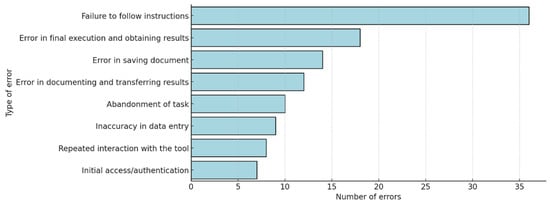
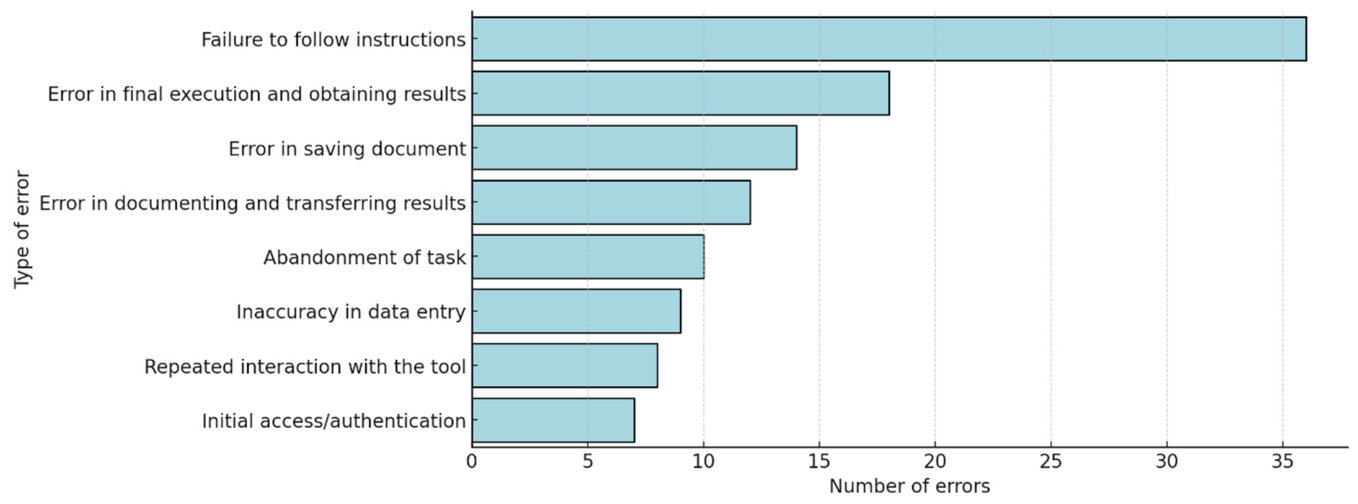
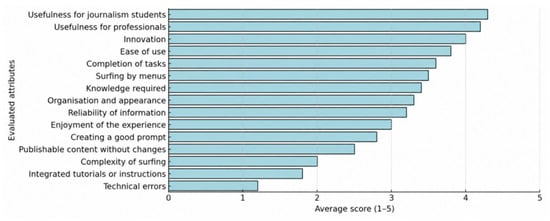
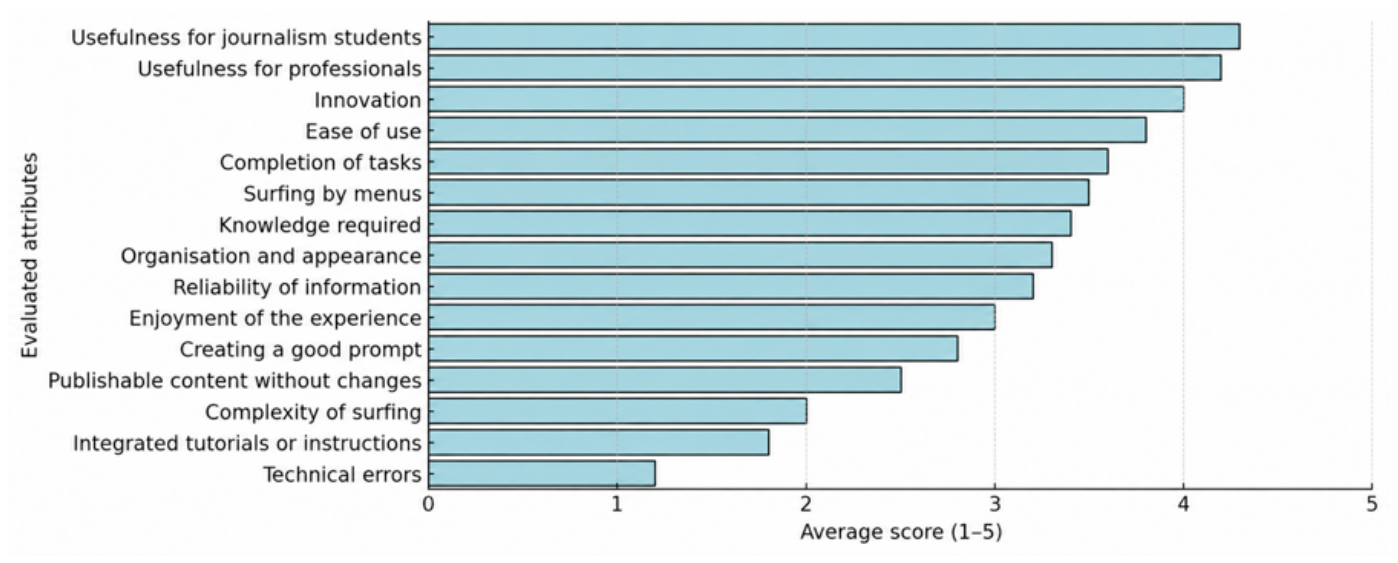

Disclaimer/Publisher’s Note: The statements, opinions and data contained in all publications are solely those of the individual author(s) and contributor(s) and not of MDPI and/or the editor(s). MDPI and/or the editor(s) disclaim responsibility for any injury to people or property resulting from any ideas, methods, instructions or products referred to in the content. |
© 2026 by the authors. Licensee MDPI, Basel, Switzerland. This article is an open access article distributed under the terms and conditions of the Creative Commons Attribution (CC BY) license.