


Abstract
Despite the positive aspects of fungicide use in enhancing agricultural yields and mitigating fungal diseases, their unregulated and indiscriminate use has raised substantial concerns regarding environmental integrity and the health of animals and humans. Upon exposure to triazole fungicides (TFs), the significant toxicological consequences in living beings are endocrine disruption and pronounced hepatotoxicity. Therefore, comprehensive exposure and toxicity assessment studies are essential for reducing the risks posed by TF residues to both humans and ecological systems. While the extensive literature and prior studies have examined TF occurrence or specific toxicity profiles, this study provides an updated screening synthesis that combines multi-regional surface water occurrence data with both ecotoxicological and preliminary human health risk characterizations within a unified analytical framework. Therefore, the present study provides an overview of the occurrence of TFs in surface waters, their toxicological effects, and risk assessment. Data on TF concentrations in surface waters were compiled manually from the literature reporting the occurrence and concentration of TFs, and risk assessments were performed using the risk quotient (RQ) and hazard quotient (HQ) methodologies. A total of sixteen commonly used agricultural TFs were evaluated based on the selected scientific reports, with reported concentrations indicating the widespread presence in freshwater systems. Ecotoxicological risk assessment revealed that difenoconazole (RQ 8.93) and epoxiconazole (RQ 5.65) in the River Madre de Dios and tebuconazole (RQ 2.04) in the Taihu Lake pose significant threats to aquatic ecosystems. In contrast, none of the evaluated TFs demonstrated a significant non-carcinogenic health risk to human populations under the assessed conditions. However, continued use of TFs may pose substantial ecological hazards, particularly in aquatic environments, underscoring the need for regular re-evaluation and strict regulatory oversight.
1. Introduction
Pesticides are generally defined as any substance or combination of substances designed to manage, reduce, deter, or eliminate pests, and are classified into several types, such as fungicides, herbicides, rodenticides, and insecticides [1,2]. Pesticides play a crucial role in enhancing crop production and improving food quality by providing cost-effective pest control in modern agriculture [3]. Their utilization contributes significantly to increasing global food production, thereby supporting human survival by providing food and fibre to the world’s exponentially growing population [4]. This productivity boost sustains the food production chain for livestock, aids population growth, and helps to reduce hunger, particularly in impoverished regions [5]. However, their excessive usage represents a significant barrier towards sustainable agricultural production, as evidence indicates that less than 0.1% of an applied pesticide effectively reaches its intended target [4], while the remaining proportion disperses into the surrounding environment. Therefore, an estimated 99.9% of applied pesticides reach non-target organisms, leading to widespread contamination of terrestrial and aquatic ecosystems [6]. Effective pesticide management is thus essential for safeguarding crop productivity, as more than 45% of annual agricultural yield is lost due to pests. However, their excessive and improper application (misuse/overuse) not only compromises food quality and accelerates the development of pest resistance but also promotes the accumulation of pesticide residues in environmental matrices. These residues subsequently find their way into the food chain, posing risks to ecosystem integrity and public health [7]. Excessive reliance and intensified global usage of pesticides have, in some cases, contributed to biodiversity decline, contamination of soil and water resources, and the consequent degradation of essential ecosystem services [8]. Climate change has now increasingly been linked as a contributing factor that may amplify the environmental dispersion and impact of pesticides. As per Chiu et al. [9], rising air temperatures are projected to increase pesticide usage in future, thereby intensifying their ecological consequences. Pesticides are well documented for their potential to cause environmental harm, and their residues have been detected in food and various environmental compartments [6], creating multiple pathways including ingestion, inhalation and dermal contact for human exposure [7]. The extensive production and application of pesticides have led to the detection of their residues in numerous surface and groundwater resources globally. Regions characterised by intensive agricultural activities are particularly vulnerable to pesticide contamination, especially where water resources are used for irrigation or human consumption [10]. Compounding this issue, existing treatment technologies often demonstrate limited efficacy in removing pesticide residues from diverse environments [11]. Elevated environmental concentrations of pesticides contribute to ecological disturbances and increase exposure risks for terrestrial and aquatic creatures as well as humans.
Fungicides are a crucial class of pesticides broadly employed to safeguard agriculturally significant plants from fungal diseases, which can severely affect both the yield and quality of crops [12]. Among various fungicide classes, triazole fungicides (TFs) have garnered consistent and growing attention from the scientific community because of their broad applications across agricultural, pharmaceutical, and material sciences [13]. Dominating the agricultural fungicide sector, TFs comprise 21% of the global fungicide market and play a vital role in managing diverse fungal diseases in crops such as fruits, vegetables, and grains [14]. TFs are characterised as a group of compounds featuring a triazole ring within their chemical structure. The triazole structure is a five-membered heterocyclic ring consisting of three nitrogen and two carbon atoms, existing in two isomeric forms: 1,2,3-triazole and 1,2,4-triazole. Notably, the latter, 1,2,4-triazole, is particularly prominent in agricultural formulations, where it is incorporated into fungicides, insecticides and herbicides [15]. The primary mechanism of TFs action is based on lanosterol 14α-demethylase inhibition, a critical enzyme in the ergosterol biosynthesis pathway. By disrupting this critical step, TFs interfere with the formation of the fungal cell membrane, ultimately impairing fungal growth and development [16]. Despite their agronomic benefits, their widespread and sustained use to protect economically important crops from fungal diseases has raised growing concerns regarding environmental contamination and human exposure [12]. With their expanding application and relatively low utilisation efficiency, TFs contribute to the persistence of residues in environmental compartments. These concerns are particularly pronounced following rainfall, during which percolation and surface runoff from agricultural lands and residential areas facilitate the transport of these compounds into surface and groundwater systems, thereby posing potential risks to water quality and public safety [17]. Recent monitoring studies have documented the occurrence of TFs in aquatic environments and food commodities worldwide. For instance, in 2021, average levels of 1.47 and 24.27 ng/L of TFs were detected in the largest water resource in Tunisia, the Medjerda River, which is an essential source of drinking water, irrigation and aquatic biodiversity [18]. In 2021, a large-scale survey conducted across 9 regions of China analysed 3406 samples of 13 food commodities and found that 55.52% had TFs at concentrations ranging from 0.10–803.30 μg/kg, while 29.77% of samples were found to exhibit co-occurrence of 2–7 triazoles [14]. The pervasive presence of TFs translates into significant exposure risks, especially for individuals with occupational or routine contact. Biomonitoring studies have detected multiple TFs in human biological samples, including urinary concentrations ranging from 10–70 μg/L among rural populations in Brazil [19]. Moreover, residues of six TFs have been found in cerebrospinal fluid samples from non-occupationally exposed individuals in China [20], which underscores the potential for systematic dispersal following environmental or dietary exposure. Due to their mechanism of action, TFs exert endocrine-disrupting effects, primarily through interference with cytochrome P450 enzymes. Notably, inhibition of CYP19 (aromatase) can disrupt estrogen biosynthesis by impairing the conversion of androgens like androstenedione and testosterone into estrone and estradiol, respectively [21,22]. Beyond humans, experimental evidence in non-target organisms, including protozoans, fish and rodents, has demonstrated a broad spectrum of adverse outcomes such as teratogenicity, oxidative stress, endocrine disruption, neurotoxicity, reproductive toxicity, cardiotoxicity, and immunotoxicity. Some TFs like tebuconazole, triadimenol, and triadimefon have been classified by the U.S. EPA as possible human carcinogens [23]. Therefore, these findings highlight the substantial ecological and public health implications associated with triazole exposure across both invertebrate and vertebrate species.
Humans, as apex consumers in the food chain, are particularly at elevated risk of pesticide exposure via dietary intake, water consumption, inhalation, and dermal contact. Accordingly, comprehensive ecotoxicological and human health risk assessments of pesticide residues in environmental matrices, especially fresh water and food commodities, are necessary [14,24]. Within the context of the One Health Era, an integrated evaluation of both ecological and human health is essential. Given the multifaceted effects of TFs on the environment and the human system, the present study examined their potential risks to humans and other biota. However, previous reviews have referenced TFs’ occurrence, fate, and toxicity or provided an overview of their removal, but comprehensive reviews specifically addressing the risk assessment of TFs appear to be lacking. Therefore, this study distinguishes itself by providing a systematic and comparative evaluation of the occurrence, toxicity, and potential impacts of TFs. While previous studies have largely examined exposure levels and toxicological endpoints in isolation, few have comparatively evaluated these compounds, and fewer still have integrated ecological hazards with human health risks associated with contaminated water and food consumption into a unified framework. To bridge this gap, the present study addresses three research questions related to the chosen literature: (1) What are the concentrations of TFs in surface waters. (2) What are the toxicological effects of TFs following exposure. (3) Which TFs present the highest ecological hazard and potential health risks under current environmental exposure levels. To address these questions, reported environmental concentrations in surface waters were synthesized from the selected literature to calculate Risk Quotients (RQs) and Hazard Quotients (HQs), providing a structured, multi-tiered characterization of ecological and human health risks. The findings, in conjunction with existing evidence, are intended to support water resource managers and regulatory authorities in identifying priority actions to achieve the chemical and ecological status objectives established under Directive 2013/39/EC [25].
2. Triazole Fungicides Pollution Scenario
The widespread environmental contamination and occurrence of TFs are a direct consequence of their extensive and sustained use in modern agriculture. Since the introduction of TFs in the mid-1970s, they have become essential systemic fungicides for the control of economically significant phytopathogens, such as powdery mildews, rusts and leaf-spotting fungi, thereby ensuring the protection of crops in cereals, fruits, and vegetable production systems [26,27]. Currently, 26 triazole compounds are commercially available, with 19 having registration for agricultural use in the United States and the European Union [26]. Their high efficacy has translated into substantial economic growth, with the global TF market valued at USD 5.2 billion in 2025 and projected to reach USD 8.7 billion by 2034, reflecting a compound annual growth rate of 5.9% [28]. Furthermore, the increasing incidence of fungal resistance and changes in global climate patterns are driving increased application rates, intensifying environmental loading and complicating regulatory oversight [26]. However, this extensive utilization of TFs in agriculture for the deterrence of fungal diseases, characterized by their high stability, moderate lipophilicity, and relatively long environmental half-lives, leads to their easy migration and accumulation in soil and water ecosystems [27]. Reported soil half-lives range from several weeks to months, depending on climatic and edaphic conditions [29]. Triazoles and their common metabolites are often found in agricultural soils, surface waters, sediments, and groundwater due to their physicochemical stability and mobility, especially in areas with intensive farming [30,31]. Research has shown that repeated applications of TFs encourage topsoil accumulation and raise the possibility of runoff into nearby aquatic ecosystems, where they may cause long-term toxicity to non-target organisms such as soil microbial communities and aquatic invertebrates [30,32]. Due to their extensive use, triazoles, like other fungicides, enter aquatic ecosystems via plant absorption, runoff, agricultural returns, and groundwater intrusions, resulting in their widespread occurrence in aquatic ecosystems worldwide. As can be seen from Table 1, levels of several TFs in numerous surface water bodies are normally between 1.30 × 10⁻⁷ and 2.90 × 10⁻³ mg/L. These levels may then be seriously threatening to aquatic species and natural ecosystems [33]. Beyond the ecological implications, monitoring studies around pesticide production facilities and high-use areas have revealed measurable residues in air and indoor dust, raising concerns regarding prolonged human exposure [34].
Table 1.
An overview of the literature documenting the presence of triazole fungicides in surface waters.
TFs can enter the human body via several possible routes, such as oral exposure through contaminated food and water, dermal exposure through direct contact with the concentrated formulations during handling, and inhalation of vapours released during agricultural application [12]. Baudry et al. [49] reported the urinary concentration of pesticides and metabolites, including TFs, in conventional and organic food consumers, with lower levels of several pesticide metabolites in the urine of high organic consumers compared to conventional consumers. Similarly, in 2019, researchers developed a vortex-assisted LLME-GC-MS method for the analysis of TFs in human urine and demonstrated its applicability to biomonitoring samples from 58 volunteers exposed to these compounds in the southern region of Minas Gerais, Brazil, during 2017. In total, 21 urine samples were reported to contain at least one fungicide, of which 14 samples contained concentrations ranging from 10.38–138.24 μg/L. Five samples were found to contain multiple TFs, mostly epoxiconazole in combination with another fungicide [50]. To obtain information about the level of TFs in human hair, Polledri et al. [51] detected tebuconazole and penconazole in hair from exposed rats and agricultural workers (18.8–141.3 μg/Kg), confirming incorporation upon exposure. In 2019, twenty pesticides were found in cerebrospinal fluid, serum and urine; however, only TFs were found in cerebrospinal fluid in non-occupational individuals in China. The research suggests these compounds can cross the blood–brain barrier and accumulate in the central nervous system [20]. Chang et al. [52] analyzed the blood serum of 200 adults in Jiangsu Province, China, for 88 pesticides and found the residues of 76 different compounds. Nascimento et al. [53] quantified 34 multiclass pesticides in PM2.5 samples collected from the Salvador region, Brazil. A total of 25 out of 34 investigated pesticides were detected in 12 samples, with concentrations ranging from 50–13,700 μg/Kg in PM2.5 samples, including two TFs (difenoconazole, tebuconazole) with a concentration range of 320–630 μg/Kg. Collectively, these findings showed that TF pollution is a complex environmental problem with potential effects on public health as well as persistence, bioavailability, and ecological disruption. Therefore, ecotoxicological and human health risk evaluations of TFs in surface waters are essential and will be assessed in this study based on the TF concentration reported in the literature.
3. Toxicological Effects Following TF Exposure
The antifungal activity of azole derivatives is primarily based on their ability to disrupt sterol biosynthesis and consequently the development of fungal cell walls. Ergosterol is a crucial component of fungal membranes, responsible for maintaining fluidity and structural integrity of membranes, and TFs inhibit its biosynthesis [54]. The principal molecular target of TFs is the Cytochrome P450 14α-demethylase, encoded by CPY51 (also called as erg11/cyp51), which catalyses the demethylation of lanosterol during ergosterol synthesis. They inhibit this enzyme by binding to the heme iron within the CYT P450 active site, thereby blocking the lanosterol-to-ergosterol conversion [55]. This inhibition leads to the accumulation of aberrant sterols retaining the α-C14 methyl group, ultimately altering the structure of membranes, enhancing permeability, and disrupting the function of membrane-embedded proteins [54,56]. Although this mechanism is highly effective against fungi, the CYP51 enzyme is functionally conserved across multiple biological kingdoms, including plants, fungi, prokaryotes, and mammals, where it catalyzes a crucial step in sterol biosynthesis [57]. Consequently, the inhibitory effects of triazoles are not entirely selective for fungal enzymes, and interactions with mammalian cytochrome P450 systems have been widely documented. Triazole compounds have been shown to inhibit several cytochrome P4560 isoenzymes, including CYP3A4, CYP2C9, and CYP2C19, and clinical reports have indicated a concentration-dependent inhibition of CYPs implicated in the catabolism of all-trans-retinoic acid (CYP26 isoenzyme) [58]. TFs also exhibit endocrine-disrupting effects (EDEs) because of their mode of action. A particularly significant toxicological concern involves interference with steroid hormone biosynthesis through inhibition of CYP19 (aromatase), the enzyme responsible for converting androgens into estrogens in humans. Aromatase catalyzes the transformation of androstenedione and testosterone via the cleavage of the methyl group at carbon 10 of their steroid rings into estrone and estradiol, respectively [19].
Experimental studies have provided increasing evidence of these EDEs. For instance, tebuconazole exposure in zebrafish was shown to alter sexual differentiation and reproductive capacity. In a chronic exposure study, zebrafish subjected to environmentally relevant concentrations (0.05 to 1.84 mg/L) of tebuconazole displayed male-biased sex differentiation and a significant reduction in germ cell populations. These effects were associated with suppressed expression of CYP19, leading to disrupted steroid hormone biosynthesis and reduced fecundity [59]. Additional research demonstrated that tebuconazole can impair the physiological functions of human placental trophoblast cells by altering the expression of hormones, proteases, angiogenic factors, and cytokines. Because trophoblast migration and invasion are essential for proper placental formation and fetal development, such findings suggest potential reproductive and developmental risks associated with triazole exposure [60]. The inhibition of mammalian cytochrome P450 enzymes also contributes to several adverse health effects associated with triazole derivatives. Reported side effects include hepatotoxic reactions, glucocorticoid imbalance, reproductive impairment, seizures, and gastrointestinal disturbances [58,61]. While ergosterol is absent in animals, experimental evidence indicates that TFs can induce a variety of toxic effects in non-target organisms, including protozoa, crustaceans, fish, and mammals. These toxicological outcomes encompass teratogenicity, oxidative stress, endocrine disruption, neurotoxicity, reproductive toxicity, cardiotoxicity, and immunotoxicity [23]. A significant proportion of these effects is believed to result from non-specific inhibition of mammalian cytochrome P450 enzymes involved in steroid hormone biosynthesis and metabolic regulation. Because hepatic metabolism represents the principal elimination pathway of triazoles, the liver is particularly vulnerable to their toxic effects, making hepatotoxicity one of the most frequently reported adverse outcomes [62]. Experimental animal studies further support these observations. In a 28-day feeding study conducted by Heise et al. [63], rats were exposed to the fungicide’s cyproconazole, epoxiconazole, and prochloraz across five dose levels ranging from near-reference values to clearly hepatotoxic concentrations. The study reported significant increases in liver weight and pronounced histopathological alterations, including hepatocellular hypertrophy, particularly at the highest exposure levels. Among the tested compounds, cyproconazole produced the most pronounced hepatic effects, with observable changes even at the second-highest dose level. Vacuolization of hepatocytes was also noted at the highest exposure concentrations, although no comparable alterations were detected at lower doses representative of typical consumer or operator exposure [63]. In addition to hepatic toxicity, evidence suggests that TFs may also affect cardiovascular tissues. Studies examining tebuconazole exposure in adult rats identified oxidative stress as a key mechanism underlying cardiotoxicity. Exposure resulted in significant alterations in both enzymatic and non-enzymatic antioxidant systems, accompanied by disruptions in lipid metabolism and structural damage to cardiac tissue. These findings indicate that prolonged or high-level exposure to tebuconazole may compromise cardiac integrity through oxidative stress-mediated pathways [64]. Furthermore, certain triazoles, including triadimefon, triadimenol, and tebuconazole, have been classified as possible human carcinogens by the United States Environmental Protection Agency [65]. Beyond direct toxicological concerns, another emerging issue is the potential role of agricultural triazoles in promoting resistance to clinically important anti-fungal agents. Long-term environmental exposure has been associated with the emergence of triazole-resistant strains of Aspergillus fumigatus, raising concerns about reduced efficacy of medical antifungal therapies [17]. Collectively, these findings highlight the broad ecological and health implications associated with TF exposure across both environmental and clinical contexts.
To bridge high-dose laboratory data with realistic field exposure, maximum surface-water concentrations (1.30 × 10⁻⁷ to 2.90 × 10⁻³ mg/L) were benchmarked against ecotoxicological endpoints (EC50/LC50/NOEC) and human reference doses (RfD) using standard assessment factors (AF). Although experimental toxicity endpoints typically exceed field-detected levels by several orders of magnitude, these high-dose bioassays provide critical baseline data regarding intrinsic toxicological mechanisms, endpoints, and relative sensitivities. Incorporating this exposure effect context into the risk characterization framework ensures that laboratory-derived findings are appropriately bridged to low-level field scenarios to derive conservative Predicted No-Effect Concentrations (PNECs) and acceptable intake levels for calculating both ecological Risk Quotients (RQ) and human health Hazard Quotients (HQ) rather than directly predicting acute toxicity.
4. Materials and Methods
4.1. Data Analysis and Study Area
Agricultural TFs were selected to evaluate their toxicity as they represent one of the most widely used fungicide classes in modern agriculture, with more than 20% of the global fungicide industry [66] and have received relatively less attention than insecticides and herbicides. Table 2 lists the TFs’ mode of action, CAS numbers, and their toxicity classification [67,68], while Figure 1 depicts the chemical structure of the assessed TFs. The data used for TFs’ risk assessments were acquired from PPDB and USEPA databases [68,69]. Relevant scientific publications were manually identified using search terms: “TFs occurrence in water,” “TFs in lakes,” “TFs in rivers,” “TFs in surface water,” “TFs concentrations in freshwater,”. TF’s residual concentrations detected in surface waters (rivers/lakes) were collected from the selected studies to support the subsequent risk assessment analysis. Peer-reviewed articles with precise sampling sites, analytical techniques, and quantifiable concentration data were considered. To ensure uniformity of units and cross-study comparability, reported concentration values were harmonized as necessary. This curated dataset served as the basis for evaluating the potential ecological and human health risks associated with TF contamination in surface water ecosystems. However, this review is based on manually collected data from selected scientific publications rather than a systematic literature search. Therefore, the possibility of selection bias and the omission of relevant studies cannot be excluded. Furthermore, the geographical coverage and comparability of the reported TF concentrations depend on the availability and scope of the published studies. Consequently, the findings should be interpreted as a literature-based screening assessment rather than a comprehensive representation of TF occurrence in global freshwater systems.
Table 2.
Assessed triazole fungicides with CAS numbers, toxicity classes, and modes of action.
Figure 1.
Chemical structures of triazole fungicides reviewed.
4.2. Assessment of TFs Ecological Risks
In ecological risk assessment, RQ, also referred to as the toxicity exposure ratio, is widely applied as a screening-level indicator and is defined as the ratio of the measured environmental concentration (MEC) to the predicted no-effect concentration (PNEC) [24]. In the current study, RQs were calculated to evaluate the potential risks posed by TFs. The concentrations of assessed TFs detected in various rivers and lakes, compiled from the existing literature, are presented in Table 1, while Table 3 summarizes their physicochemical properties alongside relevant ecotoxicological parameters.
Table 3.
Chemical properties and ecotoxicological risk assessment data for agricultural triazole fungicides in river/lake waters.
The RQf for an individual fungicide (f) was determined according to Equation (1).
where MEC (mg/L) represents the measured environmental concentration and PNEC (mg/L) denotes the predicted no-effect concentration. PNEC values were determined from critical toxicity concentrations, including the median lethal concentration (LC50), median effective concentration (EC50), or no-observed effect concentration (NOEC), following established methodological frameworks [25,71,72]. To account for uncertainty and variability in the available toxicity data, assessment factors (AFs) were applied. PNECs were estimated for three representative trophic levels: algae, crustaceans (aquatic invertebrates), and fish using the relationships PNEC = NOEC/AF, PNEC = LC50/AF, or PNEC = EC50/AF, depending on data availability, i.e., NOEC, LC50, or EC50 for algae, aquatic invertebrates, and fish.
An AF of 1000 and 100 was applied when at least one short-term toxicity data point from each of the three trophic levels and only long-term toxicity data for a single trophic level were available, respectively. Lower AFs were used when more robust chronic data existed, specifically 50 when two long-term datasets (e.g., fish or zooplankton) were available, and 10 when long-term data for all three trophic levels were present [70]. Toxicological endpoints (NOEC, LC50, EC50) and physicochemical parameters, including the octanol–water partition coefficient (log Kow), were obtained from authoritative databases such as PPDB [68] and USEPA [69]. Finally, the calculated RQ values were used to classify the ecological risk of TFs into three categories: low risk (0.01 ≤ RQ < 0.1), medium risk (0.1 ≤ RQ < 1), and high risk (RQ ≥ 1), in accordance with previously established criteria [70,73].
4.3. Risk Assessment of TFs for Human Health
Human health risk assessment was conducted using an oral, non-carcinogenic, screening-level scenario based on direct consumption of untreated surface water across adult and pediatric population groups. While TFs may present potential exposure via secondary routes such as dermal contact or inhalation, direct oral ingestion represents the primary and most significant intake vector. Non-carcinogenic risks associated with the assessed TFs were evaluated using the hazard quotient (HQ) approach, as widely adopted in previous studies [34,74,75]. The HQ was calculated using Equation (2), under the assumption that contaminated surface water is directly consumed as drinking water [74,75]. In cases where multiple fungicides were detected within a single sample, HQ values were computed individually for each compound, and their cumulative effect was expressed as the hazard index (HI), representing the sum of all individual HQs. For samples containing a single pesticide, HI is equivalent to the corresponding HQ.
HQ is defined as the ratio of chronic daily intake (CDI) to the reference dose (RfD), where CDI (mg/kg body weight/day) represents the estimated daily exposure per unit body weight, and RfD (mg/kg/day) corresponds to the maximum acceptable oral dose without appreciable health risk, as established by previous reports [69,74,76]. The CDI for each TF was determined using Equation (3), incorporating parameters such as the measured TF concentration (C) in surface water (mg/L), ingestion rate (IR), exposure frequency (EF), exposure duration (ED), body weight (BW), and averaging time (AT).
Standard exposure assumptions were adopted, including IR of 0.87 L/day for children (6 years old) and 1.41 L/day for adults (70 years old), EF of 365 days per year, ED of 6 years for children and 70 years for adults, BW of 20 kg and 70 kg, and AT of 2190 days and 25,550 days for children and adults, respectively [24,77]. Risk characterization was based on HQ values, where HQ ≤ 1 indicates negligible or acceptable risk, while HQ > 1 suggests the potential for adverse health effects [75].
5. Results and Discussion
5.1. Concentration of TFs in Surface Waters (Rivers/Lakes)
Fungicides are primarily applied via foliar spraying in agricultural practices. Following application, some fractions of these compounds are absorbed by plant tissues, while the remaining are retained within the surrounding environment. Subjected to various physicochemical processes, including degradation, runoff, and transport, these residues are frequently mobilized by precipitation events and subsequently conveyed into adjacent river systems [44]. While the soil matrix can function as a temporary reservoir due to the strong affinity of pesticides for soil, its close hydrological connectivity with surface water and groundwater systems facilitates the eventual transfer of these contaminants into aquatic environments [78]. Once present in water bodies, even low concentrations of pesticides may undergo bioaccumulation and biomagnification within the food chain, leading to their uptake by aquatic organisms and potential adverse effects on human health [79]. Due to widespread application of fungicides, their residues are commonly detected in surface water bodies within agricultural catchment areas throughout the active growing season [32].
The occurrence and concentration of TFs in river/lake waters are strongly associated with their extent of usage in agricultural fungal pest management (Table 1). A range of TFs, including penconazole, hexaconazole, cyproconazole, propiconazole, tebuconazole, myclobutanil, triticonazole, epoxiconazole, fluquinconazole, difenoconazole, triadimenol, triadimefon, diniconazole, cyproconazole, flusilazole, tetraconazole, and flutriafol, have been detected in surface water bodies. Among these, tebuconazole, propiconazole, and difenoconazole were most frequently reported, whereas fluquinconazole, triticonazole, flusilazole, and triadimefon were detected least often. As summarized in Table 1, myclobutanil exhibited the highest (2.90 × 10⁻³ mg/L) and lowest (1.30 × 10⁻⁷ mg/L) reported concentrations in the Yarra River and Medjerda River, respectively. The investigation of TFs in the Medjerda River (Tunisia) demonstrated that the frequent detection of several widely used TFs confirms their environmental dissemination through agricultural catchments. Different TFs, including tebuconazole and propiconazole, were identified at varying concentrations across the sampling sites. The measured maximum levels ranged from 8.80 × 10⁻⁷ to 9.83 × 10⁻⁶ mg/L, indicating low but persistent contamination of the river system. Spatially, higher concentrations were observed in areas influenced by intensive agricultural activities, reflecting localized pesticide application patterns. Temporally, elevated levels were associated with periods following fungicide application and rainfall events, which enhance surface runoff and transport into aquatic environments. Despite the relatively low concentration of TFs, the continuous detection of these compounds suggests chronic input and persistence in the aquatic system [18].
In the River Madre de Dios (Costa Rica), pesticide monitoring over a period of two years revealed a total of 26 pesticides in surface waters, including 13 fungicides, among which six were TFs with concentrations ranging from 1.00 × 10⁻⁴ to 1.00 × 10⁻³ mg/L. The results of this study emphasize the presence and ecological relevance of TFs such as difenoconazole in the Madre de Dios River watershed and their contribution to pesticide mixture toxicity in tropical surface waters [35]. In the comprehensive survey of 29 pesticides in the Huangpu River Basin (China) surface waters, eight TFs were among the target compounds analyzed, reflecting their widespread use in regional agriculture and urban landscapes. Triazoles were frequently detected across spatial and temporal sampling campaigns, contributing significantly to the overall pesticide burden observed in this watershed. Detection frequencies for many TFs approached or reached 100%, indicating persistent occurrence throughout different seasons and sampling sites from the river source to its estuary. The detected concentrations of TFs exhibited marked spatial heterogeneity, with peak levels observed within the Shanghai metropolitan area, largely driven by intensive land use, tributary inputs, and urban agricultural interface influences. Although individual TF concentrations were generally low, their high detection frequency and combined ecological risk highlight the importance of continued monitoring of this class of fungicides in the Huangpu River system [36]. Huang et al. [37] developed and applied a highly sensitive UHPLC–MS/MS analytical method to quantify a suite of azole compounds, including two TFs, propiconazole and tebuconazole, alongside several azole antifungal pharmaceuticals in various environmental matrices from the Pearl River Delta, China. Propiconazole and tebuconazole were detected in river water samples at dissolved concentrations of 6.60 × 10⁻⁶ and 3.00 × 10⁻⁶ mg/L, respectively, reflecting their environmental presence resulting from biocide and fungicide use. These results underscore the persistent occurrence of TFs and related compounds in aquatic environments impacted by urban and agricultural inputs and highlight the value of sensitive analytical approaches for monitoring trace-level contaminants [37]. In the distribution and risk assessment of 82 pesticides in Jiulong River (China), TFs within the broader azole group were frequently detected in water at generally low to moderate concentrations, typically lower than the most dominant pesticide contaminants but still widespread due to agricultural use. Their distribution was linked to farming areas and runoff patterns, showing persistence in both dissolved and particulate phases [38]. A pesticide monitoring study in surface waters of Taihu Lake (China) demonstrated that multiple TFs were consistently detected in surface waters around Taihu Lake with relatively high detection frequencies, indicating their widespread use and persistence; measured concentrations were generally in the range of 4.20 × 10⁻⁶ to 2.70 × 10⁻³ mg/L, with clear spatial and seasonal variations driven by agricultural activities and runoff. Higher detections and concentrations occurred in farming-dominated areas and during peak application periods, confirming their continuous environmental input [39].
TF myclobutanil was detected across multiple monitoring sites, revealing its continuous presence in surface waters. Concentrations of myclobutanil were found to be low, with the maximum concentration of 2.90 × 10⁻³ mg/L, but consistently measurable, indicating chronic exposure conditions rather than episodic peaks [40]. The investigation of 24 fungicides during 5 months within a horticulture catchment area (Yarra River) in southern Australia reported that one-third of the water samples contained residues of two or more fungicides. TFs myclobutanil and difenoconazole, among others, were the most frequently detected, being present in 16–38% of the spot water samples. TFs were frequently detected, with concentrations typically in the range of 6.00 × 10⁻⁵ to 1.00 × 10⁻⁴ mg/L, but occasionally higher following application events and rainfall-driven runoff. Detection frequencies were substantial, reflecting regular agricultural use, and concentrations showed clear temporal variability linked to spraying periods and hydrological conditions. The study also indicated that TFs exhibited moderate persistence, remaining detectable between application events. While not always the highest in concentration compared to other fungicides, their consistent detection and environmental stability suggested ongoing inputs and potential for chronic exposure in aquatic systems [41]. Liu et al. [42] analyzed TF in surface waters of the lake utilizing poly (ionic liquid)-functionalized magnetic adsorbent, with measured concentrations in the low mg/L range. The study reported reliable detection of multiple triazoles with good recovery and precision, demonstrating that TF hexaconazole is present at trace but measurable levels in surface waters. The findings confirmed the occurrence of TFs at low concentrations in real water samples, highlighting the need for sensitive analytical techniques to accurately quantify their environmental presence. A long-term study of fungicides in surface water monitored a suite of azole compounds, including several TFs such as tebuconazole, epoxiconazole, and flutriafol over three years. TFs were frequently detected at substantive concentrations. In surface waters, the TF tebuconazole exhibited the highest concentrations, up to 1.38 × 10⁻³ mg/L in the Warta River and 1.78 × 10⁻³ mg/L in field drainage ditches, which reflects its extensive use and runoff inputs. Overall, these results show that TFs are persistent and widely present in receiving waters, with levels that vary spatially and temporally but remain detectable at ng/L to low μg/L scales, emphasizing ongoing environmental exposure [43]. The field monitoring of TFs in a paddy-dominated basin (Zijiang River, China) demonstrated that four TFs were ubiquitously present in surface water throughout the paddy-dominated basin, with 100% detection frequency across sampling periods, underscoring pervasive environmental input from agricultural use. Concentrations exhibited strong spatial and temporal variability, peaking during the rainy and high-application seasons when runoff drives transport, and were notably higher in downstream and low-lying reaches compared with upstream areas [44]. Similarly, TFs were consistently detected in surface water throughout the Yangtze River, with difenoconazole, epoxiconazole, propiconazole, and tebuconazole exhibiting high detection frequencies (often >90–100%) across samples from both dry and wet seasons, indicating widespread occurrence. These TFs occurred at low to moderate concentrations, with maximum levels ranging from 2.86 × 10⁻⁶ to 2.70 × 10⁻⁵ mg/L. Spatially, their concentrations tended to increase from the upper to the lower reaches of the river and were higher in the wet season, reflecting cumulative inputs and hydrological influences on transport. Although individual triazole levels rarely dominated overall pesticide burdens, their ubiquitous presence and persistence contributed to overall pesticide loads and, in some cases, posed measurable ecological risks when assessed against guideline criteria [45]. Recent monitoring data across agricultural watersheds in Africa and South America highlighted the widespread presence of multi-residue TFs in surface waters. In the Western Cape, South Africa, monitoring across the Krom, Hex, and Berg river basins during drought conditions, Curchod et al. [46] demonstrated trace-level multi-residue occurrences. Similarly, high-input agricultural catchments in neotropical regions exhibit significant fungicide persistence; Gallego et al. [47] detected myclobutanil at 3.00 × 10⁻⁴ mg/L in the Sogamoso River basin, Colombia, while Barizon et al. [48] reported peak concentrations of cyproconazole, tetraconazole, and flutriafol in the Mogi Guaçu River, Brazil. These multi-residue detections highlight the transport of TFs via agricultural runoff from intensive fruit orchard and crop production systems across underrepresented African and South American catchments, providing critical baseline data on persistent fungicide inputs into tropical and drought-influenced aquatic ecosystems.
According to the reviewed literature, TFs are consistently shown to be ubiquitous contaminants in aquatic environments, with high detection frequencies in surface waters. Reported concentrations are typically in the low to moderate range, although elevated levels occur in regions with intensive agricultural activity or wastewater influence. Their spatiotemporal distribution is strongly governed by application patterns, seasonal rainfall, and hydrological transport, with peak concentrations often observed during wet seasons and in downstream or urbanized/agricultural catchments. The regional differences in TF concentrations should be interpreted in the context of differences in monitoring practices and environmental conditions rather than as direct indicators of regional contamination levels alone. Variability in sampling design, including the number of sampling sites, sampling frequency, and seasonal coverage, may influence the detection and quantification of TFs in surface waters. Differences in agricultural intensity and fungicide application patterns may further contribute to spatial variability, while rainfall, runoff, river flow, and dilution can affect pesticide transport and concentrations in receiving waters. Across the compiled literature, regional disparities in detected TF concentrations span over four orders of magnitude (1.30 × 10⁻⁷ to 2.90 × 10⁻³ mg/L), driven by key differences in analytical sensitivity, particularly differences in detection and quantification limits, may also affect the comparability of reported concentrations, agricultural crop intensity, hydrological regimes, and sampling design.
5.2. TF’s Risk Assessments
5.2.1. Assessment of Ecotoxicological Risks
The results of the ecotoxicological risk assessment, expressed as maximum risk quotient (RQm) values derived from measured maximum environmental concentrations of assessed TFs, are presented in Table 4.
Table 4.
Ecotoxicological risk assessment (risk quotients) results of the assessed triazole fungicides in several river/lake waters.
The calculated RQ values ranged from 3.25 × 10⁻⁵ for myclobutanil in the Medjerda River to 8.93 for difenoconazole in River Madre de Dios, indicating substantial variability in ecological risk among the studied compounds. Among the TFs, difenoconazole, epoxiconazole, and tebuconazole consistently exhibited the highest risk levels (RQ > 1) across the assessed surface water systems. The maximum RQ value for difenoconazole was observed in the River Madre de Dios (RQ 8.93), followed by the Jiulong River (RQ 1.12), and the lowest for the Yangtze River (RQ 2.55 × 10⁻²). Similarly, epoxiconazole reached its highest RQ in the River Madre de Dios (RQ 5.65), with the second-highest value recorded in Taihu Lake (RQ 1.4). RQ for tebuconazole was highest in Taihu Lake (RQ 2.04), followed by Warta River (RQ 1.38), and lowest for Medjerda River (RQ 9.83 × 10⁻³). Medium risk values were identified for myclobutanil (1.5 × 10⁻¹) and tebuconazole (6.0 × 10⁻¹) in River Madre de Dios; difenoconazole (2.31 × 10⁻¹), hexaconazole (1.57 × 10⁻¹) and tebuconazole (2.34 × 10⁻¹) in Huangpu River; difenoconazole (3.04 × 10⁻¹), propiconazole (3.97 × 10⁻¹) and triadimefon (3.79 × 10⁻¹) in Taihu Lake; myclobutanil (7.25 × 10⁻¹), difenoconazole (8.93 × 10⁻¹), and cyproconazole (1.7 × 10⁻¹) in Yarra River; epoxiconazole (1.62 × 10⁻¹) in Yangtze River. Low risks were observed for the remaining assessed TFs in different surface waters, with RQ values ranging from 9.28 × 10⁻² to 3.25 × 10⁻⁵. Overall, the results indicate that among the 16 TFs evaluated in river/lake waters, difenoconazole, epoxiconazole, and tebuconazole represent the primary contributors to elevated ecotoxicological risk in River Madre de Dios, Jiulong River, Taihu Lake, and Warta River, respectively. Since peak detected concentrations of TFs and their associated RQs observed in the Madre de Dios River, Jiulong River, Taihu Lake, and Warta River were notably higher than those reported for other evaluated surface water bodies. Rather than indicating a standardized relative contamination ranking across systems given variations in study designs, sampling frequencies, and local hydrology, these elevated levels serve as critical site-specific case observations of peak exposure potential. In these specific aquatic environments, peak concentrations resulted in screening-level RQ values exceeding unity (RQ ≥ 1.0), indicating that episodic runoff during high-application seasons may pose localized ecological risks to algae, aquatic invertebrates, and fish.
The River Madre de Dios watershed comprises a river and associated coastal lagoon in Limón Province along the Caribbean coast of Costa Rica. This region is characterized by high biodiversity and supports local livelihoods through fisheries and ecotourism; however, it is simultaneously subjected to extensive monoculture practices, particularly banana, pineapple, and rice cultivation [35]. Recurrent fish mortality events have been documented in the RMD since 2004, with multiple incidents reported between 2007 and 2009, and these events have been associated with agro-pesticide runoff [35,80]. The tropical climate facilitates continuous agricultural production, which necessitates the year-round application of agrochemicals. Consequently, pesticides exhibit “pseudo-persistence” in the aquatic environment, as their frequent application offsets their relatively short environmental half-lives, leading to their near-continuous presence in surface waters [81]. In situ bioassays conducted in the Madre de Dios River revealed elevated toxicity at agriculturally impacted sites, where aquatic organisms exhibited adverse effects despite pesticide concentrations frequently remaining below regulatory thresholds, indicating significant mixture and runoff-driven impacts; overall, these findings demonstrate that agro-pesticide runoff poses a tangible ecological risk and underscore the necessity for integrated, bioassay-based assessment frameworks that account for cumulative toxicity in freshwater ecosystems [82]. Jiulong River, the second-largest river system in Fujian Province, China, comprises three principal tributaries: the North, West, and South Rivers. The basin encompasses a total drainage area of about 14,745 km2 and discharges an average annual runoff of about 148 × 108 m3 into the sea. Its estuarine region extends over roughly 106 km2, with water depths varying between 2 and 10 m [83]. The Jiulong River Basin is dominated by agricultural activities, with annual pesticide application exceeding 6000 tons, reflecting intensive agrochemical inputs throughout the basin. As evident from the monitoring of organophosphorus and organochlorine pesticides in the Jiulong River Estuary, widespread contamination was revealed, with higher concentrations of organophosphorus compounds indicating ongoing agricultural inputs, while persistent organochlorines reflected historical usage. Continuous pesticide loading from riverine discharge suggests sustained input to the estuarine system, posing moderate ecological risks to aquatic organisms and highlighting the need for improved management and monitoring [84]. Multiple classes of pesticides, including insecticides, herbicides, and fungicides, with several compounds exhibiting high detection frequencies and persistence across Jiulong River, were also reported. Risk assessment based on hazard quotient and cumulative risk approaches indicated that certain pesticides, particularly insecticides, posed moderate to high ecological risks to sensitive aquatic organisms such as algae, invertebrates, and fish, with mixture effects further amplifying potential impacts [38]. Overall, these findings demonstrate that pesticide contamination in the Jiulong River basin constitutes a significant ecological concern and highlight the necessity for strengthened regulatory monitoring, improved agricultural management practices, and the incorporation of mixture toxicity into environmental risk assessment frameworks.
The Yarra River of Victoria, Australia, with a watershed covering approximately 4000 km2 and supporting a population of around two million, functions both as a potential source of drinking water and as a critical supply for regional agricultural activities. The river basin is divided into upper, middle, and lower segments based on prevailing land-use patterns. While water quality is generally high in the upper catchment, it progressively declines downstream due to diffuse pollution associated with altered land uses, particularly intensive agriculture, and urban development [85,86]. Investigations in intensive agricultural and horticultural catchments have consistently demonstrated that pesticide and fungicide contamination exerts measurable impacts on aquatic ecosystems. Surface water monitoring of the Yarra River revealed frequent detection of multiple fungicides, with concentrations varying temporally and spatially due to application timing, rainfall events, and hydrological connectivity, leading to pseudo-persistence and continuous exposure despite short chemical half-lives. Transport via surface runoff and overland flow resulted in episodic contamination pulses, posing potential sublethal or chronic risks to sensitive organisms [41]. Similarly, multi-method monitoring across 24 sites in agricultural watersheds showed adverse effects of pesticides on macroinvertebrate diversity and abundance, as well as shifts in microbial community structure and activity, highlighting chronic ecological stress. Comparative evaluation of sampling methods indicated that integrative approaches better captured the spectrum of ecological responses than single-method assessments [40]. Collectively, these findings underscore that repeated agrochemical inputs, even at concentrations below regulatory thresholds, can disrupt aquatic biota, emphasizing the need for comprehensive, multi-faceted monitoring frameworks and management strategies to mitigate chemical runoff and protect freshwater ecosystem health. The Warta River, located in west-central Poland, is the principal tributary of the Oder River. Originating at an elevation of approximately 380 m above sea level and discharges into the Oder River at 12m above sea level. The river extends for roughly 808 km, ranking as the third-longest river in the country. Its drainage basin covers 55,193 km2, representing nearly one-sixth of Poland’s total area. Land use within the basin is dominated by agriculture and forestry (70%), with the remaining 30% comprising urban and industrial areas. The largest urban centre along the river is Poznań, which, including its metropolitan area, hosts a population approaching one million inhabitants [87,88]. Seasonal monitoring of pesticides in surface waters of Warta River and drinking water wells across western Poland revealed marked temporal variability, with peak concentrations typically occurring during post-application periods and following significant rainfall events, reflecting enhanced runoff from agricultural lands. A diverse range of herbicides, insecticides, and fungicides were detected, with several compounds exceeding guideline values in surface waters, though concentrations in drinking water wells remained below regulatory limits. Risk assessment based on estimated daily intake and hazard quotients indicated low to moderate potential health risks for the local population, but cumulative exposure and the presence of multiple residues warrant continued surveillance. These findings highlight the importance of seasonally informed monitoring programs and integrated water management strategies to mitigate pesticide contamination and ensure the safety of both surface and groundwater resources [89].
Elevated pesticide application in cultivated areas within river basins facilitates their bioaccumulation in aquatic ecosystems through multiple environmental pathways. The accumulation of such residues poses significant risks to non-target organisms and can disrupt natural ecological processes [24]. Consequently, mitigating the risks associated with TFs, particularly difenoconazole, epoxiconazole, and tebuconazole, should be prioritized. Even though the concentration of other TF compounds is lower than that of difenoconazole, epoxiconazole, and tebuconazole, RQ assessments suggest that the potential ecological impacts caused by these TFs should not be overlooked, especially where concentrations exceed permissible limits. Previous research has found that TFs may have toxicological consequences on aquatic species. For instance, cyproconazole has been found to exhibit stereoselective toxicity and bioaccumulation in zebrafish, with certain enantiomers showing higher persistence and greater biological effects, including oxidative and metabolic disturbances. These findings indicate that enantiomer-specific differences significantly influence ecological risk, underscoring the importance of incorporating stereoselective assessments into environmental evaluations of chiral pesticides [90]. A study found that difenoconazole exhibits strong, concentration-dependent toxicity to aquatic organisms, with Daphnia magna showing a 48-h LC50 of 0.97 mg/L and Lemna minor displaying inhibited growth and reduced chlorophyll content. Its photodegradation products remained biologically active but were less toxic than the parent compound. These results indicate that difenoconazole poses a significant ecological risk, highlighting the need to monitor both the parent pesticide and its transformation products in aquatic environments [91]. Exposure to difenoconazole has been shown to elicit developmental toxicity in zebrafish. At concentrations ranging from 0.15 to 5.00 mg/L, difenoconazole significantly delayed hatching, reduced survival and heart rate, and increased the incidence of embryonic malformations. Additionally, it adversely affected early behavioural and morphological endpoints, including altered tail flick activity, diminished body length, decreased spontaneous movement frequency, and the occurrence of pericardial oedema, cardiac malformations, yolk sac oedema, uninflated swim bladder, and spinal deformities [92]. These results indicate that difenoconazole poses substantial risks to the development and physiological integrity of early life stages in fish, highlighting the need for careful management of its environmental exposure. Difenoconazole has also been demonstrated to induce developmental neurotoxicity in early-stage zebrafish by impairing central nervous system neurogenesis and altering key neurological parameters, including acetylcholinesterase activity, neurotransmitter levels, and neurobehavioral responses [93,94].
In addition to its neurotoxic effects, difenoconazole exposure has been associated with reproductive toxicity, as evidenced by an increased proportion of perinucleolar oocytes, spermatogonia, and cortical alveolar oocytes, alongside a reduction in early and late vitellogenic oocytes, spermatocytes, spermatids, and mature spermatozoa [95]. Collectively, these findings indicate that difenoconazole exerts multifaceted adverse effects on both neurodevelopment and reproductive function in fish, underscoring its potential ecological risk in aquatic environments. The toxicity evaluation of several TFs in aquatic systems revealed variable toxicological effects across multiple trophic levels. This study demonstrated that these compounds exhibit moderate to high acute and chronic toxicity to algae, invertebrates, and fish, with toxicity generally correlated to chemical structure and lipophilicity. Bioaccumulation potential was observed in select organisms, indicating the risk of trophic transfer and persistence in aquatic food webs [96]. Short-term exposure to tebuconazole has been found to cause dose-dependent haematological, histological, and biochemical disturbances in rainbow trout, including altered blood parameters, tissue damage in liver and gills, and oxidative stress, indicating that even acute exposure to environmentally relevant concentrations can impair physiological and tissue integrity in fish [97]. In cyanobacteria and the freshwater microalgae Pseudokirchneriella subcapitata and Nannochloris oculata, tebuconazole exposure induces genotoxic effects by causing DNA strand damage [98,99]. Similarly, epoxiconazole exhibited significant toxicity to the marine diatom Chaetoceros calcitrans, with sensitivity varying according to growth conditions and developmental stage. Early growth phases and nutrient-limited conditions increased susceptibility, indicating that environmental factors strongly modulate the ecological impact of epoxiconazole [100]. Exposure of zebrafish to the enantiomers of hexaconazole and epoxiconazole induced significant alterations in metabolic profiles and caused histopathological damage, including tissue degeneration and cellular abnormalities [101]. The collective evidence from these studies indicates that TFs such as difenoconazole, epoxiconazole, and tebuconazole pose significant ecological risks across multiple aquatic organisms. They exhibit acute and chronic toxicity, bioaccumulate, and induce physiological, biochemical, metabolic, neurodevelopmental, and histopathological disturbances in fish and invertebrates. Overall, these findings underscore that even environmentally relevant concentrations of TFs can compromise organismal health, metabolic homeostasis, and ecosystem integrity, emphasizing the need for rigorous environmental monitoring and risk management of these compounds. Efforts to monitor, manage, and mitigate the risks associated with pesticides are often constrained by the limited availability of comprehensive risk assessments for both human health and environmental impacts. Given the continuous emergence of new pollutants, environmental regulations and policies must undergo regular revision to remain effective. Gaps in current research frequently undermine existing regulatory frameworks aimed at reducing pesticide contamination and associated hazards. Therefore, systematic evaluation of pesticide-induced risks to humans and ecosystems is imperative for establishing regulatory priorities and formulating evidence-based policies to minimize these risks [24,77]. Differences in reported RQs may arise from variations in measured concentrations, toxicity benchmarks, and risk-assessment methods. Comparisons are further limited by inconsistencies in exposure assessment and the availability of ecotoxicological data. Differences in regulatory controls may provide additional context but require supporting evidence. Standardized RQ calculations, consistent reporting, and broader regional monitoring are needed to improve comparability and identify ecological risk hotspots.
5.2.2. Assessment of Human Risk
The non-carcinogenic human health risks associated with exposure to TFs in river/lake water systems are presented in terms of HQs in Table 5. These HQs were derived using the maximum concentrations of TFs measured across the evaluated rivers/lakes. The relative magnitude of non-carcinogenic risk for both children and adult populations was highest for myclobutanil (Yarra River), followed by difenoconazole and epoxiconazole (River Madre de Dios) and the lowest HQ was observed for propiconazole and myclobutanil in Medierda River. For children, HQ values ranged from 2.26 × 10⁻⁷ to 5.05 × 10⁻³, whereas for adults they ranged from 1.05 × 10⁻⁷ to 2.34 × 10⁻³. In accordance with standard risk assessment principles, the HQs calculated for individual pesticides were lower than the aggregate non-carcinogenic risk, indicating that each compound independently contributes minimally to overall risk. Consequently, at the observed environmental concentrations, these TFs are considered to pose negligible to no significant non-carcinogenic health risk to human populations [75]. Across all assessed rivers/lakes, HQ values for children were consistently higher than those for adults, although both demographic groups exhibited risk levels within the same order of magnitude (10−7 to 10−3). Overall, the highest and lowest HQ values recorded among the TFs corresponded to myclobutanil in the Yarra River (5.05 × 10⁻³) and in the Medierda River (1.05 × 10⁻⁷), respectively.
Table 5.
Human health risk assessment (hazard quotient) results for the assessed triazole fungicides found in river/lake waters.
Although the measured concentrations of assessed TFs in these surface water bodies are generally interpreted as negligible to no significant non-carcinogenic risks to human populations (i.e., HQ < 1), their role as primary sources of drinking water necessitates a more cautious and context-sensitive interpretation of risk. Rivers and lakes such as the Huangpu River, Jiulong River, Yangtze River, Warta River, and Medjerda River constitute major drinking water sources for large and often densely populated regions [103,104,105,106,107]. Similarly, Taihu Lake plays a critical role in supplying potable water to multiple urban centres despite ongoing water quality challenges [108]. From a risk assessment perspective, HQ values below unity are typically interpreted as indicating acceptable exposure levels. However, such thresholds do not inherently imply the absence of risk, particularly in the context of long-term, low-dose exposure and the potential for cumulative or synergistic effects arising from complex mixtures of contaminants [31]. This consideration may be especially pertinent for water bodies that serve as continuous sources of drinking water, where even trace-level contamination may result in chronic exposure over extended periods.
Due to their widespread use, humans are subjected to significant occupational and environmental exposure to TFs. The transmission and accumulation of TFs in mammalian tissues have been confirmed. This could have unforeseen consequences for human health [31]. In vitro exposure of human granulosa cells and KGN cells to TFs, including difenoconazole, tetraconazole, and cyproconazole, has been found to significantly disrupt steroidogenesis in human granulosa cells. Specifically, these compounds reduced estradiol and progesterone production in a concentration-dependent manner (0.001 µM to 1000 µM for 48 h) by interfering with key steroidogenic enzymes and pathways. Gene expression analyses further revealed downregulation of critical enzymes (CYP51, STAR, CYP11A1, CYP19A1, and HSD3B) involved in hormone biosynthesis [109]. Tebuconazole exposure has been reported to impair the functional integrity of human placental trophoblast cells. Specifically, tebuconazole induced a concentration-dependent reduction in cell viability, proliferation, and migration, alongside increased oxidative stress and apoptotic activity. Additionally, it disrupted key endocrine functions of trophoblasts, including alterations in hormone secretion and dysregulation of genes associated with placental development and differentiation [60]. Furthermore, some triazoles have been shown to inhibit aromatase, the enzyme responsible for converting androgens into estrogens, potentially resulting in decreased estrogen levels and subsequent disruption of hormonal homeostasis [110]. TFs like myclobutanil, propiconazole and triadimefon elicit conserved toxicogenomic responses in rats and humans. They consistently modulate genes involved in xenobiotic metabolism, particularly cytochrome P450 enzymes, and activate aryl hydrocarbon receptor signalling. Stress-response, cell cycle, and apoptosis-related genes are similarly affected, highlighting shared mechanisms underlying triazole-induced hepatotoxicity and endocrine disruption across species [111]. In conclusion, these findings provide clear evidence that TFs exert cytotoxic and endocrine-disrupting effects, underscoring the need for more stringent evaluation of TFs in the context of reproductive and developmental toxicity. The choice of method for evaluating the risks of pesticides to human health is primarily determined by the availability, accuracy, and quality of the data, as well as the intended risk assessment framework. The selection of an appropriate approach should consider the potential exposure risks to consumers of the water and the regulatory standards governing drinking water quality.
6. Limitations of the Study
This review has several limitations that should be considered when interpreting the findings. The literature was compiled via manual searches and selection of relevant studies rather than a systematic review methodology with predefined search strategies and comprehensive metadata extraction. Consequently, incomplete and geographically unbalanced coverage, as well as potential publication and selection biases, cannot be excluded. Differences in sampling designs, analytical methods, detection limits, and monitoring periods further limited the comparability of reported concentrations. Moreover, maximum reported concentrations were used to calculate toxicity indices, including RQs, which may represent conservative exposure scenarios rather than typical environmental conditions. Thus, the risk estimates derived from maximum detected environmental concentrations inevitably overestimate typical exposure conditions and must be interpreted strictly as conservative, worst-case screening values rather than representative baseline environmental risks. A formal study-quality assessment was not conducted, and uncertainties associated with PNECs, ADIs, and RfDs may influence the interpretation of ecological and human health risks. Human exposure estimates based on untreated water ingestion also represent hypothetical scenarios rather than actual exposure measurements. Finally, the assessment did not comprehensively account for mixture effects or potential interactions among co-occurring TFs. These limitations highlight the need to interpret the results cautiously and support future investigations using systematic literature-selection procedures, standardized data extraction, robust study-quality assessment, and more comprehensive exposure and mixture-risk evaluations.
7. Conclusions, Challenges, and Future Perspectives
TFs are systemic pesticides widely employed in agriculture to control fungal diseases and thereby prevent losses of yield in fruits, vegetables, and other crops. They have been extensively utilized worldwide, with evidence indicating increasing application trends and widespread environmental occurrence. Such intensive use raises significant concerns, as TFs are known to compromise environmental quality and pose risks to human health and non-target biota. Evidence indicates that TFs interfere with hormonal pathways and cellular viability and lead to endocrine-disrupting effects by impairing trophoblast function and steroidogenesis, thereby threatening placental development, ovarian function, and fetal health. Consequently, continuous monitoring of TF usage and environmental concentrations is essential, especially given their documented presence in surface waters. The present study investigated the distribution of TFs in surface waters and evaluated their associated ecological and human health risks. The findings revealed the persistence of several TFs, including fungicides not approved by the European Union, indicating ongoing inputs likely driven by agricultural practices. Among the detected fungicides, tebuconazole, propiconazole, and difenoconazole were the most prevalent in rivers and lakes. Risk assessment results identify that difenoconazole and epoxiconazole in the River Madre de Dios and tebuconazole in the Taihu lake pose significant threats to aquatic ecosystems. These observations underscore the urgent need for stricter control of indiscriminate fungicide usage, including substances such as difenoconazole, epoxiconazole and tebuconazole. However, none of the evaluated TFs demonstrated a significant non-carcinogenic health risk to human populations. While current evidence suggests that pesticide levels in these surface waters do not pose immediate non-carcinogenic health risks, their widespread use for drinking water and other essential purposes necessitates ongoing vigilance, advanced treatment strategies, and adaptive risk management to ensure long-term protection of human health and environmental integrity. These findings pointed out the need for increased research on the presence and effects of TFs in real-world settings, and global modifications to current pesticide regulations and agricultural pesticide application techniques.
Despite these insights, significant knowledge gaps remain. Comprehensive evaluation of the long-term impacts of TFs on aquatic ecosystems and human health requires additional data on environmental concentrations and toxicity profiles, particularly for native species and the effects of chronic exposure. Moreover, risk assessments should incorporate pesticide metabolites, degradation products, and temporal variations in contaminant levels to improve accuracy and ecological relevance. Investigations into the biological responses of aquatic organisms to TF exposure are also critical for robust risk characterization. There is also a critical need to investigate mixture effects, as humans are typically exposed to multiple pesticides simultaneously. Effective mitigation strategies necessitate the implementation of stringent regulatory frameworks governing pesticide production, application, and drinking water quality. Strengthening such legislation would help control pollution sources and reduce environmental concentrations. In parallel, the development of cost-effective and sustainable remediation technologies should be prioritized. Integrated approaches combining advanced monitoring techniques such as passive sampling with ecological and human health risk assessments have proven valuable in supporting evidence-based decision-making. These strategies can guide the development of targeted interventions for reducing pesticide exposure and protecting environmental and public health. However, several limitations constrain current research and monitoring efforts. Detecting pesticides in environmental matrices remains challenging due to their typically low concentrations, matrix interferences, and the high cost and complexity of analytical methods. The diversity of pesticide compounds further complicates risk assessment and management, particularly in the context of mixture toxicity. A critical limitation is the insufficient understanding of pesticide degradation pathways and the combined effects of parent compounds, metabolites, and by-products, which hinder comprehensive risk evaluation. Collectively, these efforts are essential to more accurately assess environmental impacts and to support sustainable pesticide management and regulatory strategies.
Author Contributions
M.A.D.: Writing—original draft, review & editing, investigation, formal analysis, data curation, conceptualisation, funding acquisition. E.K.A.: Review & editing, supervision, resources, project administration. O.S.: Formal analysis, review & editing. All authors have read and agreed to the published version of the manuscript.
Funding
This work has received funding support from the European Union’s Horizon Europe research and innovation program under the Marie Skłodowska-Curie grant agreement No. 101126655 and supported in part by a research grant from the Scientific and Technological Research Council of Türkiye (TÜBİTAK) under the grant number 123C459.
Institutional Review Board Statement
Not applicable.
Informed Consent Statement
Not applicable.
Data Availability Statement
No new experimental data were generated in this study. All data supporting the findings are contained within the article and its cited references.
Conflicts of Interest
The authors declare no conflicts of interest.
References
- Dar, M.A.; Baba, Z.A.; Kaushik, G. A review on phorate persistence, toxicity and remediation by bacterial communities. Pedosphere 2022, 32, 171–183. [Google Scholar] [CrossRef] [Scilit]
- USEPA. United States Environmental Protection Agency. What Is a Pesticide? Available online: https://www.epa.gov/minimum-risk-pesticides/what-pesticide (accessed on 24 February 2026).
- Da Silva, N.A.; Birolli, W.G.; Seleghim, M.H.R.; Porto, A.L.M. Biodegradation of the organophosphate pesticide profenofos by marine fungi. Appl. Bioremediation Act. Passiv. Approaches 2013, 2, 149–180. [Google Scholar]
- Dar, M.A.; Kaushik, G.; Villarreal-Chiu, J.F. Pollution status and bioremediation of chlorpyrifos in environmental matrices by the application of bacterial communities: A review. J. Environ. Manag. 2019, 239, 124–136. [Google Scholar] [CrossRef] [Scilit] [PubMed]
- Alvarenga, N.; Birolli, W.G.; Nitschke, M.; Rezende, M.O.D.O.; Seleghim, M.H.R.; Porto, A.L.M. Biodegradation of chlorpyrifos by whole cells of marine-derived fungi Aspergillus sydowii and Trichoderma sp. J. Microb. Biochem. Technol. 2015, 7, 133–139. [Google Scholar]
- Dar, M.A.; Kaushik, G.; Chiu, J.F.V. Pollution status and biodegradation of organophosphate pesticides in the environment. In Abatement of Environmental Pollutants; Elsevier: Amsterdam, The Netherlands, 2020; pp. 25–66. [Google Scholar]
- Abhilash, P.C.; Singh, N. Pesticide use and application: An Indian scenario. J. Hazard. Mater. 2009, 165, 1–12. [Google Scholar] [CrossRef] [Scilit] [PubMed]
- Singh, B.K.; Walker, A. Microbial degradation of organophosphorus compounds. FEMS Microbiol. Rev. 2006, 30, 428–471. [Google Scholar] [CrossRef] [Scilit] [PubMed]
- Chiu, M.C.; Hunt, L.; Resh, V.H. Climate-change influences on the response of macroinvertebrate communities to pesticide contamination in the Sacramento River, California watershed. Sci. Total Environ. 2017, 581–582, 741–749. [Google Scholar] [CrossRef] [Scilit] [PubMed]
- Herrero-Hernández, E.; Andrades, M.S.; Álvarez-Martín, A.; Pose-Juan, E.; Rodríguez-Cruz, M.S.; Sánchez-Martín, M.J. Occurrence of pesticides and some of their degradation products in waters in a Spanish wine region. J. Hydrol. 2013, 486, 234–245. [Google Scholar] [CrossRef] [Scilit]
- Wee, S.Y.; Aris, A.Z. Ecological risk estimation of organophosphorus pesticides in riverine ecosystems. Chemosphere 2017, 188, 575–581. [Google Scholar] [CrossRef] [Scilit] [PubMed]
- Vulpe, C.B.; Iachimov-Datcu, A.D.; Pujicic, A.; Agachi, B.V. A Systematic Review on the Toxicology of European Union-Approved Triazole Fungicides in Cell Lines and Mammalian Models. J. Xenobiotics 2025, 15, 208. [Google Scholar] [CrossRef] [Scilit] [PubMed]
- Abdelli, A.; Azzouni, S.; Plais, R.; Gaucher, A.; Efrit, M.L.; Prim, D. Recent advances in the chemistry of 1,2,4-triazoles: Synthesis, reactivity and biological activities. Tetrahedron Lett. 2021, 86, 153518. [Google Scholar] [CrossRef] [Scilit]
- Cui, K.; Wu, X.; Zhang, Y.; Cao, J.; Wei, D.; Xu, J.; Zheng, Y. Cumulative risk assessment of dietary exposure to triazole fungicides from 13 daily-consumed foods in China. Environ. Pollut. 2021, 86, 117550. [Google Scholar] [CrossRef] [Scilit] [PubMed]
- Shi, H.; Li, M.; Zhou, Z.; Lu, A.; Wang, Z. Synthesis and Biological Evaluation of Novel 1,2,4-Triazole Derivatives Containing Amino Acid Fragments. Molecules 2025, 30, 1692. [Google Scholar] [CrossRef] [Scilit] [PubMed]
- Marciano, L.P.; Kleinstreuer, N.; Chang, X.; Costa, L.F.; Silvério, A.C.; Martins, I. A novel approach to triazole fungicides risk characterization: Bridging human biomonitoring and computational toxicology. Sci. Total Environ. 2024, 953, 176003. [Google Scholar] [CrossRef] [Scilit] [PubMed]
- Bian, Y.; Zhang, Y.; Zou, P.C.; Zhou, Y.; Feng, X.S.; Wang, J.L. Triazoles in the environment: An update on occurrence, fate, health hazards, and removal techniques. Environ. Res. 2025, 271, 121092. [Google Scholar] [CrossRef] [Scilit] [PubMed]
- Necibi, M.; Saadaoui, H.; Atayat, A.; Mzoughi, N. Determination of triazole pesticides in the surface water of the Medjerda River, Tunisia. Anal. Lett. 2021, 54, 742–759. [Google Scholar] [CrossRef] [Scilit]
- Marciano, L.P.; Costa, L.F.; Cardoso, N.S.; Freire, J.; Feltrim, F.; Oliveira, G.S.; Martins, I. Biomonitoring and risk assessment of human exposure to triazole fungicides. Regul. Toxicol. Pharmacol. 2024, 147, 105565. [Google Scholar] [CrossRef] [Scilit] [PubMed]
- Zhao, K.X.; Zhang, M.Y.; Yang, D.; Zhu, R.S.; Zhang, Z.F.; Hu, Y.H.; Kannan, K. Screening of pesticides in serum, urine and cerebrospinal fluid collected from an urban population in China. J. Hazard. Mater. 2023, 449, 131002. [Google Scholar] [CrossRef] [Scilit] [PubMed]
- Chambers, J.E.; Greim, H.; Kendall, R.J.; Segner, H.; Sharpe, R.M.; Van Der Kraak, G. Human and ecological risk assessment of a crop protection chemical: A case study with the azole fungicide epoxiconazole. Crit. Rev. Toxicol. 2014, 44, 176–210. [Google Scholar] [CrossRef] [Scilit] [PubMed]
- Jacobsen, N.W.; Halling-Sørensen, B.; Birkved, F.K. Inhibition of human aromatase complex (CYP19) by antiepileptic drugs. Toxicol. Vitr. 2008, 22, 146–153. [Google Scholar] [CrossRef] [Scilit] [PubMed]
- Huang, T.; Jiang, H.; Zhao, Y.; He, J.; Cheng, H.; Martyniuk, C.J. A comprehensive review of 1,2,4-triazole fungicide toxicity in zebrafish (Danio rerio): A mitochondrial and metabolic perspective. Sci. Total Environ. 2022, 809, 151177. [Google Scholar] [CrossRef] [Scilit] [PubMed]
- Dar, M.A.; Hamid, B.; Kaushik, G. Temporal trends in the use and concentration of organophosphorus pesticides in Indian riverine water, toxicity, and their risk assessment. Reg. Stud. Mar. Sci. 2023, 59, 102814. [Google Scholar] [CrossRef] [Scilit]
- Palma, P.; Köck-Schulmeyer, M.; Alvarenga, P.; Ledo, L.; Barbosa, I.R.; De Alda, M.L.; Barceló, D. Risk assessment of pesticides detected in surface water of the Alqueva reservoir (Guadiana basin, southern of Portugal). Sci. Total Environ. 2014, 488–489, 208–219. [Google Scholar] [CrossRef] [Scilit] [PubMed]
- Henriquez, J.; Domoradzki, J.; Yan, Z.; Papineni, S.; Gehen, S.; Murphy, L.; Chikwana, E. Agricultural Triazole Fungicides. In Patty's Toxicology; Wiley: Hoboken, NJ, USA, 2001; pp. 1–31. [Google Scholar] [CrossRef] [Scilit]
- Huang, T.; Tang, X.; Luo, K.; Wu, Y.; Hou, X.; Tang, S. An overview of graphene-based nano adsorbent materials for environmental contaminants detection. TrAC Trends Anal. Chem. 2021, 139, 116255. [Google Scholar] [CrossRef] [Scilit]
- Market Research. Triazole Fungicides Market Outlook 2025–2034: Market Share, and Growth Analysis by Product Type (Epoxiconazole, Triadimenol, Propiconazole, Prothioconazole, Metconazole, Cyproconazole, Tebuconazole, Flusilazole, Paclobutrazol), by Crop Type (Cereals and G). 2025. Available online: https://www.marketresearch.com/OG-Analysis-v3922/Triazole-Fungicides-Outlook-Share-Growth-42764794/ (accessed on 8 March 2026).
- Wu, W.Z.; Guo, M.; Kong, D.Y.; Xu, J.; Shan, Z.J. Degradation of 1,2,4-Triazole fungicides in the environment. J. Ecol. Rural Environ. 2016, 32, 837–841. [Google Scholar]
- Roman, D.L.; Voiculescu, D.I.; Ostafe, V.; Ciorsac, A.; Isvoran, A. A review of the toxicity of triazole fungicides approved to be used in European Union to the soil and aqueous environment. Ovidius Univ. Ann. Chem. 2022, 33, 113–120. [Google Scholar] [CrossRef] [Scilit]
- Dong, Z.; Cui, K.; Liang, J.; Guan, S.; Fang, L.; Ding, R.; Wang, Z. The widespread presence of triazole fungicides in greenhouse soils in Shandong Province, China: A systematic study on human health and ecological risk assessments. Environ. Pollut. 2023, 328, 121637. [Google Scholar] [CrossRef] [Scilit] [PubMed]
- Zubrod, J.P.; Bundschuh, M.; Arts, G.; Brühl, C.A.; Imfeld, G.; Knäbel, A.; Payraudeau, S.; Rasmussen, J.J.; Rohr, J.; Scharmüller, A.; et al. Fungicides: An overlooked pesticide class? Environ. Sci. Technol. 2019, 53, 3347–3365. [Google Scholar] [CrossRef] [Scilit] [PubMed]
- Shen, W.; Yang, G.; Guo, Q.; Lv, L.; Liu, L.; Wang, X.; Wang, Y. Combined toxicity assessment of myclobutanil and thiamethoxam to zebrafish embryos employing multi-endpoints. Environ. Pollut. 2021, 269, 116116. [Google Scholar] [CrossRef] [Scilit] [PubMed]
- Guo, M.; Liang, M.; Gu, J.; Shen, Y.; Guo, L.; Wang, Q.; Ji, G. Health risk assessment of triazole fungicides around a pesticide factory in China. Environ. Monit. Assess. 2024, 196, 1021. [Google Scholar] [CrossRef] [Scilit] [PubMed]
- Rämö, R.A.; van den Brink, P.J.; Ruepert Castillo, L.E.; Gunnarsson, J.S. Environmental risk assessment of pesticides in the River Madre de Dios, Costa Rica using PERPEST, SSD, and msPAF models. Environ. Sci. Pollut. Res. 2018, 25, 13254–13269. [Google Scholar] [CrossRef] [Scilit] [PubMed]
- Xu, L.; Granger, C.; Dong, H.; Mao, Y.; Duan, S.; Li, J.; Qiang, Z. Occurrences of 29 pesticides in the Huangpu River, China: Highest ecological risk identified in Shanghai metropolitan area. Chemosphere 2020, 251, 126411. [Google Scholar] [CrossRef] [Scilit] [PubMed]
- Huang, Q.; Yu, Y.; Tang, C.; Peng, X. Determination of commonly used azole antifungals in various waters and sewage sludge using ultra-high performance liquid chromatography–tandem mass spectrometry. J. Chromatogr. A 2010, 1217, 3481–3488. [Google Scholar] [CrossRef] [Scilit] [PubMed]
- Zheng, S.; Chen, B.; Qiu, X.; Chen, M.; Ma, Z.; Yu, X. Distribution and risk assessment of 82 pesticides in Jiulong River and estuary in South China. Chemosphere 2016, 144, 1177–1192. [Google Scholar] [CrossRef] [Scilit] [PubMed]
- Wang, T.; Zhong, M.; Lu, M.; Xu, D.; Xue, Y.; Huang, J.; Blaney, L.; Yu, G. Occurrence, spatiotemporal distribution, and risk assessment of current-use pesticides in surface water: A case study near Taihu Lake, China. Sci. Total Environ. 2021, 782, 146826. [Google Scholar] [CrossRef] [Scilit] [PubMed]
- Schäfer, R.B.; Pettigrove, V.; Rose, G.; Allinson, G.; Wightwick, A.; Von Der Ohe, P.C.; Shimeta, J.; Kühne, R.; Kefford, B.J. Effects of pesticides monitored with three sampling methods in 24 sites on macroinvertebrates and microorganisms. Environ. Sci. Technol. 2011, 45, 1665–1672. [Google Scholar] [CrossRef] [Scilit] [PubMed]
- Wightwick, A.M.; Bui, A.D.; Zhang, P.; Rose, G.; Allinson, M.; Myers, J.H.; Reichman, S.M.; Menzies, N.W.; Pettigrove, V.; Allinson, G. Environmental fate of fungicides in surface waters of a horticultural-production catchment in southeastern Australia. Arch. Environ. Contam. Toxicol. 2012, 62, 380–390. [Google Scholar] [CrossRef] [Scilit] [PubMed]
- Liu, C.; Liao, Y.; Huang, X. Extraction of triazole fungicides in environmental waters utilizing poly (ionic liquid)-functionalized magnetic adsorbent. J. Chromatogr. A 2017, 1524, 13–20. [Google Scholar] [CrossRef] [Scilit] [PubMed]
- Płatkiewicz, J.; Frankowski, R.; Cieślak, A.; Grześkowiak, T.; Zgoła-Grześkowiak, A. Long-term study of azoles in surface water and treated wastewater. J. Environ. Manag. 2025, 380, 124820. [Google Scholar] [CrossRef] [Scilit] [PubMed]
- Zhu, J.; Hu, W.; Ouyang, W.; Zhang, H.; Hao, X.; Lin, C.; Liu, X. Environmental fates of thiophosphate and triazole fungicides in a paddy-dominated basin. J. Hazard. Mater. 2025, 486, 136979. [Google Scholar] [CrossRef] [Scilit] [PubMed]
- Wang, Y.; Wan, Y.; Li, S.; He, Z.; Xu, S.; Xia, W. Occurrence, spatial variation, seasonal difference, and risk assessment of neonicotinoid insecticides, selected agriculture fungicides, and their transformation products in the Yangtze River, China: From the upper to lower reaches. Water Res. 2023, 247, 120724. [Google Scholar] [CrossRef] [Scilit] [PubMed]
- Curchod, L.; Oltramare, C.; Junghans, M.; Stamm, C.; Dalvie, M.A.; Röösli, M.; Fuhrimann, S. Temporal variation of pesticide mixtures in rivers of three agricultural watersheds during a major drought in the Western Cape, South Africa. Water Res. X 2020, 6, 100039. [Google Scholar] [CrossRef] [Scilit] [PubMed]
- Gallego, J.L.; Shipley, E.R.; Vlahos, P.; Olivero-Verbel, J. Occurrence and toxicological relevance of pesticides and trace metals in agricultural soils, sediments, and water of the Sogamoso River basin, Colombia. Chemosphere 2024, 354, 141713. [Google Scholar] [CrossRef] [Scilit] [PubMed]
- Barizon, R.R.M.; Kummrow, F.; de Albuquerque, A.F.; Assalin, M.R.; Rosa, M.A.; de Souza Dutra, D.R.C.; Pazianotto, R.A.A. Surface water contamination from pesticide mixtures and risks to aquatic life in a high-input agricultural region of Brazil. Chemosphere 2022, 308, 136400. [Google Scholar] [CrossRef] [Scilit] [PubMed]
- Baudry, J.; Debrauwer, L.; Durand, G.; Limon, G.; Delcambre, A.; Vidal, R.; Kesse-Guyot, E. Urinary pesticide concentrations in French adults with low and high organic food consumption: Results from the general population-based NutriNet-Santé. J. Expo. Sci. Environ. Epidemiol. 2019, 29, 366–378. [Google Scholar] [CrossRef] [Scilit] [PubMed]
- Machado, S.C.; Souza, B.M.; de Aguiar Marciano, L.P.; Pereira, A.F.S.; de Carvalho, D.T.; Martins, I. A sensitive and accurate vortex-assisted liquid-liquid microextraction-gas chromatography-mass spectrometry method for urinary triazoles. J. Chromatogr. A 2019, 1586, 9–17. [Google Scholar] [CrossRef] [Scilit] [PubMed]
- Polledri, E.; Mercadante, R.; Fustinoni, S. Determination of tebuconazole and penconazole fungicides in rat and human hair by liquid chromatography/tandem mass spectrometry. Rapid Commun. Mass Spectrom. 2018, 32, 1243–1249. [Google Scholar] [CrossRef] [Scilit] [PubMed]
- Chang, C.; Chen, M.; Gao, J.; Luo, J.; Wu, K.; Dong, T.; Xia, Y. Current pesticide profiles in blood serum of adults in Jiangsu Province of China and a comparison with other countries. Environ. Int. 2017, 102, 213–222. [Google Scholar] [CrossRef] [Scilit] [PubMed]
- Nascimento, M.M.; da Rocha, G.O.; de Andrade, J.B. A rapid low-consuming solvent extraction procedure for simultaneous determination of 34 multiclass pesticides associated to respirable atmospheric particulate matter (PM25) by GC–MS. Microchem. J. 2018, 139, 424–436. [Google Scholar] [CrossRef] [Scilit]
- Sahoo, S.; Sindhu, K.N.; Sreeveena, K. The significance of 1, 2, 4 triazoles in agriculture science: A review. Res. J. Pharm. Technol. 2019, 12, 5091–5097. [Google Scholar] [CrossRef] [Scilit]
- Pintye, A.; Bacsó, R.; Kovács, G.M. Trans-kingdom fungal pathogens infecting both plants and humans, and the problem of azole fungicide resistance. Front. Microbiol. 2024, 15, 1354757. [Google Scholar] [CrossRef] [Scilit] [PubMed]
- Karnaš Babić, M.; Majić, I.; Dandić, A.; Rastija, V. The Future of Azoles in Agriculture—Balancing Effectiveness and Toxicity. Appl. Sci. 2025, 15, 12902. [Google Scholar] [CrossRef] [Scilit]
- Faro, L.R.F. Neurotoxic effects of triazole fungicides on nigrostriatal dopaminergic neurotransmission. In Fungicide; IntechOpen: London, UK, 2010; pp. 405–420. [Google Scholar]
- Menegola, E.; Broccia, M.L.; Di Renzo, F.; Giavini, E. Postulated pathogenic pathway in triazole fungicide induced dysmorphogenic effects. Reprod. Toxicol. 2006, 22, 186–195. [Google Scholar] [CrossRef] [Scilit] [PubMed]
- Li, S.; Sun, Q.; Wu, Q.; Gui, W.; Zhu, G.; Schlenk, D. Endocrine disrupting effects of tebuconazole on different life stages of zebrafish (Danio rerio). Environ. Pollut. 2019, 249, 1049–1059. [Google Scholar] [CrossRef] [Scilit] [PubMed]
- Zhou, J.; Zhang, J.; Li, F.; Liu, J. Triazole fungicide tebuconazole disrupts human placental trophoblast cell functions. J. Hazard. Mater. 2016, 308, 294–302. [Google Scholar] [CrossRef] [Scilit] [PubMed]
- Song, J.C.; Deresinski, S. Hepatotoxicity of antifungal agents. Curr. Opin. Investig. Drugs 2005, 6, 170–177. [Google Scholar] [PubMed]
- Ashley, E.S.D.; Lewis, R.; Lewis, J.S.; Martin, C.; Andes, D. Pharmacology of systemic antifungal agents. Clin. Infect. Dis. 2006, 43, S28–S39. [Google Scholar] [CrossRef] [Scilit]
- Heise, T.; Schmidt, F.; Knebel, C.; Rieke, S.; Haider, W.; Pfeil, R.; Marx-Stoelting, P. Hepatotoxic effects of (tri) azole fungicides in a broad dose range. Arch. Toxicol. 2015, 89, 2105–2117. [Google Scholar] [CrossRef] [Scilit] [PubMed]
- Othmène, Y.B.; Hamdi, H.; Amara, I.; Abid-Essefi, S. Tebuconazole induced oxidative stress and histopathological alterations in adult rat heart. Pestic. Biochem. Physiol. 2020, 170, 104671. [Google Scholar] [CrossRef] [Scilit] [PubMed]
- Liu, N.; Dong, F.; Xu, J.; Liu, X.; Zheng, Y. Chiral bioaccumulation behavior of tebuconazole in the zebrafish (Danio rerio). Ecotoxicol. Environ. Saf. 2016, 126, 78–84. [Google Scholar] [CrossRef] [Scilit] [PubMed]
- Jorgensen, L.N.; Heick, T.M. Azole use in agriculture, horticulture, and wood preservation—Is it indispensable? Front. Cell. Infect. Microbiol. 2021, 11, 730297. [Google Scholar] [CrossRef] [Scilit] [PubMed]
- WHO. WHO Recommended Classification of Pesticides by Hazard and Guidelines to Classification. 2019. Available online: https://iris.who.int/server/api/core/bitstreams/36c193cd-2362-46d1-be00-fef570d80037/content (accessed on 25 March 2026).
- PPDB. Pesticide Properties Database PPDB. University of Hertfordshire. 2026. Available online: https://sitem.herts.ac.uk/aeru/ppdb/en/atoz.htm (accessed on 25 March 2026).
- USEPA. United States Environmental Protection Agency (USEPA) Reference Dose (RfD): Description and Use in Health Risk Assessments. Background Document 1A-March 15. 1993. Available online: https://www.epa.gov/iris/reference-dose-rfd-description-and-use-health-risk-assessments (accessed on 8 April 2026).
- De, B.J.; Hansen, B.G.; Johansson, S.; Luotamo, M.; Munn, S.J.; Musset, C.; Sokull-Kluttgen, B. Technical Guidance Document on Risk Assessment. Part 2. EUR 20418 EN/2. 2002. Available online: https://publications.jrc.ec.europa.eu/repository/handle/JRC23785 (accessed on 15 April 2026).
- Cai, D.; Wang, H.; Mou, C.; Hu, S.; Hu, Z.; Wang, Y.; Zhang, Q. Characteristics, trends and integrated health risk of five triazole fungicide in vegetables in Zhejiang Province (2021–2023). Environ. Chem. Ecotoxicol. 2025, 7, 565–572. [Google Scholar] [CrossRef] [Scilit]
- Vryzas, Z.; Alexoudis, C.; Vassiliou, G.; Galanis, K.; Papadopoulou-Mourkidou, E. Determination and aquatic risk assessment of pesticide residues in riparian drainage canals in northeastern Greece. Ecotoxicol. Environ. Saf. 2011, 74, 174–181. [Google Scholar] [CrossRef] [Scilit] [PubMed]
- Sánchez-Bayo, F.; Baskaran, S.; Kennedy, I.R. Ecological relative risk (EcoRR): Another approach for risk assessment of pesticides in agriculture. Agric. Ecosyst. Environ. 2002, 91, 37–57. [Google Scholar] [CrossRef] [Scilit]
- Hu, Y.; Qi, S.; Zhang, J.; Tan, L.; Zhang, J.; Wang, Y.; Yuan, D. Assessment of organochlorine pesticides contamination in underground rivers in Chongqing, Southwest China. J. Geochem. Explor. 2011, 111, 47–55. [Google Scholar] [CrossRef] [Scilit]
- Papadakis, E.N.; Vryzas, Z.; Kotopoulou, A.; Kintzikoglou, K.; Makris, K.C.; Papadopoulou-Mourkidou, E. A pesticide monitoring survey in rivers and lakes of northern Greece and its human and ecotoxicological risk assessment. Ecotoxicol. Environ. Saf. 2015, 116, 1–9. [Google Scholar] [CrossRef] [Scilit] [PubMed]
- El-Nahhal, I.; El-Nahhal, Y. Pesticide residues in drinking water, their potential risk to human health and removal options. J. Environ. Manag. 2021, 299, 113611. [Google Scholar] [CrossRef] [Scilit] [PubMed]
- Derbalah, A.; Chidya, R.; Jadoon, W.; Sakugawa, H. Temporal trends in organophosphorus pesticides use and concentrations in river water in Japan, and risk assessment. J. Environ. Sci. 2019, 79, 135–152. [Google Scholar] [CrossRef] [Scilit] [PubMed]
- Syafrudin, M.; Kristanti, R.A.; Yuniarto, A.; Hadibarata, T.; Rhee, J.; Al-Onazi, W.A.; Al-Mohaimeed, A.M. Pesticides in drinking water—A review. Int. J. Environ. Res. Public Health 2021, 18, 468. [Google Scholar] [CrossRef] [Scilit] [PubMed]
- Sharma, A.; Kumar, V.; Shahzad, B.; Tanveer, M.; Sidhu, G.P.S.; Handa, N.; Thukral, A.K. Worldwide pesticide usage and its impacts on ecosystem. SN Appl. Sci. 2019, 1, 1446. [Google Scholar] [CrossRef] [Scilit]
- Diepens, N.J.; Pfennig, S.; Van den Brink, P.J.; Gunnarsson, J.S.; Ruepert, C.; Castillo, L.E. Effect of pesticides used in banana and pineapple plantations on aquatic ecosystems in Costa Rica. J. Environ. Biol. 2014, 35, 73. [Google Scholar] [PubMed]
- Echeverría-Sáenz, S.; Spínola-Parallada, M.; Soto, A.C. Pesticides burden in neotropical rivers: Costa Rica as a case study. Molecules 2021, 26, 7235. [Google Scholar] [CrossRef] [Scilit] [PubMed]
- Echeverría-Sáenz, S.; Mena, F.; Arias-Andrés, M.; Vargas, S.; Ruepert, C.; Van den Brink, P.J.; Gunnarsson, J.S. In situ toxicity and ecological risk assessment of agro-pesticide runoff in the Madre de Dios River in Costa Rica. Environ. Sci. Pollut. Res. 2018, 25, 13270–13282. [Google Scholar] [CrossRef] [Scilit] [PubMed]
- Zheng, S.; Qiu, X.; Chen, B.; Yu, X.; Liu, Z.; Zhong, G.; Li, H.; Chen, M.; Sun, G.; Huang, H.; et al. Antibiotics pollution in Jiulong River estuary: Source, distribution and bacterial resistance. Chemosphere 2011, 84, 1677–1685. [Google Scholar] [CrossRef] [Scilit] [PubMed]
- Zulin, Z.; Huasheng, H.; Xinhong, W.; Jianqing, L.; Weiqi, C.; Li, X. Determination and load of organophosphorus and organochlorine pesticides at water from Jiulong River Estuary, China. Mar. Pollut. Bull. 2002, 45, 397–402. [Google Scholar] [CrossRef] [Scilit] [PubMed]
- Ahsan, A.; Das, S.K.; Khan, M.H.R.B.; Ng, A.W.; Al-Ansari, N.; Ahmed, S.; Shafiquzzaman, M. Modelling the impacts of best management practices (BMPs) on pollution reduction in the Yarra River catchment, Australia. Appl. Water Sci. 2023, 13, 98. [Google Scholar] [CrossRef] [Scilit]
- Allinson, M.; Shiraishi, F.; Kamata, R.; Kageyama, S.; Nakajima, D.; Goto, S.; Allinson, G. A pilot study of the water quality of the Yarra River, Victoria, Australia, using in vitro techniques. Bull. Environ. Contam. Toxicol. 2011, 87, 591–596. [Google Scholar] [CrossRef] [Scilit] [PubMed]
- Fiedler, M. Long-Term changes in the pollution of warta river bottom sediments with heavy Metals, Poland—Case study. Int. J. Environ. Res. Public Health 2023, 20, 5869. [Google Scholar] [CrossRef] [Scilit] [PubMed]
- Boszke, L.; Astel, A. Application of neural-based modeling in an assessment of pollution with mercury in the middle part of the Warta River. Environ. Monit. Assess. 2009, 152, 133–147. [Google Scholar] [CrossRef] [Scilit] [PubMed]
- Kruć-Fijałkowska, R.; Dragon, K.; Drożdżyński, D.; Górski, J. Seasonal variation of pesticides in surface water and drinking water wells in the annual cycle in western Poland, and potential health risk assessment. Sci. Rep. 2022, 12, 3317. [Google Scholar] [CrossRef] [Scilit] [PubMed]
- He, Z.; Zhou, L.; Tan, Y.; Wang, Z.; Shi, H.; Wang, M. Stereoselective toxicity, bioaccumulation, and metabolic pathways of triazole fungicide cyproconazole in zebrafish. Aquat. Toxicol. 2022, 253, 106330. [Google Scholar] [CrossRef] [Scilit] [PubMed]
- Mendieta Herrera, J.; Iñiguez Armijos, C.; Rosado Alcarria, D.; Aguilar Ramírez, S. Toxicity of difenoconazole and atrazine and their photodegradation products on aquatic biota: Environmental implications in countries lacking good agricultural practices. Toxics 2023, 11, 213. [Google Scholar] [CrossRef] [Scilit] [PubMed]
- Dong, B. Recent advances in the toxicological effects of difenoconazole: A focus on toxic mechanisms in fish and mammals. Chemosphere 2024, 368, 143751. [Google Scholar] [CrossRef] [Scilit] [PubMed]
- Yang, Q.; Deng, P.; Xing, D.; Liu, H.; Shi, F.; Hu, L.; Zou, X.; Nie, H.; Zuo, J.; Zhuang, Z.; et al. Developmental neurotoxicity of difenoconazole in zebrafish embryos. Toxics 2023, 11, 353. [Google Scholar] [CrossRef] [Scilit] [PubMed]
- Zhu, R.; Liu, C.; Wang, J.; Zou, L.; Yang, F.; Chi, X.; Zhu, J. Nano-TiO2 aggravates bioaccumulation and developmental neurotoxicity of difenoconazole in zebrafish larvae via oxidative stress and apoptosis: Protective role of vitamin C. Ecotoxicol. Environ. Saf. 2023, 251, 114554. [Google Scholar] [CrossRef] [Scilit] [PubMed]
- Jiang, J.; Chen, L.; Liu, X.; Wan, L.; Wu, S.; Zhao, X. Histology and multi-omic profiling reveal the mixture toxicity of tebuconazole and difenoconazole in adult zebrafish. Sci. Total Environ. 2021, 795, 148777. [Google Scholar] [CrossRef] [Scilit] [PubMed]
- Boros, B.V.; Roman, D.L.; Isvoran, A. Evaluation of the aquatic toxicity of several triazole fungicides. Metabolites 2024, 14, 197. [Google Scholar] [CrossRef] [Scilit] [PubMed]
- Er, A. Short-term exposure to Tebuconazole triggers haematological, histological and biochemical disturbances in rainbow trout (Oncorhynchus mykiss). Toxics 2025, 13, 630. [Google Scholar] [CrossRef] [Scilit] [PubMed]
- Kumar, N.; Bora, A.; Kumar, R.; Amb, M.K. Differential effects of agricultural pesticides endosulfan and tebuconazole on photosynthetic pigments, metabolism and assimilating enzymes of three heterotrophic, filamentous cyanobacteria. J. Biol. Environ. Sci. 2012, 6, 67–75. [Google Scholar]
- Martinez, R.S.; Di Marzio, W.D.; Sáenz, M.E. Genotoxic effects of commercial formulations of Chlorpyrifos and Tebuconazole on green algae. Ecotoxicology 2015, 24, 45–54. [Google Scholar] [CrossRef] [Scilit] [PubMed]
- Amara, A.; Quiniou, F.; Durand, G.; El Bour, M.; Boudabous, A.; Hourmant, A. Toxicity of epoxiconazole to the marine diatom Chaetoceros calcitrans: Influence of growth conditions and algal development stage. Water Air Soil Pollut. 2013, 224, 1417. [Google Scholar] [CrossRef] [Scilit]
- Jia, M.; Wang, Y.; Wang, D.; Teng, M.; Yan, J.; Yan, S.; Zhu, W. The effects of hexaconazole and epoxiconazole enantiomers on metabolic profile following exposure to zebrafish (Danio rerio) as well as the histopathological changes. Chemosphere 2019, 226, 520–533. [Google Scholar] [CrossRef] [Scilit] [PubMed]
- Jang, M.; Moon, H.; Kim, T.; Yuk, D.; Kim, J.; Park, S. Dietary risk assessment for pesticide residues of vegetables in Seoul, Korea. Korean J. Nutr. 2010, 43, 404–412. [Google Scholar] [CrossRef] [Scilit]
- Zheng, L.F. Potential Ecological Risk Assessment of Heavy Metals in River Sediments of Drinking Water Sources of Huangpu River. J. Ecol. Rural Environ. 2013, 29, 762–767. [Google Scholar]
- Wang, G.; Fang, Q.; Zhang, L.; Chen, W.; Chen, Z.; Hong, H. Valuing the effects of hydropower development on watershed ecosystem services: Case studies in the Jiulong River Watershed, Fujian Province, China. Estuar. Coast. Shelf Sci. 2010, 86, 363–368. [Google Scholar] [CrossRef] [Scilit]
- Jin, Y.; Zhou, Q.; Wang, X.; Zhang, H.; Yang, G.; Lei, T.; Jiang, Y. Heavy metals in the mainstream water of the Yangtze River downstream: Distribution, sources and health risk assessment. Int. J. Environ. Res. Public Health 2022, 19, 6204. [Google Scholar] [CrossRef] [Scilit] [PubMed]
- Antos, J.; Zembrzuska, J.; Jeż-Walkowiak, J.; Makała, A.; Ginter-Kramarczyk, D.; Kruszelnicka, I.; Uwimpaye, F. Monitoring of contamination of the Warta River in Poznan by non-steroidal anti-inflammatory drugs and antibiotics. Water 2023, 15, 2716. [Google Scholar] [CrossRef] [Scilit]
- Bouraoui, F.; Benabdallah, S.; Jrad, A.; Bidoglio, G. Application of the SWAT model on the Medjerda river basin (Tunisia). Phys. Chem. Earth Parts A/B/C 2005, 30, 497–507. [Google Scholar] [CrossRef] [Scilit]
- Qin, B.; Zhu, G.; Gao, G.; Zhang, Y.; Li, W.; Paerl, H.W.; Carmichael, W.W. A drinking water crisis in Lake Taihu, China: Linkage to climatic variability and lake management. Environ. Manag. 2010, 45, 105–112. [Google Scholar] [CrossRef] [Scilit] [PubMed]
- Serra, L.; Estienne, A.; Caria, G.; Ramé, C.; Jolivet, C.; Froger, C.; Dupont, J. In vitro exposure to triazoles used as fungicides impairs human granulosa cells steroidogenesis. Environ. Toxicol. Pharmacol. 2023, 104, 104295. [Google Scholar] [CrossRef] [Scilit] [PubMed]
- Lv, X.; Pan, L.; Wang, J.; Lu, L.; Yan, W.; Zhu, Y.; Zhuang, S. Effects of triazole fungicides on androgenic disruption and CYP3A4 enzyme activity. Environ. Pollut. 2017, 222, 504–512. [Google Scholar] [CrossRef] [Scilit] [PubMed]
- Goetz, A.K.; Dix, D.J. Toxicogenomic effects common to triazole antifungals and conserved between rats and humans. Toxicol. Appl. Pharmacol. 2009, 238, 80–89. [Google Scholar] [CrossRef] [Scilit] [PubMed]
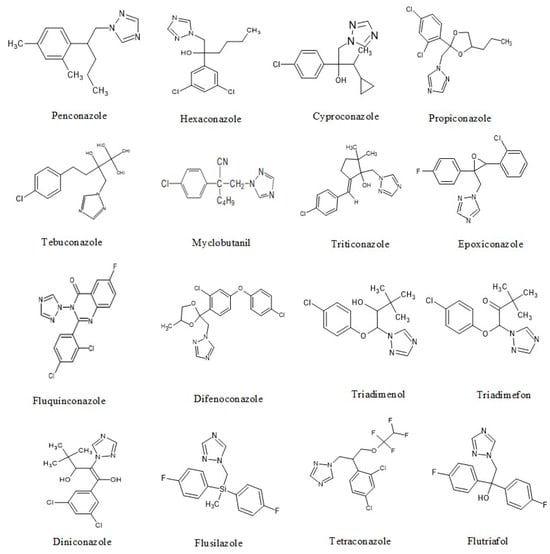
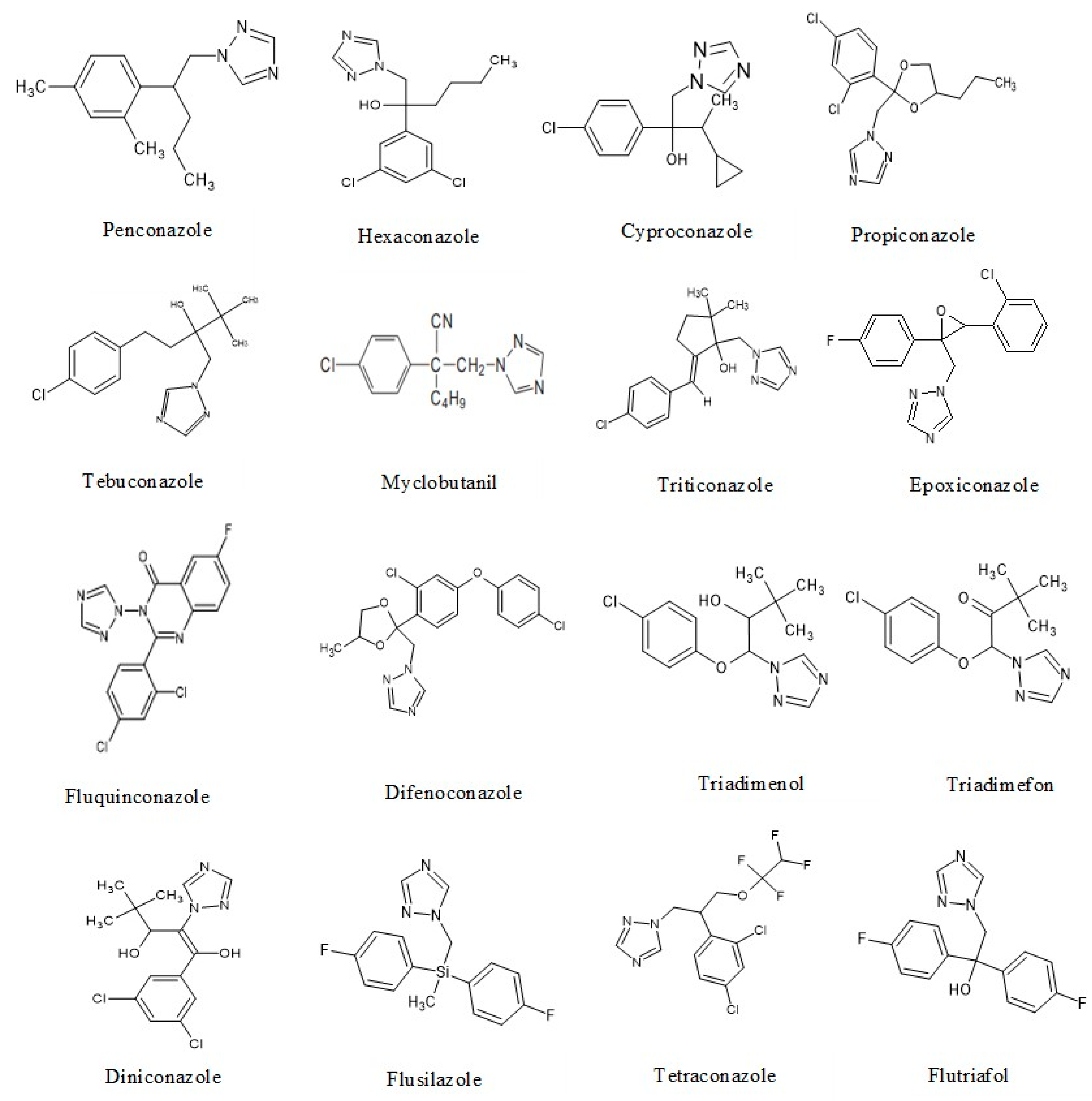

Disclaimer/Publisher’s Note: The statements, opinions and data contained in all publications are solely those of the individual author(s) and contributor(s) and not of MDPI and/or the editor(s). MDPI and/or the editor(s) disclaim responsibility for any injury to people or property resulting from any ideas, methods, instructions or products referred to in the content. |
© 2026 by the authors. Licensee MDPI, Basel, Switzerland. This article is an open access article distributed under the terms and conditions of the Creative Commons Attribution (CC BY) license.