


Abstract
This article discusses a hybrid photovoltaic/thermal PV/T system designed to simultaneously generate electrical and thermal energy using solar radiation. The main focus is on improving the system’s energy efficiency through the use of a CuO-ZnO-based hybrid nanofluid, which serves as the heat transfer fluid in the collector’s thermal circuit. The design of the PV/T module is presented, including a photovoltaic panel, a translucent thermal insulation coating, a chemically coated copper absorbent sheet, copper tubes for heat transfer fluid circulation, and a thermal insulation foundation. A measurement and control scheme is also described, providing monitoring of temperature, solar radiation, flow rate, pressure, voltage, and current. The calculated results show that with an increase in solar radiation from 420 to 980 W/m2, the overall efficiency of the PV/T system increases from 42.0% to 54.1%. A comparison of working fluids showed that the CuO-ZnO hybrid nanofluid provides the highest overall efficiency of 57.1%, whereas for water this value is 50.7%. The optimal nanoparticle concentration is 0.5%, at which the best balance between efficiency improvement and pressure drop increase is achieved. The results confirm the potential of using CuO-ZnO nanofluid and an automated control loop to enhance the electrical and thermal performance of hybrid PV/T systems.
1. Introduction
The development of a hybrid integrated (PV/T) system is aimed at combining renewable energy technologies available in a specific region, taking into account their advantages and limitations. Solar energy is utilized based on its availability throughout the day and is stored over a short period of time. Renewable energy systems are treated as independent components, the sizes of which change when modifications are made to the model. Similar studies are actively being conducted around the world. For example, scientists have developed a system capable of meeting the energy needs of a remote village in Chile. This study evaluated various energy systems, including solar photovoltaic installations, wind turbines, biomass gasifiers, biogas plants, and solar thermal collectors. Based on integer linear programming, a mathematical model was created and implemented in CPLEX, which optimized energy consumption while accounting for the available energy sources in the selected village [1]. Another study [2] addressed issues related to the use of renewable energy sources, employing methods based on machine learning. The authors investigated various deep learning (DL) and machine learning (ML) algorithms used to control solar and wind energy sources. Article [3] suggests consistent and effective operational schemes for the combined operation of solar photovoltaic and wind power plants, aimed at increasing economic profits by minimizing costs associated with inconsistencies between predicted and actual wind speeds. Research [4] developed an optimization approach to determine the optimal configuration and utilization of energy systems. This method comprises four stages: preliminary equipment selection, generation of all possible combinations, optimization of each configuration using linear programming, and a search for the minimum net present value. Article [5] describes an innovative system that combines a heat pump with mini-channel PV/T panels for indoor heating and electricity generation. The solar panels, water tank, and heat pump evaporator are connected in series, which reduces the inlet temperature of the solar panels, thereby increasing their energy efficiency. The average electrical, thermal, and overall efficiencies are 15.9%, 33.4%, and 49.3%, respectively, while the thermal efficiency of the solar panels reaches 60.4%. In [6], a hybrid drying system powered by solar PV/T collectors and a wind turbine was tested. Experiments demonstrated that the electricity generated by these systems is sufficient for the twenty-four-hour operation of the drying equipment. The efficiency of the amorphous silicon PV/T collector was 61.4% and 55.2% over two days, with exergetic efficiencies of 9.95% and 9.60%. Article [7] analyzes the electrical and thermal characteristics of a CPV/T-STEG system using a compound parabolic concentrator (CPC) and a parabolic trough concentrator (PTC). Study [8] demonstrates that the use of nanofluids and phase-change materials (PCM) allows the electrical efficiency of photovoltaic systems to be increased from 8.07% to 13.32%, which is 5.25% higher compared to conventional systems. This study [9] theoretically and numerically investigates heat losses in a flat-plate solar collector for solar water heating under Kazakhstan’s climatic conditions. A mathematical model based on ordinary differential equations was used to evaluate the influence of the heat-loss coefficient, Nusselt, Rayleigh, and Prandtl numbers on collector efficiency. Simulation results showed that the water temperature can reach about 70 °C during the daytime. For the Almaty region, efficient system operation can be maintained from April to October, demonstrating the potential of solar water heating to reduce building energy consumption. In [10], the parameters of a solar collector with thermosiphon circulation for a heating system are examined. A design for a flat-plate collector is proposed, in which improved heat transfer is achieved by reducing the thermal resistance between the panel and the thermal insulation. The use of a storage tank and a heat pump with a “coil-in-coil”-type heat exchanger increases the heat exchange area and improves the system’s efficiency. A mathematical analysis of heat transfer within the tank and the temperature dependence of the heat transfer fluid’s properties is also provided.
The objective of this work is to improve the electrical and thermal efficiency of a hybrid photovoltaic/thermal PV/T system by applying a CuO-ZnO-based nanofluid, improving the design of the heat-receiving loop, and utilizing a digital measurement and control system. To achieve this goal, the design features of the PV/T collector are examined, the process of converting solar energy into electrical and thermal energy is analyzed, and the influence of the working fluid type, nanoparticle concentration, and heat transfer fluid flow rate on the overall system efficiency is evaluated. Special attention is paid to comparing water, CuO, ZnO, and the CuO-ZnO hybrid nanofluid as heat transfer fluids to enhance heat removal from the PV/T module.
2. Research Methodology
The subject of this study is a hybrid photovoltaic/thermal PV/T system designed to simultaneously convert solar energy into electrical and thermal energy. The research methodology is based on an analysis of the PV/T collector (The PV/T collector and its supporting structure were designed and fabricated in-house at Al-Farabi Kazakh National University, Almaty, Kazakhstan) design, the thermal loop with CuO-ZnO nanofluid, and the electrical loop with a charge controller, battery, and inverter, as well as the system for measuring and controlling operating parameters. The main assessed parameters are the surface temperature of the PV/T module, the inlet and outlet temperatures of the heat transfer fluid, solar radiation, nanofluid flow rate, electrical power, thermal power, and the overall system efficiency. The methodology includes several consecutive stages: a description of the hybrid PV/T module design, preparation of the working fluid based on CuO-ZnO nanoparticles, organization of heat transfer fluid circulation in the thermal loop, recording of electrical and thermal parameters, and calculation of efficiency metrics. Different working fluids are considered for comparison, including water, CuO and ZnO nanofluids, as well as the CuO-ZnO hybrid nanofluid. This approach allows for an assessment of the influence of the heat transfer fluid’s thermophysical properties on the performance of the PV/T system and the determination of its most efficient operating mode.
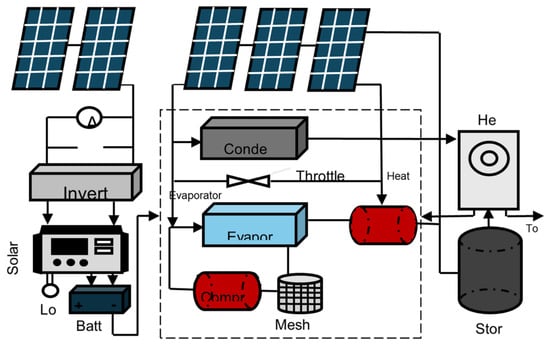
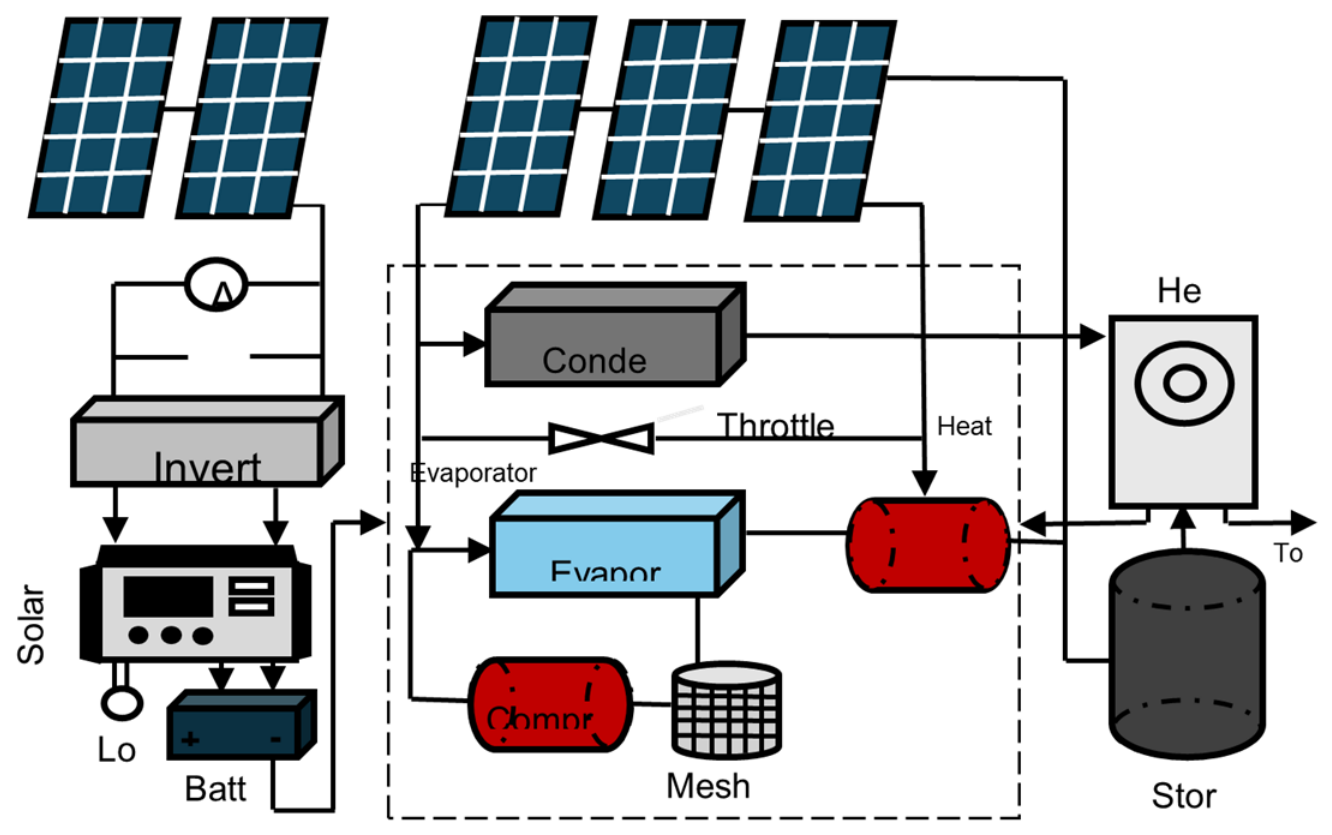
Figure 1 presents an experimental hybrid integrated (PV/T) installation. It is designed to measure the temperature of the heated fluid in the storage tank, the level of solar radiation on the panels, and to compare the performance of a PV/T system based on copper oxide (CuO) and zinc oxide (ZnO) with the characteristics of CuO-ZnO-based hybrid nanofluids (CuO and ZnO nanoparticles were purchased from Shanghai Aladdin Biochemical Technology Co., Ltd., Shanghai, China). The addition of nanoparticles to the PV/T working fluid increases the pressure drop but also contributes to a significant improvement in the system’s thermal performance.
Figure 1.
An experimental hybrid integrated PV/T system.
An optimal volume fraction of nanoparticles, consisting of 0.5% aluminum oxide and tellurium, ensures the maximum thermal efficiency of the system.
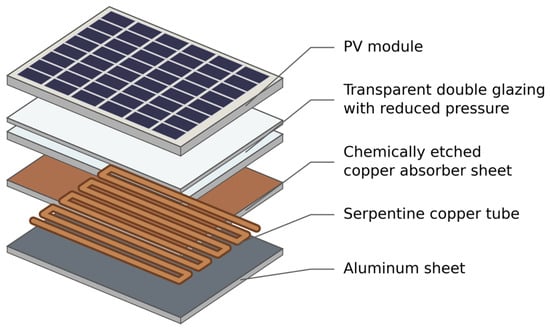
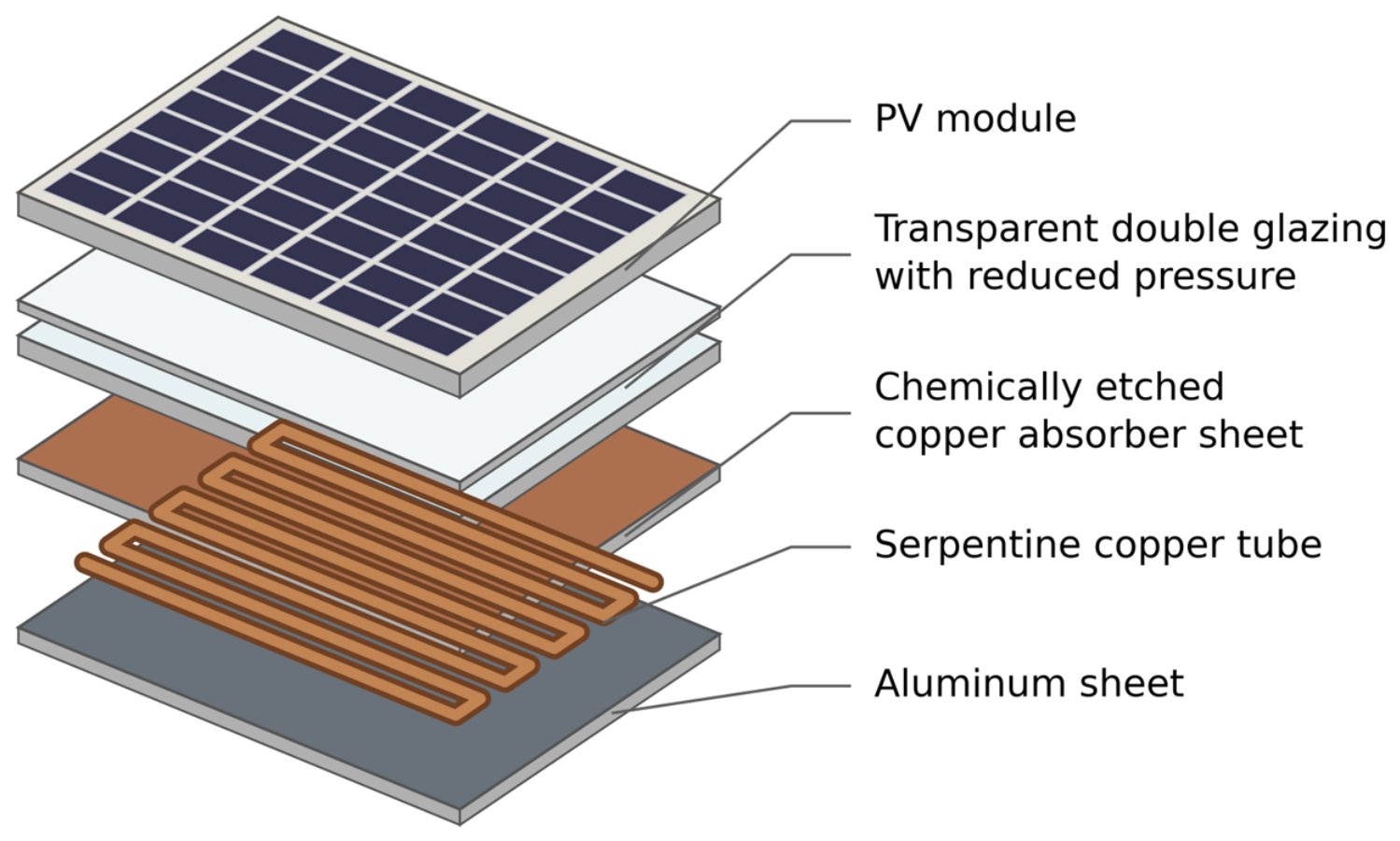
Figure 2 illustrates the layered structure of a hybrid PV/T module. The top layer consists of a photovoltaic module that converts solar radiation into electrical energy. Beneath it is a transparent, low-pressure double-glazing unit that reduces heat loss. A chemically coated absorbing copper sheet captures solar heat and transfers it to a spiral copper tube. The bottom aluminum sheet serves as a support and heat exchanger, improving the even distribution of heat within the system.
Figure 2.
Layered structure of a hybrid PV/T module.
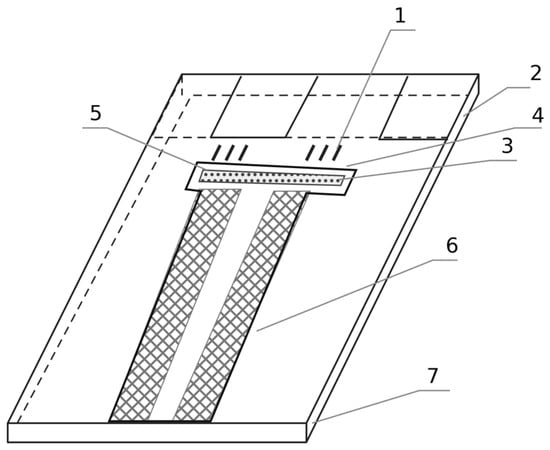
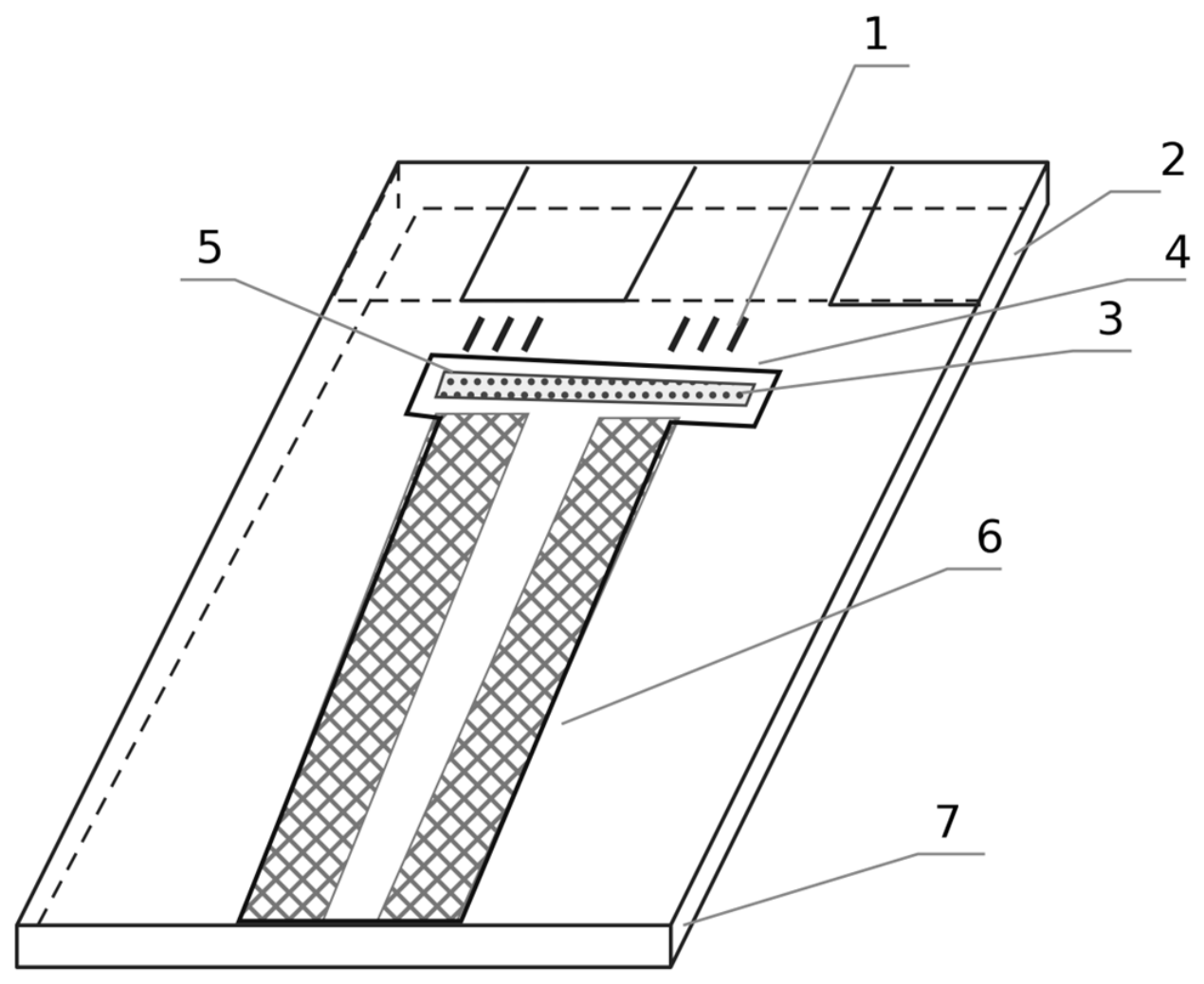
Figure 3 depicts the structural scheme of a hybrid photovoltaic/thermal PV/T collector designed to operate with a nanofluid based on copper and zinc oxides (CuO-ZnO). Element 1 denotes a translucent, thermally insulating double coating that allows solar radiation to reach the inner absorbing surface while simultaneously reducing convective and radiative heat losses. Element 2 is a wooden housing that forms the collector’s support frame and provides structural rigidity. Located beneath the transparent coating is a heat receiver (3), made of a metal sheet with a thickness of about 0.8 mm, which serves as the main absorbing surface for converting solar energy into heat. Copper tubes (4) with a diameter of about 10 mm are designed for circulating the working fluid and transferring heat from the heat absorber to the heat transfer fluid. A U-shaped rubber gasket (5), positioned between the heat absorber and the housing, performs sealing and thermal insulation functions, reducing parasitic heat loss through side gaps. The lower part of the collector is covered with a layer of plywood (6) and additionally insulated, which increases the thermal resistance of the foundation. Element (7) serves as the base of the wooden frame, which can be made of fiberboard of about 8 mm thickness and ensures the mechanical stability of the entire structure. As a whole, this configuration contributes to more efficient absorption of solar energy, improved heat transfer between the absorber and the CuO-ZnO nanofluid, and an increase in the overall energy efficiency of the PV/T system.
Figure 3.
Scheme of a PV/T system based on CuO-ZnO hybrid nanofluids.
In this system, solar energy is simultaneously absorbed by both the solar collector and the solar panel. The energy flow passes through a translucent insulating glass unit and heats the heat receiver, and the excess heat is accumulated. The heat receiver is made of tinplate sheet with copper tubes installed on it, ensuring multiple reflections and absorption of solar heat inside the tubes. Using this design for solar heat utilization allows the collector’s heat exchanger to be combined with thermal insulation and a reflective panel without an intermediate space. This significantly reduces heat loss during the heating of the heat transfer fluid.
The lower part of the solar collector is equipped with a 50 mm-thick mineral insulation screen to minimize heat loss. The evaporator and condenser heat exchangers are designed as cylindrical vessels and are arranged coaxially one above the other: the evaporator is located above the condenser, forming an internal tubular cavity. A compressor is installed in this cavity. To ensure optimal heat transfer from the compressor to the evaporator, a mesh tubular shell is placed in the gap, providing efficient heat exchange. The refrigerants R407C and R134A, used in the first and second loops of the system, circulate inside the round tanks, removing heat from the tubes. Thus, the compressor is housed in a so-called “cold bath,” whose walls are cooled by the heat transfer fluid from the tubes. This allows the heat generated by the compressor to be removed by the evaporator, which increases its efficiency, while the compressor itself is effectively cooled without the need for a fan. The water then flows into the storage tank and the heat pump, where its temperature is raised to the set level, after which it is used for hot water supply and heating. A photovoltaic panel captures solar energy and converts it into direct current. An inverter converts this energy into electricity, which, via a battery charge controller, can be directed either to the load or to the electrical grid in the event of excess energy generation in a hybrid-integrated system.
To study the thermodynamic characteristics and stability of suspensions in solar collectors, nanofluids based on copper oxide (CuO), zinc oxide (ZnO), and CuO-ZnO hybrid nanofluids are used as the working fluid. Preparation of the nanofluid begins by adding particles at a concentration of 0.5% to a specific volume of water. The system includes a water tank connected to batteries powered by a solar panel, as well as an electric mixer for uniform mixing of the fluid. Nanoparticles are added to the electric mixer, and they are then mixed with water using a pump to circulate the liquid. The resulting nanofluid and purified water are delivered from the tanks to a flat-plate solar collector via a test device. The flow rate of water and nanofluid is measured using a flow meter.
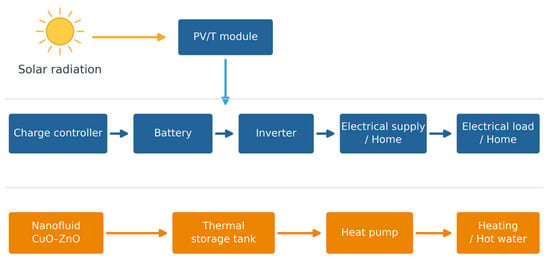
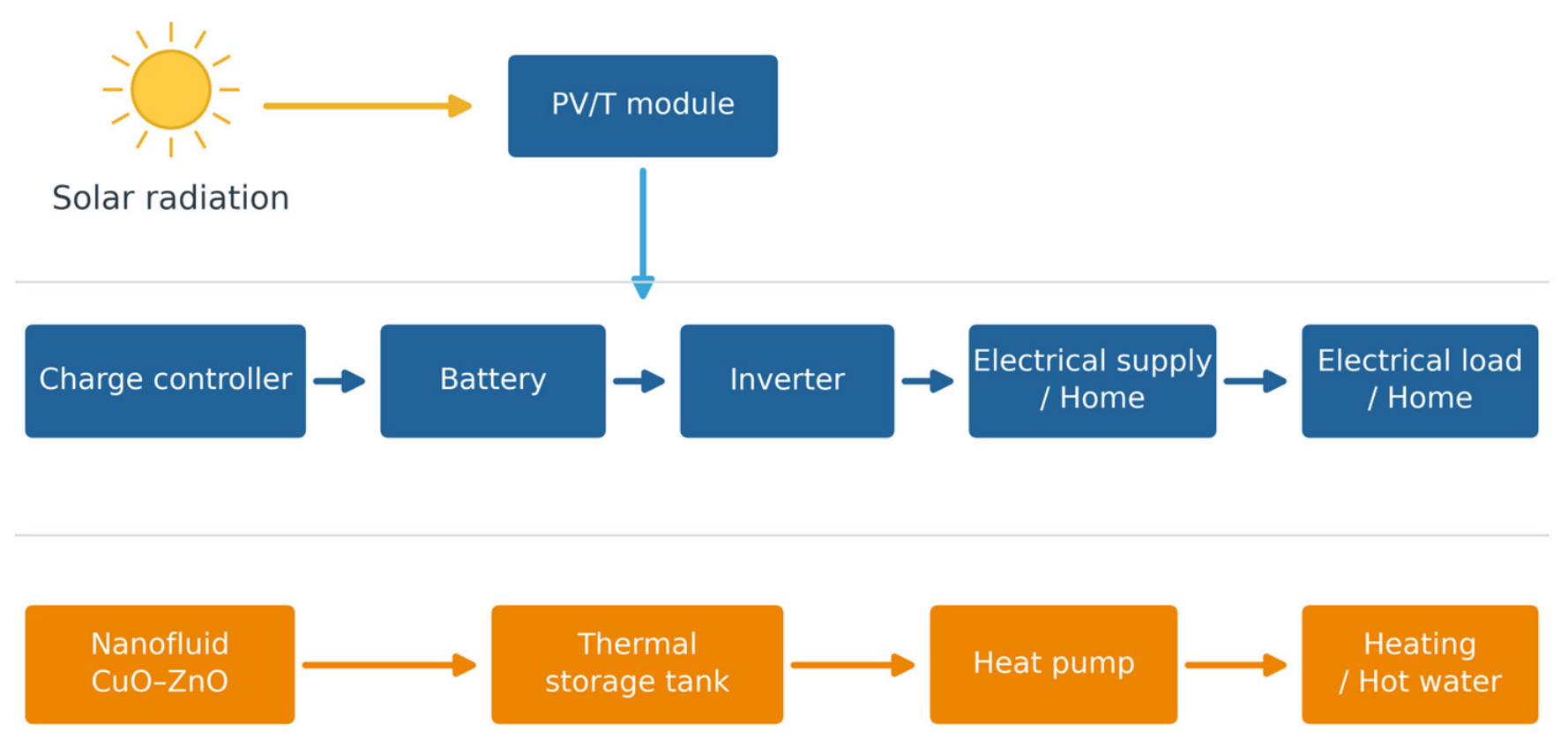
Figure 4 shows a structural diagram of solar energy conversion in a hybrid PV/T system. Solar radiation reaches the PV/T module, where the energy is split into electrical and thermal flows. The electrical energy passes through a charge controller, a battery, and an inverter, after which it is supplied to the home’s electrical load. The thermal energy is transferred to a CuO-ZnO nanofluid, stored in a thermal storage tank, and used via a heat pump for heating and hot water supply.
Figure 4.
Structural diagram of solar energy conversion in a hybrid PV/T system.
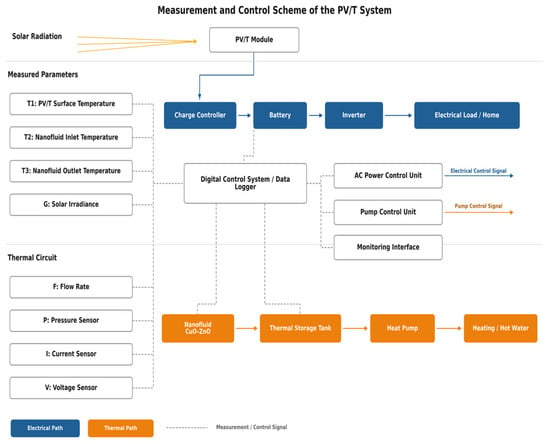
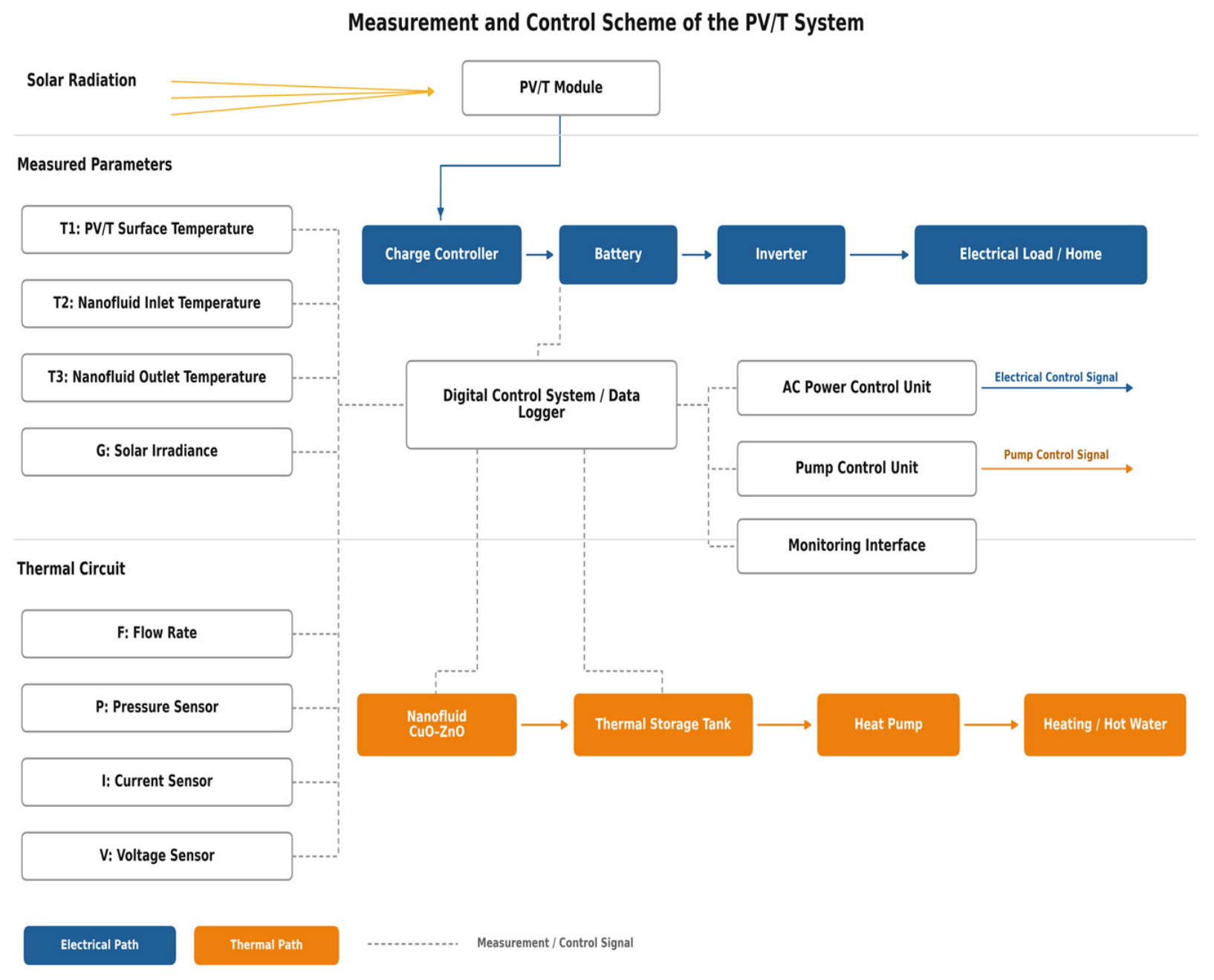
Figure 5 presents a measurement and control scheme for a hybrid PV/T system. The system monitors the surface temperature of the PV/T module, the inlet and outlet temperatures of the nanofluid, solar radiation, flow rate, pressure, current, and voltage. All measured parameters are sent to a digital control system and a data recorder. Based on the received information, the system controls the battery charge, the inverter, the pump, and the heating loop, and transmits data to the monitoring interface.
Figure 5.
Measurement and control scheme for a hybrid PV/T system.
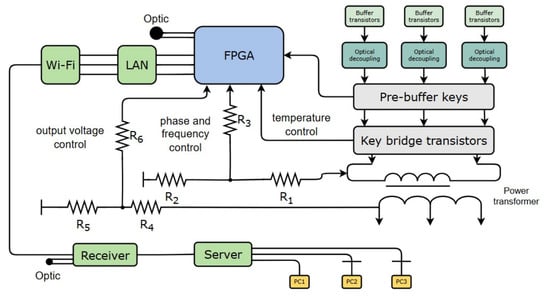
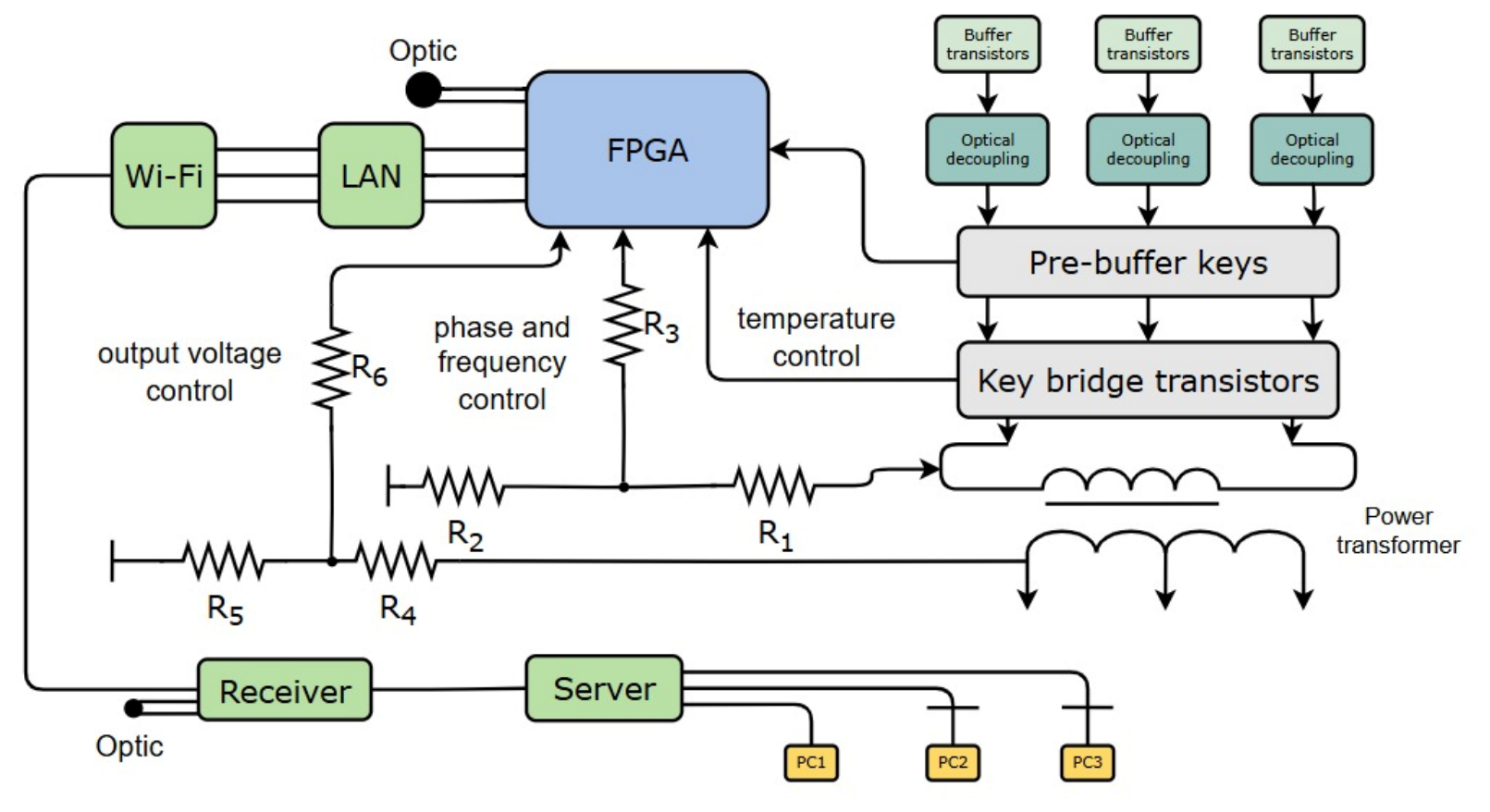
Figure 6 depicts an inverter designed to convert energy into industrial-frequency electricity at single-phase and three-phase voltages. An intelligent program running on the FPGA controls the temperature profiles of all components in the high-voltage section and sets optimal operating parameters. The power transformer transmits output voltage signals through resistors R1, R2, and R3 to stabilize the voltage and current. The FPGA supports digital (LAN) and optical (OPTIC) communication channels. The inverter transmits data about its status to the monitoring center via a radio or optical channel, including operating hours, converted power over a specific period, and other parameters. It also signals the need for maintenance (TO1, TO2, and TO3). In the event of emergencies, such as a power outage or a short circuit on the line, the FPGA automatically shuts down the buffer key transistors, protecting the inverter from overload and damage. The inverter features high power density, high input current, low starting voltage, and a wide operating voltage range, making it an ideal choice in the photovoltaic module market. It ensures a long operational life and optimal utilization of hybrid-integrated (PV/T) systems, matching competitors in technical specifications.
Figure 6.
Inverter for converting energy into industrial-frequency electricity at single-phase and three-phase voltage. The functional components are distinguished by color: blue identifies the FPGA controller; light green denotes the communication and supervisory units (Wi-Fi, LAN, receiver, and server); pale green indicates the buffer transistor blocks; turquoise represents the optical isolation units; gray identifies the power-switching stages; and yellow denotes the PLC connection points. Black lines and arrows indicate electrical interconnections and signal paths.
As a result, the research methodology establishes a unified experimental and computational foundation for assessing the performance of a hybrid PV/T system. It integrates thermal analysis of the collector, electrical analysis of the photovoltaic loop, monitoring of nanofluid parameters, and evaluation of the inverter’s performance as a key element in energy conversion and stabilization. The obtained measurement data are used to calculate electrical power, thermal power, overall efficiency, temperature conditions, and hydraulic losses. This allows us to determine the influence of the CuO-ZnO nanofluid and digital control on improving the system’s energy efficiency.
3. Results
This section presents the results of a computational and analytical assessment of the performance of a hybrid PV/T system using a CuO-ZnO nanofluid. The analysis was performed based on key energy and thermal parameters: solar radiation, PV/T module surface temperature, heat transfer fluid inlet and outlet temperatures, electrical power, thermal power, and overall system efficiency. Additionally, the influence of the working fluid type, nanoparticle concentration, and heat transfer fluid flow rate on the performance of the PV/T collector is examined. This approach allows for an assessment of the contribution of the CuO-ZnO nanofluid towards increasing heat removal from the photovoltaic module and improving the overall energy efficiency of the system.
Table 1 presents the daily operating parameters of the hybrid PV/T system, including solar radiation, ambient temperature, module surface temperature, and the inlet and outlet temperatures of the nanofluid, as well as electrical and thermal power. These data allow for the plotting of graphs showing changes in the system’s efficiency and energy output throughout the day.
Table 1.
Daily operating parameters of the hybrid PV/T system.
Table 2 compares water, CuO nanofluid, ZnO nanofluid, and CuO-ZnO hybrid nanofluid. The Table shows how the type of working fluid affects the electrical, thermal, and overall efficiency of the PV/T system, as well as the pressure drop. The data indicates that the CuO-ZnO hybrid nanofluid provides higher overall efficiency but increases the system’s hydraulic resistance.
Table 2.
Comparison of working fluids for the hybrid PV/T system.
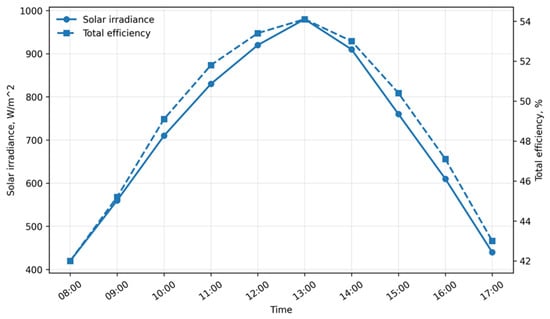
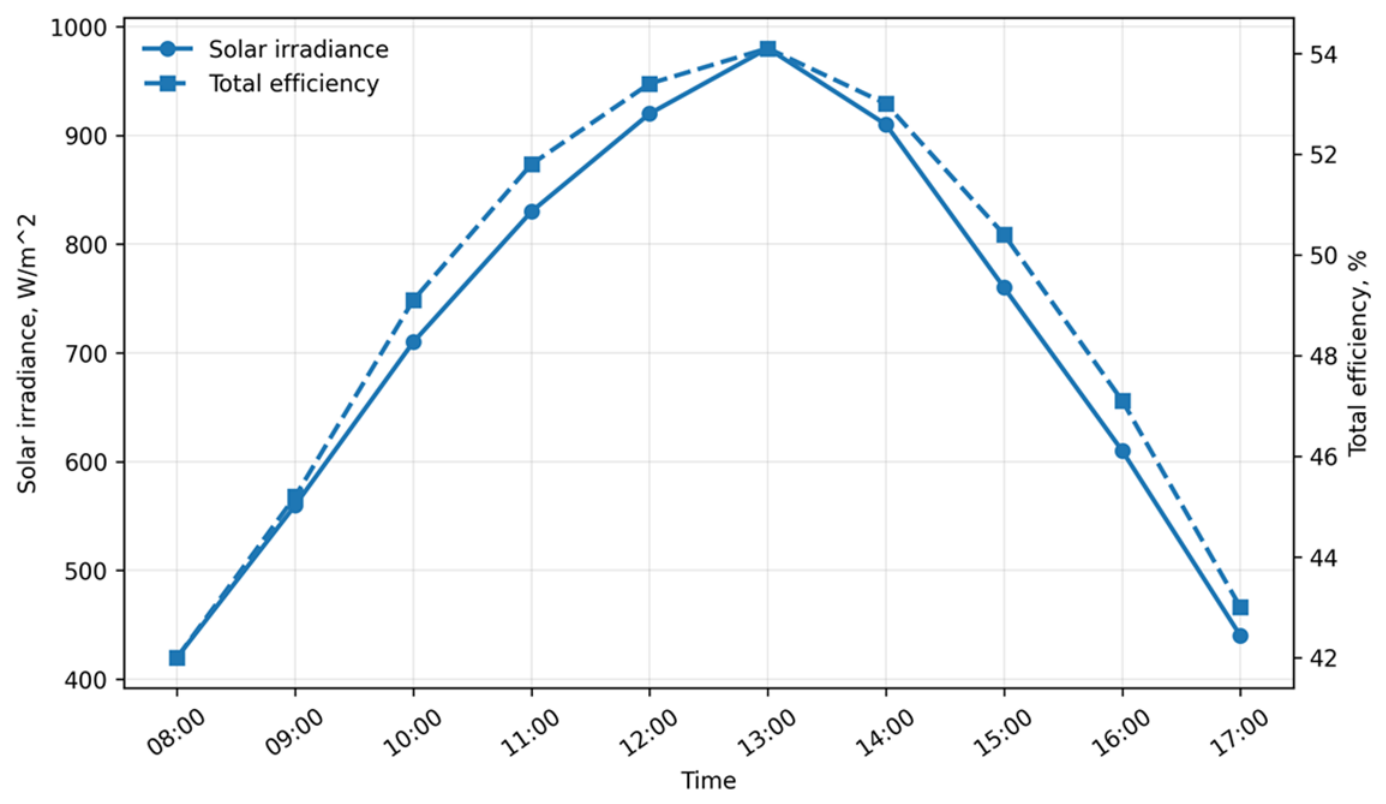
Figure 7 illustrates that solar radiation increases from 420 W/m2 at 8:00 to a peak of 980 W/m2 at 13:00. At the same time, the overall efficiency of the PV/T system increases from 42.0% to 54.1%, after which it decreases to 43.0% by 17:00.
Figure 7.
Solar irradiance and total efficiency of the hybrid PV/T system during the day.
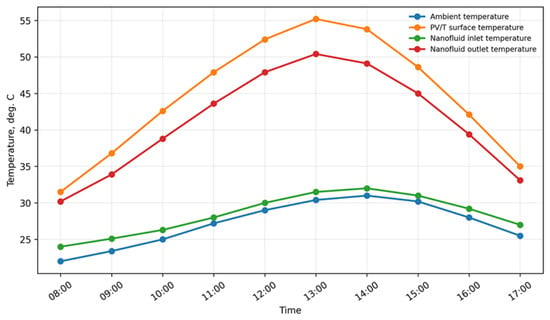
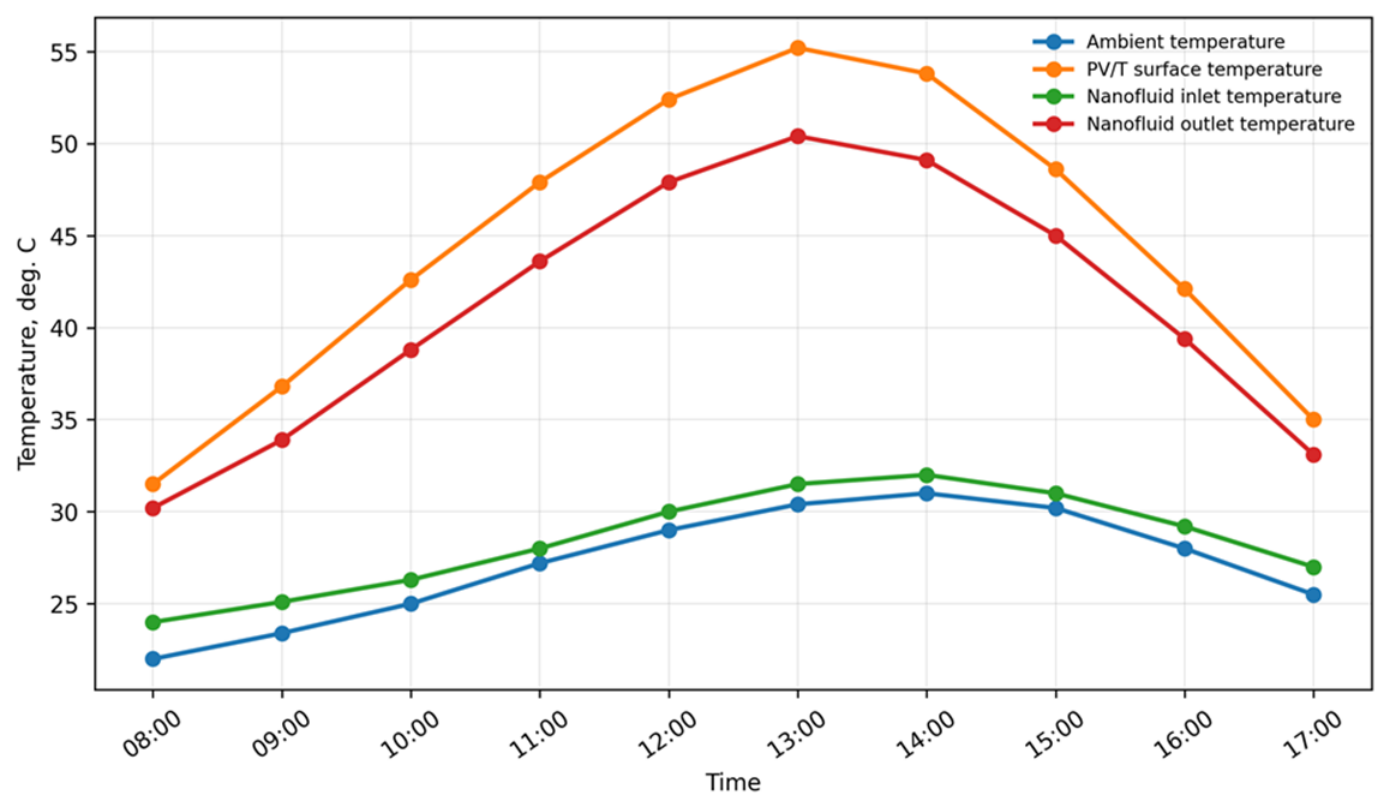
Figure 8 displays the temperature dynamics of the system: the surface temperature of the PV/T module rises from 31.5 °C in the morning to 55.2 °C at 13:00. The outlet temperature of the nanofluid also increases from 30.2 °C to 50.4 °C, confirming effective heat removal from the module.
Figure 8.
Temperature dynamics of the ambient air, PV/T module surface, and nanofluid at the inlet and outlet.
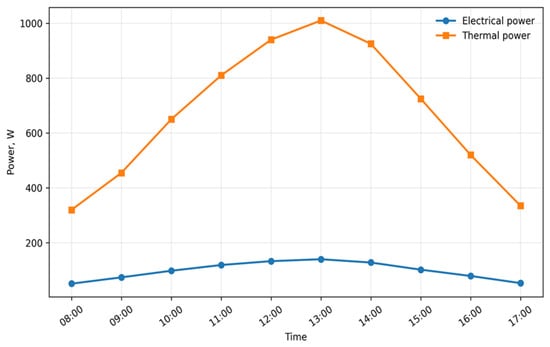
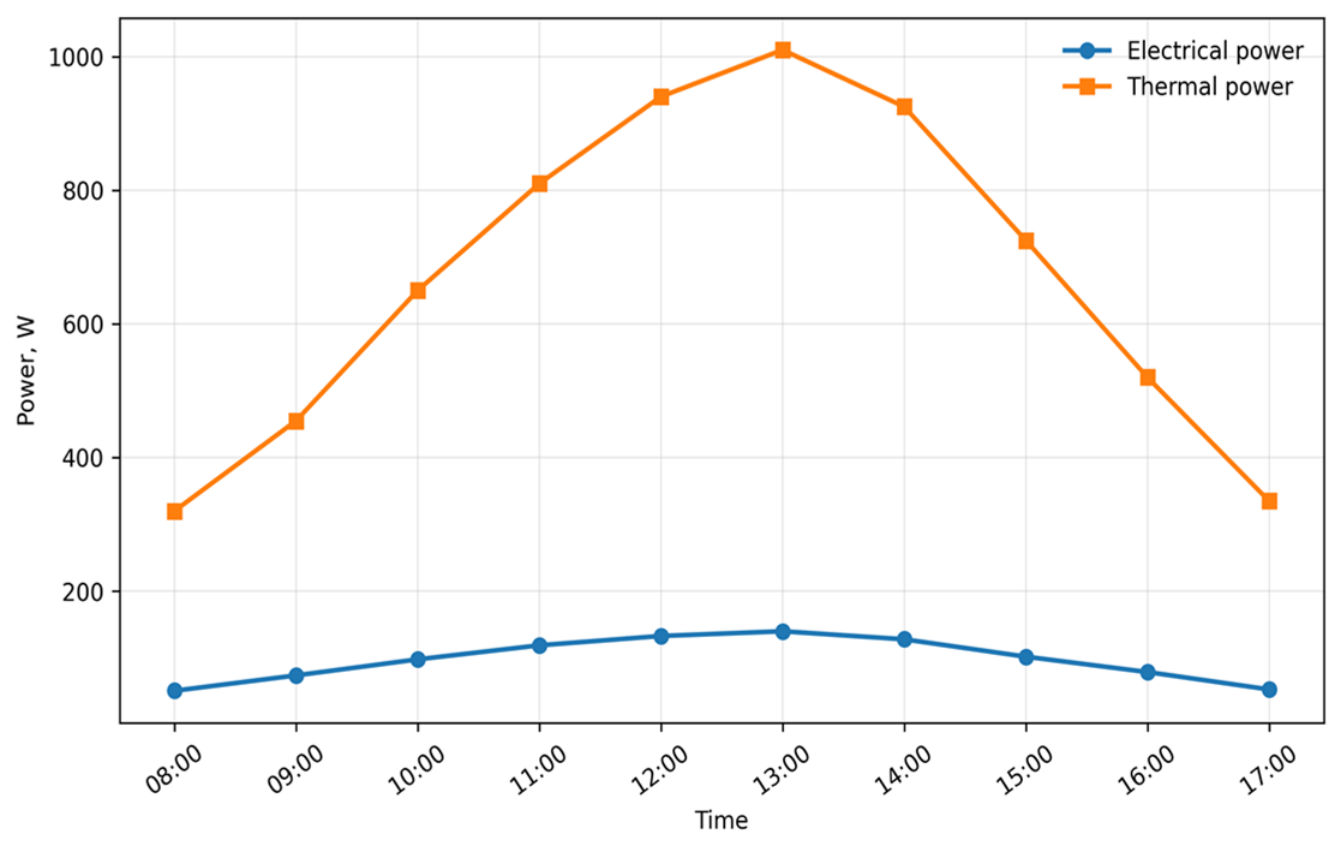
Figure 9 presents the change in electrical and thermal power. Electrical power increases from 51 W to 140 W, while thermal power increases from 320 W to 1010 W. The maximum values are reached at 13:00, when solar radiation is at its highest.
Figure 9.
Electrical and thermal power output of the PV/T system during the day.
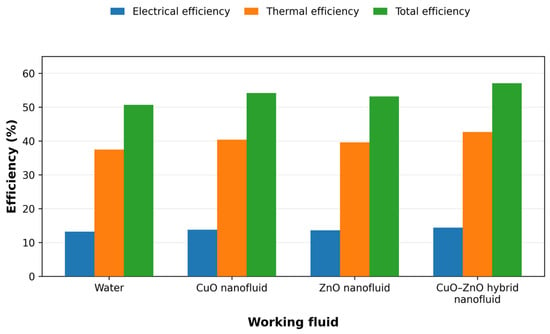
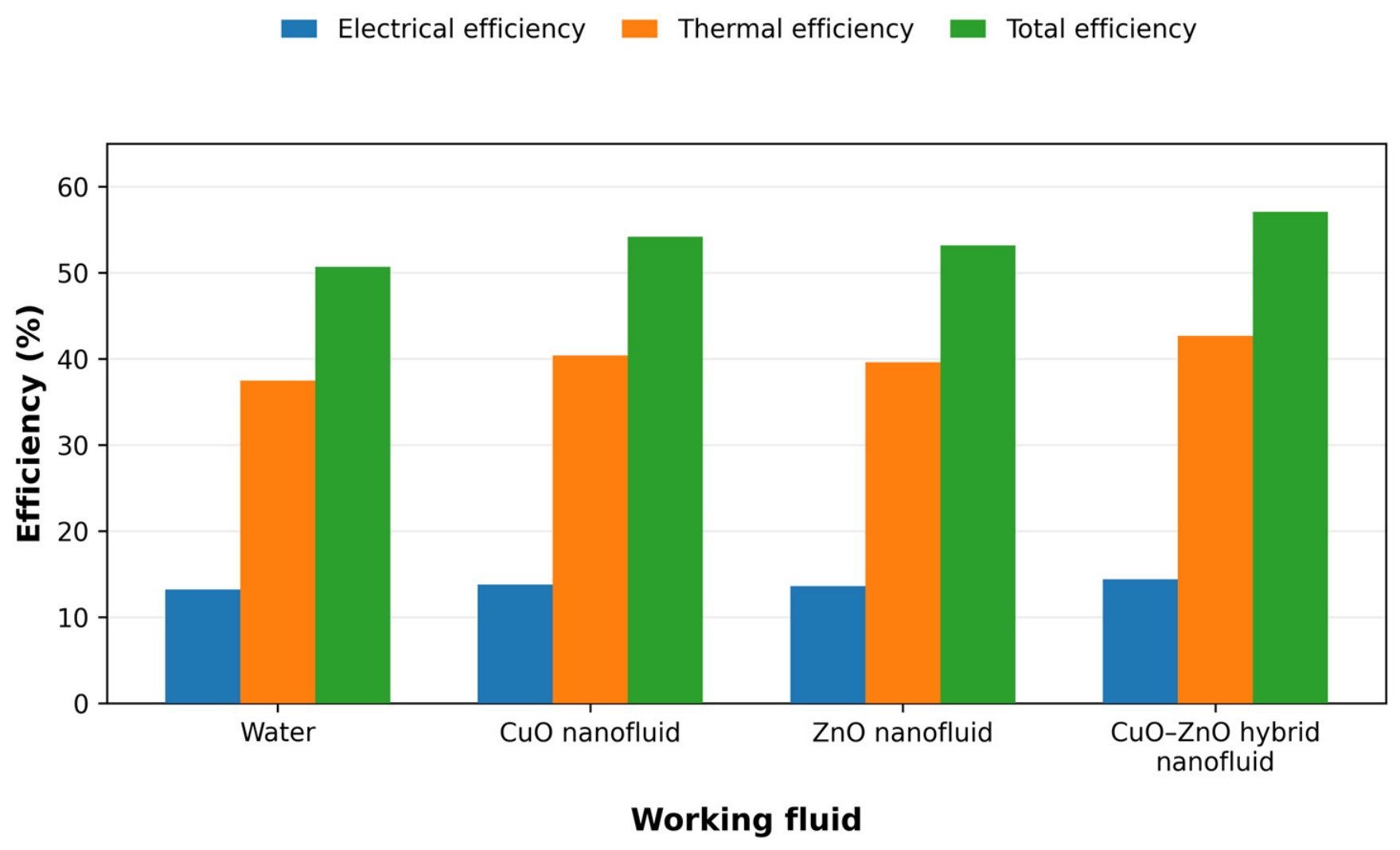
Figure 10 compares different working fluids. For water, the overall efficiency is 50.7%; for CuO, it is 54.2%; for ZnO, it is 53.2%; and for the CuO-ZnO hybrid nanofluid, it reaches 57.1%. This shows that the hybrid nanofluid provides the best energy performance.
Figure 10.
Comparison of electrical, thermal, and total efficiency for water and nanofluids.
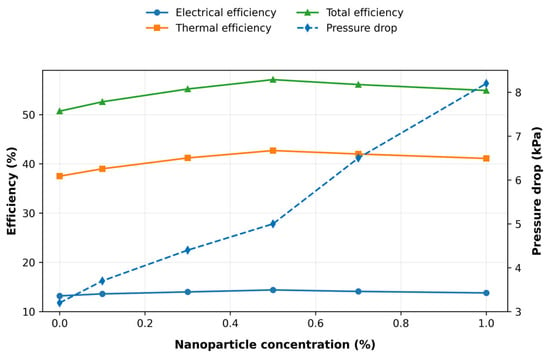
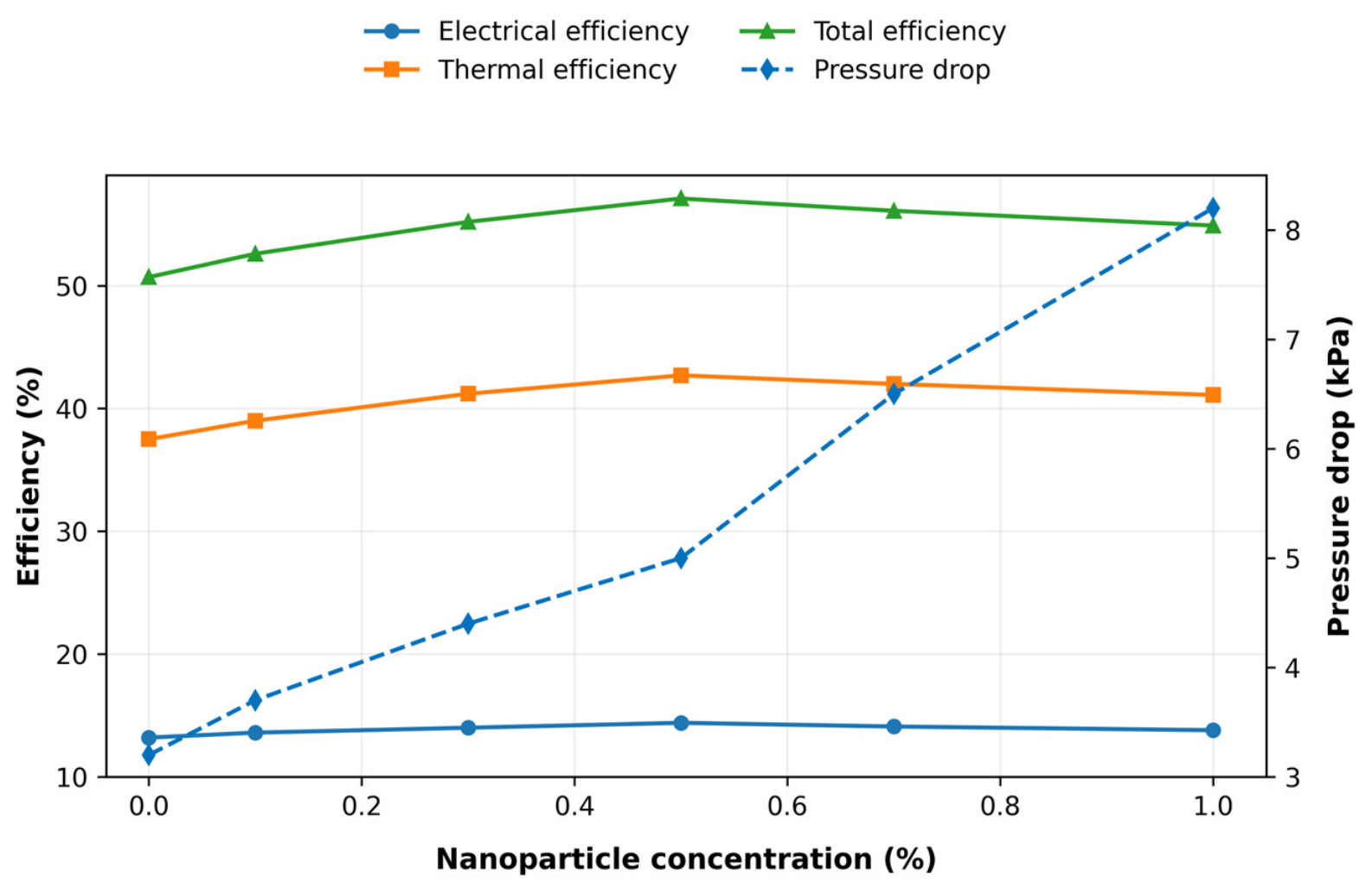
Figure 11 illustrates the effect of nanoparticle concentration. As the concentration increases from 0.0% to 0.5%, the overall efficiency rises from 50.7% to 57.1%. However, a further increase in concentration to 1.0% reduces the efficiency to 54.9% and increases the pressure drop to 8.2 kPa.
Figure 11.
Effect of nanoparticle concentration on efficiency and pressure drop.
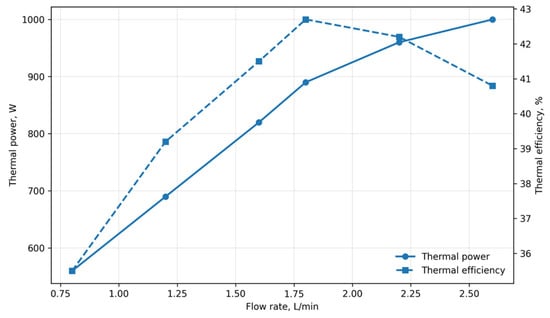
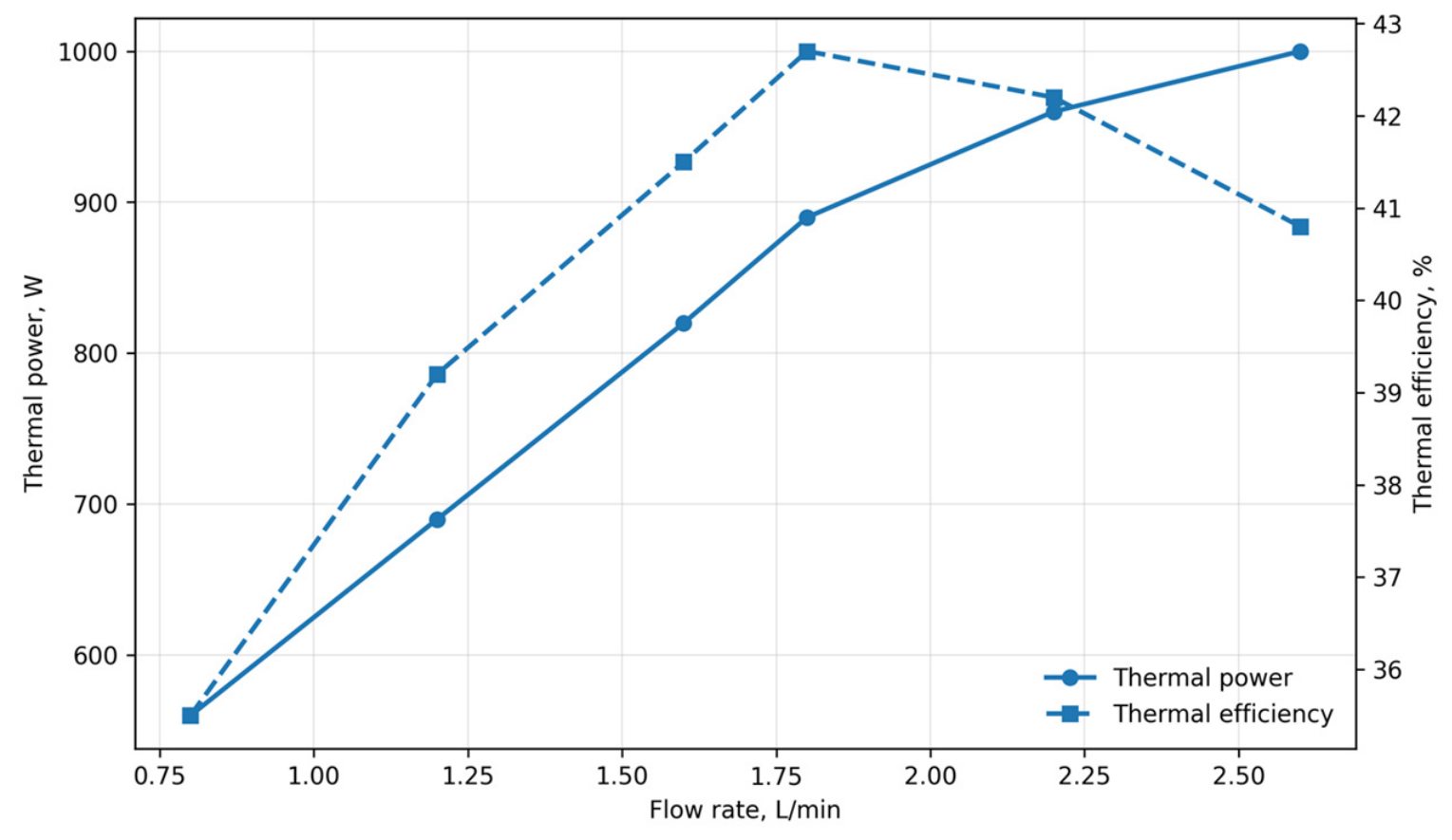
Figure 12 shows the influence of heat transfer fluid flow rate. As the flow rate increases from 0.8 to 2.6 L/min, the thermal power rises from 560 W to 1000 W. The maximum thermal efficiency of 42.7% is achieved at a flow rate of 1.8 L/min, after which it decreases slightly to 40.8%.
Figure 12.
Effect of flow rate on thermal power and thermal efficiency.
In general, the results show that the use of a CuO-ZnO hybrid nanofluid increases the heat transfer efficiency of the PV/T module and improves the overall energy performance of the system. The maximum overall efficiency was 57.1%, which is higher than that of water (50.7%). An optimal nanoparticle concentration of 0.5% provides the best balance between efficiency gains and increased pressure drop. Therefore, the proposed PV/T system can be considered a promising solution for the simultaneous generation of electrical and thermal energy.
4. Conclusions
The work has shown that a hybrid PV/T system can effectively utilize solar energy in two simultaneous ways: to generate electricity and to heat a heat transfer fluid. The proposed collector design, featuring a heat-insulating coating, an absorbing surface, copper tubes, and a heat loop, ensures more efficient use of solar radiation and reduces heat loss. Of particular importance is the use of a CuO-ZnO hybrid nanofluid, which improves heat removal from the PV/T module and contributes to increasing the overall efficiency of the system. Compared to water, the nanofluid provides higher thermal and overall efficiency values, confirming the feasibility of its use in solar photovoltaic/thermal systems. However, it has been established that the increase in nanoparticle concentration must be limited, as an excessive increase in concentration leads to an increase in hydraulic resistance. The results also highlight the importance of digital monitoring of the system’s operating parameters. Measuring temperature, solar radiation, flow rate, pressure, current, and voltage allows not only for assessing the current performance of the PV/T system but also for selecting more efficient operating modes. In the future, the proposed approach could be expanded through experimental testing under real-world climatic conditions, optimization of the nanofluid composition, and integration of the system with intelligent building energy management algorithms.
Author Contributions
Conceptualization, Z.Z. and G.M.; methodology, M.K.; software, E.N. and B.S.; validation, D.Z.; formal analysis, S.T.; investigation, A.T.; writing—original draft preparation, Z.Z. and G.M.; writing—review and editing, all authors; supervision, M.K. and A.T. All authors have read and agreed to the published version of the manuscript.
Funding
This study has not received external funding.
Institutional Review Board Statement
Not applicable.
Informed Consent Statement
Not applicable.
Data Availability Statement
The data presented in this study are available from the corresponding authors upon reasonable request.
Acknowledgments
The authors would like to thank their colleagues from the Faculty of Mechanics and Mathematics of Al-Farabi Kazakh National University for their support and assistance in this study.
Conflicts of Interest
The authors declare no conflicts of interest.
References
- Gómez Sánchez, M.; Masip Macia, Y.; Fernández Gil, A.; Castro, C.; Nuñez González, S.M.; Pedrera Yanes, J. A Mathematical Model for the Optimization of Renewable Energy Systems. Mathematics 2021, 9, 39. [Google Scholar] [CrossRef] [Scilit]
- Abualigah, L.; Zitar, R.A.; Almotairi, K.H.; Hussein, A.M.; Abd Elaziz, M.; Nikoo, M.R.; Gandomi, A.H. Wind, Solar, and Photovoltaic Renewable Energy Systems with and without Energy Storage Optimization: A Survey of Advanced Machine Learning and Deep Learning Techniques. Energies 2022, 15, 578. [Google Scholar] [CrossRef] [Scilit]
- Das, S.S.; Das, A.; Dawn, S.; Gope, S.; Ustun, T.S. A Joint Scheduling Strategy for Wind and Solar Photovoltaic Systems to Grasp Imbalance Cost in Competitive Market. Sustainability 2022, 14, 5005. [Google Scholar] [CrossRef] [Scilit]
- Melo, F.M.; Magnani, F.S.; Carvalho, M. Optimization of an integrated combined cooling, heat, and power system with solar and wind contribution for buildings located in tropical areas. Int. J. Energy Res. 2022, 46, 2288–2309. [Google Scholar] [CrossRef] [Scilit]
- Zhou, J.; Zhao, X.; Yuan, Y.; Li, J.; Yu, M.; Fan, Y. Operational performance of a novel heat pump coupled with mini-channel PV/T and thermal panel in low solar radiation. Energy Built Environ. 2020, 1, 50–59. [Google Scholar] [CrossRef] [Scilit]
- Kong, D.; Wang, Y.; Li, M.; Liang, J. Experimental investigation of a novel hybrid drying system powered by a solar photovoltaic/thermal air collector and wind turbine. Renew. Energy 2022, 194, 705–718. [Google Scholar] [CrossRef] [Scilit]
- Sripadmanabhan Indira, S.; Aravind Vaithilingam, C.; Narasingamurthi, K.; Sivasubramanian, R.; Chong, K.-K.; Saidur, R. Mathematical modelling, performance evaluation and exergy analysis of a hybrid photovoltaic/thermal-solar thermoelectric system integrated with compound parabolic concentrator and parabolic trough concentrator. Appl. Energy 2022, 320, 119294. [Google Scholar] [CrossRef] [Scilit]
- Al-Waeli, A.H.A.; Sopian, K.; Kazem, H.A.; Yousif, J.H.; Chaichan, M.T.; Ibrahim, A.; Mat, S.; Ruslan, M.H. Comparison of prediction methods of PV/T nanofluid and nano-PCM system using a measured dataset and artificial neural network. Sol. Energy 2018, 162, 378–396. [Google Scholar] [CrossRef] [Scilit]
- Merembayev, T.; Amirgaliyev, Y.; Kunelbayev, M.; Yedilkhan, D. Thermal Loss Analysis of a Flat Plate Solar Collector Using Numerical Simulation. Comput. Mater. Contin. 2022, 73, 4627–4640. [Google Scholar] [CrossRef] [Scilit]
- Amirgaliyev, Y.; Kunelbayev, M.; Amirgaliyev, B.; Kalizhanova, A.; Kozbakova, A.; Merembayev, T.; Dassibekov, A. Mathematical justification of thermosyphon effect main parameters for solar heating system. Cogent Eng. 2020, 7, 1851629. [Google Scholar] [CrossRef] [Scilit]

Disclaimer/Publisher’s Note: The statements, opinions and data contained in all publications are solely those of the individual author(s) and contributor(s) and not of MDPI and/or the editor(s). MDPI and/or the editor(s) disclaim responsibility for any injury to people or property resulting from any ideas, methods, instructions or products referred to in the content. |
© 2026 by the authors. Licensee MDPI, Basel, Switzerland. This article is an open access article distributed under the terms and conditions of the Creative Commons Attribution (CC BY) license.