


Abstract
This study focuses on the design and development of instructional materials tailored for the subject fundamentals of food processing, with the primary objective of equipping students with foundational knowledge and practical competencies essential to understanding core concepts and principles within the discipline. The instructional content was purposefully crafted to align with established course learning outcomes and the broader curricular framework. Drawing upon contemporary research and pedagogical best practices, the materials were customized to address the specific academic needs, interests, and learning preferences of students. Emphasis was placed on interactivity and inclusivity, with the integration of varied media formats to support diverse learning styles and enhance accessibility. The expert’s evaluation of the instructional materials is based on the three criteria: content, organization and structure, and support for learning. Overall, the instructional material has a mean of 3.71, with a verbal interpretation of high evidence and a standard deviation of 0.11, indicating high reliability. The highest mean score is 3.79 for the content category. This indicates that the instructional material is highly effective in aligning with course requirements, currently accurate, and bias-free. The lowest mean score is 3.67 on organization structure and support for learning. These scores suggest that while these areas are well regarded, they have certain aspects that could be further improved. Moreover, the materials must exhibit flexibility and adaptability to accommodate various teaching methodologies. They should seamlessly integrate with various instructional strategies, including project-based learning, problem-based learning, and hands-on activities. This versatility ensures that educators can employ diverse approaches to cater to their students’ needs and learning preferences.
1. Introduction
Instructional materials for creating successful learning experiences in the ever-changing world of modern education cannot be emphasized. It is becoming increasingly necessary to have well-designed, engaging, and helpful teaching materials so researchers can explore the worlds of culinary arts and basic food processing. In the presented publication, an attempt was made to substantiate the unique aspects of a modern engineer-pedagogue’s professional training when utilizing pedagogical design in professional activities. The article aims to substantiate the fundamentals of preparing upcoming engineers-pedagogues in food processing for pedagogical design in professional activities [1].
Food science, nutrition, and basic food processing are only a few fields of study represented in the domains of foods and fundamental processing. These fields also showcase the meeting point of traditional handicrafts and state-of-the-art advancements. A careful fusion of educational psychology, design thinking, and in-depth topic knowledge is needed to create educational resources that learners in these areas can relate to. This study aims to explore the complex process of creating educational resources that not only transmit information but also ignite a desire for learning and creativity.
In order to find chances for improvement, the researchers will assess the state of instructional materials in food and food processing education through the utilization of cutting-edge educational food processing and well-established instructional design theories. This study will provide helpful frameworks and insights for curriculum authors and educators in the food and basic food processing domains. It helps educators equip themselves with the knowledge and skills necessary to help students thrive in a rapidly changing global environment by thoroughly exploring effective instructional material design.
Food processing—which encompasses various engineering and scientific concepts—is essential to ensure food security, safety, and quality in the modern world [2]. In this regard, information and communication technologies (ICTs) are crucial because they make it easier to distribute safe and high-quality food [2]. To ensure the supply of safe and healthy products and understand food components, food science incorporates several scientific domains [3]. Moreover, food safety and quality are greatly impacted by the employment of modern food processing, such as food preservation and storage techniques [4]. In order to fulfill the growing demands for sustainable food production, these findings highlight the significance of high-quality educational materials in this area. The food sector has experienced a substantial impact from a variety of food processing [5], focusing on newly developed nonthermal food processing, including high hydrostatic pressure and cold plasma, whereas [6] examines the application of various food processing in food storage, preservation, and trading. Emphasizing the use of both conventional and contemporary technologies produces nutritious convenience foods while increasing their flavor and texture [6]. His historical analysis of the evolution of innovative food processing highlights how these technologies can guarantee food safety while cutting down on processing times and energy expenses [7]. This research highlights how food processing transforms food quality, safety, and health advantages. This study aims to create instructional materials for technology and livelihood education students that cover the fundamentals of food processing. Emphasizing real-world examples, this research offers a practical method for grasping essential concepts.
2. Methodology
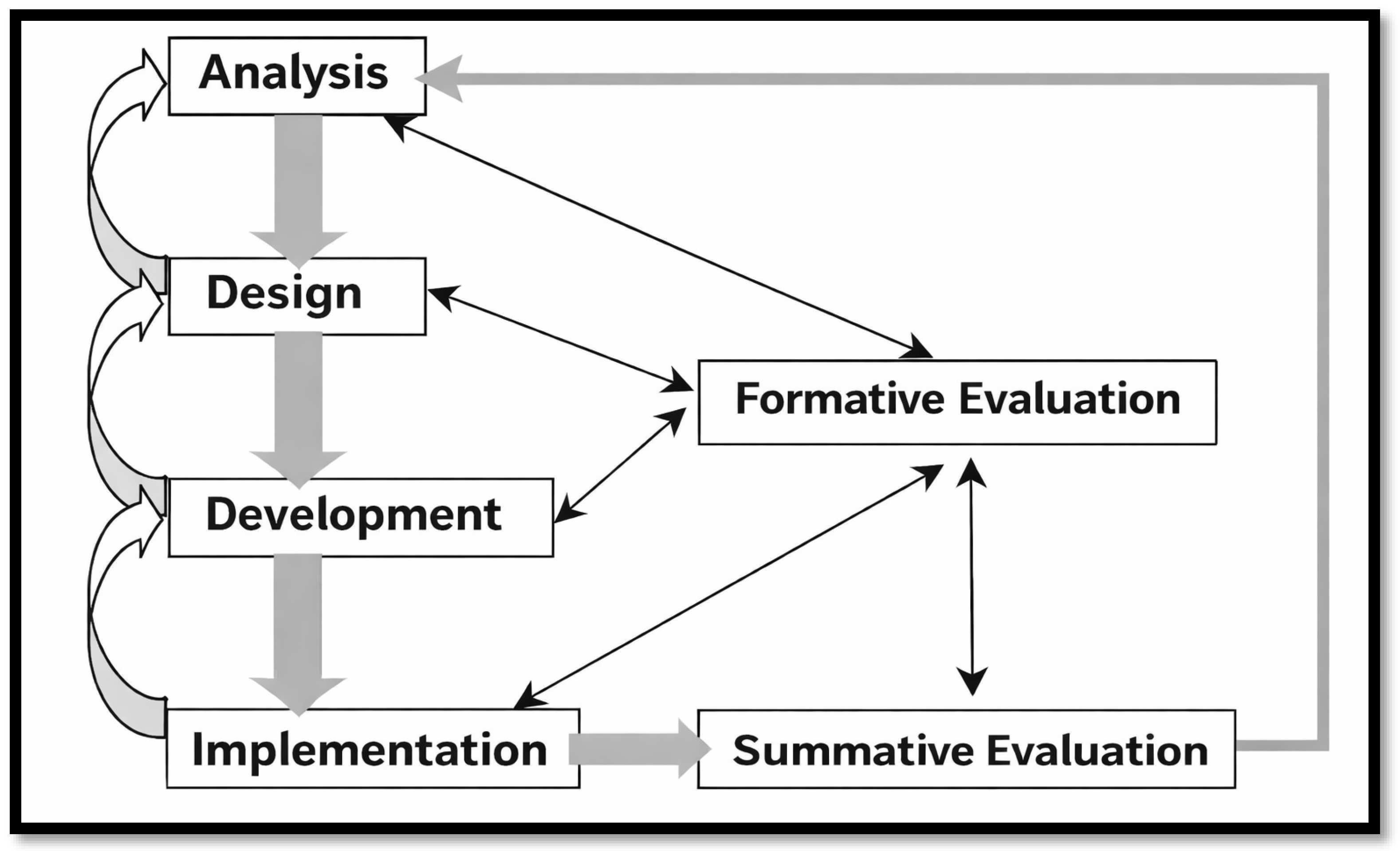
ADDIE (Analysis, Design, Development, Implementation, and Evaluation is an ISD family (Instructional System Design) form. It has undergone several changes to become dynamic, iterative, and user-friendly. Other models, such as the Kemp Gustafson Branch and Dick and Carey models, are included in ISD (Instructional System Design).
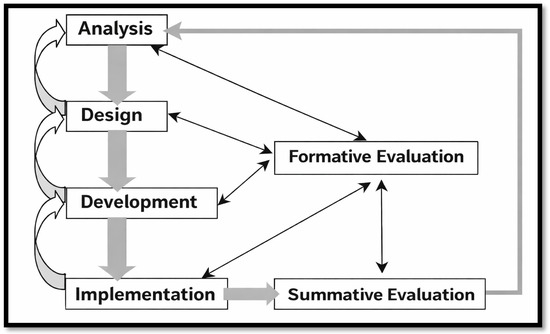
Figure 1 shows the ADDIE model and the 4A format were combined when creating the instructional materials. The 4A’s stand for Activity, Analysis, Abstraction and Application. Activity. Students recollect the topic’s related experiences at this level, activating their past knowledge. This could be like brainstorming sessions, board games, etc. Analysis. The students will comprehend their instruction at this point. Students will learn more quickly if they have insights regarding the lessons. Instead of a pure lecture, the instructor will serve as a facilitator. Abstraction. At this point, the students are introduced to a new subject and can draw connections between what they have learned in class and their personal experiences. Application. In the final section of the 4A’s, students use practical exercises to apply what they have learned [8]. They can utilize this to prepare for the future and apply it to actual situations.
Figure 1.
The systematic process of ADDIE instructional development, adapted from Steven J. McGriff [8].
3. Results and Discussion
The instructional development process follows the modified ADDE model—Analysis, Design, Develop, and Evaluate—to ensure a structured and effective approach. Once the learning materials were ready, the critiquing started. The critiquing included the participation of the experts in the field and the use of the Instructional Materials Evaluation Checklist (IMEC). The evaluators then described and commented on the instructional materials. The checklist contains parameters that the evaluator group can check. The following information shows the expert evaluation.
The Table 1 above shows the interpretation scale used in the study provides a clear and systematic approach to analyzing mean scores derived from Likert-scale survey responses. The scale is divided into four distinct ranges: 3.31 to 4.00, which indicates strong evidence, suggesting that respondents strongly agree with the presence, effectiveness, or relevance of a given factor. A mean score within this range reflects a high positive perception or affirmation level. The range of 2.51 to 3.30 is categorized as Enough Evidence, which signifies a moderate level of agreement, indicating that the factor is sufficiently evident but may require further enhancement or validation. Scores between 1.71 and 2.50 are interpreted as Little Evidence, revealing a low level of agreement and suggesting that the factor is weakly observed or inconsistently perceived among respondents. Lastly, the lowest range of 1.00 to 1.70 is classified as Very Little Evidence, indicating minimal support or recognition of the factor. This interpretation scale is a valuable tool for transforming quantitative data into qualitative insights, enhancing the clarity and depth of data analysis in research publications.
Table 1.
Scoring and quantification of data for Instructional Materials Evaluation Checklist.
3.1. Analysis Phase
The analysis of instructional learning material starts with the selection of a course for lesson development that is based on the CHED Memorandum (CMO) No. 78, s. 2017, No. 72 series of 2012, otherwise known as “Policies, Standards, and Guidelines for the Bachelor of Technology and Livelihood Education (BTLED).”
Table 2 below shows the final course title, competencies, course lessons, and learning objectives of the web-based learning material.
Table 2.
The final lesson content for instructional materials learning.
3.2. Design Phase
Lesson Plan. The design of the instructional material was done through lesson planning. The lesson plan provides the necessary outline for the logical arrangement of the lessons in the web-based learning material. The lesson format uses different terminologies, and the sequence of the different sections in the lesson proper is correspondingly equivalent to the Activity, Analysis, Abstraction, and Application used by the Department of Education. Each section in the lesson is further explained as follows:
The Table 3 above shows the design of each lesson follows the 4A’s format. The lesson format uses different terminologies, and the sequence of the different sections in the lesson proper is correspondingly equivalent to the Activity, Analysis, Abstraction, and Application used by the Department of Education. Each section in the lesson is further explained as follows:
Table 3.
Lesson format (4A’s).
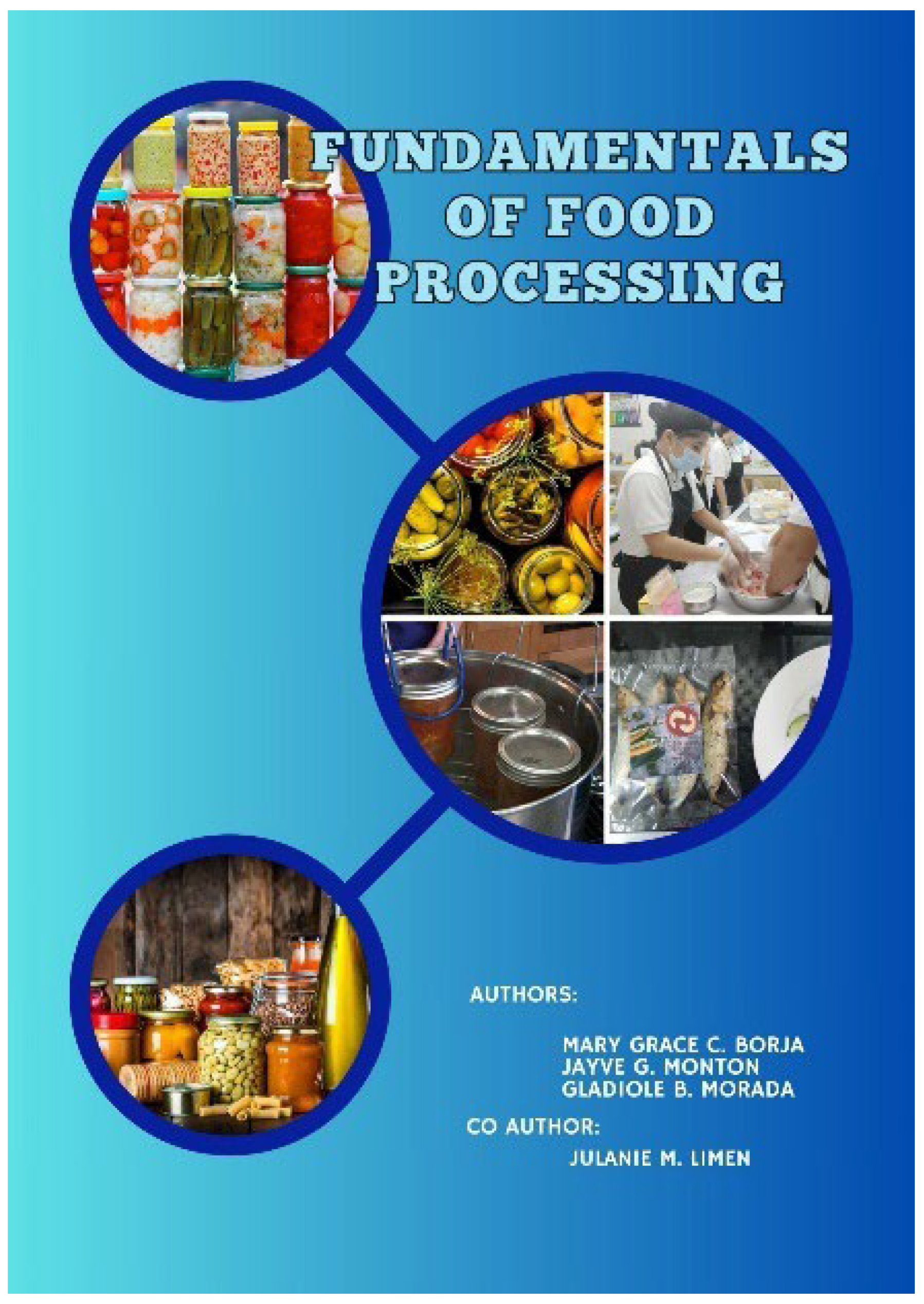
Figure 2 shows the instructional material front page designed with specific elements to boost readability and visual appeal. It utilized a 12-point font size for optimal legibility and chose Times New Roman for its formal and clear appearance. The cover, in a soothing blue color, is visually appealing and likely to attract readers. Each chapter includes pre-tests and post-tests to assess students’ prior knowledge and measure their learning progress, ensuring the material is both informative and evaluative.
Figure 2.
Front page.
3.3. Preliminary
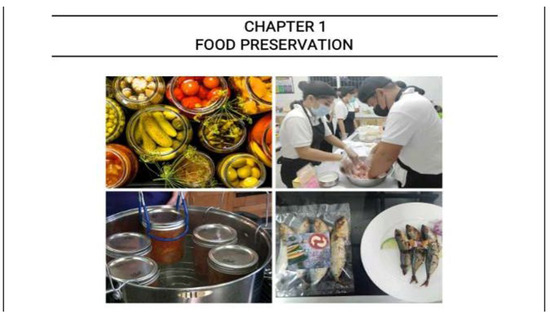
It represents the visual representation of concepts early in the instructional design process to capture and motivate learners to continue with the material.
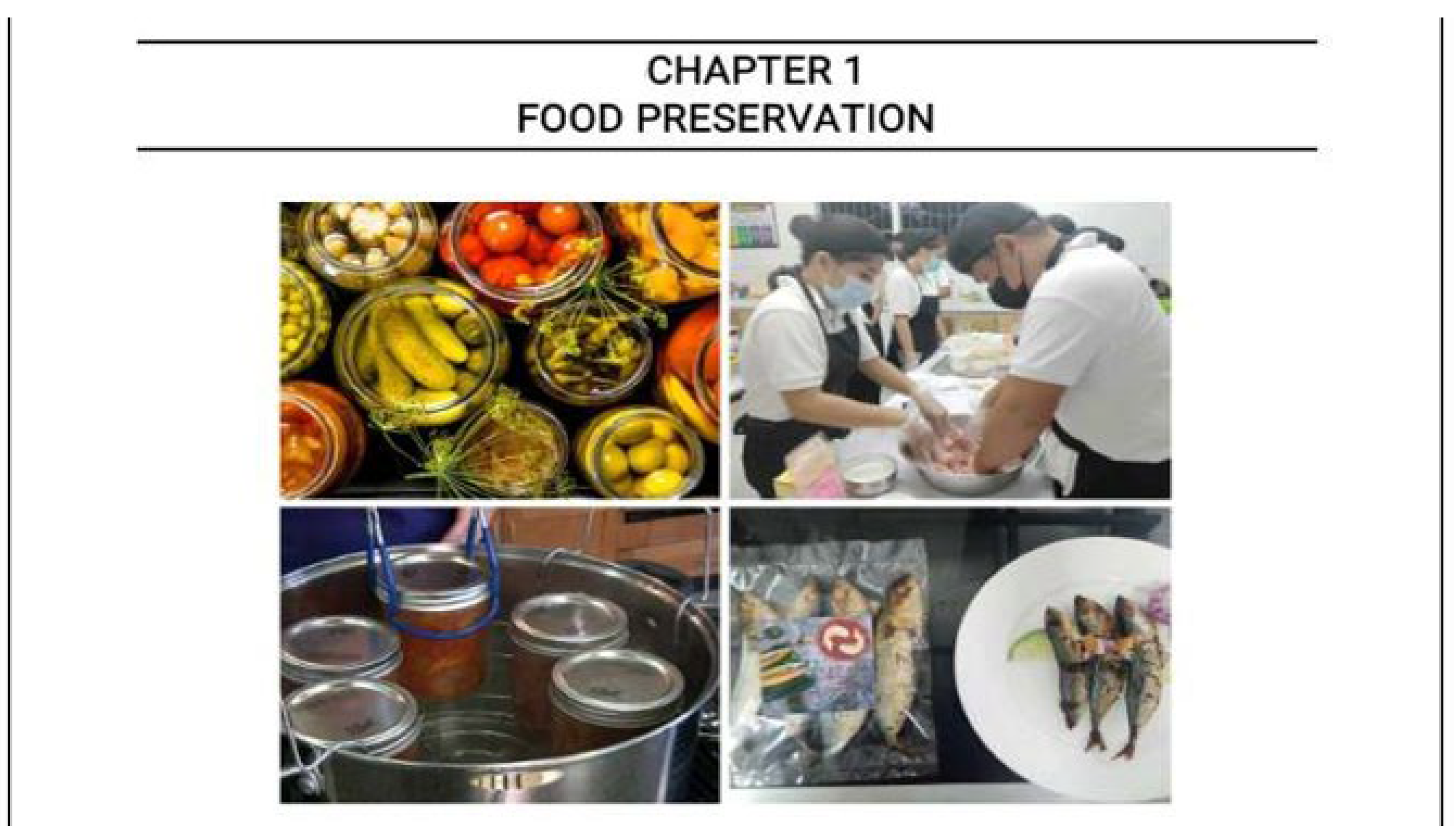
Figure 3 above shows the Visualization of Concept that includes images familiar to learners that demonstrate the practical applications of the concept within society. This section provides an overview of the concept and acts as the motivational segment of the lesson, engaging students by connecting the material to real-world scenarios.
Figure 3.
Visualization of Concept.
3.4. Lesson Proper
It refers to the main part of a lesson where the core content is delivered and the primary instructional activities take place. It is distinct from the preliminary activities such as warm-ups, introductions, or reviews of previous material.
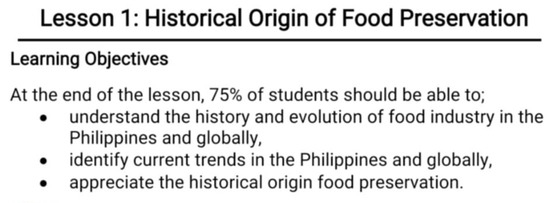
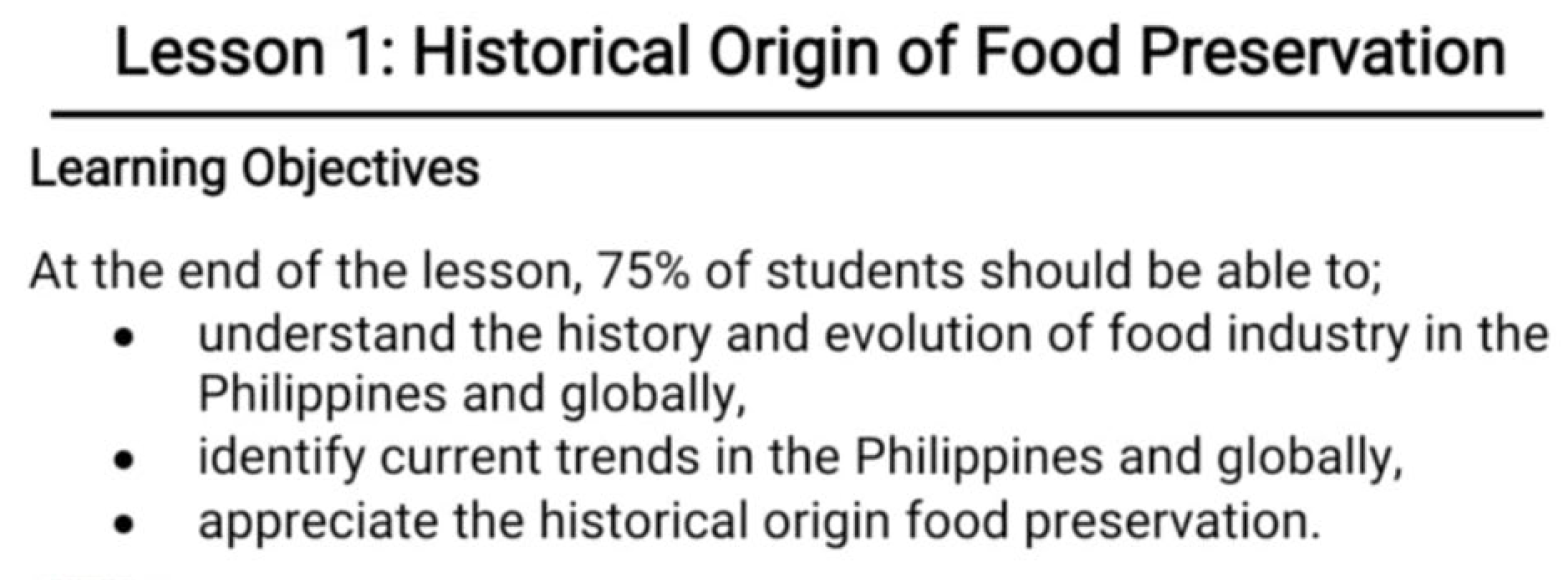
As shown in Figure 4, the Intended Learning Outcome (ILO) represents the desired end result that learners are expected to achieve, ideally encompassing the cognitive, affective, and psychomotor learning domains. ILOs begin with the phrase, “At the end of the lesson, 75% of the students shall be able to”.
Figure 4.
Intended Learning Outcome (ILO).
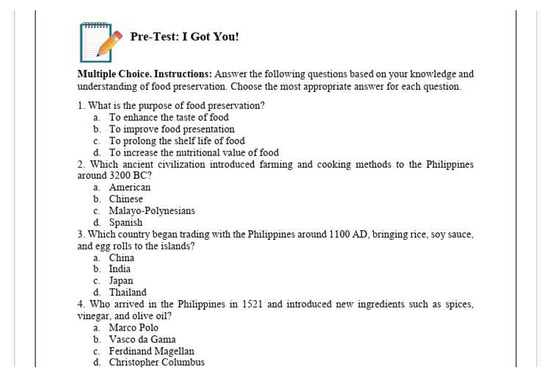
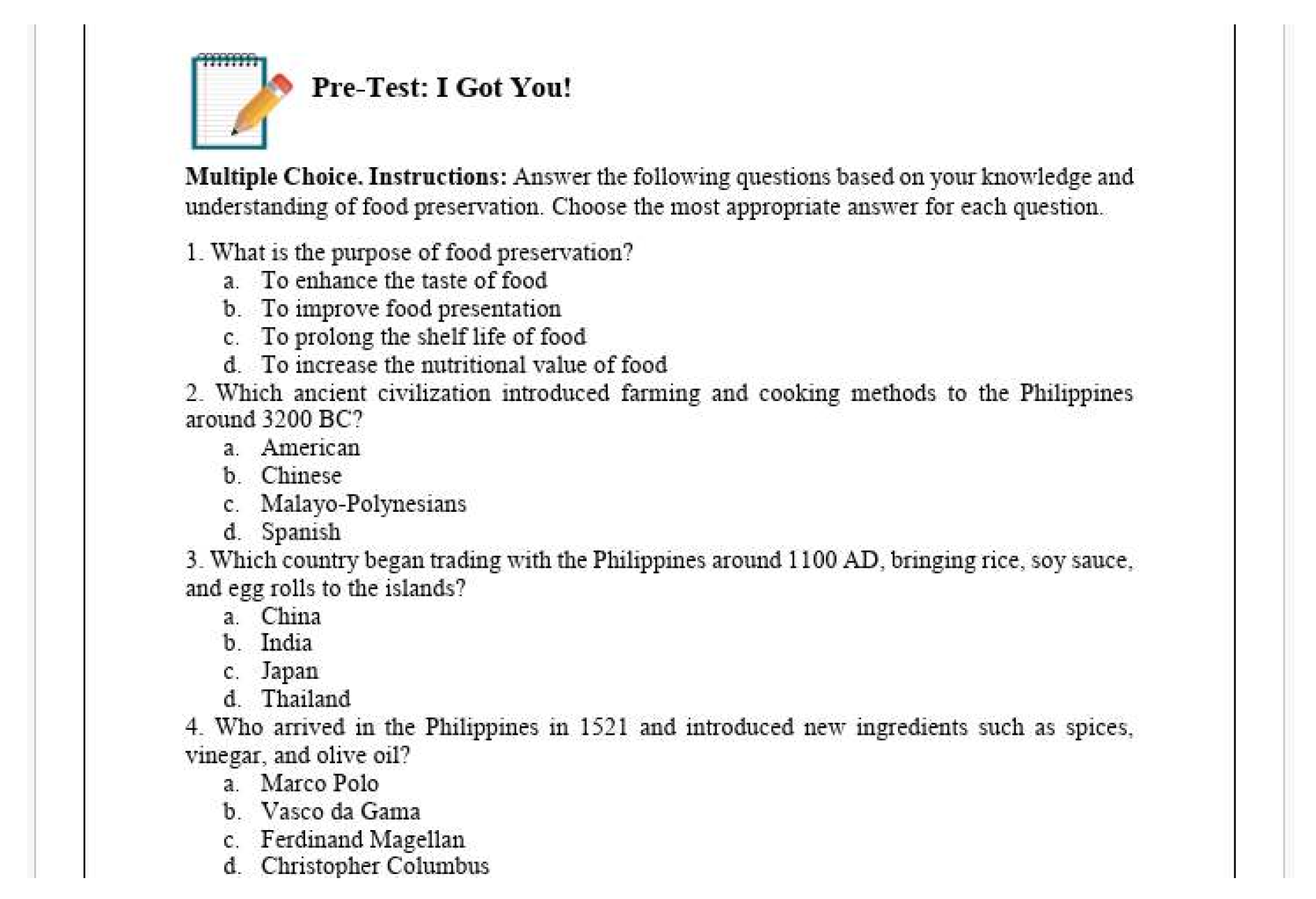
As shown in Figure 5, Pre-Test is intended to assess learners’ existing knowledge and skills before instruction begins. This helps identify their strengths and areas for improvement, allowing instructors to tailor their teaching strategies to meet the learners’ needs more effectively.
Figure 5.
Pre-Test.
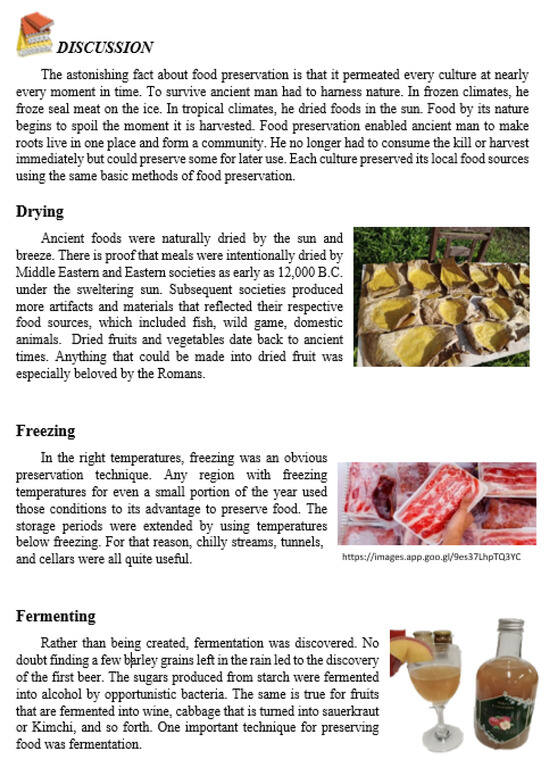
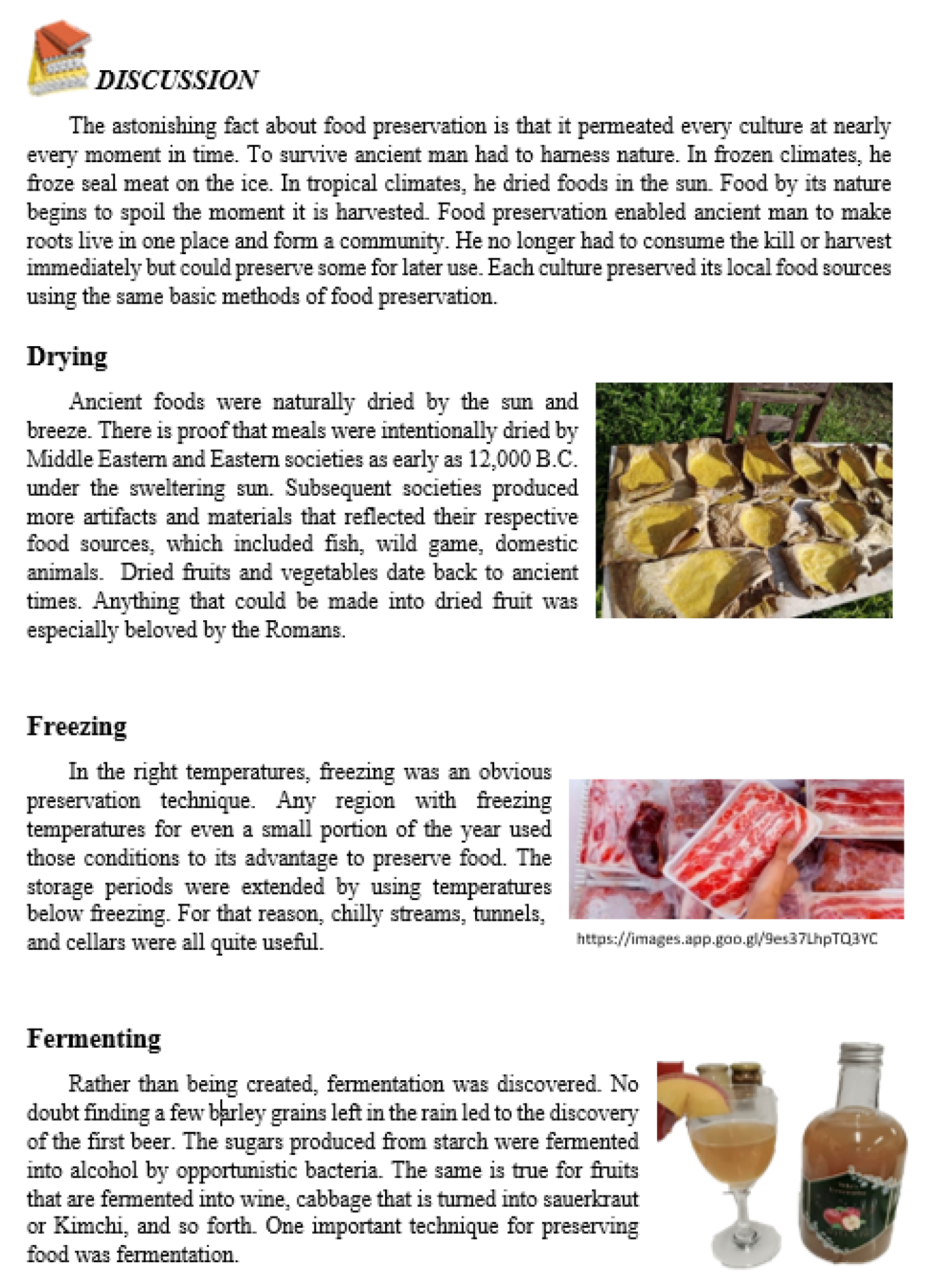
Figure 6 above shows the Discussion (Analysis) that is intended to deepen understanding, encourage critical thinking, and promote active engagement among students. Discussions provide an opportunity for learners to articulate their thoughts, ask questions, and interact with different perspectives, thereby enhancing their comprehension of the subject matter [8].
Figure 6.
Discussion (Analysis).
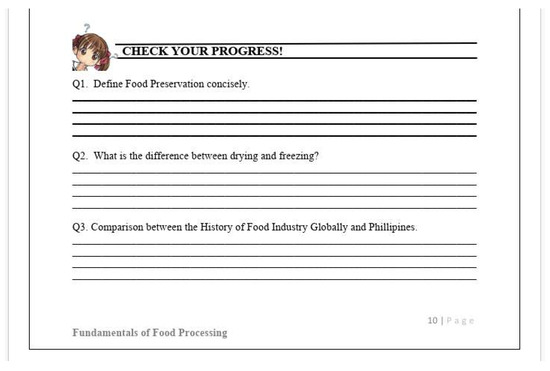
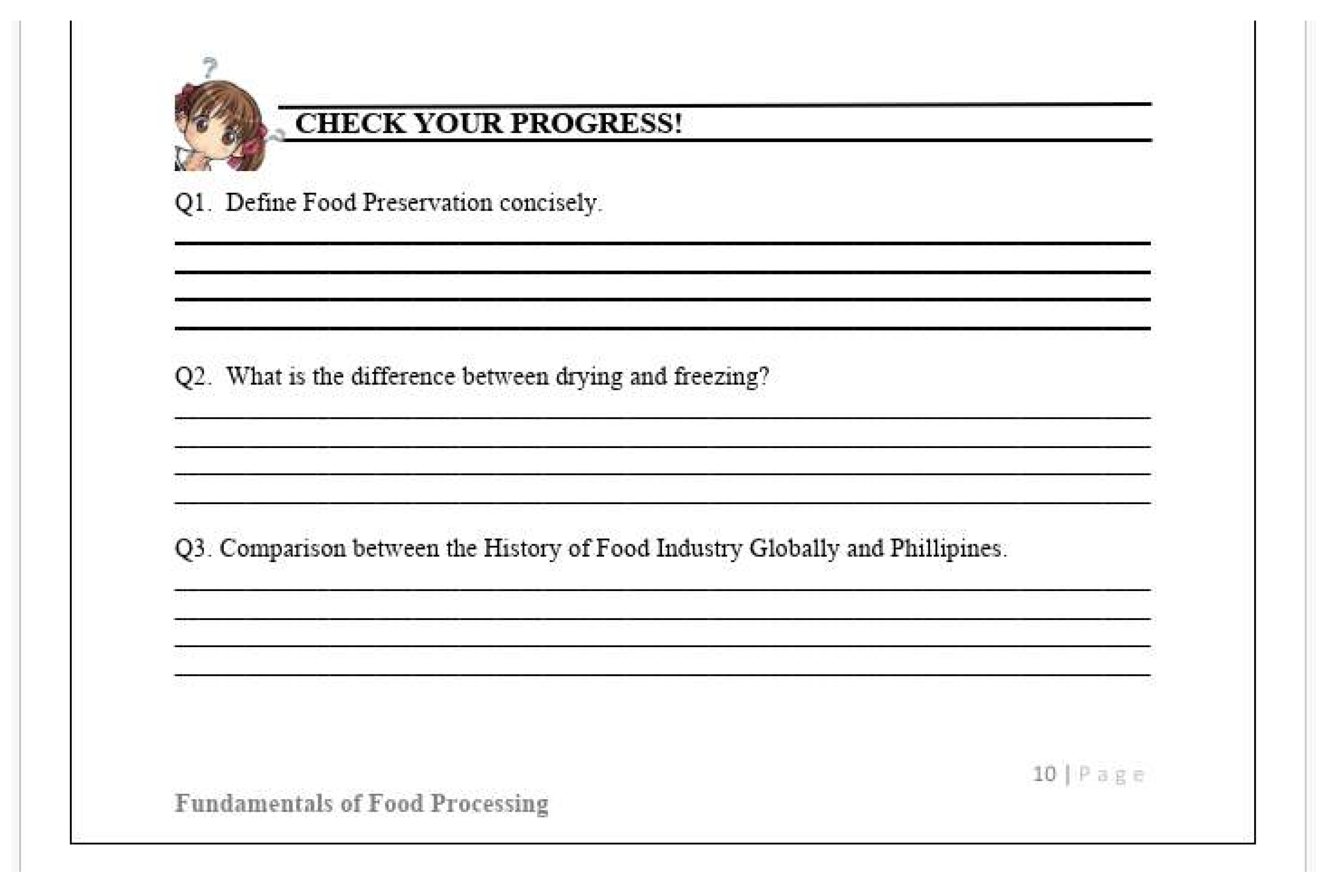
Figure 7 shows the Check your Progress (Abstraction) consists of posing questions designed to elicit learners’ general ideas, descriptions, or statements about the primary concepts of the lesson. This component evaluates how well students grasp the material covered during the discussion.
Figure 7.
Check your Progress (Abstraction).
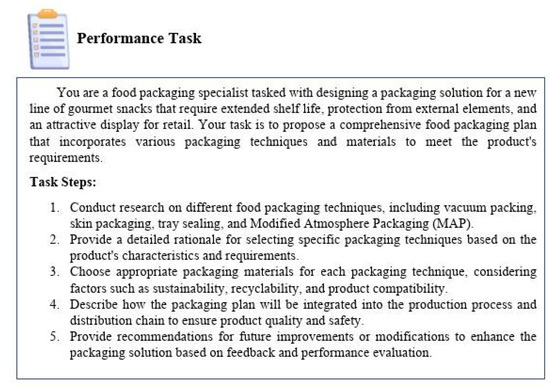
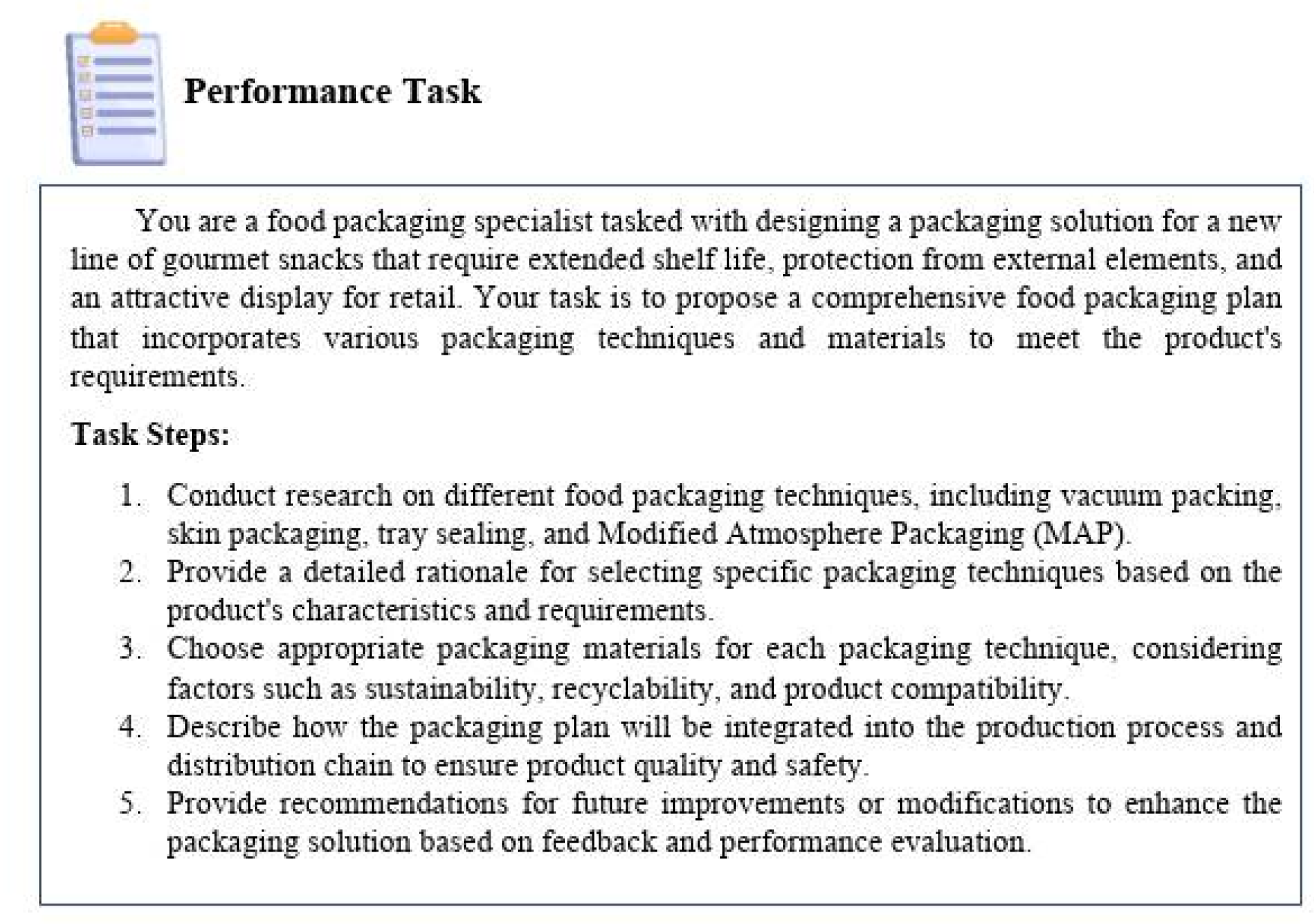
Figure 8 above shows the Performance Task (Application) is an activity (preferably individual or group work) that is essential for learners to showcase their comprehension and skills effectively, aligning with the intended learning outcomes (ILO). These tasks should encourage creativity and enable students to apply concepts concretely [9].
Figure 8.
Performance Task (Application).
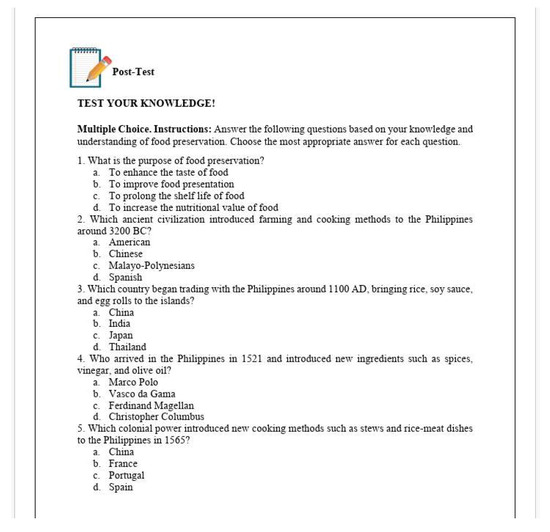
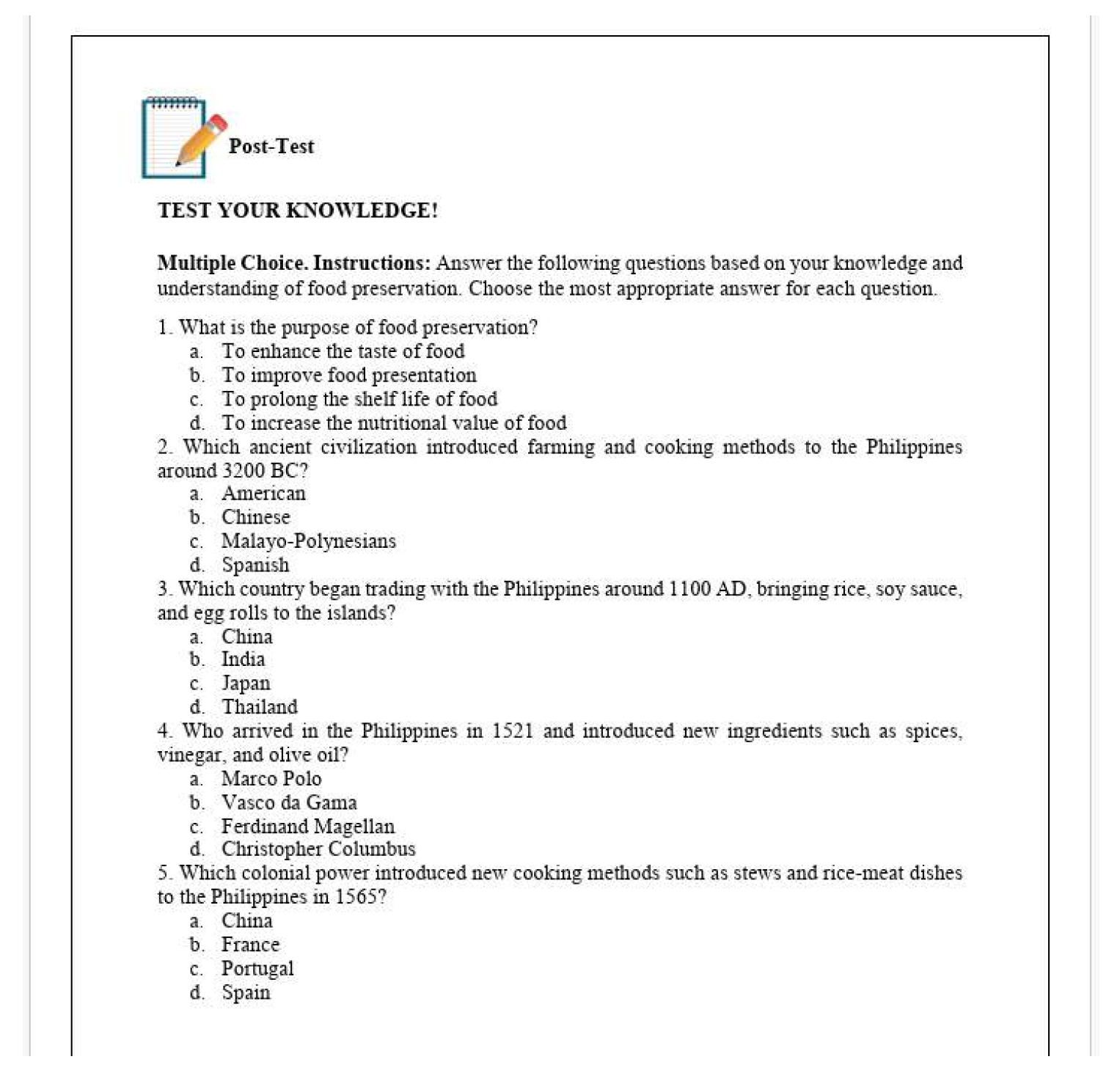
Figure 9 above shows the Post Test (Assessment). This is intended to evaluate the effectiveness of learning and assess the extent to which learners have achieved the intended learning outcomes. According to Chand [10], post-tests provide valuable feedback to both educators and learners, helping to identify areas of strength and areas needing improvement.
Figure 9.
Post Test (Assessment).
3.5. Development Phase
The instructional material in the fundamentals of food processing underwent a thorough critique and review, incorporating feedback gathered from stakeholders. Experts in the field meticulously evaluated the lesson, offering insights to improve content, design, organization, and technical aspects of the web-based learning material. Subsequent revisions were implemented in response to these valuable comments and suggestions, ensuring the material’s efficacy and quality.
3.6. Evaluation Phase
In this stage, the results and discussion were illustrated in the data representation using the tables, and the interpretation of the gathered inputs from the said participants was evaluated.
The total population of this study is composed of (11) experts in making instructional materials and food technology specialization.
Table 4 shows the expert’s evaluation of the instructional materials in terms of their content, with an overall mean of 3.79 with a verbal interpretation of high evidence and a standard deviation of 0.21, which indicates high reliability. Parameters 2 and 5 indicate the highest mean score of 3.91; the criteria regarding the currency, relevance, completeness, and accuracy of content, as well as freedom from gender, social, and cultural bias, received the highest ratings. This suggests that the instructional material is up-to-date and inclusive, reflecting a high standard of educational content. The criterion also concerning the appropriateness of the content difficulty level received the lowest mean of 3.55, although it still falls within the strong evidence category. It might indicate that the student has varying learning paces, and some might find the material too challenging or too easy. A statement aligns with [11] that this variation can be attributed to the Zone of Proximal Development (ZPD) concept, which suggests that learners progress at different rates based on their current capabilities and the support they receive. Differentiation in instruction, as [12] emphasized, is crucial to address these individual differences by providing varied difficulty levels within the instructional materials to meet diverse learning needs. Additionally, it highlights that effective teaching involves understanding and addressing the different stages of learner readiness to optimize educational outcomes.
Table 4.
Expert validation of the instructional materials in terms of content.
Table 5 shows the experts’ evaluation of the instructional material in terms of its organization and structure, with an overall mean of 3.67 with a verbal interpretation of substantial evidence and a standard deviation of 0.43, which indicates high reliability. The highest score regarding ease of use and clarity of instructions is 3.73, suggesting that the instructional material is well designed for students’ comprehension and engagement. The slightly low score is 3.64, still within the strong evidence category, about the clarity and appropriateness of lesson objectives, the appeal of the layout and visuals, the logical organization of components, and the integration of ICT opportunities. These areas, while strong, indicate room for improvement to reach higher levels of excellence. According to the study of [13], the effectiveness of instructional materials can be significantly enhanced by focusing on multimedia principles that improve cognitive load management. Additionally, a statement from [14] highlights the importance of integrating technology pedagogically to enrich the learning experience. Improving these aspects can lead to more engaging and effective instructional materials that better meet the diverse needs of learners.
Table 5.
Experts’ evaluation of the instructional material in terms of organization and structure.
Table 6 shows the expert’s evaluation of the instructional materials in terms of their support for learning, with an overall mean of 3.67, a verbal interpretation of substantial evidence, and a standard deviation of 0.32, indicating high reliability. The highest score is the provision of rubrics and opportunities for task-based learning, which is 3.91, suggesting that the instructional materials are well designed to provide precise assessment criteria and practical, hands-on learning experiences; the criterion for promoting collaborative learning received the lowest score, which is 3.36, although it still falls within the high evidence category. This indicates that while collaborative learning is supported, there might be fewer opportunities for group work or cooperative activities compared to other areas. Collaborative learning fosters essential skills such as communication, problem-solving, and critical thinking, which are crucial for student development [15]. The lower score suggests incorporating more structured group activities and cooperative learning strategies within the instructional materials. Enhancing these opportunities can better support student interaction and teamwork, providing more comprehensive learning outcomes.
Table 6.
Experts’ validation of the instructional material in terms of support to learning.
Table 7 summarizes the expert’s evaluation of the instructional materials based on the three criteria: content, organization, and structure; support to learning; with an overall mean of 3.71 with a verbal interpretation of high evidence and a standard deviation of 0.11, indicating high reliability. The highest mean score is 3.79 for the content category. This indicates that the instructional material is highly effective in aligning with course requirements, currently accurate, and bias-free. The lowest score is 3.67, shared by the categories of organization and structure and support to learning. These scores suggest that while these areas are well regarded, they might have certain aspects that could be further improved. Research studies from [16,17] state that effective instructional design should not only present accurate and relevant content but also ensure that the organization and structure of the material facilitate easy comprehension and engagement. Improving these aspects could involve refining the layout, enhancing the clarity of objectives, and better integrating opportunities for student interaction and self-directed learning. Such improvements can make instructional materials more user-friendly and supportive. Of diverse learning needs, thereby enhancing overall educational effectiveness.
Table 7.
Overall experts’ evaluation of the instructional material.
Table 8 highlights key feedback on improving instructional materials and the actions taken. The researcher made learning objectives more specific and tasks more engaging, adjusted performance tasks to suit various learner levels, ensured originality through a plagiarism check, and included reliable instructional videos to support teaching. Overall, the researcher responded effectively to enhance the quality and relevance of the materials.
Table 8.
Comments and recommendations of the evaluators.
4. Conclusions
The evaluation of the instructional material in fundamentals of food processing demonstrates that the developed resource meets high standards across content, organization, and support to learning, as confirmed by expert feedback using the Instructional Materials Evaluation Checklist (IMEC). The overall mean score of 3.71 with a low standard deviation of 0.11 indicates strong consistency and reliability in expert responses, classifying the instructional material under the “High Evidence” category. Notably, the content category scored the highest with a mean of 3.79, reflecting its strong alignment with course requirements, accuracy, and inclusivity. However, a notable gap lies in organization structure and support to learning, scoring slightly lower at 3.67. While still within the “High Evidence” range, these aspects require targeted enhancement to maximize the instructional material’s impact. Specific concerns were raised about the clarity of objectives, diversity of tasks, and opportunities for collaborative learning. The gap analysis revealed that while the content is comprehensive and current, there is a need for better instructional scaffolding, improved layout design, more specific and varied learning objectives, and the integration of collaborative and technology-enhanced learning activities. These findings align with educational frameworks such as Vygotsky’s Zone of Proximal Development and Mayer’s Multimedia Learning Theory, emphasizing the importance of learner readiness and cognitive load.
The developed instructional materials demonstrate strong potential to support the teaching of the fundamentals of food processing within a blended learning environment. While the present study primarily focused on the systematic design, development, and expert evaluation of the instructional materials, their applicability in actual classroom settings remains an important consideration for strengthening practical implementation. Preliminary use of the materials in instructional planning indicates that they can facilitate structured lesson delivery, promote learner engagement, and support the achievement of intended learning outcomes. Nevertheless, further classroom-based pilot testing is recommended to examine how the instructional materials function in real teaching and learning contexts. Future implementation involving students and instructors will provide additional evidence regarding their effectiveness, usability, and impact on students’ learning experiences in food processing education.
5. Recommendations
The researchers recommend that the developed instructional material for the fundamentals of food processing be utilized by educators as a supportive resource in delivering instruction within a blended learning environment to achieve satisfactory learning outcomes. Teachers are also encouraged to continuously enhance and refine the material by integrating additional learning activities, appropriate teaching strategies, and relevant real-world contexts to ensure that the intended learning outcomes remain effective and responsive to contemporary developments. Furthermore, educational institutions may adopt the developed and evaluated instructional material as a reference tool to support teaching and learning processes, helping both teachers and students move beyond excessive reliance on recitation and rote memorization toward more meaningful and engaging learning experiences. Finally, future researchers may use the study as a basis for further investigation in the development and design of instructional materials by conducting comprehensive formative and summative evaluations and by collaborating with experts from academic institutions and the food processing industry to further improve and strengthen instructional material development practices.
Author Contributions
Conceptualization, J.M.L., J.G.M., M.G.C.B. and G.B.M.; methodology, J.M.L. and J.G.M.; validation, formal analysis, investigation, resources, writing, J.M.L., J.G.M., M.G.C.B. and G.B.M.; original draft preparation, J.M.L.; writing—review and editing, J.M.L. and J.G.M.; visualization, J.M.L. and J.G.M.; supervision, J.M.L. and J.G.M.; project administration, J.M.L., J.G.M., M.G.C.B. and G.B.M. All authors have read and agreed to the published version of the manuscript.
Funding
This research received no external funding.
Institutional Review Board Statement
Not applicable.
Informed Consent Statement
Not applicable.
Data Availability Statement
The data presented in this study are available on request from the corresponding author at jmlimen@csucc.edu.ph.
Acknowledgments
The researchers would like to thank the Research Development and Innovation and Extension Office for its financial support and application of its scholarly works.
Conflicts of Interest
The authors declare no conflicts of interest.
References
- Agafonova, S. Features of the approximate basic educational program of higher education in food biotechnology in connection with the updating of the FGOS 3++. In Proceedings of the International Conference SCIENCE ONLINE XXIII: Information Resources, Services and Analytical Systems for Science and Education, Sochi, Russia, 26 September–3 October 2020; pp. 446–448. [Google Scholar] [CrossRef] [Scilit]
- Gupta, R. Food Security And Safety Using Advanced Information And Communication Technologies (ICTs). In Proceedings of the Second International Conference on Information and Communication Technology for Competitive Strategies, Udaipur, India, 4–5 March 2016. [Google Scholar] [CrossRef] [Scilit]
- Titus, D.; Samuel, E.J.J.; Roopan, S.M. Importance Of Food Science And Technology- Way To Future. In Bioorganic Phase in Natural Food: An Overview; Springer International Publishing: Cham, Switzerland, 2018; pp. 11–23. [Google Scholar] [CrossRef] [Scilit]
- Lupien, J.R.; Lin, D.X. Contemporary Food Technology and Its Impact on Cuisine. Asia Pac. J. Clin. Nutr. 2004, 13, 156–161. [Google Scholar] [PubMed]
- Knorr, D.; Froehling, A.; Jaeger, H.; Reineke, K.; Schlueter, O.; Schoessler, K. Emerging Technologies in Food Processing. Annu. Food Sci. Technol. Rev. 2011, 2, 203–235. [Google Scholar] [CrossRef] [Scilit]
- Hsieh, Y.H.; Ofori, J.A. Innovations in Food Technology for Health. Asia Pac. J. Clin. Nutr. 2007, 16, 65–73. [Google Scholar] [PubMed]
- Misra, N.; Koubàa, M.; Roohinejad, S.; Juliano, P.; Alpas, H.; Inácio, R.S.; Saraiva, J.A.; Barba, F.J. Landmarks in the Historical Development of Twenty-First Century Food Processing Technologies. Food Res. Int. 2017, 97, 318–339. [Google Scholar] [CrossRef] [Scilit] [PubMed]
- McGriff, S.J. Instructional System Design (ISD): Using the ADDIE Model. Available online: https://snazlan.wordpress.com/wp-content/uploads/2017/03/instructional-system-design-isd-using-the-addie-model.pdf (accessed on 12 June 2026).
- Abdulbaki, K.; Suhaimi, M.; Alsaqqaf, A.; Jawad, W. The Use of the Discussion Method at University: Enhancement of Teaching and Learning. Available online: https://eric.ed.gov/?id=EJ1200403 (accessed on 20 November 2025).
- Chand, S.P. Exploring teachers’ perceptions, practices, and attitudes towards the use of intended learning outcomes in the classroom. SAGE Open 2025, 15, 21582440251365751. [Google Scholar] [CrossRef] [Scilit]
- Shabani, K.; Khatib, M.; Ebadi, S. Vygotsky’s Zone of Proximal Development: Instructional implications and teachers’ professional development. Engl. Lang. Teach. 2010, 3, 237–248. [Google Scholar] [CrossRef] [Scilit]
- Langelaan, B.N.; Gaikhorst, L.; Smets, W.; Oostdam, R.J. Differentiating instruction: Understanding the key elements for successful teacher preparation and development. Teach. Teach. Educ. 2024, 140, 104464. [Google Scholar] [CrossRef] [Scilit]
- Ljubojević, M.; Savić, M.; Mijić, D.; Vico, G. Improving the efficiency of multimedia learning and the quality of experience by reducing cognitive load. Appl. Sci. 2025, 15, 1054. [Google Scholar] [CrossRef] [Scilit]
- Kalyani, L.K. The role of Technology in Education: Enhancing learning outcomes and 21st century skills. Int. J. Sci. Res. Mod. Sci. Technol. 2024, 3, 5–10. [Google Scholar] [CrossRef] [Scilit]
- Kausar, F.N. Effect of collaborative learning on students’ communication skills and reasoning skills. Soc. Sci. Rev. Arch. 2025, 3, 2228–2244. [Google Scholar] [CrossRef] [Scilit]
- Taskiran, A. Effective, efficient, and attractive instructional design for online learning. In Handbook of Research on Managing and Designing Online Courses in Synchronous and Asynchronous Environments; Advances in Mobile and Distance Learning Book Series; IGI Global Scientific Publishing: Palmdale, PA, USA, 2021; pp. 140–158. [Google Scholar] [CrossRef] [Scilit]
- Reigeluth, C.M. Instructional-Design Theories and Models, 1st ed.; Routledge: New York, NY, USA, 1999. [Google Scholar]

Disclaimer/Publisher’s Note: The statements, opinions and data contained in all publications are solely those of the individual author(s) and contributor(s) and not of MDPI and/or the editor(s). MDPI and/or the editor(s) disclaim responsibility for any injury to people or property resulting from any ideas, methods, instructions or products referred to in the content. |
© 2026 by the authors. Licensee MDPI, Basel, Switzerland. This article is an open access article distributed under the terms and conditions of the Creative Commons Attribution (CC BY) license.