


Abstract
In the pursuit of novel anticancer agents, a new series of 1,3,4-thiadiazole derivatives were designed and synthesized, aiming to inhibit tumor necrosis factor-alpha (TNF-α), a pro-inflammatory cytokine implicated in cancer progression. The synthesis involved the initial condensation of substituted anilines with chloroacetic acid to yield 2-(substituted phenylamino)acetic acids, which were then esterified and converted to hydrazides. Cyclization with carbon disulfide and further functionalization produced oxadiazole, thiadiazole, and triazole intermediates. Final thiadiazole-based derivatives (compounds 7a–7d) were obtained by alkylation with substituted phenacyl bromides. These compounds were biologically evaluated for anticancer potential with specific focus on TNF-α inhibition, a critical target in inflammatory and tumorigenic signaling pathways. Molecular docking studies suggested strong binding affinities of the synthesized molecules to the TNF-α active site, indicating their possible role in downregulating pro-inflammatory responses associated with tumor development. Biological screening demonstrated promising cytotoxicity profiles in preliminary in vitro cancer models. Structure–activity relationship (SAR) analysis revealed that electron-withdrawing groups (Cl and F) on the thiadiazole scaffold significantly enhanced TNF-α targeting and anticancer activity. These findings support the potential of these thiadiazole derivatives as promising anticancer agents targeting TNF-α.
1. Introduction
Cancer remains one of the leading causes of mortality worldwide, driven not only by uncontrolled cell proliferation but also by chronic inflammation and dysregulation of signaling pathways [1,2]. Among various inflammatory mediators, TNF-α has been identified as a crucial cytokine involved in cancer progression, angiogenesis, and metastasis [3,4,5]. Persistent overexpression of TNF-α promotes tumor survival through activation of NF-κB and other downstream oncogenic signals. Hence, inhibition of TNF-α offers a promising therapeutic approach to suppress both inflammatory and tumorigenic processes [6,7].
Heterocyclic scaffolds, particularly 1,3,4-thiadiazoles, have attracted significant attention in medicinal chemistry due to their broad pharmacological activities, including antimicrobial, anti-inflammatory, and anticancer properties [8]. Structural modifications of the thiadiazole nucleus can enhance biological activity and selectivity toward specific molecular targets. In recent years, computational and experimental studies have suggested that thiadiazole derivatives can modulate cytokine signaling, making them attractive candidates for anticancer drug development [9].
The present work reports the design, synthesis, and biological evaluation of a novel series of 1,3,4-thiadiazole derivatives aimed at targeting TNF-α [10,11,12]. The study combines synthetic chemistry, molecular docking, and preliminary biological screening to establish a correlation between structure and activity, thereby providing insights into the development of potent TNF-α inhibitors with anticancer potential.
2. Materials and Methods
2.1. Chemicals and Reagents
All starting materials, including benzaldehyde derivatives, 1-(4-aminophenyl)ethan-1-one, chloroacetic acid, carbon disulfide, and phenacyl bromides, were procured from certified suppliers (Sigma-Aldrich, Merck, St. Louis, MO, USA). Analytical grade solvents were used without further purification. Reaction progress was monitored by thin-layer chromatography (TLC) on silica gel plates, visualized under UV light.
2.2. Scheme for Synthesis of 1,3,4-Thiadiazole Derivatives
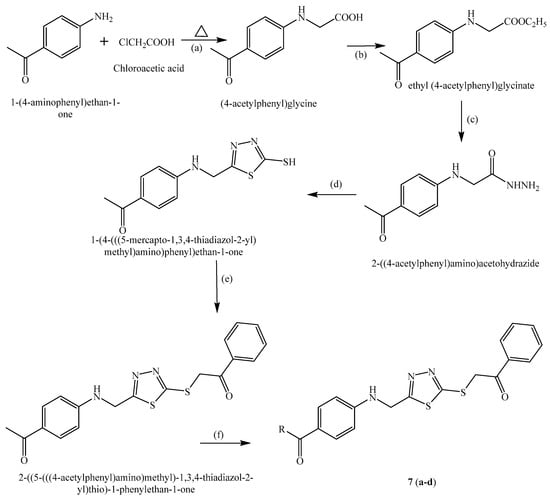
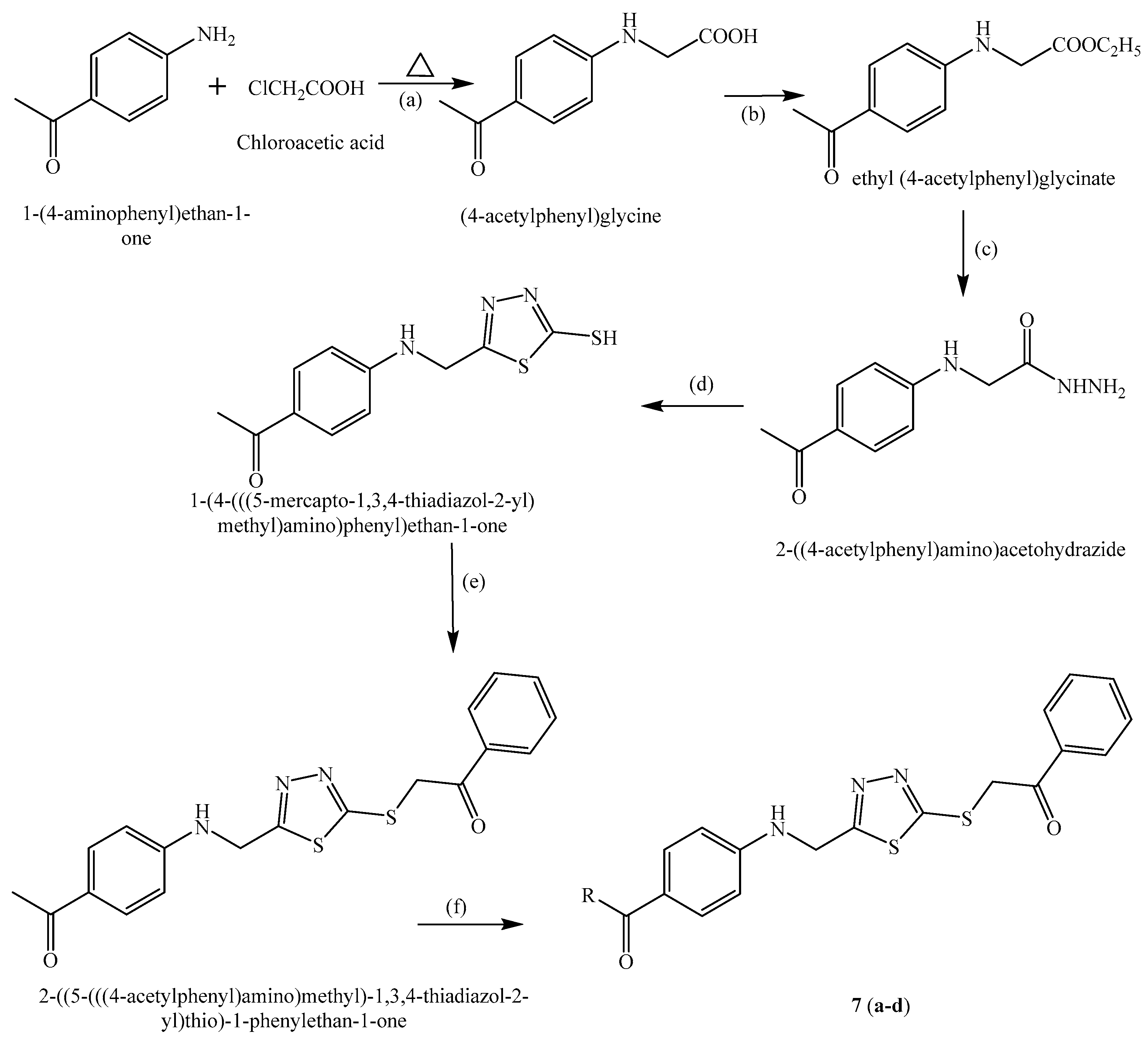
As depicted in the reaction scheme, the 1,3,4-thiadiazole derivatives were synthesized following the outlined synthetic pathway (Scheme 1).
Scheme 1.
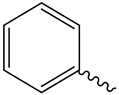
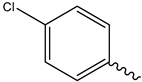
Reagents: (a) Ethanol, 6 h, 90 °C; (b) Conc. Sulphuric acid, Dry ethanol, 8 h, 90 °C; (c) Hydrazine hydrate, Ethanol, 5 h, 85 °C; (d) Carbon disulphide, Conc. SulphuricAcid, 5 h, 85 °C; (e) phenacylbromide, 1 h, 90 °C; and (f) Benzaldehyde derivatives (a–d), ethanol, stirring.
2.3. Anticancer Screening
In Vitro Screening
In vitro testing is performed using Sulforhodamine B (SRB) assay protocols; each drug is tested at four dose levels (1 × 10⁻⁷ M, 1 × 10⁻⁶ M, 1 × 10⁻⁵ M, and 1 × 10⁻⁴ M, or 10, 20, 40, and 80 µg/mL). Appropriate positive controls are run in each experiment, and each experiment is repeated thrice. Results are given in terms of GI50, TGI, and LC50 values. The compounds were tested for their cytotoxic assay using MCF-7 and MDA-MB-231 (National Centre for Cell Science (NCCS), Pune, India) cancer cell lines.
2.4. Results and Discussion
Chemistry
The synthetic strategy successfully yielded a new series of thiadiazole derivatives (7a–7d) with good to moderate yields (68–85%). The structures of the synthesized compounds were confirmed by spectral data, including IR, 1H NMR, 13C NMR, and mass spectroscopy. The melting points of all compounds were recorded and are uncorrected. The presence of electron-withdrawing substituents (Cl, F) on the phenyl ring enhanced the stability and polarity of the molecules, thereby contributing to favorable interactions with potential biological targets.
2.5. Procedure for Preparation of (4-Acetylphenyl)glycine
1-(4-Aminophenyl)ethan-1-one (1.34 g, 10 mmol) was dissolved in 20 mL ethanol–water (1:1) and chloroacetic acid (1.00 g, 12 mmol) was added, followed by sodium carbonate (1.27 g, 12 mmol). The mixture was refluxed for 5 h, cooled, and acidified with dilute HCl to pH 2–3. The precipitated solid was filtered, washed with cold water, recrystallized from ethanol–water, and dried to obtain (4-acetylphenyl)glycine.
2.6. Procedure for Preparation of Derivatives of 2-((5-(((4-Benzoylphenyl)amino)methyl)-1,3,4-thiadiazol-2-yl)thio)-1-phenylethan-1-one (7)
These obtained 2-((5-(((4-acetylphenyl)amino)methyl)-1,3,4-thiadiazol-2-yl)thio)-1-phenylethan-1-one compound (0.005 mol were treated with equimolar quantity of p-substituted bezaldehyde (0.005 mol in the presence of ethanol (50 mL). They were stirred for 24 h on magnestic stirrer to give the different derivatives of 1,3,4-thiadiazole, respectively.
2-((5-(((4-benzoylphenyl)amino)methyl)-1,3,4-thiadiazol-2-yl)thio)-1-phenylethan-1-one (7a): chemical formula: C24H19N3O2S2, Yield 70%; M.p. 244–246; IR (KBr,υ,cm−1): 3375.92 (NH); 2992.12 (aromatic C-H); 1722.85 (C=O); 747.60 (C-Cl); 1H NMR (DMSO-d6, δppm): 7.91 (s, 1H, Ar-H); 7.71–7.40 (m, 6H, Ar-H); 6.84 (s, 1H, Ar-H); 4.16 (s, 1H, NH); 3.59 (d, 2H, -S-CH2-CO); 2.44 (d, 2H, CH2).
2-((5-(((4-(4-chlorobenzoyl)phenyl)amino)methyl)-1,3,4-thiadiazol-2-yl)thio)-1-phenylethan-1-one (7b): chemical formula: C24H18ClN3O2S2, Yield 62%; M.p. 228–229 °C; IR (KBr, υ, cm−1): 3348.94 (NH); 3037.57 (aromatic C-H); 1738.68 (C=O); 714.27 (C-Cl); 1HNMR (DMSO-d6, δppm): 7.91–7.40 (m,7H, Ar-H); 4.16 (s, 1H, NH); 3.54 (s, 2H, -S-CH2-CO); 2.07 (d, 2H, CH2); MS (ESI-QqTOF) m/z: 395.0 [M+H]+.
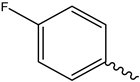
2-((5-(((4-(4-fluorobenzoyl)phenyl)amino)methyl)-1,3,4-thiadiazol-2-yl)thio)-1-phenylethan-1-one (7c): chemical formula: C24H18FN3O2S2, Yield 45%; M.p. 240–241 °C; IR (KBr, υ, cm−1): 3375.53 (NH); 3048.22 (aromatic C-H); 1723.23 (C=O); 725.44 (C-F); 1HNMR (DMSO-d6, δppm): 8.61 (d, 2H, Ar-H); 7.77–7.52 (m, 4H, Ar-H); 3.99 (s, 1H, NH); 3.01 (s, 2H, S-CH2-CO); 2.62 (d, 2H, CH2); MS (ESI-QqTOF) m/z: 478.1 [M+H]+.
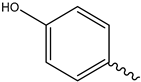
2-((5-(((4-(4-hydroxybenzoyl)phenyl)amino)methyl)-1,3,4-thiadiazol-2-yl)thio)-1-phenylethan-1-one (7d): chemical formula: C24H19N3O3S2, Yield 54%; M.p. 240–241 °C; IR (KBr, υ, cm−1): 3348.94 (NH); 3214.44 (O-H); 3037.57 (aromatic C-H); 1738.68 (C=O); 717.14 (C-F); 1HNMR (DMSO-d6, δppm): 7.83–7.02 (m, 4H, Ar-H); 6.60 (d, 2H, Ar-H); 4.09 (s, 1H, NH); 3.83 (s, 2H, -S-CH2-CO); 2.41(d, 2H, CH2); 2.02 (s, 1H, CH3); MS (ESI-QqTOF) m/z: 413.01 [M+H]+.
2.6.1. Biological Activity
In vitro cytotoxicity assays demonstrated that the thiadiazole derivatives as shown in Table 1, exhibited moderate to strong anticancer activity, with LC50 values ranging between 12 and 30 µg/mL. Compounds containing chloro- and fluoro-substituents (7b and 7c) displayed the highest cytotoxicity, correlating well with docking predictions. These findings indicate that electron-withdrawing groups significantly enhance TNF-α binding and anticancer effects.
Table 1.
In vitro anticancer activity (μg/mL) of synthesized compounds.
2.6.2. Structure–Activity Relationship (SAR)
The SAR studies revealed that electron-withdrawing substituents enhanced TNF-α inhibition, while lipophilic substituents improved cell membrane permeability, thereby facilitating better biological activity. Furthermore, substitutions at the para-position on the phenyl ring were found to favor stronger activity compared to other positions. Overall, these findings validate the design strategy and emphasize the potential of thiadiazole derivatives as promising leads for TNF-α-targeted anticancer therapy.
3. Conclusions
The present study reports the successful synthesis and biological evaluation of novel 1,3,4-thiadiazole derivatives targeting TNF-α. Molecular docking studies confirmed strong binding affinities, while in vitro cytotoxicity assays demonstrated promising anticancer potential, particularly for derivatives bearing electron-withdrawing substituents. These findings suggest that structural modifications of the thiadiazole scaffold can yield potent TNF-α inhibitors, supporting further optimization and preclinical evaluation.
Author Contributions
Conceptualization, P.N.D.; methodology, S.R.T. and Y.B.T.; writing—original draft, P.N.D.; writing—review and editing, Y.B.T., S.R.T. and P.N.D. All authors have read and agreed to the published version of the manuscript.
Funding
This research received no external funding.
Institutional Review Board Statement
Not applicable.
Informed Consent Statement
Not applicable.
Data Availability Statement
The data presented in this study are available on request from the corresponding author.
Conflicts of Interest
The authors declare no conflict of interest.
References
- Aggarwal, B.B.; Gupta, S.C.; Kim, J.H. Historical perspectives on tumor necrosis factor and its superfamily: 25 years later, a golden journey. Blood 2012, 119, 651–665. [Google Scholar] [CrossRef] [Scilit] [PubMed]
- Sahu, N.K.; Balbhadra, S.S.; Choudhary, J.; Kohli, D.V. Exploring pharmacological significance of chalcone scaffold: A review. Curr. Med. Chem. 2012, 19, 209–225. [Google Scholar] [CrossRef] [Scilit] [PubMed]
- Khalilullah, H.; Ahsan, M.J.; Hedaitullah, M.; Khan, S.; Ahmed, B. 1,3,4-Thiadiazole: A biologically active scaffold. Mini. Rev. Med. Chem. 2012, 12, 789–801. [Google Scholar] [CrossRef] [Scilit] [PubMed]
- Trott, O.; Olson, A.J. AutoDock Vina: Improving the speed and accuracy of docking with a new scoring function. J. Comput. Chem. 2010, 31, 455–461. [Google Scholar] [CrossRef] [Scilit] [PubMed]
- Hanahan, D.; Weinberg, R.A. Hallmarks of cancer: The next generation. Cell 2011, 144, 646–674. [Google Scholar] [CrossRef] [Scilit] [PubMed]
- Indelicato, S.; Bongiorno, D.; Mauro, M.; Cascioferro, S. Recent Developments of 1,3,4-Thiadiazole Compounds as Anticancer Agents. Pharmaceuticals 2025, 18, 580. [Google Scholar] [CrossRef] [Scilit] [PubMed]
- Janowska, S.; Paneth, A.; Wujec, M. Cytotoxic Properties of 1,3,4-Thiadiazole Derivatives—A Review. Molecules 2020, 25, 4309. [Google Scholar] [CrossRef] [Scilit] [PubMed]
- Kumar, D.; Kumar, H.; Kumar, V.; Deep, A.; Sharma, A.; Marwaha, M.G.; Marwaha, R.K. Mechanism-Based Approaches of 1,3,4 Thiadiazole Scaffolds as Potent Enzyme Inhibitors for Cytotoxicity and Antiviral Activity. Med. Drug Discov. 2023, 17, 100150. [Google Scholar] [CrossRef] [Scilit]
- El-Masry, R.M.; Essa, B.M.; Selim, A.A.; El-Emam, S.Z.; Mohamed, K.O.; Sakr, T.M.; Kadry, H.H.; Taher, A.T.; Abou-Seri, S.M. New 5-Aryl-1,3,4-Thiadiazole-Based Anticancer Agents: Design, Synthesis, In Vitro Biological Evaluation and In Vivo Radioactive Tracing Studies. Pharmaceuticals 2022, 15, 1476. [Google Scholar] [CrossRef] [Scilit] [PubMed]
- Abouzied, A.S.; Al-Humaidi, J.Y.; Bazaid, A.S.; Qanash, H.; Binsaleh, N.K.; Alamri, A.; Ibrahim, S.M.; Gomha, S.M. Synthesis, Molecular Docking Study, and Cytotoxicity Evaluation of Some Novel 1,3,4-Thiadiazole as Well as 1,3-Thiazole Derivatives Bearing a Pyridine Moiety. Molecules 2022, 27, 6368. [Google Scholar] [CrossRef] [Scilit] [PubMed]
- Alsehli, M.; Aljuhani, A.; Ihmaid, S.K.; El-Messery, S.M.; Othman, D.I.A.; El-Sayed, A.-A.A.A.; Ahmed, H.E.A.; Rezki, N.; Aouad, M.R. Design and Synthesis of Benzene Homologues Tethered with 1,2,4-Triazole and 1,3,4-Thiadiazole Motifs Revealing Dual MCF-7/HepG2 Cytotoxic Activity with Prominent Selectivity via Histone Demethylase LSD1 Inhibitory Effect. Int. J. Mol. Sci. 2022, 23, 8796. [Google Scholar] [CrossRef] [Scilit] [PubMed]
- Serag, M.I.; Tawfik, S.S.; Eisa, H.M.; Badr, S.M.I. Design, Synthesis, Biological Evaluation and Molecular Docking Study of New 1,3,4-Thiadiazole-Based Compounds as EGFR Inhibitors. Drug Dev. Res. 2025, 86, e70035. [Google Scholar] [CrossRef] [Scilit] [PubMed]

Disclaimer/Publisher’s Note: The statements, opinions and data contained in all publications are solely those of the individual author(s) and contributor(s) and not of MDPI and/or the editor(s). MDPI and/or the editor(s) disclaim responsibility for any injury to people or property resulting from any ideas, methods, instructions or products referred to in the content. |
© 2026 by the authors. Licensee MDPI, Basel, Switzerland. This article is an open access article distributed under the terms and conditions of the Creative Commons Attribution (CC BY) license (https://creativecommons.org/licenses/by/4.0/).