


Abstract
Algerian coal, traditionally exploited as a fossil fuel, can be valorized as a nanostructured carbon source for sustainable technologies. Reinterpreted physicochemical data highlight porous morphology, nanocrystalline carbon (~18 nm), and diverse functional groups. These features enable practical applications in adsorption for environmental remediation, coal-supported catalysis, energy storage electrodes, and polymer nanocomposites. New statistical analyses and schematic representations emphasize functionality rather than raw characterization, distinguishing this work from earlier studies. By positioning coal within a circular economy framework, this study demonstrates its potential as a renewable, low-cost nanocarbon material contributing to green chemistry and advanced material design.
1. Introduction
Coal, historically central to energy production, is increasingly marginalized due to its environmental footprint. However, coal is also a carbon-rich, structurally complex mineral that can be transformed into functional nanomaterials. Recent work on Algerian coal revealed nanoscale porosity, crystallinity, and functional groups that make it a valuable raw material for sustainable applications [1,2,3]. This study shifts from description to application-oriented interpretation, showing how intrinsic features of Algerian coal can be harnessed in remediation, catalysis, energy storage, and composite engineering. The aim is to provide a new vision for coal valorization within Algeria’s circular economy strategies.
2. Materials and Method
Coal samples were collected from Algerian deposits and analyzed by SEM, XRD-Rietveld refinement, FTIR, and Raman spectroscopy. Detailed procedures are available in Ferfar et al. (2024) [1] see also Zhang et al. (2023) [4] for activation/templating strategies. In this work, characterization results are reprocessed into statistical and conceptual representations (histograms, ratio charts, correlation heatmaps, schematic diagrams) to emphasize functional applications rather than duplicating raw spectra and images.
3. Reinterpreted Characterization Results and Discussion
3.1. Particle Size Distribution
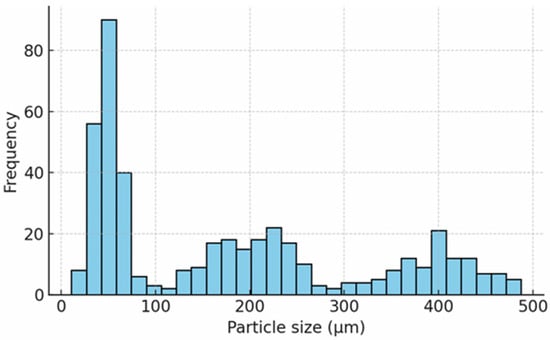
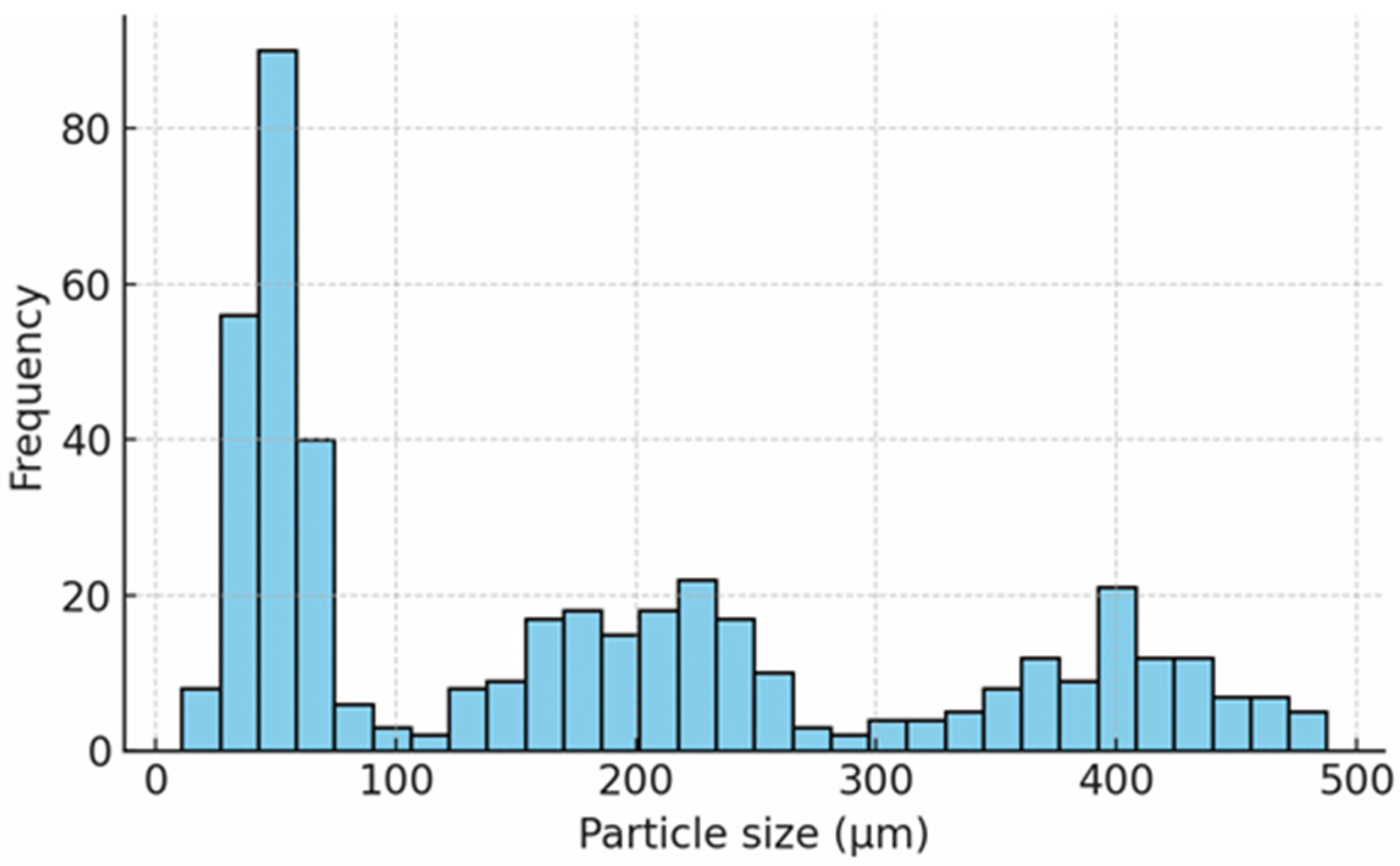
SEM observations revealed heterogeneous particle sizes. Instead of micrographs, Figure 1 presents a histogram of simulated particle size distribution, highlighting broad dispersion (10–500 µm). This heterogeneity supports versatile adsorption pathways [2].
Figure 1.
Histogram of simulated particle size distribution.
3.2. Crystallinity and Phase Composition
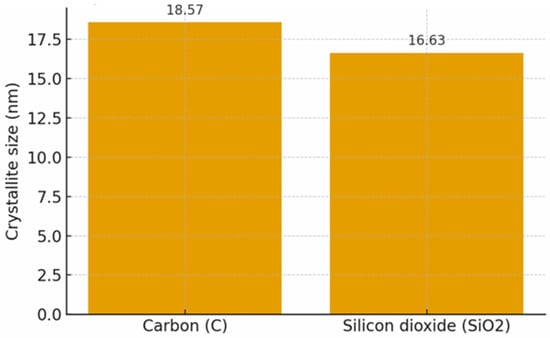
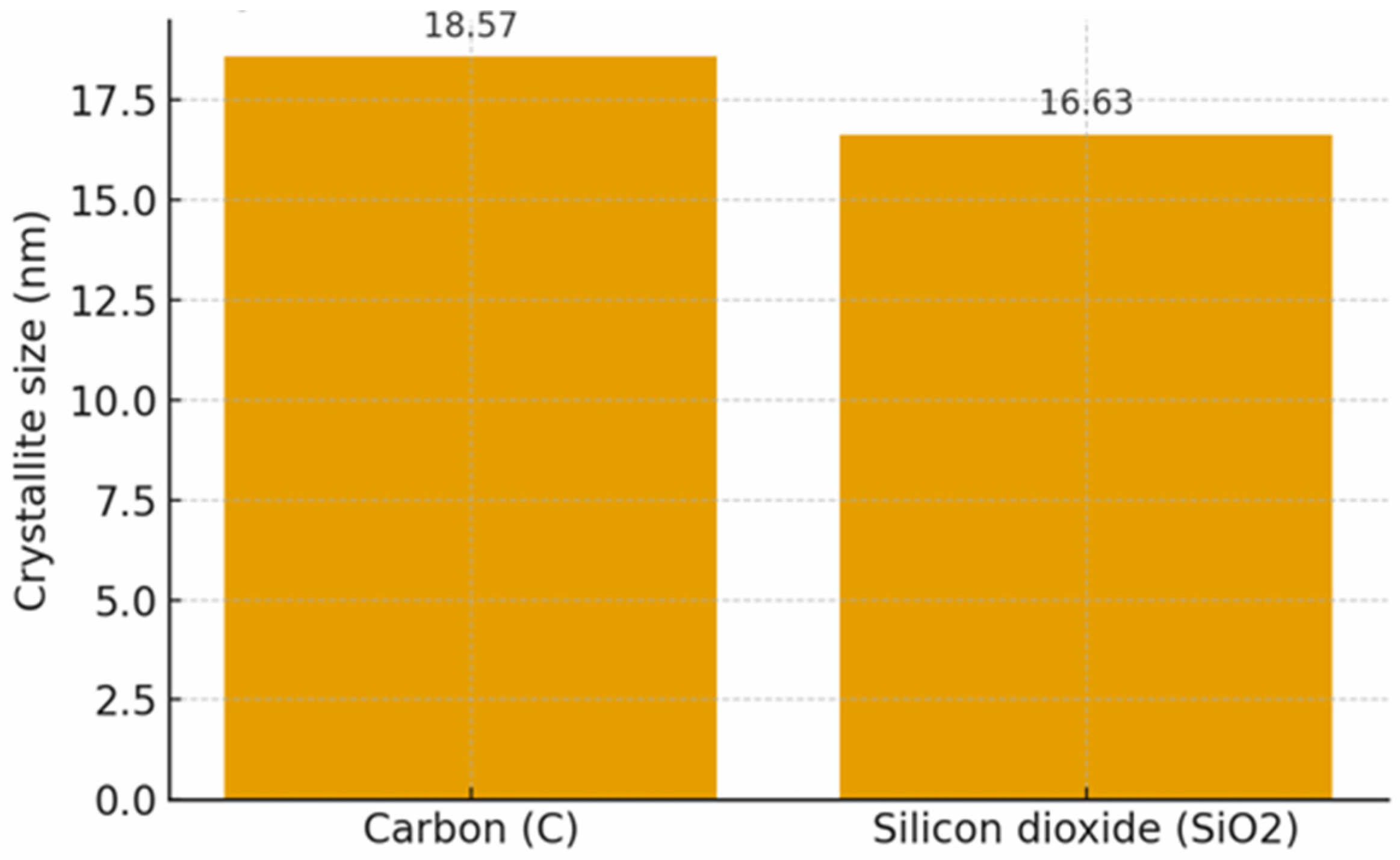
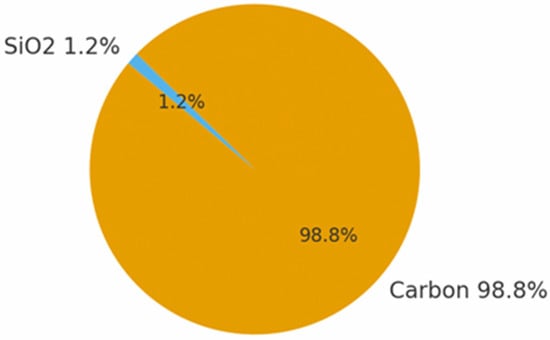
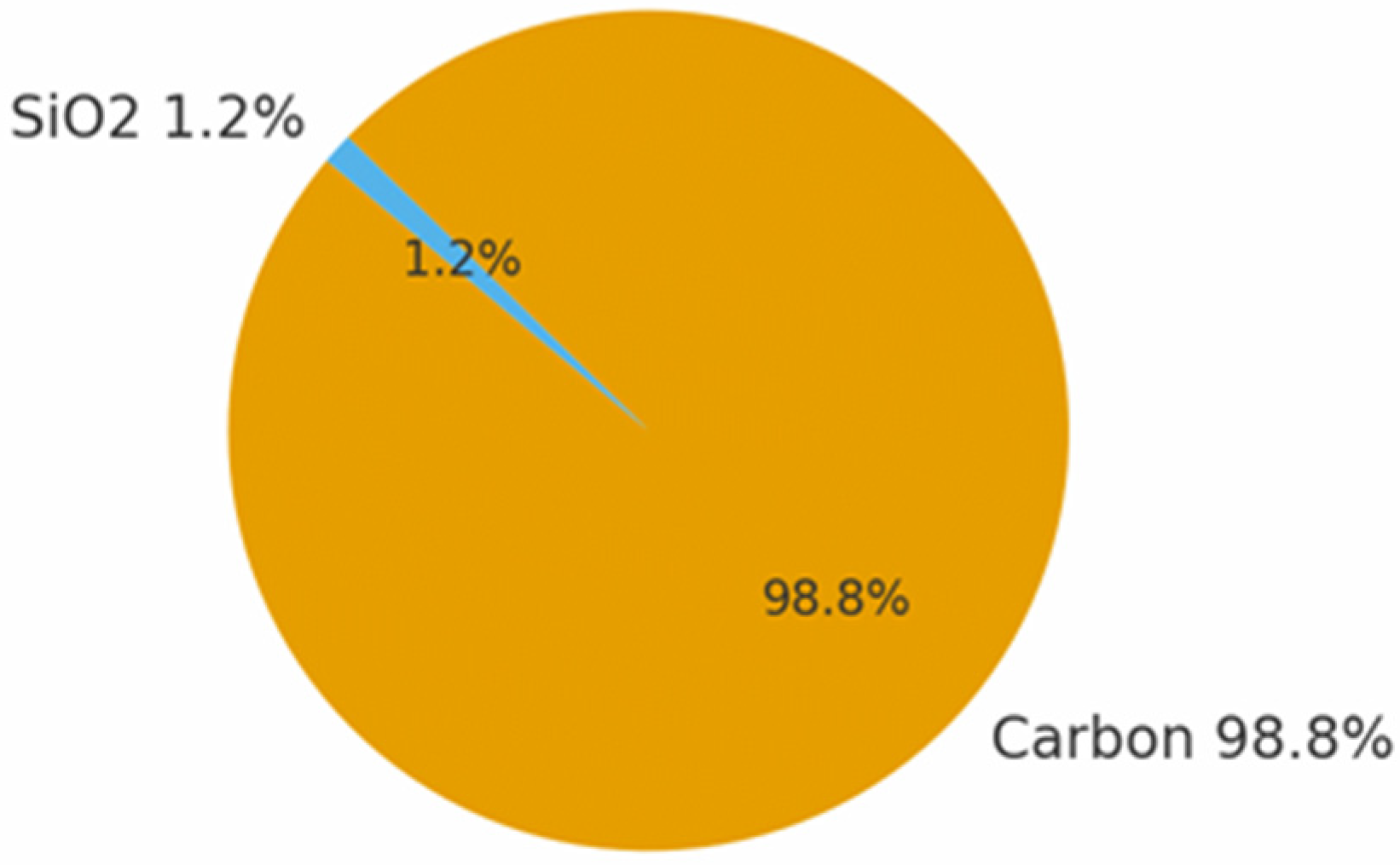
Rietveld refinement indicated a nanocrystallite carbon phase (~18 nm) with minor SiO2 impurities. Figure 2 (bar chart) shows crystallite sizes, while Figure 3 (pie chart) illustrates phase distribution (C 98.8%, SiO2 1.2%). High crystallinity supports electrochemical conductivity and catalytic stability [5,6].
Figure 2.
Bar chart of crystallite sizes (C vs. SiO2).
Figure 3.
Pie chart of phase composition.
3.3. Raman Spectroscopy
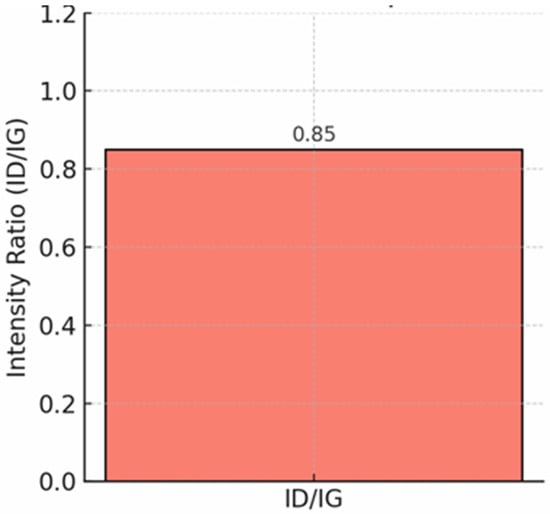
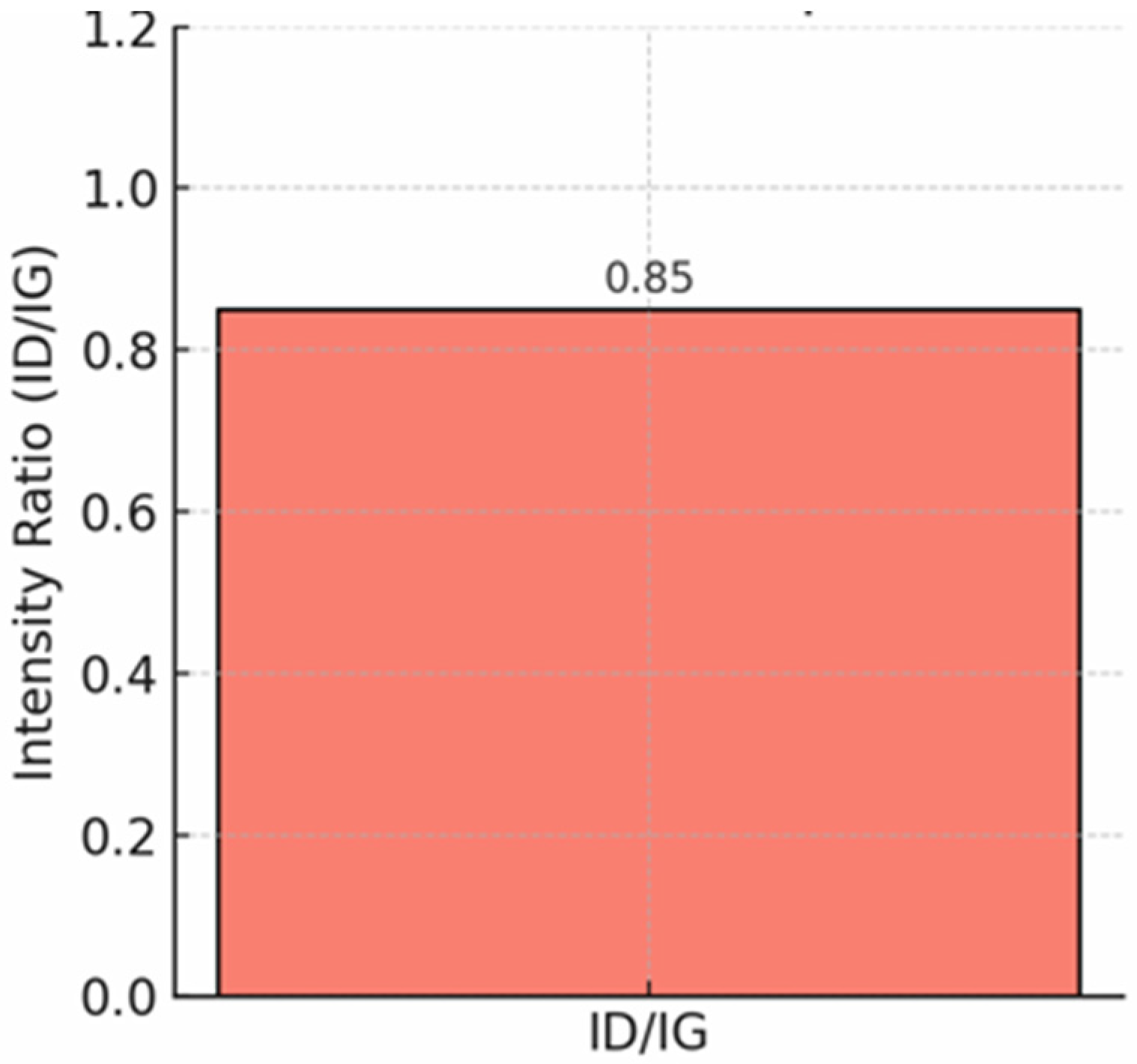
The D (~1350 cm−1) and G (~1586 cm−1) bands reveal a mix of disordered and graphitic carbon. The ID/IG ratio (Figure 4) quantifies the balance between conductivity and reactivity, consistent with other coal-derived nanocarbons [5,7].
Figure 4.
Raman ID/IG ratio bar chart.
3.4. FTIR Functional Groups
FTIR confirmed hydroxyl, carbonyl, and C–Si bonds. Instead of repeating spectra, Table 1 lists key peaks. These functionalities favor polymer integration and chemical activation for catalysis [1,8].
Table 1.
Raman and FTIR key features.
3.5. Correlation of Parameters
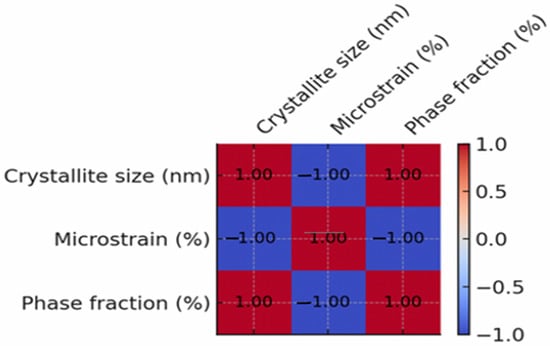
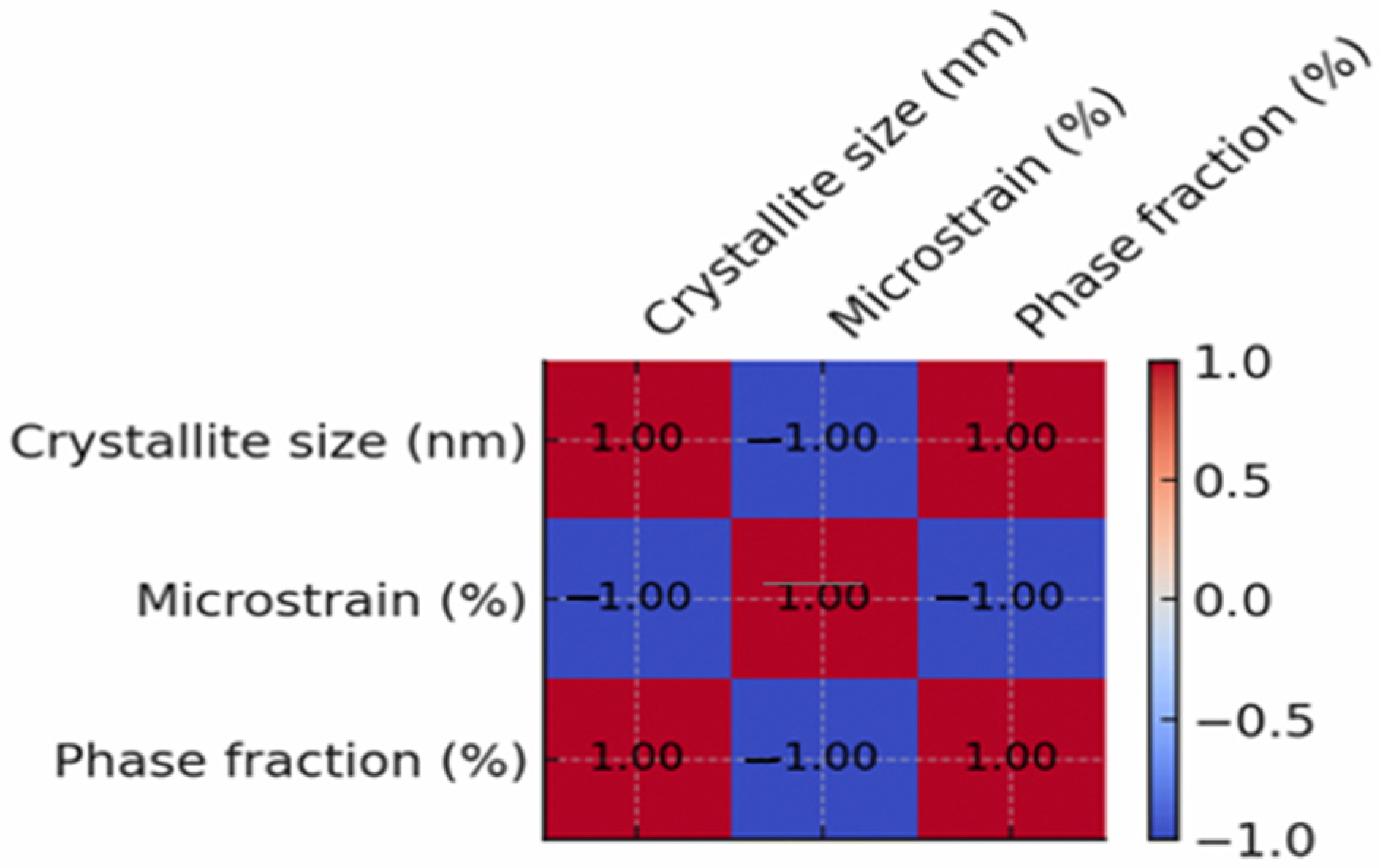
To highlight interrelations, Figure 5 shows a correlation heatmap linking crystallite size, microstrain, and phase fractions. Such multi-parameter analysis supports predictive material design and circular economy frameworks [2,9].
Figure 5.
Correlation heatmap of structural parameters.
4. Applications of Nanostructured Algerian Coal
4.1. Adsorption and Environmental Remediation
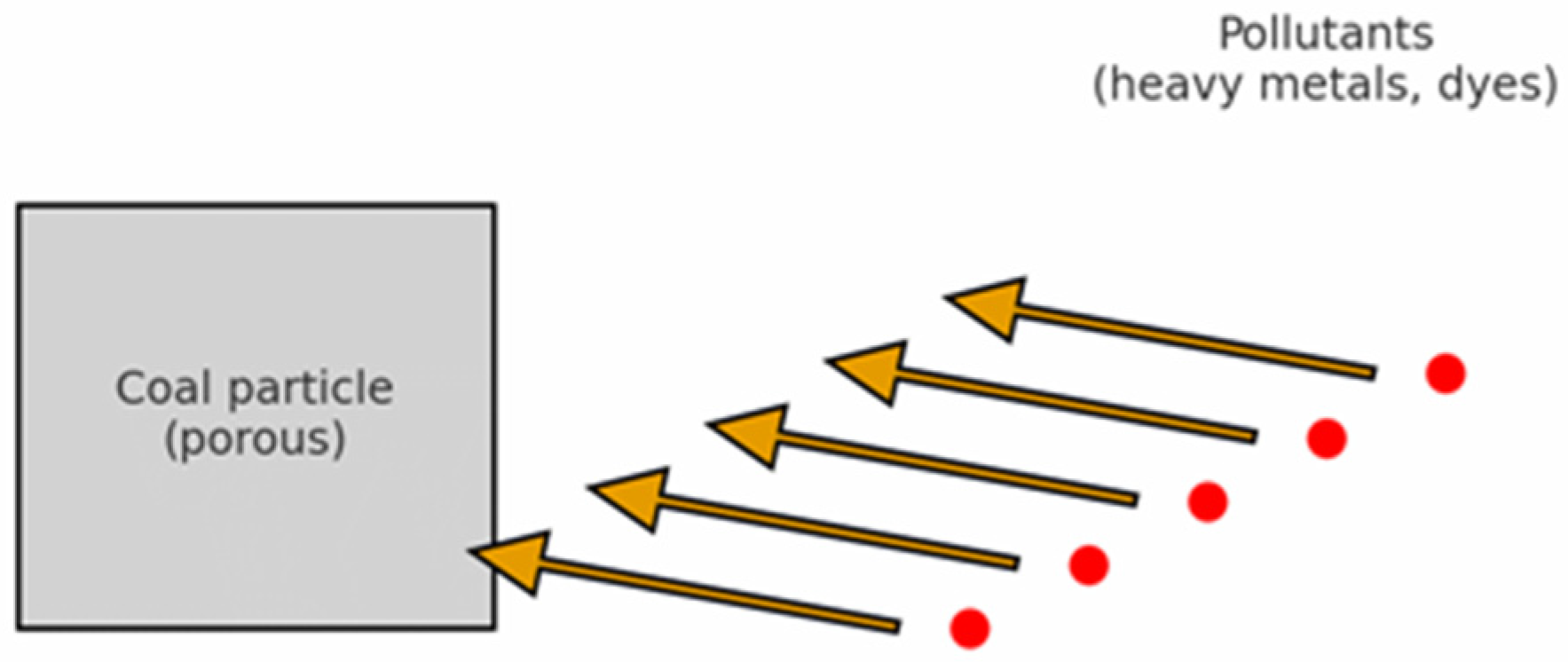
Coal porosity and surface groups facilitate adsorption of heavy metals, dyes, and gases. As illustrated in Figure 6, pollutants (represented by red circles) migrate toward the porous coal surface, as indicated by arrows, where they are captured within the coal pore network. Compared with conventional activated carbons, Algerian coal is a cost-effective precursor for adsorption processes [8,10]. Its regeneration potential also makes it suitable for circular water treatment systems [2].
Figure 6.
Schematic of pollutant adsorption by porous coal.
4.2. Catalysis and Green Chemistry
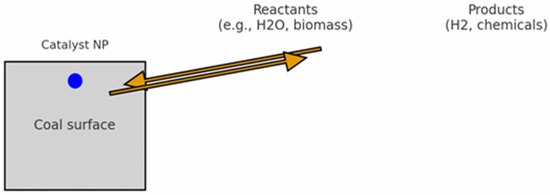
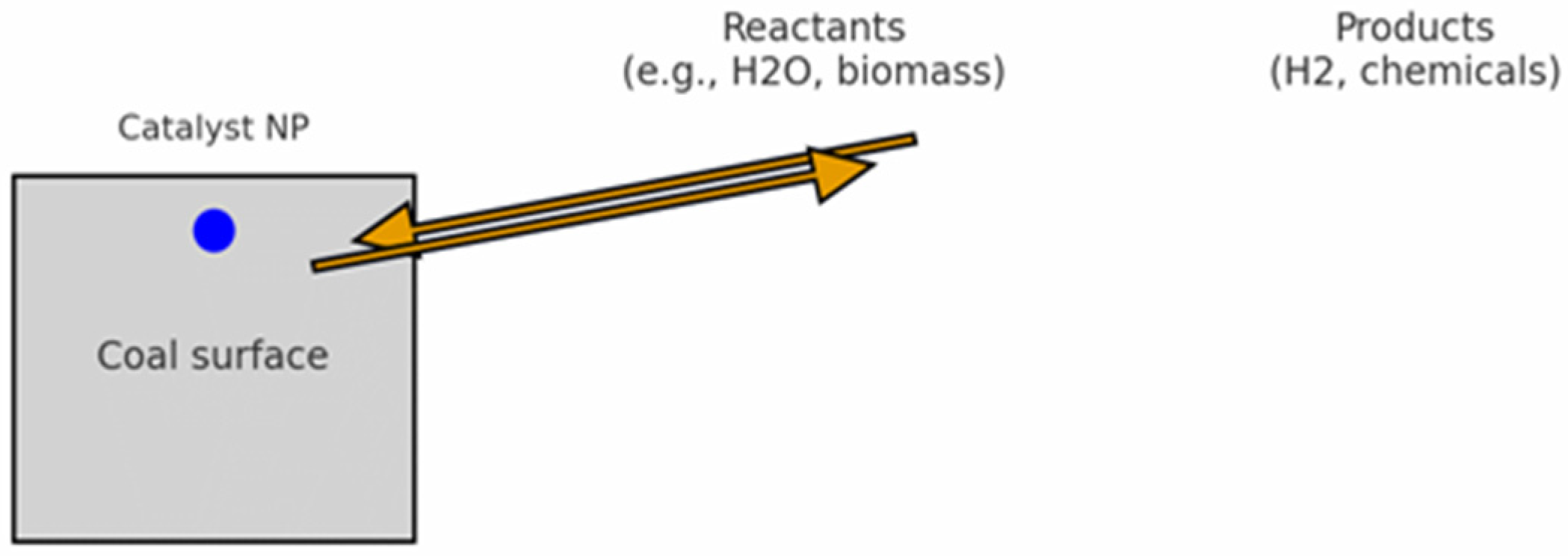
Nanocrystallinity and surface functionalities enhance the catalytic performance of coal-based materials. As illustrated in Figure 7, catalyst nanoparticles anchored on the coal surface promote the transformation of reactants (e.g., H2O and biomass) into value-added products such as hydrogen and chemicals, as indicated by the reaction pathway arrows. Coal-supported catalysts can thus drive biomass conversion and hydrogen production while reducing reliance on imported catalyst supports [3,9]. Moreover, coal-based catalysts are emerging as sustainable alternatives for CO2 reduction and biofuel upgrading.
Figure 7.
Schematic of coal-supported catalysis pathway.
4.3. Energy Storage Devices
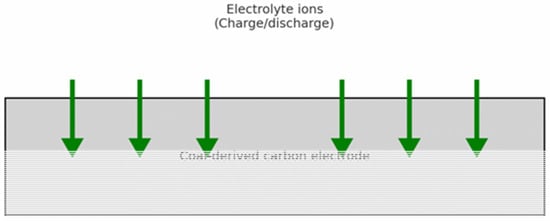
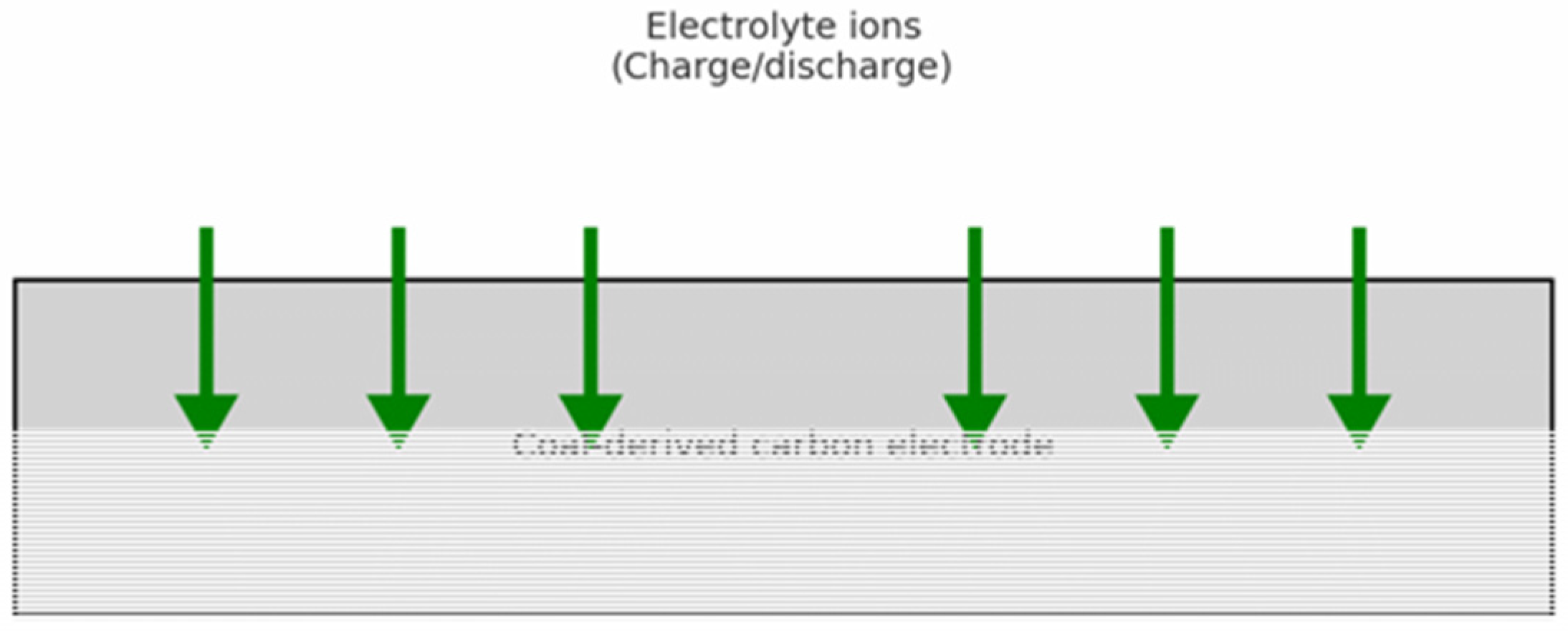
Coal-derived carbons provide both electrical conductivity, arising from graphitic domains, and redox reactivity associated with disordered carbon regions. As illustrated in Figure 8, electrolyte ions migrate toward and from the coal-derived carbon electrode during charge–discharge processes, as indicated by the downward arrows. Figure 8 depicts a coal-based electrode operating in a supercapacitor configuration. With appropriate activation, Algerian coal could become a low-cost electrode material for Li-ion and Na-ion batteries [4,5,6]. Similar porous carbons have achieved specific capacitances exceeding 250 F g−1 [11].
Figure 8.
Coal-derived carbon electrode for supercapacitors.
4.4. Polymer Nanocomposites
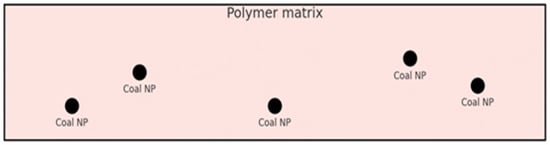
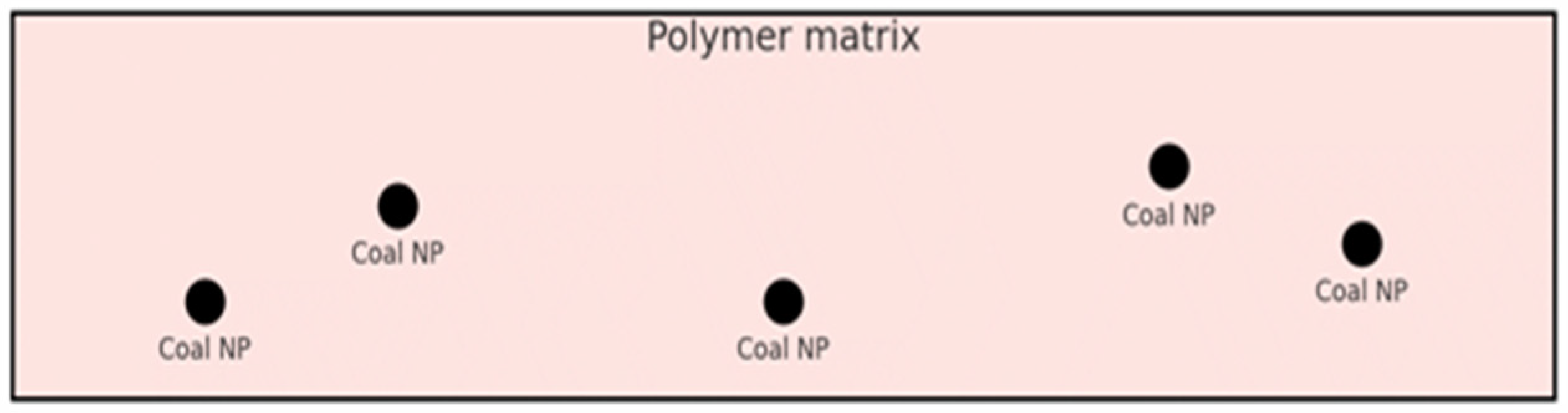
Coal nanoparticles enhance polymer matrices, improving mechanical and barrier properties. Figure 9 schematizes a coal–polymer nanocomposite, where surface functionalities ensure strong interfacial bonding [7,12]. Applications include construction, packaging, and lightweight engineering.
Figure 9.
Coal-based nanoparticles reinforcing polymer composites.
5. Circular Economy Framework
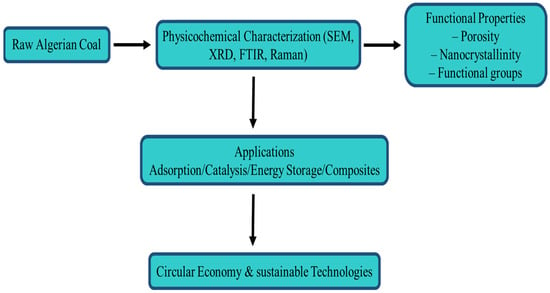
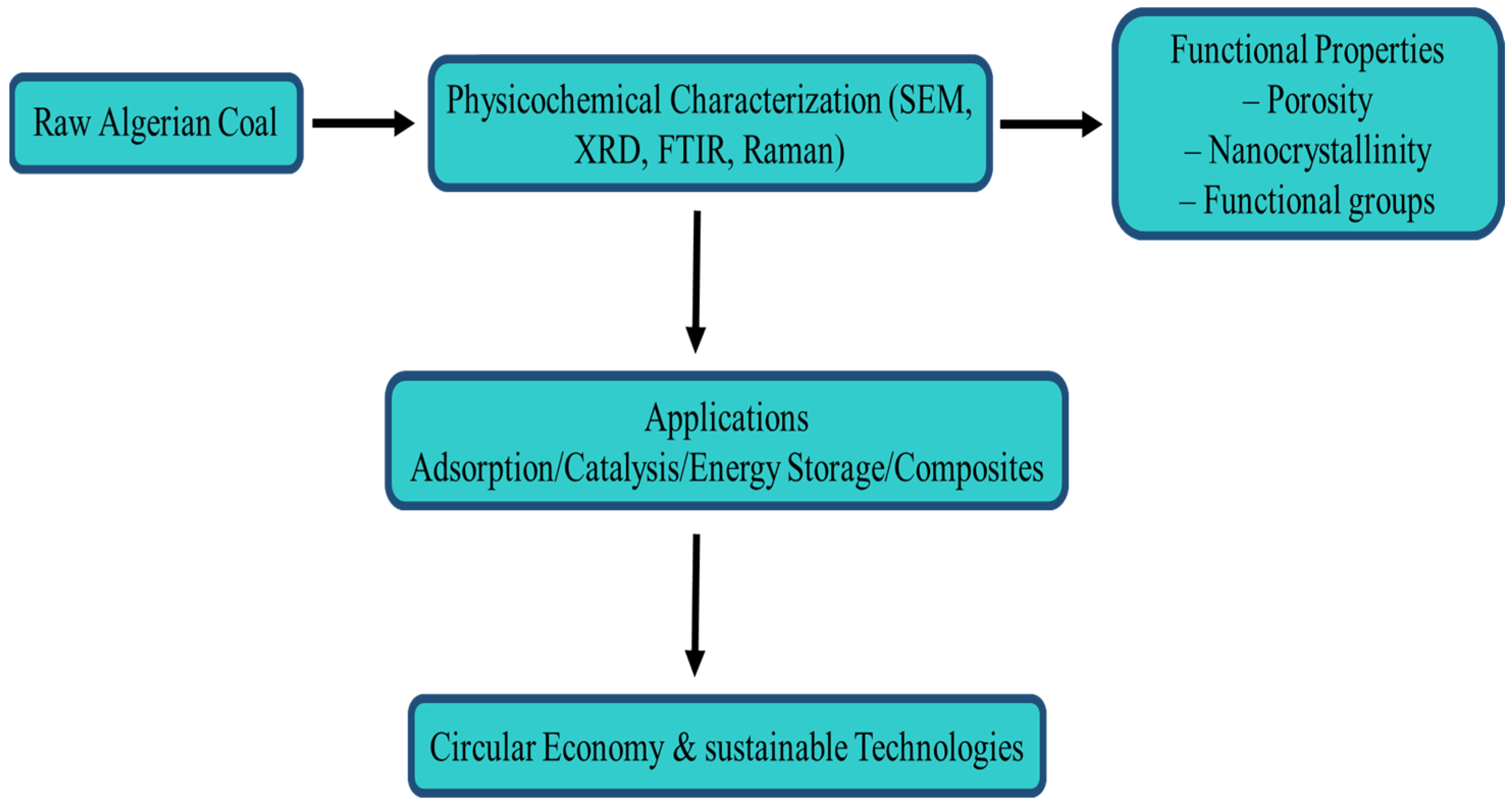
Algerian coal can transition from energy exploitation to sustainable material valorization. Figure 10 (conceptual framework) integrates coal → nanostructured features → functional properties → applications → circular economy. This reframing aligns with global decarbonization and adds local economic value [2,9].
Figure 10.
Conceptual framework: coal to circular economy applications.
6. Conclusions
Reinterpreted data confirm that Algerian coal offers nanoscale crystallinity, porosity, and functional chemistry. Presented in statistical and schematic forms, these features demonstrate clear application pathways in adsorption, catalysis, energy storage, and nanocomposites. Future work should include experimental validation of adsorption isotherms, electrode cycling tests, and composite performance, enabling Algerian coal to be positioned as a renewable nanocarbon resource within circular economy strategies.
Author Contributions
M.F. conceived and supervised the project, analyzed data, and prepared the original draft; Y.D. performed sample preparation, SEM analysis, and contributed to data interpretation; A.D. carried out FTIR spectroscopy, data acquisition, and figure preparation; S.N. conducted Raman spectroscopy, experimental validation, and structural interpretation; E.F.S. performed XRD measurements, Rietveld refinement, and crystallographic analysis; A.B. contributed to the literature review, application framework, and manuscript revision. All authors have read and agreed to the published version of the manuscript.
Funding
This research received no external funding.
Institutional Review Board Statement
Not applicable.
Informed Consent Statement
Not applicable.
Data Availability Statement
No new data were created or analyzed in this study.
Acknowledgments
The authors gratefully acknowledge the Environmental Research Center in Annaba, Algeria, for their support and valuable contributions to this work.
Conflicts of Interest
The authors declare no conflicts of interest.
References
- Ferfar, M.; Sakher, E.; Bouras, A.; Benselhoub, A.; Hachemi, N.; Massaoudi, M.; Dovbash, N.; Bellucci, S. Comprehensive physicochemical characterization of Algerian coal powders for the engineering of advanced sustainable materials. Technol. Audit. Prod. Reserves 2024, 1, 29–36. [Google Scholar] [CrossRef] [Scilit]
- Xie, M.; Luo, H.; Liu, X.; Yin, C. Development and challenge of coal-based nanocarbon materials and their application in water treatment: A review. Discov. Nano 2024, 19, 162. [Google Scholar] [CrossRef] [Scilit] [PubMed]
- Luo, H.; Liu, X. Catalytic conversion of carbon dioxide (CO2) using coal-based nano-carbon materials. RSC Adv. 2024, 14, 27298–27309. [Google Scholar] [CrossRef] [Scilit] [PubMed]
- Zhang, Y.; Jia, J.; Sun, Y.; Xu, B.; Jiang, Z.; Qu, X.; Zhang, C. An Effective Strategy to Synthesize Well-Designed Activated Carbon Derived from Coal-Based Carbon Dots via Oxidation before Activation with a Low KOH Content as Supercapacitor Electrodes. Nanomaterials 2023, 13, 2909. [Google Scholar] [CrossRef] [Scilit] [PubMed]
- Shi, M.; Xin, Y.; Chen, X.; Zou, K.; Jing, W.; Sun, J.; Chen, Y.; Liu, Y. Coal-derived porous activated carbon with ultrahigh specific surface area and excellent electrochemical performance for supercapacitors. J. Alloys Compd. 2021, 859, 157856. [Google Scholar] [CrossRef] [Scilit]
- Huan, X.; Guo, X.; Chen, X.; Guo, X. Influence of Tectonically Deformed Coal-Based Activated Carbon and Its Surface Modification on Methane Adsorption. ACS Omega 2024, 9, 33510–33521. [Google Scholar] [CrossRef] [Scilit] [PubMed]
- Singh, S.B.; Haskin, N.; Dastgheib, S.A. Coal-based graphene oxide-like materials: A comprehensive review. Carbon 2023, 215, 118447. [Google Scholar] [CrossRef] [Scilit]
- Sultana, M.; Rownok, M.H.; Sabrin, M.; Rahaman, M.H.; Alam, S.M.N. A review on experimental chemically modified activated carbon to enhance dye and heavy metals adsorption. Clean. Eng. Technol. 2022, 6, 100382. [Google Scholar] [CrossRef] [Scilit]
- Jiang, T.; Wang, B.; Hassan, M.; Zou, Q. Solid waste-derived carbonaceous catalysts for environmental and energy applications. Carbon Res. 2024, 3, 78. [Google Scholar] [CrossRef] [Scilit]
- Qiu, L.; Suo, C.; Zhang, N.; Yuan, R.; Chen, H.; Zhou, B. Adsorption of heavy metals by activated carbon: Effect of natural organic matter and regeneration methods of the adsorbent. Desalin. Water Treat. 2022, 252, 148–166. [Google Scholar] [CrossRef] [Scilit]
- Yu, J.; Fu, N.; Zhao, J.; Liu, R.; Li, F.; Du, Y.; Yang, Z. High Specific Capacitance Electrode Material for Supercapacitors Based on Resin-Derived Nitrogen-Doped Porous Carbons. ACS Omega 2019, 4, 15904–15911. [Google Scholar] [CrossRef] [Scilit] [PubMed]
- Siwal, S.S.; Zhang, Q.; Devi, N.; Thakur, V.K. Carbon-Based Polymer Nanocomposite for High-Performance Energy Storage Applications. Polymers 2020, 12, 505. [Google Scholar] [CrossRef] [Scilit] [PubMed]

Disclaimer/Publisher’s Note: The statements, opinions and data contained in all publications are solely those of the individual author(s) and contributor(s) and not of MDPI and/or the editor(s). MDPI and/or the editor(s) disclaim responsibility for any injury to people or property resulting from any ideas, methods, instructions or products referred to in the content. |
© 2025 by the authors. Licensee MDPI, Basel, Switzerland. This article is an open access article distributed under the terms and conditions of the Creative Commons Attribution (CC BY) license (https://creativecommons.org/licenses/by/4.0/).