


Abstract
Aims: To evaluate the effectiveness of preventive educational interventions in individuals with diabetic foot syndrome (DFS) and to summarise current evidence on knowledge, self-care and health-education strategies related to this complication. Materials and methods: A systematic review and meta-analysis was conducted in accordance with PRISMA guidelines. Risk of bias was evaluated using the Cochrane Handbook recommendations. Analyses were performed with Review Manager v5.4.1. Results: Educational interventions produced a significant improvement in patient knowledge and self-care practices compared with usual care. Despite some heterogeneity across studies, the overall effect favoured structured education as a preventive strategy for DFS-related complications. Conclusions: Preventive educational interventions enhance knowledge and self-care among individuals with DFS. Implementing structured education programs may help reduce complications and improve clinical outcomes.
1. Introduction
The global prevalence of diabetes mellitus (DM) continues to rise, with projections indicating a substantial increase in the number of affected individuals in the coming decades [1,2]. Among its chronic complications, diabetic foot syndrome (DFS) represents one of the most severe and costly conditions, frequently leading to ulceration, infection and lower-limb amputation, with profound implications for patients’ quality of life and healthcare systems worldwide [3].
International organizations, including the International Diabetes Federation and the International Working Group on the Diabetic Foot (IWGDF), as well as national and regional diabetes associations [1,2,4,5,6,7,8,9], consistently emphasize the importance of structured prevention strategies and multidisciplinary care to mitigate the progression of DFS. Preventive efforts are considered essential not only to reduce ulcer incidence and improve patient outcomes but also to optimize the use of healthcare resources [3,10]. However, despite these recommendations, preventive research remains heterogeneous and often receives limited attention from clinicians and researchers [10].
While patient education has traditionally been regarded as a key component of prevention programs, the current evidence remains inconclusive. Previous reviews report insufficient high-quality data to confirm that educational interventions alone can significantly reduce ulceration or amputation rates [3,11] and findings regarding their impact on quality of life and self-care behaviors vary considerably [11]. Moreover, existing studies differ widely in design, population characteristics, intervention strategies, and outcome measures, which challenges the development of unified preventive recommendations.
Given these limitations, there is a growing need for a comprehensive synthesis of the diverse preventive approaches evaluated to date. Although previous research has examined specific components of DFS prevention, a broader integration of the available evidence may offer a more complete understanding of their effectiveness and applicability.
Therefore, the aim of this systematic review was to comprehensively evaluate and synthesize the available evidence on preventive interventions for DFS, including educational strategies, self-care practices, professional involvement, empowerment approaches, and emerging technological tools, and to identify the factors associated with their effectiveness.
The findings of this review may support the refinement of preventive programs and contribute to reducing the clinical and socio-economic burden associated with DFS.
2. Materials and Methods
A systematic review with meta-analysis were conducted using the PRISMA checklist [12].
The research question was structured according to the PICO framework: P—patients with diabetes; I—educational interventions; C—pre/post control group; O—efficacy in improving self-care behaviors through enhanced patient knowledge.
2.1. Search Strategy
On 14 January 2026, a comprehensive and systematic literature search was conducted by two independent reviewers using the PubMed (MEDLINE), Web of Science (WOS), and Scopus databases to identify clinical trials evaluating the effects of educational interventions on diabetic foot (DF) self-care.
In PubMed, a combination of Medical Subject Headings (MeSH) and free-text terms related to DF and health education was used. The search strategy included the terms diabetic foot AND healthcare education. Filters were applied for article type (clinical trial), language (English), and species (humans).
In WOS, the search was performed using topic terms (TS) with the following strategy: diabetic foot AND healthcare education. Filters were applied for document type (clinical trial) and language (English).
In Scopus, the search strategy included the terms diabetic foot AND healthcare education, using a combination of terms related to diabetic foot and educational interventions in the title, abstract, and keyword fields. Methodological filters were applied to identify clinical trials and randomized controlled trials. Additional filters were applied for document type (article), language (English), and population (humans, when available).
All retrieved records were exported to a reference management software, and duplicates were removed. Titles and abstracts were independently screened by two reviewers based on the predefined eligibility criteria. The full texts of potentially relevant studies were then assessed for final inclusion. Any disagreements were resolved through discussion and, when necessary, by consultation with a third reviewer.
This systematic review and meta-analysis were conducted in accordance with the PRISMA 2020 guidelines [12], and were prospectively registered in the PROSPERO database (registration number: CRD420261283097)
The literature search and study selection process were independently performed by two reviewers. Discrepancies were resolved by discussion and, when necessary, by consultation with a third reviewer.
2.2. Eligibility Criteria
The eligibility criteria were predefined to ensure the inclusion of studies relevant to the research objectives and to maintain methodological consistency across the selected trials.
Given the limited availability of randomized controlled trials in this research field, non-randomized interventional designs were also included to provide a comprehensive synthesis of the available evidence.
2.3. Inclusion Criteria
Studies were considered eligible if they met the following criteria: interventional clinical studies, including randomized controlled trials and other controlled or adaptive clinical trial designs; studies involving human participants of any age, including adults with DM or DFS, as well as healthcare professionals and informal caregivers when these groups were the target of educational interventions related to DF prevention or management; studies evaluating educational, behavioural, or self-management interventions aimed at preventing or managing DFS or its related complications and studies reporting quantitative outcome data suitable for quantitative or qualitative synthesis.
Given the limited number of randomized controlled trials available in this research field, a broader range of interventional study designs was intentionally included to provide a comprehensive synthesis of the available evidence. Only studies published in English were considered eligible.
2.4. Exclusion Criteria
Studies were excluded if they met any of the following criteria: in vitro, animal, or preclinical studies; non-original publications, including narrative or systematic reviews, case reports, conference abstracts, letters, editorials, or commentaries; studies that did not report outcomes related to educational or self-management interventions for DF care; studies lacking sufficient quantitative data for statistical synthesis; and duplicate publications or secondary analyses of previously included datasets.
In addition, the reference lists of relevant narrative and systematic reviews were manually screened to identify potentially eligible studies that were not captured through the electronic database searches. The eligibility criteria were defined to ensure the inclusion of studies relevant to the research objective and to guarantee methodological consistency across the selected trials.
2.5. Risk of Bias Assessment
Two authors independently assessed the methodological quality and potential risk of bias of the included studies. Randomized controlled trials were evaluated using the Cochrane Risk of Bias tool [13], whereas non-randomized studies were assessed using the ROBINS-I tool [14], in accordance with current methodological recommendations. Any discrepancies between reviewers were resolved through discussion, and, when necessary, by consultation with a third reviewer.
For randomized controlled trials, the Cochrane Risk of Bias tool was applied across the following seven domains: random sequence generation, allocation concealment, blinding of participants and personnel, blinding of outcome assessment, incomplete outcome data, selective reporting, and other potential sources of bias. Each domain was judged as “low risk”, “some concerns”, or “high risk” based on the information provided in the original publications [13].
For non-randomized studies, the ROBINS-I tool [14], was used to assess the risk of bias across the following domains: bias due to confounding, bias in the selection of participants, bias in the classification of interventions, bias due to deviations from intended interventions, bias due to missing data, bias in the measurement of outcomes, and bias in the selection of the reported results. Overall risk-of-bias judgments were derived according to the guidance provided by the tool.
Risk-of-bias judgments were considered when interpreting the findings and were incorporated into the certainty of evidence assessment using the Grading of Recommendations Assessment, Development and Evaluation (GRADE) approach.
2.6. Certainty of Evidence
The certainty of the evidence for the outcome post-intervention foot self-care behaviour was assessed using GRADE the approach.
The assessment was performed at the level of the body of evidence derived from the studies included in the meta-analysis, rather than at the level of individual studies.
Evidence from randomized controlled trials was initially rated as high certainty, whereas evidence from non-randomized studies was initially rated as low certainty, in accordance with GRADE guidance. The certainty of evidence was subsequently downgraded across five predefined domains: risk of bias, inconsistency, indirectness, imprecision, and publication bias.
Downgrading decisions followed GRADE methodological recommendations and were supported by explicit justification for each domain. For domains that were not applicable to specific comparisons (e.g., inconsistency in single-study comparisons), these judgments were not considered in the calculation of domain-level percentages for graphical summaries but were retained in the qualitative synthesis. When concerns regarding publication bias were unclear, they were conservatively rated as serious concerns.
2.7. Data Extraction
2.7.1. Data Extraction and Synthesis
Data were extracted using a standardized and pilot-tested Microsoft Excel spreadsheet.
A structured coding matrix was developed a priori to ensure consistent and comprehensive data collection across all included studies. For each study, key methodological, population, and intervention characteristics were recorded.
Extracted variables included study design, presence of a control group, type of comparator, baseline DF risk level of the target population, type of educational intervention, pedagogical approach, reinforcement strategies, mode of delivery, number of sessions, session duration, outcome assessment methods, and follow-up periods.
The variables were analysed with the Software IBM® SPSS V29.
Given the substantial heterogeneity in study designs, populations, and intervention components, extracted data were grouped into conceptually homogeneous categories to facilitate interpretation and comparison. A descriptive synthesis was then performed using absolute frequencies (n) and percentages (%). For most variables, percentages were calculated using the total number of included studies as the denominator. However, for specific intervention parameters, such as the number of sessions and session duration, only studies that explicitly reported this information were included in the analysis. In these cases, percentages were calculated using the number of studies with available data as the denominator, in order to avoid artificially inflating the proportion of “not reported” values and to more accurately reflect actual implementation patterns.
Finally, the dominant category within each dimension, defined as the category with the highest relative frequency, was identified. These dominant characteristics, together with their corresponding n and %, were summarised in a synthesis table to provide an overview of the main methodological and intervention-related patterns observed across the included studies.
Data extraction was performed independently by two reviewers. Any discrepancies were resolved through discussion and, when necessary, by consultation with a third reviewer.
No attempts were made to contact study authors to obtain missing or unclear data. Studies lacking sufficient quantitative information were excluded from the quantitative synthesis but retained in the qualitative synthesis.
2.7.2. Statistical Analysis and Data Synthesis
Continuous variables were summarized as means and standard deviations, whereas categorical variables were reported as frequencies and percentages.
The risk of bias of the included studies was assessed using the revised Cochrane Risk of Bias tool (RoB 2) for randomized controlled trials [13], and the ROBINS-I tool for non-randomized studies [14].
A meta-analysis was performed to evaluate the effectiveness of educational interventions on DF self-care behaviours. Only studies reporting comparable continuous outcome measures and providing sufficient quantitative data to compute effect sizes were pooled.
All statistical analyses were conducted using Review Manager software (RevMan, version 5.4; The Cochrane Collaboration, London, UK). For continuous outcomes, pooled effect estimates were calculated using the inverse variance method. Intervention effects were expressed as standardised mean differences (SMDs) with corresponding 95% confidence intervals (CIs), given the use of different measurement instruments across studies.
Statistical heterogeneity was assessed using Cochran’s Q test and quantified using the I2 statistic. I2 values of 0–49% were considered indicative of low heterogeneity, 50–74% of moderate heterogeneity, and 75–100% of high heterogeneity. Given the expected clinical and methodological variability among studies, a random-effects model was applied for all meta-analyses.
Formal statistical assessment of publication bias was not performed due to the limited number of studies included. No subgroup analyses or sensitivity analyses were conducted for the same reason.
3. Results
3.1. Search Results
The literature search identified 52 records from PubMed, 133 from Scopus, and 8 from WOS. Following the initial screening based on titles and abstracts, a total of 173 records were reviewed for relevance.
Subsequently, potentially eligible studies were retrieved in full text and assessed for eligibility according to the predefined inclusion and exclusion criteria. Articles that did not meet these criteria, including study protocols and other non-eligible publications, were excluded. Ultimately, 33 studies [15,16,17,18,19,20,21,22,23,24,25,26,27,28,29,30,31,32,33,34,35,36,37,38,39,40,41,42,43,44,45,46,47], fulfilled all eligibility requirements and were included in the final qualitative synthesis. The study selection process is presented in Figure 1 in accordance with the PRISMA 2020 guidelines [12].
Figure 1.
Flowchart.
3.2. Methodological Characteristics of the Included Studies
3.2.1. Outcomes
The outcomes assessed in the included studies were grouped into the following categories: incidence of DF ulcers [18,42]; improvements in knowledge and self-care behaviors [15,16,17,19,20,22,23,24,25,26,27,28,29,30,31,32,33,34,35,36,37,38,39,40,41,43,44,45,47], and adherence to therapeutic recommendations [21,46].
3.2.2. Study Design
Twenty-three studies employed a randomized controlled trial (RCT) design [18,20,21,23,24,25,26,27,28,29,30,31,32,33,36,37,38,40,41,42,43,44,46].
Three studies used a quasi-experimental design [15,16,17]. Two studies were classified as pilot non-randomized trials [19,35]. One study adopted an exploratory non-randomized design [22], and one employed a prospective controlled design [34].
In addition, one uncontrolled before-and-after intervention study was identified [39] along with one prospective cohort study with a pre–post design [45] and one program evaluation using a pre–post design [47].
3.2.3. Control Groups and Comparators
Twenty-nine of the included studies employed a controlled design with a parallel comparison group [15,16,17,18,20,21,22,23,24,25,26,27,28,29,30,31,32,33,34,35,36,37,38,40,41,42,43,44,46]. Four studies did not include a control group [19,39,45,47].
Among the 29 controlled studies [15,16,17,18,20,21,22,23,24,25,26,27,28,29,30,31,32,33,34,35,36,37,38,40,41,42,43,44,46], fourteen studies compared the intervention against usual care or standard clinical management without a structured educational program [16,17,18,20,25,27,30,31,32,34,35,37,41,46], six studies used a basic education comparator, consisting of routine or standard verbal education [24,29,33,38,40,43], four studies used written or didactic educational materials only, such as leaflets or written instructions [23,26,28,42], three studies employed a combination of basic verbal education and written materials [15,21,36] and two studies used control conditions with no educational input or assessment-only designs [22,44].
3.2.4. Baseline Clinical Characteristics
The included studies enrolled male and female participants diagnosed with DM or DFS, across a wide range of clinical and community-based settings. Across the included studies, participant age ranged from early adolescence to adulthood.
Studies recruited mixed-sex samples, and no study restricted participation to a single sex. The target populations primarily consisted of individuals with DM, with or without established DF complications, depending on the preventive focus of the intervention.
3.2.5. Diabetic Foot Risk Level
In the included studies, the level of DF related risk was defined by the original authors based on the baseline clinical characteristics of the participants. The criteria used to classify risk varied across studies and included factors such as a previous history of foot ulceration or amputation, the presence of peripheral neuropathy, foot deformities, vascular impairment, active foot wounds, and other established clinical indicators of DF risk.
Ten studies included [15,16,17,19,23,28,38,45,46,47] predominantly low-risk populations, typically comprising individuals with DM without previous ulceration, major neurovascular complications, or established DF pathology, and were therefore focused on primary prevention.
In contrast, eighteen studies [20,21,24,25,26,27,29,30,32,34,35,37,39,40,41,42,43,44] enrolled participants classified as high risk, including individuals with a history of foot ulceration, active or recently healed ulcers, neuropathy, or established DFS pathology, thus representing secondary prevention contexts.
Three studies [18,31,36] reported baseline risk using formal classification systems or predefined clinical risk strata, including guideline-based categories or author-defined risk groupings.
Finally, two studies [22,33] did not report a specific clinical risk stratification.
3.3. Sample Size
A total of 33 studies were included in the final synthesis [15,16,17,18,19,20,21,22,23,24,25,26,27,28,29,30,31,32,33,34,35,36,37,38,39,40,41,42,43,44,45,46,47], representing an overall baseline sample of 5636 participants. Sample sizes varied substantially across studies, ranging from 13 participants in small exploratory trials [21] to 733 participants in the largest studies [23,28].
Most studies recruited adults with DM as the target population. However, some investigations focused on other groups: two studies [22,37] exclusively enrolled healthcare professionals (n = 231); one study [31] recruited patient–caregiver dyads (n = 50); one study [47] included a mixed sample of people with DM and informal caregivers (n = 294). These samples were also included in the overall participant count. Overall, substantial heterogeneity in sample size and target populations was observed across the included studies.
3.4. Publication Period
The included studies were published between 1986 [30], and 2026 [36]. One study was published in the 1980s [30].
Three publications were identified in the 1990s [23,28,34]. During the 2000s, seven studies were published [20,22,25,27,29,37,45]. The highest number of publications was recorded in the 2010s, with studies published between 2011 and 2019 [15,16,17,18,19,21,26,32,38,39,41,42,43,47]. Finally, studies published between 2020 and 2026 were included [24,31,33,35,36,40,44,46].
3.5. Development of Interventions
3.5.1. Settings of the Educational Interventions
The educational interventions were delivered across a wide range of healthcare and community-based settings, a substantial proportion of studies were conducted in community health centers and primary care settings [15,16,18,19,22,23,24,26,28,29,33,34,35,37,38,40,43,44,46].
Several studies were implemented in hospital-based or specialized outpatient settings [15,23,29,37,39,40,43]. In addition, some interventions were delivered in specialized DM centers or clinics [21,36].
A subset of interventions was conducted in the patients’ homes, through home-based or domiciliary educational programs [20,27,30].
Furthermore, some studies were implemented in non-traditional institutional settings, such as residential care facilities for older adults [32].
Finally, one study implemented a multicenter intervention delivered across multiple community-based healthcare settings [47].
3.5.2. Target Population
Target populations were heterogeneous and were therefore categorized into five main groups: adult patients with DM, pediatric and adolescent populations, mixed-age populations (pediatric to adult), healthcare professionals, and family members, caregivers, and community participants.
Most of the educational interventions were directed at adult patients with DM, these studies primarily included individuals with type 1 or type 2 DM, frequently characterized by low, moderate and high risk of DF complications, including previous ulceration, neuropathy, foot deformities, or poor glycemic control [15,16,17,18,19,20,21,23,24,25,26,27,29,30,32,33,34,35,36,38,39,40,41,42,43,44,46].
Only one study specifically targeted a pediatric and adolescent population focused on children and adolescents with type 1 or type 2 DM [45].
One study included a mixed-age population spanning from childhood to older adulthood, enrolled participants aged between 10 and 80 years and was therefore classified as involving a mixed pediatric-to-adult population [28].
Two studies primarily targeted healthcare professionals rather than patients. One delivered an intensive training program to community nurses and podiatrists, while the other implemented an integrated educational model involving general practitioners, nurses, and podiatrists, alongside patient-focused components [22,37].
Finally, two studies extended the target population beyond patients alone to include family members, caregivers, and broader community participants. One implemented a family-centered intervention involving patient–caregiver dyads, whereas the other delivered a peer-led, multicenter educational program across multiple community healthcare settings, engaging adults with DM, relatives, and community members [31,47].
3.5.3. Intervention Providers
Across the included studies, a wide range of professional categories were involved in the design and implementation of educational interventions aimed at preventing DFS and promoting self-care behaviors. These providers included nurses, physicians, podiatrists, DM educators, health psychologists, dietitians, pedorthists, endocrinologists, mental health professionals, and clinical researchers.
Nurses constituted the professional group most frequently involved in the implementation of educational interventions, either independently or as part of multidisciplinary teams. Their participation was particularly prominent in community-based settings, primary care, home care services, and specialized outpatient clinics, where they played a central role in patient education, follow-up, and support for self-care practices. [15,19,22,24,26,27,30,31,32,39,41,42,43,44,46,47].
Podiatrists and other foot care specialists were primarily involved in interventions with a strong practical, preventive, and clinically oriented focus, their interventions were centered on systematic foot examination, early identification of warning signs, instruction in foot self-care techniques, adaptation and prescription of therapeutic footwear, and the implementation of basic orthopedic and podiatric treatments [22,23,24,28,36,37,40,47].
Physicians and endocrinologists were mainly involved in hospital-based settings or specialized outpatient clinics, typically as members of interprofessional care teams. Their participation was more common in brief, intensive, or highly structured interventions, often focused on medical assessment, risk stratification, metabolic control, and the management of DM related complications, including DF risk [36,39,40,41,43].
A subset of studies included professionals from the fields of mental health [17,29] and professionals specialized in behavioral education [15,32,34,35,40,44].
Finally, several studies adopted participatory and peer-led approaches that incorporated trained peers, expert patients, and family caregivers as active agents in the educational process [43,47].
3.5.4. Types of Educational Interventions
The included educational interventions were classified into two main categories: theoretical and mixed.
Interventions were considered theoretical when they were exclusively based on the delivery of informational, cognitive, or behavioral educational content, such as written materials, audiovisual resources, telephone-based support, or psychologically oriented educational strategies, without supervised practical training, clinical procedures, or hands-on foot care activities.
In contrast, interventions were classified as mixed when educational components were combined with practical or clinical elements, including supervised skills training, foot examinations, podiatric care, physical demonstrations, or other experiential activities.
Of the total included studies, 5 were classified as theoretical educational interventions [16,33,38,45,46], while 26 were classified as mixed interventions [15,17,18,19,20,21,22,23,24,25,26,27,28,30,31,32,34,35,36,39,40,41,42,43,44,47], and 2 studies [29,37], could not be unequivocally classified within this framework due to insufficient methodological detail.
3.5.5. Characteristics of Educational Approaches
Based on their educational approach, the included studies were categorized into three main groups: educational interventions, interactive educational interventions, and combined approaches.
Most studies were classified as educational interventions [15,17,20,21,22,23,25,26,27,28,29,30,31,32,34,35,37,39,40,41,42,44,45], characterized by structured educational content delivered through lectures, counseling, written materials, or standardized educational programs.
A smaller subset of studies employed interactive educational approaches [16,18,19,33,36,38,46], which incorporated active participant engagement through digital tools, audiovisual materials, telephone-based follow-up, or interactive educational strategies.
Finally, a limited number of studies [43,47], combined both educational and interactive components, integrating structured education with participatory or experiential elements.
3.5.6. Educational Reinforcement Mechanisms
Across the included studies, two main types of reinforcement strategies were identified: advanced technological reinforcements and written-based reinforcements.
From the analysis studies, two main types of reinforcement strategies were identified: written-based reinforcements and advanced technological reinforcements.
Written-based reinforcements consisted of printed or digital written materials, such as leaflets, booklets, or structured text-based messages, and were reported in nine studies [16,21,27,32,37,38,43,44,45]. Advanced technological reinforcements, including mobile- or digital-based systems such as platforms or automated foot alert systems, were reported in two studies [16,36].
3.6. Number and Frequency of Sessions
The educational interventions showed substantial heterogeneity in both the number of sessions and their duration.
The number of sessions ranged from single structured sessions [15,20,25,27,41,42,47] to programs comprising up to 12 sessions [29].
Most studies implemented low- to moderate-intensity interventions, consisting of between 2 and 6 sessions [17,19,21,31,34,38,43,44,46], whereas a smaller number of studies reported more intensive programs with ≥7 sessions [26,29,35].
Session duration also varied widely, ranging from very brief interventions lasting 10–20 min [25,27], to longer sessions of 120 min [19,31,41,42] and up to 150 min [47].
Most interventions had an intermediate duration, typically between 40 and 90 min per session [17,26,28,29,34,43].
3.7. Modes of Intervention Delivery
The included studies employed three main formats for the delivery of educational and self-management interventions: individual, group-based, and mixed.
The individual format was the most frequently reported. In these studies, the intervention was delivered through one-to-one educational sessions, personalized counselling, telephone-based follow-up, or individualized digital support [16,18,19,20,21,23,24,25,26,27,28,30,35,36,38,39,40,41,45,46]. In these studies, the educational content was tailored to participants’ individual characteristics, including their risk profile, level of knowledge, and specific needs.
Group-based interventions were implemented in a smaller number of studies, mainly those aiming to promote peer interaction and collective learning [17,22,31,34,42,43,44,47]. These interventions were typically delivered through structured educational workshops, group sessions, or participatory activities, enabling the exchange of experiences among participants.
A subset of studies adopted a mixed format, combining group-based components with individualized follow-up or activities [15,29,32,37]. In these studies, group sessions were complemented by personalized counselling, telephone contacts, or individual feedback.
3.8. Outcome Assessment Methods
The included studies employed a range of methods for outcome assessment, which can be broadly classified into questionnaire-based self-reports, clinical examinations, instrumental or biological measurements, and mixed-method approaches.
Questionnaire-based assessments were the most frequently used method for outcome evaluation, particularly for variables related to knowledge, attitudes, self-care behaviors, and quality of life [17,22,25,27,31,33,38,40,43,46]. In these studies, outcomes were quantified using structured or semi-structured questionnaires.
Several studies incorporated clinical examinations as primary or secondary outcome measures, focusing on objective indicators of foot health, such as skin condition, ulcer presence, neuropathy, or vascular status [19,39,44,45]. In these studies, assessments were conducted by healthcare professionals using standardized clinical protocols.
A proportion of the included studies employed mixed assessment strategies, combining self-reported measures with clinical or objective evaluations [15,16,20,21,23,24,26,29,30,35,36,37,41,42]. In these studies, questionnaire data were complemented by clinical foot examinations, biological markers, sensor-based monitoring, or qualitative interviews.
3.9. Follow-Up Periods
The duration of follow-up varied substantially across the included studies, ranging from short-term assessments to long-term longitudinal evaluations.
Short-term follow-up periods (≤3 months) were reported in several studies [17,25,27,33,35,38,43,44]. In these studies, outcome assessments were conducted shortly after the completion of the intervention, typically within weeks or up to three months.
Medium-term follow-up periods (3–12 months) were observed in various studies [15,18,19,20,23,24,26,29,31,32,34,37,42]. These studies included one or more follow-up assessments conducted between three and twelve months after the intervention.
Long-term follow-up periods (≥12 months) were less frequently reported [28,36,39,41]. In these studies with follow-up, durations ranging from one year to seven years.
3.10. Data Collection
The extracted data encompassed the following domains: study design and methodological characteristics (including type of design, presence of a control group, and comparator type); population features (baseline DF risk level and target population); characteristics of the educational intervention (type of intervention, educational approach, reinforcement strategies, mode of delivery, number of sessions, and session duration); implementation context (setting and professionals delivering the intervention); and outcome domains and methods of evaluation.
Given the complexity and heterogeneity of the included studies, all extracted variables were compiled into a comprehensive descriptive table to ensure transparency and allow for cross-study comparison. This full dataset, including all study-level details, is provided in Supplementary Materials Table S1 Data extraction.
3.11. Synthesis of Intervention Characteristics
A structured descriptive synthesis was conducted, complemented by a quantitative summarization of dominant characteristics across key methodological and intervention-related dimensions.
Table 1 presents the dominant category for each predefined dimension, along with the corresponding absolute frequency (n), relative proportion (%), and denominator (N). The denominator varied across dimensions because not all studies reported all variables of interest.
Table 1.
Quantitative synthesis of dominant characteristics across included studies.
Most of the included studies were RCTs (n = 23, 69.7%), and the majority incorporated a control group (n = 29, 87.9%). Among controlled studies, the most frequently used comparator was usual care or standard care (n = 14, 48.3%). Regarding baseline risk, more than half of the interventions targeted populations at high risk of DF complications (n = 18, 54.5%).
Mixed educational interventions, combining theoretical and practical components, were the most prevalent format (n = 26, 78.8%). In contrast, purely theoretical or purely practical approaches were less frequently reported. Although most interventions were classified as educational rather than explicitly behavioral or psychologically framed (n = 23, 69.7%), a wide range of delivery strategies was observed.
Individual delivery was the most common mode of implementation (n = 21, 63.6%), while group-based and mixed formats were less frequently employed. Regarding reinforcement strategies, written-based reinforcement was the most frequently reported (n = 9, 27.3%), although reinforcement mechanisms were inconsistently described across studies.
Among the subset of studies that explicitly reported the number of sessions (n = 19), a single-session format and short multi-session formats (2–6 sessions) were equally frequent (n = 9 each, 47.4%). Similarly, among studies reporting session duration (n = 16), intermediate-length sessions (40–90 min) predominated (n = 8, 50.0%).
Together, these findings highlight substantial variability in how educational interventions for DF prevention are designed and delivered, while also revealing consistent dominant patterns across several dimensions.
3.12. Risk of Bias of Included Studies
3.12.1. Randomized Controlled Trials (RoB 2)
Risk of bias in randomized controlled trials was assessed using the Cochrane Risk of Bias 2 (RoB 2) tool [13]. A total of 26 studies [16,18,20,21,23,24,25,26,27,28,29,30,31,32,33,35,36,37,38,40,41,42,43,44,46], were evaluated using this instrument.
The assessment was conducted across the five RoB 2 domains: bias arising from the randomization process, bias due to deviations from intended interventions, bias due to missing outcome data, bias in the measurement of the outcome, and bias in the selection of the reported result.
In the domain related to the randomization process, most studies were judged as being at low risk of bias, while some were rated as raising some concerns. Regarding to deviations from intended interventions, all studies were classified as being at high risk of bias.
For missing outcome data, most studies were rated as low risk or as raising some concerns. In the domain of measurement of the outcome, most of the studies were judged as being at low risk, although some raised some concerns.
Finally, in the domain related to the selection of the reported result, all studies were classified as being at low risk of bias.
Detailed risk of bias assessments for randomized is presented in Figure 2a.
Figure 2.
(a) Percentage distribution of risk of bias judgments across RoB 2 domains for randomized controlled trials. Green indicates low risk of bias, yellow indicates some concerns, and red indicates high risk of bias according to the Cochrane RoB 2 tool. (b) Percentage distribution of risk of bias judgments across ROBINS-I domains, including overall risk of bias, for non-randomized studies. Green indicates low risk of bias, yellow moderate risk, orange serious risk, and red critical risk according to the ROBINS-I tool.
3.12.2. Non-Randomized Studies ROBINS-I
A total of eight studies [15,17,19,22,34,39,45,47], were evaluated using the ROBINS-I tool [14].
The assessment covered the seven standard ROBINS-I domains: bias due to confounding, bias in the selection of participants into the study, bias in the classification of interventions, bias due to deviations from intended interventions, bias due to missing data, bias in the measurement of outcomes, and bias in the selection of the reported result.
In the domain of confounding, most studies were judged as being at moderate or serious risk of bias. Regarding the selection of participants into the study, several studies were rated as raising some concerns or at moderate risk of bias. For the classification of interventions, the most studies were judged as being at low risk of bias.
In the domain related to deviations from intended interventions, most studies were rated as at moderate risk of bias. With respect to missing data, the majority of studies were classified as being at low or moderate risk of bias. In the domain of measurement of outcomes, most studies were rated as being at low or moderate risk of bias.
Finally, in the domain concerning the selection of the reported result, all studies were judged as being at low risk of bias.
Detailed risk of bias assessments for non-randomized studies is presented in Figure 2b.
3.12.3. Meta-Analysis
A meta-analysis was conducted to assess the effect of educational interventions on DF self-care behaviors. Eight studies [16,17,23,32,36,40,41,43] were included in the quantitative synthesis. Given the expected clinical and methodological variability across studies, pooled effects were calculated using a random-effects model.
3.13. Baseline Differences Between Intervention and Control Groups
Nine comparisons from eight studies [16,17,23,32,36,40,41,43] provided baseline data on DF self-care outcomes in the intervention and control groups.
The pooled analysis showed no statistically significant differences between groups at baseline (SMD = 0.25; 95% CI: −0.03 to 0.54; p = 0.08). No heterogeneity was observed (τ² = 0.00; χ² = 4.46; df = 7; p = 0.73; I2 = 0%). Individual study estimates and the pooled effect are presented in Figure 3a.
Figure 3.
(a) Forest plot showing standardized mean differences (SMDs) between intervention and control groups at baseline for diabetic foot self-care outcomes. Individual study estimates and the pooled effect are presented. Error bars represent 95% confidence intervals [16,17,23,32,36,40,41,43]. (b) Forest plot showing the effect of educational interventions on diabetic foot self-care behaviors at post-intervention, expressed as standardized mean differences (SMDs). Individual study estimates and the pooled effect are presented. Error bars represent 95% confidence intervals [16,17,23,32,36,40,41,43].
3.14. Improvement in Self-Care Behaviors Following Educational Interventions
Nine comparisons were included in the meta-analysis evaluating post-intervention self-care outcomes. The random-effects model showed a statistically significant pooled effect in favor of the intervention group (SMD = 7.21; 95% CI: 3.67 to 10.74; p < 0.0001).
Heterogeneity was observed across studies (τ² = 27.91; χ² = 631.52; df = 8; p < 0.00001; I2 = 99%). Individual effect sizes and the pooled estimate are shown in Figure 3b.
3.15. The Certainty of the Evidence
The certainty of the evidence for the outcome post-intervention foot self-care behavior was assessed using the GRADE approach, based on the body of evidence derived from the studies included in the meta-analysis [16,17,23,32,36,40,41,43].
The certainty of evidence was rated as very low, indicating that the true effect is likely to be substantially different from the observed estimates.
Downgrading was primarily driven by serious methodological limitations across the included studies, including lack of blinding, reliance on self-reported outcome measures, and the inclusion of non-randomized and cluster-randomized designs, resulting in serious to very serious concerns regarding risk of bias.
Additional downgrading was applied for serious inconsistency, as substantial heterogeneity was observed across studies, with notable variability in effect sizes, intervention components, and outcome measurement instruments.
The certainty was further downgraded for serious indirectness, due to differences in populations, clinical settings, and follow-up durations, and for serious imprecision, owing to small sample sizes and the lack of consistently reported confidence intervals.
Finally, the presence of publication bias could not be ruled out. A domain-level summary of the GRADE assessment is presented in Figure 4.
Figure 4.
GRADE domain-level assessment of the certainty of evidence for the outcome post-intervention foot self-care behavior. Bars represent the percentage of studies judged as having no serious concerns (green), serious concerns (yellow), or very serious concerns (red) for each GRADE domain. Studies rated as “not applicable” for a given domain were excluded from the denominator. The GRADE assessment was performed at the level of the body of evidence derived from the studies included in the meta-analysis, in accordance with PRISMA 2020 recommendations.
4. Discussion
4.1. Interpretation of the Search Results and Characteristics of the Included Studies
This systematic review synthesizes evidence from 33 studies [12,13,14,15,16,17,18,19,20,21,22,23,24,25,26,27,28,29,30,31,32,33,34,35,36,37,38,39,40,41,42,43,44] evaluating educational interventions for the prevention of DF complications, the majority of which were randomized controlled trials conducted in community or primary care settings. Most interventions targeted adult patients with DM and focused on secondary prevention among individuals at high risk of foot-related complications.
Across studies, substantial heterogeneity was observed in theoretical orientation, intensity, and delivery format. Nevertheless, several recurring patterns emerged. Most interventions combined educational content with practical or experiential components, were predominantly delivered in individual formats, and were frequently implemented by nurses or multidisciplinary teams. This highlights the central role of interprofessional collaboration in preventive DF care.
Most studies prioritized intermediate outcomes—particularly self-care behaviors, knowledge, and adherence—while only a minority assessed hard clinical endpoints such as ulcer incidence. This reflects a prevailing emphasis on behavioral change as a proximal target of educational strategies. The meta-analysis supported the overall positive direction of these findings, showing no baseline differences between groups and a significant post-intervention improvement in self-care behaviors. However, the extremely high heterogeneity and the limited number of studies eligible for quantitative synthesis warrant cautious interpretation.
Overall, these results suggest that educational interventions can positively influence preventive behaviors related to DF care. At the same time, marked variability in intervention design, outcome definitions, and methodological quality limits the generalizability of effect estimates and underscores the importance of contextual and implementation-related factors.
4.2. Conceptual Diversity and Outcome Focus of Educational Interventions
A key finding of this review is the substantial conceptual diversity underlying what is labelled as “educational intervention” across studies. Although all interventions aimed to improve DF prevention, they were grounded in different implicit or explicit paradigms, ranging from information-based approaches to behaviorally oriented and skills-based strategies. This variability complicates direct comparisons and likely contributes to the heterogeneity of observed effects.
Many interventions primarily focused on knowledge transmission, providing information on foot hygiene, footwear, warning signs, and risk factors. In contrast, others emphasized behavioral change, self-management, and skill acquisition, incorporating practical demonstrations, supervised foot care training, or motivational components. These conceptual differences have important implications for how effectiveness is defined and measured.
This diversity was mirrored in outcome selection. Most studies assessed proximal endpoints, such as self-care behaviors, knowledge, attitudes, and adherence, whereas only a small subset evaluated distal clinical outcomes such as ulcer incidence or recurrence. While intermediate outcomes are meaningful indicators of engagement and learning, their relationship with long-term clinical benefit remains insufficiently established.
The predominance of self-reported behavioral and knowledge-based outcomes further complicates interpretation, as these measures are particularly susceptible to social desirability, recall bias, and expectancy effects, especially in unblinded educational contexts. Consequently, improvements in reported behaviors should not be assumed to translate directly into sustained clinical benefit.
Taken together, this conceptual and outcome-related heterogeneity highlights the need for greater theoretical clarity and outcome harmonization in future research. Without a shared framework defining what constitutes “effective education” in DF prevention and which outcomes best capture its impact, the cumulative value of individual studies remains limited.
4.3. Design and Implications of Control Conditions
An important yet often under-discussed aspect of educational trials concerns the nature of the control condition. In the included studies, substantial variability was observed in comparator types, ranging from usual care and standard clinical management to basic verbal education, written materials, or no educational input. This heterogeneity has important implications for the interpretation of effect sizes and cross-study comparability.
When interventions are compared with usual care or minimal educational input, observed effects may partly reflect the absence of structured support in the control group rather than the specific effectiveness of the intervention. Conversely, studies using more active comparators—such as standardized education or written materials—offer a more conservative and methodologically rigorous test of incremental benefit, but may yield smaller effect sizes for this reason.
This variability complicates synthesis and contributes to heterogeneity in reported outcomes. It also raises ethical and methodological questions regarding what constitutes an appropriate control condition in high-risk populations, where withholding basic preventive education may be difficult to justify.
Furthermore, control conditions were often poorly described. In several studies, the content and intensity of usual care were insufficiently detailed, limiting interpretability and hindering attribution of effects. Without a clear understanding of what control participants received, it becomes difficult to isolate the added value of the experimental intervention.
Overall, these findings underscore the need for greater transparency and standardization in the design and reporting of control conditions. Clear descriptions of comparator content, intensity, and delivery are essential for interpreting effect estimates, enabling meaningful comparisons, and strengthening the cumulative evidence base.
4.4. Design, Delivery, and Heterogeneity of Educational Interventions
4.4.1. Type of Educational Interventions and Alignment with International Guideline
The included studies exhibited notable variability in the conceptual design of educational interventions for DF care, particularly in terms of whether they incorporated practical skills training alongside theoretical education. A subset of nine studies [16,18,33,35,36,37,38,45,46] implemented predominantly theoretical educational approaches. These interventions typically provided information through lectures, printed materials, or audiovisual resources without structured hands-on training of foot care techniques. In contrast, twenty-four studies [15,17,19,20,21,22,23,24,25,26,27,28,29,30,31,32,34,39,40,41,42,43,44,47] employed mixed interventions that combined educational content with practical components such as supervised foot examinations, skills demonstrations, or interactive training sessions.
International clinical practice guidelines provide a useful framework to interpret this heterogeneity. The IWGDF [5], explicitly recommend structured education that extends beyond didactic information, encompassing foot self-care practices, recognition of risk factors, and regular foot inspection techniques. These elements align more closely with the mixed intervention formats described above than with purely theoretical approaches.
Similarly, the American Diabetes Association (ADA) [9], as part of comprehensive care, including instruction on foot care and preventive behaviors tailored to individual risk profiles. However, the extent to which individual studies included these components varied widely. Interventions such as those [15,17,19,20], which integrated practical foot care instruction, better reflect ADA’s emphasis on active self-management support than the more informational designs of some studies [16,36].
The National Institute for Health and Care Excellence (NICE) guidelines on diabetic foot problems [8], also recommend patient education that includes personalized advice on daily foot care, footwear, and risk awareness. NICE further highlights the importance of clinical assessment and ongoing reinforcement. Only a subset of mixed designs [26,27,28,29] incorporated systematically repeated practical sessions or follow-up reinforcement, suggesting that few studies fully align with NICE’s comprehensive recommendations.
Overall, while many interventions included elements of both theoretical and practical education, the degree of incorporation of guideline-recommended components was inconsistent. Purely theoretical interventions predominated in earlier studies and tended to lack hands-on training or structured reinforcement mechanisms. In contrast, mixed designs more closely mirrored international guideline recommendations, potentially supporting improved engagement and skill acquisition. This variability highlights the importance of aligning future intervention development with established clinical guidance to enhance the relevance and potential clinical impact of educational strategies.
Delivery format of educational interventions and alignment with international guidelines.
A second major source of heterogeneity among the included studies relates to the format of intervention delivery, which varied between individual, group-based, and mixed modalities. In the present review, the majority of interventions were delivered in an individual format [16,19,20,21,22,23,24,25,26,27,28,30,33,35,36,38,39,40,45,46]. These interventions typically involved one-to-one educational sessions, personalized counselling, or individual follow-up, allowing for tailoring of content to patients’ specific risk profiles and educational needs.
In contrast, a smaller subset of studies adopted a group-based format [17,18,31,34,41,42,43,44,47]. These interventions emphasized peer interaction, shared learning, and collective engagement, often delivered through workshops or group education sessions.
Finally, a limited number of studies implemented mixed formats, combining group-based education with individualized follow-up or counselling [15,29,32,37].
International guidelines offer important insights for interpreting this variability. The IWGDF Guidelines [5] emphasize the importance of structured patient education that is responsive to individual risk status, literacy level, and clinical needs, implicitly supporting personalized or individually tailored approaches. Similarly, the ADA [9] recommending that educational strategies be adapted to patients’ preferences, cultural context, and learning styles. This emphasis aligns more closely with the predominance of individual-format interventions observed in the included studies.
However, NICE guidelines [8] also stress the value of ongoing education, shared decision-making, and patient empowerment, principles that can be effectively supported through group-based and peer-supported learning environments. Group formats may facilitate social modelling, mutual encouragement, and collective problem-solving, which are known to support sustained behavioral change. Despite this, relatively few of the included studies employed group-based or mixed delivery models.
The predominance of individual formats in the existing evidence base may therefore reflect pragmatic considerations, such as feasibility and resource constraints, rather than strong theoretical or guideline-driven rationales. Importantly, the comparative effectiveness of different delivery formats remains insufficiently explored, as few studies directly contrasted individual and group-based approaches. This gap limits conclusions regarding which formats are most effective for different populations or risk profiles.
Overall, the observed heterogeneity in delivery formats underscores the need for future trials to more explicitly justify their chosen format and to examine how delivery modality interacts with intervention content, patient characteristics, and clinical context. Alignment with international guideline principles—particularly regarding person-centeredness, adaptability, and reinforcement—may enhance both the relevance and the sustainability of educational effects.
Intensity, duration, and reinforcement of educational interventions and alignment with international guidelines
A further important dimension of heterogeneity across the included studies concerns the intensity, duration, and reinforcement mechanisms of the educational interventions. The number of sessions ranged from single-session formats to programs extending over several weeks or months, and session length varied from brief contacts of 10–20 min to longer sessions lasting up to 120–150 min. While many interventions were delivered as low- to moderate-intensity programs, only a minority incorporated sustained or repeated reinforcement over time.
This variability contrasts with the principles outlined in international clinical guidelines. The IWGDF guidelines [5] emphasize that education on foot self-care should not be a one-off event, but rather an ongoing process that is regularly reinforced, particularly for individuals at high risk of foot complications. Similarly, the ADA [9] should be continuous, responsive to changes in clinical status, and reinforced at key moments in the disease trajectory. NICE guidelines [8] likewise stress the importance of regular review, reinforcement, and follow-up in preventive education.
Despite these recommendations, many of the included studies implemented relatively short interventions with limited follow-up and minimal reinforcement. This design choice may partly explain why improvements were more consistently observed in short-term behavioral or knowledge outcomes than in long-term clinical endpoints. Brief or isolated educational contacts may be sufficient to increase awareness or self-reported behaviors in the short term, but are unlikely to sustain complex self-care practices over time.
Only a small number of studies incorporated explicit reinforcement mechanisms, such as written reminders, digital tools, or scheduled follow-up contacts. These strategies are more closely aligned with guideline principles, which emphasize the importance of repetition, feedback, and behavioral support. However, even among these studies, the intensity and duration of reinforcement varied widely, limiting comparability.
Overall, the observed heterogeneity in intensity and duration highlights a critical gap between research practice and guideline recommendations. Future interventions should more explicitly justify their chosen intensity and incorporate structured reinforcement strategies, particularly for high-risk populations. Aligning intervention dosage with guideline principles may enhance sustainability and improve the likelihood of translating short-term gains into meaningful long-term clinical benefits.
4.4.2. Intervention Providers and Multidisciplinary Delivery Models
Another relevant source of heterogeneity across the included studies concerns the professional background of the intervention providers and the extent to which interventions were delivered through multidisciplinary or single-profession models. Most interventions were implemented by nurses, either independently or as part of multidisciplinary teams, reflecting their central role in patient education, continuity of care, and follow-up. Other interventions were delivered by podiatrists, physicians, DM educators, psychologists, or mixed professional teams, depending on the setting and the focus of the program.
International guidelines provide a clear rationale for multidisciplinary approaches to DF prevention the IWGDF guidelines [5] emphasize the importance of coordinated, team-based care for individuals at risk of foot complications, including the involvement of professionals with expertise in foot care, DM management, and patient education. Similarly, the ADA [9] that complex behavioral and preventive outcomes are more likely to be achieved when education is integrated into comprehensive care pathways. NICE guidelines [8] likewise stress the importance of multidisciplinary foot care services, particularly for individuals at moderate to high risk.
Despite this consensus, the degree of multidisciplinary involvement varied considerably across the included studies. While some interventions were delivered by clearly defined multidisciplinary teams, others relied on a single professional category, most commonly nursing staff. Although nurse-led models may offer advantages in terms of accessibility, continuity, and cost-effectiveness, they may not fully address the multifactorial nature of DF risk, which includes biomechanical, vascular, neurological, and behavioral components.
Only a limited number of studies explicitly described coordination between different professional roles, such as podiatrists, nurses, physicians, and educators. This lack of detailed reporting makes it difficult to assess whether interventions truly reflected integrated care models or simply involved multiple professionals in parallel. Moreover, few studies examined whether the composition of the care team influenced outcomes, representing an important gap in the literature.
Overall, the observed variability in provider models highlights the need for clearer reporting and stronger theoretical justification regarding who should deliver educational interventions for DF prevention. Future research should explore whether multidisciplinary delivery confers added value compared with single-provider models, particularly for high-risk populations. Greater alignment with guideline-recommended team-based approaches may enhance both the clinical relevance and the sustainability of educational effects.
Importantly, the IWGDF guidelines [5] do not only recommend patient education as a core component of DF prevention, but explicitly stress that such education should be delivered by healthcare professionals with specific expertise in DF care and patient education. This includes professionals trained in risk stratification, early detection of pre-ulcerative signs, footwear counselling, and behaviorally informed self-care support.
In the present evidence base, however, few studies explicitly reported that intervention providers had specialized training in DF management or structured preparation in educational methodologies. While many interventions were nurse-led or multidisciplinary, this does not necessarily imply specific expertise in DF prevention. This discrepancy between guideline recommendations and reported practice represents a critical gap that may partly explain the heterogeneity in intervention effectiveness.
Implications of intervention heterogeneity for interpretation and generalizability
Taken together, the substantial heterogeneity observed across intervention content, delivery format, intensity, and provider profiles has important implications for the interpretation and generalizability of the evidence. While this diversity reflects real-world variability and enhances ecological validity, it also limits the extent to which findings can be meaningfully compared or synthesized across studies.
One key consequence of this heterogeneity is the difficulty in identifying which specific components drive intervention effectiveness. Differences in educational philosophy (informational versus skills-based), delivery modality (individual versus group), dosage, and provider expertise likely interact in complex ways. However, most studies did not employ factorial or comparative designs capable of disentangling these effects. As a result, observed improvements cannot be confidently attributed to specific intervention features.
Moreover, the variable alignment with international guideline recommendations further complicates interpretation. As discussed above, IWGDF, ADA, and NICE guidelines [5,8,9] consistently emphasize the importance of structured, ongoing, and professionally delivered education, ideally integrated within multidisciplinary care pathways. Yet, few studies fully adhered to these principles, and reporting of provider expertise, training, and fidelity to guideline-based practices was often limited. This gap between guideline ideals and research implementation may contribute to the wide dispersion of effect sizes observed in the meta-analysis.
The lack of standardization also hampers translation into clinical practice. Without clearer descriptions of intervention components, provider competencies, and reinforcement strategies, replication becomes challenging. Clinicians and policymakers may struggle to determine which models are feasible, scalable, and likely to produce sustained benefit.
Future research should therefore move towards greater conceptual clarity and methodological transparency. Interventions should be explicitly grounded in theoretical frameworks, aligned with international guideline principles, and described using standardized reporting tools. Comparative trials examining different delivery formats, intensities, and provider models would further strengthen the evidence base.
In summary, heterogeneity in educational interventions is not inherently problematic, but its current form limits cumulative knowledge generation. Greater harmonization and alignment with established clinical guidance will be essential to improve interpretability, reproducibility, and real-world applicability.
4.5. Methodological Quality and Risk of Bias: Implications for Interpretation
The risk of bias assessment identified several methodological challenges that must be considered when interpreting the findings of this review. Although a large proportion of the included studies adopted randomized controlled trial designs, this did not consistently translate into high methodological quality. Instead, recurrent sources of bias were observed, particularly those related to blinding, deviations from intended interventions, and outcome measurement.
Among randomized trials, the most frequent limitation was the lack of blinding of participants, personnel, and outcome assessors. While this is common in educational and behavioral interventions—where blinding is often impractical—it increases susceptibility to performance and detection bias, especially when outcomes rely on self-reported measures. This is particularly relevant in the present evidence base, where self-care behaviors and knowledge constituted the primary endpoints.
In contrast, most randomized studies reported adequate random sequence generation, suggesting reasonable protection against selection bias. However, allocation concealment was often insufficiently described, particularly in older trials, limiting confidence in internal validity. The generally low risk of attrition bias and selective reporting is reassuring and indicates acceptable follow-up completeness and transparency.
For non-randomized studies, the ROBINS-I assessment revealed moderate to serious risks of bias, mainly driven by confounding and deviations from intended interventions. These designs inherently constrain causal inference, as observed group differences may reflect baseline imbalances or contextual influences rather than true intervention effects. Although some non-randomized studies used relatively robust outcome assessment methods, the absence of random allocation remains a critical limitation.
The coexistence of randomized and non-randomized designs further complicates interpretation. While pragmatic designs enhance ecological validity, they also increase heterogeneity and reduce the certainty of pooled estimates. This pattern was reflected in the GRADE assessment, which identified serious concerns across several domains.
Overall, these limitations do not negate the consistently positive direction of findings, but they do require cautious interpretation. Improvements in knowledge and self-care behaviors should be viewed as promising signals rather than definitive evidence of long-term clinical benefit. Future trials should prioritize transparent reporting of randomization procedures, blinded outcome assessment where feasible, and the inclusion of objective outcome measures to complement self-reported data.
4.6. Challenges in Data Synthesis and Reporting Consistency
A further challenge concerns the substantial variability in how interventions and outcomes were reported across studies, which significantly complicated data synthesis. Although all included studies aimed to evaluate educational strategies for DF prevention, inconsistent terminology, heterogeneous outcome definitions, and diverse measurement tools limited comparability and constrained quantitative integration.
Key constructs such as “self-care behaviors,” “foot care practices,” and “knowledge” were operationalized differently across studies, often using non-validated or study-specific instruments. As a result, it remains unclear whether similarly labelled outcomes captured comparable constructs. Apparent differences in effectiveness may therefore partly reflect measurement artefacts rather than true intervention effects.
Reporting of intervention components was frequently incomplete. Many studies lacked detailed descriptions of educational content, theoretical frameworks, fidelity procedures, or provider competencies. This limited transparency restricts reproducibility and hinders identification of the active ingredients underlying effective interventions.
Follow-up periods and assessment time points also varied widely. Some studies evaluated outcomes immediately post-intervention, while others included medium- or long-term assessments. These temporal discrepancies further complicated synthesis, as short-term behavioral changes may not persist over time.
These reporting inconsistencies directly affected the feasibility and interpretability of the meta-analysis. Only a small subset of studies provided sufficiently comparable data to be pooled, reducing statistical power and generalizability. Even within this subset, heterogeneity remained extremely high, reflecting underlying conceptual and methodological diversity.
Future research would benefit from the use of standardized outcome sets, validated instruments, and structured reporting frameworks such as TIDieR or CONSORT-SPI. Greater harmonization of definitions and reporting practices is essential to enable more robust synthesis and cumulative knowledge generation.
4.7. Interpretation of the Meta-Analysis and Pooled Effects
The meta-analysis provided quantitative support for the overall positive direction of the effects of educational interventions on DF self-care behaviors. The absence of statistically significant baseline differences between intervention and control groups suggests reasonable group comparability prior to intervention, strengthening causal interpretation.
Post-intervention, a statistically significant pooled effect in favor of the intervention groups was observed, indicating improvements in self-care behaviors. This aligns with the narrative synthesis, which showed consistent benefits in intermediate outcomes such as knowledge, attitudes, and self-reported preventive practices.
However, the extremely high heterogeneity (I2 = 99%) substantially limits the interpretability of the pooled effect. This variability likely reflects differences in intervention content, intensity, delivery format, duration, provider expertise, population risk profiles, and outcome instruments. In this context, the pooled estimate should not be interpreted as a single “true” effect, but rather as a summary of highly context-dependent effects.
Only a minority of included studies contributed data suitable for meta-analysis, reducing stability and increasing vulnerability to small-study effects and publication bias. Consequently, generalizability remains limited.
Moreover, most pooled outcomes were based on self-reported behavioral measures. While these are meaningful indicators of engagement and learning, they are susceptible to social desirability, recall bias, and expectancy effects, particularly in unblinded contexts. Improvements in reported behaviors should therefore be interpreted as reflecting short-term awareness or intentions rather than sustained behavioral change or reduced clinical risk.
Taken together, these findings suggest that educational interventions can be beneficial, but that their effects are highly variable and strongly shaped by contextual and methodological factors. Future research should prioritize identifying which intervention components, delivery models, and implementation contexts are associated with more consistent and durable benefits.
4.8. Certainty of Evidence and Implications for Clinical Practice
The GRADE assessment revealed considerable variability in the certainty of the evidence across outcomes, with most behavioral and self-care outcomes rated as low or very low certainty. This rating reflects the cumulative impact of methodological limitations, high heterogeneity, indirectness, and imprecision observed across the included studies. As a result, confidence in the exact magnitude of the observed effects remains limited, and the true effect may differ substantially from the pooled estimates.
Downgrading was primarily driven by serious concerns regarding risk of bias, particularly due to the predominance of unblinded designs and the reliance on self-reported outcomes. These factors increase susceptibility to expectancy effects, social desirability bias, and measurement error. Additional downgrading resulted from serious inconsistency, as reflected by the extreme heterogeneity observed in the meta-analysis, and from indirectness related to differences in populations, settings, and intervention characteristics.
From a clinical perspective, these findings suggest that educational interventions for DF prevention should be regarded as promising but not definitive strategies. While the direction of effects was consistently favorable, the uncertainty surrounding their durability and clinical translation remains substantial. Clinicians should therefore interpret these results as supportive of education as a low-risk, potentially high-benefit adjunct to standard care, rather than as a stand-alone or curative solution.
Importantly, the low certainty of evidence does not imply ineffectiveness, but rather reflects limited confidence in the precision and generalizability of effect estimates. In the context of chronic disease management, where patient engagement and self-management are essential, even modest improvements in knowledge and self-care behaviors may have meaningful clinical implications. However, these benefits should be interpreted within the broader context of multidisciplinary care, risk stratification, and ongoing clinical monitoring.
For policymakers and guideline developers, these findings highlight the need to balance the ethical and practical imperative of providing patient education with the recognition that the current evidence base does not yet support strong, quantitative claims about long-term clinical outcomes. Investment in high-quality trials, standardized outcome measures, and long-term follow-up will be essential to strengthen the certainty of future recommendations.
4.9. Strengths and Limitations of This Review
This systematic review has several notable strengths. First, it provides a comprehensive synthesis of the available evidence on educational interventions for the prevention of DF complications, encompassing a wide range of study designs, populations, and delivery formats. By including both randomized controlled trials and non-randomized or quasi-experimental studies, this review reflects real-world clinical practice and enhances ecological validity.
Second, methodological quality was rigorously assessed using validated tools. The Cochrane RoB 2 tool was applied to randomized studies, while the ROBINS-I tool was used for non-randomized designs, allowing for a nuanced appraisal of internal validity across heterogeneous methodologies. The use of the GRADE framework further strengthened the review by providing a transparent and structured evaluation of the certainty of evidence for key outcomes.
Third, data extraction and risk of bias assessments were performed systematically and transparently, and the synthesis integrated both narrative and quantitative approaches. This mixed-methods synthesis enabled a more comprehensive interpretation of findings than would have been possible using a single approach.
However, several limitations must also be acknowledged. Substantial heterogeneity was observed across studies in terms of intervention content, delivery format, intensity, outcome measures, and follow-up duration. This variability limited comparability and contributed to the extreme heterogeneity observed in the meta-analysis.
A considerable proportion of the included studies presented moderate to high risk of bias, particularly related to lack of blinding, confounding in non-randomized designs, and reliance on self-reported outcomes. These factors reduce confidence in the precision of effect estimates and increase susceptibility to overestimation of benefits.
Only a small subset of studies provided sufficiently comparable data to be included in the quantitative synthesis, reducing statistical power and limiting generalizability. Moreover, most studies focused on short- to medium-term outcomes, restricting conclusions about the long-term sustainability of behavioral change and its translation into clinical endpoints such as ulcer incidence or amputation.
Taken together, these strengths and limitations underscore the need for cautious interpretation of the findings. While the evidence suggests that educational interventions are promising, the current knowledge base remains methodologically fragile and requires further strengthening through more rigorous, standardized, and long-term investigations.
4.10. Implications for Future Research
The findings of this review point to several important directions for future research. First, there is a clear need for more rigorously designed randomized controlled trials with transparent reporting of randomization, allocation concealment, and blinding of outcome assessment where feasible. Although blinding is challenging in educational interventions, the use of blinded assessors and objective outcome measures could substantially reduce detection bias.
Second, future studies should prioritize the use of standardized and validated outcome measures. Harmonization of constructs such as “self-care behaviors,” “foot care practices,” and “knowledge” is essential to enable meaningful comparisons and cumulative evidence synthesis. The development of core outcome sets for DF education research would represent a major step forward.
Third, longer follow-up periods are needed to determine whether short-term improvements in knowledge and self-reported behaviors translate into sustained behavioral change and clinically meaningful outcomes, such as reduced ulcer incidence, hospitalizations, or amputations. Without long-term data, the true preventive value of educational interventions remains uncertain.
Fourth, greater attention should be paid to intervention fidelity, provider training, and implementation processes. Given the strong emphasis of international guidelines on specialized and multidisciplinary care, future trials should explicitly report the qualifications, training, and competencies of intervention providers. Comparative studies examining the added value of multidisciplinary versus single-provider models would further strengthen the evidence base.
Finally, future research should move beyond asking whether education “works” and instead focus on identifying which components, delivery formats, intensities, and contextual conditions are most effective for specific populations. This shift towards mechanism-focused and implementation-oriented research will be essential to improve scalability, sustainability, and real-world impact.
5. Conclusions
This systematic review demonstrates that educational interventions aimed at the prevention of DF complications are associated with improvements in self-care behaviors, knowledge, and other intermediate outcomes. These findings support the role of education as a potentially valuable component of comprehensive DF prevention strategies.
However, the evidence base is characterized by substantial conceptual, methodological, and clinical heterogeneity, as well as important risks of bias and low certainty of evidence for most outcomes. As a result, the magnitude, durability, and clinical translation of these effects remain uncertain. Educational interventions should therefore be viewed as promising but not definitive tools, best implemented as part of multidisciplinary, guideline-informed care pathways rather than as stand-alone solutions.
Greater alignment between research practice and international guideline recommendations—particularly with respect to intervention content, provider expertise, and ongoing reinforcement—may enhance both effectiveness and sustainability. Future studies should adopt more rigorous designs, standardized outcome measures, and longer follow-up periods to strengthen the certainty of evidence.
In conclusion, structured educational interventions have the potential to contribute meaningfully to DF prevention. Realizing this potential will require a shift towards more theory-informed, standardized, and implementation-focused research, capable of generating robust, generalizable, and clinically actionable evidence.
Supplementary Materials
The following supporting information can be downloaded at: https://www.mdpi.com/article/10.3390/diabetology7040069/s1. Supplementary Table S1: Characteristics of the included studies, including sample size, study design, outcome category, intervention characteristics, intervention provider, delivery mode, number of sessions, and follow-up duration.
Author Contributions
Conceptualization, S.T.-R., A.T.-G. and E.G.-M.; methodology, S.T.-R., A.T.-G., S.G.-O. and J.L.L.-M.; validation, S.T.-R., A.T.-G., S.G.-O. and E.G.-M.; formal analysis, S.T.-R., A.T.-G., S.G.-O. and L.P.-A.; investigation, S.T.-R., A.T.-G. and J.L.L.-M.; data curation, S.T.-R., A.T.-G. and L.P.-A.; writing—original draft preparation, S.T.-R. and A.T.-G. and L.P.-A.; visualization, A.T.-G., S.T.-R., E.G.-M., L.P.-A., and J.L.L.-M.; supervision, A.T.-G. and J.L.L.-M.; project administration, J.L.L.-M. All authors have read and agreed to the published version of the manuscript.
Funding
This research received no external funding.
Institutional Review Board Statement
Not applicable.
Informed Consent Statement
Not applicable.
Data Availability Statement
All data supporting the findings of this study are fully available within the manuscript and form part of this published research.
Conflicts of Interest
The authors declare that they have no known competing financial interests or personal relationships that could have appeared to influence the work reported in this paper.
Abbreviations
The following abbreviations are used in this manuscript:
| ADA | American Diabetes Association |
| CI | Confidence Interval |
| DFS | Diabetic Foot Syndrome |
| DF | Diabetic Foot |
| DM | Diabetes Mellitus |
| GRADE | Grading of Recommendations Assessment, Development and Evaluation |
| IWGDF | International Working Group on the Diabetic Foot |
| MeSH | Medical Subject Headings |
| NICE | National Institute for Health and Care Excellence |
| PICO | Population, Intervention, Comparator, Outcome |
| PRISMA | Preferred Reporting Items for Systematic Reviews and Meta-Analyses |
| RCT | Randomized Controlled Trial |
| RevMan | Review Manager |
| RoB 2 | Revised Cochrane Risk of Bias Tool for Randomized Trials |
| ROBINS-I | Risk Of Bias in Non-randomized Studies of Interventions |
| SMD | Standardized Mean Difference |
| SPSS | Statistical Package for the Social Sciences |
| TS | Topic Search (Web of Science) |
| WOS | Web of Science |
References
- Sun, H.; Saeedi, P.; Karuranga, S.; Pinkepank, M.; Ogurtsova, K.; Duncan, B.B.; Stein, C.; Basit, A.; Chan, J.C.N.; Mbanya, J.C.; et al. IDF Diabetes Atlas: Global, Regional and Country-Level Diabetes Prevalence Estimates for 2021 and Projections for 2045. Diabetes Res. Clin. Pract. 2022, 183, 109119. [Google Scholar] [CrossRef] [Scilit] [PubMed]
- Organización Mundial de la Salud Diabetes. Datos y Cifras. Available online: https://www.who.int/es/news-room/fact-sheets/detail/diabetes (accessed on 19 October 2023).
- Dorresteijn, J.A.N.; Kriegsman, D.M.W.; Assendelft, W.J.; Valk, G.D. Patient Education for Preventing Diabetic Foot Ulceration. Cochrane Database Syst. Rev. 2010, 12, CD001488. [Google Scholar] [CrossRef] [Scilit]
- MedLinePlus. Diabetes. Available online: https://medlineplus.gov/spanish/diabetes.html (accessed on 19 October 2023).
- Bus, S.A.; Sacco, I.C.N.; Monteiro-Soares, M.; Raspovic, A.; Paton, J.; Rasmussen, A.; Lavery, L.A.; Van Netten, J.J. Guidelines on the Prevention of Foot Ulcers in Persons with Diabetes (IWGDF 2023 Update). Diabetes Metab. Res. 2024, 40, e3651. [Google Scholar] [CrossRef] [Scilit]
- Asociación Diabetes Madrid. Available online: https://diabetesmadrid.org (accessed on 19 October 2023).
- Federación Española de Diabetes. FEDE. Available online: https://www.fedesp.es/portal/diabetes/#prevencion (accessed on 19 October 2023).
- Internal Clinical Guidelines team. Diabetic Foot Problems: Prevention and Management; National Institute for Health and Care Excellence: Clinical Guidelines; National Institute for Health and Care Excellence (UK): London, UK, 2015. [Google Scholar]
- American Diabetes Association Professional Practice Committee for Diabetes; Bajaj, M.; McCoy, R.G.; Balapattabi, K.; Bannuru, R.R.; Bellini, N.J.; Bennett, A.K.; Beverly, E.A.; Briggs Early, K.; Callaghan, B.C.; et al. 12. Retinopathy, Neuropathy, and Foot Care: Standards of Care in Diabetes—2026. Diabetes Care 2026, 49, S261–S276. [Google Scholar] [CrossRef] [Scilit]
- Schaper, N.C.; van Netten, J.J.; Apelqvist, J.; Bus, S.A.; Hinchliffe, R.J.; Lipsky, B.A. IWGDF Editorial Board Practical Guidelines on the Prevention and Management of Diabetic Foot Disease (IWGDF 2019 Update). Diabetes Metab. Res. Rev. 2020, 36, e3266. [Google Scholar] [CrossRef] [Scilit] [PubMed]
- Goodall, R.J.; Ellauzi, J.; Tan, M.K.H.; Onida, S.; Davies, A.H.; Shalhoub, J. A Systematic Review of the Impact of Foot Care Education on Self Efficacy and Self Care in Patients with Diabetes. Eur. J. Vasc. Endovasc. Surg. 2020, 60, 282–292. [Google Scholar] [CrossRef] [Scilit] [PubMed]
- Page, M.J.; McKenzie, J.E.; Bossuyt, P.M.; Boutron, I.; Hoffmann, T.C.; Mulrow, C.D.; Shamseer, L.; Tetzlaff, J.M.; Akl, E.A.; Brennan, S.E.; et al. The PRISMA 2020 Statement: An Updated Guideline for Reporting Systematic Reviews. BMJ 2021, 372, n71. [Google Scholar] [CrossRef] [Scilit]
- Sterne, J.A.C.; Savović, J.; Page, M.J.; Elbers, R.G.; Blencowe, N.S.; Boutron, I.; Cates, C.J.; Cheng, H.-Y.; Corbett, M.S.; Eldridge, S.M.; et al. RoB 2: A Revised Tool for Assessing Risk of Bias in Randomised Trials. BMJ 2019, 366, l4898. [Google Scholar] [CrossRef] [Scilit]
- Sterne, J.A.; Hernán, M.A.; Reeves, B.C.; Savović, J.; Berkman, N.D.; Viswanathan, M.; Henry, D.; Altman, D.G.; Ansari, M.T.; Boutron, I.; et al. ROBINS-I: A Tool for Assessing Risk of Bias in Non-Randomised Studies of Interventions. BMJ 2016, 355, i4919. [Google Scholar] [CrossRef] [Scilit]
- Nguyen, T.P.L.; Edwards, H.; Do, T.N.D.; Finlayson, K. Effectiveness of a Theory-Based Foot Care Education Program (3STEPFUN) in Improving Foot Self-Care Behaviours and Foot Risk Factors for Ulceration in People with Type 2 Diabetes. Diabetes Res. Clin. Pract. 2019, 152, 29–38. [Google Scholar] [CrossRef] [Scilit]
- Moradi, A.; Alavi, S.M.; Salimi, M.; Nouhjah, S.; Shahvali, E.A. The Effect of Short Message Service (SMS) on Knowledge and Preventive Behaviors of Diabetic Foot Ulcer in Patients with Diabetes Type 2. Diabetes Metab. Syndr. 2019, 13, 1255–1260. [Google Scholar] [CrossRef] [Scilit]
- Ebadi Fardazar, F.; Tahari, F.; Solhi, M. Empowerment of Type 2 Diabetic Patients Visiting Fuladshahr Diabetes Clinics for Prevention of Diabetic Foot. Diabetes Metab. Syndr. 2018, 12, 853–858. [Google Scholar] [CrossRef] [Scilit]
- Lavery, L.A.; LaFontaine, J.; Higgins, K.R.; Lanctot, D.R.; Constantinides, G. Shear-Reducing Insoles to Prevent Foot Ulceration in High-Risk Diabetic Patients. Adv. Ski. Wound Care 2012, 25, 519–524; quiz 525–526. [Google Scholar] [CrossRef] [Scilit] [PubMed]
- Fan, L.; Sidani, S.; Cooper-Brathwaite, A.; Metcalfe, K. Feasibility, Acceptability and Effects of a Foot Self-Care Educational Intervention on Minor Foot Problems in Adult Patients with Diabetes at Low Risk for Foot Ulceration: A Pilot Study. Can. J. Diabetes 2013, 37, 195–201. [Google Scholar] [CrossRef] [Scilit] [PubMed]
- Lincoln, N.B.; Radford, K.A.; Game, F.L.; Jeffcoate, W.J. Education for Secondary Prevention of Foot Ulcers in People with Diabetes: A Randomised Controlled Trial. Diabetologia 2008, 51, 1954–1961. [Google Scholar] [CrossRef] [Scilit] [PubMed]
- Keukenkamp, R.; Merkx, M.J.; Busch-Westbroek, T.E.; Bus, S.A. An Explorative Study on the Efficacy and Feasibility of the Use of Motivational Interviewing to Improve Footwear Adherence in Persons with Diabetes at High Risk for Foot Ulceration. J. Am. Podiatr. Med. Assoc. 2018, 108, 90–99. [Google Scholar] [CrossRef] [Scilit]
- Jones, J.; Gorman, A. Evaluation of the Impact of an Educational Initiative in Diabetic Foot Management. Br. J. Community Nurs. 2004, 9, S20–S26. [Google Scholar] [CrossRef] [Scilit]
- Rönnemaa, T.; Hämäläinen, H.; Toikka, T.; Liukkonen, I. Evaluation of the Impact of Podiatrist Care in the Primary Prevention of Foot Problems in Diabetic Subjects. Diabetes Care 1997, 20, 1833–1837. [Google Scholar] [CrossRef] [Scilit]
- Stevens, K.; Moralejo, D.; Ersser, S.; MacLean, C. Effectiveness of a Foot Self-Management Intervention That Utilized Commercially Available Infrared Thermometers: Mixed Methods Research Incorporating a Pilot RCT. J. Tissue Viability 2023, 32, 33–38. [Google Scholar] [CrossRef] [Scilit]
- Borges, W.J.; Ostwald, S.K. Improving Foot Self-Care Behaviors with Pies Sanos. West. J. Nurs. Res. 2008, 30, 325–341; discussion 342–349. [Google Scholar] [CrossRef] [Scilit]
- Welch, G.; Allen, N.A.; Zagarins, S.E.; Stamp, K.D.; Bursell, S.-E.; Kedziora, R.J. Comprehensive Diabetes Management Program for Poorly Controlled Hispanic Type 2 Patients at a Community Health Center. Diabetes Educ. 2011, 37, 680–688. [Google Scholar] [CrossRef] [Scilit]
- Corbett, C.F. A Randomized Pilot Study of Improving Foot Care in Home Health Patients with Diabetes. Diabetes Educ. 2003, 29, 273–282. [Google Scholar] [CrossRef] [Scilit]
- Hämäläinen, H.; Rönnemaa, T.; Toikka, T.; Liukkonen, I. Long-Term Effects of One Year of Intensified Podiatric Activities on Foot-Care Knowledge and Self-Care Habits in Patients with Diabetes. Diabetes Educ. 1998, 24, 734–740. [Google Scholar] [CrossRef] [Scilit] [PubMed]
- Kulzer, B.; Hermanns, N.; Reinecker, H.; Haak, T. Effects of Self-Management Training in Type 2 Diabetes: A Randomized, Prospective Trial. Diabet. Med. 2007, 24, 415–423. [Google Scholar] [CrossRef] [Scilit]
- Rettig, B.A.; Shrauger, D.G.; Recker, R.R.; Gallagher, T.F.; Wiltse, H. A Randomized Study of the Effects of a Home Diabetes Education Program. Diabetes Care 1986, 9, 173–178. [Google Scholar] [CrossRef] [Scilit] [PubMed]
- Suglo, J.N.; Winkley, K.; Sturt, J. Improving Foot Self-Care in People with Diabetes in Ghana: A Development and Feasibility Randomised Trial of a Context Appropriate, Family-Orientated Diabetic Footcare Intervention. PLoS ONE 2024, 19, e0302385. [Google Scholar] [CrossRef] [PubMed]
- Ahmad Sharoni, S.K.; Abdul Rahman, H.; Minhat, H.S.; Shariff-Ghazali, S.; Azman Ong, M.H. The Effects of Self-Efficacy Enhancing Program on Foot Self-Care Behaviour of Older Adults with Diabetes: A Randomised Controlled Trial in Elderly Care Facility, Peninsular Malaysia. PLoS ONE 2018, 13, e0192417. [Google Scholar] [CrossRef] [Scilit]
- Sharif, H.; Kadir, M.; Hashmi, M.; Naz, S.; Azam, I.; Imam, A.; Masood, M.Q. Effectiveness of Pictorial Educational Intervention on Foot Care among Individuals Having Type 2 Diabetes at Slums of Karachi, Pakistan: Asingle Blinded Randomized Control Trial. BMC Public Health 2025, 25, 3214. [Google Scholar] [CrossRef] [Scilit]
- Pieber, T.R.; Holler, A.; Siebenhofer, A.; Brunner, G.A.; Semlitsch, B.; Schattenberg, S.; Zapotoczky, H.; Rainer, W.; Krejs, G.J. Evaluation of a Structured Teaching and Treatment Programme for Type 2 Diabetes in General Practice in a Rural Area of Austria. Diabet. Med. 1995, 12, 349–354. [Google Scholar] [CrossRef] [Scilit]
- Vedhara, K.; Brewin, D.; Game, F.; Sheehan, C.; Ayling, K.; Bradbury, K.; Slodkowska-Barabasz, J.; Joseph, J.; Hart, R.; Mitchell, N.; et al. The REDUCE Intervention: The Development of a Person-Centred Cognitive Behavioural Intervention to Improve Ulcer Outcomes in People at Risk of Diabetic Foot Ulceration. Health Expect. 2025, 28, e70434. [Google Scholar] [CrossRef] [Scilit]
- Alawadhi, A.; Khan, K.S.; Messenger, G.; Cusworth, A.; Assi, M.; Gray, S.R.; Al-Ozairi, E. Long-Term Effects of Multimedia Education and “Foot Alerts” Through the MyU App on Diabetic Foot Care in Individuals with Moderate-High Risk: Pilot Randomized Controlled Trial. JMIR Hum. Factors 2026, 13, e78261. [Google Scholar] [CrossRef] [Scilit]
- Donohoe, M.E.; Fletton, J.A.; Hook, A.; Powell, R.; Robinson, I.; Stead, J.W.; Sweeney, K.; Taylor, R.; Tooke, J.E. Improving Foot Care for People with Diabetes Mellitus—A Randomized Controlled Trial of an Integrated Care Approach. Diabet. Med. 2000, 17, 581–587. [Google Scholar] [CrossRef] [Scilit]
- Rahaman, H.; Jyotsna, V.; Sreenivas, V.; Krishnan, A.; Tandon, N. Effectiveness of a Patient Education Module on Diabetic Foot Care in Outpatient Setting: An Open-Label Randomized Controlled Study. Indian. J. Endocr. Metab. 2018, 22, 74. [Google Scholar] [CrossRef] [Scilit]
- Fujiwara, Y.; Kishida, K.; Terao, M.; Takahara, M.; Matsuhisa, M.; Funahashi, T.; Shimomura, I.; Shimizu, Y. Beneficial Effects of Foot Care Nursing for People with Diabetes Mellitus: An Uncontrolled before and after Intervention Study: Beneficial Effects of Foot Care Nursing. J. Adv. Nurs. 2011, 67, 1952–1962. [Google Scholar] [CrossRef] [Scilit] [PubMed]
- Heng, M.L.; Kwan, Y.H.; Ilya, N.; Ishak, I.A.; Jin, P.H.; Hogan, D.; Carmody, D. A Collaborative Approach in Patient Education for Diabetes Foot and Wound Care: A Pragmatic Randomised Controlled Trial. Int. Wound J. 2020, 17, 1678–1686. [Google Scholar] [CrossRef] [Scilit] [PubMed]
- Liang, R.; Dai, X.; Zuojie, L.; Zhou, A.; Meijuan, C. Two-Year Foot Care Program for Minority Patients with Type 2 Diabetes Mellitus of Zhuang Tribe in Guangxi, China. Can. J. Diabetes 2012, 36, 15–18. [Google Scholar] [CrossRef] [Scilit]
- Monami, M.; Zannoni, S.; Gaias, M.; Nreu, B.; Marchionni, N.; Mannucci, E. Effects of a Short Educational Program for the Prevention of Foot Ulcers in High-Risk Patients: A Randomized Controlled Trial. Int. J. Endocrinol. 2015, 2015, 615680. [Google Scholar] [CrossRef] [Scilit]
- Tazangi, R.M.; Bijani, M.; Karimi, S.; Naghizadeh, M.M.; Jeihooni, A.K.; Rahimzahedi, M. The Effect of Peer Group-Based Training Using Health Belief Model on Quality of Life and Foot Ulcer Self-Care Behaviour in Patients with Type 2 Diabetes: A Randomized Controlled Clinical Trial. Clin. Diabetol. 2022, 11, 251–261. [Google Scholar] [CrossRef] [Scilit]
- Moreira, J.B.; Muro, E.S.; Monteiro, L.A.; Iunes, D.H.; Assis, B.B.D.; Chaves, E.D.C.L. Efeito Do Grupo Operativo No Ensino Do Autocuidado Com Os Pés de Diabéticos: Ensaio Clínico Randomizado. Rev. Esc. Enferm. USP 2020, 54, e03624. [Google Scholar] [CrossRef] [Scilit] [PubMed]
- Rasli, M.H.M.; Zacharin, M.R. Foot Problems and Effectiveness of Foot Care Education in Children and Adolescents with Diabetes Mellitus. Pediatr. Diabetes 2008, 9, 602–608. [Google Scholar] [CrossRef] [Scilit]
- Silva, A.F.R.D.; Moura, K.R.D.; Moura, T.V.C.; Oliveira, A.S.S.D.; Moreira, T.M.M.; Silva, A.R.V.D. Intervenção Telefônica Na Prática de Autocuidado Com Os Pés Em Diabéticos: Ensaio Clínico Randomizado. Rev. Esc. Enferm. USP 2021, 55, e03737. [Google Scholar] [CrossRef] [Scilit] [PubMed]
- Woodbury, M.G.; Botros, M.; Kuhnke, J.L.; Greene, J. Evaluation of a Peer-led Self-management Education Programme PEP Talk: Diabetes, Healthy Feet and You. Int. Wound J. 2013, 10, 703–711. [Google Scholar] [CrossRef] [Scilit] [PubMed]
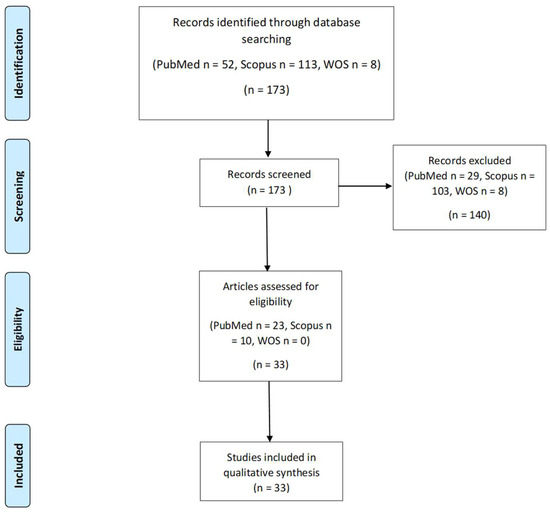
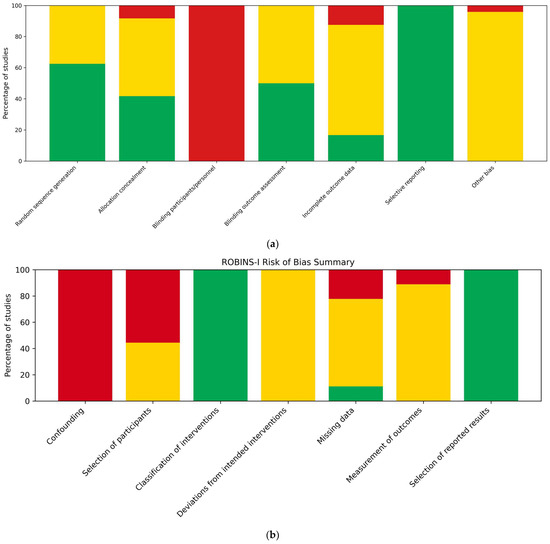
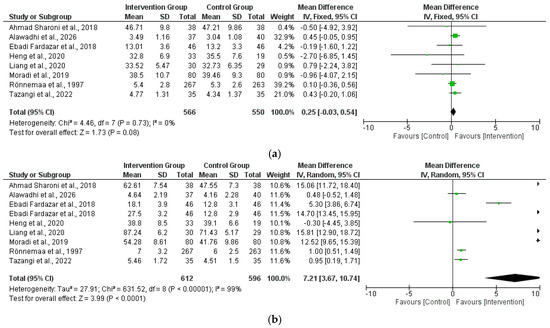
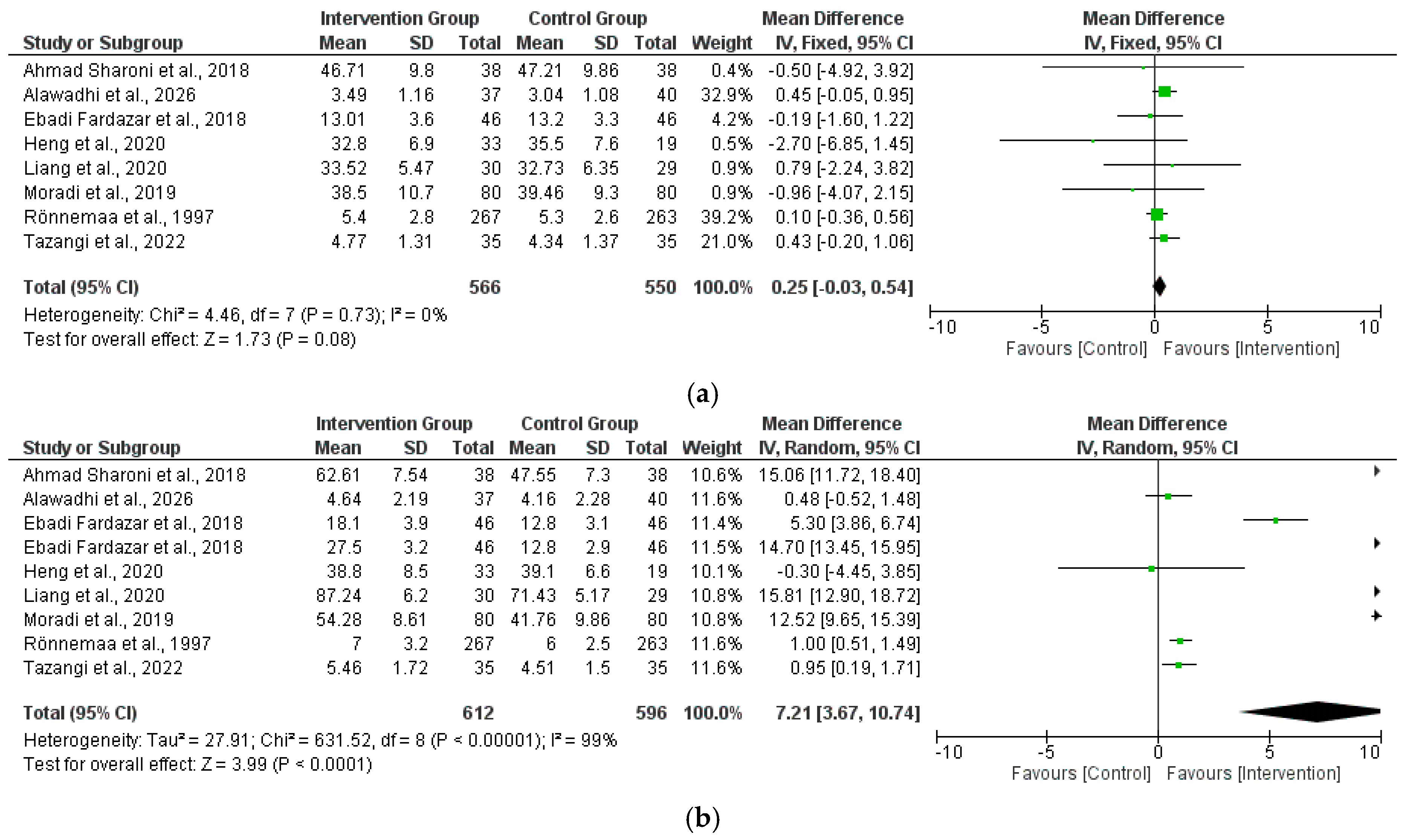
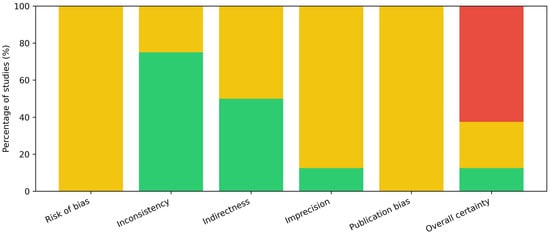
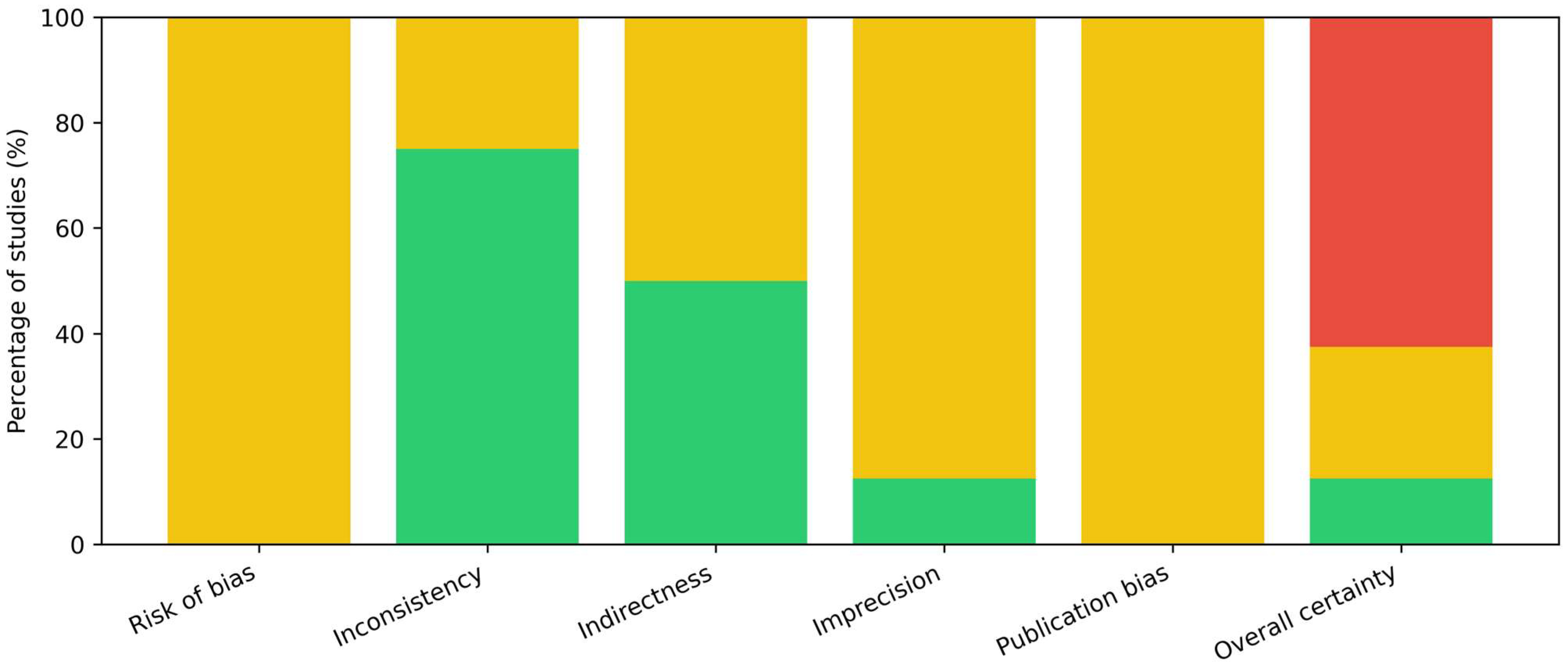

Disclaimer/Publisher’s Note: The statements, opinions and data contained in all publications are solely those of the individual author(s) and contributor(s) and not of MDPI and/or the editor(s). MDPI and/or the editor(s) disclaim responsibility for any injury to people or property resulting from any ideas, methods, instructions or products referred to in the content. |
© 2026 by the authors. Licensee MDPI, Basel, Switzerland. This article is an open access article distributed under the terms and conditions of the Creative Commons Attribution (CC BY) license.