


Abstract
Antitubercular drug-induced liver injury (ATDILI) poses a significant obstacle to successful tuberculosis treatment, including for tuberculous lymphadenitis. Its global incidence varies considerably, typically ranging from 2% to 30%, influenced by factors like patient demographics, co-morbidities, and geographical context. Despite some findings suggesting potentially lower rates in tuberculous lymphadenitis, the inherent hepatotoxic nature of standard anti-TB drugs means the risk remains clinically relevant. Key risk factors for ATDILI encompass older age, female gender, pre-existing liver conditions, HIV co-infection, malnutrition, alcoholism, and genetic polymorphisms, particularly in N-acetyltransferase 2 which affects isoniazid metabolism. The mechanisms of injury are drug-specific: isoniazid primarily causes hepatocellular damage via oxidative stress from toxic metabolites, while rifampicin induces cholestasis and endoplasmic reticulum stress, and pyrazinamide is linked to mitochondrial dysfunction. Management involves prompt withdrawal of antitubercular therapy when liver enzyme thresholds are exceeded, followed by careful reintroduction. Challenges are amplified in resource-limited settings due to higher prevalence of risk factors and limited access to consistent monitoring and sophisticated diagnostics. Promising advancements include safer regimens like the 3-month once-weekly isoniazid-rifapentine (3HP) for latent TB, which significantly reduces hepatotoxicity. The development of shorter active TB regimens and novel anti-TB drugs with improved safety profiles further aims to enhance treatment adherence and reduce ATDILI incidence, ultimately improving patient outcomes globally.
1. Introduction
Tuberculosis (TB) is an ancient and persistent infectious disease caused by the rod-shaped bacterium Mycobacterium tuberculosis [1]. Despite advances, it remains one of the top ten global causes of death from infectious diseases and a significant public health threat [1]. Approximately 30% of the world’s population is estimated to carry latent TB infection, with an incidence of around nine million new cases annually [2]. The disease can affect various organs, not just the lungs [3]. Tuberculous lymphadenitis (TBL) is a common form of extrapulmonary TB (EPTB), frequently affecting lymph nodes, particularly in the cervical region [4,5]. It often presents as a palpable neck mass, and diagnosis and treatment can sometimes be delayed [4]. TB is responsible for 43% of EPTB cases, and its management typically involves a combination of antitubercular drugs [6]. The epidemiology of TBL varies between resource-limited and resource-rich countries.
In resource-rich countries, most cases of TBL occur among adult immigrants from TB-endemic countries [7]. The standard antitubercular treatment (ATT) regimen frequently carries a risk of inducing hepatotoxicity that can compromise treatment adherence and efficacy [8]. Standard ATT consists of a regimen including isoniazid, rifampicin, pyrazinamide, and ethambutol [9,10].
While these multi-drug regimens are highly effective in curing the disease and preventing further transmission [11], a critical challenge arises from their potential for adverse effects [12,13,14]. These drugs, particularly isoniazid and pyrazinamide, carry a substantial risk of inducing hepatotoxicity that can range from mild liver enzyme elevations to acute liver failure [7,15]. The reported incidence of antitubercular drug-induced liver injury (ATDILI) varies, commonly reported between 2% and 28% of patients, depending on the definition of hepatotoxicity, the study population, and the specific treatment regimen [7,9,16,17].
The occurrence of ATDILI is a significant clinical concern because it can lead to treatment interruption [18], which subsequently increases the risk of treatment failure, progression of disease, and the development of drug-resistant TB strains [8,19]. This complicates the treatment landscape and poses serious public health implications. Therefore, recognizing the factors contributing to ATDILI [9,20,21], and rigorously assessing its causality using validated methods such as the Roussel Uclaf Causality Assessment Method (RUCAM), are crucial for optimizing treatment outcomes and ensuring patient safety in individuals undergoing ATT for conditions like TB [22,23]. This comprehensive review aims to synthesize current evidence on the incidence, risk factors, mechanisms, and management strategies for ATDILI in patients with TBL and to explore whether differences exist between patients treated for pulmonary TB and TBL.
2. Literature Search and Selection
A comprehensive search was conducted across several electronic databases to identify relevant literature on ATDILI, with a particular focus on studies related to TBL treatment. The databases utilized included PubMed, Scopus, Web of Science, Embase, and Google Scholar. The search queries incorporated a combination of keywords and Medical Subject Headings, such as “antitubercular drugs,” “hepatotoxicity,” “drug-induced liver injury,” “DILI,” “ATDILI,” “tuberculosis,” “tuberculous lymphadenitis,” “latent tuberculosis”, “risk factors,” “mechanisms,” “management,” “RUCAM.” The search encompassed articles published from 1990 up to September 2025, or older, if containing information essential for this review. Only articles published in English were considered for inclusion.
Article Selection Criteria:
Articles were considered for inclusion in this comprehensive review if they met the following general criteria:
- Original research articles, systematic reviews, and meta-analyses.
- Clinical trials and observational studies (e.g., cohort, case–control studies).
- Studies involving human patient populations undergoing antitubercular drug treatment.
- Research specifically addressing the incidence, risk factors, mechanisms, or management strategies of ATDILI.
- Studies that included patients with TBL or EPTB where ATDILI was reported.
- Emphasis was placed on studies where ATDILI cases were evaluated or confirmed using validated causality assessment methods, such as the updated Roussel Uclaf Causality Assessment Method of 2016 or the original RUCAM published in 1993, to ensure the robustness of reported causality.
Exclusion Criteria:
Articles were generally excluded if they were any of the following:
- Case reports, editorials, letters to the editor, or conference abstracts, unless they contained uniquely important findings or discussions directly relevant to key aspects of the review not adequately covered elsewhere.
- Non-human studies (in vitro or animal studies) unless they provided critical mechanistic insights directly applicable to human ATDILI pathophysiology.
- Studies not directly relevant to ATDILI.
- Studies focusing solely on pulmonary TB without explicit mention or generalizability to extrapulmonary forms, unless directly addressing mechanisms or risk factors broadly applicable to ATDILI.
Ultimately, the selection of articles was based on the individual critical appraisal of each co-author, reflecting their expertise and focus on clinical practice.
3. Incidence of ATDILI
ATDILI is a well-recognized and potentially serious adverse effect of ATT. The reported global incidence varies significantly, ranging from 2% to 30%, depending on geographic region, patient population, and the presence of co-infections or comorbidities [24]. Routine liver function monitoring is considered essential to ensure patient safety during ATT.
However, comprehensive and consistent data on ATDILI incidence specifically in TBL patients is notably limited. For instance, a prospective study conducted in Egypt reported an ATDILI incidence of 15% among patients undergoing ATT; however, this study did not explicitly state the use of a validated causality assessment method like RUCAM. Interestingly, within this cohort, no cases of ATDILI were observed among patients specifically treated for TBL (n = 20) [25]. This finding should be interpreted cautiously given the study design and lack of RUCAM assessment. It may indicate either the localized nature of TBL or underreporting, and the absence of ATDILI cases compared with the general 2–30% incidence warrants further investigation into possible pathophysiological or methodological explanations.
Similarly, a larger Turkish cohort reported an ATDILI incidence of 7.3% without explicit mention of RUCAM in its methodology [26].
Furthermore, a study published in journal Medical Principles and Practice reported that 45.1% of TB cases were EPTB, with lymph node involvement being the most common site [27]. While this study did not specify the incidence of ATDILI in TBL, it underscores the significant prevalence of EPTB and the importance of careful monitoring in these patients [23].
These findings indicate that although the reported risk of ATDILI may appear lower in some EPTB cohorts, including those with lymph node involvement, it remains clinically significant. Despite limited data where causality has been rigorously assessed using methods such as RUCAM, the potential for ATDILI underscores the importance of regular monitoring of liver function during antitubercular therapy, even in patients with localized disease.
4. Risk Factors for ATDILI
ATDILI has been associated with various host and environmental factors that increase susceptibility [9,16,28,29,30,31,32]. Understanding these risk factors is crucial for personalized patient management, especially in populations undergoing treatment for conditions like TBL. All risk factors are schematically presented in Figure 1.
Figure 1.
Predisposing factors for ATDILI.
4.1. Age
Older age is a frequently cited risk factor for ATDILI. Studies show that patients developing ATDILI often exhibit a higher average age than those treated with the same regimen without ATDILI [33]. During treatment with first-line anti-TB drugs, the incidence of severe adverse drug reactions, including hepatotoxicity (most often linked to pyrazinamide), rises with age and constitutes a common reason for drug discontinuation [34,35]. Older age was identified as an independent predictor of ATDILI occurrence in a case–control study where a significantly greater percentage of patients had EPTB or severe pulmonary TB [36]. In a recent study, patients who developed ATDILI were generally older, with a mean age of 60.1 ± 18.87 years, compared with 52.2 ± 13.79 years in those without ATDILI. A higher proportion of ATDILI cases occurred in patients aged over 70 years [33]. The increased incidence of ATDILI in older age may be due to increased prevalence of co-morbid conditions and polypharmacy in this age group [37]. However, the specific methodology for causality assessment in some of these studies, such as the consistent application of RUCAM, is not always explicitly detailed. Conversely, several studies showed no significant relation between age and ATDILI [16,38,39], which imposes a need for further studies and systematic reviews. ATDILI is uncommon in children [40,41], and the incidence is considerably lower than in adults [42], with generally favorable outcomes [8]. However, ATDILI in pediatrics is reported; thus, close monitoring of liver enzymes is advised, especially in children under the age of four [43]. Patients with TBL may be affected by these age-related risks regardless of their chronological age.
4.2. Female Gender
Female gender has been identified as a predictor of ATDILI development in multiple studies [28,37,44,45,46,47]. Female patients receiving ATT may be more prone to severe liver damage or even liver failure. Different genetic polymorphisms of enzymes involved in anti-TB drug metabolism are found in women. For instance, single-nucleotide polymorphisms of a pregnane X receptor that regulates gene expression for a specific cytochrome P450 have been implicated in an increased risk of ATDILI in females [48]. Higher susceptibility for hepatotoxicity is likely due to the higher activity of cytochrome CYP3A in women, which can increase the concentration of rifampin and its metabolites in the blood [49]. Women are also found as being more likely to require isoniazid therapy discontinuation due to adverse effects [50]. However, the precise relationship between female gender and ATDILI is still a subject of debate, as some studies found a higher incidence in male patients [51,52] or no relation between gender and ATDILI susceptibility [53,54]. The explicit use of validated causality assessment methods like RUCAM in many of these studies has not always been consistently reported. This risk factor is equally relevant for all TB patients, including those with TBL.
4.3. Liver Diseases
Pre-existing liver conditions, including concurrent hepatitis B or C infection, alcohol consumption, and underlying chronic liver disease (CLD), are strongly associated with a high incidence of ATDILI [55]. Patients with hepatitis virus carriage, a past history of acute hepatitis, and current excessive alcohol consumption can receive usual TB regimens if there is no clinical evidence of CLD. However, ATDILI may be more common and anticipated among these patients [56]. In a Taiwanese study that included more than 1000 patients with DILI, antituberculosis drugs were the leading cause of DILI, and active HBV infection with HBV-DNA > 2000 IU/mL was the most significant risk factor for liver-related mortality [57]. While this study’s criteria for DILI diagnosis were established, the consistent application of RUCAM to assess causality for each case was not explicitly detailed. CLD was identified as a risk factor for all adverse drug reactions to first-line anti-TB drugs in a study where hepatotoxicity was the second most common adverse reaction and a major cause of treatment discontinuation [58]. For people with drug-susceptible TB and CLD, including TBL patients, evaluation of the degree of liver function impairment is necessary to design the best possible regimen that is sufficiently effective while minimizing hepatotoxic impact [59]. Hepatotoxic anti-TB drugs may be safely used in patients with CLD, including compensated cirrhosis, if the number of hepatotoxic drugs used is appropriately adjusted [60].
4.4. Pregnancy
Pregnancy is thought to be a risk factor for drug-induced acute liver failure in Western countries, although few reports specifically concern pregnant women. Those cases involved antibiotics, antihypertensive, antithyroid, antiretroviral, and antituberculosis medications [61]. Severe hepatotoxicity during treatment of active TB is significantly more frequent in pregnant women compared to non-pregnant women. This often leads to drug withdrawal and a longer duration of treatment due to elevated liver enzymes during the first weeks of standard ATT regimen [29]. Conversely, treatment of latent TB in pregnant women with once-weekly isoniazid and rifapentine for 12 weeks has shown no major drug-related toxicity [62]. Careful monitoring of liver transaminases during TB treatment in pregnancy is mandatory [29,63]. While these studies highlight a clear clinical association, the precise diagnostic criteria and causality assessment, such as the routine application of RUCAM, for ATDILI cases in pregnant populations are areas that could benefit from more detailed reporting in the literature. This risk factor is also pertinent for pregnant individuals with TBL.
4.5. HIV Infection
HIV infection is a well-established risk factor for ATDILI [64]. The presence of HIV infection and EPTB, which accounts for 50% among HIV-coinfected TB patients [65], were significant risk factors for the development of hepatitis [66]. All people living with HIV with drug-susceptible TB may be treated using the same duration of ATT as HIV-negative TB patients [59]. A 4-fold relative risk of developing ATDILI was found in HIV-positive patients, increasing to 14.4-fold if coinfected with both hepatitis C and HIV [67]. A retrospective study from the United Kingdom demonstrated that HIV infection, in the absence of antiretroviral therapy, was significantly associated with an increased risk of hepatotoxicity during ATT [68]. However, these findings contrast with an earlier study in the same setting, which reported a similar incidence of severe hepatotoxicity regardless of HIV status [69]. In many of these studies, the diagnosis of ATDILI primarily relies on biochemical criteria and clinical suspicion, with explicit mention of validated causality assessment tools like RUCAM often lacking in the reported methodology. Despite conflicting results in some older studies, the current consensus recommends regular liver function monitoring for HIV-positive individuals on ATT. This risk factor is highly relevant for TBL patients, especially given the common co-occurrence of HIV and EPTB [70].
4.6. Genetics
Genetic polymorphisms play a significant role in individual susceptibility to ATDILI. Variations in genes encoding drug-metabolizing enzymes such as N-acetyltransferase 2, cytochrome P450 2E1 (CYP2E1), and glutathione S-transferase have been associated with ATDILI risk [71,72,73,74,75,76,77,78,79,80]. One of the strongest risk factors for ATDILI is the presence of the slow-acetylator phenotype of NAT2 [73,79,81], which is responsible for 80% of isoniazid clearance. Studies consistently show a higher incidence of hepatotoxicity in individuals with this phenotype. Similarly, specific CYP2E1 genotypes, particularly the c1/c1 variant, are linked to an elevated risk [82]. The combination of slow acetylator NAT2 and CYP2E1 c1/c1 polymorphism presents the highest risk of developing hepatotoxicity induced by ATT drugs [79,83,84,85]. The absence of GSTM1 and GSTT1 activity due to mutations can also lead to the accumulation of hepatotoxic isoniazid metabolites [86]. While these studies identify genetic predispositions, the diagnosis of ATDILI in the patient cohorts analyzed may vary in its reliance on validated causality assessment methods like RUCAM. It is worth highlighting that the association of ATDILI and genetic polymorphisms varied depending on ethnicity [87,88,89]. Genetic risk factors apply to all TB patients, including those with TBL, underlining the potential for personalized risk assessment.
4.7. Malnutrition
Malnutrition, which is common in TB patients, is associated with a higher incidence of ATDILI [29,90]. Weight loss of 2 kg or more, developed within 4 weeks during ATT, appears to be a highly significant independent risk factor for ATDILI. Majority of patients experience a disruption as early as the first 15 days of treatment [91]. Malnutrition correlated with nearly a 7-fold rise in ATDILI risk [92]. An adequate intake of nutrients is important for the integrity of liver metabolism and detoxification of ATT drugs, as the cytochrome P450 enzyme system is affected by nutrient intake, fasting, and malnourished states. Nutritional rehabilitation has been shown to improve isoniazid metabolism [93]. While the association is clear, the consistent application of validated causality assessment methods in all studies linking malnutrition to ATDILI is an area for potential improvement in the literature. This is a critical risk factor for TBL patients, who may experience malnutrition due to chronic disease or other comorbidities.
4.8. Alcoholism
Excessive alcohol consumption is a clear risk factor that predisposes individuals to ATDILI [94]. Patients with high alcohol intake are found to have 3-fold higher odds of developing ATDILI [95]. A recent systematic review and meta-analysis including over 50 studies confirmed that alcohol consumption increases the odds of ATDILI by approximately 1.55-fold, further underscoring alcohol as an independent risk factor for ATDILI [96]. While meta-analyses provide robust statistical evidence, the primary studies included may have utilized diverse criteria for ATDILI diagnosis, not all explicitly incorporating validated causality assessment tools like RUCAM. Nonetheless, clinical studies consistently highlight alcohol intake as significantly associated with ATDILI incidence. In older adult patients with diabetes undergoing early treatment of pulmonary TB, a greater prevalence of patients who developed ATDILI had a history of alcohol consumption, emphasizing the influence of a combination of risk factors on ATDILI incidence [97,98]. Alcohol consumption can lead to poor treatment outcomes in TB patients, including treatment failure or death [99]. This risk factor applies broadly to all TB patients, including individuals with TBL.
5. Biological Mechanisms of Antituberculosis Drug-Induced Hepatotoxicity
Antitubercular drugs can induce hepatotoxicity through diverse and complex biological mechanisms, primarily involving direct toxicity, metabolic activation to reactive intermediates, and immune-mediated responses. While the exact pathways are extensively studied, significant gaps in understanding remain for some drugs and their interactions. An overview of the mechanism of hepatotoxicity induced by first-line antitubercular drugs is presented in Table 1.
5.1. Hepatotoxicity Induced by Isoniazid
Isoniazid is a major contributor to ATDILI, primarily via hepatocellular toxicity [100]. Its metabolism generates toxic intermediates such as acetylhydrazine and hydrazine [101,102]. Hydrazine is highly hepatotoxic, causing oxidative stress by forming reactive oxygen species and nitrogen-containing free radicals through cytochrome P450 reductase [102,103,104]. This oxidative stress damages cellular components, including lipids (leading to lipid peroxidation and potential ferroptosis), proteins, DNA, and mitochondria [105,106,107]. Mitochondrial dysfunction, in particular, impairs ATP production and exacerbates oxidative stress [105,106,107]. Genetic polymorphisms, especially in N-acetyltransferase 2 and CYP2E1, significantly influence INH metabolism and an individual’s susceptibility to hepatotoxicity, with slow acetylators being more vulnerable [108,109].
5.2. Hepatotoxicity Induced by Rifampicin
Rifampicin primarily causes cholestatic liver injury [102], often observed when used in combination with other ATT drugs. Its mechanisms involve disrupting bile acid transport, largely through inhibiting the bile salt export pump and increasing multidrug resistance-associated Protein 2 degradation [108,110,111]. Rifampicin also induces endoplasmic reticulum stress, leading to the accumulation of unfolded proteins and activation of the unfolded protein response pathways, such as PXR activation and the PERK/eIF2α/ATF4/CHOP pathway, which can trigger apoptosis [108,110,111,112]. Oxidative stress and hepatic lipid accumulation are also implicated [108,110,113]. Genetic variations, particularly in SLCO1B1 and carboxylesterase genes, can lead to higher plasma RIF levels, increasing hepatotoxicity risk [114].
5.3. Hepatotoxicity Induced by Pyrazinamide
Pyrazinamide is an adjuvant drug whose clinical utility is limited by its dose-dependent, primarily hepatocellular, hepatotoxicity [9,115]. A prodrug, Pyrazinamide is metabolized to pyrazinoic acid and 5-hydroxypyrazinoic acid, though their precise hepatotoxic mechanisms are not fully elucidated [102,116,117,118]. Pyrazinamide may impair lipid metabolism by inhibiting peroxisome proliferator-activated receptors alpha, leading to steatosis [119,120,121]. It also contributes to oxidative stress and ER stress (e.g., through the PERK/eIF2α/ATF4/CHOP pathway) and can cause cholestatic injury by inhibiting Farnesoid X Receptor activity [31,122,123,124].
5.4. Hepatic Effects of Ethambutol
Ethambutol is generally considered to have a lower hepatotoxic potential than other first-line drugs, with reported cases of hepatotoxicity usually occurring in combination with more hepatotoxic agents [102,115]. The mechanisms are not fully characterized but are thought to involve metal ion chelation (particularly copper), lysosomal dysfunction (blocking autophagosome–lysosome fusion), and mitochondrial damage (defects in mitochondrial coupling and reduced complex IV activity) [9,125,126,127]. These mechanisms are less studied for ethanbutol-induced hepatotoxicity compared to other drug-induced adverse effects.
5.5. Hepatic Effects of Streptomycin
Streptomycin is an aminoglycoside antibiotic rarely associated with hepatotoxicity [9]. Its contribution to ATDILI is considered minimal, although transient elevations in serum alkaline phosphatase have been reported [115]. Cases of streptomycin-associated hepatotoxicity typically occur when it is combined with other, more hepatotoxic antituberculosis drugs, making it difficult to isolate streptomycin as the sole cause [115].
Table 1.
Overview of mechanism of hepatotoxicity induced by first-line antitubercular drugs.
6. Diagnosis and Monitoring
Clinical presentation can vary from asymptomatic elevation of liver function tests to acute liver failure, which may occur in all forms of TB, including TBL. It is important to note that approximately 20% of patients treated with a standard four-drug regimen will develop asymptomatic elevations in aminotransferases [9,70]. It usually appears within the first few weeks of treatment initiation and, in most cases, resolves spontaneously [21]. As long as the serum aminotransferases are less than five times upper limit normal (ULN) and there is absence of symptoms, treatment can be safely continued, but patients need to be monitored frequently [70,129].
This phenomenon of transient, asymptomatic aminotransferases elevation during the early phase of ATT, which resolves spontaneously with ongoing drug therapy at the same dosage, is referred to as hepatic adaptation [8].
Although asymptomatic aminotransferase elevations are common during ATT, hepatotoxicity can be fatal if not recognized early and when therapy is not interrupted in time [9].
ATDILI usually occurs in the first two months of treatment, during the intensive phase of therapy, but it may happen at any moment during the treatment period [8,9]. It usually runs a mild course in the majority of patients, but rarely may lead to serious complications such as acute liver failure with resultant mortality [130].
Clinical features are the same as in other forms of hepatitis and patients may present with symptoms and signs like asthenia, anorexia, lethargy, weakness, nausea, vomiting, epigastric or right upper quadrant discomfort, malaise or jaundice [9].
When present, symptoms are a reliable indicator of hepatotoxicity, but their absence does not negate the possibility of ATDILI. It is therefore of paramount importance that patients on ATT be regularly questioned about gastrointestinal symptoms, and any combination of otherwise unexplained nausea, vomiting and abdominal pain should be evaluated with a physical examination and liver function tests (LFT) including alanine aminotransferase (ALT), aspartate aminotransferase (AST), bilirubin and ALP to assess for possible hepatotoxicity, as continuing drug use in the presence of existing liver damage can worsen liver injury and ultimately prognosis [70,131]. In severe cases, ATDILI can lead to fulminant or subacute liver failure, characterized by hepatic encephalopathy and coagulopathy. Ascites is usually absent. Acute liver failure due to ATDILI is rare and accounts for 2.8–5.7% of all cases of acute liver failure [70].
The factor of the greatest clinical importance for development of severe hepatotoxicity and mortality is probably continuation of ATT once hepatic dysfunction has occurred. Biochemical abnormalities generally occur well before clinical signs and symptoms of hepatic injury are obvious. Thus, biochemical monitoring can detect ATDILI in the presymptomatic period and prevent adverse outcomes [132].
A special problem poses patients who present with baseline abnormal liver function tests. Since their hepatic reserve is already compromised, the risk for hepatotoxicity is increased and ATDILI can be severe and potentially fatal [133]. Monitoring of these patients can also be complicated due to fluctuation in LFT [8]. In such cases, a more frequent monitoring schedule may be warranted, along with careful consideration of baseline liver disease severity before initiating ATT [9].
Since clinical presentation is not specific, diagnosis typically relies on a combination of clinical suspicion, laboratory findings, and the exclusion of other potential causes of liver injury such as viral hepatitis, biliary tract disease, adverse effects from concomitant medications and herbals supplements [7,8].
In patients with normal levels of baseline AST and ALT before treatment initiation, ATDILI is defined as liver transaminase levels greater than 3 times the upper limit normal (ULN) with symptoms of hepatitis, or greater than 5 times ULN without symptoms. In patients with abnormal levels of basal AST or ALT before treatment initiation, ATDILI is defined by the increase in transaminases exceeding two times the baseline value [8,9,134]. ULN used should be that of the laboratory performing the assay [71].
ATDILI is generally characterized by a hepatitis-like profile, with elevated serum aminotransferases (usually <1000 IU/L). If the aminotransferase levels are <5× ULN, then hepatotoxicity is considered mild; 5–10× ULN is considered moderate and >10× ULN is considered severe [70].
Liver biopsy is not routinely recommended for diagnosis of ATDILI, as the diagnosis is primarily clinical. It could be of benefit in selected cases where the diagnosis remains uncertain, or the liver injury persists despite drug cessation [8].
Histologically, ATDILI is characterized by hepatocellular patterns of injury, with lobular hepatitis, focal necrosis and/or confluent necrosis, and portal inflammation. In fatal cases, there can be histological evidence of submassive and massive hepatic necrosis [21,70].
While biochemical criteria identify liver injury, formal causality assessment is essential for definitively linking the injury to anti-TB drugs. The Roussel Uclaf Causality Assessment Method (RUCAM) is the most widely used and validated tool for this purpose [23,135]. RUCAM represents a structured, standardized, and hepatotoxicity-specific diagnostic approach that attributes scores to individual key items, providing quantitative gradings of causality [23]. It utilizes a precise definition of seven criteria, including chronology, risk factors, concomitant medications, and response to drug withdrawal, to assess causality [135,136]. The consistent application of RUCAM enhances diagnostic objectivity for all ATDILI cases, including those involving ATT, particularly when distinguishing from other causes of liver dysfunction [137,138].
7. Management Strategies
Management guidelines for ATDILI are primarily based on expert consensus rather than extensive empirical data [139]. These management strategies are universally applicable to all forms of TB, including TBL, where maintaining treatment efficacy is paramount.
The most critical intervention is prompt withdrawal of all ATT drugs if aminotransferases are >5× ULN in the absence of symptoms, or >3× ULN in the presence of symptoms [70,131,133].
The patient should then be carefully evaluated, and in severe reactions, hospitalization and further evaluation is advisable. Otherwise, relief of symptoms is all that is required as most adverse reactions will resolve spontaneously and completely after drug discontinuation [140].
It is very important to exclude other causes of abnormal liver function tests before diagnosing drug induced hepatotoxicity [131].
Once the aminotransferases return to <2× ULN (or in those with underlying liver disease return to baseline levels), the original ATT can be slowly reintroduced.
If the TB disease is of low severity in terms of radiographic extent, bacillary load and infectiousness, the reasonable approach is to wait for the LFT to improve before re-initiating the treatment [133]. If that is not an option, like in smear positive TB cases or severe illness where discontinuation of therapy is deemed unsafe, a non-hepatotoxic ATT regimen could be temporarily used. This means a minimum of two effective drugs, and in the case of severe disease, even three. Hence, it may be necessary to start patients on quinolone, and in some instances also streptomycin or other aminoglycosides [129]. Fluoroquinolone-containing regimens are generally preferred if hepatotoxicity occurs during the initial intensive phase of treatment and the anticipated interruption of chemotherapy extends beyond two weeks, especially in the presence of severe TB [133]. After the hepatotoxicity resolves, the usual TB treatment should be restarted [9,21].
Though standard ATT can be reintroduced safely in the vast majority of patients, there is a risk of recurrence of severe hepatitis. However, challenge should be attempted since isoniazid and rifampicin are highly effective, and their use in the treatment of TB infection is desirable whenever possible [21]. Also, there is not enough data regarding duration of therapy and clinical efficacy for non-isoniazid rifampicin regimens, and such regimens pose a risk for the development of resistance [70].
Reintroduction of ATT is based on the recommendations provided by guidelines created by various organizations such as the American Thoracic Society, British Thoracic Society, World Health Organization and National Institute for Health and Care Excellence, but many of these recommendations are reliant on expert opinion only [21]. Moreover, the variability in recommendations across different guidelines regarding liver function monitoring and management of abnormalities further highlights the need for more robust, evidence-based protocols to minimize the dangers associated with ATT medications [17]. Specifically, a lack of consensus exists concerning the frequency of liver function tests, making consistent monitoring challenging [141].
The three possible reintroduction methods are as follows: (1) full dose administration of all ATT drugs from day one (isoniazid, rifampicin, pyrazinamide); (2) sequential, full dose administration starting with rifampicin (from day one), then isoniazid (from day 8), and lastly, pyrazinamide (from day 15); and (3) sequential introduction with gradual dose escalation, starting with a minimum dose and increasing to the full dosage over time [49]. Based on the current information, it is unclear whether to reintroduce drugs with incremental doses or to restart them at a maximum dose since many studies have found no statistically significant difference in recurrence of ATDILI as per the different guidelines [142]. Reintroduction of the ATT at the maximum therapeutic doses was based on the rationale that most ATDILI is the result of metabolic idiosyncratic reactions and is not dose-dependent [132].
The sequential reintroduction may result in longer duration, a higher risk of morbidity, more risk of transmission of TB, and development of drug resistance [142] but it also helps in identifying the offending drug and modifying the ATT regimen if needed.
The order of rechallenge depends on the likelihood that a given drug is responsible for hepatotoxicity and its importance in treatment. So, when rechallenging the patient, rifampicin should be reinstituted first, with or without ethambutol, as it is the least likely to be responsible. If the LFT remains normal after 3–7 days, isoniazid can be reinstituted, as these two are the most important drugs in ATT. After one more week, pyrazinamide can be restarted. If symptoms recur or serum aminotransferase increases again, the last drug added should be stopped and not reintroduced. For those who have experienced prolonged or severe hepatotoxicity but tolerate reintroduction with rifampicin and isoniazid, rechallenge with pyrazinamide may be hazardous. In this circumstance, pyrazinamide may be permanently discontinued, and treatment with rifampicin and isoniazid extended to nine months. If the original ATDILI is severe enough to cause ALF and/or the need for a liver transplant, reintroduction of first-line ATT cannot be justified and alternative drugs need serious consideration [70,71,129].
After full reintroduction of standard ATT it is important to frequently monitor LFTs, as recurrence of hepatotoxicity might be higher in incidence, earlier in occurrence and more severe [132]. Figure 2 presents simplified management guidelines for ATDILI.
Figure 2.
Management guidelines for ATDILI.
Given the risk of hepatotoxicity, TB should always be treated under supervision of a qualified physician [9].
Patients should be educated about signs and symptoms of hepatotoxicity and advised to seek medical care immediately if they experience any of them. They should be encouraged not to drink alcohol during ATT and to seek medical advice about any prescription or non-prescription medication use as these could potentially increase toxicity leading to ATDILI [9,21]. Regarding LFT monitoring during treatment, there is no consensus. Some advocate for LFT monitoring only once symptoms appear, and others suggest using a risk factor-based strategy, but a regular LFT monitoring every two weeks could facilitate the rapid identification of early ATDILI. Thus, if resources permit, regular biweekly monitoring of LFT may be essential in all patients initiated on ATT, at least during the intensive phase of treatment [142].
8. Specific Drug Comparisons
A standard treatment regimen for patients with drug-susceptible TB without documented resistance to isoniazid and rifampicin is the 6-month rifampicin-containing regimen, which comprises isoniazid, rifampicin, pyrazinamide and ethambutol for two months followed by isoniazid and rifampicin for four months [59]. Isoniazid, pyrazinamide and rifampicin all have hepatotoxic potential and can lead to such reactions during ATT [133]. Rifampicin is less likely than isoniazid or pyrazinamide to cause hepatotoxicity and is the most effective agent. The contribution of pyrazinamide to liver damage during ATT is not fully clear because it is used only in combination with other ATT drugs that are hepatotoxic, such as isoniazid and rifampicin. Pyrazinamide has been associated with recurrence of liver injury on drug reintroduction more often than isoniazid and rifampicin reintroduction [143]. The elimination of pyrazinamide from the re-administration regimen results in a shorter duration of hospitalization [49].
Isoniazid proved highly hepatotoxic compared to other standard ATT drugs. Combination of isoniazid with rifampicin and pyrazinamide increases the risk of ATDILI [144]. In the treatment of latent TB, the frequency of isoniazid-induced liver injury in patients receiving monotherapy was found to be low [145]; however, this meta-analysis included studies that did not use updated criteria for DILI. The risk of hepatitis in patients receiving pyrazinamide/rifampicin for prevention of latent TB is increased 3-fold as compared to patients receiving isoniazid [146].
Rifampicin alone has low potential for hepatotoxicity, but it exhibits additive or even synergistic hepatotoxicity when used with isoniazid concomitantly in ATT [31]. Despite rifampicin toxicity being proven to be dose-related [147,148], higher doses of rifampicin could increase efficacy [149,150] and have the potential for shortening TB treatment duration [151].
Previous studies showed no evidence for an increase in the incidence of serious hepatotoxicity related to a minimally higher dose of rifampicin alone (from standard 10 mg/kg to 13 mg/kg), bearing in mind that the effect on pharmacokinetics of isoniazid was not assessed by the study [152].
Comparative analysis of outcomes between different AT drugs is shown in Table 2.
Table 2.
Analysis of outcomes between different AT drugs.
9. Clinical Outcomes of Tuberculous Lymphadenitis Treatment and Comparison with Outcomes of Pulmonary TB Treatment
TBL, as a common form of EPTB, is treated with the same first-line antitubercular drugs as pulmonary TB. Consequently, the risk of ADILI in TBL patients is generally considered similar to that in pulmonary TB patients, given the use of identical hepatotoxic medications.
TBL treatment also faces unique challenges.
EPTB, including TBL, is characterized by a delayed response to ATT and a higher frequency of paradoxical reactions compared with pulmonary TB [184].
It is important to understand the expected clinical course following the initiation of ATT in patients with TBL. TBL typically shows a slow response to effective therapy, and lymph nodes may enlarge during treatment or even after its completion. Also, ATT may cause a paradoxical reaction, with lymph node enlargement or new node involvement occurring in up to 20% of patients during or after treatment [185,186,187]. These reactions usually appear within three weeks to four months of therapy initiation [185] and are not indicative of treatment failure, as cultures are typically negative. They are thought to result from an immune response to dying M. tuberculosis organisms [188,189]. Clinical manifestations include lymph node enlargement, fluctuance, erythema, and spontaneous discharge [187]. Fine-needle aspiration for acid-fast bacillus analysis may be performed to aid in differentiating a paradoxical reaction from true treatment failure.
In addition, ATDILI-related treatment interruptions can further complicate the clinical course by delaying effective therapy or necessitating regimen adjustments.
Patients with EPTB may sometimes require longer treatment durations [190], while extending treatment to nine months for TBL patients with residual lymphadenopathy at six months may not be beneficial [7].
However, comprehensive studies directly comparing the clinical outcomes of ATDILI between TBL and pulmonary TB, particularly those that rigorously employ the RUCAM, are notably scarce. This absence of direct comparative data represents a significant research gap.
10. Discussion
10.1. Advances in Managing ATDILI
ATDILI remains a critical adverse effect of ATT in the treatment of all forms of TB, including TBL, posing significant challenges such as treatment interruption, increased risk of treatment failure, and the development of drug-resistant TB strains. Recent advancements and ongoing research are focusing on mitigating this risk through novel protective and adjunctive therapies, personalized risk assessment, and refined treatment regimens.
10.2. Novel Protective and Adjunctive Therapies
There is growing interest in developing and validating agents that can mitigate ATDILI, aiming to protect the liver and improve treatment outcomes. In Table 3 are listed compounds together with proposed protective mechanisms for ATDILI.
10.3. Personalized Risk Assessment: Genetic and Biomarker Research
A key area of focus is identifying host factors that predispose individuals to ATDILI, enabling the development of personalized treatment strategies. Integrating genetic and biomarker research into personalized risk assessment is essential for mitigating ATDILI in the management of pulmonary TB and EPTB.
Research is delving into genetic variants and molecular mechanisms. A significant finding is the role of synergistic toxicity with copper contributing to NAT2-associated isoniazid toxicity [191].
Metabolomics-based strategies are being employed to assess drug hepatotoxicity and unravel the underlying mechanisms of injury [192]. These strategies offer a powerful approach to understanding the complex and multifactorial nature of DILI, aiding in early detection and risk assessment [193,194].
10.4. Pre-Therapy Patient Testing and Risk Factor Assessment
To optimize treatment outcomes and ensure the safety of individuals diagnosed with TBL, a thorough pre-treatment evaluation can be highly beneficial. This evaluation helps in identifying patients at higher risk, allowing for tailored monitoring strategies and potentially modified treatment plans.
This evaluation should include the following:
- (a)
- Screening for existing chronic liver disease: This includes assessing a history of excessive alcohol consumption, intravenous drug abuse, and nutritional status. Baseline evaluation should include serology for chronic viral hepatitis B and C, as well as HIV, and appropriate assessment for other underlying liver diseases. Patients with concurrent hepatitis B or C infection, alcohol consumption, or underlying chronic liver disease are at a higher risk for ATDILI.
- (b)
- Assessment of metabolic status (e.g., NAT2 genotyping): Given the strong association between NAT2 slow-acetylator phenotype and ATDH, NAT2 genotyping in high-risk individuals could help reduce treatment complications and improve outcomes. While genetic polymorphisms are recognized, their comprehensive interplay with host comorbidities and environmental factors across diverse populations requires further investigation.
- (c)
- Assessment for drug resistance: Although the provided document primarily focuses on ATDILI prevention, the management of TB inherently involves ensuring the use of effective drugs. Treatment interruption due to ATDILI can lead to the development of drug-resistant TB strains. Therefore, pre-therapy testing for drug resistance is a standard part of TB management to ensure the chosen regimen is effective against the specific strain of Mycobacterium tuberculosis.
- (d)
- Other individual risk factors: Age (older age, especially >70 years), female gender, pregnancy, HIV co-infection, and malnutrition are all recognized risk factors that should be evaluated before initiating ATT.
Table 3.
Summary of novel protective and adjunctive therapies against ATDILI.
10.5. Refined Regimens with Improved Safety Profiles
New tuberculosis treatment regimens are being evaluated for their efficacy and reduced toxicity, which is particularly relevant for managing conditions like TBL where treatment adherence and minimizing adverse effects are important. These advancements aim to offer safer, shorter, and better-tolerated treatment options for all forms of TB. These advancements aim to provide safer, shorter, and better-tolerated treatment options [208,209].
Shortened and Safer Regimens
New and shortened treatment regimens are being developed to reduce toxicity, improve patient adherence, and enhance treatment outcomes for TB, including its EPTB forms like TBL.
- Three-Month Once-Weekly Isoniazid-Rifapentine Regimen (3HP): This regimen is used for the preventive treatment of latent TB infection. Since TBL often arises from the reactivation of latent TB, a safe and effective preventive treatment is very important. The 3HP regimen has shown a lower risk of hepatotoxicity compared to the traditional nine-month daily isoniazid, making it a safer option for individuals with latent TB, including those at risk of developing TBL [210]. By preventing latent TB from progressing, 3HP indirectly contributes to better patient outcomes for TBL by reducing the need for more intensive active TB treatment.
- Shortened Regimens for Drug-Sensitive Active TB: Research is ongoing for shorter treatment courses for active TB. For drug-sensitive TB, one such regimen consists of an 8-week intensive phase of daily treatment with rifapentine, isoniazid, pyrazinamide, and moxifloxacin, followed by a 9-week continuation phase of rifapentine, isoniazid, and moxifloxacin, totaling 17 weeks [211,212]. While these regimens are primarily studied for pulmonary TB, their potential relevance for TBL treatment lies in reducing the overall treatment duration. For TBL patients who are otherwise suitable, a shorter, equally effective regimen could theoretically lower the risk of ATDILI due to a shorter exposure period to hepatotoxic drugs. Such regimens could improve patient adherence and reduce adverse events compared to longer standard treatments. Furthermore, recent research specifically on superficial lymph node TB patients evaluated a 4-month ofloxacin-containing regimen, demonstrating comparable efficacy and tolerability to a 6-month regimen, suggesting that shorter regimens can indeed be effective in TBL treatment [213].
10.6. Elucidating Precise ATDILI Mechanisms
Despite ongoing research, the molecular mechanisms of ATDH—particularly for pyrazinamide—remain unclear [102,191]. Better understanding is crucial for predictive and preventive strategies.
Rifampicin
Rifampicin-induced liver injury involves complex interactions between transporters, nuclear receptors, and metabolic pathways [108]. Mitochondrial damage and ROS contribute to hepatocellular injury, though their roles are not fully defined [110,113]. Long-term or high-dose exposure increases risk, but biomarkers are lacking [214]. ER stress may shift from protective to harmful when dysregulated [110]. Conventional in vitro models lack physiological relevance, highlighting the need for improved systems [108]. Interactions with other drugs or the liver–gut axis also merit further study [108].
Isoniazid
Although immune-mediated mechanisms are recognized, specific triggers and pathways remain unclear [215]. HLA polymorphisms and genetic markers (NAT2, CYP2E1) are linked to risk but lack clinical utility [101,216]. Mitochondrial dysfunction, oxidative stress, and environmental or epigenetic factors likely modulate susceptibility [105,108,216]. Experimental variability limits generalizability, emphasizing the need for better models and exploration of protective agents such as taurine.
Ethambutol
Ethambutol-induced hepatotoxicity is rare, with limited mechanistic data. Cellular targets and affected pathways remain largely unexplored.
10.7. Role of Surgery
While anti-bacillary chemotherapy remains the cornerstone of TBL treatment, surgery plays an important adjunctive role when complications arise or when medical therapy is insufficient [217]. Surgical management of abscesses, fistulas, or persistent sinuses can help prevent treatment interruptions and improve outcomes [218,219]. This is particularly relevant in the context of ATDILI, where uninterrupted therapy is critical to avoid treatment failure and drug resistance.
Surgery may indirectly support treatment adherence and reduce cumulative exposure to hepatotoxic agents by improving local disease control and preventing prolongation of therapy [220]. Additionally, by improving a patient’s general condition, surgery may enhance tolerance to anti-TB drugs, potentially reducing the risk or severity of hepatotoxicity.
However, there is no direct evidence that surgery reduces ATDILI incidence or severity. Surgical decisions should remain based on clinical indications related to lymphadenitis itself [217,218,219], though its supportive role in maintaining uninterrupted and effective anti-TB therapy may be beneficial for hepatotoxicity management.
10.8. Optimizing ATDH Management in Resource-Limited Settings
Effective management of ATDILI in resource-limited settings remains a major clinical challenge. Limited access to routine liver function testing, imaging, and specialist consultation often delays diagnosis and complicates timely treatment modifications. This is also concerning in patients with TBL, where uninterrupted therapy is critical for preventing relapse and resistance.
Given these constraints, simplified clinical algorithms for the detection and management of ATDILI are needed. These should include clear criteria for drug interruption and reintroduction based on symptom monitoring and minimal laboratory input. Risk-stratified approaches—focusing intensive monitoring efforts on patients with known risk factors such as HIV co-infection, malnutrition, or pre-existing liver disease—could improve feasibility and outcomes in these settings.
Additionally, the development of accessible point-of-care diagnostic tools and validated clinical scoring systems for hepatotoxicity could aid earlier detection and reduce treatment-related morbidity. Further research should also focus on adapting and validating shorter, less hepatotoxic regimens specifically for use in low-resource environments [8].
11. Conclusions
Despite the critical nature of ATDILI in TBL treatment, several scientific and clinical gaps persist. Scientifically, there is a lack of comprehensive and consistent data on ATDILI incidence specifically in TBL patients, particularly when causality is rigorously assessed using validated methods like the RUCAM. There is also a significant lack of comparison of clinical outcomes, such as treatment success rates, relapse, morbidity, and mortality, between TBL and pulmonary TB patients when ATDILI causality is established using RUCAM-validated studies. Furthermore, the precise molecular mechanisms of hepatotoxicity, especially for pyrazinamide and ethambutol, remain partially elucidated, hindering the development of targeted preventive strategies. Clinically, there is a lack of consensus on optimal and feasible liver function test monitoring strategies, particularly in resource-limited settings where adherence and access to diagnostics are challenging. Moreover, robust, evidence-based protocols for ATDILI management, from prevention to reintroduction of drugs, still require refinement.
Author Contributions
Conceptualization, T.S. and S.-Z.L.; Writing—Original Draft Preparation, T.S., S.-Z.L., L.M., A.D., K.R., M.R. and A.P.; Writing—Review and Editing, T.S., S.-Z.L. and A.P.; Supervision, T.S., S.-Z.L. and A.P. All authors have read and agreed to the published version of the manuscript.
Funding
This research received no external funding.
Institutional Review Board Statement
Not applicable.
Informed Consent Statement
Not applicable.
Data Availability Statement
No new data were created or analyzed in this study. Data sharing is not applicable to this article.
Conflicts of Interest
The authors declare no conflicts of interest.
References
- Jelińska, A.; Zając, M.; Dadej, A.; Tomczak, S.; Geszke-Moritz, M.; Muszalska-Kolos, I. Tuberculosis—Present Medication and Therapeutic Prospects. Curr. Med. Chem. 2020, 27, 630–656. [Google Scholar] [CrossRef] [Scilit]
- Sriram, S.; Albadrani, M. Globalization and life lost due to tuberculosis: Evidence from a multi-country study. F1000Research 2021, 10, 1251. [Google Scholar] [CrossRef] [Scilit]
- Errami, N.; Benjelloun, A.; Tahtah, N.; Hemmaoui, B.; Jahidi, A.; Nakkabi, I.; Zalagh, M.; Benariba, F. Tuberculosis of the parotid gland: Histology surprise. Pan. Afr. Med. J. 2015, 20, 343. [Google Scholar] [CrossRef] [Scilit] [PubMed]
- Haam, S.J.; Paik, H.-C.; Lee, D.-Y.; Kim, K.-W.; Choi, H.-Y.; Yu, W. Clinical Features and Treatment of Cervical Tuberculous Lymphadenitis. J. Chest Surg. 2010, 43, 716–720. [Google Scholar] [CrossRef] [Scilit]
- Thakur, J.; Thakur, A.; Mohindroo, N.; Mohindroo, S.; Sharma, D. Bilateral parotid tuberculosis. J. Glob. Infect. Dis. 2011, 3, 296–299. [Google Scholar] [CrossRef] [Scilit]
- Zhao, H.; Wang, Y.; Zhang, T.; Wang, Q.; Xie, W. Drug-Induced Liver Injury from Anti-Tuberculosis Treatment: A Retrospective Cohort Study. Med. Sci. Monit. 2020, 26, e920350. [Google Scholar] [CrossRef] [Scilit] [PubMed]
- Kumar, P.S.; Vidya, R.; Jageer, M. Anti-Tuberculosis Treatment: Induced Hepatotoxicity—A Case Report. Ejifcc 2020, 31, 242–247. [Google Scholar]
- Semwal, P.; Saini, M.K.; Sarma, M.S. Understanding antituberculosis drug-induced hepatotoxicity: Risk factors and effective management strategies in the pediatric population. World J. Clin. Pediatr. 2025, 14, 101875. [Google Scholar] [CrossRef] [Scilit]
- Tostmann, A.; Boeree, M.J.; Aarnoutse, R.E.; de Lange, W.C.; van der Ven, A.J.; Dekhuijzen, R. Antituberculosis drug-induced hepatotoxicity: Concise up-to-date review. J. Gastroenterol. Hepatol. 2008, 23, 192–202. [Google Scholar] [CrossRef] [Scilit]
- Ichai, P.; Saliba, F.; Antoun, F.; Azoulay, D.; Sebagh, M.; Antonini, T.M.; Escaut, L.; Delvart, V.; Castaing, D.; Samuel, D. Acute liver failure due to antitubercular therapy: Strategy for antitubercular treatment before and after liver transplantation. Liver Transplant. 2010, 16, 1136–1146. [Google Scholar] [CrossRef] [Scilit]
- Sant’Anna, F.M.; Araújo-Pereira, M.; Schmaltz, C.A.S.; Arriaga, M.B.; de Oliveira, R.V.C.; Andrade, B.B.; Rolla, V.C. Adverse Drug Reactions Related to Treatment of Drug-Susceptible Tuberculosis in Brazil: A Prospective Cohort Study. Front. Trop. Dis. 2022, 2, 748310. [Google Scholar] [CrossRef] [Scilit]
- Duga, A.L.; Salvo, F.; Kay, A.; Figueras, A. Safety Profile of Medicines Used for the Treatment of Drug-Resistant Tuberculosis: A Descriptive Study Based on the WHO Database (VigiBase®). Antibiotics 2023, 12, 811. [Google Scholar] [CrossRef] [Scilit] [PubMed]
- Gosai, T.R.; Balat, J.D.; Trivedi, H.R. Incidence of adverse drug reactions in patients taking anti-tuberculosis treatment. Int. J. Adv. Med. 2019, 6, 1732–1735. [Google Scholar] [CrossRef] [Scilit]
- Imam, F.; Sharma, M.; Khayyam, K.U.; Al-Harbi, N.O.; Rashid, M.K.; Ali, M.D.; Ahmad, A.; Qamar, W. Adverse drug reaction prevalence and mechanisms of action of first-line anti-tubercular drugs. Saudi Pharm. J. 2020, 28, 316–324. [Google Scholar] [CrossRef] [Scilit]
- Laniado-Laborín, R. Adverse Effects and Toxicity of Antituberculosis Drugs. In Drug Resistant Tuberculosis: Practical Guide for Clinical Management; Bentham Science Publisher: Sharjah, United Arab Emirates, 2015; pp. 65–73. [Google Scholar] [CrossRef] [Scilit]
- Abbara, A.; Chitty, S.; Roe, J.K.; Ghani, R.; Collin, S.M.; Davidson, R.N. Drug-induced liver injury from antituberculous treatment: A retrospective study from a large TB centre in the UK. BMC Infect. Dis. 2017, 17, 231. [Google Scholar] [CrossRef] [Scilit]
- Thompson, N.P.; Caplin, M.E.; Hamilton, M.I.; Gillespie, S.H.; Clarke, S.W.; Burroughs, A.K.; McIntyre, N. Anti-tuberculosis medication and the liver: Dangers and recommendations in management. Eur. Respir. J. 1995, 8, 1384–1388. [Google Scholar] [CrossRef] [Scilit]
- Assob, J.; Fon, P.; Anna, N.; Ngum, N.; Ngowe, M.N. Incidence and Risk Factors of Anti-tuberculosis Drugs Induced Hepatotoxicity in HIV/AIDS Patients Attending the Limbe and Buea Regional Hospitals. J. AIDS Clin. Res. 2014, 5, 3. [Google Scholar] [CrossRef]
- Song, J.H.; Yoon, S.Y.; Park, T.Y.; Heo, E.Y.; Kim, D.K.; Chung, H.S.; Lee, J.K. The clinical impact of drug-induced hepatotoxicity on anti-tuberculosis therapy: A case control study. Respir. Res. 2019, 20, 283. [Google Scholar] [CrossRef] [Scilit]
- Mahmood, K.; Hussain, A.; Jairamani, K.; Talib, A.; Abbasi, B.-U. Hepatotoxicity with antituberculosis drugs: The risk factors. Pak. J. Med. Sci. 2007, 23, 33–38. [Google Scholar]
- Ramappa, V.; Aithal, G.P. Hepatotoxicity Related to Anti-tuberculosis Drugs: Mechanisms and Management. J. Clin. Exp. Hepatol. 2013, 3, 37–49. [Google Scholar] [CrossRef] [Scilit] [PubMed]
- Benichou, C.; Danan, G.; Flahault, A. Causality assessment of adverse reactions to drugs--II. An original model for validation of drug causality assessment methods: Case reports with positive rechallenge. J. Clin. Epidemiol. 1993, 46, 1331–1336. [Google Scholar] [CrossRef] [Scilit] [PubMed]
- Danan, G.; Teschke, R. RUCAM in Drug and Herb Induced Liver Injury: The Update. Int. J. Mol. Sci. 2015, 17, 14. [Google Scholar] [CrossRef] [Scilit]
- Wang, N.; Chen, X.; Hao, Z.; Guo, J.; Wang, X.; Zhu, X.; Yi, H.; Wang, Q.; Tang, S. Incidence and Temporal Trend of Antituberculosis Drug-Induced Liver Injury: A Systematic Review and Meta-Analysis. J. Trop. Med. 2022, 2022, 8266878. [Google Scholar] [CrossRef] [Scilit] [PubMed]
- Makhlouf, H.A.; Helmy, A.; Fawzy, E.; El-Attar, M.; Rashed, H.A. A prospective study of antituberculous drug-induced hepatotoxicity in an area endemic for liver diseases. Hepatol. Int. 2008, 2, 353–360. [Google Scholar] [CrossRef] [Scilit]
- Babalık, A.; Arda, H.; Bakırcı, N.; Ağca, S.; Oruç, K.; Kızıltaş, S.; Cetintaş, G.; Calışır, H.C. Management of and risk factors related to hepatotoxicity during tuberculosis treatment. Tuberk. Toraks 2012, 60, 136–144. [Google Scholar] [CrossRef] [Scilit]
- Guler, S.A.; Bozkus, F.; Inci, M.F.; Kokoglu, O.F.; Ucmak, H.; Ozden, S.; Yuksel, M. Evaluation of pulmonary and extrapulmonary tuberculosis in immunocompetent adults: A retrospective case series analysis. Med. Princ. Pract. 2015, 24, 75–79. [Google Scholar] [CrossRef] [Scilit]
- Golemba, A.S.; Ferreyra, F.G.; Martearena, R.E.; Achinelli, F.R.; Rovai, G.B. Drug-induced hepatotoxicity and tuberculosis in a hospital from the Argentinian northeast: Cross-sectional study. Medwave 2015, 15, e6135. [Google Scholar] [CrossRef] [Scilit] [PubMed]
- Beck-Friis, J.; Studahl, M.; Yilmaz, A.; Andersson, R.; Lönnermark, E. Increased risk of hepatotoxicity and temporary drug withdrawal during treatment of active tuberculosis in pregnant women. Int. J. Infect. Dis. 2020, 98, 138–143. [Google Scholar] [CrossRef] [Scilit]
- Jonsson, J.; Kühlmann-Berenzon, S.; Berggren, I.; Bruchfeld, J. Increased risk of active tuberculosis during pregnancy and postpartum: A register-based cohort study in Sweden. Eur. Respir. J. 2020, 55, 1901886. [Google Scholar] [CrossRef] [Scilit] [PubMed]
- Yew, W.W.; Chang, K.C.; Chan, D.P. Oxidative Stress and First-Line Antituberculosis Drug-Induced Hepatotoxicity. Antimicrob. Agents Chemother. 2018, 62, e02637-17. [Google Scholar] [CrossRef] [Scilit]
- De Los Santos-Fernández, R.L.; Segovia-Zafra, A.; Paz-López, G.; Matilla-Cabello, G.; Niu, H.; Álvarez-Álvarez, I.; Stephens, C.; González-Jiménez, A.; Lucena, M.I.; Andrade, R.J.; et al. Epigenetic modifications in drug-induced liver injury: A systematic review. Br. J. Clin. Pharmacol. 2025, 91, 1660–1674. [Google Scholar] [CrossRef] [Scilit]
- Ma, L.; Fan, H. Key Factors Influencing Liver Function Injury in Elderly Patients with Newly Diagnosed Pulmonary Tuberculosis Complicated by Diabetes after Antituberculosis Treatment. Am. J. Trop. Med. Hyg. 2025, 112, 135–142. [Google Scholar] [CrossRef] [Scilit]
- Kwon, B.S.; Kim, Y.; Lee, S.H.; Lim, S.Y.; Lee, Y.J.; Park, J.S.; Cho, Y.J.; Yoon, H.I.; Lee, C.T.; Lee, J.H. The high incidence of severe adverse events due to pyrazinamide in elderly patients with tuberculosis. PLoS ONE 2020, 15, e0236109. [Google Scholar] [CrossRef] [Scilit]
- Abbasi, M.A.; Ahmed, N.; Suleman, A.; Zaman, H.; Tariq, S.; Anwar, S.A.; Khan, N. Common risk factors for the development of anti tuberculosis treatment induced hepatotoxicity. J. Ayub Med. Coll. Abbottabad 2014, 26, 384–388. [Google Scholar] [PubMed]
- Singla, R.; Sharma, S.K.; Mohan, A.; Makharia, G.; Sreenivas, V.; Jha, B.; Kumar, S.; Sarda, P.; Singh, S. Evaluation of risk factors for antituberculosis treatment induced hepatotoxicity. Indian J. Med. Res. 2010, 132, 81–86. [Google Scholar]
- Gaude, G.S.; Chaudhury, A.; Hattiholi, J. Drug-induced hepatitis and the risk factors for liver injury in pulmonary tuberculosis patients. J. Family Med. Prim. Care 2015, 4, 238–243. [Google Scholar] [CrossRef] [Scilit]
- Wondwossen, A.; Waqtola, C.; Gemeda, A. Incidence of antituberculosis-drug-induced hepatotoxicity and associated risk factors among tuberculosis patients in Dawro Zone, South Ethiopia: A cohort study. Int. J. Mycobacteriol. 2016, 5, 14–20. [Google Scholar] [CrossRef] [Scilit]
- Javadi, M.R.; Shalviri, G.; Gholami, K.; Salamzadeh, J.; Maghooli, G.; Mirsaeedi, S.M. Adverse reactions of anti-tuberculosis drugs in hospitalized patients: Incidence, severity and risk factors. Pharmacoepidemiol. Drug Saf. 2007, 16, 1104–1110. [Google Scholar] [CrossRef] [Scilit]
- Aishatu, G.; Rasheedah, I.; Wahab, J.; Sheni, M.; Damilola, O.; Adeniyi, O. Hepatotoxicity Due to Antituberculosis Therapy among Paediatric Patients Seen at the University of Ilorin Teaching Hospital, North Central Nigeria. Ethiop. J. Health Sci. 2017, 27, 115–120. [Google Scholar] [CrossRef] [Scilit] [PubMed]
- Heda Melinda, N.; Ranti Astria, H.; Hani Hilda, K. Hospitalized pediatric antituberculosis drug induced hepatotoxicity: Experience of an Indonesian referral hospital. Asian Pac. J. Trop. Dis. 2017, 7, 276–279. [Google Scholar] [CrossRef] [Scilit]
- Donald, P.R. Antituberculosis drug-induced hepatotoxicity in children. Pediatr. Rep. 2011, 3, e16. [Google Scholar] [CrossRef] [Scilit]
- Jadhav, R.S.; Guduru, L.; Agarkhedkar, S. Study of hepatic dysfunction in children with tuberculosis with antituberculous therapy at tertiary care hospital. Pravara Med. Rev. 2022, 14, 34–36. [Google Scholar] [CrossRef]
- Chamorro, J.G.; Castagnino, J.P.; Musella, R.M.; Nogueras, M.; Aranda, F.M.; Frías, A.; Visca, M.; Aidar, O.; Perés, S.; de Larrañaga, G.F. Sex, ethnicity, and slow acetylator profile are the major causes of hepatotoxicity induced by antituberculosis drugs. J. Gastroenterol. Hepatol. 2013, 28, 323–328. [Google Scholar] [CrossRef] [Scilit]
- Natarajan, S.; Subramanian, P. Drug induced liver injury due to anti tuberculous chemotherapy in directly observed doily therapy in fifty patients: A retrospective study in Western India. JIMA 2019, 117, 9–12. [Google Scholar]
- Kumar, S.; Singh, K.; Ambreen, K.; Sharma, R.; Khan, F. Risk factors for antituberculosis drug-induced hepatotoxicity and its association with oxidative stress in North Indian population. Ann. Trop. Med. Public Health 2012, 5, 574–580. [Google Scholar] [CrossRef] [Scilit]
- Moldoveanu, B.C.; Ghiciuc, C.; Cernomaz, A.; Mihaescu, T.; Lupuşoru, C.-E. Risk factors for drug side effects during first-line tuberculostatic treatment. Arch. Balk. Med. Union. 2012, 47, 45–49. [Google Scholar]
- Wang, J.Y.; Tsai, C.H.; Lee, Y.L.; Lee, L.N.; Hsu, C.L.; Chang, H.C.; Chen, J.M.; Hsu, C.A.; Yu, C.J.; Yang, P.C. Gender-Dimorphic Impact of PXR Genotype and Haplotype on Hepatotoxicity During Antituberculosis Treatment. Medicine 2015, 94, e982. [Google Scholar] [CrossRef] [Scilit]
- Abbaspour, F.; Hasannezhad, M.; Khalili, H.; SeyedAlinaghi, S.; Jafari, S. Managing Hepatotoxicity Caused by Anti-tuberculosis Drugs: A Comparative Study of Approaches. Arch. Iran. Med. 2024, 27, 122–126. [Google Scholar] [CrossRef] [Scilit] [PubMed]
- Pettit, A.C.; Bethel, J.; Hirsch-Moverman, Y.; Colson, P.W.; Sterling, T.R. Female sex and discontinuation of isoniazid due to adverse effects during the treatment of latent tuberculosis. J. Infect. 2013, 67, 424–432. [Google Scholar] [CrossRef] [Scilit] [PubMed]
- Zhong, T.; Fan, Y.; Dong, X.L.; Guo, X.; Wong, K.H.; Wong, W.T.; He, D.; Liu, S. An Investigation of the Risk Factors Associated With Anti-Tuberculosis Drug-Induced Liver Injury or Abnormal Liver Functioning in 757 Patients With Pulmonary Tuberculosis. Front. Pharmacol. 2021, 12, 708522. [Google Scholar] [CrossRef] [Scilit] [PubMed]
- Chang, K.C.; Leung, C.C.; Yew, W.W.; Lau, T.Y.; Tam, C.M. Hepatotoxicity of pyrazinamide: Cohort and case-control analyses. Am. J. Respir. Crit. Care Med. 2008, 177, 1391–1396. [Google Scholar] [CrossRef] [Scilit]
- Gülbay, B.E.; Gürkan, O.U.; Yildiz, O.A.; Onen, Z.P.; Erkekol, F.O.; Baççioğlu, A.; Acican, T. Side effects due to primary antituberculosis drugs during the initial phase of therapy in 1149 hospitalized patients for tuberculosis. Respir. Med. 2006, 100, 1834–1842. [Google Scholar] [CrossRef] [Scilit]
- Gezahegn, L.K.; Argaw, E.; Assefa, B.; Geberesilassie, A.; Hagazi, M. Magnitude, outcome, and associated factors of anti-tuberculosis drug-induced hepatitis among tuberculosis patients in a tertiary hospital in North Ethiopia: A cross-sectional study. PLoS ONE 2020, 15, e0241346. [Google Scholar] [CrossRef] [Scilit] [PubMed]
- Kumar, R.; Kumar, A.; Patel, R.; Prakash, S.S.; Kumar, S.; Surya, H.; Marrapu, S. Incidence and risk factors of antituberculosis drug-induced liver injury in India: A systematic review and meta-analysis. Indian J. Gastroenterol. 2025, 44, 35–46. [Google Scholar] [CrossRef] [Scilit] [PubMed]
- WHO. Treatment of Tuberculosis: Guidelines, 4th ed.; WHO: Geneva, Switzerland, 2010; Available online: https://iris.who.int/handle/10665/44165 (accessed on 8 October 2025).
- Huang, Y.S.; Tseng, S.Y.; Chen, W.W.; Chang, T.T.; Peng, C.Y.; Lo, G.H.; Hsu, C.W.; Hu, C.T.; Huang, Y.H. Clinical characteristics and outcomes of drug-induced liver injury in Taiwan: With emphasis on the impact of chronic hepatitis B infection. J. Chin. Med. Assoc. 2022, 85, 286–294. [Google Scholar] [CrossRef] [Scilit]
- Oh, A.L.; Makmor-Bakry, M.; Islahudin, F.; Ting, C.Y.; Chan, S.K.; Tie, S.T. Adverse drug reactions of first-line antitubercular drugs: A retrospective study on characteristics, management, factors, and impacts. Asian Pac. J. Trop. Dis. 2024, 17, 456–464. [Google Scholar] [CrossRef] [Scilit]
- WHO. WHO Consolidated Operational Handbook on Tuberculosis: Module 4: Treatment and Care. Available online: https://www.who.int/publications/i/item/9789240108141 (accessed on 8 October 2025).
- Park, W.B.; Kim, W.; Lee, K.L.; Yim, J.J.; Kim, M.; Jung, Y.J.; Kim, N.J.; Kim, D.H.; Kim, Y.J.; Yoon, J.H.; et al. Antituberculosis drug-induced liver injury in chronic hepatitis and cirrhosis. J. Infect. 2010, 61, 323–329. [Google Scholar] [CrossRef] [Scilit]
- Lao, T.T. Drug-induced liver injury in pregnancy. Best Pract. Res. Clin. Obstet. Gynaecol. 2020, 68, 32–43. [Google Scholar] [CrossRef] [Scilit]
- Mathad, J.S.; Savic, R.; Britto, P.; Jayachandran, P.; Wiesner, L.; Montepiedra, G.; Norman, J.; Zhang, N.; Townley, E.; Chakhtoura, N.; et al. Pharmacokinetics and Safety of 3 Months of Weekly Rifapentine and Isoniazid for Tuberculosis Prevention in Pregnant Women. Clin. Infect. Dis. 2022, 74, 1604–1613. [Google Scholar] [CrossRef] [Scilit] [PubMed]
- Bothamley, G. Drug treatment for tuberculosis during pregnancy: Safety considerations. Drug Saf. 2001, 24, 553–565. [Google Scholar] [CrossRef] [Scilit]
- Shamanna, S.B.; Naik, R.R.; Hamide, A. Causes of liver disease and its outcome in HIV-infected individuals. Indian J. Gastroenterol. 2016, 35, 310–314. [Google Scholar] [CrossRef] [Scilit]
- Sharma, S.K.; Mohan, A.; Kohli, M. Extrapulmonary tuberculosis. Expert. Rev. Resp. Med. 2021, 15, 931–948. [Google Scholar] [CrossRef] [Scilit] [PubMed]
- Marzuki, O.A.; Fauzi, A.R.; Ayoub, S.; Kamarul Imran, M. Prevalence and risk factors of anti-tuberculosis drug-induced hepatitis in Malaysia. Singapore Med. J. 2008, 49, 688–693. [Google Scholar]
- Ungo, J.R.; Jones, D.; Ashkin, D.; Hollender, E.S.; Bernstein, D.; Albanese, A.P.; Pitchenik, A.E. Antituberculosis drug-induced hepatotoxicity. The role of hepatitis C virus and the human immunodeficiency virus. Am. J. Respir. Crit. Care Med. 1998, 157, 1871–1876. [Google Scholar] [CrossRef] [Scilit] [PubMed]
- Walker, N.F.; Kliner, M.; Turner, D.; Bhagani, S.; Cropley, I.; Hopkins, S.; Lipman, M. Hepatotoxicity and antituberculosis therapy: Time to revise UK guidance? Thorax 2009, 64, 918. [Google Scholar] [CrossRef] [Scilit] [PubMed]
- Breen, R.A.; Miller, R.F.; Gorsuch, T.; Smith, C.J.; Schwenk, A.; Holmes, W.; Ballinger, J.; Swaden, L.; Johnson, M.A.; Cropley, I.; et al. Adverse events and treatment interruption in tuberculosis patients with and without HIV co-infection. Thorax 2006, 61, 791–794. [Google Scholar] [CrossRef] [Scilit] [PubMed]
- Verma, S.; Kaplowitz, N. Hepatotoxicity of Antitubercular Drugs. In Drug-Induced Liver Disease, 3rd ed.; Kaplowitz, N., DeLeve, L.D., Eds.; Academic Press: Boston, MA, USA, 2013; pp. 483–504. [Google Scholar]
- Saukkonen, J.J.; Cohn, D.L.; Jasmer, R.M.; Schenker, S.; Jereb, J.A.; Nolan, C.M. An official ATS statement: Hepatotoxicity of antituberculosis therapy. Am. J. Respir. Crit. Care Med. 2006, 174, 935–952. [Google Scholar] [CrossRef] [Scilit]
- Huang, Y.S. Recent progress in genetic variation and risk of antituberculosis drug-induced liver injury. J. Chin. Med. Assoc. 2014, 77, 169–173. [Google Scholar] [CrossRef] [Scilit]
- Cavaco, M.J.; Alcobia, C.; Oliveiros, B.; Mesquita, L.A.; Carvalho, A.; Matos, F.; Carvalho, J.M.; Villar, M.; Duarte, R.; Mendes, J.; et al. Clinical and Genetic Risk Factors for Drug-Induced Liver Injury Associated with Anti-Tuberculosis Treatment-A Study from Patients of Portuguese Health Centers. J. Pers. Med. 2022, 12, 790. [Google Scholar] [CrossRef] [Scilit]
- Lewis, J.H.; Korkmaz, S.Y.; Rizk, C.A.; Copeland, M.J. Diagnosis, prevention and risk-management of drug-induced liver injury due to medications used to treat mycobacterium tuberculosis. Expert. Opin. Drug Saf. 2024, 23, 1093–1107. [Google Scholar] [CrossRef] [Scilit]
- Mushiroda, T.; Yanai, H.; Yoshiyama, T.; Sasaki, Y.; Okumura, M.; Ogata, H.; Tokunaga, K. Development of a prediction system for anti-tuberculosis drug-induced liver injury in Japanese patients. Hum. Genome Var. 2016, 3, 16014. [Google Scholar] [CrossRef] [Scilit]
- Zhang, M.; Wang, S.; Wilffert, B.; Tong, R.; van Soolingen, D.; van den Hof, S.; Alffenaar, J.W. The association between the NAT2 genetic polymorphisms and risk of DILI during anti-TB treatment: A systematic review and meta-analysis. Br. J. Clin. Pharmacol. 2018, 84, 2747–2760. [Google Scholar] [CrossRef] [Scilit]
- Teixeira, R.L.; Morato, R.G.; Cabello, P.H.; Muniz, L.M.; Moreira Ada, S.; Kritski, A.L.; Mello, F.C.; Suffys, P.N.; Miranda, A.B.; Santos, A.R. Genetic polymorphisms of NAT2, CYP2E1 and GST enzymes and the occurrence of antituberculosis drug-induced hepatitis in Brazilian TB patients. Mem. Inst. Oswaldo Cruz 2011, 106, 716–724. [Google Scholar] [CrossRef] [Scilit]
- Lee, S.W.; Chung, L.S.; Huang, H.H.; Chuang, T.Y.; Liou, Y.H.; Wu, L.S. NAT2 and CYP2E1 polymorphisms and susceptibility to first-line anti-tuberculosis drug-induced hepatitis. Int. J. Tuberc. Lung Dis. 2010, 14, 622–626. [Google Scholar]
- Sotsuka, T.; Sasaki, Y.; Hirai, S.; Yamagishi, F.; Ueno, K. Association of isoniazid-metabolizing enzyme genotypes and isoniazid-induced hepatotoxicity in tuberculosis patients. In Vivo 2011, 25, 803–812. [Google Scholar]
- Levano, K.S.; Jaramillo-Valverde, L.; Tarazona, D.D.; Sanchez, C.; Capristano, S.; Vásquez-Loarte, T.; Solari, L.; Mendoza-Ticona, A.; Soto, A.; Rojas, C.; et al. Allelic and genotypic frequencies of NAT2, CYP2E1, and AADAC genes in a cohort of Peruvian tuberculosis patients. Mol. Genet. Genom. Med. 2021, 9, e1764. [Google Scholar] [CrossRef] [Scilit]
- Antonenko, P.; Butov, D.; Kresyun, V.; Antonenko, K.; Butova, T. Association between effectiveness of tuberculosis treatment and cytochrome P-4502E1 polymorphism of the patients. Int. J. Mycobacteriol. 2017, 6, 396–400. [Google Scholar] [CrossRef] [Scilit] [PubMed]
- Huang, Y.S.; Chern, H.D.; Su, W.J.; Wu, J.C.; Chang, S.C.; Chiang, C.H.; Chang, F.Y.; Lee, S.D. Cytochrome P450 2E1 genotype and the susceptibility to antituberculosis drug-induced hepatitis. Hepatology 2003, 37, 924–930. [Google Scholar] [CrossRef] [Scilit] [PubMed]
- Pourmohamadi, N.; Pour Abdollah Toutkaboni, M.; Hayati Roodbari, N.; Tabarsi, P.; Baniasadi, S. Association of Cytochrome P450 2E1 and N-Acetyltransferase 2 Genotypes with Serum Isoniazid Level and Anti-Tuberculosis Drug-Induced Hepatotoxicity: A Cross-Sectional Study. Iran. J. Med. Sci. 2023, 48, 474–483. [Google Scholar] [CrossRef] [Scilit] [PubMed]
- Guaoua, S.; Ratbi, I.; Laarabi, F.Z.; Elalaoui, S.C.; Jaouad, I.C.; Barkat, A.; Sefiani, A. Distribution of allelic and genotypic frequencies of NAT2 and CYP2E1 variants in Moroccan population. BMC Genet. 2014, 15, 156. [Google Scholar] [CrossRef] [Scilit]
- An, H.R.; Wu, X.Q.; Wang, Z.Y.; Zhang, J.X.; Liang, Y. NAT2 and CYP2E1 polymorphisms associated with antituberculosis drug-induced hepatotoxicity in Chinese patients. Clin. Exp. Pharmacol. Physiol. 2012, 39, 535–543. [Google Scholar] [CrossRef] [Scilit] [PubMed]
- Singla, N.; Gupta, D.; Birbian, N.; Singh, J. Association of NAT2, GST and CYP2E1 polymorphisms and anti-tuberculosis drug-induced hepatotoxicity. Tuberculosis 2014, 94, 293–298. [Google Scholar] [CrossRef] [Scilit]
- Tang, S.W.; Lv, X.Z.; Zhang, Y.; Wu, S.S.; Yang, Z.R.; Xia, Y.Y.; Tu, D.H.; Deng, P.Y.; Ma, Y.; Chen, D.F.; et al. CYP2E1, GSTM1 and GSTT1 genetic polymorphisms and susceptibility to antituberculosis drug-induced hepatotoxicity: A nested case-control study. J. Clin. Pharm. Ther. 2012, 37, 588–593. [Google Scholar] [CrossRef] [Scilit] [PubMed]
- Chanhom, N.; Udomsinprasert, W.; Chaikledkaew, U.; Mahasirimongkol, S.; Wattanapokayakit, S.; Jittikoon, J. GSTM1 and GSTT1 genetic polymorphisms and their association with antituberculosis drug-induced liver injury. Biomed. Rep. 2020, 12, 153–162. [Google Scholar] [CrossRef] [Scilit]
- Mishra, S.; Daschakraborty, S.; Shukla, P.; Kapoor, P.; Aggarwal, R. N-acetyltransferase and cytochrome P450 2E1 gene polymorphisms and susceptibility to antituberculosis drug hepatotoxicity in an Indian population. Natl. Med. J. India 2013, 26, 260–265. [Google Scholar]
- Raj Mani, S.S.; Iyyadurai, R.; Mishra, A.K.; Manjunath, K.; Prasad, J.; Lakshmanan, J.; Yadav, B.; Reginald, A.; Jasmine, S.; Hansdak, S.G.; et al. Predicting antitubercular drug-induced liver injury and its outcome and introducing a novel scoring system. Int. J. Mycobacteriol. 2021, 10, 116–121. [Google Scholar] [CrossRef] [Scilit]
- Warmelink, I.; ten Hacken, N.H.; van der Werf, T.S.; van Altena, R. Weight loss during tuberculosis treatment is an important risk factor for drug-induced hepatotoxicity. Br. J. Nutr. 2011, 105, 400–408. [Google Scholar] [CrossRef] [Scilit]
- Akkahadsee, P.; Jantharaksa, S.; Sawangjit, R.; Phumart, P. Incidence, outcomes, and risk factors of antituberculosis drugs induced liver injury in Thailand: A retrospective cohort study. Pharm. Pract. 2024, 22, 1–7. [Google Scholar] [CrossRef] [Scilit]
- Buchanan, N.; Eyberg, C.; Davis, M.D. Isoniazid pharmacokinetics in kwashiorkor. S. Afr. Med. J. 1979, 56, 299–300. [Google Scholar]
- Stine, J.G.; Chalasani, N.P. Drug Hepatotoxicity: Environmental Factors. Clin. Liver Dis. 2017, 21, 103–113. [Google Scholar] [CrossRef] [Scilit] [PubMed]
- Sharma, S.K.; Balamurugan, A.; Saha, P.K.; Pandey, R.M.; Mehra, N.K. Evaluation of clinical and immunogenetic risk factors for the development of hepatotoxicity during antituberculosis treatment. Am. J. Respir. Crit. Care Med. 2002, 166, 916–919. [Google Scholar] [CrossRef] [Scilit]
- Zhang, F.; Zhang, F.; Qin, M.; Li, L. Alcohol consumption as a risk factor for anti-tuberculosis drug induced liver injury: A systematic review and meta-analysis. Microb. Pathog. 2024, 196, 107003. [Google Scholar] [CrossRef] [Scilit]
- Sun, Q.; Zhang, Q.; Gu, J.; Sun, W.W.; Wang, P.; Bai, C.; Xiao, H.P.; Sha, W. Prevalence, risk factors, management, and treatment outcomes of first-line antituberculous drug-induced liver injury: A prospective cohort study. Pharmacoepidemiol. Drug Saf. 2016, 25, 908–917. [Google Scholar] [CrossRef] [Scilit]
- Sant Anna, F.M.; Araújo-Pereira, M.; Schmaltz, C.A.S.; Arriaga, M.B.; Andrade, B.B.; Rolla, V.C. Impact of adverse drug reactions on the outcomes of tuberculosis treatment. PLoS ONE 2023, 18, e0269765. [Google Scholar] [CrossRef] [Scilit]
- Ragan, E.J.; Kleinman, M.B.; Sweigart, B.; Gnatienko, N.; Parry, C.D.; Horsburgh, C.R.; LaValley, M.P.; Myers, B.; Jacobson, K.R. The impact of alcohol use on tuberculosis treatment outcomes: A systematic review and meta-analysis. Int. J. Tuberc. Lung Dis. 2020, 24, 73–82. [Google Scholar] [CrossRef] [Scilit]
- Sharique, M.; Hariprasad, M.G.; Redhwan, M.A.M.; Jain, A.; Shambhavi, S.; Mamatha, A. Hepatoprotective Assessment of Copper Calx against Anti-Tubercular Drug-induced Hepatotoxicity in Rats. Pharmacogn. Res. 2023, 15, 806–812. [Google Scholar] [CrossRef] [Scilit]
- Wang, P.; Pradhan, K.; Zhong, X.B.; Ma, X. Isoniazid metabolism and hepatotoxicity. Acta Pharm. Sin. B 2016, 6, 384–392. [Google Scholar] [CrossRef] [Scilit] [PubMed]
- Fu, Y.; Du, X.; Cui, Y.; Xiong, K.; Wang, J. Nutritional intervention is promising in alleviating liver injury during tuberculosis treatment: A review. Front. Nutr. 2023, 10, 1261148. [Google Scholar] [CrossRef] [Scilit] [PubMed]
- Tafazoli, S.; Mashregi, M.; O’Brien, P.J. Role of hydrazine in isoniazid-induced hepatotoxicity in a hepatocyte inflammation model. Toxicol. Appl. Pharmacol. 2008, 229, 94–101. [Google Scholar] [CrossRef] [Scilit] [PubMed]
- Senousy, B.E.; Belal, S.I.; Draganov, P.V. Hepatotoxic effects of therapies for tuberculosis. Nat. Rev. Gastroenterol. Hepatol. 2010, 7, 543–556. [Google Scholar] [CrossRef] [Scilit]
- Zentner, I.; Back, H.M.; Kagan, L.; Subbian, S.; Nagajyothi, J.; Srivastava, S.; Pasipanodya, J.; Gumbo, T.; Bisson, G.P.; Vinnard, C. Redox Imbalance and Oxidative DNA Damage During Isoniazid Treatment of HIV-Associated Tuberculosis: A Clinical and Translational Pharmacokinetic Study. Front. Pharmacol. 2020, 11, 1103. [Google Scholar] [CrossRef] [Scilit]
- Pan, Y.; Tang, P.; Cao, J.; Song, Q.; Zhu, L.; Ma, S.; Zhang, J. Lipid peroxidation aggravates anti-tuberculosis drug-induced liver injury: Evidence of ferroptosis induction. Biochem. Biophys. Res. Commun. 2020, 533, 1512–1518. [Google Scholar] [CrossRef] [Scilit]
- Boelsterli, U.A.; Lee, K.K. Mechanisms of isoniazid-induced idiosyncratic liver injury: Emerging role of mitochondrial stress. J. Gastroenterol. Hepatol. 2014, 29, 678–687. [Google Scholar] [CrossRef] [Scilit]
- Zhuang, X.; Li, L.; Liu, T.; Zhang, R.; Yang, P.; Wang, X.; Dai, L. Mechanisms of isoniazid and rifampicin-induced liver injury and the effects of natural medicinal ingredients: A review. Front. Pharmacol. 2022, 13, 1037814. [Google Scholar] [CrossRef] [Scilit]
- Richardson, M.; Kirkham, J.; Dwan, K.; Sloan, D.J.; Davies, G.; Jorgensen, A.L. CYP genetic variants and toxicity related to anti-tubercular agents: A systematic review and meta-analysis. Syst. Rev. 2018, 7, 204. [Google Scholar] [CrossRef] [Scilit] [PubMed]
- Hou, W.; Nsengimana, B.; Yan, C.; Nashan, B.; Han, S. Involvement of endoplasmic reticulum stress in rifampicin-induced liver injury. Front. Pharmacol. 2022, 13, 1022809. [Google Scholar] [CrossRef] [Scilit]
- Xu, B.Y.; Tang, X.D.; Chen, J.; Wu, H.B.; Chen, W.S.; Chen, L. Rifampicin induces clathrin-dependent endocytosis and ubiquitin-proteasome degradation of MRP2 via oxidative stress-activated PKC-ERK/JNK/p38 and PI3K signaling pathways in HepG2 cells. Acta Pharmacol. Sin. 2020, 41, 56–64. [Google Scholar] [CrossRef] [Scilit]
- Zhang, W.; Chen, L.; Shen, Y.; Xu, J. Rifampicin-induced injury in L02 cells is alleviated by 4-PBA via inhibition of the PERK-ATF4-CHOP pathway. Toxicol. Vitr. 2016, 36, 186–196. [Google Scholar] [CrossRef] [Scilit] [PubMed]
- Li, F.; Zhou, J.; Li, Y.; Sun, K.; Chen, J. Mitochondrial Damage and Drp1 Overexpression in Rifampicin- and Isoniazid-induced Liver Injury Cell Model. J. Clin. Transl. Hepatol. 2019, 7, 40–45. [Google Scholar] [CrossRef] [Scilit] [PubMed]
- Dohál, M.; Porvazník, I.; Solovič, I.; Mokrý, J. Advancing tuberculosis management: The role of predictive, preventive, and personalized medicine. Front. Microbiol. 2023, 14, 1225438. [Google Scholar] [CrossRef] [Scilit]
- Hoofnagle, J.H. Chapter 40—LiverTox: A Website on Drug-Induced Liver Injury. In Drug-Induced Liver Disease, 3rd ed.; Kaplowitz, N., DeLeve, L.D., Eds.; Academic Press: Boston, MA, USA, 2013; pp. 725–732. [Google Scholar]
- Via, L.E.; Savic, R.; Weiner, D.M.; Zimmerman, M.D.; Prideaux, B.; Irwin, S.M.; Lyon, E.; O’Brien, P.; Gopal, P.; Eum, S.; et al. Host-Mediated Bioactivation of Pyrazinamide: Implications for Efficacy, Resistance, and Therapeutic Alternatives. ACS Infect. Dis. 2015, 1, 203–214. [Google Scholar] [CrossRef] [Scilit]
- Hussain, Z.; Zhu, J.; Ma, X. Metabolism and Hepatotoxicity of Pyrazinamide, an Antituberculosis Drug. Drug Metab. Dispos. 2021, 49, 679–682. [Google Scholar] [CrossRef] [Scilit]
- Rawat, A.; Chaturvedi, S.; Singh, A.K.; Guleria, A.; Dubey, D.; Keshari, A.K.; Raj, V.; Rai, A.; Prakash, A.; Kumar, U.; et al. Metabolomics approach discriminates toxicity index of pyrazinamide and its metabolic products, pyrazinoic acid and 5-hydroxy pyrazinoic acid. Hum. Exp. Toxicol. 2018, 37, 373–389. [Google Scholar] [CrossRef] [Scilit] [PubMed]
- Zhang, Y.; Jiang, Z.; Su, Y.; Chen, M.; Li, F.; Liu, L.; Sun, L.; Wang, Y.; Zhang, S.; Zhang, L. Gene expression profiling reveals potential key pathways involved in pyrazinamide-mediated hepatotoxicity in Wistar rats. J. Appl. Toxicol. 2013, 33, 807–819. [Google Scholar] [CrossRef] [Scilit] [PubMed]
- Berthier, A.; Johanns, M.; Zummo, F.P.; Lefebvre, P.; Staels, B. PPARs in liver physiology. Biochim. Biophys. Acta Mol. Basis Dis. 2021, 1867, 166097. [Google Scholar] [CrossRef] [Scilit]
- Schumacher, J.D.; Guo, G.L. Mechanistic review of drug-induced steatohepatitis. Toxicol. Appl. Pharmacol. 2015, 289, 40–47. [Google Scholar] [CrossRef] [Scilit]
- Xu, Y.; Jiang, Y.; Li, Y. Pyrazinamide enhances lipid peroxidation and antioxidant levels to induce liver injury in rat models through PI3k/Akt inhibition. Toxicol. Res. 2020, 9, 149–157. [Google Scholar] [CrossRef] [Scilit] [PubMed]
- Guo, H.L.; Hassan, H.M.; Ding, P.P.; Wang, S.J.; Chen, X.; Wang, T.; Sun, L.X.; Zhang, L.Y.; Jiang, Z.Z. Pyrazinamide-induced hepatotoxicity is alleviated by 4-PBA via inhibition of the PERK-eIF2α-ATF4-CHOP pathway. Toxicology 2017, 378, 65–75. [Google Scholar] [CrossRef] [Scilit]
- Guo, H.L.; Hassan, H.M.; Zhang, Y.; Dong, S.Z.; Ding, P.P.; Wang, T.; Sun, L.X.; Zhang, L.Y.; Jiang, Z.Z. Pyrazinamide Induced Rat Cholestatic Liver Injury through Inhibition of FXR Regulatory Effect on Bile Acid Synthesis and Transport. Toxicol. Sci. 2016, 152, 417–428. [Google Scholar] [CrossRef] [Scilit]
- Gupta, V.K.; Prasad, R.; Kumar, A. Preparation of ethambutol-copper(II) complex and fabrication of PVC based membrane potentiometric sensor for copper. Talanta 2003, 60, 149–160. [Google Scholar] [CrossRef] [Scilit]
- Yamada, D.; Saiki, S.; Furuya, N.; Ishikawa, K.; Imamichi, Y.; Kambe, T.; Fujimura, T.; Ueno, T.; Koike, M.; Sumiyoshi, K.; et al. Ethambutol neutralizes lysosomes and causes lysosomal zinc accumulation. Biochem. Biophys. Res. Commun. 2016, 471, 109–116. [Google Scholar] [CrossRef] [Scilit] [PubMed]
- Guillet, V.; Chevrollier, A.; Cassereau, J.; Letournel, F.; Gueguen, N.; Richard, L.; Desquiret, V.; Verny, C.; Procaccio, V.; Amati-Bonneau, P.; et al. Ethambutol-induced optic neuropathy linked to OPA1 mutation and mitochondrial toxicity. Mitochondrion 2010, 10, 115–124. [Google Scholar] [CrossRef] [Scilit] [PubMed]
- Zhang, Y.; Guo, H.; Hassan, H.M.; Ding, P.P.; Su, Y.; Song, Y.; Wang, T.; Sun, L.; Zhang, L.; Jiang, Z. Pyrazinamide induced hepatic injury in rats through inhibiting the PPARα pathway. J. Appl. Toxicol. 2016, 36, 1579–1590. [Google Scholar] [CrossRef] [Scilit] [PubMed]
- Forget, E.J.; Menzies, D. Adverse reactions to first-line antituberculosis drugs. Expert. Opin. Drug Saf. 2006, 5, 231–249. [Google Scholar] [CrossRef] [Scilit]
- Anand, A.C.; Seth, A.K.; Paul, M.; Puri, P. Risk Factors of Hepatotoxicity During Anti-tuberculosis Treatment. Med. J. Armed Forces India 2006, 62, 45–49. [Google Scholar] [CrossRef] [Scilit]
- Nahid, P.; Dorman, S.E.; Alipanah, N.; Barry, P.M.; Brozek, J.L.; Cattamanchi, A.; Chaisson, L.H.; Chaisson, R.E.; Daley, C.L.; Grzemska, M.; et al. Executive Summary: Official American Thoracic Society/Centers for Disease Control and Prevention/Infectious Diseases Society of America Clinical Practice Guidelines: Treatment of Drug-Susceptible Tuberculosis. Clin. Infect. Dis. 2016, 63, 853–867. [Google Scholar] [CrossRef] [Scilit]
- Agal, S.; Baijal, R.; Pramanik, S.; Patel, N.; Gupte, P.; Kamani, P.; Amarapurkar, D. Monitoring and management of antituberculosis drug induced hepatotoxicity. J. Gastroenterol. Hepatol. 2005, 20, 1745–1752. [Google Scholar] [CrossRef] [Scilit]
- Yew, W.W.; Leung, C.C. Antituberculosis drugs and hepatotoxicity. Respirology 2006, 11, 699–707. [Google Scholar] [CrossRef] [Scilit]
- Lee, C.M.; Lee, S.S.; Lee, J.M.; Cho, H.C.; Kim, W.S.; Kim, H.J.; Ha, C.Y.; Kim, H.J.; Kim, T.H.; Jung, W.T.; et al. Early monitoring for detection of antituberculous drug-induced hepatotoxicity. Korean J. Intern. Med. 2016, 31, 65–72. [Google Scholar] [CrossRef] [Scilit]
- Danan, G.; Teschke, R. Roussel Uclaf Causality Assessment Method for Drug-Induced Liver Injury: Present and Future. Front. Pharmacol. 2019, 10, 853. [Google Scholar] [CrossRef] [Scilit]
- Huang, D.; Peng, J.; Lei, L.; Chen, Y.; Zhu, Z.; Cai, Q.; Deng, Y.; Chen, J. Time of Liver Function Abnormal Identification on Prediction of the Risk of Anti-tuberculosis-induced Liver Injury. J. Clin. Transl. Hepatol. 2023, 11, 425–432. [Google Scholar] [CrossRef] [Scilit]
- Ratnansari Giri, R.; Suryana, K. Drug-induced liver injury after anti tuberculosis drugs administration, how to diagnose? a case report. Int. J. Adv. Med. 2022, 9, 951–954. [Google Scholar] [CrossRef] [Scilit]
- Ho, C.M.; Chen, C.L.; Chang, C.H.; Lee, M.R.; Wang, J.Y.; Hu, R.H.; Lee, P.H. Circulatory Inflammatory Mediators in the Prediction of Anti-Tuberculous Drug-Induced Liver Injury Using RUCAM for Causality Assessment. Biomedicines 2021, 9, 891. [Google Scholar] [CrossRef] [Scilit]
- Tweed, C.D.; Wills, G.H.; Crook, A.M.; Dawson, R.; Diacon, A.H.; Louw, C.E.; McHugh, T.D.; Mendel, C.; Meredith, S.; Mohapi, L.; et al. Liver toxicity associated with tuberculosis chemotherapy in the REMoxTB study. BMC Med. 2018, 16, 46. [Google Scholar] [CrossRef] [Scilit]
- Chitturi, S.; Farrell, G.C. Drug-Induced Liver Disease. Curr. Treat. Options Gastroenterol. 2000, 3, 457–462. [Google Scholar] [CrossRef] [Scilit]
- Kumar, N.; Kedarisetty, C.K.; Kumar, S.; Khillan, V.; Sarin, S.K. Antitubercular therapy in patients with cirrhosis: Challenges and options. World J. Gastroenterol. 2014, 20, 5760–5772. [Google Scholar] [CrossRef] [Scilit]
- Kumar, R.; Kumar, A.; Kumar, S. Acute liver failure from anti-tuberculosis drug-induced liver injury: An update. World J. Hepatol. 2025, 17, 106618. [Google Scholar] [CrossRef] [Scilit]
- Moosa, M.S.; Maartens, G.; Gunter, H.; Allie, S.; Chughlay, M.F.; Setshedi, M.; Wasserman, S.; Stead, D.F.; Cohen, K. Rechallenge after anti-tuberculosis drug-induced liver injury in a high HIV prevalence cohort. S. Afr. J. HIV Med. 2022, 23, 1376. [Google Scholar] [CrossRef] [Scilit] [PubMed]
- Khoharo, H.; Ansari, S.; Siddiqui, A.A.; Qureshi, F. Standard antituberculosis drug induced hepatotoxicity: Do the risk factors matter? J. Liaquat Univ. Med. Health Sci. 2010, 9, 84–87. [Google Scholar]
- Oscanoa, T.J.; Vidal, X.; Luque, J.; Julca, D.I.; Romero-Ortuno, R. Hepatotoxicity induced by isoniazid in patients with latent tuberculosis infection: A meta-analysis. Gastroenterol. Hepatol. Bed Bench 2023, 16, 448–457. [Google Scholar] [CrossRef] [PubMed]
- McNeill, L.; Allen, M.; Estrada, C.; Cook, P. Pyrazinamide and rifampin vs isoniazid for the treatment of latent tuberculosis: Improved completion rates but more hepatotoxicity. Chest 2003, 123, 102–106. [Google Scholar] [CrossRef] [Scilit]
- Kannabiran, B.P.; Arthanari, J.; Bhaskar, A.; Narayanan, M.K.S.; Inbaraj, L.R. Efficacy & safety of high-dose rifampicin in pulmonary tuberculosis: A systematic review & meta-analysis. Indian J. Med. Res. 2025, 161, 449–460. [Google Scholar] [CrossRef] [Scilit]
- Perumal Kannabiran, B.; Palaniappan, N.A.; Manoharan, T.; Paramasivam, P.K.; Saini, J.K.; Ansari, M.S.; Jayabal, L.; Aggarwal, A.N.; Garg, R.; Subramanyam, B.; et al. Safety and Efficacy of 25 mg/kg and 35 mg/kg vs 10 mg/kg Rifampicin in Pulmonary TB: A Phase IIb Randomized Controlled Trial. Open Forum Infect. Dis. 2024, 11, ofae034. [Google Scholar] [CrossRef] [Scilit]
- Stott, K.E.; Pertinez, H.; Sturkenboom, M.G.G.; Boeree, M.J.; Aarnoutse, R.; Ramachandran, G.; Requena-Méndez, A.; Peloquin, C.; Koegelenberg, C.F.N.; Alffenaar, J.W.C.; et al. Pharmacokinetics of rifampicin in adult TB patients and healthy volunteers: A systematic review and meta-analysis. J. Antimicrob. Chemother. 2018, 73, 2305–2313. [Google Scholar] [CrossRef] [Scilit]
- Svensson, R.J.; Svensson, E.M.; Aarnoutse, R.E.; Diacon, A.H.; Dawson, R.; Gillespie, S.H.; Moodley, M.; Boeree, M.J.; Simonsson, U.S.H. Greater Early Bactericidal Activity at Higher Rifampicin Doses Revealed by Modeling and Clinical Trial Simulations. J. Infect. Dis. 2018, 218, 991–999. [Google Scholar] [CrossRef] [Scilit]
- Jayaram, R.; Gaonkar, S.; Kaur, P.; Suresh, B.L.; Mahesh, B.N.; Jayashree, R.; Nandi, V.; Bharat, S.; Shandil, R.K.; Kantharaj, E.; et al. Pharmacokinetics-pharmacodynamics of rifampin in an aerosol infection model of tuberculosis. Antimicrob. Agents Chemother. 2003, 47, 2118–2124. [Google Scholar] [CrossRef] [Scilit] [PubMed]
- Ruslami, R.; Nijland, H.M.; Alisjahbana, B.; Parwati, I.; van Crevel, R.; Aarnoutse, R.E. Pharmacokinetics and tolerability of a higher rifampin dose versus the standard dose in pulmonary tuberculosis patients. Antimicrob. Agents Chemother. 2007, 51, 2546–2551. [Google Scholar] [CrossRef] [Scilit]
- Byrd, R.B.; Horn, B.R.; Solomon, D.A.; Griggs, G.A. Toxic effects of isoniazid in tuberculosis chemoprophylaxis. Role of biochemical monitoring in 1,000 patients. JAMA 1979, 241, 1239–1241. [Google Scholar] [CrossRef] [Scilit]
- Guild, K.R. Exploration of a Transcription Regulator, a Transcription Factor, and a Rifamycin-Nitroimidazole Combination for Tuberculosis Antibiotic Discovery. Ph.D. Thesis, University of Michigan, Ann Arbor, MI, USA, 2024. [Google Scholar]
- Lohrasbi, V.; Talebi, M.; Bialvaei, A.Z.; Fattorini, L.; Drancourt, M.; Heidary, M.; Darban-Sarokhalil, D. Trends in the discovery of new drugs for Mycobacterium tuberculosis therapy with a glance at resistance. Tuberculosis 2018, 109, 17–27. [Google Scholar] [CrossRef] [Scilit] [PubMed]
- Pennisi, M.; Russo, G.; Sgroi, G.; Bonaccorso, A.; Parasiliti Palumbo, G.A.; Fichera, E.; Mitra, D.K.; Walker, K.B.; Cardona, P.J.; Amat, M.; et al. Predicting the artificial immunity induced by RUTI® vaccine against tuberculosis using universal immune system simulator (UISS). BMC Bioinform. 2019, 20, 504. [Google Scholar] [CrossRef] [Scilit] [PubMed]
- Jeong, I.; Park, J.S.; Cho, Y.J.; Yoon, H.I.; Song, J.; Lee, C.T.; Lee, J.H. Drug-induced hepatotoxicity of anti-tuberculosis drugs and their serum levels. J. Korean Med. Sci. 2015, 30, 167–172. [Google Scholar] [CrossRef] [Scilit]
- Constantinescu, S.M.; Buysschaert, B.; Haufroid, V.; Broly, F.; Jadoul, M.; Morelle, J. Chronic dialysis, NAT2 polymorphisms, and the risk of isoniazid-induced encephalopathy—case report and literature review. BMC Nephrol. 2017, 18, 282. [Google Scholar] [CrossRef] [Scilit]
- Dilrukshi, M.; Ratnayake, C.A.P.; Gnanathasan, C.A. Oral pyridoxine can substitute for intravenous pyridoxine in managing patients with severe poisoning with isoniazid and rifampicin fixed dose combination tablets: A case report. BMC Res. Notes 2017, 10, 370. [Google Scholar] [CrossRef] [Scilit]
- Goldman, A.L.; Braman, S.S. Isoniazid: A review with emphasis on adverse effects. Chest 1972, 62, 71–77. [Google Scholar] [CrossRef] [Scilit] [PubMed]
- Appaji, R.; Thomas, L.; Baral, T.; Saravu, K.; Undela, K.; Rao, M. Characteristics of isoniazid-induced psychosis: A systematic review of case reports and case series. Eur. J. Clin. Pharmacol. 2024, 80, 1725–1740. [Google Scholar] [CrossRef] [Scilit]
- Sankar, J.; Chauhan, A.; Singh, R.; Mahajan, D. Isoniazid-historical development, metabolism associated toxicity and a perspective on its pharmacological improvement. Front. Pharmacol. 2024, 15, 1441147. [Google Scholar] [CrossRef] [Scilit]
- Akinnuwesi, A.; Egieyeh, S.; Cloete, R. State-of-the-art strategies to prioritize Mycobacterium tuberculosis drug targets for drug discovery using a subtractive genomics approach. Front. Drug Discov. 2023, 3, 1254656. [Google Scholar] [CrossRef] [Scilit]
- Finger, V.; Kufa, M.; Soukup, O.; Castagnolo, D.; Roh, J.; Korabecny, J. Pyrimidine derivatives with antitubercular activity. Eur. J. Med. Chem. 2023, 246, 114946. [Google Scholar] [CrossRef] [Scilit] [PubMed]
- Saukkonen, J.J.; Duarte, R.; Munsiff, S.S.; Winston, C.A.; Mammen, M.J.; Abubakar, I.; Acuña-Villaorduña, C.; Barry, P.M.; Bastos, M.L.; Carr, W.; et al. Updates on the Treatment of Drug-Susceptible and Drug-Resistant Tuberculosis: An Official ATS/CDC/ERS/IDSA Clinical Practice Guideline. Am. J. Respir. Crit. Care Med. 2025, 211, 15–33. [Google Scholar] [CrossRef] [Scilit]
- Anjani, Q.K.; Domínguez-Robles, J.; Utomo, E.; Font, M.; Martínez-Ohárriz, M.C.; Permana, A.D.; Cárcamo-Martínez, Á.; Larrañeta, E.; Donnelly, R.F. Inclusion Complexes of Rifampicin with Native and Derivatized Cyclodextrins: In Silico Modeling, Formulation, and Characterization. Pharmaceuticals 2021, 15, 20. [Google Scholar] [CrossRef] [Scilit]
- Aguilar Diaz, J.M.; Abulfathi, A.A.; Te Brake, L.H.; van Ingen, J.; Kuipers, S.; Magis-Escurra, C.; Raaijmakers, J.; Svensson, E.M.; Boeree, M.J. New and Repurposed Drugs for the Treatment of Active Tuberculosis: An Update for Clinicians. Respiration 2023, 102, 83–100. [Google Scholar] [CrossRef] [Scilit] [PubMed]
- Fukumura, K.; Kawaguchi, N.; Ishibashi, T.; Kubota, R.; Tada, Y.; Ogura, E. Clinical Drug-Drug Interaction Studies to Evaluate the Effects of a P-Glycoprotein Inhibitor, CYP3A Inhibitors, and a CYP3A Inducer on the Pharmacokinetics of Naldemedine in Healthy Subjects. Clin. Drug Investig. 2020, 40, 529–540. [Google Scholar] [CrossRef] [Scilit] [PubMed]
- Riccardi, N.; Occhineri, S.; Vanino, E.; Antonello, R.M.; Pontarelli, A.; Saluzzo, F.; Masini, T.; Besozzi, G.; Tadolini, M.; Codecasa, L.; et al. How We Treat Drug-Susceptible Pulmonary Tuberculosis: A Practical Guide for Clinicians. Antibiotics 2023, 12, 1733. [Google Scholar] [CrossRef] [Scilit]
- Edwards, B.D.; Field, S.K. The Struggle to End a Millennia-Long Pandemic: Novel Candidate and Repurposed Drugs for the Treatment of Tuberculosis. Drugs 2022, 82, 1695–1715. [Google Scholar] [CrossRef] [Scilit]
- Emorinken, A.; Ugheoke, A.J. Pyrazinamide-induced acute gouty arthritis: A case report. Int. J. Res. Med. Sci. 2022, 10, 526–529. [Google Scholar] [CrossRef] [Scilit]
- Leung, N.; Yip, K.; Pillinger, M.H.; Toprover, M. Lowering and Raising Serum Urate Levels: Off-Label Effects of Commonly Used Medications. Mayo Clin. Proc. 2022, 97, 1345–1362. [Google Scholar] [CrossRef] [Scilit]
- McWherter, C.; Choi, Y.J.; Serrano, R.L.; Mahata, S.K.; Terkeltaub, R.; Liu-Bryan, R. Arhalofenate acid inhibits monosodium urate crystal-induced inflammatory responses through activation of AMP-activated protein kinase (AMPK) signaling. Arthritis Res. Ther. 2018, 20, 204. [Google Scholar] [CrossRef] [Scilit]
- Ben Salem, C.; Slim, R.; Fathallah, N.; Hmouda, H. Drug-induced hyperuricaemia and gout. Rheumatology 2017, 56, 679–688. [Google Scholar] [CrossRef] [Scilit]
- Sasongko, D.; Hasan, H. Factors Affecting Uric Acid Changes in Pulmonary Tuberculosis Patients Who Received Oral Anti Tuberculosis Therapy During One Month. Med. Leg. Update 2020, 20, 836–842. [Google Scholar] [CrossRef] [Scilit]
- Shin, H.J.; Yoon, J.Y.; Na, Y.O.; Lee, J.K.; Kho, B.G.; Kim, T.O.; Kim, Y.I.; Lim, S.C.; Jeong, S.H.; Kwon, Y.S. Major adverse cardiovascular events and hyperuricemia during tuberculosis treatment. PLoS ONE 2023, 18, e0294490. [Google Scholar] [CrossRef] [Scilit] [PubMed]
- Ambika, S.; Lakshmi, K.P.; Gopal, M.; Noronha, O.V. Visual outcomes of toxic optic neuropathy secondary to Ethambutol: A retrospective observational study from India, an endemic country. Indian J. Ophthalmol. 2022, 70, 3388–3392. [Google Scholar] [CrossRef] [Scilit] [PubMed]
- Chamberlain, P.D.; Sadaka, A.; Berry, S.; Lee, A.G. Ethambutol optic neuropathy. Curr. Opin. Ophthalmol. 2017, 28, 545–551. [Google Scholar] [CrossRef] [Scilit]
- Divya, G.; Ranganayakulu, D. A rare case report on ethambutol induced optic neuritis. Int. J. Basic. Clin. Pharmacol. 2017, 4, 172–174. [Google Scholar] [CrossRef] [Scilit]
- Patel, J.; Patel, C.; Shah, A.; Shah, P.; Pandya, S.; Sojitra, B. Ethambutol-Induced Optic Neuritis and Vision Loss: A Case Report. Cureus 2024, 16, e64873. [Google Scholar] [CrossRef] [Scilit]
- Saxena, R.; Singh, D.; Phuljhele, S.; Kalaiselvan, V.; Karna, S.; Gandhi, R.; Prakash, A.; Lodha, R.; Mohan, A.; Menon, V.; et al. Ethambutol toxicity: Expert panel consensus for the primary prevention, diagnosis and management of ethambutol-induced optic neuropathy. Indian J. Ophthalmol. 2021, 69, 3734–3739. [Google Scholar] [CrossRef] [Scilit]
- Shah, S.; Adhikari, Y.R.; Paudel, S.; Sitaula, S.; Koirala, B.; Aryal, S.; Pande, Y.; Karki, R. Optic neuropathy induced by ethambutol: A rare case from Nepal. Ann. Med. Surg. 2022, 77, 103637. [Google Scholar] [CrossRef] [Scilit]
- Sruthi, N.; Anuradha, M. Ethambutol induced optic neuritis: A case series. Int. J. Basic. Clin. Pharmacol. 2019, 9, 207. [Google Scholar] [CrossRef] [Scilit]
- Seok, H.; Jeon, J.H.; Oh, K.H.; Choi, H.K.; Choi, W.S.; Lee, Y.H.; Seo, H.S.; Kwon, S.Y.; Park, D.W. Characteristics of residual lymph nodes after six months of antituberculous therapy in HIV-negative individuals with cervical tuberculous lymphadenitis. BMC Infect. Dis. 2019, 19, 867. [Google Scholar] [CrossRef] [Scilit] [PubMed]
- Fontanilla, J.M.; Barnes, A.; von Reyn, C.F. Current diagnosis and management of peripheral tuberculous lymphadenitis. Clin. Infect. Dis. 2011, 53, 555–562. [Google Scholar] [CrossRef] [Scilit] [PubMed]
- Geldmacher, H.; Taube, C.; Kroeger, C.; Magnussen, H.; Kirsten, D.K. Assessment of lymph node tuberculosis in northern Germany: A clinical review. Chest 2002, 121, 1177–1182. [Google Scholar] [CrossRef] [Scilit]
- Polesky, A.; Grove, W.; Bhatia, G. Peripheral tuberculous lymphadenitis: Epidemiology, diagnosis, treatment, and outcome. Medicine 2005, 84, 350–362. [Google Scholar] [CrossRef] [Scilit]
- Cho, O.H.; Park, K.H.; Kim, T.; Song, E.H.; Jang, E.Y.; Lee, E.J.; Chong, Y.P.; Choi, S.H.; Lee, S.O.; Woo, J.H.; et al. Paradoxical responses in non-HIV-infected patients with peripheral lymph node tuberculosis. J. Infect. 2009, 59, 56–61. [Google Scholar] [CrossRef] [Scilit] [PubMed]
- Yu, S.N.; Cho, O.H.; Park, K.H.; Jung, J.; Kim, Y.K.; Lee, J.Y.; Chong, Y.P.; Lee, S.O.; Choi, S.H.; Kim, Y.S.; et al. Late paradoxical lymph node enlargement during and after anti-tuberculosis treatment in non-HIV-infected patients. Int. J. Tuberc. Lung Dis. 2015, 19, 1388–1394. [Google Scholar] [CrossRef] [Scilit]
- Ambreen, A.; Tahseen, S.; Wali, A.; Jamil, M.; Naqvi, S.Z.H.; Safdar, N.; Mustafa, T. Predictors of slow clinical response and extended treatment in patients with extra-pulmonary tuberculosis in Pakistan, A hospital-based prospective study. PLoS ONE 2021, 16, e0259801. [Google Scholar] [CrossRef] [Scilit]
- Yoon, J.G.; Jang, D.G.; Cho, S.G.; Lee, C.; Noh, S.H.; Seo, S.K.; Yu, J.W.; Chung, H.W.; Han, K.; Kwon, S.S.; et al. Synergistic toxicity with copper contributes to NAT2-associated isoniazid toxicity. Exp. Mol. Med. 2024, 56, 570–582. [Google Scholar] [CrossRef] [Scilit]
- Martínez-Sena, T.; Moro, E.; Moreno-Torres, M.; Quintás, G.; Hengstler, J.; Castell, J.V. Metabolomics-based strategy to assess drug hepatotoxicity and uncover the mechanisms of hepatotoxicity involved. Arch. Toxicol. 2023, 97, 1723–1738. [Google Scholar] [CrossRef] [Scilit]
- Moreno-Torres, M.; Quintás, G.; Castell, J.V. The Potential Role of Metabolomics in Drug-Induced Liver Injury (DILI) Assessment. Metabolites 2022, 12, 564. [Google Scholar] [CrossRef] [Scilit]
- Weaver, R.J.; Blomme, E.A.; Chadwick, A.E.; Copple, I.M.; Gerets, H.H.J.; Goldring, C.E.; Guillouzo, A.; Hewitt, P.G.; Ingelman-Sundberg, M.; Jensen, K.G.; et al. Managing the challenge of drug-induced liver injury: A roadmap for the development and deployment of preclinical predictive models. Nat. Rev. Drug Discov. 2020, 19, 131–148. [Google Scholar] [CrossRef] [Scilit]
- Wakai, E.; Shiromizu, T.; Otaki, S.; Koiwa, J.; Tamaru, S.; Nishimura, Y. Lansoprazole Ameliorates Isoniazid-Induced Liver Injury. Pharmaceuticals 2024, 17, 82. [Google Scholar] [CrossRef] [Scilit] [PubMed]
- Wang, J.; Zhou, Y.; Zhao, C.; Xiong, K.; Liu, Y.; Zhao, S.; Ma, A. Dietary patterns and the risk of tuberculosis-drug-induced liver injury: A cohort study. Front. Nutr. 2024, 11, 1393523. [Google Scholar] [CrossRef] [Scilit] [PubMed]
- Khan, M.; Haider, A.; Mehmood, S.; Khan, A. Curcumin has Curative Effect on Isoniazid-Rifampicin Induced Hepatotoxicity. Pak. J. Med. Dent. 2023, 12, 46–52. [Google Scholar] [CrossRef] [Scilit]
- Adhvaryu, M.R.; Reddy, N.; Vakharia, B.C. Prevention of hepatotoxicity due to anti tuberculosis treatment: A novel integrative approach. World J. Gastroenterol. 2008, 14, 4753–4762. [Google Scholar] [CrossRef] [Scilit]
- Eminzade, S.; Uraz, F.; Izzettin, F.V. Silymarin protects liver against toxic effects of anti-tuberculosis drugs in experimental animals. Nutr. Metab. 2008, 5, 18. [Google Scholar] [CrossRef] [Scilit] [PubMed]
- Lee, Y.Y.; Tee, V. Hepatoprotective effects of silymarin in management of liver injury caused by tuberculosis treatment. Drugs Context 2023, 12. [Google Scholar] [CrossRef] [Scilit]
- Rani, J.; Dhull, S.B.; Rose, P.K.; Kidwai, M.K. Drug-induced liver injury and anti-hepatotoxic effect of herbal compounds: A metabolic mechanism perspective. Phytomedicine 2024, 122, 155142. [Google Scholar] [CrossRef] [Scilit] [PubMed]
- Maddahi, S.Z.; Jokar, A.; Kamalinejad, M.; Behnampur, N. The efficacy of Jujube syrup on the prevention of drug-induced hepatotoxicity in pulmonary tuberculosis patients: A pilot randomized double-blind placebo-controlled clinical trial. Pharmacol. Res. Perspect. 2022, 10, e00902. [Google Scholar] [CrossRef] [Scilit] [PubMed]
- Bai, Z.; Tao, W.; Zhou, Y.; Cao, Y.; Yu, S.; Shi, Z. Xiao-Yao-San protects against anti-tuberculosis drug-induced liver injury by regulating Grsf1 in the mitochondrial oxidative stress pathway. Front. Pharmacol. 2022, 13, 948128. [Google Scholar] [CrossRef] [Scilit]
- Mishra, G.; Chandra, H.K.; Sahu, N.; Nirala, S.K.; Bhadauria, M. Ameliorative effect of Pergularia daemia (Forssk.) Chiov. leaves extract against anti-tuberculosis drugs induced liver injury in rats. Asian Pac. J. Trop. Med. 2018, 11, 518–525. [Google Scholar] [CrossRef] [Scilit]
- Shabbir, M.; Afsar, T.; Razak, S.; Almajwal, A.; Khan, M.R. Phytochemical analysis and Evaluation of hepatoprotective effect of Maytenus royleanus leaves extract against anti-tuberculosis drug induced liver injury in mice. Lipids Health Dis. 2020, 19, 46. [Google Scholar] [CrossRef] [Scilit]
- Mangwani, N.; Singh, P.K.; Kumar, V. Medicinal plants: Adjunct treatment to tuberculosis chemotherapy to prevent hepatic damage. J. Ayurveda Integr. Med. 2020, 11, 522–528. [Google Scholar] [CrossRef] [Scilit]
- Meadows, I.; Mvungi, H.; Salim, K.; Kaswaga, O.; Mbelele, P.; Liyoyo, A.; Semvua, H.; Ngoma, A.; Heysell, S.K.; Mpagama, S.G. N-Acetylcysteine to Reduce Kidney and Liver Injury Associated with Drug-Resistant Tuberculosis Treatment. Pharmaceutics 2025, 17, 516. [Google Scholar] [CrossRef] [Scilit]
- Georghiou, S.B.; de Vos, M.; Velen, K.; Miotto, P.; Colman, R.E.; Cirillo, D.M.; Ismail, N.; Rodwell, T.C.; Suresh, A.; Ruhwald, M. Designing molecular diagnostics for current tuberculosis drug regimens. Emerg. Microbes Infect. 2023, 12, 2178243. [Google Scholar] [CrossRef] [Scilit] [PubMed]
- Saluzzo, F.; Adepoju, V.A.; Duarte, R.; Lange, C.; Phillips, P.P.J. Treatment-shortening regimens for tuberculosis: Updates and future priorities. Breathe 2023, 19, 230028. [Google Scholar] [CrossRef] [Scilit] [PubMed]
- Bliven-Sizemore, E.E.; Sterling, T.R.; Shang, N.; Benator, D.; Schwartzman, K.; Reves, R.; Drobeniuc, J.; Bock, N.; Villarino, M.E. Three months of weekly rifapentine plus isoniazid is less hepatotoxic than nine months of daily isoniazid for LTBI. Int. J. Tuberc. Lung Dis. 2015, 19, 1039. [Google Scholar] [CrossRef] [Scilit] [PubMed]
- Carr, W.; Kurbatova, E.; Starks, A.; Goswami, N.; Allen, L.; Winston, C. Interim Guidance: 4-Month Rifapentine-Moxifloxacin Regimen for the Treatment of Drug-Susceptible Pulmonary Tuberculosis—United States, 2022. MMWR. Morb. Mortal. Wkly. Rep. 2022, 71, 285–289. [Google Scholar] [CrossRef] [Scilit]
- Dorman, S.E.; Nahid, P.; Kurbatova, E.V.; Phillips, P.P.J.; Bryant, K.; Dooley, K.E.; Engle, M.; Goldberg, S.V.; Phan, H.T.T.; Hakim, J.; et al. Four-Month Rifapentine Regimens with or without Moxifloxacin for Tuberculosis. N. Engl. J. Med. 2021, 384, 1705–1718. [Google Scholar] [CrossRef] [Scilit]
- Hissar, S.; Velayutham, B.; Tamizhselvan, M.; Rathinam, S.; Arunbabu, C.; Vidhya, J.B.; Vargunapandian, G.; Sundararajaperumal, A.; Sivaramakrishnan, G.N.; Chelvi, S.; et al. Efficacy and tolerability of a 4-month ofloxacin-containing regimen compared to a 6-month regimen in the treatment of patients with superficial lymph node tuberculosis: A randomized trial. BMC Infect. Dis. 2024, 24, 729. [Google Scholar] [CrossRef] [Scilit]
- Deng, Y.; Luo, X.; Li, X.; Xiao, Y.; Xu, B.; Tong, H. Screening of Biomarkers and Toxicity Mechanisms of Rifampicin-Induced Liver Injury Based on Targeted Bile Acid Metabolomics. Front. Pharmacol. 2022, 13, 925509. [Google Scholar] [CrossRef] [Scilit]
- Metushi, I.; Uetrecht, J.; Phillips, E. Mechanism of isoniazid-induced hepatotoxicity: Then and now. Br. J. Clin. Pharmacol. 2016, 81, 1030–1036. [Google Scholar] [CrossRef] [Scilit]
- Sekaggya-Wiltshire, C.; Mbabazi, I.; Nabisere, R.M.; Alinaitwe, L.; Otaalo, B.; Aber, F.; Nampala, J.; Owori, R.; Bayigga, J.; Mayito, J.; et al. Clinical predictors of 3-month isoniazid rifapentine (3HP)-related adverse drug reactions (ADR) during tuberculosis preventive therapy (PAnDoRA-3HP study): An observational study protocol. BMJ Open 2024, 14, e088389. [Google Scholar] [CrossRef] [Scilit] [PubMed]
- Tahiri, I.; Yacoubi, R.; Elhouari, O.; Anajar, S.; Loubna, T.; Hajjij, A.; Zalagh, M.; Snoussi, K.; Essaadi, M.; Benariba, F. The Role of Surgery in the Treatment of Cervical Lymph Node Tuberculosis. Cureus 2023, 15, e38824. [Google Scholar] [CrossRef] [Scilit] [PubMed]
- Lekhbal, A.; Chaker, K.; Halily, S.; Abada, R.L.; Rouadi, S.; Roubal, M.; Mahtar, M. Treatment of cervical lymph node tuberculosis: When surgery should be performed? A retrospective cohort study. Ann. Med. Surg. 2020, 55, 159–163. [Google Scholar] [CrossRef] [Scilit] [PubMed]
- Subrahmanyam, M. Role of surgery and chemotherapy for peripheral lymph node tuberculosis. Br. J. Surg. 1993, 80, 1547–1548. [Google Scholar] [CrossRef] [Scilit]
- Asaduzzaman, A.K.M.; Uddin, M.; Azad, M.; Safi, A.; Haque, W. Evaluation of Tubercular Cervical Lymphadenopathy: Diagnostic and Therapeutic Utility. Bangladesh J. Otorhinolaryngol. 2020, 23, 127–132. [Google Scholar] [CrossRef] [Scilit]
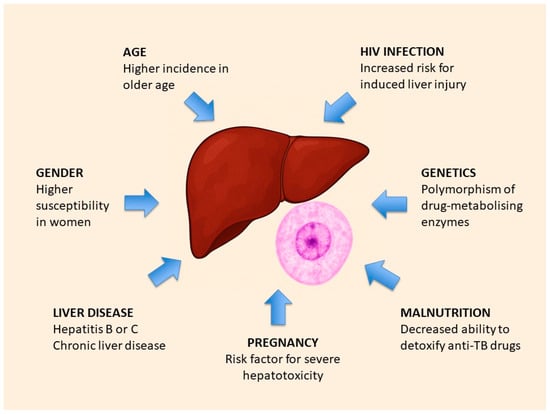
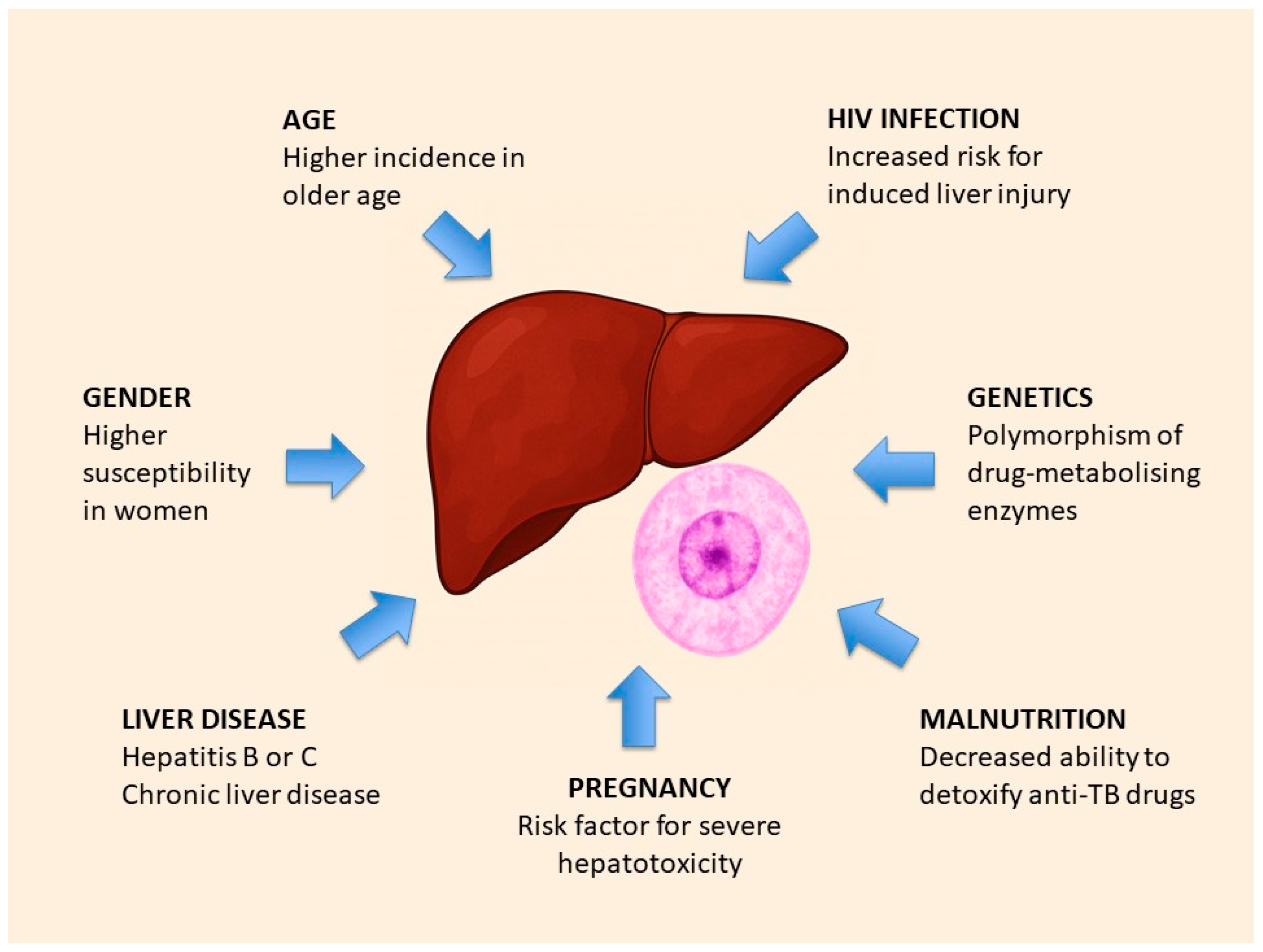
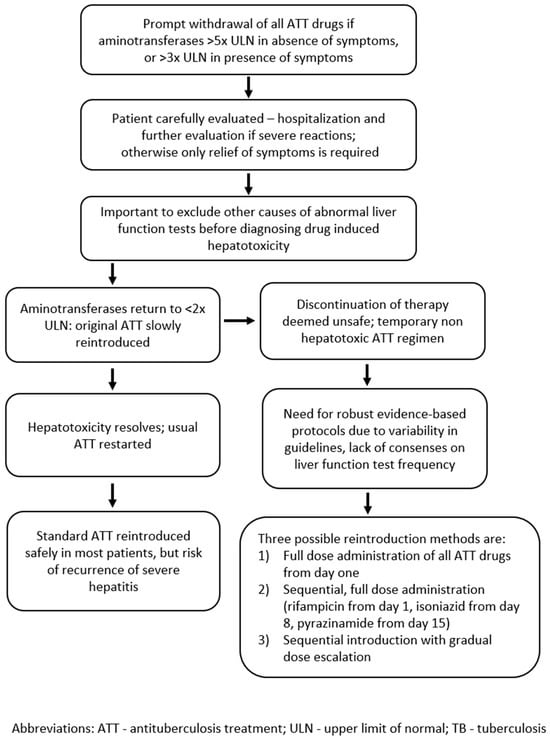
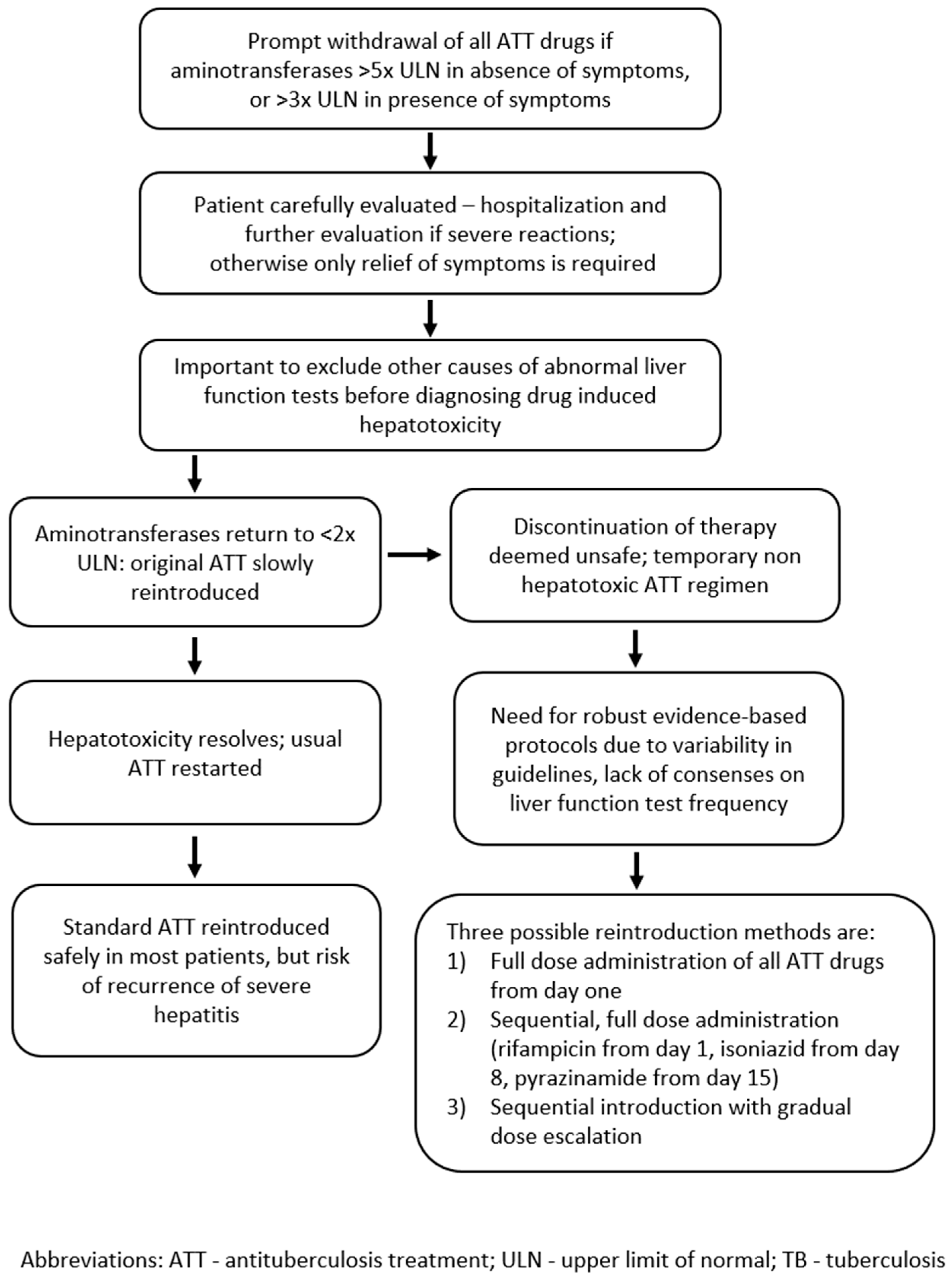

Disclaimer/Publisher’s Note: The statements, opinions and data contained in all publications are solely those of the individual author(s) and contributor(s) and not of MDPI and/or the editor(s). MDPI and/or the editor(s) disclaim responsibility for any injury to people or property resulting from any ideas, methods, instructions or products referred to in the content. |
© 2026 by the authors. Licensee MDPI, Basel, Switzerland. This article is an open access article distributed under the terms and conditions of the Creative Commons Attribution (CC BY) license.