


Abstract
The health sector needs to provide a comprehensive evidence-based response to survivors of gender-based violence (GBV). Violence against women and girls (VAWG) and GBV are one of the most prevalent forms of violence and has sexual reproductive health and rights (SRHR) impacts. This paper determines the prevalence and diversity of responses to GBV, VAWG, and SRH, and describes the interventions and associated health outcomes in the 31 Commonwealth and other selected African countries. A narrative synthesis described the diversity of interventions for GBV, VAWG, and SRHR. A meta-analysis of eligible randomised controlled trials (RCTs) was conducted to evaluate the efficacy of interventions aimed at enhancing SRHR knowledge and attitudes among adolescents, couples, and partners. We included 60 studies on GBV, VAWG and SRHR interventions. Nine studies were included in the meta-analysis. A range of education-based interventions for SRHR were implemented resulting in improved SRHR knowledge and attitudes among adolescents, couples, and partners (OR 2.47, 95% CI: 1.51–4.03). When compared with cluster RCTs (OR 2.28, 95% CI: 1.49–4.80), RCTs provided moderate evidence of improving SRHR knowledge and attitudes (OR 1.78, 95% CI: 1.14–2.77). Home-based visits, education-based interventions, one-way or two-way SMS with health education messages, and youth-friendly health services (YFHS) may all be essential for enhancing SRHR knowledge and attitudes among partners, couples, and adolescents.
1. Introduction
Gender-based violence (GBV) and sexual reproductive health and rights (SRHR) continue to pose significant public health and human rights challenges across the Commonwealth and selected African countries [1,2,3]. According to the World Health Organization (WHO), approximately one in three women globally (30%) have experienced physical and/or sexual violence by an intimate or non-intimate partner in their lifetime [4]. A WHO multi-country study on women’s health and domestic violence, conducted in 10 countries, found that between 13% and 62% of women reported experiencing physical violence at some point in their lives [5]. These statistics underscore the pervasive nature of GBV, transcending cultural, geographic, and socioeconomic boundaries.
The World Health Organization (WHO) framework defines GBV as any “harmful act perpetrated against a person, due to socially ascribed gender differences” [6]. Gender-based violence manifests in multiple forms, such as physical, sexual, psychological, and economic abuse [7,8]. Violence against women and girls (VAWG), by contrast, includes all acts of gender-based violence that result in, or are likely to result in, physical, sexual, or mental harm or suffering to women and girls specifically [9,10,11]. This includes threats, coercion, or the deprivation of liberty, whether in public or private life [10]. While GBV can affect individuals of any gender, VAWG is recognised as its most prevalent manifestation [6,12], reflecting the disproportionate burden of violence experienced by women and girls due to entrenched gender inequalities [6,12].
Both GBV and VAWG stem from unequal power relations and gender norms and commonly manifest as intimate partner violence, sexual violence, and psychological abuse [13]. The primary distinction lies in their scope: GBV encompasses violence directed at individuals of any gender, including men, boys, and gender-diverse persons when rooted in gender-based discrimination [9,10,11]. By contrast, VAWG specifically highlights the heightened vulnerability of women and girls and the profound consequences for their health, well-being, and life opportunities [14,15,16]. Accordingly, prevention and response strategies often focus on addressing harmful gender norms, supporting survivors, and promoting gender equality [17].
Gender-based violence undermines women and girls’ health, dignity, and autonomy, and often results in long-term physical and mental health consequences [18,19,20]. Simultaneously, limited access to comprehensive SRHR services such as contraceptives, safe abortion care, maternal health services, and adolescent-friendly care further exacerbates women’s vulnerabilities and reinforces structural gender inequalities [9,18,19,20,21]. Consequently, GBV is associated with physical and psychological ills as well as an overall impact on the social health of the victims and the community in terms of stigma, isolation, and rejection [22,23,24]. The physical consequences of GBV include injury, morbidity, death, the acquisition of sexually transmitted diseases—including HIV—unsafe and complicated abortion, and adverse pregnancy outcomes [21,22,25]. Psychological harm can manifest in the form of depression, post-traumatic stress disorder, increased substance abuse, and suicide [24,26]. Therefore, there is a need to understand the health-sector response to GBV, VAWG, and SRHR to address its physical, mental, and social impacts.
The health sector has an important position in preventing and treating GBV and VAWG, as well as in the protection of SRHR for women and girls [27]. Healthcare workers are uniquely positioned to identify individuals exposed to GBV, administer first-line support and care, and link them to other essential services, such as SRHR programmes [28]. The primary role of the health sector is to contribute towards secondary and tertiary prevention through early detection of GBV and VAWG and mitigation of its impacts, which can prevent poor health outcomes and the reoccurrence of violence [27]. However, the disjuncture between GBV and VAWG programmes and SRHR services continues to perpetuate the unmet healthcare needs of GBV survivors [29,30]. The multisectoral programming model recognises the rights and needs of GBV survivors as important in terms of access to supportive services, guaranteed confidentiality and safety, and the ability to determine steps for addressing GBV [31].
Sexual and reproductive health challenges account for at least 20% of the disease burden globally, especially among women of reproductive age, and 14% for men [32]. The unmet need for essential SRH services such as family planning remains high in African countries [33], where access to SRHR and utilisation by marginalised populations (i.e., women and adolescent girls) who are more vulnerable to poor health outcomes is limited [34]. Interventions aimed at syndemic factors are crucial to address GBV, VAWG, and SRHR health outcomes [35,36]. Educational and behavioural interventions have been implemented to address GBV and VAWG at individual and community levels; however, reports on violence persist [37,38,39].
This situation is antithetical to global development objectives. One of the core aims of the United Nations Sustainable Development Goals (SDGs) 2030 is to ensure gender equality and eliminate disparities across health, education, and economic sectors [40]. Therefore, generating robust evidence on the impact of policies and public health interventions to address GBV and improve SRHR outcomes is essential. Such evidence is critical for informing effective strategies, measuring progress, and holding governments and institutions accountable within the Commonwealth and across African countries. Hence, this study aimed to determine the prevalence and diversity of responses to GBV, VAWG and SRHR, as well as the associated successes and challenges in the Commonwealth and other selected African countries.
2. Methods
2.1. Approach of the Systematic Review and Meta-Analysis
We conducted the systematic review and meta-analysis in accordance with the Preferred Reporting Items for Systematic Reviews and Meta-Analysis (PRISMA) guidelines [41]. We then published a protocol paper detailing the methods of the systematic review and meta-analysis in the Journal of Interactive Medical Research Protocols [35]. The protocol is registered with the International Prospective Register for Systematic Reviews (registration number: CRD42024520594).
2.2. Inclusion and Exclusion Criteria
The systematic review and meta-analysis included primary studies published on GBV, VAWG, and SRH responses/interventions, along with the associated successes and challenges in the Commonwealth and other selected African countries. The detailed inclusion and exclusion criteria used the Population, Intervention, Comparison, Outcomes, and Study (PICOS) framework [42], and this is described in the published protocol paper [35].
2.3. Online Databases and Search Strategy
We published our detailed search strategy in a protocol paper [35]. Some of the key search terms included “GBV” OR “violence” OR “VAWG” OR “sexual violence” OR “rape” and “SRHR”. We conducted additional searches using the reference lists of eligible studies and reviews on GBV, VAWG, and SRHR, as well as through the artificial intelligence tool Microsoft Copilot. Microsoft Copilot was not used as a primary source retrieval system and did not replace structured database searches. The AI-generated articles were systematically validated through a multi-step process. First, three members of the research team independently verified the 45 AI-generated articles; second, conventional database searches (e.g., PubMed, Embase) were conducted to ensure reproducibility and transparency. Thirdly, to avoid duplication and ensure relevance, the screening, study selection and eligibility assessment were conducted manually using predefined criteria. Lastly, given the known limitations of AI tools in evidence synthesis, including potential omissions and inaccuracies, AI-identified articles were not used without human validation, ensuring methodological rigour and reproducibility.
2.4. Selection and Assessment Process
2.4.1. Stage One: Title and Abstract Assessment
We initially assessed the study titles and abstracts for eligibility and included only studies focusing on GBV, VAWG, and SRH interventions in the 31 Commonwealth and other selected African countries. Additionally, the studies had to be full-text and publicly available to enable full-text screening. Three independent reviewers (EP, RN, KB) conducted the title and abstract assessment using the inclusion and exclusion criteria.
2.4.2. Stage Two: Full-Text Assessment
We used the full-text assessment to identify studies reporting on GBV, VAWG, and SRHR interventions, as well as related outcomes, barriers, and successes. Similarly, as in stage one, four independent reviewers (EP, RN, KB, PN) conducted the full-text review of the studies. In the event of any variances, we consulted a fourth reviewer (PN) for input, and the final recommendation was based on the two reviewers ‘assessment. We excluded review studies, meta-analyses, unpublished studies, and non-English studies. The PRISMA flowchart below shows the eligible studies included in this review (Figure 1).
Figure 1.
Preferred Reporting Items for Systematic Reviews and Meta-Analyses Protocol (PRISMA-P) flowchart summarising the screening process for including eligible articles as of 21 July 2025. GBV: gender-based violence; SRHR: sexual and reproductive health and rights; VAWG: violence against women and girls [35].
2.5. Quality Appraisal
The Critical Appraisal Skills Program Systematic Review (CASPSR) checklist was used to assess the type of instrument(s)/tools used and their characteristics, specifically whether the articles indicated that the reliability and construct validity of the data collection tools were established. Additionally, we assessed whether validation measures were used and extracted information on the sampling method (i.e., convenience or probability-based), whether the sample size was reported, and the response rate. The quality appraisal of the eligible studies is presented in Supplementary Table S1: Summary of study designs and instruments of the eligible studies. The risk of bias in interventional studies was assessed using the Cochrane risk-of-bias method for randomised trials. We evaluated the following domains: random sequence generation, allocation concealment, participant and staff blinding, outcome assessment blinding, inadequate outcome data, reporting bias, and other forms of bias. Three reviewers (EP, RN, KB) independently screened all eligible studies. We evaluated the titles, abstracts, and full texts of the qualifying studies against the inclusion and exclusion criteria. We used the PRISMA checklist to ensure that all the components of the systematic review were transparent and documented (Supplementary Table S2: PRISMA Checklist).
2.6. Data Reporting
The analysis is composed of narrative reporting and meta-analysis.
2.6.1. Narrative Reporting
We summarised information extracted from the full-text eligible articles in figures and tables, and the type of intervention and associated outcomes were used to describe the findings. The Results Section highlights the characteristics of the eligible studies, the types of GBV, VAWG and SRHR interventions, and associated barriers and facilitators.
2.6.2. Meta-Analysis
We conducted a meta-analysis to evaluate the efficacy of interventions aimed at enhancing SRHR knowledge and attitudes in adolescents, couples, and partners. Only studies reporting sufficiently comparable quantitative outcomes on SRHR knowledge and/or attitudes, with adequate statistical information for effect size estimation, were eligible for meta-analysis. Studies examining conceptually distinct outcomes, such as gender-based or sexual violence, were synthesised narratively due to substantial methodological and clinical heterogeneity. Among the interventions, we included module-based friendly health education, school-based SRH education, educational intervention programmes on sexual abstinence based on the health belief model, and YFHS, consisting of integrated youth-dedicated spaces and staffed by youth-friendly peers and providers, once weekly texts instructing them to study on an SRHR topic on their own, and automated two-way SMS. The primary outcome was the SRHR knowledge and attitude score, defined as the knowledge and attitudes acquired during the pre- and post-intervention assessments in both the control and intervention groups. Review Manager Software version 5.4 was used to visualise the results using odds ratios and 95% confidence intervals. We used the random Mantel–Haenszel Method because we anticipated significant heterogeneity across trials owing to the nature of interventions. We used the I2 statistic to analyse heterogeneity among studies.
Furthermore, we employed the I2 and Ch2 subgroup difference tests to analyse heterogeneity between cluster RCTs and RCTs. I2 values below 25% were considered minimal heterogeneity, whereas values above 75% were deemed considerable heterogeneity. We conducted further analysis in Stata 19 MP to assess publication bias using Egger’s and Begg’s tests.
2.7. Ethics Consideration
Ethics approval was not required since this manuscript used publicly available data in this systematic review and meta-analysis.
3. Results
3.1. Characteristics of the Eligible Studies
We included 60 studies focusing on GBV, VAWG [28,30,31,37,38,39,43,44,45,46,47,48,49,50,51,52,53,54,55,56,57,58,59,60,61,62,63,64,65,66,67,68,69,70,71,72,73,74,75,76,77,78,79,80,81,82], and SRHR interventions [83,84,85,86,87,88,89,90,91,92,93,94,95,96,97,98] in this review. The characteristics of the studies are summarised in Table 1 and Table 2. The sample sizes of the eligible studies ranged from 31 to 30,563 participants. Ages ranged from 13 to 65 years. The study population was mainly women, followed by men, adolescent girls, young women, healthcare providers, and survivors. South Africa and Kenya were the highest producers of GBV, VAWG, and SRHR, followed by India. Countries such as Uganda, Ethiopia, Rwanda, Tanzania, and Ghana contributed four studies each, while the United Kingdom and Malawi contributed three and two studies, respectively. Most of the studies were randomised controlled trials (RCTs) (n = 18), followed by cluster RCTs (n = 16), mixed-methods studies (n = 7), and qualitative studies comprising in-depth interviews, focus group discussions, etc. (n = 7). The geographical distribution of the eligible studies reporting on GBV, VAWG, and SRHR interventions was across the 31 Commonwealth and other selected African countries. Most of the studies emanated from East Africa (n = 34), followed by Southern Africa (n = 14), and Asia (n = 13). The least contributing regions were West Africa (n = 5), Central Africa (n = 1), Europe (n = 4) and North America (n = 1).
Table 1.
Characteristics of the eligible studies focusing on GBV and VAWG interventions in the Commonwealth and selected African countries.
Table 2.
Characteristics of the eligible studies focusing on SRH interventions in the Commonwealth and selected African countries.
Distribution of Published Studies per Five-Year Period
The publications were mainly available for the period 2011–2015 (n = 29), compared with 2016–2020 (n = 21) and 2021 to date (n = 16) (Figure 2). In the years 2016 (n = 7), 2020 (n = 2020), and 2023 (n = 2023), more studies reporting on “GBV, VAWG, and SRHR” were published. However, fewer studies were published in 2011, 2025, and 2017. There was a decline in publications between 2023 and 2025. This might reflect a publication lag and an incomplete indexing of recent studies, rather than a complete reduction in research activity, as delays between manuscript submission and publication can extend over several months or longer.
Figure 2.
Number of studies on GBV, VAWG, and SRHR by year.
3.2. Narrative Results
3.2.1. Cultural Approaches to GBV and VAWG Control
The interventions implemented to address GBV and VAWG in the Commonwealth and other selected African countries were culturally and socially diverse, ranging from interventions that challenged patriarchal norms [37,38,39,54], addressing gender equality by engaging men and women [49,53,58]; strengthened communities by tackling inherent social and economic dynamics [31,48,50,51,77]; and promoted women’s empowerment and survivor support programmes [55] (Table 3) to interventions that aimed to address power relations, change harmful social norms and beliefs through education and community engagement, and promote an equitable and gender-sensitive community.
Table 3.
Summary of studies reporting on cultural approaches to GBV and VAWG control.
3.2.2. Challenging Patriarchal Norms
Haberland et al. [37] included an intervention focused on addressing IPV and power dynamics among intimate partners and their impact on women’s health in Kenya. The intervention empowered healthcare providers through IPV training and screening, client messaging on IPV and power dynamics, and the provision of a counsellor to facilitate timely referrals and follow-ups for IPV-related services. Women who received IPV/power-enhanced counselling had greater IPV knowledge compared to women in the control group, although the difference was borderline significant after controlling for covariates (p = 0.051). A household- and community-focused intervention addressing marital conflict by building women’s skills to negotiate and find resources in India reported that women in the intervention group were likely to disclose their IPV status and follow up on referrals for IPV services [38]. The marital conflict challenges were mainly sexual relationships, financial and family pressures, and the husband’s use of alcohol. Intention-to-treat analyses did not show reductions in IPV, but significant changes were observed for marital conflict (RR 0.4; 90% CI, 0.1–0.9) and marital sexual coercion (RR 0.2; 90% CI, 0.05–0.9) [38].
A cluster randomised trial evaluated a comprehensive mHealth facility and community-based programme delivered through the HIV/AIDS programme platform to reduce GBV and improve care for survivors in Tanzania [39]. The likelihood of reporting GBV decreased over time in the absence of the intervention (time effect OR = 0.71, 95% CI: 0.57–0.89), but the intervention’s effect on GBV remained significant. At the community-wide level, the GBV intervention was reported to have improved GBV knowledge and fostered community-oriented strategies to tackle GBV. In India, Kalokhe et al. [54] implemented a couples-based primary prevention intervention for IPV that included relationship dynamics, self-esteem, SRHR components, and IPV-related norms. Married women in both the intervention and non-intervention arms reported no cases of IPV.
3.2.3. Addressing Gender Equality by Engaging Men and Women
Doyle et al. [49] implemented a “gender-transformative Bandebereho couples” intervention to promote male engagement in reproductive and maternal health and violence prevention. Women in the intervention arm reported reduced past-year physical (OR 0.37, p < 0.001) and sexual IPV (OR 0.34, p < 0.001) and greater ANC attendance (IRR 1.09, p < 0.001) and male accompaniment at ANC visits (IRR 1.50, p < 0.001). “Schools Championing Safe South Africa” is an intervention that seeks to address sexual violence perpetration and HIV/STI risk behaviour among teenage boys by implementing corrective programmes that address harmful social norms and risky behaviour [58]. The programme showed a reduction in attempted acts of any sexual violence perpetration at baseline (95% CI: 40%, 58%) and at one-month follow-up (95% CI: 17%, 33%). However, this change was not observed at six months (47–43%; p = 0.446). Another study in Ghana explored a rural response system to tackle the incidence of all forms of violence against women and violence perpetrated by men, as well as to preserve women’s human rights through state and community-based structures [53]. The response system also showed improved knowledge of violence, changes in behaviour at the individual and community level towards gender equality and violence, social norms, and support for victims/survivors.
3.2.4. Strengthening Partner Engagement and Communities by Tackling Inherent Social and Economic Dynamics
Social protection programmes, such as cash transfers, have been promoted as part of GBV and VAWG prevention [50]. The provision of conditional cash transfers delayed early sexual debut and reduced the number of sexual partners among school-going girls aged 13–20 years in South Africa. An alcohol intervention implemented in Kenya was associated with a reduction in physical abuse by paying clients among female sex workers [51]. Starmann et al. [31] assessed the role of a community mobilisation approach in preventing IPV and HIV, as well as women’s acceptance of new behaviours concerning IPV in Uganda. Interpersonal communication, community-based change agents, and social networks were linked to improved IPV awareness and knowledge, as well as behaviour change. The combination of community mobilisation components, reflection on people’s lived experiences, and context-specific support from local change agents can facilitate behavioural change towards violence within communities. An “economic and relationship-strengthening intervention” for addressing alcohol use and violence among married couples living with HIV in Malawi reported significant decreases in physical and emotional IPV (“Cohen’s d ranged from 0.33 to 0.49; p < 0.05”) in the intervention arms [48]. Women reported improvements in relationship quality and declines in physical IPV compared to men (p < 0.05). The intervention comprised incentivised savings accounts, financial literacy and relationship education, and couples counselling sessions to build relationship skills. Similarly, Kapinga et al. [77] described the positive impact of microfinancing in addressing IPV cases, norms, and behaviours in Tanzania.
3.2.5. Promoting Women’s Empowerment and Survivor Support Programmes
Some studies have shown no effect or have shown increased risk among women in the intervention arm. For example, women who received intervention on couple-based violence-prevention education had higher odds of reporting IPV than their counterparts (aOR = 0.259; 95% CI 0.161–0.417) [55].
3.2.6. Interventions for Prevention and Control of GBV/VAWG
Twenty-three studies described the GBV interventions and their associated outcomes [30,31,37,38,39,46,47,48,49,50,51,54,56,58,59,60,70,72,77,87]. The interventions ranged from educational (n = 20 studies) to behavioural (n = 8 studies) to telehealth (n = 4 studies) and were aimed at preventing and controlling GBV and related health outcomes (Table 4). Additionally, economic interventions through microfinancing, cash transfers, and telehealth were also implemented to address GBV. These interventions were implemented at individual, group, facility, and community levels.
Table 4.
Interventions for the control of GBV, VAWG and SRHR improvement.
Alangea et al. [55] implemented a “Rural Response System intervention—Community-Based Action Teams”—and reported reduced physical and emotional IPV among women. The women reported reduced male controlling behaviours and lower levels of depression (difference in difference (DID) = −2.7 (−3.3–1.0), p = 0.002; DID = −4.8 (−8.0–1.5), p = 0.005; respectively). However, the intervention had no effect on violence perpetrated by men. A multilevel intervention among sex workers, their intimate partners, and communities was initiated to reduce IPV and to encourage condom use [54]. That study reported increased awareness of self-protection strategies (aOR = 1.73, 95% CI = 1.04–2.89, p = 0.035) and solidarity of sex workers around IPV issues (aOR = 1.69, 95% CI = 1.02–2.82, p = 0.042).
An alcohol harm-reduction intervention was assessed among female sex workers aged 18 years and above in an HIV prevention drop-in centre in Mombasa, Kenya [37]. The intervention was associated with reduced physical (OR = 0.45, 95% CI = 0.23–0.85, p = 0.01) and verbal abuse (OR = 0.59, 95% CI = 0.38–0.92, p = 0.02) at six months post-intervention. Starmann et al. [31] also reported IPV awareness and knowledge, as well as behavioural changes, using a community mobilisation approach.
Economic interventions such as microfinancing and conditional cash transfers (CCTs) were found to be effective in reducing IPV incidence among young women and adolescent girls [46,50,77]. CCTs were associated with delayed sexual debut or a reduced number of sexual partners, leading to larger reductions in IPV risk [RR 0.66, CI (95%): 0.59–0.74] [50]. A randomised controlled trial piloted a mixed economic and relationship-strengthening intervention among 78 married couples living with HIV and reporting unhealthy alcohol use in HIV care clinics in Malawi [46]. The couples in the intervention group reported a significant decrease in physical and emotional IPV at 10- and 15-month follow-up visits when compared with those in enhanced universal care (Cohen’s d ranged from 0.33 to 0.49; p < 0.05). Additionally, women reported a greater decline in physical IPV than men (p < 0.05). The intervention included the incentivising of savings accounts, financial literacy and relationship education, and couples counselling sessions to build relationship skills [46]. In Tanzania, Kapinga et al. [77] evaluated the effect of a violence-prevention strategy among women participating in a group-based microfinance scheme. Women in the intervention arm had lower odds of reporting IPV (aOR 0.64, 95% CI 0.41–0.99; p = 0.04), were less likely to express accepting IPV attitudes (0.45, 0.34–0.61; p < 0.0001) and were less likely to hold the belief that IPV was a private matter (0.51, 0.32–0.81; p = 0.005) or that it should be accepted (0.68, 0.45–1.01; p = 0.06).
Some studies have reported the impact of GBV interventions on SRHR outcomes. For instance, Doyle et al. [49] reported improved attendance at ANC, use of contraception, and partner support during pregnancy in a gender-transformative couples’ intervention. Additionally, sexual, and emotional IPV were lower [49]. Haberland et al. [37] assessed that training and support for HIV counsellors, a take-home card for clients, and an on-site IPV counsellor could address violence and increase the uptake of HIV testing services during antenatal care. Among women experiencing IPV, higher odds of disclosing violence to their counsellor than women receiving standard care were observed (32% vs. 7%, p < 0.001). Women in the intervention arm reported that counsellors had a positive influence on them (aOR 2.9; 95% CI 1.8, 4.4; p < 0.001) and felt more confident in how they deserved to be treated (aOR 2.7; 95% CI 1.7, 4.4; p < 0.001) during their ANC visits. “Couple-based violence-prevention education” was implemented to mitigate IPV outcomes among pregnant women in rural Ethiopia [55]. The intervention enhanced the reporting of IPV, and women reported fewer cases of emotional, psychological, physical, and sexual violence during pregnancy. Pregnant women attending the prevention of mother-to-child transmission of HIV services in primary healthcare facilities in South Africa were provided with an IPV intervention that comprised training on safety behaviours, strategies for dealing with the abuse, and referral services [47]. The women reported a significantly lower mean danger assessment score (6.0 at baseline versus 2.8 after intervention at three months). The “Improving AIDS Care after Trauma (ImpACT)” programme was piloted among 64 women initiating HIV treatment in Cape Town, South Africa, and a positive psychological impact on symptoms associated with sexual trauma was observed [59].
Moreover, the women were encouraged to continue with long-term HIV care. Nevertheless, no change was observed in GBV reports, with a similar number of GBV cases reported by the intervention and non-intervention groups of pregnant women taking part in a psychosocial intervention that aimed to reduce GBV and antepartum depressive symptoms [30]. Similarly, Settergen et al. [39] reported no change in reported GBV experiences in a comprehensive health-facility- and community-based programme delivered through the HIV/AIDS services. However, the programme improved the utilisation of GBV services by survivors in the facility, and they were more likely to include the provision of an HIV test (55.3% vs. 19.6%, p = 0.002).
3.2.7. SRHR Interventions
Two main categories of SRHR interventions were identified: educational interventions and a combination of telehealth and education [74,80,83,85,88,89,96,97,98,99,100] (Table 4). Gichangi et al. [94] used telehealth to send messages about contraception-related myths and misconceptions to young people. Both the intervention and control groups reported similar proportions of young people who believed the myths and misconceptions. Most of the women who received educational SMS reported increased contraceptive use compared to their counterparts: 70% versus 57%, p = 0.04 [94]. Similarly, adolescents who received SMS messages about SRHR information had higher knowledge scores, were able to make informed decisions about SRH services, identified STIs, and were more likely to seek treatment [85]. Alekhya et al. [83] assessed the effect of SRH education among adolescent girls in urban India and reported improved SRH knowledge, awareness of different contraceptive methods (51 (10.9%) to 337 (87.1%), p < 0.001), and STIs/RTIs awareness (177 (38.2%) to 371 (96.1%), p < 0.001) in the intervention group. A school-lined module-based friendly health education programme was effective in improving the SRH knowledge score, (375) 73.3%, vs. (384) 66.5%%, p < 0.001, 95% CI, (0.05–0.08) [89]. The increase in SRHR knowledge in the intervention group was mediated by improved access to SRHR information, knowledge, and compassionate care. A team-focused approach of home visits increased the uptake of modern family planning from 39% at baseline to 64% at end line (p < 0.001) among those living with HIV and HIV-vulnerable pregnant adolescent girls and adolescent mothers in Kenya [97]. A youth-friendly health-services model led to increased use of SRHR services among adolescent girls and young women in Malawi [98].
3.3. Meta-Analysis Results
Only nine studies that included the main outcome, namely SRHR knowledge and attitude scores, were included in the meta-analysis. Then, nine studies, including RCTs and cluster RCTs with a total of 5058 participants, were included in the meta-analysis. Among them, seven were cluster RCTs [80,83,85,89,94,96,99] and two were RCTs [96,98]. Among them, roughly 78.8% (3986/5058) were adolescents aged 10 to 24 years and the rest were aged from 25 to 30 years. Only three studies included both sexes [85,89,94]. In total, 56% (1697/3029) were females and 44% (1332/3029) were male. Interventions included a pedagogy and school-based SRHR education and belief model [89,98,99]; text messages with SRH information [80,85,94,95]; YFHS, consisting of the same Sexual Offences Court (SOC) services in integrated youth-dedicated spaces and staffed by youth-friendly peers and providers to improve SRH [98]; and visits to women from their catchment areas at their homes, counseling them on SRH [97,99]. Among studies included in the meta-analysis, the intervention duration varied from seven weeks [94] to seven months [89].
Our findings showed that interventions implemented in the Commonwealth and selected African countries—including educational interventions, one- or two-way SMS containing SRHR messages, home-based visits, and YFHS—significantly improved SRHR knowledge and attitudes among adolescents, couples, and partners (OR = 2.47, 95% CI: 1.51–4.03) (Figure 3). The overall meta-analysis demonstrated considerable heterogeneity across studies (I2 = 92%, τ2 = 0.49, χ2 = 94.28, df = 8, p < 0.00001), indicating substantial variability in intervention effects beyond chance. Therefore, a random-effects model was considered appropriate for pooling the results.
Figure 3.
Forest plot of interventions improving sexual reproductive health and rights knowledge and attitude in adolescents, couples, and partners.
In the subgroup analysis, cluster randomised controlled trials demonstrated a greater improvement in SRHR knowledge and attitudes (OR = 2.68, 95% CI: 1.49–4.80), with considerable heterogeneity (I2 = 94%), whereas individually randomised controlled trials showed a smaller but statistically significant effect (OR = 1.78, 95% CI: 1.14–2.77) with no observed heterogeneity (I2 = 0%). The studies by Alekhya et al. [83] and Millanzi et al. [85] reported the largest intervention effects, with ORs of 7.60 (95% CI: 4.55–12.69) and 10.27 (95% CI: 6.86–15.39), respectively. The test for subgroup differences showed no statistically significant difference between cluster RCTs and individually randomised trials (χ2 = 1.20, p = 0.27; I2 = 16.6%), indicating that study design did not significantly modify the intervention effect. Publication bias was unlikely based on Egger’s test (Z = 0.83, p = 0.405) and Begg’s test (Z = 0.10, p = 0.917).
Assessing the risk of bias, 78% of trials effectively reported random sequence generation, only 22.2% minimised allocation concealment and the blinding of participants and personnel, 11.1% reported effective control of outcome blinding, 100% minimised attrition and reporting biases, and other biases, mainly contamination bias, was reported in three cluster randomised controlled trials.
4. Discussion
The systematic review and meta-analysis determined the diversity of GBV, VAWG and SRHR interventions. It also described the interventions and associated health outcomes in the Commonwealth and other selected African countries. We included 60 studies reporting on GBV, VAWG and SRHR interventions. Different categories of GBV, VAWG and SRHR responses were identified, including educational, behavioural, economic, technological, as well as mixed interventions delivered at individual, facility, and community levels. The education-based intervention, using one or two-way SMS, contained a health education message, home-based visits, and YFHS, improved SRHR knowledge and attitude in adolescents, couples, and partners (OR 2.47, 95% CI: 1.51–4.03). When compared to cluster RCTs (OR 2.28, 95% CI: 1.49–4.80), RCTs revealed moderate evidence in improving SRHR knowledge and attitudes (OR 1.78, 95% CI 1.14–2.77). Four studies reported on interventions focusing on alcohol reduction, education, and awareness in addressing violence against women or violence perpetuated by men [30,47,56,57]. Substance misuse is a well-known driver of GBV and VAWG as well as other forms of violence [101,102]. Women carry the greatest burden of substance use, constituting 25–27% of the 296 million people that use drugs globally [103]. Conroy et al. [48] reported lower rates of physical IPV and quality relationship due to an “economic and relationship-strengthening intervention” that focused on reducing alcohol use and violence among married couples living with HIV in Malawi. Interventions for addressing GBV and VAWG should focus on specific risk factors that perpetuate GBV such as “alcohol reduction strategies” as it has a demonstrable potential effect in addressing hostile environments and facilitators that drive violence [30,47,56,57]. Moreover, GBV survivors have higher odds of using substance misuse as a coping strategy [104,105]. Also, causal links have been established between substance use and poor SRHR outcomes such as HIV/STI risk, especially among vulnerable women and girls, commonly described as “substance abuse, AIDS and violence syndemic” [106,107].
About four included studies focused on female sex workers [30,31,51,54], a population that experiences heightened vulnerability to violence due to intersecting social, legal, and economic factors [108,109]. While interventions such as the alcohol harm-reduction programme evaluated by Parcesepe et al. [51] demonstrated reductions in physical violence and verbal abuse from paying partners, these findings should be interpreted within the broader structural environment in which sex workers operate. Specifically, violence against sex workers is often shaped by the criminalisation or partial criminalisation of sex work, police harassment and abuse, stigma and discrimination in healthcare settings, economic marginalisation, and limited access to legal protections [110,111]. These structural conditions may increase exposure to violence while simultaneously creating barriers to reporting abuse and accessing health, legal, and social services.
Similarly, the studies by Javalkar et al., [30] highlighted the high prevalence of intimate partner violence among female sex workers and demonstrated the influence of gendered power dynamics, alcohol use, client violence, and financial dependence within intimate relationships. Although the Samvedana Plus intervention improved awareness of self-protection strategies, reduced the acceptance of violence, and strengthened collective solidarity among sex workers, it did not significantly reduce intimate partner violence outcomes, suggesting the limitations of interventions that primarily target individual and interpersonal factors in the absence of broader structural change [30]. These findings underscore the need to conceptualise sex workers as a population with distinct structural needs rather than simply a subgroup of women affected by GBV. Emerging evidence suggests that health-sector interventions are likely to be most effective when complemented by structural approaches that address stigma and discrimination, strengthen legal and social protections, improve access to survivor-centred healthcare, and promote enabling environments that support safety, autonomy, and human rights [112,113].
Multilevel interventions are needed to address GBV and its impact on SRHR to advance the realisation of the SDGs, especially SDGs 3, 5 and 10. The narrative analysis suggests that tailored gender-transformative interventions, including all genders and couples, can be effective at positively deconstructing the entrenched gender inequalities and the associated health-related behavioural outcomes [30,43,45,46,47,55,56,57,59,60,70,72,77,87]. A review and meta-analysis in low- and middle-income countries showed that community and group-based interventions have the potential of addressing GBV and other forms of violence [62].
The use of telehealth was effective in improving access to SRH information, improving SRH knowledge for better decision-making, especially among the youth [82,84,90]. In developing countries, telehealth faces unique challenges of access and availability, given the context of the technological divide in the digital age, and the potential for scale-up and sustainability may be limited [114,115]. Gender-based violence and VAWG interventions have shown positive impacts on outcomes related to SRHR outcomes such as STIs, family planning, and maternal health [95,96,98]. Couple-based interventions that raise awareness about IPV during pregnancy and its consequences have the potential to eliminate gender norms and power dynamics [44,62,72]. In most developing countries, GBV screening and management are not part of routine healthcare; this is a missed opportunity for meeting the needs of the victims [116,117]. Gender-based violence interventions that mitigate the impact on SRHR outcomes, including HIV transmission and virological suppression, are important, especially among women with a history of trauma in high-risk settings [95,96,98]. Financial literacy and stability were associated with delayed engagement in sexual relationships and having fewer sexual partners, leading to less exposure to IPV. The latter is known to be protective against STIs such as HIV, which is disproportionately higher among young women and adolescent girls [51,55,57]. Associations between poverty and women’s increased risk of intimate partner violence have been observed [61].
Our results in both meta-analysis and narrative synthesis have shown that pedagogy and school-based education and belief models, text messages with SRHR information, YFHS, and counselling were effective interventions to increase SRHR knowledge and attitude in adolescents, couples, and partners in the Commonwealth and selected African countries [80,83,85,89,94,96,99]. Similarly, a systematic review and meta-analysis including twenty-seven studies highlighted that school-based sex education interventions can be effective in promoting positive sexual health behaviours [118]. Other studies also reported that school-based interventions improved contraceptive use among adolescents [85,99]. The SMS intervention should be implemented as an intervention package to improve knowledge and reduce risk in developing sexual and health-related challenges among adolescents [80,95,98]. Home-based visits, when combined with counselling and personalised information, may be an effective technique for improving SRHR knowledge and attitude, particularly among adolescents and other vulnerable groups [97]. Interventions such as mHealth, coupled with the effectiveness of youth-friendly health services, could integrate both strategies to improve access to and the utilisation of SRHR services in future interventions [80,88,95,98]. Our findings may play an important role in informing interventions seeking to improve SRHR knowledge and attitude in adolescents, couples, and partners in the Commonwealth and selected African countries. However, the results from cluster randomised controlled trials should be taken in the context of multiple limitations due to potential bias and high heterogeneity between studies. The two randomised controlled studies found moderate evidence that automated two-way SMS comprised a health education message and a behaviour modification framework designed to promote SRHR knowledge and attitude [95,98]. Furthermore, our study revealed a minimal probability of publication bias, as shown by the calculated Egger test and Begg’s test.
A multisectoral approach, including governments, non-governmental, and healthcare providers, should prioritise the uptake of evidence-based interventions to mitigate GBV and associated health outcomes [27,31,32]. Collaboration among healthcare providers, community organisations, and policymakers is vital to overcoming systemic barriers, cultural barriers, resource constraints, and syndemic factors of health, ultimately minimising GBV [28,29,31,32,118,119].
5. Strengths and Limitations
The review provides relevant information, documentation, and in-depth analyses of GBV, VAWG and SRHR practices and experiences. It was carried out by a team of researchers with expertise and experience in health system responses to violence against women and global health. The inclusion of diverse sources (e.g., peer-reviewed publications, grey literature, mixed-methods design) across different databases provided an opportunity for the selection of the most relevant studies. We used the PRISMA guidelines to ensure consistency of the methodology and to guide the collection of information and material. We adapted a WHO framework to assess a range of GBV, VAWG and SRHR dimensions on facility-based responses to ensure comparability between countries and regions as much as possible. The review search focused on peer-reviewed publications and searches of secondary sources. We acknowledge the broad definition of GBV, its interpretation, and the variable measurement of GBV and IPV in respective countries. A range of studies may have social desirability bias as they relied on self-reported responses to sensitive questions of GBV. The review focused on the last 15 years (2014–2024). We excluded older articles and reports that could have been significant from the review.
The review should be interpreted within the relevant context and has several limitations. First, the review focused on health-sector responses to GBV, VAWG, and SRHR interventions and therefore primarily included studies evaluating health, behavioural, educational, community, and service-delivery approaches. As a result, structural interventions such as legal reform, decriminalisation policies, social protection programmes, labour protections, and broader policy-level interventions were not a primary focus of the review and were outside the eligibility criteria used to identify studies.
Consequently, the limited discussion of structural interventions should not be interpreted as evidence of their ineffectiveness or lack of importance. Rather, it reflects the specific focus of this review on health-sector interventions and service responses to GBV, VAWG and SRHR. Nevertheless, some of the included studies highlighted the influence of broader structural determinants, including poverty, gender inequality, stigma, discrimination, social exclusion, and unequal power relations, on both the risk of violence and access to care. These findings suggest that health-sector interventions alone may be insufficient to address the complex drivers of violence without complementary action across legal, social, economic, and policy domains. The meta-analysis shows evidence suggesting that healthcare-based interventions may contribute to improvements in GBV and SRHR outcomes. However, these findings are moderated by methodological limitations observed across several studies, including incomplete reporting of response rates, non-probability sampling approaches, potential attrition bias, and limited information regarding blinding and outcome assessment. Therefore, the implications of these intervention should be interpreted within context.
Secondly, the review focused primarily on studies of women and girls and did not identify eligible studies specifically addressing GBV experienced by LGBTQ+ populations, including transgender and gender-diverse individuals. Although the definition of GBV encompasses violence experienced based on gender identity and sexual orientation, no included studies specifically focused on LGBTQ+ populations. The review was primarily designed to examine health-sector responses to GBV, VAWG, and SRHR programmes among women and girls, and therefore the findings should not be interpreted as representative of the experiences or health-sector needs of LGBTQ+, and other gender-diverse populations. Consequently, the findings should not be generalised to these populations, whose experiences of violence, barriers to care, and intervention needs may differ substantially.
Thirdly, the review did not include other gender identities such as transgender people/women and women who use drugs; therefore, the conclusion of the paper should be interpreted within the inclusion context. Substance misuse is a well-known determinant of GBV and VAWG as well as other forms of violence. Future studies should focus on understanding the interventions that can be incorporated to address the role of substance misuse in alleviating GBV and VAWG among individuals who use drugs. Some studies evaluated GBV that may have occurred long ago, while others did not specify the period in which the incident occurred. This systematic review focused on responses to GBV, VAWG and SRHR by a diverse range of stakeholders. The variability in intervention delivery is also acknowledged.
Fourthly, the review was restricted to the inclusion of articles written in English, which may have introduced a language bias, particularly in French-speaking countries. The decision was based on the constraints related to translation and resource availability. While English-based publications capture a substantial proportion of globally indexed research, excluding non-English publications may lead to the omission of relevant local evidence and perspectives. Consequently, the findings of this study may underrepresent research from French-speaking countries and should be interpreted within this limitation. Future reviews should consider multilingual search strategies to enhance inclusivity and diversity.
Lastly, it is important to note that the review may not include all health-sector responses to GBV, VAWG and SRHR in the Commonwealth countries. Still, attempts have been made to use diverse sources and cross-validate these to ensure that many initiatives are captured. The assessment focused on health system responses to GBV, VAWG and SRHR. It should be noted that there are structural variations in the healthcare systems across different countries. Countries are at varying levels of development and integration of GBV, VAWG, and SRHR services in the health sector. It is not easy to compare them in some respects. The review is based on information available in the public domain.
6. Future Research
Future reviews focus on the following:
- Understanding the effectiveness of structural and policy-level interventions, including legal and regulatory reforms, social protection mechanisms, economic empowerment programmes, and other multisectoral approaches that address the underlying determinants of violence. Such evidence would complement the findings of the present review and contribute to a more comprehensive understanding of how health-sector responses can be strengthened through broader societal and institutional reforms.
- Evaluating multilevel strategies that address the social, economic, policy, and legal determinants of violence affecting sex workers.
- Understanding the interventions that can be incorporated to address the role of substance misuse in alleviating GBV and VAWG among individuals who use drugs. Some studies evaluated GBV that may have occurred long ago, while others did not specify the period in which the incident occurred.
- Explicitly examining interventions and service responses targeting LGBTQ+ populations to strengthen the evidence base and inform more inclusive GBV prevention and response strategies. The absence of lesbian, gay, bisexual, transgender, queer+ (LGBTQ+)-specific studies limits the comprehensiveness of the review and highlights an important area for future research. This omission is particularly relevant within many Commonwealth and African contexts where stigma, discrimination, and restrictive legal environments may increase vulnerability to violence and create barriers to accessing health and support services. Consequently, the effectiveness, accessibility, and appropriateness of health-sector responses for LGBTQ+ populations remain inadequately understood within the evidence synthesised in this review.
7. Conclusions
This paper revealed a wide range of GBV, VAWG, and SRHR interventions implemented across the Commonwealth and selected African countries. The evidence presented provides insights that can inform policies and programmes. By examining 60 studies, this work highlights the effectiveness and ineffectiveness of diverse educational, behavioural, economic, and technological approaches delivered at multiple levels to reduce GBV/VAWG. Promising interventions for SRHR include education-based approaches, such as SMS messaging, youth-friendly health services, and home visits, which have been shown to improve SRHR knowledge and attitudes. Evidence on GBV/VAWG, however, indicates that multi-layered, gender-transformative strategies tailored for both men and women are needed to address deep-rooted gender inequalities and to achieve sustainable health outcomes. It is also important to note that context matters as much as intervention type. In countries where VAWG is inconsistently criminalised, marital rape exemptions persist, or survivors lack legal recourse, health-sector interventions will face structural headwinds regardless of design. In this context, legal and policy reform is a precondition, not just a parallel track, for achieving population-level impact.
Evidence on LGBTQ+ people and sex workers were notably sparse, reflecting both under-inclusion in studies and, in some countries, criminalisation or stigmatisation that constrains research and service access. We therefore cannot draw the same evidence-based conclusions for these groups. This itself is a finding, pointing to a need for tailored programme design rather than assumptions extrapolated from mainstream GBV, VAWG and SRHR evidence. Despite limitations in the trial designs of some studies, our findings support integrating GBV, VAWG, and SRHR approaches to reduce GBV and enhance SRHR. This is particularly pertinent given the technological and resource challenges faced by the developing world.
Taken together, these findings suggest a tiered set of priorities: (i) scale education- and service-based SRHR interventions where infrastructure allows; (ii) pair GBV/VAWG programming with legal/structural reform in contexts where enforcement or legal gaps undermine health-sector efforts; and (iii) invest specifically in evidence generation and inclusive service design for LGBTQ+ people and sex workers before generalising existing recommendations to them. A coordinated multisectoral effort (involving governments, healthcare providers, and community organisations) that is sequenced and population-specific rather than uniform is most likely to unlock the full potential of integrated GBV, VAWG, and SRHR interventions in advancing “SDGs 3 (Good Health and Well-Being), 5 (Gender Equality) and 10 (Reduced Inequalities)”.
Supplementary Materials
The following supporting information can be downloaded at https://www.mdpi.com/article/10.3390/women6030060/s1. Table S1: Summary of study designs and instruments of the eligible studies; Table S2: PRISMA Checklist 2.
Author Contributions
Conceptualisation, R.N.P.-M., E.P., O.S., N.Z., P.S.N. and A.M.; methodology, R.N.P.-M., E.P., O.S., N.Z., P.S.N., A.M. and R.N.; validation, A.M., K.B., L.M.R., N.Z., O.S., P.S.N., R.N.P.-M. and R.N.; formal analysis, E.P., P.S.N., R.N. and R.N.P.-M.; investigation, E.P., R.N.P.-M., R.N., P.S.N., J.D., K.B., O.S. and L.M.R.; resources, E.P., R.N.P.-M., P.S.N. and R.N.; data curation, E.P., R.N.P.-M., P.S.N., R.N., J.D., K.B., L.M.R. and O.S.; writing—original draft preparation, R.N.P.-M., E.P., O.S. and N.Z.; writing—review and editing, R.N.P.-M., E.P., O.S., R.N., P.S.N., N.Z., A.M., J.D., K.B. and L.M.R.; visualisation, E.P., O.S., P.S.N. and R.N.; project administration, R.N.P.-M., E.P., O.S., P.S.N. and R.N.; funding acquisition, O.S. All authors have read and agreed to the published version of the manuscript.
Funding
This research was funded by the Commonwealth Secretariat.
Institutional Review Board Statement
Not applicable.
Informed Consent Statement
Not applicable.
Data Availability Statement
This systematic and met-analysis paper used publicly available journal articles and the reference list has been provided.
Acknowledgments
During the preparation of this study, the author(s) used Microsoft Copilot for searching articles reporting on GBV, VAWG and SRHR in the Commonwealth and selected African countries. Microsoft Copilot was not used as a primary source retrieval system and did not replace structured database searches. The AI-generated articles were systematically validated through a multi-step process described in Section 2.4 above. The graphical abstract was designed using Canva version 1.25 (Canva, Inc., Sydney, Australia). The authors have reviewed and edited the output and take full responsibility for the content of this publication.
Conflicts of Interest
The authors Ruvimbo Nhandara and Justin Dansou are employees of EB Consulting, Pty Ltd. The authors declare no conflicts of interest.
Abbreviations
The following abbreviations are used in this manuscript:
| GBV | Gender-based violence |
| SRHR | Sexual reproductive health and rights |
| VAWG | Violence against women and girls |
| PRISMA | Preferred Reporting Items for Systematic Reviews and Meta-Analysis |
| RCT | Randomised controlled trial |
| YFHS | Youth-friendly health services |
| WHO | World Health Organization |
| HIV | Human immunodeficiency virus |
References
- Katende-Kyenda, L.N.; Ani, J.I. Experiences of gender-based violence among women in sub-Saharan Africa: Identifying evidence for intervention and public health priorities. Front. Public Health 2025, 13, 1492755. [Google Scholar] [CrossRef] [Scilit] [PubMed]
- Palermo, T.; Bleck, J.; Peterman, A. Tip of the iceberg: Reporting and gender-based violence in developing countries. Am. J. Epidemiol. 2014, 179, 602–612. [Google Scholar] [CrossRef] [Scilit] [PubMed]
- World Health Organization. Violence Against Women. 12 March 2024. Available online: https://www.who.int/news-room/fact-sheets/detail/violence-against-women#:~:text=Over%20a%20quarter%20of%20women,perpetrated%20by%20men%20against%20women (accessed on 12 July 2025).
- Sardinha, L.; Stöckl, H.; Maheu-Giroux, M.; Meyer, S.R.; García-Moreno, C. Global prevalence of non-partner sexual violence against women. Bull. World Health Organ. 2024, 102, 582–587. [Google Scholar] [CrossRef] [Scilit] [PubMed]
- World Health Organization. The World Health Report 1999: Making a Difference; World Health Organization: Geneva, Switzerland, 1999. [Google Scholar]
- World Health Organization. The World Health Report 2002: Reducing Risks, Promoting Healthy Life; World Health Organization: Geneva, Switzerland, 2022; 2002p. [Google Scholar]
- Council of Europe. Types of Gender-Based Violence. Available online: https://www.coe.int/en/web/gender-matters/types-of-gender-based-violence (accessed on 12 July 2025).
- World Bank Group. Gender Portal Group. 2022. Available online: https://genderdata.worldbank.org/en/data-stories/overview-of-gender-based-violence (accessed on 12 July 2025).
- Rodriguez, M.; Gomez-Baya, D. Scoping Review of the Psychological Effects of Gender-Based Violence on Children. Children 2025, 12, 1277. [Google Scholar] [CrossRef] [Scilit] [PubMed]
- United Nations Women. Ending Violence Against Women. Available online: https://www.unwomen.org/en/what-we-do/ending-violence-against-women (accessed on 12 July 2025).
- O’Mullan, C.; Sinai, S.; Kaphle, S. A scoping review on the nature and impact of gender-based violence on women primary producers. BMC Women’s Health 2024, 24, 395. [Google Scholar] [CrossRef] [Scilit] [PubMed]
- Dahal, P.; Joshi, S.K.; Swahnberg, K. A qualitative study on gender inequality and gender-based violence in Nepal. BMC Public Health 2022, 22, 2005. [Google Scholar] [CrossRef] [Scilit] [PubMed]
- Rikhotso, R.; Netangaheni, T.R.; Mhlanga, N.L. Psychosocial effects of gender-based violence among women in Vhembe district: A qualitative study. S. Afr. J. Psychiatry 2023, 29, 5. [Google Scholar] [CrossRef] [Scilit] [PubMed]
- Hartmann, M.; Giovenco, D.; Zeebari, Z.; Itzikowitz, G.; Ekström, A.M.; Nielsen, A.; Pettifor, A.; Bekker, L.G.; Kågesten, A.E. Associations between psychosocial wellbeing and experience of gender-based violence at community, household, and intimate-partner levels among a cross- sectional cohort of young people living with and without HIV during COVID-19 in Cape Town, South Africa. BMC Public Health 2023, 23, 2115. [Google Scholar] [CrossRef] [Scilit] [PubMed]
- Canadian Women’s Health. How Gender-Based Violence Impacts Mental Health. Available online: https://canadianwomen.org/blog/gender-based-violence-impacts-mental-health/ (accessed on 12 July 2025).
- Dhar, D.; McDougal, L.; Hay, K.; Atmavilas, Y.; Silverman, J.; Triplett, D.; Raj, A. Associations between intimate partner violence and reproductive and maternal health outcomes in Bihar, India: A cross-sectional study. Reprod. Health 2018, 15, 109. [Google Scholar] [CrossRef] [Scilit] [PubMed]
- Grose, R.G.; Chen, J.S.; Roof, K.A.; Rachel, S.; Yount, K.M. Sexual and reproductive health outcomes of violence against women and girls in lower-income countries: A review of reviews. J. Sex Res. 2021, 58, 1–20. [Google Scholar] [CrossRef] [Scilit] [PubMed]
- Sewalem, J.; Molla, A. Mental distress and associated factors among women who experienced gender-based violence and attending court in South Ethiopia: A cross-sectional study. BMC Women’s Health 2022, 22, 187. [Google Scholar] [CrossRef] [Scilit] [PubMed]
- World Health Organization. Gender and Health. Available online: https://www.who.int/health-topics/gender/strengthening-health-sector-response-to-gender-based-violence-in-humanitarian-emergencies#tab=tab_1 (accessed on 14 July 2025).
- Arora, S.; Bhate-Deosthali, P.; Rege, S.; Amin, A.; Meyer, S.R. Healthcare Providers’ perceptions and experiences of training to respond to violence against women: Results from a qualitative study. Int. J. Environ. Res. Public Health 2023, 20, 3606. [Google Scholar] [CrossRef] [Scilit] [PubMed]
- HIAS Gender-Based Violence and Sexual and Reproductive Health Rapid Assessment Report. Available online: https://hias.org/wp-content/uploads/GBV-and-SRH-Rapid-Assessment-Reportfinal.pdf (accessed on 12 July 2025).
- UNFPA Addressing Violence Against Women and Girls in Sexual and Reproductive Health Services: A Review of Knowledge Assets. Available online: https://www.unfpa.org/sites/default/files/pub-pdf/addressing_violence.pdf (accessed on 12 July 2025).
- UNFPA Multi-Sectoral Response to GBV. Available online: https://eeca.unfpa.org/sites/default/files/pub-pdf/Multisectoral%20response%20to%20GBV.pdf (accessed on 12 July 2025).
- WHO Sexual and Reproductive Health Fact Sheet. Available online: https://www.afro.who.int/sites/default/files/2020-06/Sexual%20and%20reproductive%20health-%20Fact%20sheet%2028-05-2020.pdf (accessed on 12 July 2025).
- CanWACH Women’s Economic Empowerment: A Double-Edged Sword for Gender-Based Violence. Available online: https://canwach.ca/article/womens-economic-empowerment/ (accessed on 12 July 2025).
- Gahungu, J.; Vahdaninia, M.; Regmi, P.R. The unmet needs for modern family planning methods among postpartum women in Sub-Saharan Africa: A systematic review of the literature. Reprod. Health 2021, 18, 35. [Google Scholar] [CrossRef] [Scilit] [PubMed]
- Kulczycki, A. Overcoming family planning challenges in Africa: Toward meeting unmet need and scaling up service delivery. Afr. J. Reprod. Health 2018, 22, 9–19. [Google Scholar] [PubMed]
- Mkwananzi, S.; Nathane-Taulela, M. Gender-based violence and femicide interventions-perspectives from community members and activists in South Africa. Front. Glob. Women’s Health 2024, 5, 1199743. [Google Scholar] [CrossRef] [Scilit] [PubMed]
- Spangaro, J.; Toole-Anstey, C.; MacPhail, C.L.; Rambaldini-Gooding, D.C.; Keevers, L.; Garcia-Moreno, C. The impact of interventions to reduce risk and incidence of intimate partner violence and sexual violence in conflict and post-conflict states and other humanitarian crises in low- and middle-income countries: A systematic review. Confl. Health 2021, 15, 86. [Google Scholar] [CrossRef] [Scilit] [PubMed]
- Javalkar, P.; Platt, L.; Prakash, R.; Beattie, T.S.; Collumbien, M.; Gafos, M.; Ramanaik, S.; Davey, C.; Jewkes, R.; Watts, C.; et al. Effectiveness of a multilevel intervention to reduce violence and increase condom use in intimate partnerships among female sex workers: Cluster randomised controlled trial in Karnataka, India. BMJ Glob. Health 2019, 4, e001546. [Google Scholar] [CrossRef] [Scilit] [PubMed]
- Starmann, E.; Heise, L.; Kyegombe, N.; Devries, K.; Abramsky, T.; Michau, L.; Musuya, T.; Watts, C.; Collumbien, M. Examining diffusion to understand the how of SASA!, a violence against women and HIV prevention intervention in Uganda. BMC Public Health 2018, 18, 616. [Google Scholar] [CrossRef] [Scilit] [PubMed]
- United Nations. Sustainable Development Goals. 2015. Available online: https://www.undp.org/sustainable-development-goals (accessed on 21 July 2025).
- United Nations. Gender Equality and Women’s Empowerment. 2015. Available online: https://www.un.org/sustainabledevelopment/gender-equality/ (accessed on 19 August 2025).
- Muchanga, V.; Moon, T.D.; Munguambe, K.; Chilundo, B. Barriers to access and use of sexual reproductive health and human immunodeficiency virus services among adolescent girls and young women in Maputo City, Mozambique. Afr. J. Reprod. Health 2026, 30, 72–86. [Google Scholar] [CrossRef] [Scilit] [PubMed]
- Phaswana-Mafuya, R.; Phalane, E.; Zungu, N.; Musekiwa, A.; Ramalepe, L.; Bagg, K.; Nyasulu, P.; Shisana, O. The Health Sector Response to Gender-Based Violence and Sexual Reproductive Health Programmes in the Commonwealth and Selected African Countries: A Protocol for a Mixed-Methods Systematic Review and Meta-analysis. JMIR Res. Protoc. 2025, 14, e67571. [Google Scholar] [CrossRef] [Scilit] [PubMed]
- Vahedi, L.; Seff, I.; Tsai, A.C.; Rfat, M.; Aljamhan, M.S.; Stark, L. Gender-based violence syndemics in global health: A systematic review. Soc. Sci. Med. 2025, 367, 117793. [Google Scholar] [CrossRef] [Scilit] [PubMed]
- Haberland, N.; Ndwiga, C.; McCarthy, K.; Pulerwitz, J.; Kosgei, R.; Mak’anyengo, M.; Peltz, A.; Wong, V.J.; Kalibala, S. Addressing intimate partner violence and power in intimate relationships in HIV testing services in Nairobi, Kenya. AIDS Behav. 2020, 24, 2409–2420. [Google Scholar] [CrossRef] [Scilit] [PubMed]
- Saggurti, N.; Nair, S.; Silverman, J.G.; Naik, D.D.; Battala, M.; Dasgupta, A.; Balaiah, D.; Raj, A. Impact of the RHANI Wives intervention on marital conflict and sexual coercion. Int. J. Gynecol. Obstet. 2014, 126, 18–22. [Google Scholar] [CrossRef] [Scilit] [PubMed]
- Settergren, S.K.; Mujaya, S.; Rida, W.; Kajula, L.J.; Kamugisha, H.; Kilonzo Mbwambo, J.; Kisanga, F.; Mizinduko, M.M.; Dunbar, M.S.; Mwandalima, I.; et al. Cluster randomised trial of comprehensive gender-based violence programming delivered through the HIV/AIDS program platform in Mbeya Region, Tanzania: Tathmini GBV study. PLoS ONE 2018, 13, e0206074. [Google Scholar] [CrossRef] [Scilit] [PubMed]
- United Nations. Sustainable Development Goals. 2026. Available online: https://sdgs.un.org/goals (accessed on 16 August 2026).
- Page, M.J.; McKenzie, J.E.; Bossuyt, P.M.; Boutron, I.; Hoffmann, T.C.; Mulrow, C.D.; Shamseer, L.; Tetzlaff, J.M.; Akl, E.A.; Brennan, S.E.; et al. The PRISMA 2020 statement: An updated guideline for reporting systematic reviews. BMJ 2021, 372, n71. [Google Scholar] [CrossRef] [Scilit] [PubMed] [PubMed Central]
- Amir-Behghadami, M.; Janati, A. Population, Intervention, Comparison, Outcomes and Study (PICOS) design as a framework to formulate eligibility criteria in systematic reviews. Emerg. Med. J. 2020, 37, 387. [Google Scholar] [CrossRef] [Scilit] [PubMed]
- Dunkle, K.; Stern, E.; Chatterji, S.; Heise, L. Effective prevention of intimate partner violence through couples training: A randomised controlled trial of Indashyikirwa in Rwanda. BMJ Glob. Health 2020, 5, e002439. [Google Scholar] [CrossRef] [Scilit] [PubMed]
- Islam, A.; Begum, F.; Williams, A.; Basri, R.; Ara, R.; Anderson, R. Midwife-led pandemic telemedicine services for maternal health and gender-based violence screening in Bangladesh: An implementation research case study. Reprod. Health 2023, 20, 128. [Google Scholar] [CrossRef] [Scilit] [PubMed]
- Gibbs, A. Tackling gender inequalities and intimate partner violence in the response to HIV: Moving towards effective interventions in Southern and Eastern Africa. Afr. J. AIDS Res. 2016, 15, 141–148. [Google Scholar] [CrossRef] [Scilit] [PubMed]
- Leight, J.; Deyessa, N.; Verani, F.; Tewolde, S.; Sharma, V. An intimate partner violence prevention intervention for men, women, and couples in Ethiopia: Additional findings on substance use and depressive symptoms from a cluster-randomised controlled trial. PLoS Med. 2020, 17, e1003131. [Google Scholar] [CrossRef] [Scilit] [PubMed]
- Chaudhury, S.; Kirk, C.M.; Ingabire, C.; Mukunzi, S.; Nyirandagijimana, B.; Godfrey, K.; Brennan, R.T.; Betancourt, T.S. HIV status disclosure through family-based intervention supports parenting and child mental health in Rwanda. Front. Public Health 2016, 4, 138. [Google Scholar] [CrossRef] [Scilit] [PubMed]
- Conroy, A.A.; Ruark, A.; Mulauzi, N.; Mkandawire, J.; Darbes, L.A.; Hahn, J.A.; Neilands, T.B.; Tebbetts, S.; Ssewamala, F.M. Mlambe economic and relationship-strengthening intervention for alcohol use decreases violence and improves relationship quality in couples living with HIV in Malawi. Soc. Sci. Med. 2024, 362, 117407. [Google Scholar] [CrossRef] [Scilit] [PubMed]
- Doyle, K.; Levtov, R.G.; Barker, G.; Bastian, G.G.; Bingenheimer, J.B.; Kazimbaya, S.; Nzabonimpa, A.; Pulerwitz, J.; Sayinzoga, F.; Sharma, V.; et al. Gender-transformative Bandebereho couples’ intervention to promote male engagement in reproductive and maternal health and violence prevention in Rwanda: Findings from a randomised controlled trial. PLoS ONE 2018, 13, e0192756. [Google Scholar] [CrossRef] [Scilit] [PubMed]
- Kilburn, K.N.; Pettifor, A.; Edwards, J.K.; Selin, A.; Twine, R.; MacPhail, C.; Wagner, R.; Hughes, J.P.; Wang, J.; Kahn, K. Conditional cash transfers and the reduction in partner violence for young women: An investigation of causal pathways using evidence from a randomised experiment in South Africa (HPTN 068). J. Int. AIDS Soc. 2018, 21, e25043. [Google Scholar] [CrossRef] [Scilit] [PubMed]
- Parcesepe, A.M.; Kelly, L.L.; Martin, S.L.; Green, S.; Sinkele, W.; Suchindran, C.; Speizer, I.S.; Mwarogo, P.; Kingola, N. The impact of an alcohol harm reduction intervention on interpersonal violence and engagement in sex work among female sex workers in Mombasa, Kenya: Results from a randomised controlled trial. Drug Alcohol Depend. 2016, 161, 21–28. [Google Scholar] [CrossRef] [Scilit] [PubMed]
- Mathews, C.; Eggers, S.M.; Townsend, L.; Aarø, L.E.; de Vries, P.J.; Mason-Jones, A.J.; De Koker, P.; Appollis, T.M.; Mtshizana, Y.; Koech, J.; et al. Effects of PREPARE, a Multi-component, School-Based HIV and Intimate Partner Violence (IPV) Prevention Programme on Adolescent Sexual Risk Behaviour and IPV: Cluster Randomised Controlled Trial. AIDS Behav. 2016, 20, 1821–1840. [Google Scholar] [CrossRef] [Scilit] [PubMed]
- Agde, Z.D.; Magnus, J.H.; Assefa, N.; Wordofa, M.A. Effectiveness of couple-based violence prevention education in reducing intimate partner violence during pregnancy in rural Ethiopia: A cluster randomised controlled trial. PLoS ONE 2025, 20, e0317667. [Google Scholar] [CrossRef] [Scilit] [PubMed]
- Kalokhe, A.S.; Iyer, S.; Gadhe, K.; Katendra, T.; Kolhe, A.; Rahane, G.; Stephenson, R.; Sahay, S. A couples-based intervention (Ghya Bharari Ekatra) for the primary prevention of intimate partner violence in India: Pilot feasibility and acceptability study. JMIR Form. Res. 2021, 5, e26130. [Google Scholar] [CrossRef] [Scilit] [PubMed]
- Addo-Lartey, A.A.; Ogum Alangea, D.; Sikweyiya, Y.; Chirwa, E.D.; Coker-Appiah, D.; Jewkes, R.; Adanu, R.M. Rural response system to prevent violence against women: Methodology for a community randomised controlled trial in the central region of Ghana. Glob. Health Action 2019, 12, 1612604. [Google Scholar] [CrossRef] [Scilit] [PubMed]
- Matseke, G.; Peltzer, K.; Mlambo, G. Partner violence and associated factors among pregnant women in Nkangala district, Mpumalanga. S. Afr. J. Obstet. Gynaecol. 2012, 18, 77–81. [Google Scholar] [CrossRef] [Scilit]
- Wagman, J.A.; Gray, R.H.; Campbell, J.C.; Thomas, M.; Ndyanabo, A.; Ssekasanvu, J.; Nalugoda, F.; Kagaayi, J.; Nakigozi, G.; Serwadda, D.; et al. Effectiveness of an integrated intimate partner violence and HIV prevention intervention in Rakai, Uganda: Analysis of an intervention in an existing cluster randomised cohort. Lancet Glob. Health 2015, 3, e23–e33. [Google Scholar] [CrossRef] [Scilit] [PubMed]
- Kuo, C.; Harrison, A.; Orchowski, L.M.; Sikweyiya, Y.; Berkowitz, A.; Adrian, H.; Gana, N.; Rasmeni, A.; McClinton Appollis, T.; Nevhungoni, P.; et al. Acceptability, Feasibility, and Preliminary Efficacy of Schools Championing Safe South Africa, a Social Norms Intervention to Prevent HIV Risk Behavior and Perpetration of Intimate Partner Violence Among Teenage Boys. AIDS Behav. 2025, 29, 2659–2673. [Google Scholar] [CrossRef] [Scilit] [PubMed]
- Jewkes, R.; Gevers, A.; Chirwa, E.; Mahlangu, P.; Shamu, S.; Shai, N.; Lombard, C. RCT evaluation of Skhokho: A holistic school intervention to prevent gender-based violence among South African Grade 8s. PLoS ONE 2019, 14, e0223562. [Google Scholar] [CrossRef] [Scilit] [PubMed]
- Ogum Alangea, D.; Addo-Lartey, A.A.; Chirwa, E.D.; Sikweyiya, Y.; Coker-Appiah, D.; Jewkes, R.; Adanu, R.M. Evaluation of the rural response system intervention to prevent violence against women: Findings from a community-randomised controlled trial in the Central Region of Ghana. Glob. Health Action 2020, 13, 1711336. [Google Scholar] [CrossRef] [Scilit] [PubMed]
- Ranney, M.L.; Rennert-May, E.; Spitzer, R.; Chitai, M.A.; Mamlin, S.E.; Mabeya, H. A novel ED-based sexual assault centre in western Kenya: Description of patients and analysis of treatment patterns. Emerg. Med. J. 2011, 28, 927–931. [Google Scholar] [CrossRef] [Scilit] [PubMed]
- Rees, K.; Zweigenthal, V.; Joyner, K. Health sector responses to intimate partner violence: A literature review. Afr. J. Prim. Health Care Fam. Med. 2014, 6, 1–8. [Google Scholar] [CrossRef] [Scilit] [PubMed]
- Joyner, K.; Mash, R. Recognising intimate partner violence in primary care: Western Cape, South Africa. PLoS ONE 2012, 7, e29540. [Google Scholar] [CrossRef] [Scilit] [PubMed]
- Joyner, K.; Mash, B. A comprehensive model for intimate partner violence in South African primary care: Action research. BMC Health Serv. Res. 2012, 12, 399. [Google Scholar] [CrossRef] [Scilit] [PubMed]
- Matseke, G.; Peltzer, K. Screening and brief intervention for intimate partner violence among antenatal care attendees at primary healthcare clinics in Mpumalanga Province, South Africa. S. Afr. J. Obstet. Gynaecol. 2013, 19, 40–43. [Google Scholar] [CrossRef] [Scilit]
- Odero, M.; Hatcher, A.M.; Bryant, C.; Onono, M.; Romito, P.; Bukusi, E.A.; Turan, J.M. Responses to and resources for intimate partner violence: Qualitative findings from women, men, and service providers in rural Kenya. J. Interpers. Violence 2014, 29, 783–805. [Google Scholar] [PubMed]
- Turan, J.M.; Hatcher, A.M.; Odero, M.; Onono, M.; Kodero, J.; Romito, P.; Mangone, E.; Bukusi, E.A. A community-supported clinic-based program for prevention of violence against pregnant women in rural Kenya. AIDS Res. Treat. 2013, 2013, 736926. [Google Scholar] [CrossRef] [Scilit] [PubMed]
- Colombini, M.; Mayhew, S.H.; Ali, S.H.; Shuib, R.; Watts, C. An integrated health sector response to violence against women in Malaysia: Lessons for supporting scale up. BMC Public Health 2012, 12, 548. [Google Scholar] [CrossRef] [Scilit] [PubMed]
- Quiroga, A.F.; Rodríguez, R.C.; Terrón-Caro, T. Analysis of the risk factors of gender-based violence and resilence strategies of women in Lamu, Kenya. iQual. Rev. Género Igualdad. 2023, 27, 93–117. [Google Scholar] [CrossRef] [Scilit]
- Mutisya, R.K.; Ngure, K.; Mwachari, C. A psychosocial intervention to reduce gender-based violence and antepartum depressive symptoms in pregnant women in Kisumu County, Kenya: A quasi-experimental study. Pan Afr. Med. J. 2018, 29, 11. [Google Scholar] [CrossRef] [Scilit] [PubMed]
- Daruwalla, N.; Machchhar, U.; Pantvaidya, S.; D’Souza, V.; Gram, L.; Copas, A.; Osrin, D. Community interventions to prevent violence against women and girls in informal settlements in Mumbai: The SNEHA-TARA pragmatic cluster randomised controlled trial. Trials 2019, 20, 743. [Google Scholar] [CrossRef] [Scilit] [PubMed]
- Knettel, B.A.; Mulawa, M.I.; Knippler, E.T.; Ciya, N.; Robertson, C.; Joska, J.A.; Sikkema, K.J. Women’s perspectives on ImpACT: A coping intervention to address sexual trauma and improve HIV care engagement in Cape Town, South Africa. AIDS Care 2019, 31, 1389–1396. [Google Scholar] [CrossRef] [Scilit] [PubMed]
- Uysal, J.; Carter, N.; Johns, N.; Boyce, S.; Liambila, W.; Undie, C.C.; Muketo, E.; Adhiambo, J.; Gray, K.; Wendoh, S.; et al. Protocol for a matched-pair cluster control trial of ARCHES (Addressing Reproductive Coercion in Health Settings) among women and girls seeking contraceptive services from community-based clinics in Nairobi, Kenya. Reprod. Health 2020, 17, 77. [Google Scholar] [CrossRef] [Scilit] [PubMed]
- Le Port, A.; Seye, M.; Heckert, J.; Peterman, A.; Nganya Tchamwa, A.; Dione, M.; Fall, A.S.; Hidrobo, M. A community edutainment intervention for gender-based violence, sexual and reproductive health, and maternal and child health in rural Senegal: A process evaluation. BMC Public Health 2022, 22, 1165. [Google Scholar] [CrossRef] [Scilit] [PubMed]
- Norbu, N.; Zam, K. Assessment of health-sector response to gender-based violence at different levels of health facilities in Bhutan (2015–2016). World Med. Health Policy 2021, 13, 653–674. [Google Scholar] [CrossRef] [Scilit]
- Thomas, D.; Nalumansi, A.; Reichman, M.; Metitiri, M.; Kamusiime, B.; Kasiita, V.; Nalukwago, G.K.; Kibuuka, J.; Nakabugo, L.; Nambi, F.; et al. “Gender-based Violence (GBV) and HIV, they are like sister and brother”: Barriers and facilitators to GBV screening and referral in public HIV treatment settings in Uganda. BMC Health Serv. Res. 2023, 23, 1383. [Google Scholar] [CrossRef] [Scilit] [PubMed]
- Kapiga, S.; Harvey, S.; Mshana, G.; Hansen, C.H.; Mtolela, G.J.; Madaha, F.; Hashim, R.; Kapinga, I.; Mosha, N.; Abramsky, T.; et al. A social empowerment intervention to prevent intimate partner violence against women in a microfinance scheme in Tanzania: Findings from the MAISHA cluster randomised controlled trial. Lancet Glob. Health 2019, 7, e1423–e1434. [Google Scholar] [CrossRef] [Scilit] [PubMed]
- Colombini, M.; Ali, S.H.; Watts, C.; Mayhew, S.H. One stop crisis centres: A policy analysis of the Malaysian response to intimate partner violence. Health Res. Policy Sys. 2011, 9, 25. [Google Scholar] [CrossRef] [Scilit] [PubMed]
- Sikder, S.S.; Ghoshal, R.; Bhate-Deosthali, P.; Jaishwal, C.; Roy, N. Mapping the health systems response to violence against women: Key learnings from five LMIC settings (2015-2020). BMC Womens Health 2021, 21, 360. [Google Scholar] [CrossRef] [Scilit] [PubMed]
- Sohal, A.H.; Feder, G.; Boomla, K.; Dowrick, A.; Hooper, R.; Howell, A.; Johnson, M.; Lewis, N.; Robinson, C.; Eldridge, S.; et al. Improving the healthcare response to domestic violence and abuse in UK primary care: Interrupted time series evaluation of a system-level training and support programme. BMC Med. 2020, 18, 48. [Google Scholar] [CrossRef] [Scilit] [PubMed]
- Olum, M.; Githinji, G.; Sidi, A.; Mokua, A.; Kiio, M.; Aliyan, N.; Khandwala, I.; Kithinji, C.; Wanjiku, S.; Manguro, G.; et al. Positioning justice: A legal cascade of sexual violence cases in Mombasa, Kenya. Front. Glob. Women’s Health 2025, 6, 1605612. [Google Scholar] [CrossRef] [Scilit] [PubMed]
- Warren-Gash, C.; Bartley, A.; Bayly, J.; Dutey-Magni, P.; Edwards, S.; Madge, S.; Miller, C.; Nicholas, R.; Radhakrishnan, S.; Sathia, L.; et al. Outcomes of domestic violence screening at an acute London trust: Are there missed opportunities for intervention? BMJ Open 2016, 6, e009069. [Google Scholar] [CrossRef] [Scilit] [PubMed]
- Alekhya, G.; Taywade, M.; Sahoo, B.K. Does school-based interventions effective in promoting adolescent health. Curr. Med. Res. Pract. 2022, 12, 89–91. [Google Scholar] [CrossRef] [Scilit] [PubMed][Green Version]
- Temmerman, M.; Ogbe, E.; Manguro, G.; Khandwalla, I.; Thiongo, M.; Mandaliya, K.N.; Dierick, L.; MacGill, M.; Gichangi, P. The gender-based violence and recovery centre at Coast Provincial General Hospital, Mombasa, Kenya: An integrated care model for survivors of sexual violence. PLoS Med. 2019, 16, e1002886. [Google Scholar] [CrossRef] [Scilit] [PubMed]
- Millanzi, W.C.; Kibusi, S.M.; Osaki, K.M. Effect of integrated reproductive health lesson materials in a problem-based pedagogy on soft skills for safe sexual behaviour among adolescents: A school-based randomized controlled trial in Tanzania. PLoS ONE 2022, 17, e0263431. [Google Scholar] [CrossRef] [Scilit] [PubMed]
- Baku, E.A.; Agbemafle, I.; Adanu, R.M.K. Effects of parents training on parents’ knowledge and attitudes about adolescent sexuality in Accra Metropolis, Ghana. Reprod. Health 2017, 14, 101. [Google Scholar] [CrossRef] [Scilit] [PubMed]
- Friedberg, R.; Baiocchi, M.; Rosenman, E.; Amuyunzu-Nyamongo, M.; Nyairo, G.; Sarnquist, C. Mental health and gender-based violence: An exploration of depression, PTSD, and anxiety among adolescents in Kenyan informal settlements participating in an empowerment intervention. PLoS ONE 2023, 18, e0281800. [Google Scholar] [CrossRef] [Scilit] [PubMed]
- Boti Sidamo, N.; Hussen, S.; Shegaze Shimbre, M.; Zerihun, E.; Godana Boynito, W.; Abebe, S.; Shibiru, T.; Shibiru, S.; Gebretsadik, W.; Desalegn, N. Effectiveness of curriculum-based sexual and reproductive health education on healthy sexual behaviors among year one students at Arba Minch University: A quasi-experimental study. PLoS ONE 2023, 18, e0288582. [Google Scholar] [CrossRef] [Scilit] [PubMed]
- Boku, G.G.; Garoma Abeya, S.; Ayers, N.; Abera Wordofa, M. The effect of school-linked module- based friendly-health education on adolescents’ sexual and reproductive health knowledge, Guji Zone, Ethiopia-cluster randomised controlled trial. Adolesc. Health Med. Ther. 2024, 15, 5–18. [Google Scholar] [CrossRef] [Scilit] [PubMed]
- Ampt, F.H.; L’engle, K.; Lim, M.S.; Plourde, K.F.; Mangone, E.; Mukanya, C.M.; Gichangi, P.; Manguro, G.; Hellard, M.; Stoové, M.; et al. A mobile phone–based sexual and reproductive health intervention for female sex workers in Kenya: Development and qualitative study. JMIR mHealth uHealth 2020, 8, e15096. [Google Scholar] [CrossRef] [Scilit] [PubMed]
- Constant, D.A. Strengthening Medical Abortion in South Africa. 2016. Available online: http://hdl.handle.net/11427/22795 (accessed on 23 August 2025).
- de Tolly, K.M.; Constant, D. Integrating mobile phones into medical abortion provision: Intervention development, use, and lessons learned from a randomised controlled trial. JMIR mHealth uHealth 2014, 2, e3165. [Google Scholar] [CrossRef] [Scilit] [PubMed]
- Aiken, A.R.; Digol, I.; Trussell, J.; Gomperts, R. Self-reported outcomes and adverse events after medical abortion through online telemedicine: Population-based study in the Republic of Ireland and Northern Ireland. BMJ 2017, 357, j2011. [Google Scholar] [CrossRef] [Scilit] [PubMed]
- Gichangi, P.; Gonsalves, L.; Mwaisaka, J.; Thiongo, M.; Habib, N.; Waithaka, M.; Tamrat, T.; Agwanda, A.; Sidha, H.; Temmerman, M.; et al. Busting contraception myths and misconceptions among youth in Kwale County, Kenya: Results of a digital health randomised control trial. BMJ Open 2022, 12, e047426. [Google Scholar] [CrossRef] [Scilit] [PubMed]
- Harrington, E.K.; Drake, A.L.; Matemo, D.; Ronen, K.; Osoti, A.O.; John-Stewart, G.; Kinuthia, J.; Unger, J.A. An mHealth SMS intervention on postpartum contraceptive use among women and couples in Kenya: A randomised controlled trial. Am. J. Public Health 2019, 109, 934–941. [Google Scholar] [CrossRef] [Scilit] [PubMed]
- Lemani, C.; Tang, J.H.; Kopp, D.; Phiri, B.; Kumvula, C.; Chikosi, L.; Mwale, M.; Rosenberg, N.E. Contraceptive uptake after training community health workers in couples counseling: A cluster randomised trial. PLoS ONE 2017, 12, e0175879. [Google Scholar] [CrossRef] [Scilit] [PubMed]
- Levy, M.; Duffy, M.; Pearson, J.; Akuno, J.; Oduong, S.; Yemaneberhan, A.; Coombs, A.; Davis, N.; Yonga, I.; Kerubo Mokaya, R. Health and social outcomes of HIV-vulnerable and HIV-positive pregnant and post-partum adolescents and infants enrolled in a home visiting team programme in Kenya. Trop. Med. Int. Health 2021, 26, 640–648. [Google Scholar] [CrossRef] [Scilit] [PubMed]
- Macharia, P.; Pérez-Navarro, A.; Sambai, B.; Inwani, I.; Kinuthia, J.; Nduati, R.; Carrion, C. An unstructured supplementary service data–based mhealth app providing on-demand sexual reproductive health information for adolescents in kibra, kenya: Randomised controlled trial. JMIR mHealth uHealth 2022, 10, e31233. [Google Scholar] [CrossRef] [Scilit] [PubMed]
- Yakubu, I.; Garmaroudi, G.; Sadeghi, R.; Tol, A.; Yekaninejad, M.S.; Yidana, A. Assessing the impact of an educational intervention program on sexual abstinence based on the health belief model amongst adolescent girls in Northern Ghana, a cluster randomised control trial. Reprod. Health 2019, 16, 124. [Google Scholar] [CrossRef] [Scilit] [PubMed]
- Rosenberg, N.E.; Bhushan, N.L.; Vansia, D.; Phanga, T.; Maseko, B.; Nthani, T.; Libale, C.; Bamuya, C.; Kamtsendero, L.; Kachigamba, A.; et al. Comparing Youth-Friendly Health Services to the Standard of Care Through “Girl Power-Malawi”: A Quasi-Experimental Cohort Study. J. Acquir. Immune Defic. Syndr. 2018, 79, 458–466. [Google Scholar] [CrossRef] [Scilit] [PubMed]
- Kankkonen, H. Violence and gender-based subject positions in the context of substance abuse. Nord. Soc. Work Res. 2025, 1–15. [Google Scholar] [CrossRef] [Scilit]
- South African Medical Research Council (SAMRC); the Southern African Alcohol Policy Alliance (SAAPA). Alcohol Availability: A Structural Driver of Gender-Based Violence? Evidence from Four Sub-Saharan African Countries. 2021. Available online: https://prevention-collaborative.org/wp-content/uploads/2024/10/Alcohol-availability-a-structural-driver-of-gender-based-violence-25Nov21.pdf (accessed on 6 August 2026).
- United Nations. World Drug Report. 2023. Available online: https://www.unodc.org/res/WDR-2023/WDR23_Exsum_fin_DP.pdf (accessed on 6 August 2026).
- Gezinski, L.B.; Gonzalez-Pons, K.M.; Rogers, M.M. Substance use as a coping mechanism for survivors of intimate partner violence: Implications for safety and service accessibility. Violence Against Women 2021, 27, 108–123. [Google Scholar] [CrossRef] [Scilit] [PubMed]
- Moir, E.; Gwyther, S.; Wilkins, H.; Boland, G. Hidden GBV: Women and substance use. Front. Psychiatry 2022, 13, 939105. [Google Scholar] [CrossRef] [Scilit] [PubMed]
- Meyer, J.P.; Springer, S.A.; Altice, F.L. Substance abuse, violence, and HIV in women: A literature review of the syndemic. J. Women’s Health 2011, 20, 991–1006. [Google Scholar] [CrossRef] [Scilit] [PubMed]
- Hatcher, A.M.; Gibbs, A.; McBride, R.S.; Rebombo, D.; Khumalo, M.; Christofides, N.J. Gendered syndemic of intimate partner violence, alcohol misuse, and HIV risk among peri-urban, heterosexual men in South Africa. Soc. Sci. Med. 2022, 295, 112637. [Google Scholar] [CrossRef] [Scilit] [PubMed]
- Logie, C.H.; Okumu, M.; Malama, K.; Mwima, S.; Hakiza, R.; Kiera, U.M.; Kyambadde, P. Examining the substance use, violence, and HIV and AIDS (SAVA) syndemic among urban refugee youth in Kampala, Uganda: Cross-sectional survey findings. BMJ Glob. Health 2022, 7, e006583. [Google Scholar] [CrossRef] [Scilit] [PubMed]
- Zhang, L.; Li, X.; Wang, B.; Shen, Z.; Zhou, Y.; Xu, J.; Tang, Z.; Stanton, B. Violence, stigma and mental health among female sex workers in China: A structural equation modeling. Women Health 2017, 57, 685–704. [Google Scholar] [CrossRef] [Scilit] [PubMed]
- Coetzee, J.; Buckley, J.; Otwombe, K.; Milovanovic, M.; Gray, G.E.; Jewkes, R. Depression and post-traumatic stress amongst female sex workers in Soweto, South Africa: A cross-sectional, respondent-driven sample. PLoS ONE 2018, 13, e0196759. [Google Scholar] [CrossRef] [Scilit] [PubMed]
- Krüsi, A.; Kerr, T.; Taylor, C.; Rhodes, T.; Shannon, K. ‘They won’t change it back in their heads that we’re trash’: The intersection of sex work-related stigma and evolving policing strategies. Sociol. Health Illn. 2016, 38, 1137–1150. [Google Scholar] [CrossRef] [Scilit] [PubMed]
- Bohren, M.A.; Vazquez Corona, M.; Odiase, O.J.; Wilson, A.N.; Sudhinaraset, M.; Diamond-Smith, N.; Berryman, J.; Tunçalp, Ö.; Afulani, P.A. Strategies to reduce stigma and discrimination in sexual and reproductive healthcare settings: A mixed-methods systematic review. PLoS Glob. Public Health 2022, 2, e0000582. [Google Scholar] [CrossRef] [Scilit] [PubMed]
- Enaifoghe, A.; Adekola, A.P. The Health-Related Consequences of Gender-Based Violence Against Women in South Africa. Int. J. Environ. Res. Public Health 2026, 23, 298. [Google Scholar] [CrossRef] [Scilit] [PubMed]
- Choxi, H.; VanDerSchaaf, H.; Li, Y.; Morgan, E. Telehealth and the digital divide: Identifying potential care gaps in video visit use. J. Med. Syst. 2022, 46, 58. [Google Scholar] [CrossRef] [Scilit] [PubMed]
- Raunaq, F.F.; Islam, S.; Anam, M.Z.; Bari, A.B.M.M. Assessing the challenges to digital technology adoption in the healthcare sector: Implications for sustainability in emerging economies. Inf. Health 2025, 2, 194–209. [Google Scholar] [CrossRef] [Scilit]
- Anguzu, R.; Cassidy, L.D.; Beyer, K.M.M.; Babikako, H.M.; Walker, R.J.; Dickson-Gomez, J. Facilitators and barriers to routine intimate partner violence screening in antenatal care settings in Uganda. BMC Health Serv. Res. 2022, 22, 283. [Google Scholar] [CrossRef] [Scilit] [PubMed]
- Matoy, L.S.; Tarimo, F.S.; Kosia, E.M.; Mkunda, J.J.; Weisser, M.; Mtenga, S. Healthcare workers’ experiences and challenges in managing gender-based violence among HIV-positive women living in Southern, Tanzania: A qualitative study. HIV AIDS 2024, 16, 275–287. [Google Scholar] [CrossRef] [Scilit] [PubMed]
- Cripe, S.M.; Sanchez, S.E.; Sanchez, E.; Ayala Quintanilla, B.; Hernández Alarcon, C.; Gelaye, B.; Williams, M.A. Intimate partner violence during pregnancy: A pilot intervention program in Lima, Peru. J. Interpers. Violence 2010, 25, 2054–2076. [Google Scholar] [CrossRef] [Scilit] [PubMed]
- Ramalepe, L.M.; Mambondiani, L.T.; Ndlovu, A.S. Psychological support for women survivors of gender-based violence (GBV): Examining policy and practice in South Africa’s Thuthuzela Care Centres. Afr. J. Soc. Work 2026, 16, 98. [Google Scholar] [CrossRef] [Scilit]
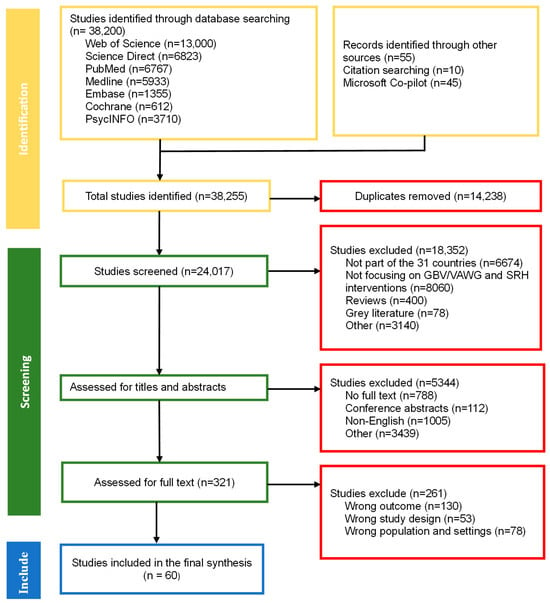
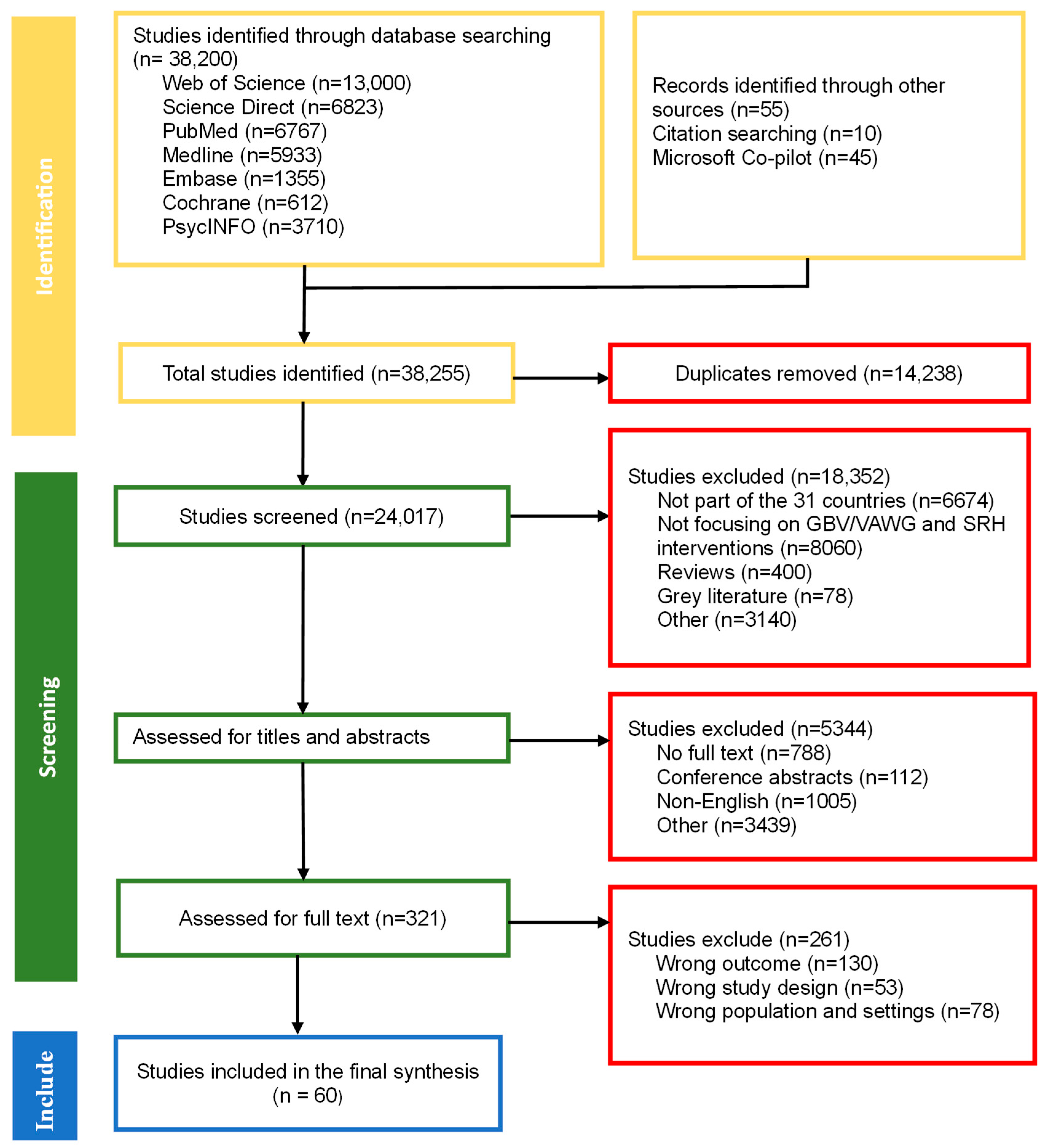
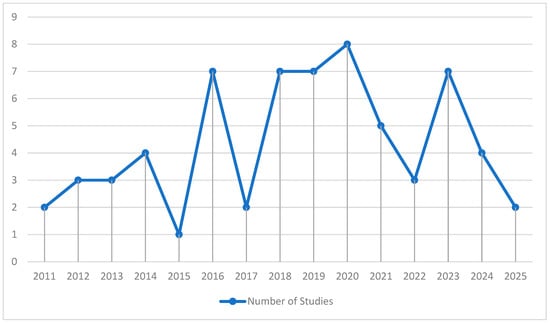
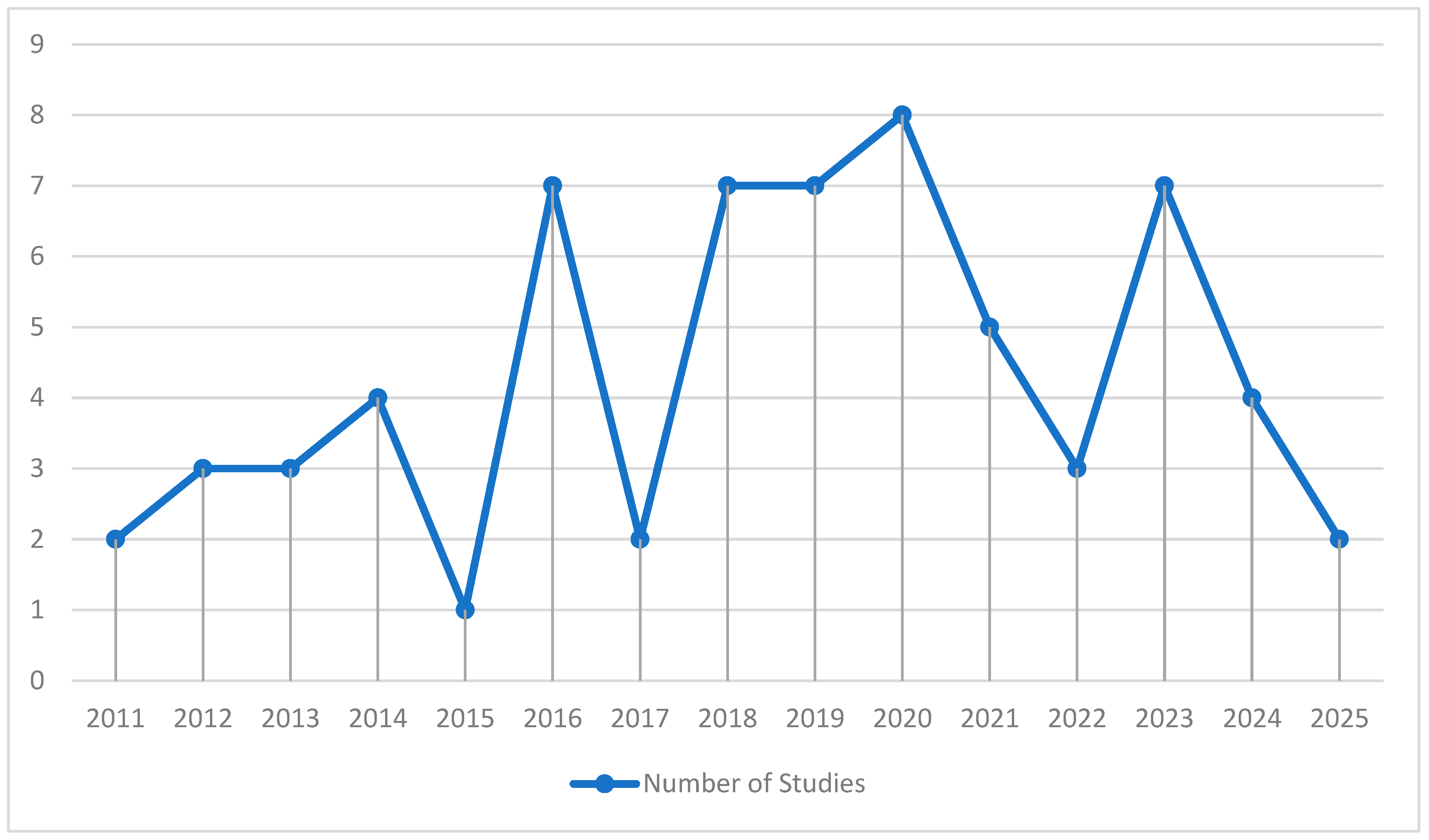
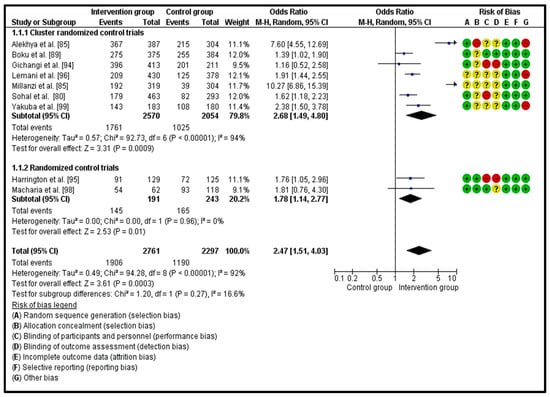
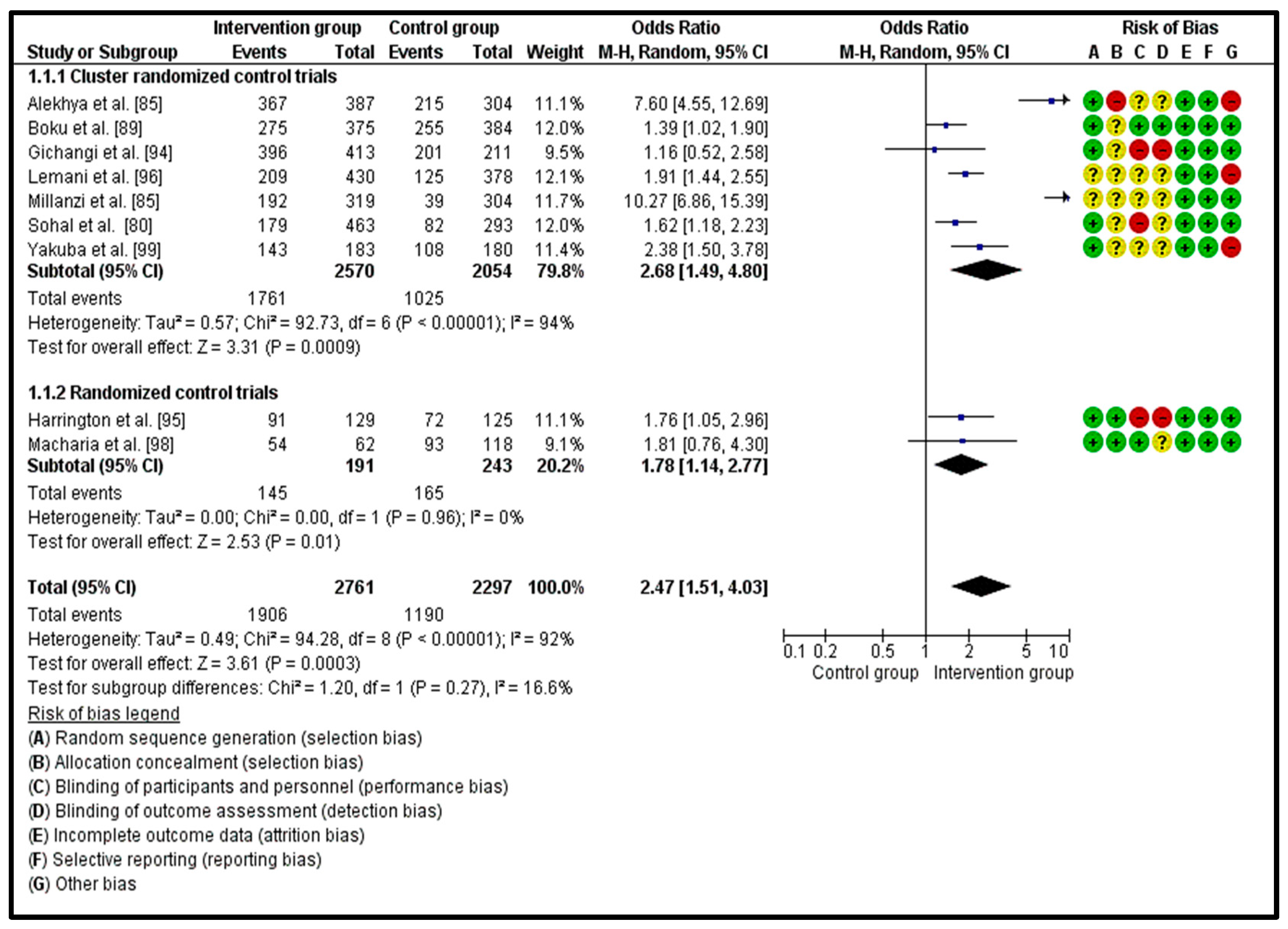

Disclaimer/Publisher’s Note: The statements, opinions and data contained in all publications are solely those of the individual author(s) and contributor(s) and not of MDPI and/or the editor(s). MDPI and/or the editor(s) disclaim responsibility for any injury to people or property resulting from any ideas, methods, instructions or products referred to in the content. |
© 2026 by the authors. Licensee MDPI, Basel, Switzerland. This article is an open access article distributed under the terms and conditions of the Creative Commons Attribution (CC BY) license.