


Abstract
Psychological distress disproportionately affects women in South Africa, especially those living with or impacted by HIV. Stigma, structural barriers, and gaps in service provision limit access to appropriate care. This qualitative study explored the experiences of women participating in the Lyric Analysis Peer Support Intervention (LAPSI), focusing on implementation feasibility, usability, motivators for participation, and perceived benefits. Semi-structured interviews were conducted with 29 South African women from two sites (Mthatha and Tshwane). Data analysis utilized reflexive thematic analysis based on Braun and Clarke’s framework, revealing three interrelated themes: (1) feasibility of and barriers to engagement; (2) usability of LAPSI; and (3) motivators for engagement and perceived benefits. Participants reported ongoing barriers to mental health support, such as stigma, fear of negative judgment, and transport issues. However, they noted that LAPSI helped alleviate these challenges by creating psychologically safe peer spaces, building trust through shared experiences, and using culturally relevant song lyrics to encourage emotional expression among diverse literacy levels. Overall, the findings suggest that LAPSI could serve as a music-informed psychosocial intervention, with potential for future evaluation and integration into community-based and HIV-related services to address psychological distress among South African women.
1. Introduction
Psychological distress has been increasingly recognised as a pervasive global public health concern, exerting substantial and far-reaching impact on emotional and psychological functioning across diverse population groups [1]. It is characterised by affective distress, typically manifested through depressive and anxiety-related symptomatology, and encompasses subjective experiences of suffering that may not meet the full threshold for formal psychiatric diagnosis [2]. Women bear a disproportionately elevated burden of psychological distress, a pattern that is especially pronounced in low- and middle-income countries, where gendered social roles, structural economic inequities, and restricted access to health and social care systems interact synergistically to heighten their vulnerability [3,4]. Psychological distress reflects women’s lived experiences of sadness, anxiety, anger, hopelessness, and emotional strain, which may temporally precede, coincide with, or overlap with clinically defined common mental disorders [2,5]. Evidence suggests that these experiences are systematically shaped by an interplay of social, economic, and environmental determinants, including, but not limited to, poverty, unemployment, stigmatisation, and exposure to violence [6].
Nationally representative survey data from South Africa indicate that approximately 19.3% of individuals aged 15 years and older experience psychological distress, with consistently higher prevalence observed among women than among men. Among adolescents and young adults aged 15–24 years, psychological distress was reported by 23.6% of females compared with 14.4% of males, underscoring the disproportionate mental health burden borne by young women [7,8]. The prevalence of psychological distress was substantially higher among females (26.3%) than among males (17.8%) [9]. Although mental health research and interventions have predominantly focused on women living with HIV, HIV-negative women residing in comparable socio-economic and relational contexts are likewise subjected to similar structural and psychosocial stressors, including stigma, economic precarity, and constrained access to health care services [4,9].
Barriers to women’s utilisation of mental health services in these contexts are well documented in the literature and encompass fear of stigmatisation and negative evaluation, concerns regarding the protection of confidentiality, structural and logistical constraints (e.g., limited access to transportation), and a pervasive mistrust of healthcare systems [10,11,12]. These barriers are often further intensified by gendered norms related to caregiving responsibilities, emotional self-regulation, and conformity to prevailing social conventions. Such norms may constrain women’s capacity to explicitly articulate experiences of psychological distress or to seek appropriate forms of psychosocial support. In response, there is increasing recognition of the need for community-based, gender-responsive psychosocial interventions that prioritize safety, cultural and social acceptability, and equitable access to care [4,13,14].
Peer-delivered psychosocial interventions have been increasingly identified as a promising strategy for addressing these gaps by fostering interpersonal trust, reducing stigma, and promoting shared meaning-making processes that are explicitly grounded in lived experience [15,16]. Similarly, culturally grounded methodologies, such as the systematic analysis of song lyrics, may offer developmentally and contextually appropriate avenues for emotional expression, self-reflection, and meaning-making. This is particularly important in settings where verbally oriented or strictly clinical interventions are perceived as alienating or as insufficiently adapted to participants’ lived experiences and sociocultural realities [17,18]. Notwithstanding the spread of low-intensity psychosocial interventions, qualitative evidence on how women experience such interventions in routine practice—particularly regarding feasibility, usability, and perceived benefits—remains limited. The LAPSI was developed to address these intersecting challenges by integrating peer support with a structured engagement modality that employs song lyrics as a culturally relevant medium.
This study is guided by an integrated conceptual framework that synthesizes the Health Belief Model (HBM) and the Bio–Psycho–Social model to situate women’s psychological distress within intersecting psychological, social, and structural determinants. The Health Belief Model and Bio-Psycho-Social Model were used as interpretive frameworks during later stages of interpretation rather than as predetermined coding structures.
As illustrated in Figure 1, women’s experiences of distress are shaped by factors such as stigma, socioeconomic adversity, gendered role expectations, and limited access to culturally responsive mental health services. Collectively, these factors influence core HBM constructs, including perceived barriers to care, perceived susceptibility to psychological morbidity, and perceived severity of distress [4,18,19]. Within this framework, peer support and lyric analysis function as psychosocial mechanisms that mitigate stigma, strengthen self-efficacy, and promote affective expression and shared meaning-making through culturally relevant, non-clinical modalities of engagement [15,17,18].
Figure 1.
Conceptual framework underpinning the development and implementation of the Lyric Analysis Peer Support Intervention (LAPSI). This framework was formulated a priori and informed the intervention design, content development, and subsequent interpretation of study findings. Grounded in the Health Belief Model and the Bio-Psycho-Social Model, it delineates hypothesised relationships among contextual determinants, core intervention components, implementation processes, and anticipated outcomes. The outcomes depicted within the framework represent theoretically derived expectations rather than endpoints empirically assessed in the current qualitative investigation. Solid arrows denote primary implementation and process pathways, whereas dashed arrows represent processes of validation, iterative refinement, and feedback.
Guided by this conceptual framework, the article reports qualitative findings derived from Objective 5 of a larger doctoral research project and explores women’s experiences of engagement in the LAPSI, with particular attention to implementation feasibility, usability, and perceived motivators and benefits. By foregrounding women’s perspectives, the study produces gender-sensitive empirical evidence to inform the development and integration of culturally responsive, music-informed psychosocial interventions within community and healthcare settings in resource-limited contexts.
2. Results
The central analytic construct that emerged from the dataset was the feasibility of implementing, and the user experience associated with the LAPSI. Participants’ narratives illuminated how LAPSI operated within real-world contexts, the contextual and structural conditions that enabled or constrained engagement, and the psychosocial outcomes women attributed to their participation.
The analysis generated three interrelated themes. Theme 1 examined participants’ perceptions of the practicalities of engaging with LAPSI, encompassing both barriers to, and facilitators of, participation (Figure 2). Theme 2 focused on participants’ experiential accounts of interacting with the intervention, including the extent to which the lyric-analysis and peer-support components were perceived as accessible, meaningful, and straightforward to engage with (Figure 4). Theme 3 investigated participants’ motivations for enrolling in LAPSI and the perceived personal, interpersonal, and emotional benefits arising from their involvement (Figure 6).
To aid visual representation of the findings, supplementary word clouds were generated following completion of the thematic analysis. These visualisations were created solely for illustrative purposes and were not used in coding, theme development, theme refinement, or validation of findings. Theme development was guided exclusively by the principles of reflexive thematic analysis, which emphasise patterns of shared meaning over lexical frequency.
2.1. Theme 1: Feasibility and Barriers to Engagement with LAPSI
In the present study, feasibility is conceptualised as participants’ subjective evaluations of the intervention’s practicality, acceptability, and perceived implementability, rather than in terms of formal feasibility indicators such as recruitment efficiency, intervention fidelity, resource utilisation, or scalability. Theme 1 encompasses participants’ narratives regarding determinants of their willingness and capacity to engage with LAPSI. While many participants initially anticipated obstacles—including stigma, perceived judgement, transport-related challenges, and limited trust—their accounts also highlighted the contextual and relational conditions that enabled and sustained their participation. Across the dataset, feasibility was conceptualised not merely as a logistical consideration but as a complex social and emotional process influenced by psychological safety, interpersonal trust, peer acceptance, and opportunities for collective or community-level ownership. Taken together, these subthemes elucidate how participants navigated and mitigated implementation barriers while also delineating potential mechanisms and pathways for successfully implementing and sustaining LAPSI within community settings (Figure 2).
Figure 2.
Hierarchy chart showing the thematic structure of Theme 1, “Feasibility and Barriers to Engagement with LAPSI.” The theme comprises five subthemes: Ambassadors, Barriers to Engagement, Fear of Peer Judgement, Safe and Supportive Environment, and Mainstreaming LAPSI in Healthcare.
Participants reported initially engaging with the intervention while experiencing pronounced apprehension, largely attributable to anticipated stigma, fears of community gossip, and previous adverse experiences related to disclosure. These concerns were particularly prominent in community settings characterised by low levels of interpersonal trust. Over time, however, participants consistently described a gradual diminution of these anxieties as the sessions progressed and as they observed respectful, non-judgemental interactions among group members. The establishment of a psychologically safe, supportive, and confidential group environment was identified as a key mechanism facilitating increased openness and emotional expression. Furthermore, participants underscored the importance of systematically integrating LAPSI into routine healthcare delivery, particularly within HIV clinics, where existing psychosocial support was perceived as fragmented and largely confined to counselling at the point of diagnosis.
2.1.1. Table 1 Illustrative Participant Quotes for Theme 1:2 Feasibility and Barriers to Engagement with LAPSI
Participants commonly articulated an intention to extend the perceived benefits of LAPSI beyond their own direct involvement by actively motivating other women to engage with the intervention. Rather than limiting their role to offering simple recommendations, many participants envisaged former beneficiaries functioning as community ambassadors who could ease fears, challenge stigma, and foster trust among prospective participants. Collectively, these accounts indicate that implementation was conceptualised as a shared responsibility embedded within the community, rather than as the exclusive remit of researchers or formal health services (Table 1).
Table 1.
Illustrative Participant Quotes for Theme 1—Feasibility and Barriers.
The quotations presented in Table 1 illustrate that participants frequently perceived LAPSI as a feasible and accessible intervention within their local contexts. Participants’ narratives indicated that psychological safety, opportunities for peer connection, and the establishment of a supportive group environment were key determinants facilitating engagement. At the same time, concerns relating to stigma, disclosure, trust, and transport were also reported, underscoring that participation was shaped by an interplay of logistical and psychosocial factors.
2.1.2. Word Cloud for Theme 1
The accompanying word cloud (Figure 3) is provided as a supplementary descriptive visualization of frequently occurring lexical items in participant narratives pertaining to Theme 1. This visualization was not employed to generate, validate, or confirm thematic categories. Instead, it serves as a graphical representation of the language most commonly used by participants when articulating barriers to, engagement with, and participation in LAPSI.
Figure 3.
Feasibility and Barriers: Word cloud generated from participant narratives corresponding to Theme 1, “Feasibility and Barriers to Engagement with LAPSI.” Word size represents the relative frequency of terms occurring within the interview dataset associated with this theme. The figure is provided as a supplementary descriptive visualisation and was not utilised in the processes of coding, theme development, or theme validation.
2.2. Theme 2: Usability of LAPSI
Theme 2 reveals participants’ phenomenological accounts of the usability and accessibility of the Lyric Analysis Peer Support Intervention (LAPSI). This theme reflects participants’ lived experiences of engaging with LAPSI and the degree to which its constituent elements were perceived as comprehensible, accessible, and relevant. Participants consistently characterised lyric analysis as an approachable modality that did not necessitate specialised expertise or formal mental health training. Notably, perceived usability extended beyond procedural or practical ease of engagement to include emotional accessibility, opportunities for self-reflection, and the facilitation of interpersonal connection through the sharing of lived experiences (see Figure 4).
Figure 4.
Hierarchy chart showing the thematic structure of Theme 2, “Usability of LAPSI.” The theme comprises three subthemes: Accessible and Engagement Made Easy, Emotional Support, Healing and Reflection Through Song Lyrics, and Peer Support and Shared Experiences.
As illustrated in Figure 4, the usability of LAPSI was conceptualised as emerging from the dynamic interplay among accessibility, cultural resonance, emotional support, and peer interaction. The interrelationships among these subthemes suggest that participants understood usability not merely as ease of participation, but also as contingent on the extent to which the intervention enabled substantive emotional engagement and fostered collaborative learning processes.
2.2.1. Table 2 Illustrative Participant Quotes for Theme 2: Usability of LAPSI
Participants’ narratives highlighted multiple dimensions of the intervention’s usability, including the procedural simplicity of engagement and the contributory roles of music and peer interaction in fostering reflection and learning. The quotations presented in Table 2 indicate that participants perceived the intervention as highly accessible, affectively supportive, and conducive to intrapersonal development.
Table 2.
Illustrative Participant Quotes for Theme 2: Usability.
The quotations presented in Table 2 demonstrate that participants consistently characterised lyric analysis as an accessible and emotionally valuable component of LAPSI. Numerous women indicated that music constituted a familiar and culturally resonant modality through which challenging experiences could be examined and discussed. Rather than providing evidence of a direct therapeutic effect, participants’ accounts suggest that lyric analysis may have created opportunities for emotional reflection, the development of personal insight, and collaborative meaning-making. Several participants additionally reported continued engagement with music and lyric analysis following the conclusion of the intervention, indicating that this approach was perceived as comprehensible and transferable beyond the structured workshop context.
2.2.2. Word Cloud for Theme 2
The accompanying word cloud (Figure 5) is provided as a supplementary descriptive visualisation of frequently occurring terms associated with participants’ experiences of engaging with LAPSI. This figure is included solely for illustrative purposes and did not contribute to the coding process, the development of themes, or their subsequent interpretation.
Figure 5.
Word cloud generated from participant narratives corresponding to Theme 2, “Usability of LAPSI.” The relative size of each word represents its frequency of occurrence within the interview data associated with this theme. This figure is provided as a supplemental descriptive visualisation and was not utilised in the processes of coding, thematic development, interpretation, or validation of the study’s findings.
2.3. Theme 3: Motivators and Perceived Benefits of LAPSI
Theme 3 encompasses both the determinants that motivated engagement and the intrapersonal changes that participants attributed to their involvement in LAPSI. Participants commonly reported enrolling in the programme during periods characterised by emotional distress, social isolation, or heightened uncertainty. Their narratives indicate that participation afforded opportunities for structured learning, critical self-reflection, enhanced social connectedness, and the development of renewed self-confidence. Taken together, the subthemes represent participants’ perceptions of psychosocial growth at interpersonal, emotional, and individual levels (Figure 6).
Figure 6.
Hierarchy chart showing the thematic structure of Theme 3, “Motivators and Perceived Benefits of LAPSI.” The theme comprises six subthemes: Appreciating Relationships, Building Community and Connection, Emotional and Psychological Relief, Motivators for Joining, Self-Confidence Builder, and Space to Learn.
As illustrated in Figure 6, participants’ motivations for enrolling in LAPSI were closely aligned with the benefits they subsequently reported. Emotional support, social connectedness, self-confidence, and learning emerged as interrelated dimensions of the participant experience, suggesting that the intervention functioned simultaneously as a psychosocial support mechanism and as a structured context for personal development.
2.3.1. Illustrative Participant Quotes for Theme 3: Motivators and Perceived Benefits of LAPSI (See Table 3)
Participants identified a heterogeneous set of intrapersonal and interpersonal determinants that motivated their engagement in LAPSI, as well as a broad range of affective, relational, and developmental outcomes associated with their participation. The quotations presented in Table 3 exemplify how participants perceived the intervention as a source of emotional relief, social support, enhanced self-efficacy, and experiential learning.
Table 3.
Illustrative Participant Quotes for Theme 3: Motivators and Perceived Benefits of LAPSI.
The excerpts presented in Table 3 indicate that participants reported a spectrum of perceived intrapersonal, interpersonal, and affective benefits following their engagement in LAPSI. These perceived benefits encompassed enhanced social connectedness, opportunities for skill acquisition and learning, increased self-confidence, improved relational communication, and experiences of emotional relief. Participants frequently attributed reductions in rumination, subjective emotional burden, and perceived social isolation to their involvement in the intervention. Although these accounts suggest that participants regarded LAPSI as beneficial, they should not be construed as empirical evidence that the intervention produced direct improvements in psychological outcomes or reductions in psychological distress. Instead, they offer insight into how participants made sense of and experienced the intervention in the context of their own lives.
2.3.2. Word Cloud for Theme 3
Figure 7 presents a supplementary descriptive visualisation of frequently occurring lexical items within participant narratives pertaining to motivators and perceived benefits. In accordance with the principles of reflexive thematic analysis, thematic interpretation was grounded in patterns of meaning rather than in the frequency of specific terms. Accordingly, the word cloud should not be construed as validating or confirming the thematic findings.
Figure 7.
Word cloud derived from participant narratives corresponding to Theme 3, “Motivators and Perceived Benefits of LAPSI.” The relative size of each word denotes its frequency of occurrence within the interview data associated with this theme. This figure is provided as a supplementary descriptive visualisation only and was not utilized in the processes of coding, thematic development, interpretation, or validation of the study’s findings.
3. Discussion
This study explored participants’ perceptions of the feasibility, usability, and perceived benefits of the LAPSI among South African women aged 18–49 years who were either living with HIV or at elevated risk of HIV acquisition and who were experiencing psychological distress. Overall, participants characterised LAPSI as accessible, acceptable, and subjectively meaningful, and frequently reported experiences of emotional safety, peer connectedness, emotional expression, and personal reflection. The findings indicate that LAPSI may be a feasible, promising psychosocial intervention and may be associated with improvements in psychosocial functioning. Nonetheless, these results are based on self-reported experiences and perceptions and should not be construed as evidence of intervention efficacy or of implementation feasibility in broader service settings.
3.1. Feasibility and Barriers to Engagement
Participants articulated multiple barriers to engagement with services. These barriers are particularly pronounced among women, who must navigate the intersecting influences of gender inequality, caregiving responsibilities, economic dependence, and HIV-related stigma, each of which can substantially restrict access to mental health care. These results align with the broader empirical literature on barriers to mental health service utilisation in low- and middle-income countries, in which stigma, resource scarcity, and structural and organisational constraints are consistently identified as key determinants that hinder both the initiation and sustained participation in psychosocial interventions [10,11,12].
Despite the aforementioned barriers, participants indicated that several core components of the LAPSI design eased their impact. In particular, the establishment of a safe and supportive group climate emerged as a central mechanism for promoting active and open engagement. Participants consistently characterised the intervention as a “safe space” that enabled them to articulate emotions without fear of negative evaluation or judgment. This finding aligns with prior empirical work on peer-support interventions, which has underscored the critical role of psychologically safe environments in fostering emotional disclosure and reciprocal support, as exemplified in the seminal contributions of [20] and supported by more recent studies [21,22].
A key feasibility-related finding was participants’ unsolicited proposal to assume ambassadorial roles for the intervention within their communities. This emergent theme denotes a substantial degree of participant ownership, as well as pronounced affective and cognitive investment in the intervention’s success. Participants reported a willingness to proactively disseminate information about LAPSI through their social networks and to motivate others to enrol in and engage with the program, suggesting that the intervention was perceived as highly aligned with their lived experiences and self-identified needs. Such forms of community ownership and peer-led dissemination have been recognised as critical determinants of the sustainability, scalability, and broader uptake of psychosocial interventions in resource-constrained contexts, in line with prior empirical evidence [14,23] and more recent implementation studies [24,25].
Participants further underscored the importance of formally integrating LAPSI into routine public healthcare provision, with a particular emphasis on HIV treatment and care services. They observed that, within these settings, access to mental health counselling is generally confined to the period immediately preceding and following HIV diagnosis, thereby leaving women without ongoing psychosocial support across the extended emotional trajectory associated with living with, or being at heightened risk for, HIV. This pattern reveals a substantial gap in the continuity of care and indicates that embedding peer-led psychosocial interventions such as LAPSI into standard HIV service delivery may constitute a cost-effective and acceptable strategy for addressing currently unmet mental health needs [26,27,28].
3.2. Usability of the Intervention
LAPSI was consistently described as highly accessible and straightforward to engage with, regardless of participants’ level of formal education. Participants indicated that “anyone can take part” and that “you don’t need education for this,” suggesting that the intervention may be perceived as attenuating cognitive and literacy-related barriers commonly associated with conventional counselling modalities. This level of accessibility is particularly salient in settings characterised by heterogeneous educational attainment and in which formal mental health services frequently rely on clinical terminology or therapeutic frameworks that may be experienced as unfamiliar, exclusionary, or alienating [29,30].
Participants consistently characterised the use of lyric analysis as an engaging and experientially meaningful component of the intervention. Notably, they seldom framed the intervention as comparable to conventional counselling modalities. Instead, lyric analysis was frequently described as offering an indirect, culturally familiar and psychosocial intervention route to therapeutic engagement, thereby easing some of the barriers typically associated with formal mental health services. This finding aligns with literature that conceptualises music as a potent medium for emotional communication and identity construction, affording individuals a symbolic and narrative structure through which to engage with, interpret, and ascribe meaning to complex psychosocial phenomena [17,31]. Consistent with findings from the Ugandan study, in the South African context—where oral traditions and musical expression are deeply embedded in sociocultural life—the integration of locally salient musical forms likely enhanced the cultural salience, ecological validity, and overall acceptability of the intervention [32].
Participants’ accounts indicated several mechanisms through which music may have facilitated engagement and reflection during the intervention. Participants frequently reported that song lyrics supported their efforts to interpret, articulate, and reframe distressing or challenging experiences.
First, song lyrics appeared to serve as reflective affordances through which participants identified with and resonated with their own lived experiences, thereby reducing perceptions of social isolation and countering the belief that their distress was experienced in isolation. Second, songs provided narrative structures that appeared to scaffold processes of meaning-making, enabling participants to organise, interpret, and recontextualise adverse experiences and to envisage alternative trajectories for psychological and behavioural change. Third, the familiar, intrinsically engaging, and aesthetically rewarding characteristics of music reduced the explicitly clinical and potentially stigmatising connotations commonly associated with formal mental health services. Consistent with these qualitative observations, music-based interventions have demonstrated empirical efficacy across a variety of mental health contexts, particularly when they incorporate and integrate culturally salient musical traditions. These findings underscore not only the therapeutic utility of such approaches but also the importance of deriving intervention components from existing empirical evidence. Whereas the first conceptual publication by Banda et al. primarily emphasised the intervention-development aspects of earlier work, the present article foregrounds women’s lived experiences of participating in LAPSI [33,34,35].
Participants uniformly identified peer support and the reciprocal sharing of lived experiences as core components of their engagement with LAPSI. They repeatedly reported that listening to others articulate comparable difficulties facilitated the recognition of shared experiences. This process appeared to attenuate feelings of isolation, shame, and self-blame, and to promote more active and transparent engagement with the intervention. These observations are consistent with a substantial body of empirical research demonstrating the therapeutic benefits of peer-led and peer-supported interventions, particularly among marginalised groups exposed to stigma [16,36,37,38].
Peer support is theorised to operate through multiple, interrelated psychosocial mechanisms. These include the provision of emotional validation, the normalisation of lived experiences, the instillation of hope through exposure to positive role models, and the bidirectional exchange of practical, context-specific information, as delineated in the seminal work of Mead and colleagues [39]. Within the framework of LAPSI, the group-based format enabled participants to encounter diverse interpretations of the same song lyrics, thereby fostering collective meaning-making and perspective-taking. Participants indicated that these interactions prompted them to critically reappraise their life experiences and to construct revised narratives regarding their difficulties. These findings are consistent with previous research underscoring the central importance of narrative reconstruction and shared storytelling in psychosocial recovery, particularly in the context of trauma and chronic illness, as documented in earlier seminal studies [40,41] and recent implementation studies [42,43].
3.3. Motivators and Perceived Benefits
Participants articulated a broad range of motivations for enrolling in LAPSI, largely grounded in unmet needs for emotional support and for access to psychologically safe environments in which to discuss personal difficulties. Numerous participants reported experiencing emotional overwhelm, social isolation, or insufficient intrapersonal resources to regulate distress autonomously, and therefore sought settings in which they could disclose their experiences without fear of gossip, stigma, or negative evaluation. The demand for such protective, non-judgemental spaces to address emotional distress is well documented in the literature on psychological morbidity among women living with, or otherwise affected by, HIV, wherein stigma, discrimination, and social isolation frequently constrain individuals’ capacity to share their experiences within existing social networks [44,45,46]. The intervention therefore appears to have addressed a previously unmet need by augmenting opportunities for emotional expression and facilitating the development of social connectedness.
3.3.1. Emotional and Psychological Benefits
Participants consistently reported substantial affective and psychological relief subsequent to engagement in LAPSI. They frequently employed metaphors such as feeling “lighter” and described decreases in rumination, maladaptive cognitive patterns, and emotional distress. Emotional expression has long been recognised as a central mechanism through which psychosocial interventions promote psychological well-being. The capacity to articulate personal experiences within a supportive context can facilitate emotional processing, mitigate psychological distress, and promote adaptive coping, as demonstrated in prior empirical research [47,48].
The emotional benefits reported by participants indicate that they perceived LAPSI as a useful intervention for addressing affective difficulties associated with psychological distress among women living with HIV or at heightened risk of HIV acquisition in South Africa [49,50,51]. Participants commonly reported perceived improvements in emotional wellbeing, optimism, and emotion regulation capacities, indicating that LAPSI may be associated with enhanced overall emotional functioning. Furthermore, the findings suggested that LAPSI facilitated participants’ active and sustained engagement with the intervention, even in the context of structural and psychosocial constraints. This was evidenced by participants’ favorable subjective evaluations, the motivational impact of peer-facilitated support, and the perceived relevance, acceptability, and contextual congruence of the intervention. Overall, participants tended to view the intervention as accessible, adaptable, and straightforward to engage with.
3.3.2. Social, Relational and Empowerment Benefits
The persistence of social contact beyond the formal intervention period is particularly noteworthy, as it indicates that participants did not perceive peer support as restricted to structured intervention sessions. Instead, social relationships initiated within LAPSI appeared to generalise to participants’ everyday lives, thereby creating opportunities for sustained emotional support and reciprocal encouragement. Such relationships may constitute salient protective resources in contexts where access to formal mental health services is constrained. Beyond intrapersonal emotional benefits, participants reported marked improvements in interpersonal functioning, including in relationships with family members, friends, and broader community networks. The intervention also appeared to promote the formation of new social ties and mutual support structures among participants. Numerous individuals reported ongoing contact with fellow group members after the formal sessions had concluded, and some described the group as a newly formed “community” or “family.” These findings align with existing literature indicating that peer-support interventions may enhance social capital and foster community cohesion, both of which have been associated with favourable mental health outcomes [52,53,54].
3.3.3. Empowerment and Personal Growth
Participants consistently reported increased self-confidence, self-worth, and perceived personal agency following engagement with LAPSI. They described feeling more capable of self-advocacy, of establishing and maintaining interpersonal boundaries, and of initiating constructive changes in their lives. Collectively, participants’ narratives indicate that LAPSI may contribute to enhanced empowerment, confidence, and personal agency. Empowerment has been identified as a critical outcome for women living with, or at elevated risk of, HIV, who frequently experience multiple, intersecting forms of marginalisation associated with gender inequality, socioeconomic disadvantage, and HIV-related stigma [44,55,56]. Interventions explicitly targeting the enhancement of women’s agency, self-efficacy, and social support have been empirically linked to a broad spectrum of favourable health and social outcomes. These include increased adoption of HIV prevention behaviours, improved engagement and retention in treatment, and more effective coping with social adversity, such as gender-based violence [57,58].
3.3.4. Learning and Skill Development
Participants characterised LAPSI as a substantive experiential learning environment through which they acquired novel knowledge and skills related to mental health, emotion regulation, interpersonal functioning, and adaptive coping. They reported an increased understanding of the mind–body interface, the salience of self-care practices, and specific strategies for managing stress and negative affect. Multiple participants indicated that they translated intervention-related insights into everyday behaviors, including psychoeducating their children and providing informal psychosocial support to other members of their communities. Several participants described disseminating lessons learned during LAPSI to family members and peers, suggesting that some benefits may have extended beyond the immediate intervention recipients.
The psychoeducational component of LAPSI—implemented primarily through peer-to-peer dialogue and guided reflective processes, rather than conventional didactic instruction—appeared to enhance mental health literacy in a mode that was both accessible and perceived as non-stigmatising. Improvements in mental health literacy are a well-documented mechanism for reducing mental health–related stigma, promoting help-seeking behaviors, and facilitating early detection and intervention, particularly within low-resource settings [59,60].
3.4. Implications for HIV and Mental Health Integration
Participants consistently articulated a need for enhanced integration of psychosocial support within HIV care and community-based service delivery systems. Despite the substantial prevalence and burden of mental health disorders in this population, psychological and psychiatric services remain inadequately incorporated into existing HIV care platforms [26,51]. LAPSI may warrant further investigation as a candidate community-based psychosocial support intervention. Participants’ narratives indicated that LAPSI was perceived as accessible, acceptable, and contextually appropriate within existing service infrastructures. Nonetheless, issues related to sustainability, service integration, and scalability necessitate rigorous implementation research and fall beyond the scope of the present study.
A growing body of empirical evidence demonstrates that the integration of mental health services into HIV care pathways enhances both psychiatric and HIV-related outcomes, including antiretroviral therapy adherence, viral suppression, and long-term retention in care. Participants’ recommendations to institutionalise LAPSI within public healthcare systems suggest a perceived need for continuous psychosocial support that extends beyond diagnosis-focused counselling. They further indicate that interventions such as LAPSI are regarded as potentially valuable additions to current service packages, with the capacity to address unmet mental health needs in a cost-effective and acceptable manner.
Community-delivered, peer-led interventions such as LAPSI may therefore constitute scalable and sustainable models that expand the provision of mental health support beyond the constrained resources and limited reach of specialist mental health services [4,61,62].
3.5. Strengths and Limitations
A key strength of this study was the inclusion of participants from two geographically distinct South African provinces, thereby enabling the capture of perspectives from women embedded in diverse sociocultural and health-service contexts. A further methodological strength was the high level of engagement with the qualitative component, with 29 of the 30 women enrolled in the intervention participating in the qualitative evaluation. However, the experiences of the participant who withdrew from the intervention, as well as those of women who may have declined participation at the recruitment stage, remain undocumented. As a result, the findings predominantly represent the perspectives of women who completed the intervention and should be interpreted within this context. In addition, the data were analysed using a rigorous reflexive thematic analysis, conducted in accordance with established qualitative methodological frameworks [63,64] strengthened the trustworthiness and analytical depth of the study.
Third, an additional strength concerned the depth and diversity of the qualitative dataset, which permitted a nuanced examination of participants’ experiences of peer support, lyric analysis, emotional expression, and collective meaning-making. The study further extends a limited evidence base on culturally grounded, community-based strategies for supporting women experiencing psychological distress in HIV-affected contexts. Moreover, the integration of lyric analysis within a structured peer-support intervention constitutes a novel methodological contribution that may guide the design and implementation of future psychosocial interventions and associated implementation research.
Several methodological limitations warrant consideration. First, the study drew on a relatively small sample recruited from two sites, which may restrict the external validity and transferability of the findings to other provinces or broader national contexts. Although the sample size was adequate to facilitate in-depth qualitative inquiry, the sampling strategy was explicitly designed to maximise heterogeneity.
Furthermore, participant recruitment relied on convenience sampling procedures, which may have introduced selection bias. Individuals who elected to participate may have differed systematically from those who declined, particularly with respect to motivational characteristics, patterns of help-seeking, and openness to psychosocial support interventions.
Although 29 of the 30 enrolled participants contributed data to the qualitative evaluation, the perspectives of participants who withdrew or declined to participate were not captured. As a result, the findings may be subject to selection bias and positive response bias and may disproportionately reflect favourable experiences of the intervention.
Moreover, the study focused on participants’ perceptions of feasibility, usability, acceptability, and perceived benefits, rather than conducting a formal evaluation of implementation feasibility. Standard implementation outcomes—such as recruitment efficiency, intervention fidelity, facilitator adherence, resource utilisation, adverse events, sustainability, and scalability—were not systematically assessed within the qualitative component.
In addition, because interviews were conducted after completion of the intervention, participants’ narratives may have been affected by recall bias and retrospective reinterpretation of their experiences. The possibility of social desirability bias must also be acknowledged, particularly given that the interviewer was affiliated with the broader LAPSI study, which may have led participants to emphasise favourable aspects of the intervention.
Furthermore, the qualitative design was not intended to determine intervention effectiveness or to delineate causal mechanisms of change. Accordingly, the findings should be interpreted as reflections of participants’ self-reported experiences and perceptions, rather than as evidence that LAPSI improved psychological outcomes or reduced psychological distress. The absence of long-term follow-up further constrains inferences regarding the durability of perceived benefits and the persistence of peer-support networks beyond the active intervention phase.
The qualitative design also precludes causal inference regarding intervention efficacy; the results should therefore be understood as providing insight into participants’ experiences, perceived benefits, and implementation-related considerations, rather than as definitive evidence of treatment effectiveness. Given the exploratory nature of LAPSI and the limited empirical literature on lyric-analysis-based psychosocial interventions among South African women, interpretation of the findings necessitated careful contextualisation within related research domains. The hypothesised mechanisms of action should thus be regarded as interpretive, theory-informed explanations grounded in participants’ accounts, rather than as empirically verified mechanisms of change.
3.6. Future Research
Future research should systematically assess key implementation outcomes, including recruitment, retention, intervention fidelity, and sustainability. In addition, study designs should include individuals who decline to participate, discontinue involvement, or exhibit inconsistent attendance to reveal determinants of engagement and perceived acceptability. Larger-scale studies employing hybrid effectiveness–implementation designs will be critical for establishing the long-term impact and scalability of LAPSI across diverse contexts and service settings.
4. Materials and Methods
4.1. Study Design
This study adopted a qualitative research design grounded in phenomenological principles to explore women’s lived experiences of participating in LAPSI. A qualitative methodology was deemed particularly appropriate for generating a nuanced and in-depth understanding of participants’ perspectives on the intervention’s feasibility, usability, and perceived benefits within real-world community and healthcare settings, including those characterised by stigma, gendered social norms, and structural constraints.
All intervention sessions were facilitated by the first author using a standardised intervention manual. The facilitator had formal training in public health and mental health research and had been involved in the development of the LAPSI. A research assistant supported participant recruitment, logistical coordination, and administrative procedures but did not lead or actively shape the content of intervention discussions.
4.2. Study Population and Sampling
The study population consisted of South African women aged 15–49 years who were either living with HIV or identified as being at elevated risk of HIV acquisition and who were concurrently experiencing psychological distress. A combination of purposive and convenience sampling strategies was employed to recruit participants from two distinct geographic and sociocultural settings—Mthatha (n = 9) and Tshwane (n = 21)—with the objective of capturing heterogeneity in social, cultural, and health service contexts. This intentional variation in study sites facilitated an examination of how women’s experiences of the intervention were shaped by differing structural and community environments.
Of the 30 women who participated in the LAPSI, 29 completed qualitative interviews. The inclusion of nearly the full intervention cohort enabled the generation of information-rich narratives from a heterogeneous sample and enhanced the depth and methodological rigour of the analysis. Rather than applying a predetermined numerical threshold for data saturation, the evaluation of sample adequacy was informed by the concept of “information power,” whereby the relevance, richness, and variability of participants’ accounts were used to determine the sufficiency of the qualitative data for addressing the study objectives [65]. Given the heterogeneity of participants and research contexts, analytic rigour was maintained through an iterative procedure involving the systematic development, refinement, and validation of themes, supported by ongoing constant-comparative analysis across interviews, in alignment with contemporary standards and methodological guidelines for qualitative research [63,64].
Table 4 summarises the demographic and clinical characteristics of participants enrolled in the Lyric Analysis Peer Support Intervention (LAPSI). A total of 29 women were included in the study, the majority of whom were recruited from Gauteng Province (72.4%; n = 21), with the remainder recruited from the Eastern Cape Province (27.6%; n = 8). The sample comprised women living with HIV (51.7%; n = 15) and women who were HIV-negative (48.3%; n = 14), consistent with the intervention’s aim to support women experiencing psychological distress irrespective of HIV serostatus. Participants’ ages ranged from 18 to 49 years, with a mean age of 32.4 years (SD = 9.6). The largest proportion of participants were aged 25–34 years (31.0%; n = 9), followed by those aged 18–24 years and 35–44 years, each constituting 27.6% (n = 8) of the sample. Women aged 45–49 years accounted for 13.8% (n = 4) of the study population. Overall, these characteristics indicate that the intervention engaged women across multiple stages of adulthood and from two distinct provincial settings.
Table 4.
Demographic and Clinical Characteristics of LAPSI Participants at Baseline (n = 29).
Psychological distress was measured using the K10 scale, a validated 10-item screening instrument that is widely applied in South African populations. Total scores range from 10 to 50, with higher scores indicating greater severity of psychological distress. In accordance with established scoring conventions, scores of 20–24 were categorized as indicative of mild distress, scores of 25–29 as moderate distress, and scores of ≥30 as severe distress. All participants enrolled in the intervention fulfilled the eligibility criteria for psychological distress screening.
Description of the Lyric Analysis Peer Support Intervention (LAPSI)
The Lyric Analysis Peer Support Intervention (LAPSI) is a structured peer-support programme designed to facilitate emotional expression, reflective processing, collaborative learning, and psychosocial support among women experiencing psychological distress (see Table 5). The intervention integrates facilitated peer-group discussions with lyric-analysis activities, employing music as a culturally salient medium through which participants can interrogate personal experiences and co-construct shared meanings.
Table 5.
TIDieR Description of the LAPSI
LAPSI was developed within the context of a broader doctoral research programme. The thematic content of the intervention was informed by findings from a scoping review of mental health interventions and by machine-learning analyses that identified key determinants of psychological distress among South African women. Variables such as mental health–related stigma, access to healthcare, availability of social support, self-perceived health status, employment conditions, and broader socioeconomic adversity were synthesised into overarching psychosocial themes that guided both session discussions and lyric-selection tasks.
The intervention was implemented at two study sites: Mthatha in the Eastern Cape Province and Tshwane in Gauteng Province. A total of seven focus groups were conducted. Three groups (n = 9) were conducted in the Eastern Cape, and four groups (n = 21) in Tshwane. Group sizes ranged from three to six participants, a configuration intended to support in-depth discussion while preserving adequate opportunity for individual participation and voice.
At the commencement of each session, participants were received in an informal setting in which refreshments were provided to facilitate rapport-building and to attenuate the formality commonly associated with clinical interventions. At the outset of each session, group norms were established concerning confidentiality, mutual respect, voluntary participation, emotional safety, and non-judgemental communication. Participants were informed that they could engage at a level that felt personally acceptable and that they retained the right to decline to answer any question or to abstain from any component of the discussion.
Music selection utilised a combined participant-led and facilitator-supported strategy. Participants were invited to nominate songs they perceived as meaningful or thematically relevant. Where participants experienced difficulty in identifying suitable material, facilitators offered suggestions. Selections were made on the basis of cultural relevance, emotional salience, accessibility, and appropriateness for structured discussion. Examples of songs that emerged during the sessions included “Ungayeki” by Amanda Black, “Weekend Special”, and “7 Years” by Lukas Graham. These songs functioned as catalysts for dialogue around key psychosocial themes such as hope, resilience, social relationships, identity, life trajectories, stigma, and coping with adversity. Lyrics were translated where necessary and made available to participants during the sessions.
The lyric-analysis component was informed by Dvorak’s five-stage framework. First, participants engaged in pre-listening reflection, which involved discussion of the session theme alongside their own related experiences. Second, participants listened to the selected song and reflected on their immediate emotional responses. Third, participants identified specific lyrics that resonated with them and articulated their interpretations. Fourth, participants connected the lyrical content to their lived experiences and engaged in collaborative meaning-making with other group members. Finally, participants identified concrete lessons, coping strategies, and potential behavioural actions that could be incorporated into their daily lives. This structured process facilitated a progression from affective exploration to reflection, insight generation, and action-oriented coping.
Multiple procedures were implemented to support participant wellbeing. Emotional check-ins and debriefing opportunities were integrated throughout the intervention. Formal arrangements were established with the South African Depression and Anxiety Group (SADAG) to ensure access to psychological support where needed. In some facilities, additional psychological care was available via clinic-based psychologists, and participants requiring further intervention could be referred through existing referral pathways. To reduce financial barriers to participation, transport costs were reimbursed and refreshments were provided during intervention activities. To maximise consistency across sites, all groups adhered to a common set of core intervention principles, discussion procedures, lyric-analysis steps, and facilitation methods.
4.3. Data Collection
Data collection occurred at three distinct stages. First, baseline assessments were conducted prior to intervention participation and included screening for psychological distress using the K10 scale. Women meeting the eligibility criteria were subsequently enrolled into the LAPSI.
Second, qualitative interviews were conducted approximately 5–7 days following completion of the intervention. This timeframe was selected to capture participants’ experiences while allowing sufficient opportunity for initial reflection and emotional processing. These interviews explored participants’ perceptions of feasibility, usability, acceptability, barriers to engagement, motivators for participation, and perceived benefits associated with LAPSI. All interviews were conducted telephonically. Conducting interviews by telephone also reduced the potential risks associated with face-to-face interaction and afforded participants greater control over their immediate environment, maximising comfort, confidentiality, and privacy during the interview process. Participants were explicitly advised that they could pause or terminate the interview at any time should they experience discomfort or distress. The qualitative interviews were part of the study’s evaluation component and were distinct from the intervention itself. Following completion of the LAPSI workshop sessions, participants were invited to participate in individual semi-structured interviews.
All audio recordings were transcribed verbatim and subsequently anonymised prior to analysis.
Third, a post-intervention assessment was conducted approximately 30 days after the intervention. The K10 scale was re-administered at this time point to evaluate changes in psychological distress. The 30-day assessment interval was selected because the K10 measures experiences of psychological distress occurring during the preceding 30 days.
4.4. Data Analysis
Data were analysed using reflexive thematic analysis, following Braun and Clarke’s six-phase methodological framework. The analytic procedure involved systematic familiarisation with the dataset, the generation of initial codes, the development of provisional themes, iterative review and refinement of these themes, and the interpretive synthesis of recurrent patterns of meaning across participants’ accounts [63,64]. Data analysis employed an iterative, inductive methodological framework in which thematic categories were continually elaborated and refined as additional interview transcripts were reviewed. Analytical focus was directed toward delineating both patterns of convergence and divergence across participants’ narratives, with particular attention to the role of site-specific contextual determinants and the phenomenological dimensions of participants’ lived experiences of psychological distress.
Reflexivity
The first author functioned both as the facilitator of the LAPSI and as the primary interviewer responsible for qualitative data collection. In recognition of the understanding that researchers are active participants in the co-construction of knowledge rather than neutral observers, reflexive practices were systematically integrated across data collection and analysis procedures.
Reflexive field notes were compiled during and immediately following intervention sessions and interviews to document contextual observations, underlying assumptions, emotional responses, and emergent analytic insights. These reflexive records were subsequently revisited during the processes of coding and thematic development to enhance analytic transparency and to promote critical examination of the researcher’s influence on data interpretation.
The research team included members with expertise in public health, mental health, and community-based intervention research. Regular meetings with academic supervisors were conducted to interrogate emerging interpretations, consider alternative explanatory frameworks, and strengthen the overall rigor of the analysis.
Particular attention was directed to the potential impact of the first author’s prior involvement in the development and implementation of LAPSI on the interpretation of participants’ accounts. In response, deliberate efforts were made to ensure that the resulting themes were grounded in participants’ narratives and experiences rather than reflecting a priori assumptions or expectations about the intervention.
4.5. Ethical Consideration
This investigation entailed the primary collection of empirical data from human participants and addressed highly sensitive domains related to psychological distress and HIV. Accordingly, ethical principles were systematically and rigorously embedded at every stage of the research process, with particular emphasis on informed consent, respect for autonomy, confidentiality, anonymity, justice, and the protection of participant welfare. Written informed consent was obtained from all participants prior to enrolment in the intervention and before their involvement in qualitative interviews. Participants received clear, comprehensive, and accessible information regarding the study objectives, the voluntary nature of participation, the procedures to be undertaken, and their right to discontinue participation at any point without penalty or other negative repercussions. The consent procedures were explicitly designed to safeguard and promote participants’ autonomy and capacity for independent, informed decision-making.
Confidentiality and anonymity were consistently prioritised. Participants’ identities were protected through the allocation of pseudonyms and the removal of any potentially identifying information from interview transcripts and analytic documentation. Audio recordings and transcripts were stored in secure, password-protected electronic directories, with access restricted to the primary researcher and the supervisory team. All procedures adhered strictly to institutional data protection policies and ethical governance requirements [66]. No identifying information was included in any reports or publications. The trustworthiness of the analysis was enhanced through multiple complementary strategies.
Credibility was fostered through prolonged engagement with participants during intervention delivery and follow-up interviews, the recruitment of participants from two geographically distinct sites, and iterative discussion of emerging interpretations with academic supervisors. Member reflection was conducted with a subset of participants to ascertain whether the researchers’ interpretations adequately represented participants’ reported experiences.
Dependability was supported by maintaining detailed documentation of recruitment procedures, interview protocols, coding decisions, and the iterative process of theme development. An audit trail was systematically preserved throughout the study to enhance the transparency and traceability of analytical decisions.
Confirmability was promoted through reflexive memo writing, ongoing critical reflection on researcher assumptions, and regular supervisory meetings focused on the interpretation of the data. Collectively, these procedures contributed to ensuring that the resultant themes remained closely grounded in participants’ narratives.
Transferability was facilitated through comprehensive descriptions of the intervention context, participant characteristics, data collection procedures, and emergent thematic findings, thereby enabling readers to assess the applicability of the results to other settings. Although the eligible age range for the broader study was 15–49 years, no individuals younger than 18 years participated in the intervention component reported in this manuscript. Consequently, all participants were adults and provided written informed consent. Assent procedures and parental/guardian consent were not required for the participants included in this study.
Ethical approval for this study was obtained from the Sefako Makgatho Health Sciences University Research Ethics Committee (reference: SMUREC/H/305/2024:PG). Additional permissions were granted by the Eastern Cape Provincial, District, and Sub-District Departments of Health (reference: EC_202504_012), as well as by the Gauteng Provincial Department of Health (reference: GP_202504_055). All study procedures were implemented in strict accordance with the approved ethical protocols and complied with all relevant institutional and national regulatory requirements [66].
4.6. Disclosure of Delegation to Generative AI
The authors declare the use of generative AI in the research and writing process. According to the GAIDeT taxonomy (2025), the following tasks were delegated to GAI tools under full human supervision:
- -
- Proofreading and editing
- -
- Summarizing text
- -
- Adapting and adjusting emotional tone
- -
- Reformatting
The GAI tools used were: Grammarly—Edu Version, Writefull—Version 20205.5.9.0 (#1326) and M365 CoPilot.
Responsibility for the final manuscript lies entirely with the authors. GAI tools are not listed as authors and do not bear responsibility for the final outcomes.
Declaration submitted by: Lucas Banda
Additional note: We used Grammarly, CoPilot and Writefull for language editing, scientific tone, coherence, and readability.
5. Conclusions
This study investigated South African women’s experiences of the LAPSI, focusing on those living with, or at elevated risk of, HIV who were experiencing psychological distress. Overall, participants characterised LAPSI as an acceptable, accessible, and meaningful psychosocial intervention. They emphasised the perceived value of peer support, shared lived experience, and lyric analysis as mechanisms that facilitated emotional expression, introspection, and interpersonal connection.
Participants regarded the intervention as culturally congruent and reported a range of perceived intrapersonal and interpersonal benefits, including enhanced social connectedness, opportunities for learning, increased self-confidence, and a sense of emotional relief. These results, however, pertain to participants’ subjective perceptions and experiences and should not be construed as evidence of clinical effectiveness, nor as proof of implementation feasibility or scalability.
Taken together, the findings indicate that culturally grounded, peer-delivered interventions such as LAPSI merit further empirical investigation as potential components of community-based mental health support for women experiencing psychological distress.
Author Contributions
Conceptualization, L.B., M.M.M. and O.O.; methodology, L.B.; software, L.B.; validation, L.B., M.M.M. and O.O.; formal analysis, L.B.; investigation, L.B.; resources, L.B.; data curation, L.B.; writing—original draft preparation, L.B.; writing—review and editing, M.M.M. and O.O.; visualization, L.B.; supervision, M.M.M. and O.O.; project administration, O.O.; funding acquisition, L.B. and O.O. All authors have read and agreed to the published version of the manuscript.
Funding
Funding for the study is from the Sefako Makgatho Health Sciences University and the iYunivesity Walter Sisulu Research Directorates. The funders had no role in the study design, data collection, analysis, interpretation, writing, or publication decisions. O.O.’s research protected time was partially supported by the South African Medical Research Council Extramural Unit Grant Award and the Incentive Funding for Rated Researchers’ Grant from National Research Foundation (No: 132385). The contents are solely the responsibility of the authors and do not necessarily represent the official views of the primary institutions of the authors and the funders.
Institutional Review Board Statement
The study was conducted in accordance with the Declaration of Helsinki and approved by Sefako Makgatho University Research Ethics Committee (SMUREC). The ethics reference number is SMUREC/H/305/2024: PG. It was approved on the 25 September 2024. Supplementary approvals were secured from the Eastern Cape Provincial, District, and Sub-District Departments of Health (reference: EC_202504_012), as well as from the Gauteng Provincial Department of Health (reference: GP_202504_055).
Informed Consent Statement
Informed consent was obtained from all subjects involved in the study.
Data Availability Statement
The data presented in this study are not publicly available due to ethical and privacy restrictions associated with participant confidentiality and institutional data governance requirements. Data are held by Sefako Makgatho Health Sciences University and may be available from the corresponding author upon reasonable request and subject to institutional approval and applicable ethical requirements.
Acknowledgments
We would also like to acknowledge the South African Medical Research Council (SAMRC) and the National Research Foundation (NRF) for their support. During the preparation of this manuscript, the authors used Microsoft Copilot, Grammarly, and Writefull for proofreading, language editing, text summarisation, improvement of scientific tone, manuscript organisation, and enhancement of readability. The authors also used ChatGPT 5.5 image-generation tool to create Figure 1, which was subsequently reviewed, modified where necessary, and approved by the authors. The authors reviewed and edited all outputs generated by these tools and take full responsibility for the content of this publication.
Conflicts of Interest
The authors declare no conflicts of interest. Additionally, the funders had no role in the design of the study; in the collection, analyses, or interpretation of data; in the writing of the manuscript; or in the decision to publish the results.
Abbreviations
The following abbreviations are used in this manuscript:
| HBM | Health Belief Model |
| HIV | Human Immunodeficiency Virus |
| K10 | Kessler Psychological Distress Scale |
| LAPSI | Lyric Analysis Peer Support Intervention |
| LMICs | Low- and Middle-Income Countries |
| ML | Machine Learning |
References
- Keramat, S.A.; Comans, T.; Basri, R.; Bailey, D.; Brooks, D.; Dissanayaka, N.N. The Estimation of Health State Utility Values for Psychological Distress in Australia: Implications for Future Economic Evaluations. Value Health 2025, 28, 368–378. [Google Scholar] [CrossRef] [Scilit]
- Mirowsky, J.; Ross, C.E. Measurement for a Human Science. J. Health Soc. Behav. 2002, 43, 152–170. [Google Scholar] [CrossRef] [Scilit]
- Boakye, D.S.; Setordzi, M.; Dzansi, G.; Adjorlolo, S. Mental health burden among females living with HIV and AIDS in sub-Saharan Africa: A systematic review. PLoS Glob. Public Health 2024, 4, e0002767. [Google Scholar] [CrossRef]
- Patel, V.; Saxena, S.; Lund, C.; Thornicroft, G.; Baingana, F.; Bolton, P.; Chisholm, D.; Collins, P.Y.; Cooper, J.L.; Eaton, J.; et al. The Lancet Commission on global mental health and sustainable development. Lancet 2018, 392, 1553–1598. [Google Scholar] [CrossRef] [Scilit]
- Zungu, N.P.; Mabaso, M.; Makusha, T.; Makola, L.; Sewpaul, R.; Shisana, O. Determinants of gender disparities in psychological distress in the South African population aged 15 years and older: Findings from the 2017 National HIV prevalence, incidence, behaviour, and communication survey. PLoS Ment. Health 2025, 2, e0000220. [Google Scholar] [CrossRef] [Scilit]
- Knifton, L.; Inglis, G. Poverty and mental health: Policy, practice and research implications. BJPsych Bull. 2020, 44, 193–196. [Google Scholar] [CrossRef] [Scilit]
- Human Sciences Research Council. Gender Differences in Determinants of Psychological Distress in South Africa: Findings from the 2017 National HIV Household Survey—HSRC. Available online: https://hsrc.ac.za/news/review/gender-differences-in-determinants-of-psychological-distress-in-south-africa-findings-from-the-2017-national-hiv-household-survey/ (accessed on 10 November 2025).
- Ndlovu, N.; Blose, N.; Mokganya, M. Health and related indicators: A mental health focus. S. Afr. Health Rev. 2025, 27, 175–239. [Google Scholar] [CrossRef] [Scilit]
- Ncitakalo, N.; Mabaso, M.; Joska, J.; Simbayi, L. Factors associated with external HIV-related stigma and psychological distress among people living with HIV in South Africa. SSM Popul. Health 2021, 14, 100809. [Google Scholar] [CrossRef] [Scilit]
- Lund, C.; Kakuma, R.; Flisher, A.J. Public sector mental health systems in South Africa: Inter-provincial comparisons and policy implications. Soc. Psychiatry Psychiatr. Epidemiol. 2010, 45, 393–404. [Google Scholar] [CrossRef] [Scilit]
- Petersen, I.; Marais, D.; Abdulmalik, J.; Ahuja, S.; Alem, A.; Chisholm, D.; Egbe, C.; Gureje, O.; Hanlon, C.; Lund, C. Strengthening mental health system governance in six low-and middle-income countries in Africa and South Asia: Challenges, needs and potential strategies. Health Policy Plan. 2017, 32, 699–709. [Google Scholar] [CrossRef] [Scilit]
- Sweetland, A.C.; Belkin, G.S.; Verdeli, H. Measuring depression and anxiety in Sub-Saharan Africa: Measuring Depression and Anxiety. Depress. Anxiety 2014, 31, 223–232. [Google Scholar] [CrossRef] [Scilit]
- Patel, V. Mental health in low- and middle-income countries. Br. Med. Bull. 2007, 81–82, 81–96. [Google Scholar] [CrossRef] [Scilit]
- Patel, V.; Chowdhary, N.; Rahman, A.; Verdeli, H. Improving access to psychological treatments: Lessons from developing countries. Behav. Res. Ther. 2011, 49, 523–528. [Google Scholar] [CrossRef] [Scilit]
- Davidson, L.; Bellamy, C.; Guy, K.; Miller, R. Peer support among persons with severe mental illnesses: A review of evidence and experience. World Psychiatry 2012, 11, 123–128. [Google Scholar] [CrossRef] [Scilit]
- Wogrin, C.; Willis, N.; Mutsinze, A.; Chinoda, S.; Verhey, R.; Chibanda, D.; Bernays, S. It helps to talk: A guiding framework (TRUST) for peer support in delivering mental health care for adolescents living with HIV. PLoS ONE 2021, 16, e0248018. [Google Scholar] [CrossRef] [Scilit]
- DeNora, T. Music in Everyday Life; Cambridge University Press: Cambridge, UK, 2000. [Google Scholar]
- Silverman, M.J. The Effect of Lyric Analysis on Treatment Eagerness and Working Alliance in Consumers Who Are in Detoxification: A Randomized Clinical Effectiveness Study. Music Ther. Perspect. 2009, 27, 115–121. [Google Scholar] [CrossRef] [Scilit]
- Campbell, J.C.; Soeken, K.L. Forced sex and intimate partner violence: Effects on women’s risk and women’s health. Violence Against Women 1999, 5, 1017–1035. [Google Scholar] [CrossRef] [Scilit]
- Dennis, C.-L. Peer support within a health care context: A concept analysis. Int. J. Nurs. Stud. 2003, 40, 321–332. [Google Scholar] [CrossRef] [Scilit]
- Edmondson, A.C.; Lei, Z. Psychological Safety: The History, Renaissance, and Future of an Interpersonal Construct. Annu. Rev. Organ. Psychol. Organ. Behav. 2014, 1, 23–43. [Google Scholar] [CrossRef] [Scilit]
- Laurenzi, C.; Ronan, A.; Phillips, L.; Nalugo, S.; Mupakile, E.; Operario, D.; Toska, E. Enhancing a peer supporter intervention for young mothers living with HIV in Malawi, Tanzania, Uganda, and Zambia: Adaptation and co-development of a psychosocial component. Glob. Public Health 2023, 18, 2081711. [Google Scholar] [CrossRef] [Scilit]
- Campbell, C.; Nair, Y.; Maimane, S.; Gibbs, A. Hearing community voices: Grassroots perceptions of an intervention to support health volunteers in South Africa. SAHARA-J J. Soc. Asp. HIV/AIDS 2008, 5, 162–177. [Google Scholar] [CrossRef] [Scilit]
- Myers, B.; Regenauer, K.S.; Johnson, K.; Brown, I.; Rose, A.L.; Ciya, N.; Ndamase, S.; Jacobs, Y.; Anvari, M.S.; Hines, A.; et al. A stakeholder-driven approach to designing a peer recovery coach role for implementation in community-oriented primary care teams in South Africa. Addctn. Sci. Clin. Pract. 2025, 20, 15. [Google Scholar] [CrossRef] [Scilit]
- Nardell, M.F.; Sindelo, S.; Rousseau, E.; Siko, N.; Fuzile, P.; Julies, R.; Bassett, I.V.; Mellins, C.A.; Bekker, L.-G.; Butler, L.M. Development of “Yima Nkqo,” a community-based, peer group intervention to support treatment initiation for young adults with HIV in South Africa. PLoS ONE 2023, 18, e0280895. [Google Scholar] [CrossRef] [Scilit]
- Burgess, R.A. Supporting mental health in South African HIV-affected communities: Primary health care professionals’ understandings and responses. Health Policy Plan. 2015, 30, 917–927. [Google Scholar] [CrossRef] [Scilit]
- Chibanda, D.; Cowan, F.M.; Healy, J.L.; Abas, M.; Lund, C. Psychological interventions for Common Mental Disorders for People Living With HIV in Low- and Middle-Income Countries: Systematic review. Trop. Med. Int. Health 2015, 20, 830–839. [Google Scholar] [CrossRef] [Scilit]
- Zani, B.; Fairall, L.; Petersen, I.; Folb, N.; Bhana, A.; Hanass-Hancock, J.; Selohilwe, O.; Petrus, R.; Georgeu-Pepper, D.; Mntambo, N.; et al. Effectiveness of a task-sharing collaborative care model for the detection and management of depression among adults receiving antiretroviral therapy in primary care facilities in South Africa: A pragmatic cluster randomised controlled trial. J. Affect. Disord. 2025, 370, 499–510. [Google Scholar] [CrossRef] [Scilit]
- Rabie, S.; Poudyal, A.; King, A.; Ndwandwa, E.-S.; Marais, A.; Andersen, L.; Joska, J.; Sikkema, K. A supervision framework for task-shared mental health workers: Implications for clinical trials and beyond. Glob. Health Sci. Pract. 2023, 11, e2300092. [Google Scholar] [CrossRef] [Scilit]
- Singla, D.R.; Kohrt, B.A.; Murray, L.K.; Anand, A.; Chorpita, B.F.; Patel, V. Psychological Treatments for the World: Lessons from Low- and Middle-Income Countries. Annu. Rev. Clin. Psychol. 2017, 13, 149–181. [Google Scholar] [CrossRef] [Scilit]
- Koelsch, S. Brain correlates of music-evoked emotions. Nat. Rev. Neurosci. 2014, 15, 170–180. [Google Scholar] [CrossRef] [Scilit]
- Barz, G. Singing for Life: HIV/AIDS and Music in Uganda; Routledge: London, UK, 2014. [Google Scholar]
- Banda, L.; Mokgatle, M.M.; Oladimeji, O. Machine Learning Guided Lyric-analysis Peer Support Intervention for Psychological Distress in African Population: A BOM Conceptualized Framework. Open Public Health J. 2025, 18, e18749445345522. [Google Scholar] [CrossRef] [Scilit]
- Grocke, D.; Wigram, T. Receptive Methods in Music Therapy: Techniques and Clinical Applications for Music Therapy Clinicians, Educators and Students; Jessica Kingsley Publishers: London, UK, 2006. [Google Scholar]
- Silverman, M. Music Therapy in Mental Health for Illness Management and Recovery; Oxford University Press: Oxford, UK, 2022. [Google Scholar]
- Rencken, C.A.; Harrison, A.D.; Mtukushe, B.; Bergam, S.; Pather, A.; Sher, R.; Davidson, B.J.; Carrihill, M.; Matiwane, M.; Kuo, C.; et al. “Those People Motivate and Inspire Me to Take My Treatment.” Peer Support for Adolescents Living With HIV in Cape Town, South Africa. J. Int. Assoc. Provid. AIDS Care 2021, 20, 23259582211000525. [Google Scholar] [CrossRef] [Scilit]
- Repper, J.; Carter, T. A review of the literature on peer support in mental health services. J. Ment. Health 2011, 20, 392–411. [Google Scholar] [CrossRef] [Scilit]
- Solomon, P. Peer support/peer provided services underlying processes, benefits, and critical ingredients. Psychiatr. Rehabil. J. 2004, 27, 392–401. [Google Scholar] [CrossRef] [Scilit]
- Mead, S.; Hilton, D.; Curtis, L. Peer support: A theoretical perspective. Psychiatr. Rehabil. J. 2001, 25, 134. [Google Scholar] [CrossRef] [Scilit]
- Crossley, M.L. Narrative Psychology, Trauma and the Study of Self/Identity. Theory Psychol. 2000, 10, 527–546. [Google Scholar] [CrossRef] [Scilit]
- White, M.; Epston, D. Narrative Means to Therapeutic Ends; WW Norton & Company: New York, NY, USA, 1990. [Google Scholar]
- Knettel, B.A.; Robertson, C.; Ciya, N.; Coleman, J.N.; Elliott, S.A.; Joska, J.A.; Sikkema, K.J. “I cannot change what happened to me, but I can learn to change how I feel”: A case study from ImpACT, an intervention for women with a history of sexual trauma who are living with HIV in Cape Town, South Africa. Psychotherapy 2020, 57, 90–96. [Google Scholar] [CrossRef] [Scilit]
- Yates, H.T.; Matthew, R.A.; Elise Lee, S. Engaging Women Living With HIV in Counseling and Research: Qualitative Findings From the Solution-Focused Wellness for HIV (SFWH) Intervention for Women. Fam. Soc. J. Contemp. Soc. Serv. 2023, 104, 321–331. [Google Scholar] [CrossRef] [Scilit]
- Campbell, C.; Cornish, F. Towards a “fourth generation” of approaches to HIV/AIDS management: Creating contexts for effective community mobilisation. AIDS Care 2010, 22, 1569–1579. [Google Scholar] [CrossRef] [Scilit]
- Mkumba, L.S.; Nasuwa, F.; Mmbaga, B.T.; Shayo, A.M.; Cunningham, C.K.; O’Donnell, K.E.; Dow, D.E. Mental health challenges and perceptions of stigma among youth living with HIV in Tanzania. PLoS ONE 2025, 20, e0318035. [Google Scholar] [CrossRef] [Scilit]
- Turan, B.; Budhwani, H.; Fazeli, P.L.; Browning, W.R.; Raper, J.L.; Mugavero, M.J.; Turan, J.M. How Does Stigma Affect People Living with HIV? The Mediating Roles of Internalized and Anticipated HIV Stigma in the Effects of Perceived Community Stigma on Health and Psychosocial Outcomes. AIDS Behav. 2017, 21, 283–291. [Google Scholar] [CrossRef] [Scilit]
- Norcross, J.C.; Wampold, B.E. Evidence-based therapy relationships: Research conclusions and clinical practices. Psychotherapy 2011, 48, 98. [Google Scholar] [CrossRef] [Scilit]
- Pennebaker, J.W.; Chung, C.K. Expressive Writing: Connections to Physical and Mental Health; Oxford University Press: Oxford, UK, 2011. [Google Scholar]
- Brandt, R. The mental health of people living with HIV/AIDS in Africa: A systematic review. AJAR-Afr. J. AIDS Res. 2009, 8, 123–133. [Google Scholar] [CrossRef] [Scilit]
- Myer, L.; Smit, J.; Roux, L.L.; Parker, S.; Stein, D.J.; Seedat, S. Common Mental Disorders among HIV-Infected Individuals in South Africa: Prevalence, Predictors, and Validation of Brief Psychiatric Rating Scales. AIDS Patient Care STDs 2008, 22, 147–158. [Google Scholar] [CrossRef] [Scilit]
- Williams, L.D.; Lawrence, A.J. Using a Multi-level Framework to Test Empirical Relationships Among HIV/AIDS-Related Stigma, Health Service Barriers, and HIV Outcomes in KwaZulu-Natal, South Africa. AIDS Behav. 2020, 24, 81–94. [Google Scholar] [CrossRef] [Scilit]
- Kawachi, I. Social Ties and Mental Health. J. Urban Health Bull. N. Y. Acad. Med. 2001, 78, 458–467. [Google Scholar] [CrossRef] [Scilit]
- Atujuna, M.; Simpson, N.; Ngobeni, M.; Monese, T.; Giovenco, D.; Pike, C.; Figerova, Z.; Visser, M.; Biriotti, M.; Kydd, A. Khuluma: Using participatory, peer-led and digital methods to deliver psychosocial support to young people living with HIV in South Africa. Front. Reprod. Health 2021, 3, 687677. [Google Scholar] [CrossRef] [Scilit]
- France, N.F.; Byrne, E.; Nyamwanza, O.; Munatsi, V.; Willis, N.; Conroy, R.; Vumbunu, S.; Chinembiri, M.; Maedziso, S.; Katsande, M.A.; et al. Wakakosha “You are Worth it”: Reported impact of a community-based, peer-led HIV self-stigma intervention to improve self-worth and wellbeing among young people living with HIV in Zimbabwe. Front. Public Health 2023, 11, 1235150. [Google Scholar] [CrossRef] [Scilit]
- Dworkin, S.L.; Hatcher, A.M.; Colvin, C.; Peacock, D. Impact of a Gender-Transformative HIV and Antiviolence Program on Gender Ideologies and Masculinities in Two Rural, South African Communities. Men. Masculinities 2013, 16, 181–202. [Google Scholar] [CrossRef] [Scilit]
- Poku, O.B.; Becker, T.D.; Rampa, S.; Misra, S.; Ho-Foster, A.R.; Entaile, P.; Tay, C.; Choe, K.; Arscott-Mills, T.; Blank, M.B. Theory-driven, multi-stage process to develop a culturally-informed anti-stigma intervention for pregnant women living with HIV in Botswana. Int. J. Matern. Child Health AIDS 2022, 11, e569. [Google Scholar] [CrossRef] [Scilit]
- Pronyk, P.M.; Hargreaves, J.R.; Kim, J.C.; Morison, L.A.; Phetla, G.; Watts, C.; Busza, J.; Porter, J.D.H. Effect of a structural intervention for the prevention of intimate-partner violence and HIV in rural South Africa: A cluster randomised trial. Lancet 2006, 368, 1973–1983. [Google Scholar] [CrossRef] [Scilit]
- Pascoe, S.; Fox, M.; Kane, J.; Mngadi, S.; Manganye, P.; Long, L.C.; Metz, K.; Allen, T.; Sardana, S.; Greener, R.; et al. Study protocol: A randomised trial of the effectiveness of the Common Elements Treatment Approach (CETA) for improving HIV treatment outcomes among women experiencing intimate partner violence in South Africa. BMJ Open 2022, 12, e065848. [Google Scholar] [CrossRef] [Scilit]
- Chenneville, T.; Kosyluk, K.; Gabbidon, K.; Franke, M.; Serpas, D.; Galea, J.T. Positive, Open, Proud: An adapted disclosure-based intervention to reduce HIV stigma. Front. Glob. Women’s Health 2024, 5, 1469465. [Google Scholar] [CrossRef] [Scilit]
- Jorm, A.F. Mental health literacy: Empowering the community to take action for better mental health. Am. Psychol. 2012, 67, 231. [Google Scholar] [CrossRef] [Scilit]
- Laurenzi, C.; Operario, D.; Mutambo, C.; Mupakile, E.; Banda, B.; Ngakongwa, F.; Kilonzo, R.; Busakhwe, C.; Ronan, A.; Toska, E. Lessons From Implementing Ask-Boost-Connect-Discuss, a Peer-Delivered Psychosocial Intervention for Young Mothers Living with HIV in Malawi, Tanzania, Uganda, and Zambia. Glob. Health-Sci. Pract. 2023, 11, e2300077. [Google Scholar] [CrossRef] [Scilit]
- Magidson, J.F.; Joska, J.A.; Belus, J.M.; Andersen, L.S.; Regenauer, K.S.; Rose, A.L.; Myers, B.; Majokweni, S.; O’Cleirigh, C.; Safren, S.A. Project Khanya: Results from a pilot randomized type 1 hybrid effectiveness-implementation trial of a peer-delivered behavioural intervention for ART adherence and substance use in HIV care in South Africa. J. Int. AIDS Soc. 2021, 24, e25720. [Google Scholar] [CrossRef] [Scilit]
- Braun, V.; Clarke, V. Using thematic analysis in psychology. Qual. Res. Psychol. 2006, 3, 77–101. [Google Scholar] [CrossRef] [Scilit]
- Braun, V.; Clarke, V. Thematic Analysis: A Practical Guide; SAGE: Newcastle upon Tyne, UK, 2021. [Google Scholar]
- Malterud, K.; Siersma, V.D.; Guassora, A.D. Sample Size in Qualitative Interview Studies: Guided by Information Power. Qual. Health Res. 2016, 26, 1753–1760. [Google Scholar] [CrossRef] [Scilit]
- Bless, C.; Higson-Smith, C.; Kagee, A. Fundamentals of Social Research Methods: An African Perspective; Juta and Company Ltd.: Cape Town, South Africa, 2006. [Google Scholar]
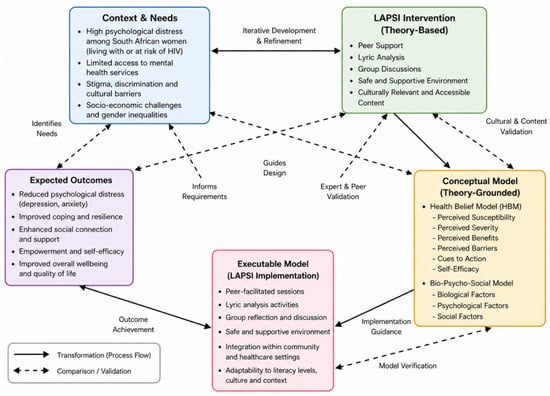
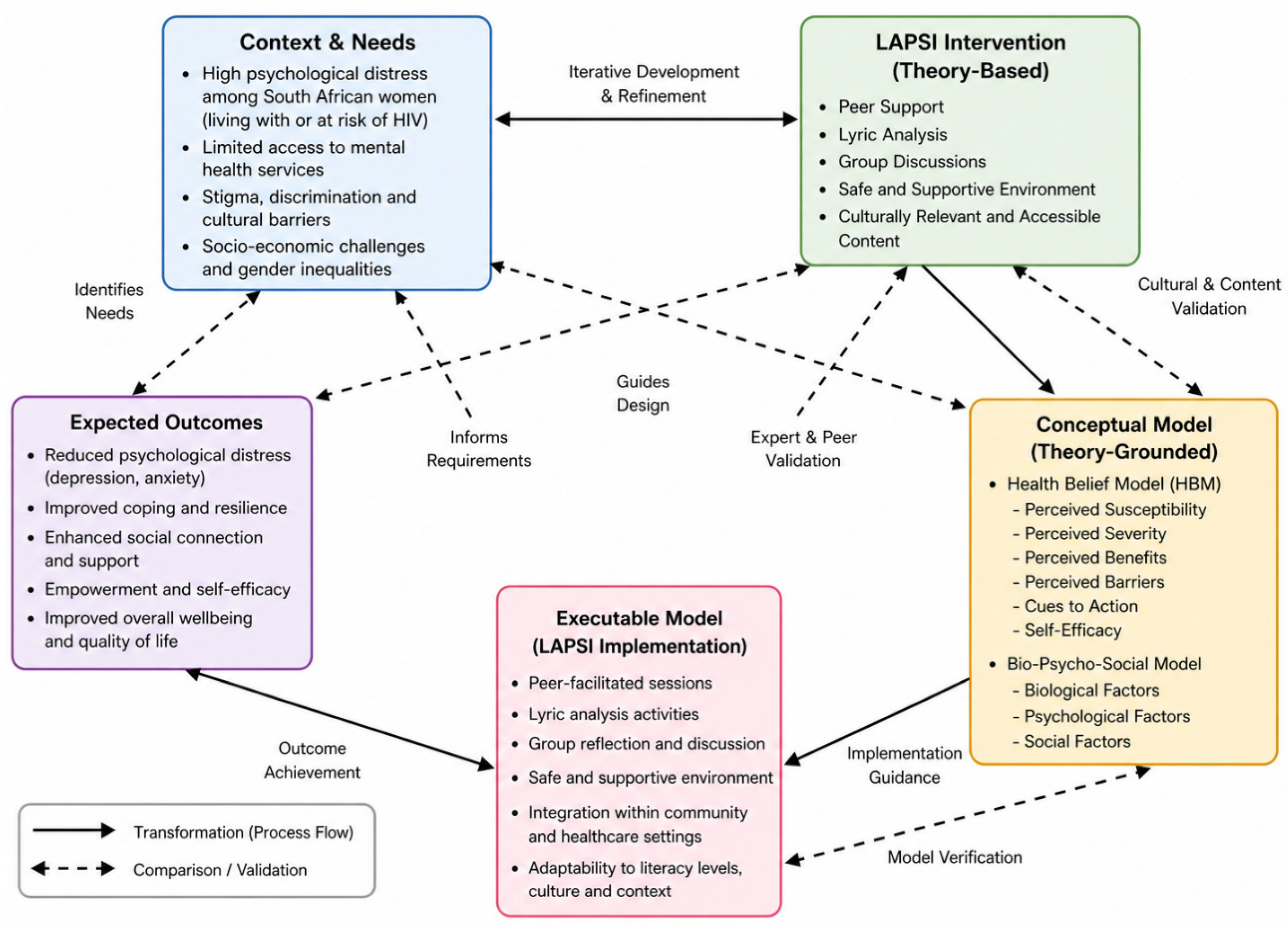
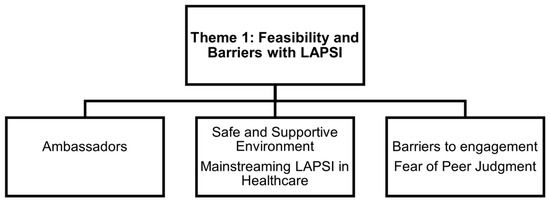
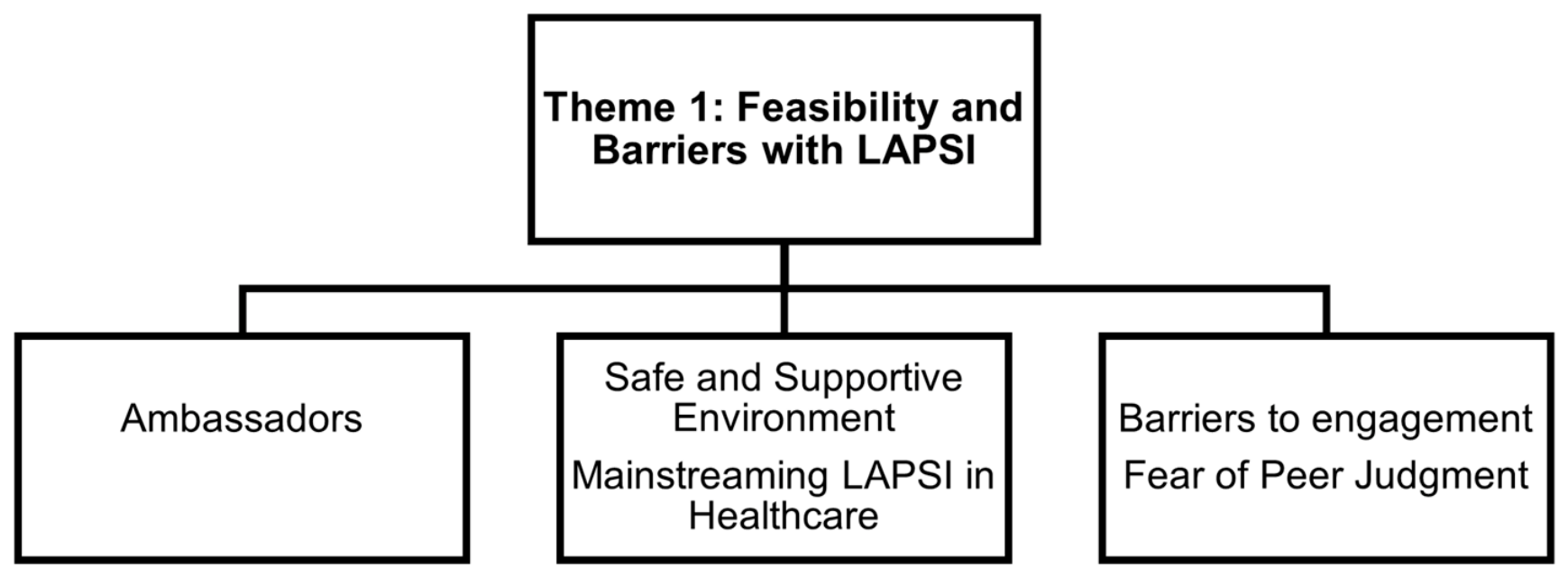
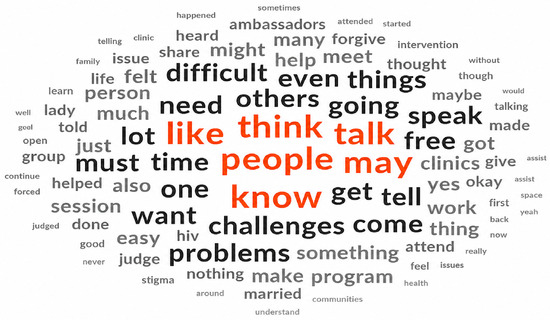
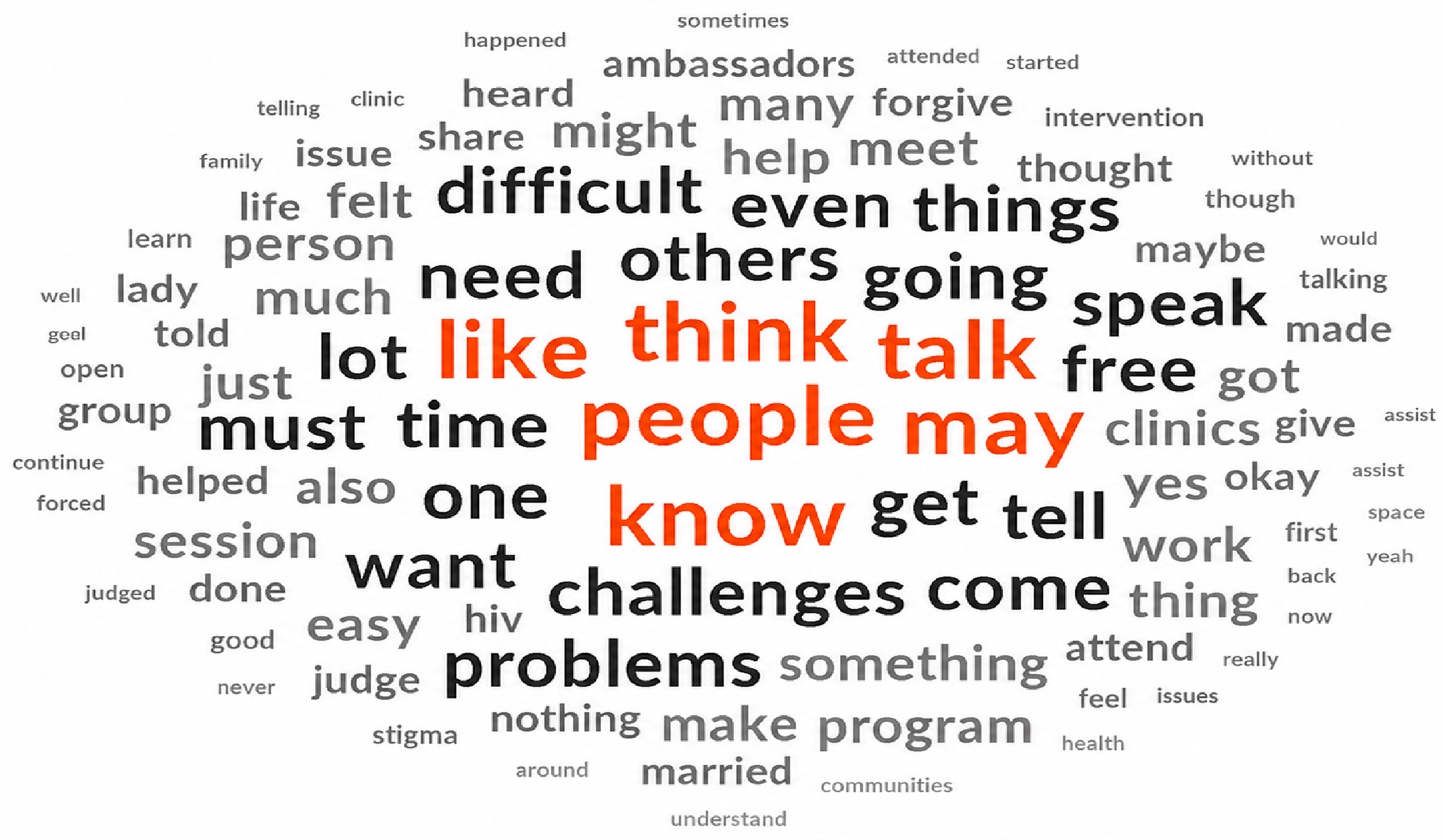
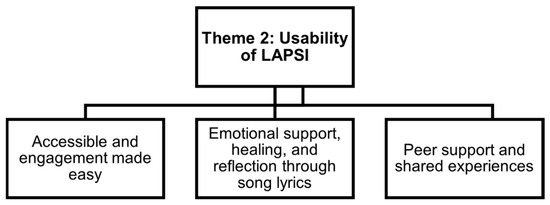
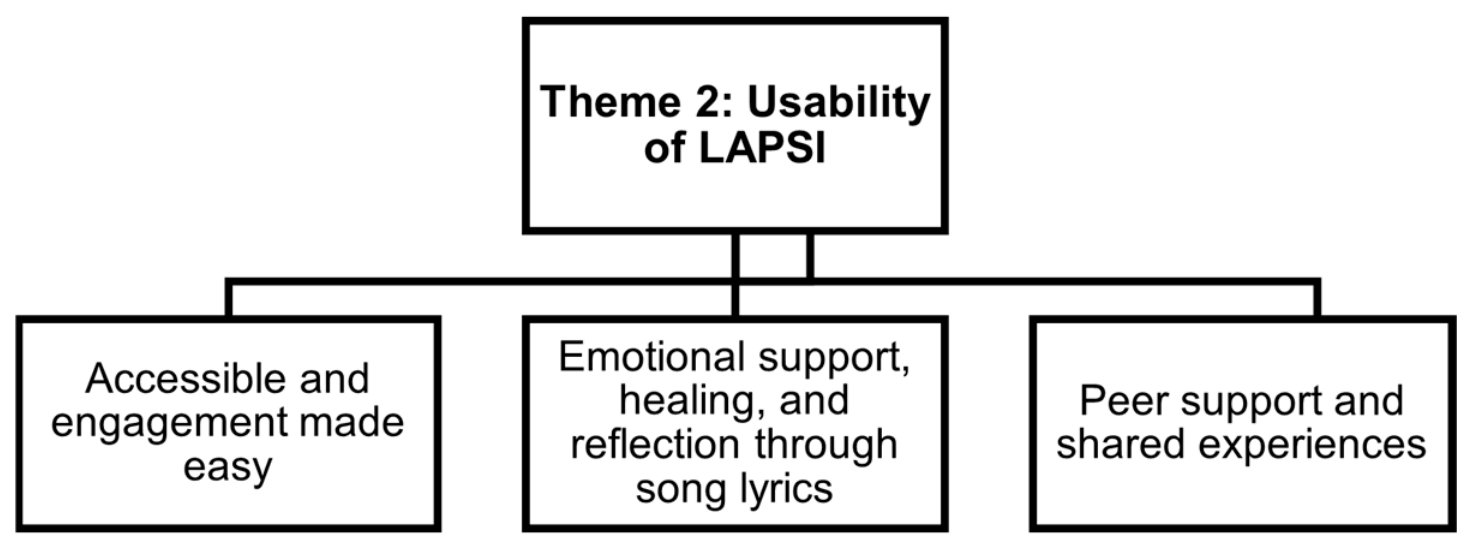
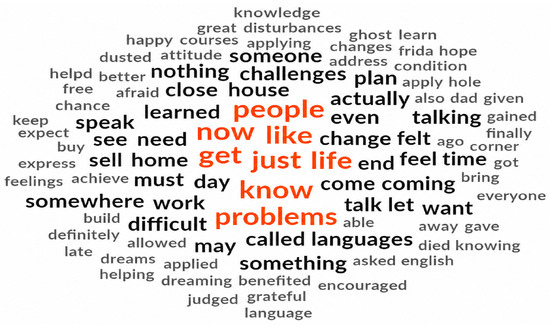
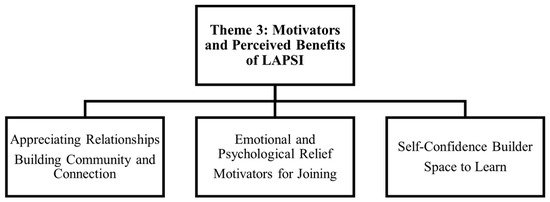
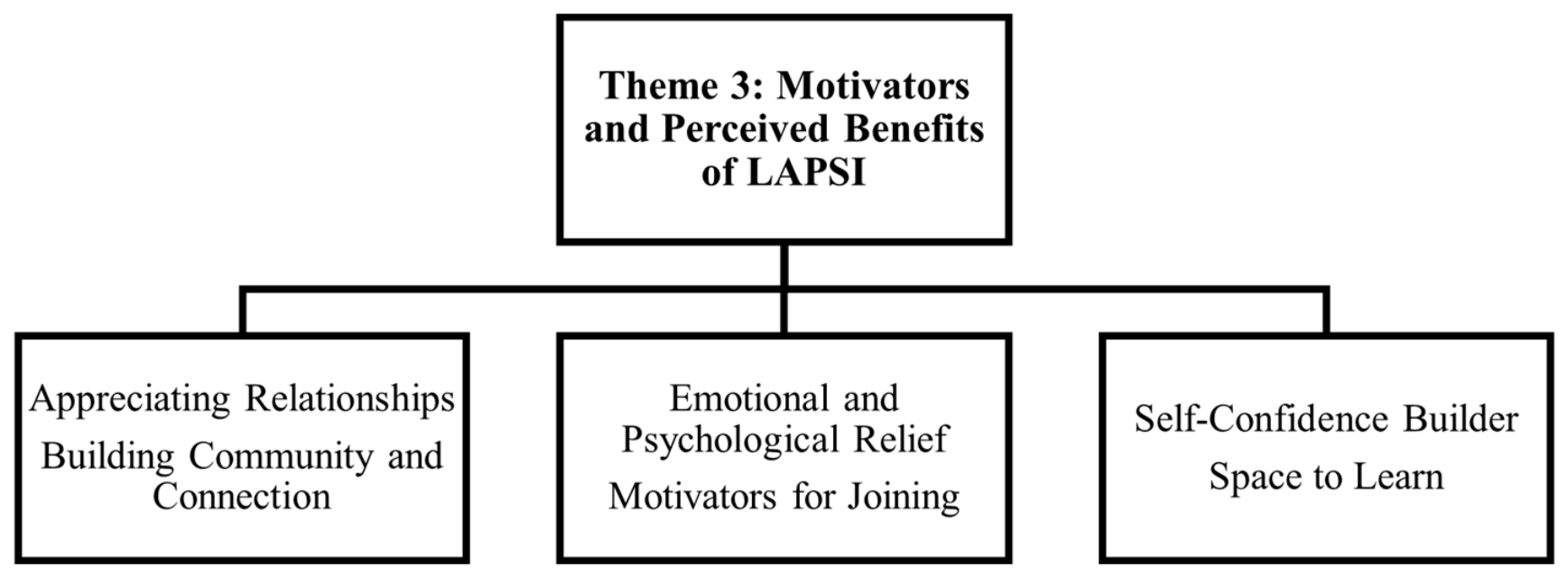
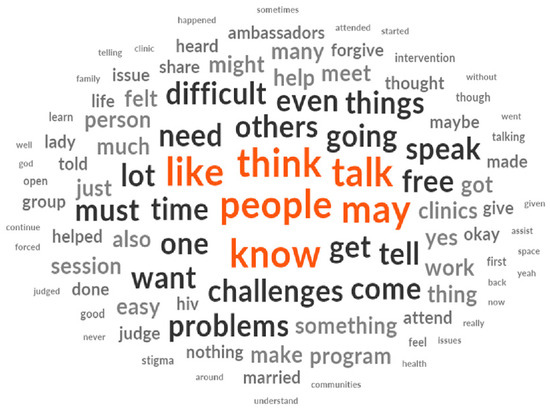
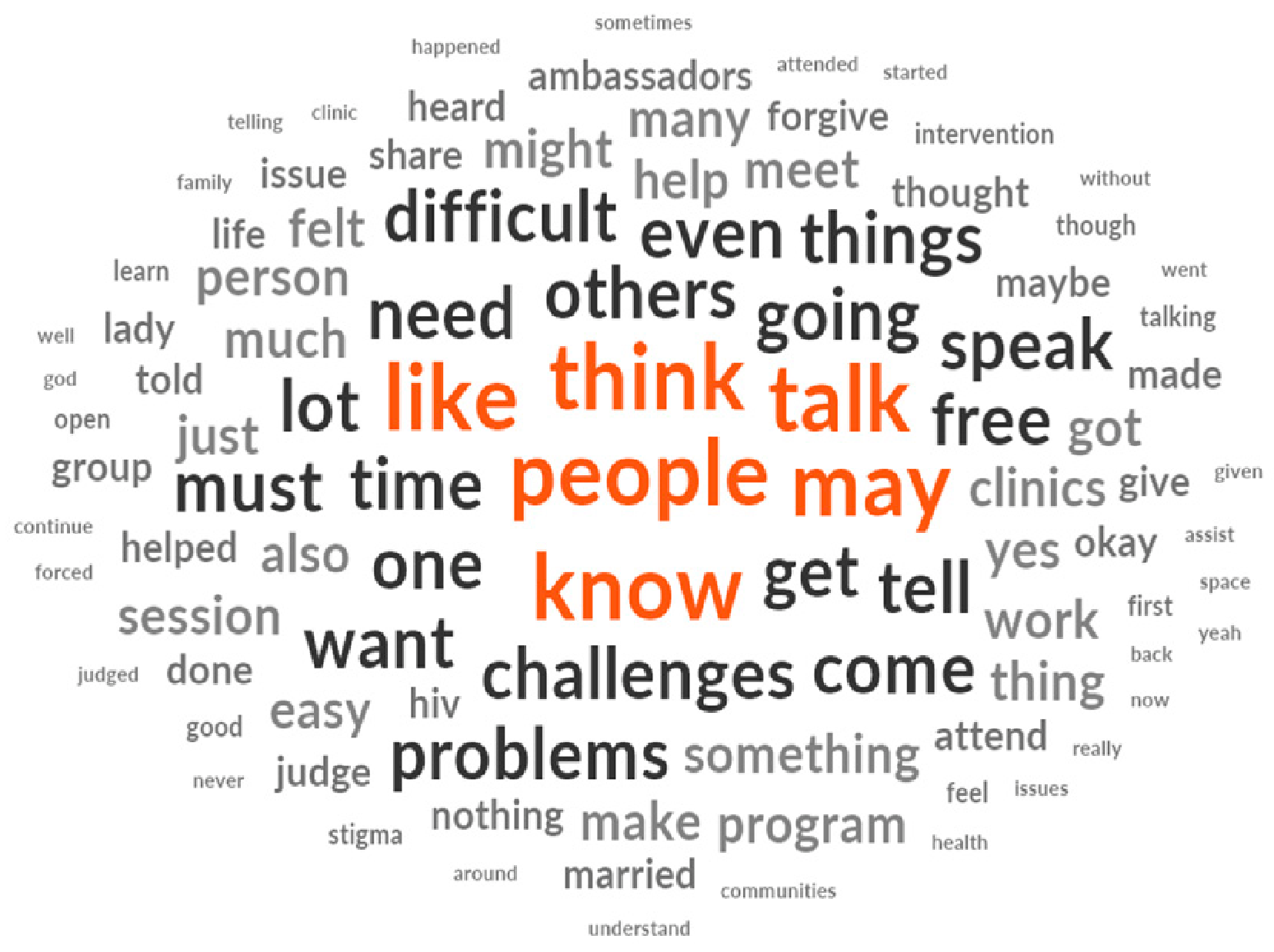

Disclaimer/Publisher’s Note: The statements, opinions and data contained in all publications are solely those of the individual author(s) and contributor(s) and not of MDPI and/or the editor(s). MDPI and/or the editor(s) disclaim responsibility for any injury to people or property resulting from any ideas, methods, instructions or products referred to in the content. |
© 2026 by the authors. Licensee MDPI, Basel, Switzerland. This article is an open access article distributed under the terms and conditions of the Creative Commons Attribution (CC BY) license.