


Abstract
Water-based drilling fluid systems are gaining popularity for their environmental friendliness and low cost. These fluids are highly sensitive to products used to modify fluid properties and control fluid loss. Traditional additives like carboxymethyl cellulose (CMC) work well but come with environmental issues and high costs and alternatives from agricultural sources are being sought. The potential of using acetylated yam peel starch (AYPS) and acetylated plantain peel starch (APPS) as substitutes for CMC in water-based drilling mud formulation under ambient and simulated downhole conditions of 27 °C and 150 °C, respectively, was investigated. The peels of yams and plantain, starchy foods, were chemically modified through acetylation and added to the drilling mud formulation at proportions of 0.2–1.0 g. FTIR confirmed the success of the modification by the presence of characteristic bands of carbonyl (C=O) absorption at 1730–1750 cm−1 and by the increase in C–O bands after the modification, which means that acetyl groups were successfully incorporated. The highest mud density recorded was 9.16 kg/m3 (ppg) with 1.0 g of additives, and the pH values ranged from 8.10 to 9.50, which is good for drilling operations. The plastic viscosity was found to be 4–7 cP at 27 °C and 3–6 cP at 150 °C for AYPS and APPS, respectively, which were lower than the CMC value but still retained viscosity at high temperature. The yield point values for the samples were 2–5 lb/100 ft2 at 27 °C and 1–6 lb/100 ft2 at 150 °C, which were slightly better for AYPS. Thermal aging did not significantly affect gel strength, which increased upon exposure to high-temperature conditions, especially at high additive concentrations, indicating that the rheological properties were preserved. Filtrate losses were 12–16.8 mL for AYPS and 12.5–17.2 mL for APPS under low-pressure, low-temperature conditions, which are similar to CMC (11–16 mL). APPS was the most effective filtrate-loss control of the modified starch systems under the HPHT conditions. Rheological modeling showed that shear-thinning behavior is predominant, and the Herschel–Bulkley and Casson models provided the best fits. In general, the acetylated yam and plantain peel starches have shown promising properties as alternatives for CMC for enhancing rheological properties and controlling fluid loss in water-based drilling fluids.
1. Introduction
Drilling fluids play a key role in all oil, gas, and geothermal drilling activities. They perform various mechanical and chemical functions during the different stages of the drilling process, ensuring the safe, efficient, and economical construction of wells [1,2]. These fluids are used to stabilize the wellbore, to control the pressure of the formations, to transport the drilling cuttings to the surface, to cool and lubricate the drilling bit, to minimize formation damage, and to create a filter cake that prevents the invasion of the wellbore fluid into permeable formations [3]. Their rheological and filtration properties, such as plastic viscosity, yield point, gel strength, and fluid loss behavior, are continuously monitored to adjust their behavior to changing subsurface conditions [4]. There are several types of drilling fluids commonly used, including water-based, oil-based, and synthetic-based fluids, depending on operational and environmental conditions. In these, water-based drilling fluids are still widely used due to their comparatively low cost, low environmental impact, and adequate drilling efficiency [5,6].
A major challenge in the design of drilling fluid is to develop additives that maintain the fluid’s desired properties under different downhole conditions, especially at high temperatures and pressures [7,8]. Traditionally, the most commonly used conventional synthetic polymers are carboxymethyl cellulose (CMC), polyanionic cellulose (PAC), and hydroxyethyl cellulose (HEC) for their effectiveness in enhancing viscosity and controlling fluid loss [9,10]. Although effective, these additives can be costly, harmful to the environment, difficult to dispose of, and not biodegradable, leading to a growing search for eco-friendly alternatives derived from renewable resources [11].
As a result, research has focused on bio-based drilling fluid additives, particularly modified starches derived from agricultural wastes, non-food sources, and food processing residues [12,13]. The use of agro-wastes that would otherwise pollute the environment also ensures that these materials can be utilized in line with the principles of the circular economy and support environmentally friendly drilling practices [14]. In recent years, there has been growing interest in chemically modified starches, such as acetylated, crosslinked, and carboxylated starches, due to their enhanced functional properties and suitability for water-based drilling fluids [15,16].
Starch is a naturally occurring polysaccharide that is made up of amylose and amylopectin and is found in abundance in the seeds, tubers, and roots of plants. The physicochemical properties, such as viscosity, swelling capacity, solubility, and thermal stability, play a major role in the performance of the drilling fluid additive. Among agro-wastes, there is a need to harness the significant potential of yams, cassavas, bananas, and plantains as sources of starch, as they are currently underutilized resources for major operations in the energy industries, such as emulsion treatment, drilling additives, and enhanced oil recovery [17,18]. Optimizing the extraction and modification of these waste-derived starches could improve the performance of drilling fluid products, reduce environmental waste, and be a key consideration for the future [19].
The use of agricultural peels as environmentally friendly additives in drilling fluids has been proven by several studies [20]. Ref. [6] reported that nanocellulose derived from yam peels has a good ability to suppress fluid loss in water-based mud systems. Similarly, banana peels have been found to improve mud rheology and pH stability, while plantain peels have been found to enhance viscosity and filter cake formation in drilling fluids [21]. Starches derived from cassava have been shown to enhance viscosity and filter cake formation in drilling fluids [22]. Based on the outcomes of the present investigation, starch and cellulose-rich agro-wastes are good alternatives to conventional synthetic additives [23,24].
However, native starches typically lack thermal stability and tend to degrade quickly under extreme drilling conditions of high temperature and pressure [14]. Various techniques have been developed to overcome these limitations, including chemical modifications of starch, such as acetylation, esterification, crosslinking, and acid hydrolysis, which have been used to improve starch performance [25]. One of these processes, which has received much attention, is acetylation. This reaction provides thermal stability, solubility, microbial resistance, salt tolerance, and resistance to retrogradation in starch without altering its granular structure [26]. Acetylation also reduces the gelatinization temperature and water absorption of starches, allowing modified starches to disperse more easily and providing stability during severe drilling conditions [27].
Acetylated starches are similar to and potentially more effective than traditional additives such as CMC, especially at high pressure and high temperature (HPHT) [22,28]. Modified starches have been shown to exhibit better rheological properties, improved filtration control, thinner filter cake, and greater salinity and thermal tolerance [29]. Moreover, the starch of botanical origin has a significant impact on its behavior due to amylose content and the amylose-to-amylopectin ratio, as well as granular morphology, as shown in Table 1, which in turn affects the chemical modification and performance of the drilling fluid [26]. Generally, yam peel starch has a relatively higher amylose content, indicating better thickening and stability properties, whereas plantain peel starch has high solubility and easy dispersion [30].
Table 1.
Physicochemical properties of yam and plantain peel starches. Sources: [12,28].
In addition, West Africa accounts for more than 90% of the world’s yam crop, resulting in considerable amounts of yam peels generated during processing, and plantain production worldwide generates a significant amount of plantain peels. Even though these peels are good sources of starch and other useful constituents, they are usually discarded [31,32]. This transformation to drilling fluid additives thus has environmental and economic benefits. Previous investigations have indicated that modified yam and plantain peel starches have properties that enhance the rheology of the drilling mud, reduce fluid loss, exhibit better thermal characteristics during the drilling process, and have a lower ecological impact than conventional drilling additives [23].
Hence, this study examines the potential of Acetylated Yam Peel Starch (AYPS) and Acetylated Plantain Peel Starch (APPS) as environmentally friendly fluid loss additives for water-based drilling mud. The study focuses on their rheological and filtration properties to assess their suitability for drilling operations under different drilling conditions.
Although several studies have reported the use of conventional starches and chemically modified starches as drilling fluid additives, important gaps remain regarding the utilization of agricultural waste-derived starches, particularly acetylated yam peel and plantain peel starches, under drilling conditions. Previous investigations have largely focused on starches from edible sources such as cassava, maize, and potato, while limited attention has been given to underutilized peel waste despite its abundance and environmental significance. Furthermore, comparative information on the performance of acetylated yam and plantain peel starches in water-based drilling mud systems remains scarce.
Yams and plantain peels offer potential advantages due to their availability as low-cost agro-wastes, renewable nature, and starch composition, which may provide favorable rheological and filtration characteristics after chemical modification. Acetylation is expected to improve hydration behavior, solubility, and thermal degradation resistance, thereby enhancing drilling mud performance. Therefore, this study investigates and compares acetylated starches derived from yam and plantain peels as sustainable additives for water-based drilling fluids and evaluates their performance relative to conventional additives.
2. Materials and Methods
Yam (Dioscorea spp.) and plantain (Musa paradisiaca) were obtained from the Ile Epo market in Ogun State. Chemical reagents—acetic anhydride, sodium hydroxide, hydrochloric acid, deionized water—and drilling mud additives—bentonite, barite, NaOH, and CMC—were obtained from the Drilling Fluid Engineering Laboratory of Covenant University, Ota, Nigeria.
2.1. Sample Collection and Preparation
The peels were thoroughly washed with distilled water to remove impurities, sun-dried for 72 h, and then further dried in an oven at 50 °C to remove residual moisture. The dried peels were then pulverized using a mechanical grinder and sieved by a 0.5 mm sieve to obtain fine peel powders, as shown in Figure 1 [33].
Figure 1.
(a) Pulverized yam peel, (b) pulverized plantain peel.
2.2. Starch Extraction Process
The pulverized yam and plantain peel samples were weighed separately in a clean 1 L beaker using a weighing balance, each weighing 200 g. Approximately 500 mL of deionized water was added to each sample, and the mixtures were gently stirred with a magnetic stirrer to ensure homogeneity of the slurry. Each slurry was measured for initial pH using a pH/ORP meter (HI 2211, Hanna Instruments (Singapore) Pte Ltd., Singapore). Then, a 0.1 M NaOH solution was prepared by dissolving 4 g of NaOH pellets in 1 L of deionized (DI) water. The slurries were then slowly acidified with the NaOH solution to a pH of 8.00 and 8.19, respectively, with continuous stirring. Stirring was continued for an additional 1 h to achieve complete homogenization [34].
The slurries were stirred, after which coarse fibers and insoluble matter were filtered off, and gentle squeezing was used to extract the starchy filtrate from the slurries. The filtration process was repeated to purify the extract. The filtrates were allowed to stand for 2 days to allow the starch granules to settle, and then the supernatant was carefully removed. This settled starch was then washed with fresh deionized water, stirred, and allowed to settle for an additional 2 days. This washing and decanting process was repeated twice more to further purify the starch. The recovered wet starch cake was spread on a tray and oven-dried at 50 °C to prevent starch gelatinization until the powder was completely dry. The dried starch was gently ground, sieved to a fine powder, and stored in labeled, sealed containers for further analysis [35].
2.3. Modification of the Starches Using Acetylation
Native starch was extracted from yams and plantain peels by dispersing 10 g of peels in 50 mL of distilled water and stirring for 20 min on a magnetic stirrer. The pH was adjusted through dropwise addition of 1 M NaOH with continuous stirring to ~8.0. After this, 1.02 g of acetic anhydride was added dropwise over 1 h, maintaining the pH between 8.0 and 8.5 with 1.0 M NaOH to achieve full acetylation [29]. This mixture was stirred for a further 5 min at the set pH. The pH was then gradually adjusted to 4.5 with 1.0 M HCl with stirring. The acetylated starch was collected by filtration, washed several times with distilled water to remove residual reagents and by-products, and oven-dried at 40–50 °C until the weight stabilized. The dried sample was milled in a mortar and pestle, and then filtered to achieve a uniform particle size. The native and acetylated starches were characterized using Fourier transform infrared spectroscopy (FTIR), (Spectrum Two, PerkinElmer Inc., Shelton, CT, USA) to verify the acetylation, identify the functional groups, and determine the most abundant compounds in the peels before and after modification [36].
2.4. Formulation of Water-Based Drilling Muds with the Addition of the Acetylated Yam and Plantain Peel Starches and CMC
Water-based drilling muds were formulated in accordance with the American Petroleum Institute (API) RP 13B-1 standard. The base formulation consisted of 25 g bentonite, 350 mL distilled water, 10 g barite, and 0.3 g NaOH, with or without a fluid-loss additive (BB), as shown in Table 2. Acetylated starches from yams and plantain peels were incorporated as additives at concentrations of 0.2, 0.4, 0.6, 0.8, and 1.0 g to evaluate their effects on the rheological and fluid loss properties of the mud [1]. CMC was used as the control at the same concentrations. The drilling mud samples were prepared by mixing the base materials and the respective starch additive using a standard Hamilton Beach high-speed mixer, after which the mud was allowed to hydrate before testing. The samples were then aged in an Fann Roller Oven Model 705ES (Fann Instrument Company, Houston, TX, USA) at 150 °C for 24 h (hrs) to simulate downhole conditions. Filtration and rheological measurements were carried out on each sample before and after aging [22].
Table 2.
Formulation of water-based drilling mud with the addition of acetylated starch extracts and CMC.
2.5. Water-Based Mud Tests
After formulation, mud density and pH were measured and recorded according to API-recommended procedures using a Baroid Mud Balance and Hanna Instruments HI2211 pH/ORP Bench Meter (Fann Instrument Company, Houston, TX, USA), respectively [37]. Flow properties and mud resistance were evaluated at shear rates corresponding to 600 to 3 rpm using a Fann 35A viscometer (Fann Instrument Company, Houston, TX, USA). Rheological parameters, including plastic viscosity, apparent viscosity, and yield point, were calculated using Equations (1)–(3), while the gel strengths at 10 s and 10 min were determined at a room temperature of 27 °C and after aging at 150 °C to represent ambient and elevated downhole conditions [24].
Plastic viscosity (PV), cP = θ600 − θ300
Apparent viscosity (AV), cP = 600-rpm readings/2
Yield point (YP), lb/100 ft2 = θ300 − plastic viscosity
The measured shear stresses were further used to model and describe the flow behavior of the mud systems under varying shear conditions for performance evaluation and hydraulic design. The Casson rheological model (CRM), Herschel–Bulkley rheological model (HBRM), power law rheological model (PLRM), and Bingham plastic rheological model (BPRM) were applied using Equations (4)–(7), respectively [38].
where K = θ300/(511)n; n = 3.32log (θ600/θ300).
where τ, γ, τ0, ηp, K, n, τc, and τHB represent shear stress (Pa), shear rate (s−1), yield stress (Pa), plastic viscosity (Pa·s), consistency coefficient (Pa·sn), flow behavior index, Casson yield value (Pa), and Herschel–Bulkley yield value (Pa), respectively. The performance of the models was evaluated using the root mean squared error (RMSE), average absolute percentage error (AAPE), and coefficient of determination (R2), as presented in Equations (8)–(10), respectively [27].
where yi is the experimental value, is the predicted value, is the mean experimental value, and n is the number of experimental data points.
Casson Rheological model, CRM, τ0.5 = τc0.5 + ηp0.5γ0.5
Herschel–Bulkley rheological model, HBRM, τ = τ0 + K (γ)n
Power law rheological model, PLRM, τ = K (γ)n
Bingham plastic rheological model, BPRM, τ = τy + μp (γ)
Filtration performance was evaluated using an API filter press (OFITE Operating LLC, Houston, TX, USA) under low-pressure, low-temperature (LPLT) conditions for mud formulations containing acetylated yam starch, plantain peel starch, and CMC. A constant volume of drilling mud was placed in the stainless-steel cell of the filter press and subjected to 0.689 MPa (100 psi). To further evaluate performance under simulated downhole conditions, high-pressure high-temperature (HPHT) filtration tests were conducted using a Fann HT4700 HPHT filter press (Fann Instrument Company, Houston, TX, USA) at 3.447 MPa (500 psi) and 150 °C. Filtrate volume and mud cake thickness were measured after 30 min and recorded in mL and inches, respectively. The results were used to evaluate the fluid loss control performance of the acetylated starch and CMC-based mud systems [15,38].
3. Results and Discussion
3.1. Fourier Transform Infrared Spectroscopy (FTIR) Analysis of Native and Modified Biopeel Starches
As shown in Figure 2, the FTIR spectrum of the native yam peel starch exhibited the characteristic absorption bands of hydroxyl groups stretching in the O–H bond range of 3300–3400 cm−1 and a peak around 2920 cm−1 due to the C–H bond stretching. Another band was also detected around 1640 cm−1, attributed to the bending vibration of water molecules adsorbed on the sample surface. Bands at 900–1150 cm−1 were strong and were assigned to C–O–C and C–O stretching vibrations, corresponding to the glycosidic linkages of starch [34].
Figure 2.
FTIR spectra of native and acetylated yam peel starch.
However, the FTIR spectrum of yam peel starch (YS) acetylated starch (AS) indicated that there were significant changes in the spectrum, which provided preliminary evidence of structural changes consistent with acetyl modification through alterations in characteristic absorption bands. A new peak emerged in the region of 1730–1750 cm−1, which is the region of the ester carbonyl group’s C=O stretching vibration. Furthermore, a decrease in the broad O–H absorption band between 3300 and 3400 cm−1 suggested the replacement of the hydroxyl group with the acetyl group. The peak at 1240 cm−1 further supported the presence of acetyl groups in the starch structure, corresponding to C–O stretching. The spectral changes indicated through FTIR indicated structural changes consistent with acetylation and that the modified starch had sufficient ester functionality for use in water-based drilling muds [17].
The spectra of the plantain peel starches are shown in Figure 3 and exhibit a broad, strong absorption band at 3600–3000 cm−1 with a peak at 3390 cm−1. This band is typical of the O-H stretching vibrations, thus indicating the presence of hydroxyl groups in starch and water molecules bound to these hydroxyl groups. In the APPS spectrum, however, the absorption is comparatively weaker, indicating some extent of substitution of the hydroxyl group by acetylation [39]. The two spectra showed a peak at 2925 cm−1, corresponding to C-H stretching vibrations of aliphatic groups, and an absorption band at about 1650 cm−1, attributed to adsorbed water. The C=O stretching vibration of ester carbonyl groups is believed to give a clear peak at 1745 cm−1 in the APPS spectrum. It gives a clear indication of the substitution of the acetyl group in plantain peel starch. In addition, the bands around 1155 cm−1, 1080 cm−1, and 1000 cm−1 in both NPPS and APPS are characteristic of C-O stretching vibrations of the glycosidic bonds in the starch backbone. The vibration of the α-glycosidic bond falls in the range of 860 cm−1. The appearance of the characteristic C=O peak at 1745 cm−1 in the APPS spectrum and the heightened absorption from 1200 to 1250 cm−1 are excellent indicators of the success of the acetylation in modifying plantain peel starch, with probable alterations in its properties and improvements in its applications [21,40].
Figure 3.
FTIR spectra of native and acetylated plantain peel starch.
Conclusively, FTIR analysis confirms the presence of the typical starch functional groups in both the native and acetylated plantain peel starch samples.
3.2. Mud Test Results
3.2.1. Water-Based Mud Density
Mud density directly affects the hydrostatic head maintained over the well during drilling. The densities of the formulated mud ranged from 9.02 to 9.16 kg/m3 (ppg) and increased with increasing additive amount. Each of the muds had similar performance; i.e., 0.2 g, 0.4 g, 0.6 g, 0.8 g, and 1.0 g of CMC, AYPS, and APPS additives performed similarly, as shown in Figure 4. As the concentration of the additives increased, the density of all the mud samples increased as expected, due to an increase in solids or polymer per unit volume [27]. The densities of the acetylated starch-based muds (F–O), however, were higher than those of the CMC muds (A–E), with the acetylated plantain peel mud (K–O) (9.03–9.16) showing the highest overall density. This is due to the double effect of the starch, changes in the interaction between starch particles and the aqueous phase, which outweigh that of a fully soluble polymer [28]. Furthermore, acetylation enhances the fluid’s hydration and water-holding capacity, resulting in better mass distribution, as reported by [28].
Figure 4.
Density of CMC and acetylated bio-peel starch muds.
Better performance of plantain peel starch than yam peel starch is due to plantain peel starch having a higher amount of amylopectin, which can swell and absorb water more, thus increasing the volume of starch and starch density. This reflects the significance of starch composition and modification in improving functional properties, as reported by [41]. Moreover, ref. [26] noted that the botanical source can affect starch properties. In general, the results show that acetylated plantain peel starch provides the greatest improvement in mud density, due to its superior swelling, hydration, and dispersing properties, making it a good alternative to conventional mud additives. Hence, the presence of modified starch via activation can improve performance and match that of CMC in the mud, ensuring that the hydrostatic head over the well is maintained to condone drilling operations and prevent kick or wellbore instability issues [42].
3.2.2. Water-Based Mud pH
The mud pH determines the acidity or alkalinity, which strongly affects the drilling environment and equipment. Ideally, and according to API standards, mud should be alkaline, ranging from 8.0 to 12.5 (API), to enable safe handling by rig workers, protect equipment from corrosion, and ensure safe disposal of drill cuttings into the environment. The muds are at the lower end of the pH scale (0–14) for alkalinity, and distinct differences are found between the mud systems. AYPS muds ranged from 8.20 to 8.44, and APPS muds ranged from 8.10 to 8.42, and showed a decrease in alkalinity as additives were added (Figure 5).
Figure 5.
pH of CMC and acetylated bio-peel starch muds.
The pH of the CMC-based muds (A–E) increased from 8.70 (A) to 9.50 (E), suggesting the muds are strongly alkaline [43]. This trend can be attributed to CMC’s reliance on alkaline activation (often assisted by hydroxyl ions) for polymer hydration and dispersion. Since a higher alkalinity level helps develop viscosity, suspend cuttings, and improve the efficiency of cleaning wellbores from an engineering perspective, it is beneficial. The acetylated yam peel starch muds (F–J) have a slightly lower pH range of 8.44–8.20. Likewise, the acetylated plantain peel starch muds (K–O) also show the lowest values, which ranged from 8.42 to 8.10. The relatively lower pH values observed for these modified starch-based mud systems may be associated with structural modifications introduced during acetylation and variations in starch composition. Previous studies have reported that the incorporation of acetyl groups alters intermolecular interactions and modifies the physicochemical behavior of starches in aqueous systems, including changes in hydration and solubility characteristics [5].
The acetylated starch muds have a moderately alkaline pH (≈8.1–8.4), which is highly beneficial from a drilling engineering perspective. The pH values are adequate to keep clay particles stable, avoid excess flocculation, and minimize chemical degradation, corrosion of drilling equipment, and environmental effects. In addition, the slightly lower pH value is favorable for compatibility with formation fluid and reduces the chance of alkaline-induced formation damage. Acetylated starch-based muds are overall a more balanced chemical environment than CMC-based muds, where the muds exhibit greater alkalinity and may have improved rheological properties, but at the same time provide adequate performance, in addition to better environmental and operational safety. As a result, they are potential substitutes for drilling in some relatively benign and/or moderately reactive formations [22].
3.2.3. Mud Filtration Behavior
Filtration behavior is the filtrate volume released due to the pressure differential between the hydrostatic and pore pressures, which keeps the well in shape prior to casing cementing and allows for effective casing cementing [44]. As seen in Figure 6, the LPLT filtration experiment had volumes of 11–16 mL and mud cakes (1.5–2.0 mm), 12–16.8 mL, and 12.5–17.2 mL, and mud cakes (1.5–2.5 mm) for the CMC, AYPS, and APPS muds. The increase in the number of particles indicates that as polymer concentration/effectiveness increases, there is also a progressive reduction in A to E, indicating improved particle packing and pore plugging. This is because of the high degree of polymer hydration and adsorption, which helps form a low-permeability filter cake in CMC muds. For acetylated muds, however, it represents a decrease in particle binding and a decrease in the effectiveness of pore bridging, due to the decrease in hydrogen bonding capacity of the acetylated particles, which results in weaker interactions with the clay particles, weaker pore bridging structures at the filter face, and thicker but more permeable mud cakes. The filter cakes that form on the casing are, as a result, more porous and less compact, leading to greater filtrate invasion [6].
Figure 6.
Filtration behavior (LPLT) of the mud samples.
The mud filtrate volume shows a distinct trend of decreasing with increasing additive concentration, indicating that gel strength increases. The similarities in the filtrate behavior of AYPS and APPS muds with CMC can be attributed to the amylopectin content of the starch, which enables it to form a semi-continuous polymer film and promote particle bridging at the filter interface of the peels and corroborate the study by [22]. Samples A, F, K, and L are outside the API-specified range and will require optimization. The mud cakes are superb. CMC muds show <2 mm of thickness in their cakes. AYPS and APPS had thicknesses <2.5 mm, but all showed similar trends of decreasing thickness with increasing additive. This is due to particle network formation in the peels, and accurate optimization based on mechanical data from the drilling process can help achieve the operational goal [10].
Under HPHT conditions, filtrate volumes increase across all systems due to thermal thinning and increased fluid mobility. The filtrate loss, however, remains comparatively low for CMC muds (29–41 mL) as compared to starch muds (33–46 mL) and indicates that the CMC muds are more thermally stable and retain polymer–particle interaction. Thinning of the cake under HPHT suggests that the cake is being compressed and compacted at high pressure (≈1.4–1.6 mm for CMC) [24]. Under HPHT conditions (Figure 7), the trend reverses: the filtrate volume increases while the mud cake thickness decreases. The seemingly “inverse” relationship is well known and is mostly attributed to thermal thinning of the fluid and mechanical compression of the filter cake [21]. The filtrate behavior at both LPLT and HPHT conditions showed that the modified starch peels can perform as an alternative to CMC as a filtrate control agent, especially when optimized. Their mud cake thickness will avert drilling problems such as stuck pipe, instability of the wellbore that could eventually lead to an (non-productive time) NPT. Also, LPLT had lower filtrate volume and higher mud cake thickness, while HPHT had higher filtrate volume and lower mud cake thickness [45].
Figure 7.
Filtration behavior (HPHT) of the mud samples.
The higher filtrate volume and slightly thicker cake suggest that the systems were thermally degraded and that the initial cake structure was broken down, resulting in less effective sealing and greater permeability under downhole conditions in the acetylated starch systems. Higher GS (both GS10s and GS10m) of the CMC muds results in stronger interparticle networks, which promote better particle aggregation and bridging at the filter face. This forms a thin, low-permeability mud cake, which causes reduced filtrate volumes. The good filtration control under HPHT conditions is due to the aged GS sustained [46].
The acetylated starch muds, which exhibit lower GS, form weaker, less compact structures. This reduces particle association at the filter surface, resulting in thicker, more permeable cakes and, consequently, increased fluid loss. The resulting drop in GS due to thermal aging directly affects the increase in filtrate volumes, because the weakened structure is not able to effectively plug pores in the formation [35].
Therefore, the performance of acetylated starch systems is moderate and limited by a weaker, temperature-dependent structural mechanism. In contrast, the CMC systems exhibit good filtration control due to the formation of a strong, thermally stable network. The filtration behavior is very similar to the gel strength results, because both are related to a mud’s ability to form and maintain a particle network. From a drilling perspective, these behavior are critical. A lower filtrate volume is preferable, as it helps prevent formation damage and differential sticking and stabilizes the wells. Thin mud cakes with low permeability are especially desirable because they allow for good sealing without significant loss of pipe movement or torque and drag [3,43].
On the other hand, thicker, more permeable cakes, as seen in weaker systems, can cause significant filtrate invasion, reduced formation integrity, and loss of wellbore integrity. These show clear variations in the fluid loss control of mud systems under LPLT and HPHT conditions, with direct implications for drilling performance. The balance between cake buildup and cake compression determines the relationships between LPLT and HPHT behavior. Cake growth is the predominant mode of filtration at LPLT, leading to deposits becoming thicker over time [32]. Filtration at HPHT is controlled by cake compaction and fluid mobility, leading to thin, stressed cakes and increased filtration losses. Thus, it can be concluded that the observed intersection of lower filtrate and thicker cakes at LPLT and higher filtrate and thinner cakes at HPHT is due to the change in the controlling process from deposition-controlled to compression- and temperature-controlled filtration [47].
Importantly, higher gel strengths of the water-based mud systems produce more compact, less permeable filter cakes and, therefore, less filtrate loss, due to initial bridging caused by the water-based mud system’s stronger particle network. When such a structure is thermally stable, as in CMC-based muds, filtration control is maintained even under HPHT conditions. In contrast, lower gel strength systems form weaker networks, resulting in thicker, more permeable cakes at LPLT and significant fluid loss at HPHT due to structural breakdown [48].
3.2.4. Water-Based Mud Rheological Properties
Water-Based Mud Plastic Viscosity (PV)
Plastic viscosity measures the pumpability and flowability of drilling mud relative to its solid–liquid components and friction [6]. As shown in Figure 8, the acetylated muds exhibited PV behavior similar to that of the CMC muds, which all increased with increasing additive concentration. This can be explained by the strength of polymer–water–particle interactions and the thermal resilience of the peel additives. The PV of the muds (A–E) prepared using CMC is higher in the muds than in the other muds at 27 °C, due to the CMC forming extended hydrated chains that are strongly adsorbed onto the clay particles, which creates an organized network that increases the PV and resistance to flow of the muds [49].
Figure 8.
Plastic viscosity of CMC and acetylated bio-peel starch muds.
The acetylated yam and plantain starch systems (F–O) exhibit lower PV values (4–7 cP and 4–6 cP, respectively) due to reduced hydroxyl group availability, which reduces hydrogen bonding and, in turn, polymer chain expansion and particle bridging. Since yam starch has a higher amylose content, it performs better because it leads to higher chain entanglement; plantain starch is more branched [25].
CMC does not undergo significant PV reduction (8–9 cP) when aged at 150 °C, because it has a more thermally stable cellulose backbone and a strong adsorption to solids. CMC muds, however, will be more restrained due to higher PV, necessitating higher pumping pressure. As the temperature increases to 150 °C, the PV of CMC muds is apparently sustained, while those of the peels drop. This means the muds ought to be optimized to support drilling as temperature increases, for cutting-edge flow or mud pumping, with reduced impact on mud pumps and improved flow, provided this does not compromise the operation [32].
Acetylated starches, on the other hand, have been observed to break down more extensively, such that the heat causes partial chain scission and the weaker hydrogen-bonded networks are broken down, which reduces the PV values (3–6 cP for yam and 3–5 cP for plantain). Summarily, CMC has a more robust internal structure when heated. Meanwhile, acetylated starches exhibit lower viscosity and flowability but are less thermally stable, with reduced particle interaction and molecular stability.
Water-Based Mud Apparent Viscosity (AV)
Apparent viscosity (AV) is the resistance to flow of water-based drilling mud under shear and is commonly used to assess the hydraulic characteristics and cleaning capabilities of drilling fluid. Recent research indicates that it is strongly influenced by the properties of the polymer, including interactions between the solid and the fluid, as well as fluid temperature [50]. From Figure 9, experimental results show that samples A–E (CMC-based muds) show the highest AV (12.5–17.5 cP at 27 °C). This is because of the strong hydration and chain entanglement of CMC, which creates a structured network, resulting in higher flow resistance. When the temperature is increased to 150 °C, a minor decrease (11.5–16 cP) is observed, attributed to breaking of hydrogen bonds with heat, yet the CMC remains fairly stable [23]. The AV for samples F-J is much lower (5–8.5 cP) than the other samples. The hydrophilicity and swelling abilities of the polymers are reduced through acetylation, which decreases polymer–water interactions, reduces network formation, lowers viscosity, and affects the thermal performance of the polymers [41].
Figure 9.
Apparent viscosity of CMC and acetylated bio-peel starch muds.
In between are the samples K–O (acetylated plantain peel starch), which have intermediate AV (5.5–8.5 cP); the AV of these samples is slightly higher than that of yam peel starch because of the presence of some remaining fibrous (lignocellulosic) reinforcement that gives them some structural support in the mud matrix [51]. In general, the trend for AV is: CMC > acetylated plantain peel starch > acetylated yam peel starch, which is due to differences in their molecular structures and hydration capacities.
Plantain peel starches, however, have an intermediate amylose content and a characteristic granular structure, which affects their swelling, solubility, and pasting properties [4]. They are also altered by the presence of trace components, such as proteins, phosphorus compounds, and lipids, in terms of granular and physicochemical properties [30]. An increase in temperature decreases AV across all systems, due to disruption of hydrogen bonding and reduced polymer expansion. For drilling purposes, CMC muds (A–E) have good suspension and wellbore-stabilizing properties but are more expensive to pump. In contrast, acetylated starch muds (F–O) have better pumpability but lower suspension and wellbore-stabilizing ability [46].
Water-Based Muds Yield Point (YP)
Yield point (YP) reflects the stress the mud must overcome for flow to begin, the particles’ attractive forces, and the mud’s carrying capacity for cuttings [52]. The CMC-based muds (A–E) have relatively high YP values (9–15 lb/100 ft2) at 27 °C, suggesting that they contain sufficient electrochemical attraction between clay particles to form strong flocs. The polymer forms a bridge structure that enhances interparticle bonding and provides a structure and gel-like system, which are very advantageous for the suspension of cuttings [49]. On the other hand, the acetylated yam and plantain starch muds (F–O) have much lower YP values of 2–5 lbs/100 ft2 (Figure 10). This is because the polymer–particle interactions following acetylation are lower than those prior to the treatment, reducing the number of hydroxyl groups involved in hydrogen bonding and particle flocculation. Therefore, the resulting structure is looser and less flow resistant. Although the resultant YP of yam starch is still slightly better than that of plantain starch, the higher amylose content of yam starch results in a higher degree of chain association and mild network formation. Ref. [23] noted that high amylose content makes yam starch a good mud additive and reported that yam starch has a strong tendency to retrograde, which is also beneficial. The more amylose present, the more complex the gel texture and the higher the tendency towards retrogradation [53].
Figure 10.
Yield point of CMC and acetylated bio-peel starch muds.
The YP (7–12 lb/100 ft2) of the CMC muds is relatively lower after aging at 150 °C, indicating good retention of the adsorbed polymer film’s properties and a continuing interaction between the particles even at elevated temperature. This suggests that CMC can retain a weak yet stable gel structure under heat stress. Acetylated starch systems exhibit mixed YP upon aging but remain overall low (1–6 lb/100 ft2). The decrease, particularly in plantain starch, is attributed to thermal degradation and breakdown of the weak hydrogen-bonded network, which affects the capacity to rebuild the structure and flocculation ability [30]. The molecular structure of the yam starch shows greater stability in residual interactions even after the partial thermal degradation, which is slightly better than that of corn starch.
Overall, a better and more thermally stable interparticle network is obtained with CMC, leading to higher YP and improved cuttings suspension. Concurrently, the acetylated starches have less cohesive structures but are more flow-efficient, making them more susceptible to thermal degradation. The modified peels will require less energy to get flowing [29].
Water-Based Muds Yield Point/Plastic Viscosity (YP/PV)
The YP/PV ratio indicates the relative magnitudes of the attraction between the particles in the mud system (structure-building) and the resistance to flow due to viscosity. As seen in Figure 11, the acetylated starch muds (F–O) have lower YP/PVs (0.40–1.00) at 27 °C, indicating less structural buildup than flow resistance [52]. This is attributed to a decrease in polymer–particle bonding after acetylation, resulting in reduced flocculation and network formation. This, however, indicates that the values in yam-based systems are higher than those in plantain-based systems, suggesting that yam starch may contribute more to structure than plantain starch, with a higher amylose-driven chain association [54]. The CMC-based muds (A–E), on the other hand, have relatively high YP/PV values ranging from 1.11 to 1.50, indicating a well-developed internal structure in which the yield stress is high and dominant over the viscous resistance. This indicates that the clay has interacted successfully in face-to-face interactions, aided by CMC adsorption, forming a stable network that remains pumpable. The higher the values, the better the structuring and cutting suspension capacity (particularly sample E).
Figure 11.
YP/PV of CMC and acetylated bio-peel starch muds.
The difference in acetylated starch systems is more variable (0.33–1.20) after thermal aging at 150 °C. A few samples show a slight increase due to a proportional decrease in PV relative to YP, followed by a return to the normal ratio at the end, indicating that the rheological structure of these samples is not stable. The lower values, particularly for plantain starch systems, reflect the breakdown of weak hydrogen-bonded networks and a reduction in structural resilience at high temperature. The YP/PV ratio of the CMC systems remains largely unchanged (0.88–1.38), indicating that changes in viscosity and YP are not significant from a structural perspective. This suggests that the polymer–clay network has a stable rheological framework at a high temperature [55].
A lower ratio for starch-based muds, which are easier to pump and place, means that they have less hydraulic load on the drill string. However, they provide less structural support for carrying cuttings, particularly under dynamic downhole conditions, from a drilling performance standpoint. The altered muds exhibited a more flow-dominant response and, to a lesser extent, a tunable structural response, depending on the type of starch and the level of thermal exposure. The higher the YP/PV ratio (as in CMC muds), the better the solids suspension, but not so high that it becomes too thick to flow, indicating a more balanced and stable relationship between structure and flow [2].
Water-Based Muds Gel Strength (GS)
Gel strength (GS) reflects the mud’s ability to build and rebuild internal structure, and the suspension capacity of the mud samples was measured at 10 s and 10 min to understand mud performance at static conditions. The gel strength increases with increasing concentration at room temperature (Figure 12). Because the particles will have had more time to properly arrange themselves and satisfy both the repulsive and attractive forces, the gel strength will be higher after 10 min [46]. The CMC-based muds (A–E) show a higher GS value (GS10s: 4–8; GS10m: 6–12 lb/100 ft2) at 27 °C, which represents good structural building. This is because of the efficient adsorption of CMC onto clay particles, electrostatic attraction, and polymer bridging, resulting in a continuous network. The progressive gel development from 10 s to 10 min is confirmed by the increased values, thus improving the suspension of cuttings. The two acetylated yam and plantain starch muds (F–O) have lower GS (GS10s: 3–6; GS10m: 5–9 lb/100 ft2), indicating lower structure-forming ability. Acetylation decreases hydroxyl groups, reducing hydrogen bonding and particle association and weakening network connectivity. Yam starch has a higher amylose content than plantain starch and thus shows slightly superior performance, with stronger chain interactions and slower gel formation [56].
Figure 12.
Gel strength of CMC and acetylated bio-peel starch muds.
CMC muds aged at 150 °C have relatively high GS10m (8–13 lb/100 ft2), indicating improved behavior with aging in terms of structure building. This indicates that although the polymer is thermally thinned, the polymer–clay interaction is not disrupted, and the polymer can actually be made to associate more closely with the clay (strengthening the gel at rest) with thermal treatment. The thermal degradation and breakdown of the weak hydrogen-bonded network of acetylated starch systems result in its reduced GS, especially at 10 s. Again, the slight superiority of yam starch retention over plantain is attributed to its more stable molecular interactions [20].
Acetylated starch muds utilize weaker, more temperature-sensitive hydrogen-bonded structures, leading to less strong but still easily broken gels and better flow restart properties. By contrast, CMC-based muds form stronger, thermally stable gel networks through a combination of polymer adsorption and electrostatic attraction and exhibit API-desirable gel strengths at room temperature. This trend persisted even after aging at 150 °C, as shown in the graph. When the temperature increased from room temperature to 150 °C, they showed similar trends, but the bio peel muds had reduced at 10 s, while the CMC had developed a more gel-like behavior. This trend explains the fundamental behavior of the additive composition, which is controlled by interparticle attraction and polymer bridging. The benefit is that minimal energy will be required to resume operation when the modified muds are used as additives [14].
The higher PV and YP values observed for muds A–E also corresponded to higher gel strengths at 10 s and 10 min. This suggests the formation of a well-developed internal network as the polymer adsorbed onto clay particles through electrostatic attraction. The increase from GS10s to GS10m, together with the relatively high YP/PV values, indicates a strong ability to build structure and a high suspension capacity. After thermal aging, the sustained or slightly improved GS10m values suggest that the polymer–clay network continues to reconstruct under static conditions. The acetylated starch muds (F–O) with lower PV and YP also had lower gel strength. This can be explained by reduced hydrogen bonding and particle bridging after acetylation (a less structured system). Generally, lower YP/PV is correlated with less gel formation and a slower start of a flow. After aging, the small differences in PV, YP, and GS10 suggest that the initial gel structure is partially degraded by thermal aging. The residual ability to build up the structure of YP, however, and the moderate GS10m values indicate that YP have similar residual structural rebuilding capacity as some of the other starch systems [46].
The low amylose content of starch is expected to have a lesser effect on gel strength than on swelling behavior, and this is the case with yam starch. The high amylose content was reported to make yam starch a suitable mud additive [21], and yam starch was also found to have a strong tendency to retrogradation, which may be an advantage. Ref. [53] also attributed the texture complexity to the gels and a higher tendency for retrogradation to increased amylose content.
The performance of CMC, AYPS, and APPS is summarized in Table 3, and further compared with reported performance trends of commercial and modified drilling fluid additives in the literature. Cellulosic additives such as CMC and PAC are widely used for their ability to improve rheological properties and reduce fluid loss in water-based drilling systems; however, their performance may deteriorate at elevated temperatures. Modified starch systems have been developed to address these limitations by enhancing thermal resistance and controlling filtration. Ref. [22] reported that acetylated and carboxymethylated starches exhibited improved rheological behavior and reduced filtrate volumes under HPHT conditions relative to conventional systems. Similarly, ref. [10] demonstrated that chemically modified starch additives improved HPHT filtration performance and maintained favorable rheological characteristics after thermal aging. Recent reviews have also highlighted the growing use of modified starch additives due to their environmental compatibility, biodegradability, and improved resistance to harsh drilling conditions. Therefore, the rheological and filtration characteristics exhibited by AYPS and APPS in the present study suggest their potential as sustainable alternatives to conventional additives in drilling fluid systems.
Table 3.
Rheological and filtration properties for CMC, AYPS, and APPS mud systems at different concentrations and temperatures.
The performance of AYPS and APPS obtained in this study was further compared with values reported in the literature for other drilling fluid additives. Polyanionic cellulose (PAC) and hydroxyethyl cellulose (HEC) have been reported to provide effective rheological enhancement and filtration control in water-based drilling systems, although their performance may degrade at elevated temperatures. Similarly, modified starch-based additives have demonstrated favorable thermal stability and fluid loss control in high-temperature environments. The rheological and filtration performance observed for AYPS and APPS in the present study falls within the ranges reported for these additives, indicating their potential applicability as sustainable alternatives in drilling fluid systems.
3.2.5. Rheological Modeling of Mud Samples
Rheological Model Fitting of Mud Samples at 27 °C and 150 °C
The rheological characteristics of the drilling mud samples were examined at 27 °C and 150 °C with the Bingham Plastic, Power Law, Herschel–Bulkley, and Casson models.
The BB mud, formulated without polymeric additives, also exhibited Power Law behaviour at both 27 and 150 °C, serving as the baseline reference for comparison with the modified mud systems. This reflects predominantly shear-thinning behavior with negligible yield stress. The results showed that the mud systems exhibited non-Newtonian characteristics, and they were mostly modeled by the Herschel–Bulkley and Casson models at both temperatures, 27 °C and 150 °C (Table 4). It is observed that the formulated muds exhibit value and shear-thinning behavior, which are essential for hole cleaning, cutting suspension, and circulation during drilling operations. All the samples exhibited shear-thinning (pseudoplastic) flow, with flow behavior index (n) values less than 1 [17,57,58].
Table 4.
Rheological model parameters of mud samples at 27 °C and 150 °C.
At both temperatures, the Herschel–Bulkley model was the best fit for most of the samples studied, except for sample A at 27 °C, which was best fit by the Casson model. This is due to the relatively low and/or poor concentration or structure of the CMC under such conditions. The yield stress (τγ) values ranged from 0.68 to 1.41 lb/100 ft2 at 27 °C and from 0.81 to 1.54 lb/100 ft2 after aging at 150 °C. The consistency index (K) values were much higher than those of the starch-based systems, indicating greater consistency and carrying capacity. Signs of thermal thinning of the mud structure are indicated by decreases in K values after aging. However, the relatively low n values suggest that the muds retained their shear-thinning properties at higher temperatures [59].
When the muds F–J were formulated from acetylated yam peel starch (AYPS), they were mostly Herschel–Bulkley and Casson types. In some cases (F, G, H, and I), transitions from the Casson to the Herschel–Bulkley model were observed during aging, suggesting that some mud systems were influenced by temperature on their internal structure and/or particle–particle interactions [60]. The yield stress, in general, increased with additive concentration, with the highest values for additive J at 150 °C (τγ = 2.57 lb/100 ft2) and 27 °C (τγ = 2.96 lb/100 ft2). This means improved particle suspension and gel structure at higher AYPS levels. The relatively low K values noted for several AYPS samples, however, suggest that resistance to flow is not as great as for the CMC muds. The values of the n parameters ranged from 0.61 to 0.85, which further confirms a shear-thinning effect.
The acetylated plantain peel starch muds (K–O) were best modeled at 27 °C using the Herschel–Bulkley model, whereas the thermally aged muds were best modeled using the Casson model. Changes in the polymer–clay interaction and the polymer’s structure in the mud system may be responsible for this shift. The τγ values for the APPS muds were between 1.39 and 1.98 lb/100 ft2 at room temperature and 0.442 and 1.98 lb/100 ft2 after aging. The yield stress values obtained before and after aging were relatively small for both APPS formulations, suggesting better thermal characteristics for sample N. The general trend of the K values after aging is a decrease; this may be associated with partial thermal degradation or reduced intermolecular interactions at high temperatures [61].
Overall, the Herschel–Bulkley model appears to be more commonly used for most samples, suggesting that the lab-made drilling muds were yield-pseudoplastic with both viscous and elastic properties. The behaviors indicate that the muds can be very viscous at low shear rates and remain fluid, suspending cuttings. The hole is cleaned, but it remains low-viscosity at high shear rates, which will reduce the pumping energy required to maintain the hole open and improve circulation efficiency. The muds are structurally stable and flexible under varying shear conditions and can be used in downhole environments at varying temperatures and pressures.
The structured particle interactions and the progressive breakdown observed under shear, as described by the Casson model, are further indications of structured interactions in some formulations. This strengthens the mud and makes it easier to hold it up, but can also make it more difficult to get it to flow again after it has rested. The mud systems were thermally stable after aging at 150 °C and had these rheological properties. It suggests that acetylated starch as an additive could maintain a desirable rheology under simulated downhole conditions. This is important for preventing barite sag, maintaining wellbore stability, and improving hydraulic performance during well drilling [22,38].
Water-Based Muds’ Rheological Models’ Performance
Each model’s suitability was assessed using the coefficient of determination (R2), root mean square error (RMSE), and average absolute percentage error (AAPE). The results of the model evaluation for the formulated drilling muds indicated that both the Herschel–Bulkley (HB) and Casson models had high R2 value (>0.97) with relatively low root mean square error (RMSE) and absolute average percentage error (AAPE) values in most of the cases, which means that both models had good predictive power for the formulated drilling muds at 27 °C and 150 °C (Table 5). This also verifies the shear-thinning properties of the mud systems and their yield stress behavior, suitable for drilling applications [27,56]. Although BB mud best fit the Power Law model (R2 = 0.8136), indicating a shear-thinning trend, the relatively high RMSE (5.0337) and AAPE (38.05%) suggest a comparatively poor fit compared to the modified muds, thus demonstrating the effect of polymeric additives in enhancing rheological predictability.
Table 5.
Statistical parameters of the rheological models for the water-based drilling fluid.
The Herschel–Bulkley model was the most successful for all the CMC-based muds (A–E), except for sample A, which was best fit by the Casson model at 27 °C. The model results are in very good agreement with the experimental data as reflected by the high R2 values (0.9927–0.9981), the relatively low RMSE values, and the relatively low AAPE values. This indicates that the CMC muds maintained stable rheological properties even after thermal aging, demonstrating good thermal resistance and mechanical stability under downhole conditions.
The AYPS muds (F–J) exhibited both Herschel–Bulkley and Casson behavior at different temperatures and additive concentrations. The fitting performance improved for samples F, G, I, and J after aging at 150 °C, as evidenced by decreases in RMSE and AAPE. Sample J showed the highest predictive performance among the AYPS muds, with R2 values of 0.98886 and 0.99713, and very low AAPE values of 5.94% and 3.33% at 27 °C and 150 °C, respectively. This indicates that the additive concentration can be increased, thereby improving thermal behavior under the investigated conditions and flow predictability [48].
As with the APPS muds, the Herschel–Bulkley model best explained the data at room temperature, with some samples converting to the Casson model after aging. Increases in R2 indicate improved model predictability and structural rearrangement in mud systems at elevated temperatures and decreases in RMSE for samples M and O after thermal aging. The relatively high AAPE value (16.33%) for sample K at 150 °C, however, indicated that although the overall trend was well captured, there were still deviations in the predictions at certain shear conditions.
The final results indicate that the Herschel–Bulkley model was the dominant model, and the R2 values were generally high, indicating the formulated muds were mostly yield-pseudoplastic with good shear-thinning properties. The relatively low RMSE and AAPE values also validate the reliability of the developed rheological models for predicting mud behavior across a range of temperatures. The results proved that the acetylated starch additives have rheological properties similar to those of conventional CMC mud systems and acceptable thermal resilience after 150 °C aging.
Water-Based Muds Rheogram (Experimental and Predicted)
The shear stress–shear rate (rheograms) curves for the experimental and predicted formulated drilling muds A–O at 27 °C and 150 °C generally show a progressive increase in shear stress with shear rate, indicating that the flow resistance of these drilling muds increases with increasing shear rate (Figure 13). This confirms the non-Newtonian, or shear-thinning, behavior of the formulated drilling muds, with a decrease in shear stress at higher temperatures across all samples. The predicted values agree with the experimental values, especially at lower shear rates. This suggests thermal weakening of intermolecular interactions and a decrease in viscosity, driven by increased molecular mobility. This type of behavior is consistent with partial structural breakdown at higher temperatures [62].
Figure 13.
Experimental and predicted shear stress profiles for CMC, AYPS, and APPS muds at 27 °C and 150 °C.
In the case of muds formulated with CMC (A–E), the shear stress values in the corresponding rheograms were higher than those of the starch-based systems, indicating a stronger internal structure and greater resistance to flow, possibly due to increased interactions between polymer chains and network formation. This moderate increase in viscosity and its relatively high curvature indicate pseudoplastic (shear-thinning) behavior, in which the material’s structure changes over time as the shear rate increases. The curves calculated at both temperatures (27 °C and 150 °C) agreed well with the experimental data over the shear-rate range studied, confirming that both the Herschel–Bulkley and Casson models could be used to describe the rheological behavior of the CMC muds. The flow pattern remained stable even after thermal aging at 150 °C, indicating good temperature resistance and retention of rheological properties at high temperatures. The predicted curves generally showed good agreement with the experimental curves, especially for samples D and E, which exhibited very good agreement after aging, suggesting stable polymer–clay interactions in both cases [61].
In the AYPS muds (F–J), the shear stress also increased as the shear rate increased, indicating that the muds were shear-thinning. AYPS formulations had relatively low shear stress values compared with those of the CMC muds. However, they both similarly increased with shear rate, reflecting less resistance to flow and lower viscosity. This implies that the material is less rigid and more flowable. The intermolecular association strength of the systems is suggested to be lower, as indicated by the rheograms, compared with that of CMC systems. Nevertheless, the model curves were quite similar to the data curves—particularly for samples H, I, and J—that resulted in satisfactory model fitting. It was observed that sample H showed almost complete overlap between the experimental and predicted curves at both temperatures, indicating that the mud was very stable rheologically and that thermal influence on the mud structure was very limited. The agreement improved after aging at 150 °C in sample J, indicating that a higher AYPS concentration improved structural stability and flow predictability at high temperatures.
Likewise, the APPS muds (K–O) showed a progressive increase in shear stress with increasing shear rate, with some differences between formulations but good agreement between the experimental and predicted rheograms. The muds exhibited non-Newtonian flow behavior, behaving like pseudoplastic fluids. However, at high shear rates, there was greater deviation between the experimental and predicted curves post-aging in some samples, particularly in the K and L samples, suggesting possible thermal degradation and/or decreased intermolecular interactions in these muds. The thermal tolerance was better for samples M, N, and O, as the curves were closer together and more closely aligned with the predicted curve, indicating good rheological consistency. Similar trends of stable flow behavior following thermal exposure were observed at both temperatures for Sample O [50].
The good agreement between the experimental and predicted curves for both the Herschel–Bulkley and Casson models at room and elevated temperatures and the shear stress–shear rate relationship confirms the pseudoplastic character of the formulated drilling mud systems. It has a high viscosity at low shear rates, suspending and moving the drilled cuttings. In contrast, at high shear rates, the apparent viscosity decreases, making pumping and circulation easier and reducing energy requirements. This is further evidence of the high temperature performance of these behaviors, as they are retained even after aging at 150 °C. It allows the use of acetylated yam and plantain peel starches as alternatives for environmentally friendly water-based drilling mud formulation.
The muds exhibited non-linear flow behavior as pseudoplastic fluids. At high shear rates, however, some samples, especially K and L samples, showed greater deviation between the experimental and predicted curves post-aging, suggesting partial thermal degradation or reduced intermolecular interactions in these mud systems. Samples M, N, and O exhibited better thermal strength, with closer overlap between the predicted and experimental curves, indicating good rheological consistency. For both temperatures, sample O had similar trends demonstrating stable flow behavior following thermal exposure. The strong correlation between the experimental and predicted curves for both the Herschel–Bulkley and Casson models at room and elevated temperatures, along with the increase in shear stress with shear rate, supports the pseudoplastic nature of the formulated drilling mud systems [63,64].
4. Conclusions
In this study, the effects of acetylated yam and plantain peel starches were compared with those of the conventional water-based drilling mud additive, carboxymethyl cellulose (CMC), on the rheological and filtration characteristics of water-based drilling mud under static and dynamic conditions at laboratory and elevated temperatures. This further promotes the use of agricultural waste, thereby generating value for communities and contributing to overall environmental sustainability. This study has some significant findings:
- Chemical modification of the starches was confirmed by distinct spectral changes, including the appearance of ester carbonyl (C=O) absorption bands at 1730–1750 cm−1 and the emergence of increased ester (C–O) peaks, as observed through Fourier Transform Infrared (FTIR) Spectroscopy.
- The performance of the two types of modified starch (acetylated yam peel starch, AYPS, and acetylated plantain peel starch, APPS) improved with an increase in concentration for all the formulated mud samples. Concurrently, the plastic viscosity (PV) and the yield point (YP) of CMC were consistently high across concentrations and temperatures.
- The acetylated yam peel starch AYPS and acetylated plantain peel starch APPS are thermally stable in terms of their rheological stability at higher temperatures. The plastic viscosity of CMC, however, decreased substantially and even converged to the level of the bio-starch during heat aging at 150 °C.
- At LPLT, the filtrate volume of the muds is lower, but the mud cakes are high; at HPHT, the filtrate is higher, and the mud cakes are well compacted. In addition, acetylated yam peel starch (AYPS) allows low fluid loss and a reasonable mud cake thickness in both low-pressure, low-temperature (LPLT) and high-pressure, high-temperature (HPHT) conditions.
- Rheological modeling of the mud samples used the Herschel–Bulkley (HB) and Casson models, which yielded high R2 values (>0.97) and relatively low root mean square errors (RMSE) and absolute average percentage errors (AAPE). This also confirms the shear-thinning nature of the muds and their yield stress characteristics for drilling operations at 27 °C and 150 °C.
5. Recommendation
- Future investigations should incorporate repeated experimental runs and statistical analyses to improve result reliability and reproducibility.
- Pilot-scale field testing to confirm satisfactory laboratory results should be conducted, particularly in formations with moderate-to-high temperature and pressure profiles.
- Future studies should include direct thermal characterization of the modified starches using TGA and DSC to establish degradation patterns, transition temperatures, and thermal stability limits of the modified materials.
- Additional characterization techniques, including degree of substitution determination, acetyl content analysis, XRD, NMR, and thermal characterization (TGA/DSC), would provide a more comprehensive assessment of the modification process and should be considered in future investigations.
Author Contributions
O.A.O.: supervision and literature review. K.E.A.: conceptualization, validation, and methodology. D.D.O.: literature review, writing (review and editing), validation, and visualization. H.N.D.: conceptualization, methodology, supervision, and project administration. O.D.A.: investigation, formal analysis, and writing (original draft). All authors have read and agreed to the published version of the manuscript.
Funding
This research received no external funding.
Data Availability Statement
The datasets generated and/or analyzed during the study are available upon reasonable request from the corresponding author.
Acknowledgments
The authors express their sincere appreciation to the management of Covenant University for providing a viable environment for conducting this research and publishing it.
Conflicts of Interest
The authors declare no conflicts of interest.
Abbreviations
| CMC | Carboxymethyl cellulose |
| AYPS | Acetylated yam peel starch |
| APPS | Acetylated plantain peel starch |
| WBDF | Water-based drilling fluid |
| FTIR | Fourier transform infrared spectroscopy |
| HPHT | High-pressure high-temperature |
| LPLT | Low-pressure low-temperature |
References
- Wang, G.; Zhang, Y.; Wei, J.; Wu, J.; Zhang, L.; Liu, Y.; Zhang, Y.; Liu, J.; Baletabieke, B.; Yang, L. Application of bio-based materials in drilling fluid. Mater. Today Commun. 2026, 50, 114424. [Google Scholar] [CrossRef] [Scilit]
- Dike, H.N.; Chibueze, L.N.; Ipinsokan, S.; Adewumi, C.N.; Olabode, O.; Olaniyan, D.D.; Pius, I.E.; Oke, M.A. An Evaluation of the Rheological and Filtration Properties of Cow Bone Powder and Calcium Carbonate as Fluid-Loss Additives in Drilling Operations. Processes 2025, 13, 2205. [Google Scholar] [CrossRef] [Scilit]
- Assi, A.H. Potato Starch for Enhancing the Properties of the Drilling Fluids. Iraqi J. Chem. Pet. Eng. 2018, 19, 33–40. [Google Scholar] [CrossRef] [Scilit]
- Jimoh, M.O.; Salawudeen, T.O.; Arinkoola, A.O.; Daramola, M.O. Rheological study of a new water-based drilling fluid using Ubakala clay in the presence of natural polymers. Chem. Eng. Commun. 2021, 208, 1335–1343. [Google Scholar] [CrossRef] [Scilit]
- Mojeed, O.; Yetunde, A.; Segun, A.; Atanda, B. Evaluation of the Potential of Cassava Flour as Viscosifier in Water-Based Mud. Int. J. Sci. Res. 2018, 9, 420–423. [Google Scholar] [CrossRef]
- Ibrahim, K.; Nzerem, P.; Salihu, A.; Gimba, A.; Ogolo, O.; Otedheke, A.; Adamu, R.; Karofi, A. Performance Evaluation of Nanocellulose Synthesized from Yam Peels as a Fluid Loss Additive in Water-Based Mud. In Proceedings of the Society of Petroleum Engineers—SPE Nigeria Annual International Conference and Exhibition, NAICE 2023; Society of Petroleum Engineers: Richardson, TX, USA, 2023. [Google Scholar] [CrossRef] [Scilit]
- Afolabi, R.O.; Orodu, O.D.; Efeovbokhan, V.E. Properties and application of Nigerian bentonite clay deposits for drilling mud formulation: Recent advances and prospects. Appl. Clay Sci. 2017, 143, 39–49. [Google Scholar] [CrossRef] [Scilit]
- Afolabi, R.O.; Ogunkunle, T.F.; Olabode, O.A.; Yusuf, E.O. Dataset on the beneficiation of a Nigerian bentonite clay mineral for drilling mud formulation. Data Brief 2018, 20, 234–241. [Google Scholar] [CrossRef] [Scilit] [PubMed]
- Barima, S.; Dagde, K.; Dune, K.K. Performance Evaluation of Locally Sourced Additives for Water-Based Drilling Fluid Formulation. Int. J. Res. 2019, 6, 57–68. [Google Scholar]
- Soto, D.; León, O.; Urdaneta, J.; Muñoz-Bonilla, A.; Fernández-García, M. Modified starch as a filter controller in water-based drilling fluids. Materials 2020, 13, 2794. [Google Scholar] [CrossRef] [Scilit] [PubMed]
- Wajheeuddin, M.; Hossain, M.E. Development of an Environmentally-Friendly Water-Based Mud System Using Natural Materials. Arab. J. Sci. Eng. 2018, 43, 2501–2513. [Google Scholar] [CrossRef] [Scilit]
- Adewumi, F.D.; Lajide, L.; Adetuyi, A.O.; Ayodele, O. Functional Properties of Three Native Starches and Their Modified Derivatives. Potravin. Slovak J. Food Sci. 2020, 14, 682–691. [Google Scholar] [CrossRef] [Scilit] [PubMed]
- Adewumi, C.N.; Dike, H.N.; Achugasim, O.; Efeovbokhane, V.E.; Adeleke, A.A.; Oluwasanmi, O.; Rasheed, H.A.; Olaniyan, D.D. Optimization and characterization of bioethanol production from Icacina trichanta Oliv and Anchomanes difformis Blume as non-food starch feedstocks. Int. J. Renew. Energy Dev. 2026, 15, 609–621. [Google Scholar] [CrossRef] [Scilit]
- Ali, I.; Ahmad, M.; Ganat, T. Biopolymeric formulations for filtrate control applications in water-based drilling muds: A review. J. Pet. Sci. Eng. 2022, 210, 110021. [Google Scholar] [CrossRef] [Scilit]
- Rasheed, H.A.; Adeleke, A.A.; Lawal, N.; Adewoye, S.; Abioye, O.M.; Aniobi, M.M.; Erinle, O.C.; Adekanye, T.A. Review on the Role of Cassava Starch in Enhancing Viscosity and Filtration of Water-Based Drilling Muds. NIPES-J. Sci. Technol. Res. 2025, 7, 2668–2672. [Google Scholar] [CrossRef] [Scilit]
- Alassmy, Y.A.; Abduljawad, M.M.; Al-shamrani, K.M.; Alnafisah, M.S.; El Nokab, M.E.; Pour, Z.A.; Gomes, D.R.; Yolcu, S.; Sebakhy, K.O. A green/sustainable organocatalytic pathway for the preparation of esterified supercritical CO2-dried potato starch products. J. Appl. Polym. Sci. 2023, 140, e53585. [Google Scholar] [CrossRef] [Scilit]
- Harry, T.F.; Oduola, K.; Ademiluyi, F.T.; Joel, O.F. Application of Starches from Selected Local Cassava (Manihot Exculenta Crantz) as Drilling Mud Additives. Am. J. Chem. Eng. Spec. Issue Oil Field Chem. Petrochem. 2017, 5, 10–20. [Google Scholar] [CrossRef]
- Olabode, O.; Ojo, T.; Oguntade, T.; Oduwole, D. Recovery potential of biopolymer (B-P) formulation from Solanum tuberosum (waste) starch for enhancing recovery from oil reservoirs. Energy Rep. 2020, 6, 1448–1455. [Google Scholar] [CrossRef] [Scilit]
- Ghazali, N.A.; Alias, N.H.; Mohd, T.A.T.; Adeib, S.I.; Noorsuhana, M.Y. Potential of Corn Starch as Fluid Loss Control Agent in Drilling Mud. Appl. Mech. Mater. 2015, 754–755, 682–687. [Google Scholar] [CrossRef] [Scilit]
- Shafiq, M.U.; Vivegananthan, D.N.; Khan, M.; Ben Mahmud, H.; Wang, L.; Jamil, M. Experimental Investigation of Agricultural Wastes Effect on Drilling Mud Properties. Improv. Oil Gas. Recovery 2024, 8, 1308. [Google Scholar] [CrossRef] [Scilit]
- Akintola, S.A.; Moses, O. The Prospect of using Modified Local Starches from Cocoyam and Wheat Starches as Fluid Loss Material in a Water-Based drilling. J. NIIE 2017, 8, 46–57. [Google Scholar]
- Sulaimon, A.A.; Akintola, S.A.; Bin Mohd Johari, M.A.; Isehunwa, S.O. Evaluation of drilling muds enhanced with modified starch for HPHT well applications. J. Pet. Explor. Prod. 2021, 11, 203–218. [Google Scholar] [CrossRef] [Scilit]
- Ali, I.; Ahmad, M.; Ganat, T. Development of a new formulation for enhancing the rheological and filtration characteristics of low-solids WBMs. J. Pet. Sci. Eng. 2021, 205, 108921. [Google Scholar] [CrossRef] [Scilit]
- Tritasani, A.; Khalid, I.; Sufiandi, D. Analysis of Corn Starch Additives against Filtration Loss and Drilling Mud Rheology. In Proceedings of the International Conference of CELSciTech 2019-Science and Technology track (ICCELST-ST 2019); Atlantis Press: Dordrecht, The Netherlands, 2019. [Google Scholar]
- Kaur, J.; Ahmed, N.; Thagunna, B.; Kumar, K. Starch modification technique: An overview. J. Postharvest Technol. 2022, 10, 75–98. [Google Scholar]
- Alcázar-Alay, S.C.; Meireles, M.A.A. Physicochemical properties, modifications and applications of starches from different botanical sources. Food Sci. Technol. 2015, 35, 215–236. [Google Scholar] [CrossRef] [Scilit]
- Wang, F.; Tan, X.; Wang, R.; Sun, M.; Wang, L.; Liu, J. High temperature and high-pressure rheological properties of high-density water-based drilling fluids for deep wells. Pet. Sci. 2012, 9, 354–362. [Google Scholar] [CrossRef] [Scilit]
- Adebowale, K.O.; Olu-Owolabi, B.I.; Olawumi, E.K.; Lawal, O.S. Functional properties of native, physically and chemically modified breadfruit (Artocarpus artilis) starch. Ind. Crops Prod. 2005, 21, 343–351. [Google Scholar] [CrossRef] [Scilit]
- Subroto, E.; Cahyana, Y.; Indiarto, R.; Rahmah, T.A. Modification of Starches and Flours by Acetylation and Its Dual Modifications: A Review of Impact on Physicochemical Properties and Their Applications. Polymers 2023, 15, 2990. [Google Scholar] [CrossRef] [Scilit] [PubMed]
- Suleiman Abubakar, U.; Yusuf, K.; Idris, S. Proximate and mineral composition of corn cob, banana, and plantain peels. Int. J. Food Sci. Nutr. 2016, 1, 25–27. Available online: https://www.researchgate.net/publication/314261327 (accessed on 31 March 2026).
- Tortoe, C.; Dowuona, S.; Akonor, P.T.; Dziedzoave, N.T. Examining the physicochemical, functional and rheological properties in flours of farmers’ 7 key yam (Dioscorea spp.) varieties in Ghana to enhance yam production. Cogent Food Agric. 2017, 3, 1371564. [Google Scholar] [CrossRef] [Scilit]
- Sánchez, M.d.R.S.; Duque, J.F.S.; Galindo, A.S.; Herrera, R.R. Biodegradable Polymers: Concepts and Applications; CRC Press: Boca Raton, FL, USA, 2023. [Google Scholar] [CrossRef] [Scilit]
- Adewumi, C.N.; Bank, W. Physicochemical Characterization of Starch from Unripe Artocarpus heterophyllus Lam Pulp as a Low-Cost Starch Source for Oilfield Applications. In Proceedings of the SPE Nigeria Annual International Conference and Exhibition; Society of Petroleum Engineers: Richardson, TX, USA, 2019. [Google Scholar]
- Dike, H.N.; Kolade, G.O.; Adewumi, C.N.; Adewumi, O.C.D.N.; Olaniyan, D.D. Evaluating the effect of unmodified and modified starch (EDTA-DSD) as fluid-loss control additives in locally-sourced bentonite water-based drilling mud. In Proceedings of the Nigeria Annual International Conference and Exhibition, NAIC 2024; Society of Petroleum Engineers: Richardson, TX, USA, 2024. [Google Scholar] [CrossRef] [Scilit]
- Adewumi, C.N.; James, J.O.; Ogwuda, U.A. Comparative Evaluation of the Physico-Chemical Characterization of Native and Modified Starches from Jackfruit, Corn, and Cassava as Potential Additives in Drilling Fluid. J. Eng. Res. Rep. 2024, 26, 250–266. [Google Scholar] [CrossRef] [Scilit]
- Nwakego, A.C.; Joy, J.; Anthony, O.U.; Victor, E. Chemical Modification and Characterization of Starches from Soursop as Potential Water-Based Drilling Fluid Additives. J. Pet. Sci. Technol. 2024, 14, 31–41. [Google Scholar] [CrossRef]
- Olaniyan, D.D.; Sarah, A.A. The rheological and filtration properties of black seed (Nigella sativa L.) ester as a base fluid in drilling fluid. J. Eng. Appl. Sci. 2024, 71, 17. [Google Scholar] [CrossRef] [Scilit]
- Hadadi, M.; Kamali, F.; Mirhosseininia, J.; Shahbazi, M.; Vaferi, B. Experimental investigation of biopolymers influences on rheology and filtration properties of water-based drilling fluids. Heliyon 2024, 10, e40780. [Google Scholar] [CrossRef] [Scilit] [PubMed]
- Otegbayo, B.; Oguniyan, D.; Akinwumi, O. Physicochemical and functional characterization of yam starch for potential industrial applications. Starch/Staerke 2014, 66, 235–250. [Google Scholar] [CrossRef] [Scilit]
- Ayucitra, A. Preparation and Characterization of Acetylated Corn Starches. Int. J. Chem. Eng. Appl. 2012, 3, 156. [Google Scholar] [CrossRef] [Scilit]
- Davies, B.; Mweta, E.; Bonnet, S.D.; Saka, J. Physicochemical, Functional and Structural Characteristics of Native Malawian Cocoyam and Sweetpotato Starches. Doctoral Dissertation, University of the Free State, Bloemfontein, South Africa, 2009. [Google Scholar]
- Odimba, C.R.; Okafor, I.; Nwakaego, A.C.; Nzerem, P.; Adeleke, A.; Saleh, R.A.; Jakada, K. Polymers for Drilling Fluid Formulations: A Review. In Proceedings of the 2023 2nd International Conference on Multidisciplinary Engineering and Applied Science, ICMEAS 2023; Institute of Electrical and Electronics Engineers Inc.: Piscataway, NJ, USA, 2023. [Google Scholar] [CrossRef] [Scilit]
- Barimah, J.; Amankwah, E.A.; Oldham, J.H.; Amagloh, F.K. Effect of Acetylation and Carboxylation on Some Physicochemical Properties of Cassava Starches. J. Ghana Sci. Assoc. 2009, 11, 109–115. [Google Scholar] [CrossRef] [Scilit]
- Okon, A.N.; Akpabio, J.U.; Tugwell, K.W. Evaluating the locally sourced materials as fluid loss control additives in water-based drilling fluid. Heliyon 2020, 6, e04091. [Google Scholar] [CrossRef] [Scilit] [PubMed]
- Ali, I.; Ahmad, M.; Ridha, S.; Iferobia, C.C.; Lashari, N. Enhancing drilling mud performance through CMITS-modified formulations: Rheological insights and performance optimization. RSC Adv. 2023, 13, 32904–32917. [Google Scholar] [CrossRef] [Scilit] [PubMed]
- Lalji, S.M.; Ali, S.I.; Khan, M.A. Study of Rheological Characteristics of a Water-Based Drilling Fluid in Presence of Biopolymers, Synthetic Polymer, and Modified Natural Polymer. Pet. Chem. 2023, 63, 906–916. [Google Scholar] [CrossRef] [Scilit]
- Fato, D.A.; Rahmani, O. Enhancing Drilling Fluid Properties Using Biodegradable Waste Additives: A Comprehensive Study on Water- and Oil-based Systems. J. Environ. Manag. 2024, 370, 123007. [Google Scholar] [CrossRef] [Scilit] [PubMed]
- Jimoh, M.O.; Salawudeen, T.O.; Arinkoola, A.O.; Daramola, M.O. Performance Evaluation of Abia Clay with Natural Polymers in Water-Based Drilling Fluid Development. J. Phys. Conf. Ser. 2019, 1378, 022017. [Google Scholar] [CrossRef] [Scilit]
- Safi, B.; Zarouri, S.; Chabane-Chaouache, R.; Saidi, M.; Benmounah, A. Physico-chemical and rheological characterization of water-based mud in the presence of polymers. J. Pet. Explor. Prod. Technol. 2016, 6, 185–190. [Google Scholar] [CrossRef] [Scilit]
- Hamad, B.A.; He, M.; Xu, M.; Liu, W.; Mpelwa, M.; Tang, S.; Jin, L.; Song, J. A Novel Amphoteric Polymer as a Rheology Enhancer and Fluid-Loss Control Agent for Water-Based Drilling Muds at Elevated Temperatures. ACS Omega 2020, 5, 8483–8495. [Google Scholar] [CrossRef] [Scilit] [PubMed]
- Trela, V.D.; Ramallo, A.L.; Albani, O.A. Synthesis and characterization of acetylated cassava starch with different degrees of substitution. Braz. Arch. Biol. Technol. 2020, 63, e20180292. [Google Scholar] [CrossRef] [Scilit]
- Khan, A.; Shahid, A.S.A.; Zahoor, M.K. Sustainable Drilling Fluid Design; Utilizing Waste Biomass as Drilling Fluid Additive. In Proceedings of the International Petroleum Technology Conference, IPTC 2024, Dubai, United Arab Emirates, 12 February 2024. [Google Scholar] [CrossRef] [Scilit]
- Lawal, O.S.; Adebowale, K.O.; Ogunsanwo, B.M.; Barba, L.L.; Ilo, N.S. Oxidized and acid thinned starch derivatives of hybrid maize: Functional characteristics, wide-angle X-ray diffractometry and thermal properties. Int. J. Biol. Macromol. 2005, 35, 71–79. [Google Scholar] [CrossRef] [Scilit] [PubMed]
- David, A.O.; Bello, O.S.; Akisanya, O.O.; Orogbade, B.O.; Amusan, G.M. Effect of plantain peel ash as an admixture on concrete properties. Sci. Afr. 2024, 23, 73–80. [Google Scholar] [CrossRef] [Scilit]
- Wayo, D.D.K.; Irawan, S.; Bin Mohamad Noor, M.Z.; Badrouchi, F.; Khan, J.A.; Duru, U.I. A CFD Validation Effect of YP/PV from Laboratory-Formulated SBMDIF for Productive Transport Load to the Surface. Symmetry 2022, 14, 2300. [Google Scholar] [CrossRef] [Scilit]
- Kerunwa, A.; Obibuike, J.U.; Duru, U.I.; Ekwueme, S.T. The Effects of Fluid Rheology and Drillstring Eccentricity on Drilling Hydraulics. Open J. Yangtze Oil Gas. 2021, 6, 129–145. [Google Scholar] [CrossRef]
- Kamisli, F. Developing a Model to Determine the Rheological Behavior of Drilling Muds. Available online: https://ssrn.com/abstract=4311048 (accessed on 31 March 2026).
- Harry, T.F.; Ademiluyi, F.T.; Joel, O.F.; Oduola, K. Rheological Model Parameters for Bentonite Drilling Mud Treated with Local Cassava Starch. ARPN J. Eng. Appl. Sci. 2017, 12, 609–619. Available online: https://www.arpnjournals.com (accessed on 31 March 2026).
- Makinde, F.A.; Adejumo, A.D.; Ako, C.T.; Efeovbokhan, V.E. Modeling the Effects of Temperature and Aging Time on the Rheological Properties of Drilling Fluids. Pet. Coal 2011, 53, 167–182. [Google Scholar]
- Adewale, F.J.; Lucky, A.P.; Oluwabunmi, A.P.; Boluwaji, E.F. Selecting the Most Appropriate Model for Rheological Characterization of Synthetic-Based Drilling Mud. Int. J. Appl. Eng. Res. 2017, 12, 7614–7629. Available online: http://www.ripublication.com (accessed on 31 March 2026).
- Ehwarieme, F.; Ekanem, P.E. Model Selection for Rheological Characterization of an Environmentally Friendly Synthetic-Based Mud Formulated Using Tiger Nut Oil. Aust. J. Sci. Technol. 2024, 8, 60–69. [Google Scholar]
- Skadsem, H.J.; Leulseged, A.; Cayeux, E. Measurement of drilling fluid rheology and modeling of thixotropic behavior. Appl. Rheol. 2019, 29, 1–11. [Google Scholar] [CrossRef] [Scilit]
- Maiti, M.; Bhaumik, A.K.; Mandal, A. Performance of water-based drilling fluids for deepwater and hydrate reservoirs: Designing and modelling studies. Pet. Sci. 2021, 18, 1709–1728. [Google Scholar] [CrossRef] [Scilit]
- Davoodi, S.; Al-Shargabi, M.; Wood, D.A.; Minaev, K.M.; Rukavishnikov, V.S. Modified-starch applications as fluid-loss reducers in water-based drilling fluids: A review of recent advances. J. Clean. Prod. 2024, 434, 140430. [Google Scholar] [CrossRef] [Scilit]


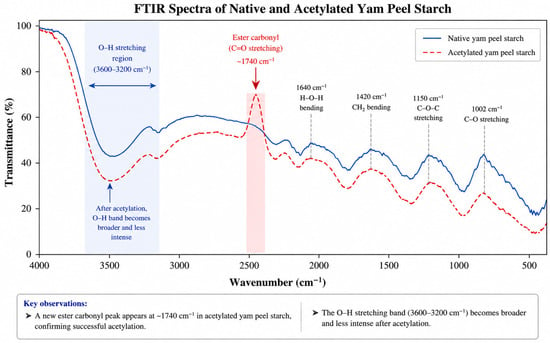
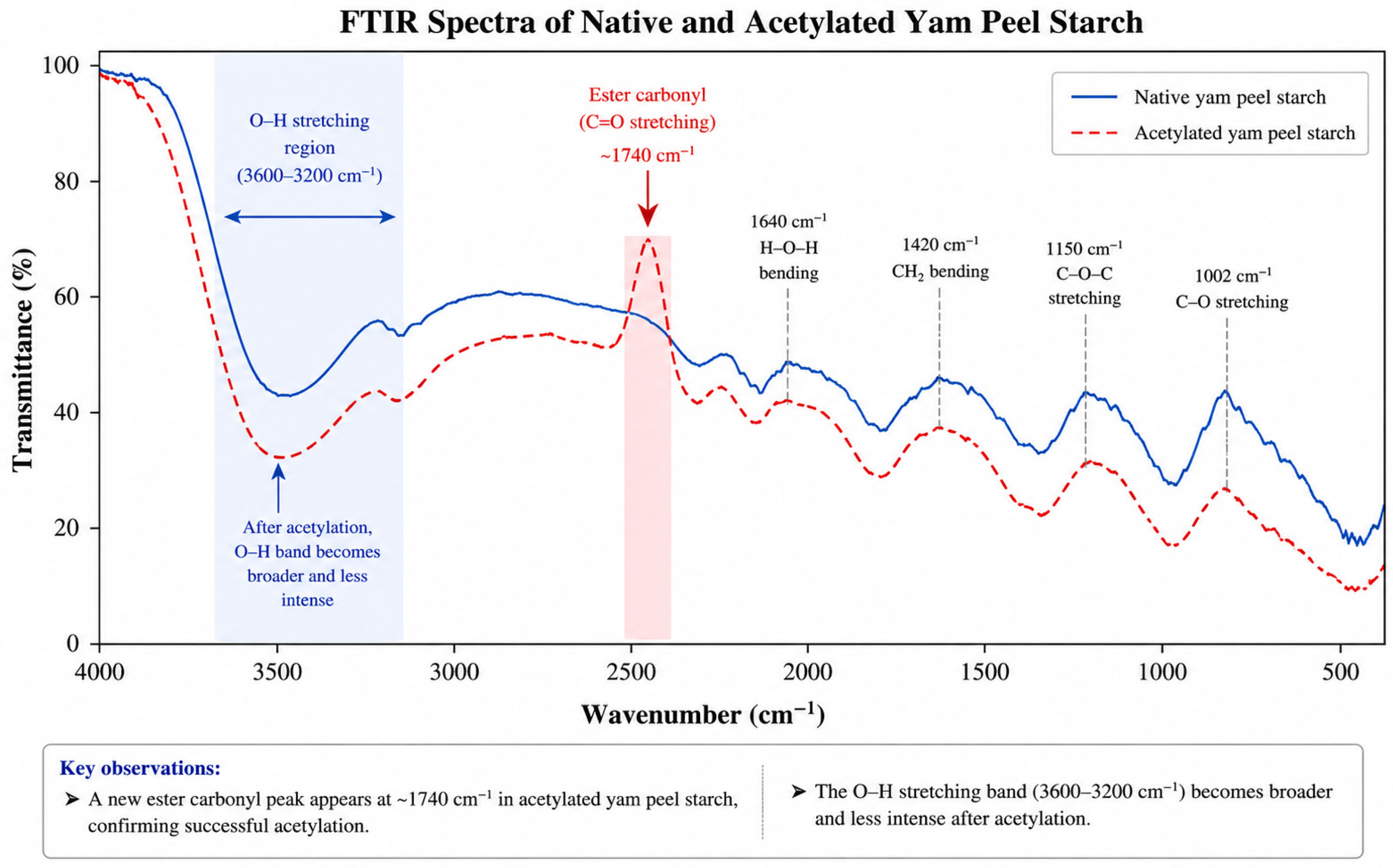
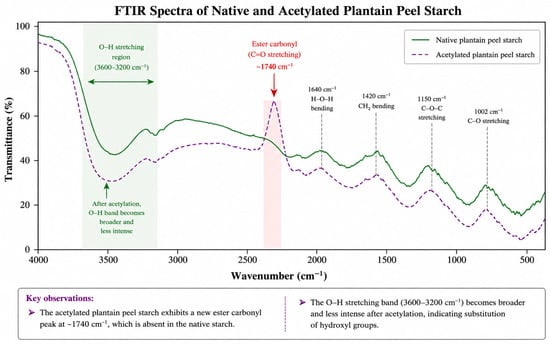
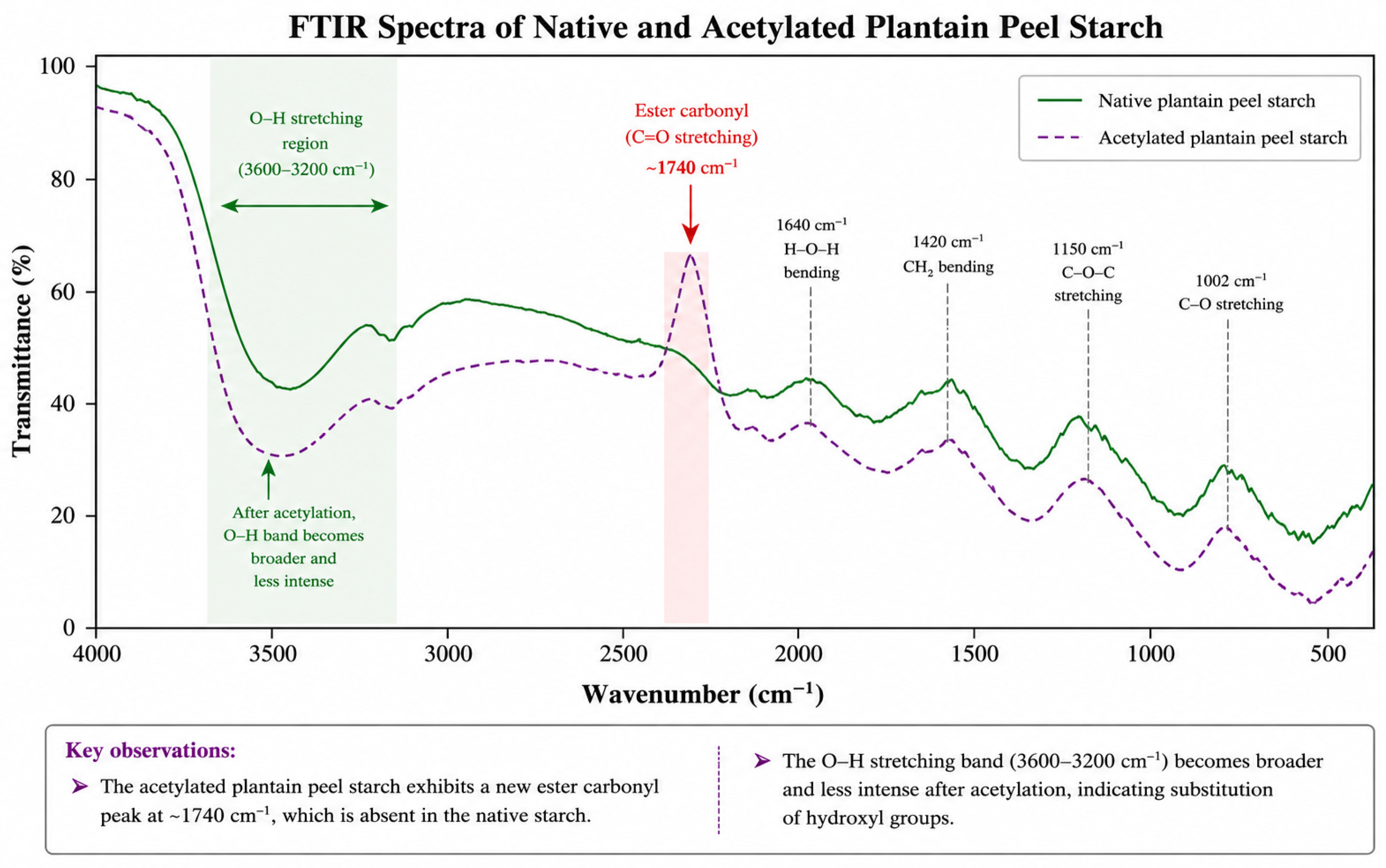
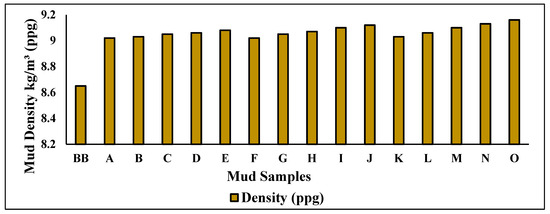
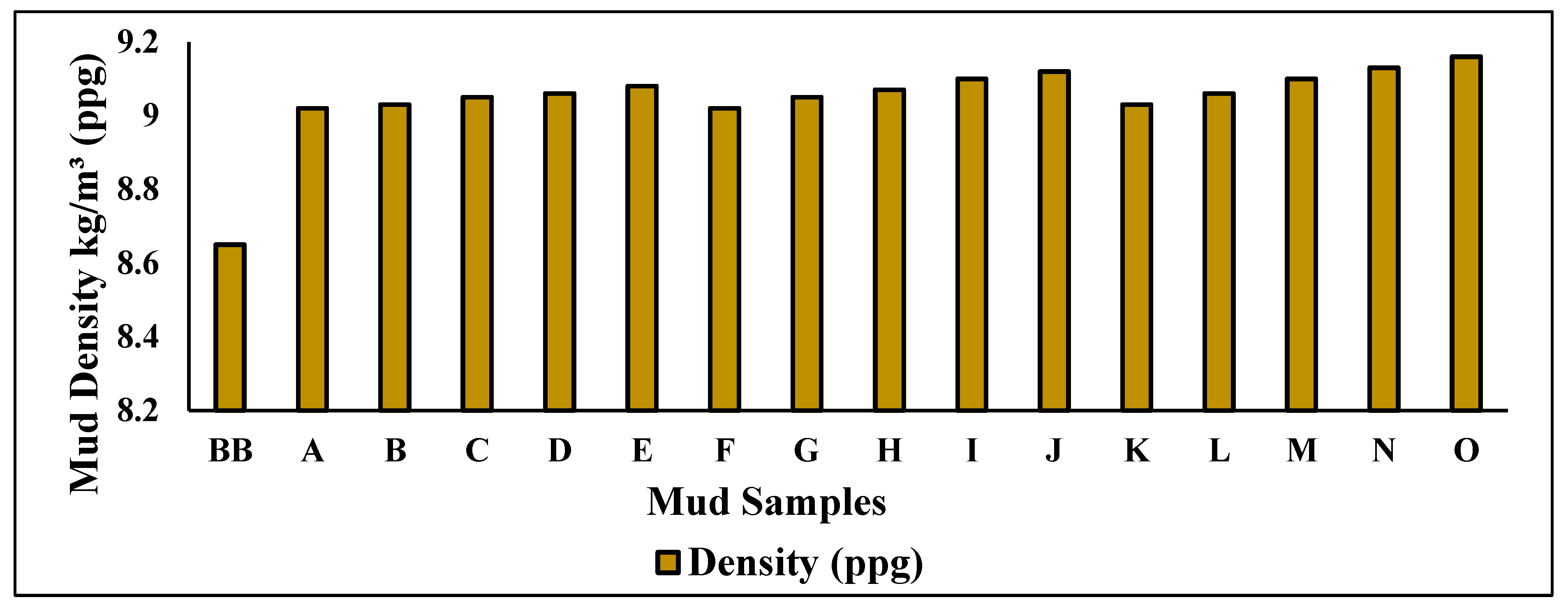
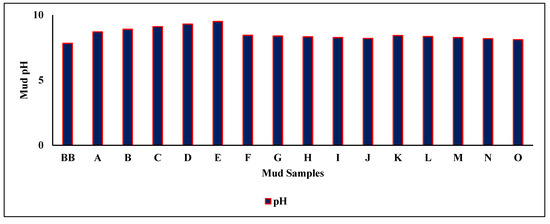
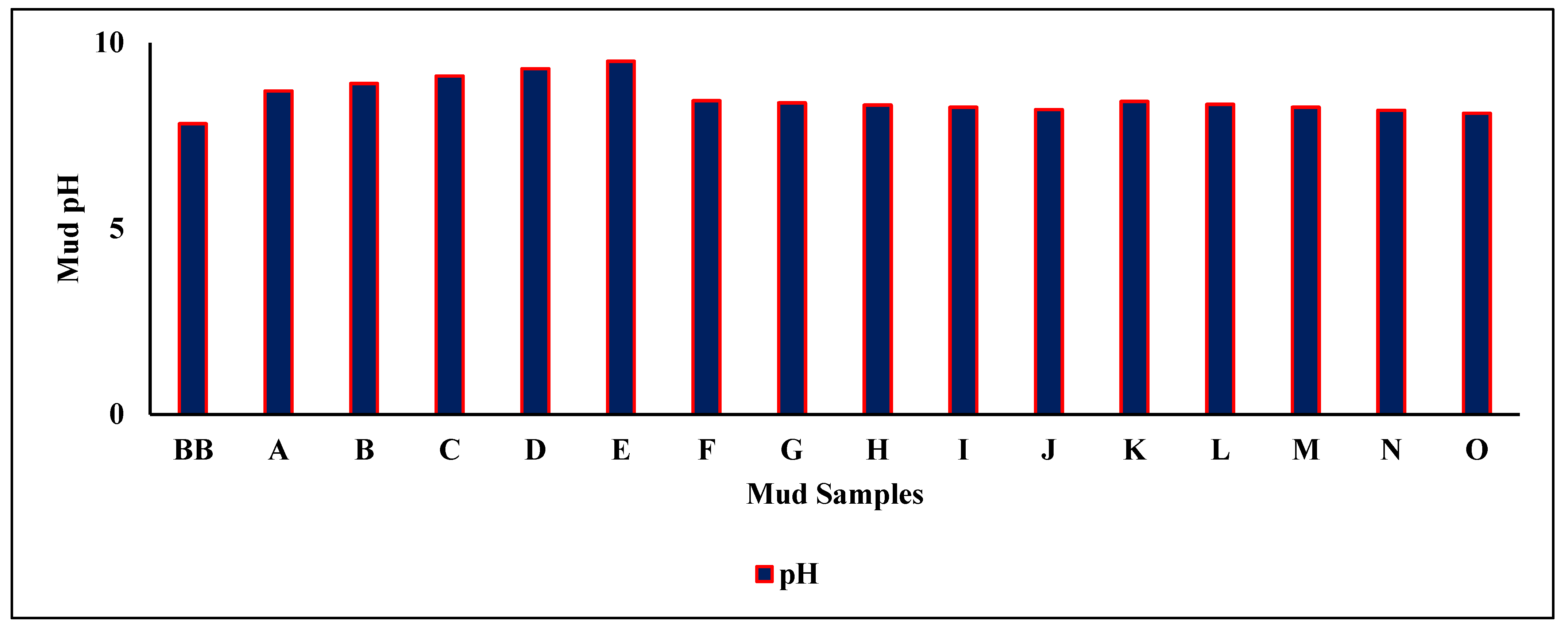
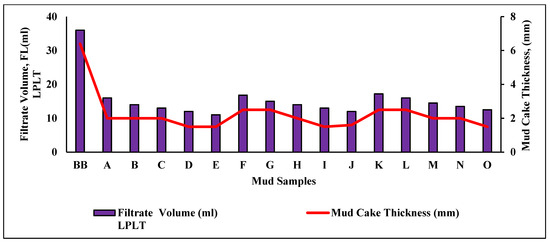
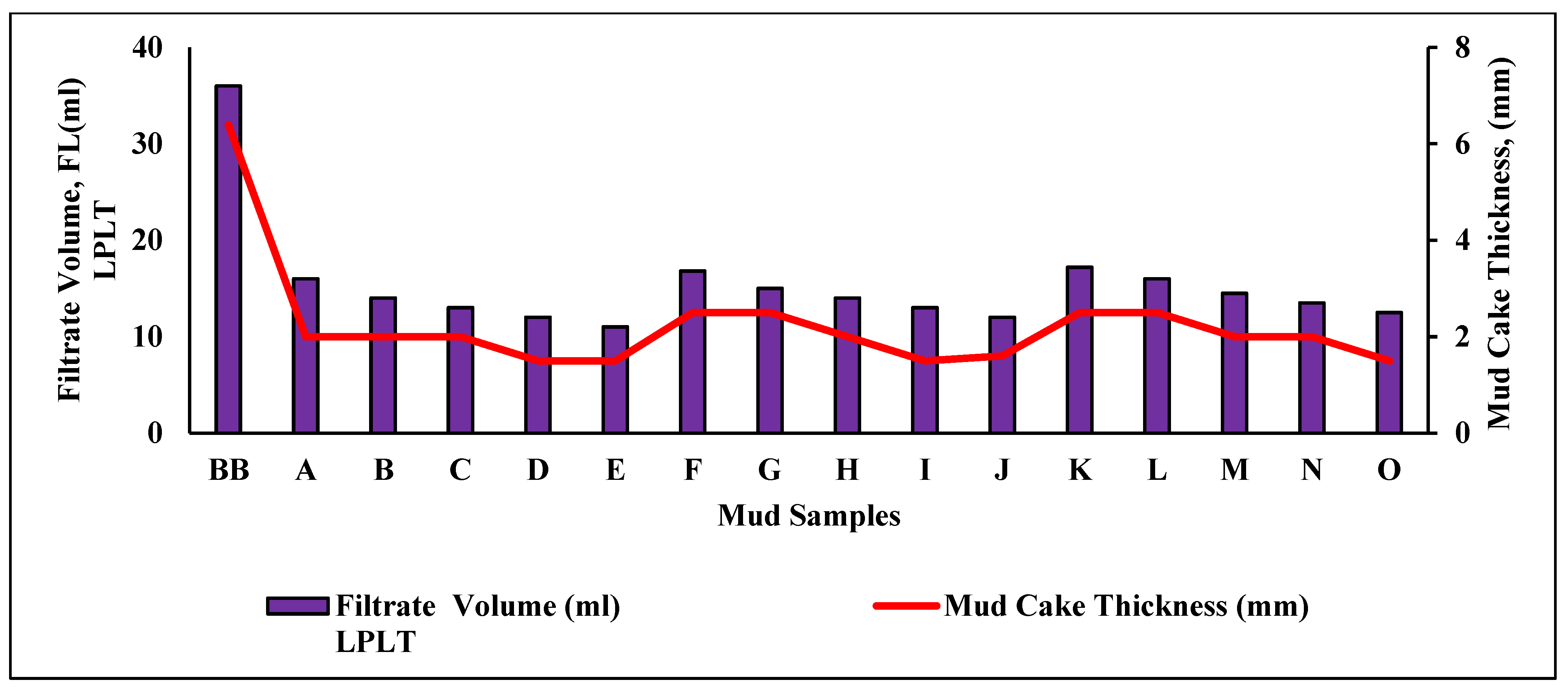
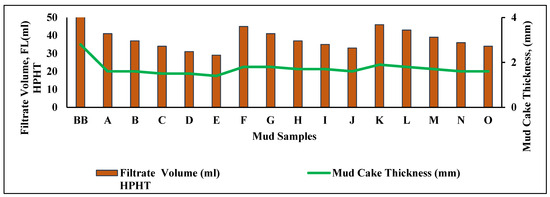
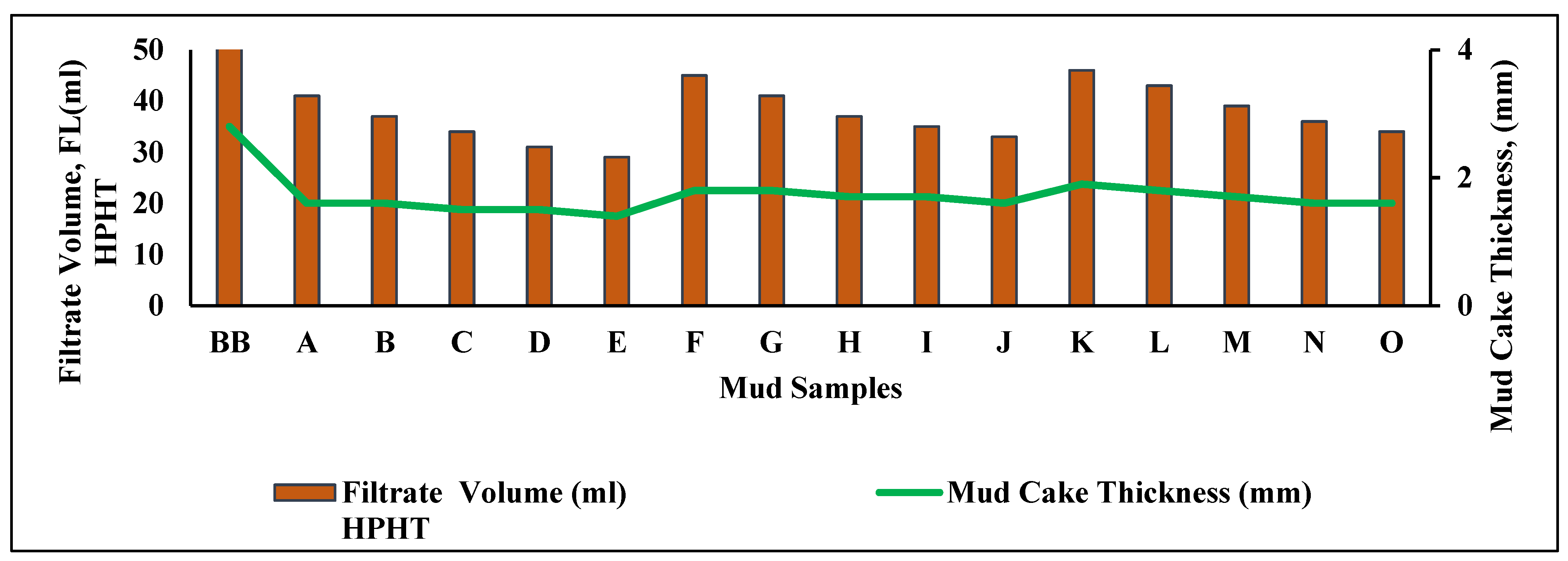
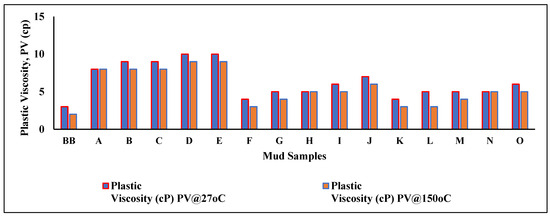
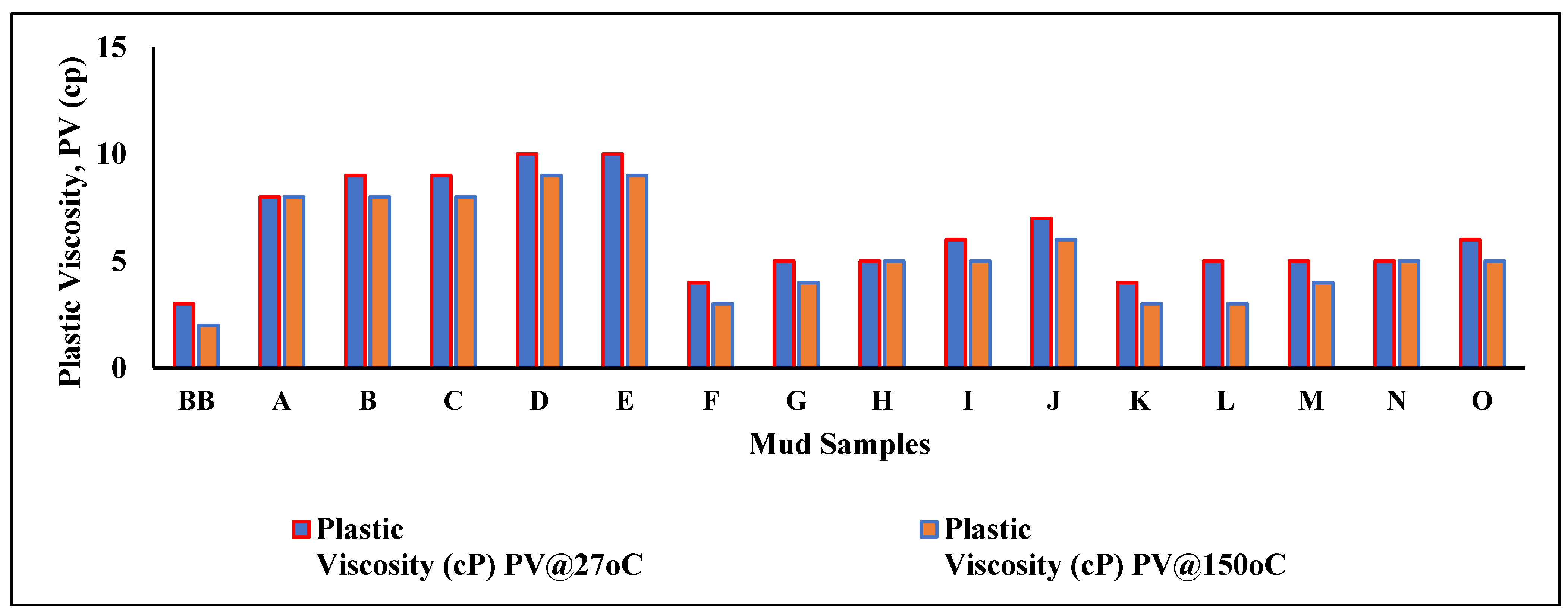
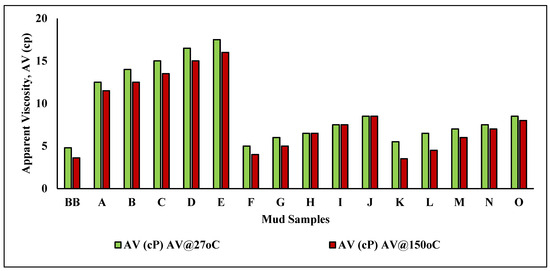
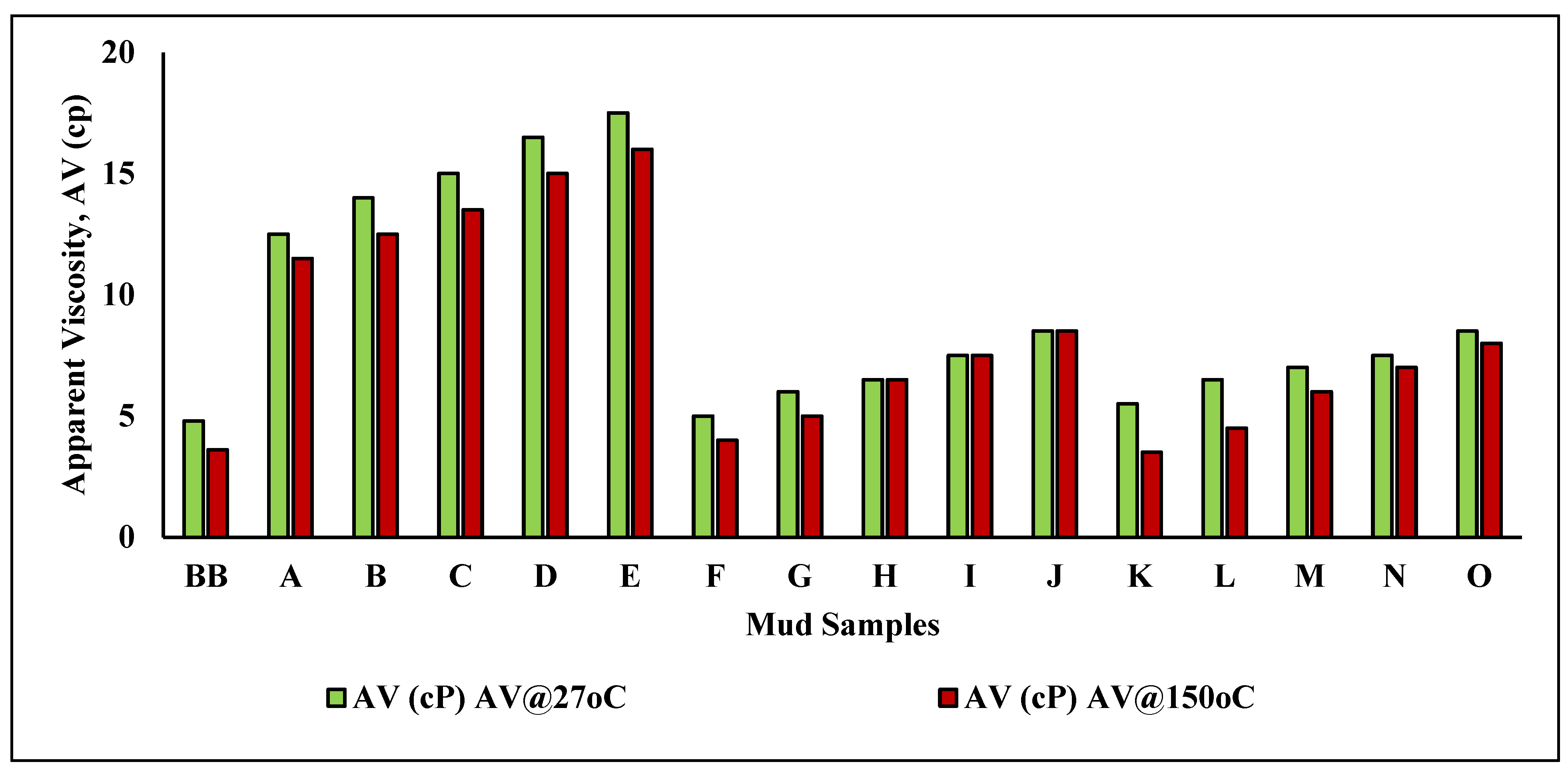
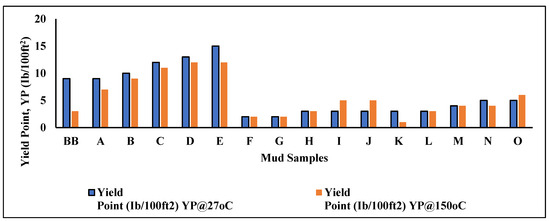
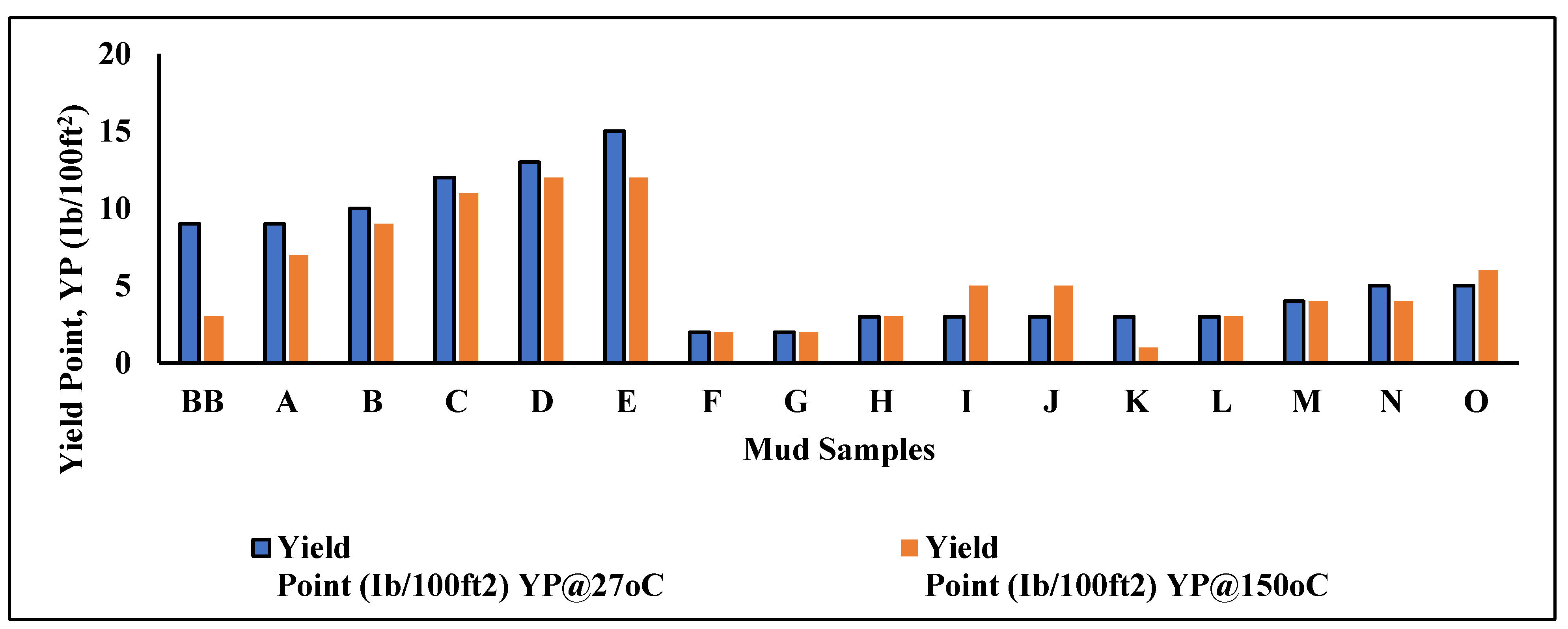
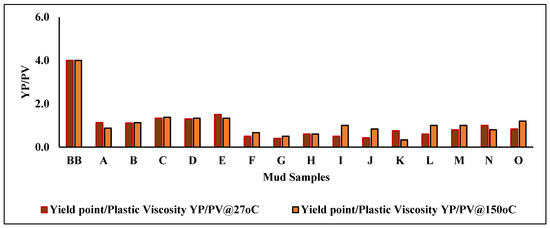
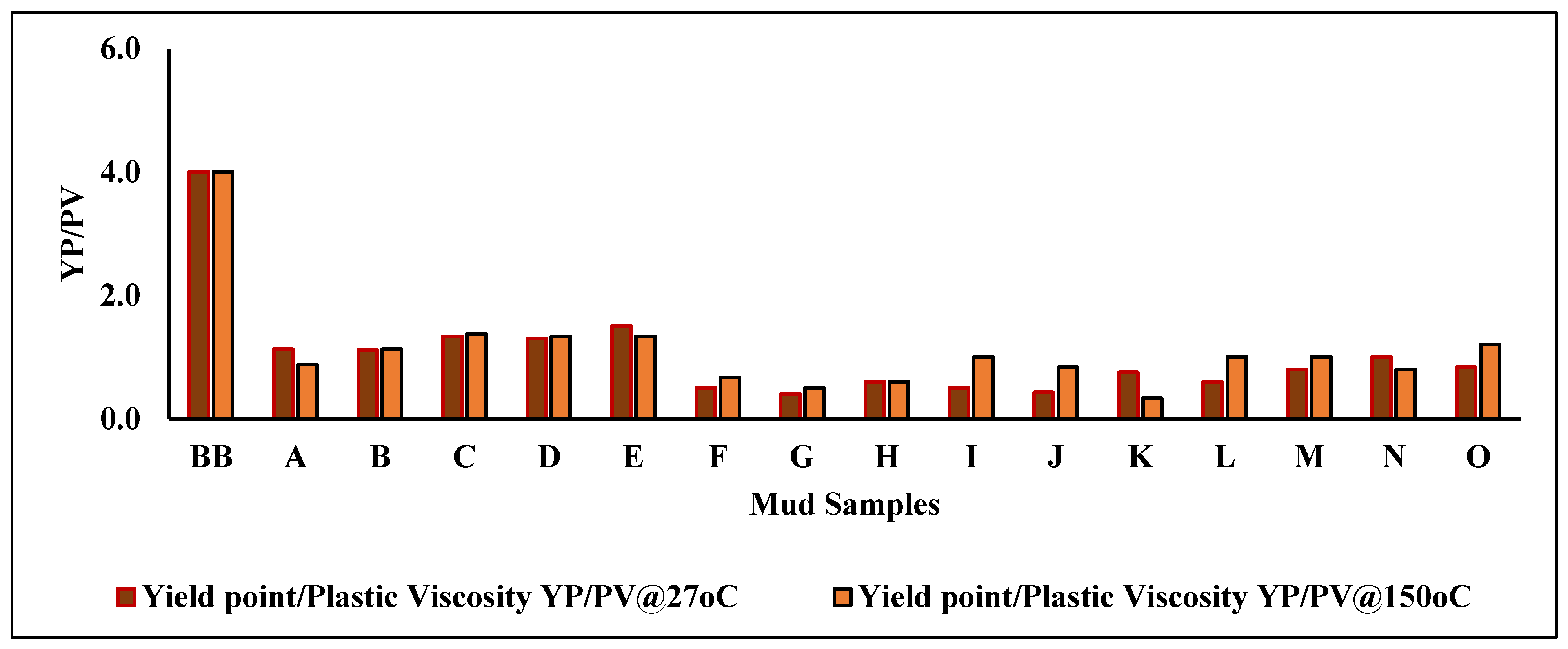
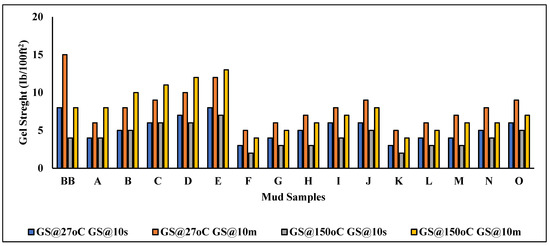
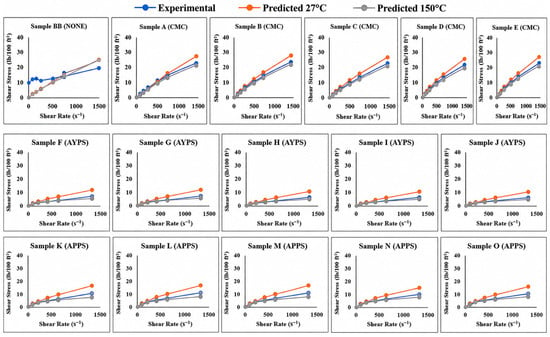
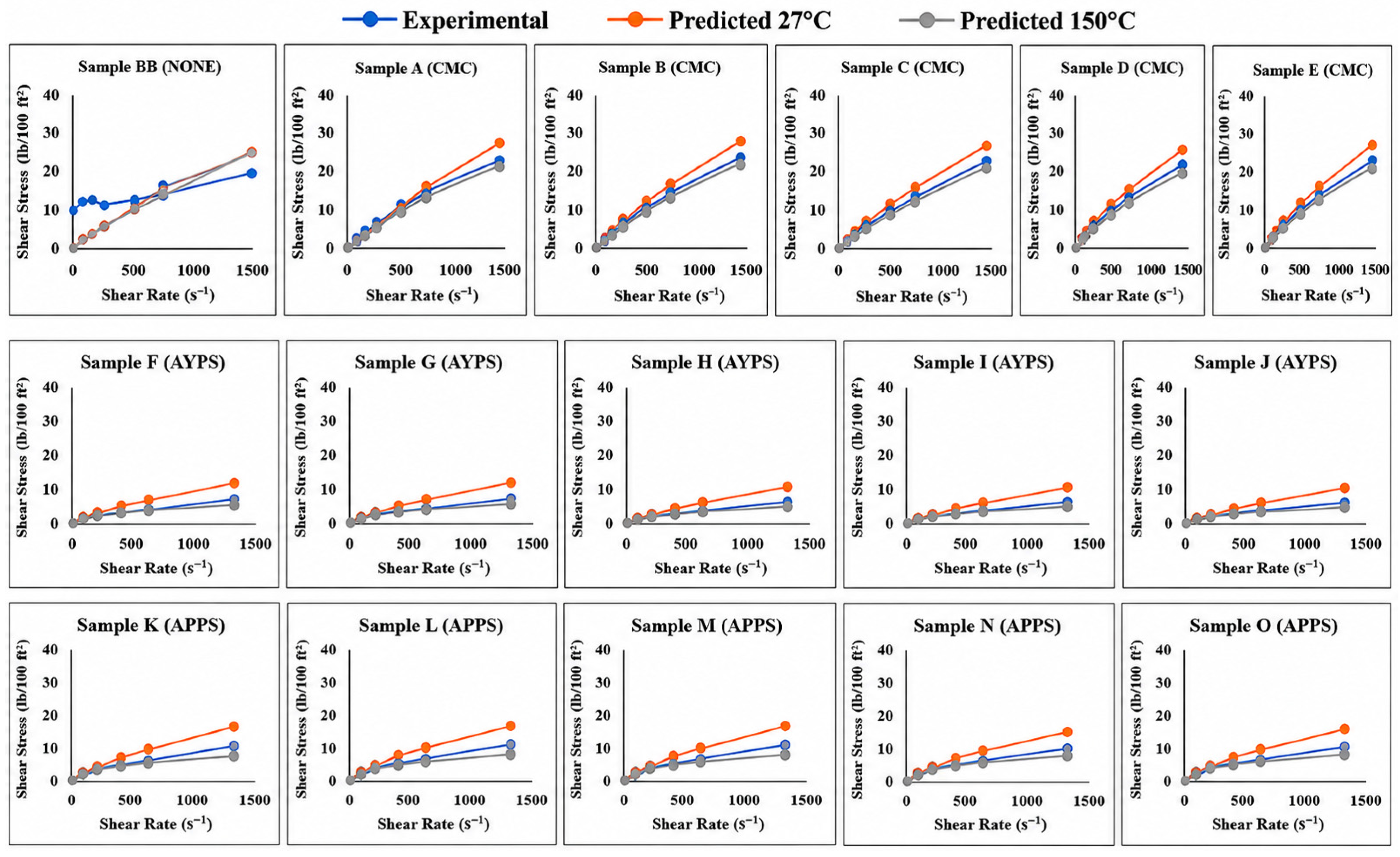

Disclaimer/Publisher’s Note: The statements, opinions and data contained in all publications are solely those of the individual author(s) and contributor(s) and not of MDPI and/or the editor(s). MDPI and/or the editor(s) disclaim responsibility for any injury to people or property resulting from any ideas, methods, instructions or products referred to in the content. |
© 2026 by the authors. Licensee MDPI, Basel, Switzerland. This article is an open access article distributed under the terms and conditions of the Creative Commons Attribution (CC BY) license.