


Abstract
Mechanical pretreatment techniques are essential for overcoming lignocellulosic biomass recalcitrance in emerging biorefineries. This review critically synthesizes advances from 2020 to 2025 across fundamental mechanisms, hybrid technologies, energy efficiency, Life Cycle Assessment, and industrial scalability. The analysis reveals that effective pretreatment targets supramolecular modification—defect generation in cellulose crystallites and the creation of reactive sites—beyond simple particle size reduction. Impact–shear regimes prove most effective for fibrous materials. Hybrid approaches are examined: mechanocatalysis enables solvent-free depolymerization, while mechanoenzymatic technologies achieve hydrolysis without bulk water, though enzyme denaturation under mechanical stress remains unresolved. Energy consumption is the primary upscaling barrier, with Life Cycle Assessment identifying electricity use as the dominant environmental hotspot and emphasizing burden per unit of final product as the critical metric. Technology Readiness Level assessment provides a strategic framework: continuous extruders and mills are industrially mature for bulk applications, while high-intensity batch devices are suited for high-value coproducts. A research agenda prioritizing mechanistic understanding, hybrid process engineering, feedstock diversification, and embedded sustainability assessment is proposed.
1. Introduction
1.1. Plant Biomass as a Key Resource for the Bioeconomy and Circular Economy
Biomass is a valuable renewable resource that is gaining increasing prominence in issues related to environmental sustainability, the replacement of conventional energy sources in pursuit of conversion to sustainable materials, chemicals, and biofuels. Its relevance extends to advanced fields such as crystal engineering, supramolecular aspects, etc. [1,2]. This interest is driven by the continuously expanding applications of natural polymers derived from lignocellulosic biomass, ranging from renewable biofuel [3] and rare biomaterials to the use in almost all high-demand technological sectors, including electronics [4,5], medicine [6,7], and functional materials [8]. The relevance of developing methods for renewable feedstock processing is confirmed by the existence of government initiatives in nearly all developed countries. These initiatives often incorporate strategies for transitioning to a carbon-neutral economy, with a specific focus placed on biomass conversion and the development of novel, environmentally friendly technologies. Examples in the European Union include the European Green Deal [9,10] and Horizon Europe, supporting projects dedicated to the sustainable use of renewable resources, including mechanochemical approaches under the Circular Economy and Bioeconomy topic [11,12,13]. The national bioeconomy strategies in China (“14th Five-Year Plan for Bioeconomy Development”), Japan (“Basic Act for the Promotion of Biomass Utilization”), Germany (the “Bioeconomy 2030” strategy), Canada (the Bioeconomy Strategy), Australia (“National Waste Policy Action Plan”), and Russia (“Technological Support for the Bioeconomy”) endorse the conversion of plant-based feedstocks using energy-efficient technologies, including mechanochemical approaches [14,15,16].
1.2. Mechanochemical Methods as a “Green” Tool for Biomass Modification
Mechanical and mechanochemical treatment techniques are considered the most promising and green methods among the approaches for the pretreatment of natural polymers being actively developed [17,18,19,20].
Mechanochemistry, complying with the Green Chemistry principles [21,22,23], is increasingly being applied to meet the United Nations (UN) Sustainable Development Goals [24]. In 2019, the International Union of Pure and Applied Chemistry (IUPAC) Gold Book formally defined a mechanochemical reaction as a “chemical reaction induced by the direct absorption of mechanical energy” [25] and recognized mechanochemistry as one of the innovations with world-changing potential [26]. The European Cooperation in Science and Technology (COST) is promoting mechanochemistry and mechanical treatment for medium- and large-scale manufacturing of chemicals using sustainable and economically convenient methods. Current research in this field simultaneously involves stages of data collection and observation, along with their scientific analysis, which requires combining the gained expertise and interdisciplinary knowledge. The implementation of mechanochemistry as a method for pretreating and modifying natural polymers is continuously expanding, which is primarily linked to its potential to mitigate the use of toxic solvents, initiators, or catalysts [20,27,28].
1.3. The Current Trends and the Aim of This Review
Fueled by growing interest in mechanochemistry, novel interdisciplinary fields have recently emerged. One of the most promising areas is mechanoenzymatic treatment, which combines mechanical pretreatment of the substrate with enzymatic catalysis, significantly intensifying hydrolysis and synthesis [29,30,31,32]. However, the widespread implementation of mechanical methods is constrained by issues related to energy efficiency and upscaling, since comminution is often the most energy-intensive stage of the entire technological cycle [33].
While numerous publications on this matter exist, there is still a recognized need for systematic analysis connecting the fundamental mechanisms of mechanical action on the supramolecular structure of biomass with the practical objectives of enhancing energy efficiency and designing hybrid processes. This review aims to address this gap and outline the current trends in the conversion of mechanically pretreated plant biomass by performing a critical analysis of publications in the field over the past decade (2015–2025), with particular focus placed on the period between 2020 and 2025. A relevant literature search was conducted using the Scopus database with keyword strings “plant raw materials,” “biomass recalcitrance,” “mechanical pretreatment,” “mechanoenzymatic,” and “energy consumption”. The search was restricted to English-language articles published between 2015 and 2025. From an initial pool of 430,098 identified records, relevance screening and duplicate removal yielded a final set of 92 publications. They were retrieved in text format for detailed analysis, with the results being presented as a narrative review.
1.4. Identifying the Niche: What This Review Offers Beyond the Existing Literature
The number of review articles on biomass pretreatment has increased rapidly, with over twenty indexed in Scopus since 2022. This reflects active development in the field but also leads to knowledge fragmentation across narrow thematic areas.
Recent comprehensive reviews have undeniably advanced specific facets of lignocellulose processing. Arce and Kratky (2022) [17] compared hammer, knife, and ball mills for enzymatic valorization but did not consider the physics of stress types (impact, shear, attrition) or enzyme denaturation under mechanical load. Di Domenico et al. (2025) [34] delivered a systematic PRISMA-based review of mechanical pretreatment for woody bioenergy, focusing on size reduction and densification, but did not address the interaction between cell wall supramolecular architecture and energy dissipation. Sant’Ana Júnior et al. (2025) [35] surveyed a broad spectrum of physical pretreatments—from irradiation to pulsed electric fields—yet their discussion of mechanical comminution is intentionally concise and does not include a quantitative cross-comparison of energy efficiency across different mill generations. Ale et al. (2026) [36] introduced an innovative microstructure-based framework for cereal husk valorization, but their emphasis is placed on chemical and biological pretreatment sequences rather than on purely mechanical or mechanoenzymatic routes. Concurrently, reviews on mechanochemistry (e.g., Arfelis et al., 2024) [20] highlight green chemistry benefits but give limited attention to enzyme stabilization and industrial scalability challenges.
This review addresses three key aspects in the mechanical pretreatment of plant biomass:
- The effect of mechanical stress types (impact, shear, attrition) on cell wall supramolecular structure and substrate reactivity, based on recent experimental data (e.g., Podgorbunskikh et al., 2025) [37];
- Dependence of enzyme stability in mechanoenzymatic systems, including thermal and mechanical denaturation, the influence of lignocellulosic matrix and polymer compounds, and the liquid-assisted grinding (LAG) boundary;
- Evaluation of the energy efficiency of mechanochemical equipment, including knife/hammer mills (continuous, low-energy) and planetary/vibratory ball mills (batch, high intensity), with an emphasis on the impact of feedstock parameters (moisture, composition) and losses from unproductive collisions (Section 4.1).
Unlike compilatory reviews, this work provides an integrated analysis connecting stress transfer micromechanics in heterogeneous biomass to energy efficiency and scale-up requirements.
This study systematically compares mill operational regimes, quantifies parasitic energy consumption, and examines physicochemical boundaries for enzyme activity during co-milling, offering a decision-making framework absent from the current literature. The discussion extends beyond laboratory scale to industrial constraints, including grinding media abrasion, contamination risks, continuous vs. batch operation trade-offs, and biorefinery infrastructure compatibility—topics underrepresented in mechanochemistry reviews.
This review serves researchers and engineers seeking conditions where mechanical biomass activation achieves both scientific and economic viability. It defines boundaries of mechanoenzymatic synergy and diminishing energy returns, facilitating the transition from laboratory methods to industrial technologies.
The authors also declare that no artificial neural networks (ANNs) were used for manuscript preparation. Literature analysis, manuscript drafting, and translation were performed by humans without employing artificial intelligence.
2. Mechanochemical Pretreatment of Biomass
Mechanochemical methods have proved to be effective for modifying and processing lignocellulosic materials [29,38,39], producing nano-sized and nanostructured particles [40,41,42,43,44], and use in mechanochemical reactions such as carboxylation, phosphorylation, oxidation, and esterification [23,45,46,47]. Mechanical treatment, which induces particle deformation and defect accumulation in the crystal lattice, is an efficient method for altering the physicochemical properties of natural semi-crystalline polymers [21,48]. Through shear, stretching, compression, attrition, or other types of mechanical action, mechanical treatment leads to energy accumulation, causing the generation of reactive centers within polymeric chains, which are involved in mechanochemical transformations [49]. In some instances, mechanochemical treatment is combined with other processing methods to enhance the energy efficiency of the process and achieve outcomes unattainable through individual or sequential use [50,51].
The growing interest in potential technological applications of mechanical processes has spurred the development of standardized terminology and concepts, enabling efficient communication among researchers worldwide and advancing this field. In their article published in the special issue “Advances in Tribochemistry” in the Frontiers in Chemistry journal, Michalchuk et al. [52] paid particular attention to terminology and understanding the nature of the processes involving mechanical forces, as well as mutual understanding within the international mechanochemistry community. As rightly noted, the concept of mechanochemistry is not confined to reactions initiated by the direct absorption of mechanical energy but also encompasses transformations observed during or after any type of mechanical treatment, irrespective of the precise role of mechanical input [51].
A surge of interest in complex processes, where mechanical pretreatment is a stage regulating substrate reactivity, is also evident. Thus, researchers, including Juaristi E., Auclair K., Friščić T., Bychkov A., et al. have been actively promoting the term “mechanoenzymatic” treatment (Figure 1) to denote either the concurrent mechanochemical treatment of a substrate with enzymes or enzymatic hydrolysis of a substrate subjected to mechanical pretreatment [29,30,31,32]. Su et al. outlined the environmental benefits and practical applications of mechanoenzymatic reactions within the framework of green chemistry principles [53].
Figure 1.
Number of publications describing “mechanoenzymatic” processes published from 2003 to 2025.
2.1. Mechanical Treatment in the Context of Overcoming Biomass Recalcitrance
Numerous research initiatives aim to utilize renewable biomass as a feedstock for the chemical industry and organic synthesis [54]. The need to pretreat lignocellulosic biomass, both in general and as isolated polymers, is caused by biomass recalcitrance. Despite the significant recent progress, the complexity of the supramolecular architecture of the cell wall and biosynthetic aspects governing the mechanical properties of the biomass remain active areas of investigation [55]. Within the general theory of the conversion of renewable feedstock, the heterogeneous chemical composition of the biomass, the particle surface area accessible for the subsequent reaction, and cellulose crystallinity are considered the primary factors responsible for reactivity [34,56,57,58,59]. The data on more subtle supramolecular changes within the cell walls, which also contribute to the observed effects, remain fragmented [60,61,62,63].
To overcome the biomass recalcitrance, the structure of lignocellulosic feedstock must be disintegrated using chemical, physical (including mechanical), biological, or combined methods. All the pretreatment types induce modifications to the supramolecular structure of the feedstock (e.g., increase the surface area, remove lignin and/or hemicelluloses, and reduce cellulose crystallinity). Biomass pretreatment strategies have been studied rather thoroughly in several reviews, which also addressed the mechanical treatment [58,64,65,66,67].
High-ash biomass, such as cereal straws (e.g., wheat), corn stover, and rice husks, is an example of recalcitrant plant feedstock [68,69]. These materials are rich in silicon dioxide, which is integrated into the cell walls, and its content can be up to 15–20% in some cases [70]. Another pertinent example is macroalgae (e.g., kelp) and microalgae (e.g., chlorella and spirulina), where inorganic substances, such as calcium, magnesium, and phosphorus salts, constitute a significant portion of dry mass content [71].
Peat is also classified as biomass with a high content of inorganic components, comprising organic matter and mineral particles such as metal oxides, salts, and silicates [72]. Furthermore, the wood of certain plant species, such as eucalyptus, can accumulate calcium, magnesium, sulfur, potassium, and boron derivatives, with the total content being as high as 15 wt.% [73]. Similar properties are observed in bird droppings and animal manure, which contain an organic plant-based matrix rich in phosphates, carbonates, and sulfates [74].
A specialized approach needs to be employed for the mechanochemical processing of this biomass. The inorganic substances present in it act as abrasives, promoting organic matrix disintegration, but they can also cause complications such as accelerated wear of grinding media in milling equipment, the formation of undesirable by-product phases, and reduced yield of the target products [75]. Therefore, biomass with a high content of inorganic components is a challenging object for mechanochemical treatment. However, its unique composition also has significant potential: the inorganic inclusions can act as an internal abrasive and enhance grinding efficiency, exhibit catalytic activity in target reactions [76], or be a valuable mineral resource integrated into the end product [77], thus stimulating intense research in this field.
2.2. Mechanocatalysis: Co-Grinding with Acids, Alkalis, and Metal Salts
The treatment of plant biomass with chemical agents (alkalis, salts, and amines) is another approach used to overcome biomass recalcitrance. As demonstrated for the hydrolysis of cellulose, chitin, and xylan, the co-grinding of biomass with acidic agents facilitates oligosaccharide production. These oligosaccharides can subsequently be converted to platform molecules (glucose and N-acetylglucosamine), biofuels, and other valuable products such as plant biostimulants [78,79]. Milling enhances the efficiency of the mass transfer of catalysts to substrates, thereby increasing the accessibility of glycosidic bonds. The gained experience in mechanocatalytic hydrolysis of cellulose and chitin sheds light on the mechanisms of glycosidic bond cleavage. Planetary milling promotes the hydrolysis reaction via stretching and compressive stresses, which alter polysaccharide conformations [80]. Computational mechanics calculations were employed to assess the mechanical stretching and compression forces upon collisions between grinding balls and polymer particles during grinding (nano-Newton order) and quantify changes in the activation energy for glycosidic bond rupture caused by applying these forces.
An integrated strategy involving mechanical pretreatment to extract pentoses and hexoses from biomass, followed by a mechanocatalytic process using various catalysts (e.g., metal salts, zeolite, sodium silicate, and alkali), with their conversion to lactic acid, enables the advancement of methods for producing value-added chemicals [81,82]. Studies have demonstrated that for various carbohydrates such as C5 and C6 sugars, as well as disaccharides, lactic acid yields of 20–36% can be attained by ball milling in the presence of Ba(OH)2 as a basic catalyst [83].
Mechanocatalytic hydrolysis combines the advantages of mechanical comminution and the impact of catalytic additives on polysaccharides, which often requires a smaller amount of water [78].
Mechanical treatment provides the opportunity to conduct reactions without the use of bulk solvents or with only a minimal amount thereof. Grinding in the presence of a small amount of liquid is classified as liquid-assisted grinding (LAG) [30] and is characterized by parameter η. Parameter η, proposed by Friščić et al. for revealing the effect of added liquid (solvent) to solid reagents, indicates the volume of the solvent (μL) divided by the sample weight (mg) and is ~0–2 µL mg−1 for the LAG conditions [30,84].
3. Mechanoenzymatic Methods for Pretreatment of Biomass
3.1. The Concept and Advantages of Combining Mechanical Pretreatment and Enzymatic Hydrolysis
Mechanoenzymatic treatment is a particular case of mechanochemical treatment; bioconversion (biocatalysis) of lignocellulose feedstock is its main practical use (Figure 2). The presented reviews comprehensively examine modern concepts of mechanoenzymatic reactions, including physicochemical and energetic aspects, types, and mechanisms of reactions [20,30,85,86].
Figure 2.
Pathways for the mechanoenzymatic conversion of plant biomass.
Despite the extensive research and development, the potential of practical applications of mechanochemical approaches remains far from being fully implemented or fundamentally understood.
3.2. The Main Applications: Hydrolysis of Glycosidic Bonds, Synthesis (Peptides and Esters), and Kinetic Resolution of Racemic Mixtures
Mechanoenzymatic technologies mainly address the cleavage of glycosidic bonds, ester bonds, and polyesters, and they can be employed for the formation of ester, peptide, and amide bonds, as well as separate chiral compounds upon mechanical loading [85,87,88,89,90,91]. Mechanochemical depolymerization of biomass is conducted using hydrolases (or glycosyl hydrolases) such as cellulases, xylanases, amylases, lipases, chitinases, and proteases. The protocols of mechanoenzymatic synthesis (solid-phase peptide synthesis) and mechanoenzymatic dynamic kinetic resolution usually employ lipases (e.g., immobilized Candida antartica lipase B (CALB)), proteases, enzymatic complexes (NovoCor, Novozyme, etc.), acylating agents, and “liquid-assisted grinding” (LAG) additives upon mechanical pretreatment or under mechanoenzymatic conditions.
The research team led by Eusebio Juaristi has achieved significant results in developing mechanoenzymology, which combines enzymatic catalysis approaches and mechanical pretreatment. A comprehensive review [32] describing the benefits of the mechanoenzymatic approach presents the most vivid examples. The developed procedures include the resolution of racemic mixtures of chiral carbinols, β-amino acids, chiral amines and carboxylic acids, as well as beta-blocker drugs.
Another example of mechanoenzymatic technology for biomass is repeated milling in combination with aging without bulk solvent, known as “Reactive Aging” (“RAging”). This approach is based on using the gained mechanochemical experience of milling with a small amount of water, followed by aging [31,89,92]. Not only does this method increase the yield of enzymatic hydrolysis, but, in a number of systems, it also leads to the conversion of the respective polymers to nanoparticles in the residual substrate. Enzyme selectivity can be increased due to variations in milling and aging parameters (the number and duration of cycles), the presence of a small amount of water or buffer, and the use of solid additives.
3.3. Methods for Enhancing Enzyme Stability upon Mechanical Pretreatment
When developing mechanoenzymatic technologies, one should consistently bear in mind that mechanical action on enzymes inevitably leads to a loss of catalytic activity or enzyme denaturation, which is a constraining factor for the broad implementation of mechanoenzymatic technologies. Consequently, significant research efforts currently aim to understand the physicochemical mechanisms behind the gradual decline in the catalytic activity of costly enzyme specimens upon mechanoenzymatic treatment, which may cause thermal or mechanical denaturation, as well as enzyme “tanning” by phenolic components of the biomass such as lignin. Researchers are faced with the challenge of increasing the mechanical stability of the enzymes.
The research team led by Aleksey Bychkov addressed the aspects related to thermal stability and mechanical denaturation of enzymatic complexes, both in individual form and upon co-grinding with a lignocellulose substrate. Studies of the thermal stability of enzymes produced by Trichoderma viride upon heating to 80 °C demonstrated that the effective rate constant of enzyme inactivation (denaturation) depended exponentially on moisture content. The enzymatic specimen was most stable at water content ≤ 8%, indicating that mechanochemical reactions can be conducted under conditions of retained catalytic activity upon LAG. After an individual water phase had been formed (moisture content in biomass > 30%, η > 0.4), the temperature regime should be regulated and the average temperatures of 50–55 °C should be used when subjecting a suspension with enzymes to mechanical loading [93].
Researchers are faced with the challenge of increasing the mechanical stability of enzymes. Some enzymes have been shown to withstand harsh mechanical conditions without inactivation and enhance reaction efficiency. Commercial ground immobilized enzymes have been reported to be unaffected by mechanical stress and exhibit increased thermal stability. Enzyme immobilization increases enzyme stability under mechanical stress (up to four grinding cycles) and thermal stress (up to 75 °C) [94].
Enzymes are stabilized during co-grinding by both the raw material being hydrolyzed [95,96] and by adding natural or synthetic polymers (microcrystalline cellulose, xylans, cellulose nanocrystals, chitin, polystyrene, polymethylmethacrylate, or polyethylene glycol 4000) [87,97].
For example, a study of the effect of mechanical treatment on enzyme denaturation upon co-grinding with microcrystalline cellulose demonstrated that enzyme activity decreases more rapidly with decreasing crystallinity index (CrI) of the substrate than upon milling with substrates characterized by a higher crystallinity index [98].
Mechanical treatment of a dry mixture of plant-based raw material and enzyme increases the rate of subsequent enzymatic hydrolysis compared to untreated samples. However, the inevitable enzyme denaturation imposes limitations on the duration and intensity of mechanical treatment. It was shown that a mixture of enzyme with a lignocellulosic substrate can be subjected to mechanical treatment within a limited intensity range without significantly reducing catalytic activity [99].
Furthermore, the way an enzyme was applied onto the substrate surface also affects stability upon co-grinding. In the case of a substrate with an enzyme pre-adsorbed onto its surface, mechanical action creates conditions that reduce diffusion limitations as the enzyme penetrates the pores of the lignocellulosic material. Consequently, enzyme activity in the enzymatic hydrolysis reaction can be increased by 30–40% compared to that for untreated raw material [95].
Lignin depolymerization into functional aromatic monomers under the environmentally benign and efficient conditions of a mechanoenzymatic reaction conducted in a ball mill is another example of the application of mechanochemical technologies holding significant potential for the production of high-value chemicals [100]. As demonstrated by José G. Hernández et al., acylation of model lignin compounds with immobilized Candida antarctica lipase B is the most illustrative example of the effectiveness of the mechanoenzymatic approach for enhancing the selectivity of esterification reactions [101].
4. Energy Efficiency and Upscaling of Mechanochemical Pretreatment
4.1. Energy Consumption as a Critical Factor: Analysis of Nonproductive Energy Consumption
When developing a mechanochemical technology, it is crucial to identify the most energy-efficient processing mode, since it simultaneously enhances the efficiency of the process and reduces its cost [102]. Mechanochemical treatment of biomass is known to frequently entail substantial energy consumption, as it involves intensive mechanical action. The types of mechanical action and the corresponding mechanochemical equipment for grinding lignocellulosic biomass are presented in Figure 3. The optimization of the treatment mode provides a means to minimize energy consumption and reduce the net cost of the technology [103]. This energy-efficient approach also aligns with the sustainable development principles as it enables a reduction in the carbon footprint of a technology when processing renewable feedstocks [20,104] and also conforms to the “Design for Energy Efficiency” principle of Green Chemistry. Optimization of these processes makes them more suitable for upscaling, thus lowering the demands on capital investment and industrial infrastructure [105]. Furthermore, the energy-efficient mode ensures a high degree of material conversion, attaining maximum disruption of the biomass structure or altering its chemical composition with minimal energy input. However, an important aspect to consider is that excessive application of energy can fail to yield better results as well as lead to the degradation of target components or the formation of by-products, thereby decreasing the overall efficiency of the process.
Figure 3.
Types of mechanical action and mechanochemical equipment. The inner circle shows fundamental stress modes; the outer circle positions equipment examples in sectors corresponding to the dominant combinations of impact, shear, attrition, and compression. Radiating lines from the center indicate the continuous and overlapping nature of mechanical stress in real milling devices.
The particular focus placed on the energy efficiency of mechanochemical processing of biomass is driven by the fact that most existing studies on energy consumption and energy redistribution in mechanochemical reactions address inorganic compounds as well as synthesized or isolated substances [106,107,108,109]. Thus, for inorganic compounds or pure substances, the energy of mechanical impact was shown to be often efficiently transformed to directed chemical reactions or phase transitions with predictable yields. In contrast, in the complex heterogeneous structure of biomass, a significant portion of this energy can be dissipated and consumed for overcoming viscoelastic properties, deforming non-target components, or inefficient heat release, without causing sought-for changes in reactivity.
The high proportion of nonproductive collisions, when feedstock particles are not engaged in comminution, is a factor limiting the efficiency of mechanical pretreatment. The share of these inefficient collisions can be as high as 50–70%, substantially reducing the overall energy efficiency.
Depending on the ball motion type, the energy input in ball and planetary ball mills can differ significantly (Figure 4) [110]. However, the grinding efficiency does not directly depend on it [111]. Video recordings (Supplementary Information, Videos S1–S4) demonstrate the ball motion regimes in a ball mill during sand grinding. It can be seen that in the centrifugal type, the balls have practically no impact on the material despite increasing the energy consumption.
Figure 4.
Scheme of a ball motion pattern in a ball mill: slipping, cascading, cataracting (throwing), and rolling types.
Hence, the primary objectives of the pretreatment stage involve the reduction in specific energy consumption, simplification of subsequent processing stages, and minimization of environmental risks. Monitoring energy consumption and choosing the optimal treatment parameters can significantly enhance the economic indicators of the entire technological cycle, since mechanical grinding alone can consume 30–50% of the total energy consumed for biomass processing [33,34,112].
4.2. A Comparative Analysis of the Energy Efficiency of Different Types of Equipment (Planetary Mills, Ball Mills, Knife Mills, Hammer Mills, and Extruders)
Energy consumption during mechanical treatment depends on the type of mechanochemical equipment, comminution degree and quality, the initial and target particle sizes and particle size distribution, as well as the physicochemical parameters of the feedstock. Examples of patterns showing the variation in actual energy consumption (current power draw and total energy consumed) during the operation of mechanochemical equipment are presented in Figure 5. Energy consumption is significantly affected by moisture content in the biomass, its chemical composition, cell-wall structure, and biochemical features [113]. Higher water content in the starting material is associated with higher energy consumption. Thus, colloidal mills and extruders are recommended to be used for processing biomass with a water content of 15–20%. Dry biomass with a moisture content of up to 10–15% can be comminuted mostly using two-roll mills, attrition mills, hammer mills, or knife mills [114]. Ball mills and vibratory ball mills are considered universal equipment applicable for biomass grinding irrespective of moisture content [33,113]. Kratky and Jirout (2011) [33] have summarized the specific energy requirements for the most commonly used mills, based on the initial and final particle sizes and the moisture content of the most prevalent plant biomasses (switchgrass, corn stover, wheat straw, rice straw, hardwood, etc.). When assessing the energy consumption of a technological process, one should differentiate the energy consumed for coarse grinding of biomass to a size of 1–5 mm, primarily using knife mills, which can be as high as 180–540 kJ/kg [115].
Figure 5.
Current power consumption of mechanochemical equipment under no-load conditions: (A) planetary ball mill: (a) an empty carrier without grinding jars; (b) a carrier with two empty jars; (c) a carrier with jars loaded with grinding media. The total energy consumption was: (a) 4.0 Wh/min; (b) 4.6 Wh/min; (c) 8.6 Wh/min. Reproduced from [37], Springer Nature, 2025. (B) Attritor: (a) an empty carrier; (b) a carrier with grinding bodies loaded into the drum. Total energy consumption: (a) 2.4 Wh/min; (b) 3.4 Wh/min. Reproduced from [37], Springer Nature, 2025. (C) A centrifugal roller mill with an empty stator at various motor rotation speeds. The total energy consumption: 6.0 Wh/min at 300 rpm; 12 Wh/min at 600 rpm; 23 Wh/min at 1200 rpm; 47 Wh/min at 1800 rpm; 87 Wh/min at 2400 rpm; 134 Wh/min at 3000 rpm. (D) Ball mill with grinding bodies loaded into the jar (5 kg) at various motor rotation speeds. The total energy consumption: 0.7 Wh/min for the slipping type; 0.9 Wh/min for the cascading type; 1.3 Wh/min for the cataracting (throwing) type; 1.8 Wh/min for the centrifugal type.
Direct comparison of energy consumption data for the comminution of lignocellulosic feedstocks in the academic literature is challenging because of the differences in the parameters of the process employed across various studies. Sitotaw et al. [116] compared the energy efficiencies of four milling methods: wet disc milling (WDM), conventional ball milling (CBM), vibratory ball milling (VBM), and planetary ball milling (PBM). The parameter R (R-values), defined as the ratio between the energy consumed for mechanical pretreatment and energy content in the biomass (its calorific value), was used for quantitation. This parameter allows one to estimate the fraction of the feedstock’s energy potential consumed for its comminution.
Hammer mills, knife mills, ball mills, etc., as well as their combinations, which are commonly used for dry processing of lignocellulosic biomass, have been documented in the literature relatively well from the perspective of their energy consumption. Table 1 lists examples of enhancing the energy efficiency of biomass treatment reported for the main types of mechanical treatment.
4.3. The Effect of Feedstock Parameters (Moisture Content, Chemical Composition, and the Type of Biomass) on Energy Consumption
An analysis of the efficiency of repeated milling of Douglas-fir forest harvest residuals in a hammer mill with screen sizes of 0.84 and 0.69 mm allowed assessment of specific energy consumption as a function of moisture content and particle size alteration. It was shown that energy consumption during the grinding of biomass with a moisture content of 28% was 2–3 times higher than at 6%. The specific energy consumed was shown to correlate with changes in particle size according to Bond’s law; Bond’s constant exhibited a stronger correlation with moisture content [117]. Moiceanu et al. [118] reported the data on specific energy consumption for milling miscanthus and willow biomass in an articulated hammer mill. The comminution of lignocellulosic biomass with a moisture content below 15% consumed 50–65 kJ/kg for miscanthus and 35–50 kJ/kg for willow (when using a 10 mm orifice sieve). Luo et al. [119] demonstrated that upon the grinding of rice straw using a hammer mill with a sieve orifice size of 1, 3, 5, and 7 mm for methanol production, the highest energy efficiency of the process is observed for the comminution mode with the hammer mill sieve orifice size of 3 mm, being 0.17 kJ/VS (volatile solid). The specific energy consumption for the comminution of rice straw was estimated to be 82.14, 38.49, 27.57, and 20.68 kWh/t, respectively.
Elalami et al. [120] conducted a comparative study of the effect of grinding, sieving, and electrostatic separation on methane production for olive pomace. The energy consumed for milling olive pomace was assessed to be 0.0327 kWh/kg for grinding in a knife mill with a 4 mm screen; 0.27 kWh/kg for grinding in a knife mill with a 1 mm screen; 1.87 kWh/kg for grinding in an ultra-fine knife mill with a 0.1 mm screen, and 19.75 kWh/kg for vibratory ball milling. Knife milling followed by anaerobic digestion resulted in a positive energy balance for methane production. The energy efficiency of methane production after knife milling the olive pomace to a 1 mm particle size reached a maximum of 7.2 kJ/gVS (volatile solids) vs. 3.3 kJ/gVS after grinding in a mill with a 4 mm screen.
Using Douglas-fir forest residuals as an example, the efficiency of mechanical pretreatment in a ball mill to enhance the yield of enzymatic hydrolysis was demonstrated. The sugar yield of glucose and xylose/mannose exhibited a strong positive correlation with energy consumption. The consumed energy ranged from 0.50 to 2.15 kWh/kg for milling durations of 7–30 min [121].
Liu et al. [122] demonstrated the advantages of mechanochemical pretreatment of lignocellulosic biomass with NaAlO2 compared to processing in a ball mill. Wheat straw, with moisture content adjusted to 20%, was pretreated in a ball mill with and without NaAlO2 added for 10, 20, 30, 60, and 90 min at 630 rpm. Through the generated mechanical forces, pretreatment in a ball mill initiated a solid-state reaction between NaAlO2 and wheat straw, which selectively removed hemicellulose and lignin, thereby having a favorable effect on the efficiency of enzymatic hydrolysis. Quantitative analysis made it possible to identify the conditions ensuring the maximum pretreatment energy efficiency, which was 0.121 kg glucose/kWh substrate by NaAlO2-BM20, achieving a hydrolysis yield of 95.4%. For the same duration of ball milling (20 min), the energy efficiency of NaAlO2-BM was 2.1-fold higher, thus underscoring the benefits of the mechanochemical pretreatment of wheat straw. Ball milling was also shown to enhance the yield of enzymatic hydrolysis (carbohydrate conversion) and lignin conversion upon simultaneous and sequential treatment of corn stover with ethylenediamine (EDA) [123]. A combination of mechanical and thermal treatment (the treatment with EDA was accompanied by autoclaving) enabled the isolation of aminated and non-condensed lignin, as well as increased saccharification of carbohydrates. Ball milling required 2.0 MJ/kg vs. 7.3 MJ/kg for pretreatment with EDA. Sequential BM-EDA and EDA-BM consumed 9.3 and 10.3 MJ/kg, respectively. The integrated EDA/BM process proved to be the most advantageous from a perspective of energy consumption and the number of processing stages (its energy consumption was 3.0 MJ/kg).
Dry vibration ball milling of corn stover (raw material moisture content less than 5%) in combination with alkali (0, 4, 8, and 12% w/w, NaOH/corn stover) results in efficient mass transfer between the biomass and the alkali [124]. Depolymerization of hemicelluloses and lignin by means of mechanocatalysis ensures the removal of up to 71.0% of lignin and 56.5% of hemicelluloses, as well as an increase in glucose and xylose yields to 97.7% and 72.2%, respectively.
Using rice straw (6–8% moisture content) as an example, Areepak et al. [115] compared the throughput of mechanochemical processing with 5% sodium hydroxide (NaOH) and 5% potassium hydroxide (KOH) at room temperature, followed by centrifugal milling (screen size, 0.25 mm). The alkali spray method was more energy-efficient than the impregnation method. Pretreatment by spraying with 5% NaOH enhanced the energy efficiency of enzymatic hydrolysis (0.35 kg fermentable sugars/kWh). A comparison of chemical pretreatment of sugarcane bagasse (moisture content, 8–10%) with 5% NaOH and 5% NaOH–H2O2, followed by drying and centrifugal milling, revealed advantages for the pretreatment of lignocellulosic biomass [125]. Alkaline pretreatment with NaOH was more efficient compared to pretreatment with a NaOH–H2O2 mixture. The improved grindability due to increased biomass brittleness after impregnation with alkali and alkali + peroxide reduced energy consumption from 1.814 kWh/kg for the untreated raw material to 0.189 kWh/kg for sugarcane bagasse treated with NaOH (1:5 solid/liquid ratio). The highest energy efficiency (0.536 kg reducing sugars/kWh) and the lowest total energy consumption (0.845 kWh/kg) were demonstrated under these conditions. Further modification of the mechanochemical approach is treating biomass with alkali salts, which is highly efficient, less expensive, and enables secondary treatment.
The addition of 5% NaOH (w/w dry biomass) during the thermal treatment stage preceding disc refining increased the yield of enzymatic hydrolysis by 35% and reduced specific energy consumption by 62% [126].
An analysis [127] of multistep milling for reducing (or optimizing) the energy consumption of biomass conversion demonstrated that it is reasonable to combine coarse and fine grinding with subsequent extrusion instead of conventional mixing. Among coarse grinding tools, the hammer mill consumes the least amount of energy when producing particles of the largest size. Ball milling for 120 min following each type of pretreatment method increases the energy consumption to 7–8 kWh/kg. Impact milling was the most efficient comminution method; its energy efficiency was qA 0.121 kg sugars/kWh vs. 0.155 and 0.181 kg sugars/kWh for hammer milling and tandem ring milling, respectively. The optimization of enzymatic hydrolysis via 1 h ball milling resulted in the highest energy efficiency of 0.515 kg sugars/kWh when using preliminary impact milling. Longer durations of ball milling enhanced the efficiency of enzymatic hydrolysis; however, the overall energy intensity of the process must be considered. It was shown that another extrusion fibrillation stage can be added to the biomass processing cycle without significantly increasing energy consumption (<0.14 kWh/kg).
A particularly illustrative and informative approach for enhancing the efficiency of biomass processing is to directly compare multiple types of mechanical equipment. A comparison of three mechanical grinders—a continuous ball mill (CBM), an air classifier mill (ACM), and a high-speed mill (HSM)—used for pretreating corn stover demonstrated that particle size and particle size distribution play a crucial role in subsequent enzymatic hydrolysis [128]. After comminution in the CBM, the particles were characterized by a broad size distribution, while their mean diameters were relatively similar across all three mills. The glucose yield after treatment of corn stover in the CBM increased 2.1-fold vs. 3.5-fold and 3.1-fold in the cases of ACM and HSM, respectively. The energy consumption was 7.40 MWh/t for the continuous ball milling, 0.48 MWh/t for grinding in the air classifier mill, and 0.26 MWh/t for grinding in the high-speed mill. However, glucose conversion exceeded 50% under none of the continuous treatment conditions.
Comparison of four methods (knife milling, hammer milling, extrusion, and shredding + hydrodynamic cavitation) for pretreating agri-based feedstock at full-scale biogas plants showed that methane yield can potentially be increased up to 13% [129]. A positive energy balance was achieved under all the described treatment conditions, attributed to the reduction in the content of coarse-particle fraction and the increase in specific surface area.
Rajaonarivony et al. [130] analyzed the differences in energy consumption during ultra-fine grinding to a final particle size of 20 µm using various types of ball mills (a rotary-drum mill, a stirring-rotor mill, and a vibratory ball mill) for wheat straw (Triticum aestivum), characterized by a rigid fibrous structure, and maritime pine bark (Pinus pinaster), characterized by a brittle layered structure. For each mill type, the comminution of bark (a brittle material) always occurred faster and required less energy compared to the milling of straw (an elastic–plastic material). Impact as the main mechanical stress was shown to be less efficient than attrition or combined (impact + attrition) mechanical stresses, while the combined mechanical stresses in the stirring-rotor mill proved to be the most efficient for grinding the fibrous wheat straw material.
In our previous study, we compared the effect of different types of mechanical stress on grinding efficiency and assessed the contribution of polymers forming the supramolecular structure of the cell wall (cellulose, hemicelluloses, and lignin) to the strength and grindability of plant biomass [37]. The comminution of common reed (Phragmites australis) biomass and isolated supramolecular complexes mimicking the subprimary structure of plant biomass in ball mills operating in the impact–shear and shear modes was compared. An analysis of the grinding energy and process throughput, as well as the effect of chemical composition and the degree of preliminary biomass modification, demonstrated that the impact–shear mode of mechanical treatment (in a planetary ball mill) ensures the most efficient biomass comminution compared to the shear mode (in an attritor) due to the higher energy of individual mechanical impacts. The removal of any cell wall component results in significant structural disruptions, causing the grinding efficiency in the impact–shear mode to increase eight- to ninefold (the specific energy consumption decreases from 0.62 Wh/μm to 0.07–0.08 Wh/μm). The contribution of each polymeric cell wall component to strength and grindability was much more complex in the case of the shear stress applied to the biomass (the shear mode). The most significant contribution to the efficiency of mechanical comminution of biomass was made by partial removal of hemicelluloses (the throughput decreased from 2.21 to 0.21 Wh/μm). The throughput of comminution of isolated cellulose in this mode decreased only to 0.37 Wh/μm. A similar situation is also observed upon the removal of extractives: the throughput was 0.52 Wh/μm prior to lignin removal; however, after lignin removal, it increased to 1.27 Wh/μm.
Table 1.
Mechanical processing for plant biomass conversion.
4.4. Technology Assessment: Environmental, Economic Perspectives and Life Cycle Analysis
Bringing mechanical and mechanochemical pretreatment methods from the laboratory to industrial reality requires more than just proving they work. We must also understand their environmental footprint and economic viability. While these methods align with the principles of green chemistry by minimizing solvent use and enabling waste valorization, their true sustainability depends on a complex web of interconnected factors. To navigate this complexity, Life Cycle Assessment (LCA) provides an indispensable quantitative framework.
4.4.1. Environmental and Economic Perspectives
From an environmental standpoint, mechanical and mechanochemical pretreatment offer several distinct advantages over conventional chemical approaches. One of the most significant is the drastic reduction in chemical inputs. Many mechanochemical processes operate without bulk solvents or with only minimal liquid assistance—the η parameter of 0–2 µL mg−1, characteristic of liquid-assisted grinding—which minimizes the generation of toxic waste streams and simplifies downstream processing [30,84]. This is pollution prevention at its most elegant.
The carbon footprint story, however, is more nuanced. Because these methods typically run at ambient temperatures and pressures, they can substantially reduce greenhouse gas emissions compared to energy-intensive thermal alternatives [20,104]. Yet, this benefit comes with an important caveat: it depends entirely on the source of electricity powering the mills. Pair mechanochemistry with renewable energy, and the environmental profile brightens considerably; pair it with coal-fired power, and the calculus shifts.
Another environmental win comes from waste valorization. Mechanical methods can transform agricultural residues and forest harvest residuals—materials that might otherwise be landfilled or burned—into valuable products [115,119]. Even the inorganic components, such as the silica embedded in rice husks, can be retained in the final product, reducing the need for primary resource extraction [77].
But there is a tension here that deserves attention. Mechanoenzymatic processes are highly desirable for their selectivity and mild conditions, yet they face a fundamental hurdle: enzymes denature under mechanical stress. If enzymes must be replaced frequently, the environmental burden of producing them could outweigh the benefits of the process itself [93,97]. This is not merely a technical problem—it is an environmental balance sheet that we are only beginning to calculate.
On the economic side of the ledger, three interrelated factors dominate: energy consumption, capital costs, and the value of the final product. As Section 4.1, Section 4.2 and Section 4.3 have detailed, energy consumption varies dramatically—from a modest 0.02–0.2 kWh/kg for coarse grinding to a staggering 2–20 kWh/kg or more for fine grinding [33,112,120]. The smart practitioner does not ask “how fine can I grind?” but rather “how much structural modification is truly necessary for the next conversion step?” The answer to that question should guide equipment choice, not the other way around.
Capital and operating expenditures follow their own logic. High-intensity mills like planetary and vibratory ball mills come with steep price tags and maintenance headaches, especially when processing abrasive, high-ash biomass that rapidly wears down grinding media [75]. Simpler knife and hammer mills are cheaper to purchase and operate, but they may not break down biomass recalcitrance sufficiently for certain applications. This is the classic engineering trade-off: capability versus cost.
The economics also depend crucially on what you are making. For low-value bulk products like biogas or bioethanol, energy-efficient coarse grinding makes sense—provided it unlocks sufficient digestibility. But for high-value applications—platform chemicals, oligosaccharides, functional materials—the higher energy investment in fine grinding or mechanocatalysis becomes economically justifiable [83,122]. In other words, the product value must support the processing intensity.
Multi-stage processing offers a pragmatic middle path. Sequencing coarse and fine grinding can optimize both energy consumption and pretreatment effectiveness [117,127]. Even more promising are integrated approaches like alkali-assisted ball milling, which can dramatically boost product yield per unit of energy expended [122,125]. These hybrid strategies recognize that real-world optimization rarely happens at extremes, but rather in thoughtfully designed combinations.
4.4.2. Life Cycle Assessment (LCA) as a Quantitative Tool
To move beyond qualitative discussion and actually quantify these environmental trade-offs, we need a Life Cycle Assessment. Standardized by ISO 14040/14044 [131], LCA tracks burdens from raw material extraction all the way to end-of-life—a cradle-to-grave perspective that reveals hidden impacts. Yet, despite growing interest in mechanochemical biomass processing, published LCA studies remain surprisingly scarce, and those that exist often speak different methodological languages. Table 2 summarizes the handful of LCA studies available, each illuminating different facets of the sustainability puzzle.
Table 2.
Summary of existing LCA studies on mechanical and mechanochemical pretreatment of biomass.
Looking across these studies, several environmental “hotspots” emerge consistently. Electricity consumption is the dominant contributor to impacts across all categories—from global warming potential to resource depletion. The kilowatt-hour is the common currency of environmental burden in mechanochemistry. Grinding media wear contributes significantly to material resource depletion, a factor often overlooked in laboratory-scale enthusiasm. Chemical reagents—the catalysts, alkalis, and acids used in mechanocatalytic processes—carry their own production footprints and disposal burdens. And for mechanoenzymatic processes, the energy and resources invested in enzyme production can become substantial, especially if those enzymes denature quickly and must be replenished.
Perhaps more important than any single finding are the methodological challenges that these studies reveal. Functional unit variability is a major obstacle: studies use diverse units (kg of biomass, kg of sugars, MJ of energy), making cross-study comparison difficult. We would strongly recommend anchoring future LCA work to a functional unit tied to the final product, such as one kilogram of fermentable sugars. System boundary discrepancies also plague the field: many studies adopt gate-to-gate perspectives that exclude upstream stages like feedstock transportation, which can be a significant contributor. Allocation procedures for multi-output processes—those producing both sugars and lignin, for example—remain inconsistent, with no consensus on how to distribute environmental burdens between coproducts. Finally, impact coverage is often incomplete: most studies focus narrowly on carbon footprint, neglecting other relevant categories such as water depletion, ecotoxicity, and land use change.
The message is clear: we need not merely more LCA studies, but better harmonized ones. Only with consistent methodologies can we begin to compare across technologies, feedstocks, and products and ultimately guide decisions that are both scientifically sound and environmentally responsible.
4.5. Upscaling Challenges and Industrial Feasibility: A TRL Perspective
Mechanochemical biomass pretreatment faces distinct upscaling challenges compared to solution-based methods, including heat management, material compatibility, continuous operation, and product contamination. A landmark analysis by Reynes et al. [132] has established the first systematic framework for mechanochemical scale-up, demonstrating that while selected applications (MOFs, pharmaceutical intermediates, pigments) have reached Technology Readiness Levels (TRL) of 7–9, biomass-specific implementations remain at significantly lower readiness due to feedstock heterogeneity, abrasiveness, and low product value. Table 3 presents TRL assessments for major equipment classes, supported by industrial applications and biomass-specific studies.
Table 3.
Technology Readiness Level (TRL) assessment for mechanochemical biomass pretreatment technologies, adapted from the scale-up framework of Reynes et al. [132] and validated against the biomass processing literature.
TRL assessment shows distinct differences between equipment classes. Continuous, low-intensity equipment (hammer mills, disc refiners, extruders) operates at TRL 7–9 and is suitable for coarse-to-medium biomass comminution. High-intensity batch devices (planetary mills, vibratory mills, ball mills) remain at TRL 3–5 with limited industrial biomass applications.
Extruders offer scalable mechanochemical biomass conversion through continuous operation and established infrastructure, achieving 1–2 orders of magnitude higher space–time yields than batch processing. The primary challenge is still systematic parameter optimization (screw configuration, residence time, temperature, moisture content), as demonstrated by pilot studies confirming extrusion effectiveness for biomass.
RAM technology achieves TRL 5–7 as a contamination-free option but lacks testing with lignocellulosic feedstocks.
Mechanoenzymatic processing, despite its undeniable sustainability potential, will remain at TRL 2–3 until two fundamental breakthroughs occur: (i) a robust solution to enzyme denaturation under mechanical stress, and (ii) a continuous reactor design that maintains optimal water activity (η parameter) at scale.
The strategic implication is clear. The goal is not to push every technology toward TRL 9. Rather, the field must match equipment classes to the economic reality of biomass conversion. High-intensity batch milling suits high-value coproducts (oligosaccharides, nanocellulose, bioactive compounds) in hybrid biorefineries. Mature continuous equipment (TRL 8–9) is appropriate for bulk biofuel production.
5. Conclusions and Outlook
This review analyzes recent advances in mechanical pretreatment of plant biomass, covering fundamental mechanisms, hybrid approaches, energy efficiency, life cycle assessment, and industrial scalability. The analysis yields key conclusions regarding field understanding and research priorities.
The recent literature demonstrates that mechanical pretreatment targets supramolecular modification beyond particle size reduction. Defect generation in cellulose crystallites, increased surface area, and reactive site formation through mechanoradicals enhance enzymatic and chemical reactivity. Impact–shear regimes prove most effective for fibrous lignocellulosic structures.
The efficiency of these modifications is intrinsically linked to the type of applied mechanical stress, with impact–shear regimes proving most effective for disrupting fibrous lignocellulosic structures [37,130]. This mechanistic understanding provides a foundation for rational process design based on desired supramolecular outcomes rather than empirical optimization of grinding parameters.
Hybrid approaches combining mechanical action with chemical or biological catalysis show significant progress. Mechanocatalysis facilitates solvent-free polysaccharide depolymerization into oligosaccharides and platform chemicals [78,79,80,83]. Mechanoenzymatic technologies combine the disruptive capacity of mechanical action with the selectivity of biological catalysts, demonstrating hydrolysis even in the near-absence of bulk water [30,31,89]. However, a fundamental limitation persists: mechanical forces that activate the substrate simultaneously denature enzymes [93,97]. Resolution of this paradox through immobilization, protective additives, or temporal decoupling of mechanical and enzymatic action remains a prerequisite for industrial viability [87,94,97].
Energy consumption constitutes the primary barrier to industrial upscaling. Specific energy requirements span several orders of magnitude across equipment types, with the high proportion of nonproductive collisions in ball mills representing an inherent inefficiency that precludes their application to low-value bulk products [33,110,111,112,120]. The integration of Life Cycle Assessment fundamentally reframes the optimization problem, revealing that electricity consumption during milling is the dominant environmental hotspot [119,120,122]. Optimization should use environmental burden per unit of final product rather than per kilogram of biomass, integrating LCA with techno-economic analysis.
Technology Readiness Level assessment shows distinct equipment maturity levels [132]. Continuous low-intensity equipment (hammer mills, knife mills, extruders) achieves industrial maturity for bulk biofuel applications. Extruders provide high space–time yields but require biomass-specific parameter optimization. High-intensity batch devices (planetary, vibratory mills) remain laboratory-scale, suitable for high-value coproducts. Resonant acoustic mixers and mechanoenzymatic processing require further validation.
Thermochemical technologies represent complementary valorization pathways, with hybrid approaches integrating mechanical activation offering promise for reducing pyrolysis temperatures and improving product properties [1,4,5,8]. These intersections between mechanical, chemical, and thermal domains warrant further investigation (Figure 6).
Figure 6.
Biomass valorization: three complementary conversion platforms.
To contextualize the role of mechanically activated processes within the broader biorefining landscape, Figure 6 provides an integrated overview of the major biomass conversion pathways: thermochemical, biochemical, and mechanochemical—and their respective product portfolios. Thermochemical routes (pyrolysis, gasification, hydrothermal carbonization) yield syngas, bio-oil, biochar, and chemicals. Biochemical conversion (hydrolysis, fermentation) produces biofuels (ethanol, butanol, methane), organic acids, and biopolymers. Mechanochemical processing, the focus of this review, generates fermentable sugars, platform chemicals (e.g., lactic, levulinic acids), functional materials (nanocellulose, esters, carbon materials), and plant biostimulants. The scheme also illustrates how mechanically activated pretreatment can serve as an entry point for both thermochemical and biological downstream operations, highlighting its integrative potential in future biorefinery designs. As discussed throughout Section 2, Section 3 and Section 4, the specific product slate depends on the type of mechanical action, the presence of catalytic additives, and the integration with enzymatic or thermal steps.
The foregoing analysis supports the formulation of a structured research agenda. First, deepening mechanistic understanding requires the development of in situ analytical methods and multi-scale modeling to predict energy transfer and enzyme deactivation mechanisms. Second, engineering hybrid processes necessitates the prioritization of multi-stage milling strategies and the exploration of temporal decoupling in mechanoenzymatic systems. Third, diversifying feedstocks and products involves the exploitation of high-ash biomass, where inorganic inclusions act as catalysts and expansion toward high-value materials, justifying higher energy inputs. Fourth, embedding sustainability assessment demands harmonized LCA guidelines with product-based functional units integrated with techno-economic analysis at early Technology Readiness Levels.
Mechanical and mechanochemical pretreatment of plant biomass stands at a critical inflection point. The trajectory is clear: the field must move decisively beyond phenomenological observation toward predictive, design-oriented science, embracing feedstock complexity, continuous processing realities, and sustainability thinking from the outset. The next decade will determine whether mechanochemistry realizes its potential as a cornerstone technology of the sustainable bioeconomy.
Supplementary Materials
The following supporting information can be downloaded at: https://www.mdpi.com/article/10.3390/polysaccharides7020038/s1, Video S1: SI_V1_300rpm; Video S2: SI_V2_600rpm; Video S3: SI_V3_1200rpm; Video S4: SI_V4_1800rpm.
Author Contributions
Conceptualization, E.P.; methodology, A.B.; validation, T.S.; formal analysis, T.S.; investigation, E.P. and T.S.; resources, A.B.; writing—original draft preparation, E.P. and T.S.; writing—review and editing, A.B.; visualization, T.S.; supervision, A.B.; project administration, E.P.; funding acquisition, E.P. All authors have read and agreed to the published version of the manuscript.
Funding
This research was supported by the Russian Science Foundation (project no. 24-73-10053).
Institutional Review Board Statement
Not applicable.
Data Availability Statement
The original contributions presented in this study are included in the article/Supplementary Material. Further inquiries can be directed to the corresponding author.
Conflicts of Interest
The authors declare no conflicts of interest.
References
- Shen, F.; Xiong, X.; Fu, J.; Yang, J.; Qiu, M.; Qi, X.; Tsang, D.C.W. Recent Advances in Mechanochemical Production of Chemicals and Carbon Materials from Sustainable Biomass Resources. Renew. Sustain. Energy Rev. 2020, 130, 109944. [Google Scholar] [CrossRef] [Scilit]
- Xu, R.; Chen, J.; Yan, N.; Xu, B.; Lou, Z.; Xu, L. High-Value Utilization of Agricultural Residues Based on Component Characteristics: Potentiality and Challenges. J. Bioresour. Bioprod. 2025, 10, 271–294. [Google Scholar] [CrossRef] [Scilit]
- Das, N.; Jena, P.K.; Padhi, D.; Kumar Mohanty, M.; Sahoo, G. A Comprehensive Review of Characterization, Pretreatment and Its Applications on Different Lignocellulosic Biomass for Bioethanol Production. Biomass Conv. Bioref. 2023, 13, 1503–1527. [Google Scholar] [CrossRef] [Scilit]
- Lin, F.; Qiu, Y.; Zheng, X.; Duanmu, Z.; Lu, Q.; Huang, B.; Tang, L.; Lu, B. One-Pot Mechanochemical Assembly of Lignocellulose Nanofiber/Graphite Nanocomposites for Wearable Electronic Devices. Chem. Eng. J. 2022, 437, 135286. [Google Scholar] [CrossRef] [Scilit]
- Bilge, S.; Aftab, S.; Donar, Y.O.; Özoylumlu, B.; Sınağ, A. Waste Biomass Derived Carbon-Based Materials for Electrochemical Detection of Pesticides from Real Samples. Inorg. Chem. Commun. 2025, 171, 113649. [Google Scholar] [CrossRef] [Scilit]
- Ren, M.; Gao, Y.; Liu, F.; Kong, Q.; Sang, H. From Waste to Wonder: Biomass-Derived Nanocellulose and Lignin-Based Nanomaterials in Biomedical Applications. Int. J. Biol. Macromol. 2025, 307, 142373. [Google Scholar] [CrossRef] [Scilit]
- Praharaj, C.; Saloni; Patel, G.K.; Nara, S. Plant Biomass-Derived Nanomaterials for Biosensing and Bioimaging Applications. Ind. Crops Prod. 2025, 230, 121074. [Google Scholar] [CrossRef] [Scilit]
- Hajiali, F.; Jin, T.; Yang, G.; Santos, M.; Lam, E.; Moores, A. Mechanochemical Transformations of Biomass into Functional Materials. ChemSusChem 2022, 15, e202102535. [Google Scholar] [CrossRef] [Scilit]
- The European Green Deal—European Commission. Available online: https://commission.europa.eu/strategy-and-policy/priorities-2019-2024/european-green-deal_en (accessed on 29 October 2025).
- Fantozzi, N.; Volle, J.-N.; Porcheddu, A.; Virieux, D.; García, F.; Colacino, E. Green Metrics in Mechanochemistry. Chem. Soc. Rev. 2023, 52, 6680–6714. [Google Scholar] [CrossRef] [Scilit] [PubMed]
- Ball-Milling Mechanochemistry at the Molecular Level-2. |BM3L-2|Project|Fact Sheet|HORIZON|CORDIS|European Commission. Available online: https://cordis.europa.eu/project/id/101141461 (accessed on 29 October 2025).
- Innovative Mechanochemical Processes to Synthesize Green ACTIVE Pharmaceutical Ingredients. |IMPACTIVE|Project|Fact Sheet|HORIZON|CORDIS|European Commission. Available online: https://cordis.europa.eu/project/id/101057286 (accessed on 29 October 2025).
- Sustainable Mechanochemical Synthesis of Nanomaterials from Biomass. |ENBIOMECH|Project|Fact Sheet|H2020|CORDIS|European Commission. Available online: https://cordis.europa.eu/project/id/101027061 (accessed on 29 October 2025).
- BMBF. National Research Strategy BioEconomy 2030; Bundesministerium für Bildung und Forschung/Federal Ministry of Education and Research (BMBF): Bonn, Berlin, 2011. [Google Scholar]
- Zhang, X.; Zhao, C.; Shao, M.; Chen, Y.; Liu, P.; Chen, G. The Roadmap of Bioeconomy in China. Eng. Biol. 2022, 6, 71–81. [Google Scholar] [CrossRef] [Scilit] [PubMed]
- National Waste Policy Action Plan—DCCEEW. Available online: https://www.dcceew.gov.au/environment/protection/waste/publications/national-waste-policy-action-plan (accessed on 29 October 2025).
- Arce, C.; Kratky, L. Mechanical Pretreatment of Lignocellulosic Biomass toward Enzymatic/Fermentative Valorization. iScience 2022, 25, 104610. [Google Scholar] [CrossRef] [Scilit]
- Fortunato, M.R.C.; San Gil, R.A.D.S.; Borre, L.B.; De Barros, R.D.R.O.; Ferreira-Leitão, V.S.; Teixeira, R.S.S. Influence of Planetary Ball Milling Pretreatment on Lignocellulose Structure. Bioenerg. Res. 2023, 16, 2068–2080. [Google Scholar] [CrossRef] [Scilit]
- Wang, X.; Hao, Z.; Liu, N.; Jin, Y.; Wang, B.; Bian, Y.; Yu, Y.; Wang, T.; Xiao, Y.; Yu, Z.; et al. Influence of the Structure and Physicochemical Properties of OSA Modified Highland Barley Starch Based on Ball Milling Assisted Treatment. Int. J. Biol. Macromol. 2024, 259, 129243. [Google Scholar] [CrossRef] [Scilit] [PubMed]
- Arfelis, S.; Martín-Perales, A.I.; Nguyen, R.; Pérez, A.; Cherubin, I.; Len, C.; Malpartida, I.; Bala, A.; Fullana-i-Palmer, P. Linking Mechanochemistry with the Green Chemistry Principles: Review Article. Heliyon 2024, 10, e34655. [Google Scholar] [CrossRef] [Scilit]
- Ardila-Fierro, K.J.; Hernández, J.G. Sustainability Assessment of Mechanochemistry by Using the Twelve Principles of Green Chemistry. ChemSusChem 2021, 14, 2145–2162. [Google Scholar] [CrossRef] [Scilit]
- Anastas, P.; Eghbali, N. Green Chemistry: Principles and Practice. Chem. Soc. Rev. 2010, 39, 301–312. [Google Scholar] [CrossRef] [Scilit] [PubMed]
- Yang, G.; Jaberi, Y.; Lam, E.; Moores, A. Mechanochemical Transformations of Polysaccharides to Value Added Products: A Review with Green Chemistry Evaluation. Green Chem. 2026, 28, 3006–3042. [Google Scholar] [CrossRef] [Scilit]
- Alić, J.; Schlegel, M.; Emmerling, F.; Stolar, T. Meeting the UN Sustainable Development Goals with Mechanochemistry. Angew. Chem. Int. Ed. 2024, 63, e202414745. [Google Scholar] [CrossRef] [Scilit]
- Gold, V.; McNaught, A. The IUPAC Compendium of Chemical Terminology: The Gold Book, 5th ed.; Gold, V., McNaught, A., The International Union of Pure and Applied Chemistry (IUPAC), Eds.; International Union of Pure and Applied Chemistry (IUPAC): Research Triangle Park, NC, USA, 2025. [Google Scholar]
- Gomollón-Bel, F. Ten Chemical Innovations That Will Change Our World: IUPAC Identifies Emerging Technologies in Chemistry with Potential to Make Our Planet More Sustainable. Chem. Int. 2019, 41, 12–17. [Google Scholar] [CrossRef] [Scilit]
- Sheikhaleslami, S.; Sperry, J. Mechanochemical Radical Transformations in Organic Synthesis. Chem. Eur. J. 2025, 31, e202403833. [Google Scholar] [CrossRef] [Scilit]
- Jicsinszky, L.; Bucciol, F.; Chaji, S.; Cravotto, G. Mechanochemical Degradation of Biopolymers. Molecules 2023, 28, 8031. [Google Scholar] [CrossRef] [Scilit]
- Bychkov, A.; Podgorbunskikh, E.; Bychkova, E.; Lomovsky, O. Current Achievements in the Mechanically Pretreated Conversion of Plant Biomass. Biotech. Bioeng. 2019, 116, 1231–1244. [Google Scholar] [CrossRef] [Scilit] [PubMed]
- Kaabel, S.; Friščić, T.; Auclair, K. Mechanoenzymatic Transformations in the Absence of Bulk Water: A More Natural Way of Using Enzymes. ChemBioChem 2020, 21, 742–758. [Google Scholar] [CrossRef] [Scilit]
- Arciszewski, J.; Auclair, K. Mechanoenzymatic Reactions Involving Polymeric Substrates or Products. ChemSusChem 2022, 15, e202102084. [Google Scholar] [CrossRef] [Scilit]
- Juaristi, E. Some Contributions to Three Relevant Areas in Organic Stereochemistry during the Last Decade: (1) Conformational Effects, (2) Asymmetric Organocatalysis, and (3) Mechanoenzymatic Processes. Tetrahedron 2024, 162, 134129. [Google Scholar] [CrossRef] [Scilit]
- Kratky, L.; Jirout, T. Biomass Size Reduction Machines for Enhancing Biogas Production. Chem. Eng. Technol. 2011, 34, 391–399. [Google Scholar] [CrossRef] [Scilit]
- Di Domenico, G.; Cioccolo, E.; Bianchini, L.; Venanzi, R.; Colantoni, A.; Picchio, R.; Cozzolino, L.; Di Stefano, V. A Systematic Review of Mechanical Pretreatment Techniques of Wood Biomass for Bioenergy. Energies 2025, 18, 3294. [Google Scholar] [CrossRef] [Scilit]
- Sant’Ana Júnior, D.B.; Kelbert, M.; Hermes De Araújo, P.H.; De Andrade, C.J. Physical Pretreatments of Lignocellulosic Biomass for Fermentable Sugar Production. Sustain. Chem. 2025, 6, 13. [Google Scholar] [CrossRef] [Scilit]
- Ale, S.; Dhungana, P.; Howieson, J.; Bhattarai, R.R. Effective Valorisation of Cereal Lignocellulosic Waste: A Review of Pretreatment Techniques to Enhance Microstructural Modification. Sustain. Food Technol. 2026, 4, 241–260. [Google Scholar] [CrossRef] [Scilit]
- Podgorbunskikh, E.; Bukhtoyarov, V.; Ryabchikova, E.; Bychkov, A. Cellulose, Lignin or Hemicelluloses: What Provides Strength to Plant Biomass When Grinding. Cellulose 2025, 32, 6987–7002. [Google Scholar] [CrossRef] [Scilit]
- Pérez-Merchán, A.M.; Rodríguez-Carballo, G.; Torres-Olea, B.; García-Sancho, C.; Maireles-Torres, P.J.; Mérida-Robles, J.; Moreno-Tost, R. Recent Advances in Mechanochemical Pretreatment of Lignocellulosic Biomass. Energies 2022, 15, 5948. [Google Scholar] [CrossRef] [Scilit]
- Kuga, S.; Wu, M. Mechanochemistry of Cellulose. Cellulose 2019, 26, 215–225. [Google Scholar] [CrossRef] [Scilit]
- Barbash, V.A.; Yaschenko, O.V.; Alushkin, S.V.; Kondratyuk, A.S.; Posudievsky, O.Y.; Koshechko, V.G. The Effect of Mechanochemical Treatment of the Cellulose on Characteristics of Nanocellulose Films. Nanoscale Res. Lett. 2016, 11, 410. [Google Scholar] [CrossRef] [Scilit]
- Dubadi, R.; Huang, S.D.; Jaroniec, M. Mechanochemical Synthesis of Nanoparticles for Potential Antimicrobial Applications. Materials 2023, 16, 1460. [Google Scholar] [CrossRef] [Scilit]
- Argenziano, R.; Agustin-Salazar, S.; Panaro, A.; Calarco, A.; Di Salle, A.; Aprea, P.; Cerruti, P.; Panzella, L.; Napolitano, A. Combining the Potent Reducing Properties of Pecan Nutshell with a Solvent-Free Mechanochemical Approach for Synthesizing High Ag0 Content-Silver Nanoparticles: An Eco-Friendly Route to an Efficient Multifunctional Photocatalytic, Antibacterial, and Antioxidant Material. Nanomaterials 2023, 13, 821. [Google Scholar] [CrossRef] [Scilit]
- Kiani, A.; Lamberti, E.; Viscusi, G.; Giudicianni, P.; Grottola, C.M.; Ragucci, R.; Gorrasi, G.; Acocella, M.R. Eco-Friendly One-Shot Approach for Producing a Functionalized Nano-Torrefied Biomass: A New Application of Ball Milling Technology. Mater. Adv. 2024, 5, 695–704. [Google Scholar] [CrossRef] [Scilit]
- Wang, L.; Song, C.; Jiang, X.; Li, T.; Wang, H. Mechanochemical Synthesis of Redox-Active Fe-Based Nanocomposites for Efficient Cr(VI) Remediation in Water and Soil. Sep. Purif. Technol. 2025, 377, 134212. [Google Scholar] [CrossRef] [Scilit]
- Hou, D.-F.; Li, M.-L.; Li, P.-Y.; Zhou, L.; Zhang, K.; Liu, Z.-Y.; Yang, W.; Yang, M.-B. Efficient Conversion of Cellulose to Thermoplastics by Mechanochemical Esterification. ACS Sustain. Chem. Eng. 2023, 11, 7655–7663. [Google Scholar] [CrossRef] [Scilit]
- Li, T.; Liang, M.; Li, Z.; Gu, F.; Guo, Q.; Wang, Q. Synthesis of Novel Resveratrol Nervonic Acid Ester Using a Solvent-Free Mechanochemical Method: Improved Lipophilicity, Thermostability, and Oxidation Stability. Food Chem. 2025, 480, 143958. [Google Scholar] [CrossRef] [Scilit]
- Gao, X.; Zhang, L.; Cui, M.; Qi, W.; Lam, H.L.; Huang, R.; Su, R. Integrating Solvent-Free Mechanochemistry and Heat Curing for the Green Production of Highly Charged and Highly Crystalline Phosphorylated Cellulose Nanocrystals. Chem. Eng. J. 2025, 511, 162260. [Google Scholar] [CrossRef] [Scilit]
- Jangizehi, A.; Schmid, F.; Besenius, P.; Kremer, K.; Seiffert, S. Defects and Defect Engineering in Soft Matter. Soft Matter 2020, 16, 10809–10859. [Google Scholar] [CrossRef] [Scilit]
- Boldyreva, E.V. Fundamentals of Mechanochemistry. In Encyclopedia of Green Chemistry; Elsevier: Amsterdam, The Netherlands, 2025; pp. 419–436. [Google Scholar] [CrossRef] [Scilit]
- Barakat, A.; Chuetor, S.; Monlau, F.; Solhy, A.; Rouau, X. Eco-Friendly Dry Chemo-Mechanical Pretreatments of Lignocellulosic Biomass: Impact on Energy and Yield of the Enzymatic Hydrolysis. Appl. Energy 2014, 113, 97–105. [Google Scholar] [CrossRef] [Scilit]
- Martinez, V.; Stolar, T.; Karadeniz, B.; Brekalo, I.; Užarević, K. Advancing Mechanochemical Synthesis by Combining Milling with Different Energy Sources. Nat. Rev. Chem. 2022, 7, 51–65. [Google Scholar] [CrossRef] [Scilit]
- Michalchuk, A.A.L.; Boldyreva, E.V.; Belenguer, A.M.; Emmerling, F.; Boldyrev, V.V. Tribochemistry, Mechanical Alloying, Mechanochemistry: What Is in a Name? Front. Chem. 2021, 9, 685789. [Google Scholar] [CrossRef] [Scilit]
- Zhang, Q.; Ma, Y.; Li, L.; Song, Y.; Su, W. The Green Metrics of Mechanoenzymatic Reactions. ChemCatChem 2025, 17, e01153. [Google Scholar] [CrossRef] [Scilit]
- Langerreiter, D.; Attallah, N.L.; Schlapp-Hackl, I.; Kostiainen, M.A.; Kaabel, S. Mechanochemical Modification of Cellulose Nanocrystals by Tosylation and Nucleophilic Substitution. Green Chem. 2024, 26, 9823–9832. [Google Scholar] [CrossRef] [Scilit]
- Gusakova, M.; Khviyuzov, S.; Bogolitsyn, K.; Krasikova, A. Changes in the Content of the Main Components of Wood During the Life Cycle of Higher Plants. Proc. Natl. Acad. Sci. India Sect. B Biol. Sci. 2024, 94, 727–732. [Google Scholar] [CrossRef] [Scilit]
- Zhu, J.Y.; Wang, G.S.; Pan, X.J.; Gleisner, R. Specific Surface to Evaluate the Efficiencies of Milling and Pretreatment of Wood for Enzymatic Saccharification. Chem. Eng. Sci. 2009, 64, 474–485. [Google Scholar] [CrossRef] [Scilit]
- Margoutidis, G.; Parsons, V.H.; Bottaro, C.S.; Yan, N.; Kerton, F.M. Mechanochemical Amorphization of α-Chitin and Conversion into Oligomers of N-Acetyl-d-Glucosamine. ACS Sustain. Chem. Eng. 2018, 6, 1662–1669. [Google Scholar] [CrossRef] [Scilit]
- Banu, R.J.; Sugitha, S.; Kavitha, S.; Kannah Ravi, Y.; Merrylin, J.; Kumar, G. Lignocellulosic Biomass Pretreatment for Enhanced Bioenergy Recovery: Effect of Lignocelluloses Recalcitrance and Enhancement Strategies. Front. Energy Res. 2021, 9, 646057. [Google Scholar] [CrossRef] [Scilit]
- Chakraborty, P.; Kumar, R.; Chakrabortty, S.; Saha, S.; Chattaraj, S.; Roy, S.; Banerjee, A.; Tripathy, S.K.; Kumar Ghosh, A.; Jeon, B.-H. Technological Advancements in the Pretreatment of Lignocellulosic Biomass for Effective Valorization: A Review of Challenges and Prospects. J. Ind. Eng. Chem. 2024, 137, 29–60. [Google Scholar] [CrossRef] [Scilit]
- Ling, Z.; Wang, J.; Zhao, J.; Feng, L.; Ma, J.; Liu, X. Insights into Key Factors Affecting Bioconversion Efficiency of Rattan Biomass: The Supramolecular Structural Variations of Cellulose. Bioresour. Technol. 2023, 369, 128381. [Google Scholar] [CrossRef] [Scilit] [PubMed]
- Liu, H.; Chen, X.; Ji, G.; Yu, H.; Gao, C.; Han, L.; Xiao, W. Mechanochemical Deconstruction of Lignocellulosic Cell Wall Polymers with Ball-Milling. Bioresour. Technol. 2019, 286, 121364. [Google Scholar] [CrossRef] [Scilit]
- Bychkov, A.L.; Podgorbunskikh, E.M.; Ryabchikova, E.I.; Lomovsky, O.I. The Role of Mechanical Action in the Process of the Thermomechanical Isolation of Lignin. Cellulose 2018, 25, 1–5. [Google Scholar] [CrossRef] [Scilit]
- Liu, Y.; Deak, N.; Wang, Z.; Yu, H.; Hameleers, L.; Jurak, E.; Deuss, P.J.; Barta, K. Tunable and Functional Deep Eutectic Solvents for Lignocellulose Valorization. Nat. Commun. 2021, 12, 5424. [Google Scholar] [CrossRef] [Scilit]
- Baruah, J.; Nath, B.K.; Sharma, R.; Kumar, S.; Deka, R.C.; Baruah, D.C.; Kalita, E. Recent Trends in the Pretreatment of Lignocellulosic Biomass for Value-Added Products. Front. Energy Res. 2018, 6, 141. [Google Scholar] [CrossRef] [Scilit]
- Joshi, M.; Manjare, S. Chemical Approaches for the Biomass Valorisation: A Comprehensive Review of Pretreatment Strategies. Environ. Sci. Pollut. Res. 2024, 31, 48928–48954. [Google Scholar] [CrossRef] [Scilit]
- Jain, S.; Kumar, S. Advances and Challenges in Pretreatment Technologies for Bioethanol Production: A Comprehensive Review. Sustain. Chem. Clim. Action 2024, 5, 100053. [Google Scholar] [CrossRef] [Scilit]
- Song, L.; Yang, Y.; Lei, T.; Li, Y.; Shen, Y.; Wang, G.; Yang, M.; Wang, Y.; Zheng, H. Regulation of Biomass Physicochemical Properties for Fuel Quality Improvement by Pretreatment Technology: A Review. Energy 360 2025, 3, 100015. [Google Scholar] [CrossRef] [Scilit]
- Wang, W.; Gu, Y.; Zhou, C.; Hu, C. The Impact of Hydrothermal-Acid Infusion Pretreatment on the Pyrolytic Behaviors of High-Ash Biomass. J. Anal. Appl. Pyrolysis 2023, 173, 106077. [Google Scholar] [CrossRef] [Scilit]
- Gupte, A.P.; Basaglia, M.; Casella, S.; Favaro, L. Rice Waste Streams as a Promising Source of Biofuels: Feedstocks, Biotechnologies and Future Perspectives. Renew. Sustain. Energy Rev. 2022, 167, 112673. [Google Scholar] [CrossRef] [Scilit]
- Liu, Z.; Deng, P.; Zhang, Z. Application of Silica-Rich Biomass Ash Solid Waste in Geopolymer Preparation: A Review. Constr. Build. Mater. 2022, 356, 129142. [Google Scholar] [CrossRef] [Scilit]
- Ladjal-Ettoumi, Y.; Hamadi, M.; Hadjer Douik, L.; Cherifi, Z.; Nazir, A. Physicochemical, Functional, and Nutraceutical Properties of Spirulina and Chlorella Biomass: A Comparative Study. Algal Res. 2024, 81, 103561. [Google Scholar] [CrossRef] [Scilit]
- Paleckiene, R.; Navikaite, R.; Slinksiene, R. Peat as a Raw Material for Plant Nutrients and Humic Substances. Sustainability 2021, 13, 6354. [Google Scholar] [CrossRef] [Scilit]
- Da Silva, O.A.P.; Silva, D.B.D.; Teixeira-Filho, M.C.M.; Silva, T.B.; Campos, C.N.S.; Baio, F.H.R.; Azevedo, G.B.D.; Faria, G.A.; Teodoro, L.P.R.; Teodoro, P.E. Macro- and Micronutrient Contents and Their Relationship with Growth in Six Eucalyptus Species. Sustainability 2023, 15, 15771. [Google Scholar] [CrossRef] [Scilit]
- Gunes, A.; Kan, S.; Taskin, M.B.; Yilmaz, F.G.; Yagcioglu, K.D.; Kadioglu, Y.K.; Akca, H.; Gezgin, S. Recycling and Optimization of Poultry Manure Incineration Ash as a Source of Phosphorus and Balanced Mineral Fertilization. J. Mater. Cycles Waste Manag. 2024, 26, 3509–3524. [Google Scholar] [CrossRef] [Scilit]
- Singh, M.; Chauhan, A.; Kumar, S. Rice Husk Valorization: Production of Bio-Oil and Silica-Rich Solid Phase Using Direct Thermal Liquefaction. Biomass Conv. Bioref. 2024, 15, 30409–30422. [Google Scholar] [CrossRef] [Scilit]
- Franco, A.; De, S.; Balu, A.M.; Romero, A.A.; Luque, R. Integrated Mechanochemical/Microwave-Assisted Approach for the Synthesis of Biogenic Silica-Based Catalysts from Rice Husk Waste. ACS Sustain. Chem. Eng. 2018, 6, 11555–11562. [Google Scholar] [CrossRef] [Scilit]
- Zhai, J.; Burke, I.T.; Stewart, D.I. Beneficial Management of Biomass Combustion Ashes. Renew. Sustain. Energy Rev. 2021, 151, 111555. [Google Scholar] [CrossRef] [Scilit]
- Kobayashi, H.; Fukuoka, A. Mechanochemical Hydrolysis of Polysaccharide Biomass: Scope and Mechanistic Insights. ChemPlusChem 2024, 89, e202300554. [Google Scholar] [CrossRef] [Scilit] [PubMed]
- Mori, T.; Ogawa, Y.; Yoshida, S.; Matsushima, K. A Novel Mechanocatalytic Process by Vibratory Disk Mill for Efficient Hydrolysis of Cellulose, Chitin and Xylan. Chem. Eng. J. 2024, 501, 157530. [Google Scholar] [CrossRef] [Scilit]
- Kobayashi, H.; Suzuki, Y.; Sagawa, T.; Kuroki, K.; Hasegawa, J.; Fukuoka, A. Impact of Tensile and Compressive Forces on the Hydrolysis of Cellulose and Chitin. Phys. Chem. Chem. Phys. 2021, 23, 15908–15916. [Google Scholar] [CrossRef] [Scilit] [PubMed]
- Gezae Daful, A.; Loridon, M.; Chandraratne, M.R. Lactic Acid Production from Lignocellulosic Biomass. In From Biomass to Biobased Products; Jacob-Lopes, E., Queiroz Zepka, L., Rodrigues Dias, R., Eds.; IntechOpen: London, UK, 2024. [Google Scholar] [CrossRef] [Scilit]
- Saulnier-Bellemare, T.; Patience, G.S. Homogeneous and Heterogeneous Catalysis of Glucose to Lactic Acid and Lactates: A Review. ACS Omega 2024, 9, 23121–23137. [Google Scholar] [CrossRef] [Scilit]
- Li, L.; Yan, L.; Shen, F.; Qiu, M.; Qi, X. Mechanocatalytic Production of Lactic Acid from Glucose by Ball Milling. Catalysts 2017, 7, 170. [Google Scholar] [CrossRef] [Scilit]
- Friščić, T.; Childs, S.L.; Rizvi, S.A.A.; Jones, W. The Role of Solvent in Mechanochemical and Sonochemical Cocrystal Formation: A Solubility-Based Approach for Predicting Cocrystallisation Outcome. CrystEngComm 2009, 11, 418–426. [Google Scholar] [CrossRef] [Scilit]
- Pérez-Venegas, M.; Juaristi, E. Mechanoenzymology: State of the Art and Challenges towards Highly Sustainable Biocatalysis. ChemSusChem 2021, 14, 2682–2688. [Google Scholar] [CrossRef] [Scilit]
- Cui, T.; Xin, J.; Sun, L.; Liu, J.; Zhang, J.; Wang, Y.; Xia, C. Mechanoenzymatic Reactions: Current Applications, Mechanistic Insights, and Future Challenges. J. Agric. Food Chem. 2025, 73, 23098–23117. [Google Scholar] [CrossRef] [Scilit]
- Hollenbach, R.; Ochsenreither, K. Mechanoenzymatic Reactions—Challenges and Perspectives. ChemCatChem 2023, 15, e202300656. [Google Scholar] [CrossRef] [Scilit]
- Hernández, J.G.; Ardila-Fierro, K.J.; Crawford, D.; James, S.L.; Bolm, C. Mechanoenzymatic Peptide and Amide Bond Formation. Green Chem. 2017, 19, 2620–2625. [Google Scholar] [CrossRef] [Scilit]
- Hammerer, F.; Ostadjoo, S.; Dietrich, K.; Dumont, M.-J.; Del Rio, L.F.; Friščić, T.; Auclair, K. Rapid Mechanoenzymatic Saccharification of Lignocellulosic Biomass without Bulk Water or Chemical Pre-Treatment. Green Chem. 2020, 22, 3877–3884. [Google Scholar] [CrossRef] [Scilit]
- Liu, J.; Gao, T.; Xin, J.; Xia, C. Unveiling Optimal Synthesis and Structural Insights of Starch Ferulate via the Mechanoenzymatic Method. Foods 2023, 12, 3715. [Google Scholar] [CrossRef] [Scilit]
- Kaabel, S.; Schlapp-Hackl, I.; Kontturi, E.; Kostiainen, M.A. Mechanoenzymatic Hydrolysis of Cotton to Cellulose Nanocrystals. Green Chem. 2025, 27, 190–199. [Google Scholar] [CrossRef] [Scilit]
- Hammerer, F.; Loots, L.; Do, J.; Therien, J.P.D.; Nickels, C.W.; Friščić, T.; Auclair, K. Solvent-Free Enzyme Activity: Quick, High-Yielding Mechanoenzymatic Hydrolysis of Cellulose into Glucose. Angew. Chem. Int. Ed. 2018, 57, 2621–2624. [Google Scholar] [CrossRef] [Scilit]
- Bychkov, A.L. Denaturation of Cellulosolytic Enzymes in the Presence of Water. Chem. Sustain. Dev. 2011, 19, 441–445. [Google Scholar]
- Pérez-Venegas, M.; Tellez-Cruz, M.M.; Solorza-Feria, O.; López-Munguía, A.; Castillo, E.; Juaristi, E. Thermal and Mechanical Stability of Immobilized Candida antarctica Lipase B: An Approximation to Mechanochemical Energetics in Enzyme Catalysis. ChemCatChem 2020, 12, 803–811. [Google Scholar] [CrossRef] [Scilit]
- Bychkov, A.L.; Bukhtoyarov, V.A.; Lomovskii, O.I. Stabilization of Cellulosolytic Enzymes by Sorption on the Plant Raw Materials Surface. Russ. Chem. Bull. 2015, 64, 1189–1191. [Google Scholar] [CrossRef] [Scilit]
- Ostadjoo, S.; Hammerer, F.; Dietrich, K.; Dumont, M.-J.; Friscic, T.; Auclair, K. Efficient Enzymatic Hydrolysis of Biomass Hemicellulose in the Absence of Bulk Water. Molecules 2019, 24, 4206. [Google Scholar] [CrossRef] [Scilit] [PubMed]
- Hammerer, F.; Ostadjoo, S.; Friščić, T.; Auclair, K. Towards Controlling the Reactivity of Enzymes in Mechanochemistry: Inert Surfaces Protect β-Glucosidase Activity During Ball Milling. ChemSusChem 2020, 13, 106–110. [Google Scholar] [CrossRef] [Scilit] [PubMed]
- Bychkov, A.L.; Lomovskii, O.I. Mechanical Treatment Effect on the Cellulolytic Specimen Activity. Russ. J. Appl. Chem. 2010, 83, 1106–1108. [Google Scholar] [CrossRef] [Scilit]
- Bukhtoyarov, V.A.; Bychkov, A.L.; Lomovskii, O.I. Effect of Lignocellulose Substrate on Enzyme Denaturation during Joint Mechanical Treatment. Russ. Chem. Bull. 2015, 64, 948–951. [Google Scholar] [CrossRef] [Scilit]
- Xu, W.; Zhou, C.; Hu, K.; Yang, J.; Su, W.; Qiao, P. Novel Mechanoenzymatic Strategy for Lignin Depolymerization. Ind. Eng. Chem. Res. 2023, 62, 19448–19458. [Google Scholar] [CrossRef] [Scilit]
- Weißbach, U.; Dabral, S.; Konnert, L.; Bolm, C.; Hernández, J.G. Selective Enzymatic Esterification of Lignin Model Compounds in the Ball Mill. Beilstein J. Org. Chem. 2017, 13, 1788–1795. [Google Scholar] [CrossRef] [Scilit]
- Skripkina, T.S.; Matveeva, A.G.; Nikiforova, U.E.; Bukhtoyarov, V.A.; Bychkov, A.L.; Lomovskiy, I.O. Optimizing Coal Grinding and Mechanochemical Oxidation: Balancing Energy Consumption and Efficiency. Inter. J. Ener Clean. Environ. 2025, 26, 1–19. [Google Scholar] [CrossRef] [Scilit]
- Loustau-Cazalet, C.; Sambusiti, C.; Buche, P.; Solhy, A.; Bilal, E.; Larzek, M.; Barakat, A. Innovative Deconstruction of Biomass Induced by Dry Chemo-Mechanical Activation: Impact on Enzymatic Hydrolysis and Energy Efficiency. ACS Sustain. Chem. Eng. 2016, 4, 2689–2697. [Google Scholar] [CrossRef] [Scilit]
- Ekwe, N.B.; Tyufekchiev, M.V.; Salifu, A.A.; Tompsett, G.A.; LeClerc, H.O.; Belden, E.R.; Onche, E.O.; Ates, A.; Schmidt-Rohr, K.; Yuan, S.; et al. Mechanochemical Pretreatment for Waste-Free Conversion of Bamboo to Simple Sugars: Utilization of Available Resources for Developing Economies. Adv. Sustain. Syst. 2022, 6, 2100286. [Google Scholar] [CrossRef] [Scilit]
- Margoutidis, G.; Kerton, F.M. Biomass Processing via Mechanochemical Means. In Biomass Valorization; Ravelli, D., Samorì, C., Eds.; Wiley: Hoboken, NJ, USA, 2021; pp. 343–365. [Google Scholar] [CrossRef] [Scilit]
- Butyagin, P.Y.; Pavlichev, I.K. Determination of Energy Yield of Mechanochemical Reactions. React. Solids 1986, 1, 361–372. [Google Scholar] [CrossRef] [Scilit]
- Liu, Z.; Liu, G.; Cheng, L.; Gu, J.; Yang, J.; Yuan, H.; Chen, Y.; Wu, Y. Ultra-Fast Mechanochemistry Reaction Process: An Environmentally Friendly Instant Recycling Method for Spent LiFePO4 Batteries. Sep. Purif. Technol. 2024, 335, 126174. [Google Scholar] [CrossRef] [Scilit]
- Kumar, A.; Sahu, R.; Tripathy, S.K. Energy-Efficient Advanced Ultrafine Grinding of Particles Using Stirred Mills—A Review. Energies 2023, 16, 5277. [Google Scholar] [CrossRef] [Scilit]
- Bhuiyan, F.H.; Li, Y.-S.; Kim, S.H.; Martini, A. Shear-Activation of Mechanochemical Reactions through Molecular Deformation. Sci. Rep. 2024, 14, 2992. [Google Scholar] [CrossRef] [Scilit]
- Burmeister, C.F.; Kwade, A. Process Engineering with Planetary Ball Mills. Chem. Soc. Rev. 2013, 42, 7660. [Google Scholar] [CrossRef] [Scilit] [PubMed]
- Doroszuk, B.; Bortnowski, P.; Ozdoba, M.; Król, R. Scaling Energy Transfer in Ball Mills: A Scale-Agnostic Approach through a Universal Scaling Constant. Energies 2024, 17, 2693. [Google Scholar] [CrossRef] [Scilit]
- Lomovskiy, I.; Bychkov, A.; Lomovsky, O.; Skripkina, T. Mechanochemical and Size Reduction Machines for Biorefining. Molecules 2020, 25, 5345. [Google Scholar] [CrossRef] [Scilit]
- Tymoszuk, M.; Mroczek, K.; Kalisz, S.; Kubiczek, H. An Investigation of Biomass Grindability. Energy 2019, 183, 116–126. [Google Scholar] [CrossRef] [Scilit]
- Barakat, A.; Mayer-Laigle, C.; Solhy, A.; Arancon, R.A.D.; De Vries, H.; Luque, R. Mechanical Pretreatments of Lignocellulosic Biomass: Towards Facile and Environmentally Sound Technologies for Biofuels Production. RSC Adv. 2014, 4, 48109–48127. [Google Scholar] [CrossRef] [Scilit]
- Areepak, C.; Jiradechakorn, T.; Chuetor, S.; Phalakornkule, C.; Sriariyanun, M.; Raita, M.; Champreda, V.; Laosiripojana, N. Improvement of Lignocellulosic Pretreatment Efficiency by Combined Chemo—Mechanical Pretreatment for Energy Consumption Reduction and Biofuel Production. Renew. Energy 2022, 182, 1094–1102. [Google Scholar] [CrossRef] [Scilit]
- Sitotaw, Y.W.; Habtu, N.G.; Gebreyohannes, A.Y.; Nunes, S.P.; Van Gerven, T. Ball Milling as an Important Pretreatment Technique in Lignocellulose Biorefineries: A Review. Biomass Conv. Bioref. 2023, 13, 15593–15616. [Google Scholar] [CrossRef] [Scilit]
- Liu, Y.; Wang, J.; Barth, J.C.; Welsch, K.R.; McIntyre, V.; Wolcott, M.P. Effects of Multi-Stage Milling Method on the Energy Consumption of Comminuting Forest Residuals. Ind. Crops Prod. 2020, 145, 111955. [Google Scholar] [CrossRef] [Scilit]
- Moiceanu, G.; Paraschiv, G.; Voicu, G.; Dinca, M.; Negoita, O.; Chitoiu, M.; Tudor, P. Energy Consumption at Size Reduction of Lignocellulose Biomass for Bioenergy. Sustainability 2019, 11, 2477. [Google Scholar] [CrossRef] [Scilit]
- Luo, L.; Qu, Y.; Gong, W.; Qin, L.; Li, W.; Sun, Y. Effect of Particle Size on the Aerobic and Anaerobic Digestion Characteristics of Whole Rice Straw. Energies 2021, 14, 3960. [Google Scholar] [CrossRef] [Scilit]
- Elalami, D.; Carrère, H.; Abdelouahdi, K.; Oukarroum, A.; Dhiba, D.; Arji, M.; Barakat, A. Combination of Dry Milling and Separation Processes with Anaerobic Digestion of Olive Mill Solid Waste: Methane Production and Energy Efficiency. Molecules 2018, 23, 3295. [Google Scholar] [CrossRef] [Scilit] [PubMed]
- Gu, B.-J.; Wang, J.; Wolcott, M.P.; Ganjyal, G.M. Increased Sugar Yield from Pre-Milled Douglas-Fir Forest Residuals with Lower Energy Consumption by Using Planetary Ball Milling. Bioresour. Technol. 2018, 251, 93–98. [Google Scholar] [CrossRef] [Scilit]
- Liu, X.; Fang, Z.; Tian, X.; Miao, Z. Effect of Alkali Salt-Coupled Ball Milling Pretreatment of Wheat Straw on Improving Enzymatic Hydrolysis and Energy Efficiency. Fuel 2023, 340, 127336. [Google Scholar] [CrossRef] [Scilit]
- Ntakirutimana, S.; Xu, T.; Ding, M.-Z.; Liu, Z.-H.; Li, B.-Z.; Yuan, Y.-J. Chemomechanical Pretreatment for Efficient Delignification and Saccharification of Corn Stover Biomass. Chem. Eng. J. 2023, 471, 144588. [Google Scholar] [CrossRef] [Scilit]
- Lin, H.; Guo, X.; Ding, K.; Li, D.; Zhang, H.; Jia, X.; Zhang, H.; Zhou, L.; Han, L.; Liu, X.; et al. Effect of Alkali and Ball Milling on Enhancing Biomass Depolymerization in the Combined Mechanochemical Catalysis. Ind. Crops Prod. 2024, 222, 119819. [Google Scholar] [CrossRef] [Scilit]
- Chuetor, S.; Champreda, V.; Laosiripojana, N. Evaluation of Combined Semi-Humid Chemo-Mechanical Pretreatment of Lignocellulosic Biomass in Energy Efficiency and Waste Generation. Bioresour. Technol. 2019, 292, 121966. [Google Scholar] [CrossRef] [Scilit] [PubMed]
- Chen, J.; Adjallé, K.; Barnabé, S.; Perrier, M.; Paris, J. Mechanical and Thermal Pretreatment Processes for Increasing Sugar Production from Woody Biomass Via Enzymatic Hydrolysis. Waste Biomass Valor. 2019, 10, 2057–2065. [Google Scholar] [CrossRef] [Scilit]
- Fu, Y.; Gu, B.-J.; Wang, J.; Gao, J.; Ganjyal, G.M.; Wolcott, M.P. Novel Micronized Woody Biomass Process for Production of Cost-Effective Clean Fermentable Sugars. Bioresour. Technol. 2018, 260, 311–320. [Google Scholar] [CrossRef] [Scilit]
- Gu, Y.M.; Kim, S.; Sung, D.; Sang, B.-I.; Lee, J.H. Feasibility of Continuous Pretreatment of Corn Stover: A Comparison of Three Commercially Available Continuous Pulverizing Devices. Energies 2019, 12, 1422. [Google Scholar] [CrossRef] [Scilit]
- Garuti, M.; Sinisgalli, E.; Soldano, M.; Fermoso, F.G.; Rodriguez, A.J.; Carnevale, M.; Gallucci, F. Mechanical Pretreatments of Different Agri-Based Feedstock in Full-Scale Biogas Plants under Real Operational Conditions. Biomass Bioenergy 2022, 158, 106352. [Google Scholar] [CrossRef] [Scilit]
- Rajaonarivony, K.R.; Mayer-Laigle, C.; Piriou, B.; Rouau, X. Comparative Comminution Efficiencies of Rotary, Stirred and Vibrating Ball-Mills for the Production of Ultrafine Biomass Powders. Energy 2021, 227, 120508. [Google Scholar] [CrossRef] [Scilit]
- Finkbeiner, M.; Inaba, A.; Tan, R.; Christiansen, K.; Klüppel, H.-J. The New International Standards for Life Cycle Assessment: ISO 14040 and ISO 14044. Int. J. Life Cycle Assess. 2006, 11, 80–85. [Google Scholar] [CrossRef] [Scilit]
- Reynes, J.F.; Isoni, V.; García, F. Tinkering with Mechanochemical Tools for Scale Up. Angew. Chem. Int. Ed. 2023, 62, e202300819. [Google Scholar] [CrossRef] [Scilit] [PubMed]
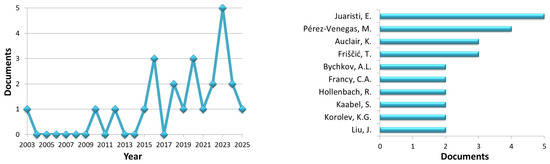
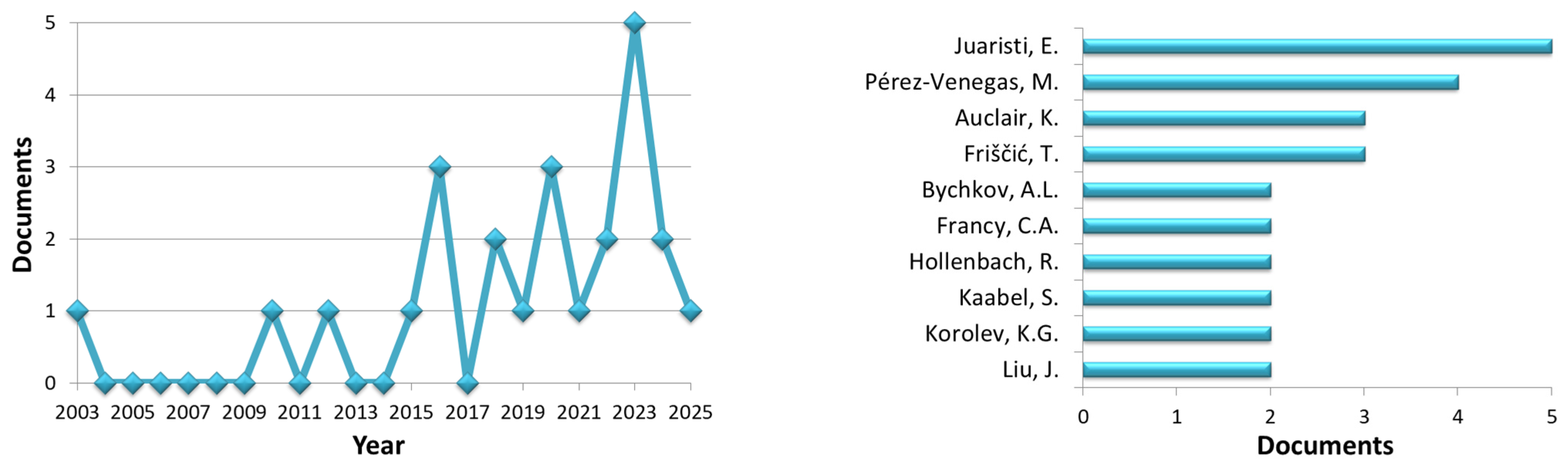
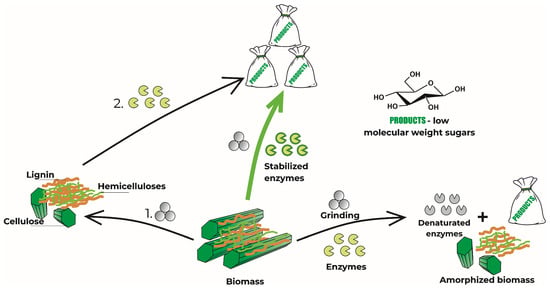
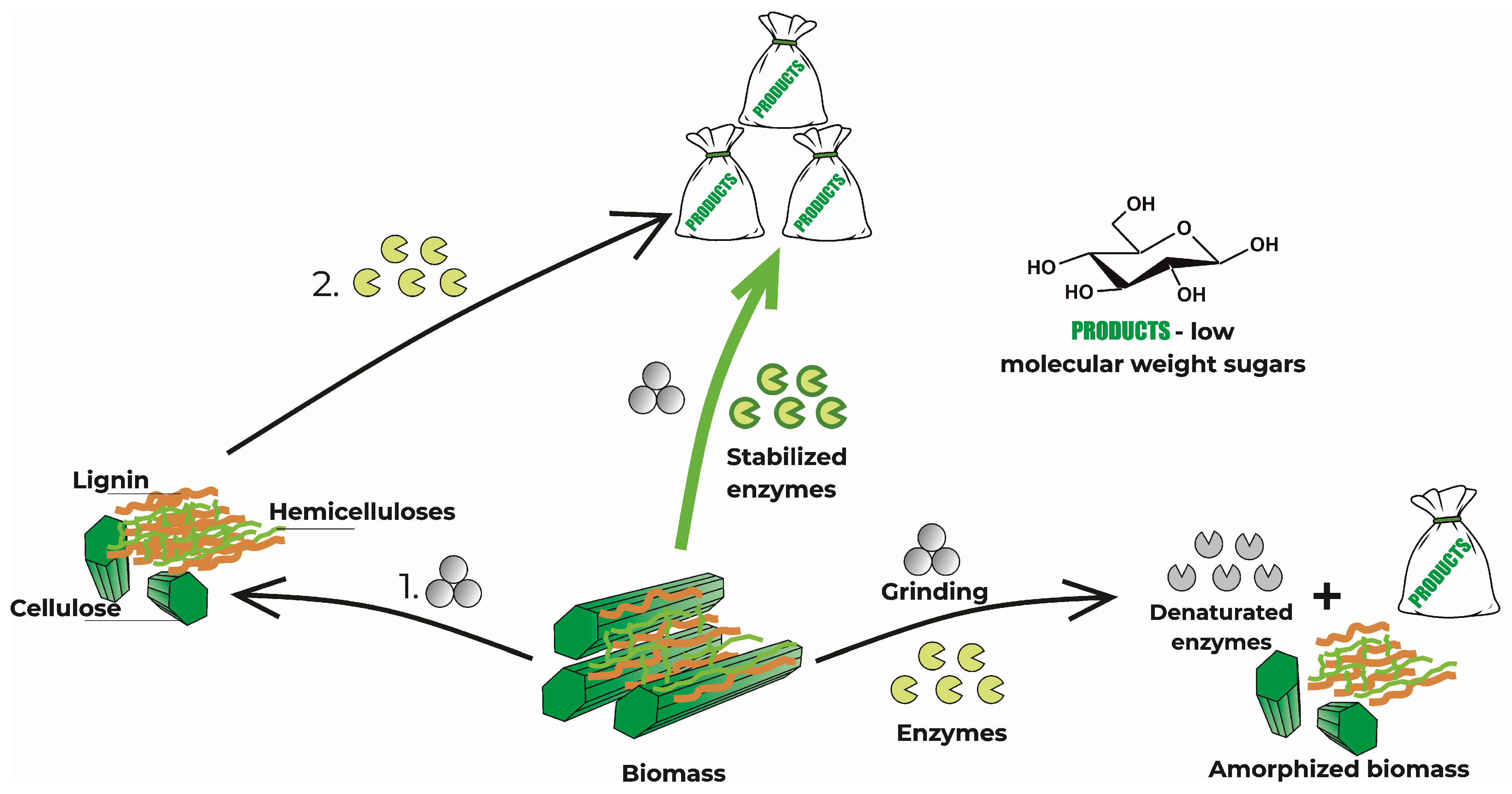
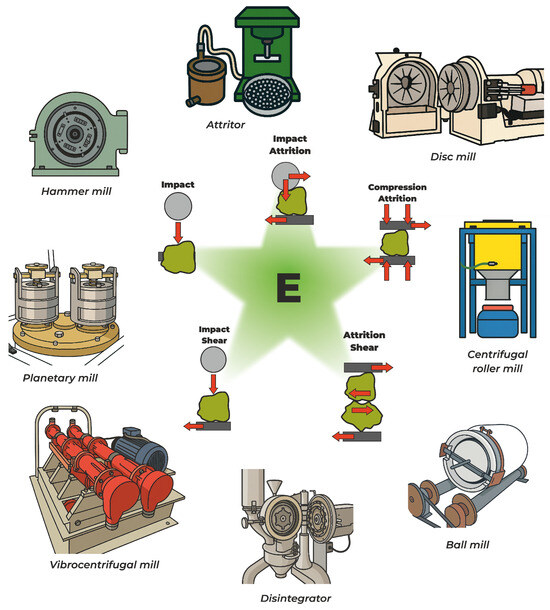
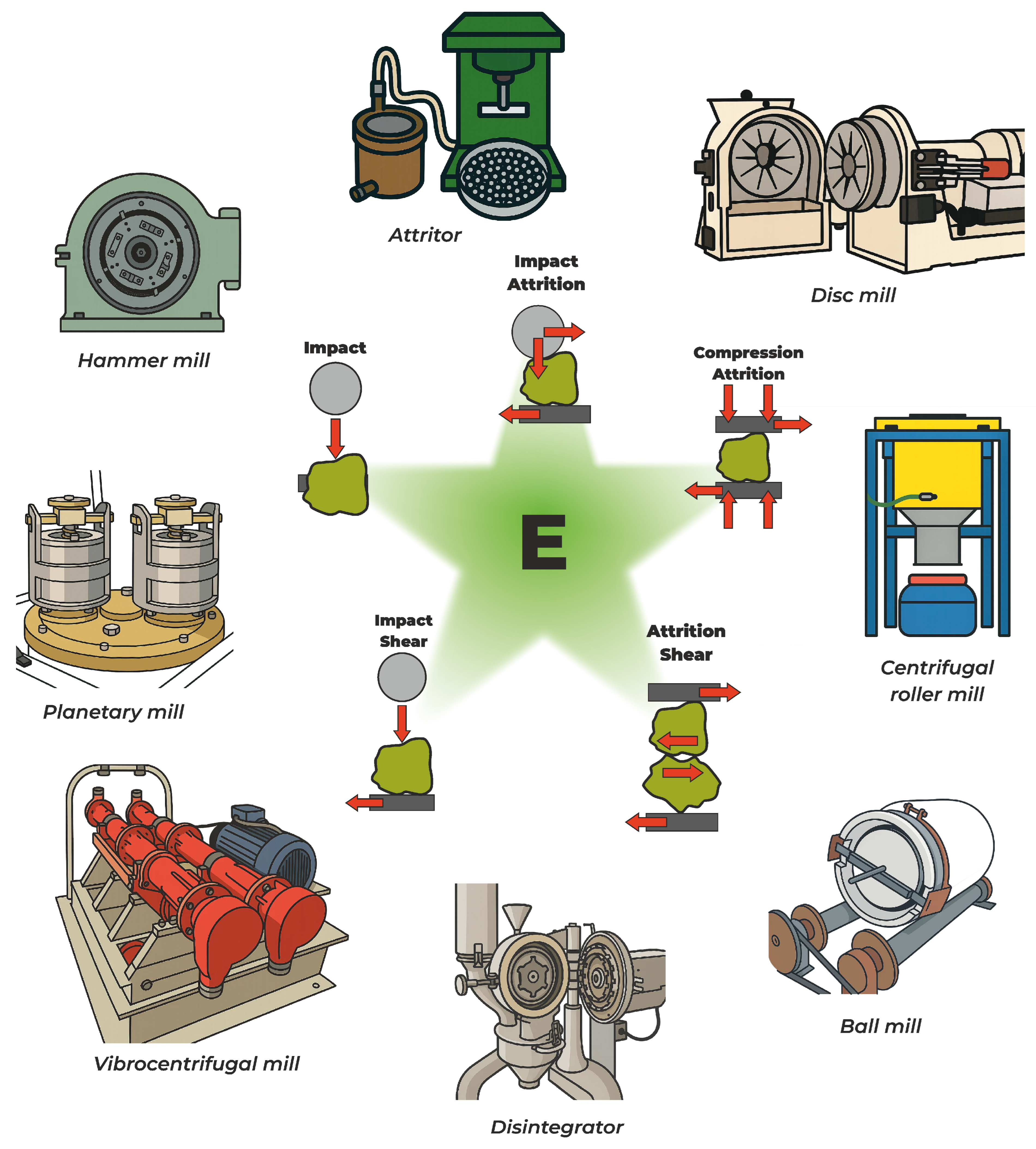
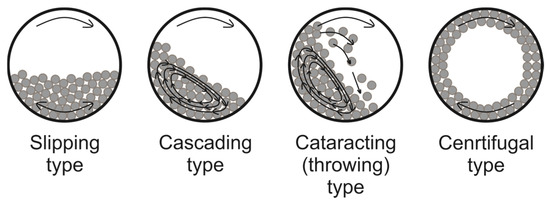
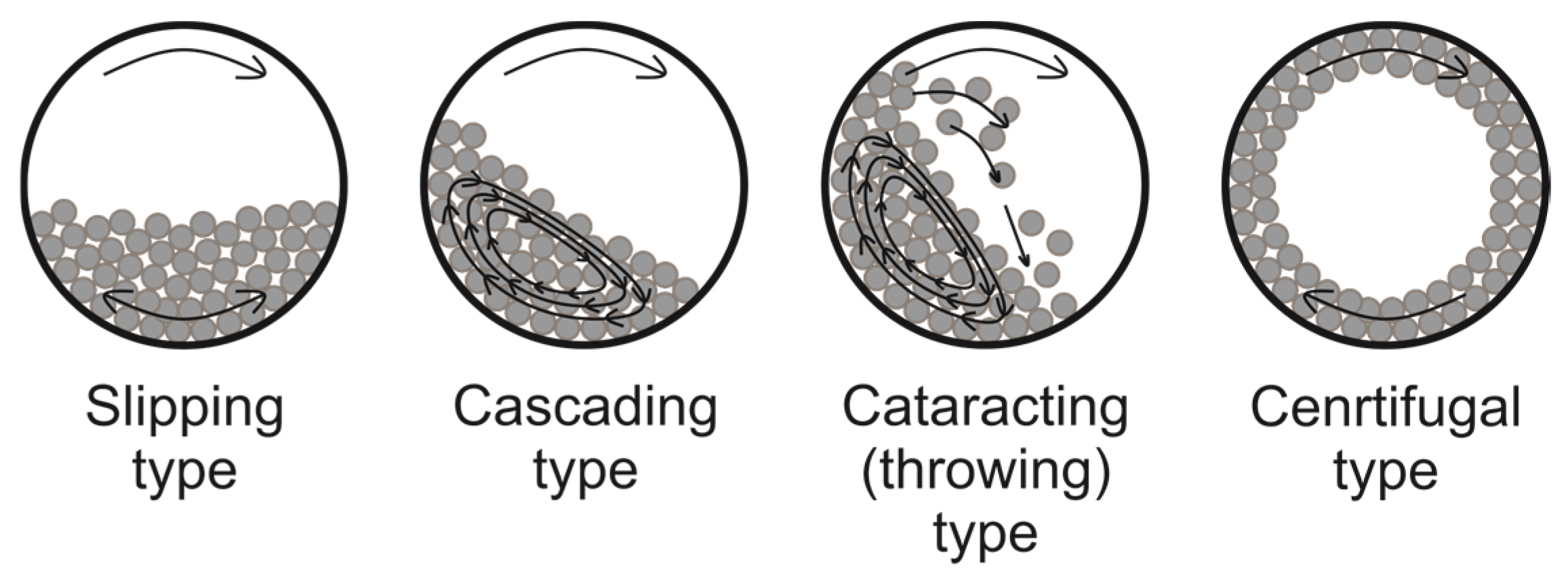
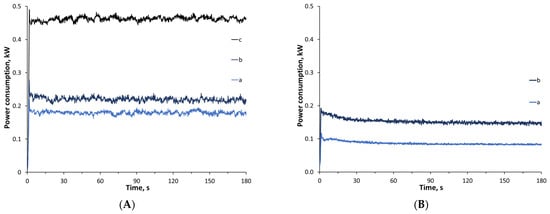
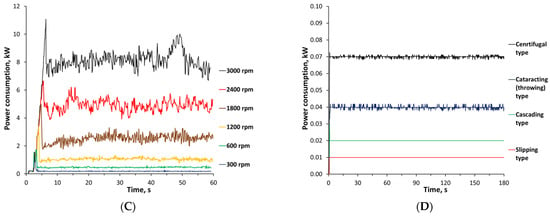
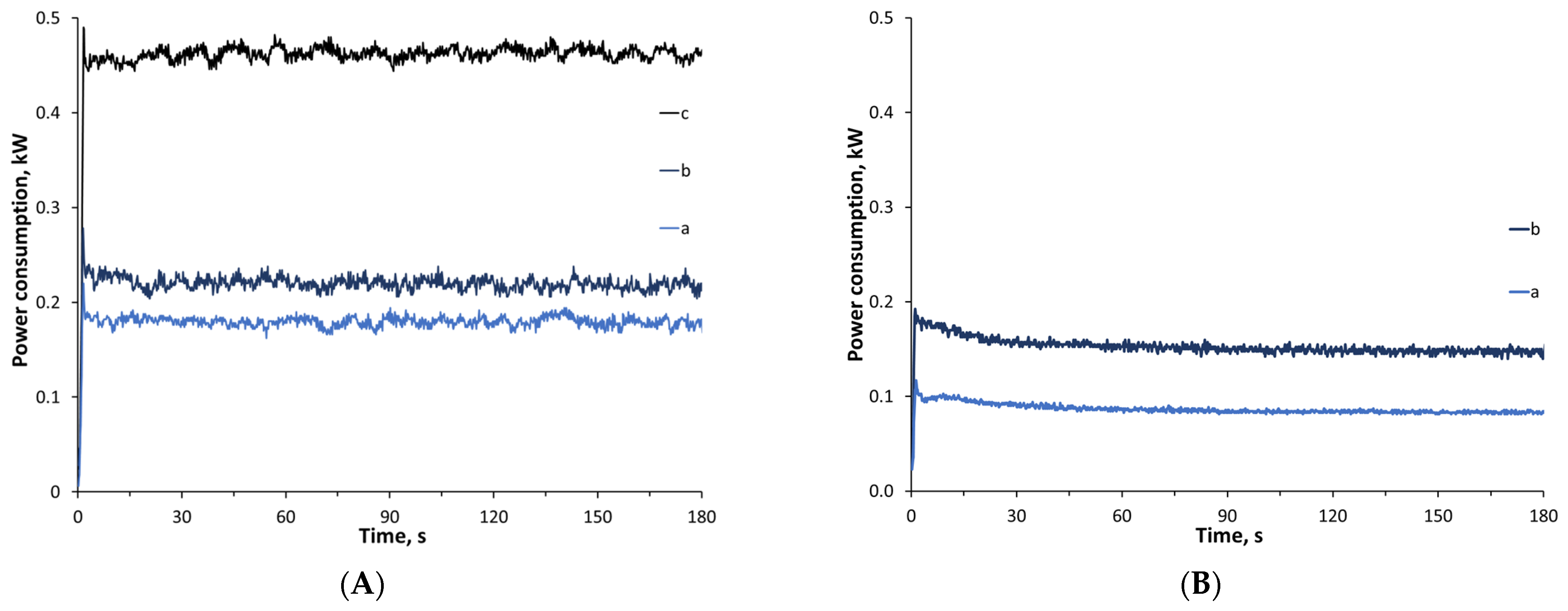
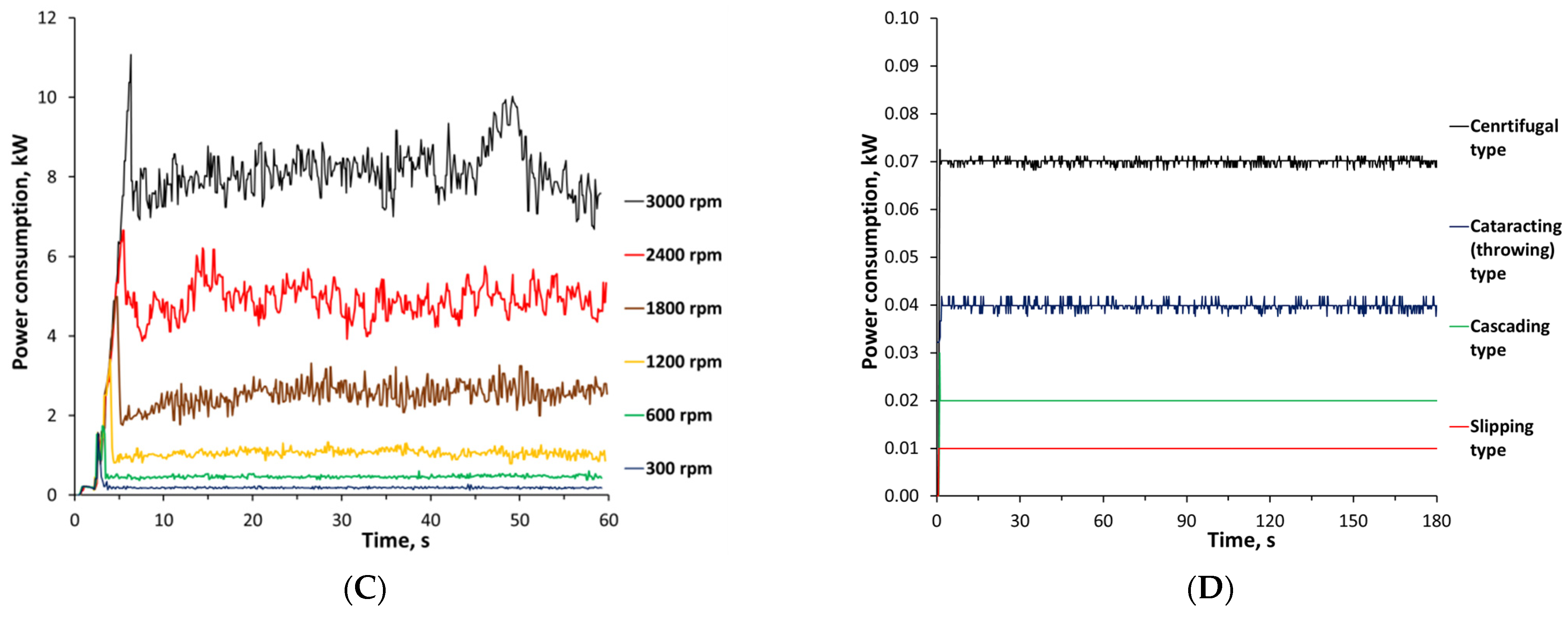
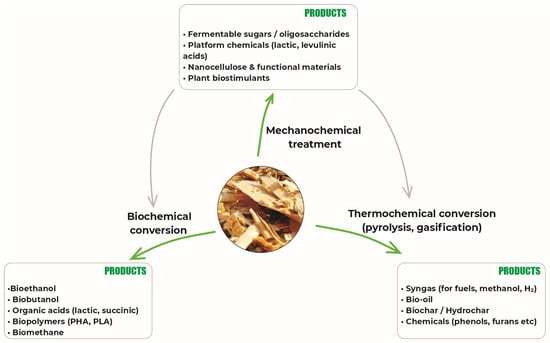
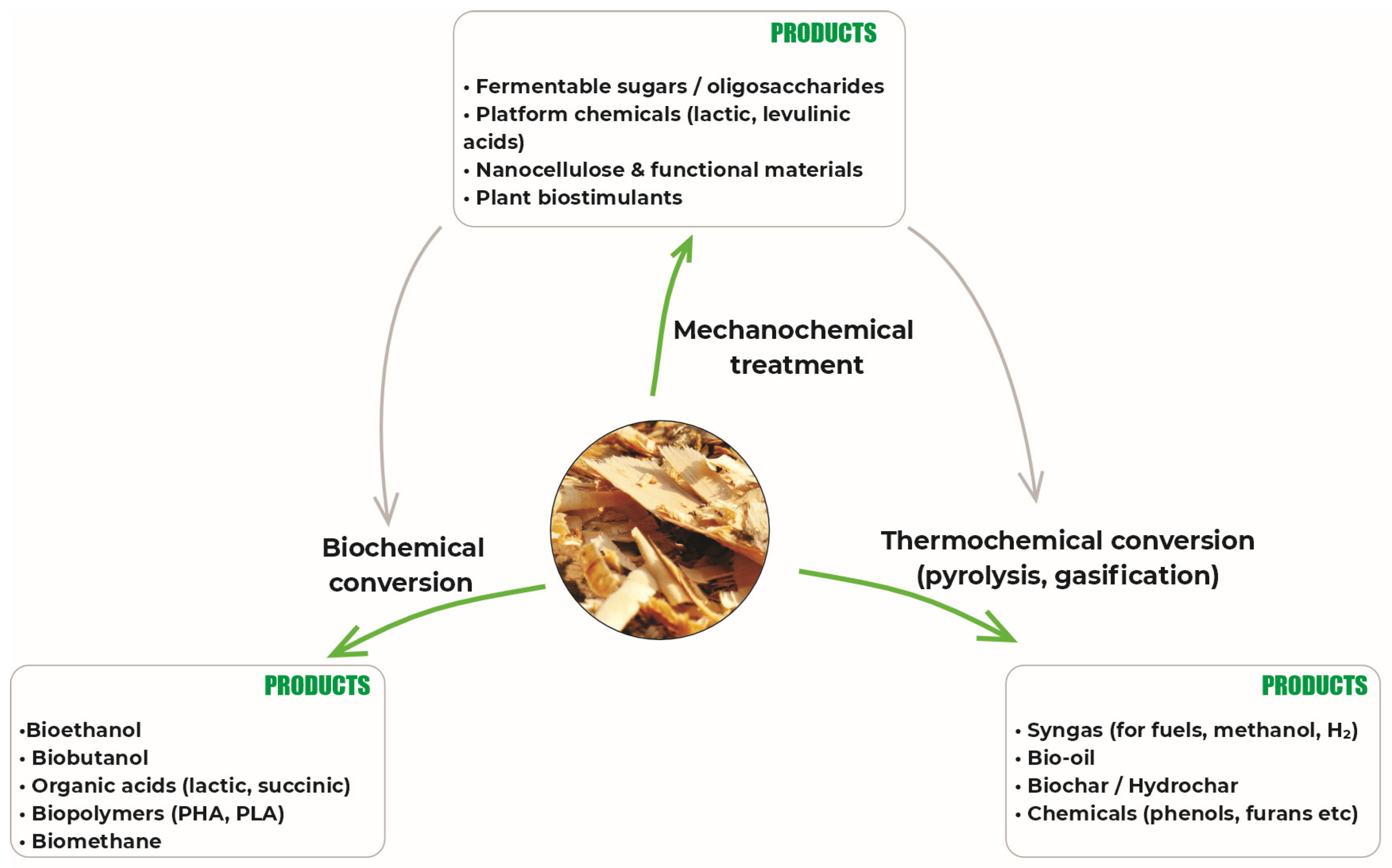

Disclaimer/Publisher’s Note: The statements, opinions and data contained in all publications are solely those of the individual author(s) and contributor(s) and not of MDPI and/or the editor(s). MDPI and/or the editor(s) disclaim responsibility for any injury to people or property resulting from any ideas, methods, instructions or products referred to in the content. |
© 2026 by the authors. Licensee MDPI, Basel, Switzerland. This article is an open access article distributed under the terms and conditions of the Creative Commons Attribution (CC BY) license.