


Abstract
Iron-based catalysts are widely investigated for CO2 hydrogenation to light olefins due to their low cost, abundance, and ability to form oxidic and carbidic phases involved in the RWGS-FTS pathway. However, supports and promoters can obscure the intrinsic role of iron phase evolution. Here, unsupported Fe nanoparticles with distinct morphological, compositional and structural characteristics were synthesized, CO-pretreated, and evaluated for CO2 hydrogenation toward C2-C4=. Their textural, structural, redox, and surface properties were examined to relate synthesis-induced differences to phase evolution and catalytic performance. CO pretreatment formed iron carbide phases in all samples, yet marked differences in catalytic behavior showed that the active state cannot be described solely by bulk phase composition. Iron oxide nanopolyhedra (Fe-NP) achieved 41.6% CO2 conversion, the highest C2-C4= selectivity of 27.7%, and the highest light-olefin yield of 11.5%. Surface analysis revealed notable differences in the relative contributions of carbidic and oxidic Fe species, suggesting that performance depends on the surface phase distribution established during activation and reaction. The coexistence of Fe3O4 and FexCy species appears to facilitate RWGS and subsequent Fischer-Tropsch pathways, as proposed in the literature. CO2-TPD further showed that maximum CO2 uptake did not correspond to superior performance, highlighting the combined influence of synthesis-induced structure, surface composition, and reduction-carburization behavior.
1. Introduction
According to the International Energy Agency (IEA), the global energy system remains overwhelmingly dependent on fossil fuels, which continue to support the majority of primary energy consumption and drive record-high CO2 emissions [1]. These emissions remain a central driver of climate change with serious consequences for the ecosystem and socio-economic implications for humans and nations. Utilizing CO2 emissions as a feedstock is emerging as an alternative to the current Carbon Capture and Storage (CCS) approaches [2]. In this direction, the combination of captured CO2 from fossil fuel-based conversion processes and renewable electrolytic hydrogen enables the production of carbon-neutral fuels and chemicals. More specifically, CO2 hydrogenation is widely studied for the production of methane, methanol, DME, and light olefins [3,4]. Light olefins (C2-C4=), and especially ethylene and propylene, are essential building blocks in the production of chemicals, polymers and pharmaceuticals, with their production plants being among the highest CO2 emitters in the chemical industry [5].
Among the CO2 hydrogenation pathways studied for the production of light olefins (C2-C4=), modified Fischer-Tropsch synthesis (mFTS) has been extensively explored over tandem Fe catalysts, allowing the use of a single catalytic converter for this complex process. Iron-based catalysts are remarkably beneficial due to their abundance, cost-effectiveness and ability to maintain multiple phases, such as Fe2O3, Fe3O4 and iron carbides, that serve as active sites for the reaction [6]. Specifically, Fe3O4 is the active phase for the transformation of CO2 to CO through the Reverse Water Gas Shift (RWGS) reaction. However, regulating the active sites of iron-based catalysts is highly challenging, as during Fischer-Tropsch to Olefins (FTO) a complex array of iron phases, namely metallic iron, iron carbides, and iron oxides, are dynamically emerging, coexisting both after catalyst activation and throughout the reaction. Since early studies in this field, surface carbidic iron species have been considered the active phases for CO activation and carbon chain propagation, although the exact structural configuration of the active sites in these catalysts remains controversial [7,8,9,10].
To date, bare iron catalysts have been relatively less explored for CO2 hydrogenation to short-chain olefins compared to supported and promoted systems [11,12,13,14,15]. This limits the ability to explore the intrinsic behavior of iron phases, as the presence of supports and promoters influences dispersion, reducibility, carburization pathways, and surface chemistry. As a result, isolating the role of iron oxide transformations and carbide formation under reaction-relevant conditions remains challenging. In particular, the relationship between initial structural characteristics of iron oxides, their redox properties, and the formation of active iron carbide phases has not been systematically examined in simplified, unsupported systems.
Along these lines, there is a need for comparative studies on unsupported Fe catalysts to provide insight into how synthesis-induced morphological, compositional and structural differences collectively influence phase evolution and catalytic properties. Here, a series of unsupported Fe nanoparticles were prepared via distinct synthetic routes, resulting in materials with different morphological and structural characteristics. These systems were examined through a combination of physicochemical and surface characterization techniques to assess their redox behavior, phase composition, and structural evolution under reaction-relevant conditions. Particular emphasis was placed on exploring how variations in the initial structural characteristics of iron oxides are associated with differences in their transformation behavior during activation and reaction steps. The catalytic performance of the materials was subsequently evaluated under commonly employed CO2 hydrogenation reaction conditions. By excluding deliberately introduced supports and promoters, this study examines the behavior of comparatively simplified unsupported Fe-based systems, while accounting for synthesis-derived differences in composition and catalytic performance.
2. Materials and Methods
2.1. Preparation of Catalysts
The following reagents were employed during the preparation of the catalysts: iron nitrate nonahydrate (Fe(NO3)3·9H2O, VWR Chemicals, Radnor, PA, USA), sodium hydroxide (NaOH, Penta Chemicals, Prague, Czech Republic, ≥98%), ethylene glycol (HOCH2CH2OH, labkem, Barcelona, Spain, 99%), sodium acetate anhydrous (CH3COONa, labkem, 99–101%), and polyvinylpyrrolidone (PVP, (C6H9NO)n, M.W. = 10,000, ThermoScientific, Waltham, MA, USA).
A modified hydrothermal method was employed for the synthesis of iron oxide nanopolyhedra (Fe-NP) [16], and the solvothermal method was used for the preparation of iron oxide nano-urchins (Fe-NU) [17,18]. In brief, for the synthesis of Fe-NP (nanopolyhedra), an aqueous solution of Fe(NO3)3·9H2O was added under stirring to an aqueous solution of NaOH, and it was left stirring for an hour. Subsequently, it was transferred into a Teflon-lined stainless-steel autoclave where it was heated at 180 °C for 24 h [16].
For the synthesis of Fe-NU (nano-urchins), an appropriate amount of Fe(NO3)3·9H2O was dissolved in 90 mL of ethylene glycol, and after the formation of a clear solution, CH3COONa was added. The mixture was vigorously stirred for 30 min, and then it was transferred into a Teflon-lined stainless-steel autoclave, where it was heated at 200 °C for 12 h [17,18].
Finally, for the preparation of iron oxide nanocubes (Fe-NC), an appropriate amount of Fe(NO3)3·9H2O was dissolved in 90 mL ethylene glycol. Then, NaOH and polyvinylpyrrolidone (PVP, M.W. = 10,000) were added to the above solution under stirring, and it was kept stirring for 30 min. Next, it was transferred into a Teflon-lined stainless-steel autoclave, where it was heated at 200 °C for 12 h [19].
In all cases, after the autoclave was cooled to room temperature, the solid products were recovered through centrifugation, thoroughly washed with ultrapure water until neutral pH was reached, subsequently washed with ethanol, dried at 90 °C for 12 h, and calcined at 400 °C for 2 h (heating ramp 5 °C/min).
2.2. Characterization of Materials
Transmission electron microscopy (TEM) images were taken by a FEI Tecnai G2 F20 electron microscope, Thermo Fisher Scientific, Eindhoven, The Netherlands, operated at 200 kV combined with EDS (EDAX Elite T) for determining the morphology, size, and elemental composition of catalytic particles. Before the analysis, as a pretreatment, the samples were ultrasonically dispersed in ethanol and loaded onto carbon-coated Cu grids.
The correlation of the structural properties of the samples with their catalytic activity was examined with the X-ray diffraction (XRD) technique. XRD patterns were obtained on a Bruker D8 Endeavor powder diffractometer, Bruker AXS GmbH, Karlsruhe, Germany, using a Cu-Kα X-ray tube operated at 40 kV and 25 mA. The samples were scanned at a rate of 0.02° step−1 over the range of 5° ≤ 2θ ≤ 90° (scan time = 1 s step−1). The XRD profiles were analyzed using Profex 5.6.1, including Rietveld-assisted phase identification of the crystalline iron oxide and carbide phases.
Inductively Coupled Plasma Optical Emission Spectroscopy (ICP-OES) was performed using an Agilent 5800 VDV ICP-OES spectrometer, Santa Clara, CA, USA, with vertical dual-view capability for axial and radial plasma observation and a solid-state RF system operating at 27 MHz.
N2 adsorption–desorption experiments were performed at −196 °C using a Physisorption Analyzer (NOVA 800, Anton Paar QuantaTec, Inc., Boynton Beach, FL, USA). Prior to the measurements, the samples were degassed at 150 °C for 1 h and 250 °C for 5 h under vacuum. Total surface area was determined via multipoint BET method and the total pore volume was determined at p/p0 ≈ 0.99. The mesopore size distribution was determined via the Barrett-Joyner-Halenda (BJH), using the desorption branch data.
Temperature-programmed reduction (TPR) experiments were carried out in an Automated Chemisorption Flow Analyzer (ChemBET Pulsar TPR/TPD, Anton Paar QuantaTec, Inc., Boynton Beach, FL, USA) under H2 or CO atmosphere in order to acquire information on the reducibility of the samples. In a typical H2-TPR experiment, 40–70 mg of the sample (50 mg for the calcined samples and 40–70 mg for the pretreated ones) was placed in a U-shaped quartz cell, located inside an electrical furnace, and heated up to 800 °C at 10 deg/min heating rate under 5% H2/N2 flow. In the case of the CO-TPR experiment, 60 mg of the sample was placed in a U-shaped quartz cell, located inside an electrical furnace, and heated up to 1000 °C at 10 deg/min under 2% CO/He flow.
X-ray photoelectron spectroscopy (XPS), which provided the elemental composition and chemical state of the top few nanometers of the sample surface, was carried out on a Thermo ESCALAB 250XI spectrometer, Thermo Fisher Scientific, East Grinstead, UK, using a monochromatic Al-K radiation source (hν = 1486.6 eV). The C 1s peak at 284.8 eV was taken as an internal standard.
CO2 temperature-programmed desorption (CO2-TPD) measurements were performed in a quartz U-shaped tube on a Chemisorption Analyzer Autochem II 2920 instrument, Micrometrics Co., Norcross, GA, USA. Prior to the tests, about 200 mg of CO-activated catalyst sample was pretreated in He flow at 350 °C for 1 h. After cooling to 50 °C, the sample was exposed to 10%CO2 in He flow (50 mL min−1) for 1 h and then purged with He (50 mL min−1) for 30 min to remove all physically adsorbed molecules. The CO2-TPD profiles were recorded in the temperature range from 50 °C to 850 °C with a ramp rate of 10 °C min−1.
2.3. Catalytic Experiments
Catalytic performance was evaluated in a fixed-bed, down-flow reactor operated under pressurized conditions, as described in a previous work [20]. In total, 1 g of catalyst was loaded in the reactor and activated in situ under 20% CO/He at 350 °C for 5 h. Subsequently, CO2 hydrogenation was carried out using a H2/CO2 = 3/1 feed ratio at 20 bar and 340 °C. The catalytic tests were performed at a total inlet gas flow rate normalized by catalyst mass of 6 L gcat−1.h−1, calculated from the total inlet gas volumetric flow rate at ambient conditions. The reaction products were partially condensed in a cold trap, while the gaseous effluent was analyzed online by gas chromatography equipped with TCD and FID detectors for permanent gases and hydrocarbons, respectively. The reaction was maintained for 6 h on stream to calculate the CO2 conversion and product selectivities under pseudo-steady-state conditions, through the following Equations (1)–(5). It should be noted that higher hydrocarbons beyond C4 were detected by GC, although individual quantification was limited by peak overlap in this region. Therefore, the C5+ selectivity was determined by difference according to Equation (4), while no oxygenated products were detected under the investigated reaction conditions.
where CO2,in represents the molar flow of CO2 at the inlet of the reactor, and CO2,out, COout, and Ci,out represent the molar flows of CO2, CO and C1–C4 hydrocarbons at the outlet of the reactor.
3. Results
To elucidate the impact of CO pretreatment and reaction conditions on the catalysts, a comprehensive comparative study was conducted on the fresh, pretreated, and used samples. Accordingly, the catalytic performance is first presented, followed by a comparative analysis of the physicochemical properties developed across these states. These results are then considered collectively to discuss the structure–performance relationships governing the catalytic behavior.
3.1. Catalytic Evaluation
Figure 1 presents the catalytic performance of the investigated Fe-based catalysts for a time on stream (TOS) of 6 h. A commercial Fe2O3 sample (Sigma-Aldrich, St. Louis, MO, USA, powder, <5 μm, ≥99%, BET = 6.3 m2/g) denoted as Fe-comm was used as a baseline for comparison purposes. In terms of CO2 conversion, the following order is obtained: Fe-NU (43.1%) > Fe-NP (41.6%) > Fe-comm (34.8%) > Fe-NC (32.3%). Despite the relatively similar conversion between Fe-NU and Fe-NP, their selectivity differs significantly, indicating that conversion alone is not sufficient to describe catalyst performance toward light olefins. Focusing on hydrocarbon distribution, Fe-NP exhibits the highest selectivity toward light olefins (SC2-C4= = 27.7%), followed by Fe-NC (22.2%) and Fe-NU (19.4%), while Fe-comm shows substantially lower olefin formation (4.4%). This trend is also reflected in the olefins yield, which follows the order: Fe-NP (11.5%) > Fe-NU (8.3%) > Fe-NC (7.1%) >> Fe-comm (1.5%). Conversely, paraffins selectivity follows the order: Fe-comm >> Fe-NP > Fe-NU > Fe-NC, confirming that the commercial catalyst favors over-hydrogenation reactions. The formation of heavier hydrocarbons (C5+) shows an opposite trend, with Fe-NU and Fe-NC promoting chain growth toward long-chain products, whereas Fe-NP exhibits a lower C5+ selectivity, indicating a shift toward shorter-chain hydrocarbons. The product distribution is consistent with comparatively greater chain growth over Fe-NU and Fe-NC and a shift toward shorter olefinic products over Fe-NP.
Figure 1.
Catalytic activity and product distribution over Fe-comm, Fe-NC, Fe-NU and Fe-NP (Reaction Conditions: T = 340 °C, H2:CO2 = 3:1, P = 20 bar and TOS = 6 h, WHSV = 6 L·gcat−1·h−1).
To further assess the stability of Fe-NP, the catalytic experiment was extended to 20 h on stream under the same reaction conditions (Figure 2). CO2 conversion remained essentially constant at approximately 41% throughout the experiment. The C2-C4 olefin selectivity gradually decreased from about 27% at 6 h to approximately 23% at 20 h, accompanied mainly by an increase in the C5+ fraction. CH4 selectivity showed a slight decrease, while CO and C2-C4 paraffin selectivities remained comparatively stable. Overall, the catalyst exhibited negligible loss of CO2 conversion over 20 h, although a gradual redistribution of the hydrocarbon product distribution toward heavier hydrocarbons was observed with increasing time on stream.
Figure 2.
Catalytic stability over Fe-NP for 20 h on stream (Reaction Conditions: T = 340 °C, H2:CO2 = 3:1, P = 20 bar and WHSV = 6 L·gcat−1·h−1).
3.2. Comparative Characterization Studies
3.2.1. Morphological Properties
To explore the morphology of the as-prepared samples, the Fe-NC, Fe-NU, and Fe-NP catalysts were investigated by TEM, as depicted in Figure 3. The TEM images of Fe-NC reveal nanoparticles of a predominantly cubic morphology. The catalyst exhibits a Gaussian distribution of particle size, with an average primary particle size of 16 ± 4 nm. In contrast, the Fe-NU catalyst displays hierarchical morphology; it consists of primary nanoscale features (measuring 13.5 ± 3.5 nm in width) that assemble into distinct nano-urchin-like structures (NU). These urchin-like clusters agglomerate with overall diameters of approximately 140 nm. Similarly, in the Fe-NP case, the primary particles are heavily aggregated, forming large, dense, and irregular-shaped bulk structures with an average particle size of approximately 140 nm. All particle size distributions were calculated using ImageJ software (1.54p version).
Figure 3.
HR-TEM/EDS images of the fresh (a-i) Fe-NC, (a-ii) Fe-NU, and (a-iii) Fe-NP samples, and of the (b) pretreated and (c) spent Fe-NP sample.
The TEM/EDS images of the CO-activated Fe-NP catalyst and the spent Fe-NP sample are illustrated in Figure 3b and Figure 3c, respectively. From the elemental mapping images, it can be seen that Fe, O and C atoms are well-distributed across the Fe-NP aggregates. The detection of carbon at an atomic concentration of 12% in the pretreated sample further corroborates the extensive carburization of the material, consistent with the Fe5C2 and Fe3C phases identified via XRD (see Figure 4b-i,b-ii).
Figure 4.
XRD patterns of the iron oxide nanoparticles in the (a) fresh, (b-i,b-ii) CO-pretreated, and (c-i,c-ii) spent states. The magnified views in panels (b-ii) and (c-ii) show the 2θ region where the characteristic iron carbide reflections are observed.
In the spent Fe-NP sample, localized EDS point analysis of the imaged aggregate indicated a severe depletion of detected carbon, alongside a dramatic increase in oxygen content (from 2.4% to 47.1%). It should be noted that EDS is a localized, semi-quantitative technique; the values reported in Figure 3 correspond to a single analyzed region per sample and serve to demonstrate qualitative trends in elemental variation. Nonetheless, this pronounced shift in the O:Fe atomic ratio is consistent with substantial re-oxidation of the analyzed Fe-NP region during reaction (CO2 and reaction-generated steam), corroborating the phase transformation observed in the post-reaction XRD (Figure 4c-i,c-ii) and XPS profiles, as will be further described in Section 3.2.5.
3.2.2. Structural Properties
The structural evolution of the catalysts was first examined by comparing the XRD patterns of the fresh, CO-pretreated, and used samples, as depicted in Figure 4. For the Fe-NP sample, hematite (α-Fe2O3) was the prevalent oxide detected, with main peaks at 24.1°, 33.2°, 35.6°, 40.9°, 49.5°, 54.1°, 62.5°, and 64.0°, while minor peaks attributed to a spinel phase, either magnetite (Fe3O4) or maghemite (γ-Fe2O3), appeared at 35.4°, 53.4°, and 57.0°. On the other hand, the diffraction peaks of the Fe-NU catalyst appeared at 30.1°, 35.4°, 43.1°, 53.4°, 57.0°, and 62.6°. These peaks correspond to the inverse spinel crystal structure, which is shared by both Fe3O4 and γ-Fe2O3 phases, rendering them nearly indistinguishable by standard XRD [21,22]. The reflections are therefore assigned to a Fe3O4/γ-Fe2O3-type inverse-spinel phase, while the subsequent H2-TPR analysis (discussed in detail below) provides complementary information on the presence of Fe oxide environments with different reducibility.
For the Fe-NC catalyst, diffraction features potentially associated with iron oxide phases (Fe2O3 and Fe3O4) are present, but they are overshadowed by peaks of significantly higher intensity at 17.02°, 25.6°, 30.1°, 30.8°, 31.6°, 34.4°, 38.5°, and 41.3° ascribed to sodium oxalate (Na2C2O4) [23], alongside peaks at 30.5°, 34.3°, 35.3°, and 38.5° corresponding to sodium carbonate (Na2CO3). The coexistence and partial overlap of these intense Na-containing reflections with the iron oxide peaks complicate the unambiguous identification of the individual iron oxide phases in the fresh Fe-NC sample. Nevertheless, the remaining diffraction features indicate the presence of a mixed iron oxide composition prior to CO pretreatment. It is noteworthy that minor sodium-containing peaks also appear in the Fe-NU catalyst. The presence of these sodium-containing phases is likely related to the synthesis procedure, particularly the use of sodium-based reagents and the presence of carbon-containing species in the reaction medium. Under solvothermal conditions, this environment may promote the formation or retention of oxalate and carbonate compounds, which can remain trapped within the samples despite extensive washing up to a neutral pH. Although the relative intensity of the XRD reflections corresponding to Na-containing phases qualitatively suggests a greater abundance of crystalline Na-containing phases, particularly in Fe-NC, XRD alone cannot quantify the total Na content or account for amorphous or highly dispersed Na species. Therefore, ICP-OES analysis was additionally employed to quantify the bulk Fe and Na contents of the catalysts. The Na contents were 5.56 wt.% for Fe-NC, 2.46 wt.% for Fe-NU, and 0.085 wt.% for Fe-NP, while the corresponding Fe contents were 53.73, 67.34, and 74.34 wt.%, respectively. These results confirm the qualitative trend observed by XRD, with substantial residual Na in Fe-NC, a lower but still measurable amount in Fe-NU, and only a trace amount in Fe-NP. Since all three catalysts were subjected to the same post-synthesis recovery and washing procedures, the differences in residual Na are attributed to the distinct synthesis chemistries and the extent to which Na-containing species were incorporated into or retained within the resulting materials.
After CO pretreatment, the XRD patterns reveal important structural changes. In all three catalysts, the crystalline iron oxide reflections are no longer detectable by XRD, while new features emerge at around 2θ = 38–49°, associated with iron carbides (Fe5C2 and Fe3C). For Fe-NP, the disappearance of the initially dominant hematite reflections and the appearance of Fe5C2 and Fe3C peaks demonstrate the extensive reduction and carburization of the polyhedral iron oxide during CO pretreatment. This confirms the formation of crystalline iron carbide phases during CO pretreatment under a CO atmosphere [24,25]. However, highly dispersed, poorly crystalline, or surface-localized oxidic Fe species may remain below the XRD detection limit, as evidenced by the XPS analysis described below. Moreover, it should be noted that because the characteristic reflections of Fe5C2 and Fe3C substantially overlap within this 2θ region, their individual crystalline phase fractions cannot be determined with sufficient confidence for quantitative comparison among the catalysts. The XRD analysis is therefore used here to establish the presence and qualitative evolution of the carbide phases. On the other hand, in the pretreated Fe-NC sample, the diffraction peaks corresponding to Na2C2O4 and Na2CO3 seem to be preserved. Similarly, the pretreated Fe-NU sample maintains the sodium oxalate peaks at 30.8° and 31.6°, alongside traces of sodium carbonate. Finally, the XRD profiles of the spent catalysts show reflections mainly attributed to Fe3O4 and iron carbides (Fe3C, Fe5C2). In the spent Fe-NP sample, the stronger Fe3O4 reflections and the lower-intensity carbide peaks indicate partial re-oxidation of the carbidic phases during CO2 hydrogenation, likely promoted by CO2 and the H2O formed during reaction. The persistence of Fe5C2 and Fe3C reflections nevertheless confirms that the catalyst was not completely converted back to iron oxides, but it contains both iron oxide and carbidic phases. Moreover, it is noteworthy that the sodium phases are maintained even post-reaction for the Fe-NC catalyst, while in the spent Fe-NU sample, these peaks are greatly suppressed.
3.2.3. Textural Properties
The textural properties of the CO-pretreated samples and the spent Fe-NP sample were examined via N2 adsorption–desorption measurements. Figure 5 shows (i) the adsorption–desorption isotherms and (ii) the pore size distributions (PSD) of the iron oxide nanoparticles pretreated with 20% CO/He. The samples exhibit type IV isotherms, characterized by a gradual uptake at low-to-intermediate relative pressures (p/p0) and a sharp increase at high relative pressure (~0.8–1.0), indicating capillary condensation within the mesopore network [26]. The absence of a clear plateau and the sharp uptake near saturation are highly consistent with an H3-type hysteresis loop. This is typically associated with slit-shaped pores, aggregates of plate-like particles, or interparticle mesoporosity, rather than well-defined cylindrical pores [26]. All the pretreated samples show broad pore size distributions with maxima at pore diameters larger than 10 nm, demonstrating the mesoporous nature of the materials.
Figure 5.
(i) Adsorption–desorption isotherms and (ii) Barrett-Joyner-Halenda (BJH) desorption pore size distribution (PSD) of the (a-i,a-ii) pretreated iron oxide nanoparticles and (b-i,b-ii) spent Fe-NP.
Table 1 summarizes the porous characteristics of the CO-pretreated samples. The BET surface area follows the order: Fe-NU (5.4 m2/g) < Fe-NC (26.1 m2/g) < Fe-NP (31.4 m2/g), while the average pore diameter follows the order: Fe-NP (10.2 nm) < Fe-NU (20.3 nm) < Fe-NC (21.7 nm). Although the Fe-NP sample consists of the largest iron oxide nanoparticles, according to TEM, it exhibits the highest BET surface area after CO pretreatment. This apparently counterintuitive behavior may be associated with the polyhedral structure and the resulting pore architecture, together with synthesis-induced differences in aggregation and structural rearrangement during CO pretreatment. Specifically, the reduction and carburization process during CO pretreatment induces significant structural rearrangement; the phase transition may be associated with the development of intraparticle mesoporosity and interparticle voids within the polyhedral aggregates. In contrast, the lower surface area of Fe-NU and Fe-NC may indicate lower accessibility of interparticle mesoporosity after CO pretreatment, possibly due to differences in aggregation, pore connectivity, or structural rearrangement during reduction-carburization [27,28,29].
Table 1.
Textural characteristics of the iron oxide nanoparticles pretreated with 20% CO/He and of the Fe-NP sample post-reaction.
Regarding the post-reaction Fe-NP sample, the isotherm (Figure 5b-i) demonstrates a significantly reduced N2 uptake. The spent catalyst retains its mesoporous character, but the total pore volume drops sharply to 0.022 cm3/g, and the BET surface area is drastically reduced to 7.3 m2/g compared to the CO-pretreated state (31.4 m2/g). This severe reduction may be related to structural rearrangement, aggregation, partial densification, or blockage of smaller mesopores. Interestingly, the average pore diameter increases from 10.2 nm prior to the reaction to 12.2 nm post-reaction. This shift toward larger residual voids indicates the preferential filling, blockage, or collapse of the smaller mesopores. Ultimately, this suggests that structural rearrangement and partial densification of the catalyst occurring during the CO2 hydrogenation reaction substantially reduces the accessibility of the porous network.
3.2.4. Redox Properties
The redox behavior of the fresh catalysts was first examined by H2-TPR (Figure 6a) to compare the reducibility and accessibility of the initial iron oxide phases prior to CO activation. In general, the fresh samples consist predominantly of oxidized iron species, resulting in relatively high reduction temperatures and multi-step reduction behavior. The reduction of iron oxides typically proceeds through successive transformations of α-Fe2O3 or γ-Fe2O3 → Fe3O4 → FeO → α-Fe [30,31,32,33,34,35]. The initial reduction step to Fe3O4 generally occurs in the range of ~300–500 °C, followed by further reduction stages above ~500 °C, although the exact number and position of the peaks depend strongly on the structural characteristics of the materials. It should be noted that, although H2 was not employed during catalyst activation, the H2-TPR profiles provide comparative information on the strength of Fe-O interactions, the accessibility of reducible oxide domains, and the heterogeneity of the as-prepared iron species. Since H2-TPR primarily probes iron oxide reduction without inducing carburization, these profiles also provide a baseline for interpreting the more complex reduction-carburization and hydrogen-assisted transformation behavior subsequently observed by CO-TPR and H2-TPR of the CO-pretreated samples.
Figure 6.
(a) H2-TPR profiles and (b) CO-TPR profiles of the as-prepared iron oxide nanoparticles. (c) H2-TPR profiles of the samples pretreated with 20% CO/He.
The Fe-NU sample exhibits two main reduction features appearing at approximately 418 and 657 °C. The first peak is associated with the initial reduction of Fe3+-containing oxide environments toward lower-valence iron oxide species, while the second corresponds to the further reduction toward FeO and ultimately metallic iron. The relatively low onset temperature indicates facilitated hydrogen accessibility and weaker Fe-O interactions compared to the other samples [36,37]. These findings are consistent with the presence of Fe oxide environments of different reducibility within the inverse-spinel material. However, the H2-TPR profile does not independently distinguish or quantify the relative contributions of Fe3O4 and γ-Fe2O3.
In contrast, the Fe-NC sample displays a more complex profile with four distinct reduction peaks at approximately 388, 445, 628, and 682 °C. Importantly, the sodium oxalate and sodium carbonate species identified in this sample via XRD do not consume hydrogen in this temperature regime and therefore do not contribute to these reduction profiles, owing to the absence of reducible metal cations and the high stability of Na+-based carbonate/oxalate salts under H2-TPR conditions [38,39]. The presence of multiple well-resolved peaks suggests stepwise reduction of different iron species or environments. More specifically, the two low-temperature peaks at 388 and 445 °C can be attributed to the concurrent reduction of different Fe2O3 phases (such as the coexisting α-Fe2O3 and γ-Fe2O3) or distinct particle sizes toward Fe3O4, effectively splitting the initial reduction step observed in Fe-NU into two distinct contributions [40]. Similarly, the two high-temperature peaks at 628 and 682 °C are associated with deeper reduction of Fe3O4 through FeO toward metallic iron. These observations indicate that the broader peaks observed in Fe-NU likely arise from overlapping reduction processes, whereas in the Fe-NC sample these transformations are clearly resolved, probably due to its smaller particle sizes.
Finally, the Fe-NP sample exhibits two main reduction peaks at approximately 540 and 725 °C. These peaks can be attributed to the successive reduction of Fe2O3 phases into Fe3O4, followed by further reduction toward FeO and ultimately metallic iron. Notably, the first reduction peak appears at an unusually high temperature compared to typical values reported for hematite (~300–500 °C), indicating a significant delayed onset of reduction. This behavior suggests stronger Fe-O interactions and/or limited hydrogen accessibility. This is consistent with the TEM analysis, which revealed a highly compact, heavily aggregated morphology for this material. Furthermore, the high-temperature region appears broadened due to the overlap of consecutive reduction steps, resulting in less clearly resolved transitions. The delayed reduction behavior of Fe-NP is therefore interpreted as an indicator of stronger Fe-O interactions and lower accessibility of the initial oxide domains, which may influence the progression of its subsequent reduction and carburization under CO pretreatment.
For reference, complete reduction of pure Fe2O3 and Fe3O4 to metallic Fe theoretically requires approximately 18.8 and 17.3 mmol H2 goxide−1, respectively. These values are considerably higher than the experimentally measured H2 consumptions. However, because the catalysts differ in their initial oxide composition and contain additional non-reducible phases, the theoretical values are used only as general stoichiometric references. The measured H2 uptake is therefore interpreted comparatively, reflecting differences in oxide composition, accessibility of reducible species, and the extent of reduction achieved under the applied TPR conditions.
The significantly lower H2 consumption of the Fe-NC sample could be related to the presence of sodium oxalate and sodium carbonate phases (as confirmed by XRD), which act as non-reducible mass, thereby lowering the active iron loading per gram of catalyst. Conversely, while Fe-NP consists of fully oxidized hematite, its hydrogen consumption is lower than that of Fe-NU. This may be associated with the highly aggregated, dense structure of Fe-NP (observed in TEM), which can limit hydrogen accessibility and contribute to incomplete reduction of the material. In contrast, the Fe-NU sample, which exhibits a readily reducible Fe3+ oxide contribution, exhibits the highest H2 consumption. This may be related to its hierarchical nano-urchin structure and the associated accessibility of reducible Fe species.
In order to gain further insight into the reduction and carburization behavior of the iron oxide nanoparticles, CO-TPR analysis was performed. It is crucial to emphasize that the dynamic CO-TPR conditions (2 vol.% CO/He, 10 °C/min heating rate) were utilized primarily as a comparative tool to evaluate the relative reactivity of the different catalysts. These conditions are considerably milder than the actual isothermal CO pretreatment employed prior to the CO2 hydrogenation experiments (20 vol.% CO, 350 °C, 5 h). Figure 6b presents the CO2 evolution profiles recorded during CO-TPR, which reflect the consumption of CO (being the mirror images of evolved CO2), as noted elsewhere [41].
It should be noted that the CO-TPR peaks are not clearly resolved, as reduction, carburization and CO disproportionation may occur concurrently under a CO atmosphere. Therefore, the individual processes cannot be quantitatively deconvoluted from the present profiles, and the temperature regions discussed below are interpreted comparatively based on the established behavior of iron oxides under CO and the complementary post-pretreatment XRD results. Generally, Fe2O3 phases convert into lower-oxidation-state iron oxide phases (FexOy) and subsequently into iron carbide species (FexCy), with peaks appearing from 100 °C to above 600 °C [35]. More specifically, the features observed below approximately 400 °C are consistent mainly with the initial reduction of Fe3+-containing oxide species toward lower oxidation states. The broader features in the 400–700 °C region likely involve overlapping deeper reduction and carburization processes, potentially including further transformation toward lower-valence Fe species and the formation of iron carbides. At higher temperatures, CO disproportionation through the Boudouard reaction may increasingly contribute to the observed CO2 evolution [42,43,44].
Comparing the individual samples, the iron nanopolyhedra (Fe-NP) exhibit no peaks in the temperature range of 100–400 °C, in contrast to iron nanocubes (Fe-NC) and nano-urchins (Fe-NU), which display distinct peaks at ca. 150 and 300 °C associated with the initial reduction of Fe3+ oxide phases. This delayed response in Fe-NP is consistent with its low reducibility observed in H2-TPR and may be associated with its larger particle size and highly compact morphology. As depicted in Figure 6b, the main high-temperature transformation region associated with overlapping reduction/carburization processes begins at approximately 400 °C for Fe-NP and around 450 °C for Fe-NC and Fe-NU [30]. While the TPR shows the main transformation region for Fe-NP beginning at 400 °C under 2 vol.% CO, the higher CO concentration (20 vol.% CO) and extended duration (5 h) of the actual CO pretreatment allow extensive carburization of the sample at 350 °C, as confirmed by post-pretreatment XRD analysis in Figure 4b-i,b-ii. Moreover, Fe-NC shows an intense peak at 900 °C, which is consistent with enhanced CO disproportionation and consequently carbon deposition through the Boudouard reaction under the CO-TPR conditions [45,46].
Fe-NU exhibits only a minor feature in this region, while no corresponding response is observed for Fe-NP. These differences indicate a distinct high-temperature response of the catalysts toward CO disproportionation; however, the CO-TPR profiles alone do not allow the amount of deposited carbon to be quantified. Overall, these observations indicate that the interplay between reduction and carburization is strongly influenced by the synthesis-induced characteristics of the materials. Fe-NC and Fe-NU exhibit more readily reducible oxide environments and a more pronounced high-temperature response associated with CO disproportionation, whereas the denser, more aggregated Fe-NP structure resists the initial transformation but undergoes extensive carburization under the actual CO pretreatment conditions.
Following the characterization of the initial oxide reducibility by H2-TPR and the combined reduction-carburization behavior by CO-TPR, the CO-pretreated samples were subsequently examined under H2 to assess their hydrogen-induced transformation behavior. In this case, the profiles cannot be interpreted as conventional oxide-reduction patterns alone, because residual oxide reduction, carbide transformation, and possible decarburization may occur concurrently. The corresponding H2-TPR profiles of the iron-based nanoparticles pretreated with 20% CO/He are presented in Figure 6c. It is known that CO pretreatment partially reduces surface Fe3+ species and may generate defective or oxygen-deficient surface environments, thus modifying the reducibility of the samples during subsequent hydrogen treatment. In addition, CO pretreatment induces partial carburization of iron species; therefore, the hydrogen consumption observed during H2-TPR arises from the combined contribution of residual oxide reduction and hydrogen-assisted transformation of iron carbide phases, reflecting this complex redox-carburization environment. Rather than a simple stepwise reduction of iron oxides, the observed peaks correspond to overlapping reduction and decarburization processes. In particular, hydrogen consumption in the intermediate temperature region (400–600 °C) can be mainly attributed to the transformation of iron carbides occurring concurrently with the reduction of remaining oxidic species [47]. It should be noted that the H2-TPR profiles after CO pretreatment exhibit broadened features shifted toward lower temperatures, reflecting the presence of pre-reduced species.
XRD analysis of the samples after the isothermal CO pretreatment confirms that Fe3C and Fe5C2 are the dominant iron phases. Although these samples and the materials evolving dynamically during H2-TPR are not in identical chemical states, the XRD results provide a reference for the phases present before hydrogen exposure. Moreover, minor oxidic species cannot be excluded, as they may exist in highly dispersed or surface-localized forms that are not detectable by XRD but are suggested by XPS analysis (vide infra). Consequently, the hydrogen consumption features observed in the H2-TPR profiles reflect the overlapping processes of residual iron oxide reduction and hydrogen-assisted decarburization or transformation of iron carbide phases. The lower-temperature features, particularly below ~500 °C, may mainly reflect the reduction of residual surface or highly dispersed oxidic species, whereas the higher-temperature contributions may also involve hydrogen-assisted transformation or partial decarburization of iron carbide phases.
These multiple features indicate a complex transformation sequence involving hydrogen-assisted transformation of iron carbide phases together with possible contributions from minor surface oxidic species. The pretreated iron oxide nanopolyhedra (Fe-NP) exhibit three distinct peaks centered at approximately 325, 403, and 525 °C, suggesting the presence of Fe species with different reactivity, possibly associated with Fe phases in different oxidic and carbidic environments. The Fe-NU sample displays pronounced low-temperature peaks at approximately 232 and 310 °C, followed by a broader feature at around 513 °C, indicating the presence of more reactive and possibly more dispersed Fe species, while the broad profile at higher temperatures reflects structural heterogeneity and a distribution of Fe environments [48]. In contrast, Fe-NC shows peaks shifted to higher temperatures (361, 444, 506, and 587 °C), indicating higher resistance to hydrogen-induced transformation, which may be associated with increased structural stabilization and the presence of sodium-containing phases, as also observed by XRD.
Compared with the H2-TPR profiles of the fresh iron oxide nanoparticles (Table 2), the pretreated samples exhibit hydrogen-consumption features at substantially lower temperatures (Figure 6c), indicating that CO pretreatment establishes a more readily transformed, partially reduced and carburized state under subsequent hydrogen exposure. While the fresh samples exhibit well-defined Fe2O3 → Fe3O4 → FeO → Fe0 transitions above 600 °C, the CO-pretreated samples show lower onset temperatures and overlapping features, reflecting easily reduced species, carburization, and defect-rich surfaces. The overlap of the reduction steps indicates a more complex redox environment originating from partial pre-reduction and surface restructuring, while H2-consumption profiles are illustrated at substantially lower temperatures in the CO-pretreated catalysts, demonstrating the beneficial effect of CO pretreatment in accelerating the reduction kinetics and altering the reduction pathway through the introduction of pre-reduced iron species and defect-rich surfaces.
Table 2.
Total hydrogen consumption and the peak temperatures for the calcined iron oxide nanoparticles. Among all samples, the hydrogen consumption follows the order Fe-NC (1.45 mmol H2/gcat) < Fe-NP (2.57 mmol H2/gcat) < Fe-NU (3.54 mmol H2/gcat).
Table 3 presents the total hydrogen consumption and the peak temperatures for the iron oxides pretreated with 20% CO/He. The pretreated iron oxide nano-urchins (Fe-NU) and nanocubes (Fe-NC) exhibit similar total hydrogen consumption, with peaks associated with the Fe-NU sample being located at lower temperatures, whereas the pretreated iron oxide nanopolyhedra (Fe-NP) shows a lower hydrogen consumption at intermediate temperatures. According to the total hydrogen consumed, the following order is obtained: Fe-NU (1.78 mmol H2/gcat) ≈ Fe-NC (1.77 mmol H2/gcat) > Fe-NP (1.41 mmol H2/gcat). The lower total H2 consumption of the CO-pretreated samples relative to the fresh oxides is consistent with the removal of part of the lattice oxygen and the formation of reduced and carbidic Fe species during CO activation. However, because carbide transformation and possible decarburization may also consume H2, the difference in total uptake cannot be assigned exclusively to oxide pre-reduction. This behavior further suggests that subsequent hydrogen treatment mainly affects remaining surface oxide/carburized species rather than inducing extensive bulk transformation. These findings highlight that CO pretreatment significantly modifies the redox properties of the iron catalysts and establishes a pre-activated state comprising both iron oxides and carbides that is highly relevant to their behavior under subsequent exposure to hydrogen.
Table 3.
Redox properties of the iron oxide nanoparticles pretreated with 20% CO/He.
3.2.5. Surface Properties
XPS was employed to investigate the surface chemical states of the CO-activated Fe-NC, Fe-NU and Fe-NP, as well as the spent Fe-NP catalysts (Figure 7). In the Fe 2p spectra, the binding energies at about 711 eV (2p3/2) and 725 eV (2p1/2) are attributed to iron ions (Fe2+, Fe3+) in oxide phases [49,50,51]. These features are consistent with mixed-valence oxidic Fe species, including Fe3O4, which is corroborated by the absence of a satellite peak for the Fe 2p3/2 [52]. The presence of Fe3O4 in the CO-pretreated catalysts can be attributed to surface oxidation of the iron carbides in air [53,54] or to incomplete carburization of the iron phases. Such oxides may not be detected in the XRD spectra due to the limited sensitivity of the XRD method to highly dispersed, poorly crystalline, or surface-localized oxide species. Notably, the spent Fe-NP catalyst exhibited a stronger oxide-associated Fe 2p contribution, suggesting the oxidation of the iron carbides upon exposure to the reaction atmosphere, a finding consistent with the corresponding XRD pattern (Figure 4c-i,c-ii).
Figure 7.
XPS patterns of the CO-pretreated Fe-NC, Fe-NU, Fe-NP, and spent Fe-NP samples in the Fe 2p, O 1s, and C 1s regions.
Additionally, the Fe 2p spectra of the pretreated catalysts showed peaks at lower binding energies, i.e., around 706.6 eV (2p3/2) and 719.6 eV (2p1/2), which are characteristic of carbidic iron species (FexCy) [44,50,51]. Iron carbides are widely recognized as the active phase for the FTS reaction, and their presence in the pretreated catalysts is also confirmed by the XRD profiles (Figure 4b-i,b-ii). The overall Fe 2p signal intensity differs among the samples, being higher for the Fe-NC catalyst. In the case of Fe-NU and Fe-NP catalysts, the relative spectral contributions assigned to oxidic and carbidic Fe species differ noticeably. More specifically, Fe-NU exhibits a comparatively stronger oxide-related contribution, whereas Fe-NP shows a more pronounced low-binding-energy contribution assigned to carbidic Fe species.
As depicted in the O 1s spectra, surface oxygen species can be classified into lattice oxygen (OL), typical of metal oxides at ~530.6, and higher-binding-energy oxygen species at ~532.4 eV. Because several surface oxygen species may contribute within this range, the ~532.4 eV feature cannot be uniquely assigned uniquely to oxygen vacancies; rather, it arises from a combination of defective, hydroxylated, adsorbed, and/or low-coordination oxygen environments [24,44,55]. The prominent high-binding-energy O 1s contribution for Fe-NC suggests a more defective or reactive surface oxygen environment, which likely contributes to its enhanced CO2 adsorption capacity.
Moreover, the pretreated Fe-NC and Fe-NU catalysts display an additional peak at 536.5 eV. While sometimes attributed to strongly adsorbed surface oxygen, in standard Al Kα XPS, this high-binding-energy region overlaps heavily with the Na KLL Auger emission [44]. The presence of this peak exclusively in Fe-NC and Fe-NU is therefore attributed to residual sodium, which directly corroborates the bulk Na concentrations determined by ICP analysis [24,54]. Finally, for the spent Fe-NP catalyst, the OL peak intensity is significantly higher than the high-binding-energy component. This prominent lattice oxygen contribution confirms the extensive partial oxidation of the catalyst post-reaction, in excellent agreement with the XRD results.
Finally, the C 1s spectra for all four samples exhibit an intense, broad peak at 284.9 eV, assigned to adventitious or graphitic C-C/C=C bonds, and another one at ~289.5 eV, assigned to surface carbonate species [49,54]. Accordingly, the C 1s spectra do not directly provide quantitative evidence for the relative abundance of carbidic carbon among the samples [49,54]. Because common iron carbides possess a higher stoichiometric ratio of iron to carbon, the carbidic carbon signal is inherently weaker than the corresponding iron signal. Consequently, the carbidic C 1s peaks are profoundly obscured due to their low intensity and proximity to the dominant adventitious carbon signal. Moreover, the oxidation of surface carbon into carbonates (~289.5 eV) further complicates the spectrum and shifts the signal away from the carbidic state.
The adsorption of CO2 on the CO-activated catalysts is a critical step in the CO2 hydrogenation process. Figure 8 demonstrates the CO2-TPD profiles of the pretreated iron oxide nanoparticles. All catalysts display only a minor low-temperature CO2 desorption contribution at around 100 °C, which can be associated with weakly adsorbed CO2 species. Due to its low intensity, this contribution is only weakly resolved in the full-scale profiles and is more clearly represented by the integrated desorption amounts reported in Table 4. Conversely, broad and intense desorption profiles appeared in the 400–700 °C range, indicating the presence of strongly retained CO2-derived species [49,55,56]. Specifically, the desorption peaks between 450 and 600 °C may be associated with strongly retained CO2-derived species, potentially including carbonate-type species, whereas features between 600 and 700 °C are likely associated with the decomposition of carbonaceous species [25,57]. However, since these temperatures exceed the catalytic reaction temperature of 340 °C, the corresponding desorption amounts should not be interpreted as a direct measure of the reactive CO2 population under reaction conditions, but rather as a comparative indication of the abundance and strength of strongly retained CO2-derived species.
Figure 8.
CO2-TPD profiles of the CO-pretreated iron oxide nanoparticles.
Table 4.
CO2 desorption amounts of the CO-pretreated iron oxide nanoparticles.
Compared to Fe-NP, the Fe-NU catalyst exhibits a broader, more intense high-temperature desorption peak shifted toward higher temperatures, indicating a stronger CO2 adsorption capacity. For the Fe-NC catalyst, this peak shifts to an even higher temperature (centered at 544 °C) and displays the highest overall intensity. This indicates the strongest retention of CO2-derived species and the highest overall desorption capacity for Fe-NC.
The total CO2 desorption amounts (Table 4) follow the order: Fe-NC (3374 μmol/g) > Fe-NU (1670 μmol/g) > Fe-NP (721 μmol/g). Interestingly, the Na content determined by ICP follows the same sequence: Fe-NC (5.56 wt.%) > Fe-NU (2.46 wt.%) >> Fe-NP (0.085 wt.%). This trend is consistent with the contribution of sodium-containing phases (Na2C2O4, Na2CO3) observed in the XRD patterns (Figure 4b-i,b-ii), suggesting that the presence of Na species may contribute to the enhancement of surface basicity and CO2 adsorption capacity. However, the respective contributions of Na species, surface oxygen environments, and other synthesis-induced properties cannot be independently resolved from the present measurements. Importantly, the dominant CO2 desorption features occur in the 450–700 °C region, well above the catalytic reaction temperature of 340 °C. Therefore, the total CO2 uptake measured by TPD should not be interpreted as a direct measure of the population of CO2-derived species participating productively toward light olefin formation under reaction conditions.
The CO2-TPD results are consistent with the qualitative XPS analysis. The highest CO2 uptake observed for Fe-NC is consistent with its stronger high-binding-energy O 1s contribution, commonly associated with defective, low-coordination, or hydroxylated oxygen environments. However, the respective contributions of these surface oxygen species and the residual Na-containing phases to CO2 adsorption cannot be independently distinguished from the present measurements. The enhanced CO2 adsorption of Fe-NC and Fe-NU relative to Fe-NP is also consistent with the presence of additional low-coordination oxygen species, while in contrast, the comparatively stronger carbidic Fe contribution observed for the Fe-NP catalyst did not result in increased CO2 uptake. This suggests that the observed CO2 uptake trend is more closely associated with surface basicity and oxygen-related surface environments than with the qualitative extent of surface carburization.
4. Discussion
Overall, the combined structural, redox, surface and catalytic data demonstrate the significant role of synthesis and CO activation-induced alterations on iron nanoparticle morphology, structure, surface chemistry and catalytic performance. Although the three catalysts exhibit distinct morphologies and structural characteristics in their as-prepared state, CO pretreatment leads to changes in the bulk phase composition, with all samples containing mainly iron carbides (Fe5C2 and Fe3C) but also reduced iron oxide phases. Despite this homogenization, significant differences in catalytic behavior persist, indicating that the active state cannot be fully described by bulk composition alone. XPS analysis indicates qualitative differences in the surface states among the samples, with different relative spectral contributions from carbidic and oxidic Fe species. These observations suggest that catalytic performance is more closely related to the surface phase distribution than to the bulk structure. Therefore, the role of morphology appears to be indirect: it does not dictate the final active phase itself, but rather forms part of a broader set of interrelated synthesis-induced characteristics that influence the transformation pathway during activation through differences in particles’ aggregation, porous accessibility, reducibility, carburization behavior, and surface restructuring.
Within this framework, the superior performance of Fe-NP can be consistently explained. The coexistence of oxidic and carbidic Fe species at the surface is consistent with the commonly proposed tandem RWGS-FTS pathway. Under the investigated reaction conditions, CO and hydrocarbons, including C2-C4 olefins, were directly detected, while the sequential conversion of CO2 to CO and subsequently to hydrocarbons is interpreted on the basis of the commonly proposed modified Fischer-Tropsch reaction pathway for Fe-based catalysts. The superior olefin performance of Fe-NP therefore correlates with a surface state containing contributions from both types of Fe species, although the present ex situ characterization does not establish their individual mechanistic roles or the presence of specific oxide-carbide interfacial sites.
Furthermore, the higher methane selectivity observed over Fe-NP compared to Fe-NU and Fe-NC indicates that improved olefins formation is accompanied by a certain extent of hydrogenation activity, whereas the commercial Fe2O3 sample predominantly favors methanation and over-hydrogenation pathways. Thus, the catalytic differences appear to be associated with the combined influence of surface-phase characteristics and hydrogenation behavior, rather than with the absolute extent of bulk carburization alone. By contrast, Fe-NU exhibits a comparatively higher contribution of oxidic species at the surface. While this surface state may be consistent with enhanced CO2 activation, the lower olefin selectivity of Fe-NU indicates that CO2 activation alone does not determine the subsequent hydrocarbon product distribution. Meanwhile, Fe-NC, despite its enhanced CO2 adsorption capacity, exhibits a different surface and compositional state. This may be partly related to the persistence of Na-containing phases derived from the synthesis procedure, consistent with its comparatively high residual Na content, which may modify surface basicity, carburization, and hydrogenation behavior and may therefore contribute to a broader distribution of surface environments that influence the overall reaction pathway and product distribution. However, because residual Na varies together with other synthesis-induced properties, its individual contribution cannot be isolated from the present catalyst series. This suggests that the observed selectivity differences are associated with the combined influence of surface-phase characteristics and other structural and compositional factors, rather than with bulk phase composition alone.
These differences in surface phase distribution can be further understood by considering the distinct reduction and carburization pathways followed by each catalyst during activation. H2-TPR profiles indicate that Fe-NU exhibits the highest hydrogen consumption and lower-temperature reduction features, suggesting enhanced accessibility of reducible species. Conversely, Fe-NP displays a delayed reduction behavior, consistent with stronger Fe-O interactions and a more compact initial oxide morphology. Fe-NC exhibits a broader, more complex reduction profile, reflecting multiple iron environments. These variations are closely mirrored in the CO-TPR results: Fe-NU shows an earlier apparent onset of CO-induced transformation, indicating that readily reduced iron species are also more susceptible to carbon incorporation. In contrast, the delayed reduction observed for Fe-NP is accompanied by a more gradual carburization pathway, suggesting a more gradual transformation toward iron carbide phases. Consequently, the formation of the active phase is determined not only by the final extent of carburization but also by the timing and progression of the reduction-carburization sequence. Despite the critical role of surface phase composition and transformation pathways, catalytic behavior is also heavily influenced by CO2 adsorption dynamics. CO2-TPD results demonstrate that a higher adsorption capacity does not necessarily translate into improved catalytic performance. Fe-NC, for instance, exhibits the highest CO2 uptake and basicity, consistent with XPS O 1s analysis showing a more prominent high-binding-energy oxygen contribution and with its comparatively high residual Na content, yet yields relatively lower CO2 conversion and olefins selectivity. This indicates that its greater CO2 retention does not translate directly into a correspondingly larger population of catalytically productive CO2-derived species under the investigated conditions. In contrast, Fe-NU exhibits lower total CO2 uptake than Fe-NC while maintaining higher CO2 conversion, further indicating that total adsorption capacity alone does not determine catalytic performance. Interestingly, Fe-NP presents the lowest CO2 uptake despite exhibiting a comparatively stronger carbidic Fe contribution relative to the oxide-associated region, further indicating that CO2 uptake is not determined solely by surface carburization. Ultimately, the results indicate that maximal CO2 uptake alone is not sufficient to ensure improved CO2 conversion or light olefins formation.
In addition to CO pretreatment transformations, the catalyst structure continues to evolve under reaction conditions. Post-reaction XRD analysis revealed the coexistence of Fe3O4 and iron carbides in the spent catalysts. However, the Fe3O4 reflections were notably more pronounced than in the pretreated samples, indicating that partial re-oxidation and decarburization of iron carbides occur during the CO2 hydrogenation reaction, driven by the presence of H2O and the oxidizing nature of CO2. This dynamic evolution modifies the oxidic-carbidic surface state that may be relevant to the RWGS-FTS tandem pathway. Structurally, the observed decrease in surface area for Fe-NP after the reaction suggests that sintering or pore collapse also occurs, potentially reducing active site accessibility. Therefore, continuous chemical and structural evolution may influence catalyst stability and catalytic performance with time on stream. Despite these structural changes, the extended time-on-stream experiment showed essentially stable CO2 conversion over 20 h, while a gradual redistribution of the hydrocarbon product distribution was observed.
Overall, the catalytic performance of unsupported iron oxides for CO2 hydrogenation to light olefins is governed by a delicate interplay between structural, chemical, and operational factors. The present results indicate that catalytic performance is associated with the combined influence of the relative surface contributions of oxidic and carbidic Fe species, CO2 adsorption characteristics, and the activation-dependent catalyst state established during pretreatment. In addition, the dynamic evolution of the catalyst under reaction conditions, including partial re-oxidation and structural changes such as surface area loss, highlights the importance of considering structural evolution alongside catalytic stability under reaction conditions. Therefore, optimal catalyst design should consider not only intrinsic material properties but also their interaction with pretreatment and operating conditions. Ultimately, these findings highlight the profound complexity of establishing reliable structure–activity relationships, even for unsupported iron oxide systems. The fact that critical, interrelated parameters like phase composition, surface state, basicity, and reducibility are strongly modified by residual Na, activation protocols, and the reaction environment renders the identification of universal activity descriptors exceptionally challenging. To overcome these challenges, future investigations must rely on well-defined model systems with strictly controlled sodium levels, coupled with sophisticated operando characterization techniques to isolate and track these dynamic parameters in real time.
5. Conclusions
To elucidate the underlying factors governing the CO2 hydrogenation reaction to light olefins over unsupported Fe-based systems, iron oxide catalysts with distinct synthesis-induced morphological, compositional, and structural characteristics were investigated. The Fe-NP catalyst exhibited superior selectivity toward light olefins, achieving the highest olefins yield among the investigated systems (11.5%).
The combined characterization and catalytic results showed that neither the initial morphology nor the extent of bulk carburization alone can fully explain the observed performance trends. Instead, catalytic behavior reflects the combined effects of synthesis-induced morphology, phase composition, residual sodium-containing species, particles’ aggregation, and surface evolution during activation and reaction. In this respect, the superior performance of Fe-NP was associated with a more favorable relative distribution of carbidic and oxidic iron surface species, consistent with the coupling of CO2 activation through RWGS with subsequent CO conversion and C-C coupling through Fischer-Tropsch-type pathways.
The results further indicate that the reduction-carburization pathway during activation and the strength of CO2 adsorption are important parameters influencing catalytic performance. Strongly retained CO2-derived species may not necessarily participate readily in the reaction, whereas a controlled transformation pathway appears to favor a more effective surface phase distribution. Post-reaction characterization also revealed partial re-oxidation and decarburization of carbide phases, highlighting the dynamic nature of the active surface under reaction conditions. Fe-NP preserved a nearly unchanged CO2 conversion throughout the 20 h test toward heavier hydrocarbons, while the product distribution showed a gradual shift with increasing time on stream.
Overall, this work demonstrates that the performance of Fe-based catalysts for CO2 hydrogenation to light olefins is associated with the combined influence of surface-phase characteristics, CO2 adsorption behavior, activation-dependent catalyst evolution, and structural evolution under reaction conditions.
Author Contributions
Conceptualization, E.M. (Evridiki Mandela), E.M. (Eirini Marousiadou), V.K., G.E.M. and M.K.; methodology, E.M. (Evridiki Mandela), E.M. (Eirini Marousiadou), M.L. and A.O.; validation, E.M. (Evridiki Mandela), E.M. (Eirini Marousiadou), M.L. and A.O.; formal analysis, E.M. (Evridiki Mandela), E.M. (Eirini Marousiadou), M.L. and A.O.; investigation, E.M. (Evridiki Mandela), E.M. (Eirini Marousiadou), M.L. and A.O.; resources, V.K., G.E.M. and M.K.; data curation, E.M. (Evridiki Mandela) and E.M. (Eirini Marousiadou); writing—original draft preparation, E.M. (Evridiki Mandela) and E.M. (Eirini Marousiadou); writing—review and editing, E.M. (Evridiki Mandela), E.M. (Eirini Marousiadou), M.L., A.O., V.K., G.E.M. and M.K.; visualization, E.M. (Evridiki Mandela) and E.M. (Eirini Marousiadou); supervision, V.K., G.E.M. and M.K.; project administration, V.K., G.E.M. and M.K.; funding acquisition, G.E.M. and M.K. All authors have read and agreed to the published version of the manuscript.
Funding
This research has received funding from the European Union under grant agreement No 101099717—ECOLEFINS project and UK Research and Innovation (UKRI) under the UK government’s Horizon Europe funding Guarantee (10079292). Views and opinions expressed are, however, those of the author(s) only and do not necessarily reflect those of the European Union or European Innovation Council and SMEs Executive Agency (EISMEA) or UK Research and Innovation granting authorities. Neither the European Union nor the granting authorities can be held responsible for them.
Data Availability Statement
The data presented in this study are available from the corresponding author upon reasonable request.
Acknowledgments
The authors would also like to thank Leila Zouridi from the Foundation for Research and Technology-Hellas for her technical support and expertise in XRD analysis. During the preparation of this manuscript, the authors used ChatGPT (OpenAI, GPT-5.6 Sol) for language polishing and proofreading. The authors reviewed and edited the output and take full responsibility for the content of this publication.
Conflicts of Interest
The authors declare no conflicts of interest.
Abbreviations
The following abbreviations are used in this manuscript:
| BET | Brunauer–Emmett–Teller |
| BJH | Barrett-Joyner-Halenda |
| CCS | Carbon Capture and Storage |
| EDS | Energy-Dispersive X-ray Spectroscopy |
| FID | Flame Ionization Detector |
| FTO | Fischer-Tropsch to Olefins |
| mFTS | Modified Fischer-Tropsch synthesis |
| PSD | Pore Size Distribution |
| RWGS | Reverse Water Gas Shift |
| TCD | Thermal Conductivity Detector |
| TEM | Transmission Electron Microscopy |
| TOS | Time on Stream |
| TPD | Temperature-Programmed Desorption |
| TPR | Temperature-Programmed Reduction |
| WHSV | Weight Hourly Space Velocity |
| XPS | X-Ray Photoelectron Spectroscopy |
| XRD | X-Ray Diffraction |
References
- IEA. World Energy Outlook 2025; OECD/IEA: Paris, France, 2025. [Google Scholar]
- Ekemezie, I.O.; Digitemie, W.N. Carbon Capture and Utilization (Ccu): A Review of Emerging Applications and Challenges. Eng. Sci. Technol. J. 2024, 5, 949–961. [Google Scholar] [CrossRef] [Scilit]
- Boddula, I.R. Carbon Dioxide Utilization to Sustainable Energy and Fuels (Advances in Science, Technology & Innovation); Springer Nature: Berlin, Germany, 2021; Volume 2021. [Google Scholar]
- Centi, G.; Perathoner, S. Redesign Chemical Processes to Substitute the Use of Fossil Fuels: A Viewpoint of the Implications on Catalysis. Catal. Today 2022, 387, 216–223. [Google Scholar] [CrossRef] [Scilit]
- Centi, G.; Iaquaniello, G.; Perathoner, S. Can We Afford to Waste Carbon Dioxide? Carbon Dioxide as a Valuable Source of Carbon for the Production of Light Olefins. ChemSusChem 2011, 4, 1265–1273. [Google Scholar] [CrossRef] [Scilit] [PubMed]
- Zhu, Y.F.; Xie, B.; Amal, R.; Lovell, E.C.; Scott, J. Light-Enhanced Conversion of CO2 to Light Olefins: Basis in Thermal Catalysis, Current Progress, and Future Prospects. Small Struct. 2023, 4, 2200285. [Google Scholar] [CrossRef] [Scilit]
- Kim, K.Y.; Lee, H.; Noh, W.Y.; Shin, J.; Han, S.J.; Kim, S.K.; An, K.; Lee, J.S. Cobalt Ferrite Nanoparticles to Form a Catalytic Co-Fe Alloy Carbide Phase for Selective CO2 Hydrogenation to Light Olefins. ACS Catal. 2020, 10, 8660–8671. [Google Scholar] [CrossRef] [Scilit]
- Huang, J.; Jiang, S.; Wang, M.; Wang, X.; Gao, J.; Song, C. Dynamic Evolution of Fe and Carbon Species over Different ZrO2 Supports during CO Prereduction and Their Effects on CO2 Hydrogenation to Light Olefins. ACS Sustain. Chem. Eng. 2021, 9, 7891–7903. [Google Scholar] [CrossRef] [Scilit]
- Zhang, Z.; Liu, Y.; Jia, L.; Sun, C.; Chen, B.; Liu, R.; Tan, Y.; Tu, W. Effects of the Reducing Gas Atmosphere on Performance of FeCeNa Catalyst for the Hydrogenation of CO2 to Olefins. Chem. Eng. J. 2022, 428, 131388. [Google Scholar] [CrossRef] [Scilit]
- Xu, M.; Liu, X.; Song, G.; Cai, Y.; Shi, B.; Liu, Y.; Ding, X.; Yang, Z.; Tian, P.; Cao, C.; et al. Regulating Iron Species Compositions by Fe-Al Interaction in CO2 Hydrogenation. J. Catal. 2022, 413, 331–341. [Google Scholar] [CrossRef] [Scilit]
- Singh, G.; Panda, S.; Gahtori, J.; Rajendra Chandewar, P.; Kumar, P.; Ghosh, I.K.; Biradar, A.; Shee, D.; Bordoloi, A. Comparative Study of Short-Chain Olefins Synthesis via CO2 Hydrogenation over Iron-Containing Double Metal Cyanide-Derived Catalysts. ACS Sustain. Chem. Eng. 2023, 11, 11181–11198. [Google Scholar] [CrossRef] [Scilit]
- Hou, Y.; Wang, X.; Chen, M.; Gao, X.; Liu, Y.; Guo, Q. Sr1-XKxFeO3 Perovskite Catalysts with Enhanced RWGS Reactivity for CO2 Hydrogenation to Light Olefins. Atmosphere 2022, 13, 760. [Google Scholar] [CrossRef] [Scilit]
- You, Z.; Deng, W.; Zhang, Q.; Wang, Y. Hydrogenation of Carbon Dioxide to Light Olefins over Non-Supported Iron Catalyst. Cuihua Xuebao/Chin. J. Catal. 2013, 34, 956–963. [Google Scholar] [CrossRef] [Scilit]
- Visconti, C.G.; Martinelli, M.; Falbo, L.; Infantes-Molina, A.; Lietti, L.; Forzatti, P.; Iaquaniello, G.; Palo, E.; Picutti, B.; Brignoli, F. CO2 Hydrogenation to Lower Olefins on a High Surface Area K-Promoted Bulk Fe-Catalyst. Appl. Catal. B 2017, 200, 530–542. [Google Scholar] [CrossRef] [Scilit]
- Witoon, T.; Lapkeatseree, V.; Numpilai, T.; Kui Cheng, C.; Limtrakul, J. CO2 Hydrogenation to Light Olefins over Mixed Fe-Co-K-Al Oxides Catalysts Prepared via Precipitation and Reduction Methods. Chem. Eng. J. 2022, 428, 131389. [Google Scholar] [CrossRef] [Scilit]
- Liu, J.; Zhou, C.; Yue, W.; Yan, B.; Lin, Y.; Huang, A. Facile and Green Template-Free Synthesis of Morphology-Controllable Co3O4 Catalysts for CO Oxidation. Chem. Phys. Lett. 2020, 756, 137817. [Google Scholar] [CrossRef] [Scilit]
- Yang, P.; Jiang, F.; Liu, B.; Xu, Y.; Liu, X. Structural Evolution of Large Fe3O4 Microspheres on Graphene Oxide for Efficient Conversion of Syngas into α-Olefins. New J. Chem. 2020, 44, 4987–4991. [Google Scholar] [CrossRef] [Scilit]
- Li, Y.F.; Yang, P.J.; Jiang, F.; Liu, B.; Xu, Y.B.; Liu, X.H. Effect of Potassium on GO-Modified Large Fe3O4 Microspheres for the Production of α-Olefins. Ranliao Huaxue Xuebao/J. Fuel Chem. Technol. 2021, 49, 933–944. [Google Scholar] [CrossRef] [Scilit]
- Liu, B.; Geng, S.; Zheng, J.; Jia, X.; Jiang, F.; Liu, X. Unravelling the New Roles of Na and Mn Promoter in CO2 Hydrogenation over Fe3O4-Based Catalysts for Enhanced Selectivity to Light α-Olefins. ChemCatChem 2018, 10, 4718–4732. [Google Scholar] [CrossRef] [Scilit]
- Mandela, E.; Margellou, A.G.; Kotsaridou, A.; Marnellos, G.E.; Konsolakis, M.; Triantafyllidis, K.S. Layered Double Hydroxide (LDH)-Derived Mixed Oxides for Enhanced Light Hydrocarbon Production from CO2 Hydrogenation. Catalysts 2025, 15, 323. [Google Scholar] [CrossRef] [Scilit]
- Jin, J.; Hines, W.A.; Kuo, C.H.; Perry, D.M.; Poyraz, A.S.; Xia, Y.; Zaidi, T.; Nieh, M.P.; Suib, S.L. Magnetic Studies of Mesoporous Nanostructured Iron Oxide Materials Synthesized by One-Step Soft-Templating. Dalton Trans. 2015, 44, 11943–11953. [Google Scholar] [CrossRef] [Scilit] [PubMed]
- Long, J.W.; Logan, M.S.; Rhodes, C.P.; Carpenter, E.E.; Stroud, R.M.; Rolison, D.R. Nanocrystalline Iron Oxide Aerogels as Mesoporous Magnetic Architectures. J. Am. Chem. Soc. 2004, 126, 16879–16889. [Google Scholar] [CrossRef] [Scilit] [PubMed]
- Swanson, H.E.; McMurdie, H.F.; Morris, M.C.; Evans, E.H. Standard X-Ray Diffraction Powder Patterns: Section 6. Data for 60 Substances. In NBS Monograph (United States); UNT Digital Library: Denton, TX, USA, 1968. [Google Scholar]
- Wang, C.; Gao, X.; Zhang, J.; Ma, Q.; Fan, S.; Zhao, T.S. Effects of Surface Groups on Fe/ZnO Catalysts for CO2 Hydrogenation to Olefin. Appl. Surf. Sci. 2024, 658, 159820. [Google Scholar] [CrossRef] [Scilit]
- Sun, Z.; Chen, X.; Lu, F.; Zhou, L.; Zhang, Y. Effect of Rb Promoter on Fe3O4 Microsphere Catalyst for CO2 Hydrogenation to Light Olefins. Catal. Commun. 2022, 162, 106387. [Google Scholar] [CrossRef] [Scilit]
- Thommes, M.; Kaneko, K.; Neimark, A.V.; Olivier, J.P.; Rodriguez-Reinoso, F.; Rouquerol, J.; Sing, K.S. Physisorption of Gases, with Special Reference to the Evaluation of Surface Area and Pore Size Distribution (IUPAC Technical Report). Pure Appl. Chem. 2015, 87, 1051–1069. [Google Scholar] [CrossRef] [Scilit]
- Pan, Y.; Ding, X.; Zhang, C.; Zhu, M.; Yang, Z.; Han, Y.F. Effects of Different Reductive Agents on Zn-Promoted Iron Oxide Phases in the CO2-Fischer-Tropsch to Linear α-Olefins. Catalysts 2023, 13, 594. [Google Scholar] [CrossRef] [Scilit]
- Bukur, D.B.; Okabe, K.; Rosynek, M.P.; Li, C.P.; Wang, D.J.; Rao, K.R.P.M.; Huffman, G.P. Activation Studies with a Precipitated Iron Catalyst for Fischer-Tropsch Synthesis. J. Catal. 1995, 155, 353–365. [Google Scholar] [CrossRef] [Scilit]
- Mitchell, R.W.; Lloyd, D.C.; Van De Water, L.G.A.; Ellis, P.R.; Metcalfe, K.A.; Sibbald, C.; Davies, L.H.; Enache, D.I.; Kelly, G.J.; Boyes, E.D.; et al. Effect of Pretreatment Method on the Nanostructure and Performance of Supported Co Catalysts in Fischer-Tropsch Synthesis. ACS Catal. 2018, 8, 8816–8829. [Google Scholar] [CrossRef] [Scilit]
- Niu, L.; Liu, X.; Liu, X.; Lv, Z.; Zhang, C.; Wen, X.; Yang, Y.; Li, Y.; Xu, J. In Situ XRD Study on Promotional Effect of Potassium on Carburization of Spray-Dried Precipitated Fe2O3 Catalysts. ChemCatChem 2017, 9, 1691–1700. [Google Scholar] [CrossRef] [Scilit]
- Di, Z.; Feng, X.; Yang, Z.; Luo, M. Effect of Iron Precursor on Catalytic Performance of Precipitated Iron Catalyst for Fischer-Tropsch Synthesis Reaction. Catal. Lett. 2020, 150, 2640–2647. [Google Scholar] [CrossRef] [Scilit]
- Liang, X.; Wang, L.; Wen, T.; Liu, H.; Zhang, J.; Liu, Z.; Zhu, C.; Long, C. Mesoporous Poorly Crystalline α-Fe2O3 with Abundant Oxygen Vacancies and Acid Sites for Ozone Decomposition. Sci. Total Environ. 2022, 804, 150161. [Google Scholar] [CrossRef] [Scilit] [PubMed]
- Zhang, H.; Wang, X.; Naveed, A.; Zeng, T.; Zhang, X.; Shi, H.; Su, M.; Dou, A.; Zhou, Y.; Liu, Y. Comparison of Structural and Electrochemical Properties of LiNi0.8Co0.15Al0.05O2 with Li Site Doping by Different Cations. Appl. Surf. Sci. 2022, 599, 153933. [Google Scholar] [CrossRef] [Scilit]
- Requies, J.; Güemez, M.B.; Perez Gil, S.; Barrio, V.L.; Cambra, J.F.; Izquierdo, U.; Arias, P.L. Natural and Synthetic Iron Oxides for Hydrogen Storage and Purification. J. Mater. Sci. 2013, 48, 4813–4822. [Google Scholar] [CrossRef] [Scilit]
- Sirikulbodee, P.; Ratana, T.; Sornchamni, T.; Phongaksorn, M.; Tungkamani, S. Catalytic Performance of Iron-Based Catalyst in Fischer-Tropsch Synthesis Using CO2 Containing Syngas. Energy Procedia 2017, 138, 998–1003. [Google Scholar] [CrossRef] [Scilit]
- Kirik, N.; Krylov, A.; Boronin, A.; Koshcheev, S.; Solovyov, L.; Rabchevskii, E.; Shishkina, N.; Anshits, A. The Relationship between the Structural Characteristics of α-Fe2O3 Catalysts and Their Lattice Oxygen Reactivity Regarding Hydrogen. Materials 2023, 16, 4466. [Google Scholar] [CrossRef] [Scilit] [PubMed]
- Kim, S.C.; Shim, W.G. Influence of Physicochemical Treatments on Iron-Based Spent Catalyst for Catalytic Oxidation of Toluene. J. Hazard. Mater. 2008, 154, 310–316. [Google Scholar] [CrossRef] [Scilit] [PubMed]
- Siriwardane, R.V.; Poston, J.A.; Robinson, C.; Simonyi, T. Effect of Additives on Decomposition of Sodium Carbonate: Precombustion CO2 Capture Sorbent Regeneration. Energy Fuels 2011, 25, 1284–1293. [Google Scholar] [CrossRef] [Scilit]
- Yoshimori, T.; Asano, Y.; Toriumi, Y.; Shiota, T. Investigation on the Drying and Decomposition of Sodium Oxalate. Talanta 1978, 25, 603–605. [Google Scholar] [CrossRef] [Scilit] [PubMed]
- Kumar, A.; Malvi, B. Iron Oxide Based Catalysts: A Temperature Programmed Reduction Study. Res. J. Chem. Sci. 2021, 11, 39–45. [Google Scholar] [CrossRef] [Scilit]
- Jozwiak, W.K.; Kaczmarek, E.; Maniecki, T.P.; Ignaczak, W.; Maniukiewicz, W. Reduction Behavior of Iron Oxides in Hydrogen and Carbon Monoxide Atmospheres. Appl. Catal. A Gen. 2007, 326, 17–27. [Google Scholar] [CrossRef] [Scilit]
- Leith, I.R.; Howden, M.G. Temperature-Programmed Reduction of Mixed Iron-Manganese Oxide Catalysts in Hydrogen and Carbon Monoxide. Appl. Catal. 1988, 37, 75–92. [Google Scholar] [CrossRef] [Scilit]
- Yu, W.; Wu, B.; Xu, J.; Tao, Z.; Xiang, H.; Li, Y. Effect of Pt Impregnation on a Precipitated Iron-Based Fischer-Tropsch Synthesis Catalyst. Catal. Lett. 2008, 125, 116–122. [Google Scholar] [CrossRef] [Scilit]
- Guo, Y.; Jia, L.; Zhang, Z.; Gong, M.; Dang, S.; Huang, Y.; Gao, X.; Tu, W.; Han, Y.F. Revealing the Mechanism of Ce Promoter in Modulating Product Distribution of CO2 Hydrogenation over Fe-Based Catalysts. Chem. Eng. J. 2024, 491, 151964. [Google Scholar] [CrossRef] [Scilit]
- Wei, C.; Tu, W.; Jia, L.; Liu, Y.; Lian, H.; Wang, P.; Zhang, Z. The Evolutions of Carbon and Iron Species Modified by Na and Their Tuning Effect on the Hydrogenation of CO2 to Olefins. Appl. Surf. Sci. 2020, 525, 146622. [Google Scholar] [CrossRef] [Scilit]
- Ahmed, S.; Yoon, W.; Bibi, S.S.; Kim, J. Beyond Promotion: Effects of Sodium on the Structural Evolution and Deactivation of Unsupported Iron(III) Oxide Catalysts during CO2-Based Fischer-Tropsch Synthesis. ACS Sustain. Chem. Eng. 2025, 13, 16646–16657. [Google Scholar] [CrossRef] [Scilit]
- Kang, S.C.; Jun, K.W.; Lee, Y.J. Effects of the CO/CO2 Ratio in Synthesis Gas on the Catalytic Behavior in Fischer-Tropsch Synthesis Using K/Fe-Cu-Al Catalysts. Energy Fuels 2013, 27, 6377–6387. [Google Scholar] [CrossRef] [Scilit]
- Lee, S.C.; Jang, J.H.; Lee, B.Y.; Kang, M.C.; Kang, M.; Choung, S.J. The Effect of Binders on Structure and Chemical Properties of Fe-K/γ-Al2O3 Catalysts for CO2 Hydrogenation. Appl. Catal. A Gen. 2003, 253, 293–304. [Google Scholar] [CrossRef] [Scilit]
- Liu, N.; Wei, J.; Xu, J.; Yu, Y.; Yu, J.; Han, Y.; Wang, K.; Orege, J.I.; Ge, Q.; Sun, J. Elucidating the Structural Evolution of Highly Efficient Co-Fe Bimetallic Catalysts for the Hydrogenation of CO2 into Olefins. Appl. Catal. B 2023, 328, 122476. [Google Scholar] [CrossRef] [Scilit]
- Meiri, N.; Dinburg, Y.; Amoyal, M.; Koukouliev, V.; Nehemya, R.V.; Landau, M.V.; Herskowitz, M. Novel Process and Catalytic Materials for Converting CO2 and H2 Containing Mixtures to Liquid Fuels and Chemicals. Faraday Discuss. 2015, 183, 197–215. [Google Scholar] [CrossRef] [Scilit] [PubMed]
- Xu, M.; Cao, C.; Xu, J. Understanding Kinetically Interplaying Reverse Water-Gas Shift and Fischer-Tropsch Synthesis during CO2 Hydrogenation over Fe-Based Catalysts. Appl. Catal. A Gen. 2022, 641, 118682. [Google Scholar] [CrossRef] [Scilit]
- Yamashita, T.; Hayes, P. Analysis of XPS Spectra of Fe2+ and Fe3+ Ions in Oxide Materials. Appl. Surf. Sci. 2008, 254, 2441–2449, Erratum in Appl. Surf. Sci. 2009, 255, 8194. https://doi.org/10.1016/j.apsusc.2009.04.153. [Google Scholar] [CrossRef] [Scilit]
- Liu, J.; Zhang, G.; Jiang, X.; Wang, J.; Song, C.; Guo, X. Insight into the Role of Fe5C2 in CO2 Catalytic Hydrogenation to Hydrocarbons. Catal. Today 2021, 371, 162–170. [Google Scholar] [CrossRef] [Scilit]
- Ahmed, S.; Yoon, W.; Jo, H.; Irshad, M.; Khan, M.K.; Kim, J. Structure-Activity Relationship and Deactivation Behavior of Iron Oxide during CO2 Hydrogenation. Chem. Eng. J. 2024, 499, 156104. [Google Scholar] [CrossRef] [Scilit]
- Gu, H.; Ding, J.; Zhong, Q.; Zeng, Y.; Song, F. Promotion of Surface Oxygen Vacancies on the Light Olefins Synthesis from Catalytic CO2 Hydrogenation over Fe[Sbnd]K/ZrO2 Catalysts. Int. J. Hydrogen Energy 2019, 44, 11808–11816. [Google Scholar] [CrossRef] [Scilit]
- Chen, B.Y.; Dobele, G.; Plavniece, A.; Volperts, A.; Tamasauskaite-Tamasiunaite, L.; Norkus, E.; Chen, C.L.; Lin, Y.C. Catalytic Hydrogenation of CO2 to Light Olefins by Using K-Doped FeCx Catalysts Derived from the Fe-Chitosan Complex. Int. J. Hydrogen Energy 2023, 48, 4276–4286. [Google Scholar] [CrossRef] [Scilit]
- Kosol, R.; Guo, L.; Kodama, N.; Zhang, P.; Reubroycharoen, P.; Vitidsant, T.; Taguchi, A.; Abe, T.; Chen, J.; Yang, G.; et al. Iron Catalysts Supported on Nitrogen Functionalized Carbon for Improved CO2 Hydrogenation Performance. Catal. Commun. 2021, 149, 106216. [Google Scholar] [CrossRef] [Scilit]
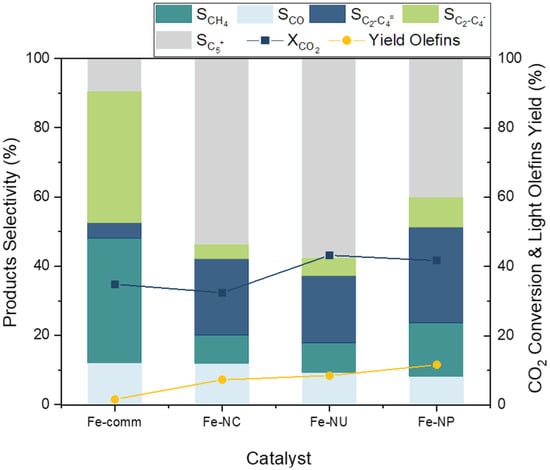
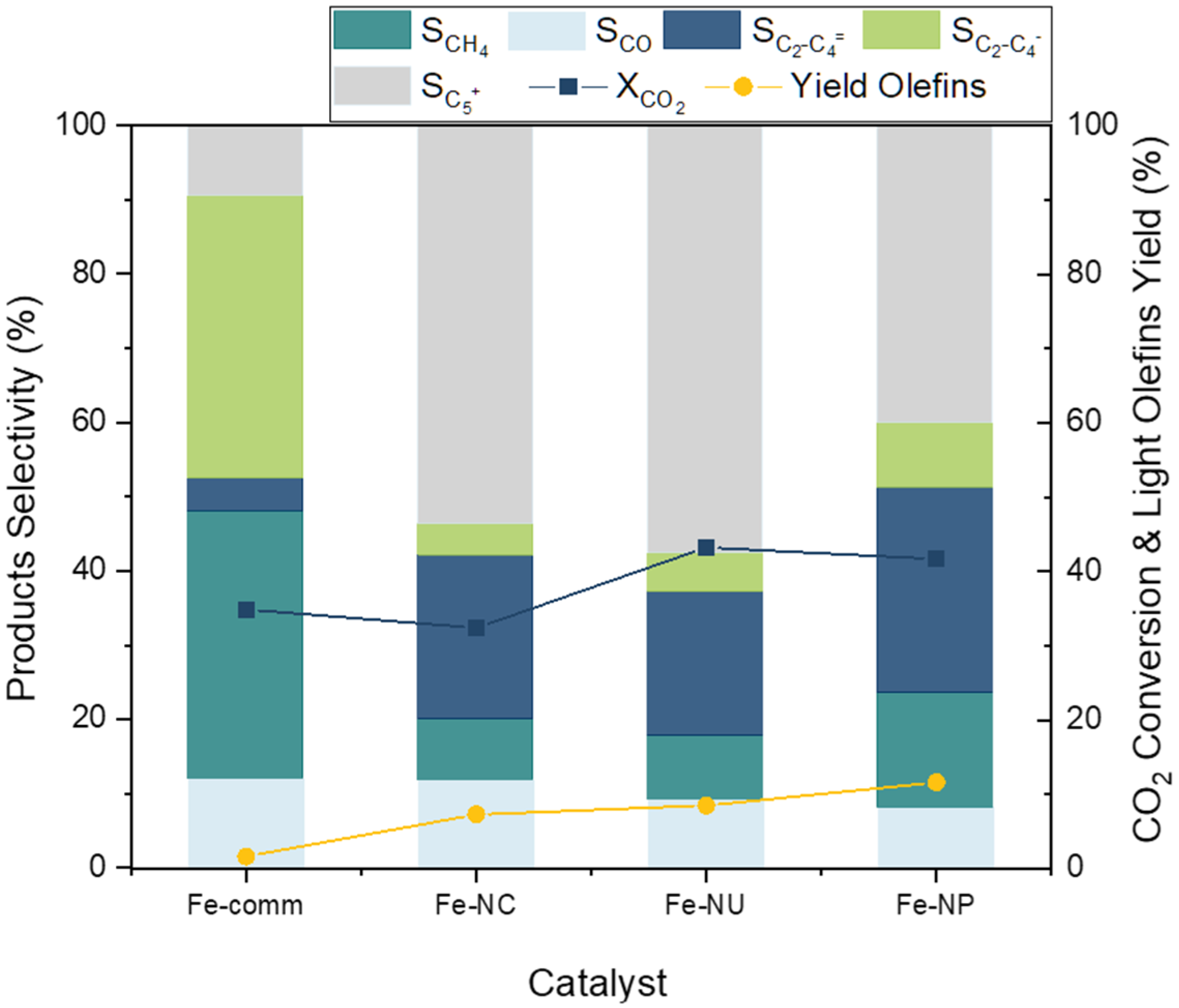
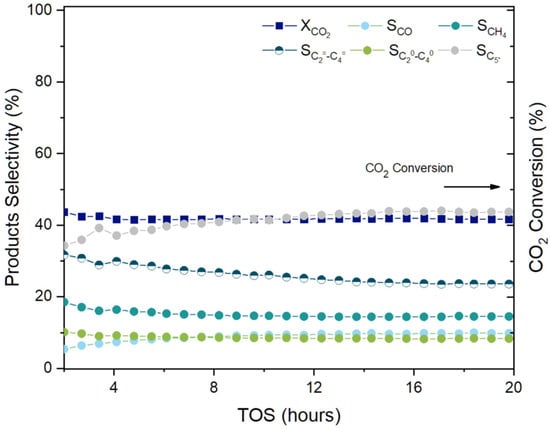
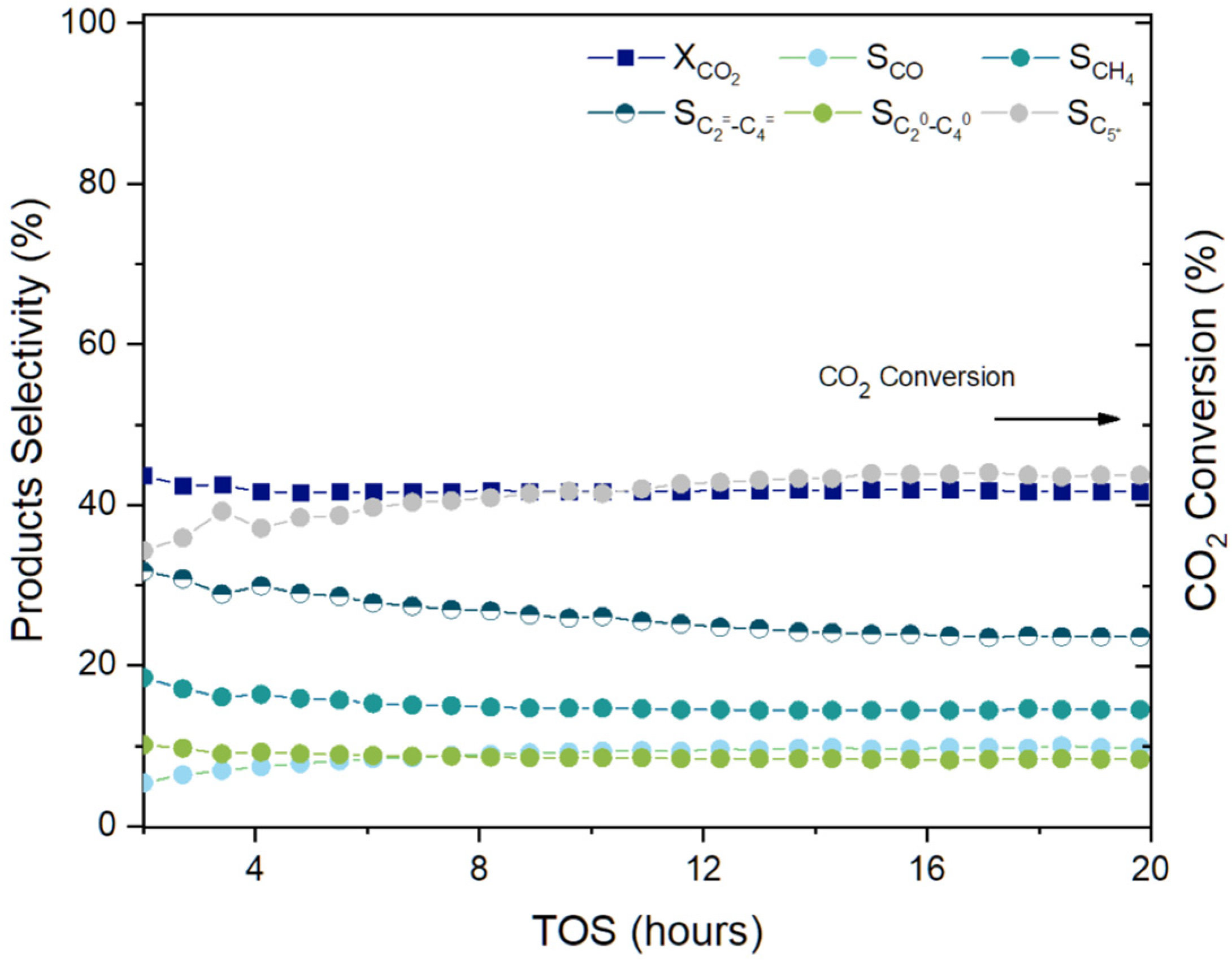
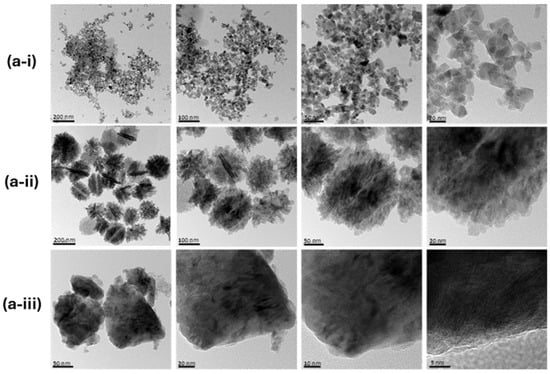
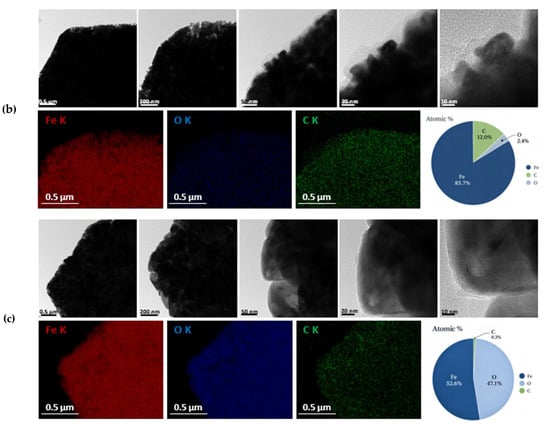
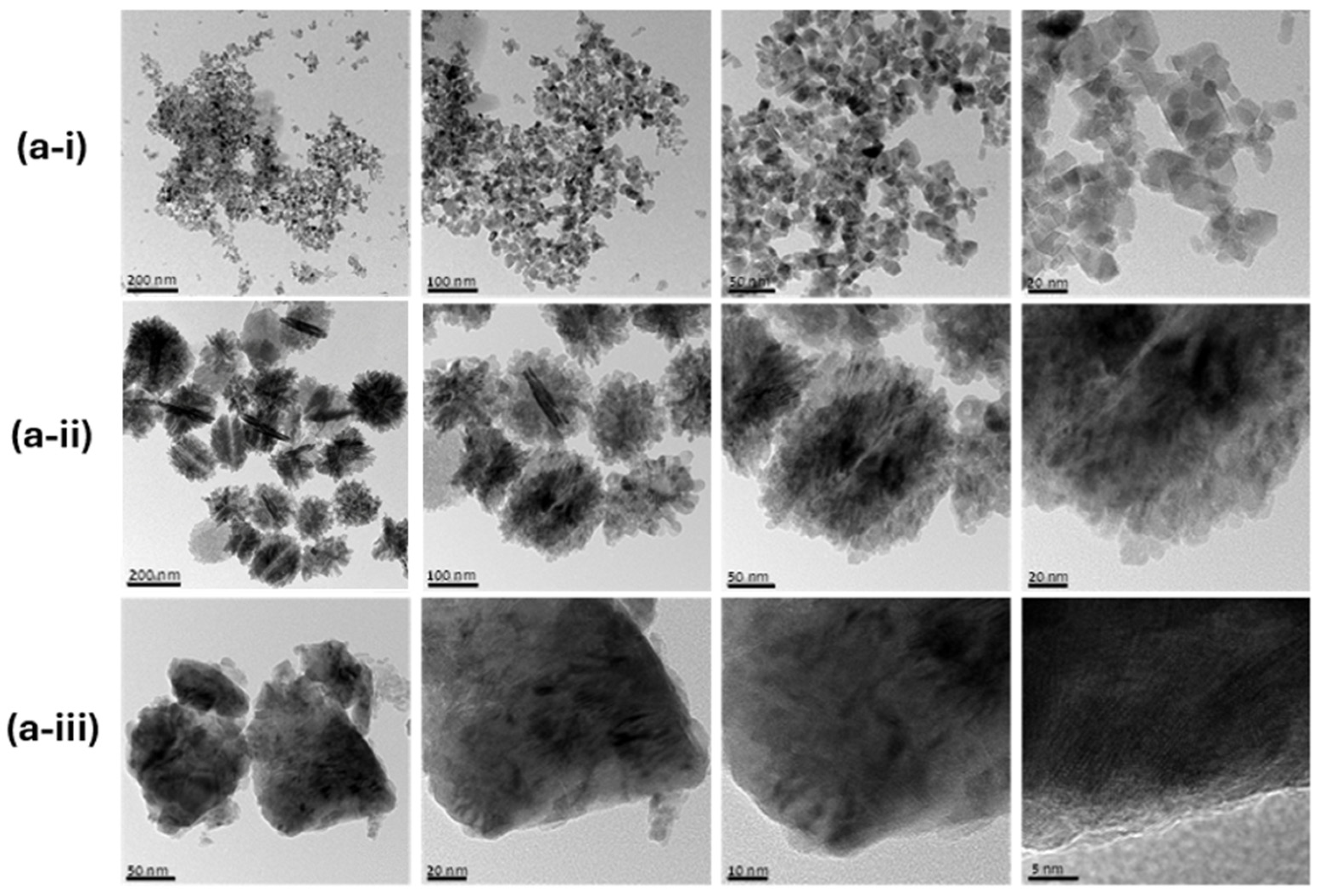
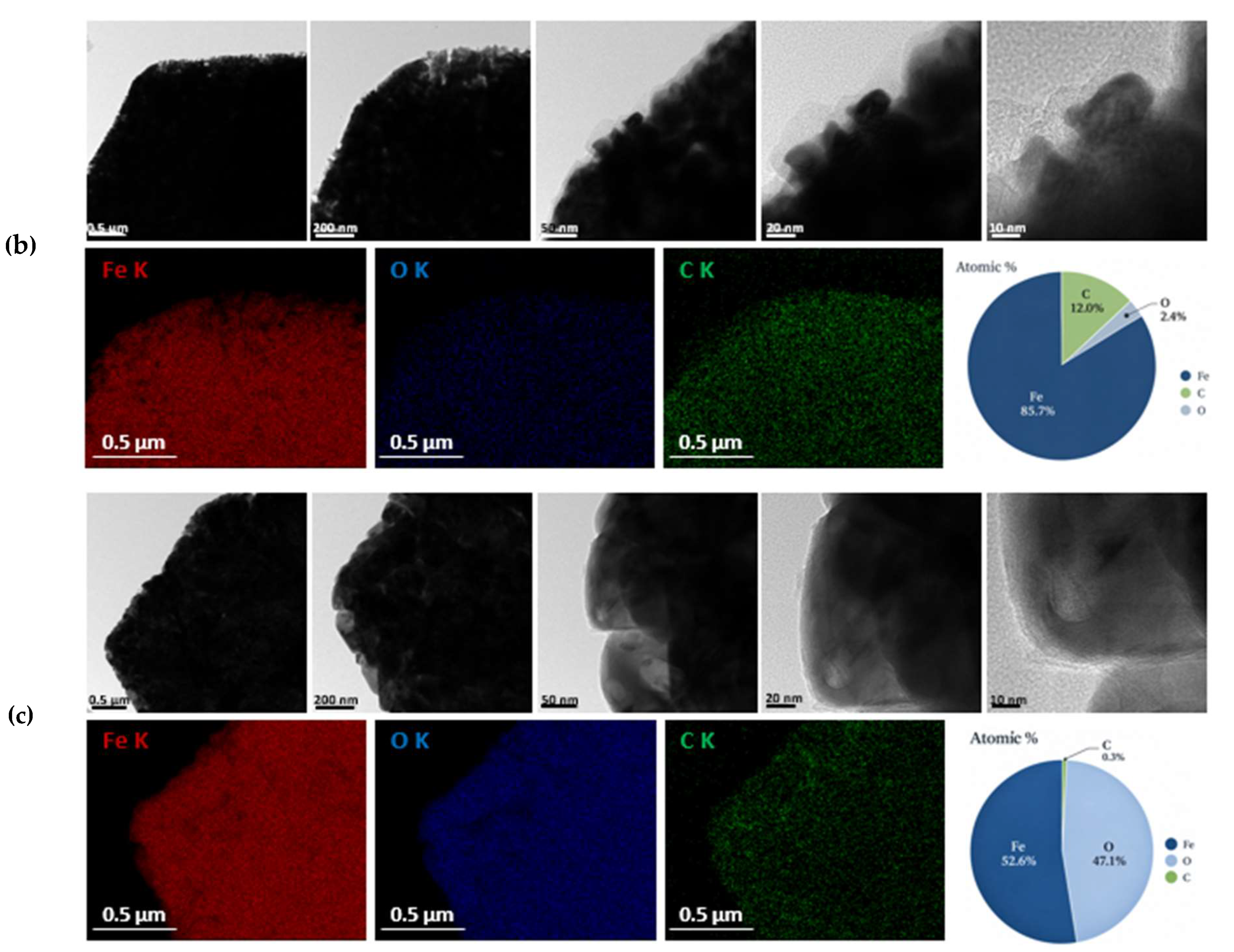
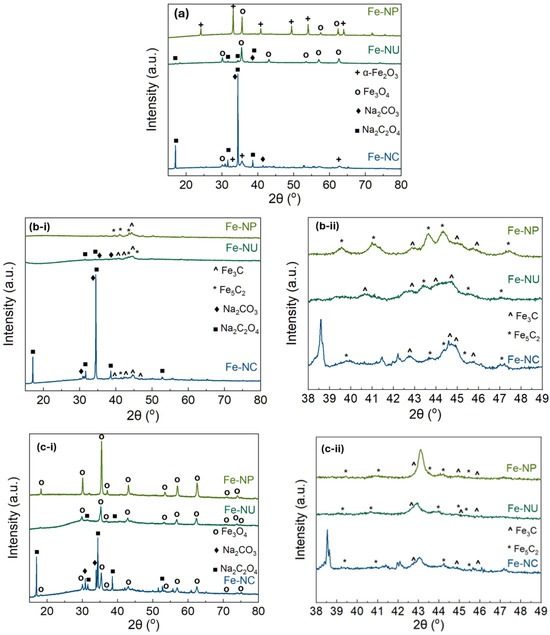
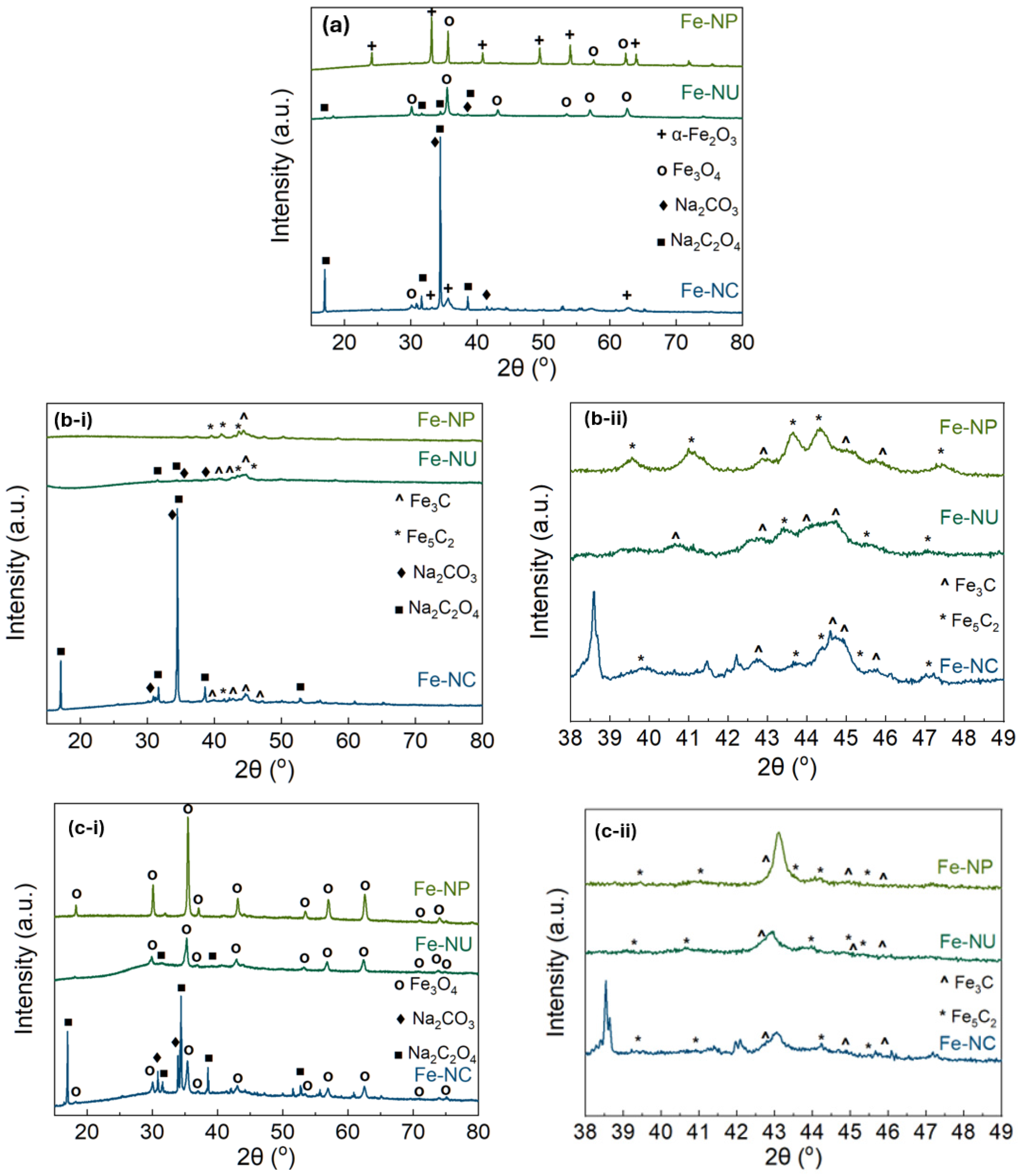
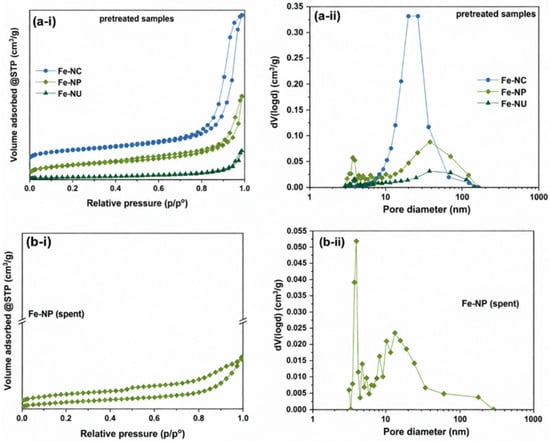
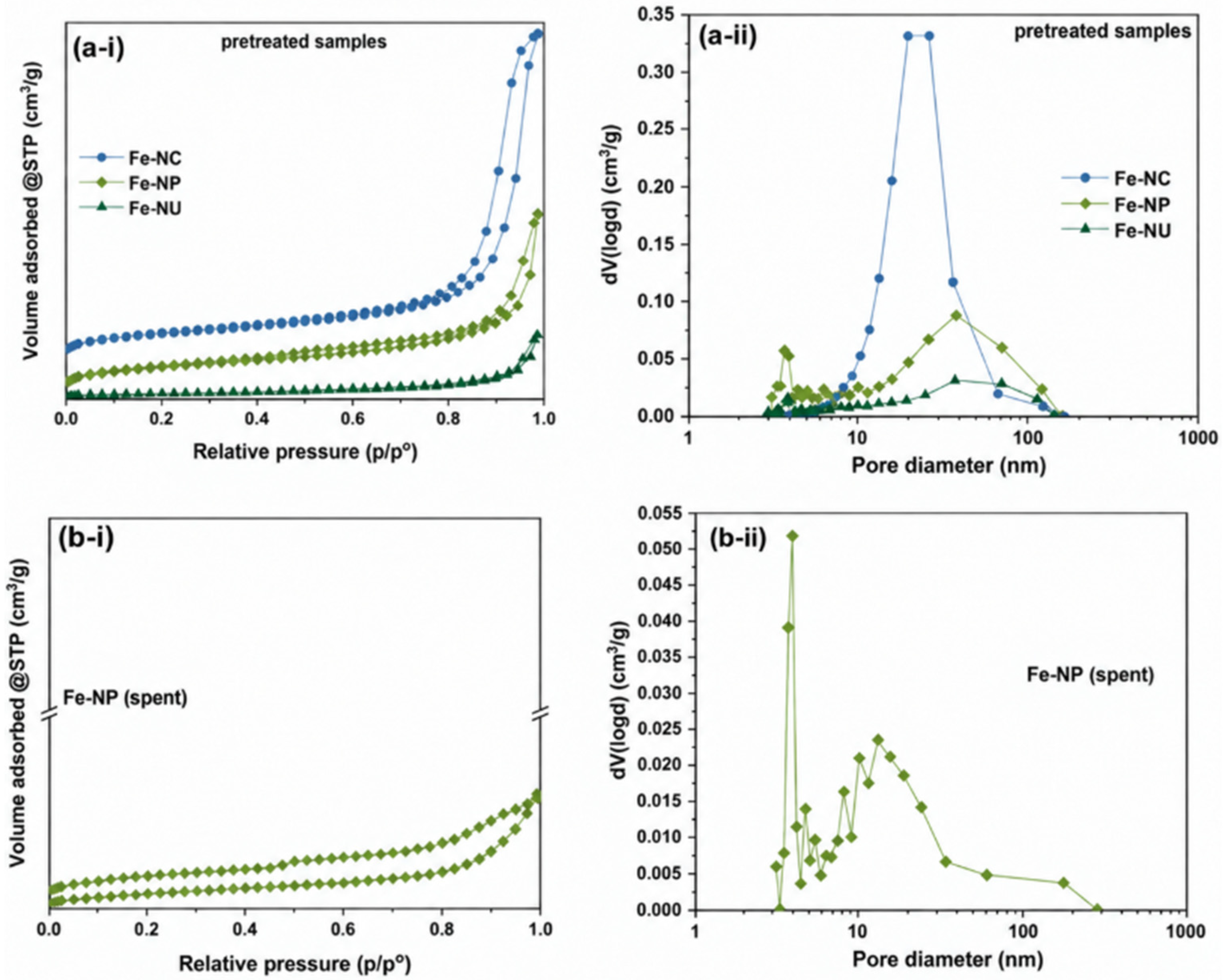
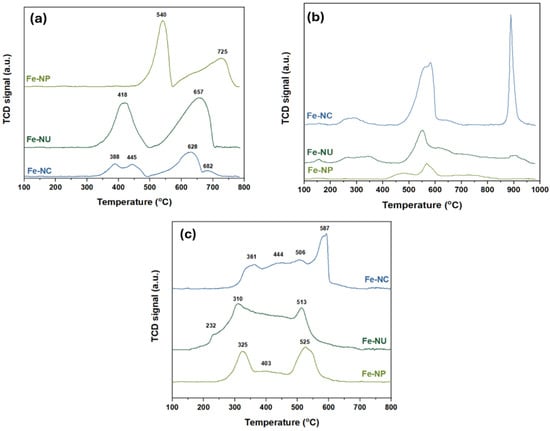
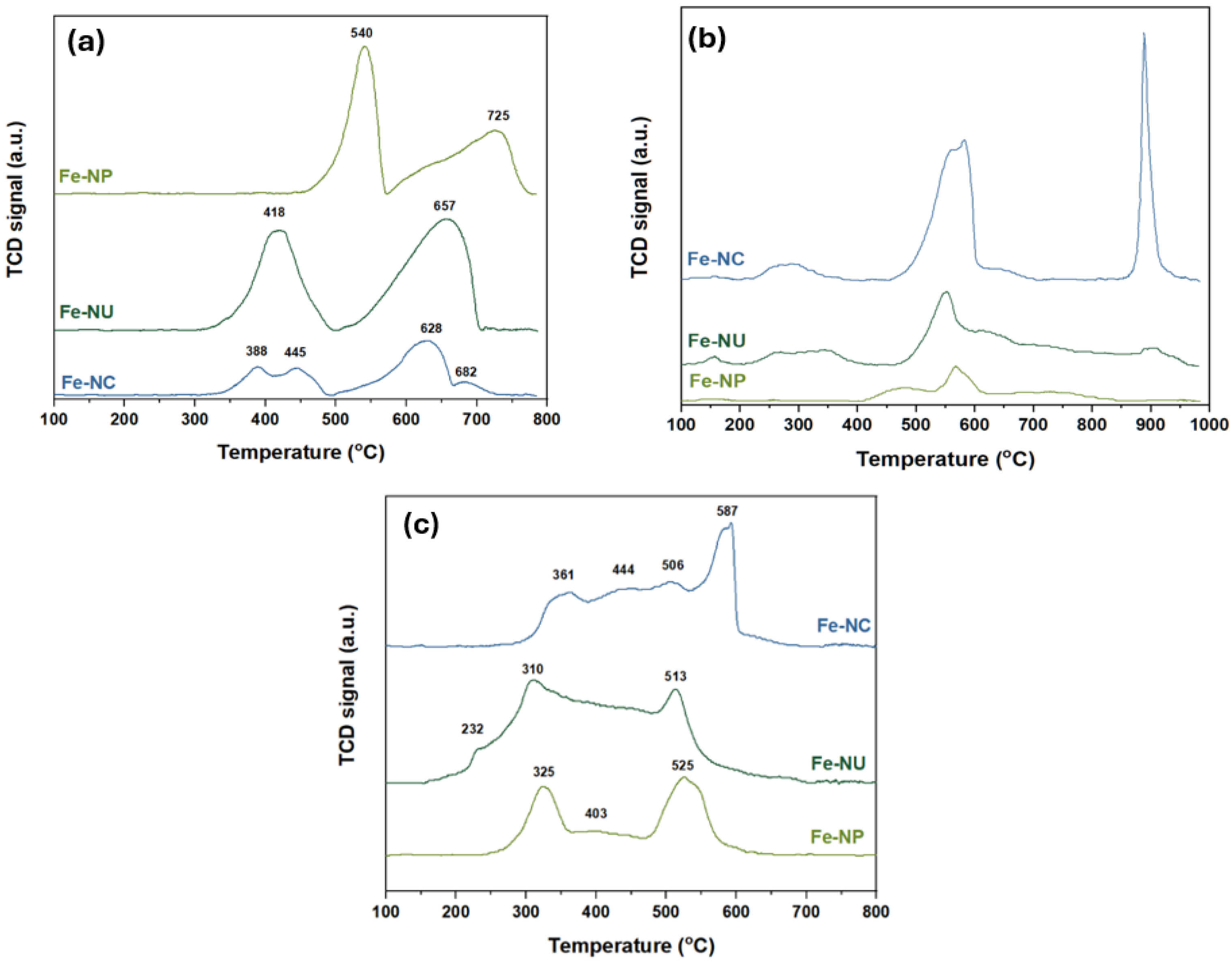
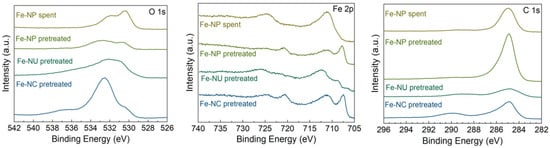
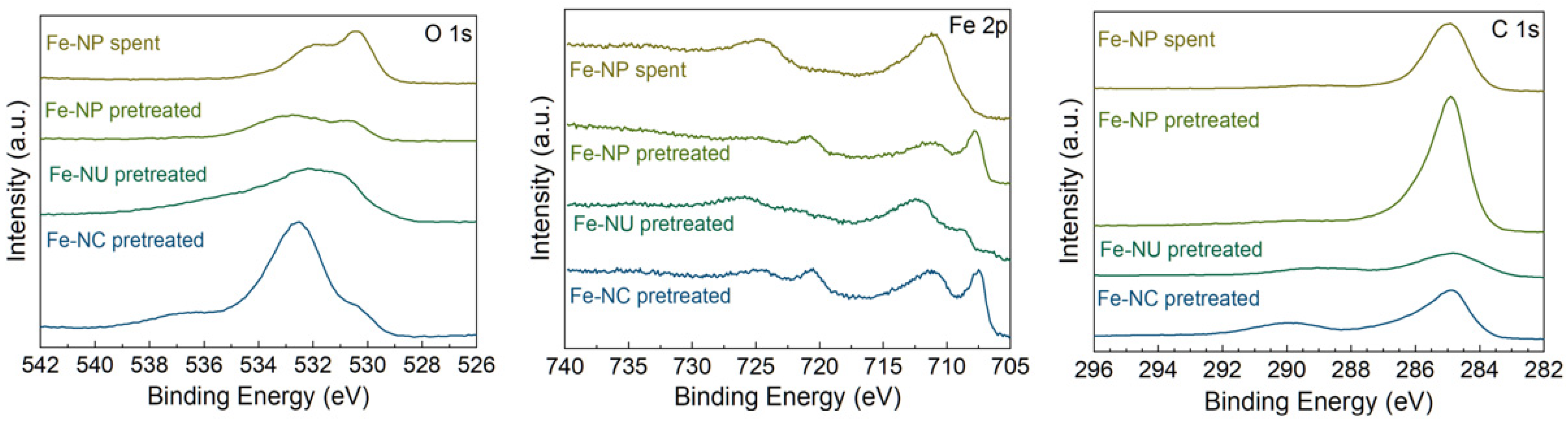
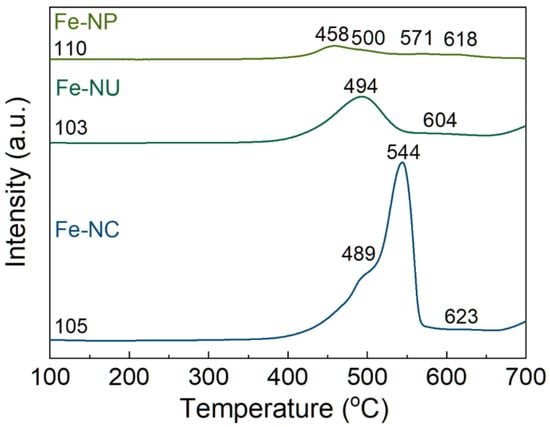
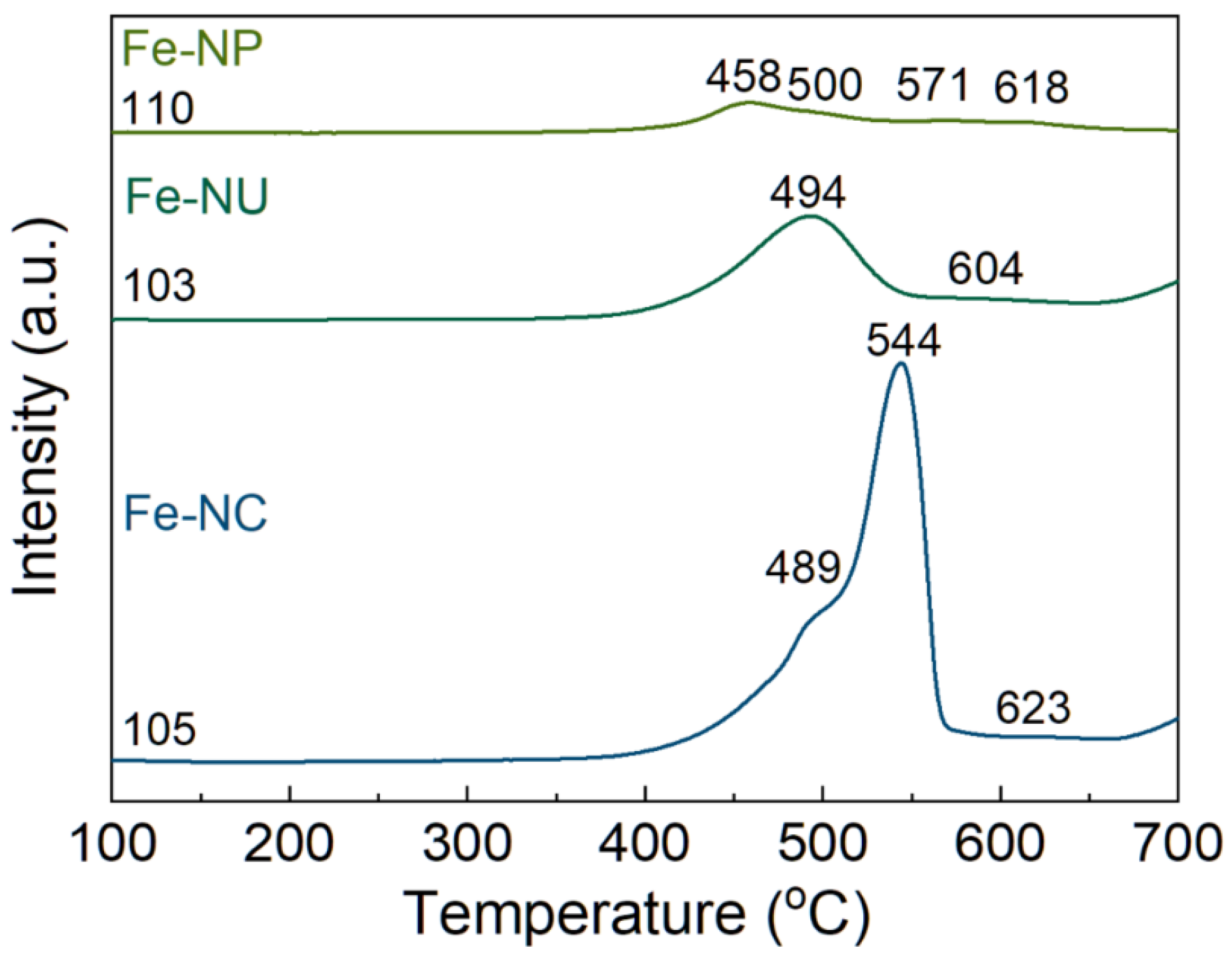

Disclaimer/Publisher’s Note: The statements, opinions and data contained in all publications are solely those of the individual author(s) and contributor(s) and not of MDPI and/or the editor(s). MDPI and/or the editor(s) disclaim responsibility for any injury to people or property resulting from any ideas, methods, instructions or products referred to in the content. |
© 2026 by the authors. Licensee MDPI, Basel, Switzerland. This article is an open access article distributed under the terms and conditions of the Creative Commons Attribution (CC BY) license.