


Abstract
Hydrogen is increasingly recognised as one of the leading pathways for decarbonising the maritime sector. Proton exchange membrane fuel cell (PEMFC) hybrid propulsion is emerging as a promising low-emission technology; however, its safe deployment depends on marine engineers being trained to interpret and manage coupled hydrogen, fuel cell, battery, and electric propulsion systems. However, a critical training gap remains. Alternative fuel guidance identifies hazards and safety barriers, but does not consistently translate hydrogen PEMFC–LFP operation into observable competence assessment evidence and implementation pathways. This paper develops a demonstrator-anchored and regulatory-grounded competency framework for marine engineers operating compressed hydrogen PEMFC-lithium iron phosphate (LFP) battery–electric propulsion systems. A structured purposive narrative synthesis combined prototype vessel testing evidence with regulatory safety training, and competency framework literature. The experimental operational data, including compressed hydrogen supply, pressure regulation, PEMFC charging, battery buffering, propulsion current demand, voltage sag, state-of-charge response, monitoring tasks, alarms, and emergency isolation, were used as operational anchors rather than calibrated performance validation evidence. The analysis identified six competency domains. Compared with IGF/LNG model course training, the largest hydrogen-specific competence gaps concerned compressed hydrogen handling, PEMFC purge and shutdown logic, battery-buffered propulsion monitoring, integrated emergency shutdown, and communication during abnormal operation. These findings were translated into assessable learning outcomes, a provisional 40 h training module, instructor prerequisites, practical assessment evidence, a proposed digital twin/VR supplement, and a staged implementation roadmap. The proposed framework provides a structured pilot pathway. It translates operational testing evidence into assessable maritime education and training. It also establishes a foundation for future competency development and certification for commercial vessels.
1. Introduction
Hydrogen is increasingly considered a low- and zero-carbon energy carrier for shipping, particularly where battery-only electrification cannot satisfy vessel range or duty cycle requirements [1]. In PEMFC–LFP battery–electric hybrid propulsion, producing electrical power is only part of the engineering challenge. Operators must also understand how the hydrogen supply, pressure regulation, fuel cell balance of plant, battery, propulsion load, and emergency isolation system interact. For marine engineers, hydrogen propulsion changes the nature of machinery watchkeeping because the prime mover is no longer only a combustion engine but a combined fuel, electrochemical, electrical, and control safety architecture [2].
The transition from conventional fuels and LNG-oriented low-flashpoint fuel training to hydrogen PEMFC hybrid propulsion cannot be achieved by transferring theoretical knowledge alone. Some competence areas are transferable from the existing IGF/LNG training. These may include: hazardous-zone awareness, gas detection, emergency shutdown logic, bunkering discipline, and safety management [3]. However, hydrogen introduces additional characteristics that alter operational risk, such as wide flammability limits, very low ignition energy, rapid dispersion, invisible flames under some conditions, high-pressure release behaviour, permeation, embrittlement, and fuel cell-specific purge and shutdown requirements [4]. These differences need to be converted into observable marine engineering competence.
We built and used a hydrogen PEMFC–LFP battery electric boat as our test bed. The vessel used compressed hydrogen feed, a PEM fuel cell system, a 48 V LFP battery, a manually supervised energy management arrangement, and a 7 HP electric outboard motor. The project included operational testing and recording of hydrogen supply handling, fuel cell charging behaviour, battery voltage and SOC response, propulsion current demand, alarms, and emergency isolation procedures. These records provide a concrete operational basis for defining what marine engineers must observe, interpret, communicate, and perform during hydrogen PEMFC operation [5].
Current international maritime training is struggling to keep pace with alternative fuel propulsion. Studies on hydrogen and ammonia in shipping focus heavily on fuel properties, emissions, propulsion design, storage, bunkering, and safety risks [6,7,8]. However, few studies translate these hazards into observable competencies, assessment evidence, and institutional implementation pathways. This gap urgently needs to be addressed. As vessels adopt hydrogen, ammonia, methanol, batteries, and fuel cells, the competence requirements extend well beyond conventional engine room watchkeeping to include fuel-specific, system-integrated, safety-critical capabilities. International initiatives increasingly recognise this, calling for training that combines hazardous fuel awareness, emergency response, energy management, electrical safety, human factors, and simulator-based scenarios. The emerging approach goes beyond adding alternative fuel theory to existing courses. It uses competency-based, scenario-driven, and assessable training to prepare marine engineers for normal, abnormal, and emergency operation of complex hybrid systems [9].
Our research objective is to develop a defensible, demonstrator-informed competency and training framework for marine engineers operating hydrogen PEMFC hybrid propulsion systems. The paper therefore begins with a concise characterisation of the developed test vessel and its safety-critical operating requirements, then translates those requirements into competence domains and assessment evidence. The specific contributions are: (i) synthesis of project, regulatory, safety, training, and competency evidence; (ii) definition of six competency domains for hydrogen PEMFC marine operation; (iii) mapping of IGF/LNG transferable competence to hydrogen-specific increments; (iv) design of a provisional 40 h module with instructor competence prerequisites; (v) specification of authentic assessment and standard-setting requirements; and (vi) a staged implementation roadmap including a proposed digital twin/VR supplement.
1.1. Related Work
Hydrogen PEMFC–battery hybrid propulsion is attracting growing interest for short sea shipping, ferry, inland waterway, and specialist vessel operations [2]. PE–FCs offer high efficiency, low noise, modularity, and zero direct carbon exhaust; however, unresolved challenges remain in hydrogen storage, bunkering infrastructure, durability, cost, system integration, and operational safety [6,10]. Hybridising PEMFCs with batteries is a common solution, allowing the fuel cell to operate in a stable region while the battery absorbs transient propulsion loads. In such systems, operators must monitor hydrogen supply, stack voltage and current, battery state of charge, DC-bus stability, propulsion load, and energy management behaviour as an integrated whole rather than as isolated components [11,12]. Experiments on larger test vessels, hydrogen ferries, and inland vessels show that system complexity increases substantially with hydrogen inventory, installed power, refuelling rate, redundancy, class approval, and port interface requirements [2].
Hydrogen also differs from conventional fuels and LNG in ways that directly shape onboard operation and training. Its wide flammability range, low minimum ignition energy, rapid dispersion, invisible flame, high-pressure release behaviour, and enclosed space accumulation risks require engineered barriers and specific, disciplined procedures [13]. For PEMFC–LFP hybrid propulsion, safety extends beyond the hydrogen line to ventilation, leak detection, emergency shutdown, fuel cell purge logic, battery management, high-current electrical isolation, cooling, and post-event reset. Our demonstrator vessel reflects the presence of this integrated safety problem: its operating procedure requires pre-start checks of cylinder pressure, regulator condition, ventilation, BMS status, battery SOC, and ESD readiness, followed by continuous monitoring of stack voltage and current, hydrogen flow, temperature, battery voltage, propulsion current, and SOC [1]. Safe hydrogen PEMFC operation therefore requires marine engineers to combine hydrogen fuel competence, electrical propulsion competence, battery system awareness, and emergency response discipline [14].
STCW Regulation V/3 and the IGF Code provide a useful baseline for hazardous areas, fuel system safety, bunkering communication, gas detection, and emergency shutdown [15,16,17,18]. However, they do not fully address the operation of hydrogen, ammonia, and fuel cell systems. Hydrogen introduces invisible flames, rapid dispersion, very low ignition energy, and fuel cell purge logic; ammonia introduces toxicity, corrosiveness, and different emergency response requirements [19]. Maritime training is therefore moving toward fuel-specific, scenario-based, competency-based models that combine hazardous fuel awareness, system operation, electrical safety, energy management, human factors, simulator exercises, and practical familiarisation.
Key international frameworks include the IMO interim training guidelines for alternative fuels, the Maritime Just Transition Task Force hydrogen training frameworks and instructor handbook, and DNV-RP-0703 on hydrogen competence as ship fuel [13,17,20]. The IGF/STCW baseline covers hazardous areas, bunkering, gas detection, and emergency shutdown, but is insufficient for hydrogen PEMFC systems: it does not address compressed hydrogen behaviour, invisible flames, fuel cell purge and shutdown logic, battery integration, or hydrogen-specific emergency response. Table 4 compares transferable and additional competencies systematically.
Competency framework research argues that marine engineer training should define observable behaviours, proficiency levels, and reliable assessment evidence [21,22,23]. Authentic assessment studies further show that workplace-like tasks and scenario-based exercises with clear rubrics are more valid for assessing operational competence than written tests alone [24,25]. For hydrogen PEMFC operation, learners must understand hydrogen hazards and trace the hydrogen and electrical energy paths. They must also interpret normal and abnormal system states, perform start-up and shutdown procedures, activate ESD correctly, communicate alarm status, and justify a controlled restart after an abnormal event. Physical demonstrators, digital twins, and VR environments support this by making energy flow behaviour, alarm logic, leak scenarios, ESD response, and team communication visible, repeatable, and assessable [26,27,28].
It is worth mentioning that hydrogen can be produced via fossil fuel reforming, reforming with carbon capture, biomass-based processes, or water electrolysis. Green hydrogen produced by electrolysis using renewable electricity is particularly relevant to maritime decarbonisation, offering substantially lower lifecycle emissions than fossil-derived alternatives. Although the production pathway does not alter onboard PEMFC operation, marine engineers should understand its implications for fuel traceability, lifecycle emissions, sustainability reporting, and bunkering documentation [29].
1.2. Research Gap
Despite the aforementioned body of literature, a clear gap remains between the development of alternative-fuel propulsion systems and the slower development of practical, assessable training frameworks for the engineers who will operate them. Many studies address propulsion performance, emissions, storage design, or fuel cell durability, while the operational competence required to monitor, isolate, troubleshoot, and recover these systems remains secondary. Safety guidance identifies hazards and barriers but does not consistently translate them into learning outcomes, observable behaviours, pass/fail evidence, instructor requirements, or implementation pathways. Existing IGF/LNG training provides a foundation but is insufficient for hydrogen PEMFC–LFP systems, where fuel properties, leak dispersion, flame visibility, purge logic, battery integration and the electrical propulsion interface differ substantially from conventional low-flashpoint machinery.
The second gap concerns scale transfer. Small demonstrators allow learners to observe hydrogen supply, PEMFC charging, battery response, and emergency isolation logic in a controlled setting but cannot represent the consequence profile of vessels with higher hydrogen inventory, multi-stack redundancy, and complex port interface procedures. Demonstrator-based learning therefore requires a clear framework distinguishing what transfers directly, what requires digital simulation, and what must be confirmed through vessel-specific familiarisation. This study addresses both gaps by using the project’s designed and built hydrogen PEMFC–LFP experimental vessel as structured operational evidence for developing an assessable competency framework. The paper translates the demonstrator’s operational and safety requirements into competence domains, learning outcomes, assessment tasks, instructor prerequisites, digital simulation requirements, and an implementation roadmap for maritime education and training. Scale transfer relies on analytical rather than statistical generalisation. The demonstrator’s numerical values are not assumed to represent commercial vessel operating thresholds. Instead, the transferable elements are the relationships among system state, hazard, operator interpretation, required action, and assessment evidence. These relationships were corroborated against regulatory, safety, and training guidance before being incorporated into the competency framework.
The remainder of this paper is organised as follows. Section 2 presents the materials and methods, including the demonstrator evidence base, document synthesis approach, task-to-competence mapping method, and framework development process. Section 3 presents the demonstrator-informed operational and safety characterisation, the resulting competency framework, IGF/LNG transferability analysis, provisional training module, assessment design, digital twin/VR proposal and implementation roadmap. Section 4 discusses the contribution of the framework, assessment and standard-setting implications, digital simulation, scale transfer, limitations, and future work. Section 5 concludes the paper.
2. Materials and Methods
2.1. Study Design
The study used a structured purposive narrative synthesis because the evidence base combines project deliverables, regulatory and safety documents, existing maritime training logic, competency framework literature, and demonstrator operating records. The aim was not to perform a statistical meta-analysis, but to translate heterogeneous evidence into an operationally meaningful competency framework. The synthesis was conducted in five steps: (1) define the training problem from the project’s demonstrator; (2) identify and screen regulatory, safety, and competency sources; (3) map operational tasks to hazards and competence domains; (4) specify learning outcomes, assessment evidence, and instructor requirements; and (5) convert the outputs into an implementation roadmap.
Because this study was designed as a structured purposive narrative synthesis rather than a systematic review, PRISMA procedures were not applied. Reproducibility was instead supported through predefined search strings, inclusion and exclusion criteria, screening counts, evidence stream classification, and a documented task-to-competence mapping process.
2.2. Evidence Search and Selection
Academic searches were conducted using Google Scholar, supported by a reproducible SerpApi-based search audit. Grey literature and regulatory searches focused on official and institutional sources. These included IMO, DNV, EMSA, ICS, MJTTF, relevant Indian and Australian authorities, and selected STCW-recognised maritime training providers [13]. Each demonstrator observation was translated through five linked elements: observed variable or task; operating state or hazard; required operator interpretation; expected action; and corresponding competency and assessment evidence. Requirements were retained only where supported by regulatory, safety, or maritime training guidance. The search covered the period of 2015–2026, with older foundational sources retained where necessary for standard setting, assessment validity, and human factors theory. This synthesis does not claim systematic review completeness; rather, it uses a structured purposive narrative approach to triangulate regulatory, safety, training, and operational evidence for competency framework design.
Search terms combined “hydrogen marine fuel”, “hydrogen”, “training”, “PEM fuel cell vessel”, “IGF Code training”, “STCW V/3”, “LNG fuel training”, “hydrogen safety on ships”, “seafarer competency framework”, “maritime authentic assessment”, “maritime digital twin”, and “alternative fuel simulator”. Inclusion criteria were direct relevance to hydrogen or alternative fuel operation, fuel cell/battery electric marine systems, IGF/STCW training logic, seafarer competence, authentic assessment, digital simulation, or Indian/Australian implementation contexts. Sources focused only on land-based hydrogen without transferable operational relevance, promotional material with no competence content, and sources not linked to training or safety were excluded.
The Google Scholar audit identified 277 raw records from 12 predefined search strings. Title-based deduplication removed 44 duplicate records, leaving 233 unique records. Relevance screening then excluded a further 23 records, resulting in 210 records being retained for review. In total, 67 records were removed across the deduplication and screening stages. The records excluded during relevance screening lacked sufficient marine or maritime relevance, fell outside the main search period without foundational importance, or were not adequately connected to hydrogen, alternative fuels, safety, training, competency development, or simulation. A summary of the distribution of retained records across the main evidence areas used in the synthesis is given in Figure 1a, while Figure 1b indicates retained records by publication year. Because some retained records contributed to more than one evidence area, the relevance area categories in Figure 1a are not mutually exclusive.
Figure 1.
Literature search: (a) distribution of retained records across the main evidence areas; and (b) distribution of retained records by publication date. (c) Methodology, workflow, and evidence coding process used to develop and iteratively refine the competency framework.
The selected evidence was organised into five evidence streams, as summarised in Table 1. Project evidence was used to define the project’s demonstrator configuration, operating procedures, and quantitative training traces. Regulatory and safety guidance was used to define hydrogen hazards, roles and responsibilities, safety barriers, and competence expectations [20]. Training framework sources supported the structure of the provisional training module, while competency framework and authentic assessment literature informed the use of observable behaviours, performance evidence, and assessment standards. Simulation and scale transfer evidence supported the design of the proposed digital twin/VR supplement and the distinction between small demonstrator learning and commercial vessel competence.
Table 1.
Evidence streams used in the narrative synthesis and their role in developing the hydrogen PEMFC competency framework.
The overall evidence-to-framework logic is illustrated in Figure 2. Project-specific test evidence was first used to define the operational context of the demonstrator, including system specifications, operating records, and field test traces. The project evidence was then compared with relevant safety and regulatory guidance. These sources included STCW/IGF, IMO interim guidance, DNV-RP-0703, EMSA, and MJTTF materials, and were used to identify hazards, operational tasks, and competence requirements. The narrative synthesis then translated these inputs into task-to-competence mapping across hydrogen handling, PEMFC operation, battery/EMS monitoring, bunkering, emergency shutdown, and human factors. The final outputs were learning outcomes, assessment evidence, instructor guidance, and the staged implementation roadmap.
Figure 2.
Evidence-to-framework logic used in the demonstrator-informed narrative synthesis.
To provide a desk-based content validity cross-check, the six proposed competency domains were compared against external hydrogen and maritime training guidance before being finalised. In particular, the domains were cross-checked against DNV-RP-0703 on competence related to the use of hydrogen as fuel [20] and the MJTTF hydrogen instructor framework [13], with additional reference to IMO interim training guidance [17], EMSA hydrogen safety guidance [14] and maritime human factors literature where relevant. This cross-check was not intended to replace an expert panel or Delphi validation; rather, it was used to confirm that the pilot framework covered the main externally recognised areas of hydrogen hazard awareness, fuel storage and supply, fuel cell system operation, safety barriers, emergency response, communication, and scale transfer requirements.
No formal expert panel was consulted during the evidence search. Instead, the provisional competency domains were cross-checked against DNV, MJTTF, IMO, and EMSA guidance. Formal expert panel and modified Delphi validation are reserved for the next validation stage and are included in the implementation roadmap and future work section. Figure 1c summarises the methodological workflow. Evidence was identified, screened, and organised into five streams: project records; regulatory and safety guidance; training frameworks; competency and assessment literature; and simulation and scale transfer evidence. Demonstrator observations were coded by operating variable or task, associated hazard, required operator interpretation, expected action, and corresponding competency evidence. These elements were mapped to operational and safety functions, cross-checked against regulatory and training guidance, and translated into competency domains, learning outcomes, assessment requirements, instructor prerequisites, simulation needs, and an implementation roadmap. The feedback loop indicates that pilot evaluation will support iterative refinement.
2.3. Demonstrator Case and Scope Boundaries
The demonstrator case is a compressed hydrogen PEMFC–LFP battery–electric propulsion system installed on a small fibre-reinforced plastic (FRP) test boat. Its overall functional architecture is shown in Figure 3a, where the system is configured as a battery-dominant hybrid: propulsion demand is supplied through the battery–electric propulsion chain, while the PEMFC primarily supports battery charging and endurance extension. This architecture is particularly useful for foundation training because it allows learners to observe energy flow behaviour, current demand, voltage sag, state-of-charge (SOC) management, alarms, interlocks, and emergency isolation without requiring a full-scale commercial hydrogen vessel. The demonstrator data serve as operational anchors rather than performance validation evidence. The competency domains, learning outcomes, and assessment standards are grounded primarily in regulatory, safety, and maritime training literature; the demonstrator provides the operational context that makes those standards concrete, observable, and teachable.
Figure 3.
The project’s hydrogen PEMFC–LFP demonstrator platform: (a) functional architecture of the hybrid propulsion system; (b) side view of the 5.48 m FRP prototype test boat; and (c) representative onboard PEMFC–hydrogen–battery propulsion arrangement/subsystem installation.
The physical demonstrator platform is shown in Figure 3b. The test platform comprised a 5.48 m FRP test boat with an approximate beam of 1.75 m and a draft of 0.35 m. Propulsion was supplied by a 48 V/100 Ah LFP battery pack through a 5.1 kW (7 HP) electric outboard motor, while the PEMFC acted mainly as an onboard battery charging and endurance extension source. The onboard system arrangement and PEMFC-related installation features are further illustrated in Figure 3c. Three transfer levels apply: basic hazard recognition, energy flow interpretation, and isolation logic transfer directly. Large system interactions require simulation or commercial-scale evidence; vessel-specific procedures and emergency command require onboard or approved vessel-specific training. The hydrogen subsystem used compressed hydrogen with pressure reduction from cylinder pressure to fuel cell working pressure, supported by manual isolation, flow control, leak checking, and ventilation arrangements. These specifications are not treated as generalisable vessel performance values; rather, they define the operational envelope from which competency evidence was derived [5].
The scope of the framework is therefore primarily limited to compressed hydrogen feeding a PEMFC–LFP hybrid propulsion system. Liquid hydrogen (LH2) is included only as a supplementary competency extension because it introduces qualitatively different hazards, including cryogenic exposure, boil-off gas, oxygen enrichment, condensed air, low-temperature material behaviour, and different bunkering procedures. Only selected technical material from the report is carried forward into this manuscript. The aim is to strengthen the scientific grounding of the competency framework without converting the paper into a pure fuel cell performance study. Accordingly, the retained technical descriptors are those that directly affect training and safety, including compressed hydrogen storage and pressure regulation, fuel cell charging and purge/thermal management, battery voltage current SOC monitoring, propulsion current demand, ventilation, leak inspection, electrical isolation, and ESD response [5]. The demonstrator used compressed hydrogen stored at approximately 140 bar. Before entering the PEMFC stack, the hydrogen pressure was reduced through the regulator to approximately 1.06 bar. During operation, the hydrogen volumetric flow rate varied from approximately 8 to 20 L min−1, while the stack temperature generally ranged from 35 to 45 °C. Both hydrogen flow rate and stack temperature varied with fuel cell load. These values represent the observed operating envelope of the demonstrator rather than universal operating limits for commercial PEMFC systems.
2.4. Demonstrator Subsystems
The demonstrator was treated as an integrated PEMFC–LFP hybrid propulsion system. The PEMFC subsystem comprised compressed hydrogen supply, air supply, fuel cell stack, thermal management, water management, power conditioning, and control/safety functions. On the anode side, compressed hydrogen was reduced from cylinder pressure to working pressure through regulation, filtration, and isolation; on the cathode side, air supply delivered oxygen and supported stack stability. Within the stack, hydrogen and oxygen react electrochemically to generate DC power, heat, and water. Safe operation therefore depended on effective cooling, purge control, and power conditioning. These components, shown in Figure 4a, define the operating variables learners must understand, monitor, and respond to [5]. The compressed hydrogen supply operated at a cylinder pressure of approximately 140 bar, which was reduced through the regulator to approximately 1.06 bar at the PEMFC stack inlet. Hydrogen supply was monitored as volumetric flow rather than mass flow, with the flow rate varying from approximately 8 to 20 L min−1 depending on fuel cell load. The stack operating temperature similarly varied with load and was generally maintained between approximately 35 and 45 °C. These values describe the observed operating envelope of the demonstrator and should not be interpreted as universal operating limits for commercial PEMFC systems. The demonstrator employed a 5 kW PEMFC stack comprising 60 cells, with a mean effective active area of approximately 200 cm2 per cell. PEMFC temperature is both an operational variable and a system health indicator: sensitivity shifts with state of health, and unsuitable conditions affect performance, durability, and operating range. Marine engineers must therefore interpret temperature trends, recognise persistent deviations, and identify when preventive inspection or maintenance is warranted [30].
Figure 4.
The project’s PEMFC–LFP demonstrator: (a) air-cooling arrangement and PEMFC stack; (b) 48 V/100 Ah LFP battery as the immediate propulsion-energy source.
The electrical and propulsion side centred on a 48 V/100 Ah LFP battery, BMS, manually supervised EMS, electrical protection devices, DC distribution, and a 5.1 kW electric outboard motor (Figure 4b). The battery was the immediate propulsion energy source; the PEMFC acted primarily as an onboard charging and endurance extension unit. The EMS coordinated charging and discharging behaviour, allowing the operator to monitor battery voltage, charging current, propulsion current, SOC, and fuel cell output simultaneously. The BMS provided overcharge, overdischarge, overcurrent, thermal, and short-circuit protection, supported by emergency isolation and safe cable routing. Together, these arrangements underpin the framework’s emphasis on system-level competence: marine engineers must interpret hydrogen supply, fuel cell charging, battery state, electrical loading, protection logic, and emergency shutdown as one coupled operating system [5].
3. Results
3.1. Demonstrator-Informed Educational Evidence
The demonstrator trace provides a useful bridge between abstract hybrid propulsion concepts and observable operating behaviour. As summarised in Table 2, the available records show propulsion current increasing sharply with speed, battery voltage decreasing under high load, and SOC falling during the field trace. These relationships are visualised in Figure 5, which shows the simultaneous rise in current demand, voltage sag, and SOC reduction as operating speed/load increases. The records are treated as indicative training values. Table A1 (Appendix A) lists available instrumentation manufacturers, measurement ranges, resolutions, and operating ranges; however, model-specific accuracy values and traceable calibration certificates were unavailable for all instruments. Formal uncertainty propagation, environmental corrections, and repeatability analysis were therefore not performed.
Table 2.
Indicative demonstrator technical and operating trace used as educational evidence for PEMFC–LFP propulsion training.
Figure 5.
Educational field-test response trace shows current rise, voltage sag, and SOC reduction.
The purpose of Table 2 is therefore to convert the demonstrator observations into educational evidence. Each operating indicator is linked to a training interpretation and an evidence limitation. For example, the increase in propulsion current from low-load values to approximately 119.5 A near full load supports training on electrical loading and endurance management, while the voltage decrease from approximately 49 V to 45 V supports interpretation of voltage sag under high demand. Similarly, the SOC reduction during the field trace reinforces the need for marine engineers to monitor battery state, propulsion current, and fuel cell charging together rather than treating the PEMFC as a direct substitute for a conventional prime mover.
The educational interpretation is that stable fuel cell output does not automatically guarantee propulsion availability. Because the battery is the immediate propulsion energy source, marine engineers must monitor current demand, voltage, SOC, BMS status, fuel cell charging, hydrogen supply, and safety interlocks together. They must then decide whether to continue operation, reduce load, isolate the system, or initiate an emergency shutdown. The project records also provide useful quantitative anchors for this interpretation: in fuel cell charging trials, 5 A, 8 A, and 13 A charging conditions produced maximum output powers of approximately 594 W, 672 W, and 832 W, respectively, with a peak reported efficiency of about 55% near 14 LPM hydrogen flow. These values are used here as operating-evidence examples for competence design, not as a calibrated optimisation map for PEMFC performance [5].
The values reflect this demonstrator’s observed operating range and are not statistically representative of commercial vessels or wider PEMFC systems. Available records lacked repeated controlled trials, full calibration documentation, and uncertainty bounds, precluding formal uncertainty analysis. The values therefore illustrate operational relationships relevant to training only; the competency framework itself rests primarily on regulatory, safety, and maritime training evidence.
3.2. Six-Domain Competency Framework
The task-to-competence mapping confirms that hydrogen PEMFC operation is not a single technical skill. As shown in Figure 6, demonstrator tasks were interpreted as operational demands and hazards, then translated into assessable competency domains. Hydrogen handling, PEMFC operation, battery and EMS monitoring, bunkering, leak detection, emergency shutdown, and communication are closely interconnected. The framework therefore distinguishes hydrogen hazard knowledge from the practical ability to monitor, diagnose, and respond to system behaviour.
Figure 6.
Translation of demonstrator tasks into competence domains for hydrogen PEMFC marine operations.
The operating procedure reinforces this mapping. Pre-start checks covered cylinder pressure, regulator and piping condition, ventilation, BMS status, battery SOC, electrical protection and ESD readiness. During operation, stack voltage and current, hydrogen flow, temperature, battery voltage, propulsion current, and SOC were monitored continuously. In abnormal conditions, the required sequence was to isolate hydrogen, shut down the fuel cell and electrical system, restrict access, and ventilate. These steps justify treating hydrogen supply, PEMFC–battery operation, electrical safety barriers, communication, and emergency response as separate but connected domains [1,5,20].
Table 3 converts this logic into a six-domain framework, linking each domain to a core competence focus, an example demonstrator task, and observable performance evidence. This structure prevents competence from being expressed only as general awareness: hydrogen hazards are linked to SDS interpretation and leak risk explanation; PEMFC–battery propulsion to current–voltage–SOC interpretation; emergency response to ESD drill completion without safety-critical omission. The table provides the practical assessment bridge between demonstrator operation and marine engineer competence.
Table 3.
Six-domain competency framework derived from the demonstrator tasks.
The six-domain structure recognises that hydrogen operations require both technical and behavioural competence. Safety-critical actions—ESD activation, leak escalation, bunkering communication, controlled restart—depend on role clarity and disciplined communication as much as technical understanding. Human factors are therefore treated as a distinct domain rather than as generic soft skills [31,32]. Table 3 also shows the external sources used for each domain, providing a desk-based content validity check by indicating how the demonstrator-derived domains align with hydrogen competence guidance, alternative fuel training frameworks, safety guidance and maritime human factors literature. It should therefore be read as a pilot framework supported by external cross-checking, rather than as a fully validated competency standard.
3.3. Transferability from IGF/LNG Training and Hydrogen
The transferability analysis avoids unnecessary duplication of existing low-flashpoint fuel competence. Seafarers with IGF/LNG experience may already have a foundation in hazardous zone awareness, gas detection, ESD logic, safety management, bunkering communication, and checklist discipline, all relevant to hydrogen PEMFC operation. However, compressed hydrogen storage, rapid gas dispersion, low ignition energy, invisible flame behaviour, pressure regulation, fuel cell purge logic, and PEMFC–battery integration introduces different operational and safety demands that IGF/LNG training does not cover [20].
Table 4 identifies the additional competencies required when moving from IGF/LNG training to hydrogen PEMFC operation. It distinguishes transferable competencies from those requiring hydrogen-specific instruction, demonstrator exercises, scenario-based assessment, and emergency drills. This supports efficient curriculum design: existing low-flashpoint fuel competence forms the baseline while hydrogen-specific increments are targeted through practical, assessable activities.
Table 4.
Transferable IGF/LNG competence and hydrogen-specific extensions for PEMFC vessel operation.
The largest increments relate to hazard recognition, compressed hydrogen storage, detection and alarm interpretation, PEMFC operation, and emergency response. LNG training may prepare learners for hazardous areas, gas detection, and ESD logic, but hydrogen operation additionally requires understanding of low ignition energy, wide flammability ranges, rapid dispersion, invisible flame detection, high-pressure release behaviour, and residual hydrogen in fuel cell systems. Similarly, conventional fuel system monitoring does not prepare operators for PEMFC purge and shutdown requirements, hydrogen–air balance, stack thermal management, DC conversion, and battery buffering. Table 4 provides the structured bridge between existing IGF/LNG competence and the evidence required for hydrogen PEMFC marine operation [20]. Three transfer classifications were applied: “completely transferred”, competencies already covered by IGF/LNG training unchanged; “partially modified”, existing competencies requiring hydrogen-specific knowledge, procedures, or assessment; and “completely added”, competencies absent from the IGF/LNG baseline requiring dedicated hydrogen PEMFC training. The comparison shows that the largest competence increment occurs in Domain D3, while Domains D1, D2, D4, and D6 require substantial hydrogen-specific modification of existing IGF/LNG competence.
3.4. Provisional 40 h Training Module and Instructor Prerequisites
A provisional 40 h entry or transition module is proposed, aligned with the common five-day advanced IGF-style training rather than a validated optimum. As shown in Figure 7, the largest allocations are assigned to emergency response drills, safety barriers and regulatory logic, and PEMFC–LFP operation, reflecting the high operational consequence of leak response, ESD activation, ventilation, isolation, and alarm interpretation in hydrogen systems [13].
Figure 7.
Provisional contact-hour allocation for the 40 h hydrogen PEMFC training module.
Table 5 converts this hour distribution into a teachable and assessable structure, linking each block to a teaching method and competence evidence [13]. Hydrogen properties and hazards are introduced through lectures, SDS analysis, and short testing; PEMFC–LFP operation through demonstrator walkthroughs and data interpretation; bunkering, maintenance, and isolation through checklist and permit-to-work exercises; and emergency response through simulated leak, ESD, fire, and asphyxiation drills. The module thereby balances technical knowledge, system monitoring, procedural discipline, communication, and practical assessment.
Table 5.
Proposed 40 h hydrogen PEMFC training module structure and competence evidence.
Instructor readiness is central because the course involves safety-critical technology, not classroom knowledge alone [13,20]. Pilot delivery should require a lead technical instructor with demonstrated competence in electrical propulsion, fuel cell systems, or IGF/low-flashpoint fuel operations; a safety instructor familiar with gas detection, ventilation, hazardous zones, ESD, and emergency response; supervised demonstrator qualification; train-the-trainer preparation; and assessment moderation before practical tasks are scored independently. This ensures delivery depends not only on subject knowledge but on the instructor’s ability to manage risk, supervise practical scenarios, and apply competency-based assessment consistently.
The hour allocation in Table 5 is risk- and task-based rather than empirically optimised. Emergency response receives the largest allocation (seven hours) because failures in leak recognition, ESD activation, evacuation, ventilation control, and restart carry immediate safety consequences in hydrogen operations. PEMFC–LFP operation and safety barriers/regulatory logic each receive six hours, reflecting their centrality to watchkeeping in battery-buffered PEMFC propulsion, where learners must interpret electrical, fuel and alarm states as a coupled system. Human factors and communication receive four hours because some practices transfer from existing IGF, engine room, and emergency response training, but still require adaptation to hydrogen-specific alarm, bunkering, and ESD scenarios. The allocation should be regarded as a defensible pilot design rather than a validated optimum, to be refined following pilot delivery using task frequency analysis, learner performance data, instructor feedback, and assessor moderation.
The 40 h module should be defined by delivery mode as well as content. For pilot implementation, it comprises 12 h of guided theory, 12 h of hands-on demonstrator training, 12 h of simulation-based training, and 4 h of vessel-specific familiarisation. These components are integrated across the topic blocks (Table 5), not delivered as separate courses. For example, PEMFC–LFP operation may combine classroom instruction, demonstrator observation, and simulated fault analysis within a single module.
Delivery mode selection is based on task fidelity, operational risk, and system specificity. Physical training is required for component handling and psychomotor skills; simulation is appropriate for unsafe, rare, or complex scenarios; and vessel-specific familiarisation is essential where performance depends on ship-specific systems and procedures. Demonstrator and generic simulation cannot substitute for onboard familiarisation or system-specific certification (Please see Table A2 in Appendix A).
3.5. Assessable Learning Outcomes and Standard Setting
Learning outcomes are written in observable form so that competence is not expressed merely as knowledge of hydrogen safety [13]. As shown in Table 6, each outcome defines the condition under which the learner performs, the expected observable behaviour, and the performance standard used to judge competence. This is necessary because reliable assessment requires evidence of what the marine engineer can actually do with system information, alarms, checklists, and role responsibilities, not only what they can describe. Outcomes therefore progress from foundational knowledge of hydrogen properties and system layout toward higher-risk operational tasks including abnormal-state classification, permit-to-work judgement, emergency response, and multi-role communication, reflecting the real operating logic of a hydrogen PEMFC–LFP system.
Table 6.
Assessable learning outcomes for the hydrogen PEMFC training pathway.
The proposed assessment model reserves written questions for baseline concepts only. Core competence is assessed through observed practical tasks, oral questioning, scenario simulation, and portfolio evidence [13,24,25]. As summarised in Table 7, each assessment element has a specific purpose, standard-setting responsibility, and retained evidence for moderation. Written tests can confirm terminology and hazard knowledge, but practical tasks are needed to verify start-up and shutdown discipline, alarm interpretation, ESD sequencing, isolation judgement, and closed-loop communication.
Table 7.
Assessment elements, standard-setting responsibility, and retained evidence for the hydrogen PEMFC module.
The written test threshold should be treated as provisional until a modified Angoff method standard-setting workshop is conducted with the training institution, alternative fuel technical experts, maritime education assessors, and, where possible, industry or regulator observers [33]. Practical tasks should use checklist-based standard setting and assessor moderation rather than percentage scoring alone. Safety-critical omissions during emergency shutdown or hydrogen alarm response should result in failure regardless of performance on lower-risk procedural items. This aligns the assessment model with the operational consequence of hydrogen PEMFC errors and supports defensible pass/fail decisions during pilot delivery [13,21,22].
3.6. Digital Twin/VR Supplement and Scale Transfer
At the time of this study, a digital twin or VR model of the demonstrator had not yet been developed. This section therefore presents the proposed architecture, minimum variable set, training functions, and validation pathway for a future digital twin/VR prototype. Physical hydrogen demonstrators are expensive, scarce, and operationally constrained, particularly for leak scenarios, emergency shutdown, ventilation failure, and post-event restart. Digital twins and VR should therefore supplement, not replace, hands-on demonstrator learning [34]. As summarised in Table 8, the proposed simulation architecture has four tiers: a desktop digital twin for energy flow tracing and alarm interpretation; immersive simulation for bunkering, invisible flame, evacuation, and team communication; a case study simulator for larger commercial systems; and an assessment log system for debriefing and moderation. This tiered structure keeps the physical demonstrator as the foundation for system familiarisation while simulation provides repeatable exposure to abnormal and emergency scenarios that would be difficult, costly, or unsafe to reproduce in hardware [34].
Table 8.
Proposed digital simulation tiers, minimum requirements and validation methods.
The minimum specification for an initial digital twin/VR prototype should include hydrogen cylinder pressure, regulator outlet pressure, hydrogen flow, leak alarm state, ventilation state, stack temperature, stack voltage and current, battery voltage, current, and SOC, propulsion load and ESD/isolation status. The first version should be causal and trend-accurate rather than a full physics-validated model, reproducing the direction, timing, and consequence of operational decisions without claiming electrochemical, thermal, or dispersion accuracy. Higher-fidelity models can follow once the core training logic has been validated against demonstrator traces and expert review.
Table 8 also identifies validation methods for each tier: the desktop twin against demonstrator traces and subject-matter expert review; VR scenarios through instructor and safety observer walkthroughs; commercial-scale cases against published large-system evidence; and assessment logs through inter-rater comparison. Simulation validity in a competency framework is not only a modelling question, but it also depends on whether the simulation produces correct learning cues, prompts appropriate safety decisions, and supports reliable debriefing [34]. The proposed scenarios are aligned with the assessable learning outcomes in Table 6. Energy flow, load change, alarm, and abnormal state scenarios address LO2–LO3; bunkering and ship–shore interface scenarios address LO4; start-up, shutdown, and controlled restart exercises address LO5; leak, ventilation failure, ESD, and evacuation scenarios address LO6; maintenance isolation scenarios address LO7; and multi-person emergency response scenarios address LO8. Propulsion load variations may reflect changing operating or sea conditions; however, the simulation is intended to reproduce operational consequences and decision cues rather than a validated hydrodynamic or sea state model.
Scale transfer is addressed separately in Table 9 because the 5 kW demonstrator supports foundation competence but cannot represent commercial vessel sign-off. Competencies that transfer well include hydrogen hazard recognition, basic PEMFC start-up and shutdown logic, SOC/current/voltage interpretation, and immediate ESD response. Areas requiring supplementary large-system evidence include release modelling, multi-stack redundancy, large DC grids, blackout recovery, higher-rate bunkering, and full mission emergency command. The table distinguishes between competence introduced through the demonstrator, strengthened through simulation, and confirmed through vessel-specific familiarisation, approved bunkering exposure, or onboard sign-off, preventing overclaiming of the demonstrator’s educational role while positioning digital twin and VR tools as the bridge between small-scale learning and commercial vessel familiarisation.
Table 9.
Scale-transfer framework for moving from the 5 kW demonstrator to commercial vessel competence.
3.7. Implementation Roadmap
The implementation roadmap converts the framework into a staged capacity-building plan for instructors and wider maritime education contexts. As shown in Figure 8, the pathway progresses from demonstrator evidence consolidation through scenario and checklist development, pilot delivery, standard setting, digital twin development, instructor standardisation, and external validation. Each stage is iterative: demonstrator evidence supports scenario design; the scenario package supports pilot delivery; and pilot results drive assessment refinement before digital and instructor development stages extend delivery capacity. This three-level approach operationalises the scale transfer method introduced in Section 2.3 and prevents demonstrator-based learning from being treated as direct commercial vessel qualification.
Figure 8.
Staged implementation roadmap with indicative activity blocks.
Table 10 assigns indicative timing, lead and support roles, required resources, and outputs to each stage. For example, Stage 1 requires the training institute to consolidate demonstrator records, test evidence, safety procedures, and diagrams, while AMC/UTAS contributes educational interpretation. Subsequent stages convert this into scenario banks, ESD checklists, task sheets, and assessor materials. During the pilot stage, the modified Angoff standard-setting method and checklist moderation should be used to revise assessment instruments before wider use [33].
Table 10.
Staged implementation roadmap for instructors.
A staged approach reduces implementation risk by allowing training materials, safety-critical checklists, and assessment tools to be reviewed before any formal certification value is attached. It also prevents overclaiming the demonstrator’s role: the physical system provides foundation evidence for hydrogen PEMFC familiarisation, energy flow interpretation, and emergency isolation logic, while commercial vessel competence remains dependent on large-system exposure, vessel-specific procedures, and supervised drills.
4. Discussion
4.1. Contribution to Maritime Hydrogen Training
The main contribution of this study is the conversion of a technically characterised hydrogen PEMFC–LFP demonstrator into an assessable maritime competency framework. The paper does not present the demonstrator as commercial-scale proof of hydrogen propulsion performance. Instead, the study uses the demonstrator architecture, subsystem descriptions, operating traces, battery response, safety procedures, and emergency isolation logic as training evidence. These elements define what marine engineers must observe, interpret, communicate, and perform during normal, abnormal, and emergency operations. In this sense, the contribution is educational and operational rather than purely technical: the demonstrator is used to translate hydrogen PEMFC–LFP system behaviour into competence domains, learning outcomes, assessment tasks, and implementation requirements.
Dynamic PEMFC operation also requires awareness of cathode air supply control. During rapid load changes, an insufficient oxygen excess ratio may cause oxygen starvation, while excessive air supply increases parasitic power consumption. Marine engineers are not expected to design or tune adaptive controllers, but they should understand their operational purpose, recognise abnormal responses in airflow, voltage, and load behaviour, and determine when load reduction, alarm escalation, or controlled shutdown is required [35]. PEMFC voltage behaviour should be interpreted in the context of recent operating history. Shutdown, restart, and load changes can temporarily recover reversible voltage losses, creating an apparent short-term improvement. Isolated post-restart voltage increases should not be taken as evidence of recovery from long-term degradation. Instead, voltage trends should be assessed alongside current, load history, temperature, alarm records, and state-of-health indicators. This distinction is critical for maintenance planning, fault escalation, and reliable condition assessment.
A further contribution is the explicit connection between existing low-flashpoint fuel training and hydrogen-specific marine engineering competence. The six-domain framework provides a practical bridge between IGF/LNG training and hydrogen PEMFC operation by recognising transferable competence while identifying the additional requirements that cannot be assumed from LNG experience. These include compressed hydrogen pressure management, rapid leak dispersion, low ignition energy, invisible flame risk, fuel cell purge and shutdown logic, battery buffering, DC electrical safety, SOC-based endurance management, and integrated ESD response [20]. This distinction is important for workforce development because it allows maritime education providers to build on existing IGF/LNG foundations without treating hydrogen as merely another version of LNG.
For larger liquid-cooled PEMFC systems, thermal management competence must extend beyond stack temperature monitoring. Engineers should understand coolant circulation, heat rejection, and control functions; recognise abnormal temperature, flow, or pressure, pump failure, and localised overheating; and determine when load reduction, alarm escalation, or controlled shutdown is required [36]. As cooling architectures, alarm thresholds, and limits vary, isolation, inspection, and restart procedures should be reinforced through vessel-specific familiarisation. The present demonstrator uses air cooling; thus, this competence applies to larger, system-specific installations.
Voltage–sag interpretation should also extend beyond battery loading to awareness of DC bus stability in larger multi-stack PEMFC systems. Advanced control methods can suppress voltage disturbances caused by load variation and monitoring interference, improving power quality and system reliability. Marine engineers are not expected to design such controllers, but they should recognise abnormal bus voltage behaviour, understand the purpose of disturbance rejection control, and determine when load reduction, alarm escalation, or controlled shutdown is required [37].
The study also contributes a pathway for turning project evidence into a pilot training product. The proposed 40 h module, instructor prerequisites, assessable learning outcomes, safety-critical checklists, proposed digital twin/VR supplement, and staged implementation roadmap show how a demonstrator-informed framework can move from research output toward structured maritime education and training delivery. This is particularly relevant for emerging alternative fuels because the sector requires not only new technologies but also defensible methods for preparing seafarers and marine engineers to operate them safely under real operational conditions.
4.2. Assessment and Standard-Setting Implications
Competency-based hydrogen training should not rely on written testing alone. Written tests are useful for confirming baseline knowledge of hydrogen properties, PEMFC principles, safety terminology, and regulatory concepts, but they cannot demonstrate whether a marine engineer can safely operate a hydrogen PEMFC–LFP system under realistic conditions. Safe operation requires real-time interpretation of hydrogen supply, fuel cell output, battery SOC, voltage/current behaviour, alarms, ventilation status, and ESD logic. It also requires procedural discipline, communication, controlled isolation, and safe restart decisions. For this reason, the proposed assessment model combines written testing, oral questioning, observed practical tasks, scenario simulation, safety-critical checklists, and retained evidence for assessor moderation.
Standard setting is a particular challenge because hydrogen PEMFC marine training is still emerging, and there is not yet a mature body of trainee performance data from which validated pass standards can be derived. The paper therefore treats any simple written test threshold, such as 70%, as provisional rather than sufficient evidence of competence. Before the module is linked to formal certification or endorsement, its written assessment items should be reviewed using a modified Angoff process [33]. The review panel should include instructors, training-institution representatives, alternative fuel technical experts, maritime assessors, and, where possible, industry or regulatory observers. Practical tasks should be standardised through checklist-based moderation, assessor calibration, and review of retained evidence from observed scenarios [38].
The key implication is that safety-critical performance must be judged differently from ordinary knowledge recall. A trainee may achieve an acceptable written test score and still be unsafe if they fail to recognise a hydrogen alarm, delay ESD activation, approach a suspected leak incorrectly, omit isolation verification, restart the system prematurely, or communicate incomplete emergency information. Safety-critical omissions should therefore result in failure of the relevant practical task even when the trainee performs well on lower-risk procedural steps. This approach makes the assessment model more defensible because the pass/fail decision reflects the operational consequences of hydrogen PEMFC errors rather than only the accumulation of marks [31,32].
Training effectiveness should be evaluated during pilot delivery using multiple educational and operational metrics rather than written test scores alone. Recommended measures include pre- and post-training knowledge improvement, practical task pass rates, safety-critical error frequency, scenario completion time, communication performance, knowledge retention, inter-rater reliability, and learner/instructor feedback (see Table 11).
Table 11.
Proposed educational and operational metrics for evaluating the effectiveness of the hydrogen PEMFC training framework during pilot delivery.
4.3. Digital Simulation and Scale Transfer
Digital twins and VR can increase training access, but they should not be presented as replacements for physical system familiarisation. Their strongest value is repeatability: trainees can encounter leak alarms, ventilation faults, BMS warnings, over-temperature conditions, ESD activation, and post-event reset scenarios multiple times without exposing personnel to real hydrogen hazards [34]. The simulation specification proposed in this study therefore begins with causal and trend-accurate system response rather than full physics fidelity. For training purposes, the first requirement is that the simulation produces correct operational cues and decision consequences: learners should see how hydrogen pressure, flow, ventilation state, stack temperature, battery SOC, propulsion load, and ESD status respond to normal, abnormal, and emergency actions. Detailed electrochemical, thermal, or dispersion modelling can be added later, but training validity depends first on whether the model supports correct decision logic, observable system behaviour, debriefing, and assessment.
Digital twin and VR training suit Domains D2, D3, D5, and D6, with D4 elements addressed through isolation and maintenance scenarios. Virtual environments can reproduce bunkering faults, regulator failures, multi-stack sequencing, transient loads, blackout recovery, ventilation failure, leak escalation, ESD activation, and controlled restart. By varying hydrogen inventory, release severity, and system redundancy, simulation exposes learners to commercial-scale consequences impractical on the 5 kW demonstrator. Repeated scenarios also support debriefing, teamwork assessment, and closed-loop communication training. Physical demonstrator experience remains necessary for equipment handling and tactile familiarisation [39,40,41].
Technology maturity varies by application. VR is established in maritime safety, evacuation, and emergency response training, with evidence supporting repeatable scenarios and learner evaluation. In contrast, validated hydrogen-specific PEMFC digital twins for formal competency assessment remain at an early or prototype stage and require technical validation, instructor review, and assessment reliability testing. Although development entails upfront investment in modelling, software, scenario design, and validation, digital delivery can reduce marginal training costs and enable safe access to hazardous scenarios.
Economic feasibility hinges on development cost versus delivery scalability. Physical demonstrators require expenditure on hydrogen storage, safety systems, maintenance, and controlled facilities. Digital twin and VR tools demand upfront modelling and validation investment but support repeated delivery to larger cohorts at lower marginal cost. A blended model is therefore most practical: limited hands-on demonstrator work for equipment familiarisation, supported by scalable digital scenarios for abnormal and emergency conditions.
Scale transfer remains the most important limitation. A 5 kW demonstrator can support foundation competence by making hydrogen supply, PEMFC charging, battery response, voltage–current–SOC behaviour and emergency isolation logic visible to learners. However, commercial hydrogen vessels involve larger fuel inventories, higher bunkering rates, more complex hazardous-zone arrangements, multi-stack redundancy, larger DC electrical systems, formal class-approved control logic and stronger emergency consequences. Therefore, the framework should be used as transition training rather than a standalone commercial vessel sign-off. Commercial competence should require supplementary large-system familiarisation, vessel-specific procedures, supervised drills, approved simulator exposure where appropriate, and continuing professional development linked to the actual hydrogen system installed onboard [20].
4.4. Limitations and Future Work
This study has several limitations that should be considered when interpreting the proposed framework. First, the demonstrator data are used as indicative educational and operational records, rather than calibrated performance validation data. Observations of fuel cell output, battery response, propulsion current, and hydrogen flow provide useful training evidence. However, they cannot be treated as generalisable vessel performance results. This is due to the absence of full calibration records, uncertainty analysis, repeatability trials, and controlled environmental corrections.
Second, the proposed competency framework has not yet been tested with trainee cohorts. As a result, learner performance, assessment reliability, instructor workload, and overall training effectiveness remain unverified. These aspects require validation through pilot delivery.
Several design assumptions also require further confirmation. The proposed 40 h module, instructor prerequisites, digital twin or VR specifications, learning outcomes, and assessment standards are suitable for a pilot framework. However, they should be refined through expert review, modified Angoff standard setting, checklist moderation, and structured feedback from instructors and trainees.
The scale-transfer pathway remains incomplete. The 5 kW demonstrator can support foundational competence in hydrogen supply, PEMFC charging, battery response, and emergency isolation. However, it does not represent the full consequence profile of commercial hydrogen vessels. Larger vessels involve greater fuel inventories, higher bunkering rates, multi-stack systems, class-approved automation, and more complex port interface procedures.
The framework is primarily applicable to compressed hydrogen PEMFC–LFP systems. Liquid-hydrogen systems would require additional competencies. These include cryogenic exposure, boil-off gas management, oxygen enrichment, condensed air, low-temperature materials, and specialised bunkering procedures. Ammonia–hydrogen or mixed-fuel systems would require further extension. Ammonia introduces toxicity, corrosiveness, distinct detection requirements, and different containment and emergency response procedures.
Competency requirements may also vary across operational contexts. These include vessel type, installed power, hydrogen inventory, passenger capacity, automation level, redundancy, bunkering configuration, and operational profile. Therefore, small workboats, ferries, and large commercial vessels will require different levels of simulation, familiarisation, and vessel-specific certification.
Institutional integration presents an additional challenge. Incorporation into STCW or national seafarer certification systems requires expert validation, pilot course evidence, approved assessment standards, and defined instructor qualifications. It also requires formal recognition by maritime administrations and training authorities. Institutional readiness, instructor availability, simulator resources, and regulatory pathways must be confirmed before wider adoption.
These limitations identify the evidence needed for progression beyond a pilot framework. Future work should prioritise pilot course delivery, evaluation of educational effectiveness, assessment validation, inter-rater reliability testing, instructor standardisation, digital simulation validation, and vessel-specific case studies. External review by industry, regulators, and maritime education experts is also required. A future systematic validation phase should also include dual-reviewer screening, inter-reviewer agreement analysis, and modified Delphi consensus. Future assessment development should incorporate behaviourally anchored rating scales for practical, diagnostic, and communication tasks, supported by expert review, pilot course observation, and assessor calibration to improve inter-rater consistency and enable future standardisation. Ultimately, future experimental work should include calibrated instrumentation, repeated trials under controlled conditions, and uncertainty analysis before the demonstrator data are used for performance validation.
5. Conclusions
The IMU hydrogen PEMFC–LFP demonstrator provides a valuable training foundation by making the coupled operation of hydrogen supply, fuel cell charging, battery buffering, electrical loading and emergency isolation logic visible to learners. Its value lies not in commercial-scale performance validation but in converting compressed hydrogen PEMFC–battery–electric operation into structured training evidence. This paper translates that evidence into six competence domains, assessable learning outcomes, instructor prerequisites, a provisional 40 h module, a practical assessment model, a proposed digital twin/VR supplement, and a staged implementation roadmap [33,38].
The framework bridges the gap between alternative fuel technical development and competency-based maritime education. It recognises transferable IGF/LNG competence, hazardous zone awareness, gas detection, ESD logic, bunkering discipline and safety management, while identifying hydrogen-specific increments in compressed hydrogen handling, rapid leak dispersion, invisible flame risk, fuel cell purge logic, battery buffering, DC electrical safety and integrated emergency response. This distinction supports efficient curriculum design by building on existing low-flashpoint fuel competence while targeting hydrogen PEMFC-specific requirements directly.
The framework is a provisional foundation for hydrogen PEMFC transition training, not yet validated through expert consensus or pilot delivery, and its educational effectiveness remains untested. Future work should include Delphi and expert panel validation, pilot delivery, assessment reliability testing, simulation validation, and vessel-specific familiarisation before formal certification or wider adoption.
Author Contributions
G.R.E.: Conceptualization, methodology, investigation, resources, project administration, supervision, funding acquisition, writing—review and editing; H.M.: conceptualization, methodology, investigation, writing—original draft, writing—review and editing, visualization; M.A.: conceptualization, methodology, formal analysis, resources, experiment; data curation, project administration, supervision, funding acquisition, writing—review and editing; A.K.; formal analysis, experiment, data curation, writing—original draft. All authors have read and agreed to the published version of the manuscript.
Funding
This work was developed from the IAMU capacity-building project on competency development for hydrogen-powered PEM fuel cell ships. The authors disclose receipt of financial support for the research, authorship, and publication of this article from the International Association of Maritime Universities (IAMU) Grant/Project ID: FY2025.
Data Availability Statement
The demonstrator records used to develop the framework are project records held by the project partners and may be available subject to institutional approval, confidentiality requirements and data-governance arrangements.
Acknowledgments
The authors acknowledge the Indian Maritime University project team, the Australian Maritime College/University of Tasmania contribution, and the wider IAMU capacity-building context that supported development of the experimental vessel-informed competency framework. During the preparation of this manuscript, Claude 4.6 was used for language editing. The authors reviewed and took full responsibility for all content.
Conflicts of Interest
The authors declare no conflicts of interest.
Abbreviations
| Abbreviation | Meaning |
| AMC | Australian Maritime College |
| AMSA | Australian Maritime Safety Authority |
| BMS | Battery management system |
| CH2 | Compressed hydrogen |
| DC | Direct Current |
| EMS | Energy management system |
| EMSA | European Maritime Safety Agency |
| ESD | Emergency shutdown |
| FRP | Fibre-reinforced plastic |
| ICS | International Chamber of Shipping |
| IGF Code | International Code of Safety for Ships Using Gases or Other Low-Flashpoint Fuels |
| IMO | International Maritime Organization |
| IMU | Indian Maritime University |
| LFP | Lithium iron phosphate |
| LH2 | Liquid hydrogen |
| LOA | Length overall |
| MET | Maritime education and training |
| MJTTF | Maritime Just Transition Task Force |
| PEMFC | Proton exchange membrane fuel cell |
| PPE | personal protective equipment |
| SDS | Safety data sheet |
| SME | Subject-matter expert |
| SOC | State of charge |
| STCW | International Convention on Standards of Training, Certification and Watchkeeping for Seafarers |
| UTAS | University of Tasmania |
| VR | Virtual reality |
Appendix A
Table A1.
Demonstrator instrumentation and observed operating ranges (N/A stands for Not Applicable).
Table A2.
Provisional delivery-mode allocation and selection matrix for the 40-h hydrogen PEMFC transition module.
References
- Jahangir, M.H.; Adilinasab, M.; Asiaban, P.; Javid, M.S. Comparative life cycle assessment of ammonia and methanol as marine fuels for ocean-going vessels. Int. J. Hydrogen Energy 2024, 49, 2135–2150. [Google Scholar] [CrossRef] [Scilit]
- Fan, H.; Abdussamie, N. Two decades of hydrogen-powered ships (2000–2024): Evolution, challenges, and future perspectives. Renew. Sustain. Energy Rev. 2025, 219, 115878. [Google Scholar] [CrossRef] [Scilit]
- Dewan, M.H.; Godina, R. An overview of seafarers’ engagement and training on energy efficiency and conservation in shipping. Mar. Policy 2024, 163, 105970. [Google Scholar] [CrossRef] [Scilit]
- Nerheim, A.R.; Æsøy, V.; Holmeset, F.T. Hydrogen as a Maritime Fuel–Can Experiences with LNG Be Transferred to Hydrogen Systems? J. Mar. Sci. Eng. 2021, 9, 743. [Google Scholar] [CrossRef] [Scilit]
- Indian Maritime University Project Team. Final Report for the IAMU Capacity Building Project: Competency Development for Hydrogen Powered PEM Fuel Cell Ships; Indian Maritime University: Chennai, India, 2026. [Google Scholar]
- Díaz-Cuenca, D.; Villalba-Herreros, A.; Leo, T.J.; d’Amore-Domenech, R. Alternative Fuels in the Maritime Industry: Emissions Evaluation of Bulk Carrier Ships. J. Mar. Sci. Eng. 2025, 13, 1313. [Google Scholar] [CrossRef] [Scilit]
- Yi, C.; Guan, B.; Zhuang, Z.; Chen, J.; Zhu, L.; Ma, X.; Wang, Y. Review of the state-of-the-art of alternative marine fuels. Renew. Sustain. Energy Rev. 2025, 219, 115778. [Google Scholar]
- Mohammadpour, J.; Salehi, F. A review of alternative liquid fuels in marine engines. Appl. Energy Combust. Sci. 2025, 24, 100394. [Google Scholar] [CrossRef] [Scilit]
- International Maritime Organization. Training for Alternative Fuels. 2025. Available online: https://www.imo.org/en/MediaCentre/Pages/WhatsNew-2249.aspx (accessed on 21 April 2025).
- Guan, W.; Chen, L.; Wang, Z.; Chen, J.; Ye, Q.; Fan, H. A 500 kW Hydrogen Fuel Cell-Powered Vessel: From Concept to Sailing. Int. J. Hydrogen Energy 2024, 89, 1466–1481. [Google Scholar] [CrossRef] [Scilit]
- Dall’Armi, C.; Pivetta, D.; Taccani, R. Hybrid PEM Fuel Cell Power Plants Fuelled by Hydrogen for Improving Sustainability in Shipping: State of the Art and Review on Active Projects. Energies 2023, 16, 2022. [Google Scholar] [CrossRef] [Scilit]
- Renau, J.; Tejada, D.; García, V.; López, E.; Domenech, L.; Lozano, A.; Barreras, F. Design, development, integration and evaluation of hybrid fuel cell power systems for an unmanned water surface vehicle. Int. J. Hydrogen Energy 2024, 49, 1234–1248. [Google Scholar] [CrossRef] [Scilit]
- International Transport Workers’ Federation; International Chamber of Shipping; UN Global Compact. Advanced Training Framework and Instructor Handbook for Hydrogen as Marine Fuel; Maritime Just Transition Task Force: London, UK, 2025. [Google Scholar]
- European Maritime Safety Agency. Study Investigating the Safety of Hydrogen as Fuel on Ships: Final Report, Deliverable D.6; EMSA: Lisbon, Portugal, 2025. [Google Scholar]
- International Maritime Organization. International Convention on Standards of Training, Certification and Watchkeeping for Seafarers (STCW), 1978, as Amended, Including the Manila Amendments; IMO: London, UK, 2010. [Google Scholar]
- International Maritime Organization. International Code of Safety for Ships Using Gases or Other Low-Flashpoint Fuels (IGF Code); IMO: London, UK, 2015. [Google Scholar]
- International Maritime Organization. Generic Interim Guidelines on Training for Seafarers on Ships Using Alternative Fuels and New Technologies; STCW.7/Circ.25; IMO: London, UK, 2025. [Google Scholar]
- International Chamber of Shipping. Training Requirements for Personnel on Ships Subject to the IGF Code; ICS: London, UK, 2016. [Google Scholar]
- Sheikh, W.; Islam, T.M.R.; Hasan, K.R. Achieving net-zero emissions in shipping: The critical role of environmental awareness and managerial commitment. Ocean Eng. 2025, 337, 121908. [Google Scholar] [CrossRef] [Scilit]
- DNV-RP-0703; Competence Related to Use of Hydrogen as Fuel. DNV: Hovik, Norway, 2025.
- Ghosh, S.; Emad, G.R.; Ravi, A. Investigating the Characteristics of Skills and Competency Frameworks through a Systematic Literature Review: A Feasibility Study to Revise the STCW Code for Seafarer Training. Aust. J. Marit. Ocean Aff. 2024, 17, 616–632. [Google Scholar] [CrossRef] [Scilit]
- Ghosh, S.; Emad, G.R. Identifying Challenges in Designing and Implementing a Skills and Competency Framework for Future Seafarers: A Systematic Literature Review. Aust. J. Marit. Ocean Aff. 2024, 17, 540–553. [Google Scholar] [CrossRef] [Scilit]
- Emad, G.R.; Enshaei, H.; Ghosh, S. Identifying Seafarer Training Needs for Operating Future Autonomous Ships: A Systematic Literature Review. Aust. J. Marit. Ocean Aff. 2021, 14, 114–135. [Google Scholar] [CrossRef] [Scilit]
- Ghosh, S.; Bowles, M. Challenges and Implications in Achieving Content Validity of an Authentic Assessment Task Designed to Assess Seafarers’ Leadership and Managerial Skills. WMU J. Marit. Aff. 2020, 19, 373–391. [Google Scholar] [CrossRef] [Scilit]
- Ghosh, S.; Brooks, B.; Ranmuthugala, D.; Bowles, M. Authentic versus Traditional Assessment: An Empirical Study Investigating the Difference in Seafarer Students’ Academic Achievement. J. Navig. 2020, 73, 797–812. [Google Scholar] [CrossRef] [Scilit]
- Ciuccoli, N.; Screpanti, L.; Scaradozzi, D. Underwater Simulators Analysis for Digital Twinning. IEEE Access 2024, 12, 34306–34324. [Google Scholar] [CrossRef] [Scilit]
- Scaradozzi, D.; Gioiello, F.; Ciuccoli, N.; Drap, P. A Digital Twin Infrastructure for NGC of ROV during Inspection Operations. Robotics 2024, 13, 96. [Google Scholar] [CrossRef] [Scilit]
- Shehata, A.; Zhang, M.; Tsoulakos, N.; Kujala, P. A Transformer-Based Task-Execution Digital Twin of 3-DOF Maneuvering of Bulk Carrier for Autonomous Maritime Systems. Ocean Eng. 2025, 341, 122797. [Google Scholar] [CrossRef] [Scilit]
- Terlouw, T.; Bauer, C.; McKenna, R.; Mazzotti, M. Large-scale hydrogen production via water electrolysis: A techno-economic and environmental assessment. Energy Environ. Sci. 2022, 15, 5413–5438. [Google Scholar] [CrossRef] [Scilit]
- Tang, X.; Yang, M.; Shi, L.; Hou, Z.; Xu, S.; Sun, C. Adaptive State-of-Health Temperature Sensitivity Characteristics for Durability Improvement of PEM Fuel Cells. Chem. Eng. J. 2024, 491, 151951. [Google Scholar] [CrossRef] [Scilit]
- Chauvin, C.; Lardjane, S.; Morel, G.; Clostermann, J.P.; Langard, B. Human and Organisational Factors in Maritime Accidents: Analysis of Collisions at Sea Using HFACS. Accid. Anal. Prev. 2013, 59, 26–37. [Google Scholar] [CrossRef] [Scilit] [PubMed]
- Schroder-Hinrichs, J.-U.; Baldauf, M.; Ghirxi, K.T. Accident Investigation Reporting Deficiencies Related to Organizational Factors in Machinery Space Fires and Explosions. Accid. Anal. Prev. 2011, 43, 1187–1196. [Google Scholar] [CrossRef] [Scilit] [PubMed]
- Angoff, W.H. Scales, Norms, and Equivalent Scores. In Educational Measurement, 2nd ed.; Thorndike, R.L., Ed.; American Council on Education: Washington, DC, USA, 1971. [Google Scholar]
- Issenberg, S.B.; McGaghie, W.C.; Petrusa, E.R.; Gordon, D.L.; Scalese, R.J. Features and Uses of High-Fidelity Medical Simulations That Lead to Effective Learning: A BEME Systematic Review. Med. Teach. 2005, 27, 10–28. [Google Scholar] [CrossRef] [Scilit] [PubMed]
- Li, H.; Sun, C.; Li, J.; Mei, J.; Jiang, J.; Fan, F.; Yang, W.; Zhuo, R.; Song, K. Self-Tuning Oxygen Excess Ratio Control for Proton Exchange Membrane Fuel Cells under Dynamic Conditions. Processes 2024, 12, 2807. [Google Scholar] [CrossRef] [Scilit]
- Song, K.; Hou, T.; Jiang, J.; Grigoriev, S.A.; Fan, F.; Qin, J.; Wang, Z.; Sun, C. Thermal management of liquid-cooled proton exchange membrane fuel cell: A review. J. Power Sources 2025, 648, 237227. [Google Scholar] [CrossRef] [Scilit]
- Zhao, K.; Song, Z.; Xu, S.; Fan, F.; Mei, J.; Sun, C. Design and Application of Enhanced Extended State Observer for Improving Bus Voltage Stability during EIS Testing of Multi-Stack Proton Exchange Membrane Fuel Cells. Front. Energy Res. 2026, 14, 1731457. [Google Scholar] [CrossRef] [Scilit]
- Cizek, G.J.; Bunch, M.B. Standard Setting: A Guide to Establishing and Evaluating Performance Standards on Tests; SAGE: Thousand Oaks, CA, USA, 2007. [Google Scholar]
- Chae, C.-J.; Kim, D.; Lee, H.-T. A Study on the Analysis of the Effects of Passenger Ship Abandonment Training Using VR. Appl. Sci. 2021, 11, 5919. [Google Scholar] [CrossRef] [Scilit]
- Wespi, R.; Schwendimann, L.; Neher, A.; Birrenbach, T.; Schauber, S.K.; Manser, T.; Sauter, T.C.; Kämmer, J.E. TEAMs Go VR—Validating the TEAM in a Virtual Reality Medical Team Training. Adv. Simul. 2024, 9, 38. [Google Scholar] [CrossRef] [Scilit] [PubMed]
- Bertrand, B.; Evain, J.-N.; Piot, J.; Wolf, R.; Bertrand, P.-M.; Louys, V.; Terrisse, H.; Bosson, J.-L.; Albaladejo, P.; Picard, J. Positive Communication Behaviour during Handover and Team-Based Clinical Performance in Critical Situations: A Simulation Randomised Controlled Trial. Br. J. Anaesth. 2021, 126, 854–861. [Google Scholar] [CrossRef] [Scilit] [PubMed]
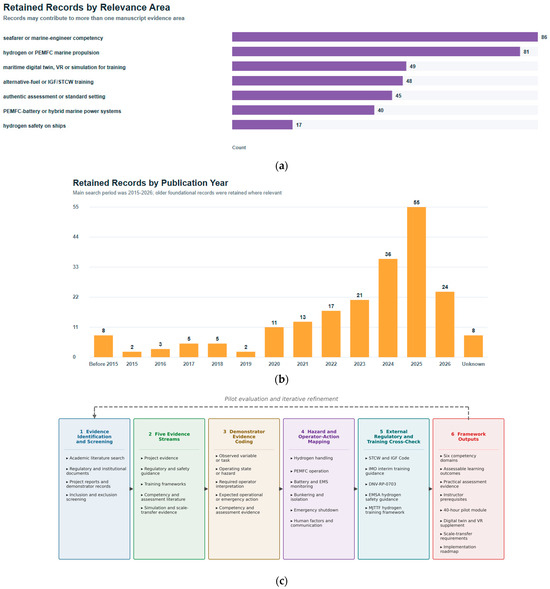
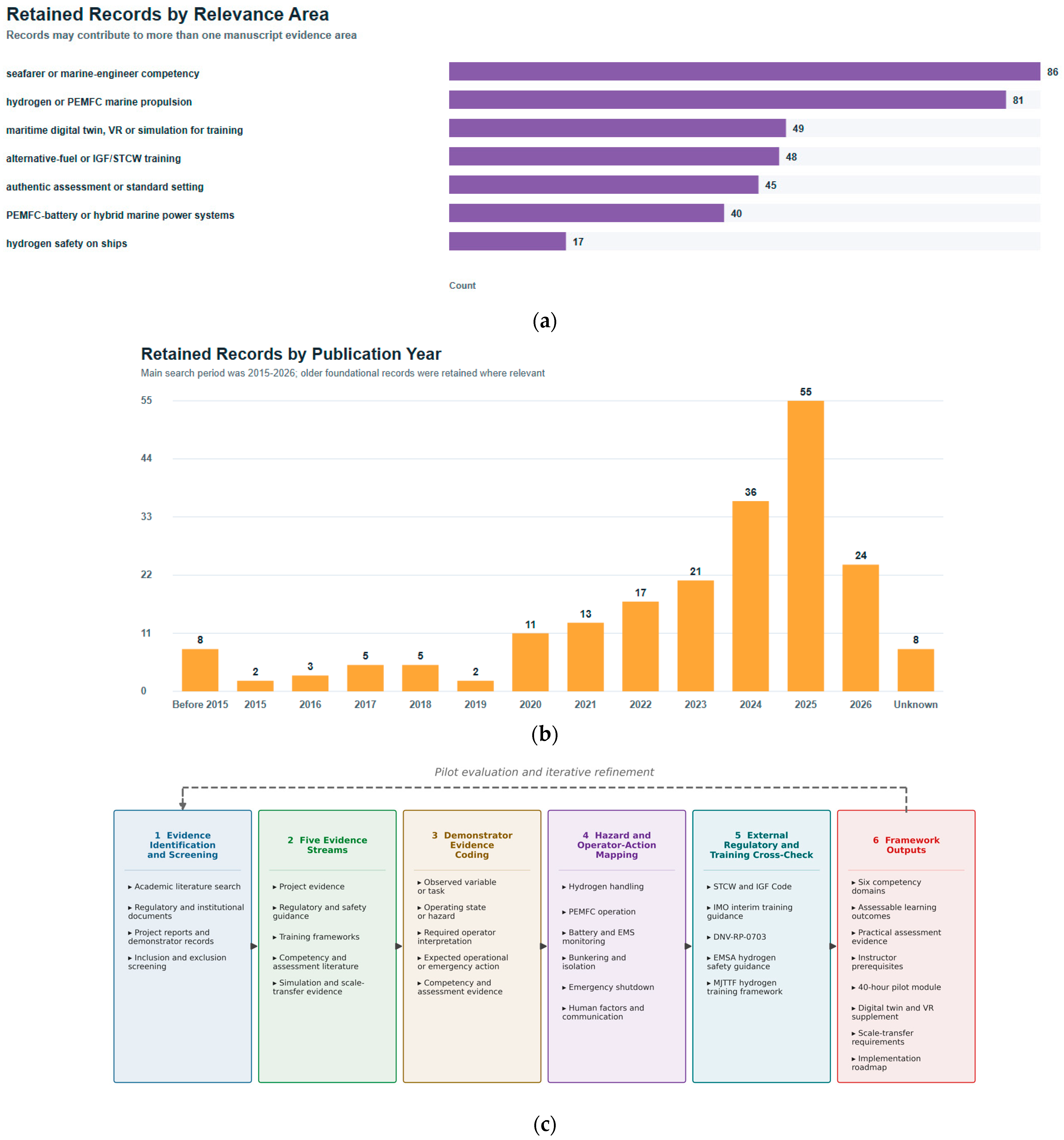
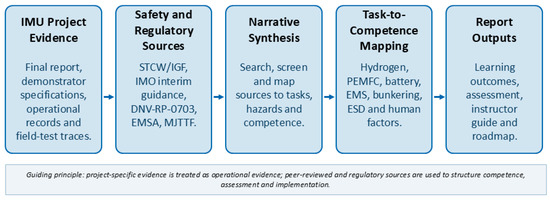
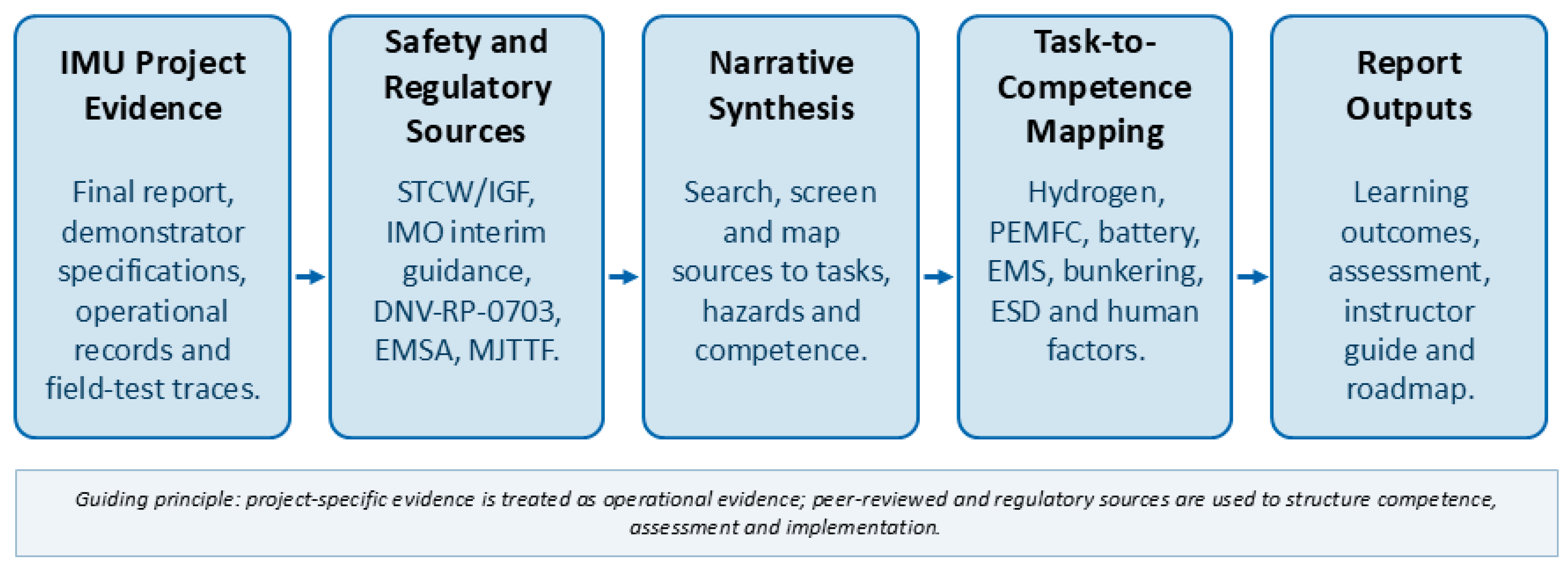
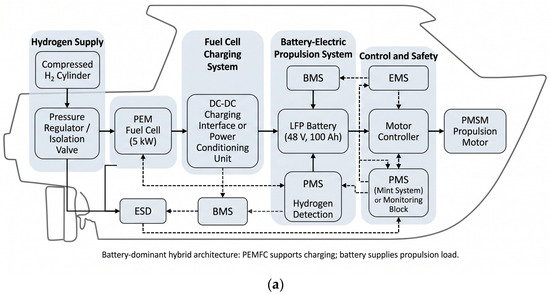
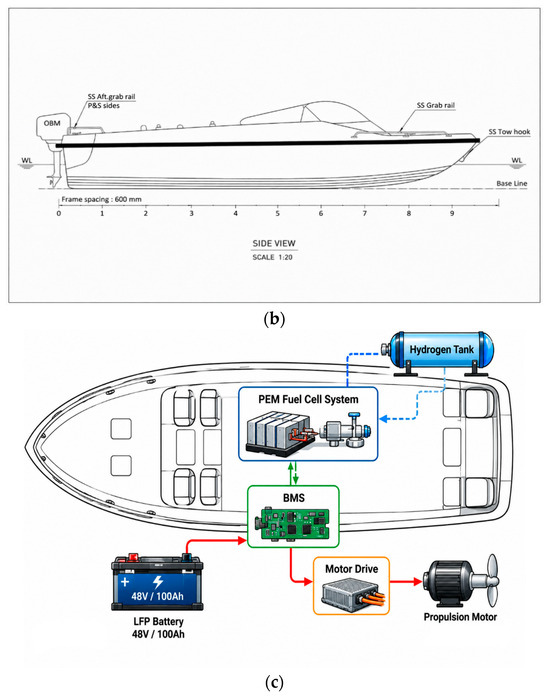
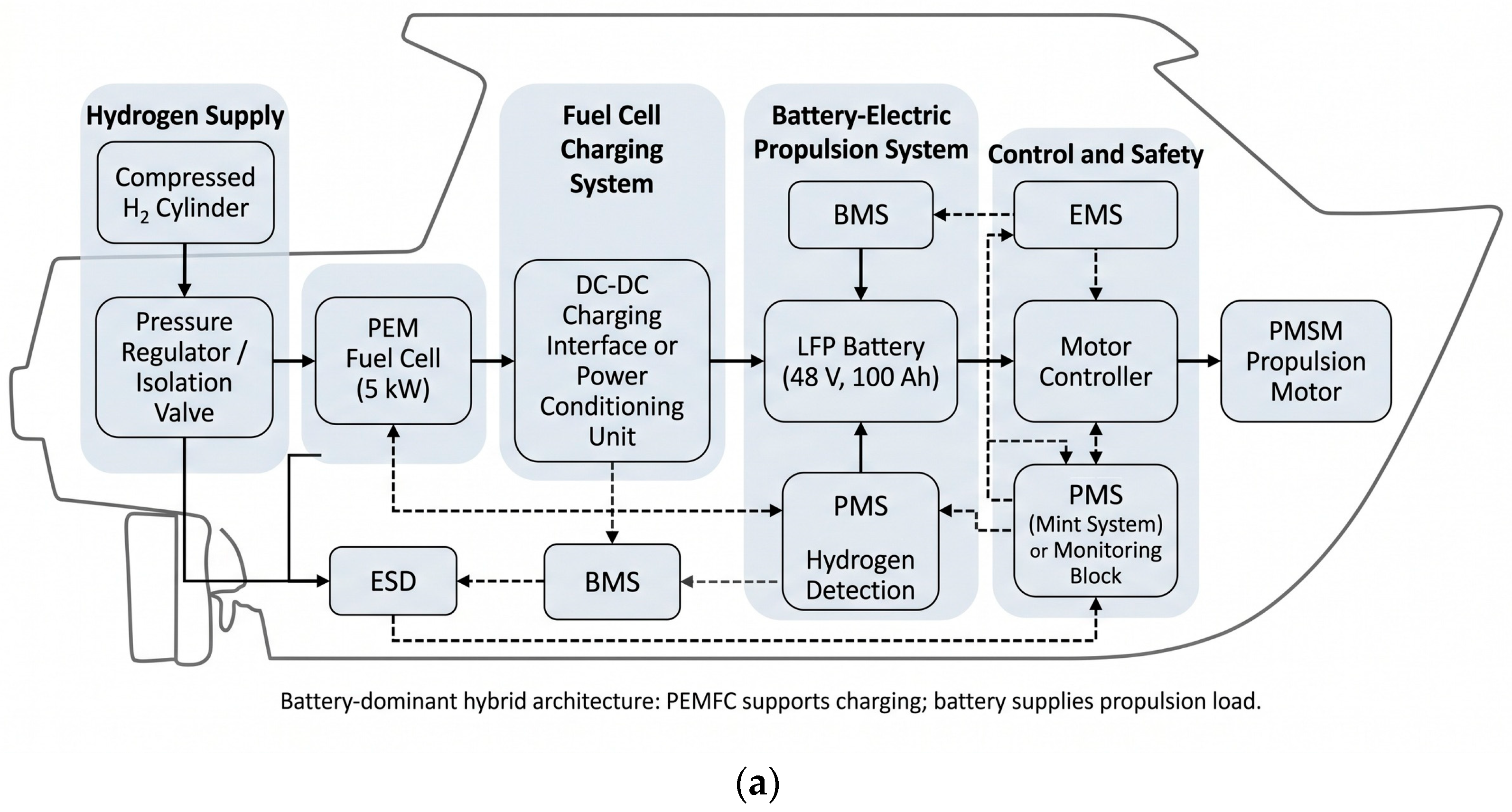
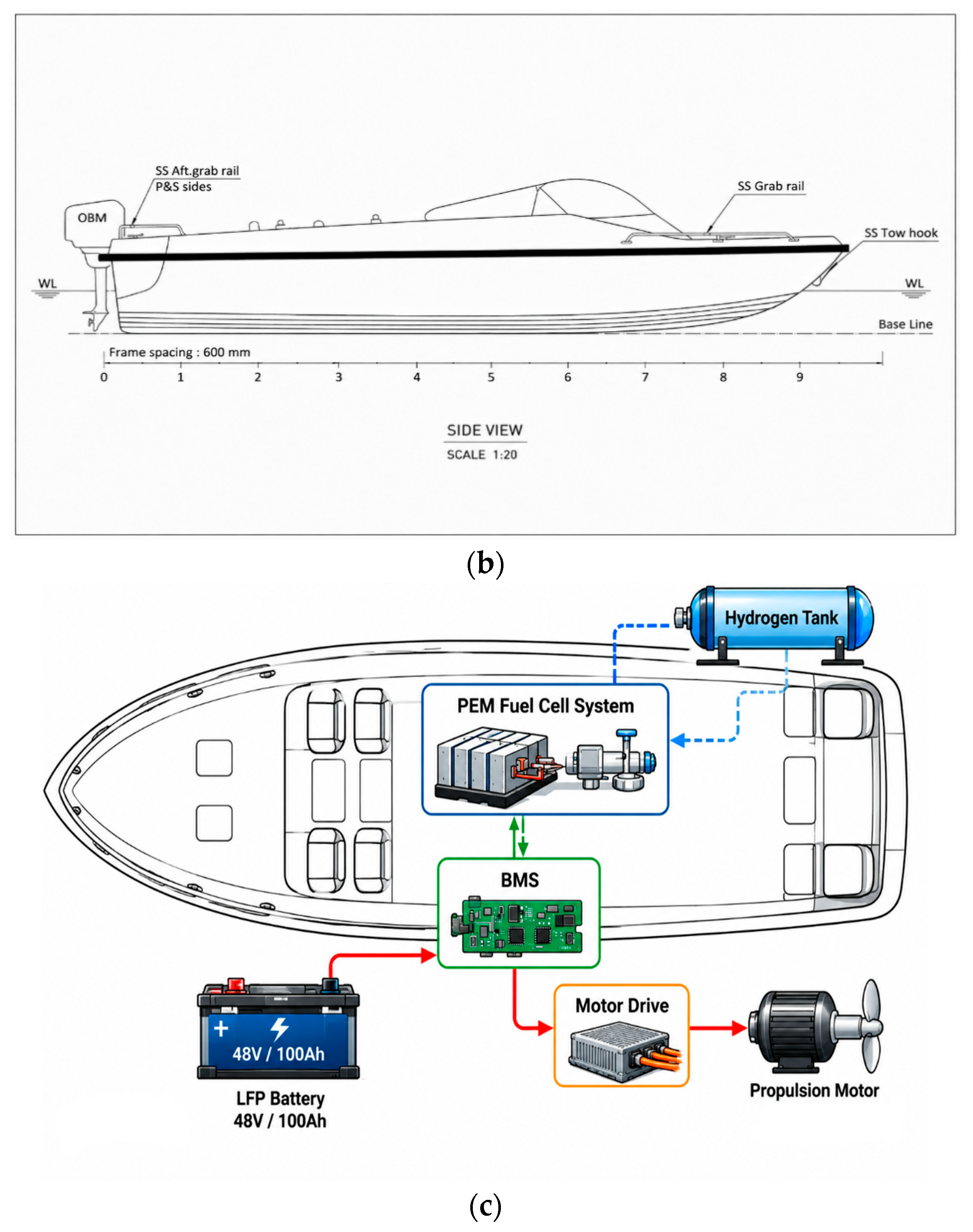
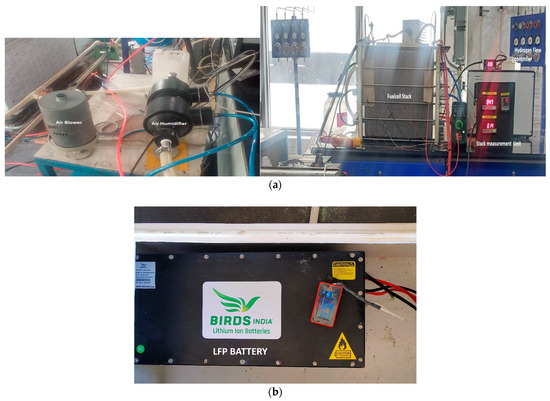
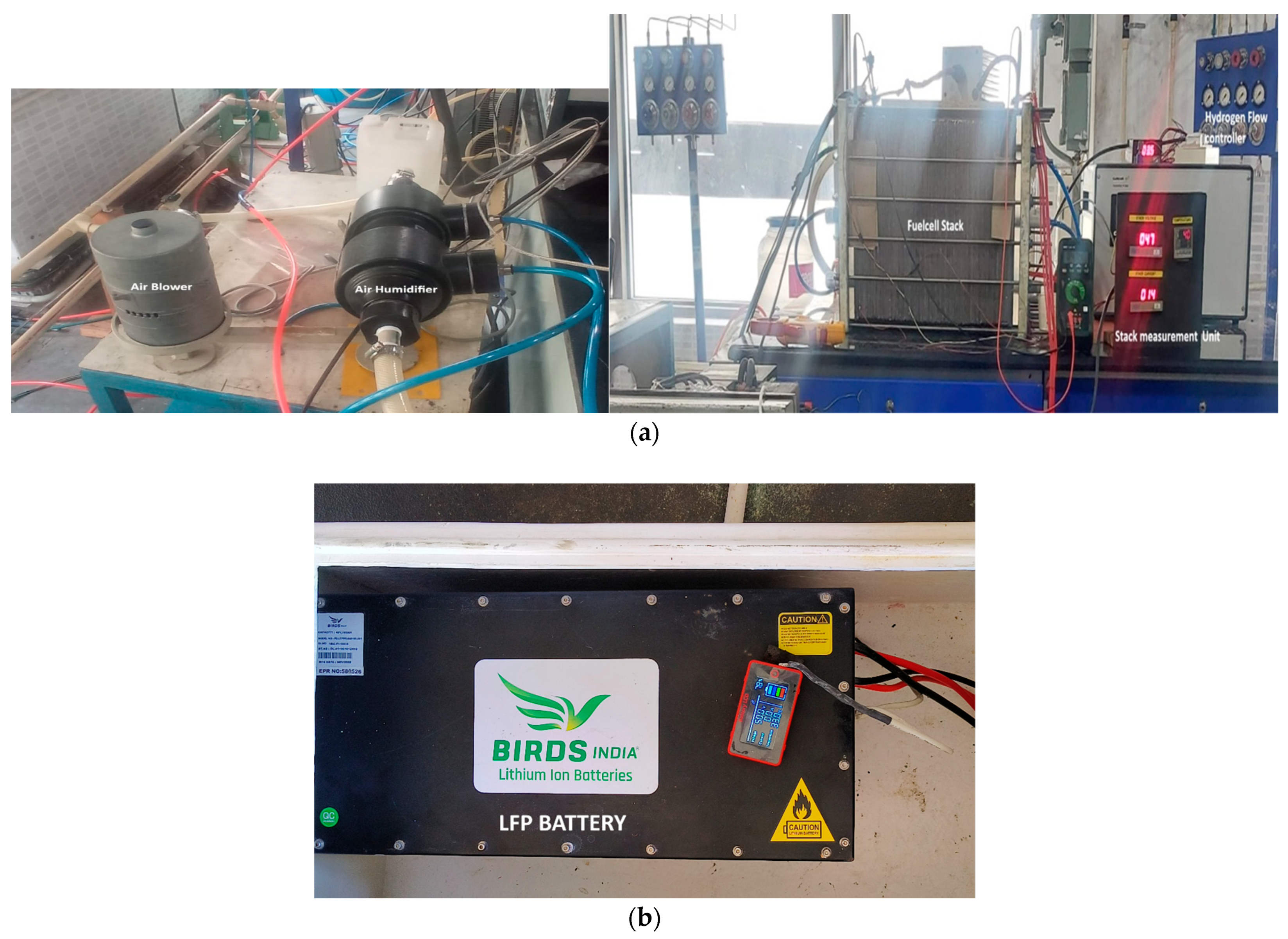
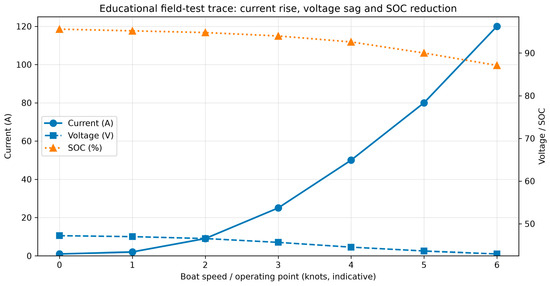
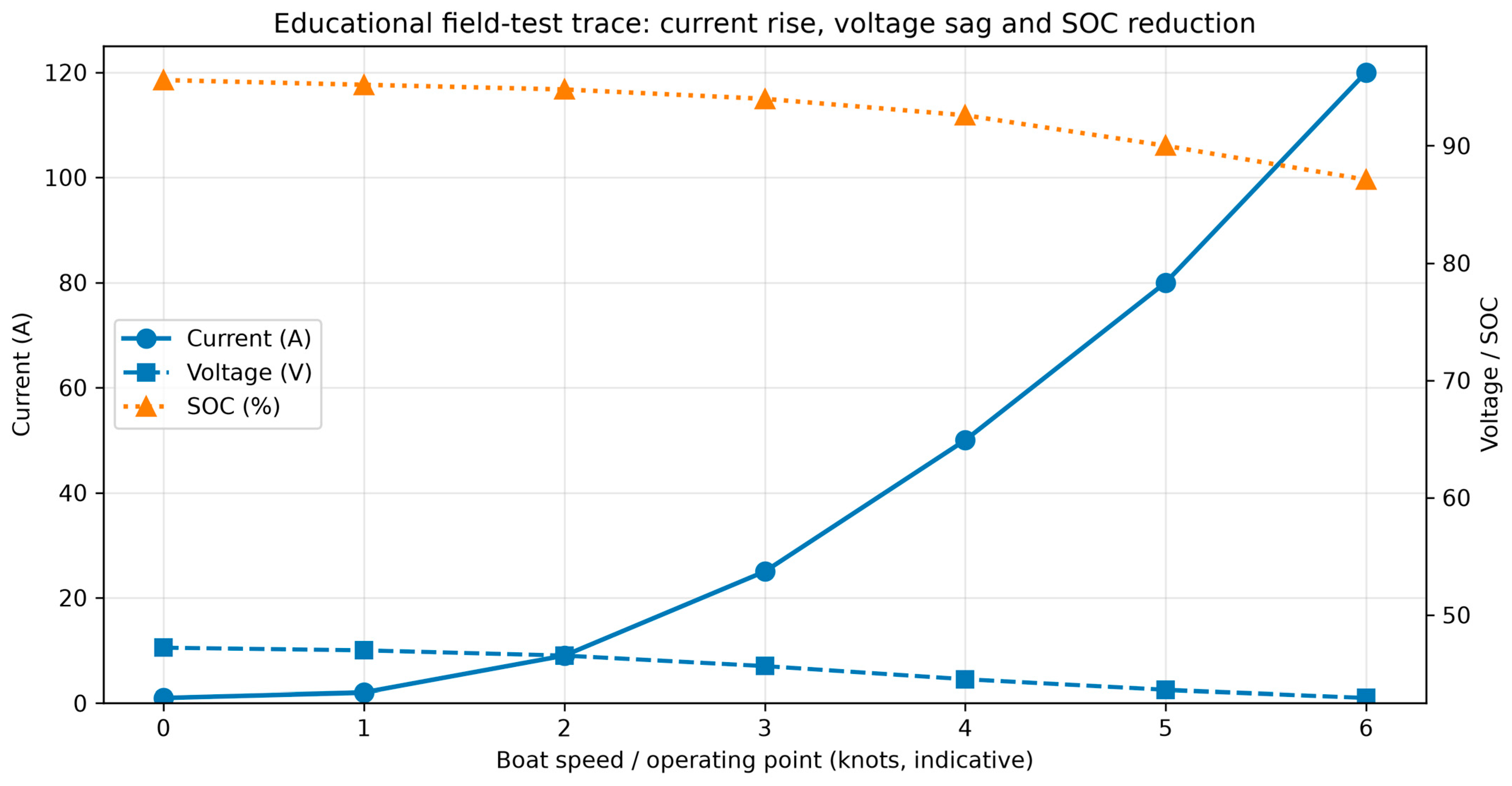
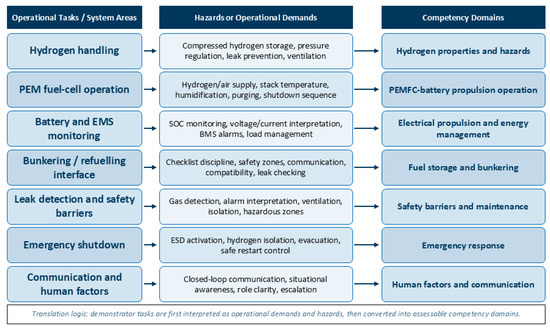
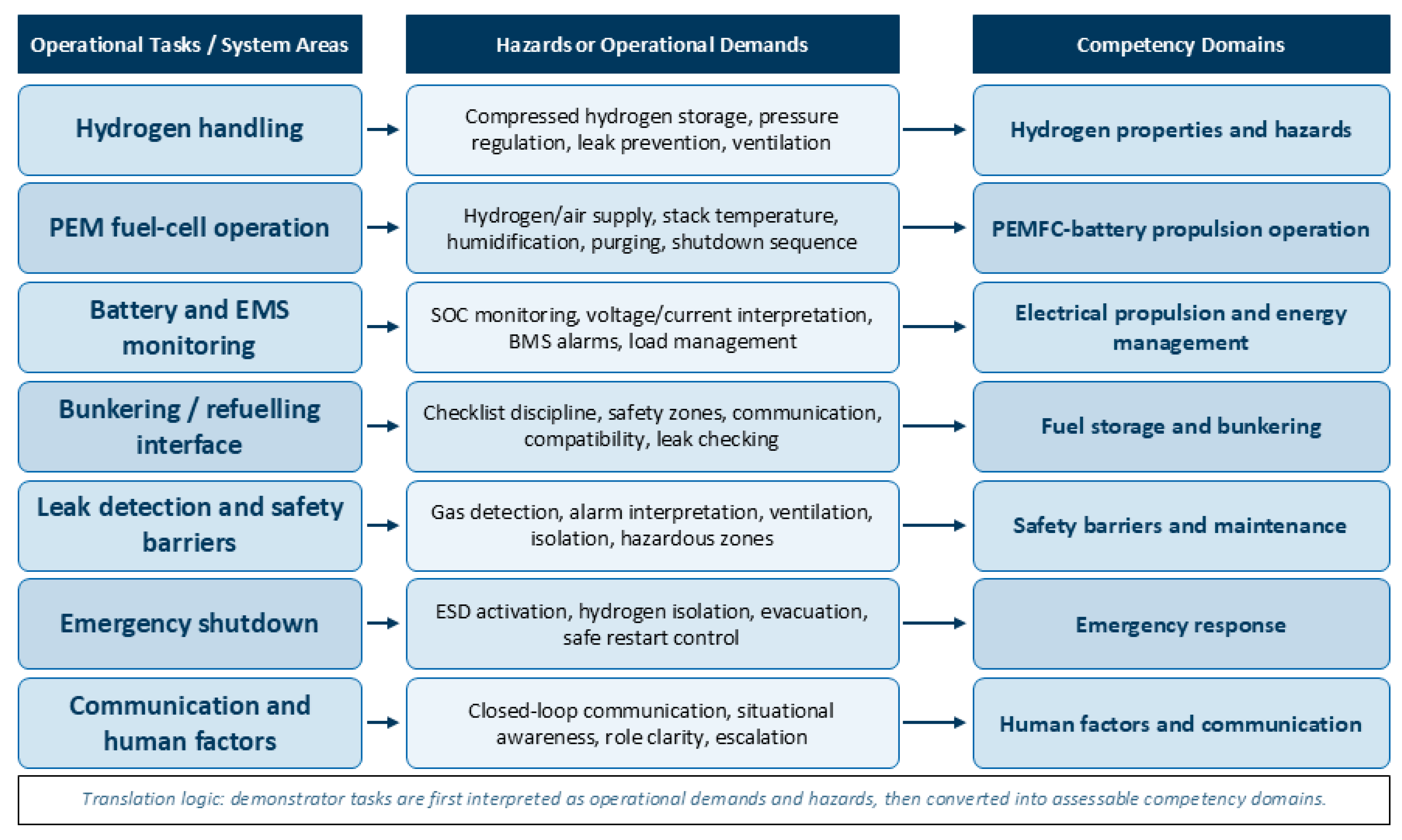
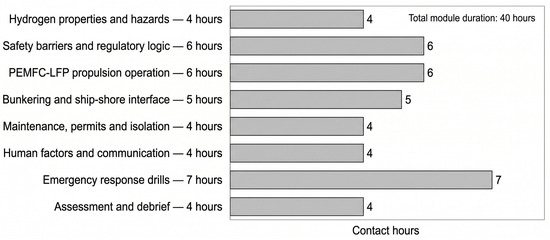
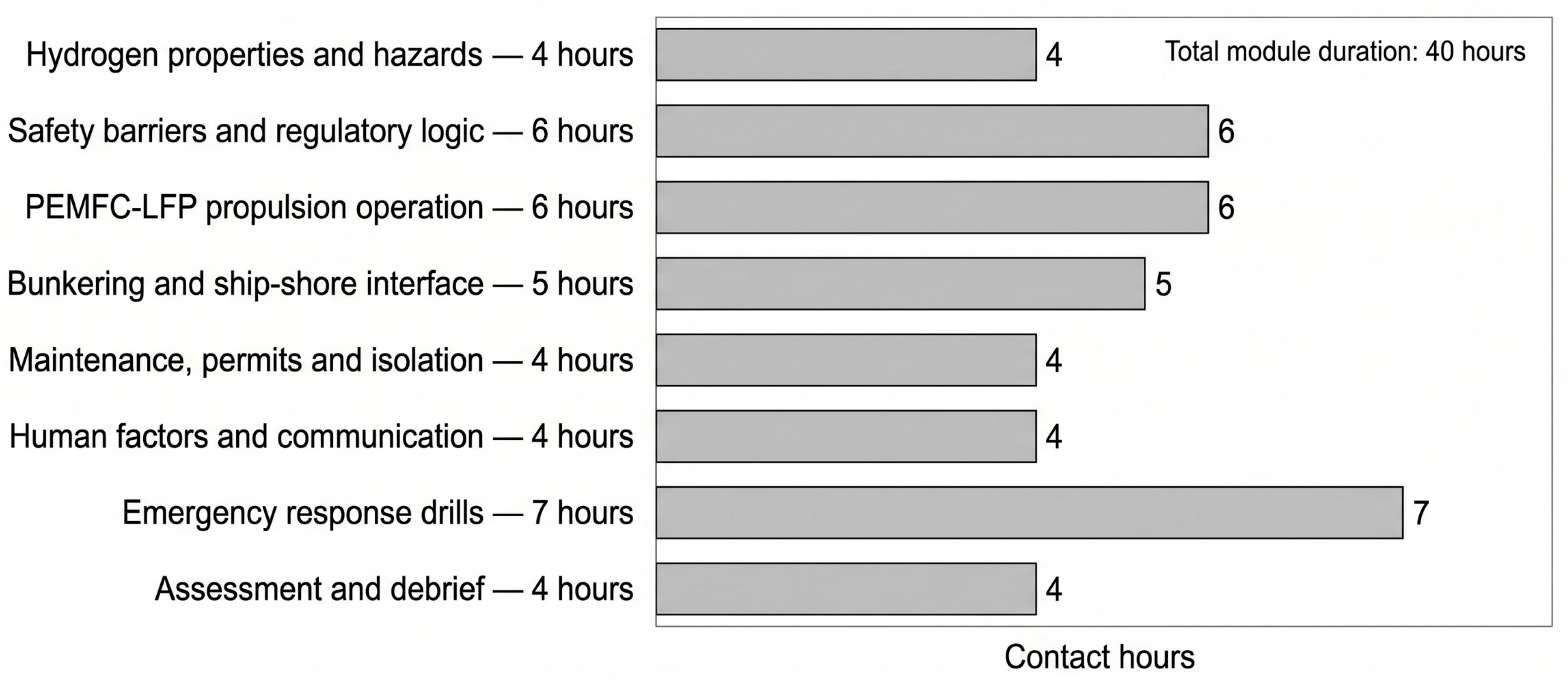
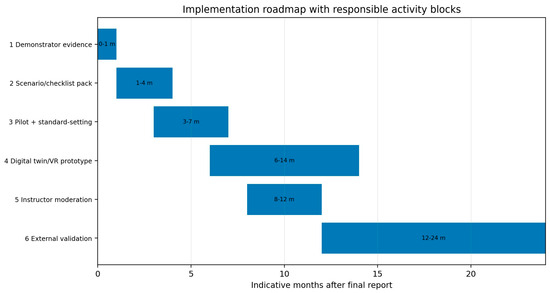

Disclaimer/Publisher’s Note: The statements, opinions and data contained in all publications are solely those of the individual author(s) and contributor(s) and not of MDPI and/or the editor(s). MDPI and/or the editor(s) disclaim responsibility for any injury to people or property resulting from any ideas, methods, instructions or products referred to in the content. |
© 2026 by the authors. Licensee MDPI, Basel, Switzerland. This article is an open access article distributed under the terms and conditions of the Creative Commons Attribution (CC BY) license.