


Abstract
Strong policy momentum is supporting the adoption of hydrogen as a major energy carrier for a decarbonised global economy, especially for reducing emissions in hard-to-abate industrial sectors. Although achieving large-scale hydrogen deployment will require substantial long-term investment in dedicated infrastructure, blending hydrogen with conventional hydrocarbon fuels provides a practical near-term pathway to accelerate uptake by leveraging existing systems and fuel-supply networks. To inform future research and development in this field, this review summarises experimental and numerical findings on the combustion behaviour of hydrogen–hydrocarbon mixtures and highlights the main challenges and research gaps that must be addressed to ensure the safe and efficient use of hydrogen-enriched fuels in current combustion systems. It also examines the fundamental combustion characteristics of hydrogen and hydrogen-enriched fuels, the effects of hydrogen addition to gaseous, liquid, and solid fuels on combustion performance and emissions, and the contrasting policy approaches shaping hydrogen uptake across major global economies.
1. Introduction
In its The Future of Hydrogen report, the International Energy Agency (IEA) [1] notes that “hydrogen is currently enjoying unprecedented political and business momentum” as a means for decarbonising the global economy. Notably, it provides a pathway for storing renewable energy in a chemical form that can then be converted to electricity or thermal energy via fuel cells or carbon-free (or low-carbon) combustion. However, the same report also emphasises that hydrogen still faces critical challenges related to its cost-effectiveness as an energy carrier, the lack of dedicated infrastructure, various regulatory barriers and the fact that it is still almost entirely produced from fossil fuels through processes such as steam methane reforming [1]. (More precisely, of the total 97 Mt of hydrogen produced in 2023, less than 1% was via low-emission processes, such as electrolysis [2]. Nevertheless, the global installed capacity of electrolysers has increased almost nine-fold between 2021 and 2024, and—on the basis of announced projects—IEA also estimates that low-emission hydrogen production could reach 49 Mt per year by 2030 [2].)
The IEA identifies four near-term opportunities to accelerate hydrogen deployment as an energy carrier, one of which is leveraging existing infrastructure, particularly through the use of existing natural-gas (NG) networks [1]. Hence, blending hydrogen with conventional hydrocarbon fuels used in combustion-based energy-conversion system provides a practical near-term pathway to boost demand and achieve economies of scale. This has, in turn, stimulated a growing body of review articles examining various aspects of hydrogen use in combustion systems, usually focusing on specific technologies or application sectors.
For instance, Leicher et al. [3] and Sîrbu et al. [4] concentrated on hydrogen-enriched NG combustion in residential and commercial appliances, Ghazal et al. [5] reviewed hydrogen-enriched gaseous fuels in combustors and gas turbines, Honu et al. [6] focused on hydrogen utilization in industrial boilers, Peng et al. [7] analyzed numerical modelling approaches for hydrogen combustion, and Yu et al. [8] reviewed hydrogen-based CHP systems. Other studies [9,10,11,12,13] have addressed hydrogen production pathways, storage technologies, e-fuels, transportation infrastructure, and broader hydrogen economy concepts rather than combustion technologies and thermal energy applications.
Despite these contributions, several knowledge gaps remain. Existing reviews rarely provide an integrated assessment of hydrogen combustion fundamentals, hydrogen-enriched hydrocarbon combustion, residential and industrial thermal applications, hydrogen-assisted combustion of gaseous, liquid, and solid fuels, emissions formation mechanisms, combustion stability, safety considerations, and deployment challenges within a single framework. Therefore, the interactions between fuel type, combustion behaviour, emissions performance, and application-specific requirements remain fragmented across the literature. To address these gaps, the present review provides a comprehensive assessment of hydrogen-assisted combustion technologies in thermal energy systems across multiple fuel types and application sectors.
Table 1 summarizes the scope of representative review articles and highlights the contribution of the present review relative to previous work. Whereas previous reviews typically focus on individual application sectors, specific fuel categories, or particular methodological approaches, the present review integrates combustion fundamentals with practical thermal energy applications and compares hydrogen-assisted combustion across gaseous, liquid, and solid fuels. By combining residential, commercial, and industrial perspectives within a single framework, the review provides a broader understanding of the opportunities, limitations, and future research directions associated with hydrogen-based combustion technologies.
Table 1.
Comparison of representative reviews on hydrogen combustion, hydrogen-enriched NG, and related applications.
The main contributions of this review are threefold: (i) to summarize the fundamental combustion characteristics of hydrogen and hydrogen-enriched fuels; (ii) to compare the effects of hydrogen addition to gaseous, liquid, and solid fuels on combustion performance and emissions; and (iii) to assess the opportunities, challenges, and future research needs associated with residential and industrial thermal energy applications. In addition, the review incorporates an assessment of the policies and strategies adopted by major global actors, with particular attention to the European Union, United States, and China, thereby linking technological developments with the policy momentum shaping hydrogen’s role in future energy systems.
First, the key property differences between hydrogen and hydrocarbon fuels—and their implications for the combustion processes—are examined. The focus is on how these differences influence flame characteristics and combustion products, although other relevant effects are also considered. This is followed by a discussion of the policy frameworks and strategic initiatives adopted by leading global economies, with emphasis on the EU, to promote green hydrogen deployment. The review then examines studies on the combustion behaviour of hydrogen-hydrocarbon mixtures (covering gaseous, liquid, and solid hydrocarbon fuels) and the required design and operational modifications for combustion equipment in both industrial and building-sector applications. In this context, the main research gaps identified in the literature are analysed.
2. Fundamental Property Differences Between Hydrogen and Hydrocarbon Fuels
To provide a clearer basis for the subsequent discussion, Table 2 summarises representative properties of hydrogen, methane/NG and propane. Methane is used as the main natural-gas reference fuel, while propane represents a higher gaseous alkane relevant to LPG-type and enriched natural-gas compositions [15,16].
Table 2.
Representative properties of hydrogen, methane/NG and propane. Values are indicative for near-ambient initial conditions unless otherwise stated.
The comparison shows that hydrogen differs from methane and propane in two particularly important ways. On a mass basis, hydrogen has a very high heating value, whereas on a volumetric basis its energy density is much lower because of its low density [13]. Consequently, substantially larger volumetric flow rates of fuel are required for hydrogen-fired equipment to deliver an energy input comparable with that of natural-gas systems. This volumetric-density limitation also manifests at the component level: for instance, fuel-injection nozzle diameters must be increased to admit sufficient amounts of hydrogen into the combustion chamber to achieve the same energy input [19].
Furthermore, the small molecular size and high diffusivity of hydrogen make containment more demanding and are also related to material-compatibility problems. One important example is hydrogen embrittlement, which occurs when hydrogen atoms diffuse into the crystal lattice of solid materials, reducing ductility and fracture toughness and potentially leading to material failure over time [13]. The same molecular properties also increase the relevance of hydrogen leakage during production, storage, transport and end use. Leaked hydrogen has an indirect greenhouse effect over near- and medium-term horizons because it affects the atmospheric lifetime of methane, tropospheric ozone and stratospheric water vapour [20,21].
2.1. Flame Properties
From a flame-dynamics perspective, the most important differences are the wider flammability range, lower ignition energy, higher diffusivity and higher laminar flame speed of hydrogen. These characteristics can extend lean operating limits and improve ignition, but they also increase the sensitivity of premixed systems to flashback, autoignition and combustion instability [15,16]. Therefore, the fuel properties listed in Table 2 are directly linked to the operational issues discussed in the following subsections. In addition, due to the different chemical composition, hydrogen flames are far less luminous than hydrocarbon flames, and a larger fraction of heat transfer occurs via convection rather than thermal radiation [14,22]. As a result of these differences, in combustion chambers hydrogen-rich flames are shorter, more compact, and more reactive than, for instance, methane flames; this affects residence time, flame stabilisation, and the interaction between heat transfer and the flow field [23,24].
Notably, hydrogen has a laminar flame speed approximately an order of magnitude higher than that of methane [18]. Even partial substitution—i.e., introducing hydrogen into a methane-dominated mixture—substantially increases burning velocity: mixtures containing up to 50% hydrogen can reach twice the laminar flame speed of pure methane [22], trigger earlier onset of laminar-flame instabilities, and reduce Markstein lengths [25]. Hydrogen flames also require much higher jet velocities to detach from the nozzle [26], and their higher turbulent flame speeds produce more compact reaction zones that shift upstream toward the burner outlet [27]. The elevated flame speeds increase the risk of flashback, which occurs when the local turbulent flame speed exceeds the flow velocity, allowing the flame to propagate upstream into the premixing or fuel-supply passages and potentially damage the combustion equipment [18,28].
Mechanistically, this behaviour is not only an empirical fuel-property difference, but a consequence of hydrogen’s intrinsic chemical kinetics and transport behaviour. Hydrogen oxidation is governed by fast radical chain-branching and chain-propagation reactions involving H, O and OH radicals, while the high mass diffusivity of promotes preferential diffusion toward the reaction zone [27,29]. As a result, hydrogen flames are generally thinner, more compact and more reactive than methane- or propane-air flames. When hydrogen is blended into hydrocarbon fuels, the characteristic chemical time decreases and the flame can stabilise closer to the burner exit or even shift upstream [15,27]. This reduces the convective time delay between mixture perturbation and heat release, which is a key parameter for both flashback and thermoacoustic response [27].
Flashback occurs when the local flame propagation speed exceeds the local flow velocity in the burner or premixing passages. Hydrogen addition increases this risk because it increases the laminar and turbulent burning velocities, lowers the ignition energy and broadens the flammable range [18,29]. In premixed systems, flashback may occur through several coupled mechanisms, including core-flow propagation, boundary-layer flashback, combustion-induced vortex breakdown and instability-driven flashback [27]. Therefore, simply increasing the flow velocity is not always a sufficient solution, because it can increase pressure losses, reduce efficiency and move the system closer to blowoff. Mitigation requires combined control of mixture residence time, local equivalence ratio, velocity gradients, burner-wall cooling, flame anchoring position and the residence time of the premixed reactants [18,29].
The influence of hydrogen on blowoff is more nuanced. On the one hand, hydrogen can extend the lean blowout limit because its high reactivity, high diffusivity and high flame speed support stable combustion at lower equivalence ratios [18,27]. On the other hand, if the flow velocity is increased excessively to avoid flashback, the flame may be displaced downstream, weakened by excessive strain, or extinguished. Thus, hydrogen addition can simultaneously enlarge the lean operating window and narrow the safe design margin between flashback and blowoff. The final behaviour depends on burner geometry, swirl strength, residence time, local mixing quality, pressure, dilution level and the interaction between flow field and flame structure [16,18].
Hydrogen addition also modifies thermoacoustic instability because it changes the coupling between unsteady heat release and acoustic pressure oscillations. In lean premixed combustors, self-excited instabilities arise when heat-release fluctuations occur sufficiently in phase with pressure oscillations and the acoustic energy supplied by the flame exceeds acoustic damping [27]. Hydrogen-enriched flames are shorter and more compact, and their stabilisation position can move upstream, modifying the convective time delay, the flame transfer response and the phase relation between pressure and heat release [15,27]. Depending on burner design and operating point, hydrogen can therefore either suppress an existing instability or trigger a new one, shift instability regions toward lower equivalence ratios, promote mode switching and excite higher-frequency oscillations. Elevated pressure can further intensify flame-front wrinkling and reduce the hydrogen fraction required for instability onset [16,27].
2.2. Combustion Products and Emissions
Apart from trace contaminants that may remain in the hydrogen gas after its production and purification, the only notable emissions from the complete combustion of hydrogen are water vapour and [18]. The large quantities of water in the flue gases can increase the heat transfer coefficient between the hot gas and the surfaces exposed to it, while also creating a more corrosive environment for the solid materials [28].
Nevertheless, the most significant flue-gas-related problem associated with hydrogen combustion is usually formation. formation in hydrogen and hydrocarbon flames cannot be attributed to a single pathway, since combustion systems may involve fuel , prompt and thermal depending on fuel composition, local equivalence ratio, temperature, oxygen availability and residence time [18]. Fuel originates from nitrogen chemically bound in the fuel and is therefore negligible for methane and propane under normal fuel-quality conditions, and non-existent for pure hydrogen. Prompt is formed in the early reaction zone, especially under locally fuel-rich conditions, through fast radical reactions involving hydrocarbon fragments. In pure hydrogen flames, hydrocarbon-radical prompt chemistry is absent, although NNH-related pathways may contribute to NO formation under some conditions [18].
Unlike prompt and fuel emissions, thermal emissions are strongly dependent on combustion temperature: they are practically not formed below 750 °C, but above 1500 °C become significant and increase exponentially with temperature. Hence, at the high temperatures typical of hydrogen and hydrogen-enriched flames, thermal is usually the dominant concern. It is strongly controlled by the peak flame temperature, oxygen availability and residence time in high-temperature zones, and is mainly described by the extended Zeldovich mechanism [18,30]:
Because hydrogen combustion can produce high local flame temperatures, short and compact reaction zones, and highly reactive radical pools, hydrogen and hydrogen-enriched flames may intensify thermal formation unless the combustion system is designed to limit temperature peaks and residence time [27,29]. Practical mitigation approaches therefore include lean premixed combustion, staged combustion, exhaust-gas or flue-gas recirculation, steam or water dilution, nitrogen dilution, micromix combustion concepts and, when required, post-combustion treatment such as selective catalytic reduction. Experimental studies also show that burner design measures promoting internal exhaust-gas recirculation can substantially reduce emissions during hydrogen combustion [18,31].
As the adiabatic flame temperature of hydrogen is roughly 300 K higher than that of methane, thermal emissions can increase drastically when hydrogen is substituted for NG, unless additional measures are undertaken. The combustion temperature can be managed by a number of mechanisms, most notably through changing the fuel-to-air ratio (the equivalence ratio) or by cooling the flame through the addition of other gases. An example of the latter is the exhaust gas recirculation technology, which is employed in internal combustion engines to reduce the flame temperature by feeding exhaust gases back into the cylinders [32].
The negative effects can also be mitigated through appropriate burner design and operation [31]. In particular, changing the diameter and number of air nozzles enhances the internal recirculation of the flue gases, lowers the flame temperature, and substantially reduces emissions. This conclusion is particularly important in the context of modernisation of existing combustion systems, as it shows that hydrogen combustion can be sought not only through entirely new combustion chamber concepts, but also through targeted adaptation of combustion systems already in use [31,33], as discussed in the following sections.
The environmental assessment of burners, boilers, furnaces, reciprocating engines and gas turbines operating with hydrogen should not be limited to accounting for carbon emissions at the place of use; it should also consider the other emissions from the combustion processes, the operational limitations of the combustion system itself, as well as the indirect effects and emissions along the whole supply chain [20,21,33,34,35,36,37]. When produced through electrolysis with renewable or nuclear energy, hydrogen can have a low greenhouse-gas footprint over its life cycle; however, the still dominant production from fossil fuels (e.g., via steam-methane reforming) remains very carbon-intensive, especially in the absence of effective carbon capture [38]. Even renewables-based electrolytic production of hydrogen can impose considerable environmental burdens due to geographic supply-demand imbalances and the predominance of hydrogen-production potential within water-stressed regions [39].
2.3. Implications for Numerical Studies
Computational fluid dynamics (CFD) has become an essential tool for analysing hydrogen-enriched combustion processes due to its ability to resolve complex interactions between fluid flow, chemical kinetics, and heat transfer. Modern CFD approaches allow detailed investigation of combustion characteristics, including flame structure, temperature distribution, and pollutant formation, across a wide range of operating conditions [40,41]. Despite its widespread use, conventional CFD modelling faces several challenges, particularly when applied to hydrogen combustion problems. The high reactivity and fast chemical kinetics of hydrogen require detailed reaction mechanisms and an accurate representation of turbulence–chemistry interactions, which significantly increase computational cost [40]. As a result, simplified models are often employed; however, these may introduce uncertainties in predicting ignition behaviour, flame propagation, and emissions.
Recent developments focus on improving model accuracy and efficiency through hybrid approaches that combine CFD with machine learning techniques. These methods can markedly reduce computational time while maintaining acceptable predictive capability, enabling more extensive parametric studies and real-time optimisation [40]. At the same time, advances in turbulence modelling, radiation modelling, and chemical kinetics continue to enhance the reliability of CFD simulations for hydrogen combustion applications [41].
Studies show that hydrogen enrichment strongly affects mixing processes, flame stabilisation, and heat release rates, requiring careful calibration and validation of numerical models against experimental data [42,43]. In particular, accurate prediction of emissions remains a key challenge due to the sensitivity of thermal formation to local temperature and residence time. In practical combustion systems, numerical simulations highlight the importance of boundary conditions, fuel injection strategies, and reactor geometry in determining overall performance. Variations in injection location, air–fuel ratio, and flow distribution can substantially alter temperature fields and emission characteristics, especially in systems with high hydrogen content [44,45].
Although significant progress has been made with respect to CFD modelling of laboratory-scale and industrial systems involving hydrogen combustion, including swirling flames, internal combustion engines, and furnace applications, several limitations remain. These include difficulties in modelling high-pressure combustion, multi-phase interactions, and detailed pollutant formation mechanisms, particularly in complex fuel mixtures [5,46]. Therefore, continued development of advanced CFD methodologies, supported by experimental validation, is essential for improving predictive capabilities and enabling the reliable design of hydrogen-based combustion systems.
3. Green Hydrogen and European Frameworks and Strategies
“Green” hydrogen is emerging as a key energy carrier in the global transition to a low-carbon economy, particularly in the context of decarbonizing hard-to-abate industrial sectors [47]. Unlike conventional hydrogen, produced through steam reforming of NG, green hydrogen is generated through the electrolysis of water using renewable energy, resulting in minimal greenhouse gas emissions [2].
Within the European Union, the development of the so called “hydrogen economy” is closely linked to the goal of climate neutrality by 2050, as set out in the European Green Deal [48]. In this context, hydrogen is not considered as a universal solution, but rather as a strategic tool for decarbonizing specific industrial processes where direct electrification is technologically or economically inefficient [49]. Despite the ambitious goals and significant investments, the development of green hydrogen is accompanied by a number of challenges, including high costs, regulatory complexity, and demand uncertainty [2]. One of the aims herein is to analyse the European regulatory framework, industrial practices, and technological aspects of hydrogen, while offering a critical comparative analysis with the approaches of the United States and China.
3.1. EU Policy, Strategic and Regulatory Framework
The European Union’s hydrogen policy is being developed within the broader strategy for energy transition and decarbonization [48]. A foundational document is the 2020 European Hydrogen Strategy, which lays the groundwork for the development of the market, infrastructure, and technologies [50]. Additionally, the REPowerEU initiative reinforces the role of hydrogen as a means of reducing dependence on fossil fuel imports, particularly in the context of geopolitical risks [48]. This strategy sets a specific target for the production and import of a total of 20 million tons of renewable hydrogen by 2030, representing a significant increase from current levels. In parallel, the EU is integrating hydrogen into legislative initiatives such as the “Fit for 55” package, which aims to reduce emissions by at least 55% by 2030 [51]. This multi-layered policy approach reflects the EU’s ambition to combine climate goals with industrial development, but at the same time leads to a high degree of regulatory complexity.
One of the key elements of European hydrogen policy is Directive (EU) 2023/2413 (RED III), which introduces mandatory targets for the use of renewable hydrogen in industry [47]. According to the directive, at least 42% of the hydrogen used in industry by 2030 must be renewable, with this share increasing to 60% by 2035. A key part of the regulatory framework consists of delegated acts that define the criteria for so-called RFNBO (renewable fuels of non-biological origin). These criteria include requirements for additionality, temporal correlation, and geographical connectivity between hydrogen production and renewable energy [47]. While these requirements ensure environmental sustainability, they significantly increase project costs and complexity [52]. The Hydrogen and Decarbonised Gas Market Package [53] complements the regulatory framework by establishing market mechanisms for trading, infrastructure access, and the development of competition. However, the lack of a fully integrated market remains a key challenge.
Although the European Union promotes a common hydrogen strategy, significant differences exist among member states regarding resources, industrial structures, and policy priorities. Germany has emerged as one of the leading hydrogen economies in Europe due to its large industrial base, particularly in steel, chemicals, and manufacturing. The German National Hydrogen Strategy emphasizes both domestic production and large-scale imports from partner countries. Spain and Portugal benefit from abundant solar resources, enabling relatively low-cost renewable electricity generation. These countries increasingly position themselves as future exporters of renewable hydrogen to northern European markets.
The Netherlands focuses on developing hydrogen infrastructure around major industrial clusters and ports, particularly Rotterdam, where hydrogen imports and distribution are expected to play a central role. France places greater emphasis on low-carbon hydrogen production linked to its nuclear electricity system. While EU policy primarily prioritizes renewable hydrogen, France argues that nuclear-powered electrolysis can also contribute significantly to decarbonization objectives. Central and Eastern European countries generally face additional challenges related to financing, infrastructure development, and industrial transformation. Consequently, hydrogen deployment across the EU is likely to remain heterogeneous during the coming decades.
3.2. Comparative Perspective on EU, U.S. and Chinese Hydrogen Policies
The development of the hydrogen economy is increasingly shaped by different policy approaches adopted by the European Union, the United States, and China. Although all three jurisdictions recognize hydrogen as a strategic component of future low-carbon energy systems, they differ substantially in regulatory philosophy, industrial policy instruments, and deployment strategies.
The European Union has adopted a regulatory and sustainability-oriented approach. The European Hydrogen Strategy, REPowerEU, RED III, and the Hydrogen and Decarbonised Gas Market Package collectively establish a comprehensive framework governing hydrogen production, certification, infrastructure development, and market integration. One of the major strengths of the EU model is the creation of clear sustainability criteria for renewable hydrogen through the Renewable Fuels of Non-Biological Origin (RFNBO) framework. Such criteria enhance environmental credibility, improve investor confidence in the long term, and support the development of a harmonized internal hydrogen market. At the same time, practical challenges have emerged. The requirements concerning additionality, temporal correlation, and geographical matching between renewable electricity generation and hydrogen production increase administrative complexity and project costs. Industry stakeholders have argued that compliance with these requirements may slow project implementation during the early stages of market development. Consequently, while the European framework provides regulatory certainty and strong environmental safeguards, it may create barriers to rapid deployment when compared with more flexible international approaches.
The United States has adopted a predominantly market-driven strategy centred on economic incentives. The Inflation Reduction Act (IRA) introduced production tax credits of up to USD 3 per kilogram of clean hydrogen, significantly reducing production costs and improving project economics. Rather than prescribing detailed sustainability requirements at the outset, the U.S. framework prioritizes rapid market creation and industrial scaling. This policy has stimulated numerous large-scale hydrogen projects across several states, particularly in regions with abundant renewable resources. An important element of the U.S. approach is the Regional Clean Hydrogen Hubs Program, funded through the Bipartisan Infrastructure Law. These demonstration hubs integrate hydrogen production, transportation, storage, and end-use applications across industrial clusters. Projects such as the Gulf Coast Hydrogen Hub and the Mid-Atlantic Clean Hydrogen Hub seek to demonstrate the commercial viability of hydrogen in refining, chemicals, power generation, and heavy transportation. The emphasis on demonstration projects allows technological learning and cost reductions through practical deployment. However, critics have noted that the U.S. approach may initially allow hydrogen production pathways with higher lifecycle emissions than those permitted under EU regulations.
China follows a third model based on state-industry coordination and long-term industrial planning. Hydrogen development has been incorporated into national industrial strategies and five-year plans. Chinese policy focuses on scaling domestic manufacturing capacity, reducing technology costs, and establishing leadership in key supply chains, particularly electrolysers and fuel-cell technologies. State-owned enterprises play a central role in project implementation, supported by provincial governments and public financing mechanisms. Several large-scale demonstration projects have been launched in industrial regions such as Inner Mongolia, Hebei, and Guangdong. These projects integrate renewable electricity generation with hydrogen production and industrial consumption. China has also become the world’s largest market for fuel-cell buses and heavy-duty vehicles, supported by dedicated subsidy schemes. The Chinese model demonstrates strong capability for rapid industrial deployment and cost reduction through economies of scale. Nevertheless, concerns remain regarding transparency, regional disparities, and the continued use of fossil-based hydrogen in some sectors.
These contrasting approaches are summarized in Table 3 and illustrate different policy priorities. The EU emphasizes sustainability and regulatory harmonization; the United States prioritizes market creation through financial incentives; and China focuses on industrial scaling and strategic manufacturing leadership. Rather than representing mutually exclusive models, these approaches demonstrate alternative pathways toward hydrogen market development.
Table 3.
Comparison of hydrogen policies across the European Union, United States, and China.
3.3. Industrial and Technological Aspects of the Green Hydrogen
Green hydrogen is primarily used in high-carbon-intensity industries, such as steel production, the chemical industry, and refineries [54]. In steel production, for example, hydrogen can replace coke as a reducing agent in the direct iron reduction process, leading to a significant reduction in the emissions [55]. In the chemical industry, hydrogen is a key component in the production of ammonia and methanol, and replacing grey with green hydrogen could have a substantial impact on emissions [49]. However, high production costs remain a major barrier to widespread adoption [2]. Furthermore, integrating hydrogen into industrial processes requires significant investments in new equipment and infrastructure, which further increases the financial risk for businesses [56].
Green hydrogen production relies primarily on electrolysers, which can be alkaline, proton-exchange membrane, or solid-oxide types [2]. Each technology has specific advantages and limitations related to efficiency, cost, and scalability. One of the key engineering challenges is hydrogen embrittlement, which leads to the degradation of metallic materials and poses risks to infrastructure [49]. This requires the development of new materials and safety standards. Additionally, hydrogen transport requires high pressure or liquefaction, which increases energy losses and costs [2]. In this context, the use of existing gas infrastructure by blending hydrogen with NG is viewed as a transitional solution, although one with technical limitations.
3.4. Economic and Investments Aspects of the Green Hydrogen
The cost of producing green hydrogen currently ranges between €3 and €8 per kilogram, depending on the price of electricity and the technology used [2]. These costs are expected to decrease with technological advancements and economies of scale, but uncertainty remains significant. The European Investment Bank estimates that the development of the hydrogen economy will require investments amounting to hundreds of billions of euros by 2050 [56]. However, the lack of stable demand and long-term contracts makes it difficult to finance projects [52]. This economic context underscores the need for coordinated policies that stimulate both the supply and demand for hydrogen.
The global development of the hydrogen economy is characterized by three distinct models: regulatory (EU), market-driven (U.S.), and state-industry collaboration (China) [57]. The EU emphasizes sustainability and regulation, which ensures environmental reliability but increases costs and slows down deployment [47]. The U.S., through the Inflation Reduction Act, provides significant subsidies that reduce the cost of hydrogen and stimulate rapid market development [2]. China, for its part, employs centralised planning and industrial policy, which enables rapid scaling of production and technological development [49]. These differences lead to significant variations in prices and competitiveness, with the U.S. and China holding a cost advantage.
The economic viability of green hydrogen remains one of the most important determinants of future market growth. Current estimates indicate production costs ranging from approximately €3–8/kg, depending on electricity prices, electrolyser technology, utilization rates, and regional conditions. Although substantial cost reductions are expected over the next decade, green hydrogen remains more expensive than conventional hydrogen production methods. Grey hydrogen, produced through steam methane reforming without carbon capture, generally costs between €1–2/kg under normal NG market conditions. Blue hydrogen, which incorporates carbon capture and storage technologies, typically ranges between €1.5–3/kg, depending on carbon capture efficiency and NG prices. Consequently, green hydrogen currently faces a significant cost disadvantage despite its superior environmental performance.
From an energy perspective, one kilogram of hydrogen contains approximately 33.3 kWh of lower heating value energy. At a production cost of €3–8/kg, the resulting energy cost corresponds roughly to €90–240/MWh. By comparison, wholesale NG prices in Europe have often ranged between €20–60/MWh, while industrial electricity prices vary considerably but frequently remain below the equivalent energy cost of green hydrogen. This comparison illustrates why direct electrification is generally preferred whenever technically feasible. For this reason, hydrogen is increasingly viewed as a complementary rather than universal decarbonization solution. Its primary role is expected in sectors where electrification remains technically challenging, including steel production, ammonia synthesis, chemical feedstocks, maritime transport, aviation fuels, and long-duration energy storage. In these sectors, the higher cost of hydrogen may be justified by the absence of viable low-carbon alternatives.
3.5. Discussion
As mentioned above, the European hydrogen incorporation model is characterized by a high degree of regulatory clarity and stability, but at the same time suffers from overregulation and high costs [52]. This creates a risk of falling behind other regions that offer more flexible and cost-effective conditions. Furthermore, the lack of coordination between supply and demand policies leads to uncertainty and project delays [2]. This problem is intensified by the global competition and geopolitical factors. In this context, the EU must rethink the balance between regulation and industrial policy to maintain its competitiveness.
Green hydrogen is a key element of the energy transition, but its development is accompanied by significant challenges. The EU is a leader in establishing a regulatory framework but lags behind the United States and China in industrial deployment. The future success of the hydrogen economy in the EU will depend on the ability to strike a balance between sustainability, economic efficiency, and technological development.
The comparison with the United States and China suggests that future European hydrogen policy may benefit from a balanced combination of regulatory rigor and industrial support mechanisms. The EU framework provides a strong foundation for environmental sustainability and market transparency. Nevertheless, accelerating project deployment may require additional measures that stimulate demand, reduce investment risk, and support first-of-a-kind industrial applications. The experiences of the United States demonstrate the effectiveness of substantial financial incentives and demonstration projects in creating early markets. China’s experience highlights the importance of industrial coordination, manufacturing scale, and long-term strategic planning. Integrating selected elements of these approaches while preserving the EU’s sustainability objectives could strengthen European competitiveness in the emerging global hydrogen economy.
Overall, green hydrogen remains an important component of long-term decarbonization strategies, particularly for sectors that are difficult to electrify. Its future success will depend not only on technological progress and cost reductions but also on the ability of policymakers to create stable, predictable, and economically viable market conditions.
4. Combustion Behaviour of Hydrogen-Enriched Hydrocarbon Fuels
4.1. Hydrogen Co-Combustion with Gaseous Fuels (Natural Gas)
Hydrogen enrichment of NG has been extensively investigated across a wide range of systems, including domestic boilers, industrial burners, and power plant applications. Experimental and numerical studies demonstrate that hydrogen addition in the range of approximately 5–30 vol.% can be implemented in existing combustion systems without major modifications, although higher fractions typically require redesign of burner geometry and operating conditions [9,58,59,60]. In particular, investigations on domestic-scale boilers show that stable combustion can be maintained up to 30% hydrogen content, with significant changes in flame structure and temperature distribution [58].
From a combustion physics perspective, hydrogen enrichment substantially modifies flame characteristics due to its high reactivity, low ignition energy, and fast diffusion rates. The interaction between multiple flame fronts, especially in perforated burner geometries, results in complex flame merging and localised high-intensity combustion regions, which strongly influence heat transfer and emission formation [59]. The impact of hydrogen addition on temperature fields remains strongly dependent on system configuration. Although some experimental studies report a reduction in peak combustion chamber temperature due to flame shortening and redistribution of heat release [58], other numerical investigations indicate localised temperature increases associated with intensified reaction rates and enhanced radical formation [60,61]. These differences highlight the importance of burner design, flow distribution, and mixing conditions in determining thermal behaviour.
Emission characteristics are similarly complex and often exhibit competing trends. Hydrogen addition inherently reduces carbon-based emissions such as due to fuel substitution effects; however, the behaviour of CO and emissions depends on local combustion conditions. For example, incomplete oxidation in low-temperature regions may lead to increased CO emissions, particularly when flame shortening reduces residence time [58]. At the same time, formation may increase due to elevated flame temperatures and enhanced radical pool formation, especially under near-stoichiometric conditions [60,61]. Conversely, under lean and well-mixed conditions, hydrogen enrichment can contribute to reduced emissions due to dilution effects and altered temperature profiles [59].
From an operational standpoint, hydrogen blending extends lean combustion limits, enabling more flexible operation and potentially higher efficiency. However, these benefits are accompanied by challenges related to flame control, burner durability, and emission trade-offs. Numerical and experimental studies emphasise the need for optimised combustion chamber design to accommodate changes in flame structure, temperature gradients, and pollutant formation mechanisms [62,63,64]. Overall, the existing literature suggests that moderate hydrogen fractions (typically 10–30%) provide a practical compromise between improved combustion performance and manageable emission behavior [9,59].
The studies reviewed in this section include experimental appliance tests, CFD and numerical modelling studies, combined experimental–modelling investigations, and review papers on hydrogen-enriched natural-gas combustion. To improve clarity, the representative sources are summarized according to their main methodological approach in Table 4 (experimental studies), Table 5 (numerical studies), Table 6 (combined experimental-numerical studies) and Table 7 (review studies), while Table 8 summarises the general trends discussed above according to hydrogen fraction.
Table 4.
Representative experimental studies on hydrogen-enriched natural-gas combustion.
Table 5.
Representative CFD and numerical-modelling studies on hydrogen-enriched natural-gas combustion.
Table 6.
Representative combined experimental–numerical studies on hydrogen-enriched natural-gas combustion.
Table 7.
Representative review studies on hydrogen-enriched natural-gas combustion.
Table 8.
Generalised effects of hydrogen fraction on combustion characteristics.
4.2. Hydrogen Co-Combustion with Liquid Fuels
Overall, hydrogen enrichment in liquid fuel systems cannot be treated as a straightforward fuel substitution but must be approached as an integrated combustion optimisation problem. The strong coupling between turbulence, chemical kinetics, and heat transfer necessitates the use of advanced modelling tools and carefully designed experimental validation to ensure stable, efficient, and low-emission operation.
Hydrogen co-combustion with liquid fuels has been investigated in large part in the context of transportation applications. For example, CFD simulations have been employed to study the effect of hydrogen addition at varying hydrogen volume fractions and ignition timings on the performance and emissions of a gasoline direct injection engine [76]. The study finds that blending hydrogen with gasoline increases the concentration of active hydroxyl radicals, which accelerates the combustion process. As hydrogen fraction increases, both peak heat release rate and cylinder pressure rise, indicating improved combustion dynamics. The study also registers an increase in emissions due to hydrogen blending, although another study reveals that CO emissions are reduced with the addition of hydrogen in a lean burn [77].
The former study also finds that the ignition delay period decreases with higher hydrogen volume fractions, particularly at late ignition timings [76]. This reduction in ignition delay is attributed to hydrogen’s favourable combustion properties, which enhance mixture vaporisation and reduce cold wall quenching. Hydrogen’s high octane rating also contributes to improved knock resistance in the engine. The findings suggest that blending hydrogen can shift the onset of autoignition to an earlier crank angle, thus enhancing overall engine stability.
Multiple studies [76,78,79] have used the SAGE model as appropriate for accurate simulation of gasoline burning in internal combustion engines. The SAGE model is a general combustion model [80] that can accurately evaluate the ignition and combustion mechanisms in detail. Based on the flow phenomena inside a cylinder, the renormalisation group k– turbulence model has been found preferable to describe the turbulence characteristics of the flow [81]. Regarding the hydrogen enrichment of traditional fuels, two approaches can be distinguished: hydrogen port injection and hydrogen direct injection, of which the latter is generally preferred due to several advantages [81].
The findings of multiple studies on hydrogen enrichment in liquid fuels and dual-fuel combustion systems are summarised in Table 9 (experimental and combined experimental-numerical studies), Table 10 (numerical studies) and Table 11 (review studies).
Table 9.
Representative experimental and combined experimental-numerical studies on hydrogen enrichment in liquid-fuel and dual-fuel combustion systems.
Table 10.
Representative numerical-modelling studies on hydrogen enrichment in liquid-fuel and dual-fuel combustion systems.
Table 11.
Representative review studies on hydrogen enrichment in liquid-fuel and dual-fuel combustion systems.
A comprehensive review of advancements in hydrogen-fuelled internal combustion engines in the transportation sector is provided in Ref. [92]. The study outlines the benefits of hydrogen internal combustion engines, such as their fuel flexibility, lower purity requirements, and compatibility with existing infrastructure, but also articulates that achieving high efficiency, low emissions, and adequate power output simultaneously remains a challenge. The authors conclude that although hydrogen engines present a promising alternative for reducing reliance on fossil fuels, significant research is still needed to overcome technical barriers and make them competitive in the broader market.
4.3. Hydrogen Co-Combustion with Solid Fuels
The co-combustion of hydrogen with solid fuels, such as coal and coke, involves complex multi-phase interactions between gas-phase reactions and heterogeneous processes, including devolatilisation, char oxidation, and gasification. These processes occur over different time and length scales, making the overall combustion behaviour highly dependent on both chemical kinetics and transport phenomena [93,94]. The addition of hydrogen considerably enhances ignition and promotes the formation of reactive radicals, accelerating gas-phase reactions and influencing the conversion of solid fuels [95,96]. Hydrogen-enriched environments increase the concentration of reducing species such as and CO, which play a critical role in industrial applications, such as blast furnaces, by improving reduction efficiency and lowering overall carbon emissions [97,98].
However, hydrogen also introduces competing mechanisms that can negatively affect solid fuel conversion. One of the key challenges is the competition for oxygen between hydrogen and solid fuel particles. As hydrogen preferentially reacts with available oxygen, the oxidation rate of coal particles may decrease, leading to reduced burnout efficiency, particularly at higher hydrogen fractions [99,100]. This effect is especially important in pulverised coal systems, where residence time and mixing conditions are critical for complete combustion.
From a thermal perspective, hydrogen enrichment leads to higher local temperatures and modified temperature distributions within the combustion zone. Although increased temperatures enhance reaction rates and improve ignition, they also promote thermal formation, especially in regions with high oxygen availability [101]. The spatial distribution of temperature and species therefore plays a crucial role in determining overall emission behaviour.
CFD-based studies demonstrate that hydrogen significantly influences flow structure, mixing patterns, and flame stabilisation in solid fuel combustion systems. Accurate modelling of these effects requires advanced turbulence–chemistry interaction models and detailed treatment of multi-phase flows [101,102]. In industrial applications, such as blast furnaces, the effectiveness of hydrogen injection depends strongly on injection strategy, flow configuration, and operating conditions [97,99].
Overall, hydrogen integration into solid fuel combustion systems offers considerable potential for emission reduction and improved process efficiency. However, achieving these benefits requires careful optimisation of operating conditions to balance enhanced reactivity with stable combustion, efficient fuel conversion, and controlled emission formation.
Based on the solid-fuel co-combustion literature discussed above, Figure 1 presents a literature-based conceptual overview of the qualitative influence of hydrogen addition on selected coal-combustion characteristics, including temperature, formation, emissions and coal burnout [97,98,99,100,101]. The trends are intended to summarise the general direction of reported effects and should be interpreted as indicative tendencies rather than quantitative correlations.
Figure 1.
Literature-based conceptual overview of the qualitative influence of hydrogen addition on selected coal-combustion characteristics. The trends summarise the general behaviour reported in the solid-fuel co-combustion studies discussed in Section 4.3 and should be interpreted as indicative rather than quantitative correlations [97,98,99,100,101].
5. Combustion Processes Involving Hydrogen in Industrial and Power-Generation Applications
The integration of hydrogen into industrial combustion systems introduces considerable modifications to combustion processes. Industrial applications such as gas turbines, industrial furnaces, boilers, and blast furnaces, operate under conditions of elevated temperature, pressure, and turbulence, where hydrogen enrichment affects not only chemical kinetics but also flow structure, heat transfer, and system stability [40,41].
5.1. Applications in Boilers, Furnaces and Kilns
In industrial boiler and furnace systems, hydrogen addition alters flame structure and heat release distribution, often resulting in shorter and more intense flames. These changes directly influence heat transfer mechanisms, including convective and radiative heat fluxes. Numerical studies indicate that hydrogen enrichment modifies the radiative properties of combustion gases due to changes in species composition, particularly the reduction of and the increase of H2O, which affects overall thermal efficiency and temperature distribution within the combustion chamber [45,61,71]. As a result, conventional heat transfer assumptions used in NG systems may no longer be applicable without adjustment.
In blast furnace and metallurgical applications, hydrogen is increasingly considered as a reducing agent and supplementary fuel for decarbonisation. The injection of hydrogen-rich gases into the raceway region modifies the thermochemical environment, increasing the concentration of reducing species and influencing the combustion behaviour of pulverized coal and coke [97,98]. While hydrogen enhances reduction reactions and decreases emissions, it also affects the thermal balance and flow dynamics within the furnace. Studies show that hydrogen injection can alter the size and structure of the high-temperature reaction zone, as well as the distribution of gas species and particle behaviour [99,100].
A key challenge in industrial systems is the interaction between hydrogen combustion and heterogeneous processes. In solid fuel-based systems, hydrogen competes with solid fuels for oxygen, potentially reducing the burnout efficiency of coal particles and affecting overall system performance [99]. At the same time, hydrogen combustion increases local temperatures, which can enhance reaction rates but also promote thermal formation, particularly in oxygen-rich regions [101]. These competing effects require careful optimisation of operating conditions to balance efficiency and emissions.
From a modelling perspective, industrial hydrogen combustion systems require advanced CFD approaches capable of capturing multi-scale and multi-physics interactions, including turbulence, chemical kinetics, heat transfer, and multi-phase flows. However, accurately resolving these phenomena at an industrial scale remains computationally demanding, and model simplifications are often necessary [40,41]. The reliability of such models depends strongly on validation against experimental data, which remains limited for high-pressure and large-scale hydrogen combustion systems.
Overall, the implementation of hydrogen in industrial combustion systems offers considerable potential for reducing carbon emissions and improving process sustainability. However, it also introduces significant challenges related to flame control, heat transfer, emission formation, and fuel conversion efficiency. Achieving stable and efficient operation requires coordinated optimisation of fuel composition, injection strategy, and system design, supported by both experimental investigations and advanced numerical modelling.
5.2. Applications in Gas-Turbine Engines
Global electricity production from gas-fired power plants amounts to approximately 6805 TWh per year, corresponding to approximately 22% of the total power output [103]. Much of this output is from gas turbine-based technologies, including combined-cycle configurations. The degree of reliance on gas-fired power generation varies substantially across regions. Countries in the Middle East and North Africa rely heavily on gas turbines—approaching 100% of total electricity generation in some cases—and the share is also high in the United States (43%) and the United Kingdom (31%). At the other end of the spectrum are Brazil (7%), India and China (around 3% each), as well as South Africa (0%), while gas-fired generation accounts for approximately 17% of electricity production in each of the European Union, Canada, and Australia [104].
The prominence of gas turbines in the energy supply mix is attributable to several advantages: they offer a high power-to-weight ratio, rapid start-up and ramping capability, and modular scalability—from microturbines with outputs starting in the vicinity of 10 kW to large heavy-duty units with capacities approaching 600 MW [105]—as well as high operational reliability. However, currently deployed gas-turbine engines are predominantly designed for natural-gas combustion, and their existing architectures cannot be assumed to operate safely or effectively with hydrogen. The disparities in combustion-related properties between hydrogen and methane have significant implications for gas-turbine design and operation, influencing combustor geometry, fuel-delivery systems, and overall thermodynamic performance.
In large-scale power generation systems, such as utility boilers and gas turbines, hydrogen co-firing introduces additional complexity related to mixing, combustion stability, and emission control. The distribution of hydrogen within the combustion zone plays a critical role in determining temperature fields and pollutant formation. Numerical investigations demonstrate that injection strategy, including the position and staging of hydrogen supply, significantly influences formation and overall combustion performance [71]. Improper mixing or localised enrichment can lead to hot spots and increased thermal formation, whereas optimised distribution strategies can mitigate these effects.
The impact of hydrogen-enriched fuels on combustion stability in gas turbine combustors has been investigated in Ref. [106] through large eddy simulations. The authors utilise a multi-step chemical mechanism for hydrogen–methane combustion within a swirling flame context. The study finds that increasing hydrogen content or decreasing fuel flow rate stabilizes the flame structure, reducing combustion instability. This is attributed to changes in the flame’s interaction with the recirculation zone. The research emphasises that flame–vortex interactions are critical to understanding stability characteristics. Unstable pressure fluctuations are linked to vigorous vortex burning when unburnt mixtures are periodically supplied into the recirculation zone. Flame structure analysis shows that as hydrogen content increases, the flame length decreases due to hydrogen’s higher diffusivity and laminar burning velocity. The authors highlight the importance of fuel composition in managing combustion dynamics and suggest that optimising hydrogen content can lead to more stable operation in partially premixed swirl combustors. Future research could focus on further refining simulation techniques and exploring additional fuel compositions to enhance understanding of combustion instability mechanisms.
When compared with methane, the combustion of hydrogen involves an increased water content in the flue gases, which leads to increased convective heat transfer coefficients [107] and a more corrosive environment [108] in the hot sections of gas-turbine engines. These factors can accelerate material degradation and reduce the service life of the engines. Advanced combustor designs help mitigate these effects by employing various strategies, such as optimising air–fuel mixing and, controlling flame temperature to limit water formation in the combustion products and reduce flue gas temperatures. Material selection is also crucially important, with corrosion-resistant superalloys and other high-temperature alloys required to withstand the moisture-rich and chemically aggressive environment. Overall, to support the adoption of high-hydrogen gas turbines, further research is required to quantify how changes in convective and radiative heat transfer affect turbine component temperatures, material durability, and cooling strategies [107].
A summary of some recent studies involving design modifications related to the introduction of hydrogen as a fuel in gas-turbine engines is shown in Table 12.
5.3. Applications in Gas-Fired Spark Ignition Engines
The effect of blending hydrogen with NG in spark ignition engines has also been investigated. The study, presented in Ref. [109], employs both one-dimensional (1D) and three-dimensional (3D) simulation models to analyse flame propagation, emissions, and energy balance. The authors utilised GT-Power software for 1D simulations and detailed reaction kinetics for 3D modelling, allowing for comprehensive analysis of flame dynamics and emissions. Among the key findings of the study is that the addition of hydrogen increases the initial spark kernel volume, leading to faster flame propagation in NG-fired spark ignition engines. This effect is particularly pronounced under lean-burn conditions where traditional NG struggles with stability. Hydrogen enrichment results in higher nitrogen oxide emissions due to elevated peak combustion temperatures. However, it also facilitates more complete oxidation of CO and considerably reduces hydrocarbon and soot emissions.
Overall, hydrogen addition improves the energy efficiency and fuel economy of the engine, especially at lean mixtures. This enhancement is attributed to the increased radical pool and improved combustion characteristics. The findings suggest that integrating hydrogen into NG engines offers a promising pathway towards cleaner combustion technologies. Future research directions include further exploration of emission mechanisms and optimisation of fuel compositions to maximise benefits.
Table 12.
Studies on design modification related to the combustion of hydrogen in gas turbines.
6. Combustion Processes Involving Hydrogen in Heating, Ventilation and Air-Conditioning Applications
Fossil fuels are still playing a leading role in the residential heating and domestic hot water sector in the EU, according to the official Eurostat data as of 2023 [116]. Approximately 42% of total EU household thermal energy consumption is derived from NG (29.5%), oil and petroleum products - including liquefied petroleum gas (LPG) (10.3%), and solid fossil fuels (2.2%). Including district heating systems (DHS), fossil fuels are providing more than 51% of the total thermal energy production in the EU, by using mainly NG and solid fuels [117]. This highlights the continued reliance on fossil fuels in European heating systems, despite the increasing implementation of different renewable energy sources and heat pumps. In this regard, one of the main goals of the EU Hydrogen Strategy, adopted in 2020, is to reduce this dependence by promoting renewable hydrogen as a clean alternative for heating as well as for other sectors that are difficult to electrify.
Hydrogen combustion has a high potential for heating, ventilation and air-conditioning systems, where it can be used directly in heating boilers or to power internal combustion engines that drive heat pumps’ compressors. European standards, such as EN 15502-1 [118] and EN 437 [119], currently permit the operation of boilers with hydrogen-enriched NG blends of up to 23 vol.% without necessitating significant modifications to boiler design or materials. Boiler prototypes that operate on 100% hydrogen have already been developed, tested, and validated by major manufacturers. In terms of technological readiness level, hydrogen boilers are therefore significantly further ahead than hydrogen internal combustion engines in terms of heating, as commercial deployment of 100% hydrogen boilers is already underway. Hydrogen engines are still limited to pilot and research projects and also in CHP applications.
Despite its strong potential, a realistic assessment of hydrogen’s role in the European heating sector suggests that its contribution is expected to remain limited in most decarbonisation scenarios. Recent multi-model analyses and policy-oriented studies, including those by the IEA [120], and Deloitte [121], consistently forecast that hydrogen will account for less than 1–5% of the total heat demand for buildings by 2050; some scenarios indicate figures even below 1%, limited primarily to specific applications, such as backup power in DHS or in buildings that are difficult to electrify. Even under more optimistic deployment pathways, such as those presented in the Hydrogen Roadmap Europe [122], hydrogen use in buildings will reach approximately 465 TWh by 2050. This corresponds to heating demand equivalent of approximately 52 million households, which represents only about 10–15% of the total final energy demand for buildings in the EU. In contrast, electrification—particularly through the large-scale adoption of electric heat pumps—is expected to dominate the decarbonisation of the heating sector, covering between 50% and 70% of heat demand over the same time horizon [120,123].
6.1. Hydrogen-Enriched Natural Gas
Hydrogen-enriched NG represents the first step towards decarbonising domestic heating by using the existing infrastructure. Nowadays, a number of real demonstrators confirm the safe implementation of hydrogen-enriched NG across Europe. The projects HyDeploy in the UK [124] and GRHYD in France [125] demonstrate the possibility of injecting 20 vol.% hydrogen into existing gas distribution networks serving hundreds of households. The results show no problems with the operation of the appliances, nor any significant safety concerns.
Hydrogen is generally mixed with NG or with pure methane () for laboratory tests. Studies by Sami et al. [126] and Wright et al. [74] have shown that up to 20 vol.% , the existing gas-fired boilers are capable of working without modification in most cases. This compatibility enables near-term reductions with minimal cost. On the other hand, hydrogen addition increases flame speed and adiabatic flame temperature, potentially raising emissions, which have been observed to increase by an average of 8% at 5% blends and up to 19% at higher concentrations [125]. The formation of in such systems is primarily governed by the thermal (Zeldovich) mechanism, which is highly sensitive to the peak flame temperature. An increase in hydrogen content generally promotes higher local flame temperatures and faster reaction kinetics under near-stoichiometric conditions, leading to enhanced formation. However, when combustion occurs under lean conditions (i.e., higher excess air ratio), the peak flame temperature is reduced, which can suppress thermal formation despite the presence of hydrogen. This explains the non-linear behaviour reported in the literature, where small hydrogen additions may increase emissions, whereas higher hydrogen fractions combined with optimised air–fuel ratios can lead to a reduction in . Mixtures of hydrogen and NG containing up to 30 vol.% hydrogen show slight but inconsistent differences in combustion efficiency and emissions, as shown in Ref. [127], compared with a mixture of hydrogen and methane, attributed to the presence of additional impurities in NG, such as hydrocarbons and inert gases.
In terms of gas-fired boiler efficiency, enriching NG with hydrogen improves the latent heat recovery capability of condensing boilers due to the phase change. Bălănescu and Homutescu [128] observed an increase in boiler efficiency from approximately 91 to 92.8% when the hydrogen content in the mixture increased from 0 to 80%. This improvement was due to higher flue gas dew point temperatures and, consequently, increased condensation of water vapour in them. Lo Basso et al. [129] extended this study by presenting a detailed thermodynamic model and experimental data that confirmed that the specific heat of the flue gases decreases with increasing hydrogen concentration, leading to a reduction in stack losses. Their analysis shows that a 30% hydrogen content in the mixture reduces losses and contributes to an increase in boiler energy efficiency by approximately 0.9%. It should be emphasised that the observed increase in efficiency is primarily due to the increased potential for water vapour condensation in the flue gases, rather than an inherent improvement in the combustion process. Since hydrogen combustion produces a greater amount of water vapour than methane, the dew point of the flue gases rises, which facilitates the recovery of latent heat under suitable conditions. However, the realisation of this effect depends strongly on the operating temperatures of the heating system, particularly the return water temperature.
In heating systems where return water temperatures remain above the dew point; for example, in conventional high-temperature radiator systems—the condensation process may be limited or entirely impossible. As a result, the actual improvement in efficiency under real operating conditions may be considerably lower than the values reported under controlled experimental or optimised condensation conditions. Schiro et al. [130] confirmed, by simulating various scenarios, that standard condensing boilers can maintain stable combustion when operating with up to 23 vol.% without the need for modification. This was the case when using the test gas G222 with a composition of 77% and 23% , according to Ref. [119].
At moderate hydrogen enrichment of 20 to 50%, release tends to decrease markedly. Coşkun et al. [131] conducted a study that showed a 37% reduction in with only 20% hydrogen in a 24kW boiler. A decrease in levels to 2.7 mg/m3 at 50% hydrogen was also observed by Jankowski et al. [68]. Another study by Schiro et al. [132] shows that this is due to the higher flame reactivity of hydrogen, which facilitates leaner and more uniform combustion, reduces flame peak temperatures, and suppresses thermal via the Zeldovich mechanism. Controlling the air-fuel ratio and consequently the flue gas properties can further reduce formation according to Ref. [129]. Antonescu et al. [133] confirm that up to 20% hydrogen can be added to NG without loss of efficiency or increase in emissions, with experiments demonstrating up to 7% reduction in emissions and stable combustion performance.
A study by Boulahlib et al. [69] examines the combined effects of hydrogen enrichment in the range of 0 to 45 vol.%, in a 15 kW boiler. The results confirm what has been established so far, namely that the addition of hydrogen (up to approximately 20%) improves flame propagation and combustion intensity, leading to higher flue gas temperatures and improved thermal characteristics. At higher hydrogen fractions and richer conditions of staged combustion, a decrease in combustion temperature is observed, leading to reduced heat recovery and a gradual decrease in overall efficiency. Nitrogen oxides emissions show non-linear behaviour, increasing slightly at low hydrogen content (0–10%) due to enhanced thermal NO formation, followed by a significant decrease at higher hydrogen fractions as a result of reduced oxygen availability and lower peak temperatures. Under optimised conditions ( and ), levels of 12–22 ppm, corresponding to approximately 23–41 mg/m3 (as ), were achieved while maintaining acceptable thermal efficiency. These findings highlight the importance of balancing hydrogen content and equivalence ratio to optimise efficiency and emissions in hydrogen-enriched domestic boilers.
The data regarding boiler efficiency and emissions from the reviewed studies is summarized and presented in Table 13 (experimental studies), Table 14 (numerical studies) and Table 15 (studies involving both experimental and numerical methods). It is important to note that when the hydrogen content exceeds 50% by volume, serious combustion and material challenges arise. The high flame speed and low ignition energy of hydrogen-rich mixtures markedly increase the risk of reverse flame in conventional burners, requiring the use of specialised combustion system designs and the application of active flame stabilisation methods [134].
From a materials perspective, hydrogen-rich mixtures can lead to hydrogen embrittlement. Hydrogen atoms diffuse into the metal components due to the higher concentration and pressure, thus leading to reduced ductility, strength, and impact resistance, and consequently to crack formation and growth, even under low mechanical loads [75,135].
Table 13.
Thermal Efficiency and Emission Performance of Boilers and Gas-Fired Appliances Operated with Hydrogen-Enriched NG (Experimental Studies).
Table 14.
Thermal Efficiency and Emission Performance of Boilers and Gas-Fired Appliances Operated with Hydrogen-Enriched NG (Numerical Studies).
The reviewed studies indicate that hydrogen enrichment generally has a limited impact on boiler efficiency, with most studies reporting variations of less than 2% and, in some cases, improvements of up to 8.8% are reported in condensing boilers. Significant reductions in emissions are consistently observed, ranging from about 7% for mixtures with 20–23 vol.% to over 55% at high hydrogen fractions. Unlike emissions, the effect on emissions remains less consistent. Several studies report reductions of up to 53.9% or levels as low as 2.7 mg/m3 through optimized burner designs and operating conditions, while others observe increases of up to 167% due to increased flame temperatures. These inconsistencies indicate that emissions are strongly influenced by burner configuration, air excess ratio, and combustion control, rather than solely by hydrogen concentration. Furthermore, differences in boiler type, hydrogen fraction, operating conditions, and measurement methodology limit direct comparison between studies and emphasize the need for standardized experimental procedures and long-term performance assessments.
Table 15.
Thermal Efficiency and Emission Performance of Boilers and Gas-Fired Appliances Operated with Hydrogen-Enriched NG (Hybrid Experimental–Numerical Studies).
Beyond the reported benefits in terms of efficiency and emissions, the practical implementation of hydrogen boilers faces several technical challenges. Due to hydrogen’s higher flame speed and wider flammability range, conventional stainless steel natural gas burners may experience flame instability, backfire, and increased formation at elevated hydrogen concentrations. Furthermore, hydrogen combustion requires modifications to burner geometry, air-fuel mixture control strategies, ignition systems, and safety devices. Material compatibility and the long-term durability of components exposed to hydrogen-rich environments also remain important considerations for large-scale deployment. These challenges indicate that, although hydrogen boilers represent a promising path to decarbonization, further development and standardization are needed to ensure safe and reliable operation.
6.2. Hydrogen-Enriched Liquefied Petroleum Gas
Hydrogen-enriched LPG is mainly used in systems that are not connected to a city gas grid. Enrichment of LPG with hydrogen gives similar results to NG enrichment in terms of boiler efficiency and reduction of emissions. Demetriou et al. [142] demonstrate in their study that the combustion efficiency of a domestic boiler increases by up to 10%, and CO emissions and unburned hydrocarbon are reduced by 50% to 80%. Studies by Kahangamage et al. [143] and Dostiyarov et al. [144] offer a critical insight into the applicability of hydrogen-enriched LPG for domestic and industrial boilers. Experimentally, it was found that the addition of hydrogen to LPG leads to an increase in the lean burn limit over a wide range of Reynolds numbers, which in turn indicates increased flame stability [143]. This is an essential requirement for domestic gas appliances, as it directly affects safety, combustion efficiency, and operational reliability. Thus, the poor combustion limits are increased by 4% to 7.2% with the addition of 5% hydrogen; the results are due to the higher combustion resistance of the hydrogen and LPG mixtures. A vortex burner system was evaluated in Ref. [144] for the purpose of industrial boilers. The authors found that enriching LPG with hydrogen improved flame stability by 23%, provided that the fuel was injected in a centrally controlled manner. On the other hand, an increase in emissions was observed, underlining the need to optimise the burner design to achieve a balance between efficiency and environmental compliance.
6.3. Hydrogen Boilers
To achieve climate neutrality by 2050, boilers running on 100% green hydrogen are one of the most promising technologies for the complete decarbonisation of the domestic heating and industrial sectors. Their efficiency is comparable with that of NG boilers [145] in the range of 95% to 98%, based on the lower heating value, for domestic applications. For industrial scale boilers, studies have shown that without specific optimisation, burning 100% hydrogen results in an efficiency reduction of approximately 5% compared with NG. This is due to the difference in flame properties of the two fuels and the reduced radiative heat transfer compared with NG. These imperfections can be overcome by optimising the burner design and the heat exchanger [146].
The main advantage of burning hydrogen is the elimination of carbon emissions released on-site. A major problem with burning hydrogen is nitrogen oxides () emissions due to the high flame temperature of hydrogen. Theoretical modelling shows that under identical conditions, hydrogen combustion produces many times more than NG boilers [147,148]. Despite these theoretical calculations, real experiments with optimised burner designs show that hydrogen boilers can meet modern emission standards. Field measurements of prototype hydrogen boilers show emissions of 10–25 mg/kWh [149], which is within the EU eco-design limit of 56 mg/kWh.
When working with pure , the same challenges are faced as when dealing with hydrogen-rich mixtures. Hydrogen embrittlement and high-temperature hydrogen attack compromise the overall structure of the boiler components. Honu et al. [6] performed a detailed analysis of the problem, mainly considering boilers for industrial applications. To mitigate these effects, they focus on the use of hydrogen-compatible materials, such as nickel-based superalloys (e.g., Inconel 625, Hastelloy X, single-crystal PWA 1480E), as well as protective coatings.
A study by Feng et al. [150] investigates how hydrogen affects the mechanical behaviour of Inconel 625, produced by additive manufacturing with arc-welding. Under increased mechanical stress induced by strain, hydrogen accumulates at the material interface via dislocation transport and diffusion, progressively weakening interfacial cohesion. This local hydrogen enrichment reduces the energy required for fracture initiation, delaying failure. These findings underscore the need for microstructural control, particularly in controlling the Laves phase distribution, to improve the hydrogen resistance of additively manufactured nickel-based superalloys. Inconel 625 is used mainly in industrial boilers and demonstration units.
The hydrogen embrittlement behaviour of single-crystal nickel-based superalloy PWA 1480E was studied in the 90s [151,152,153]. These studies confirm that the superalloy retains with excellent strength at high temperature while being highly sensitive to crystallographic orientation, stress concentration, and temperature. These findings underscore that this alloy is suitable for handling hydrogen under extreme conditions, with a pressure of 34 MPa and a temperature of 871 °C, making it highly suitable for turbine development.
Using Hastelloy X, Hasegawa et al. [154] reported that smooth surfaces retained their mechanical integrity at a pressure of 30 MPa at 449.85 °C, whereas notched surfaces exhibited embrittlement due to local stresses from hydrogen retention. Ageing has also been found to increase sensitivity. Hastelloy X finds application in industry at moderate pressures, provided that microstructural ageing and stress concentration are carefully controlled. For domestic boilers working with 100% , stainless steel (304/316L) is mainly used as their application is limited to 100 °C and a working pressure of 3 barg. The cost of stainless steel is 5–20 times lower than nickel-based superalloys.
6.4. Hydrogen-Fuelled Internal Combustion Engine-Driven Heat Pumps
Gas engine-driven heat pumps (GEHPs) have been commercially available for over three decades, with widespread adoption in East Asia—particularly in Japan and South Korea—and increasing interest in parts of Europe, including Italy and Germany. These systems, traditionally powered by NG or LPG, are recognised for their ability to deliver high heating capacities, reduce peak electrical loads, and utilise waste heat from the internal combustion engine. Their performance advantages are especially evident in commercial and industrial sectors, where full electrification is not possible due to infrastructure or load characteristics. Studies such as those by Pawela et al. [155], Hepbasli et al. [156] and Zhao et al. [157] emphasise the high performance energy ratios (PER > 1.0) and economic viability of GEHPs under optimised operating conditions. Despite these advantages, GEHPs currently account for only a minor share—estimated at 2–5%—of the total heat pump market in Europe. This limited penetration is largely attributable to policy frameworks favouring full electrification and subsidies supporting electric heat pump deployment [158].
Despite growing interest in hydrogen as a clean energy vector, its direct application as a fuel in gas engine-driven heat pumps remains entirely theoretical in the current literature. Only Roselli et al. [159] explicitly address hydrogen, and even then only as a prospective component of future gas blends. No source offered experimental validation, technical specifications, or quantitative performance data for hydrogen-fuelled variants. Current discourse predominantly focuses on indirect integration pathways, such as Power-to-Gas (P2G) strategies and the Sabatier process, wherein hydrogen is converted to synthetic methane for use in conventional systems. Such approaches imply a near-term preference for hydrogen blending over the development of dedicated hydrogen-fuelled gas engine configurations [159].
Critical challenges include the redesign of internal combustion engines to handle hydrogen’s high flame speed and risk of pre-ignition, the integration of advanced safety systems for storage and handling, and the absence of a dedicated hydrogen distribution network. Notably, none of the sources reviewed provides a techno-economic assessment comparing hydrogen-fuelled GEHPs with conventional gas heat pumps, leaving questions of cost-competitiveness and deployment feasibility unresolved. Moreover, no systems were identified as commercially available, indicating a low technological readiness level for this configuration. Although projections from the EU anticipate that hydrogen will comprise approximately 27% of renewable gas by 2030, the current lack of demonstration projects and commercial momentum suggests that hydrogen-fuelled GEHPs are unlikely to be deployed at scale in the near term without substantial research and development investments and policy realignment [155,156,159].
Overall, the lack of experimental data, prototype development, and technical-economic assessments highlights a significant gap in scientific research. Future work should prioritise pilot demonstrations and comparative performance analyses to determine whether hydrogen-powered GEHPs can be a reliable addition to zero-emission on-site building technologies.
7. Critical Outlook and Research Gaps
Despite the considerable progress achieved in recent years, the application of hydrogen in combustion systems remains associated with several unresolved scientific and engineering challenges [40,41]. The reviewed literature shows that hydrogen combustion and hydrogen-enriched natural gas (HENG) should not be interpreted as fully compatible replacements for conventional hydrocarbon fuels. Instead, their feasibility is strongly dependent on the combustion device, burner architecture, air–fuel control strategy, hydrogen fraction, operating load, heat-transfer regime, and safety infrastructure [4,160,161,162]. This is particularly important for residential boilers, domestic water heaters, cookers, gas turbines, and industrial boilers, where existing systems were designed for natural gas and not for fuels with higher laminar burning velocity, wider flammability range, lower ignition energy, and higher diffusivity. In this context, the main research challenge is not only to determine whether hydrogen can be combusted but to define application-specific operating envelopes in which efficiency, emissions, flashback resistance, flame stability, material durability, metering accuracy, and user safety can be guaranteed simultaneously [4,68,131,160].
A first critical gap concerns the absence of universal hydrogen blending limits for existing residential and commercial combustion appliances. Several studies report satisfactory operation at moderate hydrogen fractions, but the acceptable limit varies significantly between devices. For example, partially premixed gas water heaters have been reported to require hydrogen fractions below 20% because hydrogen addition increases combustion temperature and can slightly increase emissions [161]. On the other hand, porous-media or specifically adapted domestic water heater and boiler configurations have shown improved pollutant performance at around 20% , including reductions in CO, , and under certain operating conditions [131,162]. Recent condensing-boiler experiments further indicate that, when advanced combustion control is used, blends up to 50% may be possible with improved efficiency and very low emissions in selected boiler configurations [68]. However, other studies on domestic boilers and appliances report increases, flashback concerns, or reduced thermal power at similar or lower hydrogen fractions [4,67,140]. Therefore, future research should not aim to establish a single “safe hydrogen percentage” for all appliances. Instead, it should classify hydrogen tolerance according to burner type, premixing mode, injector geometry, combustion-chamber heat transfer, excess-air ratio, load modulation range, ignition system, and flame-detection method.
The contradiction in trends is one of the most important unresolved scientific issues. In some studies, hydrogen enrichment increases flame temperature and promotes thermal formation, whereas in others, decreases because of shorter residence time, leaner operation, stronger heat transfer to walls, porous-media heat recirculation, or improved combustion control [68,73,131,139,161]. This means that the response cannot be predicted from the hydrogen fraction alone. Future studies should therefore isolate the effects of adiabatic flame temperature, local hot-spot formation, residence time, equivalence ratio, dilution, burner surface temperature, radiation losses, and heat-exchanger coupling. Particular attention should be given to the development of hydrogen-ready burners, including staged combustion, porous-media combustion, mixing concepts, MILD combustion, and adaptive air–fuel control strategies [68,139,163]. Without this distinction, the literature will continue to produce apparently conflicting results, making it difficult to formulate reliable design rules for hydrogen-ready boilers and burners.
Industrial heating applications introduce a second group of unresolved problems. Field and numerical studies on gas-fired industrial boilers show that hydrogen blending can increase flame speed and extend combustion limits, but the practical benefits remain strongly dependent on operating conditions [73,139]. In one real boiler field study, hydrogen fractions up to nearly 10% were associated with simultaneous decreases in thermal efficiency and emissions, indicating a direct trade-off between energy performance and pollutant reduction [73]. Other modelling work suggests that increasing hydrogen content can reduce CO while increasing flame temperature and , with approximately 10% identified as an optimal compromise under the investigated conditions [139]. Lean industrial combustor tests have also shown stable operation at hydrogen fractions of 23–35 vol%, but the tests were short in duration and therefore cannot be considered sufficient evidence for long-term industrial deployment [163]. These results show that industrial HENG operation must be evaluated under realistic duty cycles, including start-up, shutdown, load variation, fouling, maintenance conditions, air preheating, excess-air control, and seasonal operation.
The durability of industrial boiler components remains a major gap, the third one, that is often underestimated in combustion-focused studies. Hydrogen-rich combustion affects not only the flame but also the long-term integrity of pressure parts, heat exchangers, welds, fasteners, tubes, and auxiliary systems. Critical boiler components can operate at pressures of approximately 15.5–27.0 MPa and temperatures of 300–540 °C, while hydrogen-rich combustion may locally increase metal temperatures and hydrogen exposure [6]. Under such conditions, hydrogen embrittlement, high-temperature hydrogen attack, weld-zone degradation, coating failure, and time-dependent fracture risks become central issues. Current evidence indicates that material compatibility is not yet sufficiently established for retrofitting existing industrial boilers to high-H2 operation [6]. Future work should therefore combine combustion testing with metallurgical assessment, including weld heat-affected zones, post-weld heat treatment, protective coatings, crack-growth behaviour, non-destructive inspection methods, and remaining-life assessment under realistic hydrogen partial pressures and thermal cycling.
The fourth research gap concerns the limited validation of numerical models for hydrogen-rich combustion. Computational fluid dynamics (CFD) is widely used to evaluate temperature fields, flame shape, heat transfer, combustion efficiency, and pollutant formation, but the reliability of CFD predictions remains constrained by turbulence–chemistry interaction models, radiation models, chemical kinetic mechanisms, wall heat-transfer treatment, and pollutant sub-models [7]. This is especially important for prediction, since thermal NO, prompt NO, N2O-intermediate, and NNH pathways may contribute differently depending on hydrogen fraction, dilution level, equivalence ratio, pressure, temperature, and combustion regime [7]. Existing methane-based or simplified mechanisms may not be sufficiently accurate for high-hydrogen mixtures, particularly when differential diffusion and high flame speeds become important. Fundamental experimental data are also incomplete for ignition delay, laminar burning velocity, extinction limits, and pollutant formation over the combined pressure, temperature, and composition ranges relevant to appliances and boilers [164]. Future modelling work should therefore move from isolated CFD case studies toward open benchmark datasets, validated multi-physics simulations, uncertainty quantification, and model comparison across identical test cases.
Gas-grid integration represents the fifth major barrier. Hydrogen blending in existing natural gas networks is often presented as a transitional route for reducing carbon intensity, but the technical and regulatory evidence shows that grid readiness cannot be reduced to pipeline transport alone [9,165,166]. Hydrogen addition changes gas density, Wobbe Index, volumetric energy content, flow velocity, pressure losses, leakage behaviour, and end-use appliance performance. It also introduces concerns related to embrittlement, seals, valves, compressors, pressure regulators, and gas-quality control [9]. Fiscal and metrological issues are particularly important because existing natural gas meters were not necessarily designed for hydrogen–natural gas mixtures. Recent metrological studies show that evidence on the readiness of installed flow meters remains fragmented, despite analyses involving large numbers of meters in European gas networks [165,166]. Therefore, future HENG deployment requires coordinated research on gas composition monitoring, billing accuracy, meter recalibration, appliance certification, pipeline integrity, leakage detection, and harmonized regulatory limits.
Hydrogen safety remains the sixth critical engineering gap for combustion-based applications. In addition to flashback and flame instability, hydrogen-rich operation introduces risks related to leakage, accumulation in confined spaces, low ignition energy, wide flammability limits, and the compatibility of valves, seals, sensors, and safety shut-off devices [4,9,160,167]. Therefore, future research should not only evaluate burner performance but also validate complete safety chains, including leak detection, ventilation effectiveness, sensor response time, flame supervision, automatic shut-off logic, and emergency operating procedures under realistic appliance, boiler-room, and gas-grid conditions.
Taken together, the main research priority is to move from proof-of-concept demonstrations toward validated, durable, infrastructure-compatible, operationally reliable, and safely deployable hydrogen combustion systems. In the short term, priority should be given to standardized appliance and boiler test protocols, open CFD validation datasets, gas-meter readiness studies, realistic leak-dispersion tests, and long-duration field trials. In the medium term, research should focus on hydrogen-ready burner redesign, control strategies, material qualification, pressure-part integrity, and digital combustion supervision. In the long term, hydrogen combustion should be evaluated as part of integrated energy systems, where its role is compared with electrification, heat pumps, hybrid heating, seasonal storage, hydrogen-assisted solid-fuel combustion, and other low-carbon fuels. Only by addressing these combined scientific, engineering, infrastructural, safety, and regulatory gaps the hydrogen combustion can be assessed realistically as a component of future decarbonized heating and industrial energy systems.
Author Contributions
Ideation, A.T., P.Z. and M.D.; literature search, I.D., A.T., M.V., B.S., M.I. and G.P.; writing—original draft preparation, I.D., M.V., B.S., A.T., M.I. and G.P.; writing—review and editing, M.D. and P.Z. All authors have read and agreed to the published version of the manuscript.
Funding
This study is financed by the European Union—NextGenerationEU, through the National Recovery and Resilience Plan of the Republic of Bulgaria, project № BG-RRP-2.004-0005.
Data Availability Statement
No new data were created or analyzed in this study. Data sharing is not applicable to this article.
Conflicts of Interest
The authors declare no conflicts of interest. The funders had no role in the design of the study; in the collection, analyses, or interpretation of data; in the writing of the manuscript; or in the decision to publish the results.
Abbreviations
The following abbreviations are used in this manuscript:
| CFD | Computational fluid dynamics |
| CHP | Combined heat and power |
| CRN | Chemical reactor network |
| DHS | District heating system |
| GEHP | Gas engine-driven heat pump |
| IEA | International Energy Agency |
| LHV | Lower heating value |
| LPG | Liquefied petroleum gas |
| NG | Natural gas |
References
- International Energy Agency. The Future of Hydrogen; IEA: Paris, France, 2019; Available online: https://www.iea.org/reports/the-future-of-hydrogen (accessed on 9 May 2026).
- International Energy Agency. Global Hydrogen Review 2024; IEA: Paris, France, 2024; Available online: https://www.iea.org/reports/global-hydrogen-review-2024/hydrogen-production (accessed on 9 May 2026).
- Leicher, J.; Schaffert, J.; Cigarida, H.; Tali, E.; Burmeister, F.; Giese, A.; Albus, R.; Görner, K.; Carpentier, S.; Milin, P.; et al. The Impact of Hydrogen Admixture into Natural Gas on Residential and Commercial Gas Appliances. Energies 2022, 15, 777. [Google Scholar] [CrossRef] [Scilit]
- Sîrbu, T.M.; Iolu, C.E.; Prisecaru, T. Combustion Characteristics of Hydrogen-Enriched Natural Gas with a Focus on Residential Appliances: A Review. Hydrogen 2026, 7, 20. [Google Scholar] [CrossRef] [Scilit]
- Ghazal, R.M.; Akroot, A.; Abdul Wahhab, H.A.; Alhamd, A.E.J.; Hamzah, A.H.; Bdaiwi, M. The Influence of Gas Fuel Enrichment with Hydrogen on the Combustion Characteristics of Combustors: A Review. Sustainability 2024, 16, 9423. [Google Scholar] [CrossRef] [Scilit]
- Honu, E.; Guo, S.; Rahman, S.; Zeng, C.; Mensah, P. Advancing Hydrogen Gas Utilization in Industrial Boilers: Impacts on Critical Boiler Components, Mitigation Measures, and Future Perspectives. Hydrogen 2024, 5, 574–623. [Google Scholar] [CrossRef] [Scilit]
- Peng, Q.; Lou, X.; Wu, X.; Zhang, Y.; Ma, C.; Hu, F.; Zhang, C.; Lu, K.; Li, B.; Li, P.; et al. Progress in CFD numerical study on hydrogen and its blended homogeneous fuels combustion. Int. J. Hydrogen Energy 2026, 215, 153806. [Google Scholar] [CrossRef] [Scilit]
- Yu, S.; Fan, Y.; Shi, Z.; Li, J.; Zhao, X.; Zhang, T.; Chang, Z. Hydrogen-based combined heat and power systems: A review of technologies and challenges. Int. J. Hydrogen Energy 2023, 48, 34906–34929. [Google Scholar] [CrossRef] [Scilit]
- Erdener, B.C.; Sergi, B.; Guerra, O.J.; Lazaro Chueca, A.; Pambour, K.; Brancucci, C.; Hodge, B.M. A review of technical and regulatory limits for hydrogen blending in natural gas pipelines. Int. J. Hydrogen Energy 2023, 48, 5595–5617. [Google Scholar] [CrossRef] [Scilit]
- Okolie, J.A.; Patra, B.R.; Mukherjee, A.; Nanda, S.; Dalai, A.K.; Kozinski, J.A. Futuristic applications of hydrogen in energy, biorefining, aerospace, pharmaceuticals and metallurgy. Int. J. Hydrogen Energy 2021, 46, 8885–8905. [Google Scholar] [CrossRef] [Scilit]
- Nemmour, A.; Inayat, A.; Janajreh, I.; Ghenai, C. Green hydrogen-based E-fuels (E-methane, E-methanol, E-ammonia) to support clean energy transition: A literature review. Int. J. Hydrogen Energy 2023, 48, 29011–29033. [Google Scholar] [CrossRef] [Scilit]
- Yang, M.; Hunger, R.; Berrettoni, S.; Sprecher, B.; Wang, B. A review of hydrogen storage and transport technologies. Clean Energy 2023, 7, 190–216. [Google Scholar] [CrossRef] [Scilit]
- Hossain Bhuiyan, M.M.; Siddique, Z. Hydrogen as an alternative fuel: A comprehensive review of challenges and opportunities in production, storage, and transportation. Int. J. Hydrogen Energy 2025, 102, 1026–1044. [Google Scholar] [CrossRef] [Scilit]
- Giacomazzi, E.; Troiani, G.; Di Nardo, A.; Calchetti, G.; Cecere, D.; Messina, G.; Carpenella, S. Hydrogen Combustion: Features and Barriers to Its Exploitation in the Energy Transition. Energies 2023, 16, 7174. [Google Scholar] [CrossRef] [Scilit]
- Kuppa, K.; Goldmann, A.; Schöffler, T.; Dinkelacker, F. Laminar flame properties of C1-C3 alkanes/hydrogen blends at gas engine conditions. Fuel 2018, 224, 32–46. [Google Scholar] [CrossRef] [Scilit]
- Yang, X.; Gao, J.; Huang, X.; Cao, J.; Du, Q.; Wu, S.; Qin, Y. Effects of pressure on laminar flame characteristics of C1-C3 alkanes: A review. Fuel Process. Technol. 2023, 240, 107561. [Google Scholar] [CrossRef] [Scilit]
- Qazi, U.Y. Future of Hydrogen as an Alternative Fuel for Next-Generation Industrial Applications; Challenges and Expected Opportunities. Energies 2022, 15, 4741. [Google Scholar] [CrossRef] [Scilit]
- National Energy Technology Laboratory. A Literature Review of Hydrogen and Natural Gas Turbines: Current State of the Art with Regard to Performance and NOx Control; White Paper DOE/NETL-2022/3812; National Energy Technology Laboratory: Morgantown, WV, USA, 2022. Available online: https://netl.doe.gov/sites/default/files/publication/A-Literature-Review-of-Hydrogen-and-Natural-Gas-Turbines-081222.pdf (accessed on 9 May 2026).
- Cappellini, M.; Castagna, C.; Ravelli, S. Hydrogen impact on gas turbine operating flexibility in simple and combined cycle mode. Clean. Energy Syst. 2026, 13, 100229. [Google Scholar] [CrossRef] [Scilit]
- Ocko, I.B.; Hamburg, S.P. Climate consequences of hydrogen emissions. Atmos. Chem. Phys. 2022, 22, 9349–9368. [Google Scholar] [CrossRef] [Scilit]
- Warwick, N.J.; Archibald, A.T.; Griffiths, P.T.; Keeble, J.; O’Connor, F.M.; Pyle, J.A.; Shine, K.P. Atmospheric composition and climate impacts of a future hydrogen economy. Atmos. Chem. Phys. 2023, 23, 13451–13467. [Google Scholar] [CrossRef] [Scilit]
- Cecere, D.; Giacomazzi, E.; Di Nardo, A.; Calchetti, G. Gas Turbine Combustion Technologies for Hydrogen Blends. Energies 2023, 16, 6829. [Google Scholar] [CrossRef] [Scilit]
- Wang, K.; Li, F.; Zhou, T.; Ao, Y. Numerical Study of Combustion and Emission Characteristics for Hydrogen Mixed Fuel in the Methane-Fueled Gas Turbine Combustor. Aerospace 2023, 10, 72. [Google Scholar] [CrossRef] [Scilit]
- Link, S.; Dave, K.; de Domenico, F.; Rao, A.G.; Eitelberg, G. Experimental analysis of dual-fuel (CH4/H2) capability in a partially-premixed swirl stabilized combustor. Int. J. Hydrogen Energy 2025, 101, 427–437. [Google Scholar] [CrossRef] [Scilit]
- Mandilas, C.; Ormsby, M.; Sheppard, C.; Woolley, R. Effects of hydrogen addition on laminar and turbulent premixed methane and iso-octane–air flames. Proc. Combust. Inst. 2007, 31, 1443–1450. [Google Scholar] [CrossRef] [Scilit]
- Gkantonas, S.; Talibi, M.; Balachandran, R.; Mastorakos, E. Hydrogen Combustion in Gas Turbines. In Hydrogen for Future Thermal Engines; Tingas, E.A., Ed.; Springer International Publishing: Cham, Switzerland, 2023; pp. 407–428. [Google Scholar] [CrossRef] [Scilit]
- Beita, J.; Talibi, M.; Sadasivuni, S.; Balachandran, R. Thermoacoustic Instability Considerations for High Hydrogen Combustion in Lean Premixed Gas Turbine Combustors: A Review. Hydrogen 2021, 2, 33–57. [Google Scholar] [CrossRef] [Scilit]
- Zhou, H.; Xue, J.; Gao, H.; Ma, N. Hydrogen-fueled gas turbines in future energy system. Int. J. Hydrogen Energy 2024, 64, 569–582. [Google Scholar] [CrossRef] [Scilit]
- Shchepakina, E.A.; Zubrilin, I.A.; Kuznetsov, A.Y.; Tsapenkov, K.D.; Antonov, D.V.; Strizhak, P.A.; Yakushkin, D.V.; Ulitichev, A.G.; Dolinskiy, V.A.; Hernandez Morales, M. Physical and Chemical Features of Hydrogen Combustion and Their Influence on the Characteristics of Gas Turbine Combustion Chambers. Appl. Sci. 2023, 13, 3754. [Google Scholar] [CrossRef] [Scilit]
- Zeldovich, Y.B. The Oxidation of Nitrogen in Combustion Explosions. Acta Physicochim. URSS 1946, 11, 577–628. [Google Scholar] [CrossRef] [Scilit]
- Kikuchi, K.; Hori, T.; Akamatsu, F. Fundamental Study on Hydrogen Low-NOx Combustion Using Exhaust Gas Self-Recirculation. Processes 2022, 10, 130. [Google Scholar] [CrossRef] [Scilit]
- Guo, H.; Zhou, S.; Zou, J.; Shreka, M. A Numerical Investigation on De-NOx Technology and Abnormal Combustion Control for a Hydrogen Engine with EGR System. Processes 2020, 8, 1178. [Google Scholar] [CrossRef] [Scilit]
- Franco, A.; Rocca, M. Industrial Decarbonization through Blended Combustion of Natural Gas and Hydrogen. Hydrogen 2024, 5, 519–539. [Google Scholar] [CrossRef] [Scilit]
- Göthel, J.; Corsten, A.; Volkova, O. Evaluating the hydrogen supply chain so far—An assessment and review of critical aspects for an economy supported by a “hydrogen infrastructure”. Next Energy 2025, 9, 100448. [Google Scholar] [CrossRef] [Scilit]
- Lan, Y.; Wang, Z.; Xu, J.; Yi, W. The Impact of Hydrogen on Flame Characteristics and Pollutant Emissions in Natural Gas Industrial Combustion Systems. Energies 2024, 17, 4959. [Google Scholar] [CrossRef] [Scilit]
- Goita, E.G.; Beagle, E.A.; Nasta, A.N.; Wissmiller, D.L.; Ravikumar, A.; Webber, M.E. Effect of hydrogen leakage on the life cycle climate impacts of hydrogen supply chains. Commun. Earth Environ. 2025, 6, 160. [Google Scholar] [CrossRef] [Scilit]
- Wang, P.; Feng, N.; Zheng, W.; Li, W.; Lu, Y.; Wang, Z.; Sun, C.; Zhang, Y.; Lv, L.; Xu, M. Effects of Operating Parameters on Combustion Characteristics of Hydrogen-Doped Natural Gas. Processes 2025, 13, 3477. [Google Scholar] [CrossRef] [Scilit]
- Maniscalco, M.P.; Longo, S.; Cellura, M.; Miccichè, G.; Ferraro, M. Critical Review of Life Cycle Assessment of Hydrogen Production Pathways. Environments 2024, 11, 108. [Google Scholar] [CrossRef] [Scilit]
- Terlouw, T.; Rosa, L.; Bauer, C.; McKenna, R. Future hydrogen economies imply environmental trade-offs and a supply-demand mismatch. Nat. Commun. 2024, 15, 7043. [Google Scholar] [CrossRef] [Scilit] [PubMed]
- Quaye, E.K.; Jianfeng, P.; Baowei, F.; Qingbo, L.; Yi, Z.; Chao, J.; Zhongjia, L.; Wenming, Y. A review of hybrid computational fluid dynamics and machine learning approaches for the combustion of alternative fuels. J. Energy Inst. 2026, 124, 102384. [Google Scholar] [CrossRef] [Scilit]
- Harkou, E.; Adamou, P.; Al-Salem, S.; Atanasova, N.; Tang, J.; Manos, G.; Villa, A.; Dimitratos, N.; Constantinou, A. Computational fluid dynamics (CFD) modelling as a power multiplier tool for the design improvement of gaseous and liquid fuels: Current status, challenges and perspectives. Fuel 2026, 404, 136401. [Google Scholar] [CrossRef] [Scilit]
- Pashchenko, D. Hydrogen-rich fuel combustion in a swirling flame: CFD-modeling with experimental verification. Int. J. Hydrogen Energy 2020, 45, 19996–20003. [Google Scholar] [CrossRef] [Scilit]
- Gammaidoni, T.; Miliozzi, A.; Zembi, J.; Battistoni, M. Hydrogen mixing and combustion in an SI internal combustion engine: CFD evaluation of premixed and DI strategies. Case Stud. Therm. Eng. 2024, 55, 104072. [Google Scholar] [CrossRef] [Scilit]
- Jung, L.; Mages, A.; Sauer, A. Numerical investigation and simulation of hydrogen blending into natural gas combustion. Energies 2024, 17, 3819. [Google Scholar] [CrossRef] [Scilit]
- Fafara, J.M.; Modlinski, N. CFD assessment of internal flue gases recirculation applied to gas microturbine in the context of hydrogen-enriched fuel use. Energies 2023, 16, 6703. [Google Scholar] [CrossRef] [Scilit]
- Nguyen, V.N.; Ganesan, N.; Ashok, B.; Balasubramanian, D.; Anabayan, K.; Lawrence, K.R.; Tamilvanan, A.; Le, D.T.N.; Truong, T.H.; Tran, V.D.; et al. Eco-friendly perspective of hydrogen fuel addition to diesel engine: An inclusive review of low-temperature combustion concepts. Int. J. Hydrogen Energy 2025, 104, 344–366. [Google Scholar] [CrossRef] [Scilit]
- Directive (EU) 2023/2413 of the European Parliament and of the Council. Official Journal of the European Union. OJ L 2023/2413. Available online: https://eur-lex.europa.eu/eli/dir/2023/2413/oj (accessed on 9 May 2026).
- European Commission. REPowerEU: Affordable, Secure and Sustainable Energy for Europe, 2023. Available online: https://commission.europa.eu/topics/energy/repowereu_en (accessed on 9 May 2026).
- International Renewable Energy Agency. World Energy Transitions Outlook 2023. Available online: https://www.irena.org/Digital-Report/World-Energy-Transitions-Outlook-2023 (accessed on 9 May 2026).
- European Commission. A Hydrogen Strategy for a Climate-Neutral Europe, 2020. COM(2020) 301 Final. Available online: https://energy.ec.europa.eu/system/files/2020-07/hydrogen_strategy_0.pdf (accessed on 9 May 2026).
- Council of the European Union. Fit for 55. Available online: https://www.consilium.europa.eu/en/policies/fit-for-55/ (accessed on 9 May 2026).
- Deloitte. Hydrogen and the Future of Energy. Available online: https://www.deloitte.com/us/en/industries/energy/about/hydrogen-energy-industry.html (accessed on 9 May 2026).
- Clean Hydrogen Observatory. Hydrogen and Decarbonised Gas Market Package, 2025. Available online: https://observatory.clean-hydrogen.europa.eu/eu-policy/hydrogen-and-decarbonised-gas-market-package (accessed on 9 May 2026).
- Hydrogen Council. Hydrogen Insights 2023. Available online: https://hydrogencouncil.com/en/hydrogen-insights-2023/ (accessed on 9 May 2026).
- Fraunhofer Institute for Solar Energy Systems ISE. Hydrogen Technologies. Available online: https://www.ise.fraunhofer.de/en/business-areas/hydrogen-technologies.html (accessed on 9 May 2026).
- European Investment Bank. Unlocking the Hydrogen Economy–Stimulating Investment Across the Hydrogen Value Chain–Investor Perspectives on Risks, Challenges and the Role of the Public Sector; European Investment Bank: Luxembourg, 2022. [Google Scholar] [CrossRef]
- Pingkuo, L.; Junqing, G. Comparative analysis on the development potential of green hydrogen industry in China, the United States and the European Union. Int. J. Hydrogen Energy 2024, 84, 700–717. [Google Scholar] [CrossRef] [Scilit]
- Ersöz, M.E.; Yolcan, O.O.; Arat, H.; Erçetin, U.; Aydin, O. Experimental investigation of hydrogen-enriched natural gas combustion in a domestic natural gas compatible boiler. Int. J. Hydrogen Energy 2026, 199, 152889. [Google Scholar] [CrossRef] [Scilit]
- Lamioni, R.; Bronzoni, C.; Folli, M.; Tognotti, L.; Galletti, C. Impact of H2-enriched natural gas on pollutant emissions from domestic condensing boilers: Numerical simulations of the combustion chamber. Int. J. Hydrogen Energy 2023, 48, 19686–19699. [Google Scholar] [CrossRef] [Scilit]
- Büyükakın, M.K.; Öztuna, S. Numerical investigation on hydrogen-enriched methane combustion in a domestic back-pressure boiler and non-premixed burner system from flame structure and pollutants aspect. Int. J. Hydrogen Energy 2020, 45, 35246–35256. [Google Scholar] [CrossRef] [Scilit]
- Shan, S.; Jin, G.; Han, X.; Qin, Q.; Miao, L.; Zhou, Z. Numerical study on the radiation characteristics of hydrogen-blended natural gas combustion. Combust. Sci. Technol. 2025, 198, 3457–3483. [Google Scholar] [CrossRef] [Scilit]
- Yang, T.; Liu, P.; Huang, W.; Yu, X.; Tang, G.; Tang, N.; Tian, Y. An optimized combustion chamber in gas wall-hung boilers for methane and hydrogen blending combustion. Int. J. Therm. Sci. 2025, 218, 110161. [Google Scholar] [CrossRef] [Scilit]
- Cellek, M.S.; Pınarbaşı, A. Investigations on performance and emission characteristics of an industrial low swirl burner while burning natural gas, methane, hydrogen-enriched natural gas and hydrogen as fuels. Int. J. Hydrogen Energy 2018, 43, 1194–1207. [Google Scholar] [CrossRef] [Scilit]
- Cellek, M.S.; Pınarbaşı, A.; Coskun, G.; Demir, U. The impact of turbulence and combustion models on flames and emissions in a low swirl burner. Fuel 2023, 343, 127905. [Google Scholar] [CrossRef] [Scilit]
- Choudhury, S.; McDonell, V.G.; Samuelsen, S. Combustion performance of low-NOx and conventional storage water heaters operated on hydrogen enriched natural gas. Int. J. Hydrogen Energy 2020, 45, 2405–2417. [Google Scholar] [CrossRef] [Scilit]
- Glanville, P.; Fridlyand, A.; Sutherland, B.; Liszka, M.; Zhao, Y.; Bingham, L.; Jorgensen, K. Impact of Hydrogen/Natural Gas Blends on Partially Premixed Combustion Equipment: NOx Emission and Operational Performance. Energies 2022, 15, 1706. [Google Scholar] [CrossRef] [Scilit]
- Calotă, R.; Antonescu, N.N.; Stănescu, D.P.; Năstase, I. The Direct Effect of Enriching the Gaseous Combustible with 23% Hydrogen in Condensing Boilers’ Operation. Energies 2022, 15, 9373. [Google Scholar] [CrossRef] [Scilit]
- Jankowski, R.; Ślefarski, R.; Bauma, I.; Varlamov, G. Thermal and Emission Performance Evaluation of Hydrogen-Enriched Natural Gas-Fired Domestic Condensing Boilers. Energies 2025, 18, 3240. [Google Scholar] [CrossRef] [Scilit]
- Boulahlib, M.; Medaerts, F.; Boukhalfa, M. Experimental study of a domestic boiler using hydrogen methane blend and fuel-rich staged combustion. Int. J. Hydrogen Energy 2021, 46, 37628–37640. [Google Scholar] [CrossRef] [Scilit]
- Schwarz, S.; Daurer, G.; Gaber, C.; Demuth, M.; Hochenauer, C. Experimental investigation of hydrogen enriched natural gas combustion with a focus on nitrogen oxide formation on a semi-industrial scale. Int. J. Hydrogen Energy 2024, 63, 173–183. [Google Scholar] [CrossRef] [Scilit]
- Wei, D.; Zhang, Z.; Wang, Y.; Zhu, Z.; Wu, L.; Wang, T.; Sun, B. Numerical simulation of hydrogen co-firing distribution on combustion characteristics and NOx release in a 660 MW power plant boiler. Energy 2024, 305, 132336. [Google Scholar] [CrossRef] [Scilit]
- Yi, Z.; Zhou, Z.; Tao, Q.; Jiang, Z. Experimental and numerical investigations in a gas-fired boiler with combustion stabilizing device. J. Energy Resour. Technol. 2019, 141, 112201. [Google Scholar] [CrossRef] [Scilit]
- Sun, C.; Wang, T.; Wang, P.; Zhang, Y.; Cui, C.; Lu, Y.; Liu, W.; Zhang, Y.; Zhang, Y. Numerical Simulation and Field Experimental Study of Combustion Characteristics of Hydrogen-Enriched Natural Gas. Processes 2024, 12, 1325. [Google Scholar] [CrossRef] [Scilit]
- Wright, M.L.; Lewis, A.C. Emissions of NOx from blending of hydrogen and natural gas in space heating boilers. Elem. Sci. Anthr. 2022, 10, 00114. [Google Scholar] [CrossRef] [Scilit]
- Islam, A.; Yoo, Y.; Girard, F. Evaluating the safety and performance of hydrogen-natural gas blends in residential and commercial appliances—Testing outcomes and gap analysis. Int. J. Hydrogen Energy 2025, 147, 149876. [Google Scholar] [CrossRef] [Scilit]
- Fu, Z.; Li, Y.; Chen, H.; Du, J.; Li, Y.; Gao, W. Effect of Hydrogen Blending on the Combustion Performance of a Gasoline Direct Injection Engine. ACS Omega 2022, 7, 13022–13030. [Google Scholar] [CrossRef] [Scilit] [PubMed]
- Jingding, L.; Linsong, G.; Tianshen, D. Formation and restraint of toxic emissions in hydrogen-gasoline mixture fueled engines. Int. J. Hydrogen Energy 1998, 23, 971–975. [Google Scholar] [CrossRef] [Scilit]
- Shi, C.; Ji, C.; Wang, S.; Yang, J.; Li, X.; Ge, Y. Numerical simulation on combustion process of a hydrogen direct-injection stratified gasoline Wankel engine by synchronous and asynchronous ignition modes. Energy Convers. Manag. 2019, 183, 14–25. [Google Scholar] [CrossRef] [Scilit]
- He, L.; Jingyuan, L.; Xiumin, Y.; Mengliang, L.; Tian, Y. Numerical Study on Combustion and Emission Characteristics of a PFI Gasoline Engine with Hydrogen Direct-Injection. Energy Procedia 2019, 158, 1449–1454. [Google Scholar] [CrossRef] [Scilit]
- Spreitzer, J.; Zahradnik, F.; Geringer, B. Implementation of a Rotary Engine (Wankel Engine) in a CFD Simulation Tool with Special Emphasis on Combustion and Flow Phenomena. In Proceedings of the SAE 2015 World Congress & Exhibition; SAE International: Warrendale, PA, USA, 2015. [Google Scholar] [CrossRef] [Scilit]
- Yang, J.; Ji, C.; Wang, S.; Wang, D.; Shi, C.; Ma, Z.; Zhang, B. Numerical study of hydrogen direct injection strategy on mixture formation and combustion process in a partially premixed gasoline Wankel rotary engine. Energy Convers. Manag. 2018, 176, 184–193. [Google Scholar] [CrossRef] [Scilit]
- Amrouche, F.; Erickson, P.A.; Varnhagen, S.; Park, J.W. An experimental study of a hydrogen-enriched ethanol fueled Wankel rotary engine at ultra lean and full load conditions. Energy Convers. Manag. 2016, 123, 174–184. [Google Scholar] [CrossRef] [Scilit]
- Su, T.; Ji, C.; Wang, S.; Cong, X.; Shi, L.; Yang, J. Improving the lean performance of an n-butanol rotary engine by hydrogen enrichment. Energy Convers. Manag. 2018, 157, 96–102. [Google Scholar] [CrossRef] [Scilit]
- Chintala, V.; Subramanian, K. CFD analysis on effect of localized in-cylinder temperature on nitric oxide emission in a compression ignition engine under hydrogen-diesel dual-fuel mode. Energy 2016, 116, 470–488. [Google Scholar] [CrossRef] [Scilit]
- Karvounis, P.; Theotokatos, G.; Gu, B.; Zhou, P. Numerical investigation of premixed hydrogen combustion in dual-fuel marine engines at high load. Int. J. Hydrogen Energy 2025, 144, 239–251. [Google Scholar] [CrossRef] [Scilit]
- França, L.B.M.; Pasa, B.R.; Fagundez, J.L.S.; Pereira, J.S.; Martins, M.E.S.; Lanzanova, T.D.M.; Salau, N.P.G. Validation of a CFD hydrogen combustion model on an PFI SI engine under lean combustion. In Proceedings of the SAE Brasil 2023 Congress, São Paulo, Brazil, 10 October 2024. [Google Scholar] [CrossRef] [Scilit]
- Debnath, P.; Pandey, K. Exergetic and thermal performance analysis of liquid and gaseous fuel–air mixture in PDC using computational fluid dynamics. Arab. J. Sci. Eng. 2025, 50, 8887–8902. [Google Scholar] [CrossRef] [Scilit]
- Wang, F.; Li, P.; Wang, G.; Mi, J. Moderate and intense low-oxygen dilution (MILD) combustion of liquid fuels: A review. Energy Fuels 2022, 36, 8026–8053. [Google Scholar] [CrossRef] [Scilit]
- An, Z.; Xing, J.; Kurose, R. Recent progresses in research on liquid ammonia spray and combustion: A review. Appl. Energy Combust. Sci. 2024, 20, 100293. [Google Scholar] [CrossRef] [Scilit]
- Mohammadpour, J.; Salehi, F. A review of alternative liquid fuels in marine engines. Appl. Energy Combust. Sci. 2025, 24, 100394. [Google Scholar] [CrossRef] [Scilit]
- Xing, F.; Kumar, A.; Huang, Y.; Chan, S.; Ruan, C.; Gu, S.; Fan, X. Flameless combustion with liquid fuel: A review focusing on fundamentals and gas turbine application. Appl. Energy 2017, 193, 28–51. [Google Scholar] [CrossRef] [Scilit]
- Verhelst, S. Recent progress in the use of hydrogen as a fuel for internal combustion engines. Int. J. Hydrogen Energy 2014, 39, 1071–1085. [Google Scholar] [CrossRef] [Scilit]
- Chen, W.H.; Chen, J.C.; Tsai, C.D.; Du, S.W. Experimental study of coal pyrolysis and gasification in association with syngas combustion. J. Mech. 2007, 23, 319–327. [Google Scholar] [CrossRef] [Scilit]
- Zhou, M.; Yan, L.F.; Guo, Q.X.; Zhu, Q.S. Non-premixed combustion model of fluidized bed biomass gasifier for hydrogen-rich gas. Chin. J. Chem. Phys. 2006, 19, 131–136. [Google Scholar] [CrossRef] [Scilit]
- Ilbas, M.; Karyeyen, S. A numerical study on combustion behaviours of hydrogen-enriched low calorific value coal gases. Int. J. Hydrogen Energy 2015, 40, 15218–15226. [Google Scholar] [CrossRef] [Scilit]
- Ilbas, M.; Karyeyen, S. Numerical modelling of effects of hydrogen supply on combustion behaviours of low calorific value coal gases. Int. J. Glob. Warm. 2016, 10, 16–31. [Google Scholar] [CrossRef] [Scilit]
- Li, M.; Yue, D.; Wu, G.; Li, C.; Li, Z.; An, X. Effects of hydrogen injection on combustion behaviors of coal-coke-gas in a blast furnace raceway: A numerical study. Particuology 2025, 105, 165–178. [Google Scholar] [CrossRef] [Scilit]
- Bae, Y.H.; Oh, H.S.; Kim, G.; Kwon, J.H.; Lee, Y.; Cho, J.; Lee, J.; Park, J.; Lee, J.H.; Kim, G.; et al. Numerical Simulation of Hydrogen-Rich Fuel (Biomass, Coke Oven Gas) and Coal Co-Combustion in the Raceway of Blast Furnace. J. Sustain. Metall. 2025, 11, 264–277. [Google Scholar] [CrossRef] [Scilit]
- Xu, P.; Shi, J.C.; Li, L.C.; Han, P.; He, Z.J.; Qu, H.Y. Co-combustion characteristics of hydrogen-rich fuel and pulverized coal with coherent injection process. J. Iron Steel Res. Int. 2025, 32, 3767–3777. [Google Scholar] [CrossRef] [Scilit]
- Bao, J.; Conejo, A.N.; Zhang, C.; Xu, R.; Zhang, J.; Wang, L.; Zhang, N.; Li, T.; Yuan, W. CFD simulation and experimental investigation on co-combustion characteristics of pulverized coal and natural gas in blast furnace injection. Int. J. Hydrogen Energy 2025, 145, 57–73. [Google Scholar] [CrossRef] [Scilit]
- Liu, Y.; Shen, Y. HMB-CFD study of oxygen-enriched pulverised coal combustion in an ironmaking blast furnace. Powder Technol. 2022, 407, 117610. [Google Scholar] [CrossRef] [Scilit]
- Mantzaras, J.; Appel, C.; Benz, P.; Dogwiler, U. Numerical modelling of turbulent catalytically stabilized channel flow combustion. Catal. Today 2000, 59, 3–17. [Google Scholar] [CrossRef] [Scilit]
- International Energy Agency. Breakdown of Global Electricity Generation by Source, 2019–2030. 2026. Available online: https://www.iea.org/data-and-statistics/charts/breakdown-of-global-electricity-generation-by-source-2019-2030 (accessed on 9 May 2026).
- Ember. Energy Institute-Statistical Review of World Energy (2025)–with Major Processing by Our World in Data, 2026. Available online: https://archive.ourworldindata.org/20260304-094028/grapher/share-electricity-gas.html (accessed on 6 March 2026).
- Siemens Energy. SGT5-9000HL Heavy Duty Gas Turbine for 50 Hz Power Generation, 2026. Available online: https://www.siemens-energy.com/global/en/home/products-services/product/sgt5-9000hl.html (accessed on 6 April 2026).
- Nam, J.; Yoh, J.J. A numerical investigation of the effects of hydrogen addition on combustion instability inside a partially-premixed swirl combustor. Appl. Therm. Eng. 2020, 176, 115478. [Google Scholar] [CrossRef] [Scilit]
- O’Connor, J.; Noble, D.R.; Bridges, A.; Shingledecker, J.; Scheibel, J.; Gagliano, M. Review of the Impact of Hydrogen-Containing Fuels on Gas Turbine Hot-Section Materials. J. Eng. Gas Turbines Power 2025, 147, 081013. [Google Scholar] [CrossRef] [Scilit]
- Pint, B.A.; Pillai, R.; Romedenne, M.; Dryepondt, S. The Effect of Higher Water Vapor Content in H2-Fired Turbines on High Temperature Durability. In Proceedings of the ASME Turbo Expo 2023: Turbomachinery Technical Conference and Exposition, Boston, MA, USA, 26–30 June 2023. GT2023-103866. [Google Scholar]
- Sun, X.; Liu, H.; Duan, X.; Guo, H.; Li, Y.; Qiao, J.; Liu, Q.; Liu, J. Effect of hydrogen enrichment on the flame propagation, emissions formation and energy balance of the natural gas spark ignition engine. Fuel 2022, 307, 121843. [Google Scholar] [CrossRef] [Scilit]
- Banihabib, R.; Assadi, M. A Hydrogen-Fueled Micro Gas Turbine Unit for Carbon-Free Heat and Power Generation. Sustainability 2022, 14, 13305. [Google Scholar] [CrossRef] [Scilit]
- Oleś, S.; Mularski, J.; Pyka, D.; Pawlak-Kruczek, H.; Pozarlik, A. Optimization of Hydrogen Supercritical Oxy-Combustion in Gas Turbines. Fuels 2025, 6, 6. [Google Scholar] [CrossRef] [Scilit]
- Cappelletti, A.; Martelli, F. Investigation of a pure hydrogen fueled gas turbine burner. Int. J. Hydrogen Energy 2017, 42, 10513–10523. [Google Scholar] [CrossRef] [Scilit]
- Nugraha, R.R.; Silviana, S.; Widayat, W. Effect of Hydrogen Co-Firing with Natural Gas on Thermal Efficiency and CO2 Emissions in Gas Turbine Power Plant. Hydrogen 2025, 6, 18. [Google Scholar] [CrossRef] [Scilit]
- Haj Ayed, A.; Kusterer, K.; Funke, H.W.; Keinz, J.; Striegan, C.; Bohn, D. Experimental and numerical investigations of the dry-low-NOx hydrogen micromix combustion chamber of an industrial gas turbine. Propuls. Power Res. 2015, 4, 123–131. [Google Scholar] [CrossRef] [Scilit]
- Di Nardo, A.; Giacomazzi, E.; Cimini, M.; Troiani, G.; Scaccia, S.; Calchetti, G.; Cecere, D. Development of a Low-NOx Fuel-Flexible and Scalable Burner for Gas Turbines. Energies 2025, 18, 1768. [Google Scholar] [CrossRef] [Scilit]
- Eurostat. Energy Consumption in Households, 2023. Available online: https://ec.europa.eu/eurostat/statistics-explained/index.php/Energy_consumption_in_households (accessed on 10 February 2026).
- Eurostat. Electricity and Heat Statistics, 2023. Available online: https://ec.europa.eu/eurostat/statistics-explained/index.php/Electricity_and_heat_statistics (accessed on 10 February 2026).
- EN 15502-1:2021; Gas-Fired Heating Boilers–Part 1: General Requirements and Tests. European Committee for Standardization (CEN): Brussels, Belgium, 2021.
- EN 437:2021; Test Gases–Test Pressures–Appliance Categories. European Committee for Standardization (CEN): Brussels, Belgium, 2021.
- International Energy Agency (IEA). Net Zero by 2050: A Roadmap for the Global Energy Sector, 2021. Available online: https://www.iea.org/reports/net-zero-by-2050 (accessed on 9 May 2026).
- Deloitte. Hydrogen: Making It Happen, 2023. Available online: https://www.deloitte.com/nl/en/Industries/energy/hydrogen-report.html (accessed on 9 May 2026).
- Fuel Cells and Hydrogen 2 Joint Undertaking. Hydrogen Roadmap Europe: A Sustainable Pathway for the European Energy Transition; Publications Office of the European Union: Luxembourg, 2019. [Google Scholar] [CrossRef]
- Baldino, C.; O’Malley, J.; Searle, S.; Christensen, A. Hydrogen for Heating? Decarbonization Options for Households in the European Union in 2050. 2021. Available online: https://theicct.org/publications/hydrogen-heating-eu-feb2021 (accessed on 9 May 2026).
- Isaac, T. HyDeploy: The UK’s First Hydrogen Blending Deployment Project. Clean Energy 2019, 3, 114–125. [Google Scholar] [CrossRef] [Scilit]
- International Energy Agency. Global Hydrogen Review 2021; IEA: Paris, France, 2021; Available online: https://www.iea.org/reports/global-hydrogen-review-2021 (accessed on 9 May 2026).
- Sami, S.; Gholizadeh, M.; Deymi-Dashtebayaz, M. Techno-economic-environmental assessment of hydrogen blending in an urban natural gas network. Appl. Therm. Eng. 2025, 278, 127219. [Google Scholar] [CrossRef] [Scilit]
- European Turbine Network (ETN). Summary Report: Combustion Challenges of Hydrogen Addition to Natural Gas, 2022. Available online: https://etn.global/wp-content/uploads/2022/11/ETN-Summary-Report-Combustion-challenges-of-hydrogen-addition-to-natural-gas-Nov2022.pdf (accessed on 9 May 2026).
- Bălănescu, D.; Homutescu, V. Effects of hydrogen-enriched methane combustion on latent heat recovery potential and environmental impact of condensing boilers. Appl. Therm. Eng. 2021, 197, 117411. [Google Scholar] [CrossRef] [Scilit]
- Lo Basso, G.; Nastasi, B.; Astiaso Garcia, D.; Cumo, F. How to handle the Hydrogen enriched Natural Gas blends in combustion efficiency measurement procedure of conventional and condensing boilers. Energy 2017, 123, 615–636. [Google Scholar] [CrossRef] [Scilit]
- Schiro, F.; Stoppato, A.; Benato, A. Modelling and analyzing the impact of hydrogen enriched natural gas on domestic gas boilers in a decarbonization perspective. Carbon Resour. Convers. 2020, 3, 122–129. [Google Scholar] [CrossRef] [Scilit]
- Coskun, G.; Yalçınkaya, O.; Parlak, Z.; Tür, V.; Pehlivan, H.; Büyükkaya, E. Investigation of the hydrogen-enriched methane combustion in a domestic boiler with porous burner on emissions and performance. Fuel 2025, 384, 134051. [Google Scholar] [CrossRef] [Scilit]
- Schiro, F.; Stoppato, A.; Benato, A. Potentialities of hydrogen enriched natural gas for residential heating decarbonization and impact analysis on premixed boilers. E3S Web Conf. 2019, 116, 00072. [Google Scholar] [CrossRef] [Scilit]
- Antonescu, N.N.; Stănescu, D.P.; Calotă, R. CO2 Emissions Reduction through Increasing H2 Participation in Gaseous Combustible—Condensing Boilers Functional Response. Appl. Sci. 2022, 12, 3831. [Google Scholar] [CrossRef] [Scilit]
- Fruzza, F.; Lamioni, R.; Mariotti, A.; Salvetti, M.V.; Galletti, C. Flashback propensity due to hydrogen blending in natural gas: Sensitivity to operating and geometrical parameters. Fuel 2024, 362, 130838. [Google Scholar] [CrossRef] [Scilit]
- Hardie, D.; Charles, E.; Lopez, A. Hydrogen embrittlement of high strength pipeline steels. Corros. Sci. 2006, 48, 4378–4385. [Google Scholar] [CrossRef] [Scilit]
- Wojtowicz, R.; Jaworski, J. Operation Analysis of Selected Domestic Appliances Supplied with Mixture of Nitrogen-Rich Natural Gas with Hydrogen. Sustainability 2021, 13, 13577. [Google Scholar] [CrossRef] [Scilit]
- Yang, H.; Lin, X.; Pan, H.; Geng, S.; Chen, Z.; Liu, Y. Energy saving analysis and thermal performance evaluation of a hydrogen-enriched natural gas-fired condensing boiler. Int. J. Hydrogen Energy 2023, 48, 19279–19296. [Google Scholar] [CrossRef] [Scilit]
- Wang, T.; Zhang, H.; Zhang, Y.; Wang, H.; Lyu, J.; Yue, G. Efficiency and emissions of gas-fired industrial boiler fueled with hydrogen-enriched nature gas: A case study of 108 t/h steam boiler. Int. J. Hydrogen Energy 2022, 47, 28188–28203. [Google Scholar] [CrossRef] [Scilit]
- Cheng, L.; Li, W.; Peng, S.; Chai, C.; Wang, W.; Tian, C.; Zhang, J.; Liu, L.; Zhang, H.; Zhang, Y. Study of combustion characteristics of hydrogen-doped natural gas in industrial boilers. Int. J. Hydrogen Energy 2024, 92, 590–604. [Google Scholar] [CrossRef] [Scilit]
- Cuoci, A.; Bucci, G.; Sutti, M.; Faravelli, T.; Frassoldati, A. Experimental and numerical study of pollutant emissions from a domestic condensing boiler fed with natural gas enriched with H2. Proc. Combust. Inst. 2024, 40, 105473. [Google Scholar] [CrossRef] [Scilit]
- Zhikhareva, V.; Petin, S.N.; Burmakina, A.V.; Popov, S.K.; Pashchenko, D. Thermal efficiency of hot-water boiler fueled with hydrogen-enriched natural gas blends: Model prediction with experimental verification. Appl. Therm. Eng. 2026, 300, 131438. [Google Scholar] [CrossRef] [Scilit]
- Demetriou, K.; Christodoulou, C.; Christodoulou, C.; Karagiorgis, G. Hydrogen-enhanced efficiency of LPG central heating Boilers. Res. Sq. 2024, Preprint. [Google Scholar] [CrossRef] [Scilit] [PubMed]
- Kahangamage, U.; Chen, Y.; Leung, C.W.; Ngai, T.Y. Experimental Study of Lean-burning Limits of Hydrogen-enriched LPG Intended for Domestic Use. J. Energy Power Technol. 2022, 4, 016. [Google Scholar] [CrossRef] [Scilit]
- Dostiyarov, A.M.; Umyshev, D.R.; Aidymbayeva, Z.A.; Yamanbekova, A.K.; Duisenbek, Z.S.; Kumargazina, M.B.; Kartjanov, N.R.; Begimbetova, A.S. Comparative Study of the NOx, CO Emissions, and Stabilization Characteristics of H2-Enriched Liquefied Petroleum Gas in a Swirl Burner. Energies 2024, 17, 6132. [Google Scholar] [CrossRef] [Scilit]
- Gersen, S.; Van Essen, M.; Teerling, O. Demonstration of High-Performance (Low NOx) Domestic Hydrogen Boilers, 2020. Available online: https://groenemorgenhoogeveen.nl/uploads/files/DNV_GL___-_Bekaert_-_Demonstration_of_domestic_hydrogen_boilers_-_November_5_-_2020.pdf (accessed on 9 May 2026).
- Williams, L.; McKenzie-Brook, T.; Lee, R.; Lewis, E.; Proud, W. Technical Feasibility of Hydrogen Boilers in Homes, 2023. Available online: https://ecostandard.org/wp-content/uploads/2023/04/Hydrogen-Boilers-Technical-Feasibility-Study-EUNOMIA-1.pdf (accessed on 9 May 2026).
- Hy4Heat Final Progress Report, 2021. Available online: https://static1.squarespace.com/static/5b8eae345cfd799896a803f4/t/626aa96961a39b380f82717d/1651157358782/Final+Final+Report.pdf (accessed on 9 May 2026).
- Nemitallah, M.A.; Aliyu, M.; Hamdy, M.; Habib, M.A. Retrofitting Natural Gas–Fired Boiler for Hydrogen Combustion: Operational Performance and NOx Emissions. J. Energy Resour. Technol. 2024, 146, 101701. [Google Scholar] [CrossRef] [Scilit]
- Heating & Hotwater Industry Council. Hydrogen Appliances, 2022. Available online: https://www.hhic.org.uk/uploads/62CFE776309E6.pdf (accessed on 9 May 2026).
- Feng, J.; Zhang, X.; Chu, Y.; Wan, J. Hydrogen Embrittlement of Ni-Based Superalloy Inconel 625 Fabricated by Wire Arc Additive Manufacturing: The Role of Laves Phase. Met. Mater. Int. 2024, 30, 872–885. [Google Scholar] [CrossRef] [Scilit]
- Chen, P.S.; Wilcox, R.C. Fracture of single crystals of the nickel-base superalloy PWA 1480E in hydrogen at 22 °C. Metall. Trans. A 1991, 22, 2031–2038. [Google Scholar] [CrossRef] [Scilit]
- Chen, P.S.; Wilcox, R.C. Hydrogen Induced Fracture Characteristics of Single Crystal Nickel-Based Superalloys, 1990. NAS 1.26:183992. Available online: https://ntrs.nasa.gov/citations/19900016792 (accessed on 9 May 2026).
- Walston, W.S.; Bernstein, I.M.; Thompson, A.W. The effect of internal hydrogen on a single-crystal nickel-base superalloy. Metall. Trans. A 1992, 23, 1313–1322. [Google Scholar] [CrossRef] [Scilit]
- Hasegawa, M.; Osawa, M. Hydrogen Damage of Nickel-base Heat Resistant Alloys. Trans. Iron Steel Inst. Jpn. 1981, 21, 25–31. [Google Scholar] [CrossRef] [Scilit]
- Pawela, B.; Jaszczur, M. Review of Gas Engine Heat Pumps. Energies 2022, 15, 4874. [Google Scholar] [CrossRef] [Scilit]
- Hepbasli, A.; Erbay, Z.; Icier, F.; Colak, N.; Hancioglu, E. A review of gas engine driven heat pumps (GEHPs) for residential and industrial applications. Renew. Sustain. Energy Rev. 2009, 13, 85–99. [Google Scholar] [CrossRef] [Scilit]
- Zhao, Y.; Haibo, Z.; Zhiguang, W. Technical and economic analysis of gas-engine driven heat pump in China. Int. J. Glob. Energy Issues 2003, 20, 223–232. [Google Scholar] [CrossRef] [Scilit]
- Żelazna, A.; Pawłowski, A. Review of the Role of Heat Pumps in Decarbonization of the Building Sector. Energies 2025, 18, 3255. [Google Scholar] [CrossRef] [Scilit]
- Roselli, C.; Marrasso, E.; Sasso, M. Gas Engine-Driven Heat Pumps for Small-Scale Applications: State-of-the-Art and Future Perspectives. Energies 2021, 14, 4845. [Google Scholar] [CrossRef] [Scilit]
- Jones, D.R.; Al-Masry, W.A.; Dunnill, C. Hydrogen-enriched natural gas as a domestic fuel: An analysis based on flash-back and blow-off limits for domestic natural gas appliances within the UK. Sustain. Energy Fuels 2018, 2, 710–723. [Google Scholar] [CrossRef] [Scilit]
- Li, S.; Li, X.; Jin, H.; Liu, Y.; Wu, Y. A Numerical Simulation Study on the Combustion of Natural Gas Mixed with Hydrogen in a Partially Premixed Gas Water Heater. Energies 2024, 17, 4069. [Google Scholar] [CrossRef] [Scilit]
- Chen, Y.; Long, L.; Niu, J.; Huang, T.; Chen, X.; Zhang, J.; Wan, Z.; Yu, B. Investigation on the Combustion Characteristics and Environmental Effects of Hydrogen-doped Natural Gas for Domestic Water Heaters. ACS Omega 2023, 8, 48370–48380. [Google Scholar] [CrossRef] [Scilit] [PubMed]
- Dell’Agli, G.; Cortellessa, G.; De Marco, A.; Dell’Isola, M.; Gislon, P.; Ficco, G. A Numerical and Experimental Analysis of Emissions from an Industrial Combustor Fueled with Methane–Hydrogen Blends. Energies 2026, 19, 1916. [Google Scholar] [CrossRef] [Scilit]
- Drost, S.; Eckart, S.; Yu, C.; Schießl, R.; Krause, H.; Maas, U. Numerical and Experimental Investigations of CH4/H2 Mixtures: Ignition Delay Times, Laminar Burning Velocity and Extinction Limits. Energies 2023, 16, 2621. [Google Scholar] [CrossRef] [Scilit]
- Gislon, P.; Cerone, N.; Cigolotti, V.; Guzzini, A.; Pellegrini, M.; Saccani, C.; Robino, M.; Carrubba, T.; Cigni, A.; Enescu, D.; et al. Hydrogen blending effect on fiscal and metrological instrumentation: A review. Int. J. Hydrogen Energy 2024, 67, 1295–1307. [Google Scholar] [CrossRef] [Scilit]
- Guzzini, A.; Pellegrini, M.; Saccani, C.; Dudek, A.; Gajec, M.; Król, A.; Kulaga, P.; Gislon, P.; Cigolotti, V.; Robino, M.; et al. Hydrogen in natural gas grids: Prospects and recommendations about gas flow meters. Int. J. Hydrogen Energy 2024, 86, 343–362. [Google Scholar] [CrossRef] [Scilit]
- Girão, A.F.; Completo, A. Eye-readable sensors for intuitive hydrogen monitoring. Int. J. Hydrogen Energy 2024, 65, 593–605. [Google Scholar] [CrossRef] [Scilit]
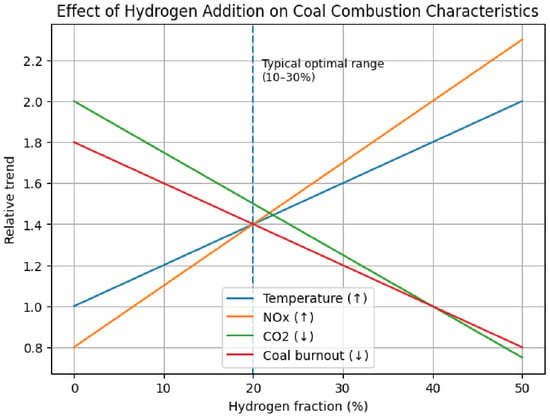
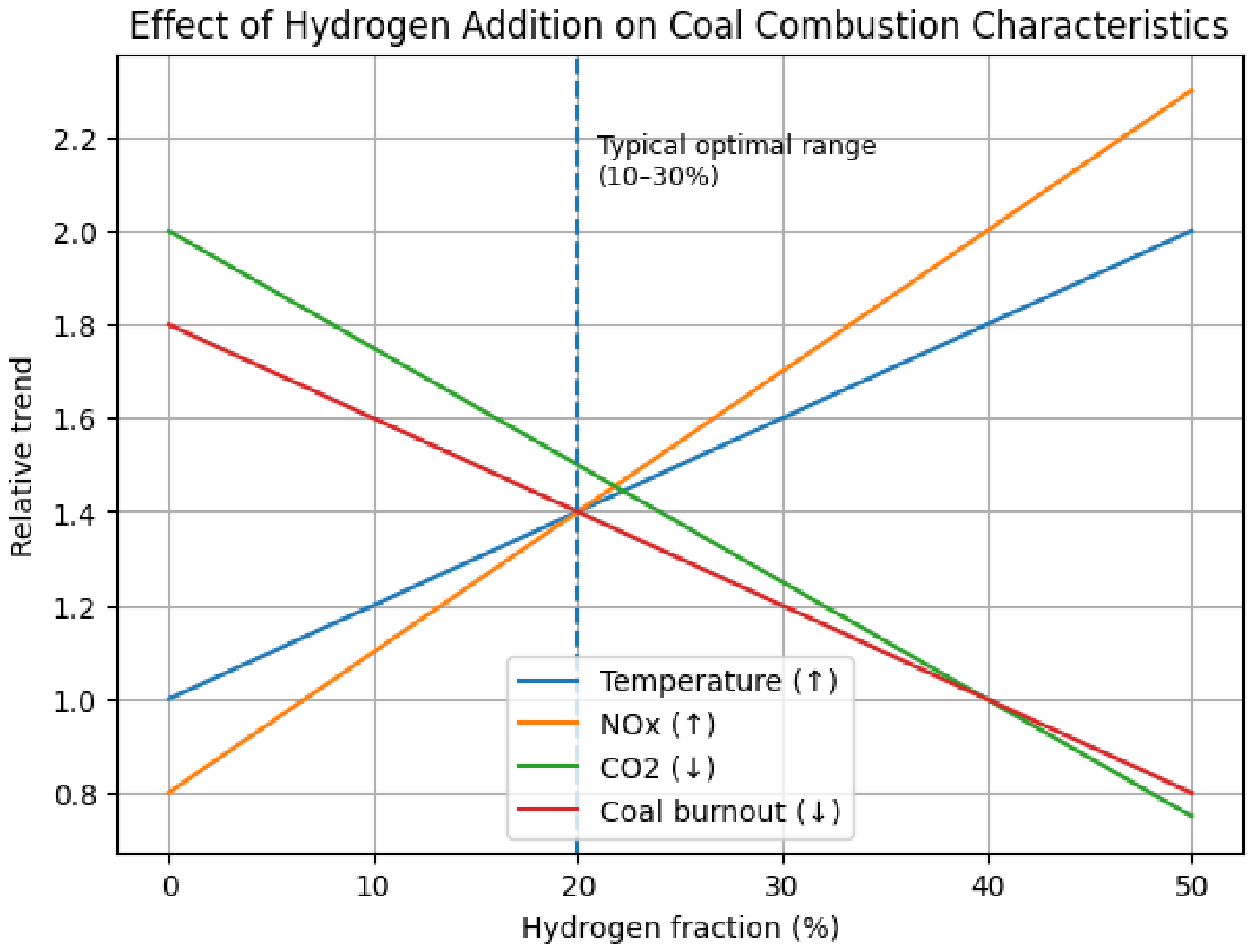

Disclaimer/Publisher’s Note: The statements, opinions and data contained in all publications are solely those of the individual author(s) and contributor(s) and not of MDPI and/or the editor(s). MDPI and/or the editor(s) disclaim responsibility for any injury to people or property resulting from any ideas, methods, instructions or products referred to in the content. |
© 2026 by the authors. Licensee MDPI, Basel, Switzerland. This article is an open access article distributed under the terms and conditions of the Creative Commons Attribution (CC BY) license.