


Abstract
Hydrogen (H2) is widely regarded as a critical energy vector for achieving carbon neutrality, owing to its high energy density and CO2-free combustion. Among sustainable production methods, photobiological H2 synthesis using photosynthetic microorganisms has emerged as a promising strategy due to its ability to directly convert light energy into chemical energy. These biological systems use enzymatic pathways such as hydrogenases and nitrogenases to produce H2 from water or organic substrates under moderate conditions. However, practical implementation remains limited by low solar-to-H2 conversion efficiencies, oxygen sensitivity of catalytic enzymes, and technical challenges in photobioreactor systems. This paper reviews the current state of photobiological H2 production, focusing on mechanistic challenges, photobioreactor design, substrate utilisation, and immobilisation techniques. Integrating biological and engineering approaches is expected to play a crucial role in advancing photobiological H2 production towards large-scale implementation.
1. Introduction
The transition to sustainable energy systems has increased interest in hydrogen (H2) as a clean and versatile energy carrier, due to its high specific energy density (120 MJ/kg) and its ability to produce only water upon combustion, making it an attractive alternative to fossil fuels. However, more than 90% of global H2 production currently relies on fossil fuel-based processes, including steam methane reforming, coal gasification, and partial oxidation of hydrocarbons, which significantly contribute to greenhouse gas emissions. H2 is therefore widely regarded as a key energy carrier for achieving deep decarbonisation, particularly due to its potential for integration across power generation, industry, and transport sectors. In this context, H2 produced from renewable resources such as water or biomass represents the most environmentally benign pathway, as it can be generated with minimal greenhouse gas emissions [1]. Multiple technological routes are under active development, including electrochemical water splitting, thermochemical and biomass-derived processes, light-driven systems such as photocatalysis and photo-electrochemistry, and biologically mediated production [2,3,4,5]. Additionally, integrated and emerging approaches that couple renewable energy inputs with novel conversion strategies are gaining attention as promising solutions to improve the efficiency, scalability, and economic feasibility of sustainable H2 production [6].
Photobiological H2 production is a renewable pathway that utilises solar energy and biological catalysis, as photosynthetic microorganisms (PMs) such as microalgae, cyanobacteria, and purple non-sulphur bacteria (PNSB) can convert light energy into chemical energy, enabling H2 production under ambient conditions [7]. Microalgae and cyanobacteria perform oxygenic photosynthesis, using water as an electron donor, whereas PNSB rely on anoxygenic photoheterotrophic metabolism, utilizing organic compounds. These systems provide complementary pathways for H2 production, including direct and indirect biophotolysis by microalgae and cyanobacteria, and photofermentation by PNSB [8].
Despite this potential, the overall solar-to-H2 conversion efficiency remains low (typically <1–2%), primarily due to metabolic constraints, enzyme inactivation by O2, and suboptimal reactor performance [9]. Consequently, substantial research has focused on increasing H2 yields through metabolic engineering strategies, optimisation of photobioreactor (PBR) design and operation, and integration of photobiological systems with waste treatment processes. Metabolic engineering targets redirecting electron fluxes, improving hydrogenase activity, and reducing competing metabolic pathways, while reactor engineering advancements aim to maximise light conversion efficiency (LCE), gas exchange, and biomass productivity [10]. Simultaneously, coupling H2 production with wastewater valorisation has emerged as a promising approach to reduce operational costs and improve sustainability by enabling nutrient recycling and resource recovery within a circular bioeconomy framework. Ramandani et al. [11] highlighted in their review recent advances in genetic modification, metabolic engineering, and artificial intelligence-driven optimisation, illustrating how these integrated approaches can enhance H2 production by enabling predictive and dynamic optimisation of key parameters such as light intensity, temperature, and nutrient availability. Al-Owaidhani et al. [12] provided a comprehensive review of renewable H2 production systems, with a strong focus on their economic viability. They examined key technical factors affecting costs, including efficiency, energy consumption, technology maturity, and integration with renewable energy sources. Koko et al. [13], in their recent review, analyse that the future economic prospects for photobiological H2 production will depend on overcoming scale-up barriers in cultivation, H2 induction, and purification, while prioritising strategies with proven cost and yield benefits. This is supported by techno-economic evidence from integrated approaches such as wastewater use, flue-gas CO2 utilisation, hybrid reactor designs, and biorefinery co-product valorisation. Integration of omics data can optimise H2 production by enabling a systems-level understanding of microbial metabolism and regulation. Jurel and Dhoble [14] presented recent advances in omics-driven biological H2 research, outlining key challenges and opportunities for developing sustainable energy solutions. Sun et al. [15] indicate that improving microalgal H2 production depends on key strategies such as photosystem II (PSII) inhibition, engineering O2-tolerant hydrogenases, enhancing electron flow towards hydrogenase activity, and advances in bioreactor design and monitoring systems for large-scale optimisation. They also emphasise that integrating H2 production with the generation of co-products (such as biofuels, bioplastics, or high-value metabolites) can significantly improve the overall economic feasibility and sustainability of these systems.
Recent reviews have addressed specific aspects of photobiological H2 production, including metabolic engineering strategies, techno-economic assessments, omics-based approaches, and PBR optimisation [11,12,13,14,15]. As shown in Table 1, previous reviews have generally focused on specific biological platforms or individual technological features. By contrast, the present review considers microalgae, cyanobacteria, and PNSB together with the principal engineering strategies employed to enhance H2 production, including PBR design, wastewater valorisation, and immobilisation approaches.
Table 1.
Main focus of recent reviews on photobiological H2 production.
Figure 1 presents the integrated framework considered in this review, highlighting the relationships between PMs, H2 production pathways, microbial optimisation strategies, process engineering approaches, and scale-up considerations.
Figure 1.
Integrated framework for photobiological H2 production linking PMs, H2 production pathways, microbial improvement strategies, process engineering approaches, and scale-up considerations. Figure created by the authors.
2. Photobiological H2 Production
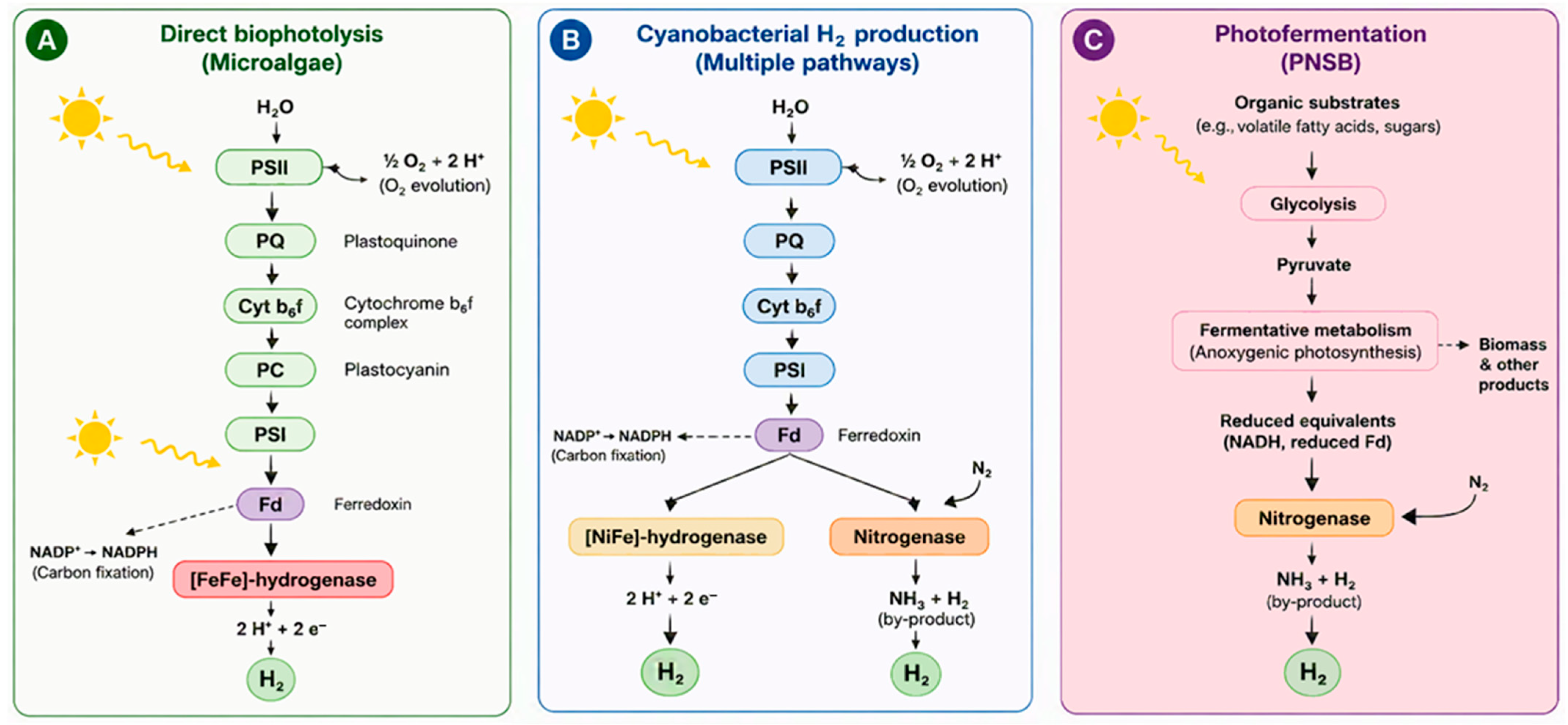
H2 production by PMs is primarily mediated by three classes of enzymes: [FeFe]-hydrogenases, [NiFe]-hydrogenases, and nitrogenases [16] (Figure 2). Among these, [FeFe]-hydrogenases, which are mainly found in green microalgae, exhibit the highest catalytic activity, with in vitro H2 production rates reaching approximately 104 H2 molecules/s. As a result, they are considered highly efficient catalysts for photobiological H2 production [17]. However, their practical application is severely limited by their extreme sensitivity to O2, requiring strictly anaerobic conditions for sustained activity. In contrast, [NiFe]-hydrogenases, commonly present in cyanobacteria, are more tolerant of O2 exposure and can maintain activity under moderately oxygenated conditions [18]. Nevertheless, they generally display lower catalytic rates, typically ranging from approximately 100 to 2000 H2 molecules/s, making them less efficient than [FeFe]-hydrogenases. Nitrogenases constitute a third major enzymatic system involved in biological H2 production. These enzymes primarily catalyse the reduction of atmospheric nitrogen (N2) to ammonia, with H2 generated as a by-product of the reaction. Nitrogenase-driven H2 production requires a substantial ATP input, approximately 16 ATP molecules per H2 molecule in the presence of N2 and about 4 ATP molecules per H2 molecule in the absence of N2 [19]. Despite this high energetic demand, nitrogenases can sustain H2 production for extended periods under anaerobic conditions, making them particularly relevant in cyanobacteria and PNSB. A major limitation of photobiological H2 production is competition for photosynthetically derived electrons between H2 evolution and other essential cellular processes. Consequently, only a fraction of the available reducing power can be redirected to H2-producing enzymes. While [FeFe]-hydrogenases exhibit high catalytic activity but strong O2 sensitivity, [NiFe]-hydrogenases are more O2 tolerant but generally less efficient. Nitrogenases can sustain H2 production under anaerobic conditions, although at a substantially higher energetic cost.
Nutrient deprivation, particularly sulphur, nitrogen, or potassium limitation, is a nutritional strategy that impairs the efficiency of the photosynthetic apparatus in microalgae and cyanobacteria, resulting in decreased photosynthetic activity and reduced O2 evolution [20,21]. The consequent decline in O2 concentration promotes anaerobic or microoxic conditions that favour hydrogenase activation and the onset of H2 production. Furthermore, nutrient starvation often induces the accumulation of intracellular carbohydrate reserves, such as starch or glycogen, which can then be catabolised to provide reducing power and energy for H2 production [22,23].
Beyond the intrinsic properties of H2-producing enzymes, the efficiency of photobiological H2 production is strongly influenced by the metabolic pathways that generate and allocate electrons. PMs use different strategies to supply reducing equivalents to H2-producing enzymes, resulting in marked differences in productivity, O2 sensitivity, and energy requirements. Consequently, considerable research effort has focused on strain improvement and metabolic engineering approaches to enhance electron transfer to H2-producing enzymes, reduce competing metabolic sinks, and improve tolerance to O2. These biological characteristics underpin the distinct H2 production mechanisms exhibited by microalgae, cyanobacteria, and PNSB, which are discussed in the following sections.
Figure 2.
Main metabolic pathways involved in photobiological H2 production by PMs: (A) micro-algae, (B) cyanobacteria, and (C) purple non-sulfur bacteria. Panel (A) was adapted from Tang et al. [24], distributed under the Creative Commons CC BY 4.0 licence. whereas panels (B,C) were developed by the authors based on information from the literature.
2.1. Microalgae
Green microalgae have been extensively investigated for direct biophotolysis, wherein H2 production is mediated by [Fe–Fe] hydrogenases that catalyse proton reduction using electrons derived from the photosynthetic electron transport chain [25]. In this process, PSII catalyzes the light-driven oxidation of water, releasing electrons, protons, and O2. The resulting electrons are transferred through plastoquinone, cytochrome b6f, and photosystem I to ferredoxin, which donates electrons to hydrogenase for proton reduction and H2 production [26,27,28]. However, the process is critically limited by O2 production at PSII, which rapidly inactivates hydrogenase. The sulfur-deprivation strategy has been widely used to suppress PSII activity and reduce O2 evolution [20]. While effective in laboratory settings, it is unsuitable for continuous systems due to reduced biomass growth and operational instability [29].
Recent research has increasingly focused on overcoming the O2 sensitivity of hydrogenase enzymes and enhancing overall H2 production efficiency through a range of complementary biological and engineering strategies. In particular, metabolic engineering approaches aim to modulate PSII activity to reduce O2 evolution, thereby limiting inhibitory effects on hydrogenase function [9,30,31,32]. Concurrently, redirecting photosynthetic electron flow towards H2 production pathways, rather than competing processes such as carbon fixation, has emerged as a key objective to improve electron allocation efficiency [24,33].
Additional strategies include enhancing anaerobic metabolism by coupling photosynthesis with respiratory pathways, which promotes intracellular O2 consumption and facilitates the establishment of microoxic conditions favourable for hydrogenase activity [20,29]. Touloupakis et al. [34] combined the high respiration rate and high light compensation point of Chlorella vulgaris BEIJ, strain G-120. This strain was able to produce H2 under continuous illumination without applying any nutrient starvation.
The development of O2-tolerant hydrogenases represents another promising avenue, although achieving both high catalytic efficiency and O2 resistance remains a significant challenge [31]. Owolabi et al. [32] recently assessed advances in optimising environmental conditions and genetic engineering strategies, including O2-tolerant hydrogenases, temperature-sensitive mutants, and metabolic rewiring to enhance electron transfer. Additional efforts have focused on reducing competing electron sinks, enhancing ferredoxin–hydrogenase electron transfer, and optimising carbon allocation pathways to increase the fraction of photosynthetically derived electrons directed towards H2 evolution. They also highlighted the integration of nanomaterials such as quantum dots, metal–organic frameworks, and protein-encapsulated nanoparticles to improve light harvesting, charge transfer efficiency, and enzyme stability. The selection or engineering of micro-algal strains with inherently high respiration rates also contributes to rapid O2 scavenging, enabling transient or sustained anaerobiosis and improved H2 yields [34,35,36]. Sereetrakul et al. [37] recently investigated 24 microalgal strains to identify those capable of producing high levels of H2 in the presence of O2 and to enhance H2 yields through the application of O2-scavenging strategies, achieving levels comparable to or exceeding those obtained under anaerobic conditions. Among the strains evaluated, Scenedesmus obliquus TISTR 8546 exhibited the highest H2 production under both aerobic and anaerobic conditions reaching a maximum production rate of 22.92 ± 1.05 μmol H2/mgChl/h [37].
Furthermore, process-level solutions such as the incorporation of O2 adsorbers have been explored to physically remove dissolved O2 from the system and sustain H2 production under illuminated conditions [38,39]. Li et al. [40] recently developed a hybrid material system to improve the efficiency and stability of algal H2 production under fluctuating and high-light conditions. The system combines a thermosensitive polymer with a photothermal component to create a light-responsive regulatory mechanism. This engineered material dynamically senses incident light intensity and modulates light transmission, protecting algae from photoinhibition. By reducing the harmful effects of excessive light exposure, this approach increases the feasibility of large-scale outdoor H2 production using microalgae. Liew et al. [41] evaluated the key growth parameters affecting H2 production in Chlorella sp., including nitrogen purging, photoperiod, glucose supplementation, and temperature. Their scale-up experiments resulted in a 405-fold increase in H2 production, demonstrating the process’s scalability and highlighting the importance of optimising growth conditions to balance microalgal growth with H2 generation for potential industrial applications.
Co-cultures of microalgae or cyanobacteria and bacteria can improve nutrient cycling, enhance system stability, and enable synergistic metabolic interactions [42,43]. These systems also facilitate O2 consumption and substrate recycling, creating favourable conditions for H2 production. Collectively, these approaches demonstrate the importance of integrating genetic, metabolic, and process engineering strategies to mitigate O2 constraints and improve photobiological H2 production.
Despite these advances, none of the proposed strategies have fully resolved the inherent conflict between photosynthetic O2 evolution and the O2 sensitivity of hydrogenases. Although genetic and metabolic engineering approaches can improve electron allocation and O2 management, their long-term stability and industrial applicability remain uncertain. Similarly, process-based solutions, including O2 scavengers, advanced functional materials, and co-culture systems, may enhance H2 production but often introduce additional operational complexity and cost. Consequently, future developments are likely to depend on integrating complementary biological and engineering strategies rather than on any single technological intervention.
2.2. Cyanobacteria
Cyanobacteria possess both hydrogenases and nitrogenases, enabling multiple H2 production pathways. Nitrogenase catalyses H2 evolution as a by-product of nitrogen fixation, a highly energy-demanding process that requires substantial ATP and reducing equivalents [44,45]. A fundamental limitation arises from the coexistence of oxygenic photosynthesis and O2-sensitive enzymatic systems. Cyanobacteria address this challenge through several adaptations that mitigate O2 inhibition of H2-producing enzymes, including heterocyst formation, temporal separation of metabolic processes, and increased respiratory O2 uptake.
A range of engineering strategies has been developed to mitigate O2 sensitivity and enhance H2 production in cyanobacteria. A key approach is the temporal separation of O2 evolving photosynthesis and H2 production, typically achieved through controlled light–dark cycles, which allow anaerobic conditions to be established during H2 evolution phases [46]. In parallel, enhancing respiratory activity has been proposed to actively consume intracellular O2, thereby maintaining a microoxic environment conducive to nitrogenase and hydrogenase function [45]. Wang et al. [47] designed a redox polymer–cyanobacteria hybrid system to minimise intracellular O2 inhibition by enabling localised electrochemical O2 elimination, thus protecting cellular activity and facilitating photoinduced H2 synthesis. Microelectrochemical investigations demonstrated effective O2 depletion and simultaneous H2 evolution. Genetic interventions, such as deletion of uptake hydrogenases, have also been widely explored to prevent H2 reoxidation and improve net H2 yields [48]. Furthermore, optimisation of the photosynthetic electron transport pathways aimed at redirecting reducing equivalents towards H2-producing enzymes rather than competing metabolic routes has emerged as a central strategy within metabolic engineering frameworks [48].
Collectively, these approaches underscore the need for tightly coordinated integration of temporal regulation, cellular physiology, and genetic engineering to enhance H2 production efficiency in cyanobacterial systems. Nevertheless, despite these advances, intrinsic limitations persist, particularly the high energetic cost associated with nitrogenase-driven H2 evolution and the inherent competition between H2 production and cellular growth and maintenance. Although genetic engineering strategies, such as uptake hydrogenase deletion and electron transport pathway optimisation, can improve net H2 yields, their benefits are often constrained by complex metabolic regulation. Similarly, process-based approaches that reduce O2 inhibition may enhance enzyme activity but add operational complexity. These constraints highlight a fundamental trade-off between bioenergetic efficiency and metabolic functionality, which continues to hinder the scalability and practical implementation of cyanobacterial H2 production.
2.3. Purple Non-Sulfur Bacteria
PNSB produce H2 via photo-fermentation, operating under anaerobic and illuminated conditions using organic substrates [49,50]. Nitrogenase is the key enzyme, and H2 production serves as a mechanism to dissipate excess reducing power [51,52,53]. Compared to oxygenic phototrophs, PNSB offer several advantages, including the absence of O2 inhibition, the ability to utilise diverse substrates, and compatibility with waste streams. However, H2 yields depend greatly on substrate availability and composition, and the process remains energetically demanding due to the high ATP requirements of nitrogenase activity.
H2 production by PNSB is a relatively mature area of photobiological research, as the fundamental processes underlying photofermentative H2 evolution, particularly nitrogenase-driven conversion of organic substrates under illuminated, anaerobic conditions, have been elucidated and validated [50]. Consequently, current research has shifted from pathway discovery to the progressive optimisation of existing systems.
Recent advances in systems biology and metabolic engineering have further expanded the potential of PNSB for H2 production. Genome-scale analyses have facilitated the identification of metabolic bottlenecks that limit electron transfer to nitrogenase, while emerging tools such as adaptive laboratory evolution and CRISPR-based genome editing are being explored to enhance substrate conversion efficiency and H2 productivity [54].
In recent years, much of the effort has focused on reactor engineering, including the design and scale-up of PBRs, where parameters such as light distribution, mixing regimes, and volume significantly influence H2 productivity, as shown by recent experimental studies [55,56]. Bortoli et al. [52] investigated H2 production using the PNSB Rhodobacter capsulatus and Rhodospirillum rubrum in the presence of glucose and glycerol under different LED lighting spectra. The results highlight that the interaction between light source, substrate, and bacterial strain modulates fermentative metabolism, playing a key role in maximising H2 production. Huang and Zhou [57] investigated the impact of mixed volatile fatty acids on purple phototrophic bacteria-mediated H2 production, demonstrating that co-feeding propionate with acetate or butyrate modulates H2 yields and induces distinct metabolic pathway adaptations, as shown through integrated metagenomic and metatranscriptomic analyses. Another prominent direction involves integrating PNSB processes with waste valorisation strategies, whereby organic-rich effluents serve as feedstocks for H2 production, enhancing both the sustainability and economic feasibility of technology [58,59]. Overall, these trends reflect a broader transition from exploratory research to process refinement and applied implementation, which is characteristic of technologically mature bioenergy systems. There are also studies on integrating systems that combine dark fermentation and photofermentation to improve overall H2 yield and carbon conversion efficiency by first converting complex substrates into volatile fatty acids, which are subsequently metabolised by PNSB [60]. At the same time, incremental advances in metabolic engineering aim to improve electron allocation to nitrogenase and minimise competing metabolic sinks, although these modifications typically yield gradual rather than dramatic improvements in performance [54]. Cao et al. [54] further review photofermentative H2 metabolism in PNSB, highlighting recent advances in metabolic and systems engineering and the potential to approach theoretical H2 yields using tools such as CRISPR-Cas and adaptive laboratory evolution.
Although photofermentative H2 production is considered one of the more mature photobiological technologies, several challenges continue to hinder large-scale implementation. While PNSB are generally less affected by O2 inhibition than oxygenic phototrophs and can efficiently utilise waste-derived substrates, their reliance on organic carbon sources reduces the overall sustainability advantage compared with direct biophotolysis. Furthermore, the high ATP demand of nitrogenase and the need to maintain anaerobic, illuminated conditions add to operational complexity and costs. Consequently, future developments are likely to focus on improving energy conversion efficiency and integrating photofermentation with complementary biological processes to maximise resource utilisation and H2 productivity.
3. Photobioreactor Systems for H2 Production
Photobioreactor (PBR) design is one of the most critical determinants of photobiological H2 production efficiency and scalability [55,61,62]. The most widely used PBR configurations for H2 production are tubular and flat-panel reactors, each with distinct operational advantages and limitations (Figure 3). Tubular reactors provide high surface-area-to-volume ratios, enhancing light capture, but are prone to O2 accumulation and biofouling. Flat-panel reactors offer improved light distribution and higher productivity due to shorter light paths. More recently, biofilm-based systems have gained attention for their ability to improve light exposure and reduce the energy requirements of mechanical mixing, thereby increasing overall process efficiency.
Figure 3.
Representative PBR configurations for photobiological H2 production. (A) Tubular PBR; (B) flat panel PBR; (C) column PBR. Figure created by the authors.
Operating conditions vary considerably among PBR systems. Tubular and flat-panel PBRs are typically operated under high light availability with continuous mixing to maximise light utilisation, whereas column reactors often rely on gas sparging for mixing and mass transfer [63]. Light intensity, hydraulic residence time, and culture density strongly influence reactor performance because they directly affect light penetration, O2 accumulation, and biomass productivity [61,63]. Consequently, comparisons of H2 yields between reactor configurations should be interpreted with caution, as reported performance is strongly dependent on operating conditions and biological systems.
Unlike laboratory-scale systems, industrial deployment requires reactors capable of simultaneously optimising light distribution, mass transfer, biological activity, and energy efficiency, which remains a major engineering bottleneck [64]. Light availability is the primary limiting factor in photobiological H2 production, while photon utilisation is further constrained by self-shading and light attenuation, especially at high culture densities. Cells at the illuminated surface are often exposed to excess irradiation leading to photoinhibition, while cells deeper in the culture experience light limitation [64].
To address limitations in light availability, recent reactor developments in H2 production have focused on optimising light delivery through advanced design strategies [65]. These include reducing optical path lengths with flat-panel or thin-layer systems to improve light penetration and implementing internal illumination via optical fibres or LED arrays to ensure more uniform light distribution throughout the cultivation medium [66]. Additionally, light dilution approaches, such as flashing light regimes, are used to enhance photosynthetic efficiency by minimising photoinhibition and improving photon utilization [67,68]. The use of spectrally tailored LED systems further improves reactor performance by matching emission wavelengths to the absorption spectra of photosynthetic pigments, thereby enhancing LCE and reducing overall energy losses. Zarei et al. [63] synthesise in their review the current knowledge on the growth requirements of green algae and cyanobacteria, identify the key environmental and operational conditions necessary for H2 production, and critically evaluate common bioreactor designs with respect to their impact on microbial performance and H2 yields. Although significant progress has been made in PBR development, no single configuration currently meets all the requirements for efficient large-scale H2 production. Tubular reactors offer a high illuminated surface area but are more susceptible to O2 accumulation and biofouling, whereas flat-panel systems generally provide superior light distribution at the expense of a larger footprint and higher construction costs. Similarly, biofilm-based reactors can reduce energy consumption associated with mixing and harvesting but may introduce mass transfer limitations and operational complexity. Consequently, the selection of an appropriate reactor design depends on balancing light utilisation, gas exchange, operational costs, and scalability requirements. Several strategies have been proposed to mitigate scale-up limitations caused by light attenuation and self-shading. Light dilution approaches, including flashing-light regimes and thin-layer reactor designs, aim to improve photon distribution and reduce photoinhibition [65,67,68]. Internal illumination systems based on optical fibres or LED arrays can further enhance light penetration in dense cultures, although they may increase reactor complexity and energy consumption [66]. Biofilm-based PBRs can also reduce self-shading by spatially organising biomass in thin layers, improving light accessibility while decreasing mixing requirements [62,63]. Despite these advances, maintaining efficient light use and controlling O2 accumulation remain major challenges during large-scale operation [64].
From a technology-readiness perspective, conventional tubular and flat-panel PBRs are generally regarded as among the most mature configurations for photobiological applications, as they have been evaluated in pilot-scale and outdoor systems [69]. In contrast, emerging concepts such as biofilm-based reactors and internally illuminated PBRs remain at earlier stages of development, despite their potential to improve light distribution and reduce self-shading [70]. Conventional stirred-tank reactors (CSTRs) have also been investigated for photosynthetic cultures; however, their relatively low surface-area-to-volume ratio and limited light penetration typically make them less suitable than dedicated PBR designs for large-scale H2 production [71].
Elman et al. [72] report sustained H2 production at pilot scale using the Chlamydomonas reinhardtii pgr5 mutant under nutrient-replete, non-stress conditions, achieving a sixfold improvement over previous laboratory benchmarks owing to improved PBR design. The use of the C. reinhardtii pgr5 mutant, a strain impaired in thylakoid proton gradient regulation (PGR5) that redirects photosynthetic energy flow, maintained low O2 conditions conducive to H2 evolution. In another work, Khosravitabar and Spetea [38] using the same mutant strain developed a membrane bioreactor in which a hydrophobic PTFE membrane physically separates the algal culture from an O2 absorbent powder, enabling continuous O2 removal.
4. Wastewater Valorisation
The economic viability of photobiological H2 production is strongly influenced using low-cost, sustainable substrates. Large-scale cultivation of PMs requires substantial nutrient inputs, which can significantly increase operational costs. In this context, wastewater valorisation and the use of waste-derived feedstocks are key strategies to enhance process feasibility while simultaneously improving environmental sustainability [73]. Wastewater streams are a valuable alternative source of essential nutrients, including nitrogen, phosphorus, and trace elements, for photobiological H2 production processes [74]. Integrating H2 production with wastewater treatment offers synergistic benefits, enabling nutrient recovery and recycling, reducing reliance on synthetic growth media, and achieving pollutant removal alongside biomass generation. This integrated approach also supports the development of circular bioeconomy models by converting waste streams into value-added products, thereby enhancing environmental sustainability and overall process efficiency. Microalgae-based wastewater systems have demonstrated high nutrient removal efficiencies and the ability to produce valuable biomass for H2 applications [74]. Despite these advantages, practical implementation is challenged by factors such as variability in wastewater composition, the presence of toxic contaminants, and microbial competition, which can compromise culture stability and performance. To address these limitations, recent advancements have focused on developing algae-based membrane bioreactors, which integrate biological treatment with advanced separation technologies to enhance process control, operational stability, and overall system efficiency [75,76,77]. Table 2 summarizes the main biological and physiological characteristics of microalgae, cyanobacteria, and PNSB relevant to photobiological H2 production.
Table 2.
Biological and physiological characteristics of microalgae, cyanobacteria, and PNSB relevant to photobiological H2 production and wastewater valorisation. Note: Qualitative ratings are intended to provide a comparative overview based on trends reported in the literature.
Microalgae cultivation in wastewater combines pollutant removal with biomass production, supporting circular bioeconomy strategies that transform waste into valuable resources [78,79]. Although highly efficient, achieving up to 90% removal of nitrogen and phosphorus with strains such as Chlorella, Arthrospira, and Scenedesmus, technical and economic challenges continue to impede large-scale commercial implementation [80,81,82].
Cyanobacteria offer a sustainable and cost-effective solution for wastewater treatment, as they efficiently remove nutrients such as nitrate and phosphate while adapting to diverse environmental conditions. Species such as Synechocystis and Oscillatoria have demonstrated high pollutant removal efficiencies (up to 95–98%) and simultaneously produce valuable biomass [83]. Additionally, cyanobacteria can remove excess nitrogen, heavy metals, and degrade complex pollutants such as hydrocarbons and pesticides, contributing to both water and soil remediation [84]. This dual function underscores their potential for integrated bioremediation and large-scale biomass production using wastewater as a nutrient-rich growth medium.
PNSB can utilise a wide range of organic substrates derived from waste streams, including volatile fatty acids, glycerol, and sugars present in industrial effluents, which are metabolised through photofermentation to produce H2 via nitrogenase activity [85]. Due to their high metabolic versatility, PNSB can adapt to diverse feedstocks, making them particularly suitable for waste valorisation processes [51]. However, the efficiency of H2 production is strongly influenced by factors such as substrate composition, carbon-to-nitrogen ratio, and environmental conditions, making the optimisation of these parameters essential for maximising H2 yields. Ren et al. [86] produced H2 using Rhodobacter sphaeroides HY01 from corn straw hydrolysate in an outdoor pilot-scale 70 L semi-continuous tubular bioreactor. Gesese et al. [87], in their recent work, highlighted the role of hybrid systems and integrated strategies in improving H2 recovery and sustainability. They provided a concise overview of H2 production pathways, emphasising AI-driven optimisation and energy efficiency.
Although wastewater valorisation offers clear economic and environmental advantages, significant challenges remain for large-scale implementation. The suitability of wastewater as a feedstock varies considerably among PMs. Microalgae are particularly effective for nutrient removal and biomass generation but are often sensitive to fluctuations in wastewater composition and contaminant levels. Cyanobacteria combine pollutant removal with biomass production and can tolerate a wider range of environmental conditions; however, O2-sensitive H2-producing pathways still constrain their overall productivity. In contrast, PNSB can efficiently utilise organic-rich waste streams and often achieve higher H2 yields, but their dependence on organic substrates reduces process flexibility and may require additional pretreatment steps.
Consequently, selecting the most suitable biological platform depends on the characteristics of the wastewater stream, the desired balance between treatment efficiency and H2 production, and the economic constraints of the target application.
5. Immobilisation
Cell immobilisation is increasingly applied to PMs to improve photobiological H2 production [9,36,88,89,90]. Compared to conventional suspended cultures, immobilisation offers several advantages that can reduce operational costs and enhance system performance. These include improved cell stability and resistance to mechanical stress, increased biomass retention, and the ability to supply nutrients without cell harvesting. Furthermore, immobilised systems provide a more stable microenvironment for cells than suspended cultures, which can promote consistent metabolic activity (Figure 4 and Figure 5). Consequently, immobilisation strategies are increasingly adopted to enhance H2 production rates, yields, and overall process efficiency. This approach is particularly attractive because it confines cells within a defined matrix, limiting their mobility while facilitating reactor scalability. In addition, immobilised systems can achieve higher cell densities and require smaller reactor footprints than suspended systems. Other notable advantages include prevention of biomass washout, improved operational stability, protection against mechanical stress, and decreased susceptibility to contamination. Common immobilisation techniques include entrapment, biofilm formation, adsorption, and encapsulation, all of which have been shown to enable higher productivity and reusability compared to suspended cultures [91,92].
Figure 4.
Procedure for immobilising microalgae cells in calcium alginate beads. The immobilisation process involves suspending cells in sodium alginate, followed by ionic crosslinking with calcium ions to form stable alginate beads. Adapted from Moia et al. [89], distributed under the Creative Commons CC BY 4.0 licence.
Figure 5.
Calcium alginate beads containing Synechocystis PCC sp. 6803 cells (A); Synechocystis cells inside the beads (B). Panels (A,B) are original illustrations created by the authors.
A variety of materials, such as glass beads, alginate, agar, chitosan-based hydrogels, and polyvinyl alcohol cryogels, have been successfully used for the immobilisation of photosynthetic cells. The choice of immobilisation matrix involves balancing mechanical stability, mass transfer resistance, and light availability. Alginate-based matrices are among the most widely used materials because of their biocompatibility, low cost, and high optical transparency; however, they may suffer from structural degradation and cell leakage during prolonged operation [88,93]. Polyvinyl alcohol-based hydrogels generally provide greater mechanical stability and reusability but can introduce higher mass transfer resistance [94]. More recently, 3D-printed hydrogels have attracted attention because their architecture, porosity, and cell distribution can be precisely controlled, potentially improving both light penetration and mass transfer [95,96]. These materials can enhance cell retention and spatial organization, while their effects on light distribution and mass transfer depend on matrix composition, porosity, thickness, and cell loading [61,93,94]. Emerging studies using engineered hydrogels demonstrate enhanced H2 production due to improved electron transfer and microenvironment control [96,97].
The effects of immobilisation are closely linked to changes in the local microenvironment surrounding the cells. By physically confining microorganisms within a matrix, immobilisation can generate localised gradients of O2, dissolved substrates, and metabolites. In photosynthetic H2 production systems, these gradients may be beneficial because reduced oxygen diffusion can alleviate hydrogenase inhibition and promote microoxic conditions favourable for H2 evolution [61,93]. However, excessive diffusion barriers may restrict nutrient transport and metabolite exchange, thereby reducing overall productivity. In addition, matrix architecture and cell distribution can influence light penetration and photosynthetic performance, particularly in hydrogel-based systems [93,95]. Consequently, the performance of immobilised systems largely depends on achieving an appropriate balance between cell retention, mass transfer, and light availability [93,95]. Cell immobilisation offers clear advantages for photobiological H2 production, but it also presents several important limitations that can affect overall process efficiency and scalability. A primary drawback is mass transfer limitation, as the immobilisation matrix can restrict the diffusion of substrates, gases, and nutrients to and from the cells [61,93]. This diffusion resistance may lead to substrate gradients within the matrix, reducing metabolic activity and H2 production rates [93]. The mechanical stability of immobilisation materials is another critical issue. Many commonly used matrices, such as alginate or agar, have low mechanical strength and are susceptible to structural degradation over time, particularly under continuous operation or shear stress [61]. Gel degradation can result in cell leakage, loss of immobilisation integrity, and reduced reactor performance [61,93]. Furthermore, the physical properties of the matrix, including pore size and structure, can significantly influence system performance [61,93]. Large or poorly controlled pore sizes can reduce cell retention by allowing cells to leak from the hydrogel matrix, whereas excessively small pores can exacerbate mass transfer limitations. In addition, some materials may undergo swelling or shrinkage, altering diffusion characteristics during operation. Another limitation is the potential for light attenuation within the immobilisation matrix, which is particularly relevant for photosynthetic systems. High cell densities within immobilised structures may induce self-shading, reducing light penetration and thereby limiting photosynthetic efficiency and H2 production [88]. Operationally, immobilised systems may also face challenges related to process complexity and scalability, including higher initial material costs, difficulties in reactor design, and limited long-term stability under industrial conditions. Moreover, biofilm overgrowth or microbial contamination within the matrix can alter community composition and negatively impact the intended metabolic pathways. Khosravitabar and Mamedov [98] examined how immobilisation enhances the stability and activity of PSII over time, thereby improving H2 production in Chlamydomonas reinhardtii. The findings demonstrate that combining immobilisation with established H2 production methods increases both efficiency and sustainability. Luo et al. [99] in their recent study, presented an innovative system in which photosynthetic bacteria are embedded within an injectable hydrogel, enabling localised and sustained H2 production directly in biological tissues. Although developed for biomedical applications, particularly for ROS scavenging and tissue repair, the work also demonstrates a novel platform for in situ photobiological H2 generation under physiological conditions. Keet and Pott [94] used Rhodopseudomonas palustris immobilised in polyvinyl alcohol-based hydrogels in tubular PBRs to produce H2. In this system, the immobilised bacteria effectively converted glycerol into H2.
Although immobilisation offers clear advantages in biomass retention, cell reuse, and operational stability, its benefits depend strongly on matrix properties and reactor configuration. Compared with suspended cultures, immobilised systems can achieve higher cell densities and simplify biomass recovery, but these advantages may be offset by mass transfer limitations, light attenuation, and higher material costs. Moreover, performance gains observed at laboratory scale are not always maintained during scale-up, when long-term matrix stability and uniform light distribution become increasingly important. Consequently, immobilisation should not be regarded as a universally superior strategy, but rather as an approach whose effectiveness depends on balancing cell retention, mass transfer, light availability, and economic feasibility. Overall, its successful application in H2 production requires careful optimisation of material properties, reactor design, and operating conditions to mitigate these inherent limitations.
6. Techno-Economic and Biorefinery Considerations for Photobiological H2 Production
Beyond biological performance, economic considerations play an important role in determining the feasibility of photobiological H2 production systems. Although direct techno-economic comparisons remain difficult because of differences in biological platforms, reactor configurations, and operating conditions, several general trends can be identified. Wastewater-based cultivation may reduce nutrient costs and provide additional value through wastewater treatment, while immobilised systems can facilitate biomass recovery and cell reuse at the expense of additional material costs. Conversely, suspended cultures typically require lower initial investment but are often associated with higher harvesting costs. Standardised techno-economic assessment methodologies are therefore needed to enable meaningful comparisons between different photobiological H2 production strategies.
Integrated biorefinery approaches represent a promising strategy to improve the economic viability of photobiological H2 production. Microalgae can simultaneously provide proteins, pigments, lipids and other bioactive compounds, while cyanobacteria and PNSB have been investigated as producers of PHAs, pigments and high-value microbial biomass [100,101,102]. The concurrent production of H2 and value-added products can enhance resource utilisation efficiency and create additional revenue streams, thereby improving the overall sustainability and economic feasibility of these systems. Consequently, co-product recovery may represent an important mechanism for offsetting the relatively low H2 conversion efficiencies currently achieved by photobiological systems and reducing the dependence of process profitability on H2 production alone. Recent pilot-scale investigations have provided important evidence regarding the scalability and economic potential of photobiological H2 production. Elman et al. [72] demonstrated stable pilot-scale H2 production using Chlamydomonas reinhardtii, coupled with techno-economic modeling, and estimated current production costs of approximately $13–19 kg of H2. They also identified pathways toward costs as low as $2–3 kg of H2 through productivity improvements and integration into algal biorefineries. These findings highlight the importance of coupling hydrogen generation with valorization of residual biomass to improve overall process economics. Similarly, Ren et al. [86] reported a 70 L pilot-scale photofermentation system based on lignocellulosic biomass hydrolysates and a hybrid solar–artificial lighting configuration. Their study showed enhanced light-utilization efficiency, improved H2 productivity, and sustained long-term operation, demonstrating that optimized reactor engineering and light-management strategies can significantly improve the feasibility of large-scale H2 production. Table 3 and Table 4 summarise representative studies and key operational parameters, offering an overview of the biological platforms, engineering strategies, and performance indicators discussed in this review.
Table 3.
Representative studies on photobiological H2 production, highlighting the microorganism, operating conditions, reactor configuration, H2 production performance, advantages, and major limitations.
Table 4.
Comparative overview of H2 production by PMs under suspended and immobilized conditions, including growth media, PBR configurations, and potential integration with wastewater streams, based on the recent literature.
7. Conclusions
Photobiological H2 production using microalgae, cyanobacteria, and PNSB offers a sustainable alternative to conventional H2 technologies. Each system has distinct advantages: microalgae enable direct water splitting, cyanobacteria provide metabolic flexibility, and PNSB allows efficient use of organic waste streams. Despite significant progress, key challenges remain, including low efficiencies, O2 sensitivity, and limitations in scaling up. Although several pilot-scale studies have demonstrated the technical feasibility of photobiological H2 production, large-scale implementation remains constrained by limitations in light distribution, oxygen management requirements, reactor complexity, and the costs associated with cultivation, harvesting, and system operation. The future economic viability of photobiological H2 production will depend on integrating standardised cost models with optimised bioreactor design, while carefully accounting for installation, operation, storage, and feedstock costs, as well as the role of carbon credits and policy-driven subsidies.
Unlike previous reviews, which have generally focused on specific microorganism groups, biological mechanisms or engineering solutions, this review provides a unified assessment of photobiological H2 production across microalgae, cyanobacteria, and PNSB. By jointly considering microbial metabolism, PBR design, wastewater valorisation, and immobilisation strategies, it identifies key opportunities and bottlenecks along the entire development pathway, from biological H2 generation to large-scale implementation.
In the near term, progress is most likely to come from strategies that build on existing technologies, including wastewater-based cultivation systems, photofermentative H2 production by PNSB, improved PBR operation, and immobilised microbial platforms that enhance biomass retention and process stability. These approaches have already shown promising results at laboratory and pilot scales and may facilitate the transition to larger-scale implementation. Longer-term advances will depend on breakthroughs in fundamental biological research, particularly the development of O2-tolerant hydrogenases, improved electron allocation to H2-producing pathways, and advanced synthetic biology and metabolic engineering approaches capable of overcoming the intrinsic limitations of photosynthetic H2 production. Ultimately, combining biological innovation with engineering optimisation and circular bioeconomy strategies will be essential for developing scalable and economically viable photobiological H2 production systems capable of contributing to the global energy transition.
Author Contributions
Conceptualization, E.T.; investigation, E.T., C.F. and R.M.Z.; resources, E.T.; data curation, E.T. and R.M.Z.; writing—original draft preparation, E.T.; writing—review and editing, E.T., C.F. and R.M.Z.; funding acquisition, E.T. All authors have read and agreed to the published version of the manuscript.
Funding
This work was supported by the European Union’s Horizon Europe—the Framework Programme for Research and Innovation [grant number 101093150], project LIBRA (Light Based Multisensing Device for Screening of Pathogens and Nutrients in Bioreactors).
Data Availability Statement
No new data were created or analyzed in this study. Data sharing is not applicable to this article.
Conflicts of Interest
The authors declare no conflicts of interest.
References
- Dincer, I.; Acar, C. Review and evaluation of hydrogen production methods for better sustainability. Int. J. Hydrogen Energy 2015, 40, 11094–11111. [Google Scholar] [CrossRef] [Scilit]
- Oloore, L.E.; Adeoye, A.E.; Alotaibi, M.; Alansi, A.M.; Qasem, N.A.A.; Qahtan, T.F. From theory to practice: Evolving methods and challenges in green hydrogen production. Renew. Sustain. Energy Rev. 2026, 226, 116244. [Google Scholar] [CrossRef] [Scilit]
- Youssef, M.M.M.; Maghraby, A.; Abdel-Akher, M.; Hamdan, I. Recent advances in hydrogen production technologies: Environmental and economic perspectives. J. Eng. Appl. Sci. 2026, 73, 8. [Google Scholar] [CrossRef] [Scilit]
- Kang, K.; Liu, M.; Changotra, R.; Zeng, Y.; He, Q.S.; Hu, Y. Recent technological advancements in H2 production from biomass and water splitting. Biofuels Bioprod. Biorefin. 2026, 20, 1333–1347. [Google Scholar] [CrossRef] [Scilit]
- Agmas, T.D.; Alemu, M.A. Recent advancements in green hydrogen production and storage. Results Mater. 2026, 30, 100928. [Google Scholar] [CrossRef] [Scilit]
- Openshaw, D.; Bagnato, G. Recent progress in bio-hydrogen production for sustainable energy and chemical production. Renew. Sustain. Energy Rev. 2026, 226, 116307. [Google Scholar] [CrossRef] [Scilit]
- Jiao, H.; Tsigkou, K.; Elsamahy, T.; Pispas, K.; Sun, J.; Manthos, G.; Schagerl, M.; Sventzouri, E.; Al-Tohamy, R.; Kornaros, M.; et al. Recent advances in sustainable hydrogen production from microalgae: Mechanisms, challenges, and future perspectives. Ecotoxicol. Environ. Saf. 2024, 270, 115908. [Google Scholar] [CrossRef] [Scilit] [PubMed]
- Ananthi, V.; Bora, A.; Ramesh, U.; Yuvakkumar, R.; Raja, K.; Ponnuchamy, K.; Muthusamy, G.; Arun, A. A review on the technologies for sustainable biohydrogen production. Process Saf. Environ. Prot. 2024, 186, 944–956. [Google Scholar] [CrossRef] [Scilit]
- Faraloni, C.; Torzillo, G.; Balestra, F.; Moia, I.C.; Zampieri, R.M.; Jiménez-Conejo, N.; Touloupakis, E. Advances and challenges in biohydrogen production by photosynthetic microorganisms. Energies 2025, 18, 2319. [Google Scholar] [CrossRef] [Scilit]
- Al Qadri, A.A.; Ahmed, U.; Onaizi, S.A.; Razzak, S.A.; Nawaz, A. Microalgal biohydrogen production: Mechanisms, current trends, barriers, economic viability, and CO2 utilization. Biomass Bioenergy 2026, 205, 108480. [Google Scholar] [CrossRef] [Scilit]
- Ramandani, A.A.; Lan, J.C.-W.; Lim, J.W.; Lay, C.-H.; Srimongkol, P.; Srinuanpan, S.; Khoo, K.S. Artificial intelligence-driven and prediction of green biohydrogen derived from microalgae biorefinery: A review. Renew. Sustain. Energy Rev. 2026, 225, 116118. [Google Scholar] [CrossRef] [Scilit]
- Al-Owaidhani, A.; Al-Sharafi, A.; Al-Buraiki, A.S.; Khalifa, A.E.; Yilbas, B.S. Techno-economic perspectives on hydrogen production systems via using renewable energy resources: A comprehensive review. Int. J. Hydrogen Energy 2026, 219, 153984. [Google Scholar] [CrossRef] [Scilit]
- Koko, I.; Ibrahim, E.; Almomani, F.; Ghanime, S. Breaking the barriers towards large-scale microalgae-based bio-hydrogen production. Int. J. Hydrogen Energy 2025, 193, 152133. [Google Scholar] [CrossRef] [Scilit]
- Jurel, A.; Dhoble, A.S. Integration of omics for sustainable biohydrogen production: Unlocking the potential of microbial biofuel systems. Renew. Sustain. Energy Rev. 2026, 227, 116568. [Google Scholar] [CrossRef] [Scilit]
- Sun, Z.; Guo, S.; Ugya, A.Y.; Cheng, W.; Zhang, Y.; Sun, L. Smart-driven bioengineering techniques for enhancing microalgal biohydrogen production. Biotechnol. Biofuels Bioprod. 2026, 19, 35. [Google Scholar] [CrossRef] [Scilit] [PubMed]
- McKinlay, J.B.; Harwood, C.S. Photobiological production of hydrogen gas as a biofuel. Curr. Opin. Biotechnol. 2010, 21, 244–251. [Google Scholar] [CrossRef] [Scilit] [PubMed]
- Lubitz, W.; Ogata, H.; Rudiger, O.; Reijerse, E. Hydrogenases. Chem. Rev. 2014, 114, 4081–4148. [Google Scholar] [CrossRef] [Scilit] [PubMed]
- Tamagnini, P.; Leitão, E.; Oliveira, P.; Ferreira, D.; Pinto, F.; Harris, D.J.; Heidorn, T.; Lindblad, P. Cyanobacterial hydrogenases: Diversity, regulation and applications. FEMS Microbiol. Rev. 2007, 31, 692–720. [Google Scholar] [CrossRef] [Scilit] [PubMed]
- Hallenbeck, P.C.; Benemann, J.R. Biological hydrogen production; Fundamentals and limiting processes. Int. J. Hydrogen Energy 2002, 27, 1185–1193. [Google Scholar] [CrossRef] [Scilit]
- Melis, A.; Zhang, L.; Forestier, M.; Ghirardi, M.L.; Seibert, M. Sustained photobiological hydrogen gas production upon reversible inactivation of oxygen evolution in the green alga Chlamydomonas reinhardtii. Plant Physiol. 2000, 122, 127–136. [Google Scholar] [CrossRef] [Scilit] [PubMed]
- Zhang, L.; Happe, T.; Melis, A. Biochemical and morphological characterization of sulfur-deprived and H2-producing Chlamydomonas reinhardtii. Planta 2002, 214, 552–561. [Google Scholar] [CrossRef] [Scilit] [PubMed]
- Degrenne, B.; Pruvost, J.; Titica, M.; Takache, H.; Legrand, J. Kinetic modeling of light limitation and sulfur deprivation effects in the induction of hydrogen production with Chlamydomonas reinhardtii. Part II: Definition of model-based protocols and experimental validation. Biotechnol. Bioeng. 2011, 108, 2288–2299. [Google Scholar] [CrossRef] [Scilit] [PubMed]
- Touloupakis, E.; Silva Benavides, A.M.; Cicchi, B.; Torzillo, G. Growth and hydrogen production of outdoor cultures of Synechocystis PCC 6803. Algal Res. 2016, 16, 78–85. [Google Scholar] [CrossRef] [Scilit]
- Tang, W.; Cheng, Z.; Li, W.; Li, P.; Chen, M.; Fu, Y. Photobiological hydrogen production in cyanobacteria: Advances, challenges, and perspectives. Fermentation 2026, 12, 273. [Google Scholar] [CrossRef] [Scilit]
- Ahn, J.-W.; Choi, J.-I. Recent advances in Chlamydomonas reinhardtii as a green factory for sustainable biofuels and bioproduct production. New Biotechnol. 2026, 93, 362–377. [Google Scholar] [CrossRef] [Scilit] [PubMed]
- Kosourov, S.; Nagy, V.; Shevela, D.; Jokel, M.; Messinger, J.; Allahverdiyeva, Y. Water oxidation by photosystem II is the primary source of electrons for sustained H2 photoproduction in nutrient-replete green algae. Proc. Natl. Acad. Sci. USA 2020, 117, 29629–29636. [Google Scholar] [CrossRef] [Scilit] [PubMed]
- Chochois, V.; Dauvillée, D.; Beyly, A.; Tolleter, D.; Cuiné, S.; Timpano, H.; Ball, S.; Cournac, L.; Peltier, G. Hydrogen production in Chlamydomonas: Photosystem II-dependent and -independent pathways differ in their requirement for starch metabolism. Plant Physiol. 2009, 151, 631–640. [Google Scholar] [CrossRef] [Scilit] [PubMed]
- Liu, Y.; Zheng, M.; Wang, W.; Chen, Z.; Zhang, X.; Wu, B. Targeted microalgal bioenergy production from the perspective of photosynthetic electron transport chain. Biotechnol. Adv. 2026, 89, 108875. [Google Scholar] [CrossRef] [Scilit] [PubMed]
- Volgusheva, A.; Styring, S.; Mamedov, F. Increased photosystem II stability promotes H2 production in sulfur-deprived Chlamydomonas reinhardtii. Proc. Natl. Acad. Sci. USA 2013, 110, 7223–7228. [Google Scholar] [CrossRef] [Scilit] [PubMed]
- Zhang, J.; Xue, D.; Wang, C.; Fang, D.; Cao, L.; Gong, C. Genetic engineering for biohydrogen production from microalgae. iScience 2023, 26, 107255. [Google Scholar] [CrossRef] [Scilit] [PubMed]
- Schumann, C.; Fernández Méndez, J.; Berggren, G.; Lindblad, P. Novel concepts and engineering strategies for heterologous expression of efficient hydrogenases in photosynthetic microorganisms. Front. Microbiol. 2023, 14, 1179607. [Google Scholar] [CrossRef] [Scilit] [PubMed]
- Owolabi, O.O.; Etude, M.C.; Anifowose, D.O.; Owoyale, F.B.; Ogundokun, P.B.; Aransiola, F.T.; Oluwole, T.O.; Etude, M.C. Advancements in direct bio-photolysis: Optimizing photosynthetic hydrogen production through environmental and genetic innovations. Biofuels 2026, 17, 1549–1571. [Google Scholar] [CrossRef] [Scilit]
- Yacoby, I.; Pochekailov, S.; Toporik, H.; Ghirardi, M.L.; King, P.W.; Zhang, S. Photosynthetic electron partitioning between [FeFe]-hydrogenase and ferredoxin:NADP+-oxidoreductase (FNR) enzymes in vitro. Proc. Natl. Acad. Sci. USA 2011, 108, 9396–9401. [Google Scholar] [CrossRef] [Scilit] [PubMed]
- Touloupakis, E.; Faraloni, C.; Silva Benavides, A.M.; Masojídek, J.; Torzillo, G. Sustained photobiological hydrogen production by Chlorella vulgaris without nutrient starvation. Int. J. Hydrogen Energy 2021, 46, 3684–3694. [Google Scholar] [CrossRef] [Scilit]
- Qamar, S.; Pandit, S.; Ray, S.; Banerjee, S. Genetic engineering techniques for boosting microbial hydrogen production. In Microbial Electrolysis System for Biohydrogen Production; Singh, N.K., Kumar, M., Mathuriya, A.S., Eds.; Springer: Singapore, 2026; pp. 231–258. [Google Scholar] [CrossRef] [Scilit]
- Jathar, L.; Soudagar, M.E.M.; Nikam, K.; Kolhe, M.; Patil, J.; Shanmugan, S.; Bouadila, S.; Ramesh, S.; Yunus Khan, T.M.; Shamsudeen, S.M.; et al. Microalgae-derived biohydrogen as a sustainable fuel with advances in production pathways process optimisation and techno-economic assessment. Bioresour. Technol. 2026, 441, 133599. [Google Scholar] [CrossRef] [Scilit] [PubMed]
- Sereetrakul, K.; Taikhao, S.; Chinchusak, N.; Phunpruch, S. Enhanced hydrogen production by green alga Scenedesmus obliquus TISTR 8546 under atmospheric air through potassium deprivation and cysteine supplementation. Algal Res. 2026, 94, 104559. [Google Scholar] [CrossRef] [Scilit]
- Khosravitabar, F.; Spetea, C. Prolonged algal H2 production in a two-compartment membrane-bioreactor with O2 absorbent and humidity control. Int. J. Hydrogen Energy 2026, 235, 155048. [Google Scholar] [CrossRef] [Scilit]
- Khosravitabar, F.; Shaikh, K.M.; Cheung, H.L.S.; Spetea, C. Optimizing algal hydrogen photoproduction: A simplified and efficient protocol for anoxic induction in a semi-autotrophic approach. Physiol. Plant. 2025, 177, e70232. [Google Scholar] [CrossRef] [Scilit] [PubMed]
- Li, S.; Li, L.; Tao, Z.; Lin, S.; Huang, X. Efficient and sustained photosynthetic hydrogen production by algae under high light intensity. Trends Biotechnol. 2025, 43, 2073–2086. [Google Scholar] [CrossRef] [Scilit] [PubMed]
- Liew, Y.J.; Lau, S.Y.; Yılmaz, M.; Lam, M.K.; Lim, J.W. Optimization of microalgal growth parameters for enhanced biohydrogen production via biophotolysis in Chlorella sp. Biotechnol. Lett. 2026, 48, 66. [Google Scholar] [CrossRef] [Scilit] [PubMed]
- Rojas-Villalta, D.; Gómez-Espinoza, O.; Murillo-Vega, F.; Villalta-Romero, F.; Guerrero, M.; Guillén-Watson, R.; Núñez-Montero, K. Insights into co-cultivation of photosynthetic microorganisms for novel molecule discovery and enhanced production of specialized metabolites. Fermentation 2023, 9, 941. [Google Scholar] [CrossRef] [Scilit]
- Somsin, C.; Chinchusak, N.; Incharoensakdi, A.; Phunpruch, S. Enhanced hydrogen production by the halotolerant cyanobacterium Aphanothece halophytica through bacterial co-cultivation. Fermentation 2026, 12, 221. [Google Scholar] [CrossRef] [Scilit]
- Fan, Y.; Zhang, F.; He, K.; Yu, D.; Chen, H.; Tian, D.; Shi, Y.; Li, Z.; Wang, X. Functional microorganisms in hydrogen production: Mechanisms and applications. Bioresour. Technol. 2025, 419, 132007. [Google Scholar] [CrossRef] [Scilit] [PubMed]
- Bozieva, A.M.; Khasimov, M.K.; Rao, M.S.; Sinetova, M.A.; Voloshin, R.A.; Dunikov, D.O.; Tsygankov, A.A.; Leong, Y.K.; Chang, J.-S.; Allakhverdiev, S.I.; et al. Optimizing cyanobacterial hydrogen production: Metabolic and genetic strategies with glycerol supplementation. Front. Energy Res. 2025, 13, 1547215. [Google Scholar] [CrossRef] [Scilit]
- Lakatos, G.E.; Cicchi, B.; Balestra, F.; Pugliese, A.; Touloupakis, E.; Chini Zittelli, G.; Torzillo, G.; Faraloni, C. Growth and hydrogen production of the cyanobacterium Synechocystis sp. PCC 6803 in a marine salt medium. Front. Mar. Sci. 2025, 12, 1654421. [Google Scholar] [CrossRef] [Scilit]
- Wang, P.; Paul, F.; Boehm, M.; Appel, J.; Gutekunst, K.; Schuhmann, W.; Conzuelo, F. Electrochemical protection of cyanobacterial cells from molecular oxygen enables sustained photoH2 production. Angew. Chem. Int. Ed. 2026, 65, e19077. [Google Scholar] [CrossRef] [Scilit] [PubMed]
- Kumar, P.; Saravanan, P.; Omer, S.N.; Rajeshkannan, R.; Kumar, S.V. Enhanced biohydrogen yield through cyanobacterial engineering: A detailed review. Biomass Convers. Biorefin. 2025, 15, 17905–17926. [Google Scholar] [CrossRef] [Scilit]
- Touloupakis, E.; Poloniataki, E.G.; Ghanotakis, D.F.; Carlozzi, P. Production of biohydrogen and/or poly-β-hydroxybutyrate by Rhodopseudomonas sp. using various carbon sources as substrate. Appl. Biochem. Biotechnol. 2021, 193, 307–318. [Google Scholar] [CrossRef] [Scilit] [PubMed]
- Emmanuel, O.; Rozina; Mehreen. Biohydrogen from photo-fermentation. In Hydrogen and Low-Carbon Fuels in Circular Bio-Economy. Green Energy and Technology; Paolini, V., Petracchini, F., Eds.; Springer: Cham, Switzerland, 2025; pp. 119–133. [Google Scholar] [CrossRef] [Scilit]
- Gupta, S.; Fernandes, A.; Lopes, A.; Grasa, L.; Salafranca, J. Photo-fermentative bacteria used for hydrogen production. Appl. Sci. 2024, 14, 1191. [Google Scholar] [CrossRef] [Scilit]
- Bortoli, L.D.; Santos, G.A.; Xavier Batista, F.R.; Cardoso, V.L.; de Resende, M.M. Light spectrum influence on photofermentative hydrogen production based on different carbon sources. Fuel 2026, 403, 136125. [Google Scholar] [CrossRef] [Scilit]
- Gholami, Z.; Gholami, F.; Simek, J.; Svobodova, K.; Vakili, M. Hydrogen production for a decarbonized future: A review of production technologies. J. Ind. Eng. Chem. 2025, 153, 20. [Google Scholar] [CrossRef] [Scilit]
- Cao, W.; Lu, J.; Jiang, Y.; Yuan, M.; Wang, M.; Mu, X.; Gao, Z.; Yang, S.; Li, T.; Wei, X.; et al. Recent advances in metabolic engineering of purple non-sulfur photosynthetic bacteria for enhanced biohydrogen production. Biotechnol. Adv. 2026, 88, 108832. [Google Scholar] [CrossRef] [Scilit] [PubMed]
- Zampieri, R.M.; Touloupakis, E.; Faraloni, C.; Moia, I.C. Comparison of photofermentative hydrogen production in cylindrical photobioreactors using different mixing systems. Microorganisms 2025, 13, 1386. [Google Scholar] [CrossRef] [Scilit] [PubMed]
- Santos, G.A.; Bortoli, L.D.; Santos, D.A.; Lobato, F.S.; Cardoso, V.L.; Xavier Batista, F.R. Insights of light spectra on biohydrogen production by photo-fermentation. Int. J. Hydrogen Energy 2025, 149, 150088. [Google Scholar] [CrossRef] [Scilit]
- Huang, P.; Zhou, Y. Enhance H2 production by regulating acetyl-CoA supply and reducing equivalent diversion in an enriched purple phototrophic bacteria culture. Water Res. 2026, 289, 124910. [Google Scholar] [CrossRef] [Scilit] [PubMed]
- López-Hernández, B.N.; Escamilla-Alvarado, C.; Albalate-Ramírez, A.; Rivas-García, P.; Amézquita-García, H.J.; Rodríguez-Valderrama, S.; Paredes, M.G. Photofermentative hydrogen production from real dark fermentation effluents: A sequential valorization of orange peel waste. Fermentation 2025, 11, 504. [Google Scholar] [CrossRef] [Scilit]
- Pawar, A.; Arputharaj, A.; Dukare, A.; Sharma, K.; Bharimalla, A.; Jagajanantha, P.; Pandiyan, K.; Mageshwaran, V.; Singh, J.P.; D’Souza, C.; et al. Biological hydrogen production from lignocellulosic biomass: Microbial pathways, integration and sustainability perspectives. Transform. Energy 2026, 2, 100009. [Google Scholar] [CrossRef] [Scilit]
- de Souza, G.C.; Souza, J.S.; Silva, I.F.; Barros, R.M.; Filho, G.L.T.; Santos, I.F.S.d.; Maya, D.M.Y.; Lora, E.E.S.; da Silva Capaz, R.; de Freitas, J.V.R.; et al. Assessment of the sequential dark fermentation and photofermentation of organic solid waste with magnetite and substrate pre-treatment aimed at hydrogen use. Fermentation 2025, 11, 516. [Google Scholar] [CrossRef] [Scilit]
- Canbay, E.; Kose, A.; Oncel, S.S. Photobiological hydrogen production via immobilization: Understanding the nature of the immobilization and investigation on various conventional photobioreactors. 3 Biotech 2018, 8, 244. [Google Scholar] [CrossRef] [Scilit] [PubMed]
- Touloupakis, E.; Faraloni, C.; Carlozzi, P. An outline of photosynthetic microorganism growth inside closed photobioreactor designs. Bioresour. Technol. Rep. 2022, 18, 101066. [Google Scholar] [CrossRef] [Scilit]
- Zarei, Z.; Malekshahi, P.; Morowvat, M.H.; Trzcinski, A.P. A review of bioreactor configurations for hydrogen production by cyanobacteria and microalgae. Int. J. Hydrogen Energy 2024, 49, 472–495. [Google Scholar] [CrossRef] [Scilit]
- Penloglou, G.; Pavlou, A.; Kiparissides, C. Recent advancements in photo-bioreactors for microalgae cultivation: A brief overview. Processes 2024, 12, 1104. [Google Scholar] [CrossRef] [Scilit]
- Mani, P.; Shenoy, S.; Sagayaraj, P.J.J.; Agamendran, N.; Son, S.; Bernaurdshaw, N.; Kim, H.; Sekar, K. Scaling up of photocatalytic systems for large-scale hydrogen generation. Appl. Phys. Rev. 2025, 12, 011303. [Google Scholar] [CrossRef] [Scilit]
- Chandola, G.; Muthuraj, M.; Mandal, S.; Vismaya, P.S.; Bhunia, B. Engineering advances in tubular photobioreactors for microalgae cultivation: Design, scale-up, optimization, and operational challenges. Renew. Sustain. Energy Rev. 2026, 231, 116776. [Google Scholar] [CrossRef] [Scilit]
- Vajravel, S.; Allahverdiyeva-Rinne, Y.; Kosourov, S.N. Balancing photosynthesis, O2 consumption, and H2 recycling for sustained H2 photoproduction in pulse-illuminated algal cultures. Sustain. Energy Fuels 2023, 7, 1818–1828. [Google Scholar] [CrossRef] [Scilit]
- Gayo-Pelaez, J.I.; Oatley-Radcliffe, D.L.; Silkina, A.; Barron, A.R. Cost-effective and sustainable microalgae cultivation: A low-cost artificially integrated LED photobioreactor ensuring high-quality algal biomass production from industrial CO2 flue gas in a high latitude country. Clean. Circ. Bioeconomy 2026, 13, 100209. [Google Scholar] [CrossRef] [Scilit]
- de Vree, J.H.; Bosma, R.; Janssen, M.; Barbosa, M.J.; Wijffels, R.H. Comparison of four outdoor pilot-scale photobioreactors. Biotechnol. Biofuels 2015, 8, 215. [Google Scholar] [CrossRef] [Scilit] [PubMed]
- Wang, Y.; Tahir, N.; Cao, W.; Zhang, Q.; Lee, D.J. Grid columnar flat panel photobioreactor with immobilized photosynthetic bacteria for continuous photofermentative hydrogen production. Bioresour. Technol. 2019, 291, 121806. [Google Scholar] [CrossRef] [Scilit] [PubMed]
- Uyar, B.; Ali, M.D.; Uyar, G.E.O. Design parameters comparison of bubble column, airlift and stirred tank photobioreactors for microalgae production. Bioprocess Biosyst. Eng. 2024, 47, 195–209. [Google Scholar] [CrossRef] [Scilit] [PubMed]
- Elman, T.; Isaac, S.; Yacoby, I. Photobiological hydrogen production at pilot scale: Integrating bioprocess optimization and techno-economic modeling. Int. J. Hydrogen Energy 2026, 205, 153272. [Google Scholar] [CrossRef] [Scilit]
- Ou-douaou, A.; Niya, B.; Benhida, R.; Danouche, M. Waste-to-biohydrogen production technologies: Microbial pathways, omics insights, and techno-economic assessment for a circular hydrogen economy. Results Eng. 2026, 30, 110217. [Google Scholar] [CrossRef] [Scilit]
- Ugwuanyi, E.D.; Nwokediegwu, Z.Q.S.; Dada, M.A.; Majemite, M.T.; Obaigbena, A. The role of algae-based wastewater treatment systems: A comprehensive review. World J. Adv. Res. Rev. 2024, 21, 937–949. [Google Scholar] [CrossRef] [Scilit]
- Gupta, D.; Sogani, M.; Anand, V.; Syed, Z.; Verma, S.; John, P.J. Exploring the potential of algal-based hollow fibre membrane bioreactors for aquaculture wastewater treatment. Appl. Water Sci. 2025, 15, 258. [Google Scholar] [CrossRef] [Scilit]
- Jayaraman, J.; Kumaraswamy, J.; Rao, Y.K.; Karthick, M.; Baskar, S.; Anish, M.; Sharma, A.; Yadav, A.S.; Alam, T.; Ammarullah, M.I. Wastewater treatment by algae-based membrane bioreactors: A review of the arrangement of a membrane reactor, physico-chemical properties, advantages and challenges. RSC Adv. 2024, 14, 34769–34790. [Google Scholar] [CrossRef] [Scilit] [PubMed]
- Venkatesh, R.; Sharma, A.; Nagarajan, N.; Vinayagam, M.; Karthik, K.; Verma, A.; Soudagar, M.E.M.; Al Obaid, S.; Alharbi, S.A. Enhanced hydrogen production from microalgae cultivated in textile wastewater using 1.5% SiO2 nanoparticle catalysts via supercritical water gasification. Biomass Convers. Biorefin. 2025, 15, 18857–18872. [Google Scholar] [CrossRef] [Scilit]
- Iakovidou, G.; Itziou, A.; Tsiotsias, A.; Lakioti, E.; Samaras, P.; Tsanaktsidis, C.; Karayannis, V. Application of microalgae to wastewater bioremediation, with CO2 biomitigation, health product and biofuel development, and environmental biomonitoring. Appl. Sci. 2024, 14, 6727. [Google Scholar] [CrossRef] [Scilit]
- Mohamed Hasan, M.; Gunajayani, G.; Vishal, H.; Sai Siddharth, S.; Shyam Ganesh, R.; Aravinth Karthik, T.; Li, D.W.; Balamurugan, S. Harnessing biotechnological approaches to facilitate sustainable biohydrogen production from microalgal systems. Int. J. Hydrogen Energy 2026, 246, 155830. [Google Scholar] [CrossRef] [Scilit]
- Dias, R.R.; Deprá, M.C.; de Menezes, C.R.; Zepka, L.Q.; Jacob-Lopes, E. Microalgae cultivation in wastewater: How realistic is this approach for value-added product production? Processes 2025, 13, 2052. [Google Scholar] [CrossRef] [Scilit]
- Long, B.; Li, Q.; Hu, C.; Chen, Y.; Zeng, Y.; Li, W.; Pearson, S.; Liu, M.; Fei, C.; Yuan, J.S.; et al. Remediation and upcycling of microplastics by algae with wastewater nutrient removal and bioproduction potential. Nat. Commun. 2025, 16, 11570. [Google Scholar] [CrossRef] [Scilit] [PubMed]
- Yuan, H.; Huang, P.; Yu, J.; Wang, P.; Jiang, H.B.; Jiang, Y.; Deng, S.; Huang, Z.; Yu, J.; Zhu, W. Efficient wastewater treatment and biomass co-production using energy microalgae to fix C, N, and P. RSC Adv. 2025, 15, 14030–14041. [Google Scholar] [CrossRef] [Scilit] [PubMed]
- Pandey, P.; Pandey, D.; Gupta, A.; Gupta, R.; Tiwari, S.; Singh, S.P. Cyanobacterial green chemistry: A blue-green approach for a sustainable environment, energy, and chemical production. RSC Sustain. 2025, 3, 661–675. [Google Scholar] [CrossRef] [Scilit]
- Ariyachandra, S.P.; Ahsan, A.; Bowange, T.K.; Wimalasiri, E.M.; Ratnayake, R.R. Cyanobacteria-based bioremediation and biomass recovery from agro-industrial wastewater. Discov. Appl. Sci. 2026, 8, 338. [Google Scholar] [CrossRef] [Scilit]
- Tang, S.; Liu, Z.; Si, B. Fermentative hydrogen production from organic waste. In Fundamentals and Applications of Waste Treatment and Valorization; Si, B., Ed.; Elsevier: Amsterdam, The Netherlands, 2026; Chapter 8; pp. 271–296. [Google Scholar] [CrossRef] [Scilit]
- Ren, C.; Liu, X.; Jiang, Q.; Li, Y.; Gao, Z.; Cao, W.; Guo, L. Boosting light-utilization efficiency and long-term hydrogen production in pilot-scale Photo-fermentation: Biomass substrate and hybrid lighting approach. Renew. Energy 2026, 270, 125939. [Google Scholar] [CrossRef] [Scilit]
- Gesese, T.N.; Mersha, D.A.; Admase, A.T.; Fanta, S.W.; Abera, M.K.; Bezie, A.J.; Gizaw, K.; Tafere, G.; Asrade, E.D.; Agdew, S.A.; et al. Biohydrogen production pathways: An integrated review of feedstock utilization, technological developments, computational modeling, and emerging prospects. Bioenergy Res. 2026, 19, 75. [Google Scholar] [CrossRef] [Scilit]
- Khosravitabar, F.; Spetea, C. Evaluating technical parameters for microalgae immobilization to optimize green hydrogen photoproduction: A comparative review. Int. J. Hydrogen Energy 2024, 67, 925–932. [Google Scholar] [CrossRef] [Scilit]
- Moia, I.C.; Kanaropoulou, A.; Ghanotakis, D.F.; Carlozzi, P.; Touloupakis, E. Photofermentative hydrogen production by immobilized Rhodopseudomonas sp. S16-VOGS3 cells in photobioreactors. Energy Rev. 2024, 3, 100055. [Google Scholar] [CrossRef] [Scilit]
- Wu, Y.; Yong, L.-L.; Wang, X.; Liu, S.-Y.; Guo, J.-S.; Fang, F.; Chen, Y.-P.; Yan, P. Particle size-dependent photobiological hydrogen production in microalgal gel beads. Chem. Eng. J. 2026, 540, 177568. [Google Scholar] [CrossRef] [Scilit]
- Zhang, Q.; Cheng, Q.; Cao, J.; Zhang, C.; Wu, B.; Li, Y.; Moanokeng, S.P. Peach gum-derived immobilization of Klebsiella sp. cells combined with nanoparticle addition for robust enhancement of biohydrogen production. Enzym. Microb. Technol. 2026, 194, 110800. [Google Scholar] [CrossRef] [Scilit] [PubMed]
- Sompura, S.; Kim, E.; Lee, Y.; Cho, E.; Sim, Y.-B.; Kim, S.-H.; Jung, J.-H. Synergistic co-immobilization of magnetite and powdered activated carbon nanocomposites for enhanced dark fermentative biohydrogen production and reusability. Fuel 2026, 425, 139466. [Google Scholar] [CrossRef] [Scilit]
- Caldwell, G.S.; In-na, P.; Hart, R.; Sharp, E.; Stefanova, A.; Pickersgill, M.; Walker, M.; Unthank, M.; Perry, J.; Lee, J.G.M. Immobilising microalgae and cyanobacteria as biocomposites: New opportunities to intensify algae biotechnology and bioprocessing. Energies 2021, 14, 2566. [Google Scholar] [CrossRef] [Scilit]
- Keet, G.; Pott, R.W.M. Hydrogen production by immobilised Rhodopseudomonas palustris in two photobioreactor configurations. J. Biotechnol. 2026, 416, 14–25. [Google Scholar] [CrossRef] [Scilit] [PubMed]
- Chua, S.T.; Smith, A.; Murthy, S.; Murace, M.; Yang, H.; Schertel, L.; Kühl, M.; Cicuta, P.; Smith, A.G.; Wangpraseurt, D.; et al. Light management by algal aggregates in living photosynthetic hydrogels. Proc. Natl. Acad. Sci. USA 2024, 121, e2316206121. [Google Scholar] [CrossRef] [Scilit] [PubMed]
- Touloupakis, E.; Chatziathanasiou, A.; Ghanotakis, D.F.; Carlozzi, P.; Pecorini, I. Hydrogen production by immobilized Rhodopseudomonas sp. cells in calcium alginate beads. Energies 2022, 15, 8355. [Google Scholar] [CrossRef] [Scilit]
- Li, X.; Long, Q.; Jiang, M.; Tan, W.; Ding, N.; Sun, H.; Liu, X.; Hu, X.; Liu, H.; Li, X.; et al. Engineered microbial hydrogels with confined architecture and binary microbes for efficient hydrogen production. Nat. Commun. 2026, 17, 4303. [Google Scholar] [CrossRef] [Scilit] [PubMed]
- Khosravitabar, F.; Mamedov, F. Improved hydrogen production in immobilized Chlamydomonas reinhardtii cells with inhibited inter-photosystem electron transfer. Algal Res. 2024, 83, 103732. [Google Scholar] [CrossRef] [Scilit]
- Luo, L.; Xiao, Y.; Lao, Q.; Ai, J.; Zhou, X.; Wang, G.; Ma, Y.; Hu, S.; Zhu, D.; Zhang, J.; et al. An injectable hydrogen-producing bacteria hydrogel for cardiac repair in rodent and porcine models. Nat. Biomed. Eng. 2026, 1–17. [Google Scholar] [CrossRef] [Scilit] [PubMed]
- Morrison, H.M.; Bose, A. Purple non-sulfur bacteria for biotechnological applications. J. Ind. Microbiol. Biotechnol. 2025, 52, kuae052. [Google Scholar] [CrossRef] [Scilit] [PubMed]
- Gomes Gradíssimo, D.; Pereira Xavier, L.; Valadares Santos, A. Cyanobacterial polyhydroxyalkanoates: A sustainable alternative in circular economy. Molecules 2020, 25, 4331. [Google Scholar] [CrossRef] [Scilit] [PubMed]
- Cuellar-Bermudez, S.P.; Aguilar-Hernandez, I.; Cardenas-Chavez, D.L.; Ornelas-Soto, N.; Romero-Ogawa, M.A.; Parra-Saldivar, R. Extraction and purification of high-value metabolites from microalgae: Essential lipids, astaxanthin and phycobiliproteins. Microb. Biotechnol. 2015, 8, 190–209. [Google Scholar] [CrossRef] [Scilit] [PubMed]
- Ruiz-Marin, A.; Canedo-Lopez, Y.; Chavez-Fuentes, P. Biohydrogen production by Chlorella vulgaris and Scenedesmus obliquus immobilized cultivated in artificial wastewater under different light quality. AMB Express 2020, 10, 191. [Google Scholar] [CrossRef] [Scilit] [PubMed]
- Giannelli, L.; Torzillo, G. Hydrogen production with the microalga Chlamydomonas reinhardtii grown in a compact tubular photobioreactor immersed in a scattering light nanoparticle suspension. Int. J. Hydrogen Energy 2012, 37, 16951–16961. [Google Scholar] [CrossRef] [Scilit]
- Touloupakis, E.; Rontogiannis, G.; Silva Benavides, A.M.; Cicchi, B.; Ghanotakis, D.F.; Torzillo, G. Hydrogen production by immobilized Synechocystis sp. PCC 6803. Int. J. Hydrogen Energy 2016, 41, 15181–15186. [Google Scholar] [CrossRef] [Scilit]
- Shastik, E.; Romanova, A.; Laurinavichene, T.; Petushkova, E.; Sakurai, H.; Tsygankov, A. Plastic bags as simple photobioreactors for cyanobacterial hydrogen production outdoors in Moscow region. Int. J. Energy Environ. Eng. 2020, 11, 1–8. [Google Scholar] [CrossRef] [Scilit]
- Budiman, P.M.; Wu, T.Y.; Ramanan, R.N.; Jahim, J.M. Improvement of biohydrogen production through combined reuses of palm oil mill effluent together with pulp and paper mill effluent in photofermentation. Energy Fuel 2015, 29, 5816–5824. [Google Scholar] [CrossRef] [Scilit]
- Ren, C.; Zhang, S.; Li, Q.; Jiang, Q.; Li, Y.; Gao, Z.; Cao, W.; Guo, L. Pilot composite tubular bioreactor for outdoor photofermentation hydrogen production: From batch to continuous operation. Bioresour. Technol. 2024, 401, 130705. [Google Scholar] [CrossRef] [Scilit] [PubMed]
- Tripathy, D.B.; Pradhan, S.; Agarwal, P. Current trends of biohydrogen production, storage and applications. Int. J. Hydrogen Energy 2025, 196, 152530. [Google Scholar] [CrossRef] [Scilit]
- Li, S.; Xu, Z.; Lin, S.; Li, L.; Huang, Y.; Qiao, X.; Huang, X. Temperature modulated sustainable on/off photosynthesis switching of microalgae towards hydrogen evolution. Chem. Sci. 2024, 15, 6141–6150. [Google Scholar] [CrossRef] [Scilit] [PubMed]
- Smith, S.C.; Toledo-Alarcón, J.; Schiappacasse, M.C.; Tapia-Venegas, E. Enrichment of a mixed culture of purple non-sulfur bacteria for hydrogen production from organic acids. Sustainability 2023, 15, 16607. [Google Scholar] [CrossRef] [Scilit]
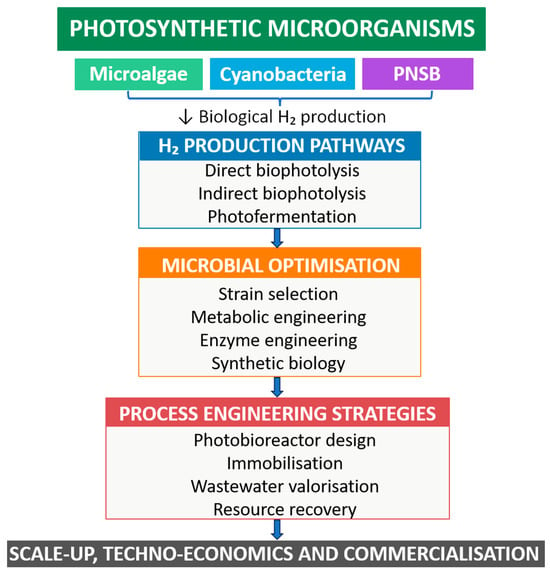
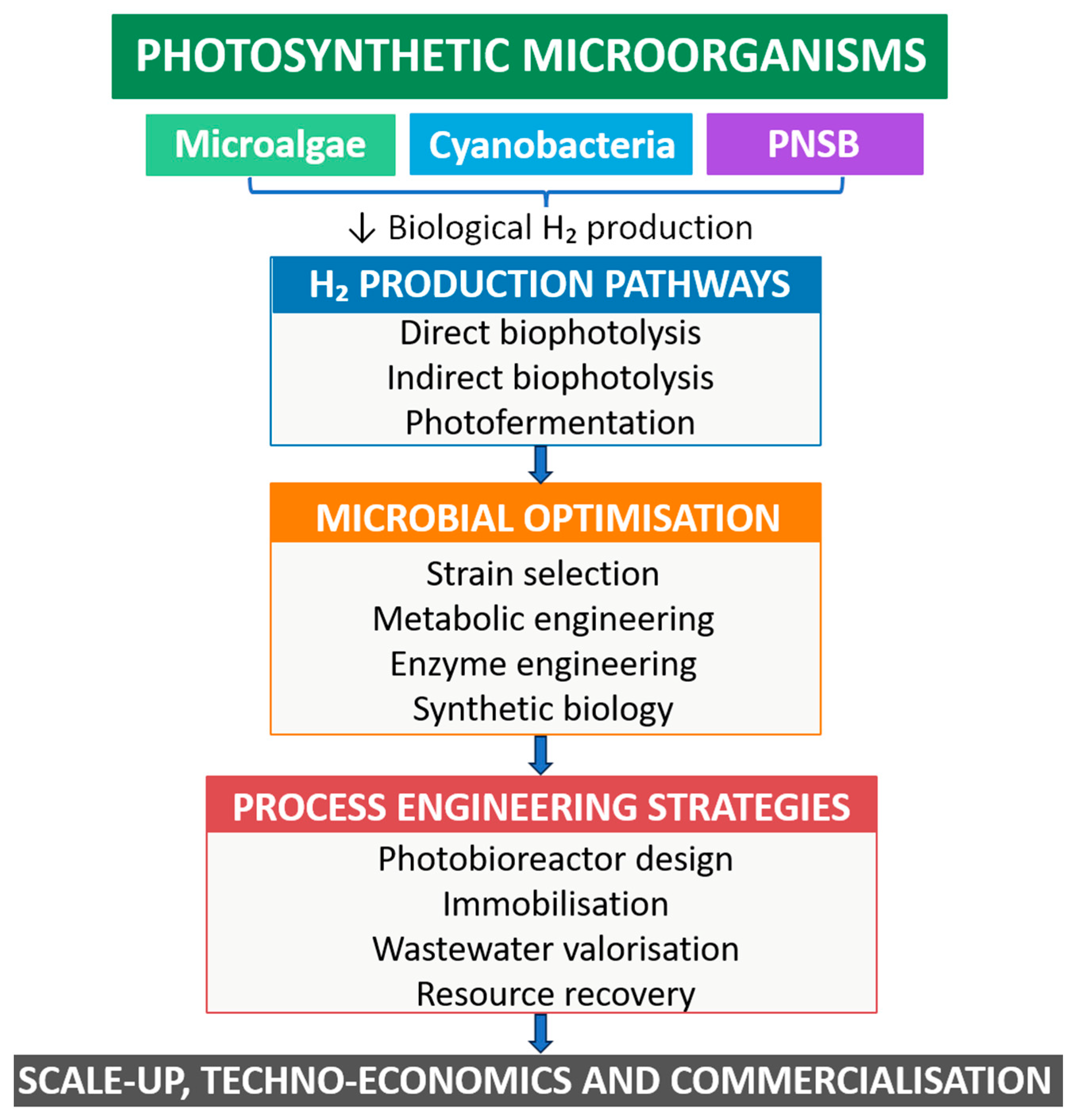
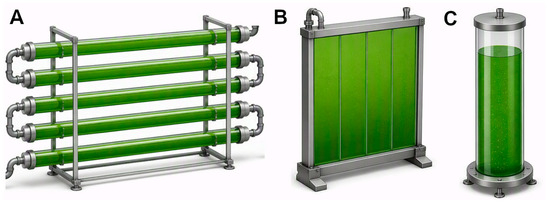
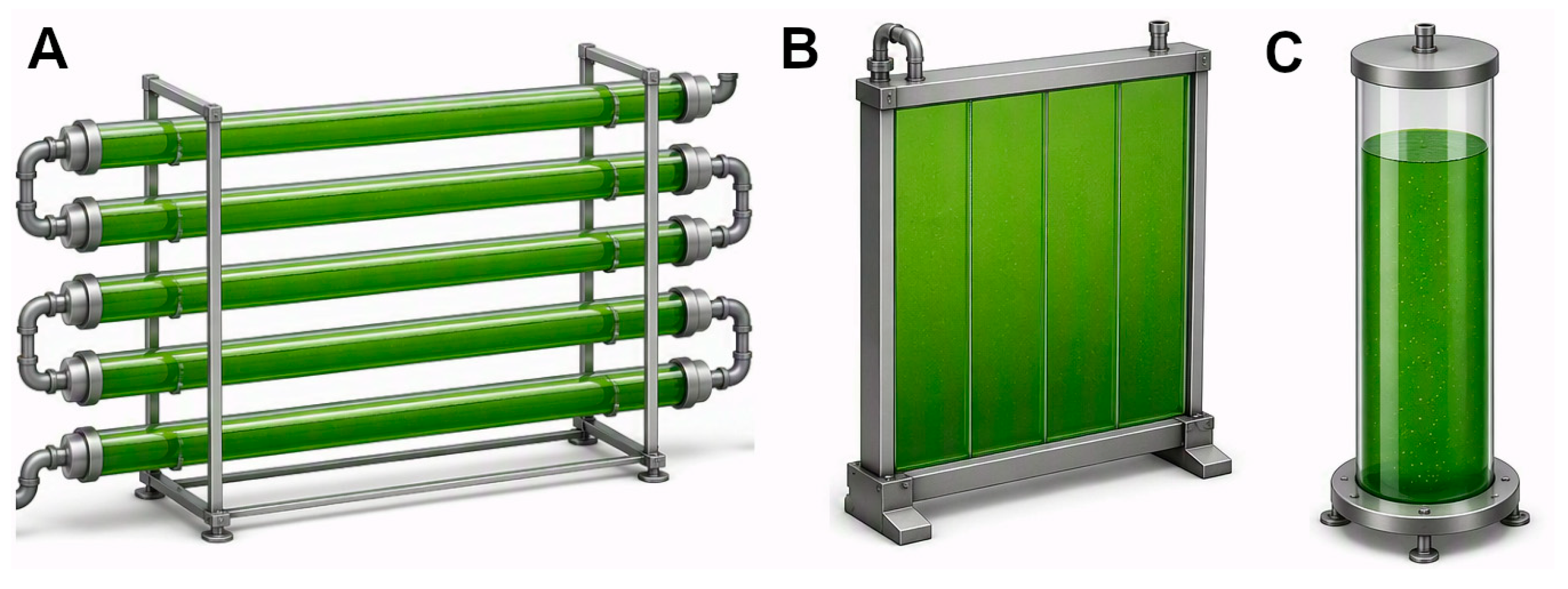
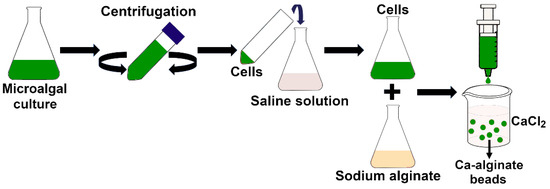
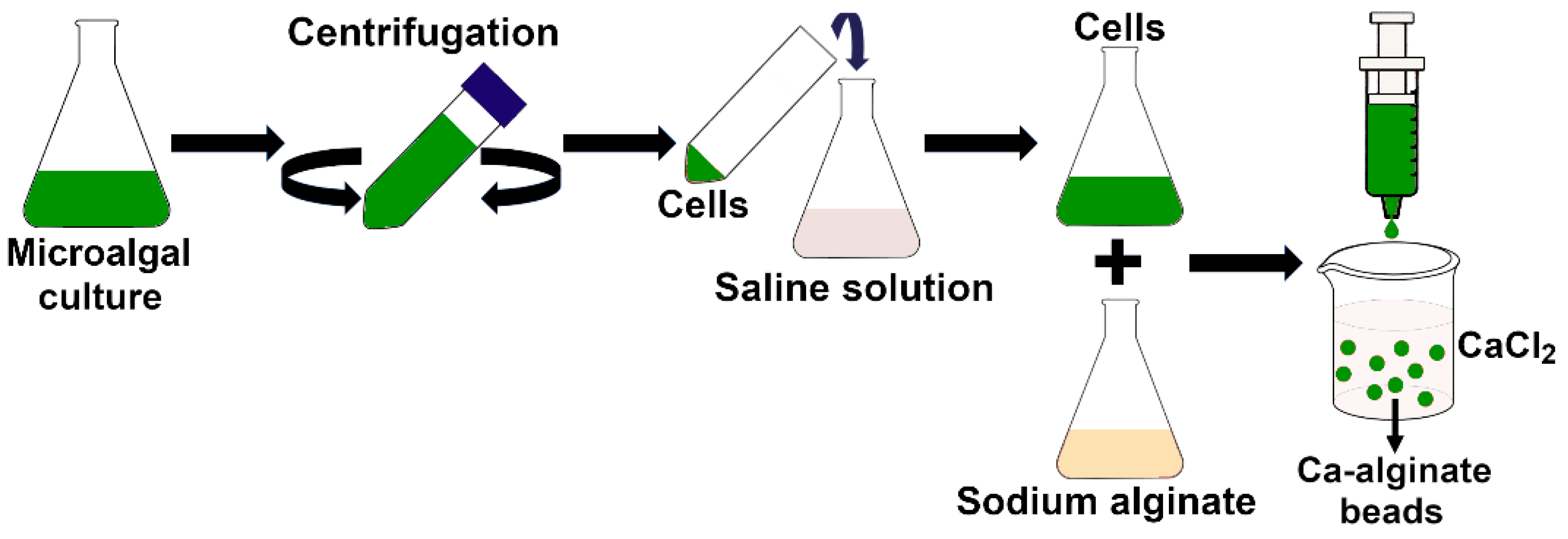
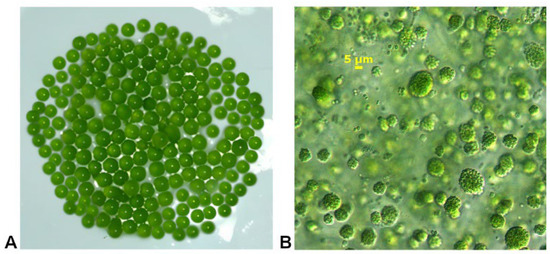
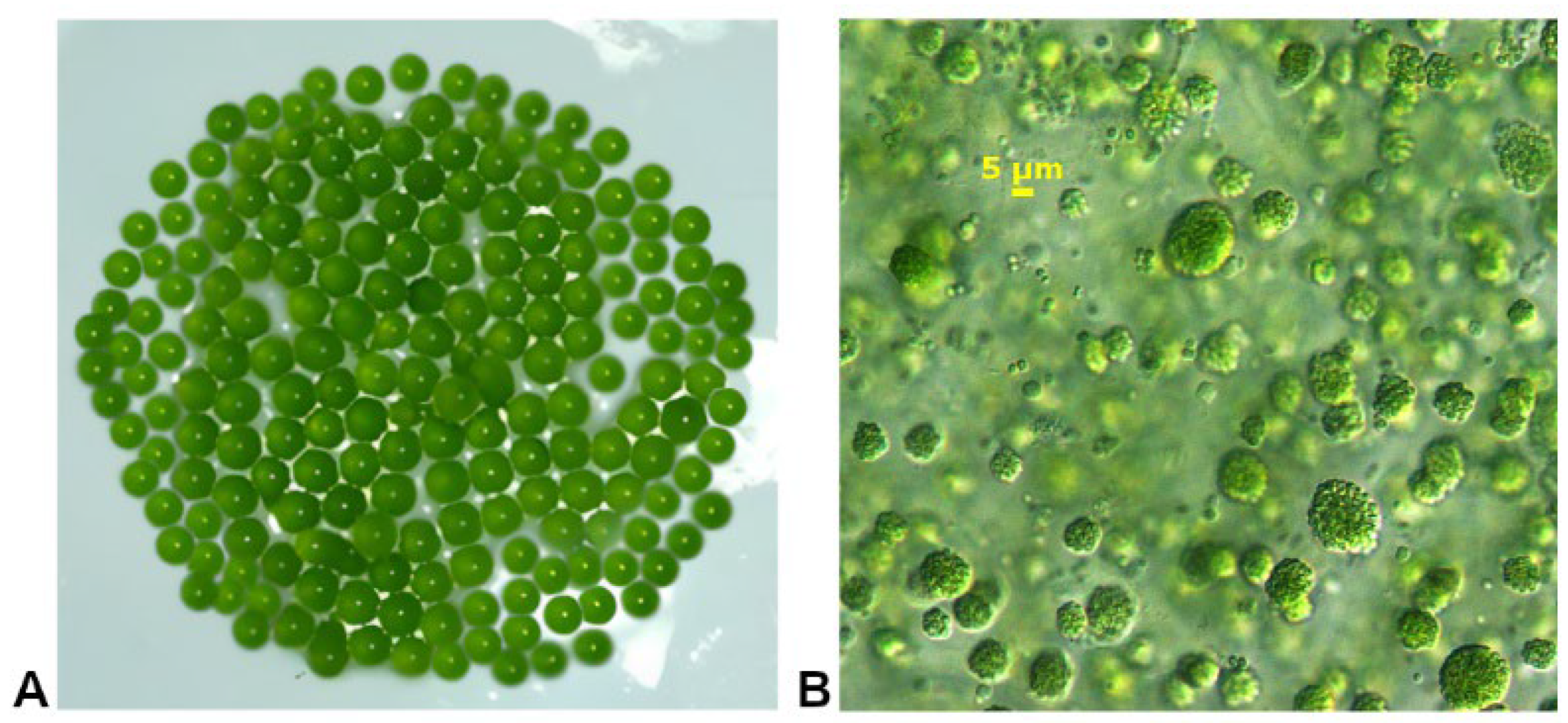

Disclaimer/Publisher’s Note: The statements, opinions and data contained in all publications are solely those of the individual author(s) and contributor(s) and not of MDPI and/or the editor(s). MDPI and/or the editor(s) disclaim responsibility for any injury to people or property resulting from any ideas, methods, instructions or products referred to in the content. |
© 2026 by the authors. Licensee MDPI, Basel, Switzerland. This article is an open access article distributed under the terms and conditions of the Creative Commons Attribution (CC BY) license.