


Abstract
The importance of Structural Health Monitoring (SHM) in maintaining safety, reliability of bridges in service, and in their lifespan, cannot be overstated. Available studies show there is still much to be gleaned in addressing challenges in optimization of sensors in their placement to achieve efficiency in integration as well as in making determinations concerning precision in measurements. The current study aimed to provide a narrative review of the research conducted between 2010 and 2025 on the application of sensor techniques for the detection of different forms of degradation in bridge structures. The main results, in terms of KPIs on precision, spatial, and temporal information, are reviewed and compared, and the results are provided in the form of a framework that highlights the achievements and the challenges in the field.
1. Introduction
Throughout history, structures have been inspected and maintained to ensure their safety and functionality, with methods evolving alongside scientific and technological progress. Structural performance appraisal was restricted to a limited scale by the early bridge testing and elementary 19th-century sensors. But the remote monitoring as well as strain sensing in the 1920s paved the way for a substantial gain in evaluation of this capability. Significant progress in the late 20th century, driven by interdisciplinary collaboration and technological innovation, enabled practical remote monitoring of infrastructure. These developments led to the rise of modern Structural Health Monitoring (SHM), which continues to advance toward full commercial maturity in the 21st century (Aktan et al., 2024 [1]).
SHM is the continuous assessment of a structure’s condition using sensor data to detect damage and ensure safety. Scientifically, SHM is a statistical decision-making process where damage-sensitive features are extracted, normalized to remove EOV influence, and evaluated against probabilistic thresholds. It can rely on model-based approaches, which use numerical simulations refined through structural identification, or data-driven methods that analyze real sensor data without complex modeling. Advances in sensors, data processing, and machine learning have greatly enhanced SHM’s effectiveness. Challenges in optimal sensor placement and measurement precision have been highlighted in prior reviews (Tan & Zhang, 2020 [2]).
Bridges are essential infrastructure but many, especially in developed countries, are aging and deteriorating, making them more vulnerable to extreme events. Quantitative evidence from multiple national inventories indicates that 30–40% of bridges in North America and Europe operate beyond their design life, significantly elevating fatigue and corrosion risk. Regular inspections and maintenance rely mainly on periodic visual assessments that often detect only advanced damage. Although non-destructive methods provide valuable data, their use remains infrequent.
Recent developments in the bridge industry focus on implementing health monitoring systems to enhance bridge operability and extend service life. However, adoption remains slow because many SHM systems lack validated baselines, robust calibration methods, or quantified uncertainty measures. Field load testing is essential for validating SHM systems (Fawad et al., 2023 [3]; Fawad et al., 2022 [4])
Sensors represent the backbone of SHM systems. These sensors measure key structural responses such as stress, strain, vibration, and displacement, as well as environmental variables like temperature and wind. A complete SHM system generally requires multi-physics sensing to capture deterioration mechanisms such as corrosion, scour, fatigue, and thermal-induced stresses.
The advent of wireless sensors has marked a major advancement. However, wireless systems introduce trade-offs involving latency, packet loss, synchronization error, and energy constraints that directly affect damage-detection reliability.
Deflection is one of the most important structural response parameters. Yet deflection alone is insufficient for reliable damage detection because several benign conditions—temperature gradients, bearing slip, or traffic-induced dynamics—can produce similar signatures (Xiao et al., 2024 [5]).
Long-span bridge monitoring systems generate vast amounts of data daily. Modern SHM systems may produce tens of gigabytes per day, necessitating edge computing, event-triggered sampling, and data compression strategies.
The WSNs (Wireless Sensor Networks) technology integrates numerous sensor nodes via wireless communication (Figure 1) (Ghayvat et al., 2015 [6]). Recent deployments increasingly use LoRaWAN, NB-IoT, 5G URLLC, and UWB technologies instead of traditional ZigBee/WiFi/Bluetooth because they better satisfy latency–energy–bandwidth trade-offs required for SHM (Zhou & Yi, 2013 [7]; Gutierrez et al., 2011 [8]).
Figure 1.
Bridge SHM system based on wireless sensor networks.
In contrast to existing reviews that focus on the categorization of existing SHM technologies or algorithms, the present work is based on a system perspective that considers the underlying reasons for the limited ability of technically advanced SHM solutions to produce a sustained operational impact (Deng et al., 2023 [9]). By considering the causal relationships between the limitations of sensors, environmental changes, uncertainty models, and decision-making frameworks, the present review attempts to provide an integrative understanding of the current issues with the aim of moving towards deployable decision-relevant bridge SHM systems.
Bridge monitoring has progressed through multiple decades, yet engineers still face three major obstacles, which include standardizing validation procedures, developing AI systems that function well across multiple environments, and creating methods to handle environmental and operational changes. Structural Health Monitoring systems face problems with domain shift, which restricts their ability to operate on various bridges. They lack proper systems for measuring uncertainty and conducting cost–benefit assessments. The current review seeks to fill these gaps through a thorough examination of bridge SHM research, which concentrates on sensor technology development, data-driven approaches, and their related performance evaluation systems.
The framework for review has grouped various studies by the following categories: bridge type, failure mechanism, type of sensor used, and performance measure. This allows for easy comparison. Cross-regional data has shown that between 30% and 40% of bridges throughout North America and Europe are currently being used, and similar trends are also occurring across Asia. This demonstrates that the implementation of effective SHM systems is critical today more than ever before due to the increasing prevalence of structural failures, such as the I-35W Bridge Collapse (USA, 2007) and the Ponte Morandi Bridge Collapse (Italy, 2018), strengthening the need for reliable monitoring systems in order to ensure a high level of safety and operational reliability. Moreover, the present study is intended as a review article, and its specific goal is the synthesis and critical analysis of the existing literature regarding bridge Structural Health Monitoring (Bakhshandeh, 2024 [10]). In other words, instead of presenting new experimental outcomes, the present manuscript is focused on the identification of the recurring difficulties, the underlying causes of the existing bottlenecks, and the contradictions of the most widespread technical approaches, as presented in the literature. In fact, by integrating the outcomes of different studies and application fields, the present review aims at providing a structured and internationally applicable perspective, able to support researchers and practitioners in the comprehension of the existing limitations and the definition of new research trends.
Specifically, this paper tries to answer three key questions:
- 1.
- What are the current technological advancements in sensors and data processing for bridge SHM?
- 2.
- What are the main challenges, limitations, and gaps in deploying SHM systems?
- 3.
- How can a structured, evidence-based framework guide future research and practical implementations?
The research questions raised above will guide the structure of the review as follows: In Section 2, the challenges associated with the application of Structural Health Monitoring (SHM) for infrastructure will be discussed, with particular focus on the key issues that are integral to the application of the technology. In Section 3, the Bridge Structural Health Monitoring (BSHM) system will be introduced with particular focus on its components, sensors, and system architecture. In Section 4, the challenges associated with the implementation of the SHM systems for bridges will be discussed with particular focus on the issues that are integral to the implementation of the systems. In Section 5, the recent developments associated with the BSHM will be discussed with particular focus on the recent developments associated with the sensors and performance evaluation. In Section 6, a summary of the works that are related to the discussion will be provided with particular focus on the comparisons. In Section 7, the conclusion will be drawn with particular focus on the key issues and the way forward.
2. Challenges in Applying SHM to Infrastructure
Although, as demonstrated in the previous section, the technological evolution and theoretical foundations of bridge SHM have been established, their practical application is still restricted by a number of challenges. In order to contextualize the following discussions, a synthesis of the scientific, technical, and organizational barriers, which limit the application of SHM, is provided in the following section as a means of linking theory and practice.
Despite advances, SHM adoption faces significant challenges. A key scientific limitation is that structural response is highly sensitive to environmental and operational variability (EOV), making it difficult to uniquely attribute changes to damage. Costs of maintenance and upgrades continue to rise.
The lack of robust long-term cost–benefit methodologies also limits adoption. A scientifically rigorous evaluation requires Value of Information (VoI) analysis under uncertainty, which is rarely performed in current practice (Valkonen & Glisic, 2023 [11]).
Cybersecurity challenges and the unclear ownership of long-term SHM data further limit integration into asset management systems (Table 1).
Table 1.
Challenges of using SHM to infrastructure.
Environmental and Operational Variability (EOV): Variability from temperature, humidity, and traffic significantly affects damage indicators and must be removed to avoid false alarms.
Another missing challenge is a standardization issue including SHM hardware, communication protocols, and data formats are not standardized, making long-term interoperability difficult.
Public works projects experience constant challenges when they attempt to implement Structural Health Monitoring systems because of their technology progress. The literature documents different challenges which exist in the field according to three studies (Fawad et al., 2023 [3]; Aktan et al., 2024 [1]; Collins et al., 2014 [14]).
The first challenge involves environmental and operational variability, which causes temperature changes and humidity changes together with traffic load variations and wind conditions to produce sensor errors in damage assessment. The system will generate false alerts together with incorrect system status assessments because of their inability to manage system faults according to the Heiza et al., 2016 report [15].
The second challenge involves uncertainty quantification, which SHM systems need to measure both their operational measurement and model uncertainty but they fail to develop reliable active monitoring solutions of bridge safety. Organizations need to develop advanced methods which include Bayesian modeling together with stochastic simulations, but they currently remain at a basic development stage.
The third challenge arises because SHM systems need to create systematic VoI assessments and performance-based cost assessments of their operational costs, which results in reduced funding for their monitoring systems.
The fourth challenge arises from research studies that need standardized sensor calibration methods together with consistent network interoperability procedures and common data formats to achieve successful scaling.
Wireless sensor networks provide advanced flexibility options for users, but they introduce system delays together with synchronization challenges and energy consumption management (Liu, 2022 [16]; Tang et al., 2025 [17]). This technology has been said to achieve a cost reduction in installation and maintenance by approximately 30–50% in comparison to wired systems, without compromising the accuracy of the measurements in the field, as observed in the long-term SHM applications in bridges (Bono et al., 2025 [18]). The institutional framework has presented two major hurdles, which are security risks and the lack of qualified personnel to operate the SHM systems, while organizations need assurance of system performance certification and system reliability in order to gain trust. SHM systems need to be given confidence by users who require advanced performance testing alongside fault management before they can be used (Siringoringo et al., 2023 [19]).
Researchers need to conduct studies which focus on EOV modeling together with uncertainty quantification and the validation of long-term performance data and the creation of standardized testing approaches. The text links each challenge with established documentation through its references.
3. Bridge Structural Health Monitoring (SHM) System
Many existing bridges are now supporting traffic volumes and loads far beyond what their designers originally anticipated. As traffic demands continue to rise, the stresses placed on these structures increase accordingly. Structural fatigue has therefore evolved from an isolated issue affecting individual bridges to a widespread challenge confronting entire transportation networks (Collins et al., 2014 [14]). The ability to predict and detect both emerging and existing failures is crucial—not only to minimizing economic losses but also to prevent the loss of human lives (Zinno et al., 2022 [20]). A stark reminder of this reality occurred in the summer of 2007, when the I-35W bridge over the Mississippi River in Minneapolis, Minnesota collapsed during rush hour. Thirteen people were killed, and the incident revealed the alarming condition of the nation’s aging infrastructure. This disaster galvanized engineers and policymakers to intensify efforts to inspect, rehabilitate, and modernize these vital systems. Another tragic event unfolded in 2018 with the collapse of the Polcevera Viaduct (also known as Ponte Morandi) in Genoa, Italy. The failure was attributed to deficiencies in the bridge’s design, construction practices, and maintenance, which allowed corrosion to weaken key steel cables until they ultimately failed. The collapse caused 43 fatalities and prompted the adoption of advanced monitoring technologies for the new bridge constructed in 2020, ensuring continuous assessment of its structural condition (Milillo et al., 2019 [21]).
Bridges are also influenced by both static and dynamic variations caused by traffic. While static effects scale directly with mass, traffic-induced dynamic responses are often nonlinear and may diminish as load impact increases. Moreover, changes observed in a bridge’s modal properties may not always indicate damage; instead, they can result from the interaction between an undamaged bridge and moving vehicles. Such complexities make vibration-based monitoring of in-service bridges significantly more challenging (Malekloo et al., 2022 [22]). Consequently, accurately identifying structural deterioration becomes essential, as does determining the most appropriate system for monitoring, evaluating, and managing bridge conditions.
SHM encompasses a broad set of techniques used to collect reliable, long-term data on a structure’s current condition and performance (Moss & Matthews, 1995 [23]; Ko & Ni, 2005 [24]). Effective assessment of bridge degradation requires examining both the physical integrity of the structure and its functional behavior. SHM systems employ networks of continuously operating sensors to track the evolution of structural changes over extended periods (Lydon et al., 2021 [25]). Numerous studies (Lydon et al., 2021 [25]; Heiza et al., 2016 [15]; Karakostas et al., 2024 [26]) have investigated the motivations for adopting SHM in bridge engineering and have outlined the factors driving its implementation. Hence, Structural Health Monitoring systems are important for bridges because they provide continuous, real-time data that improves safety assessments, enabling engineers to recognize early signs of structural problems before they become serious issues. Monitoring a bridge’s response to environmental and operational conditions, SHM verifies the effectiveness of maintenance and repair, ensuring timely interventions. This continuum of insight enables better planning and prioritization of inspection and rehabilitation activities while informing and improving the future design of bridges by confirming engineering assumptions and augmenting our understanding of structural behavior (Figure 2).
Figure 2.
Reasons for the importance and necessity of SHM systems for bridges.
Beyond simply collecting data from bridges, SHM systems are also capable of processing, interpreting, and forecasting this information to guide decisions that improve a bridge’s performance, capacity, and service life. SHM approaches are generally divided into two main categories: diagnostic and prognostic. Diagnostic methods identify defects, determine their location, and assess their severity. Prognostic methods, on the other hand, use diagnostic findings to predict the remaining useful life of the structure (Zinno et al., 2022 [20]).
In this context, damage refers to any change within a structure that negatively affects its current or future performance. To be meaningful, damage must be evaluated relative to a baseline condition—often called the “initial state”—which represents the structure before any degradation has occurred (Sohn et al., 2003 [27]). Bridge damage is commonly assessed through a hierarchical framework, where understanding each successive level depends on the accurate interpretation of the level preceding it. Consequently, the reliability of higher-level assessments is closely tied to the performance and accuracy of earlier stages in the hierarchy.
Researchers have proposed several influential classification frameworks for describing structural damage (Haritos & Owen, 2004 [28]; Gonen and Erduran [29]; Figueiredo & Brownjohn, 2022 [30]; Moravvej & El-Badry, 2024 [31]). One widely referenced scheme organizes damage into five distinct levels:
Level I—Damage Detection: At this stage, the system determines whether damage has occurred at all.
Level II—Damage Localization: Once damage is detected, this level focuses on identifying where the damage is located and its orientation within the structure.
Level III—Damage Characterization: This level extends beyond detection and localization by evaluating the severity of the damage and identifying its type or nature.
Level IV—Damage Quantification: After the earlier steps are completed, this stage assesses the overall extent of the damage and explores whether its progression can be slowed or contained.
Level V—Damage Prognosis: Building on the information extracted from the preceding levels, this final stage estimates the structure’s remaining service life or evaluates its continued operational viability.
Benchmark studies have revealed that temperature changes may cause errors of up to 15% in strain measurements (Peeters & De Roeck, 2001 [32]), and traffic vibrations may cause a variation of up to 10% in accelerometer measurements (Zhou & Yi, 2013 [7]). The incorporation of these variations in SHM models is critical for effective damage detection. The following table presents a summary of the five-level damage assessment framework, including indicators, measurement methods, and references for each level of damage (Table 2).
Table 2.
Five-level damage assessment framework.
Modern bridge SHM systems use different sensing technologies which provide unique benefits and drawbacks. Fiber-optic sensors, which include DFOS and Bragg grating sensors, provide precise strain readings and constant crack detection but their installation costs are high and their performance gets affected by environmental conditions (Glisic & Inaudi, 2012 [33]; Minardo et al., 2022 [34]). Wireless sensor networks (WSNs) provide flexible deployment, reduce wiring costs, and enable real-time monitoring yet face challenges including latency and packet loss and energy constraints (Tang et al., 2025 [17]). Vision-based monitoring provides non-contact measurements for surface deformations and crack propagation, but its performance gets affected by lighting and visibility and surface accessibility restrictions (Gonen and Erduran [29]). Hybrid approaches, which combine accelerometers with vision systems and fiber-optic networks with distributed acoustic sensors, enhance system performance through their combined strengths, but they need extra resources for complex system operations and data processing.
The essential technical performance indicators for these systems comprise the following elements: damage detection sensitivity thresholds (minimum detectable strain or dis-placement), accuracy of modal parameter estimation (frequency, mode shapes, damping ratios), signal-to-noise ratio (SNR) under environmental variability, and deployment and maintenance costs for sensors and data acquisition systems. The trade-offs between cost and sensitivity and robustness and scalability are shown in Table 3, which presents a comparative summary. The critical analysis provides guidance for selecting the most suitable SHM method, which depends on the type of bridge and the specific damage pattern and the working conditions.
Table 3.
Outlines the challenges of implementing SHM in bridge monitoring.
3.1. Adaptability of the Damage Assessment Framework to Bridge Types and Damage Modes
The five-level damage assessment framework—comprising damage detection, localization, characterization, quantification, and prognosis—provides a systematic basis for evaluating structural condition in bridge SHM. The effectiveness of the assessment level implementation in practice depends on two factors, which are bridge structural typology and the main damage mechanisms of the bridge. The framework should be understood as a flexible system which offers different components that can function separately from each other.
3.1.1. Influence of Bridge Structural Type
The type of bridge you have will place limitations on the direction of force during loading, how dynamic or flexible the bridge is, and how sensitive it is to potential damage. An example of this is Long Span Bridges (Cable Stayed/Suspension) where at the Global Level (Level I) is usually the Global Behavior of the structure, meaning the entire bridge will affect how it acts as a unit after the application of loads over time. In most cases, for Long Span Bridges, the Global Levels of Damage Detection and Damage Location will be determined by Global Indicators, such as: (1) Changes to Natural Frequencies, (2) Changes in Mode Shapes, (3) Changes in Cable Tension from multiple locations and (4) Long term changes in Overall Displacement trends. The structure of these types of bridges makes the location of Local Damage Characterization (Level III) difficult, requiring the use of additional or complementary sensing methods, such as distributed fiber optic sensors and/or vision systems. The level of prognosis (Level V) is of utmost importance for these types of bridges, as they experience edges of existing damage to their cables from corrosion/fatigue in a gradual manner, which, if not taken into account, can ultimately create a failure at some point during the product’s economic lifecycle, ultimately reducing its long-term serviceability to nowhere near its original design. Concrete Beam and Girder-Type Bridges suffer from localized damage mechanisms. In the case of these types of bridges, Local Damage Characterization/Location is the most critical aspect of SHM (Levels II and III) and has to rely on the methods of measuring strain, finding cracks, etc., by using either acoustic emission or ground radar techniques.
While vibration-based techniques can be effective for the first step of damage detection, their lower sensitivity towards localized defect is a disadvantage. The quantification of damage (Level IV) in a vibration-based system is usually accomplished by comparing what is measured against numerical models to determine stiffness loss/residual load bearing capacity.
Steel truss bridges demonstrate complex load paths, as well as individual joint response behaviors; therefore, they tend to be especially vulnerable to crack (fatigue) propagation and corrosion at the connection points. To efficiently carry out local damage localization and characterization, sensors with higher resolution must be installed near critical connections. Global detection can be achieved through the use of modal-based indicators. However, the ability to quantify and predict reliably requires that fatigue accumulation models are combined with local strain data. Therefore, Levels III, IV and V take on even more significance, as they relate to safe operation and effective maintenance planning.
3.1.2. Influence of Damage Modes
The primary means of determining whether or not to use the various SHM indicators or focus on different assessment levels for a bridge are its major damaging mechanisms. Long-term monitoring strategies are typically the best approach for quantifying and assessing time-dependent damaging processes like corrosion and fatigue due to those processes exhibiting magnitude changes in a material’s properties and structural stiffness over time, and SHM indicators used to assess them include indicators such as strain evolution, cumulative fatigue damage indices, and probabilistic degradation models. Conversely, localized or sudden-type damage modes like cracking or scour may necessitate the use of very high spatial resolution and rapid detection capabilities when monitoring for them. Distributed strain sensing, vision-based inspection, or acoustical emission techniques are all commonly used to monitor cracking initiation and propagation; these techniques can provide effective localization and characterization of any crack. Scour damage typically results in a change to the boundary conditions of a bridge and a corresponding change to the stiffness of its foundations. Therefore, changes in modal properties, tilt measurements, or vibration signatures can be used to detect scour damage. Because scour is likely to result in rapid or unexpected failure, the need for early detection and localization of scour damage will be very important.
3.1.3. Core Technical Indicators and Inter-Level Connectivity
Specific technical indicators used to assess damage at each level of the damage assessment framework will provide information for the next level of the framework. Global response metrics, such as changes in frequency and statistical anomaly detectors, are common techniques used to detect damage. To localize and characterize the damage, high-resolution spatial data, such as strain distributions, modes of curvature, or locally defined indices of damage, are used. Damage quantification will take damage indicators and convert them into estimates of the amount and/or the severity of the damage, typically through model updating or inverse analysis techniques. Damage prognosis will take the quantified damage state and integrate that with deterioration-based models and quantified uncertainty, allowing for estimation of remaining service life/future performance.
A key component of the framework is the ability to transition between the levels of assessment. Depending on the specific type of the bridge, the specific mode of damage being assessed, and the specific monitoring objective(s), the relevant levels may be prioritized, combined, or further simplified. This flexibility provides the means to customize the framework to a variety of bridge systems and operational constraints. The versatility of the five-level framework comes from its ability to integrate a variety of different sensing technologies and analytical techniques and accommodate for the differing types and mechanisms of damage on individual bridges. When properly customized for a specific application, the five-level framework provides a practical, scalable foundation for SHM systems accommodating for both diagnostic evaluation and long-term management of bridge assets.
3.2. Global Approaches and Geodetic Integration in Bridge Monitoring
Many organizations across the globe participate in bridge Structural Health Monitoring (SHM), including commercial firms, niche monitoring companies, and universities. Different project case studies show the many ways SHM can be applied. The Foyle Bridge in Northern Ireland has an automated monitoring system that combines multi-parameter traffic, wind, and temperature readings to assess how these factors affect a bridge’s structural dynamics (Tang et al., 2025 [17]). The collapsed I-35W Bridge built in Minneapolis, MN, installed a series of sensors after collapse to ensure a safer approach to reconstruction (Zinno et al., 2022 [20]). The High-Speed Railway Bridge in Taiwan uses distributed fiber optic cable and acoustic sensors to perform three-dimensional (3D) deformation monitoring and assessment of bridge response to earthquakes ((Karakostas et al., 2024 [26]); Kishida et al., 2024 [35]).
Across all implementations of SHM, measurement accuracy is one of the most important aspects of each technique. Each SHM methodology applies available nominal values for displacements and deformations by using several types of temporal and spatial resolution to specify the expected magnitude of each deflection and displacement. Placement of sensor systems is undertaken to optimize the level of comfort with which expected results can be attained.
Additionally, the integration of geodetic engineering surveys to SHM has become increasingly common. As part of this integration, control points, GNSS networks, digital laser scanning, digital leveling, and total stations are all used to obtain geometric displacement and deflections so that they can be integrated with the other sensors utilized in the SHM system. This comprehensive approach enables the structural behavior of bridges to be assessed in greater detail, validates computer-simulated models and aids predictive maintenance.
Nonetheless, it should be noted that despite the major technological advancements, the present SHM technical paths contain many inherent contradictions, which affect their practical effectiveness. For instance, the sensitivity and spatial resolution of the SHM system are highly enhanced by the increasing number of sensors, but the complexity, installation cost, and maintenance of the system are also simultaneously increased.
Another major contradiction in the SHM field relates to the trade-off between the complexity and robustness of the SHM models. Although the physics-based models are highly interpretable and generalizable, the accuracy of the boundary conditions and material properties, which are often required as input, may be very difficult to obtain in real bridges.
Similarly, the data-driven models may be highly effective under controlled conditions, but the accuracy of the data, as well as the stationarity of the conditions, may be very difficult to ensure.
These contradictions highlight the fact that the present SHM technical paths often aim to optimize the localized performance at the expense of system sustainability and transferability.
4. Difficulties and Challenges in Implementing SHM Systems for Bridges
Bridge structures in the real world present various interrelated challenges when implementing SHM systems. The critical analysis of these issues evaluates the seriousness, feasibility, and importance of each challenge:
The installation of equipment and sensors presents problems related to the long-term durability, exposure to the environment, and the placement of the sensor. Established case studies, Z24 Switzerland, have shown that inaccurate calibration or environmental drift can result in diminished accuracy in detection. Although fiber optic sensors offer significant sensitivity, they also carry a prohibitively high price tag and must be routed extremely carefully. In contrast, WSN nodes are very flexible but can be delayed in processing and sometimes lose data packets.
Sourcing large amounts of both heterogeneous sensor data requires combining the large amounts of data generated from different types of sensors. Sensor data generally contains noise affected by environment and changes to the sensor itself. The Tsing Ma Bridge study also demonstrates the need for multi-physics sensing of hybrid systems to capture the dynamic response of bridges.
Once the sensor data has been acquired, the high-dimensional nature of the data requires strong analytical frameworks to perform data analysis and processing. Baseline-free methods and AI-based modeling are gaining popularity; however, issues of domain shifting (data from one area being applied to another) and uncertainty propagation in calculations have yet to be resolved. Additionally, case studies show that all sensor networks should be evaluated with quantitative performance indicators such as SNR (Signal-to-Noise Ratio), modal parameter accuracy, and computational cost.
Operational Scheduling and Management Decisions: In order to translate sensor data to actions (e.g., maintenance), it is necessary to establish performance thresholds through validation. The Tamar Bridge project is a case study that illustrates the challenges associated with reliability-based scheduling due to limited budget and variability in the environmental conditions.
Hardware/Software Integration and Validation Processes: The integration of sensors, data acquisition systems, and analysis software will be needed for the continued reliability of SHM systems. Calibration, Baseline-Free Monitoring, and Uncertainty Quantification are key elements in developing a system that can accurately detect damages and support the decision-making process regarding the management of these assets.
The challenges highlighted for bridge SHM are indicative of the difficulties involved in the installation of monitoring systems that have to be very reliable in the conditions of the real world. The first and most fundamental problem is still the selection and installation of suitable sensors, since the devices have to be very much exposed to the environment and at the same time placed where it is most economical regarding power supply and cost. After the system is set up, it has to support the data acquisition and fusing at a very high level and overcome the interference from noise, vibration and the differences in sensor types to produce measurements that are of good quality and that can be compared. The data analysis and processing stage are of the same importance as the data acquisition and fusion, since the huge amounts of data from different sources, which in many cases have the characteristic of being uncertain, will be the ones that rely on the application of robust analytical frameworks and even AI-assisted methods for getting the right interpretation. The capacity to convert the results of analysis into practical measures is then the source of yet another complication: the effective operation scheduling and decision-making depend on the good performance indicators being defined and the optimal times for intervention being ascertained. The challenge of hardware–software integration is the one that supports all these stages, as it has to make sure that the communication between the sensing devices and the analytical algorithms is imperceptible and that the monitoring performance is maintained for a long period. These challenges taken together indicate the necessity of a tightly coordinated system which covers hardware, data management, analysis, and operational strategy, that is, the successful bridge SHM.
4.1. Root Causes of Key Gaps in Practical Bridge SHM Deployment
Several studies have examined areas of research that pose critical issues related to the health monitoring of bridges (SHM). However, it has been observed that while these areas have been recognized, the underlying issues of environmental and operational variability (EOV) and uncertainty quantification also affect the performance of these SHM concepts and techniques. If the literature is examined carefully, it becomes apparent that the results of the studies, if they are conducted properly, will not provide the expected results, as the concept of SHM has been limited by the generators of all the data that can be used and the lack of integration between systems and functionalities. EOV is still the greatest impediment to reliable damage identification in SHM studies. A number of studies that use vibration-based water-motion and data-driven approaches have attempted to address this problem, using a variety of methods such as practitioners, PCA and machine learning-based feature extraction.
While these methods were able to successfully reduce the effects of EOV in controlled studies, they have shown to be incapable of consistently performing well over extended periods of time. For example, when training certain types of machine learning models to detect damage, there are instances where a model trained on historical bridge data will only perform effectively under certain environmental conditions and may not be able to generalize its performance across seasonal and traffic variations or different bridge types.
Environmental loads are non-stationary over time (i.e., they fluctuate in time), the climate changes continuously, sensors can drift over the years and recording used currently (the historical data) only captures a portion of all the types of loads or effects of the environment that a real bridge encounters in operation (i.e., non-long-term systems will record everything). Uncertainty is a challenge for SHM systems to achieve successful operations (e.g., quality, reliability, etc.) because of the new way of measuring uncertainty (using probability and Bayesian methods), but current research on uncertainty does not adequately use or apply all sources of uncertainty. Multiple sources contribute to the uncertainty of the SHM processes: measurement errors, data preprocessing, feature extraction, modeling updates, and damage decision thresholds. Also, for existing bridges that are still in-service, there is usually no verified ground-truth and therefore SHM systems typically rely on just deterministic thresholds or heuristic approaches and, thus, provide little or no confidence for making safety-critical decisions.
Lifecycle cost–benefit evaluation is a challenge due to the disconnect between the development of Structural Health Monitoring (SHM) technologies and actual usage by infrastructure asset managers. There are numerous studies that establish the technical capability of SHM; however, there are limited studies that establish the long-term financial benefit. The reason these studies do not exist is two-fold. First, it is difficult to connect sensor-based observations to actions that need to be taken to maintain the asset, and second, there is no standard way to assess the Value of Information (VoI) provided by SHM under uncertainty. Consequently, owners of infrastructure view SHM as an additional cost to incur rather than a tool that can assist them in being able to perform infrequent inspections and prevent failures or to provide them with the ability to make better decisions regarding how to maintain their infrastructure over the lifecycle of the bridge.
These issues exist primarily because current SHM research tends to study only one or two technical components of SHM without adequate consideration for the integration of how sensor-based data is collected, interpreted, modeled under uncertainty, and ultimately leads to a decision. There is a gap between when SHM systems are developed and when they will be used effectively within the context of asset management and lifecycle evaluation. Therefore, the critical need is to move away from developing technology-driven solutions to developing system-based frameworks that connect SHM outputs to risk-based asset management and lifecycle evaluation.
4.2. Proposed Solutions and Technological Approaches for Key SHM Challenges
The challenges that are associated with the practical deployment of bridge SHM systems were identified as being caused by three major obstacles: Technology Limitations (Technical limitations), High Cost (Cost), and Minimal Competitiveness (Lack of standardization). In order to provide the necessary connection between the analysis of the obstacles and the practical implementation of the obstacles as solutions, the following section will highlight a series of options to mitigate each obstacle, as well as a description of the technological enhancements that are associated with the practical implementation of each obstacle. The issues of cybersecurity and data ownership are major operational risks that are associated with the practical deployment of bridge SHM systems. From a technical perspective, the practical deployment of an SHM system that is deemed to be safe typically includes the following: “secure authentication mechanisms,” “end-to-end encryption mechanisms (e.g., AES-128/256 for low-power wireless sensor networks),” “role-based access control mechanisms for data retrieval and system operation,” etc.
In practical applications, edge–cloud architecture has been adopted to address the cybersecurity risks in a manner that data availability is also ensured. Here, the sensor data is processed at the edge level to avoid potential risks, and only the processed data is transmitted to the cloud server through a secure communication channel. Moreover, secure updates and intrusion detection systems must be incorporated to avoid unauthorized access to the sensor nodes.
Data ownership is another challenge in SHM engineering, particularly in the context of long-term SHM projects where various stakeholders, such as infrastructure owners, monitoring service providers, and government bodies, are involved. Engineering practice has adopted contractual data governance approaches in which the data owner retains the rights to the raw data, whereas data usage rights are clearly defined for the operators. Data version control and logging systems are also adopted to maintain the traceability of SHM data.
From the above discussion, it is clear that cybersecurity and data ownership in the context of bridge SHM are not administrative issues but must be addressed through explicit engineering decisions that affect the system’s reliability and scalability in a direct manner.
The framework’s explicit link between each challenge and its corresponding solution along with the technology mentioned above provides a means for organizations to overcome many of the current limitations associated with bridge SHM systems. Table 4 summarizes the most key SHM challenges and their solutions in bridge monitoring.
Table 4.
Key SHM challenges and proposed solutions in bridge monitoring.
5. Recent Developments in BSHM
Early bridge SHM largely depended on manual inspections and relatively basic technical approaches. The main characteristics of these traditional methods can be summarized as follows:
- Dependence on manual inspection: Early monitoring relied heavily on human observation, with professionals conducting regular visual checks for cracks, corrosion, or other visible damage. While straightforward and direct, this approach suffered from subjectivity, limited coverage, and low efficiency.
- Use of basic physical monitoring methods: In addition to visual inspections, simple mechanical tests were sometimes employed using basic sensors and instruments to detect changes in structural parameters. Although these tests provided some insights into structural health, they were limited in scope.
- Single-dimensional monitoring: Traditional methods primarily focused on structural physical characteristics and rarely incorporated environmental factors, traffic loads, or other multidimensional data.
- Limited data processing and analysis: Early monitoring systems lacked sophisticated data processing capabilities. Consequently, assessments were often less comprehensive and potentially inaccurate.
- Offline monitoring predominance: Unlike modern real-time monitoring systems, early monitoring was mostly offline, causing delays between data collection and analysis. This reduced the ability to detect problems promptly (Rillo et al., 2024 [36]).
As bridge construction expanded, the limitations of these traditional methods became more pronounced, particularly for complex or large-span bridges. This highlighted the need for more advanced, intelligent monitoring technologies. In the 1980s, advances in materials and electronics led the United States to propose integrating smart materials with intelligent structural frameworks. These frameworks featured self-awareness and self-regulation capabilities, laying the foundation for modern SHMS. During the 1990s, the U.S. National Science Foundation promoted research into sensor technologies and their integration with civil structures, which remains a cornerstone of modern bridge SHM. Around the same time, the United Kingdom pioneered automated monitoring by installing data acquisition systems on the Foyle Bridge in Northern Ireland (spanning 522 m), tracking vehicle loads, wind, temperature, and their effects on structural dynamics—an early example of an automated bridge SHM (Tang et al., 2025 [17]; Wan et al., 2024 [37]).
In recent years, the field of Bridge Structural Health Monitoring (BSHM) has evolved from manual inspection to sensor-integrated, automated, and hybrid monitoring systems. There are two categories of sensors: fiber optic, which have achieved maturity (TRL 7–8) and are currently being used on high-profile bridges. Fiber optic sensors can measure strain and crack initiation/relocation; these sensors must be installed with great care. Wireless sensor networks (WSNs) are relatively new and have been classified at TRL 6–7. WSNs are flexible, but they have limitations related to energy consumption, latency, and packet loss. Vision-based systems for monitoring surface deformation (TRL 5–6) have developed rapidly. The integration of AI into these systems is enabling increasing levels of automation for detection of deformations. Hybrid systems that include multiple sensor modalities offer improved robustness, but require extensive computational resources (TRL 6–7).
In the United States, the adoption of BSHM began early on with the development of “smart” bridge frameworks; in Europe, the emphasis has been on developing long-term validation and standardization through projects like Z24, Foyle Bridge; while in China, rapid implementation of large-span fiber optic and vibration-based monitoring systems is occurring for the monitoring of safety critical infrastructure.
Differences in structures and their surrounding environments (domain shifts) create variations in how AI learns to operate on those structures. Therefore, as AI models operate across different geographic regions, they are learning from, and making predictions for, new structures and environments, creating potential vulnerability gaps in model performance. This has resulted in significant interest from researchers to develop methods for improving the robustness of AI-based bridge monitoring systems: transfer learning, uncertainty quantification, and calibration.
Scalability and validation: Long-term monitoring of multiple bridge types suggests that AI can successfully monitor many types of bridges, although cost, difficulty of installation, and ongoing maintenance are all potential issues with respect to the effectiveness of AI technology (Table 5).
Table 5.
Technology readiness, deployment, and validation status of key bridge SHM approaches.
China began exploring SHM in the 1990s amid rapid infrastructure development and the construction of large-scale bridges. During this period, SHMS were deployed on major projects, demonstrating the advantages of modern bridge SHM over traditional manual approaches. These systems enabled comprehensive, accurate, intelligent, and real-time monitoring, representing a significant leap forward in bridge health management (Tang et al., 2025 [17]).
6. Related Works
Since this study has a review-oriented nature, special emphasis was placed on the careful selection of the literature to establish the representativeness and relevancy of the literature review. The reviewed literature was initially identified based on the search results from key scientific literature databases such as Web of Science, Scopus, and Google Scholar using a combination of key words like “bridge structural health monitoring,” “sensor systems,” “damage detection,” and “AI-based SHM” (Pallarés et al., 2021 [38]; (Zhang et al., 2025 [39]). The search results were filtered based on the literature’s relevancy to the application in bridges, technical content, and the quality of the literature. A special emphasis was placed on peer-reviewed journal articles and highly cited conference publications from the last two decades. The seminal literature published before the last two decades was included where necessary. To avoid redundancy in the literature review, the literature was grouped based on the sensing technologies, data processing techniques, and the objectives of the literature review. The review-based literature was used to establish the trend and challenges in the literature, whereas the experimental-based literature was emphasized in the discussion of the performance characteristics and limitations. Unlike prior surveys, the current review differs from earlier surveys by integrating multiple performance indicators from different sensor types. The study assesses measurement precision through multiple performance indicators. The study proposes a new framework which will help researchers tackle ongoing difficulties in BSHM research.
So, to achieve a thorough and highly detailed literature review and to use methods consistent with transparent, rigorous, and replicable processes, systematic review techniques were used. Databases that include Web of Science, Scopus, IEEEXplore, ScienceDirect and SpringerLink were searched using keywords including Bridge Structural Health Monitoring, Sensor Placement, Fiber Optic SHM, AI for SHM and Digital Twin Bridge Monitoring. The review considered only peer-reviewed journals and conference papers, published during the time between 2010 and 2025, that were based on studies providing quantitative performance metrics, experimental validation or novel methodological contributions related to SHM. Studies were screened and assessed individually for relevance, quality of methodology, and applicability to Bridge SHM. This selection process encompassed all bridge types as well as all types of damage modes, as well as all types of sensor technologies. The most significant parts of the studies were then extracted and placed in Table 3 for ease of reference as follows: sensor/method used, bridge type used, type of damage, performance indicators, and major findings. The data contained in this table provide a means by which the studies can be compared directly for ease of use. This systematic review of Bridge SHM will provide a comprehensive and fair assessment of the current methodology of Bridge SHM through the use of data and evidence available, while also providing an avenue through which to determine the missing technological aspects in Bridge SHM, and subsequently articulate and discuss how to accomplish sensor optimization, integrate data, and other sensor-type applications.
Mousavi et al. (2025) [40], emphasizing learning from field data and real-time model updating, proposed a dual data-driven model using feature fusion and unsupervised deep learning for bridge health monitoring. The main objective of this study is to integrate data-driven methods and digital twins (DT) for predicting the remaining useful life (RUL) and detecting bridge damage. Zhao et al. (2025) [41] developed a distributed vibration sensing system that detects fine vibrations, including single touches, across a wide frequency range (5 Hz–25 kHz). Installed in an S-shaped layout on a 3D-printed bridge, it can distinguish between static states, wind, walking, tapping, and climbing. The system demonstrates precise localization and sensitive monitoring, showing potential for intelligent sensing in various 3D-printed structures. Kishida et al. (2024) [35] demonstrated how a distributed fiber optic sensor can monitor a 1 km high-rise railway bridge in Taiwan. In this paper, by combining data from multiple strain-sensing fibers, the 3D deformation of the bridge was reconstructed, and rapid safety checks were performed after two strong earthquakes. Additional measurements using a distributed acoustic sensor recorded the dynamic response of the bridge to the passage of a high-speed train. Yano et al. (2023) [42] demonstrated that this method can be used to monitor the structural health of bridges with high accuracy using a transfer learning approach. They tested the effectiveness of this approach by testing three domain matching methods using labeled data from one bridge and unlabeled data from another. Their comparison—based on real datasets from bridges in Switzerland and France—highlighted the importance of high-quality transferred information for accurate damage detection.
In their paper, Gonen and Erduran (2022) [29] described an innovative hybrid Structural Health Monitoring (SHM) system for the detection of bridge vibration-induced damage that combines the conventional accelerometer measurement with vision-based measurements. This technique uses widely accepted mode shape-based damage indicators, which are the mode shape curvature, modal strain energy, and modal flexibility methods. Numerical case studies on a simply supported bridge have shown the new method’s capability of damage identification with great precision even in situations where the conventional acceleration measurement fails. The combination method could reliably identify as much as 10% decrease in bending resistance that was over 1% of the bridge’s overall length, and that too was under very high levels of measurement noise. Moreover, a new modal flexibility parameter was introduced to solve the problems associated with the traditional modal flexibility method and thus improve the overall accuracy and dependability of the proposed SHM approach.
Fawad et al. (2022) [3] conducted a nonlinear analysis of a damaged reinforced concrete (RC) bridge using both destructive and non-destructive testing results, along with static and 3D nonlinear modeling. Finite element models were developed based on in situ material properties, and the bridge’s condition was assessed through linear static analysis (AXIS VM) and 3D nonlinear analysis (ATENA 3D). The results revealed significant concrete cracking and large crack widths, indicating reduced structural performance. To address these issues, the authors proposed implementing a comprehensive Structural Health Monitoring (SHM) system incorporating three sensor types: Liquid Leveling Sensors (LLSs) for vertical displacement, Distributed Fiber Optic Sensors (DFOSs) for crack monitoring, and Weigh-in-Motion (WIM) devices for tracking moving loads. This SHM approach aims to enhance the bridge’s service life while minimizing repair costs and failure risks. Similarly, Glisic, B., & Inaudi (2012) [33] also used distributed fiber optic sensors to detect cracks in a bridge. In the proposed design of this paper, a sensor cable is used to measure strain changes along the length, which can detect the location of the crack. Minardo et al. (2022) [34] also used Brillouin fiber-optic sensing in a concrete bridge to assess and monitor bridge health. In this paper, a Brillouin scattering-based fiber-optic sensor was used to record the longitudinal strain behavior over time. The paper shows that cracks can be detected with a spatial resolution of about 1 m, and the sensor performs well for long-term monitoring of the structure. Svendsen et al. (2022) [43] used a data-driven approach using AR parameters as damage-sensitive features to detect damage in steel bridges. In this paper, the performance of supervised and unsupervised machines learning algorithms for damage detection is compared, and the capability of these algorithms in detecting nonlinear bridge fatigue damage is investigated. Bao et al. (2020) [44] used a machine learning approach to reconstruct compressed sensing data for Structural Health Monitoring. This paper proposes a combination of signal compression (compressive sensing) and machine learning to reconstruct sensor data in SHM. This approach can be used for wireless and bandwidth-limited systems because it can reconstruct data with less volume but with high accuracy.
Sunca et al. (2021) [45] applied the effective independence method to identify optimal sensor locations for cost-effective modal testing of composite and steel beams. Using finite element models in ANSYS (version M22.1) and experimental vibration data, they showed that a limited number of strategically placed sensors could accurately capture natural frequencies and mode shapes. Similarly, Soman et al. (2020) [46] addressed the optimization of Bragg grating (FBG) sensors in guided wave (GW)-based SHM systems, accounting for their directional sensitivity. They developed a genetic algorithm to determine the optimal number and placement of sensors, demonstrating improved monitoring performance compared to non-optimized layouts.
Ahmadvand et al. (2021) [47] employed a 1D CNN combined with ground-penetrating radar (GPR) to detect damage in concrete bridge decks, using both defect-free and artificially damaged laboratory samples. Pre-extracted features improved GPR efficiency, and the 1D CNN effectively classified the bridge deck conditions. Fan et al. (2021) [48] conducted a comprehensive review of machine learning (ML) for Structural Health Monitoring of reinforced concrete bridges, highlighting that ANN excels in classification and regression tasks, SVM and Random Forest are user-friendly with few hyperparameters, and CNNs are ideal for high-dimensional image-based data. Lim et al. (2021) [49] applied hybrid imaging (RGB + infrared) with Faster R-CNN to detect surface and sub-surface corrosion in concrete bridges, enabling automated and accurate corrosion identification. Gao et al. (2020) [50] trained Faster R-CNN on over 3750 images, achieving improved accuracy for structural fault detection in concrete bridges. Qurishee et al. (2020) [51] combined Faster R-CNN with infrared thermography and Inception V2 feature extraction, achieving ~80.35% accuracy in bridge crack detection. Cha et al. (2017) [52] proposed a shallow CNN for detecting fine surface cracks (~1.5 mm) in realistic conditions, outperforming traditional Canny and Sobel edge detection methods, and demonstrating robustness under challenging lighting and surface conditions.
Yang and Peng (2019) [53] introduced a competitive BSE algorithm designed to optimize sensor placement in bridges, enhancing Structural Health Monitoring effectiveness. The approach encodes optimal sensor positions as binary codes using high-dimensional dynamic coverage coding. During the evolutionary process, operations such as horizontal mutation, crossover, phagocytosis, and deletion are applied to increase population diversity, avoid local optima, and accurately determine sensor locations across the structure. Application to the HA-QI Bridge demonstrates that the competitive BSE algorithm converges rapidly. It efficiently optimizes sensor distribution throughout the bridge and is well-suited for large-scale sensor placement problems. Kudela et al. (2018) [54] used numerical simulations of Lamb wave propagation to optimize piezoelectric sensor placement in Structural Health Monitoring systems. Their 3D models, accelerated via GPU computing, showed that both 2D and 3D spectral element methods effectively identify optimal sensor coverage. The simulated wave patterns closely matched analytical predictions, supporting their use for sensor layout optimization.
Abdel-Jaber et al. (2016) [55] used two SHM methods to identify damage in prestressed concrete structures. One method was used to monitor the prestressing force and the other to investigate pre-release cracks. Fiber optics were also used to measure strain and temperature, and techniques were introduced to extract information from sensor data to the state of the structure.
Table 6 presents a summary of literature reviews and related works about using SHM in construction, especially the bridge industry.
Table 6.
The summary of related works.
Classification and Critical Comparison of SHM Technologies and AI-Based Methods
Despite the considerable advances in sensor technology and artificial intelligence (AI)-based algorithms for Bridge Structural Health Monitoring (SHM) that have emerged from publications, most of the reviews have treated them as distinct topics, rather than under a common analytical framework of SHM. To overcome this problem, this section provides an overview of the core technical challenges recent SHM technologies are designed to address, and a critical review of their utility, performance, and limitations.
SHM technologies and algorithms are grouped from a functional standpoint, based on the following three problem areas: (i) the processing of high-dimensional data, (ii) the detection of damage in cases of limited or imbalanced data, and (iii) the generalization of a model for different bridge types and their various operational conditions.
The use of high-dimensional data in processing is an important issue that exists due to using many sensor networks over many different environments with the use of Multi-Modal Sensing Systems, as well as the use of numerous sensors employed in various areas of vibration measurement at a high rate. As an example, deep learning approaches have been implemented using CNNs and auto-encoder architectures (CNNs) and have been shown to have a significant ability to extract hierarchical features from large amounts of data from Structural Health Monitoring (SHM) in the image inspection and in Vibration Signal Analysis applications. These commercial methods have large amounts of computational requirements and large training data requirements, which renders them less appropriate for applications such as bridges that may have limited or non-existent data history and sparse monitoring locations. Conversely, traditional machine learning techniques, such as Support Vector Machines and Random Forests, provide low computation, ease of interpreting (fairly), and their performance usually degrades as the number of features increase or due to suboptimal feature engineering.
Detecting bridge damage events using a small amount of sample data continues to represent a critical barrier in real-world bridge monitoring applications that exist due to the infrequency of bridge damage events and the difficulty in obtaining labeled data for training. While Supervised Learning Techniques can provide high-quality training performance in laboratory experiments, when using a small number of labeled data samples for the detection of damage events, they struggle with maintaining adequate performance quality under real-world conditions where small sample training data has been used for construction of the model. To help alleviate these problems, Unsupervised Learning Techniques and Semi-Supervised Learning Techniques have been receiving attention due to their ability to learn the natural baseline behaviors of structures without the need for labeling data samples as being associated with damage. Techniques include the use of Autoencoders, Clustering-Based Technique for Anomaly Detection and Statistical Pattern Recognition. Nevertheless, environmental and operational variability (EOV) can strongly affect these techniques. If the impact of such a factor is not compensated for, they will result in false alarms.
Cross-bridge generalization and domain adaptation represent two of the greatest challenges in SHM research. When SHM models are trained on data collected from a particular bridge (or other structure), they generally do not perform well when evaluated on different structures. The primary reasons for this decline in performance include variations in geometry, materials, boundary conditions, and environmental exposure to different climate conditions.
Transfer learning and domain adaptation have promising results regarding reducing new bridge data requirements by using knowledge acquired from existing bridges as a basis. This success is limited by the availability of compatible source domain data as well as the difficulty of aligning feature distributions across substantially different structures. The powerful value of these methods has been demonstrated by the successful application to small sets of structurally similar bridges, but most reported successes do not have sufficient evidence of generalizing to other structures.
The analysis conducted clearly shows that no one single sensing technology or AI algorithm can meet every challenge associated with SHM. Comprehensive solutions typically require a trade-off between accuracy, the amount of data required, ease of understanding results, and the ability to generalize results across structural types. This demonstrates the need to create integrated SHM frameworks that combine multi-physics sensing, uncertainty-aware data analytics, and domain-robust and generalizable learning strategies as opposed to isolated technological advances.
7. Conclusions
SHM not only protects bridges but also significantly enhances the safety, operational reliability, and service life of this complex infrastructure. The present review paper covers the historic evolution, emerging technologies, and modem practices in SHM, drawing attention to sensors, sensor networks, and data-driven approaches, which enable continuous monitoring. Different studies analyzed in this paper show that SHM is able to detect early-stage damage and provide accurate and reliable information for maintenance and repair strategies. Challenges and limitations regarding SHM are critically discussed. These involved sensor installation and calibration, large volumes of heterogeneous data collection and integration, complex data analysis, and the high cost of equipment. Finally, while wireless systems and data-driven approaches enhance flexibility and measurement accuracy, these methods have issues regarding network security, latency in communication, and the need for good quality data. This critical study will clarify the existing shortcomings and point out opportunities for improvement for SHM. In the end, the literature survey alongside critical scrutiny reveals that SHM is not just a very effective method for carrying out monitoring and controlling bridges; its capability is advanced more by the combination of newer technologies like machine learning, real-time data analytics, and sophisticated sensors to make bridges more efficient and dependable. This paper, by outlining current research accomplishments, offers a thorough basis for the comprehension of the value of SHM and furthermore presents a broad picture of the possible future research paths in this area.
SHM not only protects bridges but also enhances safety. However, this review reveals that effective SHM requires more than sensor deployment—it depends on robust modeling of EOV, uncertainty quantification, sensor calibration strategies, and validated decision thresholds.
Challenges include equipment cost, large data volumes, and complex analysis. Lifecycle maintenance costs, cybersecurity concerns, and the lack of standardized SHM protocols also limit adoption.
Future research should prioritize:
- Digital-twin-assisted prognostics with uncertainty quantification;
- Low-power, long-life WSN architectures with energy harvesting;
- Standardization of SHM data formats and metadata;
- Domain-robust machine learning that performs reliably under climate and traffic variability;
- Large-scale field validation across diverse bridge types.
In addition to this, the focus of the research should also be to address the issues of environmental and operational variability through the use of adaptive algorithms, improve the level of cybersecurity associated with the data collection process, and develop standardized performance benchmarks to generalize the AI-based SHM techniques across cross-bridge systems.
SHM is not only an effective method but a foundational requirement for modern risk-based bridge asset management in aging infrastructure systems.
Novel Insights and Future Directions in Bridge SHM
In addition to reviewing the existing literature, the present work offers critical perspectives and actionable strategies for improving both research and field applications related to SHM. Two of the most significant contributions of this work include:
- (1)
- Technological classification of SHM methods based on problem orientation, as opposed to sensor classification, algorithm classification or other arbitrary means: SHM methods are classified according to three main technical issues—high-dimensional data processing; small sample size; damage detection; cross-bridge generalization. By differentiating SHM methods based on these three technical issues, we can clearly identify the circumstances in which various SHM methods will either succeed or fail, and thus assist researchers and practitioners to choose the appropriate SHM method(s) for their operational environment.
Also, our review indicates that sensor placement optimization, precision in measurements, and integration of multi-sensor data remain critical factors in effective BSHM.
- (2)
- Cross-cutting adaptable multi-level assessments of structural condition: An assessment framework that has five levels (Detection, Localization, Characterization, Quantification, and Prognosis) was examined for adaptability across bridges and structural damage modes. A link between structural typology (i.e., the types of structures), damage mode(s), and technical indicator(s)) provides a flexible and modifiable approach toward SHM, which would facilitate practical implementation for monitoring or targeting sensor placements, etc.
- (3)
- Integrated challenge–solution mapping approach:
This allows you to connect the various SHM issues with realistic and actionable technology solutions, creating a clear plan for how any remaining gaps between theoretical research and what has been implemented in the workforce can be bridged. The key technologies are digital twins, edge computing, domain-generalizable artificial intelligence, and secure wireless sensor networks.
- (4)
- Increasingly emphasized uncertainty quantification and predictive maintenance capabilities:
There is currently a need for probabilistic modeling frameworks and reliable damage assessments based on digital twin prototypes to improve uncertainty estimates and enhance decision making regarding risk factors associated with constructing and maintaining bridges. The integration of uncertainty-aware methods has improved the way resources have been allocated and the way future maintenance has been planned over the long-term.
- (5)
- Research agenda looking towards the future:
Some of the key areas for future research include the development of low-energy, long-lasting wireless sensor networks; the standardization of SHM metadata and SHM data formats; the development of generalizable ML algorithms; and conducting large-scale field verifications for various bridge types. Together, these steps will provide the foundation for implementing robust, scalable SHM systems.
In summary, this report illustrates how SHM has become the backbone of modern-day bridge asset management instead of a simple method for monitoring. Leveraging sensor technology, data-driven analytics, and advanced predictive modeling capabilities allows for the proactive maintenance of bridges and extension their lifespan.
Author Contributions
Conceptualization, O.H. and A.F.; methodology, O.H. and A.F.; software, O.H.; validation, O.H., A.F. and M.R.; formal analysis, O.H.; investigation, O.H.; resources, P.R.; data curation, O.H.; writing—original draft preparation, O.H.; writing—review and editing, A.F. and M.R.; visualization, O.H.; supervision, P.R.; project administration, O.H. and A.F.; funding acquisition, P.R. All authors have read and agreed to the published version of the manuscript.
Funding
This research was funded by Western Sydney University (Sydney) grant number 75454. The APC was funded by Western Sydney University.
Institutional Review Board Statement
Not applicable.
Informed Consent Statement
Not applicable.
Data Availability Statement
No new data were created or analyzed in this study.
Acknowledgments
This paper is derived from the principal author’s PhD dissertation. The authors express their sincere gratitude to the academic reviewers and scientific colleagues who provided invaluable and constructive comments that greatly strengthened the quality of this manuscript. The views presented in this work are those of the authors and do not necessarily reflect the positions of their affiliated institutions.
Conflicts of Interest
The authors declare no conflict of interest.
References
- Aktan, E.; Bartoli, I.; Glišić, B.; Rainieri, C. Lessons from bridge structural health monitoring (SHM) and their implications for the development of cyber-physical systems. Infrastructures 2024, 9, 30. [Google Scholar] [CrossRef] [Scilit]
- Tan, Y.; Zhang, L. Computational methodologies for optimal sensor placement in structural health monitoring: A review. Struct. Health Monit. 2020, 19, 1287–1308. [Google Scholar] [CrossRef] [Scilit]
- Fawad, M.; Salamak, M.; Poprawa, G.; Koris, K.; Jasinski, M.; Lazinski, P.; Piotrowski, D.; Hasnain, M.; Gerges, M. Automation of structural health monitoring (SHM) system of a bridge using BIMification approach and BIM-based finite element model development. Sci. Rep. 2023, 13, 13215. [Google Scholar] [CrossRef] [Scilit] [PubMed]
- Fawad, M.; Koris, K.; Salamak, M.; Gerges, M.; Bednarski, L.; Sienko, R. Nonlinear modelling of a bridge: A case study-based damage evaluation and proposal of Structural Health Monitoring (SHM) system. Arch. Civ. Eng. 2022, 68, 569–584. [Google Scholar]
- Xiao, X.; Wang, Z.; Zhang, H.; Luo, Y.; Chen, F.; Deng, Y.; Lu, N.; Chen, Y. A novel method of bridge deflection prediction using probabilistic deep learning and measured data. Sensors 2024, 24, 6863. [Google Scholar] [CrossRef] [Scilit]
- Ghayvat, H.; Mukhopadhyay, S.; Gui, X.; Suryadevara, N. WSN-and IOT-based smart homes and their extension to smart buildings. Sensors 2015, 15, 10350–10379. [Google Scholar] [CrossRef] [Scilit] [PubMed]
- Zhou, G.-D.; Yi, T.-H. Recent Developments on Wireless Sensor Networks Technology for Bridge Health Monitoring. Math. Probl. Eng. 2013, 2013, 947867. [Google Scholar] [CrossRef] [Scilit]
- Gutierrez, J.A.; Winkel, L.; Callaway, E.H., Jr.; Barrett, R.L., Jr. Low-Rate Wireless Personal Area Networks: Enabling Wireless Sensors with IEEE 802.15.4; John Wiley & Sons: Hoboken, NJ, USA, 2011. [Google Scholar]
- Deng, Z.; Huang, M.; Wan, N.; Zhang, J. The current development of structural health monitoring for bridges: A review. Buildings 2023, 13, 1360. [Google Scholar] [CrossRef] [Scilit]
- Bakhshandeh, M. Bridge health monitoring: A review. Int. J. Struct. Constr. Eng. 2024, 18, 57–70. [Google Scholar]
- Valkonen, A.; Glisic, B. Structural Health Monitoring-Based Bridge Lifecycle Extension: Survival Analysis and Monte Carlo-Based Quantification of Value of Information. Infrastructures 2023, 8, 158. [Google Scholar] [CrossRef] [Scilit]
- ARTBA—222,000 U.S. Bridges Need Repair; Federal Infrastructure Law Bridge Program Providing Needed Resources. Available online: https://www.artba.org/news/222000-u-s-bridges-need-repair-federal-infrastructure-law-bridge-program-providing-needed-resources/ (accessed on 10 January 2026).
- Mims, C. America’s Bridges, Factories and Highways Are in Dire Need of Repairs. Bring in the Robots. Wall Str. J. 2023. Available online: https://www.wsj.com/tech/inspection-robots-infrastructure-ebb4172c (accessed on 10 January 2026).
- Collins, J.; Mullins, G.; Lewis, C.; Winters, D. State of the Practice and Art for Structural Health Monitoring of Bridge Substructures; No. FHWA-HRT-09-040; Department of Transportation, Federal Highway Administration, Office of Infrastructure Research and Development: McLean, VA, USA, 2014. [Google Scholar]
- Heiza, K.M.; Khalil, A.H.; El Nawawy, O.A. State of the art review on bridges structural health monitoring (model testing). In The International Conference on Civil and Architecture Engineering; Military Technical College: Cairo, Egypt, 2016; Volume 11, pp. 1–21. [Google Scholar]
- Liu, Y. WSN-Based SHM Optimisation Algorithm for Civil Engineering Structures. Processes 2022, 10, 2113. [Google Scholar] [CrossRef] [Scilit]
- Tang, Y.; Wan, S.; Yang, Q.; Chen, Z.; Xu, Y. A Review: Research Progress in Bridge Structural Health Monitoring from the Perspective of AI Development. Struct. Control Health Monit. 2025, 2025, 8870840. [Google Scholar] [CrossRef] [Scilit]
- Bono, F.M.; Polinelli, A.; Radicioni, L.; Benedetti, L.; Castelli-Dezza, F.; Cinquemani, S.; Belloli, M. Wireless Accelerometer Architecture for Bridge SHM: From Sensor Design to System Deployment. Future Internet 2025, 17, 29. [Google Scholar] [CrossRef] [Scilit]
- Siringoringo, D.M.; Fujino, Y.; Suzuki, M. Long-term continuous seismic monitoring of multi-span highway bridge and evaluation of bearing condition by wireless sensor network. Eng. Struct. 2023, 276, 115372. [Google Scholar] [CrossRef] [Scilit]
- Zinno, R.; Haghshenas, S.S.; Guido, G.; VItale, A. Artificial intelligence and structural health monitoring of bridges: A review of the state-of-the-art. IEEE Access 2022, 10, 88058–88078. [Google Scholar] [CrossRef] [Scilit]
- Milillo, P.; Giardina, G.; Perissin, D.; Milillo, G.; Coletta, A.; Terranova, C. Pre-collapse space geodetic observations of critical infrastructure: The Morandi Bridge, Genoa, Italy. Remote Sens. 2019, 11, 1403. [Google Scholar] [CrossRef] [Scilit]
- Malekloo, A.; Ozer, E.; AlHamaydeh, M.; Girolami, M. Machine learning and structural health monitoring overview with emerging technology and high-dimensional data source highlights. Struct. Health Monit. 2022, 21, 1906–1955. [Google Scholar] [CrossRef] [Scilit]
- Moss, R.M.; Matthews, S.L. In-service structural monitoring. a state of the art review. Structural Engineer, 1 January 1995; Volume 73, pp. 23–31.
- Ko, J.M.; Ni, Y.Q. Technology developments in structural health monitoring of large-scale bridges. Eng. Struct. 2005, 27, 1715–1725. [Google Scholar] [CrossRef] [Scilit]
- Lydon, D.; Lydon, M.; Kromanis, R.; Dong, C.Z.; Catbas, N.; Taylor, S. Bridge damage detection approach using a roving camera technique. Sensors 2021, 21, 1246. [Google Scholar] [CrossRef] [Scilit] [PubMed]
- Karakostas, C.; Quaranta, G.; Chatzi, E.; Zülfikar, A.C.; Çetindemir, O.; De Roeck, G.; Döhler, M.; Limongelli, M.P.; Lombaert, G.; Apaydın, N.M.; et al. Seismic assessment of bridges through structural health monitoring: A state-of-the-art review. Bull. Earthq. Eng. 2024, 22, 1309–1357. [Google Scholar] [CrossRef] [Scilit]
- Sohn, H.; Farrar, C.R.; Hemez, F.M.; Shunk, D.D.; Stinemates, D.W.; Nadler, B.R.; Czarnecki, J.J. A Review of Structural Health Monitoring Literature: 1996–2001; Los Alamos National Laboratory: Los Alamos, NM, USA, 2003; Volume 1, p. 10-12989. [Google Scholar]
- Haritos, N.; Owen, J.S. The use of vibration data for damage detection in bridges: A comparison of system identification and pattern recognition approaches. Struct. Health Monit. 2004, 3, 141–163. [Google Scholar] [CrossRef] [Scilit]
- Gonen, S.; Erduran, E. A hybrid method for vibration-based bridge damage detection. Remote Sens. 2022, 14, 6054. [Google Scholar] [CrossRef] [Scilit]
- Figueiredo, E.; Brownjohn, J. Three decades of statistical pattern recognition paradigm for SHM of bridges. Struct. Health Monit. 2022, 21, 3018–3054. [Google Scholar] [CrossRef] [Scilit]
- Moravvej, M.; El-Badry, M. Reference-free vibration-based damage identification techniques for bridge structural health monitoring—A critical review and perspective. Sensors 2024, 24, 876. [Google Scholar] [CrossRef] [Scilit]
- Peeters, B.; De Roeck, G. One-year monitoring of the Z24-Bridge: Environmental effects versus damage events. Earthq. Eng. Struct. Dyn. 2001, 30, 149–171. [Google Scholar] [CrossRef] [Scilit]
- Glisic, B.; Inaudi, D. Development of method for in-service crack detection based on distributed fiber optic sensors. Struct. Health Monit. 2012, 11, 161–171. [Google Scholar] [CrossRef] [Scilit]
- Minardo, A.; Persichetti, G.; Testa, G.; Zeni, L.; Bernini, R. Long term structural health monitoring by Brillouin fibre-optic sensing: A real case. J. Geophys. Eng. 2022, 9, S64–S69. [Google Scholar] [CrossRef] [Scilit]
- Kishida, K.; Aung, T.L.; Lin, R. Monitoring a Railway Bridge with Distributed Fiber Optic Sensing Using Specially Installed Fibers. Sensors 2024, 25, 98. [Google Scholar] [CrossRef] [Scilit] [PubMed]
- Rillo, V.; De Angelis, A.; Maddaloni, G. Effective structural health monitoring (SHM) system for bridges: A case study. Procedia Struct. Integr. 2024, 64, 700–707. [Google Scholar] [CrossRef] [Scilit]
- Wan, S.; Guan, S.; Tang, Y. Advancing bridge structural health monitoring: Insights into knowledge-driven and data-driven approaches. J. Data Sci. Intell. Syst. 2024, 2, 129–140. [Google Scholar] [CrossRef] [Scilit]
- Pallarés, F.J.; Betti, M.; Bartoli, G.; Pallarés, L. Structural health monitoring (SHM) and Nondestructive testing (NDT) of slender masonry structures: A practical review. Constr. Build. Mater. 2021, 297, 123768. [Google Scholar] [CrossRef] [Scilit]
- Zhang, B.; Ren, Y.; He, S.; Gao, Z.; Li, B.; Song, J. A review of methods and applications in structural health monitoring (SHM) for bridges. Measurement 2025, 245, 116575. [Google Scholar] [CrossRef] [Scilit]
- Mousavi, V.; Rashidi, M.; Shayan, G.; Samali, B. A data-driven digital twin model for bridge health monitoring using feature fusion and unsupervised deep learning. Inf. Fusion 2025, 126, 103534. [Google Scholar] [CrossRef] [Scilit]
- Zhao, S.; Zhou, R.; Luo, M.; Liu, J.; Liu, X.; Zhou, T. Distributed fiber optic sensing system for vibration monitoring of 3D printed bridges. Optoelectron. Lett. 2025, 21, 28–34. [Google Scholar] [CrossRef] [Scilit]
- Yano, M.O.; Figueiredo, E.; da Silva, S.; Cury, A. Foundations and applicability of transfer learning for structural health monitoring of bridges. Mech. Syst. Signal Process. 2023, 204, 110766. [Google Scholar] [CrossRef] [Scilit]
- Svendsen, B.T.; Frøseth, G.T.; Øiseth, O.; Rønnquist, A. A data-based structural health monitoring approach for damage detection in steel bridges using experimental data. J. Civ. Struct. Health Monit. 2022, 12, 101–115. [Google Scholar] [CrossRef] [Scilit]
- Bao, Y.; Tang, Z.; Li, H. Compressive-sensing data reconstruction for structural health monitoring: A machine-learning approach. Struct. Health Monit. 2020, 19, 293–304. [Google Scholar] [CrossRef] [Scilit]
- Sunca, F.; Okur, F.Y.; Altunişik, A.C.; Kahya, V. Optimal sensor placement for laminated composite and steel cantilever beams by the effective independence method. Struct. Eng. Int. 2021, 31, 85–92. [Google Scholar] [CrossRef] [Scilit]
- Soman, R.; Wee, J.; Peters, K.; Ostachowicz, W. Optimization of sensor placement for guided waves based SHM using fiber Bragg grating sensors. In Sensors and Smart Structures Technologies for Civil, Mechanical, and Aerospace Systems 2020; International Society for Optics and Photonics; SPIE: Bellingham, WA, USA, 2020; Volume 11379, p. 113791E. [Google Scholar]
- Ahmadvand, M.; Dorafshan, S.; Azari, H.; Shams, S. 1D-CNNs for autonomous defect detection in bridge decks using ground penetrating radar. In Health Monitoring of Structural and Biological Systems XV; SPIE: Bellingham, WA, USA, 2021; Volume 11593, pp. 97–113. [Google Scholar]
- Fan, W.; Chen, Y.; Li, J.; Sun, Y.; Feng, J.; Hassanin, H.; Sareh, P. Machine learning applied to the design and inspection of reinforced concrete bridges: Resilient methods and emerging applications. Structures 2021, 33, 3954–3963. [Google Scholar] [CrossRef] [Scilit]
- Jin Lim, H.; Hwang, S.; Kim, H.; Sohn, H. Steel bridge corrosion inspection with combined vision and thermographic images. Struct. Health Monit. 2021, 20, 3424–3435. [Google Scholar] [CrossRef] [Scilit]
- Gao, J.; Yuan, D.; Tong, Z.; Yang, J.; Yu, D. Autonomous pavement distress detection using ground penetrating radar and region-based deep learning. Measurement 2020, 164, 108077. [Google Scholar] [CrossRef] [Scilit]
- Al Qurishee, M.; Wu, W.; Atolagbe, B.; Owino, J.; Fomunung, I.; El Said, S.; Tareq, S.M. Bridge girder crack assessment using faster RCNN inception V2 and infrared thermography. J. Transp. Technol. 2020, 10, 110–127. [Google Scholar] [CrossRef]
- Cha, Y.J.; Choi, W.; Büyüköztürk, O. Deep learning-based crack damage detection using convolutional neural networks. Comput.-Aided Civ. Infrastruct. Eng. 2017, 32, 361–378. [Google Scholar] [CrossRef] [Scilit]
- Yang, J.; Peng, Z. Beetle-swarm evolution competitive algorithm for bridge sensor optimal placement in SHM. IEEE Sens. J. 2019, 20, 8244–8255. [Google Scholar] [CrossRef] [Scilit]
- Kudela, P.; Soman, R.; Malinowski, P.; Ostachowicz, W. Numerical simulations of lamb waves for optimization of sensor placement in SHM system. In Proceedings of the 6th European Conference on Computational Mechanics (ECCM 6) 7th European Conference on Computational Fluid Dynamics (ECFD 7), Glasgow, UK, 11–15 June 2018; pp. 11–15. [Google Scholar]
- Abdel-Jaber, H.; Glisic, B. Structural health monitoring methods for the evaluation of prestressing forces and prerelease cracks. Front. Built Environ. 2016, 2, 20. [Google Scholar] [CrossRef] [Scilit]
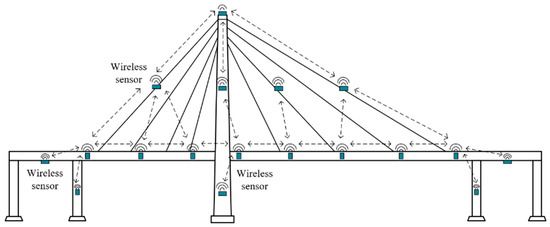
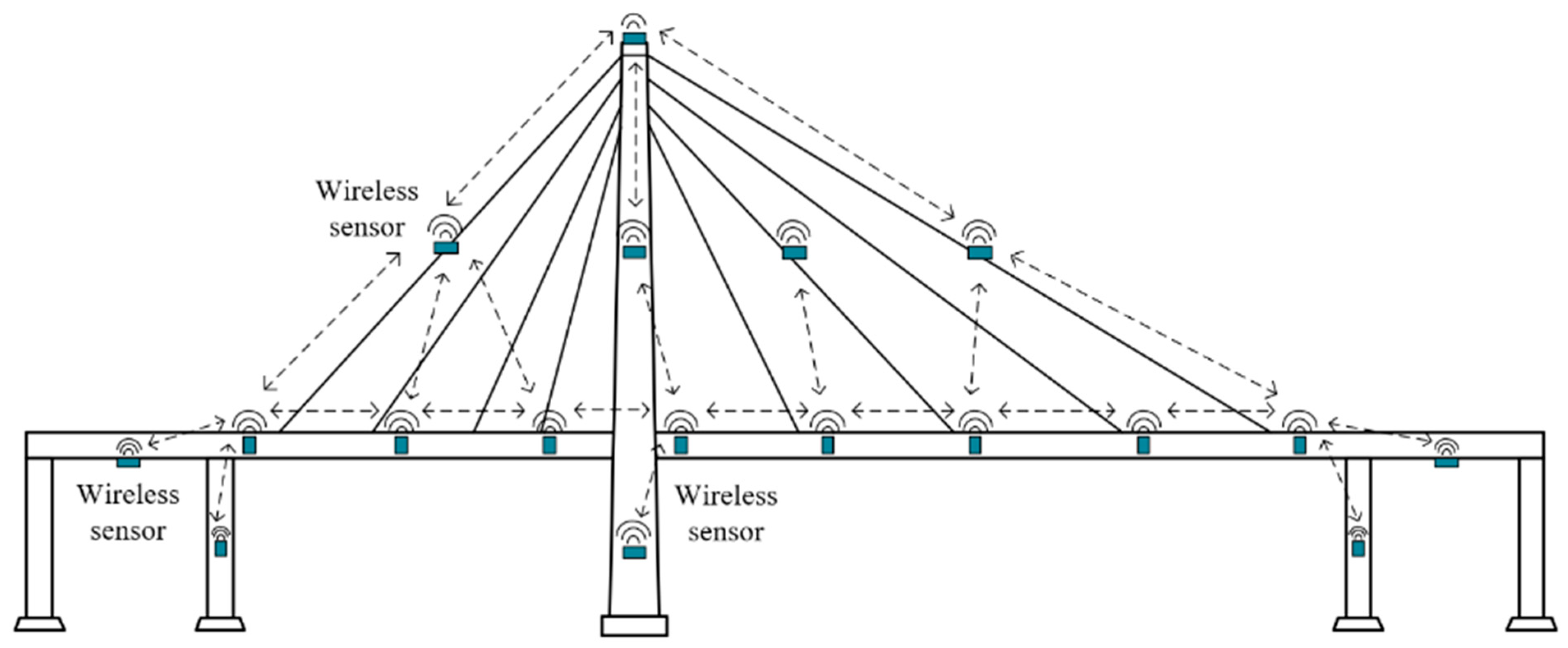
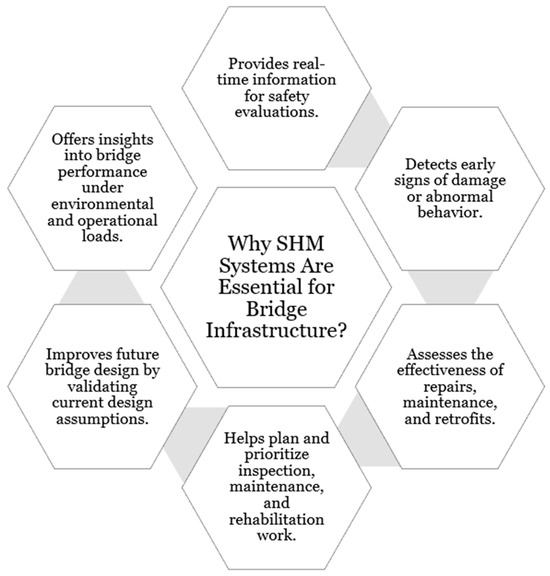
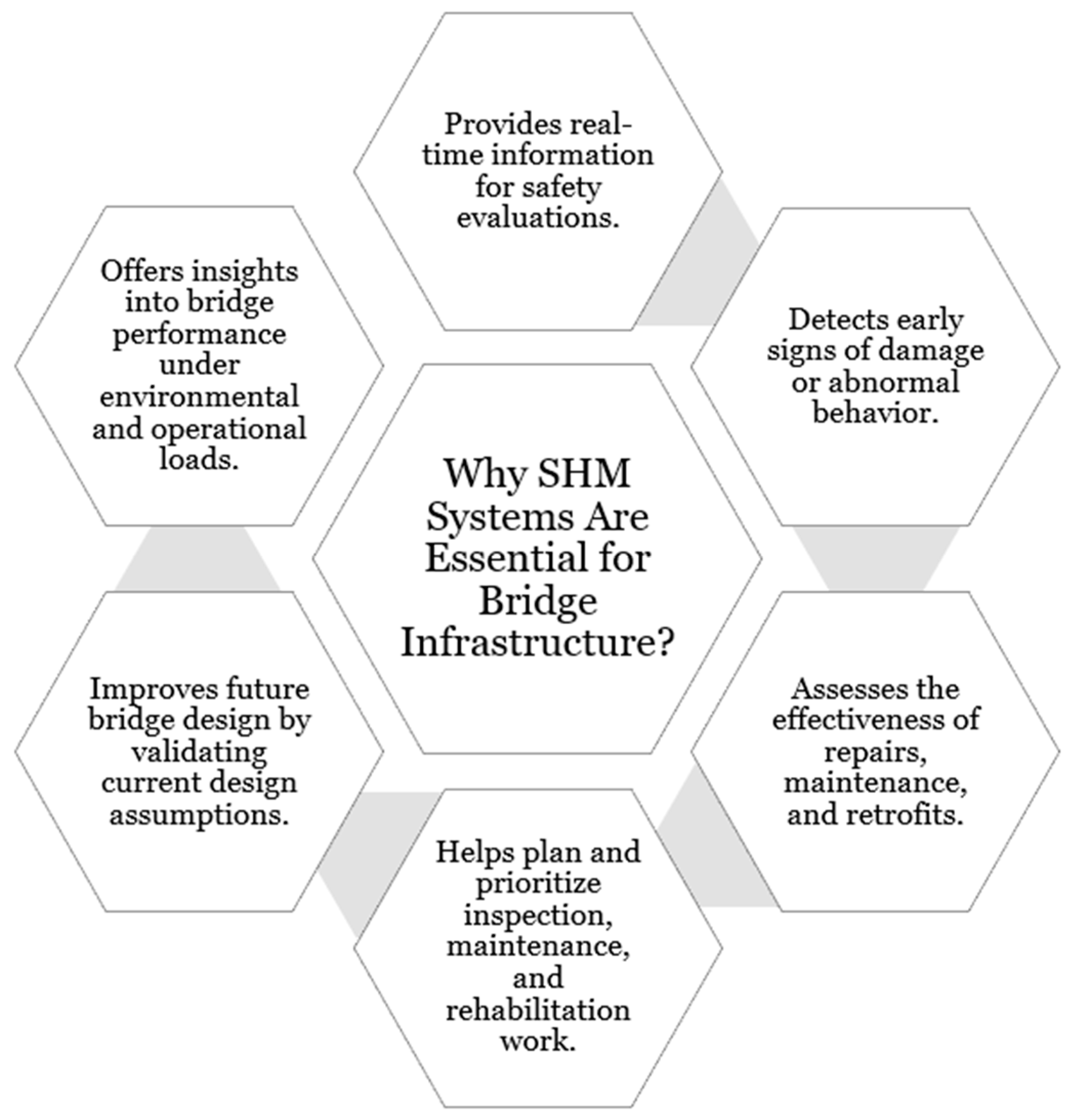

Disclaimer/Publisher’s Note: The statements, opinions and data contained in all publications are solely those of the individual author(s) and contributor(s) and not of MDPI and/or the editor(s). MDPI and/or the editor(s) disclaim responsibility for any injury to people or property resulting from any ideas, methods, instructions or products referred to in the content. |
© 2026 by the authors. Licensee MDPI, Basel, Switzerland. This article is an open access article distributed under the terms and conditions of the Creative Commons Attribution (CC BY) license.