


Abstract
Sustainable binders are becoming decisive enabling materials for fiber-based packaging and cellulosic nonwovens because they govern strength, coating integrity, barrier performance, printability, wet durability, and end-of-life behavior. However, replacing fossil-derived latexes, fluorinated finishes, or persistent wet-strength systems with renewable alternatives is not a simple material substitution problem. This perspective argues that sustainable binders must be evaluated through an industrial lens that integrates performance, scalability, cost, process compatibility, food-contact safety, and recyclability. The discussion examines current binder limitations, emerging bio-based alternatives including starch, cellulose derivatives, nanocellulose, proteins, lignin, tannins, chitosan, hemicelluloses, and reactive green crosslinking systems, and the specific opportunity to move from bulk binder replacement toward engineered cellulose–cellulose junctions. Enzyme-assisted activation of cellulose surfaces, especially routes that generate controlled carboxyl and aldehyde functionality, is highlighted as a promising platform for low-energy bonding of recyclable all-cellulose webs when paired with rigorous spectroscopy, mechanical testing, and multiscale modeling. The central conclusion is that the next generation of sustainable binders will be selected not by renewable content alone, but by their ability to deliver reliable performance within high-throughput manufacturing and credible recovery pathways.
1. Introduction
The transition from fossil-based packaging to fiber-based and bio-derived material systems is no longer a peripheral sustainability theme; it has become a central manufacturing challenge for packaging, hygiene, wipes, filtration media, and engineered nonwovens [1]. Paper, paperboard, molded pulp, viscose, lyocell, cotton, and regenerated-cellulose webs already have strong sustainability credentials because they originate from renewable or biogenic resources, can be designed for recycling, and can be integrated into existing fiber-processing infrastructure [2,3,4]. However, the conversion of a loose fiber network into a useful product depends on interfacial cohesion [5,6]. Binders, surface treatments, crosslinkers, coating polymers, wet-strength agents, sizing agents, and barrier layers translate the intrinsic renewability of cellulose into actual performance [7,8]. Without these materials, a fiber network may be recyclable but weak, porous, moisture-sensitive, dusty, poorly printable, or unable to survive converting and use conditions.
This creates a practical paradox. The most sustainable substrate may still require chemistry that compromises its sustainability. Synthetic latexes, styrene-butadiene and styrene-acrylic dispersions, polyvinyl alcohol, polyethylene coatings, fluorinated grease-resistant finishes, and conventional wet-strength resins have enabled the industrial success of paper coatings and bonded nonwovens [9,10,11,12]. They provide film formation, pigment binding, pick strength, grease resistance, wet durability, and dimensional stability. Yet these same chemistries can increase fossil carbon demand, introduce persistent or poorly characterized components, complicate repulpability, elevate drying energy, or create food-contact and end-of-life concerns [13,14,15]. The market has therefore turned toward renewable binders, biopolymer coatings, PFAS-free grease barriers, degradable adhesive networks, and all-cellulose bonding strategies [16,17,18]. The urgency is reinforced by regulatory pressure on PFAS, corporate commitments to recyclable packaging, and increasing scrutiny of chemical migration from food-contact materials.
The central problem is that “bio-based” is not a performance specification. A binder may be renewable but too viscous for high-solids coating, too water-sensitive for chilled or humid packaging, too expensive at the required add-on, unstable during storage, incompatible with cationic wet-end chemistry, prone to microbial spoilage, difficult to dry, or unsuitable for food contact because of residual crosslinkers, impurities, or non-intentionally added substances [19,20,21]. Conversely, a partially bio-based or hybrid binder may deliver superior sustainability if it enables lower coat weight, lower drying energy, higher recyclability, reduced rejects during repulping, or longer product shelf life [22,23]. Industrial adoption therefore requires a systems perspective in which material origin, function, processing, safety, and end-of-life behavior are considered together.
This perspective is motivated by a broader research direction in sustainable fiber bonding: replacing product-specific empirical binder selection with mechanistic, scale-relevant design rules. In cellulosic nonwovens, the challenge is especially clear. When thermoplastic bonding or synthetic latex is absent, web strength is controlled by the quality of fiber–fiber junctions: real bonded area, local water organization, surface functional group density, mechanical consolidation, covalent or non-covalent bridge formation, and reversibility during rewetting or repulping [24,25]. Recent cellulose-surface studies emphasize that cellulose cohesion is not governed only by hydrogen bonding; dispersion forces, electrostatics, surface-chain conformation, moisture history, and hornification also shape interfacial adhesion [26,27,28]. Thus, sustainable binder research should not be limited to finding a greener polymer. It should ask how renewable chemistry can create strong, low-energy, recyclable junctions.
A promising route is enzyme-assisted activation of cellulose surfaces, where mild aqueous enzymatic treatments introduce controlled carboxyl or aldehyde functionalities that can reorganize interfacial water, strengthen non-covalent adhesion, and participate in green crosslinking reactions [29,30,31]. Coupled with polycarboxylic acids, aldehyde-enabled bonding, chitosan or protein complexes, nanocellulose reinforcement, and multiscale modeling, this approach points toward a new binder paradigm: engineered cellulose–cellulose junctions rather than externally imposed synthetic binder phases [20,32,33,34,35]. The industrial value of this concept is not that every packaging or nonwoven product should become binder-free. Rather, it offers a decision logic for reducing persistent additives, lowering curing energy, and retaining fiber recovery while meeting performance requirements. This perspective article examines sustainable binder systems for the packaging industry and adjacent cellulosic nonwovens through an industrial lens, emphasizing not only material performance, but also scalability, process compatibility, cost, regulatory readiness, and implementation feasibility.
The urgency is also methodological. A large fraction of sustainable packaging literature still evaluates new materials as isolated chemistries, while industrial adoption depends on coupled behavior across feedstock variability, wet-end chemistry, coating rheology, drying, converting, storage, use, disposal, and regulatory exposure. A binder that appears attractive because it is renewable can still be unsuitable if it forces lower machine speed, raises dryer demand, destabilizes a coating color, introduces migration uncertainty, or reduces fiber recovery. Conversely, a hybrid system with a modest amount of reactive chemistry may deliver a larger sustainability benefit if it allows lower coat weight, avoids fluorinated finishes, preserves recyclability, or enables replacement of a plastic laminate. The central perspective adopted here is therefore that sustainable binders should be assessed as industrial process materials and as interfacial design tools, not only as replacements for petrochemical ingredients.
This article therefore treats sustainability as an implementation property: a binder is sustainable only when its chemistry, processing window, product function, safety profile, and recovery pathway reinforce rather than contradict one another.
2. Chemistry of Bonding and Binder–Fiber Interaction Mechanisms
The chemistry of sustainable binder performance can be understood through several overlapping interaction mechanisms rather than through a single concept of “adhesion.” In cellulosic substrates, the dominant interfacial interactions include hydrogen bonding, electrostatic attraction, covalent crosslinking, polymer chain interdiffusion, capillary consolidation during drying, mechanical interlocking, hydrophobic association, and filler-induced tortuosity [24,28,36,37]. The relative importance of each mechanism depends on whether the binder is used as a wet-end additive, surface size, coating binder, barrier film, spray-applied nonwoven binder, or reactive junction-forming agent [38,39,40].
Hydrogen bonding is the most familiar mechanism in cellulose-based materials because cellulose, starch, CMC, nanocellulose, hemicelluloses, chitosan, proteins, and PVOH all contain hydroxyl, amine, amide, or carboxyl groups capable of forming directional interactions with cellulose surfaces [24,28,41]. However, hydrogen bonding alone does not fully explain binder performance. The strength of the fiber junction also depends on real bonded area, surface conformability, fibrillation, moisture content, water residence at the interface, and whether polymer chains can approach the fiber surface closely enough during drying [27,36,42]. Hydrophilic binders may therefore generate excellent dry bonding but lose strength when exposed to humidity or liquid water because water competes for the same polar sites [43,44].
Electrostatic interactions are especially important for cationic starch, chitosan, polyvinylamine, cationic wet-strength systems, and oppositely charged polyelectrolyte complexes [16,20,45,46]. Cellulosic fibers and many coating pigments carry anionic surface charge, so cationic binders can adsorb efficiently and localize at fiber surfaces or pigment interfaces [45,46]. This improves retention and junction efficiency, but excessive charge can destabilize coating colors, increase flocculation, alter drainage, or interfere with wet-end chemistry [39,47]. For this reason, charge demand, zeta potential, ionic strength, pH, and retention behavior are process variables rather than secondary formulation details.
Covalent crosslinking provides a route to stronger wet or humidity-resistant junctions. Polycarboxylic acids such as citric acid and BTCA can form ester linkages with cellulose hydroxyls under dehydration and thermal curing conditions [48,49,50]. Aldehyde-containing systems, including dialdehyde cellulose, dialdehyde starch, aldehyde-containing wet-strength resins, and enzymatically generated aldehydes, can react with hydroxyl- or amine-containing substrates to form hemiacetal, acetal, imine, or related covalent networks, depending on chemistry and conditions [25,34,51,52]. TEMPO-mediated and laccase/TEMPO oxidation introduce carboxyl and carbonyl functionality into cellulose, increasing opportunities for ionic interaction, covalent bonding, and water-structure control [53,54,55]. The practical limitation is that excessive oxidation or crosslinking can embrittle fibers, reduce the degree of polymerization, lower absorbency, or compromise repulpability [51].
Film formation and polymer chain interdiffusion dominate in coating binders and barrier layers. Latex particles, starch-based bio-latexes, PVOH, cellulose derivatives, proteins, zein, wax-containing biopolymer systems, and lignin-containing coatings can improve performance by forming continuous or semi-continuous phases that bridge pigments, seal pores, and distribute stress [9,12,56,57]. In this case, binder performance depends on glass-transition temperature, minimum film-forming temperature, drying rate, binder migration, pigment packing, plasticization, and adhesion to the base paper. A binder that performs well as a free-standing film may still fail on paper if it does not penetrate, anchor, or consolidate correctly within the porous coating/substrate structure.
Hydrophobic association and surface-energy control are decisive for water, oil, and grease resistance. Lignin, tannins, zein, waxes, fatty acid-modified starches, hydrophobically modified cellulose derivatives, and Pickering-type emulsions can reduce liquid penetration by lowering surface energy, filling pores, or forming hydrophobic domains [58,59,60]. These interactions are often combined with hydrophilic structural binders such as nanocellulose, starch, CMC, chitosan, or PVOH to create hybrid coatings in which one component provides cohesion and another provides water or grease resistance [61,62].
Fillers and nanoparticles introduce additional mechanisms. Plate-like clays, nanocellulose, silica, TiO2, ZnO, calcium carbonate, lignin nanoparticles, starch particles, and other mineral or bio-based fillers can increase tortuosity, reinforce the coating matrix, modify roughness, reduce permeability, alter optical properties, provide UV protection, or impart antimicrobial activity [10,63,64,65]. However, fillers can also increase viscosity, create defects, reduce flexibility, abrade equipment, affect color, or complicate recyclability and food-contact approval. Therefore, filler-containing sustainable binders should be treated as composite interfacial systems rather than as simple polymer replacements.
Together, these mechanisms show why the field should move from binder substitution to binder function design. The relevant question is not only whether a binder is renewable, but whether its chemistry creates the correct interfacial mechanism for the target product: pigment anchoring, pore sealing, grease resistance, wet strength, softness, dispersibility, or recyclable cellulose–cellulose junction formation.
3. Why Sustainable Binders Matter in Fiber-Based Packaging and Nonwovens
Binders are often invisible in the final product, but they are structurally decisive. In coated paper and paperboard, the binder fixes pigments, controls surface strength, reduces dusting, supports printability, influences coating holdout, and stabilizes barrier layers [66]. In molded pulp and specialty packaging, binder chemistry can affect stiffness, wet rub, creasing, water absorption, oil resistance, and dimensional stability. In cellulosic nonwovens, binders or bonding treatments can determine whether the web survives handling, folding, wiping, filtration flow, and wet-use conditions. In each case, the binder is not merely an ingredient; it is a process-active material that links raw fibers, coating solids, water, drying, consolidation, and end-use stresses.
The sustainability relevance follows directly from this functional role [67,68,69]. Fiber-based substrates are porous and hydrophilic. Their hydroxyl-rich surfaces are advantageous for hydrogen bonding and recycling, but they make the substrate vulnerable to water vapor, liquid water, oils, grease, and dimensional changes. Barrier coatings and binders are therefore needed when fiber-based packaging is asked to replace plastic films, extrusion-coated laminates, or PFAS-treated food-service packaging [70]. Biopolymer coatings based on starch, cellulose derivatives [66,71,72], nanocellulose, chitosan [58,59,73], alginate [73], hemicellulose [74,75], lignin [64,65,76], proteins [77,78], zein [79,80,81], and waxes can improve oxygen, air, oil, grease, or water resistance, but the performance usually depends on continuous film formation, interfacial adhesion, coating thickness, drying quality, plasticization, and sensitivity to relative humidity.
Sustainable binders also matter because they influence recyclability in ways that are not captured by substrate composition alone [82,83,84]. A package may be paper-based by mass and still create recycling problems if its coating detaches as stickies, resists fiber liberation, raises rejects, contaminates white-water systems, or forces mills to divert material from high-value recycling streams. Conversely, a well-designed barrier coating can improve circularity if it remains dispersible, separates cleanly, or re-enters the fiber stream without unacceptable tack, dirt, or strength loss. Repulpability therefore cannot be an afterthought. It must be considered alongside barrier performance from the earliest formulation stage.
The same logic applies to decarbonization [85]. A renewable binder does not automatically lower the carbon footprint if it requires high add-on, low solids, long drying residence time, or energy-intensive curing [86,87,88]. Drying is often the most energy-intensive step in paper and nonwoven manufacturing, and added water from low-solids binder formulations can offset benefits from renewable origin. Industrial sustainability depends on the ratio between performance delivered and process burden imposed. A binder that reduces coat weight, improves runnability, tolerates high solids, enables lower curing temperature, or preserves line speed may be more valuable than a nominally greener binder that creates bottlenecks.
Sustainable binders matter because they sit at the intersection of performance, safety, and public trust. In food-contact applications, renewable origin is insufficient. Natural polymers can carry residual proteins, low-molecular-weight fractions, degradation products, catalysts, biocides, plasticizers, crosslinkers, or reaction by-products. Surface treatments that create functionality can also create migrants. The migration profile of a cellulose-based coating may be safer than that of a fluorinated chemistry, but it still must be demonstrated. Industrial adoption will require safety-by-design: known chemistry, low mobile fractions, appropriate extraction testing, aging studies, and alignment with regional food-contact frameworks.
In fiber-based packaging, binders also mediate the transition from plastic-containing laminates toward recyclable paper formats. Grease resistance, oil holdout, oxygen barrier, wet rub resistance, and coating pick strength often require some form of film-forming or reactive phase, especially when porous substrates are used. The binder therefore becomes an enabling technology for substitution, but it can also become the reason a nominally fiber-based product fails repulpability or food-contact expectations. This dual role is particularly visible in molded fiber, coated paperboard, wet-laid nonwovens, and wipes, where the desired product must be strong enough during use but still compatible with recovery or disposal pathways after use. Figure 1 emphasizes that sustainable binder design must balance functional performance with circularity, regulatory readiness, and industrial process compatibility.
Figure 1.
Role of binder systems in sustainable fiber-based packaging and cellulosic nonwovens. Binders contribute to mechanical integrity, coating cohesion, barrier performance, printability, converting robustness, and wet-use durability, but they also influence recyclability, repulpability, drying demand, food-contact safety, and end-of-life performance. Arrows indicate the functional contributions of binder systems to packaging and nonwoven performance.
4. Current Binder Systems and Their Limitations
The incumbent binder landscape in packaging and nonwovens developed around reliable performance and machine compatibility [38,39,89]. Styrene-butadiene latexes, styrene-acrylic latexes, acrylic dispersions, ethylene-vinyl acetate, polyvinyl acetate, polyvinyl alcohol, oxidized starch, cationic starch, casein, soy protein, and wet-strength resins have all been used in different combinations depending on whether the main function is pigment binding, surface sizing, strength development, wet integrity, oil resistance, adhesion, or print performance. These materials are not interchangeable. A pigment coating binder must generate pick strength and controlled porosity. A barrier coating must form a continuous phase with low defect density. A wet-end strength additive must be retained on fibers and survive wet-web chemistry. A nonwoven binder must distribute through a porous web without embrittlement or excessive stiffness.
Synthetic latex binders remain difficult to displace because they combine low viscosity at high solids, tunable glass-transition temperature, film formation, pigment compatibility, industrial storage stability, and proven runnability. They also tolerate high-speed blade coating, curtain coating, metering, drying, and calendaring better than many natural polymers. Their limitations are equally clear: dependence on fossil monomers, possible microplastic or non-biodegradable residues, limited compostability, challenges in some recycling streams, and sensitivity to regulatory or brand pressure for renewable packaging. Latex replacement is therefore not a simple one-to-one exercise. Replacing a latex particle with a dissolved biopolymer changes water retention, coating immobilization, binder migration, drying shrinkage, pore structure, wet pick, and optical properties.
Starch and PVOH occupy an intermediate position. Starch is renewable, abundant, inexpensive, and familiar to paper mills; cationic starch strengthens internal bonding, and oxidized starch is widely used in surface sizing and coatings [39]. However, starch is hydrophilic, is sensitive to microbial growth, often requires cooking or controlled dissolution, and can increase viscosity or moisture sensitivity unless modified. PVOH provides excellent film formation and oxygen barrier under dry conditions, but it is water-sensitive and fossil-derived unless bio-based routes are used [10,11,90]. Both materials illustrate a common industrial lesson: renewable or water-soluble binders must be judged under the humidity, converting, storage, and food-contact conditions of the intended package, not only under standard laboratory conditions.
Wet-strength agents and crosslinkers show another trade-off. Polyamide-amine-epichlorohydrin resins, aldehyde-containing polymers, glyoxalated polyacrylamides, and other reactive additives can deliver robust wet performance [45,47,51]. However, they may reduce repulpability, introduce residuals of concern, or make the fiber network difficult to redisperse [45,91,92]. Polycarboxylic acids such as citric acid and 1,2,3,4-butanetetracarboxylic acid (BTCA) offer more sustainable esterification pathways, but their effectiveness depends on cure temperature, catalyst, moisture, acid dosage, and the balance between crosslink density and brittleness [22,48,49]. In packaging and nonwovens, the key question is not whether crosslinking works, but whether it works at industrially realistic energy input while preserving fiber recovery.
This perspective therefore rejects a simplistic hierarchy in which synthetic binders are bad and bio-based binders are good. The meaningful comparison is function delivered per unit of industrial burden. A binder system should be evaluated by strength at realistic add-on, barrier at realistic coat weight, drying demand, runnability, storage stability, food-contact safety, supply reliability, and end-of-life behavior. Sustainable binder development must move beyond “replace the incumbent molecule” and toward “redesign the bonding mechanism” [20,28,29,30,31,32,33,34,35,90,91,92,93,94,95,96,97,98,99,100,101,102,103].
Conventional binder platforms remain difficult to displace because they solve multiple problems simultaneously. In pigment-coated paper, coating formulations typically combine pigments, co-binders, and latex binders; common latex binders include styrene-butadiene latex and acrylic latex, and coating performance depends on binder type, rheology, formulation solids, drying, and coating speed [56]. Styrene-butadiene and acrylic latexes are especially difficult to replace because the latex distribution, spreading, adhesion, and film-formation behavior strongly affect pigment binding, coating cohesion/adhesion, surface structure, gloss, porosity, ink absorption, and printability [40,93]. Polyvinyl alcohol provides strong film-forming and adhesive properties and is well known for low oxygen permeability, particularly under dry conditions, although moisture sensitivity limits performance at high humidity [43,94]. Starch and starch derivatives remain attractive because they are widely used in paper coatings and surface sizing and are commercially established, biodegradable, widely available, and low cost [57]. Each incumbent system exists because it occupies a useful process window, not simply because it is historically available. The limitation is that these same systems may be fossil-derived, persistent, difficult to repulp, sensitive to cost volatility, or associated with residual monomers, crosslinking by-products, or regulatory pressure.
The most common failure mode in replacing these systems is one-dimensional substitution. A bio-based polymer may match dry tensile strength but fail in humidity; a nanocellulose coating may improve oxygen barrier but raise viscosity and drying load; a protein coating may adhere well but show odor, water sensitivity, or microbial stability concerns; a lignin-rich coating may improve hydrophobicity but complicate color, odor, or formulation stability; and a reactive crosslinker may improve wet strength while reducing repulpability. For this reason, the more realistic goal is not to identify a universally superior sustainable binder, but to define material-specific implementation windows and hybrid architectures that match the use case.
A quantitative comparison is also necessary because sustainable binder selection cannot be made from chemical origin alone. Reported properties vary strongly with substrate type, coat weight, binder add-on, solids content, drying history, humidity exposure, and testing method; therefore, direct numerical comparison should be interpreted as a benchmarking exercise rather than as a universal ranking. Nevertheless, literature-reported ranges clearly show the central industrial trade-off. Synthetic latexes and conventional wet-strength agents remain difficult to replace because they combine high-solids processability, robust mechanical performance, moisture tolerance, and mature cost-performance behavior. Green alternatives can match or exceed selected properties, particularly oxygen barrier, grease resistance, biodegradability, and fiber compatibility, but frequently require hybridization, crosslinking, multilayer design, or filler reinforcement to overcome water sensitivity, viscosity limitations, slower drying, or lower wet durability. Table 1 summarizes representative quantitative performance indicators that should be considered when comparing incumbent synthetic binders with sustainable binder alternatives.
Table 1.
Representative quantitative comparison of incumbent synthetic binder systems and selected sustainable alternatives for fiber-based packaging and cellulosic nonwovens. Values are indicative literature-reported ranges or benchmark outcomes and should be interpreted in relation to substrate, binder add-on, coat weight, conditioning history, and test method.
5. Sustainable Binder Alternatives: Material Classes and Industrial Trade-Offs
5.1. Starch and Modified Starch Binders
Starch is the most industrially familiar bio-based binder for paper and packaging. Its advantages are cost, availability, renewability, compatibility with cellulosic surfaces, and established mill handling. Native starch can contribute bonding but is limited by viscosity, retrogradation, microbial susceptibility, and water sensitivity. Oxidized starch lowers viscosity and improves coating processability, while cationic starch improves fiber adsorption and internal strength [105]. Crosslinked starches and starch nanoparticles have attracted attention because particle-like binders can better emulate latex behavior than fully dissolved starch; starch-based bio-latexes and nanoparticles can partly replace synthetic latex in paper coatings while influencing binder migration, coating microstructure, and surface properties.
The industrial limitation is not lack of promise, but narrow operating windows. Starch binders can increase water retention, slow immobilization, alter coating rheology, and reduce water resistance unless combined with hydrophobes, crosslinkers, pigments, or synthetic co-binders [105,106,107]. Heat-resistant or crosslinked starch particles are attractive for packaging because they could provide binder function while resisting excessive swelling during drying, hot filling, or converting [52,108]. Yet their value depends on particle integrity, glass transition, gelatinization behavior, adhesion to pigments and fibers, and whether the particles remain repulpable. For industrial use, starch must be engineered as a tunable colloidal or reactive platform, not only as a cooked polysaccharide. Figure 2 presents the main material families used in the design of sustainable binders, highlighting their potential functions, advantages, and implementation considerations for fiber-based packaging and cellulosic materials.
Figure 2.
Sustainable binder material landscape for fiber-based packaging and nonwoven applications. Major material families include starch and modified starches, cellulose derivatives and nanocellulose, chitosan/alginate/pectin/gums/hemicelluloses, protein-based binders, lignin and tannin systems, and emerging reactive systems based on polycarboxylic acids, aldehydes, enzymatic oxidation, coacervation, and hybrid bio-based networks. The central circle represents the overall sustainable binder landscape, while surrounding circles represent major material classes. Gray arrows indicate translation of binder technologies toward industrial implementation. The lower panel summarizes common implementation barrier.
5.2. Cellulose-Based Binders and Nanocellulose Networks
Cellulose derivatives and nanocellulose represent a highly coherent class for fiber-based packaging because the chemistry is close to the substrate [104]. Carboxymethyl cellulose, methylcellulose, hydroxypropyl methylcellulose, cellulose nanofibrils, cellulose nanocrystals, bacterial cellulose, and oxidized nanocellulose can form films, bind pigments, improve dry strength, reduce air permeability, and create oxygen or grease barriers. Nanocellulose coatings can fill pores and create tortuous pathways, while CMC and other derivatives can provide water-soluble film-forming behavior and interaction with cationic components [16,17,18].
Their main barrier is moisture. Nanocellulose and many cellulose derivatives provide an excellent oxygen barrier under dry conditions, but performance can decline at high relative humidity because water plasticizes the network and disrupts hydrogen-bonded packing [100]. Industrial coatings also face viscosity and solids limitations; highly fibrillated suspensions can be difficult to meter, pump, dewater, or dry at high speed. The most credible path is therefore hybridization: nanocellulose with hydrophobic components, lignin, waxes, proteins, chitosan, PVOH, mineral pigments, or layer-by-layer systems. A cellulose-based binder system should be considered successful only if it solves the full package problem: barrier, strength, converting, line speed, cost, and repulpability [21].
5.3. Chitosan, Alginate, Pectin, Gums, and Hemicellulose
Polysaccharides other than starch and cellulose offer useful functional diversity. Chitosan is cationic under acidic conditions, antimicrobial, film-forming, and able to interact electrostatically with cellulose and anionic polysaccharides [20]. Chitosan coatings can improve water vapor resistance, wet strength, antimicrobial properties, and surface integrity, especially when combined with CMC, citric acid, alginate, caseinate, or hydrophobic additives [58,81,109,110]. Alginate and pectin can form films and ionically crosslinked networks, while xylan and other hemicelluloses provide an oxygen barrier and can be chemically modified to improve hydrophobicity [73].
The practical concerns are pH sensitivity, raw material variability, viscosity, cost, odor or color, and water sensitivity. Chitosan depends on deacetylation degree, molecular weight, acid dissolution, and source. Alginate depends on guluronic/mannuronic composition and calcium crosslinking. Hemicelluloses may require extraction, purification, and modification to become industrially consistent. These polymers are often strongest as part of polyelectrolyte complexes or hybrid emulsions rather than as single-component coatings.
5.4. Protein-Based Binders
Proteins such as soy protein, wheat gluten, casein, gelatin, and zein can act as renewable binders because their amino, carboxyl, hydroxyl, and hydrophobic groups enable adhesion, film formation, and crosslinking [77,78]. Casein has historical relevance in paper coatings, and modern acrylic-casein hybrid latexes demonstrate how renewable macromolecules can be incorporated into high-solids coating binders. Zein provides hydrophobicity and has been studied in paper coatings, bilayers, and active packaging [81]. Wheat gluten has been used in bio-based nonwoven/paper binder systems with CMC, chitosan, and citric acid to improve dry and wet strength [21].
The weaknesses are equally important. Proteins can be expensive, allergenic, odorous, susceptible to microbial degradation, and sensitive to pH, salts, and heat history [68]. Water resistance often requires crosslinking, hydrophobic modification, or blending. Food -contact acceptability depends on intended use and migration. From an industrial perspective, proteins are promising when they add a function that polysaccharides do not provide, such as hydrophobic domains, reactive amines, or coacervate formation, but they are less convincing as simple bulk replacements for low-cost starch or latex.
5.5. Lignin, Tannins, and Aromatic Bio-Based Binders
Lignin and tannins offer aromaticity, hydrophobicity, antioxidant capacity, UV absorption, and phenolic reactivity. In adhesives, they are widely studied as partial replacements for phenol, formaldehyde-based resins, and petrochemical binders [95,96]. In packaging, lignin nanoparticles, esterified lignin, lignin-containing cellulose nanofibrils, and lignin–Pickering emulsions can improve oil, grease, UV, and moisture resistance [60,65,97]. Lignin is particularly interesting because it can complement hydrophilic cellulose networks by lowering surface energy and increasing water resistance [99].
The difficulty is heterogeneity. Lignin varies by source, pulping process, molecular weight, sulfur content, phenolic hydroxyl content, ash, color, odor, and reactivity [98]. Tannins are more reactive but can be limited by availability and formulation stability. For food packaging, color and sensory impacts may be barriers [77]. For high-performance coatings and binders, lignin likely needs fractionation, nanoparticle formation, functionalization, or enzymatic polymerization. Its best role may be as a hydrophobic, antioxidant, or UV-blocking component in hybrid cellulose-based coatings rather than as a universal adhesive.
5.6. Emerging Reactive Systems: Polycarboxylic Acids, Aldehydes, Enzymes, and Bio-Derived Crosslinking
Reactive sustainable binders are attractive because they can transform a hydrophilic fiber web into a more durable network without leaving a large synthetic binder phase. Citric acid, BTCA, and related polycarboxylic acids can form ester linkages with cellulose hydroxyls, especially under heat and dehydration conditions [21,111]. Dialdehyde cellulose and dialdehyde starch introduce aldehyde groups that can react with amines and hydroxyl-containing substrates [25,52]. Enzyme-assisted oxidation, laccase–TEMPO systems, and other mild surface-activation routes can introduce carboxyl or aldehyde functionalities under aqueous conditions [53,54,55].
This is the class most directly aligned with engineered cellulose junctions. Instead of depositing an external polymer, the surface of the fiber is modified so that junction formation becomes more favorable during consolidation. The challenge is control. Excess oxidation can degrade cellulose, reduce degree of polymerization, embrittle fibers, or increase water sensitivity. Excess crosslinking can improve wet strength but reduce repulpability. Insufficient functionality gives no measurable industrial benefit. The future of reactive sustainable binders therefore depends on quantifying functional group density, location, hydration effects, reaction pathways, cure windows, and recyclability outcomes.
Table 2 compares major sustainable binder classes from an industrial perspective. The table intentionally includes limitations because realistic adoption depends on trade-offs. Starch is inexpensive but water-sensitive. Nanocellulose is strong and barrier-forming but rheologically difficult. Chitosan is functional but pH- and source-dependent. Proteins add reactive and hydrophobic domains but raise stability and allergen questions. Lignin provides aromatic hydrophobicity but suffers from heterogeneity and adds color. Reactive systems can create strong junctions but require careful control of crosslinking and recyclability.
Table 2.
Sustainable binder classes for fiber-based packaging and cellulosic nonwovens. Major categories of sustainable binder systems investigated or implemented in fiber-based packaging and nonwoven applications. The comparison highlights the diverse mechanisms by which bio-based binders contribute to strength development, barrier performance, wet durability, recyclability, and functional coating design, while also illustrating the trade-offs associated with scalability, moisture sensitivity, process compatibility, regulatory requirements, and commercial implementation.
Industrial evaluation of sustainable binder alternatives should also distinguish between binder-as-film and binder-as-junction. In coated packaging, a continuous or semi-continuous film may be required to seal pores, anchor pigments, or create a tortuous diffusion path. In nonwoven webs and certain paper strength applications, however, the decisive feature is often the localized contact between fibers. The same add-on level can produce very different outcomes depending on whether the chemistry accumulates at the junction, remains distributed across accessible surfaces, migrates during drying, or forms a brittle phase that does not transfer stress efficiently. This distinction explains why bulk chemical loading alone is a weak predictor of performance and why junction-sensitive characterization is essential.
5.7. Antimicrobial-Enabled Bio-Based Binder Systems
Many sustainable binders provide mechanical cohesion or barrier performance but do not inherently provide antimicrobial function. This is important for food packaging, hygiene materials, wipes, filtration media, and cellulosic nonwovens, where microbial growth, odor, spoilage, or biofilm formation can limit product safety and shelf life [119,120,121]. Antimicrobial-enabled bio-based binders therefore represent a distinct class of active binder systems in which adhesion, barrier, and microbial control are combined within the same coating or web-bonding chemistry.
Chitosan is the most widely discussed antimicrobial biopolymer for this purpose because it combines film formation, cationic charge, cellulose affinity, and antimicrobial activity under acidic or mildly acidic conditions [121,122]. Its proposed antimicrobial mechanisms include electrostatic interaction with negatively charged microbial cell surfaces, membrane disruption, chelation of essential metal ions, blocking of nutrient transport, and altered cell permeability [120]. In paper-based packaging, chitosan has been combined with cellulose derivatives, alginate, caseinate, zein, essential oils, xylan derivatives, and hydrophobic additives to improve barrier and antimicrobial performance [58,73,81]. However, its effectiveness depends on degree of deacetylation, molecular weight, pH, acid type, moisture content, and whether the active sites remain accessible after drying or crosslinking [122].
Natural antimicrobial additives can also be integrated into biopolymer binders. Essential oils such as rosemary, thyme, oregano, cinnamon, clove, and citrus oils contain phenolic or terpenoid compounds capable of disrupting microbial membranes or interfering with cellular metabolism [123]. Plant extracts rich in polyphenols, tannins, flavonoids, or organic acids can provide antimicrobial and antioxidant function [119]. Proteins, peptides, enzymes, bacteriocins such as nisin, lysozyme, lactoferrin, ε-polylysine, and organic acids can also be incorporated into active biopolymer coatings [124]. These systems are attractive because they can support clean-label or bio-derived packaging concepts, but they introduce formulation challenges related to volatility, odor, sensory transfer, thermal stability, controlled release, food-contact migration, and long-term activity.
Inorganic antimicrobial agents and particles, including ZnO, TiO2, Ag-based particles, Cu-based particles, and photocatalytic oxides, have also been incorporated into chitosan, cellulose, starch, gelatin, PVOH, and other biopolymer matrices [125,126]. These particles can provide antimicrobial action through reactive oxygen species generation, ion release, membrane interaction, or photocatalytic activity. They can also improve UV blocking, mechanical strength, surface-energy control, and barrier properties. However, their use requires careful evaluation of particle migration, nanoparticle safety, regulatory status, optical effects, photocatalytic degradation of the binder, and end-of-life behavior [83,84]. For recyclable paper packaging, the use of antimicrobial inorganic fillers must be balanced against repulpability, sludge management, and possible accumulation in recycled-fiber loops.
A key design principle is that antimicrobial function should not be added at the expense of the primary binder role. The binder must still provide adhesion, coating integrity, flexibility, barrier performance, and process compatibility. Active agents should be retained or released at a rate appropriate for the application. For dry food packaging, low migration and surface stability may be preferred. For fresh produce, meat, seafood, or hygiene applications, controlled release may be more useful. For nonwovens, durability during wet use and resistance to leaching may be more important. Therefore, antimicrobial-enabled sustainable binders should be evaluated using both materials tests and microbiological assays, including antimicrobial activity before and after aging, humidity exposure, and simulated use.
5.8. Filler-Functionalized Sustainable Binders and Hybrid Composite Coatings
Fillers are increasingly important in sustainable binder design because they allow a binder to provide functions beyond adhesion. Organic and inorganic fillers can reinforce the binder matrix, improve barrier performance, reduce cost, modify surface roughness, improve opacity or brightness, provide UV shielding, create antimicrobial activity, alter thermal behavior, and reduce polymer demand [127,128,129]. In fiber-based packaging, fillers are especially relevant because the porous structure of paper and paperboard often requires pore filling and tortuous-path formation in addition to chemical adhesion.
Inorganic fillers such as silica, TiO2, ZnO, nanoclay, calcium carbonate, talc, kaolin, and layered silicates can be incorporated into starch, cellulose derivatives, PVOH, chitosan, proteins, lignin, or nanocellulose matrices [130,131,132]. Silica can improve surface roughness control, thermal stability, moisture resistance, and antimicrobial performance depending on particle size, surface chemistry, and the binder matrix [133]. TiO2 contributes opacity, whiteness, UV blocking, and photocatalytic or antimicrobial functionality, although photocatalytic activity may also accelerate binder degradation if not controlled [127]. ZnO can provide UV shielding and antimicrobial activity, while nanoclays and layered silicates increase gas and vapor tortuosity when well-dispersed and oriented parallel to the substrate surface [126]. Calcium carbonate, kaolin, and talc remain industrially familiar fillers that can influence porosity, opacity, cost, smoothness, brightness, drainage, filler retention, and printability [134].
Organic and bio-derived fillers provide another route to sustainable functionality. Nanocellulose can reinforce coatings, reduce air permeability, improve oxygen barrier, and improve grease resistance by filling pores and creating dense hydrogen-bonded networks [17,18]. Lignin nanoparticles can add hydrophobicity, UV absorption, antioxidant activity, antimicrobial activity, and oil/grease resistance [129,135]. Starch particles and starch-based bio-latexes can behave more like particulate binders than fully dissolved starch, potentially improving coating immobilization, latex-like binder distribution, and reduced binder migration [38,39,57]. Protein particles, wax particles, shellac, natural resins, and biopolymer microgels can be used to tune hydrophobicity, film formation, or controlled release [77,78,79,81].
The central advantage of filler-functionalized binders is multifunctionality. A hybrid coating can combine a hydrophilic structural binder with a hydrophobic filler, an antimicrobial particle, or a platelet-shaped barrier additive. For example, nanocellulose can provide network strength and oxygen barrier, while lignin or wax particles reduce water sensitivity. Chitosan can provide cationic adhesion and antimicrobial activity, while TiO2 or ZnO contributes UV shielding and microbial control. Starch or CMC can provide low-cost adhesion, while nanoclay or silica increases tortuosity, dimensional stability, or antimicrobial functionality. These combinations can reduce the amount of synthetic binder required while improving targeted performance.
However, fillers also introduce risks. Poor dispersion can create defects, pinholes, coating streaks, or weak points. High filler loading can increase viscosity, reduce flexibility, embrittle creases, or reduce adhesion. Abrasive particles may affect pumps, blades, screens, or coating equipment. In food-contact packaging, particle migration and non-intentionally added substances must be evaluated. In recycling, fillers may affect ash content, sludge load, drainage, flotation, and white-water chemistry. Therefore, filler-functionalized sustainable binders should be optimized using dispersion quality, rheology, barrier performance, mechanical durability, recyclability, and migration testing rather than by filler loading alone.
6. From Binder Replacement to Engineered Cellulose Junctions
The most important conceptual shift is to move from binder replacement to junction engineering. Conventional binder development asks: which renewable polymer can replace latex, PVOH, PFAS, or a wet-strength resin? Junction engineering asks: what interfacial mechanism must be created for this product to perform, and how can that mechanism be activated with the least chemical and energy burden? For cellulosic webs, the answer often lies at the outer few nanometers of the fiber surface [36]. Fiber–fiber contacts in paper are governed by the coupled effects of real bonded/contact area, fiber conformability, fibrillation, surface charge, water-swollen surface layers, hemicellulose distribution, cellulose accessibility/crystallinity, capillary forces during drying, and molecular mobility or interdiffusion of surface chains [37,41,42]. When the web is dried, hornification and pore closure can either improve contact consolidation or reduce later swelling and recyclability. When the web is rewetted, water competes with interfacial adhesion and exposes weaknesses in non-covalent networks.
The proposal underlying this perspective addresses precisely this junction-level gap. It identifies a central limitation of all-cellulose nonwovens: strong, durable fiber–fiber bonds are difficult to create without thermoplastic bonding or synthetic latex. It therefore proposes enzyme-assisted surface activation to generate controlled carboxyl and aldehyde functionalities, followed by green crosslinking chemistries and multiscale modeling to define low-energy bonding windows [29,30,31]. The planned outputs include quantitative understanding of how -COOH and -CHO activation alters interfacial interactions, a process-property map connecting activation and consolidation conditions to dry/wet strength and recyclability, and a pre-competitive design guide for strong, recyclable cellulose nonwovens [38,39,40,41,42,43,44,45,49,50,51,52,53,54,55,56,57,58,59,60,61,62,63].
This strategy is scientifically credible because the literature already supports its individual elements. TEMPO-mediated and laccase–TEMPO oxidation can introduce carboxyl and carbonyl groups into cellulose fibers and improve wet-strength-related behavior in selected systems [54,55,117]. PVAm-graft-TEMPO demonstrates a mechanistic route in which adsorption, oxidation, and covalent bonding can be combined at wet cellulose surfaces [46]. Dialdehyde cellulose and dialdehyde starch provide aldehyde functionality that can participate in covalent bonding with nucleophiles [25,52]. Polycarboxylic acids can esterify cellulose and improve humid or wet performance [22]. However, the literature also shows why empirical optimization is insufficient: functional group generation, fiber degradation, water organization, curing history, crosslink distribution, and reversibility are strongly linked.
A junction-engineering framework should therefore define three levels of evidence. The first is chemical evidence: titration, XPS, FTIR, and solid-state NMR should demonstrate functional group introduction and reaction signatures. The second is interfacial evidence: microscopy, wet-peel, nanoindentation, dynamic wet strength, or model-junction tests should show that the chemistry changes the local contact, not only the bulk sheet. The third is network evidence: tensile, wet tensile, dimensional stability, absorbency, bending, converting, and repulpability tests should confirm that junction-level effects survive into product-scale performance. Without all three levels, a study can show formulation improvement but cannot claim mechanistic bonding design.
Multiscale modeling can accelerate this shift by using quantum-level calculations to identify feasible chemical pathways and atomistic simulations to connect surface chemistry with adhesion, hydration, and mechanical response. DFT has already been used to study cellulose–water interactions, cellobiose hydration, and citric acid esterification of cellulose, supporting its use for ranking esterification and hydrogen-bonding pathways and estimating hydration sensitivity [50,136,137]. Molecular dynamics can quantify descriptors such as adhesion energy, potential of mean force, hydrogen-bond dynamics, water residence, interfacial water organization, and surface-chain mobility at cellulose or nanocellulose interfaces, including systems with controlled surface modification or TEMPO oxidation [138,139,140]. These descriptors become useful only when calibrated to experimental functional-group levels, such as carboxyl content, aldehyde content, FTIR/XPS signatures, titration data, and mechanical testing [141,142,143]. The goal is therefore not to replace experiments, but to reduce blind screening by identifying activation levels, moisture contents, temperatures, pressures, and times most likely to produce strong yet recoverable cellulose–cellulose junctions.
For packaging, the same concept can be generalized. A sustainable binder should be formulated according to the dominant failure mode. If dry pick is limiting, the binder must anchor pigment and resist surface rupture. If grease resistance is limiting, the coating must eliminate connected pores and maintain low surface energy under use conditions. If wet strength is limiting, the system must maintain stress transfer in the presence of water. If recycling is limiting, the network must redisperse or separate without generating stickies or excessive rejects. A single “green binder” cannot optimize all of these simultaneously. Industrial design must select the smallest and safest chemistry that addresses the controlling mechanism.
A useful performance specification must therefore be application-specific. A dry food-contact board may prioritize oxygen barrier, printability, folding endurance, and recyclability; a hot cup or takeaway container may prioritize water holdout, thermal stability, edge-wick resistance, and migration safety; a wet wipe or hygiene nonwoven may prioritize wet tensile, softness, absorbency, linting resistance, and dispersibility; and a filtration substrate may prioritize pore structure, pressure drop, durability, and chemical compatibility. Sustainable binder research is most valuable when it defines the target product environment early, because the same material can be highly promising in one product and unacceptable in another.
Testing should also avoid the common bias toward standard dry conditioning. Many bio-based binders are hydrophilic and can lose cohesion when exposed to humidity, liquid water, surfactants, oils, heat, or repeated wet-dry cycling [44,103]. Conversely, some crosslinked or hydrophobic systems may perform well in use but become difficult to repulp [3,92]. A credible industrial dataset should include dry and wet strength, high-humidity exposure, water and grease resistance, creasing and converting response, surface strength, blocking, aging, odor, color, microbial stability, food simulant exposure where relevant, and recyclability or dispersibility testing matched to the intended recovery pathway.
7. Performance Requirements for Industrial Adoption
For industrial adoption, sustainable binders must be evaluated as functional process materials rather than only as renewable ingredients. The first requirement is mechanical reliability. Dry tensile, burst, tear, stiffness, folding endurance, rub resistance, surface pick, and internal bond strength matter differently depending on whether the product is a paperboard carton, molded pulp tray, coated label, wipe, filter, or absorbent nonwoven. Wet performance must be defined with equal specificity. A wet wipe needs durability during use; a repulpable barrier package may need temporary water resistance but later disintegration; a food-service clamshell needs grease and moisture resistance during a limited service time. The correct target is not maximum wet strength, but fit-for-purpose wet integrity.
Barrier performance is the second requirement. Oxygen, water vapor, air, oil, grease, aroma, and mineral oil barriers depend on different mechanisms. Hydrophilic nanocellulose may excel against oxygen under dry conditions but fail in high humidity. Hydrophobic waxes and lignin particles may reduce water uptake but introduce cracks or adhesion issues. Proteins and polysaccharides may improve grease resistance but require plasticizers that increase migration or water sensitivity. Therefore, barrier claims must be reported with temperature, relative humidity, conditioning history, coating weight, substrate porosity, pinhole density, and converting damage.
The third requirement is converting performance. Packages are folded, creased, die-cut, printed, glued, sealed, stacked, sterilized, refrigerated, microwaved, frozen, or transported under vibration. Nonwovens are wound, slit, embossed, wetted, folded, or packaged under compression. A binder that improves tensile strength but embrittles creases, blocks rolls, powders during cutting, creates odor during heat sealing, or loses barrier after scoring will fail industrially. Laboratory films on glass or smooth paper rarely predict these stresses. Pilot coating, pilot web forming, and converting trials are therefore not optional; they are the bridge between material promise and commercial adoption.
The fourth requirement is compatibility with existing manufacturing. A binder must run through tanks, pumps, screens, coaters, sprays, foams, wet-end systems, hydroentangling lines, calenders, dryers, and cleaning cycles. Solids content, viscosity, shear thinning, pH, ionic demand, foaming, microbial stability, temperature sensitivity, and shelf life determine whether a formulation is usable. Bio-based polymers often fail not because they lack intrinsic performance, but because they impose new process burdens. High viscosity at low solids, slow drying, microbial growth, odor, batch variability, or incompatibility with retention systems can eliminate otherwise promising chemistries.
The fifth requirement is validated circularity. Recyclability, repulpability, compostability, biodegradability, and renewability are related but not equivalent. A coating may be biodegradable but not recyclable. A repulpable binder may not be compostable. A bio-based adhesive may create stickies. A recyclable coating may increase drying energy or reduce fiber yield. Industrial claims should therefore be supported by end-of-life testing relevant to the target stream, not by generic material origin. Fiber yield, rejects, tack, dirt count, stickies, drainage, strength of recycled sheets, and compatibility with mill water loops are more useful than isolated biodegradation claims.
Finally, food-contact and consumer safety must be integrated early. Renewable polymers, enzymes, acids, aldehydes, catalysts, plasticizers, preservatives, and degradation products all have potential migration profiles. Migration testing should consider intended food type, contact time, temperature, surface area, aging, set-off, and processing. Safety-by-design means choosing chemistries with known toxicological profiles, minimizing mobile fractions, documenting impurities, and avoiding the assumption that natural origin implies safety.
A major barrier to comparing sustainable binders is inconsistent testing. Many studies report promising performance using different substrates, coat weights, drying histories, humidity conditions, and specimen geometries. For industrial adoption, binder evaluation should use standardized or clearly defined methods that cover chemistry, morphology, mechanics, barrier performance, aging, biodegradation, antimicrobial activity, food-contact safety, and recyclability. Table 3 summarizes representative tests and standards relevant to fiber-based packaging and cellulosic nonwovens. The table is not exhaustive; rather, it identifies the types of evidence needed to move from laboratory proof-of-concept to industrial qualification.
Table 3.
Representative testing methods and standards for evaluating sustainable binders in fiber-based packaging and cellulosic nonwovens.
8. Scale-Up and Implementation Feasibility
A binder that performs well at laboratory scale may fail industrially if it increases drying load, destabilizes coating rheology, requires specialized handling, or depends on raw materials with limited supply security. Scale-up should therefore be evaluated through a staged pathway: bench formulation, substrate-specific screening, rheology and stability mapping, pilot application, converting validation, food-contact or use-condition assessment, repulpability testing, techno-economic analysis, and life-cycle interpretation. The order matters because early screening can eliminate formulations that cannot run, even if their small-scale mechanical performance is attractive.
Raw material supply is a common bottleneck. Starch and CMC are widely available, but specialty nanocellulose, highly purified proteins, chitosan of defined deacetylation degree, fractionated lignin nanoparticles, and enzymatically activated fibers may not yet be available at the cost, consistency, or volume required for packaging. Supply chain reliability includes not only tonnage, but also batch-to-batch variation, geography, storage, microbial control, regulatory documentation, and supplier technical service. A mill or converter will not adopt a binder that requires constant reformulation because the biopolymer source varies seasonally or by extraction process.
Cost must be assessed at functional dosage, not per kilogram. A material that is ten times more expensive than latex may still be viable if it is used at one-tenth the coat weight or if it eliminates a separate barrier layer. Conversely, a cheap biopolymer may be expensive in use if it requires high add-on, lower line speed, extra drying, preservatives, or process cleanup. Techno-economic analysis should therefore include raw material, delivered solids, dilution water, drying energy, downtime, rejects, regulatory testing, quality losses, and end-of-life value. Life-cycle assessment should be used carefully: allocation choices, biogenic carbon assumptions, co-products, energy sources, and use-phase benefits can change conclusions.
Implementation risk is lowest when a sustainable binder can enter existing infrastructure. Surface sizing and coating are attractive because they allow targeted treatment without altering the whole furnish. Wet-end addition is powerful for internal strength but more sensitive to retention chemistry, white-water closure, and charge balance. Spray and foam application can reduce water addition but require control of penetration and distribution. Calender or thermal consolidation can strengthen junctions but risks hornification, brittleness, or high energy use. Hydroentangling creates mechanical entanglement but may need complementary surface activation to deliver wet integrity without latex. Each pathway requires a different process window.
The strongest industrial opportunity may lie in hybrid systems that combine a renewable backbone with a small amount of targeted reactive or hydrophobic functionality. Examples include CMC/chitosan/citric acid complexes, nanocellulose–lignin coatings, starch nanoparticles as latex analogs, protein–polysaccharide coacervates, zein/PVOH bilayers, and enzyme-activated cellulose combined with polycarboxylic acids or aldehyde-enabled chemistry. Hybrids should not be dismissed as less sustainable merely because they are not single-component bio-based systems. If they reduce chemical load, curing energy, coat weight, or recycling problems, they may provide the most credible industrial route.
Scale-up is where many sustainable binder concepts lose their apparent advantage. A laboratory drawdown, handsheet, or small wet-laid web can tolerate low solids, long drying times, careful mixing, and freshly prepared dispersions. A mill or converter cannot. Industrial binder systems must be pumpable, filterable, storage-stable, tolerant of temperature variation, compatible with existing tanks and application equipment, and robust against microbial growth. They must not foam excessively, destabilize pigments, plug screens, foul rolls, corrode equipment, or require narrow pH and temperature control outside current operating practice. These practical constraints are not secondary details; they determine whether a chemistry can survive beyond pilot evaluation.
Drying is especially decisive for fiber-based packaging. Many sustainable binders are waterborne and hydrophilic, which is attractive for safety and handling but can impose a drying penalty. Raising the solids content often increases viscosity or destabilizes the formulation, while lowering the solids content can raise energy demand and limit speed. Crosslinking systems introduce another constraint: cure must occur under the residence time, temperature, moisture, and pressure available in the process. A chemistry that requires long oven curing or high temperature may be scientifically valid but commercially unattractive if it slows a coating line or compromises fiber properties. Low-energy bonding windows must therefore be expressed in process variables, not only in chemical conversion.
Supply chain readiness is equally important. Starch and cellulose derivatives benefit from established availability, but specialty modifications, enzymes, nanocellulose grades, purified proteins, chitosan, tannins, and lignin nanoparticles may face constraints in cost, regional availability, quality consistency, and long-term supplier reliability. Batch-to-batch variability can alter charge density, molecular weight, particle size, moisture content, ash, color, odor, or reactivity. These variations may be tolerable in academic studies but unacceptable in high-throughput packaging manufacturing, where a small change in rheology or drying response can create defects, downtime, or customer complaints.
Techno-economic analysis and life-cycle assessment should therefore be integrated before final formulation lock-in. Carbon intensity, renewable content, and end-of-life improvement matter, but they must be weighed against coat weight, drying energy, process yield, waste, transportation, shelf life, and performance durability. A more expensive binder may be justified if it enables substantial plastic replacement or lower add-on; a lower-carbon ingredient may be unattractive if it doubles drying demand; and a bio-based crosslinker may not improve sustainability if it prevents fiber recovery. Industrial feasibility is consequently a multi-objective optimization problem rather than a material-ranking exercise.
9. Industrial Decision Framework and Future Directions
The field needs a decision framework that converts sustainable binder selection from a material-preference exercise into an implementation-risk analysis. The proposed framework begins with the product requirement, not the chemistry. The developer should identify the dominant failure mode, define quantitative targets, select candidate mechanisms, screen chemistry at realistic solids and add-on, test under intended humidity and converting conditions, and only then make sustainability claims. This prevents a common mistake: selecting a renewable binder because it performs well in a laboratory film but later discovering that the real package fails at creases, repulping, coating stability, or food-contact migration. Table 4 translates the same logic into a decision matrix. The matrix should be applied before expensive pilot trials are performed and repeated after pilot validation. A candidate that scores well on renewable origin but poorly on process compatibility should be redesigned before scale-up. A candidate that performs well mechanically but lacks migration data should not be framed as ready for food-contact packaging. A candidate that improves barrier but increases rejects during repulping should be evaluated against the actual end-of-life route rather than described generically as recyclable.
Table 4.
Industrial decision matrix for evaluating sustainable binder adoption in fiber-based packaging and nonwoven manufacturing.
Future research should move beyond proof-of-concept binder development and prioritize six areas. First, pilot-scale validation is needed because coating defects, binder migration, wet-web behavior, and converting damage are rarely visible in cast films or handsheets. Second, research should report binder solids, viscosity, pH, drying time, coating weight, substrate properties, and conditioning history so that results can be compared across laboratories. Third, aging and humidity studies should become standard because many biopolymer coatings are plasticized by water and may change during storage. Fourth, repulpability testing should be integrated at the same level as barrier testing, especially for fiber-based packaging marketed as recyclable. Fifth, food-contact safety should be considered during formulation rather than after performance optimization. Sixth, TEA and LCA should be tied to functional units that reflect the real package or nonwoven function, such as barrier achieved per square meter, wet strength retained per coat weight, or fiber yield after repulping. A practical adoption pathway should move from laboratory proof-of-concept to industrial readiness through staged evidence: chemistry, performance, process compatibility, safety, circularity, and economics must all be demonstrated before commercial implementation, as shown in Figure 3.
Figure 3.
Industrial implementation pathway for sustainable binder systems. The proposed pathway proceeds from material screening and formulation design to laboratory performance testing, junction-level characterization, pilot coating or wet-end trials, converting validation, recyclability/repulpability testing, food-contact and migration assessment, techno-economic analysis, life-cycle assessment, and commercial scale-up. The numbered circles (1–7) represent sequential stages in technology development and implementation. Arrows indicate progression through the workflow. The dashed brackets group the stages into three development phases. Icons represent the primary activities, performance metrics, and decision criteria associated with each stage.
For enzyme-assisted cellulose junctions, the highest-value research gap is not simply finding an enzyme that improves strength; it is defining the activation window in which functional groups improve adhesion or crosslinking without degrading fibers or preventing recovery. This requires combining chemical assays, spectroscopy, microscopy, web mechanics, moisture response, and simulation. DFT and MD should generate descriptors that can be measured or indirectly validated: adhesion energy, water residence, functional group density, reaction probability, and predicted sensitivity to moisture and temperature. The final deliverable should be a bonding-window map that indicates where strength increases, where energy input can be reduced, and where recyclability begins to decline.
The industrial future of sustainable binders will likely be plural rather than dominated by a single chemistry. Starch-based systems will remain central where cost and availability matter. Nanocellulose and cellulose derivatives will expand in barrier and strength applications when rheology and moisture sensitivity are controlled. Chitosan, alginate, pectin, hemicellulose, and proteins will be valuable in hybrid systems, active packaging, and nonwoven binders. Lignin and tannins will contribute hydrophobicity, UV protection, and aromatic adhesive functionality. Reactive enzyme/polycarboxylic/aldehyde systems will be most important where the objective is to reduce external binder load and engineer low-energy cellulose junctions. The winning systems will be those that fit the manufacturing line, not only those that look attractive in a chemical structure diagram.
The decision framework should be used iteratively rather than as a one-time screening table. Early-stage materials can be assessed with broad thresholds: renewable content, plausible food-contact path, obvious compatibility risks, and preliminary performance. Mid-stage candidates should be advanced only when they show a defined use case, reproducible formulation, and measurable advantage over the incumbent. Late-stage candidates require pilot trials, converting validation, migration or extractables testing where relevant, recyclability or dispersibility testing, and a cost-performance model. This staged approach prevents the common problem of advancing materials because they are novel or bio-based while leaving unresolved the industrial questions that ultimately determine adoption.
For the enzyme-assisted cellulose junction concept, future research should prioritize five linked deliverables. First, quantify functional group density and distribution rather than reporting enzyme dose alone. Second, measure interfacial and web-level mechanics under both dry and wet conditions. Third, identify the consolidation window in terms of temperature, time, pressure, and moisture. Fourth, use spectroscopy and chemical assays to distinguish non-covalent strengthening from covalent junction formation. Fifth, validate model-predicted conditions experimentally. These steps would transform enzyme-assisted bonding from a promising concept into a predictive platform for low-energy, recyclable cellulose nonwovens and related fiber-based packaging materials.
Future studies should also report negative results and boundary conditions. Industrial design rules are built not only from successful formulations, but from knowledge of where materials fail: humidity thresholds, viscosity limits, cure temperatures, repulpability loss, odor formation, color instability, microbial growth, or incompatible charge interactions. A shared reporting culture around these limits would accelerate progress more than additional isolated demonstrations of strength improvement under favorable laboratory conditions. For a perspective article, this is the central recommendation: the field should move from material discovery toward implementation science.
The testing framework also highlights the importance of reporting quantitative data in a comparable format. Future studies should report not only whether a sustainable binder improves a property, but the magnitude of improvement normalized by coat weight, binder add-on, solids content, drying energy, and substrate type. For example, water resistance should be reported as Cobb value or contact angle with conditioning history; barrier performance should be reported as OTR or WVTR at specified temperature and relative humidity; mechanical performance should include tensile index, wet/dry strength retention, folding endurance, and post-crease barrier retention where applicable; antimicrobial systems should include log reduction or inhibition data after aging; and end-of-life claims should include repulpability, biodegradation, compostability, or recyclability data from recognized protocols. Such reporting will allow sustainable binders to be compared as industrial technologies rather than as isolated materials.
10. Conclusions
Sustainable binders are essential to the transition from fossil-based and persistent packaging systems toward recyclable, fiber-based, and bio-derived materials. However, the field must avoid equating renewable origin with industrial readiness. A binder is successful only when it delivers the required strength, barrier, printability, converting performance, safety, cost, and end-of-life behavior under realistic manufacturing conditions. This is why sustainable binder development should be framed as an industrial systems problem rather than a catalog of green polymers.
Starch, cellulose derivatives, nanocellulose, chitosan, alginate, pectin, hemicellulose, proteins, lignin, tannins, polycarboxylic acids, aldehyde-enabled systems, and enzyme-assisted activation each provide useful design options. None is universally superior. Starch offers scale and cost, but not inherent water resistance. Nanocellulose offers excellent network formation, but faces rheology and humidity limitations. Proteins and chitosan add functional chemistry, but raise stability and regulatory questions. Lignin and tannins introduce hydrophobic and aromatic functionality, but require control over heterogeneity. Reactive systems can create durable junctions, but must be balanced against brittleness, migration, and recyclability.
Sustainable binder evaluation must become more quantitative and mechanism-based. Mechanical strength, color, hydrophobicity, aging resistance, biodegradability, recyclability, antimicrobial activity, filler-enabled functionality, and production economics should be reported using standardized or clearly defined methods. This is particularly important because many bio-based binders can match synthetic systems in one performance category while underperforming in another. A starch, chitosan, protein, nanocellulose, lignin, or enzyme-assisted system should therefore be judged not as a generic green substitute, but as a multifunctional interfacial technology whose value depends on the specific performance target, manufacturing window, and recovery pathway.
The most compelling direction is a shift from binder substitution to engineered cellulose junctions. In this paradigm, fiber surfaces are activated or organized so that strength emerges from controlled interfacial chemistry, water management, and consolidation rather than from high loadings of persistent external binders. Enzyme-assisted carboxyl and aldehyde formation, green crosslinking, nanocellulose reinforcement, and multiscale modeling can help define low-energy bonding windows for recyclable all-cellulose webs and packaging components.
The next generation of sustainable binders for packaging will not be selected solely by renewable content. They will be selected by their ability to deliver reliable performance, regulatory safety, cost competitiveness, process compatibility, and compatibility with high-throughput industrial manufacturing and circular end-of-life systems.
Author Contributions
Conceptualization, N.B., J.G.P., E.E.S., and D.S.; investigation, N.B. and J.G.P.; visualization, N.B.; writing—original draft preparation, N.B.; writing—review and editing, N.B., J.G.P., E.E.S., and D.S.; supervision, D.S.; project administration, D.S. All authors have read and agreed to the published version of the manuscript.
Funding
This research received no external funding.
Institutional Review Board Statement
Not applicable.
Informed Consent Statement
Not applicable.
Data Availability Statement
No new data were created or analyzed in this study. The literature-derived information discussed in this perspective is available from the cited sources.
Acknowledgments
The authors acknowledge the discussions and proposal-development context that motivated this perspective on sustainable binder systems and engineered cellulose junctions. The authors also used ChatGPT (OpenAI, GPT-5 series) to assist with language refinement, editing, and manuscript organization. All scientific content, interpretations, and conclusions were developed, verified, and approved by the authors.
Conflicts of Interest
Nelson Barrios is employed by Sappi North America; however, Sappi North America had no role in the conception, preparation, writing, review, or decision to publish this manuscript. No proprietary Sappi data, confidential information, or unpublished methods were used in this work. The authors declare no other conflicts of interest.
References
- Atalie, D.; Abtew, M.A.; Zhao, L. Recent Advances in Bio-Based Nonwoven Materials: Sustainable Production, Applications, and Circular Economy. J. Nat. Fibers 2025, 22, 2565661. [Google Scholar] [CrossRef] [Scilit]
- Santos, C.; Silva, C.J.; Büttel, Z.; Guimarães, R.; Pereira, S.B.; Tamagnini, P.; Zille, A. Preparation and characterization of polysaccharides/PVA blend nanofibrous membranes by electrospinning method. Carbohydr. Polym. 2014, 99, 584–592. [Google Scholar] [CrossRef] [Scilit] [PubMed]
- Kathuria, A.; Zhang, S. Sustainable and Repulpable Barrier Coatings for Fiber-Based Materials for Food Packaging: A Review. Front. Mater. 2022, 9, 929501. [Google Scholar] [CrossRef] [Scilit]
- Kunam, P.K.; Ramakanth, D.; Akhila, K.; Gaikwad, K.K. Bio-Based Materials for Barrier Coatings on Paper Packaging. Biomass Convers. Biorefinery 2024, 14, 12637–12652. [Google Scholar] [CrossRef] [Scilit] [PubMed]
- Adak, B.; Baidya, S.; Teramoto, Y. Biopolymers and Their Nanocomposites Coated Paper-Based Sustainable Food Packaging: A Review. Carbohydr. Polym. 2025, 367, 123966. [Google Scholar] [PubMed]
- González-López, M.E.; de Jesús Calva-Estrada, S.; Gradilla-Hernández, M.S.; Barajas-Álvarez, P. Current Trends in Biopolymers for Food Packaging: A Review. Front. Sustain. Food Syst. 2023, 7, 1225371. [Google Scholar] [CrossRef] [Scilit]
- Helanto, K.; Matikainen, L.; Talja, R.; Rojas, O.J. Bio-Based Polymers for Sustainable Packaging and Biobarriers: A Critical Review. BioResources 2019, 14, 4902–4951. [Google Scholar] [CrossRef] [Scilit]
- Khwaldia, K.; Arab-Tehrany, E.; Desobry, S. Biopolymer Coatings on Paper Packaging Materials. Compr. Rev. Food Sci. Food Saf. 2010, 9, 82–91. [Google Scholar] [CrossRef] [Scilit] [PubMed]
- Bergh, N.-O. Binders for Paper Coating: Starches, Proteins and Latices. In The Fundamentals of Papermaking Materials; Transactions of the XIth Fundamental Research Symposium; FRC: Cambridge, UK, 1997. [Google Scholar]
- Shen, Z.; Rajabi-Abhari, A.; Oh, K.; Yang, G.; Youn, H.J.; Lee, H.L. Improving the Barrier Properties of Packaging Paper by Polyvinyl Alcohol Based Polymer Coating—Effect of the Base Paper and Nanoclay. Polymers 2021, 13, 1334. [Google Scholar] [CrossRef] [Scilit] [PubMed]
- Tarnowiecka-Kuca, A.; Peeters, R.; Bamps, B.; Stobińska, M.; Kamola, P.; Wierzchowski, A.; Bartkowiak, A.; Mizielińska, M. Paper Coatings Based on Polyvinyl Alcohol and Cellulose Nanocrystals Using Various Coating Techniques and Determination of Their Barrier Properties. Coatings 2023, 13, 1975. [Google Scholar] [CrossRef] [Scilit]
- Altay, B.N.; Klass, C.; Chen, T.; Fleck, A.; Aydemir, C.; Karademir, A.; Fleming, P.D. The Effect of Green Biobased Binder on Structural, Mechanical, Liquid Absorption and Wetting Properties of Coated Papers. Clean. Eng. Technol. 2021, 5, 100274. [Google Scholar] [CrossRef] [Scilit]
- Glenn, G.; Shogren, R.; Jin, X.; Orts, W.; Hart-Cooper, W.; Olson, L. Per- and Polyfluoroalkyl Substances and Their Alternatives in Paper Food Packaging. Compr. Rev. Food Sci. Food Saf. 2021, 20, 2596–2625. [Google Scholar] [CrossRef] [Scilit] [PubMed]
- Seref, N.; Cufaoglu, G. Food Packaging and Chemical Migration: A Food Safety Perspective. J. Food Sci. 2025, 90, e70265. [Google Scholar] [CrossRef] [Scilit] [PubMed]
- Gupta, R.K.; Pipliya, S.; Karunanithi, S.; Eswaran U, G.M.; Kumar, S.; Mandliya, S.; Srivastav, P.P.; Suthar, T.; Shaikh, A.M.; Harsányi, E.; et al. Migration of Chemical Compounds from Packaging Materials into Packaged Foods: Interaction, Mechanism, Assessment, and Regulations. Foods 2024, 13, 3125. [Google Scholar] [CrossRef] [Scilit] [PubMed]
- Sharma, M.; Aguado, R.; Murtinho, D.; Valente, A.J.M.; de Sousa, A.P.M.; Ferreira, P.J.T. A Review on Cationic Starch and Nanocellulose as Paper Coating Components. Int. J. Biol. Macromol. 2020, 162, 578–598. [Google Scholar] [CrossRef] [Scilit] [PubMed]
- Hubbe, M.A.; Ferrer, A.; Tyagi, P.; Yin, Y.; Salas, C.; Pal, L.; Rojas, O.J. Nanocellulose in Thin Films, Coatings, and Plies for Packaging Applications: A Review. BioResources 2017, 12, 2143–2233. [Google Scholar] [CrossRef] [Scilit]
- Paunonen, S. BIOREFINERY: Strength and Barrier Enhancements of Composites and Packaging Boards by Nanocelluloses—A Literature Review. Nord. Pulp Pap. Res. J. 2013, 28, 165–181. [Google Scholar] [CrossRef] [Scilit]
- Eslami, H.; Mekonnen, T.H. Flexible and Green Multilayer Paper Coating for Barrier Enhancement of Paper Packaging. Sustain. Mater. Technol. 2023, 37, e00694. [Google Scholar] [CrossRef] [Scilit]
- Wennman, M.; Hellberg, M.; Svagan, A.J.; Hedenqvist, M.S. Plastic-Free Chitosan and Cellulose Binder Providing Dry and Wet Strength to Paper and Nonwoven. Carbohydr. Polym. Technol. Appl. 2022, 4, 100240. [Google Scholar] [CrossRef] [Scilit]
- Wennman, M.; Pinon, A.C.; Svagan, A.J.; Hellberg, M.; Hedenqvist, M.S. A Biobased Binder of Carboxymethyl Cellulose, Citric Acid, Chitosan and Wheat Gluten for Nonwoven and Paper. Carbohydr. Polym. 2024, 323, 121430. [Google Scholar] [CrossRef] [Scilit] [PubMed]
- Widsten, P.; Dooley, N.; Parr, R.; Capricho, J.; Suckling, I. Citric Acid Crosslinking of Paper Products for Improved High-Humidity Performance. Carbohydr. Polym. 2014, 101, 998–1004. [Google Scholar] [CrossRef] [Scilit] [PubMed]
- Huang, F.; Tian, Z.; Wang, Y.; Ji, X.; Wang, D.; Fatehi, P. Cellulose Fiber Drainage Improvement via Citric Acid Crosslinking. Int. J. Biol. Macromol. 2024, 281, 136338. [Google Scholar] [CrossRef] [Scilit] [PubMed]
- Pelton, R.H.; Yang, D.; Gustafsson, E. Polymers That Strengthen Never-Dried Joints between Wet Cellulose Surfaces—A Review. BioResources 2019, 14, 1–31. [Google Scholar] [CrossRef] [Scilit]
- Plappert, S.F.; Quraishi, S.; Pircher, N.; Mikkonen, K.S.; Veigel, S.; Klinger, K.M.; Potthast, A.; Rosenau, T.; Liebner, F.W. Transparent, Flexible, and Strong 2,3-Dialdehyde Cellulose Films with High Oxygen Barrier Properties. Biomacromolecules 2018, 19, 2969–2978. [Google Scholar] [CrossRef] [Scilit] [PubMed]
- Elf, P.; Larsson, P.A.; Larsson, A.; Wågberg, L.; Hedenqvist, M.S.; Nilsson, F. Effects of Ring Opening and Chemical Modification on the Properties of Dry and Moist Cellulose—Predictions with Molecular Dynamics Simulations. Biomacromolecules 2024, 25, 7581–7593. [Google Scholar] [CrossRef] [Scilit] [PubMed]
- Mo, W.; Chen, K.; Yang, X.; Kong, F.; Liu, J.; Li, B. Elucidating the Hornification Mechanism of Cellulosic Fibers during the Process of Thermal Drying. Carbohydr. Polym. 2022, 289, 119434. [Google Scholar] [CrossRef] [Scilit] [PubMed]
- Jarvis, M.C. Hydrogen Bonding and Other Non-Covalent Interactions at the Surfaces of Cellulose Microfibrils. Cellulose 2023, 30, 667–687. [Google Scholar] [CrossRef] [Scilit]
- Martinelli, A.; Giannini, L.; Branduardi, P. Enzymatic Modification of Cellulose To Unlock Its Exploitation in Advanced Materials. ChemBioChem 2021, 22, 974–981. [Google Scholar] [CrossRef] [Scilit] [PubMed]
- Xu, S.; Song, Z.; Qian, X.; Shen, J. Introducing Carboxyl and Aldehyde Groups to Softwood-Derived Cellulosic Fibers by Laccase/TEMPO-Catalyzed Oxidation. Cellulose 2013, 20, 2371–2378. [Google Scholar] [CrossRef] [Scilit]
- Jaušovec, D.; Vogrinčič, R.; Kokol, V. Introduction of Aldehyde vs. Carboxylic Groups to Cellulose Nanofibers Using Laccase/TEMPO Mediated Oxidation. Carbohydr. Polym. 2015, 116, 74–85. [Google Scholar] [CrossRef] [Scilit] [PubMed]
- Cichosz, S.; Masek, A. Drying of the Natural Fibers as A Solvent-Free Way to Improve the Cellulose-Filled Polymer Composite Performance. Polymers 2020, 12, 484. [Google Scholar] [CrossRef] [Scilit] [PubMed]
- Yurtsever, A.; Wang, P.X.; Priante, F.; Jaques, Y.M.; Miyazawa, K.; MacLachlan, M.J.; Foster, A.S.; Fukuma, T. Molecular Insights on the Crystalline Cellulose-Water Interfaces via Three-Dimensional Atomic Force Microscopy. Sci. Adv. 2022, 8, eabq0160. [Google Scholar] [CrossRef] [Scilit] [PubMed]
- Soni, R.; Hsu, Y.I.; Asoh, T.A.; Uyama, H. Synergistic Effect of Hemiacetal Crosslinking and Crystallinity on Wet Strength of Cellulose Nanofiber-Reinforced Starch Films. Food Hydrocoll. 2021, 120, 106956. [Google Scholar] [CrossRef] [Scilit]
- Yang, C.Q.; Xu, Y.; Wang, D. FT-IR Spectroscopy Study of the Polycarboxylic Acids Used for Paper Wet Strength Improvement. Ind. Eng. Chem. Res. 1996, 35, 4037–4042. [Google Scholar] [CrossRef] [Scilit]
- Barrios, N.; Parra, J.G.; Venditti, R.A.; Pal, L. Elucidation of Temperature-Induced Water Structuring on Cellulose Surfaces for Environmental and Energy Sustainability. Carbohydr. Polym. 2024, 329, 121799. [Google Scholar] [CrossRef] [Scilit] [PubMed]
- Salem, K.S.; Barrios, N.; Jameel, H.; Pal, L.; Lucia, L. Computational and Experimental Insights into the Molecular Architecture of Water-Cellulose Networks. Matter 2023, 6, 1366–1381. [Google Scholar] [CrossRef] [Scilit]
- Du, Y.; Liu, J.; Wang, B.; Li, H.; Su, Y. The Influence of Starch-Based Bio-Latex on Microstructure and Surface Properties of Paper Coating. Prog. Org. Coat. 2018, 116, 51–56. [Google Scholar]
- Du, Y.; Liu, J.; Wang, J.; Wang, B.; Li, H.; Su, Y. Starch-Based Bio-Latex Redistribution during Paper Coating Consolidation. Prog. Org. Coat. 2017, 106, 155–162. [Google Scholar]
- Lee, J.H.; Lee, H.L. Novel Method for the Evaluation of Mechanical Property of Pigment Coating Layer and Its Application: Influence of Spreading of Latex Binder on Final Properties of Coating Layer. Prog. Org. Coat. 2022, 163, 106652. [Google Scholar] [CrossRef] [Scilit]
- Hubbe, M.A. Bonding Between Cellulosic Fibers in the Absence and Presence of Dry-Strength Agents—A Review. BioResources 2006, 1, 281–318. [Google Scholar]
- Zhao, M.; Robertsén, L.; Wågberg, L.; Pettersson, T. Effect of Saturation Adsorption of Paper Strength Additives on the Performance of Paper. Nord. Pulp Pap. Res. J. 2022, 37, 624–635. [Google Scholar] [CrossRef] [Scilit]
- Lim, M.; Kwon, H.; Kim, D.; Seo, J.; Han, H.; Khan, S.B. Highly-Enhanced Water Resistant and Oxygen Barrier Properties of Cross-Linked Poly(Vinyl Alcohol) Hybrid Films for Packaging Applications. Prog. Org. Coat. 2015, 85, 68–75. [Google Scholar] [CrossRef] [Scilit]
- Bordenave, N.; Grelier, S.; Pichavant, F.; Coma, V. Water and Moisture Susceptibility of Chitosan and Paper-Based Materials: Structure–Property Relationships. J. Agric. Food Chem. 2007, 55, 9479–9488. [Google Scholar] [CrossRef] [Scilit] [PubMed]
- Ntifafa, Y.; Ji, Y.; Hart, P.W. Polyamidoamine Epichlorohydrin (PAAE) Wet-Strength Agent: Generations, Application, Performance, and Recyclability in Paperboard and Linerboard. BioResources 2024, 19, 3895–3920. [Google Scholar] [CrossRef] [Scilit]
- Pelton, R.; Ren, P.; Liu, J.; Mijolovic, D. Polyvinylamine-Graft-TEMPO Adsorbs onto, Oxidizes, and Covalently Bonds to Wet Cellulose. Biomacromolecules 2011, 12, 942–948. [Google Scholar] [CrossRef] [Scilit] [PubMed]
- Francolini, I.; Galantini, L.; Rea, F.; Di Cosimo, C.; Di Cosimo, P. Polymeric Wet-Strength Agents in the Paper Industry: An Overview of Mechanisms and Current Challenges. Int. J. Mol. Sci. 2023, 24, 9268. [Google Scholar] [CrossRef] [Scilit] [PubMed]
- Quellmalz, A.; Mihranyan, A. Citric Acid Cross-Linked Nanocellulose-Based Paper for Size-Exclusion Nanofiltration. ACS Biomater. Sci. Eng. 2015, 1, 271–276. [Google Scholar] [CrossRef] [Scilit] [PubMed]
- Awada, H.; Montplaisir, D.; Daneault, C. Cross-Linking of Papers Based on Thermomechanical Pulp Fibers by Polycarboxylic Acids: Influence on the Wet Breaking Length. Ind. Eng. Chem. Res. 2014, 53, 4312–4317. [Google Scholar] [CrossRef] [Scilit]
- Chen, J.; Wu, J.; Veldhuis, T.; Picchioni, F.; Raffa, P.; Koning, C.E. Mechanistic Study on Citric Acid–Based Esterification: A Versatile Reaction for Preparation of Hydrophilic Polymers. ACS Sustain. Chem. Eng. 2025, 13, 559–570. [Google Scholar] [CrossRef] [Scilit]
- Chen, N.; Hu, S.; Pelton, R. Mechanisms of Aldehyde-Containing Paper Wet-Strength Resins. Ind. Eng. Chem. Res. 2002, 41, 5366–5371. [Google Scholar] [CrossRef] [Scilit]
- Ye, P.; An, J.; Zhang, G.; Wang, L.; Wang, P.; Xie, Y. Preparation of Particleboard Using Dialdehyde Starch and Corn Stalk. BioResources 2018, 13, 8930–8942. [Google Scholar] [CrossRef] [Scilit]
- Aracri, E.; Vidal, T.; Ragauskas, A.J. Wet Strength Development in Sisal Cellulose Fibers by Effect of a Laccase–TEMPO Treatment. Carbohydr. Polym. 2011, 84, 1384–1390. [Google Scholar] [CrossRef] [Scilit]
- Quintana, E.; Roncero, M.B.; Vidal, T.; Valls, C. Cellulose Oxidation by Laccase-TEMPO Treatments. Carbohydr. Polym. 2017, 157, 1488–1495. [Google Scholar] [CrossRef] [Scilit] [PubMed]
- Liu, J.; Pelton, R. Reactive Polyvinylamine-Graft-TEMPO/Laccase Complex Giving Wet Cellulose Adhesion. In Transactions of the 14th Fundamental Research Symposium; FRC: Manchester, UK, 2013; pp. 869–885. [Google Scholar]
- Lee, D.I. Latex Applications in Paper Coating. In Polymeric Dispersions: Principles and Applications; Springer: Dordrecht, The Netherlands, 1997; Volume 335, pp. 497–513. [Google Scholar]
- Li, H.; Qi, Y.; Zhao, Y.; Chi, J.; Cheng, S. Starch and Its Derivatives for Paper Coatings: A Review. Prog. Org. Coat. 2019, 135, 213–227. [Google Scholar] [CrossRef] [Scilit]
- Khwaldia, K.; Basta, A.H.; Aloui, H.; El-Saied, H. Chitosan-Caseinate Bilayer Coatings for Paper Packaging Materials. Carbohydr. Polym. 2014, 99, 508–516. [Google Scholar] [CrossRef] [Scilit] [PubMed]
- Wang, S.; Jing, Y. Effects of a Chitosan Coating Layer on the Surface Properties and Barrier Properties of Kraft Paper. BioResources 2016, 11, 1868–1881. [Google Scholar]
- Gai, X.; Liu, C.; Yu, Z.; Li, Y.; Wang, Y.; Deng, C.; Wei, H.; Liu, Y.; Xiao, H. Functionalized Lignin Nanoparticles Prepared by High Shear Homogenization for All Green and Barrier-Enhanced Paper Packaging. Resour. Chem. Mater. 2024, 3, 167–174. [Google Scholar] [CrossRef] [Scilit]
- Sabo, R.; Schilling, C.; Clemons, C.; Franke, D.; Gribbins, N.R.; Landry, M.; Hoxie, K.; Kitin, P. Grease, Oxygen, and Air Barrier Properties of Cellulose-Coated Copy Paper. Polysaccharides 2024, 5, 783–806. [Google Scholar] [CrossRef] [Scilit]
- Tayeb, A.H.; Tajvidi, M.; Bousfield, D. Paper-Based Oil Barrier Packaging Using Lignin-Containing Cellulose Nanofibrils. Molecules 2020, 25, 1344. [Google Scholar] [CrossRef] [Scilit] [PubMed]
- Sarkhel, S.; Kaur, S.; Das, R.; Sharma, A.; Kheto, A.; Saha, D.; Kumar, Y. Antimicrobial Active Packaging with Biopolymers and Natural Extracts: Sustainable Solutions and Technological Challenges. Sustain. Food Technol. 2025, 4, 1225–1261. [Google Scholar] [CrossRef] [Scilit]
- Babaeipour, S.; Curtil, D.; Österberg, M.; Bras, J. Synergistic Role of Lignin Nanoparticles and Microfibrillated Cellulose in High-Barrier Coatings for Recyclable 3D-Formed Fiber Packaging. Prog. Org. Coat. 2026, 215, 110069. [Google Scholar] [CrossRef] [Scilit]
- Chen, W.; Li, R.; Cao, Y.; Ye, C.; Liu, Z.; Xiao, H. Silanization-Modified Lignin Nanoparticles for Paper Coating with Enhanced Liquid and Vapor Barriers, Frication Resistance, and Self-Cleaning Properties. Polymers 2025, 17, 2066. [Google Scholar] [CrossRef] [Scilit] [PubMed]
- Krishnadev, P.; Subramanian, K.S.; Lakshmanan, A.; Ganapathy, S.; Raja, K.; Rajkishore, S.K. Hydroxypropyl Methylcellulose Nanocomposites Containing Nanofibrillated Cellulose (NFC) from Agave americana L. for Food Packaging Applications. BioResources 2021, 16, 8125–8151. [Google Scholar]
- Anthony, R.; Sharara, M.A.; Runge, T.M.; Anex, R.P. Life Cycle Comparison of Petroleum- and Bio-Based Paper Binder from Distillers Grains (DG). Ind. Crops Prod. 2017, 96, 1–7. [Google Scholar] [CrossRef] [Scilit]
- Ahire, J.P.; Mousavi-Avval, S.H.; Rajendran, N.; Bergman, R.; Runge, T.; Jiang, C.; Hu, J. Techno-Economic and Life Cycle Analyses of Bio-Adhesives Production from Isolated Soy Protein and Kraft Lignin. J. Clean. Prod. 2024, 447, 141474. [Google Scholar]
- Yang, M.; Rosentrater, K.A. Techno-Economic Analysis of the Production Process of Structural Bio-Adhesive Derived from Glycerol. J. Clean. Prod. 2019, 228, 388–398. [Google Scholar] [CrossRef] [Scilit]
- Imam, S.H.; Bilbao-Sainz, C.; Chiou, B.-S.; Glenn, G.M.; Orts, W.J. Biobased Adhesives, Gums, Emulsions, and Binders: Current Trends and Future Prospects. J. Adhes. Sci. Technol. 2013, 27, 1972–1997. [Google Scholar] [CrossRef] [Scilit]
- Ghadermazi, R.; Hamdipour, S.; Sadeghi, K.; Ghadermazi, R.; Khosrowshahi Asl, A. Effect of Various Additives on the Properties of the Films and Coatings Derived from Hydroxypropyl Methylcellulose—A Review. Food Sci. Nutr. 2019, 7, 3363–3377. [Google Scholar] [CrossRef] [Scilit] [PubMed]
- Paunonen, S. Strength and Barrier Enhancements of Cellophane and Cellulose Derivative Films: A Review. BioResources 2013, 8, 3098–3121. [Google Scholar] [CrossRef] [Scilit]
- Kopacic, S.; Walzl, A.; Zankel, A.; Leitner, E.; Bauer, W. Alginate and Chitosan as a Functional Barrier for Paper-Based Packaging Materials. Coatings 2018, 8, 235. [Google Scholar] [CrossRef] [Scilit]
- Nechita, P.; Mirela, R.; Ciolacu, F. Xylan Hemicellulose: A Renewable Material with Potential Properties for Food Packaging Applications. Sustainability 2021, 13, 13504. [Google Scholar] [CrossRef] [Scilit]
- Nechita, P.; Roman, M.; Năstac, S.M. Green Approaches on Modification of Xylan Hemicellulose to Enhance the Functional Properties for Food Packaging Materials—A Review. Polymers 2023, 15, 2088. [Google Scholar] [CrossRef] [Scilit] [PubMed]
- Hult, E.L.; Ropponen, J.; Poppius-Levlin, K.; Ohra-Aho, T.; Tamminen, T. Enhancing the Barrier Properties of Paper Board by a Novel Lignin Coating. Ind. Crops Prod. 2013, 50, 694–700. [Google Scholar] [CrossRef] [Scilit]
- Li, H.; Wang, Y.; Xie, W.; Tang, Y.; Yang, F.; Gong, C.; Wang, C.; Li, X.; Li, C. Preparation and Characterization of Soybean Protein Adhesives Modified with an Environmentally Friendly Tannin-Based Resin. Polymers 2023, 15, 2289. [Google Scholar] [CrossRef] [Scilit] [PubMed]
- Qi, G.; Sun, X.S. Peel Adhesion Properties of Modified Soy Protein Adhesive on a Glass Panel. Ind. Crops Prod. 2010, 32, 208–212. [Google Scholar] [CrossRef] [Scilit]
- Chu, Y.; Popovich, C.; Wang, Y. Heat Sealable Regenerated Cellulose Films Enabled by Zein Coating for Sustainable Food Packaging. Compos. Part C Open Access 2023, 12, 100390. [Google Scholar] [CrossRef] [Scilit]
- Lan, X.; Zhang, X.; Wang, L.; Wang, H.; Hu, Z.; Ju, X.; Yuan, Y. A Review of Food Preservation Based on Zein: The Perspective From Application Types of Coating and Film. Food Chem. 2023, 424, 136403. [Google Scholar] [CrossRef] [Scilit] [PubMed]
- Vrabič Brodnjak, U.; Tihole, K. Chitosan Solution Containing Zein and Essential Oil as Bio-Based Coating on Packaging Paper. Coatings 2020, 10, 497. [Google Scholar] [CrossRef] [Scilit]
- Lendewig, M.; Marquez, R.; Franco, J.; Vera, R.E.; Vivas, K.A.; Forfora, N.; Venditti, R.A.; Gonzalez, R. Moving toward Fiber-Based Products Free of PFAS: Industry Response to Regulations for Paper Packaging, Hygiene and Textile Products. Resour. Conserv. Recycl. 2025, 222, 108428. [Google Scholar] [CrossRef] [Scilit]
- Muncke, J.; Backhaus, T.; Geueke, B.; Maffini, M.V.; Martin, O.V.; Myers, J.P.; Soto, A.M.; Trasande, L.; Trier, X.; Scheringer, M. Scientific Challenges in the Risk Assessment of Food Contact Materials. Environ. Health Perspect. 2017, 125, 095001. [Google Scholar] [CrossRef] [Scilit] [PubMed]
- Nerin, C.; Alfaro, P.; Aznar, M.; Domeño, C. The Challenge of Identifying Non-Intentionally Added Substances from Food Packaging Materials: A Review. Anal. Chim. Acta 2013, 775, 14–24. [Google Scholar] [CrossRef] [Scilit] [PubMed]
- Barrios, N.; Gonzalez, M.E.; Zabib, N.; Marquez, R.; Pal, L. Achieving Net-Zero Carbon in the Pulp and Paper Industry: Tackling Scope 1, 2, and 3 Emission Hotspots. Resour. Conserv. Recycl. Adv. 2026, 29, 200318. [Google Scholar] [CrossRef] [Scilit]
- Fisher, S.G.; Buck, Z.; Karim, M.J.; Grunlan, J.C. Fish-Based Biopolymer Complex Coacervate Coating for Improved Paper Oxygen and Water Barrier. Biomacromolecules 2026, 27, 795–804. [Google Scholar] [PubMed]
- Mates, J.E.; Schutzius, T.M.; Bayer, I.S.; Qin, J.; Waldroup, D.E.; Megaridis, C.M. Water-Based Superhydrophobic Coatings for Nonwoven and Cellulosic Substrates. Ind. Eng. Chem. Res. 2014, 53, 222–227. [Google Scholar] [CrossRef] [Scilit]
- Hamdani, S.S.; Elkholy, H.M.; Alghaysh, M.O.; Wyman, I.; Bher, A.; Auras, R.; Rabnawaz, M. Recyclable and Biodegradable Paper Coating with Functionalized PLA and PBAT. ACS Omega 2025, 10, 11483–11497. [Google Scholar] [CrossRef] [Scilit] [PubMed]
- Punia Bangar, S.; Sunooj, K.V.; Navaf, M.; Phimolsiripol, Y.; Whiteside, W.S. Recent Advancements in Cross-Linked Starches for Food Applications—A Review. Int. J. Food Prop. 2024, 27, 411–430. [Google Scholar] [CrossRef] [Scilit]
- Upadhyay, A.; Lucia, L.; Pal, L. Functional Barrier and Recyclable Packaging Materials Through Microfibrillated Cellulose Bilayer Composite Coatings. Carbohydr. Polym. 2025, 359, 123592. [Google Scholar] [CrossRef] [Scilit] [PubMed]
- Onur, A.; Ng, A.; Garnier, G.; Batchelor, W. The Use of Cellulose Nanofibres to Reduce the Wet Strength Polymer Quantity for Development of Cleaner Filters. J. Clean. Prod. 2019, 215, 226–231. [Google Scholar] [CrossRef] [Scilit]
- Yang, D.; Sotra, A.; Pelton, R.H. Switching off PAE Wet Strength. Nord. Pulp Pap. Res. J. 2019, 34, 88–95. [Google Scholar] [CrossRef] [Scilit]
- Lee, J.H.; Lee, H.L. Quantitative Analysis of the Pigment Coating Structure Influenced by the Spreading of Latex Binder: In Situ Analysis of Correlations between Different Structural Properties. Prog. Org. Coat. 2022, 165, 106739. [Google Scholar] [CrossRef] [Scilit]
- Idris, A.; Muntean, A.; Mesic, B.; Lestelius, M.; Javed, A. Oxygen Barrier Performance of Poly(Vinyl Alcohol) Coating Films with Different Induced Crystallinity and Model Predictions. Coatings 2021, 11, 1253. [Google Scholar] [CrossRef] [Scilit]
- Paez, J.; Fatehi, P. Incorporation of Lignin into Adhesives: A Review. Green Chem. 2025, 27, 12499–12537. [Google Scholar] [CrossRef] [Scilit]
- Mili, M.; Hashmi, S.A.R.; Ather, M.; Hada, V.; Markandeya, N.; Kamble, S.; Mohapatra, M.; Rathore, S.K.S.; Srivastava, A.K.; Verma, S. Novel Lignin as Natural-Biodegradable Binder for Various Sectors—A Review. J. Appl. Polym. Sci. 2022, 139, 51951. [Google Scholar] [CrossRef] [Scilit]
- Dorn, L.; Thirion, A.; Ghorbani, M.; Olaechea, L.M.; Mayer, I. Exploring Fully Biobased Adhesives: Sustainable Kraft Lignin and 5-HMF Adhesive for Particleboards. Polymers 2023, 15, 2668. [Google Scholar] [CrossRef] [Scilit] [PubMed]
- Dhawale, P.V.; Vineeth, S.K.; Gadhave, R.V.; MJ, J.F.; Supekar, M.V.; Thakur, V.K.; Raghavan, P. Tannin as a Renewable Raw Material for Adhesive Applications: A Review. Mater. Adv. 2022, 3, 3369–3388. [Google Scholar] [CrossRef] [Scilit]
- Hu, L.; Wang, L.; Xu, W.; Wang, X.; Toivakka, M.; Gustafsson, J.; Xu, C. In Situ Polymerization of Lignin in Cellulose Nanofibrils Aqueous Dispersion for Fully Bio-Based Barrier Coating in Packaging. Cellulose 2025, 32, 5389–5405. [Google Scholar] [CrossRef] [Scilit]
- Lengowski, E.C.; Bonfatti Júnior, E.A.; Coelho Simon, L.; Bolzon de Muniz, G.I.; Sulato de Andrade, A.; Neves Leite, A.S.; de Miranda Leite, E.L. Nanocellulose Coating on Kraft Paper. Coatings 2023, 13, 1705. [Google Scholar] [CrossRef] [Scilit]
- De Santis, A.; Nicastro, G.; Riva, L.; Sacchetti, A.; Ghirardello, D.; Punta, C. Cellulose Nanofibers for Grease and Air Barrier Properties Enhancement: A Comparison on Recycled and Food Contact Paper Samples. Carbohydr. Polym. 2025, 368, 124237. [Google Scholar] [CrossRef] [Scilit] [PubMed]
- Csiszár, E.; Herceg, I.; Fekete, E. Effect of Heating and Citric Acid on the Performance of Cellulose Nanocrystal Thin Films. Polymers 2023, 15, 1698. [Google Scholar] [CrossRef] [Scilit] [PubMed]
- Kesarwani, S.; Tripathy, D.B.; Kumar, S. Application of Starch Based Coatings as a Sustainable Solution to Preserve and Decipher the Charred Documents. Coatings 2023, 13, 1521. [Google Scholar] [CrossRef] [Scilit]
- Li, Q.; Wang, S.; Jin, X.; Huang, C.; Xiang, Z. The Application of Polysaccharides and Their Derivatives in Pigment, Barrier, and Functional Paper Coatings. Polymers 2020, 12, 1837. [Google Scholar] [CrossRef] [Scilit] [PubMed]
- Adly, M.; Lubis, R.; Park, B.-D.; Hong, M.-K. Tuning of Adhesion and Disintegration of Oxidized Starch Adhesives for Recycling. BioResources 2020, 15, 5156–5178. [Google Scholar] [CrossRef] [Scilit]
- Brenner, T.; Kiessler, B.; Radosta, S.; Arndt, T. Processing Surface Sizing Starch Using Oxidation, Enzymatic Hydrolysis and Ultrasonic Treatment Methods—Preparation and Application. Carbohydr. Polym. 2016, 138, 273–279. [Google Scholar] [CrossRef] [Scilit] [PubMed]
- Du, Y.; Zang, Y.H.; Sun, J. The Effects of Water Soluble Polymers on Paper Coating Consolidation. Prog. Org. Coat. 2014, 77, 908–912. [Google Scholar] [CrossRef] [Scilit]
- Li, P.; Li, J.; Levin, J.; Kierulf, A.; Smoot, J.; Atkins, Z.; Khazdooz, L.; Zarei, A.; Marshall, M.; Abbaspourrad, A. Edible Structuring Agent Shaped via Interfacial Precipitation on Solid Template: Crosslinked Starch Colloidosome. Carbohydr. Polym. 2024, 345, 122537. [Google Scholar] [CrossRef] [Scilit] [PubMed]
- Roman, M.; Nechita, P.; Vasile, M.-A.; Cantaragiu Ceoromila, A.-M. Barrier and Antimicrobial Properties of Coatings Based on Xylan Derivatives and Chitosan for Food Packaging Papers. Coatings 2023, 13, 1761. [Google Scholar] [CrossRef] [Scilit]
- Vrabič-Brodnjak, U.; Yavorov, N.; Lasheva, V.; Todorova, D. Chitosan-Coated Packaging Papers—Strength and Thermal Stability. Coatings 2023, 13, 828. [Google Scholar] [CrossRef] [Scilit]
- Hernandez-Torres, J.M.; Banner, L.T. Bio-Based Binders Including Carbohydrates and a Pre-Reacted Product of an Alcohol or Polyol and a Monomeric or Polymeric Polycarboxylic Acid. U.S. Patent US11066535B2, 20 July 2021. [Google Scholar]
- Anthony, R.; Xiang, Z.; Runge, T. Paper Coating Performance of Hemicellulose-Rich Natural Polymer from Distillers Grains. Prog. Org. Coat. 2015, 89, 64–71. [Google Scholar] [CrossRef] [Scilit]
- Thomas, L.H.; Martel, A.; Grillo, I.; Jarvis, M.C. Hemicellulose Binding and the Spacing of Cellulose Microfibrils in Spruce Wood. Cellulose 2020, 27, 4249–4260. [Google Scholar] [CrossRef] [Scilit]
- Picchio, M.L.; Bohórquez, S.J.; Van Den Berg, P.G.C.A.; Barandiaran, M.J.; Gugliotta, L.M.; Minari, R.J. Waterborne Casein-Based Latexes with High Solids Content and Their High-Throughput Coating Optimization. Ind. Eng. Chem. Res. 2016, 55, 11203–11212. [Google Scholar] [CrossRef] [Scilit]
- Picchio, M.L.; Passeggi, M.C.G., Jr.; Barandiaran, M.J.; Gugliotta, L.M.; Minari, R.J. Waterborne Acrylic-Casein Latexes as Eco-Friendly Binders for Coating Applications. Prog. Org. Coat. 2015, 88, 8–16. [Google Scholar]
- Thornton, J.W.; Brussel-Verraest, D.L.V.; Besemer, A.; Sandberg, S. Aldehyde-Containing Polymers as Wet Strength Additives. U.S. Patent US6582559B2, 24 June 2003. [Google Scholar]
- Saito, T.; Isogai, A. Wet Strength Improvement of TEMPO-Oxidized Cellulose Sheets Prepared with Cationic Polymers. Ind. Eng. Chem. Res. 2007, 46, 773–780. [Google Scholar] [CrossRef] [Scilit]
- Ling, N.Y.; Ilyas, R.; Jalil, R.; Ibrahim, R.; Hawanis, H.; Azriena, H.; Majid, R.A.; Hassan, N.; Atikah, M.; Nordin, A.H. Enhancing Papermaking with Nanocellulose and Chitosan: Synergistic Approaches for Eco-Friendly Production. Sustain. Mater. Technol. 2025, 43, e01252. [Google Scholar] [CrossRef] [Scilit]
- Motelica, L.; Ficai, D.; Ficai, A.; Oprea, O.C.; Kaya, D.A.; Andronescu, E. Biodegradable Antimicrobial Food Packaging: Trends and Perspectives. Foods 2020, 9, 1438. [Google Scholar] [CrossRef] [Scilit] [PubMed]
- Ardean, C.; Davidescu, C.M.; Nemeş, N.S.; Negrea, A.; Ciopec, M.; Duteanu, N.; Negrea, P.; Duda-seiman, D.; Musta, V. Factors Influencing the Antibacterial Activity of Chitosan and Chitosan Modified by Functionalization. Int. J. Mol. Sci. 2021, 22, 7449. [Google Scholar] [CrossRef] [Scilit] [PubMed]
- Muñoz-Tebar, N.; Pérez-Álvarez, J.A.; Fernández-López, J.; Viuda-Martos, M. Chitosan Edible Films and Coatings with Added Bioactive Compounds: Antibacterial and Antioxidant Properties and Their Application to Food Products: A Review. Polymers 2023, 15, 396. [Google Scholar] [CrossRef] [Scilit] [PubMed]
- Babaei-Ghazvini, A.; Acharya, B.; Korber, D.R. Antimicrobial Biodegradable Food Packaging Based on Chitosan and Metal/Metal-Oxide Bio-Nanocomposites: A Review. Polymers 2021, 13, 2790. [Google Scholar] [PubMed]
- Khan, S.; Abdo, A.A.A.; Shu, Y.; Zhang, Z.; Liang, T. The Extraction and Impact of Essential Oils on Bioactive Films and Food Preservation, with Emphasis on Antioxidant and Antibacterial Activities—A Review. Foods 2023, 12, 4169. [Google Scholar] [CrossRef] [Scilit] [PubMed]
- Hyldgaard, M.; Mygind, T.; Vad, B.S.; Stenvang, M.; Otzen, D.E.; Meyer, R.L. The Antimicrobial Mechanism of Action of Epsilon-Poly-L-Lysine. Appl. Environ. Microbiol. 2014, 80, 7758–7770. [Google Scholar] [CrossRef] [Scilit] [PubMed]
- Hudika, T.; Zdolec, N.; Kiš, M.; Cigula, T. Providing Antimicrobial Properties to Cardboard Food Packaging by Coating with ZnO, TiO2, and SiO2—Water-Based Varnish Nanocomposites. Processes 2022, 10, 2285. [Google Scholar] [CrossRef] [Scilit]
- Kumar, R.; Umar, A.; Kumar, G.; Nalwa, H.S. Antimicrobial Properties of ZnO Nanomaterials: A Review. Ceram. Int. 2017, 43, 3940–3961. [Google Scholar] [CrossRef] [Scilit]
- Hubbe, M.A.; Gill, R.A. Fillers for Papermaking: A Review of Their Properties, Usage Practices, and Their Mechanistic Role. BioResources 2016, 11, 2886–2963. [Google Scholar] [CrossRef] [Scilit]
- Perera, K.Y.; Hopkins, M.; Jaiswal, A.K.; Jaiswal, S. Nanoclays-Containing Bio-Based Packaging Materials: Properties, Applications, Safety, and Regulatory Issues. J. Nanostruct. Chem. 2024, 14, 71–93. [Google Scholar]
- Anushikha; Gaikwad, K.K. Lignin as a UV Blocking, Antioxidant, and Antimicrobial Agent for Food Packaging Applications. Biomass Convers. Biorefinery 2024, 14, 16755–16767. [Google Scholar]
- Kodithuwakku, P.; Jayasundara, D.R.; Munaweera, I.; Jayasinghe, R.; Thoradeniya, T.; Weerasekera, M.; Ajayan, P.M.; Kottegoda, N. A Review on Recent Developments in Structural Modification of TiO2 for Food Packaging Applications. Prog. Solid State Chem. 2022, 67, 100369. [Google Scholar] [CrossRef] [Scilit]
- Souza, V.G.L.; Alves, M.M.; Santos, C.F.; Ribeiro, I.A.C.; Rodrigues, C.; Coelhoso, I.; Fernando, A.L. Biodegradable Chitosan Films with ZnO Nanoparticles Synthesized Using Food Industry By-Products—Production and Characterization. Coatings 2021, 11, 646. [Google Scholar] [CrossRef] [Scilit]
- Kumar, S.; Boro, J.C.; Ray, D.; Mukherjee, A.; Dutta, J. Bionanocomposite Films of Agar Incorporated with ZnO Nanoparticles as an Active Packaging Material for Shelf Life Extension of Green Grape. Heliyon 2019, 5, e01867. [Google Scholar] [CrossRef] [Scilit] [PubMed]
- Mittal, V. Polymer Layered Silicate Nanocomposites: A Review. Materials 2009, 2, 992–1057. [Google Scholar] [CrossRef] [Scilit]
- Han, J.S.; Jung, S.Y.; Kang, D.S.; Seo, Y.B. Development of Flexible Calcium Carbonate for Papermaking Filler. ACS Sustain. Chem. Eng. 2020, 8, 8994–9001. [Google Scholar] [CrossRef] [Scilit]
- Zubair, M.; Rauf, Z.; Fatima, S.; Ullah, A. Lignin-Derived Bionanocomposites as Functional Food Packaging Materials. Sustain. Food Technol. 2024, 2, 945–966. [Google Scholar] [CrossRef] [Scilit]
- Barrios, N.; Parra, J.G.; Iza, P.; Venditti, R.A.; Pal, L. Density Functional Theory Study of the Cellobiose Model System for Unveiling Cellulose–Water Interactions to Enhance Dewatering and Drying. J. Phys. Chem. A 2025, 129, 5018–5033. [Google Scholar] [CrossRef] [Scilit] [PubMed]
- Bosma, W.B.; Appell, M.; Willett, J.L.; Momany, F.A. Stepwise Hydration of Cellobiose by DFT Methods: 1. Conformational and Structural Changes Brought about by the Addition of One to Four Water Molecules. J. Mol. Struct. THEOCHEM 2006, 776, 1–19. [Google Scholar] [CrossRef] [Scilit]
- Chen, P.; Lo Re, G.; Berglund, L.A.; Wohlert, J. Surface Modification Effects on Nanocellulose—Molecular Dynamics Simulations Using Umbrella Sampling and Computational Alchemy. J. Mater. Chem. A 2020, 8, 23617–23627. [Google Scholar] [CrossRef] [Scilit]
- Li, H.; Roth, S.V.; Freychet, G.; Zhernenkov, M.; Asta, N.; Wågberg, L.; Pettersson, T. Structure Development of the Interphase between Drying Cellulose Materials Revealed by In Situ Grazing-Incidence Small-Angle X-Ray Scattering. Biomacromolecules 2021, 22, 4274–4283. [Google Scholar] [CrossRef] [Scilit] [PubMed]
- Paajanen, A.; Sonavane, Y.; Ignasiak, D.; Ketoja, J.A.; Maloney, T.; Paavilainen, S. Atomistic Molecular Dynamics Simulations on the Interaction of TEMPO-Oxidized Cellulose Nanofibrils in Water. Cellulose 2016, 23, 3449–3462. [Google Scholar] [CrossRef] [Scilit]
- Gao, C.; Wang, S.; Liu, B.; Yao, S.; Dai, Y.; Zhou, L.; Qin, C.; Fatehi, P. Sustainable Chitosan-Dialdehyde Cellulose Nanocrystal Film. Materials 2021, 14, 5851. [Google Scholar] [CrossRef] [Scilit] [PubMed]
- Tang, Z.; Li, W.; Lin, X.; Xiao, H.; Miao, Q.; Huang, L.; Chen, L.; Wu, H. TEMPO-Oxidized Cellulose with High Degree of Oxidation. Polymers 2017, 9, 421. [Google Scholar] [CrossRef] [Scilit] [PubMed]
- Levanič, J.; Šenk, V.P.; Nadrah, P.; Poljanšek, I.; Oven, P.; Haapala, A. Analyzing TEMPO-Oxidized Cellulose Fiber Morphology: New Insights into Optimization of the Oxidation Process and Nanocellulose Dispersion Quality. ACS Sustain. Chem. Eng. 2020, 8, 17752–17762. [Google Scholar] [CrossRef] [Scilit]
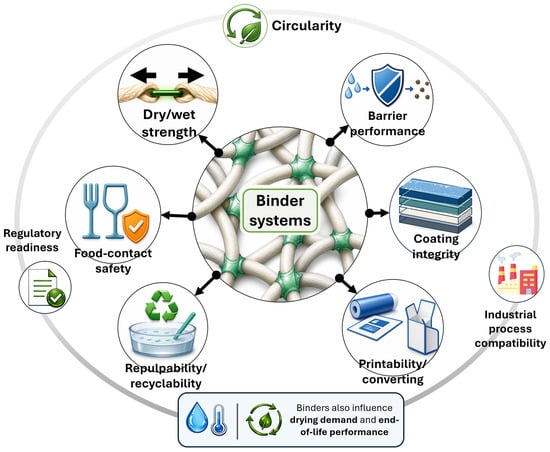
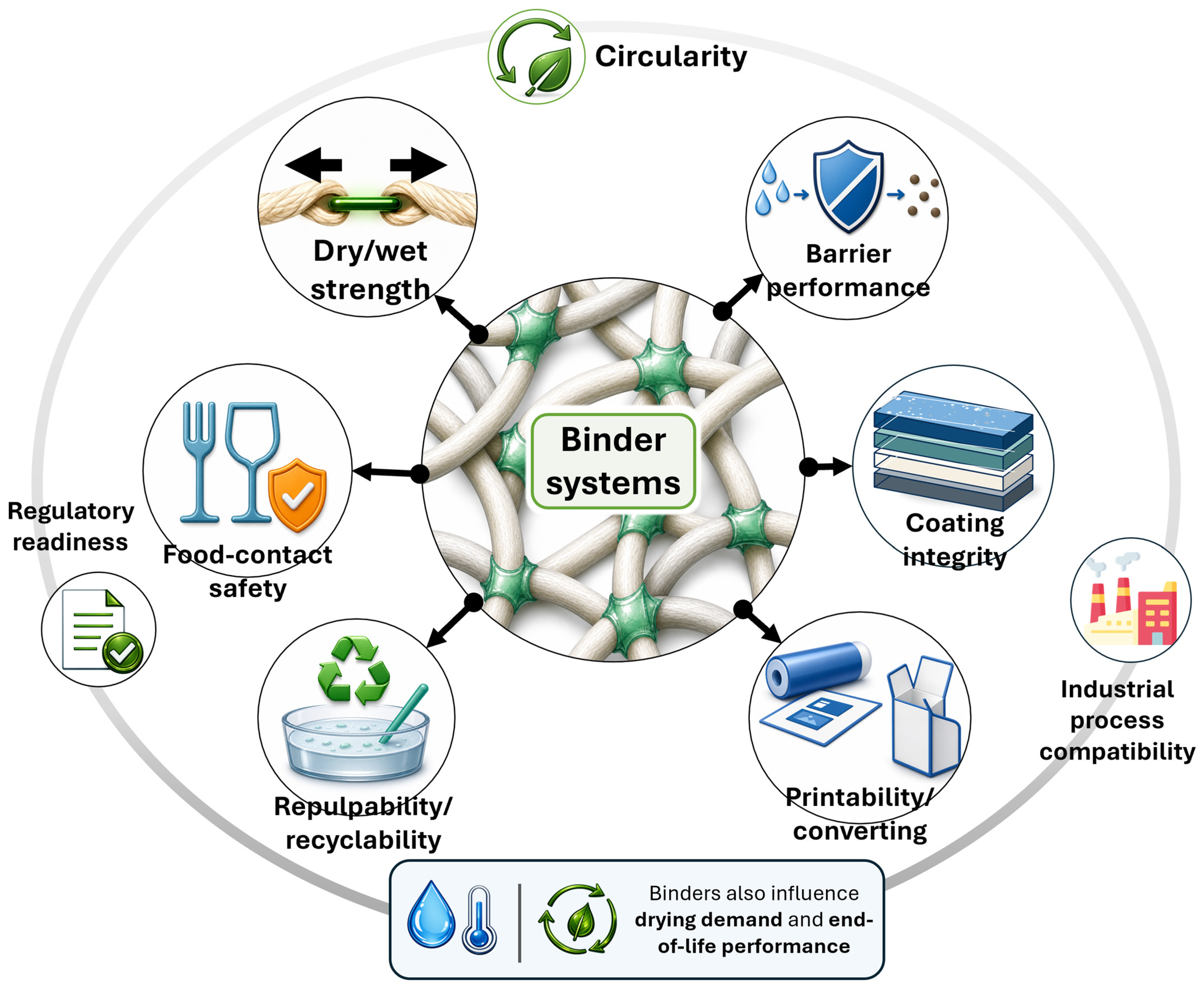
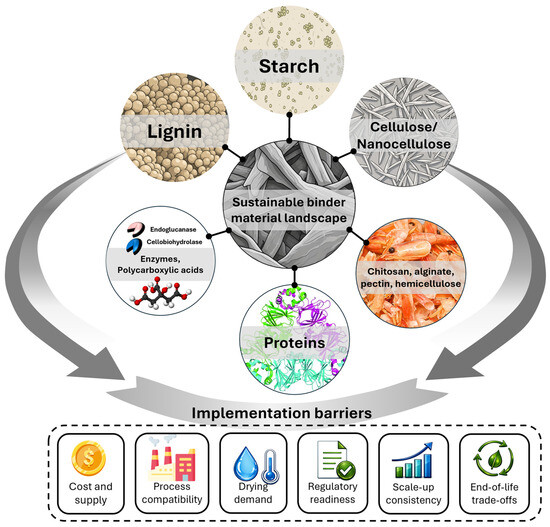
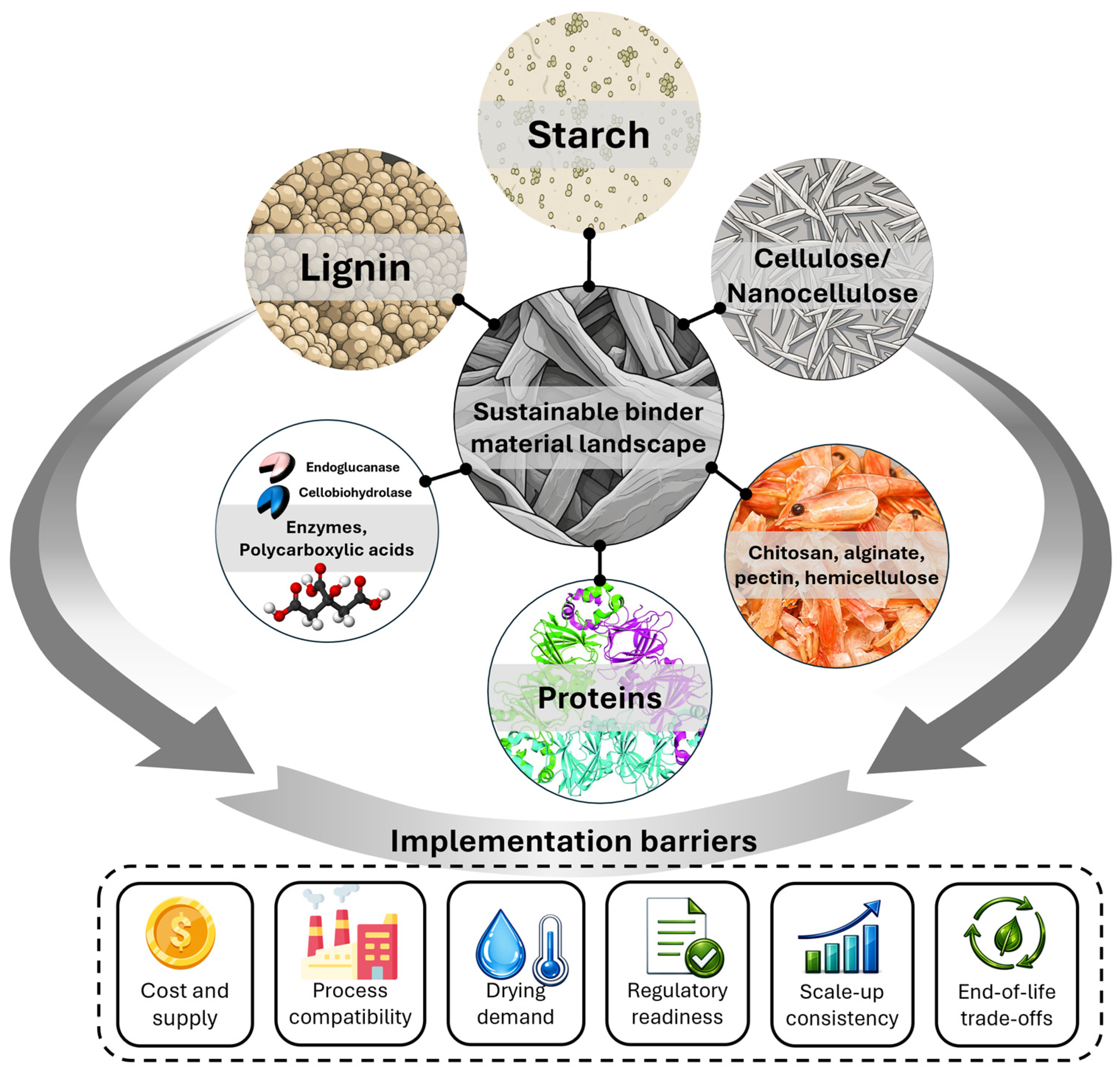
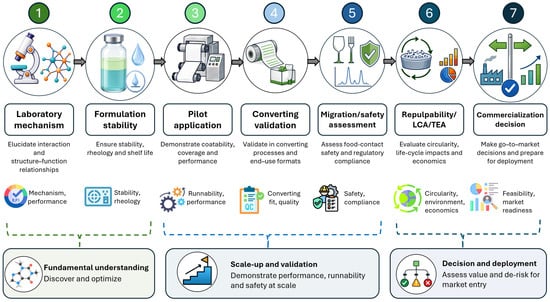
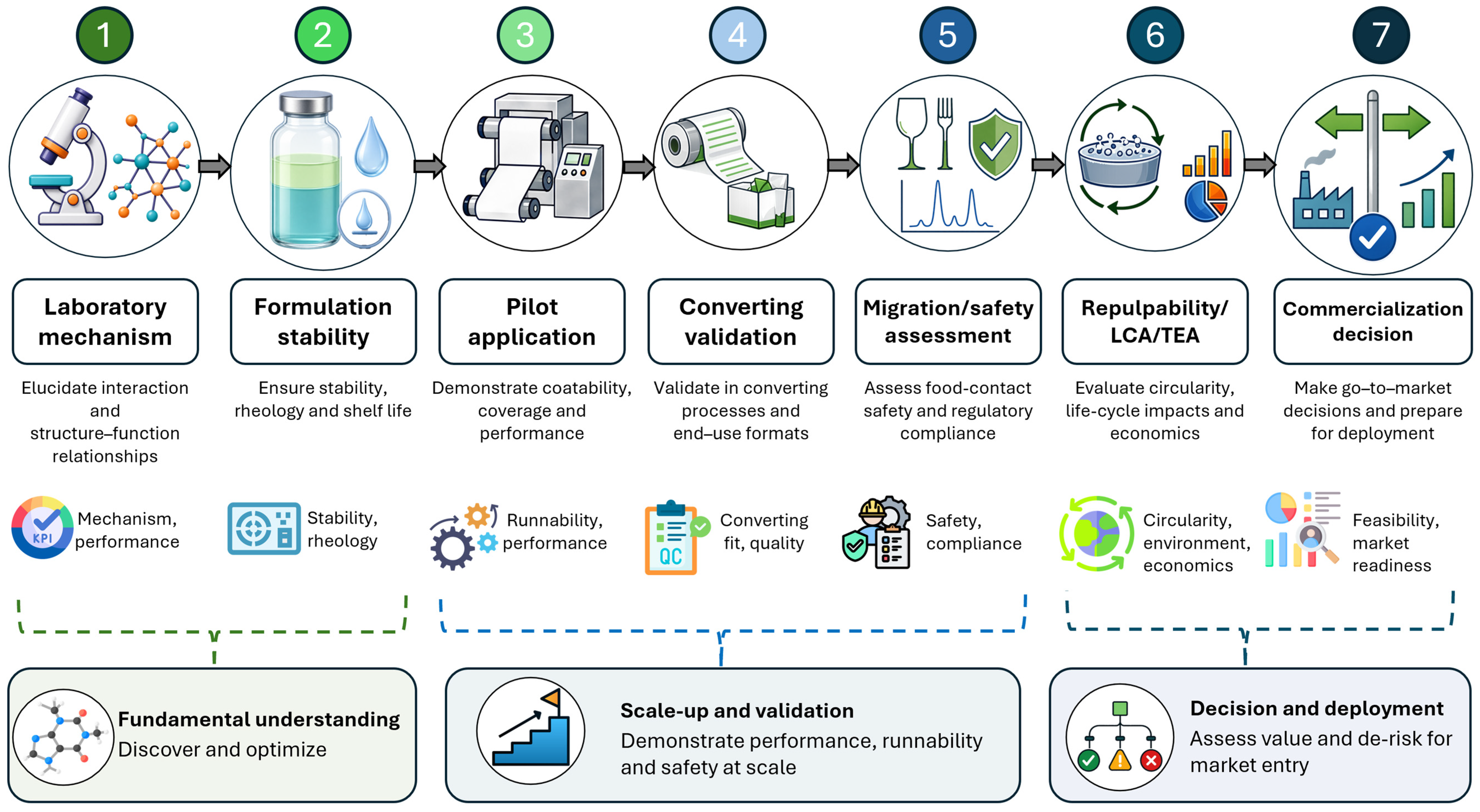

Disclaimer/Publisher’s Note: The statements, opinions and data contained in all publications are solely those of the individual author(s) and contributor(s) and not of MDPI and/or the editor(s). MDPI and/or the editor(s) disclaim responsibility for any injury to people or property resulting from any ideas, methods, instructions or products referred to in the content. |
© 2026 by the authors. Licensee MDPI, Basel, Switzerland. This article is an open access article distributed under the terms and conditions of the Creative Commons Attribution (CC BY) license.