


Abstract
Climate change has intensified heat stress in poultry production systems, raising concerns about productivity, animal welfare, and system sustainability. This study aimed to analyze the evolution, structure, and emerging trends of scientific research on climate change and heat stress in industrial poultry production using a bibliometric approach. Records were retrieved from the Scopus and Web of Science Core Collection databases. After deduplication and eligibility screening, 342 documents published between 1974 and 2025 were retained. Bibliometric analyses were performed using Bibliometrix/Biblioshiny in RStudio, including publication dynamics, international collaboration, author co-citation, conceptual structure, thematic evolution, trend topics, and keyword co-occurrence. Scientific production increased markedly in recent years, with an annual growth rate of 8.36% and international co-authorship in 22.51% of the publications. China and the United States were the leading contributors. At the same time, the international research structure showed interconnected collaboration networks and complementary intellectual communities focused on physiological and neuroimmune responses, cellular and oxidative mechanisms, and nutritional and management-based mitigation. Heat stress was the main conceptual hub, connecting thermoregulation, oxidative stress, immunity, welfare, productive performance, and product quality. Heat tolerance, thermotolerance, chronic heat stress, and genetic adaptation showed recent or developing bibliometric visibility, although their structural and temporal patterns differed across analyses. However, heat waves, long-term resilience, validation under commercial conditions, climate-vulnerable regions, environmental engineering, and digital monitoring exhibited lower bibliometric representation and network centrality within the analyzed corpus. Future research should combine nutritional, physiological, genetic, environmental, and precision-monitoring approaches to support economically viable and climate-resilient poultry production.
1. Introduction
Climate change has increased the frequency, duration, and intensity of extreme weather events, particularly heat waves, creating major challenges for animal production systems [1,2,3]. Rising temperatures and increasingly recurrent thermal stress events can compromise growth, reproduction, health, and productive performance, with potentially greater consequences in tropical regions and countries with limited adaptive capacity [4,5,6].
Among livestock sectors, poultry production is particularly vulnerable to increasing environmental temperatures because birds have a high metabolic rate, lack sweat glands, and depend mainly on behavioral adjustments, respiratory evaporation, and sensible heat exchange to maintain body temperature [7,8]. Moreover, genetic selection for rapid growth, high egg production, and improved feed efficiency has increased metabolic heat production, further increasing the susceptibility of modern commercial strains to thermal challenges [9].
From a physiological standpoint, birds exhibit high metabolic rates and an absence of sweat glands, characteristics that limit heat dissipation and increase their susceptibility to heat stress [10,11]. Extreme heat reduces feed intake, growth rate, feed efficiency, and product quality, while also negatively affecting animal welfare [12]. The productive and economic impacts of heat stress are far-reaching, leading to drastic reductions in feed intake, growth rate, feed conversion efficiency, and the quality of meat and eggs [12,13,14]. In addition, the intensive ventilation and cooling systems required for thermal mitigation substantially increase energy consumption and operational costs, challenging the economic sustainability of the poultry industry [1].
Despite the significant progress in research on heat stress in poultry science, the knowledge developed over the last few decades remains fragmented across various disciplinary approaches, including physiology, nutrition, genetics, and management. This dispersion hinders an integrated understanding of the field’s scientific evolution, as well as the identification of structural patterns, emerging trends, and research gaps that guide the advancement of knowledge.
To understand how a scientific field expands, bibliometric analysis is a fundamental tool for academic mapping. It enables the extraction of chronological patterns, the identification of influential actors, and the visualization of connections among research groups and thematic axes [15,16,17]. By synthesizing these variables, the method provides a clear view of the maturity of the investigated domain, assisting in the detection of gaps and the guidance of future studies.
The novelty of the present study lies in combining these dimensions within a single bibliometric framework. Rather than examining heat stress only as a physiological or productive problem, this study places it within the broader context of climate change and industrial poultry adaptation. Therefore, this study provides a comprehensive bibliometric assessment of research on climate change and heat stress in poultry production, examining scientific production, international collaboration, author co-citation communities, historiographic development, conceptual structure, thematic evolution, recent trend topics, knowledge gaps, and emerging mitigation strategies. By integrating these complementary dimensions, the study seeks to determine whether and how research priorities have expanded from the characterization of heat-induced damage toward adaptation strategies and climate-resilient poultry production.
Thus, the objective of this study was to conduct a bibliometric analysis of research on climate change and heat stress in poultry production, aiming to identify publication trends, leading authors, countries and institutions, collaboration networks, predominant research themes, and knowledge gaps. By mapping the development and current structure of this research field, the study seeks to support future investigations and decision-making, particularly by identifying areas in which adaptation and mitigation strategies warrant further attention.
2. Materials and Methods
This study employed a quantitative bibliometric approach to investigate the scientific structure of research on climate change and heat stress in industrial poultry production. Bibliometric techniques were applied to identify thematic structures, influential authors, collaborative networks, research trends, and knowledge gaps. The following research questions guided the study:
- What are the predominant thematic axes in the interface between climate and industrial poultry production?
- Which researchers and research groups underpin the intellectual foundation of this field?
- Which knowledge gaps still require scientific investigation?
- What are the emerging strategies for mitigating climate impacts in poultry production?
Based on these questions, the study was organized into four stages: literature retrieval, data filtering, metadata processing, and bibliometric analysis.
2.1. Search Strategy and Data Collection
Data collection was conducted on 20 July 2026, using the Scopus (Elsevier) and Web of Science Core Collection (Clarivate) databases. These repositories were selected for their broad coverage of the peer-reviewed scientific literature and standardized metadata suitable for bibliometric analyses. The search was conducted using the Advanced Search interface of each database. Using both Scopus and Web of Science minimizes database-specific indexing bias and increases the comprehensiveness of bibliometric studies. Boolean operators were used to retrieve records based on titles, abstracts, and keywords. Search terms were organized into three thematic groups (climate change, heat stress, and poultry production), and early-access articles fully indexed within the 1900–2025 timeframe were included. All search syntax, including exact-phrase quotation marks (“”), Boolean operators (AND, OR), and wildcards (* for truncation/plural forms), were executed exactly as written in the advanced search interfaces of both databases to ensure full reproducibility. The search strategies applied to each database were structured as follows:
Scopus:
TITLE-ABS-KEY ((“climate change” OR “climatic change” OR “global warming” OR “climate variability” OR “climate extreme*” OR “extreme weather” OR “extreme heat” OR “heat wave*”) AND (“heat stress” OR “thermal stress” OR “heat challenge” OR “heat exposure” OR “thermal load” OR “thermal environment” OR “high ambient temperature” OR “elevated ambient temperature” OR “increased ambient temperature”) AND (poultry OR chicken* OR broiler* OR layer* OR “laying hen*” OR breeder* OR turkey* OR duck* OR quail*)) AND PUBYEAR < 2026.
Web of Science (Core Collection):
TS = ((“climate change” OR “climatic change” OR “global warming” OR “climate variability” OR “climate extreme*” OR “extreme weather” OR “extreme heat” OR “heat wave*”) AND (“heat stress” OR “thermal stress” OR “heat challenge” OR “heat exposure” OR “thermal load” OR “thermal environment” OR “high ambient temperature” OR “elevated ambient temperature” OR “increased ambient temperature”) AND (poultry OR chicken* OR broiler* OR layer* OR “laying hen*” OR breeder* OR turkey* OR duck* OR quail*)) AND PY = 1900–2025.
The initial search retrieved 1484 records, comprising 780 documents from Scopus and 704 documents from the Web of Science Core Collection. Data processing and metadata standardization were executed in the R environment using the bibliometrix package alongside custom data wrangling workflows in dplyr and stringr. To prevent metadata degradation, particularly the loss of cited-reference (CR) fields required for co-citation analyses, records from Scopus and the Web of Science Core Collection were integrated using a structure-preserving row-binding strategy. Deduplication was conducted in successive stages. First, document titles were standardized by converting all characters to uppercase and removing redundant whitespace. Records with identical standardized titles were considered duplicates, and when the same document was found in both databases, the Scopus record was preferentially retained. Because small differences in title formatting or metadata can prevent duplicates from being detected through exact title matching, a second verification step was performed using DOI information in combination with standardized title comparisons. This additional audit identified 43 residual duplicates that had not been detected in the initial step. Overall, 445 duplicate records were removed across the complete deduplication process. The resulting dataset was then checked for remaining cross-database duplicates before proceeding to scope screening and bibliometric analysis.
Following deduplication, a multi-stage, semi-automated regular expression (Regex) screening pipeline was applied to document Titles (TI) and Abstracts (AB) to identify records potentially outside the predefined scope of the review. The Regex procedure was used as a screening-support tool rather than as an independent criterion for final exclusion. The screening vocabulary was developed iteratively through manual inspection of the retrieved records. During this preliminary inspection, recurrent terms associated with studies clearly outside the scope of poultry production and heat-stress research were identified and incorporated into the Regex rules. After each filtering step, the records flagged by the screening procedure were exported separately, and their titles were manually inspected to verify their relevance to the predefined eligibility criteria before final exclusion. Thus, the occurrence of an exclusion term in the title or abstract did not, by itself, determine the final eligibility decision.
- Poultry Inclusivity Filter: Identified records containing explicit avian and poultry production terms (e.g., poultry, chickens, broilers, layers, breeders, turkeys, ducks, quails, pullets, *Gallus gallus*, Cobb, Ross, Hubbard), thereby prioritizing records directly related to the target production systems.
- Non-Target Species and Infrastructure Filter: Flagged records containing terms predominantly associated with other livestock or aquaculture systems (e.g., dairy cows, beef cattle, swine, sheep, goats, aquaculture, tilapia, trout, carp, catfish, corals), crops (maize, wheat, soybean, rice), or urban and physical infrastructure (asphalt, pavement, concrete, urban heat islands) for subsequent manual verification.
- Noise Filter: Flagged records associated with clearly unrelated subject areas, including soil mechanics, forestry, entomology, materials engineering, and aquatic toxicology, as well as non-target urban or human-related topics. Records identified at this stage were subsequently checked manually before final exclusion.
Finally, document-type eligibility was assessed using the Document Type (DT) metadata field, and only original research articles and literature reviews were retained in the final bibliometric corpus, as detailed in Section 2.2. The metadata of all retained records were standardized and formatted into the native bibliometrixDB data structure, including citation histories, author affiliations, keywords, abstracts, and cited references (CR). To minimize artificial reference splitting in co-citation and bibliographic coupling analyses, punctuation was removed from cited references and redundant whitespace was normalized.
All records flagged during the Regex-based scope screening were retained in a separate dataset and manually reviewed before final exclusion, thereby allowing subsequent auditing of the screening decisions. Although occurrence-based terms may theoretically flag relevant multidisciplinary or multi-species studies, this risk was reduced by manual inspection of the titles before the exclusions were finalized. Nevertheless, as with any literature-screening procedure involving human judgment, some degree of screening subjectivity cannot be entirely excluded.
A total of 668 records were flagged as potentially outside the review scope by the Regex-based screening procedure. All flagged records were exported separately, and their titles were manually inspected before final exclusion. Final exclusion was confirmed only when the manual assessment indicated that the primary focus of the record was outside the predefined eligibility criteria. Therefore, the occurrence of an exclusion term in the title or abstract was not, by itself, sufficient to determine exclusion. The complete Regex expressions and sequential decision rules applied at each stage are provided in the Supplementary Table S1. The complete workflow for study identification, deduplication, scope screening, and document-type filtering follows the PRISMA guidelines and is illustrated in Figure 1.
Figure 1.
PRISMA workflow of study identification, deduplication, scope screening, and eligibility assessment. Gray boxes represent records retained through successive screening stages, red boxes indicate excluded records, and the green box represents the final corpus included in the bibliometric analysis.
2.2. Eligibility Criteria, Thematic Scope, and Metadata Extraction
Studies were selected based on pre-defined inclusion and exclusion criteria designed to ensure relevance, methodological rigor, and data completeness for scientometric mapping:
- (A)
- Publication and Document Types: Only peer-reviewed original research articles (ARTICLE) and literature reviews (REVIEW) published in scientific journals were retained. Conference papers, conference reviews, book chapters, editorials, letters, notes, errata, and retracted publications were excluded during the document-type filtering stage to maintain analytical consistency.
- (B)
- Language and Temporal Coverage: Publications indexed up through 31 December 2025, were considered. Language availability was extracted directly from source metadata; non-English records were retained if they contained complete English titles and abstracts suitable for automated natural language processing and keyword extractions.
- (C)
- Thematic Scope: Included documents specifically addressed environmental heat challenge scenarios, thermal load, physiological or productive heat stress responses, and climate variability within poultry production systems (broilers, layers, breeders, and other domestic fowl). Records containing predefined exclusion terms related to non-avian livestock, aquaculture, crop science, or urban microclimates were removed according to the sequential Regex screening procedure described above.
- (D)
- Metadata Processing Sequence: Complete bibliographic metadata—comprising citation details, publication chronology, journal sources, institutional affiliations, author keywords, Keywords Plus, abstracts, and cited references (CR)—were exported in raw CSV and text formats. Deduplication was performed after initial data importation and merging to remove cross-database duplicates before scope screening and document-type filtering, as shown in the PRISMA workflow. The complete regular expressions and sequential decision rules applied during the automated screening procedure are provided in the Supplementary Table S1.
2.3. Processing and Bibliometric Analysis
For quantitative data synthesis, performance metrics, and network visualization, the Biblioshiny interface for the bibliometrix R package (version 5.0.1) was employed within the RStudio (version 4.4.3) environment [18,19]. This tool was selected due to its robust capacity to import, merge, and clean multi-database datasets, as well as to compute descriptive performance indicators—such as annual scientific production, author productivity, and source impact.
To address the core research questions, a term co-occurrence analysis (co-word analysis) was performed using bibliometrix to map thematic clusters, identify core topics, and reveal emerging research fronts within the domain. The generated conceptual network maps were interpreted based on the following structural criteria:
- Nodes represent individual keywords, where node size is proportional to the term’s overall occurrence frequency across the analyzed documents.
- Edges (Links) represent the co-occurrence links between terms, where line distance and link strength reflect the degree of thematic affinity between concepts.
- Clusters represent distinct thematic subfields grouped by community detection algorithms (e.g., Louvain algorithm), allowing for the identification of conceptual clusters and the structure of the field.
3. Results
3.1. Overview of the Main Metrics on Climate Change and Heat Stress in Poultry Production
The bibliometric analysis of 342 documents published between 1974 and 2025 (Figure 2) illustrates the scientific output on climate change and heat stress in poultry production, reflecting an annual growth rate of 8.36%. The average document age was 5.22 years, indicating that a substantial proportion of the literature included in the corpus is relatively recent.
Figure 2.
Overview of the main metrics of the 342 selected studies using Biblioshiny.
An average annual growth rate of 8.36% is observed, indicating the recent expansion and consolidation of the topic within the scientific landscape. The average document age (5.23 years) highlights the contemporary nature of the theoretical framework, characterizing the field as dynamic and constantly updated. The international co-authorship rate (22.51%) reveals a significant level of cross-country collaboration, suggesting the formation of global research networks. Figure 3 complements this analysis by presenting the annual scientific production.
Figure 3.
Number of published articles per year on climate and poultry production from 1974 to 2025.
The temporal distribution of scientific publications (Figure 3) covers 1974 to 2025. Between 1974 and 2007, annual production remained low, not exceeding 2 publications per year. A subtle movement begins after 2008, followed by a substantial increase from 2021 onwards, reaching its highest level in 2024 with 62 published articles and maintaining high output in 2025 (60 articles).
A world map showing the geographic distribution of scientific production related to climate and industrial poultry production is presented in Figure 4a. The United States and China showed the highest levels of scientific production in the analyzed corpus, while Brazil and India also emerged as prominent contributors. European countries exhibited a geographically distributed contribution, whereas much of Central Africa and parts of Central Asia showed lower publication activity in the analyzed corpus.
Figure 4.
Geographic distribution of scientific research on climate and poultry production: (a) scientific production by country, and (b) international country collaboration network. Darker country shading indicates higher scientific production, while blue lines represent international co-authorship links between countries; thicker lines indicate stronger collaboration.
The international collaboration network is presented in Figure 4b. Countries with higher scientific production also participated in international co-authorship relationships within the network. Numerous international links connected countries across North America, Europe, Asia, South America, and Oceania, indicating scientific collaboration across multiple geographic regions. The United States, China, India, Brazil, and several European countries were connected to collaborators from multiple countries in the analyzed network.
3.2. Predominant Thematic Axes
The analysis of the author keyword co-occurrence network (Figure 5) mapped the conceptual structure of the field into three primary clusters (red, blue, and green), centered on the most frequent nodes—heat stress, climate change, and poultry. The strongest edge weight in the entire network was observed between heat stress and poultry, closely followed by the connection between heat stress and climate change. The red cluster, orbiting heat stress, groups physiological and cellular biomarkers (oxidative stress, corticosterone, immunity) alongside genetic and performance traits (growth performance, egg production, naked neck). The blue cluster, anchored by climate change and poultry, links macro-environmental drivers and management strategies (global warming, thermoregulation, mitigation, nutrition). Finally, the green cluster, positioned at the bottom periphery, covers specific poultry categories and production outcomes (broilers, laying hen, meat quality, performance), bridging connections across the network.
Figure 5.
Co-occurrence network of author keywords in the domain of climate and poultry production. Node size is proportional to keyword occurrence frequency, links represent keyword co-occurrence relationships, and colors indicate distinct thematic clusters identified within the network.
The thematic map (Figure 6) categorized the literature into four distinct quadrants based on term centrality and density. The Basic Themes quadrant (lower-right) contains the largest clusters, encompassing foundational production and environmental concepts such as heat stress, broiler, chicken, climate change, global warming, performance, and growth. The Motor Themes quadrant (upper-right) highlights consolidated research areas including thermoregulation, temperature, corticosterone, welfare, health, and production. The Niche Themes quadrant (upper-left) grouped specialized studies on dietary additives (ginger, green tea, chromium), genetic traits (naked neck, egg production), and alternative production (backyard poultry, drought). Finally, Emerging or Declining Themes (lower-left) encompassed topics such as extreme heat stress, lymphoid organ, ducks, histopathology, thermotolerance, chronic heat stress, and the peripheral node heat waves, with turkey, abiotic stress, and genomics positioned at the central intersection as a transitional cluster.
Figure 6.
Thematic map categorizing research topics at the interface of climate and poultry production according to their centrality and density. Bubble colors distinguish thematic clusters, while bubble size reflects theme frequency. The vertical and horizontal dashed lines represent the mean centrality and mean density, respectively, dividing the map into Motor Themes, Basic Themes, Niche Themes, and Emerging or Declining Themes.
The conceptual structure map generated using Multiple Correspondence Analysis (MCA) (Figure 7) identified three thematic clusters. The largest cluster (red) encompasses the main concepts in the literature, including climate change, heat stress, poultry, broiler, welfare, thermoregulation, thermal comfort, and performance, indicating that research is primarily focused on the effects of heat stress on poultry performance, welfare, and production. A second cluster (blue) groups growth, broilers, meat quality, and water efficiency, representing studies related to productivity and product quality under heat stress conditions. The third cluster (green), consisting solely of apoptosis, is clearly separated from the others, suggesting a specialized and relatively isolated research topic within the overall conceptual framework.
Figure 7.
Conceptual structure map of the literature on climate change and heat stress in poultry production generated by Multiple Correspondence Analysis (MCA). Colors indicate distinct conceptual clusters, while the shaded areas delineate the corresponding cluster regions.
3.3. Intellectual Foundation
The analysis of the most relevant authors in the analyzed corpus (Figure 8) identified the top researchers by total publication volume. Dridi S emerged as the most prolific author, leading the domain with 10 published documents. Following closely, Chowdhury VS and Lamont SJ tied for the second position with 6 documents each. An intermediate tier of four researchers—Greene ES, Oke OE, Schmidt CJ, and Uyanga VA—contributed 5 documents each. Finally, Abd El-Hack ME, Abdelqader A, and Akosile OA rounded out the top ten most relevant authors, each accounting for 4 published documents.
Figure 8.
Most relevant authors in climate change and heat stress in poultry production.
The author co-citation network (Figure 9) identified three major research communities, representing distinct intellectual foundations within the field. The largest cluster (blue) is centered on Decuypere E, together with Quinteiro-Filho WM, Ferraz-de-Paula V, Palermo-Neto J, and Cahaner A, reflecting studies on poultry physiology, immunology, and responses to heat stress. The second cluster (red) is dominated by Rostagno MH and Alagawany M, closely associated with Abd El-Hack ME, Zulkifli I, and collaborators, representing research on nutrition, antioxidants, and strategies to mitigate heat stress. The third cluster (green), primarily composed of Toyomizu M, Kikusato M, and Chowdhury VS, forms a smaller but highly interconnected community focused on the cellular and metabolic mechanisms underlying heat stress adaptation. The numerous links among clusters indicate a high degree of interaction and complementarity among these research themes.
Figure 9.
Author co-citation network in the domain of climate and poultry production. Node size reflects the relative prominence of authors in the co-citation network, links represent co-citation relationships between authors, and colors distinguish the different co-citation clusters identified within the network. Author labels correspond to surnames and initials as indexed in the bibliographic databases.
The historiographic network (Figure 10) [1] maps the chronological pathway of direct citations in the field, tracing a clear progression from foundational nodes to recent research hubs. The timeline originates with the node [1,20] which serves as one of the earliest landmark studies in the network. This node directly connects to and feeds into [21], which acts as a major intermediate node bridging early foundational references to subsequent expansions. Chronologically downstream, the network branches into specific citation pathways, including [2], [22] and [14], with the latter forming direct edges toward the recent literature. This progression converges on [23], which represents the largest node in the network, exhibiting the highest number of incoming direct citation links from preceding studies. Overall, the network structure depicts a directional transition in the literature, moving from early central seed papers toward highly interconnected, multi-authored citation hubs in the most recent period.
Figure 10.
Direct citation historiograph mapping the chronological evolution and landmark papers in climate and poultry research. Node colors distinguish different citation clusters within the historiographic network, while links represent direct citation relationships between documents.
3.4. Knowledge Gaps in the Literature
The thematic map (Figure 6) identified some topics that remain weakly developed or insufficiently connected to the core research structure, highlighting important knowledge gaps in the literature. The cluster composed of heat tolerance, thermotolerance, and chronic heat stress was positioned in the Emerging or Declining Themes quadrant, indicating that although these topics are highly relevant to climate change adaptation, they have not yet achieved a central role within the field. Likewise, heat waves appeared as an isolated emerging theme, suggesting that research addressing the direct effects of increasingly frequent and intense heat wave events on poultry production remains limited.
Figure 11 shows a gradual shift in research topics between 2015 and 2025. Temperature displayed the longest temporal trajectory, extending from approximately 2017 to 2022, whereas mitigation, nutrition, and health became more prominent between 2020 and 2022. From 2021 onward, research increasingly focused on climate change, poultry, welfare, thermoregulation, growth performance, oxidative stress, and broilers, reflecting a broader consideration of productive, physiological, and welfare-related outcomes. In 2023, heat stress showed the highest relative frequency among the analyzed terms, followed by topics such as broiler, performance, and oxidative stress. The most recent topics were heat tolerance, global warming, chicken, meat quality, and egg production, which were concentrated mainly between 2024 and 2025. Overall, the findings indicate a transition from broad investigations of temperature and productive performance toward more specific concerns involving heat tolerance, product quality, and the productive consequences of global warming.
Figure 11.
Recent Trend Topics based on author keywords from 2015 to 2025.
Figure 12 shows a progressive reorganization of the research themes across the three periods. In the first period, the thematic structure was centered on climate change, heat stress, mortality, and temperature, which represented the initial concepts of the field. Between 2016 and 2020, the literature became more diversified: heat stress, temperature, and climate change remained prominent, while topics such as adaptation, heat tolerance, thermoregulation, thermotolerance, and turkey became visible. In the most recent period, the thematic flows converged mainly toward heat stress, climate change, thermoregulation, and heat tolerance, whereas broilers emerged as a more specific topic. Heat stress displayed the clearest thematic continuity, while adaptation was incorporated into climate change, turkey converged toward heat stress, and thermotolerance contributed to the consolidation of heat tolerance. Overall, the figure indicates a transition from broad themes related to temperature and mortality toward a more focused structure involving adaptation, thermoregulation, and heat tolerance.
Figure 12.
Three-field plot showing the relationships among author keywords (DE), authors (AU), and author affiliations (AU_UN) in research on climate change and poultry production. Colored nodes are used for visual differentiation of the items within each field, while gray ribbons represent relationships among keywords, authors, and institutions; ribbon width reflects the relative strength of these connections.
3.5. Emerging Mitigation Strategies
Figure 13 shows that the co-occurrence network is strongly centered on heat stress, which acts as the main thematic hub and connects several intervention-related research lines. The literature is predominantly concentrated on nutrition and physiology, as indicated by terms such as betaine, antioxidant, immunity, gut health, gut microbiota, corticosterone, oxidative stress, acclimation, and meat quality. This pattern suggests that most studies have focused on nutritional interventions and physiological responses to reduce the adverse effects of heat exposure in poultry.
Figure 13.
Keyword co-occurrence network highlighting intervention-related sub-networks in the literature on climate change and poultry production. Node size is proportional to keyword occurrence frequency, links represent co-occurrence relationships between keywords, and colors distinguish the thematic clusters identified within the network.
In contrast, topics related to environmental control and housing systems are weakly represented or absent, with no prominent nodes for evaporative cooling, tunnel ventilation, roof insulation, or fogging systems. Figure 11 also reveals a recent shift toward genetic adaptation, thermotolerance, antioxidant interventions, and the effects of heat stress on product quality. Nevertheless, the technology and digitalization dimension remains limited, as keywords such as smart farming, precision livestock farming, infrared thermography, surface temperature, and sensors are neither central in the co-occurrence network nor represented among the main recent trends. Taken together, these findings indicate a clear emphasis on biological, genetic, and nutritional interventions, while environmental engineering solutions and digital monitoring technologies remain comparatively underexplored in the analyzed literature.
4. Discussion
4.1. Overview
The bibliometric profile indicates that research on climate change and heat stress in poultry production has moved from a prolonged incipient stage to a period of rapid consolidation. Although the corpus covers the period from 1974 to 2025, scientific production remained limited for several decades and increased sharply only in recent years, reaching its highest levels in 2024 and 2025. Together with the average annual growth rate of 8.36% and the relatively low average document age of 5.23 years, this pattern indicates both the quantitative expansion of the field and the continuous renewal of its scientific basis.
This trajectory is consistent with the bibliometric findings of [22], who reported growing global scientific interest in poultry heat stress in response to increasing concerns about climate change and global warming. Their analysis also identified China as the leading contributor and highlighted the expansion of research fronts involving antioxidants, probiotics, and gene expression. The agreement between that earlier bibliometric assessment and the present results indicates that the recent increase in publications is not an isolated fluctuation, but part of a broader process through which poultry heat stress has become an established international research field.
The acceleration of scientific output can be explained by the growing recognition that heat exposure threatens several dimensions of poultry production. Rising temperatures can disrupt water homeostasis and intestinal integrity, reduce meat quality, compromise animal welfare, and generate substantial economic losses, making heat stress a challenge to the sustainability of the poultry sector rather than merely a seasonal management problem [24]. Similarly, ref. [11] emphasized that global warming has intensified interest in the effects of heat stress on behavior, immunity, productive performance, welfare, and even transgenerational responses. Heat waves further reinforce the urgency of this agenda because they can cause large-scale mortality and severe economic damage while altering physiological, behavioral, and immune responses [25].
The development of the field is also reflected in the progressive broadening of its research objectives. The earlier literature primarily documented the detrimental effects of high temperatures on feed intake, growth, reproduction, meat and egg quality, and fertility [21]. More recent studies have increasingly focused on long-term adaptation, including the identification of molecular markers and candidate genes associated with thermotolerance [14] and the use of biotechnology and breeding programs to develop more heat-resilient poultry strains [23]. This transition suggests that the field is moving from the characterization of thermal damage toward the development of preventive and adaptive responses.
International collaboration provides further evidence of the field’s development, although its expansion remains incomplete. The international co-authorship rate of 22.51% confirms the existence of cross-country research networks but also indicates that international collaboration is not yet predominant. This is particularly relevant because heat stress occurs under highly diverse climatic, technological, and socioeconomic conditions, making the exchange of data and expertise across regions essential for developing broadly applicable adaptation strategies.
Despite this global expansion, the geographical distribution of knowledge remains uneven. The leadership of China identified both in the present analysis and by [22] contrasts with the limited participation of several climate-vulnerable regions. This imbalance is particularly relevant because the consequences of climate warming are strongly influenced by local production conditions, access to technology, and adaptive capacity. Ref. [26] demonstrated that rising temperatures may intensify the existing limitations of rural poultry systems in developing countries, where inadequate housing, nutrition, health care, and limited financial resources already constrain production. Greater inclusion of tropical, subtropical, and resource-limited regions is therefore needed to ensure that the expansion of the literature produces adaptation strategies applicable across different poultry systems.
Overall, the findings indicate that the field has achieved clear quantitative and conceptual consolidation, driven by the increasing climatic exposure of poultry systems and by the recognition of heat stress as a multidimensional threat to productivity, welfare, and economic sustainability. However, further maturation will depend on stronger international collaboration, broader participation by underrepresented regions, and the translation of expanding scientific knowledge into solutions that are technically and economically viable under commercial production conditions.
4.2. What Are the Predominant Thematic Axes in the Interface Between Climate and Industrial Poultry Production?
Taken together, the keyword co-occurrence network, thematic map, and conceptual structure analysis reveal a research field organized around the interaction between environmental heat exposure, biological responses, and productive consequences. Heat stress, climate change, and poultry occupy central positions within this structure, with particularly strong links between heat stress–poultry and heat stress–climate change. These connections indicate that heat stress constitutes the main conceptual pathway through which broader climatic pressures are translated into biological and production-related effects in poultry systems.
Physiological and cellular mechanisms form one of the most prominent research axes. The recurrence of oxidative stress, corticosterone, immunity, and thermoregulation reflects the integrated nature of the avian response to high environmental temperatures. According to [27], thermal exposure activates the hypothalamic–pituitary–adrenal axis, elevates circulating corticosterone, alters the heterophil-to-lymphocyte ratio, and compromises antibody production. Simultaneously, heat-induced changes in mitochondrial metabolism promote excessive generation of reactive oxygen species, disrupting the balance between oxidative activity and endogenous antioxidant defenses. Heat stress should therefore not be interpreted as an isolated physiological disturbance, but rather as a coordinated endocrine, metabolic, and immune challenge.
Molecular evidence further supports this interpretation. Ref. [28] described the involvement of the MAPK and NF-κB signaling pathways in heat-induced oxidative and inflammatory responses, together with alterations in tight-junction proteins, cytokine balance, apoptosis, and autophagy. Such mechanisms help explain why oxidative stress, immunity, intestinal function, and cellular damage appear closely associated in the bibliometric maps. Cellular disturbances may consequently extend beyond localized tissue injury, contributing to systemic impairments in health and productive performance.
Among the motor themes, thermoregulation, temperature, corticosterone, welfare, health, and production form a well-developed and highly interconnected group. This configuration is biologically coherent because the severity of heat stress depends not only on ambient temperature but also on humidity, thermal radiation, exposure duration, and thermal intensity. Ref. [29] emphasized that these factors interact with metabolic rate and thermoregulatory capacity to determine the magnitude of physiological disturbance experienced by poultry. Panting, peripheral vasodilation, reduced feed intake, and behavioral adjustments may support short-term survival, but their prolonged activation increases metabolic costs and compromises animal welfare.
Commercial performance represents another central axis. Associations among broilers, growth, performance, meat quality, and egg production reflect the economic consequences of thermal stress across different poultry categories. Reduced feed intake and altered nutrient metabolism contribute to lower body-weight gain and poorer feed efficiency, while reproductive performance, egg production, egg weight, shell quality, fertility, and hatchability may also decline under high temperatures [27]. In broilers, ref. [30] further associated heat exposure with impaired protein synthesis and skeletal muscle development through alterations in myogenic regulatory factors, insulin-like growth factor 1, and heat-shock proteins. These changes were accompanied by deterioration in water-holding capacity, pH, drip loss, color, texture, and other meat-quality attributes.
Growing attention to welfare and behavior demonstrates an important expansion in the conceptual scope of the field. Ref. [11] showed that heat stress affects behavioral patterns, immune responses, productive performance, and welfare, while also raising concerns about possible transgenerational effects. This broader perspective helps explain why welfare and health appear alongside physiological and productive terms rather than as independent topics. Assessments based exclusively on growth or egg output may therefore underestimate the biological effects of heat exposure, particularly when behavioral discomfort and immune impairment precede measurable production losses.
Genetic adaptation provides an additional connection between mechanistic knowledge and long-term resilience. Ref. [14] identified heat-shock proteins and other candidate genes as potential components of marker-assisted selection programs for thermotolerance. These findings help contextualize the occurrence of heat tolerance, the naked neck phenotype, and gene expression within the thematic structure. Rather than representing disconnected topics, these concepts reflect a gradual transition from describing thermal damage to identifying inherited characteristics capable of improving adaptation to warmer production environments.
Apoptosis constitutes a more specialized molecular research branch and appeared separate from the main clusters in the conceptual structure map. Evidence presented by [28] confirms its involvement in cellular responses to heat-induced oxidative and inflammatory stress. Its peripheral position in the MCA may reflect the still-limited integration between studies conducted at the cellular or tissue level and investigations evaluating whole-animal welfare and production outcomes. Establishing clearer relationships among molecular injury, organ dysfunction, and commercial performance could connect this specialized research line more effectively to the broader conceptual structure of the field.
Overall, the predominant thematic axes outline a coherent biological sequence in which climatic heat exposure activates thermoregulatory, endocrine, oxidative, immune, and cellular responses, ultimately affecting welfare, health, growth, reproduction, and product quality. Research has therefore advanced beyond the simple documentation of high-temperature effects toward a more integrated understanding of the mechanisms underlying poultry vulnerability. Nevertheless, stronger links among molecular biomarkers, whole-animal responses, and commercially relevant outcomes are still needed to translate mechanistic knowledge into reliable indicators and effective adaptation strategies.
4.3. Which Researchers and Research Groups Underpin the Intellectual Foundation of This Field?
Scientific leadership in this field involves different and complementary forms of contribution. Dridi emerged as the most productive author in the analyzed corpus, followed by Chowdhury and Lamont, while Greene, Oke, Schmidt, Uyanga, Abd El-Hack, Abdelqader, and Akosile also maintained recurrent contributions. This ranking identifies the researchers most active in the current literature but does not necessarily correspond to the authors with the greatest long-term intellectual influence. Whereas productivity reflects the volume of recent scientific output, co-citation reveals the authors whose studies are repeatedly used together as conceptual and methodological foundations.
Differences between the present ranking and previous bibliometric assessments reinforce this distinction. Ref. [22], analyzing poultry heat-stress publications from 2000 to 2021, identified Kazim Sahin as the leading author and organized the literature into six clusters related to growth performance, intestinal morphology, heat stress, immune response, meat quality, and oxidative stress. Variations between that analysis and the present findings may reflect differences in database coverage, search strategy, temporal range, and eligibility criteria. Nevertheless, both studies reveal a field sustained by closely related physiological, productive, immunological, and mitigation-oriented research fronts.
Three complementary intellectual communities emerge from the co-citation network. The largest community, centered on Decuypere and associated with Quinteiro-Filho, Ferraz-de-Paula, Palermo-Neto, and Cahaner, reflects a broad foundation involving physiological adaptation, thermotolerance, neuroendocrine regulation, intestinal integrity, and immune responses. Refs. [31,32], co-authored by Decuypere, illustrate the multidimensional perspective associated with this community by integrating genetic, nutritional, physiological, and management strategies for preventing heat stress. The review addressed heat-adapted traits such as the Naked neck and Frizzle genes, electrolyte and acid–base regulation, vitamin supplementation, early thermal conditioning, feed restriction, feeding management, and environmental control. Rather than presenting heat tolerance as the result of a single mechanism, this framework treated adaptation as the combined outcome of biological characteristics and production management.
A more specific neuroimmune and intestinal research trajectory was developed by Quinteiro-Filho, Ferraz-de-Paula, Palermo-Neto, and collaborators. Across acute and cyclic heat-exposure protocols, their studies connected activation of the hypothalamic–pituitary–adrenal axis and increased corticosterone with reduced feed intake, impaired growth, intestinal inflammation, and altered immune activity [31,32]. These findings demonstrated that heat-related production losses cannot be attributed exclusively to lower nutrient consumption, because they occur together with broader endocrine, intestinal, and immunological disturbances.
Experiments involving Salmonella enteritidis strengthened this mechanistic interpretation. Heat-exposed broilers presented increased corticosterone, intestinal inflammation, changes in cytokines and immunoglobulins, and greater bacterial migration to the spleen [33,34]. By connecting thermal exposure with intestinal-barrier dysfunction and pathogen translocation, this research established an important link among the brain, endocrine system, intestine, and immune system. Ref. [35] further expanded this perspective through the study of gut–brain interactions during avian necrotic enteritis. Their findings also showed that the relationship between heat stress and intestinal disease is context dependent, since some lesions associated with Clostridium perfringens were attenuated under the evaluated thermal conditions. Pathogen type, bird age, exposure duration, and inflammatory stage may therefore modify the direction and magnitude of the response.
Applied mitigation constitutes the main orientation of the second co-citation community, organized around Rostagno, Alagawany, Abd El-Hack, Zulkifli, and their collaborators. Ref. [12] provide a representative foundation for this cluster by synthesizing the effects of heat stress on broiler and laying-hen productivity, welfare, and immune function, while also examining strategies intended to reduce thermal damage. Their work helped consolidate the understanding that interventions should not focus solely on maintaining performance but should also preserve health, immune competence, and welfare. The prominence of this community reflects the strong applied orientation of poultry heat-stress research, particularly the translation of physiological knowledge into nutritional and management-based responses.
A smaller but highly connected community, represented by Toyomizu, Kikusato, and Chowdhury, appears to provide a more mechanistic foundation involving cellular metabolism, oxidative regulation, and physiological adaptation. Heat exposure can alter mitochondrial activity, increase reactive oxygen species production, disrupt antioxidant defenses, and activate inflammatory and cellular-stress pathways. Evidence from the broader mechanistic literature supports the relevance of this domain, including changes in avian hepatic lipid metabolism and oxidative balance described by [7], as well as the involvement of MAPK, NF-κB, apoptosis, autophagy, and tight-junction regulation reported by [28]. Within the intellectual structure of the field, this community therefore helps connect environmental heat exposure with the cellular processes underlying systemic physiological and productive effects.
Connections among the three communities indicate complementarity rather than disciplinary isolation. Physiological and neuroimmune research explains how birds perceive and respond to thermal challenges; cellular and metabolic studies clarify the mechanisms producing tissue and systemic damage; and applied mitigation research translates this knowledge into nutritional, management, and adaptation strategies. The numerous intercluster links suggest that the field has developed through interaction among fundamental and applied approaches, even though greater integration is still needed with environmental engineering, digital monitoring, and commercial-scale validation.
Chronological citation relationships provide an additional perspective on the development of this intellectual foundation. Ref. [20] appears as one of the earliest influential nodes in the historiographic network. The study emphasized that modern high-producing poultry genotypes are increasingly susceptible to heat because selection for rapid growth and productivity also increases metabolic heat production. It further argued that conventional environmental and nutritional measures may produce inconsistent protection, directing attention toward genetic markers, molecular mechanisms, and the development of climate-adapted poultry.
Ref. [21] broadened this framework by connecting climate change and rising environmental temperatures with reductions in feed intake, growth, body weight, meat and egg quality, reproduction, fertility, and semen quality. Their synthesis also reinforced the idea that environmental and nutritional interventions may be insufficient when applied independently, particularly in hot regions. This contribution helped transform heat stress from a narrowly productive problem into a multidimensional challenge involving biological performance, product quality, reproduction, economic losses, and food security.
Subsequent publications expanded the intellectual scope in different directions. Ref. [26] introduced the vulnerability of rural poultry systems in developing countries, where climate warming interacts with inadequate housing, poor nutrition, disease exposure, and restricted access to technical resources. Ref. [14], in contrast, strengthened the genetic pathway by emphasizing candidate genes, molecular markers, and selection strategies for thermotolerance. Together, these studies broadened the field beyond intensive production and short-term mitigation, incorporating socioeconomic vulnerability and long-term biological adaptation.
Ref. [23] represents a recent convergence point in this trajectory. By integrating the effects of heat stress on feed intake, growth, egg production, physiology, reproduction, immunity, and disease, the study synthesized several research lines developed in earlier publications. Its emphasis on biotechnology, molecular markers, and breeding programs also linked the characterization of thermal damage to the development of heat-tolerant strains and practical mitigation strategies.
Overall, the productivity ranking, co-citation network, and historiographic analysis reveal a field supported by complementary intellectual traditions. Physiological and neuroimmune studies established the systemic basis of poultry vulnerability; cellular and metabolic research clarified mechanisms of thermal damage; nutritional and management studies translated biological knowledge into mitigation; and genetic research introduced a longer-term pathway toward thermotolerance. The historiographic trajectory shows that, alongside studies addressing productive losses, later contributions incorporated topics related to molecular mechanisms, intestinal health, immune competence, rural vulnerability, genetic adaptation, and climate-resilient poultry production.
4.4. Which Knowledge Gaps Still Require Scientific Investigation?
The position of heat tolerance, thermotolerance, and chronic heat stress in the Emerging or Declining Themes quadrant indicates relatively low centrality and low thematic development within the network and, by itself, does not establish whether these topics are increasing or declining (Figure 6). The trend analysis provides a distinct temporal perspective, showing that heat tolerance was prominent among the topics identified in 2024 and 2025 (Figure 11). This recent temporal occurrence indicates current research attention but should not, in isolation, be interpreted as evidence of sustained growth. In turn, the thematic evolution diagram shows the persistence and linkage of heat-tolerance-related concepts across thematic periods (Figure 12), providing evidence of thematic continuity rather than necessarily increasing publication frequency. Taken together, these results suggest recent and continuing scientific attention to heat tolerance, while evidence of a sustained growth trajectory should be interpreted cautiously. This pattern is consistent with interest in candidate genes, molecular markers, and selection strategies capable of improving poultry thermotolerance under warmer environmental conditions [14].
Chronic heat stress and heat waves remain important knowledge gaps. Heat waves appeared as a relatively isolated emerging theme in the thematic map, suggesting that research explicitly addressing extreme thermal events remains weakly integrated with the broader heat-stress literature (Figure 6). The severity of thermal stress depends on the intensity and duration of exposure, humidity, thermal radiation, and the birds’ thermoregulatory capacity [29]. Nevertheless, many experiments rely on short and controlled heat challenges, whereas commercial poultry may experience repeated hot days, elevated nighttime temperatures, fluctuating humidity, and incomplete physiological recovery. Heat waves can also cause substantial mortality, immune disturbances, and economic losses [25]. Stronger integration between climatology and poultry science is therefore needed to evaluate acute, cyclic, chronic, and heat-wave conditions under realistic production environments.
Although the field is shifting toward an adaptation-oriented framework, this transition remains incomplete, as reflected by the limited centrality and recent emergence of chronic heat stress and heat tolerance (Figure 6, Figure 11 and Figure 12). To overcome comparability constraints caused by heterogeneous protocols, genetics, ages, and biomarkers [11], future research must prioritize standardized exposure metrics, robust tolerance biomarkers, and longitudinal validation across diverse poultry categories. Furthermore, studies should expand to tropical and resource-limited systems, where climate warming exacerbates baseline housing, nutritional, and adaptive challenges [26].
4.5. What Are the Emerging Strategies for Mitigating Climate Impacts in Poultry Production?
The co-occurrence network shows that mitigation research remains strongly centered on heat stress, which connects nutritional, physiological, immunological, and product-quality responses (Figure 13). Terms such as betaine, antioxidant, immunity, gut health, gut microbiota, corticosterone, oxidative stress, acclimation, and meat quality indicate that most interventions seek to strengthen the birds’ biological capacity to withstand thermal exposure. This interpretation is consistent with the review by [10], which identified vitamins, minerals, osmolytes, and phytogenic compounds as important nutritional approaches for reducing the adverse effects of heat stress on poultry performance, immunity, and oxidative balance.
Betaine represents one of the most prominent nutritional strategies within this structure. Under cyclic heat stress, its supplementation has been associated with improved growth, lower feed conversion ratio, reduced rectal temperature and respiratory rate, and better breast muscle development in broilers [36]. More recent evidence also indicates that betaine may contribute to antioxidant and intestinal protection by restoring glutathione peroxidase activity, reducing malondialdehyde accumulation, increasing beneficial bacterial populations such as Lactobacillus and Bifidobacterium, and reducing potentially pathogenic microorganisms [37]. Together, these findings support the interpretation that nutritional mitigation is increasingly being investigated through an integrated framework involving oxidative status, intestinal integrity, microbiota composition, physiological regulation, and productive performance.
Physiological acclimation and adaptation represent another developing research front. The presence of acclimation, corticosterone, and oxidative stress in the co-occurrence network indicates continued interest in the mechanisms that allow birds to adjust to thermal exposure (Figure 13), while the recent visibility of heat tolerance and related adaptation themes reinforces this trend (Figure 11). Short-term thermal conditioning during early life can modify subsequent behavioral, endocrine, and thermoregulatory responses to acute heat exposure. Chicks conditioned at 40 °C for 3 h at six days of age exhibited delayed panting and wing-drooping responses, lower rectal temperature, and reduced plasma corticosterone during a later thermal challenge, suggesting improved thermoregulatory capacity [38]. Such knowledge may support early-life conditioning protocols and the identification of physiological biomarkers of resilience.
Genetic adaptation offers a complementary long-term approach. Major genes associated with reduced feather coverage, altered feather structure, or smaller body size, including Naked neck, Frizzle, slow-feathering, and dwarf genes, have been proposed as breeding resources for improving heat dissipation, survival, and productive performance under high environmental temperatures [39]. Nevertheless, genetic, nutritional, and physiological strategies should be regarded as complementary rather than independent solutions, since selection for thermotolerance may involve trade-offs with growth, reproduction, or performance under thermoneutral conditions. Their effectiveness and potential limitations therefore require validation across genotypes, production stages, climatic regions, and commercial environments.
The increasing occurrence of meat quality and egg production among recent topics also shows that mitigation research is expanding beyond mortality and growth performance (Figure 11). Effective interventions should therefore be evaluated not only by their capacity to preserve body weight and feed efficiency but also by their effects on welfare, immunity, reproduction, and product quality.
Environmental engineering interventions, however, remain comparatively underrepresented. Evaporative cooling, tunnel ventilation, roof insulation, and fogging systems did not emerge as prominent nodes in Figure 13. Although this does not indicate an absence of research, it suggests that these approaches are less integrated into the central scientific structure than nutritional and physiological strategies. This imbalance is important because biological interventions cannot fully compensate for excessive environmental heat load, inadequate ventilation, high stocking density, or insufficient cooling capacity. Environmental modifications, nutritional strategies, and other mitigation measures should therefore be regarded as complementary rather than individually sufficient responses to heat stress [21].
Digital monitoring technologies were similarly weakly represented. Precision livestock farming, infrared thermography, automated sensors, and real-time monitoring were neither central in the co-occurrence network nor prominent among recent trends (Figure 11 and Figure 13). Nevertheless, automated thermal monitoring has demonstrated potential for detecting changes in poultry thermal status under commercial conditions. Ref. [40], for example, developed a low-cost infrared-camera system capable of automatically estimating broiler body temperature, demonstrating its potential as a sensor for poultry-house climate-control systems. Greater integration of such technologies could support earlier detection of thermal discomfort and more precise ventilation and cooling decisions.
Taken together, Figure 11 and Figure 13 indicate that mitigation research is dominated by nutritional, physiological, and genetic approaches, while environmental engineering and digital monitoring remain less consolidated. Future studies should therefore move beyond isolated interventions and evaluate integrated strategies combining genetic selection, early thermal conditioning, nutritional management, environmental control, and automated monitoring [8]. Validation under commercial conditions and realistic chronic or heat-wave exposure will be necessary to determine the practical and economic effectiveness of these combined approaches.
5. Conclusions
This bibliometric analysis demonstrates that research on climate change and heat stress in poultry production has expanded rapidly and developed into a consolidated, multidisciplinary field. Heat stress constitutes the main conceptual link between climatic exposure and its physiological, immunological, welfare, reproductive, and productive consequences. The intellectual structure of the literature is supported by complementary research traditions involving neuroendocrine and intestinal responses, cellular and oxidative mechanisms, nutritional mitigation, management practices, and genetic adaptation.
Despite this progress, the literature remains more strongly focused on the biological effects of heat exposure and nutritional interventions than on long-term climate resilience. Chronic heat stress, repeated heat exposure, heat waves, nighttime thermal recovery, and validation under commercial conditions remain insufficiently developed. The limited participation of climate-vulnerable and resource-constrained regions also restricts the applicability of current knowledge across diverse poultry production systems.
Emerging mitigation strategies increasingly include antioxidants, betaine, thermal conditioning, resilience biomarkers, and selection for heat-tolerant genotypes. However, environmental engineering and digital monitoring technologies remain less integrated into the central research structure. Nutritional, physiological, and genetic interventions should therefore be combined with improved housing, ventilation, cooling, automated sensing, and climate-responsive management.
Future research should prioritize standardized thermal-exposure protocols, longitudinal assessments, realistic heat-wave scenarios, and validation across poultry categories, genetic lines, housing systems, and climatic regions. Greater integration among animal physiology, nutrition, genetics, environmental engineering, precision livestock farming, and climatology will be essential for transforming existing scientific knowledge into practical, economically viable, and climate-resilient poultry production strategies.
5.1. Study Limitations
Despite the breadth of the bibliometric dataset, certain limitations must be acknowledged:
- Database coverage: The analysis was based on records retrieved from Scopus and the Web of Science Core Collection. Although combining these databases increased coverage and reduced dependence on a single index, studies available only in regional databases, non-indexed journals, technical reports, theses, or other forms of gray literature may not have been included.
- Language and indexing bias: International bibliographic databases predominantly index English-language publications. Consequently, research published in local languages or regional journals may be underrepresented, particularly in tropical and subtropical countries with substantial poultry production but lower visibility in international indexes.
- Dependence on bibliographic metadata: The analyses relied on titles, abstracts, author keywords, indexed keywords, affiliations, and cited references. Inconsistencies in author names, institutional affiliations, terminology, and keyword selection may have fragmented related topics or affected the structure of collaboration, co-occurrence, and co-citation networks.
- Influence of screening and deduplication procedures: The composition of the final analytical corpus depended on the semi-automated screening and deduplication procedures applied to the retrieved records. The Regex-based screening was used to identify records potentially outside the predefined scope, while final exclusion decisions were confirmed through manual inspection of the titles of all records identified during scope screening. Accordingly, the occurrence of an exclusion term in the title or abstract was not, by itself, sufficient to determine exclusion. Although potentially ambiguous terms could theoretically flag relevant multidisciplinary, multi-species, or geographically contextualized studies, this risk was reduced by manual verification before the exclusions were finalized. Likewise, the initial exact matching of normalized titles, followed by an additional audit using DOI information and normalized title comparisons, reduced cross-database duplication but may not have identified all residual duplicates or metadata variants. Because bibliometric networks and indicators depend directly on the records retained in the corpus, some influence of screening judgments and metadata-processing decisions on the resulting thematic, intellectual, and collaborative structures cannot be entirely excluded.
- Interpretive limitations of bibliometric indicators: Co-occurrence and co-citation analyses reveal patterns of intellectual and thematic proximity but do not necessarily demonstrate biological importance, methodological agreement, causal relationships, or practical effectiveness. Likewise, high bibliometric prominence should not be interpreted as evidence that a topic, intervention, or strategy is biologically more important or effective. Conversely, low occurrence, weak network centrality, or absence from prominent bibliometric structures should not be interpreted as evidence that a topic has not been investigated or is not applied in practice. The position of a topic in the Emerging or Declining Themes quadrant also does not independently determine whether it is increasing or decreasing in research activity.
- Lack of methodological quality assessment: This study mapped the structure and development of the literature but did not conduct a systematic appraisal of experimental quality, risk of bias, or the effectiveness of individual mitigation strategies. Therefore, bibliometric visibility or prominence cannot be used to infer biological, technical, or commercial effectiveness.
- Temporal and citation effects: Recently published studies have had less time to accumulate citations, which may reduce their apparent influence in citation-based analyses. Indexing delays may also affect the representation of publications from the final years of the analyzed period.
- Limits on inferring practical implementation: The bibliometric analyses identified differences in the occurrence and network connectivity of topics related to biological interventions, environmental engineering, digital monitoring, and commercial validation within the analyzed corpus. However, these patterns cannot establish the actual level of adoption, implementation, economic feasibility, or logistical viability of individual mitigation strategies in commercial poultry production.
5.2. Future Perspectives
To advance the field and support sustainable poultry production under a warming climate, future research should prioritize the following directions:
- Research-to-practice integration: Future studies should strengthen the connection between biological interventions, environmental engineering, digital monitoring, and commercial validation. Particular attention should be given to the economic feasibility, scalability, and logistical implementation of mitigation strategies under commercial poultry production conditions.
- Environmental engineering and climate control: Greater attention should be directed toward housing design, ventilation, evaporative cooling, insulation, and other environmental-control strategies, particularly under realistic tropical and subtropical production conditions.
- Digital monitoring and precision livestock farming: The integration of automated sensors, infrared thermography, real-time environmental monitoring, and decision-support systems should be expanded to improve the early detection and management of thermal stress.
- Long-term and realistic thermal exposure: Future experiments should move beyond short-term heat challenges and incorporate chronic heat stress, repeated heat exposure, heat waves, elevated nighttime temperatures, and incomplete thermal recovery.
- Integrated mitigation strategies: Nutritional, physiological, genetic, environmental, and technological approaches should increasingly be evaluated in combination rather than as isolated interventions. Future studies should assess potential synergies and trade-offs among these strategies and validate their effectiveness across poultry categories, genotypes, climatic regions, and commercial production systems.
Supplementary Materials
The following supporting information can be downloaded at: https://www.mdpi.com/article/10.3390/world7090144/s1, Table S1: Regular expressions (Regex) and sequential decision rules applied during the semi-automated scope-screening procedure.
Author Contributions
Conceptualization, É.d.S.H. and K.O.d.S.-M.; methodology, É.d.S.H. and K.O.d.S.-M.; software, É.d.S.H.; validation, É.d.S.H. and K.O.d.S.-M.; formal analysis, É.d.S.H.; investigation, É.d.S.H.; resources, K.O.d.S.-M.; data curation, É.d.S.H.; writing—original draft preparation, É.d.S.H. and K.O.d.S.-M.; writing—review and editing, É.d.S.H.; visualization, É.d.S.H.; supervision, K.O.d.S.-M.; project administration, K.O.d.S.-M.; funding acquisition, K.O.d.S.-M. All authors have read and agreed to the published version of the manuscript.
Funding
This study was financed in part by the Coordenação de Aperfeiçoamento de Pessoal de Nível Superior—Brasil (CAPES)—Finance Code 001 and the Fundação de Estudos Agrários Luiz de Queiroz (FEALQ).
Institutional Review Board Statement
Not applicable.
Informed Consent Statement
Not applicable.
Data Availability Statement
Publicly available datasets were analyzed in this study. These data can be found here: Scopus database (https://www.scopus.com, accessed on 20 July 2026) and Web of Science Core Collection (https://clarivate.com/academia-government/scientific-and-academic-research/research-discovery-and-referencing/web-of-science/web-of-science-core-collection/, accessed on 20 July 2026). The specific search queries and filtering criteria used to retrieve the datasets are detailed in the methodology section of this article.
Acknowledgments
The authors would like to thank the University of São Paulo, “Luiz de Queiroz” College of Agriculture (ESALQ), for the institutional support.
Conflicts of Interest
The authors declare no conflicts of interest.
References
- Nardone, A.; Ronchi, B.; Lacetera, N.; Ranieri, M.S.; Bernabucci, U. Effects of Climate Changes on Animal Production and Sustainability of Livestock Systems. Livest. Sci. 2010, 130, 57–69. [Google Scholar] [CrossRef] [Scilit]
- Intergovernmental Panel on Climate Change (IPCC). Climate Change 2021—The Physical Science Basis; Cambridge University Press: Cambridge, UK, 2023; ISBN 9781009157896. [Google Scholar]
- Intergovernmental Panel on Climate Change (IPCC). Climate Change 2022—Impacts, Adaptation and Vulnerability; Cambridge University Press: Cambridge, UK, 2023; ISBN 9781009325844. [Google Scholar]
- Chang-Fung-Martel, J.; Harrison, M.T.; Brown, J.N.; Rawnsley, R.; Smith, A.P.; Meinke, H. Negative Relationship between Dry Matter Intake and the Temperature-Humidity Index with Increasing Heat Stress in Cattle: A Global Meta-Analysis. Int. J. Biometeorol. 2021, 65, 2099–2109. [Google Scholar] [CrossRef] [Scilit]
- Thornton, P.; Nelson, G.; Mayberry, D.; Herrero, M. Increases in Extreme Heat Stress in Domesticated Livestock Species during the Twenty-first Century. Glob. Chang. Biol. 2021, 27, 5762–5772. [Google Scholar] [CrossRef] [Scilit]
- Cheng, M.; McCarl, B.; Fei, C. Climate Change and Livestock Production: A Literature Review. Atmosphere 2022, 13, 140. [Google Scholar] [CrossRef] [Scilit]
- Emami, N.K.; Jung, U.; Voy, B.; Dridi, S. Radical Response: Effects of Heat Stress-Induced Oxidative Stress on Lipid Metabolism in the Avian Liver. Antioxidants 2020, 10, 35. [Google Scholar] [CrossRef] [Scilit]
- Mangan, M.; Siwek, M. Strategies to Combat Heat Stress in Poultry Production—A Review. J. Anim. Physiol. Anim. Nutr. 2024, 108, 576–595. [Google Scholar] [CrossRef] [Scilit]
- Chaudhary, A.; Mishra, B. Systemic Effects of Heat Stress on Poultry Performances, Transcriptomics, Epigenetics and Metabolomics, along with Potential Mitigation Strategies. Worlds Poult. Sci. J. 2024, 80, 1017–1053. [Google Scholar] [CrossRef] [Scilit]
- Wasti, S.; Sah, N.; Mishra, B. Impact of Heat Stress on Poultry Health and Performances, and Potential Mitigation Strategies. Animals 2020, 10, 1266. [Google Scholar] [CrossRef] [Scilit]
- Oluwagbenga, E.M.; Fraley, G.S. Heat Stress and Poultry Production: A Comprehensive Review. Poult. Sci. 2023, 102, 103141. [Google Scholar] [CrossRef] [Scilit]
- Lara, L.; Rostagno, M. Impact of Heat Stress on Poultry Production. Animals 2013, 3, 356–369. [Google Scholar] [CrossRef] [Scilit]
- Attia, Y.A.; Aldhalmi, A.K.; Youssef, I.M.; Bovera, F.; Tufarelli, V.; El-Hack, M.E.A.; El-Kholy, K.H.; Shukry, M. Climate Change and Its Effects on Poultry Industry and Sustainability. Discov. Sustain. 2024, 5, 397. [Google Scholar] [CrossRef] [Scilit]
- Kumar, M.; Ratwan, P.; Dahiya, S.P.; Nehra, A.K. Climate Change and Heat Stress: Impact on Production, Reproduction and Growth Performance of Poultry and Its Mitigation Using Genetic Strategies. J. Therm. Biol. 2021, 97, 102867. [Google Scholar] [CrossRef] [Scilit]
- Zupic, I.; Čater, T. Bibliometric Methods in Management and Organization. Organ. Res. Methods 2015, 18, 429–472. [Google Scholar] [CrossRef] [Scilit]
- Donthu, N.; Kumar, S.; Mukherjee, D.; Pandey, N.; Lim, W.M. How to Conduct a Bibliometric Analysis: An Overview and Guidelines. J. Bus. Res. 2021, 133, 285–296. [Google Scholar] [CrossRef] [Scilit]
- Çelik, Ş. Bibliometric Analysis of Publications on the Effect of Animal Production on Climate Change from Past to Present. Front. Earth Sci. 2024, 12, 1402407. [Google Scholar] [CrossRef] [Scilit]
- Aria, M.; Cuccurullo, C. Bibliometrix: An R-Tool for Comprehensive Science Mapping Analysis. J. Informetr. 2017, 11, 959–975. [Google Scholar] [CrossRef] [Scilit]
- Passas, I. Bibliometric Analysis: The Main Steps. Encyclopedia 2024, 4, 1014–1025. [Google Scholar] [CrossRef] [Scilit]
- Pawar, S.S.; Basavaraj, S.; Dhansing, L.V.; Pandurang, K.N.; Sahebrao, K.A.; Vitthal, N.A.; Pandit, B.M.; Kumar, B.S. Assessing and Mitigating the Impact of Heat Stress in Poultry. Adv. Anim. Vet. Sci. 2016, 4, 332–341. [Google Scholar] [CrossRef] [Scilit]
- Nawab, A.; Ibtisham, F.; Li, G.; Kieser, B.; Wu, J.; Liu, W.; Zhao, Y.; Nawab, Y.; Li, K.; Xiao, M.; et al. Heat Stress in Poultry Production: Mitigation Strategies to Overcome the Future Challenges Facing the Global Poultry Industry. J. Therm. Biol. 2018, 78, 131–139. [Google Scholar] [CrossRef] [Scilit]
- Uyanga, V.A.; Musa, T.H.; Oke, O.E.; Zhao, J.; Wang, X.; Jiao, H.; Onagbesan, O.M.; Lin, H. Global Trends and Research Frontiers on Heat Stress in Poultry from 2000 to 2021: A Bibliometric Analysis. Front. Physiol. 2023, 14, 1123582. [Google Scholar] [CrossRef] [Scilit]
- Biswal, J.; Vijayalakshmy, K.; K, B.T.; Rahman, H. Impact of Heat Stress on Poultry Production. Worlds Poult. Sci. J. 2022, 78, 179–196. [Google Scholar] [CrossRef] [Scilit]
- Cuadrado, M.F.; Dridi, S. Impact of Heat Stress on Poultry Production: Feed Intake, Water Homeostasis, Gut Integrity, and Meat Quality. Ger. J. Vet. Res. 2024, 4, 43–51. [Google Scholar] [CrossRef] [Scilit]
- Salem, H.M.; Alqhtani, A.H.; Swelum, A.A.; Babalghith, A.O.; Melebary, S.J.; Soliman, S.M.; Khafaga, A.F.; Selim, S.; El-Saadony, M.T.; El-Tarabily, K.A.; et al. Heat Stress in Poultry with Particular Reference to the Role of Probiotics in Its Amelioration: An Updated Review. J. Therm. Biol. 2022, 108, 103302. [Google Scholar] [CrossRef] [Scilit]
- Nyoni, N.M.B.; Grab, S.; Archer, E.R.M. Heat Stress and Chickens: Climate Risk Effects on Rural Poultry Farming in Low-Income Countries. Clim. Dev. 2019, 11, 83–90. [Google Scholar] [CrossRef] [Scilit]
- He, S.P.; Arowolo, M.A.; Medrano, R.F.; Li, S.; Yu, Q.F.; Chen, J.Y.; He, J.H. Impact of Heat Stress and Nutritional Interventions on Poultry Production. Worlds Poult. Sci. J. 2018, 74, 647–664. [Google Scholar] [CrossRef] [Scilit]
- Chen, S.; Yong, Y.; Ju, X. Effect of Heat Stress on Growth and Production Performance of Livestock and Poultry: Mechanism to Prevention. J. Therm. Biol. 2021, 99, 103019. [Google Scholar] [CrossRef] [Scilit]
- Onagbesan, O.M.; Uyanga, V.A.; Oso, O.; Tona, K.; Oke, O.E. Alleviating Heat Stress Effects in Poultry: Updates on Methods and Mechanisms of Actions. Front. Vet. Sci. 2023, 10, 1255520. [Google Scholar] [CrossRef] [Scilit]
- Nawaz, A.H.; Amoah, K.; Leng, Q.Y.; Zheng, J.H.; Zhang, W.L.; Zhang, L. Poultry Response to Heat Stress: Its Physiological, Metabolic, and Genetic Implications on Meat Production and Quality Including Strategies to Improve Broiler Production in a Warming World. Front. Vet. Sci. 2021, 8, 699081. [Google Scholar] [CrossRef] [Scilit]
- Quinteiro-Filho, W.M.; Ribeiro, A.; Ferraz-de-Paula, V.; Pinheiro, M.L.; Sakai, M.; Sá, L.R.M.; Ferreira, A.J.P.; Palermo-Neto, J. Heat Stress Impairs Performance Parameters, Induces Intestinal Injury, and Decreases Macrophage Activity in Broiler Chickens. Poult. Sci. 2010, 89, 1905–1914. [Google Scholar] [CrossRef] [Scilit]
- Quinteiro-Filho, W.M.; Gomes, A.V.S.; Pinheiro, M.L.; Ribeiro, A.; Ferraz-de-Paula, V.; Astolfi-Ferreira, C.S.; Ferreira, A.J.P.; Palermo-Neto, J. Heat Stress Impairs Performance and Induces Intestinal Inflammation in Broiler Chickens Infected with Salmonella Enteritidis. Avian Pathol. 2012, 41, 421–427. [Google Scholar] [CrossRef] [Scilit]
- Palermo-Neto, J.; Calefi, A.S.; Aloia, T.P.; Gomes, A.V.; Pinheiro, M.L.; Ribeiro, A.; Ferraz-de-Paula, V.; Astolfi-Ferreira, C.S.; Ferreira, A.J.; Sharif, S.; et al. 63. Heat Stress Impairs Performance Parameters, Immunity and Increases Salmonella Enteritidis Migration to Spleen of Broilers Chickens. Brain Behav. Immun. 2013, 32, e18. [Google Scholar] [CrossRef] [Scilit]
- Quinteiro-Filho, W.M.; Rodrigues, M.V.; Ribeiro, A.; Ferraz-de-Paula, V.; Pinheiro, M.L.; Sá, L.R.M.; Ferreira, A.J.P.; Palermo-Neto, J. Acute Heat Stress Impairs Performance Parameters and Induces Mild Intestinal Enteritis in Broiler Chickens: Role of Acute Hypothalamic-Pituitary-Adrenal Axis Activation1. J. Anim. Sci. 2012, 90, 1986–1994. [Google Scholar] [CrossRef] [Scilit]
- Calefi, A.S.; Quinteiro-Filho, W.M.; Ferreira, A.J.P.; Palermo-Neto, J. Neuroimmunomodulation and Heat Stress in Poultry. Worlds Poult. Sci. J. 2017, 73, 493–504. [Google Scholar] [CrossRef] [Scilit]
- Shakeri, M.; Le, H.H. Deleterious Effects of Heat Stress on Poultry Production: Unveiling the Benefits of Betaine and Polyphenols. Poultry 2022, 1, 147–156. [Google Scholar] [CrossRef] [Scilit]
- Al Sulaiman, A.R.; Abudabos, A.M.; Alhotan, R.A. Protective Influence of Supplementary Betaine against Heat Stress by Regulating Intestinal Oxidative Status and Microbiota Composition in Broiler Chickens. Int. J. Biometeorol. 2024, 68, 279–288. [Google Scholar] [CrossRef] [Scilit]
- Tanizawa, H.; Shiraishi, J.; Kawakami, S.-I.; Tsudzuki, M.; Bungo, T. Effect of Short-Term Thermal Conditioning on Physiological and Behavioral Responses to Subsequent Acute Heat Exposure in Chicks. J. Poult. Sci. 2014, 51, 80–86. [Google Scholar] [CrossRef] [Scilit]
- Fathi, M.M.; Galal, A.; Radwan, L.M.; Abou-Emera, O.K.; Al-Homidan, I.H. Using Major Genes to Mitigate the Deleterious Effects of Heat Stress in Poultry: An Updated Review. Poult. Sci. 2022, 101, 102157. [Google Scholar] [CrossRef] [Scilit]
- Bloch, V.; Barchilon, N.; Halachmi, I.; Druyan, S. Automatic Broiler Temperature Measuring by Thermal Camera. Biosyst. Eng. 2020, 199, 127–134. [Google Scholar] [CrossRef] [Scilit]
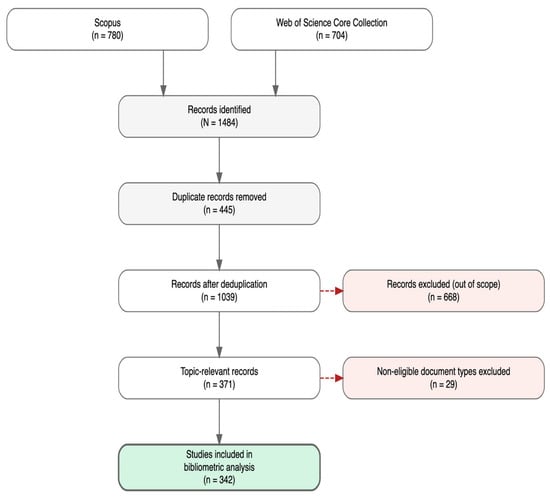
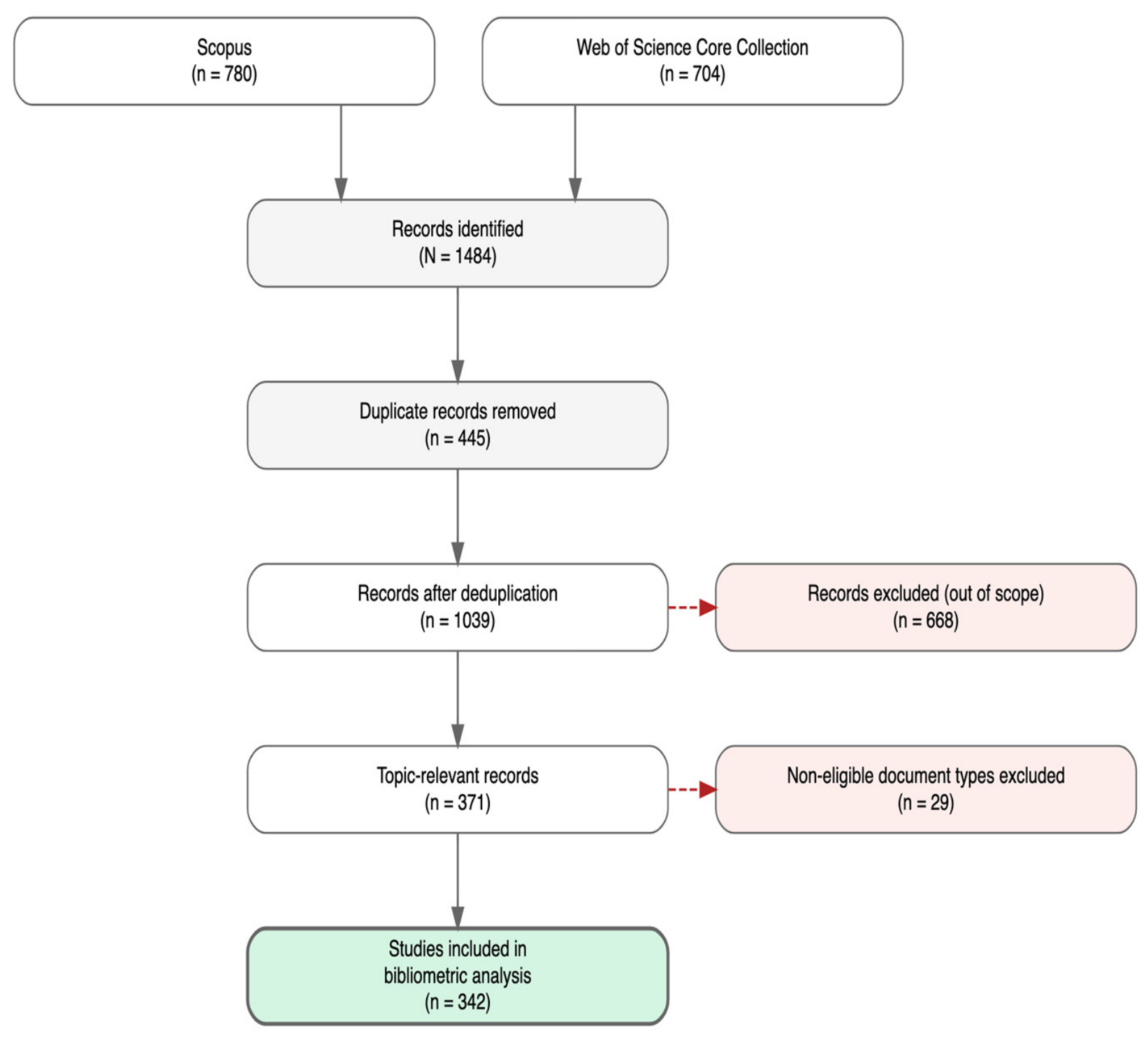
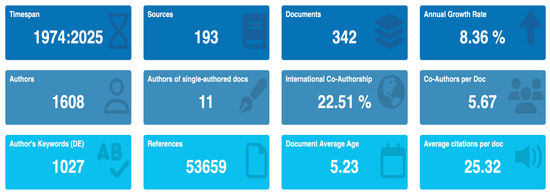
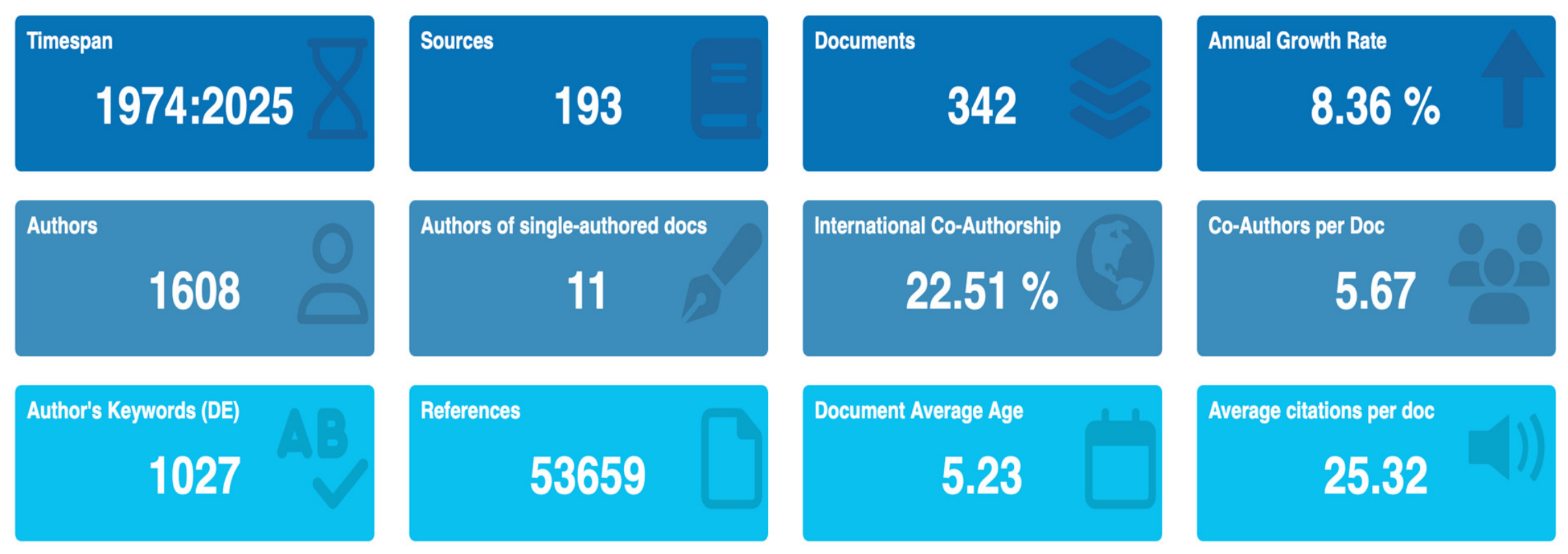
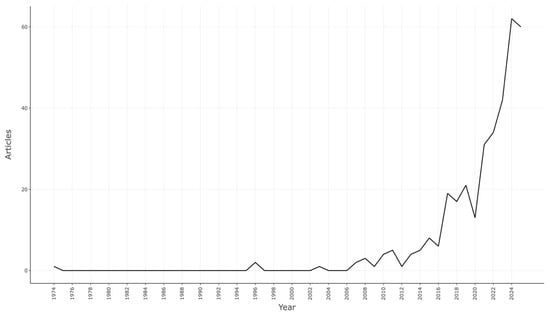
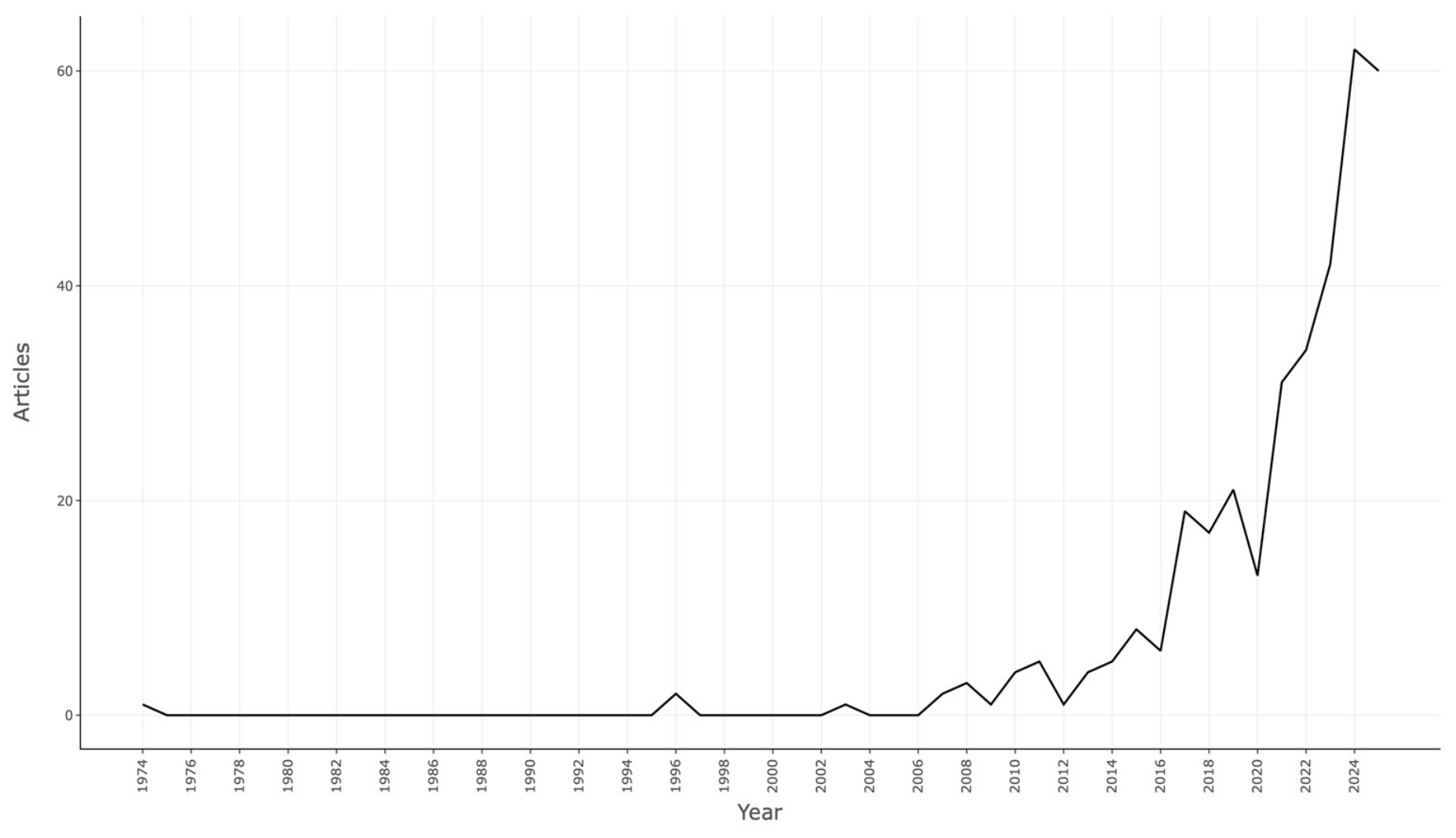
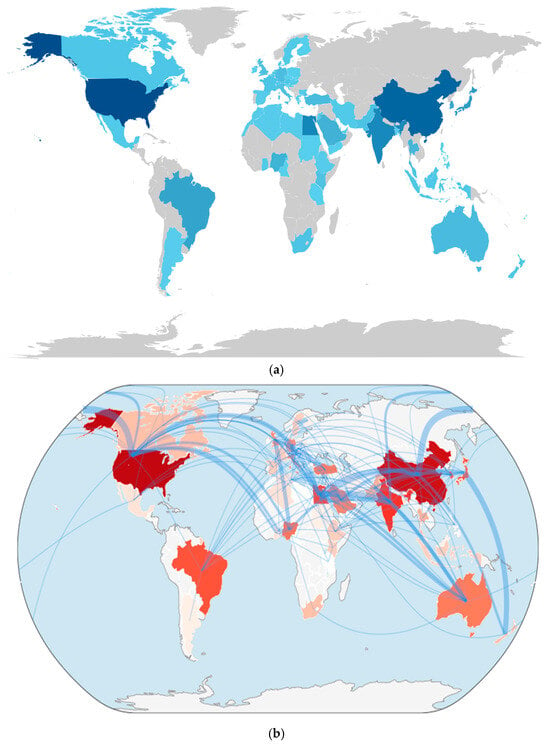
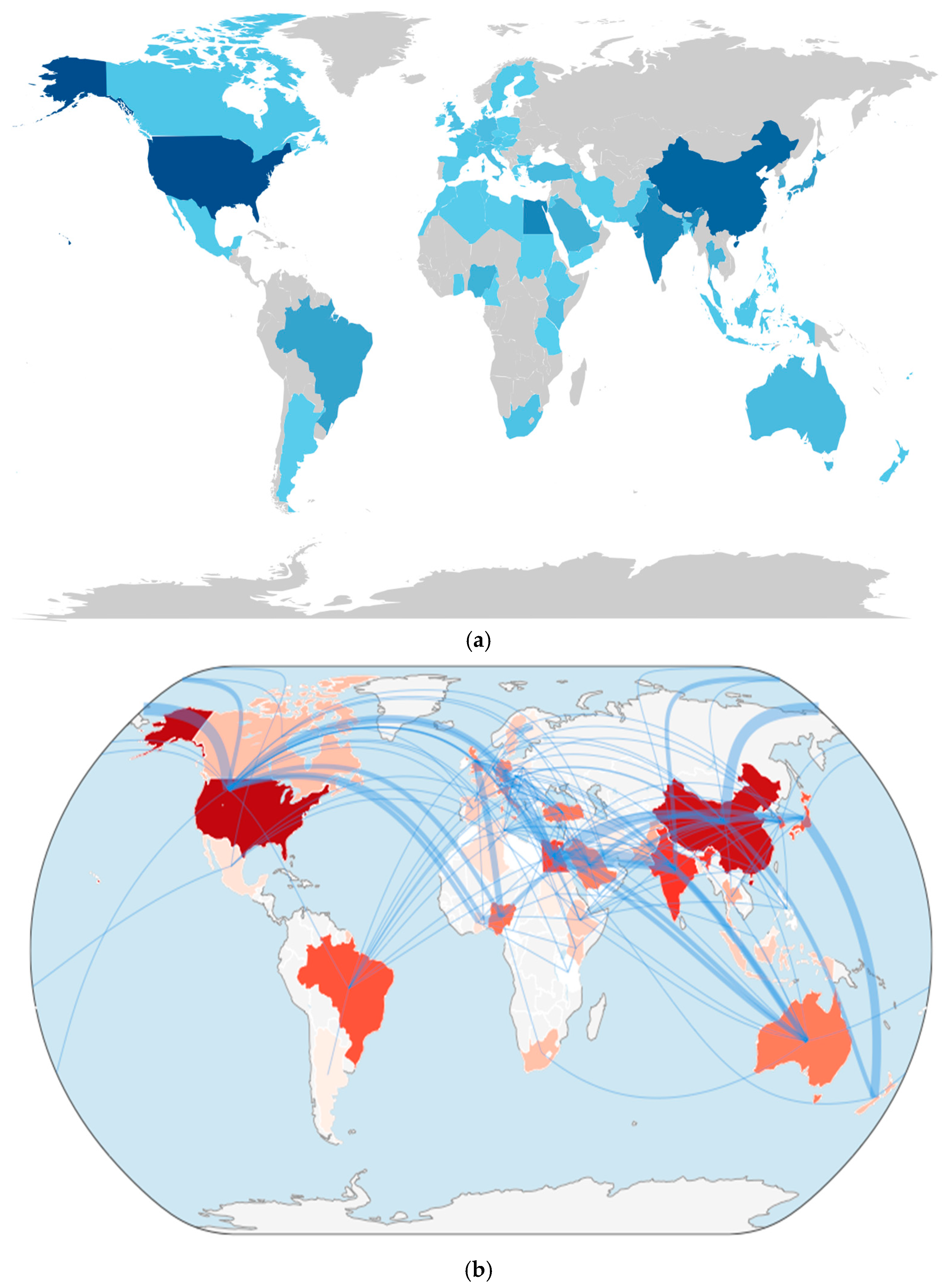
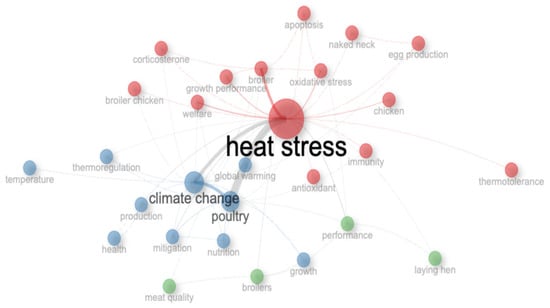
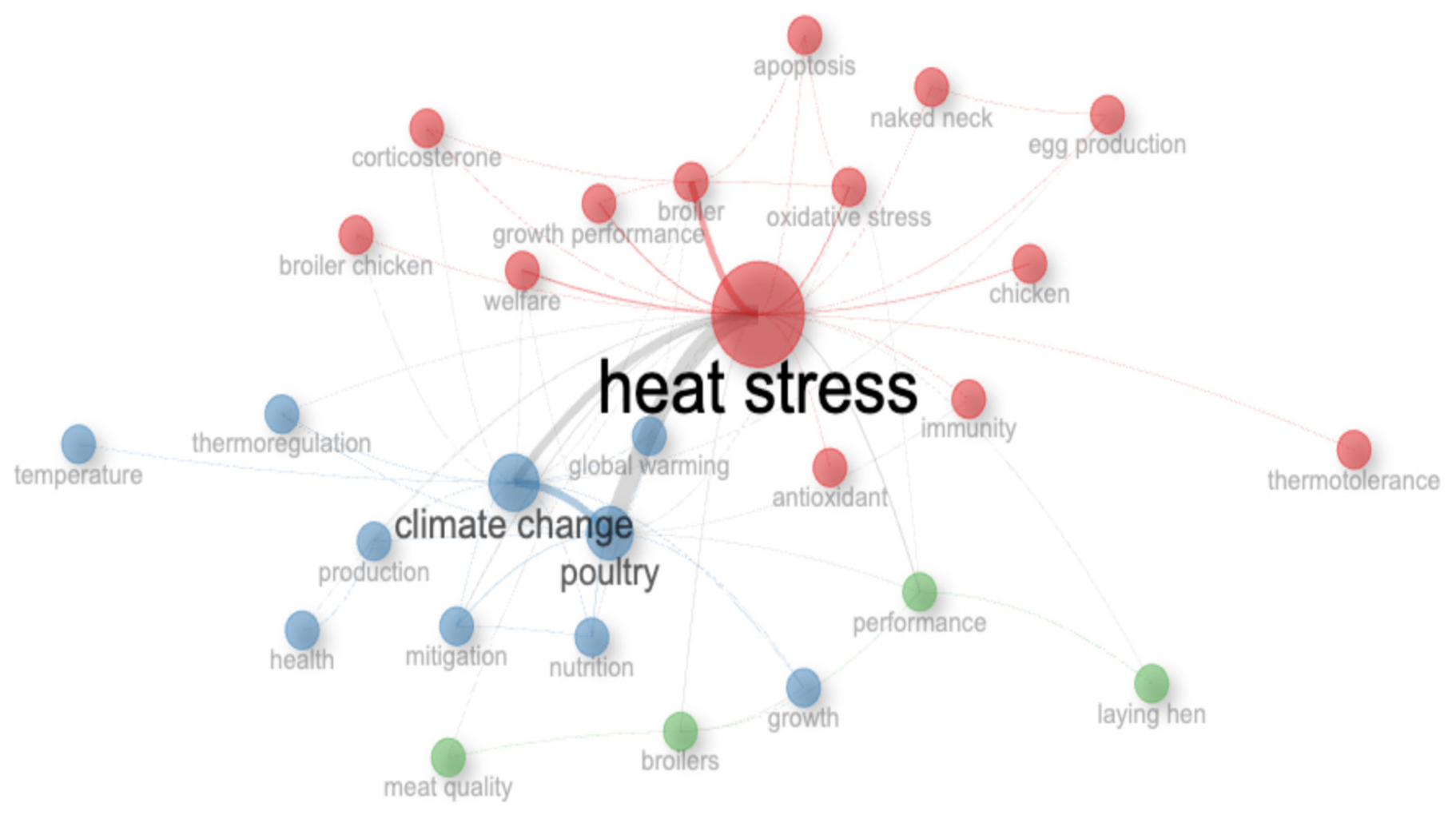
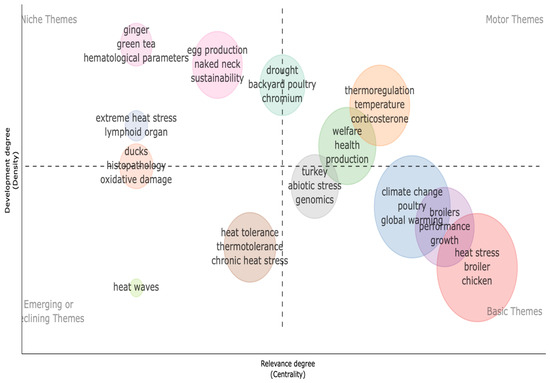
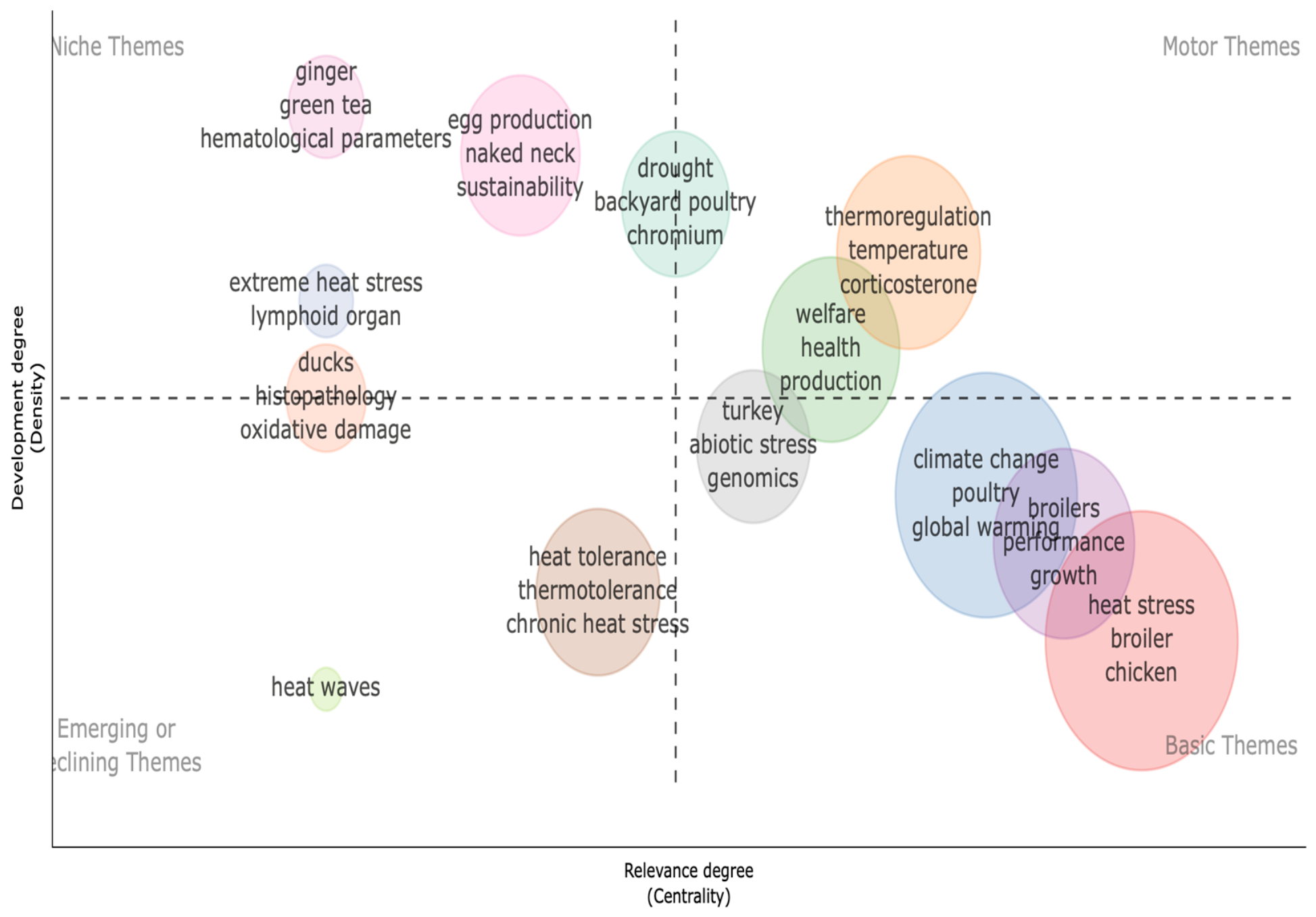
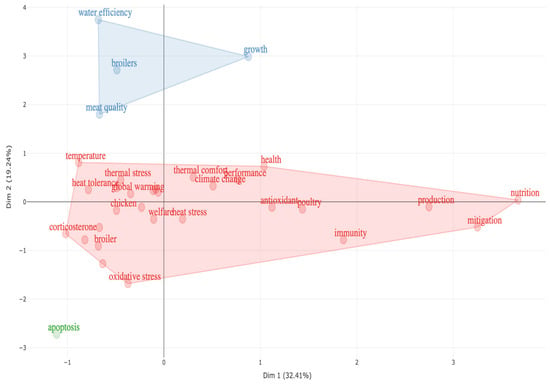
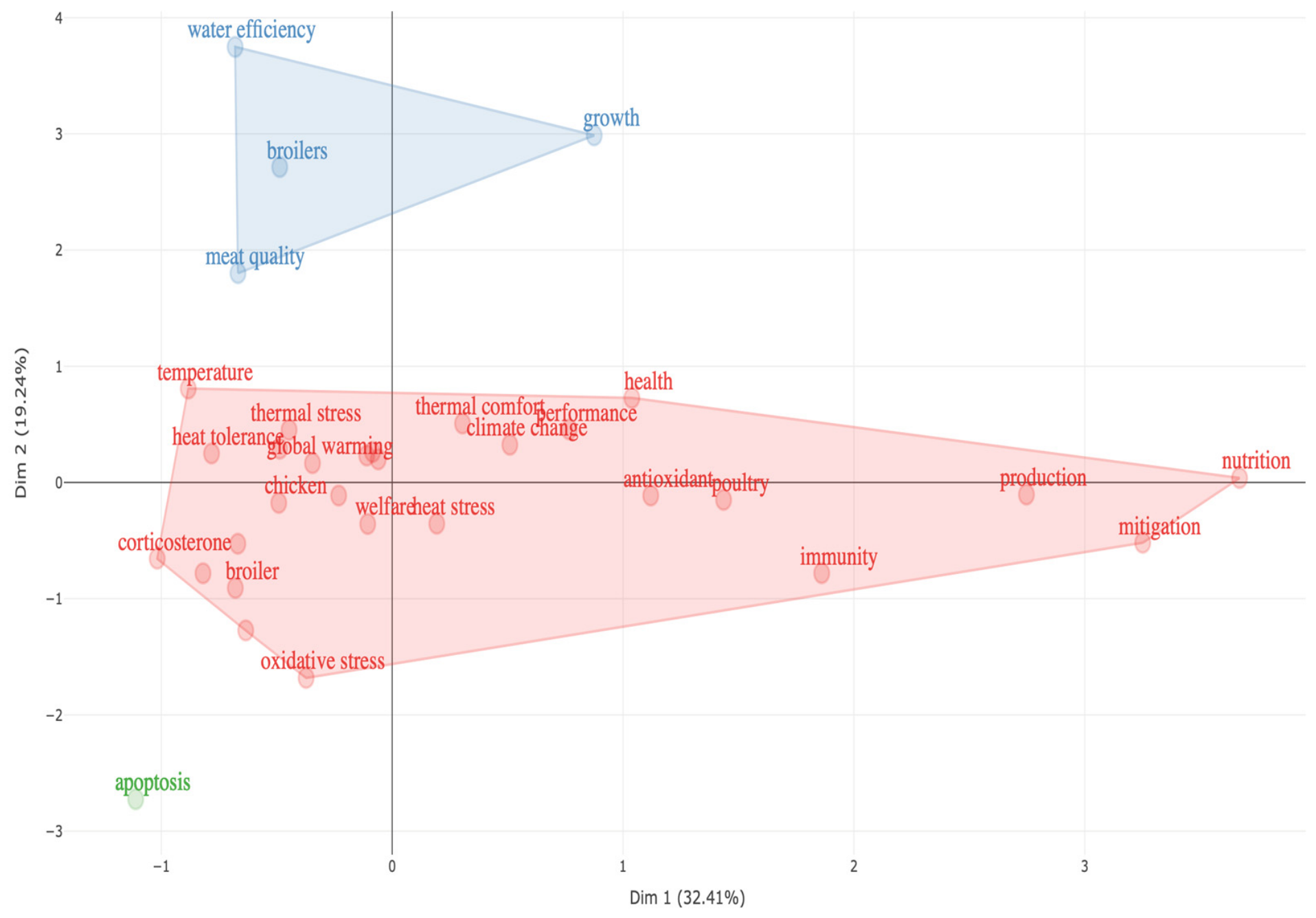
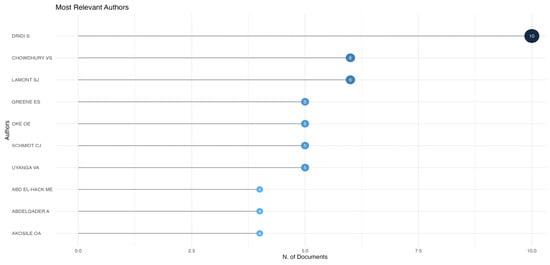
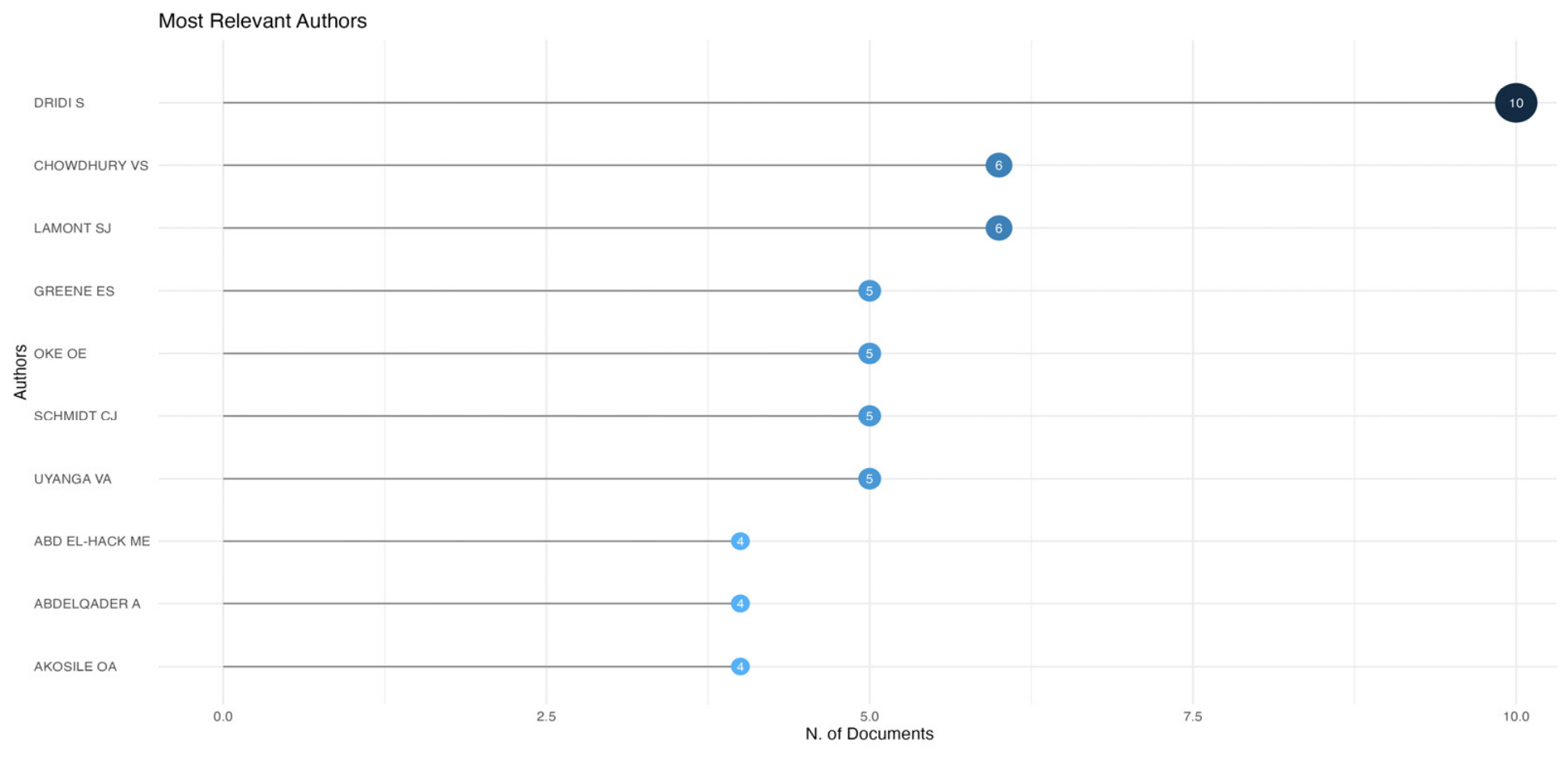
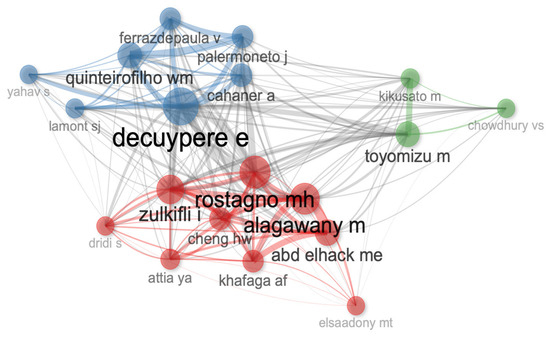
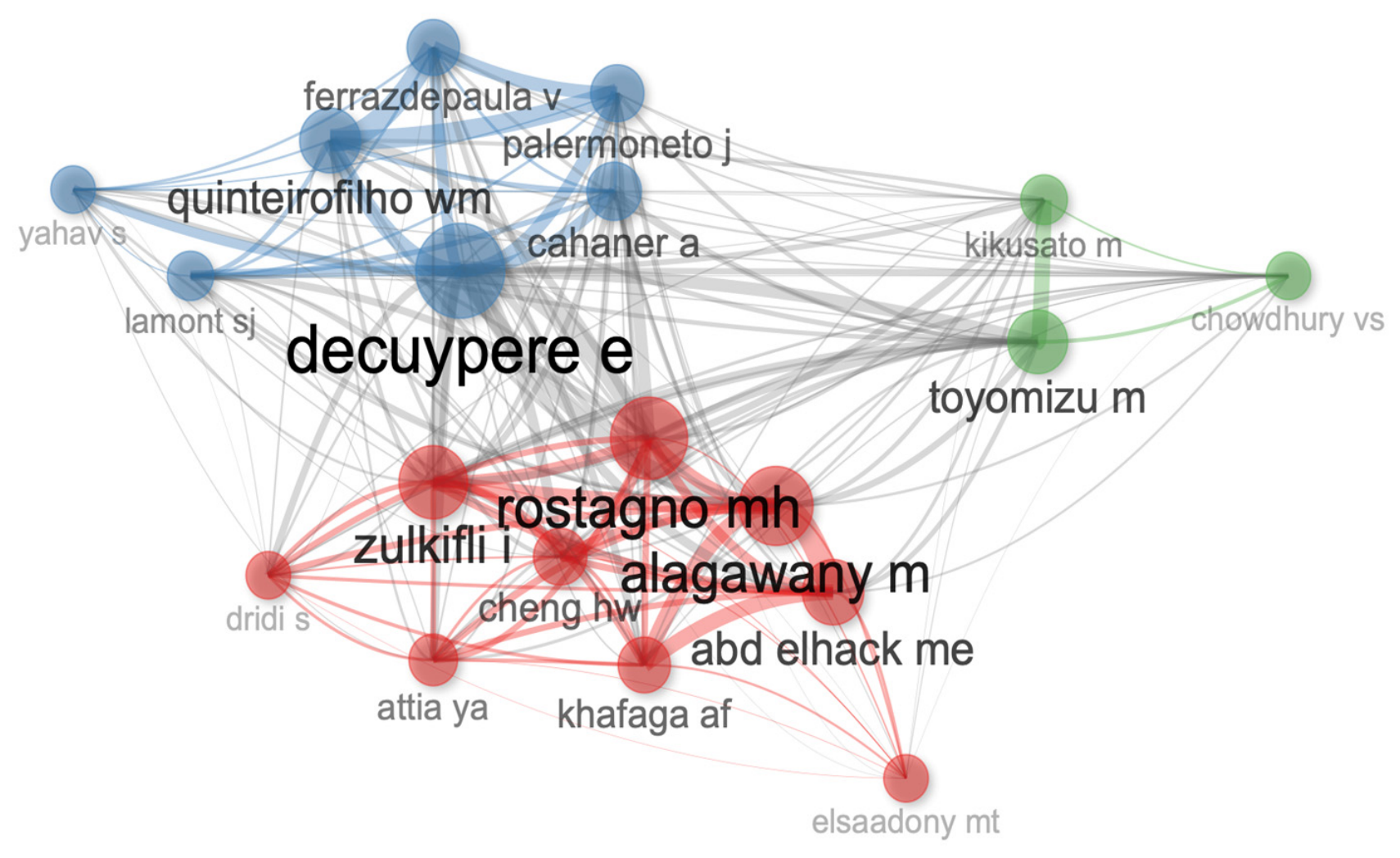
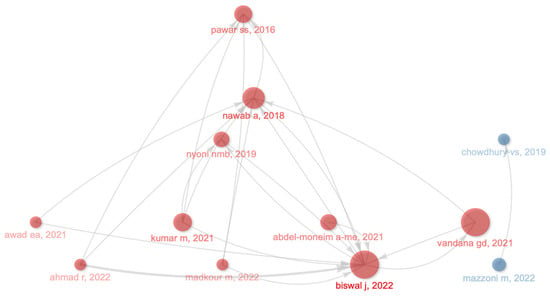
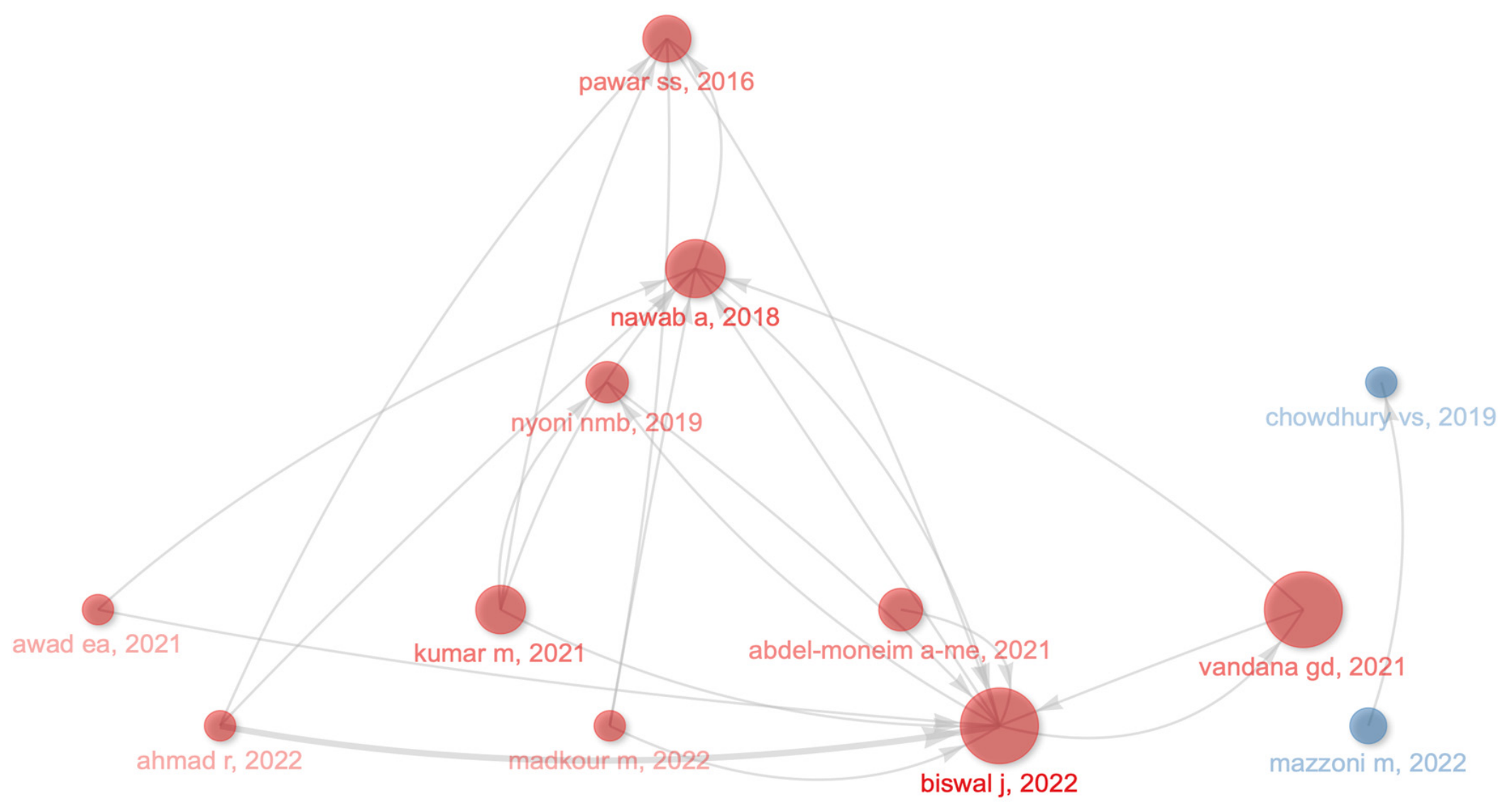
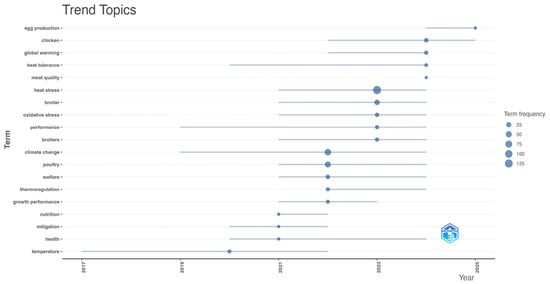
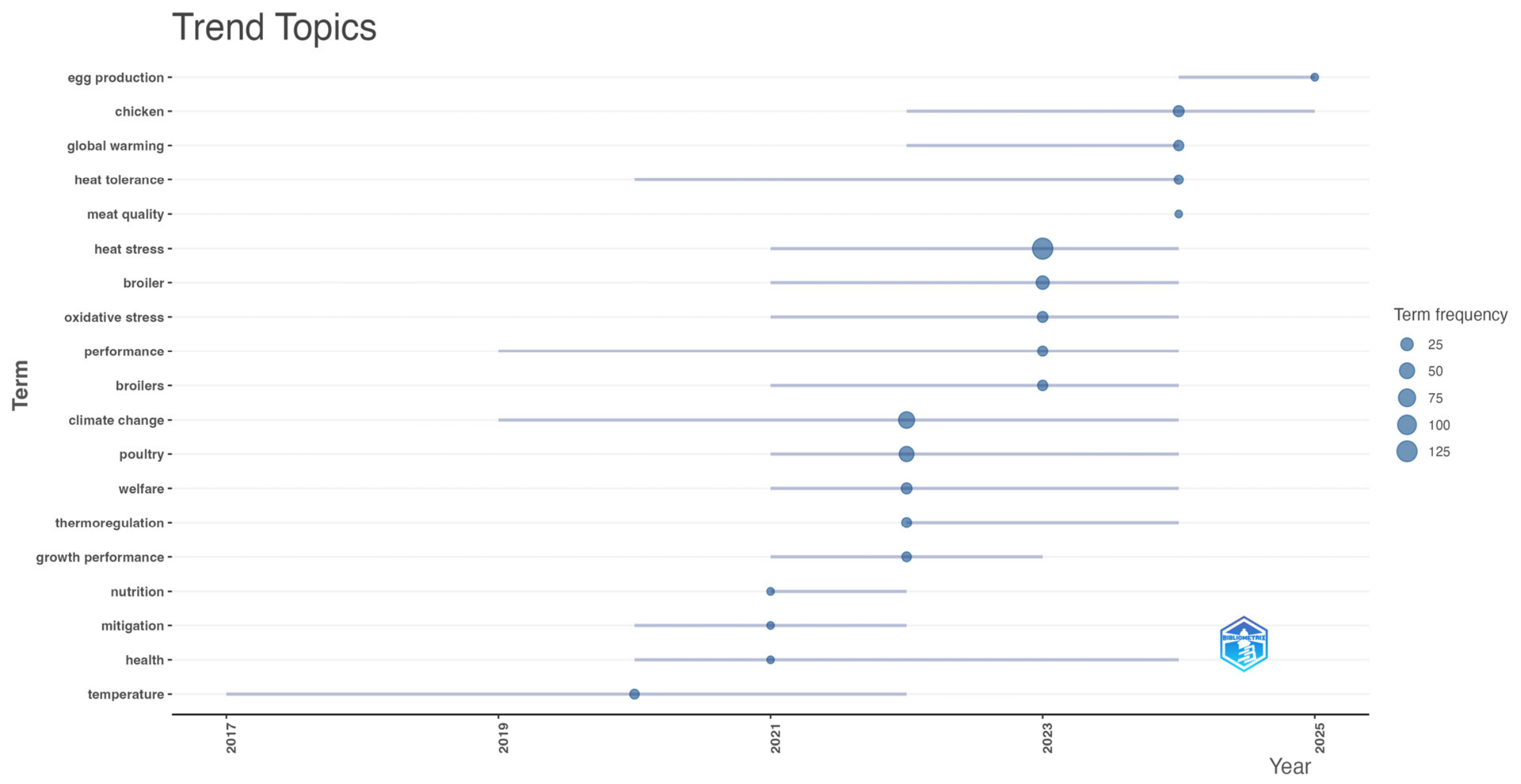
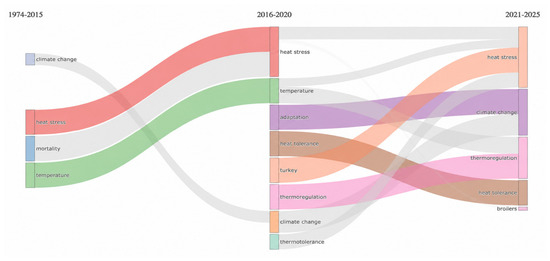
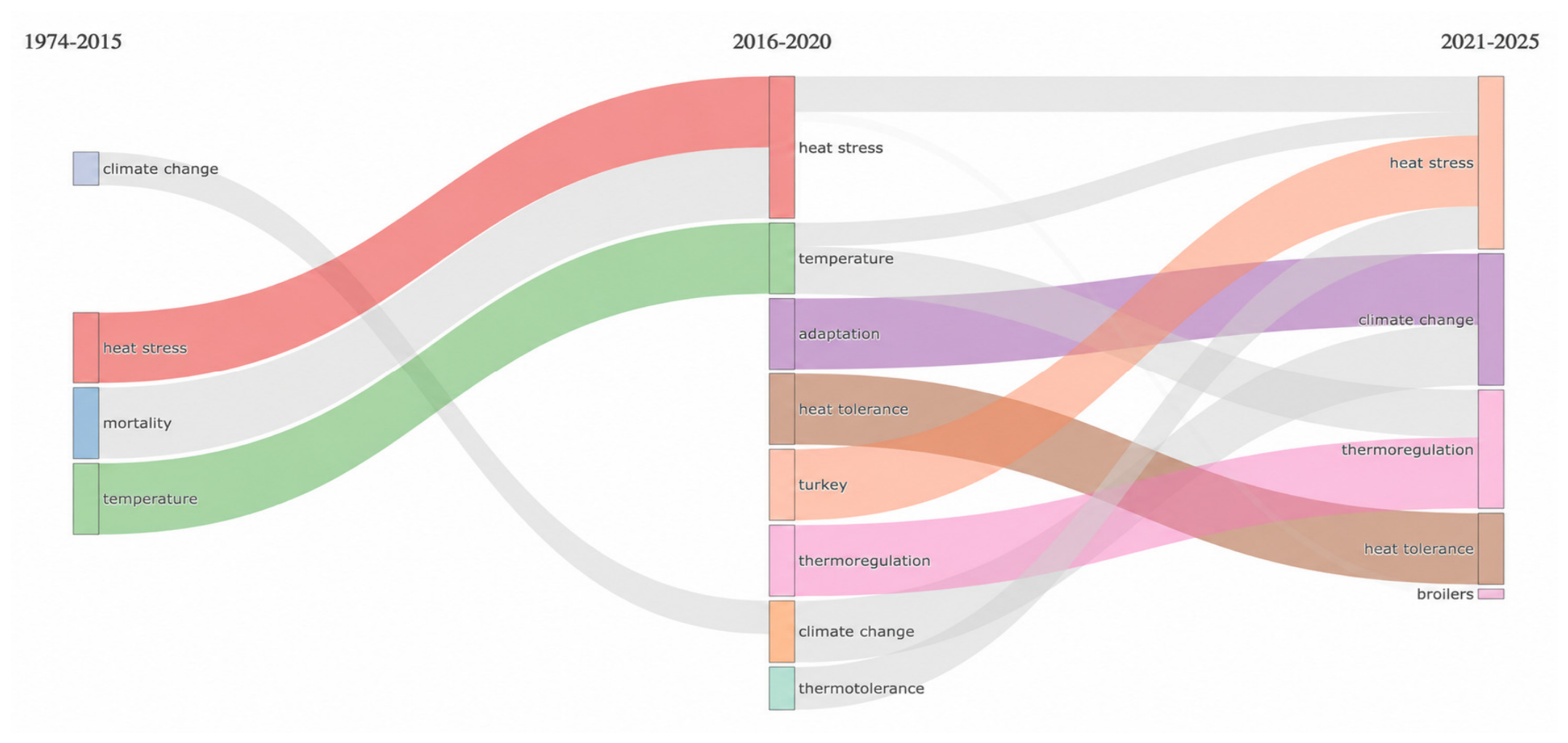
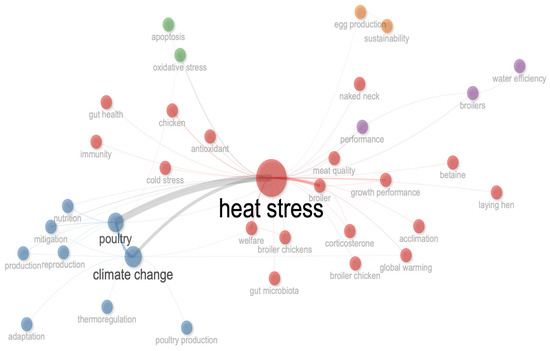
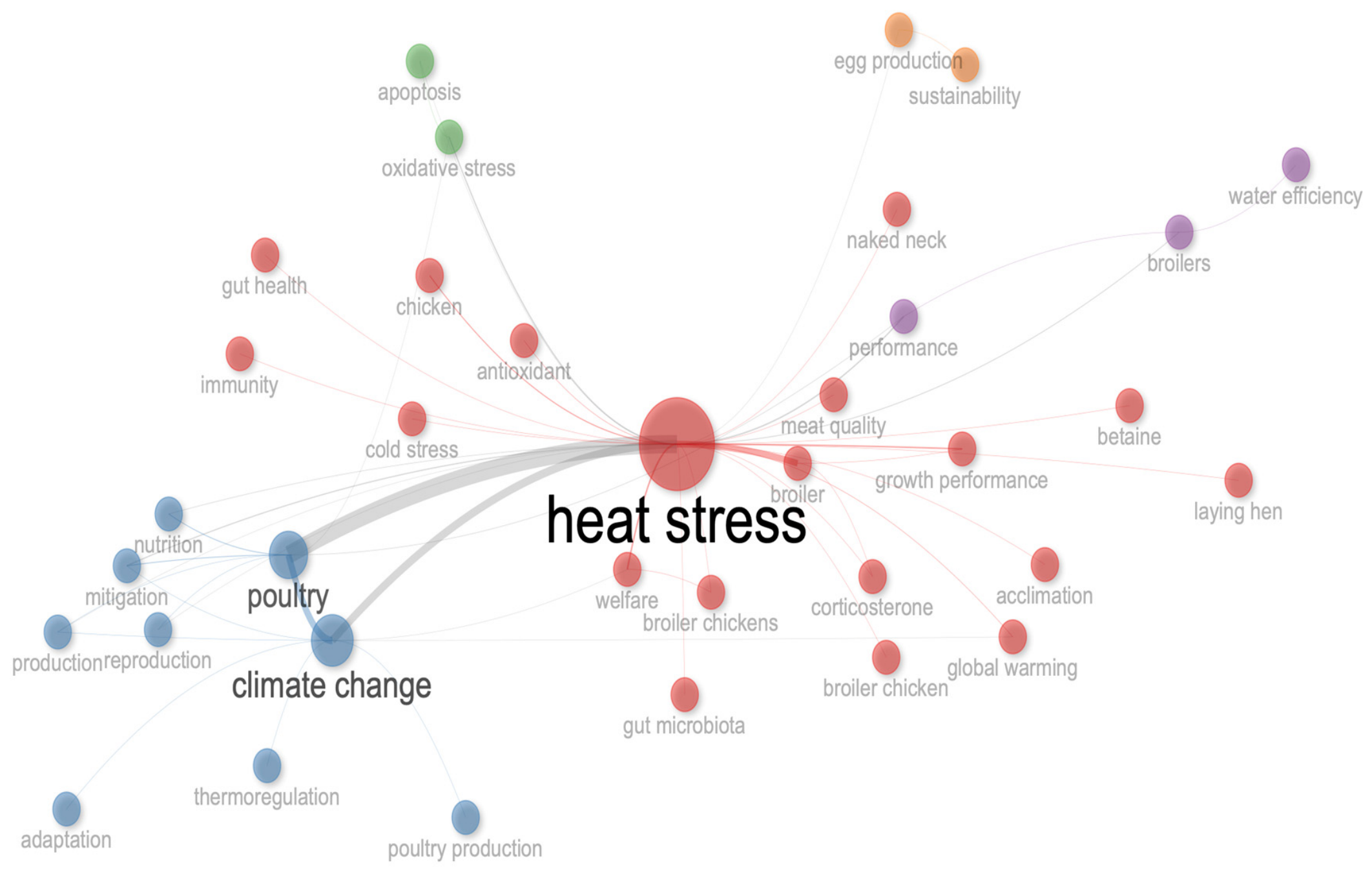
Disclaimer/Publisher’s Note: The statements, opinions and data contained in all publications are solely those of the individual author(s) and contributor(s) and not of MDPI and/or the editor(s). MDPI and/or the editor(s) disclaim responsibility for any injury to people or property resulting from any ideas, methods, instructions or products referred to in the content. |
© 2026 by the authors. Licensee MDPI, Basel, Switzerland. This article is an open access article distributed under the terms and conditions of the Creative Commons Attribution (CC BY) license.