


Abstract
This study investigates how community engagement and outreach programs can serve as a vehicle for knowledge co-production between higher educational institutions (HEIs) and industry in developing economies. Despite growing calls for collaboration between HEIs and industry, the existing literature remains policy-driven and largely instrumental, offering a limited understanding of how engagement practices are socially constructed, negotiated, and experienced by diverse stakeholders. There is limited qualitative research on how community voices are integrated into co-creation processes and how these interactions shape sustainable development in emerging economies. The research methodology for the study was developed using the research onion, and an interpretivist research philosophy was adopted. The study employed an inductive research approach to explore actors’ lived experiences and the meanings attached to engagement practices and collected data through in-depth interviews. Participants in the study included representatives from HEIs, industry, and community stakeholders across selected sectors of the economy, and the data were analysed thematically to capture patterns of interactions, power relations, and knowledge and exchange processes underpinning co-production. The study revealed that effective community engagement goes beyond formal partnerships to encompass building lasting relationships which are characterised by trust, mutual learning, and context adaptation. Further, the study also showed that power asymmetries, institutional pressures, and resource constraints have restricted real co-production, resulting in symbolic rather than real engagement. Nevertheless, the use of inclusive and reflective approaches has been shown to foster locally acceptable and essential innovative interventions that can improve sustainable development. The study therefore recommends embedding participatory frameworks within HEIs and industry collaborations to strengthen institutional support for inclusive engagement and to reorient policies towards community-centred knowledge systems. This study, therefore, contributes to the body of knowledge by enhancing theoretical and practical understanding of sustainable higher education–industry collaboration in developing economies by promoting an understanding of engagement as a co-production process.
1. Introduction
The growing calls for organisations to consider sustainable development have intensified calls for higher education institutions (HEIs), industry, and the community to work more closely together, especially in resource-constrained developing countries, where socio-economic and environmental challenges are closely linked [1]. People expect HEIs in emerging economies to go beyond their traditional role of teaching and research and work towards providing education that helps solve real-world problems [2]. It has therefore been argued that providing education that helps in solving real-world problems requires a collaborative approach in which HEIs conduct outreach programs and engage the community and the industry and share, co-create curricula, learning experiences, and engagement practices that prepare graduates capable of addressing complex societal challenges who are going to solve world problems, whilst at the same time advancing sustainability agenda goals [3]. However, much of the current discourse continues to frame engagement in instrumental and policy terms, emphasizing partnerships and outputs while overlooking the social engagement process through which critical skills and knowledge are created [4].
While previous studies recognised the importance of university–industry collaboration, they offered very little insight into how, in practice, stakeholder engagement would serve as the vehicle for knowledge co-production, particularly from the perspectives of those who would be engaged [5]. Researchers concur that there remains a crucial gap in understanding how university–industry engagement is negotiated, socially constructed, and experienced by various stakeholders, and how community voices should be meaningfully integrated into instrumental design and the teaching process to build graduates capable of addressing complex societal challenges [6,7,8,9]. This gap in understanding how university–industry engagement is negotiated is evident in developing and emerging economies, where the nature and outcomes of participation are shaped by contextual complexities, institutional challenges, and power imbalances [10].
As its contribution to the body of knowledge, this study fills this research gap by redefining community not merely as an outreach program but as a relational and collaborative process that works together to develop knowledgeable graduates capable of addressing complex societal challenges and providing solutions, including advancing the sustainability agenda. Using an inductive research approach, grounded in the interpretivist research philosophy and situated within a qualitative research design, the study focuses on real-life lived experiences, interactions, and derived interpretations that underpin engagement processes in resource-constrained emerging economies, using Zimbabwe as its case study. By doing so, the study offers a novel perspective that shifts attention away from the formal partnerships towards the dynamics of trust, mutual engagement and learning, and power relations that enhance the co-production of knowledge.
This study makes three key contributions. To start with, the study advances a practice-based perspective by framing community participation as a socially constructed, relational process rather than an instrumental activity. Second, the study adds to the scarce qualitative research evidence in resource-dependent emerging economies by providing empirical evidence on the micro-level dynamics that enable or constrain knowledge co-production. Lastly, the study introduces a sophisticated distinction between symbolic and substantive engagement by demonstrating the conditions under which engagement yields meaningful co-production outcomes. In this regard, the study extends existing debates on HEIs-industry collaborations by providing a context-sensitive understanding of sustainable knowledge systems. The study is guided by the following questions to address the research gap, which was identified in this study.
- How is community engagement enacted and experienced among HEIs, industry and community stakeholders in resource-dependent emerging economies?
- How does community engagement facilitate or constrain the co-production of knowledge?
- What relational and institutional factors shape the transition from symbolic to substantive engagement?
By addressing these questions, the research offers a sophisticated, practice-oriented comprehension of engagement as a collaborative process in resource-limited environments.
2. Literature Review
In resource-constrained and emerging economies, university–industry collaboration has progressively been regarded as an essential vehicle for promoting sustainable development. However, previous studies have primarily framed engagement in instrumental terms, focusing on partnerships, outreach programs, and knowledge transfer, thereby overlooking its relational and socially constructive nature and its contribution to the co-production of contextually grounded knowledge [4,11,12]. Researchers now argue that university-community collaboration should not be viewed as a one-way flow of information but rather as a stakeholder consultation process in which different actors come together to share ideas and build a community-owned product relevant to current demands [13]. This paradigm shift is crucial in emerging economies, where relevant knowledge is essential for solving complex socio-economic problems that require graduates capable of addressing them [14].
The notion of knowledge co-production has recently gained prominence in the sustainability and development literature, which argues that contextually grounded knowledge that impacts the globe emerges from integrating diverse knowledge systems, such as scientific, professional, and community-based knowledge [15]. Although current studies do recognise the significance of co-producing knowledge, they have frequently failed to provide detailed explanations and unpack the micro-level dynamics that facilitate these interactions [16,17]. There is scant qualitative research that provides a detailed explanation of how collaborative engagements with HEIs are negotiated and interpreted among them, the industry, and the community, and how power dynamics shape and legitimise co-created knowledge [18,19]. This research gap aligns with the aim of this study, which explored how HEIs’ stakeholder engagement practices enhance or inhibit the creation of genuine and enriching knowledge capable of solving current problems.
Even though previous studies have significantly advanced the understanding of university–industry collaborations, much of the research continues to prioritise institutional and policy perspectives over the lived experiences of those who have directly been involved in the engagement processes. Many of the previous studies assume that collaboration is associated with innovation and societal impact, while paying little attention to the conditions under which collaboration may fail to generate meaningful knowledge co-production. Emerging critical scholarship argues that engagement is often characterised by competing interests, unequal power relations, and conflicting organisational priorities that influence whose knowledge is recognised and whose voices remain marginalised. Ultimately, the effectiveness of engagement cannot be assumed but should instead be understood as a negotiated and socially constructed process that unfolds differently across institutional and socio-economic contexts.
The collaboration between HEIs and industry has traditionally been viewed through the lens of knowledge and innovation systems transfer, with HEIs seen as knowledge and innovation producers and the business community as consumers [20,21,22]. In recent years, this linear model has been questioned for marginalising community actors and reinforcing hierarchical knowledge structures that have produced graduates unable to solve the prevailing global challenges [21,23,24]. The emerging perspective on university–industry collaboration now calls for a more inclusive “triple helix” to co-produce contextually relevant knowledge, in which communities are recognised as custodians of traditional and useful knowledge and therefore must play an essential role in shaping future knowledge [21,25,26]. Despite this argument and positioning, there is limited research on how HEIs should be integrated into the community to shape knowledge production, especially in the developing world [2].
The roles of power and institutional dynamics are essential in university-community engagement and knowledge co-production [27]. Research shows that engagement programs are most influenced by an organisation’s objectives, available funding structures, and the prevailing regulatory framework, which may favour certain stakeholders over others [28,29]. In this regard, the engagement process may become symbolic, serving as window dressing and conferring legitimacy rather than genuinely promoting substantive collaboration [30]. This aligns with qualitative studies, in which participants have often noted the difference between formal engagement rhetoric and actual practice [31]. It is therefore important to determine when co-production becomes substantive and capable of producing graduates who can address complex societal challenges, rather than mere window dressing [32].
It has been stated that, for effective engagement, the relational qualities needed include building trust, reciprocal learning, and open communication among all participants [33]. While transactional techniques do not create anything tangible, relational engagement focuses on long-term engagement that must lead to the co-production of a valuable output, which is essential for the benefit of future generations [34]. However, the major challenges to building relational engagement leading to the co-production of valuable knowledge include limited time, limited resources, and institutional commitment, which are, in most cases, constrained in resource-dependent and emerging economies like Zimbabwe [35]. Therefore, there is a need to explore in depth, through an inductive interpretivist research philosophy and employing a case study research design, how relational elements are cultivated and sustained within the institutional context of Zimbabwe, an emerging economy.
Even with these improvements, the literature remains divided over three unresolved tensions. First, the literature reveals a disconnect between instrumental and relational ways of working in real-world settings. Secondly, there is scant empirical evidence on the micro-level processes by which diverse knowledge systems are integrated, though knowledge co-production has been advocated worldwide for a long time. Thirdly, although current studies acknowledge power dynamics, they have not adequately explained how these dynamics shape the transition from symbolic to substantive engagement, a crucial step in effective engagement. This is a crucial research gap that requires a contextually grounded, inductive, interpretivist qualitative investigation to capture the lived experiences and realities of engagement in resource-dependent emerging economies.
Previous empirical evidence indicates that knowledge co-production should be understood as an adaptive governance process in which various actors jointly respond to complex societal challenges under conditions of uncertainty, rather than simply as a collaborative knowledge exchange. In this regard, adaptive governance would emphasise continuous learning, shared decision-making, and institutional flexibility among diverse stakeholders, whilst resilience thinking would demonstrate the capacity of collaborative systems to adapt, reorganise, and learn in response to changing contexts and socio-economic conditions. Similarly, sustainability transition research suggests that transformative change is not the transfer of predefined solutions but rather sustained interaction among the major actors involved, including industry, government, universities, and the community. Even though these arguments have essentially moved the understanding of collaborative governance beyond governance, they remain largely conceptual and offer limited qualitative evidence on how everyday engagement practices within resource-constrained emerging economies construct adaptive and resilient processes. Ultimately, this study, as a contribution to the body of knowledge, extends these contemporary debates by examining how knowledge co-production is socially negotiated through routine interactions, relational practices, and institutional dynamics within the Zimbabwean context. Even though the Practice Theory underpins this study by providing the lens through which the examination of engagement practices is conducted in everyday interactions, the theory is reinforced by the employment of alternative theories that help explain collaborative relationships. Complementary theories employed in support of Practice Theory include stakeholder theory, which emphasises the need to balance multiple stakeholder interests; social capital theory, which has as its focus the need to create trust and networking relationships as mechanisms of facilitating collaboration and institutional theory, which highlights the importance of the institutional framework of rules and norms in shaping the engagement practices. Even though these alternative theoretical perspectives provide valuable insights, they pay less attention to the routine practices, situated meanings, and interactions through which collaboration is continuously socially negotiated. Ultimately, practice theory offers a more analytical lens for examining how knowledge co-production is socially constructed through continuous engagement among universities, the industry, and the community.
Empirical evidence suggests that the success of community engagement depends on the quality of the long-established relationships among participating actors and on their formal partnership arrangements. Previous studies conducted across Asia, Sub-Saharan Africa, Europe, and Latin America consistently show that reciprocal learning, inclusive participation, and trust strengthen collaborative innovation. However, unequal resource distribution, bureaucratic structures, and institutional power can constrain genuine knowledge co-production if these challenges are not effectively managed. However, these empirical findings are from developed or stable institutional environments, leaving limited qualitative evidence on how these relational dynamics operate in resource-constrained emerging economies such as Zimbabwe. Therefore, addressing this contextual gap provides an important opportunity to extend existing scholarship beyond its current geographical and institutional focus.
This study is underpinned by practice theory, which offers a way to explore how social activities, such as engaging the community, are construed through interactions with community members and through physical arrangements [36]. The practice theory sees engagement not as a fixed or formalised activity, but as something socially constructed through the activities and interactions of each day [37]. Because practice theory views phenomena as socially constructed, it shifts the focus from theoretical institutional frameworks and policy directives to the lived experiences of actors, where engagement unfolds through routines, actual negotiations, and contextually relevant interpretations [38]. This, therefore, implies that community engagement and knowledge co-production are not fixed activities with known outputs, but socially constructed processes shaped by actors’ interpretations of their roles, relationships, and contextual settings [32].
Practice theory holds that community engagement is a dynamic, socially constructed process that evolves within broader social and institutional settings [37]. The theory highlights how, within the engagement power dynamics, organisational priorities, and resource configurations shape the co-production of knowledge, who is valued, how engagement laws are enacted, and how engagement would work [32]. Ultimately, practice theory enhances an intricate analysis of micro-level processes, such as the cultivation of trust among engagement members, the conduct of dialogue, and reciprocal learning, which are key aspects underpinning serious co-production [39]. The theoretical underpinning of this study aligns with an inductive research approach, drawing on an interpretivist research philosophy and employing qualitative methods to explore and capture participants’ subjective lived experiences and interpretations of HEIs’ community engagement. By placing practice at the centre of this study, it moves beyond normative assumptions about engagement, revealing how engagement is enacted, challenged, and contested in real life.
This study posits that knowledge is socially constructed and, by integrating views from community engagement and practice theory on knowledge co-production, promotes an analytical viewpoint that emphasises the relational and power-dynamic aspects of engagement processes. The study addresses the research gap by providing an inductive, interpretivist, qualitative, context-sensitive exploration of how HEIs, industry, and the community collaborate to co-create contextually relevant knowledge to address complex societal challenges. In this regard, the study contributes to the body of knowledge by engaging with current debates in higher education and by providing a more detailed framework for considering engagement as a transformative rather than an instrumental practice. From a practice theory standpoint, community engagement can be viewed as a vehicle for knowledge co-production, serving as the point where interactions, interpretations, and material configurations converge to produce communal outcomes.
This study proposes a conceptual framework, constructed based on a literature review and theoretical underpinnings, in which community engagement is understood as a dynamic process shaped by relational mechanisms (trust, mutual learning, and communication) and institutional conditions (power, resources, and policy constraints), which ultimately influence the extent of knowledge co-production and sustainability outcomes.
While the proposed framework draws on established concepts such as trust, participation, mutual learning, and institutional influence, its contribution lies not in introducing new constructs but in explaining how these elements interact within resource-constrained emerging economies to influence the transition from symbolic to substantive engagement. Unlike existing conceptual frameworks, which did emphasise the structural configuration of university–industry–government relationships, the present framework foregrounds the everyday relational practices through which knowledge co-production is negotiated, contested, and enacted. By integrating Practice Theory with participants lived experiences, the framework demonstrates that meaningful knowledge co-production depends not only on institutional arrangements but also on the continuous negotiation of trust, power, communication, and shared decision-making. In doing so, the framework offers a contextually grounded explanation of how collaborative engagement contributes to sustainable development in resource-constrained and emerging economies.
The proposed framework assumes that community engagement serves as the central mechanism through which knowledge co-production occurs. Relational mechanisms, including trust, communication, and mutual learning, strengthen interactions among higher education institutions, industry, and community stakeholders, thereby facilitating the exchange and integration of diverse forms of knowledge. At the same time, institutional conditions, particularly power relations, governance structures, and resource availability, influence the extent to which these interactions become genuinely collaborative or remain symbolic. Ultimately, knowledge co-production is conceptualised as the outcome of continuous interaction between relational and institutional factors, with successful co-production contributing to locally relevant innovation, improved service delivery, and broader sustainable development outcomes. These relationships are informed by Practice Theory, which views engagement as a socially constructed process that emerges through everyday interactions rather than as a predetermined institutional arrangement.
3. Materials and Methods
This study employed an interpretivist research philosophy, which is well-suited to exploring socially constructed realities and understanding how individuals interpret their lived experiences [40], thereby aligning with the practice theory adopted for the study. Interpretivism assumes that reality is not fixed and objective but is socially shaped through interactions and actions, with meanings deduced and aligned with context [41]. The interpretivist research philosophy adopted for this study enabled researchers to explore in detail, through in-depth interviews, how actors from HEIs, industry, and the community understood and interpreted the community engagement and knowledge co-production process, which aligned with the study aim of uncovering subjective meanings, relational dynamics and lived experiences that underpin the engagement practices.
In line with the interpretivist research philosophy, this study adopts an inductive approach, which facilitates the development of theory from the data rather than imposing it a priori [42]. The inductive research approach was deemed appropriate for this study, given the identified research on the micro-level dynamics of the engagement process and the co-production of contextually relevant knowledge. This study sought to generate a contextually grounded understanding of how the engagement process is carried out, negotiated, and sustained in a resource-constrained emerging economy by directly engaging with participants’ experiences.
The study adopted a qualitative case study strategy and focused on selected sectors in Harare and Masvingo towns in Zimbabwe, which serve as representatives of the emerging economy context. The case study strategy facilitated in-depth comprehension and context-sensitive investigation of intricate social phenomena, especially when the distinction between the phenomenon and its context is unclear [43], which the researchers felt would help people understand how HEIs, industry, and the community interact. The study adopted a qualitative monomethod design, aiming to grasp depth, nuance, and significance rather than generalisability. The cross-sectional time horizon was selected for this study, implying that data were collected at a single point in time to capture participants’ feelings about the engagement and co-production process at that moment.
In-depth interviews were used to collect data in this study and aligned with the interpretivist research philosophy, as they allow actors to express themselves in their own words while providing flexibility for probing and clarification [30]. Participants in this study were selected for their commitment to and involvement in community projects, sustainability efforts, and/or university–industry partnerships. Participants were recruited using purposive sampling to ensure that individuals possessed direct experience of community engagement and knowledge co-production within their respective organisations. Initial participants were identified through existing university, industry, and community engagement networks based on their recognised involvement in collaborative initiatives. Potential participants were contacted via email or telephone and provided with information outlining the study’s objectives, the voluntary nature of participation, and ethical considerations before giving informed consent. The recruitment process continued until a diverse representation of perspectives from higher education institutions, industry, and community organisations was achieved, thereby enabling the study to capture a broad range of lived experiences relevant to the research questions. The study’s sample population included participants from HEIs, industry representatives, and community stakeholders, thereby ensuring a diverse set of perspectives. The sample size for this study was 13 participants, and though small, it was deemed appropriate for qualitative inquiry, where the depth of the subject matter is prioritised over its breadth [30]. Data collection continued until we reached participant 12, but no new information emerged. We conducted the 13th interview to confirm that thematic saturation had been reached; we stopped because no new themes were emerging, thereby ensuring the adequacy and richness of the data [41].
In selecting participants, the study intentionally included individuals occupying different institutional and community roles to capture diverse perspectives on community engagement and knowledge co-production. These included higher education managers, industry practitioners, community representatives, elected councillors, and a Member of Parliament. During the analysis, participants’ narratives were interpreted in relation to their organisational and social positions, recognising that access to institutional authority and decision-making could influence how engagement processes were experienced and understood.
The interviews lasted between 45 and 60 min, were conducted with participants’ signed consent, and were audio-recorded to ensure accuracy. After the interview, the audio recording was transcribed into a written document, and the data were analysed using thematic analysis, which followed a systematic process involving familiarisation with the data, code development, theme development, and report writing and interpretation. The systematic process allowed researchers to identify patterns in the data related to essential ideas such as trust and power dynamics, co-production, institutional influences, and knowledge. The analysis was iterative and reflexive, allowing themes to emerge inductively from the data while remaining theoretically informed by practice theory.
The thematic analysis followed Braun and Clarke’s six-phase analytical framework to ensure methodological rigour. The researchers first familiarised themselves with the interview transcripts through repeated reading before generating initial codes that captured meaningful segments of the data. Related codes were subsequently grouped into preliminary themes, which were iteratively reviewed, refined, and compared against the complete dataset to ensure internal coherence and external distinction. Throughout the analytical process, themes were continuously discussed and refined to ensure that they accurately reflected participants’ accounts while remaining aligned with the study’s interpretivist orientation and Practice Theory. This iterative analytical approach enhanced the credibility and transparency of the findings by ensuring that themes emerged from participants’ lived experiences rather than being imposed a priori.
Trustworthiness criteria were applied to ensure the study’s rigour. In this study, credibility was enhanced through prolonged engagement with participants, who provided detailed accounts of their lived experiences, followed by probing enquiries to double-check what they initially said and to extract comprehensive data. The researchers had to maintain a clear audit trail of research decisions at every stage of the process to ensure the reliability of the study’s findings. Confirmability was addressed through reflexivity, in which the researchers ensured that there were no biases, that the results accurately reflected participants’ statements, and that the actors’ voices took precedence. The transferability of the study’s findings was facilitated by including a detailed explanation of the research context, which would allow readers to evaluate the applicability of the findings to other resource-constrained developing economies.
Throughout the coding and theme development process, the researchers maintained detailed analytical memos and continuously revisited the original interview transcripts to ensure that the emerging interpretations remained firmly grounded in participants’ narratives and accurately reflected their lived experiences.
Ethical approval for this study was obtained from the Walter Sisulu University Senate Research Ethics Committee (SREC) prior to data collection (Protocol No. 07/03/10/2025/PG). All research procedures were conducted in accordance with the ethical requirements approved by the Committee. Ethical considerations remained central throughout the research process. Participation in this study was voluntary, and participants were required to provide a signed informed consent form before taking part. Before participating in this study, researchers had to explain the study’s purpose to them, assure them of anonymity, and inform them that they could withdraw at any stage without penalty. All generated data were stored in a password-protected file accessible only to researchers and used only for academic purposes.
4. Results
This study set out to explore how community engagement and outreach programs can serve as a vehicle for knowledge co-production between HEIs and industry in developing economies. This section presents the findings from a thematic analysis of in-depth interviews with participants from HEIs, industry, and community stakeholders. Thematic analysis is structured around the key themes (Table 1) derived inductively from the data and aligned with the study objective and conceptual focus on knowledge co-production, relational dynamics, and power dynamics. The study’s findings are presented in an interpretive manner, combining empirical data with analytical insights consistent with a qualitative study. Table 1 below provides an audit trail of the analytical process followed in the study by demonstrating how initial codes were inductively grouped into categories, developed into themes, and interpreted in relation to the conceptual framework and research questions.
Table 1.
Audit trail of the Inductive Thematic Analysis.
4.1. Participant Profiles and Roles
In this study, 13 participants drawn from HEIs, industry, and the community were interviewed. Participants in the study were selected based on their work roles and involvement in community engagement initiatives, sustainability programmes, and university–industry collaborations. The sample included academic staff, industry practitioners, and community representatives, thereby ensuring a diverse range of perspectives on the subject matter. The diversity and composition of the sample (Table 2) enabled the study to encompass several dimensions of interaction across different backgrounds and roles, thereby enhancing understanding of knowledge co-production processes.
Table 2.
Participants’ profiles and roles.
Although all community participants possessed direct experience of community engagement, it is important to acknowledge that they did not occupy identical social positions. Some participants, including elected councillors and a Member of Parliament, held formal leadership and governance roles that gave them greater influence over community decision-making than ordinary community members. Their perspectives were therefore interpreted as reflecting institutional and governance experiences rather than representing the views of all community members. This diversity of participant roles strengthened the analysis by enabling the study to capture how community engagement is experienced from multiple positions within the collaborative process.
4.2. Community Engagement as a Relational Practice
The thematic analysis identified community engagement as the overarching relational theme underpinning participants’ experiences. This theme emerged from recurring codes related to continuous interaction, mutual participation, relationship-building, responsiveness to community needs, and shared responsibility. Across interviews, participants consistently described engagement as an ongoing social practice rather than a discrete institutional activity. The quotations presented below illustrate these recurring patterns, while the accompanying analysis explains how they collectively support the broader theme.
All participants (P1–P13) indicated that community engagement is a relational process that requires continuous effort rather than a one-time activity. Participants underscored that for the engagement to produce meaningful co-production outcomes, it must not be a once-off activity where people meet at a workshop or outreach campaign, but rather unfold through continuous meetings, sustained collaboration, and the mutual involvement of all members. To reinforce this point, two participants remarked:
“What people need to know is the fact that community engagement means engaging the people and working with them on an understandable project and considering their views.”(P4)
“One mistake made by many universities is deciding that people are things. Community engagement is a two-way, continuous process until we reach consensus. People who work in universities have a problem of thinking that they are better educated than we are, and hence they do not need our opinion on academic issues, which is not the case.”(P9)
This aspect of the study reflects a paradigm shift from conventional, instrumental methodologies that treat engagement as a mere procedural obligation to a more process-oriented understanding in which relationships are established, negotiated, and sustained over time [2]. In this regard, it implies that engagement is enacted through continuous encounters, shared experiences, and evolving interactions among HEIs, industry, and communities, rather than something organisations do periodically; hence, it is socially constructed.
Most of the participants (P1, P4, P5, P7, P9, P10, P12, P13) suggested that the quality of the output from these engagements depends on the rate at which engagements are conducted, the frequency of these encounters, and whether all members are given enough time to express themselves. Participants identified the most essential aspects for fostering trust and legitimacy as being present during the engagement, responsiveness to community needs, and consistent two-way communication. In this regard, participants saw engagement as evolving, with each interaction contributing to the strengthening or weakening of relationships. One participant (P4):
“To be frank, I don’t want to be part of an engagement process in which my view is not taken on board. We have lots of things to do, and if we are engaged, it means people have identified and acknowledged that we have knowledge that can be harnessed for the development of many, and they must respect our views.”
This finding reinforces the argument that, for engagement to produce meaningful co-production outcomes, it requires long-term commitment and institutional support rather than short-term engagement or ad hoc meetings. This finding, therefore, aligns with practice theory, as it demonstrates that engagement is enacted through daily practices, routines, and interactions rather than solely through formal engagements. In addition. This underscores the argument that sustainable knowledge co-production depends on developing long-term relational understandings and on stakeholders moving beyond transactional exchanges toward deeper forms of collaboration in which contributors’ views are respected and incorporated [44]. The findings of this study challenge the traditional perspective identified in the literature and instead support a practice-based approach, in which engagement is socially constructed through continuous interactions. Some participants (P1, P4, P5, P7, P8, P9) linked engagement to motivation and meaning, expressing intrinsic drivers such as social impact and learning. One participant (P7) had this to say:
“When you see us in the industry, don’t assume we lack knowledge. I am equally motivated and driven during the engagement process, feeling that I am part of a team contributing to the development of future leaders. We have a lot of things that we know, and which HEIs must tap from us and share with the rest of the country if Zimbabwe is to be a self-sufficient country.”
Viewed through the conceptual framework (Figure 1), the study’s findings show that community engagement constitutes the central relational process through which interactions among HEIs, industry, and community stakeholders are initiated and sustained. The findings therefore provide empirical support for positioning community engagement as the foundation upon which subsequent knowledge co-production processes develop.
Figure 1.
Conceptual framework: Community engagement as a mechanism for knowledge co-production.
4.3. Knowledge Co-Production as Complementary but Uneven
The second theme to emerge from the analysis concerned the uneven nature of knowledge co-production. This theme developed from recurring codes relating to knowledge integration, recognition of community expertise, unequal influence, selective participation, and shared decision-making. Although participants recognised the value of combining different forms of knowledge, the analysis revealed important tensions regarding whose knowledge ultimately shaped collaborative outcomes.
In this relational context, knowledge co-production emerges as an essential, though inconsistent, output of the engagement method, thereby demonstrating that it is a transformative process with practical limitations. Most participants (P1, P3, P4, P6, P7, P9, P11, P12, P13) in this study endorse the idea that co-production is meaningful when participants’ views are taken on board, and there is meaningful interaction. Participants indicated that HEIs, by nature, have theory- and research-based knowledge as their contribution to knowledge building, while the industry offers hands-on experience, which helps in building confidence in learners, and the community provides learners with context-specific, lived, and experiential insights that ground interventions in reality, which are key to the development of capable learners capable of solving today’s problems. One participant (P3) had this to say:
“I used to view universities as centres of everything, and I used to think that after acquiring a degree I am fit for the industry, but only to learn at a later stage that the university system only brings knowledge, industry brings as its contribution experience, while the community brings real-life situations, aspects which are key for a meaningful knowledge co-production.”
The findings of this study demonstrate that when knowledge integration is properly implemented and all stakeholders’ input is factored into the engagement, the process can build capable graduates who are tangible, meaningful, and contextually relevant and can solve global problems [45]. Participants indicated that Zimbabwe has been using foreign-based curricula it inherited from its colonisers, and that HEIs’ engagement with various stakeholders has led to a shift from a foreign-based ideology to a local, grounded teaching philosophy, which has improved students’ understanding and performance. In addition, participants indicated that when community feedback is factored in, there is potential to improve university operations, which would, in the end, boost its image as capable of producing capable graduates, thereby attracting more international students and funding. Some participants in the study had this to say:
“There are things I learned when I did the undergraduate degree that I have never found helpful in my life. Remember, we inherited a corrupt education system in which everything was European-centred. If the community is consulted, we can have programs that are grounded in the Zimbabwean context, and which can help build our country.”(P11)
This aspect of the finding shows that community knowledge should be actively embedded in policymakers’ and HEIs’ decision-making processes, as engagement can contribute to economic development by co-producing graduates who are practically effective and socially responsive in this era.
However, the inconsistency of co-production stems from the fact that its outputs cannot be achieved consistently across different engagement circumstances. While most participants in this study recognised the importance of integrating views from different people, they also pointed out that the quality of the process’s output depends on the quality of interactions, the genuineness of the HEIs, and their willingness to share power. It was pointed out that co-production, in most cases, remains partial, with certain forms of knowledge, such as technical knowledge, prioritised over community insights. One participant (P7) said:
“I have participated in many engagements, but what is frustrating and which makes us stop being a party to these engagements is when people come with a position and would like us to buy into it. HEIs normally come wanting us to rubber-stamp into their already-formed positions. They would want the world to believe we would have participated in the process, which in the end has not contributed to any meaningful output.”
This aspect of the finding shows that collaboration does not automatically lead to the co-production of meaningful outcomes, as this depends on relational dynamics and structural conditions [32]. This underscores the argument that knowledge co-production is a process of alignment, rather than a straightforward merging of different knowledge types [46]. However, the participants in the study indicated that co-production was not always realised in practice and is at most constrained by structural and relational limitations. They indicated that while engagement platforms exist, communities are only engaged to a certain extent and are not involved in these institutions’ decision-making processes. One participant (P11) made an interesting reflection by stating that:
“What you need to know is that members of the university community are engaged, but there is a stage where we end. At the end of the engagement process, HEIs and policymakers must decide, and the unfortunate part is that we, as members of the community, are not part of the final decision-making. Therefore, feel this process is just a waste of my precious time I could have used in doing other essential things.”
This aspect of the finding shows a gap between participation and influence, suggesting that co-production is often aspirational rather than fully realised, with engagement practices sometimes remaining at the level of consultation rather than genuine collaboration [35]. These findings align with the conceptual framework, illustrating that knowledge co-production is neither automatic nor linear. Therefore, it emerges through continuous interaction among stakeholders and is shaped by the quality of relationships, institutional openness, and the distribution of decision-making power, as shown in Figure 1.
4.4. Trust, Mutual Learning, and Dialogue as Enablers
A third theme highlighted the relational mechanisms that enable meaningful collaboration. Repeated coding of participants’ narratives identified trust, reciprocal learning, dialogue, openness, and communication as interconnected processes that strengthened engagement and facilitated knowledge co-production. These mechanisms were consistently described as developing over time through repeated interaction rather than existing as predetermined conditions.
An essential factor identified in the study that underpins the quality and depth of the engagement process is the role of trust, mutual learning, and effective communication. Several participants (P1, P2, P3, P5, P6, P9, P11) endorsed trust as the vehicle for effective engagement, underpinning members’ genuine participation in the collaboration. Participants indicated that trust is not a one-time event automatically granted, but rather something earned and gradually cultivated through transparent, consistent, and responsive interactions with the engaged team. To reinforce this line of argument, one participant (P4) said:
“An essential aspect of the engagement process is trust, and this determines whether collaboration succeeds or fails.”
Participants indicated that in situations where trust is weak or absent due to past experiences of exclusion and unfulfilled promises, engagement tends to be symbolic and superficial, which, in the long term, hinders communities from participating in the process.
Participants in this study indicated that mutual learning, though linked to trust, is also an essential aspect of the engagement process through which knowledge co-production can be realised. Participants indicated that communities must not be classified as consumers of experts’ knowledge but rather as contributors to knowledge development; therefore, the co-production process must be reframed as mutual learning, and engagement must also be a reciprocal process in which members of the engagement learn from each other. Participants reckon that effective university-community engagement requires recognising knowledge as legitimate, valuable, and complementary to institutional expertise, thereby contributing to meaningful outcomes. In this regard, participants stated that recognition must not be symbolic, as this will shape how interactions proceed, and that the community is committed to engagement if their voices are prioritised and taken on board. In addition, participants in the study reckon that the engagement process becomes more inclusive and dialogical when there is mutual learning, enabling the co-production of knowledge grounded in the engagement process and contextually sound. One participant (P5) thinks that:
“What is disturbing and has the potential of hindering effective engagement is that some people forget that there must be mutual learning, but when these professors from HEIs come to us, we see them viewing us as if we are their students, which in the end stops us from making a sound contribution. In this world, no one knows everything, but we keep learning from each other.”
Communication was found to play a crucial mediating role in facilitating both trust and mutual learning. Most participants (P1, P2, P3, P4, P7, P9, P11, P12, P13) stressed that having clear, consistent, and accessible two-way communication is a prerequisite for reducing expectation gaps, minimising misunderstandings and conflicts, and ultimately fostering inclusivity for all. Ultimately, participants did not view communication as one-way dissemination of information, but rather as an interactive process which involves listening, feedback, and adaptation. This underscores the argument that effective communication strengthens relationships and enhances the legitimacy of the engagement process; when it is poor, it breeds mistrust, misalignment, and possibly disengagement [47]. This aspect of the finding underscores the importance of communication as a relational practice that shapes how participants enact and experience the engagement process.
The findings of this study underscore the point that the engagement process is socially constructed, relational, and process-driven rather than a one-time transition. Co-production is enabled by trust, mutual learning, and effective communication.
The findings of this study further support the relational mechanisms proposed in Figure 1 by highlighting that trust, communication, and mutual learning function as interconnected processes that strengthen collaboration and facilitate the integration of diverse forms of knowledge.
4.5. Power Asymmetries and Institutional Constraints
Another prominent theme concerned the influence of institutional structures and power relations. This theme emerged from repeated references to unequal resource distribution, agenda-setting, institutional authority, funding dependence, and regulatory constraints. Participants consistently described these structural conditions as shaping both participation and the legitimacy of different forms of knowledge within collaborative engagement.
Despite the enabling factors discussed above, power asymmetries and institutional constraints were found to be pervasive forces that also contribute to effective engagement. Some of the participants (P2, P5, P6, P8, P11, P13) in the study, and particularly HEIs and industry actors, because of their status and access to resources, tend to exercise disproportionate influence over resource allocation, agenda setting, and final decision-making, thereby shaping how the engagement process is enacted and conducted. The imbalance in power due to resource availability tends to influence the co-production of knowledge, in that those with resources tend to determine what must be included and legitimised, and which perspectives must be marginalised [32]. To reinforce this position, some participants had this to say:
“HEIs in Zimbabwe are suffering from a lack of resources, and in some cases, they are funded by the industry. When they come to the community, they would be having a position and, in most cases, would want to protect the wishes of the funder, which in the end compromises the co-production outcome.”(P11)
“It’s a known fact that power dynamics decide who gets invited and whose voice actually counts.”(P8)
This aspect of the findings supports the argument that there are instances in which inclusion in an engagement process is not neutral or based on merit but is selectively constructed and influenced by an actor with financial resources, who often determines who must participate and how they should do so [48]. In addition, participants pointed out that institutional mandates and the regulatory framework impose layers of restrictions on the engagement process by prioritising mandates over local needs and priorities. Participants indicated that, ultimately, the institutional legal mandate may override community feedback and immediate need, and that this bureaucracy will limit flexibility, even when HEIs need a local, home-based solution to a problem. This aspect of the finding underscores the tension between standardisation and responsiveness, in which institutions bound by compliance requirements struggle to account for communities’ lived realities [49].
Consistent with the conceptual framework, the findings of this study highlight that institutional structures and power relations influence whether engagement becomes genuinely collaborative or remains symbolic. This finding underscores the argument that institutional conditions influence both the quality of engagement and the extent of knowledge co-production.
4.6. From Symbolic to Substantive Engagement: Persistent Tensions
A critical finding is the distinction between symbolic and substantive engagement, with most of the participants (P1, P2, P3, P4, P7, P9, P11, P12, P13) frequently expressing frustration with engagement that lacked genuine influence. In this study, structural dynamics were found to create an enduring contradiction between symbolic and substantive engagement, in which participation, though present and available, is superficial and constrained in its impact. Participants’ narratives indicate that engagement methods are commonly used to window-dress and are structured around procedural adherence rather than substantive inclusion, resulting in performative participation. These findings support the view that participants in the engagement process may fail to fully commit if they regard the meetings as an avenue to rubber-stamp decisions already made, treating the engagement stage as a consultative exercise while decisions remain predetermined within institutional spaces [50]. Participant (P7) said:
“There is nothing as boring as attending a meeting in which you are there but have a feeling that decisions have already been made.”
This, therefore, implies that participation becomes a ritualistic activity, serving to legitimise decisions rather than to shape them, in such circumstances. The study’s findings underscore an essential gap between voice and agency: the engagement process becomes symbolic when the community lacks the power to influence decision-making, even when it is consulted. Participants indicated that even if communities are given platforms to express their opinions in contexts where they have no power, their contributions would not translate into decision-making or tangible outcomes. One participant (P3) said:
“It becomes symbolic when communities are consulted but have no real influence.”
Participants indicated that voice and agency create a participatory illusion in which the engagement process appears inclusive on the surface yet has little substantive impact. This implies that when participants begin to perceive engagement as extractive rather than collaborative, their trust in the process will erode, and they will not be fully committed to it.
Participants reckon that institutional constraints on accountability, reporting, and performance metrics make things worse, placing greater value on financially measurable outcomes than on the depth and quality of participation. Most participants endorsed that the engagement process under these circumstances is oriented toward demonstrating compliance rather than fostering genuine collaboration with the intention of co-producing a meaningful outcome. The findings align with researchers who have questioned the authenticity of stakeholder engagement and the waste of resources when it is done to seek legitimacy, funding, or regulatory approval, since their input is not taken on board and, in the end, there is no transformative change [51].
Overall, the findings of this study support the final stage of the conceptual framework by illustrating how inclusive and context-sensitive engagement contributes to locally relevant innovation, improved service delivery, and sustainable development outcomes when relational and institutional conditions are favourable.
4.7. Outcomes: Localised Innovation and Sustainable Development
The findings of this study demonstrate that when the engagement process is transparent and everything is done above board, it can yield substantial, transformative outcomes, especially when grounded in inclusivity and context sensitivity. Most participants were engaged in the process and transcended superficial consultation to authentic participation; this has the potential to enhance delivery, innovation, and capacity building. The findings of this study indicate that engagement is socially constructed and coincidental, as co-production arises from integrating multiple knowledge systems to directly address community problems. Participants in this study described the outcome of community engagement as a locally informed intervention, which they say was more practical, acceptable, and easier to implement because it was socially constructed from the actors’ lived experiences in the context. To emphasise this point, P2 said:
“Collaborations lead to new ideas, technologies and improved systems, which is fine, but let’s not forget that our communities are the custodians of traditional knowledge, which I feel is also key in solving current problems. HEIs can only get to know of traditional ways of solving some of these sustainability challenges if they could effectively work with all their stakeholders.”
Several participants claimed that when the engagement is context-sensitive and focuses on Zimbabwe, it would enhance both the relevance and effectiveness of the outcomes. Participants indicated that Zimbabwe was relying on solutions that would have been prescribed for European countries, which, in most cases, are not suited to the Zimbabwean context. In this regard, they argued that when participants in the engagement process actively identify solutions to complex societal challenges, the chances of success are high, since the resulting interventions are more closely aligned with needs rather than assumptions. Participant (P12) said:
“When our kids go to school and are given European models that are difficult for them to understand, it means we have destroyed innovation and the entrepreneurial mindset. Zimbabwe needs to come up with models that speak to the Zimbabwean context if the country is to prosper.”
Most participants in this study emphasised the importance of locally relevant innovations, which they believe have the potential to improve service accessibility, foster more responsive institutional practice, and yield meaningful outcomes from the engagement process. Participants reckon that engagement serves as the vehicle for refining and contextualising knowledge by ensuring that co-produced knowledge is grounded in resource-dependent emerging countries.
The study found that the association between engagement and sustainability is crucial. Participants indicated that resource-dependent countries appear to face constant challenges without solutions because they have been trying to adopt models designed for developed countries, which, when applied to their problems, may not yield permanent solutions. To emphasise this aspect, (P6) had this to say:
“We have not created our own identity by coming up with models and frameworks that are contextually built to solve our problems. I think we are our own problem in the sense that we have not properly engaged and listened to ourselves and come up with a solution that speaks to us.”
Participants indicated that stakeholders in the engagement are likely to be committed to the process and make meaningful contributions when they see their feedback reflected in the final co-production outcome, thereby motivating them to adopt, support, and sustain interventions over time. This underscores the view that when community members feel respected, they are likely to shift their focus from short-term projects to long-term development processes, in which they engage in regular, ongoing interactions aimed at developing improved solutions to complex societal challenges [52]. In this regard, collaboration becomes more oriented toward the durability of relationships and practices that support sustainable development.
Several participants suggested that co-production contributes to capacity building across all stakeholder groups. Participants indicated that when the engagement process is transparent and inclusive, it must enrich the community by providing access to new knowledge, skills, and resources, while HEIs would benefit from a deeper contextual understanding of the subject matter and improved responsiveness. Participants in this study indicated that effective engagement, which involves a reciprocal exchange of ideas, can strengthen the overall engagement process by enhancing resilience and adaptability. The findings of this study, which align with prior research, underscore that co-production is socially constructed and can enhance actors’ collective capacity to address complex challenges over time.
4.8. Strengthening Co-Production: Toward Participatory Frameworks
Most of the participants (P1, P2, P3, P5, P7, P9, P11, P12) emphasised the need for a crucial reorientation of engagement practices toward a more inclusive, participatory, and relational, grounded framework as a strategy to address the identified engagement problems. Most participants in this study indicated that, for engagement to result in effective co-production of contextually relevant knowledge with the potential to change and address sustainability challenges, it must be integrated as a core, continuous element of collaboration rather than treated as a discrete phase within the project cycle. Participants warn that the critical aspect of the engagement process is to be open from the initial stages, involve communities in agenda-setting and decision-making, and ensure that participation does not rubber-stamp decisions that would have been made anyway, but is inclusive, with each contribution building towards the desired output. Participants advocated for the early inclusion of communities to allow their perspectives to shape priorities, design processes, and expected outcomes, thereby enhancing the relevance and ownership of the co-production output.
“There needs to be more genuine involvement from the beginning, which will help in building trust and commitment to the process.”(P3)
The study also found that communication is key to strengthening the mechanisms for communication and feedback needed to sustain engagement over time. Participants in the study emphasise the importance of engaging in honest initial dialogue and establishing an effective, ongoing, iterative communication loop that enables two-way communication and thereby builds stakeholders’ trust. Participants indicated that, to reinforce transparency and accountability, it was necessary to provide communities with feedback on everything that would have been done, the outcomes achieved, and the challenges faced, to avoid the risk that engagement becomes extractive, in which information is gathered without a visible impact.
A few of the participants (P2, P3, P5, P7, P12) pointed out that, for communities to express themselves and contribute to meaningful knowledge co-production, power imbalances within the engagement participants needed to be addressed so that they feel equal and work towards a common good. Participants expressed the need to create a working framework that redistributes influence and fosters more equitable participation, enabling the community to express itself without fear and have its opinions influence decision-making. This implies creating platforms that encourage participation from both community and institutional members, decentralising decision-making, and adapting institutional procedures to align with the cultural context and motivate actors to contribute.
Participants also identified capacity-building as a fundamental vehicle for unlocking the community voice, particularly in resource-constrained emerging economies, where participants may lack the technical, informational, and resource capacity to engage, a gap that can be addressed by non-governmental organisations (NGOs). In this regard, enhancing members’ skills, knowledge, access to information, and capacity-building support for engagement participation could lead to a meaningful outcome of knowledge co-production. One selected participant (P3) stated:
“People are not taking part in these engagement practices not because they don’t want to, but could be due to a lack of communication skills and access to information. I remember after a capacity workshop facilitated by an NGO about the need to vote and express ourselves, the number of people participating in political engagement in my village did increase, and people have now started questioning things.”
Participants in this study emphasised the need to focus on relationship-building rather than on project-based engagement for the engagement process to succeed, reinforcing the relational nature of co-production and its social construction.
“An engagement process may flourish and grow if, from the outset, it’s treated as relationship-building, with members of the engagement process treating each other as brothers; it is bound to last longer, and members may fully participate, unlike when it’s treated as a project.”
A sustained engagement process must foster trust, mutual understanding, shared values, and commitment, essential aspects that build oneness among engagement actors and thereby enable them to navigate complexity and adapt to changing situations. This will ensure that engagement grows over time, thereby allowing the development of institutional memory and continuity without needing to be restarted with each new initiative. This aspect of the finding aligns with previous scholarship that positions engagement as a dynamic process mediated by relational and institutional factors [53]. Participants in the study acknowledged that effective knowledge co-production requires a shift in mindset, in which engagement must be viewed and valued as collaborative and evolving rather than a transactional activity [32]. This implies transforming the processes through which engagement is enacted, how actors in the engagement interact and make decisions, and how such a relationship could be sustained. In summary, HEIs must move towards inclusive and participatory frameworks by embedding the engagement process into the fabric of institutional practice, thereby enabling more meaningful, equal participation and sustainable collaboration.
Overall, the findings of this study provide a strong, context-based empirical grounding for the argument that community engagement could serve as a vehicle for knowledge co-production if the process prioritises inclusion, trust, and shared vision and decision-making. As its contribution to the body of knowledge, the study shows how engagement works in resource-constrained developing countries, thereby helping us understand the process that enables HEIs, industry, and communities to collaborate in ways that enhance co-production and knowledge building for a sustainable future.
5. Discussion
This study set out to explore how community engagement serves as a vehicle for contextually relevant knowledge co-production among HEIs, industry, and the community in resource-constrained emerging economies, using Zimbabwe as its case study. The findings of the study provide valuable empirical evidence that contributes to the body of knowledge and extend the existing literature by showing that engagement is a relational, socially constructed practice enacted through daily interactions rather than a one-time activity.
Collectively, the themes emerging from the analysis provide strong empirical support for the conceptual framework proposed in Figure 1. Community engagement emerged as the central practice through which trust, communication, mutual learning, institutional power, and knowledge co-production interact dynamically rather than sequentially. While the framework was initially developed from the literature and Practice Theory, the empirical findings both confirm and refine it by demonstrating that the transition from symbolic to substantive engagement depends on the continuous negotiation of relational and institutional conditions.
The findings of this study go beyond merely. supporting the proposed conceptual framework by contributing to the broader theoretical debates on adaptive governance, sustainability transitions, and organisational resilience. From an adaptive governance perspective, the findings suggest that effective knowledge co-production depends on collaborative arrangements that remain flexible, participatory, and capable of continuous learning rather than relying on predetermined institutional procedures. The findings of the study additionally highlight that resilience within HEIs should be understood as the ability of actors to engage in and continuously negotiate relationships, redistribute knowledge, and adapt engagement practices in response to changing institutional and community needs, rather than merely as the capacity to withstand pressures. Additionally, the findings of this study contribute to sustainability transition debates by highlighting that transformative changes evolve not through the transfer of models but through the co-production of contextually grounded knowledge developed through sustained interaction among universities, industry, and communities. In this regard, this study extends existing studies by providing qualitative evidence from a resource-constrained emerging economy, demonstrating how adaptive governance, relational resilience, and locally grounded knowledge co-production are mutually reinforcing processes that underpin sustainable societal transformation.
To start with, the study contributes to existing debates on community engagement by demonstrating that the process is essentially processual and relational, rather than instrumental and event-based. This study provides rich, context-based empirical qualitative evidence that meaningful and substantive engagement occurs through continuous interaction, inclusivity, and evolving relationships. This study’s findings reinforce practice theory by showing how the engagement process is enacted through routines, interactions, and shared meanings rather than through formal structures [54]. While the findings largely support the relational perspective advanced in previous studies, they also suggest that community engagement does not inevitably lead to meaningful collaboration. An alternative interpretation is that repeated interaction alone may strengthen relationships without fundamentally redistributing decision-making power. In several instances, participants described sustained engagement processes that nevertheless remained consultative rather than collaborative. This finding challenges assumptions within parts of the existing literature that frequent interaction automatically produces trust and shared ownership. Instead, the findings indicate that the quality of participation and the extent to which stakeholders influence decisions are more important than the frequency of engagement itself.
These findings from the study also contribute to contemporary debates on collaborative governance by demonstrating that effective engagement is sustained through adaptive relational practices rather than through solely formal institutional arrangements. While adaptive governance literature highlights the importance of flexibility, shared learning, and collaborative decision-making, the present findings reveal that these governance capacities emerge through repeated social interaction, negotiated trust, and reciprocal learning among stakeholders. This interpretation extends existing empirical studies by demonstrating how adaptive governance is enacted in practice within resource-constrained emerging economies rather than remaining an abstract governance ideal.
Additionally, the study findings extend the literature on knowledge co-production by demonstrating its complementary yet uneven characteristics. Consistent with previous studies, this study’s findings support the effectiveness of co-production when diverse knowledge systems from academia, industry, and the community are inclusively integrated [15]. Furthermore, this study’s findings demonstrate that an effective engagement process is contingent on relational dynamics and institutional openness, as co-production is a socially constructed outcome shaped by quality interactions, trust, and a willingness to engage in shared decision-making. This research builds on previous studies by exploring the micro-level mechanisms that hinder or facilitate co-production in resource-dependent emerging economies, where context-based frameworks are critical in solving complex societal challenges.
From the perspective of sustainability transition research, these findings suggest that transformative change depends less on the introduction of externally designed innovations than on the ability of universities, industry, and communities to jointly construct locally relevant knowledge. Rather than portraying knowledge co-production as the straightforward integration of multiple perspectives, the findings demonstrate that transition processes involve continuous negotiation over legitimacy, authority, and whose knowledge ultimately shapes institutional decisions. This provides qualitative evidence that sustainability transitions are fundamentally relational and context-dependent.
Although knowledge co-production is widely promoted as a mechanism for improving innovation and problem-solving, the findings reveal a more complex reality. Participants acknowledged the potential benefits of combining academic, industry, and community knowledge, yet they also highlighted persistent tensions regarding whose knowledge must ultimately be recognised as legitimate. Rather than viewing knowledge integration as an inherently collaborative process, the findings suggest that co-production is characterised by continuous negotiation among actors with unequal institutional authority. These findings extend existing scholarship by demonstrating that successful collaboration depends not merely on combining different forms of expertise, but on how competing interests, organisational priorities, and power relations are negotiated throughout the engagement process. The findings of this study emphasise the importance of trust, mutual learning, and communication as critical enablers of co-production. Even though these factors were acknowledged in previous studies, this study shows how they are continually enhanced through practice. In this regard, trust need not be treated as a precondition, but as an outcome of a sustained engagement process, and mutual learning must be viewed as a two-way transfer of knowledge if meaningful co-production output is to be achieved [55].
The study argues that there is a need for a proper balance of power, as the engagement process is fundamentally influenced by power asymmetries and institutional constraints that can hinder the realisation of meaningful co-production outcomes. This aspect of the finding shows that an imbalance of power and institutions with greater access to resources within the engagement process, if unchecked, may end up dominating agenda-setting and decision-making, and, in turn, influence the knowledge legitimised [56]. This finding underscores the argument that if the engagement process is left unchecked in terms of the balance of power, and participation is often selectively constructed rather than genuinely inclusive, co-production output will be highly compromised and thereby fail to provide the frameworks needed to address prevailing challenges [57]. It was also shown how institutional mandates, funding dependencies, and prevailing regulatory frameworks can constrain flexibility and thereby create tensions between standardisation and contextual responsiveness.
These findings further extend resilience scholarship by suggesting that resilience within collaborative partnerships should not be understood solely as institutions’ ability to withstand external shocks. Instead, resilience emerges from the capacity of collaborative actors to continually adapt governance arrangements, renegotiate relationships, and incorporate diverse forms of knowledge as institutional and societal conditions evolve. Consequently, the study reframes resilience as a relational capability embedded within everyday engagement practices rather than as a static organisational characteristic.
An alternative explanation for these findings is that institutional actors may not intentionally marginalise community perspectives but instead operate within regulatory, financial, and accountability structures that constrain participatory decision-making. From this perspective, symbolic engagement may emerge not only from deliberate exclusion but also from institutional pressures that prioritise compliance, performance indicators, and resource accountability. Recognising these competing explanations provides a more balanced interpretation of the findings and highlights the structural complexity of achieving genuine knowledge co-production within resource-constrained environments.
These findings also have broader implications for sustainability governance within higher education–industry–community partnerships. Persistent power asymmetries and institutional rigidities may reduce the capacity of collaborative arrangements to respond effectively to changing community needs, thereby limiting organisational learning and adaptive decision-making. From this perspective, strengthening inclusive governance structures is important not only for improving stakeholder participation but also for enhancing the long-term resilience of collaborative partnerships operating in resource-constrained environments.
A critical contribution of this study is the identification of the tension between symbolic and substantive engagement. While it is extensively practised, it has at most remained performative, serving legitimacy and compliance purposes rather than fostering meaningful inclusion and meaningful co-production outcomes. This research finding substantiates and expands critiques of stakeholder involvement by offering contextually bound empirical evidence of how participatory methodology can be ritualised to foster inclusivity devoid of genuine influence. Significantly, the study shows that the distinction between symbolic and substantive participation depends on the degree to which actors in the engagement process can influence co-production output, rather than on participation alone.
These findings also reveal an important tension within the engagement literature. While participation is frequently presented as evidence of inclusivity, the present study demonstrates that participation alone is insufficient to achieve substantive collaboration. Participants repeatedly distinguished between being invited to contribute and having meaningful influence over final decisions. This distinction suggests that future research and practice should evaluate engagement not only by the presence of stakeholders but also by the extent to which their knowledge influences institutional decisions and subsequent actions.
Despite the identified challenges, the findings of this study have demonstrated that when the engagement process is inclusive, context-sensitive, and relationally grounded, it has the potential to produce meaningful and transformative outcomes, which are centred on localised innovation, result in improved service delivery, and enhance sustainable development in a resource-dependent emerging economy. The findings of this study, therefore, point to the potential of engagement as a mechanism for developing and advancing contextually relevant knowledge systems in resource-dependent emerging economies, where imported frameworks have failed to address complex societal challenges. The findings of this study, therefore, underscore the argument that sustainable development and the eradication of poverty are likely to be achieved when knowledge is co-produced through inclusive and participatory engagement of actors involved [58]. Importantly, these outcomes should be interpreted within the context of participants’ experiences rather than as universally applicable consequences of community engagement. Participants consistently perceived inclusive engagement as having the potential to strengthen innovation, improve institutional responsiveness, and enhance sustainable development. However, the findings indicate perceived opportunities and enabling conditions rather than direct causal relationships. Ultimately, the study contributes a contextually grounded understanding of how participants believe meaningful engagement can influence knowledge co-production within resource-constrained emerging economies.
The findings of this study are essential in that they reinforce the relevance of practice theory by showing that engagement is not a static activity but is socially constructed through daily interactions, meanings, and material conditions. In addition, the study shows how the engagement process is enacted, transformed, and reproduced through continuous interactions, thereby providing a deeper understanding of how knowledge co-production emerges in resource-dependent emerging economies.
Taken together, the findings of this study strengthen the theoretical contribution by highlighting that Practice Theory provides a useful explanatory lens for understanding how adaptive governance, organisational resilience, and sustainability transitions are enacted through everyday engagement practices. Rather than viewing these perspectives as competing explanations, the findings suggest that they are complementary. Practice Theory explains how collaborative practices are socially produced through routine interaction, while adaptive governance, resilience, and sustainability transition perspectives help explain why these practices can support long-term collaborative problem-solving and sustainable societal transformation. The study therefore contributes a contextually grounded explanation of how relational practices, institutional conditions, and knowledge co-production interact within resource-constrained emerging economies.
Though the study provides valuable insights into the role of the engagement process in knowledge co-production, it is not without limitations. Though efforts were made to improve the reliability of the study’s findings, the use of a qualitative case study limits their generalisability beyond resource-dependent emerging economies. In addition, the cross-sectional nature of the study captures engagement at a single point in time, which may not reflect its dynamic evolution.
6. Conclusions
This study explored the role of community engagement as a vehicle for knowledge co-production between HEIs, industry, and communities in resource-constrained emerging economies, with Zimbabwe chosen as the case study. Drawing on an inductive interpretivist research philosophy and a qualitative case study methodology, the study offers a sophisticated understanding of how the engagement process is carried out, the experiences it entails, and the ways relational and institutional dynamics influence it. Rather than claiming universal effects, the study demonstrates how participants interpreted and experienced community engagement within the Zimbabwean context. The conclusions, therefore, reflect context-specific qualitative evidence explaining the conditions under which knowledge co-production is perceived to become more meaningful, rather than establishing causal relationships that can be generalised across all higher education settings.
The study’s findings show that community engagement must be understood as a relational, socially constructed process rather than a procedural activity. In this regard, it was found that effective engagement must be characterised by continuous interaction, trust-building, mutual learning, and open communication, which collectively enable the co-production of knowledge. However, the study shows that these procedures are often constrained by power imbalances, institutional pressures, and resource limitations, which can reduce engagement to symbolic rather than substantive participation.
Overall, the study concludes that meaningful knowledge co-production depends less on the existence of partnerships than on the quality of relationships, equitable participation, and genuine opportunities for stakeholders to influence decision-making. Within the Zimbabwean context, participants consistently described these relational conditions as essential for moving engagement beyond symbolic consultation towards substantive collaboration. These conclusions are grounded in participants’ lived experiences and provide contextually relevant insights that contribute to understanding community engagement in resource-constrained emerging economies.
Drawing on the findings of this study, it is recommended that there be a shift towards participatory and relational engagement frameworks that prioritise early community involvement, equitable power relationships, and continuous interaction. In this regard, the engagement process should be embedded in the institutional practices of the engagement actors, so that they move beyond a project-based approach towards long-term relationship-building. It is also recommended that policies be realigned to promote community-centred knowledge systems and acknowledge the importance of local and experiential knowledge in tackling intricate socio-economic issues.
This study makes three major contributions to the body of knowledge. Theoretically, the study advances a practice-based understanding of community engagement as a relational, socially constructed process. Empirically, the study provides qualitative evidence from a resource-dependent emerging economy, thereby addressing the scarcity of context-based studies on engagement and co-production. In practice, the study provides a basis for policymakers, HEIs, and industry actors to formulate policies that enable an inclusive engagement process yielding contextually relevant knowledge.
This study adds to the body of knowledge by showing that community participation is a co-productive process grounded in practice and shaped by context. Though the study used Zimbabwe as its case, its empirical findings apply to other resource-dependent emerging economies facing sustainability challenges. Although the study generated rich qualitative insights, it was conducted within a single national context of Zimbabwe, and the findings should therefore be interpreted as context-specific rather than universally applicable. Institutional arrangements, governance structures, and community engagement practices differ across countries, potentially influencing how knowledge co-production is enacted in other settings. Ultimately, the transferability of the findings should be assessed in light of these contextual characteristics. In addition, this study relied exclusively on participants’ interview accounts. Although in-depth interviews provided rich insights into participants’ lived experiences and perceptions, the findings may have been influenced by respondent bias, including selective recall and socially desirable responses. The inclusion of additional qualitative evidence, such as institutional documents, policy records, observations, or meeting minutes, could have provided valuable opportunities for methodological triangulation and further strengthened the robustness and interpretative depth of the findings.
Future research could extend this work by adopting longitudinal research designs to examine how community engagement, stakeholder relationships, and knowledge co-production evolve. Such studies would provide deeper insights into how trust develops, how institutional relationships change, and how collaborative governance arrangements contribute to long-term sustainability outcomes. Comparative studies across different developing and developed country contexts would also enhance understanding of how contextual factors shape engagement practices and knowledge co-production.
Author Contributions
Conceptualization, M.N. and M.P.; methodology, M.N. and M.P.; validation, M.N. and M.P.; formal analysis, M.N.; investigation, M.N.; data curation, M.N. and M.P.; writing—original draft preparation, M.N.; writing—review and editing, M.N. and M.P.; visualization, M.P.; supervision, M.P.; project administration, M.N. All authors have read and agreed to the published version of the manuscript.
Funding
Walter Sisulu University’s Postgraduate Studies Office funded the publication fees associated with this manuscript.
Institutional Review Board Statement
The study was approved by the Walter Sisulu University Senate Research Ethics Committee (FREC), with approval number 07/03/10/2025/PG and an approval date of 10 February 2025.
Informed Consent Statement
All participants provided informed consent. Before participation, verbal informed consent was obtained, with participants informed of the study’s purpose, assured of confidentiality, and informed of their right to withdraw at any time. All identifying information was anonymised to protect participants’ identities. Participants have provided informed consent for the publication of anonymised excerpts from their narratives in this paper.
Data Availability Statement
The data supporting the findings of this case study are not publicly available due to privacy and ethical restrictions that protect participant confidentiality. Transcripts and raw interview data may contain identifiable information and are therefore accessible only to the principal investigator upon reasonable request, provided that appropriate ethical clearance has been obtained.
Acknowledgments
The authors gratefully acknowledge the support of Walter Sisulu University’s Postgraduate Studies Office in funding the publication fees for this manuscript. Sincere thanks are extended to Manoj Panicker for his technical editing and valuable input during the preparation of this article.
Conflicts of Interest
The authors declare no conflicts of interest.
References
- Drissi, M.; Meftah, S.; Skalli, L. The role of universities in implementing the sustainable development goals (SDGs): A case study of Hassan First University, 2018–2023. Discov. Sustain. 2025, 6, 926. [Google Scholar] [CrossRef] [Scilit]
- Ul Hassan, M.; Murtaza, A.; Rashid, K. Redefining higher education institutions (HEIs) in the era of globalisation and global crises: A proposal for future sustainability. Eur. J. Educ. 2025, 60, e12822. [Google Scholar]
- Chowdhury, S.; Alzarrad, A. Advancing community-based education: Strategies, challenges, and future directions for scaling impact in higher education. Trends High. Educ. 2025, 4, 21. [Google Scholar] [CrossRef] [Scilit]
- Hartman, E.; Kiely, R.C.; Friedrichs, J.; Boettcher, C. Community-Based Global Learning: The Theory and Practice of Ethical Engagement at Home and Abroad; Taylor & Francis: Abingdon, UK, 2023. [Google Scholar]
- Yang, Q.; Wang, C.; Ying, H.; Jiang, H.; Fu, Z. Review on barriers and drivers of university–industry collaborative innovation: A stakeholder perspective. Sustain. Future 2025, 9, 100771. [Google Scholar] [CrossRef] [Scilit]
- Sathorar, H.; Geduld, D. A critical approach to university-community partnerships: Reflecting on the diverse realities. Educ. Res. Soc. Change 2021, 10, 88–104. [Google Scholar] [CrossRef] [Scilit]
- Weatherton, M.; Ko, M.E.; Nichols, E.L.; Krishnan, S.; Faber, C. All in understanding and motivating stakeholders to create an equitable culture of student success. CBE—Life Sci. Educ. 2024, 23, es10. [Google Scholar] [CrossRef] [Scilit] [PubMed]
- Seki, Y.; Olanipekun, A.O.; Sutrisna, M. End-user stakeholder engagement in refurbishment design in higher education. Sustainability 2022, 14, 11949. [Google Scholar] [CrossRef] [Scilit]
- Bozkurt, A.; Gjelsvik, T.; Adam, T.; Asino, T.I.; Atenas, J.; Bali, M.; Blomgren, C.; Bond, M.; Bonk, C.J.; Brown, M.; et al. Openness in education as a praxis: From individual testimonials to collective voices. Open Prax. 2023, 15, 76–112. [Google Scholar] [CrossRef] [Scilit]
- Zhuang, T.; Shi, J. Engagement, determinants and challenges: A multinational systematic review of education-focused university-industry collaborations. Educ. Rev. 2024, 76, 1363–1391. [Google Scholar]
- Mascarenhas, C.; Galvão, A.R.; Mendes, T.; Marques, C.; Ferreira, J.J. How do smart specialisation strategies influence university-industry collaboration in cross-border regions? Rev. Manag. Sci. 2025, 20, 2169–2205. [Google Scholar] [CrossRef] [Scilit]
- Lee, C.W.; Wang, C.C.; Fu, M.W.; Chen, H.C. Policy Incentives for Strengthening Industry–Academia Collaboration Toward Sustainable Innovation and Entrepreneurship. Sustainability 2025, 17, 9183. [Google Scholar] [CrossRef] [Scilit]
- Teane, F.M. Curriculum transformation in a South African open distance e-learning university: A firsthand account of stakeholder collaboration, challenges and pathways forward. Transform. High. Educ. 2026, 11, 676. [Google Scholar] [CrossRef] [Scilit]
- Manyaga, M.B.; Goldman, G.A.; Thomas, P. Sustaining SMEs through indigenous knowledge systems: Exploring opportunities and challenges. South. Afr. J. Entrep. Small Bus. Manag. 2024, 16, 1–12. [Google Scholar] [CrossRef] [Scilit]
- Klintman, M.; Jonsson, A.; Grafström, M.; Torgilsson, P. Academia and society in collaborative knowledge production towards urban sustainability: Several schemes—Three common crossroads. Environ. Dev. Sustain. 2025, 27, 20519–20538. [Google Scholar]
- Cronin, E.; Block, T.; Fosselle, S.; Rogge, E. Whose knowledge counts? Power dynamics in the co-production of knowledge and innovation in agri-food systems. Sci. Public Policy 2024, 51, 1117–1132. [Google Scholar] [CrossRef] [Scilit]
- Nordin, A.; Kjellström, S.; Andersson, A.C. Demystifying programme theories of co-production in health and welfare: An interview study on new researchers’ systems perspectives. Health Res. Policy Syst. 2025, 23, 90. [Google Scholar] [CrossRef] [Scilit] [PubMed]
- Omland, M.; Hontvedt, M.; Siddiq, F.; Amundrud, A.; Hermansen, H.; Mathisen, M.A.; Rudningen, G.; Reiersen, F. Co-creation in higher education: A conceptual systematic review. High. Educ. 2025, 90, 1017–1047. [Google Scholar] [CrossRef] [Scilit]
- Bennett, H.; Brunner, R. Nurturing the buffer zone: Conducting collaborative action research in contemporary contexts. Qual. Res. 2022, 22, 74–92. [Google Scholar]
- Bischoff, K.; Volkmann, C.K.; Audretsch, D.B. Stakeholder collaboration in entrepreneurship education: An analysis of the entrepreneurial ecosystems of European higher educational institutions. J. Technol. Transf. 2018, 43, 20–46. [Google Scholar]
- Malik, A.; Sharma, P.; Pereira, V.; Temouri, Y. From regional innovation systems to global innovation hubs: Evidence of a Quadruple Helix from an emerging economy. J. Bus. Res. 2021, 128, 587–598. [Google Scholar] [CrossRef] [Scilit]
- Gustafsson, E.; McKelvey, M.; Zaring, O. Exploring how the university ecosystem can mobilise resources for social innovation and entrepreneurship: Knowledge-intensive entrepreneurial firms in Sweden. J. Soc. Entrep. 2026, 17, 146–169. [Google Scholar]
- Wan Ibrahim, W.M.M.; Maghsoodi Tilaki, M.J.; Dawood, S.R.; Jinxia, S. Graduates’ Employment Challenges from Global Study to Local Employment in Urban Planning and Development Fields. Societies 2026, 16, 83. [Google Scholar] [CrossRef] [Scilit]
- Zuo, H.; Zhang, M.; Huang, W. Lifelong learning in vocational education: A game-theoretical exploration of innovation, entrepreneurial spirit, and strategic challenges. J. Innov. Knowl. 2025, 10, 100694. [Google Scholar] [CrossRef] [Scilit]
- Henderson, D.; Morgan, K.; Delbridge, R. Putting missions in their place: Micro-missions and the role of universities in delivering challenge-led innovation. Reg. Stud. 2024, 58, 208–219. [Google Scholar] [CrossRef] [Scilit]
- Nyborg, S.; Horst, M.; O’Donovan, C.; Bombaerts, G.; Hansen, M.; Takahashi, M.; Viscusi, G.; Ryszawska, B. University Campus Living Labs: Unpacking multiple dimensions of an emerging phenomenon. Sci. Technol. Stud. 2024, 37, 60–81. [Google Scholar]
- Lang, W.; Gkartzios, M.; Yan, J.; Chen, T.; Tan, S. Community Co-creation through Knowledge (Co) Production: The engagement of universities in promoting rural revitalisation in China. J. Rural Stud. 2024, 112, 103455. [Google Scholar] [CrossRef] [Scilit]
- Brandstätt, C.; Dastmalchian, T.; Ekdal, O.; Schmude, J.S. Shaping the Buildings Energy Act: Stakeholder influence and the role of hydrogen in the German heating transition. Energy Policy 2026, 214, 115199. [Google Scholar] [CrossRef] [Scilit]
- Riso, V.; Tallaki, M.; Bracci, E.; Cantele, S. The transition towards benefit corporations: What are the roles for stakeholders? Bus. Strategy Environ. 2024, 33, 904–916. [Google Scholar]
- Lim, J.S.; Zhang, J. Stakeholder engagement and authenticity in corporate social advocacy: Pathways to corporate reputation via perceived legitimacy. J. Public Relat. Res. 2025, 37, 470–497. [Google Scholar] [CrossRef] [Scilit]
- Ellis, K.; Sen, R. Meeting the challenges of participation? Care-experienced people’s involvement in social work practice and policy development. Eur. J. Soc. Work 2025, 28, 769–781. [Google Scholar]
- Bandola-Gill, J.; Arthur, M.; Leng, R.I. What is co-production? Conceptualising and understanding the co-production of knowledge and policy across different theoretical perspectives. Evid. Policy 2023, 19, 275–298. [Google Scholar] [CrossRef] [Scilit]
- Payne, A.L.; Stone, C.; Bennett, R. Conceptualising and building trust to enhance the engagement and achievement of underserved students. J. Contin. High. Educ. 2023, 71, 134–151. [Google Scholar]
- Kools, V.M.; Höffken, J.I. How to? Co-productionist relational engagement in European Union energy projects. Energy Res. Soc. Sci. 2025, 120, 103911. [Google Scholar] [CrossRef] [Scilit]
- Perry, B. Co-production as praxis: Critique and engagement from within the university. Methodol. Innov. 2022, 15, 341–352. [Google Scholar] [CrossRef] [Scilit]
- Cleland, J.; Durning, S.J. Education and service: How theories can help in understanding tensions. Med. Educ. 2019, 53, 42–55. [Google Scholar] [PubMed]
- Holland, D.; Lave, J. Social practice theory and the historical production of persons. In Cultural-historical Approaches to Studying Learning and Development: Societal, Institutional and Personal Perspectives; Springer: Singapore, 2019; pp. 235–248. [Google Scholar]
- Hemme, F.; Bowers, M.T.; Todd, J.S. Enacting logics in practice: A critical realist perspective. J. Change Manag. 2020, 20, 99–122. [Google Scholar]
- Jones, K.; Crawford, G.; Jancey, J. Are We There Yet? Co-Production in Recovery Colleges. Health Promot. J. Aust. 2025, 36, e70047. [Google Scholar] [CrossRef] [Scilit]
- Pervin, N.; Mokhtar, M. The interpretivist research paradigm: A subjective notion of a social context. Int. J. Acad. Res. Progress. Educ. Dev. 2022, 11, 419–428. [Google Scholar] [CrossRef] [Scilit]
- Irshaidat, R. Interpretivism vs. positivism in political marketing research. J. Political Mark. 2022, 21, 126–160. [Google Scholar]
- Okoli, C. Inductive, abductive and deductive theorising. Int. J. Manag. Concepts Philos. 2023, 16, 302–316. [Google Scholar] [CrossRef] [Scilit]
- Olugbenga, B.C.; Ridwan, M. The case study method: A paradoxical research specificity and multiplicity. Br. Int. Humanit. Soc. Sci. (BIoHS) J. 2025, 7, 168–174. [Google Scholar]
- Zurba, M.; Petriello, M.A.; Madge, C.; McCarney, P.; Bishop, B.; McBeth, S.; Denniston, M.; Bodwitch, H.; Bailey, M. Learning from knowledge co-production research and practice in the twenty-first century: Global lessons and what they mean for collaborative research in Nunatsiavut. Sustain. Sci. 2022, 17, 449–467. [Google Scholar]
- Ferraris, A.; Belyaeva, Z.; Bresciani, S. The role of universities in the Smart City innovation: Multistakeholder integration and engagement perspectives. J. Bus. Res. 2020, 119, 163–171. [Google Scholar] [CrossRef] [Scilit]
- Verwoerd, L.; Brouwers, H.; Kunseler, E.; Regeer, B.; De Hoop, E. Negotiating space for knowledge co-production. Sci. Public Policy 2023, 50, 59–71. [Google Scholar]
- Cruickshank, S.; McKee, M.; Pagel, C. Effective communication and public engagement strategies to counter misinformation about infectious diseases. Immunol. Cell Biol. 2026, 104, 92–105. [Google Scholar] [PubMed]
- Glimmerveen, L.; Ybema, S.; Nies, H. Who participates in public participation? The exclusionary effects of inclusionary efforts. Adm. Soc. 2022, 54, 543–574. [Google Scholar]
- Cleaver, F.; De Koning, J. Furthering critical institutionalism. Int. J. Commons 2015, 9, 1–18. [Google Scholar] [CrossRef]
- Prebanić, K.R.; Vukomanović, M. Exploring stakeholder engagement process as the success factor for infrastructure projects. Buildings 2023, 13, 1785. [Google Scholar] [CrossRef] [Scilit]
- Braun, C.; Busuioc, M. Stakeholder engagement as a conduit for regulatory legitimacy? J. Eur. Public Policy 2020, 27, 1599–1611. [Google Scholar] [CrossRef] [Scilit]
- Flint, R.W. Practice of sustainable community development. In A Participatory Framework for Change; Springer: New York, NY, USA, 2013. [Google Scholar]
- Kleinaltenkamp, M.; Conduit, J.; Plewa, C.; Karpen, I.O.; Jaakkola, E. Engagement-driven institutionalisation in market shaping: Synchronising and stabilising collective engagement. Ind. Mark. Manag. 2021, 99, 69–78. [Google Scholar] [CrossRef] [Scilit]
- Blue, S. Institutional rhythms: Combining practice theory and rhythm analysis to conceptualise processes of institutionalisation. Time Soc. 2019, 28, 922–950. [Google Scholar]
- Knowles, S.E.; Allen, D.; Donnelly, A.; Flynn, J.; Gallacher, K.; Lewis, A.; McCorkle, G.; Mistry, M.; Walkington, P.; Drinkwater, J. More than a method: Trusting relationships, productive tensions, and two-way learning as mechanisms of authentic co-production. Res. Involv. Engagem. 2021, 7, 34. [Google Scholar] [CrossRef] [Scilit] [PubMed]
- Fadeji, J.A.; Aluko, A.J.; Hamzat, F.O. Shadows of Truth: Media Framing, Agenda-Setting, and the Commodification of Reality through Classical Philosophical Paradigms. Kashere J. Politics Int. Relat. 2025, 3, 165–178. [Google Scholar]
- Williams, O.; Sarre, S.; Papoulias, S.C.; Knowles, S.; Robert, G.; Beresford, P.; Rose, D.; Carr, S.; Kaur, M.; Palmer, V.J. Lost in the shadows: Reflections on the dark side of co-production. Health Res. Policy Syst. 2020, 18, 43. [Google Scholar] [CrossRef] [Scilit] [PubMed]
- Dannevig, H.; Korsbrekke, M.H.; Hovelsrud, G.K. Advancements of sustainable development goals in co-production for climate change adaptation research. Clim. Risk Manag. 2022, 36, 100438. [Google Scholar] [CrossRef] [Scilit]
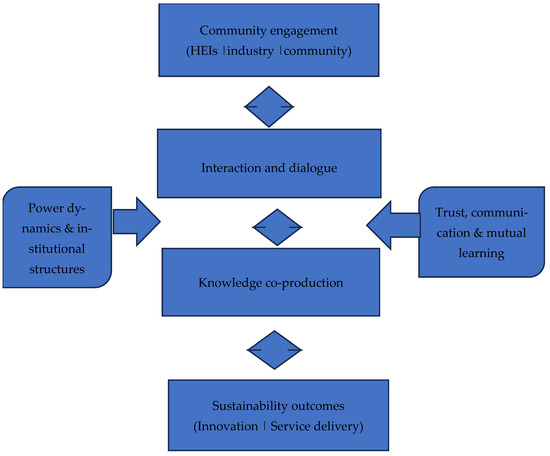

Disclaimer/Publisher’s Note: The statements, opinions and data contained in all publications are solely those of the individual author(s) and contributor(s) and not of MDPI and/or the editor(s). MDPI and/or the editor(s) disclaim responsibility for any injury to people or property resulting from any ideas, methods, instructions or products referred to in the content. |
© 2026 by the authors. Licensee MDPI, Basel, Switzerland. This article is an open access article distributed under the terms and conditions of the Creative Commons Attribution (CC BY) license.