


Abstract
Computer numerical control (CNC) machining process simulation is increasingly central to intelligent manufacturing, yet its deployment in brownfield environments remains constrained by legacy controllers, heterogeneous data semantics, limited computational resources, and rising cybersecurity requirements. While digital twins (DTs), artificial intelligence (AI), and multi-physics simulation have matured conceptually, practical adoption, particularly among small and medium-sized enterprises (SMEs), continues to lag behind theoretical capability. This paper presents a PRISMA-guided systematic review of peer-reviewed literature, standards, and industrial reports published between 2019 and 2025, focusing on CNC machining simulation, digital twin architectures, interoperability standards, and intelligent optimisation under brownfield constraints. Rather than proposing new simulation algorithms, the review synthesises fragmented evidence into a deployable, standards-aligned integration perspective. The review consolidates prior work into a seven-layer architecture grounded in ISO 23247, explicitly separating sensing, communication, digital twin entities, analytics, and human–machine interaction. It derives practical decision rules for middleware selection, edge-cloud compute placement under latency constraints, and modelling strategy selection, ranging from mechanistic and finite-element methods to hybrid reduced-order and machine-learning surrogates. An SME-oriented implementation and validation roadmap links staged retrofitting to measurable operational indicators, including overall equipment effectiveness, first-pass yield, downtime, cycle time, and energy intensity.
1. Introduction
CNC machining process simulation has become a foundational capability for modern manufacturing, enabling toolpath verification, process optimisation, predictive maintenance (PdM), and quality assurance prior to physical execution. Advances in finite element modelling, DTs, artificial intelligence (AI), and multi-physics simulation have significantly improved predictive fidelity and enabled tighter coupling between virtual and physical machining environments [1,2,3,4,5,6,7,8]. These developments position machining simulation as a key enabler of Industry 4.0, supporting real-time monitoring, adaptive control, and data-driven decision-making in advanced manufacturing systems [9]. In modern manufacturing practice, simulation tools are essential for predicting and optimising the machining process before validation experiments. Using computer-aided engineering (CAE), engineers can predict chip formation and cutting forces for components during turning, forging, or drilling, thereby enabling better optimisation of tool geometry and the projection of the cut site. This method prevents material waste, extends tool lifetimes, and reduces production costs by ensuring flaws are identified before real examination [10]. It is then possible to validate, through experiments, what was performed in the virtual world via simulation, thereby gaining confidence in process planning and reducing the need to iterate experimentally [11].
Despite this progress, the majority of industrial CNC assets continue to operate in brownfield environments, characterised by legacy controllers, heterogeneous data interfaces, limited onboard computation, and evolving cybersecurity requirements. While high-fidelity simulation and DT concepts are well-established in academic research, their deployment on existing CNC platforms remains constrained by computational cost, semantic inconsistency, latency sensitivity, and integration complexity, particularly for small and medium-sized enterprises (SMEs) [12,13,14,15,16,17,18]. As a result, there is a persistent gap between conceptual simulation frameworks and technically and economically feasible solutions for mixed-vintage CNC systems.
Existing review articles provide valuable coverage of machining simulation methods, DT architectures, and AI-enabled optimisation strategies. However, most remain technology-centric, focusing on modelling techniques or analytics in isolation, with limited guidance on how to coherently integrate these components under realistic brownfield constraints. In particular, issues such as standards-aligned interoperability, edge-cloud compute partitioning, latency-aware deployment, cybersecurity trade-offs, validation strategies for SMEs, and the evolving role of human operators are often discussed separately rather than synthesised into a deployable system perspective [9,14,15,16,17,18,19].
This review addresses these limitations through a PRISMA-guided systematic literature review of peer-reviewed studies, international standards, and industrial publications from 2019 to 2025. Rather than proposing new simulation algorithms, the contribution lies in structuring, consolidating, and operationalising existing knowledge into a standard grounded, latency-aware blueprint for CNC machining simulation in brownfield environments. The review explicitly aligns simulation models, DT concepts, middleware technologies, and AI services with practical deployment constraints faced by SMEs. First, we convert PRISMA-guided evidence-based into a seven-layer, standards-aligned framework (ISO 23247 [20]; MTConnect/OPC UA (Open Platform Communications Unified Architecture); Standard for the Exchange of Product Model Data for Numerical Control (STEP-NC)) and make the mapping from literature themes to architectural roles explicit, rendering the transition from review to design traceable [17]. Secondly, we introduce a brownfield feasibility lens that quantifies compute and network budgets and discusses the latency and security implications of OPC UA v1.05 (PFS—Perfect Forward Secrecy) for SME retrofits, alongside edge-cloud split rules grounded in recent DT-at-the-edge findings [16,21,22]. Thirdly, we propose a staged, costed roadmap for SMEs and pair it with an implementation-ready validation plan (OEE, energy/part, downtime, first-pass yield), responding to the lack of ROI/OEE anchors in existing roadmaps and aligning with emerging SME case evidence [23]. Fourthly, we embed a human-in-the-loop module, role-oriented HMIs (human-in-the-loop), and explainable indicators, along with an associated reskilling pathway, so organisational readiness co-evolves with the technical stack [19]. Collectively, these contributions go beyond trend synthesis to provide a standards-grounded, latency-aware, and workforce-centred blueprint that SMEs can adapt to modernise legacy CNC machines with measured risk and observable benefit [17,18,21].
Figure 1 introduces the end-to-end brownfield CNC digital twin (DT) system architecture adopted in this study. It illustrates how sensing, secure middleware, semantic data models, simulation engines, analytics, and human–machine interfaces are organised across the edge-cloud continuum, in line with standards such as ISO 23247 and OPC UA. This architecture provides a unifying reference that anchors the subsequent review sections and enables traceability from reviewed literature to system-level design choices. The sensors feed into an edge gateway, where typed semantics (Asset Administration Shell (AAS)/ISO 23247) and secure middleware (OPC UA v1.05 with PFS, MTConnect bridging, and Message Queuing Telemetry Transport (MQTT), where appropriate) stabilise data for the digital thread. DT engines (geometric/finite element method (FEM)/hybrid Reduced-Order Model (ROM)) and AI services run under edge-cloud orchestration: sub-100 ms loops remain local; training and fleet benchmarking execute in the cloud. Operator HMIs surface explainable recommendations and alarms, while governance enforces security (International Electrotechnical Commission (IEC) 62443), semantics, and audit trails [24,25].
Figure 1.
Brownfield CNC DT System Architecture.
Through this structured synthesis, the review moves beyond descriptive surveys to provide a deployable, standards-grounded, and human-centred roadmap for advancing CNC machining simulation in brownfield manufacturing environments. Compared with recent reviews on machining simulation, digital twins, and AI-enabled CNC optimisation [14,15], this study differs in three key respects. First, it explicitly addresses brownfield CNC environments, whereas most surveys assume greenfield or controller-agnostic settings. Second, rather than cataloguing modelling or optimisation techniques in isolation, it synthesises standards (ISO 23247, OPC UA, MTConnect, STEP-NC), middleware, modelling strategies, and compute placement into an integrated, deployable architecture. Third, it links this architecture to SME-oriented validation and ROI metrics, which are largely absent from existing reviews. This positioning enables the review to move beyond descriptive taxonomy toward prescriptive guidance for real-world deployment.
2. Systematic Literature Review (SLR)
The systematic review explores four domains central to brownfield CNC simulation: (i) simulation technologies (multi-physics, hybrid models), (ii) DT adoption (semantic data models, synchronisation strategies), (iii) Interoperability standards (ISO 23247, OPC UA, MTConnect, STEP NC) and (iv) cybersecurity (secure communication, OPC UA v1.05 hardening, governance). Study types include peer-reviewed journals, international standards, and reputable industry reports. Additionally, this study adopted Braun and Clarke’s reflexive thematic analysis (RTA), iterating through six phases: familiarising with the dataset, generating initial codes, constructing themes, reviewing and refining themes, defining and naming them, and producing the final report, as depicted in the following diagram. This is in accordance with their foundational exposition and subsequent guidance on RTA practice, as illustrated in Figure 2, adapted from [26,27].
Figure 2.
Six Phases of Reflexive Thematics Analysis [26,27], redrawn by the authors.
2.1. Research Questions
- (i)
- RQ1: How can hybrid multi-physics and surrogate models achieve near real-time fidelity on legacy CNCs?
- (ii)
- RQ2: What sensor fusion/ML strategies best predict tool wear and surface integrity under sparse, noisy data?
- (iii)
- RQ3: How does ISO 23247 + OPC UA/MTConnect/STEP NC improve semantic interoperability across controllers?
- (iv)
- RQ4: What is the ROI/OEE impact of the four-phase roadmap compared to ad hoc retrofits in SMEs?
- (v)
- RQ5: How do OPC UA v1.05 security changes (Diffie–Hellman (DH), PFS) alter risk posture/integration overhead for shop floor DTs?
2.2. Review Protocol (PRISMA 2020)
The review protocol adheres to PRISMA 2020 guidelines, as shown in Figure 3. Specific search queries such as “CNC machining simulation,” “digital twin,” “brownfield integration,” and “Industry 4.0” were used across Scopus, MDPI, ACM, IEEE Xplore, and ScienceDirect.
Figure 3.
PRISMA 2020 Flow Chart [28].
2.2.1. Transition from Evidence to Architecture
Drawing on the screened corpus, we translate the SLR themes into a seven-layer, standards-aligned architecture by (i) mapping interoperability records onto ISO 23247 roles and artefacts (observable → device-communication → DT entity → user); (ii) selecting OPC UA as the default typed-semantics transport (with MTConnect→OPC UA bridging when legacy machines already expose MTConnect), supported by formal companion testing; (iii) constraining security via OPC UA v1.05 with PFS and edge-terminated sessions to protect legacy controllers; and (iv) partitioning compute so near-loop functions execute at the edge while training and fleet bench-marking remain in the cloud. This PRISMA-to-framework move is codified in Table 1, where each layer cites the representative studies that justify its role, interfaces, and deployment constraints.
Table 1.
Key Standards and Technologies Supporting the Simulation Framework.
2.2.2. Traceability from SLR to Layers
To maintain methodological traceability, each layer in the proposed framework is linked to named evidence clusters from the PRISMA-screened set—specifically, the standards and empirical studies that justify the layer’s role, interfaces, and edge-cloud placement. The “Evidence from SLR” column in Table 1 records these anchors (e.g., ISO 23247 for role partitioning; MTConnect–OPC UA companion mapping for semantic preservation; OPC UA v1.05 analyses for security posture; and edge orchestration studies for latency/resilience planning).
2.3. Building the Framework
Findings from the SLR were translated into a modular architecture aligned with ISO 23247 roles and artefacts. Interfaces include OPC UA, MTConnect, and STEP NC, ensuring semantic interoperability. Assumptions include phased SME adoption and incremental retrofitting to minimise disruption. The framework (Table 1) is structured across seven layers: edge sensing, connectivity, digital thread, simulation engines, AI services, orchestration, and HMI/governance.
From Table 1 with PRISMA-linked evidence, each row aligns an architectural layer with its governing standards/tools and cites representative studies in the “Evidence from SLR” column to show traceability from the screened literature to the design choice (role partitioning per ISO 23247; OPC UA and MTConnect companion mapping for typed semantics; OPC UA v1.05 for security posture; edge-cloud orchestration for latency/resilience).
3. Advances, Challenges, and Opportunities in CNC Machining Simulation
The history of CNC machining has revolutionised manufacturing systems, with systems introduced in the 1940s to replace manually controlled lathes and mills and evolving into fully integrated, computer-driven, multi-axis machining centres. Such technological development has led manufacturers to enhance precision, accuracy, and efficiency in the production of complex parts, as shown in Figure 4.
Figure 4.
Key Milestones in CNC Machine Evolution [44].
The literature review indicates significant advances in CNC machining simulation, especially with DT technology applied for real-time monitoring and predictive data analytics. The integration of semantic data models with intelligent AI algorithms has enabled adaptive control and process optimisation, though retrofitting traditional CNC equipment is impractical due to the lack of standard communication protocols and the high cost of sensor updates. Recent initiatives, such as OPC UA-based architectures and ISO 23247-API (application programming interface) standards, offer hope for improved interoperability. Nonetheless, considerable challenges persist. Complementary challenges, such as real-time model recalibration, multi-fidelity data stream control, and cybersecurity for IoT-enabled infrastructure, continue to receive attention. Multi-physics and hybrid modelling techniques (physics-based simulation and ML) are also becoming increasingly popular to reconcile computational efficiency with predictive accuracy. In addition, state-of-the-art sensor technologies and middleware platforms must be integrated to convert brownfield CNC equipment into intelligent, Industry 4.0-capable systems.
Table 2 presents a comparison of the adoption and implementation priorities for patterns of CNC simulation technology. It is the high maturity and low integration costs that have made middleware solutions the most effective approach to interoperability in the brownfield area. Although they may require more financial investment and implementation time than other solutions, DT frameworks are now widely considered the strategic pathway for PdM and lifecycle optimisation on the journey to 2028, when adoption is expected to accelerate. AI-driven optimisation is therefore an attractive mid-term solution that enables quick productivity wins at low cost.
Table 2.
Qualitative Metrics Comparison [45,46].
Meanwhile, the multi-physics simulation has not yet been generalised and has been applied only to a few specific high-precision fields due to its prohibitive computational cost and slow development. These observations are in Figure 5 [4,45], demonstrating a gradual adoption plan where basic connectivity is established before implementing sophisticated modelling and smart control.
Figure 5.
Phased Adoption Strategy for CNC Simulation Technologies (redrawn by the authors).
The decision matrix in Table 3 shows that DT in CNC machines greatly influences overall operational efficiency and interoperability and should be strategically prioritised for long-term resilience, despite moderate costs and implementation times. AI-based toolpath optimisation has the most practical implications in the medium term, enabling more affordable setups that deliver quick returns. Conversely, hybrid multi-physics methods are adopted only when very high-quality requirements are necessary, due to their complexity and long time-to-benefit [4]. However, issues with interoperability, data quality and standardisation continue to stand in the way of the widespread adoption of such systems. Overcoming these obstacles will be vital to realising the considerable potential of advanced simulation techniques across new and established manufacturing processes.
Table 3.
Decision Support Matrix—Selecting Technologies for a brownfield CNC Line [4].
To clarify the logical relationships among the various technological and organisational aspects, Figure 6 provides a conceptual abstraction of the system architecture shown in Figure 1. While Figure 1 presents the physical and digital system layers, Figure 6 highlights the logical dependency and progression among simulation modelling, DT enablement, brownfield constraints, standards-aligned integration, and SME-oriented deployment outcomes.
Figure 6.
Logical structure of Section 3.
The diagram illustrates how CNC simulation modelling foundations (mechanistic, FEM, and hybrid approaches) enable digital twin functionality that must operate under brownfield constraints, such as legacy controllers, latency, and cybersecurity. These elements are synthesised through a standards-aligned integration framework based on ISO 23247, leading to an SME-oriented implementation and validation roadmap with measurable operational outcomes.
3.1. Cost, Scalability, Efficiency, Environmental Impact, and Technology Maturity
In supporting decision-making for SMEs and brownfield modernisation, it is useful to examine the principal simulation approaches through five applied criteria on cost, scalability, computational efficiency, environmental impact, and technology maturity as summarised in Table 4. Recent studies show that cost and scalability across mixed controllers are shaped not only by a method’s computational burden but also by its fit with standards-based orchestration. For example, the ISO 23247 DT framework and its layered entities, while interoperability in brownfield roll-outs is frequently realised via MTConnect–OPC UA companion mappings and gateways in staged deployments [18,47]. By contrast, environmental impact enablers hinge on whether a technique supports energy-aware planning. For instance, modelling cutting power, using tool-life optimisation to reduce scrap, and instrumenting processes for electricity metering or exergy-style assessments [48,49]. Contemporary reviews consistently report that idle and auxiliary loads constitute a major share of machine-tool energy; therefore, improvements in scheduling, feed-rate/tool-path optimisation, and shorter prove-out often yield disproportionate sustainability gains relative to hardware-intensive retrofits [48]. In addition, when the material and cutting regime allow, minimum quantity lubrication (MQL) demonstrably reduces coolant use and waste; it can also lower process energy, providing a practical complement to simulation-guided parameter selection for cleaner, resource-efficient machining [50,51].
Table 4.
Multi-criteria snapshot for key CNC simulation approaches (brownfield focus).
Thus, across these criteria, cost and scalability hinge on standards-driven integration; efficiency gains are unlocked by mechanistic planning and stability-lobe selection; and environmental impact improvements frequently result from fewer prove-outs, reduced scrap, and better scheduling that mitigates idle/auxiliary loads; technology maturity follows from the breadth of industrial validation.
3.2. Machining Governing Principles
Recent machining research converges on a small set of governing principles that connect planning-time decisions to both physics-based and data-driven predictions. First, analytical mechanics remains useful well beyond introductory treatments: modern variants of shear-angle models explicitly couple material flow stress, strain rate, and temperature, thereby improving agreement with experiments relative to the classical minimum-work assumption. Second, constitutive fidelity matters; studies show that Johnson–Cook (JC) parameters estimated via inverse or multi-objective procedures substantially reduce force and temperature errors in FEM cutting simulations and should be documented with sensitivity bounds. Third, chatter stability is best addressed with Frequency Response Function (FRF)-based lobes that treat milling as a time-periodic system, enabling direct selection of safe speed–depth “islands” and boosting MRR without compromising quality. Fourth, these principles scale more effectively when embedded in standards-aligned DT layers (ISO 23247), which clarify where sensing, semantics, and models reside in brownfield retrofits. Finally, comparative reviews emphasise that analytical, hybrid, and DT-enabled approaches complement rather than replace each other; analytical laws guide windows; FEM clarifies extremes; and orchestration provides trustworthy, cross-system execution. To anchor the discussion of the governing principles of machining, Table 5 summarises the core analytical, mechanistic, and DT-oriented relationships commonly employed in CNC machining simulation. Rather than presenting full derivations, these representative equations capture how cutting mechanics, tool life, chatter stability, material behaviour, and DT orchestration are abstracted into practical relationships that link process parameters to observable outcomes. In practice, such formulations are widely used as first-order predictors and consistency checks to guide parameter selection, simulation setup, and the structuring of optimisation problems prior to the application of higher-fidelity or data-driven models.
Table 5.
Core equations used in CNC machining simulation and planning.
The applicability of these governing relationships, however, is strongly influenced by the assumptions under which they are derived. When transferred from idealised conditions to heterogeneous brownfield CNC environments, factors such as parameter sensitivity, validity range, and computational cost become increasingly important. Table 6, therefore, complements Table 5 by explicitly stating the key assumptions, representative use cases, and practical considerations associated with each principle. Together, the two tables provide a structured bridge between foundational machining theory and its selective, evidence-based application within contemporary CNC simulation and digital-twin frameworks.
Table 6.
Assumptions and Applicability of Governing Equations.
As such, the emerging consensus across machining research is that analytical laws, high-fidelity constitutive models, stability-aware dynamics, and standards-aligned DT architectures each contribute distinct and complementary strengths, forming a coherent foundation for trustworthy planning and simulation. Together, these principles point toward an ecosystem where physics-based insight, empirical refinement, and interoperable data governance work in unison to deliver more accurate predictions, safer process windows, and scalable shop-floor implementation.
3.3. Current Development and Advancement in CNC Machining Simulation
To minimise repetition, narrative trend summaries in Section 3.3.1, Section 3.3.2, Section 3.3.3 and Section 3.3.4 are condensed; method-versus-method contrasts and the associated selection rules are centralised in Section 3.6.2, with an implementation checklist in Appendix A for direct application to brownfield CNC lines [16,17,18,19,22,23,60].
Modern advances in CNC machining simulation focus on the combined construction of geometric and physical models, enabling a comprehensive multi-aspect analysis of toolpath generation, material removal, and dynamic cutting forces. These models can optimise numerical control (NC) programmes, enhancing the accuracy and quality of machined parts [61]. Real-time adaptive compensation in CNC machining can be achieved using advanced temperature sensing and simulation-based error prediction. The approach enables on-the-fly modification of cutter paths based on thermal feedback, thereby improving machining accuracy and reliability [62]. Sophisticated modelling and simulation techniques are urgently needed to predict and mitigate residual stresses and machine-induced deformations that affect surface finish and functional properties of machined parts [63]. The integration of smart systems with advanced measurement technology is crucial for more reliable, accurate manufacturing processes, as it will enable the real-time detection and compensation of in-process errors to help in ultra-precision machining [64]. Furthermore, incorporating virtual machining (VM) principles into the Industry 4.0 environment leads to improvements in simulation tools to reduce flaws in machining processes and in robot optimisation to minimise energy consumption for proper performance of a manufacturing system [65]. Recent developments in CNC machining simulation have combined geometric and physical modelling with online sensing and intelligent error compensation, enabling ultra-precision manufacturing through online optimisation algorithms and predictive control. The following reviews indicate a heterogeneous body of work in CNC simulation research for manufacturing.
3.3.1. Integration of Digital Twins and Semantic Data Models
DT technology represents a significant advancement in CNC machining simulation by enabling real-time synchronisation between physical machine tools and their virtual counterparts, thereby improving process visibility, predictive capability, and adaptive control. Recent studies indicate that DT frameworks increasingly integrate live sensor data with simulation models to support predictive maintenance, adaptive process optimisation, and intelligent decision-making in machining systems [45,46,66]. A key enabler of scalable DT deployment is the use of semantic data models that harmonise heterogeneous CNC data across controllers, sensors, and software platforms. Knowledge-graph-based modelling has been proposed to manage heterogeneous simulation models and automate configuration and adaptation, enhancing interoperability and system flexibility in complex manufacturing environments [67]. Complementary work demonstrates that DT-based machining systems can integrate process simulation with sensor feedback to address phenomena such as chatter suppression, residual stress control, and tool condition monitoring in high-speed operations [45]. Standards-aligned DT architectures further support semantic interoperability and lifecycle integration. The ISO 23247 framework provides a reference structure that formalises DT entities, data flows, and role separation, thereby enabling consistent interpretation of machining data and model outputs across mixed-vendor systems [17,47]. Empirical studies also show that tailoring material and constitutive model parameters, such as JC coefficients, using inverse- or optimisation-based identification methods improves the fidelity of finite-element machining simulations and strengthens DT validation [55,59]. Overall, current research demonstrates that the convergence of DT technology, semantic data modelling, and standards-based reference architectures forms the conceptual foundation for intelligent CNC machining simulation. Detailed considerations regarding brownfield integration, middleware selection, real-time deployment constraints, and operational governance are addressed in Section 3.5 to avoid repetition and maintain a clear distinction between technological development and implementation practice. To avoid narrative repetition, the modelling choices for process prediction and optimisation are summarised in Table 7, with the decision logic illustrated in Figure 7.
Table 7.
Evidence-informed model selection balancing fidelity, latency, and SME deployment burden.
Figure 7.
Stepwise logic for selecting mechanistic, FEM, or hybrid ROM/ML models.
Modelling strategy under brownfield constraints (summary view):
- Mechanistic + stability-lobe methods: Suited to planning-time windows, quick wins, and chatter-safe islands; deliver fast evaluation with modest data requirements (identify kc, mc; document FRFs and uncertainty).
- FEM (single/multi-physics): Appropriate when high-fidelity physics (chip formation, temperature, residual stress) is essential for critical cuts; recommended offline in SME pilots due to calibration cost.
- Hybrid ROM/ML at the edge: Appropriate when near-real-time predictions are required while maintaining physics-guided plausibility; requires data governance and a disciplined retraining cadence.
3.3.2. Learning-Enabled Toolpath Optimisation
AI and ML techniques have become increasingly influential in CNC machining simulation, particularly for toolpath optimisation, parameter adaptation, and predictive maintenance. Reinforcement learning and data-driven optimisation approaches have been reported to reduce tool wear, improve surface quality, and enhance productivity by enabling adaptive toolpath generation based on real-time feedback [68,69,70]. In process inspection and sensor-assisted adaptive control strategies further support real-time optimisation by dynamically adjusting cutting parameters to compensate for disturbances and process variability, thereby improving machining accuracy and reducing scrap rates [69]. Deep reinforcement learning methods, in particular, have demonstrated substantial computational efficiency gains over traditional optimisation techniques, enabling near real-time adaptation using modest computing resources [68]. Recent studies also emphasise the value of combining learning-based methods with established machining theory. Physics-informed machine learning approaches, such as those grounded in shear-zone mechanics and mechanistic cutting laws, improve model interpretability and robustness under sparse or noisy data [54,71]. Bayesian formulations of mechanistic models further enable the quantification of uncertainty, supporting more reliable planning and optimisation when experimental data are limited [54]. Collectively, learning-enabled toolpath optimisation represents a key development trend in CNC machining simulation, offering practical performance gains while complementing physics-based modelling. The deployment of these methods in brownfield CNC environments, including real-time constraints, sensor integration, and HMI considerations, is discussed in depth in Section 3.5. In short, AI-based adaptive control and real-time feedback in CNC machining are enabling intelligent toolpath optimisation, PdM, and in-process inspection, which lead to greater accuracy, faster production, and cost-effective manufacturing as illustrated in Figure 8.
Figure 8.
AI in CNC machining—data sources, analytics methods, and outcomes.
AI-enabled workflow in CNC machining, showing how shop-floor data (controller, vibration, thermal, energy, and quality signals) feeds analytics such as anomaly detection, tool-wear prediction, chatter assessment, adaptive optimisation, and energy modelling. These AI-driven insights enhance operational performance by reducing downtime, improving accuracy, increasing first-pass yield, and lowering energy use within an integrated Industry 4.0 environment [45].
3.3.3. Simulation-Enhanced Performance Optimisation in CNC Machining
With the development of simulation technology, there is a trend toward improving the efficiency, precision, and flexibility of CNC machining. In recent years, simulation-based techniques have been particularly relevant to a number of industry problems, such as toolpath generation and process optimisation, where these solutions have proven to be specifically useful in ensuring that machining operations become leaner and production quality better (Refer to Table 8 for a summary related to optimisation in CNC machining using simulations). Therefore, simulation has assumed an increasingly important role in CNC machining, toolpath optimisation, structural analysis, and tuning processes, thereby enhancing accuracy, efficiency, and flexibility in manufacturing across a wide range of applications.
Table 8.
Overview of Recent Studies on CNC Machining Optimisation Using Simulation.
Transport and semantic choices in mixed-vintage cells are summarised in Table 9, with stepwise selection logic presented in Figure 9.
Table 9.
Transport and semantic options for brownfield CNC lines.
Figure 9.
Three-question logic to select OPC UA/MTConnect, MQTT, or DDS.
Transport and semantics (summary view):
- MTConnect is already present → Bridge MTConnect → OPC UA to preserve vocabulary and gain UA typed namespace and security.
- Typed semantics + strong cryptography (PFS) required → OPC UA v1.05, with edge-terminated sessions on legacy controllers.
- Lightweight cloud telemetry (semantics governed upstream) → MQTT with schema governance.
- QoS-critical, deterministic cell → DDS, acknowledging higher integration effort in mixed-vintage shops
3.3.4. Integration of Industry 4.0 and Smart Manufacturing
Detailed recommendations on transport and semantics, compute placement, and operator-facing XAI appear in Section 3.6.2, and Appendix A supplies a one-page, SME-oriented checklist to support staged deployment and auditability [16,17,18,19,22,23,60]. The evolution of CNC simulation is closely connected to the broader implementation of Industry 4.0 technologies. Connecting IoT-based CNC machines to simulation-driven production models via a DT platform will enable PdM, adaptive control, and resource-efficient process flows. Thereby, it will reinforce sustainable manufacturing and be able to enable more flexible responses to changing market needs [76]. The coexistence of the two concepts in Industry 4.0 and smart manufacturing has profound implications for the CNC machining simulation landscape, driving a transformation from classical offline modelling to smart, real-time, cyber-physical systems. DT development has primarily focused on the virtualisation of physical machining (process modelling) and its potential for real-time condition monitoring, predictive analysis, and adaptive control [77]. So, the convergence of Industry 4.0 and DT technologies is transforming CNC simulation from static offline models into intelligent, real-time cyber-physical systems that enable PdM, adaptive control, and sustainable manufacturing. The following studies examine the effects of Industry 4.0 and smart manufacturing on the development of CNC machining simulation. The standards and governance anchors for brownfield deployments are consolidated in Table 10.
Table 10.
Standards-anchored governance to stabilise brownfield rollouts.
Standards and governance overview:
- Role partitioning and decoupling → ISO 23247 (observable → device-communication → DT entity → user).
- Semantic continuity across ecosystems → MTConnect–OPC UA companion specification.
- Security posture in mixed-vintage cells → OPC UA v1.05 with edge-terminated sessions; certificate and policy governance.
While the above advances demonstrate significant progress in CNC machining simulation, digital twins, and AI-enabled optimisation, much of the existing literature remains focused on conceptual development and isolated technological capabilities. Practical deployment in brownfield CNC environments introduces additional constraints, including legacy controllers, heterogeneous data interfaces, limited computational resources, cybersecurity requirements, and workforce readiness. These implementation-centric considerations, along with sensor retrofitting strategies, middleware selection, edge-cloud partitioning, and human-in-the-loop integration, are therefore examined in detail in Section 3.5 to avoid redundancy and to maintain a clear separation between technological development and deployment practice.
3.4. Challenges in CNC Machining Simulation
The simulation of CNC machining has become even more crucial in today’s manufacturing environment, as it provides a predictive approach that minimises trial and error, fine-tunes tool paths, and streamlines operations. Despite advancements in simulation technologies, several challenges persist and prevent their seamless integration into complex industrial systems.
3.4.1. Critical Challenges in Advancing CNC Machining Simulation Towards Smart Manufacturing
CNC machining simulation has also made major breakthroughs, but for the next generation of smart manufacturing, it still faces many challenges. One major issue is the simulation of multi-physics effects (e.g., thermo-mechanics, tribology: friction, lubrication and wear, high-strain rate material behaviour), which need extensive computational time and do not allow adaptive control in these models [45]. Tool life and surface integrity are additional challenges in simulation and are governed by microstructural dynamic evolution and random processes that are difficult to predict from a deterministic perspective [15]. It is also noted that, despite advancements in finite element and hybrid modelling technologies, rapid and precise modelling of machining conditions with complex thermal-mechanical-tribological interactions remains challenging today [14]. Another important problem is the construction of DTs as an integration framework for all heterogeneous data sources and simulation models that allow real-time optimisation, semantic interoperability in Industry 4.0 [4]. In addition, the implementation of DT in machining has faced some practical challenges, for example, data management issues (storage, cleaning, and ownership), the large capital investment required to kick-start it and to ensure scalability and compatibility with other platforms for interoperability [78]. From the above, the challenges are summarised and illustrated in Figure 10. To sum up, despite significant progress, CNC machining simulation still faces crucial challenges in the complexity of multi-physics modelling, uncertainty in tool wear, and the need for a standardised interoperability framework for DTs to enable real-time, optimal, and scalable smart manufacturing.
Figure 10.
CNC Machining Simulation—Challenges and Potential Solutions [4,14,45,78,79].
3.4.2. Advancing Simulation Fidelity in CNC Machining: Trade-Offs and Hybrid Modelling Approaches
Simulation fidelity refers to the accuracy with which a model represents its system, and higher fidelity frequently requires greater complexity, more important parameters and/or stronger computing engines [80]. Recent reviews stress that research on simulating CNC machining has adopted analytical, finite-element, and statistical models to predict the main outputs. These attempts increasingly include thermomechanical-coupled and tribological models, using hybrid modelling techniques to achieve an optimal balance between precision and computational burden [14]. Researchers have presented a set of axioms that provide a theoretical foundation for the measurement and evaluation of model fidelity in order to decrease ambiguity surrounding current definitions and a common starting point against which simulation results may be compared to reality, containing information from organised collectors in an even-handed, context-specific manner [81]. High-quality simulations usually require a trade-off between precision and computational cost, and modern multi-fidelity methods aim to tailor the simulation with respect to each specific application, combining low and high quality models uniquely suited for general concepts to high-accuracy synopses and ensuring both reliability (i.e., assessing consistent solutions) and efficiency (i.e., not paying more than is necessary) [82]. CNC is progressing towards a hybrid computing model that blends physics-based AI/ML approaches, capitalising on live data streaming and DTs. These methods are designed to provide high-fidelity simulation close to real-time, with much reduced computational expense for adaptive control and sustainable manufacturing needs in Industry 4.0 [83]. Finally, the computer real-time fidelity simulation for CNC machine aims to reconcile accuracy and computational efficiency by adopting a hybrid modelling approach that combines physics-based methods with AI, fed by real-time information, enabling us to provide trustworthy, adaptive, and economical solutions under Industry 4.0 precepts.
3.5. Modernising Brownfield CNC Machines Through Digital Twin and High-Fidelity Simulation
This section consolidates and extends prior discussion by focusing explicitly on the integration, deployment, and operationalisation of CNC simulation and digital twin technologies in brownfield environments. Implementation guidance. For phased brownfield roll-outs, consult Appendix A for latency, security, and ROI targets, and apply the decision rules in Section 3.6.2 prior to sensor selection and gateway engineering [16,17,18,19,22,23,60]. Brownfield CNC machine is a legacy machine that has been running for decades, typically 20-plus years old. The inclusion of simulation capabilities in these machines is a major innovation in modernising manufacturing technology. While the industry is now aiming to exploit DTs and high-fidelity simulation (HFS) to optimise machining processes on shop floors, the focus is shifting towards adapting existing CNC equipment with the latest simulation technology in a non-disruptive manner. Efficient simulation deployment within DT environments is key to enhancing operational performance, PdM implementation, and process efficiencies, as well as the legacy simple CNC system’s functionalities [84]. The creation of DTs, as high-fidelity virtual representations of CNC machine tools, is important for studying complex, time-varying, locally coupled operational data to improve precision and lifecycle management [85]. Based on the integration of physical and cyber data, DT-based models enable real-time simulation of milling processes, predict defects, and optimise parameters [86,87]. Thus, bringing legacy CNC machines into the 21st century through DT would enable real-time, high-quality simulations that enhance machine utilisation, PdM, and life-cycle management without disrupting production, as illustrated in Figure 11 for a proposed integration of brownfield CNC machines for DT and HFS.
Figure 11.
Brownfield CNC Machines—Integration Framework for DT and HFS.
As a critical factor in the CNC machining simulation, DT has completely changed the design, monitoring and optimisation processes of the manufacturing system. DT technology redraws production paradigms by enabling smart, connected processes in which sophisticated algorithms support real-time decision-making and seamless process optimisation [88]. In this sense, a DT differs from conventional stationary simulation tools and constitutes a “digitalisation” of the machine tool that is continually updated using multi-sensor data, along with knowledge of machine kinematics and operating feedback, to accurately represent the machining process in real-time [89]. For CNC machining, a DT is, in fact, an intelligent monitoring and analysis centre that mimics the real-world processing process in the virtual world, providing a critical approach to realise “intelligent” manufacturing [67]. The shift towards DT as core technology in CNC machining simulation is further enhanced by the possibility to deliver process-related information, including a complete virtual representation of real manufacturing equipment, online monitoring, analysis, and machine optimisation, as well as power consumption predictions [90]. The idea of a DT enables virtual commissioning and operator training, testing the CNC programme or machine setup in a safe-off condition while enhancing safety in use and shortening learning time for new machinists and programmers [91]. Edge-cloud orchestration frameworks serve as the foundation for synchronising DT pipelines across diverse environments. Recent reviews identify deployment strategies and scalability challenges [40,41]. Furthermore, the emerging decentralised approaches suggest SME-centric orchestration in current CNC-manufacturing environments [42]. In short, DT will revolutionise CNC machining simulation with unprecedented process accuracy and flexibility, enabling real-time machine models enhanced by sensors for intelligent monitoring and predictive control, as well as efficient/safe process optimisation in advanced manufacturing.
3.5.1. Brownfield CNC Machines: Characteristics and Integration Challenges in Industry 4.0
Brownfield CNC machines, known for their robust mechanics and high-performance accuracy, often use legacy controllers with non-standardised protocols, which hinder simple integration with modern IIoT-based real-time analytics. Therefore, a streamlined edge-to-cloud approach which can ensure data interoperability and facilitate monitoring is required [92]. Such systems are not natively connected and or able to access real-time data, which is a limiting factor in smart manufacturing integration [93]. As traditional industrial machines are mostly used throughout several decades and represent correspondingly large capital investments, intelligent retrofitting and digitalisation can also be seen as a possibility to raise productivity and extend the lifetime of machine tools [94]. The development of high-precision DTs for CNC machine tools plays a crucial role in enhancing production efficiency, PdM, and machining process optimisation by using the existing production system for as long as possible [95]. A PRISMA-guided systematic review on smart retrofitting in maintenance concludes that upgrading rather than replacing legacy equipment can yield credible, stepwise gains when retrofits add sensing, networking, and analytics; the review also documents typical drivers, integration hurdles, and a practical roadmap, reinforcing the case for low-disruption upgrades in brownfield CNC lines [96]. Recent edge-centric studies validate that OPC UA-based standardisation at the machine boundary, coupled with edge pre-processing and streaming backbones (e.g., Kafka), can stabilise latency, improve throughput, and tame heterogeneous data flows, a combination that maps well to brownfield CNC cells where legacy controllers and nonuniform tag dictionaries constrain real-time analytics [97]. In conclusion, while brownfield CNCs remain exemplary for mechanical precision, their legacy controls and fragmented connectivity cap the attainable benefits without targeted digitalisation. Standards-aligned, edge-first integration (e.g., OPC UA at the machine boundary) and smart retrofitting (sensing, governed semantics, and analytics) provide a low-disruption path to real-time visibility, predictive maintenance, and extended asset life, turning installed bases into interoperable, data-ready resources for Industry 4.0. A successful modernisation of brownfield CNC machines requires standards-aligned, edge-first integration that decouples legacy control constraints from higher-level analytics. A structured expansion of steps:
- Identify controller limitations and accessible signals without intrusive modification.
- Introduce edge gateways to terminate protocols and stabilise data acquisition.
- Map machine states to standard semantics (e.g., ISO 23247, OPC UA).
- Incrementally enable monitoring and analytics while preserving production continuity.
3.5.2. Classification and Applications of CNC Process Simulation: Current Practices and Emerging Trends
CNC process simulation is well-established and today an integral part of manufacturing practices, helping eliminate the need to test every application. Production engineering has become more process-specific due to high precision and quality requirements. The following tables explain. Table 11 highlights the existing types of CNC process simulation available in the market, their impact on production efficiency, and recent advances. The types of CNC process simulation identified in the reviewed literature can be broadly classified into four categories: (i) stand-alone computer-aided manufacturing (CAM) software, (ii) integrated CAM modules embedded within CAD/CAM platforms, (iii) educational CNC simulators, and (iv) high-end virtual reality (VR) and digital-twin (DT) systems. This study is a systematic literature review and does not involve the direct use or experimental execution of any CAM or CNC simulation software. The software platforms mentioned in this section and in Table 11, Table 12 and Table 13 are cited solely as examples reported in the reviewed literature, rather than tools used by the authors. Therefore, specific software versions are not stated.
Table 11.
Representative CNC process simulation tools and applications as reported in the reviewed literature.
Table 12.
Reported implications of CNC simulation tools for manufacturing systems, based on prior studies.
Table 13.
Emerging trends and innovations in CNC simulation platforms.
Table 12 presents the implications for manufacturing systems. The use of a CNC simulator leads to higher efficiency, safety and shorter handling times in production. By remotely simulating machining programmes, manufacturers prevent downtime and tool damage, enhancing safety and saving money. Improved productivity as there is no physical dry run during virtual prove-out, and it even speeds up the setup and production cycles.
Table 13 summarises the emerging trends and innovations. The background of the development of CNC simulation technology is Industry 4.0, which is evolving rapidly. Machining by a CNC machine with DTs enables easy testing of all components, and passive control can also be conducted simultaneously. AI-driven simulations leverage ML to smooth toolpaths and forecast potential issues, reducing human involvement in the process. Also, modern simulators provide multi-axis and high-speed machining technologies that are increasingly in demand for complex geometries and to reduce cycle time.
CNC automation and simulation technologies are robust and promising. However, SMEs find adoption difficult due to high initial costs, uncertain returns on investment, and a skills gap that limits widespread adoption [111]. The lack of compatibility between simulation software and CNC control devices hinders integration, development, and processes. Future work will focus on developing cloud-assisted, low-cost simulators with AI-based adaptive control schemes that provide feedback from real-time sensors to the system. Thus, increasing accuracy, decreasing machining time, and facilitating interoperability across various CNC systems [68]. Therefore, CNC process simulation has become a cornerstone of modern manufacturing, providing cutting-edge tools and technologies that have improved precision, efficiency, and flexibility in the industry. Various research studies are being conducted to address cost factors and integration issues related to CNC skills.
3.5.3. Integration Challenges in Digital Twin-Enabled CNC Simulation for Smart Manufacturing
The deployment of DTs to support real-time, bidirectional communication between CNC systems and their virtual counterparts remains technically demanding and is still far from routine industrial practice. As noted in recent studies, achieving adaptive control and predictive decision-making with tightly coupled DT–CNC architectures remains constrained by several structural and technological barriers [112]. A central obstacle stems from the prevalence of proprietary communication protocols and closed data interfaces on many legacy CNC platforms. These restrictions make it difficult to realise seamless end-to-end integration inside broader smart manufacturing ecosystems, where interoperability and transparent data exchange are essential [113]. Another challenge concerns the absence of widely accepted reference models or standardised development frameworks for DT implementation. Without such shared foundations, coordination among design engineers, software developers, and maintenance teams becomes fragmented, frequently leading to inconsistent model assumptions, duplicated work, and difficulties sustaining DT applications over time [114]. These complications are further escalated when DTs are introduced into brownfield manufacturing environments. In such cases, heterogeneous simulation models, numerical instability, and the propagation of uncertainty across coupled subsystems can markedly degrade the predictive accuracy and robustness of DT-enabled simulations [115]. Practical limitations often arise from the difficulty of accessing real-time operations data from machinery, especially when those machines were not originally designed for digital integration. Combined with the scarcity of consistent interoperability standards and the demands of continuous production, these constraints hamper the development of DT models that can remain both valid and computationally practical under real-time scenarios. Dealing with these gaps requires advances in adaptive simulation procedures, the adoption of standardised data schemas and the design of scalable, modular architectures compatible with Industry 4.0 principles [116]. All in all, although DTs maintain a notable ability to enhance CNC systems through real-time decision support and adaptive control, their broad adoption remains limited by proprietary technologies, fragmented connectivity infrastructure, and the complexity of high-quality modelling. Progress toward a common standardisation framework and expandable integration strategies will be key for enabling CNC-DT systems that sincerely meet Industry 4.0 expectations.
Achieving real-time adaptive control through digital twins in brownfield CNC environments requires tight integration across controllers, programming models, and semantic communication layers. Recent CNC developments extend full autonomy further through real-time adaptive control and model-based feedback, allowing machines to sense, predict, and self-optimise the manufacturing process [45]. A recent study proposed a flexible CNC programming model within an open LinuxCNC architecture that couples CAD/CAM systems with STEP-NC to enable continuous data exchange and support the realisation of Industry 4.0 principles through digitisation and production flexibility [117]. Closed-loop engineering workflows integrated with connected value chains and real-time data feedback are increasingly being applied in smart production environments. These systems enable real-time observation and correction, thereby removing errors and uncertainty through immediate feedback [118]. DT integrated platforms and closed-loop controllers have been proven recently to be beneficial for improving cutting accuracy by reducing residual stress and chatter in high-speed CNC machining [45]. Similarly, semantic OPC UA-based architectures enable condition monitoring and optimisation in heterogeneous CNC environments by validating the incremental roadmap approach for brownfield retrofits [4]. See Figure 12 for an incremental OPC UA–centric brownfield retrofit roadmap that leads from secure isolation and semantic gatewaying to DT-driven monitoring and optimisation. This figure synthesises workflow patterns reported in the OPC Foundation CNC Information Model specification and in contemporary brownfield integration studies that use OPC UA as a semantic interoperability layer. The roadmap reflects common industrial retrofit trajectories in which legacy systems are incrementally integrated through secure gateways, standardised semantic namespaces, and digital-twin–based optimisation frameworks [119,120]. Incremental OPC UA–centric brownfield retrofit roadmap illustrating four progressive phases: (1) assess and isolate, (2) semantic gatewaying, (3) progressive model enrichment and monitoring through OPC UA semantic information models, and (4) integration with digital-twin-driven closed-loop optimisation.
Figure 12.
Incremental OPC UA-centric Brownfield Retrofit Roadmap [119,120].
3.5.4. Enhancing Brownfield CNC Systems Through Digital Twin-Based Simulation: Benefits and Implications
Validation guidance: Appendix A details the protocol and metrics (OEE, FPY, downtime, cycle time, kWh·part) for rigorous pre-/post documentation in SME settings [22]. Through its virtual prototyping and testing capabilities, process simulation can forecast and evaluate the performance of manufacturing operations, reducing the need for physical trial-and-error experimentation and parameter fine-tuning that occur after implementation on the shop floor. Worth mentioning, simulation is an essential tool for modelling and predicting complex manufacturing behaviour and can enable proactive adaptation and superior decision-making in a smart factory environment by employing a data-driven DT framework [121]. The implementation of DT technology can provide countless advantages to existing CNC machines by enabling virtual testing of performance tuning without halting production. This is relevant to long-term retrofit strategies as well as to reducing operational risks [112]. For traditional CNC machines, the PdM model could be enhanced by employing DT-based simulation models that incorporate operating data and expert knowledge [122]. Thereby, enabling accurate behaviour prediction under changing conditions and taking proactive measures to prevent faults. Again, to further illustrate the impact of simulation on brownfield CNC operations from different angles, major works demonstrating the importance and results of applying simulation technologies are tabulated and summarised in Table 14. This table summarises key work that highlights the benefits of integrating simulation into the conventional CNC machine environment. Together, they demonstrate the research’s focus and analysis results through virtual prototyping, predictive modelling, and DT architecture, which facilitate greater efficiency, flexibility, and sustainability in manufacturing. Through this vision, simulation technologies (e.g., DT structures) for virtual prototyping and predictive computation, and real-time optimisation, can address the aforementioned trial-and-error concern, enable high-quality decisions, and transform the performance of brownfield CNC production from both efficiency and sustainability perspectives.
Table 14.
Significance and Advantages of Simulation Integration in brownfield CNC Machines.
Beyond technical feasibility, DT–based simulation fundamentally transforms the operational value of brownfield CNC systems. Industry 4.0 has also sparked a new wave of revolution in simulation modelling, from classical offline to dynamic and real-time digital copies of physical machinery. The importance of DTs in the era of Industry 4.0 lies in their real-time synchronisation with both physical and virtual CNC systems. This provided a breakthrough towards the next generation of manufacturing, where predictive and adaptive control can be applied to enhance process efficiency [45]. Building on this concept, [131] found that integrating a mathematical model, real-time simulation, and data-driven optimisation promoted self-adaptive DT innovation, thereby enhancing operational resilience, personalised production operations, and smart manufacturing efficiency. Industry 4.0 is thus pushing the boundaries of CNC simulation from the traditional offline static mode to intelligent DTs with real-time operational value and insights, embedding mathematical constructs, AI optimisation algorithms, and new functionalities such as LLMs for adaptive control, predictive analytics, and robust smart manufacturing.
3.5.5. Design Strategies and Implementation Frameworks for Simulation-Integrated Brownfield CNC Systems
When incorporating simulation capabilities into a legacy CNC machine, the controller architecture, data acquisition, and communication standards should be carefully considered to ensure secure, optimised data access. Gateway or Wrapper solutions are widely used to interface proprietary protocols with open, semantically enriched interfaces across heterogeneous environments, utilising OPC UA [132]. Advanced AI and ML methods come into play when analysing sensor and historical data streams; for instance, in predictive models for equipment health, parameter enhancement, or adaptive control in smart manufacturing [133]. Modular DT platforms extend the economic life of available resources by creating intelligent, reconfigurable systems that, in turn, improve sustainability and responsiveness [134]. Next-generation technologies, such as 6G architecture combined with semantic communications, ensure ultra-reliable, low-latency connectivity, enabling live monitoring and wireless DT control systems [135]. Yet interfacing heterogeneous systems remains a primary difficulty in cyber-physical integration [136]. A phased roadmap for brownfield integration, with an incremental focus on SME-friendliness, is presented in Table 15, from cyber assessment to security hardening, with illustrative cost ranges [137].
Table 15.
Implementation Phases and Estimated Costs Guide [137].
To operationalise trustworthy DTs on the shop floor, SMEs can anchor their design and deployment activities in NIST IR 8356, which consolidates DT-specific security and trust considerations. This includes identity management, provenance and traceability controls, lifecycle risk management and presents these as practical guidance that can be applied as a checklist during engineering reviews and commissioning [138]. In parallel, [47] contends that systematic standardisation explicitly links ISO 23247 to companion specifications and information models, thereby reducing the fragility of cross-vendor integration and strengthening DT reliability and overall trustworthiness. Complementing these security and governance perspectives, Research [139] advocates ontologizing the DT framework by aligning top-level and mid-level ontologies with ISO 23247, thereby supporting consistent semantics and security reasoning across heterogeneous systems and domains. As such, the success factor of attaining real-time monitoring and efficient operations depends on navigating interoperability challenges through protocol adaptation, AI-driven predictive modelling, and modular DT architectures. Table 16 below provides a conservative and moderate worked-ROI example for a two-lathe SME with a ±20% sensitivity band; values will be re-estimated using site data during Section 3.7 deployment.
Table 16.
Worked Example—ROI and Payback for a Two-Lathe SME (side-by-side scenarios).
Assumptions: Phase-cost midpoints from Table 16 with realistic site/shared allocation; conservative scenario values are deliberately modest and include only FPY, downtime, and energy benefits. The moderate scenario reflects typical gains following Phase-3 tuning (semantic dashboards, alarm rationalisation, and basic optimisation).
An important strategic decision in simulation-integrated brownfield CNC systems concerns the role of multi-physics and hybrid modelling within the DT architecture. Detailed recommendations on transport and semantics, compute placement, and operator-facing XAI appear in Section 3.6.2, and Appendix A provides a one-page, SME-oriented checklist to support staged deployment and auditability [16,17,18,19,21,22,60]. ANNs (Artificial Neural Networks) have been used in conjunction with FEM solvers to model complex flow laws, thereby better simulating material behaviour in thermo-mechanical issues at high temperatures than traditional constitutive models [140]. Reviews on metal additive manufacturing highlight the importance of multi-physics, multiscale simulation tools, including heat transfer, fluid flow, and solid mechanics, for predicting process responses and optimising hybrid additive–subtractive approaches. Thereby enabling more reliable planning decisions and quality assurance across scales [141]. Recent research on hybrid manufacturing (i.e., additive processes combined with subtractive finishing for the fabrication of complex high-value components) indicates that DTs using multi-physics simulation and monitoring data can support preparation, virtual, and guided in-process decisions. With that, it is pushing CNC operations closer to more adaptive and integrated systems [35]. The research by [142] presents an integrated multi-physics DT for machining that provides a unified set of models (cutting forces, thermal behaviour, and tool engagement) to achieve new levels of simulation and analytics capabilities for high-accuracy CNC operations. Furthermore, it has been reported that hybrid modelling methods integrating principles of physics-based and data-driven techniques (e.g., ML) provide higher accuracy, interpretability, and computational efficiency, and can be applied to simulation and decision-making in smart manufacturing environments [98]. Additional studies on hybrid models that integrate physics-based ideas with data-driven methods can enhance accuracy, interpretability, and validation of multi-physics in discrete smart manufacturing, thereby powering the evolution of Industry 4.0 digital manufacturing enterprises [143]. The realisation of multi-physics simulation in real-time processing presents many challenges, as the modelling of complex thermo-mechanical-material interaction processes would not only be computationally expensive but also require an accuracy-speed trade-off [144]. Therefore, advancements in CNC simulation have become increasingly reliant on multi-physics and hybrid modelling approaches that integrate physics-based and AI-driven models in a semantically consistent manner. This is also expected to improve the accuracy, interpretability, and real-time adaptability of these models, even if computational efficiency for thermo-mechanical interactions in multi-physical composites remains a challenge. Thus, simulation-integrated brownfield CNC systems should be designed using modular, standardised frameworks that support staged deployment and future scalability. The development in progressive steps:
- Assess controller interfaces and select wrapper or gateway solutions.
- Deploy middleware with typed semantics and secure communication.
- Integrate DT and AI services incrementally, starting with monitoring.
- Apply governance controls for data, models, and cybersecurity.
3.5.6. Sensor Integration and Connectivity Strategies for Digital Twin-Enabled CNC Systems
Adapting the validation of existing brownfield CNC machines to make them fit for the future will require sophisticated data acquisition and connectivity solutions that can deliver simulation and DT frameworks. Retrofitting techniques normally imply installing sensor grids and communication IoT modules to monitor thorough operational features that can be used to calibrate simulation models, as well as perform reliable predictive maintenance [133,145]. This intelligent retrofitting makes legacy machines become IoT-ready devices through edge computing and Industrial Internet of Things (IIoT) gateways, allowing the real-time data exchange and interoperability in Industry 4.0 [94]. DT architecture is underpinned by multi-source sensor fusion to improve predictive analytics and decision-making effectiveness [146]. In addition, virtual instrumentation technology, such as LabView and MATLAB, also makes it possible to display real-time working states and integrate data from sensors during the simulation of CNC machining [147]. Deployments closest to the machine show tangible benefits. By placing containerised edge services beside CNC controllers to pre-filter high-rate sensor streams and trigger actions with minimal delay, studies report lower latency and reduced load on constrained control hardware [21]. Then, a pattern well-suited to retrofits and brownfield cells. At the level of motion optimisation, research demonstrates how a physics-informed, data-driven digital twin can close the loop between sensing and model updates to maximise feed rate under error constraints, showing substantial cycle-time reductions on a 3-axis platform [125]. It exemplifies production-grade sensing model feedback. To sustain accuracy amid drifting conditions typical of brownfield variability, ref. [148] presented a hybrid learning digital twin that fuses heterogeneous sensors and prior process knowledge, so the model remains stable as environments change, a template for robust semantics and performance in heterogeneous shops. For this reason, sensor integration, IoT connectivity, and state-of-the-art data fusion approaches are key to obtaining reliable simulation inputs, predictive maintenance, and the sustainable modernisation of legacy CNCs.
Sensor instrumentation and real-time data acquisition form the foundation of adaptive and DT-driven CNC control in brownfield environments. More recent developments in CNC machining include real-time, sensor-driven DTs that dynamically optimise and interpret current process status, enabling intelligent, event-based decision-making [142]. Real-time sensor data, combined with predictive modelling, is emerging as a key component in implementing DT technology for CNC machining, enabling adaptive control solutions. Online monitoring of machining process conditions and automatic adjustments to control factors enabled cutting to remain constant throughout [149]. These approaches use machine measurement, AI-based models, and adaptive control to correct the spatial errors of machine tools, thereby improving overall machining accuracy [64,150]. To conclude, sensor retrofitting in brownfield CNC environments should prioritise minimal, high-value instrumentation combined with edge-based preprocessing. The steps are as follows.
- Start with low-cost sensors capturing vibration, power, and temperature.
- Pre-filter and aggregate high-frequency data at the edge.
- Fuse multi-sensor streams to calibrate simulation and DT models.
- Expand sensing only when justified by predictive accuracy gains.
3.5.7. Middleware-Driven Interoperability for Digital Twin Integration in Brownfield CNC Environments
Middleware acts as a key facilitator in linking traditional CNC systems with today’s advancing Industry 4.0 environments, converting proprietary protocols to common exposed interfaces like OPC UA and MTConnect [32]. Sitting in the middle of hardware and virtualised environments, middleware supports real-time data exchange, semantic mapping, and interoperability without too much interference with the existing hardware [151], as illustrated in Figure 13.
Figure 13.
System Architecture for Interfacing Legacy CNC Equipment with DT Platforms via Middleware [151].
Then, with edge computing as the component in the system, it allows adaptive control and predictive analytics to be well-integrated [21]. Semantic-driven approaches facilitate increased interoperability through the possibility of enriching heterogeneous machine data with DT for simulation and optimisation [152,153]. OPC UA still represents the middleware of choice when it comes to CNC integration due to its comprehensive security mechanisms, such as Transport Layer Security (TLS)-based encryption and certificate-based trust management, as well as PFS in revision 1.05, which protects against replay attacks and retrospective decryption [16]. Yet these cryptanalytic gains do not come free in terms of computation for older constrained devices. Table 17 compares middleware technologies, illustrating the semantic richness and security advantages of OPC UA over lightweight protocols like MQTT and DDS, and the open vocabulary but limited security of MTConnect [154]. In short, middleware-based integration (complementing secure communication, semantic mapping and edge connectivity) is the lifeline for DT adoption and interoperability in brownfield-based CNC environments.
Table 17.
Middleware Technology Comparison [16,154].
Despite growing interest in DT technologies as a foundation for intelligent, interconnected manufacturing, their deployment in real-world CNC environments remains limited relative to their conceptual potential. To address this gap, the work in [155,156] introduced a CNC-oriented DT framework built on STEP-NC that enabled communication through structured process data, incorporated extended hardware interfaces, and used the GrapeSim VM platform to link simulation with live shop-floor operations. This demonstrated how standardised data formats can streamline the alignment of virtual and physical machining environments. Future developments have reinforced the role of data standardisation in enabling interoperable CNC DT systems. For instance, ref. [157] proposed a feature-centric data model that integrates STEP-NC with OPC UA to support automated sensor feedback grounded in computer-aided design (CAD)/CAM metadata. The outcome shows that harmonising data at the semantic level could facilitate virtual commissioning and condition monitoring, both of which are essential for autonomous CNC functions. More analyses continue to position STEP-NC as a key enabler of digital manufacturing ecosystems, especially when combined with interoperability standards such as OPC UA and MTConnect. Research [158] highlighted how embedding contextual information within DT data flows strengthens the CNC system-level simulation and improves the consistency of information exchange. In addition, ref. [159] demonstrated that adopting OPC UA within the CNC DT architecture enhances VM, performance analytics, and toolpath optimisation, capabilities that collectively underpin adaptive and intelligent manufacturing environments. Interoperability challenges have also been approached from a semantic modelling perspective. Ref. [4] shows that reconstructing CNC data models using OPC UA semantics can unify data exchange across heterogeneous CNC platforms. Their work indicates that such standardisation not only enables real-time simulation and monitoring but also supports networked control strategies that improve equipment utilisation and production efficiency. Simultaneously, advances in geometric data management are improving the resolution and accuracy of CNC DTs. Ref. [109] indicates that the integration of point-cloud-based toolpath generation with advanced preprocessing and slicing algorithms significantly improves machining precision and trajectory smoothness. These improvements demonstrate the growing demand for high-resolution, structured data models to facilitate digital twin simulations of intricate geometries. For brownfield plants that blend legacy and modern assets, the MTConnect–OPC UA pathway has been shown to preserve semantics as data traverse ecosystems: in controlled tests, research demonstrated that MTConnect device and stream data could be translated and consumed accurately by OPC UA clients/servers using the companion specification, confirming end-to-end interoperability in practice [18]. This practical assurance depends on the authoritative node sets and mappings published by the MTConnect Institute’s OPC UA Companion Specification (v2.00, June 2019), which formalises the MTConnect information model within OPC UA to enable consistent semantics over UA transport [160]. Research [47] situates such companion specifications within the evolving DT standards landscape alongside ISO 23247 and related efforts. It explains how informed standards selection future-proofs DT integration by improving longevity, interoperability, and governance alignment. Therefore, DT technologies for CNC machining exhibit substantial promise; the wider adoption depends heavily on continued progress in standardised data exchange and semantic interoperability. These ongoing developments remain central to realising robust, scalable, and truly intelligent CNC DT architecture.
Latency- and resilience-aware placement is summarised in Table 18, with stepwise decision logic captured in Figure 14.
Table 18.
Latency- and resilience-aware placement of DT/AI services in SMEs.
Figure 14.
Practical rules for edge vs cloud execution and UA v1.05 session termination.
Compute placement (summary view):
- Feedback/mitigation < 50–100 ms or WAN variability → Edge (deterministic, resilient).
- Training, fleet benchmarking, cross-site analytics → Cloud (elastic compute; redeploy frozen models to edge).
- Adopting OPC UA v1.05 on legacy hardware → Edge termination; forward sanitised topics upstream.
In summary, middleware selection for brownfield CNC integration should balance semantic richness, security posture, and latency tolerance. A step-by-step expansion:
- Assess existing protocol exposure (MTConnect, proprietary, none).
- Bridge MTConnect to OPC UA to preserve vocabulary and gain typed semantics.
- Apply OPC UA v1.05 with edge-terminated sessions for legacy controllers.
- Reserve MQTT or DDS for lightweight telemetry or deterministic cell control.
3.5.8. Transforming Brownfield CNC Machines with Advanced Sensor Technologies
Retrofitting greenfield CNC machine tools with advanced sensor technologies (e.g., accelerometers, thermocouples, acoustic emission sensors) is essential for capturing granular operational data used to develop accurate simulation models and non-fragile DT frameworks [89]. The difficulties in integrating diverse sensor feed into a homogeneous, reliable data stream in brownfield CNC environments often require the use of edge computing devices that process and filter data locally before transmission, thereby limiting worst-case conditions to latency and bandwidth [21]. At the same time, the integration of generative AI-driven IoT systems with multisensory extended reality technologies enables more efficient handling of complex datasets and operational models for brownfield DT applications [161]. Furthermore, hybrid DT frameworks that merge AI techniques with machine tool expertise have been developed to reduce modelling uncertainties and manage heterogeneous data, allowing high-fidelity simulations to run in parallel with real-time manufacturing operations [148]. The comparison in Table 19 indicates that tri-axial accelerometers and thermocouples are still the most affordable and commonly used tools for quick installation, but acoustic emission sensors, despite higher costs as well as installation times, offer high-frequency data, which is required to detect tool wear as well as micro-cracks in precision machining [30,31]. As a result, upgraded brownfield CNC machines with advanced sensors, edge computing, and AI-driven DT frameworks enable real-time, high-fidelity simulations and robust data integration, turning legacy systems into intelligent, adaptive parts of the modern manufacturing chain.
Table 19.
Sensor Selection Criteria [29,30].
The operator-facing design and adoption levers are synthesised in Table 20.
Table 20.
HMI and explainability choices that sustain adoption.
HMI and adoption (HITL/XAI) overview:
- Trustworthy recommendations → XAI confidence + rationale; role-oriented dashboards.
- Alarm fatigue control → Tiered alarm hierarchy + suppression rules.
- Workforce transition → 8–12-week upskilling path and SOP updates aligned to dashboards.
Therefore, advanced sensing should be introduced selectively to support specific diagnostics rather than broad, cost-intensive instrumentation. A gradual, multi-step increase:
- Use accelerometers and thermocouples for rapid, low-cost deployment.
- Introduce acoustic emission sensing for high precision wear detection.
- Process high-rate data locally to control latency and bandwidth.
- Align sensing choices with model fidelity and validation objectives.
3.5.9. AI, Machine Learning, and Human–Machine Interfaces for Digital Twin Integration in CNC Systems
Across the emerging literature on human–machine interfaces and AI-enabled manufacturing, a consistent theme is the need for intelligible, workload-aware systems that remain trustworthy under industrial constraints. For example, Research [162], synthesises current industrial interface paradigms in the generative AI era, emphasising that explainability and effective workload management are now foundational to designing resilient, industry–oriented human–machine interfaces. The convergence of ML and AI is essential to transforming raw sensor data collected from brownfield CNC machinery into actionable insights for PdM, process optimisation, and adaptive control within simulation environments (please refer to Table 21 for the design principles).
Table 21.
Recommended HMI Design Principles for CNC DT Integration [162,163,164,165].
Generative AI architecture has also been used to expand this process by generating synthetic datasets, where data scarcity is a challenge, thereby achieving more informed and resilient DTs that effectively reproduce the extent of non-linear dynamics and ageing prediction of machines [166]. Integrating ML and AI into a unified framework enables disruption signals from different types of CNC systems to be converted into predictive intelligence for high-fidelity simulation and adaptive control strategies [167]. Yet AI deployment in traditional industrial settings is still complex due to system heterogeneity, lack of standardised data format, and the need for real-time integration of data for predictive decision-making [161]. HMIs act as the interface between traditional manufacturing systems and the new digital world. Effective HMIs will enable operators to gain insight into and make sense of rich data flows, interact in a significant fashion in environments enabled by AI, whilst maintaining sufficient HI-in-the-loop control within increasingly autonomous systems [162,163]. In order to cater to such demands, HMIs should be able to translate output generated by AI and ML, for example, predictive analytics and real-time optimisation, into simple yet actionable recommendations for good decision-making [164]. Furthermore, in order to ensure privacy and security, these should also be built in by design via strong authentication, auditing and least privilege access controls that secure sensitive data in IoT and DT networks [165]. The Research [167] reviews machine-learning and edge-computing stacks, clarifying the deployment constraints of human–machine interfaces that must deliver live analytics on the shop floor, where device limits, energy constraints, and low-latency requirements shape what real-time DT-linked visualisations can feasibly support. As a result, the combination of AI, ML, generative models, and advanced HMIs transforms raw sensor data into predictive insights, adaptive control strategies, enabling resilient DTs, real-time optimisation, and secure operator interaction; the cornerstones of Industry 4.0 integration.
The growing use of DTs in CNC machining of workpieces is transforming modern manufacturing by enabling the automation of traditional, time-consuming processes throughout the entire product lifecycle. This change improves operational efficiency and productivity while reducing errors and costs linked to physical trial-and-error methods [168]. Building on this foundation, next-generation CNC machining simulations are advancing towards real-time, AI-driven frameworks capable of predicting key performance indicators such as tool life and overall system behaviour [37]. This development indicates a shift from traditional Computer-Aided Manufacturing (CAM) towards intelligent machining, in line with digital and knowledge-based manufacturing paradigms, where tool carriers act as structured repositories of process information and embedded knowledge [169]. Automation has also seen significant progress, particularly driven by deep learning (DL) models, such as deep learning for automated tool selection (DLATS), which have greatly improved tool-selection capabilities. Reported accuracy improvements here of up to 32% are orders of magnitude better than traditional rule-based methods, greatly reducing the need for manual knowledge and minimising human error whilst supporting scalable, reliable manufacturing workflows [170]. Similarly, ANN models used for tool life prediction (TLP) in CNC milling have outperformed legacy methods, enabling proactive maintenance strategies that boost shop-floor efficiency [171]. Meanwhile, the level of automation and intelligence has further advanced in CNC programming and simulation environments, characterised by better predictive maintenance support as well as real-time process optimisation leveraging machine learning algorithms and industrial IoT systems [38,172]. Cumulatively, the rising integration between DTs, AI methods and real-time data analytics in CNC machining is laying a springboard to a more advanced level of automated operation, predictive intelligence, adaptive control, tool optimisation and early warning system (PdM), in order to improve the operational efficiency of manufacturing processes and also lower the operational costs. As such, AI-enabled CNC digital twins require explainable, workload-aware HMIs to sustain operator trust and safe autonomy. A sequential, detailed development:
- Design role-oriented dashboards for operators, engineers, and managers.
- Expose model confidence and rationale through XAI indicators.
- Apply alarm prioritisation and suppression to prevent overload.
- Enforce secure-by-design HMI access and audit trails.
3.5.10. HITL, Training, and Change Management
The consolidation of DTs, ML, and standards-based connectivity in brownfield CNC lines amplifies technical capability but also raises the need for structured HITL participation to keep autonomy boundaries safe and traceable. In manufacturing DT deployments, standards work underscores that people, semantics, and governance must co-evolve with the stack to ensure trustworthy operation across heterogeneous controllers [17,47]. In practical shop-floor settings, explainability is a key determinant of adoption: controlled studies show that exposing confidence levels and rationale improves human task performance relative to black-box assistance, while manufacturing reviews call for XAI patterns that are actionable at the HMI [19,39]. Given mixed-vintage assets and evolving workloads, operators and technicians remain essential for context-aware overrides, anomaly triage, and incremental optimisation, even when predictive models are in place, thus a HITL design should be treated as a first-class requirement, not an afterthought [162,173]. A comprehensive Scopus-indexed review of XAI in manufacturing highlights a field-wide shift toward local, model-agnostic explanations and stresses operator-facing interpretability as a prerequisite for dependable HITL decision-making across predictive maintenance, quality, and process optimisation use cases [174]. A recent review of human-centric digital twins (HCDT) synthesises enabling technologies and implementation guidelines (sensing, interfaces, ML, ergonomics, security policy, task allocation), arguing that HITL interaction and operator capabilities must be co-designed with the DT stack; these guidelines directly inform training curricula, role-scoped dashboards, and SOP updates in mixed-vintage brownfield environments [175,176].
- An 8-week upskilling pathway (operators and technicians): A focused 8-week programme balances depth with production continuity, aligns with your HMI principles (Table 15), and scaffolds from standards/semantics to applied decision-making at the console [18,47].
- Weeks 1–2—Foundations (DT + semantics + edge-cloud): Orient teams to ISO 23247 roles (observable → device-communication → DT entity → user), why typed semantics matter (OPC UA/MTConnect), and the rationale for edge-first loops with cloud training [17,18,20,47]. Map existing machine tags to standard models, highlighting the MTConnect → OPC UA companion mapping as a practical brownfield bridge [18].
- Weeks 3–5—Role-oriented HMIs and XAI cues: Train on role-scoped dashboards, alarm hierarchies, and explainability widgets (confidence intervals, reason codes) so operators can interrogate and accept/reject recommendations with auditability [16,163,164]. Reinforce security-by-design habits (authentication, least-privilege, audit trails) to preserve trust in DT-linked HMIs [16,43].
- Weeks 6–8—Applied decision-making and continuous improvement: Practice translating model outputs into operational actions (e.g., alarm rationalisation, energy-idle policies) and logging deviations for retraining or parameter updates; use statistical process control (SPC) views to validate effects [17,19,47]. Where relevant, blend extended reality (XR) or simulator-based exercises to minimise risk and accelerate learning curves for new toolpaths or setups [100,103].
- Change management and SOP updates: Introducing predictive dashboards and adaptive policies demands SOP revisions that codify: (i) alarm priority and suppression rules; (ii) override authority and escalation; (iii) model-lifecycle touchpoints (who can approve changes, when to roll back); and (iv) minimum security controls at the HMI (auth, audit, segregation) [16,138]. For brownfield connectivity, document where OPC UA sessions terminate (preferably at the edge for legacy controllers), how MTConnect vocabularies are preserved, and how alarm/event semantics map into dashboards, thereby limiting cryptographic cost on constrained hardware while keeping typed semantics intact [18,47]. Finally, sustainment needs operational guardrails: include a short checklist at the console (what to do when confidence is low; when to request a supervised re-run; who signs off SOP changes) and ensure edge-cloud partitioning remains fit-for-purpose as workloads evolve [17,22,177]. Taken together, these insights reaffirm that the technical gains of DT-enabled, standards-driven CNC integration can only translate into dependable shop-floor practice when human expertise, explainable models, and structured organisational learning are developed in parallel as mutually reinforcing pillars of the system.
Therefore, HMI integration and structured upskilling are prerequisites for the sustainable adoption of CNC digital twins in brownfield settings. A step-by-step expansion:
- Align training with DT roles, semantics, and edge cloud concepts.
- Introduce role-specific HMI training and decision protocols.
- Update SOPs to define override authority and escalation paths.
- Use logged deviations to support continuous model improvement.
3.5.11. Lessons from Integrating CNC Simulation into Legacy Manufacturing Systems
Successful brownfield CNC modernisation consistently depends on standards-aligned semantics, edge-first deployment, and staged adoption that balances technical feasibility with operational continuity. Experience from industrial DT deployments highlights that long-term success in brownfield CNC modernisation depends not only on model fidelity, but on governance, standardisation, and lifecycle alignment. Ref. [178] emphasises the increasing importance of Large Language Models (LLMs) as DT frameworks continue to develop, thereby creating new opportunities for automated modelling, simulation, and decision-making through structured description-prediction-prescription models. Within manufacturing, ISO (2024) lays the conceptual foundation for DT adoption by structuring a DT architecture into layered concerns spanning observable physical assets, device communication, DT entities, and user-facing applications. Thereby, establishing shared terminology and principles that are especially helpful when planning retrofits in brownfield settings. Building on this baseline, Research [47] survey of manufacturing DT standards clarifies how ISO 23247 maps onto real deployments and distils practical guidance for selecting artefacts, interfaces, and integration strategies across heterogeneous shop-floor technologies. Complementing the survey perspective, ref. [17] analyses the multi-part ISO 23247 series with an emphasis on interoperability and trustworthiness and then discusses how reference-model choices relate to governance and lifecycle concerns, offering decision-makers a framework for aligning DT design with long-term operability and assurance goals.
The integration of CNC process simulation into brownfield machines has generated new knowledge about upgrading legacy systems. The DT model, which captures machine-specific optimisation and can handle a mixture of data sources, is important [179]. High-fidelity DTSs that represent mechanical and control-system responses facilitate smart performance optimisation for machine tools [15]. To this end, a learning-pursuit hybrid modernising behaviour is proposed to control fidelity effort and deployment, enhancing industrial efficiency in dynamic environments [148]. Data-driven DTs also contribute to PdM by incorporating challenging machine conditions and new data sources to ensure accuracy and practicality [76]. Multi-access edge computing (MEC) integrated with DT pipelines reduces traffic and end-to-end latency while strengthening security and reliability, offering a practical template for hosting near-loop analytics at the edge when retrofitting legacy CNCs [180]. Automated model generation and calibration are important steps towards a seamless integration of models, reducing manual work while preserving model realism [181]. A lightweight, five-layer digital process twin built on the open-source open62541 OPC UA stack demonstrates a cost-effective path for SMEs to retrofit legacy CNCs with standards-based telemetry, rule-driven analytics, and DT traceability, validating predictive maintenance workflows without bespoke middleware [182]. Real-plant experiments show that distributed denial of service (DDoS)/distributed reflection denial of service (DRDoS) attacks can materially degrade IIoT communication paths, underscoring the need for edge termination, segmentation, and traffic-aware profiles when connecting legacy CNC assets to DT services [183]. Addressing NC dialect fragmentation, a transpilation framework maps legacy G-code to a higher-level abstraction to reconstruct accurate event timelines, materially improving synchronisation between physical machines and their DTs in heterogeneous brownfield cells [184]. In conclusion, these findings show that brownfield-ready CNC modernisation succeeds when flexible, standards-aligned DTs fed by heterogeneous data, stabilised by edge-first orchestration, secured by segmented connectivity, and sustained by automated calibration, translate simulation fidelity into dependable PdM, measurable performance gains, and real-time agility on the shop floor.
3.5.12. Future Directions and Research Gaps in CNC Digital Twin Integration
Looking ahead, the literature identifies a set of unresolved research directions that, if addressed sequentially, will enable scalable, trustworthy, and real-time CNC digital twins in brownfield environments. The actionable selection rules and the ISO 23247 governance pattern that respond to these gaps are summarised in Section 3.6.2 and Figure 15 [16,17,18,19,21,22]. The next generation of CNC machining is moving toward an integrated digital network in which all machines communicate with one another, share data seamlessly, and enable predictive analytics across a manufacturing facility. Yet the definition of advanced CNC process integration on brownfield sites is hindered by interoperability issues and the lack of standardised data exchange protocols [185]. Retrofitting traditional machines with new sensors and connectivity is expected to be expensive and technically challenging, rendering the option infeasible for several companies [186]. With the advent of increasing autonomous manufacturing systems, future work should focus on explainable AI architectures to increase transparency in adaptive control algorithms, thereby ensuring responsible deployment in real-time industrial operations [173]. A solid online linking mechanism between a physical CNC system and its differential counterpart has been identified as one of the prerequisites for making the investigation of simulated cutting behaviour and real cutting conditions, adaptive control, and high-accuracy machining feasible [179]. Efforts are also made through standardisation (e.g., ISO 23247) to ensure DTs are interoperable for data acquisition, modelling, and VM, thereby avoiding ad hoc engineering work and facilitating deployment [29]. An important research gap is the development of automated, scalable, real-time verification and recalibration of DT models against operational data, as current manual methods are not robust to dynamic, ongoing operations [171]. It is recommended to understand the real-time synchronisation between physical entities and DTs to enable accurate optimisation and adaptive control under complex manufacturing settings [146]. Cybersecurity remains an area of trust and operational resilience, which DT platforms must adhere to a defence-in-depth approach covering asset inventory, segmentation, secure remote access, certificate management, continuous monitoring, and incident response. With this, the aim is to safeguard any real-time data exchange and remote monitoring interfaces, particularly as DTs integrate with Operational Technology (OT)/IoT infrastructures [138,187]. In short, achieving a unified CNC digital ecosystem requires addressing interoperability and standardisation challenges, ensuring successful real-time synchronisation, ensuring secure operations, and embedding transparent AI-driven control. All while maintaining economic feasibility for retrofitting and resilience in dynamic manufacturing environments.
Figure 15.
Estimated Technology Adoption Timeline [4,45].
The anticipated adoption curve for middleware and AI enables initial integration attempts, as summarised in Figure 15. At the same time, DT frameworks and multi-physics simulation are anticipated to be adopted gradually toward 2030, as seen in industry surveys and growth outlooks [4,45]. Therefore, current progress in CNC systems focuses on real-time adaptive control, sensing-based DT and closed-loop workflows. These would integrate predictive modelling and auto-error compensation to achieve high precision, flexibility, and adaptability in smart manufacturing environments.
3.6. Comparative Critical Analysis of Simulation Techniques
Section 3.1, Section 3.2, Section 3.3, Section 3.4 and Section 3.5 established the technological landscape; Section 3.6 now synthesises these findings into deployable design and decision rules. For mixed-vintage CNC lines, an edge-first, standards-grounded blueprint is recommended: use OPC UA when typed semantics and strong cryptography are required, bridging existing MTConnect models to UA at the edge; employ MQTT only for light-weight telemetry with governed semantics; reserve DDS for deterministic cells [16,17,18]. Structure the digital thread per ISO 23247 to decouple sensing/transport from analytics/HMI [17]. For prediction, use mechanistic “+” stability-lobe methods for planning windows, keep FEM offline for calibration and cases demanding physical fidelity, and deploy hybrid ROM/ML at the edge for near real-time decisions under controller constraints [21,22]. Run closed-loop control locally and keep model training and fleet benchmarking in the cloud; terminate UA v1.05 sessions at the edge to contain cryptographic overhead [16,21]. Surface operator recommendations with explainability cues to support trustworthy overrides [19]. Original contributions of this review:
- A standards-grounded, seven-layer ISO 23247-aligned architecture for brownfield CNC systems.
- Actionable decision rules linking middleware choice, edge-cloud placement, and modelling strategy to latency, fidelity, and SME constraints.
- An SME-oriented deployment and validation framework using interrupted time-series analysis and shop-floor KPIs (OEE, FPY, kWh/part).
- A human-centred, Industry 5.0-aligned integration of explanations, HITL interfaces, and workforce readiness.
Key findings from the Systematic Review:
- Architectural coupling is the dominant failure mode in brownfield CNC DT deployments.
- Latency-aware edge placement outweighs modelling sophistication for operational impact.
- Hybrid physics-plus-surrogate models offer the most deployable fidelity for SMEs.
- Empirical validation gaps persist for OEE, downtime, and energy metrics.
3.6.1. Gap and Contribution
While earlier reviews catalogue the growing ecosystem of machining-simulation and digital-twin technologies, they seldom address how these solutions can be deployed reliably on legacy CNC machines operating under strict latency, interoperability, and security constraints. This review advances that discussion by translating unresolved challenges, namely the tension between robust security and usable semantics at the transport layer, the practical allocation of computation between edge and cloud when controller resources are limited, and the absence of reproducible validation methods for SMEs, into a coherent integration strategy. Building on the ISO 23247 role structure, this review proposes a seven-layer framework that clarifies architectural responsibilities, introduces conditional “if–when” rules to guide middleware selection, and develops a decision logic that links latency, fidelity, and cost to appropriate modelling approaches. These elements are consolidated into a four-phase deployment roadmap anchored in measurable shop-floor indicators such as OEE, first-pass yield, and energy intensity (kWh per part), enabling a level of operational traceability and implementation guidance not offered in prior surveys. Critical comparisons and decision rules for brownfield deployment. For interoperable, secure telemetry in mixed-vintage CNC lines, OPC UA is preferred when end-to-end, typed semantics and strong cryptography are required; the v1.05 DH handshake adds PFS but can burden legacy controllers, hence we terminate UA at the edge and bridge existing MTConnect models via the companion mapping to preserve semantics with minimal re-engineering [16,18]. Where payloads are primarily cloud-oriented telemetry, MQTT remains attractive provided semantics are governed upstream; DDS fits deterministic, QoS-critical cells but adds integration complexity in heterogeneous shops [17]. For modelling, mechanistic + stability-lobe methods provide fast planning windows, FEM is reserved for calibration and critical physics insight, and hybrid ROM/ML surrogates are deployed at the edge to deliver near real-time predictions under controller constraints; this edge-first pattern reduces latency and shields the CNC from compute load [21,22]. Following ISO 23247, we partition responsibilities—observable → device-communication → DT entity → user—so sensing/transport choices (e.g., MTConnect→ OPC UA) do not entangle analytics and HMIs, a discipline that consistently eases brownfield roll-outs [17]. Accordingly, closed-loop functions (adaptive feed, anomaly stops, chatter avoidance) run locally, while training, benchmarking, and model-life-cycle tasks reside in the cloud; when UA v1.05 is adopted, session termination at the edge incurs cryptographic overhead before any off-premise streaming [16,21]. Finally, operator-facing recommendations are surfaced with explainability cues and role-oriented dashboards, an approach shown to improve industrial task performance relative to black-box assistance and to support safe overrides in practice [19].
3.6.2. Critical Comparisons and Decision Rules
This subsection consolidates the reviewed evidence into practical decision rules that translate standards, modelling approaches, and compute-placement strategies into deployable choices for brownfield CNC environments. The expansion phases:
- Identify brownfield constraints by assessing controller age, available compute, network latency tolerance, and cybersecurity posture.
- Select middleware based on semantic and security needs: OPC UA v1.05, where typed semantics and PFS are required; MTConnect → OPC UA bridging, where legacy exposure already exists; MQTT only for non-critical cloud telemetry.
- Determine compute placement using latency thresholds: closed-loop functions (<100 ms) execute at the edge, while training, benchmarking, and fleet analytics remain in the cloud.
- Choose modelling strategy aligned with latency and fidelity demands: mechanistic and stability-lobe methods for planning windows, FEM for offline calibration and critical physics, and hybrid ROM/ML surrogates for near-real-time inference.
- Apply ISO 23247 role partitioning (observable → device communication → DT entity → user) to maintain decoupling between sensing, analytics, and HMIs.
- Define validation metrics (OEE, FPY, downtime, kWh/part) to ensure measurable and reproducible outcomes for SMEs.
Together, these decision steps move the discussion from descriptive comparison to prescriptive guidance. By explicitly linking brownfield constraints, middleware selection, compute placement, modelling strategy, standards-based role partitioning, and validation metrics, the subsection establishes a coherent chain of reasoning that connects architectural choices to measurable shop-floor outcomes. On this basis, the specific contributions of the present review and the gaps it addresses relative to existing literature can be stated unambiguously.
- Contribution: This study offers three specific contributions. First, it aligns the role structure defined in ISO 23247 with concrete, shop-floor decision points, enabling established literature themes to translate directly into actionable choices within mixed-vintage CNC environments [131]. Second, it formulates a set of if-when decision rules for middleware selection and edge-cloud compute placement that SMEs can adopt without relying on bespoke consultancy, thereby lowering the barrier to modernisation [16,17,18,21]. Third, it consolidates these insights into a one-page deployment checklist that specifies latency expectations (e.g., maintaining <100 ms loops at the edge), prescribes a secure posture for OPC UA v1.05 termination at the edge, and outlines validation metrics such as OEE, FPY, and kWh per part, to support consistent replication across sites [16,22,23,60].
- Gap: Despite extensive reviews on digital-twin architectures, middleware patterns, and the general benefits of connected machining, existing literature seldom resolves the constraints that shape feasibility in brownfield CNC upgrades. In particular, current work does not adequately address: (i) the security–semantics trade-offs at the transport layer when balancing OPC UA v1.05 with PFS against lightweight telemetry options; (ii) the practical placement of computation when legacy controllers impose strict latency budgets and limited local processing capacity; and (iii) the need for a reproducible validation protocol with measurable outcomes especially OEE and energy-use metrics that SMEs can confidently apply during roll-outs [16,18,19,21].
- Figure 16 consolidates the reasoning developed in this section, showing how the four decision domains: standards/HMI, compute placement, modelling strategy, and middleware interlock to guide technology selection in brownfield CNC environments.
Figure 16.
Decision Rules for Brownfield CNC Modernisation [19,22,24,60,96,177].
3.6.3. Synthesis
- Standards and HMI: Partition responsibilities per ISO 23247—observable → device-communication → DT entity → user—so sensing/transport choices do not entangle analytics and HMIs [17]. For operator-facing decisions, expose explainability cues and role-oriented dashboards; controlled studies report task-performance gains over black-box assistance [19].
- Compute placement: Closed-loop functions (adaptive feed, anomaly stops, chatter avoidance) should execute at the edge to satisfy <100 ms loops and to shield controllers from crypto/compute load; training, benchmarking and lifecycle management belong in the cloud [21]. When adopting UA v1.05 (PFS), terminate sessions at the edge and forward sanitised topics to the cloud via MQTT or UA Publish/Subscribe [96].
- Modelling (prediction and optimisation): Mechanistic and stability-lobe methods provide rapid planning windows and chatter-safe islands; FEM offers physics insight for calibration and critical windows but is computationally intensive; hybrid ROM/ML delivers near real-time surrogates at the edge while retaining physical plausibility [21,22].
- Middleware (interoperability): OPC UA is preferred when end-to-end typed semantics and strong cryptography are required; the v1.05 DH handshake introduces PFS but is best terminated at the edge on legacy controllers [142]. MQTT suits lightweight cloud-oriented telemetry, provided semantics are governed upstream; DDS fits deterministic, QoS-critical cells but entails greater integration effort in mixed-vintage shops [17]. Where machines already speak MTConnect, bridging MTConnect → OPC UA preserves vocabulary and adds UA security with minimal re-engineering [18].
Here are two anonymised examples of the industry vignettes (illustrative applications of the framework):
- **Vignette A—Mixed-vintage aerospace cell (3 mills, 1 lathe; SME, anonymised).** A Tier-2 aerospace supplier applied the framework’s Layer 2–3 transport/semantics rules to bridge existing MTConnect streams into an OPC UA information model at the edge, preserving machine vocabulary while gaining typed namespaces and modern security. OPC UA v1.05 sessions were terminated at the edge to contain the cryptographic cost of PFS on legacy controllers, with sanitised topics forwarded upstream for analytics. With Layer 6 edge-cloud placement, near-loop anomaly screens and chatter avoidance remained local (<100 ms), while model retraining and benchmarking were executed in the cloud. Operators used role-oriented HMIs with confidence- and rationale-based cues to support overrides. Although full causal evaluation is pending, the site reported stable latency and fewer nuisance alarms and is prepared for Section 3.7 Interrupted Time-Series (ITS) validation (OEE, FPY, kWh·part) [16,18,46].
- **Vignette B—Precision job shop (2 legacy lathes; anonymised) moving toward a DT-guided pilot.** A precision job shop followed the seven-layer architecture in phases: (i) sensor retrofit (power, vibration, temperature) and an edge gateway exposing OPC UA semantics; (ii) mechanistic + FRF stability-lobe planning for quick gains; (iii) hybrid ROM/ML surrogates at the edge for near-real-time inference; and (iv) HITL/XAI dashboards alongside an 8-week upskilling pathway. Feedback loops were constrained to the edge for resilience to WAN variability, while cloud resources handled training and benchmarking. The proposed approach reflects CNC digital-twin implementations reported by NIST and findings from contemporary edge-first orchestration studies. In addition, the feature-update pipeline is informed by recent edge–cloud evidence addressing bandwidth constraints and latency considerations. These observations motivated a formal ITS rollout using the KPI set in Section 3.7 [29,47,143].
3.6.4. Prescriptive Decision Tree and Scorecard for Method Selection
This subsection replaces narrative repetition with a concise, prescriptive guide to selecting the appropriate modelling approach under brownfield constraints. The decision tree presented in Figure 17 guides the selection process by structuring decisions along three primary criteria: latency requirement, fidelity requirement, and cost ceiling—before recommending the appropriate modelling strategy (Mechanistic + FRF stability lobes, Hybrid ROM/ML at the edge, FEM/multi-physics offline, Factory-level Discrete-Event Simulation (DES), or DT orchestration under ISO 23247). These rules synthesise Section 3.6 and align with prior evidence and governance patterns reported in this review (e.g., edge-first execution for <50 ms loops; ISO 23247 separation of concerns; MTConnect → OPC UA bridging). (see Section 3.6.1, Section 3.6.2 and Section 3.6.3) [18,20,47].
Figure 17.
Method Selection Decision Tree (latency → fidelity → cost) with recommended methods for brownfield CNC/DT deployment.
- Operational rationale: For sub-50 ms responses or resilience when the WAN is unavailable, keep inference at the edge and prefer lightweight surrogates; for physics insight on critical parts, keep FEM offline for calibration; use mechanistic + stability lobes for rapid planning windows; apply factory-level DES for throughput/energy trade-offs; and maintain DT orchestration to integrate semantics, governance, and cross-system scalability (see Section 3.6.2, Section 3.10.1 and Section 3.10.2) [20,177].
- Scorecard (quick selection):
- Latency < 50 ms OR offline resilience needed → Hybrid ROM/ML at the edge or Mechanistic/FRF methods (see Section 3.6.2 and Section 3.10.1).
- Physics fidelity/thermal–mechanical insight needed → FEM (offline) for calibration (Reference to Section 3.6.2).
- Line-level bottlenecks/OEE and kWh·part focus → Factory-level DES (Reference to Section 3.6.2).
- Heterogeneous controllers/governance/security → DT orchestration (ISO 23247) with MTConnect → OPC UA bridging (see Section 3.6.1, Section 3.6.2 and Section 3.6.3).
This comparison in Table 22 highlights a complementary toolkit rather than a single winner. Mechanistic/analytical approaches and FRF-based stability lobes offer the highest planning-time efficiency and immediate productivity gains in legacy environments; physics-based FEM yields local thermal/mechanical insight for critical parts but depends on high-fidelity constitutive/friction identification; hybrid ROM/ML surrogates mitigate latency at the cost of training overhead. Factory-level models translate machine-level findings into throughput and energy outcomes, addressing the dominance of idle/auxiliary loads; finally, standards-aligned DT orchestration (ISO 23247) provides a layered path to integrate sensing, semantics, and models across heterogeneous controllers, with MTConnect–OPC UA bridging semantics and transport. Therefore, across the spectrum of machining simulation methods, the comparative analysis shows that each technique contributes a distinct and complementary capability, from rapid geometric proof-out to physics-rich FEM insight, surrogate-enabled speed-ups, factory-level scheduling impacts, and standards-aligned digital twin integration. Thus, highlighting that effective brownfield modernisation relies not on a single model but on the strategic combination of these tools to balance fidelity, scalability, and operational value.
Table 22.
Comparative Analysis of Simulation Techniques.
3.7. Methods and Validation Plan (Pilot Without Live Data)
The two anonymised vignettes in Section 3.6.3 demonstrate how the layer-wise rules, edge-first placement, and HITL/XAI design were exercised in practice ahead of formal evaluation; the present section specifies the ITS protocol used to quantify effects. Purpose: This study proposes a pragmatic pathway to empirically evaluate the four-phase, OPC UA-centric retrofit roadmap on a legacy CNC cell while imposing minimal disruption to SME production. The plan couples a single-machine lathe pilot, scalable to a three-machine replication, with an interrupted time-series (ITS) design and a transparent ROI model parameterised by the phase cost ranges in Table 15. Data semantics, collection, and monitoring follow the OPC UA Information Model for CNC Systems, ensuring typed, interoperable tags across heterogeneous controllers. Evidence that OPC UA–modelled CNC data support virtual monitoring and optimisation motivates the feasibility of this approach in brownfield settings [4,120]. This validation plan is therefore consistent with: (i) standardised OPC UA semantics for CNC, (ii) prior CNC virtual-monitoring/optimisation studies built on OPC UA, and (iii) defence-in-depth edge aggregation patterns appropriate for legacy OT assets [4,119,120]. The adequacy of the 8 + 8-week ITS design is supported by the synthetic power analysis shown in Figure 18, where power levels increase steadily with increasing series length under augmented reality (AR) autocorrelation scenarios. Furthermore, Figure 19 illustrates that the minimal detectable effect (MDE) falls within the medium-effect range (Cohen’s d ≈ 0.5) for typical SME-pilot time horizons, indicating that operationally meaningful improvements are detectable even with relatively short observation windows.
Figure 18.
Power vs. series length.
Figure 19.
Detectable effect vs. series length.
These methods and the validation plan provide a standards-grounded, low-risk pathway to test the OPC UA–centric roadmap in a live SME environment while preserving production continuity and security. Using an 8 + 8-week ITS design (with optional multi-machine replication), typed OPC UA CNC semantics, and an edge-segmented cyber posture, the study yields effect sizes with confidence bounds and a transparent ROI linked to the phase costs in Table 16. Key outcome metrics are OEE, FPY (scrap), setup time per changeover, unplanned downtime, energy intensity (kWh/part), mean time between failures (MTBF), and safety/cyber incident equivalence, giving decision-makers a clear go/no-go basis for scale-up.
3.7.1. Design Overview (Mini Pilot)
This subsection introduces a mini-pilot design that operationalises the proposed architecture through a low-disruption, SME-oriented CNC retrofit with measurable performance impacts. The expanded steps are as follows.
- Select a representative legacy CNC machine to minimise confounding operational variability.
- Install an edge gateway exposing typed CNC semantics via OPC UA, with MTConnect bridging if applicable.
- Add low-cost sensors (current clamp, vibration, temperature) to capture energy and condition signals.
- Enable phased integration following the assessment → semantic gateway → monitoring → DT-guided optimisation sequence.
- Adopt an interrupted time-series (ITS) design, comprising eight baseline weeks followed by eight intervention weeks.
- Formulate hypotheses targeting improvements in OEE, scrap, setup time, downtime, energy intensity, and MTBF while maintaining safety and cybersecurity equivalence.
To ensure that these hypotheses are assessed under realistic brownfield operating conditions, the pilot is anchored in a representative legacy CNC environment with controlled scope and well-defined instrumentation, as described below.
- Setting: A single legacy CNC lathe is retrofitted with an edge gateway that hosts an OPC UA server, which exposes the CNC semantic namespace. Low-cost add-ons (current clamp, tri-axial accelerometer, thermocouple/IR) provide energy and condition signals. Phases are enabled incrementally: assess and isolate → semantic gatewaying → progressive monitoring → DT-guided optimisation [4].
- Design: ITS with weekly aggregation: (a) 8 baseline weeks, (b) followed by 8 intervention weeks. When resources permit, the protocol is replicated on two additional machines with staggered starts to strengthen inference and external validity.
- Hypotheses: Relative to baseline, the intervention will yield higher OEE (≥+3–5 pp), lower scrap, shorter setup time per changeover, reduced unplanned downtime, lower energy intensity (kWh/part), and higher MTBF, while keeping safety and cyber incident rates equivalent.
3.7.2. Sample Size and Power (Time-Series)
This subsection justifies the statistical adequacy of the pilot design and its ability to detect practically meaningful operational changes in SME CNC environments. The steps:
- Define the unit of analysis as weekly KPI aggregates per machine.
- Establish the minimum series length of 8 baseline + 8 intervention weeks (N = 16).
- Apply segmented regression with robust (Newey–West) errors to address autocorrelation.
- Extend to mixed-effects ITS models when multiple machines are deployed with staggered starts.
- Confirm detection capability for moderate effect sizes using sensitivity analyses.
Having established that the proposed design can detect moderate operational effects with adequate statistical power, the analytical scope and granularity are next specified by defining the unit of analysis.
Unit of analysis: Weekly KPI means per machine. Minimum series length: 8 baseline + 8 intervention weeks (N = 16) per machine is sufficient to detect a moderate level change using segmented regression with robust (Newey–West) errors under modest autocorrelation. With three machines deployed in a staggered A → B pattern (N ≈ 48 observations), a mixed-effects ITS (random intercept by machine) and sensitivity checks are feasible.
3.7.3. Metrics (Operational Definitions)
This subsection defines a standardised KPI set that enables transparent, reproducible, and cross-site evaluation of CNC digital-twin interventions. The targeted step-by-step expansion:
- Overall Equipment Effectiveness (OEE) is computed weekly as Availability × Performance × Quality.
- First-pass yield (FPY) is calculated as 1 minus the scrap ratio.
- Setup time per changeover is measured from the last good part of job A to the first good part of job B.
- Unplanned downtime is recorded as total unscheduled stoppage duration per week.
- Cycle time is reported as median and interquartile range per product family.
- Energy intensity is normalised as kWh per part using synchronised power metering.
- MTBF is computed from failure and alarm logs.
- Safety and cybersecurity incidents are tracked using equivalence testing rather than optimisation.
With baseline safety and cybersecurity equivalence established as non-negotiable boundary conditions, the evaluation focus then shifts to core operational performance indicators, beginning with overall equipment effectiveness.
- OEE (%)—Availability × Performance × Quality; computed weekly from controller states and part counts.
- Scrap/First-pass yield—defective/total parts and 1–scrap, respectively.
- Setup time per changeover (min)—last good part (job A) to first good part (job B).
- Unplanned downtime (h/week)—unscheduled stops (cause-coded where possible).
- Cycle time (s/part)—measured from programme start to part completion; reported as median and IQR per product family.
- Energy (kWh/part)—from power metre synchronised to part counts.
- MTBF (h)—mean time between failures/alarms.
- Safety and cyber incidents—count and severity (equivalence check).
3.7.4. Instruments and Data Pipeline
This subsection describes the sensing, semantic, and security pipeline supporting reliable data acquisition without disrupting legacy CNC controllers. An orderly expansion of steps is as follows:
- Collect native controller signals (states, alarms, feeds, spindle speed).
- Ingest auxiliary sensors for vibration, temperature, and energy at the edge.
- Expose typed semantics via OPC UA CNC information models.
- Terminate security sessions at the edge to protect constrained legacy hardware.
- Forward sanitised data streams to IT/cloud domains in accordance with IEC 62443 zoning.
With the secure, semantically governed data boundary established between OT and IT domains, the data pipeline can now be detailed from its physical origins, beginning with native controller-level sensing.
- Sensing: Controller/PLC tags (spindle speed, feed, execution state, alarms), power metering, vibration, and temperature.
- Transport and semantics: OPC UA at the edge (typed namespace per CNC model), with an MTConnect → OPC UA bridge if legacy equipment already speaks MTConnect.
- Security posture: Segmented OT network; OPC UA sessions terminate at the edge (aggregation boundary) with sanitised, policy-governed streams to IT, reflecting brownfield-appropriate secure-bridging patterns [119].
3.7.5. Procedure and Timeline (16 Weeks per Machine)
This subsection specifies a time-bounded intervention sequence that separates observation from optimisation to support causal inference. A step-by-step approach:
- Baseline phase (Weeks 1–8): Observe only; no optimisation enabled.
- Intervention phase (Weeks 9–16): Activate semantic dashboards and lightweight optimisation policies.
- Log deviations and SOP changes throughout the intervention window.
- Optionally replicate the procedure on additional machines using staggered starts.
To preserve causal interpretability and ensure that observed changes can be attributed to the intervention rather than to temporal or operational drift, the procedure begins with a clearly defined baseline observation phase.
- Baseline (A), Weeks 1–8: Install metering and OPC UA tags; observe only; compute weekly KPIs.
- Intervention (B), Weeks 9–16: Enable semantic dashboards, alarm rationalisation, and light optimisation policies; compute weekly KPIs; log deviations and SOP changes.
- Optional scale-out, Weeks 17–32: Repeat the A → B sequence on machines 2–3 with staggered starts to support replication as listed in Table 23.
Table 23.
Procedure and timeline.
3.7.6. Statistical Analysis Plan
This subsection defines a statistically robust yet SME-feasible analysis plan for evaluating the pilot outcomes. To balance methodological rigour with practical deployability, the analysis is structured in two layers: a high-level analytical roadmap followed by a precise implementation specification. Analytical roadmap (summary):
- Primary analysis: segmented regression using an interrupted time-series (ITS) design to estimate level and slope changes following intervention.
- Secondary checks: paired or non-parametric comparisons to assess robustness under weaker distributional assumptions.
- Effect size reporting: standardised and distribution-free metrics to quantify practical relevance.
- Equivalence testing: applied to safety and cybersecurity indicators to confirm non-degradation rather than improvement.
To operationalise this analysis plan and ensure reproducibility, the following paragraphs specify the exact statistical models, assumptions, and diagnostics applied for each analysis component.
- Primary analysis: segmented regression (ITS) with level and slope change terms introduced at Week 9; Newey–West robust standard errors are applied to address autocorrelation, with residual diagnostics assessed using ACF and PACF plots.
- Replication model: when two or more machines are available, a mixed-effects ITS model is applied with a random intercept for machine, supplemented by leave-one-out sensitivity checks.
- Secondary tests: matched-pair t-tests when weekly A → B pairing is valid; Welch t or Mann–Whitney tests on aggregated weekly means when pairing assumptions are violated; two-one-sided tests (TOST) for safety and cybersecurity equivalence; logistic GLMs for binary outcomes such as FPY.
- Effect quantification: effect sizes are reported using Cohen’s d or Cliff’s Δ for level changes, with 95% confidence intervals; SPC p- and u-charts provide visual corroboration, and Holm adjustment controls family-wise error across secondary endpoints.
3.7.7. Bias, Validity, and Risk Controls
- Seasonality/order mix. Capture part family/material and include as covariates; perform ANCOVA sensitivity.
- Instrumentation drift. Weekly metre checks, periodic sensor re-zeroing, and timestamp sanity checks.
- Learning effects. Predefine SOP and training windows; run sensitivity excluding training weeks.
- Cyber posture. Maintain edge-terminated OPC UA and network zoning for legacy controllers throughout [119].
3.7.8. Validation Plan—At a Glance
Design: 8 + 8-week ITS per machine; optional staggered replication across 2–3 machines. Metrics: OEE, FPY (scrap), cycle time, unplanned downtime, kWh/part, MTBF; safety/cyber equivalence. Statistics: segmented regression (ITS) with robust SEs; matched-pair t-tests/Welch t/Mann–Whitney on weekly means as sensitivity; TOST for safety/cyber equivalence; mixed-effects ITS for multi-machine deployments. Reproducibility: sensor list (current clamp, tri-axial accelerometer, thermocouple/IR), OPC UA-typed namespace (with MTConnect → OPC UA where applicable), sampling rates (states/energy 1 Hz; vibration 2–5 kHz with edge aggregation), data dictionary (CNC/ProgramStatus, CNC/PartCount, Power/kWh, Vibration/RMS), SOPs, and edge-terminated UA sessions.
3.8. Pilot SOP and Data Dictionary
- Shift-start check: clock sync (NTP), sensor zero, metre read; note ambient temperature.
- Run-plan: record product family and job ID; confirm tag subscription in OPC UA client.
- Data capture: 1 Hz historian for controller states and counts; 1 Hz energy; 2–5 kHz vibration (edge-pre-aggregated RMS/peak).
- Validation: daily cross-check part counts vs dispatch; weekly energy metre vs utility; alarm log spot-check vs. UA events.
- Privacy and safety: no Personally Identifiable Information (PII); follow Lockout/Tagout and electrical safety when installing metres; cyber per site policy.
Data Dictionary (Extract)
To operationalise the validation framework, the following subsection consolidates key variables and definitions used throughout the study.
- CNC/ProgramStatus—Executing/Idle/Alarm; 1 Hz; source: OPC UA CNC model; check: event-log concordance [4].
- CNC/PartCount—Total and “good” counts; 1 Hz; source: OPC UA; check: daily reconciliation [4].
- CNC/SpindleSpeed—rpm; 1 Hz; source: OPC UA; check: range vs. spec. [4].
- CNC/FeedRate—mm/min; 1 Hz; source: OPC UA; check: range vs. spec. [4].
- CNC/AlarmCode—identifier; event-driven; source: OPC UA; check: OEM mapping and temporal order [4].
- Power/kWh—cumulative kWh; 1 Hz; source: metre → OPC UA; check: weekly reconciliation with utility bill.
- Vibration/RMS—g; 1 s (edge-aggregated from 2 to 5 kHz); source: edge FFT → OPC UA; check: zero-level/clip detection.
- Temperature/Tool—°C; 1 Hz; source: thermocouple/IR → OPC UA; check: spot-gun confirmation.
3.9. From SLR to Framework: Synthesis Logic
To ensure that the PRISMA-guided review translates transparently into system design, this section maps each major SLR theme to its corresponding architectural role. Authoritative sources underpin each layer: ISO 23247 for role separation, MTConnect–OPC UA companion mappings for semantic continuity, OPC UA v1.05 for security posture with edge-terminated sessions, and edge-orchestration studies and SME case evidence for latency-aware service placement. This mapping clarifies how reviewed evidence motivates each layer of the proposed seven-layer framework and why particular integration decisions are required under brownfield constraints.
3.9.1. Mapping Logic (Theme → Layer → Design Implication)
- Theme A—Interoperability via standardised semantics → Layer 2–3 (Connectivity and Digital Thread). The SLR consistently identifies typed, standards-based semantics as a prerequisite for scalable integration across heterogeneous CNC assets. Accordingly, OPC UA information models (CNC) are adopted at the connectivity layer, with lifecycle semantics preserved in the digital thread to maintain consistent KPI computation and governance across mixed-vintage controllers.
- Theme B—Near-real-time monitoring and optimisation → Layer 4–5 (Simulation Engines and AI Services). Evidence converges on combining virtual monitoring with lightweight optimisation to achieve operational gains without intrusive controller modifications. Model inference is therefore placed close to the machine, while computationally intensive training and benchmarking are decoupled from the control path.
- Theme C—Edge-cloud partitioning for latency, resilience, and cost → Layer 6 (Orchestration). Studies favour edge-first execution for closed-loop functions and cloud resources for training, fleet analytics, and lifecycle management. The framework, therefore, codifies explicit service placement with defined fail-safe behaviour when edge systems operate offline.
- Theme D—HMI decision support and governance → Layer 7 (HMI and Governance). Practitioner and research sources emphasise operator trust, explainability, and repeatable procedures. Role-oriented dashboards with explainability cues are therefore integrated alongside SOPs, audit trails, and privacy controls.
- Theme E—Secure brownfield integration → Cross-cutting (Layers 1–3 + 6–7). The SLR and standards guidance align on IEC 62443 zoning and edge-terminated secure sessions for legacy controllers. This motivates OT segmentation, session termination at the edge, and sanitised data flows before IT exposure.
- Theme F—Energy and sustainability metrics → Layer 4–5 (Models) + Layer 7 (Reporting). Reviews consistently identify kWh per part and reductions in idle or auxiliary loads as early, measurable benefits. Energy instrumentation is therefore placed at the edge, with normalised intensity metrics propagated to HMIs and ROI models.
- Theme G—Evidence-based rollout and replication → Method Annex (Validation Plan). When randomisation is impractical, the literature favours interrupted time-series evaluation for shop-floor change detection. An 8 + 8-week ITS design with optional staggered replication and robust error treatment is therefore adopted and linked directly to phase costs and ROI.
3.9.2. Resulting Design Checkpoints
- Semantics first: finalise OPC UA CNC node sets and tag dictionaries before introducing optimisation.
- Edge-first loops: execute closed-loop inference locally and forward summaries to the cloud.
- Security by segmentation: apply IEC 62443 zoning, terminate encrypted sessions at the edge, and enforce “no PII” policies.
- Evidence and scale: collect weekly KPIs for ITS evaluation and express benefits in OEE, FPY, setup time, downtime, kWh per part, MTBF, and safety/cyber equivalence, linked to the ROI model in Table 16.
3.10. Latency, Bandwidth, and Compute: Edge/Offload Rules of Thumb
Brownfield CNC environments impose strict constraints on response time, network capacity, and available compute on legacy controllers and gateways. Making these limits explicit prevents over-promising DT and AI capabilities and clarifies the necessary edge–cloud split for safe deployment. Deterministic millisecond-class transport is achievable in plant networks when OPC UA PubSub is engineered with TSN, while ultra-reliable, low-latency use cases continue to favour edge-local execution for tight control loops; cloud resources remain better suited to bulk training and fleet-level analytics [177].
3.10.1. Concrete Order-of-Magnitude Numbers
- Closed-loop/supervision-adjacent control: OPC UA PubSub with TSN demonstrates round-trip times of approximately 1–2.5 ms across up to seven hops (payload 59–1481 B), with jitter around ±250 µs, supporting deterministic near-real-time shop-floor communication when correctly engineered [177].
- Industrial URLLC targets: Industrial wireless and 5G guidance typically specifies ≤50 ms end-to-end latency for remote-control scenarios with high reliability, explicitly recommending local hosting or edge computing to meet both latency and reliability requirements concurrently [60].
- Inspection/AI inference latencies: Inline vision and anomaly-detection workloads are therefore deployed at the edge to meet tens-of-milliseconds response budgets, consistent with URLLC targets and OPC UA PubSub + TSN measurements. Cloud-based inference introduces WAN and backhaul variability, making sub-100 ms round-trips unreliable in factory settings [60,177,188].
- OPC UA PubSub configuration sensitivity: Throughput and delay degrade when PubSub profiles are mis-tuned to traffic class, highlighting the need for traffic-aware mapping of sampling intervals, publish rates, and transport profiles [189].
Implication: Edge execution is the default for decisions requiring a <50 ms response or offline resilience, while cloud execution remains appropriate for model training, cross-site learning, and heavy analytics. Hybrid designs compress data at the edge and forward features or summaries upstream to reduce bandwidth and cost [188].
3.10.2. Bandwidth Budgeting (Typical Shop-Floor Signals)
- State/telemetry (subscriptions): Supervisory polling of hundreds of tags at ~1 Hz yields OPC UA PubSub traffic well below 1 Mb/s on wired plant networks. With TSN, measured RTTs remain in the millisecond range, provided traffic is correctly profiled; sampling and publishing intervals must be tuned to avoid bursts [177,189,190].
- Energy streams Low-rate (≈1 Hz) energy metering produces negligible bandwidth; synchronisation with part counts is more critical than raw data rate. Standards-based mappings via OPC UA information models and MTConnect–OPC UA companions support this integration [160].
- Vibration signals: Raw streaming at 2–5 kHz can generate tens of Mb/s per asset, making edge-side reduction (e.g., RMS, envelope, spectral features) essential. Feature-based transmission reduces data volume by one to two orders of magnitude while preserving fault signatures, with cloud resources used for heavier analytics [191,192,193].
- PubSub over wireless: OPC UA PubSub can operate over Wi-Fi or private 5G if profiles and traffic classes are carefully designed. Latency-critical functions should remain local, especially under URLLC profiles, to reduce variance and meet tight budgets [60].
3.10.3. Compute Placement and Model Size
- Edge inference: On embedded or industrial edge platforms, lightweight CNN-based detectors optimised via pruning, quantisation, or TensorRT sustain real-time inference rates ≥ 25 FPS (≤40 ms per frame) for inline inspection, with only compressed detections forwarded upstream. Jetson-class evaluations report 9–10× speed-ups following edge-oriented architecture and kernel optimisation [194,195,196].
- Cloud training/retraining: Large vision or sequence models and cross-site generalisation require elastic compute; retraining typically occurs daily or weekly, after which frozen inference models are deployed to edge nodes [188].
- Collaborative patterns: Split-inference approaches combining lightweight edge models with cloud-hosted large-scale models illustrate a general lightweight-edge/heavy-cloud pattern with adaptive offload where margins allow [197].
3.10.4. Edge/Offload Rules of Thumb (Operational)
- Inference latency <50 ms: If the required response is under 50 ms, inference should run at the edge. Real-time functions such as inline vision triggers and near-loop quality gates meet deterministic deadlines locally but rarely over cloud or WAN paths [198].
- Operation under WAN loss: For intermittent connectivity, safety-adjacent functions and production or OEE counters should execute at the edge, buffering features or events for deferred upload and aligning with URLLC guidance favouring local hosting [60,191].
- Cloud offload: Training and fleet-scale analytics are offloaded to the cloud, where central versioning is maintained, and model updates are distributed downward [188,199].
- Deterministic shop-floor transport: OPC UA PubSub over TSN supports near-real-time messaging with multi-hop RTTs of approximately 1–2.5 ms when traffic classes are tuned appropriately [177].
- Bandwidth minimisation: High-rate vibration or vision streams should be converted into compact features or events at the source; edge-cloud studies report 98–99% transmission reduction while retaining diagnostic effectiveness [192,193].
3.10.5. Minimal Configuration Checklist (Brownfield)
- Transport: Deploy OPC UA PubSub (Part 14, v1.05.06) for time-sensitive channels and schedule high-priority flows within TSN time-aware windows. Validate CBS and TAS behaviour under representative load conditions [177,190].
- Intervals: Align sampling intervals with signal physics and publishing intervals with consumer needs. Avoid uniform defaults that overload legacy controllers or wireless links, following OPC UA PubSub profiling guidance and traffic-aware studies [189,190].
- Edge host: Reserve edge compute or GPU capacity for inference only; conduct retraining and A/B validation in the cloud before redeploying frozen models [188].
- Network: When wireless links are required, plan additional margin and prefer private 5G or URLLC profiles with local hosting to limit latency variance in supervisory workloads [60,200].
Section 3.6, Section 3.7, Section 3.8, Section 3.9 and Section 3.10 established a latency-aware, standards-grounded blueprint for deploying CNC machining simulation and digital twins in brownfield environments, emphasising edge-first execution, semantic interoperability, and measurable operational outcomes. While these sections address how simulation systems can be made technically feasible and economically defensible, they do not, by themselves, capture the broader transformation in manufacturing priorities embodied by Industry 5.0. The following section, therefore, reframes CNC machining simulation through a human-centred and sustainability-oriented lens, linking the technical design rules developed earlier to emerging policy, workforce, and resilience considerations. This transition sets the stage for the concluding synthesis, where technical feasibility, organisational readiness, and societal impact are brought together into a coherent roadmap for next-generation CNC simulation.
3.11. Human-Centred, Sustainable, and Intelligent CNC Machining Simulation in the Industry 5.0 Era
Industry 5.0 represents an evolution in manufacturing priorities by explicitly repositioning human expertise, environmental responsibility, and system resilience alongside technological advancement. In this context, CNC machining simulation is no longer viewed solely as a computational aid for efficiency or cost reduction, but as an enabling instrument for human-centred decision support within complex machining environments. Recent manufacturing research emphasises that digital twins must increasingly incorporate representations of human roles, cognitive constraints, and interaction patterns to ensure that advanced simulation and optimisation remain interpretable and actionable on the shop floor [175,201]. For CNC machining, this shift reframes simulation outputs from toolpath recommendations to anomaly alerts as collaborative artefacts that support skilled operators rather than displacing them.
A key challenge in Industry 5.0-aligned CNC simulation is balancing model fidelity with operational responsiveness, particularly in brownfield systems characterised by limited compute capacity and heterogeneous interfaces. While high-resolution multi-physics models remain invaluable for understanding cutting phenomena, their real-time deployment is often impractical. Consequently, emerging research increasingly advocates layered and hybrid digital twin architectures, in which physics-informed models are selectively combined with data-driven abstractions and deployed close to the machine tool when latency constraints dominate [202,203]. This paradigm enables CNC simulations to remain sufficiently accurate for operational guidance while respecting the execution constraints typical of legacy machine tools.
Sustainability is a second defining pillar of Industry 5.0 and has direct implications for CNC machining simulation. Recent studies highlight that a significant share of machining-related environmental impact arises not from cutting mechanics alone but from auxiliary energy consumption, idle states, and inefficient parameter selection. DT-driven simulation frameworks are therefore increasingly used to integrate energy intensity, material waste, and tool life metrics directly into process planning and monitoring workflows [204]. For CNC environments, this enables simulation to serve as a mediating layer between productivity objectives and sustainability targets, making energy-aware operational trade-offs explicit and quantifiable rather than implicit.
Interoperability and governance remain central barriers to large-scale adoption of Industry 5.0-oriented CNC simulation. Human-centred digital twins typically require the coordination of sensing layers, semantic models, simulation engines, and user interaction mechanisms, each evolving at different temporal scales. Standards-based reference structures, most notably those built upon ISO 23247, are increasingly recognised as critical enablers for maintaining separation of concerns and long-term operability in such systems [205]. However, open challenges persist in the automated recalibration of simulation models, the continuous validation against operational data, and the secure orchestration of edge-cloud resources in mixed-vintage CNC environments.
Looking ahead, Industry 5.0 opens opportunities for CNC machining simulation to serve not only as a predictive tool but also as a vehicle for workforce empowerment and organisational learning. Recent research on human-centric and XR-supported digital twins suggests that simulation environments can increasingly support skill transfer, situational awareness, and collaborative problem solving between operators, engineers, and intelligent systems [201,203]. Within CNC machining, this trajectory positions simulation as a connective tissue between technical optimisation and human capability development, reinforcing its role as a foundational element of resilient and sustainable manufacturing systems aligned with the Industry 5.0 vision.
4. Conclusions
This review critically examined the state of CNC machining process simulation with a specific focus on brownfield manufacturing environments, where legacy controllers, heterogeneous data semantics, constrained computational resources, and uneven cybersecurity postures continue to limit practical deployment. Although advances in DTs, AI, and HFS are substantial, the central challenge identified across the literature is not technological immaturity, but the lack of deployable, standards-aligned integration strategies that address real shop-floor constraints faced by SMEs. Viewed through the lens of Industry 5.0, the contribution of CNC machining simulation lies not only in technical optimisation but also in enabling human-centred, resilient, and sustainable decision-making for legacy manufacturing assets.
Three principal contributions emerge from this review. First, it consolidates fragmented research evidence into a standards-grounded, seven-layer architecture aligned with ISO 23247, explicitly separating sensing, communication, digital twin entities, analytics, and user-facing governance. This role partitioning resolves common brownfield integration failures caused by tightly coupled designs. Second, the review translates conceptual digital-twin architectures into actionable decision rules, specifying when to select OPC UA, MTConnect–OPC UA bridging, MQTT, or DDS; when to place computation at the edge versus the cloud; and how to match modelling approaches to latency, fidelity, and cost constraints. Third, an SME-oriented implementation and validation pathway is proposed, linking technical deployment to measurable operational outcomes using OEE, first-pass yield, downtime, cycle time, and energy intensity (kWh per part). Together, these contributions move beyond descriptive surveys and provide a replicable blueprint for evidence-based brownfield modernisation.
Several limitations bound the interpretation of this review. First, despite extensive reporting on digital-twin architectures and machining models, there remains a shortage of long-duration, multi-site industrial evaluations with controlled baselines. The proposed ITS validation framework is pragmatic for SME environments, but large-scale, cross-sector replications remain limited. Second, controller heterogeneity constrains generalisability; although ISO 23247 roles and MTConnect–OPC UA companion mappings reduce semantic fragility, performance and engineering effort still vary across OEMs and machine vintages. Third, certain technical areas, such as long-horizon tool-wear physics under coupled thermo-mechanical–tribological conditions and formal verification of OPC UA PubSub with TSN under adversarial load, were necessarily scoped rather than exhaustively analysed.
Future research should prioritise the automated online calibration of hybrid multi-fidelity models using active learning to maintain accuracy under drifting production conditions. Greater emphasis is also needed on semantic governance at scale to prevent schema drift as DT systems expand across assets and sites. From a human-centred perspective, controlled field studies on explainable AI (XAI) interfaces embedded in CNC HMIs are required to quantify impacts on operator trust, workload, and decision quality. Cybersecurity research must extend toward stress-testing DT pipelines under realistic attack and congestion scenarios, particularly for mixed-vintage operational technology networks. Finally, sustainability metrics such as energy intensity, idle-load reduction, and material efficiency should be embedded directly into DT feedback loops rather than treated as post hoc analytics.
Overall, effective brownfield CNC modernisation does not depend on any single simulation technique or digital-twin technology, but on a disciplined integration of governed semantics, edge-first orchestration, modelling strategies aligned to latency and fidelity constraints, and human-centred decision support. By reframing CNC machining simulation as a socio-technical system rather than a standalone computational tool, this review provides a focused, deployable pathway to transform legacy CNC assets into interoperable, data-ready resources that support intelligent, resilient, and sustainable manufacturing in the Industry 5.0 era.
Author Contributions
Conceptualisation: M.I.N.M.; methodology, Y.O.T., M.I.N.M. and G.T.C.; Investigation: Y.O.T.; Writing (Original Draft): Y.O.T.; Writing (Review and Editing): G.T.C.; Supervision: M.I.N.M. and G.T.C. All authors have read and agreed to the published version of the manuscript.
Funding
This review received no external funding.
Acknowledgments
The authors would like to thank INTI International University and International College of Engineering and Management (ICEM) for the support provided.
Conflicts of Interest
The authors declare no conflicts of interest.
Abbreviations and Nomenclature
The following abbreviations and nomenclature are used in this manuscript:
| AI | Artificial Intelligence |
| AR | Augmented Reality |
| AAS | Asset Administration Shell |
| ANN | Artificial Neural Network |
| API | Application Programming Interfaces |
| CAD | Computer-Aided Design |
| CAE | Computer-Aided Engineering |
| CAM | Computer-Aided Manufacturing |
| CNC | Computer Numerical Control |
| DH | Diffie–Hellman |
| DT | Digital Twin |
| DTs | Digital Twins |
| DDS | Data Distribution Service |
| DDoS | Distributed Denial of Service |
| DRDoS | Distributed Reflection Denial of Service |
| DES | Discrete-Event Simulation |
| DLATS | Deep Learning for Automated Tool Selection |
| FEM | Finite Element Method |
| FPY | First-Pass Yield |
| FRF | Frequency Response Function |
| HCDTs | Human-centric Digital Twins |
| HFS | High-Fidelity Simulation |
| HITL | Human-In-The-Loop |
| HMI | Human–Machine Interface |
| HPC | High-Performance Computing |
| IEC | International Electrotechnical Commission |
| IIoT | Industrial Internet of Things |
| IoT | Internet of Things |
| ISO | International Organisation for Standardisation |
| ITS | Interrupted Time-Series |
| JC | Johnson–Cook |
| KPI | Key Performance Indicator |
| LLMs | Large Language Models |
| ML | Machine Learning |
| MEC | Multi-access Edge Computing |
| MQL | Minimum Quantity Lubrication |
| MRR | Material Removal Rate |
| MTBF | Mean Time Between Failures |
| MQTT | Message Queuing Telemetry Transport |
| NC | Numerical Control |
| OT | Operational Technology |
| OPC UA | Open Platform Communications Unified Architecture |
| OEE | Overall Equipment Effectiveness (Availability × Performance × Quality) |
| PFS | Perfect Forward Secrecy |
| PdM | Predictive Maintenance |
| PII | Personally Identifiable Information |
| PRISMA | Preferred Reporting Items for Systematic Reviews and Meta-Analyses |
| QIF | Quality Information Framework |
| QoS | Quality of Service |
| ROI | Return on Investment |
| ROM | Reduced-Order Model |
| RTA | Reflexive Thematic Analysis |
| SHPB | Split Hopkinson Pressure Bar |
| SME | Small and Medium-sized Enterprise |
| SOP | Standard Operating Procedure |
| STEP-NC | Standard for the Exchange of Product Model Data for Numerical Control |
| SLR | Systematic Literature Review |
| SPC | Statistical Process Control |
| TLP | Tool Life Prediction |
| TLS | Transport Layer Security |
| TSN | Time-Sensitive Networking |
| URLLC | Ultra-Reliable Low-Latency Communications |
| VM | Virtual Machining |
| VR | Virtual Reality |
| WIP | Work-In-Progress |
| XAI | Explainable Artificial Intelligence |
| XR | Extended Reality |
| A, B, C, n | Johnson–Cook material constants |
| b | Chip width or axial depth of cut (mm) |
| b_lim | Limit chip width for chatter stability (mm) |
| ε | Plastic strain |
| ε˙ | Plastic strain rate (s−1) |
| f | Feed rate (mm/rev or mm/tooth) |
| F(c) | Cutting force (N) |
| FRF | Frequency Response Function |
| G(jω) | System frequency response at angular frequency ω |
| h | Uncut chip thickness (mm) |
| k(c), m(c) | Kienzle cutting force coefficients |
| K(t) | Tangential cutting force coefficient |
| MRR | Material Removal Rate (mm3/s) |
| σ | Flow stress (MPa) |
| T | Temperature (°C) |
| T(m) | Normalised melting temperature |
| V | Cutting speed (m/min) |
| ω | Angular frequency (rad/s) |
| φ | Shear angle (degrees) |
Appendix A
Brownfield CNC DT/AI Adoption—Selection and Roll-out Checklist
A. Transport and Semantics
- ▪
- Existing MTConnect → bridge to OPC UA via the companion mapping [18].
- ▪
- Need PFS-grade security + typed semantics → OPC UA v1.05 (DH/PFS); terminate at edge if controllers are constrained [16].
- ▪
- Lightweight cloud telemetry; semantics upstream → MQTT [17].
- ▪
- Deterministic peer-to-peer coordination → DDS [17].
B. Compute Placement
- Feedback loop < 100 ms OR controller CPU/RAM limited → run inference at the edge; stream summaries to cloud [20].
- Batch training, fleet benchmarking, cross-site KPI rollups → cloud; sync secure model updates back to edge [20,21].
C. Modelling Strategy
- ▪
- Planning-time windows/quick gains → Mechanistic + stability lobes.
- ▪
- Critical parts/physics insight → FEM offline; calibrate friction/constitutive.
- ▪
- Near real-time + fidelity → Hybrid ROM/ML at the edge; retrain in cloud [20,21].
D. Governance and Architecture
- ▪
- Partition by ISO 23247: observable → device-communication → DT entity → user applications [17].
E. HMI and Workforce
- ▪
- Operator-facing recommendations include explainability cues (confidence, rationale) [19].
- ▪
- Plan 8–12-week upskilling linked to new dashboards and SOPs [19].
F. Validation and ROI
- ▪
- Pre/post KPIs: OEE, first-pass yield, downtime, cycle time, kWh/part; ≥6–10 weeks of data.
- ▪
- SME-fit exemplar with DSS workflow documented for reproducibility [22].
References
- Werner, J.; Larkin, A.; Benedetti, M. Virtual machining and the manufacturing model. In Machining Impossible Shapes; Olling, G.J., Choi, B.K., Jerard, R.B., Eds.; Springer: Boston, MA, USA, 2008; pp. 123–140. [Google Scholar] [CrossRef] [Scilit]
- Soori, M.; Arezoo, B. Dimensional, geometrical, thermal and tool deflection errors compensation in 5-Axis CNC milling operations. Aust. J. Mech. Eng. 2023, 22, 935–949. [Google Scholar] [CrossRef] [Scilit]
- Nie, Z.; Zhao, Y. High-Accuracy and Efficient Simulation of Numerical Control Machining Using Tri-Level Grid and Envelope Theory. Machines 2025, 13, 69. [Google Scholar] [CrossRef] [Scilit]
- Hu, F.; Zou, X.; Hao, H.; Hou, P.; Huang, Y. Research and application of simulation and optimization for CNC machine tool machining process under data semantic model reconstruction. Int. J. Adv. Manuf. Technol. 2024, 132, 801–819. [Google Scholar] [CrossRef] [Scilit]
- Soori, M.; Arezoo, B. Virtual machining systems for CNC milling and turning machine tools: A review. Int. J. Eng. Future Technol. 2021, 18, 56–104. [Google Scholar]
- MakerVerse. The Biggest Trends in CNC Machining for 2025. MAKERVERSE. 2025. Available online: https://www.makerverse.com/resources/cnc-machining-guides/the-biggest-trends-in-cnc-machining-for-2025/ (accessed on 5 November 2025).
- Hepburn, M. The Future of CNC: 7 Emerging Trends to Watch. Knowcnc.com. 2024. Available online: https://knowcnc.com/the-future-of-cnc-7-emerging-trends-to-watch/ (accessed on 5 November 2025).
- Radonix. The Latest Technological Developments and Trends in CNC Works. Radonix. 2025. Available online: https://radonix.com/the-latest-technological-developments-and-trends-in-cnc-works/ (accessed on 5 November 2025).
- Ferreira, W.d.P.; Armellini, F.; De Santa-Eulalia, L.A. Simulation in industry 4.0: A state-of-the-art review. Comput. Ind. Eng. 2020, 149, 106868. [Google Scholar] [CrossRef] [Scilit]
- Yamanaka Eng. What Is Machining/Cutting Simulation with CAE?—Benefits & Case Studies. First Call Company Yamanaka Eng. 2024. Available online: https://www.yamanaka-eng.co.jp/media_eng/cae04/ (accessed on 6 November 2025).
- Ming, W.; Li, X.; He, W. Simulation and Optimization Methods in Machining and Structure/Material Design. Metals 2025, 15, 560. [Google Scholar] [CrossRef] [Scilit]
- Reeber, T.; Wolf, J.; Möhring, H.-C. A Data-Driven Approach for Cutting Force Prediction in FEM Machining Simulations Using Gradient Boosted Machines. J. Manuf. Mater. Process. 2024, 8, 107. [Google Scholar] [CrossRef] [Scilit]
- Esteban, A.; Cano, A.; Ventura, S.; Zafra, A. Simultaneous fault prediction in evolving industrial environments with ensembles of Hoeffding adaptive trees. Appl. Intell. 2025, 55, 930. [Google Scholar] [CrossRef] [Scilit]
- Korkmaz, M.E.; Gupta, M.K. A State of the Art on Simulation and Modelling Methods in Machining: Future Prospects and Challenges. Arch. Comput. Methods Eng. 2023, 30, 161–189. [Google Scholar] [CrossRef] [Scilit]
- Zhang, L.; Liu, J.; Zhuang, C. Digital Twin Modeling Enabled Machine Tool Intelligence: A Review. Chin. J. Mech. Eng. 2024, 37, 47. [Google Scholar] [CrossRef] [Scilit]
- Diemunsch, V.; Hirschi, L.; Kremer, S. A comprehensive formal security analysis of OPC UA. In Proceedings of the 34th USENIX Security Symposium, Seattle, WA, USA, 13–15 August 2025. [Google Scholar]
- Shao, G.; Frechette, S.; Srinivasan, V. An analysis of the new ISO 23247 series of standards on digital twin framework for manufacturing. In Proceedings of the ASME 2023 Manufacturing Science and Engineering Conference, MSEC2023, New Brunswick, NJ, USA, 12–16 June 2023; Available online: https://tsapps.nist.gov/publication/get_pdf.cfm?pub_id=935765 (accessed on 15 February 2026).
- Fisher, R.; Shao, G. Testing of the MTConnect–OPC UA companion specification. In Proceedings of the ASME 2019 International Manufacturing Science and Engineering Conference (MSEC2019-2748), Erie, PA, USA, 10–14 June 2019. [Google Scholar] [CrossRef] [Scilit]
- Senoner, J.; Schallmoser, S.; Kratzwald, B.; Feuerriegel, S.; Netland, T. Explainable AI improves task performance in human–AI collaboration. Sci. Rep. 2024, 14, 31150. [Google Scholar] [CrossRef] [Scilit] [PubMed]
- ISO 23247:2021; Automation Systems and Integration—Digital Twin Framework for Manufacturing. International Organiza-tion for Standardization: Geneva, Switzerland, 2021. Available online: https://www.iso.org/obp/ui/en/#iso:std:iso:23247:-1:ed-1:v1:en (accessed on 15 February 2026).
- Tonejca, L.; Mayer, C.; Trautner, T.; Mauthner, G.; Bleicher, F. CNC Machine Tool Focused Edge Computing in Manufacturing. Procedia CIRP 2024, 126, 111–116. [Google Scholar] [CrossRef] [Scilit]
- Kang, M.-S.; Lee, D.-H.; Bajestani, M.S.; Kim, D.B.; Noh, S.D. Edge Computing-Based Digital Twin Framework Based on ISO 23247 for Enhancing Data Processing Capabilities. Machines 2025, 13, 19. [Google Scholar] [CrossRef] [Scilit]
- Kang, B.G.; Kim, B.S. Attachable IoT-based digital twin framework specialized for SME production lines. Int. J. Simul. Model. 2024, 23, 471–482. [Google Scholar] [CrossRef] [Scilit]
- Fett, M.; Kraft, M.; Wilking, F.; Goetz, S.; Wartzack, S.; Kirchner, E. Medium-Level Architectures for Digital Twins: Bridging Conceptual Reference Architectures to Practical Implementation in Cloud, Edge and Cloud–Edge Deployments. Electronics 2024, 13, 1373. [Google Scholar] [CrossRef] [Scilit]
- Zhang, J.; Ellwein, C.; Heithoff, M.; Michael, J.; Wortmann, A. Digital twin and the asset administration shell: An Analysis of the Three Types of AASs and their Feasibility for Digital Twin Engineering. Softw. Syst. Model. 2025, 24, 771–793. [Google Scholar] [CrossRef] [Scilit]
- Braun, V.; Clarke, V. Using thematic analysis in psychology. Qual. Res. Psychol. 2006, 3, 77–101. [Google Scholar] [CrossRef] [Scilit]
- Braun, V.; Clarke, V. Conceptual and design thinking for thematic analysis. Qual. Psychol. 2022, 9, 3–26. [Google Scholar] [CrossRef] [Scilit]
- Haddaway, N.R.; Page, M.J.; Pritchard, C.C.; McGuinness, L.A. PRISMA2020: An R package and Shiny app for producing PRISMA 2020-compliant flow diagrams, with interactivity for optimised digital transparency and Open Synthesis. Campbell Syst. Rev. 2022, 18, e1230. [Google Scholar] [CrossRef] [Scilit] [PubMed]
- Kibira, D.; Shao, G.; Venketesh, R.; Triebe, M.J. Building A Digital Twin Of A CNC Machine Tool. In Proceedings of the 2024 Winter Simulation Conference, Orlando, FL, USA, 15–18 December 2024; Available online: https://www.nist.gov/publications/building-digital-twin-cnc-machine-tool (accessed on 29 November 2025).
- Uematsu, M.; Kato, K.; Watanabe, K.; Watanobe, T.; Natsu, W. Cutting tool monitoring technology using wireless acoustic emission sensor. Int. J. Autom. Technol. 2024, 18, 812–820. [Google Scholar] [CrossRef] [Scilit]
- Salm, T.; Tatar, K.; Chilo, J. Real-Time Acoustic Measurement System for Cutting-Tool Analysis During Stainless Steel Machining. Machines 2024, 12, 892. [Google Scholar] [CrossRef] [Scilit]
- Liu, C.; Vengayil, H.; Lu, Y.; Xu, X. A Cyber-Physical Machine TOOLS Platform using OPC UA and MTConnect. J. Manuf. Syst. 2019, 51, 61–74. [Google Scholar] [CrossRef] [Scilit]
- Koprov, P.; Ramachandran, A.; Lee, Y.-S.; Cohen, P.; Starly, B. Streaming Machine Generated Data via the MQTT Sparkplug B Protocol for Smart Factory Operations. Manuf. Lett. 2022, 33, 66–73. [Google Scholar] [CrossRef] [Scilit]
- Zhao, Y.F.; Horst, J.A.; Kramer, T.R.; Rippey, W.; Brown, R.J. Quality Information Framework—Integrating Metrology Processes. In Proceedings of the 14th IFAC Symposium on Information Control Problems in Manufacturing (INCOM), Bucharest, Romania, 23–25 May 2012. [Google Scholar]
- Rauch, M.; Hascoet, J.-Y. Opening New Opportunities For Aeronautic, Naval and Train Large Components Realization with Hybrid and Twin Manufacturing. J. Mach. Eng. 2022, 22, 5–20. [Google Scholar] [CrossRef] [Scilit]
- Wang, J.; Li, Y.; Gao, R.X.; Zhang, F. Hybrid physics-based and data-driven models for smart manufacturing: Modelling, simulation, and explainability. J. Manuf. Syst. 2022, 63, 381–391. [Google Scholar] [CrossRef] [Scilit]
- Dominguez-Caballero, J.; Ayvar-Soberanis, S.; Curtis, D. Intelligent real-time tool life prediction for a digital twin framework. J. Intell. Manuf. 2025, 37, 1491–1511. [Google Scholar] [CrossRef] [Scilit]
- Kasiviswanathan, S.; Gnanasekaran, S.; Thangamuthu, M.; Rakkiyannan, J. Machine-Learning- and Internet-of-Things-Driven Techniques for Monitoring Tool Wear in Machining Process: A Comprehensive Review. J. Sens. Actuator Netw. 2024, 13, 53. [Google Scholar] [CrossRef] [Scilit]
- Madathil, A.P.; Luo, X.; Liu, Q.; Walker, C.; Madarkar, R.; Qin, Y. A Review of Explainable Artificial Intelligence in Smart Manufacturing. Int. J. Prod. Res. 2025, 63, 8654–8697. [Google Scholar] [CrossRef] [Scilit]
- Vaño, R.; Lacalle, I.; Sowiński, P.; S-Julián, R.; Palau, C.E. Cloud-Native Workload Orchestration at the Edge: A Deployment Review and Future Directions. Sensors 2023, 23, 2215. [Google Scholar] [CrossRef] [Scilit] [PubMed]
- Svorobej, S.; Bendechache, M.; Griesinger, F.; Domaschka, J. Orchestration from the Cloud to the Edge; Lynn, T., Mooney, J.G., Lee, B., Endo, P.T., Eds.; Springer: Berlin/Heidelberg, Germany, 2020. [Google Scholar] [CrossRef] [Scilit]
- Ullah, A.; Markus, A.; Aslan, H.İ.; Kiss, T.; Kovacs, J.; Deslauriers, J.; Murphy, A.L.; Wang, Y.; Kao, O. Towards a decentralised application centric orchestration framework in the cloud edge continuum. arXiv 2025, arXiv:2504.00761. [Google Scholar] [CrossRef] [Scilit]
- Krahn, R.; Domaschka, J. Practical pitfalls for security in OPC UA. arXiv 2021, arXiv:2104.06051. [Google Scholar]
- Curt, D. The Evolution of CNC Technology: A Historical Perspective. CNC Machines Team. 2024. Available online: https://cncmachines.com/evolution-of-cnc-technology-historical-perspective (accessed on 6 November 2025).
- Ward, R.; Sun, C.; Dominguez-Caballero, J.; Ojo, S.; Ayvar-Soberanis, S.; Curtis, D.; Ozturk, E. Machining Digital Twin using real-time model-based simulations and lookahead function for closed loop machining control. Int. J. Adv. Manuf. Technol. 2021, 117, 3615–3629. [Google Scholar] [CrossRef] [Scilit]
- Yoon, J.S.; Park, I.-H.; Lee, D.Y. A Review of Intelligent Machining Process in CNC Machine Tool Systems. Int. J. Precis. Eng. Manuf. 2025, 26, 2243–2268. [Google Scholar] [CrossRef] [Scilit]
- Shao, G. Manufacturing Digital Twin Standards. In Proceedings of the ACM/IEEE 27th International Conference on Model Driven Engineering Languages and Systems, Linz, Austria, 22–27 September 2024. [Google Scholar] [CrossRef] [Scilit]
- Pawanr, S.; Gupta, K. A Review on Recent Advances in the Energy Efficiency of Machining Processes for Sustainability. Energies 2024, 17, 3659. [Google Scholar] [CrossRef] [Scilit]
- Pimenov, D.Y.; Der, O.; Patel, G.M.; Giasin, K.; Ercetin, A. State-of-the-art review of energy consumption in machining operations: Challenges and trends. Renew. Sustain. Energy Rev. 2025, 224, 116073. [Google Scholar] [CrossRef] [Scilit]
- Li, D.; Zhang, T.; Zheng, T.; Zhao, N.; Li, Z. A comprehensive review of minimum quantity lubrication (MQL) machining technology and cutting performance. Int. J. Adv. Manuf. Technol. 2024, 133, 2681–2707. [Google Scholar] [CrossRef] [Scilit]
- Bhowmik, A.; Kumar, R.; Thulasiram, R.; A, K.; Thatoi, D.N.; Bisht, Y.S.; Samal, P.; Kotteda, T.K.; Tejani, G.G.; Santhosh, A.J. A comprehensive review on the viability of minimum quantity lubrication technology for machining difficult-to-cut alloys. AIP Adv. 2025, 15, 030702. [Google Scholar] [CrossRef] [Scilit]
- Code, C.N.C. G-Code Simulation & Verification: How to Prevent Crashes Before They Happen. 2025. Available online: https://cnccode.com/2025/09/22/g-code-simulation-verification-how-to-prevent-crashes-before-they-happen/ (accessed on 15 February 2026).
- Altintas, Y.; Stepan, G.; Merdol, D.; Dombovari, Z. Chatter stability of milling in frequency and discrete time domain. CIRP J. Manuf. Sci. Technol. 2008, 1, 35–44. [Google Scholar] [CrossRef] [Scilit]
- Salehi, M.; Schmitz, T.L.; Copenhaver, R.; Haas, R.; Ovtcharova, J. Probabilistic Sequential Prediction of Cutting Force Using Kienzle Model in Orthogonal Turning Process. J. Manuf. Sci. Eng. 2019, 141, 011009. [Google Scholar] [CrossRef] [Scilit]
- Storchak, M.; Rupp, P.; Möhring, H.-C.; Stehle, T. Determination of Johnson–Cook Constitutive Parameters for Cutting Simulations. Metals 2019, 9, 473. [Google Scholar] [CrossRef] [Scilit]
- Dahmus, J.B.; Gutowski, T.G. An environmental analysis of machining. In Proceedings of the ASME International Mechanical Engineering Congress and Exposition (IMECE 2004), Anaheim, CA, USA, 13–19 November 2004; pp. 643–652. [Google Scholar] [CrossRef] [Scilit]
- Storchak, M.; Stehle, T.; Möhring, H.-C. Determination of the Shear Angle in the Orthogonal Cutting Process. J. Manuf. Mater. Process. 2022, 6, 132. [Google Scholar] [CrossRef] [Scilit]
- Altintas, Y.; Stepan, G.; Budak, E.; Schmitz, T.; Kilic, Z.M. Chatter Stability of Machining Operations. J. Manuf. Sci. Eng. 2020, 142. [Google Scholar] [CrossRef] [Scilit]
- Jang, T.J.; Kim, J.-B.; Shin, H. Identification of plastic constitutive Johnson–Cook model parameters by optimization-based inverse method. J. Comput. Des. Eng. 2021, 8, 1082–1097. [Google Scholar] [CrossRef] [Scilit]
- Alian, S. Ultra Reliable and Low Latency Communications. 3GPP. 2023. Available online: https://www.3gpp.org/technologies/urlcc-2022 (accessed on 1 March 2026).
- Liu, W.; Ma, H.; Zhou, X.; Niu, Q. A study on multi-factor geometry-physical modeling and simulation in machine tool cutting processes. Int. J. Adv. Manuf. Technol. 2023, 129, 2491–2505. [Google Scholar] [CrossRef] [Scilit]
- Nguyen, D.-K.; Huang, H.-C.; Feng, T.-C. Prediction of Thermal Deformation and Real-Time Error Compensation of a CNC Milling Machine in Cutting Processes. Machines 2023, 11, 248. [Google Scholar] [CrossRef] [Scilit]
- Soori, M.; Arezoo, B. A review in machining-induced residual stress. J. New Technol. Mater. 2022, 12, 64–83. [Google Scholar]
- Ahmed, Y.S.; Amorim, F.L. Advances in Computer Numerical Control Geometric Error Compensation: Integrating AI and On-Machine Technologies for Ultra-Precision Manufacturing. Machines 2025, 13, 140. [Google Scholar] [CrossRef] [Scilit]
- Soori, M.; Arezoo, B.; Dastres, R. Virtual manufacturing in Industry 4.0: A review. J. Inf. Technol. Data Manag. 2024, 7, 47–63. [Google Scholar] [CrossRef] [Scilit]
- Listl, F.G.; Dittler, D.; Hildebrandt, G.; Stegmaier, V.; Jazdi, N.; Weyrich, M. Knowledge Graphs in the Digital Twin: A Systematic Literature Review About the Combination of Semantic Technologies and Simulation in Industrial Automation. IEEE Access 2024, 12, 187828–187843. [Google Scholar] [CrossRef] [Scilit]
- Cao, X.; Zhao, G.; Xiao, W. Digital Twin–oriented real-time cutting simulation for intelligent computer numerical control machining. Proc. Inst. Mech. Eng. Part B J. Eng. Manuf. 2020, 236, 5–15. [Google Scholar] [CrossRef] [Scilit]
- Pereira, D. Development of an AI-Driven Adaptive Control Strategy for Real-Time Optimization of Tool Paths in Multi-Axis CNC Machining Centers. QIT Press Int. J. Mach. Tools Manuf. 2025, 6, 1–6. [Google Scholar]
- Liu, C.; Li, Y.; Hao, X. An adaptive machining approach based on in-process inspection of interim machining states for large-scaled and thin-walled complex parts. Int. J. Adv. Manuf. Technol. 2017, 90, 3119–3128. [Google Scholar] [CrossRef] [Scilit]
- Doherty, C. How AI Transforms CNC: Real Case Studies on Toolpath, Maintenance & Quality. CNC Machines. 2025. Available online: https://cncmachines.com/ai-impact-cnc-machines (accessed on 8 November 2025).
- Zhou, J.; Ren, J. Predicting cutting force with unequal division parallel-sided shear zone model for orthogonal cutting. Int. J. Adv. Manuf. Technol. 2020, 107, 4201–4211. [Google Scholar] [CrossRef] [Scilit]
- Pajaziti, A.; Tafilaj, O.; Gjelaj, A.; Berisha, B. Optimization of Toolpath Planning and CNC Machine Performance in Time-Efficient Machining. Machines 2025, 13, 65. [Google Scholar] [CrossRef] [Scilit]
- Sevella, V.; Ali, A.; Abdelhadi, A.; Alkhaleefah, A. Data-Driven Optimization of CNC Manufacturing Using Simulation and DOE Techniques. Appl. Sci. 2025, 15, 7637. [Google Scholar] [CrossRef] [Scilit]
- Ding, M. Research on Precision and Performance Optimization Methods for High-End CNC Machine Tools. J. Eng. Mech. Mach. 2024, 9, 40–46. [Google Scholar] [CrossRef] [Scilit]
- Stubblefield, R.S.; Xiaodong, Z. Simulation and Optimization of 3 Axis CNC Milling Machine Structure. Int. J. Eng. Sci. Invent. (IJESI) 2024, 13, 99–108. [Google Scholar] [CrossRef] [Scilit]
- Khan, T.; Khan, U.; Khan, A.; Mollan, C.; Morkvenaite-Vilkonciene, I.; Pandey, V. Data-Driven Digital Twin Framework for Predictive Maintenance of Smart Manufacturing Systems. Machines 2025, 13, 481. [Google Scholar] [CrossRef] [Scilit]
- da Silva, L.R.R.; Pimenov, D.Y.; da Silva, R.B.; Ercetin, A.; Giasin, K. Review of Applications of Digital Twins and Industry 4.0 for Machining. J. Manuf. Mater. Process. 2025, 9, 211. [Google Scholar] [CrossRef] [Scilit]
- Abolghasem, S.; Garcia, A.; Youssef, M.; Kumar, S. Advancements and future directions in the application of digital twins in machining processes. In Proceedings of the 9th North American Conference on Industrial Engineering and Operations Management, Anaheim, CA, USA, 17–20 August 2025; pp. 1–10. [Google Scholar] [CrossRef] [Scilit]
- Zhang, H.; Jiang, S.; Gao, D.; Sun, Y.; Bai, W. A Review of Physics-Based, Data-Driven, and Hybrid Models for Tool Wear Monitoring. Machines 2024, 12, 833. [Google Scholar] [CrossRef] [Scilit]
- Robinson, S. Exploring the relationship between simulation model accuracy and complexity. J. Oper. Res. Soc. 2022, 74, 1992–2011. [Google Scholar] [CrossRef] [Scilit]
- Taylor, E.; Louis, E.; Mocko, G. Axioms for Model Fidelity Evaluation. In Proceedings of the ASME 2025 International Design Engineering Technical Conferences and Computers and Information in Engineering Conference (IDETC/CIE2025), Anaheim, CA, USA, 17–20 August 2025. [Google Scholar]
- Fernández-Godino, M.G. Review of multi-fidelity models. arXiv 2024, arXiv:1609.07196. [Google Scholar] [CrossRef] [Scilit]
- Lim, J.-M.; Song, W.; Lee, J.-S.; Park, J.-M.; Shin, H.-M.; Oh, I.-W.; Hwang, S.-H.; Jeong, S.; Kang, S.; Lee, C.-Y.; et al. Recent Advances in CNC Technology: Toward Autonomous and Sustainable Manufacturing. Int. J. Precis. Eng. Manuf. 2025, 26, 2311–2344. [Google Scholar] [CrossRef] [Scilit]
- Pantelidakis, M.; Mykoniatis, K. Simulation aspects of a generic digital twin ecosystem for computer numerical control manufacturing processes. In Proceedings of the 2024 Winter Simulation Conference, Orlando, FL, USA, 15–18 December 2024; pp. 1599–1610. Available online: http://simulation.su/uploads/files/default/2024-pantelidakis-mykoniatis.pdf (accessed on 8 November 2025).
- Wei, Y.; Hu, T.; Zhou, T.; Ye, Y.; Luo, W. Consistency retention method for CNC machine tool digital twin model. J. Manuf. Syst. 2021, 58, 313–322. [Google Scholar] [CrossRef] [Scilit]
- Dai, S.; Zhao, G.; Yu, Y.; Zheng, P.; Bao, Q.; Wang, W. Ontology-based information modeling method for digital twin creation of as-fabricated machining parts. Robot. Comput. Manuf. 2021, 72, 102173. [Google Scholar] [CrossRef] [Scilit]
- Rudel, V.; Kienast, P.; Vinogradov, G.; Ganser, P.; Bergs, T. Cloud-based process design in a digital twin framework with integrated and coupled technology models for blisk milling. Front. Manuf. Technol. 2022, 2, 1021029. [Google Scholar] [CrossRef] [Scilit]
- Khdoudi, A.; Masrour, T.; El Hassani, I.; El Mazgualdi, C. A Deep-Reinforcement-Learning-Based Digital Twin for Manufacturing Process Optimization. Systems 2024, 12, 38. [Google Scholar] [CrossRef] [Scilit]
- Cao, Y. Multisensor Data Fusion-Driven Digital Twins in Computer Numerical Control Machining: A Review. Machines 2025, 13, 921. [Google Scholar] [CrossRef] [Scilit]
- Pratap, A.; Vi, T.-K.; Lee, Y.W.; Sardana, N.; Hsiung, P.-A.; Kao, Y.-C. A DT framework integrating human and artificial intelligence for power consumption prediction in CNC machining. Int. J. Adv. Manuf. Technol. 2024, 135, 915–938. [Google Scholar] [CrossRef] [Scilit]
- Ruzarovsky, R.; Horak, T.; Zelník, R.; Skypala, R.; Csekei, M.; Šido, J.; Nemlaha, E.; Kopcek, M. Development and Validation of Digital Twin Behavioural Model for Virtual Commissioning of Cyber-Physical System. Appl. Sci. 2025, 15, 2859. [Google Scholar] [CrossRef] [Scilit]
- Tnani, M.-A.; Feil, M.; Diepold, K. Smart Data Collection System for Brownfield CNC Milling Machines: A New Benchmark Dataset for Data-Driven Machine Monitoring. Procedia CIRP 2022, 107, 131–136. [Google Scholar] [CrossRef] [Scilit]
- Jaspert, D.; Ebel, M.; Eckhardt, A.; Poeppelbuss, J. Smart retrofitting in manufacturing: A systematic review. J. Clean. Prod. 2021, 312, 127555. [Google Scholar] [CrossRef] [Scilit]
- Pietrangeli, I.; Mazzuto, G.; Ciarapica, F.E.; Bevilacqua, M. Smart Retrofit: An Innovative and Sustainable Solution. Machines 2023, 11, 523. [Google Scholar] [CrossRef] [Scilit]
- Luo, W.; Hu, T.; Zhang, C.; Wei, Y. Digital twin for CNC machine tool: Modeling and using strategy. J. Ambient. Intell. Humaniz. Comput. 2018, 10, 1129–1140. [Google Scholar] [CrossRef] [Scilit]
- Sanchez-Londono, D.; Barbieri, G.; Fumagalli, L. Smart retrofitting in maintenance: A systematic literature review. J. Intell. Manuf. 2023, 34, 1–19. [Google Scholar] [CrossRef] [Scilit]
- Lu, D.; Wang, K.; Wang, Y.; Shen, Y. The Proposal and Validation of a Distributed Real-Time Data Management Framework Based on Edge Computing with OPC Unified Architecture and Kafka. Appl. Sci. 2025, 15, 6862. [Google Scholar] [CrossRef] [Scilit]
- Wang, C.; Han, L.N.; Yao, Y.; Zhao, Q.S.; Hu, Q.X. Research on numerical control machining simulation based on power mill and VERICUT. Appl. Mech. Mater. 2012, 121–126, 2200–2204. [Google Scholar] [CrossRef] [Scilit]
- Zhou, F.; Zhang, Z.; Wu, C.; Tian, X.; Liu, H.; He, W. Optimization of numerical control program and machining simulation based on VERICUT. J. Shanghai Jiaotong Univ. (Sci.) 2019, 24, 763–768. [Google Scholar] [CrossRef] [Scilit]
- Ma’rufiati, T.; Estriyanto, Y.; Siswandari. Enhancing students’ learning outcomes through simulator program—A case study using Swansoft CNC simulator software in vocational education. In Proceedings of the 2nd International Conference on Neural Networks and Machine Learning, Jember, Indonesia, 7–8 November 2023. [Google Scholar] [CrossRef] [Scilit]
- Liu, L.; Li, W.; Chen, X. Exploration and Realization about Teaching Experimental of CNC Machine Tool Based on Virtual Simulation Technology. Manuf. Technol. 2023, 23, 485–494. [Google Scholar] [CrossRef] [Scilit]
- Guo, M.; Fang, X.; Hu, Z.; Li, Q. Design and research of digital twin machine tool simulation and monitoring system. Int. J. Adv. Manuf. Technol. 2023, 124, 4253–4268. [Google Scholar] [CrossRef] [Scilit]
- Ibarra Kwick, J.M.; Hernández-Uribe, Ó.; Cárdenas-Robledo, L.A.; Luque-Morales, R.A. Extended Reality Applications for CNC Machine Training: A Systematic Review. Multimodal Technol. Interact. 2024, 8, 80. [Google Scholar] [CrossRef] [Scilit]
- Verl, A.; Valente, A.; Melkote, S.; Brecher, C.; Ozturk, E.; Tunc, L.T. Robots in machining. CIRP Ann. 2019, 68, 799–822. [Google Scholar] [CrossRef] [Scilit]
- Hao, X.; Li, Y.; Cheng, Y.; Liu, C.; Xu, K.; Tang, K. A time-varying geometry modeling method for parts with deformation during machining process. J. Manuf. Syst. 2020, 55, 15–29. [Google Scholar] [CrossRef] [Scilit]
- Amaya-Toral, R.M.; Morales, C.A.R.; Garcia-Martinez, M.P. A simulation-based evaluation of setup and tool change time reduction in CNC machining—A case study in the metal-mechanical sector. Int. J. Mod. Res. Eng. Technol. (IJMRET) 2025, 10, 414–425. [Google Scholar]
- Sajadieh, S.M.M.; Noh, S.D. From Simulation to Autonomy: Reviews of the Integration of Artificial Intelligence and Digital Twins. Int. J. Precis. Eng. Manuf. Technol. 2025, 12, 1597–1628. [Google Scholar] [CrossRef] [Scilit]
- Martinov, G.M.; Sokolov, S.V.; Martinova, L.I. An approach to using a CNC machine digital shadow and cloud-based technologies at the machine shop floor level. Int. J. Adv. Manuf. Technol. 2023, 129, 2415–2427. [Google Scholar] [CrossRef] [Scilit]
- Liao, J.; Huang, Z. Data model-based toolpath generation techniques for CNC milling machines. Front. Mech. Eng. 2024, 10, 1358061. [Google Scholar] [CrossRef] [Scilit]
- Lu, H.S.; Li, H.X.; Zhang, J.X.; Wang, H.Y.; Wang, S.Y.; Lu, D.H.; Liu, Y. Optimization method of CNC machining parameters based on digital twin. J. Comput. 2024, 35, 309–325. [Google Scholar] [CrossRef] [Scilit]
- Aydogdu, H. Barriers to Investing in CNC Automation in 2025—Transforming CNC Automation Obstacles into Pathways for Growth. ManufacturingTomorrow. 2025. Available online: https://www.manufacturingtomorrow.com/story/2025/06/barriers-to-investing-in-cnc-automation-in-2025-transforming-cnc-automation-obstacles-into-pathways-for-growth-/25161/ (accessed on 7 December 2025).
- Heide, K.M.; Denkena, B.; Winkler, M. A Bidirectional Digital Twin System for Adaptive Manufacturing. J. Manuf. Mater. Process. 2025, 9, 400. [Google Scholar] [CrossRef] [Scilit]
- Lynn, R.; Helu, M.; Sati, M. The State of Integrated CAM CNC Control Systems: Prior Developments and the Path Towards a Smarter CNC. National Institute of Standards and Technology. 2021. Available online: https://tsapps.nist.gov/publication/get_pdf.cfm?pub_id=928733 (accessed on 7 December 2025).
- Latsou, C.; Ariansyah, D.; Salome, L.; Erkoyuncu, J.A.; Sibson, J.; Dunville, J. A unified framework for digital twin development in manufacturing. Adv. Eng. Inform. 2024, 62, 102567. [Google Scholar] [CrossRef] [Scilit]
- Gomes, C.; Larsen, P.G.; Macedo, H.D.; Esterle, L.; Fitzgerald, J. Collaborative Modelling and Co-simulation in Engineering and Computing Curricula. In Proceedings of the 2020 MBSE Conference, Virtual, 28–29 September 2020; Available online: https://clagms.github.io/assets/pdfs/Larsen2020.pdf (accessed on 7 December 2025).
- Schutz, J.; Sauvey, C.; Nițu, E.L.; Gavriluță, A.C. A Practical and Sustainable Approach to Industrial Engineering Discrete-Event Simulation with Free Mathematical and Programming Software. Sustainability 2025, 17, 3973. [Google Scholar] [CrossRef] [Scilit]
- Zivanovic, S.; Dimic, Z.; Furtula, M.; Slavkovic, N.; Djurkovic, M.; Vidakovic, J. A Flexible Programming and Verification Methodology for Reconfigurable CNC Woodworking Machine. BioResources 2024, 19, 9708–9726. [Google Scholar] [CrossRef] [Scilit]
- Besigomwe, K. Closed-loop manufacturing with AI-enabled digital twin systems. Cogniz. J. Multidiscip. Stud. 2025, 5, 18–38. [Google Scholar] [CrossRef] [Scilit]
- Sain, D.; Rosenstatter, T. Secure data bridging in Industry 4.0: An OPC UA aggregation approach for including insecure legacy systems. arXiv 2026, arXiv:2601.10929. [Google Scholar] [CrossRef] [Scilit]
- OPC Foundation. OPC UA Information Model for CNC Systems (Version 1.00). OPC Foundation. 2026. Available online: https://reference.opcfoundation.org/ (accessed on 27 March 2026).
- Friederich, J.; Francis, D.P.; Lazarova-Molnar, S.; Mohamed, N. A framework for data-driven digital twins of smart manufacturing systems. Comput. Ind. 2022, 136, 103586. [Google Scholar] [CrossRef] [Scilit]
- Luo, W.; Hu, T.; Ye, Y.; Zhang, C.; Wei, Y. A hybrid predictive maintenance approach for CNC machine tool driven by Digital Twin. Robot. Comput. Manuf. 2020, 65, 101974. [Google Scholar] [CrossRef] [Scilit]
- He, W.; Zhang, L.; Hu, Y.; Zhou, Z.; Qiao, Y.; Yu, D. A Hybrid-Model-Based CNC Machining Trajectory Error Prediction and Compensation Method. Electronics 2024, 13, 1143. [Google Scholar] [CrossRef] [Scilit]
- Peterson, L.; Gosea, I.V.; Benner, P.; Sundmacher, K. Digital twins in process engineering: An overview on computational and numerical methods. Comput. Chem. Eng. 2025, 193, 108917. [Google Scholar] [CrossRef] [Scilit]
- Kim, H.; Okwudire, C.E. Intelligent feedrate optimization using a physics-based and data-driven digital twin. CIRP Ann. 2023, 72, 325–328. [Google Scholar] [CrossRef] [Scilit]
- Lorenzo, G.; Ahmed, S.R.; Hormuth, D.A.; Vaughn, B.; Kalpathy-Cramer, J.; Solorio, L.; Yankeelov, T.E.; Gomez, H. Patient-Specific, Mechanistic Models of Tumor Growth Incorporating Artificial Intelligence and Big Data. Annu. Rev. Biomed. Eng. 2024, 26, 529–560. [Google Scholar] [CrossRef] [Scilit]
- Dong, C.; Ji, Y.; Fu, Z.; Qi, Y.; Yi, T.; Yang, Y.; Sun, Y.; Sun, H. Precision Management in Chronic Disease: An AI Empowered Perspective on Medicine-Engineering crossover. iScience 2025, 28, 112044. [Google Scholar] [CrossRef] [Scilit]
- Khan, T.; de Koning, K.; Endresen, D.; Chala, D.; Kusch, E. TwinEco: A Unified Framework for Dynamic Data-Driven Digital Twins in Ecology. Ecol. Inform. 2025, 91, 103407. [Google Scholar] [CrossRef] [Scilit]
- Richard, D.; Jang, J.; Çıtmacı, B.; Luo, J.; Canuso, V.; Korambath, P.; Morales-Leslie, O.; Davis, J.F.; Malkani, H.; Christofides, P.D.; et al. Smart manufacturing inspired approach to research, development, and scale-up of electrified chemical manufacturing systems. iScience 2023, 26, 106966. [Google Scholar] [CrossRef] [Scilit] [PubMed]
- Pistikopoulos, E.N.; Tian, Y. Advanced Modeling and Optimization Strategies for Process Synthesis. Annu. Rev. Chem. Biomol. Eng. 2024, 15, 81–103. [Google Scholar] [CrossRef] [Scilit]
- Kantaros, A.; Ganetsos, T.; Pallis, E.; Papoutsidakis, M. From Mathematical Modeling and Simulation to Digital Twins: Bridging Theory and Digital Realities in Industry and Emerging Technologies. Appl. Sci. 2025, 15, 9213. [Google Scholar] [CrossRef] [Scilit]
- Ladegourdie, M.; Kua, J. Performance Analysis of OPC UA for Industrial Interoperability towards Industry 4.0. IoT 2022, 3, 507–525. [Google Scholar] [CrossRef] [Scilit]
- Ramzan, F.; Recupero, D.R. A Literature Review on Enhancing Predictive Maintenance in Smart Manufacturing Industries: Fostering Human-Technology Collaboration and Overcoming Data Scarcity Limitations with Advanced AI Models. Oper. Res. Forum 2025, 6, 181. [Google Scholar] [CrossRef] [Scilit]
- Hansen, J.P.d.O.; da Silva, E.R.; Bilberg, A. Agile digital machine development. Comput. Ind. 2023, 155, 104061. [Google Scholar] [CrossRef] [Scilit]
- Masaracchia, A.; Van Huynh, D.; Alexandropoulos, G.C.; Canberk, B.; Dobre, O.A.; Duong, T.Q. Toward the metaverse realization in 6G: Orchestration of RIS-enabled smart wireless environments via digital twins. IEEE Internet Things Mag. 2024, 7, 22–28. [Google Scholar] [CrossRef] [Scilit]
- Rajhans, A.; Bhave, A.; Ruchkin, I.; Krogh, B.H.; Garlan, D.; Platzer, A.; Schmerl, B. Supporting heterogeneity in cyber-physical systems architectures. IEEE Trans. Autom. Control. 2014, 59, 3178–3193. [Google Scholar] [CrossRef] [Scilit]
- Patrício, L.; Varela, L. Implementation of a Low-Cost Digital Transformation Model for Small- and Medium-Sized Industrial Enterprises in the Context of Industry 4.0. Sci 2025, 7, 187. [Google Scholar] [CrossRef] [Scilit]
- Voas, J.; Mell, P.; Laplante, P.; Piroumian, V. Security and Trust Considerations for Digital Twin Technology; NIST IR 8356; National Institute of Standards and Technology: Gaithersburg, MD, USA, 2025. [Google Scholar] [CrossRef] [Scilit]
- Drobnjakovic, M.; Shao, G.; Nikolov, A.; Kulvatunyou, B.; Frechette, S.; Srinivasan, V. Towards ontologizing a digital twin framework for manufacturing. In Advances in Production Management Systems (APMS 2023), Proceedings of the IFIP WG 5.7 International Conference, Trondheim, Norway, 17–21 September 2023; Springer: Berlin/Heidelberg, Germany, 2023; Volume 690, pp. 317–329. Available online: https://www.researchgate.net/profile/Boonserm-Kulvatunyou/publication/373919291_Towards_Ontologizing_a_Digital_Twin_Framework_for_Manufacturing/links/65217469fc5c2a0c3bbfed5f/Towards-Ontologizing-a-Digital-Twin-Framework-for-Manufacturing.pdf (accessed on 15 February 2026).
- Pantalé, O. Development and Implementation of an ANN Based Flow Law for Numerical Simulations of Thermo-Mechanical Processes at High Temperatures in FEM Software. Algorithms 2023, 16, 56. [Google Scholar] [CrossRef] [Scilit]
- Bayat, M.; Dong, W.; Thorborg, J.; To, A.C.; Hattel, J.H. A review of multi-scale and multi-physics simulations of metal additive manufacturing processes with focus on modeling strategies. Addit. Manuf. 2021, 47, 102278. [Google Scholar] [CrossRef] [Scilit]
- Hänel, A.; Seidel, A.; Frieß, U.; Teicher, U.; Wiemer, H.; Wang, D.; Wenkler, E.; Penter, L.; Hellmich, A.; Ihlenfeldt, S. Digital twins for high-tech machining applications—A model-based analytics-ready approach. J. Manuf. Mater. Process. 2021, 5, 80. [Google Scholar] [CrossRef] [Scilit]
- Kasilingam, S.; Yang, R.; Singh, S.K.; Farahani, M.A.; Rai, R.; Wuest, T. Physics-based and data-driven hybrid modeling in manufacturing: A review. Prod. Manuf. Res. 2024, 12, 2305358. [Google Scholar] [CrossRef] [Scilit]
- Moradinia, Z.; Vandierendonck, H.; Murphy, A. Navigating speed–accuracy trade-offs for multi-physics simulations. Meccanica 2024, 60, 1583–1599. [Google Scholar] [CrossRef] [Scilit]
- Khan, A.; Dahl, M.; Falkman, P.; Fabian, M. Digital twin for legacy systems: Simulation model testing and validation. In Proceedings of the IEEE International Conference on Automation Science and Engineering (CASE), Munich, Germany, 20–24 August 2018; IEEE: New York, NY, USA, 2018; pp. 421–426. Available online: https://research.chalmers.se/publication/509423/file/509423_Fulltext.pdf (accessed on 15 February 2026).
- Li, M. Multisource Heterogeneous Data Fusion Methods Driven by Digital Twin on Basis of Prophet Algorithm. IET Softw. 2025, 2025, 5041019. [Google Scholar] [CrossRef] [Scilit]
- Xu, Y. Virtual instrumentation-based data collection and analysis for CNC machining process. Appl. Comput. Eng. 2024, 62, 15–32. [Google Scholar] [CrossRef] [Scilit]
- Huang, Z.; Fey, M.; Liu, C.; Beysel, E.; Xu, X.; Brecher, C. Hybrid learning-based digital twin for manufacturing process: Modeling framework and implementation. Robot. Comput. Manuf. 2023, 82, 102545. [Google Scholar] [CrossRef] [Scilit]
- Tong, X.; Liu, Q.; Zhou, Y.; Sun, P. A digital twin-driven cutting force adaptive control approach for milling process. J. Intell. Manuf. 2023, 36, 551–568. [Google Scholar] [CrossRef] [Scilit]
- Shen, H.; Yang, L. Intelligent CNC control with improved adaptive thermal error compensation model. J. Vibroeng. 2023, 25, 1217–1229. [Google Scholar] [CrossRef] [Scilit]
- LiLi, Q.; Zeng, P.; Wu, Q.; Zhang, H. Metamodel-Based Digital Twin Architecture with ROS Integration for Heterogeneous Model Unification in Robot Shaping Processes. Machines 2025, 13, 898. [Google Scholar] [CrossRef] [Scilit]
- Helena, S.T.; Camargo, V.R.S.; Amaral, T.V.B.; Szejka, A.L.; Leite, A.F.C.S.d.M.; Canciglieri, M.B. Interoperable data extraction and information enrichment system to support smart manufacturing: An experimental application on CNC machining lines of a healthcare product. Production 2022, 32, e20210058. [Google Scholar] [CrossRef] [Scilit]
- Dorofeev, K.; Walzel, H.; Sofia, R.C. Brownfield Devices in IIoT—Automating the Integration via Semantic Technologies. Fortiss Whitepaper. 2021. Available online: https://img.controldesign.com/files/base/ebm/controldesign/document/2025/04/68012ac9e721db521790eb30-fortiss_whitepaper_brownfield_devices_in_iiot_web_.pdf (accessed on 15 February 2026).
- Profanter, S.; Tekat, A.; Dorofeev, K.; Rickert, M.; Knoll, A. OPC UA versus ROS, DDS, and MQTT: Performance evaluation of Industry 4.0 protocols. In Proceedings of the 2019 IEEE International Conference on Industrial Technology (ICIT); IEEE: New York, NY, USA, 2019; pp. 962–965. [Google Scholar]
- Zhao, G.; Cao, X.; Xiao, W.; Zhu, Y.; Cheng, K. Digital Twin for NC Machining Using Complete Process Information Expressed by STEP-NC Standard. In Proceedings of the 4th International Conference on Automation, Control and Robotics Engineering (CACRE 2019), Shenzhen, China, 19–21 July 2019. [Google Scholar] [CrossRef] [Scilit]
- Zhao, R.; Huang, H.; Mei, L. A method for constructing digital twins of CNC machine tools feed systems based on hybrid mechanism-data. Sci. Rep. 2025, 15, 32186. [Google Scholar] [CrossRef] [Scilit]
- Mauthner, G.; Hoffmann, M.; Plessing, L.; Trautner, T.; Bleicher, F. Industry-Oriented System Architecture for Feature-Based Data Management in CNC Machining Processes. Procedia CIRP 2023, 118, 157–162. [Google Scholar] [CrossRef] [Scilit]
- Rodriguez, E.; Alvares, A.; Riaño, C. STEP-NC in additive manufacturing: A comprehensive review, architecture, and data model proposal. Int. J. Adv. Manuf. Technol. 2025, 137, 5751–5787. [Google Scholar] [CrossRef] [Scilit]
- Zhang, X.; Lin, X.; Zhou, R.; Hu, Y. Research on the Digital Twin Architecture and Application of CNC System. Xitong Fangzhen Xuebao J. Syst. Simul. 2025, 37, 183–198. [Google Scholar] [CrossRef]
- MTConnect Institute. OPC UA Companion Specification—MTConnect (Version 2.00). 2019. Available online: https://www.mtconnect.org/opc-ua-companion-specification/ (accessed on 15 February 2026).
- Kliestik, T.; Kral, P.; Bugaj, M.; Durana, P. Generative artificial intelligence of things systems, multisensory immersive extended reality technologies, and algorithmic big data simulation and modelling tools in digital twin industrial metaverse. Equilib. Q. J. Econ. Econ. Policy 2024, 19, 429–461. [Google Scholar] [CrossRef] [Scilit]
- Silveira, I.F.; Collazos, C.; García-Holgado, A. Editorial: Industry-oriented interfaces: Bridging the gap between humans and machines in the context of Industry 4.0 in the generative AI era. Front. Comput. Sci. 2024, 6, 1507895. [Google Scholar] [CrossRef] [Scilit]
- Mourtzis, D.; Angelopoulos, J.; Panopoulos, N. The Future of the Human–Machine Interface (HMI) in Society 5.0. Futur. Internet 2023, 15, 162. [Google Scholar] [CrossRef] [Scilit]
- Bántay, L.; Abonyi, J. Machine Learning-Supported Designing of Human–Machine Interfaces. Appl. Sci. 2024, 14, 1564. [Google Scholar] [CrossRef] [Scilit]
- Stergiou, C.L.; Bompoli, E.; Psannis, K.E. Security and Privacy Issues in IoT-Based Big Data Cloud Systems in a Digital Twin Scenario. Appl. Sci. 2023, 13, 758. [Google Scholar] [CrossRef] [Scilit]
- Lin, Y.-Z.; Shi, Q.; Yang, Z.; Latibari, B.S.; Shao, S.; Salehi, S.; Satam, P. DDD-GenDT—Dynamic Data-driven Generative Digital Twin Framework. arXiv 2025. [Google Scholar] [CrossRef] [Scilit]
- Grzesik, P.; Mrozek, D. Combining Machine Learning and Edge Computing: Opportunities, Challenges, Platforms, Frameworks, and Use Cases. Electronics 2024, 13, 640. [Google Scholar] [CrossRef] [Scilit]
- Vasileva, D.; Konsulova-Bakalova, M.; Stoyanova, I. Optimization of the CNC machining process using digital twins. Innov. Manuf. Eng. Energy 2024, 46, 192–198. [Google Scholar] [CrossRef] [Scilit]
- Li, Y.; Lee, C.-H.; Gao, J. From computer-aided to intelligent machining: Recent advances in computer numerical control machining research. Proc. Inst. Mech. Eng. Part B J. Eng. Manuf. 2015, 229, 1087–1103. [Google Scholar] [CrossRef] [Scilit]
- Lunny, M. Automation of NC Programming with Artificial Intelligence. Master’s Thesis, Massachusetts Institute of Technology, Cambridge, MA, USA, 2022. [Google Scholar]
- Zare, A.; Lazarova-Molnar, S. Modular validation within digital twins: A case study in reliability analysis of manufacturing systems. In Proceedings of the 2024 Winter Simulation Conference, Orlando, FL, USA, 15–18 December 2024; Available online: https://informs-sim.org/wsc24papers/con328.pdf (accessed on 15 February 2026).
- Aboshosha, A.; Haggag, A.; George, N.; Hamad, H.A. IoT-based data-driven predictive maintenance relying on fuzzy system and artificial neural networks. Sci. Rep. 2023, 13, 12186. [Google Scholar] [CrossRef] [Scilit] [PubMed]
- Abhilash, P.M.; Luo, X.; Liu, Q.; Madarkar, R.; Walker, C. Towards next-gen smart manufacturing systems: The explainability revolution. npj Adv. Manuf. 2024, 1, 8. [Google Scholar] [CrossRef] [Scilit]
- Tzionis, G.; Mouratidis, P.; Kougka, G.; Gialampoukidis, I.; Vrochidis, S.; Kompatsiaris, I.; Vlachopoulou, M. A review of explainable AI methods and their application in manufacturing systems. Discov. Appl. Sci. 2025, 8, 52. [Google Scholar] [CrossRef] [Scilit]
- Asad, U.; Khan, M.; Khalid, A.; Lughmani, W.A. Human-Centric Digital Twins in Industry: A Comprehensive Review of Enabling Technologies and Implementation Strategies. Sensors 2023, 23, 3938. [Google Scholar] [CrossRef] [Scilit]
- Greco, A.; Caterino, M.; Fera, M.; Gerbino, S. Digital twin for monitoring ergonomics during manufacturing production. Appl. Sci. 2020, 10, 7758. [Google Scholar] [CrossRef] [Scilit]
- Rezabek, F.; Helm, M.; Buchner, N.; Smorlarska, M.; Jaeger, B.; Carle, G. Assessment of OPC UA PubSub at scale using TSN infrastructure and network calculus. In Proceedings of the 2024 IEEE 21st International Conference on Mobile Ad-Hoc and Smart Systems (MASS), Seoul, Republic of Korea, 23–25 September 2024; pp. 403–411. [Google Scholar] [CrossRef] [Scilit]
- Yang, L.; Luo, S.; Cheng, X.; Yu, L. Leveraging Large Language Models for Enhanced Digital Twin Modeling—Trends, Methods, and Challenges. arXiv 2025, arXiv:2503.02167v1. [Google Scholar]
- Sa, G.; Sun, J.; Hou, M.; Jiang, Z.; Liu, Z.; Mao, H.; Huang, K.; He, L.; Tan, J. A digital twin synchronous evolution method of CNC machine tools associated with dynamic and static errors. Int. J. Adv. Manuf. Technol. 2024, 134, 2753–2763. [Google Scholar] [CrossRef] [Scilit]
- Plageras, A.P.; Psannis, K.E. Digital twins and multi-access edge computing for IIoT. Virtual Real. Intell. Hardw. 2022, 4, 521–534. [Google Scholar] [CrossRef] [Scilit]
- Lugaresi, G.; Matta, A. Automated Manufacturing System Discovery and Digital Twin Generation. J. Manuf. Syst. 2021, 59, 51–66. [Google Scholar] [CrossRef] [Scilit]
- Anbalagan, A.; Zanhar, W.Y.; George, S.; Kauffman, M.; Long, T. Lightweight CNC digital process twin framework: IIoT integration with open62541 OPC UA protocol. Prod. Manuf. Res. 2025, 13, 2544981. [Google Scholar] [CrossRef] [Scilit]
- Horak, T.; Ruzarovsky, R.; Zelník, R.; Csekei, M.; Šido, J. Real-World Experimental Evaluation of DDoS and DRDoS Attacks on Industrial IoT Communication in an Automated Cyber-Physical Production Line. Machines 2026, 14, 258. [Google Scholar] [CrossRef] [Scilit]
- Aguiar, F.R.T.; Rebeyka, C.J.; da Costa, D.D. Overcoming synchronization challenges in machining digital twins: Transpiling legacy NC dialects to enhance interoperability. Int. J. Adv. Manuf. Technol. 2026. [Google Scholar] [CrossRef] [Scilit]
- Laguionie, R.; Rauch, M.; Hascoet, J.-Y. Simulation and Optimization in a Multi-Process Environment Using STEP-NC. HAL Archives. 2025. Available online: https://hal.science/hal-05297231v1/file/LAGUIONIE_RAUCH_HASCOET_FINAL.pdf (accessed on 15 February 2026).
- Alqoud, A.; Schaefer, D.; Milisavljevic-Syed, J. Industry 4.0: A Review of Digital Retrofitting Solutions for Legacy Manufacturing Systems. In Advances in Transdisciplinary Engineering; IOS Press BV: Amsterdam, The Netherlands, 2022; Volume 25, pp. 3–9. [Google Scholar] [CrossRef] [Scilit]
- Ma, S.; Leng, J.; Zheng, P.; Chen, Z.; Li, B.; Li, W.; Liu, Q.; Chen, X. A digital twin-assisted deep transfer learning method towards intelligent thermal error modeling of electric spindles. J. Intell. Manuf. 2024, 36, 1659–1688. [Google Scholar] [CrossRef] [Scilit]
- Pamadi, V.N.; Singh, P. Edge AI vs. Cloud AI: A Comparative study of performance latency and scalability. Int. J. Res. Mod. Eng. Emerg. Technol. 2025, 13, 13–35. [Google Scholar] [CrossRef] [Scilit]
- Ekrad, K.; Johansson, B.; Alvarez Vadillo, I.; Mubeen, S.; Ashjaei, M. Traffic-aware configuration of OPC UA PubSub in industrial automation networks. arXiv 2026, arXiv:2602.19603. [Google Scholar]
- OPC Foundation. OPC 10000-14: UA Part 14: PubSub. 2025. Available online: https://reference.opcfoundation.org/Core/Part14/v105/docs/ (accessed on 1 March 2026).
- Verma, A.; Goyal, A.; Kumara, S.; Kurfess, T. Edge-cloud computing performance benchmarking for IoT based machinery vibration monitoring. Manuf. Lett. 2020, 27, 39–41. [Google Scholar] [CrossRef] [Scilit]
- Huang, Y.; Liang, S.; Cui, T.; Mu, X.; Luo, T.; Wang, S.; Wu, G. Edge Computing and Fault Diagnosis of Rotating Machinery Based on MobileNet in Wireless Sensor Networks for Mechanical Vibration. Sensors 2024, 24, 5156. [Google Scholar] [CrossRef] [Scilit]
- Chen, L.; Cui, L.; Zou, D.; Wang, Y.; Wang, P.; Shi, W. Research on Edge Feature Extraction Methods for Device Monitoring Based on Cloud–Edge Collaboration. Vibration 2025, 9, 2. [Google Scholar] [CrossRef] [Scilit]
- Santos, R.C.C.d.M.; Mateus, C.S.; Ricardo, A.R.O. Real-time Object Detection Performance Analysis Using YOLOv7 on Edge Devices. IEEE Lat. Am. Trans. 2024, 22, 799–805. [Google Scholar] [CrossRef] [Scilit]
- Alqahtani, D.K.; Cheema, A.; Toosi, A.N. Benchmarking Deep Learning Models for Object Detection on Edge Computing Devices. arXiv 2024, arXiv:2409.16808v1. [Google Scholar] [CrossRef] [Scilit]
- Hartner, R.; Komar, J.; Mezhuyev, V. An approach for increasing the throughput of a CNN-based industrial quality inspections system with constrained devices. In ACM International Conference Proceeding Series; Association for Computing Machinery: New York, NY, USA, 2022; pp. 179–184. [Google Scholar] [CrossRef] [Scilit]
- Li, S.; Wang, H.; Xu, W.; Zhang, R.; Guo, S.; Yuan, J.; Zhong, X.; Zhang, T.; Li, R. Collaborative Inference and Learning between Edge SLMs and Cloud LLMs—A Survey of Algorithms, Execution, and Open Challenges. arXiv 2025, arXiv:2507.16731. [Google Scholar] [CrossRef] [Scilit]
- Zhu, J.; Feng, H.; Zhong, S.; Quan, Z.; Yuan, T. A lightweight optimization framework for real-time object detector on the embedded GPU platform. Signal Image Video Process. 2025, 19, 654. [Google Scholar] [CrossRef] [Scilit]
- Padmavathi, V.; Kanimozhi, R.; Saminathan, R. Digital twin driven smart factories: Real time physics based co-simulation using edge a.i. and federated learning. Sci. Rep. 2025, 15, 43373. [Google Scholar] [CrossRef] [Scilit]
- Kornacki, J.; Wójcikowska, A.; Hoeft, M. Meeting Industrial 5G Requirements for High Uplink Throughput and Low Control Latency in UGV Scenarios. Appl. Sci. 2025, 15, 6427. [Google Scholar] [CrossRef] [Scilit]
- Bucci, I.; Fani, V.; Bandinelli, R. Towards Human-Centric Manufacturing: Exploring the Role of Human Digital Twins in Industry 5.0. Sustainability 2024, 17, 129. [Google Scholar] [CrossRef] [Scilit]
- Feng, X.; Wan, J. Digital Twins for Discrete Manufacturing Lines: A Review. Big Data Cogn. Comput. 2024, 8, 45. [Google Scholar] [CrossRef] [Scilit]
- Krupas, M.; Kajati, E.; Liu, C.; Zolotova, I. Towards a Human-Centric Digital Twin for Human–Machine Collaboration: A Review on Enabling Technologies and Methods. Sensors 2024, 24, 2232. [Google Scholar] [CrossRef] [Scilit] [PubMed]
- Ba, L.; Tangour, F.; El Abbassi, I.; Absi, R. Analysis of Digital Twin Applications in Energy Efficiency: A Systematic Review. Sustainability 2025, 17, 3560. [Google Scholar] [CrossRef] [Scilit]
- Cao, H.; Söderlund, H.; Fang, Q.; Chen, S.; Erdal, L.; Gubartalla, A.; Lopes, P.V.; Shao, G.; Lonnehed, P.; Putto, H.; et al. Towards AI-based Sustainable and XR-based human-centric manufacturing: Implementation of ISO 23247 for digital twins of production systems. arXiv 2025, arXiv:2508.14580. [Google Scholar] [CrossRef] [Scilit]
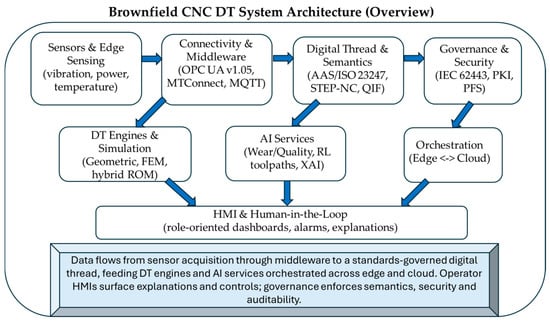
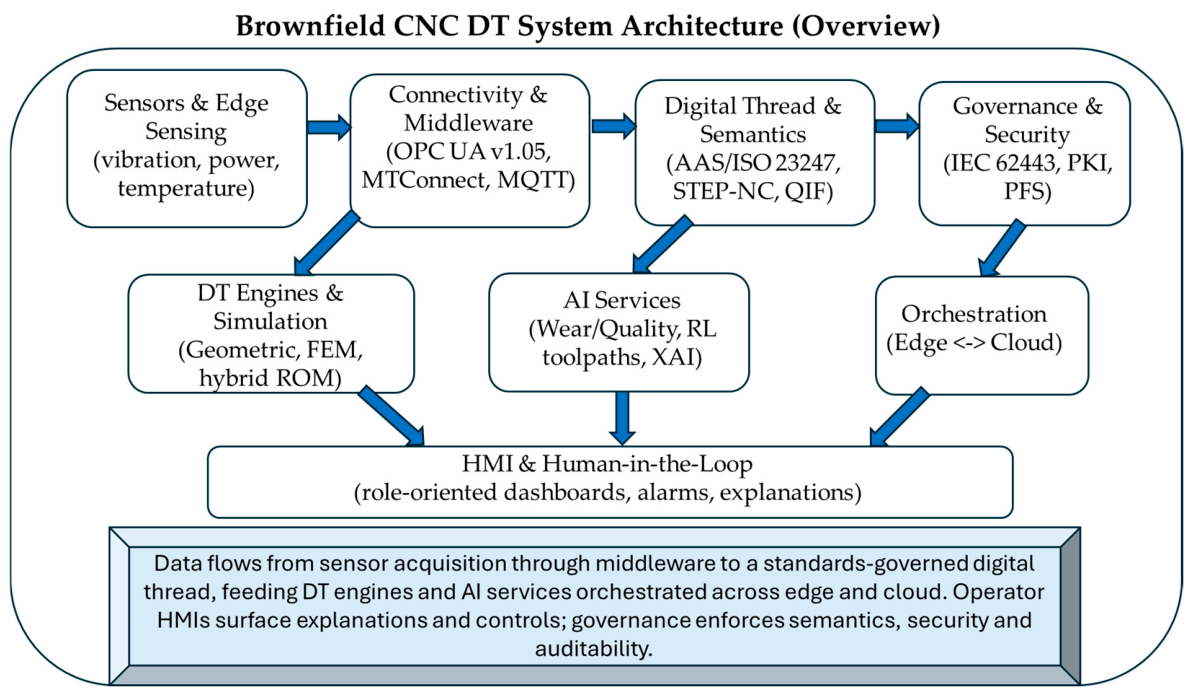
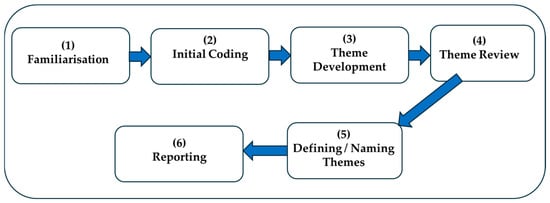
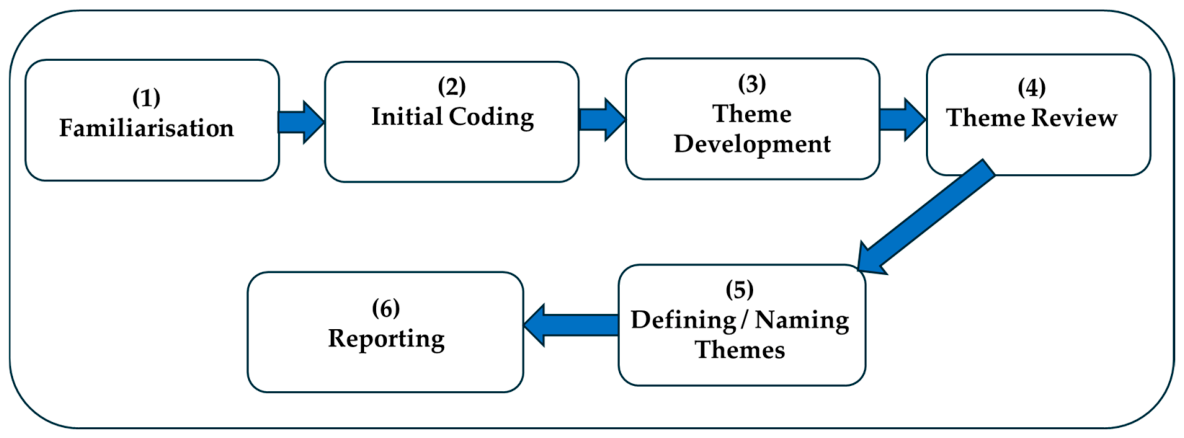
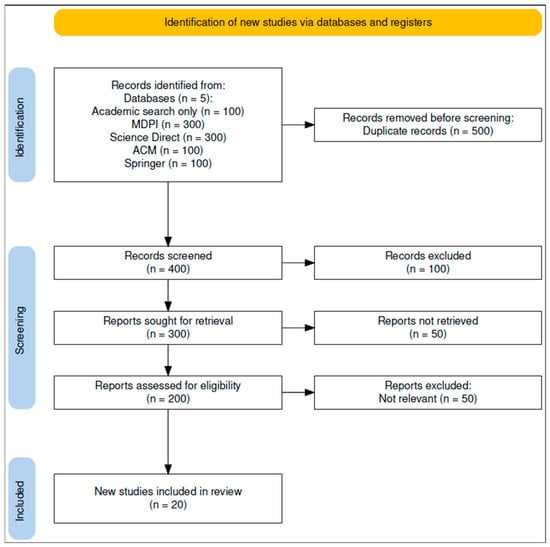
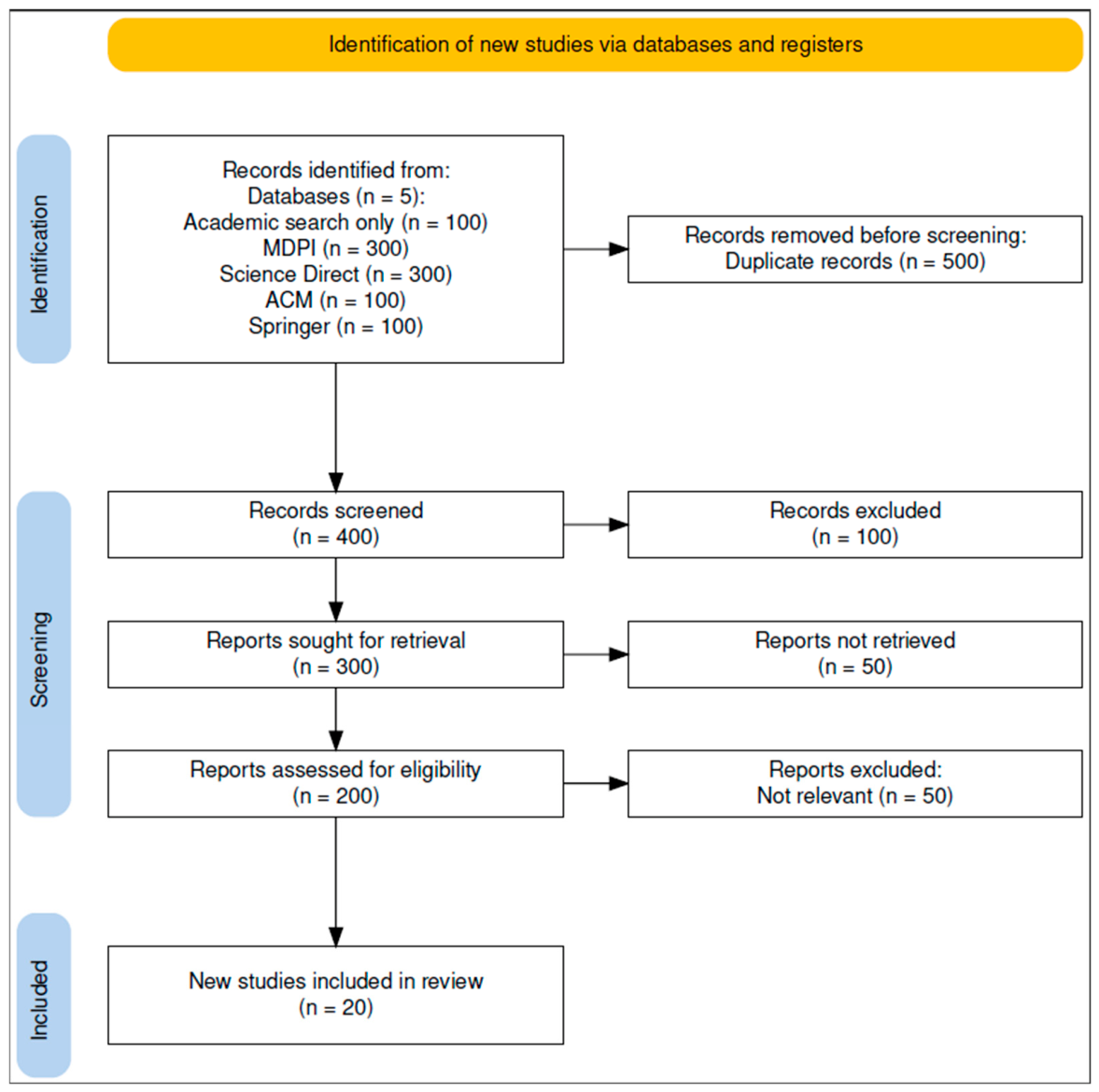
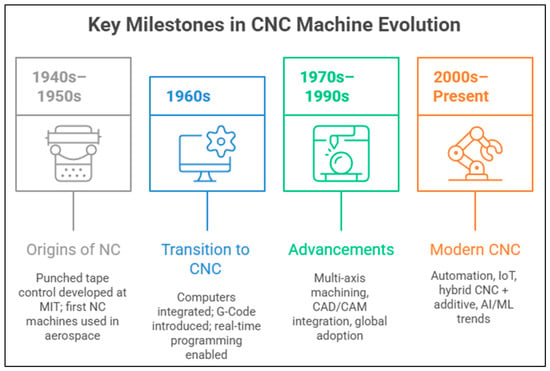
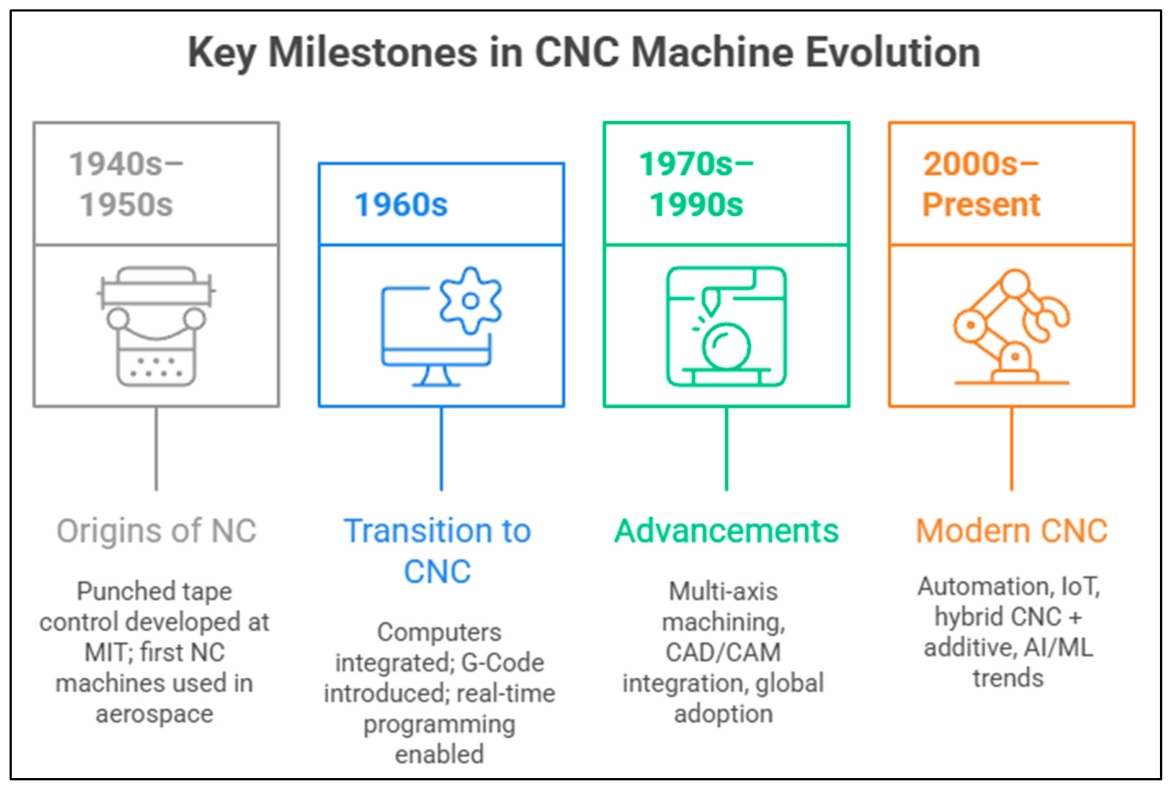
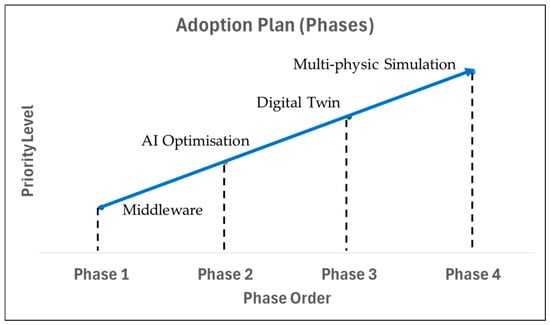
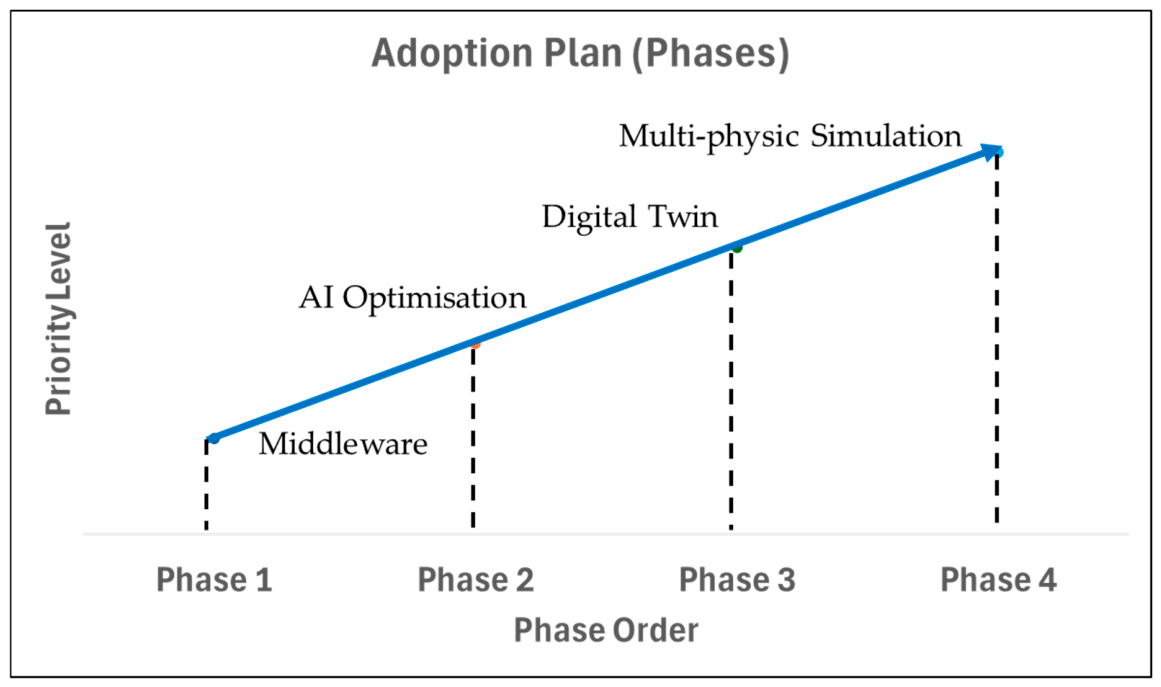
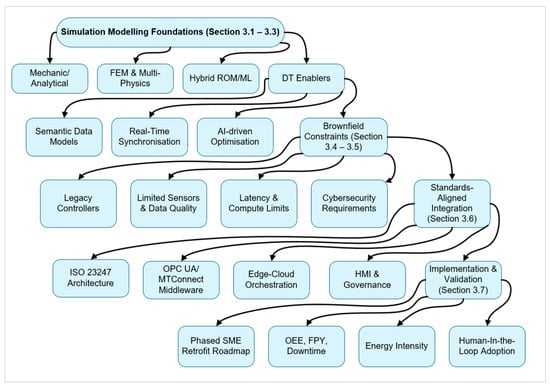
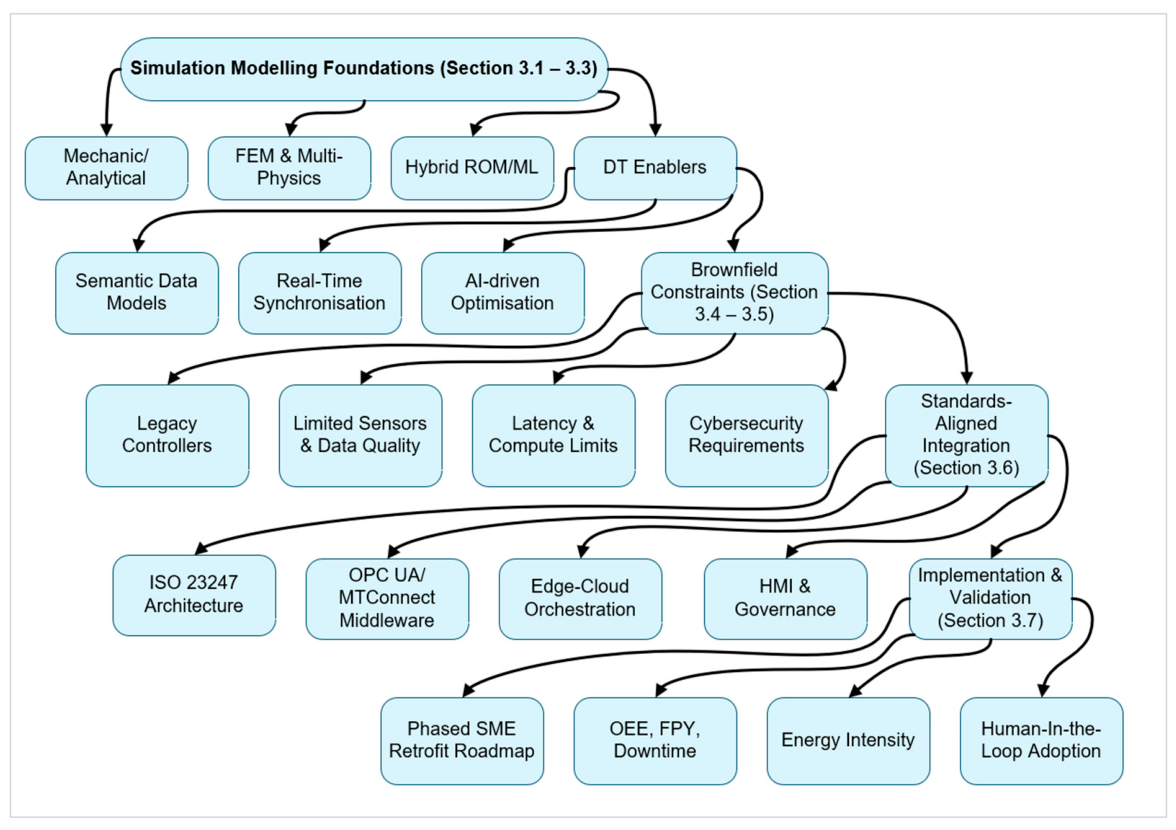
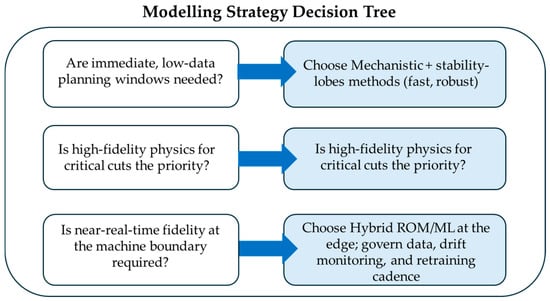
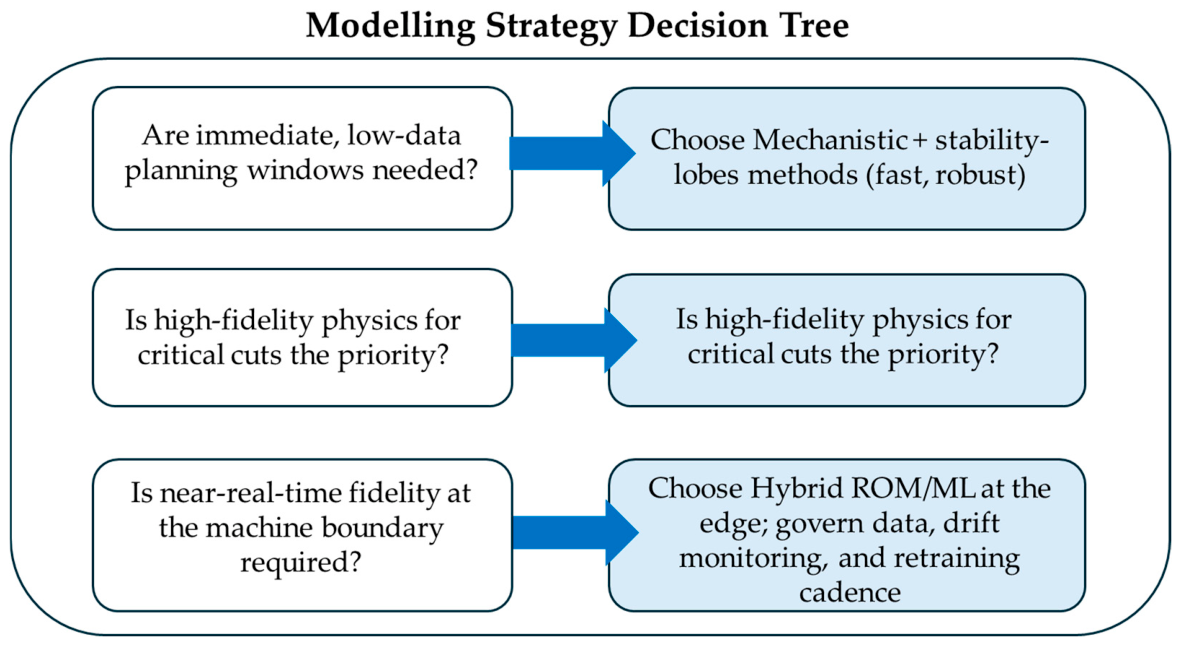
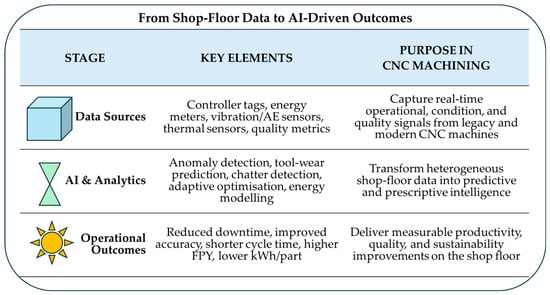
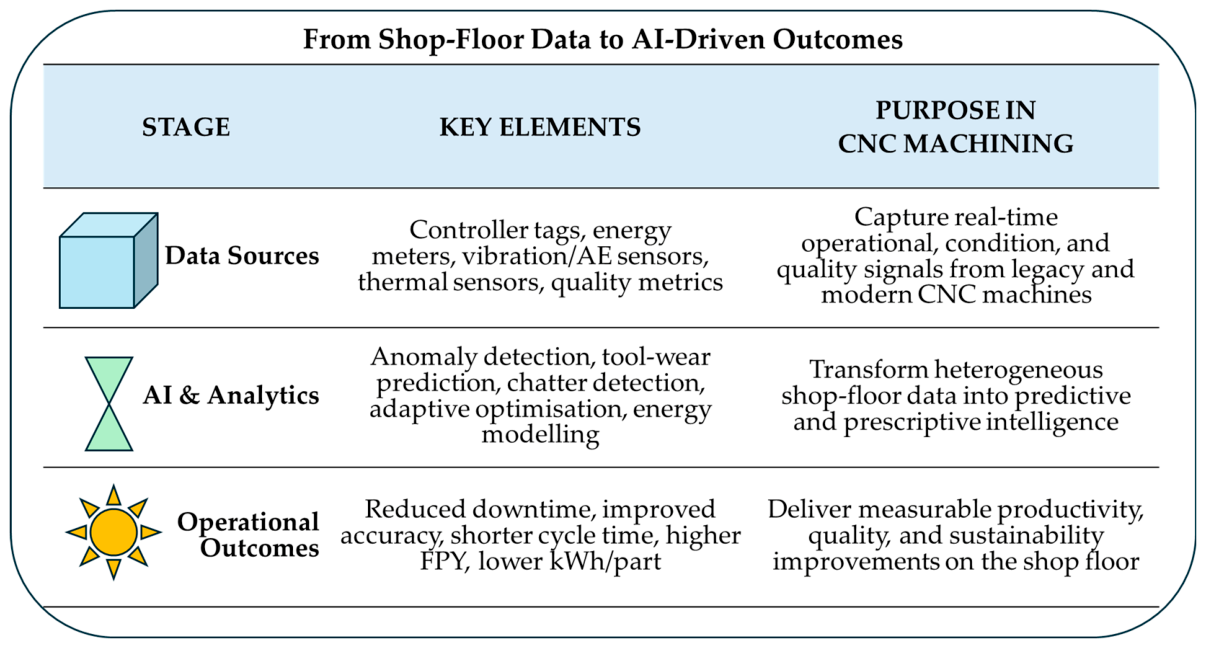
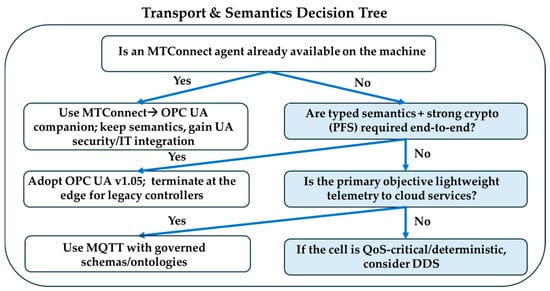
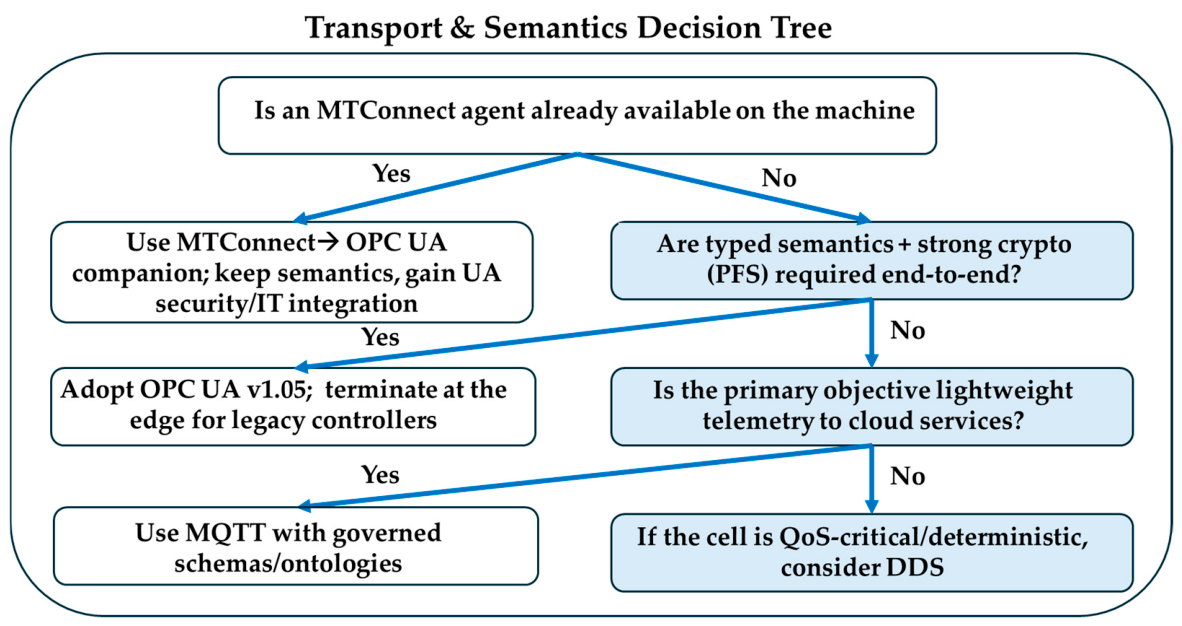
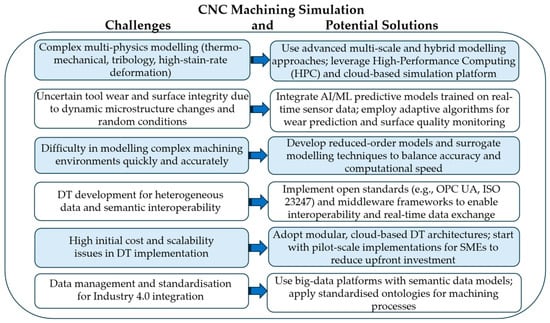
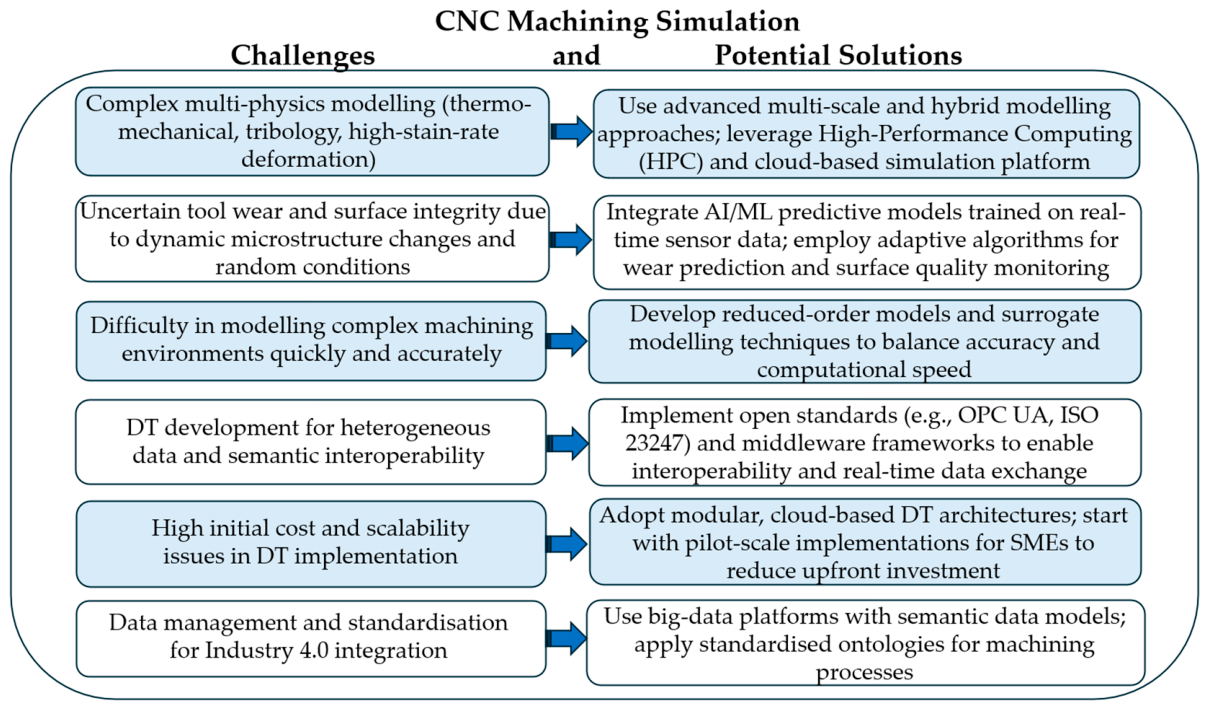
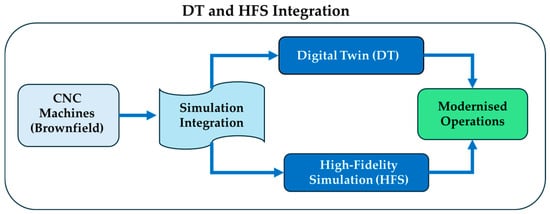
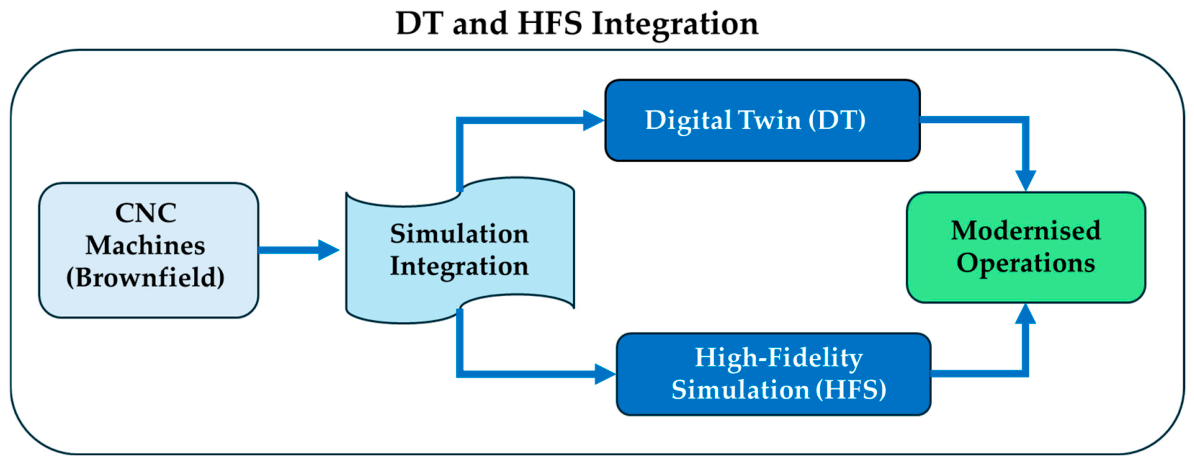
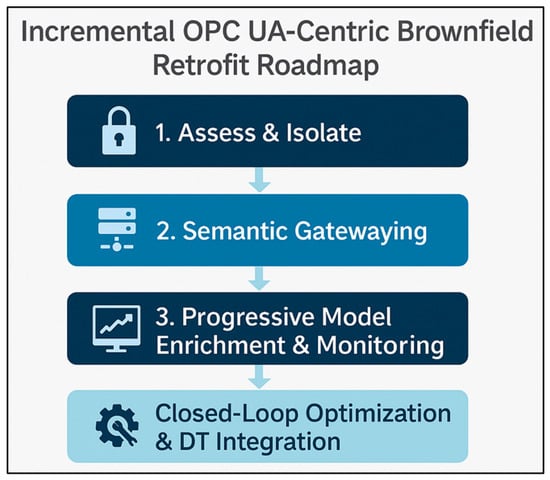
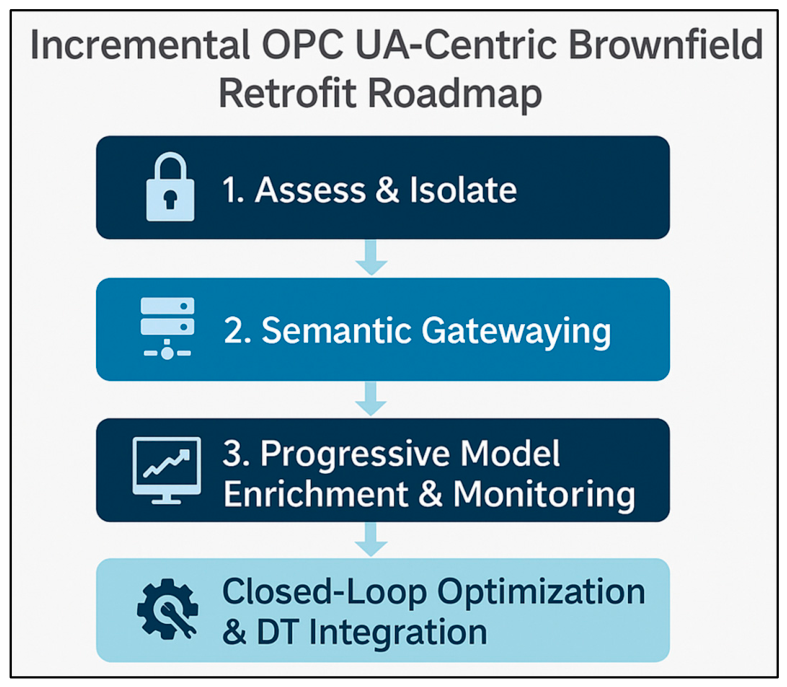
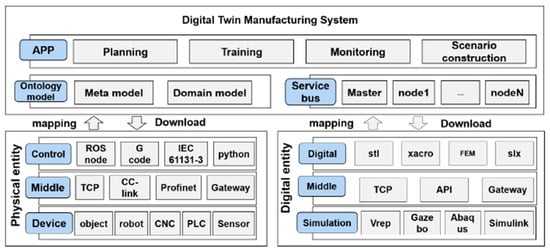
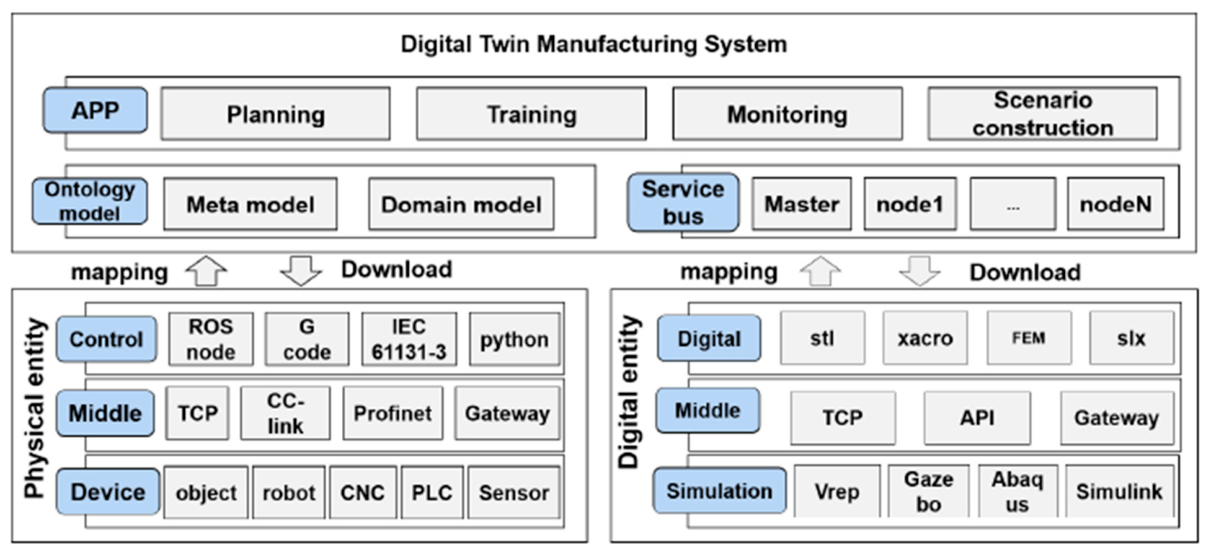
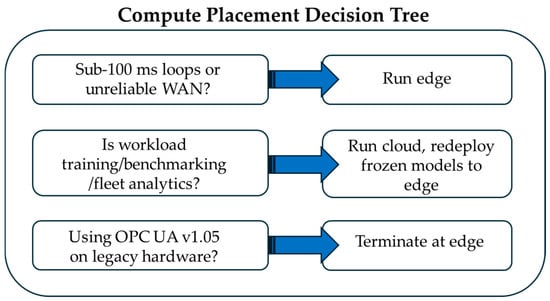
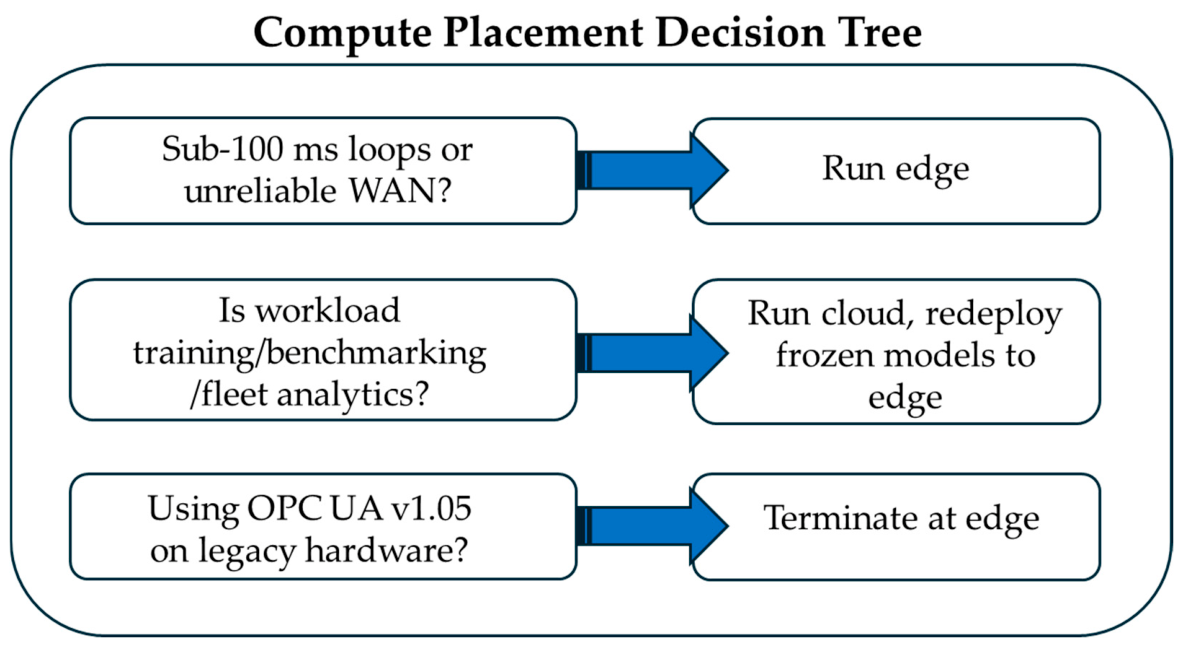
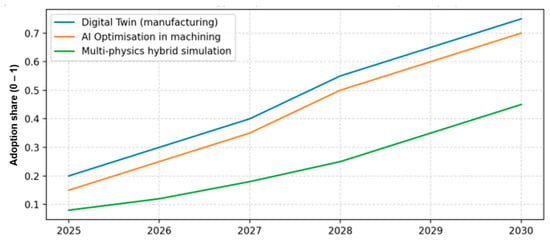
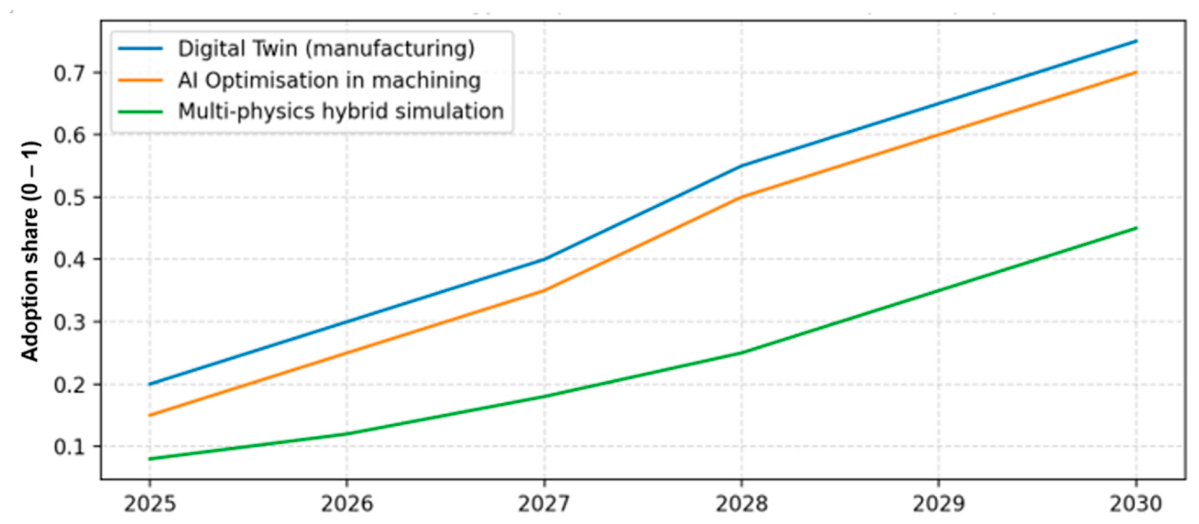
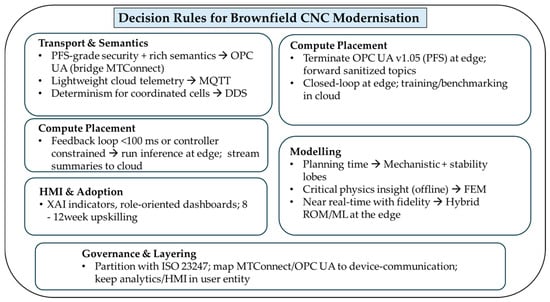
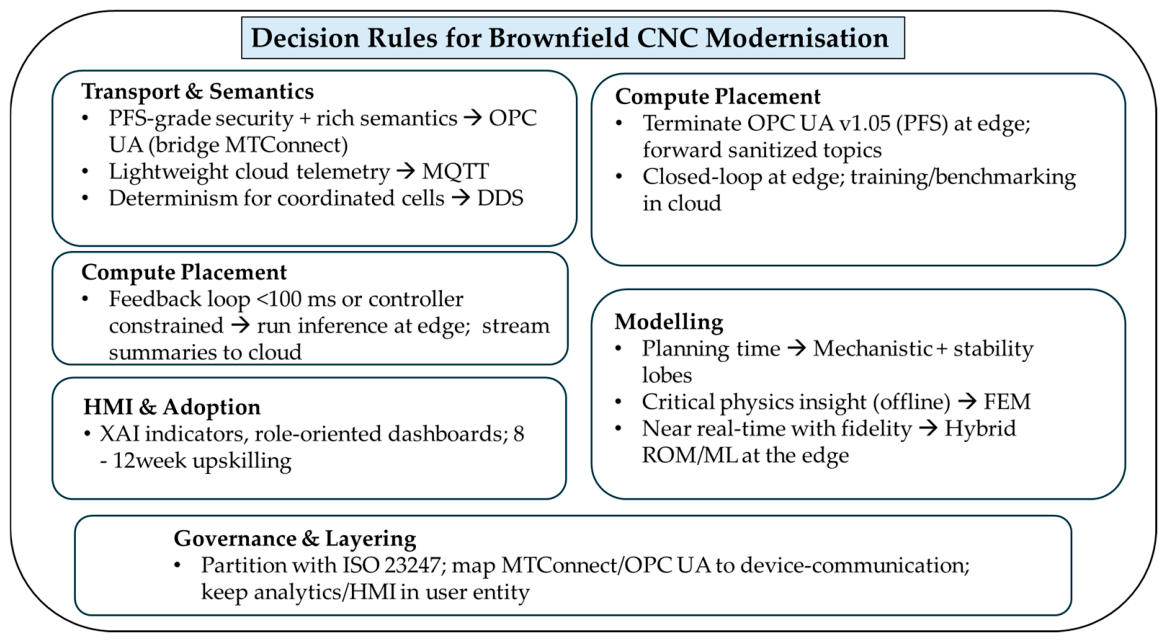
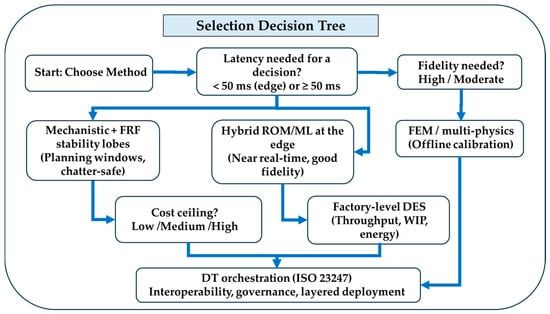
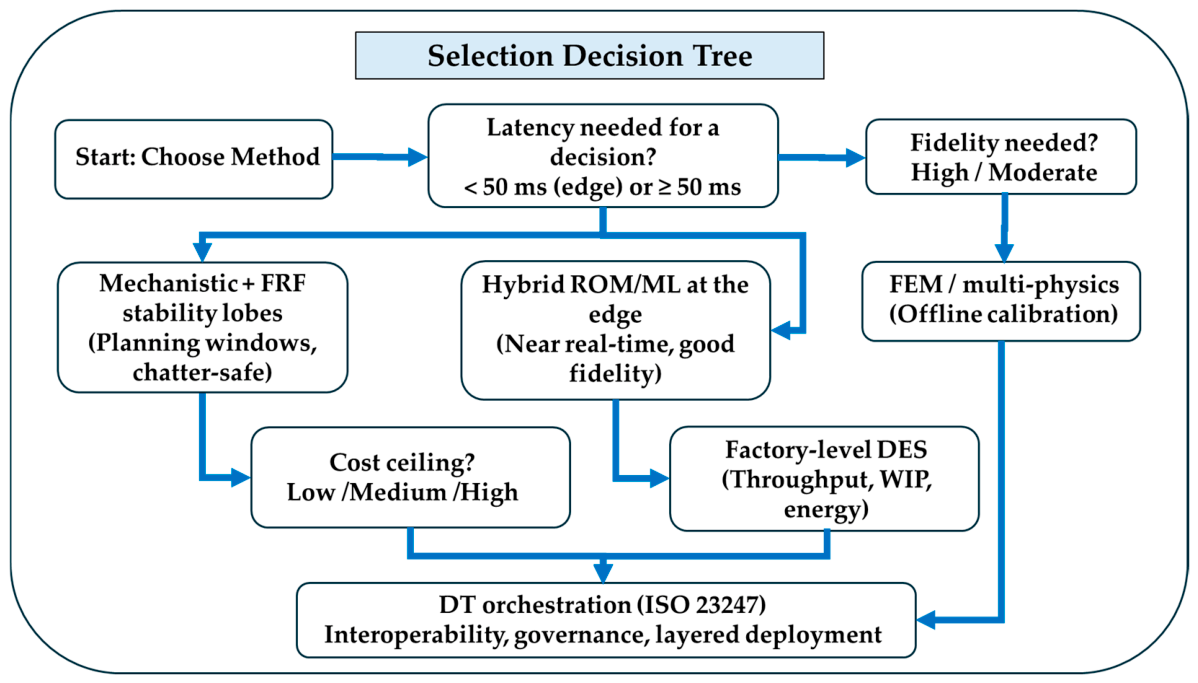
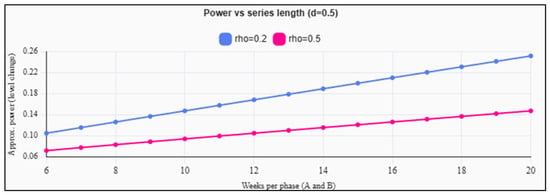
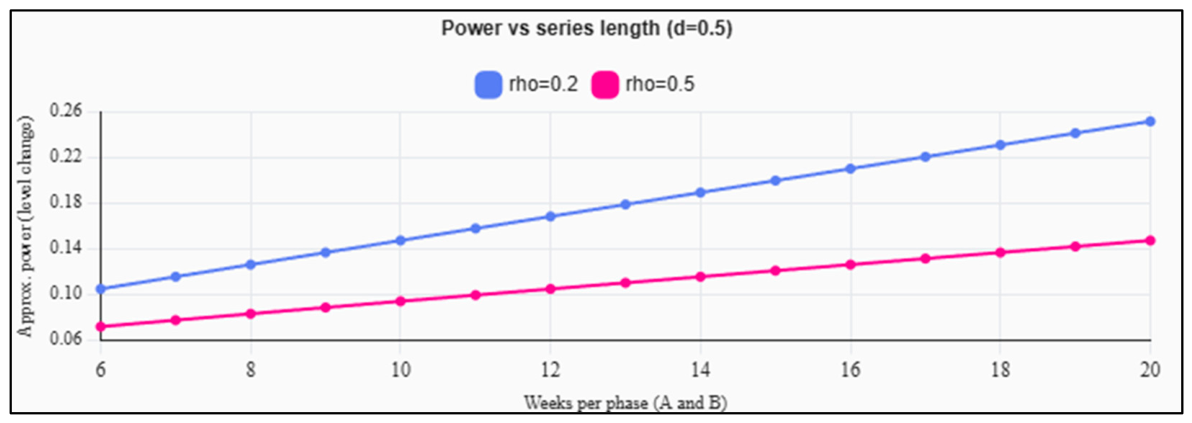
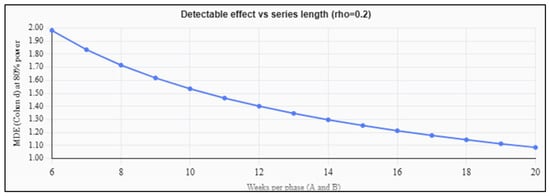
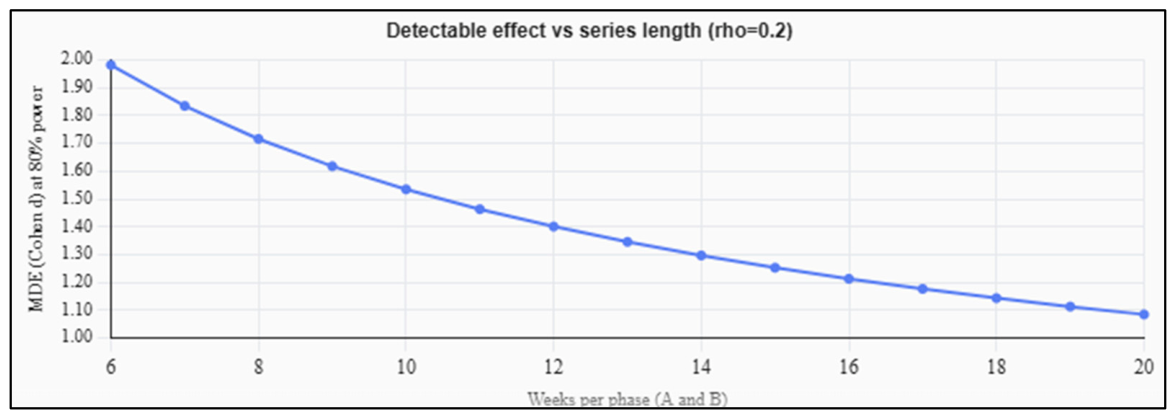

Disclaimer/Publisher’s Note: The statements, opinions and data contained in all publications are solely those of the individual author(s) and contributor(s) and not of MDPI and/or the editor(s). MDPI and/or the editor(s) disclaim responsibility for any injury to people or property resulting from any ideas, methods, instructions or products referred to in the content. |
© 2026 by the authors. Licensee MDPI, Basel, Switzerland. This article is an open access article distributed under the terms and conditions of the Creative Commons Attribution (CC BY) license.