


Highlights
What are the main findings?
- Direct exposure to the autonomous shuttle reduces older adults’ initial fears re-garding complexity and increases comfort through experiential learning.
- While older adults recognize the relative advantage of autonomous shuttles for mobility, acceptance is conditional upon resolving performance issues like slow speeds and abrupt braking.
- Stakeholders may prioritize experiential learning opportunities to mitigate psy-chological barriers while addressing specific accessibility needs to facilitate ac-ceptance.
- A robust regulatory framework establishing clear liability and safety standards is essential for building the public trust necessary for widespread acceptance.
Abstract
As the population ages, autonomous shuttles (AS) present a potential solution for older adults’ mobility needs. However, acceptance—often assessed through hypothetical scenarios rather than lived experience—remains a significant barrier. This study aimed to explore older adults’ perceptions of AS through pre- and post-exposure, and to examine how these experiences shape their AS acceptance within the Diffusion of Innovations (DOI) framework. Using existing qualitative data from pre- and post-exposure focus groups, with 32 older adults across Florida, we used hybrid thematic analysis, grounded in DOI theory. The results revealed that the technology’s ease of use, as experienced when riding the AS (Trialability), reduced initial concerns related to Complexity. While participants acknowledged the Relative Advantage of AS in enhancing their mobility and safety, their acceptance was conditional upon addressing the AS’s slow speed and abrupt braking. Acceptance was also contingent upon Compatibility with personal lifestyles and the establishment of clear AS Regulations, to build trust. The findings indicate that for older adults, AS acceptance is a dynamic process where direct exposure is essential for overcoming initial concerns. However, widespread adoption will ultimately be influenced by AS performance, seamless integration of AS into their daily lives, and a robust regulatory framework.
1. Introduction
As the population ages, families and aging adults face difficulties in meeting their mobility needs [1]. An autonomous shuttle (AS) is a subset of the broader category of autonomous vehicles (AVs) and shares the same technological underpinnings, such as advanced sensing, navigation, and automated driving systems. Although this mode may be a promising transportation mode, older adults’ acceptance thereof depends on more than just how well the technology functions. Acceptance of AS is influenced by older adult perceptions related to safety, trust, and usability [2]. The existing literature on older adult acceptance mainly reflects findings from surveys determining the hypothetical usage of AS, which may miss the complexity of the individual’s lived experience with the AS [3]. When older adults ride or interact with the AS, their reflections provide a richer picture of their reactions and/or expectations [2,3]. This study therefore examines the lived experiences of older adults by combining pre- and post-exposure perceptions, obtained from secondary data [4], to generate insights that can guide age-sensitive planning, policy, and design strategies.
1.1. Literature Review
- Community Mobility and Older Adults’ Needs
The aging population has diverse mobility needs, which may challenge the current transportation system to accommodate them appropriately and sufficiently. The challenges may include decreased access to public transit use due to further walking distances, inconvenient boarding, limited help with stowing options, safety concerns due to frailty, and even complete cessation of transit use. Moreover, older adults may not be able to continue to drive, and with the decreased access to community mobility, they may experience limited access to healthcare services, grocery shopping, and/or social engagements [5,6,7].
- Introduction of an AS and its Relevance
With these diverse mobility challenges faced by older adults, the AS (see Figure 1 below) may be an option to support their community mobility needs [8].
Figure 1.
The Navya autonomous shuttle operated by Beep. This shuttle is a shared, self-driving vehicle that functions as a micro-transit service, using features like sensors and automated controls to transport multiple passengers. https://ridebeep.com/solutions/mobility-networks (accessed on 3 December 2025).
The AS may assist older adults’ community mobility and societal participation, particularly by providing access to essential services and community events [8,9,10]. However, AS technology is in its early stages of development and thus requires thorough testing and regulatory strategies before large-scale deployment [8,9]. Besides the AS being in its developmental cycle and encountering challenges towards full acceptance, older adults interact with the AS with caution because they prioritize safety, accessibility, and affordability. Moreover, their acceptance is influenced by the perceived risks and user-friendly design associated with the AS [10,11]. Therefore, an age-sensitive planning approach may be needed to understand and address user perceptions for acceptance of the AS [8,10,11]. Perceptions, in this context, are the subjective interpretations that individuals form about an innovation’s attributes, which are considered more influential in shaping acceptance than the technology’s objective features [12,13,14]. Beyond providing mobility, AS technologies are expected to enhance road safety by reducing crashes associated with human factors. Recent research [15] indicates that human errors contribute to up to 90% of traffic accidents, underscoring the potential for automation to mitigate these causes. Additionally, comparative analyses of autonomous systems versus human driving show significantly lower crash rates for AVs across millions of miles, which suggests that advanced sensing and control systems may improve overall traffic safety [15].
- Importance of Understanding Perceptions and Acceptance of AS
For older adults, their unique mobility needs and cautious approach to new technologies indicate the importance of their perceptions, and factors such as personality traits, prior experience, and even anxiety, may influence their willingness to use the AS [16,17,18,19]. Overlooking these nuanced perceptions may lead to underutilization of AS. Therefore, understanding older adults’ perception pertaining to acceptance of the AS is necessary for informing age-sensitive planning, policy, and design strategies [8,19,20]. One way to ascertain their readiness for acceptance is to consider the postulates of the Diffusion of Innovations Theory (DOI) as an organizing framework.
- Diffusion of Innovations Theory
The Diffusion of Innovations (DOI) Theory [12] provides a foundational framework for understanding how innovative ideas, practices, or objects are viewed over time, for eventual adoption. Its scientificity is established by an integrated body of concepts derived from over 5200 publications that describe the predictable pattern of how new ideas spread and gain momentum in a community over time [12]. At its core, the DOI posits that the acceptance of an innovation is a process where individuals seek information to reduce the inherent uncertainty associated with new ideas, ultimately leading to a decision to accept or reject the idea or product [12]. Prior research has applied the DOI theory in the AV domain to explain public acceptance (e.g., Yuen et al. [21]). Although the DOI was originally developed to explain adoption, acceptance has also been operationalized as pre-adoption intention, with DOI attributes serving as predictors of that intention [21]. Therefore, we follow this precedent and define acceptance as intention to use, consistent with the persuasion and decision stages in Rogers’ innovation-decision process [22]. Accordingly, extending the DOI framework to the AS context is theoretically justified, as it maintains consistency with prior AV research while addressing a specific shared mobility service.
Central to this process are five perceived attributes of an innovation that influence its rate of acceptance. These are Relative Advantage (the degree to which an innovation is seen as better than the idea it supersedes), Compatibility (its consistency with existing values, experiences, and needs), Complexity (its perceived difficulty to understand and use), Trialability (the extent to which it can be experimented with on a limited basis), and Observability (the visibility of its results to others) [12]. Objectivity is maintained through these five standardized perceived attributes, which allow for consistent categorization of perceptions regardless of the technology type [12]. These perceived attributes, rather than their objective features, shape the individuals’ willingness to accept new technologies [12]. Psychological and social factors—such as trust, openness, and personality traits—are equally influential as additional capabilities to determine acceptance [16]. Despite these strengths, the DOI approach has recognized shortcomings, including a pro-innovation bias (the assumption that an innovation should be adopted) and a recall problem stemming from its frequent reliance on retrospective self-reports [12]. To address these issues, this study used hybrid thematic analysis to identify AS acceptance factors [22] by merging DOI principles with older adults’ lived experiences.
1.2. Gap
Although studies on older adults’ perceptions and acceptance of AS have expanded, a gap remains in the comprehensive understanding of these perceptions based on their lived experiences. Studies used stated preference surveys or asked participants to imagine hypothetical AS scenarios [19,23]—which is not sufficient to detect nuanced experiences. Lived experience studies—where older adults ride the AS—may fill this gap by capturing subtleties of safety, trust, and usability via qualitative interviews [10]. For example, Sangrar et al. [24] found that both older riders and service providers emphasized accessibility, inclusivity, and the overall riding experience as central to acceptance—insights that are difficult to obtain through surveys alone. While quantitative studies identify factors such as usefulness, safety, and trust [16,18,25], they indicate little about why these factors matter, pointing to the need for qualitative approaches that can explore older adults’ beliefs and contextual factors.
1.3. Rationale and Significance
To address this gap and move beyond the limitations of surveys as the only method for data collection, information obtained from focus groups may provide a clearer understanding of the older adults’ lived experiences, concerns, and expectations [26]. By incorporating both pre- and post-exposure perceptions obtained via focus groups, the findings may reveal anticipatory expectations and experiential reflections to offer a comprehensive understanding of older adults’ perceptions and acceptance of AS [2,3]. This qualitative lens is needed for obtaining insights that may inform age-sensitive AS services, while also supporting policies and design strategies, to facilitate greater adoption and acceptance of the AS among older adults [8].
1.4. Study Purpose and Research Question
The purpose of this study is to explore older adults’ lived experiences and perceptions of AS before and after exposure and to examine how these perceptions are related to acceptance within the framework of the DOI theory. By comparing pre- and post-exposure data, the research aims to address the following question: How do older adults describe their lived experiences and perceptions of AS before and after riding it, and in what ways do these perceptions shape their willingness to accept the AS?
2. Methods
2.1. Ethics, Study Design, Participants, and Operational Details
The parent study was approved by the University of Florida’s Institutional Review Board (IRB; IRB202101677) [4]. This study received IRB-02 approval from the University (IRB202400603). The researchers received permission to use the existing data from the parent study for further analysis.
The parent study [4] examined older adults’ perceptions and lived experiences related to autonomous ride-sharing services across three geographic regions in Florida: Lake Nona, Port St. Lucie, and The Villages. A total of 240 participants aged 50 years and older were enrolled across these three sites (Lake Nona, n = 50; Port St. Lucie, n = 63; The Villages, n = 127). Demographic information was available for 222 participants (M = 66.83 years, SD = 8.9), with ages ranging from 50 to 88 years. The sample was 54% male and 45% female, predominantly White (80%), and highly educated, with approximately 67% reporting a bachelor’s degree or higher. Comprehensive details regarding the demographics are documented and available in the parent study [4].
In this study, the same data were re-analyzed based on the DOI theory’s five principles, previously mentioned. Data from 32 participants involved in the pre-focus groups, conducted across three sites (Lake Nona, n = 6; Port St. Lucie, n = 6; The Villages, n = 20), were included. Data from 31 older adults who participated in the post-focus groups (Lake Nona, n = 5; Port St. Lucie, n = 6; The Villages, n = 20) were also included. Importantly, the primary purpose of the current analysis was not to conduct demographic comparisons but to examine older adults’ perceptions and lived experiences related to AS technology using a theory-driven thematic framework. The analytic focus was therefore on conceptual understanding rather than subgroup differentiation. In the parent study [4], sample size was guided by thematic saturation and operational feasibility rather than statistical power. Consistent with methodological standards, saturation is typically achieved within four to eight focus group discussions [27].
The parent study utilized the Navya AS (operated by Beep), which is classified as SAE level 4 (High Driving Automation) [28]. This level of automation means the vehicle is programmed and does not require human intervention within its predefined area; however, it retains manual override capabilities. During this study, a safety operator was mandatorily present on board at all times to oversee operations and intervene in complex situations, such as recalibrating the system during technical glitches.
For the experimental procedure, the shuttles operated on fixed, predefined routes in mixed traffic conditions, including roundabouts and intersections, at restricted speeds of less than 20 mph. This exposure allowed participants to observe the shuttle’s real-world interactions with other road users and pedestrians.
2.2. Measurement
The Pre- and Post-Focus Group Guides [4] used open-ended questions and targeted prompts to elicit participant responses and perceptions pertaining to AS acceptance (see Appendix A). These guides explored participants’ perceptions (including concerns and expectations), which inferred acceptance related to AS use and its broader implications for community mobility, safety, health, and policy.
While the original data had undergone preliminary thematic analysis for reporting purposes, this research team conducted a re-analysis of the deidentified transcripts using a hybrid thematic approach that combined inductive and deductive coding [29,30]. The deductive coding was informed by the five core principles of the DOI theory [12]. When participant responses extended beyond these predefined categories, inductive coding was applied to identify emergent subthemes [29,30]. This hybrid strategy allowed for a richer understanding of factors influencing older adults’ acceptance of AS, with particular attention to changes in their perception pre-and post-AS exposure.
2.3. Data Management
The researchers extracted the deidentified transcripts from the original focus groups. The data were originally provided as Word documents. Some transcripts were imported into UF-approved NVivo software (version 14; QSR International) to facilitate qualitative coding and thematic organization, while others were coded directly within the Word documents using structured comment and highlighting functions [29]. Accuracy of data extraction was ensured by cross-checking imported files against original transcripts. All qualitative files were stored securely in a password-protected, encrypted server managed by the University of Florida.
2.4. Data Analysis
The qualitative data were analyzed using a hybrid approach to thematic analysis as described by Swain [29]. This method integrates both deductive coding—based on Rogers’ five DOI theory principles and inductive coding, which allowed new subthemes to emerge from the data itself. One researcher extracted and coded the deidentified transcripts and conducted the analysis in collaboration with a second independent coder, an experienced qualitative researcher.
The deductive coding phase was initially informed by the five core principles of Rogers’ DOI theory. These established constructs provided the structural lens for identifying factors influencing older adults’ acceptance of AS technology. Subthemes were then clustered under these broader DOI-based categories to reflect participants’ lived experiences, expectations, attitudes, and intentions regarding the technology.
To capture nuanced contextual insights that extended beyond the predefined DOI categories, the researchers utilized an inductive expansion. This process led to the identification of emergent subthemes, such as Technology Unreadiness and AS Limitations (e.g., jerky braking and slow speeds), which were nested within the broader DOI framework to add specific detail to the participants’ perceptions.
Furthermore, the inductive analysis identified entirely new major themes that did not perfectly match the five priori DOI codes. These participant-driven themes, i.e., AS Regulations and Future Expectations, were established as distinct categories to account for critical concerns regarding legal liability, government oversight, and the perceived inevitability of the technology. Ultimately, this iterative synthesis resulted in a final map of seven major themes, as visualized in the hybrid thematic analysis flowchart (see Figure 2).
Figure 2.
Hybrid Thematic Analysis Flowchart. This flowchart illustrates the six-step iterative process of the hybrid thematic analysis.
Transcripts were coded using a combination of NVivo and structured Microsoft Word, following Swain’s iterative analysis model [29]. This ensured both theoretical alignment and flexibility for participant-driven insights. To ensure analytical rigor and credibility, the two data analysts coded the deidentified transcripts by using a shared codebook. Coding discrepancies were identified, discussed, and reconciled through a collaborative process until complete agreement (100%) was reached. This consensus-based approach strengthened the consistency and trustworthiness of the findings [31]. Participants’ exact narrative responses were quoted—corrected for grammar but not to change meaning—from the dataset to preserve authenticity while ensuring readability.
3. Results
Seven major themes and a series of subthemes emerged from the data. The themes were: Relative Advantage, Compatibility, Complexity, Trialability, Observability, AS Regulations, and Future Expectations (Table 1).
Table 1.
Qualitative Themes and Subthemes with Definitions.
3.1. Theme 1: Relative Advantage
Definition: Relative Advantage reflects the degree to which participants perceived the AS to be better than their existing transportation options. Subthemes included perceived benefits like improved mobility, safety, cost savings, environmental impact, as well as drawbacks such as immature technology and shuttle limitations.
3.1.1. Mobility and Independence Gains
Participants across all three sites saw potential for the AS to increase mobility and independence—especially for non-drivers or those with declining abilities.
- “I think people being able to get out more—that they didn’t have a car and had to rely on somebody else. They would become more independent, that they can say hey, I’m going to go swimming now.”
- “People with disabilities … just to get around, it’s a little bit more mobility.”
- “I walked to a particular point in my neighborhood … or it picks me up at my house, and it takes me to a destination that’s desirable.”
- “If I had a little bit to drink, I’ll leave my car … and it’s gonna drop me off my house. Those are kind of used cases I see.”
- “Right now in The Villages, any place my golf cart will go, I would definitely be in an autonomous shuttle going around.”
- “Now I really think it’s gonna be so helpful for us to go out and … be able to just take the shuttle, the autonomous vehicle back with no problem.”
3.1.2. Safety and Security Benefits
Safety was one of the most cited perceived advantages. Participants believed the shuttle could reduce risks by eliminating human error and dangerous behavior such as impaired driving.
- “It would dramatically increase the safety for the community … I would feel much more comfortable having an [AS] vehicle in the other lane than many of my neighbors.”
- “Think about it. You could go to dinner, have a couple of glasses of wine … that would be exciting, and it would definitely cut back on some of the accidents.”
- “My son has a Tesla … a friend almost died [in a crash] with a gas car. If they had had a Tesla that wouldn’t have happened.”
- “You had these big buckles. You felt kind of safe, you know. You’re like, ‘Oh, I feel safe.’”
3.1.3. Cost Savings and Efficiency
Several participants framed the AS as a cost-saving measure. For retirees or those no longer needing to drive daily, AS presented an opportunity to reduce transportation-related expenses.
- “You could reduce—instead of having two vehicles, you could have one.”
- “I had to spend $24 for transportation to the grocery store when I couldn’t drive … that could be saving costs if the shuttle worked.”
- “The cost curve will come down, and it will be more useful to the elderly.”
- “If you could do a ride share with your neighbor, it would make it more practical.”
- “Once it doesn’t need a backup driver, there’s no need to have the additional cost of the backup driver.”
3.1.4. Environmental Benefits
Although not as frequently mentioned, the environmental aspect of the shuttle being electric was noted as a relative advantage.
- “One thing about this vehicle—it’s electric. You don’t have the fumes from gasoline or diesel-powered vehicles.”
- “So just breathing in cleaner air, I mean, with less fumes, it helps your well-being.”
3.1.5. Technology Unreadiness
Despite enthusiasm, many participants expressed reservations about the maturity of AS technology, particularly its reliability in complex scenarios.
- “I just don’t trust it until I’ve been in it maybe several times.”
- “I know they work, but I still don’t trust it 100%.”
- “We’ve had GPS in our car tell us to go off a bridge … and sometimes it says ‘imminent crash’ when no one’s even around.”
- “We’re not at Level 5 autonomy … not for another 15–20 years.”
- “At intersections, the vehicle stops and the safety operator intervenes by telling the system when to proceed. I was a little surprised with that.”
3.1.6. Autonomous Shuttle Limitations
Even those in favor of the concept noted drawbacks in its current form—especially its slow speed, jerky braking, and need for an onboard safety operator.
- “It did stop a couple times, pretty abruptly … they just stopped. That was a little unusual.”
- “The braking is probably the biggest one … it does jerk you. Like emergency stopping.”
- “If you’re going to drive down to get on the AS, why not just drive it?”
- “In a roundabout, we were doing 25 mph and then [suddenly] we weren’t. So we were in the way.”
- “If it’s gonna take 30 min to get on it, moving it at 15 mph, … I’ll just drive.”
- “There was some little technical glitches, and … difficulty when we first started, but then it got really smooth.”
- “We had to get on and off a couple of times because he had to recalibrate the vehicle.”
3.2. Theme 2: Compatibility
Definition: Compatibility refers to the extent to which ASs align with older adults’ existing routines, values, physical abilities, and past experiences with transportation or technology. Compatibility contributes to acceptance when the AS is perceived to naturally fit into daily life, reflect social preferences, and meet individual needs. In contrast, incompatibility may arise when the AS conflicts with personal habits, expectations, or lifestyle patterns.
3.2.1. Community Fit and Use Cases
Participants frequently considered how the AS would integrate into their specific community structures. In both The Villages and Lake Nona, there was recognition that the AS could complement existing transportation use.
- “I can see where this vehicle would fit in right now … It would work in our community.”
- “I like the concept … I can see several use cases it could be used for, especially in Lake Nona.”
- “In The Villages, any place my golf cart will go, I would definitely be in an autonomous shuttle going around.”
3.2.2. Integration into Personal Lifestyle
Participants evaluated how the AS could fit into their everyday routines. Many viewed it as a helpful tool for non-essential trips or when they preferred not to drive.
- “Anytime that I don’t have to drive, that’s a good thing.”
- “You could go to dinner, have a couple of glasses of wine … you don’t want to drive. That would be exciting.”
- “I’m not driving—that’s a plus.”
- “This would be perfect for getting to appointments or community events.”
- “It should be affordable, convenient, a good resource. Another option would be great.”
3.2.3. Social Interaction and Comfort
Participants appreciated that the AS could facilitate conversation and a relaxed environment, drawing comparisons to familiar modes of transport.
- “We sat around and talked during the ride.”
- “It was like a tram at the airport.”
- “This was like having a chauffeur, and I’m all for that.”
- “It was cold in there … the environment, the temperature was good. You had space … You had these big buckles. You felt kind of safe … We were actually looking at our phones and checking messages.”
3.2.4. Prior Experience and Familiarity
Familiarity with autonomous features (e.g., Tesla autopilot) influenced participants’ openness to the AS. Those with prior exposure were more receptive.
- “I’ve been driving a Tesla for seven years. I love it … I use it … to help me be safe.”
- “My car yells at me if I turn the wheel too much—so I know this stuff is already here.”
- “I saw a PBS documentary about AVs in trucks crossing the country. They still had backup drivers.”
- “If you’ve never experienced it, you’re still a little leery.”
3.2.5. Suggestions for Improvements
Participants suggested practical enhancements to better match their needs and expectations, ranging from physical comfort to system feedback.
- “They need to work on smoother stops and increasing speed. It would make people more comfortable.”
- “You need a display that shows your next stop … like a train system.”
- “You should have both visual and audio indicators.”
- “Seats are too narrow, my knee was up against another seat, but those things can obviously be fixed.”
- “They should bring this to recreation centers, showcase it with experts, and answer questions.”
- “They were planning on making the Beep bigger so that it would accommodate more people.”
- “It would be good to have it close to the hospital, and also the downtown area … having a sort of connecting right from downtown to the closest area to take the train.”
3.2.6. Transition from Other Transportation Modes
Participants described their considerations and actual experiences when comparing AS to their existing or alternative transportation methods, evaluating how AS might complement, substitute, or fall short of traditional vehicles, public transit, or ridesharing services.
- “I still have to drive, even if I’m going to the movies and I could pick something at a location in my neighborhood or in front of my house, and it takes me to that movie, I probably not drive. I take that shuttle instead.”
- “Can I take the cheaper shuttle that’s going to take me 45 min to get there? Or do I need to call an Uber-like thing that can get me there quicker, but I pay twice as much.”
- “I personally think we probably need both. It was a surprise to me in The Villages is that there is no public transportation. And there’s effectively no Lyft or Uber.”
- “Right now in the village is any place my golf cart will go, I would definitely be in an AS going around.”
- “If you’re going to drive down to the center to get it, why not just drive to Target or whatever?”
3.3. Theme 3: Complexity
Definition: Complexity refers to participants’ perceptions of how difficult it is to understand, interact with, or trust the AS technology. This theme includes the learning curve, psychological unease with giving up control, and system reliability concerns.
3.3.1. Understanding the Technology (Knowledge & Awareness)
Many participants initially lacked understanding about how autonomous vehicles function, including differences between levels of automation. Gaining even a basic understanding helped reduce hesitation.
- “You do see some vehicles out there … and then you wonder—I never knew what level they were. Now you’re showing us that there’s different levels.”
- “It’s exciting and a little scary at the same time.”
- “Even computers, look what we look at where we are today … over time, that comfort level increases and people become more comfortable with things.”
- “The first time it was a little scary … Is it safe? Who’s driving this? After riding and seeing … somebody there answering questions … You get more relaxed.”
3.3.2. Relinquishing Control and Trust
Participants struggled with the idea of giving up control to a machine. Despite acknowledging the AS’s potential, many expressed unease with relying entirely on autonomous systems. A trust issue arose related to the current need for manual intervention during certain maneuvers.
- “We’re all so used to driving … giving up—like losing control, and letting a machine drive—is hard.”
- “I had a friend ride in a Tesla and said, ‘Put your hands on the wheel or let me out!’”
- “Because the public is not ready for this … if it’s out in the parking lot and have it come get me at the front door, I see the look on people’s faces with no driver.”
- “I was surprised, every stop sign in order to turn left or right you have to do it manually … I saw before I got in the Beep there would be more autonomous. I was surprised you have to change it manually.”
- “If the driver wasn’t there when we had those technical issues … that wouldn’t have been safe.”
3.3.3. Performance and Reliability Challenges
Concerns about braking, responsiveness, and the general unpredictability of the AS behavior contributed to a sense of complexity and decreased confidence.
- “It did stop a couple times, pretty abruptly … that was a little unusual.”
- “The braking is jerky. That’s what might turn people off—‘is this thing working right?’”
- “It almost came to a complete stop before turning. You’re going to have problems.”
- “There were technical little glitches and difficulty when we first started, but then it got really smooth.”
- “We had to get on and off a couple of times when we got to the destination because he had to recalibrate the vehicle … it obviously needs a little more work.”
3.3.4. Ease of Use and User Adaptation
Despite concerns, many participants acknowledged the actual experience of riding the AS was simple and required no effort on the rider’s part. Familiar comparisons helped normalize the experience.
- “It felt like a tram at the airport.”
- “You just get in and it takes you. From point A to point B.”
- “It was like having a chauffeur. I’m all for that.”
- “The experience was nice … We were actually looking at our phones, checking messages, taking pictures—things you can’t do when driving.”
- “I was very impressed with the gentleness of the ride … even over the speed bumps … That issue has been completely taken care of. You have like a royal rider.”
3.4. Theme 4: Trialability
Definition: Trialability captures participants’ experiences with trying the AS on a limited basis (e.g., pilot rides). This theme indicates how firsthand experience influenced comfort, trust, and interest in acceptance.
3.4.1. Initial Reactions and Comfort
The majority of participants who rode the AS were pleasantly surprised. Many felt calm, comfortable, and impressed by the experience.
- “I had no concerns. I was very comfortable.”
- “Not as scary as I thought.”
- “We sat around and talked during the ride.”
- “I forgot halfway through that there was no driver!”
- “Oh, it was kind of nice, cute. It doesn’t look like a normal car … It definitely stood out.”
3.4.2. Noticing Issues and Limitations in AS Trials
Participants also observed limitations, particularly related to AS ride smoothness and traffic integration. Technical and practical issues during rides were noted.
- “It stopped a couple of times pretty abruptly … you can’t predict it.”
- “The way it took turns—almost to a complete stop—could cause problems.”
- “Seats were too narrow, but that can be fixed.”
- “It lost power twice. It was very jerky.”
3.4.3. Comparison to Expectations
The AS trial rides changed many participants’ expectations, replacing fear with familiarity.
- “I saw we were halfway there, and then realized there’s nobody driving.”
- “It was just like riding in a regular shuttle.”
- “Didn’t notice anything weird.”
3.4.4. Influence on Acceptance Intentions
Firsthand experience increased many participants’ willingness to use the AS in the future, especially if speed, route, or reliability improved.
- “I thought it was fine. I’m all for that.”
- “It’s not there yet, but it’s going to get there.”
- “It was too slow … but I’d use it again if it’s faster.”
3.5. Theme 5: Observability
Definition: Observability refers to the extent to which the AS and its benefits were visible and publicly demonstrated. This theme includes observed community reactions, publicity, and the role of social proof in promoting acceptance.
3.5.1. Public Exposure and Awareness
Participants emphasized how seeing the AS in operation increased general awareness and interest, which may potentially enhance acceptance.
- “Two years ago, there was another company that did a test and used us as a testing site.”
- “Getting started sooner is the best thing because then people start to see it.”
- “I’ve seen them at Boxy Park. They’re similar to what you showed in the video.”
- “I’ve seen it pass by, but I’ve never been in it, so it was different to actually be inside.”
3.5.2. Reactions of Bystanders and Other Drivers
Community members unfamiliar with the AS and their slower operation sometimes reacted with discomfort or confusion.
- “The people around us seemed uncomfortable. We were in the way.”
- “It’s a learning curve, not just for riders but everyone else too.”
- “People didn’t know what to expect—especially with the quietness of the vehicle.”
- “I could see very irritated drivers around that vehicle … they got so angry they went up on the curb to go around the thing.”
- “I remember one woman in her car really giving us the side eye … she wasn’t comfortable.”
3.5.3. Communication and Outreach
Participants suggested education and engagement strategies to build understanding and normalize AS use.
- “They should do showcases at recreation centers with experts explaining everything.”
- “It needs to make a little noise, or announce itself. People aren’t ready for it to be silent.”
3.5.4. Demonstration of Benefits (Social Proof)
Participants believed observable benefits—like saving time or showing reliability—would encourage others to try the AS.
- “If there’s a priority lane, and I see the shuttle going past me … I’m gonna think, ‘I should take that next time.’”
- “Start the rollout sooner rather than later, it’s probably seeing starting it up in a phased basis and it might be slow and really boring. However, getting started sooner is the best thing because then people start to see it.”
- “We actually, when we pulled in to get in, I mean there were other people walking by. I think they wanted to. They thought they can get on the autonomous vehicle.”
- “I’ve seen it pass by, but I’ve never been in it, so it was different to actually be inside.”
3.6. Theme 6: AS Regulations
Definition: AS Regulations include participants’ concerns and suggestions about policies, infrastructure, legal responsibilities, and the role of government in safely integrating the AS.
3.6.1. Operational Integration: Speed and Infrastructure
Participants questioned how the AS fits into current traffic systems, citing speed and roadway design.
- “What’s the speed limit? It depends on where they are, whether in the hospital setting or Morris Boulevard, it’s very different.”
- “I’d hate to be behind one going 20 miles per hour in a circle.”
- “A priority lane would help … in Washington DC metro area, they already have those dedicated lanes that allow prioritized traffic to use those things like bus, transport, and so forth.”
3.6.2. Safety Standards and Requirements
Participants discussed necessary safety features, especially seat belts and auditory warnings of the AS.
- “Do you have seat belts? Are they automatic?”
- “What about the regulation on the sound … a blind person can’t hear it and all of a sudden it arrives.”
- “I would feel comfortable if the safety features are equivalent to having a driver.”
3.6.3. Liability and Insurance
Concerns arose about who is responsible in case of a crash, and whether riders would have to sign waivers.
- “Do you need to sign something? Like a waiver?”
- “You don’t sign a waiver to get on a public bus.”
- “They haven’t worked out who’s responsible for an accident. That’s a big issue.”
3.6.4. Government Role and Policy Support
Participants believed government action is necessary to support rollout, education, and regulation regarding the AS.
- “Well, government regulates automobiles … there should be requirements for automated driving.”
- “The government has a role in calming people’s concerns.”
- “I think the people would trust the system better, if regulated by the Government.”
3.7. Theme 7: Future Expectations
Definition: Future Expectations reflect participants’ speculations and hopes about how AS technology will evolve, become accepted, and impact society over time.
3.7.1. Acceptance Timeline and Technology Trajectory
Views varied from optimism to realism regarding how soon the AS would be widely deployed.
- “I don’t believe this will be around for the next 15 to 20 years [at full autonomy].”
- “In a sense I feel it’s long overdue … we should be on par with places like Singapore.”
3.7.2. Gradual Acceptance and Inevitability
Many viewed AS acceptance as inevitable, comparing it to the rise of internet or smartphones.
- “It’ll take time, but it’s the way of the future.”
- “You have to accept it. This is happening.”
- “Just like how we used to not trust online banking—now it’s normal.”
3.7.3. Anticipated Benefits and Societal Changes
Participants foresaw widespread benefits in safety, environmental sustainability, and even economic development.
- “Like with computers—this will bring new industries, new jobs.”
- “If you have any people lose their licenses when they get older and that’s part of aging … AS could just keep them up a little bit longer and maintain own independence.”
3.7.4. Personal Intentions for Future Use
Most participants expected they would use the AS regularly in the future, provided improvements are made.
- “I’d use it in The Villages … anywhere my golf cart can go.”
- “Well, I would use it for long trips … just sit back and enjoy it.”
- “Even grocery, I would use it if it was that accessible … I would use it all the time.”
- “Yeah, I probably would use it if it saved me gas.”
Collectively, the findings show older adults’ nuanced evaluations of AS, encompassing both perceived advantages (e.g., safety, independence, cost savings) and challenges (e.g., technology immaturity, shuttle limitations) related to the AS. Their lived experiences demonstrate that AS acceptance is not simply a matter of how well the technology works. Rather, it emerges from the rider’s own experiences, life circumstances, and feelings. Below, the findings are summarized by the seven major themes.
3.8. Summary of Major Themes
3.8.1. Transformative Role of Trialability
Firsthand experience (Trialability) was influencing acceptance. Rogers defines Trialability as the degree to which an innovation may be experimented with on a limited basis to reduce uncertainty [12]. After riding the AS, participants generally reported positive Initial Reactions and Comfort, often describing it as “not as scary as I thought” and even that they “forgot halfway through there was no driver.” This experiential learning helped participants move through the ‘knowledge’ and ‘persuasion’ stages of the innovation-decision process by providing a tangible, subjective evaluation of the technology. Trialability helped reduce fears tied to Complexity (Relinquishing Control and Trust), while riders noted the experience was ultimately simple and easy to adapt to, comparable to a tram or having a chauffeur. As Rogers notes, innovations perceived as simpler and less complex are adopted more rapidly [12]. Drawbacks observed during trial rides (e.g., slow speed, seat comfort) tempered participants’ enthusiasm but did not negate the positive shift in their willingness to use the AS.
3.8.2. Conditional Acceptance Based on Performance (Relative Advantage)
Older adults recognized the potential of AS for Mobility and Independence Gains and Safety and Security Benefits (e.g., fewer crashes from impaired driving or human error). They also noted anticipated Cost Savings and Efficiency (e.g., lower transport expenses) and Environmental Benefits (e.g., cleaner electric operation). However, in DOI terms, relative advantage is the degree to which an innovation is perceived as better than the idea it supersedes. Our findings show that this advantage remained conditional upon resolving Technology Unreadiness and Autonomous Shuttle Limitations (e.g., AS slow speed, abrupt braking, and reliance on safety operators). If the performance of the AS does not match its theoretical promise, the ‘decision’ stage of adoption is likely to result in rejection. Many participants expressed willingness to use the AS again “if it’s faster.”
3.8.3. Compatibility with Daily Life and Values
Acceptance depended on how well AS integrated into community infrastructure and personal routines (e.g., trips to grocery stores or medical visits). Participants valued Social Interaction and Comfort during rides, but voiced the importance of accessibility features. Prior Experience and Familiarity with automation (e.g., having driven a Tesla, experiencing advanced driver assistance systems, ADAS) increased comfort and openness to acceptance. Comparisons with personal vehicles, taxis, or golf carts shaped how participants envisioned transitioning to AS use. Overall, acceptance of the AS was implicated when it supported independence and participation, but not when limitations of the AS (e.g., its slow speed, abrupt braking, inconvenient routes, and technical unreliability) conflicted with the riders’ practical needs.
3.8.4. Policy and Regulation as Prerequisites for Trust
One emergent theme was the need for clear AS Regulations. Participants voiced unresolved Liability and Insurance issues (“who is responsible in an accident?”) as a “big issue” for acceptance. They expected a visible Government Role and Policy Support, including Safety Standards and Requirements (e.g., seat belts, audible warnings for people with low vision) and Operational Integration, such as dedicated lanes or roadway adjustments. Regulatory clarity was viewed as essential to building public trust.
3.8.5. Observability: Community Acceptance Challenges
The AS’s visibility in the community presented barriers. Reactions of Bystanders and Drivers were often negative, with frustration at the shuttle’s slow and quiet operation leading to unsafe passing behaviors. Participants stressed the need for Social Proof, i.e., visible demonstrations of AS benefits (e.g., priority lanes) to encourage broader acceptance. They also suggested Communication and Outreach efforts to build awareness and reduce anxiety among potential riders in the community.
3.8.6. Future Expectations: Inevitability and Anticipated Benefits
Participants generally viewed AS adoption as a process of Gradual Acceptance and being Inevitable. Specifically, they compared it to the normalization of smartphones or online banking. They indicated Anticipated Societal Benefits such as safer mobility, environmental sustainability, and economic opportunities. Views varied on the timeline for the full integration of the AS into society, but most agreed that resistance would fade with familiarity.
3.8.7. Personal Intentions for Future Use
Despite current flaws and limitations, participants expressed Personal Intentions to use AS in the future—especially for long trips, essential services, or daily commuting. However, the precondition was that technical and accessibility issues related to the AS had to be addressed.
4. Discussion
The purpose of this study was to explore how older adults describe their lived experiences and perceptions of AS before and after riding one, and to examine how these perceptions shape acceptance within the DOI theory. By analyzing pre- and post-exposure perceptions, the study demonstrates that older adults’ perceptions of AS and their willingness to accept it are not a static construct but an evolving process influenced by perceptions of safety, complexity, compatibility, and observed performance of the AS. These findings provide insights that complement survey-based studies, which often capture hypothetical perceptions, but not the nuanced shifts that occur through lived experience—as examined in this study.
4.1. Trialability as a Transformative Factor
A defining contribution of this study is that Trialability fundamentally reshapes older adults’ acceptance of AS. Participants often reported that riding the AS reduced concerns and increased comfort (“not as scary as I thought”), consistent with findings from controlled trials and demonstrations where exposure improved trust and acceptance [2,3]. Booth et al. [3], for example, reported that demonstration projects provide an important social learning opportunity, enabling participants to recalibrate their fears considering their lived experience. Conversely, Siegfried et al. [32] study reported that older adults who had not ridden in an AV documented pre-existing fear and distrust. Respondents were concerned about the technology and made comments like “I’m scared of those things” and “it would take me a while to be comfortable in that situation” [32] (p. 5). Taken together, these findings indicate that experiential learning is indispensable for overcoming psychological complexity and cannot be substituted by survey-only approaches.
4.2. Conditional Nature of Relative Advantage
In line with the study’s purpose, the findings on Relative Advantage reveal how older adults’ perceptions of the AS shifted from abstract anticipation to a nuanced, conditional assessment based on lived experience. Pre-exposure, participants perceived significant potential benefits, including enhanced mobility, independence, safety, cost savings, and environmental friendliness, which is consistent with existing literature [2,8,21,32]. However, after riding the AS, their enthusiasm was tempered by firsthand encounters with the technology’s immaturity, such as slow speed, abrupt braking, and its reliance on a safety operator for manual intervention.
This shift from hypothetical benefits to experienced drawbacks demonstrates the nuanced utility of the DOI framework. While Relative Advantage was a sufficient theoretical lens to categorize the potential benefits, the pre- and post-exposure qualitative data revealed that this perception is not static. For older adults, the advantage is conditional and critically dependent on performance [2]. Their lived experience created a clear distinction: the promise of safety and convenience coexisted with a skeptical perception of the current system’s reliability, a tension also noted by Diba et al. [8]. Ultimately, these results support the study’s purpose by showing that for the Relative Advantage attribute to contribute to acceptance, the AS’s performance must align with its perceived promises.
4.3. Compatibility with Daily Life
Participants reported that the AS needs to fit into their routines, community infrastructure, and accessibility needs. This is consistent with Booth et al. [3], who found that older adults’ acceptance is strongly tied to service relevance (e.g., proximity to essential services). Our findings align with those of Siegfried et al. [32], who reported that familiarity with automation increases older adults’ willingness to adopt the AS. Specifically, our study showed that participants with prior exposure to ADAS or Tesla technologies expressed greater comfort with and openness to the AS. Social comfort was also salient: i.e., participants compared AS rides to familiar systems (e.g., trams or having a chauffeur) and valued the shared experience, which coincides with the findings of Dabelko-Schoeny et al. [33]. In this study [33], the authors show that transportation innovations may reduce isolation only when they are designed around older adults’ social participation and independence needs.
4.4. Observability and Community-Level Acceptance
Participants observed and suggested that bystander and other road users’ “irritation” created barriers to AS acceptance, due to the AS’s slow operation. This finding aligns with those of Hilgarter and Granig [2], who assert that the AS may create new risks in mixed traffic due to the slow speed of the AS evoking frustration of other drivers who may be stuck behind the AS. To address this, our participants called for social proof (i.e., priority lanes, smoother integration of the AS into traffic) and outreach strategies (e.g., holding educational showcases at recreation centers where experts explain the AS technology and field questions) to normalize the AS technology. This suggestion parallels the call from Booth et al. [3] for active community engagement in pilot deployments. Building on this, Tan and Ho [34] caution against tokenizing older adults and people with disabilities in promotional narratives. They underscore that observability needs to involve inclusive communication and design, not just passive visibility.
4.5. Policy and Regulation as Prerequisites for Trust
Participants repeatedly mentioned that Liability and Insurance, and regulatory oversight are critical for developing trust in the technology. In line with the findings of Siegfried et al. [32], older adults desired a proven safety record of the AS, and dependable governance, e.g., clear government regulation and defined liability in case of accidents. Our data demonstrated that regulation is not viewed abstractly but as a visible safeguard. For example, requiring safety standards (i.e., seat belts, audible warnings prior to egress of the AS) and infrastructure changes (i.e., priority lanes) may be visible examples of safe regulatory strategies. Existing studies, likewise, suggested that policy clarity and educational strategies are foundational for older adults’ acceptance of the AS [8,35]. These findings converge with Tan and Ho [34], who argue that governance should avoid conflating older age with disability as a “homogeneous vulnerability” and instead create differentiated, inclusive frameworks. This means that designers and planners need to recognize the wide range of experiences and perceptions among older adults, as seen in this study. For instance, a successful framework must serve both a tech-savvy participant who has driven a Tesla before and another who is “leery” of automation; while also incorporating accessibility features such as wider seats for larger individuals, or audible warnings for pedestrians with low vision.
4.6. Future Expectations and Inevitability
Participants perceived AS acceptance and adoption as gradual but inevitable, likening it to the diffusion of smartphones and online banking. Booth et al. [3] found a similar narrative among riders, but our study adds nuance. That is, older adults articulated both timeline realism (i.e., questioning how soon mainstream adoption would occur) and societal-level benefits like environmental sustainability and the potential for the AS to provide equitable transportation for those with limited mobility options. Tan and Ho [34] warn that inevitability narratives risk masking, if not paired with partnering with older adults, via participatory design. By situating acceptance within broader social transformations, our findings call for a user-centered mobility system that balance technological optimism with inclusive governance.
4.7. Synthesis of Findings and Unique Contribution
The research findings align with established literature regarding AS perception, particularly confirming that safety and trust are recurring barriers to the reliability and safety of self-driving vehicles [2,8] among older adults. Skepticism, fear, and apprehension toward the AS often exist initially due to a lack of familiarity [3]. The qualitative data gathered in this study confirmed participants’ desire for proven safety of the AS in terms of its performance and operations, as well as dependability and accuracy in its navigation and responses to traffic conditions, before they would be willing to accept the AS. Therefore, this study informs the existing literature, using surveys to detect participants’ perceptions of the AS, by demonstrating that rider experience can significantly shift their perceptions of the AS [3,32]. The findings reveal that a single ride often transformed initial apprehension into conditional acceptance, a nuance that survey-only research may not capture.
Our findings align with previous research demonstrating that older adults’ perceptions and potential use of AS are influenced by tiered and intersecting factors. Specifically, Sangrar et al. [24] examined user and service provider perspectives, emphasizing that AS must function as inclusive “feeder lines” to bridge the first-and-last mile gap between homes and transit hubs. They found that service providers advocate for universal design features, such as level boarding and kneeling functions. Providers also recommend the continued presence of human attendants to provide travel training and ensure the safety of older riders. While their research highlights the systemic and organizational barriers to inclusive transportation, our analysis offers contextualized, lived insights regarding the older adult’s internal experience. Our study utilizes the DOI framework to capture the recalibration of user perception following direct exposure (Trialability). This exposure often transforms initial fear into conditional acceptance. These comparisons strengthen the conclusion of this study by demonstrating that individual experiential learning is indispensable for overcoming psychological complexity. Furthermore, these results deepen the understanding of the technical and operational factors influencing older adults’ views in real-world deployment contexts.
Perceptions involve anticipatory thoughts—related to safety, potential benefits, and complexity, collected from pre-exposure discussions; as well as descriptive accounts detailing the actual participant experience of riding the AS, assessed post-exposure. Acceptance was explored as the older adults’ inclination, readiness, plans, or expressed intentions to utilize AS services in the future. By focusing on these accounts pre- and post-exposure, the research illustrates how the riding experience influenced these perceptions. Positive experiences and perceptions of new AS technology are central to acceptance, as purported via the DOI framework. Therefore, these qualitative findings provide a rich context for the DOI attributes and support how positive perceptions (e.g., simplicity and usability of technology) influence the reported likelihood of future technology use.
The study’s unique contribution and novelty stem from its core methodological approach: collecting qualitative data that represent pre- and post-exposure perceptions of aging adults on the riding experience and potential acceptance of the AS. By moving beyond hypothetical, survey-based research, this method reveals that acceptance is not a static construct but a dynamic process where direct exposure (Trialability) can fundamentally transform initial apprehension into conditional acceptance. This method captures the nuances of lived experiences that standardized quantitative methods often miss. Through this approach, the study clarifies issues critical to older adults, such as physical comfort (e.g., seating width) and comfort (e.g., feeling relaxed during the ride). The analysis utilized a robust deductive-inductive coding process: deductive coding was grounded in the five core principles of the DOI theory, while inductive coding allowed for the emergence of contextual subthemes like Technology Unreadiness and Autonomous Shuttle Limitations. This hybrid thematic analysis strengthens both the theoretical consistency, by using the DOI framework, and contextual alignment by capturing participants’ perceptions.
4.8. Limitations
The study had limitations due to the nature of the data collected. It relied on secondary data analysis, which was specifically formulated to address the research questions of the parent study. Consequently, while broad demographic data were available for the parent study sample (N = 240), detailed individual-level demographic profiles for the focus group subsets were not utilized in this analysis. Moreover, the study had a limited geographic scope, in that it included data from participants from three sites in Florida. While the study provides deep analytic insight, it is important to recognize the socioeconomic and cultural embeddedness of the sample. For example, their attitudes observed in this study, such as the comparison of AS to “online banking” or “Tesla autopilot,” reflect a specific level of technological literacy and economic stability. These findings may not be generalizable to regions with different economic structures, such as emerging economies, where transportation needs and cultural perceptions of automation may be shaped by different societal priorities. Although the qualitative sample does not support broad statistical generalization, the findings provide analytic insight into older adults’ perceptions within similar AS deployment contexts. These results offer the depth and breadth necessary for readers to determine transferability based on the rich contextual descriptions provided [36]. The participants’ experiences must be observed within the context of a pilot phase, where the AS operated in restricted conditions, such as low speeds (<20 mph), predefined and fixed routes (without the opportunity to provide flex routes), and the mandatory presence of a safety operator on board. This suggests that this study’s findings may not carry over to reflect user perceptions in the future, as the AS’s operations may be very different from the current regulatory and legislative systems’ demand.
4.9. Strengths
The strengths included recruiting an age-diverse older adult sample across multiple communities in one state. The use of a hybrid thematic analysis provided depth and theoretical consistency by coding experiences against the DOI framework while allowing contextual details to emerge. The comparative lens (pre- vs. post-exposure) provided valuable contextual information, demonstrating how a single exposure modified participants’ expectations and future intentions regarding autonomous transport. Finally, the findings were obtained from a collaborative community project, with an AS actually running in three communities, and as such exceeds the current opinions derived from survey results only.
4.10. Implications
The insights generated from older adults’ lived experiences offer implications for developing age-sensitive design, planning, and/or policy strategies for them to accept the AS.
- Age-Sensitive Design Strategies
To enhance the acceptance of AS, designers may actively respond to the physical and operational feedback provided by older adult riders. Specifically, engineers may optimize braking systems to eliminate “abrupt” and “jerky” stops. The perceived complexity of the innovation can be reduced through a design that prioritizes usability and accessibility. Practical design modifications are necessary, such as ensuring physical comfort, as participants noted that the “seats are too narrow,” though they believed these limitations “can obviously be fixed.” To address this, manufacturers may increase seating width for physical comfort for older adult riders. Also, to align the AS with riders’ needs, the system requires an improved feedback mechanism, including the use of both “visual and audio indicators” and a “display that shows your next stop … like a train system.” Consequently, developers may install high-contrast visual displays and synchronized audio indicators for upcoming stop announcements. This focus on usability is supported by Tang et al. [37], who suggested that user-friendly operation and stable performance in complex environments build technological trust and support acceptance. Furthermore, safety design must be regulated, specifically addressing the sound of the vehicle, as a “blind person can’t hear it and all of a sudden it arrives.” Designers may integrate external sound signals to alert pedestrians with low vision of the shuttle’s approach.
- Age-Sensitive Planning Strategies
Planning strategies may include prioritizing experiential learning and targeted outreach to mitigate the anxiety and lack of trust associated with Relinquishing Control. Specifically, organizations may offer trial programs to provide the direct exposure necessary to reduce rider anxiety. Since the lived experience of riding the AS provides a “richer picture” of expectations compared to hypothetical surveys, planners may utilize controlled, accessible trial programs. To build comprehension and comfort, planners may consider implementing community engagement initiatives such as holding “showcases at recreation centers with experts explaining everything” to address concerns about Technology Unreadiness and the varying levels of automation. Planners may hold these educational showcases at local recreation centers and senior libraries to target skeptical demographics and individuals who do not own private cars. Technical experts may attend these events to explain the different levels of automation and answer public questions. Furthermore, planners may utilize “social proof” by highlighting successful AS operations to encourage community-wide acceptance. This proactive approach may normalize the acceptance of the AS technology, just as the adoption of “online banking” is now “normal.”
- Age-Sensitive Policy Strategies
The acceptance of the AS is conditional upon addressing policy gaps related to legal responsibility and regulation. Policy support and the visible role of the government are essential to build public trust. One policy implication, for instance, is the need to establish clear frameworks for Liability and Insurance concerns. Governments may establish clear liability frameworks to define legal responsibility in the event of an accident. Stronger regulations and infrastructure build public trust [37]. Policymakers may encourage acceptance among cost-sensitive residents by offering subsidies or fare discounts [37]. Beyond economic incentives, addressing the legal ‘unknowns’ remains paramount; participants emphasized that the unresolved question of “who’s responsible for an accident” constitutes “a big issue.” This requirement for clear oversight is echoed by Mayas et al. [38], who note that human factors and social acceptance are inextricably linked to legal regulations. Policy intervention is also expected to mandate safety, as participants noted they would “trust the system better, if regulated by the Government.” Regulatory bodies may provide visible oversight to reassure the public that the technology is safely monitored. These regulatory measures, alongside defined safety standards and requirements, are necessary before large-scale deployment can be expected. Finally, local authorities may consider designating priority lanes for AS to reduce frustration from other drivers.
4.11. Future Research
Future researchers may consider implementing longitudinal studies that track changes in acceptance after repeated or long-term AS use. This will provide a deeper understanding of the sustainability and generalizability of perceptions that may positively contribute to acceptance. A well-designed mixed-methods study may bring the strength of combining rich qualitative insights with quantitative measures to examine how perceptions of AS influence acceptance. Of course, the researchers will also have to account for the rapid evolution of technology, and may want to consider designs that include such fluidity. Finally, future work may address policy-relevant exploration of necessary regulation, clear liability definitions, and infrastructure enhancements required for age-sensitive AS adoption. This exploration may include the implementation of ADA-compliant strategies such as curbside level boarding, the installation of handrails, or audible notices to warn low vision road users that an electric vehicle is approaching.
5. Conclusions
This study explored the lived experiences of older adults who rode an AS to understand how pre- and post-exposure perceptions inform acceptance within the DOI framework. The findings reveal that the formation of acceptance intentions is a dynamic and conditional process, critically shaped by the riders’ firsthand experiences. The Trialability factor was influential in shaping these intentions; direct exposure to the AS transformed perceptions by reducing fears related to Complexity and replacing apprehension with familiarity and comfort. While participants recognized the clear Relative Advantage of AS in enhancing mobility, independence, and safety, their willingness to accept the technology was contingent upon addressing its current limitations, such as technological immaturity, slow speed, and abrupt braking. Furthermore, acceptance is dependent on Compatibility. This principle requires the AS to integrate seamlessly into personal lifestyles and community infrastructure. Emergent themes also underscored that trust is predicated on establishing clear AS Regulations regarding safety standards and liability. Observability indicated that community-level challenges exist, which included negative reactions from other drivers, which may be managed through public outreach and education.
Ultimately, this research demonstrates that for older adults, the transition from cautious curiosity to genuine acceptance of AS depends less on its hypothetical promise and more on the proven performance of the AS technology, as well as thoughtful integration of the AS into their daily lives, with the establishment of a robust regulatory framework that ensures public trust.
Author Contributions
Conceptualization, S.W.H. and S.C.; methodology, S.W.H. and S.C.; software, S.W.H.; validation, S.W.H. and S.C. and S.W.; formal Analysis, S.W.H. and S.W.; resources, S.C.; data Curation, S.W.H.; writing—Original Draft Preparation, S.W.H.; writing—Review and Editing, S.W.H., S.C. and S.W.; visualization, S.W.H. and S.C.; supervision, S.C.; project Administration, S.C.; funding Acquisition, S.C. All authors have read and agreed to the published version of the manuscript.
Funding
This research received no external funding.
Institutional Review Board Statement
The study was conducted in accordance with the Declaration of Helsinki and approved by the Institutional Review Board of the University of Florida (IRB 202101677, 24 May 2022; IRB202400603, 30 September 2024).
Informed Consent Statement
Written informed consent was obtained from all subjects involved in the study.
Data Availability Statement
The data presented in this study are available on request from the corresponding author.
Acknowledgments
We acknowledge the Institute for Driving, Activity, Participation and Technology for infrastructure and support. The first author also declares the use of an online proofreading tool, Grammarly, to enhance readability, clarity, and accuracy of the writing, in the preparation of this manuscript. All ideas and research presented in this manuscript were developed by the first author.
Conflicts of Interest
The authors declare no conflict of interest.
Abbreviations
The following abbreviations are used in this manuscript:
| ADA | Americans with Disabilities Act |
| ADAS | Advanced Driver Assistance Systems |
| AS | Autonomous shuttle |
| AV | Autonomous vehicle |
| DOI | Diffusion of Innovations |
| GPS | Global Positioning System |
| SAE | Society of Automotive Engineers |
Appendix A
The Autonomous Ride Sharing Shuttle Focus Group Guide outlines a two-part methodology—Pre-Ride and Post-Ride—designed to gather confidential insights for the Florida Department of Transportation’s Safe Mobility for Life Program. The Pre-Ride phase provides background, explaining the five levels of autonomous driving and clarifying that the study utilizes a Level 4 (High Driving Automation) shuttle, followed by discussions on initial perceptions, potential benefits, concerns, and policy regulation. The Post-Ride phase shifts focus to user experience, assessing comfort while riding, how perceptions of AS changed after the ride, willingness to use the AS as a primary transport option, and further suggestions regarding safety features and policy.
- Focus Group Guide-Autonomous Ride Sharing Shuttles (Pre-Ride)
General Guidance
- Ensure that participants are greeted upon entry.
- Program to be led by facilitating the focus group and taking notes {notes to highlight salient initial themes and quotes, participant mood, participant body language, group dynamic, seating chart}.
- Use additional probes where appropriate to follow up interesting lines of inquiry.
- Effectively manage group dynamics to ensure a range of viewpoints expressed and all participants feel heard.
| WELCOME & INTRODUCTION/PROGRAM ORIENTATION |
[__________________] is also from the University of Florida and will be recording the discussion and taking notes.
|
| Questions | Probes * & Supporting Notes | Goal/Objective |
| * Please note that probes are potential questions to further guide conversation/understanding as needed; as a result, not all probes may be asked in all instances; additionally, a facilitator may follow additional/novel areas of inquiry in response to participant feedback | ||
| Introduction & Warm-Up | ||
| Increase the comfort within the group. Preliminary understanding of who the group members are/how they spend their time | |
| Perception and Opinions | ||
| ||
| 2. After learning a bit more about autonomous shuttles just now, what are your initial thoughts? | Probe:
| Understand what participants know/think about autonomous shuttles. Understand what gaps may need to be closed to using and understanding autonomous shuttles. |
| 3a. What do you think are some potential benefits in using an autonomous shuttle? 3b. What are some concerns you have in riding in an autonomous shuttle? | Probe:
| Identify areas that autonomous shuttles are doing well in. Understand areas of improvement and how to facilitate increased engagement. |
| 4. Do you think that policymakers, lobbyists, and government should regulate autonomous shuttles? | Probe:
| Identify areas of advocacy for autonomous shuttles on the policy level. |
| Safety | ||
| 5. What factors would cause you to use an autonomous shuttle/vehicle instead of your personal vehicle? | Understand factors for AV use over traditional transportation and personal vehicle use. | |
| 6. How do you think autonomous shuttles can impact your health in the short- and long-term? | Probe:
| Understand the potential roles of autonomous vehicles in driver safety. |
| 7. What safety features would you like to see implemented into autonomous shuttles? | Probe:
| Identify areas of growth in terms of safety. |
| 8. Do you have any other thoughts you would like to share? | Open-ended, participant-driven dialog Identify anything participants think is important that we might have missed? | |
- Closing
Thank you. Your answers and discussion have been very helpful and informative. We are very grateful for the information you have provided. If you have any additional thoughts/comments, you didn’t get a chance to share or didn’t get a chance to share or that you didn’t feel comfortable sharing today, please feel free to meet with any of them the staff on your way out. We would also be pleased to schedule a time to follow up with you by phone if preferred.
[Staff note: when probing areas of interest, be sure to ask, “If anyone feels differently.” It’s important that all participants be heard and that we capture minority as well as majority opinions]
- Focus Group Guide-Autonomous Vehicles (Post-Ride)
General Guidance
- Ensure that participants are greeted upon entry.
- Program to be led by facilitating the focus group and taking notes {notes to highlight salient initial themes and quotes, participant mood, participant body language, group dynamic, seating chart}.
- Use additional probes where appropriate to follow up interesting lines of inquiry.
- Effectively manage group dynamics to ensure a range of viewpoints expressed, and all participants feel heard.
| WELCOME & INTRODUCTION/PROGRAM ORIENTATION |
[__________________] is also from the University of Florida and will be recording the discussion and taking notes.
|
| Questions | Probes * & Supporting Notes | Goal/Objective |
| * Please note that probes are potential questions to further guide conversation/understanding as needed; as a result, not all probes may be asked in all instances; additionally, a facilitator may follow additional/novel areas of inquiry in response to participant feedback | ||
| Perception and Opinions | ||
| 1. What were your initial reactions when you first saw the autonomous shuttle? | Probe:
| Gage initial reactions. |
| 2. How did you feel while riding the autonomous shuttle? | Probe:
| Understand user ride experiences. |
| 3. Did your perception of autonomous shuttles change? If so, in what ways? If not, why? | Probe:
| Understand participants’ comfortability and adoption levels toward autonomous shuttles. |
| 4. What are your thoughts on using autonomous shuttles as a transportation option? | Probe:
| Understand participant’s willingness to use AV shuttles as a main mode of transportation. |
| Safety | ||
| 5. After riding the autonomous shuttle, are there any additional benefits that you think they can provide in terms of your health? | Probe:
| Understand the potential roles of autonomous shuttles in healthcare. |
| 6. After riding the autonomous shuttle, are there any additional features would you like to see implemented into autonomous vehicles? | Probe:
| Identify areas of growth in terms of safety. |
| 7. After riding the autonomous shuttle, do you think that policymakers, lobbyists, and government should regulate and create policies for autonomous shuttles? | Probe:
| Identify areas of advocacy for autonomous shuttles on the policy level. |
| 8. Do you have any other thoughts you would like to share? | Open-ended, participant-driven dialog Identify anything participants think is important that we might have missed? | |
- Closing
We at the University of Florida and the Florida Department of Transportation Safe Mobility for Life Program would like to thank you for your time. Your answers and discussion have been very helpful and informative. We are very grateful for the information you have provided. If you have any additional thoughts/comments, you didn’t get a chance to share or didn’t get a chance to share or that you didn’t feel comfortable sharing today, please feel free to meet with any of them the staff on your way out. We would also be pleased to schedule a time to follow up with you by phone if preferred.
[Staff note: when probing areas of interest, be sure to ask, “If anyone feels differently.” It’s important that all participants be heard and that we capture minority as well as majority opinions]
References
- Zandieh, R.; Acheampong, R.A. Mobility and healthy ageing in the city: Exploring opportunities and challenges of autonomous vehicles for older adults’ outdoor mobility. Cities 2021, 112, 103135. [Google Scholar] [CrossRef] [Scilit]
- Hilgarter, K.; Granig, P. Public perception of autonomous vehicles: A qualitative study based on interviews after riding an autonomous shuttle. Transp. Res. Part F Traffic Psychol. Behav. 2020, 72, 226–243. [Google Scholar] [CrossRef] [Scilit]
- Booth, L.; Tan, T.; Norman, R.; Anund, A.; Pettigrew, S. Experiences of older adults interacting with a shared autonomous vehicle and recommendations for future implementation. Transp. Res. Part F Traffic Psychol. Behav. 2022, 90, 100–108. [Google Scholar] [CrossRef] [Scilit]
- Classen, S.; VandeWeerd, C.; Stetten, N.; Hwangbo, S.W.; Winter, S.; Li, Y. Assessing Safety and Mobility Benefits of Autonomous Ride Sharing Services Among Older Adults in FLORIDA. Florida Department of Transportation Report 2024. Available online: https://fdotwww.blob.core.windows.net/sitefinity/docs/default-source/research/reports/fdot-bed31-977-26-rpt4206bf97-b6ed-4305-b961-06eff8c5aa86.pdf (accessed on 26 September 2025).
- Dilian, O.; Davidovitch, N.; Martens, K. “I love public transport, but now I’m too afraid to use it”: A qualitative study of public transport use cessation among older adults. Gerontologist 2025, 65, gnaf153. [Google Scholar] [CrossRef] [Scilit]
- Gimie, A.M.; Melgar Castillo, A.I.; Mullins, C.D.; Falvey, J.R. Epidemiology of public transportation use among older adults in the United States. J. Am. Geriatr. Soc. 2022, 70, 3549–3559. [Google Scholar] [CrossRef] [Scilit]
- Maresova, P.; Krejcar, O.; Maskuriy, R.; Abu Bakar, N.A.; Selamat, A.; Truhlarova, Z.; Horak, J.; Joukl, M.; Vítkova, L. Challenges and opportunity in mobility among older adults—Key determinant identification. BMC Geriatr. 2023, 23, 447. [Google Scholar] [CrossRef] [Scilit]
- Diba, D.S.; Gore, N.; Pulugurtha, S.S. Integrating autonomous shuttles: Insights, challenges, and strategic solutions from practitioners and industry experts’ perceptions. Future Transp. 2025, 5, 9. [Google Scholar] [CrossRef] [Scilit]
- Golchin, M.; Grandhi, A.; Gore, N.; Pulugurtha, S.S.; Ghasemi, A. UNC Charlotte autonomous shuttle pilot study: An assessment of operational performance, reliability, and challenges. Machines 2024, 12, 796. [Google Scholar] [CrossRef] [Scilit]
- Liew, Y.W.; Vafaei-Zadeh, A.; Teoh, A.P.; Ramayah, T. Predicting public willingness to use autonomous shuttles: Evidence from an emerging economy. Transp. Res. Rec. 2023, 2678, 736–757. [Google Scholar] [CrossRef] [Scilit]
- Xu, Z.; Zheng, N. Integrating connected autonomous shuttle buses as an alternative for public transport—A simulation-based study. Multimodal Transp. 2024, 3, 100133. [Google Scholar] [CrossRef] [Scilit]
- Rogers, E.M. Diffusion of Innovations, 5th ed.; Free Press: New York, NY, USA, 2003. [Google Scholar]
- Davis, F.D. Perceived usefulness, perceived ease of use, and user acceptance of information technology. MIS Q. 1989, 13, 319–340. [Google Scholar] [CrossRef] [Scilit]
- Venkatesh, V.; Morris, M.G.; Davis, G.B.; Davis, F.D. User acceptance of information technology: Toward a unified view. MIS Q. 2003, 27, 425–478. [Google Scholar] [CrossRef] [Scilit]
- Abdel-Aty, M.; Ding, S. A matched case-control analysis of autonomous vs human-driven vehicle accidents. Nat. Commun. 2024, 15, 4931. [Google Scholar] [CrossRef] [Scilit] [PubMed]
- Aasvik, O.; Ulleberg, P.; Hagenzieker, M. Exploring the general acceptance factor for shared automated vehicles: The impact of personality traits and experimentally altered information. Front. Psychol. 2025, 16, 1531386. [Google Scholar] [CrossRef] [Scilit]
- Hafiz, D. Human acceptance of autonomous mobility: A literature review. In Proceedings of the 2024 2nd International Conference on Unmanned Vehicle Systems-Oman (UVS), Muscat, Oman, 26–28 February 2024; pp. 1–8. [Google Scholar] [CrossRef] [Scilit]
- Long, K.; Shi, X.; Li, Y.; Chen, Z.; Wang, Y.; Li, X. Before and after riding: Changing comfort attitude towards autonomous shuttles from perspectives as riders, drivers, and pedestrians. Transp. Res. Part A Policy Pract. 2025, 199, 104613. [Google Scholar] [CrossRef] [Scilit]
- Schandl, F.; Fischer, P.; Hudecek, M.F. Predicting acceptance of autonomous shuttle buses by personality profiles: A latent profile analysis. Transportation 2023, 52, 1015–1038. [Google Scholar] [CrossRef] [Scilit]
- Quinones, M.; Romero, J.; Schmitz, A.; Díaz-Martín, A.M. What factors determine the intention to use and recommend public autonomous shuttles in a real-life setting? Eur. J. Manag. Bus. Econ. 2024, 1–20. [Google Scholar] [CrossRef] [Scilit]
- Yuen, K.F.; Wong, Y.D.; Ma, F.; Wang, X. The determinants of public acceptance of autonomous vehicles: An innovation diffusion perspective. J. Clean. Prod. 2020, 270, 121904. [Google Scholar] [CrossRef] [Scilit]
- Sahin, I. Detailed review of Rogers’ Diffusion of Innovations theory and educational technology-related studies based on Rogers’ theory. Turk. Online J. Educ. Technol. 2006, 5, 14–23. Available online: https://files.eric.ed.gov/fulltext/EJ1102473.pdf (accessed on 4 December 2025).
- Wu, J.; Liao, H.; Wang, J.W.; Chen, T. The role of environmental concern in the public acceptance of autonomous electric vehicles: A survey from China. Transp. Res. Part F Traffic Psychol. Behav. 2019, 60, 37–46. [Google Scholar] [CrossRef] [Scilit]
- Sangrar, R.; Murphy, D.J.; Porter, M.M. Inclusive autonomous shuttles as public transportation options for older people: A qualitative study of user and service provider perspectives. J. Transp. Health 2025, 44, 102080. [Google Scholar] [CrossRef] [Scilit]
- Liu, Y.; Lu, K.; Peng, Z.R.; Zhai, W. Autonomous shuttle acceptance in an American suburban context: A revealed preference study in Lake Nona, Florida. Travel Behav. Soc. 2024, 37, 100865. [Google Scholar] [CrossRef] [Scilit]
- Hong, A.; Liu, X.C.; Kim, J.Y.; Wen, Z. Understanding Travel Behavior and Accessibility for Older Adults: A Comprehensive Framework; NITC-RR-1503; Transportation Research and Education Center (TREC): Portland, OR, USA, 2024. [Google Scholar] [CrossRef] [Scilit]
- Hennink, M.; Kaiser, B.N. Sample sizes for saturation in qualitative research: A systematic review of empirical tests. Soc. Sci. Med. 2022, 292, 114523. [Google Scholar] [CrossRef] [Scilit] [PubMed]
- SAE J3016_202104; Taxonomy and Definitions for Terms Related to Driving Automation Systems for On-Road Motor Vehicles. SAE International: Warrendale, PA, USA, 2021. Available online: https://www.sae.org/standards/content/j3016_202104/ (accessed on 8 January 2026).
- Swain, J. A Hybrid Approach to Thematic Analysis in Qualitative Research: Using a Practical Example; SAGE Publications: Thousand Oaks, CA, USA, 2018. [Google Scholar] [CrossRef] [Scilit]
- Proudfoot, K. Inductive/deductive hybrid thematic analysis in mixed methods research. J. Mix. Methods Res. 2023, 17, 308–326. [Google Scholar] [CrossRef] [Scilit]
- Nowell, L.S.; Norris, J.M.; White, D.E.; Moules, N.J. Thematic analysis: Striving to meet the trustworthiness criteria. Int. J. Qual. Methods 2017, 16, 1609406917733847. [Google Scholar] [CrossRef] [Scilit]
- Siegfried, A.L.; Bayne, A.; Beck, L.F.; Freund, K. Older adult willingness to use fully autonomous vehicle (FAV) ride sharing. Geriatrics 2021, 6, 47. [Google Scholar] [CrossRef] [Scilit]
- Dabelko-Schoeny, H.; Fields, N.L.; White, K.; Sheldon, M.; Ravi, K.; Robinson, S.R.; Murphy, I.E.; Jennings, C. Using community-based participatory research strategies in age-friendly communities to solve mobility challenges. J. Gerontol. Soc. Work 2020, 63, 447–463. [Google Scholar] [CrossRef] [Scilit] [PubMed]
- Tan, W.; Ho, S.S. Troubling autonomous public transport: Comparing people with ambulatory disability and older adults’ perceived barriers, identification, and communication preferences. Travel Behav. Soc. 2025, 40, 101029. [Google Scholar] [CrossRef] [Scilit]
- Litman, T. Autonomous Vehicle Implementation Predictions. Victoria Transport Policy Institute 2023. Available online: https://www.vtpi.org/avip.pdf (accessed on 26 September 2025).
- Korstjens, I.; Moser, A. Series: Practical guidance to qualitative research. Part 4: Trustworthiness and publishing. Eur. J. Gen. Pract. 2018, 24, 120–124. [Google Scholar] [CrossRef] [Scilit]
- Tang, W.; Tao, Y.; Fu, M.; Wu, L.; Chen, J.; Li, G. Factors influencing the acceptance of flying cars among rural residents in China. Transp. Res. Part F Traffic Psychol. Behav. 2025, 114, 320–336. [Google Scholar] [CrossRef] [Scilit]
- Mayas, C.; Steinert, T.; Krömker, H.; Kohlhoff, F.; Hirth, M. Challenges of operators for autonomous shuttles. In HCI in Mobility, Transport, and Automotive Systems; Lecture Notes in Computer Science; Krömker, H., Ed.; Springer: Cham, Switzerland, 2023; Volume 14048, pp. 334–346. [Google Scholar] [CrossRef] [Scilit]

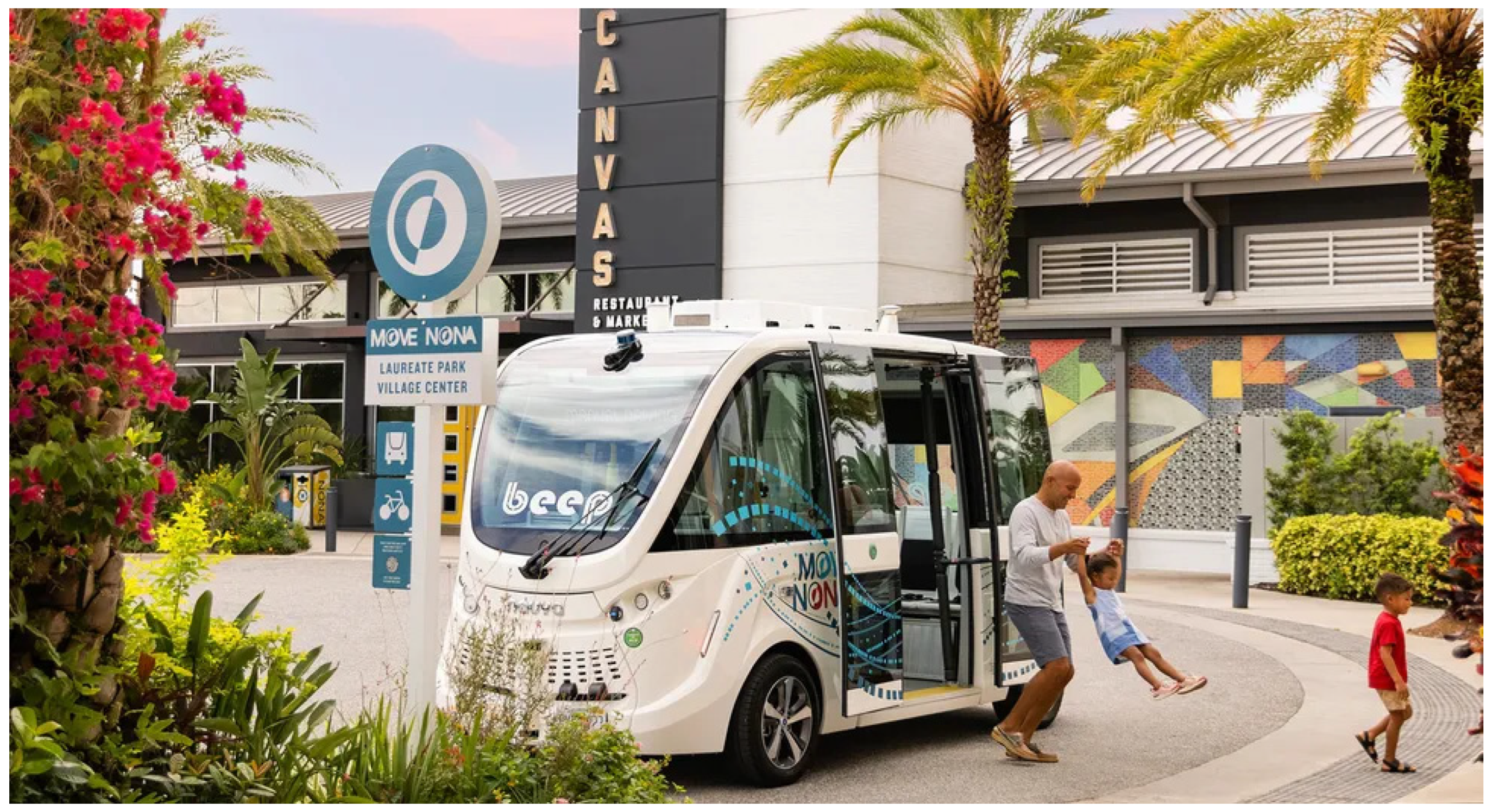
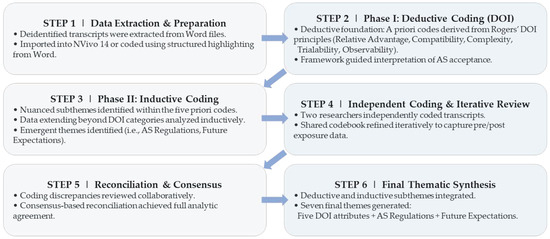
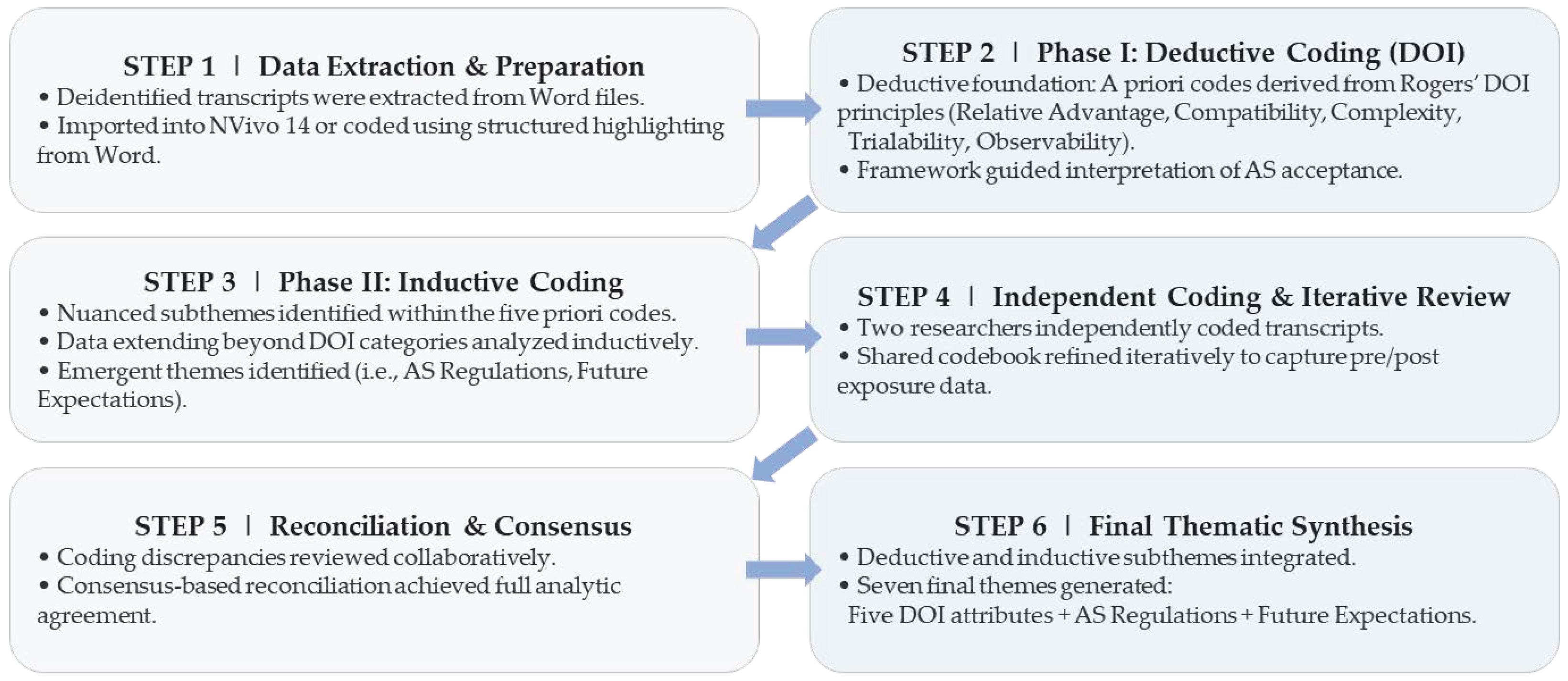

Disclaimer/Publisher’s Note: The statements, opinions and data contained in all publications are solely those of the individual author(s) and contributor(s) and not of MDPI and/or the editor(s). MDPI and/or the editor(s) disclaim responsibility for any injury to people or property resulting from any ideas, methods, instructions or products referred to in the content. |
© 2026 by the authors. Licensee MDPI, Basel, Switzerland. This article is an open access article distributed under the terms and conditions of the Creative Commons Attribution (CC BY) license.