


Abstract
Biodiesel–diesel blends generally reduce CO, hydrocarbon (HC) and particulate matter (PM) emissions, but they increase nitrogen oxides (NOx). In this work, SiO2–CoO hybrid nanoparticles (NPs) and exhaust gas recirculation (EGR) were used together to mitigate this NOx–PM trade-off in a single-cylinder variable compression ratio (VCR) diesel engine running at 1500 rpm and a compression ratio of 17.5. Cottonseed methyl ester (CME) was blended with diesel at 20 vol.% (B20) and dosed with 50 mg/kg SiO2, 50 mg/kg CoO, or both (100 mg/kg hybrid) using ultrasonication and CTAB surfactant. The hybrid blend was then tested with 5%, 10% and 15% EGR. At full load and without EGR, the hybrid blend gave 5.4% shorter ignition delay, 4.6% higher peak heat release rate and 5.8% higher brake thermal efficiency (BTE) than diesel. HC and CO were lower by 29.6% and 33.4%, whereas NOx was higher by 7.5%. The reductions in HC, CO and PM were larger than the sum of the individual NP effects, indicating synergy between SiO2 and CoO. With 10% EGR, NOx was only 3.7% above diesel, while BTE was still 4.8% higher, brake-specific fuel consumption 4.9% lower, and HC and CO 24.1% and 24.4% lower than diesel. The PM rise caused by EGR was in the lower part of the range reported for EGR alone on B20 blends, and indicative PM values stayed below diesel at all EGR rates. Composite desirability analysis showed 10% EGR (D = 0.703) as the optimum.
1. Introduction
The day-to-day rise in worldwide energy demand, with tighter emission regulations and climate change imperatives, has fuelled extensive research into renewable and alternative energy sources for sustainable transportation [1,2]. The greater efficiency and durability of compression ignition (CI) engines, with better adaptability, remain vital for industrial and commercial applications. However, their combustion processes generate emissions such as hydrocarbon (HC), carbon monoxide (CO), carbon dioxide (CO2), particulate matter (PM), and nitrogen oxides (NOx). These pollutants may create a greenhouse gas (GHG) effect, environmental degradation, and respiratory health concerns [3]. To address these challenges, urgent advancements in either strategies for control of emissions or a variety of fuel formulations (i.e., alternative fuels) are required. Among various alternative fuels, biodiesel derived from edible and non-edible oils (animal fats, waste feedstocks, etc.) has emerged as a viable option, due to its carbon-neutral lifecycle [4], minimal sulphur content, and adaptability with current CI engine infrastructure [5]. Biodiesel contains no aromatic compounds, making it a cleaner alternative to conventional petroleum diesel. It has lower toxicity and a higher flash point, which improves handling safety and reduces fire hazards. These properties make biodiesel a suitable fuel for CI engines. Biodiesel also lowers PM, CO and HC emissions substantially compared with petroleum diesel. Several studies [6,7,8] have also highlighted the significance of biodiesel in reducing dependence on fossil fuels and improving sustainability. Earlier research has demonstrated that biodiesel derived from non-edible feedstocks offers a promising renewable energy source with a favourable life-cycle energy performance [9,10]. Santhosh et al. [11] developed a non-edible route for producing biodiesel as a substitute for diesel–ethanol blends in CI engines, and their diesel–ethanol–biodiesel mixture performed well. Among non-edible feedstocks, crude cottonseed oil, which is unsuitable for direct human consumption because of its gossypol content, stands out as a sustainable, biodegradable alternative to diesel, which is derived from Gossypium hirsutum. It is one of the promising feedstocks for making cottonseed methyl ester (CME).
The production of CME from cottonseed oil is very promising because it has a very high yield, and it is one of the oldest and most widely available non-edible oils. CME exhibits good thermophysical characteristics. CME is a sustainable fuel since it is derived from renewable cottonseed crops. The domestic CME production reduces reliance on imported oil, strengthens energy security, and supports farmers and local economies [12]. Studies show that biodiesel blends, particularly B20 (20% biodiesel, 80% diesel), lower PM and HC emissions, but they also raise NOx emissions and lower calorific value, creating efficiency trade-offs [11]. This NOx-PM trade-off traces back to biodiesel’s oxygen-rich molecular structure and its higher adiabatic flame temperatures, which push NOx formation up while cutting soot precursors. Addressing this trade-off has pushed research toward hybrid strategies that combine fuel modification with advanced emission control. The balance between in-cylinder temperature and oxygen availability governs this trade-off. Once combustion temperatures climb above roughly 1800 K, the Zeldovich mechanism becomes significant and drives thermal NOx formation. Oxygen availability is equally important because inadequate oxygen promotes fuel-rich regions, leading to increased soot formation. For example, EGR lowers NOx emissions by minimising the peak combustion temperature, but the reduced oxygen level often increases soot emissions. On the other side, an increasing level of oxygen suppresses soot formation but generally promotes higher NOx emissions. Addressing this trade-off requires an integrated strategy in which biodiesel provides fuel-bound oxygen, nanoparticles (NPs) enhance combustion efficiency and facilitate soot oxidation, and EGR controls the peak combustion temperature to achieve a better balance between NOx and PM emissions [13,14]. Recent advances in nanotechnology offer promising ways to improve biodiesel’s thermophysical properties and combustion behaviour [15]. Metallic and ceramic NPs, including SiO2 and CoO, improve fuel atomisation, speed up vaporisation, and catalyse oxidation reactions, which raises the heat release rate (HRR) while curbing emissions [13]. Manimaran et al. [16] optimised a variable compression ratio (VCR) engine fuelled with Trichosanthes cucumerina biodiesel using response surface methodology (RSM), CeO2 NPs improved the fuel properties of cottonseed biodiesel [17], and green-synthesised nano-additives were tested in biodiesel–diesel–water emulsions [18]. Co3O4 and SiO2 additives were also studied in cottonseed oil and CME blends [19,20], and the effect of NPs on biodiesel droplet combustion was reported [21]. None of these studies combined a hybrid oxide additive with EGR.
The previous investigations on biodiesel, nanoparticle (NP) additives, and exhaust gas recirculation (EGR) research works are summarised along with key findings in Table 1. Bitire et al. [22] examined the impact of green-synthesised silica NPs on a parsley biodiesel blend, finding significant improvements in engine performance and emissions. Dogan et al. [23] demonstrated that silver oxide (Ag2O) and titanium dioxide (TiO2) NPs in cottonseed biodiesel reduced specific fuel consumption by 9% and CO emissions by 18%.
Table 1.
Previous studies of nanoparticle, biodiesel, and EGR summary.
Recent research has demonstrated that both fuel blending and NP additives can enhance diesel engine performance and emissions. Ekaab et al. [14] have studied the effect of biokerosene–biodiesel blends in the diesel engine and compared with baseline diesel operation. They observed lower CO, HC, PM, and noise emissions, with the penalty of slightly higher fuel consumption and a modest drop in thermal efficiency. Kumbhar et al. [30] studied the effect of tamarind seed oil methyl ester blended with CeO2 and Al2O3 NPs and reported improved combustion characteristics, engine performance, and emission behaviour in CI engines. Dhahad et al. [32] found that doping fuel with nano-TiO2 and nano-Al2O3 improved brake thermal efficiency (BTE) and shortened ignition delay (ID), with 25 ppm giving the best overall results. Together, these observations point to alternative fuels and nano-additives as practical routes for improving combustion efficiency and cutting exhaust emissions in CI engines.
Injection and spray behaviour also govern the NOx–PM balance. Optimised injection timing reduced NOx by up to 6.6% and smoke by up to 29.1% for isopropanol–diesel blends [33], and the dwell time in triple injection affects wall-film formation, a source of HC and soot, under cold-start conditions [34]. In this study, the injection timing, injection pressure and nozzle geometry were kept constant (Section 3), so the observed differences arise from the fuel and EGR only.
Besides fuel modifications, engine-based techniques are widely used to reduce exhaust emissions. EGR is one of the most effective techniques for controlling NOx emissions in CI engines. EGR curbs NOx formation by directing a portion of the chemically inert exhaust gases into the intake manifold, thereby lowering the oxygen availability and peak combustion temperature. However, excessive EGR suppresses oxidation, increasing PM, CO and HC emissions and reducing BTE. Therefore, selecting an optimal EGR rate is essential to achieve maximum NOx reduction while maintaining efficient combustion and engine performance. Previous studies have reported that EGR rates between 10% and 20% provide a favourable balance between emission control and engine performance for biodiesel-fuelled CI engines [3,35]. NP-enhanced biodiesel [36,37], EGR [38,39] and single NP additives with EGR [28,29] have been studied, but a SiO2–CoO hybrid additive with multi-level EGR in a CME-fuelled VCR engine has not been reported. This study therefore evaluates CME20 with SiO2, CoO and hybrid NPs, applies 5%, 10% and 15% EGR to the hybrid blend, and quantifies the synergy of the two NPs and of the NP–EGR combination in mitigating the NOx–PM trade-off.
2. Materials and Methods
2.1. Biodiesel
Cottonseed oil is one of the abundantly available raw materials to produce CME, or cottonseed biodiesel. This is because (i) it helps in the reduction in GHG emissions, (ii) it best supports domestic production, thereby helping the agricultural farmers’ economic value, and (iii) minimal modifications are required for usage in real-time diesel engine applications. The main drawback of raw cottonseed oil as a diesel engine fuel is its high viscosity, which causes poor atomization, resulting in incomplete oxidation and a slower rate of oxidation, although it has good oxygen concentration. So, for this investigation, CME is synthesised using a dual-phase transesterification process from raw cottonseed oil, comprising acid esterification followed by alkaline transesterification to reduce oil viscosity and improve its fuel properties. The extracted oil was first heated to 60 °C to remove moisture. In a two-necked round-bottom flask, for acid esterification, methanol containing 0.5 wt.% H2SO4 was added to the preheated oil at a 3:1 methanol-to-oil molar ratio. The reaction was conducted at 60 °C for 60 min under continuous stirring to convert free fatty acids into methyl esters and reduce the acid value. The esterified oil was then subjected to alkaline transesterification using potassium methoxide prepared by dissolving 0.5 wt.% KOH in methanol at a 6:1 methanol-to-oil molar ratio. The reaction of transesterification was maintained at 60 °C under continuous stirring at 600 rpm for 90 min. The resulting mixture was transferred to a separating funnel and allowed to settle undisturbed for 8 h, which produced an upper layer of CME and a lower layer of glycerol. The separated CME was washed three times with warm distilled water to remove residual catalyst, methanol, glycerol, and soap, and dried at 110 °C for 30 min to remove any residual moisture. The full cottonseed biodiesel production process is detailed in Figure 1.
Figure 1.
Schematic flowchart of the production of cottonseed biodiesel.
2.1.1. FTIR Analysis of Cottonseed Methyl Ester
The Fourier transform infrared (FTIR) spectrum of CME (Figure 2) was recorded with a PerkinElmer Spectrum RX-I spectrometer fitted with a diamond attenuated total reflectance (ATR) accessory (4000–400 cm−1, 4 cm−1 resolution, 32 scans). The 14 bands listed in Table 2 are typical of fatty acid methyl esters (FAME) [40]: C=O stretching at 1736.9 cm−1, O–CH3 bands at 1438.8 and 1196.5 cm−1, CH2 stretching at 2922.2 and 2855.1 cm−1, C–H bending at 1475–1340 cm−1 and ester C–O bands at 1244.9–1032.5 cm−1. Unsaturation is shown by the =C–H bands at 3004.2, 857.3 and 723.1 cm−1. The cis C=C stretching band (~1650 cm−1) is weak in the infrared and masked by the C=O band, which is consistent with the 70.75% unsaturated FAME found by GC-MS. The weak band at 3436.6 cm−1 is due to O–H stretching of trace moisture or glycerides.
Figure 2.
FTIR analysis of cottonseed methyl ester.
Table 2.
CME FTIR peak assignments and respective functional groups *.
2.1.2. GC-MS Analysis of Cottonseed Methyl Ester
With the help of a Shimadzu GCMS-QP5000 gas chromatograph-mass spectrometer (Shimadzu, Kyoto, Japan) equipped with a 60 m fused silica capillary column having 0.25 mm internal diameter × 0.25 μm film thickness, the FAME composition of the CME was determined. Figure 3 displays the GC-MS chromatogram, and Table 3 shows the identified FAMEs of CME. Among all the identified components, the most abundant component is Linoleic acid methyl ester (C18:2), which is 50.50%, followed by Palmitic (C16:0, 24.25%), oleic (C18:1, 20.25%), stearic (C18:0, 3.50%), and Myristic (C14:0, 1.50%) acid methyl esters. For combustion and cold flow properties, the high proportion of unsaturated FAMEs is advantageous, while the cetane quality and oxidative stability are improved by the saturated FAMEs. The average molecular weight of CME was estimated to be 288.4 g mol−1 based on the methyl ester composition. The results align closely with the literature values for cottonseed oil biodiesel, which indicates that the produced CME is suitable for CI engine use.
Figure 3.
GC-MS analysis of cottonseed methyl ester.
Table 3.
Fatty acid profile of biodiesel obtained from GC-MS analysis.
2.2. Nanoparticles
SiO2 contains 46.74% Si and 53.26% O by mass; P-type spherical particles with a pore volume of 0.61 cm3/g were used. CoO (78.65% Co by mass) is an oxidation catalyst with activity comparable to that of precious metals. Both NPs were purchased as powders, and their properties are listed in Table 4.
Table 4.
Properties of SiO2 and CoO nanoparticles.
SiO2 and CoO were chosen because they complement each other. The high specific surface area of SiO2 helps droplet heating and evaporation, whereas CoO has good oxidation catalytic activity. Both NPs were purchased and used in this investigation. Figure 4 illustrates the preparation of CME20 test fuels doped with SiO2 and CoO NPs, both individually and as a hybrid blend. To stabilise the nanoparticle dispersion during the doping of NPs with CME20, a cetyltrimethylammonium bromide (CTAB) surfactant was added at a 1:1 mass ratio relative to the nanoparticle concentration, along with mechanical stirring, thereby forming NP-doped test fuels. The mechanical stirring process was carried out at room temperature at 600 rpm for 30 min. Then, 50 mg of either SiO2 or CoO NPs was separately added to 1 kg of CME20 to achieve a concentration of 50 ppm for each blend. Subsequently, both NPs were incorporated at 50 ppm each to prepare a hybrid NP blend. To improve NP dispersion and stability, a bath-type ultrasonicator (320 W, 35 kHz) was used for 45 min. The resulting biodiesel blends, including those containing individual NPs and the hybrid NP blend, are summarised along with their properties in Section 2.3.
Figure 4.
Schematic process of nanoparticle dispersion in CME20.
Dispersion stability was checked by a static sedimentation visual observation test in a 200 mL graduated cylinder. No settling was observed for 15 h, and complete settling occurred after about 20 h; each blend was therefore used within 15 h of preparation.
2.2.1. SEM Characterisation of SiO2 and CoO Nanoparticles
To examine the surface morphology and agglomeration behaviour of the SiO2 and CoO NPs, the scanning electron microscopy (SEM) technique is used. Secondary electron (SE) mode at an accelerating voltage of 25.0 kV on a VEGA3 TESCAN microscope (TESCAN, Brno, Czech Republic) was employed to obtain SEM micrographs. The working distance was 4.99 mm for SiO2 with magnifications of 65.3 kx and 5.01 mm for CoO with magnifications of 65.0 kx. With a 500 nm scale bar, the corresponding view fields were 3.18 μm for SiO2 and 3.20 μm for CoO. Again, Figure 5a,b present the SEM micrograph, which clearly shows that both SiO2 and CoO NPs are composed of nanoscale primary particles highly prone to agglomerate into larger secondary clusters. As shown in Figure 5a, the SiO2 NPs exhibit irregular cauliflower-like agglomerates composed of interconnected nanosized primary particles with rough surfaces. This morphology is attributed to the high surface energy and abundant Si-OH groups of amorphous silica, which promote hydrogen bonding and particle aggregation during drying. The absence of well-defined crystal facets in Figure 5a is consistent with the amorphous SiO2 phase identified by X-ray diffraction (XRD) (Figure 6a), and the hydroxylated surface agrees with the FTIR results (Figure 7a). Additionally, surface accessibility and dispersion within the fuel matrix may be enhanced by the presence of inter-particle voids inside the aggregates. The CoO nanostructures consist of uniformly sized nano-scale particles that organise into dense, cauliflower-shaped agglomerates featuring a rough surface. Such aggregation is typical of nanosized metal oxides possessing high surface energy. The uniform morphology and lack of secondary phases align with the crystalline cubic CoO structure identified by XRD, as well as the Co-O bonding verified by FTIR analysis. Together with the XRD [Figure 6a,b] and FTIR [Figure 7a,b] analyses, the SEM results confirm the morphology and phase of the SiO2 and CoO NPs. The amorphous, hydroxylated SiO2 may enhance dispersion in the fuel blend, whereas the crystalline CoO NPs may provide stable catalytic sites for oxidation during combustion.
Figure 5.
(a) SEM analysis of SiO2 nanoparticles. (b) SEM analysis of CoO nanoparticles.
Figure 6.
(a) XRD pattern of SiO2 nanoparticles. (b) XRD pattern of CoO nanoparticles.
Figure 7.
(a) FTIR spectrum of SiO2 nanoparticles showing characteristic Si-O-Si stretching, Si-OH vibration, and surface hydroxyl group-related absorption bands. (b) FTIR spectrum of CoO nanoparticles showing characteristic vibrational bands corresponding to Co-O bonding and surface functional groups.
2.2.2. X-Ray Diffraction (XRD) Analysis of SiO2 and CoO Nanoparticles
The crystal structure and phase composition of the SiO2 and CoO NPs were determined by using the XRD results. A PANalytical X’Pert PW3040/00 diffractometer (Malvern Panalytical, Almelo, The Netherlands) equipped with Cu Kα radiation (λ = 1.5406 Å), operating at 30 kV and 20 mA, is used for the XRD measurements. As seen in Figure 6a, the SiO2 NPs exhibit a diffuse halo at around 2θ = 23 °, indicating an amorphous silica structure. The absence of sharp diffraction peaks indicates the absence of long-range order, which is also a characteristic of a disordered Si-O-Si network. This amorphous structure is expected to improve both the dispersion and stability of the NPs within the fuel blend. On the other hand, the CoO NPs in Figure 6b show sharp peaks corresponding to the cubic CoO phase, which matches the standard ICDD/JCPDS reference data. No reflections of metallic Co or Co3O4 were detected, showing that the CoO is phase-pure and highly crystalline. Table 5 outlines the complete XRD results, which confirm the amorphous SiO2 and crystalline CoO phases of the NPs. Their complementary structures are expected to favour NP stability and catalytic activity in fuel applications.
Table 5.
Comparative structural characteristics of SiO2 and CoO nanoparticles determined by XRD.
2.2.3. FTIR Analysis of SiO2 and CoO Nanoparticles
FTIR spectroscopy was performed to characterise the chemical bonding and surface functional groups of the SiO2 and CoO NPs using a PerkinElmer Spectrum RX-I spectrometer (PerkinElmer Inc., Waltham, MA, USA) equipped with an ATR diamond crystal accessory. Spectra were acquired over the wavenumber range of 4000–400 cm−1 at a spectral resolution of 4 cm−1. Figure 7a portrays the FTIR spectrum of the SiO2 nanoparticles, and the detailed band assignments are listed in Table 6. Characteristic absorption bands attributed to the siloxane (Si-O-Si) network and surface silanol (Si-OH) groups are clearly identified in the spectrum. These features confirm the formation of a well-developed silica framework with a hydroxyl-rich surface chemistry. Weak absorption bands noticed at lower wavenumbers are attributed to residual traces of organic species retained from the manufacturing route. Silanol and siloxane groups, detected simultaneously, confirm the successful development of the target silica structure. The probable reason for the enhanced nanoparticle dispersion expected within the fuel blend may be attributed to the abundant surface hydroxyl groups, which strengthen interfacial interactions between the additive and the liquid fuel matrix.
Table 6.
Summary of the characteristic FTIR absorption bands and their assignments for the SiO2 and CoO nanoparticles.
Figure 7b displays the FTIR spectrum of the CoO nanoparticles, with the band assignments tabulated in Table 6. It can be noticed from the spectrum that the expected Co-O stretching vibration is clearly resolved, accompanied by minor absorption bands corresponding to surface hydroxylation. Negligible traces of residual organic compounds are detected, confirming minimal surface impurities. These features are consistent with the phase-pure crystalline CoO identified by XRD. Based on the FTIR results presented in Figure 7a,b, the characteristic bonding environments and surface functional group chemistry of both SiO2 and CoO nanoparticles are confirmed, establishing their structural suitability as fuel-borne additives in biodiesel-diesel blend applications.
2.3. Test Fuel Preparation for Experimentation
To develop the CME20 test fuel, CME and diesel were blended at a 20:80 volumetric ratio using mechanical stirring, resulting in B20 fuel. Figure 8 illustrates the overall methodology for preparing test fuel. Following NP integration, the newly formulated biodiesel blends, including single-NP-enhanced fuels and the hybrid NP variant, are systematically detailed in Table 7, along with their properties and a pictorial view of the prepared test fuels shown in Figure 9.
Figure 8.
Schematic diagram of the proposed methodology for test fuel preparation.
Table 7.
Thermophysical properties of test fuels.
Figure 9.
Photographic view of the prepared test fuel samples.
3. Experimentation
The schematic of the experimental test setup is shown in Figure 10a. In this study, a Kirloskar TV-1 model single-cylinder, four-stroke, water-cooled VCR diesel engine (Kirloskar Oil Engines Ltd., Pune, India, specifications listed in Table 8), coupled with an eddy current dynamometer test setup, was used. The engine load was varied with the eddy current dynamometer, which is equipped with its own cooling system, as shown in Figure 10b,c. Many key devices and sensors, such as a U-tube manometer, rotameters, a fuel flow transmitter, an airflow transmitter, a rotary encoder, a pressure transducer, a throttle position sensor, and thermocouples, were incorporated into the test setup for data collection and combustion analysis using LabVIEW-based IC engine software (IC Engine Soft, Apex Innovations Pvt. Ltd., Sangli, India). A centrifugal pump circulated cooling water from the tank to the engine jacket and dynamometer at a constant minimum flow rate of 900 L/h, measured with a rotameter. The inlet and outlet temperatures of the circulated water around the engine cylinder, dynamometer, and calorimeter were monitored using multiple thermocouples. A differential pressure-type fuel flow transmitter and an airflow transmitter were employed to measure fuel and air intake rates, respectively. At the same time, a burette was used for manual fuel flow rate calculations. A U-tube manometer, connected to an orifice meter on the airbox, was used to determine manual airflow rates based on the pressure head. A rotary crank angle encoder, installed outside the dynamometer shaft and coupled to the engine, measured the crank position. Real-time in-cylinder pressure (ICP) data, measured with a pressure transducer mounted on the engine cylinder head, were used for combustion analysis, while the throttle position sensor monitored the throttle valve’s position, regulating air intake and fuel injection. K-type thermocouples were used to measure temperatures at various locations. All sensors were connected to a National Instruments (NI) data acquisition (DAQ) card, which gathered sensor data and transferred it via a data cable to a laptop. Using the LabVIEW-based IC engine software, all the results, such as combustion and performance, were displayed. Using the Testo 350 flue gas analyser, (Testo SE & Co. KGaA, Titisee-Neustadt, Germany exhaust emissions (CO, HC, and NOx) were measured. This flue gas analyser was calibrated with certified span gas mixtures for CO, HC (n-hexane equivalent), and NOx before each test series, based on the manufacturer’s protocol. All sensors were calibrated at the start of each test session. A Smile drive optical air-quality pollution (SmileDrive, I.E. Ventures, Maharashtra, India) detector was used to obtain indicative measurements of particulate matter (PM1.0, PM2.5, and PM10) under identical experimental conditions, and the readings were converted into brake-specific particulate emissions (g/kWh) using the measured exhaust flow rate and engine brake power according to the following Equation (1).
where CPM is the measured particulate concentration (µg/m3), Qexhaust is the exhaust volumetric flow rate (m3/s), and Pb is the engine brake power (kW). The instrument was operated in accordance with the manufacturer’s factory calibration specifications. As this low-cost optical sensor is designed for ambient air, the PM results are indicative and are used only to compare the fuels test.
Figure 10.
(a) Schematic diagram of the VCR CI engine experimental test setup; (b) pictorial view of the VCR CI engine coupled with the eddy current dynamometer; and (c) pictorial view of the cooling water system of the eddy current dynamometer.
Table 8.
VCR engine specifications.
Before the experiments, the test rig (mechanical fastenings, fuel lines, electrical connections, lubricating oil and cooling water) was checked to ensure safe and stable operation. At first, the engine is operated for 15 min to make a stable operation, then experiments with diesel operation on one engine were carried out to study the baseline performance, combustion, and emission data. Subsequently, B20 test fuel data were collected, followed by the evaluation of B20 blended with various NPs and hybrid NPs under different EGR conditions at varying engine loads, as listed in Table 9. A dedicated hot EGR arrangement was incorporated into the test setup beside the intake and exhaust system. The quantity of exhaust gas was extracted from the exhaust manifold, regulated through an EGR control valve, and recirculated into the intake manifold. The selected EGR levels were based on the effective operating range commonly reported in the literature for NOx reduction in biodiesel-fuelled CI engines. EGR rates below 5% provide insufficient charge dilution, resulting in only marginal reductions in NOx emissions. In contrast, EGR rates above 15% can cause excessive charge dilution, reducing the oxygen levels available for combustion and leading to combustion instability, increased PM emissions, deterioration in engine performance, and higher fuel consumption [3,35]. Therefore, EGR rates of 5%, 10%, and 15%, applied at uniform increments of 5%, were selected to systematically investigate their effects on the combustion, performance, and emission characteristics of the test engine. The percentage of EGR supplied to the engine intake system was calculated using Equation (2) [41].
where MEGR = mass of EGR; Mi = Ma + Mf + MEGR = mass of intake.
Table 9.
Test matrix of experiments.
Uncertainty Analysis
Engine performance, combustion, and emission measurements were conducted for each condition after a 5 min application of various engine loads at a constant speed to ensure parameter stability. This study collected three experimental data samples for each test fuel operation. Care was taken to preserve accuracy through periodic calibration whenever possible. The uncertainties in essential measurement components include airflow, fuel flow, engine power, exhaust gas temperature, ICP, and emission parameters. The uncertainties in independent and dependent variables were calculated using the Gaussian distribution approach [42], Equations (3) and (4), and Holman’s root mean square approach [43], Equation (5), respectively. The overall uncertainty of the brake-specific fuel consumption (BSFC), BTE and emission results was obtained from Equation (6). The error percentages for various parameters are listed in Table 10.
where Xm = mean value of three experimental sample data for each test fuel operation (here n = 3); σ = standard deviation; ΔR = uncertainty of dependent (derived) parameter; ∆Xi = uncertainty of independent parameter. The overall uncertainty of the experiment was calculated using Equation (6).
Table 10.
Experimental uncertainties.
The overall experimental uncertainty was estimated by combining the uncertainties associated with the major performance and emission parameters. The resulting overall uncertainty was found to be ±2.18%, demonstrating that the experimental measurements were performed within acceptable accuracy limits. This level of uncertainty indicates that the experimental data are reliable and reproducible.
The error bars in Figure 11, Figure 12, Figure 13, Figure 14, Figure 15, Figure 16, Figure 17, Figure 18 and Figure 19 show the uncertainty from three repeated trials. Differences larger than the combined uncertainty (about ±1.7% for HC, ±0.8% for CO, ±1.8% for NOx and ±0.9% for ICP) are treated as significant; differences of about 1% or less, such as ICP and HRR between 0% and 10% EGR, are not substantial.
Figure 11.
(a) ID variation in all the test fuels and operating conditions; (b) comparative variation with diesel at full load.
Figure 12.
(a) Peak ICP variation in all the test fuels and operating conditions; (b) comparative variation with diesel at full load.
Figure 13.
(a) Peak HRR variation in all the test fuels and operating conditions; (b) comparative variation with diesel at full load.
Figure 14.
(a) BTE variation in all the test fuels and operating conditions; (b) comparative variation with diesel at full load.
Figure 15.
(a) BSFC variation in all the test fuels and operating conditions; (b) comparative variation with diesel at full load.
Figure 16.
(a) HC variation at various loads for all the test fuels; (b) comparative variation with diesel at full load.
Figure 17.
(a) CO variation in all the test fuels and operating conditions; (b) comparative variation with diesel at full load.
Figure 18.
(a) NOX variation in all the test fuels and operating conditions; (b) comparative variation with diesel at full load.
Figure 19.
(a) PM variation in all the test fuels and operating conditions; (b) comparative variation with diesel at full load. PM values are indicative (Section 3).
4. Results and Discussion
4.1. Combined Effect of Hybrid Nanoparticles and EGR on Engine Combustion
4.1.1. Ignition Delay
The time interval between fuel injection and combustion onset is known as the ID. In diesel engine combustion, ID, or the delay period, is the first phase and a crucial parameter (which involves physical delay and chemical delay). The ID will affect the engine combustion, efficiency, and emissions [44]. Physical delay depends on fuel properties like volatility, viscosity, surface tension, and density, whereas fuel composition and reactivity influence the chemical delay period. Both delay periods are interconnected rather than sequential [45]. ID is affected by fuel type, injection timing, and speed of the engine, which play a vital role in this process [46]. Figure 11 depicts the ID variation for diesel, B20, and B20 with various NPs and hybrid NPs under different EGR conditions for all engine loads. It is observed that ID reduces with a rise in engine load for all test fuels. At high load engine operation, the elevated cylinder temperature accelerates the combustion process, facilitating rapid fuel mixture ignition [47]. This phenomenon likely explains the lower ID values observed at full load, where enhanced thermal conditions promote efficient combustion, as evidenced by higher BTE at higher loads (which is well aligned with Figure 14). Compared to diesel, B20 consistently exhibits shorter ignition delays across all engine loads, primarily due to its higher cetane number and enhanced combustion supported by its additional oxygen content [48]. The incorporation of hybrid NPs into B20 fuel (B20 + 50S + 50C) shortened the ignition delay by 5.36% (0.47°CA) compared with diesel at full load. The SiO2 NPs (pore volume 0.61 mL g−1; specific surface area 200–600 m2 g−1) enhance droplet-scale heat and mass transfer, thereby promoting fuel preheating, evaporation, and air–fuel premixing during the physical ignition delay, in line with single-droplet combustion studies of NP-doped biodiesel [21]. CoO may, in addition, shorten the chemical delay by providing oxygen-active surface sites for low-temperature oxidation. This catalytic role is proposed on the basis of the literature on cobalt oxide oxidation catalysts and was not verified directly in this study.
The combined effect of SiO2 and CoO reduces the ID because of the interplay between both the nanoparticles, i.e., SiO2 reduces the physical component of ID by improving fuel atomisation and vaporisation, whereas CoO is expected to enhance the chemical reactivity component of ID. Together, these effects shorten the overall ID, which explains the superior ignition performance of the hybrid nano fuel compared with fuels containing either SiO2 or CoO NPs alone [49]. During the premixed combustion phase, enhanced fuel properties lead to more rapid fuel consumption, which in turn results in a sharp increase in ICP (as observed in Figure 12). With EGR, the ignition delay of B20 + 50S + 50C increased modestly as the EGR rate increased. The ignition delay period values at full load for the test fuels were as follows: Diesel (8.77°CA), B20 (8.69°CA), B20 + 50S (8.58°CA), B20 + 50C (8.47°CA), B20 + 50S + 50C (8.3°CA), B20 + 50S + 50C + 5%EGR (8.40°CA), B20 + 50S + 50C + 10%EGR (8.45°CA), and B20 + 50S + 50C + 15%EGR (8.57°CA), respectively. The shortening of ID with NP addition agrees with the trends reported for SiO2-doped mahua biodiesel [31] and for TiO2- and Al2O3-doped diesel [32], and the longer ID with increasing EGR agrees with the effect of charge dilution described by Abd-Alla [41]. The differences in ID between the EGR levels (0.10–0.27°CA) are, however, close to the measurement resolution (Section 3).
4.1.2. In-Cylinder Pressure
Peak ICP directly affects the work done on the piston and hence the engine power [50]. In diesel engines, ICP is influenced by ignition delay, the proportion of fuel burned during the premixed combustion stage, test fuel spray development, and combustion duration [47,51,52]. Figure 12 illustrates the variation in peak ICP for diesel, B20, and B20 blended with various NPs and hybrid NPs under different EGR conditions across varying engine loads. As the engine load increases, the injected fuel mass rises while maintaining a constant speed. This intensifies combustion, leading to higher peak ICP, as seen in Figure 12. Yoon and Lee [53] reported the same trend in their experimental investigation on a diesel engine. Across all engine loads, B20 exhibited slightly lower ICP than diesel. This is attributed to the reduced ID of the B20 blend, caused by its higher cetane number (CN). A shorter ID results in less fuel accumulation, leading to a lower peak HRR, as observed in Figure 13, and consequently lower peak ICP. A similar kind of trend is noticed in an earlier study on the B20 blend [54]. However, adding NPs to B20 fuel blends (B20 + 50S, B20 + 50C, and B20 + 50S + 50C) significantly increases Peak ICP by enhancing the premixed combustion by increasing the rate of heat transfer because of the combined effect of the following factors: better fuel evaporation, higher thermal conductivity, and a higher surface-to-volume ratio of nanoparticles. Among the examined formulations, the B20 + 50S + 50C hybrid NP blend demonstrated superior ICP values compared to single NP modifications.
The combined influence of hybrid NPs facilitates faster combustion rates and more rapid pressure buildup, leading to greater overall ICP. A higher EGR flow rate (15%) reduced the concentration of oxygen in the fuel–air mixture due to dilution, thereby impairing combustion and minimising the ICP. The hybrid NP-doped B20 retained its effectiveness up to 10% EGR; however, at 15% EGR, it exhibited a lower ICP value than B20 + 50C. At full load, peak ICP was 0.8% lower for B20 and 1.5%, 2.9% and 4.25% higher for B20 + 50S, B20 + 50C and B20 + 50S + 50C than for diesel, and it was 3.5%, 3.2% and 2.1% higher than diesel for the hybrid blend with 5%, 10% and 15% EGR (Figure 12b). The rise in peak pressure with NP addition is consistent with the results of Nutakki et al. [31] for SiO2 in mahua methyl ester and of Kumbhar et al. [30] for CeO2 and Al2O3 in tamarind seed oil methyl ester, and the fall with EGR agrees with the effect of charge dilution described by Abd-Alla [41]. The peak ICP of the hybrid blend was, however, lower than the sum of the single-NP effects (Section 4.4).
4.1.3. Peak Heat Release Rate
HRR quantifies the rate at which thermal energy is developed from the combustion of the chemical energy of the fuel [55]. In the premixed combustion phase, the peak HRR occurs when the fuel–air mixture undergoes rapid combustion immediately after the ignition delay. Figure 13 depicts peak HRR variation across varying load conditions for diesel, B20, and B20 incorporating different NPs, as well as hybrid NPs under diverse EGR flow rates. As observed in Figure 13, the HRR trends align with the ICP trends. At higher loads, peak HRR increases due to enhanced fuel combustion, driven by elevated cylinder temperatures that accelerate the energy release process [56]. The lower peak HRR of B20 compared to diesel is attributed to its lower calorific value, reduced vaporisation, and higher viscosity, which collectively hinder efficient energy conversion. Additionally, its shorter ID limits fuel accumulation, further contributing to suppressed peak HRR as compared to diesel throughout the engine loads [47]. The peak HRR was observed to be amplified with the addition of NPs to B20 compared to diesel, consistent with the findings of Nutakki et al. [31]. This heightened rate of peak HRR is attributed to the reduced ignition delay (Figure 11), which accelerates the combustion process through improved evaporation, aided by the high thermal conductivity and the substantial surface area-to-volume ratio of NPs. Consequently, high-concentration hybrid NPs exhibited higher HRR compared to other blends [57].
The peak HRR of the engine increased by 1.71%, 3.07%, and 4.64% for fuel blends B20 + 50S, B20 + 50C, and B20 + 50S + 50C, respectively, in comparison to conventional diesel under full-load conditions. The rate of combustion is enhanced by progressive reduction in ignition delay with increasing NP activity (SiO2→CoO→hybrid), which is consistent with a lower effective activation energy for ignition. SiO2 is expected mainly to improve fuel preheating and air–fuel mixing, whereas CoO is proposed to promote oxidation catalytically by providing oxygen-active surface sites. The hybrid NP formulation combines these thermal and catalytic effects, resulting in the lowest ignition delay (witnessed in Figure 11) among the tested fuels, which helps in improving the combustion. Across all engine loads, a higher EGR flow rate (15%) combined with B20 + 50S + 50C fuel operation leads to significant dilution of the fresh intake charge.
This dilution reduces oxygen availability, thereby leading to incomplete combustion, which results in a drop in peak HRR compared to operation without EGR. A similar observation was reported by Rajasekar et al. [35]. With 5%, 10% and 15% EGR, the peak HRR of the hybrid blend remained 3.8%, 3.6% and 2.5% higher than that of diesel (Figure 13b). The increase in peak HRR with the NP addition agrees with the trends reported by Nutakki et al. [31] for SiO2 in mahua methyl ester and by Ahmad et al. [58] for various metallic NPs in waste cooking oil biodiesel, and with the combustion behaviour reported for Co3O4- and SiO2-doped CME–diesel blends [20]. The peak HRR gain of the hybrid blend (4.64%) was smaller than the sum of the single-NP gains (Section 4.4), so this effect is described as combined rather than synergistic.
4.2. Combined Effect of Hybrid Nanoparticles and EGR on Engine Performance
4.2.1. Brake Thermal Efficiency
BTE is one of the key indicators used to evaluate the performance of a CI engine. It measures how effectively the engine converts the thermal energy generated during fuel combustion into useful brake power [59]. BTE depends on engine parameters such as compression ratio, injection timing and injection pressure, and on fuel properties such as cetane number, viscosity, oxygen content, density and calorific value [60,61]. Figure 14 illustrates the variation in BTE for diesel, B20 biodiesel, and B20 blended with different NPs and hybrid NPs under various EGR conditions at different engine loads.
BTE increased with engine load for all the tested fuels. At full loads, the in-cylinder temperature rises, which lowers the ignition delay and promotes faster ignition of the air-fuel mixture, as illustrated in Figure 11. The higher combustion temperature also increases the combustion rate and HRR, as shown in Figure 13, resulting in improved thermal efficiency [59].
The CME20 showed slightly lower BTE than neat diesel under all loading conditions. This decrease is mainly due to the higher density and lower calorific value of CME20, along with less effective fuel–air mixing. These factors weaken the combustion process and reduce the amount of useful energy converted into brake power compared with diesel [47]. The doping of NPs into CME20 exhibits higher BTE and lower BSFC throughout the engine load spectrum compared to that of neat CME20 operation. NPs act as micro-catalysts with a large specific surface area, lowering the effective activation energy for fuel oxidation reactions and improving heat distribution within the fuel spray, thereby increasing the rate of combustion, which helps in greater conversion of the fuel’s chemical energy into useful mechanical output that occurs during the power stroke, raising BTE and simultaneously lowering BSFC [57].
At full load, BTE was 1.5% lower for B20 and 2.4%, 4.1% and 5.8% higher for B20 + 50S, B20 + 50C and B20 + 50S + 50C than for diesel (Figure 14b); the hybrid blend gave the highest BTE of all the test fuels. The combined catalytic effect of the hybrid NP is expected to promote more uniform heat release during the premixed combustion phase and hence a higher conversion of chemical energy to shaft work. It seems from Figure 14 that increasing the EGR flow rate from 0% to 15% results in a reduction in BTE for B20 + 50S + 50C. The introduction of EGR lowers the in-cylinder temperature due to the presence of water vapour and CO2, which collectively increase the specific heat capacity of the intake charge [29]. This thermal dilution effect seems to be minimal up to 10% EGR, without compromising the beneficial influence of hybrid nanoparticles. With 5%, 10% and 15% EGR, BTE remained 5.2%, 4.77% and 3.6% higher than that of diesel. These trends agree with the improved BTE reported for silica nano-additives in soybean biodiesel by Gavhane et al. [62] and for TiO2 in microalgae biodiesel by Ge et al. [59].
4.2.2. Brake Specific Fuel Consumption
BSFC measures the fuel mass required to produce one kilowatt-hour of brake work, serving as a key parameter for engine efficiency. It is influenced by engine load and speed, with lower BSFC indicating better fuel economy [63]. Figure 15 illustrates the variation in BSFC under various load conditions for diesel, B20, and B20 doped with different NPs, as well as different EGR flow rates.
The BSFC values of the engine decrease with increasing load across all fuel combinations, showing a trend opposite to that of BTE. At low loads, the low cylinder temperature and the lean, poorly prepared mixture led to less efficient combustion, whereas higher cylinder temperatures at increased loads promote better fuel–air mixing and support improved combustion, which in turn helps minimise BSFC [52]. The BSFC of B20 is slightly higher than that of diesel due to its lower heating value, which requires more fuel. A similar trend was observed in the research work of Patel et al. [64] on different biodiesels used in diesel engines. Compared with conventional diesel, all NP-doped test fuels (B20 + 50S, B20 + 50C, B20 + 50S + 50C) demonstrated superior combustion efficiency and a marked reduction in BSFC across all engine loads. This improvement is primarily driven by improved fuel utilisation, stemming from better vaporisation and more effective fuel–air mixing facilitated by the NP’s high reactive surface area. The catalytic activity of the NPs further augments the combustion process [62]. Of all formulations evaluated, the hybrid blend B20 + 50S + 50C delivered the most favourable performance, achieving a 5.9% reduction in BSFC relative to diesel at full load (B20: +1.5%; B20 + 50S: −2.7%; B20 + 50C: −4.2%; Figure 15b). On this basis, the hybrid NP-doped blend was selected as the candidate fuel for subsequent investigation of the NOx-PM trade-off under EGR conditions. Introducing EGR alongside B20 + 50S + 50C progressively elevated BSFC above that observed with the hybrid blend without EGR. This behaviour is attributable to the higher specific heat capacity of the recirculated gases (CO2 and H2O), which absorb a greater proportion of the in-cylinder heat energy and consequently lower both the combustion temperature and BTE (Figure 14) [29]. This thermal penalty remains negligible up to an EGR rate of 10%, however, at 15% EGR, BSFC rises appreciably beyond even that of the single-additive formulation B20 + 50C, suggesting that the elevated dilution offsets much of the benefit of the hybrid NP combination. In light of these findings, an EGR rate of 10% is identified as the optimal operating condition, one that preserves the hybrid NP effect while imposing only acceptable penalties on BSFC and BTE. With 5%, 10% and 15% EGR, BSFC remained 5.3%, 4.94% and 3.8% lower than that of diesel. A similar reduction in fuel consumption with nano-additives was reported by Doğan et al. [23], who obtained about 9% lower specific fuel consumption with Ag2O and TiO2 in cottonseed biodiesel, and Venu et al. [28] observed that TiO2 addition lowered BSFC compared with conventional palm biodiesel (B30) operation with EGR.
4.3. Effect of Hybrid Nanoparticles on Engine Emissions
4.3.1. Hydrocarbon Emissions
HC emissions arise from incomplete combustion in over-lean zones, wall and oil films, crevices and the injector sac volume [64,65,66]. Figure 16 presents the trend of HC emission with engine load for diesel, B20, and B20 blended with different NP additives, hybrid NPs, and varying EGR flow rates. HC emission decreases as the engine load increases, irrespective of the fuel type and additive configuration. High HC emissions are observed at low engine loads for all the tested fuel operations. This is due to the lower temperature of the combustion flame, fuel impingement on the piston crown and cylinder wall surface, non-uniform fuel–air distribution, and over-mixing of the air–fuel charge beyond the flammability limits, all of which collectively promote incomplete combustion [47].
The CME20 has demonstrated a significant reduction in HC emissions compared to conventional diesel, owing to its improved combustion characteristics. The presence of fuel-bound oxygen enhances the oxidation process, promoting more complete combustion and reducing unburned HC emissions. The additional oxygen facilitates the breakdown and oxidation of fuel molecules, resulting in improved combustion efficiency. Similar trends have been reported by Patel et al. [64] and Sanyasi Rao et al. [54]. In the present study, NP-dispersed biodiesel blends, particularly B20 + 50S, B20 + 50C, and B20 + 50S + 50C, exhibited significantly lower HC emissions than the baseline B20 fuel. This improvement is attributed to the enhanced oxidation efficiency provided by the NPs. In addition, the NPs act as combustion catalysts, accelerating oxidation reactions, lowering the carbon activation temperature, and improving flame propagation, which promotes more complete fuel combustion [31]. Furthermore, the higher cetane number of the hybrid blend (Table 7) and the catalytic surface of the oxide NPs further enhance combustion quality, leading to a substantial reduction in HC emissions [57]. Higher HC emissions are observed when exhaust gases (5% EGR, 10% EGR, and 15% EGR) are recirculated into the intake charge during hybrid NP operation, compared to using hybrid NPs alone.
The introduction of inert exhaust gases dilutes the fresh air–fuel mixture, reducing oxygen availability for combustion. This oxygen deficiency lowers in-cylinder temperatures and slows the combustion rate, a phenomenon known as charge dilution. As combustion intensity decreases, incomplete oxidation leads to increased HC emissions, as lower temperature conditions hinder efficient fuel breakdown [35]. However, despite the oxygen reduction caused by EGR, the combination of EGR and hybrid NPs in the B20 blend results in significantly lower HC emissions than diesel operation. This is attributed to the fuel-bound oxygen of biodiesel and the catalytic activity of the hybrid NPs, which enhance combustion efficiency and mitigate the adverse effects of charge dilution. At full load, the reduction in HC emissions compared to baseline diesel was quantified for the tested fuel formulations: B20 (10.6%), B20 + 50S (15.1%), B20 + 50C (21.3%), and B20 + 50S + 50C (29.6%). The hybrid blend gave the largest reduction, which exceeded the sum of the single-NP effects (Section 4.4). With EGR, HC remained below that of diesel at all EGR rates; at 10% EGR the reduction was 24.10%. The HC reductions with NP addition are consistent with those reported for SiO2 in mahua [31] and parsley [22] biodiesels, and they are larger than the 4.26% reduction reported by Manimaran et al. [16] for an optimised Trichosanthes cucumerina biodiesel blend without additives.
4.3.2. Carbon Monoxide Emissions
CO forms when oxygen availability, temperature or residence time is insufficient for complete oxidation to CO2 [47,64,67]. Figure 17 depicts the trend of CO emission with engine load for diesel, B20 biodiesel, B20 blended with different nanoparticle additives, hybrid nanoparticles, and varying EGR flow rates. CO emission decreases as the engine load increases, irrespective of the fuel type and additive configuration. At lower engine loads, elevated CO emissions are noticed for all the tested fuel operations. This is because of the low combustion temperature, locally over-lean regions and poor fuel atomisation at low load conditions, both of which hinder complete oxidation of carbon atoms within the combustion chamber [54]. The trend of CO emission with engine load is consistent with that of HC emission shown in Figure 16. As the engine load increases, the in-cylinder temperature rises, enhancing fuel–air mixing intensity and promoting more effective oxidation of CO to CO2, which reduces CO emission at higher loads [47]. Irrespective of engine load, B20 biodiesel consistently exhibits lower CO emissions than conventional diesel operation. The possible reason may be due to the higher oxygen content chemically bound in the biodiesel molecular structure, which supplies additional oxygen to local combustion zones [67]. This additional oxygen supports more complete oxidation of carbon atoms, even in fuel-rich spray regions where incomplete combustion would otherwise prevail. The NP-doped B20 blends (B20 + 50S, B20 + 50C, and B20 + 50S + 50C) show lower CO emissions than both B20 and diesel under all engine load conditions [49,68]. Metallic oxide nanoparticles act as micro-catalysts, increasing the reactive surface area available for oxidation reactions and enhancing the chemical reactivity of the fuel charge, thereby promoting more complete combustion and reducing CO formation [49,68].
The hybrid nanoparticle blend B20 + 50S + 50C, combining SiO2 and CoO, exhibits the lowest CO emissions among all the tested fuel operations. This may reflect the complementary thermal and catalytic roles of the two oxides. The combined effect of SiO2 and CoO enhances heat transfer within the fuel spray, improves fuel vaporisation and air–fuel mixing quality, shortens ignition delay (as witnessed in Figure 11), and accelerates the combustion reaction kinetics. These effects collectively promote more complete oxidation of CO to CO2 throughout the combustion duration. As shown in Figure 17, incorporating EGR into the hybrid NP-doped B20 blend increases CO emissions compared to the same blend operated without EGR. The possible reason may be due to the air dilution effect induced by EGR, which reduces the oxygen concentration in the intake charge and lowers the in-cylinder combustion temperature. Under these thermally moderated and oxygen-deficient conditions, the rate of CO oxidation to CO2 is reduced, and incomplete combustion is promoted, resulting in higher CO emissions than the hybrid NP-doped B20 operation without EGR. Notwithstanding this increase, CO emission from the EGR-coupled hybrid NP-doped B20 operation remains lower than that of conventional diesel. This is because the fuel-bound oxygen of biodiesel, together with the catalytic activity of the NPs, partially compensates for the charge dilution effect of EGR, sustaining a higher combustion efficiency than diesel alone. At full load, CO emissions are reduced by about 9.70%, 16.72%, 22.90%, and 33.43% for B20, B20 + 50S, B20 + 50C, and B20 + 50S + 50C, respectively, compared to that of the baseline diesel operation. Among all the tested fuel operations, B20 + 50S + 50C shows the greatest CO emission reduction at full load. With 10% EGR, CO remained 24.35% lower than that of diesel, which shows that hybrid NP doping sustains fuel oxidation even under the combustion-moderating conditions imposed by EGR. The CO reductions agree with Doğan et al. [23], who reported about 18% lower CO with Ag2O and TiO2 in cottonseed biodiesel, and with the CO reductions reported for SiO2 in mahua methyl ester [31] and for hybrid nano-additives in biodiesel [49].
4.3.3. Nitrogen Oxide Emissions
The NOx emissions from diesel engines contain more than 90% nitric oxide (NO), while the remaining fraction consists of nitrogen dioxide (NO2) and nitrous oxide (N2O) [69]. The formation of NOx primarily occurs in the post-flame burned gases, where combustion temperatures exceed approximately 1800 K. At these elevated temperatures, oxygen molecules (O2) dissociate into O atoms, which react with molecular nitrogen (N2) and form NO predominantly through the extended Zeldovich mechanism [58,65]. The elementary reactions governing thermal NO formation are presented in Equations (7)–(9).
The rate-limiting step is represented by Equation (7), owing to the high bond dissociation energy of the molecular nitrogen triple bond, which demands approximately 315 kJ mol−1 of activation energy [65]. Thermal NO formation is highly dependent on the peak combustion temperature, increasing rapidly with an increase in in-cylinder gas temperature. Oxygen availability and residence time at high temperature further increase NO formation [66,70]. Figure 18 shows NOx emissions across engine loads for diesel, B20, and B20 blended with SiO2-CoO hybrid NPs at varying EGR rates. NOx emissions rose with load, driven by the higher combustion chamber temperatures at elevated power outputs [71]. B20 produced higher NOx than diesel at every load point. Its fuel-bound oxygen raises local flame temperatures, which account for the gap [72]. Adding SiO2-CoO hybrid NPs to B20 pushed NOx higher still. The elevated peak HRR and ICP in Figure 12 and Figure 13 confirm the intensified combustion. The hybrid NPs expose a high surface area and oxygen-active surface sites, which may sharpen fuel–air mixing and raise local flame temperatures [31]. Hotter flames accelerate the extended Zeldovich reactions, particularly the temperature-sensitive rate-limiting step in Equation (7), so thermal NO formation increases [73,74]. EGR was introduced to bring NOx down. Recirculating exhaust gases into the intake lowers oxygen concentration and combustion temperature, so less NOx forms [35]. B20 + 50S + 50C with EGR produces lower NOx than the same blend without EGR. At 15% EGR, the higher charge dilution suppresses NOx further, but PM emissions rise as a consequence (Figure 19). At 10% EGR, the reduction is sufficient to lower NOx without the combustion penalty that higher EGR imposes. The blend retains its HRR and ICP advantages, and the NOx-PM trade-off remains acceptable.
At full load, the NOx emissions of B20, B20 + 50S, B20 + 50C and B20 + 50S + 50C were 1.7%, 2.5%, 3.2% and 7.48% higher than those of diesel (Figure 18b). With 5%, 10% and 15% EGR, the excess of the hybrid blend fell to 5.9%, 3.7% and 2.7%, and NOx reductions of 1.5%, 3.5% and 4.4%. Similar NOx trends were reported for CeO2/Al2O3 [30] and for TiO2 with EGR [28,29].
4.3.4. Particulate Matter Emissions
PM is formed mainly in fuel-rich zones during diffusion combustion and depends on fuel composition, injection and air management [28,75]. Figure 19 illustrates the indicative brake-specific PM emissions of diesel, B20, NP-doped B20, hybrid NP-doped B20, and EGR-assisted hybrid NP blends under different engine loads. Previous studies by Dwivedi et al. [76], Sharma et al. [77], and El-Shobokshy et al. [78] reported that PM emissions increase with engine load, and a similar trend was observed for all test fuels in the present study. At higher engine loads, the increased fuel supply required to meet the power demand can create locally fuel-rich regions and oxygen-deficient conditions, resulting in incomplete combustion and greater soot formation [78]. Compared with diesel, the B20 blend consistently produced lower PM emissions over the entire load range. This reduction is primarily attributed to the oxygen present in biodiesel, which enhances combustion efficiency and promotes the oxidation of soot precursors, thereby suppressing particulate formation [72].
The application of EGR with the hybrid NP-doped B20 blend increased PM emissions compared with NP-doped B20 operation without EGR because EGR reduced the level of oxygen available in the intake charge. The resulting oxygen-deficient environment promoted locally fuel-rich combustion zones, suppressed the oxidation of soot precursors, and lowered the in-cylinder combustion temperature, leading to higher particulate formation. Although this reduction in combustion temperature effectively suppressed NOx emissions (Figure 18), the limited oxygen availability restricted soot oxidation and increased PM emissions. Despite the EGR-induced increase in PM, the hybrid NP blends with EGR still emitted less PM than diesel and B20. This improvement is related to catalytic soot oxidation by CoO as shown in Figure 19. In addition, the improved combustion characteristics of the hybrid NP blend may have promoted more uniform combustion, thereby reducing the formation of soot precursors. Without EGR, the B20 + 50S + 50C blend produced lower PM emissions than the corresponding single-NP blends, consistent with a greater-than-additive effect of the two NPs on soot (Section 4.4). Among the EGR rates investigated, 10% EGR provided the most favourable balance between NOx reduction and PM emissions. At this level, moderate charge dilution effectively reduced NOx formation without causing a substantial deterioration in combustion efficiency, while the proposed catalytic soot oxidation by the hybrid NPs may have partially compensated for the reduced oxygen availability. As a result, PM emissions remained considerably lower than those observed at 15% EGR while maintaining effective NOx control. These findings, consistent with the trends shown in Figure 19, demonstrate that combining an optimised EGR rate with SiO2-CoO hybrid NPs is a promising approach for limiting the NOx penalty of biodiesel while restraining particulate formation with minimal impact on engine performance.
At full load, the indicative PM of B20, B20 + 50S, B20 + 50C and B20 + 50S + 50C was about 5%, 8%, 15% and 23% lower than that of diesel, and that of the hybrid blend with 5%, 10% and 15% EGR about 21%, 19% and 14% lower (Figure 19b), in line with [28,35].
4.3.5. NOx-PM Trade-Off
Among all test fuels, B20 + 50S + 50C without EGR gave the best combustion, performance, HC, CO and PM results, but the highest NOx emission. A weighted composite desirability analysis was therefore used to identify the optimum EGR rate for this blend. Although increasing the EGR rate effectively reduced NOx emissions, it also increased PM emissions and adversely affected BSFC, BTE, HC, and CO. To balance these competing responses, each response was normalised to a 0 to 1 scale across the three EGR levels (5%, 10%, and 15%). Weights of 0.35 (NOx), 0.25 (PM), 0.15 (BSFC), 0.15 (BTE), 0.05 (HC), and 0.05 (CO) were assigned according to their regulatory significance and impact on engine performance. For the 5%, 10%, and 15% EGR levels, the composite desirability scores obtained were 0.650, 0.703, and 0.350, respectively (Table 11). 10% EGR achieved the highest desirability score among all the evaluated conditions. This 10% EGR indicates the best overall compromise between emission control and engine performance. This conclusion was further supported by a marginal trade-off analysis based on the full-load values in Figure 18 and Figure 19, which revealed that the incremental NOx reduction achieved per unit increase in PM decreased sharply from 19.2 to 3.4 beyond the 10% EGR level. The pronounced decline in trade-off efficiency indicates that 10% EGR represents the Pareto inflexion point, beyond which additional EGR yields diminishing NOx reduction while imposing a disproportionately higher PM penalty and greater degradation in engine performance. A detailed comparative analysis of the present study with previously published literature is presented in Table 12.
Table 11.
Quantitative EGR optimisation comparison at full load using composite desirability analysis results.
Table 12.
Comparative analysis of the present study with the previously published literature.
4.4. Assessment of the Synergistic Effects of SiO2–CoO Nanoparticles and EGR
The synergy between SiO2 and CoO was checked by comparing the measured full-load response of the hybrid blend with the additive expectation E = Δ(B20 + 50S) + Δ(B20 + 50C) − Δ(B20), where Δ is the change relative to diesel (Table 13).
Table 13.
Additivity analysis of the single and hybrid NP effects at full load (percentage change relative to diesel).
The hybrid blend reduced HC, CO and PM by 3.5–4.8 percentage points more than E, confirming synergy for these emissions, whereas the ICP, HRR, BTE and BSFC gains were sub-additive. Part of this benefit may also arise from the higher total NP loading (100 versus 50 mg/kg).
As EGR was applied only to the hybrid blend, its effect is compared with published data for EGR alone on B20 blends (Table 14). At 10% EGR, these studies reported 9.1–25.5% lower NOx but 0.8–20.5% higher smoke [80,81]. For the hybrid blend, EGR increased PM by only 3.1–12.6% while offsetting about half of the NP-induced NOx increase, i.e., the NPs and EGR compensated for each other. The smaller NOx reduction (3.5% at 10% EGR) may be due to the hot EGR used.
Table 14.
Effect of EGR on NOx and smoke/PM: present hybrid blend versus recent studies on B20-type biodiesel blends.
The Co2+/Co3+ redox cycle of CoO is confirmed based on productive experimental like emissions output values and performance values. Since Co3O4 decomposes to CoO above about 900 °C, any redox activity is likely limited to the expansion and exhaust phase.
4.5. Environmental Considerations of Cobalt
Cobalt compounds are classified as probably carcinogenic (International Agency for Research on Cancer, Group 2A) [83,84], and fuel-borne metal oxides are emitted largely with the exhaust particulate [85]. At 50 mg/kg CoO, about 10 mg/kWh of cobalt enters the engine at full load; a particulate filter/catalytic filter and cobalt monitoring would therefore be required for practical use.
5. Conclusions
This study systematically investigated the combined effects of hybrid NPs (SiO2 and CoO) and EGR on the NOx-PM trade-off. The combustion, performance and emission characteristics of a VCR diesel engine fuelled with diesel, B20, single-NP-doped B20 and hybrid-NP-doped B20, with 5–15% EGR applied to the hybrid blend, were measured. The key findings are as follows:
- Compared with diesel at full load, the B20 + 50S + 50C hybrid blend without EGR shortened the ignition delay by 5.36% and increased peak ICP, peak HRR and BTE by 4.25%, 4.64% and 5.8%, while BSFC decreased by 5.9%.
- Without EGR, the hybrid blend reduced HC and CO by 29.6% and 33.4% relative to diesel; these reductions exceeded the sum of the single-NP effects, whereas the combustion and performance gains were sub-additive.
- The NOx emission of the hybrid blend without EGR was 7.48% higher than that of diesel. With 5%, 10% and 15% EGR, the excess over diesel fell to 5.9%, 3.7% and 2.7%, corresponding to reductions of 1.5%, 3.5% and 4.4% relative to the hybrid blend without EGR.
- With 10% EGR, the hybrid blend retained a 4.77% higher BTE and a 4.94% lower BSFC than diesel, with 24.10% lower HC and 24.35% lower CO. Indicative PM measurements suggested lower PM than diesel at all EGR levels.
- The NPs and EGR compensated for each other: EGR offset about half of the NP-induced NOx increase, while the NPs kept the EGR-induced (indicative) PM increase in the lower part of the range reported for EGR alone.
- Composite desirability analysis identified 10% EGR (D = 0.703) as the best compromise between NOx, PM and performance; beyond 10% EGR, the NOx reduction per unit PM increase fell from 19.2 to 3.4.
5.1. Limitations of the Present Study
The study was limited to one engine at a constant speed; EGR was applied only to the hybrid blend; PM was measured with an indicative optical sensor; and zeta potential, XPS, TGA and cobalt emission measurements were not performed.
5.2. Recommendations for Future Research
Future work (Figure 20) should include zeta potential, XPS and energy-dispersive X-ray spectroscopy (EDS) analyses; standard PM measurement (ISO 8178-1) [86]; EGR tests on B20 and single-NP blends; tests at different speeds and with cooled EGR; cobalt emission measurement; and RSM- and machine-learning-based optimisation.
Figure 20.
Conceptual framework of the future research directions for SiO2-CoO hybrid nanoparticle-enhanced cottonseed biodiesel in a VCR diesel engine.
Author Contributions
Conceptualization, Y.S. and P.S.; methodology, Y.S. and P.S.; validation, J.P., S.K.A.P. and S.S.R.; formal analysis, Y.S.; investigation, Y.S.; writing—original draft preparation, Y.S.; writing—review and editing, P.S., J.P., S.K.A.P. and S.S.R.; supervision, P.S. All authors have read and agreed to the published version of the manuscript.
Funding
This research received no external funding.
Institutional Review Board Statement
Not applicable.
Informed Consent Statement
Not applicable.
Data Availability Statement
The experimental data supporting the findings of this study are in built with the article and from the corresponding author can get additional data upon reasonable request.
Conflicts of Interest
The authors declare no conflicts of interest.
Nomenclature
The following abbreviations and symbols are used in this manuscript.
| ASTM | American Society for Testing and Materials |
| ATR | Attenuated total reflectance |
| B20 | 20 vol.% CME + 80 vol.% diesel (CME20) |
| B20 + 50S | B20 + 50 mg/kg SiO2 |
| B20 + 50C | B20 + 50 mg/kg CoO |
| B20 + 50S + 50C | B20 + 50 mg/kg SiO2 + 50 mg/kg CoO (hybrid blend) |
| BSFC | Brake-specific fuel consumption (kg/kWh) |
| BTE | Brake thermal efficiency (%) |
| bTDC | Before top dead centre |
| CA | Crank angle (°) |
| CI | Compression ignition |
| CME | Cottonseed methyl ester |
| CN | Cetane number |
| CO | Carbon monoxide |
| CO2 | Carbon dioxide |
| CTAB | Cetyltrimethylammonium bromide |
| D | Composite desirability score |
| DAQ | Data acquisition |
| DLS | Dynamic light scattering |
| E | Additive expectation (%) |
| EDS | Energy-dispersive X-ray spectroscopy |
| EGR | Exhaust gas recirculation |
| FAME | Fatty acid methyl ester |
| FTIR | Fourier transform infrared spectroscopy |
| GC-MS | Gas chromatography–mass spectrometry |
| GHG | Greenhouse gas |
| HC | Hydrocarbon |
| HRR | Heat release rate (J/°CA) |
| ICP | In-cylinder pressure (bar; 1 bar = 0.1 MPa) |
| ID | Ignition delay (°CA) |
| NI | National Instruments |
| NOx | Nitrogen oxides |
| NP | Nanoparticle |
| PM | Particulate matter |
| RSM | Response surface methodology |
| SEM | Scanning electron microscopy |
| TGA | Thermogravimetric analysis |
| VCR | Variable compression ratio |
| XPS | X-ray photoelectron spectroscopy |
| XRD | X-ray diffraction |
| CPM | Measured particulate concentration (µg/m3) |
| Pb | Brake power (kW) |
| Qexhaust | Exhaust volumetric flow rate (m3/s) |
| MEGR, Mi | Mass of recirculated gas and total intake mass (kg/h) |
| Xm, σ | Mean and standard deviation of repeated measurements |
| ΔXi, ΔR | Uncertainty of measured and derived quantities |
| Δ | Percentage change relative to diesel (%) |
References
- Sathish, T.; Mohanavel, V.; Arunkumar, M.; Rajan, K.; Soudagar, M.E.M.; Mujtaba, M.A.; Salmen, S.H.; Al-Obaid, S.M.; Fayaz, H.; Sivakumar, S. Utilization of Azadirachta indica biodiesel, ethanol and diesel blends for diesel engine applications with engine emission profile. Fuel 2022, 319, 123798. [Google Scholar] [CrossRef] [Scilit]
- Ahmad, A.; Yadav, A.K.; Singh, A.; Singh, D.K. A machine learning-response surface optimization approach to enhance the performance of diesel engine using novel blends of Aloe vera biodiesel with MWCNT nanoparticles and hydrogen. Process Saf. Environ. Prot. 2024, 186, 738–755. [Google Scholar] [CrossRef] [Scilit]
- Agarwal, D.; Sinha, S.; Agarwal, A.K. Experimental investigation of control of NOx emissions in biodiesel-fueled compression ignition engine. Renew. Energy 2006, 31, 2356–2369. [Google Scholar] [CrossRef] [Scilit]
- Qian, L.K.; Huey, S.J. Process simulation and economic assessments for biodiesel production catalyzed by green Nanocatalysts. Asia-Pac. J. Chem. Eng. 2023, 18, e2994. [Google Scholar] [CrossRef] [Scilit]
- Behzadi, S.; Farid, M.M. Review: Examining the use of different feedstock for the production of biodiesel. J. Chem. Eng. Asia-Pac. J. Chem. Eng. 2007, 2, 480–486. [Google Scholar] [CrossRef] [Scilit]
- Suhara, A.; Karyadi; Herawan, S.G.; Tirta, A.; Idris, M.; Roslan, M.F.; Putra, N.R.; Hananto, A.L.; Veza, I. Biodiesel Sustainability: Review of Progress and Challenges of Biodiesel as Sustainable Biofuel. Clean Technol. 2024, 6, 886–906. [Google Scholar] [CrossRef] [Scilit]
- Fayad, M.A.; Alani, W.K.; Dhahad, H.A.; Zheng, J. Diminution of air pollution from NOX and smoke/soot emitted from alcohols/diesel blends in diesel engine and influence of the exhaust gas recirculation (EGR). J. Environ. Eng. Landsc. Manag. 2023, 31, 103–112. [Google Scholar] [CrossRef] [Scilit]
- Chaichan, M.T.; Ekab, N.S.; Fayad, M.A.; Dhahad, H.A. PM and NOX emissions amelioration from the combustion of diesel/ethanol-methanol blends applying exhaust gas recirculation (EGR). In IOP Conference Series: Earth and Environmental Science; IOP Publishing Ltd.: Bristol, UK, 2022; Volume 961. [Google Scholar] [CrossRef] [Scilit]
- Huang, Z.; Huang, J.; Luo, J.; Hu, D.; Yin, Z. Performance enhancement and emission reduction of a diesel engine fueled with different biodiesel-diesel blending fuel based on the multi-parameter optimization theory. Fuel 2022, 314, 122753. [Google Scholar] [CrossRef] [Scilit]
- Banka, S.; Parikh, S.P. Nonedible oil biodiesels: The cutting-edge future of renewable energy in India. Asia-Pac. J. Chem. Eng. 2019, 14, e2310. [Google Scholar] [CrossRef] [Scilit]
- N, S.; Afzal, A.; V, S.H.; Ağbulut, Ü.; Alahmadi, A.A.; Gowda, A.C.; Alwetaishi, M.; Shaik, S.; Hoang, A.T. Poultry fat biodiesel as a fuel substitute in diesel-ethanol blends for DI-CI engine: Experimental, modeling and optimization. Energy 2023, 270, 126826. [Google Scholar] [CrossRef] [Scilit]
- Mohapatra, T.; Mishra, S.S.; Sahoo, S.S.; Albani, A.; Awad, M.M. Performance, emissions, and economic evaluation of a VCR CI engine using a bio-ethanol and diesel fuel combination with Al2O3 nanoparticles. Case Stud. Therm. Eng. 2023, 49, 103375. [Google Scholar] [CrossRef] [Scilit]
- Fayad, M.A.; Mahdi, R.R.; Radhi, A.A.; Mohammed, S.A.; Alawee, W.H.; Chaichan, M.T.; Khashan, K.S.; Dhahad, H.A. Impact of adding nanoparticles into the oxygenated fuel blends on engine performance and emissions characteristics of NOX and PM in diesel engines: A comprehensive review. Results Chem. 2025, 18, 102699. [Google Scholar] [CrossRef] [Scilit]
- Ekaab, N.S.; Hamza, N.H.; Chaichan, M.T. Performance and emitted pollutants assessment of diesel engine fuelled with biokerosene. Case Stud. Therm. Eng. 2019, 13, 100381. [Google Scholar] [CrossRef] [Scilit]
- Patel, K.R.; Dhiman, V.D. Effect of hybrid nanoparticles MgO and Al2O3 added water-in-diesel emulsion fueled diesel engine using hybrid deep neural network-based spotted hyena optimization. Heat Transf. 2022, 51, 5748–5788. [Google Scholar] [CrossRef] [Scilit]
- Manimaran, R.; Mohanraj, T.; Venkatesan, M.; Ganesan, R.; Balasubramanian, D. A computational technique for prediction and optimization of VCR engine performance and emission parameters fuelled with Trichosanthes cucumerina biodiesel using RSM with desirability function approach. Energy 2022, 254, 124293. [Google Scholar] [CrossRef] [Scilit]
- Manimaran, R. Optimization of Azadirachta indica leaf extract mediated cerium oxide nanoparticles synthesis, characterization, and its applications. Ind. Crops Prod. 2023, 204, 117304. [Google Scholar] [CrossRef] [Scilit]
- Manimaran, R.; Mohanraj, T.; Ashwin, R. Green synthesized nano-additive dosed biodiesel-diesel-water emulsion blends for CI engine application: Performance, combustion, emission, and exergy analysis. J. Clean Prod. 2023, 413, 137497. [Google Scholar] [CrossRef] [Scilit]
- Senthil Kumar, A.P.; Yuvaraj, S.; Janaki, S. Experimental investigations of Co3O4, SiO2, cotton seed oil additive blends in the diesel engine and optimization by ANN-SVM process. J. Ceram. Process Res. 2020, 21, 217. [Google Scholar]
- Yuvaraj, S.; Senthil Kumar, A.P.; Muthukumar, M.; Sadesh, K.; Janaki, S. Certain studies on influence of nano catalysts Co3O4, SiO2 blended with CME-diesel in combustion. Mater. Today Proc. 2022, 51, 1612–1618. [Google Scholar] [CrossRef] [Scilit]
- Muthukumar, M.; Senthil Kumar, A.P.; Sasikumar, C.; Yuvaraj, S.; Singh, T.S. Effect of nanoparticles on the droplet combustion of rice bran oil biodiesel. Biomass Convers. Biorefin 2021, 11, 1375–1393. [Google Scholar] [CrossRef] [Scilit]
- Bitire, S.O.; Jen, T.C. Modulation of the best conditions for improved engine performance and reduced exhaust emissions using an eco-friendly nano additive in parsley biodiesel blend. Environ. Technol. Innov. 2023, 30, 103062. [Google Scholar] [CrossRef] [Scilit]
- Doğan, B.; Çelik, M.; Bayındırlı, C.; Erol, D. Exergy, exergoeconomic, and sustainability analyses of a diesel engine using biodiesel fuel blends containing nanoparticles. Energy 2023, 274, 127278. [Google Scholar] [CrossRef] [Scilit]
- Aghbashlo, M.; Tabatabaei, M.; Khalife, E.; Najafi, B.; Mirsalim, S.M.; Gharehghani, A.; Mohammadi, P.; Dadak, A.; Shojaei, T.R.; Khounani, Z. A novel emulsion fuel containing aqueous nano cerium oxide additive in diesel–biodiesel blends to improve diesel engines performance and reduce exhaust emissions: Part II—Exergetic analysis. Fuel 2017, 205, 262–271. [Google Scholar] [CrossRef] [Scilit]
- Jiaqiang, E.; Zhang, Z.; Chen, J.; Pham, M.H.; Zhao, X.; Peng, Q.; Zuo, W.; Yin, Z. Performance and emission evaluation of a marine diesel engine fueled by water biodiesel-diesel emulsion blends with a fuel additive of a cerium oxide nanoparticle. Energy Convers. Manag 2018, 169, 194–205. [Google Scholar] [CrossRef] [Scilit]
- Mahalingam, A.; Munuswamy, D.B.; Devarajan, Y.; Radhakrishnan, S. Emission and performance analysis on the effect of exhaust gas recirculation in alcohol-biodiesel aspirated research diesel engine. Environ. Sci. Pollut. Res. 2018, 25, 12641–12647. [Google Scholar] [CrossRef] [Scilit] [PubMed]
- De Serio, D.; de Oliveira, A.; Sodré, J.R. Effects of EGR rate on performance and emissions of a diesel power generator fueled by B7. J. Braz. Soc. Mech. Sci. Eng. 2017, 39, 1919–1927. [Google Scholar] [CrossRef] [Scilit]
- Venu, H.; Subramani, L.; Raju, V.D. Emission reduction in a DI diesel engine using exhaust gas recirculation (EGR) of palm biodiesel blended with TiO2 nano additives. Renew. Energy 2019, 140, 245–263. [Google Scholar] [CrossRef] [Scilit]
- Fayad, M.A.; Aljuwaya, T.M.; Alhuzaymi, T.M.; Majdi, H.S.; Sultan, A.J.; Chaichan, M.T.; Badawy, T.; Sobhi, M. Incorporating of TiO2 with oxygenated fuel and post-injection strategy in CRDI diesel engine equipped with EGR: A step towards lower NOX, PM and enhance soot oxidation reactivity. Case Stud. Therm. Eng. 2024, 53, 103894. [Google Scholar] [CrossRef] [Scilit]
- Kumbhar, V.; Pandey, A.; Sonawane, C.R.; Panchal, H.; Ağbulut, Ü. Numerical and experimental investigation of the influence of various metal-oxide-based nanoparticles on performance, combustion, and emissions of CI engine fuelled with tamarind seed oil methyl ester. Energy 2023, 265, 126258. [Google Scholar] [CrossRef] [Scilit]
- Nutakki, P.K.; Gugulothu, S.K.; Ramachander, J. Effect of Metal-Based SiO2 Nanoparticles Blended Concentration on Performance, Combustion and Emission Characteristics of CRDI Diesel Engine Running on Mahua Methyl Ester Biodiesel. Silicon 2021, 13, 4773–4787. [Google Scholar] [CrossRef] [Scilit]
- Dhahad, H.A.; Ali, S.A.; Chaichan, M.T. Combustion analysis and performance characteristics of compression ignition engines with diesel fuel supplemented with nano-TiO2 and nano-Al2O3. Case Stud. Therm. Eng. 2020, 20, 100651. [Google Scholar] [CrossRef] [Scilit]
- Ge, J.C.; Luo, H.; Kim, O.K.; Lim, H.W.; Kwon, K. Injection timing optimization for low-carbon isopropanol–diesel blends in compression-ignition engines. Fuel 2026, 418, 138764. [Google Scholar] [CrossRef] [Scilit]
- Luo, H.; Lu, C.; Zhai, C.; Liu, L.; Liu, K.; Yu, M.; Wu, Q.; Wang, L. Experimental study on the effect of dwell timing on fuel adhesion characteristics from triple-injection spray impingement under cold-start conditions. At. Sprays 2026, 36, 37–62. [Google Scholar] [CrossRef] [Scilit]
- Rajasekar, V.; Geo, V.E.; Martin, L.J.; Nagalingam, B. The combined effect of low viscous biofuel and EGR on NO-smoke tradeoff in a biodiesel engine—An experimental study. Environ. Sci. Pollut. Res. 2019, 27, 17468–17480. [Google Scholar] [CrossRef] [Scilit] [PubMed]
- Premkumar, D.; Senthil Kumar, S.; Padmavathi, K.R.; Prabakar, P. Hydrogen-Enriched Microbial Oil Biodiesel With Hybrid Nanoparticles Impact on Diesel Engine Efficiency and Emissions. Asia-Pac. J. Chem. Eng. 2026, 21, e70153. [Google Scholar] [CrossRef] [Scilit]
- Padmanaba Sundar, S.; Vijayabalan, P.; Balachandar, M.; Sathyamurthy, R.; Chamkha, A.J. Influence of oxygen enrichment on performance, combustion, and emission characteristics of a stationary diesel engine fuelled with Calophyllum Inophyllum biodiesel blend. Asia-Pac. J. Chem. Eng. 2020, 15, e2472. [Google Scholar] [CrossRef] [Scilit]
- Sun, W.; Wang, X.; Qu, D.; Zhang, H.; Guo, L.; Li, D.; Yang, M.; Guo, Y.; Ma, X. Effects of cold and hot EGR coupled combustion control strategies on the combustion and emission characteristics of ammonia/diesel dual-fuel engine. Energy 2026, 344, 139951. [Google Scholar] [CrossRef] [Scilit]
- Vellaiyan, S. Optimization of hydrogen-enriched biodiesel-diesel dual-fuel combustion with EGR for sustainable engine performance. Int. J. Hydrogen Energy 2025, 128, 85–94. [Google Scholar] [CrossRef] [Scilit]
- Siatis, N.G.; Kimbaris, A.C.; Pappas, C.S.; Tarantilis, P.A.; Polissiou, M.G. Improvement of biodiesel production based on the application of ultrasound: Monitoring of the procedure by FTIR spectroscopy. J. Am. Oil Chem. Soc. 2006, 83, 53–57. [Google Scholar] [CrossRef] [Scilit]
- Abd-Alla, G.H. Using exhaust gas recirculation in internal combustion engines: A review. Energy Convers. Manag 2002, 43, 1027–1042. [Google Scholar] [CrossRef] [Scilit]
- Subramanian, B.; Thangavel, V. Experimental investigations on performance, emission and combustion characteristics of Diesel-Hydrogen and Diesel-HHO gas in a Dual fuel CI engine. Int. J. Hydrogen Energy 2020, 45, 25479–25492. [Google Scholar] [CrossRef] [Scilit]
- Holman, J.P. Experimental Methods for Engineers; McGraw-Hill: Columbus, OH, USA, 2001. [Google Scholar]
- Pham, P.X.; Pham, N.V.T.; Pham, T.V.; Nguyen, V.H.; Nguyen, K.T. Ignition delays of biodiesel-diesel blends: Investigations into the role of physical and chemical processes. Fuel 2021, 303, 121251. [Google Scholar] [CrossRef] [Scilit]
- Alkhayat, S.A.; Joshi, G.D.; Henein, N. Analysis and Correlation of Ignition Delay for Hydrotreated Vegetable Oil and Ultra Low Sulfur Diesel and Their Blends in Ignition Quality Tester. Fuel 2021, 289, 119816. [Google Scholar] [CrossRef] [Scilit]
- Shameer, P.M.; Ramesh, K. Assessment on the consequences of injection timing and injection pressure on combustion characteristics of sustainable biodiesel fuelled engine. Renew. Sustain. Energy Rev. 2018, 81, 45–61. [Google Scholar] [CrossRef] [Scilit]
- Paparao, J.; Murugan, S. Dual-fuel diesel engine run with injected pilot biodiesel-diesel fuel blend with inducted oxy-hydrogen (HHO) gas. Int. J. Hydrogen Energy 2022, 47, 17788–17807. [Google Scholar] [CrossRef] [Scilit]
- Hadhoum, L.; Zohra Aklouche, F.; Loubar, K.; Tazerout, M. Experimental investigation of performance, emission and combustion characteristics of olive mill wastewater biofuel blends fuelled CI engine. Fuel 2021, 291, 120199. [Google Scholar] [CrossRef] [Scilit]
- Gad, M.S.; Hashish, H.M.A.; Hussein, A.K.; Ben Hamida, M.B.; Abdulkader, R.; Nasef, M.H. Effect of different configurations of hybrid nano additives blended with biodiesel on CI engine performance and emissions. Sci. Rep. 2024, 14, 19528. [Google Scholar] [CrossRef] [Scilit] [PubMed]
- Gültekin, N.; Ciniviz, M. Examination of the effect of combustion chamber geometry and mixing ratio on engine performance and emissions in a hydrogen-diesel dual-fuel compression-ignition engine. Int. J. Hydrogen Energy 2023, 48, 2801–2820. [Google Scholar] [CrossRef] [Scilit]
- Rajasekar, E.; Selvi, S. Review of combustion characteristics of CI engines fueled with biodiesel. Renew. Sustain. Energy Rev. 2014, 35, 390–399. [Google Scholar] [CrossRef] [Scilit]
- Paparao, J.; Kumar Pandey, K.; Murugan, S. Experimental studies on the effect of TBC piston in a dual-fueled diesel engine. Fuel 2021, 306, 121700. [Google Scholar] [CrossRef] [Scilit]
- Yoon, S.H.; Lee, C.S. Experimental investigation on the combustion and exhaust emission characteristics of biogas–biodiesel dual-fuel combustion in a CI engine. Fuel Process. Technol. 2011, 92, 992–1000. [Google Scholar] [CrossRef] [Scilit]
- Sanyasi Rao, S.; Paparao, J.; Raju, M.V.J.; Kumar, S. Effect of nanoparticle-doped biofuel in a dual-fuel diesel engine with oxy-hydrogen gas. Int. J. Hydrogen Energy 2024, 70, 146–158. [Google Scholar] [CrossRef] [Scilit]
- Alvarez, C.E.C.; Couto, G.E.; Roso, V.R.; Thiriet, A.B.; Valle, R.M. A review of prechamber ignition systems as lean combustion technology for SI engines. Appl. Therm. Eng. 2018, 128, 107–120. [Google Scholar] [CrossRef] [Scilit]
- Prabhahar, M.; Deh Kiani, M.K.; Bhaskar, K.; Sendilvelan, S.; Prakash, S.; Sassykova, L.R. Studies on pongamia oil methyl ester fueled direct injection diesel engine to increase efficiency and to reduce harmful emissions. In Advanced Biofuels: Applications, Technologies and Environmental Sustainability; Woodhead Publishing: London, UK, 2019; pp. 217–245. [Google Scholar] [CrossRef] [Scilit]
- Nouri, M.; Isfahani, A.H.M.; Shirneshan, A. Effects of Fe2O3 and Al2O3 nanoparticle-diesel fuel blends on the combustion, performance and emission characteristics of a diesel engine. Clean Technol. Environ. Policy 2021, 23, 2265–2284. [Google Scholar] [CrossRef] [Scilit]
- Ahmad, A.; Yadav, A.K.; Dewangan, A.K. Synergistic effect of various nanoparticles infused biodiesel/diesel blends on combustion, performance, and environmental characteristics of a CI engine. J. Energy Inst. 2025, 120, 102117. [Google Scholar] [CrossRef] [Scilit]
- Ge, S.; Brindhadevi, K.; Xia, C.; Salah Khalifa, A.; Elfasakhany, A.; Unpaprom, Y.; Whangchai, K. Performance, combustion and emission characteristics of the CI engine fueled with Botryococcus braunii microalgae with addition of TiO2 nanoparticle. Fuel 2022, 317, 121898. [Google Scholar] [CrossRef] [Scilit]
- Erman, A.G.; Hellier, P.; Ladommatos, N. The impact of ignition delay and further fuel properties on combustion and emissions in a compression ignition engine. Fuel 2020, 262, 116155. [Google Scholar] [CrossRef] [Scilit]
- Wiangkham, A.; Boontawan, A.; Pumpuang, A.; Aengchuan, P.; Ariyarit, A.; Sukjit, E.; Chuepeng, S. Optimization strategies for enhancing diesel engine performance and emissions control with biofuel blends: A multi-objective approach. Results Eng. 2024, 23, 102819. [Google Scholar] [CrossRef] [Scilit]
- Gavhane, R.S.; Kate, A.M.; Soudagar, M.E.M.; Wakchaure, V.D.; Balgude, S.; Rizwanul Fattah, I.M.; Nik-Ghazali, N.-N.; Fayaz, H.; Khan, T.M.Y.; Mujtaba, M.A.; et al. Influence of Silica Nano-Additives on Performance and Emission Characteristics of Soybean Biodiesel Fuelled Diesel Engine. Energies 2021, 14, 1489. [Google Scholar] [CrossRef] [Scilit]
- Saxena, M.R.; Maurya, R.K.; Mishra, P. Assessment of performance, combustion and emissions characteristics of methanol-diesel dual-fuel compression ignition engine: A review. J. Traffic Transp. Eng. (English Edition) 2021, 8, 638–680. [Google Scholar] [CrossRef] [Scilit]
- Patel, C.; Chandra, K.; Hwang, J.; Agarwal, R.A.; Gupta, N.; Bae, C.; Gupta, T.; Agarwal, A.K. Comparative compression ignition engine performance, combustion, and emission characteristics, and trace metals in particulates from Waste cooking oil, Jatropha and Karanja oil derived biodiesels. Fuel 2019, 236, 1366–1376. [Google Scholar] [CrossRef] [Scilit]
- Heywood, J.B. Internal Combustion Engine Fundamentals; McGraw-Hill Book Company: Columbus, OH, USA, 1988. [Google Scholar]
- Agarwal, A.K.; Srivastava, D.K.; Dhar, A.; Maurya, R.K.; Shukla, P.C.; Singh, A.P. Effect of fuel injection timing and pressure on combustion, emissions and performance characteristics of a single cylinder diesel engine. Fuel 2013, 111, 374–383. [Google Scholar] [CrossRef] [Scilit]
- Sanli, H.; Canakci, M.; Alptekin, E.; Turkcan, A.; Ozsezen, A.N. Effects of waste frying oil based methyl and ethyl ester biodiesel fuels on the performance, combustion and emission characteristics of a DI diesel engine. Fuel 2015, 159, 179–187. [Google Scholar] [CrossRef] [Scilit]
- Reddy, S.R.; Sarangi, S.K. Optimization of CeO2 and MgO nano-particle-added mango seed biodiesel blends using hybrid deep belief network-coupled sandpiper optimizer. Asia-Pac. J. Chem. Eng. 2023, 18, e2916. [Google Scholar] [CrossRef] [Scilit]
- Ge, J.C.; Kim, J.Y.; Yoo, B.O.; Song, J.H. Effects of Engine Load and Ternary Mixture on Combustion and Emissions from a Diesel Engine Using Later Injection Timing. Sustainability 2023, 15, 1391. [Google Scholar] [CrossRef] [Scilit]
- Alrazen, H.A.; Aminossadati, S.M.; Mahmood, H.A.; Hasan, M.M.; Abdulkreem-Alsultan, G.; Konarova, M. Theoretical investigation of combustion and emissions of CI engines fueled by various blends of depolymerized low-density polythene and diesel with co-solvent additives. Energy 2023, 282, 128754. [Google Scholar] [CrossRef] [Scilit]
- Mostafa, A.; Mourad, M.; Mustafa, A.; Youssef, I. Influence of aluminum oxide nanoparticles addition with diesel fuel on emissions and performance of engine generator set using response surface methodology. Energy Convers. Manag. X 2023, 19, 100389. [Google Scholar] [CrossRef] [Scilit]
- Augustine, A.; Marimuthu, L.; Muthusamy, S. Performance and Evaluation of DI Diesel Engine by using Preheated Cottonseed Oil Methyl Ester. Procedia Eng. 2012, 38, 779–790. [Google Scholar] [CrossRef] [Scilit]
- Ahmad, A.; Yadav, A.K.; Singh, A.; Singh, D.K.; Ağbulut, Ü. A hybrid RSM-GA-PSO approach on optimization of process intensification of linseed biodiesel synthesis using an ultrasonic reactor: Enhancing biodiesel properties and engine characteristics with ternary fuel blends. Energy 2024, 288, 129077. [Google Scholar] [CrossRef] [Scilit]
- Ahmad, A.; Yadav, A.K.; Hasan, S. Exploring the usability of biohydrogen and biodiesel in internal combustion engines with exhaust gas recirculation: RSM-ANN-Based prediction and optimization. Environ. Dev. Sustain 2025. [Google Scholar] [CrossRef] [Scilit]
- Vouitsis, E.; Ntziachristos, L.; Samaras, Z. Particulate matter mass measurements for low emitting diesel powered vehicles: What’s next? Prog. Energy Combust. Sci. 2003, 29, 635–672. [Google Scholar] [CrossRef] [Scilit]
- Dwivedi, D.; Agarwal, A.K.; Sharma, M. Particulate emission characterization of a biodiesel vs diesel-fuelled compression ignition transport engine: A comparative study. Atmos. Environ. 2006, 40, 5586–5595. [Google Scholar] [CrossRef] [Scilit]
- Sharma, M.; Agarwal, A.K.; Bharathi, K.V.L. Characterization of exhaust particulates from diesel engine. Atmos. Environ. 2005, 39, 3023–3028. [Google Scholar] [CrossRef] [Scilit]
- El-Shobokshy, M.S.; El-Shobokshy, S.M.; El-Shobokshy, S.M. The effect of diesel engine load on particulate carbon emission. AtmEn 1984, 18, 2305–2311. [Google Scholar] [CrossRef] [Scilit]
- Ahmad, A.; Yadav, A.K.; Hasan, S. Enhancing efficiency and environmental impacts of a nano-enhanced oleander biodiesel-biohydrogen dual fuel engine equipped with EGR, through operational parameter optimization using RSM-MOGA technique. Int. J. Hydrogen Energy 2024, 78, 1157–1172. [Google Scholar] [CrossRef] [Scilit]
- Musthafa, B.; Saravanan, B.; Prabu, S.S.; Asokan, M.A.; Sujai, S. Effect of lower rate of exhaust gas recirculation on CI engine characteristics fueled with Prosopis juliflora biodiesel: An experimental study. J. Therm. Eng. 2025, 11, 16–24. [Google Scholar] [CrossRef] [Scilit]
- Srinivasarao, M.; Srinivasarao, C.; Swarna Kumari, A.; Bikkavolu, J.R.; Pullagura, G.; Barik, D.; Dinesh, A.; Rajendran, S.; Ashok, N. Effects of EGR and Fe3O4 nanoadditives on performance of a variable compression ratio diesel engine fueled with tamarind biodiesel. Sci. Rep. 2026, 16, 19675. [Google Scholar] [CrossRef] [Scilit] [PubMed]
- Fayad, M.A.; Sobhi, M.; Chaichan, M.T.; Badawy, T.; Abdul-Lateef, W.E.; Dhahad, H.A.; Yusaf, T.; Isahak, W.N.R.W.; Takriff, M.S.; Al-Amiery, A.A. Reducing soot nanoparticles and NOx emissions in CRDI diesel engine by incorporating TiO2 nano-additives into biodiesel blends and using high rate of EGR. Energies 2023, 16, 3921. [Google Scholar] [CrossRef] [Scilit]
- Karagas, M.R.; Wang, A.; Dorman, D.C.; Hall, A.L.; Pi, J.; Sergi, C.M.; Symanski, E.; Ward, E.M.; Arrandale, V.H.; Azuma, K.; et al. Carcinogenicity of cobalt, antimony compounds, and weapons-grade tungsten alloy. Lancet Oncol. 2022, 23, 577–578. [Google Scholar] [CrossRef] [Scilit] [PubMed]
- Leyssens, L.; Vinck, B.; Van Der Straeten, C.; Wuyts, F.; Maes, L. Cobalt toxicity in humans—A review of the potential sources and systemic health effects. Toxicology 2017, 387, 43–56. [Google Scholar] [CrossRef] [Scilit] [PubMed]
- Cassee, F.R.; van Balen, E.C.; Singh, C.; Green, D.; Muijser, H.; Weinstein, J.; Dreher, K. Exposure, health and ecological effects review of engineered nanoscale cerium and cerium oxide associated with its use as a fuel additive. Crit. Rev. Toxicol. 2011, 41, 213–229. [Google Scholar] [CrossRef] [Scilit] [PubMed]
- ISO 8178-1:2020; Reciprocating Internal Combustion Engines—Exhaust Emission Measurement—Part 1: Test-Bed Measurement Systems of Gaseous and Particulate Emissions. International Organization for Standardization: Geneva, Switzerland, 2020.
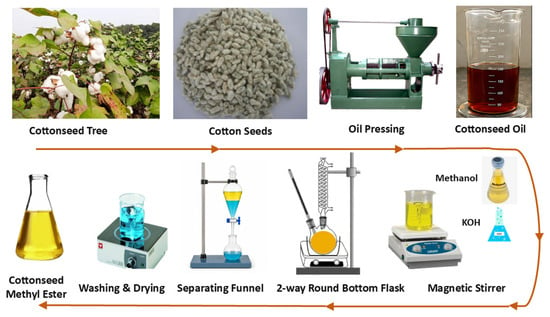
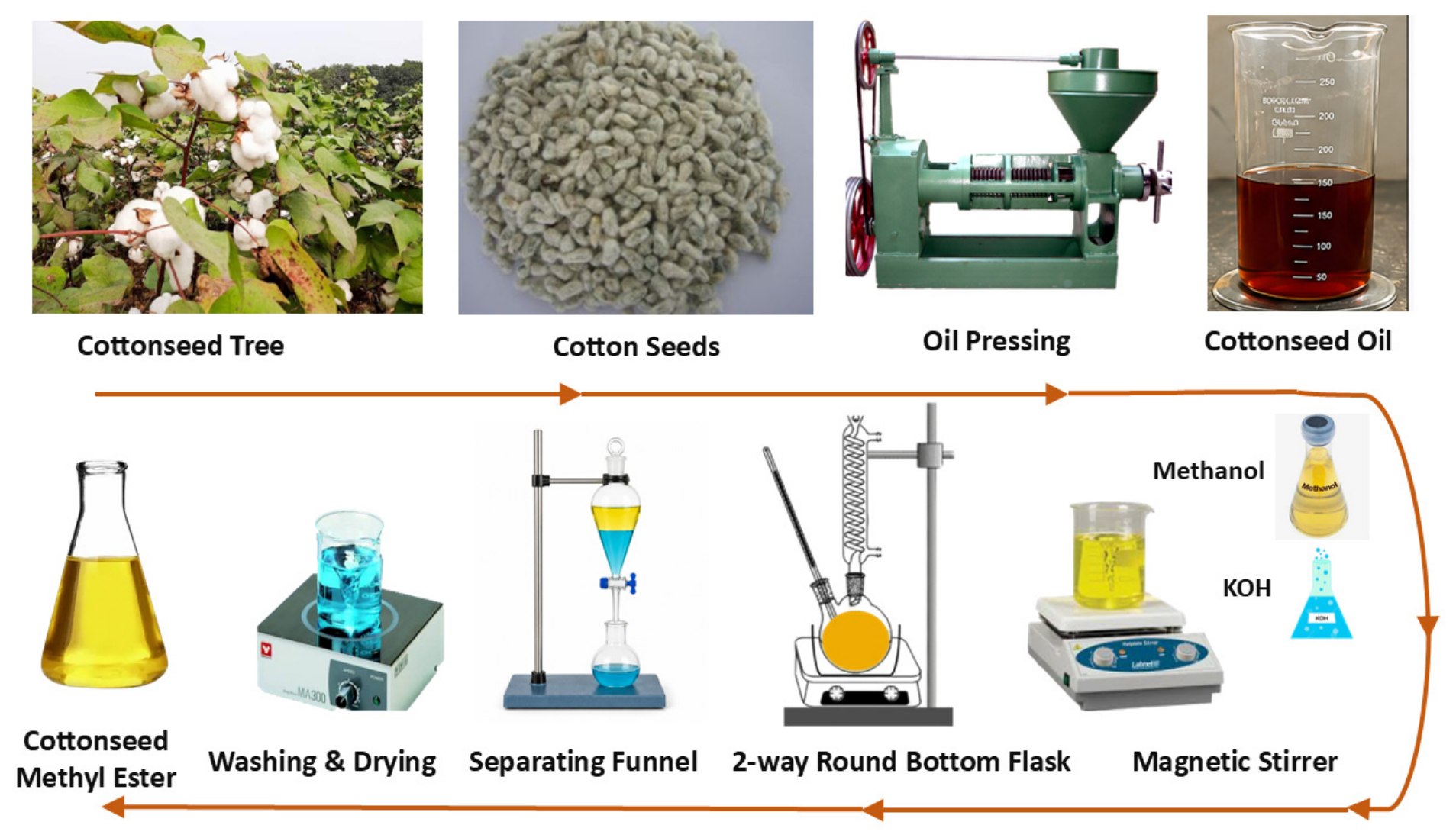
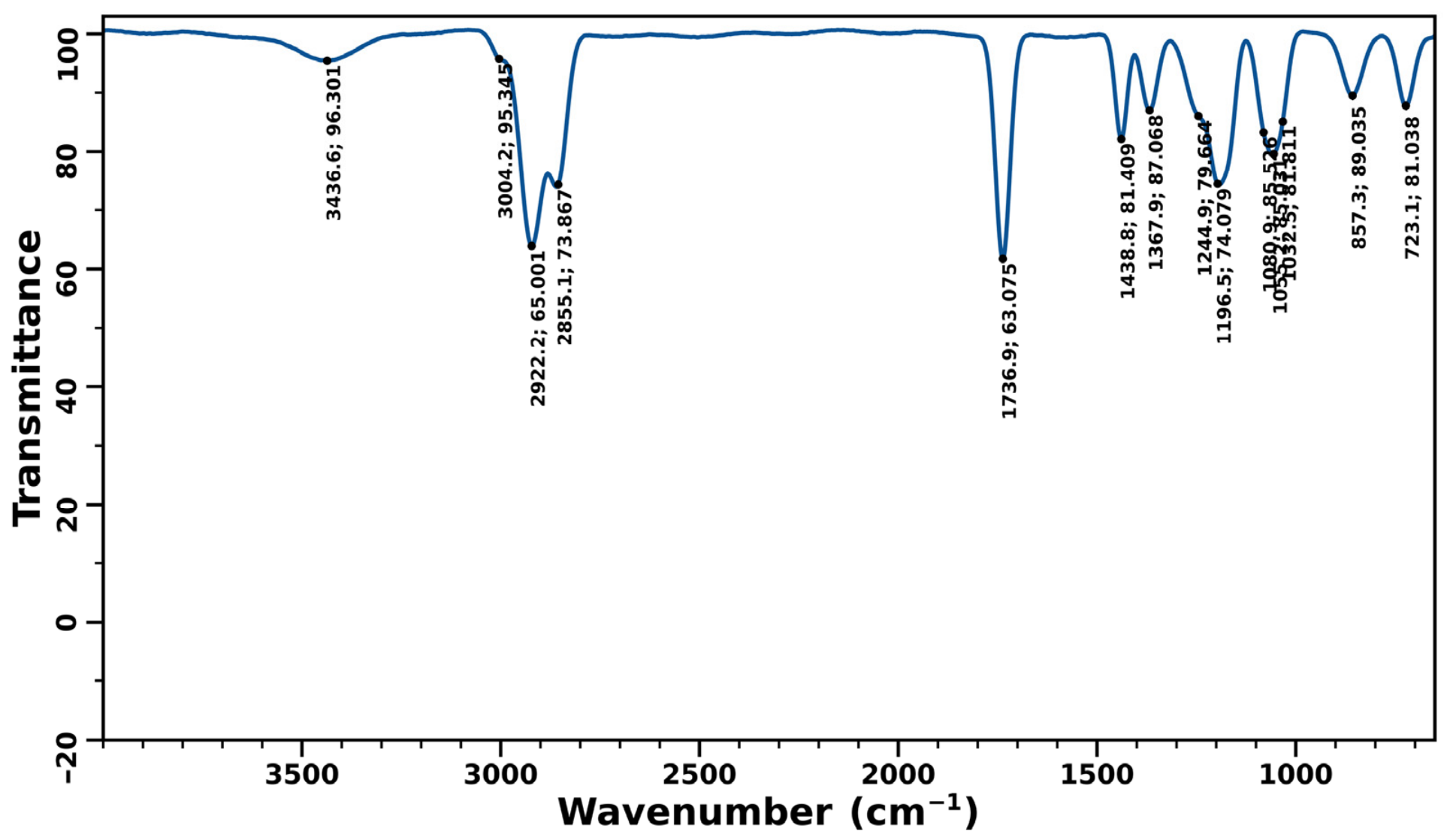
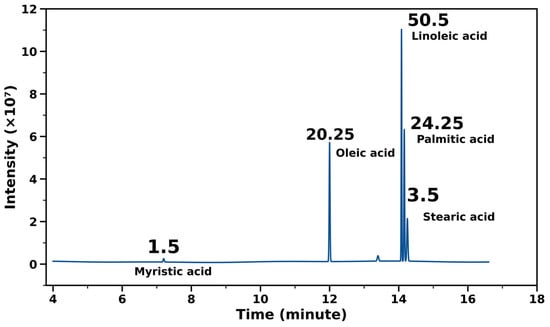
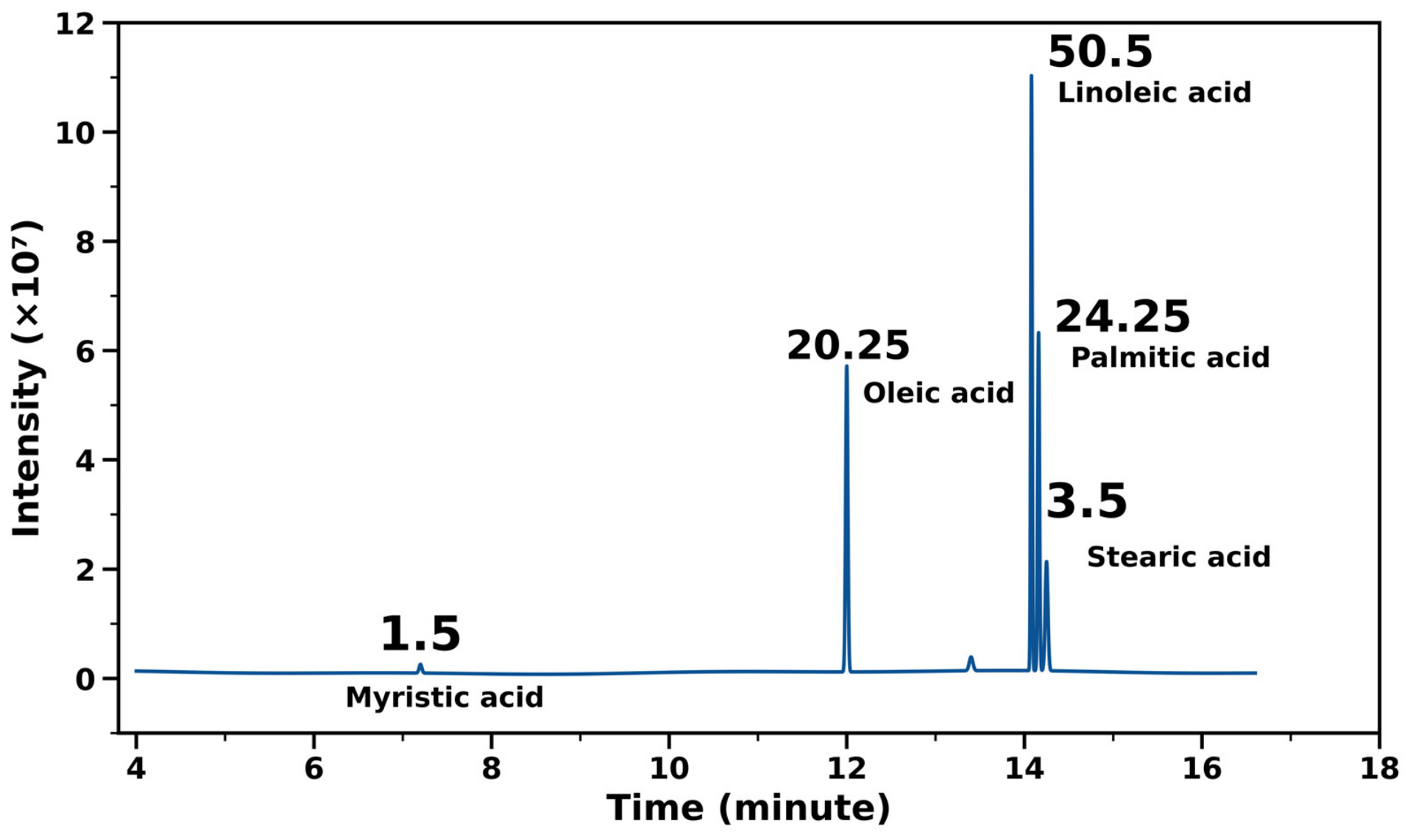
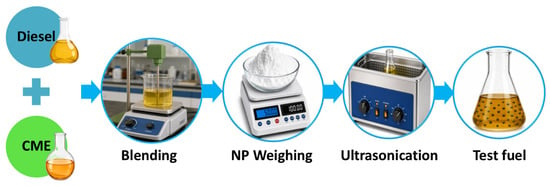
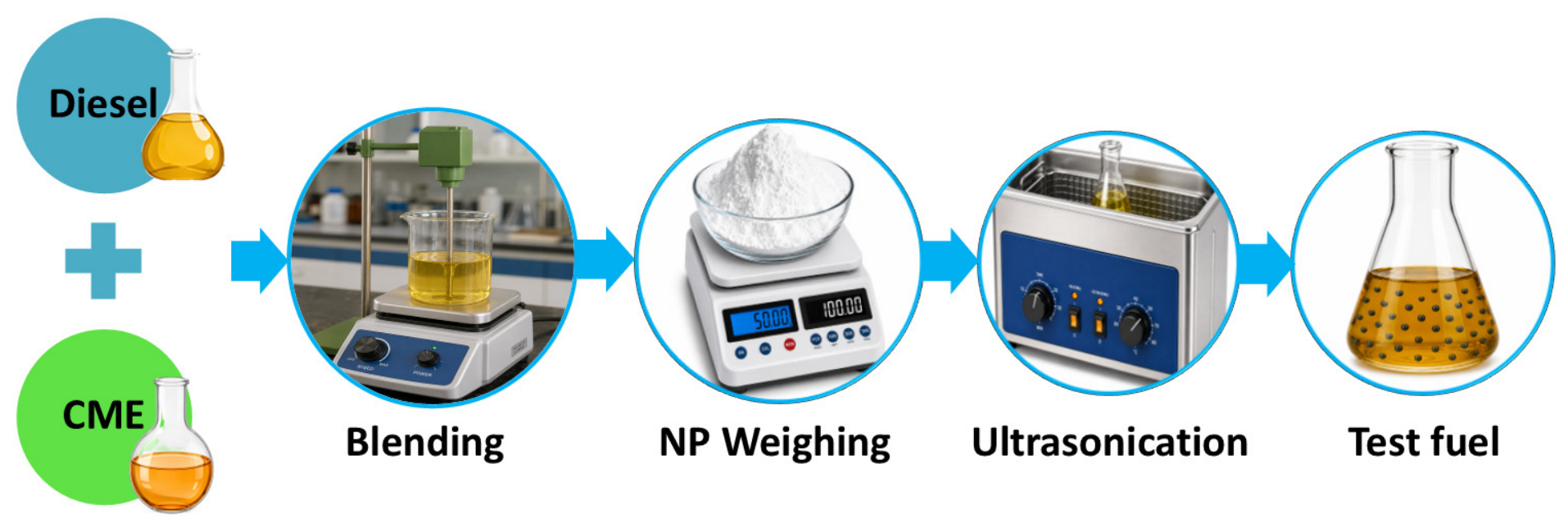
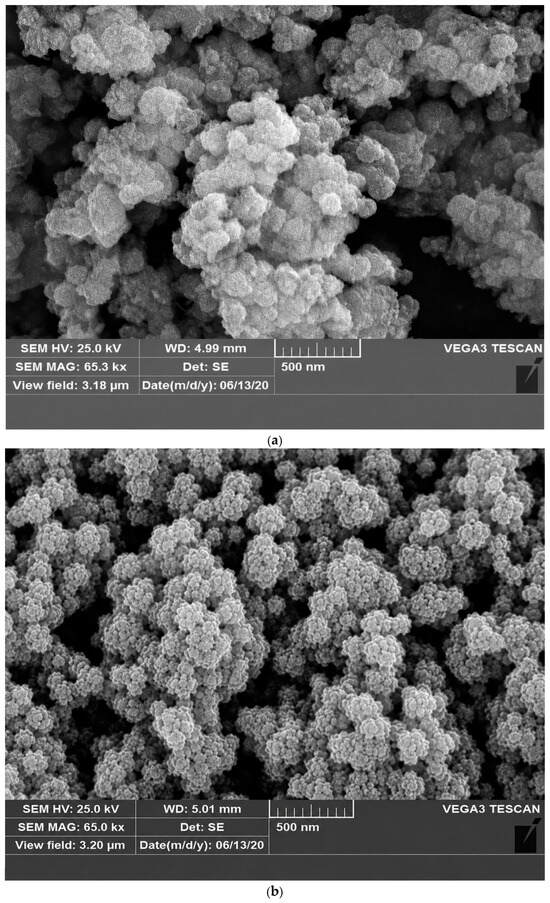
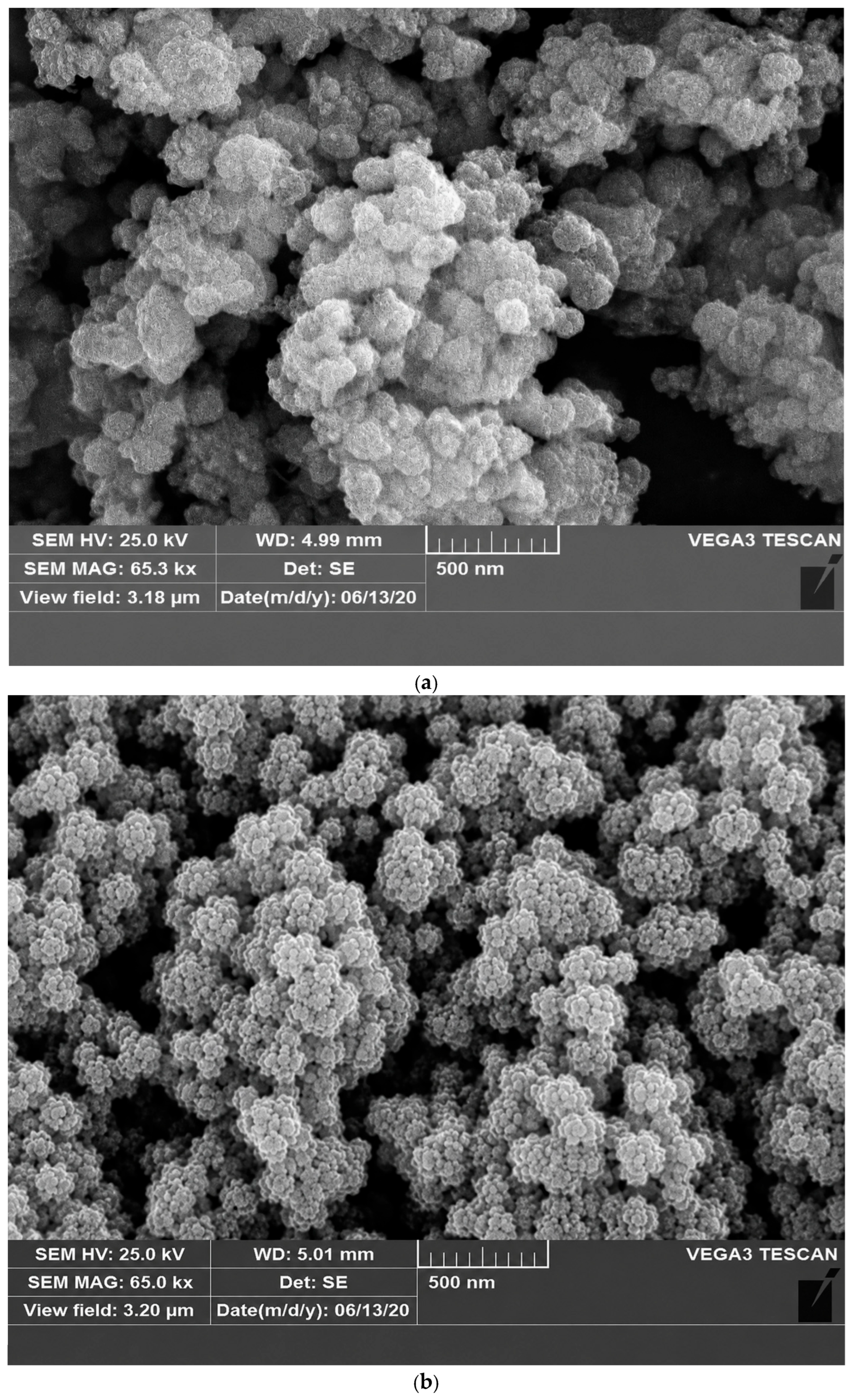
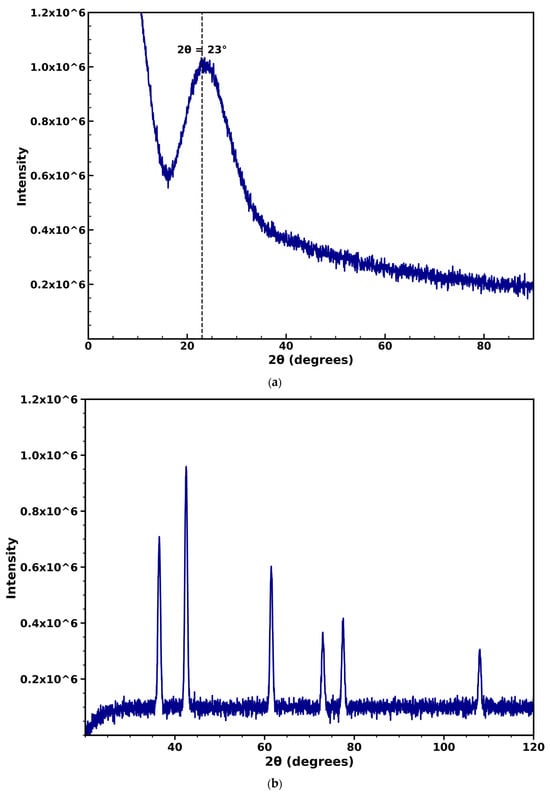
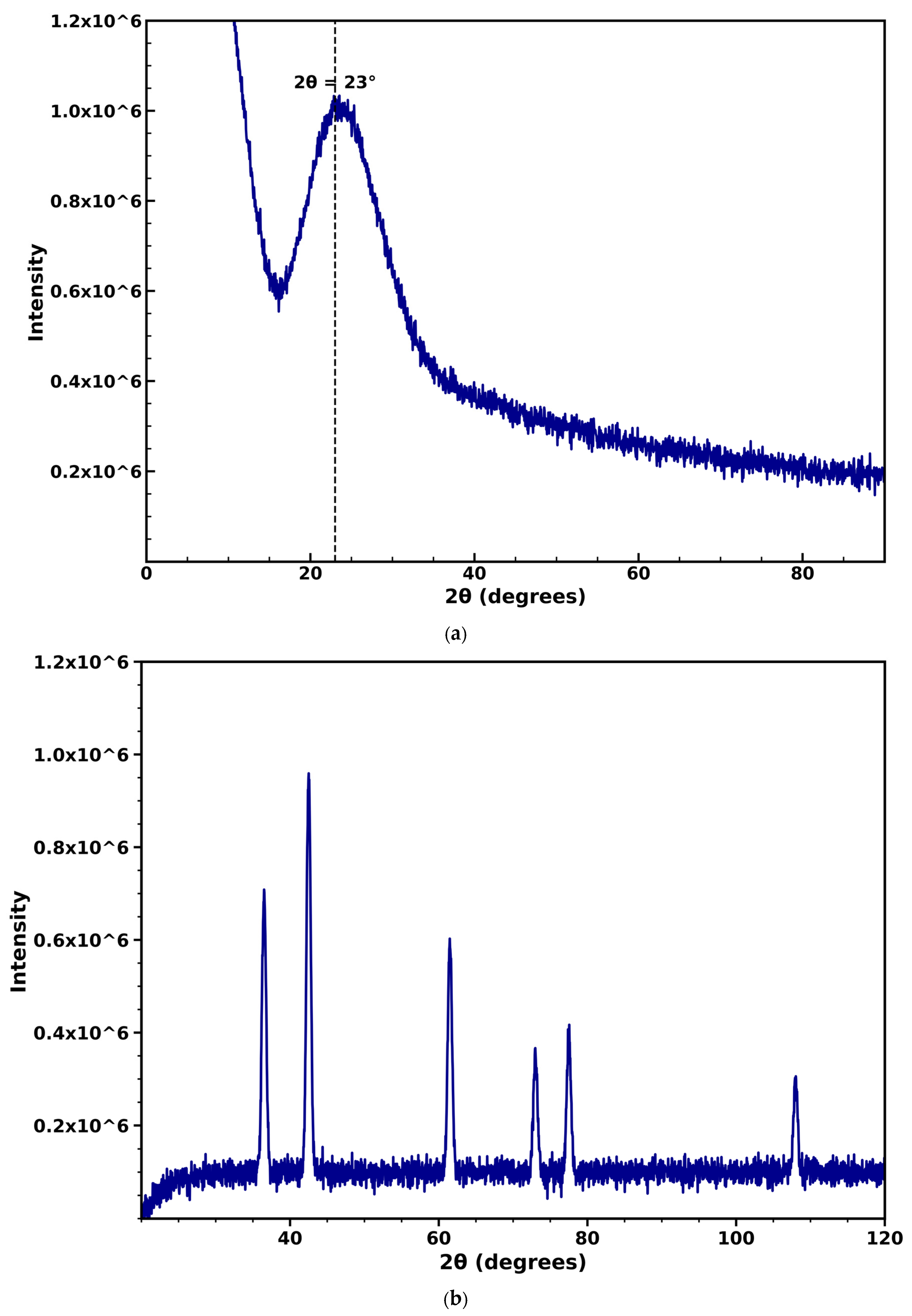
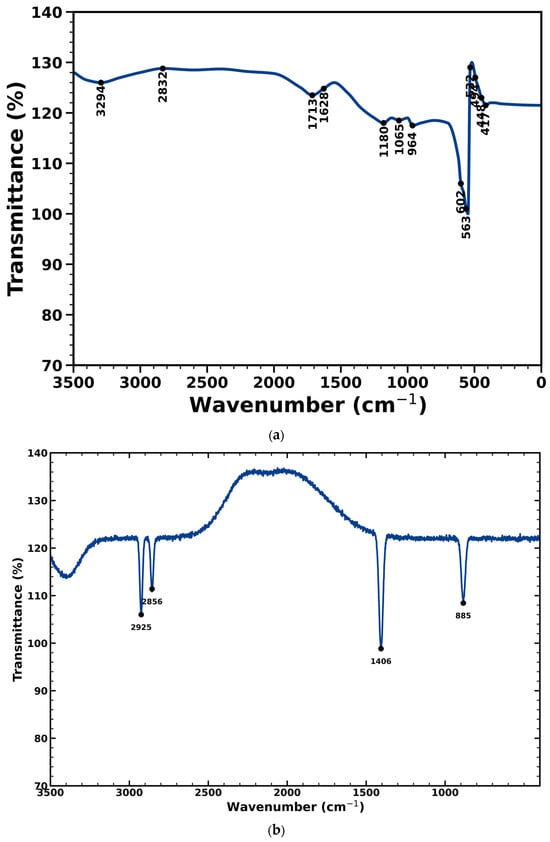
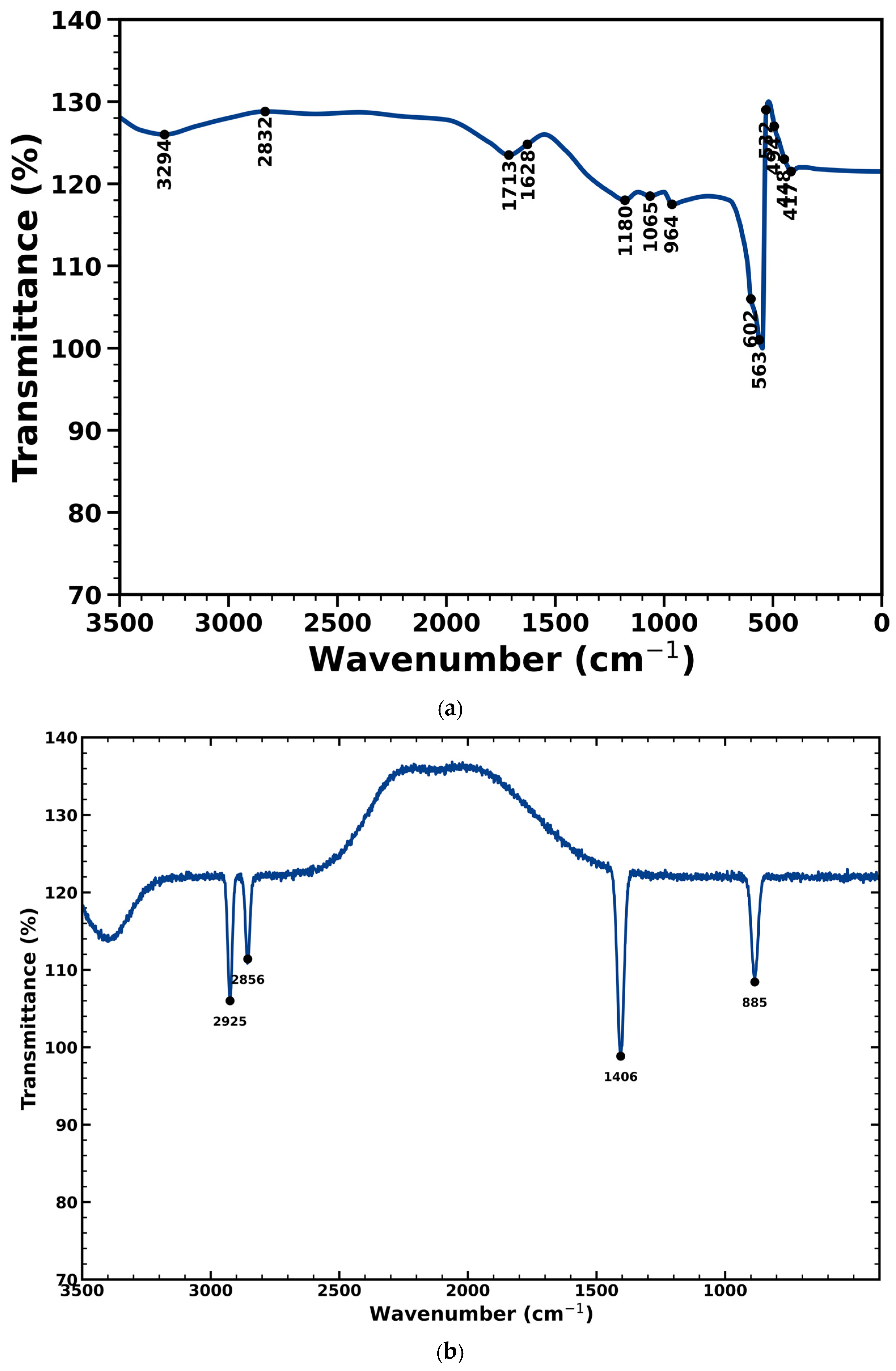
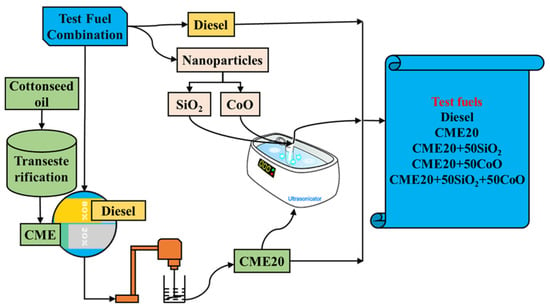
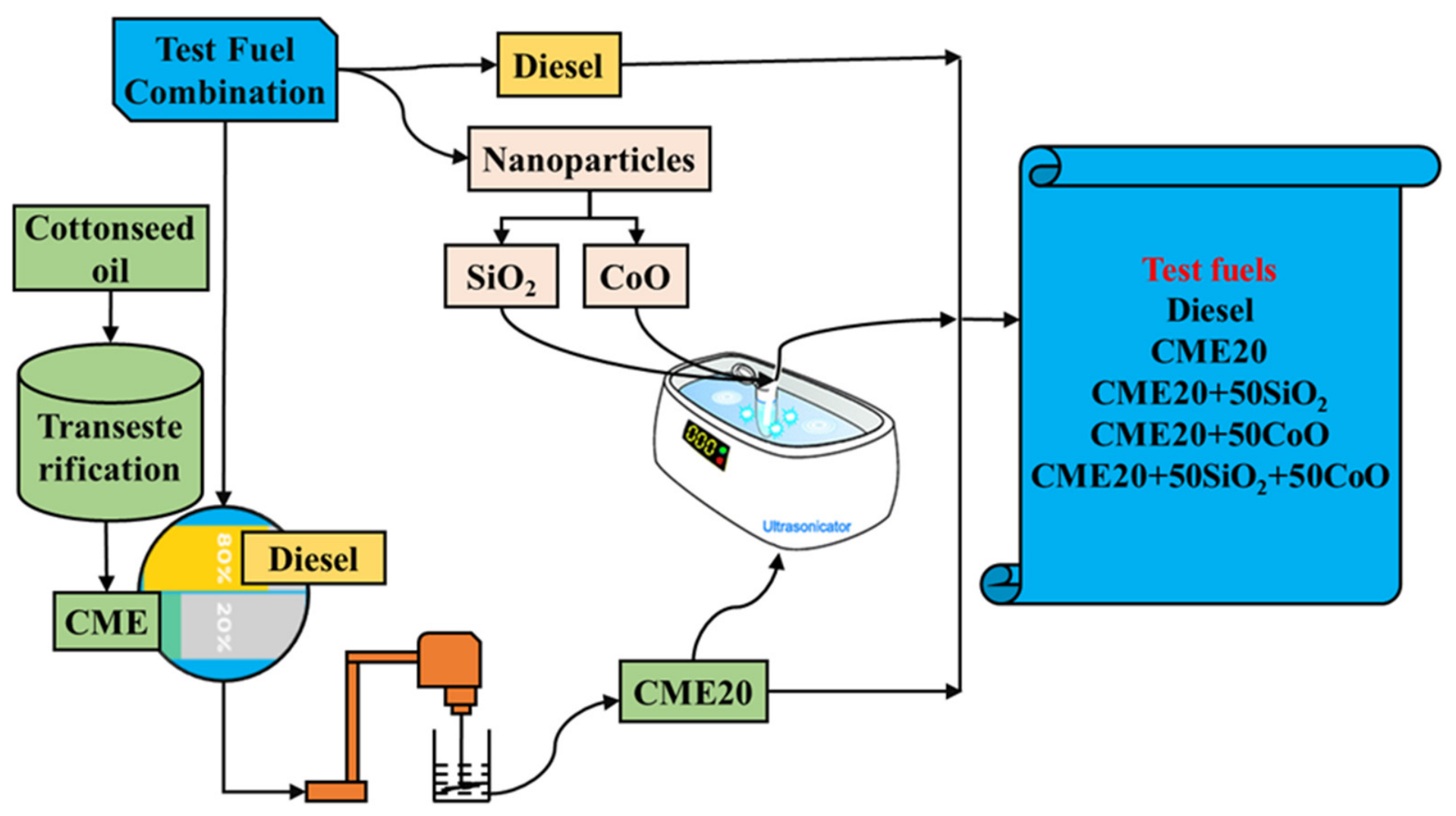
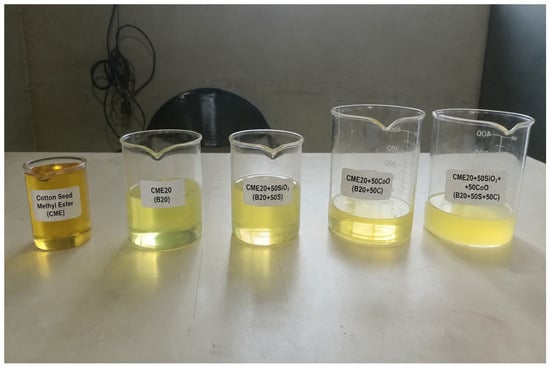
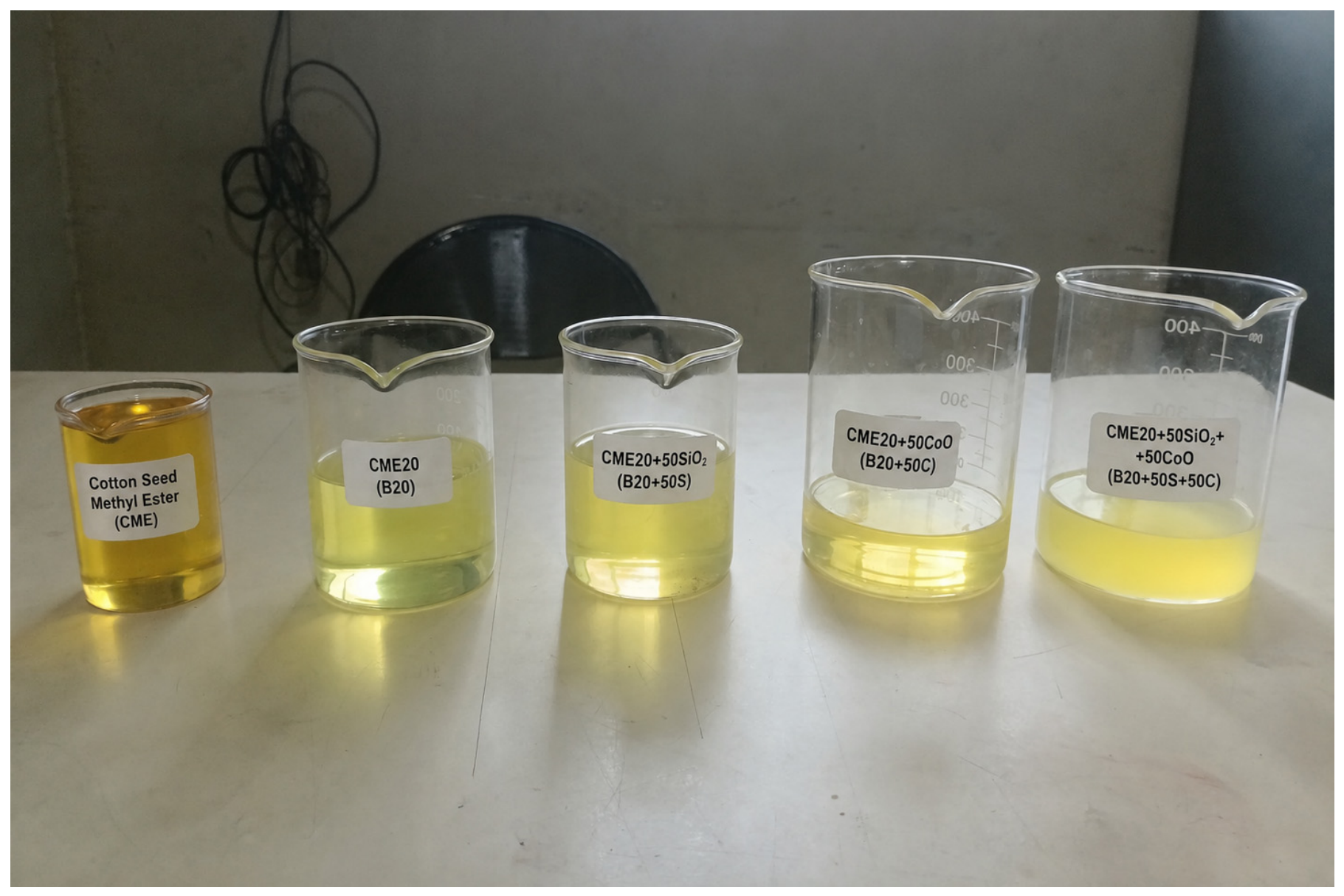
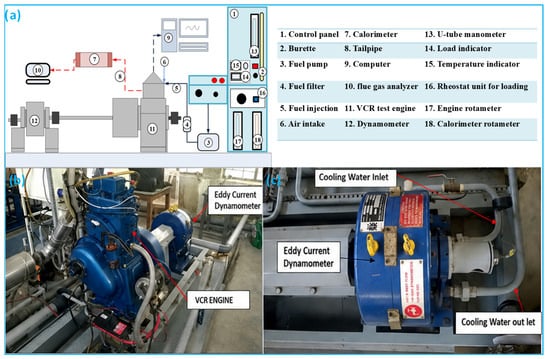
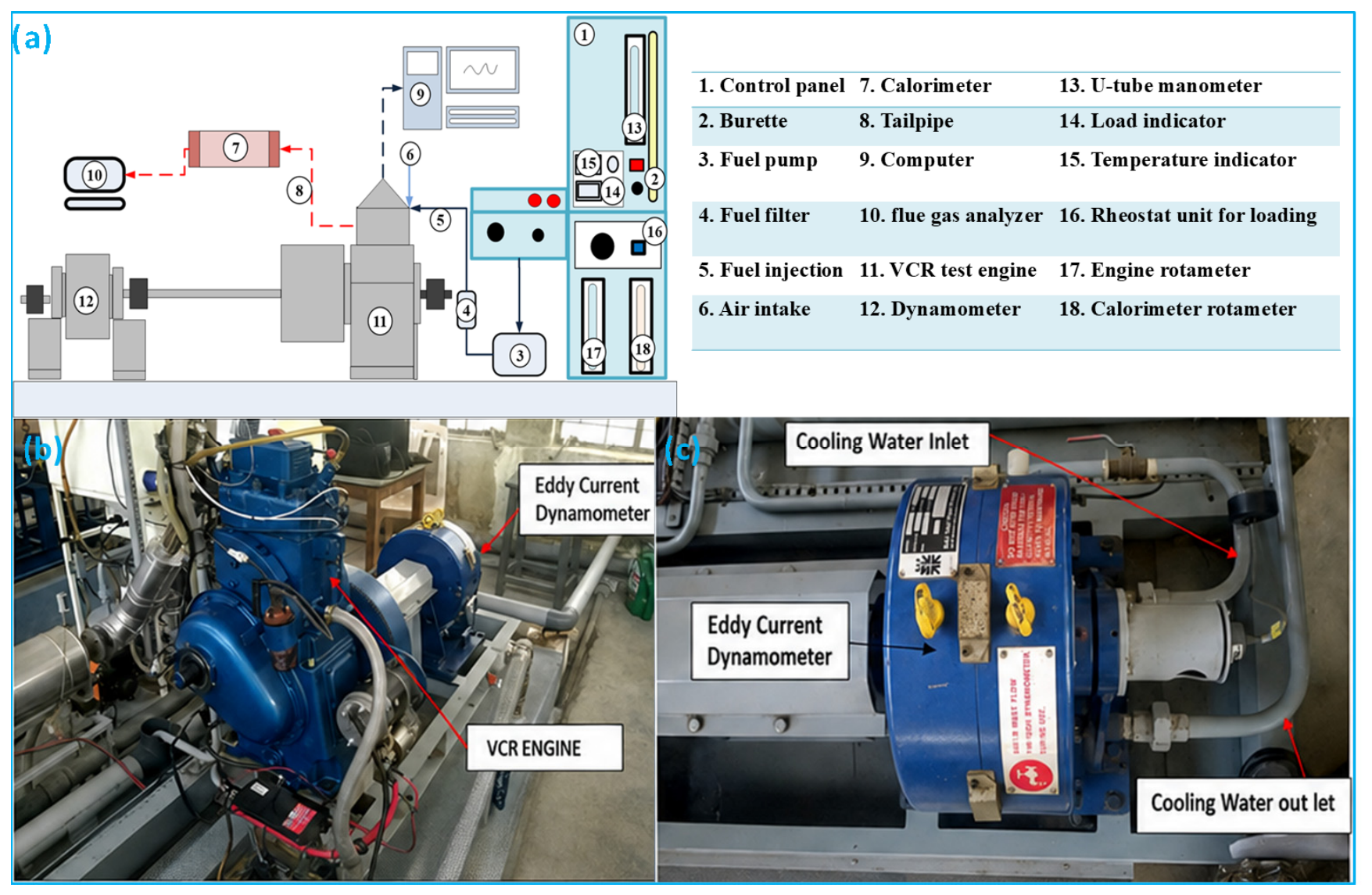
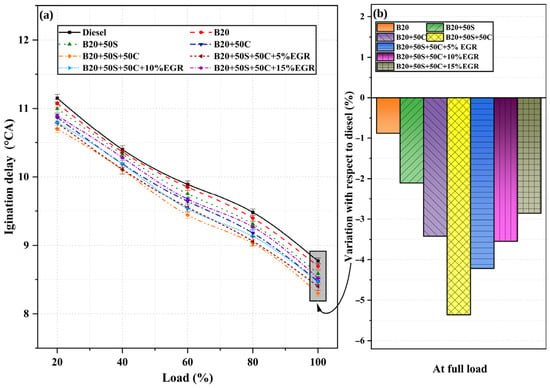
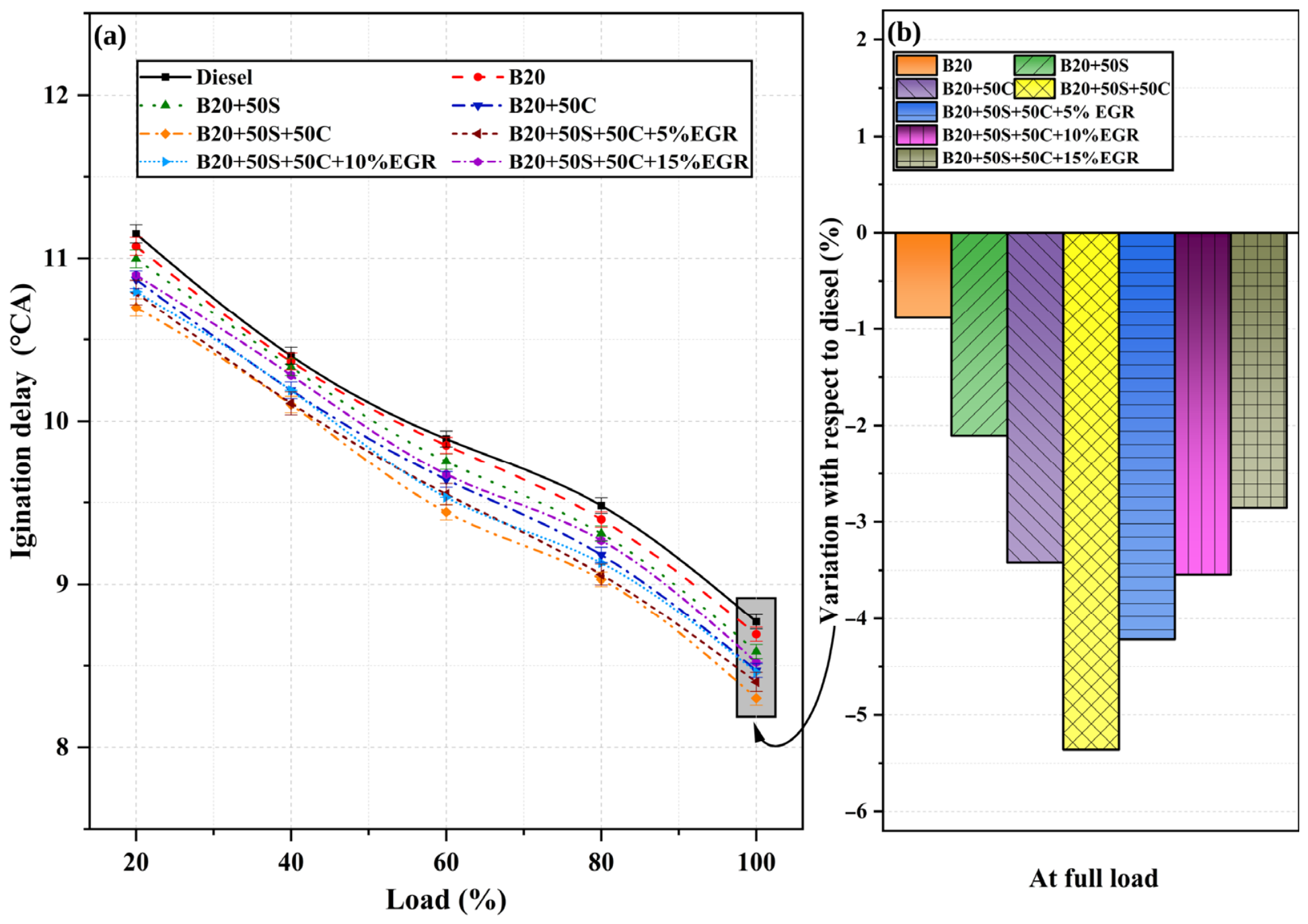
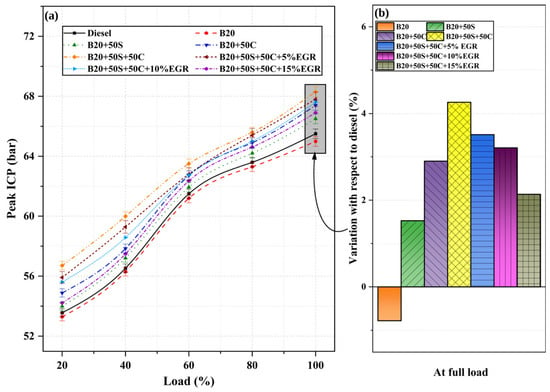
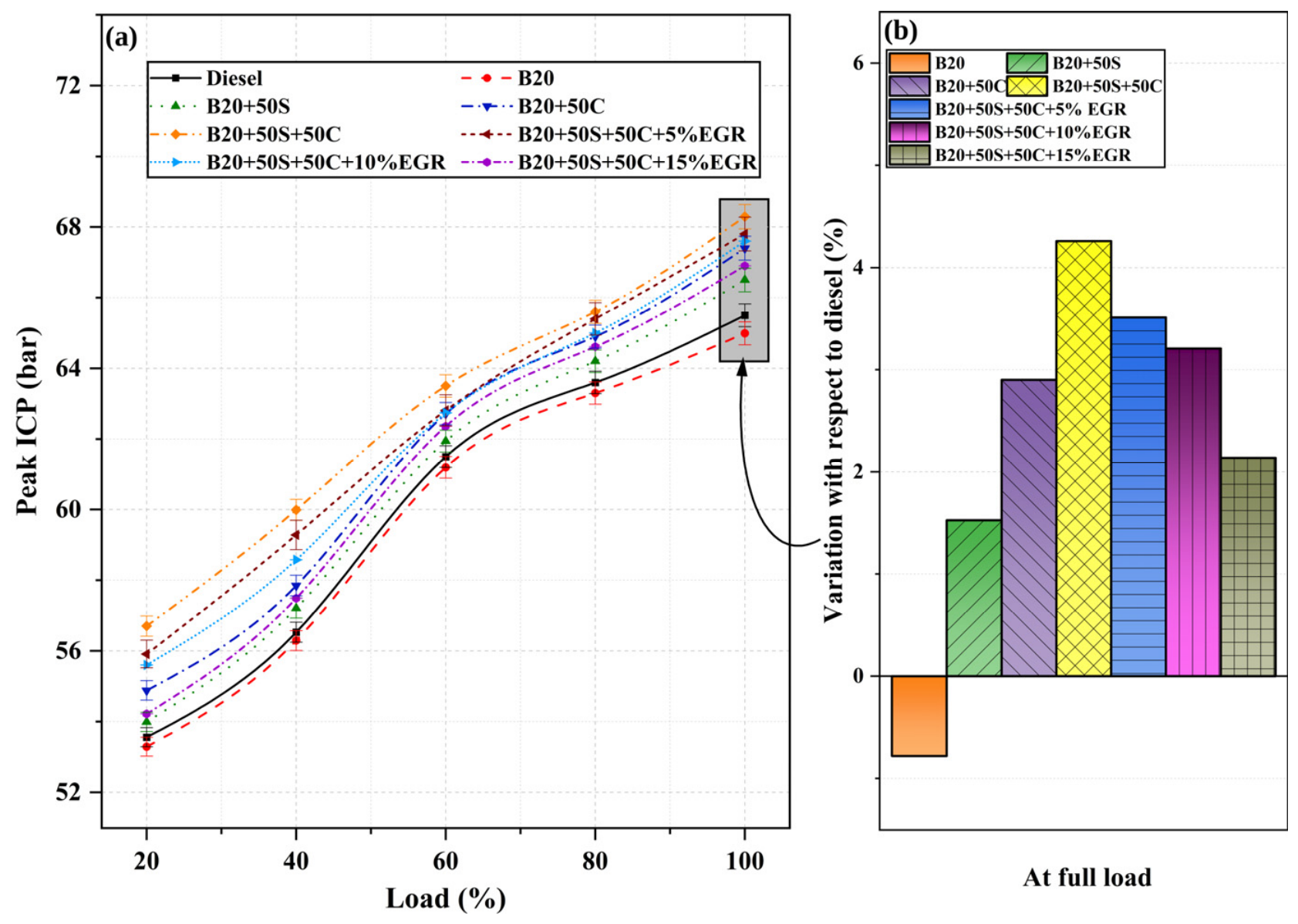
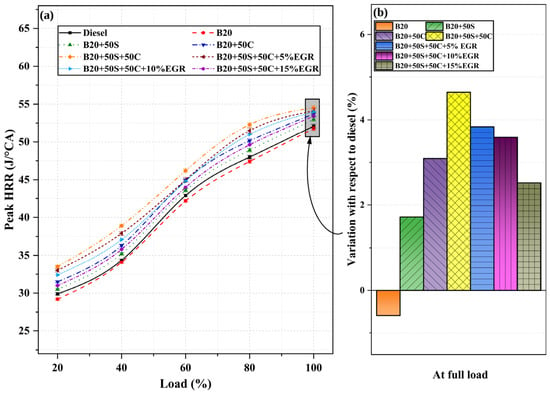
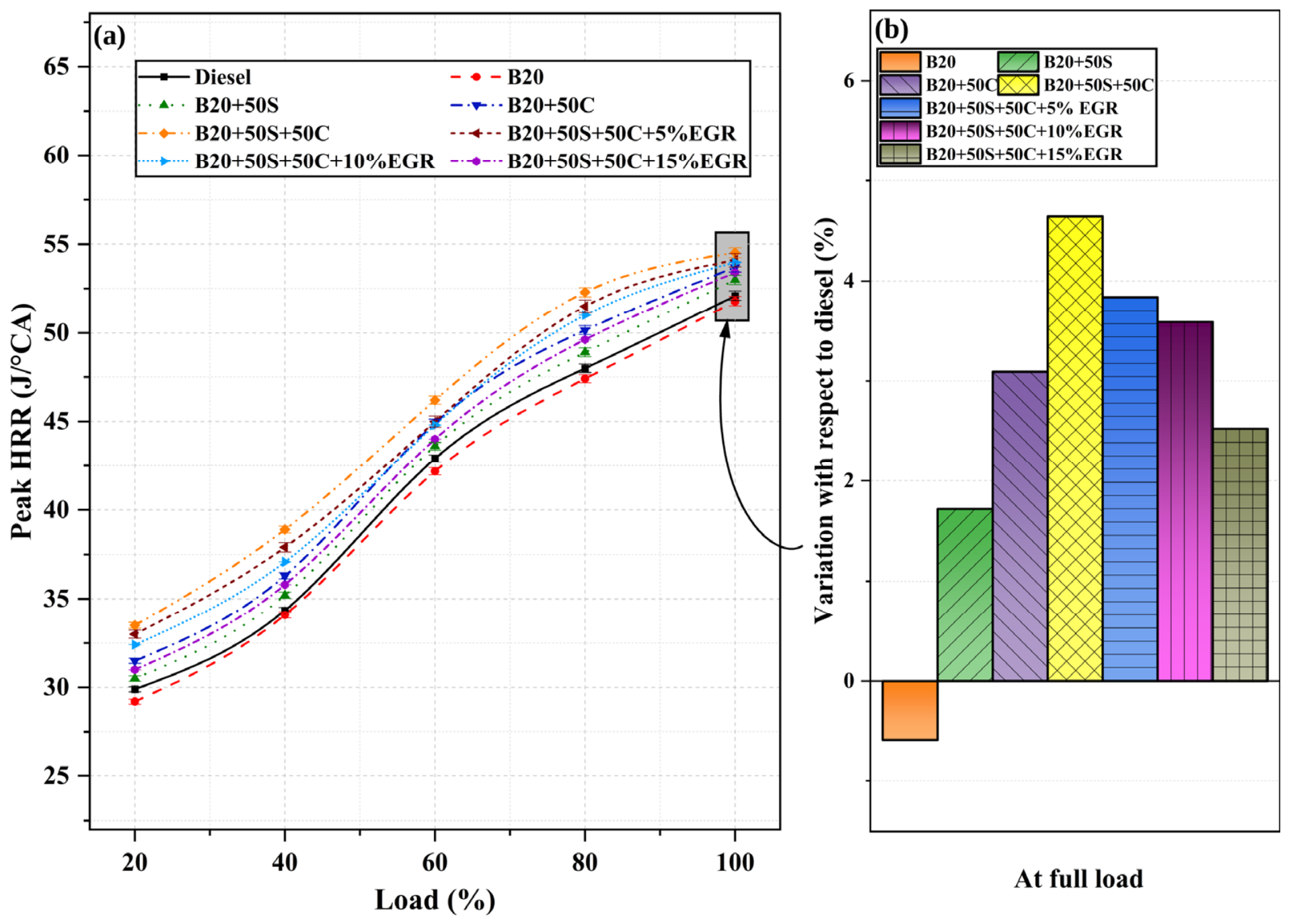
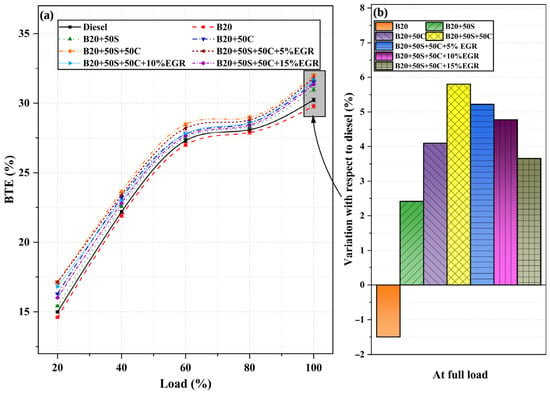
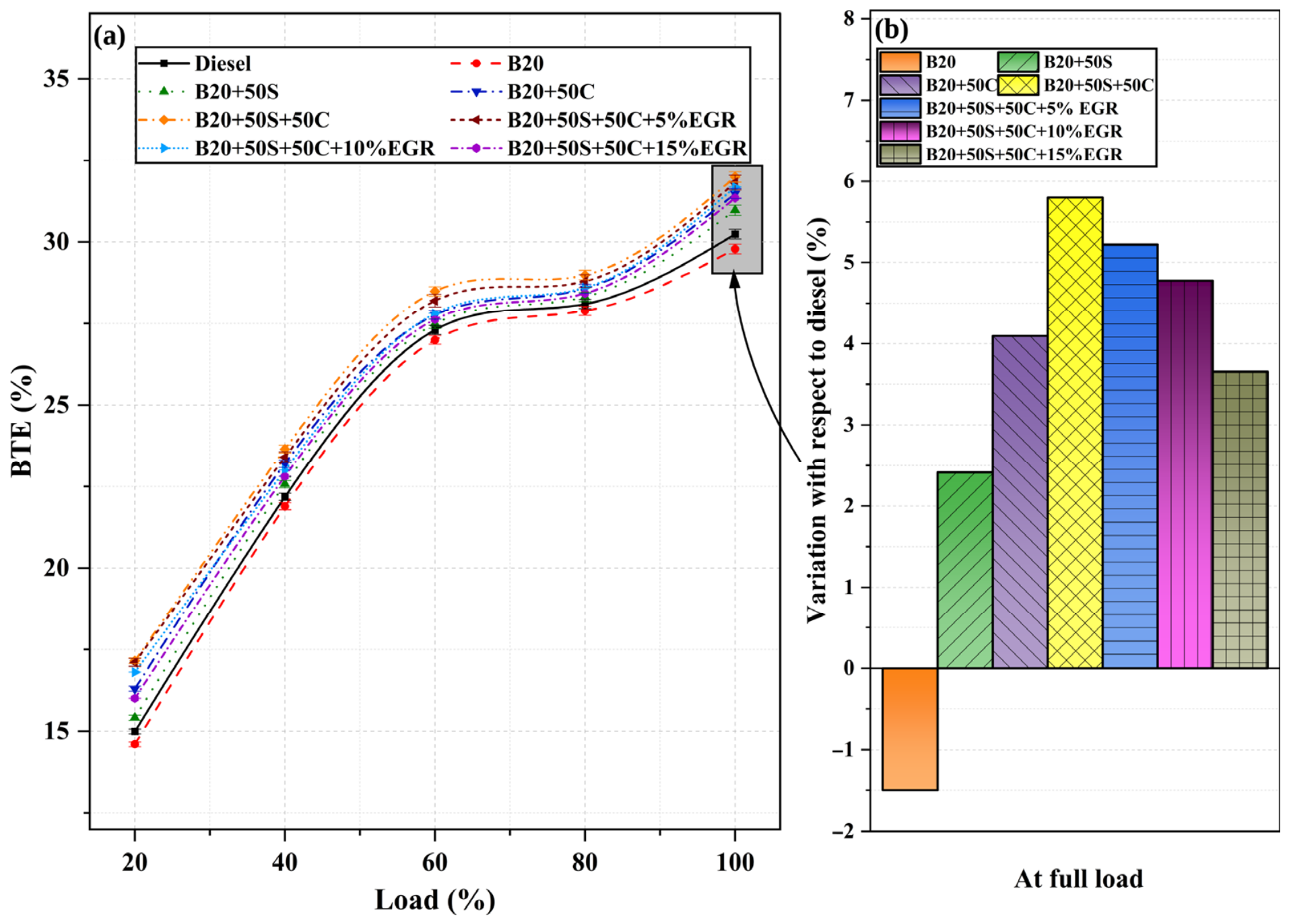
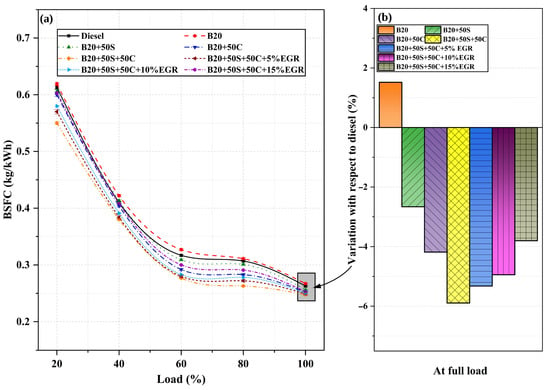
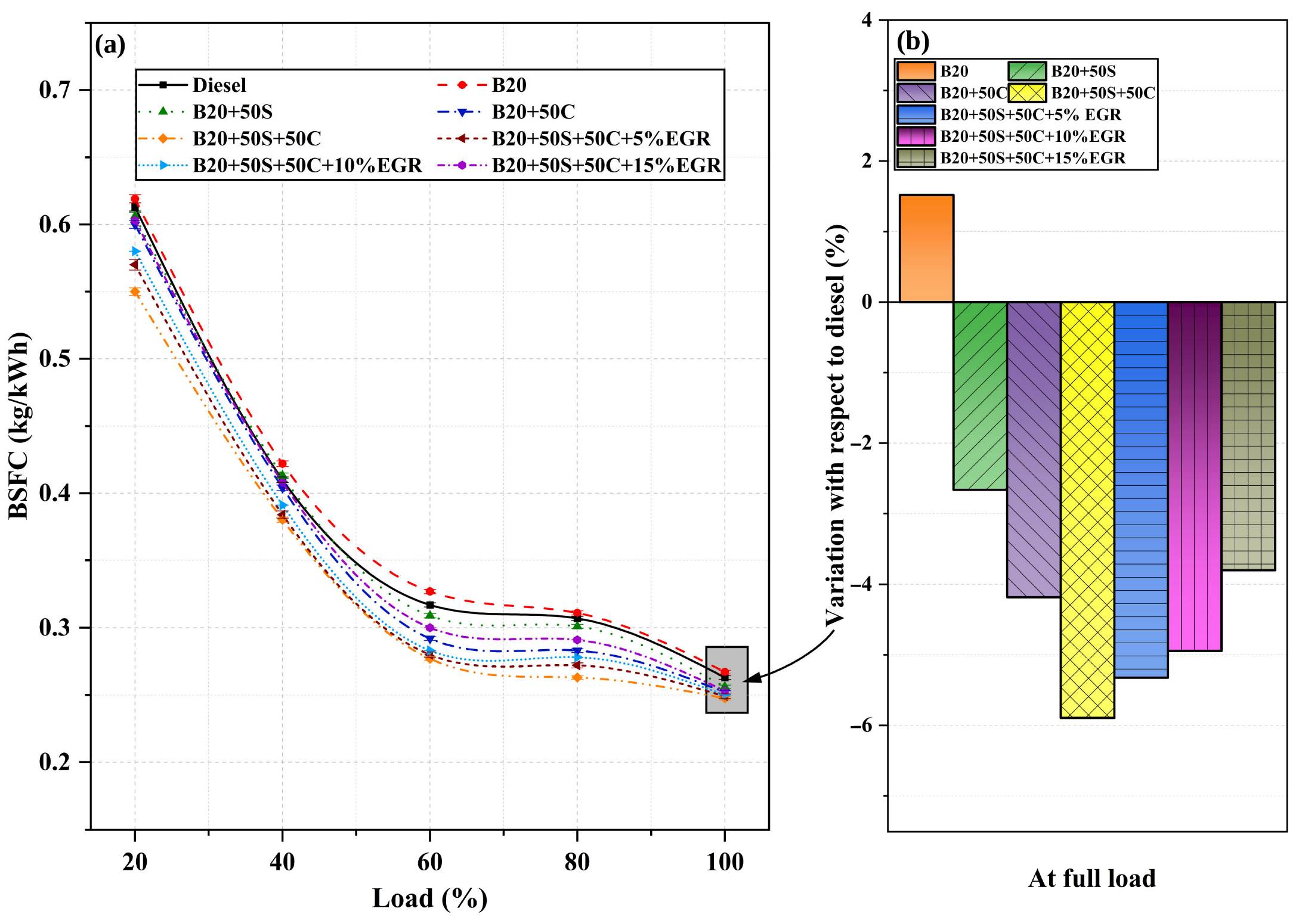
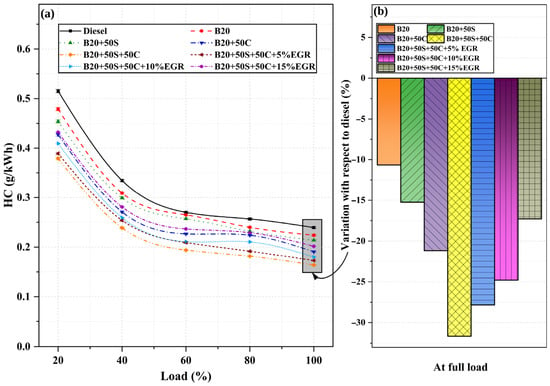
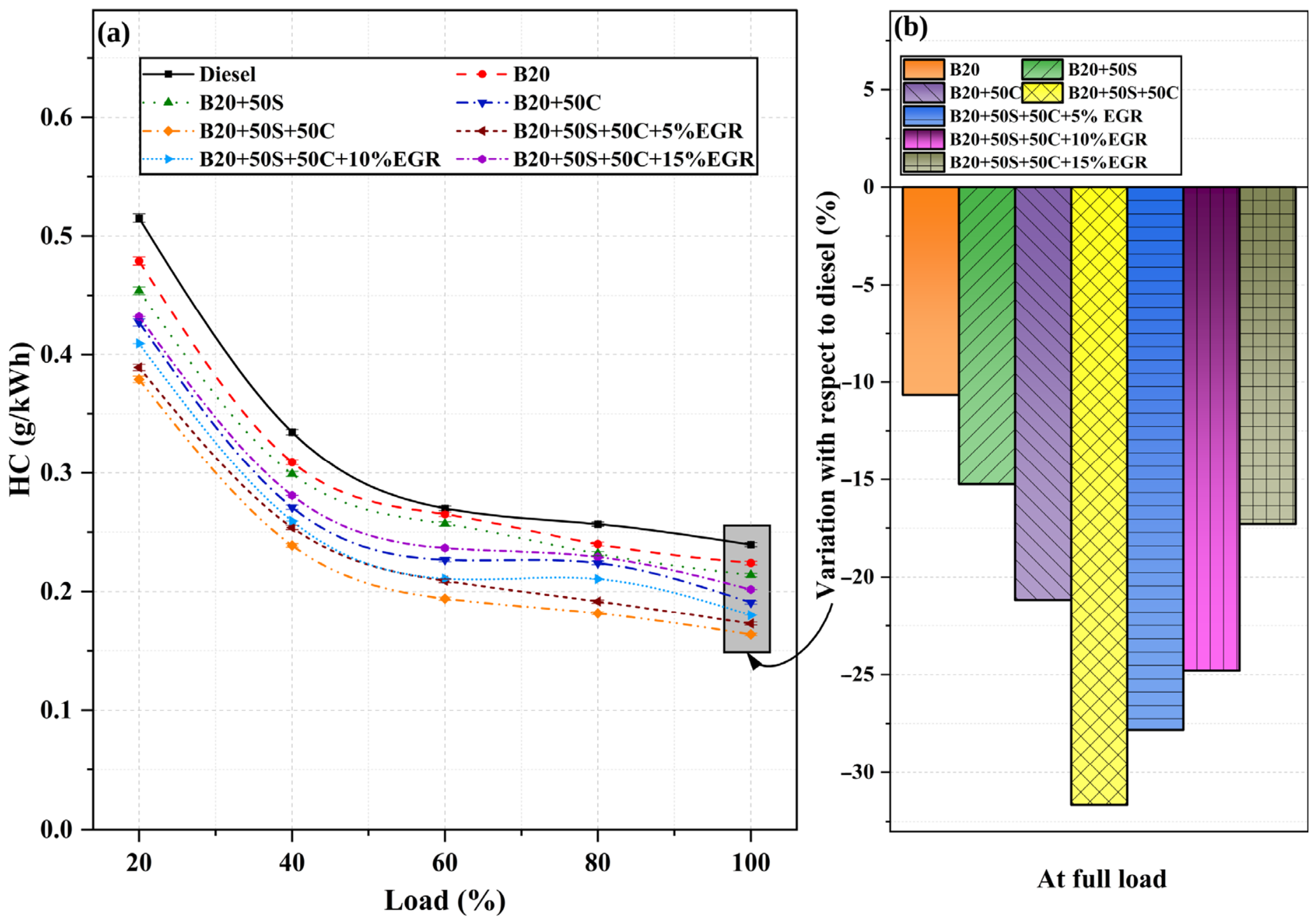
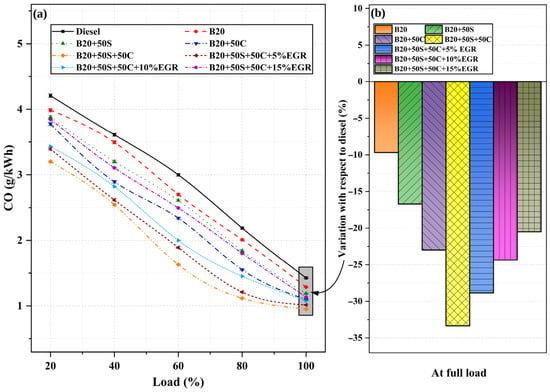
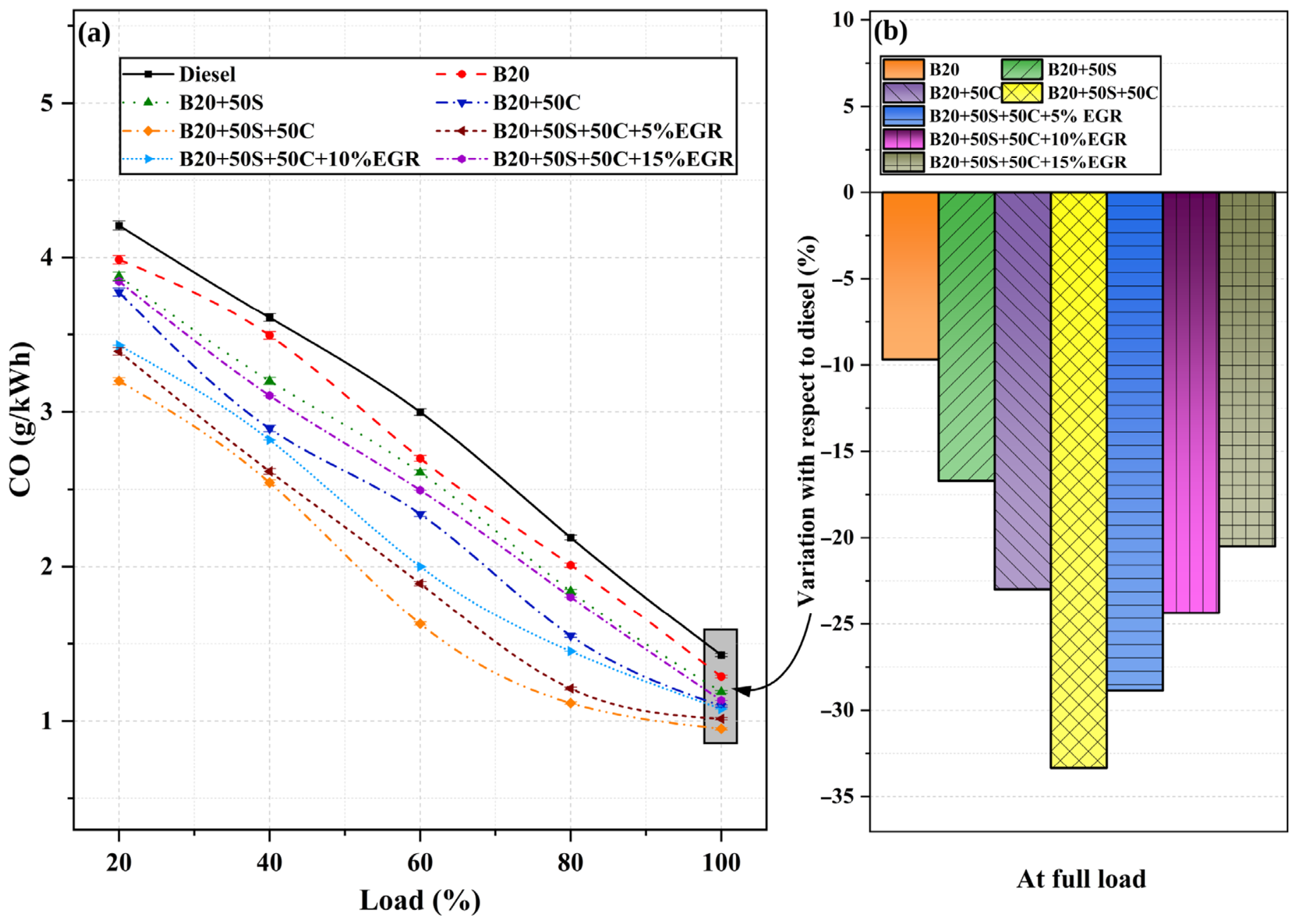
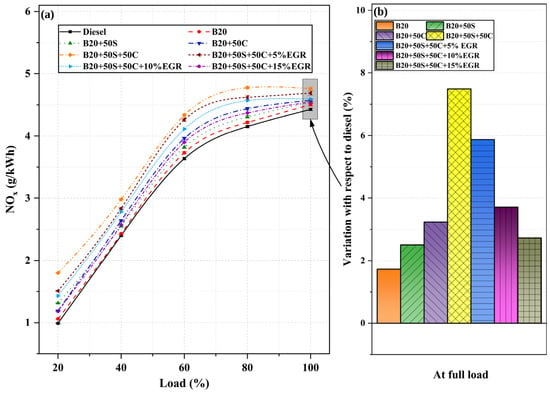
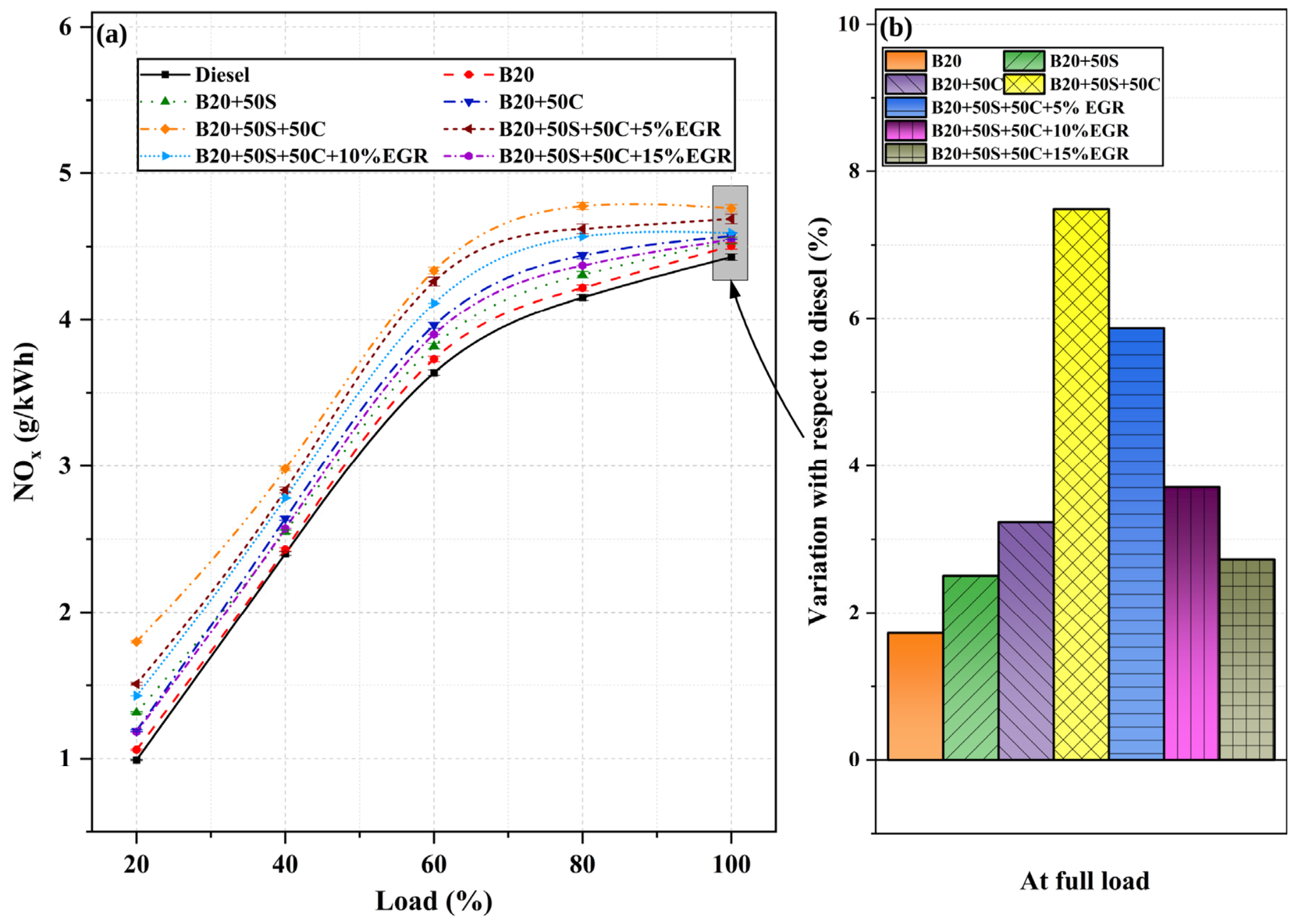
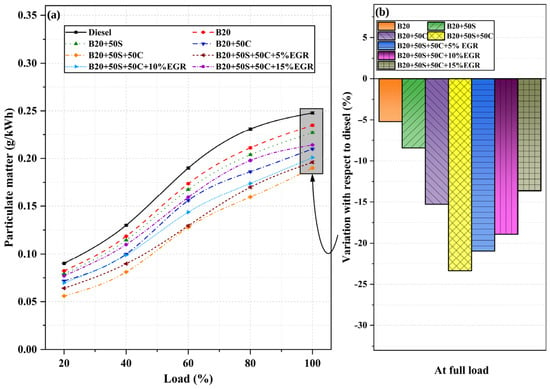
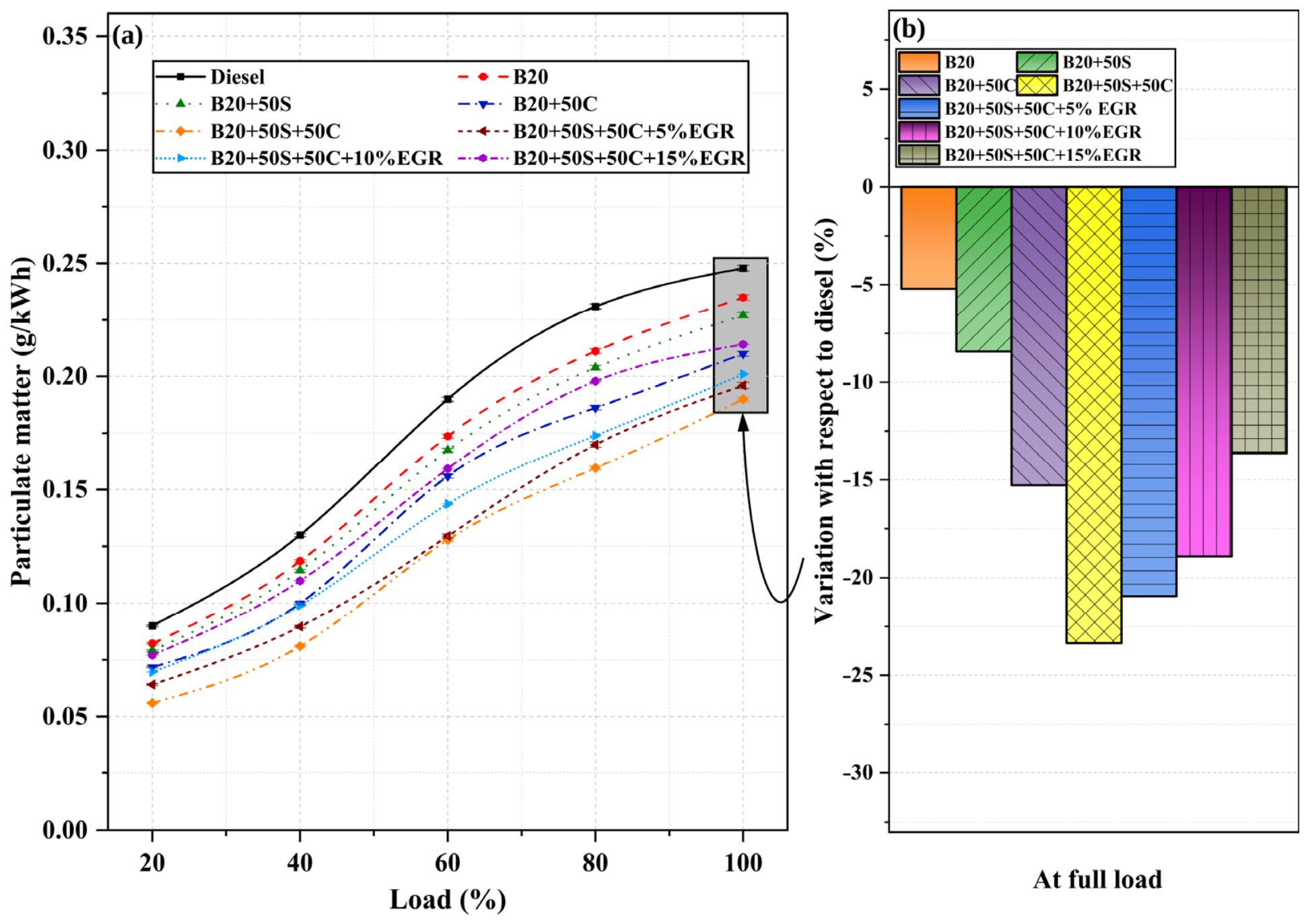
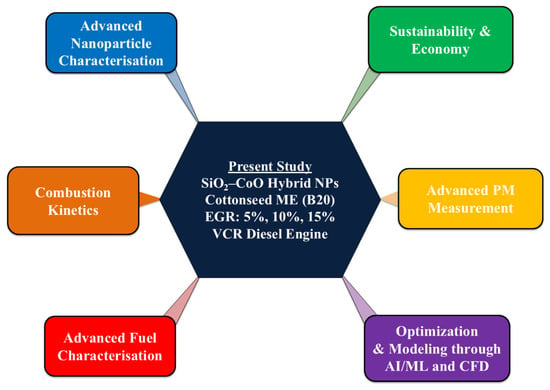
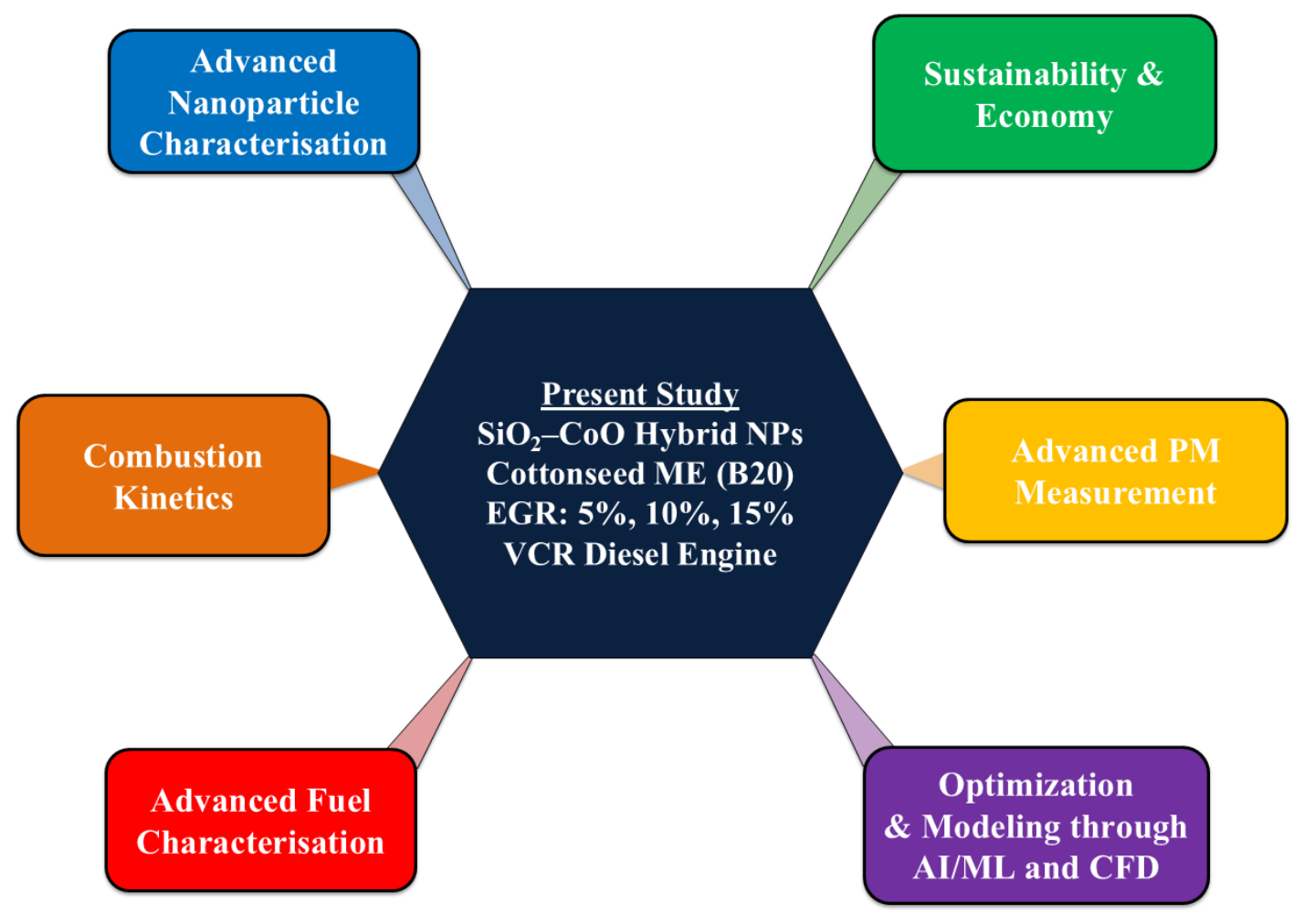

Disclaimer/Publisher’s Note: The statements, opinions and data contained in all publications are solely those of the individual author(s) and contributor(s) and not of MDPI and/or the editor(s). MDPI and/or the editor(s) disclaim responsibility for any injury to people or property resulting from any ideas, methods, instructions or products referred to in the content. |
© 2026 by the authors. Licensee MDPI, Basel, Switzerland. This article is an open access article distributed under the terms and conditions of the Creative Commons Attribution (CC BY) license.