


Abstract
Modern aquaculture is essential for meeting the increasing global demand for fish and seafood, but its rapid expansion has exposed limitations that threaten long-term sustainability. Major challenges include high disease outbreaks, low nutritional efficiency, and the instability and poor solubility of nutraceuticals and plant-derived compounds. These challenges often create a self-reinforcing feedback loop, amplifying the detrimental effects of one another. Conventional approaches, including antibiotics, chemical treatments, aquafeeds, and chemotherapeutic agents, have shown limited effectiveness, partly due to inefficient delivery systems that can contribute to environmental contamination and antimicrobial resistance. This review discusses nanotechnology-enabled strategies to improve these traditional methods, focusing on nanocarriers and nanoencapsulation techniques, and also mentioning other synthetized nanoparticles and microencapsulation strategies. These systems have succeeded in reducing oxidative degradation and improving bioavailability by enhancing the stability and activity of encapsulated bioactives. The review also evaluates their functional performance, limitations, environmental effects, interactions with different organisms, and regulatory constraints in the industry. Overall, while safe and scalable use of biodegradable nanoscale delivery systems in modern aquaculture has shown great potential, it still depends on careful design, harmonized regulations, and economically feasible manufacturing.
1. Introduction: Current Challenges in Modern Aquaculture Using Conventional Strategies and Solutions Found in Nanoscience
Aquaculture has become one of the most important industries thanks to its key role in helping meet the increasing global demand for food, since fish and seafood supplied ~3.2 billion people with almost 20% of their average per capita intake of animal protein, not to mention that just 150 g of fish protein can provide ~50–60% of the daily protein requirement of an adult [1]. Besides protein supply, fish and seafood provide essential amino acids, fatty acids, and key micronutrients such as iodine and selenium, which are not easily replaced by many terrestrial foods [1,2,3,4]. These contributions have supported coastal economies, strengthened food security, and reduced pressure on capture fisheries through more sustainable production pathways at a global scale [1,4]. As a result, modern aquaculture technologies are now a critical pillar of global food security and nutrition [1,4]. However, the rapid expansion of aquatic farms worldwide has also increased the structural limitations that threaten their productivity and long-term sustainability [3,5]. Among these limitations, this review highlights three interrelated challenges: disease outbreaks, inadequate delivery of functional compounds, and the instability or low solubility of bioactive compounds. These limitations were highlighted and studied in this review due to their constant presence in modern aquaculture, and despite the immense and lasting research and development in the aquatic industry, continue to limit the productivity and sustainability of fish and seafood production [1,4,5,6]. Additionally, they do not operate independently; these limitations form a dangerous self-reinforcing feedback loop in which they could intensify or become the cause of one another [3,5].
This review defines the first limitation as disease outbreaks in intensive aquatic farming systems. Bacterial, viral, parasitic, and fungal pathogens continue to drive major mortality events, particularly in shrimp and finfish production, where high concentration densities accelerate the transmission and the scale of the possible disease outbreak, as well as poor conditions related to the presence of heavy metals, ammonia, food and antibiotic residues, among others, in the localized environment of aquatic farms [7,8]. These issues build up over time, and the high fish density, chronic stress, and poor water quality (i.e., unstable physicochemical parameters such as temperature, pH, or dissolved oxygen) typically found in aquatic farms can increase the fish’s susceptibility to infection and worsen outcomes during disease outbreaks [5,6,7,9,10].
Modern technologies in aquaculture have attempted to control disease outbreaks through water-quality management, vaccination, antibiotics, chemotherapeutic agents, probiotics, immunostimulants, and improved feed formulations, among other methods. These measures have proven to be valuable and, in some cases, highly effective [11].
Vaccination is one of the most important preventive strategies against infectious diseases, while antibiotics and chemotherapeutics can reduce pathogen loads during outbreaks. Probiotics, β-glucans, plant-derived compounds, and other immunostimulants are also used to improve gut health, stress tolerance, immune response, and disease resistance [9,12]. However, these methods may still suffer from oxidative degradation of sensitive compounds, water-soluble nutrients can diffuse rapidly into the surrounding environment before ingestion (in open or semi-open systems), and poor bioavailability of functional additives such as antioxidants, immunostimulants, and phytochemicals [5,13,14]. Similarly, bioactive compounds incorporated into feed matrices may degrade under light, temperature, or moisture exposure, leading to incomplete efficacy, environmental residues, toxicity risks, development of pathogen resistance, and poor delivery efficiency [9,15,16,17,18].
These losses reduce growth performance and feed efficiency while increasing organic and nutrient, nitrogen and phosphorus loading in aquatic farms [4,5,15,17]. Nutrient leaching and uneaten feed are particularly relevant because they connect feed inefficiency with water-quality deterioration. In aquatic farms, a fraction of the supplied feed may remain uneaten or lose soluble nutrients before ingestion, increasing the release of organic residues and nitrogenous wastes into the environment. These inputs can reduce dissolved oxygen, increase ammonia concentration, promote microbial proliferation, and accelerate water-quality deterioration [6,9,10,15,19]. Therefore, inadequate retention of nutrients and bioactive compounds in aquafeeds does not only reduce feed efficiency but also contributes directly to environmental stress within aquatic farms, reinforcing the same conditions that favor disease outbreaks and poor physiological performance in and around aquaculture systems [1,2,3,4,9], continuing to negatively affect both the aquatic farm productivity and its environment, reinforcing sustainability concerns and raising doubts regarding the long-term viability of the aquatic farm [5,6,10,15].
These facts highlight a fundamental issue among these conventional strategies: they commonly fail to reach their expected efficiency due to their inability to deliver, protect, and maintain their active compounds (i.e., vaccines, probiotics, immunostimulants) effectively within these intensive aquatic farms. The stronger the disease outbreak, the higher the concentration of biochemical compounds that may be required. A higher concentration of biochemical compounds leads to environmental residues that could cause more disease outbreaks. Hence, inadequate delivery represents the second limitation to discuss in this review and a major bottleneck in aquatic farms [1,2,5,14,15].
Finally, the instability and low solubility of many promising aquafeeds (e.g., vaccines, nutraceuticals, among others) cause current mitigation strategies against disease outbreaks and nutritional inefficiencies to become less effective, and in some cases, detrimental. The reason is that many molecules have nonpolar regions, such as carbon chains or lipid-based groups, which interact poorly with water [6,15,16]. Moreover, pH, light and temperature have critical effects on chemically reactive groups or unstable bonds within molecules. Therefore, the very same molecular structure that increases the positive effects of bioactive compounds often makes them unstable or poorly sensitive to environmental changes [20]. Once again, conventional chemical treatments and antimicrobial agents are effective but also introduce residues, causing toxicity risks. On the other hand, while natural approaches (i.e., probiotics, essential oils, among others) exhibit positive biological activity depending on the extraction method and formulation, their practical application is often limited by poor aqueous solubility and rapid degradation, requiring more environmental management in aquatic farms, which further complicates aquaculture operations [6,7,21]. These issues make evident the gap between the efficiency of controlled experimental conditions and field performance, and this limitation is not caused by formulation challenges but instead by biological limitations. Thus, the aquaculture industry requires approaches that improve precision and minimize environmental burden while sustaining productivity [11].
Across fisheries and aquaculture, research on nanotechnology, and more precisely, nanocarrier systems and encapsulation strategies, has emerged as a promising technological framework to develop new delivery systems capable of protecting bioactive molecules, enhancing bioavailability, reducing nutrient leaching losses, and enabling targeted or sustained release to address and mitigate these key limitations [8,14,21,22,23]. By operating at the nanoscale, such systems (i.e., nanocarriers) support “stimuli-responsive properties” (such as time-controlled release and monitoring of bioactive delivery) while the small size and high surface-to-volume ratio of nanocarriers can improve cellular interaction, absorption, and stability of delivered compounds [14,23,24,25].
Novel immunostimulant platforms (e.g., chitosan and β-glucan nanoparticle systems) are described as capable of improving vaccine efficacy and duration of protection [11,23]. Additionally, nanoencapsulation has been described as a way to address the poor stability and low bioavailability of many nutraceuticals by stabilizing poorly soluble compounds and enabling either rapid-dissolving or sustained-release formats that better match physiological uptake [8,20,23,25].
As such, this review attempts to discuss this novel technology and its function to improve upon the conventional strategies as a way to further mitigate disease outbreaks, inadequate delivery and the instability of bioactive compounds. It is important to understand that, while nano-enabled approaches are not isolated solutions to single problems, they represent integrated strategies capable of simultaneously improving the efficacy of the aquaculture industry as a whole.
2. Nanotechnology: Nanocarriers and Nanoencapsulation Strategies to Mitigate the Limitations in the Aquaculture Industry
Nanotechnology has been increasingly incorporated into aquaculture research due to many of the industry’s persistent limitations [5,6,7,8,11,15,16]. Disease outbreaks, inefficient nutrient delivery, and the instability or poor solubility of the biological compounds form a self-reinforcing feedback loop: poor water quality and high stocking densities increase the risks of disease outbreaks; disease management often relies on therapeutic compounds with limited delivery efficiency, and unstable or poorly absorbed aquafeeds may fail to produce consistent and positive biological responses while contributing to environmental loading (more residues). While nano-enabled approaches encompass a wide range of tools, such as nanosensors, antifouling materials, and water remediation or filtration systems, the most biologically and technologically relevant advances in modern aquaculture focus on nanocarrier systems and encapsulation strategies, offering cutting-edge solutions for overcoming physicochemical and biological limitations inherent to aquatic production systems (i.e., farming) [6,8,11,16].
Conventional feed-based administration may expose active compounds to dilution, nutrient leaching, enzymatic degradation, or incomplete absorption before they reach the target tissue [3,9,26]. Therefore, nanocarriers and nanoencapsulation systems can improve the performance of vaccines, antimicrobial agents, immunostimulants, antioxidants, and nutraceutical compounds by protecting them from premature degradation and improving their interaction with biological barriers [21,22,27,28]. This protection further mitigates the limitations of instability and low solubility of bioactive compounds. Additionally, polymeric nanoparticles, chitosan-based systems, PLGA nanoparticles, virus-like particles, and lipid-based carriers have been explored as platforms capable of improving antigen stability, oral delivery, immune stimulation, and resistance against bacterial or viral pathogens [12,18,22,23,24,27,29,30,31,32,33,34,35,36,37,38,39]. In turn, providing the bioactive compounds an adequate and controlled delivery system. As such, nanotechnology does not simply introduce new disease-control agents; rather, it improves the delivery and functional persistence of existing agents, protecting them from their low solubility or instability, and potentially reducing repeated dosing, which in turn vastly improves their efficiency against disease outbreaks, without leaving residues or needing additional environmental management in aquatic farms [6,8,11,15,16,20,23,24,40].
The way nanocarriers address inadequate delivery in aquatic farms is by entrapping bioactives within protective matrices, improving their retention during water exposure, and enabling more gradual or site-relevant release during gastrointestinal transit. This is particularly important for oral delivery systems, where the goal is not only to preserve the compound before ingestion but also to release it at a biologically useful point during digestion, thereby improving bioaccessibility, bioavailability, and biological response [12,15,16,26,32].
It is important to understand that nanocarriers are nanostructural delivery vehicles engineered to transport, protect, and release active compounds in a controlled manner [5,9,12,26,32]. They commonly fall within the 10–500 nm range, and their performance depends on a combination of factors including particle size (compared to the targeted area), surface characteristics, composition, morphology, and responsiveness to the surrounding environment as they reach the targeted area [11]. In aquaculture, reported nanocarrier systems include lipid nanoparticles, polymeric nanoparticles, chitosan-based nanoparticles, nanoemulsions, nanospheres, and nanocapsules [11,12,18,22,23,26,32,34,35,36,37,38,39,41].
In contrast, nanoencapsulation is the fabrication and loading technique by which the bioactive compounds are entrapped within nanoscale matrices or shells (i.e., core–shell architectures, matrix dispersion, electrostatic assembly, or polymer crosslinking) [7,20,28]. Therefore, nanoencapsulation is a methodological technique, whereas nanocarriers are the resulting engineered structures/matrices [6,11,15,24]. Furthermore, the instability or low solubility of bioactive compounds is mostly mitigated through nanoencapsulation, which reduces oxidative degradation, hydrolysis, and photodegradation by isolating these compounds within biopolymeric, lipid-based, or polysaccharide-based matrices. At the same time, nanocarriers may improve the dispersion of hydrophobic compounds and increase interfacial contact with biological membranes, regulating release kinetics, enhancing cellular interaction and absorption efficiency [7,13,14,15,16,17,22].
The distinction between nanocarriers and nanoencapsulation is important because instability, aggregation, or inconsistent release may happen due to the carrier composition, newly created surface, or encapsulation efficiency. Without knowing the distinction between the fabrication method and the structural design, it becomes difficult to determine whether technological shortcomings originate from the material’s properties or the need for further modification/optimization [11,29].
The following table (Table 1) presents the most widely known and most studied types of nanocarriers used in the recent advances in modern aquaculture.
Table 1.
Detailed information regarding the most recent nanocarriers, the loaded bioactive, the reported features from the nanocarriers, the species tested and the main reported results or outcomes of the successful nanocarrier applied to aquaculture studies.
Based on the information from Table 1, it is possible to observe how nanoencapsulations of immunostimulants, antioxidants, antimicrobial agents, vaccine antigens, and nutraceutical compounds have improved growth performance, stronger immune responses, enhanced oral vaccine efficiency, and greater resistance to pathogens [12,23,26,27,30,32,33,34,35,42,43].
Therapeutic nanocarriers, particularly poly (lactic-co-glycolic acid) (PLGA) nanoparticles and chitosan-based nanoparticles, have also been explored as delivery vehicles because they can improve antigen stability, bioavailability, intestinal residence time, and protective efficiency against bacterial and viral pathogens [12,34,35,44]. For example, PLGA nanoparticles carrying plasmid DNA vaccines improved nanoparticle absorption and survival in rainbow trout, while rifampicin-loaded PLGA nanoparticles increased survival in zebrafish embryos [12,34,35]. However, PLGA systems also have formulation limitations, since double-emulsion solvent evaporation may generate heterogeneous particle sizes, reduce antigen entrapment efficiency, or cause payload denaturation at the oil–water interface. Therefore, although PLGA nanoparticles are promising for oral vaccination and antimicrobial delivery, their scalability, reproducibility, and payload stability require further optimization [12,34,35,44].
Virus-like particles and chitosan-based systems provide additional examples of nanoscale delivery applied to disease control [32]. In white leg shrimp, virus-like particles produced through recombinant bacterial expression delivered VP28 double-stranded RNA, forming particles of approximately 30 nm and improving dsRNA efficacy against WSSV; encapsulated RNA increased survival by 16.7% compared with non-encapsulated RNA. These results suggest that VLPs can protect fragile nucleic acids and improve antiviral activity, although their practical application depends on structural stability and batch-to-batch consistency [32]. Similarly, chitosan/β-glucan nanoparticles containing inactivated Streptococcus agalactiae antigen improved vaccine stability, antibody stimulation, and survival in Nile tilapia. In this experiment, nanoparticles were synthesized at a 2:1 chitosan: β-glucan ratio, using β-glucan at 2 mg/mL, 5 min sonication, 0.22 µm filtration, stirring at 800 rpm for 60 min, centrifugation at 15,000× g for 30 min, washing, lyophilization, and incorporation into commercial feed [23]. The vaccine formulation used formalin-inactivated S. agalactiae, with 0.01 mL of vaccine at 3 × 10⁹ CFU/mL mixed with 5 g of feed, equivalent to approximately 3 × 10⁷ CFU/g feed. In the experimental design, 300 Nile tilapia fingerlings were distributed into 12 tanks, with 25 fish per tank and triplicate groups; fish received vaccine feed for 7 days, normal feed for 7 days, a 7-day booster, and were challenged on day 30 post-vaccination. Survival ranged from 33.33% to 75.56%, with the chitosan/β-glucan vaccine group showing the strongest protective response. Nevertheless, this system also shows that oral vaccine performance remains dependent on formulation, needed for batch-to-batch consistency [23].
Table 1 also illustrates the controlled delivery function through chitosan nanoparticles that prolonged GRHa hormone activity in goldfish [42] and PLGA nanoparticles loaded with aromatase inhibitors for monosex population production in guppy [35]. Other chitosan-based systems, including pumpkin seed oil-loaded chitosan nanoparticles, VP28 DNA-loaded chitosan nanoparticles, and chitosan–dextran sulfate/silica nanoparticles carrying dsRNA against the MBV p74 gene, further demonstrate the role of nanocarriers in improving immune response, antiviral intervention, gene silencing, and survival in shrimp and fish models [23,26,27,30,33,42].
Overall, although not all systems directly demonstrate solubility enhancement, the evidence indicates that nanocarriers and optimized nanoencapsulation strategies can improve the functional use of nutraceuticals, plant-derived compounds, vaccines, hormones, antimicrobials, nucleic acids, and other sensitive payloads by increasing stability during feed processing and water exposure while promoting controlled release during digestion [12,23,26,27,30,32,33,34,35,42].
Keeping that in mind, advances in nanocarrier engineering focus not only on reducing particle size but also on optimizing surface properties, improving encapsulation efficiency, and tailoring release mechanisms. For example, lipid-based nanocarriers (e.g., lipid nanoparticles) can encapsulate both hydrophilic and lipophilic compounds. Furthermore, they can improve colloidal stability, reduce aggregation, and promote targeted interactions with biological membranes or tissues thanks to the modifications added to their surface [22]. These developments indicate a transition from simple nanoparticle inclusion toward the planned design of carrier–bioactive interactions, interfacial characteristics, and release dynamics focused on overcoming the instability and solubility barriers that limit many nutraceuticals and plant-derived compounds in aquaculture.
In summary, nanocarriers are optimized delivery systems, designed to address instability, inefficient absorption, and uncontrolled dispersion of bioactive compounds in aquatic farms. Their relevance lies in enhancing the performance and reliability of existing therapeutic and nutritional strategies without further modification of the biological compound [8,16]. A clear understanding of these technologies is essential to critically assess the novelty and limitations of nanotechnology in the modern aquaculture industry.
Alongside nanocarriers, the following table (Table 2) presents some of the most successful nanoscale feed additives used in modern aquaculture:
Table 2.
Detailed information regarding the most recent nano-enabled feed additives used in aquaculture research, the functional component, the reported features, the species tested and the main reported results or outcome of the successful feed additive.
The nano-enabled feed additives summarized in Table 2 differ from nanocarriers because they do not primarily function as protective delivery vehicles for an external payload. Instead, their effects derive from the intrinsic biological activity of the nanoscale material itself. And while Chitosan NPs follow a similar performance to the nanocarriers discussed in Table 1, it is particularly evident that metallic nanoparticles (e.g., silver, gold, etc.) are mainly associated with antimicrobial activity [17,37,45,46,47,48,49,50,51,52,53,54,55,56,57,58,59,60].
Silver nanoparticles (AgNPs) have been tested in different sizes, including 10, 30–40, and 100 nm, and their antibacterial activity was shown to be size-dependent. Smaller AgNPs, especially 10 nm particles, showed stronger bactericidal activity and lower cytotoxicity within the tested dose range, while 100 nm particles were less effective and more cytotoxic [45,46,47,48]. In aquaculture-related applications, Table 2 reports AgNPs below 100 nm used as feed additives at 500 mg kg−1, with long-term treatment reducing mortality by 71% in Vibrio harveyi-infected juvenile marine shrimp. These findings suggest that AgNPs may help address disease outbreaks through antibacterial activity and potential improvement of gut microbiota and disease resistance. However, their limitation is also clear: antimicrobial efficacy is closely linked to particle size, concentration, and exposure context, leading to excessive or poorly controlled use that may raise cytotoxicity, residue, and environmental safety concerns [45,46,47,48,49]. Additionally, these NPs show antimicrobial potential, although the available evidence is less directly aquaculture-specific. In the articles referenced in this review, gold nanoparticles (AuNPs) were supported on zeolite materials, with gold contents between 2.3 and 2.8 wt%. The most effective material, Au-faujasite, contained highly dispersed particles of approximately 5 nm and eliminated 90–95% of Escherichia coli and Salmonella typhi colonies. Table 2 similarly reports gold nanoparticles of approximately 5 nm with bactericidal, antifungal, and antiviral activity. These results support their relevance as antimicrobial nanoadditives, particularly for pathogen-control strategies. Nevertheless, their application in aquaculture remains limited by the absence of species-specific feeding trials, concentration-response data, and direct evidence in fish or shrimp farming systems. Therefore, gold nanoparticles should be presented as promising antimicrobial nanoadditives, but not yet as established aquaculture feed additives, this leaves an opportunity for future work [50,51,52,53].
At single glance, silver nanoparticles (AgNPs) have received considerable attention due to their widespread industrial and biomedical applications and their relatively high ecotoxicity, primarily associated with the release of Ag+ ions, oxidative stress induction, trophic transfer, and bioaccumulation in aquatic organisms [49]. In contrast, gold nanoparticles (AuNPs) generally exhibit lower intrinsic toxicity owing to their high chemical stability and multiple applications; however, prolonged exposure, together with particle size and surface functionalization, may enhance tissue accumulation and induce sublethal biological effects [53].
Zinc oxide nanoparticles (ZnO-NPs) and iron oxide nanoparticles (FeO-NPs) provide clearer examples of nano-enabled mineral supplementation. ZnO-NPs were synthesized by co-precipitation and tested as dietary zinc sources in juvenile grass carp at 30 and 60 mg kg−1 diet over 90 days [54]. The ZnO-NPs had a crystallite size of 50–60 nm, and the 30 mg kg−1 treatment produced the best growth response, including improved percentage weight gain, specific growth rate, feed conversion ratio, and hematological performance, with no mortality during the trial. Similarly, dietary iron oxide nanoparticles below 50 nm were supplemented to Macrobrachium rosenbergii post-larvae at 0, 10, 20, 30, 40, and 50 mg kg−1 for 90 days [17]. The best response occurred at 20 mg kg−1, where survival reached 90.83% compared with 80.03% in the control, final weight increased to 1.72 g compared with 0.85 g, and feed conversion ratio (FCR) improved to 0.86 compared with 1.34. Polynomial regression estimated an optimal dietary requirement of 24.56 mg kg−1 Fe2O3 nanoparticles [17,56]. These examples show that nano-mineral additives can address inadequate nutritional performance by improving growth, feed utilization, mineral uptake, and physiological condition. However, both systems also show a narrow functional window: higher zinc or iron supplementation may reduce performance or increase stress responses, indicating that nanoforms are not automatically safer or more beneficial than conventional mineral sources [17,54,56]. And while selenium nanoparticles (SeNPs) have emerged as a promising alternative because they retain high biological activity while exhibiting lower toxicity than inorganic selenium compounds, the evidence shows similar limitations based on the concentration of NPs. SeNPs were synthesized using high-energy ball milling, characterized by XRD and TEM, and incorporated into Nile tilapia diets at 0.5, 1.0, and 2.0 mg kg−1. The NPs showed an average size distribution of 30–50 nm, approximately 40 ± 12 nm in aqueous solution, and a zeta potential of −50 ± 7 mV. The optimal inclusion level was 1 mg kg−1, producing the highest relative growth rate, specific growth rate, condition factor, and improved nutritional quality, with a survivability of 95.37% [57]. In contrast, the 2 mg kg−1 treatment reduced survival to 54.73%, demonstrating that even essential micronutrients can become detrimental when supplied in excessive concentrations of NPs [57,58,59]. Uncertainties remain regarding their long-term environmental persistence, potential for bioaccumulation, and possible ecotoxicological effects [59].
As expected, copper nanoparticles (CuNP) show a similar limitation. Table 2 reports dietary CuNP exposure at 500 mg kg−1 meal in zebrafish, associated with altered gut microbial population, increased bacterial diversity, and disappearance of some common intestinal taxa [48]. Indicating that CuNPs can bioaccumulate and induce oxidative stress, tissue damage, metabolic disorders, and increase mortality rates in fish. Therefore, while CuNPs may influence microbial communities and have antimicrobial relevance, their toxicological profile makes them one of the most concerning and dangerous nanoadditives to use in aquatic farms [48]. From this information, copper nanoparticles (CuNPs) and zinc oxide nanoparticles (ZnO NPs) are considered of greater environmental concern than the previously discussed NPs because of their high dissolution potential, leading to the release of Cu2+ and Zn2+ ions that induce oxidative stress, membrane damage, developmental abnormalities, and reduced growth and reproductive performance in algae, invertebrates, and fish [48]. Iron oxide nanoparticles (Fe3O4 and γ-Fe2O3), on the other hand, have been shown to exhibit relatively low persistence in aquatic and terrestrial environments because they can be transformed into naturally occurring iron species. Nevertheless, elevated concentrations may alter bacterial communities and sediment geochemistry [17,56].
It is easy to understand that the physicochemical properties of metallic nanoparticles, including particle size, surface charge, surface coating, and dissolution rate, directly influence their environmental persistence, bioavailability, bioaccumulation, and ecotoxicological effects in aquatic and terrestrial ecosystems [61,62,63,64]. Overall, although the environmental risks associated with metallic nanoparticles vary considerably with material type, their increasing production and release into the environment underscore the need for comprehensive assessments of their persistence, bioaccumulation, and toxicity to ensure their safe and sustainable application [48,61,65,66,67].
In summary, Table 2 shows that nano-enabled feed additives may help mitigate disease outbreaks, offer antimicrobial protection and slightly increase growth in fishes through a controlled delivery system, but their benefits are strongly limited by their particle size, concentration, species, and environmental behavior.
3. Functional Performance and Critical Limitations of Nanoencapsulation Techniques in Aquaculture
The worth of nanocarriers and nanoencapsulation techniques is determined by their performance under realistic conditions in aquatic farms. These innovative delivery systems must retain bioactive compounds during water exposure and gastrointestinal transit, while enabling release in biologically relevant areas [6,15,68]. Therefore, the critical question is not whether a carrier is smaller or more complex, but whether it can reproducibly improve stability, release control, bioavailability, and biological response under conditions that resemble commercial aquaculture. In this context, it is their “bioavailability” that is the central determinant of the bioactive compound’s effectiveness.
Bioavailability is closely associated with the effectiveness of bioactive compounds and encompasses the processes of digestion, absorption, metabolism, distribution, and delivery to the site of action, ultimately determining their physiological impact. Two closely related concepts are bioaccessibility and bioactivity [4,5,6,64,68]. Bioaccessibility is the proportion of a compound released from food during digestion that becomes available for absorption. Compounds that are not bioaccessible cannot be absorbed effectively and are unlikely to have physiological effects. Conversely, bioactivity refers to the biological response triggered when the compound reaches its target site. Therefore, bioaccessibility impacts bioavailability, which in turn affects the compound’s ability to elicit a physiological response [61,62,63,67].
As mentioned before, encapsulation technologies primarily intervene at the level of bioaccessibility by facilitating controlled release while protecting compounds from premature degradation, allowing compounds with low solubility or instability to survive in different environments. The physicochemical properties of bioactive compounds (i.e., molecular weight, degree of polymerization, glycosylation, conjugation, among others) strongly influence bioaccessibility. High molecular weight in bioactive compounds often faces membrane permeation barriers and can be highly susceptible to environmental degradation during processing and digestion. It is important to note that these interconnected factors can have their effects reduced due to many situations, such as exposure to oxygen, temperature variations, light, pH changes, and enzymatic activity [69,70,71].
The techniques used for nano-encapsulation employ natural and (less frequently) synthetic biopolymers, such as chitosan, sodium alginate, maltodextrin, gum arabic, albumin, whey protein, and β-cyclodextrin, thanks to their biocompatibility, biodegradability, and capacity to form stable molecular matrices and networks [70]. These materials contain functional groups that promote interaction with bioactive compounds and enhance retention within the corresponding matrix. Among the most relevant properties of these materials is their ability to form nanoscale carrier systems that increase the available surface area and enhance interfacial contact with the biological environment. This characteristic may promote processes such as the absorption, stability, and bioavailability of the encapsulated compounds [38,71,72]. However, the biological performance of nanocarrier systems is determined by the interplay of multiple physicochemical, structural, and physiological factors rather than by any single attribute alone. Key determinants include surface charge, matrix composition, morphology, degradation behavior, release kinetics, and responsiveness to environmental cues such as pH, temperature, and enzymatic activity. Furthermore, species-specific physiological features, including digestive processes, metabolic regulation, and biological barriers, critically influence nanocarrier–host interactions. Together, these parameters govern the fate, bioavailability, and functional efficacy of encapsulated bioactive compounds [16,41].
The stability and performance of encapsulated systems depend on the interactions established between wall materials and bioactive compounds. These interactions are mostly divided into hydrogen bonding, hydrophobic interactions, and electrostatic forces, as described in Figure 1 [38,71,72].
Figure 1.
Classification of the main types of interactions occurring between wall materials and bioactive compounds: (a) covalent bonding; (b) hydrogen bonding; (c) hydrophobic interactions; (d) electrostatic interactions.
The hydrogen bonds stabilize molecular networks through directional dipole–dipole interactions [72]. Then, hydrophobic interactions promote aggregation of nonpolar domains in aqueous environments and enhance the encapsulation resistance of lipophilic compounds [70,72]. Finally, electrostatic interactions are caused by attraction between functional groups with opposite charges; these interactions are known for their strong influence on pH and ionic strength. The combined contribution of these interactions determines encapsulation efficiency, structural integrity, and their capability to release the loaded compound in the relevant area [72].
The affinity and stability of such bindings depend on intrinsic molecular properties and extrinsic environmental factors (e.g., pH, ionic strength, solvent composition, and temperature). Molecular size and the flexibility of their matrices further influence the strength of the molecular/atomic interaction. And while larger molecules may offer multiple binding sites and stronger interactions, their excessive steric hindrance may reduce the accessibility or affinities of reactive groups. Therefore, particle size is heavily influenced by the objective or function expected from the nanocarriers; some larger molecules may offer significant advantages compared to smaller particles depending on the circumstances. [70,72]. Keeping this in mind, encapsulation strategies to protect unstable compounds and grant a controlled-delivery system can be divided into microencapsulation and nanoencapsulation.
4. Critical Differences and Performance Between Microencapsulation and Nanoencapsulation Strategies
It is important to understand that micro- and nanoencapsulation differ in scale and functional objectives. Microencapsulation (i.e., particles between 1 and 5000 µm in size) [70,73] and is primarily used to enhance technological stability during feed processing, storage, and gastrointestinal transit. Therefore, its main objective is not rapid systemic absorption like other smaller nanoscale delivery systems, but long-term protection of sensitive compounds, reducing nutrient loss, and gradually releasing the compound after ingestion. In this sense, microencapsulation is particularly useful for feed-based applications where the encapsulated compound must remain stable over longer periods of time within a relatively larger targeted area.
Microencapsulation has been reported to be quite successful across different species. Further results regarding microencapsulation techniques are illustrated in the following table (Table 3):
Table 3.
Detailed information regarding the most recent microencapsulation used in aquaculture research, the loaded bioactive, the reported features, the species tested and the main reported results or outcome of the successful micro-encapsulated particle.
From Table 3, alginate–bentonite microcapsules enabled intestinal delivery of exogenous shrimp proteases in Nile tilapia (Oreochromis niloticus) [81], alginate-coated chitosan particles that improved antigen integrity and productive performance in Indian carp, chitosan-conjugated vitamin C systems that provided controlled release over 48 h and stimulated immune response in rainbow trout [31], while wax-coated lipid microcapsules reduced nutrient loss before ingestion and supported the replacement of live algal feed in European flat oyster (Ostrea edulis) broodstock [80]. Similarly, co-encapsulation of Bacillus aryabhattai with algae-derived polysaccharides improved growth performance and immunity in Asian seabass (Lates calcarifer) [74], and microencapsulated inulin enhanced growth, digestive enzyme activity, and immune response in striped catfish (Pangasianodon hypophthalmus) [73]. Other systems, including microencapsulated astaxanthin, organic acids, probiotics, antigens, and PLGA microparticles, have been associated with improved antioxidant status, probiotic stability, oral immunization, disease resistance, and vaccine efficacy in common carp, rainbow trout, whiteleg shrimp, salmonid-relevant models, and fish vaccination contexts [73,75,77,78,79,82,83]. These examples show that microencapsulation is a robust strategy for improving feed additive stability, oral delivery, and biological performance across multiple aquaculture species.
In contrast, nanoencapsulation and nanocarrier systems operate at a much smaller scale, usually below 500 nm [70,72,84,85], and are more strongly associated with enhanced surface interaction, improved absorption, immune recognition, and controlled, rapid delivery of sensitive payloads. The nanocarriers summarized in Table 1 include PLGA nanoparticles carrying plasmid DNA vaccines, virus-like particles delivering dsRNA, chitosan/β-glucan nanoparticles encapsulating inactivated bacterial antigens, chitosan nanoparticles carrying pumpkin seed oil or VP28 DNA constructs, chitosan–dextran sulfate/silica systems delivering dsRNA, and chitosan-conjugated systems delivering vitamin C. These systems are mainly directed toward disease outbreak control and biologically precise delivery, with reported outcomes including improved nanoparticle absorption, increased survival rate, increased dsRNA delivery efficiency, antibody stimulation, controlled release, and immune stimulation [28,44,70,86,87].
Therefore, based on the evidence illustrated in Table 1 and Table 3, microencapsulation is better suited for protecting feed additives, probiotics, prebiotics, enzymes, pigments, organic acids, antigens, and algal nutrients during feed production, storage, water exposure, and digestion [73,75,76,77,78,79,82,83,86]. Nanoencapsulation, in contrast, is more suitable for high-value or biologically fragile payloads that require improved absorption and molecular interaction or protection, targeting much more precise areas within the organism. This distinction is particularly important for nucleic acid-based strategies, vaccine delivery, and gene-silencing systems, where nanocarriers such as PLGA nanoparticles, chitosan-based nanoparticles, and virus-like particles may offer advantages that larger microcapsules are unable to reproduce [28,44,70,86].
Despite these advantages, both approaches have important limitations to consider. Microencapsulation is less effective when the target application requires cellular/molecular uptake, tissue penetration, or rapid interaction with biological membranes. Larger particle size can reduce interfacial contact with intestinal surfaces and may limit the delivery of compounds that require close interaction with the targeted cells. Microencapsulated systems also depend strongly on wall material stability, water-leaching resistance, and release behavior under gastrointestinal conditions. Thermal treatments during feed extrusion may compromise probiotic viability or alter the structural integrity of encapsulated systems [88], while digestive enzymes, pH shifts, and intestinal transit time may affect the release profile of enzymes, antigens, and other bioactives [89]. Essentially, microencapsulations are more susceptible to environmental changes than nanoencapsulations. Thus, microencapsulation can improve stability and sustained release, but it does not guarantee precise or targeted delivery on the same level as nanoencapsulation.
That being said, nanoencapsulation presents a different set of challenges. Because nanocarriers are designed to interact more closely with tissues, their performance depends heavily on particle size, morphology, surface charge, encapsulation efficiency and payload retention [70,72]. Environmental variables such as pH, salinity, ionic strength, digestive enzymes, and organic matter may further alter nanoparticle stability and release behavior [29,85]. In addition, highly hydrophobic or light-, heat-, and oxygen-sensitive compounds can be difficult to stabilize even after encapsulation, especially when their chemical structure favors degradation or poor aqueous dispersion, causing the batch-to-batch reproducibility of nanoencapsulation to vary in morphology more often than microencapsulations [69,76,85]. Therefore, nanoencapsulation may improve bioavailability and biological interaction, but these benefits depend on whether the formulation is properly optimized.
Nanocarriers also raise broader safety and implementation concerns. Their smaller size and higher surface reactivity may improve delivery, but these same properties may increase the risk of tissue accumulation, unexpected biological interactions, environmental dispersion, and nanotoxicity, particularly important when dealing with metallic NPs [15,76,90,91]. In contrast, microencapsulation is generally more compatible with conventional feed-manufacturing approaches, although with lower delivery precision. Both technologies also face practical limitations related to production cost, encapsulation efficiency, batch-to-batch reproducibility, scalability, and quality control. Positive outcomes obtained under controlled experimental conditions do not necessarily translate directly into commercial aquaculture, where feed extrusion, storage, water exposure, species-specific digestion, and farm-level variability may alter performance [84,86,91].
It is important to notice that, in modern aquaculture, not just encapsulation techniques are on the rise but also biodegradable nano- and microcarriers are emerging as promising oral delivery systems due to their biocompatibility, biodegradability, and low toxicity, while also protecting bioactive compounds from environmental breakdown and harsh gastrointestinal conditions after feed ingestion [11,16,25,28,29,40,69,70,78].
While all these carrier systems aim to improve stability, controlled release, and bioavailability, they offer unique functional benefits. Chitosan boosts mucoadhesion, intestinal absorption, and innate immune responses. In contrast, PLGA allows for precisely controlled degradation and sustained release, making it ideal for vaccines and long-term therapeutic delivery [11,30,33,35,36,44]. Lipid-based systems offer exceptional versatility for encapsulating both hydrophilic and lipophilic compounds while promoting targeted delivery and improved cellular uptake [22,25,89,91,92]. Conversely, alginate-based particles enable pH-sensitive release, safeguarding sensitive bioactives throughout gastric transit and aiding intestinal delivery, while their compatibility with composite formulations also boosts encapsulation efficiency and improves mechanical stability [74,76,81,88]. Consequently, the selection of an appropriate carrier should not rely on a single material but rather on the physicochemical characteristics of the encapsulated compound, the desired release profile, and the physiological requirements of the target aquatic species, thereby maximizing production performance, health, and disease resistance.
In summary, microscale carriers have been demonstrated to be an effective strategy for enhancing technological stability and sustained release across multiple aquaculture species without the need for a nanoscale design and despite a few drawbacks. On the other hand, nanoscale carriers offer enhanced bioavailability, immune modulation, and are more consistent in terms of antioxidant performance when rapid absorption or controlled delivery is required, compared to microencapsulation [25,86].
Overall, microencapsulation and nanoencapsulation should be considered complementary technologies. The decision to use micro- or nanoencapsulation should be made on a case-by-case basis, considering the payload, target species, route of administration, expected biological effect, environmental risk, production cost, and industrial scalability. In both techniques (micro- and nanotechnologies), achieving precise, controlled release, ensuring structural stability under processing conditions, minimizing environmental risks, and ensuring scalable production remain critical challenges, regardless of particle size [16].
Functional performance must therefore be evaluated by studying biological responses and by assessing reproducibility, environmental compatibility, and industrial feasibility. Given the increase in production costs and scalability, it is strongly recommended to conduct a case-by-case assessment of whether the projects require carriers in the micro- or nanoscale.
5. Environmental, Toxicological and Regulatory Constraints of Nanotechnology in the Aquaculture Industry (Progress)
Thus far, it has been well-established that aquaculture is currently one of the fastest-growing food production sectors worldwide, driven by increasing demand for high-quality protein and the overexploitation of capture fisheries [80]. Within this expanding sector, micro- and nanoencapsulation technologies have emerged as promising tools to enhance nutritional efficiency, stability, and precise controlled release of bioactive compounds in many aquatic organisms [25,93]. However, the transition from experimental application to large-scale implementation requires careful consideration of environmental behavior, toxicological implications, and regulatory feasibility. The functional advantages described in previous sections must therefore be evaluated alongside potential ecological and public health risks.
One of the principal environmental concerns associated with nanocarriers in aquaculture is their possible release into aquatic systems through uneaten feed, fecal excretion, or incomplete digestion. Once introduced into water bodies, nanoparticles may undergo aggregation, dissolution, sedimentation, or interaction with natural organic matter, thereby altering their physicochemical properties and environmental behavior [49,94]. These processes are strongly influenced by pH, salinity, ionic strength, temperature, and the presence of dissolved organic compounds, which collectively determine colloidal stability, transport dynamics, and persistence [95,96].
Aggregation may reduce dispersion in the water column but increase sediment deposition, potentially exposing benthic organisms. Conversely, stable nanosuspensions may enhance mobility and increase contact with planktonic organisms, including microalgae that form the base of aquatic food webs [97,98,99,100]. Numerous studies have documented that engineered nanomaterials can induce oxidative stress, inflammatory responses, membrane damage, and behavioral alterations in aquatic organisms [53,101,102,103,104,105,106]. However, most of the available evidence has been generated using metallic nanoparticles, which generally exhibit greater environmental persistence and bioaccumulation potential than biodegradable nanoencapsulation systems. Therefore, direct extrapolation of these findings to protein-, polysaccharide-, or lipid-based nanocarriers should be approached with caution. Although similar nanoscale-dependent mechanisms may occur in nanoencapsulated systems, particularly when structural degradation modifies particle behavior or surface reactivity, biodegradable carriers are expected to present a lower environmental burden due to their capacity to degrade into naturally occurring compounds. Nevertheless, comparative studies evaluating the environmental fate and toxicological profiles of different nanocarrier systems under realistic aquaculture conditions remain limited and warrant further investigation.
Environmental concentration modeling suggests that nanomaterial levels in aquatic systems may occur in the ng L−1 range or lower under typical scenarios [19,107,108,109]. Nevertheless, localized accumulation near aquaculture facilities, particularly in sediment compartments, may result in higher exposure levels. Chronic low-dose exposure and long-term ecological consequences remain insufficiently characterized, especially under realistic farming conditions. The formation of biomolecular coronas in aquatic environments may further modify bioavailability, transport, and toxicity profiles [101], complicating predictive assessment.
Bioaccumulation represents another critical dimension of risk evaluation. Residual nanoparticles have been found to accumulate in tissues such as the liver, gills, or muscle, depending on particle size, surface charge, and coating characteristics [104,110]. Although inclusion levels in aquafeeds are typically low (often mg kg−1 in feed translating to ng g−1 or lower in tissues) [109,110,111,112], concerns persist regarding chronic dietary exposure through fish and shellfish consumption. Toxicity associated with nanomaterials often depends less on bulk chemical composition and more on structural parameters such as size, morphology, and exposure duration [113,114,115]. The enhanced cellular interaction characteristics of nanoscale materials may increase biological uptake, potentially amplifying systemic exposure even at low concentrations. The interconnected pathways of environmental release, organismal uptake, tissue accumulation, and potential transfer to consumers are summarized in Figure 2.
Figure 2.
Schematic representation of environmental and biological pathways associated with nano- and microencapsulated feed in aquaculture systems. Uneaten feed and excreted nanoparticles may disperse in aquatic environments, undergo aggregation or sedimentation, interact with non-target organisms, accumulate in tissues of cultured species, and potentially transfer to consumers. Reported biological effects include oxidative stress, inflammatory responses, and behavioral alterations.
Reported toxicological effects in aquatic species include oxidative stress, histopathological alterations, hepatotoxicity, immune modulation, and genotoxic responses [39,53,85,98,100,101,108,115,116,117,118,119,120,121]. While biodegradable polymeric or lipid-based nanocarriers are generally considered safer than metallic nanoparticles, nanoscale dimensions may still influence membrane permeability, inflammatory signaling, and molecular interactions. Moreover, interactions with other environmental contaminants may produce synergistic effects [8]. It is important to note that many toxicological studies have been conducted under controlled laboratory conditions using exposure concentrations that may exceed those expected in commercial aquaculture systems. Consequently, the ecological relevance of some reported adverse effects remains uncertain and warrants further evaluation under realistic farming conditions. These uncertainties underscore the importance of comprehensive toxicological frameworks that integrate acute, chronic, and multigenerational assessments.
Biodegradable design strategies offer a promising pathway to mitigate environmental impact. Encapsulation systems composed of proteins, lipids, and polysaccharides may degrade into naturally occurring byproducts, potentially reducing persistence and bioaccumulation risks [121]. Compared with non-biodegradable nanomaterials, these systems may offer improved environmental compatibility while maintaining the functional benefits of controlled release and enhanced bioavailability. Improved nutrient absorption and reduced feed waste from encapsulated formulations may also decrease organic loading and nutrient discharge in aquaculture systems [122,123,124,125,126], contributing to better water quality and reduced eutrophication pressure [118,127]. However, biodegradability should not be assumed to guarantee environmental safety, as degradation products, degradation rates, and environmental conditions may influence ecological outcomes. Therefore, evaluating the complete life cycle of encapsulation systems remains essential for assessing their long-term sustainability.
Beyond environmental and toxicological considerations, regulatory frameworks remain heterogeneous and, in many cases, insufficiently developed for nanoscale applications in aquaculture. In the United States, the FDA provides guidance for nanomaterials in food and feed, while within the European Union, regulatory instruments such as the Novel Foods Regulation and REACH govern nanoscale substances [123,124,128,129]. EFSA has developed specific guidance for nanoscale risk assessment in food and feed, and the EU remains among the most proactive regions in establishing regulatory standards for nanomaterials. In contrast, many aquaculture-producing countries still lack specific regulatory frameworks for nano-enabled feed additives, creating uncertainty for product registration, commercialization, and international trade.
International initiatives, including the OECD Program on Manufactured Nanomaterials and the NANOMET project, aim to harmonize testing methodologies and regulatory approaches [68,130]. At the global level, the United Nations Strategic Approach to International Chemicals Management (SAICM) addresses nanomaterial safety within broader chemical governance frameworks [129,131]. Nevertheless, aquaculture-specific nanoregulations remain limited, and variability in definitions, testing requirements, and labeling policies complicates regulatory approval and cross-border trade [1,15]. This lack of harmonization may also slow technology transfer from academic research to industrial implementation.
Economic and implementation constraints further influence adoption. Nanoencapsulation technologies often require specialized production methods and strict quality control to maintain reproducibility, increasing operational costs [80]. While laboratory-scale studies have demonstrated promising improvements in nutrient delivery, bioavailability, and controlled release, scaling these technologies to commercial production remains challenging. Factors such as manufacturing costs, process standardization, long-term stability, quality assurance, and regulatory compliance must be addressed before large-scale implementation can be achieved. In regions where aquaculture is central to food security, financial and infrastructural limitations may further restrict technological integration [129].
In summary, while nanocarriers and nanoencapsulation systems offer substantial potential to improve feed efficiency, immune performance, and therapeutic delivery, their large-scale application must be accompanied by rigorous evaluation of environmental fate, toxicological impact, bioaccumulation risk, and regulatory compliance (Figure 3). The sustainability of nano-enabled aquaculture depends not only on functional performance but also on environmental compatibility, consumer safety, economic feasibility, and harmonized governance. Future progress will depend on the successful translation of laboratory-scale innovations into commercially viable products through coordinated efforts among researchers, industry stakeholders, regulatory authorities, and policymakers. Advancing these technologies responsibly requires balancing innovation with precaution, ensuring that environmental protection and public health considerations evolve in parallel with technological progress. Successful implementation, therefore, requires multidisciplinary collaboration to ensure safe, economically viable, and socially acceptable deployment, as illustrated in Figure 3 [131].
Figure 3.
Schematic overview of nano- and microencapsulation systems in aquaculture nutrition, highlighting encapsulated bioactive compounds, wall materials, biological benefits, mitigation and sustainability, critical parameters of toxicological impact, implementation limitations, and regulatory challenges.
6. Conclusions and Future Directions: Perspective for Sustainable Nano-Aquaculture
The rapid development of nanocarrier systems and encapsulation strategies in aquaculture reflects a broader shift from empirical feed supplementation toward engineered delivery platforms. Through these new delivery systems, nanotechnology has managed to further mitigate the detrimental effects that come from inefficient nutrient delivery and the instability of poor solubility of bioactive compounds that prevented conventional strategies from effectively combating disease outbreaks in aquatic farms [1,2,3,4,5,6,7,13,14,15,16].
This conceptual distinction between nanocarrier and encapsulation is essential for guiding future innovation, as advances in performance will depend not only on material selection but also on precise control over encapsulation efficiency, surface chemistry, and environmental responsiveness [15,29].
Additionally, encapsulation strategies were further discussed in Section 2, Section 3 and Section 4; in both the micro- and nanoscale, encapsulation strategies complement one another depending on the species. Microscale carriers have shown strong potential for improving technological stability, feed additive protection, and sustained release across multiple aquaculture species without requiring nanoscale design. Nanoscale carriers, in contrast, are more appropriate when the objective is to enhance bioavailability, immune modulation, antioxidant performance, rapid absorption, or controlled delivery of sensitive payloads [87,93]. Therefore, the decision to use micro- or nanoencapsulation should be made on a case-by-case basis, considering the payload, target species, route of administration, expected biological effect, environmental risk, production cost, and industrial scalability. Regardless of particle size, achieving precise controlled release, maintaining structural stability during processing and digestion, minimizing environmental risks, and enabling scalable production remain major challenges [16].
Integration of biodegradable and biocompatible materials remains a key direction for sustainable development. Biopolymer-based matrices derived from chitosan, alginate, proteins, and lipids offer promising pathways for reducing environmental persistence and bioaccumulation risks [33,98]. However, biodegradability must be evaluated across complete degradation pathways, including intermediate products and long-term ecological interactions. Coupling delivery efficiency with environmental compatibility will be central to responsible implementation.
This consideration is especially important for metallic nanoparticles and other inorganic nano-enabled additives. Their physicochemical properties, including particle size, surface charge, surface coating, dissolution rate, aggregation behavior, and ion release, directly influence environmental persistence, bioavailability, bioaccumulation, and ecotoxicological effects in aquatic and terrestrial ecosystems [59,69]. Although risks vary considerably depending on material type, concentration, exposure route, and environmental conditions, the increasing production and release of metallic nanoparticles emphasize the need for comprehensive assessments of persistence, bioaccumulation, and toxicity before their broad application in aquaculture [59,69].
Another important advance involves species-specific optimization. Differences in gastrointestinal physiology, immune architecture, and metabolic responses across fish and crustacean species necessitate tailored nanocarrier formulations rather than universal platforms [11,87]. Advances in transcriptomic and proteomic tools may enable more precise evaluation of immunomodulatory and metabolic effects, supporting the development of targeted nanoformulations for disease prevention and nutritional enhancement. Scalability and industrial feasibility represent equally critical determinants of future success. Early stage fabrication techniques must evolve into reproducible, cost-effective production systems compatible with commercial feed extrusion processes [3,76]. Harmonized characterization protocols and batch-to-batch consistency will be necessary to bridge the translational gap between experimental validation and field-level performance. Beyond technical scalability, successful commercialization will require addressing manufacturing challenges, including production costs, raw material availability, process standardization, and quality control. Furthermore, effective technology transfer from research institutions to industry will depend on pilot-scale validation and field trials conducted under commercial aquaculture conditions. Market adoption will ultimately be driven not only by biological performance but also by economic feasibility, regulatory approval, compatibility with existing feed manufacturing infrastructure, and the ability to demonstrate clear advantages over conventional feed additives [1,8,86,93,110].
Additionally, the delivery system, especially in vaccines and nutraceuticals, required even higher precision under realistic feed and digestive conditions (e.g., within aquatic farms). These shortcomings are generally tested by trying to further improve the interactions between the nanoparticles/nanocarriers in fish at molecular and cellular levels.
Moreover, the shift to explore these interactions, as well as improving the reproducibility of the experiments in realistic conditions, tends to align with safety regulations and environmental risks. After all, there are many regulatory challenges, namely unresolved safety assessments related to bioaccumulation, development of higher toxicity, oxidative stress and long-term ecological risks. Said regulations (e.g., FDA, EFSA, REACH, Novel Foods Regulations, among others) can differ from country to country, further limiting the implementation of nanoscience in aquaculture worldwide. From a regulatory perspective, future progress will depend on clearer nanospecific guidelines within aquaculture frameworks. International coordination through regulatory bodies and scientific networks will be required to establish standardized risk assessment methodologies, particularly for long-term exposure and bioaccumulation studies [1,25,94,95]. Transparent safety evaluations and environmental monitoring schemes will strengthen public confidence and facilitate market adoption.
Future directions and work must prioritize rational design approaches grounded in physicochemical characterization. Particle size distribution, surface charge (often characterized as zeta potential), encapsulation efficiency, degradation kinetics, and release profiles should be standardized and systematically reported to enable reproducibility across studies [5,8,93]. The next generation of nanocarriers should move beyond passive protection and toward stimuli-responsive systems capable of modulating release under defined gastrointestinal or environmental conditions. Such systems may enhance therapeutic precision while minimizing premature dispersion into aquatic environments.
In conclusion, nanocarrier systems and encapsulation strategies represent significant technological advances with the potential to improve feed efficiency, immune resilience, and therapeutic delivery in aquaculture. However, their long-term success for future work will depend on improvements in early-stage fabrication methods, standardized evaluation, scalable production, and environmentally responsible implementation. It is important to recognize that a significant portion of current research remains focused on translating promising laboratory-scale nanoencapsulation systems into robust and reproducible technologies suitable for practical application. Although substantial advances have been made in fabrication methods, challenges related to batch-to-batch consistency, process standardization, and scale-up remain for certain nanoencapsulation techniques. Variations in particle size distribution, encapsulation efficiency, and release behavior may arise depending on the production method and operating conditions, highlighting the need for standardized characterization protocols and manufacturing practices to ensure reproducibility and industrial applicability.
Ultimately, this review concludes that the future direction of nanocarriers and encapsulation strategies in aquaculture lies not in technological novelty alone, but in their capacity to integrate functional performance, environmental stewardship, economic feasibility, and regulatory compliance. The transition from promising experimental systems to widely adopted industry tools will require multidisciplinary collaboration among material scientists, aquaculture specialists, toxicologists, regulators, and industry stakeholders.
By aligning material innovation with environmental safety and regulatory harmonization, nanotechnology can meaningfully contribute to the development of a more efficient and sustainable aquaculture industry.
Author Contributions
Conceptualization, P.G.R.H. and C.H.; formal analysis, P.G.R.H., A.H.-S., J.A.G.-A. and C.H.; investigation, P.G.R.H., A.H.-S., J.A.G.-A. and C.H.; resources, P.G.R.H., A.H.-S. and J.A.G.-A.; data curation, P.G.R.H., A.H.-S., J.A.G.-A. and C.H.; writing—original draft preparation, P.G.R.H.; visualization, P.G.R.H. and C.H.; writing—review and editing, P.G.R.H., A.H.-S., J.A.G.-A. and C.H. All authors have read and agreed to the published version of the manuscript.
Funding
This review received no external funding.
Data Availability Statement
No new data were created or analyzed in this study. Data sharing is not applicable to this article.
Acknowledgments
During the preparation of this manuscript, the author(s) used Biorender online website (https://app.biorender.com/illustrations/6810105ee6613e1bda7de3d4?slideId=623f8d8e-632f-40cd-a6ae-a04616ee7353, accessed on 28 May 2026) for the purposes of creating Figure 2 and Figure 3, and Gemini online software version 3.1 was used for data collection. The authors have reviewed and edited the output and take full responsibility for the content of this publication.
Conflicts of Interest
The authors declare no conflicts of interest.
Abbreviations
The following abbreviations are used in this manuscript:
| AgNPs | Silver nanoparticles |
| ZnO-NPs | Zinc oxide nanoparticles |
| SeNPs | Selenium nanoparticles |
| CuNP | Copper nanoparticles |
| AuNPs | Gold nanoparticles |
| FCR | Feed conversion ratio |
| EFSA | European Food Safety Authority |
| EPA | Environmental Protection Agency |
| EU | European Union |
| FAO | Food and Agriculture Organization of the United Nations |
| FDA | Food and Drug Administration |
| NLCs | Nanostructured lipid carriers |
| NPs | Nanoparticles |
| REACH | Registration, Evaluation, Authorization and Restriction of Chemicals |
| SAICM | Strategic roach to International Chemicals Management |
| WSSV | White spot syndrome virus |
References
- Garibaldi, L.; Funge-Smith, S.; Zhou, X.; Cai, J.; Gee, J.; Ye, Y.; Bahri, T.; Barros, P.; Funge-Smith, S.; Gutierrez, N.L.; et al. The State of World Fisheries and Aquaculture 2018: Meeting the Sustainable Development Goals; Food and Agriculture Organization of the United Nations (FAO): Rome, Italy, 2018. [Google Scholar]
- McClenachan, L.; Moulton, A. Transitions from wild-caught fisheries to shellfish and seaweed aquaculture increase gender equity in Maine. Mar. Policy 2022, 146, 105312. [Google Scholar] [CrossRef] [Scilit]
- Cojocaru, A.L.; Liu, Y.; Smith, M.D.; Akpalu, W.; Chávez, C.; Dey, M.M.; Dresdner, J.; Kahui, V.; Pincinato, R.B.M.; Tran, N. The “seafood” system: Aquatic foods, food security, and the Global South. Rev. Environ. Econ. Policy 2022, 16, 306–326. [Google Scholar] [CrossRef] [Scilit]
- Mohanty, B.P. Nutritional value of food fish. In Conspectus on Inland Fisheries Management; Das, A.K., Panda, D., Eds.; ICAR—Central Inland Fisheries Research Institute: Barrackpore, India, 2015; pp. 15–21. [Google Scholar]
- Nasr-Eldahan, S.; Nabil-Adam, A.; Shreadah, M.A.; Maher, A.M.; El-Sayed Ali, T. A review article on nanotechnology in aquaculture sustainability as a novel tool in fish disease control. Aquac. Int. 2021, 29, 1459–1480. [Google Scholar] [CrossRef] [Scilit] [PubMed]
- Rodrigues, S.M.; Demokritou, P.; Dokoozlian, N.; Hendren, C.O.; Karn, B.; Mauter, M.S.; Sadik, O.A.; Safarpour, M.; Unrine, J.M.; Viers, J.; et al. Nanotechnology for sustainable food production: Promising opportunities and scientific challenges. Environ. Sci. Nano 2017, 4, 767–781. [Google Scholar] [CrossRef] [Scilit]
- Shaalan, M.; Saleh, M.; El-Mahdy, M.; El-Matbouli, M. Recent progress in applications of nanoparticles in fish medicine: A review. Nanomedicine 2016, 12, 701–710. [Google Scholar] [CrossRef] [Scilit] [PubMed]
- Rather, M.A.; Sharma, R.; Aklakur, M.; Ahmad, S.; Kumar, N.; Khan, M.H.; Ramya, V.L. Nanotechnology: A novel tool for aquaculture and fisheries development. A prospective mini-review. Fish. Aquac. J. 2011, 2, 1. [Google Scholar]
- Mandal, A.; Ghosh, A.R. Role of artificial intelligence (AI) in fish growth and health status monitoring: A review on sustainable aquaculture. Aquac. Int. 2023; in press. [CrossRef] [Scilit]
- Chhanda, M.S.; Parvez, I.; Rumi, N.A.; Hosen, M.H.A.; Islam, M.R. Identification of pathogenic bacteria from infected Thai koi (Anabas testudineus). Asian J. Med. Biol. Res. 2019, 5, 56–62. [Google Scholar] [CrossRef] [Scilit]
- Abbas, W.T. Advantages and prospective challenges of nanotechnology applications in fish cultures: A comparative review. Environ. Sci. Pollut. Res. 2021, 28, 7669–7690. [Google Scholar] [CrossRef] [Scilit]
- Adomako, M.; St-Hilaire, S.; Zheng, Y.; Eley, J.; Marcum, R.D.; Sealey, W.; Donahower, B.C.; LaPatra, S.; Sheridan, P.P. Oral DNA vaccination of rainbow trout, Oncorhynchus mykiss (Walbaum), against infectious haematopoietic necrosis virus using PLGA [poly(D,L-lactic-co-glycolic acid)] nanoparticles. J. Fish. Dis. 2012, 35, 203–214. [Google Scholar] [CrossRef] [Scilit] [PubMed]
- Nguyen, M.K.; Moon, J.Y.; Lee, Y.C. Microalgal ecotoxicity of nanoparticles: An updated review. Ecotoxicol. Environ. Saf. 2020, 201, 110781. [Google Scholar] [CrossRef] [Scilit] [PubMed]
- Hao, M.; Tan, X.; Liu, K.; Xin, N. Nanoencapsulation of nutraceuticals: Enhancing stability and bioavailability in functional foods. Front. Nutr. 2026, 12, 1746176. [Google Scholar] [CrossRef] [Scilit] [PubMed]
- Shah, B.R.; Mraz, J. Advances in nanotechnology for sustainable aquaculture and fisheries. Rev. Aquac. 2020, 12, 925–942. [Google Scholar]
- Khan, S.K.; Dutta, J.; Ahmad, I.; Rather, M.A. Nanotechnology in aquaculture: Transforming the future of food security. Food Chem. X 2024, 24, 101974. [Google Scholar] [CrossRef] [Scilit] [PubMed]
- Srinivasan, V.; Bhavan, P.S.; Rajkumar, G.; Satgurunathan, T.; Muralisankar, T. Effects of dietary iron oxide nanoparticles on the growth performance, biochemical constituents and physiological stress responses of the giant freshwater prawn Macrobrachium rosenbergii post-larvae. Int. J. Fish. Aquat. Stud. 2016, 4, 170–182. [Google Scholar] [CrossRef] [Scilit]
- Ahmad, A.; Hassan, S.W.; Banat, F. An overview of microalgae biomass as a sustainable aquaculture feed ingredient: Food security and circular economy. Bioengineered 2022, 13, 9521–9547. [Google Scholar] [CrossRef] [Scilit] [PubMed]
- Handy, R.D.; Poxton, M.G. Nitrogen pollution in mariculture: Toxicity and excretion of nitrogenous compounds by marine fish. Rev. Fish. Biol. Fish. 1993, 3, 205–241. [Google Scholar] [CrossRef] [Scilit]
- Dominguez, G.A. Nanotechnology in the Aquaculture Industry. Sustainable Nano. 11 February 2014. Available online: https://blog.susnano.wisc.edu/2014/02/11/nanotechnology-in-the-aquaculture-industry/ (accessed on 30 May 2026).
- Jariyapong, P.; Chotwiwatthanakun, C.; Hirono, I.; Wuthisuthimethavee, S.; Weerachatyanukul, W. Delivery of double stranded RNA by Macrobrachium rosenbergii nodavirus-like particles to protect shrimp from white spot syndrome virus. Aquaculture 2015, 435, 86–91. [Google Scholar] [CrossRef] [Scilit]
- Priya, S.; Desai, V.M.; Singhvi, G. Surface modification of lipid-based nanocarriers: A potential approach to enhance targeted drug delivery. ACS Omega 2023, 8, 74–86. [Google Scholar] [PubMed]
- Nandhakumar, K.; Guha, R.; Lakshmi, S.; Elumalai, P. Immunogenicity and protective efficacy of chitosan/β-glucan nanoparticle encapsulated inactivated Streptococcus agalactiae oral vaccine for Nile tilapia (Oreochromis niloticus). Comp. Immunol. Rep. 2025, 9, 200254. [Google Scholar] [CrossRef] [Scilit]
- Sharma, P.; Ochieng, J. Nano-Encapsulation Techniques for Sustainable Delivery of Nutrients in Shrimp Farming. Int. J. Fish. Aquat. Increm. Innov. 2025, 1, 4–7. [Google Scholar]
- Ahmed, J.; Vasagam, K.P.K.; Ramalingam, K. Nanoencapsulated aquafeeds and current uses in fisheries/shrimps. Appl. Biochem. Biotechnol. 2023, 195, 7110–7131. [Google Scholar] [CrossRef] [Scilit] [PubMed]
- Vimal, S.; Taju, G.; Nambi, K.N.; Majeed, S.A.; Babu, V.S.; Ravi, M.; Hameed, A.S. Synthesis and characterization of CS/TPP nanoparticles for oral delivery of gene in fish. Aquaculture 2012, 358, 14–22. [Google Scholar] [CrossRef] [Scilit]
- Ramesh Kumar, D.; Elumalai, R.; Raichur, A.M.; Sanjuktha, M.; Rajan, J.J.; Alavandi, S.V.; Vijayan, K.K.; Poornima, M.; Santiago, T.C. Development of antiviral gene therapy for Monodon baculovirus using dsRNA loaded chitosan-dextran sulfate nanocapsule delivery system in Penaeus monodon post-larvae. Antivir. Res. 2016, 131, 124–130. [Google Scholar] [CrossRef] [Scilit] [PubMed]
- Riyaz, R.; Iqbal, G.; Gargotra, P.; Ganie, P.A. Interventions of nanotechnology-based applications as a novel tool for sustainable aquaculture and fish medicines. Blue Biotechnol. 2025, 2, 12. [Google Scholar] [CrossRef] [Scilit]
- Rakhi, R.F.; Shahariar, M.A.; Alam, M.S. Nanoparticles in aquaculture industry: Current status and future perspectives. Ann. Bangladesh Agric. 2022, 26, 113–125. [Google Scholar] [CrossRef] [Scilit]
- Eissa, E.-S.H.; Salama, W.M.; Elbahnaswy, S.; El-Son, M.A.M.; Eldin, Z.E.; Amer, S.; Almutairi, L.A.; Khalil, F.M.A.; Bahshwan, S.M.A.; Al-Qurashi, M.M.; et al. Pumpkin seed oil-loaded chitosan nanoparticles enhance growth, digestive enzymes, and immune response in whiteleg shrimp (Litopenaeus vannamei): Impacts on histopathology and survival against Vibrio parahaemolyticus. Aquac. Rep. 2025, 40, 102599. [Google Scholar] [CrossRef] [Scilit]
- Behera, T. Antigen encapsulated alginate coated chitosan microspheres stimulate both innate and adaptive immune responses in fish through oral immunization. Aquac. Int. 2013, 22, 673–688. [Google Scholar] [CrossRef] [Scilit]
- Jariyapong, P.; Pooljun, C.; Weerachatyanukul, W. Virus-like particles as antiviral strategies against shrimp viral diseases. J. Invertebr. Pathol. 2026, 218, 108654. [Google Scholar] [CrossRef] [Scilit] [PubMed]
- Alishahi, A.; Mirvaghefi, A.; Tehrani, M.R.; Farahmand, H.; Koshio, S.; Dorkoosh, F.A.; Elsabee, M.Z. Chitosan nanoparticle to carry vitamin C through the gastrointestinal tract and induce the non-specific immunity system of rainbow trout (Oncorhynchus mykiss). Carbohydr. Polym. 2011, 86, 142–146. [Google Scholar] [CrossRef] [Scilit]
- Fenaroli, F.; Westmoreland, D.; Benjaminsen, J.; Kolstad, T.; Skjeldal, F.M.; Meijer, A.H.; van der Vaart, M.; Ulanova, L.; Roos, N.; Nystrom, B.; et al. Nanoparticles as drug delivery system against tuberculosis in zebrafsh embryos: Direct visualization and treatment. ACS Nano 2014, 8, 7014–7026. [Google Scholar] [CrossRef] [Scilit] [PubMed]
- Joshi, H.D.; Ghode, G.S.; Gore, S.B. Efficiency of letrozole loaded PLGA nanoparticles on sex reversal of Poecilia reticulata (Peters, 1859). J. Appl. Nat. Sci. 2015, 7, 394–399. [Google Scholar] [CrossRef] [Scilit]
- Joshi, H.D.; Tiwari, V.K.; Gupta, S.; Sharma, R.; Lakra, W.S.; Sahoo, U. Application of nanotechnology for the production of masculinized tilapia, Oreochromis niloticus (Linnaeus, 1758). Aquaculture 2019, 511, 734206. [Google Scholar] [CrossRef] [Scilit]
- Abdel-Tawwab, M.; Razek, N.A.; Abdel-Rahman, A.M. Immunostimulatory effect of dietary chitosan nanoparticles on the performance of Nile tilapia, Oreochromis niloticus (L.). Fish. Shellfish Immunol. 2019, 88, 254–258. [Google Scholar] [CrossRef] [Scilit] [PubMed]
- Picos-Salas, M.A.; García-Carrasco, M.; Heredia, J.B.; Cabanillas-Bojórquez, L.A.; Leyva-López, N.; Gutiérrez-Grijalva, E.P. Polyphenol-loaded polymeric matrixes as potential biopharmaceuticals against cancer. Macromol 2023, 3, 507–523. [Google Scholar] [CrossRef] [Scilit]
- Arshad, R.; Gulshad, L.; Haq, I.-U.; Farooq, M.A.; Al-Farga, A.; Siddique, R.; Manzoor, M.F.; Karrar, E. Nanotechnology: A novel tool to enhance the bioavailability of micronutrients. Food Sci. Nutr. 2021, 9, 3354–3361. [Google Scholar] [CrossRef] [Scilit] [PubMed]
- Munin, A.; Edwards-Lévy, F. Encapsulation of natural polyphenolic compounds: A review. Pharmaceutics 2011, 3, 793–829. [Google Scholar] [CrossRef] [Scilit] [PubMed]
- Abo Qoura, L.; Kostyushev, D.; Parodi, A.; Boyarintsev, D.I.; Chulanov, V.; Pokrovsky, V.S. Nanoparticle–host interactions: The impact of physiological and pathological factors on biodistribution, immune processes, and translational challenges. Cell. Mol. Bioeng. 2026, 19, 1–27. [Google Scholar] [CrossRef] [Scilit] [PubMed]
- Kookaram, K.; Mojazi Amiri, B.; Dorkoosh, F.A.; Nematollahi, M.A.; Mortazavian, E.; Abed Elmdoust, A. Effect of oral administration of GnRHa+ nanoparticles of chitosan in oogenesis acceleration of goldfish Carassius auratus. Fish. Physiol. Biochem. 2021, 47, 477–486. [Google Scholar] [CrossRef] [Scilit] [PubMed]
- Ibrahim, D.; Kishawy, A.T.; Khater, S.I.; Khalifa, E.; Ismail, T.A.; Mohammed, H.A.; Elnahriry, S.S.; Tolba, H.A.; Sherief, W.R.; Farag, M.F.; et al. Interactive effects of dietary quercetin nanoparticles on growth, flesh antioxidant capacity and transcription of cytokines and Aeromonas hydrophila quorum sensing orchestrating genes in Nile tilapia (Oreochromis niloticus). Fish. Shellfish Immunol. 2021, 119, 478–489. [Google Scholar] [CrossRef] [Scilit] [PubMed]
- Arpagaus, C. PLA/PLGA nanoparticles prepared by nano spray drying. J. Pharm. Investig. 2019, 49, 405–426. [Google Scholar] [CrossRef] [Scilit]
- Ayala-Núñez, N.V.; Lara Villegas, H.H.; Ixtepan Turrent, L.C.; Padilla, C.R. Silver nanoparticles toxicity and bactericidal effect against methicillin resistant Staphylococcus aureus: Nanoscale does matter. NanoBiotechnology 2009, 5, 2–9. [Google Scholar] [CrossRef] [Scilit]
- Vaseeharan, B.; Ramasamy, P.; Chen, J.C. Antibacterial activity of silver nanoparticles (AgNPs) synthesized by tea leaf extracts against pathogenic Vibrio harveyi and its protective efficacy on juvenile Feneropenaeus indicus. Lett. Appl. Microbiol. 2010, 50, 352–356. [Google Scholar] [CrossRef] [Scilit] [PubMed]
- Umashankari, J.; Inbakandan, D.; Ajithkumar, T.; Balasubramanian, T. Mangrove plant, Rhizophora mucronata (Lamk, 1804) mediated one pot green synthesis of silver nanoparticles and its antibacterial activity against aquatic pathogens. Aquat. Biosyst. 2012, 8, 11. [Google Scholar] [CrossRef] [Scilit] [PubMed]
- Merrifield, D.L.; Shaw, B.J.; Harper, G.M.; Saoud, I.P.; Davies, S.J.; Handy, R.D.; Henry, T.B. Ingestion of metal nanoparticle contaminated food disrupts endogenous microbiota in zebrafish (Danio rerio). Environ. Pollut. 2013, 174, 157–163. [Google Scholar] [CrossRef] [Scilit] [PubMed]
- Asharani, P.V.; Lian Wu, Y.; Gong, Z.; Valiyaveettil, S. Toxicity of silver nanoparticles in zebrafish models. Nanotechnology 2008, 19, 255102. [Google Scholar] [CrossRef] [Scilit] [PubMed]
- Lima, E.; Guerra, R.; Lara, V.; Guzman, A. Gold nanoparticles as efficient antimicrobial agents for Escherichia coli and Salmonella typhi. Chem. Cent. J. 2013, 7, 11. [Google Scholar] [CrossRef] [Scilit] [PubMed]
- Ahmad, T.; Wani, I.A.; Lone, I.H.; Ganguly, A.; Manzoor, N.; Ahmad, A.; Al Shihri, A.S. Antifungal activity of gold nanoparticles prepared by solvothermal method. Mater. Res. Bull. 2013, 48, 12–20. [Google Scholar] [CrossRef] [Scilit]
- Saleh, M.; Kumar, G.; Abdel-Baki, A.A.; Al Quraishy, S.; El-Matbouli, M. In vitro antimicrosporidial activity of gold nanoparticles against Heterosporis saurida. BMC Vet. Res. 2016, 12, 44. [Google Scholar] [CrossRef] [Scilit] [PubMed]
- García-Negrete, C.A.; Blasco, J.; Volland, M.; Rojas, T.C.; Hampel, M.; Lapresta-Fernández, A.; Jiménez de Haro, M.C.; Soto, M.; Fernández, A. Behaviour of Au-citrate nanoparticles in seawater and accumulation in bivalves at environmentally relevant concentrations. Environ. Pollut. 2013, 174, 134–141. [Google Scholar] [CrossRef] [Scilit] [PubMed]
- Faiz, A.; Zuberi, A.; Nazir, S.; Rouf, M. Zinc oxide, zinc sulfate and zinc oxide nanoparticles as source of dietary zinc; comparative effects on growth and hematological indice of juvenile grass carp (Ctenopharyngodon idella). Int. J. Agric. Biol. 2015, 17, 568–574. [Google Scholar] [CrossRef] [Scilit]
- Amin, N.; Erfan, M.A. Environmental fate and toxicity of zinc oxide nanoparticles in aquatic ecosystems: A comprehensive review. J. Nat. Sci. Rev. 2025, 3, 104–125. [Google Scholar] [CrossRef] [Scilit]
- Akter, N.; Alam, M.J.; Jewel, M.A.S.; Ayenuddin, M.; Haque, S.K.; Akter, S. Evaluation of dietary metallic iron nanoparticles as feed additive for growth and physiology of Bagridae catfsh Clarias batrachus (Linnaeus, 1758). Int. J. Fish. Aquat. Stud. 2018, 6, 371–377. [Google Scholar]
- Dawit Moges, F.; Hamdi, H.; Al-Barty, A.; Zaid, A.A.; Sundaray, M.; Parashar, S.K.S.; Gubale, A.G.; Das, B. Effects of selenium nanoparticle on the growth performance and nutritional quality in Nile tilapia, Oreochromis niloticus. PLoS ONE 2022, 17, e0268348. [Google Scholar] [CrossRef] [Scilit] [PubMed]
- Khan, K.U.; Zuberi, A.; Nazir, S.; Ullah, I.; Jamil, Z.; Sarwar, H. Synergistic effects of dietary nano selenium and vitamin C on growth, feeding, and physiological parameters of mahseer fish (Tor putitora). Aquacult. Rep. 2017, 5, 70–75. [Google Scholar] [CrossRef] [Scilit]
- El-Saadony, M.T.; Saad, A.M.; Alkafaas, S.S.; Dladla, M.; Ghosh, S.; Mohammed, D.M.; Soliman, T.N.; Elkelish, A.; Khalil, F.M.A.; Fahmy, M.A.; et al. Selenium nanoparticles: Eco-friendly synthesis, biological activities and biomedical applications—A comprehensive review. Mater. Today Bio 2026, 37, 102946. [Google Scholar] [CrossRef] [Scilit] [PubMed]
- Khan, M.Z.H.; Hossain, M.M.M.; Khan, M.; Ali, M.S.; Aktar, S.; Moniruzzaman, M.; Khan, M. Influence of nanoparticle-based nano-nutrients on the growth performance and physiological parameters in tilapia (Oreochromis niloticus). RSC Adv. 2020, 10, 29918–29922. [Google Scholar] [CrossRef] [Scilit] [PubMed]
- Arienzo, M.; Ferrara, L. Environmental fate of metal nanoparticles in estuarine environments. Water 2022, 14, 1297. [Google Scholar] [CrossRef] [Scilit]
- Watanabe, C.H.; Domingos, R.F.; Benedetti, M.F.; Rosa, A.H. Bioaccumulation and ecotoxicity of silver nanoparticles in simple food chain algae–microcrustaceans in the presence of natural organic matter. Environ. Contam. Causes Solut. 2025, 1, 3. [Google Scholar] [CrossRef] [Scilit]
- Ferdush, J.; Rahman, M.M.; Parvez, M.M.H.; Mohotadi, M.A.A.; Uddin, M.N. Green-synthesized nanomaterials for water disinfection: Mechanisms, efficacy, and environmental safety. Nanomaterials 2025, 15, 1507. [Google Scholar] [CrossRef] [Scilit] [PubMed]
- Devasena, T.; Iffath, B.; Renjith Kumar, R.; Muninathan, N.; Baskaran, K.; Srinivasan, T.; John, S.T. Insights on the dynamics and toxicity of nanoparticles in environmental matrices. Bioinorg. Chem. Appl. 2022, 2022, 4348149. [Google Scholar] [CrossRef] [Scilit] [PubMed]
- Hoque, M.I.U.; Chowdhury, A.N.; Islam, M.T.; Firoz, S.H.; Luba, U.; Alowasheeir, A.; Kaneti, Y.V. Fabrication of highly and poorly oxidized silver oxide/silver/tin(IV) oxide nanocomposites and their comparative anti-pathogenic properties towards hazardous food pathogens. J. Hazard. Mater. 2021, 408, 124896. [Google Scholar] [CrossRef] [Scilit] [PubMed]
- Swain, P.; Nayak, S.K.; Sasmal, A.; Behera, T.; Barik, S.K.; Swain, S.K.; Mishra, S.S.; Sen, A.K.; Das, J.K.; Jayasankar, P. Antimicrobial activity of metal based nanoparticles against microbes associated with diseases in aquaculture. World J. Microbiol. Biotechnol. 2014, 30, 2491–2502. [Google Scholar] [CrossRef] [Scilit] [PubMed]
- Nain, R.; Patel, H.; Chahar, M.; Kumar, S.; Rohilla, D.; Pal, M. Biosynthesized metallic nanoparticles for sustainable environmental remediation: Mechanisms, applications, and future perspectives. Discov. Chem. 2025, 2, 124. [Google Scholar] [CrossRef] [Scilit]
- Handy, R.D. FSBI briefing paper: Nanotechnology in fisheries and aquaculture. Fish. Soc. Br. Isles 2012, 1, 1–29. [Google Scholar]
- Rios-Aguirre, S.; Gil-Garzón, M.A. Microencapsulación por secado por aspersión de compuestos bioactivos en diversas matrices: Una revisión. TecnoLógicas 2021, 24, 206–229. [Google Scholar] [CrossRef] [Scilit]
- Grgić, J.; Šelo, G.; Planinić, M.; Tišma, M.; Bucić-Kojić, A. Role of the encapsulation in bioavailability of phenolic compounds. Antioxidants 2020, 9, 923. [Google Scholar] [CrossRef] [Scilit] [PubMed]
- Olfati, A.; Karimi, N.; Arkan, E.; Zhaleh, M.; Mozafari, M. Enhancing bioavailability and stability of plant secondary metabolites: Formulation and characterization of nanophytosomes encapsulating red bryony and horned poppy extracts. J. Funct. Biomater. 2025, 16, 194. [Google Scholar] [CrossRef] [Scilit] [PubMed]
- Zhang, Z.; Qiu, C.; Li, X.; McClements, D.J.; Jiao, A.; Wang, J.; Jin, Z. Advances in research on interactions between polyphenols and biology-based nano-delivery systems and their applications in improving the bioavailability of polyphenols. Trends Food Sci. Technol. 2021, 116, 492–500. [Google Scholar] [CrossRef] [Scilit]
- Kattakdad, S.; Phungam, N.; Pongket, U.; Muangmala, W.; Udduang, S.; Aripin, S.A.; Yuangsoi, B. Microencapsulated inulin as a prebiotic: Enhancing growth, digestive enzyme activity, and immune response in striped catfish (Pangasianodon hypophthalmus). Aquac. Rep. 2025, 43, 102986. [Google Scholar] [CrossRef] [Scilit]
- Appamano, W.; Dangsawat, O.; Onsanit, S.; Sowanpreecha, R.; Therdtatha, P.; Quan, T.H.T.; Ho, T.H.; Khang, L.T.P.; Sangsawad, P.; Dinh-Hung, N.; et al. Co-Encapsulated Probiotic Bacillus aryabhattai CKNJH11 with Algae-Derived Polysaccharides on Growth Performance and Immunity in Asian Seabass (Lates calcarifer). Int. J. Microbiol. 2025, 2025, 8862338. [Google Scholar] [CrossRef] [Scilit] [PubMed]
- Sha, Y.; Chen, Y.; Dong, J.; Gao, X.; Yuan, H.; Zhang, J.; Gao, Y.; Li, X. Effects of astaxanthin microencapsulated from Haematococcus pluvialis on the growth, muscle quality, antioxidant system, and related gene expression of Cyprinus carpio. Aquac. Int. 2025, 33, 110. [Google Scholar] [CrossRef] [Scilit]
- Rodriguez, Y.E.; Laitano, M.V.; Zanazzi, A.N.; Fernandez-Gimenez, A.V.; de los Ángeles Pereira, N.; Rivero, G. Turning fishery waste into aquafeed additives: Enhancing shrimp enzymes immobilization in alginate-based particles using electrohydrodynamic atomization. Aquaculture 2024, 587, 740846. [Google Scholar] [CrossRef] [Scilit]
- Ahmadmoradi, M.; Alishahi, M.; Soltanian, S.; Shahriari, A.; Yektaseresht, A. Effects of encapsulation of Lactobacillus plantarumon probiotic potential and reducing lead toxicity in rainbowtrout (Oncorhynchus mykiss Walbaum). Aquac. Int. 2024, 32, 337–359. [Google Scholar]
- Sotomayor-Gerding, D.; Troncoso, J.M.; Díaz-Riquelme, K.; Torres-Obreque, K.M.; Cumilaf, J.; Yañez, A.J.; Rubilar, M. Microencapsulation of Piscirickettsia salmonis antigens for fish oral immunization. Polymers 2022, 14, 5115. [Google Scholar] [CrossRef] [Scilit] [PubMed]
- Chowdhury, M.A.K.; Song, H.; Liu, Y.; Bunod, J.D.; Dong, X.H. Effects of Microencapsulated Organic Acid and Their Salts on Growth Performance, Immunity, and Disease Resistance of Pacific White Shrimp Litopenaeus vannamei. Sustainability 2021, 13, 7791. [Google Scholar] [CrossRef] [Scilit]
- Willer, D.F.; Furse, S.; Aldridge, D.C. Microencapsulated algal feeds as a sustainable replacement diet for broodstock in commercial bivalve aquaculture. Sci. Rep. 2020, 10, 12577. [Google Scholar] [CrossRef] [Scilit] [PubMed]
- Rodriguez, Y.E.; Laitano, M.V.; Pereira, N.A.; López-Zavala, A.A.; Haran, N.S.; Fernández-Gimenez, A.V. Exogenous enzymes in aquaculture: Alginate and alginate-bentonite microcapsules for intestinal delivery of shrimp proteases to Nile tilapia. Aquaculture 2018, 490, 35–43. [Google Scholar] [CrossRef] [Scilit]
- Yun, S.; Jun, J.W.; Giri, S.S.; Kim, H.J.; Chi, C.; Kim, S.G.; Kim, S.W.; Park, S.C. Efficacy of PLGA microparticle-encapsulated formalin-killed Aeromonas hydrophila cells as a single-shot vaccine against A. hydrophila infection. Vaccine 2017, 35, 3959–3965. [Google Scholar] [CrossRef] [Scilit] [PubMed]
- Ghosh, B.; Nowak, B.F.; Bridle, A.R. Alginate Microencapsulation for Oral Immunisation of Finfish: Release Characteristics, Ex Vivo Intestinal Uptake and In Vivo Administration in Atlantic Salmon, Salmo salar L. Mar. Biotechnol. 2015, 17, 841–853. [Google Scholar] [CrossRef] [Scilit]
- Ibrahim, D.; Shahin, S.E.; Elnahriry, S.S.; El-Badry, S.M.; Eltarabili, R.M.; Elazab, S.T.; Ismail, T.A.; Abd El-Hamid, M.I. Liposome encapsulating pine bark extract in Nile tilapia. Fish. Shellfish Immunol. 2025, 156, 110031. [Google Scholar] [CrossRef] [Scilit] [PubMed]
- Surendran, S.; Mayekar, A.; Sharma, R. Nanotechnology for sustainable aquaculture. In Aquaculture and Conservation of Inland Coldwater Fishes; Springer: Singapore, 2024; pp. 127–138. [Google Scholar]
- Hernández-Sain, A.; Palacios-Mechetnov, E.; Soto-Rodriguez, S.A.; Osuna-Ruiz, I.; Rojas-Hernández, P.G.; Hernández, C. Seaweed potential as nutraceutical and functional food ingredient in shrimp aquaculture. Anim. Feed. Sci. Technol. 2025, 330, 116540. [Google Scholar] [CrossRef] [Scilit]
- Mavichak, R.; Takano, T.; Kondo, H.; Hirono, I.; Wada, S.; Hatai, K.; Inagawa, H.; Takahashi, Y.; Yoshimura, T.; Kiyono, H. The effect of liposome-coated recombinant protein VP28 against white spot syndrome virus in kuruma shrimp, Marsupenaeus japonicus. J. Fish. Dis. 2010, 33, 69–74. [Google Scholar] [PubMed]
- Arevalo-Gallegos, A.; Cuellar-Bermudez, S.P.; Melchor-Martinez, E.M.; Iqbal, H.M.; Parra-Saldivar, R. Comparison of alginate mixtures as wall materials of Schizochytrium oil microcapsules formed by coaxial electrospray. Polymers 2023, 15, 2756. [Google Scholar] [CrossRef] [Scilit] [PubMed]
- Yousefi, M.; Hoseini, S.M.; Ghadamkheir, M.; Mahboub, H.H.; Vatnikov, Y.A.; Kulikov, E.V.; Sotnikova, E.D. Nano-liposome of thyme essential oil promotes growth performance, antioxidant and immune responses to aeromonad septicemia in Nile tilapia, Oreochromis niloticus, fingerlings. Front. Mar. Sci. 2023, 10, 1290879. [Google Scholar] [CrossRef] [Scilit]
- Islam, M.S.; Akter, N.; Rahman, M.M.; Shi, C.; Islam, M.T.; Zeng, H.; Azam, M.S. Mussel-inspired immobilization of silver nanoparticles toward antimicrobial cellulose paper. ACS Sustain. Chem. Eng. 2018, 6, 9178–9188. [Google Scholar] [CrossRef] [Scilit]
- Mokarami, H.; Arabameri, M.; Shariatifar, N.; Shiran, M. Evaluation of nanochitosan-zein coating containing free and nano-encapsulated Mentha pulegium L. hydroalcoholic extract on quality attributes of Persian Shrimp (Fenneropenaeus persian). J. Aquat. Food Prod. Technol. 2022, 31, 140–153. [Google Scholar]
- Abbasi, R.; Shineh, G.; Mobaraki, M.; Doughty, S.; Tayebi, L. Structural parameters of nanoparticles affecting their toxicity for biomedical applications: A review. J. Nanopart. Res. 2023, 25, 43. [Google Scholar] [CrossRef] [Scilit] [PubMed]
- Anderson, A.; Allan, S.; Petersen, A.; Wilkinson, C. The framing of nanotechnologies in the British newspaper press. Sci. Commun. 2005, 27, 200–220. [Google Scholar] [CrossRef] [Scilit]
- Aouini, F.; Trombini, C.; Volland, M.; Elcafsi, M.; Blasco, J. Assessing lead toxicity in the clam Ruditapes philippinarum: Bioaccumulation and biochemical responses. Ecotoxicol. Environ. Saf. 2018, 158, 193–203. [Google Scholar] [CrossRef] [Scilit] [PubMed]
- Bello, D.; Leong, D.T. A decade of nanotoxicology: Assessing the impact on human health and the environment. NanoImpact 2017, 7, 15–16. [Google Scholar] [CrossRef] [Scilit]
- Berntssen, M.H.G.; Julshamn, K.; Lundebye, A.-K. Chemical contaminants in aquafeeds and Atlantic salmon (Salmo salar) following the use of traditional-versus alternative-feed ingredients. Chemosphere 2010, 78, 637–646. [Google Scholar] [CrossRef] [Scilit] [PubMed]
- Bundschuh, M.; Filser, J.; Lüderwald, S.; McKee, M.S.; Metreveli, G.; Schaumann, G.E.; Schulz, R.; Wagner, S. Nanoparticles in the environment: Where do we come from, where do we go to? Environ. Sci. Eur. 2018, 30, 6. [Google Scholar] [CrossRef] [Scilit] [PubMed]
- Canesi, L.; Balbi, T.; Fabbri, R.; Salis, A.; Damonte, G.; Volland, M.; Blasco, J. Biomolecular coronas in invertebrate species: Implications in the environmental impact of nanoparticles. NanoImpact 2017, 8, 89–98. [Google Scholar] [CrossRef] [Scilit]
- Canesi, L.; Ciacci, C.; Balbi, T. Interactive effects of nanoparticles with other contaminants in aquatic organisms: Friend or foe? Mar. Environ. Res. 2015, 111, 128–134. [Google Scholar] [CrossRef] [Scilit] [PubMed]
- Canesi, L.; Corsi, I. Effects of nanomaterials on marine invertebrates. Sci. Total Environ. 2016, 565, 933–940. [Google Scholar] [CrossRef] [Scilit] [PubMed]
- Cazenave, J.; Ale, A.; Bacchetta, C.; Rossi, A.S. Nanoparticles toxicity in fish models. Curr. Pharm. Des. 2019, 25, 3927–3942. [Google Scholar] [CrossRef] [Scilit] [PubMed]
- Chen, H.; Yada, R. Nanotechnologies in agriculture: New tools for sustainable development. Trends Food Sci. Technol. 2011, 22, 585–594. [Google Scholar] [CrossRef] [Scilit]
- Dube, E.; Okuthe, G.E. Engineered nanoparticles in aquatic systems: Toxicity and mechanism of toxicity in fish. Emerg. Contam. 2023, 9, 100212. [Google Scholar] [CrossRef] [Scilit]
- Fajardo, C.; Martinez-Rodriguez, G.; Blasco, J.; Mancera, J.M.; Thomas, B.; De Donato, M. Nanotechnology in aquaculture: Applications, perspectives and regulatory challenges. Aquac. Fish. 2022, 7, 185–200. [Google Scholar] [CrossRef] [Scilit]
- Gottschalk, F.; Sonderer, T.; Scholz, R.W.; Nowack, B. Modeled environmental concentrations of engineered nanomaterials (TiO2, ZnO, Ag, CNT, fullerenes) for different regions. Environ. Sci. Technol. 2009, 43, 9216–9222. [Google Scholar] [PubMed]
- Griffitt, R.J.; Luo, J.; Gao, J.; Bonzongo, J.C.; Barber, D.S. Effects of particle composition and species on toxicity of metallic nanomaterials in aquatic organisms. Environ. Toxicol. Chem. 2008, 27, 1972–1978. [Google Scholar] [CrossRef] [Scilit] [PubMed]
- Gruère, G.P.; Narrod, C.A.; Abbott, L. Agriculture, Food, and Water Nanotechnologies for the Poor: Opportunities and Constraints. IFPRI Policy Brief 19. 2011. Available online: https://hdl.handle.net/10568/154970 (accessed on 30 May 2026).
- Handy, R.D.; Shaw, B.J. Toxic effects of nanoparticles and nanomaterials: Implications for public health, risk assessment and the public perception of nanotechnology. Health Risk Soc. 2007, 9, 125–144. [Google Scholar] [CrossRef] [Scilit]
- Handy, R.D.; von der Kammer, F.; Lead, J.R.; Hassellöv, M.; Owen, R.; Crane, M. The ecotoxicology and chemistry of manufactured nanoparticles. Ecotoxicology 2008, 17, 287–314. [Google Scholar] [CrossRef] [Scilit] [PubMed]
- He, X.; Deng, H.; Hwang, H.-M. The current application of nanotechnology in food and agriculture. J. Food Drug Anal. 2019, 27, 1–21. [Google Scholar] [CrossRef] [Scilit] [PubMed]
- Ju-Nam, Y.; Lead, J.R. Manufactured nanoparticles: An overview of their chemistry, interactions and potential environmental implications. Sci. Total Environ. 2008, 400, 396–414. [Google Scholar] [CrossRef] [Scilit] [PubMed]
- Klaine, S.J.; Alvarez, P.J.J.; Batley, G.E.; Fernandes, T.F.; Handy, R.D.; Lyon, D.Y.; Mahendra, S.; McLaughlin, M.J.; Lead, J.R. Nanomaterials in the environment: Behavior, fate, bioavailability, and effects. Environ. Toxicol. Chem. 2008, 27, 1825–1851. [Google Scholar] [CrossRef] [Scilit] [PubMed]
- Martínez, G.; Merinero, M.; Pérez-Aranda, M.; Pérez-Soriano, E.M.; Ortiz, T.; Villamor, E.; Begines, B.; Alcudia, A. Environmental impact of nanoparticles’ application as an emerging technology: A review. Materials 2021, 14, 1710. [Google Scholar] [CrossRef] [Scilit] [PubMed]
- Matranga, V.; Corsi, I. Toxic effects of engineered nanoparticles in the marine environment: Model organisms and molecular approaches. Mar. Environ. Res. 2012, 76, 32–40. [Google Scholar] [CrossRef] [Scilit] [PubMed]
- Metreveli, G.; Frombold, B.; Seitz, F.; Grün, A.; Philippe, A.; Rosenfeldt, R.R.; Bundschuh, M.; Schulz, R.; Manz, W.; Schaumann, G.E. Impact of chemical composition of ecotoxicological test media on the stability and aggregation status of silver nanoparticles. Environ. Sci. Nano 2016, 3, 418–433. [Google Scholar] [CrossRef] [Scilit]
- Mukherjee, A.; Maity, A.; Pramanik, P.; Shubha, K.; Joshi, D.C.; Wani, S.H. Public perception about use of nanotechnology in agriculture. In Advances in Phytonanotechnology; Ghorbanpour, M., Wani, S.H., Eds.; Academic Press: Cambridge, MA, USA, 2019; pp. 405–418. [Google Scholar]
- Naguib, M.; Mahmoud, U.M.; Mekkawy, I.A.; Sayed, A.E.-D.H. Hepatotoxic effects of silver nanoparticles on Clarias gariepinus: Biochemical, histopathological, and histochemical studies. Toxicol. Rep. 2020, 7, 133–141. [Google Scholar] [CrossRef] [Scilit] [PubMed]
- Nile, S.H.; Baskar, V.; Selvaraj, D.; Nile, A.; Xiao, J.; Kai, G. Nanotechnologies in food science: Applications, recent trends, and future perspectives. Nano-Micro Lett. 2020, 12, 45. [Google Scholar] [CrossRef] [Scilit]
- Nowack, B.; Bucheli, T.D. Occurrence, behavior and effects of nanoparticles in the environment. Environ. Pollut. 2007, 150, 5–22. [Google Scholar] [CrossRef] [Scilit] [PubMed]
- O’Brien, N.; Cummins, E. Ranking initial environmental and human health risk resulting from environmentally relevant nanomaterials. J. Environ. Sci. Health A 2010, 45, 992–1007. [Google Scholar] [CrossRef] [Scilit]
- Paolino, D.; Mancuso, A.; Cristiano, M.C.; Froiio, F.; Lammari, N.; Celia, C.; Fresta, M. Nanonutraceuticals: The new frontier of supplementary food. Nanomaterials 2021, 11, 792. [Google Scholar] [CrossRef] [Scilit] [PubMed]
- Sayed, A.E.-D.H.; Mekkawy, I.A.; Mahmoud, U.M.; Nagiub, M. Histopathological and histochemical effects of silver nanoparticles on the gills and muscles of African catfish (Clarias garepinus). Sci. Afr. 2020, 7, e00230. [Google Scholar] [CrossRef] [Scilit]
- Schoonjans, R.; Castenmiller, J.; Chaudhry, Q.; Cubadda, F.; Daskaleros, T.; Franz, R.; Gott, D.; Mast, J.; Mortensen, A.; Oomen, A.G.; et al. Regulatory safety assessment of nanoparticles for the food chain in Europe. Trends Food Sci. Technol. 2023, 134, 98–111. [Google Scholar] [CrossRef] [Scilit]
- Selck, H.; Handy, R.D.; Fernandes, T.F.; Klaine, S.J.; Petersen, E.J. Nanomaterials in the aquatic environment: A European Union–United States perspective on the status of ecotoxicity testing, research priorities, and challenges ahead. Environ. Toxicol. Chem. 2016, 35, 1055–1067. [Google Scholar] [CrossRef] [Scilit] [PubMed]
- Sendra, M.; Yeste, M.P.; Gatica, J.M.; Moreno-Garrido, I.; Blasco, J. Direct and indirect effects of silver nanoparticles on freshwater and marine microalgae (Chlamydomonas reinhardtii and Phaeodactylum tricornutum). Chemosphere 2017, 179, 279–289. [Google Scholar] [CrossRef] [Scilit] [PubMed]
- Sendra, M.; Yeste, M.P.; Gatica, J.M.; Moreno-Garrido, I.; Blasco, J. Homoagglomeration and heteroagglomeration of TiO2, in nanoparticle and bulk form, onto freshwater and marine microalgae. Sci. Total Environ. 2017, 592, 403–411. [Google Scholar] [CrossRef] [Scilit] [PubMed]
- Swain, P.; Sasmal, A.; Nayak, S.K.; Barik, S.K.; Mishra, S.S.; Mohapatra, K.D.; Swain, S.K.; Saha, J.N.; Sen, A.K.; Jayasankar, P. Evaluation of selected metal nanoparticles on hatching and survival of larvae and fry of Indian major carp, rohu (Labeo rohita). Aquac. Res. 2016, 47, 498–511. [Google Scholar]
- Karlaganis, G.; Liechti, R.; Teparkum, S.; Aungkavattana, P.; Indaraprasirt, R. Nanoregulation along the product life cycle in the EU, Switzerland, Thailand, the USA, and intergovernmental organisations, and its compatibility with WTO law. Toxicol. Environ. Chem. 2019, 101, 339–368. [Google Scholar] [CrossRef] [Scilit]
- Tinkle, S.; McNeil, S.E.; Mühlebach, S.; Bawa, R.; Borchard, G.; Barenholz, Y.; Tamarkin, L.; Desai, N. Nanomedicines: Addressing the scientific and regulatory gap. Ann. N. Y. Acad. Sci. 2014, 1313, 35–56. [Google Scholar] [CrossRef] [Scilit] [PubMed]
- Bhupinder, S.S. Nanotechnology in agri-food production: An overview. Nanotechnol. Sci. Appl. 2014, 7, 31–53. [Google Scholar] [CrossRef] [Scilit]
- Sendra, M.; Yeste, P.M.; Moreno-Garrido, I.; Gatica, J.M.; Blasco, J. CeO2 NPs, toxic or protective to phytoplankton? Charge of nanoparticles and cell wall as factors which cause changes in cell complexity. Sci. Total Environ. 2017, 590–591, 304–315. [Google Scholar] [CrossRef] [Scilit] [PubMed]
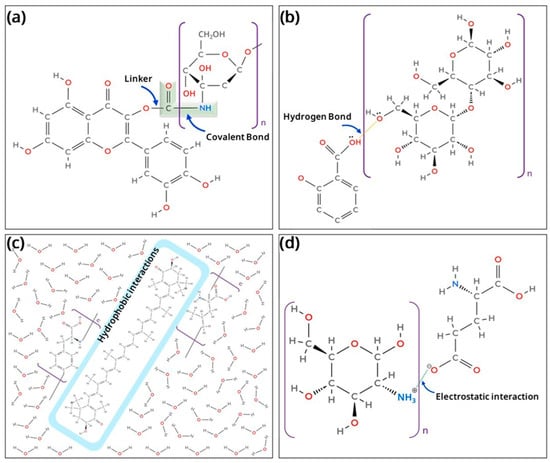
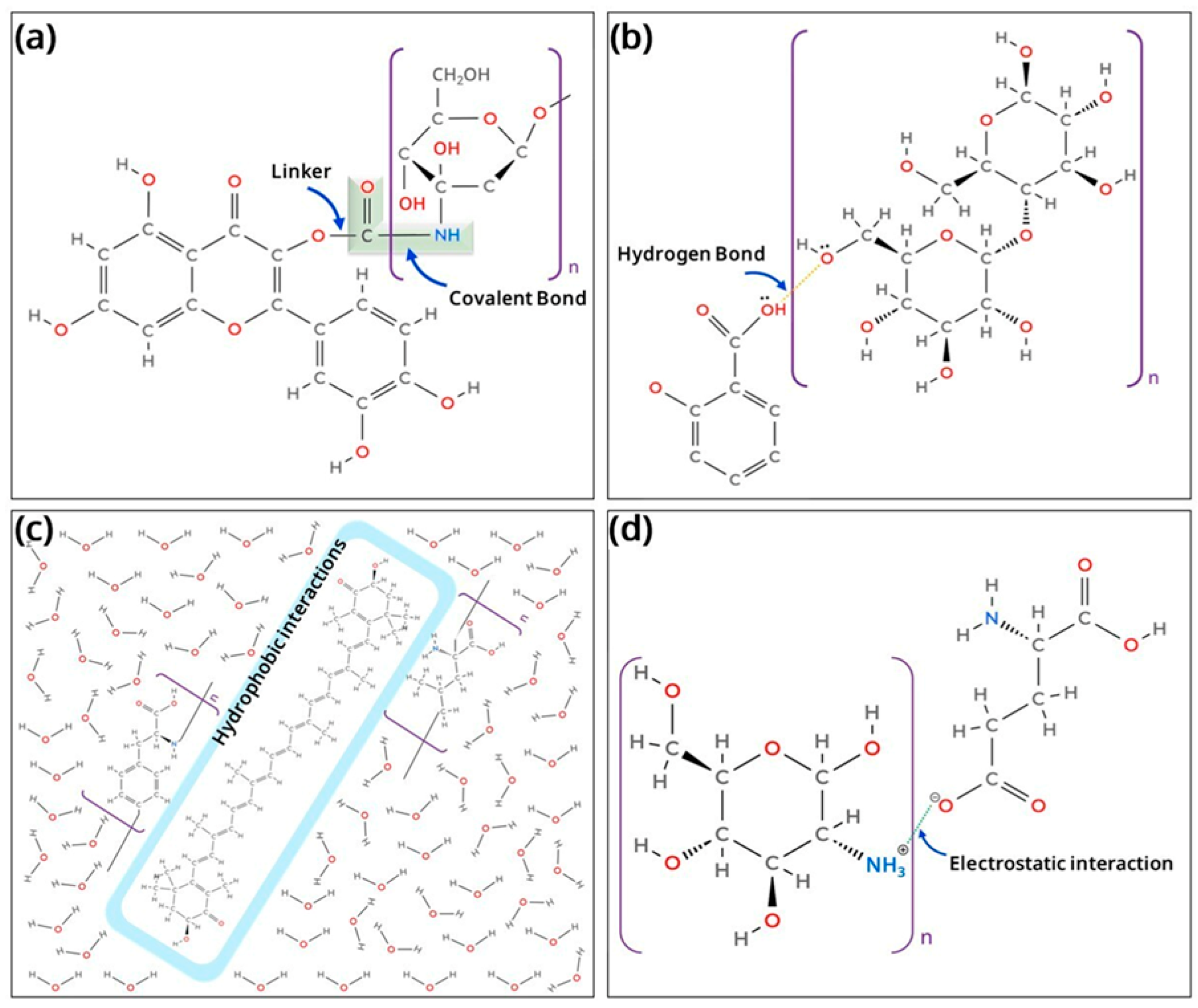
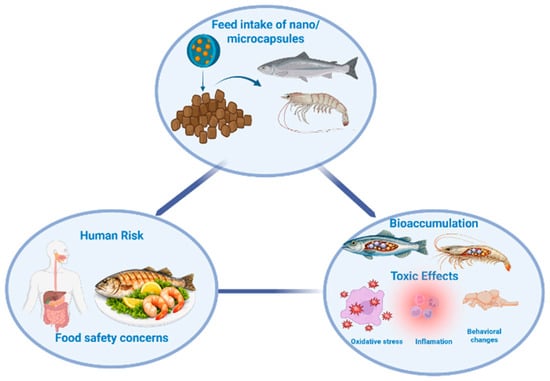
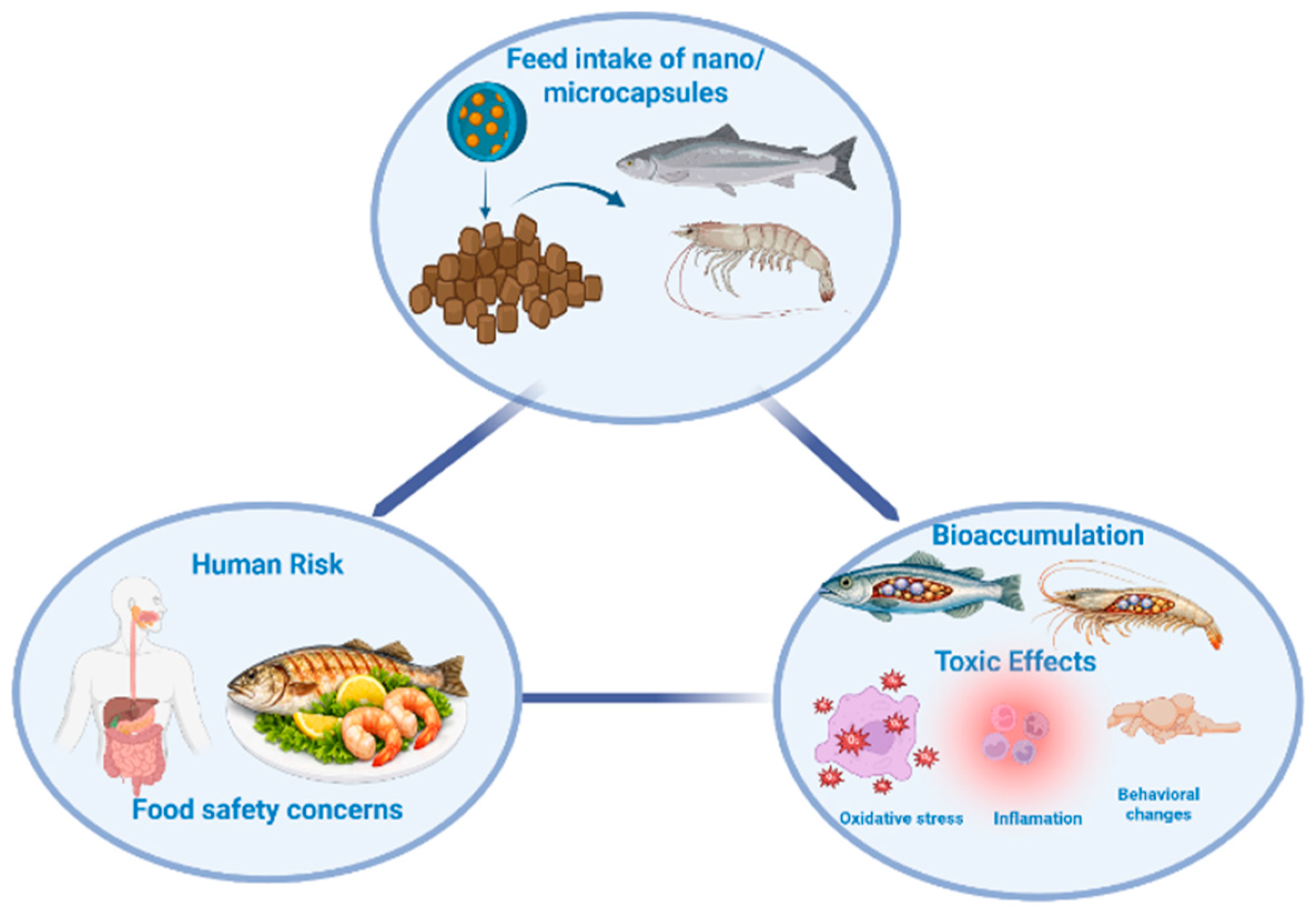
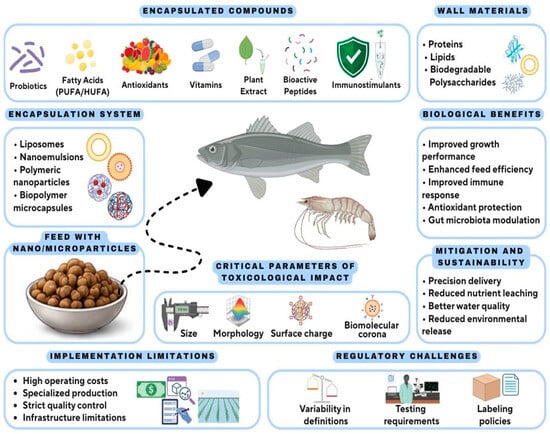
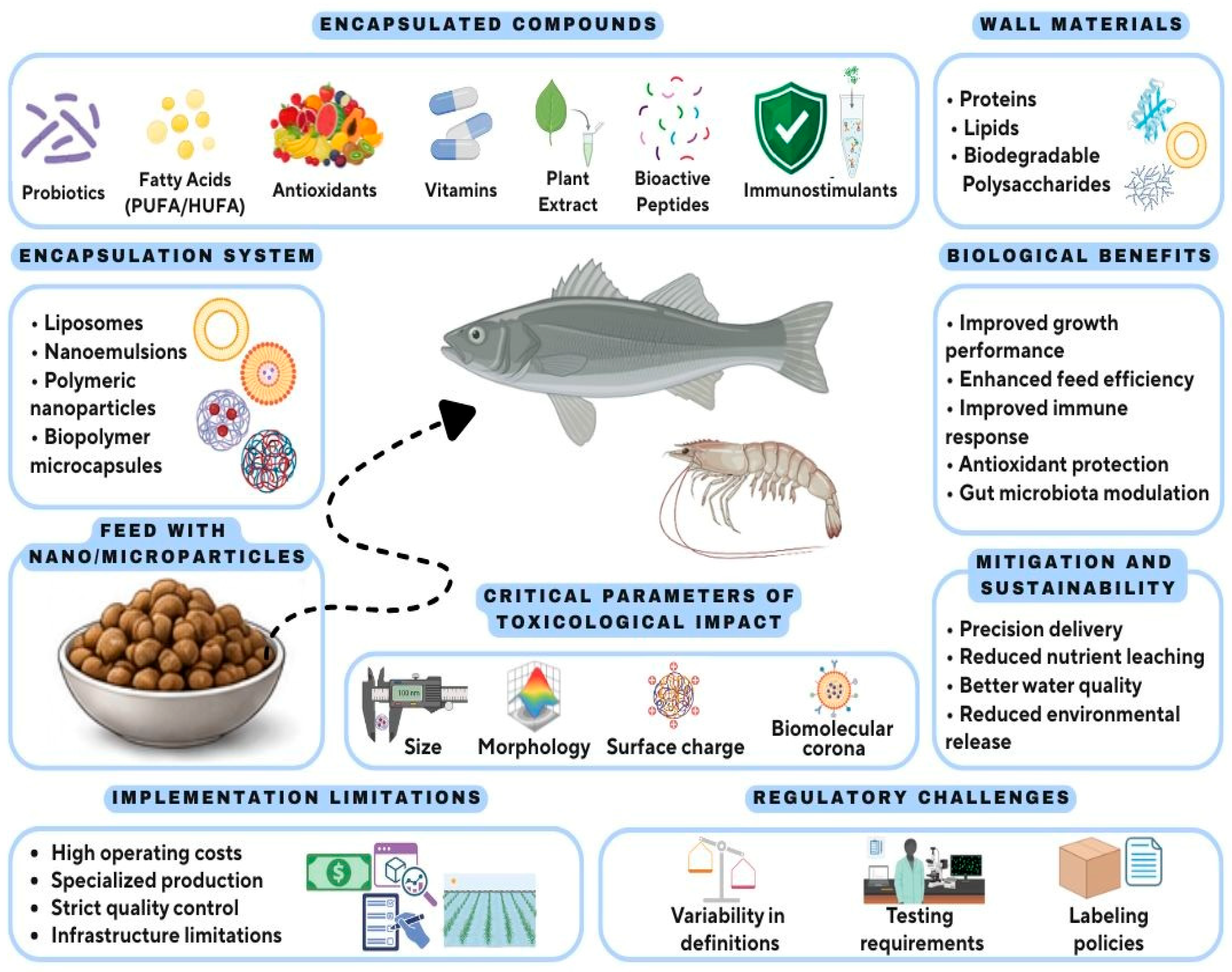

Disclaimer/Publisher’s Note: The statements, opinions and data contained in all publications are solely those of the individual author(s) and contributor(s) and not of MDPI and/or the editor(s). MDPI and/or the editor(s) disclaim responsibility for any injury to people or property resulting from any ideas, methods, instructions or products referred to in the content. |
© 2026 by the authors. Licensee MDPI, Basel, Switzerland. This article is an open access article distributed under the terms and conditions of the Creative Commons Attribution (CC BY) license.