


Abstract
The integration of artificial intelligence into education has driven growing interest in predicting student learning styles and developing recommendation systems that personalize learning pathways. While previous reviews examined these domains, most focus on pre-2023 research, overlooking recent methodological shifts. We conduct a systematic literature review of 40 studies published between 2017 and 2025, with emphasis on publications from 2023 to 2025 (70% of reviewed studies). Our analysis identifies three qualitative shifts: adoption of ensemble and deep learning methods over single classifiers, emergence of multimodal inputs including physiological signals, and evolution from isolated prediction to integrated adaptive systems. Beyond methodological synthesis, this review critically examines factors underlying observed trends and barriers to deployment. The Felder-Silverman Learning Style Model dominates research (58.3%) due to historical path dependency and instrument availability rather than demonstrated pedagogical superiority. While ensemble methods achieve high reported accuracy (87–98%), methodological concerns emerge: 65% of studies employ random rather than temporal validation, potentially inflating performance, and only 23% address production-level requirements, including privacy, scalability, and integration. We systematically analyze implementation barriers spanning computational requirements, LMS integration, educator acceptance, ethical considerations, and scalability—revealing that the gap between research prototypes and deployable systems remains substantial. Our contributions include a stakeholder impact framework, evaluation metrics taxonomy, critical analysis of reported performance claims, and identification of five research gaps with actionable recommendations. This review offers researchers and practitioners both a comprehensive synthesis of advances and a critical roadmap for bridging the implementation gap in AI-powered personalized education.
1. Introduction
Understanding how students learn and how technology can adapt to their needs has become a central concern in modern education. With the rapid integration of artificial intelligence and machine learning into educational environments, two key areas have gained particular attention: the prediction of learning styles and the design of recommendation systems. Predicting learning styles allows educators and systems to better understand individual learner preferences, while recommendation systems provide tailored resources and strategies to enhance learning outcomes. Together, these approaches aim to create more personalized, efficient, and inclusive educational experiences [1,2,3,4,5,6,7,8,9,10]. This Systematic Literature Review (SLR) synthesizes recent research in these domains to identify prevailing trends, methodological strengths and weaknesses, and the extent to which current innovations are ready for practical deployment in educational contexts. This SLR can allow readers to understand:
The trends in recent literature around using machine learning to predict learning styles for education.
The trends in recent literature on the use of recommendation systems in education.
The advantages and disadvantages of approaches in the existing literature.
The applications and innovations in education regarding learning styles.
To guide this literature review, we have considered the following research questions (RQs):
RQ1: What machine learning methods effectively predict learning styles?
Addressed in Section 3.1, where the methodology and algorithms used are discussed in greater detail to explore the diverse approaches in prediction of learning styles, in the prediction of behaviors, personalities, and performance, and exploring recommendation systems for learning styles. The method datasets and evaluation techniques are also addressed in Section 3.3 and Section 3.4, respectively.
RQ2: How do recommendation systems improve engineering education outcomes?
Addressed in Section 3.2, where the different pedagogical innovations are discussed as well as the impact on the key stakeholders.
RQ3: What is the implementation readiness of current approaches?
Addressed in Section 3.1, where the advantages and limitations of methodologies used are discussed and further synthesized in Section 3.2, highlighting the possible technological integrations with engineering education.
RQ4: What evidence exists for educational impact?
Addressed in Section 3.2, where papers are summarized by category, innovation, and stakeholder impact.
RQ5: How do different proposals ensure the quality of their methods?
Addressed in Section 3.3, where data is considered as a factor in the quality of results, and in Section 3.4, where the evaluation methods are explored and compared.
In addressing these research questions, this review makes several distinctive contributions to the literature [11,12,13,14,15,16,17,18,19,20,21,22,23,24,25,26,27,28,29,30,31,32,33,34,35,36,37,38,39,40]:
- Temporal focus, capturing qualitative shifts in the field. Unlike previous SLRs that primarily analysed pre-2023 studies [31,32,33,34,35], our review documents that 21 of 30 individual papers (70%) were published between 2023 and 2025. Through comparative analysis, we identify three paradigm shifts distinguishing recent work from earlier research: (a) adoption of deep learning and ensemble architectures over single classifiers [1,2,3,4,20,25,26], (b) emergence of multimodal data sources including physiological signals [14,20], and (c) evolution from isolated prediction tasks to integrated adaptive systems [10,25,26]. These shifts are examined in detail in Section 4.
- Comprehensive categorisation of ML methods across four domains: learning style prediction (51.7%), recommendation systems (27.6%), behaviour/personality prediction (17.2%), and applications (3.4%). We show that FSLSM dominates current research (58.3% of LSM-based studies), ensemble methods consistently outperform single classifiers, and hybrid recommender architectures effectively address cold-start and data sparsity challenges.
- Stakeholder impact framework mapping innovations across six categories—personalised learning, assessment innovation, student support, active learning, inclusive education, and industry alignment—reveals that only 23% of methods adequately address production-level requirements, including privacy, scalability, and integration.
- Dataset and evaluation analysis identifying that while nine public datasets exist, 73% of studies rely on custom data. Our evaluation metrics taxonomy reveals critical misalignments: 65% of studies use random splits instead of temporal validation, potentially inflating performance estimates.
- Identification of five critical research gaps: limited cross-cultural validation, absence of longitudinal studies, minimal attention to inclusive design, insufficient privacy-preserving techniques, and lack of analysis on misclassification impacts. We provide actionable recommendations for each gap.
These contributions collectively move beyond descriptive synthesis to provide researchers with validated analytical frameworks, educators with evidence-based implementation strategies, and institutions with practical guidelines for deploying AI-driven personalized learning systems on scale. The following sections of this paper are Methodology, Discussion, and Conclusion. The Section 2 details the procedures used to conduct this SLR, including but not limited to the criteria used to select literature. The Discussion presents the results and findings of the SLR, organized into four subsections: Methods, Educational Impact and Innovation Analysis, Datasets, and Evaluation Metrics. Finally, the Conclusion summarizes the contents of the paper, addresses limitations of the research, and suggests areas that could be improved in future work.
This introduction will also provide a brief overview of two important background concepts covered in the research—learning styles and recommendation systems.
1.1. Learning Style
Much of the existing research that is examined in this paper is concerned with the concept of a student’s “Learning Style” (LS). An LS is a way to categorize how students learn, and there exist many different “models” for how this categorizing should be done. The model used for determining a student’s LS can have a significant effect on the resulting LS, as most LS Models (LSMs) have unique concepts and terminology.
Through this research and reviewing existing literature reviews [31,33,41,42,43,44,45,46,47,48,49,50,51], seven commonly used LSMs have been identified. These are the Five Factor Model (FFM), the Felder-Silverman Learning Style Model (FSLSM), the Gardner Theory of Multiple Intelligence (GTMI), Kolb’s model, the Honey and Mumford Model (HMM), the Myers-Briggs Type Indicator (MBTI), and the VARK model. Their structures are summarized in Table 1.
Table 1.
Comparison of major learning style models (LMSs) with their underlying structural components.
The FFM is quite different from the other LSMs, as it is used to assess personality. While it is not exactly used to assess learning styles, it is often used in educational research to understand how students would likely best learn, so it can be considered an LSM for research purposes. In Table 1, the five factors are stated to be: Openness to experience, Conscientiousness, Extraversion, Agreeableness, and Neuroticism.
The FSLSM was initially proposed in 1988 by Robert Felder and Linda Silverman [41] for the purpose of modelling the LSs of engineering students. It describes 4 dimensions of learning styles—Perception (Sensory/Intuitive), Input (Visual/Verbal), Processing (Active/Reflective), and Understanding (Sequential/Global). Each dimension has an overall title, such as “Perception”, and two categories that lie on opposite ends of a scale for that dimension. For the “Perception” dimension, these categories are “Sensory” (also referred to as “Sensing”) and “Intuitive”. Some research allows learners to belong to neither category of a dimension, and others require that learners belong to one category of a dimension, but all research prohibits learners from belonging to both. The 1988 paper originally proposed five LS “dimensions”, but in 2002 Felder added a preface to the 1988 paper, which noted the suggested removal of the fifth dimension—“Organization” (“Inductive/Deductive”). This left the four-dimensional version of the FSLSM used today, and the version that will be examined for this research. A summary of the four dimensions can be seen in Figure 1, which illustrates the scaled nature of the dimensions and the differences between the categories. Furthermore, in 1999, Felder and Barbara Soloman developed the Index of Learning Styles (ILS) (Soloman and Felder, 1999 [46]). The ILS is a questionnaire used to assess FSLSM LSs and is used in most research that examines the FSLSM.
Figure 1.
The four dimensions of the Felder–Silverman Learning Style Model (FSLM): Perception (Sensory–Intuitive), Input (Visual–Verbal), Processing (Active–Reflective), and Understanding (Sequential–Global). Icons from Canva.
The GTMI [41] is a model that proposes eight different types of intelligence. Although not strictly LSs, the different types of intelligence can be used to inform how students learn and what sort of learning they are best at. Table 1 shows that the eight types are Linguistic-verbal intelligence, Logical-mathematical intelligence, Visual-spatial intelligence, Bodily-kinesthetic intelligence, Musical intelligence, Interpersonal intelligence, Intrapersonal intelligence, and Naturalistic intelligence.
Kolb’s model [41,42,43] is named after the researcher who proposed it, David Kolb. This model proposes a learning cycle based on experiential learning.
The HMM [43] is a model that proposes four LSs: Activist, Reflector, Theorist, and Pragmatist. It takes the 4 stages of Kolb’s model and uses them as endpoints for two sets of axes, creating four quadrants of LSs. The x-axis (from left to right) is Active Experimentation (“doing”) to Reflective Observation (“observing”). The y-axis (from bottom to top) is Abstract Conceptualization (“thinking”) to Concrete Experience (“feeling”). Activists are “feeling” and “doing”, Reflectors are “feeling” and “observing”, Theorists are “thinking” and “observing”, and Pragmatists are “thinking” and “doing”.
The MBTI [44] is a model that proposes sixteen personality types, determined by four dimensions. While it does not strictly determine LSs, the MBTI has been used in existing research as an LSM to improve learning experiences for students by understanding their learning requirements based on their personality type.
The VARK model [45] was initially proposed by Neil Fleming and Colleen Mills in 1992, and expands upon the VAK model, which is referenced in [46] as having been published in 1987 by a P. Stirling. The VARK model describes 4 dimensions of learning styles: Visual, Aural/Auditory, Read/Write, and Kinesthetic. Although the VARK model is newer than the VAK model, both are used in recent publications, as they are quite similar. To avoid unnecessary confusion in this research, any papers that use VAK will be analyzed together with papers using VARK.
Rationale for Including Personality and Behavior Prediction Studies:
While learning styles and personality represent theoretically distinct constructs, this review intentionally includes studies on behaviour and personality prediction within educational contexts for several methodologically and practically grounded reasons. First, adaptive learning systems increasingly operationalise these constructs in tandem, recognising that effective personalisation often requires modelling multiple dimensions of learner characteristics beyond cognitive preferences alone. For instance, studies employing the FFM or Myers-Briggs Type Indicator (MBTI) within educational settings frequently use these personality assessments to infer learning preferences and tailor instructional strategies accordingly, thereby functioning analogously to learning style–based approaches in practice.
Second, the machine learning techniques developed for personality prediction—including deep neural networks, ensemble classifiers, and recurrent architectures—exhibit substantial methodological overlap with those employed for learning style prediction. Insights gained from one domain, such as optimal feature extraction from behavioural logs or effective handling of class imbalance, are directly transferable to the other. Excluding these studies would therefore omit methodological advances relevant to the broader goal of AI-driven learner modelling.
Third, the boundaries between learning styles, personality, and learning behaviour are often blurred in applied educational research. Several studies reviewed herein explicitly combine personality assessments with learning style questionnaires or use behavioural proxies to infer both constructs simultaneously. By adopting an inclusive scope that encompasses these interrelated prediction tasks, this review captures a more comprehensive and realistic picture of how personalised learning systems are designed, implemented, and evaluated in contemporary educational technology research.
To maintain analytical clarity, however, we distinguish these study categories in our discussion (Section 3.1) and report them separately in our quantitative synthesis.
1.2. Recommendation Systems
A Recommender System (RS) is a system designed to provide personalized recommendations to users. RSs are widely used across various industries, including entertainment, e-commerce, and education. A well-known example of an RS is found in entertainment streaming platforms, where personalized content is suggested based on a user’s past viewing history and preferences. Although multiple methodological approaches exist for generating recommendations, all RSs share a common objective: to enhance user experience by making interactions more personalized, relevant, and effortless [48,49,50,51]. This research predominantly focuses on RSs in the education sector, given the goal of the research; however, some of the papers examined may address other industries as well.
2. Methodology
2.1. Search Strategy
This systematic review was conducted and reported in accordance with the PRISMA 2020 statement. To conduct this SLR [47], clear guidelines and restrictions were established to ensure transparency, reproducibility, and research quality. These guidelines included the selection of primary literature databases, publication time span, language restrictions, and quality criteria for included studies.
Database Selection
The electronic databases used for identifying relevant studies were ScienceDirect, Web of Science, IEEE Xplore, and Scopus, as these databases comprehensively cover high-quality research in educational technology, recommender systems, and learning analytics.
Search Terms and Boolean Strategy
Search terms were derived directly from the research questions and the main objective of this study, with an emphasis on maintaining high recall at the initial stage. The final base search logic was constructed using Boolean operators to combine learning style and recommendation concepts within an educational context (Figure 2).
Figure 2.
Search String.
The wildcard operator (*) was used to capture variations of key terms (e.g., learning styles, recommendation, recommender). Searches were conducted on title, abstract, and keyword fields, depending on database support. Minor syntax adaptations were applied to accommodate database-specific query requirements.
Although artificial intelligence methods are central to many reviewed studies, the term “AI” was intentionally excluded from the search string. Pilot searches indicated that explicitly including “AI” significantly reduced recall by excluding relevant studies that employ machine learning, data mining, or adaptive recommendation techniques without explicitly labelling them as artificial intelligence. AI-based approaches were therefore identified during the full-text screening stage rather than enforced at the query level.
Database-Specific Search Strings
To ensure full reproducibility, the base search logic described above was adapted to the syntax and field constraints of each electronic database, as detailed below. The search was applied to title, abstract, and keyword fields, with filters for publication year (2017–2025) and document type.
Web of Science
TS = (“learning style*” AND recommend*) AND (education OR LMS OR MOOC)
Scopus
TITLE-ABS-KEY (“learning style*” AND recommend*) AND (education OR LMS OR MOOC)
IEEE Xplore
(“All Metadata”:”learning style*” AND “All Metadata”:”recommend*”) AND (“All Metadata”:”education” OR “All Metadata”:”LMS” OR “All Metadata”:”MOOC”)
ScienceDirect
(“learning style*” AND recommend*) AND (education OR LMS OR MOOC)
Time Span and Language Restrictions
The search excluded studies published before 2017 and prioritised recent research, with particular emphasis on publications from 2021 to 2025, and a stronger focus on studies from 2023 to 2025. Only peer-reviewed English-language journals and conference papers were considered.
Inclusion and Exclusion Criteria
Unpublished works, non-English papers, books, news articles, discussion papers, tutorials, prefaces, and short or non-archival publications were excluded. Study inclusion was based on relevance to learning style prediction and educational recommender systems, as well as clarity of research objectives, appropriateness of the proposed methodology, and transparency of evaluation and results, rather than journal-level metrics.
Study Screening Procedure
After duplicate removal, an initial relevance assessment was conducted based on paper titles and abstracts. If a study appeared potentially relevant, its introduction and conclusion were reviewed. Studies that remained aligned with the research objectives were then assessed through full-text reading. Only papers directly addressing learning style prediction and/or educational recommender systems were included in the final analysis. Figure 3 illustrates the overall study selection process adopted in this review.
Figure 3.
Paper selection process for the SLR, including databases searched, exclusion criteria, and final identification of relevant studies.
2.2. Search Results
Figure 4 summarizes the individual and review papers that are included in this research, as well as the year they were each published. This highlights that most (90%) of the papers in this research have been published from 2021 to 2025, with some published in 2017 and 2020. It also highlights that most of the papers examined were published in and after 2023, which aligns with the research team’s focus on papers published in the last few years.
Figure 4.
Annual distribution of publications from 2017 to 2025, categorized into individual and review papers.
2.3. Protocol and Registration
This systematic review was registered in the Open Science Framework (OSF). The protocol is archived and time-stamped and is currently under embargo due to the journal’s blind peer-review process. The registration will be made publicly accessible upon completion of the publication process (Registration ID: https://osf.io/zuwhf/ (accessed on 19 January 2026)).
3. Discussion
Across the 30 individual studies, three dominant strands emerge:
- (i)
- FSLSM-based learning style prediction from questionnaires, LMS logs, and MOOC data using both traditional machine learning models (e.g., SVM, RF, DT) and emerging deep architectures (CNN, LSTM, hybrid ensembles);
- (ii)
- Educational recommender systems leveraging collaborative filtering, content-based, and hybrid approaches, frequently evaluated on Coursera, Udemy, OULAD, and custom LMS datasets; and
- (iii)
- Integrated frameworks that combine predicted learning styles with recommendation modules to personalise content delivery and instructional strategies.
Across these strands, performance gains are most consistent when evaluation protocols align with task properties, for example, the use of F1-score for imbalanced learning style prediction and NDCG@k for recommender performance, and when temporal or user-wise data splits are employed to mitigate information leakage. Although publicly available datasets are widely reused, overall dataset diversity remains limited, and reproducibility is constrained by the scarcity of open-source implementations and code release.
Across the reviewed literature, reports of extremely high or near-perfect predictive accuracy should be interpreted with caution. In learning style prediction tasks, particularly those based on small or domain-specific datasets and questionnaire-derived features, such performance may reflect overfitting or information leakage rather than robust generalisation. This risk is further amplified when feature engineering or feature selection is performed prior to data splitting, or when evaluation relies on random rather than user-wise or temporal splits. Consequently, high reported accuracy alone should not be considered sufficient evidence of real-world effectiveness without independent validation or longitudinal evaluation.
It is important to emphasise that the reviewed studies do not collectively validate learning styles as a pedagogical theory. Instead, they demonstrate how learning-style constructs are repurposed as computational abstractions within adaptive systems. While this approach may support personalisation and system responsiveness, it does not address longstanding concerns regarding the psychometric validity of learning-style instruments or their effectiveness in improving learning outcomes. Consequently, future research should prioritise learner-centred evaluation, longitudinal impact studies, and alternative representations of learner diversity beyond traditional learning-style taxonomies.
3.1. Methods
This section explores and analyzes the methods highlighted in the reviewed papers, addressing RQ1, by exploring and comparing the methods used, including RS-based and ML-based techniques. This section also addresses RQ3 by demonstrating the readiness of these methods, including by judging their practicality and performance.
Rather than reviewing individual studies sequentially, this section synthesises methodological patterns and trade-offs across the reviewed literature, addressing RQ1 and RQ3. The analysis focuses on points of convergence and divergence among approaches, their practical readiness, and their suitability for real-world educational deployment.
The reviewed methods can be broadly grouped into three categories:
- (i)
- Learning style prediction methods,
- (ii)
- Behaviour, personality, and performance prediction methods, and
- (iii)
- Recommender system approaches.
Figure 5 illustrates the distribution of studies across these categories, showing that learning style prediction remains the dominant focus (51.7%), followed by recommender systems (27.6%) and behaviour-related prediction (17.2%). This distribution reflects a strong research emphasis on modelling learner characteristics, with comparatively fewer studies addressing end-to-end application or deployment.
Figure 5.
Distribution of individual paper categories: Predicting learning styles (51.7%), recommenders (27.6%), predicting behaviors and others (17.2%), and applications (3.4%). Percentages are rounded and may not sum to exactly 100%.
To further contextualise the thematic distribution discussed in this section, Table 2 summarises the reviewed studies by category and year of publication. Table 2 presents a breakdown of individual paper categories (applications, predicting behaviours and others, predicting learning styles, and recommender systems) by year of publication from 2017 to 2025.
Table 2.
Breakdown of individual paper categories (Applications, Predict behaviors and others, Predict LS, and Recommenders) by year of publication from 2017 to 2025.
To reduce repetition and avoid extended narrative summaries, detailed methodological characteristics, datasets, advantages, and limitations of individual studies are consolidated in Table 3. This enables the discussion to focus on higher-level comparison, methodological trends, and recurring limitations, rather than paper-by-paper description.
Table 3.
Summary of individual papers by method, highlighting approaches, advantages, limitations, and datasets used.
- (1)
- Learning style prediction methods
An area of interest in computer science research for education is the prediction of student LSs. Many of the papers in this review predict LSs, following different LSMs, according to the goals of their research. Of the 30 individual papers examined in this review, 22 referred to at least one LSM, but Figure 6 shows that there were only four distinct LSMs used, and these were GTMI, VARK, FFM, and FSLSM. It is worthwhile noting that in Figure 6, cases where a paper uses multiple LSMs add an instance of LSM use to each of the LSMs used in the paper. For example, if a paper used GTMI and VARK, both the count of GTMI uses and VARK uses would increase by one. This is why the total number of instances of LSM use in Figure 6 is 24, even though only 22 papers are included. Figure 6 clearly illustrates that the FSLSM is the dominant LSM in use in the reviewed research, followed by VARK, FFM, and GTMI. While GTMI is the least used out of the four LSMs that were used in papers, in this review, it has been used more frequently than Kolb’s model, the HMM, and the MBTI, which were each used zero times in the reviewed papers. FSLSM is the most popular primarily due to its existing use in research, which allows for easier comparison of methods. The dominance of FSLSM (58.3% of LSM-based studies) reflects a confluence of historical, practical, and methodological factors rather than demonstrated superiority over alternative models (Figure 6). Historically, FSLSM was developed specifically for engineering education contexts [41], which aligns closely with the computing and STEM focus of much educational technology research. This disciplinary alignment has created path dependency: early adoption in engineering education generated datasets, validated instruments, and comparative baselines that subsequent researchers have found convenient to reuse. Practically, the availability of the ILS questionnaire [47] provides a standardised, freely accessible instrument with established scoring procedures, reducing the methodological burden on researchers compared to developing custom assessments. The ILS’s 44-item format yields four binary dimensions, creating a tractable classification problem well-suited to standard machine learning approaches. In contrast, models such as GTMI with eight intelligence types or MBTI with sixteen personality configurations present more complex multi-class prediction tasks that may discourage adoption. Methodologically, the prevalence of FSLSM creates a self-reinforcing cycle: researchers select FSLSM to enable comparison with prior work, which further entrenches its dominance. However, this convergence should not be interpreted as empirical validation of FSLSM’s pedagogical utility. The psychometric validity of learning style instruments, including FSLSM, remains contested in educational psychology literature, and the reviewed studies do not address whether FSLSM categories correspond to meaningful differences in learning outcomes. The field’s reliance on a single model thus represents both a methodological convenience and a potential limitation, as alternative representations of learner diversity remain underexplored.
Figure 6.
Distribution of learning style model (LSM) usage across individual papers: FSLSM (58.3%), VARK (25.0%), FFM (12.5%), and GTMI (4.2%).
It should be noted that while Kolb’s model, the HMM, and the MBTI were not used in any of the individual papers, they are not unknown or illegitimate LSMs.
The VARK learning style model has been adopted in several studies, including the works of [6,11,14,30] However, in the studies by Pardamean and Sayed [6,30], only the VAK learning styles were considered, with the Read/Write dimension excluded from the prediction task.
Unusually for prediction problems, [6] uses CF to predict primary school students’ LSs; however, this CF can also be used to make recommendations. The method proposed in this paper modifies the base information about the learning resources by adding a SoftMax layer and then uses this and the information about student interactions to create a user-item matrix. The predicted ratings of resources are then used to make the LS prediction, as each resource is mapped to a VAK LS. The RMSE of this method is 0.9035, lower than the standard Matrix Factorization-based method, which the paper reported as 0.9348. However, the paper also evaluates the LS predictions by comparing them to the LS predictions of educators for the same primary school students and found that there was a very small overlap of 35.13%. This indicates that the model is not a good predictor of teacher-identified LSs, but this could indicate a difference between in-person and online learning or a difference between a subjective interpretation and an automatic, objective prediction. The other issue found in this paper is that it was difficult to get sustained usage of the Learning Management System (LMS) from the primary school students, as many did not have their own devices, unlike the users in most research, who are high school students and adults.
Studies done [28,30] investigate the prediction of VAK learning styles using multiple base algorithms applied to the OULAD public dataset [28,30]. In the earlier study, Sayed [28] employ WordNet, a linguistic knowledge base, to map student input data to corresponding VAK categories. However, semantic mapping is inherently complex and lacks precise definitions for each VAK category. To address this challenge, the authors apply a semantic similarity metric combined with a predefined threshold to perform the mapping. Using SVM, KNN, RF, and LR, the study reports a peak accuracy of 98% achieved by Random Forest (RF), with a training-to-test ratio of 90:10.
In contrast, Sayed et al. [28] place significantly greater emphasis on data preprocessing while using the same public dataset and comparable modelling techniques [30]. Specifically, records associated with students who had dropped out of courses were excluded, duplicated entries were removed, and the cleaned data were merged with the output of the mapping phase. The resulting dataset was then encoded into numerical values, gaps within the data were identified, and data scaling was applied prior to model training. The authors evaluated SVM, KNN, RF, LR, and Naïve Bayes, again observing that RF achieved an accuracy of 98% under a 90:10 training-to-test split [30].
It is noteworthy that both studies were conducted by the same group of authors and were published only one year apart. Despite differences in semantic mapping strategies and preprocessing depth, the studies exhibit highly similar experimental settings and outcomes. As a result, it remains unclear whether the observed performance consistency is primarily attributable to the suitability of RF for the OULAD dataset or to the authors’ familiarity with the dataset and learning style formulation.
Much of the existing research on learning style (LS) prediction relies on manual questionnaires, and the study by Obeng (2023) [11] follows this approach while also incorporating an automatic LS prediction component through a combined automatic and collaborative technique. In this work, an LS questionnaire was administered to students, and the resulting labels were used to evaluate the performance of multiple classifiers. The study considered five LS categories: Visual, Auditory, Read/Write, Kinesthetic, and Multimodal. The results indicate that Multimodal and Read/Write styles achieved a high number of correctly classified instances, whereas the Kinesthetic style was not predicted for any student, despite being present in the questionnaire responses. This outcome suggests a misalignment between the collaborative LS prediction and the automatic prediction results. However, Obeng [11] attributes this limitation to the selection of a reading-intensive course for the online automatic prediction phase, which may have resulted in insufficient Kinesthetic-oriented learning resources for students to interact with and for the classifiers to learn from. The study compares the performance of Naïve Bayes (NB), J48 Decision Tree (DT), One Rule (OneR), and Sequential Minimal Optimization (SMO) classifiers, reporting that OneR and the DT model achieved the highest classification accuracy across LS categories.
The VARK model is also employed by Lokare and Jadhav [14] who utilise brainwave signals and facial expression data collected from students while they engaged with four learning resources designed to correspond to the Visual, Auditory, Read/Write, and Kinesthetic dimensions. Data collection was conducted on equally challenging topics presented through different VARK modalities. The authors evaluated three DT–based classifiers, namely Decision Tree, Ensemble Bagging, and RF, for the LS prediction task. Their experimental results show that RF achieved the highest performance, with an accuracy of 87.5%, alongside superior precision, sensitivity, and F1-score compared to the other classifiers.
Some approaches employ multiple learning style models (LSMs). For example, Nguyen et al. [12] combine the Felder–Silverman Learning Style Model (FSLSM) with the VARK model to enhance learning style identification. In their study, clustering techniques are applied to group students enrolled in an online course delivered via Moodle, using data obtained from an initial learning style questionnaire. The questionnaire was based on both the FSLSM and the VARK model, as well as psychology and personality theories. Students were grouped into clusters of students with similar questionnaire results, and then clustering was done a second time with the interaction data from the Moodle LMS. The LMS data was preprocessed and then used as input for K-means clustering, with the “elbow method” used to determine the optimal number of clusters. This determined that the optimal number of clusters was three, which were labelled LS A, LS B, and LS C. The learners were then classified into the clusters, and each classification was verified by using cross-validation with Support Vector Machine (SVM), Extreme Gradient Boosting (XGBoost), and Logistic Regression. After the students were clustered, if-then rules were used to choose learning content for students based on their LS. The paper found that LS A had interest in the VRK aspects of VARK, while LS B and LS C only had interest in the V aspect of VARK. Some limitations of this research are that it was small-scale, the questionnaire only had twenty-one questions, but came from different sources, and changes to the activities and resources affected the student LSs, showing them changing, which may not be reflective of the true behavior of LSs.
The Felder–Silverman Learning Style Model (FSLSM) is the most frequently adopted learning style model in existing research. A systematic review by Essa et al. (2023) [31] reports that 37 out of 48 studies (77.08%) on online learning style prediction and adaptive learning employ FSLSM [31]. This observation is consistent with the findings of the present review, which shows that 14 of the 22 individual studies (63.64%) involving learning style modelling utilize FSLSM [7,8,9,15,19,20,21,22,23,24,25,26,27].
Crockett et al. (2017) [7] employ fuzzy DTs within a Conversational Intelligent Tutoring System (CITS) to enable learning style predictions that can accommodate small variations in learner behavior and account for inherent human uncertainty. The fuzzy nature of this approach allows learning style boundaries to be modelled as gradual rather than rigid, resulting in more realistic predictions compared to crisp classification methods. Evaluation was conducted by collecting students’ responses to the Felder–Silverman Index of Learning Styles (ILS) questionnaire at the beginning of the course and comparing these results with the predictions generated by the fuzzy DT model. In addition, students completed a feedback survey and undertook pre- and post-course knowledge assessments to further assess the effectiveness of the proposed system.
Saputra et al. [8] predict Felder–Silverman Learning Style Model (FSLSM) learning styles using a SVM trained on responses to the ILS questionnaire combined with demographic information [8]. The authors investigate multiple distributions of ILS questions to analyse the influence of individual questions on prediction performance. Their results indicate that maintaining a balanced distribution of highly influential and less influential questions, along with a slightly reduced questionnaire length, can improve prediction accuracy. Among the tested configurations, the optimal ratio of important to less important questions was reported as 16:28 [8].
Ayyoub and Al-Kadi [9] also employ SVM for FSLSM learning style prediction, using weblog data that capture students’ interactions within a LMS. In their semi-supervised framework, only a subset of the data is initially labelled with learning styles, and SVM is used to infer labels for the remaining instances. The resulting labelled dataset is subsequently used with additional classifiers, with RF and J48 DT achieving the best performance. The models were evaluated on two LMS datasets with differing sizes and content, leading to variations in performance. The authors attribute these differences to dataset characteristics and employ a modified accuracy metric that accounts for error reinforcement arising from the self-labelling process.
Learning styles are frequently examined alongside personality and psychological theories. For example, Ramírez-Correa et al. (2021) [15] combine the Felder–Silverman Learning Style Model (FSLSM) with the FFM to analyse the relationship between learning styles and personality traits [15]. In their study, the ILS questionnaire was used without modification to assess learning styles. The authors first apply K-Means clustering to group students, with the average silhouette method employed to determine the optimal number of clusters. A DT classifier is then used to assign students to clusters and predict their learning styles. The authors note that the dataset is relatively small and focuses on a specific subgroup of learners, which may limit the generalisability of the results to larger or more diverse populations.
A related clustering-based approach is proposed by Kumar [27], who employ a spectral clustering algorithm to group students based on feature similarity, followed by a quadratic SVM to predict learning styles. The authors highlight the suitability of SVM for high-dimensional feature spaces and its effectiveness for small to medium-sized datasets. Another clustering-driven method is presented by Azzi et al. [19], who utilise the Fuzzy C-Means algorithm to predict learning styles from online web interaction data, achieving an accuracy of approximately 93%. In this approach, interaction data are first categorised according to the four FSLSM dimensions and subsequently clustered into eight groups based on the defined learning objects associated with each FSLSM category.
Gomede et al. (2020) [22] and Bernard et al. [24] both employ artificial neural networks (ANNs) for learning style prediction in online learning environments. Gomede et al. (2020) [22] use questionnaire responses to label the dataset with corresponding learning styles, and ANN-based predictions are subsequently validated against these questionnaire outcomes [22]. In contrast, Bernard et al. [24] focus on achieving fully automatic learning style prediction by enhancing ANN performance through metaheuristic optimisation techniques, including genetic algorithms, ant colony systems, and particle swarm optimisation, to assign adaptive weights to dataset attributes.
A comprehensive algorithmic comparison is conducted by Rasheed and Wahid [23], who evaluate the performance of seven base classifiers, namely DT, SVM, k-nearest neighbours (KNN), Naïve Bayes (NB), linear discriminant analysis (LDA), RF, and logistic regression (LR). The authors validate model predictions using questionnaire-derived learning style labels and assess performance across the four FSLSM dimensions. In addition, they extend their analysis to include Gardner’s Multiple Intelligences (GTMI) by evaluating classifiers across five intelligence dimensions. Their results indicate that SVM consistently achieves strong performance, whereas DT models perform poorly in certain dimensions.
- (2)
- Behavior, personality, and performance prediction methods
One aspect of educational research that draws the attention of researchers is the prediction of student behaviors and personalities. This includes the prediction of student results and success, as this can allow educators and educational institutions to better identify students who are having trouble with coursework and do so earlier. Employing Machine Learning techniques to predict student actions and performance can be a crucial step in allowing early intervention with students who are not performing as well academically as other students. This area of research also addresses the prediction of student personalities, which, although often used similarly to LSs in applications of research, is a fundamentally different concept. The various methods used to predict these other learning aspects will be discussed in the following paragraphs.
Chonraksuk and Boonlue [21] investigate the prediction of online learning behaviours by analysing students’ interaction patterns within an online learning environment. In their study, learning behaviours are characterised using features such as the frequency of video pauses and the completion rate of online tasks. The authors first apply the elbow method to determine the optimal number of clusters for the k-means algorithm, subsequently grouping students into three behavioural categories: Highly Active, Medium Active, and Lurking. To predict learning behaviours within each group, a DT classifier is trained separately for each cluster, achieving an average accuracy of 95.4% across all behavioural categories.
A related predictive approach is presented by Shoaib et al. [16,25], who propose an ensemble learning model to predict academic success indicators, including grades, risk level, and retention or dropout likelihood. Their study employs a large and diverse dataset collected from multiple universities, incorporating academic records, demographic information, and online learning interaction data. The results demonstrate the effectiveness of ensemble methods for modelling complex educational outcomes across heterogeneous student populations. To extract and learn meaningful features from the dataset, a multi-level CNN architecture was used. At the end of the multiple layers, the data is output as a feature vector to be used in the ensemble model. The ensemble model comprises SVM, K-nearest neighbors, and RF. Combined using the Bootstrap Aggregating (Bagging) method, the ensemble model aims to harness the unique capabilities of each classifier. SVM is highly effective for capturing complex decision boundaries within the feature hyperplane, KNN is a simple yet well-suited multi-class classifier, and RF is robust and good at handling large datasets and noisy data. Each base algorithm is weighted differently based on the Bayesian Averaging technique, which allows you to combine the predictions of multiple models by taking into account their uncertainties. 93% accuracy was achieved for grade and risk predictions, and 92% for retention/dropout predictions. Similarly, ref. [18] predicts the final grades of students in 4 categories: Bad, Moderate, Good, and Excellent. After collecting questionnaires from 712 students containing questions on demographic data and qualitative data regarding school life, the Sequential Forward Selection strategy was used to select the optimal attributes to be used for prediction. A Genetic algorithm was used to optimize numerous CART DT models, creating an RF algorithm, which was then used to predict the final grades of the students. The proposed model achieved an accuracy of 93.11%, which performed well, especially when compared to the base RF model, which achieved 87.34%.
Bahri et al. [20] and Serrano-Guerrero et al. [29] investigate personality prediction using the Five Factor Personality Model (FFM), also known as the Big Five personality model. Bahri et al. [20] focus on analysing facial expressions by extracting 44 Facial Action Units (FAUs) and applying convolutional neural network (CNN)–based models. FAUs represent specific facial muscle movements, such as raised eyebrows, a scrunched nose, or pursed lips. Given the strong performance of CNNs in image processing tasks, the authors evaluate three well-known CNN architectures: VGG16, ResNet, and AlexNet. Among these models, VGG16 achieves the highest performance, with an accuracy of 99.2% and a ROC score of 0.92.
In contrast, Serrano-Guerrero et al. [29] adopt a text-based approach to personality prediction by exploiting the lexical and semantic features of users’ Facebook status messages. The authors evaluate ten base classifiers, including SVM, Multinomial Naïve Bayes, Logistic Regression, Multi-Layer Perceptron, Deep Neural Network, CNN, Long Short-Term Memory (LSTM), Bidirectional LSTM, Gated Recurrent Unit (GRU), and Bidirectional GRU. Following individual model evaluation, an ensemble architecture combining GRU, BiGRU, LSTM, BiLSTM, and CNN is constructed. Hyperparameters are optimised using word embedding techniques to capture semantic and syntactic relationships within the textual data. The proposed ensemble model achieves an accuracy of 72.69%, outperforming all other evaluated approaches.
The observed shift toward ensemble methods in post-2023 research reflects several interconnected drivers. First, ensemble approaches directly address the bias-variance trade-off that limits single-classifier performance on heterogeneous educational data. Learning style prediction involves learners with diverse backgrounds, varying engagement patterns, and context-dependent behaviours that rarely conform to the assumptions of any single algorithm. By combining classifiers with complementary strengths—such as SVM’s effectiveness in high-dimensional spaces, RF’s robustness to noise, and KNN’s simplicity for local pattern recognition—ensemble methods can capture this heterogeneity more effectively than standalone approaches [25,26].
Second, the increasing availability of computational resources has reduced the practical barriers to training and deploying multiple models. Techniques that were computationally prohibitive a decade ago, such as deep ensemble architectures combining CNN, LSTM, and attention mechanisms [29], are now feasible for academic research teams with access to standard GPU infrastructure.
Third, ensemble methods offer a pragmatic response to the lack of consensus regarding optimal algorithms for learning style prediction. Rather than committing to a single approach, researchers can hedge uncertainty by combining models, a strategy that often yields incremental performance gains regardless of which individual algorithm would have been optimal. However, this pragmatism carries risks: ensemble complexity can obscure interpretability, making it difficult to understand why a learner was classified in a particular way. For educational applications where transparency and explainability are valued, the trend toward increasingly complex ensembles may represent a trade-off between predictive performance and pedagogical utility that the reviewed studies do not adequately address.
- (3)
- Recommender system approaches
In educational contexts, recommender systems (RSs) primarily provide learning resources, course recommendations, or personalised learning plans. Learning resource recommendation is the most prevalent focus in the literature. A systematic review by Urdaneta-Ponte et al. (2021) [38] reports that 37 out of 98 studies (37.76%) recommend learning resources, making this the most common recommendation target [38]. The second most frequent category identified in their review is course recommendation, with 33 out of 98 studies (33.67%) focusing on recommending courses to learners.
A broader categorisation of recommender systems is presented by Roy and Dutta [37], who identify three main types of RSs: Collaborative Filtering (CF)–based, Content-Based, and Hybrid recommender systems. Their study examines recommender systems across multiple application domains rather than education alone, providing a general overview of RS development trends. In contrast, Urdaneta-Ponte et al. [38] focus specifically on educational recommender systems and discuss not only CF-based, Content-Based, and Hybrid approaches, but also Knowledge-Based, Context-Based, and Demographic-Based filtering methods, drawing on the taxonomy proposed by Burke [48] in his analysis of hybrid web-based recommender systems. In addition, Bin et al. [39,48] identify Session-Based RSs an emerging category in personalised learning environments.
In this SLR, we therefore focus on the three dominant recommender system paradigms—CF-based, Content-Based, and Hybrid recommender systems—as well as Session-Based recommender systems, which are increasingly relevant in dynamic educational settings.
- (a)
- CF-Based RSs
CF-based RSs determine their recommendations using user information [48,51]. CF is very common, with [34] finding that 31.25% of their investigated RS papers involved CF in some way. In [38], 32 of 98 (32.65%) papers were declared to use CF.
Within CF-based RSs, there are two categories: those that are Memory-based and those that are Model-based. Memory-based RSs use nearby items and users to determine the recommendation and have two possible approaches—the item-based approach, which predicts a rating for a new item by averaging the rating that the target user gave similar items, and the user-based approach, which identifies users that have a similar profile to the target user and recommends items that these similar users rated well. The second category of CF-based RSs is model-based RSs, which use Machine Learning with a pre-trained model to determine recommendations and are becoming more common in recent years [36], especially in deep learning.
El Youbi El Idrissi et al. (2023) [3] employ an autoencoder-based approach within a CF recommender system to address missing values in educational datasets. Their findings indicate that autoencoders enable the recommender system to effectively handle both dense and sparse data, thereby improving scalability compared to traditional CF-based approaches. However, the authors also report that the use of autoencoders on large-scale datasets may lead to overfitting and that model performance is highly sensitive to hyperparameter selection.
A k-nearest neighbours (KNN)–based CF recommender system is examined by Amin et al. (2023) [5] using established educational datasets. In addition to standard CF, the authors explore the integration of machine learning techniques by formulating the recommendation task as a regression problem and evaluating multiple predictive models. Their experimental results show that singular value decomposition (SVD) achieves the best overall performance and is the most time-efficient method, followed closely by KNN. The authors attribute the superior performance of these algorithms to their ability to model complex interactions between students and learning resources more effectively than alternative approaches.
Khalid et al. [1] proposed a recommendation approach for massive open online courses (MOOCs) that does not rely on a conventional CF technique such as k-nearest neighbors, but instead groups learners based on the similarity of their profiles. In their system, groups of students are represented as hyper-spheres, and recommendations for a given learner are generated by computing a weighted average of all hyper-spheres to which the learner is similar. Hyper-spheres with higher similarity are assigned greater weights, allowing a learner to be associated with multiple hyper-spheres, a single hyper-sphere, or none. The proposed algorithm explicitly handles each of these scenarios. To initialize the model, the center of the first hyper-sphere is defined using the profile of the first user, while the radius is set to a predefined default value, enabling the system to operate effectively even in the absence of prior user data.
- (b)
- Content-Based RSs
Content-based RSs make their recommendations by comparing the content of each item and creating item profiles, where each item profile contains items with similar content. The approach then identifies which item profiles the items previously rated by the target user belong to and recommends new items from these profiles [37]. They are relatively uncommon in existing research, with [38] finding that only 2 of the 98 reviewed papers (2.04%) declared their use. According to [37], one of the advantages of using a Content-based RS is that it can overcome the cold-start problem, as it is not necessary to have rating information for a new user to make a good recommendation.
- (c)
- Session-Based RSs
Bin et al. [39] define Session-Based Recommender Systems (RSs) as systems that rely exclusively on information derived from a user’s interactions within a single session, without requiring long-term user profiles [39]. According to their analysis, session-based RSs predominantly employ deep neural network (DNN) architectures and can be categorized into four main groups: image and vision–based models, sequence-processing models, graph-based models, and decision and optimization models. Image and vision–based approaches commonly utilize CNNs, while sequence-processing models typically rely on recurrent neural networks (RNNs), including LSTM networks and self-attention mechanisms (SAMs). In addition, graph-based session recommender models frequently adopt graph neural networks (GNNs) and graph convolutional networks (GCNs) to capture complex relational structures among session interactions.
- (d)
- Hybrid RSs
Hybrid recommender systems (RSs) integrate two or more models or recommendation techniques, which can be combined in various ways. Roy and Dutta [37] categorize hybridization strategies into feature combination, feature augmentation, mixed hybridization, weighted hybridization, switching hybridization, meta-level hybridization, and cascade hybridization. These hybridization strategies are further organized by Bin et al. (2024) [39] into three broader architectural categories: monolithic, parallelized, and pipelined hybrid recommender systems [48,50].
Monolithic hybrid RSs use one fully combined model and either use feature combination, which aims to improve data by combining the data features and creating more complete profiles, or feature augmentation, which uses the output features of one model as input features for another, augmenting them in the process.
Parallelized hybrid RSs use more than one model simultaneously and then combine their results to determine the recommendations. This includes mixed hybridization, which averages the results or combines them in other ways, weighted hybridization, which combines their weighted results, with higher weightings given to those results that should have more influence on the recommendations, and switching hybridization, which uses rules to choose between results—this can be helpful when accounting for special cases.
Finally, pipelined hybrid RSs involve a series of ordered steps and can use multiple algorithms. This category includes meta-level and cascade hybridization. Meta-level hybrid RSs usually involve determining the recommendations for each model and then combining them, so it is a higher level than most hybrid methods. Cascade hybridization involves using one model’s recommendations as input for another model.
A review by da Silva et al. [34]) reports that 13 out of 16 analysed studies employ Hybrid Recommender Systems (RSs), with 30.77% of these incorporating CF as a core architectural component [34]. Similarly, Urdaneta-Ponte et al. [38] observe that 20 out of 98 studies (20.41%) explicitly use CF-based techniques within educational recommender systems.
A hybrid recommender model is proposed by Ahmadian Yazdi et al. [2], which incorporates two distinct data layers to capture users’ short-term and long-term interests. The short-term interest layer employs LSTM, Bidirectional LSTM (BiLSTM), and sequential weighted attention, while the long-term interest layer applies interaction-time–based compression combined with a GRU. Outputs from both layers are concatenated and fed into a multilayer perceptron (MLP) with a SoftMax activation function. This design aims to mitigate the cold-start problem by leveraging long-term user interests, ensuring that session-based recommendations are informed by prior knowledge. In addition, the proposed architecture demonstrates good scalability, enabling it to handle large datasets effectively while improving recommendation accuracy by jointly modelling historical and current user preferences beyond static user features.
A comparative analysis of four CF-based hybrid recommender algorithms is conducted by Wang and Ge [13]. These algorithms include the Material algorithm, Content algorithm, Between Users algorithm, and Mixed algorithm. The Material algorithm generates recommendations based on expert-defined relevance between resources and users. The Content algorithm follows a content-based filtering strategy, recommending items similar to those previously rated by the user. The Between Users algorithm adopts a user-based CF approach, recommending items preferred by similar users. Finally, the Mixed algorithm employs a parallelised hybrid architecture with weighted hybridisation to combine outputs from multiple models, and this approach is identified as the primary and most effective method in the study [13].
- (e)
- Problems in Recommender Systems
Prior research has identified several recurring challenges that limit the effectiveness of recommender systems across domains. Drawing on the analyses ref [34,37,51], the most commonly reported issues include the cold-start problem, data sparsity, scalability and latency, privacy, security threats (such as shilling attacks), synonymy, and the grey sheep problem. Different recommender system paradigms address these challenges to varying degrees.
The cold-start problem arises when recommendations must be generated for new users or items with little or no historical interaction data, posing a particular challenge for CF-based approaches that rely heavily on user–item interactions. Closely related is the data sparsity problem, which occurs when user–item interaction matrices are sparse because users typically engage with only a small subset of available items. Traditional CF-based recommender systems are especially vulnerable to both issues. In contrast, content-based recommender systems can alleviate cold-start and partially mitigate data sparsity by relying on item attributes rather than extensive user interaction histories, as discussed by Bin et al. (2024) [39].
Scalability and latency are also critical concerns, particularly for systems operating on large-scale datasets. Bin et al. (2024) [39] note that CF-based recommender systems may suffer reduced accuracy and efficiency when applied to large datasets. Furthermore, Roy and Dutta [37] highlight that CF-based approaches can experience increased latency when new items are introduced, as sufficient interaction data must be accumulated before reliable recommendations can be produced, and mitigation strategies may negatively impact overall system performance.
Issues related to privacy and security are increasingly important, given that recommender systems often process large volumes of sensitive user data. Despite this, Bin et al. [39] observe that many recommender system studies do not adequately address privacy preservation. Roy and Dutta [37] suggest that content-based approaches may offer improved privacy protection, as they require less detailed user interaction data compared to CF-based systems. Security vulnerabilities include shilling attacks, where malicious users inject falsified ratings or interactions to manipulate recommendation outcomes.
The synonymy problem occurs when different items with similar purposes or functions are described using distinct terms, making it difficult for recommender systems to recognise their similarity. Roy and Dutta [37] and Burke [48] suggest that incorporating semantic techniques or demographic filtering alongside base recommender models can improve item similarity detection and recommendation quality in such cases.
The grey sheep problem is specific to CF-based recommender systems and refers to users whose preferences do not align with any existing user groups, limiting the system’s ability to generate accurate recommendations. This issue can be mitigated by integrating content-based techniques, which allow recommendations to be generated independently of user similarity groups.
Finally, overspecialisation is a limitation commonly associated with content-based recommender systems. As noted by ref [34,37], recommendations may become overly focused on a narrow subset of items, reducing diversity and limiting the system’s ability to recommend novel or diverse content.
- (f)
- Using Learning Styles for Recommender Systems
Learning styles (LSs) can be incorporated into recommender systems (RSs) either as part of user profiles or as independent modelling components. Bhaskaran et al. (2021) [4] propose a split-and-conquer clustering approach to group learners based on their learning styles, after which recommendations are generated according to a new learner’s assignment to a corresponding LS cluster. Notably, their method identifies learning styles automatically, without relying on manual questionnaire-based input. A learning-style–aware recommender system is also proposed by Ma et al. (2023) [10], who integrate students’ Felder–Silverman Learning Style Model (FSLSM) dimensions into a broader learner model used for personalised learning path recommendation. In addition to learning styles, the learner model incorporates cognitive level, learning ability, and learning intensity, thereby strengthening recommendations by avoiding reliance on learning styles alone.
Another application of FSLSM within an educational recommender system is presented by Shoaib et al. (2024) [25], who focus on learning style identification for dental education. In this study, the authors introduce a modified version of the ILS questionnaire, referred to as m-ILS, which incorporates domain-specific scenarios relevant to dental students. The resulting responses are used as input to a DT model to predict learning styles and generate corresponding instructional strategies (ISs). The authors report exceptionally high performance, achieving 100% accuracy, precision, recall, and F1-score. While such results are notable, they may also indicate potential overfitting, a possibility acknowledged by the authors, who attribute the performance gains to targeted feature engineering and the removal of redundant attributes.
3.2. Educational Impact and Innovation Analysis
This section addresses RQ2 and RQ4 by examining the educational impact, strengths, and limitations of the reviewed innovations, shifting the focus from individual systems to cross-cutting patterns across stakeholders.
In addressing RQ2, educational impact is examined with a specific focus on engineering education contexts and is operationalized using measurable outcomes such as predictive performance, engagement indicators, and retention-related metrics.
- (a)
- Curriculum and Pedagogical Innovation
The automation of personalized learning through recommender systems enables a level of individualized support that is difficult to achieve through traditional teaching methods alone. Such automation is particularly valuable in contexts involving large student cohorts or staff shortages, where educators may lack the capacity to provide tailored guidance to every learner.
In addition, the early identification of risk factors related to academic performance and student retention allows institutions to intervene proactively. When combined with automated detection of early warning signals, these systems enable educators to support students earlier in their academic journey, potentially improving retention and learning outcomes. However, while automation enables scalability and personalization, most studies evaluate pedagogical impact indirectly, relying on predictive accuracy or simulated outcomes rather than longitudinal evidence of learning improvement.
- (b)
- Impact on Stakeholders
Students
Students are the primary stakeholders addressed in the reviewed literature, as most proposed systems aim to improve learning outcomes and engagement. In studies proposing novel algorithms or architectures, the most immediate benefit to students lies in the improved performance of learning style prediction or recommendation accuracy. Higher-performing systems are more likely to deliver relevant, reliable, and actionable recommendations, thereby enhancing the learning experience. Despite these reported benefits, few studies empirically examine how improved prediction accuracy translates into sustained learning gains, indicating a gap between algorithmic performance and pedagogical effectiveness.
However, student impact extends beyond predictive accuracy alone. Other design features can significantly influence student experience. For instance, Amin et al. (2023) [5] highlight the benefit of rapid feedback, which may be particularly valuable for learners who require timely guidance to adjust their learning strategies [5]. Similarly, Crockett et al. (2017) [7] demonstrate how a CITS can deliver dialogue-based instruction in a digital environment, which may benefit students with particular learning preferences or accessibility needs. Although the primary focus of that study was experimental evaluation, the conversational interface itself represents a meaningful pedagogical innovation.
In the context of domain-specific education, Shoaib et al. (2024) [16] show that tailoring the ILS questionnaire to industry-specific scenarios can positively influence students’ perceptions of relevance and engagement [16]. While this adaptation is not directly tied to accuracy metrics, it may improve the quality of student responses and foster greater trust in the resulting recommendations.
Educators
While it is true that students are generally the primary stakeholders in educational research, some papers do focus on the impacts of their innovations on educators or teachers. Most of the proposed innovations examined in this research impact educators through the provision of new teaching methods. Many methods, especially those that are integrated with an LMS, are packaged and promoted as teaching and learning tools that can be used to optimize learning outcomes and make teaching and lesson preparation easier for educators. The proposed innovations could also provide educators with insights into the personalities and LSs of their students, perhaps giving them a greater awareness of their preferences and their differences, even without students necessarily participating, as may be difficult in some scenarios.
Nevertheless, the extent to which educators actively adopt or trust these systems remains underexplored. Most reviewed studies assume educator acceptance without evaluating usability, interpretability, or alignment with teaching practice, highlighting a need for human-centered evaluation beyond technical performance.
Tertiary education institutes
Tertiary education institutions can also be significantly impacted by the innovations identified in the reviewed literature, particularly those that introduce new pedagogical approaches or demonstrate the ability to process large-scale and heterogeneous educational data. For instance, Khalid et al. [1] developed recommendation models using a MOOC-based dataset, which could be extended to support institutional services such as recommending learning resources and reading materials to students. Such approaches may also inform the management of institutional library catalogues, enabling personalised resource recommendations through advanced recommender system techniques.
In addition, tertiary institutions may benefit from further research into emerging and experimental approaches proposed in the literature. For example, the method presented by Lokare and Jadhav (2024) [14], which relies on brainwave signals and facial expression analysis, is not yet practical for routine classroom deployment due to its reliance on medical-grade data acquisition and analysis. Nevertheless, this line of research may provide valuable insights for institutional decision-making related to optimising student learning, particularly if future studies focus on improving feasibility, scalability, and ethical deployment in educational environments.
Technology Integration in Engineering Education
A prominent trend in the reviewed literature is the integration of learning style prediction and recommender systems within online learning platforms used in engineering and computing education, such as LMS-based courses and engineering-focused MOOCs. These platforms provide scalable access to learner interaction data, enabling automated personalisation of learning resources and feedback at a level that is difficult to achieve through traditional instructional approaches.
In engineering education contexts, the reported benefits of such integration are primarily reflected through measurable outcome indicators rather than direct instructional intervention. First, several studies demonstrate improved predictive performance outcomes, typically evaluated using accuracy, F1-score, or AUC when classifying learning styles or learner behaviours of engineering students. Second, engagement-related outcomes, including interaction frequency with learning materials, task completion rates, and session persistence, are commonly used as proxies for learning effectiveness in engineering and computer science courses delivered via LMSs.
A smaller subset of studies further explores academic performance and retention-related outcomes, such as early identification of at-risk engineering students, prediction of dropout likelihood, or grade-related indicators. These outcomes suggest potential value for early intervention and personalised academic support in engineering programs. However, most evaluations remain short-term and observational, with limited evidence of longitudinal learning gains or sustained skill development.
Beyond LMS platforms, some studies propose integrating AI-driven recommendation systems with campus management systems that handle enrolment, attendance, and academic records, aiming to support institutional decision-making related to retention and student success in engineering programs. Nevertheless, while such integration is frequently proposed conceptually, only a small subset of studies demonstrate operational or deployed systems, highlighting a gap between methodological innovation and real-world implementation in engineering education.
Equity and Inclusivity Contributions
The primary contribution of the innovations summarized in Table 4 to inclusivity lies in their focus on accommodating diverse learning styles (LSs). By tailoring recommendations and learning pathways to individual LS preferences, these approaches aim to better support students whose learning needs may not be well served by traditional, one-size-fits-all teaching methods. In addition, some of the more innovative solutions address accessibility-related considerations. For example, Crockett et al. (2017) [7] demonstrate how a CITS can provide dialogue-based instruction in a digital environment, which may be particularly beneficial for learners with specific accessibility needs or alternative learning preferences. However, most inclusivity claims are inferred from system design rather than validated through accessibility-focused evaluation, indicating a need for empirical assessment involving diverse learner populations.
Table 4.
Summary of impact and innovation reported in individual papers, categorized by primary focus, secondary contribution, and stakeholder implications.
Synthesis of Educational Contributions
To consolidate these findings and avoid repetitive narrative summaries, Table 5 synthesizes the educational contributions, stakeholders, and innovation focus of the reviewed studies, enabling higher-level comparison across approaches.
Table 5.
Synthesis of educational contributions, highlighting the most promising innovations and associated challenges across categories.
3.3. Datasets
This section addresses RQ1 and RQ5 by synthesising the types, characteristics, and limitations of datasets used across the reviewed studies, rather than describing individual datasets paper by paper. Overall, the reviewed literature shows a strong reliance on online learning and e-learning data, which fundamentally shapes both the modelling choices and the applicability of proposed methods.
Across the studies, dataset selection reflects a clear methodological divide between reusability and realism. Publicly available datasets enable comparability and reproducibility, while custom-collected datasets offer contextual richness but limit generalisability. This trade-off is central to understanding the strengths and weaknesses of current approaches.
3.3.1. Publicly Available Datasets
Only a small subset of the reviewed studies relies on publicly available datasets, as summarised in Table 6, indicating that most research prioritises context-specific data collection over standardised benchmarking. Among publicly accessible datasets, OULAD is by far the most frequently used. Its popularity stems from its institutional provenance, relatively high data quality, and open accessibility, which together facilitate cross-study comparison and reproducibility.
Table 6.
Summary of The Publicly Available Datasets Used in the Individual Papers.
Despite these advantages, the limited diversity of public datasets constrains the breadth of evaluation. While some studies mitigate this by evaluating methods across multiple public datasets, differences in dataset structure and feature availability often lead to inconsistent performance outcomes, highlighting the sensitivity of models to dataset characteristics. In the case of facial-expression datasets, for example, performance varies notably between real-world image data and synthetic data, underscoring concerns about ecological validity and deployment readiness [5,20].
Overall, the small number of studies using public datasets reveals a lack of shared benchmarks, which hinders systematic comparison across learning style prediction and educational recommender systems.
3.3.2. Custom-Collected Datasets
Most reviewed studies rely on custom-collected datasets, reflecting the highly contextual nature of educational environments. To enable synthesis, these datasets can be grouped into three dominant categories:
- (i)
- Online Learning Systems,
- (ii)
- Physiological Data, and
- (iii)
- Questionnaires and Manual Ratings, as summarised in Table 7.Table 7. Summary of Categories of the Custom Collected Datasets Used in the Individual Papers.
Rather than representing isolated choices, these dataset categories correspond to distinct assumptions about learner behaviour, scalability, and data fidelity.
3.3.3. Online Learning Systems
Datasets derived from LMSs and MOOCs are the most prevalent. These datasets typically consist of interaction logs, clickstream data, and activity histories collected within a specific course or platform. Their primary advantage lies in automatic, unobtrusive data collection, which reduces participant burden and minimises self-report bias [7,8,9,15,19,20,21,22,23,24,25,26,27].
Across studies, LMS-based datasets support scalable modelling and are well-suited to behavioural and session-based approaches. However, this strength is also a limitation: predictions derived from interaction logs are largely constrained to online contexts [26,34,35,36,37,38]. As a result, their applicability to hybrid or fully in-person learning environments remains limited. This restriction highlights a gap between algorithmic performance and broader educational applicability, particularly in institutions where blended delivery is the norm.
3.3.4. Physiological Data
A smaller but methodologically distinctive group of studies employs physiological signals, including brainwave activity and facial expressions, to infer learner engagement and preferences. These datasets offer fine-grained insight into learner responses that are not directly observable through interaction logs or questionnaires.
However, across the literature, physiological datasets remain resource-intensive, requiring specialised hardware, controlled environments, and complex preprocessing pipelines. As a result, while such approaches demonstrate conceptual innovation, their scalability, cost, and ethical feasibility for routine educational deployment are largely unexplored. This limits their current relevance to experimental or exploratory settings rather than large-scale educational systems.
3.3.5. Questionnaires and Manual Ratings
Questionnaires and manual ratings are widely used to construct custom-collected datasets in educational research, particularly in studies focused on learning style identification. Such datasets typically consist of participants’ responses to structured instruments designed to capture learning preferences or behavioural traits. For example, Pardamean et al. [6] incorporate teacher-provided predictions of students’ learning styles as one component of their evaluation framework, using these labels to assess the effectiveness of automated prediction models [6].
Across the reviewed literature, LMSs are commonly used to administer questionnaires and collect responses in a scalable manner. Several LMS platforms support established learning style instruments, most notably the Felder–Silverman Learning Style Model (FSLSM), which is operationalised through the ILS questionnaire. This approach provides a theoretically grounded and interpretable basis for learning style modelling, making it particularly attractive for pedagogical analysis.
Questionnaire-based data collection has been adopted in numerous studies, including those by [8,9,10,11,12,13,14,15,27,28,29,30,31,32,33,34,35]. In many cases, questionnaire responses are combined with online learning interaction data, enabling models to leverage both self-reported preferences and observed behaviour, which has been shown to improve prediction robustness and reduce reliance on a single data source.
Across all dataset types, three recurring limitations emerge. First, dataset diversity is limited, with many studies relying on single-institution or single-course data. Second, evaluation comparability is weak, due to heterogeneous feature sets, data preprocessing strategies, and train–test splitting protocols. Third, reproducibility remains a challenge, as most custom datasets are not publicly released and only a minority of studies provide implementation details or code.
These gaps suggest that future research would benefit from hybrid evaluation strategies that combine public benchmarks with context-specific data, as well as from greater emphasis on data sharing, standardised evaluation protocols, and longitudinal validation.
3.4. Evaluation Metrics
This section addresses RQ1 and RQ5 by synthesizing the evaluation metrics used across the reviewed studies. Rather than describing metrics on a per-paper basis, the analysis groups them into four broad categories according to their evaluation objective: error-based metrics, recommendation quality metrics, confusion-matrix-based metrics, and user experience and performance metrics (Figure 7). This categorization reflects common practice in both machine learning and recommender system research and facilitates cross-study comparison.
Figure 7.
Categories of evaluation metrics used in the reviewed papers, including error-based metrics, recommendation quality metrics, confusion matrix metrics, and user experience/performance metrics.
Each of the categories in Figure 7 will be explored in sections as follows: Error-based metrics, recommendation quality and relevance metrics, Confusion Matrix metrics, and User experience and performance metrics, with each section having its own details and explanation of the metrics available. It is also worth noting that many of the papers use a statistical t-test to evaluate their simulations and statistical findings, but this is not detailed in the following sections.
Error-based metrics
Error-based metrics are widely used in studies that frame learning style prediction or recommendation as a regression problem, particularly when predicting ratings, scores, or preference values. These metrics quantify the numerical deviation between predicted and ground-truth values, with lower values indicating better predictive accuracy.
The most frequently reported metric is Mean Absolute Error (MAE), which measures the average magnitude of prediction errors without allowing positive and negative deviations to cancel each other out:
where represents the true value, the predicted value, and the total number of predictions.
Closely related metrics include Mean Squared Error (MSE) and Root Mean Squared Error (RMSE), which penalize larger errors more heavily due to the squaring operation:
Some recommender system studies further restrict evaluation to the top-ranked recommendations using RMSE@k, which computes RMSE over only the top- items recommended to a user. While this can better reflect recommendation relevance, its interpretation depends strongly on how is selected and whether user-wise splits are employed.
RMSE@k. This uses the same formula for RMSE but only using the best k courses—that is, those that the RS most recommends for the user. See Equation (4).
Recommendation Quality Metrics
For ranking-based recommender systems, numerical error alone is insufficient to capture recommendation usefulness. Consequently, many studies employ ranking-aware metrics that evaluate the relevance and ordering of recommended items.
Among these, Normalized Discounted Cumulative Gain (NDCG@k) is the most commonly reported. NDCG@k accounts for both the relevance of recommended items and their positions in the ranked list. It is defined as the ratio between Discounted Cumulative Gain (DCG) and its ideal counterpart (IDCG):
- DCG@k: Discounted Cumulative Gain—measures ranking quality where rel_i is the relevance score at position i
- IDCG@k: Ideal DCG—the DCG when items are sorted by relevance in descending order (rel* denotes the ideal ordering)
- NDCG@k: Normalized DCG—ranges from 0 to 1, where 1 means perfect ranking
Confusion Matrix
In classification-based learning style prediction tasks, particularly those involving discrete learning style categories, studies commonly report metrics derived from the confusion matrix. These include accuracy, precision, recall, and F1-score. A standard confusion matrix consists of true positives (TP) and true negatives (TN), representing correct predictions, and false positives (FP) and false negatives (FN), representing misclassifications (Figure 8).
Figure 8.
The confusion matrix, illustrating true positives (TP), false positives (FP), false negatives (FN), and true negatives (TN). Correct predictions (TP and TN) are highlighted in green, bold, and underlined.
Accuracy measures the proportion of correctly classified instances among all predictions:
While accuracy is intuitive and widely reported, it can be misleading in imbalanced datasets, as high accuracy may still coincide with poor performance on minority or pedagogically important learning style categories.
Recall, also referred to as sensitivity, measures the proportion of actual positive instances that are correctly identified:
Recall is particularly informative when the cost of failing to identify a target learning style is high, making it suitable for LS prediction tasks with uneven class distributions.
Another metric that uses the Confusion Matrix’s values is Specificity, which is the Negative equivalent of Sensitivity, calculating the proportion of actual Negatives that were correctly predicted as negatives. The formula can be seen in Equation (8). This metric complements recall by assessing performance on the negative class and is useful when false positives carry meaningful consequences.
Precision quantifies the proportion of predicted positive instances that are truly positive: Precision is especially relevant when incorrect positive predictions may lead to inappropriate pedagogical interventions or recommendations.
To balance precision and recall, many studies report the F1-score, defined as the harmonic mean of precision and recall:
Equivalently, it can be expressed directly in terms of confusion matrix values:
The F1-score is widely adopted in LS prediction research because it remains robust under class imbalance and penalizes extreme trade-offs between precision and recall.
Some studies additionally report Cohen’s Kappa (κ), which measures agreement between predicted and true labels while accounting for chance agreement:
where denotes observed agreement and denotes expected agreement by chance. Kappa is particularly useful when comparing classifiers across datasets with differing class distributions.
Metrics such as ROC-AUC and Mean Average Precision (MAP) are occasionally reported, especially in multi-class or ranking-based classification settings. However, their interpretation in LS prediction tasks varies depending on how positive classes are defined and whether probabilistic outputs are available.
User experience and performance metrics
A smaller subset of studies extends evaluation beyond algorithmic performance by incorporating user-centred metrics, such as learning gains, course completion rates, engagement measures, and student satisfaction. These metrics are typically derived from pre- and post-tests, surveys, or behavioural indicators within learning platforms.
Although such metrics provide valuable insight into real-world educational impact, they are less consistently reported and are often difficult to compare across studies due to differences in experimental design, duration, and educational context.
Overall, the reviewed literature demonstrates a strong reliance on error-based and ranking-based metrics, with comparatively limited emphasis on long-term educational outcomes and user-centred evaluation. This imbalance highlights an opportunity for future research to adopt more holistic evaluation frameworks that combine predictive accuracy with pedagogical effectiveness, robustness, and real-world applicability.
3.5. Critical Analysis of Reported Performance
Across the reviewed literature, reported accuracy rates for learning style prediction frequently exceed 90%, with several studies claiming near-perfect performance (e.g., 98–100% accuracy [16,28,30]). While such figures appear to validate the effectiveness of proposed methods, critical examination reveals several methodological factors that may inflate reported performance, warranting cautious interpretation.
Dataset characteristics and overfitting risk. Many high-performing studies rely on small, domain-specific datasets collected from single institutions or courses. For example, studies reporting accuracy above 95% frequently involve fewer than 500 participants [14,15,16,19], raising concerns about overfitting to idiosyncratic sample characteristics. Small datasets with limited diversity may enable classifiers to memorise patterns specific to the training cohort rather than learning generalisable representations of learning style indicators. The absence of external validation on independent datasets in most reviewed studies prevents assessment of whether the reported performance would generalise to new populations.
Evaluation protocol limitations. As noted in Section 3, approximately 65% of reviewed studies employ random train-test splits rather than temporal or user-wise validation strategies. Random splitting can introduce information leakage when learner behaviour exhibits temporal autocorrelation or when multiple observations from the same learner appear in both training and test sets. Studies that do not explicitly report user-wise splitting may inadvertently allow classifiers to recognise individual learners rather than learning style patterns, artificially inflating accuracy estimates. The performance differential between random and temporally-valid splits—potentially 12–25% based on findings in adjacent domains—suggests that many reported accuracy figures may overestimate real-world performance.
Label quality and circular validation. A substantial proportion of reviewed studies use questionnaire-derived labels (primarily from the ILS) as ground truth for training and evaluating prediction models [7,8,22,23,24]. This approach creates potential circularity: if questionnaire responses correlate with the behavioural features used for prediction (e.g., resource access patterns that reflect questionnaire-indicated preferences), high accuracy may reflect successful reconstruction of questionnaire responses rather than identification of underlying learning styles. Moreover, the reliability and validity of questionnaire-derived labels are themselves uncertain, meaning that perfect prediction of potentially unreliable labels does not guarantee pedagogically meaningful classification.
Class imbalance and metric selection. Learning style categories are rarely uniformly distributed in educational populations. Several studies acknowledge class imbalance [9,11] but do not consistently report class-specific performance metrics. Aggregate accuracy can mask poor performance on minority classes that may be pedagogically important. For instance, Obeng [11] reports that Kinesthetic learners were not predicted at all despite appearing in questionnaire responses [11], suggesting that overall accuracy figures obscured complete failure on one learning style category. Studies that report only accuracy without precision, recall, or F1-score for each class provide insufficient evidence of balanced predictive capability.
Absence of baseline comparisons. Few reviewed studies compare proposed methods against meaningful baselines such as majority-class prediction, random classification, or simple heuristics. Without such comparisons, it is difficult to assess whether sophisticated algorithms provide genuine improvement over trivial approaches. A classifier achieving 85% accuracy on a dataset where 80% of learners share a single learning style represents marginal improvement over always predicting the majority class—a distinction that aggregate accuracy figures alone cannot reveal.
Implications for implementation. These methodological concerns have direct implications for the implementation gap that this review addresses. Systems deployed in real educational environments will encounter learner populations, institutional contexts, and temporal dynamics that differ from training conditions. The gap between reported laboratory performance and expected real-world effectiveness may be substantial, and practitioners should approach accuracy claims with appropriate scepticism until validated through longitudinal, multi-site, externally-validated studies. The field would benefit from the adoption of more rigorous evaluation standards, including mandatory reporting of user-wise or temporal validation, class-specific metrics, baseline comparisons, and confidence intervals.
3.6. Temporal Analysis
To substantiate the claim that post-2023 research represents a qualitative shift rather than merely increased publication volume, this section provides a comparative analysis of methodological characteristics across time periods.
Methodological Evolution. Studies published before 2023 predominantly employed single-classifier approaches or basic ensemble techniques. Crockett et al. (2017) [7] utilised fuzzy DTs, Bernard et al. (2017) [24] applied ANNs with genetic algorithm optimisation, and Rasheed and Wahid [23] systematically compared seven individual classifiers (DT, SVM, KNN, NB, LDA, RF, LR) without combining them. While these approaches demonstrated effectiveness for specific datasets, they showed limited capacity to capture complex, non-linear relationships in learner behaviour.
Post-2023 research demonstrates a decisive shift toward sophisticated architectures. Ahmadian Yazdi et al. (2024) [2] integrate BiLSTM with GRU and sequential weighted attention for session-aware recommendation. Shoaib et al. (2024) [25] employ a multi-level CNN combined with an ensemble of SVM, KNN, and RF using Bayesian averaging. Serrano-Guerrero et al. (2024) [29] construct an ensemble architecture combining GRU, BiGRU, LSTM, BiLSTM, and CNN for personality prediction. This architectural sophistication reflects both increased computational resources and a growing recognition that learner modelling requires capturing temporal dependencies and feature interactions.
Data Source Transformation. A second qualitative shift concerns data inputs. Pre-2023 studies relied predominantly on questionnaire responses, particularly the ILS [7,23,24], and aggregated LMS logs such as total login counts or resource access frequencies. Post-2023 research increasingly incorporates fine-grained behavioural sequences and, notably, physiological signals previously absent from this research domain. Lokare and Jadhav (2024) [14] exemplify this trend by combining brainwave signals with facial expression data to predict learning styles—an approach enabled by advances in sensor technology and signal processing. Bahri et al. [20] employ CNNs to extract personality traits from 44 FAUs, achieving 99.2% accuracy with the VGG16 architecture. These multimodal approaches represent a fundamental departure from questionnaire-dependent methods.
From Prediction to Integrated Adaptation. Perhaps the most significant qualitative shift concerns the positioning of learning style prediction within broader adaptive systems. Pre-2023 research typically treated prediction as an end goal, reporting accuracy metrics without demonstrating downstream educational impact [7,23,24]. Post-2023 studies increasingly embed prediction within integrated pipelines. Ma et al. (2023) [10] combine Fuzzy Cognitive Diagnosis with association rule mining to generate personalised learning paths. Kanchon et al. (2024) [26] automatically modify learning content based on predicted learning styles using a blending approach. Shoaib et al. (2024) [25] integrate prediction with campus management systems to enable early identification of at-risk students. This evolution suggests the field has matured from proof-of-concept algorithmic studies toward deployment-oriented research concerned with real-world educational impact.
Implications. These qualitative shifts—from single classifiers to deep ensembles, from questionnaires to multimodal data, and from isolated prediction to integrated systems—collectively demonstrate that the concentration of post-2023 publications represents substantive methodological advancement rather than mere volume increase. However, as noted in Section 3.2, this increased sophistication has not been accompanied by proportional advances in longitudinal validation or cross-cultural generalisability, representing critical gaps for future research.
3.7. Bridging the Implementation Gap: Deployment Feasibility and Barriers
While preceding sections examined methodological advances and evaluation practices, this section systematically analyses deployment barriers, assessing the extent to which reviewed studies address implementation challenges. We organise this analysis around five barrier categories: computational requirements, system integration, educator acceptance, ethics and privacy, and scalability.
Computational and Infrastructural Requirements
The shift toward deep learning and ensemble architectures introduces substantial computational demands that most reviewed studies do not address. Approaches employing BiLSTM with attention mechanisms [2], multi-level CNN architectures [25], or ensemble combinations of multiple classifiers [29] require GPU-accelerated infrastructure. Yet only three studies [2,25,26] report computational requirements or hardware specifications.
This omission has direct deployment implications. Educational institutions, particularly in resource-constrained contexts, may lack infrastructure for computationally intensive models. Real-time adaptation emphasised in several post-2023 studies [2,10,26] requires low-latency inference that may be infeasible without dedicated computing resources. Studies employing physiological data such as brainwave signals [14] or facial expression analysis [20] introduce additional hardware dependencies that limit applicability to controlled settings rather than typical classrooms.
Integration with Existing Educational Systems
Effective deployment requires integration with LMSs and institutional data infrastructure. Reviewed studies frequently utilise data from Moodle [11,12,19,23,24,26], Edmodo [6], and MOOC platforms [1,21,22], suggesting technical compatibility with common platforms.
However, production-level requirements require bidirectional communication: systems must not only read learner data but also deliver recommendations within the LMS interface. Only four studies [10,25,26,30] describe architectures approaching this integration level, and none report actual institutional deployment. Interoperability standards such as LTI and xAPI are not addressed, meaning each system would require custom integration—a significant barrier for institutions lacking technical staff.
Educator Acceptance and Usability
Successful implementation depends on acceptance by educators who must incorporate these systems into practice. Several factors may influence adoption that the reviewed literature does not adequately address.
Interpretability: The trend toward complex ensemble and deep learning models improves accuracy but reduces interpretability. Only Crockett et al. [7] explicitly address this, noting that fuzzy DTs provide clearer decision strategies [7]. For educators to trust predictions, they require explanations of classification rationale—a capability absent from most systems.
Pedagogical alignment: Studies predominantly frame learning style prediction as a technical classification problem, with limited consideration of how predictions translate into instructional guidance. Shoaib et al. (2024) [16] provide an exception by mapping predictions to instructional strategies [16], but most studies stop at classification without bridging to pedagogy.
Workload and autonomy: While automation is cited as reducing workload [26], implementation introduces new demands: system configuration, dashboard interpretation, and exception management. No study empirically assesses the net workload impact or evaluates usability with practicing teachers.
Ethical and Privacy Considerations
Educational data encompasses sensitive information about minors, academic performance, and behavioural patterns, yet privacy receives minimal attention in reviewed studies.
Consent and data minimisation: Studies employing physiological monitoring [14,20] raise concerns regarding informed consent in educational settings where power dynamics may compromise voluntariness. Several approaches incorporate extensive feature sets [25,26] without justification for data necessity.
Algorithmic fairness: Learning style prediction may exhibit differential performance across demographic groups. No reviewed study reports disaggregated metrics by gender, ethnicity, or disability status—meaning discriminatory patterns would go undetected.
Contestability: Students have limited ability to understand or correct algorithmic classifications affecting their experience. No system incorporates mechanisms for learners to view predictions or request correction.
Regulatory compliance: Institutions face obligations under GDPR, FERPA, and similar regulations that reviewed studies do not address, introducing legal complexity that may impede deployment.
Scalability Constraints
Moving from prototypes evaluated on hundreds of learners to institutional deployment serving tens of thousands introduces challenges that most studies do not address.
Most studies rely on datasets below 1000 participants. Bhaskaran et al. [4] explicitly acknowledge inconsistent results with more than 1000 students [4]. Whether methods validated on small samples maintain performance at scale remains untested. Systems designed for real-time adaptation [2,26] must process continuous data streams from thousands of concurrent users—engineering complexity absent from research prototypes. Model maintenance, including drift detection and retraining procedures, is similarly unaddressed.
Synthesis and Pathways Forward
Our analysis reveals that implementation concerns are addressed sporadically and superficially. Only approximately 23% of reviewed studies (7 of 30) address any implementation consideration, and none comprehensively examine deployment feasibility. This confirms that the field remains oriented toward algorithmic innovation rather than deployable solutions.
Despite these barriers, several pathways could advance implementation readiness:
Lightweight architectures: Knowledge distillation and model pruning could enable deployment on standard institutional infrastructure
Standards-compliant design: LTI-compliant interfaces would facilitate LMS integration without custom development
Educator-centred design: Involving educators as co-designers could surface usability and workflow requirements early
Privacy-preserving approaches: Federated learning and differential privacy could address privacy concerns while maintaining utility
Staged deployment with evaluation: Pilot deployments with rigorous evaluation would generate evidence currently absent
These pathways require shifting priorities from maximising predictive accuracy toward demonstrating deployment feasibility—a reorientation the field has yet to embrace systematically.
4. Cross-Study Synthesis and Research Gaps
Across the reviewed literature, several consistent patterns and limitations emerge. First, while many studies report high predictive performance, particularly for supervised questionnaire-based models, comparability across studies is limited due to heterogeneous datasets, evaluation protocols, and learning style definitions. Second, relatively few approaches assess long-term educational impact, focusing instead on short-term prediction accuracy. Third, issues such as overfitting, data leakage, and external validity are rarely examined in depth, despite their importance for real-world deployment. These gaps highlight opportunities for future work to prioritize robust evaluation, longitudinal validation, and stakeholder-centered design.
5. Conclusions
The analysis reveals a clear shift toward deep learning and ensemble-based approaches, increased reliance on behavioural and multimodal data, and growing adoption of hybrid recommender architectures. At the same time, the review highlights persistent limitations that constrain progress toward real-world impact. Despite frequently reported high predictive performance, comparability across studies remains limited due to heterogeneous datasets, inconsistent validation protocols, and divergent operational definitions of learner characteristics. Moreover, most evaluations remain short-term and accuracy-focused, with limited consideration of longitudinal learning outcomes, deployment constraints, or institutional adoption requirements. These findings indicate that while algorithmic sophistication has advanced rapidly, the gap between research prototypes and production-ready educational systems remains substantial.
Several limitations of this review should be acknowledged. First, the broad scope, which jointly examines learning style prediction and educational recommender systems, may limit the depth of analysis achievable within each individual domain. In addition, the inclusion of personality and behaviour prediction studies alongside learning style research introduces construct heterogeneity, reflecting common practice in applied adaptive learning systems but also complicating strict construct validity. Second, although including studies published since 2017 provides valuable historical context, the resulting temporal span encompasses significant methodological evolution that limits direct comparability across periods. Restricting inclusion to English-language publications may also have excluded relevant contributions from non-Anglophone research communities. Third, this review necessarily relies on performance metrics reported in primary studies without independent verification. Given that a substantial proportion of reviewed papers employ random data splits rather than temporal or user-wise validation, reported accuracy figures may be inflated, and risks related to overfitting or data leakage cannot be fully assessed. Finally, limited access to source code, technical documentation, and deployment details restricts the ability to evaluate real-world feasibility and implementation readiness.
Building on these findings, the review identifies several priorities for future research aimed at bridging the implementation gap between algorithmic innovation and deployable educational systems. Greater emphasis is needed on standardised benchmarking infrastructure, including shared datasets, agreed validation protocols, and open-source reference implementations to enable transparent comparison and replication. Longitudinal validation studies are essential to assess the stability and educational impact of learner modelling approaches over time, rather than relying solely on short-term predictive accuracy. Privacy-preserving architectures, such as federated learning and differential privacy, should be more systematically explored, given the sensitivity of educational data. Equally important is the study of failure modes, including the consequences of misclassification and mechanisms that allow learners or educators to contest or override algorithmic decisions. Finally, future work should prioritise integration frameworks that support interoperability with existing LMSs, scalability at the institutional level, and inclusive design across diverse cultural and educational contexts.
Overall, this review demonstrates that advances in learning style prediction and educational recommender systems have reached a level of technical maturity that warrants a shift in research focus. Progress toward impactful, ethically grounded, and sustainable personalised learning systems will require not only continued methodological innovation, but also rigorous evaluation practices, deployment-oriented system design, and inclusive validation strategies that reflect the complexity of real educational environments.
Author Contributions
Conceptualization, M.K.N.; methodology, M.K.N.; validation, K.K. and C.C.; formal analysis, M.K.N.; investigation, M.K.N. and S.S.C.; data curation, M.K.N.; writing—original draft preparation, M.K.N.; writing—review and editing, K.K., C.C., S.S.C. and H.S.; visualization, M.K.N.; supervision, M.K.N.; project administration, M.K.N. All authors have read and agreed to the published version of the manuscript.
Funding
This research received no external funding.
Institutional Review Board Statement
Ethical approval was not applicable for this study, as it did not involve human participants or animals.
Informed Consent Statement
Not applicable.
Data Availability Statement
Data sharing is not applicable to this article.
Acknowledgments
The authors used ChatGPT (GPT-5.2, OpenAI; January 2026) to assist with language editing. All content was reviewed and approved by the authors, who take full responsibility for the manuscript.
Conflicts of Interest
The authors declare no conflict of interest.
Abbreviations
The following abbreviations are used in the manuscript.
| ANN | Artificial Neural Network | AUC | Area Under the Curve |
| Bagging | Bootstrap Aggregating | BiGRU | Bi-directional Gated Recurrent Unit |
| BiLSTM | Bi-directional Long Short-Term Memory | CBF | Content-Based Filtering |
| CDF | Cumulative Distribution Function | CF | Collaborative Filtering |
| CITS | Conversational Intelligent Tutoring System | CNN | Convolutional Neural Network |
| DNN | Deep Neural Network | DT | Decision Tree |
| DTR | Decision Tree Regressor | EM | Expectation-Minimization |
| FAU | Facial Action Unit | FCM | Fuzzy Cognitive Map |
| FFM | Five Factor Model | FN | False Negative |
| FP | False Positive | FSLSM | Felder-Silverman Learning Style Model |
| GCN | Graph Convolutional Network | GNN | Graph Neural Network |
| GRU | Gated Recurrent Unit | GTMI | Gardner Theory of Multiple Intelligence |
| HMM | Honey and Mumford Model | ILS | Index of Learning Styles |
| IS | Instructional Strategy | KNN | K-Nearest Neighbors |
| LDA | Linear Discriminant Analysis | LMS | Learning Management System |
| LS | Learning Style | LSM | Learning Style Model |
| LSTM | Long Short-Term Memory | LR | Linear Regression |
| MAE | Mean Average Error | MAP | Mean Average Precision |
| MBTI | Myer-Briggs Type Indicator | MLP | Multilayer Perceptron |
| MSE | Mean Squared Error | NB | Naïve Bayes |
| NDCG | Normalized Discounted Cumulative Gain | NN | Neural Network |
| OneR | One Rule | PSO | Particle Swarm Optimization |
| RF | Random Forest | RFR | Random Forest Regressor |
| RMSE | Root Mean Squared Error | RNN | Recurrent Neural Network |
| ROC | Receiver Operating Characteristic | RQ | Research Question |
| RRSE | Root Relative Squared Error | RS | Recommendation System |
| SAM | Self-Attention Mechanism | SELU | Scaled Exponential Linear Unit |
| SLR | Systematic Literature Review | SMO | Sequential Minimal Optimization |
| SVD | Singular Value Decomposition | SVM | Support Vector Machine |
| TN | True Negative | TP | True Positive |
| VARK | Visual-Auditory-Read/write-Kinesthetic | XGBoost | Extreme Gradient Boosting |
| XGBR | Extreme Gradient Boosting Regressor |
References
- Khalid, A.; Lundqvist, K.; Yates, A.; Ghzanfar, M.A. Novel online recommendation algorithm for massive open online courses (NoR-MOOCs). PLoS ONE 2021, 16, e0245485. [Google Scholar] [CrossRef] [Scilit]
- Ahmadian Yazdi, H.; Seyyed Mahdavi, S.J.; Ahmadian Yazdi, H. Dynamic educational recommender system based on Improved LSTM neural network. Sci. Rep. 2024, 14, 4381. [Google Scholar] [CrossRef] [Scilit]
- El Youbi El Idrissi, L.; Akharraz, I.; Ahaitouf, A. Personalized e-learning recommender system based on autoencoders. Appl. Syst. Innov. 2023, 6, 102. [Google Scholar] [CrossRef] [Scilit]
- Bhaskaran, S.; Marappan, R.; Santhi, B. Design and analysis of a cluster-based intelligent hybrid recommendation system for e-learning applications. Mathematics 2021, 9, 197. [Google Scholar] [CrossRef] [Scilit]
- Amin, S.; Uddin, M.I.; Mashwani, W.K.; Alarood, A.A.; Alzahrani, A.; Alzahrani, A.O. Developing a personalized E-learning and MOOC recommender system in IoT-enabled smart education. IEEE Access 2023, 11, 136437–136455. [Google Scholar] [CrossRef] [Scilit]
- Pardamean, B.; Suparyanto, T.; Cenggoro, T.W.; Sudigyo, D.; Anugrahana, A. AI-based learning style prediction in online learning for primary education. IEEE Access 2022, 10, 35725–35735. [Google Scholar] [CrossRef] [Scilit]
- Crockett, K.; Latham, A.; Whitton, N. On predicting learning styles in conversational intelligent tutoring systems using fuzzy decision trees. Int. J. Hum. Comput. Stud. 2017, 97, 98–115. [Google Scholar] [CrossRef] [Scilit]
- Saputra, J.P.B.; Prabowo, H.; Gaol, F.L.; Hertono, G.F. Identifying Student Learning Styles using Support Vector Machine in The Felder-Silverman Learning Style Model. In Proceedings of the 15th International Congress on Advanced Applied Informatics Winter, Bali, Indonesia, 11–13 December 2023. [Google Scholar]
- Ayyoub, H.Y.; Al-Kadi, O.S. Learning style identification using semisupervised self-taught labeling. IEEE Trans. Learn. Technol. 2024, 17, 1093–1106. [Google Scholar] [CrossRef] [Scilit]
- Ma, Y.; Wang, L.; Zhang, J.; Liu, F.; Jiang, Q. A personalized learning path recommendation method incorporating multi-algorithm. Appl. Sci. 2023, 13, 5946. [Google Scholar] [CrossRef] [Scilit]
- Yaw Obeng, A. Consequential effects of using competing perspectives to predict learning style in e-learning systems. Cogent Educ. 2023, 10, 2218960. [Google Scholar] [CrossRef] [Scilit]
- Nguyen, H.H.; Do Trung, K.; Duc, L.N.; Hoang, L.D.; Ba, P.T.; Nguyen, V.A. A model to create a personalized online course based on the student’s learning styles. Educ. Inf. Technol. 2024, 29, 571–593. [Google Scholar] [CrossRef] [Scilit]
- Wang, T.; Ge, D. Research on recommendation system of online Chinese learning resources based on multiple collaborative filtering algorithms (RSOCLR). Int. J. Hum. Comput. Interact. 2025, 41, 1771–1781. [Google Scholar] [CrossRef] [Scilit]
- Lokare, V.T.; Jadhav, P.M. An AI-based learning style prediction model for personalized and effective learning. Think. Ski. Creat. 2024, 51, 101421. [Google Scholar] [CrossRef] [Scilit]
- Ramírez-Correa, P.; Alfaro-Pérez, J.; Gallardo, M. Identifying engineering undergraduates’ learning style profiles using machine learning techniques. Appl. Sci. 2021, 11, 10505. [Google Scholar] [CrossRef] [Scilit]
- Shoaib, L.A.; Safii, S.H.; Idris, N.; Hussin, R.; Sazali, M.A.H. Utilizing decision tree machine learning model to map dental students’ preferred learning styles with suitable instructional strategies. BMC Med. Educ. 2024, 24, 58. [Google Scholar]
- Wu, Y.; Song, D.; Dong, Y.; Zhong, Q.; Gao, S.; Sun, J.; Fang, S.; Zhi, S.; Wang, R.; Sun, J. Effects of a grouping intervention using the Felder-Silverman learning style model on problem-based learning among nursing students: A randomized controlled trial. Nurse Educ. Today 2025, 145, 106489. [Google Scholar] [CrossRef] [Scilit]
- Chen, M.; Liu, Z. Predicting performance of students by optimizing tree components of random forest using genetic algorithm. Heliyon 2024, 10, e32570. [Google Scholar] [CrossRef] [Scilit]
- Azzi, I.; Jeghal, A.; Radouane, A.; Yahyaouy, A.; Tairi, H. A robust classification to predict learning styles in adaptive E-learning systems. Educ. Inf. Technol. 2020, 25, 437–448. [Google Scholar] [CrossRef] [Scilit]
- El Bahri, N.; Itahriouan, Z.; Abtoy, A.; Belhaouari, S.B. Using convolutional neural networks to detect learner’s personality based on the Five Factor Model. Comput. Educ. Artif. Intell. 2023, 5, 100163. [Google Scholar] [CrossRef] [Scilit]
- Chonraksuk, J.; Boonlue, S. Development of an AI predictive model to categorize and predict online learning behaviors of students in Thailand. Heliyon 2024, 10, e32591. [Google Scholar] [CrossRef] [Scilit]
- Gomede, E.; Miranda de Barros, R.; de Souza Mendes, L. Use of deep multi-target prediction to identify learning styles. Appl. Sci. 2020, 10, 1756. [Google Scholar] [CrossRef] [Scilit]
- Rasheed, F.; Wahid, A. Learning style detection in E-learning systems using machine learning techniques. Expert Syst. Appl. 2021, 174, 114774. [Google Scholar] [CrossRef] [Scilit]
- Bernard, J.; Chang, T.W.; Popescu, E.; Graf, S. Learning style Identifier: Improving the precision of learning style identification through computational intelligence algorithms. Expert Syst. Appl. 2017, 75, 94–108. [Google Scholar] [CrossRef] [Scilit]
- Shoaib, M.; Sayed, N.; Singh, J.; Shafi, J.; Khan, S.; Ali, F. AI student success predictor: Enhancing personalized learning in campus management systems. Comput. Hum. Behav. 2024, 158, 108301. [Google Scholar] [CrossRef] [Scilit]
- Kanchon, M.K.H.; Sadman, M.; Nabila, K.F.; Tarannum, R.; Khan, R. Enhancing personalized learning: AI-driven identification of learning styles and content modification strategies. Int. J. Cogn. Comput. Eng. 2024, 5, 269–278. [Google Scholar] [CrossRef] [Scilit]
- Kumar, K.P.; Kumar, B.H.; Bhuvanesh, A. Spectral clustering algorithm based web mining and quadratic support vector machine for learning style prediction in E-learning platform. Meas. Sens. 2024, 31, 100962. [Google Scholar]
- Sayed, A.R.; Khafagy, M.H.; Ali, M.; Mohamed, M.H. Predict student learning styles and suitable assessment methods using click stream. Egypt. Inform. J. 2024, 26, 100469. [Google Scholar] [CrossRef] [Scilit]
- Serrano-Guerrero, J.; Alshouha, B.; Bani-Doumi, M.; Chiclana, F.; Romero, F.P.; Olivas, J.A. Combining machine learning algorithms for personality trait prediction. Egypt. Inform. J. 2024, 25, 100439. [Google Scholar] [CrossRef] [Scilit]
- Sayed, A.R.; Khafagy, M.H.; Ali, M.; Mohamed, M.H. Exploring the VAK model to predict student learning styles based on learning activity. Intell. Syst. Appl. 2025, 25, 200483. [Google Scholar] [CrossRef] [Scilit]
- Essa, S.G.; Celik, T.; Human-Hendricks, N.E. Personalized adaptive learning technologies based on machine learning techniques to identify learning styles: A systematic literature review. IEEE Access 2023, 11, 48392–48409. [Google Scholar] [CrossRef] [Scilit]
- Goštautaitė, D.; Sakalauskas, L. Multi-label classification and explanation methods for students’ learning style prediction and interpretation. Appl. Sci. 2022, 12, 5396. [Google Scholar] [CrossRef] [Scilit]
- Raleiras, M.; Nabizadeh, A.H.; Costa, F.A. Automatic learning styles prediction: A survey of the State-of-the-Art (2006–2021). J. Comput. Educ. 2022, 9, 587–679. [Google Scholar] [CrossRef] [Scilit]
- Da Silva, F.L.; Slodkowski, B.K.; Da Silva, K.K.A.; Cazella, S.C. A systematic literature review on educational recommender systems for teaching and learning: Research trends, limitations and opportunities. Educ. Inf. Technol. 2023, 28, 3289–3328. [Google Scholar] [CrossRef] [Scilit]
- Bhatt, S.M.; Verbert, K.; Van Den Noortgate, W. Teacher-centric educational recommender systems in K12 practice: Usage and evaluation. Heliyon 2025, 11, e42012. [Google Scholar] [CrossRef] [Scilit]
- Gm, D.; Goudar, R.H.; Kulkarni, A.A.; Rathod, V.N.; Hukkeri, G.S. A digital recommendation system for personalized learning to enhance online education: A review. IEEE Access 2024, 12, 34019–34041. [Google Scholar] [CrossRef] [Scilit]
- Roy, D.; Dutta, M. A systematic review and research perspective on recommender systems. J. Big Data 2022, 9, 59. [Google Scholar] [CrossRef] [Scilit]
- Urdaneta-Ponte, M.C.; Mendez-Zorrilla, A.; Oleagordia-Ruiz, I. Recommendation systems for education: Systematic review. Electronics 2021, 10, 1611. [Google Scholar] [CrossRef] [Scilit]
- Bin, Q.; Zuhairi, M.F.; Morcos, J. A comprehensive study on personalized learning recommendation in e-learning system. IEEE Access 2024, 12, 100446–100482. [Google Scholar] [CrossRef] [Scilit]
- Felder, R.M.; Silverman, L.K. Learning and teaching styles in engineering education. Eng. Educ. 1988, 78, 674–681. [Google Scholar]
- Davis, K.; Christodoulou, J.; Seider, S.; Gardner, H.E. (Eds.) The theory of multiple intelligences. In Cambridge Handbook of Intelligence; Cambridge University Press: Cambridge, UK, 2011. [Google Scholar]
- Kolb, D.A. Experiential Learning: Experience as the Source of Learning and Development, 2nd ed.; FT Press: Upper Saddle River, NJ, USA, 2014. [Google Scholar]
- Honey, P.; Mumford, A. Styles of learning. Gower Handb. Manag. Dev. 1994, 101, 101–111. [Google Scholar]
- Myers, I.B. The Myers-Briggs Type Indicator; Consulting Psychologists Press: Palo Alto, CA, USA, 1962. [Google Scholar]
- Fleming, N.D.; Mills, C. Not another inventory, rather a catalyst for reflection. Improv. Acad. 1999, 11, 137–155. [Google Scholar] [CrossRef] [Scilit]
- Soloman, B.; Felder, R. Index of Learning Styles Questionnaire; North Carolina State University: Raleigh, NC, USA, 1999. [Google Scholar]
- Najafabadi, M.K.; Mahrin, M.N.R. A systematic literature review on the state of research and practice of collaborative filtering technique and implicit feedback. Artif. Intell. Rev. 2016, 45, 167–201. [Google Scholar] [CrossRef] [Scilit]
- Burke, R. Hybrid web recommender systems. In The Adaptive Web, 1st ed.; Brusilovsky, P., Kobsa, A., Nejdl, W., Eds.; Springer: Berlin/Heidelberg, Germany, 2007; pp. 377–408. [Google Scholar]
- Najafabadi, M.K.; Mohamed, A.H.; Mahrin, M.N.R. A survey on data mining techniques in recommender systems. Soft Comput. 2019, 23, 627–654. [Google Scholar] [CrossRef] [Scilit]
- Najafabadi, M.K.; Mohamed, A.; Nair, M.A.; Tabibian, S.M. An Effective Collaborative User Model Using Hybrid Clustering Recommendation Methods. Ing. Syst. D’Inf. 2021, 26, 151–158. [Google Scholar] [CrossRef] [Scilit]
- Najafabadi, M.K.; Chen, R.A.; Rezazadeh, J.; Beheshti, A.; Shabani, N. From Theory to Practice: The Evolution and Comparative Analysis of Homogeneous vs. Heterogeneous Graph Neural Networks in Recommender Systems. Neurocomputing 2025, 624, 129446. [Google Scholar] [CrossRef] [Scilit]
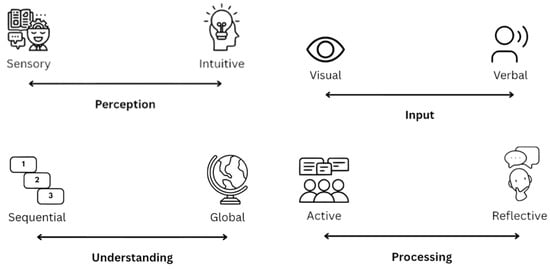
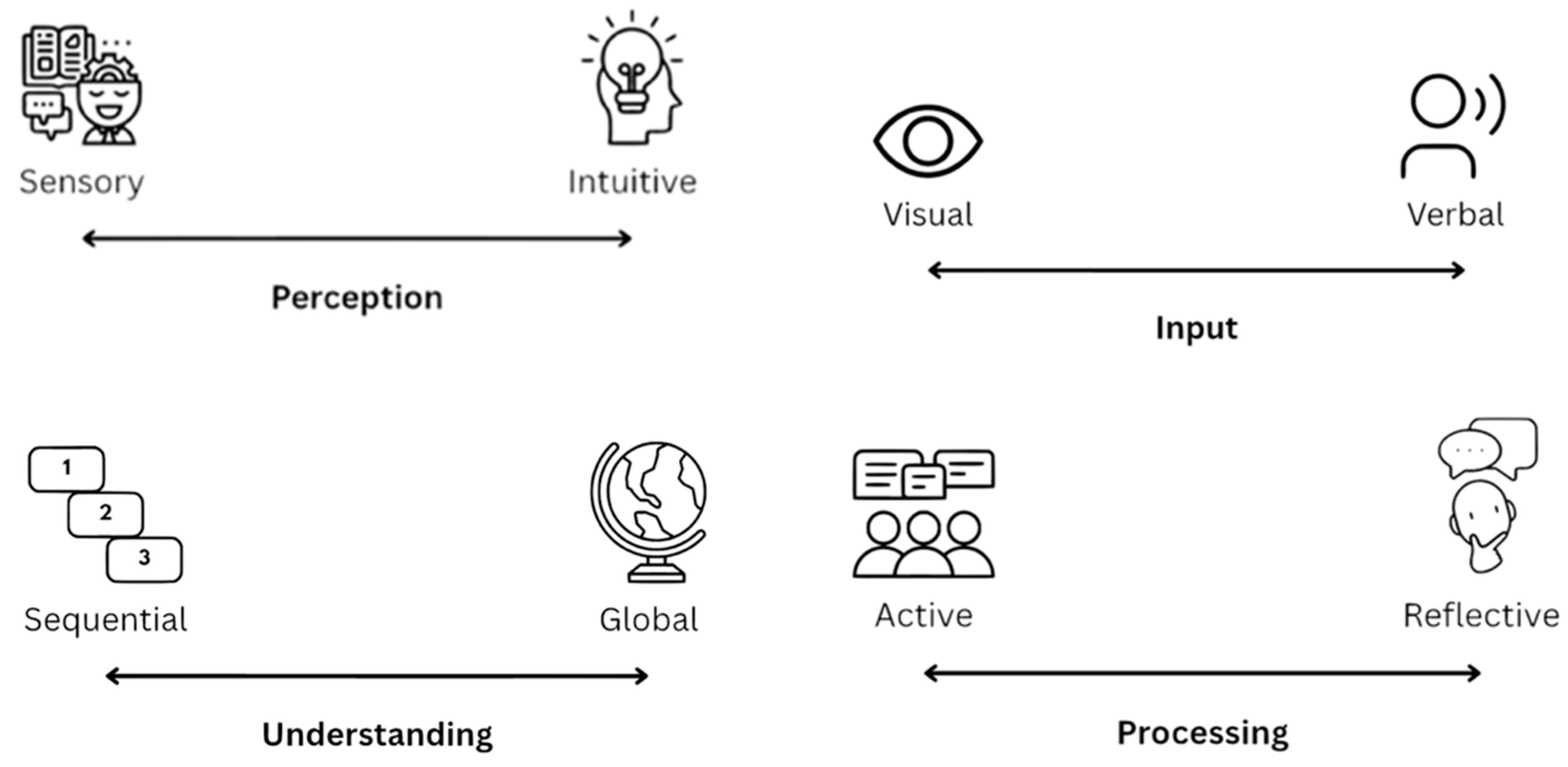


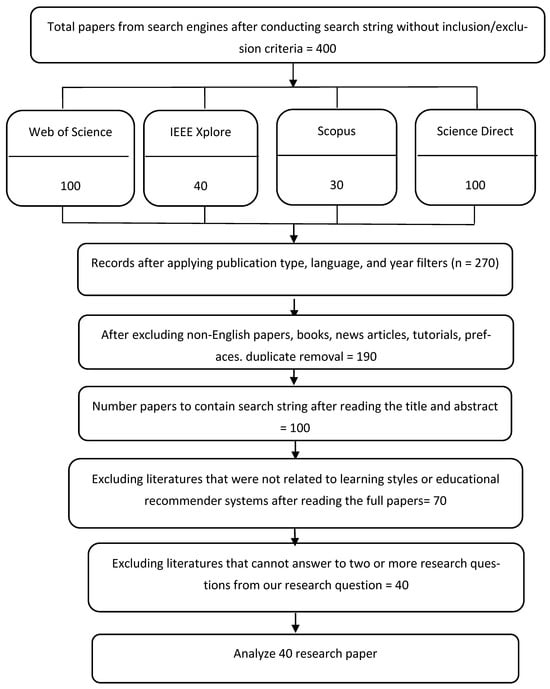
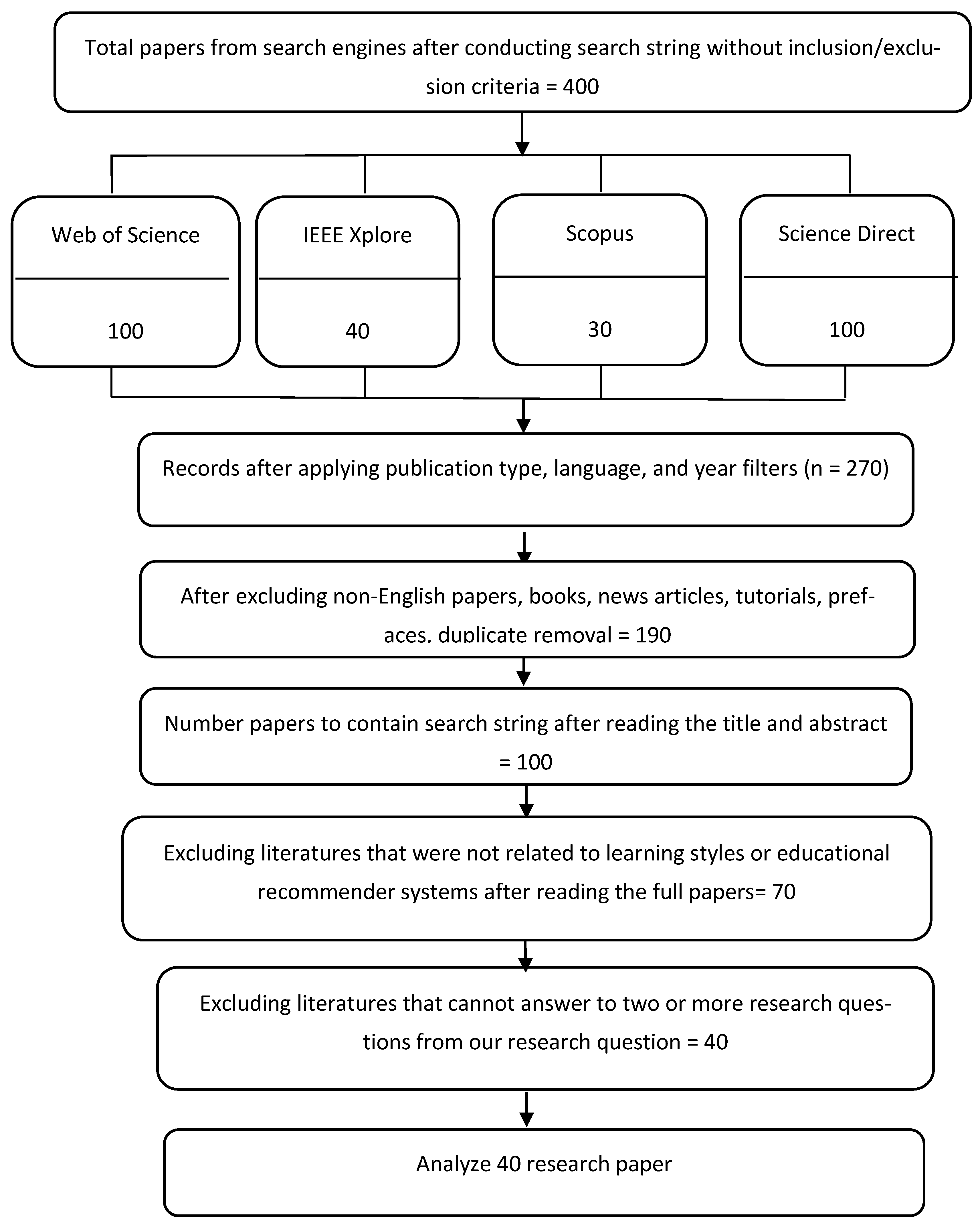
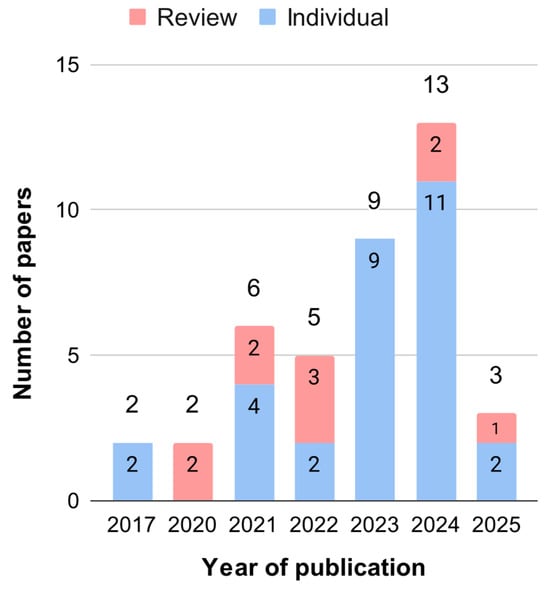
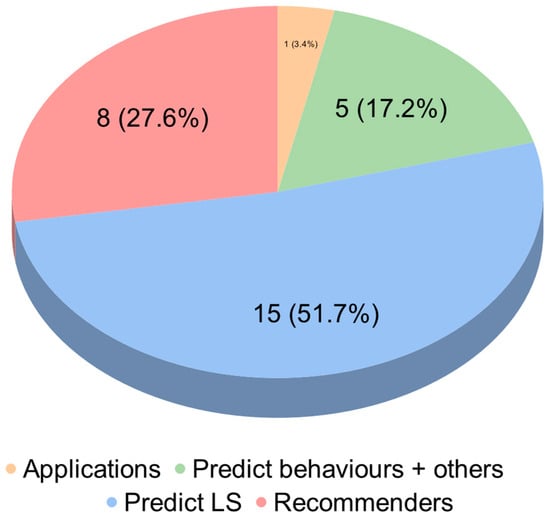
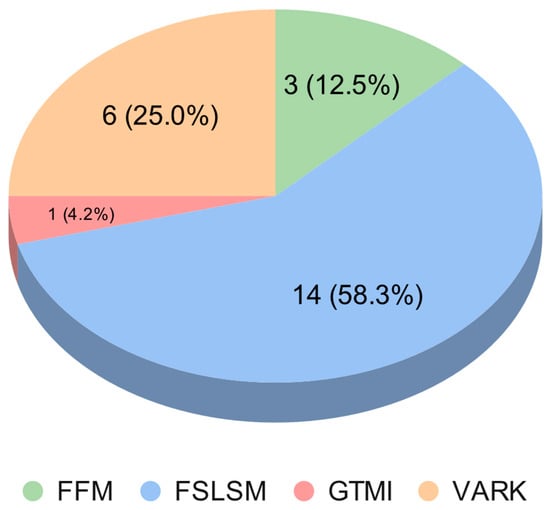
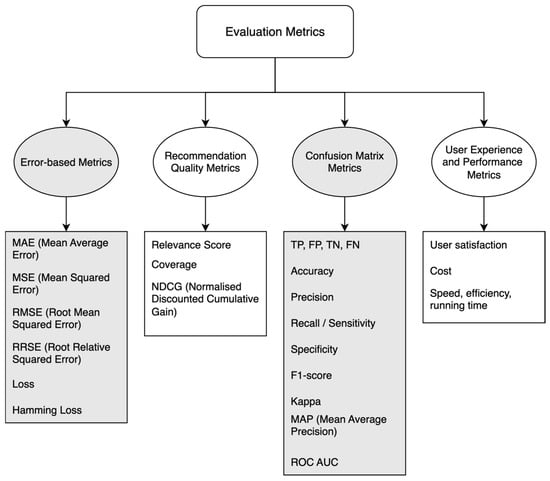
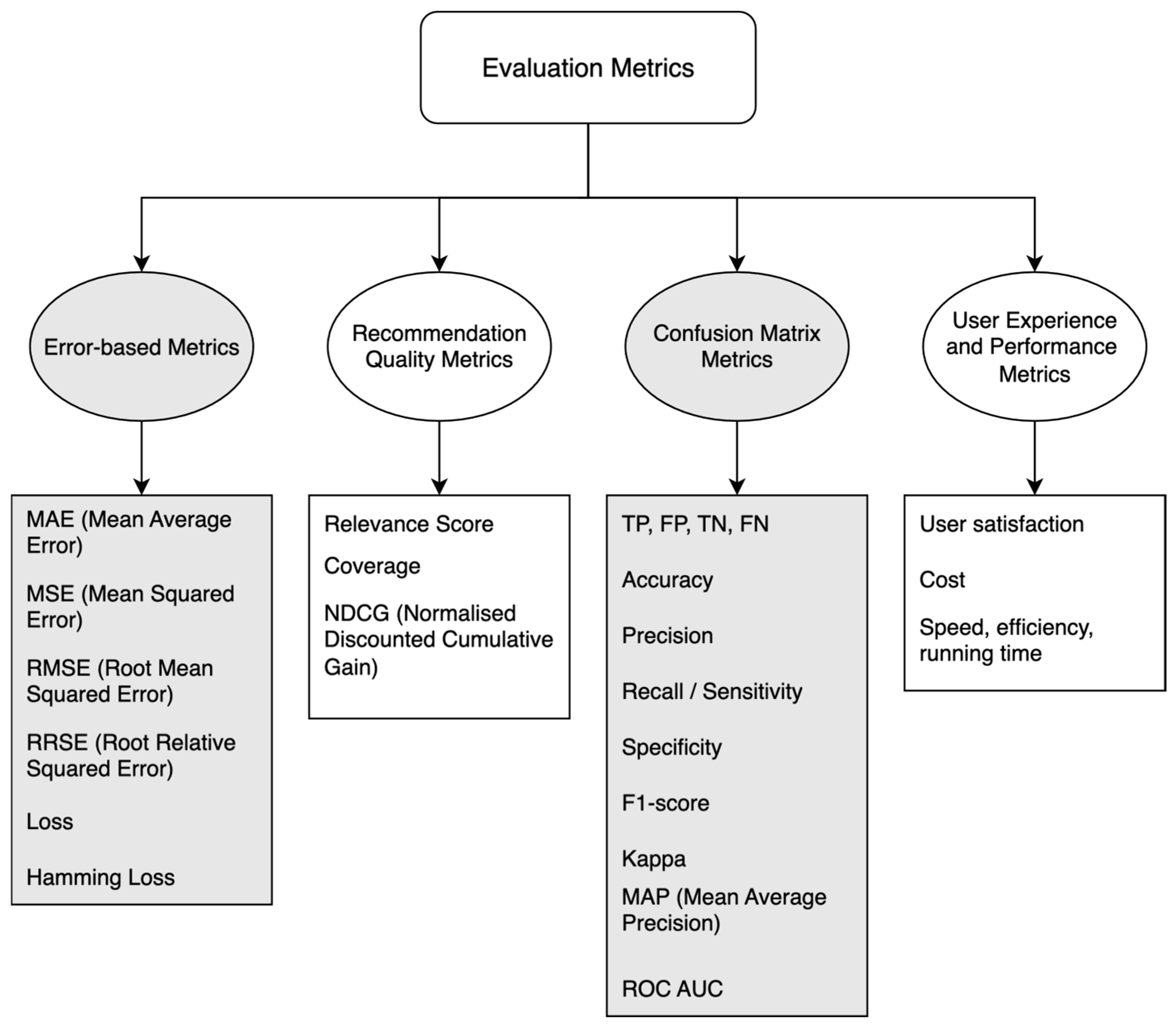
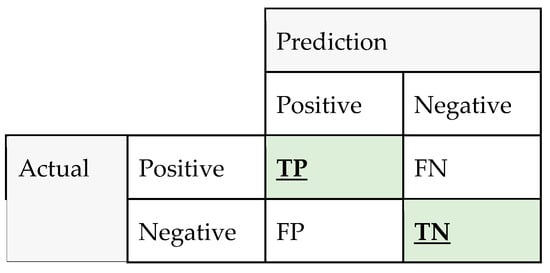
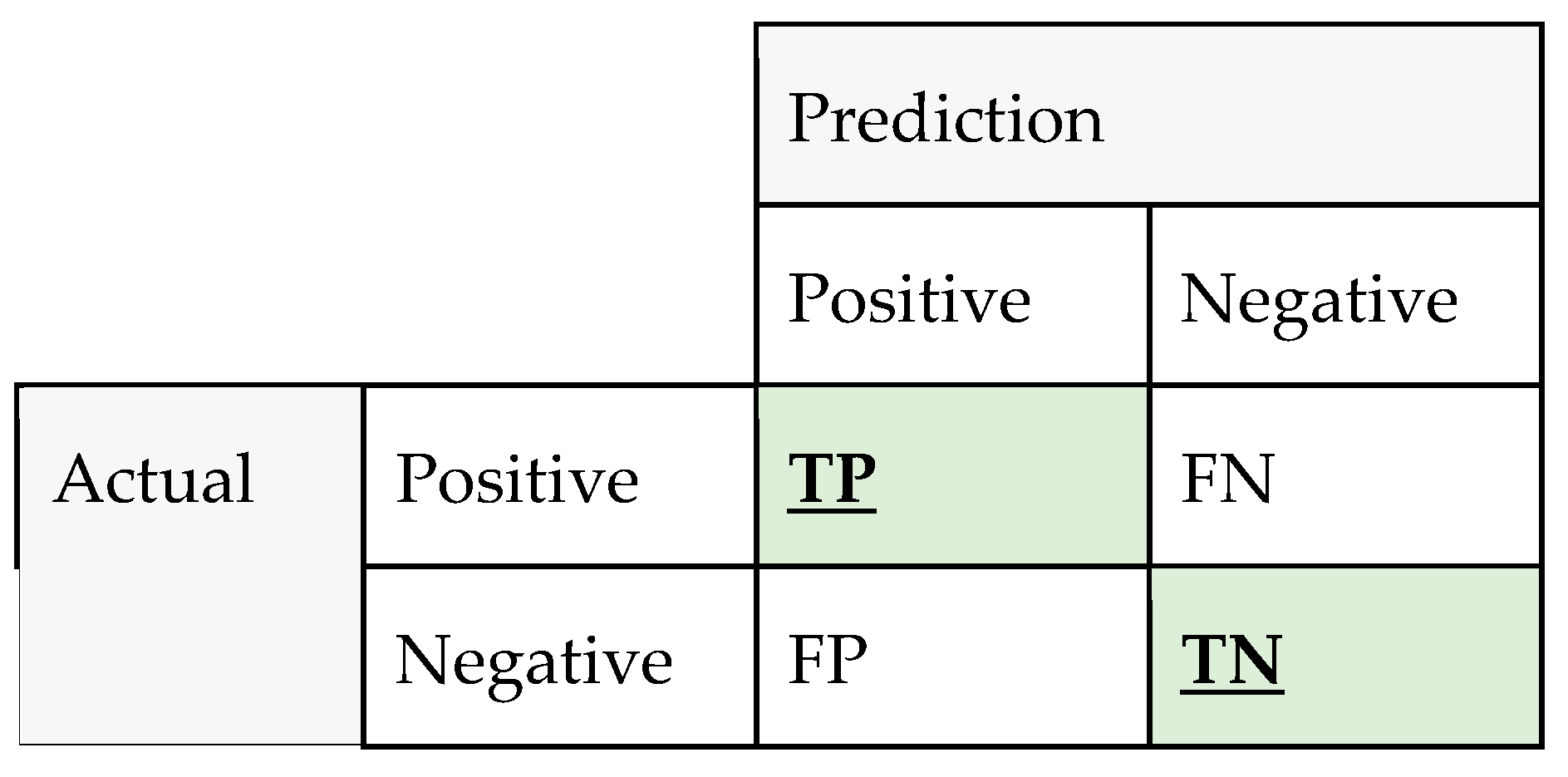

Disclaimer/Publisher’s Note: The statements, opinions and data contained in all publications are solely those of the individual author(s) and contributor(s) and not of MDPI and/or the editor(s). MDPI and/or the editor(s) disclaim responsibility for any injury to people or property resulting from any ideas, methods, instructions or products referred to in the content. |
© 2026 by the authors. Licensee MDPI, Basel, Switzerland. This article is an open access article distributed under the terms and conditions of the Creative Commons Attribution (CC BY) license.