


Abstract
This narrative review analyses the current state of the art in autonomous systems for road transport and industrial environments (logistics, manufacturing and agriculture). The literature was identified mainly through searches of the Scopus and Web of Science databases (final search: July 2026), complemented by standards and regulatory documents; the search and selection procedure and its limitations are reported. The paper proposes a two-dimensional classification that links the domain of use (industrial and logistics applications, shared mobility on fixed routes and road transport of persons) with the degree of autonomy, using the SAE J3016 levels for on-road vehicles and operational-design-domain descriptions and domain-specific safety frameworks for AGVs, AMRs, drones and agricultural machinery; the technical differences between industrial and road operating environments are compared explicitly. The core technologies are then reviewed and compared: sensing and perception (passive and active sensors, multi-sensor fusion), trajectory planning and decision-making, machine learning and reinforcement learning (including human-in-the-loop approaches), testing, simulation and validation, V2V/V2I/V2X connectivity and ADAS. Comparative tables summarise the evaluation data, metrics, operating conditions and limitations of representative methods; their possible transfer to industrial environments is discussed as a hypothesis that requires industrial validation, not as a demonstrated result. Challenges related to decision-making under uncertainty, ethics, fragmented regulation and human factors, including driver state, emotions and trust, are discussed in relation to the evidence reviewed. Finally, each identified gap is translated into research questions, measurable requirements and validation approaches, and the limits of the review’s coverage are stated.
1. Introduction
It can be observed that in the current period, more precisely over the last decade, an important direction has been the development of autonomous systems, for both vehicles and robots, in order to facilitate their movement and use in various areas (urban, interurban, industrial, pedestrian, etc.), without the intervention of a human operator or with only monitoring by the human factor. This research field is of particular interest, both for research centers within higher education institutions and for industrial ones within various companies.
In the context of the digitalization and automation of industry (Industry 4.0), industrial logistics is undergoing an important transformation through the introduction of autonomous equipment that optimizes material flows, increasing efficiency and reducing human intervention [1,2,3].
Among the most visible advances, the use of autonomous vehicles for internal transport within industrial platforms stands out, such as:
- AGV (Automated Guided Vehicles): are automatically guided vehicles with fixed routes, frequently used for transporting parts, raw materials, or finished products between different workstations, [4];
- AMR (Autonomous Mobile Robots): are intelligent robots capable of moving autonomously, using data from ultrasonic sensors, LiDAR, Radar, video cameras, accelerometers, gyroscopes, etc. These robots have the ability to avoid obstacles and adapt their route in real time, depending on changes in travel conditions (for example, the appearance of obstacles in their path), [5,6];
- autonomous drones (UAV/UAS): these are used especially for automated and rapid inspections or inventories. They can also be found in cargo transport, but their disadvantage lies in the small mass of the objects they can carry. [7,8] All these autonomous means of transport contribute to a reduction in transport time within industrial platforms, and to the reduction or even elimination of accidents. In addition, they bring benefits in terms of product traceability, as well as real-time connection with ERP/WMS (Enterprise Resource Planning, Warehouse Management System) systems for planning, automating and optimizing warehouse operations, [9,10].
In the case of production units, in order to meet market demands, flexible production lines are implemented, characterized by:
- modularity: equipment can be reconfigured quickly;
- scalability: production lines can be easily adapted to different processing volumes;
- integration with autonomous means of transport.
Also in this context of market dynamism, flexible manufacturing cells (FMC) emerge, which include: collaborative industrial robots (cobots), adaptive handling systems, interconnected IoT sensors and PLC controllers, and feeding/retrieval stations served by AMRs [11,12]. These cells operate autonomously and can be reconfigured according to the type of product or changes in orders. Autonomous means of transport feed the flexible cells continuously and in a synchronized manner, contributing to predictable and efficient production.
The automation of industrial logistics through autonomous means of transport brings a major improvement in speed, safety and flexibility. Autonomous means of transport, together with production lines and flexible cells, allow modern production units to respond quickly and efficiently to the challenges of a dynamic market [13,14].
The transport of people and goods on road infrastructure by means of autonomous vehicles represents an important field, alongside the electrification of propulsion, for vehicle manufacturers as well as for other companies supplying hardware and software components [15]. Table 1 presents the main periods in the evolution of automated/autonomous systems starting from the 1920s.
Table 1.
Evolution of research in the field of automated/autonomous vehicles.
Aim, Contribution and Review Methodology
Several reviews have already addressed individual parts of this field, for example 3D object detection [25], deep-learning-based perception [26], common practices and emerging technologies in autonomous driving [27], path planning [28], deep and reinforcement learning [29], RL-based behavior planning [30] and autonomous shuttles [15]. Most of them, however, focus on a single technology or on road vehicles only. The aim of the present review is to provide an integrated, cross-domain view of autonomous systems used in road transport and in industrial environments, and to examine which technologies, validation practices and open problems are shared by these domains and which are domain-specific. Its contributions are: (i) a two-dimensional classification framework linking the vehicle type and operating environment with an appropriate autonomy descriptor, key technologies and safety frameworks (Section 2.5); (ii) an explicit comparison of industrial and road operating environments (Section 2.6); (iii) comparative syntheses of perception, planning, learning, validation and connectivity approaches, including the evaluation data, metrics and limitations reported by the original studies (Section 3); (iv) an evidence map that distinguishes the conclusions supported by the reviewed studies from the proposed research directions (Section 5); and (v) a research agenda in which each gap is linked to research questions, measurable requirements and validation approaches (Section 6). The cross-domain contribution is therefore a comparison of the requirements of the different domains and a discussion of the possible transfer of technologies between them; the review does not report demonstrated road-to-industry transfer, because none of the perception studies reviewed was evaluated in an industrial setting (Section 3.1).
This article is a narrative (state-of-the-art) review rather than a systematic review in the sense of the PRISMA guidelines; it does not aim at an exhaustive enumeration of all publications or at a meta-analysis. The literature was identified mainly in the Scopus and Web of Science (WoS) databases. The principal search terms were “autonomous vehicle” and “automated vehicle”, searched in the title field of both databases and, in WoS, also in the topic field. Supplementary searches combined these terms with thematic keywords, in particular “ADAS”, “planning”, “perception”, “image processing” and “traffic sign recognition”. With regard to industrial and agricultural vehicles, (i) no separate searches with domain-specific terms (e.g., “AGV”, “AMR”, “warehouse” or “agricultural”) were carried out; (ii) publications on industrial, logistics and agricultural vehicles were nevertheless retrieved by the general searches, because the terms “autonomous vehicle” and “automated vehicle” are also used for such vehicles; and (iii) publications that describe these vehicles only with domain-specific terms may not have been retrieved. Because the principal and supplementary terms are typical of road-vehicle research, this search vocabulary is likely to have favored road-vehicle studies, which is discussed as a limitation in Section 5.5. In WoS, the document types considered were articles, review articles, proceedings papers, books, book chapters, editorial material and early-access papers; in Scopus, they were articles, conference papers, reviews, book chapters, books, editorials and conference reviews.
The searches were carried out between 2024 and July 2026; the final database search was performed in July 2026. The core publication window was initially set to 2015–2024. Publications outside this window were included in two cases: (i) foundational or historical works needed to explain the evolution of the field (Table 1) and the origin of methods that are still in use (e.g., Haar-like features, HOG, R-CNN and the KITTI dataset); and (ii) studies published in 2025 and 2026, which were either identified before the final search date or added during the first revision of this manuscript (October 2026). In that revision, the reference list was updated with studies suggested by the reviewers, with the standards and regulatory documents required by the classification framework in Section 2.5, and with a few additional sources needed to address the reviewers’ comments; the three references dated 2026 [31,32,33] are studies suggested by the reviewers.
Studies were selected by the authors on the basis of their relevance to the scope of the review, rather than through a formal screening protocol. A study was retained if it (i) addressed at least one of the technology or challenge areas covered in Section 2, Section 3 and Section 4; (ii) concerned road vehicles or industrial, logistics or agricultural autonomous vehicles; and (iii) either described a method together with an evaluation (on a dataset, in simulation or in field tests) or provided a synthesis of the field. Peer-reviewed journal and conference publications were preferred; three preprints were retained because they describe approaches discussed in the text [5,34,35]. Most sources are in English; two Romanian-language sources, a doctoral thesis and a textbook, were used for background information [1,36].
Standards, regulatory documents and non-peer-reviewed sources were treated separately from the research literature. Standards and regulatory texts (SAE J3016, ISO and UL standards, UNECE and EU regulations and 3GPP specifications) were used to define terms, classification levels and requirements. Institutional, governmental and manufacturer web pages were used to document historical events, product characteristics, test facilities, illustrative figures, general descriptions of technologies and the regulatory status; such commercial or grey sources were not used to support claims about the performance of the reviewed methods, which are taken from the original studies. The final corpus comprises 146 references: 94 peer-reviewed journal and conference publications, 3 preprints, 9 books, book chapters and theses, 9 standards and regulatory or technical specifications, and 31 web sources. Figure 1 summarizes the identification and selection procedure (a) and the distribution of the cited references by publication year and source type (b); the limitations of this procedure are discussed in Section 5.5.
Figure 1.
Identification and selection of the literature: (a) search and selection procedure; (b) distribution of the cited references by publication year and source type (the 31 web sources without a publication year are not shown).
2. Taxonomy of Autonomous Vehicles and Systems
Over time, along with the evolution of research and development of autonomous systems and their implementation for specific purposes, several types of autonomous vehicles have emerged, which can be grouped according to their environment of use and the tasks they perform. A concise classification of these types will be made in the following subsections of this section. A fully autonomous vehicle must be able to navigate its operating environment, plan and carry out actions adapted to that environment, as well as to changes in it [1].
2.1. Industrial and Logistics Applications
Vehicles intended for goods transport are used predominantly in industrial areas, where their main purpose is delivering the raw materials or products needed for production activities to proceed smoothly (Figure 2). In general, these autonomous vehicles do not have access to roads open to public traffic, but they still have to comply with a series of internal rules, imposed in particular by the production process, the type of goods transported, and obstacles that may appear along their route. Usually, the route assigned to these autonomous vehicles does not intersect with the paths traveled by operators or other operator-driven equipment, but this cannot be entirely ruled out. For this reason, these industrial autonomous vehicles must also have functions for avoiding such hazards.
Figure 2.
Autonomous vehicles intended for goods transport: (a). AGV for transporting goods in industrial halls; (b). different constructive solutions for AGVs; (c). autonomous electric-traction rail vehicle developed by Parallel Systems, [37,38,39].
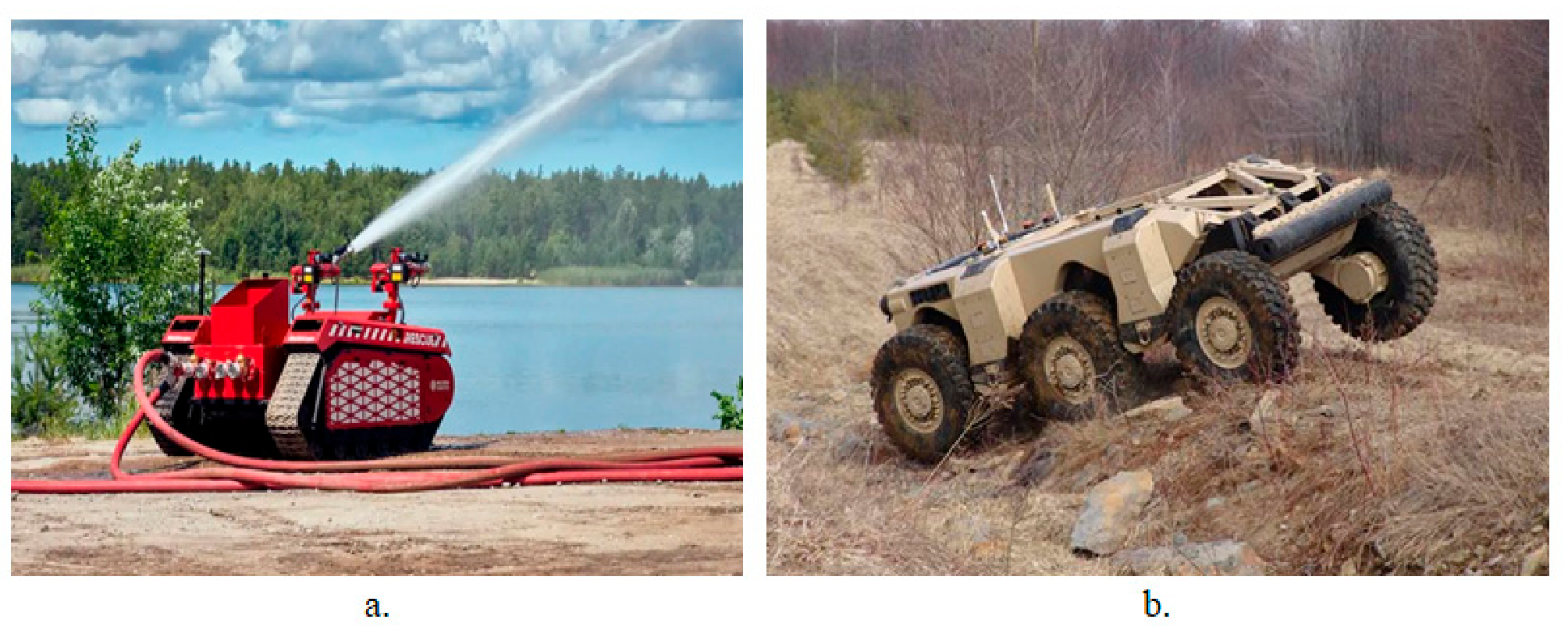
Autonomous vehicles with special purposes must have more complex characteristics, because besides autonomous movement, they must also perform other functions, also autonomously (Figure 3). The following types of vehicles fall into this category: vehicles intended for travel over rough terrain (off-road), vehicles intended for firefighting in environments that are difficult for conventional fire trucks to access, vehicles for military applications, and vehicles intended for courier services.
In 2018, Jaguar and Land Rover developed an autonomous SUV capable of traveling on almost any type of off-road surface, regardless of weather conditions (rain, fog, snow). These capabilities of the prototype were made possible by good real-time correlation of signals from various sensors used (video cameras, radar, LiDAR, sonic sensors) [40,41,42,43].
Figure 3.
Autonomous ground vehicles (UGV): (a). UGV intended for firefighting; (b). UGV for military purposes, [44,45].
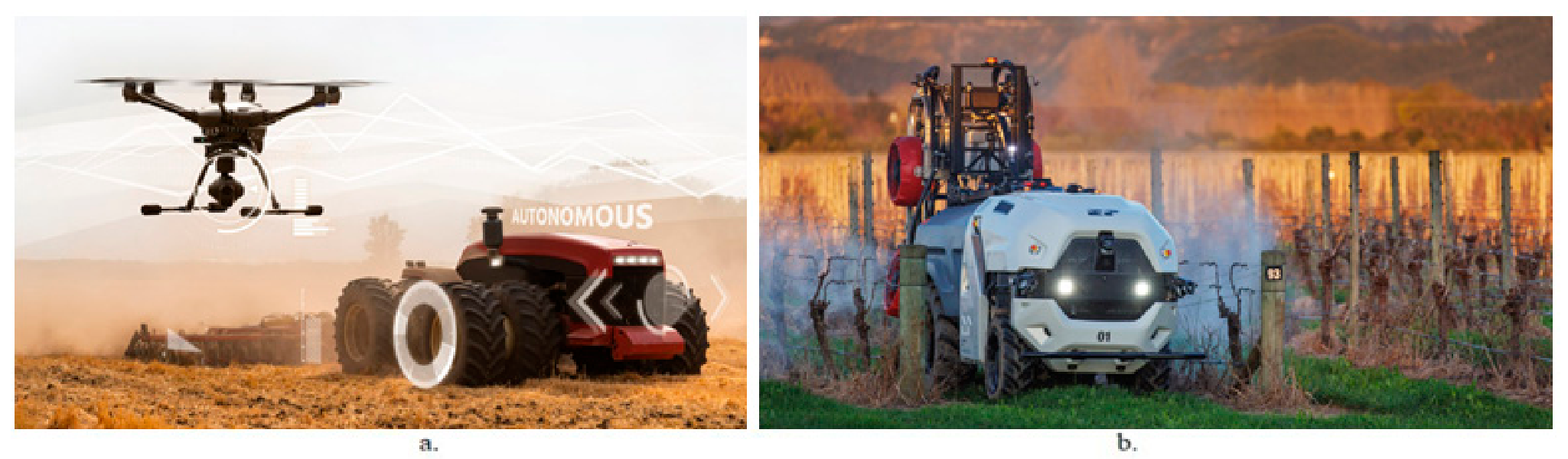
Along with the development of automated or autonomous systems for various applications related to the mobility of people or goods, these systems have also been adapted to agricultural equipment (Figure 4).
These vehicles, intended for the agricultural sector, must have certain domain-specific abilities, because besides moving over rough terrain, where there are no road markings or signs, they must also perform other specific activities such as: sowing, harvesting, fertilizing, etc.
Because there are no road markings or signs to help guide the equipment, a technical branch known as “precision agriculture” or “precision farming” has been developed, aimed at developing systems applicable to autonomous or partially autonomous agricultural vehicles. These vehicles rely on GPS- or GNSS-type positioning systems, achieving accuracies of less than 2 cm, as well as on special sensors that use the type of vegetation or the rows of cultivated crops as their main orientation reference [46,47].
Figure 4.
(a). Autonomous tractor used for agricultural activities and a drone for inspection; (b). autonomous equipment for applying treatment in a vineyard, [48,49].
2.2. Shared Mobility and Fixed-Route Applications
Autonomous vehicles for transporting people or parcels on fixed routes (university campuses, industrial platforms, public transport lines) can represent a viable solution for large urban areas, and not only there. One such developer is the company Navya, which produces mini-buses intended for transporting people on predefined routes within cities or certain campuses (Figure 5). These autonomous buses are capable of carrying 15 passengers, with a maximum travel speed of 25 km/h, and are also adapted for transporting people with disabilities.
Figure 5.
Navya autonomous mini-bus, [50].
Several universities have used such autonomous shuttles on their campuses, including Manchester, Gothenburg, Michigan (including the Mcity test facility) and Adelaide [50,51]. Whether such operation requires an authorization depends on the jurisdiction and on the type of site. On closed private sites that are not open to public traffic, the road-traffic approval regimes that govern public roads generally do not apply, although the operator remains bound by occupational-safety and machinery-safety obligations; campus roads that are accessible to the public, by contrast, are treated as on-road environments (SAE J3016 explicitly includes private campuses that permit public access [52]) and typically require a testing or operating permit from the competent national or state authority. One of the countries that has shown itself to be ready for testing such vehicles is Germany, which was among the first countries in the world to adopt legislation regarding the circulation on public roads of vehicles with a high degree of autonomy (Level 4). Thus, the legislation (Act on Autonomous Driving) adopted in 2021, which allows such vehicles to operate in approved operating areas on public roads, boosted the development of this sector, simply by the fact that these vehicles could be tested under real operating conditions [1,50,51].
2.3. Road Transportation Applications
Autonomous vehicles intended for transporting people, whether for public or individual transport, are at the center of attention, even though the other types of autonomous vehicles also offer significant advantages for the sectors in which they are used. Many companies have begun conducting research in this field and even producing technologies for implementing functions aimed at taking over driving activities from the human operator. Initially, only an automation of driving functions during highway travel was achieved (adaptive cruise control, lane departure warning, lane keeping assist, emergency braking function, etc.).
With the development of sensors, and especially of the software and algorithms for processing the information gathered by sensors, the capabilities of the autonomous vehicle have increased significantly (Figure 6).
Figure 6.
(a). Waymo autonomous robotaxi, in the USA; (b). Zoox autonomous robotaxi, in the USA, [53,54].
2.4. Levels of Autonomy (SAE Classification)
Figure 7 presents the six levels of driving automation defined by SAE International in the J3016 standard (J3016_202104) [52], from Level 0 (“No Driving Automation”) to Level 5 (“Full Driving Automation”). The levels describe how the dynamic driving task (DDT) is divided between the human driver and the driving automation system: at Levels 0–2 the driver performs part of the DDT and must supervise the driver-support features at all times; at Level 3 the system performs the entire DDT within its operational design domain (ODD), but a fallback-ready user must take over when requested; at Level 4 the system also performs the fallback within its ODD; and at Level 5 there is no ODD limitation. J3016 states that the levels are descriptive and technical rather than normative or legal [52]; they therefore do not by themselves define approval requirements, which are set by national and international regulations (Section 4.2). In addition, active safety systems that provide only momentary intervention in hazardous situations, such as automatic emergency braking (AEB) or electronic stability control (ESC), do not perform the DDT on a sustained basis and are therefore not considered driving automation in the J3016 sense [52]; this distinction is used in Section 3.6.
Figure 7.
Levels of driving automation according to SAE J3016, [52,55].
2.5. Relationship Between Application Domains and Levels of Autonomy (SAE Classification)
The classification by application domain (Section 2.1, Section 2.2 and Section 2.3) and the SAE levels (Section 2.4) describe two different dimensions: the first describes where and for what purpose a vehicle operates, whereas the second describes how the dynamic driving task is shared between the human and the automation system. The SAE J3016 taxonomy was written for on-road motor vehicles, i.e., vehicles operating on publicly accessible roadways, including parking areas and private campuses that permit public access [52]. It is therefore directly applicable to the shuttles (Section 2.2) and to passenger cars and robotaxis (Section 2.3), but not to AGVs, AMRs, drones or agricultural machinery operating on private sites, in the air or in fields. For these vehicle types, the SAE levels can be used only as an informal analogy, for example to indicate whether a human supervises continuously or only intervenes remotely. Their autonomy and safety are described by other frameworks: ISO 3691-4 for driverless industrial trucks, including AGVs and AMRs [56]; ISO 18497-1, which distinguishes partially automated, semi-autonomous and autonomous agricultural machinery [57]; and generic, mission-oriented frameworks such as ALFUS (Autonomy Levels for Unmanned Systems) for unmanned ground and aerial systems [58]. A concept shared by all domains is the operational design domain, i.e., the set of operating conditions for which a system is designed [52]: an AGV on a fixed route and a Level 4 robotaxi both operate autonomously only within their ODDs, but these ODDs differ greatly in openness and variability. Table 2 summarizes the resulting two-dimensional classification, linking the vehicle type with its operating environment, the appropriate autonomy descriptor, the key technologies and safety frameworks, and representative applications.
Table 2.
Classification framework linking vehicle type, operating environment, autonomy descriptor, key technologies, safety frameworks and representative applications.
Table 2 shows that the vehicle types differ less in their basic technology chain, which is largely shared (Section 3), than in the openness of their ODD, the presence of humans in the operating space and the safety framework under which they are assessed. Three groups can be distinguished: (i) vehicles operating on closed, structured sites (AGVs and AMRs), whose autonomy is high within a narrow ODD and whose safety is ensured mainly by speed limitation, protective fields and site-level risk assessment [56]; (ii) off-road and agricultural vehicles operating in semi-structured or unstructured outdoor environments without road markings, where localization relies heavily on GNSS and on terrain or crop-row perception [46,47] and remote supervision is common; and (iii) on-road vehicles, from Level 0–2 ADAS in passenger cars to Level 4 shuttles and robotaxis, which share the road with other traffic participants and are subject to road-vehicle regulations. Only the third group can be classified rigorously with SAE levels; for the first two, an ODD description combined with the supervision mode (on-board, remote or none) is a more informative descriptor.
2.6. Technical Differences Between Industrial and Road Operating Environments
Although the technology chain is common, the industrial and road domains impose different requirements on it. Table 3 compares the two environments, with agricultural and off-road operation as an intermediate case, with respect to the structure of the environment, human–vehicle interaction, infrastructure dependence, safety requirements, operating constraints and validation requirements.
Table 3.
Comparison of industrial, agricultural/off-road and road operating environments.
The comparison shows that industrial operation relies on a narrower and more controllable ODD than road operation, but this does not make its safety deterministic. Shared industrial spaces still involve unpredictable human movements, occlusion by racks and loads, changing layouts and load-dependent stopping distances. Safety therefore depends on explicit operating assumptions and on a combination of risk-reduction measures of the type addressed by ISO 3691-4 [56]: a site-specific risk assessment; speeds limited according to visibility, load and the presence of persons; protective fields of safety-rated sensors that slow down or stop the vehicle and are dimensioned for the worst-case stopping distance; marked or separated operating zones; and information and training for the personnel who share the space. In this context, navigation perception, which builds the environment model used for localization and path planning and may rely on learning-based detection or multi-sensor fusion, must be distinguished from protective safety functions, which have to meet the safety requirements of the applicable standard; a navigation system based on sensor fusion does not, by itself, provide a safety-rated function. In road applications, neither the environment nor the other road users are controlled; a safe stop is not always available and the behavior of other participants must be predicted, which explains why the road-oriented literature reviewed in Section 3 concentrates on robust learning-based perception, prediction-aware planning and scenario-based validation. The transfer of technology between the domains is therefore not straightforward. None of the perception studies reviewed in Section 3.1 was evaluated in an industrial setting, and models trained on road datasets such as KITTI or BDD100K do not represent warehouse scenes (pallets, racks, forklifts, partially occluded workers), so retraining and validation on dedicated industrial datasets would be required. Conversely, industrial practices such as site-level risk assessment, fleet-level supervision and the explicit specification of the operating area have counterparts in road applications in the ODD concept and the remote supervision of Level 4 shuttles and robotaxis.
3. Core Technologies
In the construction of an autonomous vehicle, we find a series of subsystems that play a decisive role in its optimal operation. Usually, all of these are in a close “collaborative” relationship, carrying out an important transfer of data so that the vehicle can move with as high a degree of safety as possible. All these systems function similarly to the human body, which is capable of managing information both from the surrounding environment and from within itself, while also having the ability to make decisions and take actions.
The main subsystems that can be found in an autonomous vehicle are: the sensory subsystem, the perception subsystem, the subsystem for planning subsequent actions, and the mechanical command-and-control subsystem (for the steering system, acceleration, and braking system). The sensory subsystem includes all the sensors mounted on the autonomous vehicle, whose role is to acquire data (information), which will then be transferred to the perception subsystem, with the aim of determining the vehicle’s position as well as any possible obstacles in the surrounding environment. Data on weather conditions, which can influence the proper functioning of the autonomous vehicle, are also collected through the sensors. After the position in time and space has been determined by the perception subsystem, based on data received from the sensory subsystem, the planning subsystem will generate as safe a travel trajectory as possible, after which the command-and-control subsystem will transmit the command so that the actuators generate the necessary impulse on the steering system, on the acceleration, and on the braking system, as well as on the lighting and direction-signaling systems.
3.1. Perception and Environment Sensing
Perception and detection represent the essential foundations of autonomous driving, ensuring the collection, interpretation, and integration of information from the surrounding environment through the use of sensors and processing algorithms, in order to allow vehicles to make the decisions necessary for safe and efficient travel, under various traffic conditions and scenarios. Although perception and detection are complementary concepts, they have distinct characteristics.
Detection refers to identifying and locating objects or relevant features in the surrounding environment. This involves processing the raw data obtained from sensors in order to locate objects, road signs and markings, pedestrians, cyclists, etc.
Perception is a more complex process, which includes interpreting and understanding the detected information in order to build as complete a representation of the environment as possible. Perception is responsible for integrating detection data from multiple sources (data fusion) and correlating them with the existing scenario (the planned route, weather conditions, the behavior of traffic participants, etc.). For example, based on the detection of a vehicle traveling ahead of the driven vehicle, the perception system determines whether it is braking, accelerating, or signaling an intention to change direction, thus anticipating potential risks. These aspects are very important for the development of autonomous technologies, because correct detection provides an accurate database, while advanced perception allows the vehicle to act as safely and efficiently as possible.
In [25], three methods for detecting three-dimensional objects in the vehicle’s operating environment are presented: the first method based on images from video cameras, the second method based on point clouds (LiDAR), and the third method based on the fusion of information from sensors.
In general, the most commonly used sensors in the industry can be divided into two categories: passive sensors and active sensors [25,64].
Passive sensors are considered to receive natural emissions, originating both from the surface of the planet and from the atmosphere. Such emissions include natural light or infrared rays, which can usually be captured by a video camera. Although a monocular camera can provide good information, in matrix form, about the color of an object or the recognition of road signs, etc., it lacks depth information, more precisely, the estimation of the distance to the detected object. However, this disadvantage is resolved by using stereo video cameras, similar to human vision, which, through the use of correspondence-matching algorithms (of common points) between the generated images (right–left), manage to determine the distance to the object, which was missing in the case of mono cameras [25,64,65].
Active sensors measure the sound and light waves emitted by themselves and reflected by the surface of the planet or by other objects. One such active sensor is the LiDAR sensor, which detects and measures the light reflected by an object. A LiDAR sensor is a “point-and-shoot”-type device, its basic components being lenses, lasers (emitters), and detectors, which emit pulses of light into the surrounding environment; these are then reflected and processed as 2D or 3D points, called “point clouds” [25]. The main characteristic of a point cloud, which distinguishes it significantly from an image matrix, lies in its extremely sparse and irregular nature, as well as in the lack of texture attributes (e.g., color). Table 4 presents some important characteristics of active and passive sensors [25].
Table 4.
Characteristics of passive and active sensors. Advantages and disadvantages.
Sensors can also be grouped according to what they measure. Proprioceptive (vehicle-state) sensors measure the vehicle’s own state, such as wheel speeds, torques, temperatures, voltages, fluid levels, accelerations and angular rates, whereas exteroceptive sensors measure quantities originating outside the vehicle. Within the exteroceptive group, a distinction must be made between environment-perception sensors, which detect and characterize external objects and obstacles (radar, ultrasonic sensors, LiDAR, video cameras and thermal cameras; Table 5), and positioning and motion sensors (Table 6). The IMU is an inertial (proprioceptive) sensor, while a GNSS receiver uses external satellite signals to determine the vehicle’s absolute position; neither detects external objects. Both are therefore used for localization and ego-motion estimation, and their outputs are fused with those of the perception sensors to place the detected objects in a common reference frame, but they are not environment-perception sensors.
Table 5.
Environment-perception (exteroceptive) sensors: representative specifications compiled from [1]; actual values depend on the specific product and operating conditions.
Table 6.
Positioning and motion (ego-state) sensors/sensor systems.
Table 6 presents the positioning and motion (ego-state) sensors and sensor systems most commonly used in autonomous vehicles; they provide the vehicle’s own position, orientation and motion rather than information about surrounding objects.
The ranging sensors in Table 5 (radar, LiDAR and ultrasonic sensors) determine the distance to an object from the propagation delay of an emitted signal that is reflected by the object. In pulsed time-of-flight (ToF) operation, used by ultrasonic sensors, pulsed LiDARs and pulsed radars, the distance is obtained directly from the round-trip time Δt of a short pulse, d = c·Δt/2, where c is the propagation speed of the signal. Most automotive radars, however, use frequency-modulated continuous-wave (FMCW) operation: the transmitted frequency is swept linearly over time (a chirp), the received echo is mixed with the transmitted signal, and the resulting beat frequency, which is proportional to the propagation delay, gives the range, while the Doppler shift of the echo gives the radial velocity. Cameras are passive and estimate depth geometrically (e.g., by stereo matching), the IMU measures inertial quantities, and a GNSS receiver computes its position from the arrival times of signals transmitted by satellites rather than from reflected waves. There are three properties that define a sensor’s performance: resolution (the smallest detectable variation), absolute accuracy (the deviation from the true value), and repeatability (the consistency between successive measurements), the latter often being more practically relevant than absolute accuracy.
Achieving the most accurate real-time perception of obstacles in the driving environment, in complex scenarios, still represents a challenge in autonomous driving. Traditional methods used for detection and classification, such as Haar algorithms [66,67] and HOG (Histogram of Oriented Gradients), yield variable results and can generate false detections in complex traffic conditions [68,69].
Convolutional neural network (CNN) detectors, both the two-stage detectors of the R-CNN family [70,71] and the single-stage detectors of the YOLO (You Only Look Once) family [72,73], have substantially improved the accuracy of obstacle detection on road-traffic benchmarks compared with hand-crafted features. Two-stage detectors generally favor localization accuracy, whereas single-stage detectors favor inference speed; neither family fully resolves the trade-off between accuracy and detection speed in dense or adverse scenes, which is why both are still undergoing development and efficiency improvements [74,75,76].
To address this issue of balancing accuracy and detection speed, reference [77] proposes the YRDM (Your Region Decision-Making) algorithm, based on the efficient extraction of information about obstacles and on optimizing label assignment (obstacle classification).
The method was evaluated on the public BDD100K [78] and KITTI [79] datasets, for three object classes (car, person and bike) and an input size of 640 × 640 pixels. On BDD100K, YRDMn reached a mAP@0.5 of 57.8%, compared with 53.0% for YOLOv5n, the best of the five baselines (Faster R-CNN, SSD, CenterNet, YOLOv4-Tiny and YOLOv5n); on KITTI, it reached 89.6%, compared with 86.5% for YOLOv5n. The average inference time was 10.3 ms on a desktop GPU (NVIDIA RTX 3090 Ti) and 39.8 ms on an NVIDIA Jetson Xavier NX embedded module, slightly longer than that of YOLOv5n (9.2 ms and 36.8 ms, respectively) [77]. These improvements are relative to the baselines, input settings and hardware used in [77]; they support the conclusion that YRDM improves on those baselines on the two datasets, not that it is generally faster or more accurate than all current detectors. The deployment on the Jetson module shows that the model can run on embedded hardware, but it was not tested on a mobile robot or in an industrial setting.
Reference [26] addresses a comprehensive analysis of recent years’ progress in the 3D detection of objects, as well as of roads, road signs and markings, and traffic lights, using Deep Learning-based methods for autonomous systems, with an emphasis on point-cloud and image processing, highlighting numerous comparative results.
YOLOv9 is a recent version of the YOLO object-detection family for images and videos. Reference [80] integrates into it four SE (Squeeze-and-Excitation) attention modules and the MPDIoU bounding-box regression loss, with the aim of improving object detection in adverse weather conditions. The models were trained and evaluated on the DAWN dataset, which contains about 1000 real traffic images taken in fog, rain, sandstorm and snow, and on an augmented version of it (DAWN+, obtained by horizontal flipping and salt-and-pepper noise). On DAWN+, the YOLOv9+SE+MPDIoU model reached a mAP50 of 0.554 and a mAP50-95 of 0.356, compared with 0.486 and 0.306 for the original YOLOv9 trained on the same data; precision increased from 0.607 to 0.893, whereas recall changed only slightly (from 0.442 to 0.446) [80]. The study does not report the inference speed or the split between training and test images. mAP50 (mean Average Precision at an Intersection over Union threshold of 50%) averages, over all object classes, the precision–recall performance of detections that overlap the ground truth by at least 50%; because it depends on the dataset, the set of classes and the IoU threshold, mAP50 values obtained on different benchmarks are not directly comparable. Given the small size of the dataset, these results show an improvement over the YOLOv9 baseline rather than a general robustness to adverse weather.
By combining state-space (Mamba) modeling with the YOLO architecture, reference [81] presents TSD-YOLO, a traffic sign detection and recognition model built on a YOLOv8 base, in which a Variable Scale Selection (VSS) module combines the local feature extraction of convolutional layers with the long-range dependency modeling of state space models. According to the corrected results published in the corrigendum to [81], TSD-YOLO reached a precision of 84.57%, a recall of 93.63%, an F1-score of 88.98% and an mAP of 93.15% on the Tsinghua-Tencent 100K (TT-100K) dataset, and an mAP of 79.88% on the Mapillary Traffic Sign Detection (MTSD) dataset. On TT-100K, the best comparator listed by the authors, RT-DETR, had an mAP of 92.72%; because the comparator values are listed with references to previous studies, it cannot be assumed that all models were evaluated under identical conditions, and the difference of 0.43 percentage points should be interpreted with caution. The corrected abstract of [81] no longer refers to adverse weather conditions.
The detection, perception, and tracking of vehicles under dynamic conditions, presented in reference [82], uses data from a single, low-cost 16-channel LiDAR sensor (Velodyne VLP-16) mounted on the vehicle. In this method, algorithms such as DBSCAN (Density-Based Spatial Clustering of Applications with Noise), RANSAC (Random Sample Consensus), and the Kalman Filter were used for segmenting the 3D ground points, grouping objects, identifying road edges, classifying vehicles, and tracking their trajectories. Vehicles were also classified into three categories: two-wheelers, four-wheelers and heavy vehicles.
Using LiDAR data, the relative positions and speeds of vehicles participating in traffic can be estimated. The method proposed in [82] was developed with data collected on an Indian access-controlled expressway. Vehicle detection reached an accuracy of 98.70%, a precision of 98.56%, a recall of 94.82% and an F1-score of 96.38% on 200 manually annotated frames; the method was then applied to a larger, unlabeled dataset of approximately 3.6 million frames, collected over more than 8000 km of expressway driving, to assess its robustness. The approach extracts vehicle trajectories regardless of lighting conditions and is useful both for research and for applications within connected autonomous vehicles (V2V). The authors also note its limitations: classification errors under prolonged occlusion, a dataset containing only motorized vehicles (no pedestrians), no evaluation in rain or fog, and the remaining effort needed to operate the algorithm in real time [82].
The “Contour-Based Object Forecasting—COF” algorithm, presented in reference [83], enables good image segmentation as well as an estimation of the distance to objects within the camera’s field of view. This algorithm is structured into four main stages: 1. Feature extraction—2. Prediction of future frames (object motion)—3. Feature decoding—4. 3D rendering. Based on features extracted from images captured by the video camera (previously and in real time), the algorithm manages to make a prediction of the following frames, more precisely of the motion of the objects within the frame, using the prediction module. After the next positions of the objects are predicted, these characteristics are decoded in the form of contours and depths (distances to the object), after which depth maps are generated, so that the final results can ultimately be rendered in 3D space, providing a clearer visualization of the future positions of the objects. The algorithm was evaluated on the Cityscapes urban driving dataset for short-term (about 0.17 s ahead) and mid-term (about 0.5 s ahead) forecasting; it reached an F1-score of 34.03 in short-term and 20.25 in mid-term forecasting, compared with 25.75 and 18.67 for the PSF method [83].
No single sensor type covers all perception tasks under all operating conditions, which is the engineering reason why many automated-driving architectures combine several sensors (e.g., radar, LiDAR and cameras). Complementary sensors are needed in particular (i) for operation across weather and lighting conditions, because cameras are sensitive to darkness, glare and precipitation, whereas radar is less affected by them (Table 4 and Table 5); (ii) for estimating the range and relative velocity of distant objects, which radar measures directly from the echo delay and the Doppler shift, whereas a camera can estimate them only indirectly; (iii) for recognizing information coded by color or texture, such as traffic signs and lights, which LiDAR and radar do not provide; and (iv) for redundancy, where the loss of a single sensor must not lead to the loss of a function, as is generally the case at higher levels of automation. Positioning is a similar case: an IMU is combined with GNSS in an integrated navigation system to compensate for long-term IMU drift and for the lack of GNSS coverage in tunnels and dense urban areas. Conversely, the studies reviewed in this section show that methods based on a single sensing modality can perform well under specified conditions, e.g., camera-based detection on benchmark datasets [77,80,81] and LiDAR-based vehicle detection on an expressway [82]. The need for sensor fusion therefore depends on the task and on the operating conditions; it is an engineering justification, not a universal requirement.
Where the task or the operating conditions require it, the fusion of information from the sensors equipping a vehicle (sensor system fusion) is used to obtain a more complete and reliable environment model for navigation than the individual sensors provide; as noted in Section 2.6, such fusion does not by itself establish a safety-rated protective function. This fusion relies both on collecting information and on comparing it, but above all on the complementarity of information coming from different sensors. According to [84], this technique of fusing sensor-derived data can be divided into three groups:
- Data association;
- State estimation;
- Decision-level fusion.
- When sensor fusion is used, it should observe three principles:
- it should combine measurements from different categories of sensors;
- it should combine measurements from different sensor positions (where this is possible);
- it should combine measurements taken at different time intervals.
Table 7 compares the perception approaches reviewed above in terms of sensor input, evaluation data, reported results, main limitation, computing platform and possible industrial applicability. Three methodological trends emerge. First, image-based detection has moved from hand-crafted features (Haar, HOG [66,67,68,69]) to CNN detectors and, more recently, to architectures that add attention (SE) or state-space (Mamba) modules [80,81]. Second, LiDAR-based pipelines remain attractive where illumination is variable, and interpretable classical algorithms (DBSCAN, RANSAC, Kalman filtering) can still achieve high accuracy, although in [82] this accuracy was measured on 200 annotated frames. Third, perception is extending from detection to the forecasting of object motion [83], which links it directly to planning (Section 3.2). The main unresolved problem is comparability: the studies use different datasets, metrics, object classes and hardware, and very few report performance as a function of operating conditions (weather, illumination, traffic density) or on embedded hardware representative of production vehicles or AMRs. None of the perception studies in Table 7 was evaluated in an industrial setting or on a mobile robot. The last column of Table 7 therefore separates two aspects that should not be confused: the computing platform, for which embedded execution was demonstrated only for YRDM (Jetson Xavier NX [77]), and the environment in which the method was validated, which was a road or urban driving environment in every case. Embedded execution shows that a model can run on embedded hardware, but it provides no evidence of its performance around workers, forklifts or warehouse infrastructure; industrial applicability is therefore inferred for all methods. This inferred applicability is limited by differences in object classes (pallets, racks, forklifts and workers instead of vehicles and traffic signs), occlusion patterns (racks and loads at short range), scene geometry (indoor aisles, reflective floors and walls) and motion characteristics (low speeds but frequent starts, stops and turns), so retraining and validation on industrial data would be required in every case.
Table 7.
Comparative summary of representative perception approaches. The reported results are those of the original studies; they are not directly comparable across rows because they were obtained on different datasets, with different metrics and hardware. The last column reports two separate aspects: the computing platform on which the method was executed, as reported in the original study, and the industrial applicability. Because none of the methods was validated in an industrial environment, industrial applicability is inferred by the authors of this review in every row; embedded execution, where demonstrated, does not change this.
3.2. Path Planning and Decision-Making
According to [85], the basis for modeling the decision-making model for autonomous vehicles is the clarification of the objective. In [27] it is highlighted that route planning still represents one of the difficult problems of the autonomous driving system.
The complex analysis presented in [28] regarding route-planning algorithms in autonomous driving systems classifies planning methods into three categories: traditional techniques, machine/deep learning, and meta-heuristic optimization.
Article [86] presents a hybrid motion planning framework (HMPF) for autonomous vehicles operating in a mixed-traffic environment, where they interact with vehicles driven by human operators (HDV—Human-Driven Vehicles). Unlike traditional methods, based on fixed models and rules, which have certain limitations regarding adaptability, as well as learning-based methods, which can suffer from certain reliability issues, this hybrid model (HMPF) combines Deep Reinforcement Learning (DRL) with vehicle trajectory optimization, aiming to balance safety and interactive learning capability.
The DeepAD model, presented in [85], is a DRL-based decision-making model that improves efficiency, safety, and comfort in traffic. This model includes two levels of decision-making: the macro level—which acts on route planning between the starting point and the destination—and the micro level—which relates to vehicle-following behavior and lane changing, in other words, this micro level focuses specifically on the vehicle’s immediate surroundings. For the development of the model, DRL algorithms were used, such as: Deep Q-Network (DQN)—for learning discrete lane-change behavior, and Deep Deterministic Policy Gradient (DDPG)—for controlling the distance to other vehicles. This DeepAD model achieved a reduction in dangerous driving behaviors, such as sudden acceleration or aggressive braking, actions that can be encountered fairly frequently.
An evolutionary decision-making and motion-planning framework for autonomous vehicles, using a hybrid method based on data and predictive models, is presented in [87]. The objective of this model, as with the others mentioned, is to ensure the safety and rationality of actions in autonomous driving through a combination of Deep Reinforcement Learning (DRL) and Model Predictive Control (MPC). Through the decisions made with the help of DRL, driving performance is optimized via an adaptive learning process, while MPC handles the planning of the vehicle’s longitudinal and lateral movements, taking into account its physical constraints. Through rational exploitation and exploration, an attempt is made to eliminate unsafe actions and to collect training data of the best possible quality.
A traffic situation under continuous analysis and development concerns the planning of autonomous vehicle movements in lane-changing scenarios. The main problem addressed in [88] is the uncertainty and prediction of vehicle behavior in traffic (with or without a human driver), which can easily affect the safety and efficiency of autonomous driving. Lane changes, in certain traffic situations, are responsible for 17% of road accidents [89], and can also affect traffic-flow efficiency [90].
According to [91], it can be said that combining behavior prediction with motion planning achieves something essential for improving the safety of autonomous driving. Also in this same context, the hierarchical planning proposed in reference [88] combines three important aspects:
- Behavioral prediction based on Deep Learning;
- Motion planning based on dynamic programming;
- An adaptive approach to uncertainty.
The use of such a structure allows for better management of uncertainty situations across multiple levels, contributing to the safety of autonomous systems [88,92].
Table 8 groups the planning and decision-making approaches discussed above. The literature shows a clear methodological trend from purely rule- or model-based planners towards hybrid architectures in which learning is used for decision-making or behavior prediction, while optimization or model predictive control enforces the vehicle’s physical and safety constraints [86,87,88]. This trend responds to complementary weaknesses: rule-based and optimization methods are interpretable and verifiable but adapt poorly to interactive traffic, whereas pure DRL policies adapt well but provide no guarantees and are sensitive to reward design (Section 3.3). Two research gaps follow from the reviewed studies. First, the learning-based and hybrid planners are evaluated predominantly in simulation or on recorded trajectory data, with study-specific scenarios and metrics (e.g., collision rate, travel efficiency, comfort), so their results cannot be ranked against each other. Second, behavior prediction for human-driven vehicles is usually based on kinematic data only; driver-specific factors such as driving style or emotional state (Section 4.3) are rarely included in the planners reviewed here, although Gao et al. [93] showed that including driver styles reduces the trajectory-prediction error in lane-changing interactions. None of the planning studies in Table 8 was evaluated in an industrial setting; the last column of Table 8 therefore indicates applicability inferred by the authors of this review, except for the industrial scheduling and traffic-management studies [13,14].
Table 8.
Comparison of planning and decision-making approaches.
3.3. Machine Learning and AI in Autonomous Systems
The development of the concept and technology of autonomous driving is supported by several research and development directions, namely machine learning, computer vision, and sensor fusion.
The large-scale implementation of these autonomous driving systems requires collaboration between the cloud and edge devices, so that complex models can be trained and optimized in the cloud before being used on vehicles [95,96,97,98,99].
However, in the case of article [99], two main aspects arise:
- the large volume of collected data, which can put pressure on bandwidth and server computing capacity;
- the limitations of edge devices, which can only perform local training, but at certain intervals the data must be transferred to the cloud for more advanced processing.
Edge Data or Edge Devices refers to data collected and processed at the level of edge devices within a network, without being immediately transmitted to a central server or the cloud. In the case of autonomous vehicles, this may involve LiDAR, radar, and video data, as well as data from the IMU and GPS sensors. By pre-processing this data at the sensor (edge) level, the system’s dependence on the cloud can be reduced and the reaction times of the autonomous system can be improved. To optimize the problems presented above, article [99] proposes an RL-based method with the following characteristics:
- it evaluates the quality of the collected data and selects only the data relevant for training the model;
- it operates without requiring prior classification of the data;
- it reduces the costs associated with data collection and labeling.
In practice, this learning method allows for better filtering of edge data, transmitting to the cloud only the information essential for improving the model. Following the experiments presented in [99], a 42.9% reduction in the volume of transmitted data was achieved, thus saving communication resources. In addition, a 46% increase in the model’s convergence speed was achieved, also improving training efficiency. Thus, a certain balance was obtained between resource usage and model performance.
The data problem also has a regulatory dimension. Ponso et al. [31] estimated the data volumes that automated vehicles would generate to comply with monitoring and reporting guidelines (which require logging environment-perception and decision-making data) and to support remote driving, taking into account adoption levels, sensing architectures and decision-making pipelines. Their analysis for Europe shows that uploading raw sensor data is infeasible because of bandwidth and storage constraints, whereas processing and annotating the data on board reduces the volumes sufficiently to allow real-time cloud upload; the absence of standardized annotation practices, however, makes the estimated volumes uncertain and complicates infrastructure planning [31]. Together with [99], this indicates that edge-side data selection is needed not only for efficient training but also for regulatory monitoring.
Article [100] addresses ways of designing the reward function in reinforcement learning (RL), focusing on applications targeting autonomous driving. The reward function is essential in RL for “validating” the actions performed by the artificial-intelligence agent trained on the algorithm. The authors develop a set of eight simple checks for identifying errors that frequently occur in reward functions, while also highlighting nearly universal deficiencies in reward design for autonomous driving, and make several proposals for research directions aimed at improving it. Although it does not offer definitive solutions, the reference provides support for the development of future reward functions and performance metrics for autonomous vehicles.
An aspect that is increasingly taking shape is autonomous driving in racing conditions, i.e., in competitions. In this direction, reference [101] addresses the challenges in such driving scenarios, where vehicles must operate at high performance (maneuverability, speed) while maintaining a high degree of safety, by taking into account the physical constraints of road-surface grip. An RL-based approach is proposed, integrating an Action Mapping Mechanism (AM), aimed at managing input constraints dependent on the grip coefficient between the road surface and the tires. In the RL context, the Action Mapping Mechanism is a technique that allows the transformation of the raw actions generated by the algorithm into a set of actions that respect the physical constraints imposed by the vehicle’s dynamic elements. This action-mapping mechanism functions as an intelligent filter between the neural network and the actual commands applied to the vehicle, ensuring that the selected actions (the decisions made) are physically feasible and that the vehicle remains under control, even at high speeds.
The use of Deep and Reinforcement Learning techniques in the field of autonomous driving, presented in reference [29], highlights how these artificial-intelligence methods are applied to various aspects of autonomous driving, including environment perception, trajectory planning, and vehicle control. The reference highlights the advantages of using Deep Learning (DL) for extracting relevant features from the driving scenario, and of applying Reinforcement Learning (RL) to develop optimal control policies and decisions in dynamic and uncertain situations. The authors also address certain challenges in implementing these techniques, such as the need for extensive and diversified datasets, the complexity of model training, and ensuring a high degree of safety in real traffic situations.
A comprehensive analysis of recent progress regarding RL-based behavioral planning for autonomous driving is described by Wu et al. in [30], where the authors carried out a synthesis of the publications, providing a detailed analysis of RL strategies applied to behavioral planning, highlighting especially the changes and innovations from the 2021–2023 period. Although there is no explicit breakdown of all categories, the classification of the articles was done based on behavioral-planning tasks. Through this classification approach, a clearer understanding is enabled of how RL techniques are applied in various behavioral-planning situations for autonomous vehicles, while also facilitating the identification of trends and even research gaps.
Article [102] combines human intelligence with Deep Reinforcement Learning to develop autonomous driving decisions that provide increased safety and efficiency in mixed road-traffic environments. This concept, called HAIM-DRL (Human as AI Mentor-based Deep Reinforcement Learning), consists of a human operator who acts as a mentor for the AI (Artificial Intelligence) agent. This combined mode of operation between AI and the human factor allows the AI agent to explore uncertain environments, while the human operator intervenes in critical situations by correcting certain movements, so that potential road accidents are avoided, contributing to minimizing the disruptions to mixed traffic flow that could occur if the AI agent made all the decisions. Minimal intervention from the human factor is sought, so that this task does not require intensive cognitive effort. In the MetaDrive simulator, with one human mentor, HAIM-DRL incurred 29.84 safety violations during training (30K training steps), compared with 1.98K for SAC-Lag and 2.78K for SAC-RS, which were trained for 1M steps without a human. When the learned policies were evaluated without human intervention, the differences were smaller: HAIM-DRL reached a success rate of 0.85 with 0.76 safety violations, compared with 0.83 and 0.78 for HACO, 0.71 and 0.78 for SAC-Lag, and 0.83 and 0.87 for SAC-RS [102]. The authors also report less disruption of the surrounding traffic and a test in the CARLA simulator, in which the HAIM-DRL policy had 11.25 safety violations and a success rate of 0.38, compared with 12.14 and 0.35 for HACO [102]. These results show mainly that human mentoring makes the training process safer and more sample-efficient; the advantage of the learned policy at evaluation time is modest. The Hug-DRL method (Human-guidance-based DRL), which allows real-time human intervention to correct the AI agent’s actions during training, aiming to improve learning efficiency and performance, is addressed in [34]. In a driving simulator with 40 participants, Hug-DRL reached a higher mean training reward than the compared RL methods (−0.488 vs. −0.550 to −0.597), and the trained agent completed the tasks in all five untrained test scenarios, compared with 65.3–84.6% for the compared reinforcement- and imitation-learning methods; collisions during training were not reported [34]. Likewise, another approach for improving efficiency and increasing safety in learning is HACO (Human-AI Copilot Optimization), which uses human intervention to insert knowledge into the reinforcement-learning training loop [35]. Trained in MetaDrive with one human subject, HACO incurred 30.14 safety violations during training (30K training steps, about 8.3K of them with human intervention), compared with 1.84K–11.64K for safe-RL baselines trained for 1M steps; at evaluation, its learned policy reached a success rate of 0.83, compared with 0.51–0.82 for these baselines, but its test safety violations (0.79) were not lower than those of SAC-Lag (0.72) or SAC-RS (0.73) [35]. For HAIM-DRL and HACO, therefore, the clearest benefit is a safer and more data-efficient training process; a safer training process does not by itself demonstrate a safer deployed policy.
In article [103], the authors propose a method for improving policy training in autonomous driving, combining the Randomized Ensembled Double Q-Learning (REDQ) algorithm with feature evaluation via a Transformer-type encoder, aiming to improve the safety of autonomous vehicles. The REDQ algorithm is an RL algorithm, recognized for its efficiency in use and its high performance in benchmarks (standardized tests) involving continuous actions. On the MetaDrive autonomous driving task, the Transformer encoder increased the success rate by 13.6% to 21.4% relative to conventional network architectures in ablation studies, and the complete method achieved a 67.5% to 69% improvement in success rate, together with faster reward acquisition, compared with standard RL methods [103].
Reinforcement learning is also used to pursue several objectives at once. Tong et al. [94] proposed an intelligent eco-driving strategy (IEDS) for a parallel hybrid electric vehicle, in which a multi-head DQN combines collision penalties with fuel-consumption penalties. In highway simulation, the strategy reached 97.07% of the theoretical optimum of energy management, compared with 76.47% and 91.72% for the two compared strategies, and improved obstacle-avoidance and energy-saving performance by 2.10% and 5.83%, respectively [94]. The study shows that safety and energy efficiency can be optimized jointly, but also that such results are obtained for one powertrain and one simulated scenario type.
Table 9 summarizes the learning-based approaches. Across the reviewed studies, the main methodological trend is the shift from learning purely by trial and error towards learning that is constrained or guided: by physical constraints (action mapping [101]), by human guidance (HAIM-DRL, Hug-DRL and HACO [34,35,102]), by better reward design [100] and by more sample-efficient algorithms (REDQ [103]). A second trend is the attention paid to data: which data to transmit from the edge [99] and how much data monitoring requires [31]. For the human-guided methods, Table 9 reports training-time results and the evaluation results of the learned policies separately: for HAIM-DRL and HACO, the safety benefit concerns mainly the training process, while the test-time safety of the learned policies is similar to that of the baselines; Hug-DRL reports better task completion in untrained scenarios but no collision statistics. The common limitation is the validation basis: the reported improvements were obtained in simulators or in limited human-in-the-loop experiments, with study-specific metrics, and the reviewed studies provide no evidence on how these policies behave on real vehicles over long periods.
Table 9.
Comparison of representative learning-based approaches. For the human-guided methods, results obtained during training (with a human in the loop) and results of the learned policy evaluated without human intervention are reported separately; values are those reported in the original studies, obtained in different simulators and with different baselines.
3.4. Testing, Simulation, and Validation
Testing, simulation, and validation represent another important stage in the development of an autonomous system, in order to be able to provide reliable services to the user. To carry out sets of simulations in autonomous driving, article [104] uses the generation of realistic trajectories for non-player character vehicles (NPC-Vs). These NPC-Vs are normally vehicles controlled by an automated system within a simulation environment, as in the case of a video game, and are not directly controlled by players or by the main agents. These vehicles are used to create as realistic a traffic scenario as possible for testing autonomous driving systems, and the authors propose a method based on combinations of probabilistically bounded parameters and a trajectory-generation model inspired by human behavior, adapted to different vehicle-motion scenarios. This approach improves virtual testing by creating complex traffic scenarios that are as close to reality as possible. However, a number of challenges are also highlighted, related to the limited amount of data and the difficulty of extracting critical scenarios in data-insertion-based testing. Through this batch generation of human-like trajectories, the method proposed in article [104] facilitates the creation of complex traffic flows, enabling much more rigorous testing of autonomous systems.
OpenSCENARIO is presented and used in [105] to create valid and relevant driving scenarios. The authors developed a tool called FuzzScene, based on a method that involves a rule-aware generation strategy, as well as a test-coordination criterion that promotes error diversity. This approach enables efficient detection of inadequate components of autonomous systems under various testing conditions. OpenSCENARIO is an open standard for describing driving scenarios in the field of testing and simulating autonomous vehicles. It is part of ASAM (Association for Standardization of Automation and Measuring Systems) and is used to define the behavior of traffic participants (vehicles, cyclists, pedestrians, etc.) within a virtual testing environment [106]. Simulators that use OpenSCENARIO include CARLA, the LGSVL Simulator, and IPG CarMaker.
Because safety-critical interactions are rare in naturalistic driving data, recent work generates critical scenarios directly from crash records. Liu et al. [32] proposed CrashGAIL, a conditional adversarial imitation learning framework that learns interaction-conditioned policies from real-world pre-crash trajectories and generates high-risk two-vehicle scenarios. Evaluated on 816 crash cases, the framework improved kinematic accuracy while preserving realistic geometric variation, and counterfactual simulations with the Baidu Apollo driving stack produced higher crash rates than replay-based testing, i.e., the generated scenarios were more effective at exposing failures of the system under test [32].
The method for developing an autonomous testing environment based on Digital Twin (DT) in a hybrid reality is addressed in [107]. This Digital Twin concept refers to a virtual replica of a real vehicle, used for simulation. The authors address several important aspects regarding the simulation and testing of autonomous vehicles, such as: building a Digital Twin based on a real vehicle model (as precise a 3D model as possible is created), developing an autonomous testing system in a hybrid reality, experiments for validating the system’s performance (testing was carried out with three different sample variants, analyzing the accuracy of the results), and aspects regarding the issue of communication delays between the real vehicle and the DT system.
According to reference [108], the Digital Twin concept has grown significantly since 2017, being introduced into many research and industrial fields. Digital Twin systems, owing to bidirectional communication, offer the possibility of updating the virtual model when the state of the real model changes, and vice versa [107,109,110,111,112].
VIVAS, a project presented in [113], represents a simulation-based verification and validation (V&V) framework, designed for testing autonomous driving systems (ADS). This structure uses the CARLA simulator and the ScenarioRunner component, enabling the automatic generation and testing of various road-traffic scenarios. A novel aspect of the VIVAS project is the use of an abstract symbolic model, whose role is to define the interactions between the autonomous vehicle (ego) and the vehicles in traffic (non-ego), thereby facilitating a behavioral analysis of the tested system. To ensure as rigorous a test as possible, VIVAS includes a set of safety criteria based on the relative positions of the vehicles and on real-time execution monitoring. It is also important that the tests are performed under various weather conditions, allowing the system’s reliability to be evaluated in such varied contexts. By using this framework, which offers an efficient solution for the automatic generation of complex scenarios, a realistic and controlled testing environment is created, essential for verifying the safety and performance of autonomous vehicles before their testing and deployment in real road traffic.
Through a detailed analysis of frameworks and simulators used in the field of autonomous vehicles, reference [114] highlights both the differences and the functionalities of their use. The authors emphasize the importance of these tools in the development and testing of autonomous vehicles, since they allow the simulation of scenarios that are as realistic as possible, within a controlled and safe environment. The reference analyzes both open-source and commercial solutions, presenting the advantages and limitations of each category. The authors present solutions such as Apollo, Autoware, Nvidia DriveWorks, Openpilot, and EB robinos, describing their structure as well as their capacity for integration with various software and hardware components. Regarding the simulators (CARLA, AirSim, LGSVL), these were compared based on simulation fidelity, or more precisely, the realism of the generated scenarios, and their capacity for integration with other platforms.
Table 10 compares the evaluation methods discussed in this section according to their applicable conditions, evaluation capability and limitations. The methods are complementary rather than interchangeable. Road testing provides the highest realism, but demonstrating the safety of an automated vehicle statistically through driving alone would require hundreds of millions, and in some cases hundreds of billions, of miles [63]; this is the main argument for scenario-based testing. Simulation and scenario generation [32,104,105,113] provide coverage and repeatability, but their conclusions depend on the fidelity of the sensor, vehicle and traffic models and on how representative the scenarios are. Digital twins and mixed-reality testing [107,108] reduce the gap between simulation and the real vehicle, at the price of communication delays and calibration effort. Proving grounds such as Mcity and ZalaZone (Section 3.5) add physical realism for selected scenarios. Two limitations are common to all reviewed methods: there is no agreed coverage metric that states when a scenario set is sufficient for a given ODD, and the transfer of results from one ODD (e.g., a US or Hungarian test site) to another is rarely assessed. For industrial vehicles, validation is more standardized because it is anchored in the verification tests of ISO 3691-4 [56] performed on the actual site; however, the sources covered by this review did not include simulation-based testing tools for warehouse and factory environments comparable to the OpenSCENARIO ecosystem.
Table 10.
Comparison of testing, simulation and validation methods.
3.5. Connectivity (V2V, V2I, V2X)
According to Figure 8, an autonomous vehicle has the capability to communicate both with other vehicles and with various external mobile or fixed devices (for example: road infrastructure).
Figure 8.
Types of communication of autonomous vehicles with external V2X (vehicle-to-everything) devices.
3.5.1. Vehicle-to-Vehicle (V2V)
V2V is a “vehicle-to-vehicle” communication technology that allows data to be exchanged from one vehicle to another. Communication between vehicles using V2V technology was first implemented with Dedicated Short-Range Communications (DSRC) based on IEEE 802.11p [115]; more recently, cellular V2X (C-V2X), standardized by 3GPP in the LTE-V2X and 5G NR-V2X releases, has provided an alternative that supports both direct (sidelink) and network-based communication [116]. DSRC is carried out through short- to medium-range, one-way or two-way wireless communication channels, using a set of protocols and standards designed and used mainly in the automotive industry [117]. This communication technology is not entirely new, but the benefits of V2V communications will have a significant impact on vehicle safety once they become widely available and used [115].
Vehicle-to-vehicle communication can take place over a range of approximately 300 m, and allows the exchange of information about the speed and position of the two vehicles, or of several vehicles, within the coverage area. The data collected and processed can be used either to inform the driver about the occurrence of possible incidents, so that they can avoid them, or in decisions made by the autonomous driving system regarding the safest trajectory for the vehicle [115].
Platooning: this principle consists of the possibility of connecting two or more vehicles into a convoy through connectivity systems specific to autonomous driving [115]. In practice, the first vehicle (at the front of the convoy) acts as leader for the vehicles behind it, which follow it and adapt their maneuvers according to the information transmitted by the leading vehicle (Figure 9). This technology allows parameters such as the distance between vehicles or the travel speed to be set for the participants, and a driver can leave the convoy at any time, taking full control of the vehicle. The concept is generally intended for highway travel, where it allows fuel consumption and, implicitly, polluting emissions to be reduced. Its safety benefit comes from the short reaction time of connected longitudinal control, which can detect and respond to changes in the motion of the vehicle ahead faster than a human driver. The supervision obligations of the drivers of the following vehicles, however, depend on the automation functions implemented and on their operating conditions, not on the connectivity itself: when only longitudinal control is automated (e.g., cooperative adaptive cruise control, SAE Level 1), the following drivers must steer and continuously monitor the road, and with combined longitudinal and lateral control (Level 2) they must still supervise the driving environment at all times [52]; only a system that performs the entire dynamic driving task within its ODD (Level 3 or 4) would relieve them of this obligation [115,118,119,120].
Figure 9.
Structure of a platoon (group) of interconnected vehicles.
In 2015, the University of Michigan opened M-City (Figure 10), the world’s first controlled environment for testing connected and automated driving technologies. M-City represents an opportunity for vehicle manufacturers and technology suppliers to research connected-vehicle technology, including V2V and autonomous driving.
Figure 10.
Configuration of the MCity testing ground in the USA [121].
Such a location dedicated to the research and testing of autonomous vehicles can also be found in Europe, more precisely in western Hungary, the ZalaZone center, located near the city of Zalaegerszeg (Figure 11). The main purpose of the proving ground is the testing of advanced automotive technologies, especially Connected Autonomous Vehicles (CAV), driver-assistance systems (ADAS), the dynamic behavior of vehicles, as well as the testing of electric vehicles.
Figure 11.
The ZalaZone proving ground in Zalaegerszeg, Hungary [122].
3.5.2. Vehicle-to-Infrastructure (V2I)
V2I (Vehicle-to-Infrastructure) communication technology is a bidirectional (wireless) data exchange between vehicles and infrastructure. This technology allows the transfer of information to and from vehicles about: possible traffic jams on the desired route, weather conditions, various temporary road-traffic restrictions, traffic-light color, etc. This communication technology aims to increase the degree of safety in vehicle travel by alerting the driver or by supplying data to the autonomous driving system in order to make a decision, especially in current situations, where we predominantly encounter mixed traffic on classic or modern infrastructure networks that also have such technologies integrated [115,123].
3.5.3. Vehicle-to-Everything (V2X)
V2X (Vehicle-to-Everything) communication technology, vehicle-to-any-device, encompasses both V2V and V2I technology. Thus, in this case, the data flow will be greater, since it can receive information from the infrastructure and from other nearby vehicles, while also being able to transmit information to other road-traffic participants, thereby managing to alert the driver as quickly as possible, so that they can avoid a possible unpleasant incident, a blocked route, or an area affected by unfavorable weather conditions. With the help of this technology, the automation of toll payments on certain road sections, or of parking fee payments, can also be facilitated [115,124].
As is the case with V2V or V2I technology, V2X communication is very beneficial when most of the vehicles present in traffic (cars, trucks, motorcycles, buses, etc.) have such technology implemented. Other types of communication technologies used at the vehicle level are: V2N (Vehicle-to-Network), V2P (Vehicle-to-Pedestrian), V2G (Vehicle-to-Grid), and G2V (Grid-to-Vehicle) [125].
Table 11 compares the main V2X access technologies. As noted above, the safety benefit of V2X depends on the penetration rate of equipped vehicles and infrastructure [115]; for this reason, the near-term value of V2X for autonomous driving lies mainly in cooperative perception, platooning and infrastructure information, while safety-critical functions must remain available without communication. For industrial vehicles, communication is usually provided by the site’s wireless network and fleet manager, which simplifies coordination but creates a single point of failure that must be covered by on-board safety functions.
Table 11.
Comparison of V2X access technologies.
3.6. Advanced Driver Assistance Systems (ADAS)
Advanced Driver Assistance Systems (ADAS) represent one of the most widespread and most developed applications in the automotive industry. By using such a system, based on safety regulations, it continuously monitors internal and external parameters, and if these are not within normal limits, it applies a procedure to bring the system into as safe a state as possible. Through this constant monitoring of parameters, the system manages to remain in a safe state for a long time. We cannot discuss an autonomous vehicle without taking ADAS (Advanced Driver Assistance Systems) into account. Advanced Driver Assistance Systems (ADAS) are designed to provide assistance while driving or parking the vehicle. These systems, which include warning and intervening functions, operate automatically, based on data supplied by the vehicle’s sensors. Their role is to detect fixed or mobile obstacles near the vehicle, as well as to identify possible driver errors, intervening to prevent any incident. According to references [36,126], advanced driver-assistance systems can be structured into 4 categories:
- vehicle control;
- driver assistance;
- passive safety;
- active safety.
Although driver-assistance systems have advanced in recent years, the supervision required from the driver depends on the level of the feature in use. With driver-support features (SAE Levels 0–2), the driver must supervise the system continuously and remains responsible for driving, and with a Level 3 feature a fallback-ready user must take over when the system requests it; Level 4 features, such as those of the robotaxis and shuttles discussed in Section 2.2 and Section 2.3, do not require a driver within their ODD [52]. The ADAS discussed in this section are driver-support features of Levels 0–2. The following functions and systems fall into the category of driver-assistance systems (ADAS): ACC (Adaptive Cruise Control), automatic parking, forward collision warning, blind-spot monitoring system, lane-departure warning, driver-fatigue detection system, etc. [127,128].
In this paper, ADAS functions are grouped according to their mode of action into two categories: warning (informative) functions and intervening (active) functions, both intended to eliminate possible human errors that may occur while the vehicle is moving. The term “passive” is avoided here because, in vehicle safety, passive safety conventionally designates occupant-protection systems that act during or after a crash (e.g., seat belts and airbags). Warning functions use sensors and sensor systems to perceive the vehicle’s operating environment, in order to inform the driver so that they can act appropriately to the situation encountered, whereas intervening functions use the same information to act on the vehicle’s steering, braking or propulsion, if the situation requires it. The structure of ADAS systems consists of a series of sensors and a computing system equipped with a powerful processor for interpreting the information coming from the sensors. In addition, the communication interface with the driver is also an integrated part of these systems [129]. These systems are found in cars, trucks, buses, military vehicles, and even some agricultural equipment.
3.6.1. Warning (Informative) ADAS Functions
In the case of warning functions, the systems’ computers do nothing more than inform the driver about a dangerous situation. The driver is responsible for the maneuvers needed to avoid possible incidents. The most common methods of warning/informing the driver include audible and/or intermittent light warnings, or even physical warnings, materialized through steering-wheel vibrations when leaving the traffic lane [129].
Within warning-based advanced driver-assistance functions, the following can be found:
- Back-up Camera: provides the driver with an image of obstacles in the vehicle’s path when reversing, in order to park;
- LDW (Lane Departure Warning): warns the driver if they leave the traffic lane;
- FCW (Forward Collision Warning): a function that warns the driver about a potential frontal collision with another vehicle;
- BSD (Blind Spot Detection): the system that helps prevent road accidents by detecting vehicles in the blind spots of the vehicle’s rearview mirrors, warning the driver;
- PA (Parking Assistance): warns the driver about possible objects in the immediate vicinity of the vehicle when it is moving at low speed.
3.6.2. Intervening (Active) ADAS Functions
Intervening functions act directly on the vehicle’s longitudinal and/or lateral motion. In terms of SAE J3016, functions that intervene only momentarily in hazardous situations (e.g., AEB, emergency steering and lane keeping assistance that corrects an unintended lane departure) remain at Level 0, a function that provides sustained longitudinal or lateral control (ACC or lane centering) corresponds to Level 1, and the combination of both (e.g., traffic jam assist) corresponds to Level 2 [52]. Within intervening advanced driver-assistance functions, the following can be found:
- AEB (Automatic Emergency Braking): automatic emergency braking, in the event of an obstacle appearing in front of the vehicle;
- ES (Emergency Steering): emergency avoidance, in the event of an object appearing on the road;
- ACC (Adaptive Cruise Control): adaptive control of travel speed;
- LKA (Lane Keeping Assist): intervenes momentarily on the steering to prevent an unintended departure from the traffic lane; when it acts only momentarily, it remains a Level 0 function [52];
- LC (Lane Centering): provides sustained steering assistance that keeps the vehicle continuously positioned within, and as close as possible to the center of, the traffic lane; it is a Level 1 function [52];
- TJA (Traffic Jam Assist): this function combines adaptive speed control with lane centering (sustained longitudinal and lateral control, Level 2), in order to achieve semi-automated travel in traffic-jam conditions;
- APS (Automatic Parking Assist): the automatic parking function. This performs some or even all of the actions necessary to safely park the vehicle in an appropriately marked area (steering, accelerating, braking, signaling).
3.6.3. Vehicle-Dynamics Control Systems Used by ADAS
ABS, ESC and TCS are often listed together with ADAS, but they are vehicle-dynamics control systems that intervene directly and automatically in braking and propulsion, without any action by the driver. They are therefore active safety systems rather than warning systems, and J3016 likewise refers to ESC as an active safety system that provides momentary intervention [52]. They also typically serve as actuators for intervening ADAS functions; for example, AEB generally uses the hydraulic unit of the ESC system to build up brake pressure:
- ABS (Anti-lock Braking System): automatically modulates the brake pressure at each wheel to prevent wheel lock-up during braking, so that the vehicle remains steerable;
- ESC (Electronic Stability Control): detects understeer or oversteer by comparing the driver’s steering input with the measured yaw rate and lateral acceleration, and corrects it by braking individual wheels and reducing engine torque;
- TCS (Traction Control System): limits wheel spin during acceleration by reducing engine torque and/or braking the spinning wheel; it uses the ABS wheel-speed sensors and hydraulic unit and is usually integrated into the ESC system.
4. Challenges
4.1. Decision-Making Under Uncertainty and Ethical Challenges
Autonomous vehicles must make decisions in ambiguous scenarios (risky overtaking, pedestrians in disallowed locations, lane changes). In a study that developed and classified such ambiguous driving scenarios, Baby et al. [130] reported a clear hierarchy of user priorities: safety > legality > morality/ethics. Recent models (e.g., “SafeDrive Dreamer”, based on world models and constrained reinforcement learning) attempt to reduce reliance on trial-and-error learning through traffic-behavior prediction —a promising direction, but still limited to simulation scenarios [131].
The studies reviewed in Section 3 provide concrete evidence of why decision-making under uncertainty remains a challenge. Lane changes, which in certain traffic situations are responsible for 17% of road accidents [89], require predicting the intentions of other drivers, and the hierarchical planner in [88] had to introduce an explicit, adaptive treatment of prediction uncertainty to remain safe; confidence-aware motion prediction [92] addresses the same problem. Learning-based decision-making adds a second source of uncertainty: an analysis of published reward functions for autonomous driving found nearly universal design flaws [100], and the DRL-based and hybrid planners reviewed [85,86,87] were validated predominantly in simulation (Table 8). Uncertainty is thus documented both in the environment (the behavior of other road users) and in the decision logic itself, while evidence on real-world performance remains limited.
The central ethical dilemma remains unresolved: how to balance the protection of passengers versus pedestrians in unavoidable collisions. Solutions such as the “Ethical Knob” (an adjustable egoism/altruism parameter in a DQN model) open up a technical research direction, but shift the ethical problem onto who sets the parameter—manufacturer, legislator, or user—without a consensus answer in the literature [132].
A factor less discussed in the technical literature, but relevant, is the aesthetics of road infrastructure (vegetation, brightness, visual clarity), which measurably influences the driving behavior of the autonomous system—an example of the interdependence between urban/infrastructure design and algorithmic safety, an area still little explored, addressed in [133].
4.2. Regulatory and Legal Challenges
The European legal framework (EU Regulation 2019/2144—GSR) has already mandated compulsory ADAS systems (ELKS, AEB, ISA, DDAW) starting in 2022, with extended application until 2029, so regulation sometimes precedes the full technological maturity of a system rather than following it [134,135,136,137]. German legislation (GAAD 2021), critically analyzed in the specialized literature [138], shows a common pattern: that social promises (reduced accidents, inclusive mobility, environmental benefits) are formulated in legislation, but objective standards for evaluating real-world impact are lacking, so a gap appears between regulatory intent and verification mechanisms. Public-perception and acceptance studies (from the USA, Germany, Japan) confirm that safety remains citizens’ dominant priority, even to the detriment of economic competitiveness; this shows that excessively permissive regulation risks social rejection, regardless of economic arguments [139].
Harmonized regulation also differs by automation level. For Level 3, UN Regulation No. 157 on Automated Lane Keeping Systems [59] provides an internationally harmonized type-approval basis for motorway systems, whereas Level 4 operation is still governed mainly by national legislation, such as the German Act on Autonomous Driving [138], or by state-level permits in the USA. For industrial vehicles operating on private sites, the relevant requirements come from machinery-safety legislation and product standards such as ISO 3691-4 [56] rather than from road-traffic law, which contributes to the more uniform deployment of AGVs and AMRs. The reviewed sources therefore support the conclusion that regulation is fragmented for road automation above Level 3, but they do not provide a systematic comparison across jurisdictions, which was outside the scope of this review.
4.3. Human Factors and Social Acceptance
At Level 3 autonomy, “takeover” behavior (regaining control) is strongly influenced by who is exposed to the risk: 88% of drivers would take back control if they themselves were in danger, but only ~59% if pedestrians were the ones exposed; this reveals a behavioral asymmetry that complicates the design of warning and human-machine transition systems [140].
Human factors concern not only users’ acceptance of automation, but also the behavior of the human drivers with whom automated vehicles share the road and of the drivers who supervise driver-support features. A growing body of work in affective computing shows that the driver’s emotional state influences driving behavior. Liu and Wang [141] induced different emotional states in drivers and recorded human–vehicle–environment data in car-following scenarios; a Bayesian network was then used to model the causal relationships between emotion, behavioral tendency and vehicle-related indicators, showing that the probability distribution of behavioral tendencies changes with the emotional state. Wang et al. [142] proposed a dynamics model of driving behavior in which bounded-rational cognition and diverse emotions jointly drive the driver’s actions, providing a basis for simulating emotionally influenced human drivers in mixed traffic.
Driving style is a related but more stable characteristic. Martinez et al. [143] surveyed driving-style characterization and recognition methods, with emphasis on machine learning, and identified driving style as a key input for ADAS development and vehicle energy management. For lane-changing interactions, Gao et al. [93] combined a two-vehicle driving-simulator experiment (40 participants, 8 urban-expressway scenarios) with a driving-style questionnaire and built a recurrent multi-time-step dynamic game model; including driver styles reduced the trajectory-prediction error by 57.94% compared with a single-time-step model without styles, with the largest effect for aggressive drivers. This result is directly relevant to the prediction-aware planners discussed in Section 3.2 [88,91], which currently model the behavior of human-driven vehicles without such driver-specific factors.
Driver-state monitoring is the second link between affective computing and automation. Zhang et al. [144] identified “road hypnosis”, an unconscious driving state, by fusing eye-movement, EEG and vehicle data with a hidden Markov model and ridge regression, and reported higher identification accuracy than several regression-based alternatives. Pavlidis et al. [145] estimated arousal from perinasal perspiration measured by thermal imaging and communicated over-arousal to the driver through a visual cue in peripheral vision; in a parallel-group experiment (23 control and 24 biofeedback participants), the biofeedback group spent markedly less time engaged in distractions and showed lower arousal and better driving behavior. Monitoring alone, however, may not ensure the safe use of automation: in a simulator study with 47 participants using ADAS with an attention-monitoring system, DeGuzman and Donmez [146] found that responsibility-focused training reduced long glances (≥3 s) at a secondary task and shortened takeover time compared with no training. In a preliminary naturalistic on-road study of long-haul truck drivers, Huang et al. [33] analyzed 868 merging events and found that ADAS availability was associated with a higher percentage of defensive actions and quicker responses, while defensive driving also varied with drowsiness, traffic conditions and the progress of the drive.
These studies provide evidence that emotion, driving style, arousal and training measurably affect driving behavior and the use of automation, and that takeover behavior depends on who is exposed to the risk [140]. The evidence also has clear limits: most results come from driving simulators or from samples of 40–47 participants, from specific populations and from road traffic only, and none of the reviewed studies addresses the interaction between workers and AMRs in industrial environments. Driver-specific factors have been incorporated into trajectory prediction in some studies [93], but their integration into the decision-making modules of automated vehicles and their validation in real traffic remain open research problems (Section 6).
The literature shows a recurring pattern: technical challenges (perception, algorithmic decision-making) are increasingly well addressed, but ethical-legal challenges remain partly fragmented. Regulations vary significantly between regions (EU vs. Germany vs. USA/Japan), and technical “adjustable ethics” mechanisms (Ethical Knob) have no clear legal counterpart to determine who decides the parameters. This represents a real research gap, since an integrated framework linking algorithmic decisions to a third party’s legal responsibility is lacking, especially in unavoidable-collision scenarios.
5. Discussion
5.1. Technological Convergences Between the Road and Industrial Domains
The analysis of the specialized literature shows that the fundamental technologies of autonomous movement—perception through multi-sensor fusion, trajectory planning, and machine-learning algorithms—are, essentially, common to all categories of autonomous vehicles presented in Section 2, regardless of whether it is an AGV in an industrial hall, a Waymo robotaxi, or a precision agricultural tractor. The basic principle: sensor → perception → decision → action, described in Section 3, is found in each of the previously mentioned applications. However, the operating environments differ substantially (Table 3), and two aspects must be distinguished. With regard to environmental exposure, indoor industrial vehicles (AGVs, AMRs) usually operate under controlled lighting and with limited exposure to weather, which removes some of the sensing difficulties that are prominent in road applications, such as precipitation, fog and glare. With regard to detection and protection requirements, however, shared industrial spaces are not less demanding: as discussed in Section 2.6, workers may move unpredictably and be occluded by racks or loads, layouts change and stopping distances depend on the load, so persons must be detected reliably at short range and the protective functions must meet the requirements of the applicable safety standard [56]. Controlled lighting and limited weather exposure therefore reduce particular sensing difficulties, but they do not establish lower robustness requirements in general. Road vehicles, on the other hand, have to manage mixed traffic with untrained road users whose intentions must be predicted, and extremely varied environmental conditions, a fact that has concentrated the focus of the recent literature on increasingly sophisticated detection algorithms (YOLOv9+SE+MPDIoU, TSD-YOLO) and on hybrid planning models (HMPF, DeepAD) that attempt to manage precisely this uncertainty. The convergence described here concerns the system architecture and the classes of methods; it does not show that a method developed for road vehicles performs adequately in industrial environments, because none of the perception studies reviewed in Section 3.1 was evaluated in an industrial setting (Table 7). The transfer of such methods between the domains is therefore discussed in this review as a possibility that requires industrial validation, not as a demonstrated result.
5.2. Technological Maturity vs. Maturity of the Ethical-Legal Framework
Comparing Section 3 with Section 4, a recurring pattern in the field can be observed: technical components most often advance faster than the regulatory mechanisms for assessing them. Models such as HAIM-DRL [102] or the “Ethical Knob” concept [132] demonstrate the technical feasibility of integrating human judgment or ethical parameters into autonomous decision-making systems, but none of the analyzed legal frameworks (EU Regulation 2019/2144 [134,135,136], the German Act on Autonomous Driving [138]) specifies who has the authority to set these parameters or how compliance with them is audited. The ADAS functions made mandatory in the EU (ELKS, AEB, ISA, DDAW) are largely rule-based functions with defined test procedures, whereas for learning-based decision-making, whose reliability in critical scenarios is still established mainly in simulation (Table 8 and Table 9), no equivalent assessment procedure exists in the reviewed frameworks. Regulation, in other words, establishes what must be implemented for well-understood functions, but rigorous technical validation of learning-based decisions remains an ongoing process.
5.3. The Role of the Human Factor: Distinct Forms of Human Involvement
A trend observed in the reviewed literature is the growing role of human–AI collaboration. The studies reviewed, however, involve distinct forms of human involvement, which correspond to different allocations of responsibility and should not be treated as a single trend: (i) training-time intervention, in which a human mentor or copilot corrects the agent while a policy is being learned (HAIM-DRL, Hug-DRL and HACO [34,35,102]); these studies concern the learning process and do not imply that the deployed vehicle should depend on human takeover; (ii) Level 3 fallback, in which a fallback-ready user must take over the dynamic driving task when the system issues a request, so that takeover behavior directly affects safety; (iii) remote assistance, in which a remotely located operator provides information or guidance to a driverless Level 4 vehicle, such as a robotaxi or shuttle (Section 2), without performing the dynamic driving task in real time; and (iv) Level 4 fallback, in which the automated driving system itself achieves a minimal-risk condition within its ODD, without relying on a human [52]. The takeover data reviewed in Section 4.3 (88% vs. 59%, depending on who is exposed to the risk [140]) concern form (ii) only; they suggest that, for Level 3 features, acceptance will depend not only on technical performance but also on whether users clearly perceive who bears the consequences of a decision and what risks they are subject to. The studies reviewed in Section 4.3 add that the driver’s emotional state, driving style and training influence how driver-support and Level 3 features are used [33,93,141,146], which supports a human-centered design of these features.
5.4. Methodological Trends, Evidence Base and Research Gaps
Table 12 maps the main challenges discussed in this paper to the evidence available in the reviewed studies, the type of that evidence and what remains unsupported. In this way, it distinguishes the conclusions that are supported by the reviewed evidence from the research directions proposed in Section 6. Overall, the evidence is strongest for technical performance on specific datasets and in simulated scenarios, weaker for real-world, long-term performance, and weakest for cross-domain transfer (from road to industrial environments), for which the reviewed studies provide no direct evidence, and for the effectiveness of regulatory and ethical mechanisms, for which the reviewed literature offers mainly conceptual and legal analyses.
Table 12.
Evidence map: challenges, supporting evidence from the reviewed studies and remaining gaps.
5.5. Limitations of This Review
This review has several limitations. First, it is a narrative review: although the search and selection procedure is documented (Section “Aim, Contribution and Review Methodology”, Figure 1), the selection was based on the authors’ judgment of relevance, no formal screening protocol or quality appraisal of the included studies was applied, and no meta-analysis was attempted. Second, the database searches used a limited set of principal and thematic terms in two databases (Scopus and Web of Science), mostly English-language publications were considered, and the core publication window was 2015–2024 (final search in July 2026); relevant work published in other languages, in industrial reports or after the search date may therefore be missing. Third, the industrial and agricultural domains are represented by fewer studies than the road domain in the corpus of this review. This imbalance is at least partly a consequence of the search vocabulary: the principal terms (“autonomous vehicle” and “automated vehicle”) and the supplementary terms are typical of road-vehicle research, and no separate searches with AGV-, AMR-, warehouse- or agriculture-specific terms were carried out. The general searches also retrieved publications on industrial and agricultural vehicles, but studies that do not use the general terms are likely to be under-represented. Together with the non-systematic selection, this means that the imbalance cannot be attributed to the wider literature; it also limits the strength of the cross-domain comparisons, and statements about the scarcity of industrial benchmarks or tools refer only to the sources covered here. Fourth, the quantitative results in Table 7, Table 8, Table 9, Table 10 and Table 11 are reproduced from the original studies and, because they were obtained with different datasets, metrics and hardware, they cannot be used to rank methods across studies. Finally, the regulatory discussion covers mainly European, German and U.S. examples and does not constitute a systematic legal comparison.
6. Future Direction and Implementation Prospects
Based on the evidence map in Table 12, several priority research and development directions can be identified. They are summarized below and in Table 13, where each gap is linked to specific research questions, measurable requirements and potential validation approaches. These directions are proposals derived from the gaps identified in this review, not findings of the reviewed studies:
Table 13.
Research agenda: identified gaps, research questions, measurable requirements and potential validation approaches.
Standardization of technologies for controlled industrial environments. It is necessary to develop dedicated datasets and benchmarks (similar to BDD100K/KITTI, but for AGV/AMR in warehouse/factory-type environments), as well as to adapt testing frameworks (such as CARLA or Digital Twin) to the specifics of these environments (Table 3).
The ethical-legal aspect. Technical mechanisms such as the “Ethical Knob” must be correlated with a legal framework that explicitly specifies decision-making authority and responsibility, especially in unavoidable-collision scenarios. A promising direction could be the international standardization of minimum ethical criteria, corroborated with specific technical requirements for decision-making algorithms.
Clear allocation of human roles. The human-guided training approaches HAIM-DRL, Hug-DRL and HACO [34,35,102] show that human intervention can improve the efficiency and safety of learning in simulation; they do not establish that deployed vehicles should depend on human takeover. For deployment, the research needs differ by automation level: for Level 3 features, takeover requests, human–machine interfaces and driver monitoring must ensure that the fallback-ready user can resume the dynamic driving task in time [140,146]; for Level 4 systems, the fallback is performed by the system itself, and human involvement is limited to remote assistance, whose protocols, latency and responsibilities still need to be specified and validated [52].
Improving the efficiency of the cloud-edge architecture. As the number of connected autonomous vehicles (V2X) increases, edge-computing approaches with intelligent data filtering will become essential for scalability, both for training [99] and for regulatory monitoring and reporting [31].
Long-term validation of the technologies under real, geographically diverse conditions. Many of the results presented in Section 3 come from specific testing environments (USA, Germany, Hungary—MCity, ZalaZone), which raises questions about deployment in different road-infrastructure and traffic conditions (e.g., countries with less-developed infrastructure or different mixed-traffic density).
Human-centered collaboration and driver-state awareness. The evidence reviewed in Section 4.3 indicates that emotion, driving style, arousal and training affect driving behavior and the use of automation. Future prediction, decision-making and HMI modules should therefore be designed and validated with driver-state information, and the corresponding studies should move from small simulator samples to on-road and industrial (Human–AMR) settings.
7. Conclusions
This review examined autonomous systems for road transport and industrial environments through a common lens. Its first conclusion is that the basic technology chain (sensing, perception, planning and decision-making, control, validation and connectivity) is shared by AGVs, AMRs, agricultural machines, shuttles, passenger cars and robotaxis, but that the openness of the operational design domain, the presence of untrained humans and the applicable safety framework differ fundamentally between these vehicles (Table 2 and Table 3). The cross-domain comparison is a comparison of domain requirements and a discussion of possible technology transfer; because none of the perception studies reviewed was evaluated in an industrial environment (Table 7), it provides no evidence of demonstrated road-to-industry transfer, which remains to be validated (Table 13). The SAE J3016 levels describe driving automation for on-road vehicles only; for industrial, aerial and agricultural vehicles, an ODD-based description combined with the supervision mode and domain-specific standards is more appropriate.
The development trends supported by the reviewed studies are: (i) the move from single-sensor, hand-crafted detection towards multi-sensor fusion, attention-based or state-space detectors and motion forecasting; (ii) the move from rule-based or purely learned planners towards hybrid architectures in which learning proposes decisions and optimization or MPC enforces constraints, often with an explicit treatment of prediction uncertainty; (iii) the move from trial-and-error reinforcement learning towards constrained learning and learning guided by humans during training; (iv) the move from mileage-based validation towards scenario-based testing, digital twins and the generation of critical scenarios from crash data; and (v) growing attention to data volumes and to cellular V2X. The main deficiencies are equally clear: results are reported on heterogeneous datasets and metrics and cannot be compared across studies; learning-based decision-making is validated mainly in simulation; industrial benchmarks and simulation tools were scarce among the sources covered by this review; among the studies included in this review, only a few incorporated driver state or driving style into trajectory prediction (e.g., [93]), and none validated them within planning or in real traffic; regulatory frameworks above Level 3 are fragmented and do not specify how learned or ethically parameterized decisions are audited; and the human-factors evidence comes largely from simulator studies with small samples.
The research prospects that follow from these deficiencies are summarized in Table 13: common metrics and open datasets that include industrial environments, coverage criteria for scenario-based validation, auditable decision-making, human-centered collaboration between drivers or workers and automation, and efficient cloud–edge data handling. Progress on these topics will require not only further technical advances but also closer collaboration between researchers, legislators, manufacturers, and society, to ensure that the deployment of autonomous systems, whether on public roads or on industrial platforms, takes place within a safe, equitable, and socially accepted framework.
Author Contributions
Conceptualization, F.B.S., H.B., T.V. and B.A.T.; methodology, F.B.S., T.V., H.B. and I.D.B.; formal analysis, F.B.S., T.M., A.R. and I.D.B.; investigation, F.B.S., V.I.T., H.B., T.V., B.A.T., T.M., A.R. and I.D.B.; resources, F.B.S., T.V., I.D.B., A.R. and T.M.; writing—original draft preparation, F.B.S., H.B., V.I.T., B.A.T., I.D.B. and G.D.; writing—review and editing, F.B.S., H.B., T.V., T.M., A.R. and G.D.; visualization, F.B.S., B.A.T. and V.I.T.; supervision, T.V., H.B., B.A.T. and G.D. All authors have read and agreed to the published version of the manuscript.
Funding
The research was funded by University of Oradea. The APC was funded by the University of Oradea.
Data Availability Statement
No new data were created or analyzed in this study. Data sharing is not applicable to this article.
Conflicts of Interest
The authors declare no conflicts of interest.
Abbreviations
The following abbreviations are used in this manuscript:
| ABS | Anti-lock Braking System |
| ADAS | Advanced Driver Assistance Systems |
| AEB | Automatic Emergency Braking |
| AGV | Automated Guided Vehicle |
| AMR | Autonomous Mobile Robot |
| C-V2X | Cellular Vehicle-to-Everything |
| DDT | Dynamic Driving Task |
| DRL | Deep Reinforcement Learning |
| ESC | Electronic Stability Control |
| GNSS | Global Navigation Satellite System |
| GPS | Global Positioning System |
| IMU | Inertial Measurement Unit |
| IoT | Internet of Things |
| LiDAR | Light Detection and Ranging |
| MPC | Model Predictive Control |
| ODD | Operational Design Domain |
| PLC | Programmable Logic Controller |
| RADAR | Radio Detection and Ranging |
| RL | Reinforcement Learning |
| SAE | Society of Automotive Engineers |
| TCS | Traction Control System |
| UAV | Unmanned Aerial Vehicle |
| UGV | Unmanned Ground Vehicle |
| V2I | Vehicle-to-Infrastructure |
| V2V | Vehicle-to-Vehicle |
| V2X | Vehicle-to-Everything |
References
- Scurt, F.B. Contribuții Privind Dezvoltarea Sistemelor de Automatizare Pentru Platforme Mobile și Vehicule Autonome. Ph.D. Thesis, Universitatea din Oradea, Oradea, România, 2026. [Google Scholar]
- Jaskó, S.; Ruppert, T. The Future of Manufacturing and Industry 4.0. Appl. Sci. 2025, 15, 4655. [Google Scholar] [CrossRef] [Scilit]
- Kumar, K. From Post-Industrial to Post-Modern Society: New Theories of the Contemporary World; John Wiley & Sons: Hoboken, NJ, USA, 2009; pp. 1–300. [Google Scholar]
- De Ryck, M.; Versteyhe, M.; Debrouwere, F. Automated guided vehicle systems, state-of-the-art control algorithms and techniques. J. Manuf. Syst. 2020, 54, 152–173. [Google Scholar] [CrossRef] [Scilit]
- Keith, R.; La, H.M. Review of autonomous mobile robots for the warehouse environment. arXiv 2024, arXiv:2406.08333. [Google Scholar] [CrossRef] [Scilit]
- Solanes, J.E.; Gracia, L. Mobile robots: Trajectory analysis, positioning and control. Appl. Sci. 2025, 15, 355. [Google Scholar] [CrossRef] [Scilit]
- Gupta, S.G.; Ghonge, D.M.; Jawandhiya, P.M. Review of unmanned aircraft system (UAS). Int. J. Adv. Res. Comput. Eng. Technol. 2013, 2, 1933–1938. [Google Scholar] [CrossRef] [Scilit]
- Tsouros, D.C.; Bibi, S.; Sarigiannidis, P.G. A review on UAV-based applications for precision agriculture. Information 2019, 10, 349. [Google Scholar] [CrossRef] [Scilit]
- Nettsträter, A.; Geißen, T.; Witthaut, M.; Ebel, D.; Schoneboom, J. Logistics software systems and functions: An overview of ERP, WMS, TMS and SCM systems. In Cloud Computing for Logistics; Springer: Cham, Switzerland, 2014; pp. 1–11. [Google Scholar]
- Islam, J.; Shorif, N. Integrating ERP, IoT, and AI for smart warehouse automation and logistics. Int. J. Sci. Interdiscip. Res. 2025. [Google Scholar] [CrossRef] [Scilit]
- Kopetz, H.; Steiner, W. Internet of things. In Real-Time Systems: Design Principles for Distributed Embedded Applications, 3rd ed.; Springer: Cham, Switzerland, 2022; pp. 325–341. [Google Scholar]
- Li, S.; Xu, L.D.; Zhao, S. The internet of things: A survey. Inf. Syst. Front. 2015, 17, 243–259. [Google Scholar] [CrossRef] [Scilit]
- Draganjac, I.; Petrović, T.; Miklić, D.; Kovačić, Z.; Oršulić, J. Highly-scalable traffic management of autonomous industrial transportation systems. Robb. Comput. Integr. Manuf. 2020, 63, 101915. [Google Scholar] [CrossRef] [Scilit]
- Yao, F.; Keller, A.; Ahmad, M.; Ahmad, B.; Harrison, R.; Colombo, A.W. Optimizing the scheduling of autonomous guided vehicle in a manufacturing process. In Proceedings of the 2018 IEEE 16th International Conference on Industrial Informatics (INDIN), Porto, Portugal, 18–20 July 2018; pp. 264–269. [Google Scholar]
- Iclodean, C.; Cordos, N.; Varga, B.O. Autonomous shuttle bus for public transportation: A review. Energies 2020, 13, 2917. [Google Scholar] [CrossRef] [Scilit]
- Maurer, M.; Gerdes, J.C.; Lenz, B.; Winner, H. Autonomous Driving: Technical, Legal and Social Aspects; Springer Nature: Cham, Switzerland, 2016; pp. 1–738. [Google Scholar]
- The Driverless Car Era Began More Than 90 Years Ago. Available online: https://www.discovermagazine.com/the-driverless-car-era-began-more-than-90-years-ago-1327 (accessed on 10 July 2026).
- Scurt, F.B.; Vesselenyi, T.; Tarca, R.C.; Beles, H.; Dragomir, G. Autonomous vehicles: Classification, technology and evolution. In Proceedings of the IOP Conference Series: Materials Science and Engineering, Oradea, Romania, 26–28 August 2021; Volume 1169, p. 012032. [Google Scholar]
- 20 Facts About GM’s Automated Driving Journey. Available online: https://news.gm.com/home.detail.html/Pages/news/us/en/2024/sep/0925-mpg100-20-facts.html (accessed on 10 July 2026).
- Rao, P.S.; Gudla, R.; Telidevulapalli, V.S.; Kota, J.S.; Mandha, G. Review on self-driving cars using neural network architectures. World J. Adv. Res. Rev. 2022, 16, 736–746. [Google Scholar] [CrossRef] [Scilit]
- Moravec, H.P. The Stanford cart and the CMU rover. Proc. IEEE 1983, 71, 872–884. [Google Scholar] [CrossRef] [Scilit]
- Autonomous Vehicles and the New Media Environment It Creates. Available online: https://nidipiet.medium.com/autonomous-vehicles-and-the-new-media-environment-it-creates-32946808e5e5 (accessed on 10 July 2026).
- ARGO Project Overview. Available online: https://www.argo.ce.unipr.it/argo/english/index.html (accessed on 10 July 2026).
- Ondruš, J.; Kolla, E.; Vertaľ, P.; Šarić, Ž. How do autonomous cars work? Transp. Res. Procedia 2020, 44, 226–233. [Google Scholar] [CrossRef] [Scilit]
- Qian, R.; Lai, X.; Li, X. 3D object detection for autonomous driving: A survey. Pattern Recognit. 2022, 130, 108796. [Google Scholar] [CrossRef] [Scilit]
- Wen, L.H.; Jo, K.H. Deep learning-based perception systems for autonomous driving: A comprehensive survey. Neurocomputing 2022, 489, 255–270. [Google Scholar] [CrossRef] [Scilit]
- Yurtsever, E.; Lambert, J.; Carballo, A.; Takeda, K. A survey of autonomous driving: Common practices and emerging technologies. IEEE Access 2020, 8, 58443–58469. [Google Scholar] [CrossRef] [Scilit]
- Reda, M.; Onsy, A.; Haikal, A.Y.; Ghanbari, A. Path planning algorithms in the autonomous driving system: A comprehensive review. Robb. Auton. Syst. 2024, 174, 104630. [Google Scholar] [CrossRef] [Scilit]
- Elallid, B.B.; Benamar, N.; Hafid, A.S.; Rachidi, T.; Mrani, N. A comprehensive survey on the application of deep and reinforcement learning approaches in autonomous driving. J. King Saud Univ. Comput. Inf. Sci. 2022, 34, 7366–7390. [Google Scholar] [CrossRef] [Scilit]
- Wu, J.; Huang, C.; Huang, H.; Lv, C.; Wang, Y.; Wang, F.-Y. Recent advances in reinforcement learning-based autonomous driving behavior planning: A survey. Transp. Res. Part C Emerg. Technol. 2024, 164, 104654. [Google Scholar] [CrossRef] [Scilit]
- Ponso, A.; Bonfitto, A.; Amati, N.; Ciuffo, B.; Dona, R. Analysis of data volumes generated by automated vehicles for monitoring, reporting and remote driving. Automot. Innov. 2026, 9, 900–915. [Google Scholar] [CrossRef] [Scilit]
- Liu, M.; Bian, J.; Liu, X.; Huang, H.; Gui, G.; Zhou, R.; Gui, W. Learning safety-critical scenarios from real-world pre-crash data for autonomous driving safety validation. Green Energy Intell. Transp. 2026, 100436. [Google Scholar] [CrossRef] [Scilit]
- Huang, C.; Wang, J.; Wang, A.; Huang, Q.; He, D. The effect of advanced driver assistance systems on truck drivers’ defensive driving behaviors: Insights from a preliminary on-road study. Int. J. Hum. Comput. Interact. 2026, 42, 168–182. [Google Scholar] [CrossRef] [Scilit]
- Wu, J.; Huang, Z.; Huang, C.; Hu, Z.; Hang, P.; Xing, Y.; Lv, C. Human-in-the-loop deep reinforcement learning with application to autonomous driving. arXiv 2021, arXiv:2104.07246. [Google Scholar]
- Li, Q.; Peng, Z.; Zhou, B. Efficient learning of safe driving policy via human-AI copilot optimization. arXiv 2022, arXiv:2202.10341. [Google Scholar]
- Iclodean, C. Introducere în Sistemele Autovehiculelor; Risoprint: Cluj-Napoca, Romania, 2023; pp. 1–250. [Google Scholar]
- Fundamentals of Automated Guided Vehicles. Available online: https://www.cyngn.com/blog/fundamentals-of-automated-guided-vehicles (accessed on 10 July 2026).
- Applied EV and OXA Join Forces. Available online: https://oxa.tech/news-and-insights/applied-ev-and-oxa-join-forces-to-deliver-the-first-turnkey-solution-for-industrial-mobility-automation-at-scale/ (accessed on 10 July 2026).
- Autonomous Rail Vehicle Concept. Available online: https://www.railfreight.com/technology/2022/02/15/autonomous-rail-vehicle-concept-secures-45-million-dollars-for-testing/?gdpr=accept (accessed on 10 July 2026).
- Land Rover Making All-Terrain Autonomy Reality. Available online: https://media.jaguarlandrover.com/news/2018/05/land-rover-making-all-terrain-autonomy-reality (accessed on 10 July 2026).
- Quenzel, J.; Splietker, M.; Pavlichenko, D.; Schleich, D.; Lenz, C.; Schwarz, M.; Schreiber, M.; Beul, M.; Behnke, S. Autonomous fire fighting with a UAV-UGV team at MBZIRC 2020. In Proceedings of the 2021 International Conference on Unmanned Aircraft Systems (ICUAS), Athens, Greece, 15–18 June 2021; pp. 934–941. [Google Scholar]
- Jindal, K.; Wang, A.; Thakur, D.; Zhou, A.; Spurny, V.; Walter, V.; Broughton, G.; Krajnik, T.; Saska, M.; Loianno, G. Design and deployment of an autonomous unmanned ground vehicle for urban firefighting scenarios. Field Robot. 2021, 1, 1–17. [Google Scholar] [CrossRef] [Scilit]
- A Review of Autonomous Vehicle Safety and Regulations. Available online: https://www.wevolver.com/article/a.review.of.autonomous.vehicle.safety.and.regulations (accessed on 10 July 2026).
- Firefighting UGV Introduced. Available online: https://www.unmannedsystemstechnology.com/2021/06/firefighting-ugv-introduced/ (accessed on 10 July 2026).
- Army Test First Robotic Combat Vehicle. Available online: https://www.military.com/defensetech/2018/02/01/army-test-first-robotic-combat-vehicle-2021.html (accessed on 10 July 2026).
- Kayacan, E.; Kayacan, E.; Ramon, H.; Kaynak, O.; Saeys, W. Towards agrobots: Trajectory control of an autonomous tractor using type-2 fuzzy logic controllers. IEEE/ASME Trans. Mechatron. 2014, 20, 287–298. [Google Scholar] [CrossRef] [Scilit]
- Ghobadpour, A.; Monsalve, G.; Cardenas, A.; Mousazadeh, H. Off-road electric vehicles and autonomous robots in agricultural sector: Trends, challenges, and opportunities. Vehicles 2022, 4, 843–864. [Google Scholar] [CrossRef] [Scilit]
- Advanced Navigation: Enhancing Precision Agriculture with Autonomous Systems & AI. Available online: https://www.advancednavigation.com/tech-articles/autonomous-farming-a-leap-forward-in-ag-tech/ (accessed on 29 September 2026).
- Robotics Plus Acquisition by Yamaha Motor to Enable Precision Agriculture for Growers. Available online: https://yamaha-agriculture.com/news-media/robotics-plus-joins-yamaha-agriculture/ (accessed on 29 September 2026).
- Navya Mobility–Self-Driving Shuttle for Passenger Transportation. Autonom® Shuttle Evo 3. Available online: https://www.navya.tech/products/autonom-r-shuttle-evo-3 (accessed on 29 September 2026).
- Hossain, M. Autonomous delivery robots: A literature review. IEEE Eng. Manag. Rev. 2023, 51, 77–89. [Google Scholar] [CrossRef] [Scilit]
- J3016_202104; Taxonomy and Definitions for Terms Related to Driving Automation Systems for On-Road Motor Vehicles. SAE International: Warrendale, PA, USA, 2021.
- Robotaxis Can Now Work the Streets of San Francisco 24/7. Available online: https://www.wired.com/story/robotaxis-cruise-waymo-san-francisco/ (accessed on 29 September 2026).
- Introducing the Next Evolution of the Zoox Robotaxi. Available online: https://zoox.com/journal/the-updated-zoox-robotaxi (accessed on 29 September 2026).
- SAE Levels of Driving Automation Clarity and Refinements. Available online: https://www.sae.org/news/blog/sae-levels-driving-automation-clarity-refinements (accessed on 10 July 2026).
- ISO 3691-4:2023; Industrial Trucks—Safety Requirements and Verification—Part 4: Driverless Industrial Trucks and Their Systems. International Organization for Standardization: Geneva, Switzerland, 2023.
- ISO 18497-1:2024; Agricultural Machinery and Tractors—Safety of Partially Automated, Semi-Autonomous and Autonomous Machinery—Part 1: Machine Design Principles and Vocabulary. International Organization for Standardization: Geneva, Switzerland, 2024.
- Huang, H.-M. (Ed.) Autonomy Levels for Unmanned Systems (ALFUS) Framework, Volume I: Terminology, Version 2.0; NIST Special Publication 1011-I-2.0; National Institute of Standards and Technology: Gaithersburg, MD, USA, 2008. [Google Scholar]
- United Nations Economic Commission for Europe (UNECE). UN Regulation No. 157—Uniform Provisions Concerning the Approval of Vehicles with Regard to Automated Lane Keeping Systems; UNECE: Geneva, Switzerland, 2021. [Google Scholar]
- ISO 26262:2018; Road Vehicles—Functional Safety. International Organization for Standardization: Geneva, Switzerland, 2018.
- ISO 21448:2022; Road Vehicles—Safety of the Intended Functionality. International Organization for Standardization: Geneva, Switzerland, 2022.
- ANSI/UL 4600; Standard for Safety for the Evaluation of Autonomous Products, 3rd ed. Underwriters Laboratories: Northbrook, IL, USA, 2023.
- Kalra, N.; Paddock, S.M. Driving to safety: How many miles of driving would it take to demonstrate autonomous vehicle reliability? Transp. Res. Part A Policy Pract. 2016, 94, 182–193. [Google Scholar] [CrossRef] [Scilit]
- What Are Passive and Active Sensors? Available online: https://www.nasa.gov/general/what-are-passive-and-active-sensors/ (accessed on 10 July 2026).
- Chang, J.R.; Chen, Y.S. Pyramid stereo matching network. In Proceedings of the 2018 IEEE/CVF Conference on Computer Vision and Pattern Recognition (CVPR), Salt Lake City, UT, USA, 18–23 June 2018; pp. 5410–5418. [Google Scholar] [CrossRef] [Scilit]
- Viola, P.; Jones, M. Rapid object detection using a boosted cascade of simple features. In Proceedings of the 2001 IEEE Computer Society Conference on Computer Vision and Pattern Recognition (CVPR), Kauai, HI, USA, 8–14 December 2001; Volume 1, pp. I-511–I-518. [Google Scholar] [CrossRef] [Scilit]
- Lienhart, R.; Maydt, J. An extended set of haar-like features for rapid object detection. In Proceedings of the International Conference on Image Processing, Cambridge, UK, 22–25 September 2002; Volume 1, pp. I-900–I-903. [Google Scholar]
- Pang, Y.; Yuan, Y.; Li, X.; Pan, J. Efficient HOG human detection. Signal Process. 2011, 91, 773–781. [Google Scholar] [CrossRef] [Scilit]
- Dalal, N.; Triggs, B. Histograms of oriented gradients for human detection. In Proceedings of the 2005 IEEE Computer Society Conference on Computer Vision and Pattern Recognition (CVPR’05), San Diego, CA, USA, 20–25 June 2005; Volume 1, pp. 886–893. [Google Scholar] [CrossRef] [Scilit]
- Girshick, R.; Donahue, J.; Darrell, T.; Malik, J. Rich feature hierarchies for accurate object detection and semantic segmentation. In Proceedings of the IEEE Conference on Computer Vision and Pattern Recognition (CVPR), Columbus, OH, USA, 23–28 June 2014; pp. 580–587. [Google Scholar] [CrossRef] [Scilit]
- Girshick, R. Fast R-CNN. In Proceedings of the IEEE International Conference on Computer Vision (ICCV), Santiago, Chile, 7–13 December 2015; pp. 1440–1448. [Google Scholar]
- Redmon, J.; Farhadi, A. YOLO9000: Better, faster, stronger. In Proceedings of the 2017 IEEE Conference on Computer Vision and Pattern Recognition (CVPR), Honolulu, HI, USA, 21–26 July 2017; pp. 6517–6525. [Google Scholar] [CrossRef] [Scilit]
- Rani, P.E.; Jamiya, S.S. ShortYOLO-CSP: A decisive incremental improvement for real-time vehicle detection. J. Real-Time Image Process. 2023, 20, 3. [Google Scholar] [CrossRef] [Scilit]
- Aladem, M.; Rawashdeh, S.A. A single-stream segmentation and depth prediction CNN for autonomous driving. IEEE Intell. Syst. 2020, 36, 79–85. [Google Scholar] [CrossRef] [Scilit]
- Sharma, V.; Mir, R.N. A comprehensive and systematic look up into deep learning based object detection techniques: A review. Comput. Sci. Rev. 2020, 38, 100301. [Google Scholar] [CrossRef] [Scilit]
- Zheng, H.; Liu, J.; Ren, X. Dim target detection method based on deep learning in complex traffic environment. J. Grid Comput. 2022, 20, 8. [Google Scholar] [CrossRef] [Scilit]
- Cong, P.; Feng, H.; Li, S.; Li, T.; Xu, Y.; Zhang, X. A visual detection algorithm for autonomous driving road environment perception. Eng. Appl. Artif. Intell. 2024, 133, 108034. [Google Scholar] [CrossRef] [Scilit]
- Yu, F.; Chen, H.; Wang, X.; Xian, W.; Chen, Y.; Liu, F.; Madhavan, V.; Darrell, T. BDD100K: A diverse driving dataset for heterogeneous multitask learning. In Proceedings of the 2020 IEEE/CVF Conference on Computer Vision and Pattern Recognition (CVPR), Seattle, WA, USA, 13–19 June 2020; pp. 2633–2642. [Google Scholar] [CrossRef] [Scilit]
- Geiger, A.; Lenz, P.; Stiller, C.; Urtasun, R. Vision meets robotics: The KITTI dataset. Int. J. Robot. Res. 2013, 32, 1231–1237. [Google Scholar] [CrossRef] [Scilit]
- Kang, N.; Ma, F.; Wan, W.; Wang, D.; Yao, H.; Sheng, K. Improved YOLOv9-based objects detection in adverse weather conditions for autonomous driving. IFAC-PapersOnLine 2024, 58, 267–271. [Google Scholar] [CrossRef] [Scilit]
- Zhao, R.; Tang, S.H.; Shen, J.; Supeni, E.E.B.; Rahim, S.A. Enhancing autonomous driving safety: A robust traffic sign detection and recognition model TSD-YOLO. Signal Process. 2024, 225, 109619, Corrigendum in Signal Process. 2025, 230, 109839. https://doi.org/10.1016/j.sigpro.2024.109839. [Google Scholar] [CrossRef] [Scilit]
- Gupta, A.; Jain, S.; Choudhary, P.; Parida, M. Dynamic object detection using sparse LiDAR data for autonomous machine driving and road safety applications. Expert Syst. Appl. 2024, 255, 124636. [Google Scholar] [CrossRef] [Scilit]
- Jang, J.; Kim, D.; Jin, D.; Kim, C.S. Contour-based object forecasting for autonomous driving. J. Vis. Commun. Image Represent. 2025, 106, 104343. [Google Scholar] [CrossRef] [Scilit]
- Castanedo, F. A review of data fusion techniques. Sci. World J. 2013, 2013, 704504. [Google Scholar] [CrossRef] [Scilit] [PubMed]
- Shi, Y.; Liu, J.; Liu, C.; Gu, Z. DeepAD: An integrated decision-making framework for intelligent autonomous driving. Transp. Res. Part A Policy Pract. 2024, 183, 104069. [Google Scholar] [CrossRef] [Scilit]
- Yang, L.; Lu, C.; Xiong, G.; Xing, Y.; Gong, J. A hybrid motion planning framework for autonomous driving in mixed traffic flow. Green Energy Intell. Transp. 2022, 1, 100022. [Google Scholar] [CrossRef] [Scilit]
- Yuan, K.; Huang, Y.; Yang, S.; Zhou, Z.; Wang, Y.; Cao, D.; Chen, H. Evolutionary decision-making and planning for autonomous driving based on safe and rational exploration and exploitation. Engineering 2024, 33, 108–120. [Google Scholar] [CrossRef] [Scilit]
- Yao, R.; Sun, X. Hierarchical prediction uncertainty-aware motion planning for autonomous driving in lane-changing scenarios. Transp. Res. Part C Emerg. Technol. 2025, 171, 104962. [Google Scholar] [CrossRef] [Scilit]
- Shawky, M. Factors affecting lane change crashes. IATSS Res. 2020, 44, 155–161. [Google Scholar] [CrossRef] [Scilit]
- Jin, W.L. A kinematic wave theory of lane-changing traffic flow. Transp. Res. Part B Methodol. 2010, 44, 1001–1021. [Google Scholar] [CrossRef] [Scilit]
- Claussmann, L.; Revilloud, M.; Gruyer, D.; Glaser, S. A review of motion planning for highway autonomous driving. IEEE Trans. Intell. Transp. Syst. 2020, 21, 1826–1848. [Google Scholar] [CrossRef] [Scilit]
- Fridovich-Keil, D.; Bajcsy, A.; Fisac, J.F.; Herbert, S.L.; Wang, S.; Dragan, A.D.; Tomlin, C.J. Confidence-aware motion prediction for real-time collision avoidance. Int. J. Robot. Res. 2020, 39, 250–265. [Google Scholar] [CrossRef] [Scilit]
- Gao, M.; Shen, Y.; Bao, Q.; Liu, J. Exploring the interaction mechanism of drivers’ lane-changing behavior based on two-vehicle driving simulation: A recurrent multi-time step dynamic game model considering driver styles. IEEE Trans. Veh. Technol. 2025, 74, 16797–16812. [Google Scholar] [CrossRef] [Scilit]
- Tong, H.; Chu, L.; Chen, Z.; Liu, Y.; Zhang, Y.; Hu, J. Multi-objective autonomous eco-driving strategy: A pathway to future green mobility. Green Energy Intell. Transp. 2025, 4, 100279. [Google Scholar] [CrossRef] [Scilit]
- Campbell, M.; Egerstedt, M.; How, J.P.; Murray, R.M. Autonomous driving in urban environments: Approaches, lessons and challenges. Philos. Trans. A Math. Phys. Eng. Sci. 2010, 368, 4649–4672. [Google Scholar] [CrossRef] [Scilit] [PubMed]
- Mora, L.; Wu, X.; Panori, A. Mind the gap: Developments in autonomous driving research and the sustainability challenge. J. Clean. Prod. 2020, 275, 124087. [Google Scholar] [CrossRef] [Scilit] [PubMed]
- Xu, L.D.; Xu, E.L.; Li, L. Industry 4.0: State of the art and future trends. Int. J. Prod. Res. 2018, 56, 2941–2962. [Google Scholar] [CrossRef] [Scilit]
- Liu, S.; Liu, L.; Tang, J.; Yu, B.; Wang, Y.; Shi, W. Edge computing for autonomous driving: Opportunities and challenges. Proc. IEEE 2019, 107, 1697–1716. [Google Scholar] [CrossRef] [Scilit]
- Wang, Y.; Zhang, J.; Chen, Y.; Yuan, H.; Wu, C. Automatic learning-based data optimization method for autonomous driving. Digit. Signal Process. 2024, 148, 104428. [Google Scholar] [CrossRef] [Scilit]
- Knox, W.B.; Allievi, A.; Banzhaf, H.; Schmitt, F.; Stone, P. Reward (mis)design for autonomous driving. Artif. Intell. 2023, 316, 103829. [Google Scholar] [CrossRef] [Scilit]
- Wang, Y.; Yuan, X.; Sun, C. Learning autonomous race driving with action mapping reinforcement learning. ISA Trans. 2024, 150, 1–14. [Google Scholar] [CrossRef] [Scilit] [PubMed]
- Huang, Z.; Sheng, Z.; Ma, C.; Chen, S. Human as AI mentor: Enhanced human-in-the-loop reinforcement learning for safe and efficient autonomous driving. Commun. Transp. Res. 2024, 4, 100127. [Google Scholar] [CrossRef] [Scilit]
- Fan, J.; Zhang, X.; Zou, Y.; Li, Y.; Liu, Y.; Sun, W. Improving policy training for autonomous driving through randomized ensembled double Q-learning with Transformer encoder feature evaluation. Appl. Soft Comput. 2024, 167, 112386. [Google Scholar] [CrossRef] [Scilit]
- Wei, C.; Hui, F.; Khattak, A.J.; Zhao, X.; Jin, S. Batch human-like trajectory generation for multi-motion-state NPC-vehicles in autonomous driving virtual simulation testing. Phys. A 2023, 616, 128628. [Google Scholar] [CrossRef] [Scilit]
- Guo, A.; Feng, Y.; Cheng, Y.; Chen, Z. Semantic-guided fuzzing for virtual testing of autonomous driving systems. J. Syst. Softw. 2024, 212, 112017. [Google Scholar] [CrossRef] [Scilit]
- OpenSCENARIO Standard by Vector. Available online: https://www.vector.com/at/en/know-how/virtual-test-drives/openscenario/# (accessed on 10 July 2026).
- Shoukat, M.U.; Yan, L.; Yan, Y.; Zhang, F.; Zhai, Y.; Han, P.; Nawaz, S.A.; Raza, M.A.; Akbar, M.W.; Hussain, A. Autonomous driving test system under hybrid reality: The role of digital twin technology. Internet Things 2024, 27, 101301. [Google Scholar] [CrossRef] [Scilit]
- Brucherseifer, E.; Winter, H.; Mentges, A.; Mühlhäuser, M.; Hellmann, M. Digital Twin conceptual framework for improving critical infrastructure resilience. at-Automatisierungstechnik 2021, 69, 1062–1080. [Google Scholar] [CrossRef] [Scilit]
- Kritzinger, W.; Karner, M.; Traar, G.; Henjes, J.; Sihn, W. Digital Twin in manufacturing: A categorical literature review and classification. IFAC-PapersOnLine 2018, 51, 1016–1022. [Google Scholar] [CrossRef] [Scilit]
- Grieves, M.; Vickers, J. Digital twin: Mitigating unpredictable, undesirable emergent behavior in complex systems. In Transdisciplinary Perspectives on Complex Systems: New Findings and Approaches; Springer: Cham, Switzerland, 2016; pp. 85–113. [Google Scholar]
- Barabás, I.; Iclodean, C.; Beles, H.; Antonya, C.; Molea, A.; Scurt, F.B. An approach to modeling and developing virtual sensors used in the simulation of autonomous vehicles. Sensors 2025, 25, 3338. [Google Scholar] [CrossRef] [Scilit] [PubMed]
- Renard, D.; Saddem, R.; Annebicque, D.; Riera, B. From sensors to digital twins toward an iterative approach for existing manufacturing systems. Sensors 2024, 24, 1434. [Google Scholar] [CrossRef] [Scilit] [PubMed]
- Goyal, S.; Griggio, A.; Tonetta, S. System-level simulation-based verification of Autonomous Driving Systems with the VIVAS framework and CARLA simulator. Sci. Comput. Program. 2025, 242, 103253. [Google Scholar] [CrossRef] [Scilit]
- Zhao, H.; Meng, M.; Li, X.; Xu, J.; Li, L.; Galland, S. A survey of autonomous driving frameworks and simulators. Adv. Eng. Inform. 2024, 62, 102850. [Google Scholar] [CrossRef] [Scilit]
- Connected Vehicle Technology V2V V2I V2X. Available online: https://www.verizonconnect.com/resources/article/connected-vehicle-technology-v2v-v2i-v2x/ (accessed on 11 July 2026).
- 3rd Generation Partnership Project (3GPP). Service Requirements for Enhanced V2X Scenarios (Release 16); Technical Specification TS 22.186; 3GPP: Sophia Antipolis, France, 2019. [Google Scholar]
- Dedicated Short-Range Communications. Available online: https://en.wikipedia.org/wiki/Dedicated_short-range_communications (accessed on 11 July 2026).
- ACEA Platooning Roadmap. Available online: https://www.acea.auto/uploads/publications/Platooning_roadmap.pdf (accessed on 12 July 2026).
- Su, D.; Ahn, S. In-vehicle sensor-assisted platoon formation by utilizing vehicular communications. Int. J. Distrib. Sens. Netw. 2017, 13, 1550147717718756. [Google Scholar] [CrossRef] [Scilit]
- Lee, G.; Jung, J.I. Decentralized platoon join-in-middle protocol considering communication delay for connected and automated vehicle. Sensors 2021, 21, 7126. [Google Scholar] [CrossRef] [Scilit] [PubMed]
- Mcity Test Facility. Available online: https://mcity.umich.edu/what-we-do/mcity-test-facility/ (accessed on 29 September 2026).
- AVL ZalaZONE Proving Ground. Available online: https://www.avl.com/en/locations/avl-zalazone-proving-ground (accessed on 29 September 2026).
- Lengyel, H.; Tettamanti, T.; Szalay, Z. Conflicts of automated driving with conventional traffic infrastructure. IEEE Access 2020, 8, 163280–163297. [Google Scholar] [CrossRef] [Scilit]
- Alalewi, A.; Dayoub, I.; Cherkaoui, S. On 5G-V2X use cases and enabling technologies: A comprehensive survey. IEEE Access 2021, 9, 107710–107737. [Google Scholar] [CrossRef] [Scilit]
- Vehicle-to-Grid (V2G) Technology Guide. Available online: https://www.virta.global/vehicle-to-grid-v2g (accessed on 13 July 2026).
- Isermann, R. Automotive Control; Springer: Berlin/Heidelberg, Germany, 2022; pp. 1–400. [Google Scholar]
- Texas Instruments ADAS Solution Guide. Available online: https://uk.farnell.com/wcsstore/ExtendedSitesCatalogAssetStore/cms/asset/images/europe/common/applications/automotive/pdf/ti-adas-solution-guide.pdf (accessed on 13 July 2026).
- Denton, T.; Pells, H.; Pells, G. Automated Driving and Driver Assistance Systems; Taylor & Francis: Abingdon, UK, 2025; pp. 1–300. [Google Scholar]
- What is ADAS? Dewesoft Guide. Available online: https://dewesoft.com/daq/what-is-adas (accessed on 13 July 2026).
- Baby, T.; Ippoliti, H.Ş.; Wintersberger, P.; Zhang, Y.; Yoon, S.H.; Lee, J.; Lee, S.C. Development and classification of autonomous vehicle’s ambiguous driving scenario. Accid. Anal. Prev. 2024, 200, 107501. [Google Scholar] [CrossRef] [Scilit] [PubMed]
- Li, H.; Peng, T.; Wang, B.; Zhang, R.; Gao, B.; Qiao, N.; Guan, Z.; Li, J.; Shi, T. SafeDrive Dreamer: Navigating safety–critical scenarios in autonomous driving with world models. Alex. Eng. J. 2025, 111, 92–106. [Google Scholar] [CrossRef] [Scilit]
- Vakili, E.; Amirkhani, A.; Mashadi, B. DQN-based ethical decision-making for self-driving cars in unavoidable crashes: An applied ethical knob. Expert Syst. Appl. 2024, 255, 124569. [Google Scholar] [CrossRef] [Scilit]
- Yao, S.; Yu, B.; Chen, Y.; Gao, K.; Bao, S.; Shangguan, Q. Does road environment aesthetics influence risky driving behavior of autonomous vehicles? An evaluation on road readiness using explainable machine learning and random parameters multinomial logit with heterogeneity. Accid. Anal. Prev. 2025, 211, 107877. [Google Scholar] [CrossRef] [Scilit] [PubMed]
- New EU Safety Regulations Mandate the Use of ADAS. Available online: https://www.autonomousvehicleinternational.com/news/legislation/new-eu-safety-regulations-mandate-the-use-of-adas.html (accessed on 14 July 2026).
- Intelligent Speed Assistance (ISA) Set to Become Mandatory. Available online: https://road-safety-charter.ec.europa.eu/resources-knowledge/media-and-press/intelligent-speed-assistance-isa-set-become-mandatory-across (accessed on 14 July 2026).
- EU Vehicle Safety and Automated Connected Vehicles. Available online: https://single-market-economy.ec.europa.eu/sectors/automotive-industry/vehicle-safety-and-automatedconnected-vehicles_en (accessed on 14 July 2026).
- New Vehicle Safety Systems in Germany. Available online: https://www.bmv.de/SharedDocs/EN/Articles/StV/Roadtraffic/new-vehicle-safety-systems.html (accessed on 14 July 2026).
- Salvini, P.; Kunze, L.; Jirotka, M. On self-driving cars and its (broken?) promises. A case study analysis of the German Act on Autonomous Driving. Tech. Soc. 2024, 78, 102628. [Google Scholar] [CrossRef] [Scilit]
- Hemesath, S.; Tepe, M. Framing the approval to test self-driving cars on public roads. The effect of safety and competitiveness on citizens’ agreement. Tech. Soc. 2023, 72, 102177. [Google Scholar] [CrossRef] [Scilit]
- Ju, U.; Kim, S. Willingness to take responsibility: Self-sacrifice versus sacrificing others in takeover decisions during autonomous driving. Heliyon 2024, 10, e29100. [Google Scholar] [CrossRef] [Scilit] [PubMed]
- Liu, Y.; Wang, X. The analysis of driver’s behavioral tendency under different emotional states based on a Bayesian network. IEEE Trans. Affect. Comput. 2023, 14, 165–177. [Google Scholar] [CrossRef] [Scilit]
- Wang, X.; Han, J.; Liu, Y.; Shi, H.; Chen, L.; Zhong, F.; Liu, S. A dynamics model for driving behavior based on coupling actuation of bounded rational cognition and diverse emotions. Transp. Res. Part C Emerg. Technol. 2024, 159, 104479. [Google Scholar] [CrossRef] [Scilit]
- Martinez, C.M.; Heucke, M.; Wang, F.-Y.; Gao, B.; Cao, D. Driving style recognition for intelligent vehicle control and advanced driver assistance: A survey. IEEE Trans. Intell. Transp. Syst. 2018, 19, 666–676. [Google Scholar] [CrossRef] [Scilit]
- Zhang, H.; Chen, L.; Wang, B.; Wang, X.; Wang, J.; Jiao, C.; Feng, K.; Shen, C.; Wang, Q.; Han, J.; et al. Research on the identification of road hypnosis based on the fusion calculation of dynamic human–vehicle data. Sensors 2025, 25, 2846. [Google Scholar] [CrossRef] [Scilit] [PubMed]
- Pavlidis, I.T.; Khatri, A.; Buddharaju, P.; Manser, M.; Wunderlich, R.; Akleman, E.; Tsiamyrtzis, P. Biofeedback arrests sympathetic and behavioral effects in distracted driving. IEEE Trans. Affect. Comput. 2021, 12, 453–465. [Google Scholar] [CrossRef] [Scilit]
- DeGuzman, C.A.; Donmez, B. Training benefits driver behaviour while using automation with an attention monitoring system. Transp. Res. Part C Emerg. Technol. 2024, 165, 104752. [Google Scholar] [CrossRef] [Scilit]
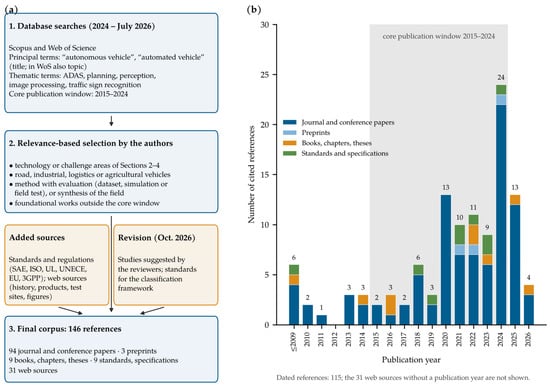
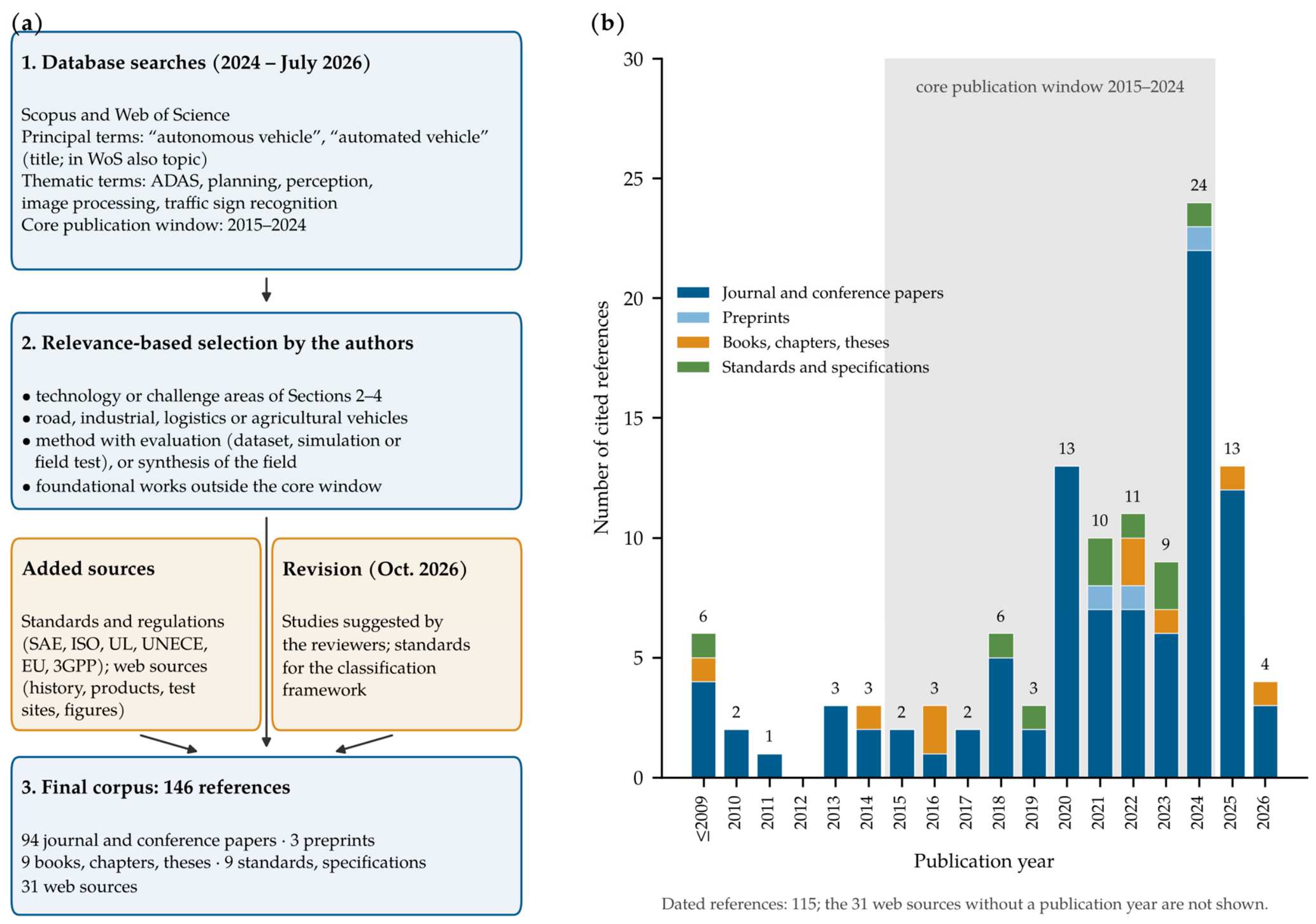
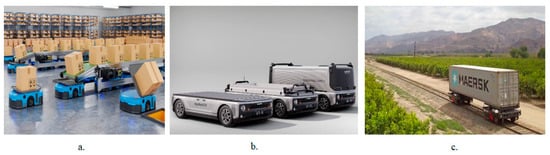
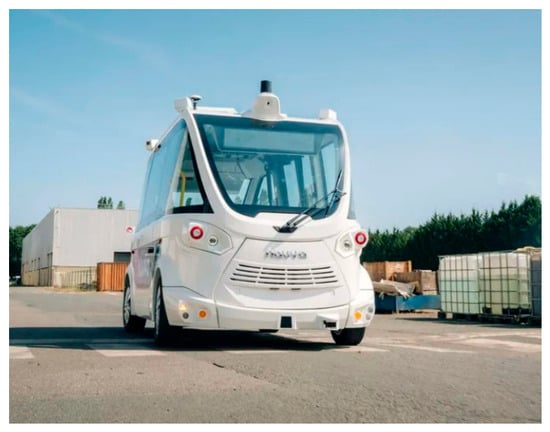
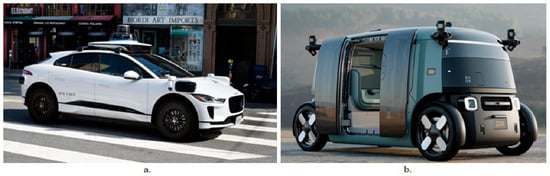
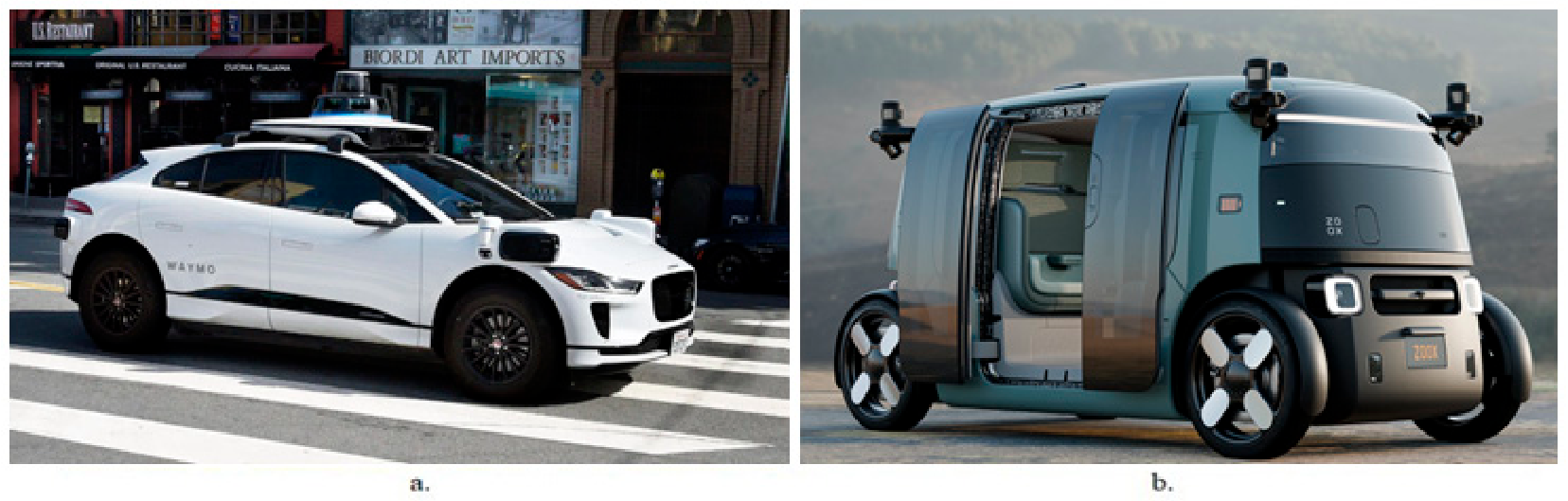
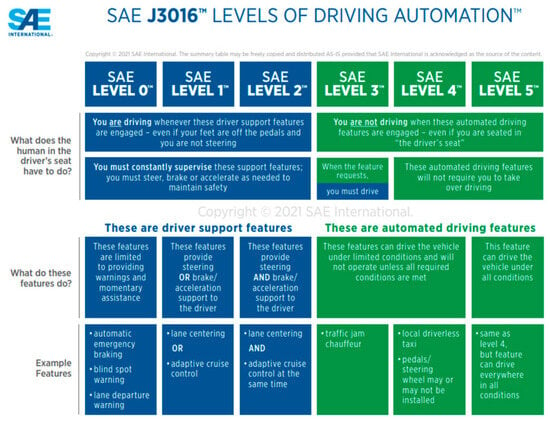
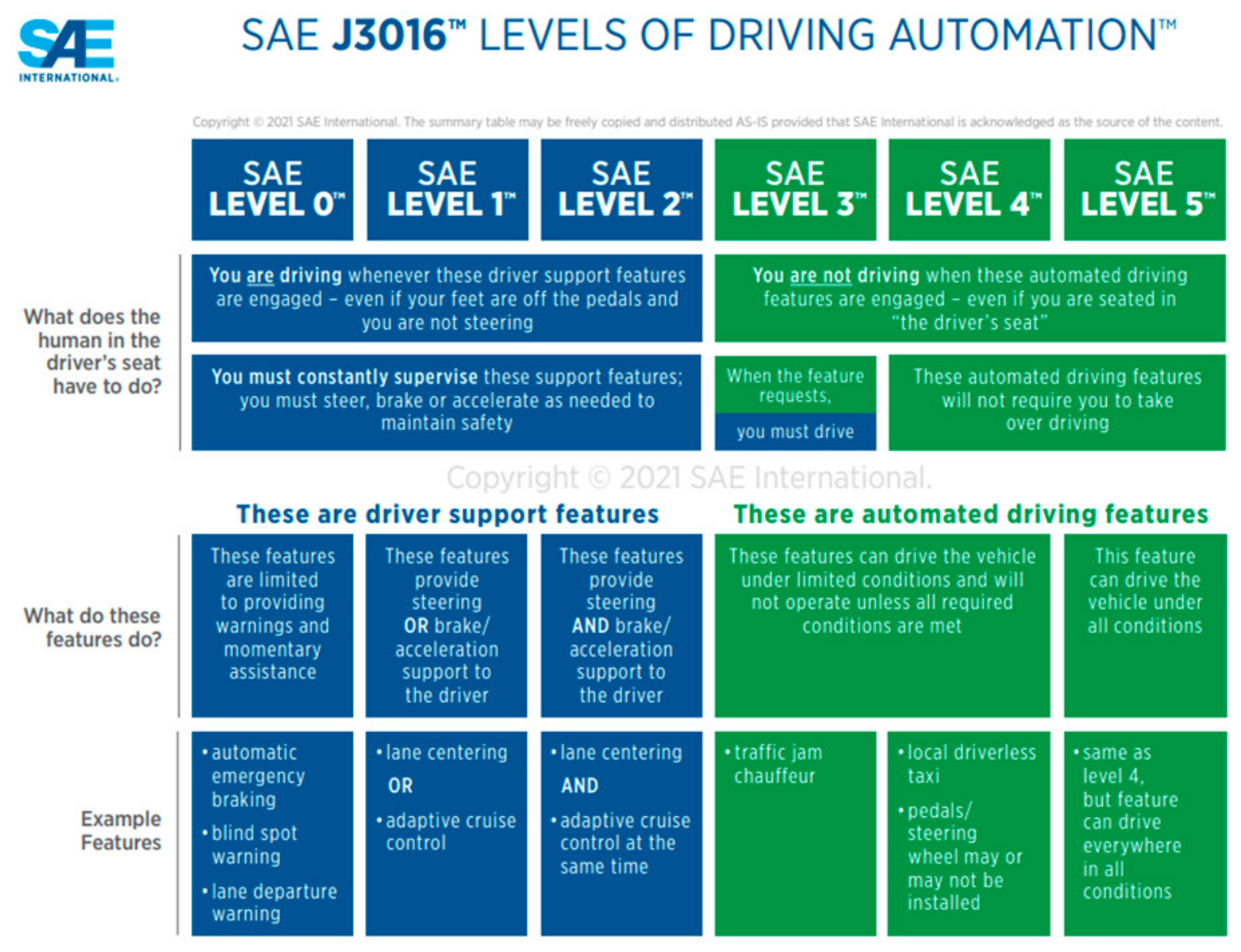
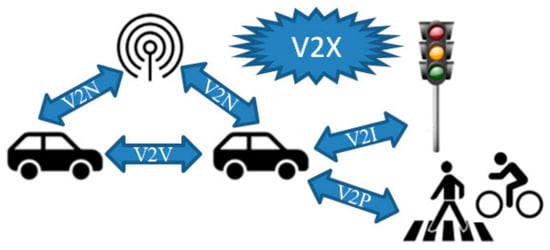
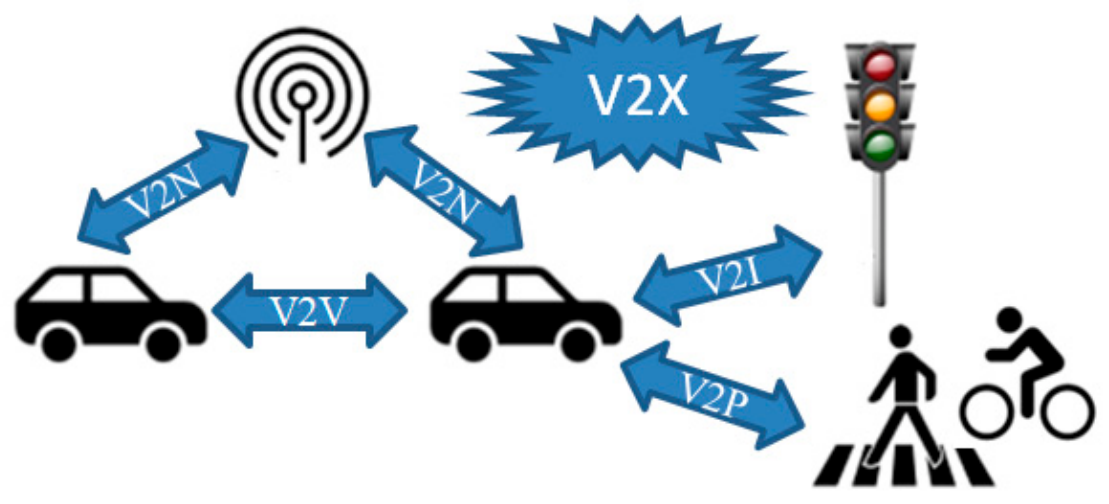
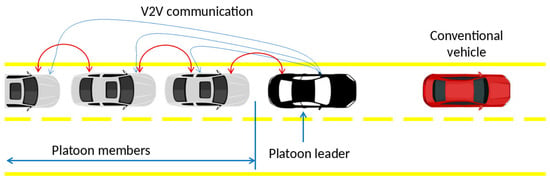
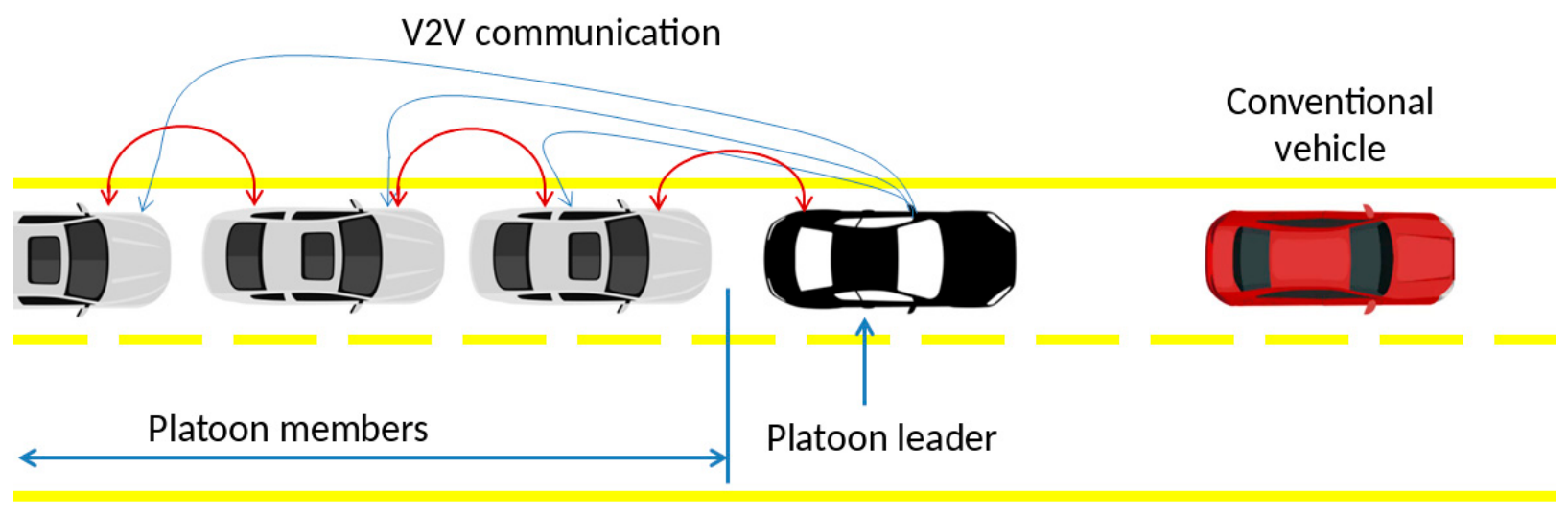
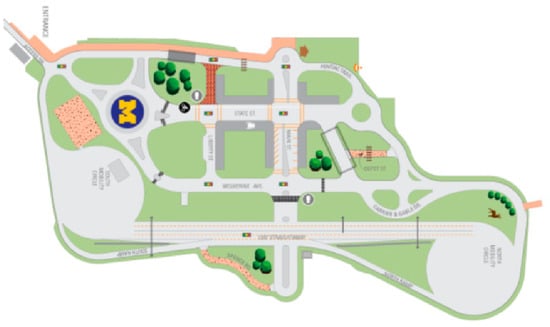
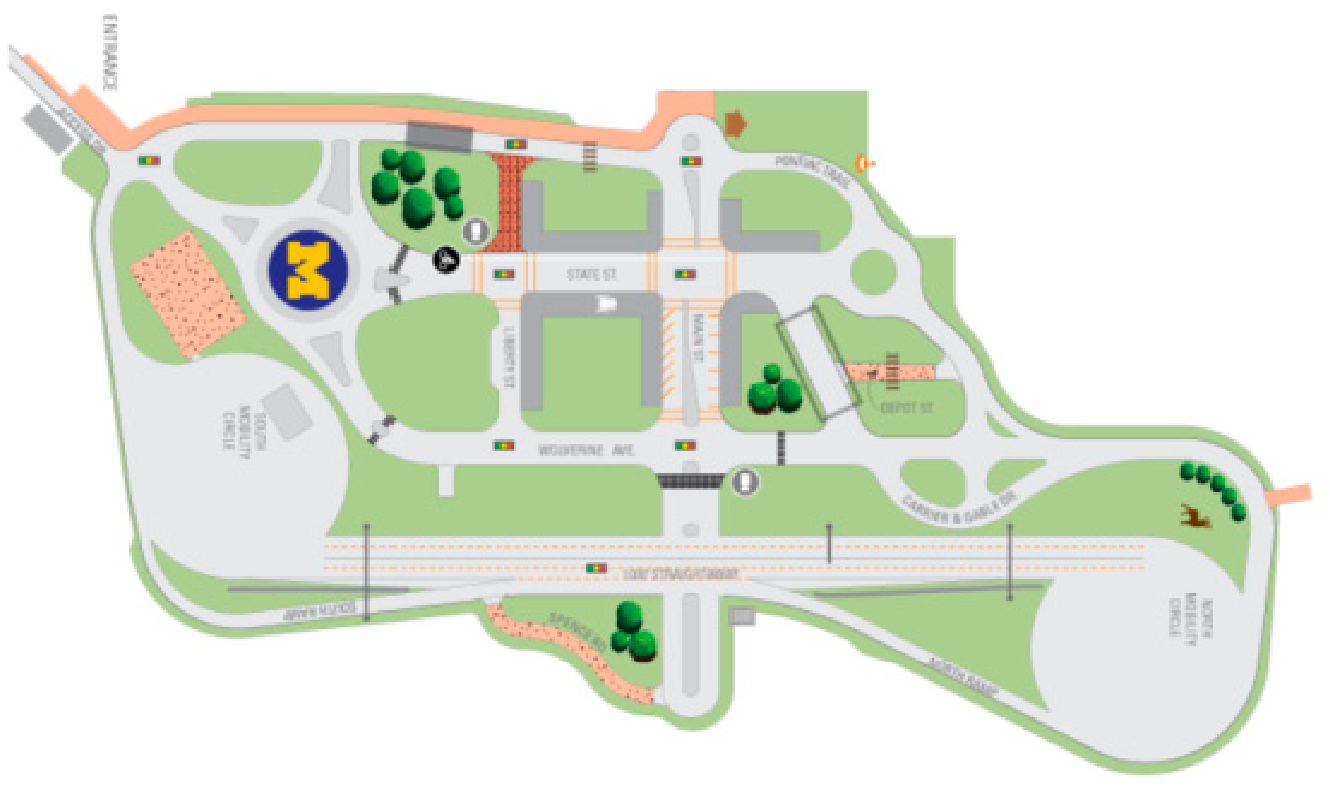
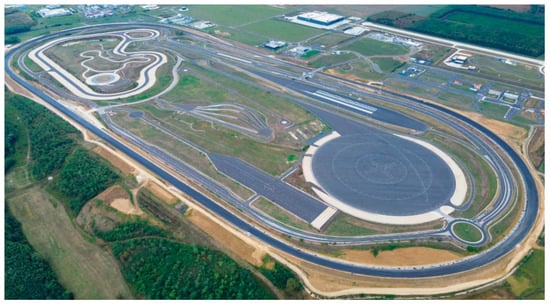
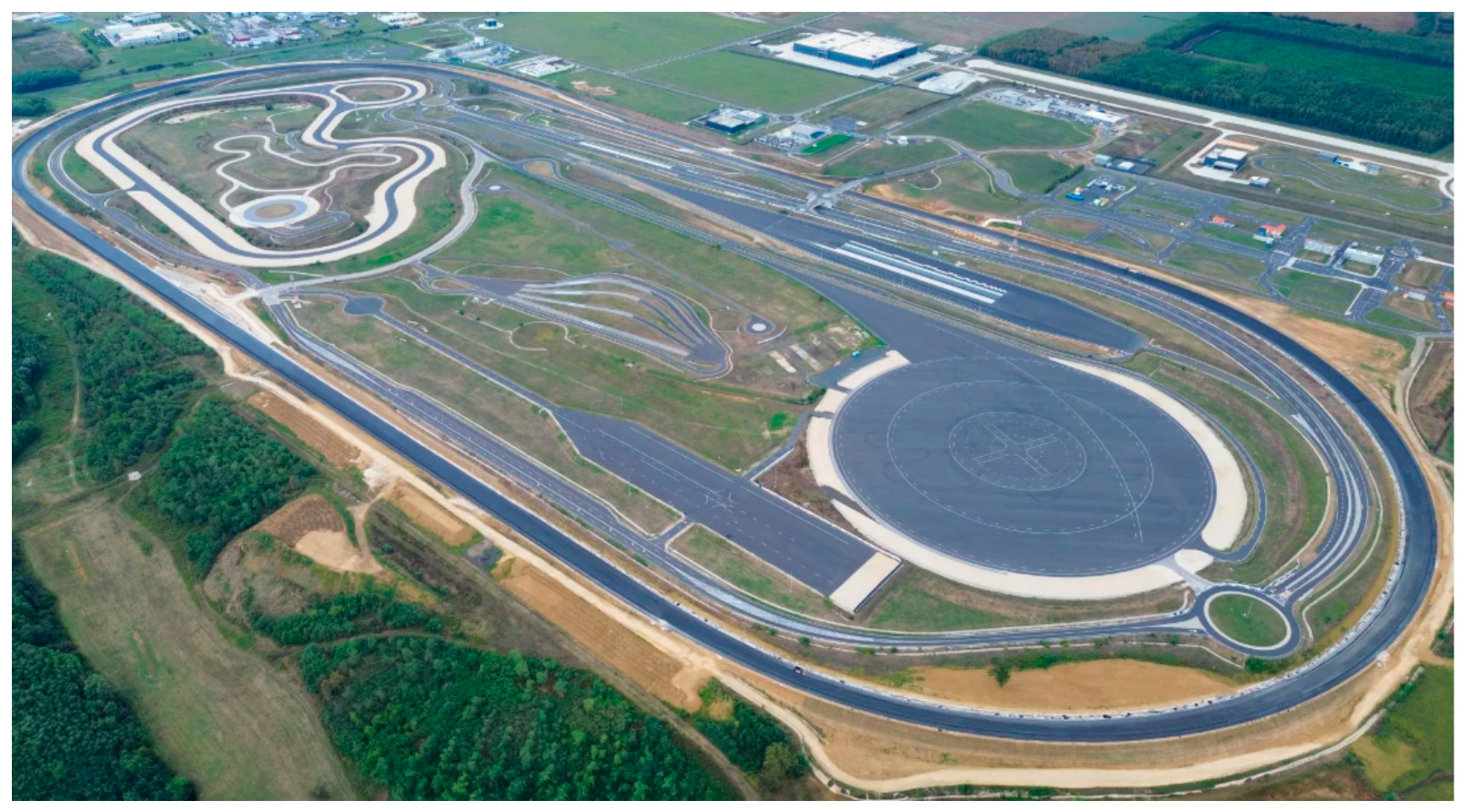

Disclaimer/Publisher’s Note: The statements, opinions and data contained in all publications are solely those of the individual author(s) and contributor(s) and not of MDPI and/or the editor(s). MDPI and/or the editor(s) disclaim responsibility for any injury to people or property resulting from any ideas, methods, instructions or products referred to in the content. |
© 2026 by the authors. Licensee MDPI, Basel, Switzerland. This article is an open access article distributed under the terms and conditions of the Creative Commons Attribution (CC BY) license.