


Abstract
Citrus fruits are a significant source of flavonoids. Of all the citrus fruits, Citrus paradisi (grapefruit) presents the highest concentration of the flavonoid naringin, a compound offering a variety of human health benefits and applications in the pharmaceutical, food, and cosmetic industries. Commonly, when a citrus fruit is consumed, the peel and seeds are discarded, resulting in approximately 50% waste, making the potential use of citrus waste in order to reduce environmental impact a research priority. The present study used fresh grapefruit albedo to extract naringin via eco-friendly methods, such as ultrasound-assisted extraction (UAE) and microwave-assisted extraction (MAE), which were compared against the conventional reflux extraction procedure. Furthermore, the presence of naringin was confirmed by nuclear magnetic resonance (NMR) spectroscopy, while naringin content was determined via HPLC-DAD analysis. The results obtained show that the pink grapefruit variety was the optimal source for extracting the flavonoid of interest, producing the highest content (3.41 g/kg), followed by the red (2.47 g/kg) and white (1.70 g/kg) varieties. The UAE method was observed to reduce the extraction time significantly, to only 10 min, which is up to 30-and -fold less than the extraction times obtained using conventional (5 h) and MAE (40 min) methods, respectively. These results prove the usefulness of UAE as a simple, fast, efficient, and eco-friendly method for extracting naringin from fresh grapefruit albedo, via the use of a green solvent such as ethanol. In addition, the present study is the first to conduct a comparative analysis of naringin content in the three main grapefruit varieties grown in Mexico.
1. Introduction
Flavonoids are natural compounds whose high antioxidant capacity gives them various properties that are beneficial for human health [1]. Citrus fruits are a relevant source of flavonoids [2]. Currently, when a citrus fruit is consumed, the peel and seeds are discarded, resulting in the waste of approximately 50% of the total fruit [3]. Moreover, the growing demand for agri-food products at a global level has led to increased food waste, which contributes to environmental pollution [4]. In this context, valorizing agro-industrial waste is necessary for reducing environmental impact and maintaining a circular economy.
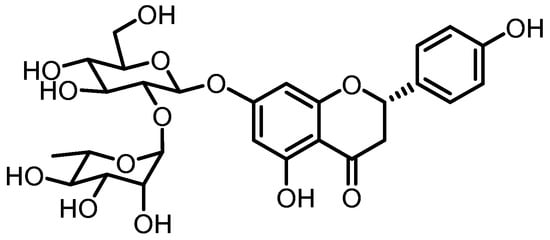
Among citrus fruits, the grapefruit (Citrus paradisi) presents the highest naringin content (Figure 1) [5]. With both citrus peel and seeds found to be rich in flavonoids, the white layer of the peel (albedo) presents the highest naringin content, followed by the colored layer (flavedo) [6,7]. Therefore, grapefruit albedo is an agri-food waste product that represents an opportunity for the green extraction of naringin, a compound with applications in the pharmaceutical, cosmetic, and food industries [8,9].
Figure 1.
The structure of naringin.
Naringin is widely reported as a compound with multiple beneficial effects for the human organism, including the anticancer effect it exerts by modulating the activity of certain proteins, such as the caspases and p53, involved in the apoptosis process [10]. The compound has also been reported to assist in the bone regeneration process [11,12].
At a global level, Mexico is the world’s third-largest grapefruit producer, after China and the USA [13]. In Mexico, the state of Veracruz is the main producer, with an average annual production of approximately 468,000 metric tons, followed by the states of Tamaulipas and San Luis Potosi. While numerous Citrus paradisi varieties are reported around the world, three, commonly distinguished by their pulp color, comprise the grapefruit crop in Mexico, with 92% corresponding to red pulp, 7% to white, and only 0.9% to pink [14]. The red pulp grapefruit (Ruby Red) is mainly exported fresh to Europe and the USA, the white variety (Marsh) is used for juice production, and the pink pulp variety (Shambar) is consumed fresh in Mexico. While the demand for red grapefruit has increased in recent years, global market demand for pink grapefruit has fallen in the last decade, given consumer preference for the bright pulp color of the red grapefruit and, in some cases, the implication of freshness given by the white variety [13].
The present study extracted naringin from fresh grapefruit albedo, using two alternative and eco-friendly methods, ultrasound-assisted extraction (UAE) and microwave-assisted extraction (MAE), comparing their efficiency results with those obtained using the conventional reflux extraction method (RF). A central composite design was applied to optimize extraction, with the impact of factors, such as extraction time, temperature, and extraction methods, compared for the UAE and MAE methods. The differences observed in the impact of ethanol and methanol, the extractant solvents used, as well as a 1:1 mixture of both, were compared solely for UAE. Currently, naringin is mainly obtained from dried grapefruit peels via RF with methanol used as a solvent [15,16]. The use of dry albedo requires a long drying time of up to four days [17]. Moreover, the conventional extraction method takes a long time and is conducted at high temperatures, which may induce the degradation of heat-sensitive chemical constituents such as naringin [18,19].
Diverse studies about the naringin extraction or its aglycone, naringenin, from Citrus paradisi have been reported [15]. For instance, naringenin was extracted from the pulp of grapefruit using enzymatic β-glycanohydrolase extraction in only 10 min [20]. Nonetheless, the use of an enzymatic process carries high operational costs. In another report, naringin was extracted from Citrus paradisi peel using UAE combined with thermal extraction. In this process, the compound was obtained in high yield when an α and β-cyclodextrins mixture was used as an extracting agent [15]. Then the extraction solution was centrifuged to recover the naringin, which increases the overall time to complete the process.
Also, naringin has been extracted from grapefruit peel (including the flavedo and albedo) using MAE and a CO2-pressurized water mixture as the solvent. In this process, the naringin yield was 25.2 mg/g dry weight after 14 min of extraction at 135 °C [21]. In another study, naringin was extracted from the leaves of Citrus paradisi using MAE with water as solvent, this provided 13.19 mg of compound per g of dried leaf. This study confirmed that the leaves have lower naringin content compared to the peel [22].
Likewise, the use of deep eutectic solvent (DES)–ultrasound-assisted extraction has been used for naringenin extraction from Searsia tripartite. In this study, a DES comprising choline chloride and formic acid in a molar ratio of 2:1 was used with an extraction time of 10 min, at 50 °C. The extract was then centrifuged for 20 min to recover naringenin [23]. Recently, DES and natural deep eutectic solvents (NADES) have been gaining attention as alternative extraction media for flavonoids due to their low volatility, tunable polarity, and promising extraction efficiencies [24]. However, despite their potential as green solvents, important practical limitations remain regarding their large-scale implementation. The high viscosity of DES/NADES systems may hinder mass transfer and complicate solvent handling, compound isolation, and purification processes [25]. Lastly, the naringin extraction was also achieved using excipients as absorbents such as magnesium aluminometasilicate. In this work, the authors compared the naringin yields from flavedo, albedo, and segmental. The highest yield of naringin was obtained from the albedo using an ultrasound bath equipment [8].
The present study also performed HPLC-DAD analysis to quantify naringin content for the three Citrus paradisi varieties of interest in order to ascertain which of the three presents the highest naringin content in albedo, via the use of an eco-friendly methodology.
2. Materials and Methods
2.1. Raw Material
The pink, red, and white Citrus paradisi varieties (Figure S1) were collected in August 2023, in Martínez de la Torre, Veracruz, Mexico (20°4′14.95″ N, 97°3′38.81″ W). The grapefruits were washed and peeled, with only fresh albedo used for all the extraction processes applied. The albedo was cut into small pieces, approximately 3–4 mm, and then stored in plastic bags at −15 °C until the analysis was conducted.
2.2. Physicochemical Parameters of the Three Grapefruit Varieties
The physicochemical characterization of the three grapefruit varieties of interest was carried out via color analysis and the measurement of acidity, total soluble solids (TSS), and pH. The methodologies applied for the foregoing measurements are described in the Supplementary Materials section [26].
2.3. Extractions
Methanol and ethanol, both separately and also as a 1:1 mixture, were used as the extractant solvents alongside the application of different temperatures, times, and extraction methods. All experiments were performed in triplicate using 5 g of albedo.
2.3.1. Reflux Extraction
Five grams of albedo obtained from each grapefruit variety of interest was placed in a 50 mL flask, to which 33 mL of methanol was added. The reflux naringin extraction was carried out for three hours in a reflux system at a controlled temperature of 65 °C, after which the solvent was removed via decantation, with an additional 10 mL methanol also added. The extraction continued for another two hours at the same temperature, with the samples then filtered and the solvent collected.
2.3.2. Microwave-Assisted Extraction
The microwave-assisted extractions were performed using a microwave laboratory oven Multiwave PRO system, Anton Paar (Ciudad de México, Mexico), which required a power level of 300 to 550 W. The MAE phase of the experiment used solely 43 mL of methanol as the solvent and only the albedo obtained from the pink grapefruit variety. A two-level full factorial design with a center point was used to find the optimal time and temperature for naringin extraction. The following extraction conditions were programmed independently for this phase of the experiment: 50 °C for 30 and then 50 min; 60 °C for 40 min; and 70 °C for 30 and then 50 min.
2.3.3. Ultrasound-Assisted Extraction
A commercial ultrasound bath device operating at a frequency of 37 kHz and 400 W Branson UltrasoundsTM (Barcelona, Spain) was used to evaluate the following extraction conditions: 35 °C for 10 and then 20 min; 55 °C for 10 and then 20 min; and 45 °C for 15 min. The extractions were carried out using 43 mL of methanol. After extraction conducted at 35 °C for 10 min was observed to obtain the highest naringin yield, both ethanol and a methanol–ethanol mixture (1:1) were then used as solvents under these optimal conditions.
2.4. Greenness Semi-Quantitative Assessment of Extraction Methodologies
The greenness of RF, MAE, and UAE methodologies was assessed using the Analytical Greenness (AGREE) calculator metric, an open access software that evaluates analytical methodologies according to the 12 principles of Green Analytical Chemistry [27,28].
2.5. Naringin Quantification by HPLC-DAD
The present study measured naringin levels by applying high-performance liquid chromatography (HPLC) using an Agilent (Santa Clara, CA, USA) 1260 Infinity model chromatograph equipped with a diode array detector (DAD). The analysis was carried out using an Agilent-Zorbax C18 (Santa Clara, CA, USA) reversed-phase column (4.6 × 150 mm, 5 μm) and applying a gradient elution (Table S1) with acetonitrile and 12.5 mM of acetic acid in water. The naringin content obtained from the albedo of each grapefruit variety of interest was quantified using a calibration curve with an external standard (Figure S2), while the naringin concentration was reported as mg/g of fresh albedo.
2.6. Experimental Design and Statistical Analyses
For both the microwave-assisted and ultrasound-assisted extractions, a full factorial 2K design with center points was applied. An analysis of variance (ANOVA) using Statistica v. 14 software (TIBCO Software, Palo Alto, CA, USA) was applied to determine the statistical differences in the extraction results obtained.
2.7. NMR Authentication of Naringin
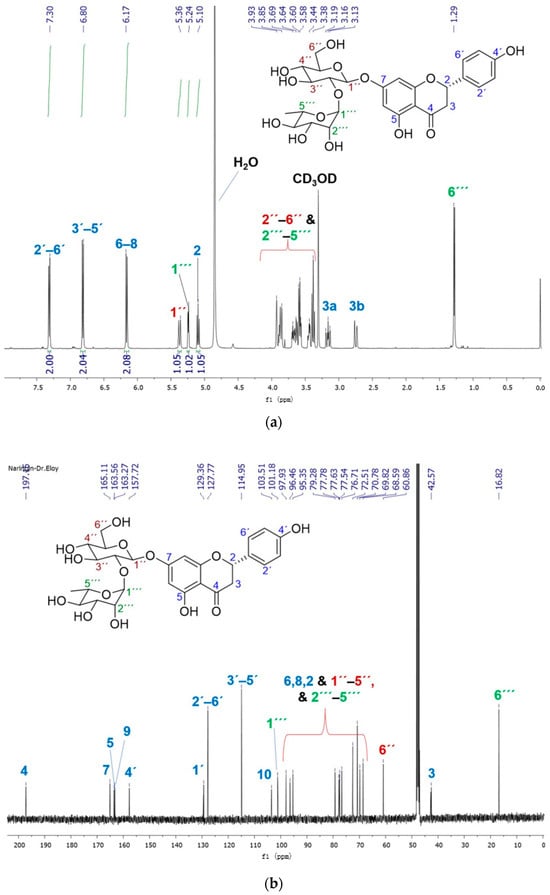
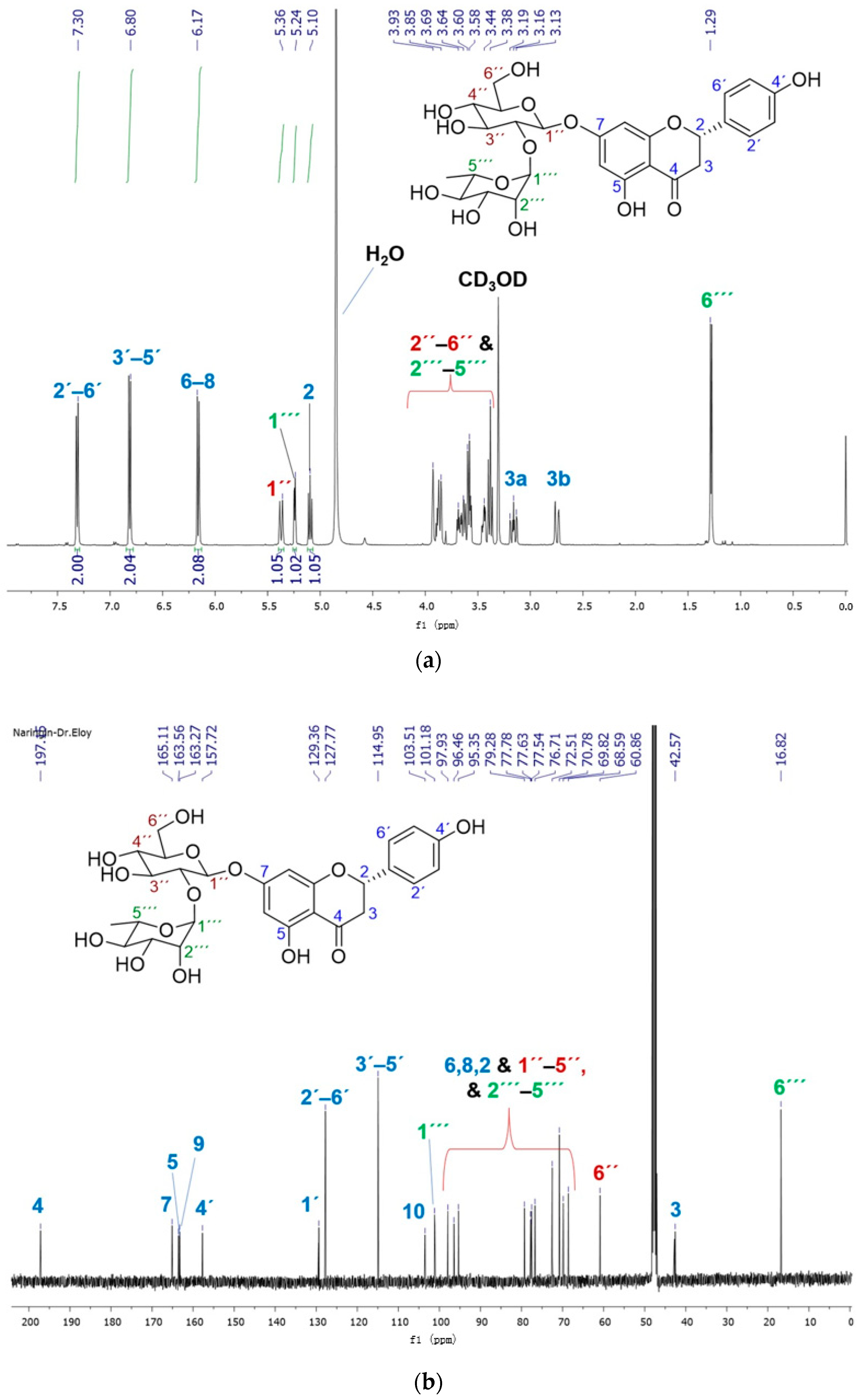
The nuclear magnetic resonance (NMR) spectra of 1H and 13C were recorded at room temperature with a 500 MHz Bruker Avance III HD (Billerica, MA, USA), using CD3OD as the solvent. Chemical shifts were reported as δ (ppm) and referenced to the chemical shift in the residual solvent (1H at δ 3.31, and 13C at δ 49.00, CD3OD). 1H-NMR (500 MHz, CD3OD) δH (ppm): 7.30 (d, H-2′/H-6′), 6.80 (d, H3′/H5′), 6.17 (m, H-6/H-8), 5.36 (m, H-2), 5.24 (m, H-1″), 5.10 (m, H-1‴), 3.93–3.58 (m, H-2″, H-3″, H-4″, H-5″, H-6″, H-2‴, H-3‴, H-4‴, H-5‴), 3.38–3.19 (m, H-3a), 3.16–3.13 (m, H-3b), 1.29 (d, H-6‴). 13C-NMR (125 MHz, CD3OD) δC (ppm): 197.1 (C-4), 165.1 (C-7), 163.5 (C-9), 163.2 (C-5), 157.7 (C-4′), 129.4 (C-1′), 127.8 (C-2′ and C-6′), 114.9 (C-3′ and C-5′), 103.5 (C-10), 101.2 (C-1‴), 97.9 (C-2), 96.5 (C-6), 95.3 (C-8), 79.3 (C-4‴), 77.8 (C-3″), 77.5 (C-3″), 76.7 (C-2″), 72.5 (C-5″), 70.8 (C-2‴), 69.8 (C-5‴), 68.6 (C-4″), 60.9 (C-6″), 42.5 (C-3), 16.8 (C-6‴).
3. Results and Discussions
3.1. Physicochemical Parameters of the Three Grapefruit Varieties Sampled at Commercial Maturity
The physicochemical parameters of each grapefruit variety are presented in Table 1. To be used in the agri-food industry, grapefruit must reach a state of commercial ripeness, at which stage the fruit endocarp shows higher pigment and sugar concentration and lower organic acid content [29]. For this reason, the present study determined the relationship between endocarp color and TSS/acidity to evaluate the state of maturity of the three grapefruit varieties. Moreover, the color analysis conducted showed that the red variety presented the highest a/b index, followed by the pink variety, which presented positive values close to zero, while the white variety showed negative values (Table S2). These results correspond to the visual appearance of these varieties when they reach commercial maturity [30,31].
Table 1.
Grapefruit composition.
Quality-related properties such as pH, acidity, and total soluble solids (TSS) were determined, with the results obtained shown in Table 1. The red grapefruit variety presented the highest proportion of albedo content of the total fresh fruit weight (14.9%), followed by the white and pink varieties with respective yields of 11.4% and 13.4%. Furthermore, the red and white varieties presented higher TSS and pH values than the pink variety, while the pink variety showed higher TSS/acidity index values (15.88) than the red and white varieties (13.42 and 14.77, respectively). Although these results for the pink variety indicate sensory properties that would be preferable for consumers [30], all three grapefruit varieties presented a similar albedo yield (Table 1).
3.2. Conventional Extraction Technique Conducted on the Three Grapefruit Varieties
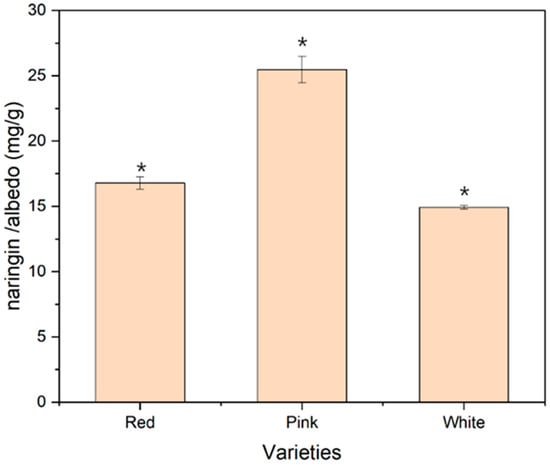
The naringin content in the fresh albedo of the three Citrus paradisi varieties of interest was ascertained using HPLC-DAD. The results obtained showed that, after applying a reflux extraction method at 65 °C for 5 h using methanol as the solvent, the pink grapefruit exhibited the highest naringin content, with 25.47 ± 1.01 mg/g fresh albedo, followed by the red variety with 16.49 ± 0.47 mg/g and the white variety with 14.93 ± 0.14 mg/g (Figure 2). These naringin content results were extrapolated to represent the whole grapefruits, giving 3.41 g/kg, 2.46 g/kg, and 1.70 g/kg, for the pink (13.4%), red (14.9%), and white (11.4%) varieties, respectively.
Figure 2.
Naringin content of the albedo of the three C. paradisi varieties of interest. Bars represent mean values ± standard error. Asterisks (*) indicate statistically significant differences among varieties as determined by one-way ANOVA (p < 0.05).
Although the red variety presented a higher percentage of albedo content, the pink variety showed a greater naringin yield.
The naringin yield obtained using the conventional extraction method is comparable to those reported in the literature. For instance, Garcia-Castello et al. obtained a range of 18–28 mg/g naringin with extraction times of between 130 and 413 min [4], while Sudto et al. reported albedo levels ranging from 16 to 24 mg/g in a study of grapefruit varieties cultivated in Thailand [5]. However, both the foregoing studies used dry albedo powder, which requires additional preparation steps, with even the most efficient naringin extraction methods found in the literature requiring a long drying time of up to four days [17].
3.3. Optimization of Microwave-Assisted Extraction
The MAE and UAE methods were tested and compared against the conventional extraction method of interest in order to identify the optimal naringin extraction method. Both methods were conducted at varying temperatures and extraction times applied to determine the maximal extraction point expressed as concentration (mg/g). The highest peaks on the surface graph correspond to the highest extraction yields. Only the fresh albedo obtained from the pink variety was used to evaluate these alternative methods, with only methanol used as the solvent.
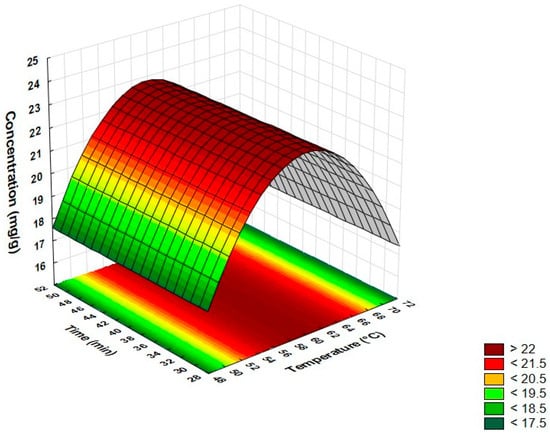
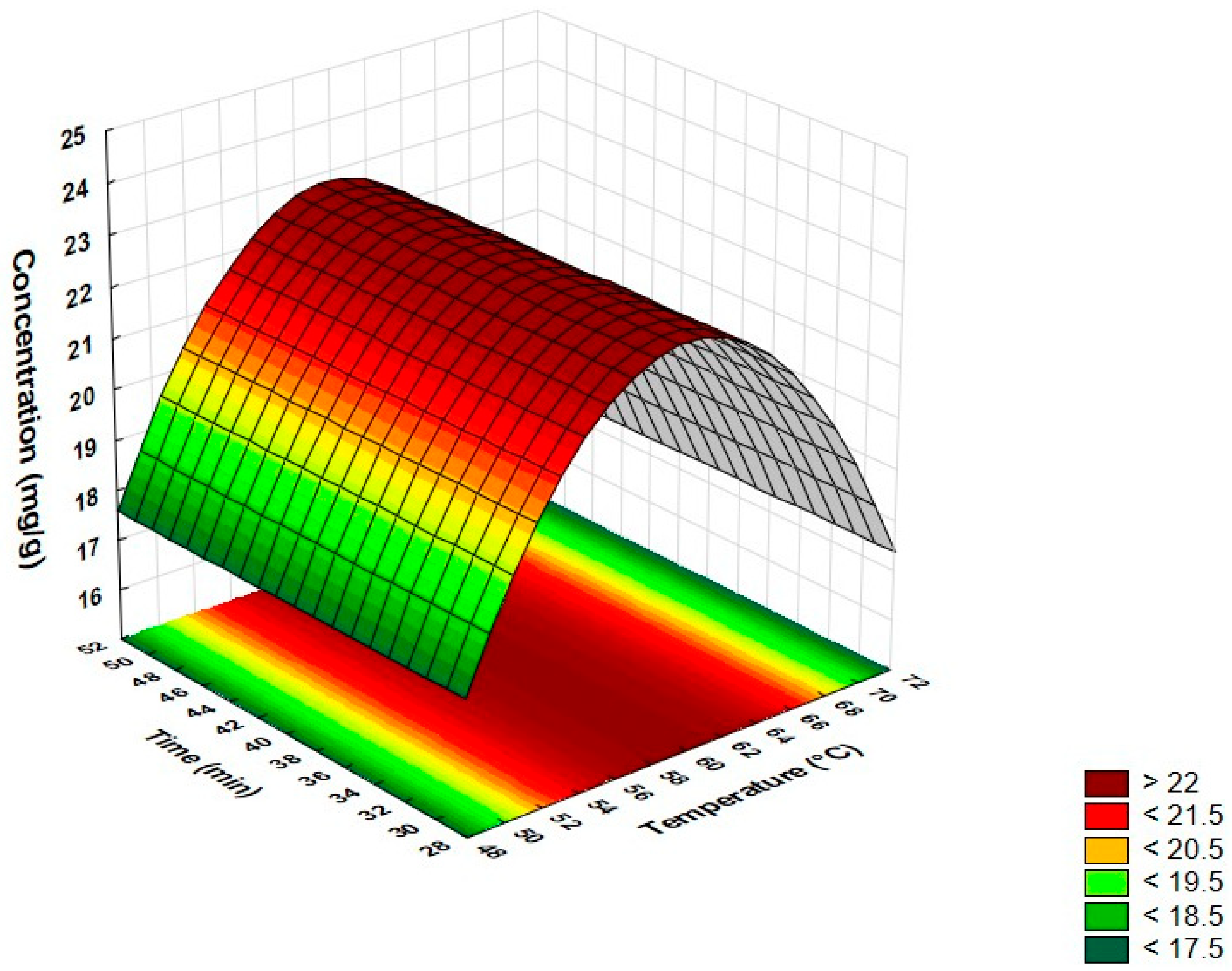
Figure 3 shows the response surface graph for the naringin extracted via MAE. The optimal conditions for obtaining the highest naringin yield via MAE were an extraction time of 40 min conducted at a temperature of 60 °C (intermediate conditions), which yielded 22.8 ± 1.3 mg/g. Extraction conducted at both lower and higher temperatures and longer and shorter extraction times than those described above resulted in a lower flavonoid extraction efficiency. In the response surface graph, one of the two minima occurs at 30 min and 70 °C with a yield of 19.1 ± 1.2 mg/g, and the second occurs at 50 min and 70 °C, with a yield of 18.8 ± 2.0 mg/g. This behavior is consistent with that reported by previous studies, which used microwaves to extract this bioactive compound from citrus peels [30]. Microwave irradiation induces structural changes in plant tissue. The water present in the vegetal matrix absorbs radiation, which try to align with the oscillating electric field, thereby raising the internal heat and pressure in the cellular walls, causing the cells to swell, increasing in that way porosity and capillarity [31]. This process enhances solvent penetration and facilitates the transfer of target compounds out of the matrix into the solvent, which contributes to improving extraction efficiency [32,33]. Our results showed that at temperatures below 60 °C, the structural changes induced in the albedo may not be sufficient to induce the migration of naringin into solvent. Conversely, higher temperatures result in compound degradation due to the rapid dielectric heating they cause in the vegetal matrix [30].
Figure 3.
Response surface plot for naringin extraction using microwave-assisted extraction.
3.4. Optimization of Ultrasound-Assisted Extraction
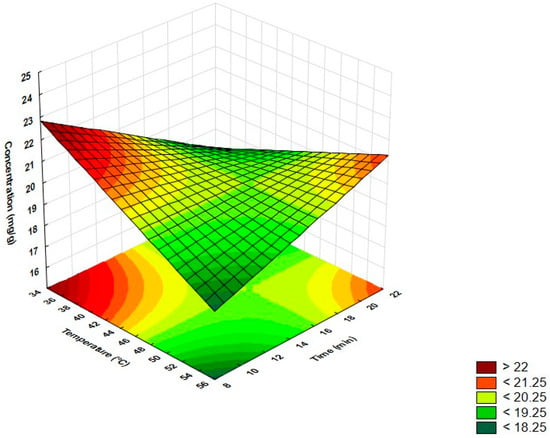
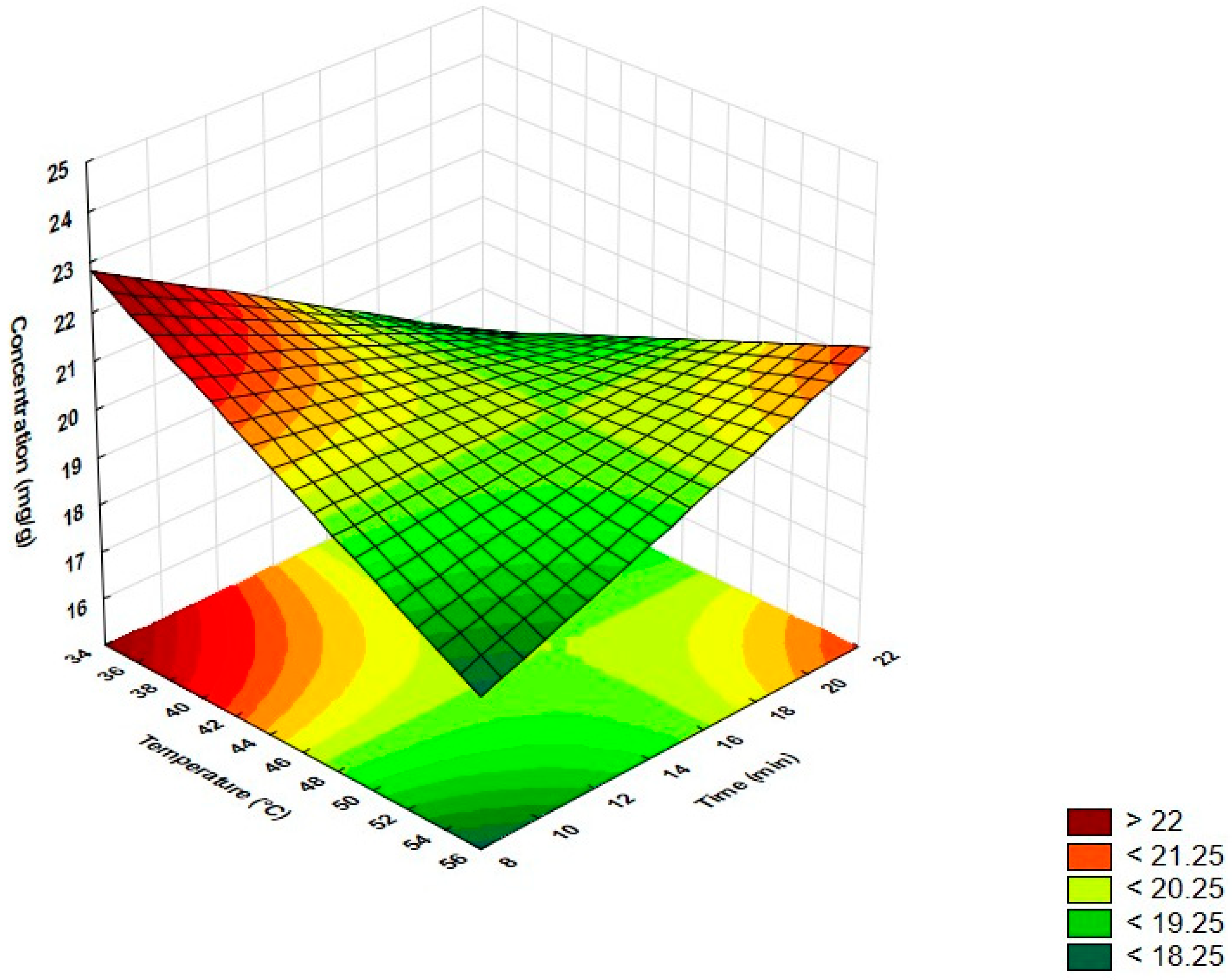
Ultrasound-assisted extraction (UAE) was conducted with varying temperature and extraction times applied to determine the optimal extraction point. This eco-friendly extraction technique obtained maximum naringin yield (22.7 ± 1.7 mg/g) under the lowest extraction times and the shortest temperatures tested. The corresponding response surface plot demonstrates that extending the respective time and temperature conditions beyond 10 min and 35 °C reduces naringin extraction yield; for instance, only 15.9 ± 1.2 mg/g were obtained with the worst condition tested (10 min at 55 °C) (Figure 4).
Figure 4.
Response surface plot for naringin extraction using ultrasound-assisted extraction.
Numerous studies about extraction of antioxidant compounds such as flavonoids from agri-food waste, using UAE, have proposed a plausible mechanism that involves the cavitation microbubbles followed by bubble burst and shockwaves generation [34]. Furthermore, the acoustic vibrations propel particles at high velocities, reducing the diffusion boundary layer thickness at the matrix surface. This physical phenomenon significantly accelerates mass transfer and enhances flavonoid desorption [35]. In our study, the lower naringin extraction yields observed at temperatures beyond the optimal point can be attributed to reduced surface tension and increased vapor pressure of the microbubbles generated by cavitation. These factors potentially diminish the ultrasonic effect. Conversely, conducting extraction at the optimum temperature enables a decrease in the viscosity of the mixture, facilitating solvent diffusion into the vegetal matrix, which thus promotes the migration of the target compound from the matrix into the solvent. In addition, prolonged extraction times may lead to flavonoid degradation [17,30].
Solvent Efficiency in Ultrasound-Assisted Extraction
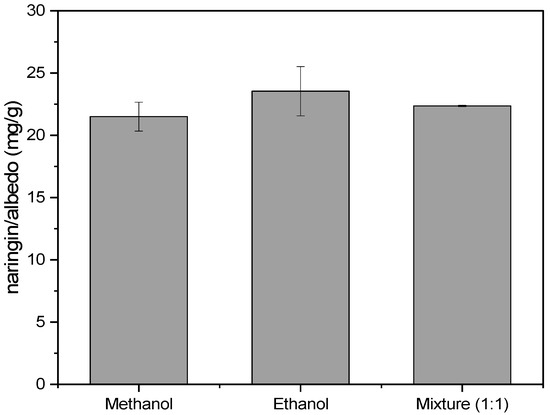
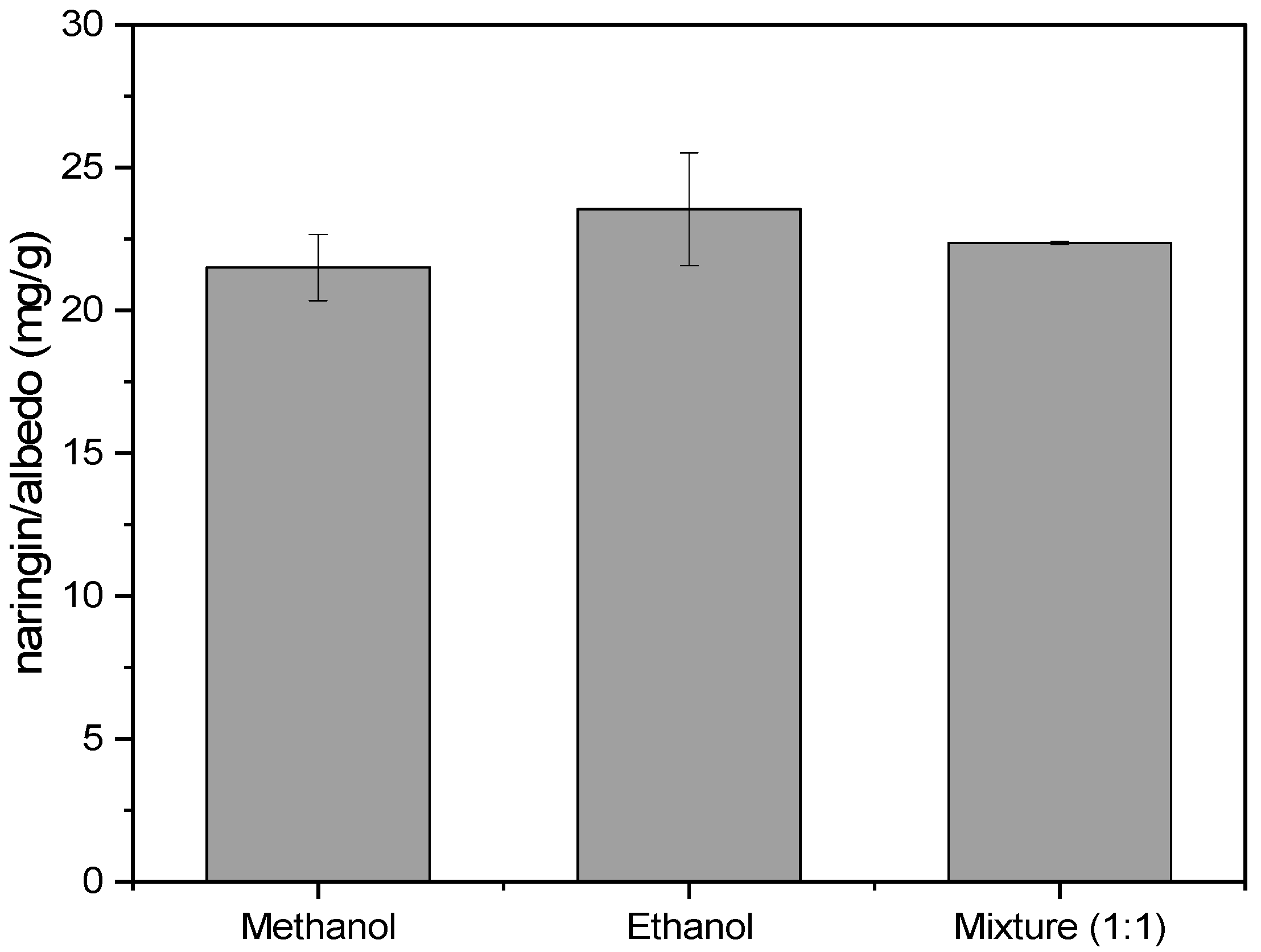
To explore the possibility of replacing methanol with a greener solvent for use in naringin extraction, both ethanol and a 1:1 ethanol:methanol mixture were tested under the conditions corresponding to the optimal one found in the UAE (10 min at 35 °C). As it can be seen in Figure 5, no significant differences were found among the yields obtained using the three solvents. The naringin extraction process can be performed using ethanol, methanol and their 1:1 mixture, as comparable yields (23.55 ± 1.9 mg/g, 21.5 ± 1.1 mg/g, 22.3 ± 0.1 mg/g, respectively) are obtained. However, replacing methanol with ethanol offers significant advantages in terms of human safety. Ethanol is considered a GRAS (generally recognized as safe) solvent [36]. This characteristic facilitates its application in pharmaceutical, cosmetic, and food processes. Ethanol is produced through a fermentation process mainly from sugarcane bagasse, a renewable source [36]. Furthermore, ethanol presents easier post-extraction handling, including solvent removal, compared with more complex extraction media such as DES/NADES systems, which frequently require additional purification or recovery steps. In addition, the possibility for industrial-scaling-up of the DES has not been fully examined [37]. Therefore, UAE of naringin from the fresh grapefruit albedo eliminated the drying process, and shortened the extraction time.
Figure 5.
Naringin extracted using UAE at 35 °C for 10 min and different solvents; the analysis of variance (ANOVA) shows no significant difference.
3.5. Comparison of Conventional, MAE, and UAE Methods
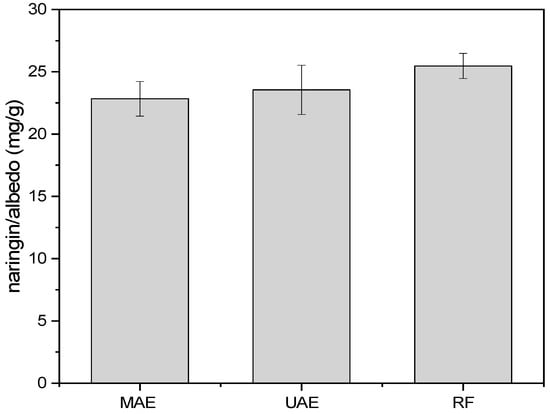
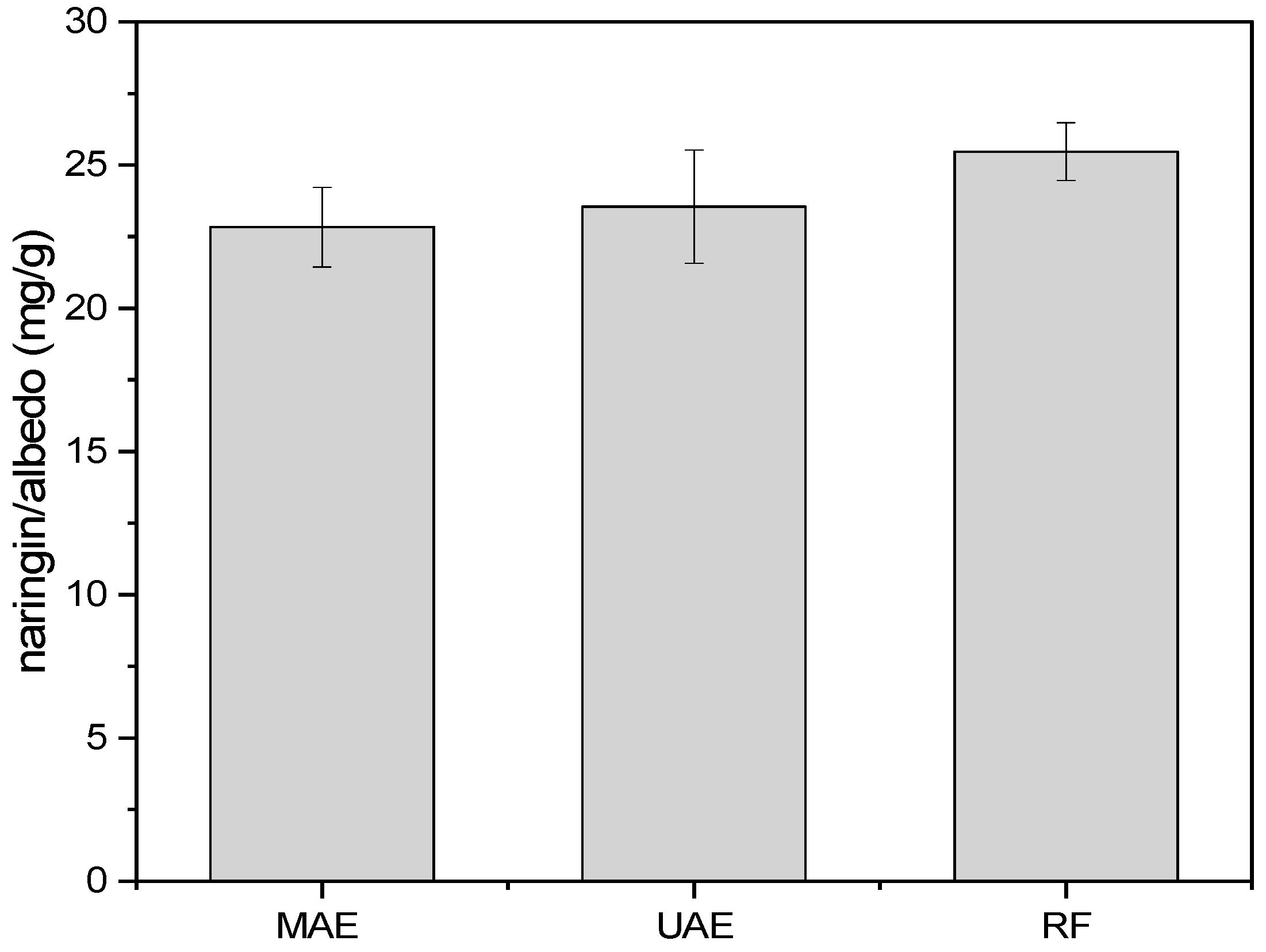
The present study applied an analysis of variance to compare the naringin yields obtained under optimal extraction conditions and using the conventional, MAE, and UAE methods (Figure 6), revealing no significant differences among the three methods (respective yields: 24.5 ± 1.0 mg/g, 22.8 ± 1.3 mg/g, and 23.55 ± 1.9 mg/g). Although the extraction yields were comparable, the alternative methods applied demonstrated significantly shorter extraction times than the conventional reflux method, with MAE and UAE performing over five and 30 times faster than the reflux method, respectively. Using ethanol as the solvent, UAE was notable in successfully operating at significantly lower temperatures (35 °C) than the other methods of interest, while both MAE and RF require higher temperatures and longer extraction times, leading to increased energy costs. In this context, UAE is a more energy efficient way among the evaluated techniques.
Figure 6.
Comparison of reflux extraction (RF), MAE, and UAE methods; analysis of variance shows no significant difference.
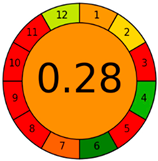
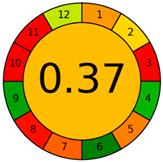
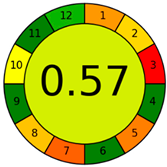
The greenness of RF, MAE, and UAE techniques was assessed using AGREE software (Version 2020) [28]. This assessment revealed greenness metrics of 0.28, 0.37 and 0.57 for RF, MAE and UAE, respectively (Table 2). According to the AGREE metric approach [28], intermediate-to-high scores are generally associated with analytical methodologies that improve environmental performance by reducing energy consumption, hazardous reagents, and process complexity. In the present study, the higher score obtained for UAE was mainly associated with a significantly lower extraction time (10 min), minor operating temperature (35 °C), and reduced estimated energy consumption, compared with RF and MAE. Conversely, the lower scores of AGREE obtained for RF and MAE were mainly influenced by methanol used as a solvent, longer extraction times, and higher energy requirements. These results support the suitability of UAE-ethanol method as a more sustainable alternative for naringin extraction from fresh grapefruit albedo.
Table 2.
Comparative operational parameters and greenness assessment of RF, MAE, and UAE methodologies using AGREE software.
3.6. Characterization of the Naringin Extracted from Fresh Albedo
The extracted naringin content was verified by HPLC-DAD. Figure S3 shows the chromatogram of the naringin obtained via UAE. As the peak observed at 11.9 min corresponds to naringin, the major compound present in the extracting solution, it was not necessary to carry out additional purification processes.
The chemical structure of naringin was confirmed via the interpretation of its 1H and 13C NMR spectra. Figure 7a shows the 1H-NMR spectrum of naringin, indicating the characteristic signals for aromatic protons in the A and B rings of the flavonoid structure [38] [2′ and 6′ (δ 7.30), 3′ and 5′ (δ 6.80), and 6 and 8 (δ 6.17)]. This spectrum also revealed chemical shifts from 3.93 to 3.16 ppm, which correspond to the sugar protons. The signal for Proton 2 appeared as 5.36 ppm, while for the two anomeric protons (glucose and rhamnose) their signals appeared as 5.24 ppm and 5.10 ppm, and finally, for the 3-diastereotopic protons as 3.13 and 2.74 ppm.
Figure 7.
(a) 1H-NMR (500 MHz, CD3OD) spectrum of naringin and (b) 13C-NMR (125 MHz, CD3OD) spectrum of naringin.
Figure 7b shows the 13C-NMR spectrum of naringin, with its 27 expected peaks. From downfield to upfield, the signal at 197.1 ppm corresponds to the carbonyl group (C-4), while the peaks from 165.1 ppm to 103.5 ppm correspond to the aromatic carbons of the A and B rings, and the peaks from 101.2 to 60.9 ppm were assigned to the oxygenated carbons of the glucose and rhamnose units. Furthermore, in the upfield region, the two peaks observed at 42.6 and 16.8 ppm were assigned to C-3 and to the methyl group (6‴) of rhamnose, respectively.
The present study described an improved method for naringin extraction using UAE, with the extracted naringin requiring no further purification steps. In this context, it is important to note that the global citrus industry produces around 13.5 million tons of fruit each month. Owing to the fact that the peel is about 50% of the total fruit, citrus consumption generates then large amounts of residue [39]. For these reasons, the valorization of citrus peels by extracting their useful compounds such as naringin and its aglycone is important to manage food waste [40]. In addition, our method performs a rapid extraction using a simple technology, such as an ultrasound bath, with a non-polluting solvent, representing a green approach to valorizing agri-food waste, particularly the albedo of grapefruit.
Finally, naringin extracted with this method has been used as a starting material to obtain pharmacologically active naturally occurring flavonoids such as apigenin, rhoifolin, acacetin, their chalcones, and others. Research in this area is underway in our laboratory and will eventually be published soon.
4. Conclusions
The present study found that, of the varieties of interest, the pink grapefruit presented optimal performance in extracting naringin, obtaining the highest content (3.41 g/kg), followed by the red (2.47 g/kg) and white varieties (1.70 g/kg). Optimal naringin extraction from fresh grapefruit albedo was achieved, in only 10 min, using ultrasound-assisted extraction. The UAE method is significantly more efficient because it reduces energy requirements, while reducing extraction time by up to 30- and 4-fold compared to the conventional (5 h) and microwave-assisted extraction (40 min) methods, respectively. These results prove the usefulness of UAE as a simple, fast, efficient, and eco-friendly method for extracting naringin from fresh grapefruit albedo, using a green solvent such as ethanol.
The present study is the first report of a comparative analysis conducted on the naringin content of the three main grapefruit varieties cultivated in Mexico and revealed that the pink grapefruit peel residues are the best source of this flavonoid used in the pharmaceutical, food, and cosmetic industries.
Supplementary Materials
The following supporting information can be downloaded at: https://www.mdpi.com/article/10.3390/chemistry8070095/s1; Figure S1. Cross sections of the three varieties of Citrus paradisi; Figure S2. Calibration curve for naringin standard at 280 nm; Figure S3. Chromatogram of the naringin extracted from the albedo of the grapefruit; Figure S4. Color analysis of the pulp from the three grapefruit varieties; Figure S5. Response surface plot for naringin extraction using MAE expressed in desirability; Figure S6. ANOVA of the effect column for MAE; Figure S7. Pareto chart of standardized effects of MAE; Figure S8. Response surface plot for naringin extraction using UAE expressed in desirability; Figure S9. ANOVA of the effect column for UAE; Table S1. Elution gradient for naringin analysis; Table S2. Color analysis of the endocarp of three grapefruit varieties.
Author Contributions
O.F.-P.: methodology, investigation, formal analysis, and writing the first version of the manuscript. Á.R.F.-S. and D.L.-F.: formal analysis and methodology. J.E.B. and M.B.: supervision, review, and manuscript editing. A.R.-O., A.N.-V. and J.E.-C.: formal analysis and data curation. E.R.-d.: conceptualization, methodology, supervision, investigation, formal analysis, resources, writing, review, and editing the final manuscript. All authors have read and agreed to the published version of the manuscript.
Funding
The present study received financial support from the Autonomous University of Queretaro through the Fondo para el fortalecimiento de la investigación 2025 (FONFIVE-UAQ 2025/4131).
Institutional Review Board Statement
Not applicable.
Informed Consent Statement
Not applicable.
Data Availability Statement
The original contributions presented in this study are included in the article. Further inquiries can be directed to the corresponding author.
Acknowledgments
Odette Flores-Pérez thanks SECIHTI for the doctoral fellowship. Eloy Rodríguez-deLeón, Diana López-Fitz, and Moustapha Bah thank the Service Engineer Luis Martínez-Rangel from Waters Company for their valuable technical support in the HPLC equipment.
Conflicts of Interest
The authors declare no conflicts of interest.
References
- Csuti, A.; Sik, B.; Ajtony, Z. Measurement of Naringin from Citrus Fruits by High-Performance Liquid Chromatography: A Review. Crit. Rev. Anal. Chem. 2024, 54, 473–486. [Google Scholar] [CrossRef] [Scilit] [PubMed]
- Yi, L.; Ma, S.; Ren, D. Phytochemistry and Bioactivity of Citrus Flavonoids: A Focus on Antioxidant, Anti-Inflammatory, Anticancer and Cardiovascular Protection Activities. Phytochem. Rev. 2017, 16, 479–511. [Google Scholar] [CrossRef] [Scilit]
- Gomez, A. Vision General del Aprovechamiento de Residuos Citricos como Materia Prima de Biorrefinerias. Cuad. Tomás 2018, 10, 153–168. [Google Scholar]
- Garcia-Castello, E.M.; Rodriguez-Lopez, A.D.; Mayor, L.; Ballesteros, R.; Conidi, C.; Cassano, A. Optimization of Conventional and Ultrasound Assisted Extraction of Flavonoids from Grapefruit (Citrus paradisi L.) Solid Wastes. LWT Food Sci. Technol. 2015, 64, 1114–1122. [Google Scholar] [CrossRef] [Scilit]
- Sudto, K.; Pornpakakul, S.; Wanichwecharungruang, S. An Efficient Method for the Large Scale Isolation of Naringin from Pomelo (Citrus grandis) Peel. Int. J. Food Sci. Technol. 2009, 44, 1737–1742. [Google Scholar] [CrossRef] [Scilit]
- Tripoli, E.; La Guardia, M.; Giammanco, S.; Di Majo, D.; Giammanco, M. Citrus Flavonoids: Molecular Structure, Biological Activity and Nutritional Properties: A Review. Food Chem. 2007, 104, 466–479. [Google Scholar] [CrossRef] [Scilit]
- Reynoso-Camacho, R.; Rodriguez-Villanueva, L.D.; Sotelo-Gonzalez, A.M.; Ramos-Gomez, M.; Perez-Ramirez, I.F. Citrus Decoction By-Product Represents a Rich Source of Carotenoid, Phytosterol, Extractable and Non-Extractable Polyphenols. Food Chem. 2021, 350, 129239. [Google Scholar] [CrossRef] [Scilit] [PubMed]
- Stabrauskiene, J.; Marksa, M.; Ivanauskas, L.; Bernatoniene, J. Optimization of Naringin and Naringenin Extraction from Citrus × paradisi L. Using Hydrolysis and Excipients as Adsorbent. Pharmaceutics 2022, 14, 890. [Google Scholar] [CrossRef] [Scilit] [PubMed]
- Xi, W.; Zhang, G.; Jiang, D.; Zhou, Z. Phenolic Compositions and Antioxidant Activities of Grapefruit (Citrus paradisi Macfadyen) Varieties Cultivated in China. Int. J. Food Sci. Nutr. 2015, 66, 858–866. [Google Scholar] [CrossRef] [Scilit] [PubMed]
- Ghasemzadeh, A.; Jaafar, H.Z.E. Profiling of Phenolic Compounds and Their Antioxidant and Anticancer Activities in Pandan (Pandanus amaryllifolius Roxb.) Extracts from Different Locations of Malaysia. BMC Complement. Altern. Med. 2013, 13, 341. [Google Scholar] [CrossRef] [Scilit] [PubMed]
- Chen, R.; Qi, Q.L.; Wang, M.T.; Li, Q.Y. Therapeutic Potential of Naringin: An Overview. Pharm. Biol. 2016, 54, 3203–3210. [Google Scholar] [CrossRef] [Scilit] [PubMed]
- Khan, M.K.; Zill-E-Huma; Dangles, O. A Comprehensive Review on Flavanones, the Major Citrus Polyphenols. J. Food Compos. Anal. 2014, 33, 85–104. [Google Scholar] [CrossRef] [Scilit]
- USDA Foreign Agricultural Service. Citrus Annual: Mexico; USDA Foreign Agricultural Service: Monterrey, Mexico, 2022. Available online: https://apps.fas.usda.gov/newgainapi/api/Report/DownloadReportByFileName?fileName=Citrus%20Annual_Monterrey%20ATO_Mexico_MX2022-0065.pdf (accessed on 6 November 2025).
- United States Department of Agriculture Foreign Agricultural Service. Citrus: World Markets and Trade; USDA Foreign Agricultural Service: Monterrey, Mexico, 2020; pp. 1–13. Available online: https://apps.fas.usda.gov/psdonline/circulars/citrus.pdf (accessed on 6 November 2025).
- Stabrauskiene, J.; Marksa, M.; Ivanauskas, L.; Viskelis, P.; Viskelis, J.; Bernatoniene, J. Citrus × paradisi L. Fruit Waste: The Impact of Eco-Friendly Extraction Techniques on the Phytochemical and Antioxidant Potential. Nutrients 2023, 15, 1276. [Google Scholar] [CrossRef] [Scilit] [PubMed]
- Ferreira, S.S.; Silva, A.M.; Nunes, F.M. Citrus reticulata Blanco Peels as a Source of Antioxidant and Anti-Proliferative Phenolic Compounds. Ind. Crops Prod. 2018, 111, 141–148. [Google Scholar] [CrossRef] [Scilit]
- Yan, Y.; Zhou, H.; Wu, C.; Feng, X.; Han, C.; Chen, H.; Liu, Y.; Li, Y. Ultrasound-Assisted Aqueous Two-Phase Extraction of Synephrine, Naringin, and Neohesperidin from Citrus aurantium L. Fruitlets. Prep. Biochem. Biotechnol. 2021, 51, 780–791. [Google Scholar] [CrossRef] [Scilit] [PubMed]
- Esclapez, M.D.; Garcia-Perez, J.V.; Mulet, A.; Carcel, J.A. Ultrasound-Assisted Extraction of Natural Products. Food Eng. Rev. 2011, 3, 108–120. [Google Scholar] [CrossRef] [Scilit]
- Huang, M.; Tian, M.; Tan, C.; Ying, R.; Ahmad, M.; Hao, G.; Liao, Q. Thermal stability, antioxidant activity and bioavailability of pea protein-naringin Pickering emulsion for enhanced delivery applications. Food Res. Int. 2024, 188, 114393. [Google Scholar] [CrossRef] [Scilit] [PubMed]
- Polo-Castellano, C.; Mateos, R.M.; Visiedo, F.; Palma, M.; Fernández Barbero, G.; Ferreiro-González, M. Optimization of the Enzymatic Extraction of Naringenin from Pink Grapefruit Pulp (Citrus × paradisi Macfad.). Agronomy 2024, 14, 402. [Google Scholar] [CrossRef] [Scilit]
- Özbek, H.N.; Armağan, H.S.; Özel, M.Z.; Koçak Yanık, D.; Göğüş, F. A Green and Innovative Waste Valorization Approach for Extraction of Flavonoids from Grapefruit Peels by Microwave Assisted Pressurized CO2-H2O Extraction. Plants 2025, 14, 3410. [Google Scholar] [CrossRef] [Scilit] [PubMed]
- Ciğeroğlu, Z.; Bayramoğlu, M.; Kırbaşlar, Ş.İ.; Şahin, S. Comparison of microwave-assisted techniques for the extraction of antioxidants from Citrus paradisi Macf. biowastes. J. Food Sci. Technol. 2021, 58, 1190–1198. [Google Scholar] [CrossRef] [Scilit] [PubMed]
- El Maaiden, E.; El Kahia, H.; Nasser, B.; Moustaid, K.; Qarah, N.; Boukcim, H.; Hirich, A.; Kouisni, L.; El Kharrassi, Y. Deep Eutectic Solvent-Ultrasound Assisted Extraction as a Green Approach for Enhanced Extraction of Naringenin from Searsia tripartita and Retained Their Bioactivities. Front. Nutr. 2023, 10, 1193509. [Google Scholar] [CrossRef] [Scilit] [PubMed]
- Hao, Y.; Pei, F.; Huang, J.; Li, G.; Zhong, C. Application of deep eutectic solvents on extraction of flavonoids. J. Sep. Sci. 2024, 47, e2300925. [Google Scholar] [CrossRef] [Scilit] [PubMed]
- Green, T.A.; Roy, S. Challenges to the Adoption of Deep Eutectic Solvents in the Electrodeposition Industries. ECS Adv. 2025, 4, 041001. [Google Scholar] [CrossRef] [Scilit]
- McGuire, R.G. Reporting of Objective Color Measurements. HortScience 1992, 27, 1254–1255. [Google Scholar] [CrossRef] [Scilit]
- AGREE Calculator. Available online: https://mostwiedzy.pl/AGREE (accessed on 16 May 2026).
- Pena-Pereira, F.; Wojnowski, W.; Tobiszewski, M. AGREE—Analytical GREEnness Metric Approach and Software. Anal. Chem. 2020, 92, 10076–10082. [Google Scholar] [CrossRef] [Scilit] [PubMed]
- Farag, M.A.; Abib, B.; Ayad, L.; Khattab, A.R. Sweet and Bitter Oranges: An Updated Comparative Review of Their Bioactives, Nutrition, Food Quality, Therapeutic Merits and Biowaste Valorization Practices. Food Chem. 2020, 331, 127306. [Google Scholar] [CrossRef] [Scilit] [PubMed]
- Tran, N.Y.T.; Le, T.D.; Dao, P.T.; Bach, G.L.; Huynh, P.X.; Tran, Q.N. Evaluation of Different Extraction Methods on the Polyphenols Yield, Flavonoids Yield, and Antioxidant Activity of the Pomelo Flavedo Extract from Da Xanh (Citrus maxima (Burm.) Merr.) Variety. Food Sci. Technol. 2022, 42, e97021. [Google Scholar] [CrossRef] [Scilit]
- Kratchanova, M.; Pavlova, E.; Panchev, I. The Effect of Microwave Heating of Fresh Orange Peels on the Fruit Tissue and Quality of Extracted Pectin. Carbohydr. Polym. 2004, 56, 181–185. [Google Scholar] [CrossRef] [Scilit]
- Kaderides, K.; Papaoikonomou, L.; Serafim, M.; Goula, A.M. Microwave-Assisted Extraction of Phenolics from Pomegranate Peels: Optimization, Kinetics, and Comparison with Ultrasound Extraction. Chem. Eng. Process. Process Intensif. 2019, 137, 1–11. [Google Scholar] [CrossRef] [Scilit]
- Tanruean, K.; Luangkamin, S.; Srisurat, T.; Bunmusik, W.; Suttiarporn, P. Optimization of Microwave-Assisted Extraction Process for Production of Polyphenol-Rich Crude Extract from Cinnamomum iners Leaves. Appl. Sci. 2025, 15, 1265. [Google Scholar] [CrossRef] [Scilit]
- Shahbaz, M.; Riaz, M.; Momal, U.; Rasool, I.F.U.; Naeem, H.; Raza, N.; Moreno, A.; Khalid, W.; Esatbeyoglu, T. Green Solvent Extraction and Eco-Friendly Novel Techniques of Bioactive Compounds from Plant Waste: Applications, Future Perspective and Circular Economy. Appl. Food Res. 2025, 5, 101434. [Google Scholar] [CrossRef] [Scilit]
- Gueffai, A.; Gonzalez Serrano, D.J.; Christodoulou, M.C.; Orellana-Palacios, J.C.; Ortega, M.L.S.; Ouldmoumna, A.; Kiari, F.Z.; Ioannou, G.D.; Kapnissi Christodoulou, C.P.; Moreno, A.; et al. Phenolics from Defatted Black Cumin Seeds (Nigella sativa L.): Ultrasound-Assisted Extraction Optimization, Comparison, and Antioxidant Activity. Biomolecules 2022, 12, 1311. [Google Scholar] [CrossRef] [Scilit] [PubMed]
- Rossi, L.M.; Gallo, J.M.R.; Mattoso, L.H.C.; Buckeridge, M.S.; Licence, P.; Allen, D.T. Ethanol from Sugarcane and the Brazilian Biomass-Based Energy and Chemicals Sector. ACS Sustain. Chem. Eng. 2021, 9, 4293–4295. [Google Scholar] [CrossRef] [Scilit]
- Suthar, P.; Kaushal, M.; Vaidya, D.; Thakur, M.; Chauhan, P.; Angmo, D.; Kashyap, S.; Negi, N. Deep Eutectic Solvents (DES): An Update on the Applications in Food Sectors. J. Agric. Food Res. 2023, 14, 100678. [Google Scholar] [CrossRef] [Scilit]
- Cordenonsi, L.M.; Sponchiado, R.M.; Campanharo, S.C.; Garcia, C.V.; Raffin, R.P. Study of Flavonoids Present in Pomelo (Citrus maxima) by DSC, UV-Vis, IR, 1H and 13C NMR, and MS. Drug Anal. Res. 2017, 1, 31–37. [Google Scholar] [CrossRef] [Scilit]
- Negrea, M.; Cocan, I.; Jianu, C.; Alexa, E.; Berbecea, A.; Poiana, M.-A.; Silivasan, M. Valorization of Citrus Peel Byproducts: A Sustainable Approach to Nutrient-Rich Jam Production. Foods 2025, 14, 1339. [Google Scholar] [CrossRef] [Scilit] [PubMed]
- Chaudhary, S.; Singh, B. Grapefruit Peel Waste: Unlocking the Potential for Industrial Applications in the Circular Economy. Food Sci. Biotechnol. 2025, 34, 2131–2155. [Google Scholar] [CrossRef] [Scilit] [PubMed]

Disclaimer/Publisher’s Note: The statements, opinions and data contained in all publications are solely those of the individual author(s) and contributor(s) and not of MDPI and/or the editor(s). MDPI and/or the editor(s) disclaim responsibility for any injury to people or property resulting from any ideas, methods, instructions or products referred to in the content. |
© 2026 by the authors. Licensee MDPI, Basel, Switzerland. This article is an open access article distributed under the terms and conditions of the Creative Commons Attribution (CC BY) license.