
A Comprehensive Review on Hydrothermally Tuning SrTiO3 for Efficient Photocatalytic Applications: Water Remediation and Water Splitting



Abstract
1. Introduction
- What could increase energy conversion efficiency?
- Are the required materials available abundantly and cost effective?
- What could be the installation cost of the production grid, as it is all-new technology?
- Are laboratory technologies feasible for industrial production?
2. Background
2.1. Perovskite
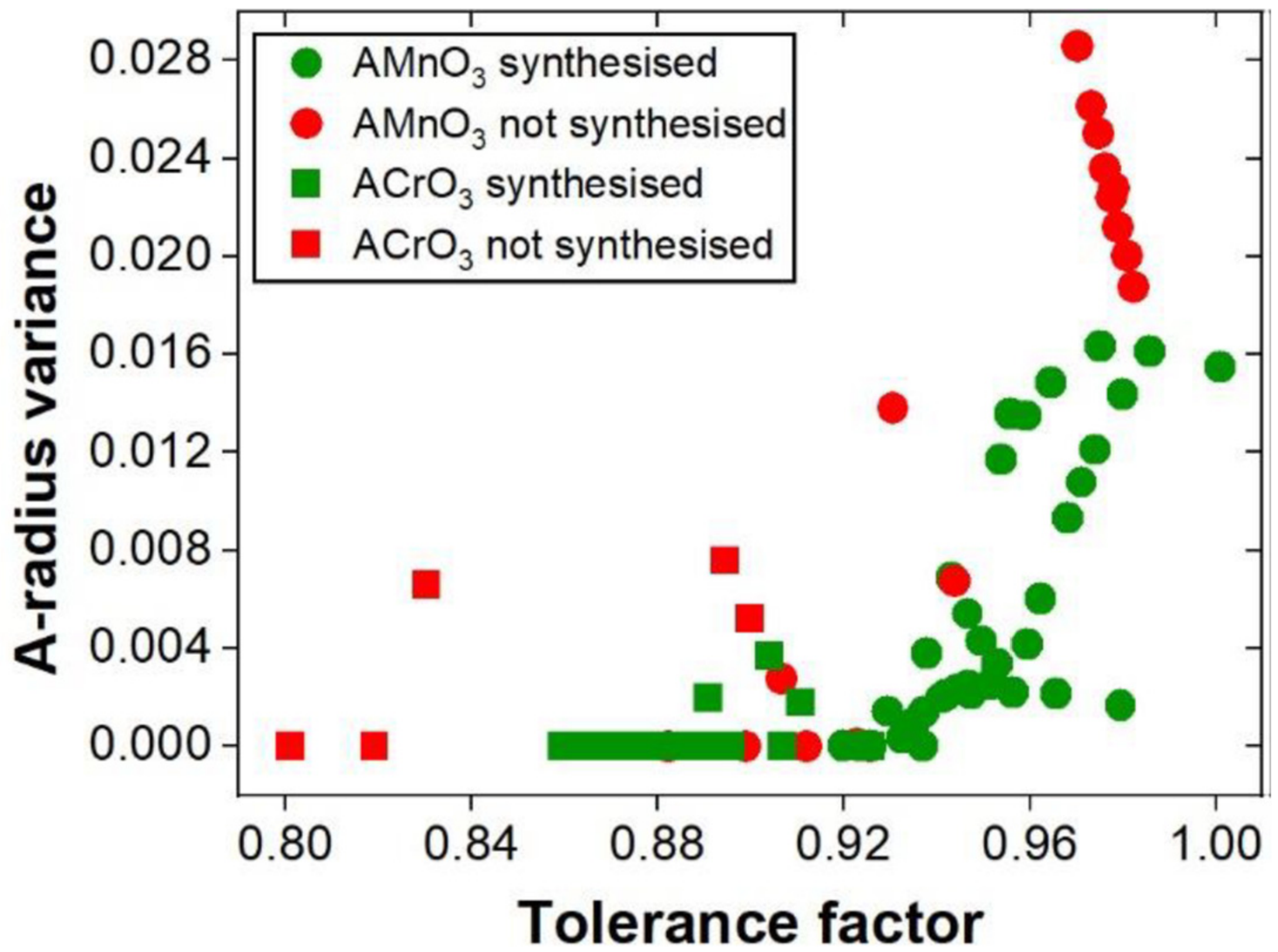
- The MBX3 and ABX3 parent phases crystallize in the same or identical structure. This similarity in crystal structure allows for the efficient substitution of M cations into the A-sites, maintaining the overall structural integrity of the perovskite lattice.
- The ionic radii and electronegativity values of the cations M and A are similar. When the sizes and electronegativities of the substituting cations (M) and native cations (A) are comparable, it promotes their compatibility within the perovskite lattice. Similar ionic radii help to minimize lattice strain and distortion, while comparable electronegativities facilitate the maintenance of charge balance in the structure.
- The substituting M cations and native A cations have the same valence. When the valence states of the substituting and native cations match, it ensures that the charge balance is preserved in the perovskite structure. This is important for maintaining the overall neutrality and stability of the material.
2.2. Strontium Titanate (SrTiO3 or ST)
3. Synthesis Methods for Perovskite Oxides
3.1. Hydrothermal Synthesis of Perovskite Oxides
3.2. Hydrothermal Synthesis of SrTiO3
3.3. Doping Strategies and Heterojunctions/Composite Materials
3.4. Equivalent and Hetero Valent Doping in SrTiO3
4. Photocatalytic Water Remediation
4.1. Photocatalytic Mechanism of Pristine SrTiO3
4.2. Photocatalytic Mechanism of Doped SrTiO3
4.3. Photocatalytic Mechanism of SrTiO3-Based Heterostructures
5. Photocatalytic Water Splitting
6. Reactive Oxygen Species (ROS) Formation During SrTiO3-Based Photocatalysis
7. Interfering Factors of Experimental Variables on the Photocatalytic Performance of SrTiO3
8. Challenges and Limitations
9. Future Perspectives
10. Conclusions
Author Contributions
Funding
Data Availability Statement
Acknowledgments
Conflicts of Interest
References
- Huang, W.; Dai, J.; Xiong, L. Towards a sustainable energy future: Factors affecting solar-hydrogen energy production in China. Sustain. Energy Technol. Assess. 2022, 52, 102059. [Google Scholar] [CrossRef]
- REN21 (2022) Renewables 2022—Global Status Report (Renewable Energies). 2022. Available online: https://www.ren21.net/gsr-2022 (accessed on 29 June 2026).
- Royer, S.; Duprez, D.; Can, F.; Courtois, X.; Batiot-dupeyrat, C.; Laassiri, S.; Alamdari, H. Perovskites as substitutes of noble metals for heterogeneous catalysis: Dream or reality. Chem. Rev. 2014, 114, 10292–10368. [Google Scholar] [CrossRef] [PubMed]
- Zhu, X.; Li, K.; Neal, L.M.; Li, F. Perovskites as geo-inspired oxygen storage materials for chemical looping and three-way catalysis—A perspective. ACS Catal. 2018, 8, 8213–8236. [Google Scholar] [CrossRef]
- Kanhere, P.; Chen, Z. A review on visible light active perovskite-based photocatalysts. Molecules 2014, 19, 19995–20022. [Google Scholar] [CrossRef] [PubMed]
- Shi, J.; Guo, L. ABO3-based photocatalysts for water splitting. Prog. Nat. Sci. Mater. Int. 2012, 22, 592–615. [Google Scholar] [CrossRef]
- Jiang, S.P.; Chan, S.H. A review of anode materials development in solid oxide fuel cells. J. Mater. Sci. 2004, 39, 4405–4439. [Google Scholar] [CrossRef]
- Wang, C.H.; Chen, C.L.; Weng, H.S. Surface properties and catalytic performance of La1−xSrxFeO3 perovskite-type oxides for methane combustion. Chemosphere 2004, 57, 1131–1138. [Google Scholar] [CrossRef] [PubMed]
- Cimino, S.; Lisi, L.; De Rossi, S.; Faticanti, M.; Porta, P. Methane combustion and CO oxidation on LaAl1−xMnxO3 perovskite-type oxide solid solutions. Appl. Catal. B Environ. 2003, 43, 397–406. [Google Scholar] [CrossRef]
- Ciambelli, P.; Cimino, S.; Lasorella, G.; Lisi, L.; De Rossi, S.; Faticanti, M.; Minelli, G.; Porta, P. CO oxidation and methane combustion on LaAl1−xFexO3 perovskite solid solutions. Appl. Catal. B Environ. 2002, 37, 231–241. [Google Scholar] [CrossRef]
- Aliotta, C.; Liotta, L.F.F.; Deganello, F.; La Parola, V.; Martorana, A. Direct methane oxidation on La1−xSrxCr1−γFeγO3−δ perovskite-type oxides as potential anode for intermediate temperature solid oxide fuel cells. Appl. Catal. B Environ. 2016, 180, 424–433. [Google Scholar] [CrossRef]
- Huang, X.; Zhao, G.; Wang, G.; Irvine, J.T.S.S. Synthesis and applications of nanoporous perovskite metal oxides. Chem. Sci. 2018, 9, 3623–3637. [Google Scholar] [CrossRef] [PubMed]
- Wang, Z.; Hong, J.; Ng, S.-F.; Liu, W.; Huang, J.; Chen, P.; Ong, W.-J. Recent progress of perovskite oxide in emerging photocatalysis landscape: Water splitting, CO2 reduction, and N2 fixation. Acta Phys.-Chim. Sin. 2021, 37, 2011033. [Google Scholar]
- Mao, M.; Lv, H.; Li, Y.; Yang, Y.; Zeng, M.; Li, N.; Zhao, X. Metal Support Interaction in Pt Nanoparticles Partially Confined in the Mesopores of Microsized Mesoporous CeO2 for Highly Efficient Purification of Volatile Organic Compounds. ACS Catal. 2016, 6, 418–427. [Google Scholar] [CrossRef]
- Satoh, N.; Nakashima, T.; Kamikura, K.; Yamamoto, K. Quantum size effect in TiO2 nanoparticles prepared by finely controlled metal assembly on dendrimer templates. Nat. Nanotechnol. 2008, 3, 106–111. [Google Scholar] [CrossRef] [PubMed]
- Zhang, J.; Bang, J.H.; Tang, C.; Kamat, P.V. Tailored TiO2-SrTiO3 heterostructure nanotube arrays for improved photoelectrochemical performance. ACS Nano 2010, 4, 387–395. [Google Scholar] [CrossRef] [PubMed]
- Biesuz, M.; Sglavo, V.M. Flash sintering of ceramics. J. Eur. Ceram. Soc. 2019, 39, 115–143. [Google Scholar] [CrossRef]
- Royer, S.; Duprez, D. Catalytic Oxidation of Carbon Monoxide over Transition Metal Oxides. ChemCatChem 2011, 3, 24–65. [Google Scholar] [CrossRef]
- Grabowska, E. Selected perovskite oxides: Characterization, preparation and photocatalytic properties—A review. Appl. Catal. B Environ. 2016, 186, 97–126. [Google Scholar] [CrossRef]
- Zhu, H.; Zhang, P.; Dai, S. Recent Advances of Lanthanum-Based Perovskite Oxides for Catalysis. ACS Catal. 2015, 5, 6370–6385. [Google Scholar] [CrossRef]
- de Oliveira, A.L.M.; Chantelle, L.; Figueiredo, J.F.D.; de Sousa Filho, I.A.; Lebullenger, R.; Deputier, S.; Weber, I.T.; Guilloux-Viry, M.; Santos, I.M.G.; Bouquet, V. SrTi1−xSnxO3 thin films as photocatalysts for organic dye degradation: Influence of the composition, deposition method, and growth orientation. In Research Topics in Bioactivity, Environment and Energy; Springer International Publishing: Berlin/Heidelberg, Germany, 2022; pp. 87–109. [Google Scholar]
- Liu, Y.; Xie, L.; Li, Y.; Yang, R.; Qu, J.; Li, Y.; Li, X. Synthesis and high photocatalytic hydrogen production of SrTiO3 nanoparticles from water splitting under UV irradiation. J. Power Sources 2008, 183, 701–707. [Google Scholar]
- Nakashima, K.; Kera, M.; Fujii, I.; Wada, S. A new approach for the preparation of SrTiO3 nanocubes. Ceram. Int. 2013, 39, 3231–3234. [Google Scholar]
- Berbenni, V.; Marini, A.; Bruni, G. Effect of mechanical activation on the preparation of SrTiO3 and Sr2TiO4 ceramics from the solid-state system SrCO3–TiO2. J. Alloys Compd. 2001, 329, 230–238. [Google Scholar]
- Wang, T.X.; Liu, S.Z.; Chen, J. Molten salt synthesis of SrTiO3 nanocrystals using nanocrystalline TiO2 as a precursor. Powder Technol. 2011, 205, 289–291. [Google Scholar]
- Zhang, J.; Huang, M.; Yanagisawa, K.; Yao, S. NaCl–H2O-assisted preparation of SrTiO3 nanoparticles by solid-state reaction at low temperature. Ceram. Int. 2015, 41, 5439–5444. [Google Scholar]
- Yu, J.C.; Zhang, L.; Li, Q.; Kwong, K.W.; Xu, A.W.; Lin, J. Sonochemical preparation of nanoporous composites of titanium oxide and size-tunable strontium titanate crystals. Langmuir 2003, 19, 7673–7675. [Google Scholar] [CrossRef]
- Bao, D.; Yao, X.; Wakiya, N.; Shinozaki, K.; Mizutani, N. Band-gap energies of sol-gel-derived SrTiO3 thin films. Appl. Phys. Lett. 2001, 79, 3767–3769. [Google Scholar]
- Levy, M.R. Chapter 3: Perovskite Perfect Lattice. In Crystal Structure, Defect Properties and Prediction of Ceramic Materials; University of London: London, UK, 2005; pp. 79–114. [Google Scholar]
- Goldschmidt, V.M. Die Gesetze der Krystallochemie. Naturwissenschaften 1926, 14, 477–485. [Google Scholar] [CrossRef]
- Zhang, C.; Ding, S.; Liu, G.; He, D.; Chen, P.; Wu, W.-Q.; Wang, L. Metal-doping for perovskite optoelectronic applications. Mater. Today 2025, 89, 172–191. [Google Scholar] [CrossRef]
- Long, T.; Song, D.; Zhou, Y.; Yu, X.; Wang, X.; Li, C.; Chen, H.; Li, G.; He, F. Modulating activity of lattice oxygen of ABO3 perovskite oxides in redox reactions: A review. ACS Appl. Mater. Interfaces 2025, 17, 20590–20612. [Google Scholar] [CrossRef] [PubMed]
- Madelung, O.; Rössler, U.; Schulz, M. (Eds.) SrTiO3: Crystal structure, physical properties. In Landolt-Börnstein; New Series, Group III, Volume 36A1; Springer: Berlin, Germany, 2001. [Google Scholar]
- Wood, N.D.; Teter, D.M.; Tse, J.S.; Jackson, R.A.; Cooke, D.J.; Gillie, L.J.; Parker, S.C.; Molinari, M. An atomistic modelling investigation of the defect chemistry of SrTiO3 and its Ruddlesden–Popper phases, Srn+1TinO3n+1 (n = 1–3). J. Solid State Chem. 2021, 303, 122523. [Google Scholar]
- Bartel, C.J.; Sutton, C.; Goldsmith, B.R.; Ouyang, R.; Musgrave, C.B.; Ghiringhelli, L.M.; Scheffler, M. New tolerance factor to predict the stability of perovskite oxides and halides. Sci. Adv. 2019, 5, eaav0693. [Google Scholar] [CrossRef] [PubMed]
- Marques, C. Advanced Si Pad Detector Development and SrTiO3 Studies by Emission Channeling and Hyperfine Interaction Experiments. Doctoral Dissertation, Universidade de Lisboa, Lisbon, Portugal, 2009. [Google Scholar]
- Hayward, S.A.; Salje, E.K.H. Cubic-tetragonal phase transition in SrTiO3 revisited: Landau theory and transition mechanism. Phase Transit. 1999, 68, 501–522. [Google Scholar] [CrossRef]
- Lytle, F.W. X-ray diffractometry of low-temperature phase transformations in strontium titanate. J. Appl. Phys. 1964, 35, 2212–2215. [Google Scholar] [CrossRef]
- Revie, P. Dielectric Properties of SrTiO3 at Low Temperature. Phys. Rev. Lett. 1971, 26, 851–853. [Google Scholar]
- Saraf, S.; Riess, I.; Rothschild, A. Parallel Band and Hopping Electron Transport in SrTiO3. Adv. Electron. Mater. 2016, 2, 1500368. [Google Scholar] [CrossRef]
- De Souza, R.A. Oxygen Diffusion in SrTiO3 and Related Perovskite Oxides. Adv. Funct. Mater. 2015, 25, 6326–6342. [Google Scholar] [CrossRef]
- Verbraeken, M.C.; Ramos, T.; Agersted, K.; Ma, Q.; Savaniu, C.D.; Sudireddy, B.R.; Irvine, J.T.S.; Holtappels, P.; Tietz, F. Modified strontium titanates: From defect chemistry to SOFC anodes. RSC Adv. 2015, 5, 1168–1180. [Google Scholar] [CrossRef]
- Merkle, R.; Maier, J. How Is Oxygen Incorporated into Oxides? A Comprehensive Kinetic Study of a Simple Solid-State Reaction with SrTiO3 as a Model Material. Angew. Chem. Int. Ed. 2008, 47, 3874–3894. [Google Scholar] [CrossRef] [PubMed]
- Segal, D. Chemical synthesis of ceramic materials. J. Mater. Chem. 1997, 7, 1297–1305. [Google Scholar] [CrossRef]
- Wang, N.; Kong, D.; He, H. Solvothermal synthesis of strontium titanate nanocrystallines from metatitanic acid and photocatalytic activities. Powder Technol. 2011, 207, 470–473. [Google Scholar] [CrossRef]
- Athayde, D.D.; Souza, D.F.; Silva, A.M.A.; Vasconcelos, D.; Nunes, E.H.M.; Diniz da Costa, J.C.; Vasconcelos, W.L. Review of perovskite ceramic synthesis and membrane preparation methods. Ceram. Int. 2015, 42, 6555–6571. [Google Scholar] [CrossRef]
- Konta, R.; Kato, H.; Kobayashi, H.; Kudo, A. Photophysical properties and photocatalytic activities under visible light irradiation of silver vanadates. Phys. Chem. Chem. Phys. 2003, 5, 3061–3065. [Google Scholar] [CrossRef]
- Dhanasekaran, P.; Gupta, N.M. Factors affecting the production of H2 by water splitting over a novel visible-light-driven photocatalyst GaFeO3. Int. J. Hydrogen Energy 2012, 37, 4897–4907. [Google Scholar] [CrossRef]
- Baharuddin, N.A.; Muchtar, A.; Somalu, M.R. Preparation of SrFe0.5Ti0.5O3−δ perovskite-structured ceramic using the glycine-nitrate combustion technique. Mater. Lett. 2017, 194, 197–201. [Google Scholar] [CrossRef]
- Modeshia, D.R.; Darton, R.J.; Ashbrook, S.E.; Walton, R.I. Control of polymorphism in NaNbO3 by hydrothermal synthesis. Chem. Commun. 2009, 1, 68–70. [Google Scholar]
- Mann, M.; Jackson, S.; Kolis, J. Hydrothermal crystal growth of the potassium niobate and potassium tantalate family of crystals. J. Solid State Chem. 2010, 183, 2675–2680. [Google Scholar] [CrossRef]
- Yun, B.K.; Koo, Y.S.; Jung, J.H.; Song, M.; Yoon, S. Possible role of hydroxyl group on local structure and phase transition of KNbO3 and KTaO3 nanocrystals. Phys. B Condens. Matter. 2010, 405, 4866–4870. [Google Scholar] [CrossRef]
- Rabenau, A. The Role of Hydrothermal Synthesis in Preparative Chemistry. Angew. Chem. Int. Ed. Engl. 1985, 24, 1026–1040. [Google Scholar] [CrossRef]
- Yang, Q.; Lu, Z.; Liu, J.; Lei, X.; Chang, Z.; Luo, L.; Sun, X. Metal oxide and hydroxide nanoarrays: Hydrothermal synthesis and applications as supercapacitors and nanocatalysts. Prog. Nat. Sci. Mater. Int. 2013, 23, 351–366. [Google Scholar] [CrossRef]
- Schiopu, A.-G.; Iordache, D.M.; Oproescu, M.; Cursaru, L.M.; Ioța, A.-M. Tailoring the synthesis method of metal oxide nanoparticles for desired properties. Crystals 2024, 14, 899. [Google Scholar] [CrossRef]
- Anaya-Zavaleta, J.C.; Ledezma-Pérez, A.S.; Gallardo-Vega, C.; Rodríguez-Hernández, J.; Alvarado-Canché, C.N.; García-Casillas, P.E.; de León, A.; Herrera-May, A.L. ZnO nanoparticles by hydrothermal method: Synthesis and characterization. Technologies 2025, 13, 18. [Google Scholar] [CrossRef]
- Belew, A.A.; Assege, M.A. Solvothermal synthesis of metal oxide nanoparticles: A review of applications, challenges, and future perspectives. Results Chem. 2025, 16, 102438. [Google Scholar] [CrossRef]
- Tazim, T.Q.; Kawsar, M.; Hossain, M.S.; Bahadur, N.M.; Ahmed, S. Hydrothermal synthesis of nano-metal oxides for structural modification: A review. Next Nanotechnol. 2025, 7, 100167. [Google Scholar] [CrossRef]
- Nandagudi, A.; Nagarajarao, S.H.; Santosh, M.S.; Basavaraja, B.M.; Malode, S.J.; Mascarenhas, R.J.; Shetti, N.P. Hydrothermal synthesis of transition metal oxides, transition metal oxide/carbonaceous material nanocomposites for supercapacitor applications. Mater. Today Sustain. 2022, 19, 100214. [Google Scholar] [CrossRef]
- Flaschen, S.S. An aqueous synthesis of barium titanate. J. Am. Chem. Soc. 1955, 77, 6194. [Google Scholar] [CrossRef]
- Kumada, N.; Dong, Q.; Yonesaki, Y.; Takei, T.; Kinomura, N. Hydrothermal synthesis of NaNbO3—Morphology change by starting compounds. J. Ceram. Soc. Jpn. 2011, 119, 483–485. [Google Scholar] [CrossRef]
- Rachakom, A.; Jiansirisomboon, S.; Watcharapasorn, A. Effect of poling on piezoelectric and ferroelectric properties of Bi0.5Na0.5Ti1−xZrxO3 ceramics. J. Electroceram. 2014, 33, 105–110. [Google Scholar] [CrossRef]
- Shi, G.; Wang, J.; Wang, H.; Wu, Z.; Wu, H. Hydrothermal synthesis of morphology-controlled KNbO3, NaNbO3, and (K, Na)NbO3 powders. Ceram. Int. 2017, 43, 7222–7230. [Google Scholar] [CrossRef]
- Nakashima, K.; Toshima, Y.; Kobayashi, Y.; Ishikawa, Y.; Kakihana, M. Solvothermal synthesis and morphology control of NaNbO3 nanocubes using a reaction medium of water and/or methanol. J. Asian Ceram. Soc. 2019, 7, 544–550. [Google Scholar]
- López-Juárez, R.; Castañeda-Guzmán, R.; Villafuerte-Castrejón, M.E. Fast synthesis of NaNbO3 and K0.5Na0.5NbO3 by microwave hydrothermal method. Ceram. Int. 2014, 40, 14757–14764. [Google Scholar]
- Oliveira, M.C.; Gracia, L.; de Assis, M.; Rosa, I.L.; do Carmo Gurgel, M.F.; Longo, E.; Andres, J. Mechanism of photoluminescence in intrinsically disordered CaZrO3 crystals: First principles modeling of the excited electronic states. J. Alloys Compd. 2017, 722, 981–995. [Google Scholar]
- Boschini, F.; Rulmont, A.; Cloots, R.; Vertruyen, B. Rapid synthesis of submicron crystalline barium zirconate BaZrO3 by precipitation in aqueous basic solution below 100 °C. J. Eur. Ceram. Soc. 2009, 29, 1457–1462. [Google Scholar]
- Yamaguchi, Y.; Fukushima, M.; Ito, S.; Fujimoto, K. Low-temperature solid-state synthesis of perovskite oxides under 50 °C. Chem. Lett. 2016, 45, 226–228. [Google Scholar] [CrossRef]
- Dong, Z.; Ye, T.; Zhao, Y.; Yu, J.; Wang, F.; Zhang, L.; Wang, X.; Guo, S. Perovskite BaZrO3 hollow micro- and nanospheres: Controllable fabrication, photoluminescence and adsorption of reactive dyes. J. Mater. Chem. 2011, 21, 5978–5984. [Google Scholar] [CrossRef]
- Kanie, K.; Seino, Y.; Matsubara, M.; Muramatsu, A. Size-controlled hydrothermal synthesis of monodispersed BaZrO3 sphere particles by seeding. Adv. Powder Technol. 2017, 28, 55–60. [Google Scholar] [CrossRef]
- Kanie, K.; Seino, Y.; Matsubara, M.; Nakaya, M.; Muramatsu, A. Hydrothermal synthesis of BaZrO3 fine particles controlled in size and shape and fluorescence behavior by europium doping. New J. Chem. 2014, 38, 3548–3555. [Google Scholar]
- Zhang, H.; Qiao, J.; Li, G.; Li, S.; Wang, G.; Wang, J.; Song, Y. Preparation of Ce4+-doped BaZrO3 by hydrothermal method and application in dual-frequent sonocatalytic degradation of norfloxacin in aqueous solution. Ultrason. Sonochem. 2018, 42, 356–367. [Google Scholar] [CrossRef] [PubMed]
- Spooren, J.; Walton, R.I. Hydrothermal synthesis of the perovskite manganites Pr0.5Sr0.5MnO3 and Nd0.5Sr0.5MnO3 and alkali-earth manganese oxides CaMn2O4, 4H-SrMnO3, and 2H-BaMnO3. J. Solid State Chem. 2005, 178, 1683–1691. [Google Scholar] [CrossRef]
- Weber, M.C.; Kreisel, J.; Thomas, P.A.; Newton, M.; Sardar, K.; Walton, R.I. Phonon Raman scattering of RCrO3 perovskites (R = Y, La, Pr, Sm, Gd, Dy, Ho, Yb, Lu). Phys. Rev. B 2012, 85, 054303. [Google Scholar]
- Daniels, L.M.; Weber, M.C.; Lees, M.R.; Guennou, M.; Kashtiban, R.J.; Sloan, J.; Kreisel, J.; Walton, R.I. Structures and magnetism of the rare-earth orthochromite perovskite solid solution LaxSm1−xCrO3. Inorg. Chem. 2013, 52, 12161–12169. [Google Scholar] [PubMed]
- Wang, S.; Huang, K.; Zheng, B.; Zhang, J.; Feng, S. Mild hydrothermal synthesis and physical property of perovskite Sr doped LaCrO3. Mater. Lett. 2013, 101, 86–89. [Google Scholar] [CrossRef]
- Hou, C.; Feng, W.; Yuan, L.; Huang, K.; Feng, S. Crystal facet control of LaFeO3, LaCrO3, and La0.75Sr0.25MnO3. CrystEngComm 2014, 16, 2874–2877. [Google Scholar] [CrossRef]
- Yuan, L.; Huang, K.; Wang, S.; Hou, C.; Wu, X.; Zou, B.; Feng, S. Crystal shape tailoring in perovskite structure rare-earth ferrites REFeO3 (RE = La, Pr, Sm, Dy, Er, and Y) and shape-dependent magnetic properties of YFeO3. Cryst. Growth Des. 2016, 16, 6522–6530. [Google Scholar] [CrossRef]
- Huang, K.; Yuan, L.; Feng, S. Crystal facet tailoring arts in perovskite oxides. Inorg. Chem. Front. 2015, 2, 965–981. [Google Scholar] [CrossRef]
- Kim, H.; Alshareef, H.N. MXetronics: MXene-enabled electronic and photonic devices. ACS Mater. Lett. 2019, 2, 55–70. [Google Scholar] [CrossRef]
- Shi, H.; Li, X.; Wang, D.; Yuan, Y.; Zou, Z.; Ye, J. NaNbO3 nanostructures: Facile synthesis, characterization, and their photocatalytic properties. Catal. Lett. 2009, 132, 205–212. [Google Scholar] [CrossRef]
- Gu, Q.; Zhu, K.; Zhang, N.; Sun, Q.; Liu, P.; Liu, J.; Wang, J.; Li, Z. Modified solvothermal strategy for straightforward synthesis of cubic NaNbO3 nanowires with enhanced photocatalytic H2 evolution. J. Phys. Chem. C 2015, 119, 25956–25964. [Google Scholar]
- Ban, T.; Kaiden, T.; Ohya, Y. Hydrothermal synthesis of layered perovskite-structured metal oxides and cesium tungstate nanosheets. Cryst. Growth Des. 2019, 19, 6903–6910. [Google Scholar] [CrossRef]
- Querejeta, A.; Varela, A.; Parras, M.; Monte, F.D.; García-Hernández, M.; González-Calbet, J.M. Hydrothermal synthesis: A suitable route to elaborate nanomanganites. Chem. Mater. 2009, 21, 1898–1905. [Google Scholar] [CrossRef]
- Yao, L.; Pan, Z.; Zhai, J.; Chen, H.H. Novel design of highly [110]-oriented barium titanate nanorod array and its application in nanocomposite capacitors. Nanoscale 2017, 9, 4255–4264. [Google Scholar] [CrossRef] [PubMed]
- Eckert, M. Max von Laue and the discovery of X-ray diffraction in 1912. Ann. Phys. 2012, 524, 83–85. [Google Scholar] [CrossRef]
- Bragg, W.H.; Bragg, W.L. The structure of some crystals as indicated by their diffraction of X-rays. Proc. R. Soc. Lond. A 1913, 89, 248–277. [Google Scholar] [CrossRef]
- Hull, A.W. A New Method of Chemical Analysis. J. Am. Chem. Soc. 1919, 41, 1168–1175. [Google Scholar] [CrossRef]
- Walton, R.I. Perovskite oxides prepared by hydrothermal and solvothermal synthesis: A review of crystallisation, chemistry, and compositions. Chem. Eur. J. 2020, 26, 9041–9069. [Google Scholar] [CrossRef] [PubMed]
- Mourão, H.A.; Lopes, O.F.; Ribeiro, C.; Mastelaro, V.R. Rapid hydrothermal synthesis and pH-dependent photocatalysis of strontium titanate microspheres. J. Mater. Sci. Mater. Electron. Process. 2015, 30, 651–657. [Google Scholar] [CrossRef]
- Moreira, M.L.; Mambrini, G.P.; Volanti, D.P.; Leite, E.R.; Orlandi, M.O.; Pizani, P.S.; Varela, J.A. Hydrothermal microwave: A new route to obtain photoluminescent crystalline BaTiO3 nanoparticles. Chem. Mater. 2008, 20, 5381–5387. [Google Scholar] [CrossRef]
- Souza, A.E.; Santos, G.T.A.; Barra, B.C.; Macedo, W.D., Jr.; Teixeira, S.R.; Santos, C.M.; Longo, E. Photoluminescence of SrTiO3: Influence of particle size and morphology. Cryst. Growth Des. 2012, 12, 5671–5679. [Google Scholar] [CrossRef]
- Zhang, Y.; Zhong, L.; Duan, D. Single-step hydrothermal synthesis of strontium titanate nanoparticles from crystalline anatase titanium dioxide. Ceram. Int. 2015, 41, 13516–13524. [Google Scholar] [CrossRef]
- Lin, H.-Y.; Cian, L.-T. Microwave-assisted hydrothermal synthesis of SrTiO3:Rh for photocatalytic Z-scheme overall water splitting. Appl. Sci. 2019, 9, 55. [Google Scholar]
- Crosby, L.A.; Chen, B.R.; Kennedy, R.M. All roads lead to TiO2: TiO2-rich surfaces of barium and strontium titanate prepared by hydrothermal synthesis. Chem. Mater. 2018, 30, 841–846. [Google Scholar]
- Phoon, B.L.; Lai, C.W.; Pan, G.T.; Yang, T.C.K.; Juan, J.C. One-pot hydrothermal synthesis of strontium titanate nanoparticles photoelectrode using electrophoretic deposition for enhancing photoelectrochemical water splitting. Ceram. Int. 2018, 44, 9923–9933. [Google Scholar] [CrossRef]
- Kiss, B.; Manning, T.D.; Hesp, D.; Didier, C.; Taylor, A.; Pickup, D.M.; Chadwick, A.V.; Allison, H.E.; Dhanak, V.R.; Claridge, J.B.; et al. Nano-structured rhodium doped SrTiO3–Visible light activated photocatalyst for water decontamination. Appl. Catal. B Environ. 2017, 206, 547–555. [Google Scholar]
- Wu, G.; Li, P.; Xu, D.; Luo, B.; Hong, Y.; Shi, W.; Liu, C. Hydrothermal synthesis and visible-light-driven photocatalytic degradation of tetracycline by Mn-doped SrTiO3 nanocubes. Appl. Surf. Sci. 2015, 333, 39–47. [Google Scholar]
- Huang, S.-T.; Lee, W.W.; Chang, J.L.; Huang, W.S.; Chou, S.Y.; Chen, C.C. Hydrothermal synthesis of SrTiO3 nanocubes: Characterization, photocatalytic activities, and degradation pathway. J. Taiwan Inst. Chem. Eng. 2014, 45, 1927–1936. [Google Scholar]
- Putri, Y.E.; Wendari, T.P.; Dinda, D.; Arnel, M.; Faradilla, H.; Refinel, R.; Efdi, M. The hydrothermal synthesis of SrTiO3 nanopolyhedral with the assistance of surfactants and their optical characteristics. Case Stud. Chem. Environ. Eng. 2024, 9, 100601. [Google Scholar]
- Thesing, A.; Loguercio, L.F.; Silva, E.A.; Franciosi, G.; Véliz, A.B.L.; Khattak, M.R.K.; Brolo, A.G.; Santos, M.J.L.; Santos, J.F.L. Engineering SrTiO3 nanostructures for enhanced photocatalytic performance: Unveiling the influence of titanium precursors and synthesis temperature. ACS Omega 2025, 10, 40066–40075. [Google Scholar] [CrossRef] [PubMed]
- Shen, H.; Lu, Y.; Wang, Y.; Pan, Z.; Cao, G.; Yan, X.; Fang, G. Low-temperature hydrothermal synthesis of SrTiO3 nanoparticles without alkali and their effective photocatalytic activity. J. Adv. Ceram. 2016, 5, 298–307. [Google Scholar]
- Yang, D.; Zhao, X.; Zou, X.; Zhou, Z.; Jiang, Z. Removing Cr(VI) in water via visible-light photocatalytic reduction over Cr-doped SrTiO3 nanoplates. Chemosphere 2019, 215, 586–595. [Google Scholar] [CrossRef] [PubMed]
- Kato, K.; Jiang, J.; Sakata, Y.; Yamakata, A. Effect of Na-doping on electron decay kinetics in SrTiO3 photocatalyst. ChemCatChem 2019, 11, 6349–6354. [Google Scholar]
- Wang, Y.Q.; Lian, W.; Liu, Y. Electronic structure and optical properties in alkaline-earth metals (A = Mg, Ca, Ba) and Ir co-doped SrTiO3: A DFT + U investigation. Optik 2021, 228, 166128. [Google Scholar] [CrossRef]
- Nguyen, C.V.; Trang, T.N.Q.; Pham, H.Q.; Thu, V.T.H.; Ho, V.T.T. One-step heating hydrothermal of iridium-doped cubic perovskite strontium titanate towards hydrogen evolution. Mater. Lett. 2021, 282, 128686. [Google Scholar] [CrossRef]
- Wang, J.; Yin, S.; Komatsu, M.; Zhang, Q.; Saito, F.; Sato, T. Preparation and characterization of nitrogen-doped SrTiO3 photocatalyst. J. Photochem. Photobiol. A Chem. 2004, 165, 149–156. [Google Scholar]
- Shan, J.; Raziq, F.; Humayun, M.; Zhou, W.; Qu, Y.; Wang, G.; Li, Y. Improved charge separation and surface activation via boron-doped layered polyhedron SrTiO3 for co-catalyst-free photocatalytic CO2 conversion. Appl. Catal. B Environ. 2017, 219, 10–17. [Google Scholar] [CrossRef]
- Sun, D.; Zhang, Y.; Yan, S.; Sun, K.; Wang, G.; Bu, Y.; Xie, G. Fabrication of excellent heterojunction assisting by interfaced oxygen vacancy to improve the separation capacity of photogenerated carriers. Adv. Mater. Interfaces 2018, 5, 1701325. [Google Scholar] [CrossRef]
- Opoku, F.; Govender, K.K.; van Sittert, C.G.C.E.; Govender, P.P. Hybrid DFT studies of MWCNT/Zr-doped SrTiO3 heterostructure: Hydrogen production, electronic properties and charge carrier mediator role of Zr4+ ion. Int. J. Hydrogen Energy 2018, 43, 22253–22264. [Google Scholar] [CrossRef]
- Hou, Y.S.; Wu, R.Q. Hybrid density functional study of band-gap engineering of SrTiO3 photocatalyst via doping for water splitting. J. Phys. Chem. C 2021, 125, 14684–14693. [Google Scholar] [CrossRef]
- Wang, J.; Wang, X.; Liu, G.; Cheng, H.M. Engineering perovskite photocatalysts through isovalent cation substitution for enhanced charge transport. J. Mater. Chem. A 2022, 10, 8124–8142. [Google Scholar] [CrossRef]
- Hao, Y.; Li, J.; Wang, S.; Li, Y.; Zhang, Z. Oxygen-vacant semiconductor photocatalysts. Adv. Funct. Mater. 2021, 31, 2100919. [Google Scholar] [CrossRef]
- Ma, H.; Yang, W.; Tang, H.; Pan, Y.; Li, W.; Fang, R.; Shen, Y.; Dong, F. Enhance the stability of oxygen vacancies in SrTiO3 via metallic Ag modification for efficient and durable photocatalytic NO abatement. J. Hazard. Mater. 2023, 452, 131269. [Google Scholar] [CrossRef] [PubMed]
- Kato, H.; Asakura, K.; Kudo, A. Highly efficient water splitting into H2 and O2 over lanthanum-doped NaTaO3 photocatalysts. J. Am. Chem. Soc. 2003, 125, 3082–3089. [Google Scholar] [CrossRef] [PubMed]
- Konta, R.; Ishii, T.; Kato, H.; Kudo, A. Photocatalytic activities of noble-metal-ion-doped SrTiO3 under visible-light irradiation. J. Phys. Chem. B 2004, 108, 8992–8995. [Google Scholar] [CrossRef]
- Zhan, F.; Wen, G.; Li, R.; Feng, C.; Liu, Y.; Zhu, M.; Zheng, Y.; Zhao, Y.; La, P. A comprehensive review of oxygen vacancy modified photocatalysts: Synthesis, characterization and applications. Phys. Chem. Chem. Phys. 2024, 26, 11182–11207. [Google Scholar] [CrossRef] [PubMed]
- Kalra, P.; Ghosh, D.; Ingole, P.P. Favoring product desorption by a tailored electronic environment of oxygen vacancies in Cr doped SrTiO3. ACS Appl. Mater. Interfaces 2023, 15, 30187–30198. [Google Scholar] [CrossRef] [PubMed]
- Wang, Z.; Hisatomi, T.; Domen, K. Photocatalytic overall water splitting by SrTiO3: Progress report and design strategies. ACS Appl. Energy Mater. 2023, 6, 1501–1525. [Google Scholar]
- Hisatomi, T.; Kubota, J.; Domen, K. Recent advances in semiconductors for photocatalytic and photoelectrochemical water spliting. Chem. Soc. Rev. 2014, 43, 7520–7535. [Google Scholar] [PubMed]
- Kabir, E.; Kumar, P.; Kumar, S.; Adelodun, A.A.; Kim, K.H. Solar energy: Potential and future prospects. Renew. Sustain. Energy Rev. 2018, 82, 894–900. [Google Scholar] [CrossRef]
- Zeng, S.; Kar, P.; Thakur, U.K.; Shankar, K. A review on photocatalytic CO2 reduction using perovskite oxide nanomaterials. Nanotechnology 2018, 29, 052001. [Google Scholar] [CrossRef] [PubMed]
- Schlapbach, L.; Züttel, A. Hydrogen-storage materials for Mobile Applications. Nature 2002, 414, 353–358. [Google Scholar] [CrossRef] [PubMed]
- Zollinger, H. Color Chemistry: Synthesis, Properties, and Applications of Organic Dyes and Pigments, 3rd ed.; John Wiley & Sons, Ltd.: Hoboken, NJ, USA, 2003. [Google Scholar] [CrossRef]
- Houas, A.; Lachheb, H.; Ksibi, M.; Elaloui, E.; Guillard, C.; Herrmann, J.-M. Photocatalytic degradation pathway of methylene blue in water. Appl. Catal. B Environ. 2001, 31, 145–157. [Google Scholar] [CrossRef]
- Al-Tohamy, R.; Ali, S.S.; Li, F.; Okasha, K.M.; Mahmoud, Y.A.-G.; Elsamahy, T.; Jiao, H.; Fu, Y.; Sun, J. A critical review on the treatment of dye-containing wastewater: Ecotoxicological and health concerns of textile dyes and possible remediation approaches for environmental safety. Ecotoxicol. Environ. Saf. 2022, 231, 113160. [Google Scholar] [CrossRef] [PubMed]
- Larsson, D.G.J. Antibiotics in the environment. Ups. J. Med. Sci. 2014, 119, 108–112. [Google Scholar] [CrossRef] [PubMed]
- Forgacs, E.; Cserháti, T.; Oros, G. Removal of synthetic dyes from wastewaters: A review. Environ. Int. 2004, 30, 953–971. [Google Scholar] [CrossRef] [PubMed]
- Bhatkhande, D.S.; Pangarkar, V.G.; Beenackers, A.A.C.M. Photocatalytic degradation for environmental applications—A review. J. Chem. Technol. Biotechnol. 2002, 77, 102–116. [Google Scholar] [CrossRef]
- Maeda, K. Photocatalytic water splitting using semiconductor particles: History and recent developments. J. Photochem. Photobiol. C Photochem. Rev. 2011, 12, 237–268. [Google Scholar] [CrossRef]
- Wang, W.; Tadé, M.O.; Shao, Z. Research progress of perovskite materials in photocatalysis- and photovoltaics-related energy conversion and environmental treatment. Chem. Soc. Rev. 2015, 44, 5371–5408. [Google Scholar] [CrossRef] [PubMed]
- Chong, M.N.; Jin, B.; Chow, C.W.K.; Saint, C. Recent developments in photocatalytic water treatment technology: A review. Water Res. 2010, 44, 2997–3027. [Google Scholar] [CrossRef] [PubMed]
- Kudo, A.; Miseki, Y. Heterogeneous photocatalyst materials for water splitting. Chem. Soc. Rev. 2009, 38, 253–278. [Google Scholar] [CrossRef] [PubMed]
- Jafari, T.; Moharreri, E.; Amin, A.S.; Miao, R.; Song, W.; Suib, S.L. Photocatalytic water splitting—The untamed dream: A review of recent advances. Molecules 2016, 21, 900. [Google Scholar] [CrossRef] [PubMed]
- Ni, M.; Leung, M.K.H.; Leung, D.Y.C.; Sumathy, K. A review and recent developments in photocatalytic water-splitting using TiO2 for hydrogen production. Renew. Sustain. Energy Rev. 2007, 11, 401–425. [Google Scholar] [CrossRef]
- Maeda, K.; Murakami, N.; Ohno, T. Dependence of activity of rutile titanium(IV) oxide powder for photocatalytic overall water splitting on structural properties. J. Phys. Chem. C 2014, 118, 9093–9100. [Google Scholar] [CrossRef]
- Melián, E.P.; Díaz, O.G.; Méndez, A.O.; López, C.R.; Suárez, M.N.; Rodríguez, J.M.D.; Navío, J.A.; Hevia, D.F.; Peña, J.P. Efficient and affordable hydrogen production by water photo-splitting using TiO2-based photocatalysts. Int. J. Hydrogen Energy 2013, 38, 2144–2155. [Google Scholar] [CrossRef]
- Ham, Y.; Hisatomi, T.; Goto, Y.; Moriya, Y.; Sakata, Y.; Yamakata, A.; Kubota, J.; Domen, K. Flux-mediated doping of SrTiO3 photocatalysts for efficient overall water splitting. J. Mater. Chem. A 2016, 4, 3027–3033. [Google Scholar] [CrossRef]
- Niishiro, R.; Tanaka, S.; Kudo, A. Hydrothermal-synthesized SrTiO3 photocatalyst codoped with rhodium and antimony with visible-light response for sacrificial H2 and O2 evolution and application to overall water splitting. Appl. Catal. B Environ. 2014, 150–151, 187–196. [Google Scholar] [CrossRef]
- Mu, L.; Zhao, Y.; Li, A.; Wang, S.; Wang, Z.; Yang, J.; Wang, Y.; Liu, T.; Chen, R.; Zhu, J.; et al. Enhancing charge separation on high symmetry SrTiO3 exposed with anisotropic facets for photocatalytic water splitting. Energy Environ. Sci. 2016, 9, 2463–2469. [Google Scholar] [CrossRef]
- Tüysüz, H.; Chan, C.K. Preparation of amorphous and nanocrystalline sodium tantalum oxide photocatalysts with porous matrix structure for overall water splitting. Nano Energy 2013, 2, 116–123. [Google Scholar] [CrossRef]
- Modak, B.; Ghosh, S.K. Improvement of photocatalytic activity of NaTaO3 under visible light by N and F doping. Chem. Phys. Lett. 2014, 613, 54–58. [Google Scholar] [CrossRef]
- Wahab, A.K.; Odedairo, T.; Labis, J.; Hedhili, M.; Delavar, A.; Idriss, H. Comparing Pt/SrTiO3 to Rh/SrTiO3 for hydrogen photocatalytic production from ethanol. Arab. J. Sci. Eng. 2013, 38, 83–89. [Google Scholar] [CrossRef]
- Domen, K.; Kudo, A.; Onishi, T.; Kosugi, N.; Kuroda, H. Photocatalytic decomposition of water into hydrogen and oxygen over nickel(II) oxide-strontium titanate (SrTiO3) powder. 1. Structure of the catalysts. J. Phys. Chem. 1986, 90, 292–295. [Google Scholar] [CrossRef]
- Alammar, T.; Hamm, I.; Wark, M.; Mudring, A.V. Low-temperature route to metal titanate perovskite nanoparticles for photocatalytic applications. Appl. Catal. B Environ. 2015, 178, 20–28. [Google Scholar] [CrossRef]
- Wang, Q.; Hisatomi, T.; Jia, Q.; Tokudome, H.; Zhong, M.; Wang, C.; Pan, Z.; Takata, T.; Nakabayashi, M.; Shibata, N.; et al. Scalable water splitting on particulate photocatalyst sheets with a solar-to-hydrogen energy conversion efficiency exceeding 1%. Nat. Mater. 2016, 15, 611–615. [Google Scholar] [CrossRef] [PubMed]
- Wang, Q.; Hisatomi, T.; Ma, S.S.K.; Li, Y.; Domen, K. Core/Shell Structured La- and Rh-Codoped SrTiO3 as a Hydrogen Evolution Photocatalyst in Z-Scheme Overall Water Splitting under Visible Light Irradiation. Chem. Mater. 2014, 26, 4144–4150. [Google Scholar] [CrossRef]
- Shen, P.; Lofaro, J.C.; Woerner, W.R.; White, M.G.; Su, D.; Orlov, A. Photocatalytic activity of hydrogen evolution over Rh doped SrTiO3 prepared by polymerizable complex method. Chem. Eng. J. 2013, 223, 200–208. [Google Scholar] [CrossRef]
- Zou, J.-P.P.; Zhang, L.-Z.Z.; Luo, S.-L.L.; Leng, L.-H.H.; Luo, X.-B.B.; Zhang, M.-J.J.; Luo, Y.; Guo, G.-C.C. Preparation and photocatalytic activities of two new Zn-doped SrTiO3 and BaTiO3 photocatalysts for hydrogen production from water without cocatalysts loading. Int. J. Hydrogen Energy 2012, 37, 17068–17077. [Google Scholar] [CrossRef]
- Li, P.; Liu, C.; Wu, G.; Heng, Y.; Lin, S.; Ren, A.; Lv, K.; Xiao, L.; Shi, W. Solvothermal synthesis and visible light-driven photocatalytic degradation for tetracycline of Fe-doped SrTiO3. RSC Adv. 2014, 4, 47615–47624. [Google Scholar] [CrossRef]
- Wang, J.; Yin, S.; Zhang, Q.; Saito, F.; Sato, T. Influences of the factors on photocatalysis of fluorine-doped SrTiO3 made by mechanochemical method. Solid State Ion. 2004, 172, 191–195. [Google Scholar] [CrossRef]
- Zou, F.; Jiang, Z.; Qin, X.; Zhao, Y.; Jiang, L.; Zhi, J.; Xiao, T.; Edwards, P.P. Template-free synthesis of mesoporous N-doped SrTiO3 perovskite with high visible-light-driven photocatalytic activity. Chem. Commun. 2012, 48, 8514–8516. [Google Scholar] [CrossRef] [PubMed]
- Ruzimuradov, O.; Sharipov, K.; Yarbekov, A.; Saidov, K.; Hojamberdiev, M.; Prasad, R.M.; Cherkashinin, G.; Riedel, R. A facile preparation of dual-phase nitrogen-doped TiO2–SrTiO3 macroporous monolithic photocatalyst for organic dye photodegradation under visible light. J. Eur. Ceram. Soc. 2015, 35, 1815–1821. [Google Scholar] [CrossRef]
- Xu, J.; Wei, Y.; Huang, Y.; Wang, J.; Zheng, X.; Sun, Z.; Fan, L.; Wu, J. Solvothermal synthesis nitrogen doped SrTiO3 with high visible light photocatalytic activity. Ceram. Int. 2014, 40, 10583–10591. [Google Scholar] [CrossRef]
- Cargnello, M.; Delgado Jaén, J.J.; Hernández Garrido, J.C.; Bakhmutsky, K.; Montini, T.; Calvino Gámez, J.J.; Gorte, R.J.; Fornasiero, P. Exceptional activity for methane combustion over modular Pd@CeO2 subunits on functionalized Al2O3. Science 2012, 337, 713–717. [Google Scholar] [CrossRef] [PubMed]
- Reina, T.R.; Ivanova, S.; Idakiev, V.; Tabakova, T.; Centeno, M.A.; Deng, Q.F.; Yuan, Z.Y.; Odriozola, J.A. Nanogold mesoporous iron promoted ceria catalysts for total and preferential CO oxidation reactions. J. Mol. Catal. A Chem. 2016, 414, 62–71. [Google Scholar] [CrossRef]
- Conner, W.C.; Falconer, J.L. Spillover in Heterogeneous Catalysis. Chem. Rev. 1995, 95, 759–788. [Google Scholar] [CrossRef]
- Bozo, C.; Guilhaume, N.; Herrmann, J.M. Role of the ceria-zirconia support in the reactivity of platinum and palladium catalysts for methane total oxidation under lean conditions. J. Catal. 2001, 203, 393–406. [Google Scholar] [CrossRef]
- An, K.; Alayoglu, S.; Musselwhite, N.; Plamthottam, S.; Lindeman, A.E.; Somorjai, G.A.; Melaet, G. Enhanced CO oxidation rates at the interface of mesoporous oxides and Pt nanoparticles. J. Am. Chem. Soc. 2013, 135, 16689–16696. [Google Scholar] [CrossRef] [PubMed]
- Gatla, S.; Aubert, D.; Agostini, G.; Mathon, O.; Pascarelli, S.; Lunkenbein, T.; Willinger, M.G.; Kaper, H. Room-Temperature CO Oxidation Catalyst: Low-Temperature Metal-Support Interaction between Platinum Nanoparticles and Nanosized Ceria. ACS Catal. 2016, 6, 6151–6155. [Google Scholar] [CrossRef]
- Avila, M.S.; Vignatti, C.I.; Apesteguía, C.R.; Garetto, T.F. Effect of support on the deep oxidation of propane and propylene on Pt-based catalysts. Chem. Eng. J. 2014, 241, 52–59. [Google Scholar] [CrossRef]
- Groppi, G.; Cristiani, C.; Lietti, L.; Ramella, C.; Valentini, M.; Forzatti, P. Effect of ceria on palladium supported catalysts for high temperature combustion of CH4 under lean conditions. Catal. Today 1999, 50, 399–412. [Google Scholar] [CrossRef]
- Nartova, A.V.; Kovtunova, L.M.; Khudorozhkov, A.K.; Shefer, K.I.; Shterk, G.V.; Kvon, R.I.; Bukhtiyarov, V.I. Influence of preparation conditions on catalytic activity and stability of platinum on alumina catalysts in methane oxidation. Appl. Catal. A Gen. 2018, 566, 174–180. [Google Scholar] [CrossRef]
- Schwartz, W.R.; Pfe, L.D. Combustion of Methane over Palladium-Based Catalysts: Support Interactions. J. Phys. Chem. C 2012, 116, 8571–8578. [Google Scholar] [CrossRef]
- Cargnello, M.; Doan-nguyen, V.V.T.; Gordon, T.R.; Diaz, R.E.; Stach, E.A.; Gorte, R.J.; Fornasiero, P.; Murray, C.B. Control of Metal Nanocrystal Size Reveals Metal-Support Interface Role for Ceria Catalysts. Science 2013, 341, 771–774. [Google Scholar] [CrossRef] [PubMed]
- Pakharukova, V.P.; Pakharukov, I.Y.; Bukhtiyarov, V.I.; Parmon, V.N. Alumina-supported platinum catalysts: Local atomic structure and catalytic activity for complete methane oxidation. Appl. Catal. A Gen. 2014, 486, 12–18. [Google Scholar] [CrossRef]
- Lee, S.; Seo, J.; Jung, W. Sintering-resistant Pt@CeO2 nanoparticles for high-temperature oxidation catalysis. Nanoscale 2016, 8, 10219–10228. [Google Scholar] [CrossRef] [PubMed]
- Prieto, G.; Zecevic, J.; Friedrich, H.; de Jong, K.P.; de Jong, P.E. Towards stable catalysts by controlling collective properties of supported metal nanoparticles. Nat. Mater. 2013, 12, 34–39. [Google Scholar] [CrossRef] [PubMed]
- Farmer, J.A.; Campbell, C.T. Ceria Maintains Smaller Metal Catalyst Particles by Strong Metal-Support Bonding. Chem. Mater. 2010, 329, 933–937. [Google Scholar] [CrossRef]
- Park, J.E.; Kim, K.B.; Seo, K.W.; Song, K.S.; Park, E.D. Propane combustion over supported Pt catalysts. Res. Chem. Intermed. 2011, 37, 1135–1143. [Google Scholar] [CrossRef]
- Ramirez, A.A.; Benard, S.; Anne, G.-F.; Jones, J.P.; Heitz, M. Treatment of air polluted with methanol vapours in biofilters with and without percolation. Can. J. Civ. Eng. 2009, 36, 1911–1918. [Google Scholar] [CrossRef]
- Liu, Y.; Dai, H.; Du, Y.; Deng, J.; Zhang, L.; Zhao, Z.; Tong, C. Controlled preparation and high catalytic performance of three-dimensionally ordered macroporous LaMnO3 with nanovoid skeletons for the combustion of toluene. J. Catal. 2012, 287, 149–160. [Google Scholar] [CrossRef]
- Zhu, J.; Li, H.; Zhong, L.; Xiao, P.; Xu, X.; Yang, X.; Zhao, Z.; Li, J. Perovskite oxides: Preparation, characterizations, and applications in heterogeneous catalysis. ACS Catal. 2014, 4, 2917–2940. [Google Scholar] [CrossRef]
- Fujishima, A.; Honda, K. Electrochemical photolysis of water at a semiconductor electrode. Nature 1972, 238, 37–38. [Google Scholar] [CrossRef] [PubMed]
- Schneider, J.; Matsuoka, M.; Takeuchi, M.; Zhang, J.; Horiuchi, Y.; Anpo, M.; Bahnemann, D.W. Understanding TiO2 photocatalysis: Mechanisms and materials. Chem. Rev. 2014, 114, 9919–9986. [Google Scholar] [CrossRef] [PubMed]
- Ohtani, B. Photocatalysis A to Z—What we know and what we do not know in a scientific sense. J. Photochem. Photobiol. C 2010, 11, 157–178. [Google Scholar] [CrossRef]
- Xiao, Z.; Yang, W.; Zhu, J.; Sun, P.; Chen, J.; Li, Y. Porous cube-like SrTiO3 particles self-assembled by primary nanocubes with enhanced photodegradation performance. J. Electron. Mater. 2025, 54, 3602–3608. [Google Scholar] [CrossRef]
- Zheng, Z.; Huang, B.; Qin, X.; Zhang, X.; Dai, Y. Facile synthesis of SrTiO3 hollow microspheres built as assembly of nanocubes and their associated photocatalytic activity. J. Colloid Interface Sci. 2011, 358, 68–72. [Google Scholar] [CrossRef] [PubMed]
- Dong, W.; Li, X.; Yu, J.; Guo, W.; Li, B.; Tan, L.; Li, C.; Shi, J.; Wang, G. Porous SrTiO3 spheres with enhanced photocatalytic performance. Mater. Lett. 2012, 67, 131–134. [Google Scholar] [CrossRef]
- Lai, X.-Y.; Wang, C.-R.; Jin, Q.; Yu, R.-B.; Wang, D. Synthesis and photocatalytic activity of hierarchical flower-like SrTiO3 nanostructure. Sci. China Mater. 2015, 58, 192–197. [Google Scholar] [CrossRef]
- Wang, B.; Shen, S.; Guo, L. SrTiO3 single crystals enclosed with high-indexed {023} facets and {001} facets for photocatalytic hydrogen and oxygen evolution. Appl. Catal. B Environ. 2015, 166–167, 320–326. [Google Scholar]
- Zhou, X.; Liu, N.; Yokosawa, T.; Osvet, A.; Miehlich, M.E.; Meyer, K.; Spiecker, E.; Schmuki, P. Intrinsically activated SrTiO3: Photocatalytic H2 evolution from neutral aqueous methanol solution in the absence of any noble metal cocatalyst. ACS Appl. Mater. Interfaces 2018, 10, 29532–29542. [Google Scholar] [CrossRef] [PubMed]
- Niishiro, R.; Kato, H.; Kudo, A. Nickel and chromium codoped SrTiO3 photocatalysts for visible-light-induced hydrogen evolution. Phys. Chem. Chem. Phys. 2005, 7, 2241–2245. [Google Scholar] [CrossRef] [PubMed]
- Sankaranarayanan, S.; Dasari, D.S.H.; Kandasamy, P.; Subramanian, S.; Sundaramoorthy, A.; Neti, S. Development of Ag/SrTiO3 and Ag/SrTiO3/GO nanocomposites with superior photocatalytic and electrochemical characteristics for the environmental remediation of industrial dye. Ceram. Int. 2024, 50, 4218–4226. [Google Scholar] [CrossRef]
- Li, X.; Yu, J.; Jaroniec, M.; Chen, X. Cocatalysts for selective photoreduction of CO2 into solar fuels. Chem. Rev. 2019, 119, 3962–4179. [Google Scholar] [CrossRef] [PubMed]
- Xu, Y.; Schoonen, M.A.A. The absolute energy positions of conduction and valence bands of selected semiconducting minerals. Am. Mineral. 2000, 85, 543–556. [Google Scholar] [CrossRef]
- Jia, Y.; Zhao, D.; Li, M.; Han, H.; Li, C. La and Cr co-doped SrTiO3 as an H2 evolution photocatalyst for construction of a Z-scheme overall water splitting system. Chin. J. Catal. 2018, 39, 421–430. [Google Scholar] [CrossRef]
- Nunes, M.J.; Lopes, A.; Pacheco, M.J.; Ciríaco, L. Visible-light-driven AO7 photocatalytic degradation and toxicity removal at Bi-doped SrTiO3. Materials 2022, 15, 2465. [Google Scholar] [CrossRef] [PubMed]
- Yang, D.; Zou, X.; Sun, Y.; Tong, Z.; Jiang, Z. Fabrication of three-dimensional porous La-doped SrTiO3 microspheres with enhanced visible light catalytic activity for Cr(VI) reduction. Front. Chem. Sci. Eng. 2018, 12, 440–449. [Google Scholar] [CrossRef]
- Xing, G.; Zhao, L.; Sun, T.; Su, Y.; Wang, X. Hydrothermal derived nitrogen doped SrTiO3 for efficient visible light driven photocatalytic reduction of chromium(VI). SpringerPlus 2016, 5, 1132. [Google Scholar] [CrossRef] [PubMed]
- Pan, L.; Mei, H.; Zhu, G.; Li, S.; Xie, X.; Gong, S.; Liu, H.; Jin, Z.; Gao, J.; Cheng, L.; et al. Bi selectively doped SrTiO3−x nanosheets enhance photocatalytic CO2 reduction under visible light. J. Colloid Interface Sci. 2022, 611, 137–148. [Google Scholar] [CrossRef] [PubMed]
- Aravinthkumar, K.; John Peter, I.; Anandha Babu, G.; Navaneethan, M.; Karazhanov, S.; Raja Mohan, C. Enhancing the short circuit current of a dye-sensitized solar cell and photocatalytic dye degradation using Cr doped SrTiO3 interconnected spheres. Mater. Lett. 2022, 319, 132284. [Google Scholar] [CrossRef]
- Low, J.; Yu, J.; Jaroniec, M.; Wageh, S.; Al-Ghamdi, A.A. Heterojunction photocatalysts. Adv. Mater. 2017, 29, 1601694. [Google Scholar] [CrossRef]
- Wang, Q.; Domen, K. Particulate photocatalysts for light-driven water splitting: Mechanisms and recent advances. Chem. Rev. 2020, 120, 919–985. [Google Scholar] [PubMed]
- Chen, X.; Shen, S.; Guo, L.; Mao, S.S. Semiconductor-based photocatalytic hydrogen generation. Chem. Rev. 2010, 110, 6503–6570. [Google Scholar] [CrossRef] [PubMed]
- Ran, J.; Zhang, J.; Yu, J.; Jaroniec, M.; Qiao, S.Z. Earth-abundant cocatalysts for semiconductor-based photocatalytic water splitting. Chem. Soc. Rev. 2014, 43, 7787–7812. [Google Scholar] [PubMed]
- Zhang, N.; Zhang, Y.; Xu, Y.J. Recent progress on graphene-based photocatalysts. Nanoscale 2012, 4, 5792–5813. [Google Scholar] [CrossRef] [PubMed]
- Xiang, Q.; Yu, J.; Jaroniec, M. Graphene-based semiconductor photocatalysts. Chem. Soc. Rev. 2012, 41, 782–796. [Google Scholar] [CrossRef] [PubMed]
- Zhao, L.; Lam, S.-M.; Ong, Y.T.; Sin, J.-C.; Zeng, H.; Xie, Q.; Lim, J.W. FeWO4 coupling on cube-like SrTiO3 as a highly active S-scheme heterojunction composite for visible light photocatalysis and antibacterial applications. Environ. Technol. Innov. 2022, 28, 102941. [Google Scholar]
- Xia, Y.; He, Z.; Lu, Y.; Tang, B.; Sun, S.; Su, J.; Li, X. Fabrication and photocatalytic property of magnetic SrTiO3/NiFe2O4 heterojunction nanocomposites. RSC Adv. 2018, 8, 5441–5450. [Google Scholar] [CrossRef] [PubMed]
- Cheng, C.; Wang, J.; Zhao, Z.; Chen, C.; Cui, S.; Wang, Y.; Pan, L.; Ni, Y.; Lu, C. S-scheme SrTiO3/porous ZnO derived by pyrolysis of ZIF-8 composite with efficient photocatalytic activity for pollutant degradation. J. Alloys Compd. 2022, 896, 163064. [Google Scholar] [CrossRef]
- Hu, C.; Huang, H.-X.; Lin, Y.-F.; Yoshida, M.; Chen, T.-H. Decoration of SrTiO3 nanofibers by BiOI for photocatalytic methyl orange degradation under visible light irradiation. J. Taiwan Inst. Chem. Eng. 2019, 96, 264–272. [Google Scholar] [CrossRef]
- Xu, X.; Chen, C.; Shu, L.; Cheng, C.; Tang, Z.; Wang, Y.; Pan, L.; Guan, Z. Anchoring SrTiO3 nanoparticles on layered ZnIn2S4 to construct S-scheme heterojunctions as novel photocatalysts for efficient degradation of MO dye. FlatChem 2023, 41, 100526. [Google Scholar] [CrossRef]
- Wang, X.; Jiang, L.; Li, K.; Wang, J.; Fang, D.; Zhang, Y.; Tian, D.; Zhang, Z.; Dionysiou, D.D. Fabrication of novel Z-scheme SrTiO3/MnFe2O4 system with double-response activity for simultaneous microwave-induced and photocatalytic degradation of tetracycline and mechanism insight. Chem. Eng. J. 2020, 400, 125981. [Google Scholar] [CrossRef]
- Alshammari, M.S.; Hassan, W.H.; Al-Zahiwat, M.M.; Osman, H.; El-Sabban, H.A.; Diab, M.A.; Atamuratova, Z.; Saitov, E.; Amari, A. Novel environmentally benign dual Z-scheme SrTiO3/g-C3N4/ZnO heterojunction for efficient H2 evolution and polluted water treatment: Optimization, mechanism interpretations and toxicity assessment. FlatChem 2025, 50, 100841. [Google Scholar] [CrossRef]
- Konstas, P.-S.; Konstantinou, I.; Petrakis, D.; Albanis, T. Synthesis, characterization of g-C3N4/SrTiO3 heterojunctions and photocatalytic activity for organic pollutants degradation. Catalysts 2018, 8, 554. [Google Scholar] [CrossRef]
- Wu, X.; Chen, J.; Yang, X.; Zheng, H.; Ma, Y.; Li, Y. Synergistic activation of peroxymonosulfate for tetracycline hydrochloride degradation with SrTiO3/Ti3C2Tx photocatalyst. Appl. Surf. Sci. 2025, 680, 161317. [Google Scholar] [CrossRef]
- Gopal, V.; Palanisamy, G.; Lee, J.; Abu-Yousef, I.A.; Majdalawieh, A.F.; Mahasneh, A.; Prabu, K.M.; Kanan, S. Fabrication of SrTiO3 anchored rGO/g-C3N4 photocatalyst for the removal of mixed dye from wastewater: Dual photocatalytic mechanism. Sci. Rep. 2024, 14, 16259. [Google Scholar] [CrossRef] [PubMed]
- Atkinson, I.; Parvulescu, V.; Pandele Cusu, J.; Anghel, E.M.; Voicescu, M.; Culita, D.; Somacescu, S.; Munteanu, C.; Šćepanović, M.; Popovic, Z.V.; et al. Influence of preparation method and nitrogen (N) doping on properties and photocatalytic activity of mesoporous SrTiO3. J. Photochem. Photobiol. A Chem. 2019, 368, 41–51. [Google Scholar] [CrossRef]
- Li, J.; Wang, F.; Meng, L.; Han, M.; Guo, Y.; Sun, C. Controlled synthesis of BiVO4/SrTiO3 composite with enhanced sunlight-driven photofunctions for sulfamethoxazole removal. J. Colloid Interface Sci. 2017, 485, 116–122. [Google Scholar] [CrossRef] [PubMed]
- Ji, W.; Shen, T.; Kong, J.; Rui, Z.; Tong, Y. Synergistic performance between visible-light photocatalysis and thermocatalysis for VOCs oxidation over robust Ag/F-codoped SrTiO3. Ind. Eng. Chem. Res. 2018, 57, 12766–12773. [Google Scholar] [CrossRef]
- Grabowska, E.; Marchelek, M.; Klimczuk, T.; Lisowski, W.; Zaleska-Medynska, A. TiO2/SrTiO3 and SrTiO3 microspheres decorated with Rh, Ru or Pt nanoparticles: Highly UV–vis responsive photoactivity and mechanism. J. Catal. 2017, 350, 159–173. [Google Scholar] [CrossRef]
- Kumar, A.; Rana, A.; Sharma, G.; Naushad, M.; Al-Muhtaseb, A.H.; Guo, C.; Iglesias-Juez, A.; Stadler, F.J. High-performance photocatalytic hydrogen production and degradation of levofloxacin by wide spectrum-responsive Ag/Fe3O4-bridged SrTiO3/g-C3N4 plasmonic nanojunctions: Joint effect of Ag and Fe3O4. ACS Appl. Mater. Interfaces 2018, 10, 40474–40490. [Google Scholar] [CrossRef] [PubMed]
- Faisal, M.; Harraz, F.A.; Ismail, A.A.; El-Toni, A.M.; Al-Sayari, S.A.; Al-Hajry, A.; Al-Assiri, M.S. Polythiophene/mesoporous SrTiO3 nanocomposites with enhanced photocatalytic activity under visible light. Sep. Purif. Technol. 2018, 190, 33–44. [Google Scholar] [CrossRef]
- Yang, D.; Sun, Y.; Tong, Z.; Nan, Y.; Jiang, Z. Fabrication of bimodal-pore SrTiO3 microspheres with excellent photocatalytic performance for Cr(VI) reduction under simulated sunlight. J. Hazard. Mater. 2016, 312, 45–54. [Google Scholar] [CrossRef] [PubMed]
- Neti, S.; Nanmangalam, A.R.; Chintakuntla, C.N.; Ramasamy, T.; Sankaranarayanan, S. Structural influence of strontium titanate nanocubes for photocatalytic dye degradation and electrochemical applications. Inorg. Chem. Commun. 2023, 148, 110299. [Google Scholar] [CrossRef]
- Goto, Y.; Hisatomi, T.; Wang, Q.; Higashi, T.; Ishikiriyama, K.; Maeda, T.; Akiyama, S. A particulate photocatalyst water-splitting panel for large-scale solar hydrogen generation. Joule 2018, 2, 509–520. [Google Scholar] [CrossRef]
- Asai, R.; Nemoto, H.; Jia, Q.; Saito, K.; Iwase, A.; Kudo, A. A visible-light responsive rhodium and antimony-codoped SrTiO3 powdered photocatalyst loaded with an IrO2 cocatalyst for solar water splitting. Chem. Commun. 2014, 50, 2543–2546. [Google Scholar] [CrossRef]
- Lyu, H.; Hisatomi, T.; Goto, Y.; Yoshida, M.; Higashi, T.; Katayama, M.; Sakata, Y. An Al-doped SrTiO3 photocatalyst maintaining sunlight-driven overall water splitting activity for over 1000 h of constant illumination. Chem. Sci. 2019, 10, 3196–3201. [Google Scholar] [CrossRef] [PubMed]
- Niishiro, R.; Kudo, A. Development of visible-light-driven TiO2 and SrTiO3 photocatalysts doped with metal cations for H2 or O2 evolution. Solid State Phenom. 2010, 162, 29–40. [Google Scholar] [CrossRef]
- Guan, X.; Guo, L. Cocatalytic effect of SrTiO3 on Ag3PO4 toward enhanced photocatalytic water oxidation. ACS Catal. 2014, 4, 3020–3026. [Google Scholar] [CrossRef]
- Patial, S.; Hasija, V.; Raizada, P.; Singh, P.; Khan Singh, A.A.P.; Asiri, A.M. Tunable photocatalytic activity of SrTiO3 for water splitting: Strategies and future scenario. J. Environ. Chem. Eng. 2020, 8, 103791. [Google Scholar] [CrossRef]
- Fareed, I.; Farooq, M.U.H.; Khan, M.D.; Ali, Z.; Butt, F.K. Band gap engineering of Strontium Titanate (SrTiO3) for improved photocatalytic activity and excellent bio-sensing aptitude. Mater. Sci. Semicond. Process. 2024, 177, 108327. [Google Scholar] [CrossRef]
- Wang, X.; Xu, Q.; Li, M.; Shen, S.; Wang, X.; Wang, Y.; Feng, Z.; Shi, J.; Han, H.; Li, C. Photocatalytic overall water splitting promoted by an α–β phase junction on Ga2O3. Angew. Chem. Int. Ed. 2012, 51, 13089–13092. [Google Scholar] [CrossRef] [PubMed]
- Kőrösi, L.; Bognár, B.; Czégény, G.; Lauciello, S. Phase-selective synthesis of anatase and rutile TiO2 nanocrystals and their impacts on grapevine leaves: Accumulation of mineral nutrients and triggering the plant defense. Nanomaterials 2022, 12, 483. [Google Scholar] [CrossRef] [PubMed]
- Žerjav, G.; Albreht, A.; Vovk, I.; Pintar, A. Revisiting terephthalic acid and coumarin as probes for photoluminescent determination of hydroxyl radical formation rate in heterogeneous photocatalysis. Appl. Catal. A Gen. 2020, 598, 117566. [Google Scholar] [CrossRef]
- Nosaka, Y.; Nosaka, A.Y. Generation and detection of reactive oxygen species in photocatalysis. Chem. Rev. 2017, 117, 11302–11336. [Google Scholar] [CrossRef] [PubMed]
- Ahmed, S.; Hasan, T.; Faysal, A.K.M.S.H.; Nishat, S.S.; Khan, M.N.I.; Kabir, A.; Ahmed, I. A DFT+U approach to doped SrTiO3 for solar harvesting applications. Comput. Mater. Sci. 2022, 214, 111743. [Google Scholar] [CrossRef]
- Holmström, E.; Spijker, P.; Foster, A.S. The interface of SrTiO3 and H2O from density functional theory molecular dynamics. Proc. Math. Phys. Eng. Sci. 2016, 472, 20160293. [Google Scholar] [CrossRef] [PubMed]
- Jiang, Y.; Zhang, J.; Zhang, X.; Ma, Y. Mechanistic insights into the role of empty mid-gap states in Al- and Rh-doped SrTiO3 for photocatalytic water splitting. Appl. Surf. Sci. 2025, 694, 162832. [Google Scholar] [CrossRef]
- Shabbir, A.; Sardar, S.; Mumtaz, A. Mechanistic investigations of emerging type-II, Z-scheme and S-scheme heterojunctions for photocatalytic applications—A review. J. Alloys Compd. 2024, 1003, 175683. [Google Scholar] [CrossRef]
- Zhao, X.; Xiao, S.; Yao, B.; Chen, Y.; Yu, S. DFT-based mechanistic exploration and application in photocatalytic heterojunctions. J. Chem. Theory Comput. 2024, 20, 9770–9786. [Google Scholar] [CrossRef] [PubMed]



| Sr Salt | Ti Salt | Medium | Time (h) | Temperature (°C) | Size (nm) | Reference |
|---|---|---|---|---|---|---|
| Sr(OH)2 | TiO2 | NaOH | 1 | 180 | 10–100 | [94] |
| Sr(Ac)2 | Ti(OBu)4 | Glycerol | - | 240 | 20–200 | [95] |
| Sr(OH)2·8H2O | TiO2 | KOH | 72 | 60–180 | 30–56 | [96] |
| Sr(OH)2·8H2O | TiO2 | - | 12 | 180 | 20–50 | [97] |
| Sr(OH)2·8H2O | TiO2 | KOH | 72 | 150 | 50 | [98] |
| Sr(OH)2·8H2O | TiO2 | NaOH | 20–60 | 220 | 32–45 | [93] |
| SrCl2·6H2O | C12H28TiO4 | KOH | 2.6 | 140 | 46–57 | [92] |
| Sr(OH)2·8H2O | TiO2 | NaOH | 24 | 130 | 20–200 | [99] |
| Sr(OH)2·8H2O | (C6H20N2O6)2Ti(OH)2 | NaOH | 48 | 200 | 20–100 | [100] |
| Sr(OH)2·8H2O | TiO2 | NaOH | 12 | 200 | 30–50 | [101] |
| Catalyst Type | Synthesis Conditions (Temp./Precursors/Time) | Photocatalyst Conc. | Target Molecule & Conc. | Irradiation Type | Efficiency/Time | Ref. |
|---|---|---|---|---|---|---|
| SrTiO3 nanoparticles (polyhedral) | Hydrothermal; 120 °C; SrO + Ti(OC4H9)4 + Ethanolamine; 36 h | 1.0 g/L | MO, 10 mg/L | UV (500 W Hg lamp, λ = 384 nm) | 92.3% degradation/240 min | [102] |
| SrTiO3 nanocubes | Hydrothermal; 130 °C; Sr(OH)2·8H2O + P25-TiO2 + NaOH; 72 h | 0.5 g/L | CV, 10 mg/L | UV (15 W lamp, λ = 365 nm) | 99% degradation/24 h | [99] |
| SrTiO3 nanocubes (porous, self-assembled) | Hydrothermal; 200 °C; Sr(NO3)2·5H2O + Ti(SO4)2 + KOH; 8 h | 0.2 g/L | RhB, 10 mg/L | UV (300 W Xe lamp) | 96% degradation/360 min | [177] |
| SrTiO3 hollow microspheres | Hydrothermal; 180 °C; SrCl2 + Ti(OBu)4 + NaOH; 6 h | 1.0 g/L | Cr(VI), 30 mg/L | 300 W Xe lamp | 90% reduced/120 min | [178] |
| Porous SrTiO3 spheres | Hydrothermal; 150 °C; SrCl2 + Titanate + NaOH; 72 h | ~1.0 g/L | RhB, 2 × 10⁻⁵ mol/L | UV (λ = 254 nm) | 100% degradation/20 min | [179] |
| SrTiO3 nanoflowers (hierarchical) | Hydrothermal; 160 °C; Sr(NO3)2 + Tetrabutyl titanate + NaOH; 24 h | 10.0 g/L | RhB, 5 mg/L | UV (24 W lamp, λ = 365 nm) | ~50% degradation/180 min | [180] |
| SrTiO3 single crystals | Hydrothermal; 180 °C; Sr(NO3)2 + Ti(OBu)4 + NaOH + Ethanolamine; 24 h | ~0.5 g/L | H2/O2 evolution | UV (300 W Xe lamp) | H2: 71.1 μmol/h; O2: 30.0 μmol/h | [181] |
| Intrinsically activated SrTiO3 (noble-metal-free) | Activated in H2 700 °C, 4 h | 0.2 g/L | H2 evolution (MeOH/H2O) | UV (300 W Xe) | Up to 0.15 μmol/h H2 (no cocatalyst) | [182] |
| Catalyst Type | Synthesis Conditions (Temp./Precursors/Time) | Photocatalyst Conc. | Target Molecule & Conc. | Irradiation Type | Efficiency/Time | Ref. |
|---|---|---|---|---|---|---|
| Mn2+-doped SrTiO3 nanocubes | Hydrothermal; 150 °C; MnCl2·4H2O + Sr(OH)2·8H2O + TiO2 + KOH; 72 h | 1.0 g/L | Tetracycline (TC), 10 mg/L | Visible (λ > 420 nm, 300 W Xe) | 66.7% degradation/60 min (5 at% Mn) | [98] |
| N-doped SrTiO3 | Solvothermal; 200 °C; Sr(NO3)2·4H2O + Ti(OC3H7)4 + KOH; 3 h | 1.0 g/L | MO, 0.005 g/L | 40 W mercury lamp and xenon lamp | ~99% degradation/120 min | [154] |
| Cr-doped SrTiO3 | Solvothermal; 200 °C; Cr(NO3)3·9H2O + Sr(NO3)2 + (C4H9O)4Ti + NaOH; 12 h | 1.0 g/L | Cr(VI), 10 mg/L | Visible (λ > 420 nm, 300 W Xe) | 92% Cr(VI) reduction/210 min (0.9 at% Cr) | [103] |
| La,Cr co-doped SrTiO3 | Sol–gel hydrothermal; 180 °C; La(NO3)3 + Cr(NO3)3 + Sr(NO3)2 + Titanium tetra-isopropoxide; 36 h | 0.5 g/L | H2 + O2 (overall water splitting) | Visible (λ > 420 nm, 300 W Xe) | H2: 9.1 μmol/h; O2: 2.4 μmol/h/10 h; | [187] |
| Al-doped SrTiO3 | Fluxed method; SrTiO3 + Al2O3, 1100 °C, 10 h | 1.0 g/L | Overall water splitting (H2 + O2) | UV (300 W Xe, λ > 300 nm) | H2: 550 mmol/h O2 = 280 mmol/h | [138] |
| Bi-doped SrTiO3 | Solid-state; 750 °C; Bi2O3 + SrCO3 + TiO2; 24 h | 0.5 g/L | AO7 (acid orange 7), 10 mg/L | Visible (300 W) | 95.8% degradation/120 min | [188] |
| La-doped SrTiO3 porous microspheres | Modified sol–gel + Agarose template; 1000 °C; La2O3 + SrCO3 + TiO2; 10 h | 1.0 g/L | Cr(VI), 10 mg/L | Visible (λ > 400 nm, 300 W Xe) | 84% Cr(VI) reduction/100 min | [189] |
| N-doped SrTiO3 nanoparticles | Solvothermal; 200 °C; Sr(NO3)2 + Ti(OC3H7)4 + KOH; 3 h | 0.6 g/L | Cr(VI), 5 mg/L | 300 W mercury lamp (λ ≥ 400 nm) | ~100% Cr(VI) reduction/120 min | [190] |
| Bi-doped SrTiO3 | Hydrothermal; 200 °C; Bi(NO3)3 + Sr(NO3)2 + Tetrabutyl titanates + NaOH; 24 h | 0.3 g/L | CO2 reduction → CO + CH4 | Visible (λ > 420 nm, 300 W Xe) | CO: 5.58 μmol g−1 h−1; CH4: 0.36 μmol g−1 h−1 | [191] |
| Cr-doped SrTiO3 | Co-precipitation; 900 °C calcination; Cr(NO3)3 + Sr(NO3)2 + TiO2; 4 h | 1.0 g/L | MB, 10 mg/L | Visible (λ > 420 nm, 300 W Xe) | 88% MB degradation/120 min | [192] |
| Catalyst Type | Synthesis Conditions (Temp./Precursors/Time) | Photocatalyst Conc. | Target Molecule & Conc. | Irradiation Type | Efficiency/Time | Ref. |
|---|---|---|---|---|---|---|
| Fe2WO6/SrTiO3 | Hydrothermal; 200 °C; Fe(NO3)3 + Na2WO4 + Sr(NO3)2 + Titanium butoxide + NaOH; 16 h | 0.5 g/L | RhB, 5 mg/L | Visible (150 W) | 96.1% degradation/120 min | [199] |
| SiTiO3/NiFe2O4 | Sol–gel; 110 °C; NiCl2 + FeCl3 + SrCl2 + (CH3CH3CHO)4Ti; 12 h | 1.0 g/L | RhB, 20 mg/L | Simulated solar light | 94.7% degradation/120 min | [200] |
| SrTiO3/ZnO | Solvothermal; 200 °C; Tetrabutyl titanate + Sr(Ac)2 + Zn(Ac)2 + NaOH; 12 h | 0.1 g/L | MO, 5 mg/L | Visible (300 W Xe) | 48.8% degradation/60 min | [201] |
| BiOI/SrTiO3 | Electrospinning method; 900 °C, Bi(NO3)3 + Ti(OC4H9)4 + Sr(CH3COO)2; 2 h | 0.8 g/L | MO, 40 mg/L | Visible (250 W metal halide lamp) | 94.6% degradation/180 min | [202] |
| SrTiO3/ZnIn2S4 | Oil-bath method; Tetrabutyl titanite + Zn (Ac)2 + Sr (Ac)2 | 0.1 g/L | MO, 10 mg/L | UV (300 W Xe) | 97% degradation/32 min | [203] |
| SrTiO3/MnFe2O4 | MW hydrothermal; Fe(NO3)3 + Mn(NO3)2+ Sr(OH)2·8H2O + TiO2 | 1.0 g/L | TC, 22 mg/L | 300 W MW-UV | 100% degradation/20 min | [204] |
| SrTiO3/g-C3N4/ZnO | Wet impregnation and ultrasonic | 0.65 g/L | TC, 28.24 mg/L | Visible light | 96% degradation/72 min | [205] |
| g-C3N4/SrTiO3 | Sonication mixing | 0.2 g/L | MB, 5 mg/L | Visible light irradiation (λ > 400 nm) LED flood lamps | ~100% degradation/180 min | [206] |
| SrTiO3/Ti3C2Tx | Hydrothermal | 1.0 g/L | TCH, 10 mg/L | Visible light | ~100% degradation/5 min | [207] |
| SrTiO3 anchored rGO/g-C3N4 | Wet impregnation; SrCl2 + C12H28O4Ti + Melamine | 1.0 g/L | MB + RhB, 10 mg/L | UV–Vis light irradiation (500 W Halogen lamp) | 96% for MB dye and 34% for RhB dye degradation/100 min | [208] |
| Photocatalyst | Doping Element | Applications | Reference |
|---|---|---|---|
| SrTiO3 | None | UV-driven photocatalysis | [146,147] |
| SrTiO3 | Mn, Ru, Rh, Ir | Visible-light photocatalysis | [148] |
| Sr0.66Zn0.33TiO3 | Zn | Visible light photocatalysis | [151] |
| SrTiO3 | Fe (3 mol%) | Visible-light degradation of antibiotics | [153] |
| SrTiO3 | F, N | Organic dye degradation | [154,155,156] |
| Mn-SrTiO3 | Mn | Degradation of tetracycline | [98] |
| SrTiO3 | None | Degradation of crystal violet | [99] |
| mp N-SrTiO3 | N | Degradation of methyl orange | [209] |
| BiVO4/SrTiO3 | None | Degradation of sulfamethoxazole | [210] |
| Ag, F-SrTiO3 | F | Degradation of VOCs (Toluene) | [211] |
| TiO2/SrTiO3 and SrTiO3 microspheres | Rh, Ru, Pt | Phenol oxidation and degradation | [212] |
| Ag/Fe3O4 bridged SrTiO3/GCN | None | Degradation of levofloxacin | [213] |
| Polythiophene/mp SrTiO3 | Degradation of methylene blue | [214] | |
| Bimodal-pore SrTiO3 microspheres | Cr (VI) removal | [215] |
Disclaimer/Publisher’s Note: The statements, opinions and data contained in all publications are solely those of the individual author(s) and contributor(s) and not of MDPI and/or the editor(s). MDPI and/or the editor(s) disclaim responsibility for any injury to people or property resulting from any ideas, methods, instructions or products referred to in the content. |
© 2026 by the authors. Licensee MDPI, Basel, Switzerland. This article is an open access article distributed under the terms and conditions of the Creative Commons Attribution (CC BY) license.
Share and Cite
Nethi, S.; Saxena, P.; Roy, A.S. A Comprehensive Review on Hydrothermally Tuning SrTiO3 for Efficient Photocatalytic Applications: Water Remediation and Water Splitting. Chemistry 2026, 8, 94. https://doi.org/10.3390/chemistry8070094
Nethi S, Saxena P, Roy AS. A Comprehensive Review on Hydrothermally Tuning SrTiO3 for Efficient Photocatalytic Applications: Water Remediation and Water Splitting. Chemistry. 2026; 8(7):94. https://doi.org/10.3390/chemistry8070094
Chicago/Turabian StyleNethi, Soujanya, Pallavi Saxena, and Anupam Singha Roy. 2026. "A Comprehensive Review on Hydrothermally Tuning SrTiO3 for Efficient Photocatalytic Applications: Water Remediation and Water Splitting" Chemistry 8, no. 7: 94. https://doi.org/10.3390/chemistry8070094
APA StyleNethi, S., Saxena, P., & Roy, A. S. (2026). A Comprehensive Review on Hydrothermally Tuning SrTiO3 for Efficient Photocatalytic Applications: Water Remediation and Water Splitting. Chemistry, 8(7), 94. https://doi.org/10.3390/chemistry8070094