


Abstract
Over the past decade, there has been significant attention to the utilization of carbon nanomaterials (CNMs) and CNM-based materials towards energy storage applications. Research has focused on enhancing the electrochemical performance and cycle stability of these materials through modifications to existing electrode designs. Contemporary energy storage systems rely on highly efficient sources that offer enhanced energy, as well as power densities. CNMs such as graphene, carbon nanotubes, and activated and porous carbon have garnered attention due to their unique structural characteristics, increased porosity, and excellent electromechanical properties, along with their large specific surface areas. These features make them ideal candidates for electrode materials in energy storage systems. This chapter examines the role of CNM-based materials in energy storage technologies, identifies current challenges that hinder their widespread commercialization, and discusses potential solutions and future research directions to advance the evolution and widespread use of these technologies to meet increasing energy demands.
1. Introduction
The rapid escalation of global energy consumption, driven by population growth and the electrification of the transport and industrial sectors, has necessitated an urgent transition from fossil fuels to sustainable renewable energy sources. However, the intermittent nature of renewables like solar and wind places a critical premium on developing highly efficient, reliable, and sustainable energy storage systems (ESS) [1]. In this context, electrochemical energy storage devices—specifically supercapacitors and batteries—have emerged as the cornerstone of modern energy infrastructure, powering everything from portable electronics and Internet of Things (IoT) devices to electric vehicles (EVs) and grid-scale storage [2].
Carbon nanomaterials (CNMs), including graphene, carbon nanotubes (CNTs), activated carbon, and porous carbon, have garnered intense research attention over the past decade as the materials of choice for next-generation electrodes [3]. Their dominance in the field is attributed to unique structural characteristics: exceptional electrical conductivity, robust mechanical stability, and, most critically, large specific surface areas and tunable porosity. These features facilitate rapid ion transport and massive charge accumulation, making them ideal candidates for enhancing the energy and power densities of modern storage systems [4]. Recent breakthroughs in 2025 have even seen CNT-based qubits achieving record-breaking coherence times in quantum computing, underscoring the extreme purity and structural integrity now achievable in carbon manufacturing [5].
A significant paradigm shift has occurred between 2022 and 2024: the move beyond simple performance optimization toward sustainability and circular economy principles [6]. While traditional synthesis methods such as chemical vapor deposition (CVD) and laser ablation yield high-quality CNMs, they often require high energy input and toxic precursors. Contemporary research has increasingly focused on “green synthesis” approaches, utilizing biomass and waste precursors, such as agricultural residues, orange peel extracts, and even waste-activated sludge, to produce porous carbon with hierarchical structures (micro-, meso-, and macropores) [6,7]. These bio-derived architectures not only reduce the environmental footprint but often exhibit superior electrochemical performance due to natural heteroatom doping (e.g., nitrogen, sulfur), which enhances pseudocapacitance [8].
Despite these advances, widespread commercialization faces hurdles. The current research landscape identifies critical gaps in scaling up production while maintaining material quality, as well as the need to mitigate the toxicological risks associated with conventional reducing agents and solvents [9]. Furthermore, while supercapacitors offer superior cycle stability and power density compared to batteries, they continue to struggle with lower energy densities. To bridge this gap, recent studies have focused on hybrid nanocomposites, combining CNMs with metal–organic frameworks (MOFs) or transition metal oxides to create “superelastic” and “superhydrophilic” aerogels that maintain high capacity even under extreme mechanical strain [10,11].
This review aims to provide a comprehensive analysis of the state-of-the-art in CNM-based energy storage technologies. It examines the evolution of synthesis techniques, from established top-down and bottom-up strategies to emerging green methodologies and evaluates the electrochemical performance of these materials in supercapacitors and batteries. Unlike previous reviews that isolate synthesis from application, this work provides a critical analysis of the process-structure-performance relationship. Specifically, we elucidate how emerging green synthesis protocols directly influence the interfacial engineering required for high-performance devices, addressing the critical gap between sustainable laboratory synthesis and industrial-scale energy storage requirements. Finally, this work identifies the current challenges hindering widespread adoption and discusses potential solutions and future research directions to meet the escalating global energy demands.
2. Carbon Nanomaterials Synthetic Approaches
Carbon nanomaterials (CNMs) exhibit remarkable properties that make them valuable in many fields. Nonetheless, their diverse structures and the uncertainties in their synthesis methods pose challenges for widespread application. Numerous synthesis techniques have been devised, and traditional methods have been continuously refined, enabling large-scale production of high-quality CNMs, while also conserving energy and time. These techniques include top-down, as well as bottom-up strategies. Unlike the bottom-up approach that assembles nanomaterials starting from smaller units (molecules, atoms, etc.), the top-down approach entails reducing the size of larger particles (Figure 1) [12].
Figure 1.
Schematic overview of top-down and bottom-up synthetic pathways for carbon nanomaterials (CNMs) that shows representative precursor scales, assembly or size-reduction routes, and the main synthesis methods discussed in this review.
For instance, fullerenes are synthesized exclusively through methods such as laser ablation [13], arc discharge, as well as chemical vapor deposition (CVD) [14]. In contrast, carbon nanotubes (CNTs) have been produced utilizing techniques like liquid electrolysis, CVD, laser ablation, as well as arc discharge [15,16,17]. The prevalent synthetic approaches towards fabrication of CNMs include arc discharge, electrochemical, laser ablation, sonochemical, CVD, sol–gel, ball milling and hydro-/solvothermal processes. In addition to traditional preparation and activation methods, emphasis is placed on rapid, time-conserving synthesis techniques found in contemporary literature, including specific microwave synthesis routes. Furthermore, rapid synthesis mechanisms and kinetic pathways are carefully integrated to address efficiency benchmarks in modern nanostructure manufacturing [18]. Physical synthesis methods are less effective for producing carbon-based NMs because they require extended time to obtain thermal robustness, significant energy for heating the source material, as well as considerable space. Chemically synthesized CNMs also have drawbacks, primarily due to the utilization of potent reducing agents and organic solvents like N2H4, NaBH4 and Na3C6H5O7, which pose environmental and toxicological risks [19]. More specifically, hydrazine (N2H4) is highly hepatotoxic and carcinogenic, posing severe handling risks. Furthermore, the hydrolysis of borohydride generates borate byproducts that are difficult to remove from wastewater, leading to long-term environmental accumulation. These toxicological profiles necessitate costly waste management protocols, thereby hindering industrial scalability. Therefore, biosynthesis methods, which use plants, algae, and bacteria, are preferred for producing carbon-based nanomaterials due to these concerns [20].
2.1. Ball Milling Synthetic Approach
Ball milling (Figure 2) constitutes a mechanical technique that entails the placement of a material mixture (usually powders) along with grinding media within a cylindrical container, which is subsequently swiftly rotated, leading to the reduction in the powders’ size to nano-dimensions via sequential collisions and abrasion [21]. Key stages in this method include selecting materials, preparing the starting substances, loading the milling container, and controlling the procedure conditions. Variables like the duration of milling, the speed of rotation, the balls: powder ratio, and the milling environment can be regulated to modify the nanoparticles’ attributes [22]. For example, Masri and co-researchers [23] used ball milling to fabricate an Al2O3-TiO2-CNTs composite by integrating CNTs with Al2O3-TiO2. Dry ball milling is the common technique used to synthesize carbon nanotube-based composites, as it allows control over tube length and ensures consistent coatings with robust interface interactions [24]. Previous studies have shown that wet milling is more efficient towards achieving a uniform dispersion of ceramic particles [25]. For instance, Zhang and colleagues successfully incorporated structural H2O into MnO2/graphite nanocomposite cathodes for zinc-ion batteries that diminished electrostatic interactions and enhanced zinc-ion diffusion [26]. In modern ball milling processes, additional energy fields such as magnetic, ultrasonic, and electric, as well as temperature control, are utilized.
Figure 2.
Schematic illustration of the ball milling synthetic approach for carbon nanomaterials, which shows mechanical size reduction by repeated collision and abrasion inside a rotating milling jar, together with a plasma-assisted milling variant.
Plasma-assisted milling (p-milling) introduces dielectric barrier discharge plasma to increase milling effectiveness, capacity, as well as process control (Figure 2). This technique combines the heating effect of plasma with the mechanical impacts of ball milling to process materials. P-milling causes fractures, chemical decomposition, as well as materials’ recrystallization, provoking enhanced surface area and distinct bulk defects as opposed to traditional ball milling, making it more appealing for material processing. The mechanism of plasma-assisted milling involves a synergistic coupling of mechanical and thermal energies. The dielectric barrier discharge (DBD) generates non-thermal plasma that bombards the fresh surfaces created by mechanical fracture. This bombardment induces localized instantaneous heating and thermal expansion, which reduces the material’s Young’s modulus and brittleness. Simultaneously, the active plasma species passivate dangling bonds, preventing the re-agglomeration of nanoparticles, a common issue in conventional high-energy ball milling. Consequently, p-milling has attracted notable research concern for synthesizing electrode materials, lubricants, cermet materials, graphene and hydrogen storage materials [27]. For example, Sun and his team used p-milling to create nano-Si/graphene nanocomposites for anodes through the embedding of nano-Si into graphene, transforming graphite into graphene nanosheets by nano-Si integration. After 20 h of p-milling, the nanocomposite exhibited a distinctive structure characterized by a uniform distribution of nano-Si and ample nano-sized voids, leading to improved conductivity and cycling performance [28]. Another study explored the lithium storage performance of MgB2, where a MgB2/expanded graphite/TiO2 composite, fabricated through 20 h of p-milling, demonstrated increased discharge capacity equal to 305.5 mAh/g after 100 cycles [29]. Additionally, a straightforward method for synthesizing Ge nanoparticles wrapped in few-layer graphene using p-milling was presented for anode applications. Using commercial Ge powder and natural graphite, the resulting Ge/graphene nanocomposite electrodes indicated enhanced electrical conductivity, reduced initial loss, as well as advanced cycling capability in comparison with those produced by conventional milling [30].
2.2. Sonochemical Synthetic Approach
The process of sonochemical synthesis for nanoparticles involves applying sound waves of increased frequency to a precursor solution. This method relies on acoustic cavitation (Figure 3). Key to understanding gas bubble behavior during acoustic cavitation is the concept of compression and rarefaction. The sound waves impose pressure on the liquid, triggering gas bubbles to shrink. Compression raises the gas density inside the bubble, resulting in internal pressure significantly greater than that of the surrounding solution. Conversely, the sound waves lower the liquid pressure during the rarefaction phase, leading to the bubble’s expansion. This expansion decreases the gas density within the bubble, causing its pressure to fall below that of the adjacent medium. The repeated compression/rarefaction cycles cause the bubbles to oscillate, rapidly expanding and collapsing. When the bubbles collapse, they produce regional temperatures exceeding 5000 K and pressures greater than 1000 atm. These conditions are accompanied by extremely rapid heating and cooling rates, exceeding 1010 K/s, creating a highly reactive environment conducive to NP formation [31].
Figure 3.
Depiction of a typical laboratory arrangement for conducting sonochemical reactions.
Krishnaveni and colleagues [32] prepared a MWCNTs/TiO2 nanocomposite through processing oxidized multi-walled carbon nanotubes (MWCNTs) with titanium tetrachloride utilizing an ultrasonic probe for 3 h. Additionally, Xu and co-researchers explored the use of ultrasonic irradiation of graphite in styrene to create graphene functionalized with polystyrene chains. This method involved graphite flakes’ mechanical exfoliation, producing single- as well as few-layer graphene sheets, while graphene was simultaneously functionalized with polystyrene chains [33]. Furthermore, Kumari and colleagues [34] employed a sonochemical method to create a nanocomposite combining GO with Ag. Figure 4 illustrates the process of bubble generation, growth, and collapse during the sonochemical synthetic approach. This synthesis technique uses ultrasound waves for triggering various physicochemical reactions. The resulting materials’ attributes are affected by several factors, including both ultrasound’s frequency and intensity and the utilized solvent’s properties, such as vapor pressure, viscosity, and surficial tension [35]. Finally, Das and colleagues also used sonochemical techniques for producing surface-altered carbon dots (CDs) utilizing industrial waste [36].
Figure 4.
A diagram of the acoustic cavitation procedure indicating the bubble undergoing cycles of compression and rarefaction, which lead to its rapid growth and subsequent collapse.
2.3. Laser Ablation Synthetic Approach
The laser ablation technique was first introduced by Guo and his team [37] and later refined by other researchers (Figure 5). Contrary to the arc discharge process, laser ablation utilizes solid C sources, while it operates at lower temperatures [38]. The setup, founded on Guo and his team’s research, involves heating a metal-graphite target to 1200 °C in a furnace while bombarding it with a 532 nm laser beam [37]. The laser beam is precisely controlled by a computer to ensure even evaporation across the target. The vaporized material is then carried by an Ar gas flow from the high-temperature furnace towards a cooler collector outside the furnace. This method can produce graphene [39], diamond [40], carbon quantum dots [41], as well as carbon nanoparticles in a straightforward, single-step process [42].
Figure 5.
Schematic illustration of the laser ablation synthetic approach.
To produce the CNMs discussed, critical laser ablation variables include the wavelength of the beam, the duration of the pulse, the laser intensity, the type of pressure flow between the target and substrate, as well as the carrier gas temperature. This technique ensures substantial yields while significantly reducing metallic impurities. However, nanotubes produced through this method are usually not perfectly straight and exhibit a rate of branching. Additionally, laser intensity impacts nanotubes’ diameter. For example, enhancing the CO2 laser intensity throughout continuous wave ablation results in the creation of single-walled carbon nanotubes (SWCNTs) possessing increased average diameter without the need for additional heating [43]. High-quality SWCNTs have been produced utilizing a 355 nm laser and a fluence (F) equal to 3 J/cm2 [44]. For a 1064 nm laser wavelength, high-quality SWCNTs have been fabricated for F = 6 J/cm2, though presenting decreased yield when F exceeded 3 J/cm2.
Furthermore, Shuaib and co-researchers [45] produced nano-carbon particles by applying laser ablation to coconut shell charcoal utilizing both C2H6O and H2O solvents. Correspondingly, Yogesh and his team [46] generated graphene oxide nanoparticles using a graphene solution through a pulsed laser ablation approach. Additionally, Calabro and co-researchers [47] explored laser ablation’s use within a liquid environment for creating N-doped graphene quantum dots (GQDs) derived from C nanostructures. Finally, Cui and colleagues developed carbon quantum dots (CQDs) using an extremely effective dual-beam pulsed laser ablation technique [48].
2.4. Solvo-/Hydro-Thermal Synthetic Approaches
These techniques are well-known for their capability to produce CNMs and CNM-based composites with specific attributes (Figure 6). In hydrothermal synthesis, water constitutes the solvent, whereas the solvothermal approach employs nonaqueous solvents. For example, these methods have been utilized to synthesize graphene, as well as graphene composites through reducing GO [49]. Carbon nanotubes, carbon nanofibers, as well as their composites can be created through these techniques, utilizing a C source and a catalyst for regulating their morphology and attributes [50]. Additionally, the solvothermal approach has been utilized to produce pure and composite carbon nanospheres employing organic precursors and a catalyst [51]. CQDs, known for their remarkable attributes, can be produced by either a hydrothermal or solvothermal approach, incorporating also materials like metal nanoparticles and polymers to fabricate advanced composites. Both techniques provide benefits in customizing produced materials’ morphology, size, and attributes. The solvothermal approach has been applied to produce nano-carbon spheres and fibers towards energy storage and conversion applications, adjusting the synthetic process, resulting in enhanced electrochemical efficiency [52]. These approaches underscore the prospect of both hydrothermal and solvothermal synthetic approaches for creating CNMs possessing improved attributes for energy-related applications.
Figure 6.
Schematic representation of hydrothermal and solvothermal synthetic approaches for carbon nanomaterials that highlights the common sealed-autoclave process, the difference in solvent type, and representative carbon nanostructure products.
Chin and colleagues [53] synthesized graphene oxide using a solvothermal approach with Na and C2H6O, through the functionalization of rGO sheets and their decoration with homogeneously dispersed nano-TiO2 particles. This synthesis optimized a simple solvothermal approach using a methanol and water solvent mixture [54]. Additionally, Xu and his team [55] created C-coated nano-Fe3O4 particles surficially embedded on rGO nanosheets. In addition, Fan and his team [56] utilized a solvothermal approach for fabricating thermoelectric composites, through the grafting of tin selenide onto single-walled CNTs implementing a covalent bonding approach. Furthermore, Ma and colleagues [57] achieved the synthesis of an α-MoO3/MWCNTs nanocomposite using a surfactant-assisted solvothermal approach facilitated by a reduced -temperature calcination step. Moreover, Ye and his team [58] produced CQDs with outstanding antibacterial features through a simple hydrothermal approach.
Finally, Kumar and co-researchers [59] developed semi-spherical CQDs, averaging 7 nm in size, by performing a hydrothermal treatment on cow milk.
2.5. Microwave-Assisted Synthetic Approach
Microwave-assisted synthesis utilizes microwave radiation (f = 0.3–300 GHz and λ = 1 mm–1 m) as an energy source. Microwave radiation produces electromagnetic waves, which induce polar molecules in the mixture to rapidly rotate and align, leading to localized heating. This efficient and rapid heating results in accelerated reaction rates, enhanced purity, as well as greater product yield compared to traditional heating approaches [60]. Microwave heating is selective, primarily affecting the reaction solution instead of the surrounding environment. This targeted heating decreases energy demand and allows accurate regulation of reaction parameters. The microwave synthetic approach ensures homogeneous heating throughout the reaction solution, minimizing temperature variations, as well as stimulating nanoparticles’ uniformity (Figure 7).
Figure 7.
The illustration contrasts (a) traditional heating using an oil bath with (b) microwave heating. In conventional heating, the procedure is uneven, leaving the central area of the material untouched, while microwave heating ensures a uniform temperature throughout the reaction material.
The method provides flexibility in solvent selection, enabling synthesis in various solvents. Key factors such as microwave power, the concentration of the precursor, as well as the pH of the solution are critical in determining nanoparticles’ morphology and attributes [61]. Sahoo and colleagues [62] utilized a microwave-assisted synthetic approach to either incorporate or graft Sb2S3 nanoparticles within S-doped carbon sheets. Microwave heating facilitated the development of nano-Sb2S3 particles, resulting in core–shell hierarchical spherical particles characterized by homogeneous diameters. These particles had Sb2S3 cores surrounded by encapsulated S-carbon shells. In the absence of microwave facilitation, a different nanostructure emerged, featuring fine Sb2S3 particles widely distributed on the S-carbon sheet. Moreover, Reddy and colleagues [63] developed a nanocomposite consisting of nano-Ag particles and N-doped CDs using a microwave-assisted method. Finally, Zhang and his team [64] demonstrated a fast, facile and effective microwave technique towards the creation of a composite consisting of nickel cobalt sulfide and graphene.
2.6. Coprecipitation Synthetic Approach
Coprecipitation constitutes a simple and cost-effective method (Figure 8) presenting significant prospects for generating nanoparticles towards several applications. The process begins by developing a precursor aqueous solution, subjected to continuous heating and stirring. Subsequently, the as-mentioned solution is mixed, and coprecipitation generally emerges by adjusting the solution’s pH [65]. The key benefits of this approach are its ease and prompt synthesis [65].
Figure 8.
Schematic diagram of the coprecipitation synthetic approach.
Wadekar and colleagues [66] used a novel chemical reduction/coprecipitation combined approach to fabricate a sulfur-functionalized rGO composite encapsulating monodispersed nano-sulfur particles. This method employed a low-cost deep eutectic solvent composed of choline chloride and Na2S2O3, while the as-prepared composite was implemented as cathode material in lithium-sulfur batteries (LSBs) presenting exceptional electrochemical performance. Moreover, Song and his team [67] synthesized Fe3O4-altered ultra-small GO through in situ coprecipitation of nano-Fe3O4 particles on ultra-small GO.
2.7. Sol–Gel Synthetic Approach
The sol–gel method (Figure 9) provides a cost-effective way to precisely control nanoparticles’ size, shape, and composition. This technique encompasses several stages, including hydrolysis, condensation, aging, as well as drying. During hydrolysis, precursors react with water to generate hydroxyl groups. Condensation then creates a three-dimensional network by forming chemical bonds. Aging involves the gel’s solidifying through ongoing reactions and structural adjustments. Post-gelation, the gel remains wet, containing substantial amounts of solvent that need to be removed to obtain a solid material [68]. Solvent removal is achieved through drying methods like thermal or supercritical drying. Thermal drying leads to solvent evaporation, resulting in xerogel, whereas supercritical drying employs a supercritical fluid to produce aerogel [69]. By adjusting reaction variables like the concentration of the precursor, the pH, as well as the temperature, the surficial morphology, size and shape of the synthesized carbon nanoparticles can be regulated. The sol–gel process also permits the inclusion of dopants or functional materials through incorporation into the precursor solution prior to hydrolysis and condensation.
Figure 9.
Schematic representation of the sol–gel synthetic approach.
Azarang and colleagues [70] documented the fabrication of a nanocomposite consisting of nano-ZnO particles dispersed into rGO, using starch as the polymerization agent. In addition, Rauwel and his team [71] utilized a non-hydrolytic sol–gel technique for synthesizing a composite material featuring nano-ZnO particles decorated on multi-walled CNTs.
2.8. Chemical Vapor Deposition (CVD) Synthetic Approach
Chemical vapor deposition constitutes a technique where gaseous precursors are inserted into a reaction chamber to undergo chemical reactions, forming thin films of nanoparticles (Figure 10). This method enables precise regulation of nanoparticles’ size, composition, as well as morphology, through careful design and adjustment of the procedure’s variables. The gaseous precursors, which contain the necessary elements, are easily vaporized under certain conditions [72]. Thermal energy within the reaction chamber initiates chemical alterations of these precursors. As the reaction proceeds, nanoparticles tend to form by the continuous addition of atoms or molecules derived from the gaseous phase. Factors such as temperature, pressure, the concentration of the precursor, as well as the duration of the reaction, influence the growth process. By managing these parameters, it is possible to precisely customize nanoparticles’ size, shape, and composition [73].
Figure 10.
Schematic illustration of the chemical vapor deposition (CVD) synthetic approach, showing gaseous precursor delivery, catalyst-assisted growth inside a heated reactor, and representative formation of carbon nanotubes and graphene-based structures.
Soni and colleagues [74] designed an efficient CVD method for creating graphitized silicon nanoparticles using ethanol as the carbon source. Moreover, Xu and his team [75] described the gas-phase floating CVD fabrication of carbon nanotubes. Additionally, Li and co-researchers [76] produced a CNTs/graphene hybrid composite, characterized by C-C junctions between one-dimensional carbon nanotubes and two-dimensional graphene material.
2.9. Electrochemical Synthetic Approach
Nanoparticles’ electrochemical synthesis constitutes a commonly used technique that takes place in electrolytic cells (Figure 11). Various methods, such as cyclic voltammetry, as well as galvanostatic, potentiostatic, pulse and electrophoretic deposition, have been thoroughly explored. The electrochemical synthesis system can be categorized into two types based on the number of electrodes used: two-electrode and three-electrode configurations [77]. As for the first configuration type (two-electrode), both the positive and negative electrodes are submerged within an electrolyte solution. Voltage is then applied using an electrochemical workstation, with the measured voltage representing the total cell voltage. In contrast, the three-electrode configuration includes a working electrode (WE), a counter electrode (CE), and a reference electrode (RE). More specifically, in this setup, the current flows between the working and the counter electrode, while the voltage at the WE is estimated relative to the reference electrode. Typical reference electrodes like saturated calomel (SCE), Ag/AgCl, as well as Hg/HgO, are known for possessing stable half-reaction potentials. The RE is positioned adjacent to the WE to reduce voltage variations caused by electrolyte resistance. In this configuration, the voltage measured reflects the actual potential of the working electrode in real time [78].
Figure 11.
Schematic representation of electrochemical synthetic approaches for carbon nanomaterials, comparing two-electrode and three-electrode cell configurations and indicating the current and potential-control pathways used during synthesis.
Cai and colleagues [79] carried out a facile electrochemical synthetic approach of a graphene/polypyrrole nanotube composite utilizing a three-electrode configuration. Furthermore, Kakaei and his team [80] described a method for producing graphene through graphite powder’s exfoliation in NaC12H25SO4 (sodium dodecyl sulfate). In addition, Mozafari and co-researchers [81] presented a simple electrodeposition approach towards the development of a PAni/MWCNTs-SnO2 (polyaniline/multi-walled carbon nanotubes-tin oxide) composite material on a Ti mesh substrate, aiming to synthesize a novel substrate for the immobilization of palladium (Pd) catalysts. Moreover, Merati and colleagues [82] documented nanocomposites’ synthesis constituted by polypyrrole, multi-walled carbon nanotubes, and aluminum oxide (PPy/MWCNTs-Al2O3) with supported platinum (Pt) nanoparticles using an electrochemical approach. Finally, Bian and his team [83] produced carbon nano-onions through a multiple-stage synthetic process, which involved utilizing single aromatic compounds within C2H3N and a Pt plate electrode substrate.
2.10. Green Synthetic Approach
This technique is attracting interest due to its eco-friendly nature, cost-effectiveness, as well as scalability (Figure 12). It leverages phytochemically rich plant parts like leaves, flowers, seeds, stems, and roots that contain compounds that serve as reducing and capping agents. Plant materials are extracted using solvents such as water, ethanol, and methanol. The obtained extract is combined with a metal ion precursor solution. Rabiee and colleagues [84] described the synthesis of an rGO/MWCNT/Fe3O4/ZnO nanocomposite. In addition, Boobalan and co-researchers [85] outlined a facile hydrothermal carbonization technique towards the fabrication of CDs using Pleurotus mushrooms. Moreover, Gurushantha and his team [86] synthesized a GO/ZrO2 composite utilizing cinnamon extract.
Figure 12.
Schematic illustration of green synthetic approaches for carbon nanomaterials using biological precursors, such as plant extracts, algal biomass, and fungi or microbial sources, together with the main sustainability advantages of these routes.
Furthermore, algal biomass collection and processing towards the extraction of biomolecules that are responsible for nanoparticles’ production constitutes another environmentally friendly method for nanomaterials’ development. To initiate the reaction, the algal extract and the precursor solution are mixed [87]. Namely, Liu and colleagues [88] fabricated N-doped nano-carbon particles using Spirulina platensis.
3. CNMs and CNM-Based Materials Towards Energy Storage Applications
The electrochemical performance, structural stability, and charge storage mechanisms of advanced carbon nanomaterials (CNMs) are fundamentally dictated by their explicit processing, synthesis, and activation pathways, as detailed in the preceding section. The transition from pristine carbon matrices to highly efficient electrode architectures requires precise control over intrinsic morphological properties, such as specific surface area (SSA), pore size distribution, and electrical conductivity. For instance, the choice of physical or chemical activation methods directly modulates the ratio of micropores, which are essential for maximizing electrical double-layer (EDL) capacitance, to mesopores and macropores, which act as crucial ion highways to accelerate electrolyte transport kinetics under high current densities. Furthermore, the synthesis parameters closely govern the density of structural defects and the successful integration of surface functional groups or heteroatom dopants (such as nitrogen, oxygen, or phosphorus). These engineered modifications not only optimize the electronic conductivity and surface wettability of the carbon scaffolds but can also trigger faradaic pseudocapacitive reactions, thereby significantly elevating both energy and power densities. Consequently, establishing a comprehensive understanding of this synthesis-structure-performance correlation is paramount for the rational design of next-generation energy storage devices, including high-voltage supercapacitors, advanced batteries, and emerging flexible electronics, which are systematically evaluated in the following sections.
3.1. CNMs and CNM-Based Materials for Supercapacitors
In recent years, as aerospace technology, renewable energy, electric vehicles, and smart electronics have advanced, and as energy shortages and environmental issues have worsened, there has been a growing emphasis on developing green, effective, and renewable energy sources. This has led to increased focus on energy storage technologies. Supercapacitors, a novel class of highly efficient energy storage devices, offer greater energy density compared to conventional capacitors, superior power density, and prolonged lifespans relative to rechargeable batteries [89]. They are positioned as a bridging energy storage option between capacitors and batteries. During their production, researchers can minimize environmental impact by avoiding heavy metals and harmful chemicals, opting instead for eco-friendly precursors like biomass [90]. Compared to traditional capacitors, supercapacitors are more environmentally friendly and are frequently designated as “green energy”.
The supercapacitor concept dates back to 1879 and to Helmholtz’s theory of the electric double layer, while Becker in 1957 patented the first electrochemical capacitor using activated carbon characterized by an enhanced specific surface area as the electrode material [91]. Standard Oil then commercialized a 6 V supercapacitor in 1969, utilizing activated carbon electrodes and sulfuric acid as the electrolyte. Today, supercapacitors are widely utilized in military and space applications [92,93], railway transport [94], alternative energy vehicles [95], energy production systems [96], and advanced electronics [97]. Despite their benefits like increased power density, rapid charge–discharge rates, and extended durability, supercapacitors still face challenges, including enhanced self-discharge rates, as well as decreased specific capacitance and energy density. They are classified as electric double-layer supercapacitors or pseudocapacitors, determined by their operational mechanisms (Figure 13). The first type of supercapacitors retains and transfers charge through the electric double layer developed at the electrolyte/electrode interface. On the contrary, pseudocapacitors utilize a redox energy storage mode, which relies on fast redox reactions among electrolyte/electrode materials. In the case of electric double-layer supercapacitors, an ion-permeable membrane separates the anode and the cathode [98]. The external electric field aligns positively and negatively charged ions within the electrolyte at the capacitor’s respective solid–liquid interfaces. During charging, excessive charge accumulates on the capacitor’s positive and negative plates, causing opposite ions within the electrolyte to arrange themselves at the solid–liquid interfaces, forming an electric double layer. Moreover, the capacitor releases charge through an external conductive circuit during discharge, reducing the excess charge and allowing the opposite charge at the solid–liquid interfaces to re-enter the electrolyte, thus facilitating energy storage and release [89]. Conversely, pseudocapacitors store energy through redox reactions where ions adsorb onto the plates and react with surrounding materials [99]. This redox reaction, which does not have a fixed voltage platform and exhibits capacitance characteristics, is referred to as a pseudocapacitance reaction. Consequently, the choice of electrode material is crucial for the supercapacitor’s performance and its energy storage capabilities.
Figure 13.
Schematic representation of an electrical double-layer capacitor (left) and a pseudocapacitor (right).
Carbon materials, featuring carbon nanotubes, graphene, activated carbon, porous carbon and carbon nanocages, are considered some of the most comprehensively researched and utilized electrode materials towards supercapacitor applications [89,91].
To facilitate a systematic and comprehensive evaluation of these technologies, the following subsections are explicitly categorized according to the specific class of carbon nanomaterial utilized, ranging from carbon nanotubes and graphene-based frameworks to activated, porous and emerging structural layouts, highlighting their distinct morphological advantages, charge storage mechanisms, and overall electrochemical performance in supercapacitor electrodes.
3.1.1. Carbon Nanotubes (CNTs) for Supercapacitors
CNTs are widely utilized as supercapacitor electrodes given their superior chemical and thermal robustness, extensive specific surface area, as well as enhanced electrical conductivity (Figure 14). Their distinctive hollow structure and well-structured pores of adequate size (typically >2 nm), enabling electrolyte ion migration, combined with their ability to form a nanoscale network through cross-winding, make them ideal electrode materials for supercapacitors, particularly those designed for high power. While activated carbon possesses increased surface area, CNTs offer comparable capacitance values. This superior performance can be ascribed to the efficient use of CNTs’ surface area for constant charge allocation. Additionally, CNTs’ mesoporous nature facilitates easier electrolyte diffusion, reducing equivalent series resistance and enhancing power output.
Figure 14.
Schematic representation of carbon nanotube-based electrodes for supercapacitor applications that illustrates their mesoporous conductive network, ion-accessible surfaces, and the main performance-enhancement strategies based on functionalization and hybrid composite formation.
Numerous studies explore the advancement of CNTs-based materials for supercapacitor applications. Research indicates that pure carbon nanotubes are typically characterized by specific surface area ranging from 120 to 500 m2/g and specific capacitance in the range 2–200 F/g [100,101]. Specific surface area enhancement can be attained through the activation of CNTs’ walls or tips. Namely, Pan and colleagues successfully increased SWCNTs’ specific surface area (46.8 m2/g up to 124 m2/g) via electrochemical activation, thus achieving a significant increase in specific capacitance. Several studies have been conducted on synthesizing CNT-based materials for supercapacitors. Moreover, Chen and his team [102] developed polypyrrole-based electrodes on CNTs and assessed their capacitance. These advanced materials showed improved electrochemical performance compared to unmodified conducting polymers, addressing the issue of rapid capacitance loss common with these materials. The electrodes presented excellent robustness, flexibility, as well as durability, retaining 95% of their capacitance after 10,000 cycles of charging and discharging. Additionally, Sun and his team created a composite material combining polypyrrole, carbon nanotubes, and urethane for flexible textile-based supercapacitors [103]. The as-synthesized hybrid material demonstrated outstanding capacitance and retained about 80% of its mechanical durability even when subjected to significant strain, showcasing its potential for advanced applications. In addition, Gu and co-researchers [104] fabricated films consisting of MnO2/CNTs and Fe2O3/CNTs composites to be used in supercapacitors. Unlike pure CNTs, MnO2 and Fe2O3, the as-prepared film demonstrated exceptional flexibility and enhanced capacitive properties. The outstanding electrical conductivity of the film results from the synergistic effects of its various components. Also, Simotwo and co-researchers utilized electrospinning methods for creating nanofibers of polyaniline, as well as polyaniline-combined CNTs, showcasing their effectiveness as supercapacitor electrodes [105]. The polyaniline/carbon nanotubes hybrid electrode outperformed pure polyaniline, characterized by specific capacity equal to 308 F/g, achieving a specific capacity value of the order of 385 F/g. The observed improvement could be ascribed to the beneficial structural features of the as-mentioned hybrid material, which enabled more effective electron transfer towards the active sites, thus increasing the electrode’s overall performance.
Moreover, Hussain and colleagues [106] synthesized vertically aligned multi-walled CNTs using a plasma-enhanced CVD approach. They employed a straightforward and quick N2 plasma treatment, aiming to eliminate amorphous carbon and incorporate N2-containing functional groups to MWCNTs’ edges and bases, while keeping their vertical alignment intact. This treatment increased MWCNTs’ specific capacitance up to 55 F/g, when the initial value was 22 F/g. In addition, Adusei and his team [107] enhanced CNT fibers’ electrochemical properties through functionalization utilizing atmospheric pressure plasma that notably increased their specific surface area (≈168 m2/g up to ≈208 m2/g) and improved their specific capacitance. Additionally, supercapacitors made from these treated fibers exhibited strong cycle stability, retaining 93.2% of their capacitance after 4000 cycles.
The direct use of carbon nanotubes as electrode materials is highly significant for their application in supercapacitor devices. Research typically concentrates on several key areas, such as enhancing CNTs to achieve an increased specific surface area and pristine nature for greater specific capacity, boosting pseudocapacitance through creating numerous surficial functional groups and improving electrolyte penetration, as well as decreasing internal resistance while enhancing power features through various methods. These methods include optimizing the electrode fabrication process, growing CNTs directly on conductive substrates to create integrated electrodes, as well as adjusting the structural characteristics and CNTs’ arrangement.
3.1.2. Graphene for Supercapacitors
Graphene constitutes a 2D carbon nanomaterial possessing a hexagonal honeycomb lattice shaped by sp2 hybridized carbon atoms. It boasts numerous advantages, including an increased specific surface area (theoretical) and electrical conductivity, as well as thermal and chemical robustness. As an electrode material, graphene has the potential to remarkably increase supercapacitors’ performance (Figure 15). Despite its impressive properties, graphene exhibits lower specific capacitances within distinct electrolytes, such as 135 F/g, 99 F/g, and 75 F/g in aqueous, organic and ionic liquids, respectively, compared to its theoretical capacitance. This is due to reduced double layer formation. To achieve theoretical capacitance, it is necessary for all graphene electrodes’ surficial active sites to be accessible to the electrolytes. Le and colleagues [108] utilized a microwave-assisted solvothermal approach to create a TiO2/graphene composite for sodium (Na)-ion capacitors (SICs). The study highlighted that Na-ion capacitors typically have enhanced capacitive performance limitations. The composite demonstrated a notable capacity (268 mAh/g), outperforming commercial alternatives. Remarkably, after over 18,000 charge–discharge cycles, it maintained a remarkable specific power (126 mAh/g), rendering it a strong candidate for Na-ion capacitors. Additionally, Zuo and colleagues successfully developed 3D composite materials by combining SnO2 with graphene, achieving exceptional performance [109]. Even after 100 charging-discharging cycles, the as-mentioned composite exhibited impressive reversible capacity values (720.8 mAh/g). Its superior electrochemical performance could be attributed to the complex 3D structure, as well as large surface area, which enhances interactions between its components, accelerates reaction kinetics, and improves electronic conductivity, thus making it highly suitable for battery and supercapacitor applications.
Figure 15.
Schematic illustration of graphene-based electrode design for supercapacitors that shows the ideal two-dimensional graphene structure, the restacking problem caused by intersheet interactions, and representative strategies such as porous, three-dimensional, and laser-induced graphene architectures.
Additionally, He and colleagues [110] introduced an economical and straightforward top-down approach for synthesizing porous graphene fibrous structures, which demonstrated exceptional performance in micro supercapacitors. These porous graphene fibers showed exceptional electrochemical attributes, with increased capacitance (≈247.6 mF/cm2) and decreased equivalent series resistance (≈2.4 Ω). Furthermore, solid-state flexible micro-supercapacitors using H3PO4/polyvinyl alcohol indicated enhanced area capacitance equal to 70.6 mF/cm2 and maintained around 96% capacitance after 2400 cycles, presenting significant potential towards microelectronic devices, as well as flexible energy storage systems applications.
As already mentioned, graphene constitutes a strong candidate for electrode materials in supercapacitors. Nevertheless, graphene sheets tend to stack together due to robust van der Waals and π-π interactions that can notably decrease the effective surface area. To address this issue, some researchers have developed methods to modify graphene and improve its conductivity for use in supercapacitors [111]. Yuan and colleagues [112] introduced a method for designing and fabricating nanostructures using porous graphene skeletons (PGFs). During repeated cycles of charging-discharging, the graphene layers enhance charge transfer, while stabilizing the electrode. Supercapacitors based on PGFs demonstrate increased energy density (with a maximum of 6.4 Wh/kg at 0.2 A/g), substantial power density (reaching up to 4560 W/kg), and notable cycle stability (retaining approximately 98% of capacitance at 2 A/g upon completion of 2000 cycles). Additionally, they presented excellent rate capability, maintaining 97% capacitance retention at 10 A/g over 5000 cycles. Additionally, Bhattacharya and colleagues [113] developed a laser-induced graphene supercapacitor, achieving maximum capacitance equal to 203 mF/cm2 at 0.1 mA/cm2 and firm capacitance equal to 15 mF/cm2 at 1 mA/cm2. The as-developed device maintained 81% of its capacitance after 4000 cycles, while exhibiting outstanding resistance to bending, as well as flexibility. Furthermore, Silva and his team [114] described a straightforward approach for unzipping multi-walled carbon nanotubes for synthesizing highly crystalline graphene sheets. They observed that even at increased current densities (4 A/g), the unzipped MWCNTs demonstrated enhanced specific capacitance (up to 217.1 F/g) as opposed to MWCNTs, which indicated a maximum specific capacitance equal to 148.1 F/g. Also, at a 4 A/g current density, unzipped MWCNTs’ specific energy was found equal to 4.8 Wh/kg, while MWCNTs’ specific energy was 3.3 Wh/kg.
For enhancing graphene supercapacitors’ performance, there is growing interest in 3D graphene characterized by enhanced specific surface area. 3D graphene facilitates fast electron and ion transfer given its porous structure and can support itself, eliminating the need for binders when used as electrode material. Huang and his team [115] produced 3D graphene using a straightforward freeze-drying method. The as-synthesized flexible supercapacitor indicated enhanced specific capacitance (208.7 F/g) and cycling stability, retaining 99% of its capacitance after 5000 cycles. Additionally, Wang and co-researchers [116] created 3D graphene through blending dopamine with aqueous montmorillonite after carbonization. The resulting structure’s highly conductive networks, rapid ion diffusion pathways, as well as large ion-accessible surface area render it highly suitable for supercapacitor applications. Namely, it demonstrated impressive gravimetric (128 F/g) and volumetric (98 F/cm3) capacitances, along with increased gravimetric (56 Wh/kg) and volumetric (43 Wh/L) energy densities.
3.1.3. Activated Carbon for Supercapacitors
To date, activated carbons have been extensively utilized in commercial supercapacitor applications given their outstanding electrical, chemical, as well as thermal characteristics, along with their substantial specific surface areas (in the range 1000–3000 m2/g), as well as comparatively increased capacitances. Nevertheless, activated carbons exhibit limited ion-accessible surface area at enhanced current densities, primarily given their lengthy diffusion paths and substantial ion-transfer resistance. This results in a notable reduction in specific capacitance as the charging-discharging rate increases. Consequently, numerous studies have focused on enhancing the synthetic procedure and structural design of activated carbon-based materials for boosting their electrochemical performance at enhanced current densities (Figure 16).
Figure 16.
Schematic representation of activated-carbon electrode development for supercapacitors, showing typical biomass or carbon precursors, chemical and physical activation pathways, and the resulting micro/mesoporous structure responsible for charge storage.
Chao and colleagues [117] utilized a filter paper precursor for developing ordered and layered porous carbon electrode materials for advanced supercapacitors by employing a straightforward carbonization and activation procedure at 650 °C. The as-prepared supercapacitor demonstrated an increased specific capacitance equal to 219.6 F/g and 173.0 F/g at 1 A/g and 50 A/g, respectively, showcasing impressive rate capability equal to 78.8%. Additionally, it exhibited exceptional cycling resilience characterized by a 99% capacitance retention following 10,000 cycles of charging-discharging at 5 A/g. In addition, Le Van and his team [118] synthesized activated carbon from rice husk possessing a porous structure, several surficial functional groups, as well as specific surface area within the range 2482–2681 m2/g. The micro- and meso-pores were predominantly within the 0.9–3.0 nm range. Their findings indicated that the electrode’s specific capacitance reached 172.3 F/g utilizing cyclic voltammetry and 198.4 F/g at 1000 mA/g in charge/discharge mode. The specific capacitance remained nearly constant after 1000 charge–discharge cycles. Moreover, Li and colleagues [119] developed activated carbon to be utilized as electrode material for supercapacitor applications, utilizing lignite (raw material) and ZnCl2 (activating agent). The as-prepared material featured a unique pore structure, as well as an increased specific surface area, yielding a 207.5 F/g specific capacitance at 500 mA/g, while demonstrating superior cycling resilience, characterized by a retention rate equal to ≈89% after 3000 cycles. The activation by ZnCl2 contributed to the distinctive pore structure and large surface area, increasing the supercapacitors’ electrochemical performance to a significant degree.
In a study by Inal and colleagues [120], a solution of 85 wt.% phosphoric acid and potassium carbonate (anhydrous) was employed as chemical activators for producing activated carbon. Their findings indicated that the activated carbon created using K2CO3 had a more consistent microporous structure and fewer surficial oxygen groups, which contributed to reduced internal resistance, as well as enhanced electrochemical reversibility. Namely, the K2CO3-activated carbon electrode indicated increased optimal specific capacitance equal to 203 F/g, while the one activated with H3PO4 achieved an optimal specific capacitance equal to 123 F/g at the same current density. Additionally, Sun and co-researchers [121] developed dual-activated porous C, characterized by enhanced specific surface area (833 m2/g), excellent cycling resilience (preserving 94.2% of specific capacitance upon completion of 10,000 cycles), as well as a distinctive pore structure consisting of micropores and mesopores of 1.8 nm and 4.5 nm, respectively, using potassium hydroxide double activation at increased temperatures. This unique pore structure endowed the as-prepared electrode with both micropores’ enhanced energy storage capacity and mesopores’ increased-rate capability, achieving a rate performance equal to 197 F/g at 10 A/g.
Furthermore, Elmouwahidi and colleagues [122] investigated the preparation of activated carbon using vegetable water, olive residue and oil through activation methods involving KOH and H3PO4 to be tested as electrodes for supercapacitors. Two different ratios of KOH to carbon (representing carbonization and impregnation activation) were employed for KOH activation to achieve an increased surface area (1626 m2/g). Although the sample activated with H3PO4 exhibited a smaller specific surface area, it demonstrated enhanced capacitance and robustness. The activated carbon electrode created via the phosphoric acid activation process featured surficial phosphorus groups and a well-defined network. Consequently, the activated carbon produced via impregnating olive residue with H3PO4 achieved an almost complete retention capacity (around 100%), accompanied by a specific capacitance equal to 176 F/g, as well as a relaxation time constant (τ) equal to 1.6 s. The maximum recorded capacitance at 250 mA/g for the as-prepared electrode was 224 F/g. After 12,500 cycles, the electrode maintained 91% of its initial capacity, with τ equal to 2.9 s.
In summary, numerous studies have focused on enhancing the raw materials and preparation techniques for activated carbon. These efforts aim to refine the structure and manufacturing process of activated carbon materials to boost their electrochemical performance, especially at increased current densities. These advancements offer valuable insights and guidance for utilizing AC in supercapacitor applications.
3.1.4. Porous Carbon for Supercapacitors
To overcome the limitations of activated carbon, the use of mesoporous carbon (pores ranging from 2 to 50 nm) has been explored for its efficiency as an electrode material in supercapacitor applications. This alternative provided various benefits, such as a notably larger specific surface area, improved pathways towards fast ion transfer, as well as the prospect for achieving enhanced power density. Namely, mesoporous carbon derived from a mixture’s carbonization consisting of poly(vinyl alcohol) and an inorganic salt presented specific capacitance equal to 180 F/g within a H2O-based sulfuric acid electrolyte [123]. Nonetheless, mesopores’ size and content can influence mesoporous carbon electrodes’ volumetric specific capacitance, power density, as well as energy.
To achieve optimal electrochemical energy storage systems, an even combination of meso- and microporous structures is ideal [124]. As mentioned earlier, mesoporous carbon’s size and arrangement can be finely adjusted through various synthetic approaches. This precise control is particularly beneficial when producing ordered mesoporous carbon, which features uniformly distributed pores of consistent size, enhancing charge storage capacity and facilitating ion transport [125]. In a specific study, regulated mesoporous carbons with distinct pore diameters equal to 2.8 nm and 8 nm were developed utilizing templates of SBA-16 silica, while the source of carbon was PFA (polyfurfuryl alcohol), displaying specific surface areas equal to 1880 and 1510 m2/g, respectively [125] and were thoroughly evaluated as electrode materials towards supercapacitor applications within different electrolytes. Furthermore, Xia and colleagues in their study activated mesoporous carbon using CO2 at 950 °C [126]. This treatment resulted in the formation of micropores within the mesoporous structure, significantly enhancing its specific capacitance up to 223 F/g within a KOH (6 M) electrolyte. The observed capacitance enhancement could be ascribed to the development of a hierarchical pore structure, which included an increased specific surface area (2749 m2/g) and a balanced micropores-mesopores distribution.
Additionally, the practice of producing mesoporous carbon via the pyrolysis of materials, such as biomass, has recently gained popularity [127,128].
3.1.5. Carbon Nanocages for Supercapacitors
Carbon nanocages possess a distinctive hollow structure, enhanced specific surface area, as well as remarkable chemical robustness and electrical attributes, rendering them highly promising for use in Li-ion batteries, supercapacitors, etc. Notably, their nonporous outer shells allow easy access for electrolyte ions, positioning carbon nanocages as potential candidates for high-power-density supercapacitor electrodes. Recent studies have explored their use in supercapacitors. Jiang and colleagues [129] synthesized carbon nanocages from multi-layered graphene using Mg and CO2 as precursors, followed by oxidation with concentrated HNO3 to introduce surficially oxygen-containing functional groups onto graphene. The resulting material exhibited enhanced electrical conductivity, a hierarchical pore structure consisting of mesopores and macropores and a specific surface area equal to 806 m2/g.
Moreover, Bu and co-researchers [130] developed an efficient approach to enhance carbon materials’ bulk attributes via creating high-density collapsed nano-carbon particles characterized by a refined porous structure. These collapsed carbon nanocages were synthesized utilizing an in situ magnesium oxide template approach using C6H6 as the carbon source. The process yielded three samples with progressively smaller mesopores and macropores. The most improved sample demonstrated enhanced energy density (73 W/L) and optimal stack power density (67 kW/L) within an ionic liquid, preserving simultaneously 91% robustness after 100,000 cycles. Similarly, Zhao and his team [131] produced N-doped nano-carbon particles with a graphitized shell through an in situ solid-state reaction involving Ca(C2H3O2)2 and C2H4N4 in inert conditions to be used in supercapacitor applications. The resulting material featured a porous sheet-like structure characterized by several spherical pores (≈10–20 nm in diameter) that facilitated electrons’ and electrolyte ions’ transfer. The as-prepared electrode achieved specific capacitance corresponding to 215 F/g at 0.5 A/g and demonstrated exceptional performance, maintaining 80% of its capacitance at 10 A/g, while retaining 96.89% of its capacitance post-5000 cycles.
Carbon nanocages offer distinct structural and performance benefits for supercapacitor applications. However, because carbon nanocages typically come in macro-scale powder form, a combination with a binder is necessary to assemble supercapacitors, which can negatively impact device performance. Traditional methods for creating carbon nanocages often make it challenging to produce binder-free films suitable for supercapacitors. Addressing the challenge of constructing carbon nanocage-based films without utilizing 1D and 2D nano-carbon materials for optimizing material usage remains a significant research hurdle. For instance, Zhang and colleagues [132] introduced a colloidal film-assisted CVD technique to fabricate carbon microsphere films made from carbon nanocages. These binder-free carbon films were both flexible and durable, rendering them ideal for application in flexible supercapacitors. The incorporation of nano-/micro- zero-dimensional structures significantly enhanced the film’s performance, resulting in a supercapacitor with exceptionally high area-specific capacity. At 5 mA/cm2, the area-specific capacity reached 903 mF/cm2 and remained equal to 729 mF/cm2 at 500 mA/cm2.
Additionally, various carbon structures like nano-carbon fibers and micro-carbon spheres exhibit favorable nanostructural properties and hold significant promise for electrochemical applications. Carbon nanotubes offer a moderately consistent pore structure, an increased specific surface area, remarkable electrical conductivity, as well as chemical robustness. Nevertheless, their relatively constrained surface area restricts their broader use, while their tendency to bend and clump together can lead to agglomeration. Graphene, characterized by a two-dimensional structure, boasts an enhanced specific surface area, increased electrical conductivity, and thermal and chemical robustness. Nevertheless, graphene often experiences impulsive reaggregation during preparation and repeated charge–discharge cycles, causing a noticeable disparity between theoretical and actual electrochemical performance. Activated carbon features exceptional conductivity, increased specific surface area, and robust electrochemical performance. Carbon nanocages (3D structure) offer a hierarchical pore network, an increased surface area, uniformly distributed pores, and moderate conductivity. Despite these advantages, the energy storage capacity of pure carbon materials remains limited. Recent research has focused on enhancing CNM-based supercapacitors’ electrochemical performance through creating composite materials, as well as incorporating heteroatoms for producing heteroatom-doped carbon materials.
3.1.6. CNMs and CNM-Based Materials for Flexible Supercapacitors
The distinctive characteristics of carbon nanomaterials render them ideal for utilization as electrodes in flexible supercapacitor applications. These supercapacitors can be characterized by various configurations, including 1D fiber-based [133], 2D film-based [134], micro-supercapacitors [135], as well as unconventional designs [136], like stretchable supercapacitors [137] and those capable of arbitrary deformation [138,139]. Each of these structures has unique properties and is manufactured using different methods. Due to their robust mechanical strength and flexibility, the as-mentioned supercapacitors can be incorporated into fabrics or shaped into forms like origami paper. Carbon nanomaterial-based supercapacitors have significant potential for integration into electronic devices to provide energy. Despite extensive research into creating innovative carbon nanomaterials for flexible supercapacitors over the past decade [140,141,142,143,144], there is still no detailed summary of the key aspects regarding the macro-structures and micro-structures of these materials and their corresponding supercapacitor configurations.
Owing to their versatile shape adaptability, 1D fiber supercapacitors can overcome traditional limitations and be used in practical applications such as wearable technology, textiles, and adhesives on the human body. These supercapacitors can be designed in four main configurations: parallel [145], twisting [146], winding [147], as well as coaxial [148,149,150]. In parallel configurations, supercapacitors are made with two fibers aligned parallel to each other. These fibers can either be enclosed in plastic tubes or placed on a single planar surface with a spacer in between. A pioneering design for a fibrous flexible supercapacitor included two fiber electrodes, a helical spacer wire, as well as an electrolyte [151]. The as-proposed design achieved areal capacitance ranging from 11.9 to 19.5 mF/cm2 and energy density ranging from ≈1.8 × 10⁻⁶ to 2.7 × 10⁻⁶ Wh/cm2. The high areal capacitance observed in this design is attributed to the helical spacer wire configuration. This geometry ensures a constant separation distance between the twisted fiber electrodes, preventing short circuits even under extreme bending. Crucially, the open helical structure allows for maximum permeation of the gel electrolyte into the active material interface, minimizing ion diffusion resistance compared to conventional sandwich structures. Another design by Guo and Sun involved placing two Mxene/CNTs fibers upon a flexible PET substrate for creating a solid-state flexible supercapacitor [152]. The as-synthesized device demonstrated volumetric energy density equal to 2.55 mWh/cm3 and notable mechanical durability. Given the fiber electrodes’ confined contact area, the ion diffusion path was lengthy, prompting the development of a twisting structure to enhance electrode contact. By twisting two aligned multi-walled CNT fibers, the researchers created a wire-shaped supercapacitor characterized by charge energy density equal to 3.47 mWh/cm3. The twisting design provided improved flexibility and additional features such as stretchability, stitchability, and self-healing. Given the surface loading limitations of a one-dimensional fiber, Yuan and his team developed an innovative cable-type Li-ion supercapacitor using film electrodes made from CNT fibers [153]. The film electrodes could support an active material mass loading of up to 13.6 mg/cm2 and were formed into a one-dimensional fiber. The as-prepared material demonstrated remarkable energy density (14.1 mWh/cm3) and exhibited excellent performance in bending, knotting and weaving. In addition, its coaxial design facilitated increased contact areas and allowed easy textile incorporation. Moreover, Peng and colleagues introduced a new series of extremely stretchable, fiber-shaped supercapacitors characterized by a coaxial structure [148]. These supercapacitors, possessing enhanced mass loading, exhibited stable structures and high energy densities and enhanced specific capacitance even after extensive stretching, rendering them promising for a range of applications. To enable the broad application of fiber-shaped supercapacitors, continuous fabrication methods are crucial. They also developed a novel deposition technique for the continuous production of fibrous supercapacitors possessing a twisting structure [154]. These supercapacitors, which could be produced in lengths of up to 100 cm within minutes, demonstrated stable capacitance even after 1000 bends, highlighting their durability.
Overall, 1D fiber supercapacitors made from advanced carbon fibers surpass metal-based supercapacitors in several aspects: (a) advanced nano-carbon materials offer increased specific surface areas, (b) the integration of these nanomaterials with highly active materials leads to the creation of electrodes possessing excellent energy density and flexibility and (c) 1D fiber supercapacitors’ structure can be tailored by modifying advanced carbon materials, while 1D fibers can be combined with composite advanced nano-carbon materials. However, current limitations of one-dimensional fiber supercapacitors involve their confined total capacity, packaging challenges, as well as difficulties with increased-area weaving.
Flexible supercapacitors utilizing 2D films have gained significant attention due to their ultra-thinness, lightweight nature, and flexibility. Initially, these supercapacitors were created using active materials attached to flexible substrates. Advanced CNMs can serve as either the flexible substrate or the active material in this type of flexible supercapacitor. Nevertheless, an interface typically exists between the active materials and the flexible substrate in these supercapacitors, which can lead to a reduction in their structural robustness and hinder the electrons’ conduction efficiency. Additionally, the use of binders can further impair electron flow, leading to suboptimal performance. In contrast, freestanding films made from advanced CNMs usually exhibit exceptional tensile strength, enhanced conductivity, as well as porous structure, rendering them ideal candidates for flexible supercapacitors, while they can be directly utilized as electrodes without non-conductive binders or problematic active material/substrate interfaces, resulting in outstanding performance characterized by increased electron conductivity and structural integrity [155]. Similarly, graphene films retain the necessary attributes to be used as electrodes in flexible supercapacitor applications [156]. Furthermore, altered graphene can also be used as an electrode material for supercapacitors, offering enhanced capacity and flexibility [157]. Furthermore, carbon-based nanohybrid freestanding layers indicating enhanced capacities have also been developed for utilization in flexible supercapacitors. Nanocarbons function as an electron conduction conduit, as well as a two-dimensional support framework for film development, thereby enhancing supercapacitors’ integrated attributes. An ultrathin film pseudocapacitor featuring a working electrode consisting of a hybrid VOPO4/graphene layer has been developed [158]. This pseudocapacitor achieved impressive areal capacitance (8360.5 mF/cm2), energy density (1.7 mWh/cm2), and flexibility. Extensive research has been conducted on two-dimensional supercapacitors based on advanced CNMs. Volumetric energy density and flexibility constitute two critical variables for flexible supercapacitors. Consequently, electrodes’ structural optimization is crucial for flexible supercapacitor applications. Additionally, scientific challenges exist that must be addressed to enable 2D carbon films’ large-scale production. State-of-the-art technologies are not yet suitable for loading active materials onto flexible carbon films for assembling flexible supercapacitors. Therefore, novel techniques need to be developed to manufacture carbon-based electrodes, and 2D carbon films’ mechanical attributes must be improved.
Micro-supercapacitors or miniaturized supercapacitors possess dimensions within the μm to cm range [159,160]. Common designs for micro-supercapacitors feature sandwich- as well as interdigital-type configurations. By arranging numerous micro-supercapacitors in series or parallel, an increase both in their voltage and current density can be observed. Micro-supercapacitors’ compact size and attributes render them ideal for integration into micro-electronic devices. Various fabrication techniques are employed for micro-supercapacitors, such as laser scribing [161], patterning [162], inkjet printing [163], solution casting [164], spinning [165] and 3D printing [166,167]. Achieving consistent and effective electron/ion transfer within these devices requires accurate regulation over their structure and active materials. As a result, researchers have focused on refining the synthetic approaches of CNM-based materials towards the enhancement of micro-supercapacitors’ performance. Micro-supercapacitors have been created using direct laser scribing on graphite oxide films with a typical DVD burner [168]. The as-mentioned micro-supercapacitors were noted for being exceptionally thin, compact, and fully flexible. The miniaturization improved their energy storage capabilities, while over 100 such devices could be swiftly manufactured within ≈30 min on a single disk. Due to their prompt production, promising energy storage performance, and significant flexibility, these micro-supercapacitors hold potential as flexible energy storage solutions. The characteristics of the active materials in these devices are influenced by the laser scribing variables like power, scan speed, and duration, all of which can be precisely controlled. However, this technology is currently applicable to only a finite range of active materials. Active materials’ direct spray coating onto patterned substrates offers a cost-effective, straightforward, and apparatus-free approach towards fabrication of micro-supercapacitors. For instance, a flexible micro-supercapacitor on a paper substrate has been created using a mask-assisted direct spray coating method with electrochemically exfoliated graphene [169]. This device achieved notable areal capacitance (5.4 mF/cm2) and exceptional flexibility. Pattern printing, a well-established technique used in various applications [170], can also be employed to fabricate patterned micro-supercapacitors by applying active materials containing ink onto a patterned substrate. Pattern printing’s advantages include simplicity and effectiveness, making it a promising method for micro-supercapacitors’ fabrication. Namely, Braun and colleagues illustrated a wetting-induced patterning approach to create flexible micro-supercapacitors [162]. Using a H2O-based suspension of MWCNTs, they achieved well-defined, defect-free CNT patterns that were durable even when rubbed with fingers. Additionally, these micro-supercapacitors displayed excellent mechanical flexibility and folding resilience. In addition, Wu and co-researchers utilized a mask-assisted filtration technique to fabricate a micro-supercapacitor with fluorine-modified graphene [171]. This F-modified graphene-based micro-supercapacitor offered outstanding cycle stability, remarkable mechanical flexibility when bent at 180°, and excellent performance in both series and parallel configurations. Emerging 3D printing technology has also proven successful in creating complex structures [172] and holds promise for fabricating high-performance energy devices with enhanced electrochemical properties. For example, Yat and his team reported a graphene aerogel structure supporting an increased MnO2 loading (182.2 mg/cm2) through 3D printing [173], achieving exceptional areal capacitance (44.13 F/cm2), thus illustrating 3D printing’s potential for developing high-performance micro-supercapacitors. Achieving high performance in micro-supercapacitors requires precise microstructural control. Active materials’ attributes like processability (shear viscosity, dispersibility), structural robustness, and compactness are crucial for the performance of micro-electrodes. Additionally, fabrication techniques impact the devices’ structure and energy density. Therefore, advancing new materials, as well as developing sophisticated fabrication technologies, are essential for improving micro-supercapacitors.
To this point, most reported supercapacitors have utilized traditional designs featuring two electrodes with standard geometries, leading to a lack of diversity and versatility. This conventional approach, though prevalent, is still not fully developed. On the other hand, the interdigital design typically requires a gap between the two electrodes to prevent short circuits, which means the electrodes cannot completely overlap, restricting the possible shapes of supercapacitors. To address this limitation, the development of unconventional planar sandwich supercapacitors has become crucial [136,174]. Wu and his team created a supercapacitor with an arbitrary shape using graphene through printing technology [175]. These supercapacitors were produced by constantly printing electrochemical graphene ink for the electrodes and nano-GO ink as the separator, resulting in a Shape-adjustable sandwich-like film. These supercapacitors demonstrated flexibility, while they could be patterned using various custom masks, leading to diverse shapes, such as rectangles, hollow squares and circles. With a nano-GO layer thickness of just 2 μm, these supercapacitors achieved impressive areal and volumetric capacitances equal to 6.6 mF/cm2 and 94 F/cm3, respectively, surpassing those of typical flexible supercapacitor devices. The various shapes of these supercapacitors maintained excellent flexibility, with no loss in capacitance under different bending conditions and demonstrated superb cycling robustness. Future advancements in carbon nanomaterials for symmetric and asymmetric supercapacitors are expected to focus on achieving higher energy density, flexibility, as well as power for numerous electronic devices. Additionally, improvements in fabricating unconventional supercapacitors, particularly through high-resolution 3D printing techniques, are anticipated [176]. Aside from these structures, research into stretchable supercapacitors has also gained attention. These stretchable devices are considered promising for powering wearable and flexible electronics used in communication, fitness, and healthcare. However, two major challenges remain: the need for stretchable electrodes with limited elongation and the issue of relative movement between electrodes and the separator in the presence of strain that affects performance and constraints stretching capability. There is a strong demand for stretchable supercapacitors that offer improved stretchability, greater mass loading, as well as high specific areal capacitance. Towards the creation of a more stretchable micro-supercapacitor, electrodes based on carbon nanotubes characterized by a honeycomb structure were developed [177]. This design maintained stable capacitance even when stretched up to 275%, as well as when bent and twisted. Additionally, Chen and colleagues fabricated 3D stretchable supercapacitors possessing enhanced mass loading and shape adjustability [178]. Notably, the expandable honeycomb structure facilitated rapid ion transfer, allowing for thicker, stretchable supercapacitors possessing greater areal energy storage to be shaped into various three-dimensional forms towards electronic device applications. Unlike “structural” stretchability, “intrinsically” stretchable supercapacitors are truly flexible and generally offer better stretchability than those with structural flexibility. These intrinsically stretchable supercapacitors are typically made with flexible electrodes and a polymer gel-based electrolyte. The fundamental aspect of producing these devices lies in developing highly stretchable electrodes and gel electrolytes. To advance unconventional supercapacitors, their designs must adapt to meet the needs of more functional electronic devices. Therefore, it is important to explore diverse structural designs for these supercapacitors. This includes investigating advanced carbon materials for electrodes due to their excellent energy performance and designing structures that can withstand external forces while providing additional functionalities like self-healing, thermal protection, and transparency.
As high-performance CNMs and CNM-based devices continue to develop, there is a growing interest in integrating these versatile materials with other functional devices to develop integrated devices [179,180]. Nanogenerators, as well as solar cells [181,182], able to produce electrical energy from external stimuli, could be combined with supercapacitors. These innovative and intelligent systems would then have the capability to self-charge in response to external variables like mechanical force, irradiation, as well as temperature. Integrated systems combining a supercapacitor and a photodetector have already been developed [183]. The aforementioned compact configuration featured a SWCNT film-based supercapacitor and a photodetector consisting of nano-TiO2 particles. The resulting devices exhibited consistent photocurrent response, even when folded, due to the supercapacitor’s exceptional flexibility. Consequently, integrating flexible supercapacitors with other electronic components could lead to the widespread adoption of flexible integrated systems. Nonetheless, merging functional devices with supercapacitors is still in a preliminary research stage. Proper joint connections and compatibility between these devices are crucial for the effective operation of integrated systems. Currently, connections are primarily made through wires in external circuits, while the pairing of components has not been thoroughly explored. Thus, it is essential not only to focus on the performance of individual devices but also to optimize integrated systems’ performance, using advanced CNMs and CNM-based materials, as well as fabrication techniques.
Traditional supercapacitor systems fall short of meeting the needs of such sophisticated electronic devices due to limitations in the materials constituting the electrodes and electrolytes and in the devices’ design. Consequently, there is a pressing need for smart supercapacitor development that incorporates capabilities like electrochromism, shape memory, self-healing, as well as photoelectric effects. Innovations in electrode materials and device designs are crucial for this advancement [184]. Practical use of supercapacitors under prolonged external stimuli like temperature, pressure, and magnetic forces can lead to irreversible deformations, potentially causing structural and functional damage. To address this, shape memory supercapacitors are essential. By integrating shape memory functions into the design, these supercapacitors can recover from fatigue and extend their operational lifespan. The choice of appropriate shape memory materials is critical for developing these smart supercapacitors. For instance, a bi-layered composite film created from graphene paper coating on polyurethane demonstrated remarkable shape memory [185]. Additionally, carbon nanotubes coated with polyurethane, prepared through wet-spinning, have been used as electrodes for shape memory supercapacitors [186]. These supercapacitors could be molded into desired sizes and shapes, while they exhibited exceptional specific capacitance. Thus, shape memory supercapacitors should offer significant energy storage, being simultaneously capable of reverting automatically to their original shape and size when external stimuli are removed. Flexible supercapacitors are often subjected to bending or stretching, which can lead to mechanical failure or fracture under considerable internal or external stress. Provided that such supercapacitors possess the capability to automatically repair such failure, they could restore their original performance and functionality. This self-healing feature would enhance their durability and extend their lifespan. In recent developments, self-healing supercapacitors have been created using self-healing materials. For instance, a self-healing supercapacitor was introduced utilizing a supramolecular network based on TiO2. Additionally, networks of SWCNTs were applied to the as-mentioned self-healing substrate as electrodes. As the substrate healed, the SWCNT electrode network was also able to reconnect, resulting in increased capacity retention rate (85.7%) following five cycles of cutting and self-healing. Furthermore, Han and colleagues reported a multifunctional hybrid electrochemical capacitor utilizing a polyvinyl alcohol-borax hydrogel combined with a nanohybrid consisting of CNTs and cellulose nanofibers. This design leveraged CNTs’ conductivity and CNFs’ stabilizing template function to evenly distribute carbon nanotubes in suspension. The proposed material demonstrated self-healing ability within 20 s and exceptional electrochemical performance [187]. The mechanical attributes following self-healing were also notably impressive.
3.2. CNMs and CNM-Based Materials for Batteries
CNMs and CNM-based materials have garnered significant interest as conventional anodes for Li-ion and Na-ion batteries given their cost-effectiveness, abundant availability, and impressive cycling stability. However, their limited capacitance and sluggish kinetics restrict their broader application in these batteries. To address these challenges, numerous approaches have been explored, such as forming nanocomposites, creating diverse surface structures, developing various porosities, and incorporating heteroatoms [188]. In this context, nanostructured carbon-doped materials are widely used because they offer good electrical performance and high surface areas. Additionally, different methods can be employed to dope nanostructured carbon materials, which can introduce various functional groups on their surfaces. These functional groups can strongly interact with polysulfides through chemical bonding, mitigating the shuttle effect and enhancing cycling stability. Furthermore, nanocarbon-doped materials, especially carbon nanotubes and graphene, can be utilized as foundational components for designing macroscopic structures with excellent electrical performance, extensive surface areas, and superior mechanical properties.
3.2.1. Carbon Nanotubes (CNTs) for Batteries
He and colleagues [189] investigated the synthesis of a nanocomposite consisting of Fe3O4 and carbon nanotubes. They then conducted a thorough analysis of the electrochemical properties of this nanocomposite [190]. The study found that the composite achieved impressive discharge capability (656 mAh/g) for over 145 cycles. A conductive pathway’s development within the composite was responsible for the composite’s excellent electrochemical behavior.
Moreover, Wei and co-researchers developed sulfur-MWCNTs composite materials for battery applications. Their findings showed that these materials retained increased capacity equal to 96.5% even upon completing 100 cycles, rendering them prospective candidates for utilization as cathodic materials in Li-ion batteries. The composites’ remarkable electrochemical performance was due to MWCNTs’ even distribution, which greatly improves ion transfer within the structure [191].
Additionally, Kim and his team created a core–shell nanowire through the integration of CNTs with amorphous FePO4 via a solution mineralization technique. Their subsequent electrochemical analysis revealed that this composite exhibited remarkable specific capacity (1000 mAh/g) and demonstrated significantly better rate capability in relation to other reported composites [189]. Moreover, the researchers demonstrated that the composite’s core–shell structure significantly improved the transfer of lithium ions. This enhancement refines the electrochemical properties, rendering it a promising choice for utilization as a cathode material in Li-ion batteries.
Furthermore, Jian and co-researchers [192] utilized a sol–gel approach and successfully created a core–shell composite material consisting of carbon nanotubes and RuO2. They showcased the composite’s impressive performance, which achieved a 79% efficiency at 100 mAh/g. Recently, Hong and colleagues synthesized a c-Fe2O3/CNTs composite towards energy storage applications [193]. This composite exhibited exceptional cycling stability, maintaining capacity equal to 1186.8 mAh/g upon completing 400 cycles at 200 mA/g. Additionally, it demonstrated notable reversibility (518.5 mAh/g), rendering the as-mentioned composite a highly viable candidate for anode material in lithium-ion batteries.
3.2.2. Graphene for Batteries
Graphene, compared to CNTs, possesses stronger intersheet van der Waals forces, making it a more durable option as an electrode material. Namely, its large surface area, porosity, as well as excellent electrical attributes render graphene notably suitable for energy storage applications. Reddy and colleagues synthesized N-doped graphene films through a chemical vapor deposition approach and thoroughly examined their electrochemical properties [194]. The acquired data indicated that the as-synthesized films had significantly better capacitive performance compared to undoped graphene films. This enhancement in reversible discharge capabilities could be attributed to the introduction of numerous defects on the surface of graphene, which facilitated better interaction between nitrogen and graphene. These interactions make the composite film a potential candidate for use in Li-ion batteries.
Subsequently, Wu and co-researchers [195] conducted a comparative study on the development of N- and B-doped graphene materials through a thermal treatment synthetic approach towards Li-ion battery applications. Their findings revealed that these composites exhibited excellent specific capacitance, with N-doped graphene achieving 199 mAh/g and B-doped graphene reaching 235 mAh/g at 25 A/g. Additionally, these composites have shown an exceptional ability to manage rapid charge and discharge cycles in short time frames.
Moreover, Wang and his team [196] integrated manganese oxide (Mn3O4) nanoparticles with reduced graphene oxide (rGO) nanosheets to develop an anode material for Li-ion battery applications. The combination of these two materials enhanced electrochemical properties like specific capacity, cyclability, as well as rate capability and resulted in impressive specific capacity (900 mAh/g).
Subsequently, Sun and their team developed a MoO2-graphene hybrid material using a solution-phase method [197]. The nanohybrid was extensively tested for use in Li-ion batteries, revealing notable reversible specific capacity (848.6 mAh/g) and exceptional cyclability. The enhanced specific capacity and charge capability could be attributed to the complementary properties of the two components.
In addition, He and colleagues [198] developed an innovative composite material consisting of SnO2, NiO, and reduced graphene oxide, designed for use as an anode in Na-ion and Li-ion batteries. Their study revealed that the as-developed composite achieved impressive specific capacitance (800 mAh/g at 1000 mA/g), along with an enhancement in cyclability, possibly due to nickel oxide’s and tin oxide’s uniform integration with reduced graphene oxide, leading to a reduction in Li-ion diffusion path and enhancement in electron conductivity, thereby boosting electrochemical attributes.
Finally, Yu and his team developed a highly porous graphene nanoribbon foam for Al-ion batteries, utilizing a CVD synthetic approach, followed by Ar+ plasma etching. This foam material demonstrated increased specific capacity (123 mAh/g at 5000 mA/g), along with exceptional cyclic stability during 10,000 cycles of charging-discharging [199]. Desirable features like flexibility, large surface area, robust mechanical attributes, as well as excellent electrical conductivity were also observed. These inherent features, combined with its fast-charging abilities and exceptional long-term resilience, suggested its prospect for broader application in Al-ion batteries.
4. Challenges of CNMs and CNM-Based Materials Towards Energy Storage Applications and Feasible Remedies
Highly porous carbon materials play a crucial role in optimizing energy storage systems’ effectiveness. Although the electrochemical performance of CNMs and CNM-based materials is commonly gauged by their specific surface area, it is essential to acknowledge that both structure and pore size distribution greatly influence their performance. For example, even the smallest pores in CNMs and CCNM-basedmaterials are accessible to electrolyte ions during electrochemical processes [200]. In fact, the presence of very small pores (<0.5 nm in diameter) can restrict hydrated ions’ movement. Thus, CNMs and CNM-based materials possessing tiny pores at increased concentrations may present limited overall electrochemical performance. Contrary to the traditional view that pores smaller than the solvated ion size are inaccessible, recent findings [124] demonstrate that ions can undergo partial desolvation to enter sub-nanometer pores (< 1 nm). This stripping of the solvation shell significantly reduces the distance between the ion center and the carbon surface, leading to an anomalous increase in capacitance according to the Helmholtz model.
Consequently, selecting and modifying materials is critical for enhancing electrochemical energy devices’ performance. Materials with enhanced surface areas provide significant advantages in the field of energy storage applications [201]. CNM-based materials characterized by the presence of micropores facilitate ions’ diffusion, such as OH− and H+, towards reaching catalytic sites. Conversely, mesoporous CNMs improve active components’ retention. More broadly, three-dimensional C electrodes enable energy devices’ creation capable of delivering increased-current outputs.
Extensive specific surface areas and channels for ion transfer constitute the distinguishing features of porous materials, which are crucial for energy storage devices’ efficiency. These properties enable porous CNMs to support the development of compact supercapacitors [202].
5. Potential Advancements and Future Outlook
Supercapacitors are utilized across various applications due to their outstanding electrochemical properties, including long cycle life, high power density, and excellent stability. Various approaches have been employed to increase their energy storage capabilities, such as combining different materials like conducting polymers, transition metal oxides, and carbon substrates for use in electrodes. Additionally, improvements have been made by optimizing the structural properties of carbon-based electrode materials. Currently, supercapacitors are well-suited for applications requiring quick charge–discharge cycles, exceptional cyclic stability, strong power output, as well as long-term operation. Nevertheless, significant progress is still needed to close the gap between the energy densities of supercapacitors and those of widely used rechargeable batteries. Future research should concentrate on key areas to further enhance their performance.
The crucial advancement of highly porous and electrically conductive materials, such as graphene, carbon nanotubes, and activated carbon, must be achieved in a manner that is both environmentally sustainable and economically feasible. The high costs of producing such nanomaterials are often attributed to complex and energy-demanding manufacturing procedures, which currently limit their broader use in industry.
To effectively enhance energy storage performance, it is vital to develop binary and ternary composites characterized by carefully engineered compositions. Materials based on carbon are essential in this pursuit, as they provide high power output and offer numerous active surface areas for depositing materials that possess increased capacity. Beyond material synthesis, research attention should be redirected toward the electrode-electrolyte interface rather than focusing solely on the bulk properties of the supercapacitor cell. Exploring the complexities of interfacial electrochemistry could provide valuable insights into charge transfer dynamics, which are critical for performance improvement. Furthermore, innovative engineering approaches are crucial for addressing the inherent self-discharge problem, which remains a key limitation for practical, long-term energy retention.
Looking ahead, hybrid devices and metal-ion supercapacitors represent highly promising technologies for the next generation of energy storage. Research efforts should aim to significantly enhance their power densities while simultaneously maintaining their high energy storage capabilities to ensure commercial feasibility. Finally, as the field matures, establishing standardized testing protocols for both industrial and lab-scale environments is essential to ensure a uniform and reliable assessment of supercapacitor performance across diverse operating conditions. Integrating advanced diagnostic techniques, such as operando spectroscopy and machine learning-based property prediction, will be instrumental in accelerating these future developments.
6. Conclusions
In summary, this comprehensive review underscores the pivotal and transformative role of advanced carbon nanomaterials, ranging from single-walled and multi-walled carbon nanotubes and functionalized graphene oxide to electrospun carbon nanofibers, carbon nanodots, and activated carbons, in advancing the landscape of electrochemical energy storage. The systematic analysis of the literature demonstrates that the ultimate electrochemical, mechanical, and thermal performance of these carbon matrices is strictly dictated by their explicit processing, synthesis, and activation pathways. Advanced techniques, such as water-assisted highly efficient single-walled carbon nanotube synthesis, CO2 activation of carbon fibers, and the innovative one-step calcination of deoxygenated agar, have proven vital in precisely tuning specific surface areas, pore characteristics, and surface chemistry. These structural modifications are essential for optimizing charge transport kinetics in high-voltage supercapacitors and next-generation anode materials, including lithium-ion, sodium-ion, and aqueous zinc-ion battery systems.
Furthermore, evaluating these nanostructured electrodes through rigorous electrochemical techniques, such as Cyclic Voltammetry (CV) and Electrochemical Impedance Spectroscopy (EIS), highlights the distinct operational advantages of heteroatom-doped and buffered composite frameworks. Systems like nitrogen-doped graphene-buffered nanocomposites or free-standing, binder-free titania/super-aligned carbon nanotube layouts consistently deliver rapid charge–discharge capabilities, low internal resistance, and outstanding cycling stability.
Crucially, the practical and commercial value of these engineered carbon nanostructures extends far beyond conventional, rigid energy cells. The integration of state-of-the-art macromolecular architectures, such as composite textiles, self-healable double-network hydrogels, etc., effectively bridges the gap between laboratory-scale synthesis and the manufacturing of polymorphous supercapacitors for wearable electronics.
Beyond pure energy storage applications, these carbon-based frameworks exhibit exceptional environmental versatility. They serve a vital dual purpose by demonstrating robust hydrogen storage capabilities and acting as highly effective adsorbents for the removal of hazardous organic dyes and heavy metals from industrial wastewater.
To fully transition these technologies from bench to market, future research must address remaining scalability bottlenecks, alleviate self-discharge phenomena, and minimize structural degradation under high strain rates. Emphasizing green, time-conserving fabrication protocols alongside machine learning-assisted structural optimization will be paramount to achieving superior global energy efficiency while ensuring a drastically reduced environmental footprint.
Author Contributions
Conceptualization, E.A.P. and M.-A.G.; methodology, E.A.P. and M.-A.G.; validation, E.A.P., D.P.-T. and M.-A.G.; formal analysis, M.-A.G.; investigation, M.-A.G.; resources, E.A.P. and M.-A.G.; writing—original draft preparation, M.-A.G.; writing—review and editing, E.A.P., D.P.-T. and M.-A.G.; visualization, M.-A.G.; supervision, E.A.P. All authors have read and agreed to the published version of the manuscript.
Funding
This research received no external funding.
Data Availability Statement
No new data were created or analyzed in this study. Data sharing is not applicable to this article.
Conflicts of Interest
The authors declare no conflicts of interest.
References
- Abuzeid, H.M.; Julien, C.M.; Zhu, L.; Hashem, A.M. Green synthesis of nanoparticles and their energy storage, environmental, and biomedical applications. Crystals 2023, 13, 1576. [Google Scholar] [CrossRef] [Scilit]
- The Global Market for Carbon Nanomaterials in Energy Storage 2022–2032. Available online: https://www.researchandmarkets.com/r/wpkswt (accessed on 20 December 2025).
- Ma, Y.; Fan, J.; Zhao, Y. Carbon nanomaterials for a sustainable future: Advances in energy storage and catalysis. Nanomaterials 2025, 15, 770. [Google Scholar] [CrossRef] [Scilit] [PubMed]
- Vessally, E.; Rzayev, R.M.; Niyazova, A.A.; Aggarwal, T.; Rahimova, K.E. Overview of recent developments in carbon-based nanocomposites for supercapacitor applications. RSC Adv. 2024, 14, 40141–40159. [Google Scholar] [CrossRef] [Scilit] [PubMed]
- Riechert, H.; Annabi, S.; Peugeot, A.; Duprez, H.; Hantute, M.; Watanabe, K.; Taniguchi, T.; Arrighi, E.; Griesmar, J.; Pillet, J.-D.; et al. The carbon nanotube gatemon qubit. Nat. Commun. 2025, 16, 7197. [Google Scholar] [CrossRef] [Scilit] [PubMed]
- Freitas, M.; da Silva, L.P.; Rodrigues, P.M.S.M.; Esteves da Silva, J. Sustainable technological applications of green carbon materials. Sustain. Chem. 2024, 5, 81–97. [Google Scholar] [CrossRef] [Scilit]
- Goswami, A.D.; Trivedi, D.H.; Jadhav, N.L.; Pinjari, D.V. Sustainable and green synthesis of carbon nanomaterials: A review. J. Environ. Chem. Eng. 2021, 9, 106118. [Google Scholar] [CrossRef] [Scilit]
- Qasim, M.; Clarkson, A.N.; Hinkley, S.F.R. Green synthesis of carbon nanoparticles (CNPs) from biomass for biomedical applications. Int. J. Mol. Sci. 2023, 24, 1023. [Google Scholar] [CrossRef] [Scilit] [PubMed]
- Kausar, A. Energy systems and green sourced nanomaterials—A today’s outlook. Mater. Technol. Rep. 2024, 2, 1879. [Google Scholar] [CrossRef] [Scilit]
- Liu, H.; Xu, T.; Cai, C.; Liu, K.; Liu, W.; Zhang, W.; Du, H.; Si, C.; Zhang, K. Multifunctional superelastic, superhydrophilic, and ultralight nanocellulose-based composite carbon aerogels for compressive supercapacitor and strain sensor. Adv. Funct. Mater. 2022, 32, 2113082. [Google Scholar] [CrossRef] [Scilit]
- O’Brien, C. Carbon Nanotubes 2025–2035: Market, Technology & Players. IDTechEx Research, 2025. Available online: https://www.idtechex.com/en/research-report/carbon-nanotubes-2025/1099 (accessed on 20 December 2025).
- Baig, N.; Kammakakam, I.; Falath, W. Nanomaterials: A review of synthesis methods, properties, recent progress, and challenges. Mater. Adv. 2021, 2, 1821–1871. [Google Scholar] [CrossRef] [Scilit]
- Onyancha, R.B.; Aigbe, U.O.; Ukhurebor, K.E.; Muchiri, P.W. Facile synthesis and applications of carbon nanotubes in heavy-metal remediation and biomedical fields: A comprehensive review. J. Mol. Struct. 2021, 1238, 130462. [Google Scholar] [CrossRef] [Scilit]
- Manawi, Y.M.; Ihsanullah; Samara, A.; Al-Ansari, T.; Atieh, M.A. A review of carbon nanomaterials’ synthesis via the Chemical Vapor Deposition (CVD) Method. Materials 2018, 11, 822. [Google Scholar] [CrossRef] [Scilit] [PubMed]
- Ikegami, T.; Nakanishi, F.; Uchiyama, M.; Ebihara, K. Optical measurement in carbon nanotubes formation by pulsed laser ablation. Thin Solid Films 2004, 457, 7–11. [Google Scholar] [CrossRef] [Scilit]
- Zhu, Y.; Lin, T.; Liu, Q.; Chen, Y.; Zhang, G.; Xiong, H.; Zhang, H. The effect of nickel content of composite catalysts synthesized by hydrothermal method on the preparation of carbon nanotubes. Mater. Sci. Eng. B 2006, 127, 198–202. [Google Scholar] [CrossRef] [Scilit]
- Guo, J.; Wang, X.; Yao, Y.; Yang, X.; Liu, X.; Xu, B. Structure of nanocarbons prepared by arc discharge in water. Mater. Chem. Phys. 2007, 105, 175–178. [Google Scholar] [CrossRef] [Scilit]
- Shchegolkov, A.V.; Shchegolkov, A.V. Synthesis of carbon nanotubes using microwave radiation: Technology, properties, and structure. Russ. J. Gen. Chem. 2022, 92, 1168–1172. [Google Scholar] [CrossRef] [Scilit]
- Sajid, M.; Płotka-Wasylka, J. Nanoparticles: Synthesis, characteristics, and applications in analytical and other sciences. Microchem. J. 2020, 154, 104623. [Google Scholar] [CrossRef] [Scilit]
- El-Seedi, H.R.; El-Shabasy, R.M.; Khalifa, S.A.M.; Saeed, A.; Shah, A.; Shah, R.; Iftikhar, F.J.; Abdel-Daim, M.M.; Omri, A.; Hajrahand, N.H.; et al. Metal nanoparticles fabricated by green chemistry using natural extracts: Biosynthesis, mechanisms, and applications. RSC Adv. 2019, 9, 24539–24559. [Google Scholar] [CrossRef] [Scilit] [PubMed]
- Zhuang, S.; Lee, E.S.; Lei, L.; Nunna, B.B.; Kuang, L.; Zhang, W. Synthesis of nitrogen-doped graphene catalyst by high-energy wet ball milling for electrochemical systems. Int. J. Energy Res. 2016, 40, 2136–2149. [Google Scholar] [CrossRef] [Scilit]
- Kumar, M.; Xiong, X.; Wan, Z.; Sun, Y.; Tsang, D.C.W.; Gupta, J.; Gao, B.; Cao, X.; Tang, J.; Ok, Y.S. Ball milling as a mechanochemical technology for fabrication of novel biochar nanomaterials. Bioresour. Technol. 2020, 312, 123613. [Google Scholar] [CrossRef] [Scilit] [PubMed]
- Masri, M.N.; Yusoff, M.; Nordin, N.N. Effect of milling time on alumina-titania-carbon nanotube by powder metallurgy method. IOP Conf. Ser. Mater. Sci. Eng. 2018, 440, 012021. [Google Scholar] [CrossRef] [Scilit]
- Krause, B.; Villmow, T.; Boldt, R.; Mende, M.; Petzold, G.; Pötschke, P. Influence of dry grinding in a ball mill on the length of multiwalled carbon nanotubes and their dispersion and percolation behaviour in melt mixed polycarbonate composites. Compos. Sci. Technol. 2011, 71, 1145–1153. [Google Scholar] [CrossRef] [Scilit]
- Bor, A.; Jargalsaikhan, B.; Lee, J.; Choi, H. Effect of different milling media for surface coating on the copper powder using two kinds of ball mills with discrete element method simulation. Coatings 2020, 10, 898. [Google Scholar] [CrossRef] [Scilit]
- Zhang, Z.; Shang, H.; Zhang, X.; Liu, C.; Li, S.; Wen, Z.; Ji, S.; Sun, J. Enhancing the electrochemical performances by wet ball milling to introduce structural water into an electrolytic MnO2/graphite nanocomposite cathode for zinc-ion batteries. ACS Appl. Energy Mater. 2021, 4, 5113–5122. [Google Scholar] [CrossRef] [Scilit]
- Li, S.; Lu, Z.; Yuan, B.; Hu, R.; Zhu, M. Applications of plasma-assisted systems for advanced electrode material synthesis and modification. ACS Appl. Mater. Interfaces 2021, 13, 13909–13919. [Google Scholar] [CrossRef] [Scilit] [PubMed]
- Sun, W.; Hu, R.; Liu, H.; Zeng, M.; Yang, L.; Wang, H.; Zhu, M. Embedding nano-silicon in graphene nanosheets by plasma assisted milling for high capacity anode materials in lithium ion batteries. J. Power Sources 2014, 268, 610–618. [Google Scholar] [CrossRef] [Scilit]
- Yang, S.; Wang, H.; Ouyang, L.; Liu, J.; Zhu, M. Improvement in the electrochemical lithium storage performance of MgH2. Inorganics 2018, 6, 2. [Google Scholar] [CrossRef] [Scilit]
- Ouyang, L.; Guo, L.; Cai, W.; Ye, J.; Hu, R.; Liu, J.; Yang, L.; Zhu, M. Facile synthesis of Ge@FLG composites by plasma assisted ball milling for lithium ion battery anodes. J. Mater. Chem. A 2014, 2, 11280–11285. [Google Scholar] [CrossRef] [Scilit]
- Kumar, R.; Kumar, V.B.; Gedanken, A. Sonochemical synthesis of carbon dots, mechanism, effect of parameters, and catalytic, energy, biomedical and tissue engineering applications. Ultrason. Sonochem. 2020, 64, 105009. [Google Scholar] [CrossRef] [Scilit] [PubMed]
- Krishnaveni, M.; Asiri, A.M.; Anandan, S. Ultrasound-assisted synthesis of unzipped multiwalled carbon nanotubes/titanium dioxide nanocomposite as a promising next-generation energy storage material. Ultrason. Sonochem. 2020, 66, 105105. [Google Scholar] [CrossRef] [Scilit] [PubMed]
- Xu, H.; Suslick, K.S. Sonochemical preparation of functionalized graphenes. J. Am. Chem. Soc. 2011, 133, 9148–9151. [Google Scholar] [CrossRef] [Scilit] [PubMed]
- Kumari, S.; Sharma, P.; Yadav, S.; Kumar, J.; Vij, A.; Rawat, P.; Kumar, S.; Sinha, C.; Bhattacharya, J.; Srivastava, C.M.; et al. A novel synthesis of the graphene oxide-silver (GO-Ag) nanocomposite for unique physiochemical applications. ACS Omega 2020, 5, 5041–5047. [Google Scholar] [CrossRef] [Scilit] [PubMed]
- Okoli, C.U.; Kuttiyiel, K.A.; Cole, J.; McCutchen, J.; Tawfik, H.; Adzic, R.R.; Mahajan, D. Solvent effect in sonochemical synthesis of metal-alloy nanoparticles for use as electrocatalysts. Ultrason. Sonochem. 2018, 41, 427–434. [Google Scholar] [CrossRef] [Scilit] [PubMed]
- Das, P.; Maruthapandi, M.; Saravanan, A.; Natan, M.; Jacobi, G.; Banin, E.; Gedanken, A. Carbon dots for heavy-metal sensing, pH-sensitive cargo delivery, and antibacterial applications. ACS Appl. Nano Mater. 2020, 3, 11777–11790. [Google Scholar] [CrossRef] [Scilit]
- Guo, T.; Nikolaev, P.; Rinzler, A.G.; Tomanek, D.; Colbert, D.T.; Smalley, R.E. Self-assembly of tubular fullerenes. J. Phys. Chem. 1995, 99, 10694–10697. [Google Scholar] [CrossRef] [Scilit]
- Kiefer, W. Recent advances in linear and nonlinear Raman spectroscopy I. J. Raman Spectrosc. 2007, 38, 1538–1553. [Google Scholar] [CrossRef] [Scilit]
- Mortazavi, S.Z.; Parvin, P.; Reyhani, A. Fabrication of graphene based on Q-switched Nd:YAG laser ablation of graphite target in liquid nitrogen. Laser Phys. Lett. 2012, 9, 547–552. [Google Scholar] [CrossRef] [Scilit]
- Ortega-Liébana, M.C.; Hueso, J.L.; Arenal, R.; Lahoz, R.; De La Fuente, G.F.; Santamaría, J. Continuous-mode laser ablation at the solid-liquid interface of pelletized low-cost materials for the production of luminescent silicon carbide nanocrystals. J. Phys. Chem. C 2015, 119, 2158–2165. [Google Scholar] [CrossRef] [Scilit]
- Tetsuka, H.; Asahi, R.; Nagoya, A.; Okamoto, K.; Tajima, I.; Ohta, R.; Okamoto, A. Optically tunable amino-functionalized graphene quantum dots. Adv. Mater. 2012, 24, 5333–5338. [Google Scholar] [CrossRef] [Scilit] [PubMed]
- Kazemizadeh, F.; Malekfar, R. One step synthesis of porous graphene by laser ablation: A new and facile approach. Phys. B Condens. Matter. 2018, 530, 236–241. [Google Scholar] [CrossRef] [Scilit]
- Gupta, N.; Gupta, S.M.; Sharma, S.K. Carbon nanotubes: Synthesis, properties and engineering applications. Carbon Lett. 2019, 29, 419–447. [Google Scholar] [CrossRef] [Scilit]
- Chrzanowska, J.; Hoffman, J.; Małolepszy, A.; Mazurkiewicz, M.; Kowalewski, T.A.; Szymanski, Z.; Stobinski, L. Synthesis of carbon nanotubes by the laser ablation method: Effect of laser wavelength. Phys. Status Solidi Basic Res. 2015, 252, 1860–1867. [Google Scholar] [CrossRef] [Scilit]
- Shuaib, E.P.; Shafi, P.M.; Yogesh, G.K.; Chandra Bose, A.; Sastikumar, D. Carbon nanoparticles synthesized by laser ablation of coconut shell charcoal in liquids for glucose sensing applications. Mater. Res. Express 2019, 6, 115610. [Google Scholar] [CrossRef] [Scilit]
- Yogesh, G.K.; Shuaib, E.P.; Roopmani, P.; Gumpu, M.B.; Krishnan, U.M.; Sastikumar, D. Synthesis, characterization and bioimaging application of laser-ablated graphene-oxide nanoparticles (nGOs). Diam. Relat. Mater. 2020, 104, 107733. [Google Scholar] [CrossRef] [Scilit]
- Calabro, R.L.; Yang, D.-S.; Kim, D.Y. Controlled nitrogen doping of graphene quantum dots through laser ablation in aqueous solutions for photoluminescence and electrocatalytic applications. ACS Appl. Nano Mater. 2019, 2, 6948–6959. [Google Scholar] [CrossRef] [Scilit]
- Cui, L.; Ren, X.; Wang, J.; Sun, M. Synthesis of homogeneous carbon quantum dots by ultrafast dual-beam pulsed laser ablation for bioimaging. Mater. Today Nano 2020, 12, 100091. [Google Scholar] [CrossRef] [Scilit]
- Lu, W.-C.; Tseng, L.-C.; Chang, K.-S. Fabrication of TiO2-reduced graphene oxide nanorod composition spreads using combinatorial hydrothermal synthesis and their photocatalytic and photoelectrochemical applications. ACS Comb. Sci. 2017, 19, 585–593. [Google Scholar] [CrossRef] [Scilit] [PubMed]
- Anzar, N.; Hasan, R.; Tyagi, M.; Yadav, N.; Narang, J. Carbon nanotube—A review on synthesis, properties and plethora of applications in the field of biomedical science. Sens. Int. 2020, 1, 100003. [Google Scholar] [CrossRef] [Scilit]
- Qiu, S.; Wu, X.; Xiao, L.; Ai, X.; Yang, H.; Cao, Y. Antimony nanocrystals encapsulated in carbon microspheres synthesized by a facile self-catalyzing solvothermal method for high-performance sodium-ion battery anodes. ACS Appl. Mater. Interfaces 2016, 8, 1337–1343. [Google Scholar] [CrossRef] [Scilit] [PubMed]
- Lin, H.; Liu, Y.; Ye, W.; Song, C.; Huang, H.; Huang, L.; Zhang, S.; Lu, R. Controlled synthesis of nitrogen-doped yolk-shell carbon nanospheres: Tailoring yolk size for lithium-sulfur batteries. ACS Appl. Nano Mater. 2022, 5, 9514–9522. [Google Scholar] [CrossRef] [Scilit]
- Chin, S.J.; Doherty, M.; Vempati, S.; Dawson, P.; Byrne, C.; Meenan, B.J.; Guerra, V.; McNally, T. Solvothermal synthesis of graphene oxide and its composites with poly(ε-caprolactone). Nanoscale 2019, 11, 18672–18682. [Google Scholar] [CrossRef] [Scilit] [PubMed]
- Ayala-Fonseca, L.A.; Amieva, E.J.-C.; Rodriguez-Gonzalez, C.; Angeles-Chavez, C.; De la Rosa, E.; Castaño, V.M.; Salas, P. Enhanced Raman effect of solvothermal synthesized reduced graphene oxide/titanium dioxide nanocomposites. ChemistrySelect 2020, 5, 3789–3797. [Google Scholar] [CrossRef] [Scilit]
- Xu, J.-L.; Zhang, X.; Miao, Y.-X.; Wen, M.-X.; Yan, W.-J.; Lu, P.; Wang, Z.-R.; Sun, Q. In-situ plantation of Fe3O4@C nanoparticles on reduced graphene oxide nanosheet as high-performance anode for lithium/sodium-ion batteries. Appl. Surf. Sci. 2021, 546, 149163. [Google Scholar] [CrossRef] [Scilit]
- Fan, J.; Wang, X.; Liu, F.; Chen, Z.; Chen, G. N-type flexible films and a thermoelectric generator of single-walled carbon nanotube-grafted tin selenide nanocrystal composites. ACS Appl. Mater. Interfaces 2021, 13, 30731–30738. [Google Scholar] [CrossRef] [Scilit] [PubMed]
- Ma, F.; Yuan, A.; Xu, J.; Hu, P. Porous α-MoO3/MWCNT nanocomposite synthesized via a surfactant-assisted solvothermal route as a lithium-ion-battery high-capacity anode material with excellent rate capability and cyclability. ACS Appl. Mater. Interfaces 2015, 7, 15531–15541. [Google Scholar] [CrossRef] [Scilit] [PubMed]
- Ye, Z.; Li, G.; Lei, J.; Liu, M.; Jin, Y.; Li, B. One-step and one-precursor hydrothermal synthesis of carbon dots with superior antibacterial activity. ACS Appl. Bio Mater. 2020, 3, 7095–7102. [Google Scholar] [CrossRef] [Scilit] [PubMed]
- Kumar, A.; Kumar, I.; Gathania, A.K. Synthesis, characterization and potential sensing application of carbon dots synthesized via the hydrothermal treatment of cow milk. Sci. Rep. 2022, 12, 22495. [Google Scholar] [CrossRef] [Scilit] [PubMed]
- Kumar, A.; Kuang, Y.; Liang, Ζ.; Sun, Χ. Microwave chemistry, recent advancements, and eco-friendly microwave-assisted synthesis of nanoarchitectures and their applications: A review. Mater. Today Nano 2020, 11, 100076. [Google Scholar] [CrossRef] [Scilit]
- Yin, Z.; Li, S.; Li, X.; Shi, W.; Liu, W.; Gao, Z.; Tao, M.; Ma, C.; Liu, Y. A review on the synthesis of metal oxide nanomaterials by microwave induced solution combustion. RSC Adv. 2023, 13, 3265–3277. [Google Scholar] [CrossRef] [Scilit] [PubMed]
- Sahoo, R.K.; Singh, S.; Yun, J.M.; Kwon, S.H.; Kim, K.H. Sb2S3 nanoparticles anchored or encapsulated by the sulfur-doped carbon sheet for high-performance supercapacitors. ACS Appl. Mater. Interfaces 2019, 11, 33966–33977. [Google Scholar] [CrossRef] [Scilit] [PubMed]
- Reddy, G.B.; Dadigala, R.; Bandi, R.; Seku, K.; Koteswararao, D.; Mangatayaru, G.K.; Shalan, A.E. Microwave-assisted preparation of a silver nanoparticles/N-doped carbon dots nanocomposite and its application for catalytic reduction of rhodamine B, methyl red and 4-nitrophenol dyes. RSC Adv. 2021, 11, 5139–5148. [Google Scholar] [CrossRef] [Scilit] [PubMed]
- Zhang, M.; Du, H.; Wei, Z.; Zhang, X.; Wang, R. Ultrafast microwave synthesis of nickel-cobalt sulfide/graphene hybrid electrodes for high-performance asymmetrical supercapacitors. ACS Appl. Energy Mater. 2021, 4, 8262–8274. [Google Scholar] [CrossRef] [Scilit]
- Yang, M.; Au, C.; Deng, G.; Mathur, S.; Huang, Q.; Luo, X.; Xie, G.; Tai, H.; Jiang, Y.; Chen, C.; et al. NiWO4 microflowers on multi-walled carbon nanotubes for high-performance NH3 detection. ACS Appl. Mater. Interfaces 2021, 13, 52850–52860. [Google Scholar] [CrossRef] [Scilit] [PubMed]
- Wadekar, P.H.; Ghosh, A.; Khose, R.V.; Pethsangave, D.A.; Mitra, S.; Some, S. A novel chemical reduction/co-precipitation method to prepare sulfur functionalized reduced graphene oxide for lithium-sulfur batteries. Electrochim. Acta 2020, 344, 136147. [Google Scholar] [CrossRef] [Scilit]
- Song, S.; Wang, Y.; Shen, H.; Zhang, J.; Mo, H.; Xie, J.; Zhou, N.; Shen, J. Ultrasmall graphene oxide modified with Fe3O4 nanoparticles as a fenton-like agent for methylene blue degradation. ACS Appl. Nano Mater. 2019, 2, 7074–7084. [Google Scholar] [CrossRef] [Scilit]
- Parashar, M.; Shukla, V.K.; Singh, R. Metal oxides nanoparticles via sol-gel method: A review on synthesis, characterization and applications. J. Mater. Sci. Mater. Electron. 2020, 31, 3729–3749. [Google Scholar] [CrossRef] [Scilit]
- Sui, R.; Charpentier, P. Synthesis of metal oxide nanostructures by direct sol-gel chemistry in supercritical fluids. Chem. Rev. 2012, 112, 3057–3082. [Google Scholar] [CrossRef] [Scilit] [PubMed]
- Azarang, M.; Shuhaimi, A.; Yousefi, R.; Jahromi, S.P. One-pot sol-gel synthesis of reduced graphene oxide uniformly decorated zinc oxide nanoparticles in starch environment for highly efficient photodegradation of methylene blue. RSC Adv. 2015, 5, 21888–21896. [Google Scholar] [CrossRef] [Scilit]
- Rauwel, E.; Galeckas, A.; Soares, M.R.; Rauwel, P. Influence of the interface on the photoluminescence properties in ZnO carbon-based nanohybrids. J. Phys. Chem. C 2017, 121, 14879–14887. [Google Scholar] [CrossRef] [Scilit]
- Cai, Z.; Liu, B.; Zou, X.; Cheng, H.-M. Chemical vapor deposition growth and applications of two-dimensional materials and their heterostructures. Chem. Rev. 2018, 118, 6091–6133. [Google Scholar] [CrossRef] [Scilit] [PubMed]
- Sun, L.; Yuan, G.; Gao, L.; Yang, J.; Chhowalla, M.; Gharahcheshmeh, M.H.; Gleason, K.K.; Choi, Y.S.; Hong, B.H.; Liu, Z. Chemical vapour deposition. Nat. Rev. Methods Prim. 2021, 1, 5. [Google Scholar] [CrossRef] [Scilit]
- Soni, A.; Zhao, L.; Ta, H.Q.; Shi, Q.; Pang, J.; Wrobel, P.S.; Gemming, T.; Bachmatiuk, A.; Rummeli, M.H. Facile graphitization of silicon nano-particles with ethanol based chemical vapor deposition. Nano-Struct. Nano-Objects 2018, 16, 38–44. [Google Scholar] [CrossRef] [Scilit]
- Xu, Y.; Ma, Y.; Liu, Y.; Feng, S.; He, D.; Haghi-Ashtiani, P.; Dichiara, A.; Zimmer, L.; Bai, J. Evolution of nanoparticles in the gas phase during the floating chemical vapor deposition synthesis of carbon nanotubes. J. Phys. Chem. C 2018, 122, 6437–6446. [Google Scholar] [CrossRef] [Scilit]
- Li, Y.; Li, Z.; Lei, L.; Lan, T.; Li, Y.; Li, P.; Lin, X.; Liu, R.; Huang, Z.; Fen, X.; et al. Chemical vapor deposition-grown carbon nanotubes/graphene hybrids for electrochemical energy storage and conversion. FlatChem 2019, 15, 100091. [Google Scholar] [CrossRef] [Scilit]
- Rocco, D.; Moldoveanu, V.G.; Feroci, M.; Bortolami, M.; Vetica, F. Electrochemical synthesis of carbon quantum dots. ChemElectroChem 2023, 10, e202201104. [Google Scholar] [CrossRef] [Scilit] [PubMed]
- Lv, H.; Pan, Q.; Song, Y.; Liu, X.-X.; Liu, T. A review on nano-/microstructured materials constructed by electrochemical technologies for supercapacitors. Nano-Micro Lett. 2020, 12, 118. [Google Scholar] [CrossRef] [Scilit] [PubMed]
- Cai, Z.; Xiong, H.; Zhu, Z.; Huang, H.; Li, L.; Huang, Y.; Yu, X. Electrochemical synthesis of graphene/polypyrrole nanotube composites for multifunctional applications. Synth. Met. 2017, 227, 100–105. [Google Scholar] [CrossRef] [Scilit]
- Kakaei, K. One-pot electrochemical synthesis of graphene by the exfoliation of graphite powder in sodium dodecyl sulfate and its decoration with platinum nanoparticles for methanol oxidation. Carbon 2013, 51, 195–201. [Google Scholar] [CrossRef] [Scilit]
- Mozafari, V.; Basiri Parsa, J. Electrochemical synthesis of Pd supported on PANI-MWCNTs-SnO2 nanocomposite as a novel catalyst towards ethanol oxidation in alkaline media. Synth. Met. 2020, 259, 116214. [Google Scholar] [CrossRef] [Scilit]
- Merati, Z.; Parsa, J.B.; Babaei-Sati, R. Electrochemically synthesized polypyrrole/MWCNTs-Al2O3 ternary nanocomposites supported Pt nanoparticles toward methanol oxidation. Int. J. Hydrogen Energy 2018, 43, 20993–21005. [Google Scholar] [CrossRef] [Scilit]
- Bian, Y.; Liu, L.; Liu, D.; Zhu, Z.; Shao, Y.; Li, M. Electrochemical synthesis of carbon nano onions. Inorg. Chem. Front. 2020, 7, 4404–4411. [Google Scholar] [CrossRef] [Scilit]
- Rabiee, N.; Bagherzadeh, M.; Ghadiri, A.M.; Kiani, M.; Fatahi, Y.; Tavakolizadeh, M.; Pourjavadi, A.; Jouyandeh, M.; Saeb, M.R.; Mozafari, M.; et al. Multifunctional 3D hierarchical bioactive green carbon-based nanocomposites. ACS Sustain. Chem. Eng. 2021, 9, 8706–8720. [Google Scholar] [CrossRef] [Scilit]
- Boobalan, T.; Sethupathi, M.; Sengottuvelan, N.; Kumar, P.; Balaji, P.; Gulyás, B.; Padmanabhan, P.; Selvan, S.T.; Arun, A. Mushroom-derived carbon dots for toxic metal ion detection and as antibacterial and anticancer agents. ACS Appl. Nano Mater. 2020, 3, 5910–5919. [Google Scholar] [CrossRef] [Scilit]
- Gurushantha, K.; Anantharaju, K.S.; Renuka, L.; Sharma, S.C.; Nagaswarupa, H.P.; Prashantha, S.C.; Vidya, Y.S.; Nagabhushana, H. New green synthesized reduced graphene oxide-ZrO2 composite as high performance photocatalyst under sunlight. RSC Adv. 2017, 7, 12690–12703. [Google Scholar] [CrossRef] [Scilit]
- Khanna, P.; Kaur, A.; Goyal, D. Algae-based metallic nanoparticles: Synthesis, characterization and applications. J. Microbiol. Methods 2019, 163, 105656. [Google Scholar] [CrossRef] [Scilit] [PubMed]
- Liu, F.; Liu, L.; Li, X.; Zeng, J.; Du, L.; Liao, S. Nitrogen self-doped carbon nanoparticles derived from spiral seaweeds for oxygen reduction reaction. RSC Adv. 2016, 6, 27535–27541. [Google Scholar] [CrossRef] [Scilit]
- Wu, X.; Liu, R.; Zhao, J.; Fan, Z. Advanced carbon materials with different spatial dimensions for supercapacitors. Nano Mater. Sci. 2021, 3, 241–267. [Google Scholar] [CrossRef] [Scilit]
- Wang, J.; Zhang, X.; Li, Z.; Ma, Y.; Ma, L. Recent progress of biomass-derived carbon materials for supercapacitors. J. Power Sources 2020, 451, 227794. [Google Scholar] [CrossRef] [Scilit]
- Wang, G.; Zhang, L.; Zhang, J. A review of electrode materials for electrochemical supercapacitors. Chem. Soc. Rev. 2012, 41, 797–828. [Google Scholar] [CrossRef] [Scilit] [PubMed]
- Oriti, G.; Anglani, N.; Julian, A.L. Hybrid energy storage control in a remote military microgrid with improved supercapacitor utilization and sensitivity analysis. IEEE Trans. Ind. Appl. 2019, 55, 5099–5108. [Google Scholar] [CrossRef] [Scilit]
- Corcau, J.I.; Dinca, L. Fuzzy energy management scheme for a hybrid power sources of high-altitude pseudosatellite. Modell. Simul. Eng. 2020, 2020, 5459098. [Google Scholar] [CrossRef] [Scilit]
- Bartłomiejczyk, M.; Jarzębowicz, L. Energy savings by application of supercapacitor storage in trolleybus supplying station-analysis of experimental results. Czas. Tech. Elektrotech. 2016, 2, 17–32. [Google Scholar] [CrossRef]
- Wang, L.; Wen, L.; Tong, Y.; Wang, S.; Hou, X.; An, X.; Dou, S.X.; Liang, J. Photo-rechargeable batteries and supercapacitors: Critical roles of carbon-based functional materials. Carbon Energy 2021, 3, 225–252. [Google Scholar] [CrossRef] [Scilit]
- Wang, P.; Wang, H.; Zhang, J.; Cai, X. Design and application of supercapacitor energy storage system used in low voltage ride through of wind power generation system. Proc. Chin. Soc. Electr. Eng. 2014, 34, 1528–1537. [Google Scholar] [CrossRef]
- Teng, Y.; Wei, J.; Du, H.; Mojtaba, M.; Li, D. A solar and thermal multi-sensing microfiber supercapacitor with intelligent self-conditioned capacitance and body temperature monitoring. J. Mater. Chem. A 2020, 8, 11695–11711. [Google Scholar] [CrossRef] [Scilit]
- Skinner, B.; Chen, T.; Loth, M.S.; Shklovskii, B.I. Theory of volumetric capacitance of an electric double-layer supercapacitor. Phys. Rev. E 2011, 83, 056102. [Google Scholar] [CrossRef] [Scilit] [PubMed]
- Lim, E.; Jo, C.; Lee, J. A mini review of designed mesoporous materials for energy-storage applications: From electric double-layer capacitors to hybrid supercapacitors. Nanoscale 2016, 8, 7827–7833. [Google Scholar] [CrossRef] [Scilit] [PubMed]
- Bai, X.; Hu, X.; Zhou, S.; Yan, J.; Sun, C.; Chen, P.; Li, L. In situ polymerization and characterization of grafted poly(3,4-ethylenedioxythiophene)/multiwalled carbon nanotubes composite with high electrochemical performances. Electrochim. Acta 2013, 87, 394–400. [Google Scholar] [CrossRef] [Scilit]
- Wang, G.; Liang, R.; Liu, L.; Zhong, B. Improving the specific capacitance of carbon nanotubes-based supercapacitors by combining introducing functional groups on carbon nanotubes with using redox-active electrolyte. Electrochim. Acta 2014, 115, 183–188. [Google Scholar] [CrossRef] [Scilit]
- Chen, Y.; Du, L.; Yang, P.; Sun, P.; Yu, X.; Mai, W. Significantly enhanced robustness and electrochemical performance of flexible carbon nanotube-based supercapacitors by electrodepositing polypyrrole. J. Power Sources 2015, 287, 68–74. [Google Scholar] [CrossRef] [Scilit]
- Sun, J.; Huang, Y.; Fu, C.; Wang, Z.; Huang, Y.; Zhu, M.; Zhi, C.; Hu, H. High-performance stretchable yarn supercapacitor based on PPy@CNTs@urethane elastic fiber core spun yarn. Nano Energy 2016, 27, 230–237. [Google Scholar] [CrossRef] [Scilit]
- Gu, T.; Wei, B. High-performance all-solid-state asymmetric stretchable supercapacitors based on wrinkled MnO2/CNT and Fe2O3/CNT macrofilms. J. Mater. Chem. A 2016, 4, 12289–12295. [Google Scholar] [CrossRef] [Scilit]
- Yu, J.; Lu, W.; Pei, S.; Gong, K.; Wang, L.; Meng, L.; Huang, Y.; Smith, J.P.; Booksh, K.S.; Li, Q.; et al. Omnidirectionally stretchable high-performance supercapacitor based on isotropic buckled carbon nanotube films. ACS Nano 2016, 10, 5204–5211. [Google Scholar] [CrossRef] [Scilit] [PubMed]
- Hussain, S.; Amade, R.; Jover, E.; Bertran, E. Nitrogen plasma functionalization of carbon nanotubes for supercapacitor applications. J. Mater. Sci. 2013, 48, 7620–7628. [Google Scholar] [CrossRef] [Scilit]
- Adusei, P.K.; Gbordzoe, S.; Kanakaraj, S.N.; Hsieh, Y.-Y.; Alvarez, N.T.; Fang, Y.; Johnson, K.; McConnell, C.; Shanov, V. Fabrication and study of supercapacitor electrodes based on oxygen plasma functionalized carbon nanotube fibers. J. Energy Chem. 2020, 40, 120–131. [Google Scholar] [CrossRef] [Scilit]
- Le, Z.; Liu, F.; Nie, P.; Li, X.; Liu, X.; Bian, Z.; Chen, G.; Wu, H.B.; Lu, Y. Pseudocapacitive sodium storage in mesoporous single-crystal-like TiO2-graphene nanocomposite enables high-performance sodium-ion capacitors. ACS Nano 2017, 11, 2952–2960. [Google Scholar] [CrossRef] [Scilit] [PubMed]
- Zuo, S.-Y.; Wu, Z.-G.; Li, S.-K.; Yan, D.; Liu, Y.-H.; Wang, F.-Y.; Zhuo, R.-F.; Geng, B.-S.; Wang, J.; Yan, P.-X. High rate performance SnO2 based three-dimensional graphene composite electrode for lithium-ion battery applications. RSC Adv. 2017, 7, 18054–18059. [Google Scholar] [CrossRef] [Scilit]
- He, D.; Marsden, A.J.; Li, Z.; Zhao, R.; Xue, W.; Bissett, M.A. A single step strategy to fabricate graphene fibres via electrochemical exfoliation for micro-supercapacitor applications. Electrochim. Acta 2019, 299, 645–653. [Google Scholar] [CrossRef] [Scilit]
- Li, Q.; Horn, M.; Wang, Y.; Macleod, J.; Motta, N.; Liu, J. A review of supercapacitors based on graphene and redox-active organic materials. Materials 2019, 12, 703. [Google Scholar] [CrossRef] [Scilit] [PubMed]
- Yuan, K.; Xu, Y.; Uihlein, J.; Brunklaus, G.; Shi, L.; Heiderhoff, R.; Que, M.; Forster, M.; Chassé, T.; Pichler, T.; et al. Straightforward generation of pillared, microporous graphene frameworks for use in supercapacitors. Adv. Mater. 2016, 27, 6714–6721. [Google Scholar] [CrossRef] [Scilit] [PubMed]
- Bhattacharya, G.; Fishlock, S.J.; Pritam, A.; Roy, S.S.; Mclaughlin, J.A. Recycled red mud-decorated porous 3D graphene for high-energy flexible micro-supercapacitor. Adv. Sustain. Syst. 2020, 4, 1900133. [Google Scholar] [CrossRef] [Scilit]
- Silva, A.A.; Pinheiro, R.A.; Rodrigues, A.C.; Baldan, M.R.; Trava-Airoldi, V.J.; Corat, E.J. Graphene sheets produced by carbon nanotubes unzipping and their performance as supercapacitor. Appl. Surf. Sci. 2018, 446, 201–208. [Google Scholar] [CrossRef] [Scilit]
- Huang, G.; Hou, C.; Shao, Y.; Zhu, B.; Jia, B.; Wang, H.; Zhang, Q.; Li, Y. High performance all-solid state yarn supercapacitors based on porous graphene ribbons. Nano Energy 2015, 12, 26–32. [Google Scholar] [CrossRef] [Scilit]
- Wang, J.; Ding, B.; Xu, Y.; Shen, L.; Dou, H.; Zhang, X. Crumpled nitrogen-doped graphene for supercapacitors with high gravimetric and volumetric performances. ACS Appl. Mater. Interfaces 2015, 7, 22284–22291. [Google Scholar] [CrossRef] [Scilit] [PubMed]
- Chao, Y.; Chen, S.; Xiao, Y.; Hu, X.; Lu, Y.; Chen, H.; Xin, S.; Bai, Y. Ordinary filter paper-derived hierarchical pore structure carbon materials for supercapacitor. J. Energy Storage 2021, 35, 102331. [Google Scholar] [CrossRef] [Scilit]
- Le Van, K.; Thi, T.T.L. Activated carbon derived from rice husk by NaOH activation and its application in supercapacitor. Prog. Nat. Sci. Mater. Int. 2014, 24, 191–198. [Google Scholar] [CrossRef] [Scilit]
- Li, L.J.; Wang, X.Y.; Wang, S.; Cao, Z.; Wu, Z.; Wang, H.; Gao, Y.; Liu, J. Activated carbon prepared from lignite as supercapacitor electrode materials. Electroanalysis 2016, 28, 243–248. [Google Scholar] [CrossRef] [Scilit]
- Inal, I.I.G.; Holmes, S.M.; Banford, A.; Aktas, Z. The performance of supercapacitor electrodes developed from chemically activated carbon produced from waste tea. Appl. Surf. Sci. 2015, 357, 696–703. [Google Scholar] [CrossRef] [Scilit]
- Sun, J.; Yang, S.H.; Li, S.S.; Cao, B.Q. Double-activated porous carbons for high-performance supercapacitor electrodes. Rare Met. 2017, 36, 449–456. [Google Scholar] [CrossRef] [Scilit]
- Elmouwahidi, A.; Bailón-García, E.; Pérez-Cadenas, A.F.; Maldonado-Hódar, F.J.; Carrasco-Marín, F. Activated carbons from KOH and H3PO4-activation of olive residues and its application as supercapacitor electrodes. Electrochim. Acta 2017, 229, 219–228. [Google Scholar] [CrossRef] [Scilit]
- Fernández, J.A.; Morishita, T.; Toyoda, M.; Inagaki, M.; Stoeckli, F.; Centeno, T.A. Performance of mesoporous carbons derived from poly (vinyl alcohol) in electrochemical capacitors. J. Power Sources 2008, 175, 675–679. [Google Scholar] [CrossRef] [Scilit]
- Chmiola, J.; Yushin, G.; Gogotsi, Y.; Portet, C.; Simon, P.; Taberna, P.L. Anomalous increase in carbon capacitance at pore sizes less than 1 nanometer. Science 2006, 313, 1760–1763. [Google Scholar] [CrossRef] [Scilit] [PubMed]
- Li, W.; Liu, J.; Zhao, D. Mesoporous materials for energy conversion and storage devices. Nat. Rev. Mater. 2016, 1, 16023. [Google Scholar] [CrossRef] [Scilit]
- Xia, K.; Gao, Q.; Jiang, J.; Hu, J. Hierarchical porous carbons with controlled micropores and mesopores for supercapacitor electrode materials. Carbon 2008, 46, 1718–1726. [Google Scholar] [CrossRef] [Scilit]
- Jia, S.; Wang, Y.; Xin, G.; Zhou, S.; Tian, P.; Zang, J. An efficient preparation of N-doped mesoporous carbon derived from milk powder for supercapacitors and fuel cells. Electrochim. Acta 2016, 196, 527–534. [Google Scholar] [CrossRef] [Scilit]
- Inagaki, M.; Konno, H.; Tanaike, O. Carbon materials for electrochemical capacitors. J. Power Sources 2010, 195, 7880–7903. [Google Scholar] [CrossRef] [Scilit]
- Jiang, L.; Wang, J.; Mao, X.; Xu, X.; Zhang, B.; Yang, J.; Wang, Y.; Zhu, J.; Hou, S. High-rate performance carbon nano-cages with oxygen-containing functional groups as supercapacitor electrode materials. Carbon 2017, 111, 207–214. [Google Scholar] [CrossRef] [Scilit]
- Bu, Y.; Sun, T.; Cai, Y.; Du, L.; Zhuo, O.; Yang, L.; Wu, Q.; Wang, X.; Hu, Z. Compressing carbon nanocages by capillarity for optimizing porous structures toward ultrahigh volumetric-performance supercapacitors. Adv. Mater. 2017, 29, 1700470. [Google Scholar] [CrossRef] [Scilit] [PubMed]
- Zhao, J.; Liu, C.; Xiang, K.; Cheng, Q.; Li, Y.; Lin, H.; Lee, K.-T.; An, L.; Tang, S.; Cao, Y.-C.; et al. In-situ template formation strategy for the preparation of nitrogen doped carbon nanocage with graphitic shell as electrode material for supercapacitor. J. Nanosci. Nanotechnol. 2018, 18, 6949–6956. [Google Scholar] [CrossRef] [Scilit] [PubMed]
- Zhang, M.; Zhao, N.; Li, X. The synthesis of carbon microspheres film composed of nano-onions and its application as flexible supercapacitors. Carbon Energy 2021, 3, 509–518. [Google Scholar] [CrossRef] [Scilit]
- Chen, T.; Dai, L. Flexible and wearable wire-shaped microsupercapacitors based on highly aligned titania and carbon nanotubes. Energy Storage Mater. 2016, 2, 21–26. [Google Scholar] [CrossRef] [Scilit]
- Weng, Z.; Su, Y.; Wang, D.W.; Li, F.; Du, J.; Cheng, H.M. Graphene-cellulose paper flexible supercapacitors. Adv. Energy Mater. 2011, 1, 917–922. [Google Scholar] [CrossRef] [Scilit]
- Chmiola, J.; Largeot, C.; Taberna, P.-L.; Simon, P.; Gogotsi, Y. Monolithic carbide-derived carbon films for micro-supercapacitors. Science 2010, 328, 480–483. [Google Scholar] [CrossRef] [Scilit] [PubMed]
- Liu, L.; Niu, Z.; Chen, J. Unconventional supercapacitors from nanocarbon-based electrode materials to device configurations. Chem. Soc. Rev. 2016, 45, 4340–4363. [Google Scholar] [CrossRef] [Scilit] [PubMed]
- Yu, C.; Masarapu, C.; Rong, J.; Wei, B.; Jiang, H. Stretchable supercapacitors based on buckled single-walled carbon-nanotube macrofilms. Adv. Mater. 2009, 21, 4793–4797. [Google Scholar] [CrossRef] [Scilit] [PubMed]
- Xue, J.; Zhao, Y.; Cheng, H.; Hu, C.; Hu, Y.; Meng, Y.; Shao, H.; Zhang, Z.; Qu, L. An all-cotton-derived, arbitrarily foldable, high-rate, electrochemical supercapacitor. Phys. Chem. Chem. Phys. 2013, 15, 8042–8045. [Google Scholar] [CrossRef] [Scilit] [PubMed]
- Zeng, J.; Dong, L.; Sha, W.; Wei, L.; Guo, X. Highly stretchable, compressible and arbitrarily deformable all-hydrogel soft supercapacitors. Chem. Eng. J. 2020, 383, 123098. [Google Scholar] [CrossRef] [Scilit]
- Pandolfo, A.; Hollenkamp, A. Carbon properties and their role in supercapacitors. J. Power Sources 2006, 157, 11–27. [Google Scholar] [CrossRef] [Scilit]
- Candelaria, S.L.; Shao, Y.Y.; Zhou, W.; Li, X.L.; Xiao, J.; Zhang, J.G.; Wang, Y.; Liu, J.; Li, J.H.; Cao, G.Z. Nanostructured carbon for energy storage and conversion. Nano Energy 2012, 1, 195–220. [Google Scholar] [CrossRef] [Scilit]
- Li, X.; Wei, B. Supercapacitors based on nanostructured carbon. Nano Energy 2013, 2, 159–173. [Google Scholar] [CrossRef] [Scilit]
- Simon, P.; Gogotsi, Y. Materials for electrochemical capacitors. Nat. Mater. 2008, 7, 845–854. [Google Scholar] [CrossRef] [Scilit] [PubMed]
- Wen, L.; Li, F.; Cheng, H.M. Carbon nanotubes and graphene for flexible electrochemical energy storage: From materials to devices. Adv. Mater. 2016, 28, 4306–4337. [Google Scholar] [CrossRef] [Scilit] [PubMed]
- Liu, B.; Liu, B.; Wang, X.; Chen, D.; Fan, Z.; Shen, G. Constructing optimized wire electrodes for fiber supercapacitors. Nano Energy 2014, 10, 99–107. [Google Scholar] [CrossRef] [Scilit]
- Cai, Z.; Li, L.; Ren, J.; Qiu, L.; Lin, H.; Peng, H. Flexible, weavable and efficient microsupercapacitor wires based on polyaniline composite fibers incorporated with aligned carbon nanotubes. J. Mater. Chem. A 2013, 1, 258–261. [Google Scholar] [CrossRef] [Scilit]
- Chen, X.; Lin, H.; Deng, J.; Zhang, Y.; Sun, X.; Chen, P.; Fang, X.; Zhang, Z.; Guan, G.; Peng, H. Electrochromic fiber-shaped supercapacitors. Adv. Mater. 2014, 26, 8126–8132. [Google Scholar] [CrossRef] [Scilit] [PubMed]
- Yang, Z.; Deng, J.; Chen, X.; Ren, J.; Peng, H. A highly stretchable, fiber-shaped supercapacitor. Angew. Chem. Int. Ed. 2013, 52, 13453–13457. [Google Scholar] [CrossRef] [Scilit] [PubMed]
- Wang, Q.; Wang, X.; Xu, J.; Ouyang, X.; Hou, X.; Chen, D.; Wang, R.; Shen, G. Flexible coaxial-type fiber supercapacitor based on NiCo2O4 nanosheets electrodes. Nano Energy 2014, 8, 44–51. [Google Scholar] [CrossRef] [Scilit]
- Meng, F.; Li, Q.; Zheng, L. Flexible fiber-shaped supercapacitors: Design, fabrication, and multi-functionalities. Energy Storage Mater. 2017, 8, 85–109. [Google Scholar] [CrossRef] [Scilit]
- Ren, J.; Li, L.; Chen, C.; Chen, X.; Cai, Z.; Qiu, L.; Wang, Y.; Zhu, X.; Peng, H. Twisting carbon nanotube fibers for both wire-shaped micro-supercapacitor and micro-battery. Adv. Mater. 2013, 25, 1155–1159. [Google Scholar] [CrossRef] [Scilit] [PubMed]
- Yu, C.Y.; Gong, Y.J.; Chen, R.Y.; Zhang, M.Y.; Zhou, J.Y.; An, J.N.; Lv, F.; Guo, S.J.; Sun, G.Z. A solid-state fibriform supercapacitor boosted by host-guest hybridization between the carbon nanotube scaffold and MXene nanosheets. Small 2018, 14, 1801203. [Google Scholar] [CrossRef] [Scilit] [PubMed]
- Yuan, W.; Zou, S.; Liu, X.; Liu, K.; Lv, C.; Xie, P.; Yin, Y.; Li, Y.; Wu, Z. Scalable cable-type lithium-ion supercapacitors with high loading mass and promotional volumetric energy density. ACS Sustain. Chem. Eng. 2020, 8, 16869–16877. [Google Scholar] [CrossRef] [Scilit]
- Wang, B.J.; Fang, X.; Sun, H.; He, S.S.; Ren, J.; Zhang, Y.; Peng, H.S. Fabricating continuous supercapacitor fibers with high performances by integrating all building materials and steps into one process. Adv. Mater. 2015, 27, 7854–7860. [Google Scholar] [CrossRef] [Scilit] [PubMed]
- Niu, Z.; Zhou, W.; Chen, J.; Feng, G.; Li, H.; Ma, W.; Li, J.; Dong, H.; Ren, Y.; Zhao, D. Compact-designed supercapacitors using free-standing single-walled carbon nanotube films. Energy Environ. Sci. 2011, 4, 1440–1446. [Google Scholar] [CrossRef] [Scilit]
- Xu, Y.X.; Lin, Z.Y.; Huang, X.Q.; Liu, Y.; Huang, Y.; Duan, X.F. Flexible solid-state supercapacitors based on three-dimensional graphene hydrogel films. ACS Nano 2013, 7, 4042–4049. [Google Scholar] [CrossRef] [Scilit] [PubMed]
- Liu, X.; Zou, S.; Liu, K.; Lv, C.; Wu, Z.; Yin, Y.; Liang, T.; Xie, Z. Highly compressible three-dimensional graphene hydrogel for foldable all-solid-state supercapacitor. J. Power Sources 2018, 384, 214–222. [Google Scholar] [CrossRef] [Scilit]
- Wu, C.Z.; Lu, X.L.; Peng, L.L.; Xu, K.; Peng, X.; Huang, J.L.; Yu, G.H.; Xie, Y. Two-dimensional vanadyl phosphate ultrathin nanosheets for high energy density and flexible pseudocapacitors. Nat. Commun. 2013, 4, 2431. [Google Scholar] [CrossRef] [Scilit] [PubMed]
- Kyeremateng, N.A.; Brousse, T.; Pech, D. Microsupercapacitors as miniaturized energy-storage components for on-chip electronics. Nat. Nanotechnol. 2017, 12, 7–15. [Google Scholar] [CrossRef] [Scilit] [PubMed]
- Wang, J.H.; Li, F.; Zhu, F.; Schmidt, O.G. Recent progress in micro-supercapacitor design, integration, and functionalization. Small Methods 2019, 3, 1800367. [Google Scholar] [CrossRef] [Scilit]
- Zhang, W.; Lei, Y.; Jiang, Q.; Ming, F.; Costa, P.M.; Alshareef, H.N. 3D laser scribed graphene derived from carbon nanospheres: An ultrahigh-power electrode for supercapacitors. Small Methods 2019, 3, 1900005. [Google Scholar] [CrossRef] [Scilit]
- Kim, S.K.; Koo, H.J.; Lee, A.; Braun, P.V. Selective wetting-induced micro-electrode patterning for flexible micro-supercapacitors. Adv. Mater. 2014, 26, 5108–5112. [Google Scholar] [CrossRef] [Scilit] [PubMed]
- Liu, Y.Q.; Zhang, B.B.; Xu, Q.; Hou, Y.Y.; Seyedin, S.; Qin, S.; Wallace, G.G.; Beirne, S.; Razal, J.M.; Chen, J. Development of graphene oxide/polyaniline inks for high performance flexible microsupercapacitors via extrusion printing. Adv. Funct. Mater. 2018, 28, 1706592. [Google Scholar] [CrossRef] [Scilit]
- Shao, Y.; El-Kady, M.F.; Lin, C.W.; Zhu, G.; Marsh, K.L.; Hwang, J.Y.; Zhang, Q.; Li, Y.; Wang, H.; Kaner, R.B. 3D freeze-casting of cellular graphene films for ultrahigh-power-density supercapacitors. Adv. Mater. 2016, 28, 6719–6726. [Google Scholar] [CrossRef] [Scilit] [PubMed]
- Chen, S.; Ma, W.; Cheng, Y.; Weng, Z.; Sun, B.; Wang, L.; Chen, W.; Li, F.; Zhu, M.; Cheng, H.M. Scalable non-liquid-crystal spinning of locally aligned graphene fibers for high-performance wearable supercapacitors. Nano Energy 2015, 15, 642–653. [Google Scholar] [CrossRef] [Scilit]
- Lethien, C.; Le Bideau, J.; Brousse, T. Challenges and prospects of 3D micro-supercapacitors for powering the internet of things. Energy Environ. Sci. 2019, 12, 96–115. [Google Scholar] [CrossRef] [Scilit]
- Zhang, Y.Z.; Wang, Y.; Cheng, T.; Yao, L.Q.; Li, X.; Lai, W.Y.; Huang, W. Printed supercapacitors: Materials, printing and applications. Chem. Soc. Rev. 2019, 48, 3229–3264. [Google Scholar] [CrossRef] [Scilit] [PubMed]
- El-Kady, M.F.; Kaner, R.B. Scalable fabrication of high-power graphene micro-supercapacitors for flexible and on-chip energy storage. Nat. Commun. 2013, 4, 1475. [Google Scholar] [CrossRef] [Scilit] [PubMed]
- Liu, Z.Y.; Wu, Z.S.; Yang, S.; Dong, R.H.; Feng, X.L.; Mullen, K. Ultraflexible in-plane micro-supercapacitors by direct printing of solution-processable electrochemically exfoliated graphene. Adv. Mater. 2016, 28, 2217–2222. [Google Scholar] [CrossRef] [Scilit] [PubMed]
- Choi, K.H.; Yoo, J.; Lee, C.K.; Lee, S.Y. All-inkjet-printed, solid-state flexible supercapacitors on paper. Energy Environ. Sci. 2016, 9, 2812–2821. [Google Scholar] [CrossRef] [Scilit]
- Zhou, F.; Huang, H.B.; Xiao, C.H.; Zheng, S.H.; Shi, X.Y.; Qin, J.Q.; Fu, Q.; Bao, X.H.; Feng, X.L.; Mullen, K.; et al. Electrochemically scalable production of fluorine-modified graphene for flexible and high-energy ionogel-based microsupercapacitors. J. Am. Chem. Soc. 2018, 140, 8198–8205. [Google Scholar] [CrossRef] [Scilit] [PubMed]
- Zhu, C.; Liu, T.; Qian, F.; Chen, W.; Chandrasekaran, S.; Yao, B.; Song, Y.; Duoss, E.B.; Kuntz, J.D.; Spadaccini, C.M. 3D printed functional nanomaterials for electrochemical energy storage. Nano Today 2017, 15, 107–120. [Google Scholar] [CrossRef] [Scilit]
- Yao, B.; Chandrasekaran, S.; Zhang, J.; Xiao, W.; Qian, F.; Zhu, C.; Duoss, E.B.; Spadaccini, C.M.; Worsley, M.A.; Li, Y. Efficient 3D printed pseudocapacitive electrodes with ultrahigh MnO2 loading. Joule 2019, 3, 459–470. [Google Scholar] [CrossRef] [Scilit]
- Zhao, C.; Jia, X.; Shu, K.; Yu, C.; Wallace, G.G.; Wang, C. Conducting polymer composites for unconventional solid-state supercapacitors. J. Mater. Chem. A 2020, 8, 4677–4699. [Google Scholar] [CrossRef] [Scilit]
- Zheng, S.H.; Tang, X.Y.; Wu, Z.S.; Tan, Y.Z.; Wang, S.; Sun, C.L.; Cheng, H.M.; Bao, X.H. Arbitrary-shaped graphene-based planar sandwich supercapacitors on one substrate with enhanced flexibility and integration. ACS Nano 2017, 11, 2171–2179. [Google Scholar] [CrossRef] [Scilit] [PubMed]
- Tanwilaisiri, A.; Xu, Y.; Zhang, R.; Harrison, D.; Fyson, J.; Areir, M. Design and fabrication of modular supercapacitors using 3D printing. J. Energy Storage 2018, 16, 1–7. [Google Scholar] [CrossRef] [Scilit]
- Pu, J.; Wang, X.H.; Xu, R.X.; Komvopoulos, K. Highly stretchable micro-supercapacitor arrays with honeycomb structures for integrated wearable electronic systems. ACS Nano 2016, 10, 9306–9315. [Google Scholar] [CrossRef] [Scilit] [PubMed]
- Lv, Z.S.; Tang, Y.X.; Zhu, Z.Q.; Wei, J.Q.; Li, W.L.; Xia, H.R.; Jiang, Y.; Liu, Z.Y.; Luo, Y.F.; Ge, X.; et al. Honeycomb-lantern-inspired 3D stretchable supercapacitors with enhanced specific areal capacitance. Adv. Mater. 2018, 30, 1805468. [Google Scholar] [CrossRef] [Scilit] [PubMed]
- Wang, X.; Liu, B.; Liu, R.; Wang, Q.; Hou, X.; Chen, D.; Wang, R.; Shen, G. Fiber-based flexible all-solid-state asymmetric supercapacitors for integrated photodetecting system. Angew. Chem. Int. Ed. 2014, 53, 1849–1853. [Google Scholar] [CrossRef] [Scilit] [PubMed]
- Kim, D.; Yun, J.; Lee, G.; Ha, J.S. Fabrication of high performance flexible micro-supercapacitor arrays with hybrid electrodes of MWNT/V2O5 nanowires integrated with a SnO2 nanowire UV sensor. Nanoscale 2014, 6, 12034–12041. [Google Scholar] [CrossRef] [Scilit] [PubMed]
- Chen, J.; Guo, H.; Liu, G.; Wang, X.; Xi, Y.; Javed, M.S.; Hu, C. A fully-packaged and robust hybridized generator for harvesting vertical rotation energy in broad frequency band and building up self-powered wireless systems. Nano Energy 2017, 33, 508–514. [Google Scholar] [CrossRef] [Scilit]
- Wen, Z.; Yeh, M.-H.; Guo, H.; Wang, J.; Zi, Y.; Xu, W.; Deng, J.; Zhu, L.; Wang, X.; Hu, C. Self-powered textile for wearable electronics by hybridizing fiber-shaped nanogenerators, solar cells, and supercapacitors. Sci. Adv. 2016, 2, e1600097. [Google Scholar] [CrossRef] [Scilit] [PubMed]
- Chen, C.; Cao, J.; Lu, Q.Q.; Wang, X.Y.; Song, L.; Niu, Z.Q.; Chen, J. Foldable all-solid-state supercapacitors integrated with photodetectors. Adv. Funct. Mater. 2017, 27, 1604639. [Google Scholar] [CrossRef] [Scilit]
- Wang, R.; Yao, M.; Niu, Z. Smart supercapacitors from materials to devices. InfoMat 2020, 2, 113–125. [Google Scholar] [CrossRef] [Scilit]
- Tai, Z.; Yan, X.; Xue, Q. Shape-alterable and -recoverable graphene/polyurethane bi-layered composite film for supercapacitor electrode. J. Power Sources 2012, 213, 350–357. [Google Scholar] [CrossRef] [Scilit]
- Deng, J.; Zhang, Y.; Zhao, Y.; Chen, P.; Cheng, X.; Peng, H. A shape-memory supercapacitor fiber. Angew. Chem. Int. Ed. 2015, 54, 15419–15423. [Google Scholar] [CrossRef] [Scilit] [PubMed]
- Han, J.; Wang, H.; Yue, Y.; Mei, C.; Chen, J.; Huang, C.; Wu, Q.; Xu, X. A self-healable and highly flexible supercapacitor integrated by dynamically cross-linked electro-conductive hydrogels based on nanocellulose-templated carbon nanotubes embedded in a viscoelastic polymer network. Carbon 2019, 149, 1–18. [Google Scholar] [CrossRef] [Scilit]
- Shi, C.; Hamann, T.; Takeuchi, S.; Alexander, G.V.; Nolan, A.M.; Limpert, M.; Fu, Z.; O’Neill, J.; Godbey, G.; Dura, J.A.; et al. 3D asymmetric bilayer garnet-hybridized high-energy-density lithium–sulfur batteries. ACS Appl. Mater. Interfaces 2023, 15, 751–760. [Google Scholar] [CrossRef] [Scilit] [PubMed]
- Kim, S.-W.; Ryu, J.; Park, C.-B.; Kang, K. Carbon nanotube-amorphous FePO4 core-shell nanowires as cathode material for Li ion batteries. Chem. Commun. 2010, 46, 7409–7411. [Google Scholar] [CrossRef] [Scilit] [PubMed]
- He, Y.; Huang, L.; Cai, J.; Zheng, X.; Sun, S. Structure and electrochemical performance of nanostructured Fe3O4/carbon nanotube composites as anodes for lithium ion batteries. Electrochim. Acta 2010, 55, 1140–1144. [Google Scholar] [CrossRef] [Scilit]
- Wei, W.; Wang, J.; Zhou, L.; Yang, J.; Schumann, B.; Nuli, Y. CNT enhanced sulfur composite cathode material for high rate lithium battery. Electrochem. Commun. 2011, 13, 399–402. [Google Scholar] [CrossRef] [Scilit]
- Jian, Z.; Liu, P.; Li, F.; He, P.; Guo, X.; Chen, M.; Zhou, H. Core-shell-structured CNT@RuO2 composite as a high-performance cathode catalyst for rechargeable Li-O2 batteries. Angew. Chem. Int. Ed. 2014, 53, 442–446. [Google Scholar] [CrossRef] [Scilit] [PubMed]
- Xie, X.; Kretschmer, K.; Zhang, J.; Sun, B.; Su, D.; Wang, G. Sn@CNT nanopillars grown perpendicularly on carbon paper: A novel free-standing anode for sodium ion batteries. Nano Energy 2015, 13, 208–217. [Google Scholar] [CrossRef] [Scilit]
- Reddy, A.L.M.; Srivastava, A.; Gowda, S.R.; Gullapalli, H.; Dubey, M.; Ajayan, P.M. Synthesis of nitrogen-doped graphene films for lithium battery application. ACS Nano 2010, 4, 6337–6342. [Google Scholar] [CrossRef] [Scilit] [PubMed]
- Wu, D.H.; Li, Y.F.; Zhou, Z. First-principles studies on doped graphene as anode materials in lithium-ion batteries. Theor. Chem. Acc. 2011, 130, 209–213. [Google Scholar] [CrossRef] [Scilit]
- Xing, Y.M.; Zhang, X.H.; Liu, D.H.; Li, W.H.; Sun, L.N.; Geng, H.B.; Zhang, J.P.; Guan, H.Y.; Wu, X.L. Porous amorphous Co2P/N,B-co-doped carbon composite as an improved anode material for sodium-ion batteries. ChemElectroChem 2017, 4, 1395–1401. [Google Scholar] [CrossRef] [Scilit]
- Sun, Y.; Hu, X.; Luo, W.; Huang, Y. Self-assembled hierarchical MoO2/graphene nanoarchitectures and their application as a high-performance anode material for lithium-ion batteries. ACS Nano 2011, 5, 7100–7107. [Google Scholar] [CrossRef] [Scilit] [PubMed]
- He, Y.; Li, A.; Dong, C.; Li, C.; Xu, L. Mesoporous tin-based oxide nanospheres/reduced graphene composites as advanced anodes for lithium-ion half/full cells and sodium-ion batteries. Chem.-A Eur. J. 2017, 23, 13724–13733. [Google Scholar] [CrossRef] [Scilit] [PubMed]
- Zhou, G.; Sun, J.; Jin, Y.; Chen, W.; Zu, C.; Zhang, R.; Qiu, Y.; Zhao, J.; Zhuo, D.; Liu, Y.; et al. Sulfiphilic nickel phosphosulfide enabled Li2S impregnation in 3D graphene cages for Li-S batteries. Adv. Mater. 2017, 29, 1603366. [Google Scholar] [CrossRef] [Scilit] [PubMed]
- Kinashi, K.; Kambe, Y.; Misaki, M.; Koshiba, Y.; Ishida, K.; Ueda, Y. Synthesis, characterization, photo-induced alignment, and surface orientation of poly(9,9-dioctylfluorene-alt-azobenzene)s. J. Polym. Sci. Part A Polym. Chem. 2012, 50, 5107–5114. [Google Scholar] [CrossRef] [Scilit]
- Mazurenko, I.; de Poulpiquet, A.; Lojou, E. Recent developments in high surface area bioelectrodes for enzymatic fuel cells. Curr. Opin. Electrochem. 2017, 5, 74–84. [Google Scholar] [CrossRef] [Scilit]
- Senthilkumar, S.T.; Kim, J.; Wang, Y.; Huang, H.; Kim, Y. Flexible and wearable fiber shaped high voltage supercapacitors based on copper hexacyanoferrate and porous carbon coated carbon fiber electrodes. J. Mater. Chem. A 2016, 4, 4934–4940. [Google Scholar] [CrossRef] [Scilit]
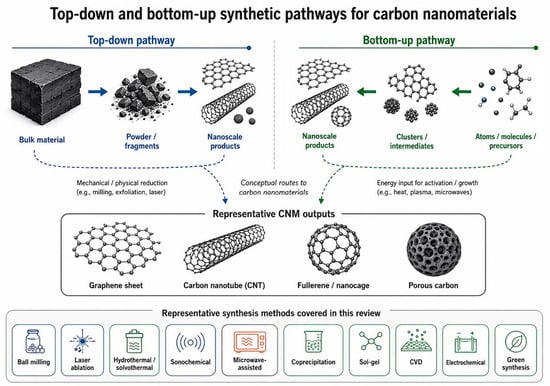
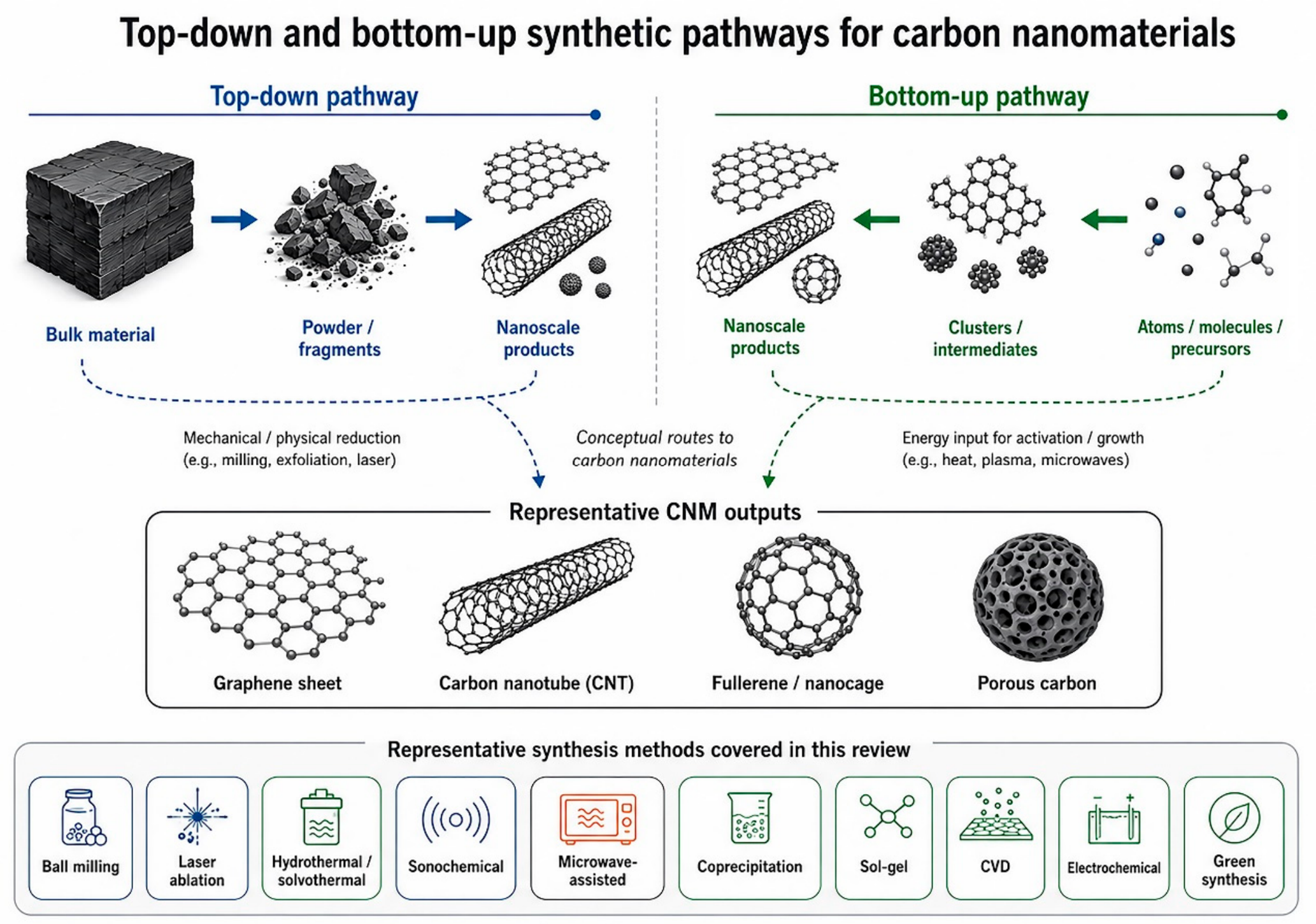
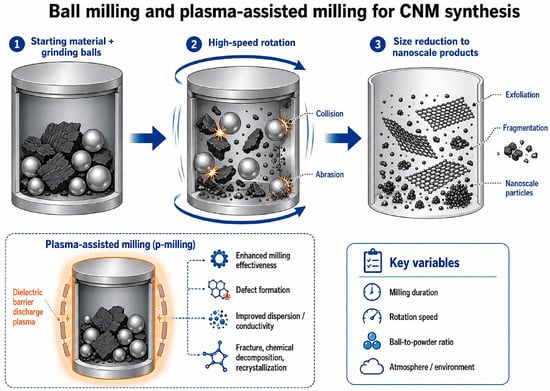
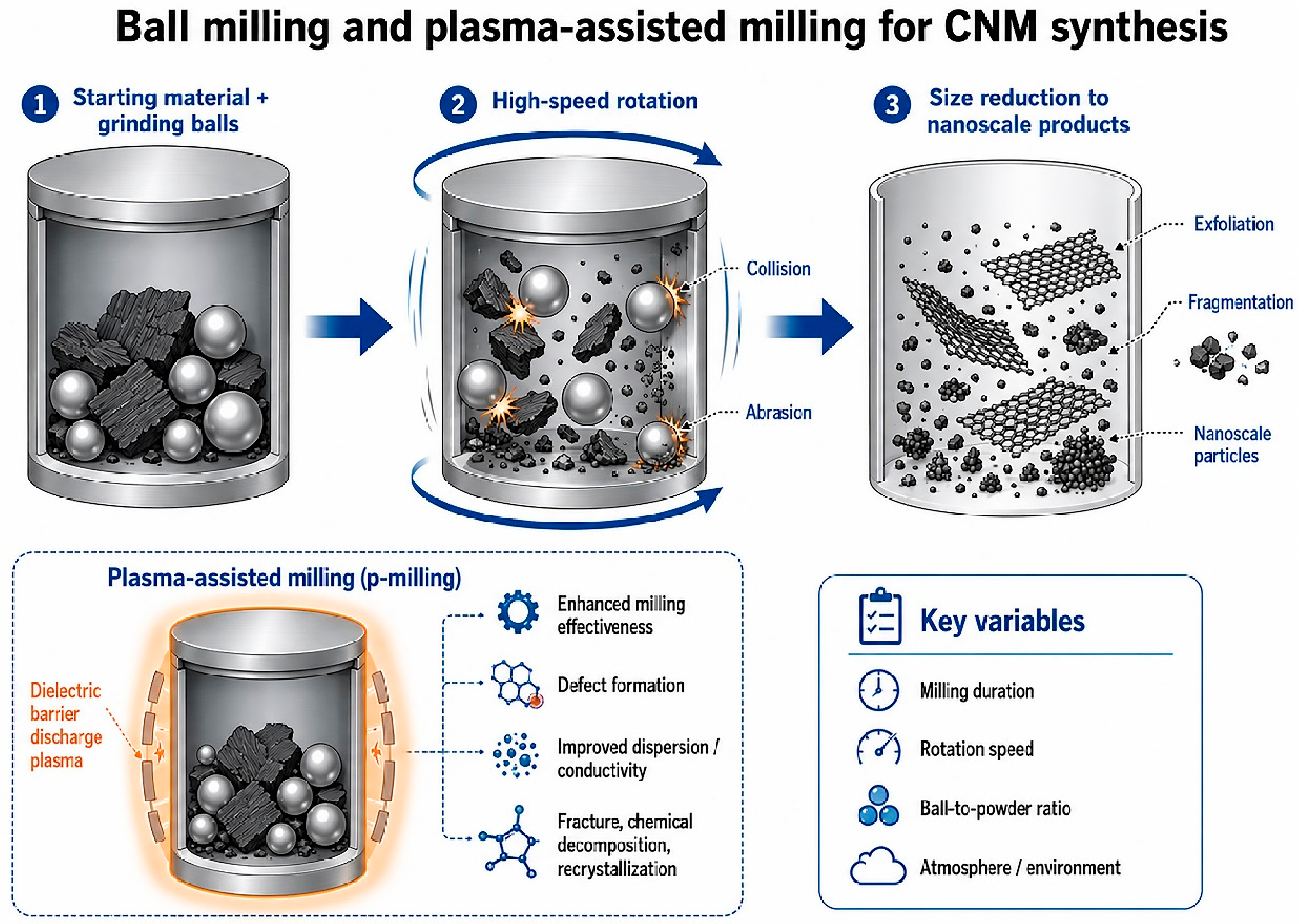
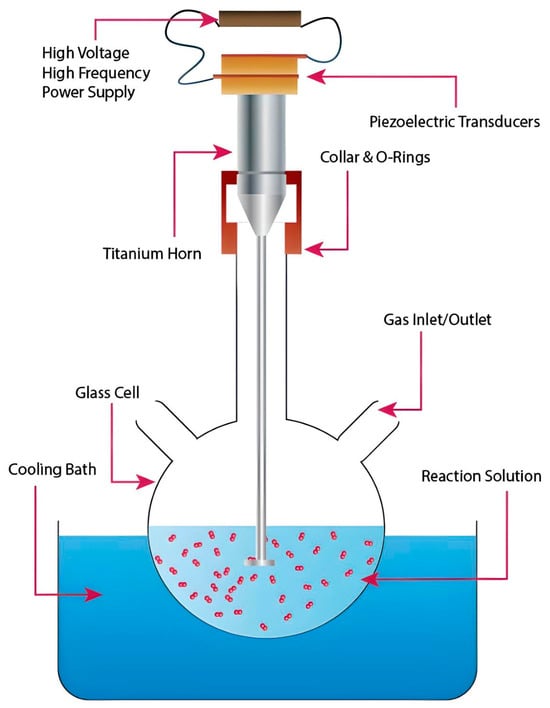
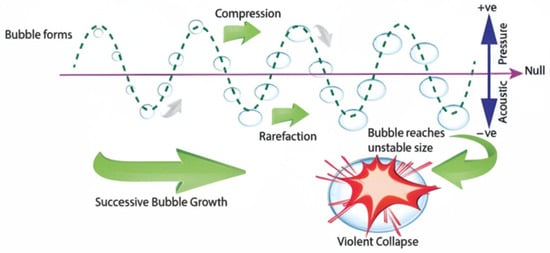
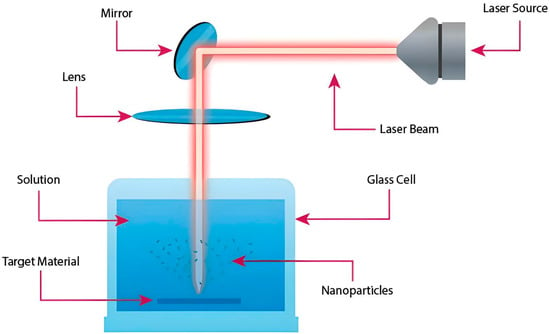
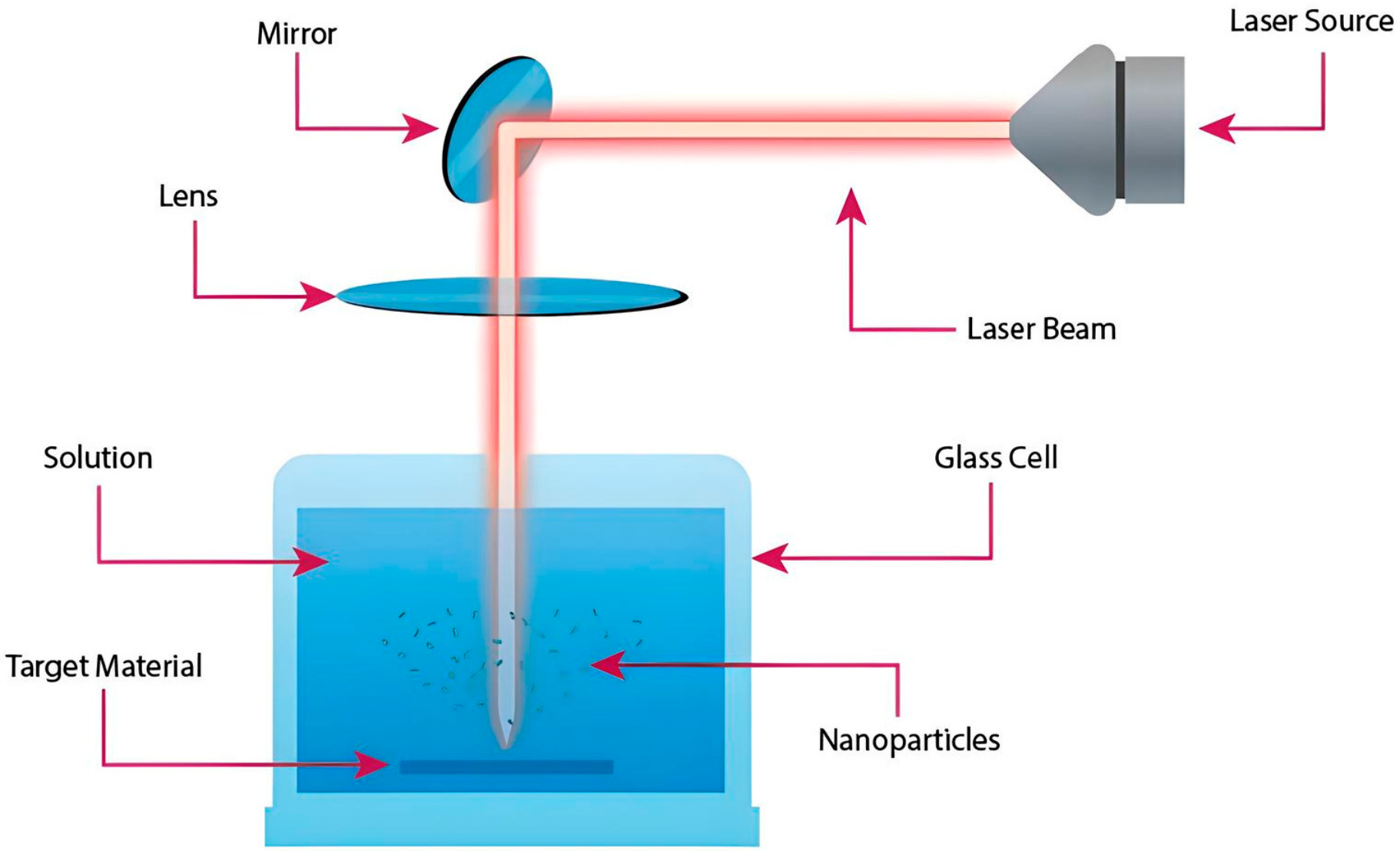
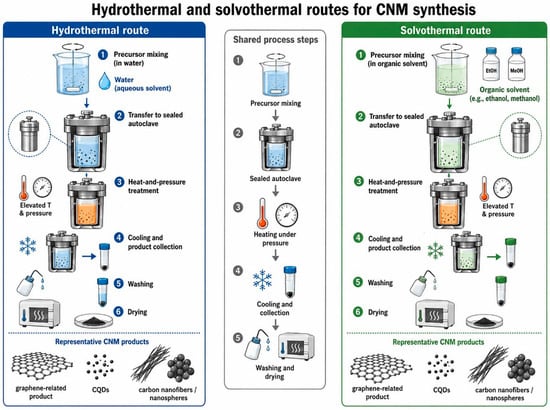
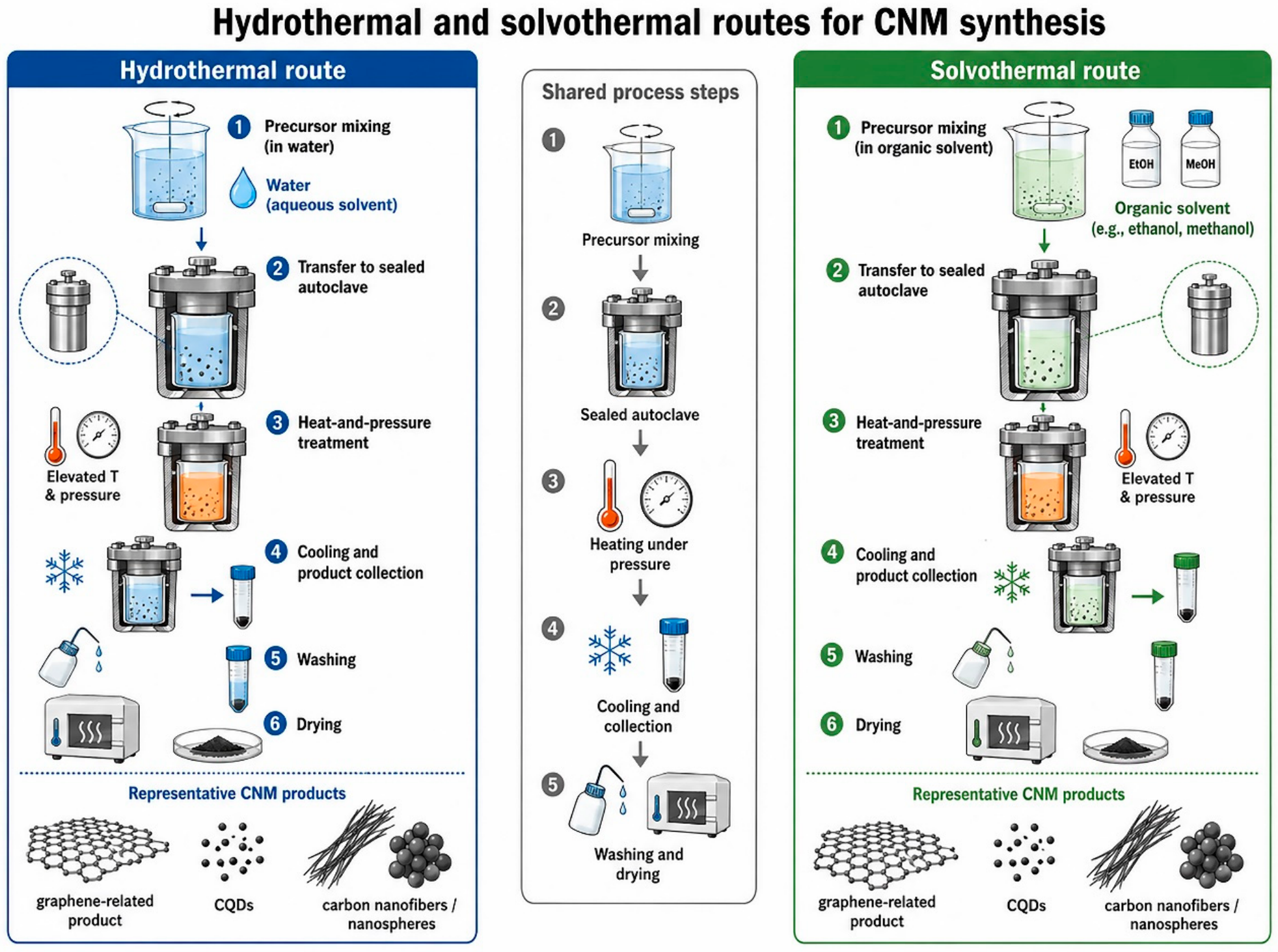
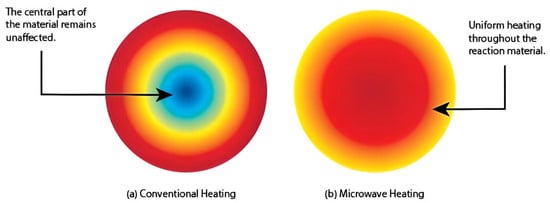
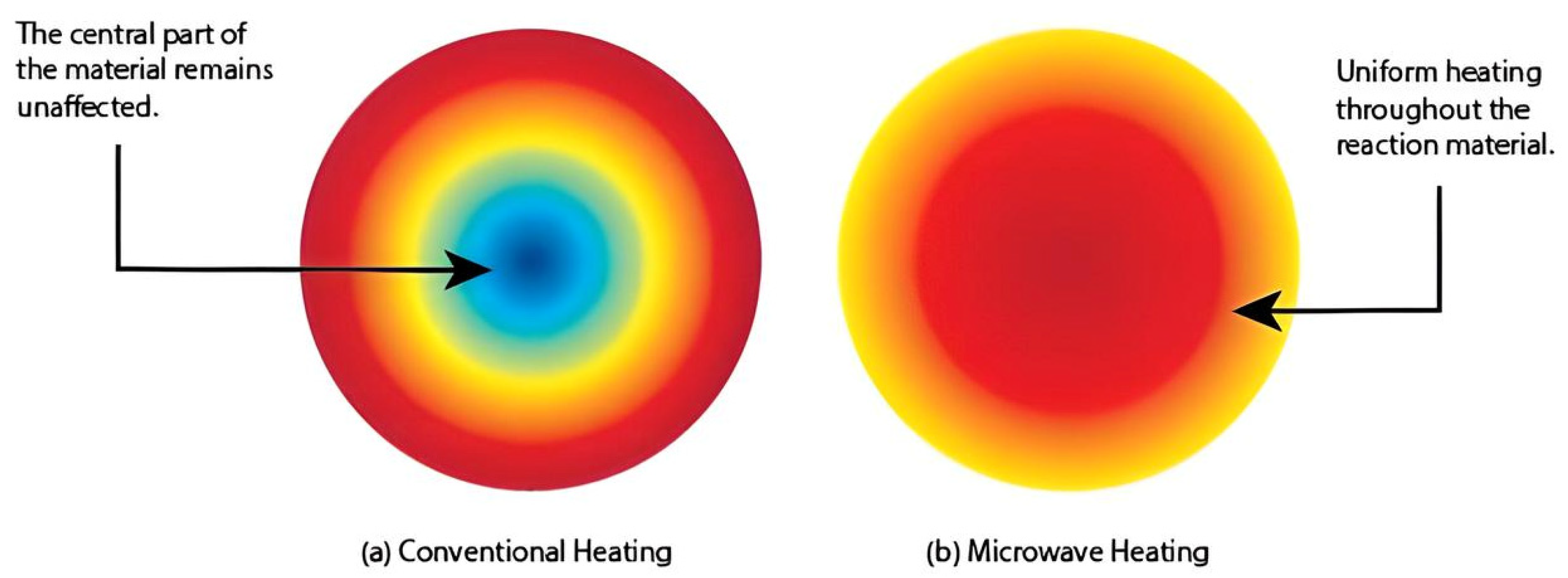
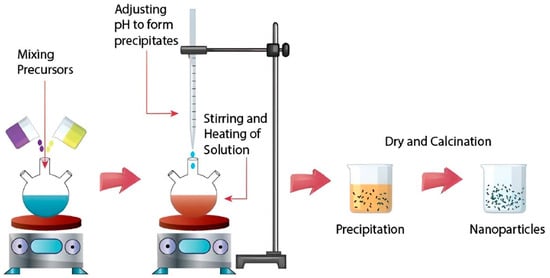
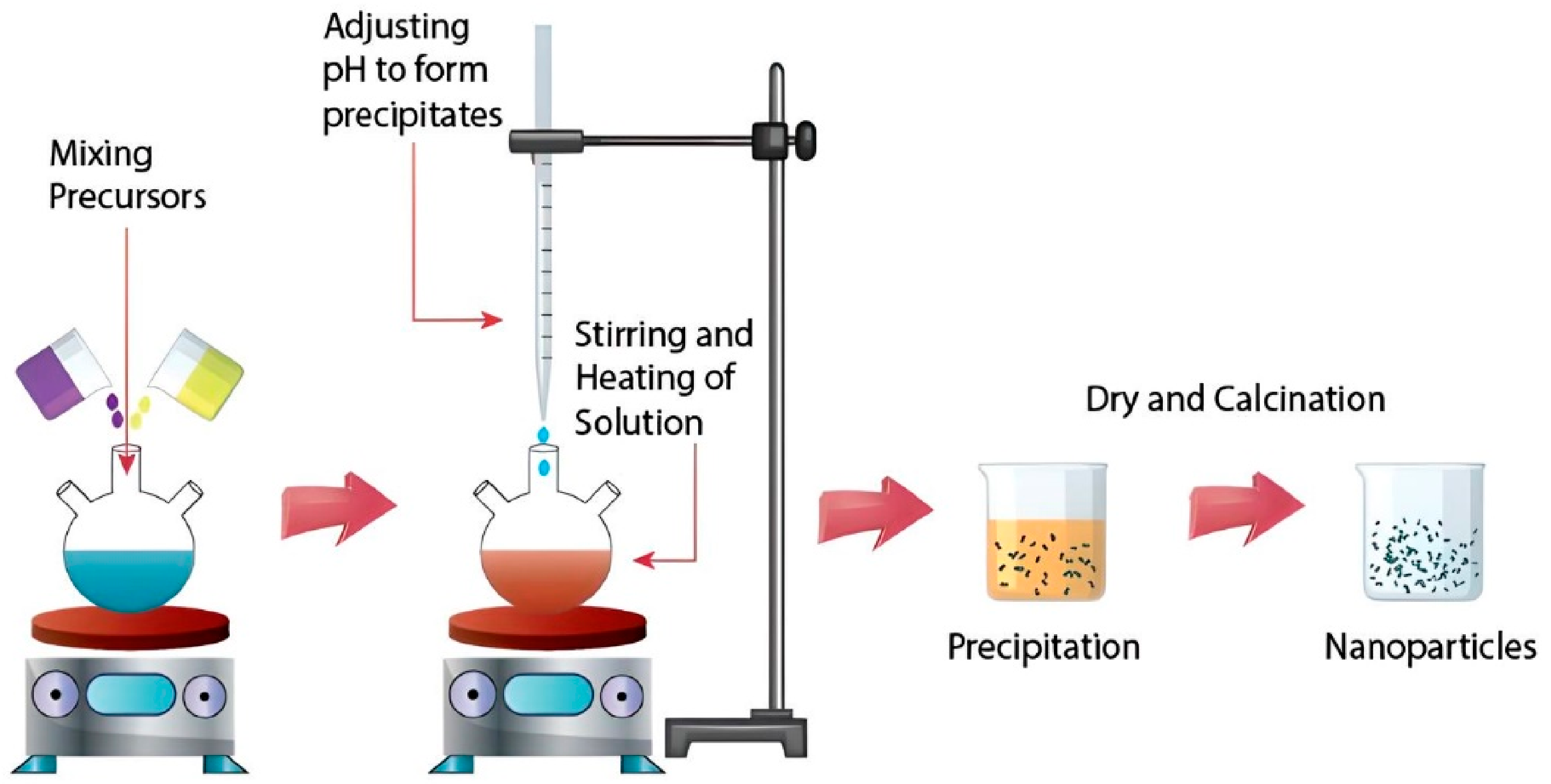
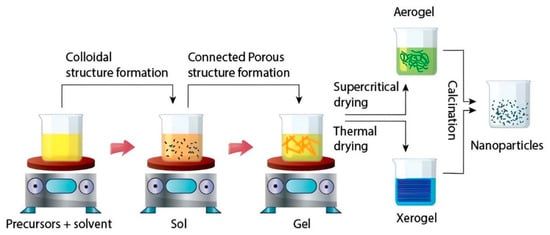
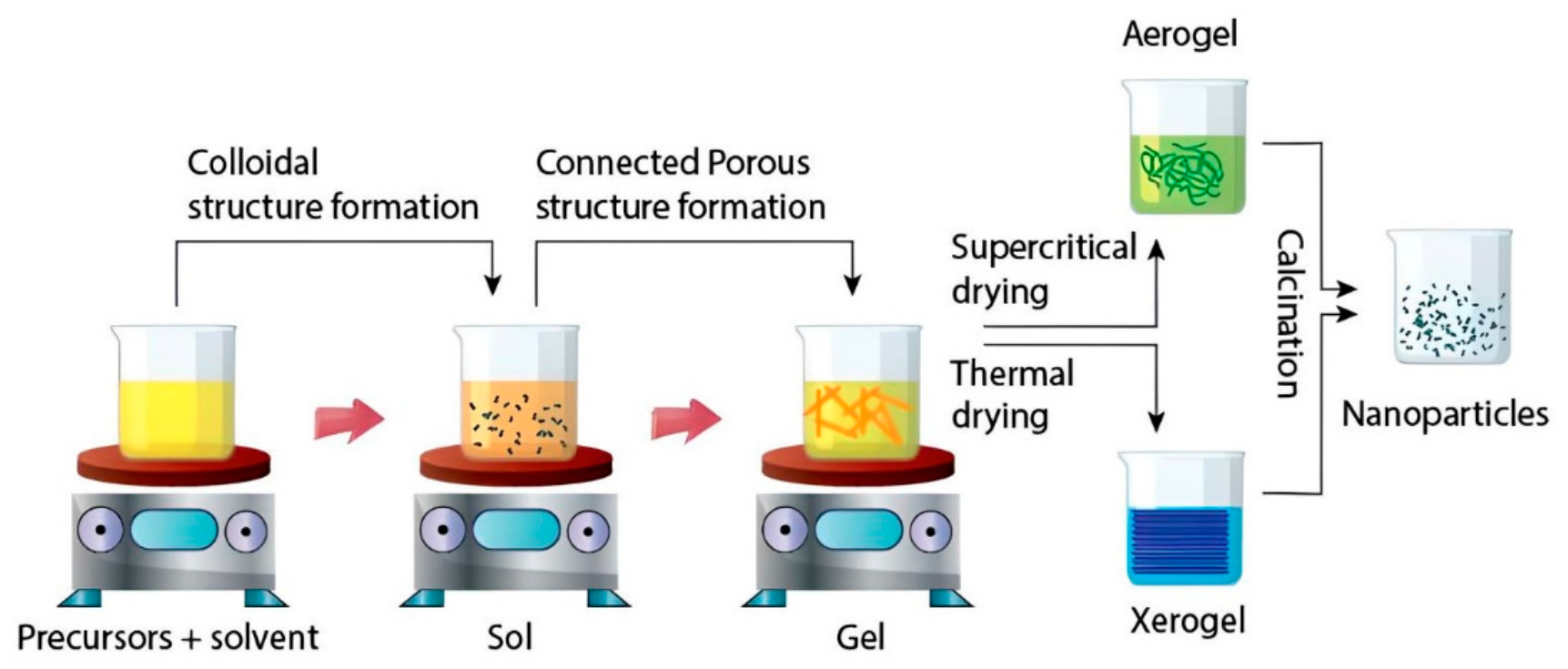
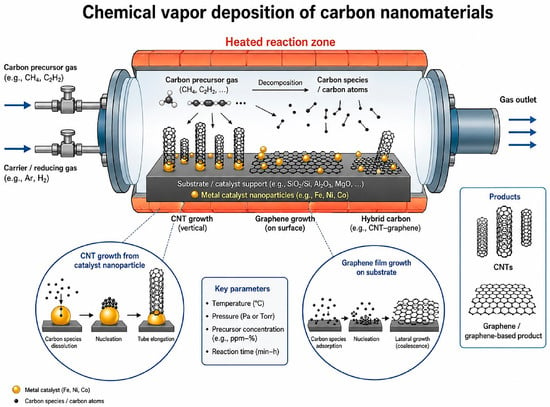
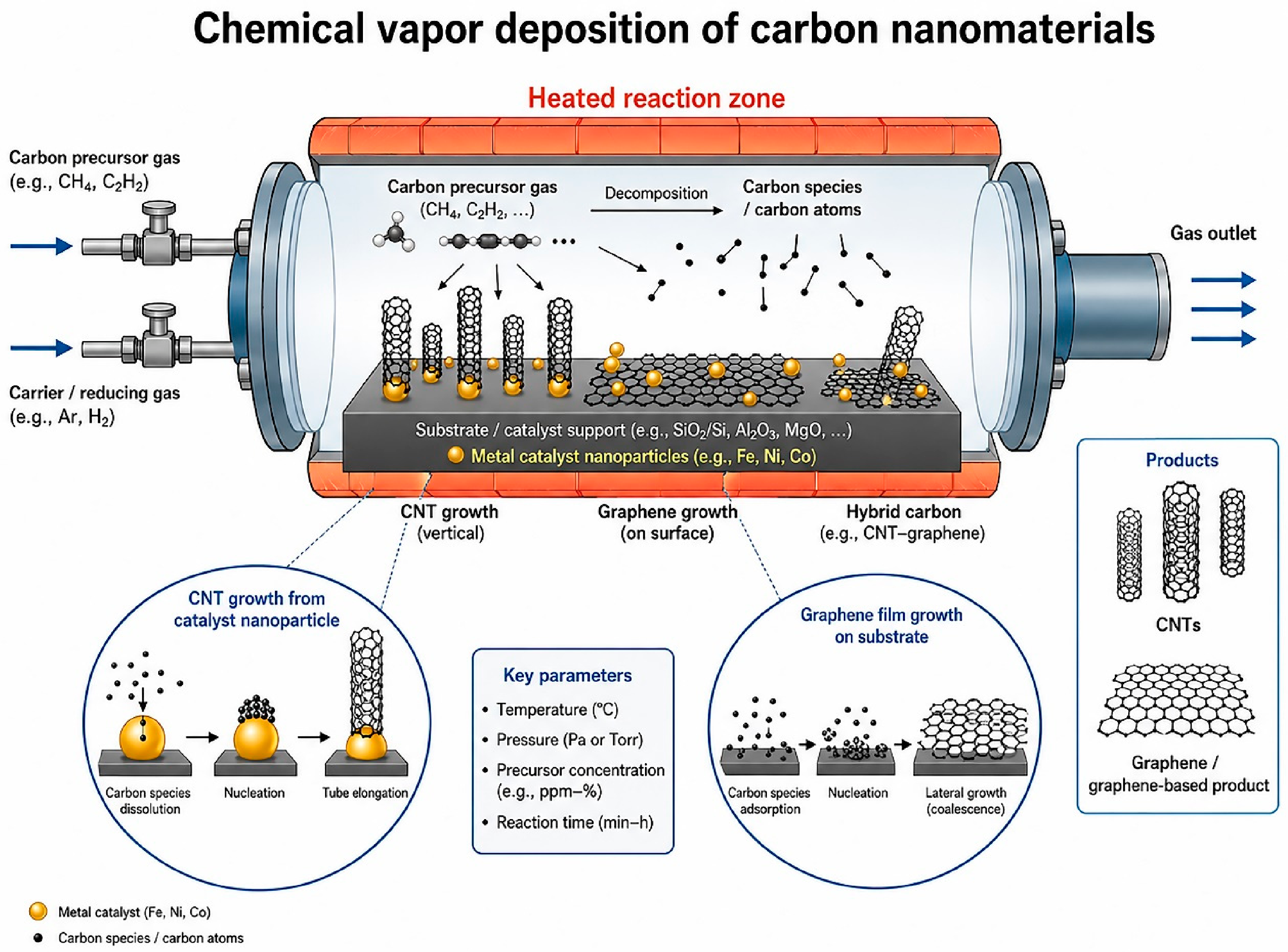
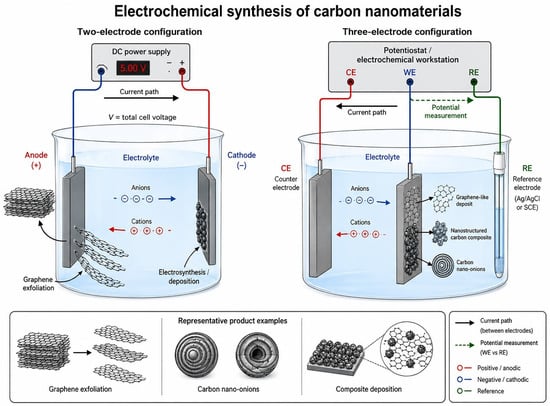
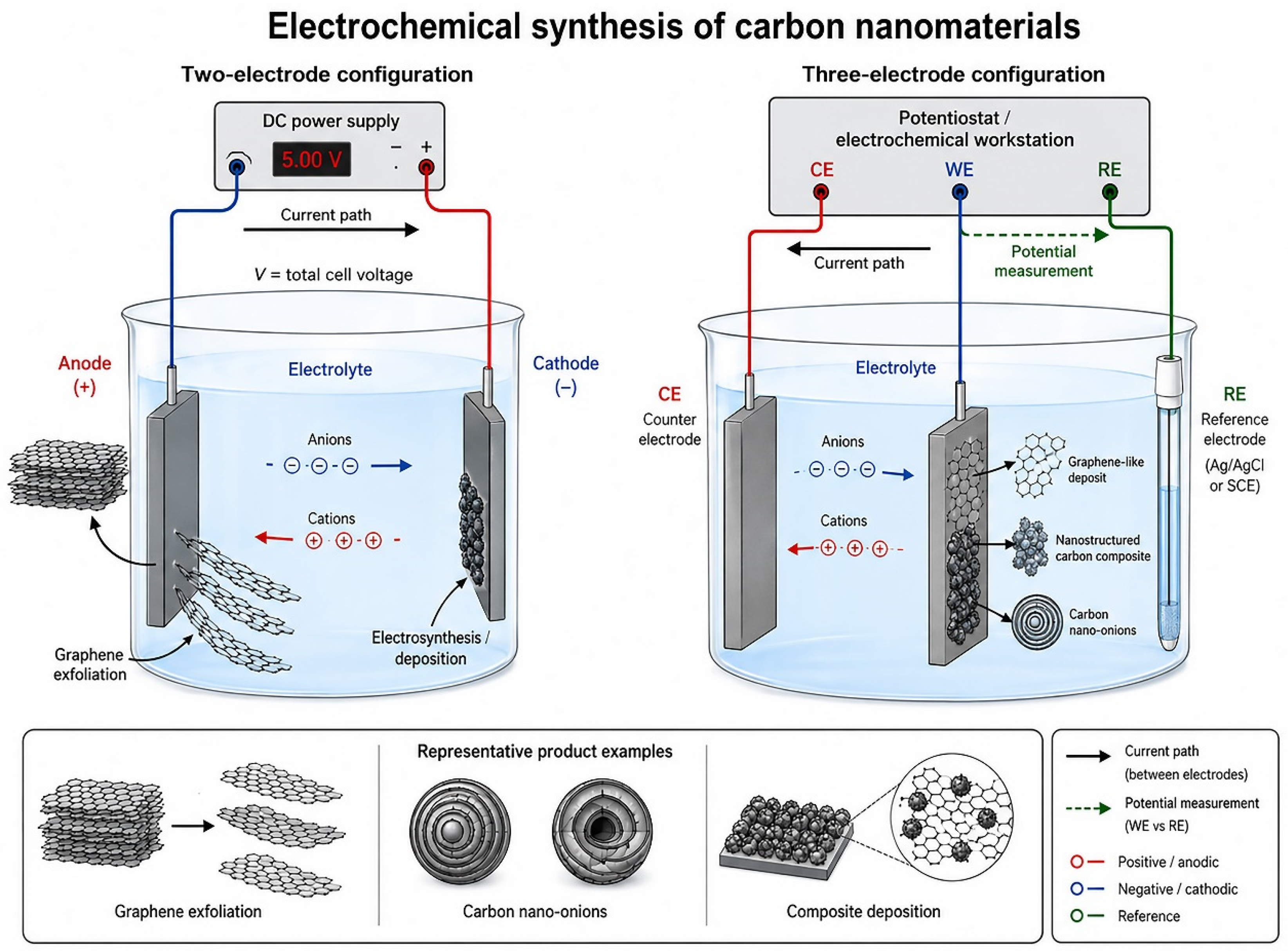
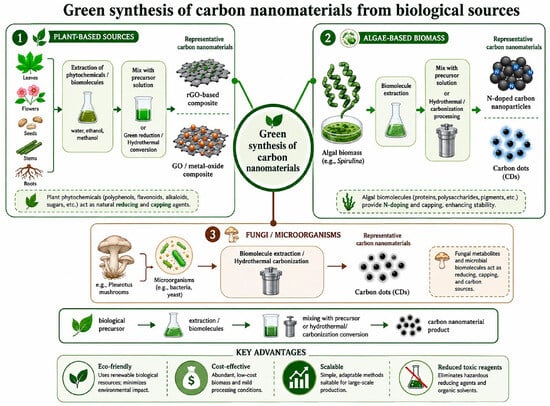
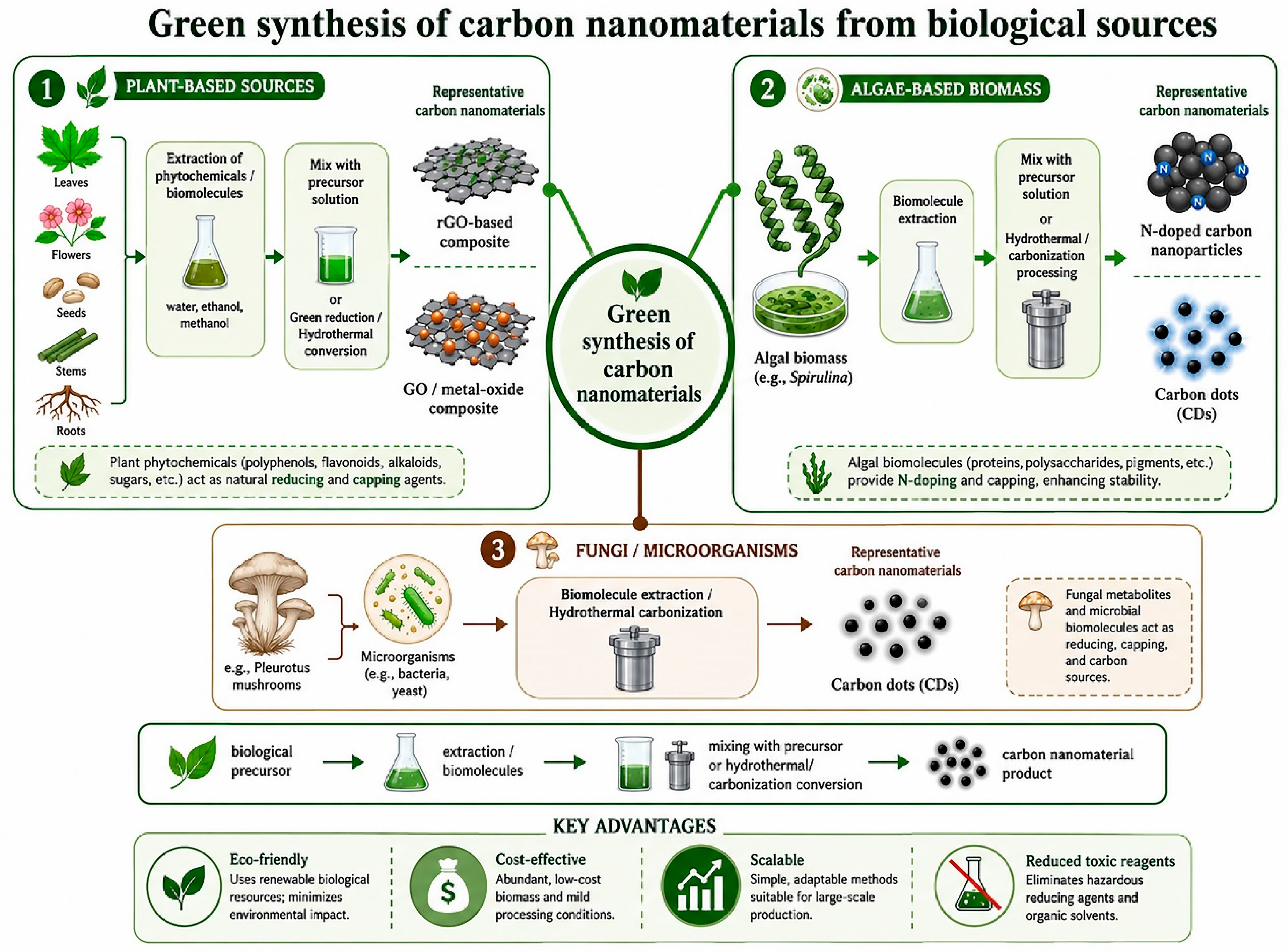
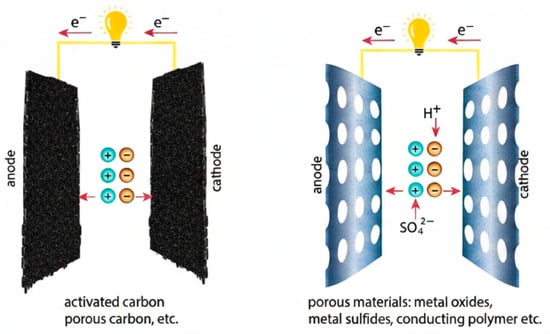
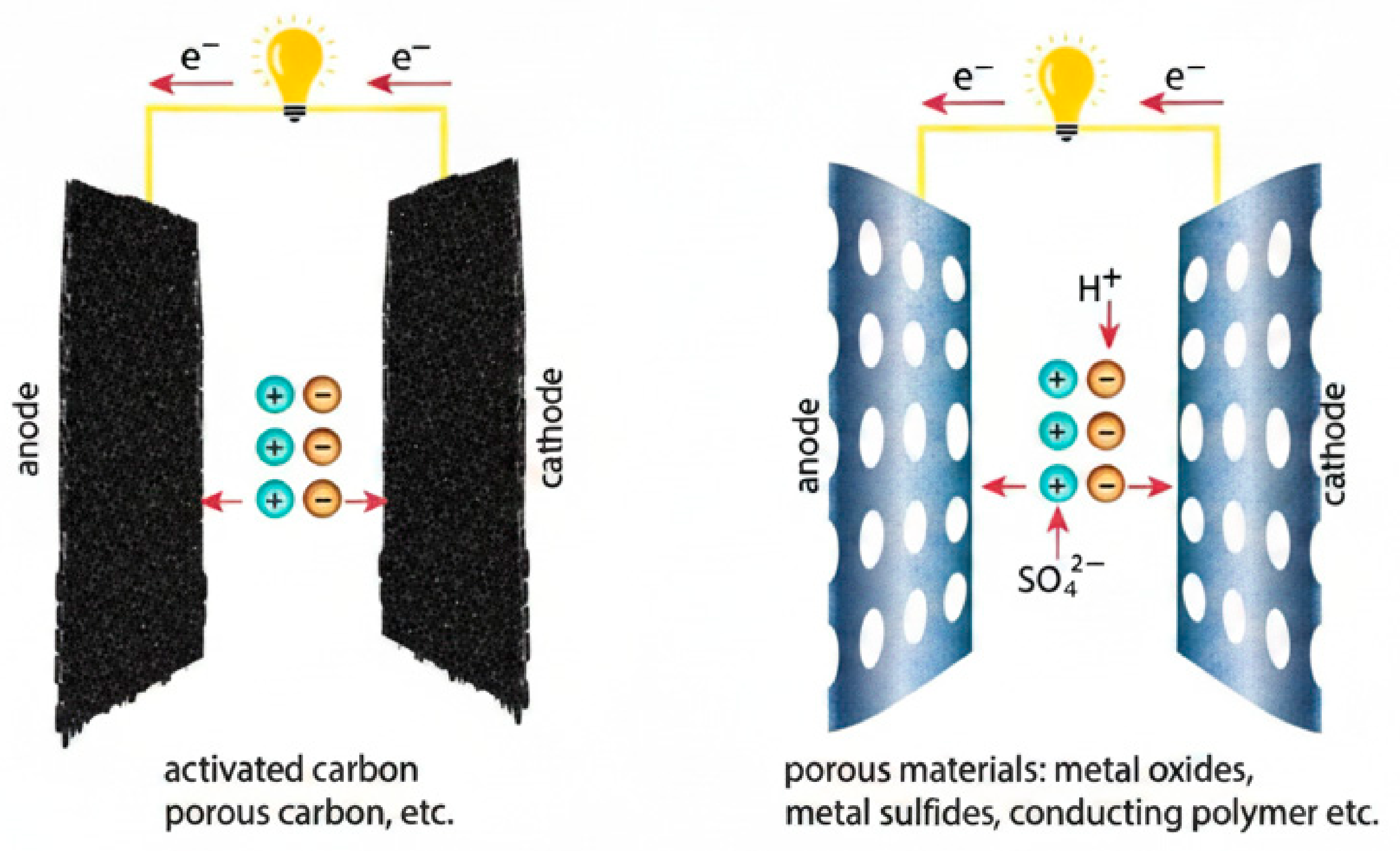
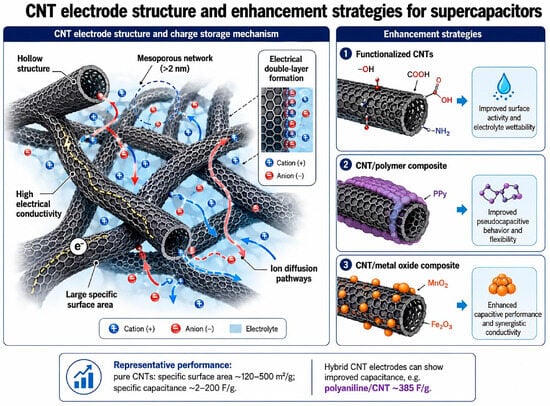
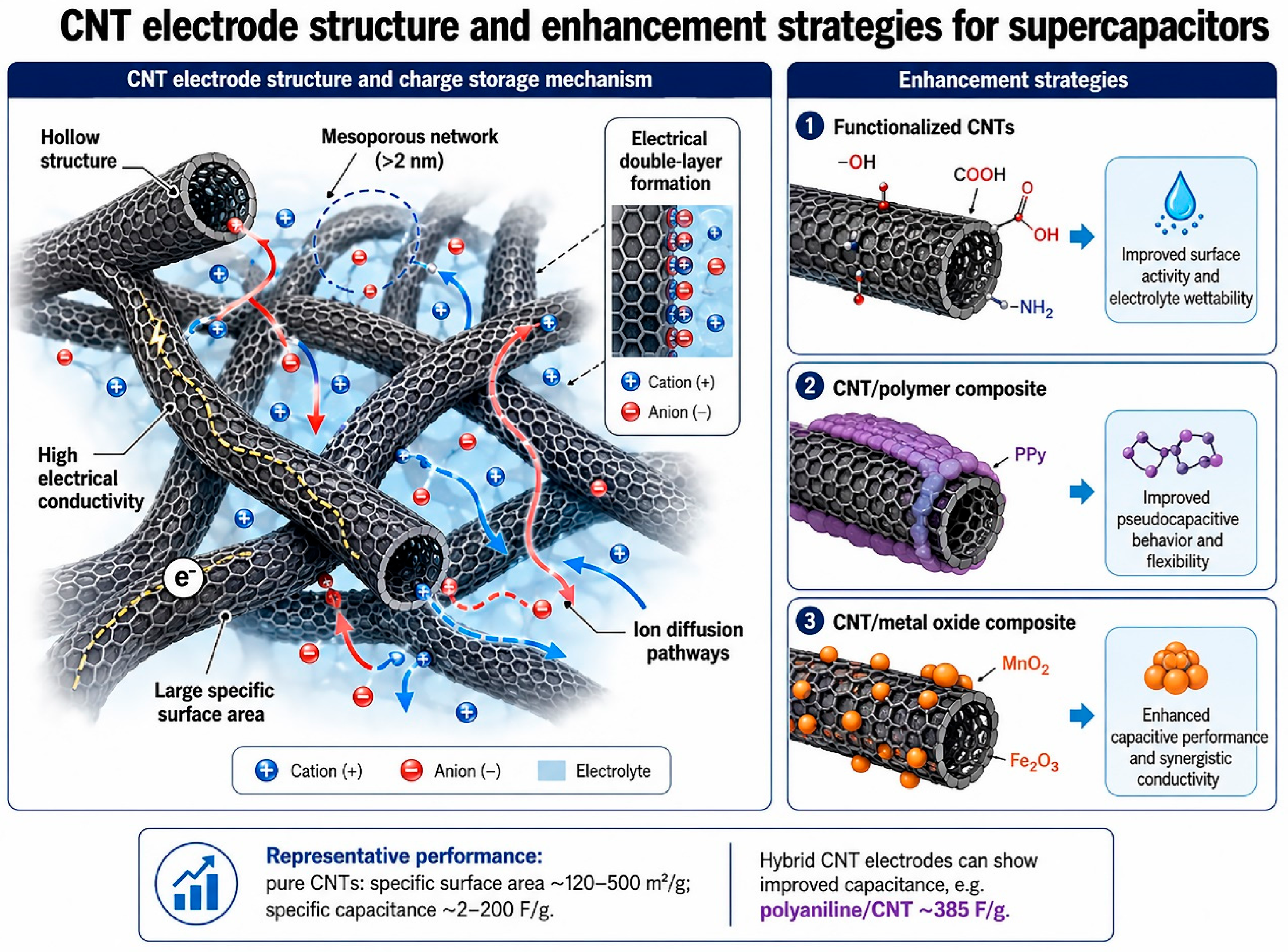
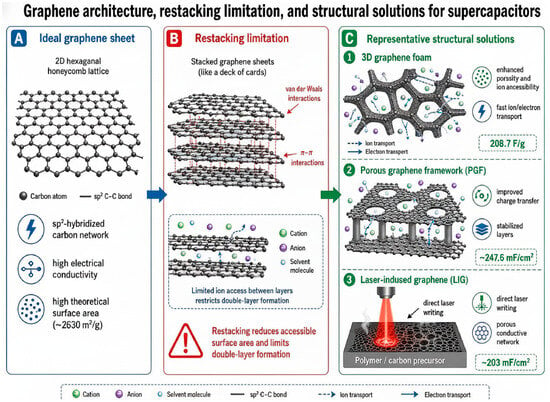
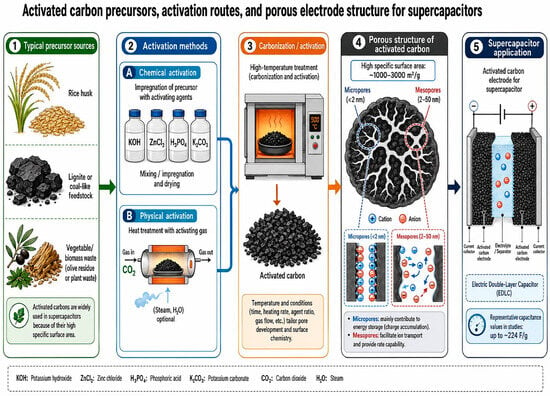
Disclaimer/Publisher’s Note: The statements, opinions and data contained in all publications are solely those of the individual author(s) and contributor(s) and not of MDPI and/or the editor(s). MDPI and/or the editor(s) disclaim responsibility for any injury to people or property resulting from any ideas, methods, instructions or products referred to in the content. |
© 2026 by the authors. Licensee MDPI, Basel, Switzerland. This article is an open access article distributed under the terms and conditions of the Creative Commons Attribution (CC BY) license.