


Abstract
Despite decades of investigation, a complete understanding of CO2 corrosion under complex environmental and operational conditions remains challenging. The stability and protective properties of corrosion-product scales across a wide range of service conditions are also poorly understood, limiting the effectiveness of corrosion management strategies. This review critically assesses CO2 corrosion behavior under diverse conditions, emphasizing how environmental and operational parameters influence corrosion rates and scale formation. The analysis draws on laboratory studies that identify key controlling factors, with particular focus on precipitation at the metal wall, film protectiveness, and scale degradation under different flow regimes. The literature is critically evaluated with respect to temperature, CO2 partial pressure (PCO2), salinity, pH, and hydrodynamic effects. The reviewed studies confirm that these parameters strongly govern CO2 corrosion rates and scale development. Protective FeCO3 films typically form under favorable supersaturation and precipitation conditions, commonly at 60–90 °C, but are prone to destabilization under high shear stress or in acidic environments. At low salinity, chloride ions enhance corrosion, whereas at high salinity, reduced CO2 solubility lowers corrosion rates and promotes weakly adherent scale formation. At low concentrations, H2S can substantially suppress CO2 corrosion by promoting FeS film formation that restricts anodic dissolution. However, its influence on corrosion behavior is not uniform and varies with material grade, solution pH, and prevailing environmental conditions. Overall, this review advances understanding of CO2 corrosion mechanisms and processes in industrial systems, and delineates environmental thresholds governing protective scale stability in CO2-containing environments.
1. Introduction
Carbonated brines are common in oil and gas fields, where dissolved CO2 can create highly corrosive environments and significantly damage surface pipelines, well casings, production tubing, and other downhole and surface equipment. Well casing is a critical component of well construction, primarily installed to maintain wellbore integrity by providing structural support and preventing leakage of formation fluids into the environment or other subsurface formations. A major concern is CO2 corrosion occurring on both the internal and external surfaces of well casing. This corrosion can compromise wellbore integrity, potentially causing formation-fluid leakage, environmental contamination, and catastrophic events such as blowouts. In many oil and gas fields, hydrocarbon production is accompanied by formation brine containing corrosive gases, particularly CO2 and H2S, which can degrade well tubulars and associated equipment.
CO2 corrosion is a common degradation mechanism in industrial systems, particularly in carbon and low-alloy steel pipelines and equipment [1,2]. These steels are widely used in pipeline and equipment construction for their favorable mechanical properties, availability, and cost-effectiveness. However, when CO2 is present in oil fields and industrial systems that contact free water, it forms an acidic aqueous phase that causes rapid metal loss. The economic consequences are substantial, with annual direct costs for monitoring, mitigation, and repair totaling billions of dollars worldwide, not including indirect costs from unplanned shutdowns, environmental liabilities, and premature infrastructure replacement [2]. Consequently, understanding, predicting, and controlling CO2 corrosion are essential to managing pipeline and equipment integrity effectively.
The corrosion process begins with CO2 dissolving in the aqueous phase, where it reacts with water to form carbonic acid, which dissociates into carbonate and bicarbonate ions and releases hydrogen ions that lower the solution pH and promote anodic dissolution of steel [3]. The anodic reaction involves iron oxidation, while the cathodic reactions may include the reduction of hydrogen ions, undissociated H2CO3, and, under certain conditions, the bicarbonate ion [4]. Ferrous ions released into the electrolyte can precipitate as iron carbonate when their concentration exceeds the solubility limit, forming corrosion-product scales with variable morphology, adherence, and protective capacity [5,6].
The operational environment of pipelines and industrial equipment is complex and dynamic, with temperature, PCO2, salinity, pH, and flow regime interacting to influence corrosion mechanisms. Temperature plays a dual role by affecting electrochemical reaction kinetics, CO2 solubility, FeCO3 solubility, and precipitation rates. Similarly, PCO2 influences both corrosion kinetics and scale formation. Salinity can accelerate or mitigate CO2 corrosion. Solution pH is another critical factor: at low pH (<4), direct proton reduction is favored, whereas at high pH (>6), FeCO3 solubility decreases, promoting precipitation and the growth of protective films [6,7]. Pipeline hydrodynamics further influence CO2 corrosion behavior. Increased fluid movement enhances reactant mass transfer to the steel surface and removes corrosion products, thereby hindering the development of protective scales [8,9]. High wall shear stresses can mechanically remove FeCO3 films, exposing bare metal surfaces and enabling uniform and/or localized corrosion [10,11]. Furthermore, other corrosive species, particularly hydrogen sulfide, further complicate CO2 corrosion in pipelines and oilfield and industrial equipment.
Mitigation strategies for CO2 corrosion vary and include material selection (e.g., corrosion-resistant alloys), corrosion inhibitors, protective coatings, pH control, and operational adjustments to promote protective scale formation [1,9]. Therefore, identifying the specific conditions that promote stable protective scale formation is essential to optimizing mitigation strategies and extending the service life of tubulars, tools, and equipment.
This review presents a comprehensive evaluation of the mechanisms and controlling factors of CO2 corrosion in carbon steel, with a particular focus on interactions among temperature, CO2 partial pressure, salinity, pH, and hydrodynamics. By integrating mechanistic insights with laboratory observations, it identifies the critical conditions that govern the formation and stability of protective FeCO3 scales. The findings enhance understanding of CO2 corrosion processes, improve the accuracy of corrosion risk assessment, and inform the evaluation and selection of effective mitigation strategies to improve asset integrity in CO2-containing environments.
This critical review’s novelty lies in its condition-dependent examination of CO2 corrosion behavior, rather than a separate discussion of individual corrosion-affecting factors. While previous reviews have addressed CO2 corrosion mechanisms and influential factors, this work integrates experimental observations to explain how temperature, CO2 partial pressure, salinity, pH, material characteristics, and hydrodynamic conditions collectively govern corrosion-product formation, stability, and protectiveness. The review emphasizes conditions under which FeCO3 precipitation produces dense, protective scales and when scales become porous, weakly adherent, or unstable. The review also highlights competing and interacting effects, such as salinity’s dual influence on electrochemical activity, CO2 solubility, and scale development. By connecting operating conditions with transitions between protective and non-protective scale behavior, the review provides an integrated framework for interpreting apparently contradictory experimental trends and identifying conditions associated with increased corrosion risk.
In this review, we extracted numerical data from previous studies by digitizing graphs published in the original articles using Digitize It 2016 software. We used a standardized digitization procedure to ensure extraction accuracy within an estimated uncertainty of ±2%.
2. CO2 Corrosion Mechanism
The CO2 corrosion process is a multifaceted phenomenon involving chemical, electrochemical, and transport processes, as illustrated in Figure 1. When CO2 from the gas phase dissolves in the aqueous phase, it reacts with water to form carbonic acid (H2CO3). The acid dissociates into bicarbonate ions (HCO3−) and protons (H+), thereby significantly lowering the pH and contributing to metal dissolution. The equilibrium among CO2, H2CO3, HCO3−, CO32−, H+, and OH− in the bulk solution governs the environment’s corrosivity. These species reach the steel surface by diffusion, convection, and migration.
Figure 1.
Schematic showing the mechanism of CO2 corrosion, redrawn from Elgaddafi [12].
At the anode, iron oxidizes (Fe → Fe2+ + 2e−), while at the cathode, H+, undissociated H2CO3, and HCO3− are reduced, producing hydrogen gas. Fe2+ ions may react with carbonate species in the electrolyte to form iron carbonate (FeCO3), which precipitates as a corrosion-product layer. Scale formation, morphology, and protective capacity depend on factors such as supersaturation, flow conditions, temperature, and pH. Under favorable conditions, FeCO3 forms a dense, adherent film that mitigates further corrosion. However, under high shear or acidic conditions, the film may become porous or unstable, leading to uniform and localized corrosion.
The mechanism of CO2 corrosion in aqueous environments primarily involves a series of interrelated processes. These include: (i) formation of reactive chemical species in the bulk solution, (ii) transport of these species to the metal surface, (iii) electrochemical reactions at the metal–electrolyte interface, (iv) precipitation of corrosion products, and (v) transport of the products into the bulk phase.
2.1. Formation of Reactive Species
When carbon dioxide contacts aqueous fluids, it dissolves into the liquid phase and establishes equilibrium between the gaseous and dissolved forms. The dissolved CO2 then undergoes a reversible hydration reaction with water to form carbonic acid (H2CO3). Although the reaction is kinetically slow, it is a critical step in forming the reactive species that contribute to the corrosive environment:
CO2(aq) + H2O ⇌ H2CO3
Carbonic acid is a weak acid that dissociates in a two-step equilibrium process. In the first step, it releases a proton (H+), forming a bicarbonate ion (HCO3−). The bicarbonate ion then dissociates further, releasing another proton and forming a carbonate ion (CO32−). Together, these reactions produce hydrogen ions (H+), which lower the solution’s pH and act as cathodic reactants during electrochemical corrosion of metallic surfaces. The presence and concentration of these reactive species drive the progression and severity of CO2-induced corrosion.
2.2. Bulk to Surface Transport of Reactants
After reactive species form in the bulk solution, their transport to the metal surface is a critical step in CO2 corrosion. This transport occurs primarily by diffusion, though convection and migration can also contribute depending on the system’s hydrodynamic and electrochemical conditions. Hydrogen ions (H+), formed by the dissociation of carbonic acid and bicarbonate, migrate from the bulk solution toward the metal surface, where they participate in cathodic reactions. Similarly, undissociated carbonic acid molecules (H2CO3) are transported from the bulk fluid to the interface. Bicarbonate and carbonate ions also diffuse toward the metal surface. This transport sustains electrochemical reactions. Fluid velocity, species diffusion and migration, temperature, and solution composition influence the rate and extent of transport.
2.3. Electrochemical Reactions at the Metal Surface
The electrochemical aspect of CO2 corrosion involves anodic and cathodic reactions occurring at the metal–electrolyte interface. The anodic reaction is characterized by the dissolution of iron as [4,13]:
Fe ⟶ Fe2+ + 2e−
This oxidation process releases ferrous ions (Fe2+) into the solution and supplies electrons that must be consumed by simultaneous cathodic reactions to maintain charge neutrality. At the cathode, the following reduction reactions may occur, depending on solution pH and reactant availability.
2H+ + 2e− ⟶ H2
The solution pH is a key determinant of which cathodic reaction predominates. According to Nesic et al. [13], at low pH (pH < 4), hydrogen ion reduction (H+) is the dominant cathodic process. As pH increases to intermediate levels (pH 4–6), the reduction of carbonic acid (H2CO3) becomes more favorable. At high pH (pH > 6), bicarbonate ion (HCO3−) reduction becomes more important and occurs alongside the reduction of both H+ and H2CO3. This pH-dependent behavior strongly influences the corrosion rate and mechanism [14].
2.4. Formation of Corrosion Product Scale
In CO2-rich aqueous environments, iron carbonate scale could form on the steel surface. This occurs when the local concentration of dissolved ferrous carbonate exceeds its solubility limit, leading to precipitation and deposition of solid FeCO3. The reaction governing the precipitation process can be expressed as:
In addition to the reduction of hydrogen ions shown in Reaction 3, direct surface reaction of carbonic acid with the metallic surface can occur, which can be described as [15]:
Steel corrosion occurs through the dissolution of surface iron atoms, which release electrons and enter the aqueous solution as ferrous ions (Fe2+).
The overall reaction involving the direct reduction of carbonic acid at the metal surface can be expressed as follows:
In the direct reduction mechanism, electrochemical reactions (2)–(5) are assumed to proceed alongside the adsorption of carbonic acid onto the metal surface, where it undergoes direct reduction. This additional reaction may explain the higher corrosion rates observed in CO2-saturated solutions compared with those in solutions containing a fully dissociated acid at the same concentration [15].
2.5. Surface to Bulk Transport of Products
During electrochemical reactions, product species such as ferrous ions (Fe2+) and carbonate ions (CO32−) are generated near the metal surface. Their accumulation at the metal–electrolyte interface creates a concentration gradient between the surface and the bulk solution. This gradient drives product diffusion from the surface into the bulk. However, if the rate of product formation exceeds the rate of transport away from the surface, local supersaturation can occur. Under such conditions, the solubility limits of the ionic species may be exceeded, leading to nucleation and precipitation of solid corrosion products, most notably iron carbonate (FeCO3). This near-surface precipitation contributes to the formation of a corrosion product layer, which may act as a barrier to further metal dissolution, depending on its structure and adhesion. The extent of product transport, therefore, plays a key role in determining whether protective scales form on the metal surface.
3. Main Influential Factors
Figure 2 shows the primary parameters that influence CO2 corrosion. These factors govern the electrochemical and physicochemical processes that define the corrosion behavior of metallic materials in CO2-containing environments. Each parameter can directly or indirectly influence the corrosion mechanism by altering thermodynamic equilibrium, reaction kinetics, mass transfer, or protective film formation [12]. Specifically, gas composition, CO2 partial pressure (PCO2), temperature, flow conditions, fluid chemistry, and material type significantly affect the rate and type of CO2 corrosion. Their individual contributions may include changes in CO2 solubility, carbonic acid concentration, solution pH, or the nature and stability of corrosion product scales [1,2,16]. Furthermore, these factors often interact synergistically or antagonistically, with one variable amplifying or suppressing the effect of another, complicating the corrosion process [17,18]. Despite considerable advancements in CO2 corrosion research, the underlying mechanisms of interaction among these parameters remain complex and not yet fully elucidated [8].
Figure 2.
Factors affecting CO2 corrosion, redrawn from Elgaddafi [12].
3.1. Temperature
Temperature influences both electrochemical kinetics and scale formation during CO2 corrosion. Rising temperature generally accelerates corrosion by enhancing mass transfer and reaction rates through reduced fluid viscosity and increased molecular diffusion, allowing electroactive species to reach the steel surface more quickly. Temperature also affects the solubility of CO2 and FeCO3, the ionization of carbonic acid, and the resulting solution pH, thereby influencing corrosion behavior and scale characteristics [5,19]. The studies summarized in Table 1 demonstrate that temperature has a complex influence on CO2 corrosion of carbon steels. The methods used to assess corrosion include Weight Loss (WL), Scanning Electron Microscopy (SEM), Energy-Dispersive X-ray Spectroscopy (EDS), X-ray Diffraction (XRD), linear polarization resistance (LPR), and X-ray Photoelectron Spectroscopy (XPS). Several studies [20,21,22,23] reported that corrosion initially increased with temperature before decreasing as protective FeCO3 scales developed, whereas others [24,25,26,27,28] showed a continuous decline in corrosion rate with increasing temperature. At very high temperatures, Fe3O4 formation was associated with further corrosion reduction [26]. Overall, the results indicate that the temperature effect depends strongly on corrosion-product composition and protectiveness, CO2 pressure, brine chemistry, steel grade, and exposure time.
Table 1.
Summary of experimental studies conducted to investigate the effect of temperature.
3.1.1. Effects of Temperature in Presence of Salt
CO2 corrosion often occurs in the presence of salt. Dissolved salt in the surrounding water intensifies the electrochemical reaction by increasing solution conductivity and promoting charge transfer, primarily via chloride ions [29]. However, salt also facilitates the early formation of a corrosion product scale, stabilizing the corrosion rate at higher temperatures [24]. Figure 3 presents results from corrosion experiments on three API carbon steels (P110, N80, and J55) conducted at 8.27 MPa in synthetic produced water containing 15 g/L CaCl2 and 1.1 g/L NaHCO3, with pH values between 4 and 6 and varying temperatures and exposure times [24]. The corrosion rate measured at 96 h of exposure (Figure 3a) decreased with increasing temperature, with a pronounced reduction between 60 and 90 °C, followed by a more gradual decline from 90 to 150 °C. Table 2 presents the chemical composition of the tested materials.
Figure 3.
Corrosion rate of API carbon pipes at 8.27 MPa in synthetic produced water with varying (a) temperature and (b) exposure time; data from Cui et al. [24].
Table 2.
Chemical composition of tested steels [24].
In general, CO2 solubility in water varies markedly with temperature. CO2 solubility is critical in determining corrosion, as it affects the concentration of corrosive species and the pH of the surrounding fluid. Temperature strongly influences the CO2–water equilibrium, altering gas solubility (Figure 4). Under elevated pressures (>10 MPa), CO2 exhibits an anomalous solubility trend: solubility decreases at lower temperatures but increases again as temperature rises [30]. At 8.27 MPa, solubility follows a normal trend, decreasing with temperature, most notably below 100 °C. This decline reduces the concentration of carbonic acid (H2CO3), thereby lowering the availability of corrosive species such as H2CO3, H+, and HCO3−, while increasing the pH.
Figure 4.
Solubility of CO2 in pure water, redrawn from Duan and Sun [30].
The combined effects of reduced acid concentration, elevated pH, and higher temperature promote the formation of a protective corrosion product layer, primarily iron carbonate (FeCO3), on steel surfaces during CO2 corrosion. This layer acts as a diffusion barrier, limiting mass transport and thereby reducing the corrosion rate as temperature increases [31,32]. In aqueous CO2 systems, FeCO3 precipitation primarily governs corrosion scale formation. This process becomes thermodynamically favorable with increasing temperature because FeCO3 solubility decreases with temperature (Figure 5). This inverse relationship promotes supersaturation at elevated temperatures, thereby promoting precipitation onset [5]. Although elevated temperatures typically enhance the kinetics of electrochemical reactions and mass transport processes, which would, under other conditions, increase corrosion, the combined effect of decreased CO2 solubility, elevated pH, and enhanced scale formation becomes the dominant factor governing the corrosion behavior. Consequently, the corrosion rate often decreases with temperature.
Figure 5.
FeCO3 solubility in water vs. temperature at atmospheric pressure and pH of 7; data from Dugstad [5].
Beyond formation conditions, temperature strongly influences the morphology and protectiveness of corrosion-product scales in CO2 environments by affecting both FeCO3 solubility and precipitation kinetics. As temperature increases, FeCO3 solubility decreases (Figure 5), while precipitation kinetics accelerate, favoring rapid scale formation and causing precipitation to outpace dissolution. Consequently, at low temperatures (<40 °C), despite supersaturation, slow precipitation kinetics yield loose, porous scales composed primarily of Fe3C with minor amounts of FeCO3, providing little or no protection against corrosion (Figure 6). Accordingly, corrosion rates generally increase steadily with temperature within this range [20,21,22,33].
Figure 6.
Corrosion product scales across varying temperature regimes, redrawn from Elgaddafi et al. [27].
At intermediate temperatures (60–90 °C), reduced FeCO3 solubility promotes rapid FeCO3 precipitation and the formation of highly compact, adherent, protective scales that significantly mitigate corrosion, leading to a gradual decrease in corrosion rate with increasing temperature [24,25,26,33,34]. Nevertheless, several studies [5,35,36] have reported maximum corrosion rates within the 70–100 °C range, indicating that temperature also influences corrosion through additional factors, including fluid chemistry, flow conditions, and corrosion-scale stability. Therefore, temperature’s effect on CO2 corrosion is complex, as it exerts both direct and indirect influences on the corrosion process. Indirectly, temperature affects corrosion behavior by altering key thermodynamic and kinetic parameters, including ionic transport, CO2 and iron carbonate solubility, fluid composition and pH, and corrosion-product characteristics. Several additional factors also govern temperature’s influence on the corrosion process, including the material type and chemical composition, the electrolyte’s physicochemical characteristics, and the experimental conditions.
At elevated temperatures (>90 °C), FeCO3 remains the dominant corrosion product; however, the resulting scales become highly porous and weakly adherent, reducing their protective effectiveness because corrosion proceeds more rapidly than scale consolidation. Numerous studies [1,14,35,37,38] corroborate these trends, confirming that the most protective scales form within an intermediate temperature range where precipitation kinetics and scale integrity are optimized. However, Figure 3a suggests that this intermediate temperature range can be broader, extending from 60 to 150 °C, due to the influence of other factors.
Furthermore, the composition of the surrounding brine, particularly the types of dissolved salts and ions, can significantly influence corrosion. In calcium chloride-containing brines, Ca2+ ions can precipitate CaCO3, affecting the development and characteristics of corrosion-product layers. Although CaCO3 can form under CO2 corrosion conditions, its solubility is about two orders of magnitude greater than that of FeCO3, favoring predominant FeCO3 scale formation. Nevertheless, CaCO3 and FeCO3 are isostructural compounds with hexagonal unit cells, allowing Ca2+ and Fe2+ ions to coexist within the same crystal structure. Previous studies [39,40] have shown that this coexistence can form a mixed-metal carbonate solid solution represented by CaxFe1−xCO3 (0 ≤ x ≤ 1). Hence, under favorable conditions, mixed carbonate scale formation may influence corrosion behavior by developing deposits with protective characteristics and passivation effects. Calcium ions passivate carbon steel in the absence of NaCl [41]. In environments containing NaCl, the corrosion rate decreased when CaCO3 was introduced, even though the corrosion scale thickness decreased simultaneously [42]. Under this condition, the scale formed on the steel surface was mixed metal carbonate (FexCa1−xCO3) with a de-passivation tendency that promotes localized corrosion such as pitting.
3.1.2. Effects of Temperature in Absence of Salt
In the absence of salt, the corrosion rate trend versus time shown in Figure 3b may differ slightly. For instance, when API X65 steel with unreported composition was exposed to a CO2-saturated aqueous environment without salt, protective scale formation was noticeably delayed, as illustrated in Figure 7 [28], resulting in a prolonged period of active corrosion. Although the corrosion rate decreased exponentially over time, stabilization did not occur until after 300 h, indicating that corrosion kinetics remain governed by the delayed formation of a protective scale layer.
Figure 7.
Corrosion rate of API X65 steel vs. time at 13.5 MPa in: (a) water-CO2, and (b) humid supercritical CO2; data from Cabrini et al. [28].
Beyond delaying scale development, the absence of salt also alters the relationship between corrosion rate and temperature. Specifically, the corrosion rate increases with temperature (Figure 7a). This reverse trend is attributed to enhanced reaction kinetics and accelerated diffusion of reactive species at elevated temperatures. These findings show that in CO2-saturated unsalted water, temperature plays a pivotal role in controlling both the rate and mechanism of corrosion, thereby influencing several interdependent phenomena that govern the overall corrosion behavior of metallic materials.
Additionally, all corrosion-rate curves converge over time (Figure 7a), indicating that temperature’s influence diminishes with prolonged exposure. This behavior suggests that, regardless of temperature, the corrosion process promotes increasingly effective scale formation over time, thereby minimizing temperature effects as exposure duration increases.
In humid supercritical CO2, the observed corrosion rate (Figure 7b) is significantly lower than in the aqueous phase (Figure 7a). This reduction is primarily due to limited water availability and reduced ionic mobility in the supercritical phase, which together suppress electrochemical activity. Over prolonged exposure, the corrosion rate stabilized across all tested temperatures, indicating the formation of a protective layer. These observations align with previous studies [43,44,45], which consistently reported substantial decreases in corrosion rates in water-vapor-saturated supercritical CO2 environments. Specifically, Sun et al. [45] reported that the general corrosion rate of X70 steel decreased to 0.014 mm/y after 120 h of exposure at 10 MPa and 50 °C, further confirming the corrosion-inhibiting effect of the supercritical CO2 phase under humid conditions.
3.2. Material Type
Material type is another factor that may influence the relationship between temperature and CO2 corrosion. As shown in Figure 3, the corrosion rate of API steels in synthetic produced water varied slightly with material type. Regardless of temperature, P110 exhibited the highest corrosion rate, followed by N80 and J55. A similar pattern was observed for API steels tested in carbonated brine (Figure 8). The corrosion rates of the materials (T95, C110, and Q125) were measured after one week of exposure to brine (2 wt% NaCl solution) in equilibrium with a CO2-CH4 gas mixture at a total pressure of 41.37 MPa, with a PCO2 of 21.7 MPa. Table 3 shows the composition of the materials tested.
Figure 8.
Corrosion rate vs. temperature for different API casings in brine saturated with CO2-CH4 mixed gas at 41.37 MPa; data from Elgaddafi et al. [27].
Table 3.
Chemical composition of API carbon steels [12].
Across all tested materials, the measurements show a pronounced and consistent decline in corrosion rate with increasing temperature. This reduction is primarily attributed to the decreased solubility of iron carbonate (FeCO3) at elevated temperatures. CO2 solubility is also expected to decrease with temperature (Figure 4), reducing dissolved carbonic acid and associated corrosive species (H2CO3 and H+). This shift increases solution pH, which suppresses corrosion and promotes the formation of protective scale [27]. Hence, the combined effects of reduced iron carbonate solubility and CO2 solubility significantly reduce corrosion as temperature increases.
Although the overall trend of corrosion rate variation with temperature remains relatively consistent across different steels, each material exhibits a unique susceptibility to corrosion. Unlike pipeline steels (Figure 3), which showed an increase in corrosion rate with strength, casing materials mostly displayed the opposite trend (Figure 8). This discrepancy can be attributed to differences not only in mechanical strength but also in elemental composition, microstructural characteristics, and the presence of alloying elements that influence scale formation and stability. Furthermore, variations in the surrounding fluid composition can significantly affect corrosion behavior. Consequently, isolating a single factor responsible for the observed differences in corrosion trends is challenging because metallurgical and environmental variables interact in complex ways.
3.3. Salt Content
CO2 corrosion can also depend on the salt content of the surrounding fluid. Figure 9 shows corrosion rate measurements for carbon steel 1045 exposed to various temperatures, CO2 partial pressures, and salt (NaCl) concentrations [23,46]. The tested material composition is not reported. Specimens were exposed in brine solutions for one week at a constant pressure of 0.82 MPa. At a 2% salt concentration (Figure 9a), the corrosion rate increased steadily as the temperature rose from 26 to 43 °C. Although the CO2 concentration in the solution is expected to decrease with temperature under these conditions (Figure 4), enhanced species transport and electrochemical reactions, along with the formation of non-protective corrosion products, likely outweighed this effect and increased the corrosion rate. Beyond 43 °C, however, a decreasing trend was observed for CO2 partial pressures above 0.2 MPa. This behavior aligns with the widely recognized reversal in corrosion trends above 40 °C, driven by protective scale formation. In contrast, tests at CO2 partial pressures below 0.2 MPa showed a different pattern, with the minimum corrosion rate observed at 60 °C. The increased corrosion above this temperature may result from reduced pH, which hinders protective scale formation and promotes corrosion. These findings underscore the impact of PCO2 on corrosion behavior and highlight the complexity of temperature-dependent corrosion processes under varying CO2 exposure conditions.
Figure 9.
Corrosion rate of 1045 carbon steel at various temperatures and CO2 partial pressures and salt concentrations of: (a) 2%, and (b) 1%; data from Elgaddafi et al. [23,46].
When the salt concentration was reduced to 1% (Figure 9b), tests at high CO2 partial pressures (>0.2 MPa) showed a clear decline in corrosion rate with increasing temperature, confirming the expected trend reversal typically observed above 40 °C. This trend suggests that protective scale formation is more pronounced at elevated CO2 partial pressures, resulting in a consistent reduction in corrosion rate with temperature. However, at low CO2 partial pressures (<0.2 MPa), the corrosion behavior differed. Specifically, the corrosion rate increased between 26 and 43 °C, then reversed at higher temperatures. Overall, although corrosion-rate trends varied slightly with CO2 concentration and salt content, they generally align with established understanding of corrosion product formation and scale protection under different environmental conditions.
Sodium chloride influences CO2 corrosion kinetics through multiple, often competing, mechanisms. At lower concentrations (Figure 9a), NaCl can enhance corrosion by promoting intermediate electrochemical species that accelerate anodic and cathodic reactions [47]. Although NaCl has a minor effect on solution pH at low concentrations (less than 0.1 wt. %), it has a noticeable influence at higher concentrations. Consequently, increased salinity lowers solution pH (Figure 10a) by increasing hydrogen-ion (H+) activity, thereby intensifying corrosive attack. However, NaCl simultaneously decreases CO2 solubility in water (Figure 10b), reducing the formation of carbonic acid and other corrosive species. This can mitigate corrosion [14,30,48]. The reduction occurs because polar water molecules preferentially solvate salt ions rather than nonpolar CO2 molecules, thereby reducing CO2 hydration and solubility [49]. Additionally, elevated NaCl concentrations alter fluid density and viscosity, thereby impeding mass transport. At high salinity levels, the brine behaves as a non-ideal solution, where ionic interactions influence the activity coefficients of acidic species and the dissociation equilibria of carbonic acid. As a result, homogeneous chemical reactions are suppressed as salinity increases [50]. Therefore, the net effect of NaCl on corrosion is governed by the interplay among these mechanisms, making its influence highly dependent on concentration and environmental conditions.
Figure 10.
Effects of salt content on solution: (a) pH [49], and (b) CO2 solubility [51].
An earlier study [50] examined the influence of NaCl concentration on the CO2 corrosion behavior of C1018 carbon steel at 20 °C, pH values of 4–6, and NaCl concentrations ranging from 3 to 25 wt.%. Corrosion rates were determined using the weight-loss method under both static and dynamic conditions. The steel composition (wt.%) was 0.21% C, 0.38% Si, 0.09% P, 0.05% S, 0.05% Mn, and 0.01% Al, with Fe constituting the balance. Figure 11 shows that increasing NaCl concentration significantly reduced the overall CO2 corrosion rate by suppressing heterogeneous charge-transfer reactions, homogeneous chemical reactions, and mass-transfer processes. As salinity increased, the corrosion mechanism gradually shifted from mixed charge-transfer/limiting-current control toward predominantly charge-transfer control. Furthermore, dynamic conditions promoted mass transfer and delayed the development of protective corrosion scales, resulting in higher corrosion rates compared with static conditions.
Figure 11.
Effect of salt on CO2 corrosion rate of C1018 steel; data from Fang et al. [50].
Similarly, corrosion measurements conducted in concentrated NaCl solutions (CNaCl > 0.17%) demonstrated that increasing salt concentration generally reduced the corrosion rate. For instance, experiments on J55 carbon steel (Figure 12a) revealed an approximately linear decrease in corrosion rate as NaCl concentration increased from 0.5 to 20 wt.%, regardless of stirring speed. At concentrations below 20 wt.%, higher stirring speeds resulted in increased corrosion rates, indicating that enhanced mass transfer promotes electrochemical reactions [16]. However, as NaCl concentration approached 20 wt.%, the corrosion rate became nearly independent of stirring speed, consistent with previous observations for carbon steel exposed to concentrated brine environments [50]. In contrast, at relatively low NaCl concentrations (less than 1% wt.), the corrosion rate of X65 carbon steel increased with increasing salinity (Figure 12b). This behavior was attributed to the reduced protectiveness of the corrosion product layer, as similarly reported in a study investigating the corrosion behavior of N80 carbon steel [52]. These findings indicate that salinity influences CO2 corrosion depending on salt concentration, with increasing salinity potentially accelerating corrosion at low concentrations while suppressing corrosion in highly concentrated brines.
Figure 12.
Effects of salt on CO2 corrosion rate of carbon steels: (a) J55 [16], and (b) X65 [49].
Surface characterization revealed distinct morphological differences between samples exposed to 5 wt% and 20 wt% NaCl [16]. At 5 wt%, iron carbide (Fe3C) residuals formed on the specimens’ surfaces, but no visible corrosion scale was observed. By contrast, samples exposed to 20 wt% NaCl exhibited a cracked corrosion scale composed of rounded grains and residual iron carbide. EDX analysis of the scale confirmed significant oxygen and carbon content at high salinity. XRD detected magnetite (Fe3O4), along with iron and iron carbide, suggesting scale formation that likely acts as a diffusion barrier and explains the reduced effect of stirring speed on corrosion. Notably, no FeCO3 scale was detected; thermodynamic calculations indicated undersaturation of iron carbonate, consistent with this observation. These findings highlight salinity’s critical influence on corrosion mechanisms and scale composition in concentrated brines. Recent studies have demonstrated that salt concentration directly influences the solubility of iron carbonate (Figure 13), a key corrosion product. According to Neerup et al. [53] FeCO3 solubility increases with NaCl concentration at low levels (<10 wt%) but decreases at higher concentrations (>10 wt%). This trend is consistent with earlier findings [54,55]. Notably, temperature exerts only a minor influence on FeCO3 solubility in NaCl solutions. Increased solubility at lower salt concentrations retards scale precipitation, thereby prolonging the active corrosion period. Under supersaturated conditions, high salinity can still promote the formation of porous and non-protective scales.
Figure 13.
Effects of salt on FeCO3 solubility at different temperatures: (a) 25 °C, and (b) 40 °C; data from Neerup et al. [53].
Chloride ions also play a significant yet complex role in steel corrosion, with their effect strongly influenced by the solution environment. In deaerated acidic solutions, chloride accelerates the anodic dissolution of iron by providing additional reaction pathways and acting catalytically. In contrast, under deaerated neutral or alkaline conditions, chloride often promotes the formation of a product scale, which can reduce overall corrosion rates [49]. A study by Asakura and Nobe [56] demonstrated that chloride enhances anodic corrosion kinetics in neutral environments by forming alternative chloride reaction paths.
Table 4 summarizes studies on CO2 corrosion that examine the effect of salt (NaCl) concentration on corrosion behavior. The studies [16,49,57,58,59,60,61] examined various carbon steels under different conditions. Corrosion rate often increases with NaCl concentration to a peak of about 0.17 to 4 wt%, then stabilizes or declines at higher salinities. Materials such as C1018, J55, and X100 exhibit lower corrosion rates at elevated NaCl concentrations, attributed to magnetite scale formation and cathodic inhibition. Conversely, at lower NaCl levels, corrosion is usually accelerated due to enhanced anodic processes. These findings highlight the complex, material- and condition-dependent influence of chloride on CO2 corrosion.
Table 4.
Summary of experimental studies investigating the effect of salt.
Salt type and ionic concentration strongly influence metal corrosion in CO2-containing environments. In the presence of calcium ions, mixed-metal corrosion-product scales can form on the steel surface, modifying the scale’s protective characteristics and, consequently, the corrosion-rate trend. Figure 14a shows the corrosion behavior of N80 steel in a CO2 environment containing sodium chloride, with ionic concentration representing the salt concentration. The steel composition (wt.%) consisted of Fe (balance), 1.33% Mn, 0.90% Cr, 0.31% C, 0.26% Si, 0.21% Mo, 0.20% Al, 0.077% Cu, 0.033% Ni, and 0.008% Co. At relatively low chloride concentrations (0 to 25,000 mg/L), the corrosion rate increased sharply with increasing chloride concentration. Beyond 25,000 mg/L, however, the corrosion rate decreased. XRD analysis of specimens exposed to different chloride concentrations indicated that, at low concentrations, increasing NaCl content weakened the protective properties of the corrosion scales, which predominantly contained iron carbonate, thereby promoting corrosion. At chloride concentrations greater than 25,000 mg/L, this trend reversed because a more protective corrosion scale formed [63]. When the chloride concentration was between 0 and 5000 mg/L, the scale formed on the metal surface contained Fe3C, an electrically conductive corrosion product that promoted galvanic corrosion.
Figure 14.
Effects of different salts on CO2 corrosion of N80 steel: (a) NaCl, and (b) CaCl2; data from Yang et al. [63].
As Ca2+ concentration increased while chloride concentration remained constant at 75,000 mg/L, a distinctly different corrosion-rate trend emerged. At low Ca2+ concentrations (<1000 mg/L), the corrosion rate decreased sharply with increasing Ca2+ concentration because amorphous corrosion scales formed, providing more complete surface coverage and greater protection. The combined effects of Cl− and Ca2+ promoted the formation of a protective mixed-metal carbonate scale, resulting in pseudo-passivation and a corresponding reduction in the corrosion rate. Within the intermediate Ca2+ concentration range of 1000–10,000 mg/L, the corrosion rate continued to decrease gradually as the corrosion scale properties stabilized. At high Ca2+ concentrations (>10,000 mg/L), however, the corrosion rate increased rapidly with concentration because the resulting corrosion scales became more porous and less protective.
3.4. CO2 Partial Pressure
PCO2 is one of the most influential parameters governing carbon steel corrosion in aqueous environments. According to NACE SP0106 [64], CO2 is generally considered corrosive in water when its partial pressure exceeds 2.1 bar [65]. Its impact is both direct, through its role in corrosion electrochemistry, and indirect, via interactions with other environmental factors such as temperature, solution pH, and ionic concentration. These factors strongly influence the precipitation and growth of corrosion scales, which, in turn, affect the corrosion rate.
Under scale-free conditions, typically characterized by low temperature and low pH, increasing PCO2 generally increases the corrosion rate [34,66,67]. This is because higher PCO2 increases dissolved CO2, thereby raising the concentration of carbonic acid (H2CO3). The elevated H2CO3 content accelerates the cathodic reaction, primarily the hydrogen evolution reaction, thereby enhancing overall corrosion. Empirical studies have shown that the relationship between corrosion rate and PCO2 can often be described by a power-law model, with exponents typically ranging from 0.5 to 0.8 [68,69]. However, PCO2 does not always increase corrosion rates. Under certain conditions, particularly at elevated temperatures and high pH, PCO2 can promote the formation of protective iron carbonate (FeCO3) scales. These scales act as a barrier, reducing the access of corrosive species to the steel surface and consequently lowering the corrosion rate [1,70,71]. In such cases, higher CO2 partial pressures can promote FeCO3 supersaturation, accelerating precipitation and improving scale protectiveness.
Interestingly, a decline in corrosion rate with increasing PCO2 has been observed even when the formed scale is porous and only partially protective. Seiersten [72] reported this trend and suggested that the reduction could be due to changes in water chemistry, particularly at low solution pH. Supporting this observation, Videm & Dugstad [69] reported that higher ferrous ion concentrations, approaching supersaturation, could slow the cathodic process. This retardation occurs because the hydrogen evolution reaction becomes increasingly dominant, thereby limiting the overall corrosion rate.
As shown in Figure 15, the effect of PCO2 on carbon steel corrosion in 2% NaCl indicates that this environmental parameter has a stronger influence at low CO2 partial pressure ratios (≤20%). Table 3 presents the material composition. This observation is attributed to a higher concentration of carbonic acid (H2CO3) as CO2 pressure rises, which facilitates the cathodic reaction and aggravates metal corrosion. This trend is commonly reported in several studies [13,68,73,74,75,76]. When the CO2 partial pressure ratio (CPPR = PCO2/Ptotal) exceeds this level, its effect becomes minimal. At intermediate CPPR (25–75%), hydrogen ion reduction via the cathodic reaction becomes dominant and prevents further increases in the corrosion rate with CPPR due to a buffering mechanism [16]. Other studies have reported similar trends in corrosion rate with respect to PCO2 [73,77]. At high CPPR (75–100%), corrosion rates decrease noticeably because a compact, dense iron carbonate layer forms and acts as a protective barrier. At higher pH values, higher CPPR increases bicarbonate and carbonate ion concentrations, promoting rapid precipitation and scale growth [23,46]. Overall, CPPR accelerates corrosion at low partial pressures and mitigates it at high partial pressures because scale forms and compacts under favorable temperature and environmental conditions. Regardless of system pressure, the results showed similar corrosion rate trends.
Figure 15.
Corrosion rate of C110 steel in 2% brine solution at various CO2 partial pressure ratios and system pressures at: (a) 62 MPa, and (b) 41 MPa; data from Elgaddafi et al. [14].
Similar findings were reported in [78] for J55 carbon steel with a composition (wt.%) of Fe (balance), 1.45% Mn, 0.36% C, 0.30% Si, 0.07% Cu, 0.051% Cr, 0.016% P, 0.009% Ni, and 0.004% S. The specimens were tested at 65 °C in a mixture containing 30% crude oil and 70% simulated brine under CO2 pressures ranging from 0.48 to 15 MPa. The simulated brine was prepared by dissolving 18.5028 g/L sodium chloride, 13.7338 g/L calcium chloride, 0.5897 g/L magnesium chloride, 0.2440 g/L sodium sulfate, and 0.0631 g/L sodium bicarbonate in water. At low CO2 partial pressures (≤1.5 MPa), the corrosion rate increased sharply (Figure 16) because enhanced CO2 dissolution and subsequent carbonic acid formation accelerate electrochemical reactions.
Figure 16.
Corrosion rate of J55 steel vs. PCO2 in 30% crude oil–brine mixture; data from Bai et al. [78].
Furthermore, a comparable trend was observed (Figure 17) for N80 carbon steel with a composition (wt.%) of Fe (balance), 1.80% Mn, 0.39% C, 0.26% Si, 0.26% Cu, 0.19% V, 0.04% Cr, 0.04% Ni, 0.03% Al, 0.004% Sn, 0.003% Mo, 0.002% Co, 0.001% S, and 0.001% P. The specimens were tested in a 3% potassium chloride solution at ambient (25 °C) and elevated (60 °C) temperatures under varying CO2 partial pressures. At both temperatures, the corrosion rate increased with increasing CO2 partial pressure; however, this effect was more pronounced at 60 °C, where N80 steel exhibited significantly higher corrosion rates than at 25 °C. These findings indicate that, without a protective corrosion scale, increasing temperature accelerates CO2 corrosion by enhancing ionic mobility and diffusion and increasing the kinetics of both anodic and cathodic reactions.
Figure 17.
Corrosion rate of N80 steel vs. PCO2 in KCl solution; data from Palumbo et al. [79].
When PCO2 increased from 0 to 10 MPa, the corrosion rate rose significantly because higher carbonic acid concentration and the associated pH reduction facilitated corrosion while limiting the formation of a stable corrosion scale. However, as PCO2 increased from 10 to 21 MPa, the corrosion rate decreased significantly, consistent with the development of a protective scale. Further increases in pressure beyond this point led to a renewed increase in the corrosion rate, attributed to reduced pH and destabilization of the protective scale, thereby accelerating the electrochemical reaction.
3.5. H2S Partial Pressure
Hydrogen sulfide is frequently present in natural gas and crude oil systems. When combined with CO2-saturated water, even in small quantities, it creates a more complex corrosion environment because sweet (CO2) and sour (H2S) corrosion mechanisms interact. H2S reacts with iron to form iron sulfide (FeS) scales, which could be non-protective or protective depending on their morphology and stability. Protective films reduce corrosion, while porous or unstable ones can accelerate uniform and/or localized corrosion.
The corrosion mechanism in carbonated solutions becomes more complex in the presence of H2S. When liquid water is present, both CO2 and H2S dissolve in the aqueous phase and progressively ionize, producing reactive species such as HCO3−, CO32−, HS−, and S2−. These species react with Fe2+ released during steel dissolution, forming FeCO3 and FeS, as described by reaction Equations (10) and (11). As corrosion progresses, the concentrations of Fe2+, S2−, and CO32− in the solution gradually increase, promoting the precipitation and accumulation of FeCO3 and FeS corrosion products on the metal surface. Furthermore, as described by Equation (12), in the presence of HS−, previously formed FeCO3 can undergo dissolution and transformation into FeS [80,81].
Fe+2 + S2−⟶FeS
Under dynamic flow conditions, wall shear stress from the flowing fluid can disrupt or remove the corrosion-product film from the metal surface. This mechanical degradation, combined with the penetration of chloride ions through the corrosion-product layer, can compromise its protective properties and promote localized corrosion as described here [67,81]:
Fe + Cl−+H2O ⟶ FeClOH−+e−+H+
FeClOH−⟶FEClOH + e−
FEClOH + H+⟶Fe2++Cl−+H2O
Multiple studies [4,67,82,83,84,85,86,87,88,89,90] have reported variable effects of H2S on CO2 corrosion. At low pH, small amounts (~10 ppm) of H2S typically inhibit CO2 corrosion by forming thin FeS layers that limit anodic dissolution. However, higher concentrations may reverse this trend and increase corrosion rates. A critical H2S concentration, often near 10 ppm, marks the transition between inhibition and acceleration. This threshold appears to be independent of temperature, though temperature exerts a stronger overall influence on the corrosion rate. In contrast, Wen-fei et al. [91] reported that corrosion rates decrease with increasing hydrogen sulfide partial pressure (PH2S). At low PH2S, however, corrosion rates increase sharply with PH2S once a threshold is exceeded. A similar investigation [92] observed accelerated corrosion across the entire range of H2S concentrations examined, with the effect more pronounced at lower pH. The partial pressure fraction (PPF = PH2S/PCO2) was identified as a useful parameter for predicting corrosion behavior and corrosion scale composition. At constant PPF, higher total pressure increased corrosion, with H2S promoting the formation of mackinawite-rich corrosion scales. Overall, the influence of H2S on CO2 corrosion is concentration-dependent, and its net effect is governed by environmental parameters, including pH, CO2 partial pressure, temperature, and PPF.
3.5.1. Major H2S Presence
The combined presence of CO2 and H2S in production environments significantly alters corrosion behavior, with CO2 partial pressure playing a leading role in determining the corrosion rate. Figure 18 shows the effects of PCO2 and H2S on the corrosion rate of 110S steel in an aqueous CO2–H2S environment at high pressure and temperature. The experiments were conducted at a fixed temperature of 130 °C [91]. The data in Figure 18a show a clear trend: at a constant PH2S of 9 MPa, the corrosion rate increases steadily as PCO2 rises from 2 to 8 MPa, then decreases slightly when PCO2 is further increased to 10 MPa. The initial increase in corrosion rate can be attributed to the higher solubility of CO2 in the aqueous phase at elevated partial pressures, which increases the concentration of carbonic acid (H2CO3). This, in turn, accelerates the cathodic reaction and promotes anodic dissolution of the steel surface. Under the test conditions, the high temperature and PH2S likely facilitated the formation of iron sulfide (FeS) scales. However, the relatively high PCO2 in the 2–8 MPa range may limit scale protectiveness because of faster metal dissolution and more aggressive acidic attack. Consequently, it leads to an increased corrosion rate.
Figure 18.
Corrosion rate of 110S steel vs. PCO2 (a) and PH2S (b); data from Wen-fei et al. [91].
Interestingly, the slight reduction in corrosion rate observed as PCO2 increased from 8 to 10 MPa may be linked to changes in water chemistry and scale properties. At very high CO2 levels, the increased Fe2+ concentration could have approached supersaturation with respect to FeCO3 and FeS, promoting the formation of a more compact, partially protective scale. This aligns with other studies reporting a decline in corrosion rate at high PCO2, where precipitation kinetics overtake dissolution rates. The findings are consistent with Bich and Goerz [93], who concluded that CO2 partial pressure is a key determinant of corrosion rate in sour gas systems. While H2S presence influences scale composition and morphology, PCO2 appears to be the dominant factor controlling overall corrosion kinetics under the studied conditions.
A different trend was observed (Figure 18b) when 110S steel was tested at a constant CO2 partial pressure (6 MPa) and temperature (130 °C) while PH2S was varied from 3 to 12 MPa. The corrosion rate declined slightly as PH2S increased from 3 to 9 MPa, indicating an initial inhibitory effect. Beyond this threshold, however, the corrosion rate rose sharply when PH2S exceeded 9 MPa, indicating a transition from inhibition to acceleration. This shift likely reflects changes in the morphology and protectiveness of corrosion scales at higher H2S concentrations. Under the test conditions, the corrosion products consisted primarily of iron sulfides, including pyrrhotite, mackinawite, and FeS, with no iron carbonate. The absence of FeCO3 formation suggests that H2S corrosion dominated rather than CO2 corrosion.
3.5.2. Minor H2S Presence
Although researchers have extensively investigated the effect of H2S on steel corrosion at low concentrations in CO2–H2S environments, its precise role in the corrosion process remains incompletely elucidated. Contradictory findings have been reported. For example, Videm et al. [92] and Mishra et al. [94] both examined the impact of H2S in brine solutions, with or without CO2, but reached different conclusions. Videm et al. [92] observed that adding very small amounts of H2S (<30 ppm) to CO2-containing brine increased the corrosion rate, whereas Mishra et al. [92] reported that small H2S additions inhibited CO2 corrosion of steel. Consistent with the concept of the retardation factor, Choi et al. [95] reported corrosion inhibition in 1018 carbon steel at 100 ppm H2S, attributed to the formation of a thin FeS corrosion scale that partially or fully covered the steel surface and limited anodic dissolution. Moreover, numerous studies [4,67,82,83,84,85,86,87,88,89,90] have investigated the effect of H2S concentration on CO2 corrosion at low pH. These works agree that a small amount of H2S (approximately 10–100 ppm) significantly reduces the CO2 corrosion rate by forming FeS films that limit anodic dissolution. However, beyond this threshold, the trend reverses, and corrosion rates increase at higher H2S concentrations.
Figure 19 presents the experimental corrosion measurements obtained for API 5L X65 carbon steel exposed to brine solutions at two temperatures: (a) 20 °C and (b) 80 °C. The corrosion rate was determined using the Linear Polarization Resistance (LPR) technique. Table 5 provides the chemical composition of the X65 steel used in the experiments. All tests were conducted at pH 5 and a CO2 partial pressure of 1 bar, while the gaseous H2S concentration in CO2 was varied from 0 to 250 ppm. A rotating cylinder electrode operating at 1000 rpm served as the working electrode, and a concentric platinum ring served as the counter electrode.
Figure 19.
Effects of H2S on CO2 corrosion rate of X65 steel in brine solutions at various temperatures: (a) 20 °C and (b) 80 °C; data from Lee & Nesic [96,97].
Table 5.
Chemical composition of the API 5L X65 carbon steel [96].
The data demonstrate that even very small amounts of H2S in the gas phase cause a rapid and substantial reduction in the CO2 corrosion rate. However, this strong inhibitive effect does not persist at higher H2S concentrations and may even reverse slightly. The effect appears to depend primarily on H2S concentration, as data obtained under markedly different experimental conditions follow a similar trend. In these results, the corrosion rate is expressed as a normalized value relative to the “pure” CO2 corrosion rate measured without H2S. The observed reduction in corrosion rate is attributed to sulfide film formation on the steel surface, which restricts anodic dissolution. X-ray photoelectron spectroscopy (XPS) analysis confirmed that mackinawite is the dominant corrosion product under these conditions. In this case, the mackinawite film did not function as a mass-transport diffusion barrier; rather, its inhibitory effect is explained by surface coverage, which limits the electrochemical activity of the underlying metal [96,97].
Although adding H2S at low concentrations can significantly reduce CO2 corrosion rates by promoting FeS film formation that limits anodic dissolution, the extent and direction of this effect depend on several factors, including material grade, solution pH, and environmental conditions. Consequently, experimental investigations involving different materials and test conditions have reported conflicting trends. For instance, Valdes et al. [98] investigated the corrosion behavior of A516 carbon steel exposed to a CO2–H2S environment and identified a critical H2S concentration associated with the transition from corrosion inhibition to acceleration. Corrosion rate was determined using the weight-loss method at a CO2 pressure of 3.1 MPa, temperatures ranging from 50 to 200 °C, and H2S concentrations varying from 0 to 40 ppm. The test solution contained 5% NaCl. Specimens were machined from bulk material, and each experiment involved six specimens tested in parallel for exposure periods ranging from 96 to 120 h. The authors did not report the tested material’s chemical composition. The maximum corrosion rate occurred at a critical H2S concentration of approximately 10 ppm, which remained essentially independent of temperature, as illustrated in Figure 20. Similarly, Yin et al. [99] observed a nonmonotonic relationship between corrosion rate and H2S concentration, with the maximum corrosion rate occurring at an H2S concentration of 0.04%. These findings indicate that the influence of H2S concentration on CO2 corrosion depends on material type and composition, environmental conditions, and corrosion-scale characteristics. Furthermore, Valdes et al. [98] reported that the overall corrosion rate decreased with increasing temperature.
Figure 20.
Corrosion rate of A516 steel vs. H2S concentration at different temperatures and PCO2 = 3.10 MPa (data from Valdes et al. [98].
A recent study [3] evaluated how H2S concentration affects CO2 corrosion of three API-grade steels (T95, C110, and Q125) in 2% wt. NaCl solution in equilibrium with a blended gas (CH4 and CO2) at high pressure (41.37 MPa) and low temperature (38 °C), while varying the H2S concentration (Figure 21). Table 3 presents the tested material compositions. The primary focus was on corrosion rate trends and corresponding surface morphologies. For T95 steel, the corrosion rate varied significantly with H2S concentration. At concentrations below 10 ppm, adding H2S to methane gas containing CO2 at a partial pressure of 20.7 MPa clearly increased the corrosion rate. This acceleration is attributed to facilitation of cathodic or anodic reactions [98,100] and to changes in the corrosion mechanism, in which additional cathodic processes, such as direct H2S reduction, occur [100,101]. The enhanced corrosion rate observed with small H2S additions is consistent with earlier studies [98,101,102]. When the H2S concentration exceeded 10 ppm, the trend reversed, and at concentrations greater than 50 ppm, the effect on corrosion rate was minimal. The maximum corrosion rate occurred at about 10 ppm, in alignment with Valdes et al. [98] observations. Microscopic analysis revealed that at 10 and 150 ppm, the corrosion products were non-protective, consisting of non-compact and scattered films that allowed diffusion of Fe2+ and electroactive species to the surface. At 50 ppm, the corrosion scale differed from other concentrations, and localized corrosion in the form of pitting was detected, consistent with observations by Zhang et al. [103] under low-pressure conditions.
Figure 21.
Corrosion rate of different API casings at 38 °C and PCO2 = 20.7 MPa (data from Elgaddafi et al. [3]).
For C110 carbon steel, introducing a small amount of H2S slightly increased corrosion, possibly due to improved cathodic reaction kinetics from increased proton concentration in solution (buffering effect) or a new reduction pathway via direct H2S reduction. As with T95, less than 10 ppm H2S exacerbated corrosion [98,100]. At 50 ppm H2S, the corrosion rate decreased by approximately 30%. This reduction can be explained by increased gas solubility, which produces more HS− ions that adsorb onto the steel surface, displacing H2O and OH− and slowing electrochemical reactions [104]. In addition, it is attributed to the formation of a dense, compact corrosion scale that partially covers the surface, reducing the exposed area and forming a semipermeable barrier that limits the transport of corrosive species. Previous studies on carbon steel have observed similar reductions at 50 ppm H2S [95,98,99,100,101,105,106].
For Q125 carbon steel, the corrosion rate pattern was similar to that of T95 and C110. Adding 10 ppm H2S significantly increased the corrosion rate to about three times that under H2S-free conditions, consistent with results for structural steel (110S) in brine–CO2–H2S systems at low pressure [102]. Above 10 ppm, the corrosion rate showed no significant effect, although it increased slightly between 10 and 150 ppm. This behavior may result from two mechanisms described in similar studies [16,101]. At low H2S concentrations, direct reduction occurs when H2CO3 is reduced at the steel surface, and H2S acts as an additional proton source, thereby accelerating corrosion. At higher concentrations, H2S dissociation intensifies, producing additional hydrogen ions for the electrochemical process and providing a buffering effect. In pure CO2 environments, Q125 developed a dense and compact corrosion scale that reduced corrosion rates, consistent with studies by Cabrini et al. [28] and Elgaddafi et al. [14]. When H2S was present, the corrosion mechanism changed, leading to different scale types. At 10 ppm, dense but porous corrosion scales with fine grain sizes partially covered the surface. At higher concentrations, the scales became more scattered and non-compact, providing poor protection.
3.6. pH
Solution pH strongly influences CO2 corrosion by affecting hydrogen ion concentration and the formation of protective iron carbonate scales. Higher pH reduces H+ availability, inhibiting the cathodic hydrogen depolarization reaction and decreasing FeCO3 solubility, thereby accelerating precipitation and promoting protective scale formation [107]. To form iron carbonate films in CO2 corrosion, pH must exceed a critical value that mainly depends on temperature, iron ion concentration, and ionic strength. Above the critical pH, saturation is exceeded, and precipitation starts [67].
Mechanistic model predictions in Figure 22 highlight the effect of pH on CO2 corrosion and the mechanisms governing corrosion behavior. For 20 °C and low CO2 partial pressure, the predicted corrosion rate decreases markedly with increasing pH [67]. At pH 4 or lower, direct H+ reduction becomes the dominant cathodic reaction, especially at low CO2 partial pressure, leading to a higher corrosion rate as pH decreases. In this regime, pH directly controls corrosion kinetics by modulating proton availability. However, at high pH, it plays a more significant indirect role by influencing iron carbonate scale precipitation. Hence, increasing pH reduces FeCO3 solubility, promoting supersaturation and accelerating precipitation.
Figure 22.
CO2 corrosion rate as a function of solution pH; model predictions from Nesic et al. [67].
Chokshi et al. [6] investigated the corrosion behavior of X65 steel using electrochemical tests conducted in a glass cell. They monitored the corrosion rate using the linear polarization resistance (LPR) technique. The test solution consisted of distilled water containing 1 wt.% NaCl and was maintained at 80 °C. Starting from the equilibrium pH of 4.18, the solution pH was adjusted to the desired level by adding deoxygenated sodium bicarbonate. In parallel, they measured weight loss in a separate cell. The precipitation rate of iron carbonate (FeCO3) scale was determined from the difference in coupon weight before and after removal of the deposited scale. The morphology of the iron carbonate scale was characterized using Scanning Electron Microscopy (SEM). Table 6 provides the chemical composition of the X65 steel specimens used throughout the experiments.
Table 6.
Chemical composition of X65 steel (wt.%; Fe balance) [6].
Figure 23 shows how varying supersaturation (SS) levels at elevated temperature (80 °C) and different pH conditions affect corrosion behavior over time [6]. At pH 6.3 and low supersaturation (SS = 7), FeCO3 precipitates form porous, non-protective scales with a gradual reduction in corrosion rate over time. At higher pH (6.6) and intermediate supersaturation (SS = 30), precipitation occurs more rapidly, forming a denser, more adherent scale that leads to a noticeable decrease in corrosion rate over time. This protective effect is even more pronounced at higher pH (6.6) and high supersaturation (SS = 150), where the corrosion rate drops sharply within the first few hours of exposure and stabilizes at a very low value. This rapid decline indicates the formation of a compact, continuous, and protective FeCO3 layer that significantly limits further electrochemical activity. Although elevated pH generally lowers corrosion, excessive scaling can occur and create operational problems, limiting the practical use of pH control in formation fluid systems [1].
Figure 23.
CO2 corrosion rate as a function of exposure time; data from Nesic et al. [67] and Chokshi et al. [6].
Furthermore, the Linear Polarization Resistance (LPR) data presented in Figure 24 demonstrate the significant effect of pH on CO2 corrosion behavior at elevated temperatures. The experiments were conducted in a solution containing 1 wt.% NaCl saturated with CO2, corresponding to a dissolved CO2 concentration of 0.030 M. Corrosion tests were performed over a temperature range of 80–200 °C and at pH values ranging from 4.0 to 6.0. The article did not report the material composition used in the corrosion experiments. At pH 4, the corrosion rate was relatively constant over the 20-h exposure at both 80 and 150 °C, indicating the absence of a protective scale [7]. SEM analysis confirmed uniform corrosion, and EDX detected only iron, suggesting that any corrosion products were minimal or non-adherent. This behavior is consistent with the high solubility of FeCO3 at low pH, which prevents substantial precipitation and allows continuous metal dissolution.
Figure 24.
Effects of pH on CO2 corrosion at different temperatures: (a) 80 °C, and (b) 150 °C; data from Tanupabrungsun et al. [7].
At pH 6, the corrosion rate was initially high but declined rapidly, especially at 150 °C, reaching a near-steady state within approximately 10 h. This decrease is attributed to FeCO3 precipitation, promoted by the higher pH and elevated temperature, which reduces FeCO3 solubility and increases supersaturation. SEM images showed a surface covered by a corrosion-product layer, and EDX analysis detected iron and carbonate species, confirming FeCO3 formation. The protective nature of this scale prevented further electrochemical reactions, thereby reducing the corrosion rate.
In a recent study [108], the corrosion behavior of carbon steel was systematically evaluated using electrochemical impedance spectroscopy and polarization measurements over a pH range of 3–5 in 0.17 mol L−1 NaCl solutions under CO2-saturated and N2-purged conditions. Impedance diagrams under CO2-saturated conditions show a pH-independent inductive loop, indicating that the corrosion rate remained essentially unaffected by pH changes. In contrast, under N2-purged conditions, the corrosion rate increased as the solution became more acidic.
3.7. Fluid Mobility
Numerous experimental investigations and modeling studies [109,110] have examined how hydrodynamic conditions influence CO2 corrosion of steel. Flow conditions play an important role in determining corrosion severity by affecting both mass-transfer processes and the wall shear stress acting on the steel surface [111]. Under non-scale-forming conditions, typically observed at low temperatures and low pH, higher fluid velocity enhances convective transport of electroactive species toward the steel surface, accelerating corrosion [112]. Fluid motion induces convective diffusion, which is considerably greater than the molecular diffusion under stagnant conditions, thereby enhancing the transport of reactive species within the electrolyte. In addition, higher velocities disrupt emerging corrosion product deposits, hindering their accumulation and consolidation into a dense, adherent protective layer. This results in non-uniform, discontinuous corrosion scales with limited protective capability [9].
At elevated flow velocities, hydrodynamic wall shear stress exerts significant mechanical action, detaching corrosion products already formed on the metal surface and exposing fresh metal to the corrosive environment, further increasing corrosion rates. For scale detachment to occur, the wall shear stress must exceed the adhesion strength of the corrosion layer [10,113,114]. Nevertheless, wall shear stress alone is insufficient to remove dense, compact iron carbonate films [10,115]. Ruzic [116] proposed a synergistic mechanism involving both mechanical action and chemical dissolution to explain scale removal in single-phase flow conditions. The interaction between fluid velocity, scale formation, and scale removal processes may also create conditions conducive to uniform and/or localized corrosion.
Dynamic corrosion studies are often presented as corrosion rate versus linear or angular velocity. However, such representations make direct comparisons between studies difficult because different flow geometries can produce identical velocities while generating markedly different wall shear stresses, a critical parameter in flow-induced corrosion [8]. To improve comparability and ensure physical relevance, it is better to express corrosion data in geometry-independent flow parameters, such as wall shear stress, Reynolds number, or the Sherwood number, rather than relying solely on mean fluid velocity. To compare corrosion data from different sources, the resulting wall shear stress needs to be determined from the fluid velocity. For instance, for flow in ducts and channels, the wall shear stress is determined as [9]:
where f is the Fanning friction factor, determined from the Reynolds number and other flow parameters [8,117,118]. The Reynolds number is computed from the fluid properties and the flow’s characteristic length and velocity scales. V and ρ are the mean fluid velocity and fluid density, respectively. For tests conducted in a mixing vessel, the wall shear stress is determined using Wichterle’s equation [9]:
where w is the mixer rotation speed, D is the vessel diameter, and d is the impeller diameter.
Experimental investigations of high wall shear stress values are scarce, primarily because it is difficult to maintain large variations in fluid velocity under controlled laboratory conditions. As a result, studies that evaluate corrosion behavior across an extensive wall shear stress spectrum are limited. Despite these challenges, such experiments are valuable because they capture both charge-transfer-controlled and mass-transfer-controlled regimes, providing a more comprehensive understanding of the transition between these mechanisms.
In the absence of a protective corrosion scale, fluid motion enhances the transport of reactive and product species within the bulk solution and at the metal–solution interface, thereby increasing the corrosion rate. Figure 25 illustrates this effect by presenting corrosion rate measurements for carbon steel in CO2-saturated brine as a function of wall shear stress. For comparison, the fluid velocity data reported by Nesic et al. [119] were converted to equivalent wall shear stress. Corrosion rates were measured using the linear polarization technique while circulating a 1 wt.% sodium chloride solution through a pipe test section. API X65 pipeline steel specimens were prepared by machining and tested under a CO2 pressure of 1 bar. The composition of the test specimens is presented in Table 7.
Figure 25.
Corrosion rate in 15-mm pipe vs. wall shear stress, T = 50 °C, pH 4; 1% NaCl, and 0.1 MPa CO2 partial pressure (data from Nesic et al. [119]).
Table 7.
Chemical composition of X65 steel (wt.%; Fe balance) [119].
As shown in Figure 25, at low wall shear stress values (less than 20 Pa), the corrosion rate increases sharply with wall shear stress, indicating that mass transport processes dominate charge-transfer reactions under these conditions. Enhanced convection reduces the accumulation of corrosion products at the steel surface, thereby sustaining a high electrochemical reaction rate. At higher wall shear stress values (greater than 20 Pa), the corrosion rate plateaus, suggesting a shift in the rate-controlling mechanism from mass transfer to charge transfer. When corrosion is strongly mass-transfer-controlled, even a small fluid velocity or low wall shear stress can significantly influence corrosion kinetics. Under such conditions, minor increases in flow enhance the transport of reactive species to the metal surface and remove corrosion products more effectively, leading to measurable increases in corrosion rate [120]. Experimental results consistently show that even slight fluid movement can noticeably affect corrosion behavior in mass-transfer-controlled regimes.
Zhang et al. [121] recently examined the influence of fluid flow on the CO2 corrosion behavior of steel in an aqueous environment fully saturated with CO2. The experiments were performed at 60 °C under total pressures of 5 and 8 MPa, with linear velocities varying from 0 to 3 m/s. To simulate formation water from an oil field, the test solution was prepared using analytical-grade reagents and deionized water and contained 52.66 g/L NaCl, 2.20 g/L KCl, 0.43 g/L CaCl2, 0.43 g/L Na2SO4, 6.33 g/L MgCl2·6H2O, and 0.48 g/L NaHCO3. N80 carbon steel was used as the test material, with a composition (wt.%) of 1.55% Mn, 0.42% C, 0.24% Si, 0.18% Mo, 0.06% Cu, 0.051% Cr, 0.012% P, 0.01% Ti, 0.005% Ni, and 0.004% S, with Fe constituting the balance. The corrosion rate was determined using the weight-loss method. For analysis, the fluid velocities reported for the Couette flow configuration were converted to equivalent wall shear stress values.
As illustrated in Figure 26, flowing conditions produced higher corrosion rates than static conditions, with the corrosion rate increasing as wall shear stress increased. The average corrosion rate measured over 24 h was also higher than that obtained over 96 h, reflecting the relatively high corrosion rate during the initial exposure period. With prolonged exposure, protective corrosion products formed on the specimen surface and reduced the corrosion rate. Increasing the CO2 partial pressure further promoted corrosion by increasing the concentrations of corrosive species, including H+, H2CO3, and HCO3−. At 8 MPa, the corrosion rate increased markedly as wall shear stress rose from 0 to 3 Pa, indicating that mass transfer controlled the corrosion process under these conditions. At wall shear stresses exceeding 10 Pa, however, the corrosion rate approached a plateau, suggesting a transition to another rate-controlling mechanism, potentially charge-transfer control. With other experimental parameters held constant, increasing fluid velocity and wall shear stress primarily influence mass transfer within the fluid and the formation of protective corrosion scales through wall-shear-induced disruption. Once these hydrodynamic effects reach their maximum influence, other processes, such as charge-transfer kinetics, may become increasingly important in controlling the corrosion rate. These measurements are consistent with previous observations [122]. Therefore, the rapid increase in corrosion rate at low wall shear stresses, followed by a nearly constant rate at higher values, suggests a shift in the rate-limiting mechanism as fluid turbulence intensifies.
Figure 26.
Effect of wall shear stress on CO2 corrosion at 5 and 8 MPa and 60 °C; data from Zhang et al. [121].
A recent study [9] examined how hydrodynamic conditions affect the CO2 corrosion behavior of API tubular materials, specifically T95 and Q125 steels, using dynamic corrosion experiments. Table 3 lists the chemical composition of these materials. Corrosion rates were measured by the weight-loss method. Dynamic flow conditions were generated with a concentric-cylinder configuration, in which the inner cylinder rotated at different speeds while the stationary outer cylinder served as the specimen holder. Figure 27 shows the effect of wall shear stress on the corrosion rate of T95 carbon steel in a 2% NaCl solution at a CO2 partial pressure of 21.7 MPa and at two temperatures. The corrosion rate trends with wall shear stress are similar at both temperatures and align with previous findings [8,121]. Two distinct regimes are observed. Regime I corresponds to low wall shear stresses, from 0 to the threshold shear stress, roughly 0.5 Pa at both temperatures. In this regime, the corrosion rate increases sharply with wall shear stress until it plateaus at the critical point. This increase is attributed to enhanced convective transport and the mechanical disruption of developing corrosion scales, which together intensify mass transfer and hinder the formation of protective films. These observations are consistent with earlier studies [13,76,123] conducted at relatively low temperatures (below 50 °C) and CO2 partial pressures (below 7 MPa). Regime II occurs at wall shear stresses above the critical value, where hydrodynamic stress has minimal effect on the corrosion rate. Here, charge-transfer processes likely control corrosion, consistent with previous work [122,123,124].
Figure 27.
Corrosion rate of T95 vs. wall shear stress in 2% NaCl solution saturated with blended gas containing CH4 and CO2 at a total pressure of 41.37 MPa and different temperatures; data from Elgaddafi et al. [9].
Q125 carbon steel was evaluated under the same experimental conditions to determine its corrosion behavior across varying wall shear stresses. As shown in Figure 28, the corrosion rate profile closely resembles that of T95, exhibiting two distinct regimes separated by a critical wall shear stress of approximately 0.7 Pa. In Regime I, below the critical value, corrosion rates increase sharply with increasing shear stress. This increase is attributed to enhanced mass transfer of corrosive species driven by turbulence and convective flow, as well as the inhibition of protective scale formation by disruptive shear forces. In Regime II, at wall shear stresses exceeding the critical threshold, corrosion rates stabilize, suggesting that the rate-controlling mechanism shifts from mass transfer to processes such as charge transfer.
Figure 28.
Corrosion rate of Q125 vs. wall shear stress in 2% NaCl solution saturated with blended gas containing CH4 and CO2 at a total pressure of 41.37 MPa and different temperatures; data from Elgaddafi et al. [9].
3.8. Localized Corrosion
Carbon dioxide can induce both uniform and localized corrosion of steel. Localized CO2 corrosion commonly manifests as pitting that can penetrate deeply into the steel, potentially resulting in major damage in a short exposure time.
Although localized dissolution resulting from the breakdown of a protective passive film represents the most common form of pitting corrosion, pit formation can also occur through other mechanisms [125]. For example, during active dissolution, localized corrosion may develop when certain regions of the metal surface are more susceptible to corrosion and dissolve faster than surrounding areas. Also, conductive corrosion products such as Fe3C on the metal surface can create galvanic effects that induce localized corrosion [22,39,40]. Alloy composition and microstructure can strongly affect an alloy’s tendency to pit [126].
Zhang et al. [127] investigated the mechanisms governing FeCO3 film formation and corrosion behavior under combined temperature and HCO3− concentration effects. They performed experiments in CO2-saturated synthetic formation water containing Cl−, with temperature and HCO3− concentration systematically controlled. The test solution contained 0.1 mol/L NaCl, and HCO3− concentrations ranged from 0 to 0.2 mol/L, established by adding NaHCO3. The experimental methodology included potentiodynamic polarization measurements, immersion tests, and comprehensive characterization of the resulting films. The investigated material was 20# steel, exhibiting a ferrite–pearlite microstructure and a chemical composition (wt.%) of 0.18 C, 0.2 Si, 0.4 Mn, 0.01 P, and 0.014 S, with Fe constituting the balance.
Figure 29 presents the combined influence of temperature and HCO3− concentration on the corrosion rate measurement after 72 h of exposure. Over the investigated temperature range of 40–80 °C, the corrosion rate consistently decreased with temperature, regardless of the presence of HCO3−. Surface morphology observations and corrosion product characterization indicated that this reduction was associated with the enhanced formation of FeCO3 films at elevated temperatures, which contributed to improved corrosion resistance. Moreover, adding HCO3− substantially reduced the corrosion rate at all investigated temperatures compared with the HCO3−-free solution, consistent with the decrease in anodic current density observed in the potentiodynamic polarization curves.
Figure 29.
Corrosion rate of 20# steel in 0.1 M NaCl-containing saturated CO2 solution vs. HCO3− concentration for different temperatures; data from Zhang et al. [127].
Surface morphology observations, corrosion product characterization, and microscopic analyses revealed that temperature and HCO3− concentration play significant roles in controlling the initiation and propagation of localized corrosion. At 40 °C, the carbon steel surface exhibited a greater pit density, larger pit dimensions, and a more pronounced tendency toward lateral propagation than those observed at 60 °C and 80 °C (Figure 30). At 60 °C, the horizontal and vertical pit dimensions became comparable, indicating a substantial reduction in lateral propagation, while a further decrease in pit dimensions was observed at 80 °C. The observed pitting behavior was attributed to multiple mechanisms, including the penetration of aggressive chloride ions through loosely structured, porous FeCO3 films with limited protective capability and galvanic interactions associated with the Fe3C network formed on the steel surface. Pitting corrosion is commonly associated with aggressive anionic species, particularly chloride ions [128]. Examination of the corrosion product morphology further indicated that localized corrosion initiation was primarily associated with the formation of loose and porous FeCO3 films, which provided insufficient protection against Cl− penetration, allowing aggressive species to reach the underlying metal surface and sustain localized dissolution [127].
Figure 30.
Contour profiles of pitted specimens at different temperatures: (a) 40 °C, and (b) 60 °C; data from Zhang et al. [127].
In addition to chloride ion penetration, galvanic interactions associated with the formation of an iron carbide (Fe3C) network on the steel surface may contribute to the initiation and propagation of localized corrosion. During CO2 corrosion of carbon steel, preferential dissolution of ferrite can leave behind a conductive Fe3C network that acts as a cathodic surface, accelerating localized anodic dissolution of the exposed iron and promoting pit development [129,130]. XRD and microscopic analyses further showed that the composition and morphology of the corrosion products changed with temperature. Without HCO3−, preferential ferrite dissolution at 40 °C exposed an Fe3C network without detectable FeCO3 formation, creating conditions favorable for severe localized corrosion. As the temperature increased to 60 °C, FeCO3 crystals began to develop along the Fe3C skeleton, gradually increasing the coverage of the steel surface. At 80 °C, large FeCO3 crystals uniformly covered the Fe3C network, reducing the exposure of the conductive carbide network to the corrosive environment. This increased FeCO3 coverage limited galvanic interactions between Fe3C and the exposed iron, thereby mitigating localized corrosion.
Increasing HCO3− concentration further suppressed pit initiation and propagation, consistent with surface morphology observations made by other studies [131,132] following corrosion product removal. This behavior was also associated with reduced chloride-ion permeation and galvanic interactions involving the Fe3C network on the steel surface. Corrosion product characterization revealed that, at a given temperature, increasing HCO3− concentration promoted the formation of finer FeCO3 crystals, resulting in denser surface coverage and improved protective properties of the corrosion product layer. The progressive formation and densification of the FeCO3 film reduced the permeation of Cl− and exposure of the Fe3C network to the corrosive environment, thereby limiting galvanic interactions between Fe3C and the underlying steel and suppressing localized corrosion. Collectively, these observations indicate that elevated temperature and increased HCO3− concentration act synergistically to promote the development of a more protective FeCO3 film, effectively mitigating pitting corrosion of carbon steel.
The formation of iron sulfide (FeS) and iron carbonate (FeCO3) scales plays a critical role in determining corrosion behavior in environments containing CO2 and H2S. The simultaneous presence of these gases in aqueous pipeline environments can create highly corrosive conditions and increase carbon steel’s susceptibility to localized corrosion, particularly pitting [133]. In CO2-containing environments without H2S, corrosion behavior is strongly influenced by the formation and protective characteristics of FeCO3 scales. However, when CO2 and H2S coexist, competitive precipitation of iron carbonate and iron sulfide may significantly alter the composition and protective properties of the corrosion product layer, thereby modifying the corrosion mechanisms and the extent of material degradation [134]. In many cases, the nature of the corrosion products formed on the metal surface influences the processes governing localized corrosion.
The relative solubility limits of iron sulfide and iron carbonate are important factors determining which corrosion product is thermodynamically favored to precipitate in H2O–H2S–CO2 environments. In addition to dissolved ion concentrations, temperature and pH significantly influence the formation of iron carbonate (siderite) and iron sulfide (mackinawite) scales. Figure 31 presents the precipitation map predicted by the thermodynamic model developed by Curtis et al. [135], showing how Fe2+ concentration influences the stability domains of FeS and FeCO3 in H2O–H2S–CO2 systems. The model indicates that increasing Fe2+ concentration expands the regions in which FeS and FeCO3 precipitation is thermodynamically favored, while reducing the domain dominated by dissolved Fe2+. Notably, the boundary separating the FeCO3 and FeS stability regions remains unchanged with increasing Fe2+ concentration, indicating that the relative thermodynamic stability of these two solid phases is independent of Fe2+ concentration under the modeled conditions. In contrast, the boundaries separating dissolved Fe2+ from FeS and FeCO3 shift with Fe2+ concentration, showing that precipitation conditions for both corrosion products depend on the availability of dissolved ferrous ions in the system.
Figure 31.
Predicted FeS & FeCO3 precipitation map at 25 °C and pH of 6 and varying Fe2+ concentration: (a) Log(Fe+2) = −6, and (b) Log(Fe+2) = −3; data from [134].
Previous investigations [136,137] have indicated that the severity of pitting corrosion in carbon steel is strongly influenced by the surrounding corrosive environment, particularly its effects on the formation kinetics, chemical composition, and morphology of corrosion products. The rapid precipitation of iron sulfide (FeS), especially mackinawite [138,139,140], combined with the inherent electronic properties of different FeS phases [141,142], has been linked to the initiation and subsequent propagation of pits and other forms of localized corrosion. In a related study, Pessu et al. [125] investigated the pitting corrosion behavior of X65 carbon steel exposed to H2S-containing environments. The steel had the following chemical composition (wt.%): 0.15 C, 0.22 Si, 0.025 P, 0.002 S, 0.17 Mo, 1.422 Mn, 0.09 Ni, 0.054 Nb, and 0.057 V, with Fe constituting the balance (97.81 wt.%). Experiments were conducted using a 3.5 wt.% NaCl brine solution as the test medium. Corrosion behavior was evaluated by measuring maximum pit depth and thickness loss. Following 168 h of exposure to the corrosive environment, corrosion products were removed from the specimens before conducting pit size measurements and characterization.
Figure 32 illustrates the effects of gas composition and temperature on maximum pit depth and thickness loss in CO2- and H2S-containing corrosion environments. As shown in Figure 32a, increasing the temperature from 30 to 80 °C increased maximum pit depth for different gas compositions, although the magnitude of the increase varied considerably. This behavior underscores how temperature and associated electrochemical processes influence pit propagation. The electrical conductivity of FeS [142] may facilitate preferential cathodic reactions, promoting localized anodic dissolution and contributing to pitting corrosion progression. In the pure CO2 environment, the maximum pit depth increased from approximately 20 µm at 30 °C to 35 µm at 80 °C. Similar temperature-dependent trends in pit depth have been reported previously in CO2 corrosion systems [143]. The temperature increase is hypothesized to accelerate corrosion kinetics, promote exposure of the Fe3C phase as the surrounding ferrite dissolves, and enhance the rate of corrosion product formation [144]. The combined influence of these processes may explain the greater number of pits initiated at 80 °C compared with 30 °C in CO2-containing environments. At 30 °C, the 10% H2S–90% CO2 environment exhibited the greatest maximum pit depth (approximately 31 µm), followed by pure CO2 (20 µm) and 10% H2S–90% N2 (13 µm). However, at 80 °C, the maximum pit depth increased dramatically in the H2S-containing environments, reaching approximately 146 µm in 10% H2S–90% CO2 and 82 µm in 10% H2S–90% N2. These results indicate that the combined presence of H2S and CO2 at elevated temperatures was associated with substantially greater localized corrosion severity than either pure CO2 or the H2S–N2 environment.
Figure 32.
Effect of gas composition on different pitting corrosion characteristics: (a) maximum pit depth, and (b) thickness loss; data from Pessu et al. [143].
Thickness loss exhibited a different dependence on gas composition, as illustrated in Figure 32b. Increasing the temperature to 80 °C increased thickness loss in all three environments, reaching approximately 74, 25, and 9 µm, respectively. Interestingly, although the H2S-containing environments exhibited substantially greater maximum pit depths at 80 °C, their overall thickness losses remained considerably lower than those measured in the pure CO2 environment. This contrasting behavior suggests that H2S-containing environments can show reduced overall material loss because the corrosion product (FeS) is protective, while still developing more severe localized corrosion due to its galvanic effects. The particularly large maximum pit depth observed in the 10% H2S–90% CO2 environment at 80 °C, despite its relatively low thickness loss, highlights the importance of evaluating both uniform corrosion and localized attack when assessing the integrity of steel exposed to mixed CO2–H2S environments.
Iron sulfide corrosion products in CO2–H2S environments can occur in several polymorphic forms, including mackinawite, pyrite, and pyrrhotite, each with distinct physicochemical and electrical properties [145]. These sulfide layers may offer some protection against uniform corrosion by acting as a barrier to species transport. However, their electrical conductivity can also promote localized corrosion under certain conditions [146,147,148]. In particular, galvanic interactions between iron sulfide deposits and the underlying steel are an important mechanism for localized attack in H2S-containing environments. More recent experimental studies [149,150] have investigated this mechanism directly. Among the early studies on this phenomenon, Ning et al. [149] showed that galvanic coupling between pyrite and steel can cause severe localized corrosion.
4. Conclusions
CO2 corrosion remains a critical integrity threat to oil and gas production and transportation systems, particularly in carbon steel pipelines, tubulars, and equipment. This review examines the mechanisms, environmental factors, and operational factors that govern corrosion kinetics and the stability of the protective FeCO3 scale. By integrating mechanistic understanding with laboratory observations, the work clarifies how temperature, CO2 partial pressure, salinity, pH, hydrodynamics, and other species, such as H2S, interact to control corrosion. The key takeaways from this review are as follows:
- CO2 corrosion is governed by coupled chemical, electrochemical, transport, and precipitation processes, rather than by a single controlling parameter. Corrosion severity depends strongly on the formation, stability, and protectiveness of corrosion-product scales, particularly FeCO3.
- Temperature has a non-monotonic influence on CO2 corrosion because it simultaneously affects electrochemical kinetics, mass transfer, CO2 and FeCO3 solubility, and precipitation kinetics. Protective FeCO3 scales are often favored at intermediate temperatures, commonly around 60–90 °C, whereas scales formed outside this range may be porous, weakly adherent, or less protective.
- CO2 partial pressure does not produce a universally monotonic corrosion response. Under scale-free and low-pH conditions, increasing PCO2 usually accelerates corrosion by increasing dissolved CO2 and carbonic acid concentrations; under scale-forming conditions, however, higher PCO2 can increase FeCO3 supersaturation and precipitation, thereby reducing corrosion.
- Salinity produces competing effects that depend strongly on concentration. At relatively low NaCl concentrations, chloride can promote electrochemical activity and increase corrosion, whereas high salinity reduces CO2 solubility, restricts mass transfer, and suppresses homogeneous and heterogeneous reactions. Consequently, corrosion may peak at an intermediate salt concentration rather than changing monotonically with salinity.
- Solution pH is a fundamental control on both corrosion kinetics and FeCO3 precipitation. Low-pH environments favor active metal dissolution and inhibit protective-scale development, whereas increasing pH decreases FeCO3 solubility, increases supersaturation, and promotes the formation of more protective corrosion-product layers.
- The influence of H2S is concentration- and environment-dependent. Low H2S concentrations can suppress CO2 corrosion by forming FeS-containing films that restrict anodic dissolution, whereas higher concentrations may increase corrosion or interfere with FeCO3-scale stability. Its overall effect depends on factors including the H2S/CO2 partial-pressure ratio, pH, temperature, material grade, and total pressure.
- Hydrodynamic conditions affect corrosion through both mass-transfer enhancement and mechanical degradation of protective scales. Increasing fluid velocity can accelerate the transport of corrosive species and hinder scale development, while sufficiently high wall shear stress can damage or remove weakly adherent scales and expose the underlying steel to renewed uniform or localized attack.
The existing literature on CO2 corrosion remains limited by considerable differences in experimental conditions, including steel composition and microstructure, brine chemistry, CO2 partial pressure, temperature, pH, exposure duration, and hydrodynamic conditions. These variations complicate direct comparison among reported datasets and contribute to apparently contradictory corrosion trends. Moreover, the coupled interactions among environmental and operational parameters remain incompletely understood, particularly regarding their effects on FeCO3 supersaturation, precipitation kinetics, scale morphology, adhesion, stability, and protectiveness. Many laboratory studies also employ simplified environments that may not adequately represent complex field conditions involving high pressure and temperature, multiphase flow, impurities, and variable brine composition. The transition between protective and non-protective scale behavior therefore remains difficult to predict reliably.
Future research should adopt more standardized experimental protocols to enable quantitative comparisons across studies. Systematic investigations are needed to determine the coupled effects of temperature, CO2 pressure, salinity, pH, material properties, and hydrodynamics under representative operating conditions. Greater emphasis should be placed on long-term scale evolution, localized corrosion, scale breakdown and removal, and the effects of impurities and multiphase flow. Mechanistic models that integrate electrochemical kinetics, mass transfer, FeCO3 precipitation, scale consolidation, and mechanical degradation are also needed to improve corrosion prediction and risk assessment.
Funding
This research received no external funding. The University of Oklahoma provided the APC.
Data Availability Statement
No new data were created or analyzed in this study. Data sharing is not applicable to this article.
Acknowledgments
The authors gratefully acknowledge support from the University of Oklahoma and the Australian University throughout the review process and manuscript preparation. Their institutional resources and encouragement were instrumental in completing this work. During preparation, the authors used AI tools (Grammarly v.1.2 and ChatGPT Pro 100) to improve the manuscript’s readability and language. After using these tools, the authors carefully reviewed and edited the content as needed and take full responsibility for the published article.
Conflicts of Interest
The authors declare no conflicts of interest.
Nomenclature
The following abbreviations are used in this manuscript:
| Symbols | |
| d | Impeller diameter |
| D | Vessel diameter |
| f | Fanning friction factor |
| V | Mean fluid velocity |
| W | Rotational speed |
| Greek letters | |
| ρ | Fluid density |
| τw | Wall shear stress |
| Acronyms | |
| CPPR | Ratio of Partial Pressure of CO2 to Total System Pressure |
| EDX | Energy-Dispersive X-ray Spectroscopy |
| EIS | Electrochemical Impedance Spectroscopy |
| LPR | Linear Polarization Resistance |
| PCO2 | Partial Pressure of CO2 |
| PDP | Potentiodynamic Polarization |
| PH2S | Partial Pressure of H2S |
| PPF | Partial Pressure Fraction |
| SEM | Scanning Electron Microscope |
References
- Nesic, S. Key Issues Related to Modeling of Internal Corrosion of Oil and Gas Pipelines—A Review. Corros. Sci. 2007, 49, 4308–4338. [Google Scholar] [CrossRef] [Scilit]
- Han, J.; Luo, J.L.; Wu, K. Effects of flow velocity on localized CO2 corrosion and its relation to protective scale formation. Corros. Sci. 2009, 51, 837–843. [Google Scholar]
- Elgaddafi, R.; Ahmed, R.M.; Shah, S.N. Modeling and experimental studies on CO2–H2S corrosion of API carbon steels under high-pressure. J. Pet. Sci. Eng. 2017, 156, 682–696. [Google Scholar] [CrossRef] [Scilit]
- Nordsveen, M.; Nešic, S.; Nyborg, R.; Gtangeland, A. A mechanistic model for carbon dioxide corrosion of mild steel in the presence of protective iron carbonate films—Part 1: Theory and verification. Corrosion 2003, 59, 443–456. [Google Scholar] [CrossRef] [Scilit]
- Dugstad, A. The Importance of FeCO3 Supersaturation on the CO2 Corrosion of Carbon Steels. In Proceedings of the NACE CORROSION/92 Conference, Houston, TX, USA, 27 April–1 May 1992. Paper No. 14. [Google Scholar]
- Chokshi, K.; Sun, W.; Nesic, S. Iron carbonate scale growth and the effect of inhibition in CO2 corrosion of mild steel. In Proceedings of the CORROSION 2005, NACE International, Houston, TX, USA, 3–7 April 2005. Paper No. C2005-05285. [Google Scholar] [CrossRef] [Scilit]
- Tanupabrungsun, T.; Brown, B.; Nesic, S. Effect of pH on CO2 corrosion of mild steel at elevated temperatures. In Proceedings of the NACE CORROSION 2013 Conference & Expo, Orlando, FL, USA, 17–21 March 2013. Paper No. 2348. [Google Scholar]
- Nesic, S.; Cai, J. Carbon dioxide corrosion of mild steel. In Uhlig’s Corrosion Handbook, 3rd ed.; Revie, R.W., Ed.; Wiley: Hoboken, NJ, USA, 2015; pp. 229–245. [Google Scholar]
- Elgaddafi, R.; Ahmed, R.; Shah, S. The effect of fluid flow on CO2 corrosion of high-strength API carbon steels. J. Nat. Gas Sci. Eng. 2021, 91, 103739. [Google Scholar]
- Ruzic, V.; Veidt, M.; Nesic, S. Protective iron carbonate films—Part 1: Mechanical removal in single-phase aqueous flow. Corrosion 2006, 62, 419–432. [Google Scholar] [CrossRef] [Scilit]
- Zhang, G.; Chen, C.; Lu, M.; Chai, C.; Wu, Y. Evaluation of inhibition efficiency of an imidazoline derivative in CO2-containing aqueous solution. Mater. Chem. Phys. 2007, 105, 331–340. [Google Scholar] [CrossRef] [Scilit]
- Elgaddafi, R.M. Corrosion Behavior of Tubulars in Sour Gas Environment. Doctoral Dissertation, University of Oklahoma, Norman, OK, USA, 2017. [Google Scholar]
- Nesic, S.; Postlethwaite, J.; Olsen, S. An Electrochemical Model for Prediction of Corrosion of Mild Steel in Aqueous Carbon Dioxide Solutions. Corrosion 1996, 52, 280–294. [Google Scholar] [CrossRef] [Scilit]
- Elgaddafi, R.; Ahmed, R.M.; Hassani, S.; Shah, S.N.; Osisanya, S.O. Corrosion of C110 carbon steel in high-pressure aqueous environment with mixed hydrocarbon and CO2 gas. J. Pet. Sci. Eng. 2016, 146, 777–787. [Google Scholar] [CrossRef] [Scilit]
- Tran, T.; Brown, B.; Nesic, S. Corrosion of mild steel in an aqueous CO2 environment—Basic electrochemical mechanisms revisited. In Proceedings of the CORROSION 2015, NACE International, Dallas, TX, USA, 15–19 March 2015. Paper No. C2015-05671. [Google Scholar] [CrossRef] [Scilit]
- Han, J.; Carey, J.W.; Zhang, J. Effect of sodium chloride on corrosion of mild steel in CO2-saturated brines. J. Appl. Electrochem. 2011, 41, 741–749. [Google Scholar] [CrossRef] [Scilit]
- Zhang, Y.; Yang, Y.; Wang, W.; Wang, Y. Synergistic effect of CO2 and H2S on the corrosion of pipeline steel in formation water. Corros. Sci. 2014, 89, 42–55. [Google Scholar]
- Chokshi, R.D.; Chokshi, N.B.; Shirazi, S.A. Prediction of FeCO3 Scale Formation in CO2 Corrosion: A Parametric Study. In Proceedings of the NACE International Corrosion Conference & Expo (CORROSION 2005), Houston, TX, USA, 3–7 April 2005. [Google Scholar]
- Rajappa, S.; Zhang, R.; Gopal, M. Modeling the diffusion effects through the iron carbonate layer in the carbon dioxide corrosion of carbon steel. In Proceedings of the CORROSION 98, NACE International, San Diego, CA, USA, 22–27 March 1998. Paper No. 98026. [Google Scholar]
- Hernandez, J.; Munoz, A.; Genesca, J. Formation of Iron-carbonate Scale-layer and Corrosion Mechanism of API X70 Pipeline Steel in Carbon Dioxide Saturated 3% Sodium Chloride. Afinidad 2012, 69, 251–258. [Google Scholar]
- Xiang, Y.; Wang, Z.; Li, Z.; Ni, W.D. Effects of temperature on corrosion behavior of X70 steel in high pressure CO2/SO2/O2/H2O environments. J. Corros. Eng. Sci. Technol. 2013, 48, 121–129. [Google Scholar] [CrossRef] [Scilit]
- Forero, A.B.; Núñez, M.M.G.; Bott, I.S. Analysis of the Corrosion Scales Formed on API 5L X70 and X80 Steel Pipe in the Presence of CO2. Mater. Res. 2014, 17, 461–471. [Google Scholar] [CrossRef] [Scilit]
- Elgaddafi, R.; Naidu, A.; Ahmed, R.M.; Shah, S.N.; Hassani, S.; Osisanya, S.O.; Saasen, A. Modeling and experimental study of CO2 corrosion on carbon steel at elevated pressure and temperature. J. Nat. Gas Sci. Eng. 2015, 27, 1620–1629. [Google Scholar] [CrossRef] [Scilit]
- Cui, Z.D.; Wu, S.L.; Zhu, S.L.; Yang, X.J. Study on corrosion properties of pipelines in simulated produced water saturated with supercritical CO2. Appl. Surf. Sci. 2006, 252, 2368–2374. [Google Scholar] [CrossRef] [Scilit]
- Yin, Z.F.; Feng, Y.R.; Zhao, W.Z.; Bai, Z.Q.; Lin, G.F. Effect of Temperature on CO2 Corrosion of Carbon Steel. Surf. Interface Anal. 2009, 41, 517–523. [Google Scholar] [CrossRef] [Scilit]
- Huang, J.; Guraieb, P.; Yan, C.; Contreras, E.; Tomson, M.; Tomson. Corrosion Behavior of Deepwater Oil Production Tubing Materials under Extremely High Temperature and High Pressure. In Proceedings of the Offshore Technology Conference, San Antonio, TX, USA, 9–13 March 2014; pp. 5–8, Paper No. 25193. [Google Scholar]
- Elgaddafi, R.M.; Ahmed, R.M.; Samuel, O. Modeling and experimental study on the effects of temperature on the corrosion of API carbon steel in CO2-saturated environment. J. Pet. Sci. Eng. 2021, 196, 107816. [Google Scholar] [CrossRef] [Scilit]
- Cabrini, M.; Lorenzi, S.; Pastore, T.; Radaelli, M. Corrosion Rate of High CO2 Pressure Pipeline Steel for Carbon Capture Transport and Storage. Metall. Ital. 2014, 6, 21–27. [Google Scholar]
- Uhlig, H.H.; Revie, R.W. Corrosion and Corrosion Control: An Introduction to Corrosion Science and Engineering, 4th ed.; John Wiley & Sons: Hoboken, NJ, USA, 1985; p. 96. [Google Scholar]
- Duan, Z.; Sun, R. An improved model calculating CO2 solubility in pure water and aqueous NaCl solutions from 273 to 533 K and from 0 to 2000 bar. Chem. Geol. 2003, 193, 257–271. [Google Scholar] [CrossRef] [Scilit]
- Tomson, M.B.; Johnson, M.L. How ferrous carbonate kinetics impacts oilfield corrosion. In Proceedings of the SPE International Symposium on Oilfield Chemistry, Society of Petroleum Engineers, Anaheim, CA, USA, 20–22 February 1991. [Google Scholar] [CrossRef]
- Van Hunnik, E.; Hendriksen, E.L.J.A.; Pots, B.F.M. The formation of protective FeCO3 corrosion product layers in CO2 corrosion. In Proceedings of the CORROSION 96, NACE International, Denver, CO, USA, 24–29 March 1996. Paper No. 96006. [Google Scholar]
- Nazari, M.H.; Allahkaram, S.R.; Kermani, M.B. The effects of temperature and pH on the characteristics of corrosion product in CO2 corrosion of grade X70 steel. Mater. Des. 2010, 31, 3559–3563. [Google Scholar] [CrossRef] [Scilit]
- Choi, Y.S.; Farelas, F.; Nesic, S.; Magalhães, A.A.O.; de Azevedo Andrade, C. Corrosion Behavior of Deep Water Oil Production Tubing Material under Supercritical CO2 Environment: Part I. Effect of Pressure and Temperature. In Proceedings of the CORROSION/13, Orlando, FL, USA, 17–21 March 2013. Paper No. 2380. [Google Scholar]
- Ikeda, A.; Ueda, M.; Mukai, S. CO2 corrosion behavior and mechanism of carbon steel and alloy steel. In Proceedings of the CORROSION 83, NACE International, Anaheim, CA, USA, 18–22 April 1983; pp. 18–22, Paper No. 83-45. [Google Scholar]
- Ikeda, A.; Mukai, S.; Ueda, M. Corrosion behavior of 9% to 25% Cr steels in wet CO2 environments. J. Corros. Sci. 1985, 41, 185–192. [Google Scholar] [CrossRef] [Scilit]
- Dugstad, A. Mechanism of Protective Film Formation during CO2 Corrosion of Carbon Steel. In Proceedings of the CORROSION 1998, NACE International, San Diego, CA, USA, 22–27 March 1998. Paper No. 031. [Google Scholar]
- Sun, Y.; Nesic, S. A Parametric Study and Modelling of Localized CO2 Corrosion in Horizontal Wet Gas Flow. In Proceedings of the CORROSION 2004, NACE International, Houston, TX, USA, 27 March–1 April 2004. Paper No. 380. [Google Scholar]
- Mansoori, H.; Young, D.; Brown, B.; Nešić, S.; Singer, M. Effect of CaCO3-saturated solution on CO2 corrosion of mild steel explored in a system with controlled water chemistry and well-defined mass transfer conditions. Corros. Sci. 2019, 158, 108078. [Google Scholar] [CrossRef] [Scilit]
- Shamsa, A.; Barker, R.; Hua, Y.; Barmatov, E.; Hughes, T.L.; Neville, A. The role of Ca2+ ions on Ca/Fe carbonate products on X65 carbon steel in CO2 corrosion environments at 80 and 150 °C. Corros. Sci. 2019, 156, 58–70. [Google Scholar] [CrossRef] [Scilit]
- Acosta, V.V.; Bianchi, G.L. Effects of Ca2+ ions on the localized corrosion of carbon steel: Influence of the associated anion. Appl. Sci. 2023, 13, 11056. [Google Scholar] [CrossRef] [Scilit]
- Tavares, L.M.; da Costa, E.M.; Andrade, J.J.O.; Hubler, R.; Huet, B. Effect of calcium carbonate on low carbon steel corrosion behavior in saline CO2 high pressure environments. Appl. Surf. Sci. 2016, 359, 143–152. [Google Scholar] [CrossRef] [Scilit]
- Cui, G.; Yang, Z.; Liu, J.; Li, Z. A comprehensive review of metal corrosion in a supercritical CO2 environment. Int. J. Greenh. Gas Control 2019, 90, 102814. [Google Scholar] [CrossRef] [Scilit]
- Li, C.; Xiang, Y.; Song, C.; Ji, Z. Assessing the corrosion product scale formation characteristics of X80 steel in supercritical CO2–H2O binary systems with flue gas and NaCl impurities relevant to CCUS technology. J. Supercrit. Fluids 2019, 145, 183–192. [Google Scholar] [CrossRef] [Scilit]
- Sun, C.; Sun, J.; Liu, S.; Wang, Y. Effect of water content on the corrosion behavior of X65 pipeline steel in supercritical CO2–H2O–O2–H2S–SO2 environment as relevant to CCS application. Corros. Sci. 2018, 137, 151–162. [Google Scholar] [CrossRef] [Scilit]
- Elgaddafi, R.; Ahmed, R.; Shah, S. Corrosion of carbon steel in CO2 saturated brine at elevated temperatures. J. Pet. Sci. Eng. 2020, 196, 107638. [Google Scholar] [CrossRef] [Scilit]
- Ashley, G.W.; Burstein, G.T. Initial stages of the anodic oxidation of iron in chloride solutions. Corrosion 1991, 47, 908–916. [Google Scholar] [CrossRef] [Scilit]
- Zirrahi, M.; Azin, R.; Hassanzadeh, H.; Moshfeghian, M. Mutual solubility of CH4, CO2, H2S, and their mixtures in brine under subsurface disposal conditions. Fluid Phase Equilib. 2012, 324, 80–93. [Google Scholar] [CrossRef] [Scilit]
- Sani, M.F.; Brown, B.; Nesic, S. An electrochemical study of the effect of high salt concentration on uniform corrosion of carbon steel in aqueous CO2 solutions. J. Electrochem. Soc. 2021, 168, 051501. [Google Scholar] [CrossRef] [Scilit]
- Fang, H.; Brown, B.; Nesic, S. High salt concentration effects on CO2 corrosion and H2S corrosion. In Proceedings of the CORROSION 2010, NACE International, San Antonio, TX, USA, 14–18 March 2010. Paper No. 10276. [Google Scholar]
- de Hemptinne, J.-C.; Ferrando, N.; Hajji-Riberaud, M.; Lachet, V.; Maghsoodloo, S.; Mougin, P.; Ngo, T.D.; Pigeon, L.; Romero Yanes, J.; Wender, A. Carnot: A thermodynamic library for energy industries. Sci. Technol. Energy Transit. 2023, 78, 30. [Google Scholar] [CrossRef] [Scilit]
- Liu, Q.Y.; Mao, L.J.; Zhou, S.W. Effects of chloride content on CO2 corrosion of carbon steel in simulated oil and gas well environments. Corros. Sci. 2014, 84, 165–171. [Google Scholar] [CrossRef] [Scilit]
- Neerup, R.; Rudbeck, C.G.; Løge, I.A.; Kontogeorgis, G.M.; Thomsen, K.; Fosbøl, P.L. Solu-bility of FeCO3 in aqueous NaCl, and aqueous HCl. Chem. Eng. Sci. 2024, 285, 119605. [Google Scholar] [CrossRef] [Scilit]
- Silva, C.A.R.; Liu, X.; Millero, F.J. Solubility of Siderite (FeCO3) in NaCl Solutions. J. Solut. Chem. 2002, 31, 97. [Google Scholar] [CrossRef] [Scilit]
- Sun, W.; Nešić, S.; Woollam, R.C. The effect of temperature and ionic strength on iron carbonate (FeCO3) solubility limit. Corros. Sci. 2009, 51, 1273–1276. [Google Scholar] [CrossRef] [Scilit]
- Asakura, S.; Nobe, K. Electro-dissolution kinetics of iron in chloride solutions: Part I. Neutral solutions. J. Electrochem. Soc. 1971, 118, 13–21. [Google Scholar]
- Fang, H.; Brown, B.; Nesic, S. Sodium chloride concentration effects on general CO2 corrosion mechanisms. Corrosion 2013, 69, 297–302. [Google Scholar] [CrossRef] [Scilit] [PubMed]
- Eliyan, F.F.; Mohammadi, F.; Alfantazi, A. An electrochemical investigation on the effect of the chloride content on CO2 corrosion of API-X100 steel. Corros. Sci. 2012, 64, 37–43. [Google Scholar] [CrossRef] [Scilit]
- Fang, H.; Nesic, S.; Brown, B.N. Some new developments in modeling of internal pipeline corrosion in the oil and gas industry. In Proceedings of the CORROSION 2007 Conference and Expo, Nashville, TN, USA, 11–15 March 2007. Paper No. 06372. [Google Scholar]
- Zeng, Z.; Lillard, R.S.; Cong, H. Effect of salt concentration on the corrosion behavior of carbon steel in CO2 environment. Corrosion 2016, 72, 805–823. [Google Scholar] [CrossRef] [Scilit] [PubMed]
- Zhang, S.; Hou, L.; Wei, Y.; Du, H.; Wei, H.; Liu, B.; Chen, X. Dual functions of chloride ions on corrosion behavior of mild steel in CO2 saturated aqueous solutions. Mater. Corros. 2018, 70, 1226–1234. [Google Scholar] [CrossRef] [Scilit]
- Li, S.; Zeng, Z.; Harris, M.; Sánchez, L.; Cong, H. CO2 Corrosion of Low Carbon Steel Under the Joint Effects of Time-Temperature-Salt Concentration. Front. Mater. 2019, 6, 10. [Google Scholar] [CrossRef] [Scilit]
- Yang, L.; Zhang, D.; Liu, C.; Yang, Z.; Fan, H.; Wei, Z.; Wu, H.; He, C. Corrosion behavior of N80 steel in CO2-saturated brine coupled with ultra-high Cl− and Ca2+ concentrations under static and flowing states. Gas Sci. Eng. 2025, 135, 205547. [Google Scholar] [CrossRef] [Scilit]
- Association for Materials Protection and Performance. Control of Internal Corrosion in Steel Pipelines and Piping Systems; AMPP: Houston, TX, USA, 2018. [Google Scholar] [CrossRef] [Scilit]
- Tylczak, J.H.; Rodriguez, A.; Ziomek-Moroz, M. Corrosion protection of internal surface of natural gas transmission line by metallic coating. ECS Meet. Abstr. 2017, MA2017-01, 956. [Google Scholar] [CrossRef] [Scilit]
- Wang, S.; George, K.; Nesic, S. High Pressure CO2 Corrosion Electrochemistry and the Effect of Acetic Acid. In Proceedings of the CORROSION 2004, NACE International, New Orleans, LA, USA, 28 March–1 April 2004. Paper No. 04375. [Google Scholar]
- Nesic, S.; Nordsveen, M.; Nyborg, R.; Stangeland, A. A mechanistic model for CO2 corrosion of mild steel in the presence of protective iron carbonate scales—Part II: A numerical experiment. Corrosion 2003, 59, 489–497. [Google Scholar] [CrossRef] [Scilit]
- Dugstad, A.; Lunde, L.; Videm, K. Parametric Study of CO2 Corrosion of Carbon Steel. In Proceedings of the CORROSION 94, NACE International, Baltimore, MD, USA, 27 February–4 March 1994. Paper No. 14. [Google Scholar]
- Videm, K.; Dugstad, A. The many facets of CO2 corrosion of carbon steels. In Proceedings of the 11th Scandinavian Corrosion Congress, Stavanger, Norway, 19–21 June 1989. Paper No. 6. [Google Scholar]
- Nesic, S.; Lee, K.J.; Ruzic, V. The Mechanistic Model of Iron Carbonate Film Growth and the Effect on CO2 Corrosion of Mild Steel. In Proceedings of the CORROSION 2002, NACE International, Denver, CO, USA, 7–11 April 2002. Paper No. 237. [Google Scholar]
- Schmitt, G.; Horstemeier, M. Fundamental Aspects of CO2 Metal Loss Corrosion—Part II: Influence of Different Parameters on CO2 Corrosion Mechanisms. In Proceedings of the CORROSION 2006, NACE International, San Diego, CA, USA, 12–16 March 2006. Paper No. 112. [Google Scholar]
- Seiersten, M. Material Selection for Separation, Transportation and Disposal of CO2. In Proceedings of the CORROSION 2001, NACE International, Houston, TX, USA, 11–16 March 2001. Paper No. 01042. [Google Scholar]
- Choi, Y.S.; Nesic, S. Determining the Corrosive Potential of CO2 Transport Pipeline in High PCO2–Water Environments. Int. J. Greenh. Gas Control 2011, 5, 788–797. [Google Scholar] [CrossRef] [Scilit]
- Zhang, Y.; Gao, K.; Schmitt, G.; Hausler, H. Modeling Steel Corrosion under Supercritical CO2 Conditions. Mater. Corros. 2013, 64, 478–485. [Google Scholar] [CrossRef] [Scilit]
- de Waard, U.; Lotz. Prediction of CO2 Corrosion of Carbon Steel. In Proceedings of the CORROSION 93, NACE International, New Orleans, LA, USA, 7–12 March 1993. Paper No. 69. [Google Scholar]
- Mohammed Nor, A.; Suhor, M.F.; Mohamed, M.F.; Singer, M.; Nesic, S. Corrosion of Carbon Steel in High CO2 Environment: Flow Effect. In Proceedings of the CORROSION 2011, NACE International, Houston, TX, USA, 13–17 March 2011. Paper No. 242. [Google Scholar]
- Gavanluei, B.; Mishra, B.; Olson, D.L. Corrosion Rate Measurement of a Downhole Tubular Steel at Different CO2 Partial Pressures and Temperatures and Calculation of the Activation Energy of the Corrosion Process. In Proceedings of the CORROSION 2013, NACE International, Orlando, FL, USA, 17–21 March 2013. Paper No. 2298. [Google Scholar]
- Bai, H.; Wang, Y.; Ma, Y.; Zhang, Q.; Zhang, N. Effect of CO2 partial pressure on the corrosion behavior of J55 carbon steel in 30% crude oil/brine mixture. Materials 2018, 11, 1765. [Google Scholar] [CrossRef] [Scilit] [PubMed]
- Palumbo, G.; Kollbek, K.; Wirecka, R.; Bernasik, A.; Górny, M. Effect of CO2 partial pressure on the corrosion inhibition of N80 carbon steel by gum arabic in a CO2-water saline environment for shale oil and gas industry. Materials 2020, 13, 4245. [Google Scholar] [CrossRef] [Scilit] [PubMed]
- Qin, M.; Liao, K.; He, G.; Zou, Q.; Zhao, S.; Zhang, S. Corrosion mechanism of X65 steel exposed to H2S/CO2 brine and H2S/CO2 vapor corrosion environments. J. Nat. Gas Sci. Eng. 2022, 106, 104774. [Google Scholar] [CrossRef] [Scilit]
- Liao, K.; Qin, M.; He, G.; Yang, N.; Zhang, S. Study on corrosion mechanism and the risk of the shale gas gathering pipelines. Eng. Fail. Anal. 2021, 128, 105622. [Google Scholar] [CrossRef] [Scilit]
- Nesic, S.; Nordsveen, M.; Nyborg, R.; Stangeland, A. A mechanistic model for CO2 corrosion with protective iron carbonate films. In Proceedings of the CORROSION 2001, NACE International, Houston, TX, USA, 11–16 March 2001. Paper No. 040. [Google Scholar]
- Brown, B.N.; Nesic, S. CO2/H2S Corrosion under Scale Forming Conditions. In Proceedings of the NACE CORROSION/05 Conference, Houston, TX, USA, 3–7 April 2005. Paper No. 625. [Google Scholar]
- Das, G.S.; Khanna, A.S. Parametric Study of CO2/H2S Corrosion of Carbon Steel Used for Pipeline Application. In Proceedings of the International Symposium of Research Students on Materials Science and Engineering, Chennai, India, 20–22 December 2004. [Google Scholar]
- Brown, B.; Nesic, S.; Parakala, S.R. CO2 corrosion in the presence of trace amounts of H2S. In Proceedings of the NACE International Conference, CORROSION/04, New Orleans, LA, USA, 28 March–1 April 2004. Paper No. 736. [Google Scholar]
- Sun, W.; Nesic, S.; Papavinasam, S. Kinetics of iron sulfide and mixed iron sulfide/carbonate scale precipitation in CO2/H2S corrosion. In Proceedings of the CORROSION/06 Conference, San Diego, CA, USA, 12–16 March 2006. Paper No. 644. [Google Scholar]
- Camacho, A.; Singer, M.; Brown, B.; Nesic, S. Top of the Line Corrosion in H2S/CO2 Environments. In Proceedings of the CORROSION/05 Conference, New Orleans, LA, USA, 16–20 March 2008. Paper No. 470. [Google Scholar]
- Abelev, E.; Ramanarayanan, T.A.; Bernasek, S.L. Iron corrosion in CO2/brine at low H2S concentrations. J. Electrochem. Soc. 2009, 156, C331. [Google Scholar]
- Solehudin, A.; Nurdin, I.; Suratno, W.; Agma, M. EIS study of temperature and H2S concentration effect on API 5LX65 carbon steel corrosion in chloride solution. J. Mater. Sci. Eng. A 2011, 1, 496–505. [Google Scholar]
- Choi, Y.-S.; Hassani, S.; Vu, T.N.; Nesic, S. Corrosion inhibition of carbon steel in supercritical CO2/H2S environments. In Proceedings of the NACE International Corrosion Conference & Expo, Phoenix, AZ, USA, 15–19 April 2018. Paper No. 11193. [Google Scholar]
- Wen-fei, L.; Yan-jun, Z.U.; Yan, X. Corrosion Behavior of 110S Tube Steel in Environments of High H2S and CO2 Content. J. Iron Steel Res. Int. 2012, 19, 59–65. [Google Scholar] [CrossRef] [Scilit]
- Videm, K.; Kvarekvål, J. Corrosion of carbon steel in CO2 saturated aqueous solutions containing small amounts of H2S. In Proceedings of the CORROSION 94, NACE International, Baltimore, MD, USA, 27 February–4 March 1994; pp. 1–16. [Google Scholar] [CrossRef] [Scilit]
- Bich, N.N.; Goerz, K. Caroline pipeline failure: Finding on corrosion mechanism in wet sour gas systems containing significant CO2. In Proceedings of the NACE International Conference, CORROSION/96, Denver, CO, USA, 24–29 March 1996. Paper No. 26. [Google Scholar]
- Mishra, B.; Olson, D.L.; Al-Hassan, S.; Salama, M.M. Physical Characteristics of Iron Carbonate Scale Formation in Line Pipe Steels. In Proceedings of the CORROSION 92, NACE International, Nashville, TN, USA, 27 April–1 May 1992. Paper No. 13. [Google Scholar]
- Choi, Y.S.; Nesic, S.; Ling, S. Effect of H2S on the CO2 corrosion of carbon steel in acidic solutions. Electrochim. Acta 2011, 56, 1752–1760. [Google Scholar] [CrossRef] [Scilit]
- Lee, K.-L.J.; Nesic, S. EIS investigation of CO2/H2S corrosion. In Proceedings of the CORROSION 2004, NACE International, New Orleans, LA, USA, 28 March–1 April 2004. Paper No. 04728. [Google Scholar]
- Lee, K.-L.J.; Nesic, S. The effect of trace amount of H2S on CO2 corrosion investigated by using the EIS technique. In Proceedings of the CORROSION 2005, NACE International, Houston, TX, USA, 3–7 April 2005. Paper No. 05630. [Google Scholar]
- Valdes, A.; Case, R.; Ramirez, M.; Ruiz, A. The effect of small amounts of H2S on CO2 corrosion of carbon steel. In Proceedings of the CORROSION/98 Conference, San Diego, CA, USA, 22–27 March 1998. Paper No. 22. [Google Scholar]
- Yin, Z.F.; Zhao, W.Z.; Bai, Z.Q.; Feng, Y.R.; Zhou, W.J. Corrosion behavior of SM80SS tube steel in stimulant solution containing H2S and CO2. Electrochim. Acta 2008, 53, 3690–3700. [Google Scholar] [CrossRef] [Scilit]
- Zheng, Y.; Ning, J.; Brown, B.; Nesic, S. Electrochemical model of mild steel corrosion in a mixed H2S/CO2 aqueous environment in the absence of protective corrosion product layers. Corrosion 2015, 71, 316–325. [Google Scholar] [CrossRef] [Scilit] [PubMed]
- Kittel, J.; Ropital, F.; Grosjean, F.; Sutter, E.M.M.; Tribollet, B. Corrosion mechanisms in aqueous solutions containing dissolved H2S. Part 1: Characterization of H2S reduction on a 316L rotating disc electrode. Corros. Sci. 2013, 66, 324–329. [Google Scholar] [CrossRef] [Scilit]
- Wei, L.; Pang, X.; Gao, K. Effect of small amount of H2S on the corrosion behavior of carbon steel in the dynamic supercritical CO2 environments. Corros. Sci. 2016, 103, 132–144. [Google Scholar] [CrossRef] [Scilit]
- Zhang, L.; Zhong, W.; Yang, J.; Gu, T.; Xiao, X.; Lu, M. Effects of temperature and partial pressure on H2S/CO2 corrosion of pipeline steel in sour conditions. In Proceedings of the CORROSION/11 Conference, Houston, TX, USA, 13–17 March 2011. Paper No. 79. [Google Scholar]
- Marcus, P.; Protopopoff, E. Potential-pH Diagrams for Adsorbed Species Application to Sulfur Adsorbed on Iron in Water at 25 and 300 °C. J. Electrochem. Soc. 1990, 137, 2709–2712. [Google Scholar] [CrossRef] [Scilit]
- Yan, W.; Deng, J.; Dong, X.; Zhang, C.; Li, W. Experimental study of 3% Cr tubing steel in CO2 and CO2/H2S corrosion environment. Oil Gas Facil. 2012, 10, 43–48. [Google Scholar] [CrossRef] [Scilit]
- Li, D.; Zhang, L.; Yang, J.; Lu, M.; Ding, J.; Liu, M. Effect of H2S concentration on the corrosion behavior of pipeline steel under the coexistence of H2S and CO2. Int. J. Miner. Metall. Mater. 2014, 21, 388–394. [Google Scholar] [CrossRef] [Scilit]
- Fang, X.J.; Liu, L.; Yang, Z.G.; Zhang, Y.Q. Corrosion behavior and mechanism of oil casing steel in CO2 salt solution. Mater. Sci. Forum 2021, 6114, 534–538. [Google Scholar] [CrossRef] [Scilit]
- Cunha, J.N.; Sampaio, M.T.G.; D’Elia, E.; Tribollet, B.; Mattos, O.R.; Almeida, T.C. The influence of CO2 on the corrosion mechanism of carbon steel: New results and proposals. Corros. Sci. 2026, 264, 113729. [Google Scholar] [CrossRef] [Scilit]
- Chen, X.; Yang, X.; Zeng, M.; Wang, H. Influence of CO2 partial pressure and flow rate on the corrosion behavior of N80 steel in 3.5% NaCl. Int. J. Electrochem. Sci. 2023, 18, 100218. [Google Scholar] [CrossRef] [Scilit]
- Wang, K.; Li, C.; Li, Y.; Lu, J.; Wang, Y.; Luo, X. A fully coupled model of hydrodynamic-chemical-electrochemical processes for CO2 uniform corrosion in multi-physics environment. J. Pet. Sci. Eng. 2020, 193, 107436. [Google Scholar] [CrossRef] [Scilit]
- Fonseca, D.; Tagliari, M.R.; Guaglianoni, W.C.; Tamborim, S.M.; Borges, M.F. Carbon dioxide corrosion mechanisms: Historical development and key parameters of CO2-H2O systems. Int. J. Corros. 2024, 2024, 5537767. [Google Scholar] [CrossRef] [Scilit]
- Zhang, G.A.; Zeng, Y.; Guo, X.P.; Jiang, F.; Shi, D.Y.; Chen, Z.Y. Electrochemical corrosion behavior of carbon steel under dynamic high-pressure H2S/CO2 environment. Corros. Sci. 2012, 6, 37–47. [Google Scholar] [CrossRef] [Scilit]
- Sk, M.H.; Abdullah, A.M.; Ko, M.; Ingham, B.; Laycock, N.; Arul, R.; Williams, D.E. Local supersaturation and the growth of protective scales during CO2 corrosion of steel: Effect of pH and solution flow. Corros. Sci. 2017, 126, 26–36. [Google Scholar] [CrossRef] [Scilit]
- Efird, K.D. Effect of fluid dynamics on the corrosion of copper-base alloys in seawater. Corrosion 1977, 33, 3–8. [Google Scholar] [CrossRef] [Scilit]
- Yang, Y.; Brown, B.; Nesic, S.; Gennaro, M.E.; Molinas, B. Mechanical strength and removal of a protective iron carbonate layer formed on mild steel in CO2 corrosion. In Proceedings of the CORROSION 2010, NACE International, San Antonio, TX, USA, 14–18 March 2010. Paper No. 10387. [Google Scholar]
- Ruzic, V. Mechanism of Protective FeCO3 Film Removal in Single-Phase Flow Accelerated CO2 Corrosion of Mild Steel. Doctoral Dissertation, The University of Queensland, Brisbane, Australia, 2005. [Google Scholar]
- Li, C.; Xiong, Y.; Pacheco, J.L.; Cao, F.; Desai, S.K.; Ling, S. Effect of wall shear stress on sour corrosion of carbon steel. In Proceedings of the CORROSION 2014, NACE International, San Antonio, TX, USA, 9–13 March 2014. Paper No. 4051. [Google Scholar]
- Dean, R.B. Reynolds number dependence of skin friction and other bulk flow variables in two-dimensional rectangular duct flow. J. Fluids Eng. 1978, 100, 219–242. [Google Scholar] [CrossRef] [Scilit]
- Nesic, S.; Solvi, G.T.; Enerhaug, J. Comparison of the rotating cylinder and pipe flow tests for flow-sensitive carbon dioxide corrosion. Corrosion 1995, 51, 773–787. [Google Scholar] [CrossRef] [Scilit]
- Denpo, K.; Ogawa, H. Fluid flow effects on CO2 corrosion resistance of oil well materials. Corrosion 1993, 49, 442–449. [Google Scholar] [CrossRef] [Scilit]
- Zhang, G.A.; Liu, D.; Guo, X.P. Corrosion behavior of N80 carbon steel in formation water under dynamic supercritical CO2 condition. Corros. Sci. 2017, 120, 107–120. [Google Scholar] [CrossRef] [Scilit]
- Chen, T.Y.; Moccari, A.; MacDonald, D.D. The development of controlled hydrodynamic techniques for corrosion testing. Corrosion 1992, 48, 689–697. [Google Scholar] [CrossRef] [Scilit]
- Mohammed Nor, A. The Effect of Turbulent Flow on Corrosion of Mild Steel in High Partial CO2 Environments. Doctoral Dissertation, Ohio University, Athens, OH, USA, 2013. [Google Scholar]
- Eriksrud, E.; Sontvedt, T. Effect of flow on CO2 corrosion rates in real and synthetic formation waters. In Proceedings of the CORROSION 83, NACE International, Anaheim, CA, USA, 18–19 April 1983. [Google Scholar]
- Frankel, G.S. Pitting corrosion of metals: A review of the critical factors. J. Electrochem. Soc. 1998, 145, 2186, Correction in J. Electrochem. Soc. 1998, 145, 2970a.. [Google Scholar] [CrossRef] [Scilit]
- Szklarska-Smiałowska, Z. Pitting Corrosion of Metals; National Association of Corrosion Engineers: Houston, TX, USA, 1986. [Google Scholar]
- Zhang, X.; Hou, L.; Liang, D.; Gao, Z.; Jia, J.; Wei, Y. Localized corrosion initiation and inhibition of carbon steel in CO2–Cl−–HCO3− environment. Corros. Eng. Sci. Technol. 2026. [Google Scholar] [CrossRef] [Scilit]
- Leckie, H.P.; Uhlig, H.H. Environmental factors affecting the critical potential for pitting in 18–8 stainless steel. J. Electrochem. Soc. 1966, 113, 1262–1267. [Google Scholar] [CrossRef] [Scilit]
- Folena, M.C.; de Beaumont, M.A.; Abdelmagid, A.; Su, E.T.; Farhat, H. Influence of Fe3C on corrosion inhibition efficiency of benzyldimethylhexadecylammonium chloride: Galvanic corrosion interaction and adsorption behaviour. J. Pipeline Sci. Eng. 2026, 6, 100291. [Google Scholar] [CrossRef] [Scilit]
- Owen, J.; Ropital, F.; Joshi, G.R.; Kittel, J.; Barker, R. Galvanic effects induced by siderite and cementite surface layers on carbon steel in aqueous CO2 environments. Corros. Sci. 2022, 209, 110762. [Google Scholar] [CrossRef] [Scilit]
- Yao, J.; Wang, Z.; Fang, Q.; Zhao, Y.; Cai, W.; Mao, Y. Investigation of the effect of temperature and CO2 partial pressure on flow corrosion of N80 steel. Eng. Fail. Anal. 2025, 181, 109972. [Google Scholar] [CrossRef] [Scilit]
- Zhang, W.; Brown, B.; Young, D.; Bott, G.; Nesic, S.; Singer, M. Pitting mechanism of mild steel in marginally sour environments—Part I: A parametric study based on formation of protective layers. Corros. Sci. 2021, 183, 109305. [Google Scholar] [CrossRef] [Scilit]
- Rhodes, P.R. Corrosion mechanism of carbon steel in aqueous H2S solutions. Electrochem. Soc. Ext. Abstr. 1976, 76, 300. [Google Scholar]
- Woollam, R.; Turmala, K.; Vera, J.; Hernandez, S. Thermodynamic prediction of FeCO3/FeS corrosion product films. In Proceedings of the CORROSION 2011, NACE International, Houston, TX, USA, 13–17 March 2011. Paper No. NACE-11076. [Google Scholar]
- Curtis, C.D.; Spears, D.A. The formation of sedimentary iron minerals. Econ. Geol. 1968, 63, 257–270. [Google Scholar] [CrossRef] [Scilit]
- Kermani, M.B.; Morshed, A. Carbon dioxide corrosion in oil and gas production—A compendium. Corrosion 2003, 59, 659–683. [Google Scholar] [CrossRef] [Scilit]
- Papavinasam, S.; Doiron, A.; Revie, R.W. Model to predict internal pitting corrosion of oil and gas pipelines. Corrosion 2010, 66, 035006-1–035006-11. [Google Scholar] [CrossRef] [Scilit]
- Ma, H.; Cheng, X.; Li, G.; Chen, S.; Quan, Z.; Zhao, S.; Niu, L. The influence of hydrogen sulfide on corrosion of iron under different conditions. Corros. Sci. 2000, 42, 1669–1683. [Google Scholar] [CrossRef] [Scilit]
- Shoesmith, D.W.; Taylor, P.; Bailey, M.G.; Owen, D.G. The formation of ferrous monosulfide polymorphs during the corrosion of iron by aqueous hydrogen sulfide at 21 °C. J. Electrochem. Soc. 1980, 127, 1007–1015. [Google Scholar] [CrossRef] [Scilit]
- Rickard, D. Kinetics of FeS precipitation: Part 1. Competing reaction mechanisms. Geochim. Cosmochim. Acta 1995, 59, 4367–4379. [Google Scholar] [CrossRef] [Scilit]
- Huang, H.-H.; Tsai, W.-T.; Lee, J.-T. Corrosion morphology of A516 carbon steel in H2S solution. Scr. Metall. Mater. 1994, 31, 825–828. [Google Scholar] [CrossRef] [Scilit]
- Pearce, C.I.; Pattrick, R.A.D.; Vaughan, D.J. Electrical and Magnetic Properties of Sulfides. Rev. Mineral. Geochem. 2006, 61, 127–180. [Google Scholar] [CrossRef] [Scilit]
- Pessu, F.; Barker, R.; Neville, A. Understanding pitting corrosion behavior of X65 carbon steel in CO2-saturated environments: The temperature effect. Corrosion 2016, 72, 78–94. [Google Scholar] [CrossRef] [Scilit] [PubMed]
- Pessu, F.; Barker, R.; Neville, A. Pitting and uniform corrosion of X65 carbon steel in sour corrosion environments: The influence of CO2, H2S, and temperature. Corrosion 2017, 73, 1168–1183. [Google Scholar] [CrossRef] [Scilit] [PubMed]
- Abdar, P.S.; Brown, B.; Nesic, S. Galvanic corrosion between mild steel and iron sulfides in acidic solutions: Part I. Experimental factors. J. Electrochem. Soc. 2025, 172, 011501. [Google Scholar] [CrossRef] [Scilit]
- Ning, J.; Zheng, Y.; Brown, B.; Young, D.; Nešić, S. The role of iron sulfide polymorphism in localized H2S corrosion of mild steel. Corrosion 2017, 73, 155–168. [Google Scholar] [CrossRef] [Scilit] [PubMed]
- Esmaeely, S.N.; Nešić, S. Localized corrosion of mild steel in H2S-containing environments. Corrosion 2019, 75, 938–949. [Google Scholar] [CrossRef] [Scilit] [PubMed]
- Pessu, F.; Hua, Y.; Barker, R.; Neville, A. A study of the pitting and uniform corrosion characteristics of X65 carbon steel in different H2S–CO2-containing environments. Corrosion 2018, 74, 886–902. [Google Scholar] [CrossRef] [Scilit] [PubMed]
- Ning, J.; Zheng, Y.; Brown, B.; Young, D.; Nešić, S. A mechanistic study of the role of pyrite in localized corrosion of mild steel. In Proceedings of the CORROSION 2018, NACE International, Phoenix, AZ, USA, 15–19 April 2018. Paper No. 10905. [Google Scholar] [CrossRef] [Scilit]
- Yepez, O.; Obeyesekere, N.; Wylde, J. Study of sour corrosion mechanism under controlled pH. In Proceedings of the CORROSION 2016, NACE International, Houston, TX, USA, 13–17 March 2016. Paper No. 7795. [Google Scholar]
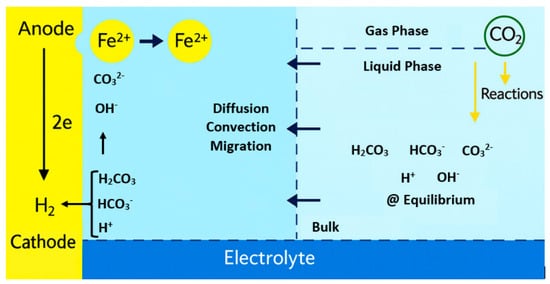
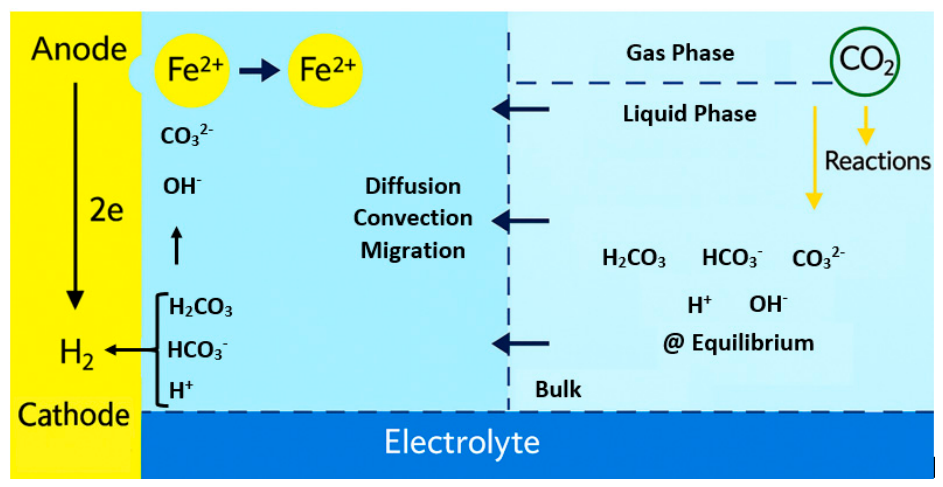
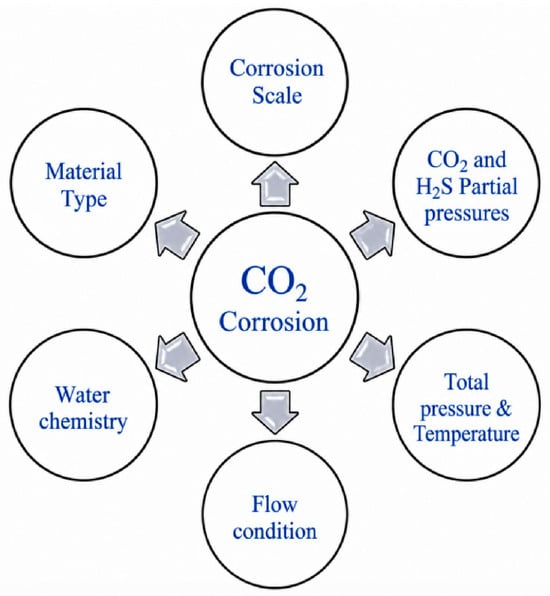
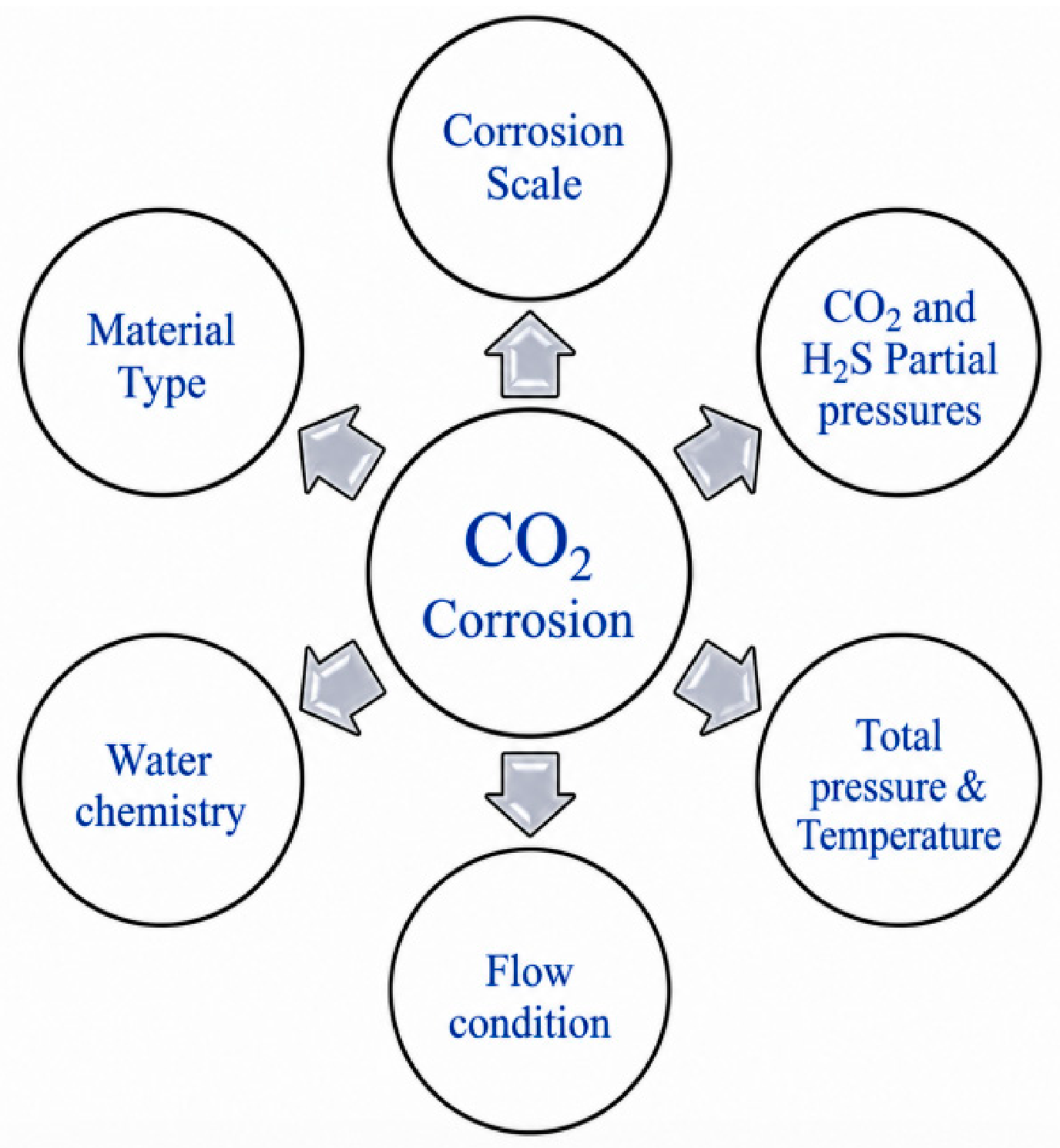
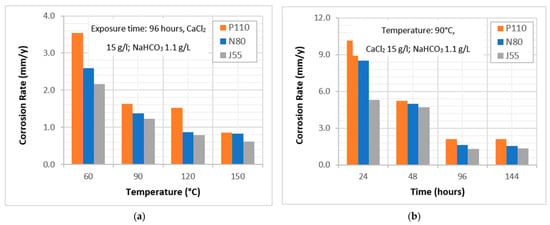
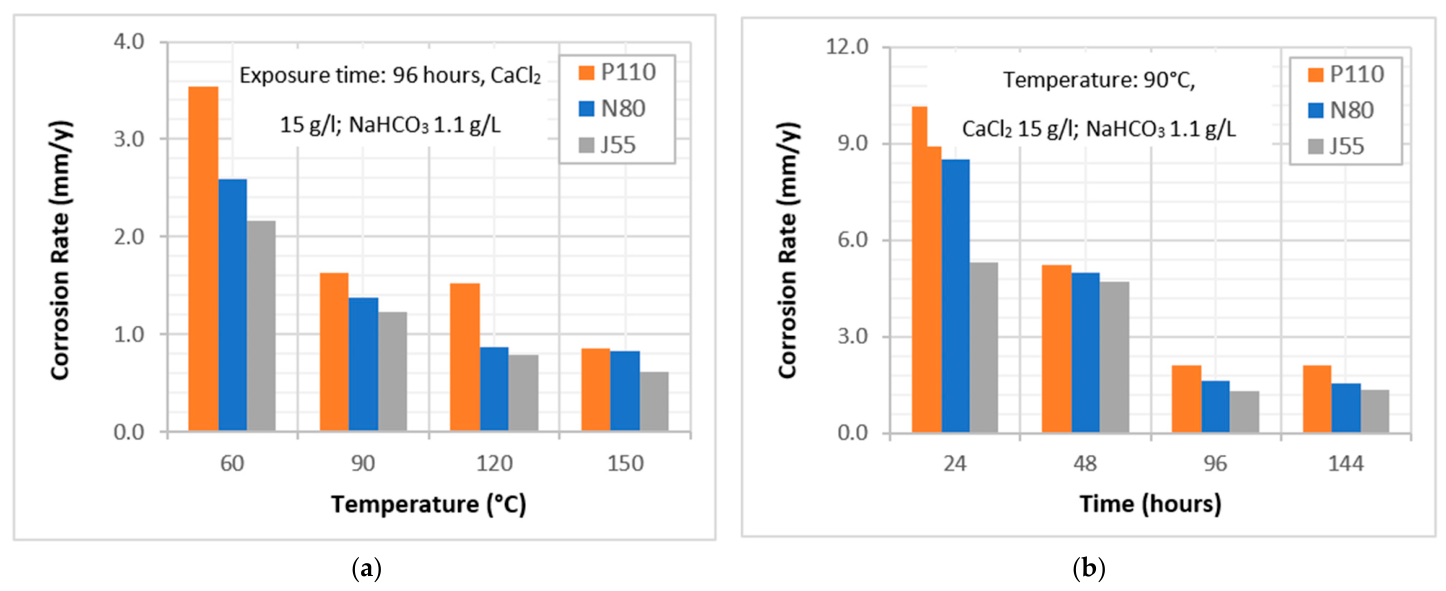
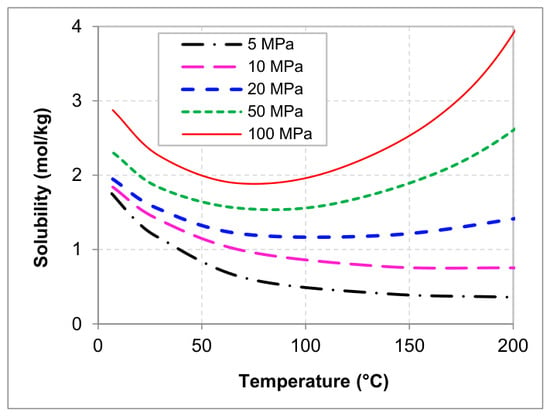
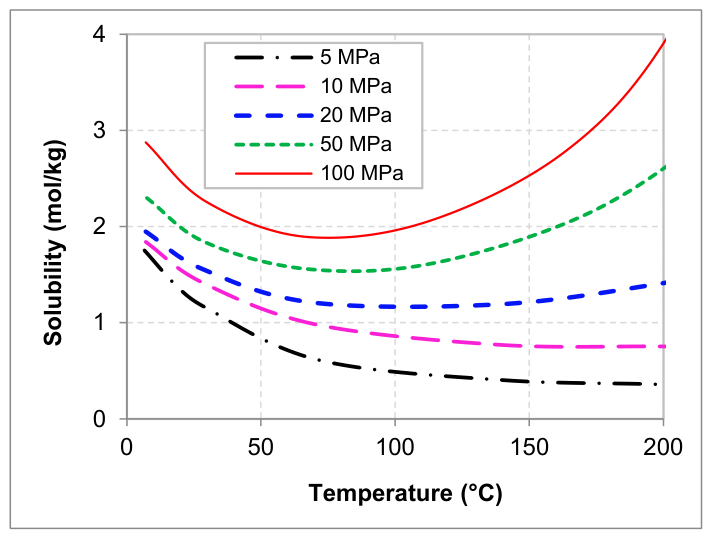
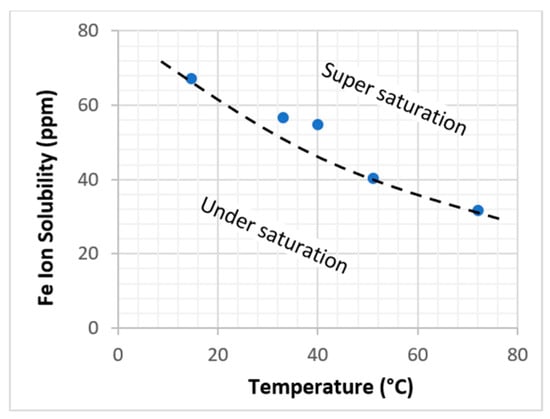
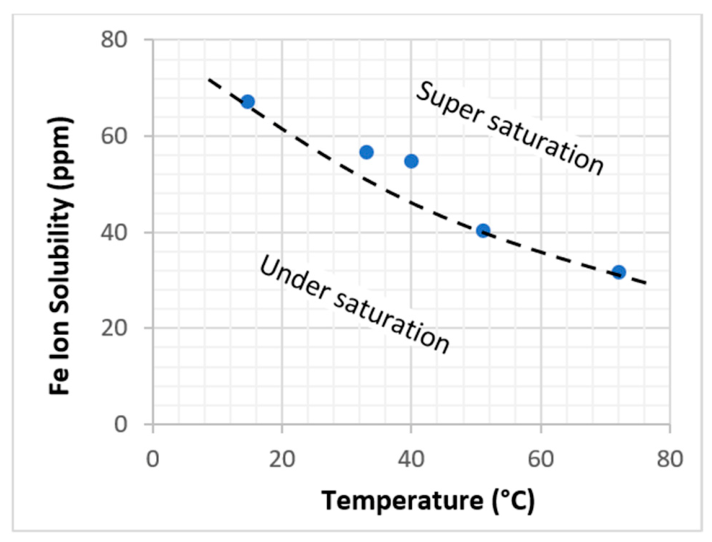
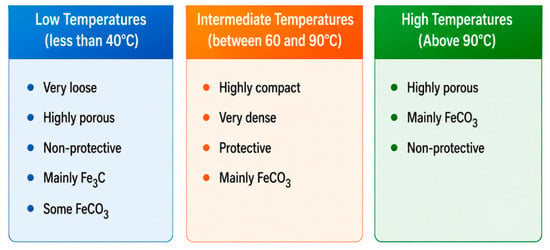
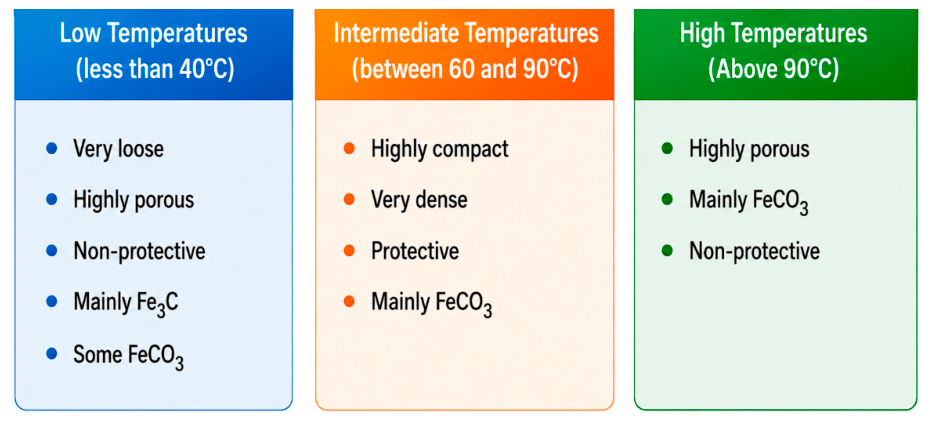
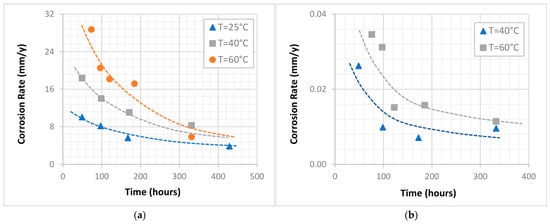
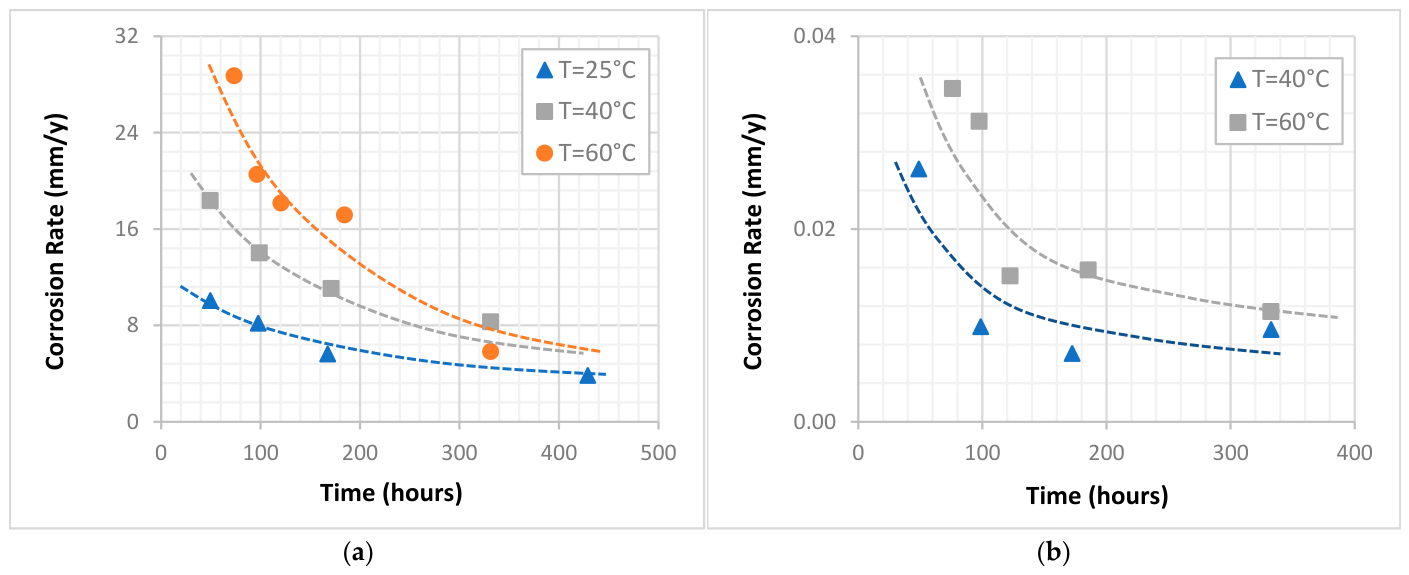
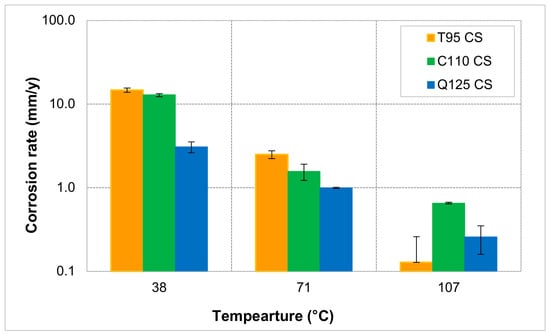
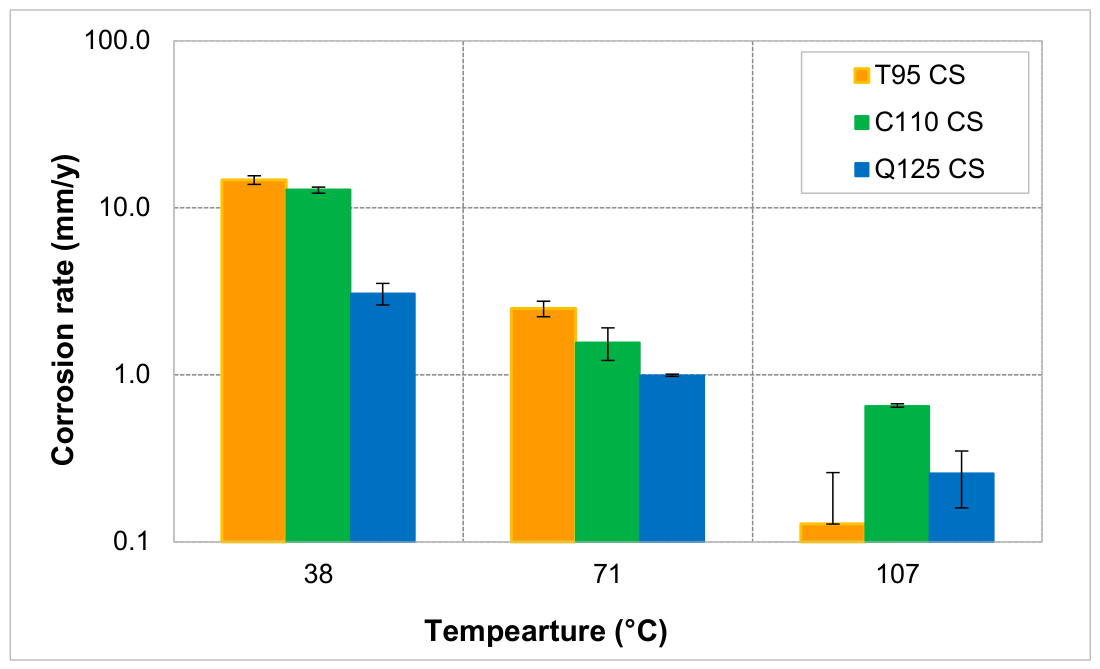
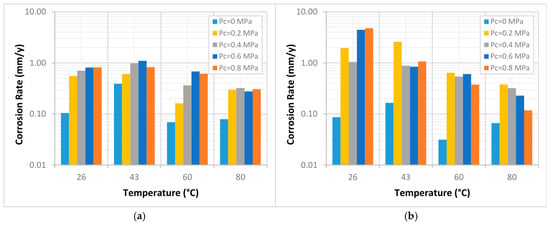
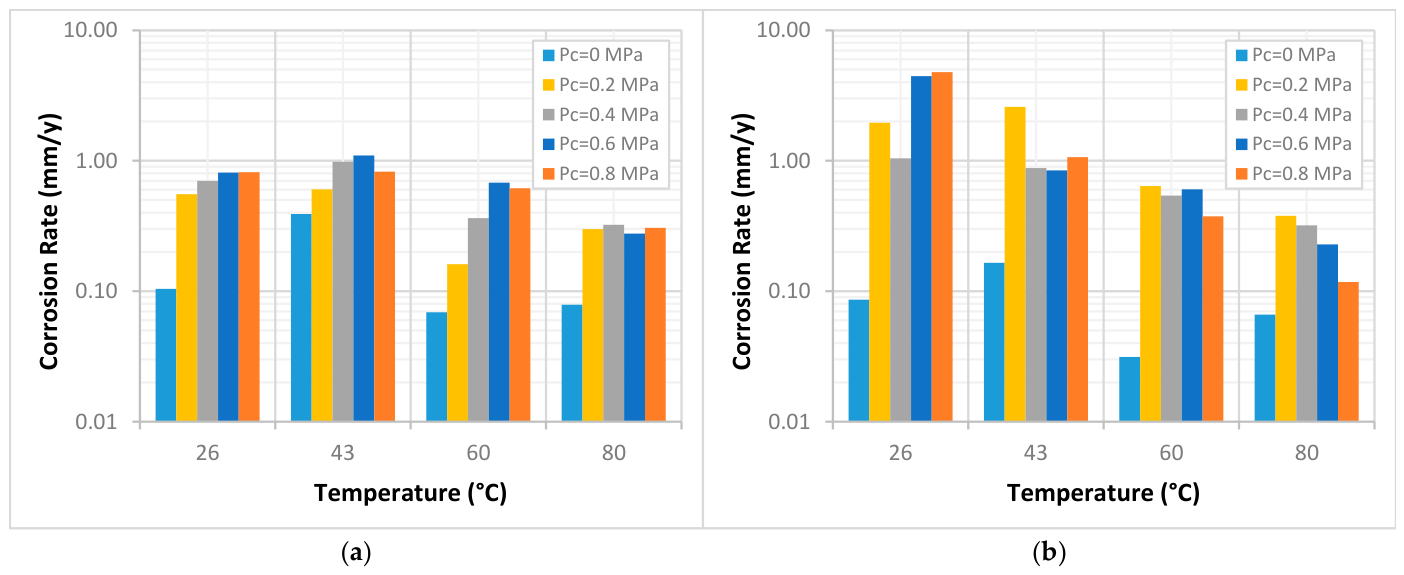
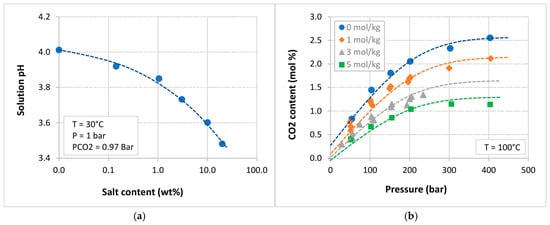
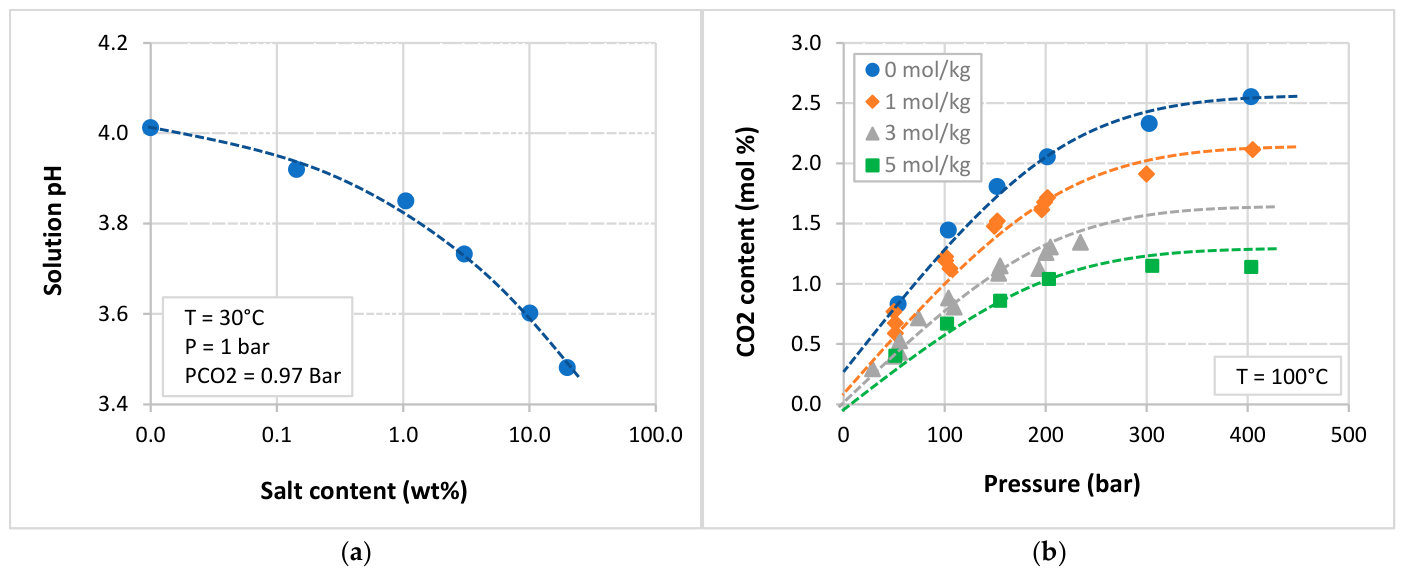
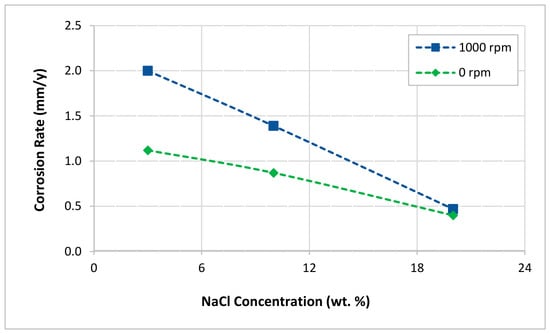
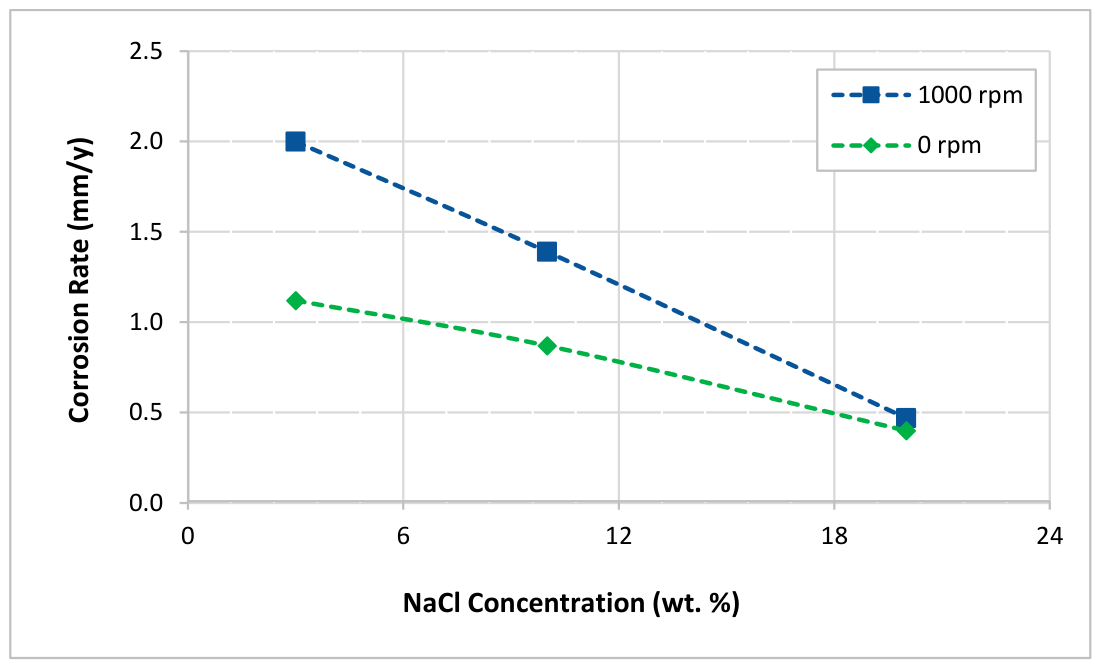
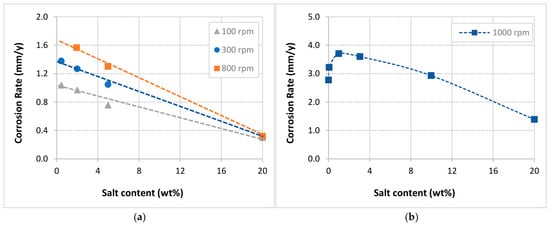
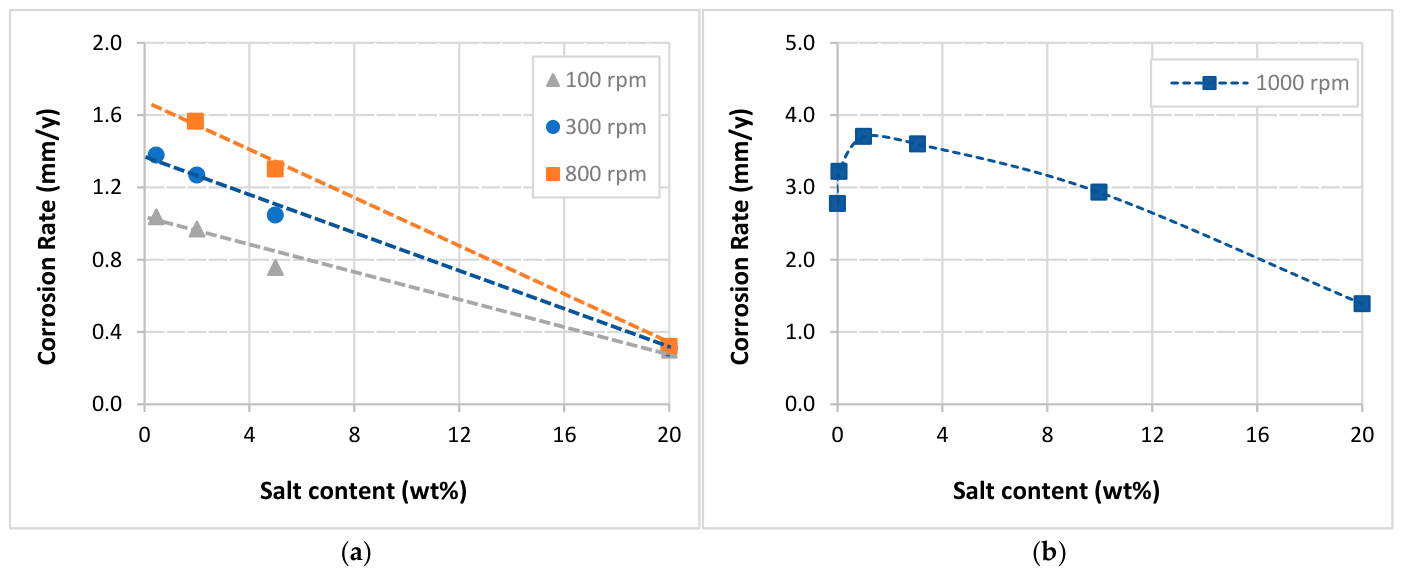
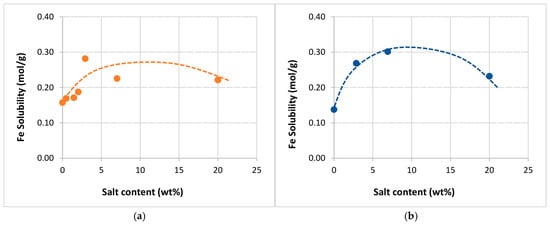
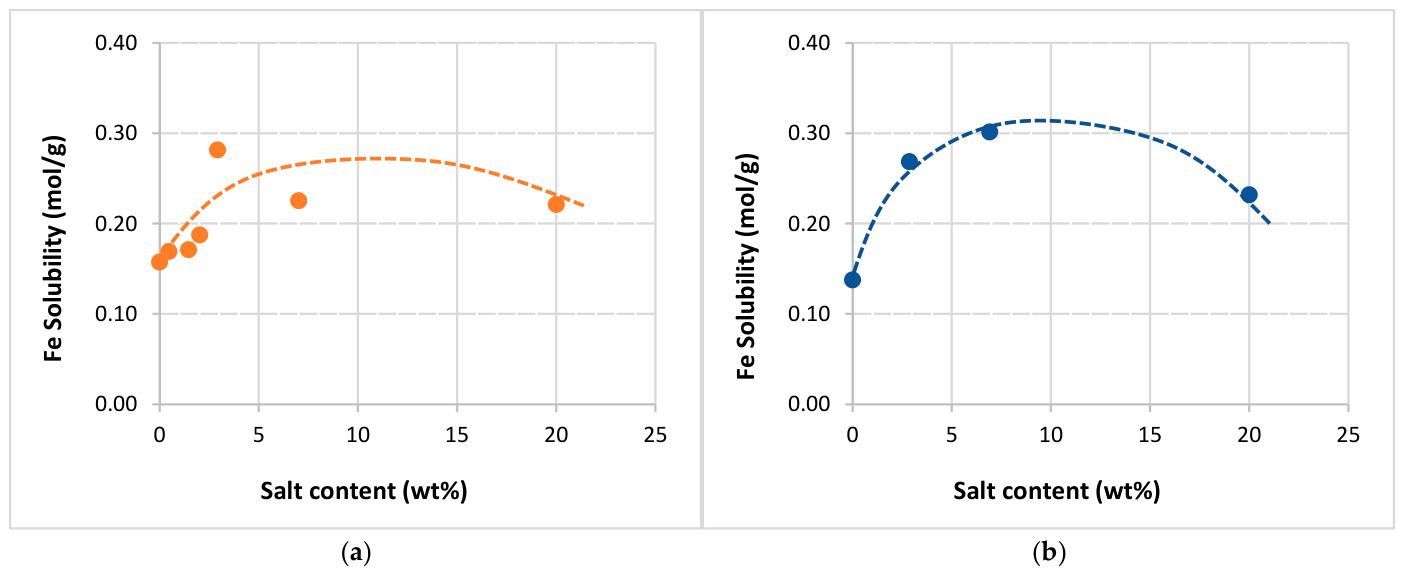
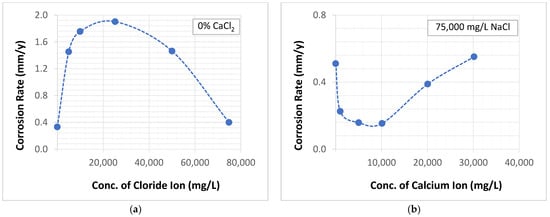
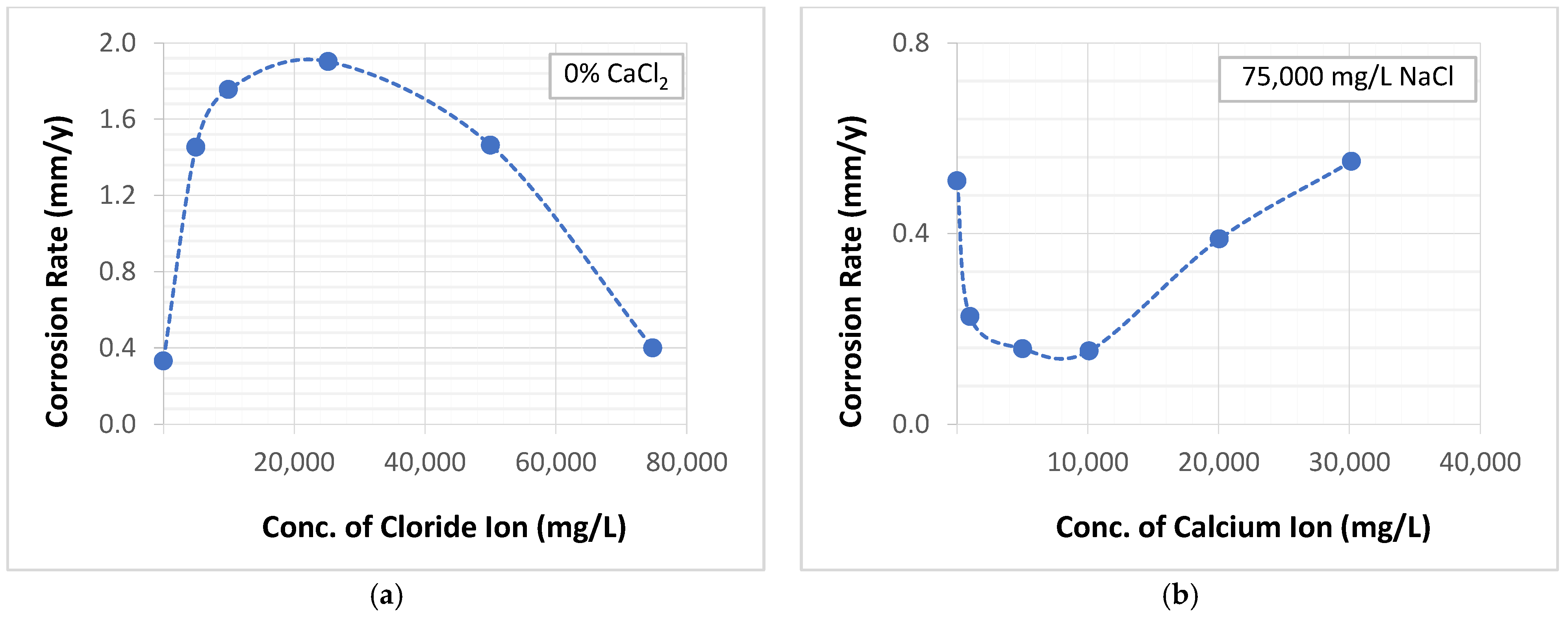
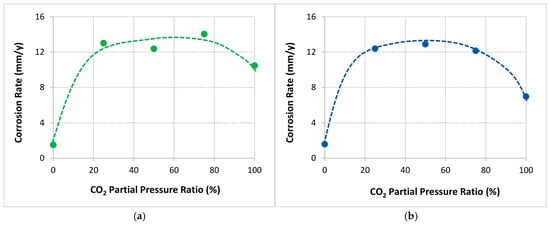
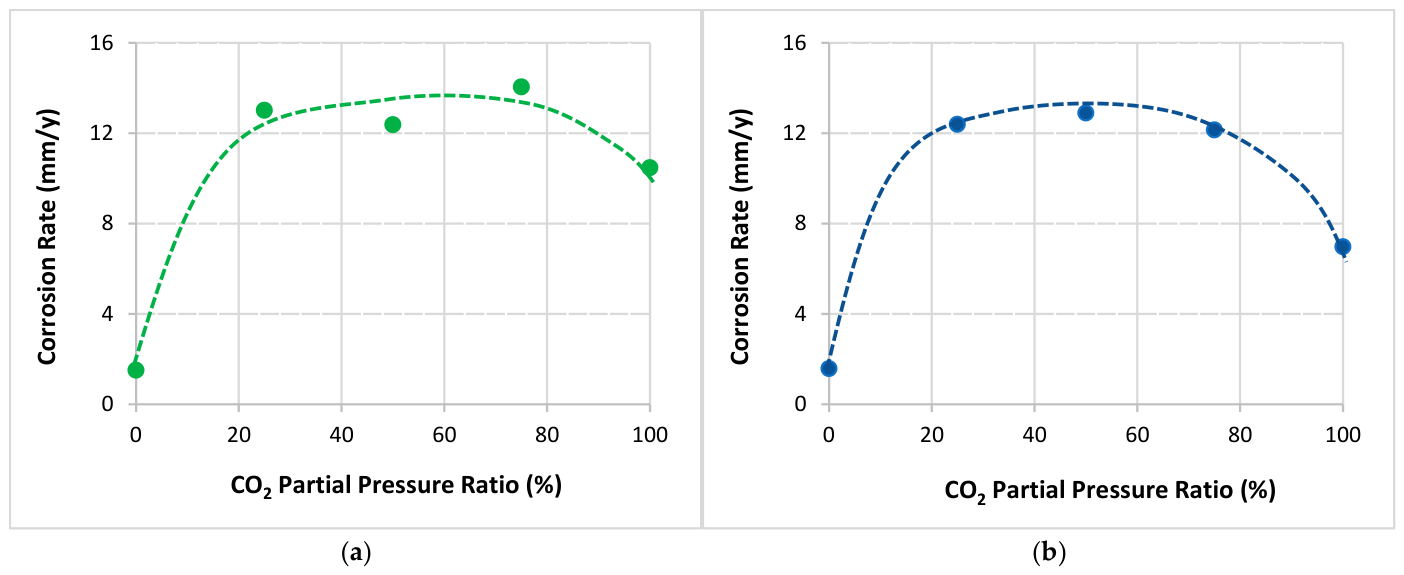
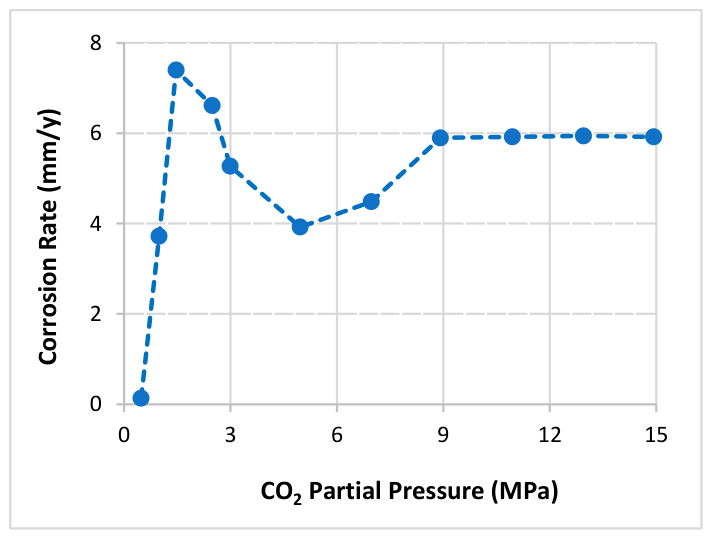
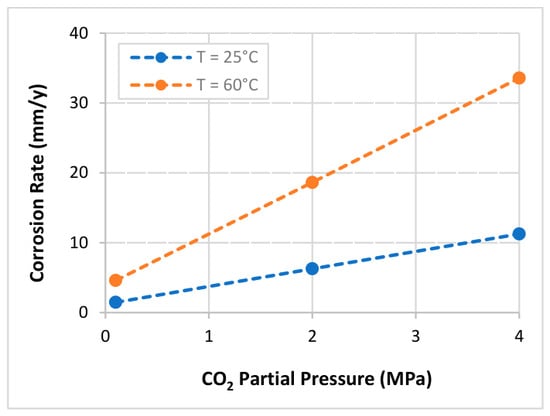
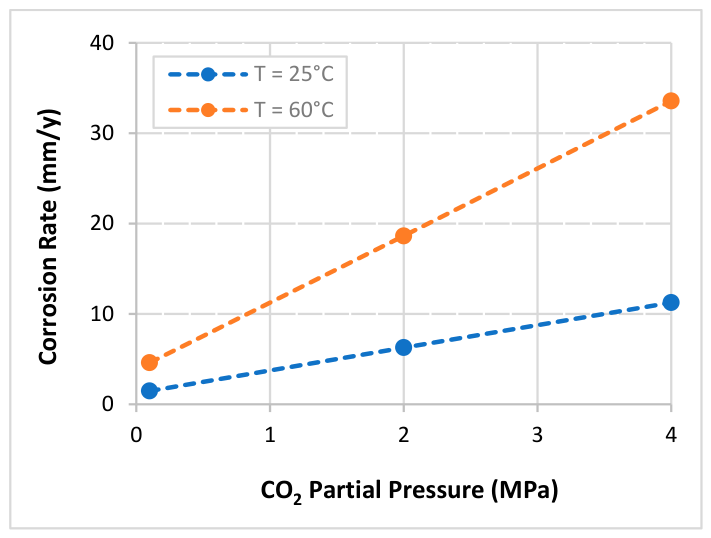
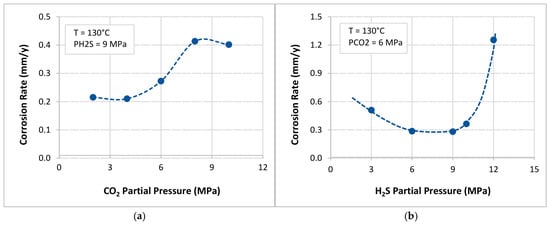
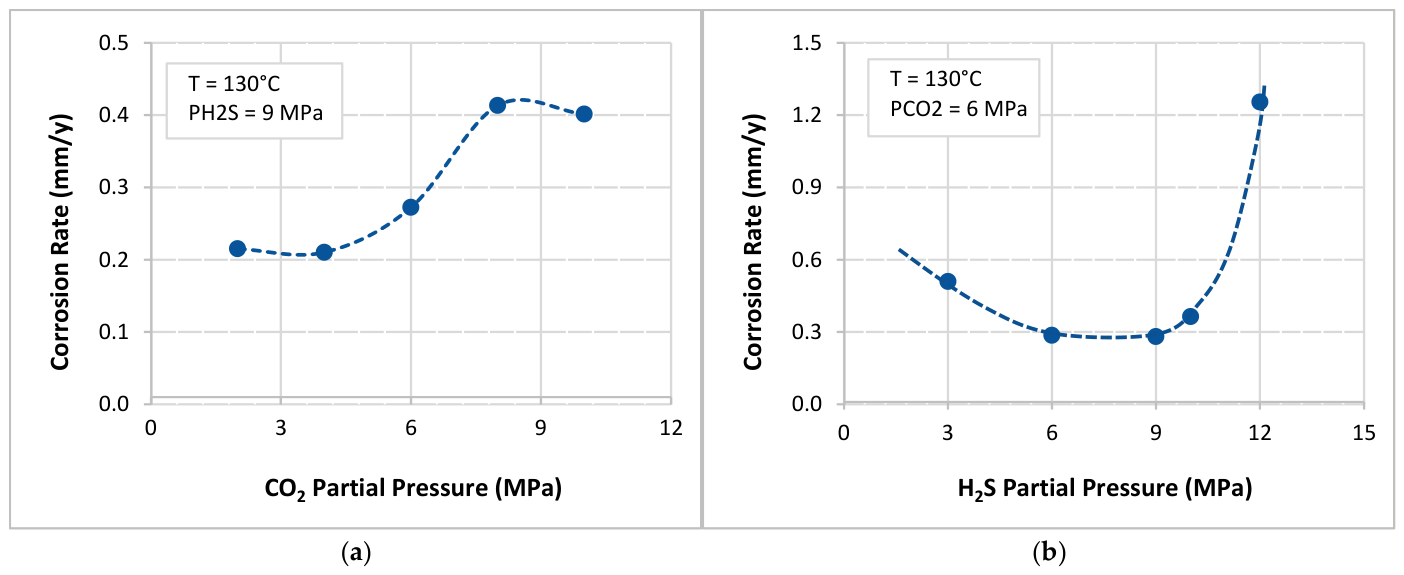
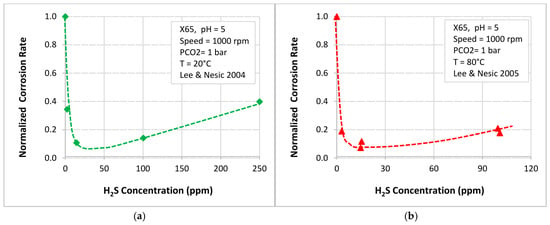
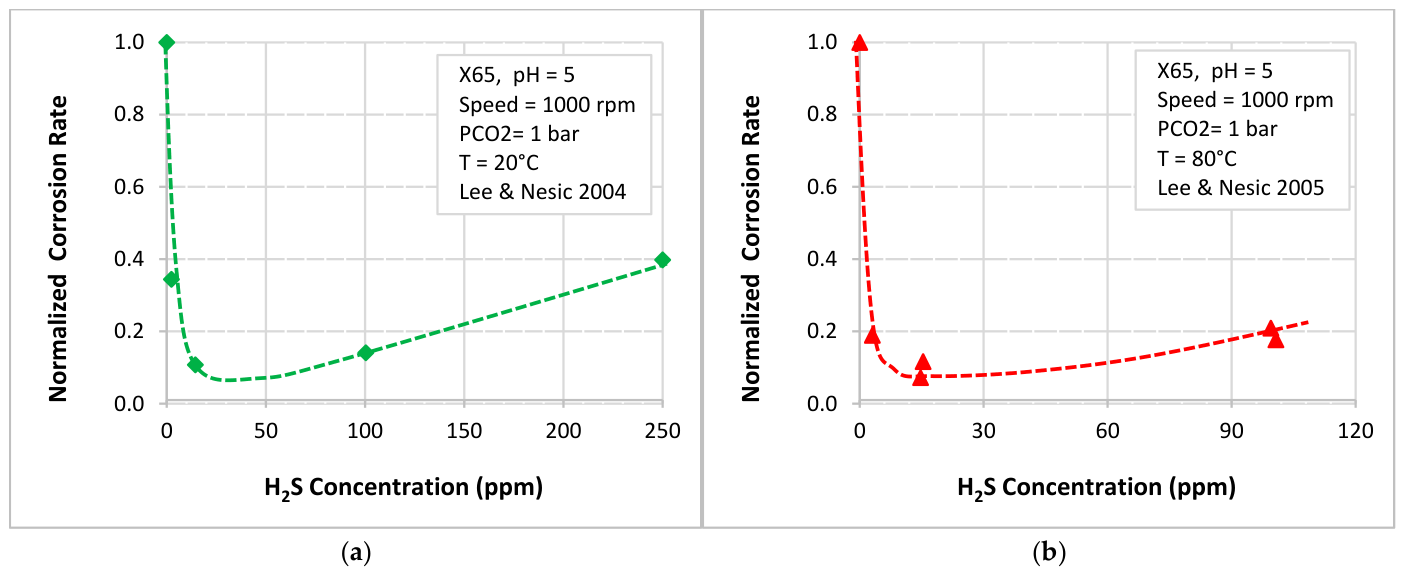
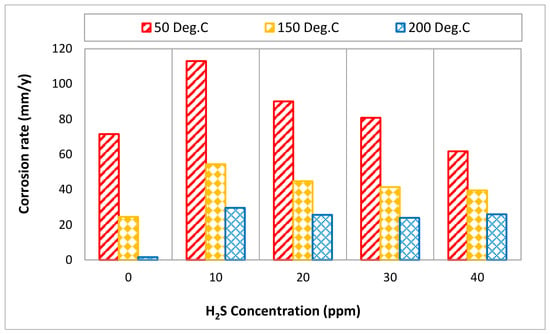
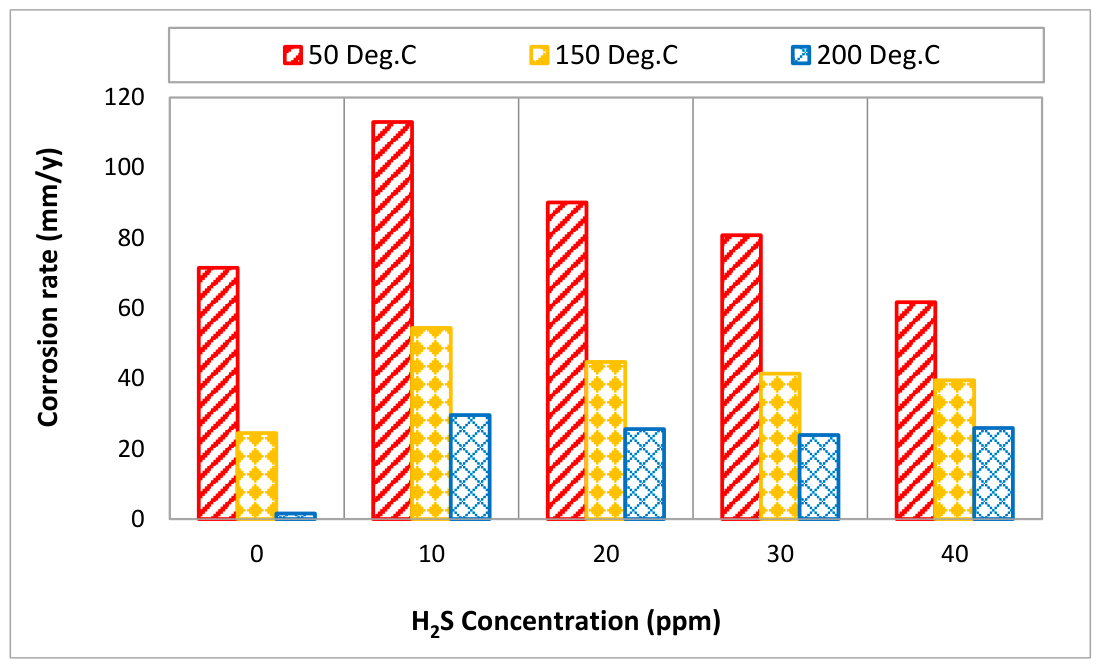
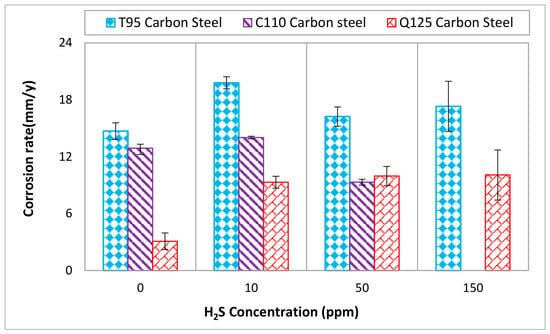
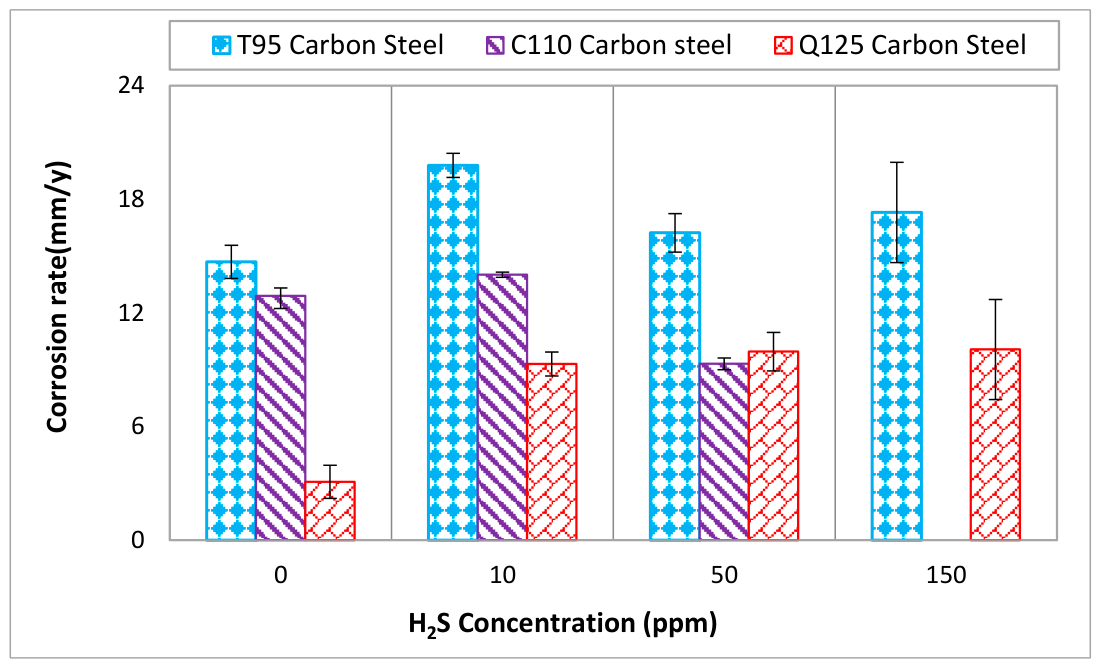
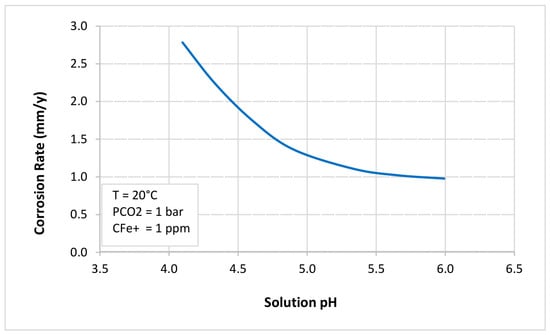
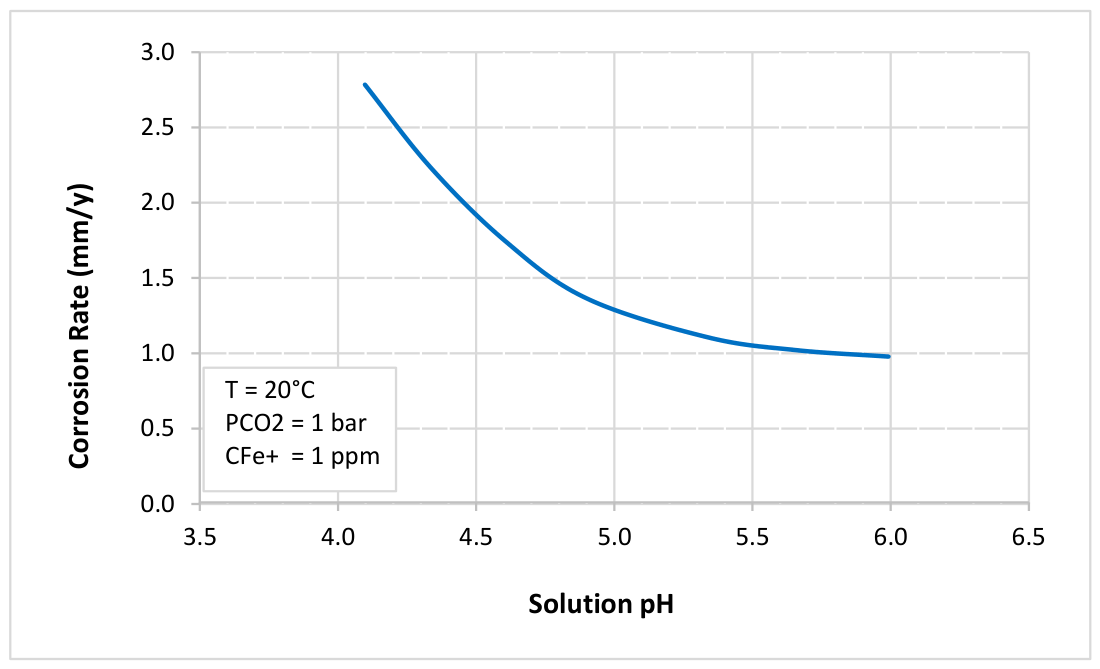
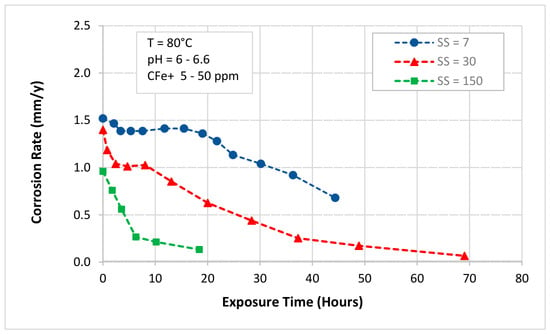
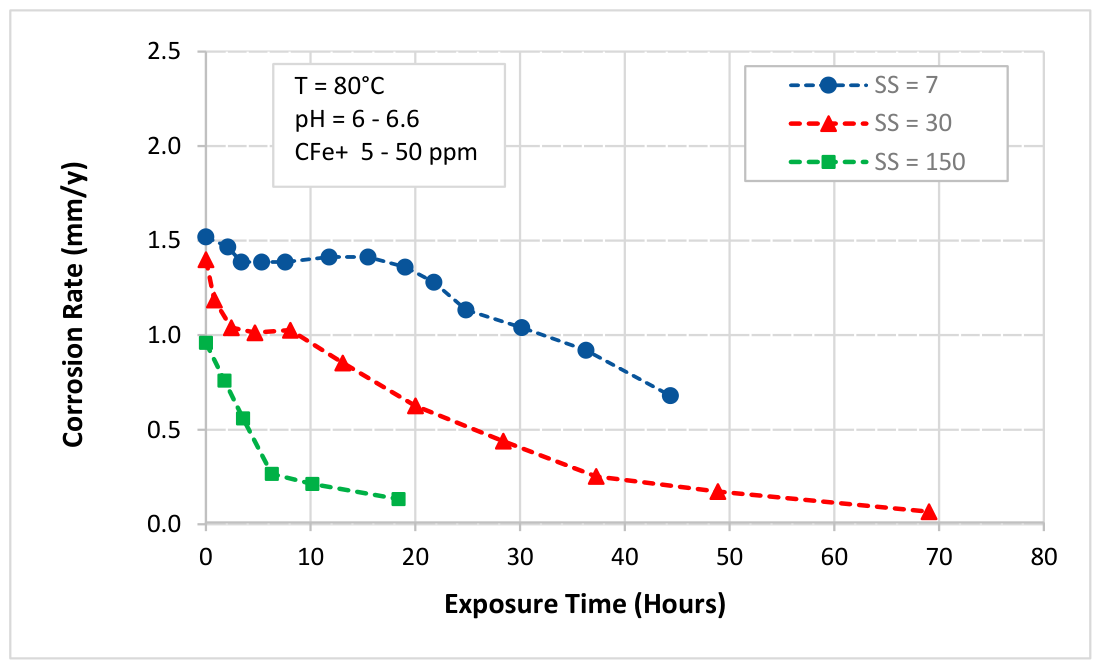
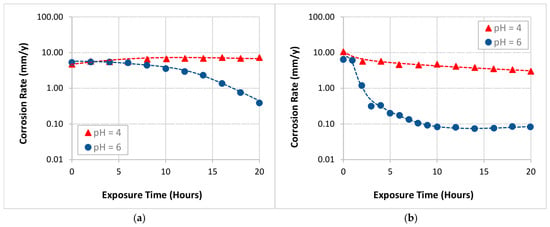
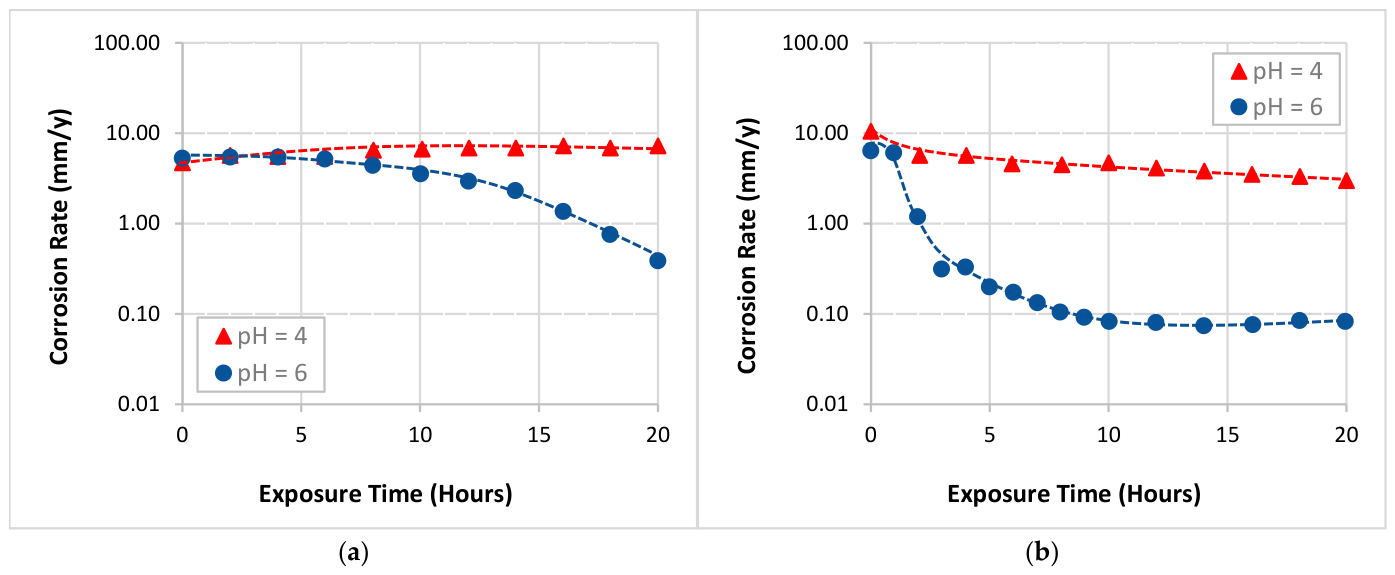
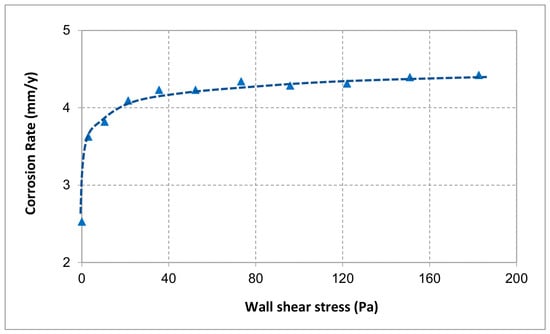
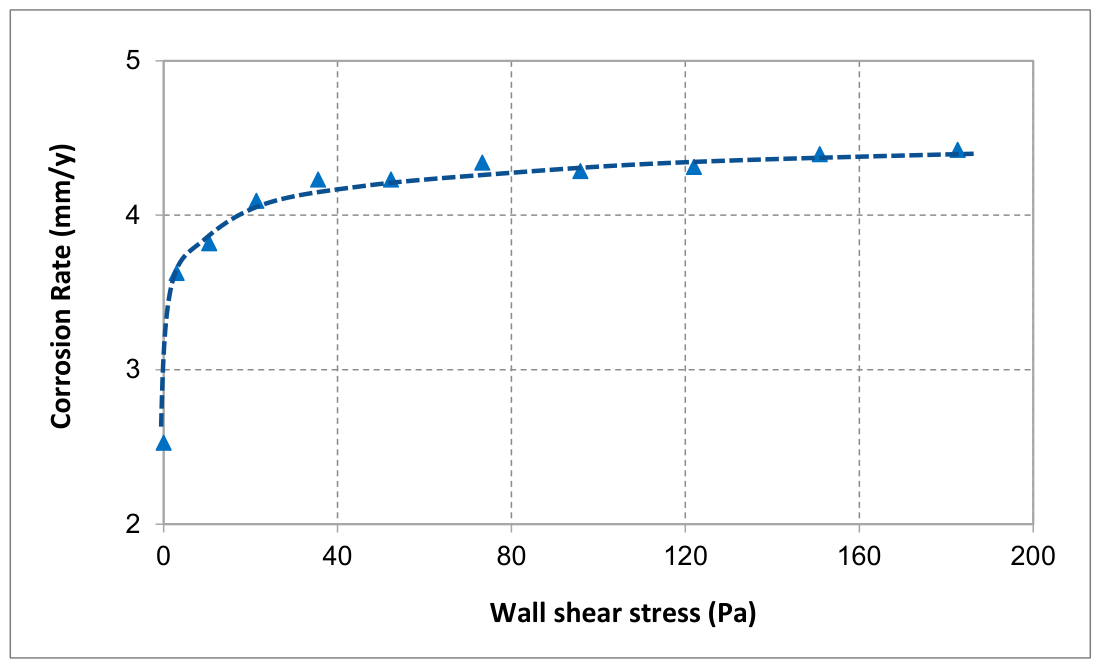
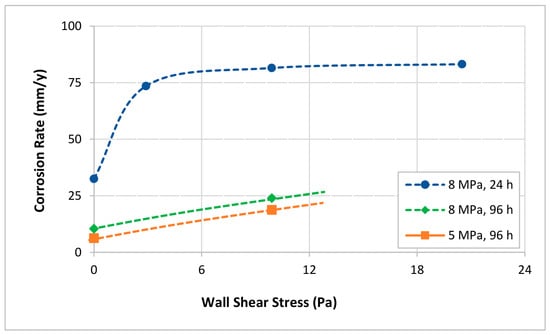
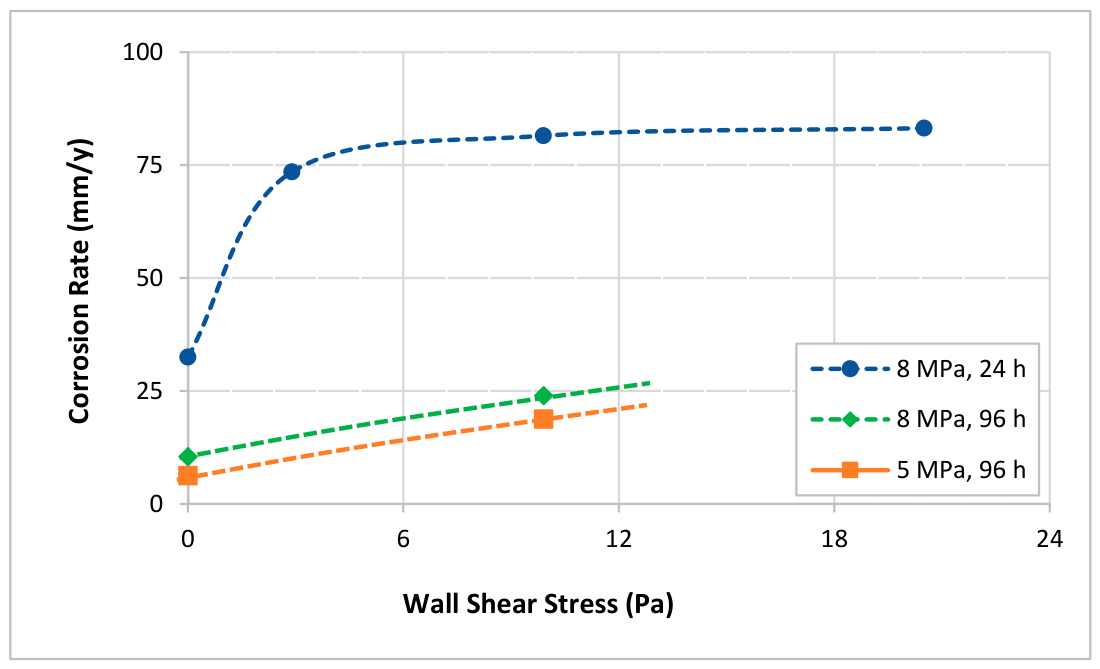
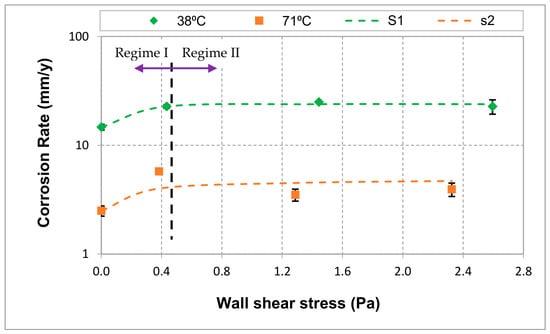
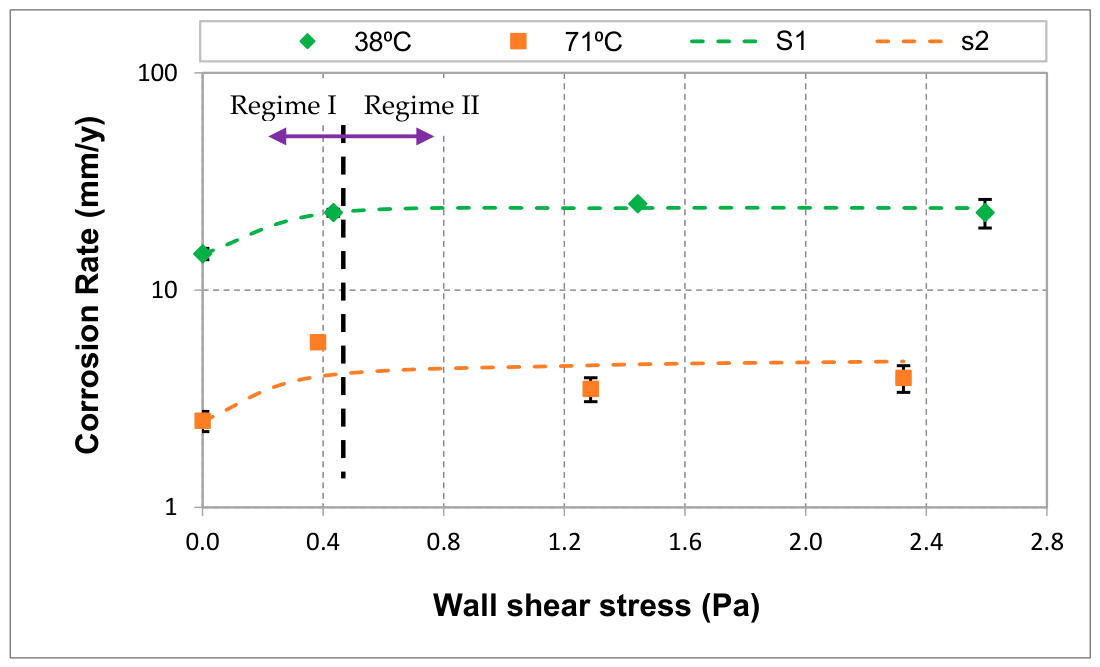
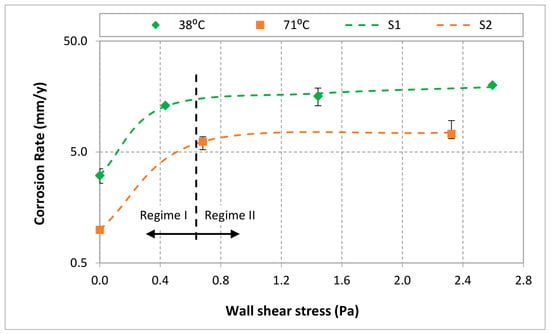
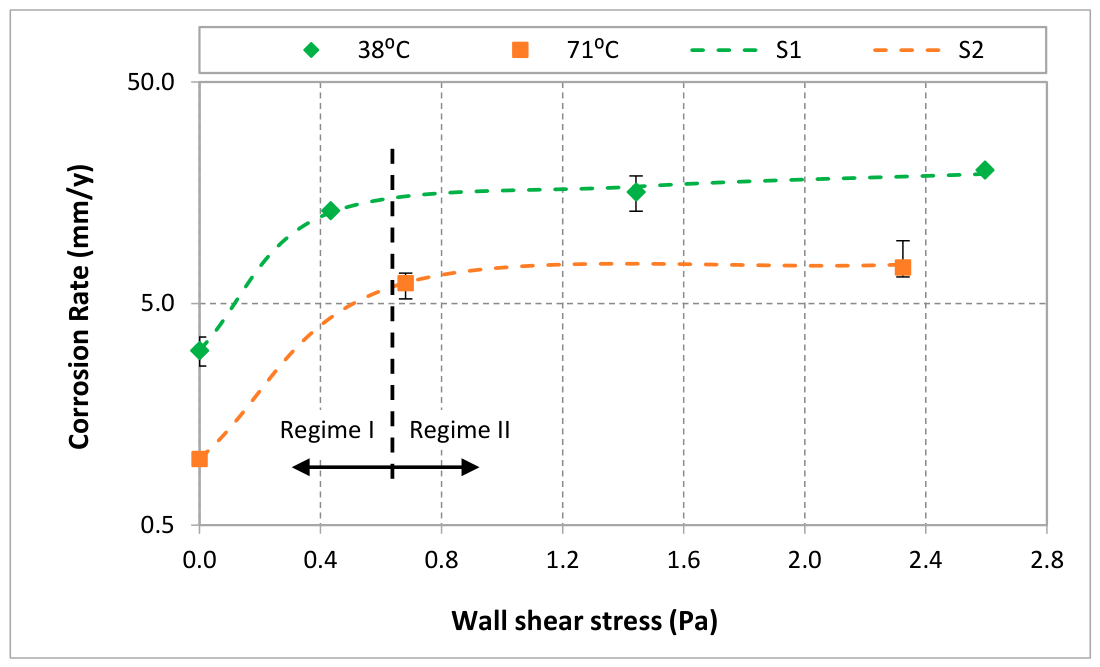
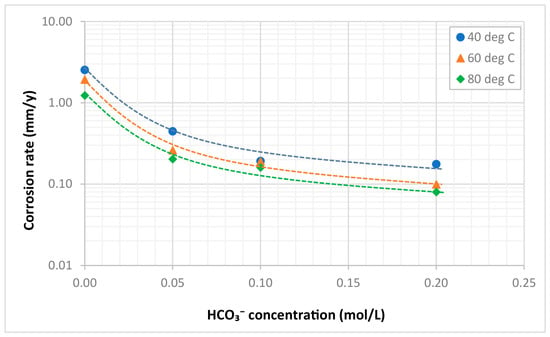
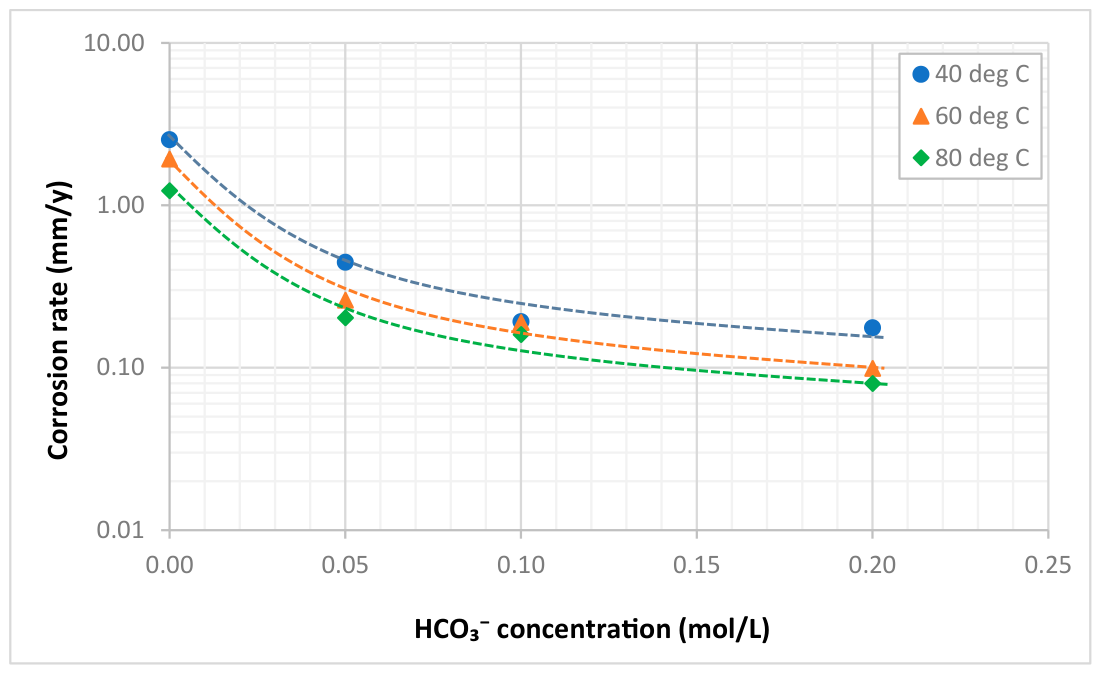
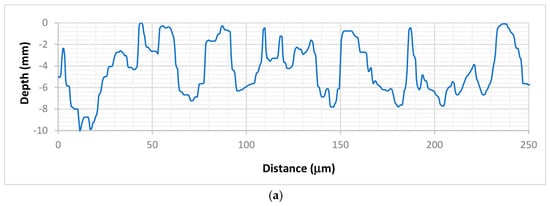
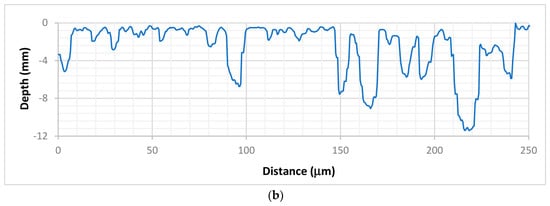
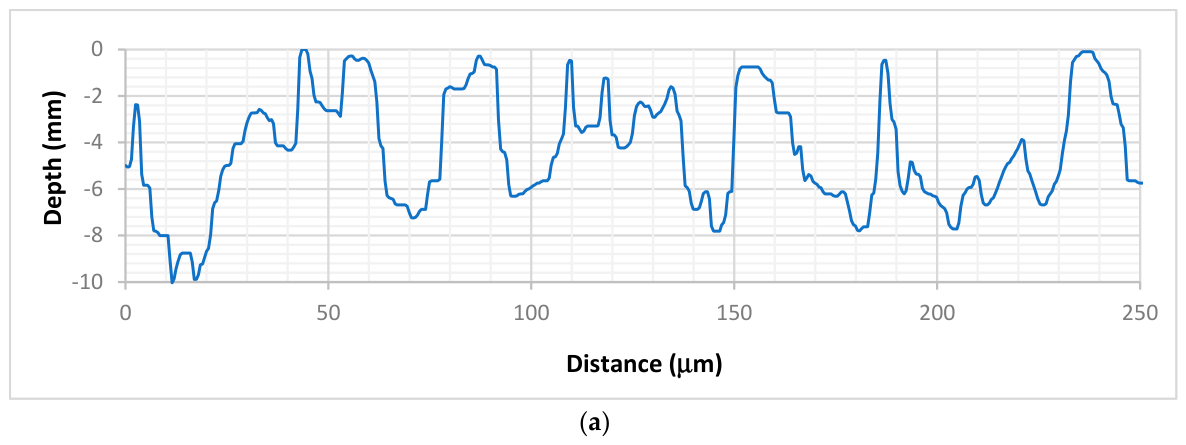
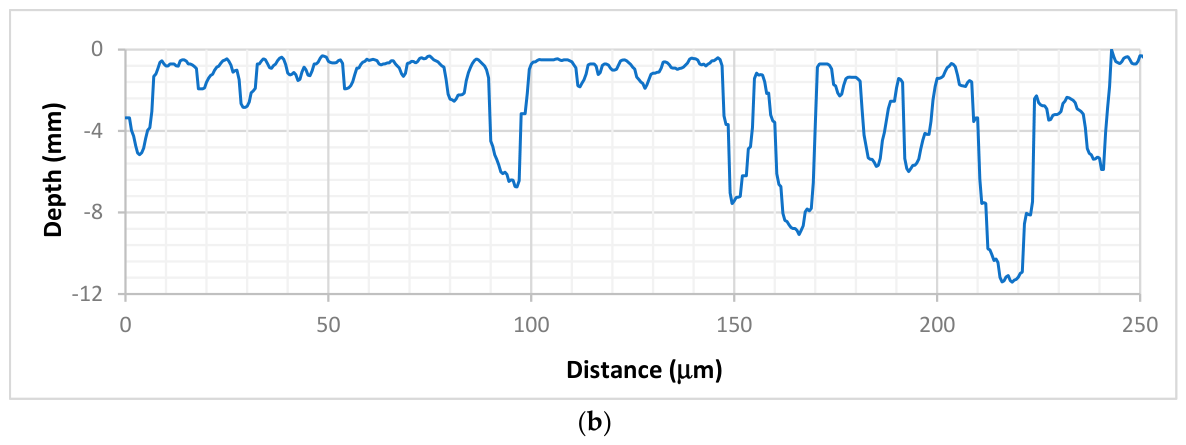
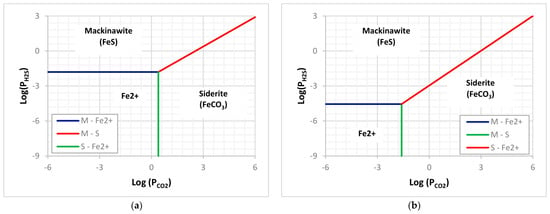
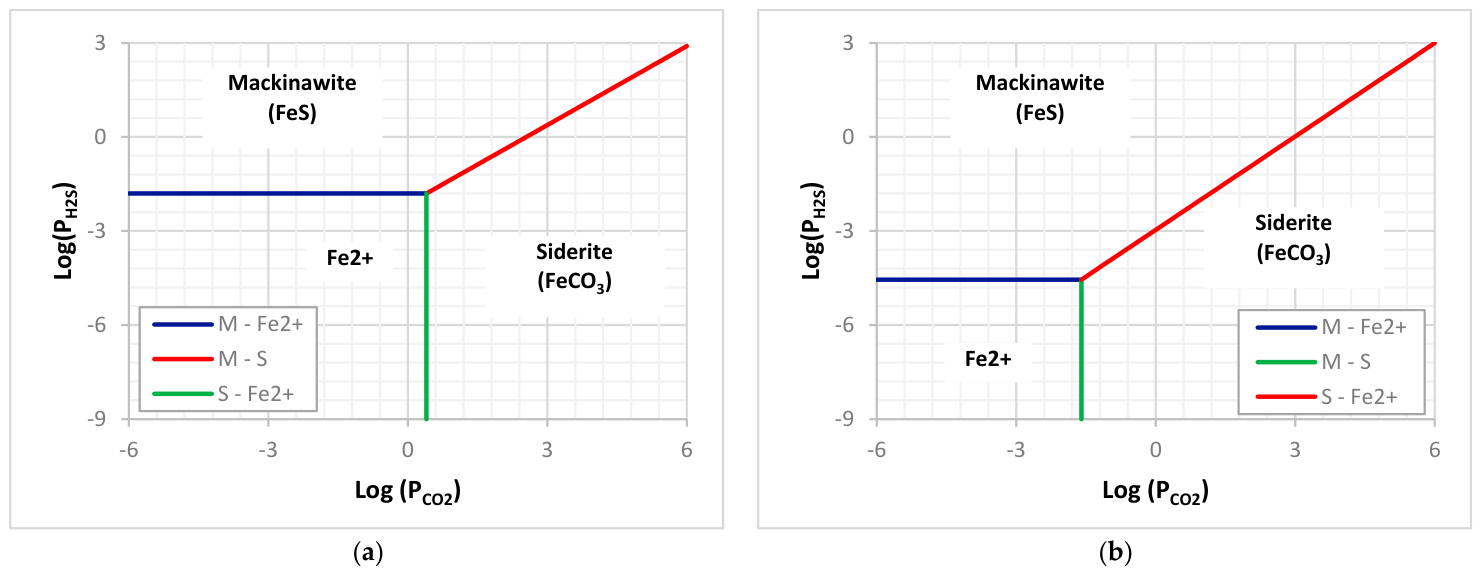
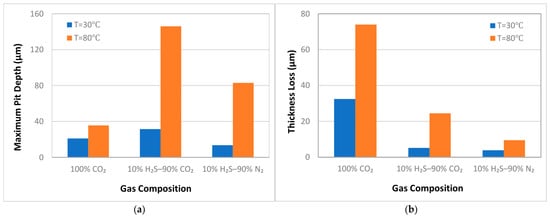
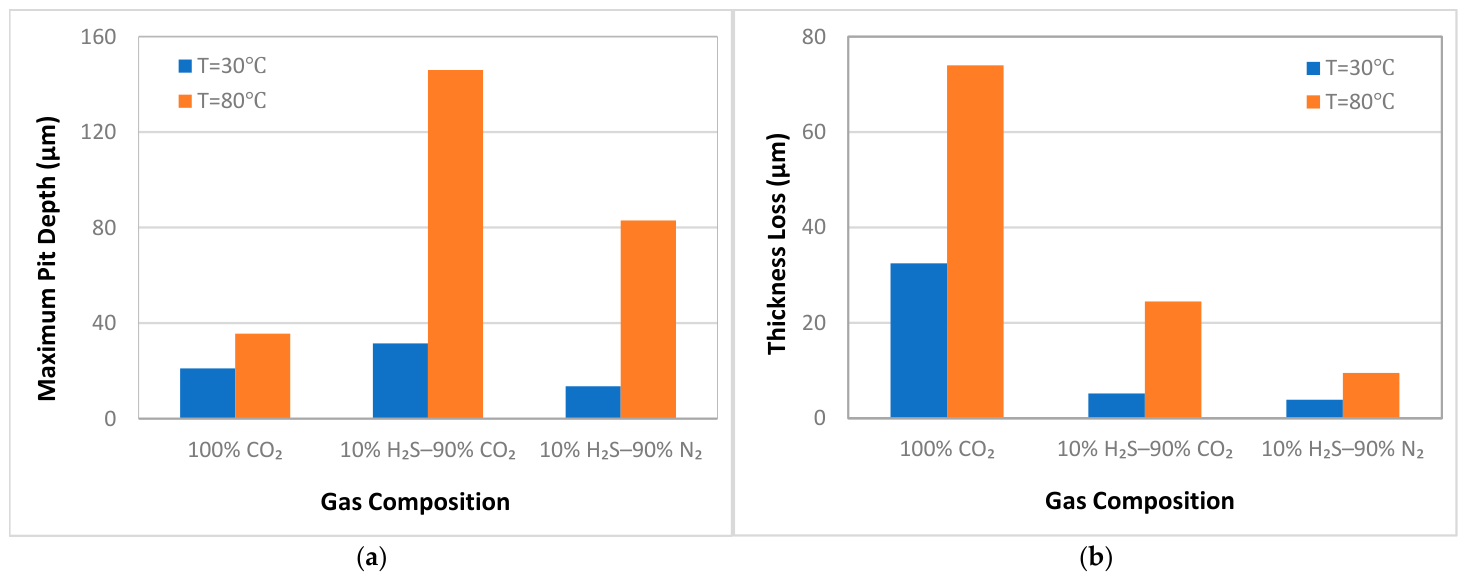

Disclaimer/Publisher’s Note: The statements, opinions and data contained in all publications are solely those of the individual author(s) and contributor(s) and not of MDPI and/or the editor(s). MDPI and/or the editor(s) disclaim responsibility for any injury to people or property resulting from any ideas, methods, instructions or products referred to in the content. |
© 2026 by the authors. Licensee MDPI, Basel, Switzerland. This article is an open access article distributed under the terms and conditions of the Creative Commons Attribution (CC BY) license.