


Abstract
Ti-15V-3Al-3Cr-3Sn alloy (Ti-153) plates were subjected to a hydriding process to obtain Ti-153 powder which was further hot-press sintered (HPS) into porous electrodes to see their hydrogen storage and evolution capabilities. The effects of processing parameters on the hydrogenation behavior were characterized qualitatively and quantitatively utilizing X-ray diffractometry (XRD: D2 PHASER, BRUKER, USA, 30 kV-10 mA, Cu-Kα λ = 1.541838 Å), scanning electron microscopy (SEM: Hitachi 4800), and elemental analysis (EA: Heraeus vario III-NCSH). XRD and EA analyses demonstrate that the hydrogen absorption and evolution capabilities of the powdered electrodes are superior to those of the original bulk sheet specimens. The hydrogen uptake of the specimens was evaluated by cyclic electrolytic hydrogenation at 50 mA/cm2 for various periods in a 1N H2SO4 aqueous solution containing 0.1 g/L As2O3, followed by solution treatment in a muffle furnace at 300 °C for 1 h. The subsequent dehydrogenation process was conducted at 300 °C and 4.67 Pa for 2 h. The optimal processing conditions in this study are as follows: (1) first, the Ti-153 sheets are treated in a hydrogen furnace at 300 °C under a hydrogen pressure of 50 atm for 15 h to obtain the raw powder; (2) subsequently, the raw powder is processed in a hot-pressing sintering furnace at 600 °C under 25 MPa for 2 h to yield the sintered electrodes.
1. Introduction
Ti-15V-3Al-3Cr-3Sn (Ti-153) is a typical metastable β-titanium alloy widely used in the aviation and aerospace industries. Owing to its high content of β-stabilizing elements, this alloy suppresses α-phase precipitation even after accumulated heat treatment at 300 °C for 6 h. Furthermore, due to their open body-centered cubic (BCC) structure, β-titanium alloys exhibit higher hydrogen solubility than their α-counterparts [1,2,3]. Consequently, through a cyclic electrolytic hydrogenation process combined with subsequent solution treatment, Ti-153 can absorb a substantial amount of hydrogen without undergoing phase transformation or structural instability.
Although previous investigations and industrial applications of Ti-153 have rarely highlighted its hydrogen storage capability [4,5,6,7], this study explores this potential. Herein, Ti-153 sheet specimens were initially subjected to a thermal hydriding process at 300 °C to synthesize Ti-153 powder. This powder was then fabricated into porous electrodes via hot-press sintering (HPS). The hydrogen storage capabilities of these HPS electrodes were evaluated after cyclic electrolytic hydrogenation and subsequent solution heat treatment at 300 °C for 1 h. Additionally, their hydrogen evolution performance was investigated following a vacuum annealing process at 300 °C and 4.67 Pa for 2 h.
2. Methods and Materials
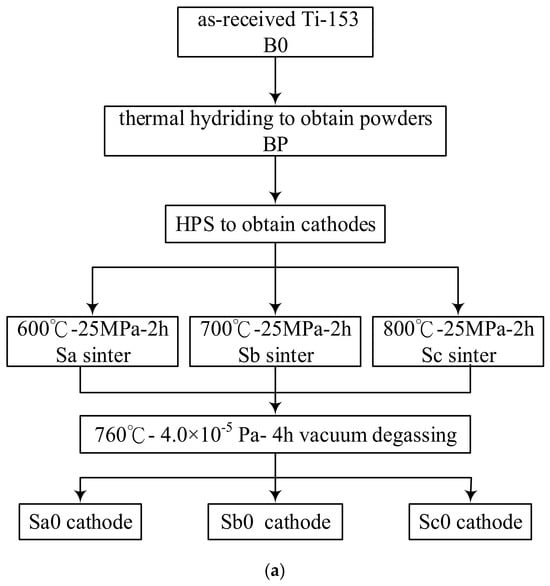
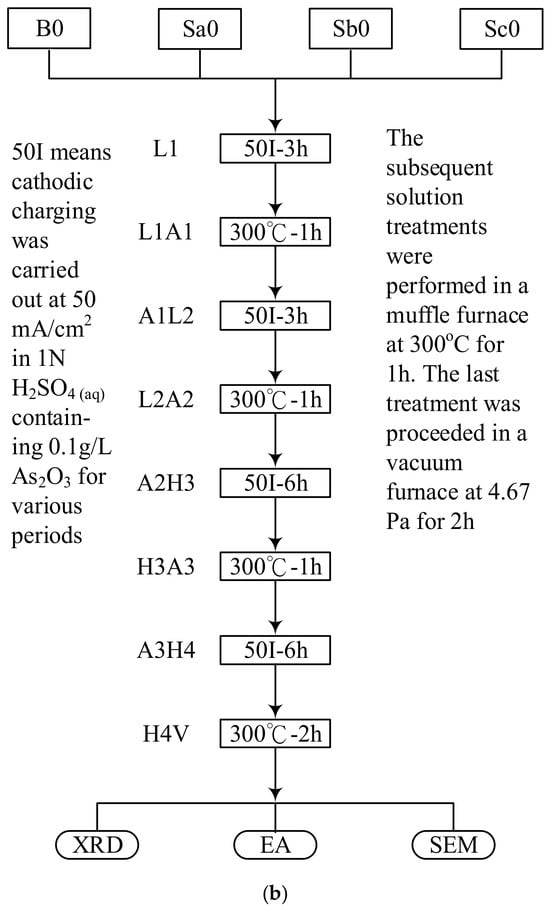
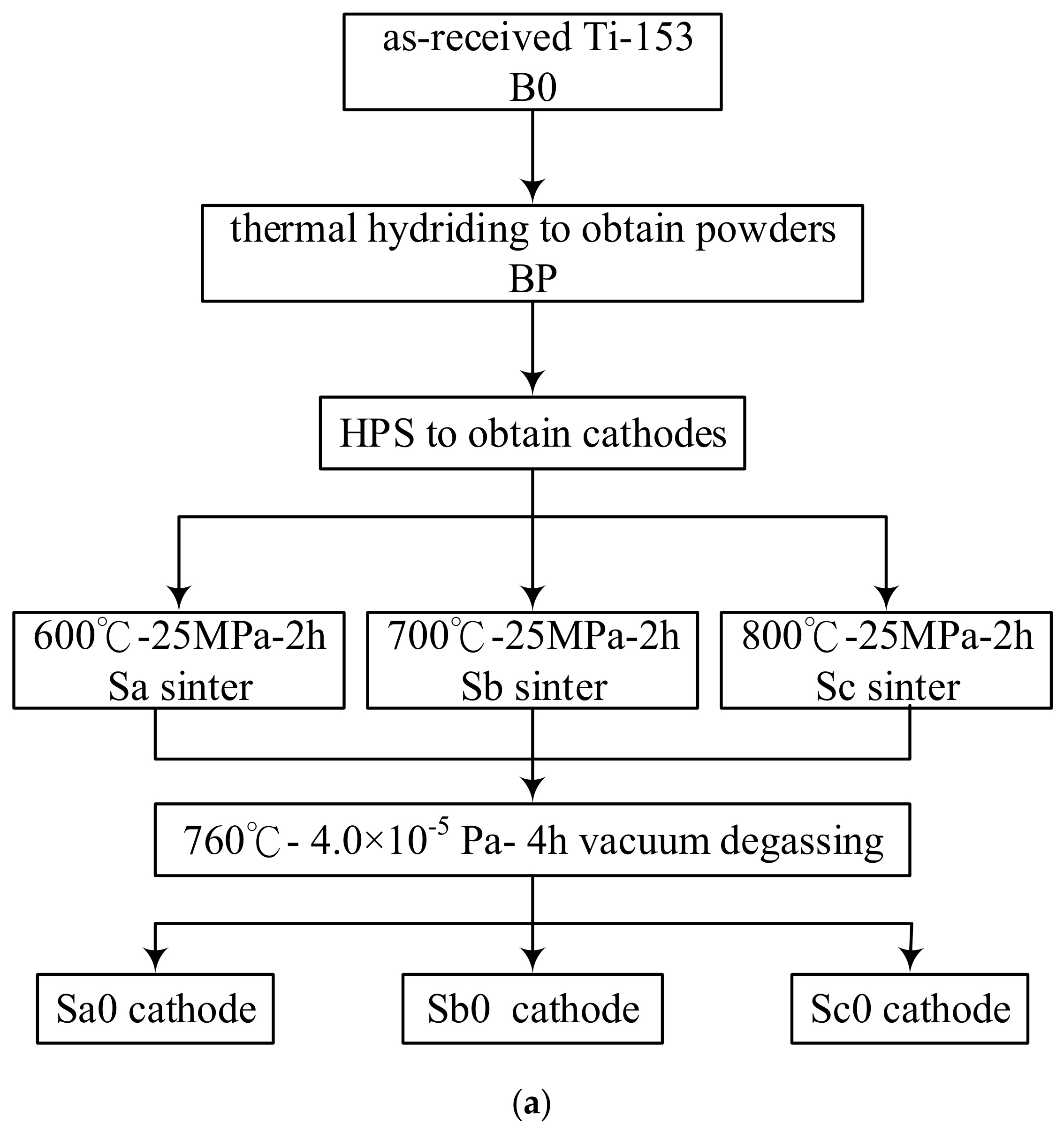
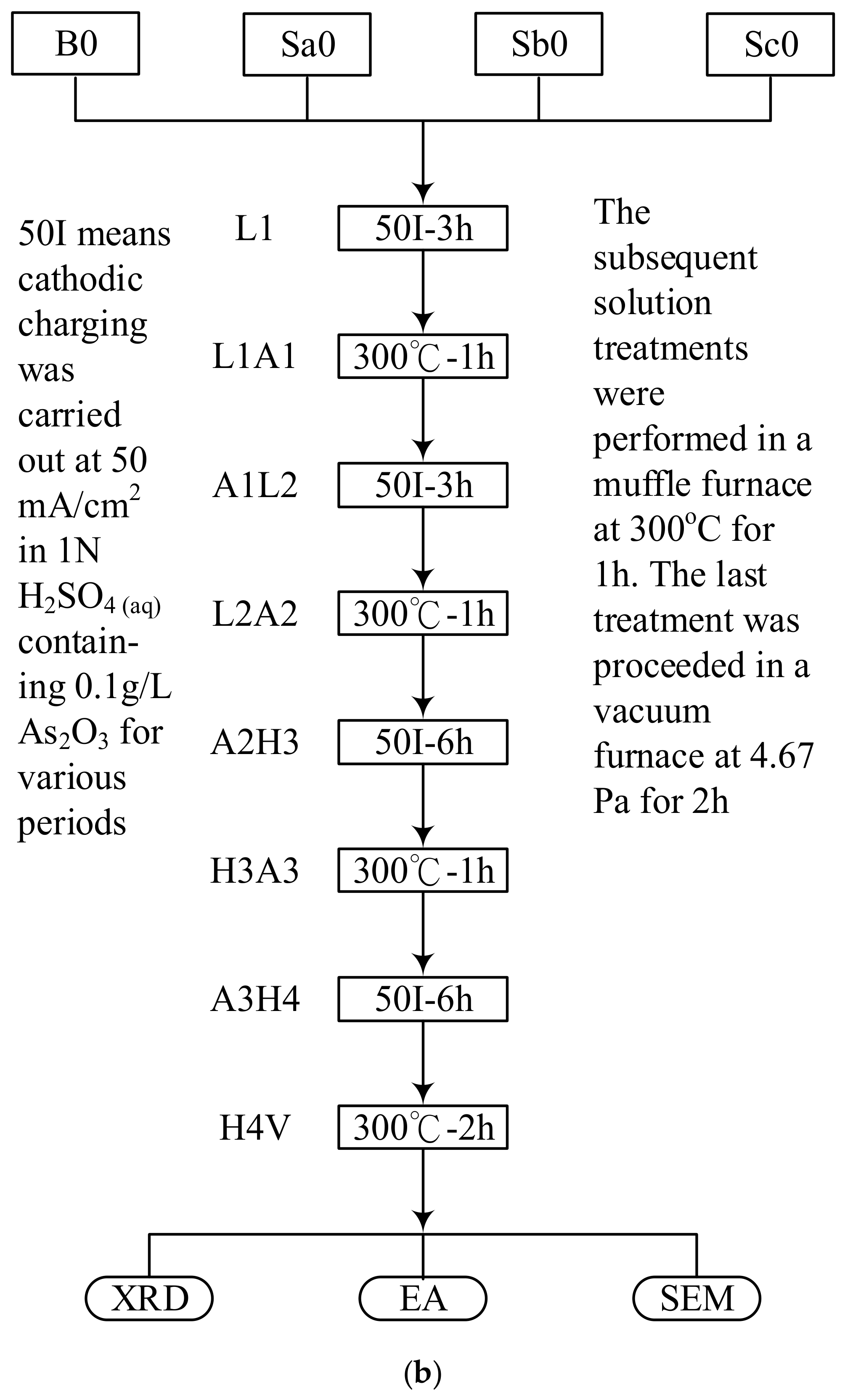
The starting material was received in the form of sheets that were 3 mm thick. Its chemical composition is summarized in Table 1. Specimens measuring 70 × 40 × 3 mm3 (designated as B0) were machined from the sheets, abraded with emery paper (from 220 to 600 grit), ultrasonically cleaned, and then dried. A subset of the B0 specimens was first thermo-hydrogenated into powder in an autoclave at 300 °C under 50 atm of gaseous H2 for 15 h. The resulting powder, designated as BP, was subsequently hot-press sintered into circular electrodes (1.5 mm thick and 20 mm in diameter). Another subset of B0 specimens was then machined to be 1.5 mm thick and 20 mm in diameter to facilitate further electrochemical hydrogenation under the same conditions. Given that the variations in specimen volume are marginal, the weights of the different specimens vary as a function of their density (porosity), ranging approximately from 1.5 to 2.0 g. The complete process designations and fabrication conditions for the electrodes are summarized in Table 2. Figure 1a schematically illustrates the preparation processes for Ti-153 and the electrodes, while Figure 1b depicts the workflow of the cyclically electrolytic hydrogenation, hydrogen storage and evolution evaluations.
Table 1.
Chemical composition of the as-received sheets (wt.%).
Table 2.
Sintering parameters and processing designations for various series.
Figure 1.
Flowcharts for (a) preparing sintered electrodes and (b) evaluating hydrogen storage and evolution capabilities.
Hydrogen storage evaluation was conducted via electrolytic hydrogenation at 50 mA/cm2 for various periods in a 1 N H2SO4 aqueous solution containing 0.1 g/L As2O3 (a hydrogenation promoter), followed by solution treatment in a muffle furnace at 300 °C for 1 h. The processing sequence is designated as ImKn based on the parameters of hydrogenation, solution treatment, and cycle timing. Specifically, I and K designate the treatment types: L refers to hydrogenation at 50 mA/cm2 for 3 h; H refers to hydrogenation at 50 mA/cm2 for 6 h; A refers to muffle furnace solution treatment at 300 °C for 1 h, and V refers to vacuum annealing at 300 °C and 4.67 Pa for 2 h. The subscripts m and n represent the respective cycle counts (1, 2, 3, …). For hydrogen evolution evaluation, a final vacuum annealing was performed at 300 °C and 4.67 Pa for 2 h. Table 3 outlines the detailed process designations and parameters for the cyclical hydrogenation-subsequent solution annealing and the final vacuum heat treatments. Table 4 categorizes the specimen designations and process parameters for evaluating hydrogen storage and evolution capabilities.
Table 3.
Process designations and processing parameters for cyclically electrolytic hydrogenation.
Table 4.
Specimen designations and process parameters for evaluating hydrogen storage and evolution capabilities.
The microstructural variations and the hydrogen uptake were evaluated qualitatively and quantitatively by utilizing X-ray diffractometry (XRD: D2 PHASER, BRUKER, Billerica, MA, USA, 30 kV-10 mA, Cu-Kα λ = 1.541838 Å), metallographic optical microscopy (MOM), scanning electron microscopy (SEM: Hitachi 4800, Tokyo, Japan) and elemental analysis (EA: Heraeus vario III-NCSH, Hanau, Germany), respectively.
3. Results and Discussion
Previous research [3] demonstrated that bulk Ti-153 sheet specimens possess superior hydrogen absorption capacity, with a hydrogen mass payload 68 times higher than that of CP-Ti. Once fully hydrogenated, these Ti-153 sheet specimens can be readily crushed into powder and sintered via HPS to produce electrodes with customizable densities and porosities. Furthermore, these powder-sintered specimens exhibit higher hydrogen absorbency than corresponding bulk materials.
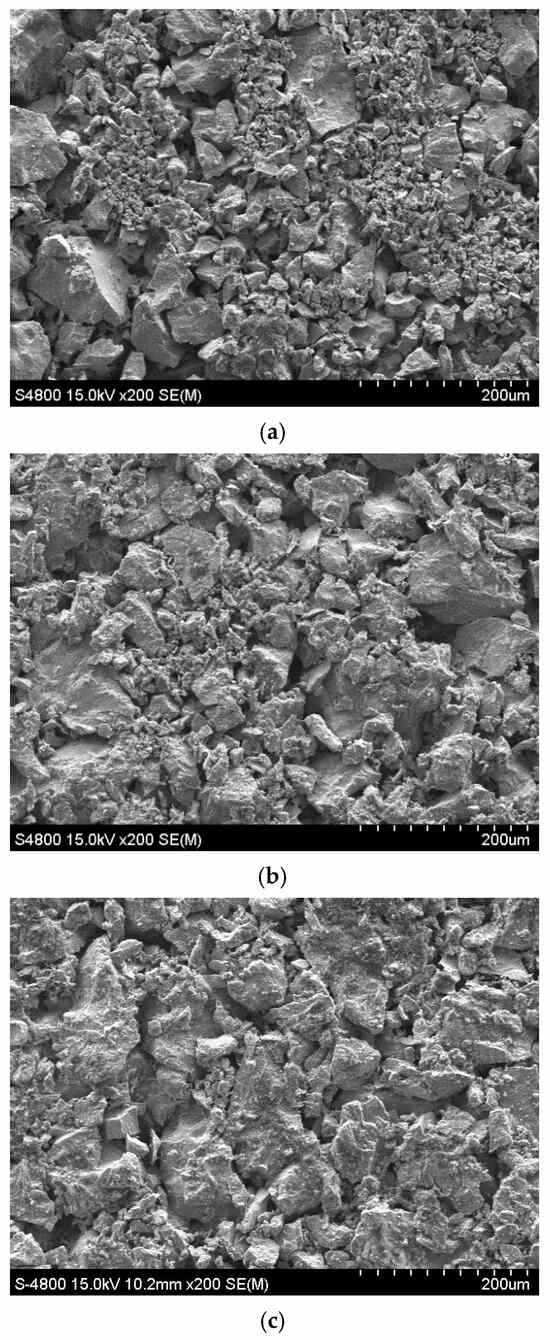
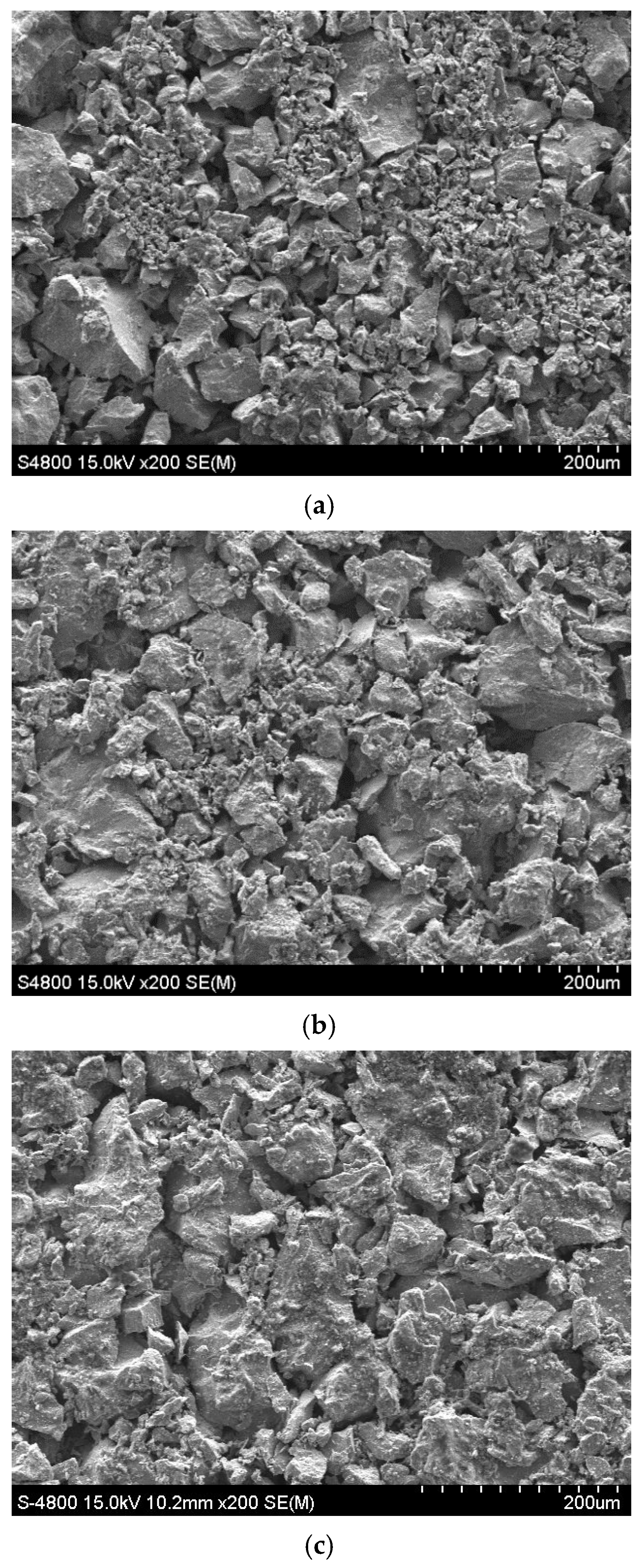
As shown in the cross-sectional views in Figure 2, the Sc specimen features the most dense and homogeneous powder and pore size distribution among the tested samples. The physical and chemical properties detailed in Table 5 and Figure 3 reveal that elevated processing temperatures resulted in sintered electrodes with lower porosity and much severe oxidation. Surface oxide layers impede hydrogen adsorption and absorption. Moreover, their relatively high density resulted in a deficiency in interconnected pores that facilitate hydrogen diffusion, as well as closed pores serving as hydrogen storage sinks. The Sc specimens were excluded from further investigation due to their high apparent density, which approached that of the corresponding bulk material, and low porosity.
Figure 2.
Cross-sectional views of (a) Sa, (b) Sb and (c) Sc sinters.
Table 5.
Density and porosity measurements.
Figure 3.
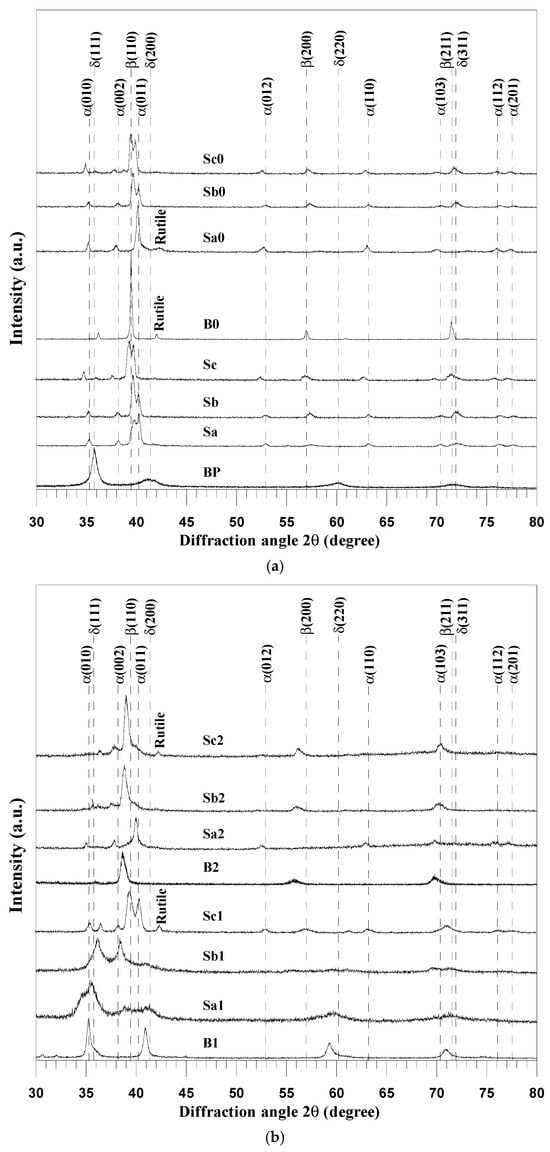
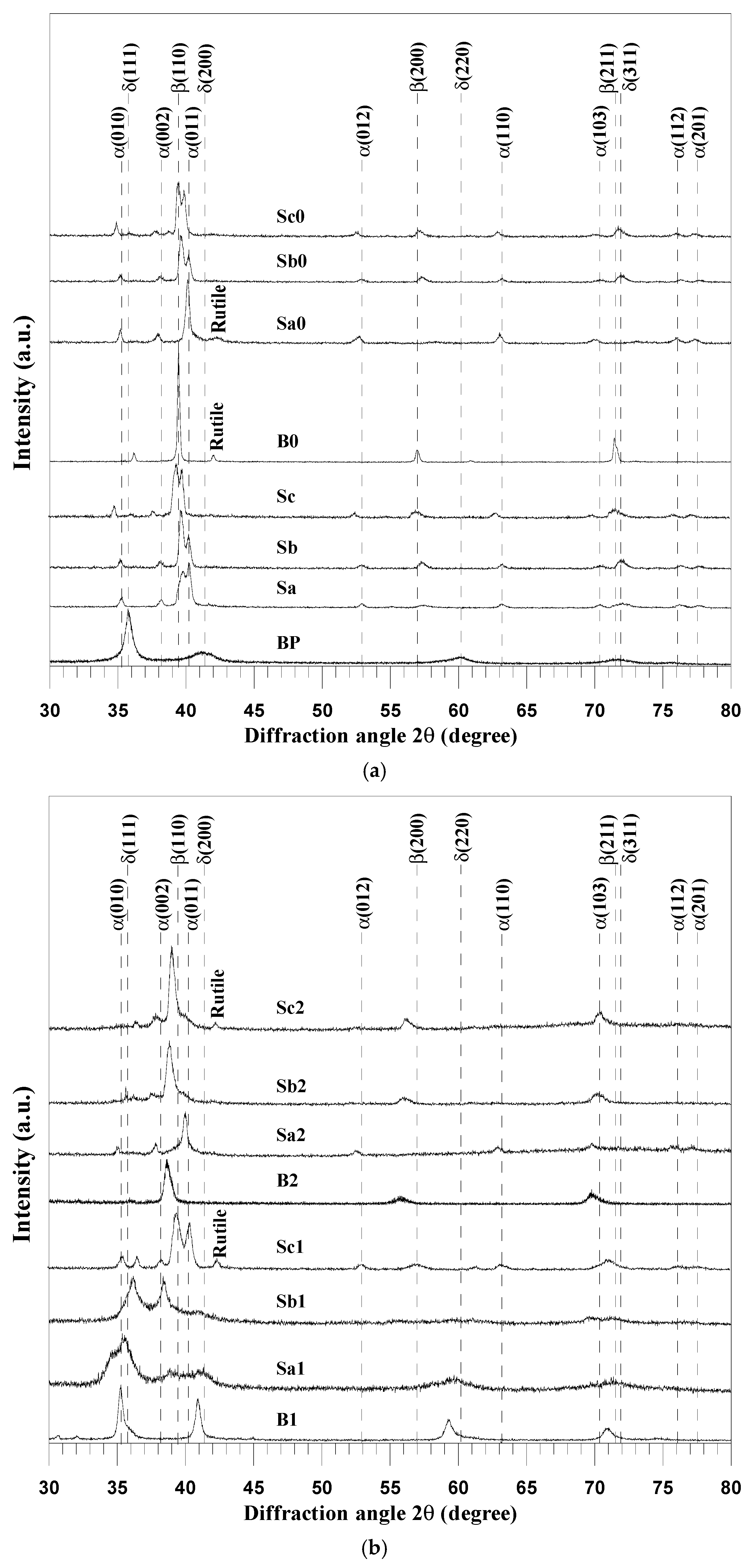
(a) XRD patterns of BP, Sa, Sb, Sc, B0, Sa0, Sb0 and Sc0 specimens respectively. (b) XRD patterns of B1, Sa1, Sb1, Sc1, B2, Sa2, Sb2 and Sc2 specimens respectively.
Figure 3 displays the XRD patterns for the BP, Sa, Sb, Sc, B0, Sa0, Sb0, Sc0, B1, Sa1, Sb1, Sc1, B2, Sa2, Sb2 and Sc2 specimens. The BP treatment clearly mineralized the originally bulk metallic Ti-153 specimens into a ceramic hydride powder, with its corresponding XRD pattern exhibiting exclusive δ-phase peaks. Because the processing temperature for Sb was 100 °C higher than that for Sa, the δ-hydrides decomposed during the sintering process of Sb. Consequently, the predominant phases in the hot-pressed sinters were α for Sa and α+β for Sb.
To accurately evaluate the hydrogen absorption capacity of the electrodes, the residual hydrogen present in sinters Sa and Sb must be first removed. Vacuum annealed sinters (Sa and Sb) at 760 °C and 4.0 × 10⁻⁵ Pa for 4 h led to the decomposition of δ hydrides and outgassing of solid solved hydrogen. The XRD patterns of as-received B0 specimens were all β peaks attributed to higher content of β-stabilizing elements. Vacuum anneal Sa specimens in the α-phase region to a hydrogen content as low as 0.029 wt% resulted in α phase as the major phase for Sa0. Hydrogen contents and the differences for typical specimens after various treatments were measured and listed in Table 6.
Table 6.
Hydrogen contents and the differences after various treatments.
Although the processing temperature slightly increased by 100 °C, Sb0 remained within the α-phase region during the 4 h vacuum treatment. However, the XRD pattern of Sb0 exhibited relatively distinct β(110), β(200), and β(220) diffraction peaks, indicating that the processing parameters of Sb0 were more favorable for β-structure formation compared to those of Sa0. Unlike the Sa0 samples, the XRD pattern of the Sb0 specimens exhibited a mixture of α and β peaks. Cyclic hydrogenation of the specimens led to the reformation of the δ phase because the hydrogen uptake approached the saturated solubility, a trend further supported by the data in Table 6.
The base material of the Ti-153 alloy sheet is β phase (B0). A hydrogenation process is applied to convert it into the δ phase, facilitating the production of powder (BP) for subsequent sintering into electrodes (Sa and Sb). During the hot-pressing sintering process, the Sa and Sb electrodes do not undergo significant oxidation due to the hydrogen-rich nature of the powder (BP). The low residual hydrogen in the Sa and Sb electrodes is removed by treating them at 760 °C-4.0 × 10⁻⁵ Pa for 4 h. The dehydrogenated specimens are designated as Sa0 and Sb0. The hydrogen evolution ratio (HER) is defined as follows: HER = = = 91.1%. The calculated HERs of specimens Sa0 and Sb0 are 91.1% and 90.1% respectively. After cyclic electrolytic hydrogenation of the Sa0 and Sb0 specimens, the resulting Sa1 and Sb1 specimens exhibited hydrogen contents of 2.869 wt% and 2.852 wt%, respectively. The hydrogen absorption ratio (HAR) of Sa1 is defined as follows:
Similarly, the HAR of Sb1 was calculated to be 99.4%.
The Sa1 and Sb1 specimens were treated under relatively poor dehydrogenation conditions (300 °C and 4.67 Pa for 2 h) to obtain the Sa2 and Sb2 specimens, with their calculated hydrogen evolution ratios being 62.6% and 57.1%, respectively. The purpose of treating the Sa1 and Sb1 specimens under these less ideal conditions was to evaluate the HER of the hydrogen storage materials under practical operating conditions. The HAR and HER values for different processes are summarized and listed in Table 6.
The B0 specimen features a pore-free, ingot metallurgical (I/M) β-Ti electrode, which precipitates the δ phase in B1 specimen after undergoing cyclic electrolytic hydrogenation, exhibiting a hydrogen absorption ratio (HAR) of 99.3%. In contrast, porous and powder metallurgical (P/M) electrodes, such as the Sa0 and Sb0 specimens, possess connecting pores that facilitate the transport and storage of hydrogen [6,7,8,9]. Consequently, following subsequent electrolytic hydrogenation treatments, the HAR values of both the Sa1 and Sb1 specimens reach as high as 99%, comparable to the value observed for the B1 specimen (99.3%).
Furthermore, after the final low-temperature and low-vacuum dehydrogenation process, the hydrogen evolution ratios (HERs) for the Sa2 and Sb2 specimens are 62.6% and 57.1%, respectively, both of which are higher than the 41.8% of the B2 specimen; as previously mentioned, this is attributed to the porous structure resulting from the P/M process. Regarding the slightly higher HER value of the Sa2 specimen compared to that of Sb2, it is primarily ascribed to the lower hydrogen solid solubility limit in the α-phase structure of Sa2 than in the β-phase structure of Sb2, as well as the higher porosity of the Sa2 specimen (Table 5) [10,11,12,13]. Sc2 exhibits the lowest HER efficiency (34.7%), which is primarily attributed to the oxide layer impeding hydrogen evolution. The XRD pattern of the Sc2 specimen in Figure 3b still clearly displays rutile diffraction peaks, as well as a distinctly shifted βH diffraction peaks, which highlights the absorbed hydrogen remaining in the matrix due to insufficient hydrogen desorption.
Ideal hydrogen storage materials require not only a higher hydrogen absorption ratio (HAR) but also a higher hydrogen evolution ratio (HER) for easily extracting hydrogen during utilization. The initial structure of the material determines its chemical properties, while the porosity achieved through various manufacturing processes constitutes its physical properties. When utilizing titanium alloys as hydrogen storage electrodes, focus should not be placed solely on the high hydrogen storage capacity of β-Ti [14]; the efficiency of the hydrogen extraction process must be considered simultaneously. Both the initial chemical (composition and phase) and physical properties (interconnected pores) of the materials significantly affect the hydrogen absorption and desorption behaviors of the electrodes. This study reveals that the Sa0 specimen, which combines an initial α structure with optimal porosity, exhibits relative superior hydrogen absorption and evolution performance. The performance, in descending order, is as follows: Sa0, Sb0, B0 and Sc0 specimens.
4. Conclusions
A thermo-hydrogen process, 300 °C and 50 atm (gaseous H2) for 15 h, followed by an HPS process, 600 °C and 700 °C at 25 MPa for 2 h, were adopted to obtain porous Sa0 and Sb0 electrodes. Qualitative and quantitative analyses proved that the hydrogen storage ability of powdered electrodes are superior to that of original bulk sheet specimens. The optimal processing conditions in this study are as follows: (1) first, the Ti-153 sheets are treated in a hydrogen furnace at 300 °C under a hydrogen pressure of 50 atm for 15 h to obtain the raw powder; (2) subsequently, the raw powder is processed in a hot-pressing sintering furnace at 600 °C under 25 MPa for 2 h to yield the sintered electrodes.
Author Contributions
Conceptualization, T.-I.W.; Methodology, V.K.S.H. and T.-I.W.; Formal analysis, V.K.S.H. and T.-I.W.; Investigation, V.K.S.H. and T.-I.W.; Resources, T.-I.W.; Data curation, V.K.S.H. and T.-I.W.; Writing—original draft, T.-I.W.; Supervision, T.-I.W.; Project administration, T.-I.W. All authors have read and agreed to the published version of the manuscript.
Funding
This research was funded Tatung University and National Science Council under grant no. B103-T07-023 and NSC 102-2622-E-036-004-CC3.
Data Availability Statement
The original contributions presented in this study are included in the article. Further inquiries can be directed to the corresponding author.
Acknowledgments
The authors are grateful for the financial support of this research by Tatung University and National Science Council under grant no. B103-T07-023 and NSC 102-2622-E-036-004-CC3.
Conflicts of Interest
The authors declare no conflict of interest.
References
- Smith, W.F. Structure and Properties of Engineering Alloys, 1st ed.; McGraw-Hill: New York, NY, USA, 1981. [Google Scholar]
- Collings, E.W. The Physical Metallurgy of Titanium Alloys, 1st ed.; ASM International: Metals Park, OH, USA, 1984. [Google Scholar]
- Hung, C.-P.; Wu, T.-I.; Wu, J.-K. Surface hardening of Ti-15V-3Al-3Cr-3Sn alloy after cyclic hydrogenation and subsequent solution treatment. Adv. Mater. Sci. Eng. 2014, 2014, 160258. [Google Scholar] [CrossRef] [Scilit]
- Zhang, Y.L.; Li, J.S.; Zhang, T.B.; Hu, R.; Xue, X.Y. Microstructure and hydrogen storage properties of non-stoichiometric Zr-Ti-V Laves phase alloys. Int. J. Hydrogen Energy 2013, 38, 14675–14684. [Google Scholar] [CrossRef] [Scilit]
- Hsu, H.-H.; Wu, Y.-C.; Tsay, L.-W. Notch brittleness of Ti-15V-3Cr-3Sn-3Al alloys. Mater. Sci. Eng. A 2012, 545, 20–25. [Google Scholar] [CrossRef] [Scilit]
- Markovsky, P.E.; Janiszewski, J.; Stasiuk, O.O.; Savvakin, D.G.; Oryshych, D.V.; Dziewit, P. Mechanical energy absorption ability of titanium-based porous structures produced by various powder metallurgy approaches. Materials 2023, 16, 3530. [Google Scholar] [CrossRef] [Scilit] [PubMed]
- Zhao, Q.; He, Z.; He, Y.; Qiu, Y.; Wang, Z.; Yao, J. Porous TiFe intermetallic fabricated by reactive synthesis of elemental powders. Intermetallics 2023, 162, 108004. [Google Scholar] [CrossRef] [Scilit]
- Niu, Y.; Li, T.; Yuan, Z.; Han, Q.; Han, Z.G.; Liu, C.X.; Sun, Y. An overview of TiFe-based alloys for hydrogen storage: Structure, element substitution and preparation. Int. J. Hydrogen Energy 2025, 175, 151503. [Google Scholar] [CrossRef] [Scilit]
- Rocha, H.R.O.; Romanos, J.; Dargham, S.A.; Roukos, R.; Silva, J.A.L.; Wörtche, H.J. AI-driven optimization of hydrogen storage in porous carbon adsorbents. Sci. Rep. 2026, 16, 15143. [Google Scholar] [CrossRef] [Scilit] [PubMed]
- Chapman, T.P.; Dye, D.; Rugg, D. Hydrogen in Ti and Zr alloys: Industrial perspective, failure modes and mechanistic understanding. Phil. Trans. R. Soc. A 2017, 375, 20160418. [Google Scholar] [CrossRef] [Scilit] [PubMed]
- Taherijam, M.; Abdolvand, H. Hydrogen and hydride induced stress localization in single phase HCP and dual phase HCP-BCC alloys. Int. J. Plast. 2025, 189, 104325. [Google Scholar] [CrossRef] [Scilit]
- Bignon, Q.; Martin, F.; Auzoux, Q.; Wouters, Y. Hydrogen impact on the mechanical properties of three titanium alloys. In Proceedings of the 3rd International Conference on Metals and Hydrogen, Ghent, Belgium, 29–31 May 2018. [Google Scholar]
- Carpenter, G.J.C. Mechanisms of hydride precipitation and dissolution in zirconium and titanium. CIM Bull. 1978, 17, 75–81. [Google Scholar]
- Huang, C.-L.; Gao, Y.-J.; Chuang, T.-L.; Hsiao, V.K.S.; Wu, T.-I. Study of the behavior of titanium alloys as the cathode for photovoltaic hydrogen production. Inter. J. Photoenergy 2013, 2013, 857491. [Google Scholar] [CrossRef] [Scilit]

Disclaimer/Publisher’s Note: The statements, opinions and data contained in all publications are solely those of the individual author(s) and contributor(s) and not of MDPI and/or the editor(s). MDPI and/or the editor(s) disclaim responsibility for any injury to people or property resulting from any ideas, methods, instructions or products referred to in the content. |
© 2026 by the authors. Licensee MDPI, Basel, Switzerland. This article is an open access article distributed under the terms and conditions of the Creative Commons Attribution (CC BY) license.