


Abstract
Vitamin B6 (pyridoxine) is a biologically relevant micronutrient involved in numerous biochemical processes and may also participate in redox-related reactions. In the present study, the electrochemical behavior and stability of vitamin B6 were investigated in a 0.1 M sodium fluoride (NaF) electrolyte using platinum (Pt) as the working electrode, with particular emphasis on the effects of silver nanoparticles (Ag nanoparticles, 70 mg·L−1) on interfacial redox processes. Cyclic voltammetry (CV), electrochemical impedance spectroscopy (EIS), and UV-Vis spectroscopy were combined to characterize the molecular-electrode interface and the response of vitamin B6 under electrochemical stress. CV demonstrated that vitamin B6 substantially modifies the anodic and cathodic response of Pt, whereas incorporation of Ag nanoparticles partially attenuated the pronounced cathodic processes induced by vitamin B6. EIS revealed a progressive decrease in charge-transfer resistance from 2.19·103 Ω·cm2 in NaF to 1.81·103 Ω·cm2 after vitamin B6 addition and to 882 Ω·cm2 in the presence of Ag nanoparticles, accompanied by increased apparent interfacial capacitance and enhanced interfacial heterogeneity. UV-Vis spectroscopy further showed that Ag nanoparticles modify the optical response of the vitamin B6-containing system and exhibit a characteristic plasmonic absorption band. Under galvanostatic electrolysis at 50 mA·cm−2, vitamin B6 degradation followed apparent first-order kinetics, while the presence of Ag nanoparticles decreased the degradation rate constant from 4.70·10−3 to 3.02·10−3 min−1 and increased the apparent half-life from 147 to 229 min. These results indicate that Ag nanoparticles substantially influence the redox environment and electrochemical stability of vitamin B6, reducing its degradation under oxidative electrochemical conditions. The combined electrochemical and spectroscopic results provide new insight into the interfacial redox behavior of a biologically relevant vitamin in the presence of metallic nanoparticles and may contribute to understanding antioxidant-related molecular stability and redox processes in complex chemical environments.
1. Introduction
Vitamin B6 comprises a family of water-soluble vitamers, including pyridoxine, pyridoxal, pyridoxamine, and their phosphorylated derivatives, which are biologically interconvertible and participate as cofactors in more than one hundred enzymatic reactions involved in amino-acid metabolism, neurotransmitter biosynthesis, immune regulation, and the cellular response to oxidative stress [1,2,3]. Consequently, vitamin B6 deficiency is associated with numerous physiological disorders, including anemia, neurological dysfunction, impaired immune response, and metabolic diseases [2,3]. Beyond its established biochemical functions, vitamin B6 exhibits significant electrochemical activity and is therefore relevant to the study of biologically important redox processes. Depending on the reaction environment and experimental conditions, vitamin B6 may participate in antioxidant-related processes and may also undergo electrochemical or photoelectrochemical transformations involving reactive intermediates [1,4,5]. These characteristics have stimulated considerable interest in understanding its redox behavior, electrochemical stability, and interactions with reactive species.
Electrochemical studies performed on glassy carbon, gold, boron-doped diamond, and modified electrodes have shown that vitamin B6 undergoes predominantly irreversible oxidation through coupled electron-transfer and chemical reactions, with the observed response being strongly influenced by surface chemistry, adsorption phenomena, protonation equilibria, and electrode material [4,5]. Owing to its intrinsic electroactivity, vitamin B6 has also become an important analytical target. Numerous voltammetric, amperometric, and potentiometric sensors have been developed for its determination in pharmaceutical and biological samples, while electrode modification using conducting polymers, carbon nanomaterials, metal oxides, and hybrid nanostructures has substantially improved sensitivity, selectivity, and long-term stability [1,6,7,8,9,10,11,12,13,14,15,16,17,18,19,20,21,22]. These studies also demonstrate that the redox response of biologically relevant molecules can be strongly modulated by their local interfacial environment, an aspect of particular relevance to the study of antioxidant-related and other biologically significant redox processes.
Combining vitamin B6 with conductive nanomaterials may provide new opportunities for tailoring interfacial charge-transfer processes, molecular adsorption, and redox behavior. In particular, metallic nanoparticles can modify local electric fields, electronic communication, and interfacial organization, thereby influencing the electrochemical response of biologically relevant molecules [23]. Such effects may be important when evaluating the stability and transformation of redox-active compounds under electrochemical conditions.
Among metallic nanomaterials, silver nanoparticles (AgNPs) are especially attractive because of their high electrical conductivity, catalytic activity, localized surface plasmon resonance, and broad applicability in sensing, catalysis, environmental remediation, and biomedicine [24,25,26,27,28,29,30]. Their electrochemical and physicochemical properties depend strongly on particle size, morphology, aggregation state, surface chemistry, and stabilizing agents [24,25,26,27,28,29]. Recent studies have demonstrated that nanoparticle–organic hybrid systems exhibit electrochemical properties that cannot always be predicted from the individual components alone, highlighting the importance of understanding their interfacial interactions [24,25,26,27,28,29,30,31]. At the same time, concerns regarding AgNP stability, Ag+ release, and biological effects emphasize the need for systematic electrochemical investigations under well-defined conditions [26,27,28,29,30,31,32]. From the perspective of biologically relevant redox chemistry, understanding these interactions is particularly important because metallic nanoparticles may modify the local environment in which redox-active molecules undergo electron-transfer and oxidative processes.
Our recent studies have investigated related electrochemical systems involving biologically relevant molecules and metallic nanostructures [33,34,35]. These studies, however, concern different molecular and electrolyte environments: cefuroxime, thiamine-based systems, while pyridoxine was previously studied in a phosphate-containing electrolyte. The present work extends this research toward a distinct fluoride-containing interfacial environment, focusing specifically on the electrochemical behavior and apparent stability of pyridoxine in the presence of Ag nanoparticles. The use of NaF is particularly relevant because changing the electrolyte composition can modify the interfacial environment and, consequently, the electrochemical response of both the molecular species and the metallic electrode. Thus, the present study is not a repetition of the previous pyridoxine/phosphate system, but examines the vitamin B6-Ag nanoparticle system under a different electrolyte condition, using complementary cyclic voltammetry, electrochemical impedance spectroscopy, UV-Vis spectroscopy, and galvanostatic degradation measurements.
Despite extensive studies on vitamin B6 electrochemistry and the widespread application of silver nanoparticles, relatively little attention has been devoted to understanding how AgNPs influence the interfacial electrochemical behavior of vitamin B6 at platinum electrodes. In particular, the effects of nanoparticle incorporation on charge-transfer kinetics, electrical double-layer organization, capacitive behavior, and optical properties remain insufficiently understood. Addressing this knowledge gap is relevant to the broader understanding of redox-active biomolecules and their stability in nanoparticle-containing environments, with potential implications for bioelectrochemistry, electroanalysis, electrocatalysis, and hybrid organic–nanomaterial interfaces.
Vitamin B6 is widely used as a nutritional supplement, whereas silver nanoparticles are increasingly investigated for biomedical, antimicrobial, and bioanalytical applications. Consequently, interactions between biologically active molecules and metallic nanoparticles are becoming increasingly relevant to the understanding of molecular stability and redox processes in complex chemical environments. Despite this growing interest, little information is available regarding how Ag nanoparticles influence the interfacial behavior, electronic environment, and electrochemical stability of vitamin B6. Addressing this knowledge gap constitutes the primary objective of the present work.
Fluoride is a biologically relevant inorganic anion that can be encountered in mineralized tissues, oral environments, dietary sources, and aqueous biological media, where its coexistence with other ions may influence the behavior of biologically active molecules. In particular, fluoride can interact specifically with mineral and metallic surfaces, making fluoride-containing electrolytes relevant for investigating interfacial electrochemical processes. Therefore, the presence of fluoride is not merely a supporting-electrolyte condition, but may contribute to the interfacial environment experienced by redox-active molecules. This consideration is particularly relevant for pyridoxine, whose electrochemical behavior may depend on the nature of the surrounding ions. In this context, the present study specifically addresses pyridoxine in a fluoride-containing medium, providing an interfacial environment distinct from the phosphate-based systems previously investigated for this molecule. The use of NaF therefore allows for the influence of a different, chemically active electrolyte environment on the electrochemical response and stability of pyridoxine to be examined.
Accordingly, the present study investigates the electrochemical behavior of platinum in a 0.1 M NaF supporting electrolyte containing vitamin B6 in the absence and presence of silver nanoparticles (nAg). Cyclic voltammetry (CV), electrochemical impedance spectroscopy (EIS), UV-Vis spectroscopy, and galvanostatic degradation experiments were combined to evaluate how vitamin B6 and nAg modify the electrochemical response of the Pt/electrolyte interface and the stability of vitamin B6 under electrochemical stress. Particular attention was given to changes in charge-transfer resistance, apparent interfacial capacitance, relaxation behavior, voltammetric response, optical absorption, and degradation kinetics. Rather than providing direct structural evidence for molecular adsorption or specific nanoparticle–molecule interactions, the study develops a complementary electrochemical and spectroscopic interpretation of the observed interfacial and redox changes.
2. Materials and Methods
2.1. Chemicals and Solutions
Sodium fluoride (NaF, ≥99%, Sigma-Aldrich, St. Louis, MO, USA) and vitamin B6 (pyridoxine hydrochloride, ≥98%, Sigma-Aldrich, St. Louis, MO, USA) were used as received without further purification. Polyvinylpyrrolidone (PVP)-stabilized silver nanoparticles (nAg; nominal average particle diameter 50–75 nm; Merck, Darmstadt, Germany) were employed as supplied by the manufacturer. The silver nanoparticles were not subjected to additional physicochemical characterization in the present study. Prior to each electrochemical experiment, fresh nAg dispersions were prepared directly in the supporting electrolyte and homogenized immediately before use to minimize sedimentation and obtain a reproducible initial dispersion state. All electrochemical measurements were completed within a time interval in which no visible precipitation or macroscopic aggregation was observed. Accordingly, the results presented here describe the electrochemical behavior of the Pt/nAg-containing dispersion under the employed experimental conditions and are not intended to characterize nanoparticle size distribution, colloidal stability, or surface physicochemical properties. All solutions were prepared using ultrapure water with a resistivity of 18.2 MΩ·cm.
A 0.1 M NaF solution was employed as the supporting electrolyte. Fluoride-containing media were selected because fluoride ions can interact specifically with platinum surfaces while remaining electrochemically inactive over substantial potential regions, thus providing a defined electrolyte environment for evaluating the effects of vitamin B6 and nAg on the Pt/electrolyte interface. Vitamin B6 was added at a concentration of 0.05 g·L−1, while nAg were dispersed at a concentration of 70 mg·L−1. All solutions were freshly prepared prior to each experiment.
2.2. Electrochemical Measurements
A polycrystalline platinum disk electrode with a geometric surface area of 1 cm2 was used as the working electrode. A platinum wire served as the counter electrode, and an Ag/AgCl electrode containing saturated KCl was used as the reference electrode. All potentials reported in this work are given versus Ag/AgCl (sat. KCl).
Electrochemical experiments were performed using a VoltaLab electrochemical workstation controlled by VoltaMaster 4 software (Radiometer Analytical SAS, Lyon, France). Measurements were conducted in a conventional three-electrode electrochemical cell at room temperature. Before each experiment, the platinum working electrode was mechanically polished using alumina suspensions of decreasing particle size, thoroughly rinsed with ultrapure water, and electrochemically cleaned by repetitive potential cycling in the supporting electrolyte until a stable voltammetric response was obtained.
2.3. Cyclic Voltammetry
Cyclic voltammetry (CV) measurements were performed at a scan rate of 50 mV·s−1 over a wide potential window encompassing the principal electrochemical processes of platinum in aqueous fluoride-containing media, including hydrogen evolution/adsorption–desorption, double-layer charging, platinum oxide formation/reduction, and oxygen evolution.
The anodic (Qa) and cathodic (Qc) charges were obtained by numerical integration of the corresponding branches of the cyclic voltammograms using the CV integration routine implemented in VoltaMaster 4 software. The calculated charges are expressed in C·cm−2 and represent the total voltammetric charge over the selected potential range, including contributions from both Faradaic processes and non-Faradaic double-layer charging.
Because vitamin B6 and nAg can modify the interfacial capacitance and the overall electrochemical response, the integrated charges were used for comparative assessment of the investigated Pt/electrolyte systems rather than for quantitative separation of capacitive and Faradaic contributions. Interpretation of the voltammetric charge changes was complemented by electrochemical impedance spectroscopy through analysis of the apparent interfacial capacitance (Cdl,app) and charge-transfer resistance (Rct).
2.4. Electrochemical Impedance Spectroscopy
Electrochemical impedance spectroscopy (EIS) measurements were performed at the stabilized open-circuit potential using a sinusoidal perturbation amplitude of 10 mV over the frequency range from 100 kHz to 0.1 Hz, with ten frequency points per decade. Prior to each EIS measurement, the open-circuit potential (OCP) of the Pt electrode was monitored for 4 min, after which the stabilized potential was used as the DC operating potential for the impedance measurement. The stabilized OCP values were +192 mV for 0.1 M NaF, +207 mV for 0.1 M NaF containing 0.05 g·L−1 vitamin B6, and +198 mV for 0.1 M NaF containing 0.05 g·L−1 vitamin B6 and 70 mg·L−1 nAg, respectively, with all potentials measured versus Ag/AgCl (sat. KCl).
The impedance spectra were interpreted using equivalent-circuit analysis to determine the solution resistance (Rs), charge-transfer resistance (Rct), constant-phase-element (CPE) parameters, apparent double-layer capacitance (Cdl,app), phase angle, and characteristic relaxation time. Equivalent-circuit fitting was performed using VoltaMaster 4 software. Because the experimental interfacial response was represented by a CPE rather than an ideal capacitor, the corresponding capacitance is reported as an apparent interfacial capacitance (Cdl,app) and is used primarily for comparative evaluation of the investigated interfaces.
The quality of the equivalent-circuit fitting was assessed using the chi-square statistic (χ2), with values typically below 2·10−2, together with the standard errors associated with the fitted circuit elements. For all equivalent-circuit models, the relative standard errors of the fitted parameters remained below 5%, supporting the reliability of the fitting procedure and the suitability of the selected equivalent circuits for describing the experimental impedance spectra. The EIS-derived parameters were subsequently correlated with the CV response to evaluate changes in charge-transfer kinetics, interfacial capacitance, relaxation dynamics, and deviations from ideal capacitive behavior following vitamin B6 and nAg incorporation.
2.5. UV-Vis Spectroscopy
UV-Vis absorption spectra were recorded using a Varian Cary UV-Vis spectrophotometer (Varian Inc., Mulgrave, VIC, Australia) operated with CaryWin UV software version 3. Spectra were collected over the relevant wavelength range for the investigated NaF, NaF-vitamin B6, and NaF-vitamin B6-nAg systems.
2.6. Galvanostatic Electrolysis and Kinetic Analysis
Galvanostatic electrolysis experiments were performed at a constant current density of 50 mA·cm−2. Time-resolved UV-Vis spectra were recorded during electrolysis to monitor changes in the characteristic absorption bands of vitamin B6 and to evaluate its electrochemical stability and degradation kinetics.
The apparent first-order rate constants were determined from the temporal evolution of absorbance using the Beer–Lambert relationship, assuming that the measured absorbance remained proportional to the concentration of intact vitamin B6 throughout the investigated concentration range. The kinetic analysis was based on the linear relationship between ln(A0/A) and electrolysis time.
The galvanostatic experiments were conducted in a conventional undivided electrochemical cell without forced stirring. Under the applied current density, hydrogen evolution occurred at the cathode, while anodic oxygen evolution and other oxidation processes occurred at the platinum electrode. Accordingly, the observed decrease in vitamin B6 absorbance reflects the overall oxidative electrochemical environment generated during electrolysis, which may include direct anodic oxidation and reactions involving electrochemically generated reactive oxygen-derived species. Because no species-specific analytical method was employed to identify individual reactive intermediates, the present study does not assign the observed degradation to a particular reactive species. Instead, the experiments were designed to compare the overall effect of nAg on vitamin B6 electrochemical stability under otherwise identical galvanostatic conditions.
All electrochemical measurements were performed in triplicate using freshly prepared solutions. The obtained responses were reproducible, with variations between replicate measurements below 1%. The reported electrochemical and spectroscopic parameters represent the corresponding reproducible experimental values.
3. Results and Discussion
Before considering the electrochemical response, the acid–base state of pyridoxine under the experimental conditions should be considered. The pH of the NaF-based aqueous electrolyte containing pyridoxine was experimentally measured as 6.8. Pyridoxine exhibits two principal acid–base equilibria associated with the pyridine-ring N1 site and the phenolic O3′ group, with reported macroscopic pKa values of approximately 5.0 and 8.9–9.0. At pH 6.8, which lies between these two transitions, pyridoxine is expected to occur predominantly in its zwitterionic (dipolar) form, characterized by a protonated pyridine nitrogen (N1H+) and a deprotonated phenolic oxygen (O3′−), with smaller populations of the corresponding cationic and anionic forms. The predominance of the zwitterionic form in the neutral-pH region has also been reported from spectroscopic and theoretical investigations of pyridoxine speciation.
3.1. Cyclic Voltammetric Response of Pt in NaF, NaF-Vitamin B6 and NaF-Vitamin B6-nAg Electrolytes
The electrochemical behavior of platinum was investigated by cyclic voltammetry in 0.1 M NaF, 0.1 M NaF containing vitamin B6 (0.05 g·L−1), and 0.1 M NaF containing both vitamin B6 (0.05 g·L−1) and Ag nanoparticles (70 mg·L−1). The voltammograms were recorded at a scan rate of 50 mV·s−1 over a broad potential range extending from negative potentials, where hydrogen evolution becomes significant, to positive potentials associated with platinum surface oxidation and oxygen evolution. This wide potential window was selected to evaluate the overall modification of the Pt/electrolyte interface induced first by the redox-active biomolecule vitamin B6 and subsequently by Ag nanoparticles, rather than to isolate a single molecular redox reaction.
For quantitative comparison, the anodic and cathodic charges were calculated by numerical integration over the common potential interval from −1.5 to +2.0 V for all three systems.
The voltammetric response of platinum in the supporting NaF electrolyte exhibits the characteristic potential-dependent processes of a polycrystalline Pt electrode in aqueous electrolyte [10,17,18]. At negative potentials, the cathodic current increases progressively as hydrogen evolution becomes dominant. The onset of the pronounced cathodic response occurs at approximately −0.9 to −1.1 V vs. RE, followed by a steep increase in cathodic current with increasingly negative polarization. Under the present conditions, hydrogen evolution represents the principal Faradaic contribution in the negative-potential region.
During the subsequent positive-going scan, the cathodic hydrogen-evolution current decreases and the electrode enters a broad potential region in which the current is comparatively low. In this intermediate region, the response is predominantly associated with charging of the electrochemical double layer, although minor Faradaic contributions cannot be completely excluded. The region extending approximately from −0.7 to +0.5 V vs. RE therefore provides the most appropriate potential interval for evaluating changes in the capacitive response of the Pt/electrolyte interface. Modification of the current in this region following addition of vitamin B6 and nAg is consistent with changes in the local interfacial environment surrounding the platinum surface.
At more positive potentials, oxygen-containing species become progressively adsorbed on the platinum surface. The gradual increase in anodic current beginning approximately above 0.6–0.9 V vs. RE is consistent with the formation of hydroxylated platinum surface species, followed at higher potentials by progressive formation of platinum oxides. These surface processes appear as a broad anodic response rather than as a single sharply resolved peak [10,17,18,19]. During the reverse scan, reduction in the oxidized platinum surface contributes to the cathodic current. Because several surface processes overlap within the investigated potential range, their individual contributions cannot be quantitatively separated solely from the CV profiles.
At the most positive potentials, approximately above 1.5–1.6 V vs. RE, the rapidly increasing anodic current is associated predominantly with oxygen evolution. Consequently, the investigated potential window encompasses hydrogen evolution, an intermediate region dominated primarily by interfacial charging, platinum surface oxidation/reduction, and oxygen evolution. This broad-window approach allows the overall influence of vitamin B6 and nAg on the electrochemical environment of Pt to be evaluated under identical polarization conditions, including conditions under which oxygen-containing reactive species may be generated.
The addition of vitamin B6 substantially modifies the voltammetric response of platinum (Figure 1a). One of the first observable modifications occurs in the intermediate potential region, where the capacitive current differs from that of the supporting NaF electrolyte. Such changes are consistent with interaction of vitamin B6 with the Pt/electrolyte interface through its hydroxyl, amino and pyridine functionalities [3,4,15,19,22]. These observations are consistent with interfacial association of vitamin B6, which modifies the local chemical environment and the electrochemical double-layer response at the Pt interface.
Figure 1.
(a) Cyclic voltammograms recorded at a Pt electrode in 0.1 M NaF and 0.1 M NaF containing vitamin B6 (0.05 g·L−1). (b) Cyclic voltammograms recorded at a Pt electrode in 0.1 M NaF containing vitamin B6 (0.05 g·L−1) in the absence and presence of Ag nanoparticles (70 mg·L−1). Measurements were performed at a scan rate of 50 mV·s−1 over the investigated potential window. The comparison illustrates the progressive modification of the Pt/electrolyte interface induced by vitamin B6-induced interfacial modification and oxidation-related processes, followed by Ag nanoparticle-mediated interfacial modulation. Vitamin B6 increases the double-layer capacitance and promotes irreversible faradaic processes, whereas Ag nanoparticles modify the interfacial charge-transfer response and partially attenuate the enhanced cathodic processes, modify charge-transfer kinetics, and partially restore the anodic/cathodic charge balance by attenuating the extensive reduction processes observed in the nanoparticle-free electrolyte.
Vitamin B6 also modifies the anodic response at positive potentials. Additional anodic current is observed in the B6-containing electrolyte relative to the NaF supporting electrolyte. This behavior is consistent with an electrochemical contribution associated with vitamin B6 and/or vitamin-derived surface species under the applied polarization conditions [3,4,15,19,22]. Because the investigated potential window also contains platinum oxidation and oxygen evolution, the individual contribution of vitamin B6 oxidation cannot be quantitatively separated from the overlapping anodic processes solely from the present CV measurements. The absence of a clearly resolved corresponding cathodic peak indicates that the additional anodic contribution is not fully reversible within the investigated potential window.
The effect of vitamin B6 is also evident on the cathodic branch. When the same integration interval of −1.5 to +2.0 V is applied to all systems, the cathodic charge increases from −0.0612 C for NaF to −0.1656 C for NaF + B6 (Table 1). Thus, the magnitude of the integrated cathodic charge increases by approximately 2.7-fold after addition of vitamin B6. This increase cannot be assigned exclusively to a single cathodic reaction because several cathodic processes overlap within the investigated potential window. Nevertheless, the increase in integrated cathodic charge demonstrates that vitamin B6 substantially modifies the electrochemical response of the Pt interface.
Table 1.
Integrated anodic and cathodic charges obtained from cyclic voltammetry for the investigated electrolytes.
The anodic charge also increases after addition of vitamin B6, from +0.0739 C in NaF to +0.1392 C in NaF + B6, corresponding to an increase of approximately 88%. Consequently, the ratio of anodic charge to the absolute cathodic charge, Qa/|Qc|, decreases from 1.21 to 0.84. This change indicates a redistribution of the anodic and cathodic contributions during potential cycling after incorporation of vitamin B6, with a relatively larger increase in the cathodic response.
The combined voltammetric observations therefore indicate that vitamin B6 substantially modifies the Pt/electrolyte interface. The modification is manifested by changes in the capacitive response, an additional anodic contribution, and an enhanced cathodic response. These observations are consistent with interfacial association and adsorption of vitamin B6, although the CV data alone do not establish a unique molecular reaction mechanism.
The incorporation of Ag nanoparticles into the NaF-vitamin B6 electrolyte produces a further modification of the voltammetric response (Figure 1b). The general sequence of potential-dependent processes remains evident, including hydrogen evolution at negative potentials, the intermediate region dominated primarily by interfacial charging, platinum surface oxidation at positive potentials, and oxygen evolution at the most positive potentials. However, the relative magnitude of these contributions changes following the addition of nAg.
The capacitive region remains modified relative to the supporting electrolyte, consistent with the simultaneous presence of vitamin B6 and dispersed PVP-stabilized Ag nanoparticles. The nanoparticles introduce additional metal/electrolyte interfaces and modify the local organization of the interfacial region.
The anodic charge decreases from +0.1392 C in NaF+B6 to +0.0979 C in NaF + B6 + nAg, corresponding to a decrease of approximately 30%. This decrease indicates that nAg modifies the overall anodic response of the vitamin B6-containing interface. Redistribution of the interfacial environment and of the organic species between the available metallic surfaces may contribute to this effect, although the present CV measurements do not allow the individual surface populations to be quantified.
The effect is even more pronounced on the cathodic branch. Using the same integration interval of −1.5 to +2.0 V, the magnitude of Qc decreases from 0.1656 C for NaF + B6 to 0.0933 C for NaF + B6 + nAg, corresponding to a decrease of approximately 44%. Thus, the addition of Ag nanoparticles substantially attenuates the enhanced cathodic response observed in the presence of vitamin B6.
The decrease in cathodic charge indicates that the effect of nAg is not simply an increase in the overall electrochemical current. Instead, the nanoparticles modify the relative contribution of the cathodic processes occurring at the vitamin B6-modified Pt interface. Changes in the organization and accessibility of surface-associated organic species and in the local interfacial environment may contribute to this behavior.
The charge ratio provides a quantitative description of this change. In the NaF + B6 electrolyte, Qa/|Qc| is 0.84, whereas after incorporation of nAg it increases to 1.05. Thus, Ag nanoparticles shift the relative distribution of anodic and cathodic charge toward a more balanced response. This change should not be interpreted as evidence that the individual electrochemical processes become reversible; rather, it indicates that the cathodic predominance observed after addition of vitamin B6 is substantially attenuated by nAg.
The integrated charge analysis provides a quantitative description of the progressive modification of the Pt interface. In the supporting NaF electrolyte, the anodic and cathodic charges over the common integration interval are +0.0739 and −0.0612 C, respectively, giving a Qa/|Qc| ratio of 1.21. Addition of vitamin B6 increases the integrated charges to +0.1392 C and −0.1656 C, respectively, and decreases Qa/|Qc| to 0.84. Subsequent addition of Ag nanoparticles decreases the corresponding charges to +0.0979 C and −0.0933 C, while increasing Qa/|Qc| to 1.05.
The CV results indicate coupled changes in interfacial charging, platinum surface oxidation/reduction, and electrochemical processes involving vitamin B6. Because these contributions overlap within the investigated potential window, the integrated charges are interpreted as evidence of interfacial electrochemical modification rather than of a unique molecular reaction pathway.
Overall, the transition from NaF to NaF + B6 and NaF + B6 + nAg demonstrates progressive interfacial modulation of the Pt electrode, with Ag nanoparticles attenuating the vitamin B6-enhanced cathodic response and reorganizing the electrochemical behavior of the composite interface.
3.2. Electrochemical Impedance Spectroscopy of Pt in NaF, NaF-Vitamin B6 and NaF-Vitamin B6-nAg Electrolytes
Electrochemical impedance spectroscopy (EIS) was employed to examine the modification of the Pt/electrolyte interface produced by vitamin B6 and subsequently by Ag nanoparticles in 0.1 M NaF. Whereas cyclic voltammetry provides information on the dynamic electrochemical response under continuously changing polarization, EIS probes the interfacial response under small-amplitude perturbation around the stabilized open-circuit potential. It therefore provides complementary information on solution resistance, charge-transfer behavior, interfacial capacitance, electrical double-layer (EDL) organization, and deviations from ideal capacitive behavior.
The EIS measurements were performed at the stabilized open-circuit potential using a sinusoidal perturbation amplitude of 10 mV over the frequency range from 100 kHz to 0.1 Hz, with ten frequency points per decade. The spectra were analyzed by equivalent-circuit fitting using VoltaMaster 4 software. The quality of the fits was evaluated using the chi-square statistic (χ2), which was typically below 2·10−2, together with the standard errors of the fitted parameters. The relative standard errors of the fitted parameters remained below 5%.
The EIS spectra were fitted using equivalent circuits consisting of the uncompensated solution resistance (Rs) in series with a parallel combination of the charge-transfer resistance (Rct) and the interfacial capacitance. For the NaF electrolyte, an ideal capacitive element was sufficient, corresponding to Rs–(Rct||Cdl), whereas the pyridoxine-containing systems were better described using a constant-phase element (CPE), i.e., Rs–(Rct||CPE), to account for the non-ideal interfacial response.
The three-dimensional impedance representations obtained for Pt in NaF and NaF containing vitamin B6 are presented in Figure 2. The Nyquist surfaces together with the corresponding frequency-dependent impedance magnitude and phase-angle representations demonstrate substantial changes following vitamin B6 addition. The three-dimensional representation retains the information contained in conventional Nyquist and Bode plots while allowing the frequency dependence of the impedance response to be visualized simultaneously. The NaF electrolyte exhibits a comparatively simple response, whereas vitamin B6 produces a broader frequency-dependent impedance response and increased deviation from ideal capacitive behavior, consistent with greater interfacial heterogeneity.
Figure 2.
Three-dimensional visualization of the electrochemical impedance spectroscopy (EIS) response of the Pt electrode in (a,b) 0.1 M NaF electrolyte and (c,d) 0.1 M NaF containing vitamin B6 (0.05 g·L−1). Panels (a,c) present the three-dimensional representation of the real impedance (Zr), imaginary impedance (−Zi), and logarithm of frequency [log(f)], whereas panels (b,d) present the corresponding representation of the phase angle, logarithm of impedance [log|Z|], and logarithm of frequency [log(f)]. The black circles represent the experimental EIS data in three-dimensional space, while the blue, green, and red curves are the orthogonal projections of the same dataset onto the corresponding coordinate planes, allowing simultaneous visualization of the conventional two-dimensional EIS plots. The comparison highlights the changes in the impedance response following the addition of vitamin B6. Zr [kΩ·cm2]; −Zi [kΩ·cm2]; Phase [°].
The impedance spectrum recorded in 0.1 M NaF is characterized by a single depressed semicircular response, indicating one predominant relaxation process within the investigated frequency range. The absence of a clearly resolved second relaxation process or pronounced low-frequency diffusion tail suggests that the measured response is predominantly controlled by interfacial charge transfer and double-layer charging rather than by a distinct mass-transport limitation [19,22,23]. This behavior is consistent with the relatively simple electrochemical response of the Pt/NaF interface observed by cyclic voltammetry.
The high-frequency intercept gives a solution resistance (Rs) of approximately 9.75 Ω·cm2. The relatively small contribution of Rs to the overall impedance indicates that the main differences among the investigated systems originate from the electrode/electrolyte interfacial region rather than from major changes in the bulk electrolyte response.
The charge-transfer resistance (Rct) obtained for NaF is approximately 2.19·103 Ω·cm2 (Table 2). This relatively high value indicates limited interfacial charge-transfer activity under the small-amplitude perturbation used for EIS. The impedance response should nevertheless be considered together with the processes identified by cyclic voltammetry, including hydrogen evolution at negative potentials and platinum surface oxidation/reduction at positive potentials [10,17,19].
Table 2.
Comparative electrochemical impedance parameters of Pt electrodes in NaF-based electrolytes containing vitamin B6 and Ag nanoparticles.
The characteristic relaxation frequency is approximately 2.23 Hz, corresponding to an interfacial relaxation time of 0.071 s. The phase-angle response reaches a maximum negative value of approximately −60° at intermediate frequencies, indicating predominantly capacitive behavior with a substantial deviation from an ideal capacitor. Such deviations can arise from the polycrystalline character of the Pt surface and from a distribution of local interfacial environments [33,34,35].
The addition of vitamin B6 produces a clear modification of the impedance response (Figure 2). The solution resistance remains essentially unchanged (Rs = 10.06 Ω·cm2), indicating that the principal effect of vitamin B6 is localized at the electrode/electrolyte interface rather than being associated with a major change in bulk ionic conductivity.
A decrease in Rct from approximately 2.19·103 to 1.81·103 Ω·cm2 is observed after vitamin B6 addition. This decrease indicates that the presence of vitamin B6 facilitates the apparent interfacial charge-transfer response under the EIS conditions. The result is consistent with the CV measurements, where vitamin B6 increased both the anodic and cathodic integrated charges.
The characteristic relaxation frequency decreases from 2.23 to 1.12 Hz, while the corresponding relaxation time increases from 0.071 to 0.143 s. This shift toward lower characteristic frequency indicates that charge redistribution within the modified interface occurs over a broader or slower characteristic timescale. The observation is consistent with the formation of a more complex interfacial environment involving adsorbed vitamin B6 molecules, hydrated electrolyte ions, oriented solvent molecules, and the underlying Pt surface. Such interfacial organization is particularly relevant for redox-active biomolecules because molecular adsorption can alter both the local dielectric environment and the accessibility of electrochemically active functionalities [3,4,15,19,22].
A pronounced increase in the apparent interfacial capacitance is also observed after vitamin B6 addition. The value increases from approximately 3.26·10−5 F·cm−2 for NaF to 1.76·10−4 F·cm−2 for NaF+B6. This increase indicates a substantial modification of interfacial charge storage and polarization. However, the term apparent is important here because the experimentally measured response contains contributions from the EDL, surface heterogeneity, molecular adsorption, and non-ideal capacitive behavior. Consequently, the increased capacitance should not be interpreted as direct proof of a specific pseudocapacitive mechanism.
The phase-angle response also becomes more dispersed following vitamin B6 addition, consistent with a broader distribution of relaxation times. The replacement of an ideal capacitor by a constant-phase element (CPE) in the equivalent circuit further indicates that the interface no longer behaves as an electrochemically uniform surface.
The incorporation of Ag nanoparticles into the NaF-vitamin B6 system produces a further modification of the impedance response (Figure 3). The resulting spectrum reflects the combined presence of the Pt substrate, vitamin B6, the NaF electrolyte, and dispersed PVP-stabilized Ag nanoparticles.
Figure 3.
Three-dimensional visualization of the electrochemical impedance spectroscopy (EIS) response of the Pt electrode in 0.1 M NaF containing 0.05 g·L−1 vitamin B6 and 70 mg·L−1 silver nanoparticles (nAg). Panel (a) presents the three-dimensional representation of the real impedance (Zr), imaginary impedance (−Zi), and logarithm of frequency [log(f)], whereas panel (b) presents the corresponding three-dimensional representation of the phase angle, logarithm of impedance [log|Z|], and logarithm of frequency [log(f)]. The black circles represent the experimental EIS data in three-dimensional space, while the blue, green, and red curves are the orthogonal projections of the same dataset onto the corresponding coordinate planes, enabling simultaneous visualization of the conventional Nyquist and Bode representations. This three-dimensional visualization facilitates direct assessment of the frequency-dependent impedance response of the Pt/vitamin B6/nAginterface. Zr [kΩ·cm2]; −Zi [kΩ·cm2]; Phase [°].
The solution resistance increases to 17.64 Ω·cm2 after nAg incorporation. Nevertheless, this change is considerably smaller than the variations observed for the interfacial parameters, particularly Rct, Cdl,app, and the characteristic relaxation time. The dominant changes in the impedance response can therefore be attributed to modifications of the interfacial region rather than to changes in solution resistance alone. The most pronounced effect is observed for Rct, which decreases to approximately 882 Ω·cm2 (Table 2). Relative to NaF, this corresponds to an approximately 60% decrease, while relative to NaF + B6, the decrease is approximately 51%. This result demonstrates a substantial increase in the apparent accessibility of interfacial charge transfer after nAg incorporation.
The decrease in Rct should, however, be interpreted cautiously. The present measurements do not demonstrate that Ag nanoparticles constitute independent electrochemical reaction sites or establish a particular electron-transfer pathway. A more conservative interpretation is that nAg modifies the local interfacial environment and the electronic and dielectric coupling between the Pt surface, vitamin B6 and the electrolyte. The high electrical conductivity of Ag may contribute to this behavior, while the PVP-stabilized nanoparticle surfaces may additionally influence the spatial organization and accessibility of adsorbed molecular species [23,24,27,28,30].
The characteristic relaxation frequency decreases further, from 1.12 Hz in NaF+B6 to approximately 0.25 Hz in the NaF + B6 + nAg system, corresponding to an increase in the characteristic relaxation time from 0.143 to 0.637 s. The simultaneous decrease in Rct and increase in relaxation time is not contradictory because these parameters describe different aspects of the interfacial response. Rct reflects the apparent resistance associated with charge-transfer processes, whereas the relaxation time describes the characteristic timescale of the overall interfacial polarization process.
The apparent interfacial capacitance reaches its highest value after nAg incorporation. The increase relative to the NaF and NaF + B6 systems indicates enhanced interfacial polarization and charge-storage capability. This behavior is consistent with the formation of a more complex composite interface containing Pt, adsorbed vitamin B6 and dispersed Ag domains.
The phase-angle response provides additional evidence for increasing interfacial heterogeneity. The broadening and displacement of the phase response toward lower frequencies indicate that the composite interface contains a wider distribution of characteristic relaxation processes. In physical terms, the measured response may involve different local environments associated with bare or partially covered Pt regions, vitamin B6-modified regions, Ag nanoparticle surfaces, and mixed Pt-Ag/molecular environments. The EIS data therefore support a heterogeneous interfacial model, although they do not allow the individual contributions of these domains to be independently quantified.
The evolution of the impedance parameters from NaF to NaF + B6 and finally to NaF + B6 + nAg is consistent with the progressive modification of the Pt interfacial environment. Vitamin B6 decreases Rct, increases the apparent interfacial capacitance, and shifts the characteristic relaxation toward lower frequencies. These changes are consistent with adsorption and molecular reorganization at the Pt/electrolyte interface. The subsequent addition of Ag nanoparticles produces a further decrease in Rct, together with an additional increase in the characteristic relaxation time and interfacial capacitance.
The impedance parameters obtained from equivalent-circuit fitting are summarized in Table 2.
The comparative EIS analysis demonstrates a progressive modification of the Pt/electrolyte interface following the introduction of vitamin B6 and nAg. In NaF, the response is comparatively simple and is dominated by interfacial charging and charge-transfer behavior. Vitamin B6 produces a substantial increase in apparent capacitance together with a decrease in Rct and a shift in the characteristic relaxation toward lower frequencies. These changes are consistent with the formation of an adsorption-modified interfacial layer and with increased heterogeneity of the Pt surface.
The subsequent incorporation of Ag nanoparticles produces an additional decrease in Rct, accompanied by a further increase in relaxation time and apparent interfacial capacitance. The combination of lower apparent charge-transfer resistance and slower, more distributed relaxation indicates that the Pt/B6/nAg interface is simultaneously more accessible to charge transfer and more structurally heterogeneous than the Pt/NaF and Pt/B6 interfaces. This distinction is important: the EIS data do not indicate simply an acceleration of all interfacial processes, but rather a reorganization of the interfacial electrochemical environment.
The EIS results demonstrate progressive interfacial reorganization from NaF to NaF + B6 and NaF + B6 + nAg, characterized by decreased apparent charge-transfer resistance, increased apparent interfacial capacitance, longer relaxation times, and greater interfacial heterogeneity. Together with the CV results, these observations support the conclusion that Ag nanoparticles modify the electrochemical environment of vitamin B6 in fluoride electrolyte without establishing a specific molecular mechanism.
3.3. Correlation Between Cyclic Voltammetry and Electrochemical Impedance Spectroscopy
The combined CV-EIS analysis provides a consistent description of the progressive modification of the Pt/electrolyte interface by vitamin B6 and Ag nanoparticles. While cyclic voltammetry reflects the overall electrochemical response during potential cycling, EIS provides quantitative information on charge-transfer resistance, interfacial capacitance, relaxation dynamics, and heterogeneity.
In the supporting 0.1 M NaF electrolyte, platinum exhibits a relatively simple interfacial response. The anodic and cathodic charges are comparatively balanced (Qa = +0.0739 C; Qc = −0.0612 C; Qa/|Qc| = 1.21), while EIS gives a relatively high Rct of 2190 Ω·cm2 and a low apparent capacitance of 3.26·10−5 F·cm−2. The high CPE exponent (n = 0.98) and short relaxation time (0.071 s) indicate a comparatively homogeneous interface with predominantly capacitive behavior.
Addition of vitamin B6 produces a marked change in both voltammetric and impedance responses. The anodic and cathodic charges increase to +0.1392 and −0.1656 C, respectively, with the cathodic contribution increasing more strongly and the Qa/|Qc| ratio decreasing to 0.84. At the same time, Rct decreases from 2190 to 1811 Ω·cm2, whereas Cdl,app increases more than fivefold, from 3.26·10−5 to 1.76·10−4 F·cm−2. The decrease in n from 0.98 to 0.95 and the increase in relaxation time from 0.071 to 0.143 s further indicate a more heterogeneous and slowly relaxing interfacial structure. Thus, the increased voltammetric charge is accompanied by enhanced interfacial charge storage and a redistribution of charge-transfer processes. These changes are consistent with adsorption and electrochemical involvement of vitamin B6 at the Pt interface [3,4,15,19,22].
The incorporation of nAg produces a second stage of interfacial modification. The anodic and cathodic charges decrease to +0.0979 and −0.0933 C, respectively, and the Qa/|Qc| ratio increases to 1.05, indicating attenuation of the cathodic predominance generated by vitamin B6. In parallel, Rct decreases substantially to 882 Ω·cm2, while Cdl,app reaches 2.21·10−4 F·cm−2. The decrease in Rct together with the increase in relaxation time and the lower CPE exponent indicates greater apparent charge-transfer accessibility within a more heterogeneous interfacial environment.
The combined trends are summarized schematically by the evolution of the principal electrochemical parameters presented in Table 3.
Table 3.
Principal electrochemical parameters obtained from the CV and EIS measurements for the three investigated systems.
The CV-EIS correlation shows a progressive evolution from the relatively homogeneous Pt/NaF interface to a vitamin B6-modified interface and finally to the Pt/B6/nAg system. Vitamin B6 increases the integrated electrochemical charge and apparent interfacial capacitance while decreasing Rct. Subsequent addition of Ag nanoparticles attenuates the enhanced cathodic response, further decreases Rct, and increases both interfacial capacitance and relaxation time, indicating a more heterogeneous interfacial environment.
The combined CV-EIS analysis therefore provides a consistent electrochemical framework for interpreting the interfacial effects of Ag nanoparticles on vitamin B6 in the investigated fluoride electrolyte.
3.4. UV-Vis Absorption Response of NaF-Vitamin B6-nAg Systems
The optical response of the investigated systems was evaluated by UV-Vis absorption spectroscopy for four electrolyte compositions: 0.1 M NaF, 0.1 M NaF containing vitamin B6 (0.05 g·L−1), 0.1 M NaF containing Ag nanoparticles (70 mg·L−1), and 0.1 M NaF containing both vitamin B6 (0.05 g·L−1) and Ag nanoparticles (70 mg·L−1) (Figure 4). Including the NaF-nAg spectrum provides a direct optical reference for the nanoparticle-containing electrolyte and allows the spectral contributions of vitamin B6 and Ag nanoparticles to be distinguished.
Figure 4.
UV-Vis absorption spectra of 0.1 M NaF, 0.1 M NaF containing vitamin B6 (0.05 g·L−1), 0.1 M NaF containing Ag nanoparticles (70 mg·L−1), and 0.1 M NaF containing both vitamin B6 (0.05 g·L−1) and Ag nanoparticles (70 mg·L−1).
The NaF supporting electrolyte exhibits only a weak background absorbance over the investigated wavelength range and does not display distinct absorption bands characteristic of vitamin B6 or Ag nanoparticles. After addition of vitamin B6, two characteristic absorption bands appear in the ultraviolet region, with maxima at approximately 253 and 324 nm, consistent with the electronic absorption of pyridoxine reported in aqueous solution [2,13,19,22]. These bands provide the spectroscopic reference for monitoring vitamin B6 during the subsequent electrochemical experiments.
The NaF + nAg spectrum exhibits a broad and intense absorption band centered at approximately 410–430 nm, together with a broad tail extending toward longer wavelengths. This feature is consistent with the localized surface plasmon resonance (LSPR) of Ag nanoparticles dispersed in aqueous electrolyte media [23,24,25,26,27,32]. In the present study, the LSPR band provides direct optical evidence of the nanoparticle plasmonic response in the NaF electrolyte and serves as a reference for evaluating the behavior of the nanoparticle-containing system in the presence of vitamin B6 and during subsequent electrolysis. The position and overall shape of the LSPR band are not used here to determine a specific nanoparticle size distribution, morphology, or aggregation state, because such structural parameters cannot be established unambiguously from UV-Vis spectroscopy alone.
The NaF + B6 + nAg system retains the characteristic absorption bands of vitamin B6 together with the broad plasmonic response of Ag nanoparticles. Compared with the NaF + B6 spectrum, the principal additional contribution is the increased absorbance in the approximately 380–520 nm region associated with the nanoparticle plasmonic response. The persistence of this response in the fluoride-containing vitamin B6 medium confirms that the nAg optical signature remains detectable under the electrolyte conditions used in the electrochemical experiments.
Comparison of the four spectra indicates that Ag nanoparticles modify the overall optical response of the electrolyte without producing clear evidence for new vitamin B6 chromophores or major changes in the intrinsic electronic transitions of pyridoxine. Consequently, the UV-Vis results support the coexistence of the characteristic pyridoxine absorption bands and the Ag nanoparticle plasmonic response supporting the interpretation that the electrochemical changes observed in the CV and EIS measurements arise primarily from modification of the interfacial environment rather than from detectable changes in the intrinsic optical structure of vitamin B6.
3.5. Chronopotentiometric Electrolysis and UV-Vis Monitoring of Vitamin B6 Degradation
The evolution of the UV-Vis absorption spectra during galvanostatic electrolysis at a constant current density of 50 mA·cm−2 (Figure 5) was used to evaluate the electrochemical stability of vitamin B6 and the influence of Ag nanoparticles on its degradation behavior [1,19,22].
Figure 5.
Time-resolved UV-Vis spectra recorded during galvanostatic electrolysis at 50 mA·cm−2 of vitamin B6 (0.05 g·L−1) in NaF electrolyte (0.1 M), in the absence (a) and presence (b) of silver nanoparticles (70 mg·L−1), UV-Vis spectra recorded at 10 min intervals over 60 min.
In the nAg-free system (0.1 M NaF + vitamin B6), the initial spectrum exhibits two well-defined absorption maxima at approximately 253 and 324 nm, together with a weak shoulder around 290 nm. These features are consistent with the characteristic electronic absorption of pyridoxine and its heteroaromatic molecular structure. The intense band near 253 nm can be associated mainly with π → π* transitions involving the pyridine ring, whereas the longer-wavelength absorption near 324 nm is related to electronic transitions involving the heteroatom-containing and hydroxyl-substituted molecular framework. The weak contribution around 290 nm is not sufficiently resolved under the present experimental conditions to be assigned as an independent absorption maximum.
As electrolysis proceeds, a progressive decrease in absorbance is observed for the vitamin B6-related bands [23]. Importantly, their spectral positions remain essentially unchanged throughout the experiment. This behavior indicates that the dominant spectral change is a decrease in the concentration of the original chromophoric species rather than a pronounced transformation producing a new strongly absorbing species. The absence of clearly defined new absorption bands also suggests that strongly absorbing intermediates do not accumulate to an appreciable extent in the solution during the monitored electrolysis period [23]. Accordingly, the decrease in absorbance at the characteristic wavelengths was used as a practical measure of the loss of spectroscopically detectable vitamin B6.
A markedly different spectral evolution is observed in the system containing Ag nanoparticles (0.1 M NaF + vitamin B6 + 70 mg·L−1 nAg). In addition to the characteristic vitamin B6 bands at 253 and 324 nm (Figure 5b), the initial spectrum exhibits a broad and intense band centered near 401 nm, accompanied by a shoulder extending toward approximately 485 nm. This contribution is consistent with the localized surface plasmon resonance (LSPR) of dispersed Ag nanoparticles and may also reflect differences in the local nanoparticle environment and limited interparticle interactions [24,25,26,27,30,32]. The persistence of the LSPR feature throughout electrolysis, without a pronounced spectral displacement, indicates that the optical characteristics of the Ag dispersion remain comparatively stable under the investigated conditions.
Most importantly, the decrease in the vitamin B6 absorption bands is substantially less pronounced in the presence of nAg. Both the 253 and 324 nm bands exhibit a slower decrease in intensity than in the nanoparticle-free electrolyte, indicating that incorporation of Ag nanoparticles significantly modifies the electrochemical stability of vitamin B6 during galvanostatic electrolysis (Figure 5). This difference cannot be attributed simply to overlap with the Ag plasmon band because the principal LSPR contribution occurs at substantially longer wavelengths than the characteristic vitamin B6 absorption bands [2,13,16,24,27].
The observed stabilization of the vitamin B6 optical response may be related to changes in the local electrochemical environment produced by the Ag-containing dispersion. In particular, interactions between vitamin B6 and the metallic nanoparticle surface, together with redistribution of the interfacial electric field and changes in the accessibility of electrochemically generated reactive species, may influence the extent to which the dissolved biomolecule is exposed to oxidative electrochemical conditions. Therefore, the observed effect is interpreted as an overall increase in the apparent electrochemical stability of vitamin B6 in the presence of nAg, rather than as direct evidence for a specific protective mechanism.
This behavior is particularly relevant in the context of antioxidant and bioactive molecular systems. Vitamin B6 belongs to a class of biologically important compounds for which preservation of molecular integrity under oxidative conditions is of practical interest. The reduced loss of the characteristic UV-Vis absorption bands in the presence of Ag nanoparticles indicates that the nanoparticle-containing interface modifies the oxidative degradation environment experienced by vitamin B6. Nevertheless, the present results should not be interpreted as direct evidence that Ag nanoparticles increase the intrinsic antioxidant activity of vitamin B6; rather, they demonstrate a modification of its electrochemical stability under the applied conditions.
A direct comparison of the two systems shows that galvanostatic electrolysis progressively decreases the spectroscopically detectable concentration of vitamin B6, whereas the presence of Ag nanoparticles substantially attenuates this decrease. Together with the CV and EIS results, these observations indicate that nAg reorganizes the Pt/vitamin B6/electrolyte interface and modifies the apparent electrochemical stability of vitamin B6 under oxidative polarization. The combined electrochemical and spectroscopic results therefore support an interfacial biomolecule-nanoparticle effect without implying a specific molecular protection mechanism.
3.6. Kinetics of Vitamin B6 Electrochemical Degradation
Galvanostatic electrolysis combined with time-resolved UV-Vis spectroscopy was employed to evaluate the electrochemical stability of vitamin B6 and the influence of Ag nanoparticles under identical oxidative electrochemical conditions. Electrolysis was performed at a constant current density of 50 mA·cm−2, while the temporal evolution of the characteristic UV-Vis absorption bands was monitored throughout the experiment. Assuming that the Beer–Lambert relationship remains valid within the investigated concentration range, the absorbance of the characteristic vitamin B6 band was used as a proxy for the concentration of the spectroscopically detectable vitamin B6 species.
In the NaF-vitamin B6 electrolyte (Figure 6a), the absorbance decreases progressively with electrolysis time, indicating continuous consumption of vitamin B6 under oxidative electrochemical conditions. The linear dependence of ln(A0/A) on electrolysis time demonstrates that the experimental data are well described by an apparent first-order kinetic model. The corresponding apparent rate constant is k = 4.70·10−3 min−1, yielding an apparent half-life of 147 min.
Figure 6.
Kinetic analysis of the electrochemical degradation of vitamin B6 in 0.1 M NaF electrolyte under galvanostatic conditions at a constant current density of 50 mA·cm−2 (a) and in 0.1 M NaF containing 0.05 g·L−1 vitamin B6 and 70 mg·L−1 nAg under identical experimental conditions (b); temporal evolution of the Ag nanoparticle plasmonic absorption band in the 0.1 M NaF + vitamin B6 + Ag nanoparticle system under identical electrolysis conditions (c). The left y-axis (Y1) presents the temporal evolution of the UV-Vis absorbance of vitamin B6, A = f(t) (red diamonds), used as a proxy for vitamin B6 concentration, together with the corresponding first-order kinetic transformation, ln(A0/A) = f(t) (blue squares). The right y-axis (Y2) shows the degradation rate, v = f(t) (green triangles), illustrating the progressive decrease in the degradation rate as the vitamin B6 concentration decreases during electrolysis. The corresponding regression equations and coefficients of determination (R2) are included in each panel.
The degradation rate is highest at the beginning of electrolysis and gradually decreases with time, consistent with first-order kinetics, where the instantaneous degradation rate depends on the remaining concentration of vitamin B6. Under the applied galvanostatic conditions, this behavior reflects the progressive depletion of the spectroscopically detectable vitamin B6 fraction within the electrochemically generated oxidative environment.
A markedly different kinetic response is observed when Ag nanoparticles are present in the electrolyte (Figure 6b). Although the characteristic vitamin B6 absorption band continues to decrease during electrolysis, the decay is substantially slower than in the nanoparticle-free electrolyte. The ln(A0/A) versus time relationship remains approximately linear, indicating that the apparent first-order kinetic model is still applicable.
The apparent degradation rate constant decreases to k = 3.02·10−3 min−1, corresponding to an apparent half-life of 229 min. Relative to the NaF + B6 system, the presence of Ag nanoparticles decreases the apparent degradation rate by approximately 36% and increases the apparent half-life by approximately 56%.
This kinetic behavior demonstrates that incorporation of Ag nanoparticles increases the apparent electrochemical stability of vitamin B6 during galvanostatic electrolysis, consistent with the interfacial reorganization identified by the CV and EIS measurements (Section 3.1, Section 3.2 and Section 3.3).
In addition to monitoring vitamin B6 degradation, the temporal evolution of the Ag nanoparticle plasmonic absorption band was analyzed for the NaF+B6+nAg system (Figure 6c). The absorbance of the plasmonic band decreases gradually during electrolysis and is accurately described by an exponential decay function: A(t) = 2.8959 × 10−0.0040t with an excellent coefficient of determination (R2 = 0.9883).
Transformation of the experimental data into the corresponding ln(A0/A) representation also produces a linear relationship, confirming apparent first-order behavior over the investigated electrolysis interval. The apparent rate constant obtained for the evolution of the plasmonic response is kAg = 4.00·10−3 min−1, corresponding to an apparent half-life of approximately 173 min.
The apparent rate function, v = f(t), decreases continuously during electrolysis, indicating progressive attenuation of the optical plasmonic response with increasing electrolysis time. Because this analysis is based exclusively on UV-Vis spectroscopy, the obtained kinetic parameters describe the evolution of the measurable plasmonic response rather than structural degradation of the nanoparticles. Consequently, the decrease in plasmonic absorbance should not be interpreted as direct evidence of Ag nanoparticle dissolution, aggregation, or morphological transformation; confirmation of such processes would require complementary techniques such as TEM, DLS, or XPS before and after electrolysis. Confirmation of such structural changes would require complementary nanoparticle characterization techniques, such as TEM, DLS, or XPS, before and after electrolysis. The present UV-Vis measurements therefore quantify the evolution of the optical response of the nanoparticle-containing dispersion under electrochemical polarization.
The three kinetic processes obtained from the UV-Vis measurements can be compared directly. Vitamin B6 in the absence of Ag nanoparticles exhibits the highest apparent degradation rate, whereas vitamin B6 in the presence of Ag nanoparticles shows the lowest degradation rate and the longest apparent half-life. The plasmonic response of the Ag nanoparticle-containing dispersion evolves with an intermediate apparent rate constant.
The kinetic parameters obtained from the two systems are summarized in Table 4 below:
Table 4.
Apparent kinetic parameters obtained from the time-resolved UV-Vis measurements.
The comparison reveals a clear sequence of apparent electrochemical stability:
kB6 > kAg > kB6+nAg
Thus, the optical evolution of the Ag nanoparticle-containing dispersion proceeds more slowly than vitamin B6 degradation in the nanoparticle-free electrolyte, while vitamin B6 exhibits its greatest apparent stability when Ag nanoparticles are present. This trend closely parallels the electrochemical observations obtained from CV and EIS, where Ag nanoparticles reorganized the Pt/vitamin B6 interface by lowering the apparent charge-transfer resistance, increasing the apparent interfacial capacitance, and producing longer interfacial relaxation times.
The combined electrochemical and kinetic results therefore support a coherent interpretation in which Ag nanoparticles modify the local interfacial electrochemical environment experienced by vitamin B6 during oxidative polarization. Rather than indicating a specific molecular protection mechanism, the kinetic data demonstrate that the nanoparticle-containing interface slows the apparent disappearance of spectroscopically detectable vitamin B6 under otherwise identical galvanostatic conditions.
Overall, galvanostatic electrolysis demonstrates apparent first-order electrochemical degradation of vitamin B6 in NaF electrolyte, while incorporation of Ag nanoparticles decreases the apparent degradation rate and increases the apparent half-life of the vitamin. In parallel, the nanoparticle-containing dispersion exhibits a reproducible first-order evolution of its plasmonic optical response during electrolysis. Together with the CV and EIS results, these observations support the interpretation that Ag nanoparticles modify the interfacial electrochemical environment experienced by vitamin B6 under oxidative polarization, without establishing a specific molecular protection mechanism or nanoparticle-mediated degradation pathway.
4. Conclusions
The present study combined cyclic voltammetry, electrochemical impedance spectroscopy, UV-Vis spectroscopy, and galvanostatic degradation kinetics to investigate the electrochemical behavior and stability of vitamin B6 at a platinum electrode in NaF electrolyte, in the absence and presence of Ag nanoparticles. The complementary results demonstrate that vitamin B6 and Ag nanoparticles substantially modify the electrochemical and optical characteristics of the Pt/electrolyte interface.
Cyclic voltammetry showed that vitamin B6 markedly modifies the anodic and cathodic response of platinum, increasing the integrated electrochemical charge and producing a pronounced cathodic contribution. The subsequent incorporation of Ag nanoparticles attenuates the enhanced cathodic response and shifts the anodic/cathodic charge balance toward a more symmetrical behavior. These changes indicate substantial reorganization of the electrochemical response of the vitamin B6-containing interface.
Electrochemical impedance spectroscopy provided quantitative evidence of this interfacial reorganization. Addition of vitamin B6 decreased the charge-transfer resistance from 2190 to 1811 Ω·cm2 and increased the apparent double-layer capacitance from 3.26·10−5 to 1.76·10−4 F·cm−2. Incorporation of Ag nanoparticles produced a further decrease in charge-transfer resistance to 882 Ω·cm2 and an increase in apparent capacitance to 2.21·10−4 F·cm−2, together with longer relaxation times and increased deviation from ideal capacitive behavior. These changes indicate the development of a more complex and heterogeneous interfacial environment with enhanced apparent charge-storage capability.
UV-Vis spectroscopy confirmed the characteristic molecular absorption response of vitamin B6 and showed that incorporation of Ag nanoparticles modifies the optical response of the vitamin B6-containing system. The persistence of the characteristic vitamin B6 absorption bands, together with the changes observed in the nanoparticle-containing system, provides complementary evidence for modification of the molecular environment. The optical data were interpreted conservatively, without assigning specific band-gap changes or molecular electronic mechanisms that cannot be established from UV-Vis measurements alone.
Galvanostatic electrolysis further demonstrated that vitamin B6 undergoes apparent first-order degradation under the applied oxidative electrochemical conditions. The apparent degradation rate constant decreased from 4.70·10−3 to 3.02·10−3 min−1 after incorporation of Ag nanoparticles, while the calculated half-life increased from 147 to 229 min. Thus, nAg substantially decreases the apparent rate of vitamin B6 degradation and increases its electrochemical stability under the investigated conditions. From the perspective of antioxidant and bioactive molecular systems, this finding is relevant because it demonstrates that nanoparticle incorporation can modify the stability of a biologically important molecule subjected to an electrochemically generated oxidative environment.
Overall, vitamin B6 acts as an electrochemically active molecular modifier of the Pt/NaF interface, while Ag nanoparticles further reorganize the resulting interfacial environment and modify both charge-transfer behavior and the electrochemical stability of vitamin B6. The combined CV, EIS, UV-Vis, and kinetic results provide a coherent picture of a coupled Pt-vitamin B6-Ag nanoparticle interface, in which molecular adsorption, interfacial polarization, nanoparticle incorporation, and electrochemical degradation are closely interconnected. These findings contribute to the understanding of biomolecule-nanoparticle interactions under oxidative electrochemical conditions and may be relevant to the development of hybrid electrochemical systems involving bioactive and antioxidant-related molecules.
Funding
This research received no external funding.
Data Availability Statement
The raw data supporting the findings of this study are available from the corresponding author upon reasonable request.
Acknowledgments
During the preparation of this study, the author used ChatGPT (OpenAI) to assist in the preparation and refinement of the graphical abstract. The final graphical abstract was reviewed and refined by the author, who takes full responsibility for its content.
Conflicts of Interest
The author declares no conflicts of interest.
References
- Wang, E.; Hou, W. Determination of vitamin B6 using high-performance liquid chromatography with electrochemical detection. Microchem. J. 1988, 37, 338–344. [Google Scholar] [CrossRef] [Scilit]
- Prasad, P.S.; Kumar, S.P.; Bharathi, K.; Narayanan, V. Determination of vitamin B6 by vanadium(III) Schiff base complex modified GCE. Mater. Today Proc. 2018, 5, 9026–9032. [Google Scholar] [CrossRef] [Scilit]
- Santhy, A.; Saraswathyamma, B.; Krishnan, A.P.; Luscious, L. Nanomaterials incorporated electrochemical sensors for the monitoring of pyridoxine: A mini review. Mater. Today Proc. 2021, 46, 2998–3004. [Google Scholar] [CrossRef] [Scilit]
- Gonzalez-Rodriguez, J.; Sevilla, J.M.; Pineda, T.; Blazquez, M.; López-Guerrero, M.M. A study on the electrooxidation of vitamin B6 compounds on glassy carbon and polycrystalline gold electrodes. J. Electroanal. Chem. 2020, 877, 114525. [Google Scholar] [CrossRef] [Scilit]
- Wang, M.L.; Zhang, Y.Y.; Xie, Q.J.; Yao, S.Z. In situ FT-IR spectroelectrochemical study of electrooxidation of pyridoxol on a gold electrode. Electrochim. Acta 2005, 51, 1059–1068. [Google Scholar] [CrossRef] [Scilit]
- Hou, W.; Ji, H.; Wang, E. Liquid chromatography of vitamin B6 with electrochemical detection using a carbon fibre electrode. Anal. Chim. Acta 1990, 230, 207–211. [Google Scholar] [CrossRef] [Scilit]
- Marszałł, M.L.; Lebiedzinska, A.; Czarnowski, W.; Szefer, P. High-performance liquid chromatography method for the simultaneous determination of thiamine hydrochloride, pyridoxine hydrochloride and cyanocobalamin in pharmaceutical formulations using coulometric electrochemical and ultraviolet detection. J. Chromatogr. A 2005, 1094, 91–98. [Google Scholar] [CrossRef] [Scilit] [PubMed]
- Marszałł, M.L.; Lebiedzinska, A.; Czarnowski, W.; Makarowski, R.; Kłos, M.; Szefer, P. Application of the high-performance liquid chromatography method with coulometric detection for determination of vitamin B6 in human plasma and serum. J. Chromatogr. B 2009, 877, 3151–3158. [Google Scholar] [CrossRef] [Scilit] [PubMed]
- Huang, L.; Tian, S.; Zhao, W.; Liu, K.; Guo, J. Electrochemical vitamin sensors: A critical review. Talanta 2021, 222, 121645. [Google Scholar] [CrossRef] [Scilit] [PubMed]
- Westmacott, K.L.; Crew, A.; Doran, O.; Hart, J.P. A novel electroanalytical approach to the measurement of B vitamins in food supplements based on screen-printed carbon sensors. Talanta 2018, 181, 13–18. [Google Scholar] [CrossRef] [Scilit] [PubMed]
- Kuzmanović, D.; Khan, M.; Mehmeti, E.; Nazir, R.; Amaizah, N.R.R.; Stanković, D.M. Determination of pyridoxine (vitamin B6) in pharmaceuticals and urine samples using unmodified boron-doped diamond electrode. Diam. Relat. Mater. 2016, 64, 184–189. [Google Scholar] [CrossRef] [Scilit]
- Brunetti, B.; Desimoni, E. Voltammetric determination of vitamin B6 in food samples and dietary supplements. J. Food Compos. Anal. 2014, 33, 155–160. [Google Scholar] [CrossRef] [Scilit]
- Fonseca, C.A.; Vaz, G.C.S.; Azevedo, J.P.A.; Semaan, F.S. Exploiting ion-pair formation for the enhancement of electroanalytical determination of pyridoxine (B6) onto polyurethane-graphite electrodes. Microchem. J. 2011, 99, 186–192. [Google Scholar] [CrossRef] [Scilit]
- Vaze, V.D.; Srivastava, A.K. Determination of pyridoxine hydrochloride in pharmaceutical preparations by calixarene based potentiometric sensor. J. Pharm. Biomed. Anal. 2008, 47, 177–182. [Google Scholar] [CrossRef] [Scilit] [PubMed]
- Pires, A.R.; Araujo, A.N.; Montenegro, M.C.B.S.M.; Chocholous, P.; Solich, P. New ionophores for vitamin B1 and vitamin B6 potentiometric sensors for multivitaminic control. J. Pharm. Biomed. Anal. 2008, 46, 683–691. [Google Scholar] [CrossRef] [Scilit] [PubMed]
- Nie, T.; Xu, J.-K.; Lu, L.-M.; Zhang, K.-X.; Bai, L.; Wen, Y.-P. Electroactive species-doped poly(3,4-ethylenedioxythiophene) films: Enhanced sensitivity for electrochemical simultaneous determination of vitamins B2, B6 and C. Biosens. Bioelectron. 2013, 50, 244–250. [Google Scholar] [CrossRef] [Scilit] [PubMed]
- Barsan, M.M.; Toledo, C.T.; Brett, C.M.A. New electrode architectures based on poly(methylene green) and functionalized carbon nanotubes: Characterization and application to detection of acetaminophen and pyridoxine. J. Electroanal. Chem. 2015, 736, 8–15. [Google Scholar] [CrossRef] [Scilit]
- Li, Y.; Li, H.; Li, M.; Li, C.; Sun, D.; Yang, B. Porous boron-doped diamond electrode for detection of dopamine and pyridoxine in human serum. Electrochim. Acta 2017, 258, 744–753. [Google Scholar] [CrossRef] [Scilit]
- Wang, H.; Zhang, X.; Wang, S.; Xiao, S.; Ma, H.; Wang, X. Multianalyte electrochemical electrode for the determination of vitamins B2 and B6 in complex biosystem. Microchem. J. 2020, 158, 105233. [Google Scholar] [CrossRef] [Scilit]
- Manoj, D.; Rajendran, S.; Qin, J.; Sundaravadivel, E.; Yola, M.L.; Atar, N.; Gracia, F.; Boukherroub, R.; Gracia-Pinilla, M.A.; Gupta, V.K. Heterostructures of mesoporous TiO2 and SnO2 nanocatalyst for improved electrochemical oxidation ability of vitamin B6 in pharmaceutical tablets. J. Colloid Interface Sci. 2019, 542, 45–53. [Google Scholar] [CrossRef] [Scilit] [PubMed]
- Kumar, D.R.; Manoj, D.; Santhanalakshmi, J.; Shim, J.-J. Au–CuO core-shell nanoparticles design and development for the selective determination of vitamin B6. Electrochim. Acta 2015, 176, 514–522. [Google Scholar] [CrossRef] [Scilit]
- Barthus, R.C.; Mazo, L.H.; Poppi, R.J. Simultaneous determination of vitamins C, B6 and PP in pharmaceutics using differential pulse voltammetry with a glassy carbon electrode and multivariate calibration tools. J. Pharm. Biomed. Anal. 2005, 38, 94–99. [Google Scholar] [CrossRef] [Scilit] [PubMed]
- Tutunaru, B. Electrochemical behavior of Newcastle virus La Sota strain (Newvac vaccine) in the presence of gold nanoparticles as sensitizers investigated on Au electrode. Int. J. Electrochem. Sci. 2024, 19, 100493. [Google Scholar] [CrossRef] [Scilit]
- Heinemann, M.G.; Rosa, C.H.; Rosa, G.R.; Dias, D. Biogenic synthesis of gold and silver nanoparticles used in environmental applications: A review. Trends Environ. Anal. Chem. 2021, 30, e00129. [Google Scholar] [CrossRef] [Scilit]
- Kazancioglu, E.O.; Aydin, M.; Arsu, N. Photochemical synthesis of bimetallic gold/silver nanoparticles in polymer matrix with tunable absorption properties: Superior photocatalytic activity for degradation of methylene blue. Mater. Chem. Phys. 2021, 269, 124734. [Google Scholar] [CrossRef] [Scilit]
- Restrepo, C.V.; Villa, C.C. Synthesis of silver nanoparticles, influence of capping agents, and dependence on size and shape: A review. Environ. Nanotechnol. Monit. Manag. 2021, 15, 100428. [Google Scholar] [CrossRef] [Scilit]
- Jaswal, T.; Gupta, J. A review on the toxicity of silver nanoparticles on human health. Mater. Today Proc. 2023, 81, 859–863. [Google Scholar] [CrossRef] [Scilit]
- Akter, M.; Sikder, M.T.; Rahman, M.M.; Ullah, A.K.M.A.; Hossain, K.F.B.; Banik, S.; Hosokawa, T.; Saito, T.; Kurasaki, M. A systematic review on silver nanoparticles-induced cytotoxicity: Physicochemical properties and perspectives. J. Adv. Res. 2018, 9, 1–16. [Google Scholar] [CrossRef] [Scilit] [PubMed]
- Saravanakumar, K.; Sriram, B.; Sathiyaseelan, A.; Mariadoss, A.V.A.; Hu, X.; Han, K.-S.; Vishnupriya, V.; MubarakAli, D.; Wang, M.-H. Synthesis, characterization, and cytotoxicity of starch-encapsulated biogenic silver nanoparticle and its improved anti-bacterial activity. Int. J. Biol. Macromol. 2021, 182, 1409–1418. [Google Scholar] [CrossRef] [Scilit] [PubMed]
- Pareek, V.; Gupta, R.; Panwar, J. Do physico-chemical properties of silver nanoparticles decide their interaction with biological media and bactericidal action? A review. Mater. Sci. Eng. C 2018, 90, 739–749. [Google Scholar] [CrossRef] [Scilit] [PubMed]
- Yan, K.; Xu, F.; Wei, W.; Yang, C.; Wang, D.; Shi, X. Electrochemical synthesis of chitosan/silver nanoparticles multilayer hydrogel coating with pH-dependent controlled release capability and antibacterial property. Colloids Surf. B Biointerfaces 2021, 202, 111711. [Google Scholar] [CrossRef] [Scilit] [PubMed]
- Kong, Y.; Paray, B.A.; Al-Sadoon, M.K.; Albeshr, M.F. Novel green synthesis, chemical characterization, toxicity, colorectal carcinoma, antioxidant, anti-diabetic, and anticholinergic properties of silver nanoparticles: A chemopharmacological study. Arab. J. Chem. 2021, 14, 103193. [Google Scholar] [CrossRef] [Scilit]
- Radoi, M.A.; Tutunaru, B. Electrolyte-induced electronic activation and interfacial blocking of cefuroxime: An optical and impedance study. J. Electroanal. Chem. 2026, 1005, 119850. [Google Scholar] [CrossRef] [Scilit]
- Radoi, M.A.; Tutunaru, B. Spectroelectrochemical and kinetic insights into thiamine degradation in halide media: The role of silver nanoparticles. Electrochim. Acta 2026, 559, 148586. [Google Scholar] [CrossRef] [Scilit]
- Tutunaru, B. Interfacial Activation and Electronic Coupling at Platinum Electrodes Induced by Vitamin B6 and Silver Nanoparticles in Sulfate Electrolyte: A CV-EIS-UV-Vis Study. Surfaces 2026, 9, 59. [Google Scholar] [CrossRef] [Scilit]
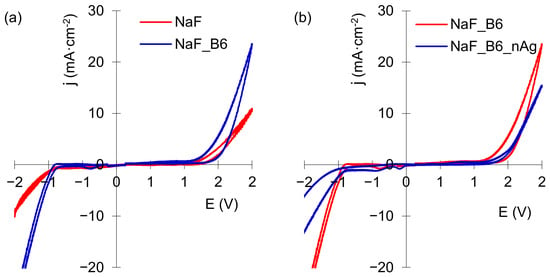
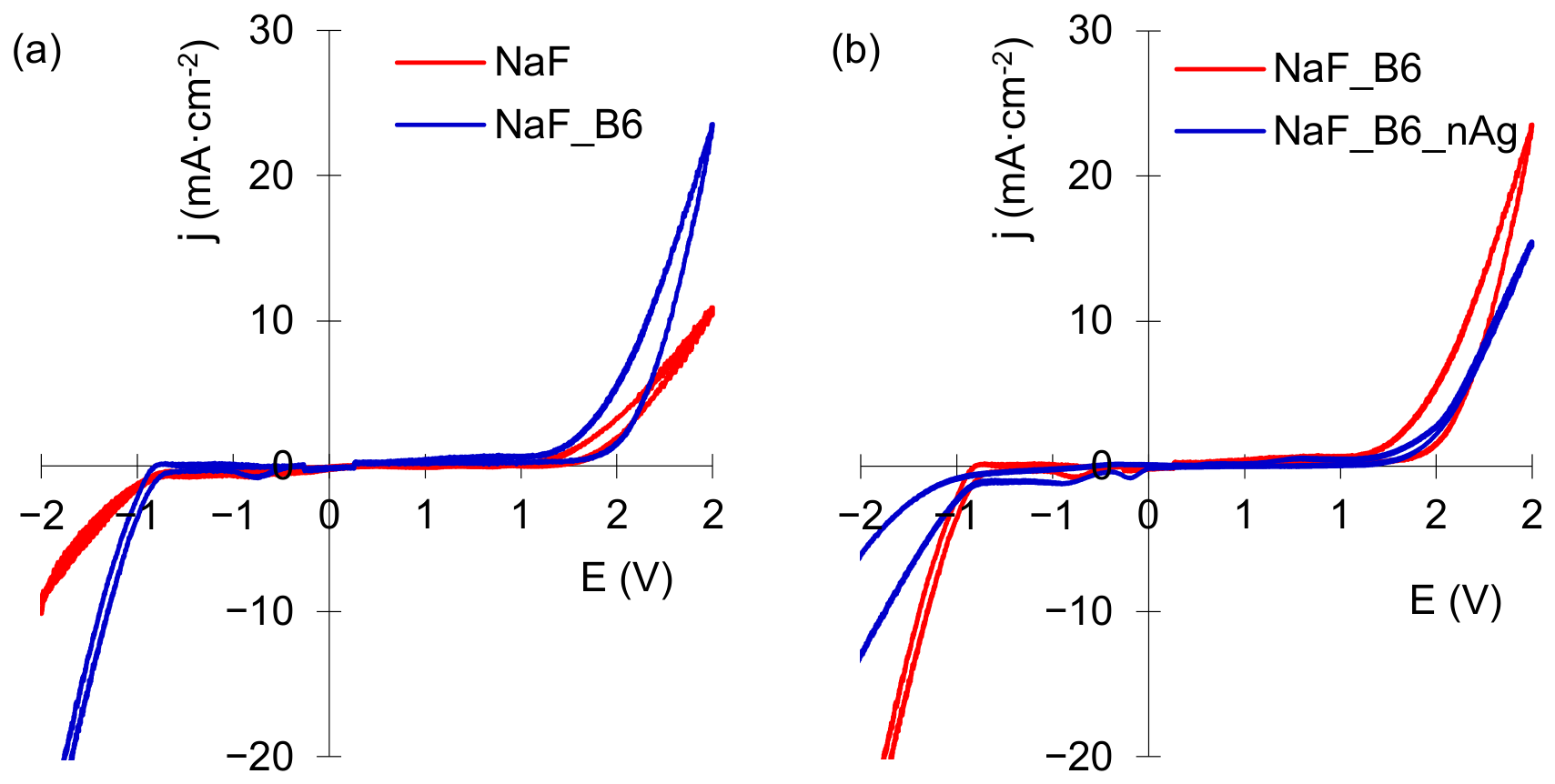
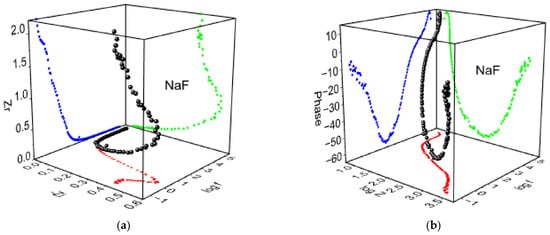
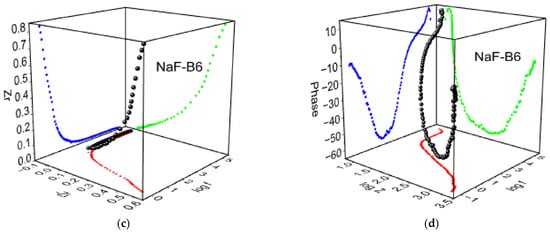
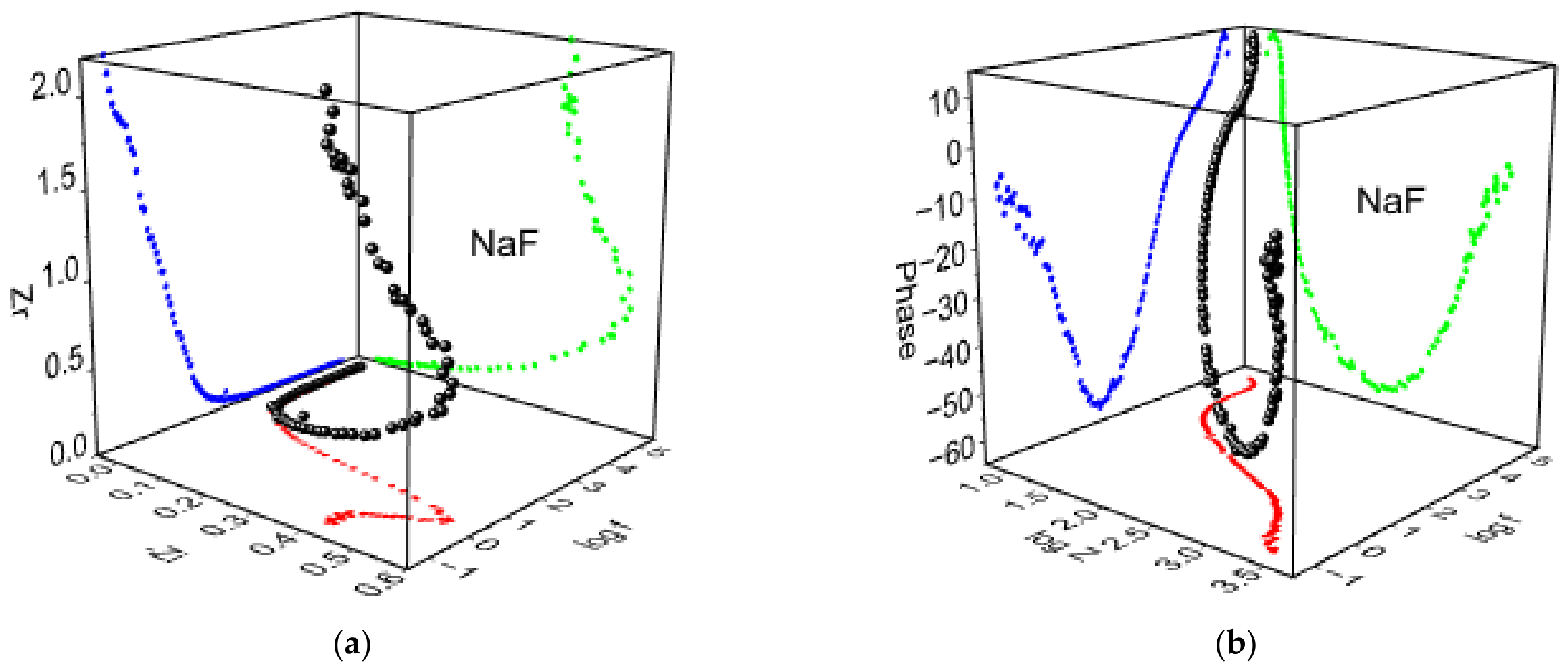
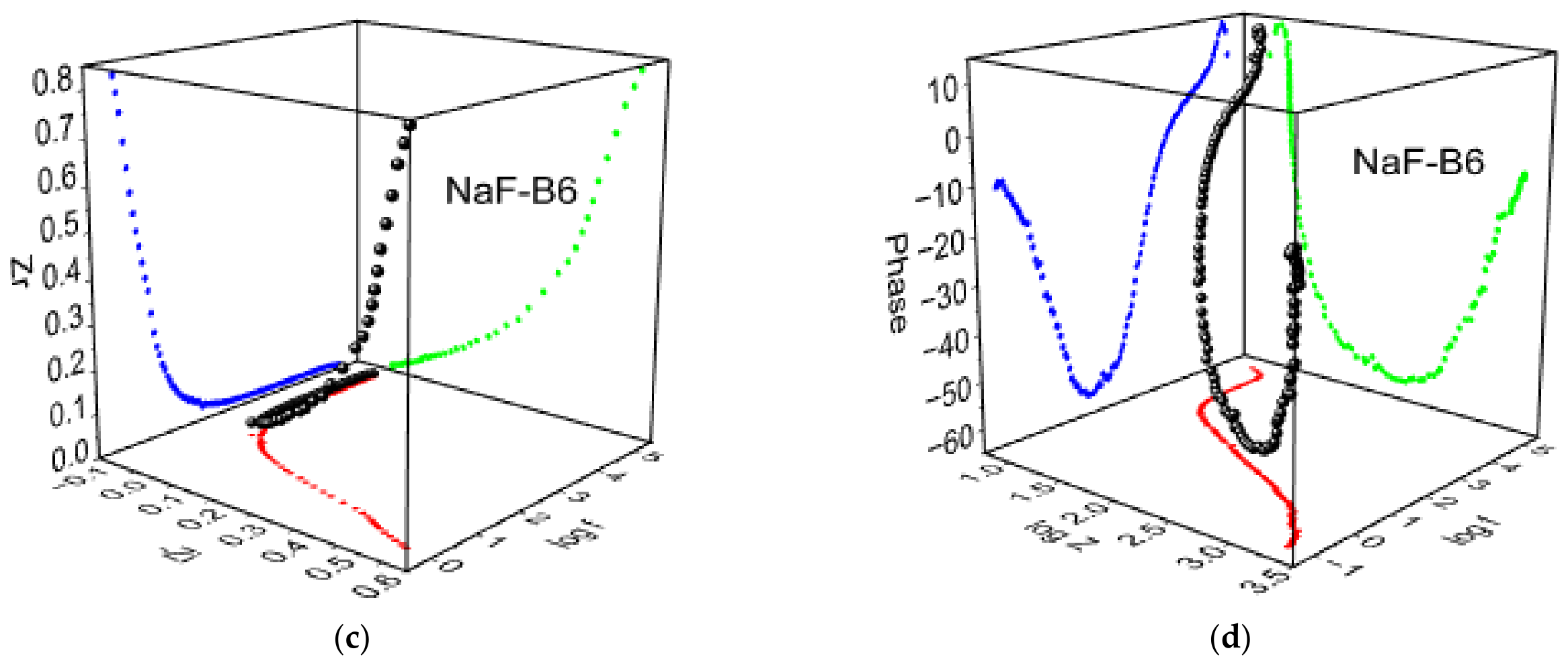
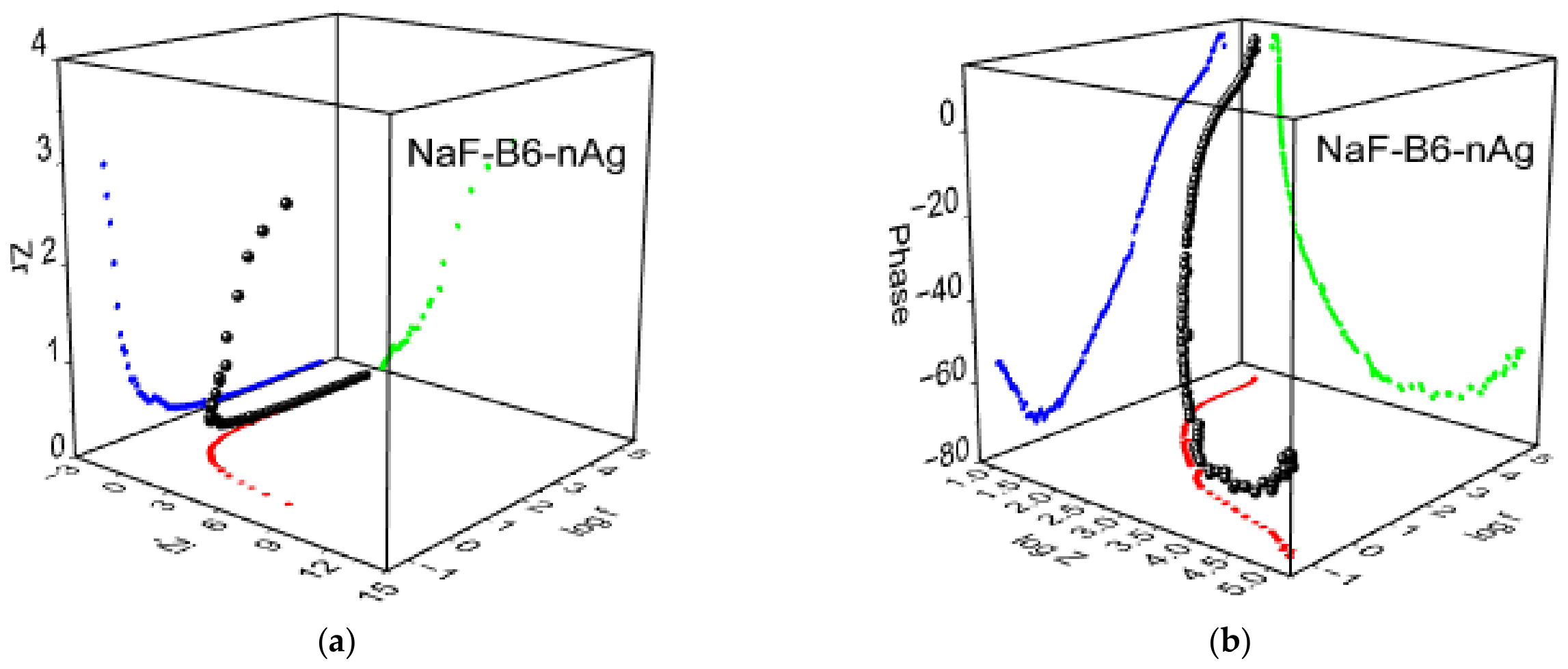
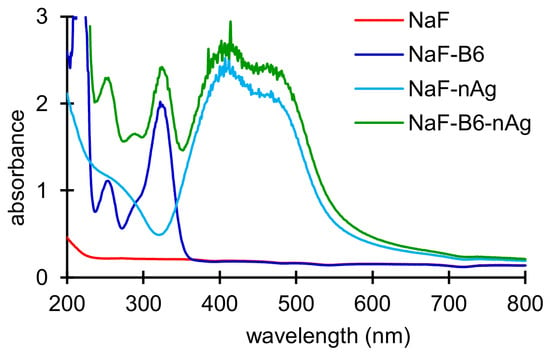
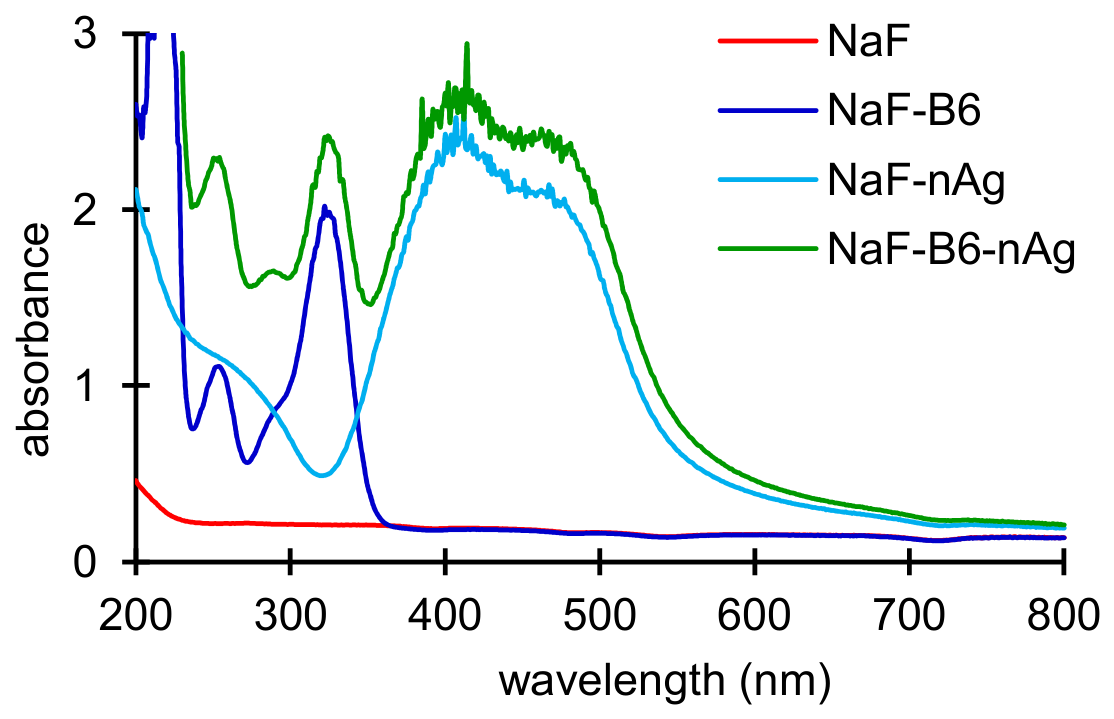
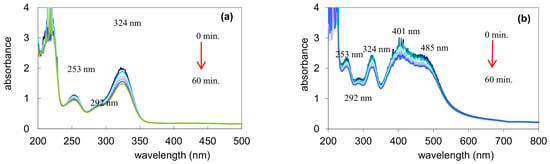
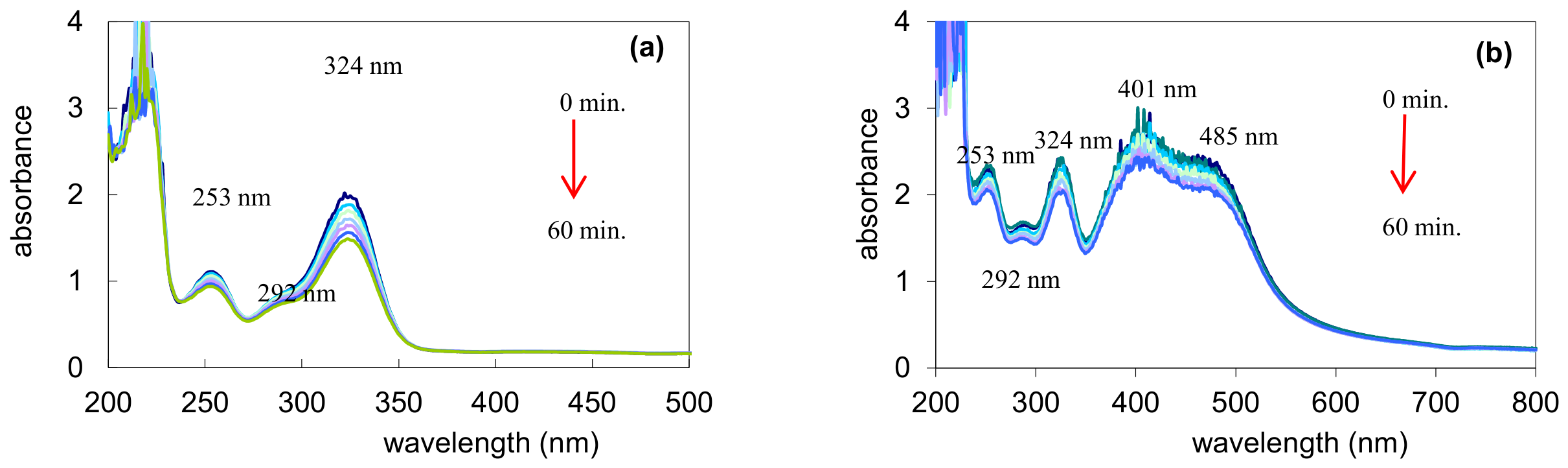
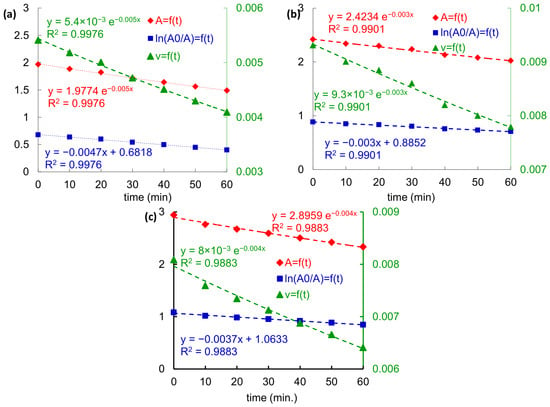
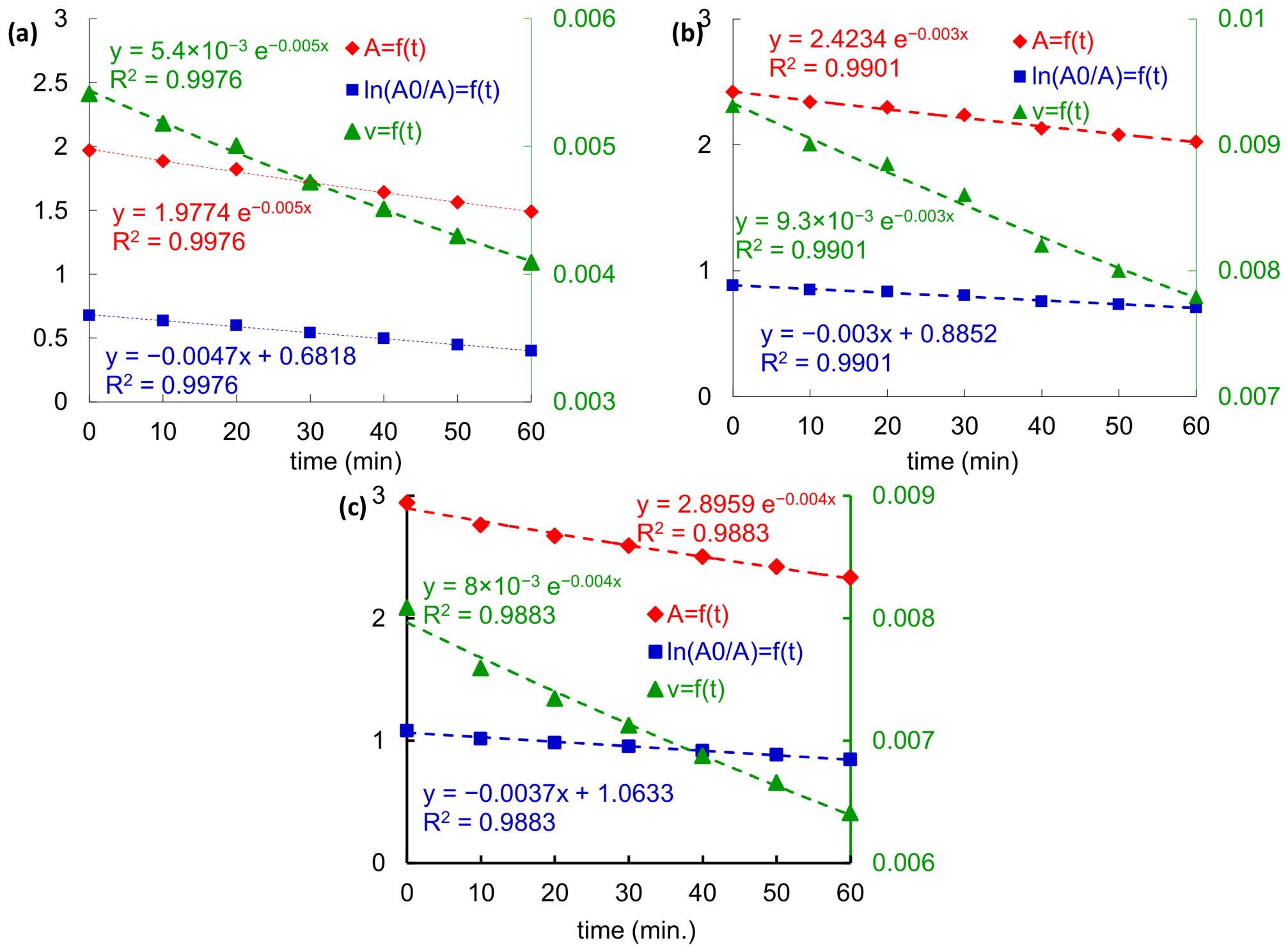

Disclaimer/Publisher’s Note: The statements, opinions and data contained in all publications are solely those of the individual author(s) and contributor(s) and not of MDPI and/or the editor(s). MDPI and/or the editor(s) disclaim responsibility for any injury to people or property resulting from any ideas, methods, instructions or products referred to in the content. |
© 2026 by the author. Licensee MDPI, Basel, Switzerland. This article is an open access article distributed under the terms and conditions of the Creative Commons Attribution (CC BY) license.