


Abstract
The pore architecture and textural properties of heterogeneous catalysts affect their intrinsic and extrinsic kinetics, selectivity, and resistance to deactivation. Modelling allows the cheaper and quicker design of new catalyst products, and the optimization of the operation of existing ones. This work particularly reviews major and recent developments in pore network models (PNMs), including image-derived versions, which are a key tool for determining the impact of pore structure and mass transport on catalyst performance. It also briefly considers related areas of multi-scale modelling, first-principles modelling of active sites with DFT, intermediate-scale microkinetic modelling, and recent developments in machine-learning-based approaches. It has been seen that, for some reaction systems, PNMs can predict effectiveness factors a priori, and deliver optimized pore network designs. However, this survey also highlights issues with current models including omission of key controlling structures due to insufficient prior pore characterization, lack of the often-substantial evolution of the pore structure over the catalyst life-stages due to various on-going physical processes, and the neglect of the often-heterogeneous spatial distribution of active sites. Further, this review also considers novel experimental techniques that demonstrate, and remedy, gaps often left out from the current modelling approaches.
1. Introduction
Coupled mass transport and reaction processes occurring within a porous solid arise in various important industrial physical systems, such as heterogeneous catalyst pellets, fuel cells, and batteries [1,2]. This review will largely concentrate on the amorphous porous materials used in industry. The porous solid is generally a high-value material that sells at a premium if it offers superior performance. Hence, there is a continuous pressure to better understand the impact of the porous solid on the key physical processes arising therein to design better products, such as new heterogeneous catalysts. This review will consider recent developments in tools to achieve this end.
Within a porous heterogeneous catalyst pellet, the geometric structure and distribution of the catalytically active metal crystallites determine the intrinsic kinetics of the reaction, while the pore network structure affects the observed (extrinsic) reaction rates, selectivity, and resistance to deactivation [3,4]. Both of these structural features can evolve with time. The sintering of supported metal crystallites alters their size, morphology and spatial distribution. The solid support can also sinter, and competing side reactions can produce liquid or solid phase products that block access to active sites or entire pores, or even whole regions of a catalyst pellet. This review will survey previous work studying how the larger-scale (pore size and above) pore architecture and textural properties of heterogeneous catalyst pellets affect their performance in terms of catalytic activity, selectivity and lifetime (useful time-on-stream).
The modelling of catalyst systems offers the potential to be able to design new products and optimize existing products, as well as their operating conditions, more cheaply and quickly on computer, rather than needing to adopt an expensive trial and error approach in the laboratory, or even on plant [3]. For the catalyst particle itself, the parameters that can be optimized include the overall pellet size and shape, the porosity (or voidage fraction), the surface area and roughness, the pore size distribution (PSD), the pore connectivity, and the nature (intrinsic or supported) and spatial distribution of active sites (such as confining active sites to a shell near the pellet surface, or in the core of the pellet). However, as most heterogeneously catalysed reactions are complex, involving competing side reactions and catalyst deactivation by various mechanisms, a single optimal product formulation and pellet structure may not be appropriate throughout a catalyst lifetime [1,2]. Indeed, previous combined CXT and gas sorption studies have shown how the key pore structural aspect and the corresponding critical length-scale, which controls mass transport into methanol synthesis catalyst pellets, changes with catalyst sintering during plant operation [5,6].
For relatively simple diffusion-limited reactions in bimodal systems, past modelling has suggested simple “rules-of-thumb”, such that ‘…a spatially uniform wide pore network with uniform pore size is sufficient…It is most important to optimize the porosity and the average meso/macropore diameter, while the distribution around it is of secondary importance’ [3]. However, as will be seen, such sweeping rules of thumb do not readily extend to complex reaction systems with competing side reactions that lead to solid deposits, and catalyst deactivation by pore-blocking etc., where much more detailed modelling is required. In particular, as will be seen below, during catalyst deactivation by coking, the pellet PSD width and pore connectivity become important as percolation effects arise. The degree of idealization possible for a given model, that ignores much of the complexity of the system, whilst still remaining usefully predictive under a wide range of conditions, will be a key consideration of this work.
In the past, limitations on computing power, in particular, have necessitated the use of so-called Galilean idealisations which reduce the complexity of the system until it becomes mathematically or computationally tractable [7,8,9]. The idealization process involves leaving out features of the system that are considered unimportant or the cause of intractability. However, as computing power has grown the models have been re-complexified by reincorporating features previously left out. This review will consider the progress made in making Galilean idealisations more closely approximate the real system.
An alternative strategy, to cope with the apparently overwhelming complexity of catalyst systems, is to attempt to find the minimalist idealization which is the model that only incorporates the particular causal factors which give rise to the phenomena of interest occurring within the porous solid [8,9]. These key factors need to be identified, either empirically or through theoretical considerations. This review will also consider novel experimental techniques that attempt to identify these key factors to incorporate into models.
As the foregoing discussion makes clear, and will be seen below, current structural models for use in catalyst design have limitations. In such circumstances, novel experimental techniques may help with obviating modelling issues, or even offer alternative approaches. Hence, this work will also briefly survey recent experimental work aimed at establishing the relationship between catalyst surface and/or pore structure and performance. Experimental work that provides catalyst pore and surface structure descriptors that are, typically, not currently included in models will also be described.
This work is structured as follows. It commences with a description of the development of a key tool for considering the impact of pore structure on catalyst performance, namely the pore network model (PNM). It subsequently considers more recent developments in PNMs for catalyst systems, and, also, related modelling approaches based upon statistical reconstructions and image-based data. This survey aims to identify both the capabilities and limitations of current methods and models. This work will go on to describe and consider strategies for interfacing pore structural models with first-principles modelling of active sites via the use of micro-kinetic models. Then this work will describe novel experimental methods and findings that have highlighted some limitations to current PNMs, and thereby make suggestions for future work. This review also includes a short review of machine-learning-based methods and discussion of whether they are truly appropriate for studying heterogeneous catalyst systems. Finally, some overall conclusions are drawn.
2. Pore Network Models (PNMs)
2.1. Background
PNMs come in a variety of forms, with the two main types being pore bond network models (PBNMs) and pore site network models (PSNMs), and also the combined pore bond-site models (see Figure 1) [10,11,12]. PBNMs represent pores, typically as cylinders or prismatic shapes, such as cuboids. The pore bonds form the connections within a lattice structure where individual bonds join at a node. The nodes typically have no volume. In PSNMs the pores are composed of shapes, such as spheres or cubes, that occupy the intersections in an underlying lattice structure, with the connections between pore bodies made via windows where the pore body shapes overlap. If the spacing between the sites of a PSNM is expanded such that the pore body shapes occupying the nodes no longer overlap, they may be joined instead by pore bonds, thereby forming the hybrid pore bond-site models.
Figure 1.
Example of a pore body-bond network (right) extracted from a segmented (gated) CXT image (left) of a void space [12] (reproduced under Creative Commons Attribution 4.0 licence).
Pore network models (PNMs) have a range of advantages over continuum models that do not explicitly represent the void space but, instead, use effective, macroscale parameters. First, because PNMs explicitly calculate the effective diffusivity from first principles there is no need to measure it, as with continuum models, and so no proneness to experimental error from such measurements. The volume-averaging needed for continuum models can result in errors [13]. For example, the explicit representation of the void space means that features like reaction fronts can be represented discretely, such that the full complexity of a potentially intricate shape can be rendered, rather than just using the more simplistic shapes (e.g., linear) possible for continuum models. PNMs can also explicitly represent real networks with no representative elemental volume (REV), such that no suitable average continuum parameter can be defined. PNMs also allow the manipulation of underlying void space structural features (e.g., PSD or pore inter-connectivity) determining the resultant properties (e.g., effective diffusivity) that are controlling of the rate-limiting process in a heterogeneous catalyst, whereas continuum models do not permit such insight. This manipulation allows PNMs to be used as a tool to develop optimal designs for the pore structure for particular catalytic reactions [3,4,13].
Pore network modelling has a long history in reaction engineering. In the earliest work, pore models were Galilean idealisations in the sense that they were reduced in complexity from the real situation until they were rendered analytically tractable. Hence, the earliest models consisted of single pore, or of parallel pore bundle, models [14,15]. For example, the complexity of the pore network structure was incorporated only as a single, adjustable, empirical tortuosity factor for otherwise straight, isolated cylindrical pores. Interconnected PNMs were first introduced by Fatt [16]. The first PNMs were simple 2D grids of cylindrical pores with fixed pore connectivity. They were used for understanding phenomena such as flow and permeation in porous media [16], and the pore-blocking effect in pore structural characterization methods such as mercury porosimetry and gas desorption [17,18]. They were subsequently used to understand the impact of various characteristics of the void space of porous catalysts on the effectiveness factor, such as PSD [19,20] and pore connectivity [19,20]. These studies were relatively abstract as they looked at patterns and trends with selected changes to model parameters. However, these abstract studies revealed interesting phenomena, such as that the apparent tortuosity in the effective diffusivity during reaction can be a function of the effectiveness factor due to changes to the sampling of different regions of a heterogeneous catalyst when there is spatial variation in the relevant descriptors of the pore structure across the pellet [19,20,21].
As computing power has grown, the PNM has typically evolved towards a more minimalist modelling strategy where only those aspects of the real system that impact on the process(es) of interest are included in the model [9]. Computers enabled complete, disordered pore networks to be represented in full. Over time, ever more complexification has been added to the most minimal structures. This complexification has included, for example, adding spatial correlation in pore sizes [22] or individual pore surface roughness [23], and the inclusion of ever more detailed representations of processes that give rise to temporal evolution of the pore network structure, such as coking, or deactivation of the active sites, such as poisoning [24]. The more recent type of Galilean idealization, involving extraction of PNMs from direct imaging data such as from CXT (see Figure 1), typically used for simulating physical processes such as multiphase flow in rocks [10,25,26], is less often used for modelling catalysts, as the information dispensed within the PNM extraction is often that of most relevance to chemical reactions, namely the surface roughness of pores determining the actual active pore surface area. In addition, testing on artificial datasets has revealed that many PNM extraction algorithms for use with 3D imaging data often create artefacts, including non-existent pores or the wrong pore connectivity [10,26].
Further, the most adventurous work that has, to date, constructed a PNM utilizing pore structural characterization data, such as PSDs and pore connectivity, obtained for a particular, real catalyst pellet, and which then simulated diffusion and reaction within that PNM for a particular named reaction scheme, with a view to predicting the actual pellet effectiveness factor for comparison with direct experimental results, remains that of Rieckmann and Keil [27]. However, the ultimate predictions of the model of Rieckmann and Keil were not fully successful a priori, as the surface diffusivity had to be added as a post-hoc adjustable parameter to fit the model to experiment [27].
2.2. Catalyst Structural Optimisation
A common workflow pattern is to predict the apparent optimal PNM parameters for a given reaction scheme on an abstract model. For example, Szcygiel [28] utilized a globular model of a catalyst pellet which consisted of a random packing of monosized spheres, or a hierarchical structure consisting of a packing of macropore-sized spheres, themselves considered to be composed of a random packing of smaller meso-/micro-pore-sized spheres. The relatively simple, random spherical packing model readily fixed pore network parameters (e.g., the lowest porosity hcp model has a sphere co-ordination of 12) and enabled the derivation of analytical expressions for the pore diffusivity and effectiveness factor of the overall particles. The analytical model was then used to estimate the optimum parameters for the catalyst pellet and operating conditions (e.g., temperature) for n-heptane conversion and methylcyclohexane dehydrocyclization reactions. The optimization procedure suggested having catalyst pellets with the maximum possible macro- and micro-pore sizes, and that the microporosity should be kept high (>0.5) for both reactions and be increased for increasing operating temperature. This was to ensure that the utilization of the micropore surface area was kept the most efficient. This modelling work used a highly idealized pellet structure lacking the degree of heterogeneity typically found in real industrial catalysts from MRI and CXT studies [5,6,9]. Further, the reactions were kept relatively clean, with little consideration given to the poisoning and deactivation that arise in real industrial processes.
Other workers have also studied the performance of hierarchical pore network structures. Sadeghi et al. [13] developed two different types of 2D PNM for hierarchical porous solids with the aim of establishing a formulation for a bidisperse catalyst particle that provides the maximum activity for the smallest amount of reactive material. In one type of model, isolated macropores were placed at random into an existing nanopore bond-body network, while, in another, a random macropore body and neck network was originally constructed and then selected macropore bodies were replaced by sub-networks of nanopore bodies and necks. The pore body and neck sizes were allocated at random from a given size distribution. Networks were constructed with different average pore size ratios, which were defined as the ratio of the sizes of the average macropore to that of the nanopores. Reaction only occurred in the nanopores. The diffusion-reaction simulations in the networks found the counter-intuitive result that, at a fixed Damköhler number, particle size and macroporosity, the network with the lowest pore size ratio was the most reactive, despite the expectation that relatively larger transport macropores would lead to better accessibility of the nanopores. However, examination of the pore network at a large pore size ratio showed that the macropores were then relatively widely dispersed and isolated such that they could not facilitate efficient mass transport.
Moghaddam et al. [29] extended this work to a 3D version of the pore bond-site network model to study the impact of introducing dispersed macroporosity on the activity for a first-order reaction with the greater pore connectivity possible in 3D. Their model was the version constructed by the random placing of macropores within a given mesopore network with pore sizes allocated at random. The pore-to-pore distance in two neighbouring pores in the mesopore network was 100 nm, which is smaller than in many PBNMs but is still probably longer than observed in imaging studies. Hence, in this model, a single pore represented a larger region of the void space than in a single pore within the real pellet. In the simulations, at low pore Damköhler number, the reaction was relatively slow, and diffusion relatively rapid, so the impact of the macroporosity was minimal. However, at high average pore Damköhler number, the reaction became severely diffusion-limited and adding macroporosity could significantly improve the diffusion. Further, the extent of that improvement still depended strongly on the inter-connectivity amongst the macropores themselves, and between the macropores and mesopores, as in the 2D version of the models. More recently [30], pulsed field-gradient NMR and magnetic resonance imaging (MRI) experiments, coupled with modelling work, has studied the relative diffusional performance of mesoporous alumina pellets with different incidences of isolated macropores, induced by adding varying quantities of porogen, to develop real pore structures similar to the materials envisaged by the model of Sadeghi et al. [13]. It was found that the particular fabrication technique used to add macropores to real pellets also led to the creation of a barrier at the interface between the macropores and surrounding mesopore network that was greatly impactful on observed diffusion (see Figure 2), and which was an aspect of the void space missing from the model of Sadeghi et al. [13]. This work, thence, showed the critical importance of a detailed pore structural characterization prior to model construction to establish the key causal factors for that system.
Figure 2.
Cross-sectional TEM image of a region around two adjoining macropores (mid-gray) within an alumina pellet showing the nematic arrangement of alumina platelets around those macropores. The red arrow indicates a region of aligned platelets forming a diffusional barrier along the margins of the macropores (reproduced from [30] under Creative Commons Attribution 4.0 licence).
2.3. Catalyst Deactivation by Coking
PNMs, and the related aspects of percolation theory, have been used to model pore structure evolution during coking for some time [4,22,24,31]. In the evolution of pellet pore structures during coking, there are both continuous and discontinuous changes. The latter cannot often be accommodated by continuum-type modelling. General coke laydown, as a thickening surface layer, will lead to progressive reductions in local porosity and pore size, and, thence, local pore diffusivity. This effect can be pervasive, arising in both individual pores, and more widely across the network, depending upon the ratio of reaction rates to diffusivities [32]. The pervasive progressive reduction in pore size can lead to discontinuous changes within pore networks. If more pervasive coking is sufficient to begin to block the smaller individual pores within a disordered network, then this can proceed on to the point that the percolation threshold of the pore network is reached, thereby shutting down access to the interior of the network in a discontinuous step change. Full pore network modelling is required to represent such discontinuous effects. As will be seen from studies discussed below, the key network parameters impacting such effects are the width of the pore size distribution and the network pore connectivity.
In early such modelling work, Kikkinides et al. [33] simulated the pore structural evolution during coking of fluid catalytic cracking (FCC) particles using a random pore bond network consisting of cylindrical mesoporous bonds and where the microporosity was represented by surface corrugations of these bonds. The active sites were assumed to be uniformly distributed across the support surface. The coking reaction was assumed to be reaction-limited, meaning that the network had a high effectiveness factor. The coke laydown was assumed to be a thickening layer within the mesopores, with a characteristic average thickness, while the laydown within the micropores was considered to be that in the mesoporosity but multiplied by a weighting factor. Individual pore bonds were considered to become blocked when the average coke layer thickness equalled the pore diameter. The connectivity was determined from analysis of the gas sorption isotherms, adjusted for the presence of unfilled microporosity, and accounting for a spatial variation in pore connectivity such that the average connectivity was larger in the outer mantle region of the FCC particles and smaller within a core region. During the simulations of the coking reaction, deactivation proceeded, and, gradually, individual pore bonds, and then clusters of pores, began to be completely plugged with coke. Eventually the still accessible porosity dropped below the percolation threshold and a given pellet would become impermeable. As each layer in a packed bed reactor was considered to be composed of identical pellets, then this meant the whole layer of the packed bed became deactivated. Simulations were conducted for pore networks with different levels of surface area, catalytic activity, and pore connectivity. At short times on-stream, the catalyst pore network with high surface area had the highest activity, but at long times on-stream the pore network with the highest pore connectivity retained the highest activity due to its greater resistance to the disconnection of the network regions that is due to pore-plugging.
PNMs can also be used as a model of interpretation to probe the reaction processes of the system under study. Chigada et al. [32] used pore network modelling to establish the nature of the reaction scheme for coke production, alongside the potential simultaneous coke removal due to operation under supercritical conditions, during 1-hexene isomerization over a bi-modal platinum/alumina catalyst. The potential reaction schemes considered included series versus parallel production of coke, involving reactions of either first or second order, and with variable ratios of the rates of desired-to-coking reactions, and of the diffusivity for the reactant to that for the product. The structural model for the bidisperse catalyst pellet reflected the macroscopic heterogeneities in the spatial distribution of local (average) pore size observed in previous MRI studies of the pellet pore structure [34]. This consisted of a cubic lattice of sites, which were each allocated, either completely randomly or in a hierarchical pattern, a local mesopore size according to the overall mesopore probability density function (PDF), and all of which were surrounded by fully inter-connected macroporosity. Simulations of coupled diffusion and reaction within the pore network were conducted using a finite-difference algorithm. The model was used to predict the temporal evolution of the accessibility function, and effective pore connectivity, from percolation theory, which was then compared with the equivalent descriptors obtained from experimental gas sorption data for real coked catalyst samples. The qualitative pattern of evolution of the network accessibility function was found to be sufficient to distinguish between the aforementioned different reaction-diffusion schemes. In particular, the first-order, series reaction scheme gave rise to the same initial increase, and then subsequent decrease at later times, in the predicted accessibility function, as observed in the catalytic experiments. Further, the trend over time, in the variation of effective pore connectivity values obtained from the simulated accessibility functions, was also the same as the experiments. The parallel reaction scheme gave rise to a completely different predicted trajectory in the temporal evolution of the pore structural descriptors. These studies showed that characterization of the pore structural evolution could give insights into the reactions involved even in highly complex hydrocarbon systems. Further, they also showed the importance of spatial correlations in local average pore sizes, as observed in MRI and CXT studies of catalyst pellets [5,6,34,35], as key causal factors in determining catalytic performance.
The accessibility (function) for the PBNM has also been a key feature of other studies. The coking of SAPO-34 catalysts for methanol-to-olefin conversion has been modelled using Bethe lattice PBNMs and percolation theory [36]. While the SAPO-34 structure more closely resembles a cubic lattice with pore connectivity of 6, a Bethe lattice with the same connectivity would have an anomalously low percolation threshold of 0.2. Consequently, Izadbakhsh and Khatami [36] instead used a Bethe lattice with a pore connectivity of 3 such that the bond percolation threshold of ~0.5 was then above the value of ~0.32 that is expected for a simple cubic lattice. The reaction scheme involved the lumped reactants forming a pool of hydrocarbon species on the catalyst surface, which then reacted according to a series of competing reactions, one of which led to coke formation. In the diffusion and reaction simulations upon the structural model for the catalyst pellets the coking was assumed to fill the void space volumetrically, such that the growth of coke simply reduced the local model porosity. The remainder of empty porosity was found by subtraction from the initial pellet porosity. The external accessibility and the relative conductivity of the Bethe lattice were then found from expressions derived from the percolation properties of the lattice. These formulae were inserted into the mass and energy balance equations for a packed bed reactor model, which were then solved. The rate constants for the reaction scheme were optimized to obtain the best fit to the experimental, temporal outlet concentration profiles for the lumped reactants and various products. Due to the obtained balance of chemical reaction rate and diffusion under typical reaction conditions, the reaction tended to arise only within a relatively narrow band of the catalyst bed, one which gradually advanced down the reactor over time as each previous band became inactive due to complete inaccessibility of the catalyst from coking. Once the coke front approached the end of the bed, a breakthrough curve of lumped reactants began to appear. While the experiments showed that the production of reactants tended to halt relatively abruptly, as breakthrough of reactant commenced, the simulations predicted only a much more gradual fall-off in the outlet concentration of products. Izadbakhsh and Khatami [36] attributed this discrepancy to the fact that the percolation model of the catalyst pellets permitted a non-zero pore network accessibility even when the residual porosity approached the percolation threshold. This may be related to the differences in the form of accessibility functions for a Bethe lattice and the more realistic cubic bond lattice. Further, the PNM used by Izadbakhsh and Khatami [36] did not take into account the very special finite size effects for Bethe lattices. For medium-to-large finite Bethe lattices, the fraction of surface pores does not decrease as the lattice size increases, as it would do for fully interconnected random pore bond networks. The exterior of Bethe lattices thus remains relatively accessible when compared with other lattice geometries that are more like the real SAPO-34 lattice.
Building upon an earlier 2D PNM [37], Ye et al. [38] optimized the pore structure of a Pt-Sn/alumina propane dehydrogenization catalyst for coking resistance using a 3D PNM. The guiding output parameter for the optimization was the time-averaged propene formation rate. The catalyst pellet model assumed a constant intrinsic catalytic activity per unit internal surface area, which implied a uniform distribution of active sites. Both the desired and coking side reactions were assumed to occur on the same active site. Three mechanisms of deactivation by coking were considered, including active site coverage, pore narrowing, and pore blocking. For unimodal networks, the parameters that were optimized were the porosity, pore connectivity, pore size, and spatial distribution. The three pore spatial distributions considered were, firstly, a uniform random distribution; second, descending sizes towards the network centre; and third, ascending sizes towards the centre. These were denoted as UD1, UD2, and UD3, respectively. For bimodal networks, the pore size arrangement, porosity, and macropore modal size were optimized. The spatial arrangements considered then were a uniform spatial distribution of broad pores and a percolating cluster of broad pores, denoted BD1 and BD2, respectively. For the unimodal network, the optimal pore size arrangement was UD2 because the larger pores towards the outside provided accessible, high conductance diffusional pathways that also had high resistance to blocking by coking. Hence, a larger pore size was also favoured. A middling value of porosity was generally optimal, as it provided a compromise between the high transport rates with a high porosity, and the high catalytic activity for low porosity. In contrast, once the pore connectivity exceeded a value of ~6, the propene formation rate became insensitive to it. For the UD2 network there was a compromise, optimal PSD width, becausethis meant that, while there would still be some very large pores on the exterior, there were also less useless smaller pores buried in the core of the network. For the bimodal network, the BD2 structure was favoured over the BD1 structure due to the large pore cluster providing good network accessibility, which was resistant to coking. Overall, as the resistance of a given pore to deactivation by coking via the pore narrowing and pore blockage mechanisms, considered in these simulations, was simply proportional to its size, then pore size arrangements with percolating large pores were typically the most coking resistant. However, too many large pores meant that the catalyst was less active, and so there was a compromise, middling optimal value of porosity allocated to the broader pores.
Shen et al. [39] utilized a two-dimensional, square-grid PBN, with a uniform distribution of active sites, and employed a pore-plugging model of deactivation by coking, similar to that originally developed by Mann and co-workers [4,24] to study the performance of a ZSM-5 catalyst for methanol to propylene conversion. They considered PBNMs with a random distribution of pore sizes, or with larger pores towards the exterior, or smaller pores towards the exterior. The simulated reaction conditions were such that the effectiveness factor of the model was typically always <10%, meaning that only the outside of the model was mostly used for reaction. They found that the temporal profile of overall coke deposition matched that for experimentation on spherical catalyst particles. They also compared the variation of the percentage of plugged pores over time for the three different spatial distributions of pore sizes. As might be expected, the model with the largest pores on the outside was most resistant to pore plugging, while the model with the smallest pores on the outside was least resistant. The temporal profile in network accessibility for the model with spatially correlated pore sizes was more step-shaped, while that for the random distribution was more sigmoidal in form. The profiles for the random and large pores inside models plateaued out at a fraction of plugged pores of around 40%, suggesting that the coking reaction had been brought to a halt by then, whereas the profile for the model with large pores outside flattened at 50%. It is noted that the percolation threshold for a 2D rectangular pore bond network is about 50%, so only the large pores outside reached this limit. This may be because the lattice size was only 11 × 11 pore bonds and so was very small, thereby increasing its relative accessibility.
2.4. Catalyst Deactivation by Liquid Condensation
In addition to coking, PBNMs are particularly useful for studying the effects of capillary condensation of liquid reactants or products, within the void space of heterogeneous catalysts, on the effectiveness factor of gas-phase reactions. This is because the network model can account for hysteresis effects in the liquid condensation–evaporation arising from pore blocking. Ye and co-workers [40,41] simulated benzene hydrogenation in cylindrical PBNMs based upon 3D cubic lattices. Pore sizes were allocated to individual lattice bonds from the PSD. The isothermal, coupled mass transport-reaction simulation ignored liquid-phase convective flow and surface diffusion processes, and so only included gas- and liquid-phase diffusion. The implementation of capillary condensation neglected single pore hysteresis effects. It was found that the variation of effectiveness factor with benzene pressure exhibited a hysteresis loop. The fraction of the hysteresis due to pore-blocking effects decreased as the average pore size or pore connectivity was increased, and the spread in the PSD was reduced. Ye et al. [41] also considered the impact of spatial correlations in pore sizes. In structures where the largest pores were located towards the exterior of the network, pore-blocking effects were removed and the hysteresis area was reduced, while the converse correlation had the expected opposite effect due to much increased pore blocking. A reduction in hysteresis width also occurred when there was a percolating cluster of macropores in the network, as opposed to a more random spatial distribution.
Liu et al. [42] used a random PBNM to study the impact of liquid sulphur condensation and subsequent regeneration of an alumina Claus catalyst pellet. The network was used to represent catalyst pellets of an overall size of millimetres, with modal pore sizes of nanometres within. The number of nodes in the network was of the order of several thousand. This meant that the lattice size was of the order of 20, so the mesopores were very long compared with their diameter. Hence, a single pore probably represented a larger region of the void space than might be identified as a single pore in imaging data (had it been obtained). The model was used to explore the impact of various pore network parameters on catalyst performance. The typical behaviour observed was a general monotonic decline in pellet effectiveness factor with temperature for the fresh catalyst, as the reaction rate increased to a greater extent than the mass transport rate. However, the spent catalyst exhibited a hysteresis effect, whereby the effectiveness factor for the deactivating catalyst was higher, for the same temperature, than that for the regenerating catalyst. As might be expected, increasing pellet size led to a decline in the effectiveness factor, with the hollow cylinder-shaped pellet having the highest effectiveness factor because the diffusion path length to the pellet interior was lowest. The effectiveness factor increased with increased modal pore size as this improved mass transport and, also, reduced the likelihood of capillary condensation of sulphur. An increase in the width of the PSD led to a decline in effectiveness factor, as it increased the tortuosity of the network due to a greater juxtaposition of small and large pore sizes (and thus conductances), while an increase in network connectivity led to an increase in effectiveness factor. These findings confirm the general effects of pore network parameters that have also been observed in previous studies of coupled diffusion and reaction in PBNMs [19,20,21].
2.5. Other Developments of PNMs
As lattice Boltzmann methods became available for simulating mass transport coupled with other processes, they have become more frequently used in catalyst modelling. Wang et al. [43] used a lattice Boltzmann method to model coke production simultaneously with the main product, via a first-order reaction in abstract 2D catalyst models. The catalyst was modelled as a smooth cylindrical pore, a corrugated single pore, or a random cluster model. The 2D form of the models meant that the inter-connectivity of the void space was severely limited compared with real catalysts, and that connectivity is critical for controlling the impact of coking.
For zeolitic catalyst particles formed with a binder, a commonly utilised workflow has been to attempt to optimize the binder content and nature. This has been attempted for zeolite-catalysed benzene alkylation [44]. As will be discussed in more detail in Section 6 below, zeolite catalysts are rarely used as microporous crystallite powders alone because of the resultant large reactor pressure drop. Instead, zeolite crystallites are formed into pellets together with another material, like alumina, silica, or clay, to act as a binder. The particular formulation of such pellets can impact performance as the binder tends to be meso- and/or macro-porous, and thereby enhances transport properties, but is not so catalytically active as the zeolite itself. Zhang et al. [44] attempted to optimize the pellet formulation using multiscale simulations, including the crystallite, pellet and reactor length-scales in the model. The model was used to explore the impact of varying binder fraction, binder porosity, binder pore diameter, crystallite size, and the addition of mesoporosity within the zeolite crystallite. The void spaces within the binder and crystallite were assumed to have a random pore structure, as in the well-known Wakao and Smith model [45]. Zhang et al. [44] found that reducing the crystallite size and adding mesopores thereby reduced the intra-crystalline mass transport resistance but worsened the mass transport limitation in the binder’s macro-meso-pores. In particular, it was found that an optimum binder fraction existed that maximized the conversion of ethene in the benzene alkylation reaction. However, this optimization neglected the spatial variation and concentration of active sites, while the reaction model neglected the competing side reactions to diethylbenzene and xylenes, and, also, the catalyst deactivation by coke deposition, which, as will be seen below in Section 6, are a significant feature of this particular catalyst type and reaction combination. Hence, the parameters optimized for the “clean” (non-deactivating) reaction may not be relevant for the real process catalyst undergoing deactivation.
More recently, Galilean idealization PBNMs have been further complexified to incorporate heat transfer in addition to coupled diffusion and reaction. Fathiganjehlou et al. [46] constructed a pore body–neck network starting from a model for a 3D spherical catalyst pellet of diameter 1 mm composed of ten thousand non-overlapping microspheres with a radius of 18.42 mm (see Figure 3). They then extracted the pore network using a maximal ball algorithm. It is noted that PNM extraction algorithms can give rise to artefacts, such as the inclusion of non-existent pores and incorrect pore connectivity [25,26], but these issues were not considered in this work. The PNM was used to simulate coupled heat transfer, diffusion, and first-order reaction with Arrhenius temperature dependence. It was found that, for more exothermic reactions, at higher values of the Thiele modulus, two distinct values for effectiveness factor, depending upon initial conditions, were possible due to the positive feedback potential between the heat produced by an exothermic reaction and its reaction rate with Arrhenius temperature dependence.
Figure 3.
(a) Particle model geometry consisting of an agglomeration of 10,000 randomly positioned microspheres with a uniform size distribution. (b) The corresponding extracted pore network (reproduced from [46] under Creative Commons Attribution 4.0 licence).
2.6. Pore Network Geometry
While many heterogeneous catalyst pellets for diffusion-limited reactions possess percolating macropore networks to provide rapid diffusional ingress to the heart of the pellet, together with a surrounding mesoporous matrix to provide ample surface area for reaction, due to the high computing demands of representing such a pore network, a simpler approach was often used in early models [19,20]. Hollewand and Gladden [19,20] highlighted that, given the typical relative concentrations of macropores and mesopores in an industrial, bidisperse catalyst pellet, the PBNM possible with the then typical computing power could only contain a single macropore. However, one simpler approach involved macropores only joining mesopores at nodes located at the ends of both, and neglected the “T-junctions”, between the macropore “trunk road” and mesopore “side-roads”, along the intermediate length of a given macropore [47]. Another approach was to consider a number of mesopores existing in parallel with, and supplementing, the unrealistically few single mesopores that could be explicitly represented in the model [19,20]. A further alternative approach was for the mesoporosity to be represented by a continuum, rather than single network pores [19,20]. Any of these simplifications would have facilitated a Galilean idealization that made solving the mass balance equations more tractable, but which misrepresented the actual nature of the pore inter-connectivity. More recently, a re-complexified bidisperse model has removed the restriction, and included many junctions with single mesopores along the full length of a macropore, but only in 2D and still for just a single macropore [48].
Many PBNMs are based upon underlying square grid or cubic lattices, with rectangular symmetry, while most catalyst pellets are cylindrical or spherical. Pourjafari et al. [49] suggested that this mismatch in overall geometry and symmetry led to a misalignment of the model network with that of real pellets, with a likely impact on the simulated pressure profile and species concentration distribution versus those arising in reality. They thus proposed an alternative PBNM based upon spherical co-ordinates that better captured radial diffusion pathways, as seen in images of cylindrical pellets [5,6], and provided more isotropic angular discretization and density of pore bonds. Both the pore bond size and pore node co-ordination number were taken from respective distributions. The PBNM was constructed such that the porosity matched that of a real pellet. This meant that the node density and average pore size in the network had to be mutually adjusted to match the required porosity. A higher node density meant a commensurate higher pore inter-connectivity. Given that the actual number of pores in real mesoporous catalyst pellets is ~1014, then this cannot be realistically represented on typical current computers. To address this problem, Pourjafari et al. [49] employed a correction factor, which was a multiplier for the reaction rate in the simulations based upon the ratio of the real-to-model values of void space surface area-to-volume ratio. This was to ensure that the reaction area of the model corresponded with that for the real catalyst pellet. Further, the model also required an additional, adjustable tortuosity parameter (of value 2) due to the relative lack of structural convolution (impacting the diffusional path length) in the PBNM relative to a real catalyst pore network. Both of these issues may arise from the neglect of surface roughness effects, such as those studied by Coppens and Froment [50]. After PBNM construction, Pourjafari et al. [49] simulated the gas-phase hydrogenation of benzene in the model and found that the network node density significantly affected the pressure profile and concentration distribution across the network, with coarse networks leading to significant fluctuations in the pressure distribution. These workers also found that the pore connectivity had a relatively low impact on effectiveness factor across the range from 4 to 8, suggesting the lower value tested is already above an anticipated lower limit where connectivity will significantly affect network accessibility. In contrast, increasing average porosity from 0.35 to 0.7, while keeping pore connectivity constant at a value of 6, had a substantial impact on effectiveness factor due to improved mass transport rates. Overall, this work highlighted the limitations of, and issues with, Galilean idealization where the PBNM is made of different symmetry to, and substantially smaller than, the real network due to the impact on pressure profile and species concentration distribution.
3. Pore Structural Models Derived from Digital Reconstructions and Directly from Imaging Data
As mentioned briefly above and as will be seen below in Section 6, experimental pore structural characterization methods used to obtain key catalyst descriptors have a number of issues that limit the type and quality of data that can be obtained. An alternative strategy by which to eliminate this problem, is to begin the simulation of the catalyst system at an even earlier stage, namely starting with the catalyst fabrication process itself [51,52,53,54]. This has only become possible because of the growth in computing power.
Pereira et al. [55] used a hierarchical pore structural model of a monolith washcoat catalyst layer, developed using digital reconstruction, to simulate diffusion coupled with the total oxidation of CO. The model consisted of nanoporous microparticles forming a washcoat layer on a monolith channel wall. The nano-scale was represented by a 100 × 100 × 100 nm3 volume of a particle packing of cylindrical shaped particles. Pure 1D diffusion through this model was simulated to obtain the effective diffusivity of the nanoporous microparticles. The micro-scale was composed of a random packing of spherical nanoporous microparticles. The particular macropore network formed between the microparticles was varied by changing the grain-size distribution and the degree of overlapping allowed between microparticles. The washcoat layer was formed of a column of micro-scale model of dimensions 10 × 10 × t μm3, where t was the washcoat layer thickness on the monolith wall. Diffusion-only and coupled diffusion and reaction were each simulated in the washcoat layer model using CFD and, for the latter, assuming that reaction only occurred within the nanoporous microparticles. The results were compared with those obtained using the random pore model of Wakao and Smith [45]. It was found that the diffusion-only results for the digital reconstruction models only agreed with those for the random pore model for the macroporous structure with the highest tortuosity. The predicted variations of reaction effectiveness factor with temperature for all of the digital reconstruction models disagreed with those obtained using the random pore model. The discrepancies were attributed to the greater complexity of the pore models obtained by digital reconstruction, as the random pore model only had the mesoporosity, mesopore size, and macroporosity as adjustable parameters.
The development of new imaging modalities with improved resolution has enabled these data to be used in the construction of catalyst structural models. These imaging modalities include computerized X-ray tomography (CXT), focused ion beam scanning electron microscopy (FIB-SEM), and electron tomography. The basic principles and limitations of these imaging modalities are explained in more detail elsewhere [56]. Hence, besides indirect characterization methods like gas sorption and mercury porosimetry, PNMs can also now be derived from 3D imaging data. This is possible if the image voxel resolution is sufficiently small to be able to detect the required porosity and if the field of view is large enough to encompass the representative elemental volume (REV) required [57]. It is noted here that the rarely used gas overcondensation technique, though indirect, can probe the pore structure of macroscopic (>1 mm) samples from molecular dimensions up to hundreds of microns all in the same experiment [58]. A further issue with using imaging data is the image segmentation or gating procedure needed to distinguish different phases (e.g., solid and pores) within the image [57]. In order to address these issues, machine learning methods have been introduced (see later in Section 7).
The image-based method can also be combined with other model construction methods. Greiner et al. [59] used CXT images to construct a hybrid direct image-based and continuum structural model to simulate mass transport and reaction for washcoated monolith particulate filters. However, as the image voxel resolution was only 1.4 μm, the CXT data could only provide a direct model for the macroporosity in the monolith that was left unfilled with washcoat. The washcoat regions themselves, also distinguished in the CXT image, had to be modelled as a continuum with an effective diffusivity as the pores within the washcoat were below the voxel resolution. For the mass transport, the convective flow in the remaining empty macropores in the monolith was simulated assuming no flow in the washcoat and monolith skeleton due to low permeability. In the washcoat catalyst, it was assumed that there was diffusion coupled with a first-order chemical reaction. The simulation results showed that mass transport through the monolith channel walls was dominated by convective flow through a small number of larger pores with connectivity bridging the whole channel wall. This is similar to an effect seen with hp xenon MRI in real monoliths [9]. Other macropores were dead ended and so were relatively “dead voidage”, with little mass transport. This situation is similar to the observation of the diffusive flux through porous plugs, as measured in Wicke–Kallenbach experiments, being concentrated in so-called “transport pores” [56]. Greiner et al. [59] compared the predictions of observed reaction rate from their model with that of simpler homogeneous continuum models. They found that the latter model over-estimated the efficiency of the catalyst compared with their model, thereby demonstrating the need to explicitly model the monolith pore structure to obtain accurate results.
As has been seen above, many porous solids have a hierarchical pore structure, including contributions across a wide range of different pore sizes, and this frequently exceeds the resolution capabilities of any one imaging modality. In such cases, multiple imaging modalities, such as both CXT and FIB-SEM, can be combined together such that they encompass the required range of length scales. Yamada et al. [60] used this strategy to construct a structural model for bimodal, alumina, catalyst support pellets. They imaged the mesoporosity (modal pore size ~14 nm) with electron tomography (3D-TEM) for a sample volume of 304 × 304 × 53 nm at a resolution of 7 nm and imaged the macroporosity (modal pore size ~461 nm) using synchrotron X-ray nano-CT for a sample volume of 203 μm at a resolution of 35 nm. These two sets of images were then used to produce a hierarchical structural model. Initially, diffusion, under a concentration gradient, was simulated in the mesoporous void space model derived from the 3D-TEM image, while the solid alumina was considered impermeable. This provided an effective diffusivity for the mesoporous “solid” phase treated as a continuum in a model derived from the CXT data for the larger length scale in the hierarchy. Simulations were performed on this model allowing diffusion through both the macroporosity and the permeable solid phase. These simulations gave rise to predictions of overall effective diffusivity for the alumina pellets similar to values measured experimentally using a Wicke–Kallenbach cell [60]. However, it is noted that, for this particular alumina, the overall effective diffusivity could be predicted just as well using the much simpler random pore model of Wakao and Smith [45], using measurements from the indirect mercury porosimetry method. This finding suggests that the pore structure of this particular alumina was relatively simple and homogeneous, and thus not really a test of the need for the more complex and expensive imaging-based strategy. In contrast, coupled diffusion and reaction simulations may have needed the greater detail in the image-based model but these were not performed in this study [60].
Models can also be obtained using a combination of both image-derived data and digital reconstruction. For example, such PNMs have been used in the simulation of coupled transport and electrochemical reaction processes in the cathode catalyst layer (CCL) of proton exchange membrane fuel cells (PEMFCs) [61]. The CCL is a complex four-phase material, composed of a porous carbon support for a platinum metal catalyst with a coating of iononer. During PEMFC operation, oxygen diffuses in from the exterior through the void space to ultimately combine with electrons being conducted in through the carbon phase and hydrogen ions migrating through the ionomer phase from the central PEM. The oxygen meets up with the electrons and protons on the interface between platinum and ionomer to react to form the product water. Sadeghi et al. [61] constructed a multi-phase PNM with separate pore body-bond networks for the transport in the void space, carbon and ionomer phases, of oxygen, electrons and protons, respectively. 3D reconstructions created from FIB-SEM images, with a voxel resolution of 4 × 4 × 4 nm for a field of view of 3 × 3 × 6.4 μm, were used to establish the spatial distribution of the void space and solid. As the image contrast between the three solid phases was not sufficient to accurately distinguish them, a complementary digital reconstruction was used to establish their own spatial distributions. The carbon phase was reconstructed as a packing of spheres using a modified random addition algorithm. The platinum crystallites were approximately the same size as the image lattice voxels and so were allocated to carbon interfaces at random up to the known platinum volume fraction based upon the catalyst loading. The ionomer phase was considered to occupy the remaining solid phase voxels up to the requisite volumetric loading. Separate PNMs were then extracted using the SNOW algorithm for each solid phase. Migration of oxygen molecules, electrons, and protons were then simulated on each network, though ultimately it was found there was negligible voltage drop across the carbon, so electron transport was considered rapid. Simulations of dry operation of the full fuel cell, including the transport coupled with electrochemical reaction on the multiphase PNM for the CCL, suggested that, contrary to previous assertions in the literature [62,63,64,65], the Knudsen diffusion of oxygen through the void space was not rate-controlling, but, rather, it was the diffusion of the oxygen through the ionomer to find the platinum. Sadeghi et al. [61] have also simulated CCL operation under wet conditions when some of the product water was considered to condense out as liquid within the void space, thereby just acting as a barrier to oxygen diffusion inwards. A simple model of water distribution was used, whereby a random selected fraction of void pores was selected to be filled with water up to the required saturation level. Simulations of CCL operation suggested that the oxygen diffusion through the ionomer remained the rate-controlling process up to a water saturation of ~40%, when it probably then exceeded the void space percolation threshold. It was noted that, for water saturations in the range of 0–30%, the electrochemical reaction happened mostly close to the PEM, where the protons entered the system, but, for water saturations of ~60%, then ~90% of the reaction was confined to within just ~1 μm of the gas diffusion layer on the other side of the CCL. The changeover in the main reaction location with saturation was caused by water preventing access to the void network. These particular findings on reaction location may be due to the particular geometry of the void space in the specific carbons studied by Sadeghi et al. [61].
The main findings from the foregoing survey of pore network modelling studies of catalysts in Section 2 and Section 3 are summarised in Table 1.
Table 1.
Summary of the main findings from the survey of PNM studies.
4. First-Principles-Based Multi-Scale Modelling
A further type of idealization to construct models is multiple-model idealization, which is defined as ‘the practice of building multiple related but incompatible models, each of which makes distinct claims about the nature and causal structure giving rise to a phenomenon’ [8]. This strategy is employed when a practicable, common, single model cannot explain and/or predict all of the key phenomena occurring within a heterogeneous catalyst. In catalytic reactors, the various and different physical processes can each arise over one of many ranges of both length scales and time scales (as shown in Figure 4), and a single, unified modelling approach that includes all of these may not be possible [66]. Where multiple models are required, it may not be achievable to combine the outputs from each into a grand unified scheme.
Figure 4.
Overview of the time and length scales in catalysis, and the modelling techniques used therein, including grand canonical (GC) ensemble density functional theory (DFT), molecular dynamics (MDs), mean field microkinetic (MF-MK), and kinetic Monte Carlo (KMC) methods [67] (reproduced under Creative Commons Attribution 4.0 licence).
It has been argued that first-principles modelling approaches mean that catalysts can be developed and optimized even without explicit synthesis [68]. The multiscale modelling of a catalyst pellet needed for this involves several levels in a hierarchy of length-scales. These are typically electronic structure calculations for molecular scale models of the active site and adsorbed reactants, a microkinetic model of the active sites and surrounding surface, and a transport level model of the catalyst pore structure. Microkinetic models must capture the true microscopic distribution of active sites across the amorphous catalyst surface. These then interact with the “fields” in concentration of reactants and temperature determined by the impacts of the microscopic and the larger structures of the catalyst on heat and mass transport. There can be feedback processes whereby the local concentration field of reactant molecules can lead to reconstruction of the catalyst surface and/or active sites. The coupling required to include the dynamic interactions of the different length scales is difficult to achieve. There can be a variety of different active sites for a given reaction, each with its own spatial distribution across a given catalyst surface, and all can vary in time as the catalyst is used. However, current first-principles reaction modelling is limited to consideration of, at most, a single nanoparticle and its immediate support material environment. It is currently not possible to achieve a rigorous coupling of first-principles models for the catalyst active site, and its immediate environment, with the transport level, due to an enormous mismatch between the disparate spatial resolutions of each modelling type. The coupling that is feasible typically involves adding the reaction to the transport level simulation via some sort of boundary condition. Alternatively, some sort of empirical effective model of the catalyst surface could be developed but would necessarily involve incorporating many adjustable parameters to smooth the interfacing of the two otherwise incompatible levels. Hence, the first-principles modelling remains a form of multiple-model idealization.
Besides quantum mechanical methods, density functional theory (DFT) calculations can also be used to obtain key parameters, such as adsorption energies and kinetic barriers, from micro-scale catalyst structures that can then be input into micro-kinetic models. There is a growing demand for ever increasing complexity for atomistic models to enable them to cope with more phenomena, including defects, high adsorbate coverages, solvent effects, etc. [69]. DFT applications will be considered in more detail in Section 7, below.
5. Microkinetic Modelling and Other Approaches
As mentioned briefly above, microkinetic models are coarse-grained, statistical models of reaction processes arising at the intermediate length scales between the atomistic scale and the transport scale. They typically involve simulations of adsorption, diffusion and reaction processes on lattice-based models using Monte Carlo methods. The use of explicit representations of the surface and adsorbed molecules in a lattice-based model allows the capture of discontinuous processes, such as surface jamming effects, which are not possible with mean-field models [70]. The lattices can be 2D or 3D.
Microkinetic modelling has revealed the sensitivity of reactions on supported-metal catalysts to the crystallite size, which, in turn, is limited by the support pore size and surface structure. In the case of competing reactions, the crystallite size can affect selectivity. If one such competing reaction involves relatively smaller molecules, while another involves a larger molecule, the adsorption of the former on crystallites of limited size inhibits the adsorption of the latter, thereby favouring the reaction with the smaller reactants [71]. Mcleod and Gladden [72] also found that, for a reaction that only occurred at the edge of a metal crystallite and which involved two relatively large molecules, there was a maximum in the variation of activity with crystallite size (at around 10 nm) due to the trade-off between small particles having a high number of edge sites and the reduction in the adsorption rate due to the influence of the particle boundary. For smaller molecules, the activity was just proportional to the fraction of sites on the edge of the crystallite. Experimental studies for a range of hydrocarbon reactions over supported metal catalysts report a critical particle diameter of around 5–20 nm, at which size effects become significant [72]. It should be noted that the particle size of ~10 nm for the maximum activity mentioned above corresponds to the modal pore size of many typical, amorphous, mesoporous silica [73] and alumina [74] catalyst supports, so that crystallite size would block such pores, thereby necessarily also changing the relative 3D accessibility of the crystallite, though this potential effect has not been studied in the more 2D microkinetic simulations [72]. However, it has been considered in experimental studies, as is discussed in Section 6 on experimental techniques.
However, Mcleod [75] extended his microkinetic model to include the impact of surface diffusion, and of hydrogen spillover over the support via surface hydroxyl groups, for hydrocarbon hydrogenation reactions. Given that it was found that smaller metal crystallites were more susceptible to the jamming of their surface with hydrocarbon species, that greatly restricted hydrogen adsorption, it was expected that surface diffusion-in of hydrogen from elsewhere would then be important in supplying otherwise rate-limiting hydrogen. Nonetheless, the microkinetic model suggested that hydrogen surface diffusion was relatively unimportant and that the structure sensitivity was due mostly to the metal particle size itself. While the model included irregular-shaped metal crystallites, it treated the whole surface as planar. It is noted that previous work [76] has shown that the surface roughness of amorphous catalyst supports greatly affects pathways and rates of surface diffusion, and the spatial distribution of hydroxyl groups [77], but these effects were not included in the microkinetic model. As with previous work [71,72], Mcleod [75] did not include the impact of support pore size constraints on the crystallite size and, particularly, spatial accessibility, which would feature in a more realistic 3D surface model.
More recently, kinetic Monte Carlo studies have been used to study the impact of thermal restructuring and Ostwald ripening processes of metal crystallites alone and during reactions. Kovalyov and coworkers [78,79,80] constructed a 3D, cubic lattice-based model of metal crystallites on a support. The support was modelled as a 200 × 200 square grid with periodic boundary conditions. The metal crystallite was composed of individual metal atoms occupying model lattice sites that could interact with immediate nearest-neighbour metal atoms, and the metal atom or support site immediately below them, but diagonal interactions were neglected. Migration of metal atoms was modelled by a Monte Carlo method. The simulations of the metal crystallite alone showed that an initially cubic crystallite only exhibited slight roughening of its edges at intermediate temperatures (~500 K) but evolved over time to a much rougher pyramidal structure at higher temperatures (~900–1000 K). At high temperatures, metal atoms could also leave one metal crystallite and diffuse across the surface to another crystallite. Kovalyov and coworkers [78,79,80] also studied the evolution of metal crystallites during the course of monomolecular or bimolecular reactions occurring on their surface. The adsorbed reactant molecules were allowed to interact with metal crystallite atoms in neighbouring lattice columns as well as below them in the same column. This led to processes whereby adsorbed reactant molecules favoured adsorption in roughness defect sites, created by surface diffusion of metal atoms across the crystallite, that also allowed interaction with greater numbers of metal atoms due to the concave nature of the defect. In particular, as the reactant molecule–metal interaction strength became similar to the metal–metal interaction strength, then the presence of reactant molecules changed the evolution of the shape of the metal crystallite away from the metal-only case. This was made particularly clear by the simulation case where, initially, adsorbing reactant molecules were present but then, part-way through, these were removed, and then, subsequently, the metal crystallite shape evolved back to that expected at the same temperature for the metal-only case. Given that the degree of surface roughness of supports is known to affect the rate of surface diffusion of adsorbed species thereon [76], it seems likely that a rough surface for the support will likely affect the evolution of metal crystallite shapes.
Some reactions, such as n-hexane hydroconversion on platinum on H-ZSM5 zeolite, involve extremely complex reaction networks where a variety of different species of intermediate can exchange between the two different types of reaction site (metal or acid) to undergo a variety of inter-connected reaction pathways and cycles, even when only a single basic reaction type occurs on each type of site. Further, the mass transport processes for all of the reaction intermediates are also complicated by the similar size of the molecular cross-sections and the zeolite channels, and the restricted number of adsorption locations in the zeolite lattice sites and channels. Vandegehuchte et al. [81] proposed an integrated Stefan–Maxwell, mean-field, and single-event methodology to cope with this high degree of complexity, as a better alternative to the common lumped-parameter approach. These authors used their model to study the impact of the basic lattice geometry of the pore network on the reaction by comparing findings for ZSM-5-type and simple cubic lattices. They found that the higher accessibility of the physisorption site locations in the cubic lattice, compared with the ZSM-5 lattice, led to higher diffusion coefficients. The more efficient diffusion in the cubic lattice led to a higher conversion of feed and a more rapid evolution of the 2-methylpentane/3-methylpentane yield ratio to the thermodynamic equilibrium value.
Kinetic Monte Carlo simulations are an alternative approach to PBNMs that can be used to consider the impact of introducing intrinsic mesoporosity into microporous zeolite crystallites to attempt to enhance mass transport rates, as mentioned in Section 2. Hwang et al. [82] modelled a mesoporous zeolite crystallite as a cubic lattice of cubic microporous continuum regions interspersed by a regular network of square cross-sectional mesopore channels. Diffusion in this network was simulated via kinetic Monte Carlo methods and the impact of varying the diffusivities within the two types of model regions on the observed rate for first-order reaction was studied. The model showed two limiting cases, of fast and slow exchange between the micro- and meso-pore networks, which were each manifested in the observed variation of the global effectiveness factor with Thiele modulus. In earlier work on this model, Hwang et al. [83] emphasized that the effectiveness factor for hierarchical zeolite catalysts is controlled by the relative sizes of the lifetime of the molecule within a given phase (e.g., microporous zeolite crystallite) and the characteristic reaction time (=1/rate), where if the latter is very short the reactant molecule will need to spend little time in the pore network before reacting and so the effectiveness factor will be low, and vice-versa. This type of model could study overall trends, but it is very difficult to obtain all of the characteristic parameters for a real system (a problem common to many microkinetic models). Further, the abstract reaction system studied by Hwang et al. [82] was very simplistic and neglected many of the various complex phenomena that occur in real zeolitic catalysts, such as variations in the distribution of active sites, variable PSD across the same pore network, competing series and parallel reactions, and especially catalyst deactivation by coke deposition, as discussed in Section 6.
6. Novel Experimental Methods and Ancillary Models
Given the aforementioned metal particle size effects in heterogeneously catalysed reactions, one strategy to attempt to control (two dimensions of) crystallite size that has been tried is to utilize controlled-pore size, templated, porous oxide materials, such as MCM-41 or SBA-15 silicas, as support materials [84,85,86,87].
In such a study, Plourde et al. [88] considered the impact of support pore size, surface area and metal concentration on the hydrogenation of sunflower oil over palladium supported on templated porous silicas. In the reaction, unsaturated triacylglycerols (TAGs) were reduced with hydrogen, but could also form undesired trans-unsaturated fatty acid (TFA) side-products. The overall activity of the catalyst obtained was affected by restricted diffusion of TAGs and hydrogen to the metal active site. Templating fabrication methods allowed the pore size of the support to be controlled with tested sizes ranging from 3 to 20 nm. It was found that catalysts with support pore sizes of 7–8 nm were more active than catalysts on supports with smaller pore size, due to the improved mass transport of reactants. The impact of active metal loading, over the range 0–6 wt%, on activity was also tested, with a maximum in activity occurring at an intermediate metal loading of 1 wt%. It was found that a high Pd loading, greater than the said maximum, led to the formation of large metal crystallites that blocked pores and lowered metal accessibility, thereby lowering active catalyst surface area, as proposed would happen in Section 5. While metal loadings lower than 0.8 wt% permitted greater metal dispersion (and so smaller metal crystallite sizes), they also led to a decrease in overall active metal surface area due to the absolute lower amount of active metal. Hence, these findings show that it is important to simultaneously optimize support pore sizes as well as active metal crystallite size, as previously suggested in Section 5.
The controlled pore diameter of these materials limits the growth of metal crystallites in two directions. However, the impact of the pore length (in the third dimension) has been much less studied. Prieto et al. [89] showed that pore length had an effect on a number of catalytically relevant processes for cobalt crystallites, used in Fischer–Tropsch synthesis, supported on SBA-15 silicas with controlled pore diameters and different pore lengths. Pore length had more impact than pore diameter on the measured catalyst dispersion. This was because, during reduction of the catalyst with hydrogen, longer pores meant a higher residence time for the product water in proximity to the metal crystallites, resulting in more sintering of the cobalt (in the third dimension). During the chemical reaction, shorter pores resulted in enhanced selectivity to the desired C5+ hydrocarbons due to less diffusional resistance of carbon monoxide to the active sites. It is noted that pore length for the catalyst particles was obtained from TEM images, as there are relatively few quantitative techniques proposed for measuring pore length, especially for more amorphous supports [90,91].
As mentioned above, many types of catalysts utilizing zeolites as solid acids, such as for alkylation of benzene and for fluid catalytic cracking, also contain other materials, such as alumina, silica, and clay, that have various roles, including providing additional types of active sites, improving mechanical strength, increase hydrothermal stability, and (as said previously) to act as a binder for the zeolite crystallites. This means that the finished process catalyst particle can have a much more complex structure than might be expected simply from the zeolite crystalline structure itself. Further, zeolite crystallites are known to often have a surface barrier to diffusion caused by the blinding-off of surface pores [92]. A variety of experimental characterization methods have been developed to analyse different aspects of the resultant composite catalyst, such as the spatial distribution of active sites and the accessibility of those sites.
The silicon-to-aluminium (Si/Al) ratio of zeolites can be decreased to increase their acid properties, and this can affect various aspects of performance, such as deactivation by coking and reaction selectivity. The alkylation of benzene reaction requires two different types of active sites, namely the acid sites on a zeolite, and, also, platinum metal crystallites, and so platinum supported on ZSM-5 is often used. In addition, the catalyst contains mesoporous alumina to act as a binder for the zeolite crystallites. The benzene alkylation on this type of catalyst is associated with deactivation by progressive coking with increasing time on stream (TOS). Given the presence of the different phases in the catalyst, it is important to know where the coke laydown is arising so as to understand how to improve deactivation resistance of the catalyst. Chua and co-workers proposed several novel techniques to determine this [93,94]. The accessibilities of the separate micropore and mesopore networks, as a function of TOS, were assessed using analysis of nitrogen and argon adsorption isotherms using a two-component homotattic patch model comprising Langmuir and BET isotherms, respectively [56]. For catalysts composed of ZSM-5 with Si/Al ratios of either 15 or 40, the adsorption capacity parameters for the BET component for the former did not vary significantly with TOS, but there was a decline for the latter. For the capacity parameter for the Langmuir component there was a much more substantial decline for the ZSM-5 with a Si/Al ratio of 15 compared with the little change observed with a ratio of 40. However, percolation analysis of the gas adsorption data suggested that, even after the coke content began to exceed the percolation threshold expected for random laydown, the still empty parts of the zeolite lattice remained generally accessible. This observation, together with the finding that the mass transfer coefficient, for ethane gas uptake into the catalyst based upon ZSM-5 with a Si/Al ratio of 15, increased with TOS, suggested that coking was occurring towards the core of the zeolite crystallites for the catalyst made with this zeolite. This finding was supported by complementary XRD data that indicated that the zeolite lattice was being distorted by the coke deposition. In contrast, the catalyst based upon ZSM-5 with a Si/Al ratio of 40 did not show the same findings from gas uptake and XRD. This suggests that, in that case, the coking was occurring outside the zeolite lattice, perhaps in the mesopores around the entrance to the crystallites, thereby leading to the partial decline in accessibility seen in the gas sorption BET component data. The benzene alkylation reaction produces diethylbenzene (DEB) and xylene isomers as side products. Previous work by other authors has shown that a larger zeolite crystallite size favours para-DEB over meta-DEB because the isomers would then have to travel a relatively long distance to escape the crystallite [95]. For the catalyst based upon ZSM-5 with a Si/Al ratio of 15 the selectivity towards meta-DEB increased with TOS. This observation is consistent with the suggestion that coke was being deposited in the core of this catalyst as this would decrease the diffusion penetration depth into the crystallite, thereby making the crystallite size appear smaller. In contrast, no change in selectivity with TOS was observed for the catalyst based upon ZSM-5 with a Si/Al ratio of 40. This study has shown that the coking behaviour differed between zeolite catalysts with different Si/Al ratios and how this subsequently affected selectivity. Hence, using the novel experimental techniques, determining the spatial distribution of coking and its impact on the relative accessibility of different parts of the pore network, allowed understanding of the changing pattern of selectivity with TOS.
Most of the PNMs mentioned in Section 2 assume that the spatial distribution of active metal is homogeneous across the support surface, and so activity is a constant per unit support area (or mass). However, this assumption is not necessarily correct, and methods have been developed to determine the actual spatial distribution of active metal that are statistically representative for macroscopic pellet samples. For example, besides acidity, the zeolite Si/Al ratio can also affect the spatial distribution of platinum within a bidisperse pore network. Chua and co-workers [94] have developed a novel serial chemisorption and physisorption technique to determine the platinum surface area within the micropores of a bidisperse micro-/meso-porous catalyst, as shown schematically in Figure 5, which provides much more statistically representative data for macroscopic samples, when compared with imaging methods, such as 3D-TEM [96,97]. This technique was used to show that the aforementioned zeolite-based catalyst with the lowest Si/Al ratio had the largest metal surface area within its microporosity. The coking reaction in the Pt/ZSM-5 catalysts arose via a mechanism that involved both the acid sites of the zeolite and the platinum metal crystallites, and so required movement between them. Hence, coking would be expected to be higher where these two different types of sites are in the closest mutual proximity. This is in line with the finding that a catalyst based upon ZSM-5 with a Si/Al ratio of 15, which had both more acid sites and a higher platinum surface area in the micropores than that with a Si/Al ratio of 40, also had a faster decline in accessible microporosity with TOS due to more coking therein.
Figure 5.
Schematic diagram depicting the stages (1–4) of the serial chemisorption of CO and physisorption of nonane method to determine the spatial distribution of platinum metal within the bidisperse pore size catalyst based on ZSM-5 zeolite. The transition from stage 2 to stage 3 involves evacuation of nonane from the mesoporosity alone. The grey ovals depict platinum metal sites, while the cross-shaded regions depict adsorbed nonane. The dashed arrow represents accessibility (or lack thereof shown by red cross) during CO chemisorption experiments (reproduced from [94] under Creative Commons Attribution 4.0 licence).
The spatial distribution of (Bronsted) acidic active sites within FCC catalyst particles can be mapped using fluorescence microscopy [98]. This can be further coupled with high-resolution TEM to reveal the local particle structure around the active sites. This coupled technique can be used to study the impact of steam regeneration of coked FCC catalysts, typically consisting of the creation of structural defects in the particles, and, thereby, follow the deactivation process.
As mentioned above, hierarchically structured zeolites are a common strategy to overcome mass transport limitations in the micropores, and the synthesis of such materials has been reviewed recently [3]. However, as this previous review only briefly mentions, surface barriers may be a particular issue with this type of heterogeneous catalyst. Hwang et al. [83] have highlighted that the surface barriers to mass transport, known to arise at the surface of zeolite crystallites, tend to become more important when exchange between the crystallite and transport pores is likely to be more frequent, as when the crystallite size is small. Rao et al. [99] constructed a continuum-type model of a hierarchical zeolite-based catalyst to rationalize experimental data as suggesting that mass transport in them was controlled by surface diffusion barriers at the boundary of the zeolite crystallites. The model consisted of a three-level hierarchy, starting with the zeolite crystallite. The next, so-called “grain”, level consisted of ZSM-5 crystallites embedded in a mesoporous silica matrix. These grains were agglomerated to form the highest level, namely the catalyst pellet. Predictions of the model for the variation of ethene conversion in a benzene alkylation reaction, with the zeolite content of the composite catalyst, were compared with experiment. In the absence of zeolite crystallite surface barrier effects in the model, the conversion was predicted to simply increase with zeolite content, while, in contrast, the experimental data showed a maximum in conversion at zeolite content of ~40 wt%. However, once surface barrier effects were added to the model, then the trend in the experimental data, including the maximum, could be reproduced well by the model.
A more direct demonstration of the impact of surface barriers has employed synthesis of zeolitic materials intentionally with barriers. Xu et al. [100] fabricated model catalysts consisting of microporous zeolitic and mesoporous silica components, as shown in Figure 6, to study the accessibility of, and interchange between, active sites for different cracking reactions that utilized active sites on both components. Xu et al. [100] synthesised core-coat materials somewhat similar to the templated silica composite materials studied by Rigby et al. [101]. Xu and co-workers [100] utilized short b-orientated ZSM-5 nanosheets as the core material and covered these with silica where the coating was either continuous or composed of many separate silica particles, and where the pore size therein could be varied. They checked that the orientation of the coating pores was either well-connected with the core or randomly connected. They also checked the relative orientation of the adjoining pores in the core and coat for each type of composite material using TEM. The pores were best aligned between core and coat for samples with continuous coatings containing mesopores orientated more perpendicular to the boundary, when compared with the disconnected multi-particle coating or continuous coating with randomly orientated mesopores. Xenon-129 NMR exchange spectroscopy (EXSY) was used to study the ease of exchange of molecules between the core and the coating. The composite with the largest mesopores (nZ5@S-P-L in Figure 6) in the continuous silica coating showed the most exchange and the composite with the multi-particle, somewhat disconnected, coating (nZ5@S-G) the slowest exchange. At short diffusion times (0.1 ms), the composite with randomly orientated coating mesopores (nZ5@S-R) compared with the interior zeolitic pores showed no off-diagonal cross-peak in the 2D xenon EXSY spectrum, thus suggesting no diffusional exchange on that timescale of the experiment, probably due to poor pore interconnectivity between the layers. However, exchange did begin when the diffusion time was increased. The continuous coated composites demonstrated better xenon exchange, and thence better pore inter-connectivity, than the multi-particle silica coating. Rate of isooctane adsorption experiments, probing longer time and length scale, global (whole composite particle) uptake, suggested that the mismatch between the orientation of the pores in the coat and core led to a decrease in the rate of uptake. Time-resolved FTIR experiments were used to probe uptake just into (the Bronsted acid sites of) the zeolitic core. The composite particle with the continuous coating of mesopores that were more aligned with the interior zeolitic micropores showed the fastest rate of uptake by the core acid sites, as compared with the other types of materials. Previous work [101] on other core-coat materials, where both layers were composed of templated silicas but with different modal pore sizes, has suggested that Knudsen-regime diffusional uptake rate is reduced most by a larger pore size mismatch between the layers, as also suggested by Keil [102]. In catalytic studies of a cracking reaction within the composite particles, Xu et al. [100] found that the effectiveness factor was higher for the composite catalysts where there was a greater match between pore orientations in the core and coat. Hence, these studies demonstrated the importance of obtaining good transport inter-connectivity between different parts of a composite catalyst material to obtain better catalytic performance.
Figure 6.
(a–d) 3D structure schemes of the ZSM-5@meso-SiO2 core–shell mesostructures are illustrated schematically to facilitate visualization. The blue part represents zeolite components, and the pink part represents nonzeolite (silica) components. (e–h) SEM and (i–l) TEM images of ZSM-5 and ZSM-5@meso-SiO2 core–shell mesostructures. The arrows indicate the connection between the micropores from the ZSM-5 core and the mesopores from the coating SiO2 shells. (m) Nitrogen adsorption–desorption isotherms. (n) BJH pore size distribution curves. (o) IR spectra of model catalysts using pyridine as a probe molecule measured at 423 K (Py-IR). Reprinted with permission from [100]. Copyright 2025 American Chemical Society.
While gas sorption and thermoporometry are commonly used characterization techniques to evaluate pore structural evolution during coking [56], they can be misleading when particular pore-to-pore co-operative effects unknowingly arise with these techniques [103]. Background technical details on the theory and practice of these methods can be found elsewhere [9,56]. However, if it is known that these effects are operating, they can be actively utilized to enhance the information derived from the characterization techniques. The pore-to-pore co-operative effects of advanced condensation and advanced melting can occur when gas adsorption or thermoporometry are used to characterize pore networks that possess structures equivalent to the model structure known as a through ink-bottle pore, as depicted in Figure 7. For such structures, the PSD derived using a naïve interpretation of the raw data can be unrepresentative of the true breadth of the distribution of pore sizes present. As illustrated schematically in Figure 7 for gas sorption, if the ratio of shielded pore body size to shielding pore neck size is less than a critical value, then, when the pore neck fills with condensate in gas adsorption, or the frozen probe fluid there melts during thermoporometry, this process can also simultaneously facilitate the filling of the pore body with condensate at the same vapour pressure, or the melting of probe fluid in the pore body at the same temperature, respectively. Hence, the presence of the larger pore body would be undetected and the volume of pore body would be conflated with that of the necks. Overall, this effect would skew PSDs towards the neck sizes. However, it is noted that the critical pore size ratio cutoff for advanced condensation to occur is not necessarily the same as that for advanced melting. Hence, one of these processes can occur when the other does not, and, typically, advanced melting occurs when advanced condensation does not because the critical pore size ratio is often smaller for the latter than the former [56]. This pattern allows the effects to be used to deduce information on the spatial juxtaposition of pores of different sizes.
Figure 7.
Schematic diagram illustrating the advanced condensation effect [56]. This shows axial plane cross-sections of through cylindrical pores (shown in brown) with (a) slight pore-mouth blocking with coke (shown in black), and (b) more substantial pore-mouth blocking after longer TOS, thereby forming through ink-bottle pore systems. Also shown is the sequence of pore-filling with capillary condensate of adsorbate (shown in green) as the relative pressure of adsorbate vapour is increased (red arrows) from P1 to P2 to P3, where P1 < P2 < P3. In (a) the ratio of pore-body-to-pore-neck size (D/d) is less than the critical value (=2 from classical Cohan equations [56]), so both pore neck and body fill with condensate simultaneously, and advanced condensation is occurring so the presence of the pore body is hidden, and coking would appear more uniform than it actually is. In (b) the coke layer in the pore neck is thicker so the pore neck size is smaller, such that the ratio of pore-body-to-pore-neck size (D/d) is now more than the critical value, meaning that the pore body only fills at a higher relative pressure than the pore neck and so seems to re-appear in the PSD, and the more localized coking is then apparent.
When characterizing catalysts, as highlighted by Dim et al. [103], a pore-to-pore co-operative effect would be especially inconvenient when trying to obtain the spatial distribution of coke within catalyst pellets, such as when trying to distinguish pore mouth blocking, due to a rapid coking reaction, from more pervasive coke laydown from a slower coking reaction. This is because the advanced condensation and/or advanced melting effect could make pore mouth blocking only actually seem like more pervasive coking, according to the apparent PSD (as seen in Figure 7). However, if the presence of these effects is known and/or both characterization techniques are used in an integrated manner, as described by Dim et al. [103], then they can be utilized to improve the quality of pore structural characterization achieved.
A true knowledge of the location of coke is necessary to evaluate the performance of using hydrogen donors during the catalytic upgrading of heavy oil [103]. Hydrogen donors can significantly reduce coke build up in heterogeneous upgrading catalysts. Combined water vapour adsorption with water thermoporometry can be used to finely distinguish the different impacts on coking behaviour from utilizing different hydrogen donors. In particular, advanced condensation and advanced melting are both ordinary percolation processes, and, thus, are heavily influenced by pore network connectivity and the spatial correlation of pore sizes, with high values of each of these characteristics facilitating both of these pore-to-pore co-operative effects. Further, thick coking of a pore neck can push the size ratio with neighbouring uncoked pore bodies above the critical value for advanced condensation but not for advanced melting. Hence, a pore body and neck that fill at different pressures during water adsorption can melt at the same temperature during thermoporometry, meaning the PSD derived from the latter is narrower than that from the former, thereby revealing the particular spatial proximity, to the necks, of the missing pore bodies in the thermoporometry PSD. A similar effect can reveal the identity of particular necks as providing the essential pore connectivity joining different sets of larger pores within the wider network, as seen by Dim et al. [103]. By utilizing analyses such as these, Dim et al. [103] showed that different hydrogen donors gave rise to different spatial distributions of coke during the upgrading of heavy oil using the same type of catalyst pellets, thereby explaining the otherwise confusing variations in catalyst deactivation observed.
Imaging techniques can also be used to reveal correlation of the spatial variation in pore structure, and active site distribution, across a catalyst pellet, with the catalyst behaviour [104]. Figure 8 shows 2D slice reconstructions from CXT, and a 2D backscattered electron SEM image, of pellets and fragments of a CoMo/γ-alumina catalyst used for upgrading of heavy oil, particularly including hydrodesulphurization (HDS). The variation in contrast across the CXT images corresponds to variations in electron density, with whiter pixels indicating heavier elements and darker pixels indicating either lighter elements or lower density [56]. It is noted, from both the CXT and SEM images, that the catalyst particles have a granular appearance, which is likely because of the powder form of the feed used for making the catalyst extrudates. From the SEM image in Figure 8b, it can be seen that some of the grains forming the catalyst particle have higher density (i.e., are less porous) than others.
Figure 8.
(a) 2D cross-section through 3D reconstructed CXT images of fresh CoMo/γ-Al2O3 HDS catalyst. A voxel resolution of 5.0 µm was used. (b) SEM (backscattered electron) image for a spent catalyst particle showing, more clearly, the granular appearance of the catalyst particles, with some grains being less dense (more porous) than others (reprinted from [104] under Creative Commons CC-BY Licence).
Adam et al. [104] proposed that the granular nature of the catalyst particles seen in Figure 8 could explain the particular pattern in the heterogeneity in the sulphur spatial distribution observed in elemental maps obtained using SEM and shown in Figure 9. In particular, the fingering/branching pattern in the sulphur distribution seen in the images was probably caused by reactants avoiding dense (less porous) grains. Given that the overall form of the sulphur line profile in Figure 9c suggests that the reaction was diffusion-limited, then the flux of reactants moving into the catalyst particle would tend to avoid these less porous grains. These findings show how the pellet forming process and parameters can ultimately affect the catalytic reaction.
Figure 9.
Spatial distribution of sulphur deposition on the HDS catalyst (particle size range 600–1180 µm), also seen in Figure 8, after 15 min holding time during a heavy oil upgrading reaction at 425 °C. Images (a,b) display sulphur concentration maps of two different samples, while (c) shows the location of a plotted profile (d) along a line (in yellow) across the surface of the sample in (a) (reprinted from [104] under Creative Commons CC-BY Licence).
Table 2 contains a summary of the key capabilities of the novel experimental methods discussed in this section.
Table 2.
A summary of the key capabilities of the novel experimental methods discussed in Section 6.
7. Machine Learning (ML)-Based Approaches
Machine-based learning or artificial intelligence (AI)-based approaches, include technologies such as neural networks and genetic algorithms. AI methods can be used for new catalyst product formulation optimization problems to mine existing experimental datasets to find new “hits” or active learning approaches to design experimental campaigns to improve their search efficiency [105]. Bayesian methods use probability distributions to understand uncertainty in model predictions, and, thereby, can aid active learning approaches [106]. ML designs for new product formulation include neural network (NN) models of the search space, coupled with genetic algorithms (GAs) or simulated annealing algorithms to find optima. More recently developed ML designs include generative adversarial network (GAN) architectures, which train a generator network to create new data and a discriminator network to judge whether the created data are similar to the original (real world) dataset. ML methods based upon NNs suffer from limitations on the accuracy of their predictions due to noise introduced via the errors inherent in experimental datasets, and of being unable to extrapolate outside the region of the search space represented by the training dataset. However, it is possible to improve NN performance with noisy data by using a large amount of low fidelity data to establish just the broad trends, and then a smaller amount of higher fidelity data to establish the optimum [105]. Further, many NN designs cannot cope with the one-to-many input-to-output mapping required in the formulation optimization problems. Bayesian optimization methods are a potential strategy to cope with datasets restricted in ultimate size [105]. However, these applications are not considered any further here as they supply no improvement in the fundamental understanding of catalytic processes.
Neural network (NN)-based models have been of use in decreasing the computing power demands of the atomistic scale modelling of catalysts using DFT methods [107,108]. Coupling DFT with ab initio thermodynamics allows them to be used to study stable catalyst nanoparticle geometry under finite temperature and pressure conditions [109]. DFT can be used to map atomistic catalyst structures (e.g., metal nanoparticle) to properties, and to provide forcefields for molecular dynamics simulations [69,110]. For example, graph neural networks utilize graphs, where the nodes encode information on surface atoms and the edges encode information on bond parameters. They can predict properties of periodic structures like crystals and constrain NN inputs to incorporate translational and rotational symmetries that control the relation between a catalyst structure and its properties. NN models are used in conjunction with DFT to predict the binding energies of catalytic sites for different species with a view to predicting activity and selectivity [109]. They are also used to predict kinetic barriers, via searches for transition states, and the stability of active sites under reaction conditions. Besides equilibrium calculations, NN models can also be used in dynamics simulations. Neural network output can also be constrained to follow physical laws, enabling them to be utilized in MD simulations. These MD simulations are used to estimate quantities such as solvent entropies and solvent-dependent kinetic barriers. While the increasing complexity of the latest NN models has made them more predictive, it has also made them harder to interpret physically. Therefore, they have been more recently used to predict local chemical potentials and the contributions from each atom, which can then be correlated with various chemical and physical properties to improve physical understanding [69]. Large language models can be used to predict catalyst structures from text-based descriptions [69]. A key issue with machine learning methods is that they require a large and diverse training dataset. Recently, large open-source datasets for heterogeneous catalysts have become available to train NNs [69]. These approaches have been reviewed more extensively elsewhere [69,106,109,110].
Combined ML and DFT methods have been applied to heterogeneous catalysis for small molecule activation [106], advanced oxidation processes based upon persulphates [111], carbonyl bond activation [112], dry reforming of methane [113], electrocatalytic reactions [67], carbon dioxide hydrogenation [114], reverse water-gas shift [115], and hydrogen production [116]. Olajide et al. [110] have suggested that ML interatomic potentials can facilitate the dynamic study of NP surface reconstruction and sintering processes, as well as the adsorption and diffusion of adsorbates on NPs. However, Yoon et al. [109] have suggested that DFT cannot simulate the larger nano-sized metal crystallites discussed in Section 5 and Section 6, nor can it incorporate realistic (i.e., irregular geometric and large-scale) support and dynamic effects on NP size and shape, due to the high computational costs.
ML approaches have been used for modelling applications at the larger pore scale. Graph NNs are used to code pore network models, which are often, themselves, derived from imaging data, in order to predict mass transport properties from structural data [117]. However, the NN models require a large number of training structures to become sufficiently predictive. It is often not possible to source a sufficient number of such actual real materials. Hence, alternative strategies, such as using sub-set regions of a particular single porous medium as separate training data, are used, provided the representative elemental volume (REV) is sufficiently small, although this may limit the intrinsic variability in the training dataset.
ML approaches have also been used to analyse image data [118], such as SEM image data for porous alumina pellets, to provide input parameters to modelling [119]. In order to extract the volume fraction of inclusions possessing different structural properties to the surrounding alumina matrix, where there is low image contrast between matrix and inclusions and complex textural variations, Glowska et al. [119] used a convolutional neural network approach to perform the image analysis. The ML provided segmented images that could then be used to obtain more accurate parameters for models to successfully predict the mass transport properties of the pellets.
ML has also been used to predict effective surface reaction rates from pore structural features. Liu et al. [120] extracted, from image data for porous materials, pore structural descriptors, such as specific surface area, pore sphericity, co-ordination number, throat radius, pore radius, tortuosity, pore-throat ratio, (solid) grain radius, pore density, grain sphericity, and throat length. They then correlated these porous material descriptors with effective reaction rates estimated from pore-scale simulations of first-order chemical reaction coupled with fluid flow and/or solute diffusion. They found that only three pore structure descriptors, namely specific surface area, pore sphericity, and co-ordination number, were needed to successfully train the NN model to predict effective reaction rates. Based on the aforementioned studies of PNMs in Section 2, this restricted range of descriptors required suggests that the pore spaces used to train the NN were probably relatively simple/homogeneous. Further, a key issue with ML-based methods is the difficulty in sourcing sufficiently large and diverse experimental training datasets for both the input and output variables, and so simulated output variables are often used, as in the work of Liu et al. [120]. Hence, the ML model is actually correlating just other model data, rather than real world data, and, therefore, the accuracy of real-world predictions is limited by the simulations used.
Li et al. [121] derived an optimum porous catalyst support structure for PEMFCs using ML. They produced models for the carbon catalyst support using statistical reconstruction methods. The structural models had a fixed and particular overall morphology, consisting of spherical carbon particles with micropores penetrating the exterior surface to interior mesopores. The micropores prevented the ingress of ionomer such that it was limited to an exterior coating of the spherical carbon particles. Platinum catalyst crystallites could be distributed either on the exterior of the carbon particles or on the internal surface of the mesopores. The optimized structural parameters included the micropore radius, micropore length, mesopore radius, and the ratio of interior to exterior located platinum catalyst. Simulations of coupled transport and electrochemical reaction on the model were performed using a lattice Boltzmann method. The simulations were used to produce the training dataset for the NN, and the optimum set of structural parameters found using a GA. While this work demonstrated a potential overall in-silico optimization approach, the structural model was highly prescribed (e.g., did not allow for a more complex/random distribution of micro- and meso-porosity), and no experimental data were used to constrain the model and validate the optimum parameters obtained. Further, the model of the PEMFC performance neglected key phenomena such as water handling.
8. Discussion
From the above survey of previous work, the so-called “maximally realistic”, or “completely detailed”, model of a supported, heterogeneous, catalytic system would involve a representation of the void space of the catalyst support material derived directly from a 3D imaging modality with sufficient resolution to discern surface roughness of the support, and the spatial distribution and form of active metal crystallites and/or coke deposits, but also, simultaneously, a field of view sufficiently large to encompass a full catalyst particle, or at least the statistically representative volume important for mass transport. It would also require a characterization of the distribution of relevant chemical groups (such as hydroxyls) across the support surface to account for phenomena such as spillover and coke deposition. The simulations of the various transport processes would involve molecular dynamics and those of the catalytic processes would involve quantum mechanical calculations. However, such a so-called “brute force” model for a real process catalyst is impossible to construct at present due to limitations on current computing power, on the combinations possible for the resolution and field of view of current imaging systems, and on the levels of detail that it is possible to discern with surface chemical characterization techniques. This may not be a problem now, or even in the future, because some authors argue that ‘…a full understanding of certain physical phenomena cannot be obtained through completely detailed, non-idealized representations’ [122]. This is because some non-trivial interrogation of such global, brute-force models is still required to extract understanding. Hence, minimalist models, such as those discussed above, may already be more informative in terms of improving understanding of the causes/mechanisms of various particular catalytic phenomena.
As the power of computing, imaging and chemical characterization methods increases over time, and the amount of detail they can provide thereby also increases, the aforementioned Galilean idealization models can be re-complexified further until they obtain sufficiently minimalist models to provide the requisite understanding of even highly intricate systems. While artificial intelligence (AI) methods may also potentially improve the feasibility of coping with such “big data” systems like many heterogeneous catalysts, many authors have disputed whether AI will actually improve understanding of physical processes. This is because they are largely “black-box” models that are difficult to interrogate because the internal AI model structure often does not map onto (i.e., is not isomorphic with) the physical system in a straight-forward way [123,124,125]. AI models provide no structural explanations, such as mechanisms, for the correlations they reveal, and they are also prone to false positives [123].
Heterogeneous catalysts may also have some of the particular properties that Coveney and co-workers [124] have suggested make systems unsuitable for use with big data approaches, such as AI. The decay in “experimental error” with larger numbers of catalytic experiments may not follow Gaussian statistics, and it may be too expensive to even obtain sufficient experiments to train AI models. Catalytic datasets may possess inherent discontinuities (non-linearity) and fractal parameter spaces that make it difficult for the, effectively, curve-fitting procedure in AI models due to lack of data “smoothness”. Further, Succi and Coveney [124] have highlighted that the type of quantum mechanical calculations (e.g., electronic structure of molecules) mentioned above, as required in full multi-scale catalyst modelling, are just the sort of problems where there are unlikely to be sufficient examples of solved problems that an AI system could be trained to cope with them.
In contrast, the realism of PBNMs has been demonstrated by the success of the re-complexification research programme described above. Since the first simple 2D grid networks, the above survey has shown that ever more complex phenomena have been added back into PBNMs, and they have shown that they can readily account for observed variations in catalyst pellet effectiveness factor with void space descriptors, such as PSD, and account for the evolution of the void space and catalyst activity under various patterns of deactivation by coking. This builds confidence in the realism of PBNMs.
9. Outlook
The precision in catalyst structure possible to achieve in production on real-world, large-scale, continuous or semi-batch plants does not always match that possible in the more controlled environment of much smaller batch synthesis in the lab. The industrially produced pellets thus have an intra-batch variability in key controlling properties not seen in lab-made product. As computing power grows, more realistic levels of inter-pellet heterogeneity within a packed bed can be introduced to fully simulate industrial-scale complexity. This may mean a very different, and more realistic, reactor-level behaviour in terms of the spatial patterns of deactivation of pellets etc., than has been observed using models described above with more uniform packed beds.
Future modelling of the early-to-middle stages of the catalyst lifecycle could incorporate a broader range of industrial manufacturing methods, particularly related to the forming (e.g., tableting, granulation etc.) of catalyst pellets. In this way, the optimization of the pellet pore network for a given reaction could be extended back to include the process parameters in the pellet fabrication needed to obtain the desired network.
The novel experimental methods described above have enabled the measurement of how close catalysts fabricated in the real world match their idealisation in PNMs. It has been seen that, while most PNMs of heterogeneous catalyst pellets currently still assume a homogeneous distribution of active sites, this is not generally achieved in practice in real pellets, even when lab made. Further complexification of catalyst models to incorporate realistic idiosyncratic features in active site distribution introduced by particular metal-doping methods could be introduced in the future. For instance, findings regarding heterogeneous metal site distributions from MRI and CXT have rarely been incorporated into pellet network models, except in intentional cases like egg-shell catalysts.
Developments in future experimental characterization methods may enable a more detailed (higher resolution for larger areas) measurement of the correlation of surface chemistry (e.g., particular functional groups) with surface geometry (e.g., surface ruts, cavities, etc.). This additional heterogeneity can then be incorporated into PNMs, as it probably impacts important catalytic processes such as spillover.
Greater computing power will enable the interfacing of the aforementioned more detailed simulations of catalyst pellet fabrication stages with modelling of the successive life-stages of the catalyst during plant operation. The common workflow identified above involving the optimization of the pore network structure for a given reaction needs to extend to more radical change in that structure that can occur in some catalyst systems in later stages of the catalyst lifecycle. As mentioned above, for some catalyst systems [5,6], different key parameters in the pellet fabrication stage (e.g., tableting feed particle size) reach forward to impact the particular pore network characteristics in the various mid-to-late stages of the catalyst lifecycle, such as that following the sintering that occurs towards the end of the catalyst lifecycle. For such industrial systems, a full whole-of-life modelling is required for proper optimisation. In contrast, the modelling of coking, surveyed in Section 2, tends to be much more limited and simplistic than this, as the structural modifications are, typically, made just within a constant underlying network, rather than more fundamentally to the network itself.
While the experimental results discussed above show that the pore size, and probably pore connectivity, of supports affects the size and accessibility of metal crystallites deposited thereon, no microkinetic studies have yet considered this. In the future microkinetic studies could be extended to incorporate more effects of support pore and surface structure on the disposition and evolution of metal crystallites, and of the reactions occurring on them. Instead of microkinetic simulations of metal crystallite sintering being conducted on limited planar substrates, more extensive and complex support models, including both important geometric and chemical heterogeneity, could be attempted.
10. Conclusions
PNMs allow a wide range of physico-chemical phenomena arising during catalyst operation to be simulated within highly complex pore structural representations and thereby, studied in detail, such that mechanistic understanding can be obtained in order to intelligently design new products. Nonetheless, the survey of modelling approaches presented here has identified some key limitations, such as the very common assumption of a homogeneous distribution of active sites, that the PNMs often miss out structural features creating internal diffusional barriers, and that most models do not encompass the full extent of pore structural changes that arise from all on-stream life-stages of the catalyst pellet. However, the accompanying survey of novel, complementary experimental studies has shown that methods exist to detect these issues with models, determine the necessary additional information input, and provide model validation. Even so, maximally realistic models are probably still currently out-of-reach due to limitations on both the brute computing power available to meet requirements, and the level of detail possible to perceive with current experimental surface characterization methods. In addition, it has been seen that a detailed understanding of the mechanisms underlying the indirect, experimental pore characterization techniques (of gas sorption and thermoporometry) are required to correctly interpret data on pore structure evolution during solids deposition. Assessments of the requirements and capabilities of machine-learning-based methods suggest these are inadequate for the data structures, and for the development of intrinsic understanding, rather than just performance prediction of heterogeneous catalyst systems. In the long run, the former is needed in order to continue to develop novel new products ahead of the competition.
Funding
This research received no external funding.
Data Availability Statement
No new data were created in this work.
Conflicts of Interest
The author declares no conflicts of interest.
References
- Rase, H.F.; Hayes, M. Handbook of Commercial Catalysts—Heterogeneous Catalysts; Routledge: London, UK, 2000. [Google Scholar]
- Twigg, M.V. The Catalyst Handbook, 2nd ed.; CRC Press: Boca Raton, FL, USA, 1989. [Google Scholar]
- Coppens, M.-O.; Weissenberger, T.; Zhang, Q.; Ye, G. Nature-inspired, computer-assisted optimization of hierarchically structured zeolites. Adv. Mater. Interfaces 2021, 8, 2001409. [Google Scholar] [CrossRef] [Scilit]
- Prachayawarakorn, S.; Mann, R. Effects of pore assembly architecture on catalyst particle tortuosity and reaction effectiveness. Catal. Today 2007, 128, 88–99. [Google Scholar] [CrossRef] [Scilit]
- Mousa, S.; Novak, V.; Fletcher, R.S.; Garcia, M.; Mcleod, N.; Corfield, M.; Rigby, S.P. Integration of multi-scale porosimetry and multi-modal imaging in the study of structure-transport relationships in porous catalyst pellets. Chem. Eng. J. 2023, 452, 139122. [Google Scholar] [CrossRef] [Scilit]
- Mousa, S.; Novak, V.; Fletcher, R.S.; Kelly, G.; Garcia, M.; Macleod, N.; Parmenter, C.; Rigby, S.P. Evolution of the pore structure-transport relationship during catalyst reduction and sintering studied by integrated multi-scale porosimetry and multi-modal imaging. Chem. Eng. Sci. 2023, 277, 118880. [Google Scholar] [CrossRef] [Scilit]
- McMullin, E. Galilean Idealization. Stud. Hist. Philos. Sci. Part A 1985, 16, 247–273. [Google Scholar] [CrossRef] [Scilit]
- Weisberg, M. Biology and Philosophy symposium on Simulation and Similarity: Using Models to Understand the World; Oxford University Press: Oxford, UK, 2013. [Google Scholar]
- Rigby, S.P. The Anatomy of Amorphous, Heterogeneous Catalyst Pellets. Materials 2023, 16, 3205. [Google Scholar] [CrossRef] [Scilit]
- Rigby, S.P.; Himona, E. Methods of Pore Structural Characterisation of Sedimentary Rocks and Their Constituent Minerals. Minerals 2024, 14, 756. [Google Scholar] [CrossRef] [Scilit]
- Rigby, S.P.; Hasan, M.; Hitchcock, I.; Fletcher, R.S. Detection of the delayed condensation effect and determination of its impact on the accuracy of gas adsorption pore size distributions. Colloids Surf. A 2017, 517, 33–44. [Google Scholar] [CrossRef] [Scilit]
- Moghadasi, R.; Foroughi, S.; Goodarzi, S.; Zhang, Y.; Bijeljic, B.; Blunt, M.J.; Niemi, A. Trapping and remobilization during geological CO2 storage: A pore-scale imaging and modeling study. Adv. Water Resour. 2025, 205, 105092. [Google Scholar] [CrossRef] [Scilit]
- Sadeghi, M.A.; Aghighi, M.; Barralet, J.; Gostick, J.T. Pore network modeling of reaction-diffusion in hierarchical porous particles: The effects of microstructure. Chem. Eng. J. 2017, 330, 1002–1011. [Google Scholar] [CrossRef] [Scilit]
- Johnson, M.F.L.; Stewart, W.E. Pore structure and gaseous diffusion in solid catalysts. J. Catal. 1965, 4, 248–252. [Google Scholar] [CrossRef] [Scilit]
- Foster, R.N.; Butt, J.B. A computational model for the structure of porous materials employed in catalysis. AIChE J. 1966, 12, 180–185. [Google Scholar] [CrossRef] [Scilit]
- Fatt, I. The network model of porous media. I Capillary pressure characteristics. Trans. Am. Inst. Min. Metall. Pet. Eng. 1956, 207, 144–159. [Google Scholar]
- Androutsopoulos, G.P.; Mann, R. Evaluation of mercury porosimeter experiments using a network pore structure model. Chem. Eng. Sci. 1979, 34, 1203–1212. [Google Scholar] [CrossRef] [Scilit]
- Mann, R.; Yousef, H.N.S.; Friday, D.K.; Mahle, J.J. Interpretation of water isotherm hysteresis for an activated charcoal using stochastic pore networks. Adsorption 1995, 1, 253–264. [Google Scholar] [CrossRef] [Scilit]
- Hollewand, M.P.; Gladden, L.F. Modelling of diffusion and reaction in porous catalysts using a random three-dimensional network model. Chem. Eng. Sci. 1992, 47, 1761–1770. [Google Scholar] [CrossRef] [Scilit]
- Hollewand, M.P.; Gladden, L.F. Representation of porous catalysts using random pore networks. Chem. Eng. Sci. 1992, 47, 2757–2762. [Google Scholar] [CrossRef] [Scilit]
- Mann, R.; Sharratt, P.N. Diffusion and consecutive reactions in stochastic pore networks. Chem. Eng. Sci. 1988, 43, 1875–1880. [Google Scholar] [CrossRef] [Scilit]
- El-Nafaty, U.A.; Mann, R. Support-pore architecture optimization in FCC catalyst particles using designed pore networks. Chem. Eng. Sci. 1999, 54, 3475–3484. [Google Scholar] [CrossRef] [Scilit]
- Coppens, M.-O. Characterization of fractal surface roughness and its influence on diffusion and reaction. Colloids Surf. A Physicochem. Eng. Asp. 2001, 187–188, 257–265. [Google Scholar] [CrossRef] [Scilit]
- Mann, R.; Sharratt, P.N.; Thomson, G. Deactivation of a supported zeolitic catalyst: Diffusion, reaction and coke deposition in stochastic pore networks. Chem. Eng. Sci. 1986, 41, 711–718. [Google Scholar] [CrossRef] [Scilit]
- Rigby, S.P. Modelling and Simulation of the Entrapment of Non-Wetting Fluids Within Disordered Porous Materials. Fluids 2025, 10, 286. [Google Scholar] [CrossRef] [Scilit]
- Rigby, S.P. Do Pores Exist?—Foundational Issues in Pore Structural Characterisation. Foundations 2024, 4, 225–248. [Google Scholar] [CrossRef] [Scilit]
- Rieckmann, C.; Keil, F.J. Simulation and experiment of multicomponent diffusion and reaction in three-dimensional networks. Chem. Eng. Sci. 1999, 54, 3485–3493. [Google Scholar] [CrossRef] [Scilit]
- Szczygiel, J. Optimising the porous structure of heterogeneous reforming catalysts with a globular model of the grain. Comp. Chem. Eng. 2011, 35, 2334–2350. [Google Scholar] [CrossRef] [Scilit]
- Moghaddam, M.; Abbassi, A.; Ghazanfarian, J.; Jalilian, S. Investigation of microstructure effects on performance of hierarchically structured porous catalyst using a novel pore network model. Chem. Eng. J. 2020, 388, 124261. [Google Scholar] [CrossRef] [Scilit]
- Collins, S.; Humbert, S.; Lofficial, D.; Vallee, C.; Parmenter, C.; Williams, H.E.L.; Harrison, A.; Filkins, M.; Pavlovskaya, G.E.; Meersmann, T.; et al. Hyperpolarized Xenon-129 MRI, Fluorine-19 PFG NMR, SAXS and electron microscopy studies of the impact on structure and gas phase mass transport of introducing controlled macroporosity into mesoporous, alumina, catalyst support pellets. Chem. Eng. Sci. 2026, 321, 122843. [Google Scholar] [CrossRef] [Scilit]
- Chen, D.; Rebo, H.P.; Holmen, A. Diffusion and deactivation during methanol conversion over SAPO-34: A percolation approach. Che. Eng. Sci. 1999, 54, 3465–3473. [Google Scholar] [CrossRef] [Scilit]
- Chigada, P.; Wang, J.; Al-Duri, B.; Wood, J.; Rigby, S.P. Modelling of pore structure evolution during catalyst deactivation and comparison with experiment. Chem. Eng. Sci. 2010, 65, 5550–5558. [Google Scholar] [CrossRef] [Scilit]
- Kikkinides, E.S.; Lappas, A.A.; Nalbadian, A.; Vasalos, I.A. Correlation of reactor performance with catalyst structural changes during coke formation in FCC processes. Chem. Eng. Sci. 2002, 57, 1011–1025. [Google Scholar] [CrossRef] [Scilit]
- Rigby, S.P.; Gladden, L.F. NMR and fractal modelling studies of transport in porous media. Chem. Eng. Sci. 1996, 51, 2263–2272. [Google Scholar] [CrossRef] [Scilit]
- Timonen, J.; Alvila, L.; Hirva, P.; Pakkanen, T.T.; Gross, D.; Lehmann, V. NMR imaging of aluminium oxide catalyst spheres. Appl. Catal. A 1995, 129, 117–123. [Google Scholar] [CrossRef] [Scilit]
- Izadbakhsh, A.; Khatami, A. Mathematical modeling of methanol to olefin conversion over SAPO-34 catalyst using the percolation concept. React. Kinet. Mech. Catal. 2014, 112, 77–100. [Google Scholar] [CrossRef] [Scilit]
- Ye, G.; Wang, H.; Duan, X.; Sui, Z.; Zhou, X.; Coppens, M.-O.; Yuan, W. Pore network modeling of catalyst deactivation by coking, from single site to particle, during propane dehydrogenation. AIChE J. 2019, 65, 140–150. [Google Scholar] [CrossRef] [Scilit]
- Ye, G.; Wang, H.; Zhou, X.; Keil, F.J.; Coppens, M.-O.; Yuan, W. Optimizing catalyst pore network structure in the presence of deactivation by coking. AIChE J. 2019, 65, e16687. [Google Scholar] [CrossRef] [Scilit]
- Shen, Y.; Liang, H.; Liao, Z.; Jiang, B.; Wang, J.; Yang, Y.; Li, M.; Luo, Y.; Shu, X. Pore plugging effects on the performance of ZSM-5 catalyst in MTP reaction using a discrete model. Chin. J. Chem. Eng. 2021, 32, 253–263. [Google Scholar] [CrossRef] [Scilit]
- Ye, G.; Zhou, X.; Yuan, W.; Ye, G.; Coppens, M.-O. Probing pore blocking effects on multiphase reactions within porous catalyst particles using a discrete model. AIChE J. 2016, 62, 451–460. [Google Scholar] [CrossRef] [Scilit]
- Ye, G.; Zhou, X.; Zhou, J.; Yuan, W.; Coppens, M.-O. Influence of catalyst pore network structure on the hysteresis of multiphase reactions. AIChE J. 2017, 63, 79–86. [Google Scholar] [CrossRef] [Scilit]
- Liu, X.; Zhang, Q.; Ye, G.; Li, J.; Li, P.; Zhou, X.; Keil, F.J. Deactivation and regeneration of Claus catalyst particles unraveled by pore network model. Chem. Eng. Sci. 2020, 211, 115305. [Google Scholar] [CrossRef] [Scilit]
- Wang, S.; Yang, X.; He, Y. Pore-scale study of reactive transfer process involving coke deposition via lattice Boltzmann method. AIChE J. 2022, 68, e17478. [Google Scholar] [CrossRef] [Scilit]
- Zhang, Q.; Weng, J.; Wang, Y.; Ye, G.; Shu, Z.; Zhou, X. Engineering pore network structure of binders for improved catalytic performance of zeolite pellets using a multiscale model. Ind. Eng. Chem. Res. 2022, 61, 6354–6366. [Google Scholar] [CrossRef] [Scilit]
- Wakao, W.; Smith, J.M. Diffusion in catalyst pellets. Chem. Eng. Sci. 1962, 17, 825–834. [Google Scholar] [CrossRef] [Scilit]
- Fathiganjehlou, A.; Peters, E.A.J.F.; Buist, K.A.; Kuipers, J.A.M. Pore network modeling of intraparticle transport phenomena accompanied by chemical reactions. Ind. Eng. Chem. Res. 2024, 63, 17662–17678. [Google Scholar] [CrossRef] [Scilit]
- Portsmouth, R.L.; Gladden, L.F. Determination of pore connectivity by mercury porosimetry. Chem. Eng. Sci. 1991, 46, 3023–3036. [Google Scholar] [CrossRef] [Scilit]
- Huang, X.; Zhou, W.; Liu, B.; Jiang, K. Pore network modeling of advection-diffusion-reaction in porous media: The effect of channels. Chem. Eng. Sci. 2023, 271, 118577. [Google Scholar] [CrossRef] [Scilit]
- Pourjafari, N.; Da Costa, P.; Shahrouzi, J.R. Radial generation of pore network structures in spherical porous particles: Application to benzene hydrogenation in catalytic pellets. Ind. Eng. Chem. Res. 2025, 64, 18664–18678. [Google Scholar] [CrossRef] [Scilit]
- Coppens, M.-O.; Froment, G.F. Diffusion and reaction in a fractal catalyst pore—I. Geometrical aspects. Chem. Eng. Sci. 1995, 50, 1013–1026. [Google Scholar] [CrossRef] [Scilit]
- Reyes, S.C.; Iglesia, E. Effective diffusivities in catalyst pellets: New model porous structures and transport simulation techniques. J. Catal. 1991, 129, 457–472. [Google Scholar] [CrossRef] [Scilit]
- Mace, O.; Wei, J. Diffusion in random particle models for hydrodemetalation catalysts. Ind. Eng. Chem. Res. 1991, 30, 909–918. [Google Scholar] [CrossRef] [Scilit]
- Kočí, P.; Štěpánek, F.; Kubíček, M.; Marek, M. Meso-scale modelling of CO oxidation in digitally reconstructed porous Pt/γ-Al2O3 catalyst. Chem. Eng. Sci. 2006, 61, 3240–3249. [Google Scholar] [CrossRef] [Scilit]
- Novak, V.; Kočí, P.; Štěpánek, F.; Marek, M. Integrated Multiscale Methodology for Virtual Prototyping of Porous Catalysts. Ind. Eng. Chem. Res. 2011, 50, 12904–12914. [Google Scholar] [CrossRef] [Scilit]
- Pereira, J.M.C.; Navalho, J.E.P.; Amador, A.C.G.; Pereira, J.C.F. Multi-scale modeling of diffusion and reaction-diffusion phenomena in catalytic porous layers: Comparison with the 1D approach. Chem. Eng. Sci. 2014, 117, 364–375. [Google Scholar] [CrossRef] [Scilit]
- Rigby, S.P. Structural Characterisation of Natural and Industrial Porous Materials: A Manual; Springer International Publishing: Cham, Switzerland, 2020. [Google Scholar]
- Arif, M.; Mahmoud, Y.; Zhang, S.; Iglauer, S. X-ray tomography imaging of shale microstructures: A review in the context of multiscale correlative imaging. Int. J. Coal Geol. 2020, 233, 103641. [Google Scholar] [CrossRef] [Scilit]
- Rigby, S.P.; Mousa, S. Structural Characterisation of Disordered Porous Materials Using Gas Sorption and Complementary Techniques. Surfaces 2026, 9, 20. [Google Scholar] [CrossRef] [Scilit]
- Greiner, R.; Prill, T.; Iliev, O.; van Setten, B.A.A.L.; Votsmeier, M. Tomography based simulation of reactive flow at the micro-scale: Particulate filters with wall integrated catalyst. Chem. Eng. J. 2019, 378, 121919. [Google Scholar] [CrossRef] [Scilit]
- Yamada, H.; Tagawa, T.; Nagao, S.; Kato, S. Investigation of gas diffusion phenomena in porous catalyst support pellets based on microstructure. Catal. Today 2021, 375, 30–35. [Google Scholar] [CrossRef] [Scilit]
- Sadeghi, M.A.; Khan, Z.A.; Agnaou, M.; Hu, L.; Litster, S.; Kongkanand, A.; Padgett, E.; Muller, D.A.; Friscic, T.; Gostick, J. Predicting PEMFC performance from a volumetric image of catalyst layer structure using pore network modeling. Appl. Energy 2024, 353, 122004. [Google Scholar] [CrossRef] [Scilit]
- Chen, L.; Zhang, R.; Kang, Q.; Tao, W.-Q. Pore-scale study of pore-ionomer interfacial reactive transport processes in proton exchange membrane fuel cell catalyst layer. Chem. Eng. J. 2020, 391, 123590. [Google Scholar] [CrossRef] [Scilit]
- Hou, Y.; Deng, H.; Pan, F.; Chen, W.; Du, Q.; Jiao, K. Pore-scale investigation of catalyst layer ingredient and structure effect in proton exchange membrane fuel cell. Appl. Energy 2019, 253, 113561. [Google Scholar] [CrossRef] [Scilit]
- Lange, K.J.; Sui, P.-C.; Djilali, N. Pore scale simulation of transport and electrochemical reactions in reconstructed PEMFC catalyst layers. J. Electrochem. Soc. 2010, 157, B1434–B1442. [Google Scholar] [CrossRef] [Scilit]
- Lange, K.J.; Sui, P.-C.; Djilali, N. Determination of effective transport properties in a PEMFC catalyst layer using different reconstruction algorithms. J. Power Sources 2012, 208, 354–365. [Google Scholar] [CrossRef] [Scilit]
- Keil, F.J. Molecular modelling for reactor design. Adv. Rev. Chem. Biomol. Eng. 2018, 9, 201–227. [Google Scholar] [CrossRef] [Scilit] [PubMed]
- Smith, M.M.; Treps, L.; Melander, M.M.; Apaja, V.; Honkala, K. DFT-Based Multiscale Modeling of Heterogeneous (Electro)Catalytic Reactions. ACS Catal. 2026, 16, 5229–5244. [Google Scholar] [CrossRef] [Scilit]
- Bruix, A.; Margraf, J.T.; Andersen, M.; Reuter, K. First-principles-based multiscale modelling of heterogeneous catalysis. Nat. Catal. 2019, 2, 659–670. [Google Scholar] [CrossRef] [Scilit]
- Deshmukh, G.; Ghanekar, P.; Greeley, J. Deep learning for Computational Heterogeneous Catalysis: Fundamentals and Applications. J. Indian Inst. Sci. 2025, 1–25. [Google Scholar] [CrossRef] [Scilit]
- Mcleod, A.S.; Gladden, L.F. Monte Carlo simulation of kinetic discontinuities in hydrocarbon hydrogenation reactions. Catal. Lett. 1997, 43, 189–194. [Google Scholar] [CrossRef] [Scilit]
- Mcleod, A.S. Monte Carlo simulations of heterogeneous catalytic reactions on highly dispersed supported metal catalysts. Catal. Today 1999, 53, 289–302. [Google Scholar] [CrossRef] [Scilit]
- Mcleod, A.S.; Gladden, L.F. Relating metal particle geometry to the selectivity and activity of supported-metal catalysts: A Monte-Carlo study. J. Catal. 1998, 173, 43–52. [Google Scholar] [CrossRef] [Scilit]
- Mousa, S.; Baron, K.; Fletcher, R.S.; Rigby, S.P. Triangulation of pore structural characterisation of disordered mesoporous silica using novel hybrid methods involving dual-probe porosimetries. Colloids Surf. A Physicochem. Eng. Asp. 2022, 653, 130026. [Google Scholar] [CrossRef] [Scilit]
- Himona, E.; Stevens, L.; Williams, H.; Rigby, S.P. MRI and PFG NMR studies of percolation effects in advanced melting during a cryoporometry characterisation of disordered mesoporous alumina. Microporous Mesoporous Mater. 2024, 377, 113202. [Google Scholar] [CrossRef] [Scilit]
- Mcleod, A.S. The influence of catalyst geometry and topology on the kinetics of hydrocarbon reactions. Trans. Inst. Chem. Eng. Part A 2004, 82, 945–951. [Google Scholar] [CrossRef] [Scilit]
- Rigby, S.P. Modelling and Simulation of Surface Diffusion in Heterogeneous Porous Materials. Surfaces 2025, 8, 31. [Google Scholar] [CrossRef] [Scilit]
- Watt-Smith, M.; Edler, K.J.; Rigby, S.P. An Experimental Study of Gas Adsorption on Fractal Surfaces. Langmuir 2005, 21, 2281–2292. [Google Scholar] [CrossRef] [Scilit] [PubMed]
- Kovalyov, E.; Elokhin, V.I.; Myshlyavtsev, A. Stochastic simulation of physicochemical processes performance over supported metal nanoparticles. J. Comput. Chem. 2008, 29, 70–86. [Google Scholar] [CrossRef] [Scilit]
- Kovalyov, E.; Resnyanskii, E.D.; Elokhin, V.I.; Bal’zhinimaev, B.S.; Myshlyavtsev, A. Novel statistical lattice model for the supported nanoparticle. Features of the reaction performance influenced by the dynamically changed shape and surface morphology of the supported active particle. Phys. Chem. Chem. Phys. 2003, 5, 784–790. [Google Scholar] [CrossRef] [Scilit]
- Kovalyov, E.; Elokhin, V.I. Simulation of adsorption processes performance over supported metal nanoparticles. Chem. Eng. J. 2009, 154, 88–93. [Google Scholar] [CrossRef] [Scilit]
- Vandegehuchte, B.D.; Choudhury, I.R.; Thybaut, J.W.; Martens, J.A.; Marin, G.B. Integrated Stefan-Maxwell, mean-field, and single-event microkinetic methodology for simultaneous diffusion and reaction inside microporous materials. J. Phys. Chem. C 2014, 118, 22053–22068. [Google Scholar] [CrossRef] [Scilit]
- Hwang, S.; Schneider, D.; Haase, J.; Miersemann, E.; Kärger, J. Quantifying diffusion-limited reactions in hierarchically structured porous materials by combining kinetic Monte Carlo simulations with the two-region model of diffusion. ChemCatChem 2022, 14, e202200829. [Google Scholar] [CrossRef] [Scilit]
- Hwang, S.; Kärger, J.; Miersemann, E. Diffusion and reaction in pore hierarchies by the two-region model. Adsorption 2021, 27, 761–776. [Google Scholar] [CrossRef] [Scilit]
- Khodakov, A.Y.; Griboval-Constant, A.; Bechara, R.; Villain, F. Pore-size control of cobalt dispersion and reducibility in mesoporous silicas. J. Phys. Chem. B 2001, 105, 9805–9811. [Google Scholar] [CrossRef] [Scilit]
- Xiong, H.; Zhang, Y.; Liew, K.; Li, J. Fischer–Tropsch synthesis: The role of pore size for Co/SBA-15 catalysts. J. Mol. Catal. A Chem. 2008, 295, 68–76. [Google Scholar] [CrossRef] [Scilit]
- Panpranot, J.; Goodwin, J.G.; Sayari, A. CO Hydrogenation on Ru-Promoted Co/MCM-41 Catalysts. J. Catal. 2002, 211, 530–539. [Google Scholar] [CrossRef] [Scilit]
- Bore, M.T.; Pham, H.N.; Switzer, E.E.; Ward, T.L.; Fukuoka, A.; Datye, A.K. The Role of Pore Size and Structure on the Thermal Stability of Gold Nanoparticles within Mesoporous Silica. J. Phys. Chem. B 2005, 109, 2873–2880. [Google Scholar] [CrossRef] [Scilit]
- Plourde, M.; Belkacemi, K.; Arul, J. Hydrogenation of sunflower oil with novel Pd catalysts supported on structured silica. Ind. Eng. Chem. Res. 2004, 43, 2382–2390. [Google Scholar] [CrossRef] [Scilit]
- Prieto, G.; Martinez, A.; Murciano, R.; Arribas, A. Cobalt supported on morphologically tailored SBA-15 mesostructures: The impact of pore length on metal dispersion and catalytic activity in the Fischer-Tropsch synthesis. Appl. Catal. A 2009, 367, 146–156. [Google Scholar] [CrossRef] [Scilit]
- Rigby, S.P.; Watt-Smith, M.J.; Fletcher, R.S. Simultaneous determination of the pore-length distribution and pore connectivity for porous catalyst supports using integrated nitrogen sorption and mercury porosimetry. J. Catal. 2004, 227, 68–76. [Google Scholar] [CrossRef] [Scilit]
- Pomonis, P.J.; Margellou, A. The pore length, the pore number and the pore anisotropy distributions in porous materials. Microporous Mesoporous Mater. 2018, 271, 41–51. [Google Scholar] [CrossRef] [Scilit]
- Saint Remi, J.C.; Lauerer, A.; Chmelik, C.; Vandendael, I.; Terryn, H.; Baron, G.V.; Denayer, J.F.M.; Kärger, J. The role of crystal diversity in understanding mass transfer in nanoporous materials. Nat. Mater. 2016, 15, 401–406. [Google Scholar] [CrossRef] [Scilit]
- Chua, L.M.; Vazhnova, T.; Mays, T.J.; Lukyanov, D.B.; Rigby, S.P. Deactivation of PtH-MFI bifunctional catalysts by coke formation during benzene alkylation with ethane. J. Catal. 2010, 271, 401–412. [Google Scholar] [CrossRef] [Scilit]
- Chua, L.M.; Hitchcock, I.; Fletcher, R.S.; Holt, E.M.; Lowe, J.; Rigby, S.P. Understanding the spatial distribution of coke deposition within bimodal micro-mesoporous catalysts using a novel sorption method in combination with pulsed-gradient spin-echo NMR. J. Catal. 2012, 286, 260–265. [Google Scholar] [CrossRef] [Scilit]
- Chen, N.Y.; Kaeding, W.W.; Dwyer, F.G. Para-directed aromatic reactions over shape-selective molecular sieve zeolite catalysts. J. Am. Chem. Soc. 1979, 101, 6783–6784. [Google Scholar] [CrossRef] [Scilit]
- Ziese, U.; de Jong, K.P.; Koster, A.J. Electron tomography: A tool for 3D structural probing of heterogeneous catalysts at the nanometre scale. Appl. Catal. A 2004, 260, 71–74. [Google Scholar] [CrossRef] [Scilit]
- Zecevic, J.; de Jong, K.P.; de Jongh, P.E. Progress in electron tomography to assess the 3D nanostructure of catalysts. Curr. Opin. Solid State Mater. Sci. 2013, 17, 115–125. [Google Scholar] [CrossRef] [Scilit]
- Karreman, M.A.; Buurmans, I.L.C.; Agronskaia, A.V.; Gerritsen, H.C.; Geus, J.W.; Weckhuysen, B.M. Probing the Different Life Stages of a Fluid Catalytic Cracking Particle with Integrated Laser and Electron Microscopy. Chem. Eur. J. 2013, 19, 3846–3859. [Google Scholar] [CrossRef] [Scilit] [PubMed]
- Rao, S.M.; Saraci, E.; Gläser, R.; Coppens, M.-O. Surface barriers as dominant mechanism to transport limitations in hierarchically structured catalysts- Application to the zeolite-catalysed alkylation of benzene with ethylene. Chem. Eng. J. 2017, 329, 45–55. [Google Scholar] [CrossRef] [Scilit]
- Xu, Y.; Peng, P.; Wang, H.; Xiong, H.; Xu, Z.; Chen, X.; Li, Y.; Zheng, A.; Wei, Y.; Yan, Z.; et al. Revealing the crucial roles of pore interconnectivity between zeolitic and nonzeolitic components in enhancing diffusion and catalytic efficiency of industrial zeolite-based catalysts. J. Am. Chem. Soc. 2025, 147, 18550–18562. [Google Scholar] [CrossRef] [Scilit]
- Rigby, S.P.; Beanlands, K.; Evbuomwan, I.O.; Watt-Smith, M.J.; Edler, K.J.; Fletcher, R.S. Nanocasting of novel, designer-structured catalyst supports. Chem. Eng. Sci. 2004, 59, 5113–5120. [Google Scholar] [CrossRef] [Scilit]
- Keil, F.J. Diffusion and reaction in porous networks. Catal. Today 1999, 53, 245–258. [Google Scholar] [CrossRef] [Scilit]
- Dim, P.; Hart, A.; Wood, J.; Macnaughtan, B.; Rigby, S.P. Characterization of pore coking in catalyst for thermal down-hole upgrading of heavy oil. Chem. Eng. Sci. 2015, 131, 138–145. [Google Scholar] [CrossRef] [Scilit]
- Adam, M.; Anbari, H.; Hart, A.; Wood, J.; Robinson, J.P.; Rigby, S.P. In-situ microwave-assisted catalytic upgrading of heavy oil: Experimental validation and effect of catalyst pore structure on activity. Chem. Eng. J. 2021, 413, 127420. [Google Scholar] [CrossRef] [Scilit]
- Lee, J.; Park, D.; Lee, M.; Lee, H.; Park, K.; Lee, I.; Ryu, S. Machine-learning-based inverse design methods considering data characteristics and design space size in materials design and manufacturing: A review. Mater. Horiz. 2023, 10, 5436–5456. [Google Scholar] [CrossRef] [Scilit]
- Gu, G.H.; Choi, C.; Lee, Y.; Situmorang, A.B.; Noh, J.; Kim, Y.-H.; Jung, Y. Progress in Computational and Machine-Learning Methods for Heterogeneous Small-Molecule Activation. Adv. Mater. 2020, 32, 1907865. [Google Scholar] [CrossRef] [Scilit]
- Butera, V. Density functional theory methods applied to homogeneous and heterogeneous catalysis: A short review and a practical user guide. Phys. Chem. Chem. Phys. 2024, 26, 7950–7970. [Google Scholar] [CrossRef] [Scilit]
- Rufes, A.B.; Pérez, S.P.; Poater, A. DFT in catalysis: Complex equations for practical computing applications in chemistry. Digit. Chem. Eng. 2026, 18, 100285. [Google Scholar] [CrossRef] [Scilit]
- Yoon, Y.; You, H.M.; Oh, J.; Lee, J.-J.; Han, J.W.; Kim, K.; Kwon, H. Recent advances in atomic-scale simulations for supported metal catalysis. Mol. Catal. 2024, 554, 113862. [Google Scholar]
- Olajide, G.; Baral, K.; Ezendu, S.; Soyemi, A.; Szilvási, T. Application of machine learning interatomic potentials in heterogeneous catalysis. J. Catal. 2025, 448, 116202. [Google Scholar] [CrossRef] [Scilit]
- Zhang, P.P.; Yang, Y.Y.; Duan, X.G.; Liu, Y.J.; Wang, S.B. Density Functional Theory Calculations for Insight into the Heterocatalyst Reactivity and Mechanism in Persulfate-Based Advanced Oxidation Reactions. ACS Catal. 2021, 11, 11129–11159. [Google Scholar] [CrossRef] [Scilit]
- Podrojkova, N.; Sans, V.; Orinak, A.; Orinakova, R. Recent Developments in the Modelling of Heterogeneous Catalysts for CO2 Conversion to Chemicals. ChemCatChem 2020, 12, 1802–1825. [Google Scholar] [CrossRef] [Scilit]
- Yoon, Y.; You, H.M.; Kim, H.J.; Curnan, M.T.; Kim, K.; Han, J.W. Computational Catalyst Design for Dry Reforming of Methane: A review. Energy Fuels 2022, 36, 9844–9865. [Google Scholar] [CrossRef] [Scilit]
- Asif, M.; Yao, C.; Zuo, Z.; Bilal, M.; Zeb, H.; Lee, S.; Wang, Z.; Kim, T. Machine learning-driven catalyst design, synthesis and performance prediction for CO2 hydrogenation. J. Ind. Eng. Chem. 2025, 144, 32–47. [Google Scholar] [CrossRef] [Scilit]
- Pahija, E.; Panaritis, C.; Gusarov, S.; Shadbahr, J.; Bensebaa, F.; Patience, G.; Boffito, D.C. Experimental and Computational Synergistic Design of Cu and Fe catalysts for the Reverse Water-gas Shift: A Review. ACS Catal. 2022, 12, 6887–6905. [Google Scholar] [CrossRef] [Scilit]
- Ugwu, L.I.; Morgan, Y.; Ibrahim, H. Application of density functional theory and machine learning in heterogeneous-based catalytic reactions for hydrogen production. Int. J. Hydrog. Energy 2022, 47, 2245–2267. [Google Scholar] [CrossRef] [Scilit]
- I’Anson, J.H.; Simmons, M.J.; Stitt, E.H.; Gallen, R.W. Using Graph Neural Networks to Predict the Permeability of Porous Media. InterPore J. 2025, 2, IPJ250825-2. [Google Scholar] [CrossRef] [Scilit]
- Wang, Y.D.; Blunt, M.J.; Armstrong, R.T.; Mostaghimi, P. Deep learning in pore scale imaging and modeling. Earth Sci. Rev. 2021, 215, 103555. [Google Scholar] [CrossRef] [Scilit]
- Glowska, A.; Jolimaitre, E.; Hammoumi, A.; Moreaud, M.; Sorbier, L.; de Faria Barros, C.; Lefebvre, V.; Coppens, M.-O. SEM image processing assisted by deep learning to quantify mesoporous γ-alumina spatial heterogeneity and its predicted impact on mass transfer. J. Phys. Chem. C 2024, 128, 8395–8407. [Google Scholar] [CrossRef] [Scilit] [PubMed]
- Liu, M.; Kwon, B.; Kang, P.K. Machine learning to predict effective reaction rates in 3D porous media from pore structural features. Sci. Rep. 2022, 12, 5486. [Google Scholar] [CrossRef] [Scilit]
- Li, X.; Fan, L.; Gong, Z.; Xing, L.; Xuan, J.; Bao, Z.; Wu, S.; Wang, Y.; Zuo, R.; Jiao, K. Designing a porous catalyst support to enhance mass transfer for fuel cells using a data-driven pore-scale modeling framework. Cell Rep. Phys. Sci. 2025, 6, 102557. [Google Scholar] [CrossRef] [Scilit]
- Batterman, R.W. Idealization and modeling. Synthese 2009, 169, 427–446. [Google Scholar] [CrossRef] [Scilit]
- Coveney, P.V.; Dougherty, E.R.; Highfield, R.R. Big data need big theory too. Philos. Trans. R. Soc. A Math. Phys. Eng. Sci. 2016, 374, 20160153. [Google Scholar] [CrossRef] [Scilit]
- Succi, S.; Coveney, P.V. Big data: The end of the scientific method? Philos. Trans. R. Soc. A Math. Phys. Eng. Sci. 2019, 377, 20180145. [Google Scholar] [CrossRef] [Scilit]
- Coveney, P.V.; Highfield, R.R. When we can trust computers (and when we can’t). Philos. Trans. R. Soc. A Math. Phys. Eng. Sci. 2021, 379, 20200067. [Google Scholar] [CrossRef] [Scilit] [PubMed]
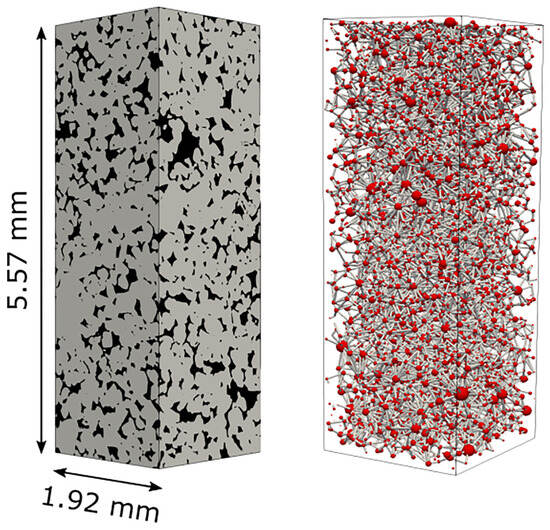
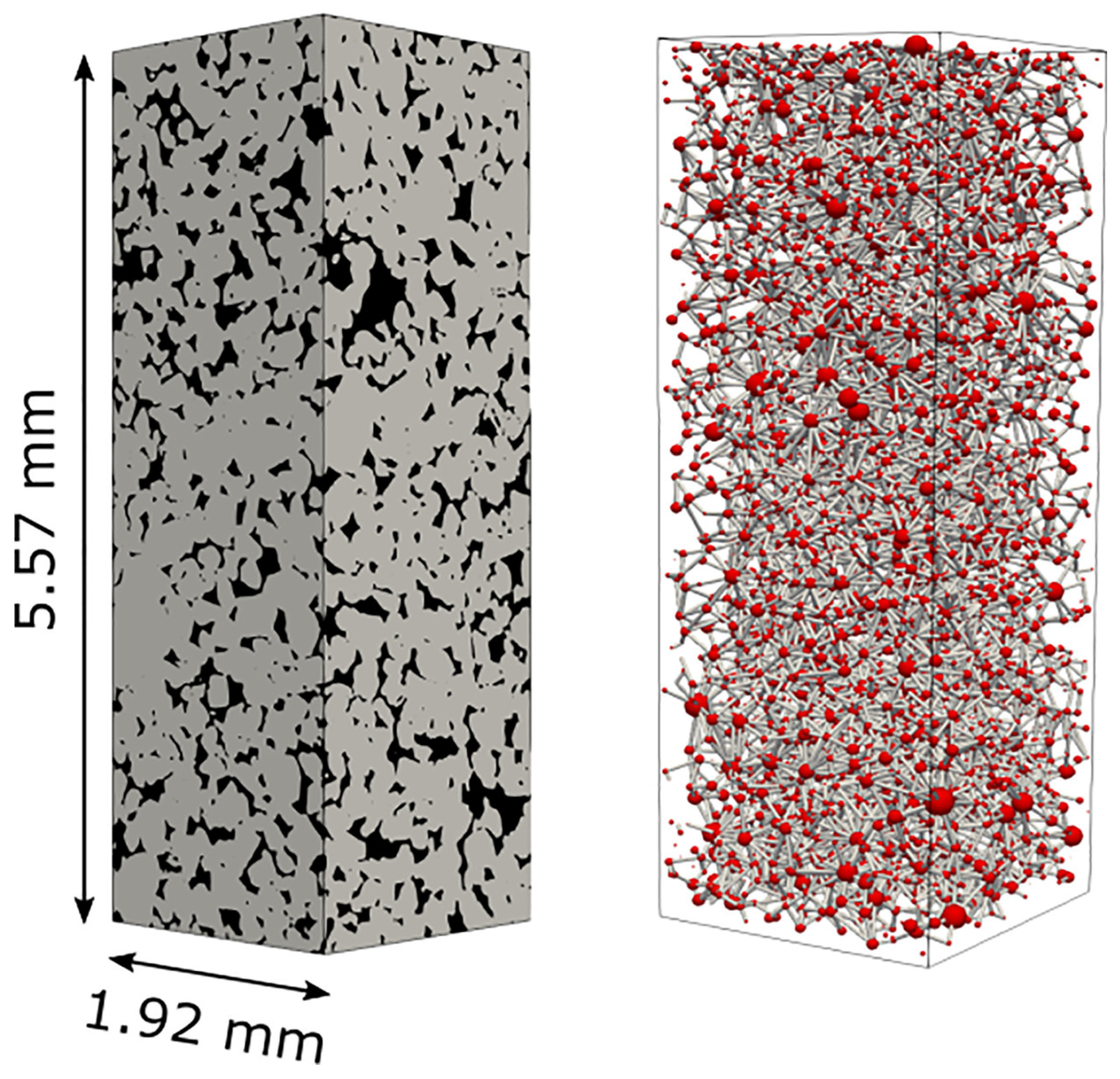
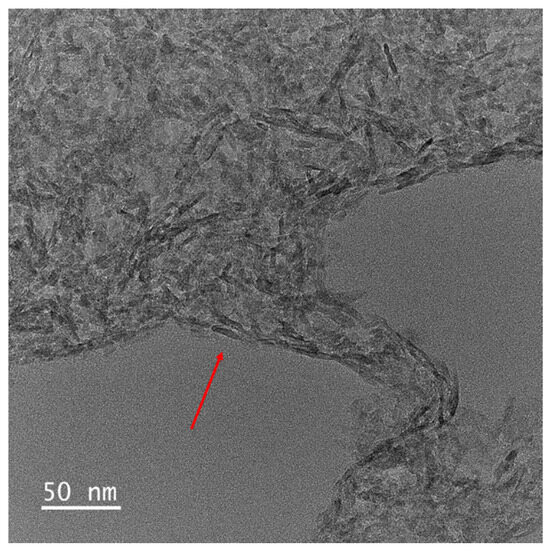
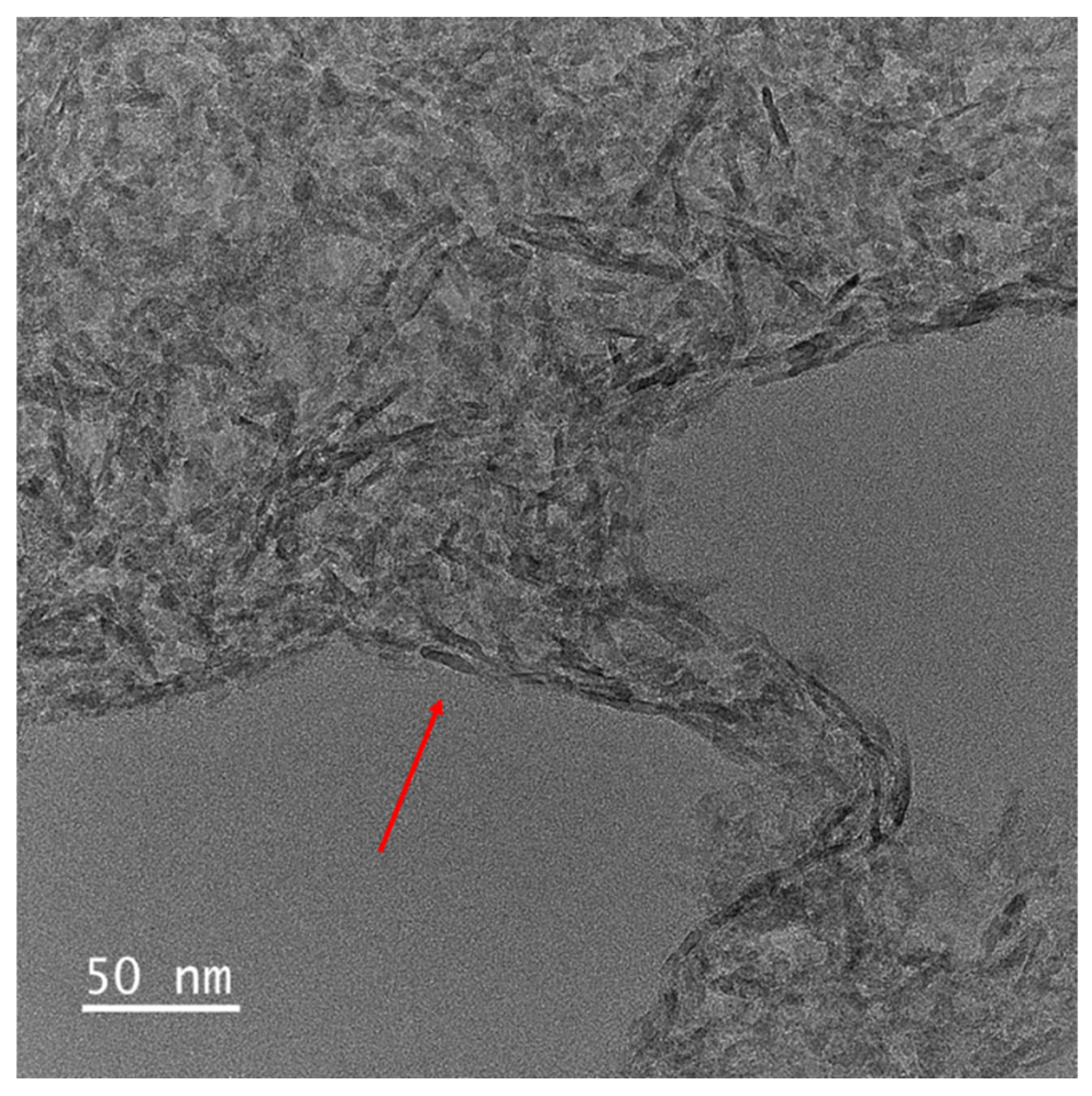
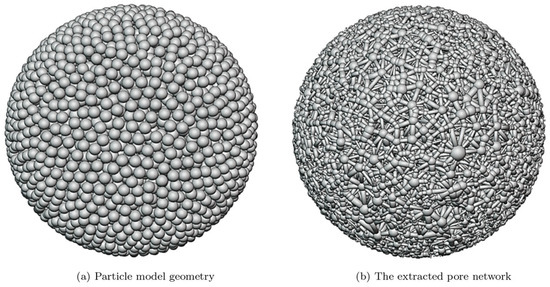
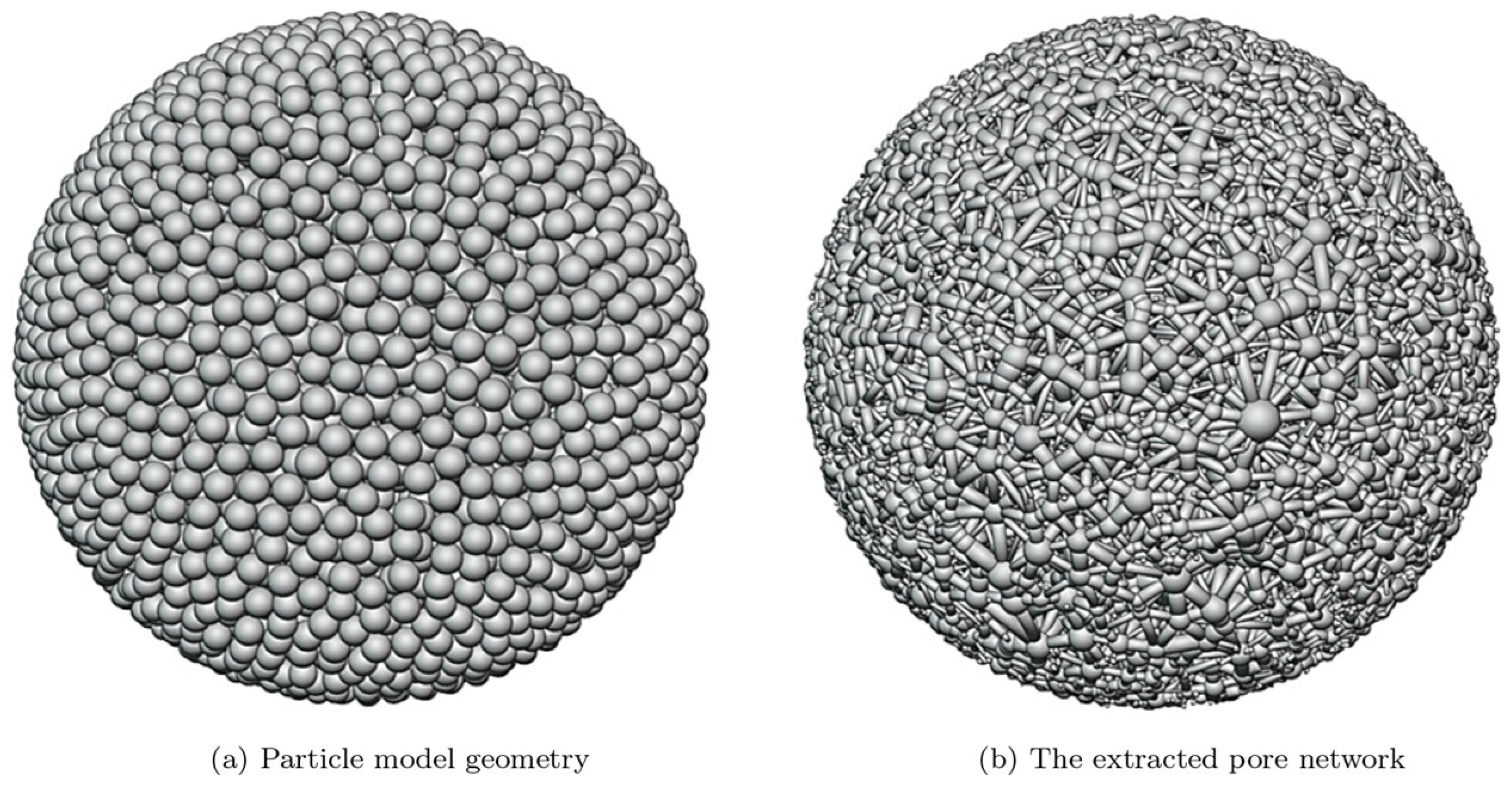
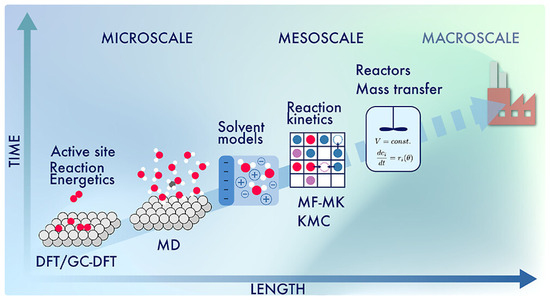
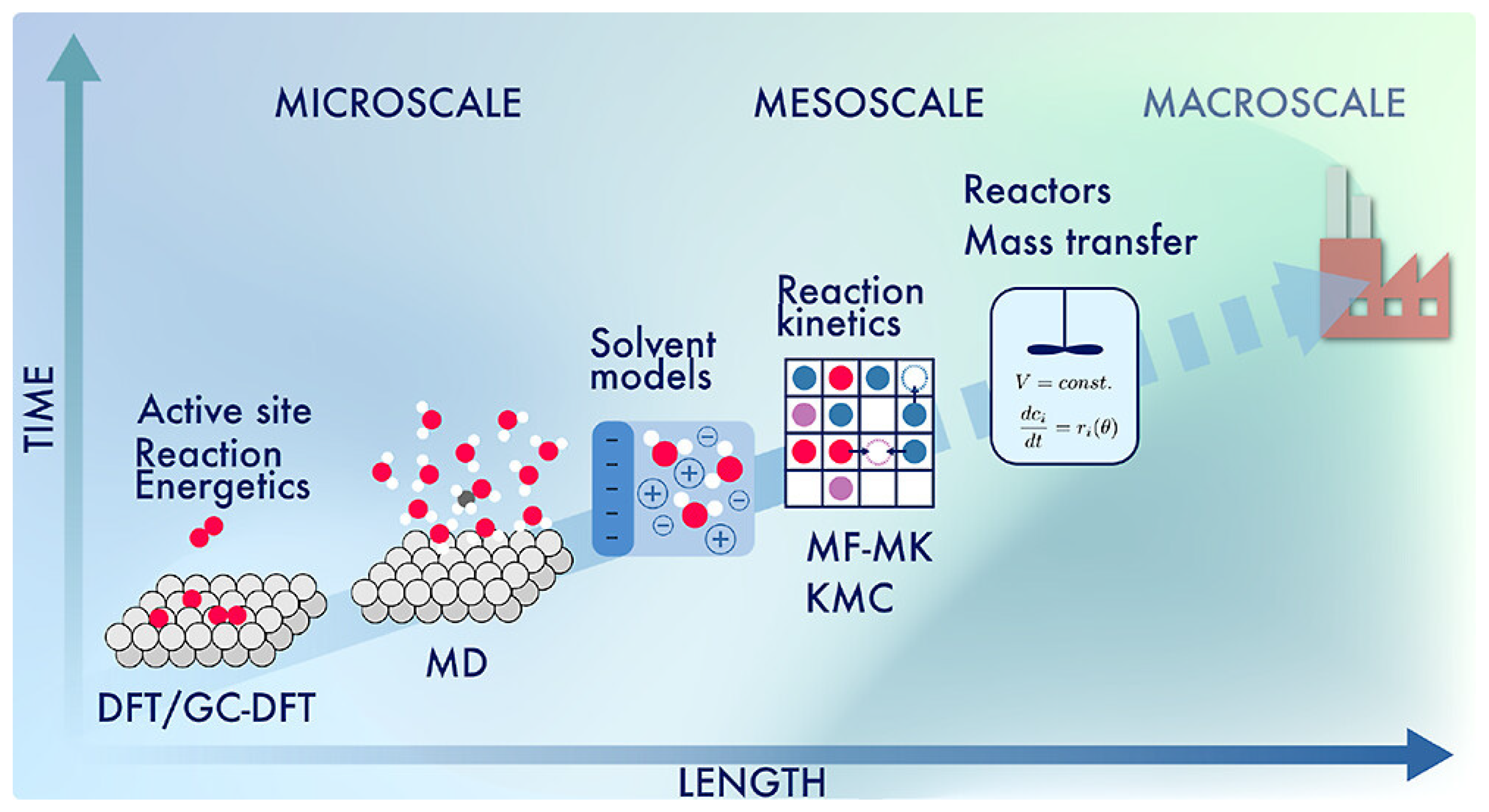
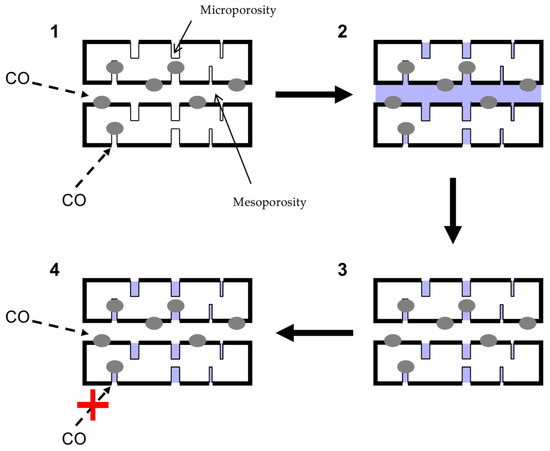
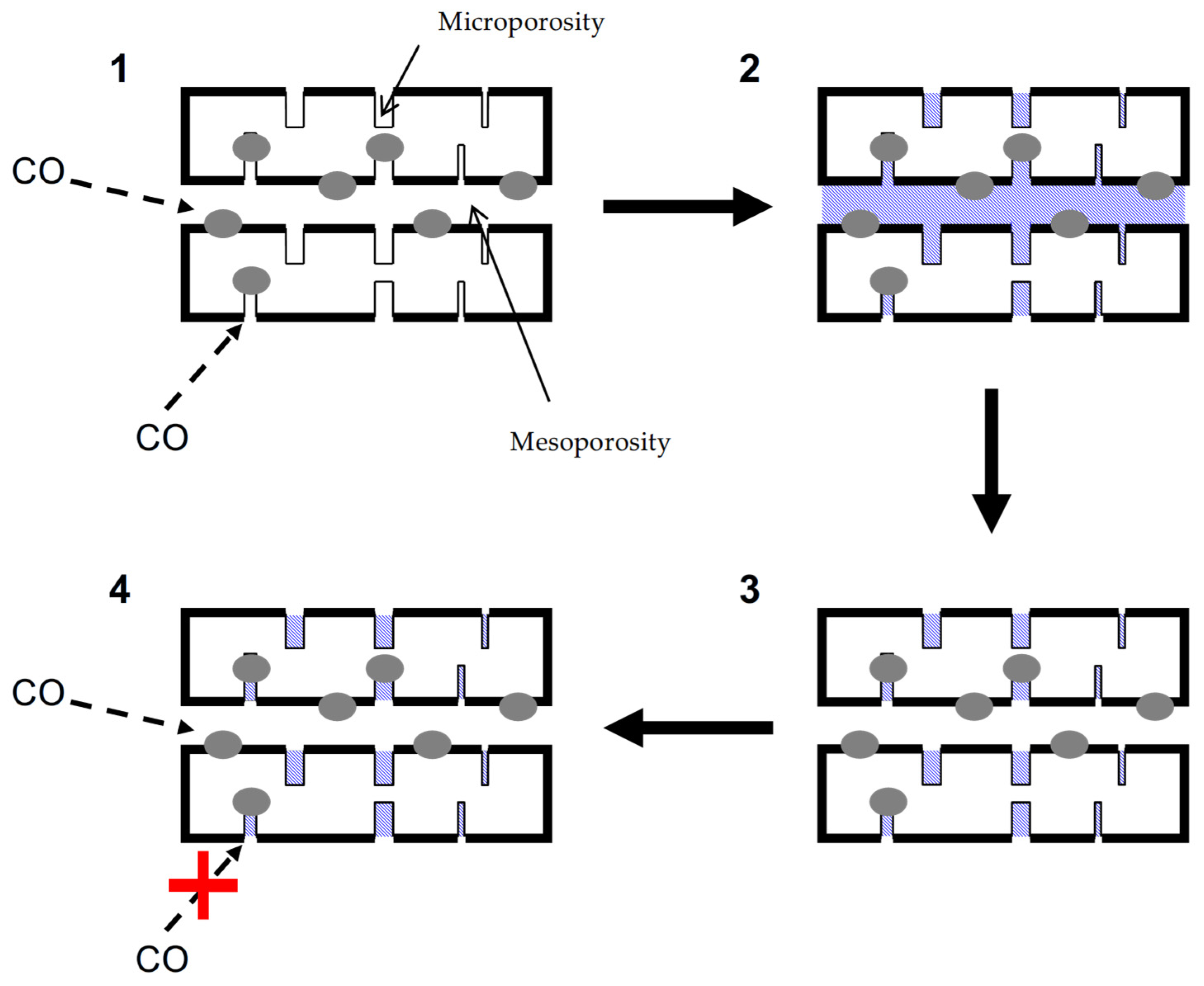
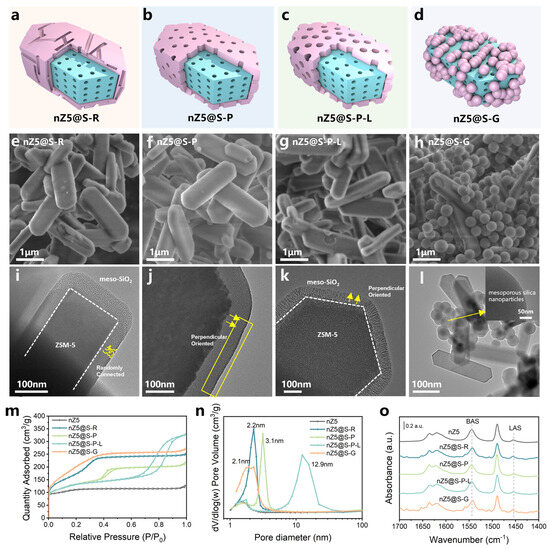
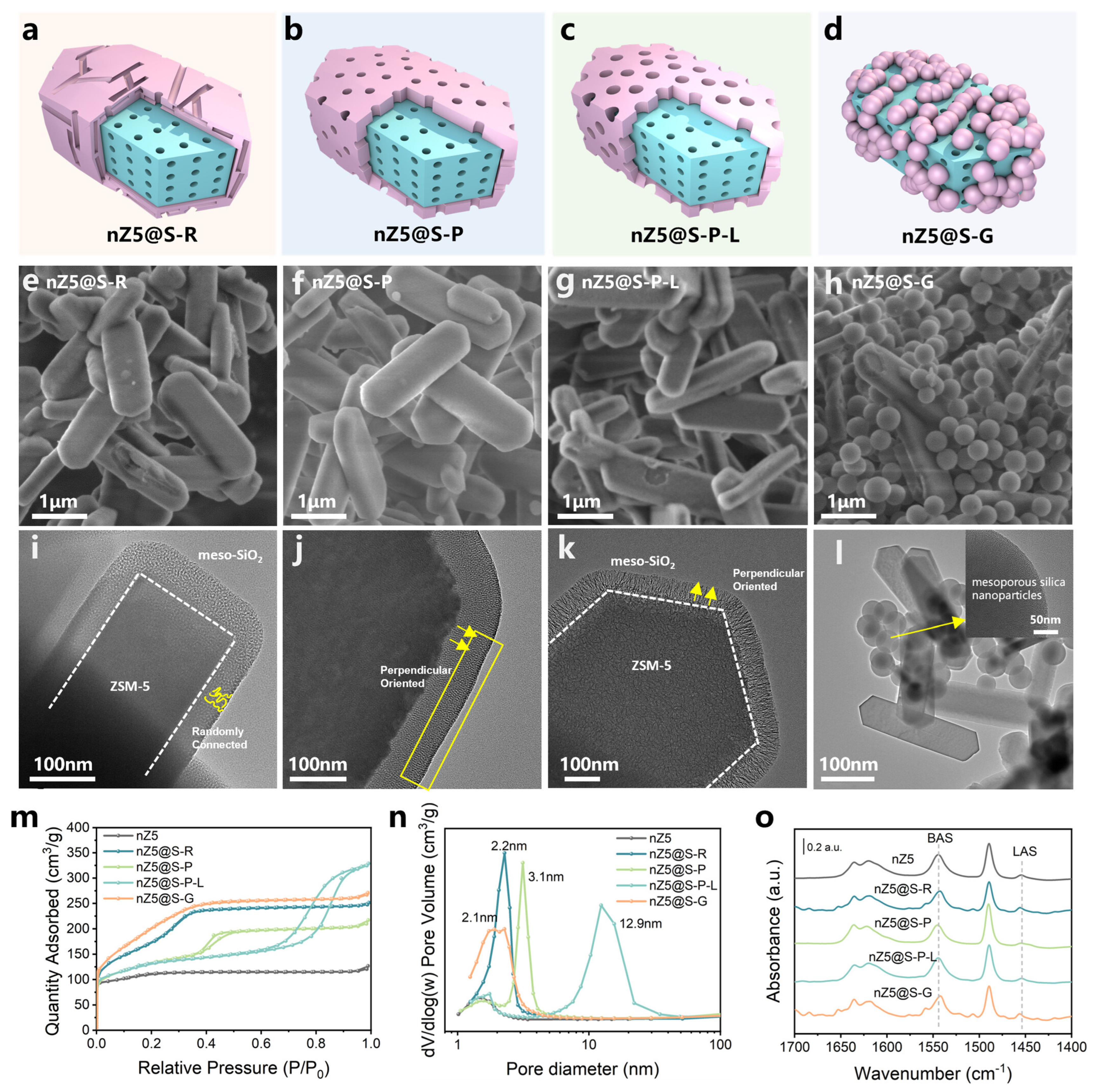
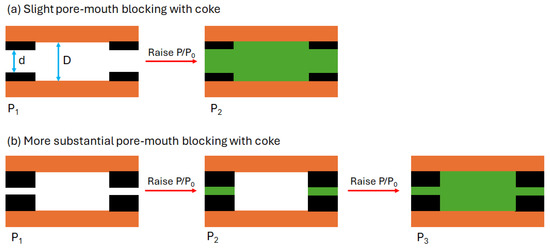
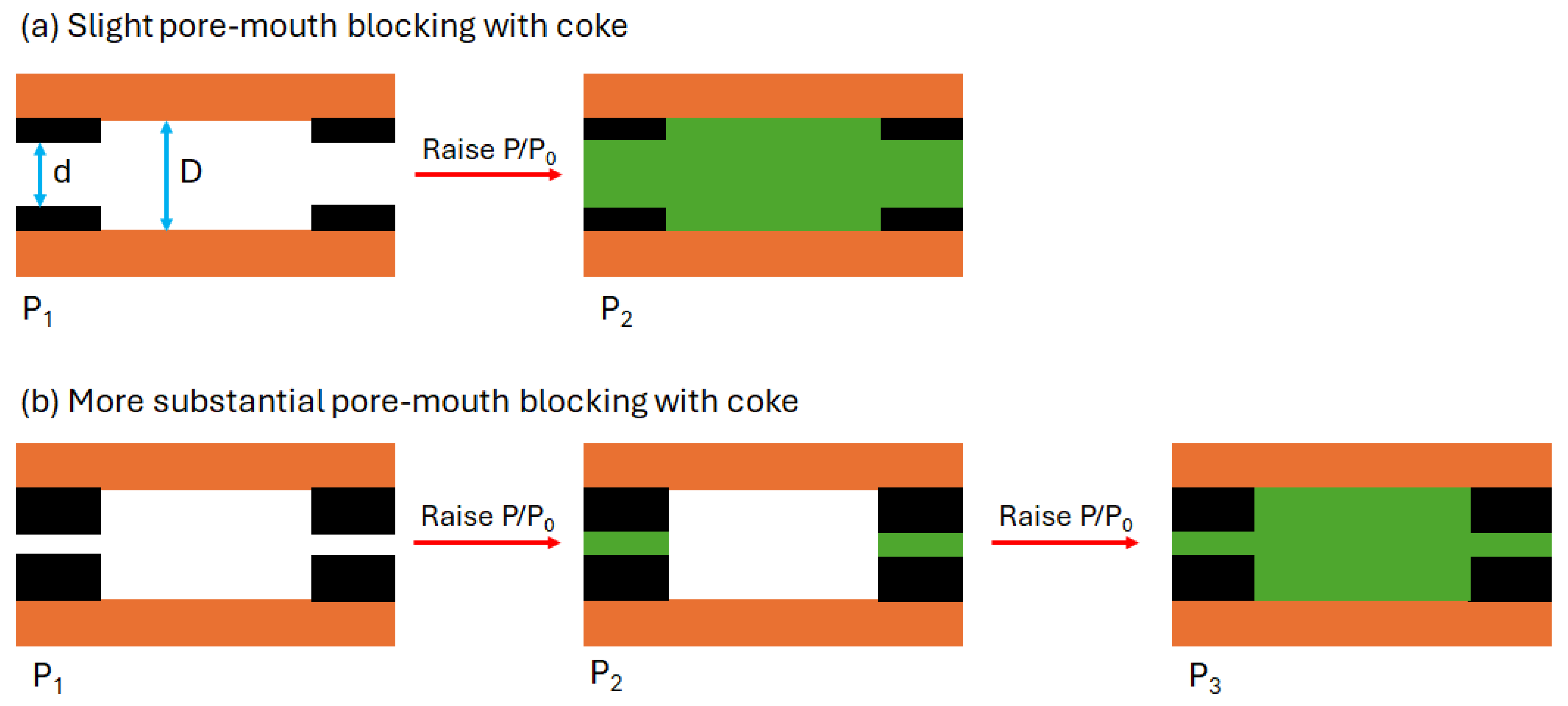
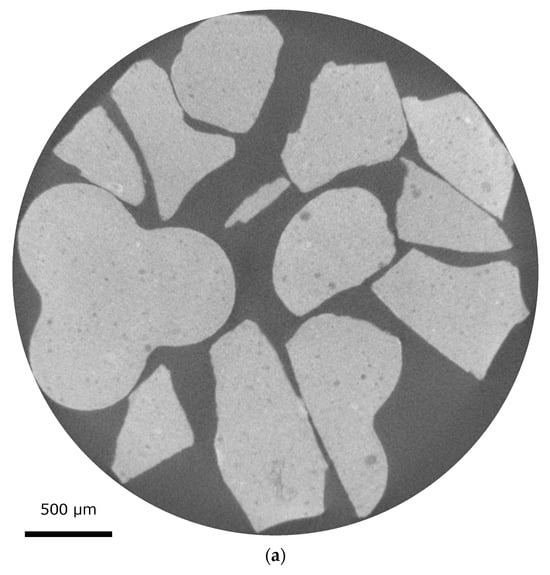
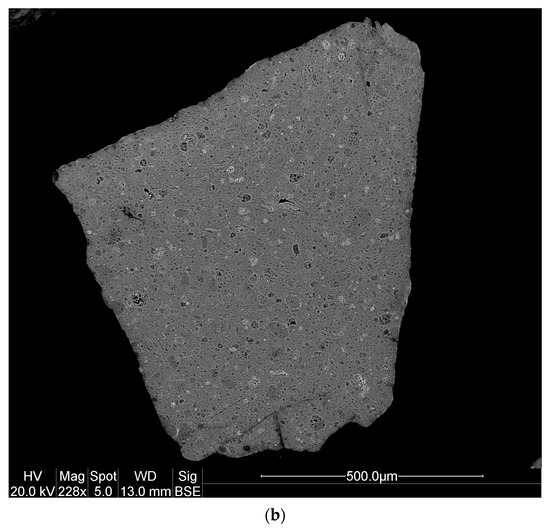
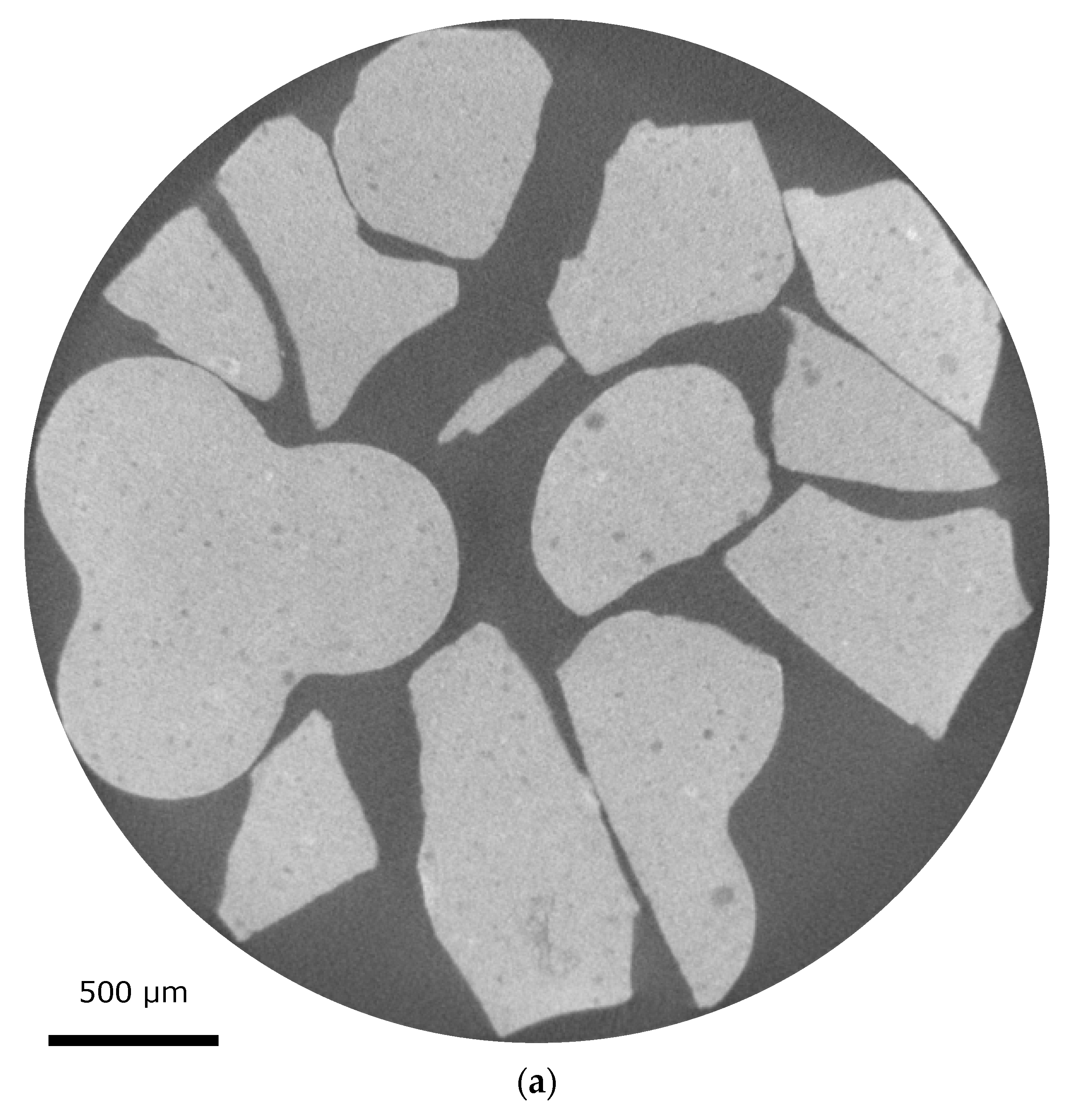
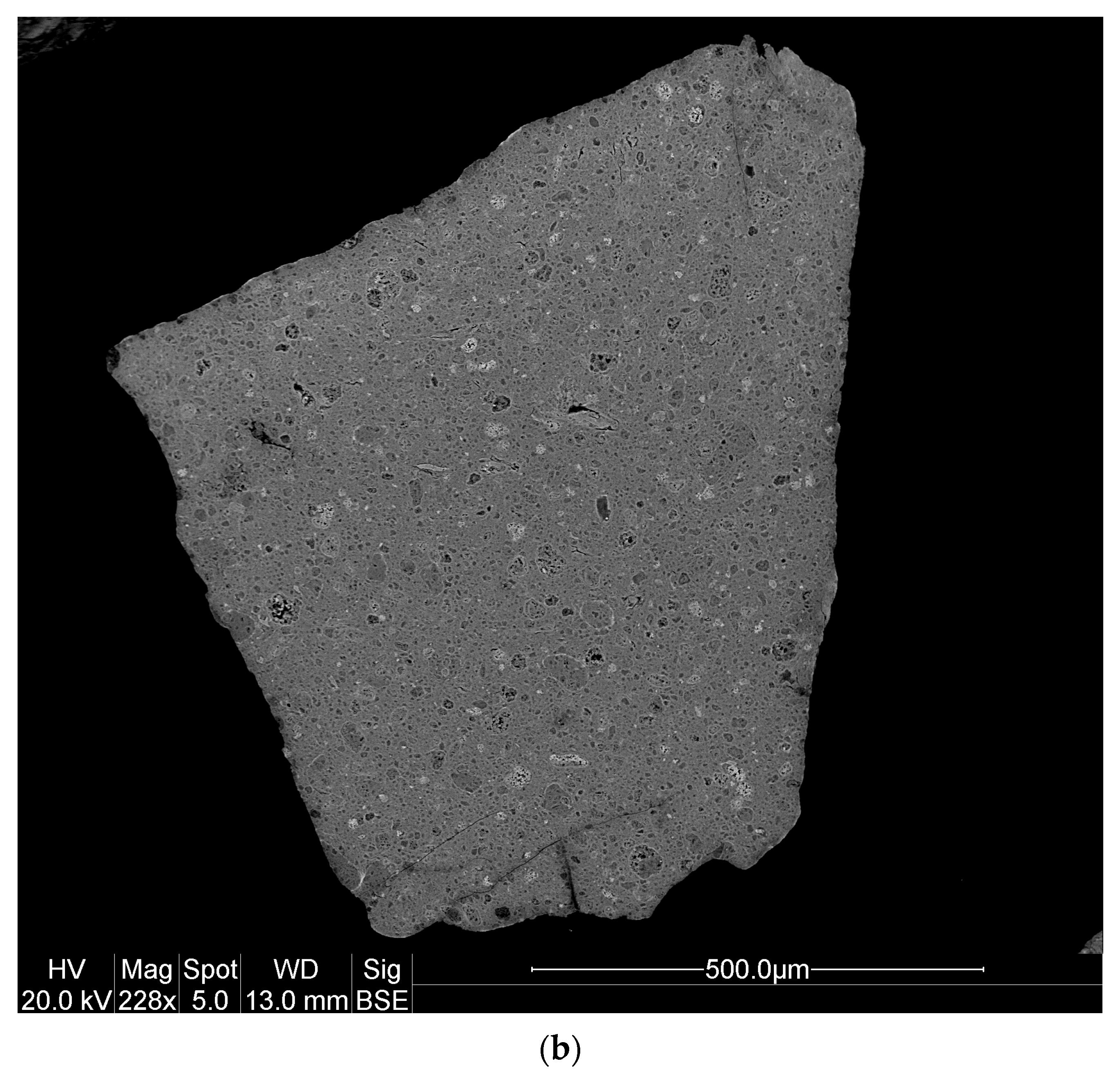
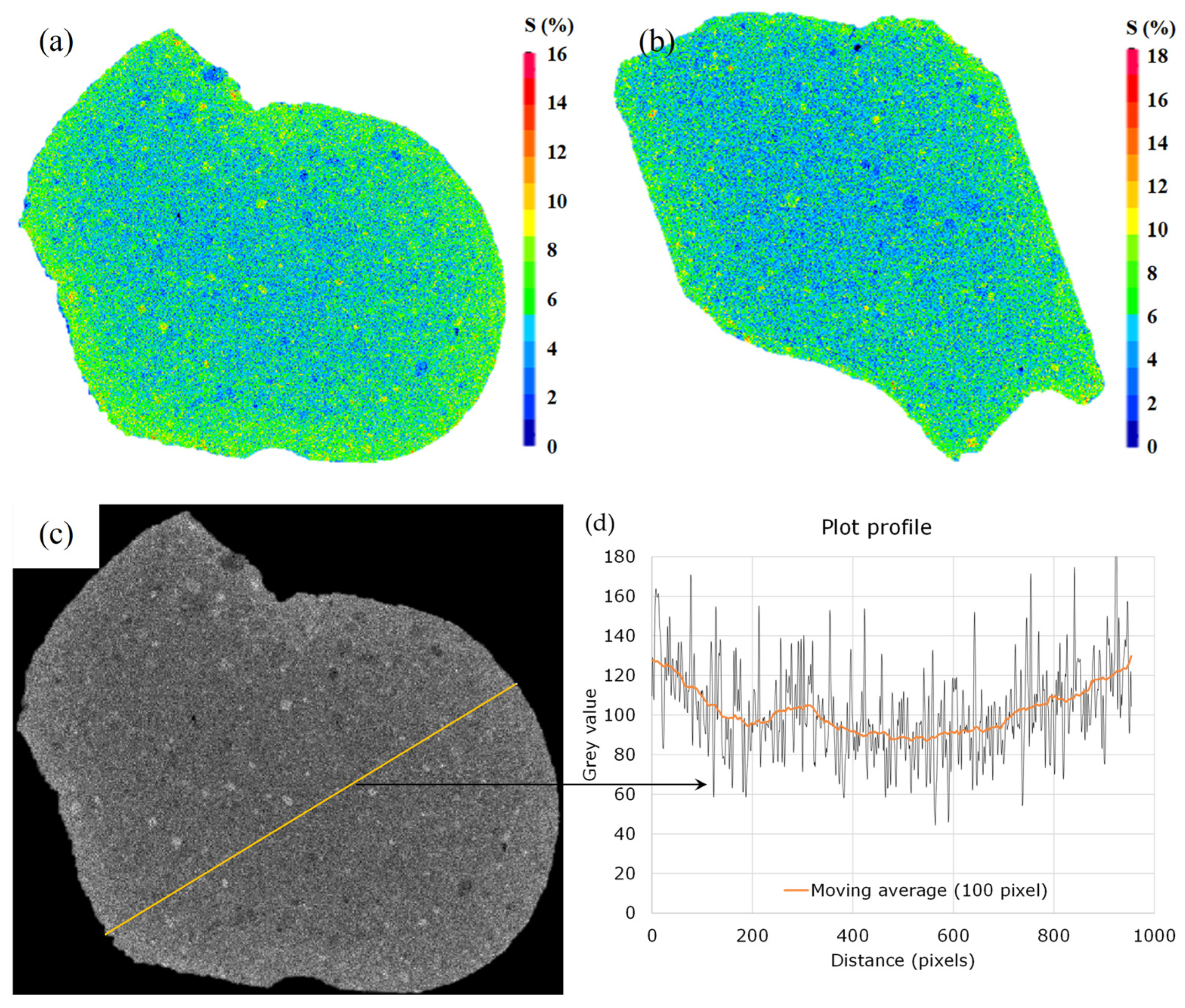

Disclaimer/Publisher’s Note: The statements, opinions and data contained in all publications are solely those of the individual author(s) and contributor(s) and not of MDPI and/or the editor(s). MDPI and/or the editor(s) disclaim responsibility for any injury to people or property resulting from any ideas, methods, instructions or products referred to in the content. |
© 2026 by the author. Licensee MDPI, Basel, Switzerland. This article is an open access article distributed under the terms and conditions of the Creative Commons Attribution (CC BY) license.