


Abstract
Medium-sized Mediterranean cities harbour extraordinary living heritage yet frequently lack the governance frameworks to sustain it equitably, a structural tension that scholarship has insufficiently addressed. This study investigates the governance gap in Kalamata, Greece (70,000 inhabitants), a paradigmatic case combining three millennia of heritage depth, an exceptional “belle époque” architectural and industrial deposit, and one of the densest voluntary cultural networks in the Greek urban system. Through an explanatory sequential mixed-methods design, a stratified resident survey (n = 517), 49 stakeholder interviews, and systematic cultural cartography (Cultural Map v7, 2026), the study documents Institutional Resilience through Cultural Civil Society (IRCC): a co-evolutionary dynamic in which voluntary cultural activity expanded precisely as institutional capacity contracted during the 2010–2018 austerity crisis, producing a resilience that is admirable as a civic achievement yet structurally fragile as a governance model. Quantitative findings reveal significant geographic inequalities in cultural access (Centre M = 3.1 vs. Eastern zones M = 2.2, p < 0.001) traceable through archival data to the post-1922 refugee settlement geography, while the culture–urban development satisfaction nexus (Spearman ρ = 0.62, p < 0.001) is theoretically interpreted through civic attachment as a proposed common underlying construct; formal mediation was not statistically tested in the present study. CDIS triangulation identifies systemic weaknesses in cultural governance and spatial equity alongside strengths in civil-society participation. Seven evidence-based policy recommendations operationalise a transferable analytical framework for comparable medium-sized Mediterranean port cities, specifically those sharing comparable historical heritage density, civil-society cultural vitality, and governance capacity constraints, rather than a broadly generalisable model.
1. Introduction
The relationship between cultural heritage and sustainable urban development has become a central axis of global policy discourse. The 2030 Agenda for Sustainable Development [1] incorporated culture into the sustainability framework through SDG 11 (Sustainable Cities and Communities), while international heritage frameworks have progressively shifted from the conservation of discrete objects towards systemic approaches that recognise living heritage practices, intangible cultural assets, and community processes as constitutive elements of urban sustainability [2,3]. Yet this convergence of policy ambitions conceals a structural tension that scholarship has insufficiently addressed: in medium-sized cities (50,000–250,000 inhabitants)—which account for a substantial share of European urban heritage assets—the communities that sustain living heritage are frequently more capable than the governance frameworks that are supposed to support them. When civil society outperforms institutions, the question is not whether cultural vitality exists, but whether it can be sustained without the governance architecture that makes it equitable, spatially just, and durable over time.
This study addresses that question through a single, orienting argument: in medium-sized Mediterranean cities, the sustainability of living heritage depends not on the vitality of civil society—which can be extraordinary—but on the governance framework that connects that vitality to equitable, participatory, and spatially just urban development. Where this framework is absent, a compensatory but structurally fragile form of resilience emerges: admirable as a civic achievement, yet dangerous as a governance model. This argument draws on three intersecting studies: the living heritage paradigm [4,5], which repositions heritage from a noun to a verb; social capital theory [6,7], which provides tools for understanding bonding, bridging and linking ties that sustain—or constrain—heritage communities; and the UNESCO Culture for Development Indicators framework [8], which operationalises how cultural assets translate—or fail to translate—into sustainable urban outcomes.
Kalamata, capital of the Regional Unit of Messenia in southern Greece (~70,000 inhabitants), offers a particularly significant case for examining the sustainability of living heritage. Although the city exhibits all the conditions theoretically considered sufficient for the continuation of living heritage in the absence of strong institutional support, empirical findings indicate that these conditions do not, by themselves, guarantee its persistence [9].
The city’s heritage is not incidental: it is the sediment of layered economic and political history spanning three millennia. First attested as Pharai—one of the seven cities offered by Agamemnon to Achilles in the Iliad, whose public building beneath the Ypapanti Square was excavated in 1961 and immediately reburied to complete a square renovation [10]—the city re-emerged under the name Kalamata in the tenth century. Frankish conquest in 1205 (Villehardouin Principality of Achaea), successive Venetian–Ottoman contests (Morosini 1685), and the testimony of Evliya Celebi (c.1668)—who documented 800 houses, 200 shops on an east–west commercial spine, nine churches, and 9000 mulberry trees sustaining a prosperous silk production [10]—map a palimpsest whose commercial axis is still directly legible in the Cultural Map of 2026. The late nineteenth and early twentieth centuries brought a peak of commercial–industrial development: silk mills, olive oil processing, distilleries, fig and raisin export trade, neoclassical and belle epoque architecture of exceptional density, a railway (1896), a port (1902), and by 1920 a population of 20,977—from 5500 in 1853 [10]. The 1986 earthquakes triggered a remarkable heritage governance response (350 buildings surveyed, 99 designated, Europa Nostra Prize 1996, 225 buildings digitised 2025) [11]. If living heritage sustainability cannot be achieved here, it cannot be attributed to an absence of heritage assets, historical depth, or civic energy. It must be attributed to governance.
This study investigates the governance gap through three research questions: (RQ1) What are the patterns of cultural participation, satisfaction, and perceived accessibility among residents, and how are they structured by social and geographic factors? (RQ2) How have cultural organisations adapted to compound institutional stress—austerity and post-pandemic recovery—and what does this reveal about the limits of civil-society compensation? (RQ3) To what extent does the city’s cultural development profile align with indicators of living heritage and local sustainability operationalised through UNESCO CDISs, and where does alignment fail? The study employs an explanatory sequential mixed-methods design [12] integrating a stratified resident survey (n = 517), 49 stakeholder interviews, and systematic cultural cartography (Cultural Map v7, 2026).
The study makes three interconnected theoretical contributions. First, it advances the concept of Institutional Resilience through Cultural Civil Society (IRCC)—an analytically transferable conceptual description of how voluntary cultural communities sustain heritage production under institutional contraction, documenting both the achievement and the structural fragility of that resilience. Second, it re-theorises civic attachment [13] as a plausible mediating mechanism through which the empirically observed association between cultural satisfaction and urban sustainability perceptions (Spearman’s ρ = 0.62, p < 0.001) can be interpreted. Third, it uses archival evidence to provide a historically grounded interpretation of spatial cultural inequalities [14], suggesting that the contemporary satisfaction gap (Centre M = 3.1 vs. Eastern zones M = 2.2) may reflect cumulative historical, governance, and urban development processes. Seven evidence-based policy recommendations operationalise this argument for comparable medium-sized Mediterranean cities.
2. Theoretical Framework
2.1. Pillar I: Living Heritage, the Authorised Heritage Discourse, and Heritage Governance in Medium-Sized Cities
The concept of living heritage emerged as both a theoretical challenge and a policy imperative in response to the limitations of object-centred conservation paradigms. The reformulation of heritage as “a way of engaging with the present through the past and the future” [15] captures this paradigmatic shift: heritage is understood not merely as a collection of protected objects but as a dynamic social process through which communities continuously reinterpret, use and transmit cultural resources.
The authorised heritage discourse (AHD) [4] provides the principal critical framework for understanding this transition. Developed within nineteenth century European conservation traditions and later institutionalised through the 1972 UNESCO convention, the AHD privileges expert authority, state stewardship and monumental heritage while frequently marginalising industrial heritage, everyday cultural practices and community-based forms of heritage. This critique is particularly relevant to Mediterranean contexts, where multiple historical layers coexist but are not equally represented within formal heritage policies.
The AHD perspective is complemented by dissonance theory [16], which conceptualises heritage as a field of competing historical narratives and unequal institutional recognition, and by affect theory [17], which emphasises that heritage acquires meaning through emotional attachment, lived experience and collective identity rather than solely through formal designation. Together these perspectives provide the conceptual basis for understanding civic attachment as the affective relationship connecting cultural practices, place and community identity [18].
The study further adopts the tripartite value framework of culture—intrinsic, instrumental and institutional [19]—to distinguish culture as an end in itself, as a driver of broader social and economic outcomes, and as a mechanism of education and social integration. This perspective supports the methodological decision to examine both cultural participation and civic attachment while avoiding an exclusively instrumental understanding of cultural sustainability [20].
For medium-sized cities, the UNESCO Historic Urban Landscape (HUL) Recommendation [2] provides the most appropriate governance framework by conceptualising cities as historically layered urban landscapes rather than collections of isolated monuments. This perspective underpins the study’s historical-stratigraphic approach and supports the integrated consideration of archaeological, architectural, industrial and intangible heritage within a single urban cultural ecosystem.
2.2. Pillar II: UNESCO CDISs as an Urban-Scale Epistemological Framework
The UNESCO Culture for Development Indicators Suite (CDISs) [21] provide one of the most comprehensive international frameworks for examining the relationship between culture and sustainable development across seven interrelated dimensions. This study adopts the CDISs as its principal operational framework while recognising its methodological limitations. A central challenge, conceptualised as commensuration [22], is the translation of qualitatively different cultural phenomena into standardised indicators, potentially privileging formally recognised cultural production while underrepresenting informal practices and community-based heritage. Accordingly, the CDISs are applied here as an interpretive rather than purely measurement-oriented framework.
Previous research has identified three key adaptations for applying the CDISs at the urban scale: indicator rescaling, context-specific proxy indicators and participatory validation [23,24]. The present study incorporates these adaptations through the integration of quantitative, qualitative and cartographic evidence within a mixed-methods design. The adaptation followed the logic of conceptual equivalence rather than literal indicator replication, an approach commonly adopted when international indicator frameworks are transferred from national to municipal scales. Consequently, the CDISs are not simply employed as a measurement system but as an epistemological framework for interpreting how different forms of heritage become institutionally recognised, prioritised or overlooked within local governance. Its operationalisation and alignment with the Cultural Map are presented in Section 4.5. The “weak/moderate/strong” assessments were derived through a structured convergence procedure: each CDIS dimension was evaluated against three evidence sources (survey quantitative findings, qualitative interview analysis, and Cultural Map v7 spatial data). A dimension was rated “strong” when all three sources converged positively, “moderate” when two of three sources indicated adequate performance, and “weak” when two or more sources identified a structural deficit. This triangulation-based rating procedure ensures that the assessments are systematic and evidence-grounded rather than purely interpretive.
2.3. Pillar III: Social Capital Typology, Heritage Communities, and the Governance Gap
The tripartite distinction between bonding, bridging and linking social capital [6,7] provides one of the most widely adopted analytical frameworks for examining heritage governance and community resilience. Bonding capital refers to strong intra-community ties, bridging capital to connections across heterogeneous social groups, and linking capital to relationships between communities and institutions. Recent heritage research has further demonstrated the relevance of this framework for understanding participatory governance, collaborative heritage management and the long-term sustainability of heritage communities [25,26,27,28,29]. Within the present study, bonding capital is interpreted as the identity relationship between communities and living heritage, bridging capital as the capacity to connect with the wider cultural ecosystem, and linking capital as the quality of relationships between cultural communities and institutional decision-making.
This conceptualisation provides the analytical basis for examining governance capacity within the city’s cultural ecosystem. The literature also recognises the potential limitations of bonding capital. Dense intra-group ties may strengthen identity and collective action while simultaneously limiting openness, reinforcing exclusionary dynamics and constraining access to external resources [30]. Heritage research similarly suggests that strong bonding capital, when not complemented by bridging and linking relationships, may sustain vibrant but institutionally isolated heritage communities [31]. These dynamics are particularly relevant in Mediterranean contexts, where informal social networks often coexist with comparatively weaker institutional linkages [32].
The study therefore adopts a complementary reading of social capital that combines Putnam’s emphasis on civic participation with Bourdieu’s focus on power relations and unequal access to institutional resources [33]. While the quantitative strand examines participation as an indicator of civic engagement, the qualitative strand explores how institutional arrangements shape opportunities for participation and heritage governance. This integrated perspective provides the theoretical foundation for interpreting the governance gap examined in the empirical analysis. Recent evidence further supports this approach by demonstrating positive associations between social capital, cultural participation and civic engagement [34].
3. Study Area: Kalamata: Urban and Heritage Context
3.1. Stratigraphic Reading: A City of Multiple Times
3.1.1. Commercial Prosperity, Outward Orientation and the Port City Model
Medium-sized Mediterranean port cities that functioned as regional commercial hubs without reaching metropolitan scale developed distinctive cultural landscapes shaped primarily by external trade rather than by local demographic growth. Their prosperity generated dense architectural, infrastructural and cultural legacies whose scale exceeded what local population size alone would predict. Kalamata represents a characteristic example of this pattern. Its cultural landscape reflects centuries of participation in Mediterranean and European commercial networks, leaving a rich material and intangible heritage whose long-term management has subsequently become a major governance challenge.
The historical trajectory of Kalamata extends from the ancient city of Pharai, mentioned in Homer’s Iliad, through the Byzantine, Frankish, Venetian and Ottoman periods, each contributing distinct cultural layers that remain visible in the contemporary urban landscape [10,35]. The Castle, incorporating Frankish, Byzantine and Ottoman phases, together with the surviving Venetian architectural elements, illustrates the city’s continuous integration into the political and commercial networks of the eastern Mediterranean.
Historical sources consistently describe Kalamata as an outward-looking commercial centre specialising in silk, figs and olive oil. Ottoman and Venetian administrative records, together with early nineteenth-century travellers, document an economy closely connected to Mediterranean and European markets, with silk production constituting one of its defining productive activities [35]. This export-oriented economy generated an exceptionally dense urban and industrial heritage that reflected centuries of commercial interaction rather than solely local institutional development.
The analytical implication is central to the present study. Kalamata’s remarkable concentration of cultural assets reflects long-term historical processes associated primarily with Mediterranean trade networks and international commercial exchange (Figure 1). As these external economic drivers gradually declined during the twentieth century, responsibility for safeguarding and valorising this accumulated cultural capital shifted increasingly to local governance. The capacity of contemporary institutions to manage this inherited cultural ecosystem therefore constitutes a central question of the present research.
Figure 1.
(a) Regional Context: Europe/Mediterranean/Greece/kalamata. (b) Location of Kalamata, Regional Unit of Messenia, Peloponnese, Greece. Source: Mapcreator Locator Maps. Cartography: Authors.
3.1.2. Industrial Formation and the Belle Epoque (1850–1930)
Between approximately 1850 and 1930—identified by Spiliopoulou [11] as Kalamata’s belle époque—the city experienced its most dynamic phase of commercial and industrial expansion. Rapid population growth, the development of maritime trade and the emergence of large-scale manufacturing transformed Kalamata into one of Greece’s leading regional industrial centres [11,36].
Industrial activity concentrated along the Nedon–Port corridor, where silk mills, olive-oil and soap factories, tobacco industries, flour mills, raisin-processing facilities, electricity production and railway infrastructure formed an integrated productive landscape (Figure 2) [37]. The completion of the railway (1896) and the port (1902) reinforced this spatial organisation, establishing the castle–Aristomenous–railway station–port axis that continued to structure the city’s economic and urban development.
Figure 2.
Panoramic view of the Kalamata industrial zone, early 20th century, showing the concentration of industrial establishments at the Nedon–Port axis. Silk mills, oil mills, warehouses, and the railway infrastructure are visible along the productive landscape whose spatial imprint is directly legible in the Cultural Map v7 (2026). Source: Bitsanis, Elias, (private collection) reproduced with permission.
Particularly significant was the silk production chain, whose continuity extended from early modern commercial production to nineteenth-century industrialisation and survives today through the remaining local enterprise METAXOTA GONOS. The inscription of the Kalamatiano silk handkerchief tradition in the National Inventory of Intangible Cultural Heritage (2024) illustrates the long-term continuity of this productive tradition while highlighting the interconnection between tangible industrial heritage and living cultural practices.
The industrial landscape described above constitutes the city’s second major historical layer. Closely associated with the commercial prosperity outlined in Section 3.1.1, it forms an essential component of Kalamata’s cultural ecosystem and provides the historical context for the governance challenges examined later in this study.
3.1.3. Architectural Heritage: The Belle Epoque Deposit, the Bipolar Urban System, and Post-Earthquake Governance
The urban development of Kalamata followed a linear spatial structure extending from the Castle to the harbour. According to Spiliopoulou [11], the city’s modern urban identity was shaped through successive planning interventions culminating in the comprehensive urban plan of 1905, which integrated the historic urban core with the coastal quarter (Nea Kalamata) through the Aristomenous–railway–port axis. Supporting infrastructure, including the embankment of the Nedon River, the harbour, the railway station and the tramway, reinforced this bipolar urban structure and contributed to the emergence of a unified productive and commercial landscape whose spatial organisation remains evident today.
The period between 1850 and 1930 produced an exceptionally rich architectural legacy reflecting the influence of successive European architectural movements, including classicism, eclecticism, Art Nouveau and early modern architecture [11]. This architectural diversity forms one of the principal historical layers of Kalamata’s cultural landscape and constitutes an important component of its contemporary heritage identity (Figure 3).
Figure 3.
Architectural typology of the Kalamata belle epoque deposit (18501930), illustrating three of the six types documented by Spiliopoulou (2012): (a) Ziller house (Navarinou/Santaroza/Vyronos, Efesion family, 1899), Type V—Art Nouveau/Jugendstil-Wiener Secession, likely one of Ziller’s last works (Kardamitsi-Adami 2006, pp. 272–273) (b) Zoumbouleion Megaron (Kaisari/Anagnostara, 1905), Type IV—Eclectic, currently housing the Municipal Dance School and institutional base of the Kalamata International Dance Festival (KDC); (c) central commercial axis (Aristomenous/central square), c.1910, Types II–III—mature and late classicist. Sources: (a,b) E. Bitsani (own photographs) and (c) Bitsanis Elias (private collection), reproduced with permission.
A decisive turning point occurred in 1986. A comprehensive architectural survey completed shortly before the September earthquakes documented the city’s historic building stock and subsequently informed one of the most extensive post-disaster heritage conservation programmes implemented in Greece. Through the combined actions of the Ministry of Culture, the Ministry of Environment and the Municipality of Kalamata, historic buildings were designated, acquired and restored, culminating in the award of the Europa Nostra Prize in 1996 for the conservation of the historic centre [11]. More recently, the Municipality completed the digital documentation of the 1986 survey, creating a comprehensive archive of the city’s architectural heritage. This sequence of documentation, conservation and adaptive reuse established the architectural heritage of Kalamata as the most institutionally visible component of its cultural landscape. At the same time, the differing levels of institutional recognition among heritage categories provide an important context for the governance issues examined in the following sections.
3.1.4. Post-Earthquake Governance and the Loss of Industrial Heritage
Detailed analysis of the internationally recognised post-earthquake masterplan, awarded the European Urban and Regional Planning Prize in 1991, indicates that, despite its major contribution to architectural conservation, industrial heritage received considerably less institutional attention [36]. During the subsequent redevelopment period, many of the city’s principal industrial complexes were abandoned, demolished or redeveloped for new urban uses, while only a limited number survived through adaptive reuse or commercial conversion (Figure 4) [17].
Figure 4.
The Linardakis factory complex, Kalamata, days after the September 1986 earthquake. This industrial heritage site (Category A4, Cultural Map v7) was subsequently demolished to build the Municipal Concert Hall (Megaro Chorou), the principal venue of the Kalamata International Dance Festival (KDC). The building exemplifies the post-earthquake governance choice documented in Section 3.1.4: systematic protection of architectural heritage alongside systematic demolition of industrial heritage. Source: BitsanisElias (private collection), reproduced with permission.
The response of local authorities was therefore characterised by a degree of institutional ambivalence [36]. On the one hand, important initiatives supported the protection of selected industrial sites, such as the designation process for the Evangelistria mills. On the other hand, several historically significant industrial buildings were lost during urban redevelopment. This uneven conservation trajectory contributed to the differing institutional visibility of architectural and industrial heritage, providing an important historical context for the governance issues examined in the empirical analysis.
3.1.5. The Historical Genealogy of Spatial Inequality
The arrival of approximately 4000 Greek Orthodox refugees from Asia Minor following the 1922 population exchange introduced a new spatial and social stratification within Kalamata. Refugees from larger urban centres generally settled in the eastern and central districts, whereas economically disadvantaged populations were concentrated in the western neighbourhoods and peripheral settlements outside the original urban plan [37,38]. During the first decade after settlement, refugee communities established cultural associations, including the Vosporos Association (1932) and the Western Coast Neighbourhood Association (1932), reflecting early forms of civic organisation aimed at preserving cultural identity and strengthening community cohesion [14].
This historical reconstruction provides a broader interpretive context for understanding the city’s subsequent patterns of cultural development and governance. Rather than implying a direct causal relationship between the refugee settlement geography of the 1920s and contemporary spatial inequalities, it illustrates how different neighbourhoods followed distinct historical, socioeconomic, planning and demographic trajectories over time.
Understanding Kalamata’s contemporary heritage governance therefore requires consideration of these long-term historical processes, which continue to influence the spatial distribution of cultural resources and opportunities for participation. Similar historical trajectories can be observed in other medium-sized Mediterranean port cities, where periods of commercial prosperity generated dense cultural landscapes that have not always been accompanied by equally integrated governance frameworks.
3.2. The Economic Identity as Cultural Resource
Kalamata’s economic history is partly cultural. The cultivation of olives, fig production, silk weaving, the celebrated ‘Kalamatianas’ silk handkerchief, and later raisin export shaped technical knowledge, work rituals, markets, and social structures that constitute intangible heritage under the UNESCO Convention [39]. The fact that 50.9% of contemporary residents identify agricultural products as the most exploitable heritage element is not romanticism; it reflects the enduring vitality of this connection in collective memory. Traditional music and dance are similarly identified by 27.9% of respondents as a key cultural tourism resource.
3.3. The 1986 Earthquake as a Paradigmatic Event
The 1986 earthquakes constitute, from a cultural perspective, a “rupture event” [40], a violent interruption of continuity forcing a society to reinvent its relationship with place, buildings, and memory. The post-earthquake reconstruction, guided by the 1985 urban development plan, produced a remarkable outcome: 350 buildings surveyed in March 1986, 99 designated as protected monuments by the Ministry of Culture, 50 by the Ministry of Environment [11], and the Europa Nostra Prize in 1996 for historic centre conservation. Crucially, the cultural strategy adopted post-earthquake, establishing DIPETHE, the Dance Festival and the Municipal Cultural Development Enterprise, was deliberate, not symptomatic; culture was positioned as an instrument of social healing and urban reconstruction [41].
3.4. The Austerity Period as Resilience Test
The 2010–2018 economic crisis tested Kalamata’s cultural ecosystem severely. Qualitative data document organisational contractions, budget cuts, and growing dependence on voluntary labour. Yet the crisis did not produce collapse: it revealed a remarkable resilience connected to communal rootedness and social bonds. Post-2015 recovery is evident: 56% of cultural organisations participating in the study were founded after 2000, new festivals emerged, and tourist arrivals increased. This recovery is not coincidental; it reflects a city that has invested for decades in cultural identity and possesses social capital for recovery.
3.5. Contemporary Changes and Structural Tensions
The contemporary city faces four parallel dynamics. Tourism development offers opportunities for living heritage promotion but risks “theming”, stereotypical heritage reproduction for tourist consumption with parallel degradation of lived cultural life [42,43,44]. Regarding digital transformation, 82.8% of residents obtain cultural information through social media, and 67.5% desire a dedicated municipal cultural application, a market signal yet unanswered. Demographic ageing, identified by 30.2% as the most serious future problem, creates a dual challenge: the oldest age group bears the main weight of intangible heritage transmission but records the lowest cultural satisfaction (negative age-satisfaction correlation: Spearman ρ = −0.19). Urban regeneration projects are evaluated primarily as technical interventions (72.9%: “more walkable city”), not as interventions enhancing social cohesion or living heritage (5%: ‘very much’ social cohesion from urban planning).
The cultural ecosystem exhibits three structural tensions: concentration versus decentralisation (majority of actors in the historic centre, peripheral zones underserved), voluntarism versus professionalism (much cultural activity dependent on voluntary labour without sustainability guarantees), and institutional inadequacy versus dynamic initiatives (strong civic base, weak coordinating governance). The Cultural Map v7 (2026), cross-validated with the https://olivetreeroute.gr industrial heritage cartography (accessed on 5 April 2026), documents 100+ resources across 14 categories, providing the cartographic grounding for these tensions.
4. Methodology
4.1. Epistemological Foundation: Pragmatism as Methodological Basis
The mixed methodology is not epistemologically neutral. It rests on a pragmatist philosophy of science [45], which rejects the ontological dualism between quantitative (objectivist/positivist) and qualitative (constructivist/interpretivist) approaches. Pragmatism argues that the criterion for method selection is not ontological compatibility but functional value for answering specific research questions [12]. The study’s three research questions require complementary methodological strategies. RQ1 examines patterns of cultural participation, satisfaction and perceived accessibility, as well as their social and geographic differentiation, and is addressed primarily through quantitative surveys. RQ2 investigates how cultural organisations adapted to austerity and post-pandemic recovery and what these adaptations reveal about the limits of civil-society compensation; it is addressed primarily through qualitative interviews and organisational evidence. (RQ3) To what extent does the city’s cultural development profile align with indicators of living heritage and local sustainability operationalised through UNESCO CDISs, and where does alignment fail? This is addressed through mixed-methods triangulation.
4.2. Research Design: Explanatory Sequential Mixed-Methods
The study period (2000–2020) refers to the historical and policy timeframe under investigation, whereas the empirical data were collected in successive phases between 2022 and 2026. This distinction separates the temporal scope of the phenomenon examined from the timing of the individual data-collection components. Although this multi-temporal design strengthens the analysis by integrating complementary evidence collected at different stages of the cultural system’s development, it may also introduce a degree of temporal mismatch between data sources. This potential limitation was addressed through cautious cross-temporal interpretation during the triangulation process, with each empirical component interpreted in relation to its respective temporal context. An explanatory sequential design [12] was adopted: the quantitative phase precedes and constitutes the “base”, while the qualitative phase was designed to explain, elaborate, and enrich quantitative findings, especially unexpected or contradictory ones. This sequencing does not imply hierarchy; qualitative data do not “test” quantitative findings but engage them dialogically through triangulation [46,47]. The sequential design was selected because the absence of prior systematic empirical research on cultural satisfaction in Kalamata necessitated first mapping the field (quantitative phase) before selecting the thematic axes of interviews (qualitative phase). Quantitative findings, particularly the identification of geographic inequalities, served as “entry keys” for the qualitative sampling design.
In operational terms, the research unfolded in four sequential phases. Phase 1 involved the design, administration, and analysis of the resident survey (2022), providing the baseline evidence on cultural participation, satisfaction, and spatial inequalities. Phase 2 consisted of stakeholder interviews conducted between 2023 and 2024, designed to contextualise and interpret the quantitative findings. Phase 3 involved the development of Cultural Map v7 (2026), which generated a comprehensive spatial inventory of cultural assets, organisations, and activities across the Municipality of Kalamata. Finally, Phase 4 comprised the independent cartographic cross-validation of the Cultural Map through external spatial data sources, including https://olivetreeroute.gr (accessed on 5 April 2026) and the integration of all evidence through methodological triangulation. The Cultural Map did not extend the analytical timeframe of the study. Instead, it functioned as a retrospective cartographic instrument documenting the structural characteristics of Kalamata’s cultural ecosystem and supporting the triangulation of quantitative and qualitative findings. By mapping relatively stable cultural resources, institutions and spatial relationships, it strengthened the interpretation of the empirical evidence without altering the temporal scope of the investigation.
4.3. Quantitative Strand: Survey Design, Sampling and Analysis
The questionnaire (48 items, five sections) covered sociodemographic characteristics, cultural perceptions and living heritage awareness, cultural participation and visit patterns, urban sustainability and social cohesion perceptions, and attitudes towards the European Union. A 5-point Likert scale was used for evaluation items, and a five-point frequency scale was used for visit frequency. The instrument underwent pilot testing (n = 30), resulting in revision of 8 items for clarity and content validity.
A stratified random sample of 517 residents (aged 18+) was surveyed through face-to-face administration between March and December 2022. Stratification was by residential zone (five zones: Eastern, Western, Northern, and Southern neighbourhoods in the centre), with quotas set proportional to the 2021 census (ELSTAT) distribution. Within each stratum, individuals were selected through systematic random sampling from door-to-door registers. The final sample (N = 517) achieves a margin of error of ±4.3% at a 95% confidence level. Overrepresentation of women (67.5%) and higher-educated respondents is noted, a recognised limitation, as the literature documents higher cultural participation rates among both groups [48].
Statistical analysis was conducted in SPSS 26.0. Normality was tested with the Kolmogorov–Smirnov criterion; given non-normal distributions, non-parametric tests were used throughout: Mann–Whitney for two-group comparisons, Kruskal–Wallis for multiple groups with Bonferroni post hoc corrections for multiple comparisons, and Spearman coefficients for association analysis. Statistical analysis was conducted in SPSS 26.0. Normality was tested with the Kolmogorov–Smirnov criterion; given non-normal distributions, non-parametric tests were used throughout: Mann–Whitney for two-group comparisons, Kruskal–Wallis for multiple groups with Bonferroni post hoc corrections for multiple comparisons, and Spearman coefficients for association analysis. For identifying independent predictors, multivariate linear regression (stepwise) was applied with logarithmic transformation of the dependent variable. Significance level: α = 0.05 (two-tailed). OLS regression was selected over ordinal alternatives (e.g., ordinal logistic regression) because the composite satisfaction index aggregates multiple Likert items, producing a continuous outcome with approximately normal residuals following logarithmic transformation, verified through Q-Q plot inspection and Shapiro–Wilk test (W = 0.986, p = 0.071). Variance inflation factors (VIF < 2.1 for all predictors) confirmed the absence of multicollinearity. Heteroscedasticity was addressed through HC3 robust standard errors. These diagnostics support the appropriateness of the OLS specification for this dataset.
4.4. Qualitative Strand: Interviews and Thematic Analysis
Forty-nine semi-structured in-depth interviews (45–60 min each) were conducted with a purposive sample [49] between June 2023 and February 2024: 25 representatives of cultural associations, museums, festivals, and performing arts organisations and 24 stakeholders (municipal officials, regional administrators, academic researchers, media representatives, civil society actors). Selection criteria ensured diversity of organisation type, founding period (pre- and post-2000), cultural sector, and stakeholder category. All interviews were audio-recorded with participants’ informed consent, fully transcribed verbatim, and analysed using a hybrid thematic approach combining deductive categories derived from the living-heritage, social-capital and governance frameworks with inductive codes emerging from the interview material, operating primarily at the semantic level. Initial codes were generated through repeated readings of the transcripts, refined iteratively through constant comparison, and organised into broader thematic categories aligned with the study’s research questions. The resulting themes were subsequently compared across interviews to identify recurring patterns, convergent perspectives and divergent viewpoints.
Table 1 summarises the composition of the qualitative sample. Participants are presented in aggregated form according to stakeholder category, institutional sector and professional role reflecting the diversity of institutional, professional, and civil-society perspectives included in the study. Purposive sampling sought maximum variation across stakeholder categories rather than numerical balance. Consequently, differences in the number of interviews reflect the institutional structure of Kalamata’s cultural ecosystem and the availability of relevant actors rather than predetermined sampling quotas. The diversity of stakeholder groups (Table 1), together with the depth of the interview material, provided sufficient information power and stable thematic patterns across the dataset to support a robust reflexive thematic analysis [50].
Table 1.
Characteristics of the qualitative sample (n = 49).
Thematic analysis followed a six-phase reflexive methodology [50]: familiarisation, initial code generation, theme search, theme review, theme definition and naming, and writing. Rather than discovering themes “out there” in the data, reflexive thematic analysis acknowledges that themes are constructed through researcher–data interaction, consistent with the constructivist ontology underlying the living heritage theoretical approach. The adequacy of the qualitative sample was therefore judged on the basis of information power rather than a predetermined saturation threshold. The focused research aim, the specificity and diversity of the participant group, and the richness of the interview material provided sufficient depth and variation to support a robust reflexive thematic analysis. The trustworthiness of the qualitative findings was enhanced through established criteria of credibility, transferability, and dependability.
4.5. Cultural Map Methodology
The Cultural Map of Kalamata (v7, 2026) was developed through the biocultural map of Kalamata [51], iterative fieldwork, archival research [52], systematic cross-referencing with municipal databases (including the digitalised 1986 survey of 225 historic buildings, [53]), and expert consultation. The map classifies resources across 14 UNESCO-aligned categories. The final version was cross-validated against the https://olivetreeroute.gr industrial heritage cartography (30 March 2026) [54], identifying 15 shared sites, 7 new entries for the Cultural Map, and significant corrections to existing records. The Cultural Map functions as both research output and analytical instrument for Section 7 triangulation.
4.5.1. The Cultural Map v7: Spatial Structure and Cartographic Significance
The Cultural Map of Kalamata (v7, 2026), reproduced as Figure 5, constitutes both a primary research output and a critical analytical instrument. It documents 100+ cultural resources across 14 UNESCO-aligned categories, six built/tangible heritage categories (A1–A6), four living heritage and voluntary sector categories (B0–B3), and four contemporary cultural production categories (G1–G4). This classification is not merely taxonomic: it operationalises the UNESCO conceptual framework at city scale, enabling the CDIS domain triangulation presented in Section 7.6.
Figure 5.
Cultural Map of the ity of Kalamata. Source: Ministry of Culture Archaeological Cadastre (Odysseus.culture.gr)/OpenstreetMap Contributors. Typological overlay: Authors. Based on [11], cross-validated with biocultural map of Kalamata [51] and https://olivetreeroute.gr [54] (accessed on 5 April 2026). N arrow indicates north.
The dominant cartographic finding, visible upon inspection of Figure 5, is the descriptive spatial concentration of all 100+ resources within the historic/pre-earthquake urban core. The post-earthquake residential zones, eastern coastal strip, western Bournias-Asprokhoma area, and northern expansion contain zero permanent cultural resources across any of the 14 categories. This finding provides the cartographic grounding for the quantitative geographic inequality result (Centre M = 3.1 vs. Eastern M = 2.2), transforming what could appear as a statistical artefact into a documented structural reality confirmed by three independent data sources.
The Aristomenous Street axis emerges as the primary cultural spine of the city, concentrating G1 cultural venues, A4 industrial heritage, G3 creative industries, and G4 festivals. This spatial linearity reflects the historical commercial axis of the nineteenth-century city, confirmed by GSA-Messenia archival records [10,54]. The geography of 2026 living cultural production directly overlays the geography of 1880–1930 commercial industrial production. The OSE railway park cluster (southwestern quadrant) represents a distinct adaptive-reuse node: the convergence of A4 industrial heritage, G1 cultural venues, B2 theatre groups, and G3 documentary film production in a single complex, exemplifying the HUL Recommendation’s potential but also its governance fragility.
The cross-validation with olivetreeroutes [54] produced methodologically significant results: 15 of 22 sites shared (68% convergence), confirming cartographic robustness; 7 newly documented sites were added to the Cultural Map v7; and 4 Cultural Map sites were absent from olivetreeroutes. The B1 category analysis reveals nine of twelve choirs as “nomadic”, without permanent rehearsal space, documenting a structural vulnerability of the voluntary cultural sector that policy recommendation R6 directly addresses.
4.5.2. Category A5 in the Cultural Map: Spatial Distribution and Dual-Use Analysis
Category A5 (Architectural Heritage) constitutes the second largest category in the Cultural Map by entry count (22 entries, 21% of total), yet it is the category most thoroughly integrated into the everyday physical experience of residents; its buildings are visible street-level features of the historic centre, unlike the archaeological sites of A2 or the intangible practices of B0. Spatially, A5 entries cluster along three axes: the Aristomenous street commercial spine (civic and commercial buildings of the classicist and eclectic types), the Ypapanti–Kastrou zone (the oldest residential fabric, including the pre-classicist and early classicist types), and the port–seafront area (the late classicist and Art Nouveau buildings of the commercial prosperity era, including the former Customs House/Ntouána and the Gymnasium of the Seafront).
The 1986 digital archive (225 buildings, digitalised 2025) enables a historically unique spatial comparison: Category A5 can be mapped against the pre-earthquake building stock, revealing which buildings survived, which were demolished, and which were restored under the post-earthquake recovery programme. This comparison suggests that the Europa Nostra Prize recognised not simply isolated restoration acts but a systematic governance framework comprising the March 1986 survey, the designation process, and the municipal acquisition programme, which together represent one of the most comprehensive post-disaster heritage management cases in Southern Europe. The fact that this institutional achievement is largely unknown outside specialist heritage circles, and that 34.1% of residents fail to identify industrial heritage spontaneously while 69.6% identify neoclassical buildings, reflects the asymmetric visibility produced by differential institutional investment: what the state has systematically preserved is what residents can see.
The dual-use buildings (A5 + G2) documented in the Cultural Map are particularly significant for the CDIS cultural education domain: they demonstrate that architectural heritage is not merely a passive container of cultural activities but an active co-producer of cultural value. The Municipal Philharmonic’s 130-year presence in the Archontiko Tzane building does not simply use the heritage building, it constitutes the building’s primary living heritage function. The building and the institution are analytically inseparable: to discuss the architectural heritage of Ypapantis 25 without the Philharmonic, or the musical education tradition of the Philharmonic without its architectural setting, would impoverish both. This co-production logic, which the Cultural Map makes explicit through the dual categorisation (A5 + G2), is absent from most heritage governance frameworks, which treat built fabric and cultural institutions as separate policy domains.
4.6. Triangulation Protocol and Ethical Considerations
Triangulation [46,47] is used as methodological triangulation, the confrontation of quantitative and qualitative findings for validation, but also for revealing differences and contradictions. The mechanism followed four stages: (a) comparison of quantitative and qualitative findings per thematic axis, (b) identification of convergences, (c) identification of divergences, (d) interpretation of divergences as research data, not as “errors”. Cultural Map spatial data constitutes a third triangulation source, as documented in the geographic inequality analysis (Section 7.3). Ethical protocols followed the Helsinki Declaration and GDPR (2018), informed consent, anonymisation, right of withdrawal, and encrypted data storage.
A note on the multi-temporal character of the data is warranted. The study integrates data collected across a five-year span: stakeholder interviews (2023–2024), the resident survey (2022), the Cultural Map v7 (2026), and independent cartographic cross-validation from https://olivetreeroute.gr (accessed on 5 April 2026). This temporal heterogeneity is not a methodological limitation but a deliberate feature of the explanatory sequential design, theorised here as longitudinal triangulation. The four data layers are not parallel measurements of the same object at different moments, they address different dimensions of the same urban cultural system: the survey captures resident perceptions at a point in time, the interviews document institutional and civil-society dynamics across the austerity recovery period, the Cultural Map v7 provides the most comprehensive structural inventory of cultural resources ever produced for this city, and the independent cartographic validation provides additional support for its reliability. At the same time, the five-year span provides insight into the evolving character of the cultural ecosystem, although it requires cautious cross-temporal interpretation.
We would also note that this study is embedded in an ongoing research programme on cultural heritage governance in medium-sized Mediterranean cities, within which findings are continuously cross-validated against emerging data: new evidence either corroborates the initial findings or prompts their refinement. The multi-temporal character of the dataset reflects this cumulative, iterative process rather than a fixed snapshot.
Beyond strengthening the validity of the findings, the triangulated design produces actionable knowledge for cultural policy, heritage governance, and strategic cultural planning in medium-sized Mediterranean cities. At the same time, it offers a transferable methodological model for researchers, students, and practitioners seeking to investigate cultural participation, civic cultural initiatives, and spatial inequalities through mixed-method and multi-temporal approaches.
5. Results I: Quantitative Findings
5.1. Cultural Perceptions and Heritage Identification
Residents demonstrate strong identification with Kalamata’s tangible heritage: 83.4% identify the historic centre and castle as primary cultural landmarks, 71.2% spontaneously mention the “Kalamatianos” dance, 69.6% recognise the city’s neoclassical buildings, the highest single tangible heritage awareness score in the survey, consistent with the systematic institutional investment in architectural heritage documentation since 1986 [11]. Industrial heritage awareness is markedly lower: only 34.1% mention industrial heritage sites spontaneously, rising to 61.7% when prompted, suggesting awareness dependent on institutional mediation [4]. When asked to define “cultural heritage”, 54.7% prioritise the intangible dimension (traditions, music, dance, gastronomy) over the tangible (38.2%), inverting the typical Mediterranean heritage survey pattern, consistent with the dominance of festival-based associational cultural life.
A significant finding: 61.7% of respondents rate the contribution of cultural heritage to local development as “very much”, the strongest single response, while 0% respond “not at all”. This virtually unanimous recognition of heritage as a development tool, distributed consistently across all geographic zones and social strata, provides empirical support for interpreting bonding social capital as a key dimension of the city’s cultural ecosystem, suggesting that cultural heritage functions as the most equitably shared cultural identity resource across the community. The agricultural products and traditional foods of the region are identified as the most exploitable heritage element by 50.9% of respondents, with traditional music and dance at 27.9%.
5.2. Cultural Participation and Accessibility
Cultural participation levels are moderate: 63.8% attend at least one cultural event per month, with significant variation by age (18–35, 74.1%, 56+, 48.3%) and educational level (tertiary, 79.2%, primary, 41.6%). The Dance Festival (KDC) records 93% local recognition and a 71.3% attendance rate, while DIPETHE records a 58.9% attendance rate, and the concert hall records a 54.2% attendance rate. Museum and heritage site attendance is lower, 48.7% annually, with significant geographic variation (historic centre residents, 67.3%, peripheral neighbourhoods, 31.2%). Economic barriers are reported by 65.2% as “important” or “very important”, despite the predominantly free or low-cost nature of many events reflecting compound effects of reduced household incomes and heightened price sensitivity post-austerity. Geographic barriers are cited by 43.6% of peripheral neighbourhood residents.
5.3. Satisfaction with Cultural Services and Infrastructure
The mean overall cultural satisfaction is M = 3.21 (SD = 0.89) on a 5-point scale. Satisfaction is highest with major festival programming (M = 3.78), concert hall (3.64), and KDC (3.71). It is notably lower with cultural information accessibility (2.89), geographic event distribution (2.67), and youth provision (2.71). A strong positive association exists between cultural participation frequency and overall satisfaction (Spearman ρ = 0.52, p < 0.001), suggesting participation as a reinforcing mechanism, consistent with the participatory heritage management literature.
Geographic disparities in satisfaction are statistically significant; historic centre residents report M = 3.1 vs. Eastern zone residents M = 2.2 (Mann–Whitney U, p < 0.001, Bonferroni-corrected). This differential mirrors the Cultural Map’s spatial asymmetry; the western coastal zone hosts only one active cultural association and no permanent cultural venue among the eight in Category Γ1, a structural heritage equity deficit. Importantly, a strong positive correlation exists between cultural satisfaction and urban development satisfaction: Spearman’s ρ = 0.62 (p < 0.001). This is the study’s most powerful empirical finding, validating the basic theoretical hypothesis: culture is not an isolated sector but an inseparable element of perceived quality of life.
5.4. Social Sustainability and Participatory Governance Perceptions
On social sustainability, 72.3% consider that cultural activities do not reach all social groups equally. Only 5.0% rate the contribution of urban planning to social cohesion as “very significant”, only 16.1% consider citizen consultation in planning decisions “sufficient”, and 83.9% express desire for permanent participation mechanisms in cultural planning. These consistently low participatory governance scores constitute one of the most coherent cross-method findings and directly indicate the linking social capital deficit. On urban regeneration, 72.9% agree that recent works improved walkability, confirming the physical dimension of the heritage-led recovery legacy. However, the same respondents score the participatory dimension minimal, confirming a technocratic rather than community-centred sustainability mode [55].
5.5. Regression Analysis: Predictors of Cultural Satisfaction
The regression model explains 58% variance in overall cultural satisfaction, which is exceptionally high for survey-based heritage satisfaction research (Table 2). Two findings stand out. First, the dominant predictor is satisfaction with cultural infrastructure (β = 0.41), reflecting the centrality of tangible cultural venues. Second, and critically, the second strongest predictor is successful access to digital cultural information online (β = 0.306), which is stronger than the residential zone (β = 0.168) and educational level (ns). Digital access functions as a “gateway”; those who find cultural information participate more and report greater satisfaction. Informational opacity excludes potential participants who are directly connected to the CDIS digital access indicator. This finding was not anticipated by the theoretical framework and constitutes an empirically emergent contribution of the study. The geographic zone effect (β = 0.168) remains significant after controlling for all other factors, confirming that spatial location exerts an independent effect beyond its mediation through infrastructure and accessibility.
Table 2.
Stepwise OLS Regression: Predictors of overall cultural satisfaction (n = 517).
6. Results II: Qualitative Findings
6.1. Institutional Resilience Through Cultural Civil Society (IRCC)
The qualitative data document is a consistent narrative of institutional contraction during the 2010–2018 austerity period, characterised by severe municipal cultural budget reductions, staff redundancies, and suspension of major projects. Key informants describe a “double crisis” and a simultaneous erosion of public cultural funding and private sponsorship. A municipal cultural officer summarised that, between 2012 and 2016, we lost approximately 40% of our operating budget. We had to choose what to keep alive and what to let go. The festivals survived because they had external funding and international partners. The smaller associations were largely on their own (Interview 7).
Against this backdrop, the qualitative data document countervailed civil-society expansion. The period 2010–2018 saw the founding of new cultural associations, including the internationally active Allegri choir (2012, members from 10 European countries), new theatre groups, and documentary film organisations. A total of 56% of the participating organisations were founded after 2000. This compensatory dynamic is theorised as “Institutional Resilience through Cultural Civil Society” (IRCC); communities intensify internal cultural production when vertical linkages to institutional funding and governance are severed. The IRCC framework provides an interpretive lens for understanding, but not validating as sustainable, the Kalamata cultural ecosystem’s capacity to maintain output under institutional stress.
6.2. Heritage Governance: Fragmentation and Collaborative Potentials
Heritage governance exhibits pronounced fragmentation between multiple authorities: the Ephorate of Antiquities of Messenia (archaeological sites), the Ministry of Culture (architectural heritage), the Municipality (cultural programming), and the University of Peloponnese (research). Informants consistently describe this multi-authority configuration as producing coordination failures. The director of a heritage documentation organisation observed, “The industrial buildings have no single owner”. Each authority has its own priorities and timelines. Getting them to agree on a common strategy for the Aristomenous axis took three years and still has not produced any action (Interview 19).
Despite these challenges, the qualitative data identify emerging collaborative configurations. The cross-validation between the Cultural Map and the olivetreeroutes industrial heritage cartography [54] was described as a model of inter-institutional knowledge-sharing that was unprecedented at this scale. The Dromoi tis Elias organisation has developed a digital heritage trail (mobile app, QR code signage, treasure-hunt format) and received strong endorsement at the 30 March 2026 symposium, a concrete operationalisation of COMUS principles.
6.3. The Silk Heritage Chain and Cultural Tourism Disintermediation
Note: The Kalamatiano silk handkerchief was inscribed on the National Intangible Cultural Heritage Inventory in 2024. This recommendation proposes to expand the ICH framework to cover the full silk production chain and to strengthen institutional conditions supporting GONOS as the sole surviving commercial producer.
The silk heritage chain documents the full spatial and temporal extent of Kalamata’s most distinctive heritage asset, from the Kalograion Monastery (where nuns taught silk weaving and produced the city’s silk handkerchiefs, inscribed on the National Intangible Cultural Heritage Inventory, 2024), through four silk mills (Stasinopoulos “MEGA”, Malevris ‘THAIS’, Fourner, Historic Centre workshops), to the single surviving active enterprise, METAXOTA GONOS (Maizonos 5 & Vassilissis Amalias). An informant at GONOS observed, “We get visitors who want to see how silk is made, to understand history. But there is no coordinated offer, no trail, no interpretation, no connection to the monastery or the old factories. Each one is isolated” (Interview 31). This isolation exemplifies the linking capital deficit: strong bonding capital within the silk heritage community, insufficient bridging to other cultural actors, and negligible linking to governance structures capable of developing an integrated heritage product.
6.4. Digital Engagement and Generational Transition
Cultural organisations report that digital communication has both expanded reach and generated “cultural disintermediation”; audiences engage with heritage content digitally without necessarily visiting physical sites or joining associations. The strategic implications are contested. Some informants see opportunity for international reach extension; others express concern about erosion of participatory cultural life in favour of passive digital consumption. The demand for a dedicated municipal cultural information platform (endorsed by 67.5% of survey respondents) is supported by informants as a re-mediation tool, provided it is designed as interactive rather than broadcast. The Chapel of Agia Varvara (1918, corner of Kanari and Euripidou Streets), the sole surviving structure of the ‘Zanou and Ros’ wine and spirits factory complex (1906–1950), was destroyed in 1958 and rebuilt after the 1986 earthquake and is now an active pilgrimage chapel. This exemplifies a digital heritage opportunity, as it is a physical site with deep industrial memory, minimal digital presence, and high emotional resonance for the surrounding community.
7. Discussion: Triangulation and Theoretical Interpretation
7.1. Living Heritage and Urban Sustainability: Empirical Validation and Limits
The strongest quantitative finding, the high correlation between cultural satisfaction and urban development satisfaction (Spearman ρ = 0.62, p < 0.001), provides empirical support for the study’s central theoretical proposition: culture is not an isolated sector but an inseparable element of perceived quality of life [13,56]. However, interpretation requires caution; the correlation is bidirectional. We cannot causally conclude that cultural investment leads to urban development. Qualitative data suggest that both dimensions are fed by a common underlying factor, the sense of “civic attachment” [18], the collective sense of belonging to the city. This concept provides a theoretically plausible interpretive mechanism linking cultural participation with broader perceptions of urban sustainability, constituting an original theoretical contribution of the study. Specifically, it conceptualises civic attachment as the social capital substrate through which the empirically observed association between cultural satisfaction and urban development perceptions can be interpreted.
7.2. Digital Access as the Participation Gateway
Among the most unexpected regression findings is that successful access to digital cultural information online is the second strongest predictor of satisfaction (β = 0.306), stronger than residential zone (β = 0.168) and educational level (non-significant). This finding has significant policy and theoretical implications. Theoretically, it aligns with the UNESCO CDIS digital access dimension [21] and suggests that limited access to digital cultural information may constitute an additional barrier to cultural participation, complementing rather than replacing geographic and socioeconomic inequalities [57]. The finding also reveals the risk of “digital inequality”; those without digital access or digital literacy are progressively excluded from cultural information, creating a new layer of disadvantage that crosscuts geographic inequality. The Agia Varvara Chapel and the Akovitika archaeological site exemplify the two faces of this inequality; the former has growing digital visibility through local heritage networks, and the latter remains virtually invisible in digital cultural cartography.
7.3. Geographic Inequality: Structural, Informational, and Historical
The regression results show that residential zone explains part of the satisfaction variance (Centre M = 3.1 vs. Eastern M = 2.2, p < 0.001, Bonferroni-corrected β std. = 0.168). Triangulation with the Cultural Map cartographic inspection indicates the full picture (Table 3):
Table 3.
Triangulation of geographic inequality—convergence of three sources.
The convergence of all three sources is theoretically significant; this is not a random spatial distribution, but a structural geographic inequality reproduced through institutional inertia. The concept of “landscape inertia” [18] is particularly explanatory here: living heritage “anchored” historically in specific urban spaces and did not “follow” the population into new zones, confirming that targeted decentralisation policies based on Faro’s “local ownership” principle [58,59] and COMUS principles are required. Comparative experience from other Mediterranean cities (Matera, Guimarães) shows that decentralisation of cultural life requires parallel investment in community processes, digital information infrastructure, the second strongest predictor (β = 0.306) and programmes strengthening the sense of local ownership. Otherwise, new infrastructures risk remaining unused, reproducing spatial inequality in a new form.
7.4. The Material Upgrading/Participatory Governance Gap
The most critical finding is from an urban governance perspective; while 72.9% recognise the physical improvement of the city from regeneration works, only 5% rate the contribution of urban planning to social cohesion as “very significant”, and only 16.1% evaluate citizen consultation positively. This reflects a deeper contradiction: Kalamata applies a “technocratic” model of urban sustainability [60], physical improvement without commensurate participatory governance, rather than the ‘community-centred’ model required by the Historic Urban Landscape Recommendation [61]. Living heritage remains underexploited as a participatory governance mechanism, despite 83.9% of residents expressing desire for permanent participation mechanisms in cultural planning. This gap between material upgrading and participatory governance constitutes the primary governance deficit that both the Faro Convention and the COMUS framework address.
7.5. Social Capital as Supplementary Interpretive Framework
7.5.1. Bonding Capital: Living Heritage as Identity Bond
The virtually unanimous rating of heritage as a development tool (61.7% “very much”, 0% “not at all”), distributed equally across all geographic zones and social strata, constitutes the study’s most robust bonding capital indicator. Residents may not necessarily share the AHD’s object-centred heritage definition, but they converge on a community-centred valuation of heritage as a developmental and identity resource [4]. This finding is consistent with recent research suggesting that heritage communities strengthen bonding social capital through shared identity, collective memory and long-term stewardship of cultural practices, particularly where heritage is understood as a living social process rather than solely as a protected asset [25].
7.5.2. Bridging Capital: Cross-Sector Cultural Connections
Bridging capital, ties connecting heterogeneous groups, is evident in the cross-institutional collaborations around major festivals, particularly the KDC, and in emerging collaborative heritage documentation initiatives [54]. However, bridging capital is geographically uneven; it operates primarily within the historic centre’s dense cultural network, with much weaker cross-community connections between peripheral zones and the cultural core. The Allegri choir (founded 2012, members from 10 European countries) exemplifies exceptional bridging capacity, international in scope, yet locally rooted in the Ano Poli neighbourhood. Recent heritage research likewise highlights that collaborative cultural networks strengthen bridging social capital by facilitating stakeholder cooperation, knowledge exchange and cross-sector partnerships within local heritage ecosystems [28,29].
7.5.3. Linking Capital Deficit: The Governance Gap
The linking capital deficit, weak vertical ties between civil-society cultural communities and institutional decision-making structures, is the most consistent cross-method finding. This interpretation aligns with recent studies emphasising that resilient heritage governance depends on effective institutional linkages and collaborative relationships capable of connecting community initiatives with governance structures and public resources [25,26]. It manifests in three dimensions: participation deficits (16.1% positive evaluation of consultation), governance fragmentation (multi-authority coordination failures), and resource access asymmetries (peripheral communities without institutional advocates). A community typology emerges from the data: Type A (“Peripheral disconnection”, absent bonding and linking, exemplified by western zone communities), Type B (“Active but disconnected”, strong bonding, weak linking, exemplified by most voluntary associations) and Type C (“Institutionally integrated”, strong across all three forms, exemplified by KDC and DIPETHE). The policy challenge is Type A, B, C progression, building the linking capital that connects vibrant civil-society cultural production to governance structures and resource flows. The present findings further support recent empirical evidence indicating that higher levels of social capital are associated with greater participation in cultural heritage activities, reinforcing the importance of civic engagement for the long-term vitality of local cultural ecosystems [34].
7.5.4. Two Embedded Case Studies
Case Study 1: Akovitika—Peripheral Heritage without Community.
The Akovitika archaeological site (12 km west of the centre), at the mouth of the Pamisos river, represents one of the region’s most significant ancient settlements. Yet the site remains in a state of neglect and abandonment, without institutional promotion, signage, or connection to the city’s cultural life. The Cultural Map documents the western zone as a “dead zone” in the cultural ecosystem. This is a common heritage without a community to defend it, and without institutional links to compensate for this absence [62]. The case provides empirical support for the existence of structural geographic inequalities (Section 7.3), weak linking social capital in the western zone (Type A community typology), and limited alignment with the objectives of SDG 11.4 (Table 4).
Table 4.
Comparative analysis of two embedded case studies.
Case Study 2: Ancient Pharai/Ypapanti—Digital Mobilisation as Living Heritage.
Archaeological finds of the ancient city of Pharai were identified in the historic Ypapanti neighbourhood. A decision to construct an underground car park that would permanently cover the finds triggered a broad civil mobilisation, organised primarily through social media, that reversed the decision. This case empirically supports: the central finding of Section 7.2, the living heritage concept [4], heritage “becomes” exactly when it is threatened by community action, Type B, C transition (a community that was “active but disconnected” acquired linking capital through mobilisation), and the insight that the “right to the city” is not given but won through collective action [63]. Critically, the case also reveals a systemic weakness: participation should not depend on crises and confrontations but be institutionalised as a permanent governance mechanism, exactly what 83.9% of residents request (Table 5).
Table 5.
CDIS Domain Triangulation: Kalamata cultural sustainability profile.
7.5.5. Historical Genealogy of Spatial Inequalities
The GSA Messenia archival data [37] allow tracing the genealogy of current spatial inequalities with precision; the finding Centre M = 3.1 vs. Eastern M = 2.2 (p < 0.001) is not only a geographic phenomenon, but also the contemporary expression of a social hierarchy crystallised in the 1920s. The initial spatial hierarchy (poor refugees → west, middle-class → east) became entrenched; the eastern seafront developed for tourism (1950s–1960s+) while western zones remained working-class. Yet refugees’ immediate cultural response, founding associations Vosporos (1932) and the Western Coast Neighbourhood Association, documents strong bonding capital from the first moment, functioning defensively (mutual aid) rather than as instruments of institutional influence. In social capital terms, the western zone inherited historically weak linking capital, while the eastern zone inherited stronger bridging capital through its commercial/bourgeois settlement class.
One hundred years later, the intercultural memory—Greek, Armenian, Asia Minor, Pontic—accumulated in the western settlements constitutes unexplored cultural capital. Its exploitation as living heritage [37,38,64] could function as bridging capital, connecting different community identities around a shared narrative of uprooting, survival, and settlement that belongs to all city residents. The three-fold documentation confirms historical continuity, spatial hierarchy, and tourist development (east), which are municipal temporary interventions (west) without structural change.
7.6. CDIS Triangulation: Kalamata’s Cultural Sustainability Profile
The adaptation followed the logic of conceptual equivalence rather than literal indicator replication, an approach commonly adopted when international indicator frameworks are transferred from national to municipal scales. The UNESCO Culture for Development Indicator Suite (CDIS) framework was operationalised through a context-sensitive adaptation appropriate to the municipal scale of analysis. Rather than replicating the original national-level indicators, the adaptation followed the principle of conceptual equivalence, whereby each CDIS domain was represented through theoretically comparable local indicators derived from survey findings, stakeholder interviews, documentary evidence and cultural cartography. This approach, commonly adopted when international indicator frameworks are transferred from national to municipal scales, preserves the conceptual integrity of the CDISs while ensuring empirical applicability to the case of Kalamata. Where official CDISs were directly applicable at the municipal level, they were retained conceptually. Where equivalent municipal statistics were unavailable, proxy indicators were developed using multiple sources of evidence. The overall assessment of each CDIS domain (weak, moderate, moderate–strong, or strong) was not based on predetermined numerical thresholds but on the triangulation of quantitative findings, qualitative evidence and cultural mapping. Consequently, the ratings represent analytical judgements developed specifically for this study rather than official UNESCO classifications.
The assessments presented in Table 5 represent triangulated analytical judgements rather than official UNESCO Culture for Development Indicator Suite (CDIS) scores. Because several original CDISs were not available at the municipal level, each domain was operationalised through adapted proxy indicators derived from the integration of three complementary empirical sources: the resident survey, stakeholder interviews, and the Cultural Map. The qualitative ratings were assigned using a transparent triangulation framework. A strong rating indicates convergent positive evidence across all three empirical sources. Moderate reflects mixed or uneven evidence, where strengths coexist with identifiable limitations. A weak rating denotes consistently limited performance supported by at least two empirical sources without substantial countervailing evidence. The intermediate category moderate–strong was applied where positive evidence predominated overall but remained uneven across empirical sources or spatial dimensions. Accordingly, the ratings should be interpreted as analytically derived assessments designed to facilitate cross-domain comparison within the present case study rather than as official UNESCO CDIS performance scores. The qualitative ratings (weak, moderate, and strong) do not represent official UNESCO classifications but constitute analytical categories developed for the purposes of this study. These ratings were assigned through the triangulation of quantitative survey findings, stakeholder interviews, documentary evidence and cultural mapping, considering the consistency of evidence across multiple data sources rather than predetermined numerical thresholds.
The triangulation reveals a city with significant strengths in cultural education and civil-society participation, moderate performance in heritage documentation and communication, and systemic weaknesses in cultural governance and cultural economy (Table 5). This profile corresponds to what we term the “civic vitality/institutional deficit” configuration, a cultural system whose productive energy resides in civil society rather than formal institutions. Kalamata’s cultural sustainability is structurally dependent on voluntary labour and informal networks that cannot be assumed to persist over time. The IRCC dynamic, while a remarkable achievement, is not a substitute for the enabling governance framework called for by the Faro Convention and COMUS, but rather a compensatory response to its absence.
8. Conclusions, Policy Recommendations, and Theoretical Contributions
8.1. Integrated Synthesis of Findings
Taken together, the findings support the study’s central proposition—that living-heritage sustainability depends not solely on the vitality of civil society but on the governance framework that converts civic vitality into equitable, participatory and spatially balanced cultural development, while qualifying it: civil society can temporarily compensate for institutional weakness through what this study terms IRCC, although such compensation remains structurally fragile and cannot substitute for governance reform. In that sense, the central proposition is supported and refined by the evidence that the sustainability of living heritage depends not solely on the vitality of civil society, but on the existence of a governance framework capable of connecting civic cultural activity with equitable access, institutional participation, and spatially balanced urban development. Rather than functioning independently, the three research questions illuminate complementary dimensions of the same governance challenge: RQ1 identifies the social and spatial inequalities shaping cultural participation; RQ2 explains the adaptive role and structural limits of civil society under conditions of institutional retrenchment; and RQ3 examines how these dynamics are reflected in the city’s overall cultural sustainability profile through the adapted UNESCO CDIS framework. The Kalamata case further refines this hypothesis by showing that strong civil-society mobilisation can temporarily compensate for institutional weakness, but cannot substitute for durable linking mechanisms between communities and governance structures.
8.1.1. RQ1: The Tri-Layered Architecture of Cultural Exclusion
The regression model (R2 = 0.58) identifies four independent predictors whose combined interpretation reveals the structural architecture of cultural inequality. The dominant predictor, satisfaction with cultural infrastructure (β = 0.41), confirms tangible investment as the primary lever. The model’s most theoretically generative finding is the second predictor: successful digital cultural information access (β = 0.306), operating independently of, and more powerfully than, residential zone (β = 0.168) and educational level (non-significant). This produces a tri-layered exclusion geography: those lacking physical proximity to cultural venues, those lacking digital access to cultural information, and those lacking economic means to participate (65.2% report economic barriers). These layers are correlated but not identical; they can accumulate cumulatively or operate independently, a finding with precise implications for targeting policy interventions.
Critically, the non-significance of educational level, contrary to the standard participation literature [48], requires explanation. Two interpretations emerge from triangulation. First, Kalamata’s homogeneously high festival attendance (KDC,71.3%, DIPETHE, 58.9%) may suppress the educational gradient that typically stratifies participation in fee-based prestige venues. Second, the cultural ecosystem’s IRCC-driven dependence on free voluntary production may democratise access in ways institutional provision does not. This is the study’s most counter-intuitive finding: institutional deficit may produce participatory equality in access, while reinforcing inequality in infrastructure quality.
The civic attachment constructs the common underlying factor behind ρ = 0.62 and constitutes the interpretive bridge across all three RQs. Residents do not evaluate cultural life and urban development as separate domains but as dimensions of a single sense of belonging. For peripheral zone residents who do not share the spatial experience of the historic core, both cultural satisfaction and urban development satisfaction are systematically lower, not because of objectively worse living conditions, but because the spatial organisation of cultural resources excludes them from the collective urban experience that generates civic attachment. This confirms the landscape inertia thesis at the micro-level of individual satisfaction data [18].
8.1.2. RQ2: IRCC—Achievement, Fragility, and Its Political Implications
The IRCC dynamic is empirically documented through convergent evidence: 40% budget cuts during 2010–2016 combined with new organisational founding in the same period, 56% of organisations founded post-2000, qualitative accounts of “choosing what to keep alive”, and nine of twelve documented choirs without permanent space. Three sources of structural fragility are documented. First, voluntary labour fatigue: accounts of cultural workers maintaining both cultural product and organisational infrastructure simultaneously, without institutional support, across a decade. Unlike the northern European context [65], where state withdrawal was partial and regulated, Kalamata’s withdrawal was sudden, deep, and unaccompanied by enabling alternatives. Second, spatial concentration risk: IRCC production is geographically bound in the historic core where social capital is densest. Peripheral zones, most affected by institutional withdrawal, have the least IRCC capacity, exacerbating pre-existing inequalities. Third, governance fragmentation: the multi-authority configuration creates structural barriers to linking capital that no amount of civil society vitality can overcome.
The most theoretically important implication concerns IRCC’s relationship to the Faro Convention. The Convention calls for public authorities to ‘create enabling conditions’ for heritage communities (Article 12). The IRCC dynamic inverts this logic: heritage communities create their own enabling conditions, compensating for absent public frameworks. This inversion is not a success story; it is a symptom of governance failure. Celebrating IRCC risks legitimating the structural deficit that necessitates it.
8.1.3. RQ3: CDIS Profile and the Deep Structure of Governance Exclusion
The “civic vitality/institutional deficit” configuration documented through CDIS triangulation must be read historically rather than as natural. The Cultural Governance weakness (5% social cohesion contribution from urban planning, 16.1% positive consultation) reflects the structural absence of participatory governance mechanisms traceable to pre-democratic administrative traditions of the Greek state. The finding that 83.9% of respondents support permanent participatory mechanisms is consistent with the qualitative evidence of longstanding limitations in participatory governance and reinforces the need for more institutionalised forms of civic engagement. The Cultural Economy weakness reveals the gap between cultural production capacity and economic valorisation capacity; the silk heritage chain exemplifies extraordinary heritage density alongside minimal economic infrastructure, and the AHD’s systematic exclusion of commercial heritage producing exactly this outcome.
Viewed collectively, the three research questions converge on a common explanatory pattern. Social and spatial inequalities in cultural participation (RQ1), the compensatory role of civil society under conditions of institutional retrenchment (RQ2), and the CDIS-based governance profile (RQ3) all point towards the same conclusion: the long-term sustainability of living heritage depends less on the quantity of cultural activity than on the institutional capacity to coordinate, connect and sustain it. Kalamata therefore illustrates a governance paradox in which high levels of civic vitality coexist with structurally weak linking mechanisms. While this configuration enables remarkable cultural resilience, it also exposes the limits of relying on voluntary civic action in the absence of stable participatory governance.
8.2. Policy Implications
Each recommendation is grounded in specific evidence from all three strands, with explicit acknowledgement of implementation challenges and successful metrics.
The seven evidence-based recommendations are summarised in the table below. Each addresses a specific governance deficit identified in the empirical analysis, with an implementation timeline, evidence base, and primary metric. Full documentation of each recommendation, including implementation challenges and COMUS partnership modalities, follows the summary table.
The metrics and timelines accompanying each recommendation should be understood as indicative targets derived from the empirical evidence rather than precise cost–benefit projections, which would require dedicated feasibility and financing analysis beyond the scope of this study.
Beyond the individual recommendations presented in Table 6, three strategic priorities emerge from the integrated interpretation of the quantitative, qualitative and cartographic evidence. First, strengthening heritage governance constitutes the central institutional priority. The proposed Unified Heritage Governance Forum directly addresses the fragmentation identified across all three strands of the research and provides the institutional framework necessary for improving social capital and coordinating future heritage actions. Second, the findings highlight the need to address long-standing spatial disparities in the distribution of cultural infrastructure, particularly in the western districts of the city. Reducing these inequalities requires participatory planning approaches that combine heritage conservation with community involvement. Finally, the proposed municipal digital cultural platform represents a comparatively low-cost intervention capable of improving access to cultural information while increasing the visibility of both institutional and community-based cultural initiatives. Collectively, these recommendations should be understood as evidence-informed policy directions rather than prescriptive implementation plans. Their implementation priorities, timelines and monitoring indicators are indicative and should be refined through stakeholder consultation and feasibility assessment.
Table 6.
Policy implications from the integrated findings.
8.3. Theoretical Contributions and Broader Implications
Beyond its empirical contribution, the study advances several theoretical implications for heritage governance, cultural sustainability and mixed-methods research. Rather than proposing an entirely new theoretical paradigm, the findings refine existing approaches by demonstrating how living heritage, social capital and participatory governance interact within medium-sized Mediterranean cities. Five principal theoretical contributions emerge from the integrated analysis.
First: Urban-scale CDIS operationalisation: The study advances a convergent mixed-methods protocol integrating large-scale surveys, stakeholder interviews, and systematic cultural cartography with three urban adaptation requirements (re-scaling, proxy indicators, participatory validation) [8]. Cultural Map v7 functions as the participatory validation instrument. This transferable analytical framework is primarily applicable to comparable Mediterranean urban contexts. This protocol provides a transferable methodological framework for future municipality-level heritage assessments where complete CDIS datasets are unavailable.
Second: Institutional Resilience through Cultural Civil Society (IRCC): IRCC advances beyond previous resilience frameworks [65] by specifying the conditions of fragility (sudden withdrawal, spatial social capital concentration, and multi-authority governance fragmentation) and differs from creative class approaches [66] in operating despite institutional absence rather than requiring institutional enabling conditions. IRCC is admirable; it should not become grounds for accepting the structural deficit that necessitates it. Rather than replacing public governance, IRCC should therefore be understood as a contingent adaptive mechanism whose long-term sustainability depends upon the existence of enabling institutional frameworks.
Third: Historical genealogy of spatial cultural inequalities: The study connects 1922 refugee settlement social cartography [52] to 2022 survey data, offering a historically grounded structural explanation—not a strict causal claim—for a spatial pattern spanning a century. This contribution extends historical institutional analysis by demonstrating how archival spatial evidence may be systematically integrated with contemporary empirical datasets within heritage research.
Fourth: Civic attachment as an interpretive linking construct: The study provides empirical support for civic attachment as a mediator between cultural participation and urban sustainability satisfaction (ρ = 0.62), advancing a theoretically developed framework [18] into quantitative heritage satisfaction research. Heritage engagement is not merely culturally valuable but constitutively connected to democratic urban citizenship.
Fifth: Mediterranean social capital typology: The empirically documented configuration of strong bonding, moderate bridging, and weak linking capital in Kalamata’s cultural governance system. The findings suggest a Mediterranean configuration characterised by strong bonding, moderate bridging and comparatively weak linking social capital. Rather than representing a culturally deterministic pattern, this configuration appears historically and institutionally conditioned by long-standing governance structures.
Collectively, these theoretical contributions reinforce the broader argument advanced throughout the study: living heritage should be understood not simply as a cultural asset, but as a dynamic governance process in which institutional arrangements, civic participation and spatial justice are mutually constitutive. The Kalamata case therefore contributes not only to understanding a single city, but also to the ongoing theoretical debate concerning the governance conditions under which heritage can support sustainable urban development.
8.4. Limitations, Future Research
Third, the Cultural Map v7 functions as an inventory-based cartographic and triangulation instrument rather than a formal spatial-statistical dataset. The number of mapped units and the nature of the data do not permit reliable inference from global spatial autocorrelation (Moran’s I), LISA, or geographically weighted regression. The spatial findings reported in this study are therefore descriptive and exploratory rather than inferential. Future research should geocode resident-level or neighbourhood-level data and apply spatial autocorrelation and local-cluster techniques to test the spatial patterns identified here.
As with all mixed-methods case studies, the present research involves methodological and contextual limitations that should be considered when interpreting the findings. Rather than weakening the study, these limitations help define the scope of inference and identify priorities for future comparative research.
The survey sample overrepresents women (67.5%) and respondents with tertiary education. Although educational level was not identified as a statistically significant predictor of overall cultural satisfaction in the multivariable regression model (β = −0.041, p = 0.231), this finding should be interpreted cautiously because the sample composition may have reduced variability across educational groups. No post-stratification weighting or formal subgroup sensitivity analyses were performed, as the study was primarily designed to examine associations among variables rather than to estimate population-level prevalence. Consequently, the findings should be interpreted as sample-based estimates, and future research could further examine their robustness through weighting procedures or subgroup analyses using fully representative stratified samples.
The study also adopts a deliberately multi-temporal design, integrating evidence collected between 2022 and 2026. Rather than representing repeated measurements of the same phenomenon, the resident survey, stakeholder interviews, Cultural Map v7 and independent cartographic validation constitute complementary analytical layers capturing different dimensions of Kalamata’s cultural ecosystem. Although this design strengthens the explanatory capacity of the study, it may also introduce temporal variation across data sources. This potential limitation was addressed through cautious cross-temporal interpretation during the triangulation process, with each empirical component interpreted within its respective temporal context.
The resident survey was conducted during the first full post-pandemic year (2022), a period that may have been characterised by temporary increases in cultural participation and digital engagement. Consequently, the observed participation rates and digital information practices may not fully represent longer-term behavioural equilibrium. Longitudinal replication would therefore provide a valuable basis for assessing the temporal stability of the reported relationships.
The five-zone spatial stratification captures broad geographical inequalities but may conceal important intra-zone variation, particularly within the eastern and western districts where contrasting neighbourhood conditions coexist. Future research combining GIS-based spatial analysis with smaller neighbourhood units could provide a more detailed understanding of local cultural inequalities.
Finally, the findings should be interpreted within the specific historical and institutional context of Kalamata. Although the analytical framework developed in this study may be transferable to comparable medium-sized Mediterranean cities, the IRCC configuration emerged within a context characterised by a distinctive post-earthquake reconstruction process, prolonged austerity, internationally recognised cultural institutions and an active civic sector. Comparative applications across different urban contexts are therefore necessary before broader theoretical generalisations can be made.
Taken together, these limitations identify several priorities for future research. Comparative applications of the proposed mixed-methods framework across Mediterranean cities could examine the transferability of the IRCC configuration under different governance arrangements, while longitudinal studies would clarify the long-term evolution of civic participation, cultural governance and heritage sustainability. Further refinement of municipality-level adaptations of the UNESCO CDIS framework may also contribute to the development of more comparable local cultural sustainability assessments.
8.5. Concluding Reflections
The Kalamata case indicates that cultural resilience should not be interpreted solely as evidence of institutional success. Across successive crises, from the 1986 earthquake to the austerity decade and the post-pandemic recovery period, local communities repeatedly mobilised cultural resources to compensate for institutional shortcomings. This civic capacity constitutes one of the city’s greatest strengths, but it also reveals the limits of relying on voluntary mobilisation as a substitute for stable governance arrangements.
The study further highlights the continuing under-recognition of the multicultural heritage of Kalamata’s western districts, particularly the memories associated with refugee, Armenian and Pontic communities. Their limited integration into formal heritage policy illustrates how governance priorities continue to shape the visibility of urban memory and the distribution of cultural recognition within the city.
Ultimately, the principal contribution of this study lies not simply in documenting Kalamata’s cultural richness, but in demonstrating that the long-term sustainability of living heritage depends upon the institutional capacity to connect civic cultural production with equitable participation, spatial justice and participatory governance. The findings show that resilient civil society can compensate for governance deficits, but it cannot replace them indefinitely. In this respect, the principles of the Faro Convention, the UNESCO Historic Urban Landscape Recommendation, the Culture for Development Indicators Suite framework and COMUS should not be understood as parallel policy instruments, but as complementary components of a governance architecture capable of transforming civic cultural vitality into sustainable urban development.
Author Contributions
Conceptualization, I.T., E.B., I.S. and I.P.; methodology, I.T., E.B., I.S. and I.P.; investigation, I.T., E.B., I.S. and I.P.; writing—original draft, I.T., E.B., I.S. and I.P.; review and editing I.T., E.B., I.S. and I.P.; Supervision E.B., I.S. and I.P. All authors have read and agreed to the published version of the manuscript.
Funding
This research received no external funding.
Data Availability Statement
Data will be made available on request.
Acknowledgments
The authors would like to acknowledge the support provided by the supervisory committee of the doctoral research from which this article derives. In particular, the first author expresses her gratitude to Eugenia Bitsani, Ioannis Poulios, and Ioanna Spiliopoulou for their academic guidance and constructive feedback throughout the development of the dissertation project. The authors have reviewed and edited the output and take full responsibility for the content of this publication.
Conflicts of Interest
The authors declare no conflicts of interest.
Abbreviations
The following abbreviations are used in this manuscript:
| UNESCO | United Nations Educational, Scientific and Cultural Organization |
| IRCC | Institutional Resilience Through Cultural Civil Society |
| CDIS | Culture for Development Indicators Suite |
| SDG | Sustainable Development Goal |
| UCLG | United Cities and Local Governments |
| AHD | Authorised Heritage Discourse |
| COMUS | Community-Based Urban Heritage Management System |
| HUL | Historic Urban Landscape |
| G.S.A. | General State Archives—Archives of Messinia County. |
References
- United Nations. Transforming Our World: The 2030 Agenda for Sustainable Development: Resolution Adopted by the General Assembly; United Nations: New York, NY, USA, 2015. [Google Scholar]
- UNESCO. Recommendation on the Historic Urban Landscape; UNESCO: Paris, France, 2011. [Google Scholar]
- Council of Europe. Council of Europe Framework Convention on the Value of Cultural Heritage for Society; CETS No. 199; Council of Europe: Strasbourg, France, 2005. [Google Scholar]
- Smith, L. Uses of Heritage; Routledge: London, UK, 2006. [Google Scholar]
- Poulios, I. Discussing Strategy in Heritage Conservation. J. Cult. Herit. Manag. Sustain. Dev. 2014, 4, 16–34. [Google Scholar] [CrossRef] [Scilit]
- Putnam, R.D. Bowling Alone: The Collapse and Revival of American Community; Simon & Schuster: New York, NY, USA, 2000. [Google Scholar] [CrossRef] [Scilit]
- Woolcock, M. Social Capital and Economic Development: Toward a Theoretical Synthesis and Policy Framework. Theory Soc. 1998, 27, 151–208. [Google Scholar] [CrossRef] [Scilit]
- UNESCO. Culture for Development Indicators: Methodology Manual; UNESCO Publishing: Paris, France, 2014. [Google Scholar]
- Yin, R.K. Case Study Research and Applications: Design and Methods, 6th ed.; SAGE Publications: Thousand Oaks, CA, USA, 2018. [Google Scholar]
- Militsi-Nika, A.; Theofilopoulou-Stefanouri, C. Kalamata: A Tour of the Squares and Streets of the City through the Documents of Public and Private Archives, 1830–1940; General State Archives (G.S.A.) of Greece—Archives of Messinia: Kalamata, Greece, 2010.
- Spiliopoulou, I. The Urban Planning and Architectural Development of Kalamata from the Pre-Revolutionary Period to the Interwar Years: The Fate of the City after the Earthquakes. In Messenia: Contributions to History and Culture; Xanthaki-Karamanou, G., Doulaveras, A., Spiliopoulou, I., Eds.; Papazisis Publications: Athens, Greece, 2012; pp. 653–727. [Google Scholar]
- Creswell, J.W.; Plano Clark, V.L. Designing and Conducting Mixed Methods Research, 3rd ed.; SAGE: Thousand Oaks, CA, USA, 2018. [Google Scholar]
- Hawkes, J. The Fourth Pillar of Sustainability: Culture’s Essential Role in Public Planning; Common Ground: Melbourne, Australia, 2001. [Google Scholar]
- General State Archives (G.S.A.); Messenia, N. Archive of Protodikeion Kalamatas: Statutes of Refugee Associations (Archival Documents, 1932–1947); General State Archives: Kalamata, Greece, 2008.
- Harrison, R. Heritage: Critical Approaches; Routledge: London, UK, 2013. [Google Scholar]
- Ashworth, G.; Tunbridge, J. The Tourist-Historic City: Retrospect and Prospect of Managing the Heritage City; Routledge: London, UK, 2000. [Google Scholar]
- Waterton, E. Politics, Policy and the Discourses of Heritage in Britain; Palgrave Macmillan: Basingstoke, UK, 2010. [Google Scholar]
- Pendlebury, J.; Townshend, T.; Gilroy, R. The Conservation of English Cultural Built Heritage: A Force for Social Inclusion? Int. J. Herit. Stud. 2004, 10, 11–31. [Google Scholar] [CrossRef] [Scilit]
- Holden, J. The Ecology of Culture: A Report Commissioned by the Arts and Humanities Research Council’s Cultural Value Project; Arts and Humanities Research Council: Swindon, UK, 2015.
- Yúdice, G. The Expediency of Culture: Uses of Culture in the Global Era; Duke University Press: Durham, NC, USA, 2003. [Google Scholar]
- UNESCO. Thematic Indicators for Culture in the 2030 Agenda (Culture|2030 Indicators). Available online: https://www.unesco.org/en/articles/unesco-thematic-indicators-culture-2030-agenda (accessed on 16 June 2026).
- Espeland, W.N.; Stevens, M.L. Commensuration as a Social Process. Annu. Rev. Sociol. 1998, 24, 313–343. [Google Scholar] [CrossRef] [Scilit]
- Abastante, F.; Mecca, B. Urban Projects and the Policy-Making Cycle: Indicators for Effective Governance. Sustainability 2025, 17, 6305. [Google Scholar] [CrossRef] [Scilit]
- Sowińska-Świerkosz, B.N.; Chmielewski, T.J. Review of cultural heritage indicators related to landscape: Types, categorisation schemes and their usefulness in quality assessment. Ecol. Indic. 2017, 81, 526–542. [Google Scholar] [CrossRef] [Scilit]
- Fabbricatti, K.; Boissenin, L.; Citoni, M. Heritage Community Resilience: Towards New Approaches for Urban Resilience and Sustainability. City Territ. Archit. 2020, 7, 17. [Google Scholar] [CrossRef] [Scilit]
- Aldrich, D.P. The Importance of Social Capital in Building Community Resilience. In Rethinking Resilience, Adaptation and Transformation in a Time of Change; Yan, W., Galloway, W., Eds.; Springer: Cham, Switzerland, 2017; pp. 357–364. [Google Scholar] [CrossRef] [Scilit]
- Morsut, C. A Critical Appraisal of Individual Social Capital in Crisis Response. Risk Hazards Crisis Public Policy 2022, 13, 176–199. [Google Scholar] [CrossRef] [Scilit]
- Yildiz, G.; Hetemoglu-Venedik, A. Transforming Heritage into Innovation Spaces: Exploration of Heritage Helix Ecosystems. Heritage 2024, 7, 7142–7164. [Google Scholar] [CrossRef] [Scilit]
- Della Spina, L. Community Branding and Participatory Governance: A Glocal Strategy for Heritage Enhancement. Heritage 2025, 8, 188. [Google Scholar] [CrossRef] [Scilit]
- Portes, A. Social Capital: Its Origins and Applications in Modern Sociology. Annu. Rev. Sociol. 1998, 24, 1–24. [Google Scholar] [CrossRef] [Scilit]
- Soini, K.; Birkeland, I. Exploring the Scientific Discourse on Cultural Sustainability. Geoforum 2014, 51, 213–223. [Google Scholar] [CrossRef] [Scilit]
- Eizaguirre, S.; Pradel, M.; Terrones, A.; Martinez-Celorrio, X.; García, M. Multilevel Governance and Social Cohesion: Bringing Back Conflict in Citizenship Practices. Urban Stud. 2012, 49, 1999–2016. [Google Scholar] [CrossRef] [Scilit]
- Bourdieu, P. The Forms of Capital. In Handbook of Theory and Research for the Sociology of Education; Richardson, J.G., Ed.; Greenwood Press: New York, NY, USA, 1986; pp. 241–258. [Google Scholar]
- Fiorillo, D.; Ofria, F. Cultural Heritage Participation in Italy: The Role of Human and Social Capital. J. Econ. Stud. 2025, 52, 1–17. [Google Scholar] [CrossRef] [Scilit]
- Bitsanis, E. City Upon the City: From the Ancient Pherae to Modern Kalamata; Bitsanis: Kalamata, Greece, 2024. [Google Scholar]
- Zarkia, K. The Roller Mills of Messenia. In The End of the Giants: Industrial Heritage and Urban Transformations, Proceedings of the 5th Panhellenic Scientific Meeting of TICCIH, Volos, Greece, 22–25 November 2007; Municipal Centre for History and Documentation of Volos: Volos, Greece, 2010; pp. 37–48. [Google Scholar]
- Militsis-Nika, A.; Theofilopoulou-Stefanouri, C. Prosfygikoi Synoikismoi Kalamatas kai Messinis: Apo to Archeio Diefthinsis Koinonikis Pronoias Messinias; General State Archives (G.S.A.): Kalamata, Greece, 2008.
- Houshamadyan Project. Armenian Communities in Greece: Kalamata, 1921–1947. Available online: https://www.houshamadyan.org/oda/europe/kalamata-refugee-camps-gr.html (accessed on 8 April 2026).
- UNESCO. Convention for the Safeguarding of the Intangible Cultural Heritage; UNESCO: Paris, France, 2003. [Google Scholar]
- Connerton, P. Social Memory. In How Societies Remember; Cambridge University Press: Cambridge, UK, 1989. [Google Scholar]
- Bitsani, E. Culture and Local Society: Local Cultural Development in Greece and the Role of Local Government (1980–2000). Ph.D. Thesis, Panteion University of Social and Political Sciences, Athens, Greece, 2002. [Google Scholar]
- Arcos-Pumarola, J.; Georgescu Paquin, A.; Hernández Sitges, M. The use of intangible heritage and creative industries as a tourism asset in the UNESCO Creative Cities Network. Heliyon 2023, 9, e13106. [Google Scholar] [CrossRef] [Scilit] [PubMed]
- Wang, Q.; Ma, P.; Wang, Y. Sustainable Heritage Tourism in Transition: Policy, Space, and Authenticity in a UNESCO World Heritage Site. Sustainability 2025, 17, 9619. [Google Scholar] [CrossRef] [Scilit]
- Choay, F. The Invention of the Historic Monument; Cambridge University Press: Cambridge, UK, 2001. [Google Scholar]
- Morgan, D.L. Paradigms Lost and Pragmatism Regained: Methodological Implications of Combining Qualitative and Quantitative Methods. J. Mix. Methods Res. 2007, 1, 48–76. [Google Scholar] [CrossRef] [Scilit]
- Perecman, E.; Curran, S.R. A Handbook for Social Science Field Research: Essays and Bibliographic Sources on Research Design and Methods; SAGE Publications: Thousand Oaks, CA, USA, 2006. [Google Scholar]
- Denzin, N.K. The Research Act: A Theoretical Introduction to Sociological Methods; McGraw-Hill: New York, NY, USA, 1978. [Google Scholar]
- Bennett, T.; Savage, M.; Silva, E.; Warde, A.; Gayo-Cal, M.; Wright, D. Culture, Class, Distinction; Routledge: London, UK, 2009. [Google Scholar]
- Patton, M.Q. Qualitative Research and Evaluation Methods, 3rd ed.; Sage Publications: Thousand Oaks, CA, USA, 2002. [Google Scholar]
- Braun, V.; Clarke, V. Using Thematic Analysis in Psychology. Qual. Res. Psychol. 2006, 3, 77–101. [Google Scholar] [CrossRef] [Scilit]
- Bitsani, E. Biocultural Map of Kalamata: Notes of the Course “Biocultural Development and Local Society” of Master’s Programme M.P.A.; University of the Peloponnese: Tripolis, Greece, 2025. [Google Scholar]
- General State Archives (G.S.A.); Messenia, N. Available online: http://gak.mes.sch.gr/ (accessed on 3 February 2022).
- Municipality of Kalamata. Available online: https://kalamata.gr/el/ (accessed on 2 April 2026).
- The Olive Routes. Exploring the Industrial Cultural Heritage of My Place: The Olive Routes. In Proceedings of the Olive Routes, Kalamata, Greece, 30 March 2026.
- Vallance, S.; Perkins, H.C.; Dixon, J.E. What Is Social Sustainability? A Clarification of Concepts. Geoforum 2011, 42, 342–348. [Google Scholar] [CrossRef] [Scilit]
- Kalla, M.; Metaxas, T. Cultural and Heritage Tourism, Urban Resilience, and Sustainable Development: Comparative Analysis of the Strategies of Athens and Rome. J. Sustain. Res. 2024, 6, e240073. [Google Scholar] [CrossRef] [Scilit]
- Sacco, P.L.; Ferilli, G.; Tavano Blessi, G. Culture 3.0: A New Perspective for the EU Active Citizenship and Social and Economic Cohesion Policy. In The Cultural Component of Citizenship: An Inventory of Challenges; European House for Culture, Ed.; Access to the Culture Platform: Brussels, Belgium, 2012; pp. 195–213. [Google Scholar]
- Council of Europe. Faro Convention Action Plan Handbook; Council of Europe: Strasbourg, France, 2018. [Google Scholar]
- Ripp, M.; Rodwell, D. The Geography of Urban Heritage. Hist. Environ. Policy Pract. 2015, 6, 240–276. [Google Scholar] [CrossRef] [Scilit]
- Dempsey, N.; Bramley, G.; Power, S.; Brown, C. The Social Dimension of Sustainable Development: Defining Urban Social Sustainability. Sustain. Dev. 2011, 19, 289–300. [Google Scholar] [CrossRef] [Scilit]
- Bandarin, F.; van Oers, R. (Eds.) Reconnecting the City: The Historic Urban Landscape Approach and the Future of Urban Heritage; John Wiley & Sons: Chichester, UK, 2014. [Google Scholar] [CrossRef] [Scilit]
- Ostrom, E. Governing the Commons: The Evolution of Institutions for Collective Action; Cambridge University Press: New York, NY, USA, 1990. [Google Scholar]
- Harvey, D. The Right to the City. New Left Rev. 2008, 53, 23–40. [Google Scholar] [CrossRef] [Scilit]
- Militsis-Nika, A. Armenians in Kalamata, 1921–1947; General State Archives (G.S.A.): Kalamata, Greece, 2024.
- Zimmer, A.; Freise, M. Bringing Society Back In: Civil Society, Social Capital, and Third Sector. In Civil Society and Governance in Europe: From National to International Linkages; Maloney, W.A., van Deth, J.W., Eds.; Edward Elgar: Cheltenham, UK, 2008; pp. 19–42. [Google Scholar]
- Florida, R. The Rise of the Creative Class; Basic Books: New York, NY, USA, 2002. [Google Scholar]
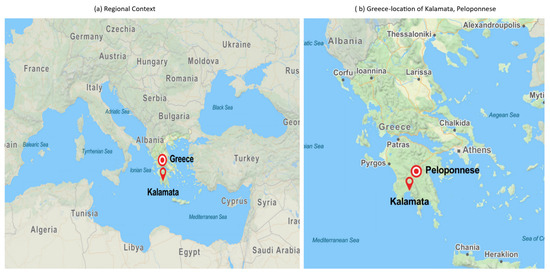
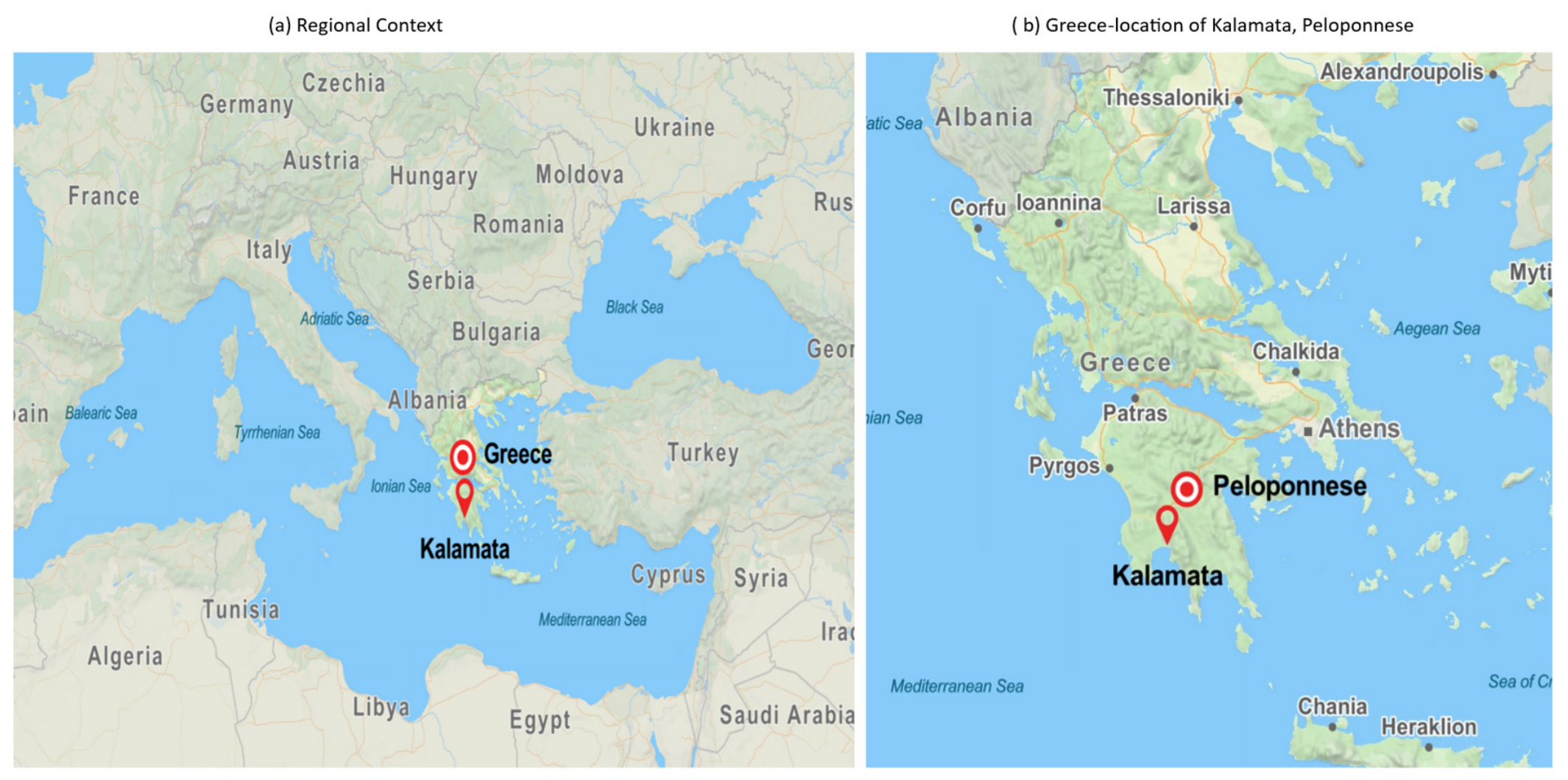
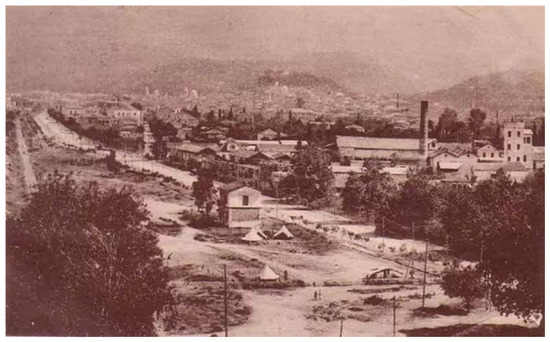
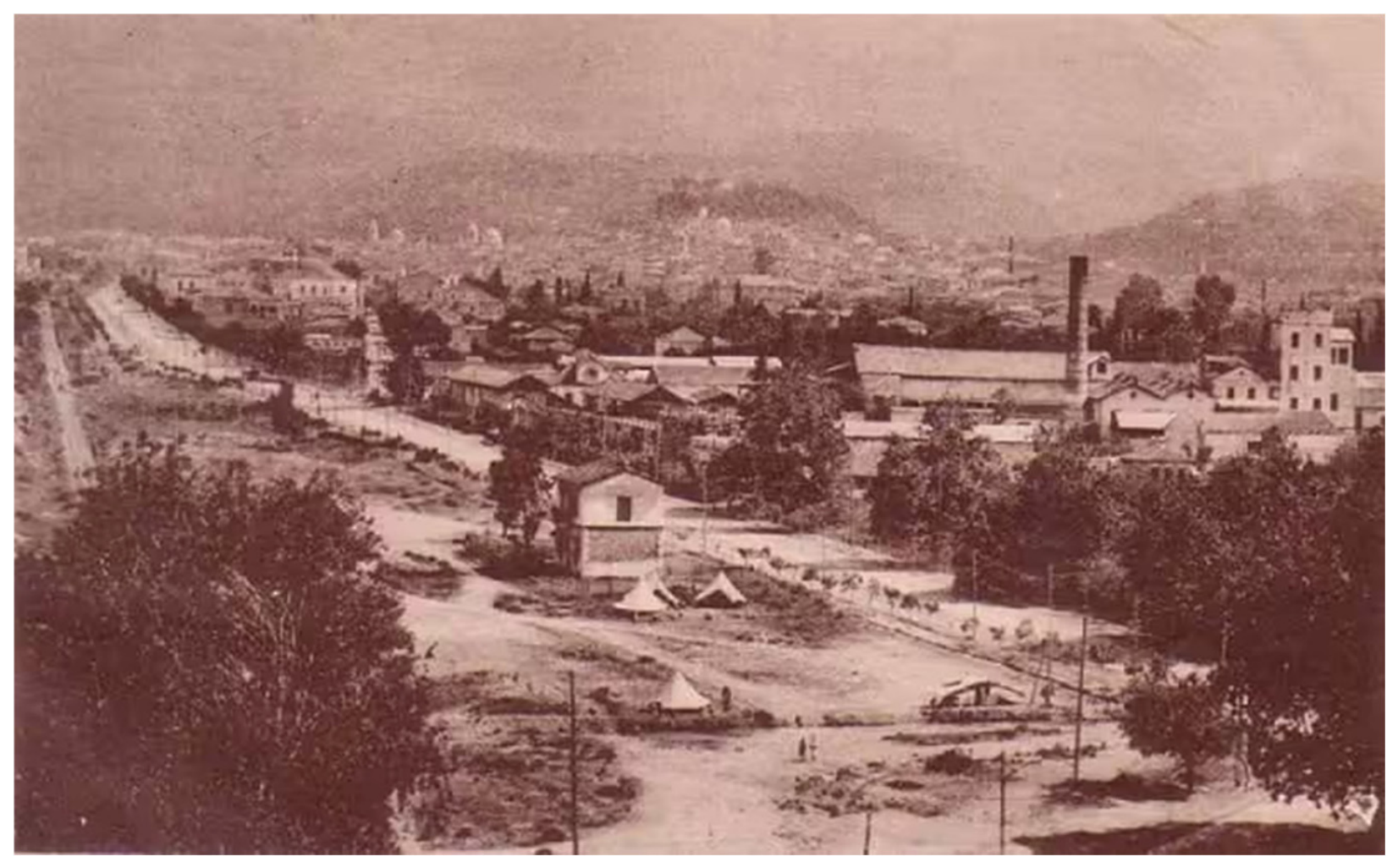
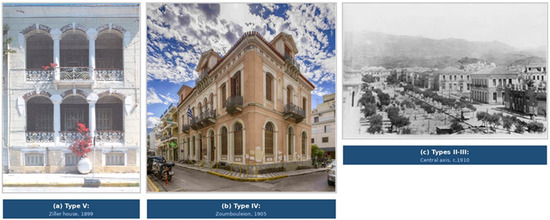
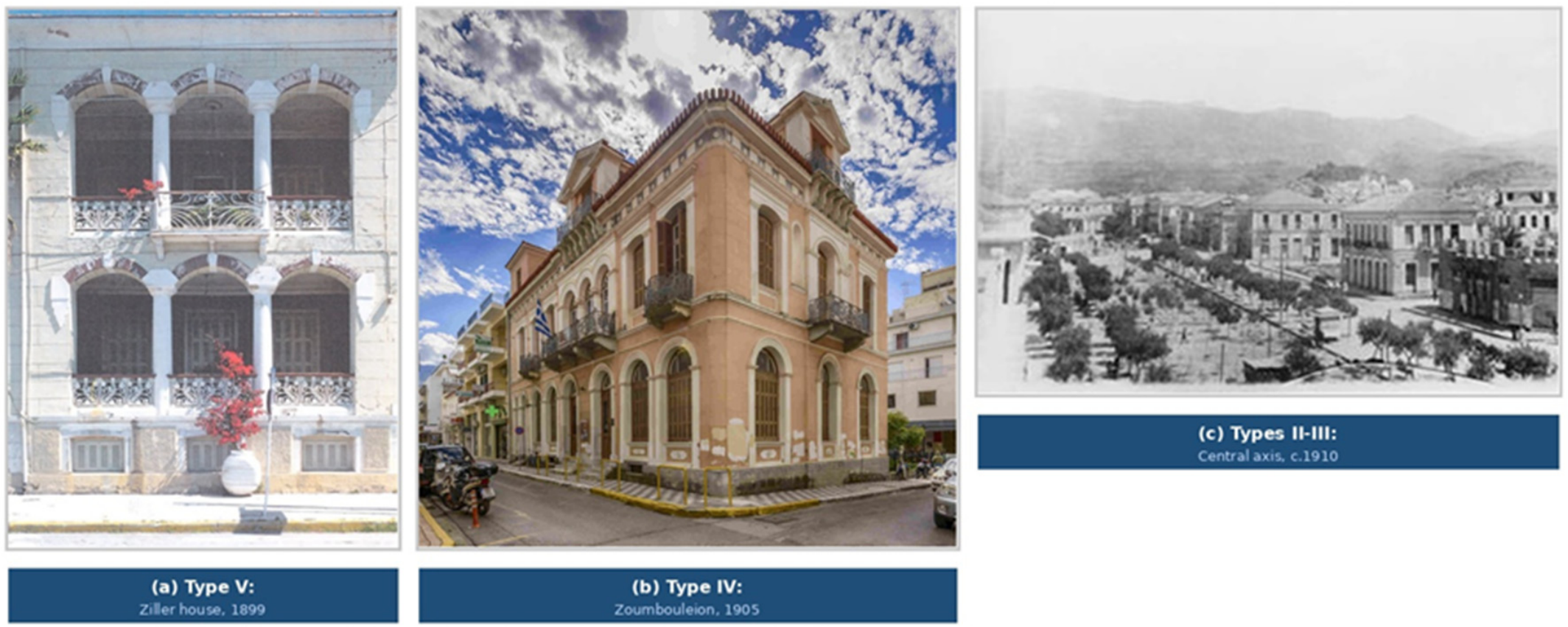
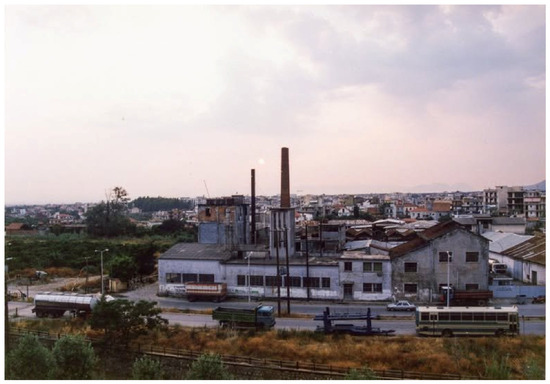
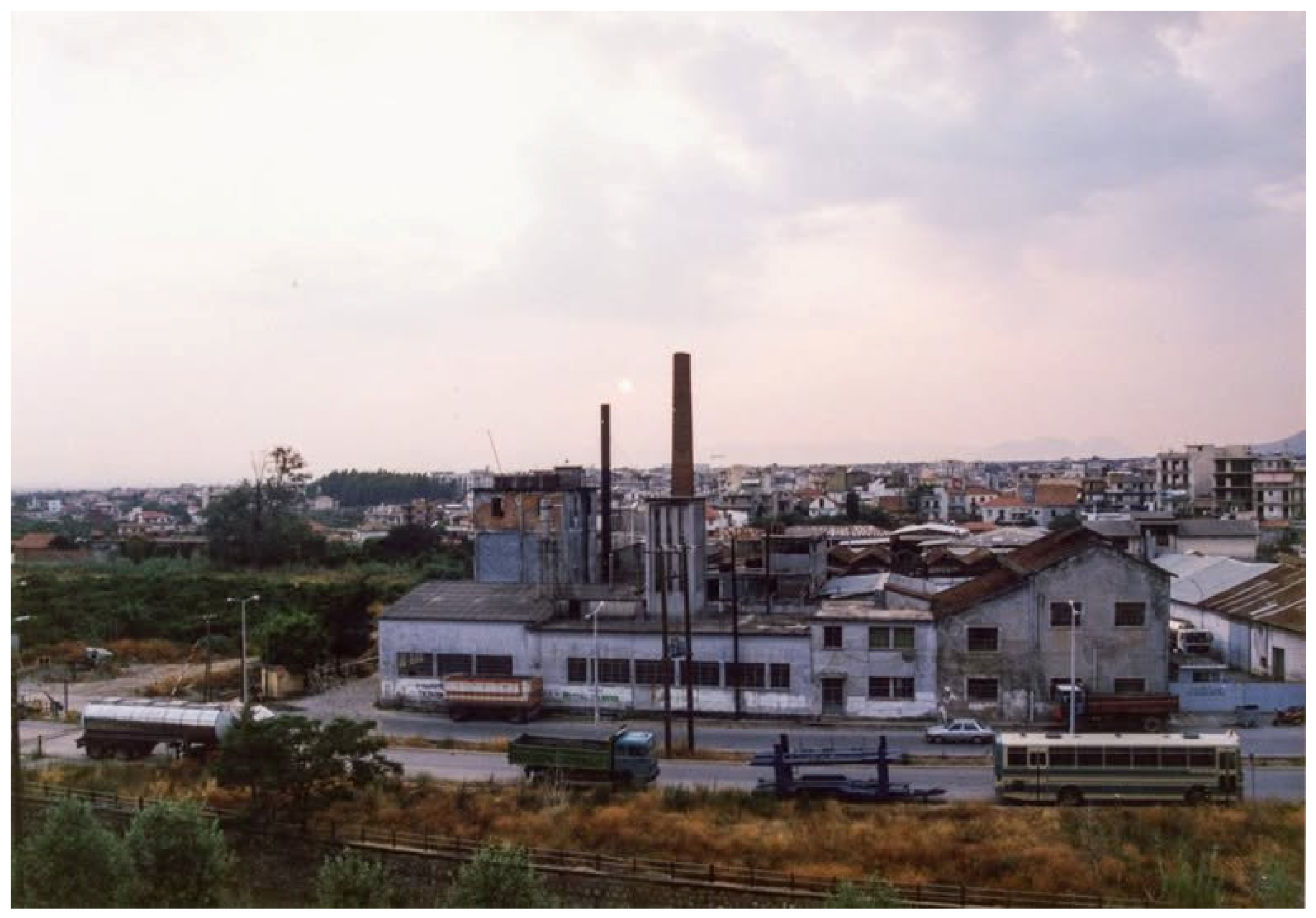
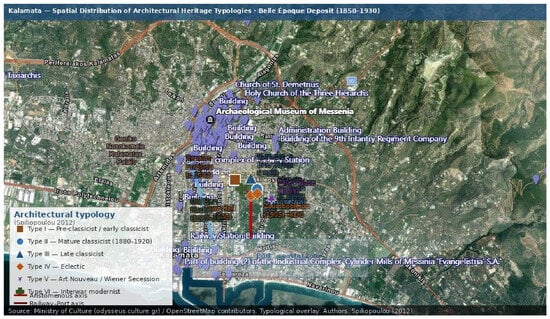
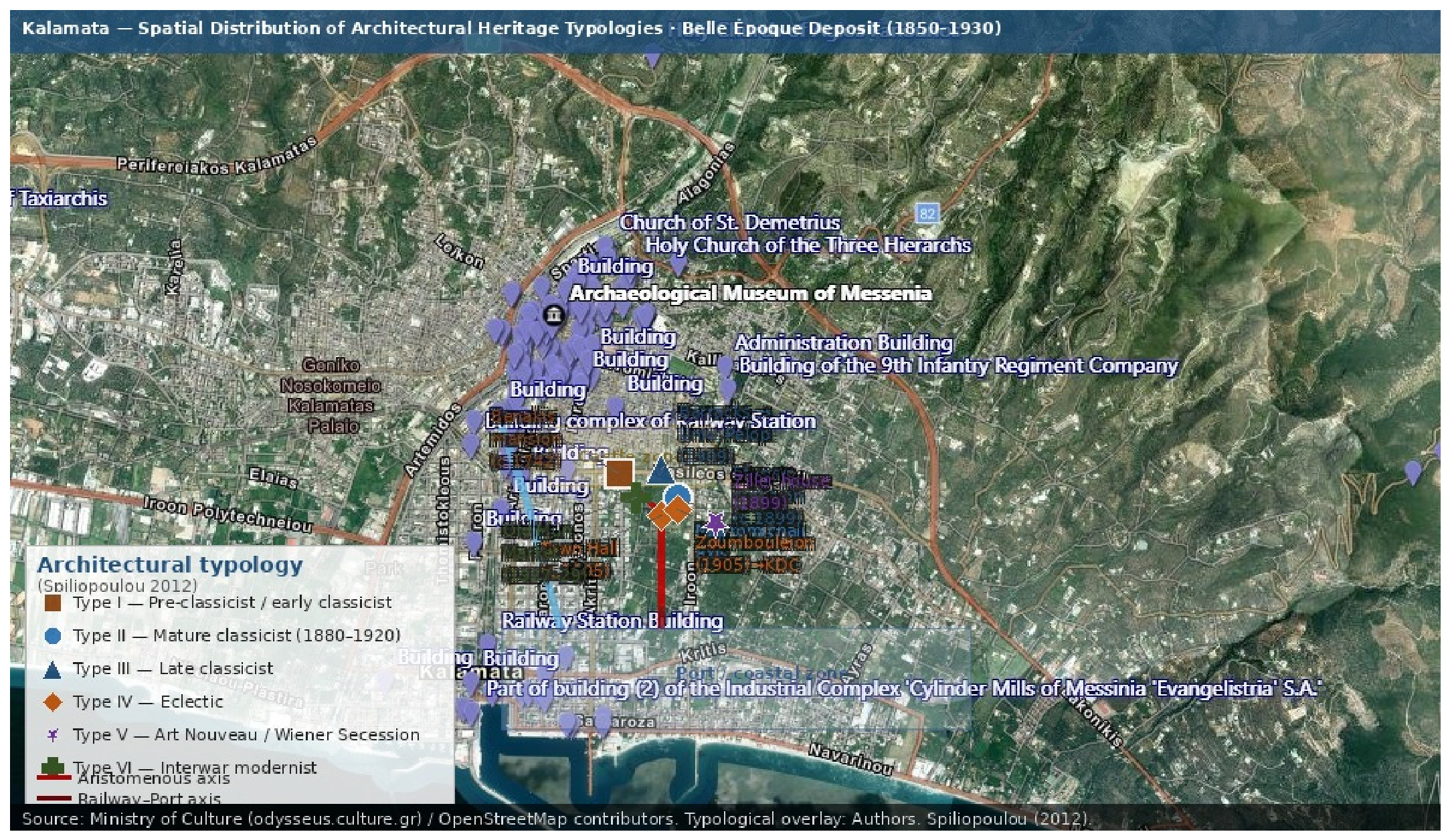

Disclaimer/Publisher’s Note: The statements, opinions and data contained in all publications are solely those of the individual author(s) and contributor(s) and not of MDPI and/or the editor(s). MDPI and/or the editor(s) disclaim responsibility for any injury to people or property resulting from any ideas, methods, instructions or products referred to in the content. |
© 2026 by the authors. Licensee MDPI, Basel, Switzerland. This article is an open access article distributed under the terms and conditions of the Creative Commons Attribution (CC BY) license.