


Abstract
Cultural Heritage (CH) is becoming increasingly vulnerable to the impacts of climate change, aging, and environmental decay, necessitating advanced preventive conservation strategies. This study presents the results of the SPIDER project, focused on Marquis’s Palace in Botrugno, a small but representative case study in Southern Italy of a municipality overwhelmed with the management of valuable CH sites. The approach integrates multi-sensor surveys, subsurface diagnostics, HBIM modeling, and IoT microclimatic monitoring into a lightweight information model designed for operational flexibility. In addition to that, the possibility of producing new, eco-friendly filaments for Fused Filament Fabrication (FFF) printing from industrial stone dust waste was explored through a preliminary morphological, structural, and chemical–physical investigation of the stone material historically used in construction, with the aim of identifying materials similar to the original using a simplified, low-cost process. The findings highlight that economic and social factors such as limited resources and the “digital divide” hinder effective technology transfer. Consequently, this study investigates whether a “lightweight” Asset Information Model (AIM) can provide a more sustainable alternative to complex Digital Twins for small municipalities and other public bodies. For this reason, this research proposes a scalable, wide but basic framework of information management tools and methods aimed at enhancing territorial capacity building, fostering technology integration and social inclusion, and valorizing multidisciplinary approaches to address the challenges affecting CH.
1. Introduction
Cultural Heritage s(CH) is an essential resource intrinsically exposed to progressive deterioration caused by atmospheric agents, pollution, and the intensifying impacts of climate change [1,2,3,4,5]. Extreme weather events, shifts in humidity regimes, and rising temperatures accelerate the decay of historical materials, necessitating more sophisticated preventive conservation strategies [4,6,7]. In this context, the protection of built cultural heritage requires a systemic approach where material knowledge, risk diagnosis, and the planning of preventive actions are supported by integrated information models and proper information management methods.
Over the last decade, digitalization has emerged as the most promising solution to support heritage management through data-driven approaches [8]. The evolution of multi-sensor survey techniques, integrating Terrestrial Laser Scanning (TLS), Unmanned Aerial Vehicle (UAV) photogrammetry, and non-invasive testing such as Ground-Penetrating Radar (GPR), may enable the generation of high-resolution information models or Digital Twins (DTs) [9,10]. The evolution of multi-sensor survey techniques integrating TLS and UAV photogrammetry has significantly improved the geometric documentation of historic sites. However, surface surveys alone are insufficient for a comprehensive structural assessment, highlighting the need to integrate non-destructive testing (NDT) methods such as ground-penetrating radar (GPR) into unified “Scan-to-HBIM” workflows [11,12,13]. Although advanced frameworks combining 3D models, GPR imaging, and technologies such as Extended Reality (XR) enable enhanced in situ data visualization, they often require complex calibration procedures and high-performance hardware that remain inaccessible to many Cultural Heritage (CH) managers and public bodies. Among the NDT techniques, GPR plays a key role in the investigation of historic masonry by detecting subsurface discontinuities that cannot be identified through geometric surveys alone. High-frequency antennas provide the spatial resolution required to identify shallow defects, including fractures, voids, plaster detachments, and concealed architectural features [14,15]. Rather than directly imaging fractures, GPR detects electromagnetic reflections generated by local dielectric contrasts within the masonry; consequently, internal fractures are inferred from coherent reflection anomalies, diffraction patterns and their correlation with visible damage and complementary survey data [16]. This approach has proven effective for the structural assessment of historic buildings and for supporting conservation planning and restoration activities [17].
Similarly, the transition toward continuous monitoring is being driven by IoT sensor networks and predictive analytics. However, despite recent advances in AI-assisted crack detection [18]. This highlights a persistent digital divide between advanced research and the operational capabilities of small municipalities. To address this gap, the SPIDER project adopts the same core technologies (GPR, TLS and IoT sensors) while integrating them into a lightweight Asset Information Model (AIM) designed to be sustainable for long-term management. In the terms of ISO 19650 from the BIM dictionary website, AIM is an “Information Model relating to the Operational Phase” ISO 19650-1 (3.3.9). The Asset Information Model (AIM) supports the maintenance, management, and operation of an Asset throughout its Asset Life Cycle. AIM can act (i) as a repository for all Asset Information; (ii) as a means to access/link to enterprise systems; and (iii) as a means to receive and centralize information from other Project Participants throughout Project Lifecycle Phases.” [19].
These data sources which allow us to capture reality with high levels of detail and accuracy may serve as a foundation for developing Heritage Building Information Models (HBIMs), facilitating the transition from static archives to dynamic management tools. An HBIM is a digital 3D and information model of an existing historic structure. It integrates standard BIM (Building Information Modeling) technology and methodology with historical data. Unlike a standard BIM for new builds, which starts with clean design blueprints, HBIM workflows are characterized by “scan-to-BIM” processes, in which the survey techniques provide the input data sources for modeling the current condition of the CH site, capturing the irregular shapes of existing structures. Italy stands as a prominent case in this field, driven by a high density of historic assets and a regulatory framework (e.g., D.M. 560/2017 and D.Lgs. 36/2023) that mandates digital information management in public works [20].
However, the implementation of complex digital models faces significant “socio-technical” hurdles. Previous studies highlight a persistent “digital divide” affecting local authorities and small municipalities, which often lack the specialized personnel and hardware infrastructure required to maintain technological and information systems [21,22]. In the specific context of BIM and especially HBIM, the “digital divide” is particularly relevant in the comparison between small–medium versus large enterprises, developed versus underdeveloped countries [23] and between stakeholders [24]. Consequently, many digitalization projects risk becoming a digital “cathedral in the desert” (the Italian idiom “cathedral in the desert” refers to a massive, costly, and ineffective project, especially in the built environment). Regarding the mismatch between the effort for achieving detailed HBIM models and their real effectiveness, the study of Lovell et al. [25] highlights that there is a need to carefully plan the Use Cases and information management methods that will be employed in order to justify the cost and requirements. In particular, Lovell et al. state that “The (HBIM implementation) strategy should account for the practical technology level achievable by CH managers to avoid obsolescence of the model.”
One of the consequences of the obsolescence of the models is that digitalization efforts in CH risk becoming static records that remain unusable for long-term maintenance, losing the opportunity to implement advanced information management processes. This may hinder relevant themes, such as the growing need to combine digital documentation with sustainable restoration practices that value local resources within a circular economy framework [22,26,27]. Moreover, survey activities can be extremely effective, but the selection of the most appropriate tools and sensors requires technical knowledge and expertise. While Terrestrial Laser Scanning (TLS) is preferred for its metric accuracy and automation, Unmanned Aerial Vehicle (UAV) photogrammetry is essential for capturing inaccessible areas such as roofs and high facades, and a common approach to obtain a comprehensive survey is the integration of both technologies [28]. Recent trends show an increasing interest in Multispectral LiDAR (MSL) and imaging sensors, which enhance material classification and the identification of hidden features [29]. However, the adoption of multispectral cameras remains limited by high costs and complex data alignment procedures, although they can dramatically increase the level of knowledge and reliability of non-visible information which can be used to produce highly accurate BIM models in terms of geometries, semantics, and non-geometric attributes.
In this scenario, the SPIDER project (Sensors and 3D Printing for an Innovative and Detailed Exploration of local Resources) was developed to define an integrated methodological framework for introducing digitalization methods for the conservation of built CH, especially in contexts affected by hindering factors such as scarcity of social, technical, and economic resources. In particular, the results presented have been collected during the application of the framework in the context of Marquis’s Palace in Botrugno (Lecce, Italy). Building upon these premises, the main objective of this research is to define and validate an integrated methodological framework that enables the digitalization of built heritage even in resource-constrained environments. Specifically, this study investigates whether prioritizing data usability and territorial capacity building through a “lightweight” AIM can ensure better long-term preservation outcomes than high-end, resource-intensive models. The central research question guiding this study was defined as follows:
“How can a lightweight and operationally sustainable Asset Information Model (AIM) for Cultural Heritage be developed for small municipalities with limited technological, organizational, and economic resources?”
This study adopts a Research-through-Design (RtD) methodology to connect multi-sensor surveys, CH digitalization, IoT microclimatic monitoring, and sustainable 3D printing. Despite the abundance of high-end technologies employed in previous studies, which will be discussed in the background section, a significant gap between academic research and the operational reality of local heritage managers has been identified. In fact, many frameworks or methods proposed risk being too resource-intensive for small entities and public bodies. The SPIDER project aims to contribute to this gap by proposing a lightweight information model that prioritizes data usability and territorial capacity building, ensuring that advanced digital documentation leads to practical, sustainable conservation outcomes, inspired by Lovell et al. [25] critical perspective of the topic. In addition to the main topic of digitalization, the research also investigated the definition of a “cyclical” information flow that starts from physical data (survey), transitions through the DT, and returns to the tangible dimension via the development of innovative composite filaments made from Lecce stone waste powder for 3D printing and future intervention guided by the knowledge of multi-sensor surveys (e.g., IoT, laser scanner, georadar, etc.).
1.1. The Digitalization of Cultural Heritage: BIMs, Digital Twins, and Ontologies
The scientific community has progressively shifted from purely geometric representations toward Heritage Building Information Models (HBIMs), which combine accurate 3D reconstructions with semantic information to support the management of Cultural Heritage (CH) assets [30,31,32]. This evolution has naturally extended toward Digital Twins (DTs), where BIM models become dynamic environments capable of integrating heterogeneous datasets and supporting informed decision-making throughout the asset life cycle [10]. However, transforming survey outputs (e.g., point clouds, images, and technical reports) into HBIM models and DTs remains a demanding process requiring geometric modelling, semantic enrichment, data validation, and information standardization. Consequently, interoperability has become a central research topic, moving from linked databases based on unique identifiers toward ontology-driven approaches capable of representing complex spatial, historical, and semantic relationships [33,34]. Knowledge Graphs further extend these capabilities by enabling structured reasoning across heterogeneous datasets, supporting business intelligence and decision-support applications in Cultural Heritage [35,36]. Such semantic infrastructures are also fundamental for future Digital Twins, where continuous synchronization between physical assets and their digital counterparts will increasingly rely on IoT-enabled monitoring systems [37].
Recent studies have also highlighted that the main challenge is no longer represented solely by technological advancement but by the definition of robust information management protocols capable of guiding the entire digitalization process. In this perspective, Attenni et al. [38] demonstrate how standardized BIM protocols can significantly improve consistency, collaboration, and sustainability within public heritage projects, emphasizing that organizational procedures often have a greater impact than the technological stack itself. Similarly, Berlato et al. [39], through a systematic review of digital platforms across the built environment, show that despite the rapid evolution of digital ecosystems, several systemic barriers remain unresolved, including data fragmentation, interoperability limitations, insufficient digital skills, fragmented decision-making processes, and governance issues. These findings reinforce the need for digital workflows that prioritize structured information management and long-term maintainability rather than technological complexity alone. The complexity of heritage digitalization is further demonstrated by recent HBIM applications. Bartolini et al. [40] describe an advanced workflow for the Baptistery of San Giovanni in Pisa, where multiple software environments and NURBS-based modelling techniques are required to accurately reconstruct irregular and deformed geometries for structural assessment. Likewise, Crisan et al. [41] underline that point clouds and textured meshes should not merely be regarded as intermediate products for HBIM generation but as persistent information assets that complement intelligent models throughout conservation activities. These studies confirm that effective digitalization requires the coordinated management of multiple data representations instead of relying exclusively on parametric BIMs. Accordingly, Artificial Intelligence (AI) is increasingly investigated as a means to automate modelling processes, reduce manual effort, and improve information integration, supporting both digitalization [42], to improve tasks such as diagnostic and Structural Health Monitoring [18] and information integration [43]. Recent Digital Twin frameworks integrating AI, sensor networks, and monitoring systems demonstrate considerable potential for predictive maintenance and structural risk assessment [44,45,46,47], while dedicated HBIM environments have also proven effective for supporting conservation planning and the maintenance of historic buildings [48]. Furthermore, BIM-based information systems have recently been employed to compare the economic impact of preventive maintenance and long-term restoration strategies, demonstrating that structured maintenance supported by digital information models can significantly reduce lifecycle costs while improving resource allocation and decision-making for heritage managers [49].
Despite these technological advances, highly integrated HBIMs and DT frameworks often remain difficult to implement for small municipalities and Cultural Heritage managers because of their complexity, required expertise, and deployment costs. Consequently, an effective Asset Information Model (AIM) should be preceded by the definition of clear information requirements [25], BIM objectives [50], and HBIM protocols [51]. While Cheng et al. [21] identify significant economic and technological barriers to BIM adoption in sustainable construction, these hurdles are even more pronounced in the CH sector, where the “digital divide” remains a primary obstacle. Xiahou et al. [24] argue that the success of digital technologies in urban regeneration depends heavily on the alignment between the scale of intervention and the specific capabilities of local stakeholders. Consequently, as suggested by the authors in [22], there is a pressing need for maintenance frameworks that are not only aligned with sustainable development goals but are also operationally viable for heritage managers with limited resources [22]. Within this context, the lightweight Asset Information Model (AIM) proposed in this study seeks to bridge the gap between sophisticated digital ecosystems and the operational needs of peripheral municipalities and small Cultural Heritage organizations. Rather than maximizing technological sophistication, the proposed methodology prioritizes structured information protocols, data retrievability, and long-term maintainability through familiar and accessible tools (e.g., Excel and open-source software), as an attempt to establish a scalable pathway toward the future adoption of Common Data Environments (CDEs), Digital Twins, and AI-assisted information management.
1.2. Sustainability and Innovative Materials for Additive Manufacturing (3D Printing): Advantages and Challenges
To comply with stringent EU circular economy (CE) directives and mitigate the environmental impact of non-degradable waste, Fused Filament Fabrication (FFF) has emerged as a sustainable Additive Manufacturing (AM) strategy to minimize raw material consumption through waste valorization [52,53]. While traditional thermoplastics like Polylactic acid (PLA) dominate commercial 3D printing due to processability and eco-friendliness [53,54], their load-bearing applications are limited by thermal instability and moisture sensitivity [55]. To overcome these constraints, current materials engineering efforts focus on compounding polymer-matrix composites with recycled or natural fillers [56]. Although organic inclusions (e.g., the byproducts of wood, rice, bamboo, hemp, harakeke, cocoa, etc.) yield low-density green filaments, they often suffer from high hygroscopicity and variable mechanical consistency [57]. Consequently, significant scientific interest has shifted toward upcycling non-biodegradable inorganic waste streams—such as ceramic, marble, and stone fragments—which pose severe disposal challenges in various sectors (e.g., industrial, biomedical, engineering, architectural, artistic, etc.). The incorporation of these crystalline particles of inorganic waste into polymer formulations for FFF significantly improves the hardness, wear resistance, and thermal stability of printed components, whilst reducing contraction and isotropic variance [58,59].
In the CH field, 3D printing has been in use for about 20–25 years, although its application has undergone a radical transformation over time. In general, AM enables the precise replication of CH artifacts, providing temporary or permanent substitutes to protect original pieces from deterioration [60]. Beyond preservation, AM supports architectural restoration by enabling the exact reconstruction of missing structural components. Finally, these 3D-printed models enhance public engagement, drive commercial merchandising, and promote inclusivity by providing tactile educational tools for visually impaired visitors. However, the literature highlights some limitations of the use of FFF in the field of CH, such as the use of neat PLA for the creation of replicas, missing parts, and tactile museum paths, as well as the availability on the market of composite materials with unknown technical specifications and filler percentages that only imitate the aesthetics of the original materials (stone, marble, ceramics, etc.) but rarely incorporate authentic industrial or artisanal byproducts, and the use of complex, industrial processes for producing FFF filaments.
In line with these models, the AM research group at the University of Salento (Lecce, Italy) has been actively studying the creative recycling of local agro-industrial and artisanal waste for several years, with applications also in the field of restoration and conservation of CH [61,62]. This on-site recycling approach simultaneously reduces corporate disposal costs and generates customized, high-performance 3D-printed artifacts that preserve local artisanal and industrial heritage while reducing resource depletion.
This study, conducted by the AM research group at the University of Salento, addresses current limitations in the AM materials in CH management by introducing a novel, hand-made application methodology that challenges conventional, high-cost industrial production processes. While current market standards rely on complex industrial compounding to manufacture technical filaments, this research presents a significantly simplified, easily reproducible, and low-cost alternative. Following the physio-chemical and structural characterization of the historic stone from Marquis’s Palace in Botrugno, stone waste byproducts were successfully integrated into a PLA matrix using this accessible, non-industrial workflow. The resulting green composite filaments offer a sustainable and highly compatible material for FFF 3D printing, proving that high-fidelity restoration materials can be effectively developed without the need for expensive industrial infrastructure.
2. Materials and Methods
The methodology of this study is grounded in a multidisciplinary and multidimensional approach aimed at bridging the gap between the documentation and management of architectural heritage. The workflow follows a Research-through-Design (RtD) framework, where the creation of an integrated information model serves as a vehicle for generating scientific and operational knowledge.
2.1. The Case Study: Marquis’s Palace in Botrugno (Lecce, Italy)
The pilot site is Marquis’s Palace in Botrugno (Lecce, Italy), a complex which started around the 11th century and has been affected by several expansions and additional parts, which led to the 18th-century complex also known as Palazzo Guarini. This building was selected for its historical significance and its complex architectural features, as it was primarily constructed using Lecce stone, a Miocenic biocalcarenite typical of the Salento area. The palace exhibits various conservation challenges, ranging from structural fractures in the noble floor to biological colonization and moisture-related decay in the frescoed rooms, such as Saint Anna’s Chapel. The palace has been the interest of several renovation projects and interventions, to the point that the conditions between several areas of the palace strongly differ in terms of health.
In its current state, the northern section of the palace hosts several spaces, such as a library, a small conference room, the museum of the Armed Forces and the particularly niche museum of the Razor Blade [63], along with other ongoing interventions of several room refurbishments on the upper floor. In the last decades, Marquis’s Palace has been the interest of several interventions for restoration and recovery of adequate health conditions, but the significant investments needed struggle to keep up with the degradation phenomena caused by disrupting events (e.g., storm surges, accidental damage, and long-term events such as climate change and aging). The palace is composed of 77 rooms on the ground floor, 46 rooms on the first floor, an inner courtyard, and a large garden. An overview of the Palace is provided in Figure 1.
Figure 1.
Photographs and overview of Marquis’s Palace. (A) Front view of the Palace. (B) Saint Anna’s Chapel. (C) Staircase to the Noble floors. (D) Site Plan. (E) Ground Floor Plan. (F) First Floor Plan.
The several expansions of the palace led to a complex stratigraphy and collection of notable spaces, such as the noble rooms on the first floor and Saint Anna’s Chapel, which was separately built in the 1660 and has been successively incorporated with the expansion of the palace led by the Castriota feudal lords [64]. Due to its history and composition, Marquis’s Palace is a significant representative of the commonly overlooked yet relevant CH sites in Italy. In fact, the Palace represents the common case in which the building is acknowledged and praised by the community and public bodies but is inserted in an economic and social context which has limited resources to face the threats that put CH sites at risk.
2.2. Methodological Framework
The methodological approach adopted within the SPIDER project is grounded in the Research-through-Design (RtD) paradigm, which considers the design process itself as a generator of scientific knowledge rather than a means for producing technical outputs. RtD is particularly suited for complex socio-technical contexts in which operational constraints, stakeholder capabilities, and technological systems evolve iteratively during the research process [65,66]. According to Zimmermann et al. [67], RtD is a methodology in which prototypes are employed not only as functional tools but also as research instruments capable of exposing limitations, opportunities, and latent requirements within real-world contexts. This methodological perspective is particularly relevant for Cultural Heritage (CH) management, where digitalization processes involve heterogeneous datasets, multidisciplinary expertise, organizational limitations, and long-term operational sustainability challenges. In the case of Marquis’s Palace in Botrugno, the research problem was not limited to the acquisition of accurate digital documentation, but was extended to the definition of a feasible and sustainable information management framework suitable for a small municipality characterized by limited digital maturity, an absence of dedicated BIM personnel, and a lack of digital infrastructure.
To address the aforementioned research question, the research adopted an iterative RtD workflow in which the information model was progressively refined through continuous interaction and balance between technological possibilities, operational constraints, and stakeholder capabilities. The first phase focused on the contextual and operational analysis of the pilot case study. Preliminary inspections and interactions with municipal technical staff highlighted several critical barriers, including the absence of CDEs, a lack of BIM competencies, limited hardware infrastructure, and fragmented documentation practices. These conditions demonstrated that the implementation of highly sophisticated DT ecosystems would likely result in technologically advanced but operationally unsustainable systems.
The second phase involved the development and iterative refinement of experimental prototypes integrating the different survey and monitoring techniques, along with HBIMs, information modeling, and AM sustainable innovative composites. Rather than being interpreted as final products, these prototypes acted as exploratory artifacts aimed at evaluating different information management strategies under real operational constraints. For instance, the initial hypothesis of implementing a continuously connected IoT monitoring network was reformulated due to the absence of Wi-Fi infrastructure and the presence of thick masonry walls preventing reliable wireless communication. Consequently, offline TinyTag data loggers were adopted as a more feasible and maintainable solution within the investigated context.
Similarly, the initial concept of a fully semantic and highly detailed HBIM ecosystem was progressively refined toward a hybrid “lightweight AIM” architecture based on linked point cloud scans, structured file naming conventions, relational databases, document repositories, and selective HBIM semantic enrichment in order to strike a balance between technological complexity and the realistic capabilities of future end-users.
The evaluation phase focused primarily on operational feasibility rather than solely on geometric precision or technological sophistication. In particular, the proposed framework was assessed according to:
- Information retrievability;
- Accessibility for non-specialized personnel;
- Scalability;
- Maintainability over time;
- Compatibility with limited economic and technical resources.
The iterative RtD process aimed to assess if, within peripheral Cultural Heritage contexts, usability and long-term sustainability may represent more critical success factors than the implementation of highly advanced digital infrastructures. Consequently, the lightweight AIM proposed by the SPIDER project should not be interpreted as a simplified alternative to DTs, but rather as an adaptive intermediary framework capable of supporting progressive digital transition processes according to the actual maturity level of end-users. The methodology is intended to implement iterative loops in which consecutive Research-through-Design loops occur during research activities, as shown in Figure 2.
Figure 2.
Graphical representation of the Research-through-Design activity loops in the context of the SPIDER Project.
The adoption of RtD provides several critical advantages for the management of CH including the following:
- The development of new, sustainable, and innovative formulations for additive manufacturing (3D printing) and performance testing: The development of innovative composite filaments made from industrial stone waste for FFF printing through a handmade process provides a useful tool for private users involved in 3D printing and suggests eco-friendly protocols for companies that can reuse or dispose of their inorganic industrial waste in an environmentally responsible manner.
- Multidisciplinary Integration: RtD facilitates a mixed-methods approach that combines quantitative data (metric surveys, chemical parameters) with qualitative insights (archival research, site inspections). This ensures that findings can be integrated from multiple sources, providing a more robust understanding of the asset’s state of conservation.
- Addressing the Digital Divide: A key strength of this methodology is its flexibility. By defining a framework that adapts to the real-world constraints of local technical offices, the project balances scientific rigor with operational feasibility, proposing scalable solutions that bridge the technological gap in peripheral or rural areas.
- Facilitating Technology Transfer: The results of the design process provided a lightweight information model for diverse stakeholders (Universities, users, private companies, and local authorities), enabling an effective transfer of innovation to the territory and supporting evidence-based decision-making.
- Closing the Physical–Digital Cycle: Through RtD, data transitions continuously between dimensions. A physical architectural element is captured digitally, processed into an information model, and then “returned” to the tangible world. The cycle of Physical (Survey) → Digital (HBIM/Mesh) → Physical (3D printing) extends the applicability of the digital model from representation and documentation to a vehicle for “tangible archiving”. In the physical to digital operational process, the physical asset’s data are captured through multi-sensor surveys (IoT real time monitoring was not a viable solution), documented in digital sources (i.e., HBIMs, spreadsheet, segmented point clouds) and then “returned” to the tangible dimension via the development of innovative composite filaments. The characteristics of these composite filaments for 3D printing filaments are linked and informed by these digital data sources to drive decisions related to the desired chemical and physical characteristics, along with color and shapes. Information regarding the production of new composites for printing (technical data sheets for the new materials and their mechanical properties, operating parameters for the reuse of materials and artisanal extrusion, etc.) can, in fact, be integrated into the digitized database (which already contains technical data sheets for other materials, user manuals, material information, a maintenance history, asset monitoring data, etc.) with the aim of supporting facility managers in their day-to-day and strategic decisions, addressing specific operational needs.
The continuous interaction between design choices, stakeholder limitations, and field conditions became a source of methodological knowledge, contributing to the definition of scalable and context-aware approaches for CH information management.
2.3. Multi-Sensor Documentation and Diagnostic Techniques
High-resolution documentation of Marquis’s Palace in Botrugno was conducted through an integrated multi-sensor survey combining terrestrial laser scanning (TLS), UAV photogrammetry, ground-penetrating radar (GPR), and environmental monitoring.
The internal architectural spaces were surveyed using a Leica BLK360 G2 terrestrial laser scanner (Leica Geosystems AG, Heerbrugg, Switzerland), equipped with a Visual Inertial System (VIS) for scan alignment support. The instrument records approximately 680,000 points per second with a nominal accuracy of ±4 mm at 10 m. A total of 250 scan positions were acquired, resulting in a dense point cloud dataset (approximately 43 GB). Scans were exported both as unified and individual datasets in .e57 format to preserve raw scan structure, including RGB spherical imagery and metadata. This structure also enabled the integration of scan identifiers within a relational database supporting damage mapping and future HBIM integration.
External facades and roof areas were documented using UAV-based photogrammetry (DJI Mavic 2 Pro, SZ DJI Technology Co., Ltd., Shenzhen, China), acquiring 824 high-resolution images. The dataset was processed using Structure-from-Motion (SfM) and Multi-View Stereo (MVS) workflows in Agisoft Metashape software (Agisoft LLC, St. Petersburg, Russia), producing a georeferenced dense point cloud and textured 3D mesh (Figure 3).
Figure 3.
Point cloud overview of Marquis’s Palace of Botrugno (LE).
The TLS and photogrammetric datasets were co-registered to generate a unified multi-scale geometric representation of the building. GPR surveys were performed using an IDS RIS MF system (IDS GeoRadar, Pisa, Italy) equipped with a 2000 MHz antenna, selected for a high-resolution shallow investigation of masonry structures. Five survey profiles were acquired on selected areas of the noble floor. Data processing was performed in Reflexw software version 10.5 (Sandmeier Geophysical Research, Karlsruhe, Germany), including standard filtering and signal enhancement workflows. The GPR dataset was used to investigate potential subsurface discontinuities and material heterogeneities within the near-surface depth range (approximately 10–30 cm), rather than to provide direct identification of structural fractures. Due to the heterogeneous nature of masonry materials and the dependence of electromagnetic wave propagation on local moisture content and material composition, the GPR interpretations were considered qualitative and were validated through cross-comparison with surface crack mapping and TLS-derived geometric discontinuities.
The interpretation of the results is supported by a multi-source consistency approach rather than by direct ground-truth validation. Surface and geometric observations derived from TLS and UAV photogrammetry were used to cross-check the spatial correspondence of detected anomalies, while GPR reflections were interpreted only when coherent with independently observed surface discontinuities and deformation patterns. Environmental monitoring of temperature, relative humidity, and dew point was carried out using TinyTag TGP-4500 data loggers (Gemini Data Loggers Ltd., Chichester, UK) installed in Saint Anna’s Chapel. The monitoring campaign was limited to this area due to conservation relevance and logistical constraints. The absence of wireless infrastructure and the presence of thick masonry walls (up to 1 m) limited the feasibility of distributed sensor networks, justifying the adoption of standalone logging devices. All datasets were integrated within a digital information framework developed in the context of the SPIDER Project. A portion of the building was modelled as an HBIM proof-of-concept to demonstrate data-linking strategies between survey outputs and a lightweight AIM. The system enables the association of unique identifiers with survey entities, allowing structured linkage between point clouds, damage data, and tabular databases to support both BIM-based and lightweight data management workflows.
2.4. Sustainability and Innovative Composites for Additive Manufacturing (3D Printing)
2.4.1. Additive Manufacturing Materials
A representative stone sample (PL) was collected from the atrium of the Marquis’s Palace in Botrugno using non-invasive methods. Polylactic acid (PLA) was used as the polymer matrix in the production of new filaments for FFF. Ingeo 4043D PLA was purchased in pellet form (diameter of 5 mm) from the company Nature-Works LLC (Blair, NE, USA). PLA is characterized by a melt flow index (MFI) of 6 g/10 min at a temperature of 210 °C and a density of 1.24 g cm−3. The pellet was stored in an oven at 60 °C for 24 h, ground using the Retsch ZM 100 ultracentrifugal mill (Retsch GmbH, Haan, Germany), obtaining a particle diameter of about 0.75 mm. Industrial stone waste was supplied by the partner company to be used as additives in the polymer matrix for the production of the new composites (LV1, LV2, LI). The scraps were stored in an oven at 60 °C for 24 h, ground using the Retsch ZM 100 ultracentrifugal mill (Retsch GmbH, Haan, Germany), obtaining a particle diameter of about 0.25 mm.
2.4.2. Additive Manufacturing Methods
Morphological, structural, and chemical analyses were performed on the raw materials. For the morphological analysis, Scanning Electron Microscopy (SEM) (model Zeiss E Evo 40, Oberkochen, Germany) was used at 200× magnification. The chemical characterization of the materials was carried out using Fourier transform infrared spectroscopy (FTIR); a FT/IR 6300 spectrometer (Jasco, Easton, MD, USA) was used for analysis (4 cm−1 resolution, 64 scans, region of 4000 to 700 cm−1) and the samples were embedded in KBr pellets. Five measurements were made for each specimen. The Ultima+ diffractometer (Rigaku, Tokyo, Japan) was used for the structural analysis of the samples: CuKα radiation (λ = 1.5418 Å) in the step scan mode was recorded in the 2θ range from 2 to 70°, with a step size of 0.02° and a step duration of 0.5 s. Five measurements were made for each sample. Moreover, the pore size distribution and the inter- and intra-granular porosity of the original stone samples taken from the building were measured using mercury intrusion porosimetry (MIP), employing PASCAL 140 and 240 porosimeters (Thermo Fisher Scientific, Waltham, MA, USA).
The 3Devo Composer 450 single-screw extruder (Filament Maker, Utrecht, The Netherlands) was used for filament extrusion using the following operating conditions: screw speed 3.5 rpm, feed zone temperature 170 °C, compression zone temperature 185 °C, metering zone temperature 190 °C, and die temperature 200 °C for the PLA filament; and screw speed 3.5 rpm, feed zone temperature 200 °C, compression zone temperature 190 °C, metering zone temperature 210 °C, and die temperature 220 °C for the biocomposite filaments. All the filaments were extruded with a diameter of approximately 1.75 mm ± 0.1 mm. Bars of the dimensions 80 mm × 10 mm × 4 mm were printed for a mechanical test using the Creality CP-01 printer (Creality, London, UK), in accordance with the European Standard ISO 178:2014. The following operating conditions were used: extrusion temperature 200 °C, plate temperature 50 °C, printing speed 50 mm/s, and infill 100%. The CAD model was created with Fusion 360 software 2.0 (Autodesk, San Rafael, CA, USA), which was converted to an GCode file, using Cura software (Ultimaker B.V., Utrecht, The Netherlands).
Finally, the neat PLA and the composite developed for FFF were also characterized by Differential scanning calorimetry (DSC) and mechanical testing. DSC analyses (DSC1 StareSystem, Mettler Toledo, Columbus, OH, USA) were conducted under a nitrogen atmosphere with a heating rate of 10 °C min−1 in the temperature range from 25 °C to 200 °C. Glass transition temperature (Tg), crystallization temperature (Tc), and melting temperature (Tm) were measured from the sample analyses. The Lloyd LR5K dynamometer (Lloyd Instruments Ltd., Bognor Regis, UK) was used to evaluate the flexural properties of biocomposites. The flexural tests were performed in accordance with the EN ISO 178 standard [18], with a test speed of 2 mm/min and a specimen support distance of 64 mm. Five measurements were performed for each sample.
3. Results
3.1. Multi-Sensor Survey Integration and the “Lightweight” Information Model
The multi-sensor survey involved the coordinated use of TLS photogrammetry, professional photographic reports, continuous microclimatic monitoring (temperature and relative humidity), and GPR. This process generated a voluminous and heterogeneous dataset (totaling approximately 50 GB for the noble floor and external facades alone) which required a minimum-level data-linking strategy to remain functional.
A significant finding of the research is that high-end technologies often encounter a “digital divide” when transferred to small municipalities or local technical offices, which typically lack the hardware infrastructure and specialized personnel (e.g., BIM Specialists) required to manage complex DTs. To address this, the project proposed a “lightweight” information model. This approach relies on a relational structure where individual point cloud scans (in .e57 or .las formats), high-resolution 360° photos, and 3D meshes of specific architectural components are interlinked through a system of unique IDs and linking tables, which can be implemented as a local collection of folders on a dedicated computer or on a dedicated Common Data Environment to be compliant with the dedicated HBIM international and national norms [68,69]. To understand the methodological contribution of this study, it is essential to distinguish the proposed lightweight AIM from a collection of Excel spreadsheets and databases and from commercial CDE/ACDats. According to ISO 19650-1 [68], an AIM is a managed information model used to support the maintenance, management, and operation of an asset throughout its lifecycle. While a collection of databases is often a series of isolated “information islands,” an AIM, even in its lightweight configuration, establishes a coherent relational structure that ensures data retrievability and interoperability. The proposed lightweight AIM is a response to two main critical issues that emerged during the project: the absence of a commercial CDE/ACDat and the skills to use them by the Municipality in Botrugno, and the overall demanding hardware/software infrastructure required to implement an advanced AIM. The lightweight AIM aims to preserve the logic of an AIM, providing a linking method to create relationships between a spreadsheet and databases with other data sources such as point clouds and HBIMs. However, the technological stacks usually required for AIMs (cloud servers, IoT-networks, API configuration, etc.) were omitted in order to adapt not only to the scarce resources of the context, but also to the complete absence of the strategic vision required for enabling effective HBIMs for AIM use cases (e.g., maintenance, degradation monitoring, and prediction, etc.). In this framework, and due to the circumstances of similar contexts, a local manager can access a database (ranging from simple Excel spreadsheets to relational RDBMS like PostgreSQL) to retrieve all the information associated with a specific room or element. Prior to that, the main obstacle can be the expensive BIM authoring software required for converting the point clouds into HBIMs by means of a Scan-To-BIM process. Moreover, the production of HBIMs is commonly assigned to architecture or engineering firms, but only when a specific intervention is required (e.g., refurbishment, extraordinary maintenance, etc.). Moreover, these firms usually work with proprietary software in proprietary formats and then deliver to the client (relatable to the term appointing party in the ISO 19650 terminology) the HBIMs in non-proprietary formats like .ifc models. The management of HBIMs, after delivery from the appointed team to the appointing party, may raise additional challenges due to the lack of knowledge required to handle, inspect, and extract information from HBIMs. This especially occurs when the information requirements are not properly defined and there is not an established strategy for the usage of the HBIMs. During the research activities conducted in the SPIDER project, the technical staff of the municipality of Botrugno, which would be the appointing party in future public works for Marquis’s Palace, at the time of the research activities had no knowledge about BIMs and digital information management practices. This is a representative case of the “digital divide” problem between stakeholders, which could not be solved even with dedicated meetings between the research team and technical office staff. In the CH domain, this mismatch of HBIM awareness, skill, and knowledge between the different actors (e.g., researchers, firms, decision-makers) is one of the most complex challenges to solve. This is due not only to the economic investments required, but also the misaligned implementation processes between the different stakeholders, with architecture firms investing in advanced BIM authoring tools and software while Asset Managers, public bodies, and CH managers are left behind. This easily leads to the interruption of BIM-based workflows, which is instead expected to be applied throughout the whole life cycle of the built asset.
Another major challenge in the field of Cultural Heritage (CH) surveying and monitoring is that each available technology addresses a specific investigative purpose and can capture aspects that may remain undetected, or only indirectly observable, through other methods. Even archival and documentary investigations can provide essential contextual information for interpreting anomalies detected through ground-penetrating radar (GPR) surveys, just as multispectral analyses may help explain deformation patterns identified within point cloud datasets. Consequently, the development of a comprehensive knowledge framework for a heritage asset benefits from an incremental and multidisciplinary approach, in which each surveying methodology contributes complementary information that cannot be fully inferred from alternative techniques alone, nor without their mutual comparison and integration.
As a result, defining a minimum investment threshold and determining the appropriate level of investigation for each activity remains particularly challenging. For instance, the GPR investigations could have been extended to all crack patterns, while environmental sensors could theoretically have been installed in every room. However, beyond the substantial increase in costs, such an approach would also have generated a level of information management complexity that, in the context of the Botrugno pilot case, would likely have undermined the expected benefits due to the absence of adequate information management strategies.
In this context, the centralization of information within dedicated collaborative environments (i.e., CDEs) is increasingly recognized as a fundamental prerequisite and has also become a regulatory requirement for public contracting authorities. By integrating HBIMs with heterogeneous information sources within a CDE, it becomes possible to establish an AIM capable of supporting a wide range of management and conservation activities. Nevertheless, the implementation of such systems must be driven by clearly defined HBIM Uses [50] whose effectiveness should be demonstrable in relation to operational objectives; otherwise, there is a significant risk of promoting excessive digitalization without a strategic framework capable of justifying the associated investments [25]. Among the most widespread HBIM Uses in the CH domain are documentation, archival management, monitoring, and conservation activities.
Considering these four specific HBIM Uses, the relevance of each surveying methodology depends not only on the acquisition technique itself, but primarily on the nature of the data being managed and on the processes through which such data can be exploited for consultation, analytical assessments, simulations, and restoration planning activities. These processes, which represent the actual operational core motivating digitalization, may range from traditional manual workflows based on paper documentation to highly automated information systems capable of supporting user decision-making.
However, achieving such an advanced level of digitalization remains unrealistic, particularly in the medium and long term, for many institutions such as small municipalities and other contracting authorities responsible for significant CH assets. Highly automated processes require not only adequate hardware and software infrastructures, but also qualified personnel increasingly characterized by hybrid skill sets. This condition is especially evident within the BIM domain, where architects and engineers are progressively expected to understand and manage complex data structures in order to manage BIMs, process and interpret point clouds, and maintain consistency among graphical outputs, technical reports, photographic documentation, and additional information sources.
Furthermore, access to advanced technologies and the capability to effectively operate them remain severely constrained within small municipalities, which are often entirely dependent on external technical consultants. Although such experts may produce substantial and highly valuable information assets, as demonstrated within the SPIDER project, these datasets ultimately risk remaining underutilized due to the absence of internal competencies and the organizational autonomy required to implement data-driven management processes. As highlighted by the SPIDER project, information management workflows may therefore be implemented at different levels of complexity depending not only on operational requirements, but above all on the capabilities, skills, and intended use scenarios of the end-users. Within this context, the authors identified information retrieval as one of the fundamental components for demonstrating the practical advantages of structured information management and for supporting the implementation of an AIM, even in a lightweight configuration. Over the years, numerous studies have addressed the challenge of improving information retrieval from the complex and heterogeneous datasets generated through surveying activities and HBIMs development [70,71,72].
As complexity increases, methods may evolve from converting BIM elements into relational databases to ontological structures in which semi-static building data (e.g., components, spaces, equipment) are linked to dynamic data (e.g., sensor readings, access logs, etc.) to support daily and scheduled operations (e.g., space booking, indoor air quality management, etc.). However, this ideal situation presupposes the existence of trained personnel dedicated to operating such systems, a scenario that appears unrealistic in many small municipalities in the short and medium term. For this reason, the objective of the SPIDER project for the digitalization of Marquis’s Palace was to identify a lightweight AIM capable of defining logical relationships among different data sources. A conceptual proposal of the lightweight AIM is depicted in Figure 4, highlighting the main relationship of it with the several data sources.
Figure 4.
Graphical depiction of the lightweight information model and its relationship with the different data sources.
The operational connection between physical reality and the digital model is managed through a relational structure based on unique IDs. Sensors and monitoring devices (e.g., TinyTag data loggers), have been assigned an ID in order to be inserted in HBIMs and referenced in excel spreadsheets and databases. Thus, the devices are not just physical objects but are codified as entities within the AIM, with their data streams (CSV time-series) linked to specific ‘ID_ROOM’ and ‘ID_DEGR’ records in the database. This architecture is intended to embed diagnostic data from NDT surveys (like GPR profiles) in the Physical–Digital Cycle, assigning them to their corresponding geometric elements in the HBIMs. The sensors, along with the Unique IDs for document-based sources such as GPR radargrams and sensors time series were implemented providing a codified name to the reports or parts of the report (e.g., each radargram of the report were split as a single document as can be seen in the next sub-section), named, and assigned to the specific ID room and to a specific HBIM wall element. Except for the 3D-printed prototypes which represent the physical counterpart of the lightweight information model, the digital part is composed of:
- HBIM geometrical model: The HBIMs, from a geometrical perspective, can be extended to a triad comprising BIM-modeled elements, individual point cloud scans of spaces, and 3D meshes derived either from point clouds or ad hoc modeling activities. The choice of using the native single scans of rooms acted as natural work around to have a pre-segmented point cloud, divided by a room, thanks to the singular scan performed with the tool.
- Documentation: This includes all information that, by its nature, cannot be converted into BIM Property Sets, since it consists of complex descriptions (e.g., historical-documentary investigations) or technical reports (e.g., GPR analyses, visual inspection reports), which are more appropriately linked to BIMs through document URLs and referenced within databases using encoded filenames.
- Database: The database, implementable in Excel as well as in Access or other dedicated Database Management Systems (DBMSs), consists of a series of tables connected through primary and foreign keys. These tables include:
- ○
- Degradation phenomena table: A table containing details regarding space codes (consistent with the HBIMs), related photographs, the specific point cloud scan in which the phenomenon is visible, any technical investigation validating the damage, and additional notes.
- ○
- Spaces table: A table designed to aggregate photographs, scans, investigations, and additional information such as areas and volumes at the individual space level, consistently with the HBIMs.
- ○
- Scans table: Each scan is identified through an ID corresponding to its filename to facilitate rapid information retrieval. Attributes may include the acquisition date, represented space, links to BIMs, etc.
- ○
- Documentation table: All report-format data, whether directly attributable to BIM elements or degradation phenomena, as well as those referring to the building as a whole (e.g., historical investigations), are systematically organized within a dedicated table.
- ○
- Sensor campaigns and time-series table: Time-series data may be collected as individual records from which users can access the dataset associated with a specific surveying campaign.
Within this lightweight structure, primary keys corresponding to filenames also support users with limited information management capabilities. The minimum level of implementation would at least require a relational database to manage the various tables. However, given the lack of expertise in this field within the municipality (and similarly in other municipalities of the province), to end-users, a minimal strategy has been shown to manage links and information sources through Excel, subsequently demonstrating how such an approach could evolve into an MS Access or SQL database while highlighting the related advantages. Some examples of relational tables that can be implemented are presented in Table 1 and Table 2.
Table 1.
Excerpt table of the single point cloud scans.
Table 2.
Record excerpt of the Degradation phenomena.
The several spreadsheet tables produced implement a circular and multi-directional linkage between them and HBIMs. As can be seen in Table 1, single point cloud scans can be linked with multiple other codified entities, such as the Room, the HBIM Room 3D representation, and the related 360° photography. Where required, the scan can be associated with the Degradation Phenomena (by its ID, e.g., DEGR_002) provided in other columns not reported in the excerpt of Table 1. To an end-user, query capabilities have been shown in MS access and Excel. In the latter, mid-level and advanced Excel table management features and the Power Query Editor have been used to present query capabilities in a more familiar environment. The activities led with the end-user were also aimed to present the benefits of the two main aspects of the proposed lightweight AIM: the assignment of an ID and relationship to each data source and the enhanced information retrieval capabilities derived by the adoption of queries and graphical data sources such as point clouds and HBIMs. Still, the lack of dedicated human resources with low–mid level skills in information management, joined with the lack of an appropriate AIM strategy, tend to minimize and neutralize, as time pass, these knowledge sharing activities. With this approach, every piece of information collected is linked with the comprehensive dataset. For example, the report results were not treated as isolated reports but were systematically integrated into the project’s “lightweight” information model, along with “intangible” entities such as degradation phenomena. In fact, a less tangible dataset integrated into the model is the assessment of degradation states. Based on joint inspections with municipality technicians and project partners, observed decay phenomena (such as moisture damage in Saint Anna’s Chapel or structural fractures on the noble floor) were converted into database records. This allows static diagnostic reports to perform longitudinal tracking of decay and support evidence-based decision-making for restoration priorities. In Table 2, it can be seen that each phenomenon has been assigned a Phenomenon ID (e.g., DEGR01, DEGR03) in the database.
In this framework, end-users can detail the phenomenon and link it with other sources. For instance, DEGR01 (Quadro Fessurativo) was classified as a “High Risk” phenomenon, directly linked to its corresponding GPR radargrams and high-resolution 360° photos (e.g., Setup 005.jpg).
At the same time, surveying and monitoring campaigns related to temperature and humidity can be integrated into the databases by assigning them, through appropriate foreign keys, to the other database tables and to the HBIMs of the rooms in which the sensors were installed. Within the SPIDER project, it was demonstrated how the CSV files extracted from the TinyTag Data Logger could be easily analyzed using Microsoft Excel. Although sensor data are often managed through dedicated platforms providing a higher level of abstraction for end-users, the project aimed, from a capacity-building perspective for municipal staff, to demonstrate to end-users how data extraction and graph visualization could still be performed without the need to develop custom applications or acquire additional software licenses (Figure 5).
Figure 5.
Excerpt of the temporal series obtained by the IoT monitoring of Saint Anna’s Chapel.
The integration of chemical–physical material data was managed at two levels. First, detailed technical reports were stored within the overall information model as reference documentation. Second, some basic material information was turned into BIM materials and parameters which were codified into Property Sets (Psets) (e.g., the predefined Material property or specifically custom sets such as Pset_SPDR_Material). On the other hand, the more technical data of the report have been linked to the BIMs, creating a dedicated property reporting the file path of the report.
3.2. Subsurface Diagnostic and Condition Assessment: GPR and Crack Pattern Correlation
The diagnostic phase of the SPIDER project focused on an investigation of structural pathologies identified on the noble floor of Marquis’s Palace. Five linear profiles were executed (Profile 1 to Profile 5), totaling 13.8 linear meters across masonry walls exhibiting significant cracking. The data, processed using Reflex software, reached a maximum investigation depth of approximately 0.9 m. The resulting radargrams revealed multiple dielectric anomalies (represented as hyperbolic reflections) consistent with internal structural discontinuities. Specifically, the analysis identified internal fractures located at depths between 10 and 30 cm from the wall surface. These subsurface findings suggest that while some cracks appear superficial, they are linked to deeper mechanical detachments within the Lecce stone masonry core (Figure 6).
Figure 6.
Part of the GPR survey led on notable walls of the noble rooms on the first floor of Marquis’s Palace.
A critical finding of the diagnostic campaign was the direct correlation between the GPR anomalies and the observed crack patterns in highly decorated rooms, such as those featuring frescoes by Abbracciavento. For example, the fracture documented in the single e.57 scan Setup 008 was found to be more than a simple plaster detachment, as the GPR profiles confirmed an underlying structural lesion. In masonry, fractures and discontinuities produce local dielectric contrasts with respect to the surrounding material. These contrasts generate reflected electromagnetic events characterized by localized amplitude anomalies and diffraction patterns. In this study, the interpretation was not based on a single radar signature but on the spatial continuity of anomalous reflections, their correspondence with visible surface cracking, and their consistency across adjacent profiles. Therefore, the detected anomalies were interpreted as being compatible with internal fractures rather than considered as direct evidence of cracks.
3.3. Sustainability and Innovative Materials for Additive Manufacturing (3D Printing)
A core innovation of the SPIDER project is the development of a sustainable workflow that connects the digital documentation of heritage elements back to their tangible dimension. This process leverages the principles of a circular economy by repurposing local industrial waste to create new composite materials for restoration and archival purposes [73]. In contrast to the existing literature and commercial alternatives, which often rely on complex, high-energy industrial compounding or utilize synthetic additives merely to mimic stone aesthetics, this study introduces a significantly simplified, low-cost fabrication pathway. By utilizing authentic, recycled industrial stone waste rather than aesthetic imitations, the proposed method provides an accessible compounding framework. This decentralized approach empowers end-users and makers with a straightforward recycling tool, while simultaneously establishing practical, eco-responsible protocols for the industrial sector to valorize and downcycle non-biodegradable inorganic byproducts directly on-site.
The results of the scientific analyses conducted on the sample taken from the building PL (Figure 7) confirm that it is Lecce stone, a Miocene calcarenite widespread in the Salento area (Puglia, Italy) and used as a building material and decorative element since ancient times due to its workability and its chromatic properties [74]. PL has a yellowish hue, a homogeneous grain, and a grayish patina on the upper surface. MIP measurements indicate a maximum pore size of 200 μm. The open porosity is approximately 34%, and the average pore radius is between 0.9 and 1 μm. The FTIR spectra correspond to those reported in the literature for Lecce stone, with infrared bands of calcium carbonates at 1405, 873, and 714 cm−1 and of aluminosilicates at 1033 cm−1, and a weaker peak at 914 cm−1 [75]. On the external surface, degradation products such as sulfates at 3532, 3409, 1680, and 1110 cm−1, and calcium oxalates at 1620 and 798 cm−1 are present [75]. The XRD diffractogram of the powder shows the presence of diffraction peaks mainly due to calcite (CaCO3), located at 2θ = 23.40°, 29.70°, 36.20°, 43.55°, 47.81°, and 48.80° and attributable to the (012), (104), (110), (202), (018), and (116) crystal planes, respectively [76,77]. A diffraction peak located at 31.50° attributable to the (104) crystal plane also indicates the presence of a minor amount of dolomite (CaMg(CO3)2) in the sample [77,78]. Finally, two peaks at 26.87° and 39.86° are due to the minor presence of quartz (SiO2) and attributable to the (101) and (102) crystal planes [79].
Figure 7.
PL sample (A), 200× SEM image (B), FTIR (C), and XRD spectra (D).
Scientific analyses carried out on the industrial waste samples LV1, LV2, and LI highlight the greater similarity of LV1 with PL. For this reason, LV1 was selected as an additive to the PLA polymer matrix for the development of new composite filaments for 3D printing (Figure 8). LV1 (0.25 mm) and PLA (0.75 mm) powders were manually mixed in at different weight percentages (10 wt.% and 20 wt.%) and the composite filaments for FFF printing were extruded (90PLA/10LV1_f, 80PLA/20LV1_f) and compared with the filament produced with neat PLA (100PLA_f).
Figure 8.
Industrial stone waste supplied by the company; diagram of the FFF filament extrusion process with related images and bars.
Subsequently, the structural and thermal properties of the newly developed filaments for FFF printing were investigated. The XRD diffractograms of the samples show the presence of only amorphous bands and do not show significant differences between the pure 100PLA_f sample and the composite filaments; this may indicate that the network parameters of the PLA crystalline structure are unchanged after the coextrusion of the polymer with a stone filler [58]. The DSC study of the filaments (Table 3) shows a Tg of 100PLA_f equal to 59.56 °C and demonstrates that the presence of LV1 stone powder influenced the polymer on a molecular scale [80]. Indeed, the composite filaments show a slightly higher Tg than the 100PLA_f filament, equal to 61.13 °C (90PLA/10LV1_f) and 64.80 °C (80PLA/20LV1_f). However, the main changes resulting from the interaction between the polymer and the stone particles are found in the variations of the crystallization (Tc) and melting (Tm) temperatures. For both samples, the Tc decreases (115.66 °C and 113.50 °C) and also a double melting peak is present (Tm and Tm1). Usually, the presence of a double melting peak indicates a different behavior during the phase transition between the polymer and the filler, due to a different nature; this phenomenon has already been observed in the literature and by the authors themselves mainly in polymer composites developed from organic materials (olive wood and cocoa beans) [57,81] and sometimes inorganic ones such as marble [61]. The results of the bending tests performed on the 3D-printed bars are reported in Table 3 and overall, they correspond to the values reported in the literature for pure PLA [82]. Often, the addition of aggregates to the polymer for the development of composites causes an increase in viscosity, which also depends on several factors (e.g., the size or shape of the filler particles and their content) [80]. In Table 3, small differences in the Young’s modulus (E) of the composite samples compared to pure PLA are observed: specifically, a small decrease in E is highlighted in the 90PLA/10LV1_bar sample compared to pure PLA, while the 80PLA/20LAV1_bar sample shows a slightly higher E value, which could indicate an increase in the viscosity of the melted polymer due to the addition of the filler. The values of flexural strain εR (%) and flexural strength σR (MPa) decrease in the samples resulting from the addition of LV1 (Table 3). However, the decrease does not appear to have a linear trend and be proportional to the increase in filler concentration in the polymer matrix. The overall results demonstrate the good printability of the developed composites, the mechanical properties similar to pure PLA, and the feasibility of the process. However, it should be noted that while the thermal and mechanical properties of the composites remain unchanged compared to the raw materials used, the composites’ aesthetic characteristics and surface roughness are much more similar to those of Leccese stone—the original material used in the building—and this is a valuable factor in the restoration of CH.
Table 3.
Results of DSC analyses performed on filaments and mechanical analyses on 3D-printed bars.
3.4. Bridging the Digital Divide and the Challenge of Multidisciplinarity
During the research activities, a critical issue emerged which, based on the authors’ experience, acts as a bottleneck for any future digitalization initiative aimed at protecting Cultural Heritage (CH). This issue is the absence, within the municipality, of personnel capable of acquiring and maintaining digital competencies to improve CH management. This condition is confirmed by the systemic crisis affecting Southern Italy, characterized by demographic decline and brain drain trends that have proven difficult to reverse [83]. Furthermore, even in the case of outsourcing activities, the required expertise would involve a highly skilled technical professional (or, more realistically, a team), which is not only difficult to find, the costs could also become unsustainable. The inability to achieve an advanced level of digitalization would maintain CH in its current stagnant condition, where management and informatization remain inadequate. Indeed, the effects of aging, long-term phenomena triggered by climate change, and extreme climatic events risk continuing unchecked until irreversible levels of deterioration are reached (collapses, loss of frescoes, etc.). Conversely, a proper information model, supported by personnel capable not only of using it but also of maintaining and updating it, could detect degradation mechanisms in time and inform the competent authorities so that appropriate actions can be undertaken. Otherwise, the risk that must be accepted is the loss of important components of peripheral CH, which, although recognized and acknowledged, lack an adequate degree of protection due to operational inertia caused by economic and social factors.
According to the authors’ experience, one of the findings of this study is that the inherent complexity and heterogeneity of high-end documentation workflows often act as a barrier to technology transfer. While the scientific community frequently emphasizes the accuracy of digital models, this research highlights that for end-users, such as the technical offices of small municipalities like Botrugno, flexibility and data usability are more critical than pure metric precision. Previous studies propose robust management systems, such as the HBIM-GIS Main10ance platform [46] which was investigated as a potential solution to implement, since the authors provided the GitHub repository. Another option is the adoption of already existing commercial CDEs which can be employed to upload and define the repositories of the AIM, but to create a strong link between the different sources, a custom API or extension could be needed, creating additional complexity and increasing costs. However, the critical point in both the scenarios (open-source and commercial), rather than the setup, is the maintenance, training, and management of these information systems. Another issue is the maintenance and updating of data sources, since HBIMs, point clouds, and other sources would require a technical professional capable of managing these sources through the years. Therefore, the SPIDER project’s lightweight information model aimed to address and highlight the persistent “digital divide”. By adopting an approach that uses open-source and commonly widespread office software (e.g., CloudCompare, BIMVision, Excel) alongside professional BIM software used only for modeling activities, local authorities are encouraged to create proper AIMs, avoiding “digital deserts”, i.e., static archives, that remain unusable due to a lack of specialized personnel or hardware. According to the authors’ judgement, through the Research-through-Design activities related with the definition of database tables and source-linking strategies, AI tools can provide a potential solution to address this “digital divide” contributing to the easing of several barriers. While existing solutions like the Main10nance platform and other integrated BIM/IoT or BIM/GIS frameworks provide robust architectures for heritage management, their complexity can often be overwhelming for small-scale local authorities.
In this context, AI can serve as a facilitating tool for entry-level BIM processes definition, assisting technical offices in the crucial phase of requirement elicitation and the definition of use strategies. By acting as a curator of data sources and a data strategist, AI tools can help define structured database models (whether relational or graph-based) and provide accessible explanations on how to implement and maintain them. This approach could be investigated in future research to reduce the knowledge and competence gap between research professionals and end-users such as CH managers and public bodies, which is often cited as a primary obstacle to effective technology transfer in CH management. However, it is essential to emphasize that the role of AI remains supportive; all outputs and strategies generated must be verified and validated by a professional to ensure compliance with scientific standards and heritage regulations.
3.5. Multidimensionality and Multidisciplinarity as Tools for Climate Change Resilience
The heterogeneity of the activities carried out within the SPIDER project reflects the operational complexity that typically emerges during Cultural Heritage (CH) conservation and management interventions. The variety of datasets collected required the involvement of multiple professionals, specialized instruments, and different companies capable of providing the necessary technical expertise and surveying technologies. The multidimensionality of survey activities, according to the authors’ experience, is required to properly address the needs of CH sites, but it should be led by an assessment phase which motivates the investment of each activity (e.g., the adoption of a multispectral camera, point cloud segmentation, highly detailed HBIMs, etc.). On the other hand, multidisciplinarity has also been shown to be an important factor which can promote the transfer of knowledge and the discovery of innovative approaches which need to be elicited and recognized by end-users.
It is noteworthy that the companies operating within the local territory were effectively equipped with technologically competitive instrumentation and actively contributed to the research activities. However, these companies had no expertise in HBIMs, automated point cloud segmentation, and other advanced digitization workflows, hinting that there is an unexplored space of industrial research and development activities which could be enabled by stronger boundaries with research labs and academia. Furthermore, the interaction between the research teams involved in the development of the lightweight information model and those responsible for producing the 3D-printed prototypes contributed to building these stronger connections between academia and local stakeholders. In fact, this collaboration contributed to the establishment of a technical-scientific network aimed at supporting public bodies and other institutions responsible for the management and conservation of Cultural Heritage assets.
An innovation proposal of this research is the implementation of a “cyclical” information flow: Physical (Survey) → Digital (HBIM/Mesh) → Physical (3D printing). This cycle transforms the DT from a mere representation into a vehicle for “tangible archiving”.
This approach aligns with the working hypotheses regarding the potential of additive manufacturing for heritage management. By utilizing stone waste powder to develop green composite filaments, the project integrates the principles of a circular economy directly into heritage conservation. This reflects the broader goals of the CHANGES program and the EU Green Deal by turning local industrial waste into a resource for restoration and tactile valorization. As noted in previous studies by Jesus et al. [73], the feasibility of 3D printing for heritage sites is often limited by material compatibility. Future research related to 3D-printed prototypes will explore material concentrations which could sustain structural stability while providing aesthetic and tactile fidelity, and provide a scalable methodology for reproducible “made in Puglia” restoration components. However, these innovative prototypes need to be related to national strict and motivated regulations regarding renovation intervention, which are founded on principles of reversibility, recognizability, and conservation rather than invasive intervention [84].
Beyond the technical results, the SPIDER project acts as a catalyst for Capacity Building in Southern Italy. By involving local enterprises and technical offices, the research addresses the risk of “technological desertification” in peripheral areas. Future research directions should focus on overcoming the current limitations observed during the project, particularly regarding the manual effort required for HBIM modeling and data integration. In the current state, to achieve the bare minimum level of fruition of these digital solutions, significant resources need to be employed and they are not always available, thus, to further reduce modeling times and costs, technical solutions should aim to implement advanced automated Point-Cloud to HBIM tools and AI-based modules which both aim to perform tasks and to guide users in performing tasks, making advanced DTs truly accessible to all levels of heritage management. Future research will further investigate the role of the Digital–Physical Cycle promoted not only at the IoT-level, but also in terms of 3D printing prototypes with stone-powder filaments which can promote and valorize CH for local communities, researchers, and tourists. In this way, peripherical yet relevant CH treasures such as Marquis’s Palace in Botrugno can be promoted and widespread. The authors encourage replication of the presented approaches to tackle similar contexts throughout the world, since peripherical areas with limited resources are a common picture.
3.6. Systematic Analysis of Challenges and Operational Adaptation
The implementation of the SPIDER framework within the municipal context of Botrugno required a series of strategic adaptations to overcome significant socio-technical barriers. The challenges encountered and the resulting compromises between the “technological ideal” (e.g., high-end Digital Twins) and operational sustainability are systematically summarized in Table 4.
Table 4.
Systematic view of the issues and challenges addressed in this study.
Overall, the context described by the Marquis’s Palace in Botrugno case study represents a widespread condition across numerous similar heritage sites, not only within the Province of Lecce and the Apulia region but also on a national scale, as frequently noted in the literature. These issues do not constitute isolated challenges but rather a complex scenario driven by several interlinked factors: the long-term maintenance of the AIM infrastructure, the preservation of technical competencies, and a cost–benefit ratio that remains difficult to assess objectively.
Indeed, even if a comprehensive HBIMs of the entire building were realized, a clear strategy for model utilization and OIRs definition by end-users, such as the municipality and museum managers, is currently lacking, which often leads to the rapid obsolescence of digital assets. The main criticalities that emerged are a complete lack of organizational capability by small public bodies to even define OIR or define HBIM standards and uses. Without this information, HBIM concepts, such as LODs, LOINs, level of confidence, classification standards, etc., risk becoming prescriptive allegations which do not satisfy any real need, delivering HBIMs and filling CDEs saturated with information but without a logical skeleton which implements proper AIMs (be they either lightweight or completely compliant with ISO 19650). Furthermore, external socio-economic factors, specifically the persistent “brain drainage” and the limited capacity of the territory to retain specialized talent, hinder the availability of the qualified personnel required to manage such information systems and AIMs. Even if these human resources were available, identifying sustainable, long-term funding to cover the operational costs of data maintenance and relational connectivity remains problematic. Consequently, finding an effective solution is hindered by the intrinsic complexity of implementing proper AIMs and high-end Digital Twins, especially when coupled with these systemic external barriers. As demonstrated by the experience of the SPIDER Project, this environment makes it difficult to shift CH stakeholders and end-users from a reactive and sporadic management approach toward a proactive and widespread preservation paradigm.
4. Conclusions
The SPIDER project investigated the potential of multidisciplinary and operationally sustainable approaches for the digitalization and management of CH, exploring Marquis’s Palace in Botrugno as a representative case study of peripheral heritage contexts characterized by limited economic, organizational, and technological resources. By integrating multi-sensor surveys, subsurface diagnostics, microclimatic monitoring, HBIM methodologies, lightweight information management strategies, and sustainable additive manufacturing workflows, the research proposed an adaptive framework aimed at supporting preventive conservation and improving information accessibility for local stakeholders.
One of the main contributions of this study lies in the definition of a lightweight Asset Information Model (AIM) specifically conceived for contexts in which the implementation of highly sophisticated DT ecosystems may be economically or operationally unsustainable. Rather than pursuing excessive semantic complexity or fully automated infrastructures, the proposed approach prioritizes information retrievability, scalability, interoperability, and long-term maintainability according to the actual capabilities of end-users. Within this perspective, the research highlights the importance of balancing technological sophistication with operational feasibility, particularly in small municipalities and peripheral areas where the “digital divide” remains a significant barrier to effective CH digitalization.
Another relevant aspect of the research is the adoption of a “Physical–Digital–Physical” workflow, in which surveyed architectural elements are transformed into digital assets and subsequently re-materialized through sustainable 3D-printing processes using stone-waste composite filaments. This approach extends the role of digital documentation beyond archival purposes, supporting tangible conservation practices, educational dissemination, and inclusive heritage valorization strategies.
This study also emphasizes the importance of multidisciplinary collaboration between academia, local enterprises, technical professionals, and public bodies. The interaction between heterogeneous competencies and technologies demonstrated that the creation of effective CH information ecosystems requires not only advanced surveying methodologies, but also organizational coordination and territorial capacity-building processes. Nevertheless, several limitations emerged during the research activities. First, the implementation of the proposed framework was limited to selected portions of Marquis’s Palace due to time, budget, and operational constraints. Similarly, the monitoring campaign relied on offline data loggers rather than fully connected IoT infrastructures because of the absence of adequate digital connectivity within the building. In addition, while the lightweight AIM demonstrated operational feasibility, this study did not include long-term validation of maintenance workflows or quantitative benchmarking against more advanced DT platforms. The AM activities were also exploratory in nature, and further investigations are required to evaluate the long-term mechanical, physical, and conservation-related behavior of the developed stone-based composite materials.
Future research should therefore focus on the progressive automation of information management workflows and their accessibility in peripherical territories, including AI-assisted point cloud segmentation, semi-automated Scan-to-HBIM procedures, and more advanced integration between HBIM, GIS, sensor networks, and ontological data structures. At the same time, additional efforts are needed to investigate how lightweight and incremental digitalization strategies may support the gradual transition of small municipalities toward more mature and resilient CH management ecosystems.
Overall, the SPIDER project demonstrates that effective Cultural Heritage digitalization should not be interpreted exclusively as a technological challenge, but rather as a socio-technical process requiring adaptable methodologies, multidisciplinary cooperation, and realistic implementation strategies capable of responding to the operational conditions of local territories.
Author Contributions
Conceptualization, C.E.C., M.M. and D.F.; methodology, M.M. and D.F.; software, M.M. and D.F.; validation, C.E.C., M.M., D.F., D.R. and C.d.B.; formal analysis, M.M. and D.F.; investigation, M.M. and D.F.; resources, M.M., D.F., D.R. and C.E.C.; data curation, M.M. and D.F.; writing—original draft preparation, M.M. and D.F.; writing—review and editing, C.E.C., M.M. and D.F.; visualization, M.M., D.R. and C.d.B.; supervision, C.E.C.; project administration, C.E.C.; funding acquisition, C.E.C. All authors have read and agreed to the published version of the manuscript.
Funding
This research was funded by the Ministero dell’Istruzione dell’Università e della Ricerca, project PON “Ricerca e Innovazione” 2014–2020, Asse IV “Istruzione e ricerca per il recupero”, Azione IV.5 “Dottorati su tematiche green”, DM 1061/2021 and project SPIDER (Sensors and 3D Printing for an Innovative and Detailed Exploration of local Resources) under the “Bando a cascata per Organismi di Ricerca e Imprese (riservato al Mezzoggiorno) project CHANGE (Cultural Heritage Active Innovation for Next-Gen Sustainable Society)”, SPOKE 7, Università degli Studi di Firenze, CUP B53C22004010006, Codice progetto PE00000020.
Data Availability Statement
The data presented in this study are available on request from the corresponding author due to the need for permission from the Municipality of Botrugno.
Acknowledgments
The authors thank the companies “La Valle Costruzioni e Restauri” (Lecce, Italy) for providing the recycled raw material, Geoprove s.r.l. (Ruffano, Lecce, Italy) for GPR analysis, and Radio6ense s.r.l. (Roma, Italy) for support to the UniSalento EmTech research group.
Conflicts of Interest
The authors declare no conflicts of interest. The funders had no role in the design of this study; in the collection, analyses, or interpretation of data; in the writing of the manuscript; or in the decision to publish the results.
Abbreviations
The following abbreviations are used in this manuscript:
| AI | Artificial Intelligence |
| AIM | Asset Information Model |
| AM | Additive Manufacturing |
| BIM | Building Information Model |
| CH | Cultural Heritage |
| CNN | Convolutional Neural Network |
| ETL | Extract, Transform, Load |
| FFF | Fused Filament Fabrication |
| GIS | Geographic Information System |
| HBIM | Heritage Building Information Model |
| IFCs | Industry Foundation Classes |
| MVS | Multi-View Stereo |
| PLA | Polylactic Acid |
| RTD | Research Through Design |
| SEM | Scanning Electron Microscopy |
| SFM | Structure From Motion |
| TLS | Terrestrial Laser Scanning |
| UAV | Unmanned Aerial Vehicle |
| VIS | Visual Inertial System |
References
- Pozo-Antonio, J.S.; Rivas, T.; López, A.J.; Fiorucci, M.P.; Ramil, A. Effectiveness of granite cleaning procedures in cultural heritage: A review. Sci. Total Environ. 2016, 571, 1017–1028. [Google Scholar] [CrossRef] [Scilit] [PubMed]
- Dastgerdi, A.S.; Sargolini, M.; Pierantoni, I. Climate Change Challenges to Existing Cultural Heritage Policy. Sustainability 2019, 11, 5227. [Google Scholar] [CrossRef] [Scilit]
- Di Turo, F.; Proietti, C.; Screpanti, A.; Fornasier, M.F.; Cionni, I.; Favero, G.; De Marco, A. Impacts of air pollution on cultural heritage corrosion at European level: What has been achieved and what are the future scenarios. Environ. Pollut. 2016, 218, 586–594. [Google Scholar] [CrossRef] [Scilit] [PubMed]
- Sesana, E.; Gagnon, A.S.; Ciantelli, C.; Cassar, J.; Hughes, J.J. Climate change impacts on cultural heritage: A literature review. WIREs Clim. Change 2021, 12, e710. [Google Scholar] [CrossRef] [Scilit]
- Abuku, M.; Janssen, H.; Roels, S. Impact of wind-driven rain on historic brick wall buildings in a moderately cold and humid climate: Numerical analyses of mould growth risk, indoor climate and energy consumption. Energy Build. 2009, 41, 101–110. [Google Scholar] [CrossRef] [Scilit]
- Croce, V.; Caroti, G.; Piemonte, A. ASSESSMENT OF EARTHQUAKE-INDUCED DAMAGE LEVEL ON BUILDINGS: ANALYSIS OF TWO DIFFERENT SURVEY METHODS FOR A CASE STUDY. Int. Arch. Photogramm. Remote Sens. Spat. Inf. Sci. 2019, XLII-2/W15, 351–358. [Google Scholar] [CrossRef] [Scilit]
- Vojinovic, Z.; Hammond, M.; Golub, D.; Sianee, H.; Weesakul, S.; Meesuk, V.; Media, N.; Sanchez, A.; Kummara, S.; Abbott, M. Holistic approach to flood risk assessment in areas with cultural heritage: A practical application in Ayutthaya, Thailand. Nat. Hazards 2016, 81, 589–616. [Google Scholar] [CrossRef] [Scilit]
- Cumo, F.; Sferra, A.S.; Pennacchia, E. Building heritage of “Sapienza”: Integrated digital tools for the executive project; [Patrimonio edilizio della “Sapienza”: Strumenti digitali integrati per il progetto esecutivo]. TECHNE 2019, 18, 191–198. [Google Scholar] [CrossRef] [Scilit]
- Croce, P.; Landi, F.; Meligeni, F. DIGITAL TWIN FOR STRUCTURAL HEALTH MONITORING OF CULTURAL HERITAGE: THE BUILDCHAIN DEMO-PILOT, PALAZZO PONIATOWSKI-GUADAGNI IN FLORENCE. In World Congress in Computational Mechanics and ECCOMAS Congress; Scipedia S.L.: Barcelona, Spain, 2024. [Google Scholar] [CrossRef] [Scilit]
- Grazianova, M.; Mesaros, P. Cultural heritage management from traditional methods to digital systems: A review from bim to digital twin. E3S Web Conf. 2024, 550, 01015. [Google Scholar] [CrossRef] [Scilit]
- Clini, P.; Nespeca, R.; Angeloni, R.; Ferretti, U. Above-Ground and Underground Architectural Heritage Documentation: A Scan-to-HBIM-to-XR Approach for Historic Centres. Int. Arch. Photogramm. Remote Sens. Spat. Inf. Sci.-ISPRS Arch. 2025, 48, 345–351. [Google Scholar] [CrossRef] [Scilit]
- Zhang, L.; Tang, M.; Xu, Y.; Zhang, C. Application Research on Artificial Intelligence Generated Content in Architectural Design. In ACM International Conference Proceeding Series; Association for Computing Machinery: New York, NY, USA, 2024; pp. 671–680. [Google Scholar] [CrossRef] [Scilit]
- Calvar, S.; Elseicy, A.; Novo, A.; Salgado, D.; Balado, J.; Solla, M. Innovative AR and GPR techniques for enhanced modelling and condition assessment of bridge structures. Int. Arch. Photogramm. Remote Sens. Spat. Inf. Sci. 2026, XLVIII-4/W17-2025, 75–82. [Google Scholar] [CrossRef] [Scilit]
- Leucci, G. Ground Penetrating Radar: The Electromagnetic Signal Attenuation and Maximum Penetration Depth. Sch. Res. Exch. 2008, 2008, 1–7. [Google Scholar] [CrossRef] [Scilit]
- Leucci, G.; Masini, N.; Persico, R.; Soldovieri, F. GPR and sonic tomography for structural restoration: The case of the cathedral of Tricarico. J. Geophys. Eng. 2011, 8, S76–S92. [Google Scholar] [CrossRef] [Scilit]
- Leucci, G. Nondestructive Testing for Archaeology and Cultural Heritage: A Practical Guide and New Perspectives; Springer International Publishing: Cham, Switzerland, 2019. [Google Scholar] [CrossRef] [Scilit]
- Leucci, G.; Masini, N.; Persico, R. Time–frequency analysis of GPR data to investigate the damage of monumental buildings. J. Geophys. Eng. 2012, 9, S81–S91. [Google Scholar] [CrossRef] [Scilit]
- Mishra, M.; Lourenço, P.B. Artificial intelligence-assisted visual inspection for cultural heritage: State-of-the-art review. J. Cult. Herit. 2024, 66, 536–550. [Google Scholar] [CrossRef] [Scilit]
- BIM Dictionary. BIM Dictionary. Available online: https://bimdictionary.scom/en/iso-19650-terms/1 (accessed on 11 May 2026).
- D.Lgs. 36, D.Lgs.36/2023. 2023. Available online: https://www.normattiva.it/uri-res/N2Ls?urn:nir:stato:decreto.legislativo:2023-03-31;36 (accessed on 5 May 2026).
- Cheng, Q.; Tayeh, B.A.; Abu Aisheh, Y.I.; Alaloul, W.S.; Aldahdooh, Z.A. Leveraging BIM for Sustainable Construction: Benefits, Barriers, and Best Practices. Sustainability 2024, 16, 7654. [Google Scholar] [CrossRef] [Scilit]
- Hauashdh, A.; Nagapan, S.; Jailani, J.; Gamil, Y. An integrated framework for sustainable and efficient building maintenance operations aligning with climate change, SDGs, and emerging technology. Results Eng. 2024, 21, 101822. [Google Scholar] [CrossRef] [Scilit]
- Saka, A.B.; Chan, D.W.M. BIM divide: An international comparative analysis of perceived barriers to implementation of BIM in the construction industry. J. Eng. Des. Technol. 2023, 21, 1604–1632. [Google Scholar] [CrossRef] [Scilit]
- Xiahou, X.; Ding, X.; Chen, P.; Qian, Y.; Jin, H. Digital Technologies in Urban Regeneration: A Systematic Literature Review from the Perspectives of Stakeholders, Scales, and Stages. Buildings 2025, 15, 2455. [Google Scholar] [CrossRef] [Scilit]
- Lovell, L.J.; Davies, R.J.; Hunt, D.V.L. The Application of Historic Building Information Modelling (HBIM) to Cultural Heritage: A Review. Heritage 2023, 6, 6691–6717. [Google Scholar] [CrossRef] [Scilit]
- Cinquepalmi, F.; Tiburcio, V.A. Sustainable Restoration of Cultural Heritage in the digital era. Vitruvio 2023, 8, 76–87. [Google Scholar] [CrossRef] [Scilit]
- Acke, L.; Corradi, D.; Verlinden, J. Comprehensive educational framework on the application of 3D technologies for the restoration of cultural heritage objects. J. Cult. Herit. 2024, 66, 613–627. [Google Scholar] [CrossRef] [Scilit]
- Sánchez-Aparicio, L.J.; del Blanco-García, F.L.; Mencías-Carrizosa, D.; Villanueva-Llauradó, P.; Aira-Zunzunegui, J.R.; Sanz-Arauz, D.; Pierdicca, R.; Pinilla-Melo, J.; Garcia-Gago, J. Detection of damage in heritage constructions based on 3D point clouds. A systematic review. J. Build. Eng. 2023, 77, 107440. [Google Scholar] [CrossRef] [Scilit]
- Adamopoulos, E.; Rinaudo, F.; Volinia, M.; Girotto, M. Multispectral Sensing and Data Integration for the Study of Heritage Architecture. Eng. Proc. 2020, 2, 64. [Google Scholar] [CrossRef] [Scilit]
- Avena, M.; Colucci, E.; Sammartano, G.; Spanò, A. HBIM modelling for an historical urban centre. Int. Arch. Photogramm. Remote Sens. Spat. Inf. Sci.—ISPRS Arch. 2021, 43, 831–838. [Google Scholar] [CrossRef] [Scilit]
- Massafra, A.; Predari, G.; Gulli, R. TOWARDS DIGITAL TWIN DRIVEN CULTURAL HERITAGE MANAGEMENT: A HBIM-BASED WORKFLOW FOR ENERGY IMPROVEMENT OF MODERN BUILDINGS. Int. Arch. Photogramm. Remote Sens. Spat. Inf. Sci. 2022, XLVI-5/W1-2022, 149–157. [Google Scholar] [CrossRef] [Scilit]
- Garcia-León, J.; Murrieri, P.; Collado-Espejo, P.E. Hbim as a tool for the analysis and conservation of architectural heritage. case study: The rame tower’s digital twin. Int. Arch. Photogramm. Remote Sens. Spat. Inf. Sci.-ISPRS Arch. 2023, 48, 637–644. [Google Scholar] [CrossRef] [Scilit]
- Bernardello, R.A.; Montecchio, M. Information ontology for historical analysis: Survey and BIM model of the San Trovaso Church in Venice. DISEGNARECON 2021, 14, 8.2–8.19. [Google Scholar] [CrossRef]
- Celeste, G.; Lazoi, M.; Mangia, M.; Mangialardi, G. Innovating the Construction Life Cycle through BIM/GIS Integration: A Review. Sustainability 2022, 14, 766. [Google Scholar] [CrossRef] [Scilit]
- Cursi, S.; Martinelli, L.; Paraciani, N.; Calcerano, F.; Gigliarelli, E. Linking external knowledge to heritage BIM. Autom. Constr. 2022, 141, 104444. [Google Scholar] [CrossRef] [Scilit]
- Matrone, F.; Colucci, E.; Ruvo, V.; Lingua, A.; Spanò, A. HBIM in a semantic 3d gis database. Int. Arch. Photogramm. Remote Sens. Spat. Inf. Sci. 2019, XLII-2/W11, 857–865. [Google Scholar] [CrossRef] [Scilit]
- Pavlidis, G.; Sevetlidis, V.; Arampatzakis, V. Defining a New Digital Twin Ontology for Cultural Heritage Preservation—The Case of ARGUS. In Digital Heritage; The Eurographics Association: Goslar, Germany, 2025. [Google Scholar] [CrossRef]
- Attenni, M.; Bianchini, C.; Caldarone, A.; Griffo, M.; Paris, L.; Senatore, L.J.; Rossi, M.L. Integrating Building Information Modeling for Enhanced Efficiency and Sustainability in Public Construction: The Sapienza University Protocol. Heritage 2025, 8, 114. [Google Scholar] [CrossRef] [Scilit]
- Berlato, M.; Binni, L.; Durmus, D.; Gatto, C.; Giusti, L.; Massari, A.; Toldo, B.M.; Cascone, S.; Mirarchi, C. Digital Platforms for the Built Environment: A Systematic Review Across Sectors and Scales. Buildings 2025, 15, 2432. [Google Scholar] [CrossRef] [Scilit]
- Bartolini, G.; De Falco, A.; Gianfranceschi, L.; Martino, M.; Vignali, L. The Heritage Building Information Modeling Methodology for Structural Diagnosis: An Integrated System of Digital Models for the Baptistery of San Giovanni in Pisa. Heritage 2024, 7, 6366–6391. [Google Scholar] [CrossRef] [Scilit]
- Crisan, A.; Pepe, M.; Costantino, D.; Herban, S. From 3D Point Cloud to an Intelligent Model Set for Cultural Heritage Conservation. Heritage 2024, 7, 1419–1437. [Google Scholar] [CrossRef] [Scilit]
- Roman, O.; Avena, M.; Farella, E.M.; Remondino, F.; Spanò, A. A SEMI-AUTOMATED APPROACH TO MODEL ARCHITECTURAL ELEMENTS IN SCAN-TO-BIM PROCESSES. Int. Arch. Photogramm. Remote Sens. Spat. Inf. Sci. 2023, XLVIII-M-2–2023, 1345–1352. [Google Scholar] [CrossRef] [Scilit]
- Pierdicca, R.; Paolanti, M.; Matrone, F.; Martini, M.; Morbidoni, C.; Malinverni, E.S.; Frontoni, E.; Lingua, A.M. Point Cloud Semantic Segmentation Using a Deep Learning Framework for Cultural Heritage. Remote Sens. 2020, 12, 1005. [Google Scholar] [CrossRef] [Scilit]
- Vacca, G.; Quaquero, E.; Pili, D.; Brandolini, M. GIS-HBIM INTEGRATION FOR THE MANAGEMENT OF HISTORICAL BUILDINGS. Int. Arch. Photogramm. Remote Sens. Spat. Inf. Sci. 2020, XLII-2, 4–7. [Google Scholar]
- Mangia, M.; Lazoi, M.; Mangialardi, G. Digital Management of Large Building Stocks: BIM and GIS Integration-Based Systems. In Product Lifecycle Management. Green and Blue Technologies to Support Smart and Sustainable Organizations; IFIP Advances in Information and Communication Technology; Canciglieri Junior, O., Noël, F., Rivest, L., Bouras, A., Eds.; Springer International Publishing: Cham, Switzerland, 2022; Volume 639, pp. 133–150. [Google Scholar] [CrossRef] [Scilit]
- Matrone, F.; Colucci, E.; Iacono, E.; Ventura, G.M. The HBIM-GIS Main10ance Platform to Enhance the Maintenance and Conservation of Historical Built Heritage. Sensors 2023, 23, 8112. [Google Scholar] [CrossRef] [Scilit] [PubMed]
- Wojciechowska, G.; Bednarz, L.J.; Dolińska, N.; Opalka, P.; Krupa, M.; Imnadze, N. Intelligent Monitoring System for Integrated Management of Historical Buildings. Buildings 2024, 14, 2108. [Google Scholar] [CrossRef] [Scilit]
- Ciuffreda, A.L.; Trovatelli, F.; Meli, F.; Caselli, G.; Stramaccioni, C.; Coli, M.; Tanganelli, M. Historic Building Information Modeling for Conservation and Maintenance: San Niccolo’s Tower Gate, Florence. Heritage 2024, 7, 1334–1356. [Google Scholar] [CrossRef] [Scilit]
- Tahoon, D.; El-Zohairy, A.; Hendawy, H.I. Cost Impact Comparative Analysis via BIM between Heritage Regular Maintenance Projects and Long-Term Restoration Projects—A Case Study. Heritage 2023, 7, 50–75. [Google Scholar] [CrossRef] [Scilit]
- Siewczyński, B.; Szot, J. BIM goals and uses in the management, maintenance, and preservation of historic buildings: An open access perspective. Implementation characteristics of HBIM for improved documentation and lifecycle management. npj Herit. Sci. 2025, 13, 103. [Google Scholar] [CrossRef] [Scilit]
- Freire, G.; Vieira, M.; Mesquita, E. HBIM protocol for supporting the management and maintenance of historic buildings. J. Build. Eng. 2026, 124, 116053. [Google Scholar] [CrossRef] [Scilit]
- Romani, A.; Suriano, R.; Levi, M. Biomass waste materials through extrusion-based additive manufacturing: A systematic literature review. J. Clean. Prod. 2023, 386, 135779. [Google Scholar] [CrossRef] [Scilit]
- Fico, D.; Rizzo, D.; Casciaro, R.; Esposito Corcione, C. A Review of Polymer-Based Materials for Fused Filament Fabrication (FFF): Focus on Sustainability and Recycled Materials. Polymers 2022, 14, 465. [Google Scholar] [CrossRef] [Scilit] [PubMed]
- Mikula, K.; Skrzypczak, D.; Izydorczyk, G.; Warchoł, J.; Moustakas, K.; Chojnacka, K.; Witek-Krowiak, A. 3D printing filament as a second life of waste plastics—A review. Environ. Sci. Pollut. Res. 2021, 28, 12321–12333. [Google Scholar] [CrossRef] [Scilit] [PubMed]
- Algarni, M.; Ghazali, S. Comparative Study of the Sensitivity of PLA, ABS, PEEK, and PETG’s Mechanical Properties to FDM Printing Process Parameters. Crystals 2021, 11, 995. [Google Scholar] [CrossRef] [Scilit]
- Rajendran Royan, N.R.; Leong, J.S.; Chan, W.N.; Tan, J.R.; Shamsuddin, Z.S.B. Current State and Challenges of Natural Fibre-Reinforced Polymer Composites as Feeder in FDM-Based 3D Printing. Polymers 2021, 13, 2289. [Google Scholar] [CrossRef] [Scilit] [PubMed]
- Fico, D.; Rizzo, D.; De Carolis, V.; Esposito Corcione, C. Bio-Composite Filaments Based on Poly(Lactic Acid) and Cocoa Bean Shell Waste for Fused Filament Fabrication (FFF): Production, Characterization and 3D Printing. Materials 2024, 17, 1260. [Google Scholar] [CrossRef] [Scilit] [PubMed]
- Fico, D.; Rizzo, D.; De Carolis, V.; Montagna, F.; Esposito Corcione, C. Sustainable Polymer Composites Manufacturing through 3D Printing Technologies by Using Recycled Polymer and Filler. Polymers 2022, 14, 3756. [Google Scholar] [CrossRef] [Scilit] [PubMed]
- Esposito Corcione, C.; Scalera, F.; Gervaso, F.; Montagna, F.; Sannino, A.; Maffezzoli, A. One-step solvent-free process for the fabrication of high loaded PLA/HA composite filament for 3D printing. J. Therm. Anal. Calorim. 2018, 134, 575–582. [Google Scholar] [CrossRef] [Scilit]
- Scopigno, R.; Cignoni, P.; Pietroni, N.; Callieri, M.; Dellepiane, M. Digital Fabrication Techniques for Cultural Heritage: A Survey. Comput. Graph. Forum 2017, 36, 6–21. [Google Scholar] [CrossRef] [Scilit]
- Fico, D.; Rizzo, D.; De Carolis, V.; Lerario, F.; Di Roma, A.; Esposito Corcione, C. From Marble Waste to Eco-Friendly Filament for 3D Printing to Help Renaturalization of Quarries. Sustainability 2025, 17, 1977. [Google Scholar] [CrossRef] [Scilit]
- Lionetto, F.; Esposito Corcione, C. Recent Applications of Biopolymers Derived from Fish Industry Waste in Food Packaging. Polymers 2021, 13, 2337. [Google Scholar] [CrossRef] [Scilit] [PubMed]
- ADSI—Giornata Nazionale Palazzo Marchesale di Botrugno. Available online: https://www.associazionedimorestoricheitaliane.it/evento-dimora/392812/palazzo-marchesale-di-botrugno/ (accessed on 9 May 2026).
- Our Commitment for the Conservation and Enhancement of an Italian Heritage. Available online: https://www.associazionedimorestoricheitaliane.it/evento-dimora/425454/cappella-palatina-di-s-anna/ (accessed on 9 May 2026).
- Stappers, P.J.; Giaccardi, E. Research through Design. In The Encyclopedia of Human-Computer Interaction, 2nd ed.; The Interaction Design Foundation: Aarhus, Denmark, 2017. [Google Scholar]
- Koskinen, I.; Zimmerman, J.; Binder, T.; Redstrom, J.; Wensveen, S. Design Research Through Practice: From the Lab, Field, and Showroom. IEEE Trans. Prof. Commun. 2013, 56, 262–263. [Google Scholar] [CrossRef] [Scilit]
- Zimmerman, J.; Forlizzi, J.; Evenson, S. Research through design as a method for interaction design research in HCI. In Proceedings of the SIGCHI Conference on Human Factors in Computing Systems; ACM: San Jose, CA, USA, 2007; pp. 493–502. [Google Scholar] [CrossRef] [Scilit]
- ISO 19650-1; Organization and Digitization of Information About Buildings and Civil Engineering Works, Including Building Information Modelling (BIM)—Information Management Using Building Information Modelling—Part 1: Concepts and Principles. ISO: Geneva, Switzerland, 2018.
- UNI 11337-1:2017; Edilizia e Opere di Ingegneria Civile—Gestione Digitale dei Processi Informativi delle Costruzioni—Parte 1: Modelli, Elaborati e Oggetti Informativi per Prodotti e Processi. UNI: Milano, Italy, 2017. Available online: https://store.uni.com/uni-11337-1-2017 (accessed on 9 November 2025).
- Guo, P.; Xue, H.; Ma, J.; Cheng, J.C.P. Advancing BIM information retrieval with an LLM-based query-domain-specific language and library code function alignment system. Autom. Constr. 2025, 178, 106374. [Google Scholar] [CrossRef] [Scilit]
- Kim, H.; Lee, H.-S.; Park, M.; Chung, B.; Hwang, S. Information Retrieval Framework for Hazard Identification in Construction. J. Comput. Civ. Eng. 2015, 29, 04014052. [Google Scholar] [CrossRef] [Scilit]
- Heaton, J.; Parlikad, A.K.; Schooling, J. Design and development of BIM models to support operations and maintenance. Comput. Ind. 2019, 111, 172–186. [Google Scholar] [CrossRef] [Scilit]
- Jesus, M.; Guimarães, A.S.; Rangel, B.; Lino Alves, J. The potential of 3D printing in building pathology: Rehabilitation of cultural heritage. Int. J. Build. Pathol. Adapt. 2023, 41, 647–674. [Google Scholar] [CrossRef] [Scilit]
- Fico, D. Càrparu e Leccisu: Tecniche di Finitura e Deterioramento Degli Edifici Storici del Salento. Ph D. Thesis, Università del Salento, Lecce, Italy, 2015. [Google Scholar]
- Derrick, M.R.; Stulik, D.; Landry, J.M. Infrared Spectroscopy in Conservation Science; Scientific Tools for Conservation; Getty Conservation Institute: Los Angeles, CA, USA, 1999. [Google Scholar]
- Galván-Ruiz, M.; Hernández, J.; Baños, L.; Noriega-Montes, J.; Rodríguez-García, M.E. Characterization of Calcium Carbonate, Calcium Oxide, and Calcium Hydroxide as Starting Point to the Improvement of Lime for Their Use in Construction. J. Mater. Civ. Eng. 2009, 21, 694–698. [Google Scholar] [CrossRef] [Scilit]
- Kaczmarek, S.E.; Gregg, J.M.; Bish, D.L.; Machel, H.G.; Fouke, B.W. DOLOMITE, VERY HIGH-MAGNESIUM CALCITE, AND MICROBES—IMPLICATIONS FOR THE MICROBIAL MODEL OF DOLOMITIZATION. In Characterization and Modeling of Carbonates–Mountjoy Symposium 1; SEPM (Society for Sedimentary Geology): Tulsa, OK, USA, 2017. [Google Scholar] [CrossRef] [Scilit]
- Bilgin, N.; Yeprem, H.A.; Arslan, S.; Bilgin, A.; Günay, E.; Marşoglu, M. Use of waste marble powder in brick industry. Constr. Build. Mater. 2012, 29, 449–457. [Google Scholar] [CrossRef] [Scilit]
- Zhang, C.; Xu, Z.; Hu, Y.; He, J.; Tian, M.; Zhou, J.; Zhou, Q.; Chen, S.; Chen, D.; Chen, P.; et al. Novel Insights into the Hydroxylation Behaviors of α-Quartz (101) Surface and its Effects on the Adsorption of Sodium Oleate. Minerals 2019, 9, 450. [Google Scholar] [CrossRef] [Scilit]
- Rothon, R.N. Particulate-Filled Polymer Composites, 2nd ed.; Rapra Technology: Shrewsbury, UK, 2003. [Google Scholar]
- Fico, D.; Rizzo, D.; De Carolis, V.; Montagna, F.; Palumbo, E.; Corcione, C.E. Development and characterization of sustainable PLA/Olive wood waste composites for rehabilitation applications using Fused Filament Fabrication (FFF). J. Build. Eng. 2022, 56, 104673. [Google Scholar] [CrossRef] [Scilit]
- Nugroho, A.; Ardiansyah, R.; Rusita, L.; Larasati, I.L. Effect of layer thickness on flexural properties of PLA (PolyLactid Acid) by 3D printing. J. Phys. Conf. Ser. 2018, 1130, 012017. [Google Scholar] [CrossRef] [Scilit]
- Zanichelli. La cCrisi Demografica Italiana. Ultim’ora di Geografia | Zanichelli. Available online: https://ultimora.zanichelli.it/geografia/ultimora-geografia-popolazione/la-crisi-demografica-italiana/ (accessed on 6 November 2025).
- D.Lgs. 01/2004., DECRETO LEGISLATIVO 22 gennaio 2004, n. 42—Normattiva. Available online: https://www.normattiva.it/uri-res/N2Ls?urn:nir:stato:decreto.legislativo:2004-01-22;42!vig= (accessed on 8 December 2025).
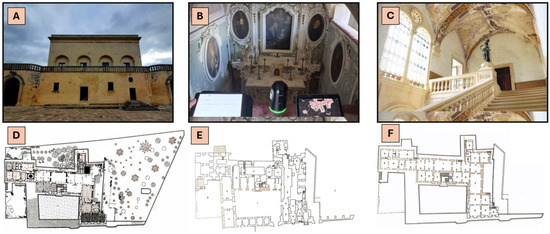
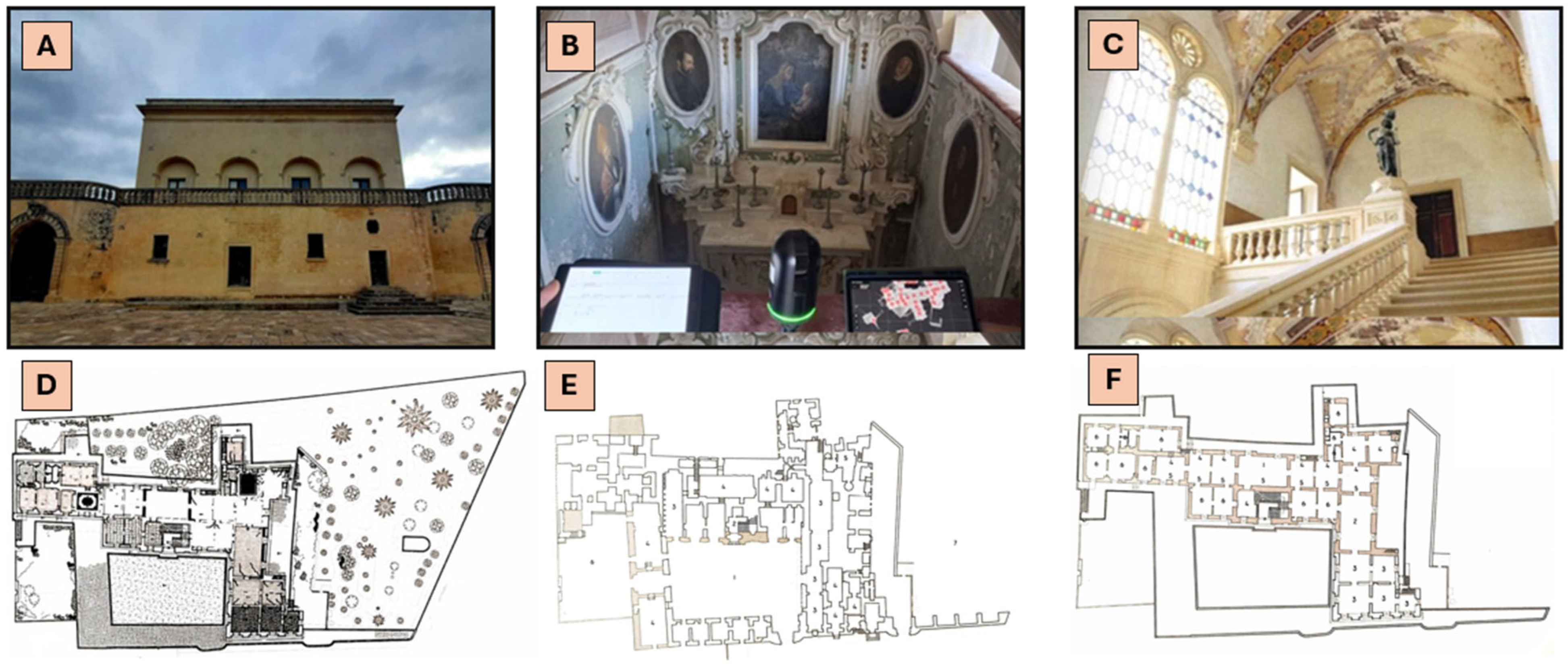
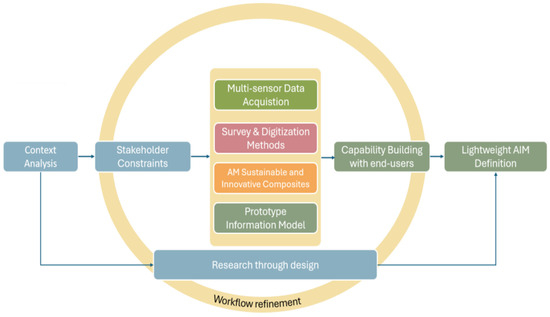
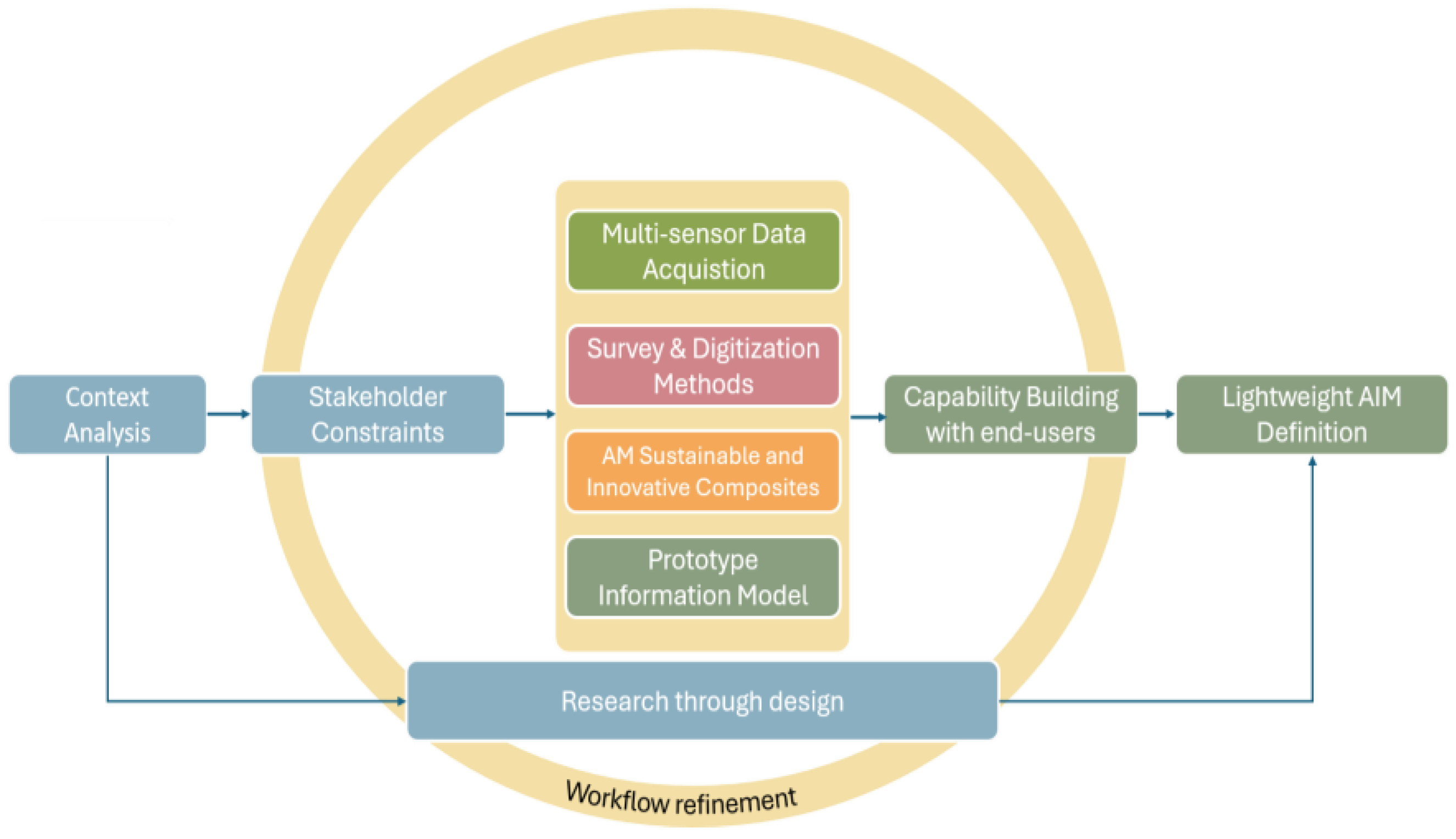
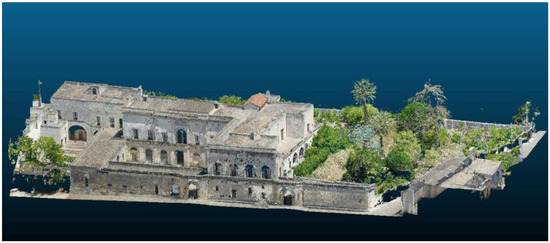
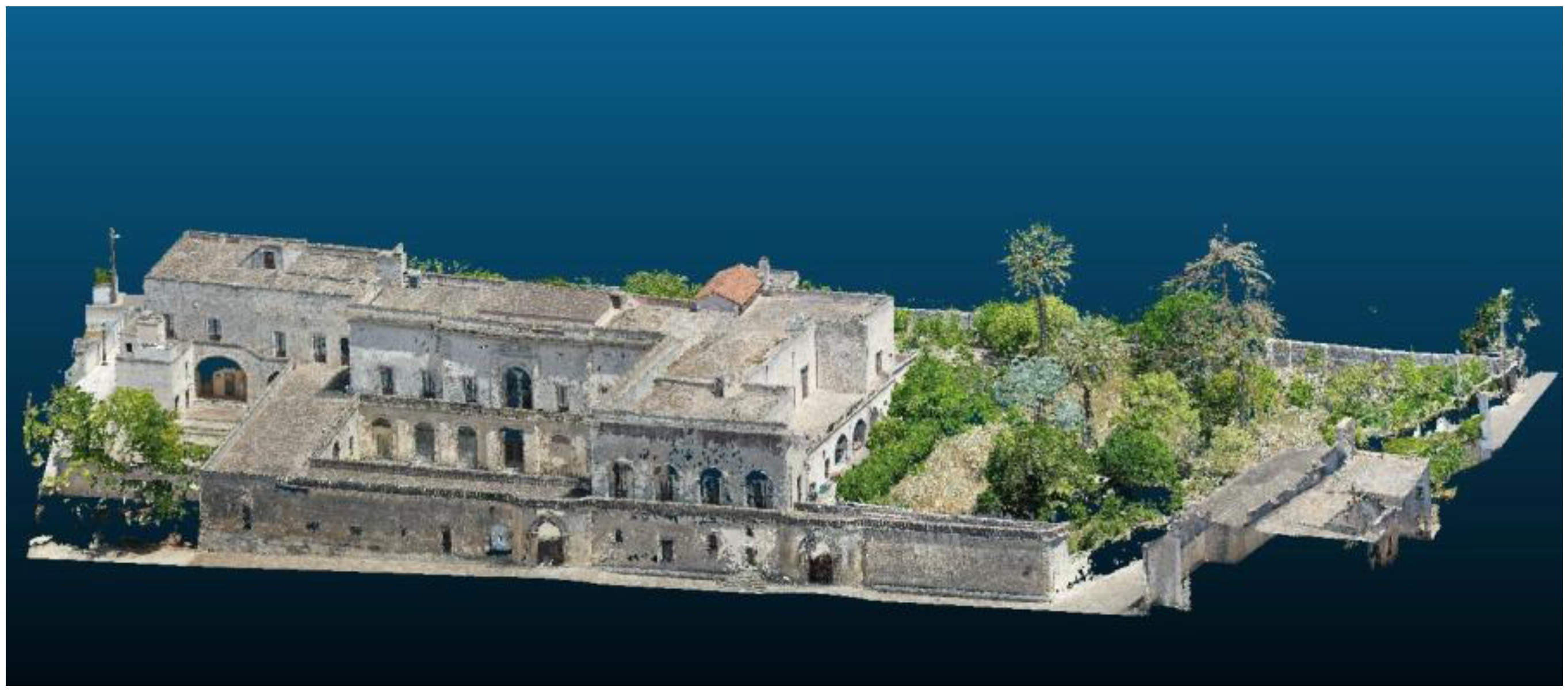
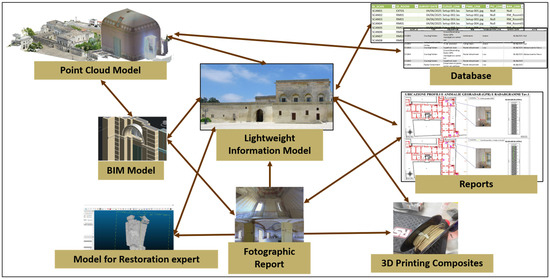
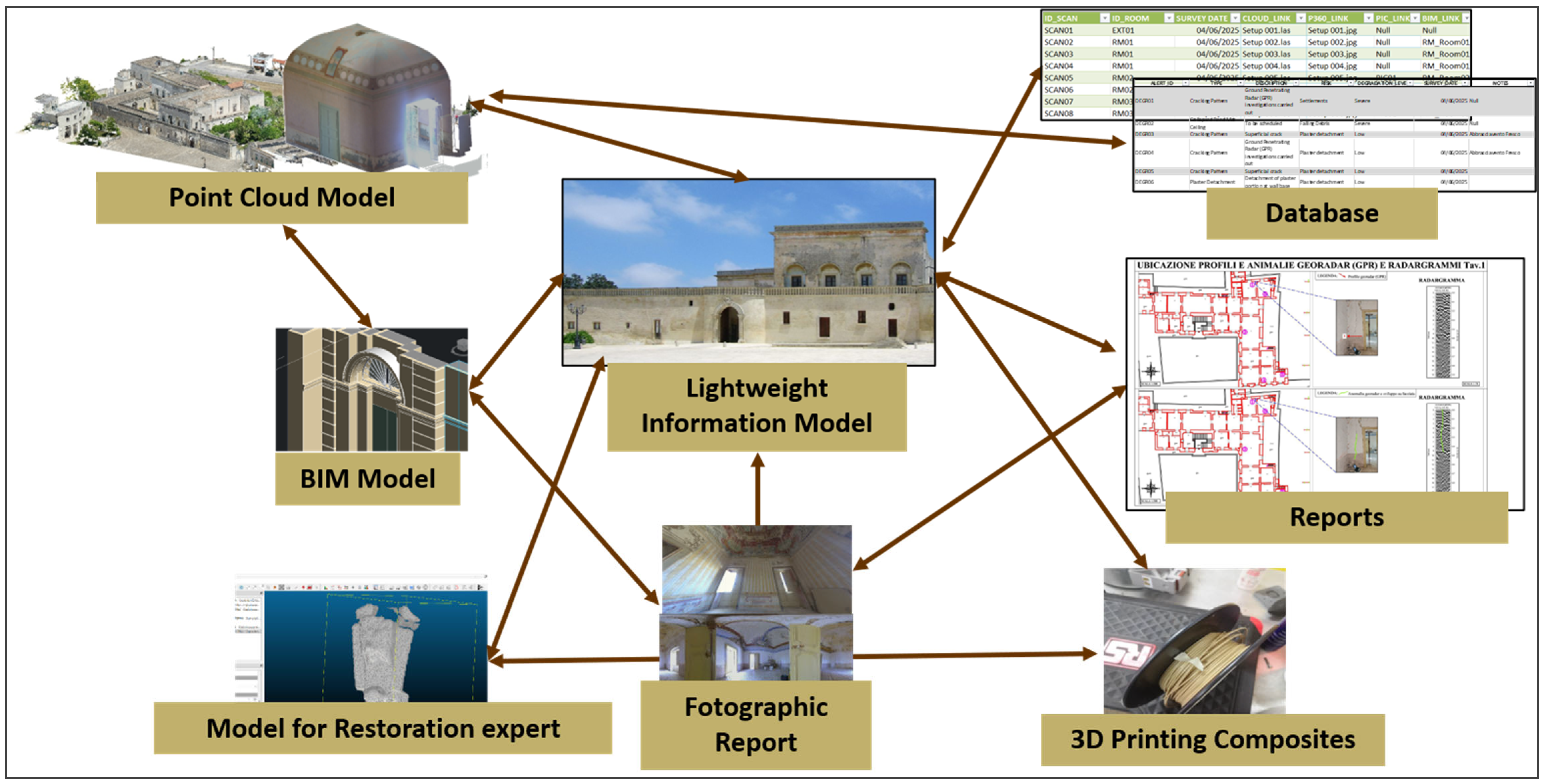
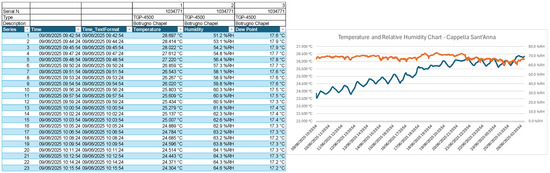
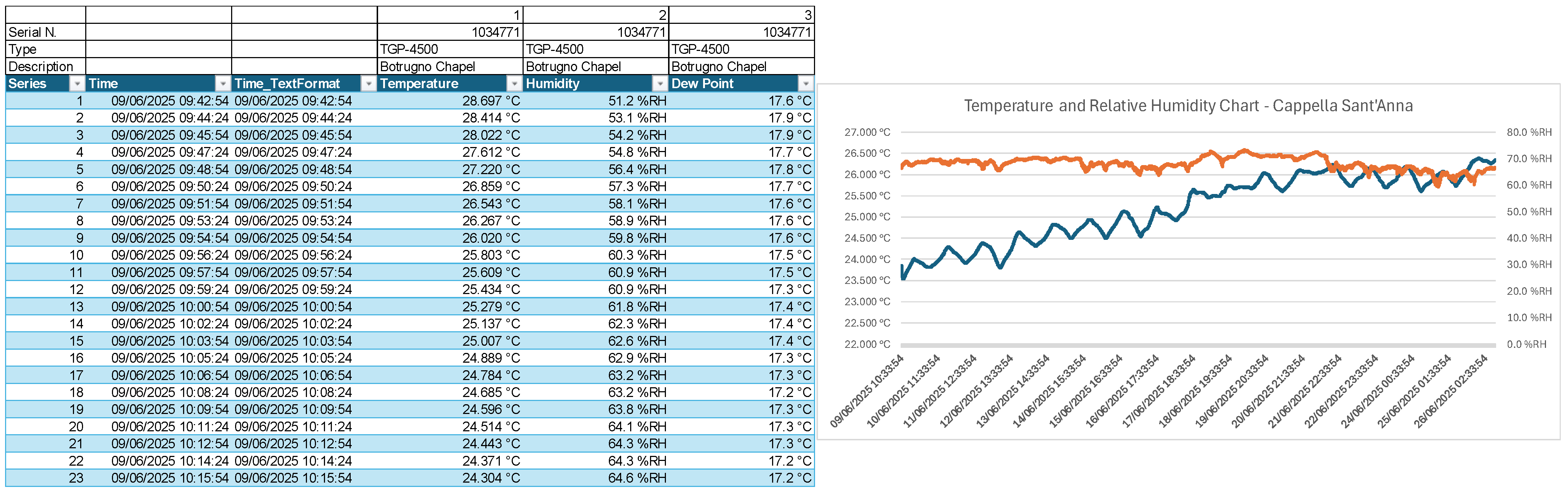
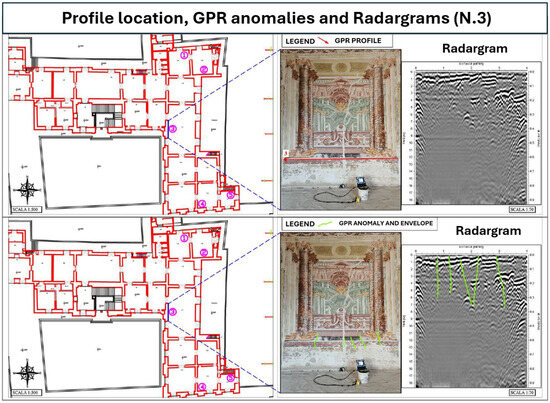
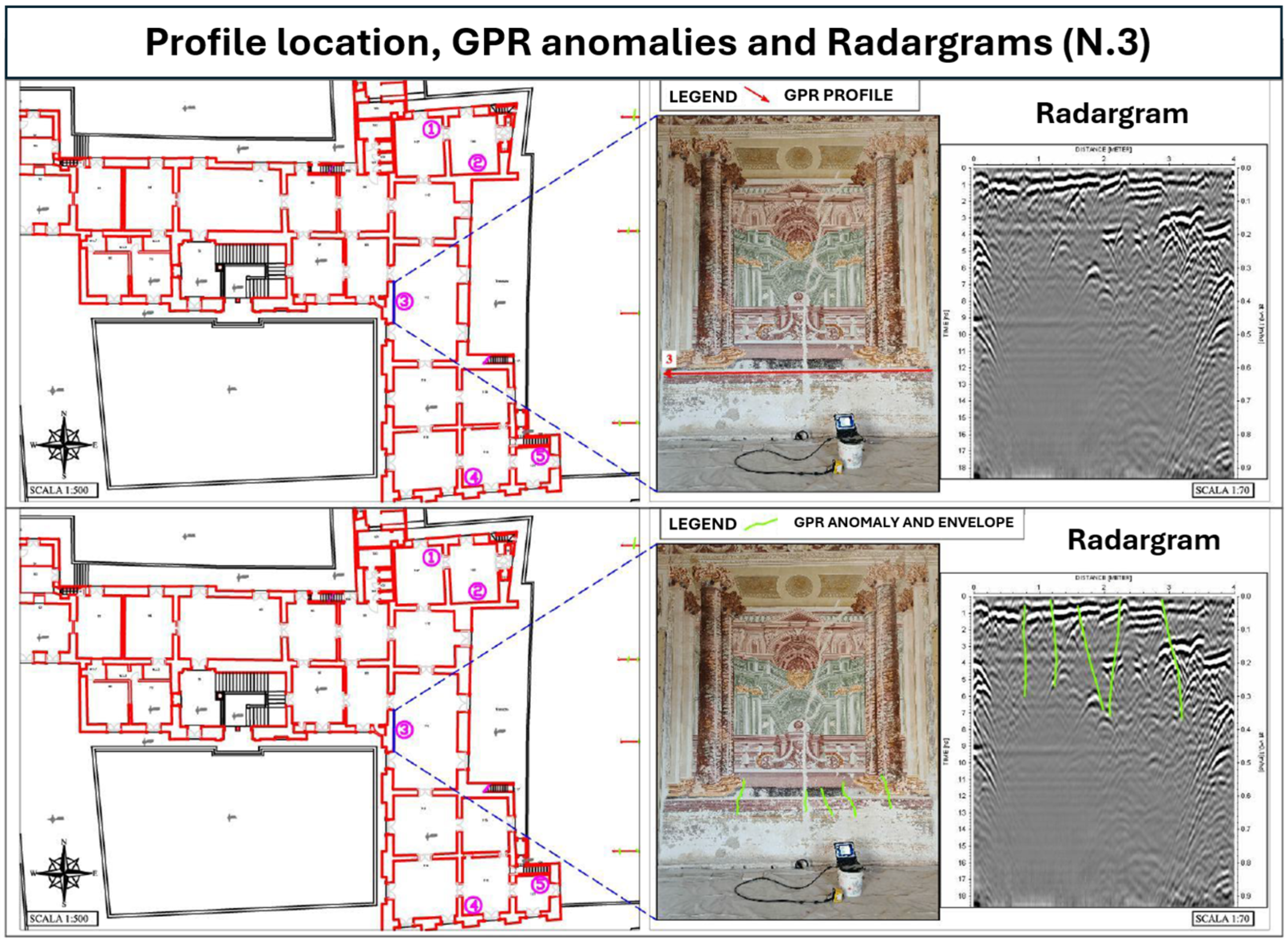
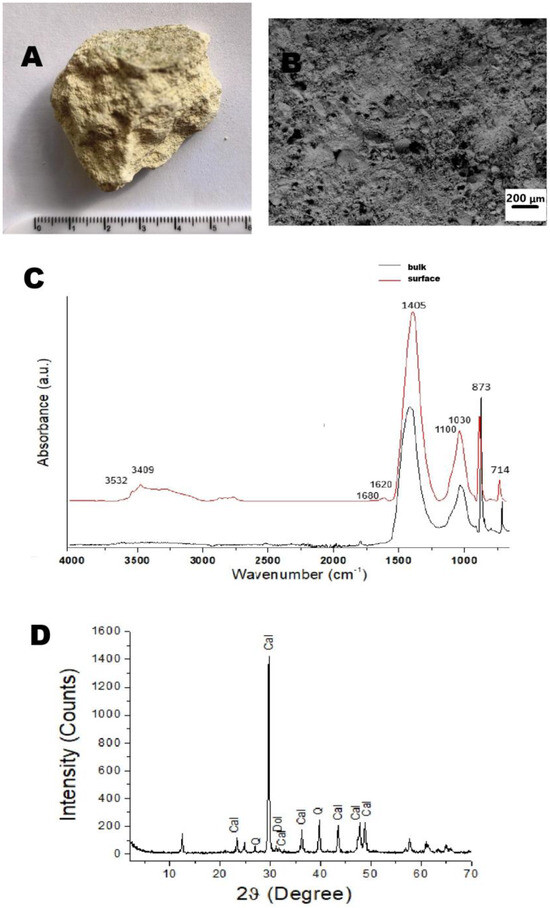
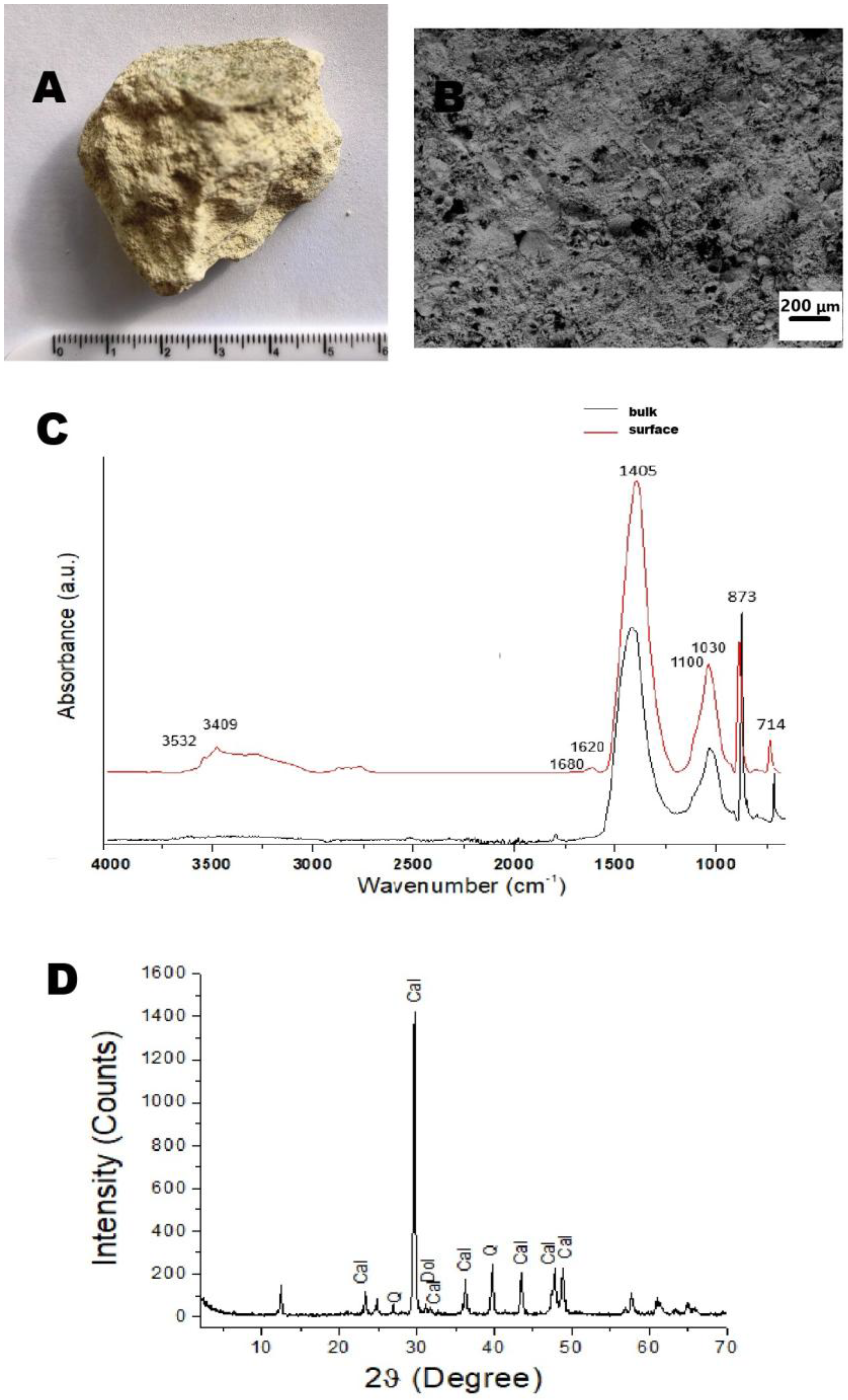
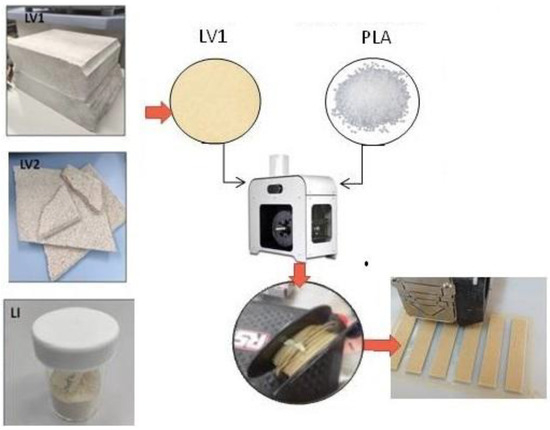
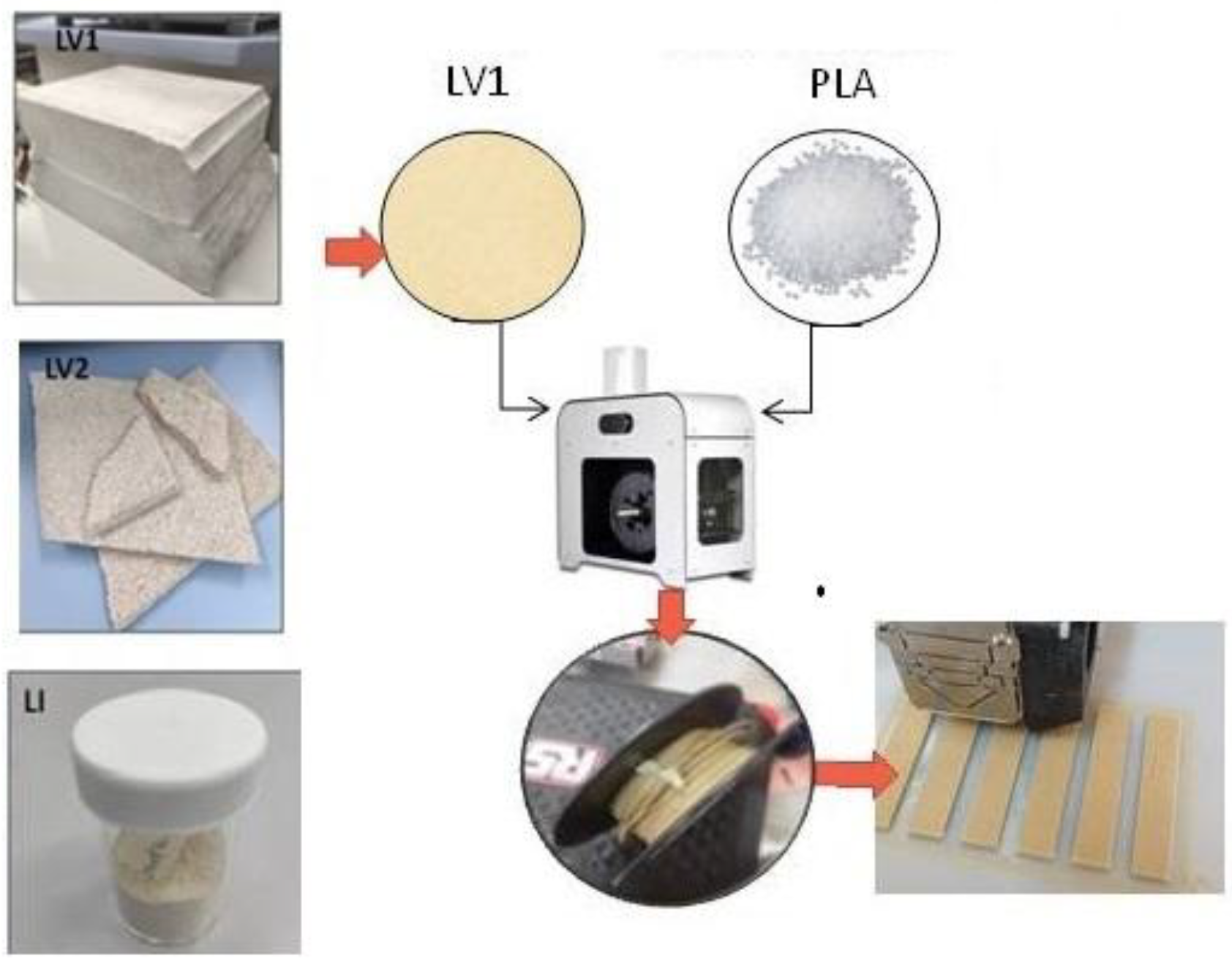

Disclaimer/Publisher’s Note: The statements, opinions and data contained in all publications are solely those of the individual author(s) and contributor(s) and not of MDPI and/or the editor(s). MDPI and/or the editor(s) disclaim responsibility for any injury to people or property resulting from any ideas, methods, instructions or products referred to in the content. |
© 2026 by the authors. Licensee MDPI, Basel, Switzerland. This article is an open access article distributed under the terms and conditions of the Creative Commons Attribution (CC BY) license.