
Article

GYRO3DSCOPE: A Bring Your Own Device Interactive Kiosk for Enhancing 3D Geoheritage Engagement
by
Andrei Ionuț Apopei
Department of Geology, Faculty of Geography and Geology, “Alexandru Ioan Cuza” University of Iași, 700505 Iași, Romania
Heritage 2026, 9(7), 283; https://doi.org/10.3390/heritage9070283
Submission received: 3 June 2026 / Revised: 2 July 2026 / Accepted: 15 July 2026 / Published: 18 July 2026

Abstract

Preserving non-renewable geological assets for future generations requires balancing physical geoconservation with engaging public outreach. Digital twins provide an excellent method for protecting delicate geological specimens. Unfortunately, traditional on-site interactive displays rely on expensive, high-maintenance proprietary hardware that small museums can rarely afford. This study introduces GYRO3DSCOPE, a free, multi-tenant Bring Your Own Device (BYOD) platform built to widen public access to digital collections. Scanning a dynamic QR code lets visitors use their own smartphones as remote spatial controllers. This allows them to rotate and manipulate high-fidelity 3D models in real time without downloading or installing local apps. The system is an open-access aggregator, enabling curators to stream site-specific content directly from existing repositories like Sketchfab or 3DBigDataSpace. The platform was evaluated at the Geology Museum of the “Alexandru Ioan Cuza” University of Iași (Romania) during the May 2026 Night of Museums public exhibition. The installation featured a collection of 149 digital twins of rocks, minerals, and fossils. Automated tracking across 276 unique visitor sessions showed excellent engagement, recording an average dwell time of 91.3 s and a user satisfaction score of 4.9 out of 5.0. This approach gives underfunded venues an affordable, scalable tool to encourage public engagement with geosciences and complement the sustainable management of ex situ geoheritage collections without adding maintenance liabilities.

1. Introduction

Geological heritage is globally recognized as a non-renewable natural resource. It is crucial to manage these materials sustainably to protect, conserve and promote them so as to stop the permanent loss of important features [1]. Modern management frameworks have moved away from physical geoconservation to focus on public education and responsible geotourism. Multidisciplinary approaches to provide access to a wide range of multicultural audiences are needed to achieve these goals [2,3]. The application of high-fidelity 3D models and digital twins for geoheritage documentation has become a core strategy here. Virtual surrogates of fragile specimens improve global public access. Importantly, they also protect physical items from wear, tear, and accidental damage caused by heavy tourism or direct handling by the public [4,5,6]. This is particularly relevant for ex situ geoheritage, such as museum collections of minerals, rocks, and fossils, where fragile specimens must be protected from physical degradation.
This digitization workflow was initially expanded as a rapid educational response to the structural constraints of the COVID-19 pandemic. When physical laboratories were shut down during the COVID-19 pandemic, photogrammetry was broadly used to create online geological repositories [5,7]. Since then, this baseline archiving has developed into a larger “Mineralogy 4.0” trend [8]. It now extends beyond static web galleries to embed interactive 3D assets directly into active spaces, including red-cyan anaglyph display setups [8]. Recently, the emergence of 3D Gaussian Splatting (3DGS) has led to an astonishing paradigm shift in digital mineralogy [4]. It reproduces difficult view-dependent optical effects such as labradorescence, internal translucency and luster of a specular surface with excellent clarity. These features are often challenging for traditional mesh photogrammetry, leading to geometric holes or blurry textures [4]. But 3DGS also has its own bottlenecks. It heavily depends on high-end local GPU workstations, complex optimization software, and long training times [4]. To balance safety and hygiene demands in public galleries, separate touchless systems have successfully deployed gesture-controlled systems for exploring 3D models. For example, with the webcam-based PETRA setup, multi-generational visitors can explore complex geological models with natural hand gestures instead of physical buttons or mice [9].
Moving these advanced virtual assets onto a physical exhibition floor presents tough logistical challenges for standard venues. Immersive layouts using head-mounted displays (HMDs) provide excellent visual presence. However, they demand complex computing configurations, introduce strict operating dependencies, and suffer from high upkeep costs. More importantly, headsets create severe user isolation, cutting off the shared group dialogue that makes museum visits meaningful [9,10,11,12]. Standard touchscreen terminals present alternative problems, often falling into a classic “Technology Trap” or “Progress Trap” [13]. Small operating budgets and a lack of on-site technical support mean specialized display hardware tends to degrade into lagging, unresponsive or broken terminals that visitors ignore [13]. Typical 2D touch interfaces do not provide the multi-axis fluid rotation that is needed to inspect complex mineral or fossil structures naturally. This mismatch often results in user frustration and poor handling performance when trying to view 3D space over flat interfaces [9,14].
Rigorous scientific evaluation and the census of geosites represent the essential first step for implementing geoconservation and environmental protection strategies [15]. Building upon this foundation, sustainable geotourism operates under principles of environmental sustainability, enabling local communities to reinvest in geodiversity management while generating new economic opportunities [15]. This paradigm has transitioned toward an inclusive, interdisciplinary approach designed to engage curiosity geotourists, visitors who appreciate landscapes without requiring an advanced scientific background [16]. Integrating geological features with historical and cultural elements along structured itineraries provides a highly engaging tourist offer that drives local development [16]. In this context, geomorphosites naturally capture human visual interest and act as versatile, interdisciplinary educational tools when connected to their surrounding ecological and cultural environments [17]. Integrating geologically significant landscapes with co-existing historical, cultural, and invisible heritage values creates a rich cultural landscape that directly elevates the tourist experience, thereby maximizing the geotouristic potential and public engagement effectiveness of a site [18]. This multidisciplinary approach utilizes physical landforms as a narrative canvas to express geological complexity, successfully capturing public interest by combining educational popularization with the natural sense of wonder these sites inspire [18].
Educational initiatives, such as the GeoScuola project, further demonstrate the necessity of active, hands-on learning to foster a strong consciousness of place and prepare future citizens for territorial care [19]. However, visualizing abstract physical processes or rendering invisible, underground infrastructures visible often exceeds the capabilities of traditional static panels [17,19]. Digital platforms address this gap by acting as dynamic books without pages, transforming static information into self-directed learning environments [16,19]. By utilizing scalable and updatable digital tools, curators can customize scientific concepts for diverse cognitive levels, empowering both educators and local stakeholders with accessible assets for territorial promotion and risk awareness [16,17].
The integration of 3D interactive displays in geoheritage management aims to broaden access to fragile geological sites, but traditional hardware setups pose significant logistical challenges [2,4]. Stationary installations, including specialized Virtual Reality (VR) stations and heavy multi-touch kiosks, require high upfront funding for buying, configuring, and calibrating equipment [20]. Since the operating budgets of regional educational and science venues are tightly constrained, keeping up with specialized computing hardware or retaining IT specialists causes severe long-term institutional strain [21]. Physical controllers and screens left in unstaffed areas face continuous, heavy public wear. This exposure results in mechanical failure, surface smudging, and constant maintenance loops [9,13,22,23]. Compounding this issue, rapid hardware obsolescence forces museums into continuous spending cycles just to keep underlying software frameworks and baseline runtime environments compatible over time [24,25].
Alongside economic limits, public interactive terminals introduce severe hygiene concerns. Screens and shared virtual reality headsets require continuous, direct contact from numerous visitors. This constant use turns public surfaces into potential transmission vectors for germs and contact-borne illnesses [23,26]. This health vulnerability was brought to light during recent public health emergencies (e.g., COVID-19), forcing museums to completely shut off tactile screens and VR booths to ensure safety [23,26]. Keeping shared headsets sanitized requires constant cleaning protocols before and after every interaction, calling for dedicated floor staff just to handle surface wiping and safety monitoring [26]. Furthermore, many visitors feel uncomfortable or explicitly refuse to wear shared components on their faces due to makeup, cleanliness concerns, or bad fits over standard prescription eyewear, automatically limiting how inclusive the installation can be [10].
To cut the heavy expenses, physical damage, and staffing demands of closed hardware systems, modern interface layouts use consumer technology through BYOD deployment models [25,27]. Early mobile museum guides often led to an isolating, heads-down pattern of visitors staring rigidly at individual tiny screens. In contrast, modern cross-device frameworks use a multi-display ecology to distribute user focus cleanly [28]. Traditional standalone applications frequently lock user focus onto the mobile device itself, creating an isolated, sedentary experience rather than encouraging active participation within the physical gallery surroundings [29]. This dynamic fractures the social component of museum learning, which depends on a careful balance between independent reading and active group dialogue [10].
Modern exhibition layout answers this problem by redefining the personal smartphone as a collective boundary object across a shared space [29]. This decoupled setup shifts the smartphone away from being a self-contained screen. Instead, the device acts as a spatial remote governing asset drawn on a large, distant monitor [30]. Translating the physical tilting and rotation of the phone via internal orientation sensors lets visitors look around complex 3D structures naturally [31]. The layout splits interface demands cleanly. The private smartphone screen acts as the interface for mode changes and navigation clicks, while the large monitor displays the shared visualization [32]. This separation naturally brings people together on the gallery floor. It gathers multi-generational onlookers into a shared learning circle, boosts eye contact, and anchors attention to the exhibit [28]. Using a standard phone as a tangible tracking prop provides control outcomes that match expensive engineering inputs. Most importantly, visitors find this approach approachable and welcoming [32]. Splitting user input from graphical output prompts visitors to look up, blending digital queries with natural face-to-face dialogue [29].
To implement this cross-device approach in geological collections and overcome the limitations of traditional hardware, this paper introduces GYRO3DSCOPE (https://geology.uaic.ro/gyro/, accessed on 1 May 2026), a hardware-agnostic, multi-tenant Software-as-a-Service (SaaS) interactive digital kiosk platform. The system employs a zero-friction QR-code connection over WebSockets to convert visitors’ personal smartphones into zero-latency spatial controllers based on embedded device orientation sensors. The primary objective of this research is to provide a sustainable, scalable solution that enhances interactive 3D geoheritage for cultural institutions. Specifically, this paper aims to achieve three key objectives:
  • To design and showcase a multi-tenant software architecture that eliminates local hardware maintenance and ensures strict data isolation;
  • To demonstrate the platform’s real-world viability through an empirical deployment during the high-traffic “Long Night of Museums” event held on 23 May 2026 at the “Grigore Cobălcescu” Museum of Geology, “Alexandru Ioan Cuza” University of Iași, Romania;
  • To quantitatively evaluate the platform’s operational performance, public learnability, and capacity to sustain behavioral engagement using non-intrusive administrative metrics.

2. Materials and Methods

2.1. System Architecture and Hardware

The GYRO3DSCOPE platform, designed and developed entirely by the author, relies on a multi-tenant SaaS architecture. This approach maximizes institutional scaling and removes the cost barriers that stifle small or local museums [21,33,34]. Forcing small venues to buy dedicated server hardware or manage a standalone software build creates unsustainable operational overhead. Instead, this platform utilizes a single, centralized web infrastructure shared securely across multiple museums. As a kiosk browser loads on the gallery floor, the application reads the URL path to isolate the unique institutional identifier token. This slug enforces strict data isolation at the server level. Content lists, tracking logs, and admin dashboards remain completely partitioned from other tenants/museums. Telemetry synchronization between the main display monitor and the visitor’s smartphone runs over web-native communication channels. These low-overhead updates keep the 3D model manipulations responsive and free of perceptible lag, removing any need for expensive on-site computing nodes.
The application engine runs on three primary layers: (i) a Node.js WebSocket backend executing the lightweight ‘ws’ library over a dedicated port (i.e., 8081) to govern device communication lines; (ii) a RESTful HTTP API built on a PHP framework; and (iii) a relational schema structured via a MySQL database engine. Real-time data movement between paired clients relies on low-overhead JSON packages transmitted at roughly 50-millisecond intervals. This baseline speed keeps visual feedback immediate, matching user hand movements to screen actions instantly.
To maximize scalability and eliminate the financial and operational barriers that routinely affect regional heritage spaces, the physical hardware requirements are minimized for both the hosting institution and the end user. The system does not require local on-site computing nodes, specialized hardware trackers, or spatial camera arrays. The hardware baselines are categorized as follows:
  • Primary display Kiosk, represented by any standard commercial PC/Laptop connected to a large display, projector system, standalone 3-in-1 device with a monitor panel, or a secondary mobile smartphone/tablet simulating the desktop view. Because the front-end interface executes entirely within standard web browsers, a handheld device can initialize the primary desktop layout, enabling ultra-portable, infrastructure-free deployments.
  • Visitor smartphone controller with any standard consumer-grade handheld mobile device running an iOS or Android operating system. The phone must be equipped with a standard built-in camera module for initial QR-code recognition and an internal Inertial Measurement Unit (IMU) featuring an uncalibrated accelerometer and gyroscope sensor array.
  • Network infrastructure as a baseline Wi-Fi or cellular data connection capable of maintaining stateless WebSocket streams (i.e., pairing routine). Because data payloads are localized strictly to coordinate telemetry arrays rather than continuous streaming meshes, the system avoids bandwidth congestion issues in the public museum galleries.

2.2. Digital Assets and Availability

To ensure complete semantic interoperability and eliminate storage space limitations, GYRO3DSCOPE does not host 3D file formats natively on a centralized file system. Instead, the platform functions as an open-access aggregator that supports real-time rendering from two distinct 3D repository networks: the commercial Sketchfab repository (https://sketchfab.com, accessed on 1 May 2026) via direct runtime integration with the Sketchfab Viewer API (https://sketchfab.com/developers/viewer, accessed on 1 May 2026), and the open-source 3DBigDataSpace platform (https://3drepo.eu, accessed on 1 May 2026). This allows the platform to render complex and high-resolution 3D models in standard open formats, such as GL Transmission Format (glTF) and GLB compilation models, by using the embedded iframe option of the Sketchfab platform or the Three.js client libraries inside the browser window context [8,34].
The digital collection utilized in this study comprises 149 high-fidelity digital twins of ex situ geological heritage (minerals, rocks, and fossils). These models were generated from the museum’s physical holdings using the photogrammetry technique [5,8]. These curated models are part of an extensive online atlas of 3D rocks, minerals, and fossils [8].
Historically, deploying interactive 3D graphics on the web relied on declarative solutions like X3DOM or custom client-side tools like 3DHOP (3D Heritage Online Presenter), which utilized multi-resolution encoding schemes to render massive mesh datasets and point clouds directly inside modern plugin-free web browsers [35]. While these foundational architectures proved successful for standalone digital presentation, the cultural heritage sector has recently transitioned toward more flexible, open-source ecosystems. These include the Smithsonian Voyager platform [36] for material editing and rich narrative annotation, the Potree framework [37] for terrain point-cloud visualization, and specialized packages like Resurrect3D [38] or Interactive Heritage 3D (IH3D) [39], which leverage WebGL capabilities through frameworks like Blend4Web to document restoration processes and display structural animations [34,39,40].
GYRO3DSCOPE builds upon these open-source rendering principles by addressing the multi-device integration layer. While modern liquid frameworks like ATON provide universal Web3D/WebXR experiences that adapt natively to any single user device [34], GYRO3DSCOPE specifically targets decoupled interaction. It operates as a flexible, hardware-agnostic multi-tenant service that pulls digital assets dynamically from existing cloud aggregators while shifting the human-system input loop entirely to the visitor’s smartphone browser.
The GYRO3DSCOPE project is deployed globally as a multi-tenant cloud application designed to provide equal access to advanced personalization tools across all tiers of the cultural sector. Peer institutions can register for a verified account through a dedicated onboarding portal (https://geology.uaic.ro/gyro/login.php, accessed on 1 May 2026). Upon approval by a root system superuser, the new tenant slug is securely provisioned in the relational database mapping system.
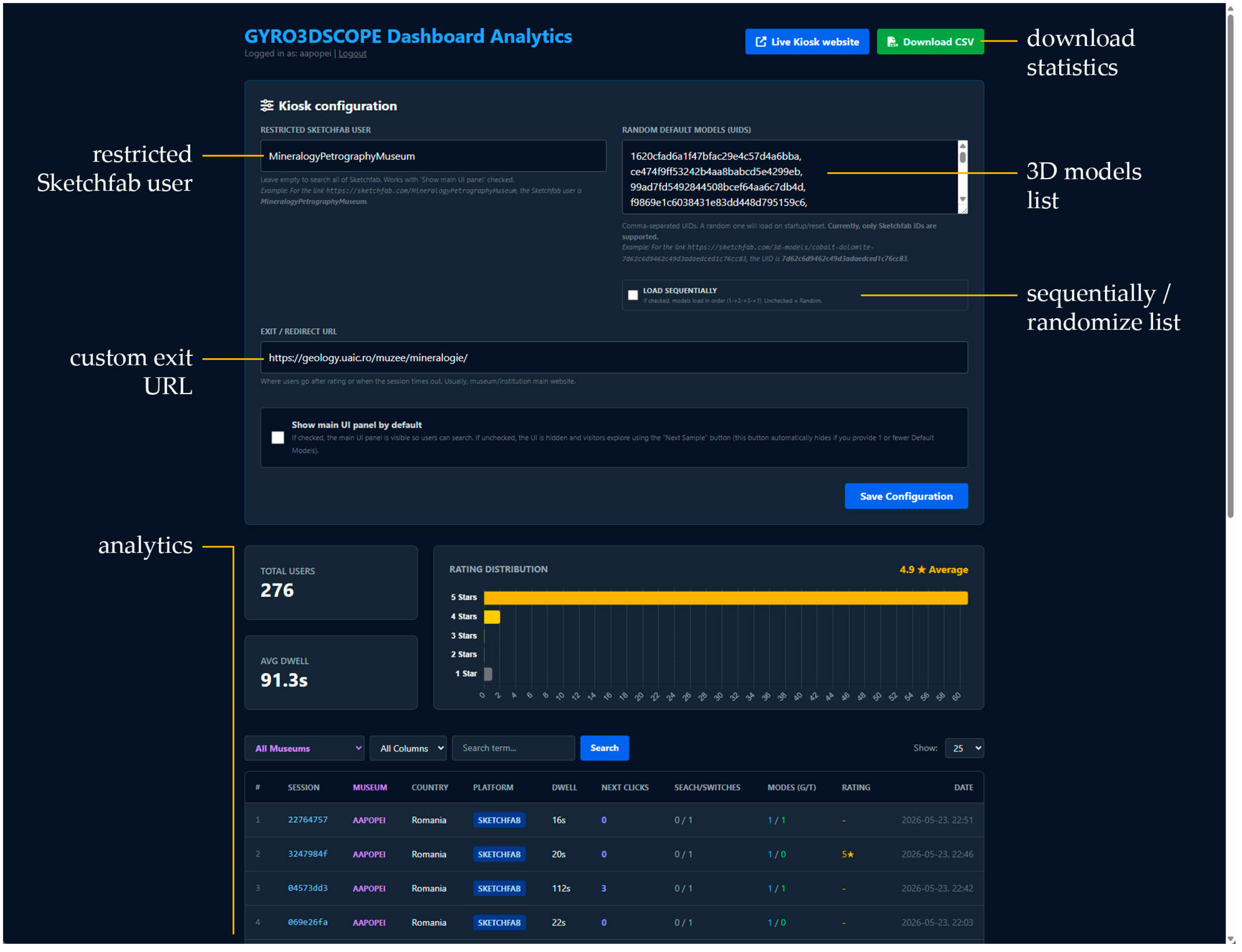
Verified institutions get access to a custom admin panel with strict server-side data isolation based on unique user keys. Through this dashboard interface, curators can customize behavior patterns by defining default model list manifests, establishing Sketchfab navigation parameter restrictions, and programming custom exit redirection URLs without modifying the underlying source code.
Furthermore, the GYRO3DSCOPE dashboard tracks and displays localized visitor analytics compiled directly from runtime interactions on the exhibition floor. The platform aggregates and processes anonymous usage metrics, including session dwell times, specific search query logs, controller mode toggle selections (gyroscope vs. touchpad interaction), next-sample sequence triggers, and overall post-session user ratings, providing curators with empirical metrics to analyze visitor behavior over time. To support the sustainability goals of public geoparks and museums, the entire platform structure, including onboarding services and dashboard monitoring infrastructure, is completely free of charge for non-profit cultural and educational venues.

2.3. Empirical Testing and Validation Setting

To validate the operational performance and public learnability of the platform, an empirical study was conducted at the ‘Grigore Cobălcescu’ Museum of Geology during the “Long Night of Museums” event on 23 May 2026. The testing methodology relied on automated backend analytics to non-invasively log visitor session durations, interaction sequences, and input preferences (gyroscope versus touchpad). This data was subsequently mapped onto the Visitor Engagement Framework (VEF), utilizing dwell-time thresholds as behavioral proxies, to calculate Attraction Power (AP) and Holding Power (HP).

3. Results

3.1. GYRO3DSCOPE Implementation and Functionality

The practical implementation of the GYRO3DSCOPE platform operationalizes a frictionless, cross-device interaction model designed to bridge the structural divide between digital heritage collections and physical museum visitors. As illustrated in Figure 1, the platform execution layer is cleanly divided into a client-side interface on the exhibition floor and a remote, server-side cloud infrastructure. By deploying web-native technologies, the system functions as a completely fluid product, removing the requirement for visitors to install proprietary applications from commercial software stores or interact with shared, high-maintenance physical controllers.
In practice, the backend successfully operates as a multi-tenant SaaS framework. URL-based tenant classification is handled dynamically via webpage routing rules at the web server layer. When a primary display kiosk initializes on the museum floor, the main execution script parses the browser window location path to isolate the unique institutional identifier slug (e.g., /gyro/museumname/). This token is automatically passed to the central backend database handler, which resolves the slug to a specific institutional user ID. This mechanism ensures strong data isolation across the platform relational database schema. Asset configuration tables, curatorial dashboard settings, and visitor tracking events are securely partitioned by the unique institutional owner key.
To facilitate ongoing platform maintenance and oversight, a root superuser tier operates within the schema. Through an administrative console, the superuser account successfully bypasses local tenant isolation barriers to visualize global performance charts, export aggregated analytics, and evaluate or approve pending new institutional registrations submitted via the public onboarding gateway portal.
The cross-device connection runs through an automated pairing routine across the client-server network:
  • First, the primary display kiosk initializes the front-end code, maps a randomized session Universally Unique Identifier (UUID), and registers itself as an active listening node on the backend server.
  • Next, the screen draws a dynamic QR code containing the matching session URL parameter. Scanning this code with a smartphone camera opens the mobile web browser, connecting the visitor to the matching communication room instantly without collecting logins or personal files.
  • Finally, the server locks a strict one-to-one pairing rule between that desktop/TV screen and the mobile controller. Once connected, the smartphone interface reads raw orientation inputs from the built-in sensor array. The system bundles these angles into compact JSON payloads, routing them through the socket server back to the desktop WebGL framework at 50-millisecond intervals to provide lag-free spatial rotation.
Because public interactive kiosks deployed in unstaffed galleries routinely face operational abandonment by visitors mid-session, maintaining an autonomous system state is a critical requirement for institutional sustainability [22,40]. Traditional touch displays frequently remain stuck on intermediate navigation screens when a user walks away, which deters subsequent visitor interactions and misaligns the display from its intended curatorial narrative [40].
To overcome this issue, GYRO3DSCOPE incorporates an automated inactivity timeout routine within both client ends. If the personal smartphone loses network focus, enters a locked background state, or remains entirely stationary for a continuous 10 s threshold window, a structural reset trigger is fired. The system terminates the active WebSocket session room, purges the temporary coordinate cache, and automatically returns the primary public display back to its initial idle screen configuration, rendering a newly randomized session token and a clean QR-code pairing node to invite the next visitor group.
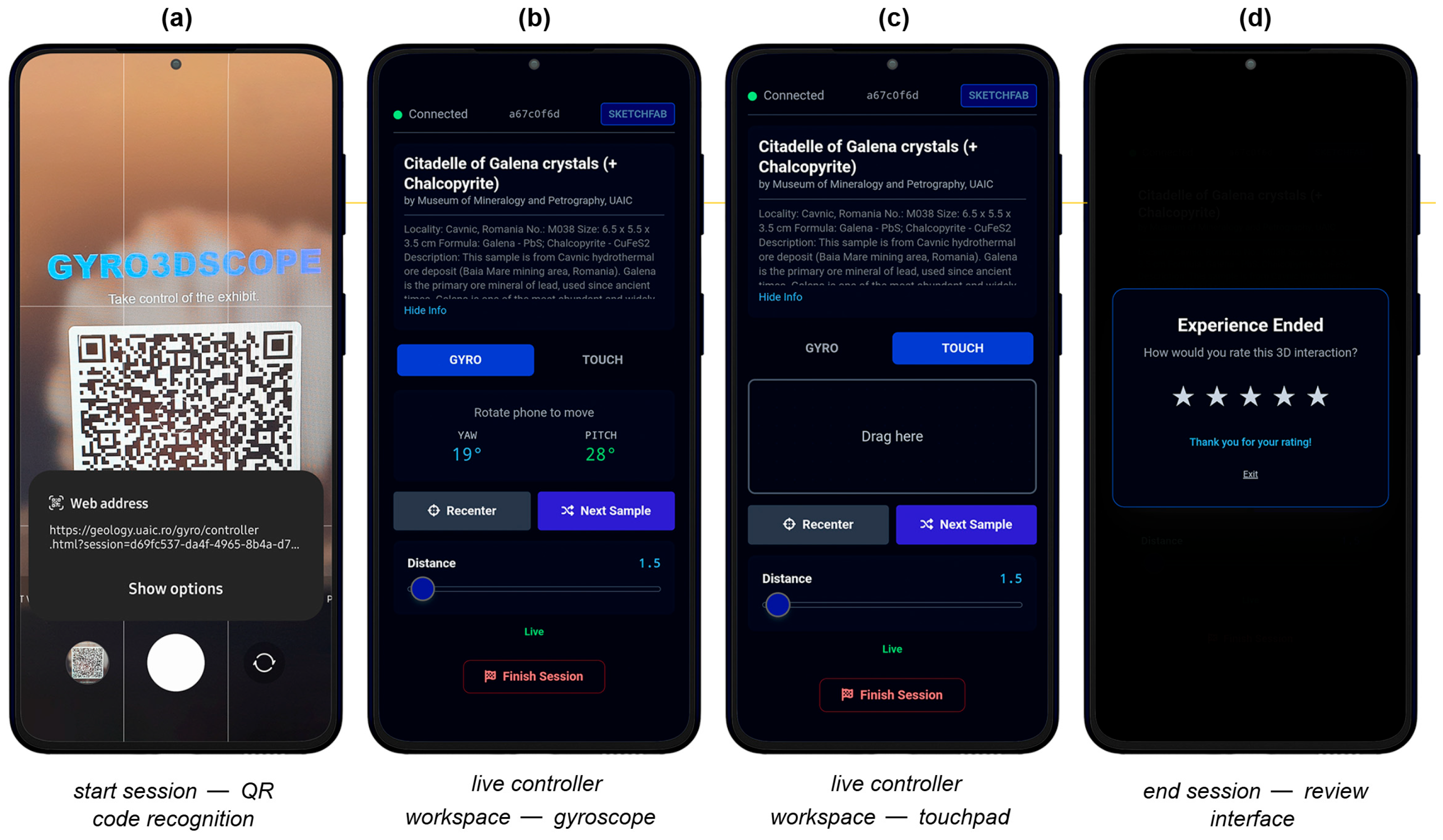
To visualize how these background pairing protocols manifest on the gallery floor, the step-by-step visitor interaction pipeline was captured directly from active client sessions (Figure 2). The unified onboarding layout highlights a clean path that maintains low cognitive overhead across multi-generational user groups.

3.2. Case Study: “Long Night of Museums” Event

The empirical validation of the GYRO3DSCOPE platform was conducted at the Geology Museum within the Faculty of Geography and Geology at the “Alexandru Ioan Cuza” University of Iași, Romania. The system was deployed during the high-traffic “Long Night of Museums” public event on 23 May 2026, which attracted a total of 2016 visitors to the museum.
To manage this massive visitor flow without causing crowding or wait-time bottlenecks within single galleries, the system was horizontally scaled by deploying multiple independent frontend interactive kiosks across different exhibition halls. Because each separate terminal browser independently instantiates its own randomized session UUID, the frontend installations can be multiplied infinitely across the museum floor. Each active pairing operates within its own completely isolated WebSocket room, allowing multiple visitor groups to simultaneously manipulate distinct sets of models without packet cross-talk or local server interference.
As detailed in the administrative configuration panel (Figure 3), the platform was bound to the restricted Sketchfab repository profile (i.e., username: MineralogyPetrographyMuseum). To minimize cognitive friction and prevent public display blindness, the main search interface panel was hidden by default (“Show main UI panel by default” unchecked), creating a streamlined workflow where randomized model identifiers (such as unique asset ID 1620cfad6a1f47bfac29e4c57d4a6bba) were dynamically loaded at session initialization. Upon session completion or timeout, the kiosk automatically executed server-side redirection rules to return the client interface to the museum’s primary institutional portal (i.e., https://geology.uaic.ro/muzee/mineralogie/, accessed on 1 May 2026).

3.2.1. User Engagement

Connecting web infrastructure to gallery spaces transforms traditional exhibitions into responsive layouts that support automated visitor studies. This transition allows cultural heritage venues to replace manual, time-consuming tracking sheets for automated backend analytics that log exact public usage trends [27,41]. By monitoring active connection windows and sensor events without requiring intrusive personal surveys, smart museum setups use a form of non-invasive profiling to log session durations and interaction sequences in near real-time [42,43]. This localized data collection helps administrators identify initial interaction barriers, making it possible to update display sequences dynamically based on actual user choices [43].
These anonymous transaction logs give curators immediate access to key performance indicators on the exhibition floor. Specifically, the system maps Attraction Power (AP) to see how well a display draws a crowd, alongside Holding Power (HP) through session dwell times to estimate behavioral engagement levels and sustained interaction [41,44]. Automated database logging also reveals subtle behavioral shifts, such as visitor fatigue or high drop-off rates across complex parts of a gallery layout [41,42]. This processing yields clear tracking on visitor density, pointing out spatial bottlenecks or under-utilized displays to help staff optimize crowd flow [44,45]. If an active display shows poor engagement indicators, curators can react immediately by modifying the digital narrative or changing the asset sequence to preserve public interest. Managing these systems sustainably requires a strict commitment to visitor privacy. The underlying database design guarantees user confidence by prioritizing the session-level data anonymization, in line with modern data protection rules, and using sensor streams instead of identifiable recording devices to safely track public reception [42,46,47].
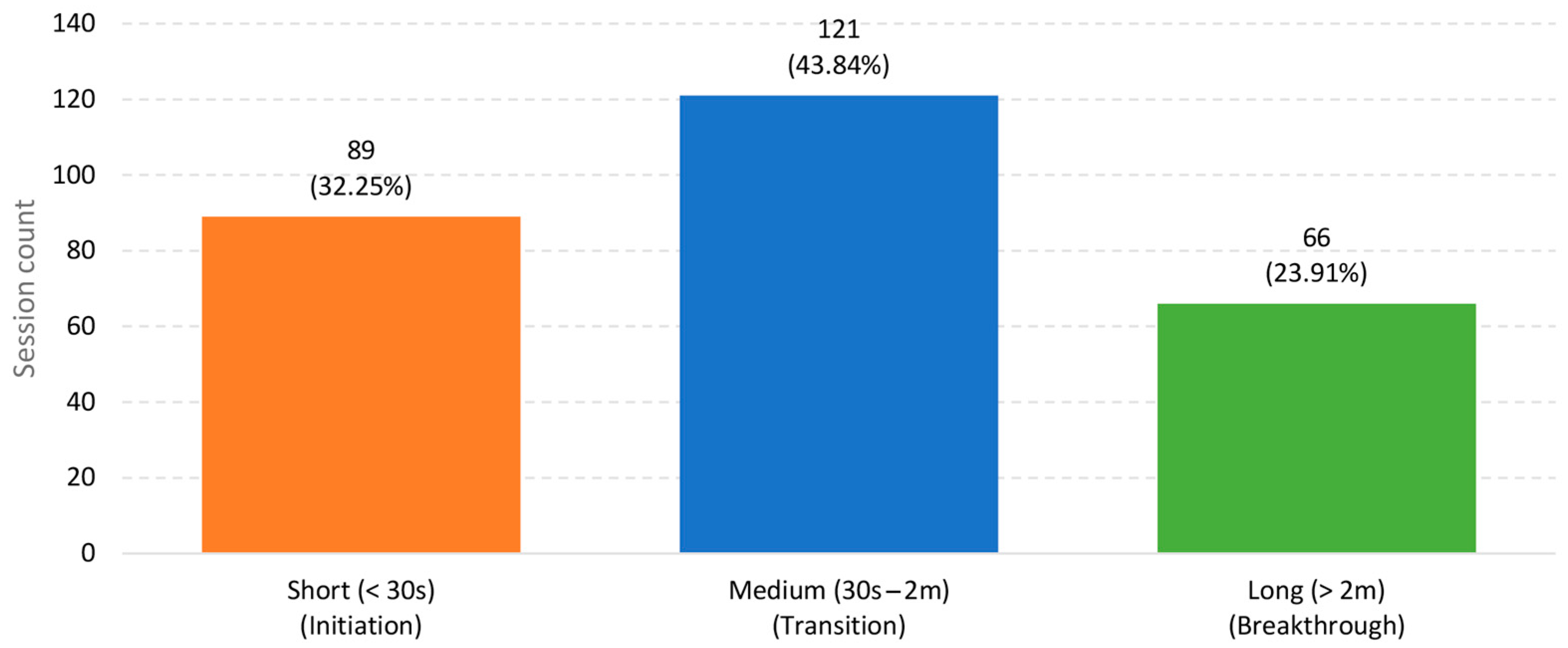
The system tracking data logged in the database records a total of 276 unique visitor sessions during the iterative pilot testing and live deployment phases. The scaled kiosk cluster registered a total public holding time of 25,201 s during the assessment period. The average session dwell time was 91.3 s, with a median of 54.5 s. The longest uninterrupted engagement period was 703 s (~11.7 min), indicating the system’s capacity to generate prolonged public interest in earth science exhibits. These key metrics are compiled in Table 1, with the corresponding programmatic distribution of public focus mapped in Figure 4.
Database logs reveal strong public interest in the touchless orientation interface. Out of 276 tracked sessions, 80.80% (223 sessions) actively used the internal mobile gyroscope sensors to view the 3D rocks, minerals, and fossils. In addition, 49.28% (136 sessions) initialized the touchpad option, and 47.46% (131 sessions) freely combined both control types during their session. Only 17.39% (48 sessions) generated a flat 0/0 tracking log, representing short glances or immediate network drops. The availability of these multiple input options directly influenced visitor dwell times. Bounced or inactive sessions (0/0) averaged a dwell time of only 35.58 s. Engaging the smartphone gyroscope prolonged the average session to 103.27 s. Engagement peaked at an average of 144.88 s for the sub-cohort of visitors who switched back and forth between both inputs to inspect the models. This longer holding power directly corresponds to deeper collection exploration, resulting in an average of 4.29 next-sample interactions per user.
While modern structural evaluations of digital kiosks increasingly leverage real-time IoT data streams [41,44], the foundational metrics of AP and HP are conceptually anchored in classical museum tracking-and-timing methodologies [48]. Historically, these indicators required human observers to manually log physical stops to evaluate an exhibit thorough-use index or identify diligent visitors [49,50]. By migrating the interface plane entirely to the visitor’s smartphone browser via secure WebSockets, the GYRO3DSCOPE schema automates this behavioral classification. Relational fields such as “dwell_time_seconds” and interaction sequences like sensor modifications (i.e., “gyro_mode_clicks”) serve as non-intrusive digital proxies for physical attention. This granular telemetry maps continuous user attention profiles onto behavioral proxies corresponding to progressive cognitive engagement milestones: initiation, transition, and breakthrough, adapted from the Visitor Engagement Framework (VEF) [51]. Methodologically, it is critical to clarify that while the original VEF relies on directly observed behaviors and verbal dialogue to verify cognitive states, the automated logs generated by GYRO3DSCOPE utilize dwell-time thresholds as behavioral indicators or proxies for these engagement levels [52]. This telemetry-based categorization represents a non-intrusive, scalable method to audit exhibit HP “in the wild” without the data bias introduced by manual tracking sheets or disruptive intercept surveys, while acknowledging that these temporal thresholds represent physical engagement proxies rather than directly monitored internal cognitive processes [48,52].
Figure 4. Distribution of visitor engagement levels based on session dwell times (N = 276) recorded during the public deployment, utilizing temporal thresholds as behavioral proxies for the progressive phases of VEF [51]. These categories represent inferred behavioral engagement indicators rather than directly monitored internal cognitive or affective states [52].
Heritage 09 00283 g004
Explicit user feedback collected via the post-session review interface revealed exceptionally high public reception. Out of the total user sample, a sub-cohort of 64 visitors opted to complete the optional survey. The platform achieved an average satisfaction score of 4.9 out of 5. The rating distribution was heavily skewed toward positive reception, comprising 61 maximum scores of 5, two scores of 4, and one outlying score of 1. This concentration of high scores confirms that decoupled multi-display interfaces successfully preserve visitor satisfaction while providing an immersive, playful experience on the museum floor [20,30,53].
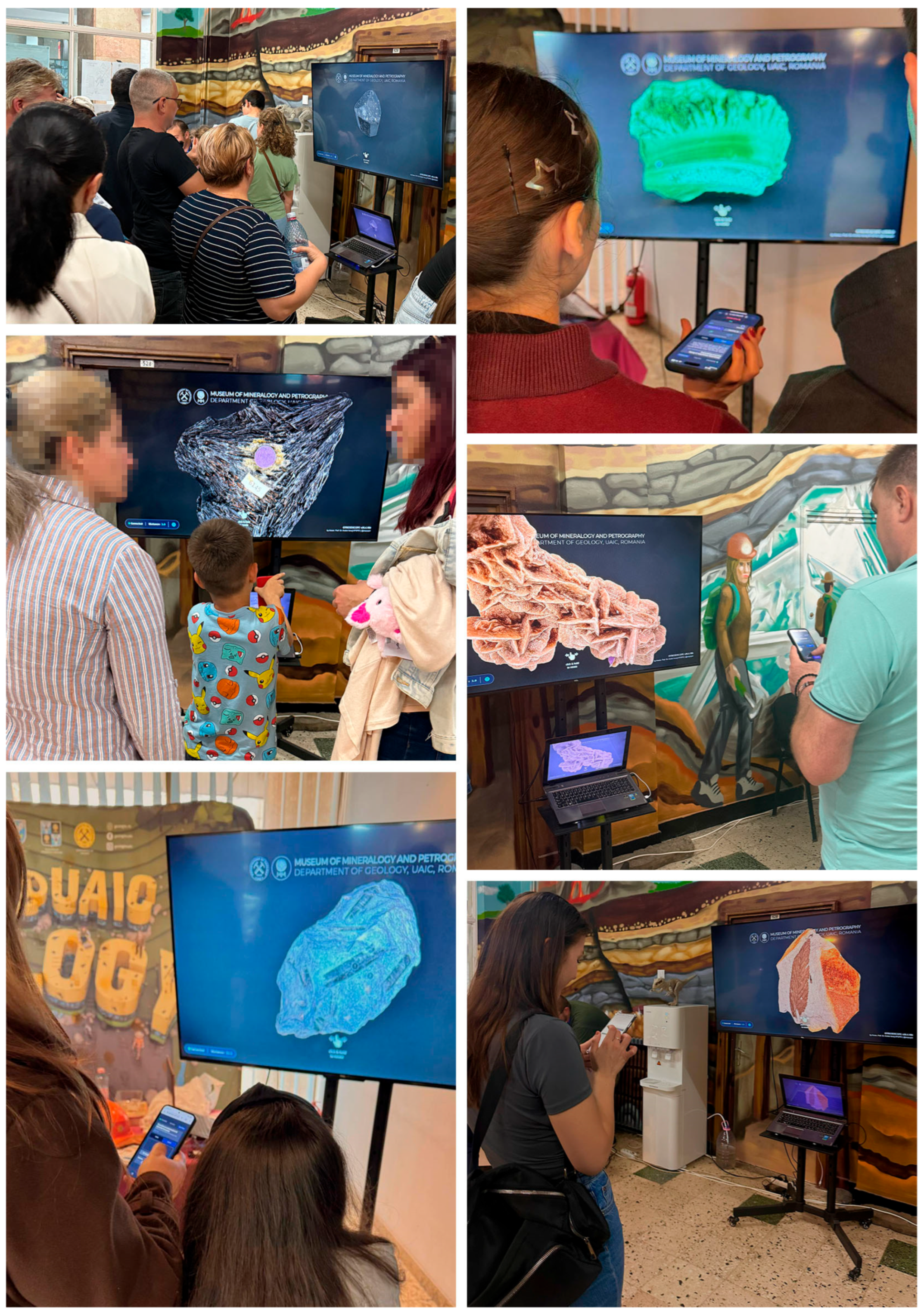
To evaluate these patterns beyond self-reported metrics, visitor physical distribution and spatial dynamics were documented during peak traffic periods of the event (Figure 5). By projecting the view-dependent WebGL rendering canvas onto a large, shared smart TV screen, the installations generated high baseline AP and HP, two key performance indicators originally rooted in classical visitor studies that are now utilized by modern digital analytics to quantify how effectively an exhibit draws a crowd and sustains active engagement over time [41,44].
The spatial behavior captured in Figure 5 confirms that decoupling the control plane prevents the isolating, anti-social constraints of standard head-mounted displays or mobile e-guides [10,11]. Instead, it facilitates a co-located setup where multiple onlookers can gather around the shared display and co-witness the geological assets being manipulated by the active smartphone holder, potentially encouraging shared observation and informal interactions.

3.2.2. Discoverability and Ease of Use

The platform’s zero-friction onboarding pipeline, relying entirely on camera-based QR code recognition without app installations, showed strong multi-generational learnability under high-traffic gallery conditions. Hiding the secondary search panel by default simplified the initial onboarding loop, allowing visitors to instantly control the display through a single “Next Sample” action on their smartphones.
Interaction logs indicate that users quickly understood the cross-device control concept. Out of 276 sessions, 217 (78.6%) involved active telemetry interaction or control adjustments captured under the Switches column matrix. The median engagement length of 54.5 s confirms that visitors were able to pair their devices and begin manipulating complex 3D geological models almost immediately within their initial interaction window. This fast-onboarding path addresses a major limitation of traditional mobile e-guides, where the friction of downloading apps from commercial app stores frequently deters a large portion of museum attendees [25,34,53,54].

3.2.3. Technical Performance and System Stability

Long-term monitoring confirmed excellent runtime stability and network resilience. The server handled connection paths across all 276 sessions without dropping links. Telemetry relay loops stayed within the intended 50-millisecond envelope, providing responsive screen adjustments as users tilted their personal phones. Out of these logs, only 11 sessions (4.0%) showed a 0 s dwell window, indicating quick connection drops or immediate user exits. The automated cleanup routine worked well during heavy traffic spikes. For instance, during the peak hours of the exhibition on 23 May 2026, the application processed a volume of 66 sequential sessions across the kiosk nodes. Clearing the connection memory and resetting the screen after a 10 s window of signal loss stopped the interface from freezing. This kept the terminals accessible to incoming visitor cohorts all evening without requiring manual troubleshooting or physical floor support.

4. Discussion

4.1. Interpretation of Key Findings

The empirical results collected during the high-traffic public deployment highlight the operational viability, structural stability, and high user reception of the GYRO3DSCOPE platform. An average session dwell time of 91.3 s represents a noteworthy engagement metric for public interactive installations deployed in the wild under extreme crowding conditions. In unstaffed, heavily congested exhibition spaces, traditional 2D touchscreen kiosks often face low engagement thresholds, with visitors frequently abandoning interfaces within seconds due to menu navigation fatigue or public display blindness [53,55,56]. The observed median duration of 54.5 s confirms that the zero-friction onboarding loop enabled users to quickly bypass pairing steps and enter a stable interaction state. As illustrated by the prominent peak in Figure 4, the vast majority of user sessions (43.84%) successfully graduated into the “Transition” phase, while a remarkable 23.91% sustained focus into “Breakthrough” territories, suggesting that the controller’s multi-axis freedom actively supports sustained interaction over static 2D panels.
These logging parameters reveal clear behavioral patterns when evaluated through the Technology Acceptance Model (TAM) [55]. The choice of nearly half the visitors (47.46%) to switch between the gyroscope tracking matrix and the manual touchpad reveals that a decoupled interface actively overcomes the physical limits of traditional displays. This cross-device setup directly counters the classic menu navigation fatigue that causes fast user drop-offs in crowded galleries [55]. Giving visitors the freedom to alter control styles changes the workspace into a playful, self-regulated learning environment. As a result, initial curiosity shifts into sustained exploration. This change is visible in the clear leap in holding power, which climbed from a baseline of 35.58 s for inactive visits up to an average of 144.88 s for multi-modal users.
Crucially, the low rate of immediate session breaks (4.0% registering 0 s dwell times) indicates that the QR code recognition represents a highly dependable pairing mechanism, even when competing with local network congestion caused by 2016 simultaneous event attendees. The user rating metric (i.e., 4.9 out of 5) further demonstrates that decoupling the control plane from the primary rendering canvas does not weaken user satisfaction. Instead, it provides an intuitive, playful interface that successfully lowers the initial intimidation barrier typically associated with manipulating complex multi-axis 3D models [20].
When evaluated through the lens of the TAM, the system’s high retention rate reflects strong marks for both “perceived ease of use” and “perceived usefulness”, which directly influence a user’s intention to engage with digital heritage tools [55]. By hiding the search panel by default, the interface satisfies the “simple and intuitive use” standard defined in the 7 Principles of Universal Design, making the system accessible across broad age cohorts without requiring previous training [57].
While traditional usability assessments often rely on standardized retrospective metrics, such as the 10-item System Usability Scale (SUS) or the multi-dimensional User Experience Questionnaire (UEQ) to track perspicuity, efficiency, and novelty [58,59,60], GYRO3DSCOPE cross-references these subjective elements with continuous backend telemetry logging. This hybrid approach tracks real-time behavioral transitions, matching the cognitive milestones of Barriault and Pearson’s VEF [51] by documenting direct user breakthroughs from initial onboarding to prolonged, self-directed exploration [52].

4.2. Contribution and Context

To evaluate the academic contribution of GYRO3DSCOPE, the platform must be contextualized within the broader technical trajectory of interactive museology. When contrasted with alternative web-based cultural heritage presenter frameworks, the unique contribution of GYRO3DSCOPE becomes clear. Foundational systems like X3DOM [61] and 3DHOP [35] successfully democratized web-native rendering by integrating multi-resolution datasets directly into the HTML DOM without external plugins. Similarly, advanced modern tools like Smithsonian Voyager [36], Potree [37], and Interactive Heritage 3D (IH3D) [39] have vastly enhanced the curatorial toolkit by introducing features for real-time relighting, material customization, point-cloud filtering, and automated annotation tracking. However, these frameworks are primarily designed around a single-surface model, assuming a conventional desktop environment or a single-user touch console setup [53]. In a public museum setting, this configuration often results in the heads-down phenomenon, where a visitor’s attention remains locked onto a small handheld display, or creates long physical queues around a single fixed kiosk console [28,53].
GYRO3DSCOPE directly addresses this interaction bottleneck by building a multi-device connection topology on top of existing WebGL streaming methods. By shifting the control interface to a temporary smartphone controller via secure WebSockets while rendering high-resolution content on a shared public smart TV, the system aligns with Falk and Dierking’s Contextual Learning Model [46]. It harmonizes the visitor’s personal context (their own device and existing digital literacy) with the gallery’s physical and social contexts, turning an interactive station into a shared space that encourages co-located participation and informal social interaction [12,53]. The operational trade-offs, financial impacts, and institutional sustainability levels of these competing display setups are summarized in Table 2.
Furthermore, traditional on-site kiosks routinely fall victim to what museum researchers call the “Progress Trap” [13]. Because smaller regional institutions lack a dedicated long-term maintenance budget and specialized internal IT departments, advanced interactive touch installations frequently degrade into broken, unresponsive, or unserviced screens within a few months of deployment [13]. GYRO3DSCOPE explicitly resolves this sustainability crisis. By migrating the entire hardware computing layer to a remote cloud-native server and utilizing the visitor’s personal smartphone as the physical touch surface, the platform eliminates local hardware wear and tear entirely.
A common concern in digital museology is whether the introduction of advanced interactive platforms distracts visitors from the physical heritage, thereby decreasing overall satisfaction or shifting attention entirely to the technical tool itself. However, by utilizing a decoupled interface, GYRO3DSCOPE mitigates this risk. The personal smartphone acts merely as a transparent conduit for interaction, allowing the user’s primary visual focus to remain anchored on the shared public display and the scientific narrative of the geological specimen.
Additionally, this approach preserves the critical social dynamics of museum learning. While immersive setups using head-mounted displays (HMDs) offer deep sensory presence, they isolate the user from their immediate physical surroundings and companion groups, fracturing the collaborative dialogue that forms the core of informal educational visits [10,11,12]. By rendering high-resolution 3D rocks, minerals, or fossils onto a large, shared smart TV display while retaining control on a personal device, GYRO3DSCOPE appears to encourage collective observation and co-located participation among group members. This shared dynamic highlights the platform’s potential utility for multi-generational school tourism visits [28,53].

4.3. Benefits and Limitations

The main operational value of the GYRO3DSCOPE setup is its long-term architectural sustainability when deployed in public galleries. Running a cloud-native, multi-tenant backend ensures complete data isolation at the server level. At the same time, it gives verified curators a zero-code interface to organize asset lists, lock repository search boundaries, and track automated usage data via remote dashboards. Furthermore, the platform directly counters the persistent issue of kiosk abandonment on the museum floor. The server-side 10 s inactivity timeout monitor ensures that the main screen resets itself automatically, leaving the terminal ready for incoming visitor groups without needing manual reboots or constant human oversight [22,40].
From a scaling perspective, a critical breakthrough proven during the 2016-visitor live deployment is the platform’s capacity for infinite horizontal multi-kiosk replication. Because each standalone frontend display terminal generates its own isolated session UUID upon initialization, an institution can deploy an unlimited number of concurrent interactive nodes over the same centralized Node.js WebSocket layer without experiencing cross-talk or packet collision. This allows resource-constrained museums to adapt dynamically to sudden crowds without undergoing massive computing infrastructure upgrades. From a hygiene and mechanical maintenance perspective, migrating the touch interface entirely to the visitor’s personal device completely removes screen-smudging, sterilization logistics, and continuous physical wear and tear on institutional hardware [9,22,23,25].
Despite these clear operational benefits, the framework displays distinct technical limitations that require careful consideration before institutional rollout:
  • The platform requires a stable, continuous web connection to maintain synchronous state pairing over WebSockets. In subterranean galleries, deep basement vaults, or older historical museum masonry exhibits that lack robust cellular penetration or public Wi-Fi access points, telemetry packets can experience jitter and dropped frames, leading to noticeable latency or rendering breaks in the 3D asset pipeline.
  • The platform relies heavily on modern mobile browser compatibility with the device orientation API. Certain mobile operating systems, particularly stricter versions of Apple iOS, enforce rigid security restrictions that require explicit, manual user confirmation before granting web applications access to internal IMU sensor data streams, introducing a layer of onboarding friction.
  • As a cloud-native aggregator that streams data dynamically via the Sketchfab viewer API or 3DBigDataSpace links, the platform remains susceptible to upstream service changes, rate limits, or sudden API modifications introduced by these external providers [62,63].

4.4. Broader Implications and Future Work

The design of GYRO3DSCOPE generates a practical toolkit aligned with the United Nations Sustainable Development Goals (SDGs), specifically SDG 4 (Quality Education) and SDG 11 (Sustainable Cities and Communities), by opening access to earth science material for diverse public groups [64,65]. Removing financial entry barriers allows underfunded regional spaces and rural geoparks to turn static, locked physical display cases into collaborative learning environments. From a pedagogical perspective, class instructors can move the platform from a museum gallery directly into a university laboratory or classroom. Using secondary monitors or smart TVs allows the system to support group problem-solving tasks, educational games, or practical geology identification exams [8,56]. School tourism groups can seamlessly utilize the kiosk setup for interactive group challenges, directly manipulating virtual structural contacts or delicate, friable crystalline habits that are otherwise hidden away in locked, non-accessible storage cases [2]. This multi-user observation paradigm breaks down the traditional “one guide, many onlookers” dynamic, transforming passive spectators into active, co-located participants in geological discovery [28].
While GYRO3DSCOPE is primarily designed for ex situ collections (minerals, rocks, and fossils), its application within broader UNESCO Global Geoparks is highly viable through visitor centers and regional museums. Although geoparks chiefly manage large, in situ natural sites and landscapes, integrating this platform into their indoor educational facilities allows visitors to closely interact with the microscopic or localized structural details of the larger geological formations they will explore outdoors.
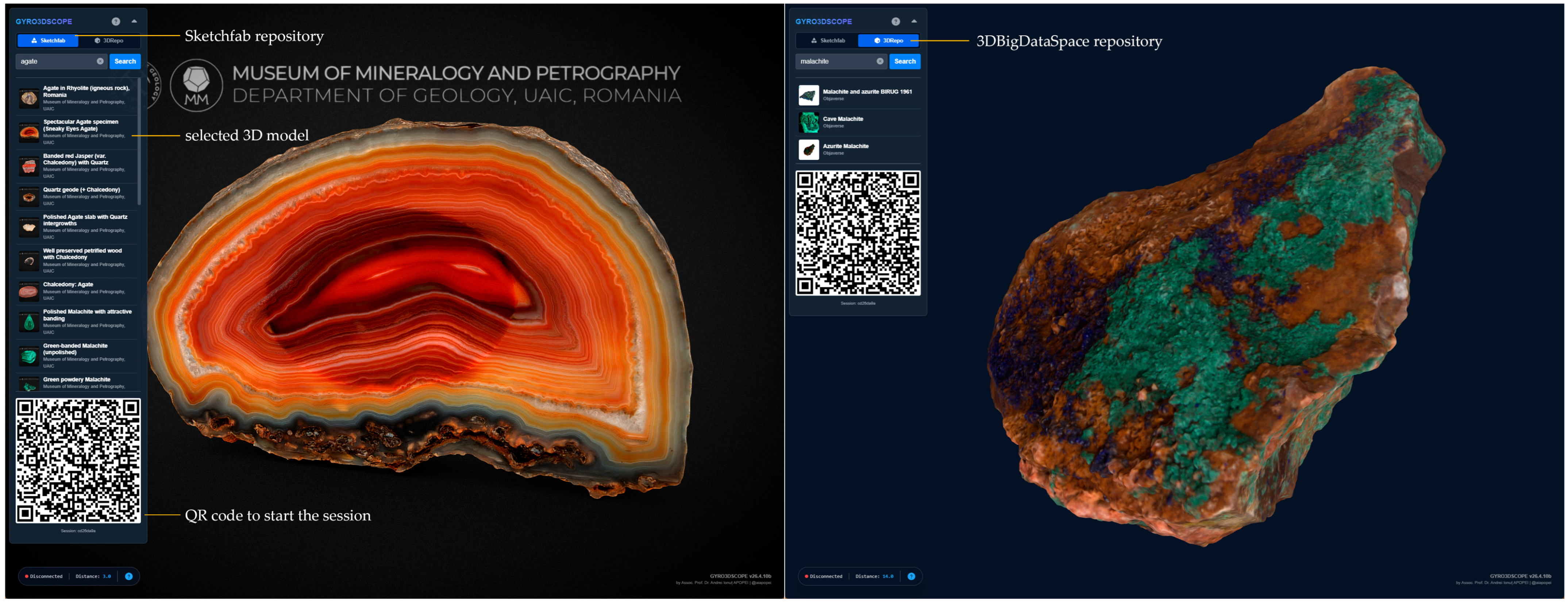
To facilitate this deeper level of academic inquiry, the platform’s primary search interface, which was intentionally suppressed during the high-traffic museum event to minimize cognitive friction, can be instantly reactivated via the curatorial dashboard. As illustrated in Figure 6, enabling the full User Interface (UI) panel transforms the display from a curated, sequential kiosk into an open-ended digital learning canvas. In this educational configuration, educators and students can utilize the GYRO3DSCOPE platform to dynamically query, filter, and stream specific multi-resolution models directly from interconnected global georepositories, such as Sketchfab and 3DBigDataSpace. This empowers instructors to pull real-time structural examples that dynamically match the progression of a specific lesson plan or laboratory objective.
Furthermore, the platform’s integration with repositories like Sketchfab enables the seamless incorporation of extended scientific metadata. Users can easily access detailed specimen descriptions just by tapping the “Show info” button on their mobile controller. This action instantly fetches live data from the repository’s API, revealing the sample’s origin, chemical formula, mineral composition, and petrographic details. While the smartphone acts as the spatial controller, rich HTML spatial annotations (hotspots) embedded directly onto the 3D models can be concurrently accessed on the primary display kiosk using a standard mouse, transforming the visual twin into a multi-layered scientific database.
Moving away from closed, proprietary hardware layouts to app-less, web-native digital tools marks a clear step forward for popularizing geodiversity globally. Capitalizing on open web standards allows museums to stream interactive 3D models directly into standard browsers on ordinary consumer hardware. This completely removes the onboarding friction of downloading third-party applications from commercial app stores [34,35]. Cloud-native aggregators like Sketchfab function as highly accessible repositories that flatten the economic barriers traditionally linked to advanced scientific visualization [5,8]. Generating simple QR codes for physical gallery tags or printed classroom worksheets gives users instant access to virtual geostops and 3D specimen files, transforming an ordinary personal smartphone into a highly portable interpretive tool [66].
It is important to note that while the empirical tracking data strongly demonstrate initial public engagement and high interaction rates, these metrics do not directly measure deep cognitive learning outcomes or the qualitative retention of geological concepts. The recorded holding power confirms the platform’s ability to capture attention, but future assessments utilizing structured pedagogical rubrics are required to quantify actual knowledge transfer.
These accessible tools enhance school tourism and educational outreach by extending complex geological materials directly into classroom settings. Virtual exploration tools allow student groups to study structural layers, measure geological formations, and examine fine crystal details safely at their own pace, bypassing the financial, logistical, and safety hurdles of far-flung field excursions [67]. This hardware-agnostic flexibility operationalizes an exceptionally agile mobile-to-mobile configuration that redefines the popularization of field-based geosciences. Because the platform can simulate the kiosk display layer natively inside a standard mobile browser viewport, a field instructor or geotourism guide can launch the primary display room directly on their own personal smartphone screen. A student or visitor can then scan the dynamically generated QR code directly from that guide mobile display, instantly turning a second smartphone into the active spatial controller. This decoupled configuration removes the dependency on local power grids, fixed gallery nodes, or bulky computing hardware, allowing high-fidelity 3D structural analysis and interactive digital twin manipulation to happen directly at the outcrop surface during remote outdoor excursions.
Shared cloud-based digital libraries preserve the rights of underfunded regional schools and remote student cohorts to access high-quality geoscience resources [6]. For general public audiences, combining 3D digital outcrop models with regional history and cultural heritage narratives transforms abstract scientific datasets into engaging, clear educational stories [2,65]. Providing high-fidelity digital surrogates, ranging from hand-held mineral specimens to broad terrain panoramas, allows institutions to open fragile or restricted field sites to public view while completely preventing damage from heavy foot traffic or improper collecting [6,68]. Web-based mapping platforms combine outdoor recreation with interactive geological interpretation, deepening public appreciation for natural landscapes [3,64].
Such an inclusive digital strategy that transcends localized educational contexts also offers the benefit of significant reductions in carbon emissions from long-distance travel, directly contributing to global climate action efforts under SDG 13 [65,69]. During times of limited mobility, web-based virtual trails kept the general public engaged with local geoparks, thus contributing to local economic resilience under SDG 8, bypassing structural geographic barriers [65,66]. Widely available cross-device mobile features enable local heritage managers to digitize, protect, and promote their regional geological assets. This approach makes these resources affordable and accessible to a global audience, safely connecting society to vulnerable physical landscapes [3].
In subsequent versions of the platform, the focus will be on the direct integration of native web-ready 3D Gaussian Splatting (3DGS) rendering engines into the lightweight web client. This upgrade will allow the visualization of complex view-dependent optical phenomena in real-time, such as translucency, labradorescence, and specular luster, on low-tier hardware displays without requiring localized high-end GPU processing nodes [4].

5. Conclusions

The rollout of GYRO3DSCOPE provides an affordable, sustainable alternative for public earth science outreach and interactive kiosk configuration. Structuring the platform on a multi-tenant SaaS engine and utilizing a BYOD model decouples the real-time visualization of 3D rocks, minerals, and fossils from dedicated hardware input mechanisms. This design approach completely cuts the high purchase budgets, equipment wear, and disinfection routines linked to stationary touch screens or isolating virtual reality setups.
The empirical results achieved during the public exhibition at the Geology Museum of the “Alexandru Ioan Cuza” University of Iași robustly validate this approach. Tested under high-traffic conditions, the system autonomously managed 276 unique interactive sessions without hardware failure or network bottlenecks. The automated analytics recorded a highly significant average dwell time of 91.3 s, with nearly a quarter of users (23.91%) sustaining deep ‘breakthrough’ engagement for over two minutes. Furthermore, the overwhelming preference for the spatial controller (80.80% utilizing the smartphone gyroscope) and an exceptional user satisfaction rating of 4.9 out of 5.0 demonstrate that cross-device configurations successfully overcome traditional menu navigation fatigue. These results prove that decoupled BYOD interfaces not only provide a low barrier to entry and intuitive learnability, but also actively drive sustained behavioral engagement while preserving the social dynamics of the museum experience.
As a real-world implementation of the emerging Mineralogy 4.0 paradigm, this tool ultimately offers an agile framework to widen access to scientific knowledge in line with international sustainability goals. Functioning as an open aggregator that links directly to Sketchfab and 3DBigDataSpace repositories allows the architecture to support underfunded regional museums and rural geoparks. This software strategy helps these smaller venues move past static display boundaries, transforming delicate geological holdings into active learning workspaces that support both public education and green geotourism.
The current study is limited by its reliance on quantitative engagement metrics, which do not assess qualitative educational outcomes. Future iterations of the platform will focus on the direct integration of native web-ready 3D Gaussian Splatting (3DGS) rendering engines into the lightweight web client. Furthermore, future development will include anonymous educational assessment modules, such as randomized interactive quizzes embedded directly on the smartphone controller plane, to help curators gather empirical data on specific conceptual retention.
Finally, future development will prioritize accessibility for vulnerable or disabled individuals. Because the platform leverages native smartphone hardware, subsequent iterations can integrate accessibility APIs, such as screen readers (text-to-speech) to provide audio descriptions of the geological specimens, and haptic feedback to deliver tactile vibration responses during the gyroscopic rotation of models, thereby assisting visually impaired users in navigating the digital collections.

Funding

This research received no external funding.

Institutional Review Board Statement

Ethical review and approval were waived for this study because it involved anonymous non-interventional research, in accordance with institutional guidelines.

Informed Consent Statement

Informed consent was obtained from all subjects involved in the study, implied through voluntary participation in the public exhibition.

Data Availability Statement

The central web-based platform infrastructure and interactive user interface for GYRO3DSCOPE are openly accessible at https://geology.uaic.ro/gyro/ (accessed on 1 May 2026). The accompanying multi-tenant SaaS onboarding portal, administrative user configuration interface, and analytics access gateway are located at https://geology.uaic.ro/gyro/login.php (accessed on 1 May 2026). The underlying 3D virtual collection and geological specimen assets used during this evaluation are hosted on the open-access Sketchfab repositories at https://sketchfab.com/MineralogyPetrographyMuseum (accessed on 1 May 2026) and https://skfb.ly/oywVs (accessed on 1 May 2026).

Acknowledgments

The author wishes to thank the “Grigore Cobălcescu” Geology Museum and the Department of Geology at the “Alexandru Ioan Cuza” University of Iaşi (Romania) for providing the venue and opportunity to conduct the case study during the “Long Night of Museums” event. Gratitude is also extended to the student volunteers who assisted during the public installation. Finally, the author extends sincere gratitude to the anonymous reviewers and the editorial team for their highly constructive feedback, which significantly improved the quality of this manuscript.

Conflicts of Interest

The author declares no conflicts of interest.

Abbreviations

The following abbreviations are used in this manuscript:
3DThree-Dimensional
3DGS3D Gaussian Splatting
AIArtificial Intelligence
APIApplication Programming Interface
APAttraction Power
BYODBring Your Own Device
DOMDocument Object Model
GPUGraphics Processing Unit
HMDHead-Mounted Display
HPHolding Power
HTTPHypertext Transfer Protocol
IMUInertial Measurement Unit
IoTInternet of Things
SaaSSoftware-as-a-Service
SDG/SDGsSustainable Development Goal(s)
SUSSystem Usability Scale
TAMTechnology Acceptance Model
UEQUser Experience Questionnaire
UIUser Interface
UUIDUniversally Unique Identifier
VEFVisitor Engagement Framework
VRVirtual Reality
WebGLWeb Graphics Library
WebXRWeb Extended Reality

References

  1. Pescatore, E.; Bentivenga, M.; Giano, S.I. Geoheritage and Geoconservation: Some Remarks and Considerations. Sustainability 2023, 15, 5823. [Google Scholar] [CrossRef]
  2. Cocal-Smith, V.; Hinchliffe, G.; Petterson, M.G. Digital Tools for the Promotion of Geological and Mining Heritage: Case Study from the Thames Goldfield, Aotearoa, New Zealand. Geosciences 2023, 13, 253. [Google Scholar] [CrossRef]
  3. Williams, M.A.; Tronti, G.; Peruzzo, R.S.; García-Rodríguez, M.; Fazio, E.; Zucali, M.; Bollati, I.M. Geoscience popularisation in Geoparks: A common workflow for digital outcrop modelling. Comput. Geosci. 2025, 201, 105945. [Google Scholar] [CrossRef]
  4. Apopei, A.I. 3D Gaussian Splatting in Geosciences: A Novel High-Fidelity Approach for Digitizing Geoheritage from Minerals to Immersive Virtual Tours. Geosciences 2025, 15, 373. [Google Scholar] [CrossRef]
  5. Apopei, A.I.; Buzgar, N.; Buzatu, A.; Maftei, A.E.; Apostoae, L. Digital 3d Models of Minerals and Rocks in a Nutshell: Enhancing Scientific, Learning, and Cultural Heritage Environments in Geosciences by Using Cross-Polarized Light Photogrammetry. Carpath. J. Earth Env. 2021, 16, 237–249. [Google Scholar] [CrossRef]
  6. Sang, X.J.; Leng, X.P.; Ran, X.J.; Li, X.S.; Xue, L.F. A Virtual 3D Geological Library Based on UAV and SFM: Application for Promoting Teaching and Research on Geological Specimen and Heritage Online. Geoheritage 2022, 14, 43. [Google Scholar] [CrossRef]
  7. Andrews, G.; Labishak, G.; Brown, S.; Isom, S.; Pettus, H.; Byers, T. Teaching with Digital 3D Models of Minerals and Rocks. GSA Today 2020, 30, 42–43. [Google Scholar] [CrossRef]
  8. Apopei, A.I. Towards Mineralogy 4.0? Atlas of 3D Rocks and Minerals: Digitally Archiving Interactive and Immersive 3D Data of Rocks and Minerals. Minerals 2024, 14, 1196. [Google Scholar] [CrossRef]
  9. Apopei, A.I. Accessible Interface for Museum Geological Exhibitions: PETRA-A Gesture-Controlled Experience of Three-Dimensional Rocks and Minerals. Minerals 2025, 15, 775. [Google Scholar] [CrossRef]
  10. Moon, H.; Saade, M.; Enriquez, D.; Duer, Z.; Moon, H.S.; Lee, S.W.; Jeon, M. Mixed-reality art as shared experience for cross-device users: Materialize, understand, and explore. Int. J. Hum.-Comput. Stud. 2024, 190, 103291. [Google Scholar] [CrossRef]
  11. Muñoz, A.; Climent-Ferrer, J.J.; Martí-Testón, A.; Solanes, J.E.; Gracia, L. Enhancing Cultural Heritage Engagement with Novel Interactive Extended-Reality Multisensory System. Electronics 2025, 14, 2039. [Google Scholar] [CrossRef]
  12. Petrelli, D. Making virtual reconstructions part of the visit: An exploratory study. Digit. Appl. Archaeol. Cult. Herit. 2019, 15, e00123, Erratum in Digit. Appl. Archaeol. Cult. Herit. 2022, 24, e00210. https://doi.org/10.1016/j.daach.2021.e00210. [Google Scholar] [CrossRef]
  13. Webster, E. Digital Storytelling, Gamification and the Heritage Sector: An Investigation into Current and Emerging Trends to Improve Inclusivity in a Post-COVID-19 Landscape. Ph.D. Thesis, Loughborough University, Leicestershire, UK, 2024. [Google Scholar]
  14. Hu, C.Y.; Lin, H.Y.; Chen, L.C. The effects of screen size on rotating 3D contents using compound gestures on a mobile device. Displays 2016, 41, 25–32. [Google Scholar] [CrossRef]
  15. Bentivenga, M.; Cavalcante, F.; Mastronuzzi, G.; Palladino, G.; Prosser, G. Geoheritage: The Foundation for Sustainable Geotourism. Geoheritage 2019, 11, 1367–1369. [Google Scholar] [CrossRef]
  16. Bentivenga, M.; Pescatore, E.; Cerone, D.; Olita, F.; Giano, S.I. Geotourism: Itineraries Between Nature, History, and Culture. The Muro Lucano Experience (Basilicata, Southern Italy). Geoheritage 2026, 18, 140. [Google Scholar] [CrossRef]
  17. Pescatore, E.; Bentivenga, M.; Giano, S.I.; Siervo, V. Geomorphosites: Versatile Tools in Geoheritage Cultural Dissemination. Geoheritage 2019, 11, 1583–1601. [Google Scholar] [CrossRef]
  18. Guerra, V.; Lazzari, M. Geoheritage Assessment and Potential Geotouristic Enhancement in Mountain Environments: A Test-Site in the Northern Apennines (Italy). Geoheritage 2022, 14, 97. [Google Scholar] [CrossRef]
  19. Guidetti, G.; Bentivenga, M.; Cantarelli, V.; Prosser, G.; Rizzo, G.; Soldo, G.; Baggi, I.G.; Lucente, S. Disseminating Geosciences Through Geosites: The Example of “Geoscuola” Project In Basilicata. Rend. Online Della Soc. Geol. Ital. 2023, 61, 116–123. [Google Scholar] [CrossRef]
  20. Barbieri, L.; Bruno, F.; Muzzupappa, M. Virtual museum system evaluation through user studies. J. Cult. Herit. 2017, 26, 101–108. [Google Scholar] [CrossRef]
  21. Bekele, M.K. Clouds-Based Collaborative and Multi-Modal Mixed Reality for Virtual Heritage. Heritage 2021, 4, 1447–1459. [Google Scholar] [CrossRef]
  22. Apollonio, F.I.; Zannoni, M.; Fantini, F.; Garagnani, S.; Barbieri, L. Accurate Visualization and Interaction of 3D Models Belonging to Museums’ Collection: From the Acquisition to the Digital Kiosk. ACM J. Comput. Cult. Herit. 2025, 18, 5. [Google Scholar] [CrossRef]
  23. Barbosa, M.G.; de Saboya, L.A.; Bevilaqua, D.V. A survey and evaluation of mobile apps in science centers and museums. JCom—J. Sci. Commun. 2021, 20, A01. [Google Scholar] [CrossRef]
  24. Baggesen, R.H. Mobile media, mobility and mobilisation in the current museum field. In The Routledge Handbook of Museums, Media and Communication; Routledge: Abingdon, UK, 2018; pp. 115–127. [Google Scholar]
  25. Gracel, M.; Swacha, J. Modern Mobile Apps for Visitor Guidance: The Perspective of World’s Leading Art Museums. Procedia Comput. Sci. 2025, 270, 5007–5016. [Google Scholar] [CrossRef]
  26. Luigini, A.; Fanini, B.; Basso, A.; Basso, D. Heritage education through serious games. A web-based proposal for primary schools to cope with distance learning. Vitruvio 2020, 5, 73–85. [Google Scholar] [CrossRef]
  27. Moussouri, T.; Roussos, G. Mobile sensing, BYOD and big data analytics: New technologies for audience research in museums. Particip. J. Audience Recept. Stud. 2014, 11, 270–285. [Google Scholar]
  28. Kasomoulis, A.; Vayanou, M.; Katifori, A.; Ioannidis, Y. MagicHOLO—A Collaborative 3D experience in the museum. In Proceedings of the 20th Pan-Hellenic Conference on Informatics (Pci 2016), Patra, Greece, 10–12 November 2016. [Google Scholar] [CrossRef]
  29. Spallazzo, D. Exploring the role of boundary objects in mobile experiences for the cultural heritage field. In Per-Forming Spaces. On Designing Phygital Narratives Within the Cultural Heritage Ecosystem; Biblion Edizioni: Milan, Italy, 2025; pp. 106–120. [Google Scholar]
  30. Bergé, L.-P.; Raynal, M.; Sanza, C.; Houry-Panchetti, M.; Serrano, M.; Cabanac, R.; Dubois, E. Smartphone-based 3D navigation technique for use in a museum exhibit. In Proceedings of the 7th International Conference on Advances in Computer-Human Interactions (ACHI 2014), Barcelona, Spain, 23–27 March 2014; pp. 252–257. [Google Scholar]
  31. Graf, H.; Jung, K. The smartphone as a 3D input device. In Proceedings of the 2012 IEEE Second International Conference on Consumer Electronics-Berlin (ICCE-Berlin); IEEE: Piscataway, NJ, USA, 2012; pp. 254–257. [Google Scholar]
  32. Bergé, L.-P.; Perelman, G.; Hamelin, A.; Raynal, M.; Sanza, C.; Houry-Panchetti, M.; Cabanac, R.; Dubois, E. Smartphone based 3D navigation techniques in an astronomical observatory context: Implementation and evaluation in a software platform. Int. J. Adv. Softw. 2014, 7, 551–566. [Google Scholar]
  33. Del Vecchio, V.; Lazoi, M.; Marche, C.; Mettouris, C.; Montagud, M.; Specchia, G.; Ali, M.Z. Designing Innovative Digital Solutions in the Cultural Heritage and Tourism Industry: Best Practices for an Immersive User Experience. Appl. Sci. 2025, 15, 4935. [Google Scholar] [CrossRef]
  34. Fanini, B.; Ferdani, D.; Demetrescu, E.; Berto, S.; d’Annibale, E. ATON: An Open-Source Framework for Creating Immersive, Collaborative and Liquid Web-Apps for Cultural Heritage. Appl. Sci. 2021, 11, 11062. [Google Scholar] [CrossRef]
  35. Potenziani, M.; Callieri, M.; Dellepiane, M.; Corsini, M.; Ponchio, F.; Scopigno, R. 3DHOP: 3D Heritage Online Presenter. Comput. Graph. 2015, 52, 129–141. [Google Scholar] [CrossRef]
  36. Smithsonian. Voyager Overview. Available online: https://smithsonian.github.io/dpo-voyager/explorer/overview/ (accessed on 1 May 2026).
  37. Schütz, M.; Ohrhallinger, S.; Wimmer, M. Fast Out-of-Core Octree Generation for Massive Point Clouds. Comput. Graph. Forum 2020, 39, 155–167. [Google Scholar] [CrossRef]
  38. Romphf, J.; Neuman-Donihue, E.; Heyworth, G.; Zhu, Y. Resurrect3D: An open and customizable platform for visualizing and analyzing cultural heritage artifacts. In Proceedings of the Proceedings of the 26th International Conference on 3D Web Technology, Los Angeles, CA, USA, 4–5 August 2021; pp. 1–7. [Google Scholar]
  39. Ubik, S.; Kubišta, J.; Dvořák, T. Interactive 3D models: Documenting and presenting restoration and use of heritage objects. Digit. Appl. Archaeol. Cult. Herit. 2022, 27, e00246. [Google Scholar] [CrossRef]
  40. Potenziani, M.; Callieri, M.; Cignoni, P. Designing and Developing Interactive Kiosks for Cultural Heritage: Best Practices and Common Issues. In Interactive Media for Cultural Heritage; Springer Series on Cultural Computing; Springer: Berlin/Heidelberg, Germany, 2025; pp. 473–497. [Google Scholar]
  41. Piccialli, F.; Benedusi, P.; Carratore, L.; Colecchia, G. An IoT data analytics approach for cultural heritage. Pers. Ubiquit Comput. 2020, 24, 429–436. [Google Scholar] [CrossRef]
  42. Chen, W.; Chen, Y.J. Virtual Museum Experience Design and User Behavior Analysis. IEEE Access 2025, 13, 156504–156521. [Google Scholar] [CrossRef]
  43. Ivanov, R. ExhibitXplorer: Enabling Personalized Content Delivery in Museums Using Contextual Geofencing and Artificial Intelligence. ISPRS Int. J. Geo-Inf. 2023, 12, 434. [Google Scholar] [CrossRef]
  44. Philippopoulos, P.I.; Drivas, I.C.; Tselikas, N.D.; Koutrakis, K.N.; Melidi, E.; Kouis, D. A Holistic Approach for Enhancing Museum Performance and Visitor Experience. Sensors 2024, 24, 966. [Google Scholar] [CrossRef] [PubMed]
  45. Capece, S.; Chivaran, C.; Giugliano, G.; Laudante, E.; Nappi, M.L.; Buono, M. Advanced systems and technologies for the enhancement of user experience in cultural spaces: An overview. Herit. Sci. 2024, 12, 71. [Google Scholar] [CrossRef]
  46. Ivanov, R.; Velkova, V. Analyzing Visitor Behavior to Enhance Personalized Experiences in Smart Museums: A Systematic Literature Review. Computers 2025, 14, 191. [Google Scholar] [CrossRef]
  47. Umezu, N.; Koizumi, S.; Nakagawa, K.; Nishida, S. Potential of Low-Cost Light Detection and Ranging (LiDAR) Sensors: Case Studies for Enhancing Visitor Experience at a Science Museum. Electronics 2023, 12, 3351. [Google Scholar] [CrossRef]
  48. Bitgood, S. Attention and Value: Keys to Understanding Museum Visitors; Routledge: Abingdon, UK, 2016. [Google Scholar]
  49. Serrell, B. Paying attention: The duration and allocation of visitors’ time in museum exhibitions. Curator Mus. J. 1997, 40, 108–125. [Google Scholar] [CrossRef]
  50. Serrell, B. The Aggregation of Tracking-and-Timing Visitor-Use Data of Museum Exhibitions for Benchmarks of “Thorough Use”. Visit. Stud. 2020, 23, 1–17. [Google Scholar] [CrossRef]
  51. Barriault, C.; Pearson, D. Assessing Exhibits for Learning in Science Centers: A Practical Tool. Visit. Stud. 2010, 13, 90–106. [Google Scholar] [CrossRef]
  52. Lukes, L.A.; Sultana, N.; Solen, M.; Munzner, T. Visitor engagement with a digital science museum exhibit about Earth’s history and the geologic time scale: Implications for research methods and exhibit design. J. Geosci. Educ. 2025, 1–12. [Google Scholar] [CrossRef]
  53. Boucher, M.; Blumenstein, K.; Oliveira, V.A.D.; Seidl, M. BYOD—Bringing Your Own Device into Single-Surface Interaction Models. In Proceedings of the Fifteenth International Conference on Tangible, Embedded, and Embodied Interaction, Tei 2021i, Salzburg, Austria, 14–17 February 2021. [Google Scholar] [CrossRef]
  54. Mazzanti, P.; Ferracani, A.; Bertini, M.; Principi, F. Reshaping Museum Experiences with AI: The ReInHerit Toolkit. Heritage 2025, 8, 277. [Google Scholar] [CrossRef]
  55. Aziz, M.N.A.; Harun, S.N.; Baharom, M.K.; Kamaruddin, N.; Zamin, N. The relationship between interactive kiosk design towards usage intention in the National Music Museum of Malaysia. Mus. Manag. Curator. 2024, 39, 518–538. [Google Scholar] [CrossRef]
  56. Müller, M.; Otero, N.; Milrad, M. Guiding the design and implementation of interactive public displays in educational settings. J. Comput. Educ. 2024, 11, 823–854. [Google Scholar] [CrossRef]
  57. Ai, L.; Phaholthep, C. Evaluating Museum Environment Composition Containing Digital Media Interaction to Improve Communication Efficiency. Buildings 2025, 15, 1186. [Google Scholar] [CrossRef]
  58. Clini, P.; Nespeca, R.; Ferretti, U.; Galazzi, F.; Bernacchia, M. Inclusive Museum Engagement: Multisensory Storytelling of Cagli Warriors’ Journey and the Via Flamina Landscape Through Interactive Tactile Experiences and Digital Replicas. Heritage 2025, 8, 61. [Google Scholar] [CrossRef]
  59. Nikolakopoulou, V.; Vosinakis, S.; Nikopoulos, G.; Stavrakis, M.; Politopoulos, N.; Fragkedis, L.; Koutsabasis, P. Design and User Experience of a Hybrid Mixed Reality Installation that Promotes Tinian Marble Crafts Heritage. ACM J. Comput. Cult. Herit. 2022, 15, 60. [Google Scholar] [CrossRef]
  60. Othman, M.K.; Nogoibaeva, A.; Leong, L.S.; Barawi, M.H. Usability evaluation of a virtual reality smartphone app for a living museum. Univers. Access Inf. 2022, 21, 995–1012. [Google Scholar] [CrossRef]
  61. Behr, J.; Eschler, P.; Jung, Y.; Zöllner, M. X3DOM: A DOM-based HTML5/X3D integration model. In Proceedings of the 14th International Conference on 3D Web Technology, Darmstadt, Germany, 16–17 June 2009; pp. 127–135. [Google Scholar]
  62. Gaia, G.; Boiano, S.; Borda, A. Engaging museum visitors with AI: The case of chatbots. In Museums and Digital Culture: New Perspectives and Research; Springer: Berlin/Heidelberg, Germany, 2019; pp. 309–329. [Google Scholar]
  63. Münster, S.; Apollonio, F.I. Digital Visualization Infrastructures of 3D Models in a Scientific Contest. Heritage 2026, 9, 59. [Google Scholar] [CrossRef]
  64. Bollati, I.M.; Masseroli, A.; Al Kindi, M.; Cezar, L.; Chrobak-Žuffová, A.; Dongre, A.; Fassoulas, C.; Fazio, E.; Garcia-Rodríguez, M.; Knight, J.; et al. The IGCP 714 Project “3GEO—Geoclimbing & Geotrekking in Geoparks”—Selection of Geodiversity Sites Equipped for Climbing for Combining Outdoor and Multimedia Activities. Geoheritage 2024, 16, 79, Correction in Geoheritage 2025, 17, 50. https://doi.org/10.1007/s12371-025-01100-w. [Google Scholar] [CrossRef]
  65. Fassoulas, C.; Nikolakakis, E.; Staridas, S. Digital Tools to Serve Geotourism and Sustainable Development at Psiloritis UNESCO Global Geopark in COVID Times and Beyond. Geosciences 2022, 12, 78. [Google Scholar] [CrossRef]
  66. Pasquaré Mariotto, F.; Bonali, F.L.; Tibaldi, A.; De Beni, E.; Corti, N.; Russo, E.; Fallati, L.; Cantarero, M.; Neri, M. A New Way to Explore Volcanic Areas: QR-Code-Based Virtual Geotrail at Mt. Etna Volcano, Italy. Land 2022, 11, 377. [Google Scholar] [CrossRef]
  67. Kim, H.S.; Lim, C. Developing a geologic 3D panoramic virtual geological field trip for Mudeung UNESCO global geopark, South Korea. Episodes 2019, 42, 235–244. [Google Scholar] [CrossRef]
  68. Qiu, J.T.; Zhang, T.Y.; Tian, L.X.; Rui, X.M.; Mu, H.X.; Qiu, L.; Xu, L.X. Using Interactive Multi-Media Panorama Virtual Reality to Balance Heritage Science, Education and Conservation At Zhoukoudian, Fangshan UNESCO Global Geopark. Geoheritage 2025, 17, 96. [Google Scholar] [CrossRef]
  69. Pasquaré Mariotto, F.; Antoniou, V.; Drymoni, K.; Bonali, F.L.; Nomikou, P.; Fallati, L.; Karatzaferis, O.; Vlasopoulos, O. Virtual Geosite Communication through a WebGIS Platform: A Case Study from Santorini Island (Greece). Appl. Sci. 2021, 11, 5466. [Google Scholar] [CrossRef]
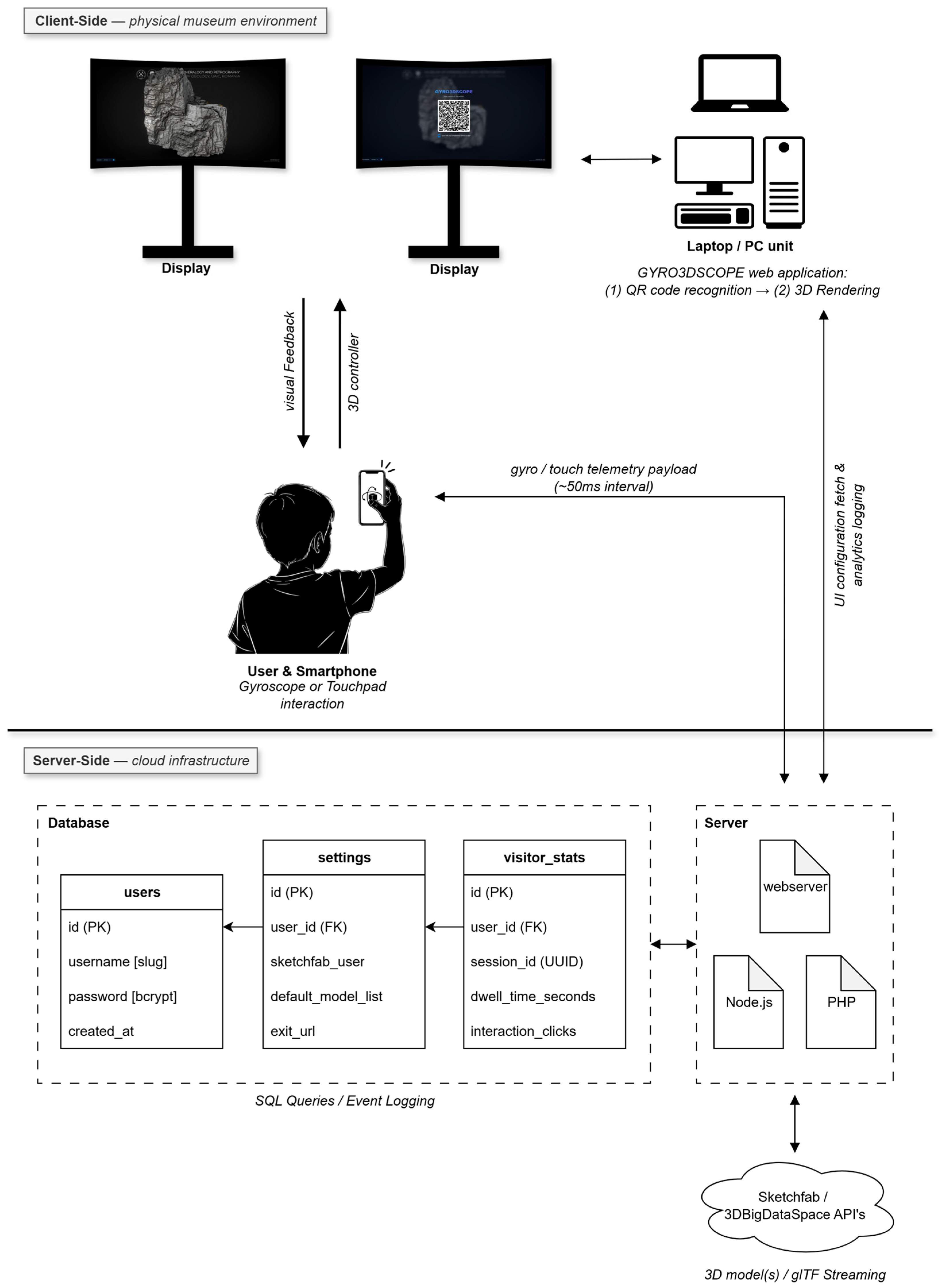
Figure 1. GYRO3DSCOPE system architecture.
Heritage 09 00283 g001
Figure 2. Graphical workflow of the GYRO3DSCOPE client-side smartphone user interface screens. The sequence illustrates the zero-friction transition pipeline: (a) QR-code recognition with the camera; (b) immediate redirect to the live controller workspace in the mobile browser with the 3D model description and the default real-time gyroscope rotation; (c) interactive multi-touch touchpad toggle; and (d) the post-session qualitative review interface featuring an anonymous star-rating selection node. The “Next Sample” model streaming action button, “Recenter” for resetting the 3D-axis, and “Distance” for zooming in/out are available in both gyroscope/touchpad workspaces.
Heritage 09 00283 g002
Figure 3. GYRO3DSCOPE administrative dashboard interface showing real-time configuration settings and aggregated user metrics logged during the public deployment. The curation block enables zero-code restrictions for repository profiles, sequential or randomized asset streaming lists, custom redirection targets, and automatic dashboards for visitor metric tracking.
Heritage 09 00283 g003
Figure 5. Live installations and active public usage of the GYRO3DSCOPE system at the Geology Museum of the “Alexandru Ioan Cuza” University of Iași during the 2026 “Long Night of Museums” event. The image demonstrates the cross-device interaction paradigm in action: visitors utilize personal mobile smartphone browsers as remote spatial controllers via local IMU sensors, while high-fidelity 3D geological artifacts are projected onto a shared, large-format display monitor to stimulate group dialogue.
Heritage 09 00283 g005
Figure 6. The GYRO3DSCOPE primary public display operating in an active “Educational Mode” with the main User Interface (UI) panel enabled. This advanced configuration allows classroom instructors and school tourism groups to actively query, filter, and stream specific 3D geological assets directly from interconnected open-access repositories, including Sketchfab (left) and 3DBigDataSpace (right), tailoring the interactive experience to specific academic curricula.
Heritage 09 00283 g006
Table 1. GYRO3DSCOPE empirical evaluation matrix (N = 276).
Metric CategoryEvaluation Parameter & FormulaValue
macro trafficinstitutional door count (total event attendance)2016 visitors
total tracked interactive sessions (N)276 sessions
Attraction Power (AP)Global Attraction Power:
A P g l o b a l t o t a l   t r a c k e d   s e s s i o n s t o t a l   e v e n t   a t t e n d a n c e
13.69%
Active Attraction Power:
A P a c t i v e s e s s i o n s   w i t h   n e x t   s a m p l e   a c t i o n s   1   t o t a l   e v e n t   a t t e n d a n c e
11.11%
Holding Power (HP)cumulative public holding time:
Σ d w e l l   t i m e
25,201 s (~7 h)
average session lifecycle
(mean holding power)
91.31 s
50th percentile separation node
(median holding power)
54.5 s
maximum interactive session length703 s
kiosk volumetric bounce rate:
s e s s i o n s   w i t h   z e r o   t r a c k i n g   i n t e r a c t i o n s t o t a l   t r a c k e d   s e s s i o n s
4% (11 sessions)
qualitative scoremean user satisfaction rating
(post-session terminal survey)
4.9/5
behavioral modalitygyroscope selection rate
( sessions   activating   gyroscope   tracking   1 )
80.80% (223 sessions)
granular datatouchpad selection rate
( sessions   activating   touchpad   tracking   1 )
49.28% (136 sessions)
multimodal engagement rate
(sessions combining both interfaces fluidly)
47.46% (131 sessions)
average dwell window by classpassive/non-interacting bounces: 35.58
standalone gyroscope tracking: 103.27 s
multimodal (gyroscope + touchpad) tracking: 144.88 s
Table 2. Interactive museology cost-to-engagement matrix.
Interaction ParadigmOperational VulnerabilitiesInstitutional SustainabilityWorks
Virtual isolated environments (HMDs/VR Headsets)Sanitary limits, social isolation, and high frictionLow sustainability (high hardware costs, high staff supervision requirements)[9,10,11,12,26]
Static monolithic terminals (traditional touch kiosks)Mechanical wear, smudge accumulation, and fixed nodesModerate sustainability (prone to hardware obsolescence, fixed location)[13,22,23,24,25]
Decoupled SaaS BYOD (GYRO3DSCOPE)Network-dependent, web browser permission relianceHigh sustainability (zero local hardware footprint, infinitely scalable clusters)This study
Disclaimer/Publisher’s Note: The statements, opinions and data contained in all publications are solely those of the individual author(s) and contributor(s) and not of MDPI and/or the editor(s). MDPI and/or the editor(s) disclaim responsibility for any injury to people or property resulting from any ideas, methods, instructions or products referred to in the content.