


Abstract
Community- and values-based approaches to the conservation of architectural heritage are increasingly emphasised. Yet empirical evidence on how local communities assess the potential of interventions for built heritage remains limited. Hence, when examining heritage interventions based on prevailing theories, visual scenario testing is considered a significant communication tool. Therefore, this study investigates local community preferences for different intervention levels in Koya City’s urban heritage using Artificial Intelligence (AI)-assisted visualisations that span a continuum of interventions. The visualisations serve as the basis for the survey, which was used to explore local preferences for the various heritage intervention scenarios. The correspondence between the AI-assisted visuals and the theoretical interventions was assessed by experts before the survey. The findings suggest that low- to moderate-intensity conservation strategies that preserve architectural character are consistently preferred by the survey community. In contrast, interventions that involved considerable physical change were markedly less favoured. Results from the expert validation test indicate that low- to moderate-intervention levels were reliably visualised using AI-assisted visualisations, while the higher-intervention levels were considered less representative. The supplementary calibration further highlights the importance of visual granularity in participatory heritage evaluation. However, the study remains exploratory and limited by the use of AI-assisted visualisations, a single case-study context, and the difficulty of translating nuanced conservation doctrines into visually discrete categories. This study makes a dual contribution by providing empirical evidence of local preferences across a continuum of conservation interventions, and by proposing an AI-assisted visual methodology to bridge expert conservation theory with public understanding.
1. Introduction
Architectural heritage represents culture, collective memory, and place-based meanings across generations. Historic buildings exist as images, symbols, and elements of contemporary social life, not merely as remnants of past eras and cultures. These structures have aesthetic, symbolic, and community value [1]. If buildings such as these deteriorate or collapse, the question of preservation becomes complex and contentious [2]. Just how much of the original building should be retained, repaired, restored, reconstructed, or replaced? These decisions are not merely technical but cultural and political [3], complicating the question of how far to intervene by requiring a balance between the site’s material conditions and the communities’ expectations for how the site could manifest in the future.
The dilemma of authenticity versus functionality poses a challenge for the conservation and revitalisation of historic buildings. The Venice Charter [4] and the Burra Charter [5] set out principles of minimal intervention and conservation of original materials wherever possible. When the structure is largely destroyed, conservation codes of ethics tend to identify broad principles for reconstruction, with few specific requirements [6]. While later trends in heritage studies moved towards value-based community heritage management, involving new interpretative models that focus on understanding the values, meanings, and other cultural interpretations of heritage from the perspectives of stakeholders and the social context in which heritage is understood to be important [7]. When physical change takes precedence, it is clear that conservation measures must respond to a building’s social, cultural, and emotional values, as well as its physical condition. Public opinion, therefore, becomes an important part of the process of determining an acceptable level of change [8]. Communities may decide to leave ruins as monuments, restore the buildings, or adapt them for new uses, as conservation initiatives increase efficiency when they are community-led [9].
To understand these preferences, we need to consider how the public responds to different degrees of physical intervention. Experts rely on professional norms, and public responses are often shaped by emotional attachment, cultural norms, and visual aesthetics [10,11]. Research on place attachment has found that people form emotional attachments to historic places, which may foster tolerance for change [12]. Studies of visual preferences have also found that people prefer continuity, legibility, and familiarity in their environments, which may conflict with the aims of interventionist conservation schemes [13]. These findings suggest that public preferences are not arbitrary but can correspond to systematic psychological and perceptual patterns [14]. However, contemporary heritage managers now practice and acknowledge that communities must engage for socially sustainable conservation, and they increasingly adopt participatory tools such as preference surveys, participatory mapping, and stakeholder consultation to ascertain what local communities want from the future of their heritage site [15,16]. In these circumstances, ascertaining community preferences can guide heritage managers toward an alternation that is technically justifiable [17] and socially defensible [14]. Choice modelling (or stated choice) is one structured approach that facilitates the elicitation of such preferences by prompting respondents to choose between multiple incremental intervention levels [18].
Despite the growing emphasis on value-based and community-oriented conservation, existing studies largely rely on theoretical classifications or textual surveys, with limited use of visually grounded methods to evaluate intervention strategies. In response, this study proposes a structured, AI-assisted visual methodology to explore how established conservation frameworks translate into comparable visual scenarios. Using a controlled series of intervention levels, the research systematically investigates informed preferences among community and professional stakeholders. By integrating AI-assisted visuals with empirical evaluation, the study aims to bridge gaps between conservation theory and public perception by proposing intervention scenarios as a communication tool among stakeholders for implementation in community-based heritage planning.
2. Theoretical Background
Heritage conservation theory has long acknowledged a range of responses to the physical fabric of built heritage. This is expressed in foundational charters such as the Venice Charter [4] and the Burra Charter [5] as a continuum from least to most intervention: from minimum intervention through sympathetic conservation, repair, alteration, restoration, addition, and reconstruction of elements to complete reconstruction of sites, the principle of “do as much as necessary, as little as possible” inscribed in the Burra Charter implies that conservation is continuously measured and proportionate [19]. This notion of minimum intervention is present throughout Jokilehto’s influential history of conservation theory, both as a principle and as a domain of practices that seeks to conserve historic fabric by retaining it rather than replacing it [6]. Under this framework, the range of interventions, from repair to whole or partial reconstruction, has become a dominant approach in much contemporary conservation practice.
While technical justification for grading intervention is only one component of a wider conservation discourse, over the past few decades, it has been widely recognised that fabric modification may be motivated more by social values than by technical expertise. Values-based conservation emerged as a counter to the fabric-first approach, emphasising the importance of social, cultural, symbolic, and intangible heritage values [7]. Most important in this sense is that the level of an intervention is not only determined by the site’s condition but also by its attributed values [8]. Therefore, it argues that the assessment of importance, and hence acceptable levels of intervention, must be understood as an interpretive and culturally conditioned process rather than a technical one. Values-based conservation thus provides a theoretical justification for putting public preferences at the centre of decisions about acceptable levels of change.
This view is consistent with stakeholder theory, which holds that decisions about shared resources must consider all groups interested [20]. In heritage contexts, stakeholder theory sees communities as legitimate co-decision-makers who should have direct influence on the social legitimacy of the conservation outcomes [15]. The public value model takes this a step further, suggesting that heritage values are produced through the co-production of institutions and the public through engagement, approval, and relevance [21]. Smith [3] also builds on this, advancing the highly influential argument that heritage is a cultural process performed, negotiated, and politically contested. She therefore radically positions the public as a producer of heritage meanings. By this view, community preference serves as the criterion for determining which types of physical changes are admissible.
Environmental psychology can help explain community responses to changes in the built environment. The theory of place attachment suggests that residents develop bonds with place and that their attitudes towards change are influenced by identity, memory, and social experience [10]. Stronger attachment is also associated with a lower tolerance for radical physical change, as the material setting serves as a symbol in the construction of personal and social identity [12]. Place identity, a closely related field, shows that historicity serves as a basis for narrative continuity, shaping tolerance for change and the criteria for assessing authenticity [22]. Environmental perception studies provide some additional empirical support. The Kaplans’ Preference Framework identifies coherence, legibility, and the familiar as basic determinants of preference. It predicts that a perceived visual disruption or unfamiliarity with the scene would decrease the environmental quality [11]. Similar preferences in heritage studies are evident in communities opting for repair solutions that retain familiar community features, despite the availability of technically feasible alternatives [23].
Much of the literature treats stated-preference methods as implementations of this theoretical approach. The application of stated-preference theory in behavioural economics and psychometric scaling enables a formal, rigorous analysis of individual utility assessments in hypothetical change scenarios. It has become the dominant method for eliciting choices when the alternatives are unobservable (indirectly valued) [18]. In conservation decision-making scenarios with hypothetical outcomes, the ideal scale should present amounts of physical change, such as ordering tasks, discrete-choice experiments, or graded intervention scales. Psychometric theory on scale construction recognises that ordered categories are a natural way of representing the complexity of people’s preferences on a continuum [24]. The principle of multi-level intervention scales is applicable, and conservation preferences may be represented in a graded manner.
Recent participatory heritage planning research has outlined the benefits of transparent, participatory preference elicitation, particularly when such methods quantify gradations of acceptable change, for social legitimacy and the long-term sustainability of conservation decisions [25]. Comparative studies have therefore shown that experts typically favour minimal intervention and authenticity frameworks, while community preferences range from safety, usability, and aesthetic completeness to symbolic reinstatement [26]. A gradient approach helps capture the full range of preferences and identify areas of consensus or dissent. These bodies of literature provide the theoretical framework for understanding community preferences for conservation intervention. Heritage conservation literature provides a framework for understanding the conservation intervention continuum; the values-based and stakeholder studies justify community participation; and environmental psychology theory explains the emotional, perceptual, and identity-based factors that condition non-economic tolerance of change. Stated preference theory provides the technical and methodological framework for measuring valuations of complex physical changes. These integrated frameworks may ensure conservation interventions are technically defensible, culturally meaningful, and publicly legitimate, particularly in cases of collapsed or severely compromised heritage buildings and sites.
2.1. Conservation Intervention Levels
The continuum of conservation intervention ranges from no intervention to the repair or preservation of the original fabric to total reconstruction or new construction, and is echoed in the doctrines and literature of international heritage organisations and foundational documents [4,5,27]. Scholars, among others, Smith [3], Feilden [28], and Jokilehto [6], present conservation not as a binary decision between an authentic original and its unfettered use, but as a continuum of decisions on which layers of authenticity, use, sustainability, and continuity of cultural importance are prioritised (see Table 1). This continuum suggests a more thorough framework for conservation scenarios by distinguishing between conceptually adjacent interventions based on their intent, degree of intervention, and impact on heritage.
Table 1.
The proposed conservation intervention levels are based on previous literature for guidance in AI-assisted visualisation.
2.1.1. Minimum and Preventive Interventions
The most passive form of intervention is non-intervention, which recognises the fabric’s cultural heritage value and leaves it in place. This minimalist philosophy is represented in the Burra Charter, which includes the principle of “doing as much as necessary and as little as possible” [5]. Non-intervention is often adopted when cultural heritage fabric is fragile, has spiritual significance, or is valued for its state of ruin or patina [26]. Closely related is monitoring, i.e., systematic observation and documentation of deterioration without attempting to stop it. According to Feilden [28], monitoring is a necessary preliminary phase of conservation planning to identify risk factors and environmental stressors proactively. Preventive conservation extends this idea to include measures to minimise risk and prevent damage in the first place. This can also prevent human actions, such as looting, vandalism, or uncontrolled development, from damaging the site. In principle, the more of these threats can be avoided, the less intrusive the interventions will be. Maintenance is the simplest form of active intervention, defined in the Burra Charter as “continuous protective care”. Such actions are often the most sustainable and cost-effective conservation initiatives because they delay deterioration and increase longevity [5]. The periodic nature of these rituals mirrors the cyclical maintenance in customary building cultures. Stabilisation is a more urgent intervention to prevent or limit ongoing deterioration. It may include temporary shoring, support, and consolidation of soil or fabric when there is an immediate risk of collapse [28].
Stabilisation is an important measure in post-disaster intervention and is typically applied to buildings with acute structural instability. The retention-of-use [29] approach links continued use to the physical and social conservation of the building, while compatible use [5] identifies adaptive reuse as a conservation model that integrates buildings into living cultural traditions. Use is a conservation vehicle and a guarantee of importance. Repair is a low- to medium-level intervention aimed at retaining as much of the original fabric as possible while reinstating function. Good repair should be sympathetic, identifiable, and, where possible, reversible [28]. Compatible materials do not have long-term chemical or structural incompatibilities when in contact. The remedying of damage or deterioration by the re-establishment of function and appearance using original or suitably compatible materials [30]. Repair should not involve changing the character of the original fabric or structure. This entails adopting a minimal-intervention approach, ensuring that any repair does not alter the original materials and design that confer heritage value. It follows the principle of ‘reversibility’ and stresses the need to respect the historic character of the heritage [5].
Repair is the process of making necessary repairs to cultural heritage to ensure its continued sustainability. Repair is part of conservation, which also includes consolidation, restoration, and preservation, and it is essential to reconcile the possibility of repairs that respect the authenticity and integrity of the heritage with the necessity of using the least intrusive means of intervention [31]. Historic England’s definition of repair is to restore a heritage asset’s structural integrity and condition, and, where possible, to carry out on-site repairs with customary materials and techniques. For historic buildings, this requires the retention and stabilisation of any decaying fabric, with interventions kept to a minimum and having the least impact on the external appearance and historic fabric. Repair aims to preserve the character and importance of the heritage asset and its long-term sustainability [32]. The Venice Charter gives a more specific definition: “Repair should be resorted to only to compensate for damage or deterioration caused by time or the elements”. The philosophy of minimum intervention holds that interventions must maintain the fabric’s stability and protection without compromising its historic and aesthetic qualities. An important conservation principle of the Venice Charter [4] is the use of original materials and techniques in the repair of an object.
2.1.2. Restorative and Adaptive Interventions
Restoration returns a site to a known earlier state by removing later work or reassembling earlier work; as stated in the Venice Charter, restoration must “stop at the point where conjecture begins” [4]. This restricts what can be used for reconstruction and, thus, what can be verified against a criterion. Restoration is the act or process of returning the existing fabric of a heritage property to a known earlier state and, if necessary, to remove later work or accretions that are not of importance and to reconstruct missing portions to match the original and, therefore, preserve the heritage property’s cultural importance [30,32]. According to the Burra Charter, restoration is the process of returning a place or object to a known earlier state by removing accretions or later interventions and replacing missing elements. According to ICOMOS [5] “In any process of restoration, the cultural importance of the place should be respected and, so far as possible, retained, and the objective should be to retain as much of the original material and fabric as possible.” According to UNESCO [4], restoration is the process of returning a cultural heritage property to its former condition by removing inauthentic elements or additions and reassembling missing original parts based on documentary evidence. According to the Venice Charter, the restoration of a monument should be carried out to its original state, with later alterations removed and structural elements repaired or reconstructed. Restoration should be pursued to the greatest extent possible and based on scientific knowledge [4].
A more common term in North America is rehabilitation, which considers the need to make the heritage place functional for its continuing or new use while protecting its heritage value [33]. Rehabilitation offers greater flexibility than restoration in enhancing services and accessibility and meeting health and safety requirements, without compromising primary heritage values. Reinstatement, on the other hand, is the reconceptualisation of previous styles if the historical sources are sufficiently complete. According to Jikolehto [6], reinstatement differs from conjectural reconstruction of details lacking a historical basis. Interpretation is a non-material intervention to communicate meaning, usually through signage, guides, exhibits, and digital media. Tilden’s original theory of heritage interpretation has highlighted its role in educating the public and supporting conservation [34]. Enhancement is making the heritage’s importance more legible, such as by removing non-contributing elements or using lighting or landscaping to provide further interpretation. Enhancements should not create a false impression or distort authenticity [29]. Adaptations are changes to a place to allow it to be used for a compatible purpose with minimal or no loss of cultural importance [5]. They are most often used to give redundant heritage buildings a new use. Adaptive reuse is the planned reuse of a heritage structure for a different purpose. According to Bullen & Love [35], it achieves sustainability in part by avoiding demolition and reducing embodied energy. Renovation, usually involving significant modernisation or upgrading, is primarily for functional purposes. As the historic character is often overwhelmed or erased by the intervention [5].
2.1.3. Transformative and Radical Interventions
Redevelopment, including partial demolition, is generally frowned on by conservation theorists but may be acceptable in the context of urban heritage when the overall townscape is considered in relation to larger spatial planning or regeneration exercises [1]. Reassembly is the process of reconstructing displaced elements of a structure to their original positions using surviving original materials supplemented by new materials [4]. Reconstruction should be based on incontrovertible, well-documented evidence and undertaken only where it is a prerequisite for understanding or preserving the cultural value [6]. In post-disaster contexts, it is sometimes debated whether to rebuild or preserve destroyed buildings. Replication is the creation of an identical copy of a heritage building, and it is another disputed approach. However, it is discouraged under the Burra Charter unless there is strong evidence and a specific cultural value for doing so [5]. An addition introduces new features, such as extensions, circulation spaces, or service blocks, that must be distinct yet compatible with the existing structure [29]. Relocation, or moving a building, is considered undesirable and should be used only as a last resort if no other means can be employed to save the monument [4]. Disassembly is the process of taking apart a building to repair, conserve, or rebuild it. New construction is the most disruptive, but may be permissible where the new building or addition is compatible with, different from, and reversible with respect to historic resources [1,6]. Its aesthetic complements the heritage context without duplicating, overpowering, or clashing with it.
3. Materials and Methods
This study adopts a qualitative–quantitative mixed research design grounded in a case-study approach, integrating AI-assisted visualisations with participatory evaluation methods, which is becoming increasingly established within the heritage discourse [36]. The research is structured to examine how different levels of architectural conservation interventions are perceived by local stakeholders and the extent to which AI-assisted visualisations can represent and communicate the intervention levels. The research design is informed by contemporary heritage conservation theory, in which acceptable levels of physical change are understood as socially negotiated rather than purely technical decisions. In this context, visual representation plays a critical role in bridging expert knowledge and public understanding. Figure 1 illustrates the sequential methodological workflow adopted in this study, from theoretical framing and AI-assisted visualisation to expert validation and explorations of community perception.
Figure 1.
The sequential methodological workflow of the study.
3.1. Structuring of Conservation Interventions
A comprehensive conservation intervention continuum H1–H25 (see Table 1) was established on the basis of internationally recognised heritage conservation frameworks and scholarly literature. The continuum spans from minimal and preventive approaches, such as non-intervention and monitoring, to significant and transformative actions, including reconstruction and new construction. This structured hierarchy proposes a comparable basis for examining degrees of physical and visual change, enabling the systematic evaluation of how varying intervention intensities vary.
3.2. Case Study Selection: Mahmud Agha Khan, Koya City (1860–1861)
Koya (also Koy-Sanjaq) is a Kurdish town located in Erbil Governorate, in the Kurdistan Region of Iraq (KRI) [37]. Historically, under Ottoman rule from the 16th until the early 20th century, Koya served as a regional commercial hub linking trade routes among major centres (Erbil, Sulaymaniyah, Kirkuk) and acted as a stopover and bazaar town [37]. Its old town, the historic core (see Figure 2), still hosts a variety of heritage buildings: traditional courtyard houses, 19th–early-20th-century bazaars (Qaisarias), caravanserais (Khans), religious buildings, and public-commercial complexes. Many heritage buildings have suffered neglect, structural decay, partial collapse, or crude modernisation, especially in the absence of maintenance or preservation policies. New urban expansion has often bypassed or fragmented the historic core: the insertion of wide, straight streets, modern buildings incompatible with the existing urban morphology, and the disconnection between old and new urban nuclei [38,39]. Academic work on adaptive reuse of traditional courtyard houses in Koya argues that such buildings, when sensitively rehabilitated, can meet modern functional needs while preserving heritage value [40]. Studies on Kurdish vernacular architecture reveal building traditions aligned with sustainability and local climate adaptation; lessons which could inform conservation strategies and modern rehabilitation in Koya [41]. A recent urban conservation study of Koya highlights the ongoing neglect and calls for comprehensive heritage-area plans that integrate preservation, rehabilitation, adaptive reuse, and community involvement [42].
Figure 2.
Location and extent of Koya’s historic core within the urban fabric [39].
The Mahmud Agha Khan building, located in Koya’s central bazaar near the Grand Mosque, was selected as the case study for this research due to its architectural significance, heritage value, and representative condition. This two-storey khan featured a large internal courtyard, stables in the basement, and carved marble entrance doors, all of which were key features of Ottoman-period commercial architecture at Koya. Despite partial repairs in 1993, these measures did not prevent structural deterioration, and by 2021, the building had nearly collapsed. The existence of this condition also reflects a continuing problem facing historic khans throughout the KRI. The tangible evidence of degradation shows that the efforts did not stop the building from deteriorating (see Figure 3).
Figure 3.
The current physical condition of the Mahmud Agha Khan building shows extensive structural collapse and material deterioration [39].
This case was selected for its significant regional and local heritage value. Although the structure is extensively collapsed, previous documentation shows that the building used specific materials and traditional construction methods, evidencing its high heritage value. This specific case is also essential to the town, as its central location enhances its significance and sociocultural visibility. Furthermore, this pattern of material decay and structural deterioration is common in the region, which makes it methodologically relevant and representative of local heritage interventions (see Figure 4).
Figure 4.
Photographs of the current physical condition of the Mahmud Agha Khan heritage building in Koya.
3.3. AI-Assisted Visual Generation
This study used AI-assisted visualisations to translate the defined heritage conservation interventions defined in the literature into architectural visuals. AI was used solely for visualisation purposes, with the researchers controlling design iterations through prompt formulation throughout the process, as each conservation intervention level (H1–H25) was defined in line with internationally recognised heritage frameworks. To operationalise the visualisation, each process involved converting the intervention into a structured Alter/Retain prompt specifying which modifications are allowed and which architectural elements must remain unchanged to maintain the heritage’s integrity. The general structure of the Alter/Retain prompt used in this study is illustrated in Table 2. To ensure methodological rigour, the viewpoint, scale, and lighting conditions were held constant across all images to isolate intervention intensity (see Appendix A).
Table 2.
Structure of the Alter/Retain prompt used for AI-assisted visualisation of conservation interventions.
AI Prompt Development and Image Generation Workflow
The AI-assisted visualisations were generated using OpenAI ChatGPT 4.0 with GPT-4-based image-generation capabilities as a controlled visual simulation tool. For each intervention category (H1–H25), multiple iterative generations were produced through structured prompts. During the iterative process, outputs showing unrealistic geometries, distorted architectural proportions, excessive stylistic deviation, or inconsistencies with the intended conservation intensity were rejected and regenerated (see Figure 5). Final image selection was based on visual consistency, architectural plausibility, preservation of the context, and alignment with the predefined intervention hierarchy. To ensure methodological rigour, the AI-assisted visuals were not treated as independent design outputs but as controlled representations of the hierarchy of intervention intensity. This controlled visual consistency enabled direct comparisons across intervention levels and ensured that the generated images served as visual proxies for theoretical conservation classifications.
Figure 5.
Diagram showing the methodological steps in generating AI-Assisted visuals for Intervention scenarios.
Minor post-processing adjustments were limited to cropping, figure layout standardisation, and annotation preparation for publication purposes, without altering the visual content of the generated scenes. The AI-assisted visualisations were therefore treated as controlled representations of a predefined continuum rather than autonomous design proposals. To improve methodological transparency and reproducibility, representative prompt templates and selected prompt examples are provided in Appendix B.
3.4. Questionnaire Design and Structure
To address both theoretical validity and respondents’ perception, this study employed a three-stage questionnaire strategy. Three distinct but complementary instruments were developed: First, a specialised expert validation questionnaire, second, a survey questionnaire targeting informed community members, students, and professionals. Third, followed by a simplified, larger-scale community survey based on nuanced intervention levels. Each stage served a different analytical purpose within the research design, ensuring a clear separation between conceptual accuracy and public interpretation.
3.4.1. Expert Validation
As part of the research design, a specialised expert questionnaire was developed to validate the theoretical accuracy and representational reliability of the AI-assisted conservation visuals before their use in survey analyses. This instrument is intended to ensure that the visual outputs accurately reflect internationally recognised definitions of architectural conservation interventions. Its primary objective is not to capture preferences or aesthetic judgments, but rather to assess whether each AI-assisted image accurately conveys its corresponding conservation concept visually. In this sense, the expert questionnaire functioned as a tool for evaluating content and face validity. Experts were presented with an authentic image of the case-study building alongside a series of AI-assisted intervention scenarios representing 25 graded levels of conservation intervention (H1–H25). For each intervention image, respondents were asked to evaluate a single, clearly defined statement describing the theoretical intent of that intervention. Ratings were recorded using a 5-point Likert scale (1 = Strongly Disagree to 5 = Strongly Agree).
The expert evaluation focused on four key dimensions:
- Accuracy: whether the image correctly represents the definition of the intervention level;
- Theoretical coherence: alignment with established conservation principles;
- Visual consistency: clarity of distinction between different intervention categories;
- Progression of intervention intensity: whether the visual sequence demonstrates a logical increase in physical and visual change from H1 to H25.
Importantly, experts were instructed to base their evaluations solely on theoretical correspondence, rather than on personal taste or contextual preference. This was to ensure the assessment remained grounded in professional standards rather than subjective interpretation. In addition to intervention-specific ratings, the questionnaire included an overall evaluation section addressing the realism, technical feasibility, clarity of classification, and communicative potential of the AI-assisted visuals. The expert questionnaire was bilingual (Arabic, English) to ensure clarity and inclusivity among local and regional specialists. The outcomes of this validation stage established the visual dataset, which subsequently formed the basis for the informed community survey.
3.4.2. Informed Community Survey
Following the expert validation stage, a survey questionnaire (See Supplementary Data) was developed to examine how non-specialist and semi-specialist audiences perceive different levels of architectural conservation interventions. This instrument constitutes the second stage of the research design and focuses on preference formation, acceptance, and perceived suitability, rather than theoretical accuracy. The questionnaire was designed to capture how users who interact with, live near, or study the heritage environment interpret varying degrees of physical interventions. Participants were presented with an authentic image of the heritage building, along with AI-assisted visual representations of 25 levels of conservation intervention (H1–H25). For each intervention image, respondents evaluated four perceptual dimensions on a 5-point Likert scale (1 = Strongly Disagree, 5 = Strongly Agree). These four dimensions (see Figure 6) were selected to reflect the core pillars of socially sustainable conservation, balancing heritage ethics with visual quality, usability, and respondents’ endorsement. This survey was administered tri-lingually (Kurdish, Arabic, English) to ensure accessibility and inclusiveness across respondent groups. Demographic and background questions (age, occupation, familiarity with the site, and interest in architectural heritage) were included to enable comparative analysis across user categories.
Figure 6.
Multidimensional evaluation framework for AI-assisted architectural heritage conservation, integrating ethical integrity (including authenticity, reversibility, and minimal-intervention principles), aesthetic compatibility, functional performance, and societal acceptance to assess the validity and acceptability of conservation interventions across varying levels of intervention intensity.
3.4.3. Community Survey
Following the informed community survey and the initial data analysis, a third stage of the research design was developed through a supplementary one-question community survey derived directly from the findings of the informed community survey. This phase aimed to further explore broader local community perceptions by focusing on the intervention cluster that received the highest preference scores in the initial survey. New AI-assisted visual scenarios were generated to provide finer visual differentiation within this intervention range, while the survey structure was simplified to enable broader public participation and more rapid community engagement. This supplementary phase was intended to examine whether broader non-specialist participants would distinguish between nuanced low-intervention visual conditions when presented through more visually differentiated AI-assisted scenarios. Within the research design, this survey served to answer the following research questions:
- What levels of physical intervention in heritage buildings are preferred by community members when evaluating alternative conservation scenarios?
- At what point does community acceptance decline/increase when the degree of physical intervention increases?
- To what extent do AI-assisted visualisations reliably represent theoretical intervention categories, as assessed through expert validation?
- How do community preferences relate to professional interpretations of acceptable intervention levels in heritage conservation?
3.5. Participants and Sampling Strategy
3.5.1. Expert Validation Sampling
The expert validation stage employed a purposive sampling strategy, targeting respondents with professional or academic backgrounds in architecture, archaeology, engineering, and heritage conservation, as well as those with teaching involvement in architectural preservation and history. A total of 52 experts (n1) participated in this stage. Respondents were drawn from the Colleges of Architecture at Salahaddin University–Erbil, Koya University, the University of Kurdistan Hewlêr (UKH), and the University of Mosul. As well as governmental institutions and non-governmental institutions linked to the professional practice and governance of the built environment.
Expert selection prioritised theoretical familiarity with international conservation frameworks, including charters and related heritage doctrines, rather than only local familiarity with the specific case study. This approach was intended to focus expert evaluations on the conceptual accuracy and theoretical consistency of the AI-assisted conservation interventions. The size of the expert panel exceeds commonly reported ranges for content and face validity assessment in architectural and heritage research [24], and was therefore considered sufficient to provide a reliable theoretical evaluation of the AI-assisted conservation visuals.
3.5.2. Informed Community Survey Sampling
The survey stage targeted approximately 150 informed respondents representing semi-specialist and informed audiences with prior exposure to architectural heritage concepts. The participant group included architecture students in advanced stages of study, practising architects, and other respondents familiar with heritage environments. Participants were selected to ensure adequate conceptual grounding for interpreting and evaluating the conservation interventions meaningfully. The survey sample (n2 = 112) was supplemented with practising architects and other informed respondents to achieve the target sample size for the perception analysis.
3.5.3. Sample Size Benchmark
To provide a formal benchmark for the perception survey sample size, standard survey sample-size estimation guidance was considered using Cochran’s formula, which is commonly applied in social and perception-based research [43]:
where
= initial sample size estimate;
= z-value corresponding to the desired confidence level;
= estimated population proportion;
= acceptable margin of error.
Using a 95% confidence level (), a conservative proportion estimate (), and an acceptable margin of error of approximately 8% (. The resulting benchmark supports a sample size of approximately 110 respondents, aligning with the target perception sample for this study. This calculation is employed as a benchmark rather than a strict requirement, as the perception survey follows a purposive, informed-respondent strategy typical of architectural and heritage studies, rather than probabilistic population sampling.
3.5.4. Community Survey Sampling
This final group consisted of non-specialist participants living in KRI and was introduced as a supplementary community-based calibration phase to further explore broader public perceptions and preferences regarding lower intervention scenarios. Unlike the earlier informed community survey, this stage aimed to capture more general community reactions to refined visual distinctions within the most preferred intervention ranges identified in the prior analysis. The sample size consisted of (n3 = 191), and responses were collected through a simplified one-question follow-up survey designed to encourage broader participation and more rapid public engagement. The supplementary community calibration survey was exploratory in nature and therefore aimed to maximise participation rather than satisfy a predefined probabilistic sample threshold.
3.6. Data Collection and Analysis
Data were collected using three complementary questionnaires evaluating the AI-assisted conservation scenarios. Participants reviewed the visualisations and completed the surveys either via Google Forms or in person. The expert validation questionnaire assessed the clarity, realism, and theoretical accuracy of the AI-assisted visuals. The subsequent surveys gathered participants’ evaluations of the visual acceptability and suitability of each intervention scenario. Quantitative data were analysed using IBM SPSS 29.0. Reliability was assessed using Cronbach’s alpha (α > 0.70), followed by tests of normality and a one-way ANOVA to examine differences across intervention levels and participant groups. Finally, findings from the expert validation and perception surveys were compared to evaluate the potential of AI-assisted visualisations as a participatory tool in heritage conservation planning.
3.7. Ethical Considerations
All procedures complied with institutional research ethics guidelines. Informed consent was obtained from respondents before data collection through an introductory statement at the beginning of the questionnaire. Participation was voluntary, and respondents were informed of the study’s purpose and their right to withdraw at any time. No personally identifiable information was collected, and respondent anonymity was fully maintained. The AI-assisted visuals were used solely for academic research purposes and were not associated with any commercial application.
4. Results
4.1. AI Visual Generation Process and Tool Selection
Following the definition of the Alter/Retain parameters, AI-assisted façade visualisations were assisted for all conservation intervention levels (H1–H25). Several AI image-generation tools, including Nano Banana, LookAI, and Gemini, were explored during the preliminary phase to assess their suitability for translating structured architectural conservation commands into sequential visual outputs (see Figure 5). The primary methodological requirement was the ability to interpret complex architectural instructions, preserve the cumulative logic of interventions, and maintain visual continuity across a series of images without altering previously defined attributes. Within this context, OpenAI GPT-4-based image generation demonstrated greater compatibility with the rule-based Alter/Retain framework and the sequential nature of the intervention continuum. Consequently, it was selected as the primary tool for generating the final visual dataset, with AI employed strictly as a controlled visualisation aid under full researcher supervision. Figure 7 shows representative AI-assisted visualisations of the selected conservation intervention levels. A complete catalogue of all conservation intervention levels (H1–H25), together with their corresponding AI-assisted visualisations, is provided in Appendix A to ensure transparency, traceability, and comprehensive documentation of the intervention continuum.
Figure 7.
The representative AI-assisted visualisations of the selected conservation intervention levels.
4.1.1. Reliability of the Expert Validity Instrument
First, the reliability of the expert evaluation instrument was examined to ensure the consistency of the collected data. In addition to Cronbach’s alpha coefficients, item-level diagnostics, including Corrected Item–Total Correlations (CITC) and the “alpha if item deleted” statistics, were reviewed to confirm that no single item artificially inflated the overall reliability. A reliability analysis was conducted to evaluate the internal consistency of expert ratings for the AI-assisted conservation intervention visuals (H1–H25). The results indicated good internal consistency, with a Cronbach’s Alpha Coefficient (α = 0.818) across the 25 intervention items.
Inspection of the CITC showed the items maintain acceptable relationships with the overall scale, indicating that each intervention contributes meaningfully to the evaluation framework. The “alpha if item deleted” statistics also demonstrate that removing individual items would not significantly improve the reliability coefficient, confirming that no item disproportionately influences the scale. Although several items showed relatively lower CITC, this outcome is expected because the intervention levels represent distinct conservation strategies rather than indicators of a single latent construct. Therefore, variation among items does not compromise the reliability of the overall evaluation framework. Reliability was also assessed for the five global evaluation statements addressing the realism of the visuals, the clarity of intervention classification, the accuracy of translating conservation theory into visual form, the clarity of intervention progression (H1–H25), and the effectiveness of the visuals for communication. The analysis yielded a Cronbach’s alpha (α = 0.882), indicating a strong internal consistency among these evaluative criteria.
4.1.2. Content Validity of AI-Assisted Intervention Visuals
Content validity of the AI-assisted conservation intervention visuals was assessed (see Table 3) using the Item-Level Content Validity Index (I-CVI). Experts evaluated each intervention visual using a five-point Likert scale ranging from Strongly Disagree (1) to Strongly Agree (5). In accordance with standard CVI procedures, ratings of Agree (4) and Strongly Agree (5) were considered indicators of content validity. The Item-Level Content Validity Index (I-CVI) was calculated as:
where = number of experts assigning ratings of 4 or 5 and = total number of experts (n = 52).
Table 3.
Item-Level Content Validity Index (I-CVI) for AI-Assisted Conservation Intervention Visuals.
To evaluate the overall content validity of the intervention hierarchy, the Scale-Level Content Validity Index (S-CVI/Ave) was calculated as the mean of all I-CVI values:
where intervention items.
The results show varying levels of agreement among experts across the intervention hierarchy. Higher agreement was observed for interventions such as Retaining Use (I-CVI = 0.75), Reintroducing Use (I-CVI = 0.75), Maintenance (I-CVI = 0.71), and Reassembly (I-CVI = 0.73), indicating that the AI-assisted visuals were generally perceived as clear representations of these conservation concepts. Moderate agreement was observed for interventions including Repair (0.69), Interpretation (0.69), Adaptive Re-Use (0.67), and Replication (0.62). In contrast, lower levels of agreement were observed for interventions such as Renovation (0.27), Redevelopment (0.33), Relocation (0.15), Disassembly (0.12), and New Construction (0.31), suggesting greater variation in experts’ interpretation of these visual representations. The overall scale-level content validity index was calculated as:
Indicating moderate overall agreement among experts regarding the accuracy of the AI-assisted conservation intervention visuals.
4.1.3. Factor Structure of Expert Evaluation
To examine the latent structure of expert evaluations of AI-assisted conservation visuals, an Exploratory Factor Analysis (Principal Component Analysis [PCA] with Varimax rotation) was conducted on the 25 items. The Kaiser–Meyer–Olkin (KMO) measure of sampling adequacy was 0.558, indicating moderate suitability for factor analysis, while Bartlett’s test of sphericity was statistically significant (χ2 = 689.507, p < 0.001). These results confirm that the correlation matrix contained sufficient relationships among the variables to justify factor extraction. Following the eigenvalue > 1 criterion, eight components were extracted from the dataset. Together, these factors explain 73.34% of the total variance, suggesting that the expert evaluations can be interpreted as a limited number of coherent conceptual clusters rather than as isolated intervention categories (see Table 4).
Table 4.
Total Variance Explained by Extracted Components.
The scree plot in Figure 8 further supports retaining eight components. A clear inflexion occurs after the eighth component, indicating that subsequent factors contribute only marginal explanatory value. The curve shows a sharp decline followed by a plateau, supporting the selection of an eight-component solution explaining 73.34% of the total variance. The rotated component matrix reveals several meaningful clusters of conservation approaches.
Figure 8.
Scree plot of principal component analysis showing eigenvalues across the 25 conservation interventions. The dashed horizontal line represents the Kaiser eigenvalue threshold (λ = 1), while the vertical line marks the retained eight components.
The rotated component matrix presented in Table 5 reveals eight underlying dimensions that structure expert evaluations of conservation interventions. Minimal and maintenance-oriented actions cluster strongly within the first component, while more adaptive and transformative interventions are distributed across later components. Particularly high loadings for relocation (λ = 0.943) and disassembly (λ = 0.922) indicate a distinct category of structural displacement strategies that represent extreme conservation responses, typically reserved for situations where the physical survival of the structure is at risk. Overall, the factor structure reveals a progression from minimal conservation actions toward increasingly intensive transformation strategies.
Table 5.
Rotated Component Matrix of Conservation Interventions (Varimax Rotation ≥ 0.40).
The strongest loadings are associated with interventions such as monitoring, maintenance, retaining use, and reintroducing use, which together form a cluster of minimal intervention strategies aimed at safeguarding the existing material fabric while preserving functional continuity. These approaches align closer with internationally recognised conservation principles that prioritise preventive care and the retention of architectural continuity. A second grouping of interventions includes restoration, reconstruction, reinstatement, enhancement, and adaptive reuse, which represent conservation approaches that seek to recover lost architectural features while maintaining the structure’s historical character.
More transformative interventions, including redevelopment, addition, relocation, and new construction, form distinct components with comparatively lower levels of expert consensus. The greater variation in expert responses suggests that strategies involving more radical alteration of the original structure remain more contested. To facilitate interpretation of these statistical clusters, the interventions were synthesised into a conceptual conservation continuum ranging from minimal preservation to radical transformation. As illustrated in Figure 9, expert evaluations tend to cluster around moderate conservation approaches, particularly those that combine restoration, repair, and adaptive reuse. These strategies preserve the architectural identity of the heritage fabric while enabling functional adaptation. In contrast, interventions associated with radical transformation, such as relocation or new construction, appear at the end of the continuum and received less consistent expert agreement. The analysis suggests that experts agree with the visuals of the low-moderate interventions that maintain continuity while allowing controlled functional evolution.
Figure 9.
Conservation intervention continuum derived from PCA-based expert clusters, showing the progression from minimal preservation to radical transformation.
4.1.4. Expert Agreement Analysis of Conservation Interventions
To evaluate the credibility and theoretical consistency of the AI-assisted conservation scenarios, a one-sample statistical test was conducted using the expert validation responses. Table 6 summarises the descriptive statistics for the 25 conservation interventions, including the number of responses, mean score, standard deviation, percentage agreement, and statistical significance.
Table 6.
One-sample statistics of expert evaluations for conservation interventions (n1 = 52).
The results presented in Figure 10 unveil patterns in expert evaluations of the proposed interventions. Visuals associated with low to medium physical alteration and continuity of use received the strongest professional support. The highest levels of agreement were recorded for reintroducing use (77.7%), retaining use (76.2%), reassembly (75.0%), repair (74.6%), and maintenance (73.1%). These interventions tend to cluster within the lower intervention range, where visual transformation remains comparatively limited.
Figure 10.
Expert agreement levels for conservation interventions based on specialist evaluations percentages. Interventions are ordered from the highest to the lowest level of expert agreement.
Moderate intervention visualisations also received relatively strong support from experts. Interventions such as adaptive reuse (71.5%), non-intervention (71.9%), interpretation (69.6%), reinstatement (69.2%), and reconstruction (67.7%) demonstrate a medium level of adaptation. In contrast, interventions involving more extensive physical transformation received noticeably lower levels of agreement. Strategies such as relocation (54.2%), disassembly (53.1%), renovation (50.0%), and new construction (49.6%) were evaluated less favourably by experts. These approaches typically involve substantial alteration or replacement of the original fabric, which may compromise authenticity and the historical integrity of heritage structures.
Beyond the ranking of individual interventions, the distribution of agreement levels also reveals a broader pattern in expert opinions. The results indicate three general clusters of intervention levels. The first cluster includes highly supported interventions, with agreement exceeding 70%, and primarily represents minimal preservation- and repair-oriented approaches. A second cluster, ranging between approximately 63% and 69% agreement, includes moderate interventions involving controlled restoration or adaptation. Finally, a third cluster, generally with agreement below 60%, consists of strategies involving radical structural transformation. The clustering patterns indicate stronger expert agreement for the visualisations representing low- to moderate-intervention levels, whereas the higher-intervention scenarios were considered less representative of their theoretical categories.
4.1.5. Influence of Professional Background on Expert Evaluation
To examine whether professional background influenced the evaluation of the conservation interventions, a one-way analysis of variance (ANOVA) was conducted to compare mean scores across four occupational groups: architects, archaeologists, conservators (heritage specialists), and other professionals. Before performing the ANOVA, the assumption of normality was assessed using the Kolmogorov–Smirnov test, which indicated that the distribution of evaluation scores did not significantly deviate from normality (p = 0.200). This confirmed that parametric statistical testing was appropriate.
The ANOVA results are outlined in Table 7 revealed no statistically significant differences among the occupational groups in their evaluations of the interventions (F(3, 48) = 1.256, p = 0.300). Although minor variations in mean scores were observed across professions, these differences were not statistically meaningful. This finding indicates that experts from different professional backgrounds demonstrated a generally consistent interpretation of the AI-assisted conservation scenarios, regardless of disciplinary specialisation.
Table 7.
One-way ANOVA examining differences in expert evaluations across professional backgrounds.
4.2. Results for Informed Community Survey
4.2.1. Reliability of the Evaluation Instrument
The internal consistency of the community perception questionnaire was evaluated using Cronbach’s alpha. The analysis included the twenty-five intervention evaluation items (H1–H2). The results demonstrated excellent internal consistency, with a Cronbach’s alpha (α = 0.923), indicating high reliability among the questionnaire items. Thus, the reliability analysis suggests that respondents evaluated the intervention scenarios coherently and systematically, providing a stable dataset for subsequent statistical analyses examining respondent preferences and evaluation patterns.
4.2.2. Preferences Across Heritage Intervention Levels
To examine whether community evaluations differ across the conservation intervention continuum, a nonparametric Friedman test was conducted to compare ratings for the 25 intervention scenarios (H1–H25). This test is appropriate for repeated-measures ordinal data, in which the same respondents evaluate multiple alternatives using Likert-scale ratings. The results reveal a statistically significant difference in community evaluations across the intervention levels (χ2 = 477.066, df = 24, p < 0.001), indicating participants’ ability to differentiate between intervention-level visualisations rather than evaluating all interventions similarly. These findings suggest that community perceptions follow a structured hierarchy across the intervention continuum. The significant Friedman statistic indicates that community preferences vary meaningfully across the intervention continuum. The relative ranking of these interventions is examined in the following section by analysing the community preference gradient.
4.2.3. Informed Community Preference Gradient Across Conservation Interventions
Inspection of the mean rank values further illustrates the distribution of community preferences. Interventions such as H10 (Mean Rank = 17.29), H8 (16.88), H5 (15.94), H9 (15.63), and H3 (15.57) received the highest rankings, indicating relatively strong community acceptance. In contrast, interventions such as H23 (Mean Rank = 7.65), H25 (7.96), H1 (8.71), H24 (8.86), and H22 (9.57) received the lowest rankings, suggesting weaker community acceptance. These interventions represent either non-intervention approaches or highly transformative interventions, which may be perceived as either insufficient for revitalisation or excessively disruptive to architectural authenticity.
These results indicate that informed community preferences are not randomly distributed but follow a preference gradient, with moderate and adaptive interventions receiving greater acceptance than both non-intervention and radical-transformation approaches. As illustrated in Figure 11, participant evaluations form a structured preference gradient across the intervention continuum.
Figure 11.
Informed survey participants’ preference gradient across heritage conservation intervention levels based on Friedman mean ranks.
Interventions (H1–H25) are positioned along a continuum from minimal conservation-oriented strategies to highly transformative architectural actions based on Friedman’s mean ranks derived from the survey (n2 = 112). The continuum illustrates how support gradually decreases as intervention intensity increases, with a higher preference for conservation-focused approaches such as repair, restoration, and adaptive reuse, and a lower preference for highly transformative strategies such as relocation, disassembly, and new construction. While the Friedman ranking reveals the relative ordering of community preferences across intervention types, it does not indicate whether these evaluations are statistically positive or negative relative to the scale’s neutral midpoint. Therefore, a one-sample t-test was conducted to determine the direction of public evaluation for each intervention.
4.2.4. Comparative Evaluation of Conservation Intervention Scenarios
To further examine the evaluation of informed community toward each conservation intervention, a one-sample t-test was conducted to compare the mean evaluation score for each intervention with the neutral midpoint of the Likert scale (test value = 3). This analysis allows identification of whether the informed community perception of each intervention level is significantly positive, neutral, or negative. As illustrated in Figure 12, the conservation continuum diagram presents the overall pattern of evaluations across the intervention levels (H1–H25), with the dashed horizontal line representing the neutral midpoint of the Likert scale (score = 3).
Figure 12.
Conservation continuum diagram showing Community evaluation across heritage intervention levels (H1–H25). The dashed horizontal line represents the neutral midpoint of the Likert scale (score = 3). Selected interventions are labelled to highlight the key peak.
The results point to a consistent pattern in community evaluations. Preventive and maintenance-oriented interventions (H2–H10) received the most favourable assessments, with mean scores ranging from 3.73 to 4.20, all of which significantly exceeded the neutral value (p < 0.001). Notably, Reintroducing Use (H8) and Maintenance (H5) received particularly high evaluations, reflecting strong public support for conservation strategies that preserve the original character and facilitate continued functional use.
Moderate interventions, such as Rehabilitation, Reinstatement, Interpretation, and Enhancement (H11–H16), also received positive evaluations, with mean scores ranging from 3.37 to 3.83. Although these interventions entail more substantial changes, the findings indicate that respondents regard adaptive approaches as acceptable when the continuity of the heritage structure is maintained. In contrast, more transformative interventions, including Renovation and Redevelopment (H17–H21), produced mean scores close to the neutral midpoint (2.85–3.23), with several evaluations failing to reach statistical significance. This suggests that community perceptions of these strategies are more divided. The lowest evaluations were observed for highly transformative strategies, such as Relocation, Disassembly, and New Construction (H22–H25). These interventions received mean scores of 2.35–2.79, significantly below the neutral value (p < 0.01), indicating a reluctance toward drastic transformations of heritage buildings. These findings support the pattern identified in the Friedman test, demonstrating that community preferences align with a conservation-preference gradient. Interventions that preserve continuity are most accepted, while radical transformations are viewed less favourably. Detailed statistical results of the one-sample t-test are provided in Table 8. Moderate interventions (particularly repair, restoration, rehabilitation, and adaptive reuse) consistently received the highest levels of support. Interventions involving radical transformation (Relocation, Disassembly, and New construction) were generally evaluated negatively.
Table 8.
Mean Community evaluation and one-sample t-test results for conservation interventions.
4.2.5. Evaluation Criteria Reliability
To find if the four evaluation dimensions (see Figure 6) used in this study represent a consistent perceptual framework, a reliability analysis was conducted. The community evaluation of conservation interventions was measured using four criteria: ethical acceptability, aesthetic quality, functional performance, and implementation support. These criteria were designed to capture different aspects of respondents’ perceptions of interventions applied to heritage building. Cronbach’s alpha was calculated to assess the internal consistency of these four dimensions. The results indicate a strong reliability, with a Cronbach’s alpha coefficient of (α = 0.933) across the four criteria. This value exceeds the commonly accepted threshold of 0.70, confirming that the four evaluation dimensions collectively form a reliable perceptual scale.
The high reliability coefficient indicates that respondents evaluated the conservation interventions consistently across the four dimensions. Therefore, the four criteria can be considered statistically coherent and suitable for further comparative analysis of preferences for the interventions. After establishing the reliability of the evaluation framework, the following section compares the four criteria to understand which perception dimension most strongly influenced Community evaluations of conservation interventions.
4.2.6. Comparative Evaluation of the Four Perception Criteria
Following the reliability assessment, descriptive statistics were calculated to compare the four evaluation criteria used to assess the conservation interventions. As shown in Table 9, the mean scores for the four criteria are similar, ranging from 3.33 to 3.47 on a five-point Likert scale. Among the criteria, functional performance received the highest mean score (M = 3.47, SD = 0.65), followed by aesthetic quality (M = 3.43, SD = 0.66) and ethical acceptability (M = 3.41, SD = 0.68). Implementation support obtained the lowest mean (M = 3.33, SD = 0.77) and showed the greatest variation in responses. Overall, the results suggest that respondents evaluated the interventions with a balanced consideration of functional, aesthetic, and ethical aspects, while implementation support showed slightly greater variability.
Table 9.
Descriptive statistics and ranking of Community evaluation criteria (n2 = 112).
4.2.7. Criterion-Specific Evaluation of Conservation Interventions
The criterion-based evaluation reveals a consistent preference for conservation-oriented strategies that maintain the continuity of heritage buildings. Overall, the results indicate that preferences consistently cluster around interventions that suggest continuity, while simultaneously enabling functional adaptation of the heritage building (see Table 10).
Table 10.
Highest and lowest rated conservation interventions across evaluation criteria.
4.2.8. Informed Community Support for Conservation Interventions
Informed community responses under the implementation support criterion imply a preference for conservation strategies grounded in local heritage features and that enable their continued use. As illustrated in Figure 13, the highest levels of community support were associated with interventions emphasising care, restoration, and adaptive use, particularly reintroducing use, restoration, and prevention. Interventions focused on protecting and stabilising existing structures (including protection, enhancement, retaining use, stabilisation, and reinstatement) received generally positive evaluations, indicating that respondents accept moderate improvements that reinforce the building without altering its architectural identity. In contrast, transformative interventions involving radical physical change received substantially less support. Strategies such as relocation, disassembly, new construction, addition, and redevelopment were evaluated less favourably, suggesting concern about the potential loss of authenticity and continuity within the historic urban fabric. The results indicate that the community strongly favours minimum approaches, while large-scale transformations or the relocation of heritage structures are perceived as less acceptable.
Figure 13.
Informed Community Support Gradient for Conservation Interventions.
4.2.9. Direction of Informed Community Evaluation of Conservation Interventions
To examine the general direction of community perception toward the proposed conservation interventions, a one-sample t-test was conducted for each scenario (H1–H25), comparing the mean evaluation score with the neutral midpoint of the five-point Likert scale (test value = 3). This analysis assesses whether each intervention is perceived as significantly different from a neutral evaluation. Table 11 presents the descriptive statistics and one-sample t-test results for all interventions. Preventive and maintenance-oriented interventions (H2–H10) received mean scores significantly higher than the neutral midpoint, indicating strong community support for minimally invasive conservation strategies. Reintroducing Use (H8), Restoration (H10), and Maintenance (H5) recorded the highest evaluations. Moderate interventions, including Rehabilitation, Reinstatement, Interpretation, Enhancement, Adaptation, and Adaptive Re-use (H11–H16), also received significantly positive evaluations, suggesting that adaptive conservation approaches are acceptable when the heritage character is preserved. In contrast, interventions involving major transformation generally received lower evaluations. Relocation (H23), New Construction (H25), and Disassembly (H24) recorded mean scores significantly below the neutral midpoint, indicating low community acceptance of highly transformative strategies. Renovation (H17), Redevelopment (H18), Replication (H21), and Addition (H22) did not differ significantly from the neutral benchmark, reflecting mixed community attitudes. Non-Intervention (H1) also received a significantly negative evaluation, suggesting that respondents prefer active conservation measures to leaving heritage buildings unaddressed. Overall, the findings confirm a clear conservation-preference gradient in which interventions that preserve authenticity and minimise structural alteration receive the highest community support, whereas radical transformations are less favoured.
Table 11.
Community evaluation of conservation interventions based on a one-sample t-test (test value = 3).
4.2.10. Factor Structure of Informed Community Evaluations
To examine how community respondents conceptually group the conservation interventions, an exploratory factor analysis using Principal Component Analysis (PCA) with Varimax rotation was conducted on the twenty-five intervention scenarios (H1–H25).
4.2.11. Exploratory Factor Analysis and Factor Extraction
The Kaiser–Meyer–Olkin measure of sampling adequacy (KMO = 0.877) indicated well-supported suitability for factor analysis. Bartlett’s test of sphericity was statistically significant (χ2 = 1677.826, df = 300, p < 0.001), confirming that the correlation matrix contained sufficient relationships for factor extraction. Using the eigenvalue-greater-than-one criterion (Kaiser criterion), five principal components were extracted Table 12. Together, these components explain 66.85% of the total variance, indicating that community perceptions of conservation interventions can be interpreted through several broader conceptual clusters.
Table 12.
Total Variance Explained.
The scree plot presented in Figure 14 supports the five-component solution. The distribution of eigenvalues shows a steep decline across the first components, followed by a clear flattening after the fifth component. This indicates that the first five components capture the most meaningful variance in the dataset, while subsequent components contribute only limited explanatory value.
Figure 14.
Scree plot illustrating the eigenvalue distribution of the 25 conservation intervention variables (H1–H25) derived from principal component analysis.
4.2.12. Component Cluster Interpretation
The rotated component matrix revealed five distinct perception clusters that structure how community respondents interpret the visual representations of the interventions. These components collectively represent a spectrum of intervention levels, ranging from minimal to radical, applied to the heritage building.
- Cluster A Preventive Conservation: The first component groups the lower impact visuals, including monitoring (H2), prevention (H3), protection (H4), maintenance (H5), stabilisation (H6), retaining use (H7), repair (H9), reinstatement (H12), enhancement of existing elements (H13), and partial structural reassembly (H19). The strong loadings on this component indicate that respondents perceive these interventions as a coherent approach to maintaining the continuity of the heritage structure.
- Cluster B Radical Transformation: The second component includes high-intensity transformation strategies such as renovation (H17), redevelopment (H18), addition (H22), relocation (H23), disassembly (H24), and new construction (H25). These interventions represent substantial physical modifications that significantly alter the structure or its historical context. The clustering of these strategies suggests that respondents clearly distinguish them as major transformation actions that involve considerable structural and visual changes to the heritage building.
- Cluster C Restoration and Improvement: The third component clusters restoration (H10), enhancement (H14), and reintroducing use (H8). These interventions represent moderate conservation strategies that seek to restore or improve the building while preserving its historical character. Respondents appear to perceive these actions as balanced approaches that combine heritage preservation with functional adaptation and usability improvements.
- Cluster D Structural Reconstruction: The fourth component is dominated by reconstruction (H20) and replication (H21). These interventions involve rebuilding lost or severely deteriorated architectural elements based on historical evidence or replicating the structure in a reconstructed form. Community respondents appear to perceive these strategies as a distinct category associated with structural recovery and the re-establishment of missing heritage fabric.
- Cluster E Non-Intervention: The fifth component is defined primarily by non-intervention (H1), representing the preservation of the heritage building without physical modification. This strategy reflects the most conservative conservation approach, emphasising the retention of the existing structure in its current state without introducing restoration, reconstruction, or transformation measures.
This factor structure indicates that informed community respondents organise conservation strategies into a limited number of conceptual clusters reflecting perceived levels of intervention and heritage impact. In contrast to expert classifications, which often distinguish among more categories, community perceptions consolidate these interventions into broader groups, shaped primarily by the visible extent of physical alteration to the historic fabric. Figure 15 shows the retention of five components using the eigenvalue-greater-than-one criterion, highlighting the underlying structure of informed community perceptions of different intervention levels. To further explore the relationships among conservation interventions, a Principal Component Analysis (PCA) was conducted, revealing distinct clusters that correspond to different levels of intervention intensity and structural transformation.
Figure 15.
PCA cluster distribution of conservation interventions (H1–H25).
The PCA clustering visualises the spatial grouping of intervention levels based on the first two principal components derived from community perception data. The horizontal axis (PC1) represents increasing intervention intensity, while the vertical axis (PC2) reflects patterns of structural transformation. The clusters illustrate the conceptual organisation of intervention levels ranging from preventive conservation to radical transformation. The rotated component matrix used to derive the cluster structure is presented in the Supplementary Materials.
4.2.13. Community Survey and Supplementary Calibration Analysis
The informed community survey results and PCA clustering revealed that the strongest concentration of preferences was in the preservation-oriented intervention cluster, particularly for low- to moderate-intensity intervention levels. Accordingly, supplementary visual scenarios were developed to examine finer perceptual distinctions within this preferred intervention range; these refined visualisations were adopted for a larger-scale community survey. These supplementary scenarios functioned as higher-resolution comparative visualisations within the preservation-oriented cluster. The objective was to further explore how respondents interpret nuanced variations among minimally invasive conservation approaches, including stabilised ruin conditions, limited repair, and low-impact functional reintegration, as shown in Table 13.
Table 13.
Showing the AI-assisted visuals generated for the larger-scale community survey.
This step aimed to increase perceptual differentiation within the lower intervention range and build on the prior two stages of this study. The data involved a sample of 191 broader community respondents and were collected to examine finer perceptual distinctions within the lower visual-impact intervention range. The results suggest variation in public responses across the six low-intervention visual scenarios, indicating that respondents were able to differentiate between nuanced preservation-oriented conditions rather than perceiving minimally invasive conservation approaches as a single uniform category. Therefore, the results (see Table 14) showed a clear distribution of preferences rather than an undifferentiated response pattern. Stylistic reconstruction received the highest level of preference (62.6%), followed by protected ruin (20.7%) and interpreted ruin (17.2%), while the current condition, kept ruin condition, and stabilised ruin received very limited support. This indicates that respondents distinguished between the refined visual scenarios and generally favoured interventions that restored recognisable architectural character or improved protection and interpretation, rather than scenarios that left the building close to its existing ruinous state.
Table 14.
Results of the Community Survey showing preferences towards nuanced lower-moderate interventions.
5. Discussion
The findings indicate that the survey community’s evaluation of the intervention continuum is not uniform but shows differentiated preferences towards specific visualisations, suggesting that visual representations of heritage conservation can influence public perception and evaluation. By integrating expert validation with community surveys, this study explores and proposes methods for employing AI-assisted visualisation to support the evaluation of architectural interventions across different stakeholder groups. The results indicate a preference for moderate conservation strategies, which preserve architectural continuity. These findings reflect recent conservation guidelines emphasising minimal intervention and the involvement of local communities, as articulated in the international conservation frameworks promoted by ICOMOS and UNESCO. More importantly, the findings demonstrate that visual representation can play a critical role in bridging the gap between professional conservation discourse and public understanding.
5.1. AI Visualisation and the Interpretation of Conservation Interventions
The use of AI-assisted visual scenarios showed promise in translating abstract conservation concepts into interpretable design alternatives for community engagement. Participants were able to distinguish between different intervention intensities and evaluate their implications for authenticity, functionality, and contextual integration. In this study, the structured “Alter–Retain” prompting approach aimed to ensure that each visual scenario represented a controlled change in the intervention level, enabling participants to evaluate conservation strategies comparatively rather than in the abstract. However, visualisation-based evaluation also introduces methodological limitations. Participants may respond to visual appearance rather than to the technical feasibility or ethical implications of the interventions themselves. For this reason, AI-assisted visualisation should be considered a complementary communication tool rather than a substitute for professional conservation assessment. The supplementary calibration phase contributes to the study’s exploratory methodological objectives by demonstrating that AI-assisted heritage visualisations may require iterative expert refinement, particularly in lower-intervention categories where perceptual differences are less visually explicit. Therefore, when combined with expert validation, such visual methods could enhance participatory evaluation processes and support more transparent conservation planning.
5.2. Informed Community Preferences Across the Conservation Intervention Continuum
The perception results point to a consistent gradient of acceptance across the intervention continuum. Moderate conservation strategies received the highest support, while highly transformative interventions were generally rejected. This pattern reflects broader findings in heritage studies indicating that communities tend to support conservation approaches that maintain historical identity while enabling continued use of heritage structures. Interestingly, the non-intervention scores were comparatively low, despite aligning most closely with conventional conservation principles that advocate minimal intervention and the preservation of ruinous authenticity. To conceptualise this pattern, the study proposes a community conservation preference gradient that illustrates how societal acceptance shifts from minimal preservation strategies to transformative interventions. The model identifies a “balanced conservation zone” in which heritage continuity is preserved while functional adaptation remains possible. This finding suggests that respondents are not opposed to change within heritage contexts but rather favour interventions that maintain architectural continuity and contextual integrity. The process also highlights the challenges of translating conservation theory into generative visual representations while maintaining conceptual clarity and perceptual consistency. The supplementary community responses further suggest that perceptual differentiation within low-intervention conservation strategies is more complex than initially represented in the broader intervention continuum. While the primary survey identified a strong concentration of preferences for preservation-oriented approaches, the follow-up exercise demonstrated that subtle variations in visual presentation within this cluster can elicit distinct public responses, highlighting the importance of visual granularity in participatory heritage evaluation. These supplementary findings help clarify the interpretation of the lower end of the intervention range. The result should not be read as a general preference for unrestricted transformation, since the most preferred option was a stylistically coherent reconstruction rather than an unrelated redevelopment or a radical architectural addition. Instead, the responses suggest that broader community participants associated an ideal future for the Mahmud Agha Khan building with visual completeness, recognisable heritage character, and reduced signs of abandonment. At the same time, the differentiated responses across the six scenarios indicate that respondents do not perceive the lower-intervention conditions as visually uniform.
5.3. Convergence Between Survey Findings
One notable insight is the convergence of outcomes across the three stages examined in this study. Heritage scholarship has frequently highlighted tensions between expert-driven conservation policies and local expectations. The results of this study suggest that such tensions may arise partly from communication barriers rather than from fundamental disagreement, although further research is needed to determine the extent of this tension in fully uninformed sample groups, and perhaps through further comparative studies. As the comparison of theoretical classifications, expert clustering, and community perception shows, conservation interventions are understood differently across knowledge systems, underscoring the importance of integrating professional frameworks with public perceptions in participatory heritage management. When conservation interventions are communicated through clear visual representations, survey communities appear capable of engaging meaningfully with professional conservation principles.
5.4. Implications for Participatory Heritage Conservation
The findings highlight the potential of AI-assisted visualisation as a participatory communication tool for heritage planning. Visualisation enables stakeholders to assess potential conservation outcomes before implementation, supporting more inclusive dialogue between multiple stakeholders. Such approaches align with contemporary heritage management frameworks promoted by ICOMOS and UNESCO, which emphasise community engagement and value-based conservation. Nevertheless, participatory visualisation must be integrated with technical conservation expertise and regulatory considerations. While visual scenarios can facilitate dialogue and contribute to social sustainability, conservation decisions ultimately require professional evaluation of structural feasibility, historical documentation, and long-term sustainability. AI visualisation should therefore be understood as a mediating tool that enhances communication rather than replacing established conservation methodologies.
5.5. Limitations and Future Research
Several limitations should be considered when interpreting the findings. The study focuses on a single heritage building and a statistically larger margin of error, limiting the generalizability of the results to other architectural contexts. The participant sample size, while sufficient for exploratory analysis, remains relatively modest. In addition, the evaluation relied on visual simulations rather than implementing conservation interventions, meaning respondents assessed hypothetical scenarios rather than observed outcomes. Future research should extend this proposed methodological framework across multiple heritage sites and broader stakeholder groups to test the robustness of the proposed conservation-preference gradient. The integration of immersive visualisation technologies, such as virtual or augmented reality, may further enhance communities’ ability to evaluate conservation scenarios in spatially realistic environments. This study invites further investigation into how heritage authenticity, ruin value, and reconstruction legitimacy may increasingly be negotiated through AI-generated visual communication rather than through conventional conservation discourse alone. As AI-assisted visualisation becomes more accessible and persuasive, visual interpretation itself may emerge as an active component in shaping conservation decision-making, stakeholder alignment, and perceptions of what constitutes an acceptable heritage future.
6. Conclusions
This study contributes to architectural heritage conservation by exploring the use of AI-assisted visualisation as a participatory method for evaluating conservation interventions within historic urban environments. By generating visual scenarios representing different intervention conditions, the study examined how stakeholders interpreted potential alterations to a heritage building within Koya City’s historic context. The findings suggest a strong preference toward visually coherent reconstruction approaches that retain the distinct local architectural character while allowing continued integration into contemporary urban life. In contrast, interventions involving either extensive visual transformation or prolonged retention of ruin received substantially less support. The findings therefore suggest that reconstruction itself was not necessarily rejected by participants, but rather that stakeholder responses depended strongly on whether the intervention maintained recognisable architectural continuity and local visual identity. The supplementary community calibration phase further demonstrated that lower-intervention conservation scenarios should not be treated as visually homogeneous conditions within participatory heritage evaluation. By refining and differentiating subtle intervention variations, respondents were able to distinguish comparatively between degrees of ruin retention, protection, interpretation, and stylistic reconstruction. This suggests that AI-assisted visualisation can support more nuanced stakeholder evaluation when conservation strategies are communicated through sufficiently differentiated visual representations.
The study, therefore, highlights both the potential and the limitations of AI-assisted visual scenario testing within heritage conservation. While AI-assisted visualisation can facilitate more accessible exploration of conservation alternatives and reveal meaningful patterns of stakeholder preferences, its interpretive validity depends heavily on transparent methodology, careful visual calibration, and appropriately constrained claims. As AI-generated visual communication becomes increasingly integrated into heritage discourse, such approaches may offer an exploratory methodological framework to support more transparent and participatory conservation decision-making processes.
Supplementary Materials
The following supporting information can be downloaded at: https://www.mdpi.com/article/10.3390/heritage9060226/s1. The original contributions presented in this study are included in the Supplementary Materials. Further inquiries can be directed via correspondence.
Author Contributions
Conceptualisation, H.H.J.S.; methodology, H.H.J.S., F.D.M. and H.K.A.; software, F.D.M.; validation, H.H.J.S.; formal analysis, H.H.J.S. and F.D.M.; investigation, H.H.J.S.; resources, F.D.M., H.H.J.S. and H.K.A.; data curation, F.D.M., H.H.J.S. and H.K.A.; writing—original draft preparation, H.H.J.S. and F.D.M.; writing—review and editing, H.K.A.; visualisation, F.D.M.; supervision, H.H.J.S.; project administration, H.H.J.S.; funding acquisition, H.H.J.S., F.D.M. and H.K.A. All authors have read and agreed to the published version of the manuscript.
Funding
This research received no external funding.
Informed Consent Statement
Informed consent for participation was obtained from all subjects.
Data Availability Statement
The data presented in this study are available upon request from the corresponding author for privacy and ethical reasons.
Acknowledgments
During the preparation of this study, the authors used ChatGPT-Pro (v5.5) proofreading and language refinement, while GPT-4-based image generation was used to produce the AI-assisted visualisations presented in the manuscript. The authors have reviewed and edited the output and take full responsibility for the content of this publication. The authors would like to thank the reviewers for their careful reading of the manuscript and for the constructive comments provided throughout the review process.
Conflicts of Interest
The authors declare no conflicts of interest.
Abbreviations
The following abbreviations are used in this manuscript:
| AI | Artificial Intelligence |
| ANOVA | Analysis of Variance |
| CITC | Corrected Item–Total Correlation |
| IBM SPSS | International Business Machines Statistical Package for the Social Sciences |
| I-CVI | Item-Level Content Validity Index |
| KMO | Kaiser–Meyer–Olkin |
| KRI | Kurdistan Region of Iraq |
| PCA | Principal Component Analysis |
| S-CVI | Scale-Level Content Validity Index |
| UNESCO | United Nations Educational, Scientific and Cultural Organisation |
Appendix A
Representative AI-assisted visualisations of selected conservation intervention levels (H1–H3), illustrating the progression from non-intervention to preventive strategies under controlled visualisation conditions (constant viewpoint, scale, and lighting).
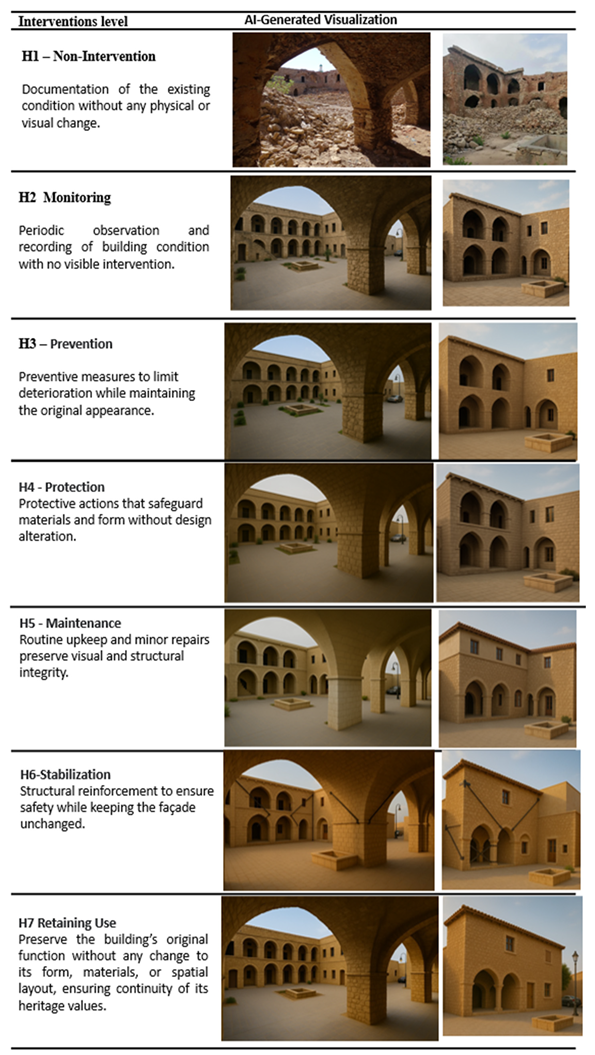
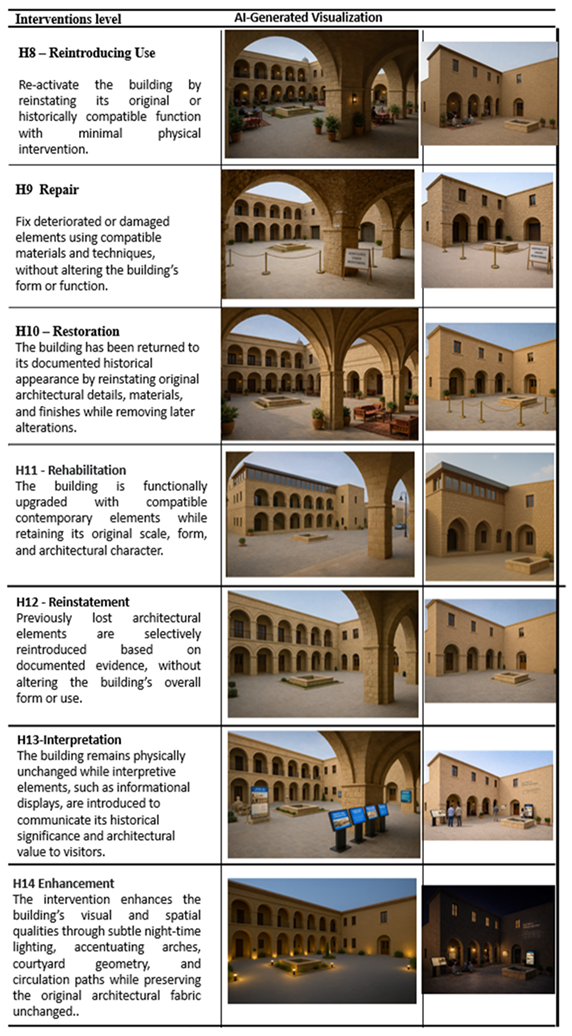
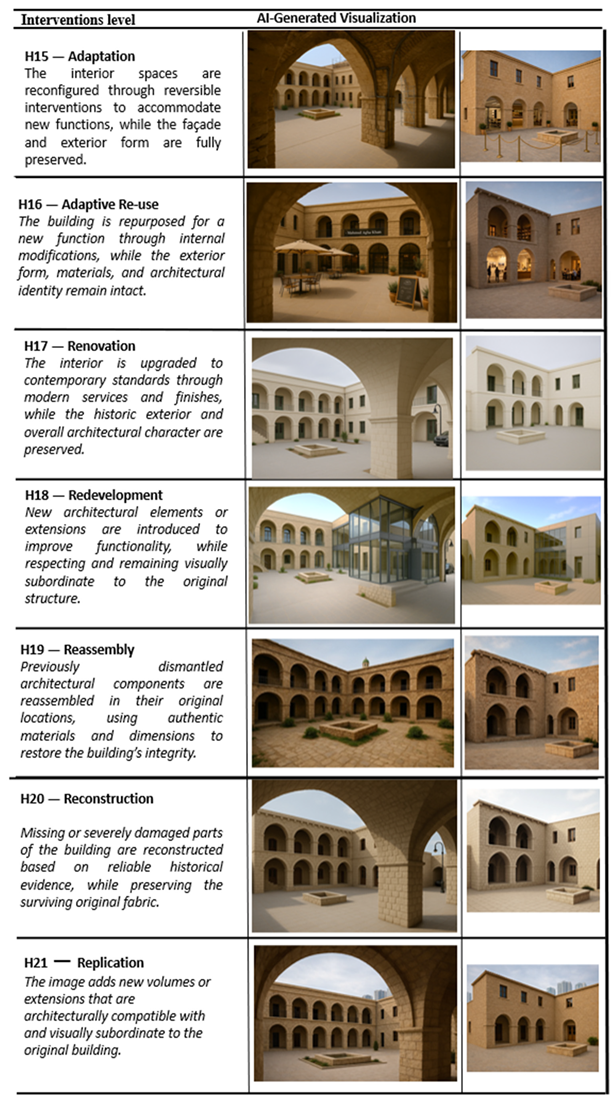
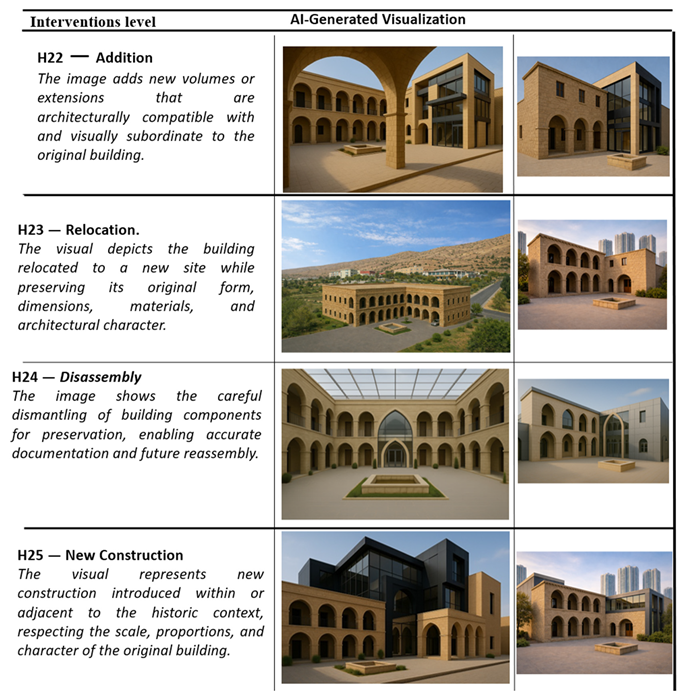
Appendix B. Showing Examples of Prompts Generation Process and Visualisation
| Representative AI Prompt Refinement Examples Intervention Level | Initial Prompt Objective | Refinement Feedback | Final Prompt Adjustment | Outcome | Representative Visual |
| H3—Prevention | Apply preventive conservation measures through subtle weatherproofing and protective surface treatment while preserving the building’s original appearance. | Initial outputs introduced excessive façade cleaning and visible visual enhancement that reduced the authentic aged appearance of the heritage structure. | Prompt refined to preserve original material texture, façade aging, architectural proportions, and surrounding urban context while limiting intervention visibility to subtle preventive measures only. | Final output maintained the authentic historic character while visually communicating preventive conservation intervention. | 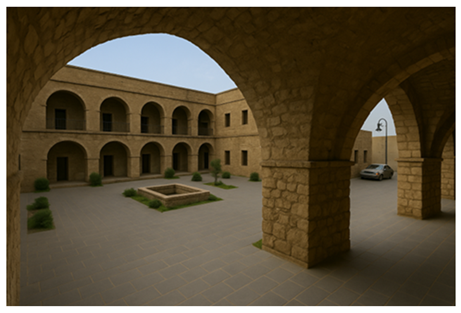 |
| H4—Protection | Apply protective conservation measures such as weatherproof coatings, barriers, or structural protection without altering the original design. | Some generated outputs introduced noticeable surface modifications and contemporary visual characteristics inconsistent with minimal protection intervention. | Prompt revised to maintain original façade composition, material character, openings, roofline, pavement, vehicle, street lamp, and environmental setting while restricting all visible architectural alteration. | Final visual achieved improved alignment with the intended low-intervention protection strategy. | 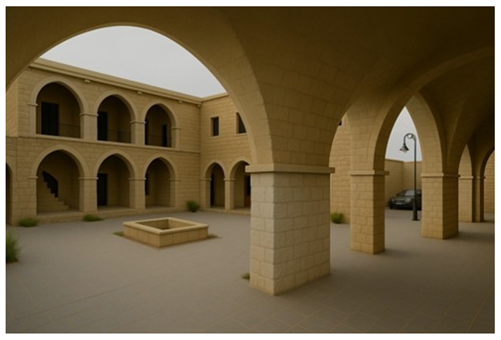 |
| H8—Reintroducing Use | Adapt the interior of the building for renewed historical or traditional use while preserving the external architectural identity. | Early outputs unintentionally modified façade proportions and introduced contemporary stylistic elements inconsistent with the intended intervention intensity. | Prompt refined to restrict adaptation to implied internal functional reuse while maintaining complete external continuity, original materiality, and contextual consistency. | Final output successfully communicated renewed occupation and use without compromising architectural authenticity. | 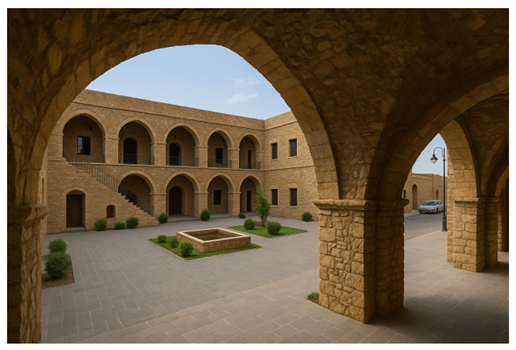 |
| H15—Adaptation | Modify the building to accommodate contemporary functionality while preserving heritage significance and architectural integrity. | Initial generations introduced excessive contemporary alterations and visually dominant modifications inconsistent with moderate adaptation principles. | Prompt adjusted to allow subtle functional adaptation while preserving façade integrity, architectural proportions, material character, and urban compatibility. | Final output reflected balanced adaptation with controlled contemporary integration and preserved heritage identity. | 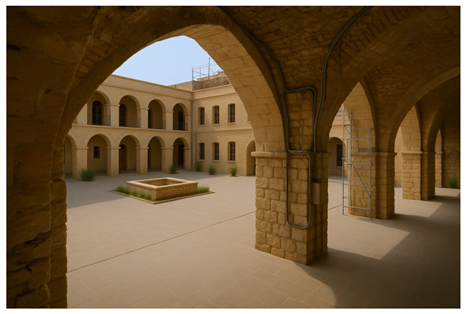 |
| H21—Replication | Reconstruct the heritage structure by replicating its original architectural design, materials, and proportions. | Initial outputs appeared overly polished and modernized, reducing the authenticity of the historic architectural character. | Prompt refined to preserve original arches, rough limestone texture, courtyard proportions, environmental tone, and vernacular architectural expression while avoiding idealized contemporary appearance. | Final output achieved closer correspondence with the original heritage character and intended replication philosophy. | 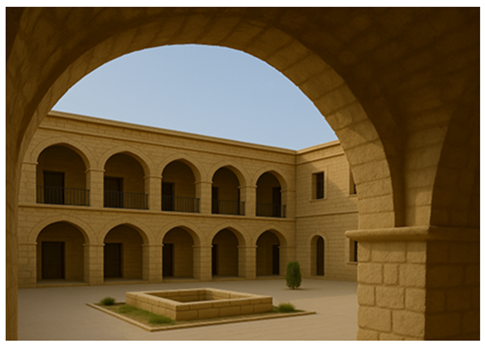 |
| H22—Addition | Introduce contemporary architectural additions while preserving the integrity and dominance of the original heritage structure. | Early outputs generated oversized additions that visually dominated the original building and disrupted the historic streetscape hierarchy. | Prompt revised to ensure new additions remained visually subordinate, materially compatible, and proportionally respectful to the historic structure and surrounding context. | Final output achieved a balanced relationship between historic preservation and contemporary addition. | 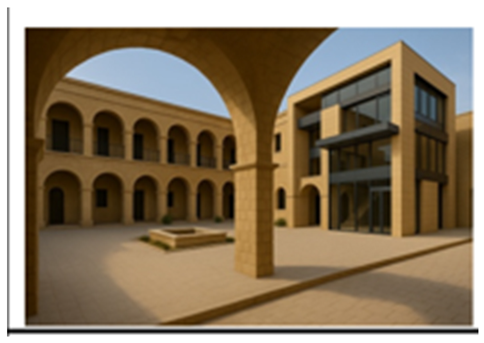 |
References
- Pendlebury, J. Conservation Values, the Authorised Heritage Discourse and the Conservation-Planning Assemblage. Int. J. Herit. Stud. 2013, 19, 709–727. [Google Scholar] [CrossRef] [Scilit]
- Sektani, H.H.J.; Khayat, M.; Mohammadi, M.; Roders, A.P. Erbil City Built Heritage and Wellbeing: An Assessment of Local Perceptions Using the Semantic Differential Scale. Sustainability 2021, 13, 3763. [Google Scholar] [CrossRef] [Scilit]
- Smith, L. Uses of Heritage; Routledge: Abingdon, UK, 2006; ISBN ISBN9780415318310. [Google Scholar]
- ICOMOS. The Venice Charter; ICOMOS: Venice, Italy, 1964. [Google Scholar]
- ICOMOS. The Burra Charter: The Australia ICOMOS Charter for Places of Cultural Significance 2013; Australia ICOMOS Incorporated: Burra, Australia, 2013; ISBN 0957852843. [Google Scholar]
- Jikolehto, J. A History of Architectural Conservation, 2nd ed.; Taylor & Francis: Abingdon, UK, 2017; ISBN 9781317266518. [Google Scholar]
- Avrami, E.; Mason, R.; De La Torre, M. Values and Heritage Conservation; Getty Conservation Institute: Los Angeles, CA, USA, 2000. [Google Scholar]
- Mason, R. Assessing Values in Conservation Planning: Methodological Issues and Choices. In Assessing the Values of Cultural Heritage: Research Report; The Getty Conservation Institute: Los Angeles, CA, USA, 2002; Volume 1, pp. 5–30. [Google Scholar]
- Roders, A.P.; Van Oers, R. Lessons from Island of Mozambique on Limits of Acceptable Change. In Swahili Historic Urban Landscapes; UNESCO: Paris, France, 2013; pp. 40–49. [Google Scholar]
- Low, S.M.; Altman, I. Place Attachment; Altman, I., Low, S.M., Eds.; Springer: Boston, MA, USA, 1992; ISBN 978-1-4684-8755-8. [Google Scholar]
- Kaplan, S.; Kaplan, R. The Experience of Nature: A Psychological Perspective; Cambridge University Press: New York, NY, USA, 1989. [Google Scholar]
- Lewicka, M. Place Attachment: How Far Have We Come in the Last 40 Years? J. Environ. Psychol. 2011, 31, 207–230. [Google Scholar] [CrossRef] [Scilit]
- Nassauer, J.I. Culture and Changing Landscape Structure. Landsc. Ecol. 1995, 10, 229–237. [Google Scholar] [CrossRef] [Scilit]
- Sektani, H.H.J.; Khayat, M.; Mohammadi, M.; Roders, A.P. Factors Linking Perceptions of Built Heritage Conservation and Subjective Wellbeing. Herit. Soc. 2023, 16, 52–67. [Google Scholar] [CrossRef] [Scilit]
- Aas, C.; Ladkin, A.; Fletcher, J. Stakeholder Collaboration and Heritage Management. Ann. Tour. Res. 2005, 32, 28–48. [Google Scholar] [CrossRef] [Scilit]
- Pintossi, N.; Ikiz Kaya, D.; van Wesemael, P.; Pereira Roders, A. Challenges of Cultural Heritage Adaptive Reuse: A Stakeholders-Based Comparative Study in Three European Cities. Habitat Int. 2023, 136, 102807. [Google Scholar] [CrossRef] [Scilit]
- Miran, F.D.; Husein, H.A. Evaluating Deterioration Causes and Defect Patterns in Heritage Buildings: A Comprehensive Analytical Approach. Int. J. Archit. Herit. 2025, 19, 1627–1646. [Google Scholar] [CrossRef] [Scilit]
- Louviere, J.J.; Hensher, D.A.; Swait, J.D.; Adamowicz, W. Stated Choice Methods; Cambridge University Press: New York, NY, USA, 2000; ISBN 9780521788304. [Google Scholar]
- Lin, M.; Nevzgodin, I.; Pereira Roders, A.; de Jonge, W. The Role of Attributes Defining Intervention Concepts in International Doctrinal Documents on Built Heritage. J. Cult. Herit. Manag. Sustain. Dev. 2025, 15, 4–23. [Google Scholar] [CrossRef] [Scilit]
- Freeman, R.E. Strategic Management; Cambridge University Press: New York, NY, USA, 2010; ISBN 9780521151740. [Google Scholar]
- Moore, M.H. Creating Public Value: Strategic Management in Government; Harvard University Press: Cambridge, MA, USA, 1995; ISBN 9780674175587. [Google Scholar]
- Hidaglo, M.C.; Hernandez, B. Place Attachment: Conceptual And Empirical Questions. J. Environ. Psychol. 2001, 21, 273–281. [Google Scholar] [CrossRef] [Scilit]
- Stephenson, J. The Cultural Values Model: An Integrated Approach to Values in Landscapes. Landsc. Urban Plan. 2008, 84, 127–139. [Google Scholar] [CrossRef] [Scilit]
- De Vellis, R.F. Scale Development: Theory and Applications, 4th ed.; Bickman, L., Rog, D.J., Eds.; Sage Publications: Thousand Oaks, CA, USA, 2017. [Google Scholar]
- Waterton, E.; Watson, S. Heritage as a Focus of Research: Past, Present and New Directions. In The Palgrave Handbook of Contemporary Heritage Research; Waterton, E., Watson, S., Eds.; Palgrave Macmillan UK: London, UK, 2015; ISBN 978-1-349-45123-4. [Google Scholar]
- Holtorf, C. Averting Loss Aversion in Cultural Heritage. Int. J. Herit. Stud. 2015, 21, 405–421. [Google Scholar] [CrossRef] [Scilit]
- Chahovets, O. Authenticity 30 Years Later in the Context of the 1994 Nara Conference. Mod. Constr. Archit. 2025, 13, 39–47. [Google Scholar] [CrossRef] [Scilit]
- Feilden, B.M. Conservation of Historic Buildings; Architecture/Conservation; Architectural Press: New York, NY, USA, 2003; ISBN 9780750658638. [Google Scholar]
- Singh, J. Architectural Conservation: Principles and Practice. J. Build. Apprais. 2008, 4, 135. [Google Scholar] [CrossRef] [Scilit]
- ICOMOS. ICOMOS Charter Principles for the Analysis, Conservation and Structural Restoration of Architectural Heritage. Available online: https://www.icomos.org/images/DOCUMENTS/Charters/structures_e.pdf (accessed on 23 December 2024).
- UNESCO. Convention Concerning the Protection of The World Cultural and Natural Heritage; UNESCO: Paris, France, 1972. [Google Scholar]
- Drury, P.; McPherson, A. Conservation Principles: Policies and Guidance for the Sustainable Management of the Historic Environment; English Heritage: London, UK, 2008; ISBN 9781848023505. [Google Scholar]
- U.S. Department of the Interior National Park Service Technical Preservation Services. The Secretary of the Interior’s Standards for the Treatment of Historic Properties; with Guidelines for Preserving, Rehabilitating, Restoring & Reconstructing Historic Buildings; National Park Service Division of Publications: Washington, DC, USA, 2017.
- Tilden, F. Interpreting Our Heritage, 4th ed.; Craig, R.B., Ed.; The University of North Carolina Press: Chapel Hill, NC, USA, 2008; ISBN 111009080754321. [Google Scholar]
- Bullen, P.A.; Love, P.E.D. Adaptive Reuse of Heritage Buildings. Struct. Surv. 2011, 29, 411–421. [Google Scholar] [CrossRef] [Scilit]
- Thongthip, P.; Poollapalin, D.; Khanchai, S.; Ariya, P.; Julrode, P. Enabling Inclusive Access to Restricted Sacred Spaces: A Real-World Comparison of VR360 and AI-Driven Virtual Reality. Informatics 2026, 13, 59. [Google Scholar] [CrossRef] [Scilit]
- Alqaisi, S.B.; Faraj, R.S. Late Ottoman Architectural Style in Koya: Old Qaisaria as a Case Study. In Proceedings of the Koya on the Road of Civilization, KRC 2019 International Conference; Koya University: Koya, Iraq, 2019; pp. 312–334. [Google Scholar]
- Alqaisi, S.B. Koya City Urban Heritage Conservation: Challenges and Potentials. In Proceedings of the First International Symposium on Urban Development: Koya as a Case Study; WIT Press: Koya, Iraq, 2013; pp. 59–68. [Google Scholar]
- Wadi Safeguarding the Old Town of Koya. Available online: https://wadi-online.org/2022/05/29/safeguarding-the-old-town-of-koya/ (accessed on 6 December 2025).
- Itma, M.A.F.; Ali, T.K.M. Adapting Traditional Courtyard Houses in Koya City. Technol. Rep. Kansai Univ. 2021, 63, 6975–6987. [Google Scholar]
- Rostam, D.M. Evolved Sustainable Building Engineering in Vernacular Architecture of Kurdistan. ARO-Sci. J. Koya Univ. 2017, 5, 9–19. [Google Scholar] [CrossRef] [Scilit]
- Khoshnaw, D.S.; Karim, P.; Ali, Z.F. Sustainable Urban Conservation in Heritage Area-Case of Koya City. In Proceedings of the Koya on the Road of Civilization, KRC 2019 International Conference; Koya University: Koya, Iraq, 2019. [Google Scholar]
- Cochran, W.G. Sampling Techniques; Wiley Series in Probability and Statistics; Wiley: Hoboken, NJ, USA, 1977; ISBN 9780471162407. [Google Scholar]
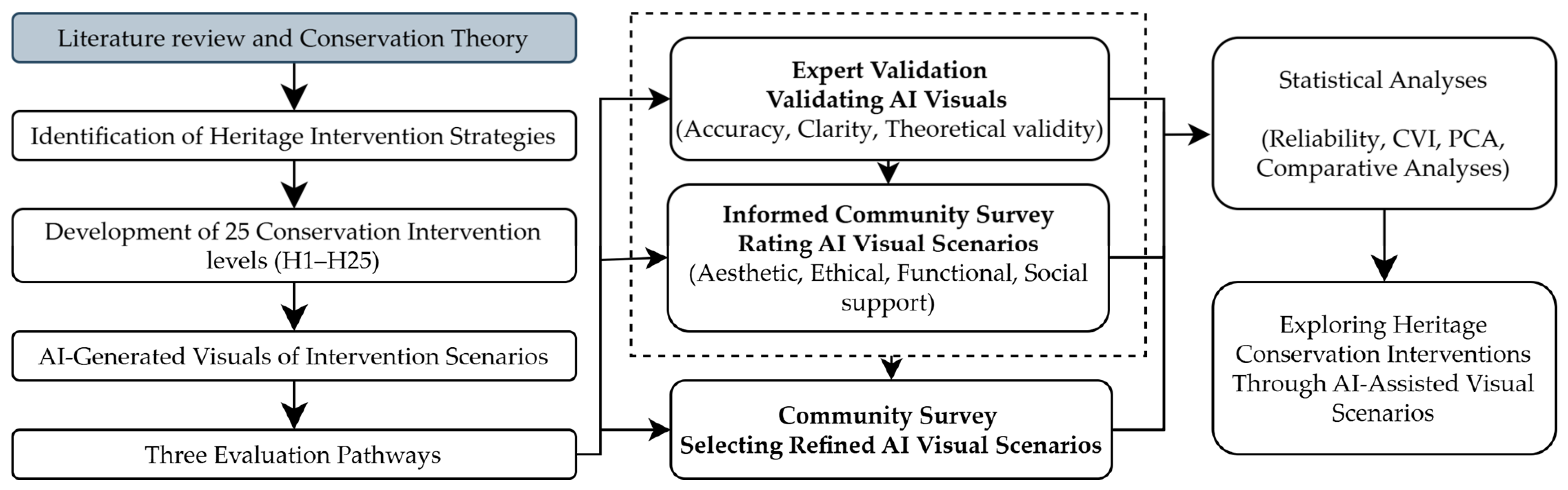
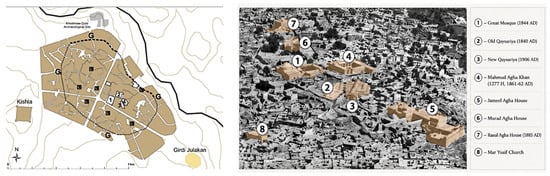
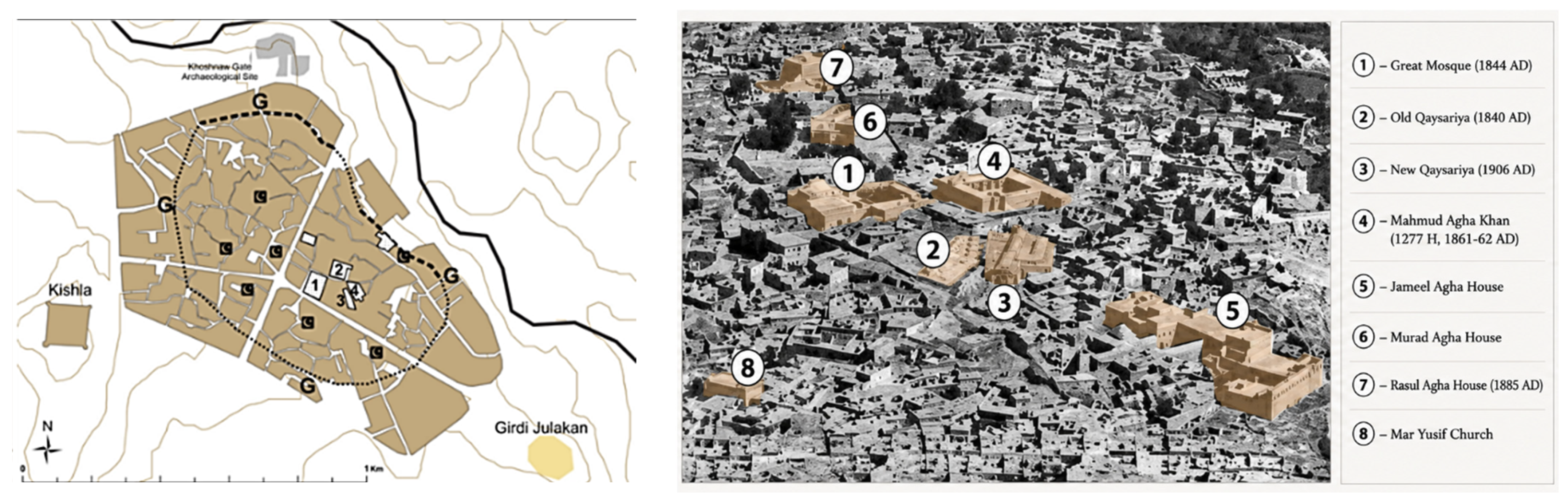
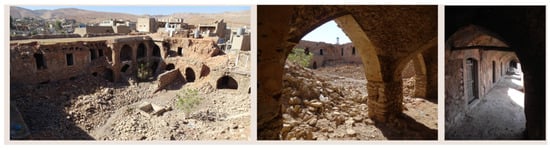
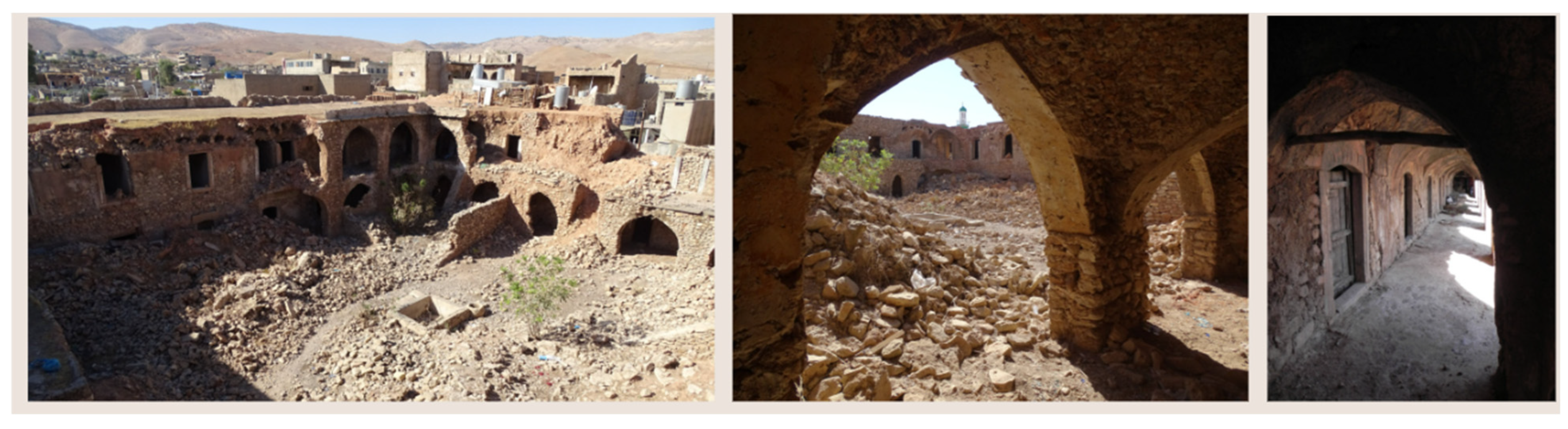
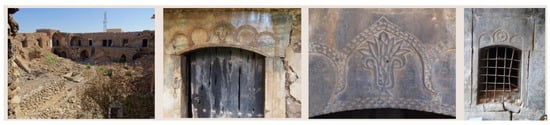
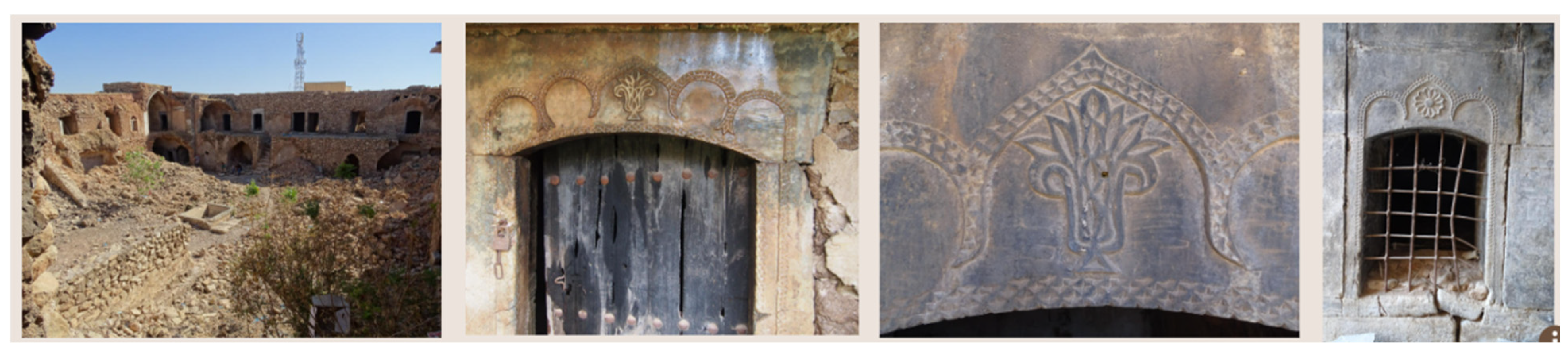
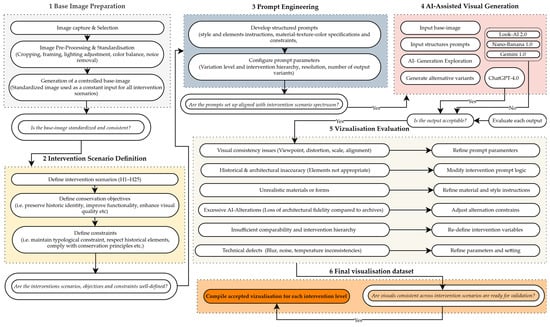
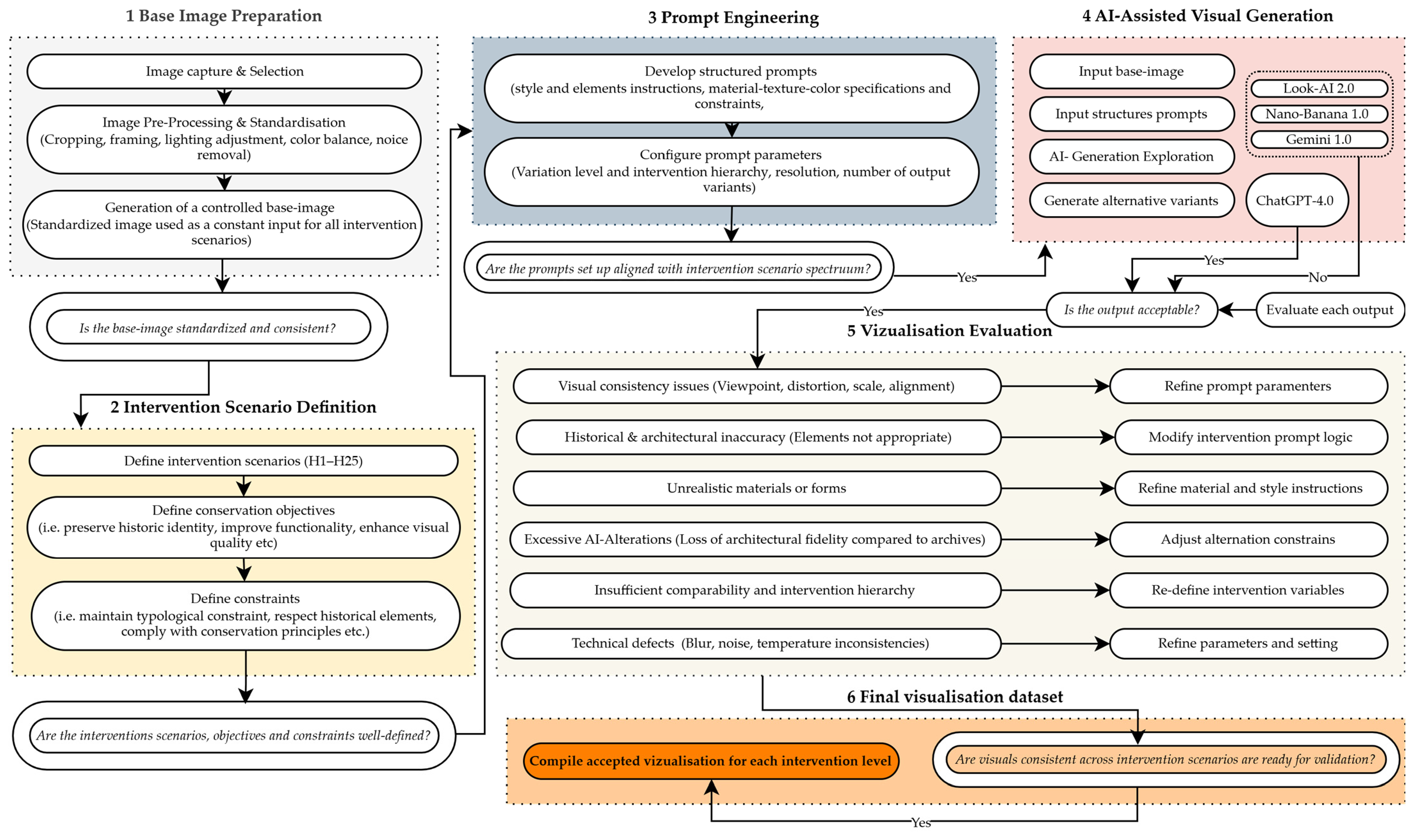
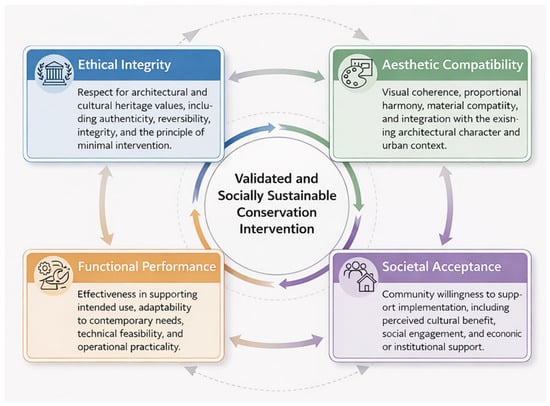
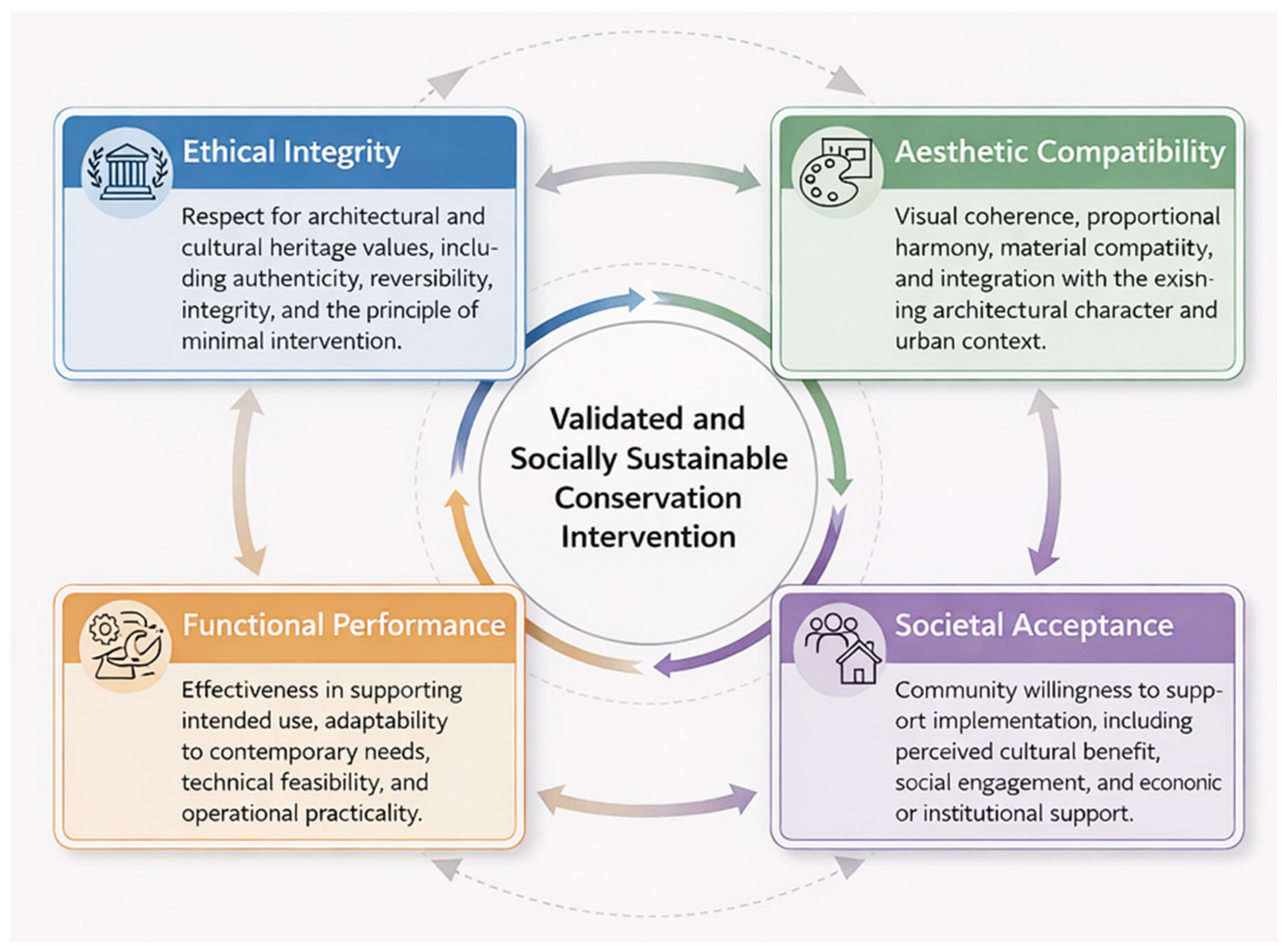
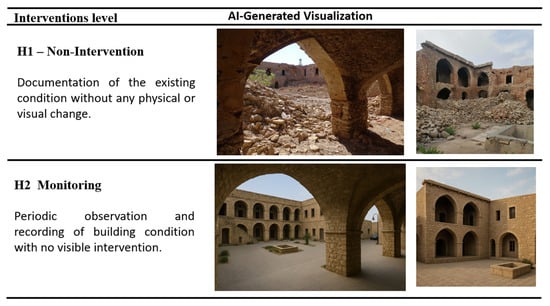
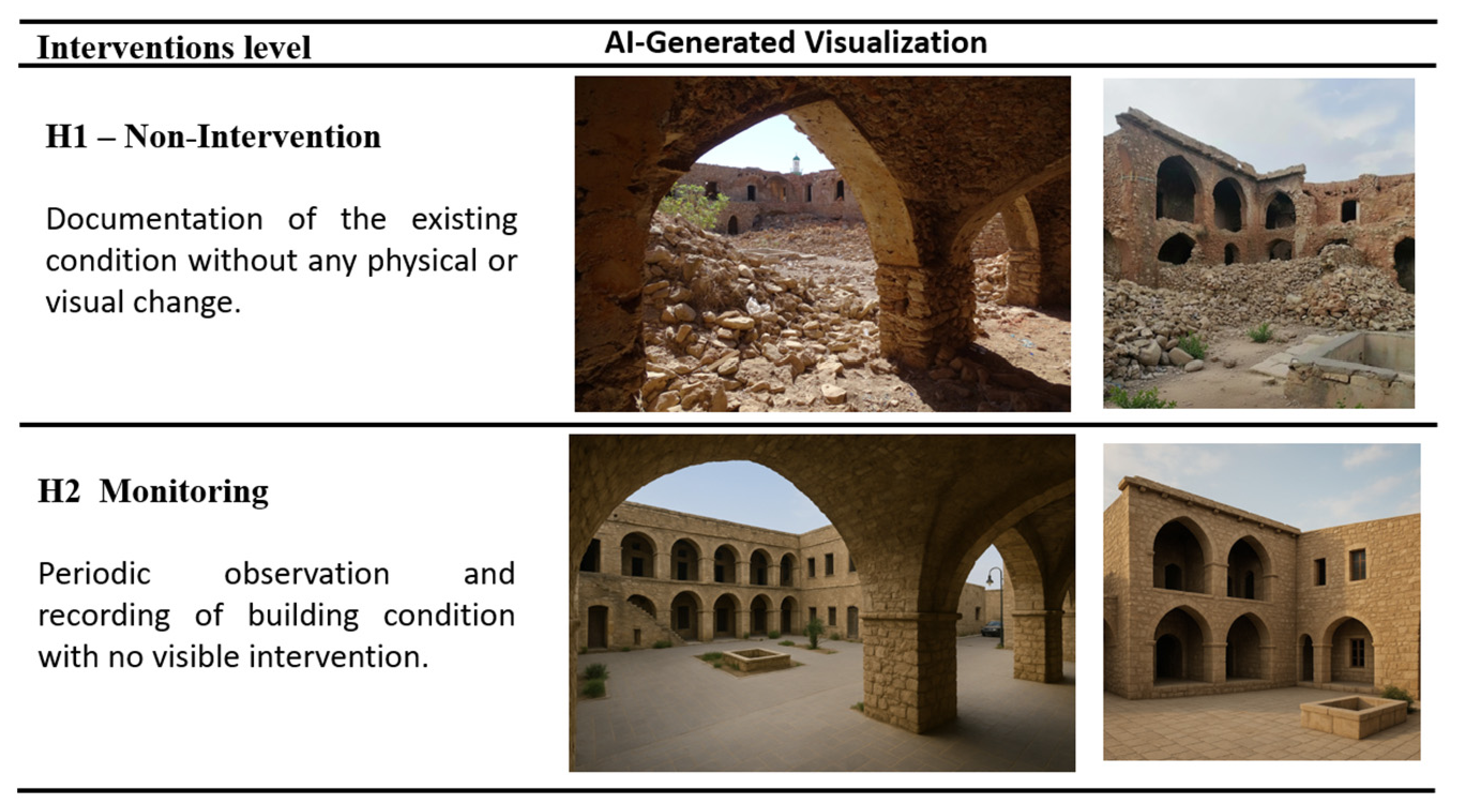
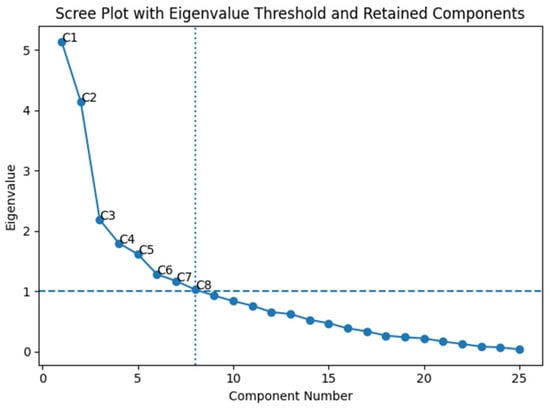
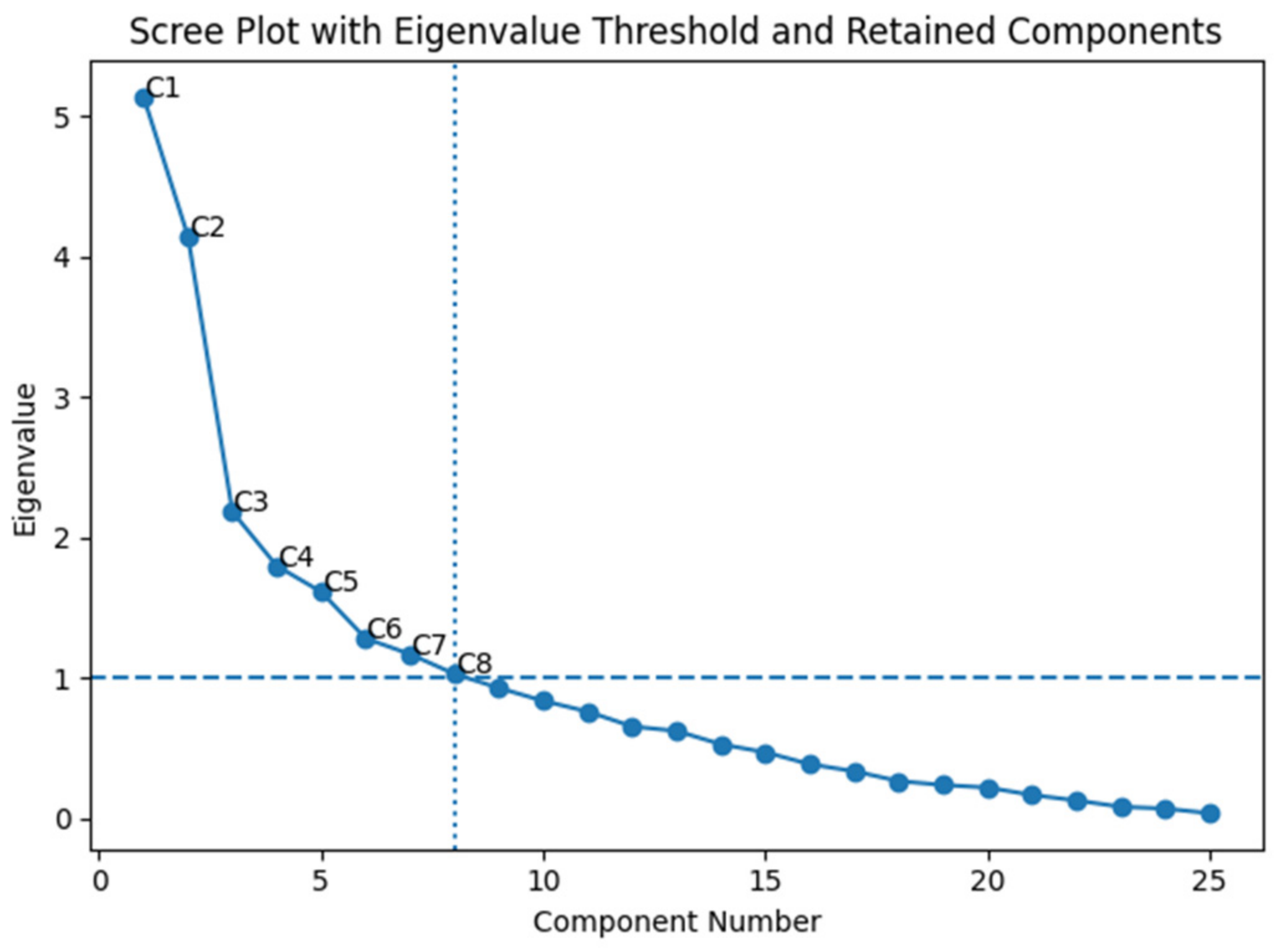
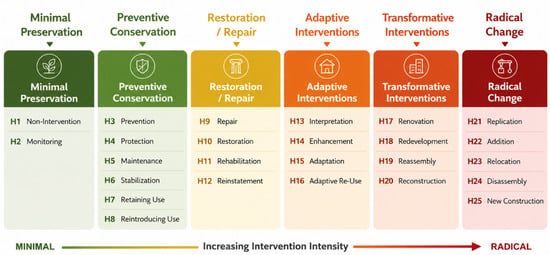
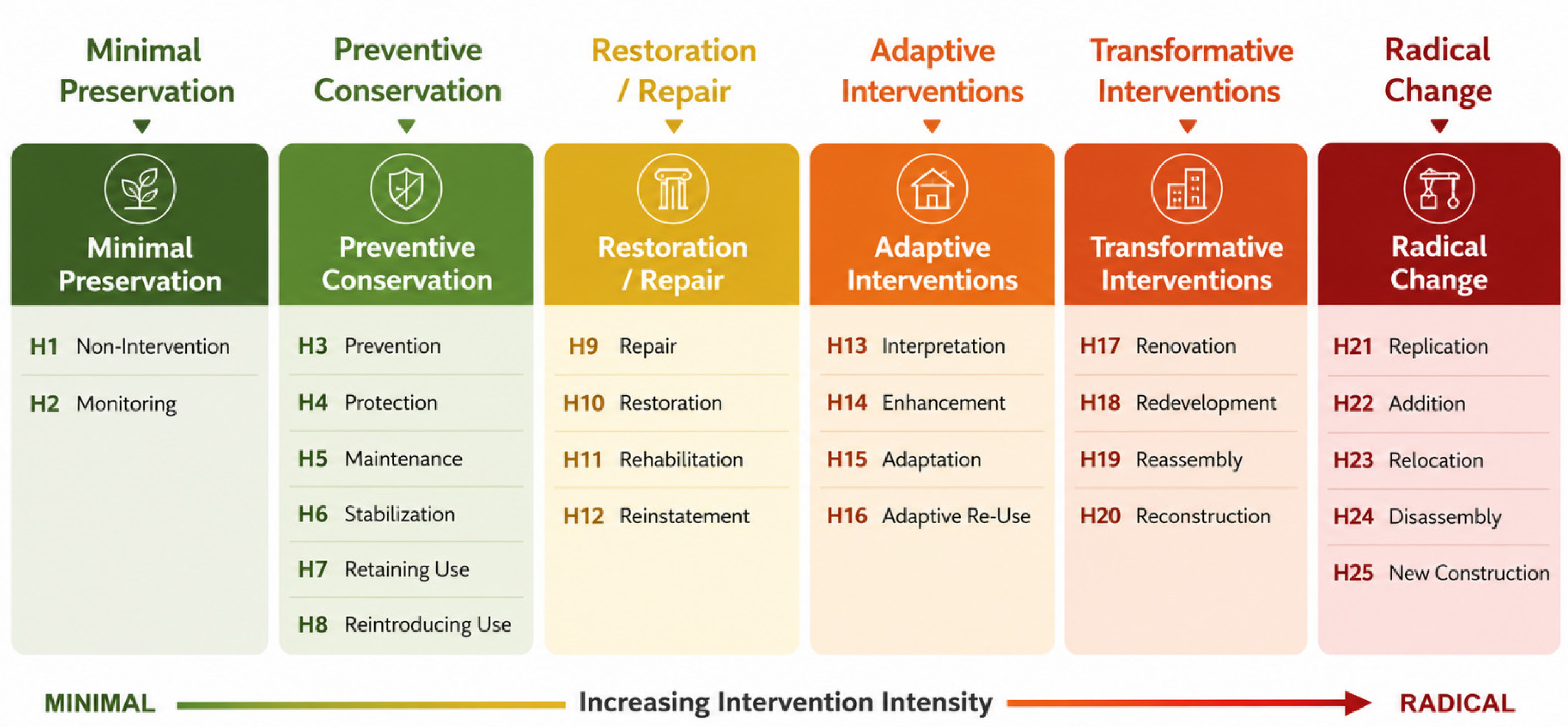
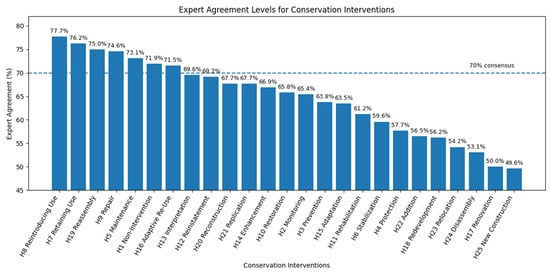
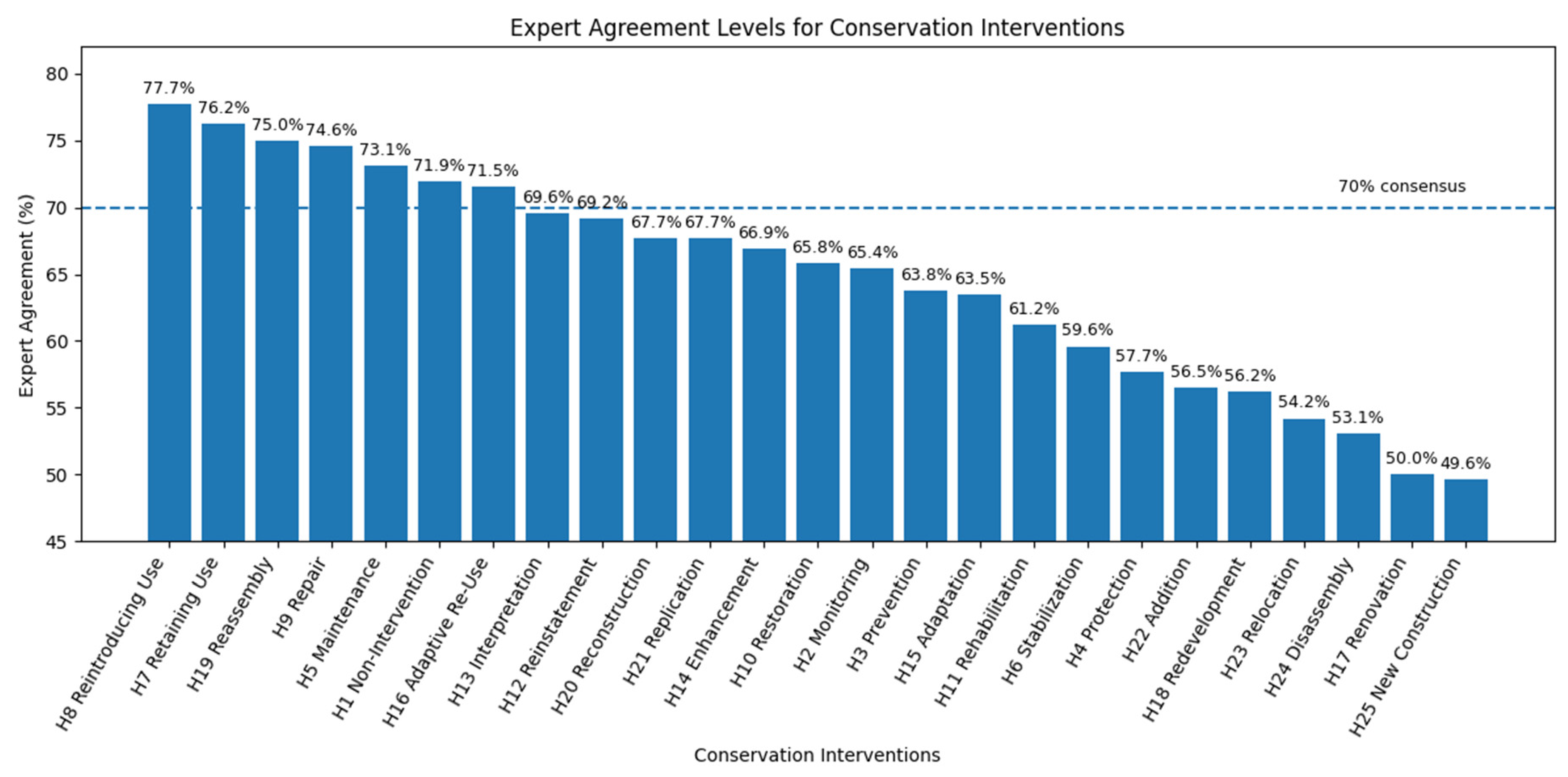
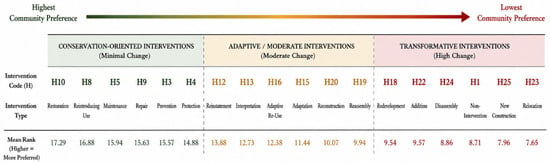
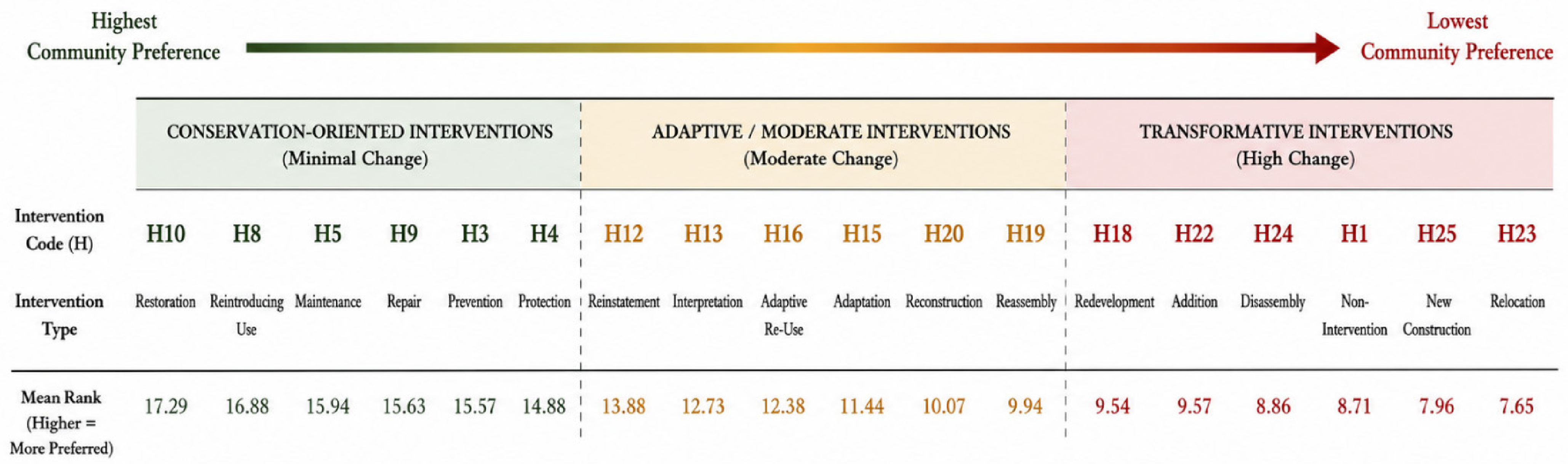
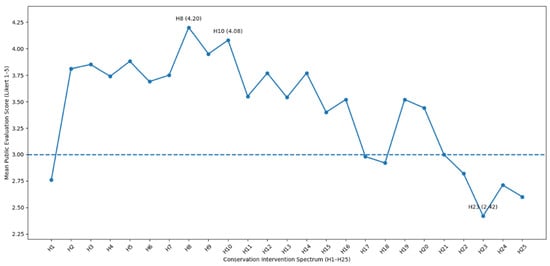
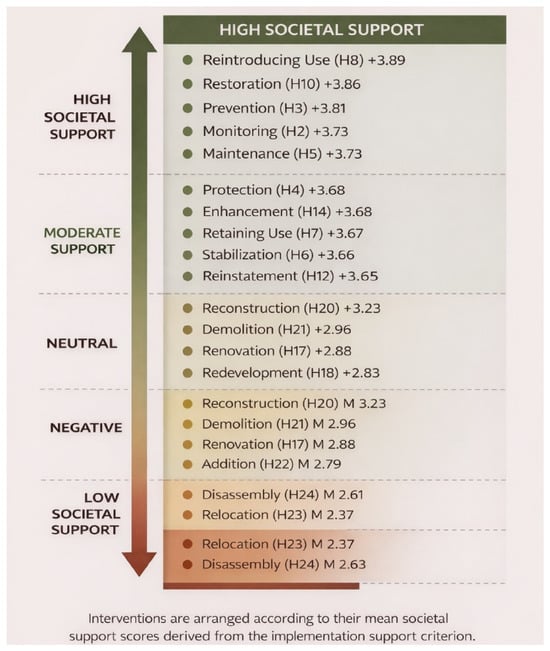
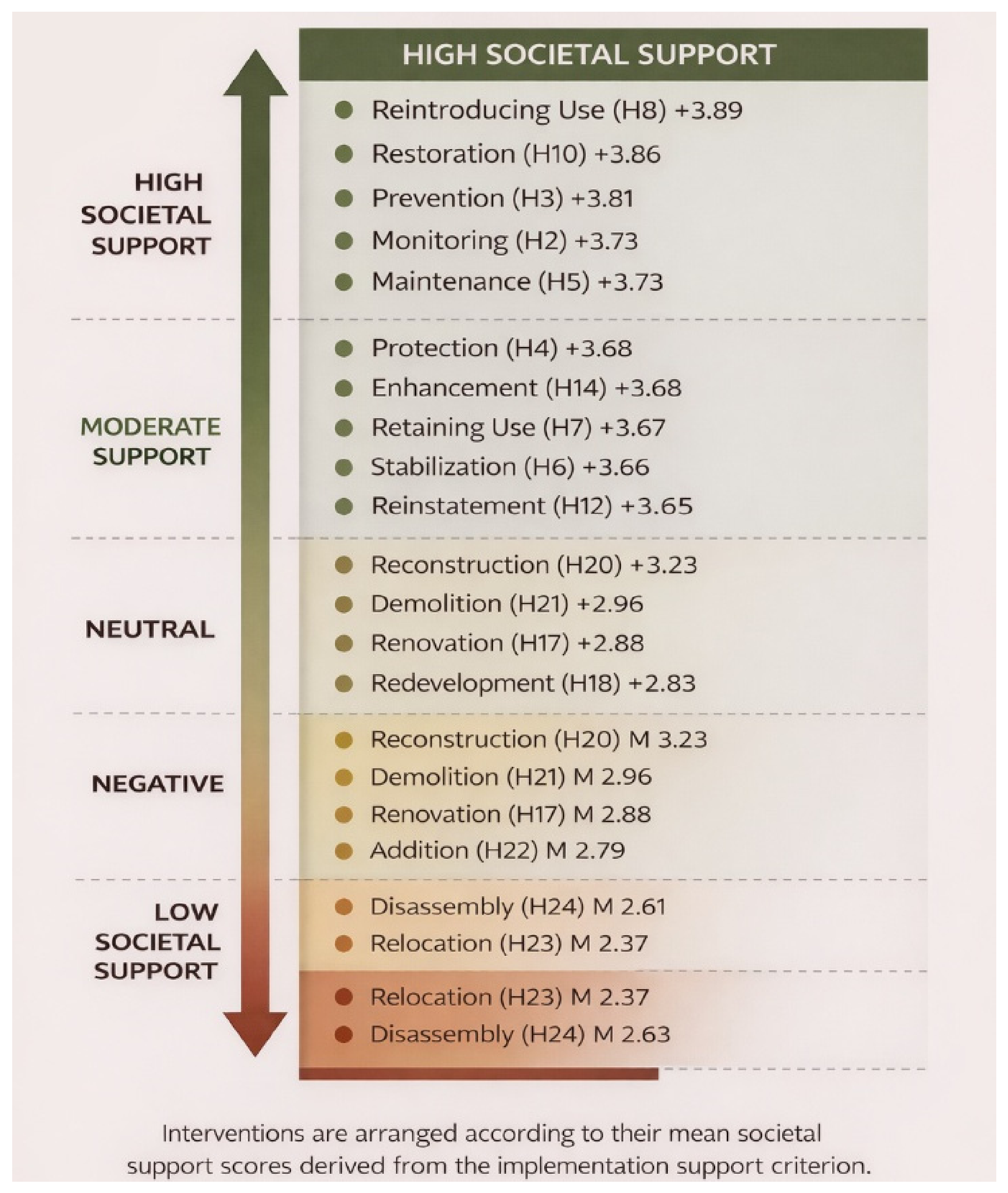
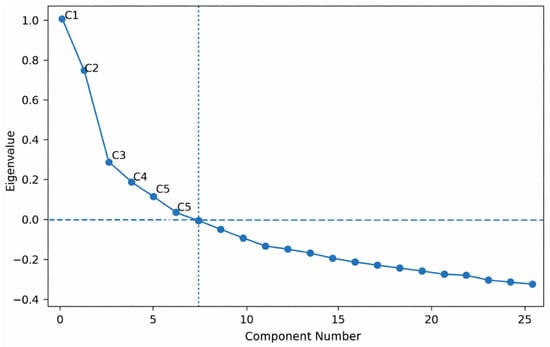
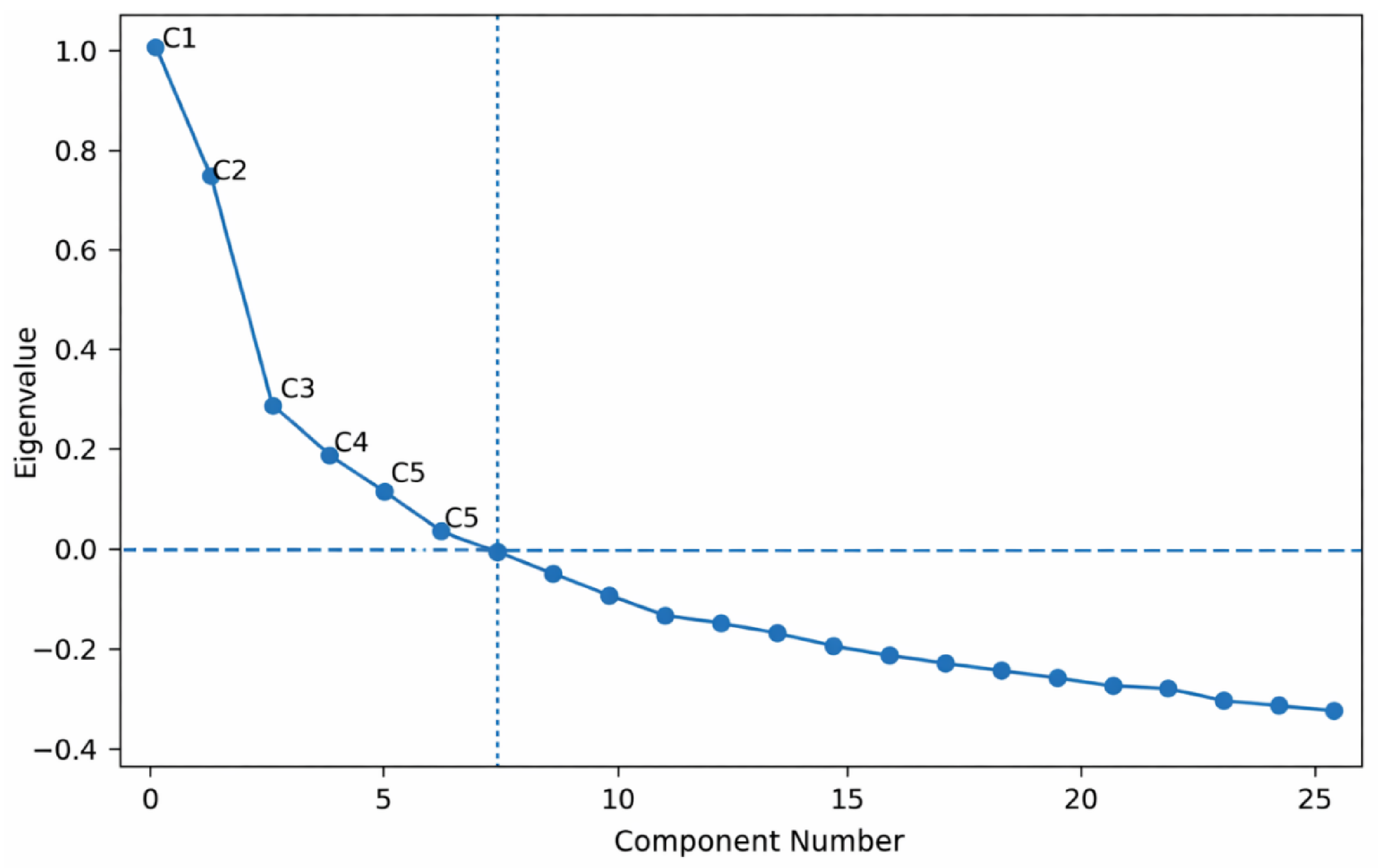
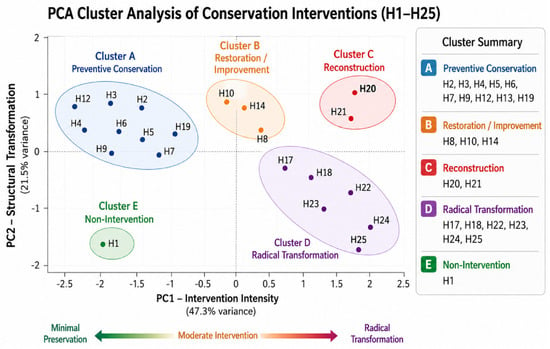
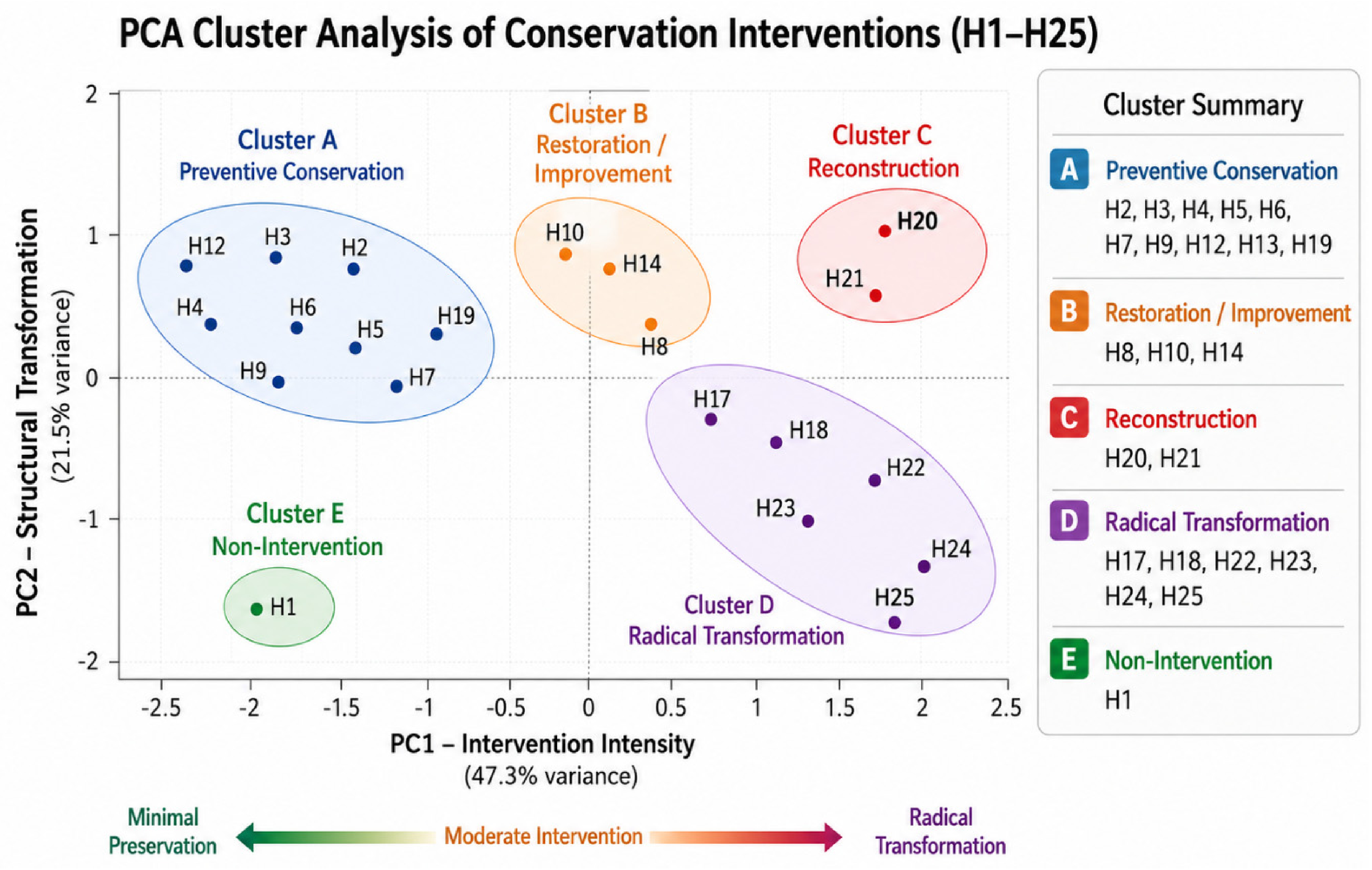

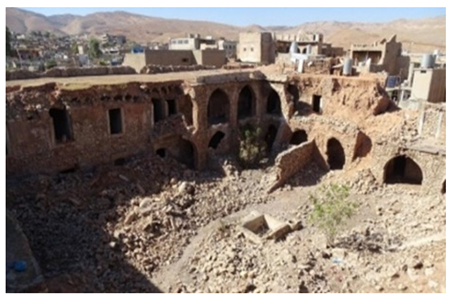
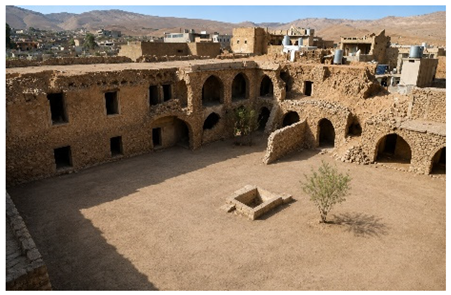
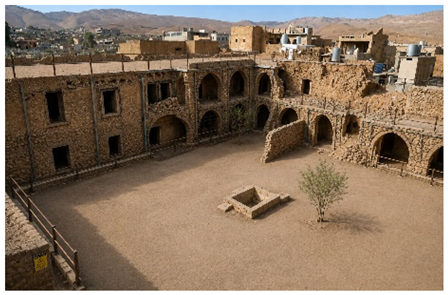
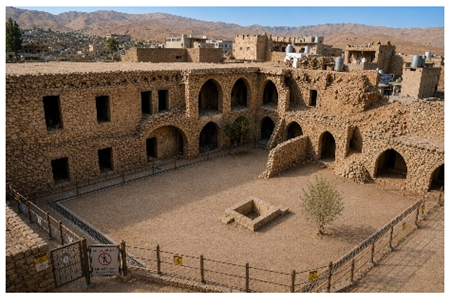
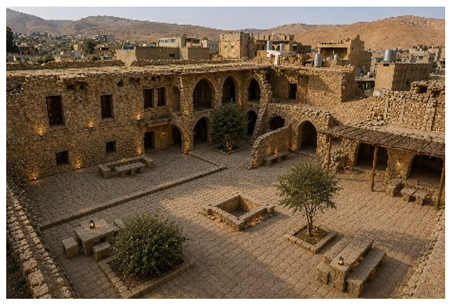
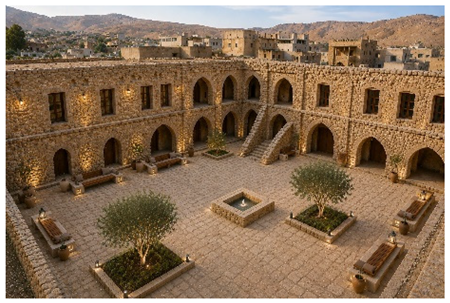
Disclaimer/Publisher’s Note: The statements, opinions and data contained in all publications are solely those of the individual author(s) and contributor(s) and not of MDPI and/or the editor(s). MDPI and/or the editor(s) disclaim responsibility for any injury to people or property resulting from any ideas, methods, instructions or products referred to in the content. |
© 2026 by the authors. Licensee MDPI, Basel, Switzerland. This article is an open access article distributed under the terms and conditions of the Creative Commons Attribution (CC BY) license.