


Abstract
Biological wastewater treatment relies primarily on activated sludge and anaerobic digestion for the removal of organic matter. In urban wastewater treatment plants discharging into eutrophication-sensitive environments, the simultaneous removal of carbon, nitrogen, and phosphorus is required to meet increasingly stringent discharge limits. Under these conditions, the transformation of complex organic matter into volatile fatty acids (VFAs) represents a more efficient strategy than complete mineralization, as biodegradable carbon is essential to sustain biological nitrogen and phosphorus removal processes. In this study, an anaerobic sequencing batch reactor was operated under acidogenic conditions to promote the conversion of organic matter into VFAs. For the first time, this study demonstrates how temperature-controlled acidogenic pretreatment can reliably supply biodegradable carbon to support efficient downstream nitrogen and phosphorus removal in municipal wastewater treatment. A kinetic model was developed to describe the temporal evolution of the different carbon fractions involved in anaerobic digestion, including biodegradable and non-biodegradable organic matter, intermediate compounds, short-chain volatile fatty acids, and biogas. The model assumes first-order kinetics and constant biomass concentration and was successfully validated against experimental data, with deviations below 10%. Estimated kinetic constants exhibited a strong temperature dependence, particularly for hydrolysis and acidogenic pathways, whereas methanogenic steps showed lower sensitivity. Overall, the results demonstrate that temperature is a key operational parameter governing acidogenic performance and carbon transformation pathway. The simple and novel proposed kinetic model provides a useful tool for predicting VFA production and optimizing anaerobic pretreatment strategies aimed at enhancing downstream nutrient removal processes. Optimizing SBR operation for nutrient removal also offers sustainability benefits by improving resource efficiency and reducing energy and chemical inputs.
1. Introduction
The purification of urban wastewater in ecologically sensitive areas prone to eutrophication requires the combined removal of carbon, nitrogen, and phosphorus compounds to comply with discharge limits (125 mg L−1 COD, 10 mg L−1 total N, and 1 mg L−1 total P for agglomerations exceeding 100,000 population equivalents) established by the European Directive 91/271/EEC [1] on urban wastewater treatment. With the adoption of the recast Directive (EU) 2024/3019 [2], which modernizes and progressively replaces Directive 91/271/EEC, in many cases, particularly for small and medium-sized wastewater treatment plants (WWTPs), their geographical location, discharge points, or the sensitivity of the receiving waterbodies make nutrient removal equally necessary, even when population equivalents fall below regulatory thresholds. According to the European Commission’s implementation guidance [1], WWTPs situated in or discharging to sensitive areas are required to remove nitrogen and/or phosphorus to prevent eutrophication, regardless of treatment capacity.
Recent European-scale assessments have demonstrated that extending nutrient-removal obligations to smaller agglomerations (<10,000 PE) or to plants discharging into sensitive waters can yield substantial ecological benefits. Modelling by Pistocchi et al. [3] (2023) showed that expanding nutrient removal from large facilities to all agglomerations ≥ 2000 PE—while improving process efficiency under the “Whole + eff ≥ 2000 PE” scenario—would reduce total nitrogen discharges by approximately 45–50% and total phosphorus discharges by 40–45% across the EU. Urban wastewater currently accounts for nearly 25% of nitrogen and 50% of phosphorus loads reaching European seas [3], suggesting that broader nutrient control could markedly mitigate eutrophication at the basin scale. When the urban discharge fraction (UDF) exceeds ~6.5% of a river’s flow, the probability of failing to achieve good ecological status increases significantly [4]. Consequently, even small WWTPs in low-dilution or high-sensitivity catchments can significantly affect nutrient balances and aquatic ecosystem health.
In summary, the design and operation of WWTPs—irrespective of size—must consider not only regulatory discharge thresholds but also the ecological vulnerability of the receiving waterbody. Extending integrated C–N–P removal strategies to smaller facilities in sensitive areas represents an evidence-based approach to achieving nutrient-load reduction and fulfilling EU water-quality objectives.
Volatile fatty acids (VFAs) can serve as effective and readily biodegradable carbon sources for biological nutrient removal (BNR) processes. Therefore, converting organic matter into VFAs is often more advantageous than achieving complete organic oxidation [5]. The VFA/VOA ratio represents the proportion of volatile fatty acids, mainly acetate, propionate, and butyrate, within the total soluble volatile organic compounds (VOA), which may also include alcohols, aldehydes, ketones, and non-fatty organic acids. This ratio indicates the fraction of total volatile acids directly usable as substrates for key biological processes such as enhanced biological phosphorus removal (EBPR) and heterotrophic denitrification [6,7].
The beneficial role of VFAs in promoting EBPR has been extensively demonstrated. VFAs act as preferred carbon substrates for phosphorus-accumulating organisms (PAOs) under anaerobic conditions, supporting poly-β-hydroxyalkanoate (PHA) synthesis and subsequent phosphorus uptake during aerobic phases [7,8,9,10]. Recent advances include: (1) assessing the influence of higher-order VFAs (C4–C5) on PAO metabolism and phosphorus removal kinetics [8]; (2) optimizing side-stream fermenters to maximize VFA yield and meet EBPR carbon demands [11]; (3) integrating in situ fermentation zones to produce bioavailable acids directly within EBPR systems [12]; and (4) investigating the influence of VFAs profiles and concentrations on system stability and performance under full-scale conditions [13]. Collectively, these studies emphasize that VFAs production, composition, and controlled dosing are central to achieving stable and efficient EBPR in modern wastewater-resource-recovery systems.
Moreover, denitrification rates have also been shown to increase in the presence of VOAs [14,15]. Recent studies confirm and extend this understanding: both laboratory- and full-scale evaluations have demonstrated that VFA-rich fermentation liquids—derived from the acidogenic fermentation of sludge or organic residues—can effectively substitute conventional external carbon sources such as methanol or ethanol, often achieving equal or higher specific denitrification rates [16,17]. Comparative analyses further indicate that VFA composition critically governs denitrification kinetics: acetate tends to promote rapid substrate consumption, while mixed or propionate-rich VFA streams can provide higher electron-donating capacity and improved nitrate removal under high-load regimes [16].
From an operational standpoint, integrated carbon-management strategies have been developed to support both EBPR and denitrification by optimizing on-site fermentation and controlled VFA dosing, thus maximizing resource recovery and minimizing reliance on external carbon inputs [11,17]. Overall, recent evidence shows that, with appropriate control of VFA/VOA composition and distribution, nitrogen and phosphorus removal can be synergistically enhanced in both conventional activated-sludge and EBPR configurations [11,17].
In most cases, treatment efficiency depends strongly on the type of system employed. Design and optimization of sequencing batch reactor (SBR) systems for simultaneous nitrogen and phosphorus removal from small coastal wastewater sources subject to seasonal fluctuations were initially reported by Artan et al. [18]. The development of SBR technology, by allowing controlled environmental variations, enables the coexistence of diverse microbial guilds within a single reactor. Recent studies confirm that SBR-based configurations treating municipal wastewater can achieve high nutrient-removal efficiencies when integrating sludge-fermentation products as internal carbon sources (e.g., 82.9% TN and 96.0% TP removal) [19], and that granular-sludge SBRs exhibit enhanced simultaneous N–P removal when operated at optimized C/N ratios [7]. Furthermore, recent work indicates that VFA production via fermentation remains feasible even under low-temperature or otherwise challenging conditions, thereby ensuring flexible internal carbon availability for downstream nutrient-removal processes [5]. The operational versatility of SBRs, combined with their compact footprint, supports their continued adoption in small and medium-scale applications. Despite their increasing deployment, however, the SBR process for combined carbon and nutrient removal still lacks a standardized framework for process modelling, design, and terminology [20,21]. Two combined sequential batch reactors are an excellent option in order to develop an anaerobic pre-treatment, getting a high level of organic acid, following a nutrients removal [22]. Optimizing the generation, composition, and controlled delivery of VFA and the broader VOA pool within SBR configurations represents an emerging and practically significant strategy to ensure the availability of readily biodegradable carbon for simultaneous nitrogen and phosphorus removal. The integration of in-line or sidestream acidogenic fermentation with targeted VFA dosing in SBR operation can (i) supply a consistent internal carbon source that enhances denitrification and EBPR performance, (ii) minimize dependence on external carbon supplements, and (iii) improve process resilience under seasonal temperature fluctuations and hydraulic variability typical of small coastal or decentralized wastewater treatment systems [11].
Recent experimental and modelling studies have demonstrated that both the yield and compositional profile of VFAs—particularly the acetate:propionate:butyrate ratio—play a decisive role in determining PAO enrichment, polyhydroxyalkanoate (PHA) synthesis, and denitrification kinetics. Consequently, process optimization must integrate the control of fermentation parameters (e.g., pH, hydraulic retention time, feed composition) with SBR cycle management (anaerobic/anoxic sequencing, feast–famine transitions) to achieve stable and efficient simultaneous N and P removal [8,23]. Pilot-scale applications have further shown that coupling sludge fermentation units to mainstream SBRs to generate VFA-rich internal carbon streams can deliver high nutrient-removal efficiencies while promoting carbon circularity and overall energy neutrality at the plant level [11,24]. Collectively, these findings identify the optimization of VFA/VOA production and management within SBR systems as a key emerging frontier in wastewater engineering, with significant potential to enhance nutrient-removal performance and resource recovery across both small-scale and full-scale treatment contexts [11].
The modelling of wastewater treatment process kinetics is essential for the design, operation, and optimization of treatment systems, as it provides a quantitative framework to describe the biochemical and physicochemical mechanisms governing pollutant removal. Process-based kinetic models enable system interpretation, scenario analysis, and robust process control. In parallel, data-driven and artificial intelligence (AI)–based approaches have emerged as powerful complementary tools, particularly for real-time monitoring, prediction, and operational optimization. Unlike mechanistic models, however, purely data-driven approaches generally do not incorporate physical or biological laws, limiting their interpretability and often rendering them “black-box” models that require large, high-quality datasets. Nevertheless, when integrated with or informed by mechanistic models, AI-based approaches are highly effective at capturing complex nonlinear dynamics, supporting real-time system analysis, and enabling adaptive optimization strategies. This hybrid modelling paradigm represents a promising pathway to improve the efficiency, resilience, and sustainability of wastewater treatment processes [25].
This study aimed to evaluate the anaerobic treatment of urban wastewater at different temperatures (35, 25, and 15 °C), with the primary objective of maximizing the in situ production of short-chain volatile fatty acids (VFAs) as readily biodegradable organic matter to support subsequent nutrient removal. The study specifically focused on identifying the operational conditions, including temperature, that optimize VFA yield, peak concentration, and production time, thereby providing a clear understanding of how acidogenic processes can be controlled and enhanced. A secondary objective was to integrate the acidogenic VFAs into a robust nutrient removal strategy, enabling the simultaneous elimination of nitrogen and phosphorus without the need for external carbon addition. By ensuring a controlled and continuous supply of readily biodegradable substrates for denitrification and biological phosphorus uptake, this approach seeks to enhance process stability, operational robustness, and suitability for decentralized wastewater treatment systems, particularly in small communities where simplicity and minimal chemical inputs are critical. By integrating automated tank systems, this approach offers a versatile, modular, and efficient platform, supporting the practical implementation of multipurpose solutions in wastewater treatment.
2. Materials and Methods
2.1. Wastewater
The composition of the synthetic domestic wastewater used in this study is summarized in Table 1, including the carbon, nitrogen, and phosphorus sources added. Molasses served as the primary carbon source, while macronutrients were supplied via a commercial vitamin complex (Supradyn®, Barcelona, Spain), maintaining concentrations within the range reported for real domestic wastewater in the literature for comparative purposes. The total soluble VOA concentration reached 120 mg L−1. Both carbon and nutrient contributions were critical to stimulate bacterial growth and metabolic activity during reactor start-up.
Table 1.
Wastewater composition.
2.2. Anaerobic Inoculum
The acidogenic SBR was inoculated with granular biomass obtained from a full-scale anaerobic reactor treating brewery wastewater at the Heineken S.A. facility in Jaén, Spain. The inoculum contained total suspended solids (TSS) and volatile suspended solids (VSS) of 46.6 g L−1 and 38.9 g L−1, respectively, and exhibited an initial pH of 7.25 ± 0.01. The pH was progressively decreased to 4.5–5.0 because of organic acid generation during the process. The initial methane production rate was 85 ± 5 mL STP CH4 g−1 COD h (STP: standard temperature and pressure; COD: chemical oxygen demand). Physicochemical characteristics of the inoculum were determined following the Standard Methods of the APHA [26], with all analyses performed in triplicate.
2.3. Aerobic Inoculum
The inoculum consisted of aerobic sludge from the secondary treatment of the “La Ranilla” WWTP (Seville, Spain). The inoculum presented a neutral pH (7.11 ± 0.1), high TSS concentration of 85.7 ± 0.6 g/kg, of which volatile solids accounted for 75.9 ± 0.4%. High respirometric activity was observed, with a maximum specific oxygen uptake rate of 66 ± 2 mg O2 g−1 VSS h−1 and 20 ± 1 mg O2 g−1 VSS h−1 under nitrification-inhibited conditions, confirming the presence of an active and nitrifying biomass.
2.4. Experimental Procedure
2.4.1. Anaerobic Acidogenic SBR System
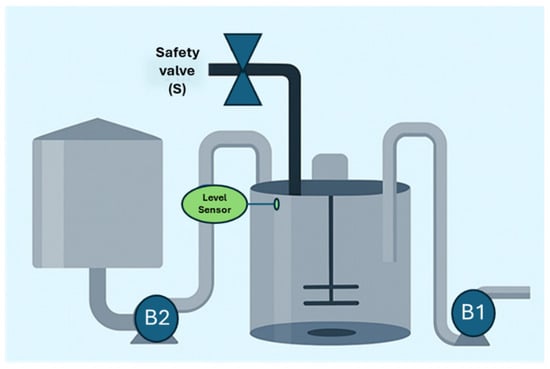
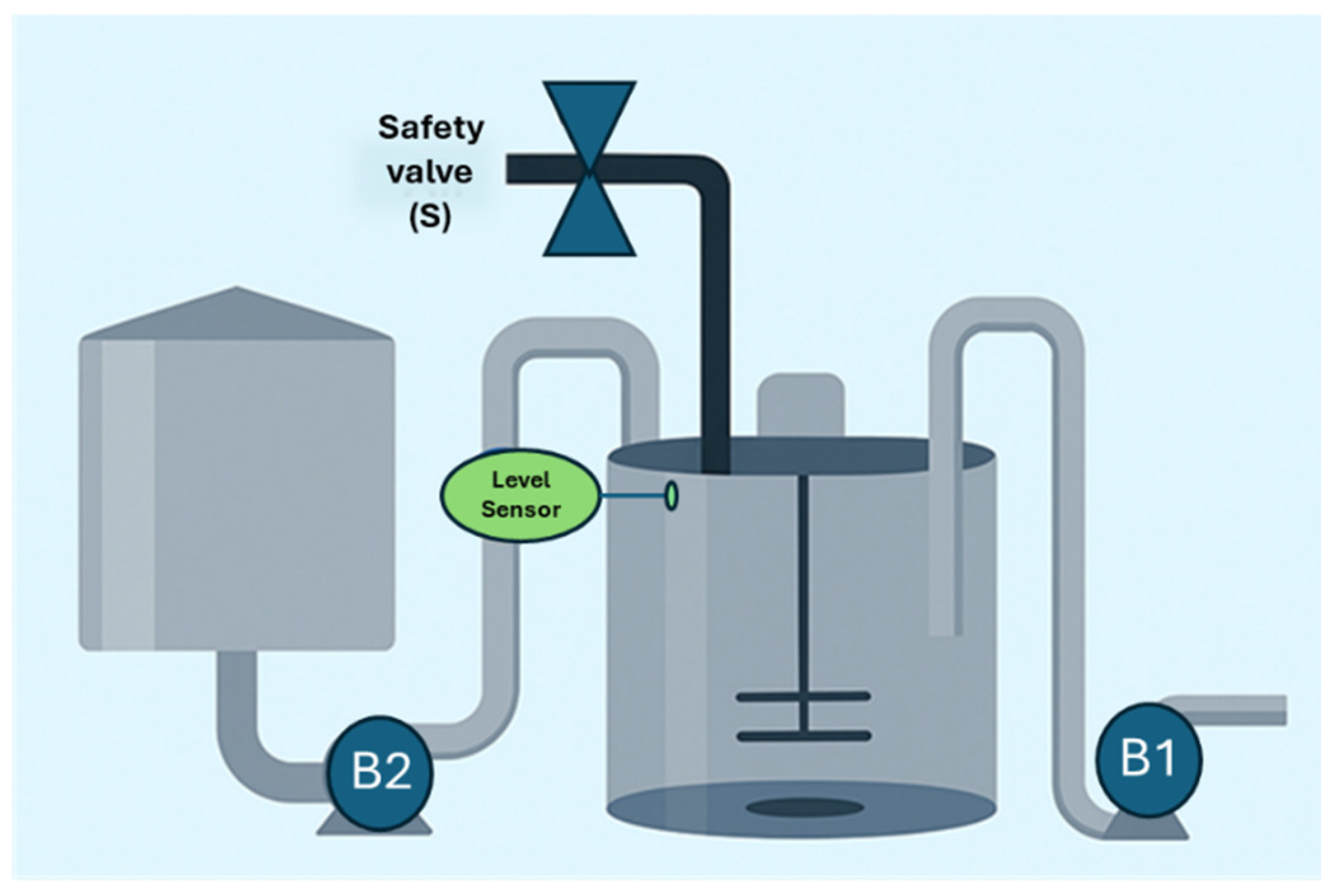
To evaluate the anaerobic biodegradability of soluble VOA and VFA generation, experiments were conducted in an Anaerobic Acidogenic-SBR (Ac-SBR) (Figure 1). The reactor consisted of a 2 L glass cylinder, with temperature maintained at 15, 25, or 35 °C via a thermostatic jacket connected to a PolyScience thermostatic bath. The reactor head was equipped with influent and effluent ports, an air inlet, a sampling port, and valves for flux control. A level sensor prevented overflows during loading. Homogenization was provided by a mechanical stirrer (Velp Científica, Usmate, Italy), while filling and emptying were performed using two independent peristaltic pumps (Ismatec © Thermo Fisher Scientific Inc., Madrid, Spain). Feed was stored in a refrigerated 30 L tank connected to the reactor via tubing and maintained at low temperature in a cooling chamber © Edesa Electrodomésticos S.L., Alcobendas, Spain to prevent premature degradation. Treated effluent was collected in a 25 L tank at the reactor outlet.
Figure 1.
Schematic representation of the experimental Anaerobic acidogenic SBR system including peristaltic pumps (B1 and B2) for controlled fluid transfer, a level sensor for safe filling operation, and a safety valve (S) designed to prevent overpressure within the tank.
Automation was achieved using an OMRON PLC (CQM1-H) programmed with SYSWIN software and interfaced with a PC-based SCADA system, allowing both manual and automatic operation, data logging, and real-time process visualization. Each SBR cycle comprised four phases (Table 2): (1) Discharge—the reactor was emptied via peristaltic pump B1 with the vent valve open; (2) Filling—feed was introduced via pump B2 while the vent valve remained open to prevent overpressure; (3) Reaction—anaerobic phase under sealed conditions with mechanical stirring, allowing extended hydraulic retention time (HRT); and (4) Settling—stirring was stopped to allow sludge sedimentation. All phases and transitions in the acidogenic experiments were fully automated through the PLC to minimize human intervention, with a total cycle duration of 8 h. The HRT was controlled by adjusting the reactor refreshment volume. Experiments were conducted using a 66% refreshment volume of the post-sedimentation reactor volume in the VFA generation optimization assays at the three temperatures studied.
Table 2.
(a) Phases and timing of the Acidogenic process. (b) Activation of process outputs depending on the current stage.
2.4.2. Acidogenic Aerobic Anoxic SBR System
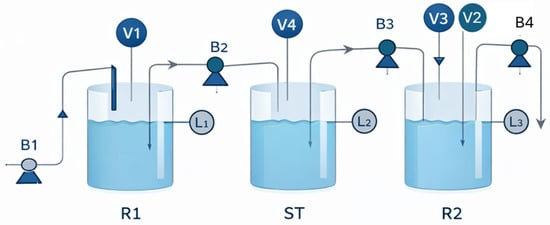
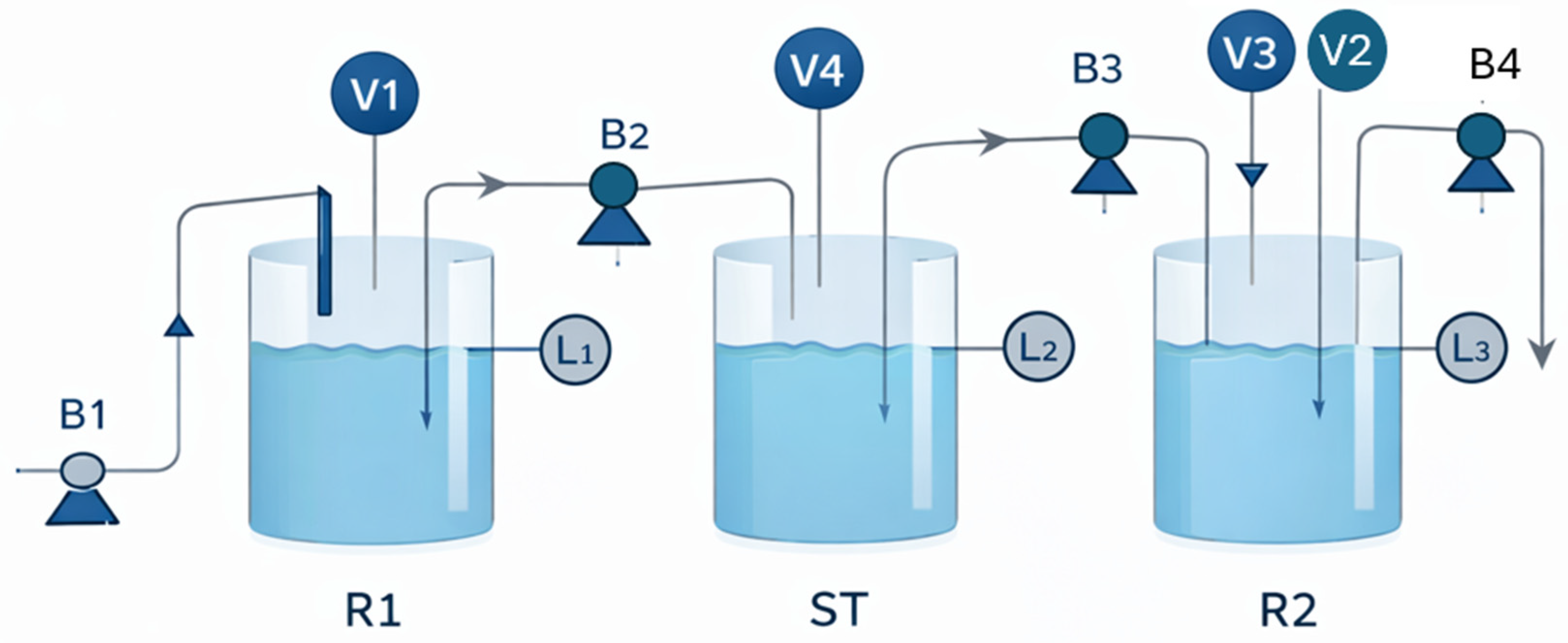
The system was expanded with a second reactor (Figure 2), forming the main tanks: R1 (acidogenic) and R2 (aerobic–anoxic), each consisting of 2 L batch stirred reactors with temperature controlled by a thermostatic jacket, connected by a 2 L surge tank (ST), to match the different time reactions of R1 and R2. Both bioreactors were fitted with a cover incorporating ports for influent feeding, effluent discharge, aeration (R2), and sampling (R1 and R2), as well as level sensors (L1 and L2). R2 experiments were conducted using a 55% refreshment volume of the post-sedimentation reactor. R1 included a valve connecting the headspace to a nitrogen-filled bag to maintain anaerobic conditions during pressure changes, while R2 was equipped with a safety valve (V2) connecting the headspace to the atmosphere and an additional valve (V3) for air injection at 2 atm. Filling and emptying of the reactors were performed using two independent peristaltic pumps (Ismatec MS Reglo © Thermo Fisher Scientific Inc., Madrid, Spain) controlled by an OMRON PLC CQM1-H programmed with SYSWIN software.
Figure 2.
Anaerobic–Aerobic–Anoxic SBR System. Arrows indicate the direction of liquid flow between units.
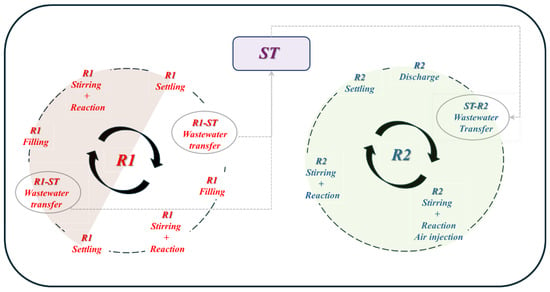
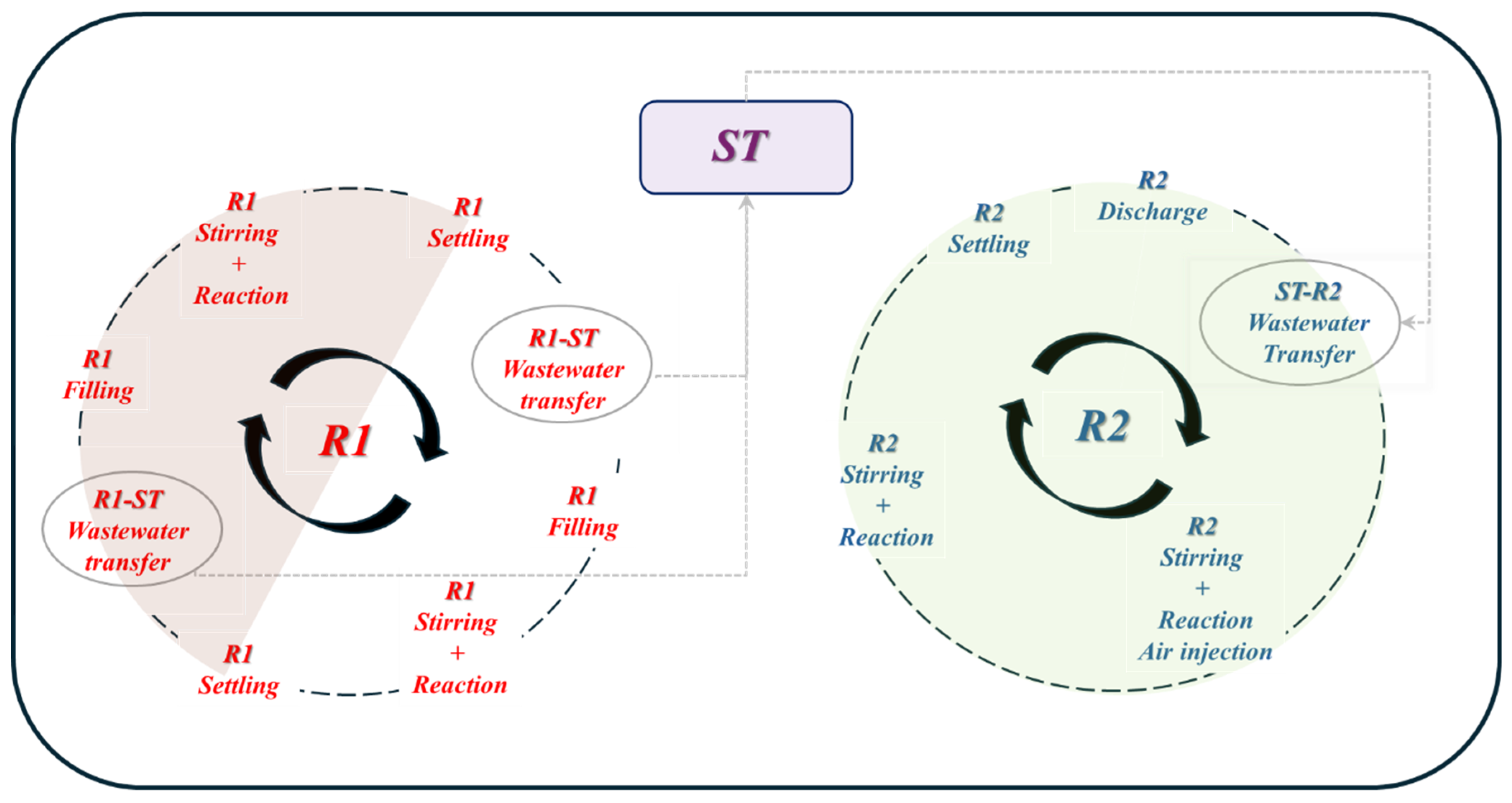
Reactor operation was fully automated via the OMRON PLC (CQM1-H) programmed with SYSWIN and interfaced with the PC-based SCADA, allowing manual override, real-time visualization, and data logging. The PLC controlled the duration of each phase and the activation of pumps (B1–B4), valves (V1–V4), and stirrers (S1–S3) according to the programmed sequence (Table S1). Each cycle comprised: (i) R2 discharge via B4 with V2 open, (ii) transfer of wastewater from ST to R2 via B3 with V2 and V4 open and L2 monitoring with S3 stirring, (iii) transfer of wastewater from R1 to surge tank (ST) via B2 with V1 and V4 open and L3 monitoring with S3 stirring, (iv) R1 filling via B1 with L1 monitoring, (v) acidogenic reaction in R1 under sealed conditions with S1 stirring, (vi) aerobic reaction in R2 with S2 stirring, air injection via V3, and V2 open for gas release, followed by an anoxic reaction in R2 with S2 stirring and V2 open but V3 closed, and (vii) settling in both reactors with stirrers stopped and V2 open to the atmosphere. The temporal sequence of each reactor is schematically presented in Scheme 1. This timing and output activation sequence ensured controlled hydraulic retention, anaerobic and aerobic–anoxic conditions, and minimal human intervention. To match the reaction time of the R1 (3 h per cycle) with the 6 h cycle of the R2, an intermediate surge tank was included to temporarily store the acidified effluent. In this configuration, one cycle in R2 was carried out for every two acidogenic cycles in R1, with the volumes adjusted accordingly. As a result, every 6 h, a wastewater volume equivalent to 66% of the working volume of each reactor was treated, corresponding in this case to a flow rate of 0.06 m3·s−1.
Scheme 1.
Schematic diagram of the sequencing batch reactor (SBR) system. Circular arrows inside each reactor represent the cyclic operation phases and external arrows indicate wastewater transfer between reactors and the settling tank. Dashed circles denote the sequence of operational stages performed in each reactor.
2.4.3. Experimental Data Analysis and Monitoring
Total soluble organic carbon (TOC), as an indicator of soluble organic matter (OM), and total soluble nitrogen (TSN) were quantified using a Shimadzu Total Carbon Analyzer. The instrument was calibrated prior to each set of analyses using a standard potassium phthalate solution. Total soluble OM measurements were employed to evaluate substrate removal kinetics and to quantify the pool of soluble organic carbon available for biological processes. In this context, TOC represents the sum of VOA and VFA and other soluble organic compounds, which constitute the most readily biodegradable fraction, and other dissolved carbonaceous compounds whose biodegradability requires further assessment to determine their contribution to overall carbon utilization and nutrient removal performance. Individual volatile fatty acids (VFAs)—including acetic, propionic, butyric, iso-butyric, valeric, iso-valeric, and caproic acids—were analyzed using a Hewlett-Packard HP-5890 (Hewlett-Packard, Santa Clara, CA, USA) gas chromatograph equipped with a 15 m × 0.53 mm i.d. Nukol-silica semi-capillary column and a flame ionization detector. The oven temperature was ramped from 100 °C to 150 °C at 4 °C min−1. Helium (28.6 kPa), nitrogen (28.6 kPa), hydrogen (14.3 kPa), and air (28.6 kPa) were employed as carrier gases at a flow rate of 50 mL min−1.
All other physicochemical analyses, including soluble phosphorus (P–PO43−), were conducted following the Standard Methods of the American Public Health Association (APHA [26]). All values reported at each temperature correspond to the average of 15 consecutive monitored cycles, once steady-state conditions were achieved under the studied operating conditions.
2.4.4. Organic Matter Variation
The variation in substrate concentration over time can be described according to a first-order kinetic model, as expressed in Equation (1):
where was the total substrate concentration at time t, was the initial substrate concentration, was the non-biodegradable substrate concentration, K is the specific kinetic constant of the organic carbon degradation, X the VSS concentration and t the time. This equation follows a first-order kinetic approach. Subsequently, the specific rate (Equation (2)) for the elimination of total soluble organic carbon () has been deduced from Equation (1):
To evaluate the efficiency of carbon conversion into short-chain acids in the acidogenic anaerobic reactor, a yield coefficient was defined as shown in Equation (3):
where was the maximum carbon concentration in the form of acids (either acetic acid, propionic acid, or total short-chain acids) at the optimal experimental time of the acidogenic anaerobic reactor, and was the initial carbon concentration in the influent to the reactor.
2.4.5. Anaerobic Digestion Kinetic Model
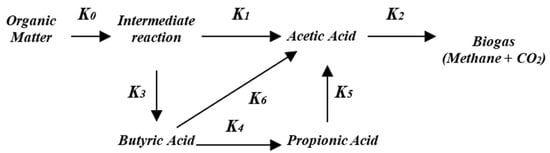
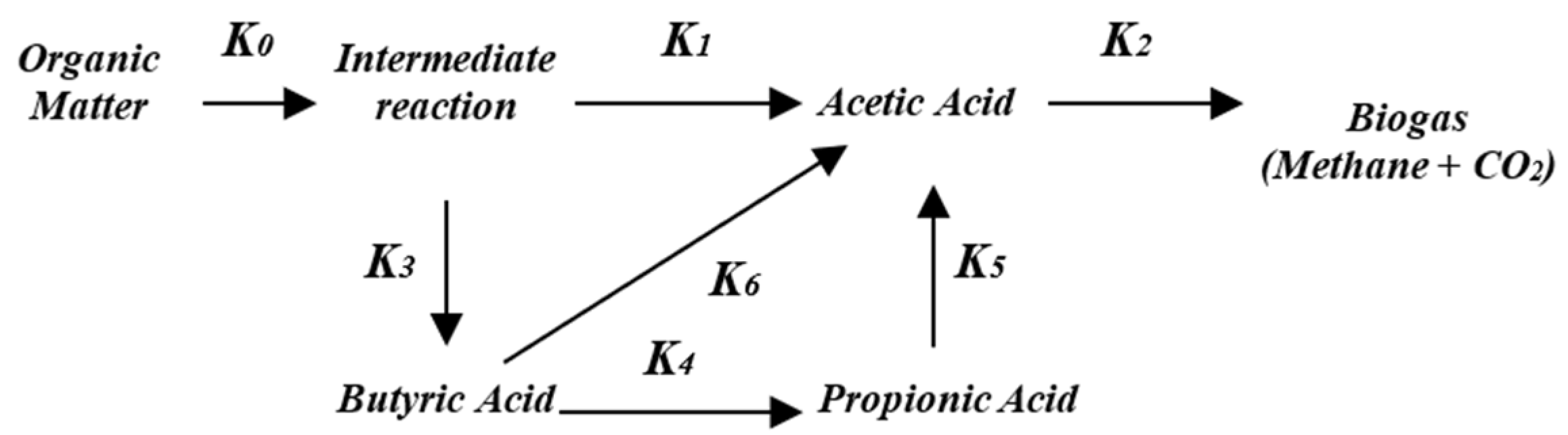
In order to reproduce the behaviour of the different forms of organic matter, expressed as carbon concentration, a kinetic model was formulated, proposing a simplified mechanism of the anaerobic digestion process. It takes into account the different carbon species: total soluble organic matter (OM), two, three and four carbon atoms volatile organic acids (C2, C3 and C4, respectively), the removed carbon of the system like biogas (CO2 + CH4) and the carbon intermediate compounds (I) in the organic matter transformation reactions to short-chain acids. Scheme 2 shows the reactions.
Scheme 2.
Scheme of the mechanism proposed for the acidogenic anaerobic digestion of the organic matter.
According to the proposed mechanism and supposing, additionally, that the transformation of every previous compound takes place with first-order kinetics and approximately constant microorganisms concentration, without discriminating among the different hydrolytic–acidogenic, acetogenic, and methanogenic groups, a system of ordinary differential equations (ODEs (1)) has been formulated.
where all concentration terms (OM, OMnb, I, C2, C3, C4, Biogas (CH4 + CO2) correspond to the variables previously defined (mg C/Lreactor). Ki are the specific kinetic constants of the carbon compounds transformation and t is the time. The formulated system of differential equations was solved using the fourth-order Runge–Kutta method. First, the initial conditions were specified, namely the concentrations of organic matter and of acetic, propionic, and butyric acids. Second, the temporal integration interval was defined, and finally, the time step was selected to ensure numerical stability (Figure S1). Parameter estimation was carried out by minimizing the sum of squared deviations between the simulated and experimental values, which allowed identification of the parameter set providing the best agreement between model outputs and experimental observations. The parameter values were adjusted iteratively. The values of the kinetic constants obtained for the model are summarized in Table 3.
Table 3.
Mean values of the kinetic constant anaerobic model.
2.5. Software Used
Sigma Plot software (version 11.0) was used to elaborate and fitted all the Graphs and Figures of this study and to perform the statistical analyses. Modeling calculations were carried out using Mathcad software (version 14).
3. Discussion
3.1. Acidogenic Digestion: Soluble Organic Carbon Evolution
In the anaerobic digestion process, the complex molecule breakage was transformed to produce VFAs and finally methane and carbon dioxide in spite of working at low pH (4.5–5.0), pH conditions so far optimum ones for methanogenic bacteria. The process pursuit was done analysing the total soluble OM and the obtained results showed a clear organic matter diminution. The OM elimination simulated according to first-order kinetics and it has been considered, in the operation conditions, that there was a fraction of the substrate that was not biodegradable (OMnb). Previously, in domestic wastewater treatment, the degradation of soluble organic matter, as indicated by the decrease in organic matter concentrations in SBR, was shown to follow first-order kinetics [27].
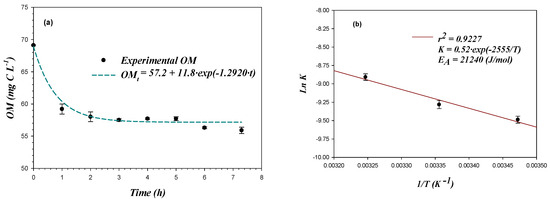
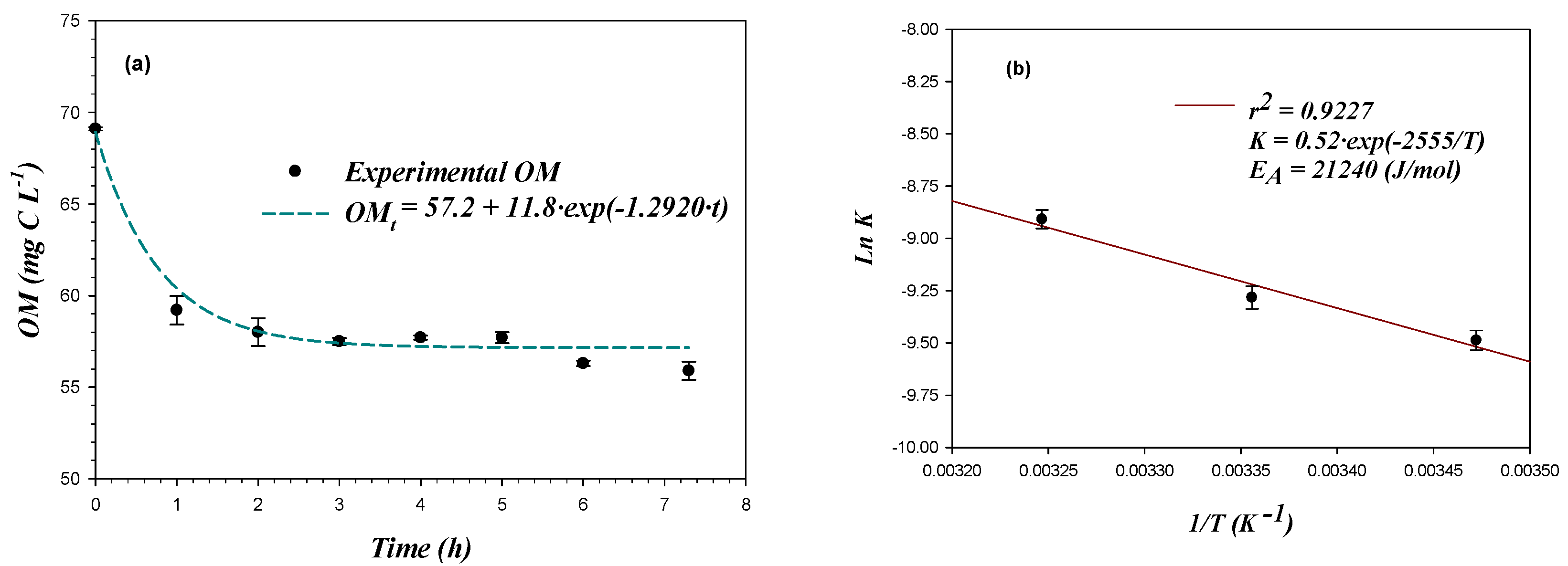
The experiments, carried out at 35, 25, and 15 °C, showed that carbon concentration profiles fitted well to the proposed kinetic model (Equation (1)). As an example, see Figure 3a, which shows the average of the 15 cycles performed at 35 °C. The operational conditions were intentionally selected to be suboptimal for organic carbon removal, since the objective was not to achieve maximum degradation but rather to characterise the transformation kinetics of soluble and particulate organic matter under restricted conversion conditions. Nevertheless, throughout each experimental cycle and at all tested temperatures, partial carbon removal was unavoidable, as anaerobic treatment of municipal wastewater inherently promoted carbon turnover even under non-optimized regimes [28,29]. Considering the biomass concentration presented in each experiment, which ranged from 1400 to 2900 mg VSS L−1, the kinetic constant was normalized by decoupling the biomass term (K′ = K × X), thereby obtaining the specific kinetic constant (K). The value pairs (Ln(K), 1/T) were adjusted using a least-mean-squares algorithm (Figure 3b, r2 = 0.9227), and the activation energy for the organic carbon removal under anaerobic conditions was calculated as 21,240 J mol−1. This value was consistent with the range reported for anaerobic degradation of soluble organic substrates and municipal wastewater (20–40 kJ mol−1), in agreement with recent studies evaluating temperature effects on anaerobic carbon conversion in liquid-phase systems such as up-flow anaerobic sludge blanket (UASB) and anaerobic membrane bioreactors (AnMBR) [28,29,30].
Figure 3.
(a) OM removal kinetics: mean value of experiments conducted at 35 °C. (b) Fitting of the mean values of the specific kinetic constant to the Arrhenius equation.
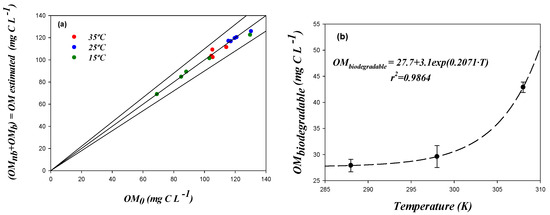
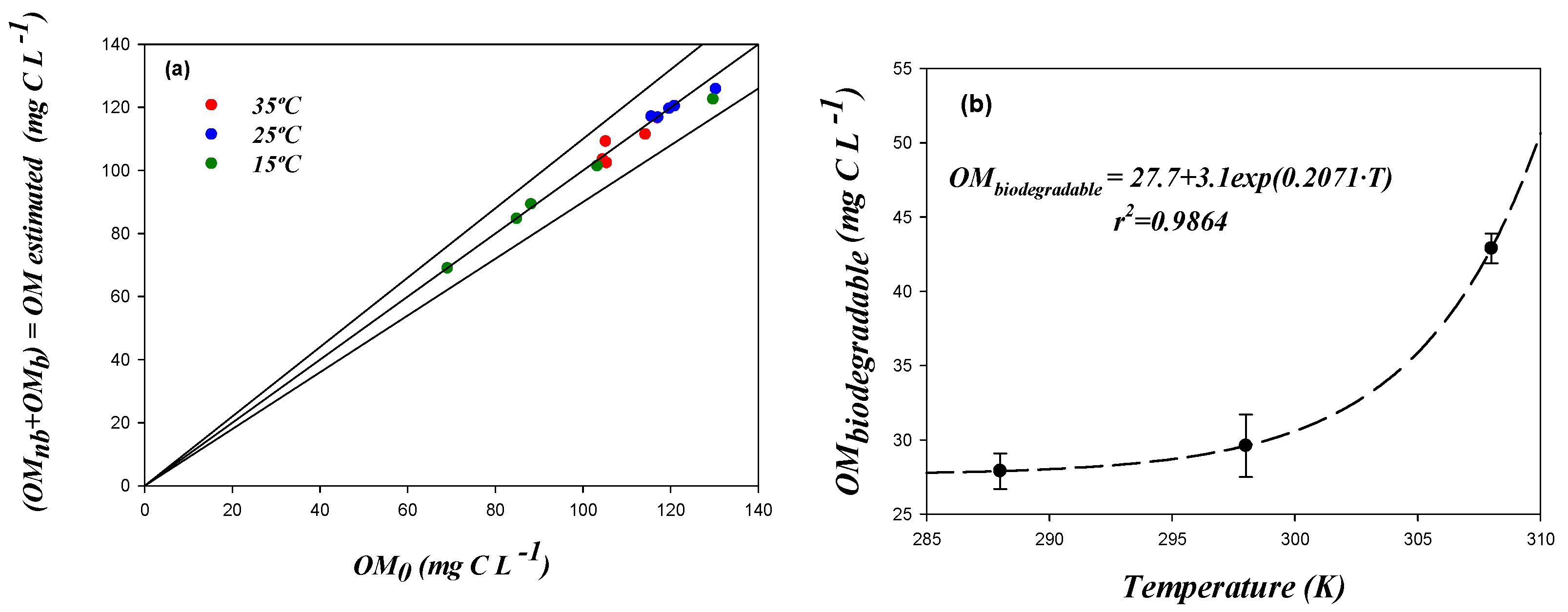
The proposed model was validated by comparing the simulated total soluble OM (biodegradable and no biodegradable carbon) with the corresponding experimental data. Figure 4a shows the small deviations obtained in all cases (less than 10%), demonstrating the suitability of the mathematical model proposed and suggests that this model describes very accurately their evolution in the anaerobic digestion process of this wastewater. So, the initial biodegradable substrate (Sb), represented in the model as the difference between (OM0 − OMnb), as a function of temperature, is shown in Figure 4b. The concentration of biodegradable OM increased with temperature, indicating enhanced hydrolysis and solubilisation rates under warmer conditions. Moreover, the evolution of the average values of the total biodegradable OM showed an exponential increase with temperature, in accordance with the Arrhenius equation (OM = 27.7 + 3.1·exp(−0.2071·T), r2 = 0.9864). Similar trends were reported in recent studies on mesophilic and thermophilic anaerobic sequencing batch and membrane bioreactors, where organic matter removal efficiencies, expressed as Chemical Oxygen Demand (COD), increased from approximately 55–65% at 30 °C to 75–85% at 55–60 °C [28,29,30]. From a process perspective, the conversion of organic matter into methane and carbon dioxide through methanogenic activity represented a negative loss, since in this study the primary objective was the accumulation of intermediate organic acids rather than complete mineralization. Methanogenesis was particularly sensitive to temperature, which affected both microbial community composition and the overall degradation pathways of organic matter. Although operating under ambient or psychrophilic conditions reduced energy requirements for heating, it required microbial consortia specifically adapted to low temperatures to sustain stable methane production [31].
Figure 4.
(a) Evaluation of the OM kinetic model. (b) Effect of temperature on the evolution of biodegradable OM. The dots represent the mean values of biodegradable OM at each temperature, and the error bars indicate the standard deviation.
The kinetic model developed here allowed identification of the time point at which biodegradable organic matter removal slowed significantly. This inflection did not indicate process stagnation, as metabolic transformations among residual or newly generated volatile fatty acids continued. Importantly, while carbon loss as methane may be undesirable in acidogenic systems, it does not necessarily constitute a negative outcome when subsequent nutrient removal or energy recovery processes are integrated within a broader treatment train [29].
3.2. Acidogenic Digestion: Volatile Organic Acids (VOA)
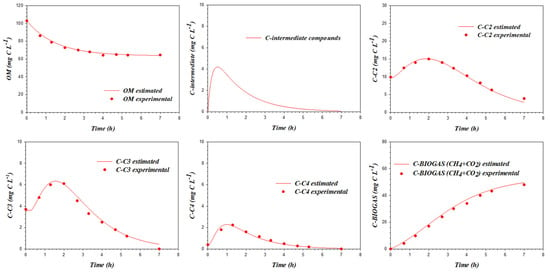
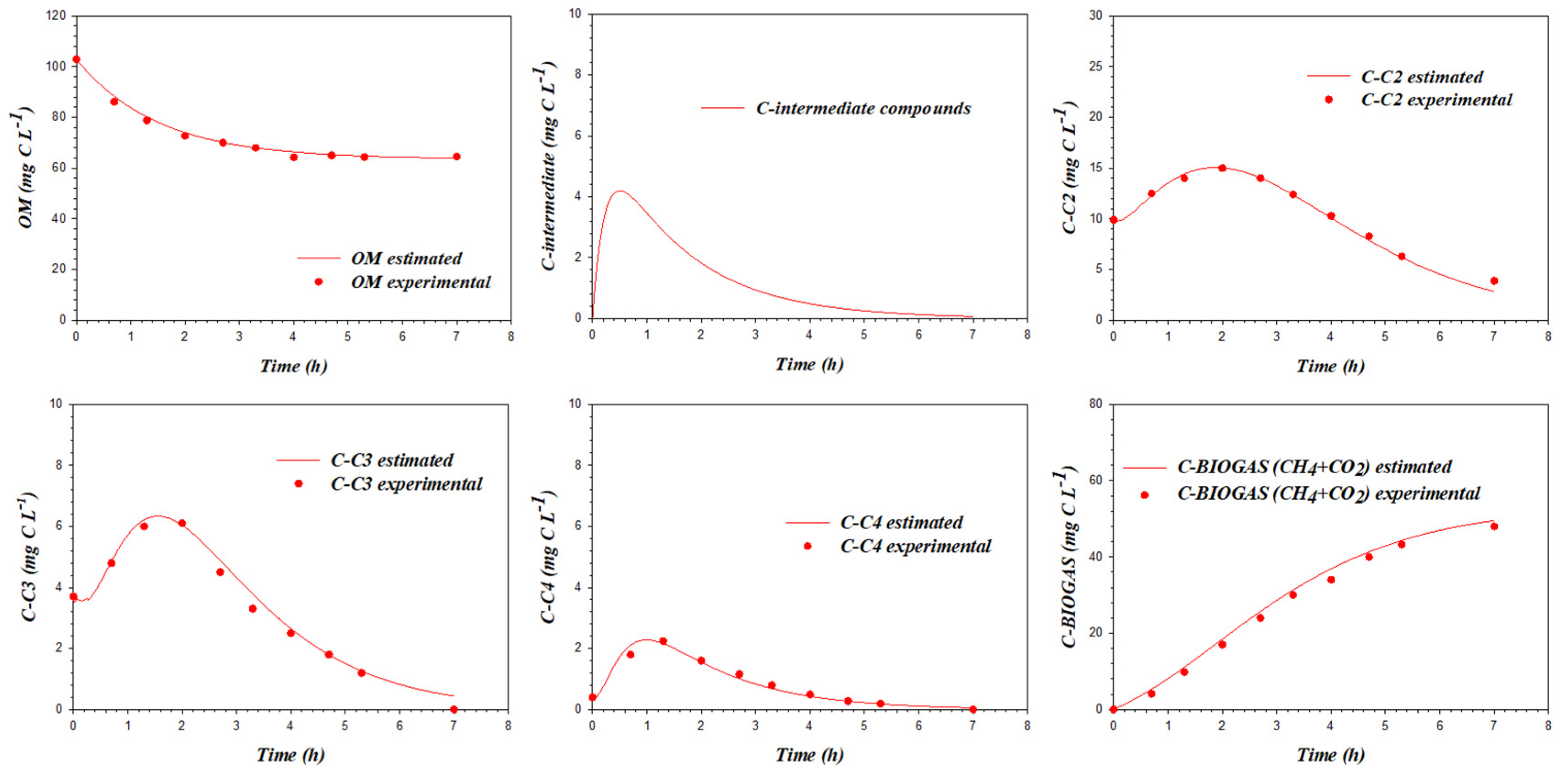
Figure 5 shows the removal of organic matter and the formation of short-chain acids.
Figure 5.
Experimental concentrations and concentrations estimated using ODEs of interesting species in the acidogenic anaerobic model (25 °C). The standard deviation of the experimental replicates was below 5% in all cases.
The concentration evolution of acetic, propionic and butyric acids presents a maximum value for decreasing to produce eventually biogas (CH4 and CO2) in spite of the acid pH environment. During the acidogenic stage of urban wastewater treatment, complex organic matter was hydrolysed and fermented into volatile fatty acids (VFAs), among which butyric acid (butyrate) commonly appeared as a key intermediate [32]. The predominant pathway for its transformation involved syntrophic oxidation to acetate and hydrogen, mediated by specialised microbial consortia operating under low hydrogen partial pressure [33,34]. In this process, butyrate was oxidised to acetate according to the reaction: butyrate + 2H2O → 2 acetate + H+ + 2H2 (Elucidating Syntrophic Butyrate-Degrading Populations, 2019), and the resulting acetate subsequently served as the main precursor for methane formation in the methanogenic phase [35]. Mild hydrolysis overall VFAs gains depend strongly on substrate type and reactor conditions [36,37]. Within municipal wastewater systems, acidogenic reactors thus directed hydrolysis and fermentation toward acetate-rich effluents, and the efficient conversion of butyrate to acetate represented a critical control point for achieving stable methanogenic performance. This metabolic route was identified as the most prevalent pathway linking acidogenesis to methanogenesis in anaerobic treatment of urban wastewaters. The overall stoichiometry for propionate oxidation via the methylmalonyl-CoA pathway was expressed as: Propionate− + 2H2O → Acetate− + CO2 + 3H2. Under standard biochemical conditions, this reaction was endergonic (ΔG°′ ≈ +73–76 kJ mol−1) and therefore thermodynamically unfavorable unless the reaction products—particularly H2 or formate—were maintained at very low concentrations by syntrophic partner organisms such as hydrogenotrophic or formate-utilizing methanogens and sulfate reducers [38,39,40]. Syntrophic propionate-oxidizing bacteria (SPOB), primarily affiliated with Syntrophobacter, Smithella, and several uncultured lineages, catalyzed the sequential conversion of propionate to acetate, CO2, and reducing equivalents (H2/formate) through the methylmalonyl-CoA pathway or its variants [41,42]. The rapid removal of these reducing equivalents by hydrogen- or formate-consuming partners rendered the overall reaction exergonic, thereby enabling efficient propionate turnover under anaerobic, methanogenic conditions. In engineered systems, thermodynamic feasibility depended critically on maintaining extremely low hydrogen partial pressures even became thermodynamically favorable [38,39,40]. Finally, community composition, temperature, pH, and inhibitory compounds such as free ammonia or salinity modulated both the kinetics and thermodynamic margins. Mesophilic consortia enriched in hydrogenotrophic methanogens or other efficient H2 sinks exhibited the most robust propionate removal, whereas perturbations that impaired H2 consumption led to the accumulation of propionate [41,42].
However, there were inherent limitations and challenges in maximizing VFAs production from organic matter via acidogenic fermentation. The hydrolysis of complex substrates was often slow and inefficient, making it a rate-limiting step that constrains overall VFA yields. Even small deviations can shift microbial activity, leading to unstable acid profiles or reduced VFA accumulation. Furthermore, the heterogeneous composition of real wastewater rendered the VFA profile variable and less predictable, complicating downstream process control and optimization. These factors, together with challenges in separating and recovering VFAs from complex fermentation broths, presented technical barriers to scalable and consistent production of volatile fatty acids as extensively summarized in the recent review of VFA separation techniques [43].
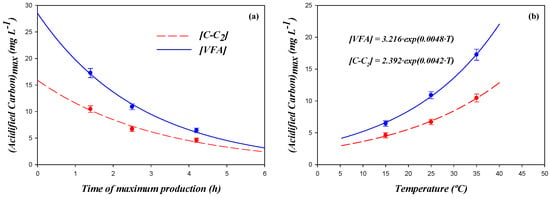
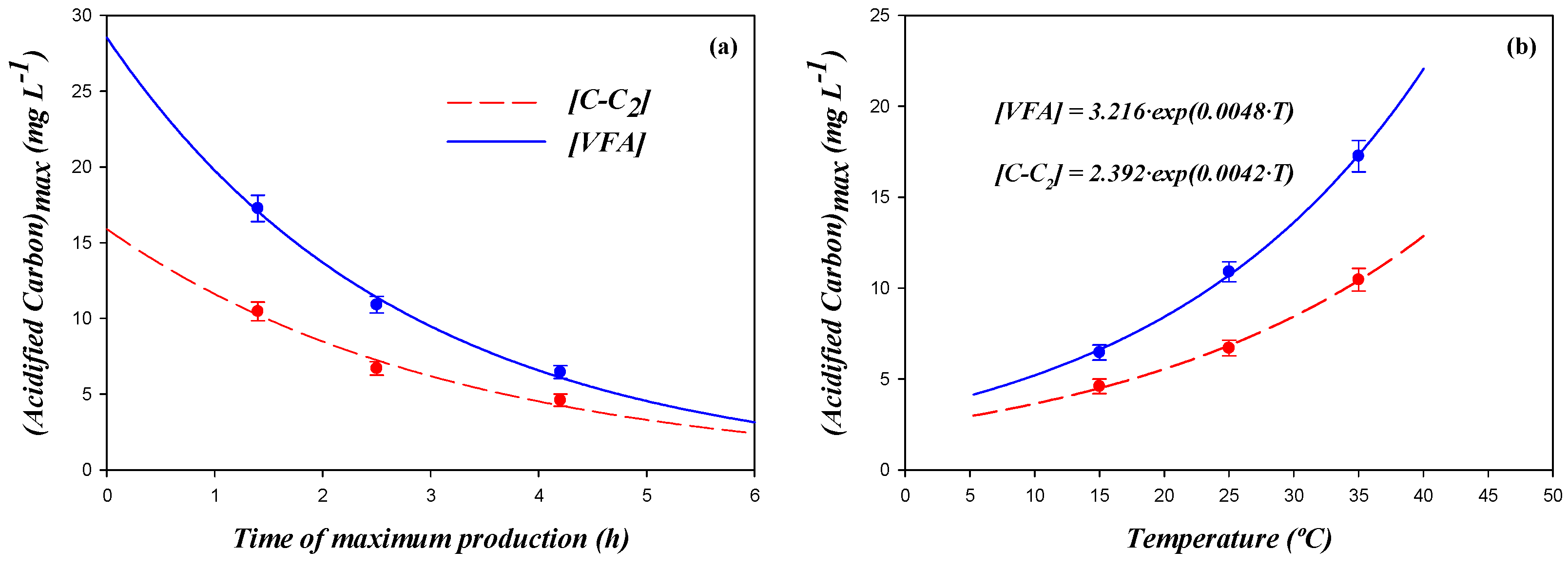
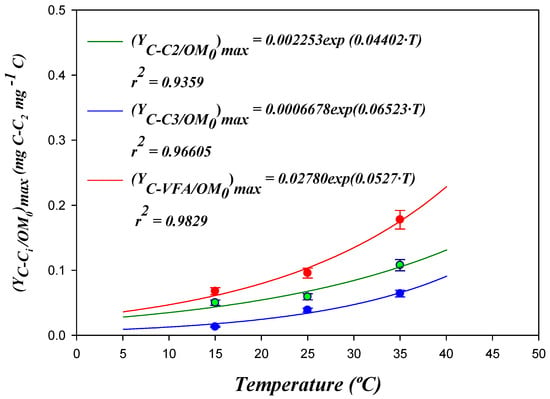
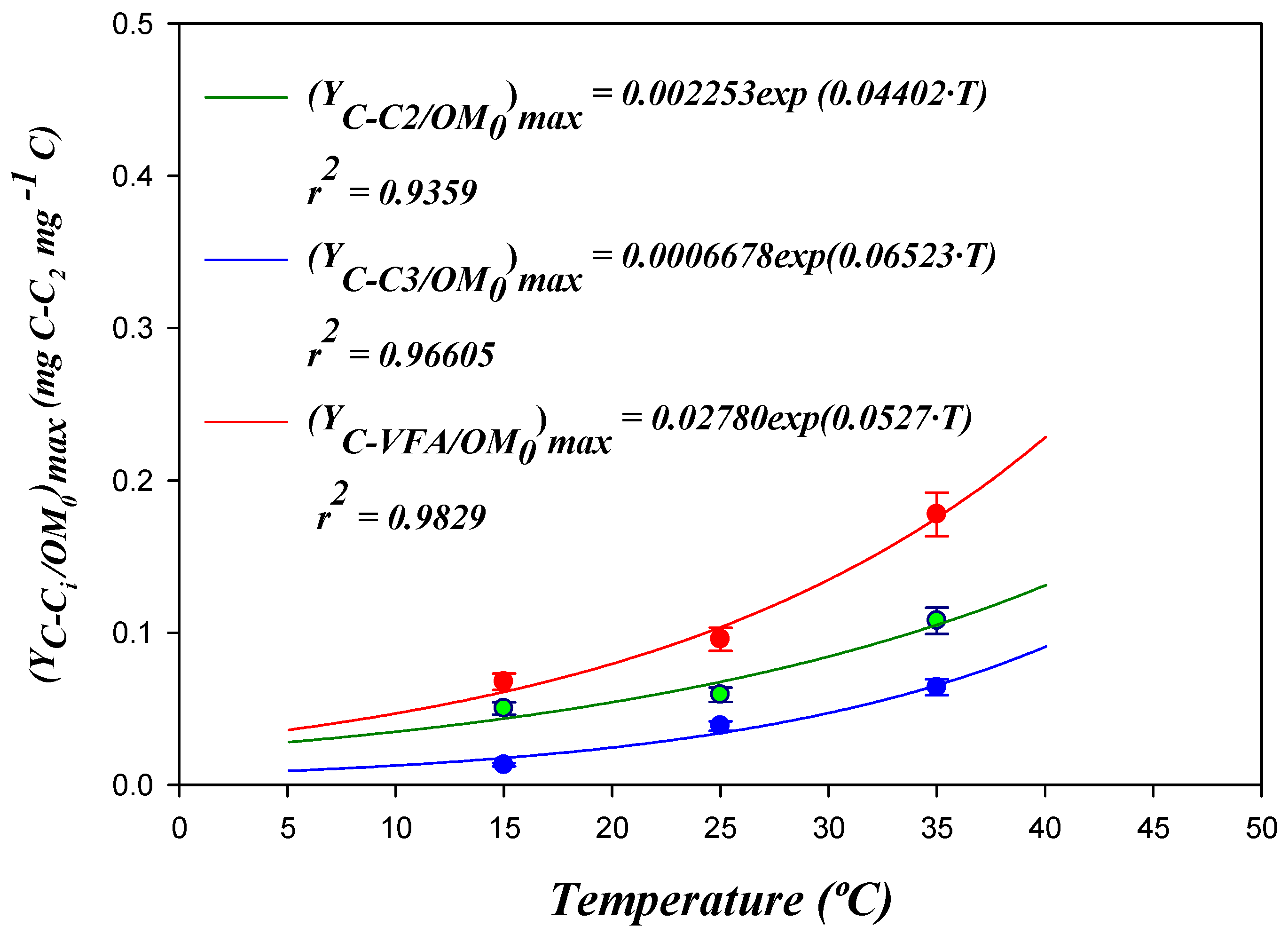
Optimization of volatile fatty acid (VFA) production is essential regardless of the intended downstream application, whether for biological nutrient removal, carbon recovery, or bioenergy generation. In this study, temperature was identified as a key factor affecting both the rate and composition of VFA formation. Figure 6a illustrates the influence of temperature on the maximum concentrations of acidified organic matter. Both volatile fatty acids (VFA) and acetic acid, [C–C2], as predominant species, showed a clear temperature dependence. As the temperature increased, the time required to reach the maximum concentration decreased, while the maximum values themselves increased. Specifically, for VFA, the maximum concentration rose from approximately 13, 18 and 26 mg C/L at 15, 25 and 35 °C, respectively. These values were reached at 4.5, 3.0 and 1.5 h of reaction time. Moreover, Figure 6b shows that the maximum concentrations follow an exponential trend with temperature within the evaluated range. Overall, the results indicate that acidogenesis was strongly enhanced at higher temperatures, as evidenced by faster attainment of maximum concentrations and increased peak values. As anticipated, lowering the temperature led to reduced VFA production, which is consistent with the fact that municipal wastewater treatment plants typically operate at low temperatures. Nonetheless, retention times exceeding four and a half hours proved unnecessary in all cases. In the selected wastewater, when the maximum acid concentrations were reached, 7, 10, and 18% of the initial carbon was recovered as short-chain acidified carbon at 15, 25, and 35 °C, respectively. (Figure 7). VFA concentrations, reached 23, 39 and 45% of initial biodegradable OM determined through Equation (1).
Figure 6.
(a) Mean value of maximum acidified organic matter concentration versus reaction time of maximum VOA concentration and (b) versus temperature. The blue solid line represents the fitted values for VFA, while the red dashed line represents the fitted values for C–C2.
Figure 7.
Evolution of the maximum yields of VFAs, acetic acid, and propionic acid with temperature. The blue line to propionic acid (C3), the green line corresponds to acetic acid (C2), and the red line to total volatile fatty acids (VFA).
The average specific rates at each temperature (Equation (2)) were calculated at the estimated optimum time (maximum VOA production). These findings support your observations that organic matter removal rates and VFA production are higher at 35 °C (4.38 mg OM removed/g VSS·h) than at 25 °C (1.59) and 15 °C (0.84), reflecting the temperature dependence of microbial metabolism and hydrolysis rates in real wastewater fermentation systems. Lower temperatures resulted in reduced organic matter removal compared to higher temperatures, which are typical of urban wastewater.
3.3. Acidogenic Digestion: Anaerobic Digestion Kinetic Model
The mathematical model described in the Section 2 allowed us to quantify the dynamics of the different forms of organic matter and their transformation into intermediate compounds and biogas. By fitting the model to the experimental data within the evaluated temperature range, the kinetic behavior of the system was captured, providing a quantitative framework to interpret the observed anaerobic digestion processes. The mean relative error or root mean square error (RMSE) in solving the ODE system was 6.2%, which is considered acceptable given the complexity of an anaerobic digestion process. The values of the kinetic constants obtained for the model are summarized in Table 3, and they provide insight into the relative rates of transformation of each carbon species, allowing a comparison between the simulated reaction kinetics and the experimental trends.
Its solution allows simulating the concentration evolution of the different carbon species which have been considered in the mechanism. In Figure 5, the solution of the system for one of the experiments conducted at 25 °C is shown as an example. As it can be observed, the model matches the experimental data of the different carbon forms concentrations.
Results indicate that the kinetic constants associated with acidogenic reactions exhibit a pronounced dependence on temperature, confirming the strong thermosensitivity of anaerobic digestion pathways. In all cases, kinetic constants decreased as temperature was reduced from mesophilic (35 °C) to sub-mesophilic conditions (15 °C), although the magnitude of this decrease varied significantly among reaction steps.
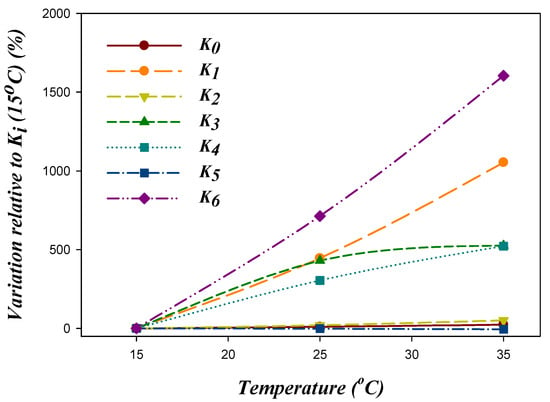
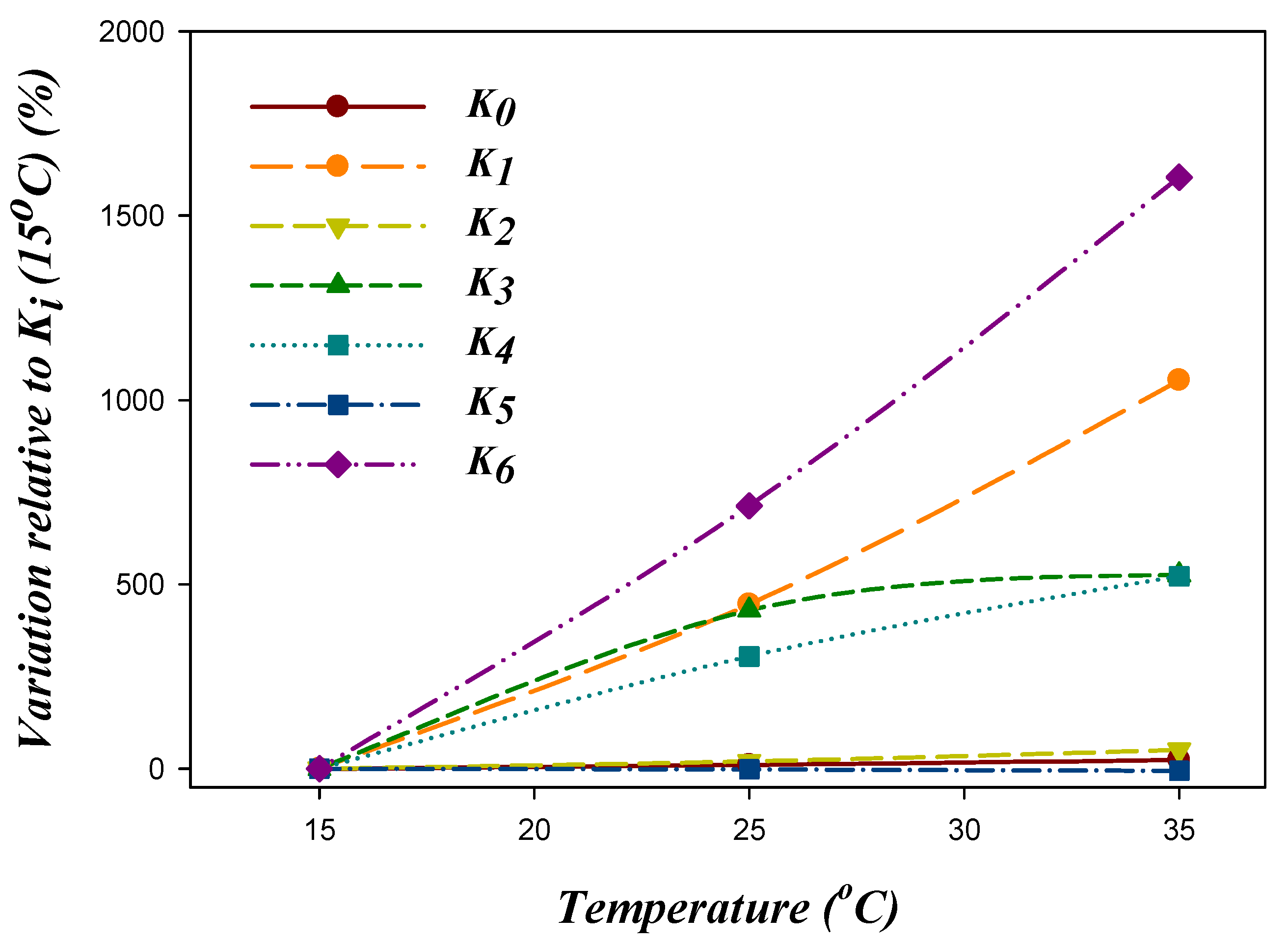
The hydrolysis-related constant (K0) was consistently lower than the methane production constant (K2) across the entire temperature range studied. This behavior is in agreement with previous findings reported in the literature, where hydrolysis has been identified as the rate-limiting step during the acidogenic phase of anaerobic digestion, particularly under low-temperature conditions [44]. From 35 °C to 15 °C, K0 exhibited a marked reduction, highlighting the sensitivity of complex organic matter degradation to temperature variations. The formation pathways of acetic and propionic acids, represented by K1 and K6, were the most affected by temperature changes, showing variations greater than 90% when temperature decreased from 35 °C to 15 °C. This substantial reduction indicates that these biochemical steps are highly dependent on enzymatic activity and microbial growth rates, both of which are strongly influenced by temperature. A similar trend was observed for propionic and butyric acid formation pathways, governed by K3 and K4, respectively. In both cases, the kinetic constants decreased by approximately 84% between 35 °C and 15 °C. These results suggest comparable activation energy requirements for these pathways and reinforce the notion that higher-molecular-weight and reduced intermediates are particularly sensitive to thermal constraints [45]. In contrast, acetic acid formation from propionic acid, represented by K5, did not exhibit a significant variation with temperature, indicating a more robust metabolic pathway or a microbial population less affected by temperature changes. Methane production (K2), while still influenced by temperature, showed a more moderate decrease of approximately 33% when temperature was reduced from 35 °C to 15 °C. This comparatively lower sensitivity suggests that methanogenic activity is more resilient to temperature fluctuations than hydrolytic and acidogenic steps [46].
Figure 8 highlights a clearly differentiated thermal response among the constants when considering their relative variation with respect to their values at 15 °C. Based on their temperature sensitivity, the constants can be grouped into three distinct categories.
Figure 8.
Thermal sensitivity of the coefficients , expressed as percentage variation relative to their values at 15 °C.
A first group, characterized by high temperature sensitivity, includes and . These constants exhibit the largest relative increases as temperature rises, with steep slopes that indicate a strong dependence on temperature. Their behavior dominates the overall response of the system within the analysed temperature range. A second group shows intermediate sensitivity and is composed of and . These constants display noticeable increases with temperature, but with more moderate trends compared to the highly sensitive group. Their variation is significant yet non-dominant, and it tends to level off at higher temperatures. Finally, a third group presents low or negligible temperature sensitivity, comprising , , and . These constants undergo only minor relative changes over the entire temperature interval considered, with remaining nearly temperature independent and and showing only marginal variations.
Overall, Figure 8 demonstrates that the thermal behaviour of the system is primarily governed by a limited number of constants, while the remaining ones can be considered approximately invariant within the studied temperature range.
Overall, the results demonstrate that hydrolytic and acidogenic reactions experience a sharper kinetic decline with decreasing temperature than methanogenic reactions. This hierarchy of temperature sensitivity has important implications for anaerobic digestion modelling and operation. Incorporating temperature-dependent kinetic parameters into the model enables better adaptation of operational conditions to variations in wastewater composition, thereby allowing controlled acid production tailored to the requirements of subsequent nutrient removal processes. Such an approach aligns with recent high-impact reviews emphasizing the need for dynamic and adaptive modelling frameworks to optimize anaerobic treatment systems under variable environmental conditions.
3.4. Acidogenic–Aerobic–Anoxic SBR System: Nutrient Removal
In R1, the pH oscillated between 4.5 and 5.0 due to acid formation during the acidogenic phase, while in R2, the pH increased from 7.5 after loading from the buffer tank to 8.5–9.0 by the end of the experiment. The system was equipped with pH and redox probes, which continuously monitored these values online throughout the experiment, confirming that no chemical pH control was required.
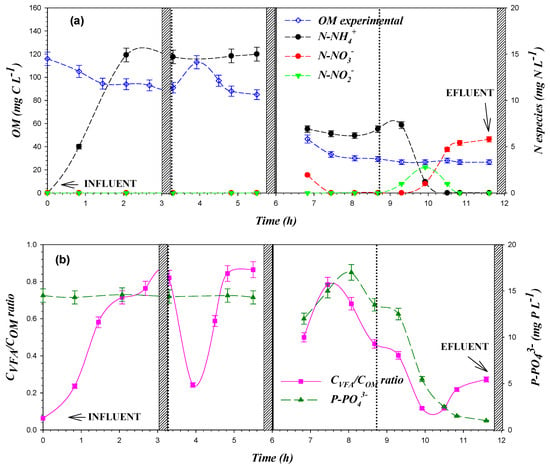
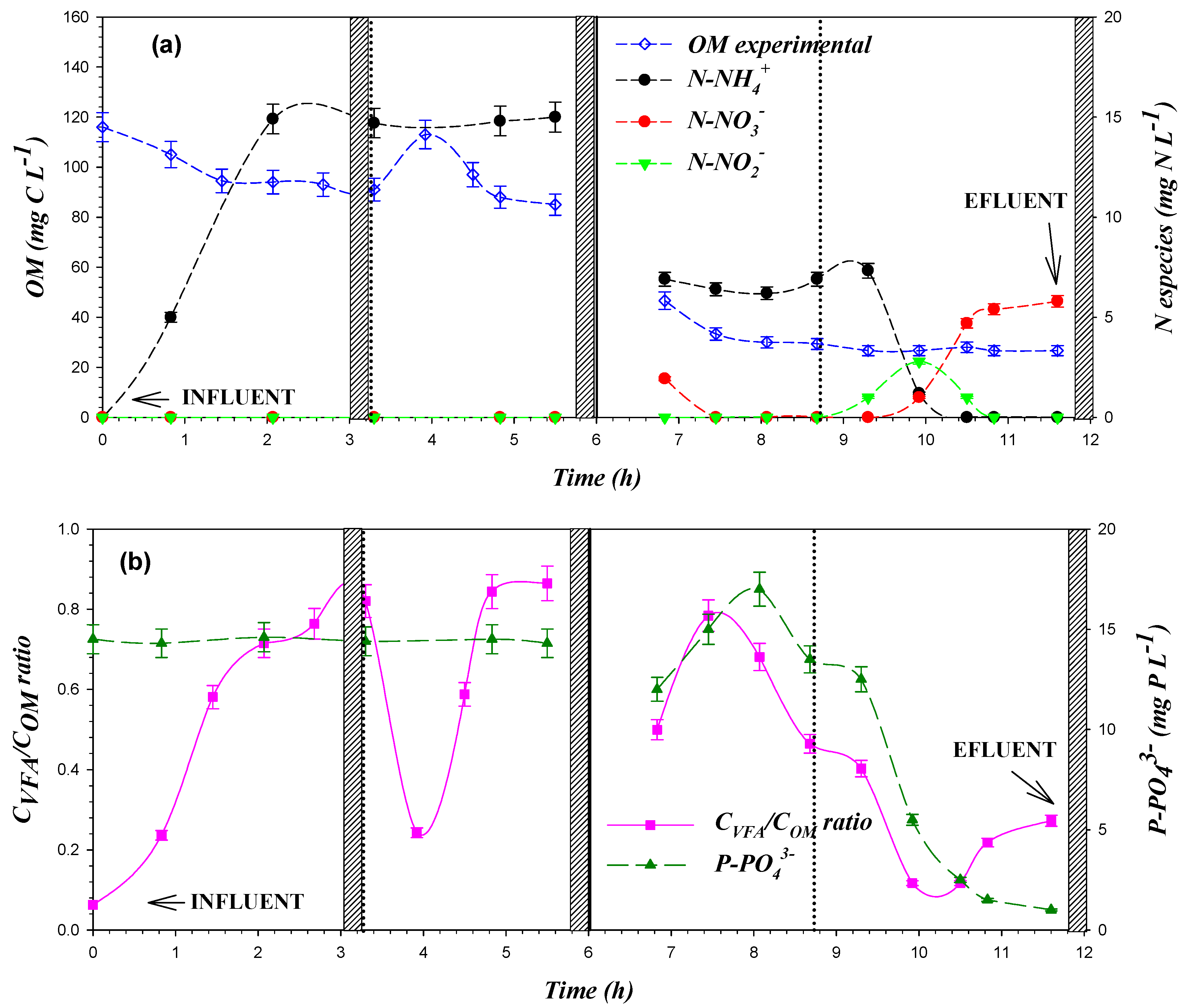
As an example, Figure 9 presents the average values obtained from five consecutive complete cycles (12 h) operated by both reactors at 25 °C for the simultaneous removal of carbon, nitrogen, and phosphorus. Figure 9a illustrates the temporal evolution of organic matter (OM, mg C L−1) and nitrogen species during a two-stage process. During the first stage, two consecutive acidogenic cycles were conducted under acidic conditions. Carbon removal in the form of biogas was reduced when the retention time was shortened through fractionation into two cycles (3 h) with discharge to a buffer tank. This made more carbon available for the biological removal of phosphorus and nitrogen. OM concentrations in the liquid phase exhibited moderate fluctuations, reflecting the solubilization and fermentation of organic substrates characteristic of acidogenesis. Under these conditions, nitrification was effectively inhibited, and nitrogen remained predominantly in reduced form. Accordingly, ammonium nitrogen (N–NH4+) reached high, relatively stable concentrations, indicating active ammonification of organic nitrogen. In contrast, oxidized nitrogen species (N–NO2− and N–NO3−) remained negligible throughout this stage, confirming the absence of aerobic nitrification. In the second reactor, the process began with an aerated phase. During aeration, OM concentrations decreased, indicating aerobic oxidation of organic carbon. Simultaneously, N–NH4+ concentrations declined, while N–NO2− and N–NO3− appeared, demonstrating the onset of nitrification under aerobic conditions. Following the cessation of aeration, anoxic conditions were established. Under these conditions, N–NO2− and N–NO3− concentrations decreased progressively, indicating denitrification driven by residual organic matter. N–NH4+ concentrations remained low during the anoxic phase, confirming that most reduced nitrogen had been oxidized during the preceding aerobic period. Based on the concentrations show from Figure 9a, the influent was characterized by a total nitrogen concentration in the range of approximately 14–16 mg N L−1, almost entirely present as ammonium nitrogen (N–NH4+), while oxidized nitrogen species were negligible. In contrast, the effluent from the second SBR exhibited substantially lower total nitrogen concentrations, ranging from approximately 5.5 to 6.5 mg N L−1, with nitrate (N–NO3−) being the dominant nitrogen form and ammonium and nitrite remaining close to detection limits. These values correspond to an absolute total nitrogen reduction of approximately 8–10 mg N L−1, which represents an average nitrogen removal efficiency of about 55–65%. Moreover, the influent organic matter concentration ranged between approximately 110 and 120 mg C L−1. After completion of the two-stage process, the effluent organic matter concentration decreased to approximately 25–30 mg C L−1. These values correspond to an absolute organic matter removal of approximately 80–90 mg C L−1, resulting in an overall organic matter removal efficiency of about 70–75%.
Figure 9.
Dynamics of key chemical species involved in simultaneous carbon, nitrogen, and phosphorus removal in an acidogenic–aerobic–anoxic SBR system. The vertical dashed lines indicate the changes between operational phases, while the shaded bars represent the sedimentation periods.
Figure 9b illustrates the temporal evolution of the CVFA/COM ratio, volatile fatty acids (C–VFA), and soluble phosphate (P–PO43−) during the two-stage treatment process. The evolution of the CVFA/COM ratio. (Figure 9b) indicates that a substantial fraction of the removed organic matter was first transformed into readily biodegradable carbon during the acidogenic stage and subsequently consumed during the aerobic and anoxic phases, supporting nitrification, denitrification, and biological phosphorus removal. During the first stage (acidogenic SBR), the CVFA/COM ratio increased steadily from low influent values (approximately 0.05–0.10) to elevated levels of about 0.75–0.85. This increase reflects an efficient conversion of particulate and complex organic matter into readily biodegradable compounds, mainly volatile fatty acids, which is characteristic of a well-established acidogenic process according to some studies [47]. Throughout this stage, P–PO43− concentrations remained relatively constant, in the range of approximately 14–15 mg P L−1, suggesting phosphorus release associated with the hydrolysis of organic phosphorus compounds, without net phosphorus removal. In the second reactor, during the aerobic phase, the CVFA/COM ratio progressively decreased, indicating preferential consumption of VFA by heterotrophic and nitrifying microorganisms. Simultaneously, a marked reduction in P–PO43− concentration was observed, consistent with biological phosphorus uptake (<93%). Following the transition to anoxic conditions, the CVFA/COM ratio reached minimum values (approximately 0.10–0.15), indicating substantial depletion of readily biodegradable carbon, which was utilized as an electron donor for denitrification. In the final effluent, both the CVFA/COM ratio and P–PO43− concentrations remained low, confirming effective removal of organic carbon and phosphorus. Recent studies indicate that successful biological phosphorus removal typically requires approximately 7–10 mg of volatile fatty acids (VFAs) per mg of phosphorus removed, reflecting the carbon demand for luxury uptake by PAOs in enhanced biological phosphorus removal (EBPR) systems. Values in this range are commonly cited in design manuals and technical reviews of phosphorus removal efficiency and effluent quality [48].
It is noteworthy that the initial concentration of organic matter is critical for the process. Starting from a non-limiting biodegradable carbon source, an increase in the initial concentration, together with sufficient biomass in the acidogenic reactor, proportionally raises the concentration of organic acids. If the non-biodegradable fraction of organic matter remains constant, an increase in the influent concentration—resulting in a higher replacement volume of R2 or higher acid concentrations from R1 due to treating more concentrated wastewater—directly affects the effluent quality. Therefore, all operational factors must be adjusted to ensure that discharges comply with established regulatory standards, and that the integration of acidogenic and aerobic–anoxic reactors produces effluents within environmentally acceptable limits.
Studies report that conventional SBRs without supplemental carbon achieve total nitrogen (TN) removal of approximately 53% and phosphorus removal around 67%, with effluent concentrations of ammonium (around 15 mg N/L and phosphate (approximately 3 mg P/L). The addition of external carbon sources significantly enhances denitrification, resulting in TN removal up to 82.9% and phosphate removal up to 96% [49].
Considering that nutrient removal is typically conducted at 25 °C, results from the experimental anaerobic–aerobic–acidogenic system indicate that operating the acidogenic reactor at 15 °C led to effluent phosphorus concentrations above 2 mg P L−1, whereas nitrogen removal was only marginally affected, with a reduction of approximately 5%. This behaviour is consistent with previous studies reporting that enhanced biological phosphorus removal (EBPR) is particularly sensitive to upstream carbon availability and temperature-dependent VFA production, as polyphosphate-accumulating organisms (PAOs) rely strongly on readily biodegradable carbon sources generated during acidogenesis [50]. In contrast, nitrification–denitrification processes have been shown to exhibit greater resilience to moderate variations in influent carbon quality and temperature, especially when operated within the mesophilic range [51]. The absence of significant changes in nitrogen and phosphorus removal during experiments with acid generation at 35 °C further supports the hypothesis that mesophilic acidogenic operation provides a stable VFA supply that can be effectively decoupled from nutrient removal performance in the dual SBR system. Similar conclusions have been reported in recent reviews emphasizing the critical role of temperature-controlled acidification in stabilizing EBPR performance under dynamic operational conditions [45].
4. Conclusions
This study demonstrates that acidogenic anaerobic digestion is an effective strategy to convert complex organic matter in municipal wastewater into readily biodegradable carbon, mainly as volatile fatty acids (VFAs), supporting downstream nutrient removal without external carbon addition. Operation of an acidogenic SBR under controlled acidic conditions enabled partial conversion of organic matter while minimizing carbon losses through methanogenesis, which is undesirable when promoting enhanced biological nutrient removal.
Temperature was identified as a key factor influencing carbon transformation pathways and kinetics. Increasing the temperature from 15 to 35 °C significantly enhanced hydrolysis rates, accelerated VFA formation, and increased maximum acid concentrations, reducing the time to reach peak acidification. In contrast, low-temperature operation slowed hydrolysis and acidogenesis, reducing acid yields and limiting the availability of biodegradable intermediates. A pseudo–first-order kinetic model accurately described the temporal evolution of carbon species and confirmed that hydrolysis is the rate-limiting step, particularly under psychrophilic conditions, while methanogenesis showed lower temperature sensitivity.
Integration of the acidogenic reactor with a downstream aerobic–anoxic SBR demonstrated that temperature-controlled VFA production effectively supports nitrification, denitrification, and biological phosphorus removal. During the acidogenic stage, the CVFA/COM ratio increased, indicating efficient conversion of particulate and complex organic matter into VFAs. Subsequent aerobic and anoxic phases consumed this readily biodegradable carbon, enabling total organic matter, nitrogen, and phosphorus removal efficiencies of approximately 70–75%, 55–65%, and 90–93%, respectively. Mesophilic operation (35 °C) ensured a stable VFA supply, while low-temperature operation (15 °C) limited phosphorus removal due to reduced acetic acid production, although nitrogen removal was less affected.
Overall, these findings highlight the importance of controlling temperature in acidogenic reactors and coupling kinetic modelling with process design to optimize anaerobic pretreatment. The proposed approach provides a robust framework for improving carbon management and enhancing nutrient removal in municipal wastewater treatment plants under variable operational conditions, offering both operational flexibility and improved treatment performance.
Supplementary Materials
The following supporting information can be downloaded at: https://www.mdpi.com/article/10.3390/cleantechnol8020028/s1, Figure S1: Computational Flowchart; Table S1: (a) Phases and timing of the Aerobic-anoxic process. (b) Activation of process outputs depending on the current stage.
Author Contributions
M.L.A., methodology, formal analysis, investigation, data curation, and writing—original draft preparation; F.V., software, investigation, and data curation; S.F.F.C., methodology, formal analysis, investigation, and visualization; A.F.C., resources and writing—review and editing; M.Á.M., conceptualization, validation, resources, writing—original draft preparation, writing—review and editing, supervision, project administration, and funding acquisition. All authors have read and agreed to the published version of the manuscript.
Funding
This research was supported by the Research Groups Support Program of the University of Córdoba (Spain).
Data Availability Statement
The data presented in this study are available on request from the corresponding author.
Acknowledgments
The authors would like to express their sincere appreciation to Antonio Martín Martín, of Chemical Engineering, for his valuable guidance and knowledge contribution. The authors also acknowledge Inmaculada Bellido Padillo, laboratory technician, for her support in the experimental work.
Conflicts of Interest
The authors declare no conflict of interest.
References
- Council of the European Communities. Council Directive 91/271/EEC concerning urban waste-water treatment. Off. J. Eur. Communities 1991, L135, 40–52. [Google Scholar]
- European Parliament and Council. Directive (EU). 2024/3019 of the European Parliament and of the Council of 27 November 2024 concerning urban wastewater treatment (recast). Off. J. Eur. Union 2024, L3019, 1–59. [Google Scholar]
- Pistocchi, A.; Grizzetti, B.; Nielsen, P.H.; Parravicini, V.; Steinmetz, H.; Thornberg, D.; Vigiak, O. An assessment of options to improve the removal of excess nutrients from European wastewater. Water Air Soil Pollut. 2023, 234, 595. [Google Scholar] [CrossRef] [Scilit]
- European Commission. Are Wastewater Treatment Plants Failing to Protect the Ecological Health of European Streams? 15 February 2023. Available online: https://environment.ec.europa.eu/news/are-waste-water-treatment-plants-failing-protect-ecological-health-european-streams-2023-02-15_en (accessed on 7 January 2026).
- Sánchez-Ledesma, L.M.; Ramírez-Malule, H.; Rodríguez-Victoria, J.A. Volatile fatty acids production by acidogenic fermentation of wastewater: A bibliometric analysis. Sustainability 2023, 15, 2370. [Google Scholar] [CrossRef] [Scilit]
- Oehmen, A.; Lemos, P.C.; Carvalho, G.; Yuan, Z.; Keller, J.; Blackall, L.L.; Reis, M.A.M. Advances in enhanced biological phosphorus removal: From micro to macro scale. Water Res. 2007, 41, 2271–2300. [Google Scholar] [CrossRef] [Scilit]
- Takahashi, Y.; Katoh, M. Root response and phosphorus uptake with enhancement in available phosphorus level in soil in the presence of water-soluble organic matter deriving from organic material. J. Environ. Manag. 2022, 322, 116038. [Google Scholar] [CrossRef] [Scilit] [PubMed]
- Thomson, R.; Le, C.; Wang, L.; Batstone, D.J.; Zhou, Y.; Oehmen, A. Higher order volatile fatty acid metabolism and atypical polyhydroxyalkanoate production in fermentation-enhanced biological phosphorus removal. Water Res. 2025, 280, 123503. [Google Scholar] [CrossRef] [Scilit]
- Boyer, M.; Wisniewski-Dyé, F. Cell-cell signalling in bacteria: Not simply a matter of quorum. FEMS Microbiol. Ecol. 2009, 70, 1–19. [Google Scholar] [CrossRef] [Scilit]
- Coats, E.R.; Deyo, B.; Brower, N.; Brinkman, C.K. Effects of anaerobic HRT and VFA loading on the kinetics and stoichiometry of enhanced biological phosphorus removal. Water Environ. Res. 2021, 93, 1608–1618. [Google Scholar] [CrossRef] [Scilit]
- Cecconi, F.; Pifer, L.; Sabba, F.; Downing, L. Improving carbon management through maximizing hydrolysis and fermentation at water resource recovery facilities. Front. Environ. Eng. 2024, 3, 1378621. [Google Scholar] [CrossRef] [Scilit]
- Liao, Y.; Zhang, C.; Li, P.; Feng, T.; Wu, J. Coupled in-situ fermentation for enhanced biological phosphorus removal from digested swine wastewater. Water 2024, 16, 80. [Google Scholar] [CrossRef] [Scilit]
- Geesey, J.; Dockx, L.; Dries, J. The key role of volatile fatty acids (VFAs) for the stability of enhanced biological phosphorus removal (EBPR). Water Res. 2025, 40, 104505. [Google Scholar] [CrossRef] [Scilit]
- Bernat, K.; Kulikowska, D.; Zielińska, M.; Cydzik-Kwiatkowska, A.; Wojnowska-Baryła, I. Nitrogen removal from wastewater with a low COD/N ratio at a low oxygen concentration. Bioresour. Technol. 2011, 102, 4913–4916. [Google Scholar] [CrossRef] [Scilit]
- Rodríguez, D.C.; Pino, N.; Peñuela, G. Monitoring the removal of nitrogen by applying a nitrification–denitrification process in a Sequencing Batch Reactor (SBR). Bioresour. Technol. 2011, 102, 2316–2321. [Google Scholar] [CrossRef] [Scilit]
- Grana, M.; Catenacci, A.; Ficara, E. Denitrification capacity of volatile fatty acids from sludge fermentation: Lab-scale testing and full-scale assessment. Fermentation 2024, 10, 25. [Google Scholar] [CrossRef] [Scilit]
- Owusu-Agyeman, I.; Bedaso, B.; Laumeyer, C.; Pan, C.; Malovanyy, A.; Baresel, C.; Plaza, E.; Cetecioglu, Z. Volatile fatty acids production from municipal waste streams and use as a carbon source for denitrification: The journey towards full-scale application and revealing key microbial players. Renew. Sustain. Energy Rev. 2023, 175, 113163. [Google Scholar] [CrossRef] [Scilit]
- Artan, N.; Orhon, D.; Tasli, R. Design of SBR system for nutrient removal from wastewaters subject to seasonal fluctuations. Water Sci. Technol. 2002, 46, 145–152. [Google Scholar] [CrossRef] [Scilit]
- Yuan, Y.; Liu, J.; Ma, B.; Liu, Y.; Wang, B.; Peng, Y. Improving municipal wastewater nitrogen and phosphorous removal by feeding sludge fermentation products to sequencing batch reactor (SBR). Bioresour. Technol. 2016, 222, 326–334. [Google Scholar] [CrossRef] [Scilit]
- Rasheed, A.A.; Ciroma, S.I. A review on sequencing batch reactors: Process design, operation and modelling. Niger. Res. J. Eng. Environ. Sci. 2020, 5, 223–238. [Google Scholar]
- Carrera Fernández, P.; Ma, J.; Caluwé, M.; Wyffels, S.; Volcke, E.I.P. Next-generation continuous-flow SBR technology for municipal wastewater treatment: Design and optimisation. Sci. Total Environ. 2025, 973, 179165. [Google Scholar] [CrossRef] [Scilit]
- Pereira, E.L.; Borges, A.C.; da Silva, G.J. Effect of the Progressive Increase of Organic Loading Rate in an Anaerobic Sequencing Batch Reactor for Biodiesel Wastewater Treatment. Water 2022, 14, 223. [Google Scholar] [CrossRef] [Scilit]
- Diaz, R.; Hong, S.; Goel, R. Effect of different types of volatile fatty acids on the performance and bacterial population in a batch reactor performing biological nutrient removal. Bioresour. Technol. 2023, 388, 129675. [Google Scholar] [CrossRef] [Scilit] [PubMed]
- Mineo, A.; van Loosdrecht, M.M.C.; Mannina, G. Assessing the aerobic/anoxic enrichment efficiency at different C/N ratios:Polyhydroxyalkanoate production from waste activated sludge. Water Res. 2025, 268, 122687. [Google Scholar] [CrossRef] [Scilit]
- Wu, X.; Zheng, Z.; Wang, L.; Li, X.; Yang, X.; He, J. Coupling process-based modeling with machine learning for long-term simulation of wastewater treatment plant operations. J. Environ. Manag. 2023, 341, 118116. [Google Scholar] [CrossRef] [Scilit]
- APHA (American Public Health Association); American Water Works Association; Water Environment Federation. Standard Methods for the Examination of Water and Wastewater, 24th ed.; American Public Health Association: Washington, DC, USA, 2022. [Google Scholar]
- Ma, K.; Zhao, H.; Zhang, G.; Zhou, T. Degradation kinetics of organic matter in domestic sewage by sequencing batch reactor. Desalination Water Treat. 2024, 317, 100251. [Google Scholar] [CrossRef] [Scilit]
- Huang, X. The promotion of anaerobic digestion technology upgrades in waste stream treatment plants for circular economy in the context of “dual carbon”: Global status, development trend, and future challenges. Water 2024, 16, 3718. [Google Scholar] [CrossRef] [Scilit]
- Du, R.; Li, C.; Liu, Q.; Fan, J.; Peng, Y. A review of enhanced municipal wastewater treatment through energy savings and carbon recovery to reduce discharge and CO2 footprint. Bioresour. Technol. 2022, 364, 128135. [Google Scholar] [CrossRef] [Scilit]
- Battista, F.; Strazzera, G.; Valentino, F.; Gottardo, M.; Villano, M.; Matos, M.; Silva, F.; Reis, M.A.M.; Mata-Álvarez, J.; Astals, S.; et al. New insights in food waste, sewage sludge and green waste anaerobic fermentation for short-chain volatile fatty acids production: A review. J. Environ. Chem. Eng. 2022, 10, 108319. [Google Scholar] [CrossRef] [Scilit]
- Akindolire, M.A.; Rama, H.; Roopnarain, A. Psychrophilic anaerobic digestion: A critical evaluation of microorganisms and enzymes to drive the process. Renew. Sustain. Energy Rev. 2022, 161, 112394. [Google Scholar] [CrossRef] [Scilit]
- Harirchi, S.; Wainaina, S.; Sar, T.; Nojoumi, S.A.; Parchami, M.; Parchami, M.; Varjani, S.; Khanal, S.K.; Wong, J.; Awasthi, M.K.; et al. Microbiological insights into anaerobic digestion for biogas, hydrogen or volatile fatty acids (VFAs): A review. Bioengineered 2022, 13, 6521–6557. [Google Scholar] [CrossRef] [Scilit] [PubMed]
- Cao, J.; Zhang, C.; Li, X.; Wang, X.; Dai, X.; Xu, Y. Microbial Community and Metabolic Pathways in Anaerobic Digestion of Organic Solid Wastes: Progress, Challenges and Prospects. Fermentation 2025, 11, 457. [Google Scholar] [CrossRef] [Scilit]
- Nikitina, A.A.; Kallistova, A.Y.; Grouzdev, D.S.; Kolganova, T.V.; Kovalev, A.A.; Kovalev, D.A.; Panchenko, V.; Zekker, I.; Nozhevnikova, A.N.; Litti, Y.V. Syntrophic butyrate-oxidizing consortium mitigates acetate inhibition through a shift from acetoclastic to hydrogenotrophic methanogenesis and alleviates VFA stress in thermophilic anaerobic digestion. Appl. Sci. 2023, 13, 173. [Google Scholar] [CrossRef] [Scilit]
- Pan, X.; Zhao, L.; Li, C.; Angelidaki, I.; Lv, N.; Ning, J.; Cai, G.; Zhu, G. Deep insights into the network of acetate metabolism in anaerobic digestion: Focusing on syntrophic acetate oxidation and homoacetogenesis. Water Res. 2021, 190, 116774. [Google Scholar] [CrossRef] [Scilit]
- Gottardo, M.; Crognale, S.; Tonanzi, B.; Rossetti, S.; D’Annibale, L.; Dosta, J.; Valentino, F. Volatile fatty acid production from hydrolyzed sewage sludge: Effect of hydraulic retention time and insight into thermophilic microbial community. Biomass Convers. Biorefinery 2022, 14, 14921–14932. [Google Scholar] [CrossRef] [Scilit]
- Castro-Fernández, A.; Taboada-Santos, A.; Balboa, S.; Lema, J.M. Thermal hydrolysis pre-treatment has no positive influence on volatile fatty acids production from sewage sludge. Bioresour. Technol. 2023, 376, 128839. [Google Scholar] [CrossRef] [Scilit] [PubMed]
- Scholten, J.C.M.; Conrad, R. Energetics of syntrophic propionate oxidation in defined batch and chemostat cocultures. Appl. Environ. Microbiol. 2000, 66, 2934–2942. [Google Scholar] [CrossRef] [Scilit]
- Singh, A.; Schnürer, A.; Dolfing, J.; Westerholm, M. Syntrophic entanglements for propionate and acetate oxidation under thermophilic and high-ammonia conditions. ISME J. 2023, 17, 1966–1978. [Google Scholar] [CrossRef] [Scilit] [PubMed]
- Kim, M.; Rhee, C.; Wells, M.; Shin, J.; Lee, J.; Shin, S.G. Key players in syntrophic propionate oxidation revealed by metagenome-assembled genomes from anaerobic digesters bioaugmented with propionic acid-enriched microbial consortia. Front. Microbiol. 2022, 13, 968416. [Google Scholar] [CrossRef] [Scilit] [PubMed]
- Westerholm, M.; Calusinska, M.; Dolfing, J. Syntrophic propionate-oxidizing bacteria in methanogenic systems. FEMS Microbiol. Rev. 2022, 46, fuab057. [Google Scholar] [CrossRef] [Scilit]
- Jin, Y.; Lu, Y. Syntrophic propionate oxidation: One of the rate-limiting steps. Appl. Environ. Microbiol. 2023, 89, e00384-23. [Google Scholar] [CrossRef] [Scilit]
- Sun, S.; Wang, X.; Cheng, S. A review of volatile fatty acids production from organic wastes: Intensification techniques and separation methods. J. Environ. Manag. 2024, 360, 121062. [Google Scholar] [CrossRef] [Scilit]
- Batstone, D.J.; Keller, J.; Angelidaki, I.; Kalyuzhnyi, S.V.; Pavlostathis, S.G.; Rozzi, A.; Sanders, W.T.M.; Siegrist, H.; Vavilin, V.A. The IWA Anaerobic Digestion Model No. 1 (ADM1). Water Sci. Technol. 2002, 45, 65–73. [Google Scholar] [CrossRef] [Scilit] [PubMed]
- Emebu, S.; Pecha, J.; Janáčová, D. Review on anaerobic digestion models: Model classification & elaboration of process phenomena. Renew. Sustain. Energy Rev. 2022, 160, 112288. [Google Scholar] [CrossRef] [Scilit]
- Angelidaki, I.; Ellegaard, L.; Ahring, B.K. Applications of the anaerobic digestion process. Adv. Biochem. Eng. Biotechnol. 2003, 82, 1–33. [Google Scholar] [CrossRef] [Scilit]
- Hidalgo, D.; Garrote, L.; Infante, F.; Martín Marroquín, J.M.; Pérez Zapatero, E.; Corona, F. Targeted acidogenic fermentation of waste streams for the selective production of volatile fatty acids as bioplastic precursors. Appl. Sci. 2025, 15, 5923. [Google Scholar] [CrossRef] [Scilit]
- Zhang, C.; Guisasola, A.; Baeza, J.A. A critical review on the effect of different carbon sources on EBPR: Revaluation of performance and applications. Chem. Eng. J. 2025, 509, 161083. [Google Scholar] [CrossRef] [Scilit]
- Liu, S.; Daigger, G.T.; Liu, B.; Zhao, W.; Liu, J. Enhanced performance of simultaneous carbon, nitrogen and phosphorus removal from municipal wastewater in an anaerobic-aerobic-anoxic sequencing batch reactor (AOA-SBR) system by alternating the cycle times. Bioresour. Technol. 2020, 301, 122750. [Google Scholar] [CrossRef] [Scilit]
- Bai, X.; McKnight, M.M.; Neufeld, J.D.; Parker, W.J. Simultaneous nitrification, denitrification, and phosphorus removal from municipal wastewater at low temperature. Bioresour. Technol. 2023, 368, 128261. [Google Scholar] [CrossRef] [Scilit] [PubMed]
- Appels, L.; Baeyens, J.; Degrève, J.; Dewil, R. Principles and potential of the anaerobic digestion of waste-activated sludge. Prog. Energy Combust. Sci. 2008, 34, 755–781. [Google Scholar] [CrossRef] [Scilit]

Disclaimer/Publisher’s Note: The statements, opinions and data contained in all publications are solely those of the individual author(s) and contributor(s) and not of MDPI and/or the editor(s). MDPI and/or the editor(s) disclaim responsibility for any injury to people or property resulting from any ideas, methods, instructions or products referred to in the content. |
© 2026 by the authors. Licensee MDPI, Basel, Switzerland. This article is an open access article distributed under the terms and conditions of the Creative Commons Attribution (CC BY) license.