


Abstract
Background: Maritime operations increasingly rely on integrated, secure, and resilient architectures, yet the associated body of knowledge remains fragmented across conceptual, operational, logical, methodological, and governance-oriented perspectives. Objective: Our aim is to systematically review the literature on maritime integrated systems architecture in order to identify dominant themes, methodological tendencies, enabling technologies, and unresolved research gaps. Eligibility criteria: Peer-reviewed studies published in English were included when they addressed integrated systems architecture, or closely related architectural approaches, in maritime or naval contexts. Studies centred exclusively on isolated components, non-maritime settings without clear architectural transferability, or insufficient technical or methodological detail were excluded. Information sources: ACM Digital Library, IEEE Xplore, SpringerLink, ScienceDirect, MDPI, and IMarEST. Searches were carried out between January and March 2025, with the final search update for all sources completed in March 2025. Methods: The review was conducted and reported in accordance with PRISMA 2020. Three reviewers independently screened titles, abstracts, and full texts. Two reviewers independently extracted data, assessed methodological limitations and risk of bias using a review-specific qualitative appraisal framework, and evaluated the risk of bias due to missing results at the synthesis level. Disagreements were resolved through discussion and consensus, with third-reviewer arbitration when necessary. The synthesis combined qualitative thematic analysis across eleven predefined analytical categories with descriptive bibliometric and thematic mapping procedures. Results: Of 300 identified records, 60 studies met the inclusion criteria. Across non-mutually exclusive analytical categories, the literature was concentrated in Integrated Systems Architecture (52 studies), Development Processes (42), and Conceptual Models (37), whereas Zachman-based Methodology (4) and Maturity Models (3) were only marginally represented. Three recurrent patterns were observed across the corpus: the central role of cybersecurity and risk governance in architectural design; the growing importance of information technology and operational technology convergence for resilient monitoring, coordination, and decision support; and the increasing use of model-based and model-driven approaches to address architectural complexity. Overall confidence in the principal synthesized findings was judged to be moderate. Limitations: The review was limited to six databases and English-language publications, and the included studies varied in reporting depth, methodological transparency, and degree of empirical validation. Conclusions: The review organizes the field into a multilevel taxonomy spanning conceptual and operational models, logical and layered views, development processes, reference architectures, enabling technologies, and maturity-related perspectives. Taken together, the findings suggest that research in this area has progressed more clearly in architectural representation and integration than in long-term evaluation, particularly with regard to the practical operationalization of Zachman-based approaches and the development of maritime-specific maturity assessment frameworks. Funding: This review received no external funding. Registration: The review was not prospectively registered, and no publicly accessible protocol was prepared.
1. Introduction
Over the past decades, the maritime sector has undergone a substantial technological transformation that has increased the complexity of shipboard operations and intensified the need for integrated, secure, and adaptable system designs. In this context, integrated systems architecture has become an increasingly important foundation for coordinating sensing, control, communication, and decision support across heterogeneous maritime environments. As vessels evolve into highly interconnected operational platforms, the architectural integration of their subsystems has become essential to coherent performance, resilience, and informed decision making.
Contemporary maritime platforms are required to manage information across multiple technical and operational layers in order to support governance, control, maintenance, and mission execution in an integrated manner. This requirement applies not only to civilian and industrial settings, but also to autonomous and defence-related systems. Large-scale data management, including big data and data warehousing, plays a central role in this setting and depends on pipelines capable of capturing, ingesting, storing, analysing, and visualising data in ways that generate models, patterns, and actionable knowledge for decision support [1]. These capabilities sustain administrative, maintenance, operational, and mission-related functions, including predictive maintenance and continuous monitoring of the systems that make up the broader platform environment. In surface units, these systems commonly include the hull, navigation, weapons, power, and propulsion subsystems, among others. The expected benefits include stronger quality control, reduced operating costs, improved risk management, greater productivity, enhanced crew safety, and more effective responses during complex manoeuvres. In this regard, ships, offshore patrol vessels, and frigates may benefit substantially from industrial edge capabilities in scenarios requiring low latency [2], efficient bandwidth use, autonomous or offline operation, and compliance with regulatory constraints.
Within this broader transformation, the convergence of information technology and operational technology has become increasingly important because it enables real-time monitoring, coordinated control, resource optimisation, and more responsive forms of risk management. At the same time, it has also intensified persistent challenges related to cybersecurity, interoperability, architectural fragmentation, and the management of evolving technological components. Although these issues have been addressed in a growing body of literature, the field remains dispersed across conceptual models, operational views, architectural frameworks, development methods, and enabling technologies. As a result, existing knowledge is still scattered across partly disconnected strands of research, which makes it difficult to understand how these contributions relate to one another within a broader architectural perspective. This fragmentation provides a clear rationale for a structured review informed by established modelling and design traditions, including model-driven architecture principles and widely used enterprise architecture frameworks and guides [3,4,5].
Previous reviews have typically examined maritime digitalization, cybersecurity, smart shipping, or specific integration problems as relatively separate lines of inquiry. By contrast, the present study adopts an explicit systems architecture perspective to synthesise the field across eleven analytical categories. Its contribution lies not simply in assembling publications on a common topic, but in examining how conceptual models, operational models, logical and layered views, development processes, model-driven approaches, reference architectures, enabling technologies, and maturity-related perspectives intersect within a single review framework. This perspective makes it possible to identify structural imbalances, underdeveloped areas, and cross-cutting relationships that are less visible when the literature is analysed through narrower subdomain lenses.
In this review, maritime integrated systems architecture is understood as the architectural domain concerned with the representation, structuring, integration, and evolution of heterogeneous maritime subsystems across conceptual, operational, logical, methodological, and governance levels. The scope therefore includes architectural frameworks, model-based approaches, layered and reference architectures, interoperability mechanisms, cybersecurity-related design considerations, and maturity-oriented assessment perspectives when these are explicitly linked to system integration. Studies focused exclusively on isolated components, generic maritime digitalization, or enabling technologies without clear architectural relevance fall outside this scope.
Accordingly, this paper presents a systematic review of integrated systems architecture in maritime contexts with the aim of identifying dominant themes, methodological tendencies, enabling technologies, and research gaps. Following the PRISMA methodology [6,7], the review identified and analysed 60 relevant studies retrieved from ACM, IEEE Xplore, SpringerLink, ScienceDirect, MDPI, and IMarEST. The resulting synthesis seeks to contribute not only to systems engineering and maritime technology research, but also to broader discussions on governance, organizational integration, and decision support in complex sociotechnical environments.
The remainder of the paper is structured as follows. Section 2 presents the materials and methods. Section 3 outlines the theoretical background used to interpret the evidence. Section 4 reports the thematic synthesis of the reviewed literature. Section 5 discusses the principal patterns, structural imbalances, and implications of the findings. Finally, Section 6 presents the conclusions.
2. Materials and Methods
This study was conducted and reported in accordance with the PRISMA 2020 statement. The review was designed to identify dominant research themes, architectural foundations, methodological approaches, enabling technologies, and emerging gaps in the literature. No formal review protocol was registered prior to the study.
To improve transparency regarding reviewer consistency, we calculated percentage agreement between the independent reviewers during title and abstract screening and during full-text assessment. Agreement was 50% and 60%, respectively, before consensus resolution. These comparatively modest pre-consensus agreement levels are interpretable in light of the conceptual heterogeneity of the field, where studies often lie near the boundary between systems architecture, maritime digitalization, cybersecurity, and systems engineering. This ambiguity was addressed through predefined eligibility criteria, a structured thematic codebook, and consensus-based reconciliation with third-reviewer arbitration when required.
2.1. Protocol and Amendments
The review was not prospectively registered, and no publicly accessible protocol was prepared. Before screening began, the review team developed an internal methodological plan that specified the review questions, eligibility criteria, information sources, search concepts, data extraction fields, appraisal dimensions, and the initial thematic codebook used for synthesis.
During the review process, only minor procedural clarifications were introduced. These amendments did not alter the review questions, the scope of the review, or the overall analytical framework. Specifically, the amendments consisted of: (1) refinement of exclusion labels to improve consistency at full-text assessment; (2) clarification of decision rules for assigning a primary thematic category when studies contributed to more than one category; and (3) harmonization of wording across the thematic codebook during reviewer reconciliation. These amendments were implemented during the screening and coding stages to improve reporting consistency and auditability.
2.2. Review Design
The review was structured around the following research questions:
- RQ1: What are the main architectural themes addressed in the literature on maritime integrated systems architecture?
- RQ2: Which models, frameworks, and methods are most frequently used to support the design and analysis of maritime integrated systems?
- RQ3: What enabling technologies and interoperability approaches are most commonly reported?
- RQ4: What research gaps and future directions can be identified from the current body of evidence?
2.3. Information Sources and Search Strategy
The literature search was conducted in ACM Digital Library, IEEE Xplore, SpringerLink, ScienceDirect, MDPI, and IMarEST. These sources were selected because of their relevance to systems engineering, maritime technologies, enterprise architecture, and integrated operational environments.
The search strategy combined terms related to maritime systems, integrated architecture, model-based design, operational technology, and reference frameworks. The final search string was adapted to the syntax of each database. A representative generic search expression was defined as follows:
("maritime" OR "naval" OR "ship" OR "surface vessel") AND("integrated systems architecture" OR "system architecture" OR "reference architecture" OR "enterprise architecture" OR "model driven architecture" OR "model based systems engineering") AND("IT/OT" OR "interoperability" OR "cybersecurity" OR "digital twin" OR "Internet of Ships")
The databases were searched through their native platforms or publisher interfaces. ACM Digital Library was searched through the ACM platform, IEEE Xplore through the IEEE interface, SpringerLink through the Springer platform, ScienceDirect through Elsevier, MDPI through the MDPI platform, and IMarEST through its available digital search interface. No additional searches of study registers, trial registries, organizational websites, backward citation searching, forward citation searching, or direct contact with study authors were undertaken. The search was limited to records available up to March 2025.
Full Electronic Search Strategies (Reproducibility)
For transparency and reproducibility, the complete search strategies (final strings, fields searched, and filters applied) for each database are reported in Supplementary Table S1. The last search date for each source is also provided.
The search structure was concept-based rather than PICO-based because the review addressed architectural approaches, frameworks, and system integration perspectives rather than intervention effects. Accordingly, the final search logic combined three conceptual blocks: (1) maritime context terms, (2) architecture and model-based design terms, and (3) interoperability, cybersecurity, digitalization, and enabling technology terms. Language and peer-review restrictions were applied in accordance with the eligibility criteria defined for this review.
Also, the search was limited to peer reviewed publications written in English and relevant to the scope of integrated systems architecture in maritime operations.
The database search was conducted between January and March 2025 and covered publications available up to March 2025.
2.4. Eligibility Criteria
Studies were considered eligible when they addressed integrated systems architecture, or closely related architectural approaches, within maritime or naval contexts. Particular emphasis was placed on contributions that examined conceptual, operational, logical, layered, methodological, technological, or governance dimensions of system integration. Technology-focused studies were included only when the technology was discussed as an architectural enabler, integrator, or constraint, rather than as an isolated component-level solution. In addition, the review was restricted to publications appearing in peer reviewed journals, conference proceedings, or other recognized technical outlets.
Studies were excluded when they focused exclusively on isolated hardware components without clear architectural relevance, or when they addressed non-maritime systems lacking transferable implications for maritime integrated architectures. Records were also excluded if they did not provide adequate technical or methodological detail for analysis. Duplicate records, editorials, abstract only publications, and other non scholarly documents were likewise omitted from the review.
For synthesis purposes, eligible studies were grouped according to the eleven predefined analytical categories used in the review framework: integrated systems architecture, conceptual models, operational models, development processes, logical view, models or layers, model driven architecture, reference architectures, Zachman-based methodology, enabling technologies, and maturity models. A study could contribute to more than one category; however, a primary category was assigned for summary statistics and thematic mapping when one architectural focus was clearly predominant. These categories were selected because they capture the main ways in which maritime integrated systems architecture is represented, implemented, and assessed across the literature.
2.5. Study Selection
The identification stage yielded 300 records from databases. After the removal of 54 duplicate records, 246 records remained for screening. Titles and abstracts were screened against the predefined eligibility criteria, leading to the exclusion of 126 records. As a result, 120 reports were sought for retrieval, and all were successfully retrieved and assessed for eligibility in full text.
Following the full text assessment, 60 reports were excluded for the following reasons: 40 were not focused on maritime integrated systems or related architectures, 8 did not address model-based approaches, and 12 did not provide relevant evidence on interoperability, resilience, or both. Consequently, 60 studies were included in the final review. The complete study selection process is presented in Figure 1.
Figure 1.
PRISMA 2020 flow diagram of the study selection process. The diagram summarizes the progressive refinement of the evidence base from 300 identified records to 60 included studies and documents the transparency of the human-led screening and eligibility assessment.
The screening and eligibility assessment were conducted independently by three reviewers. Any discrepancies were resolved through discussion and consensus in accordance with the predefined eligibility criteria.
Selection Process Details
Screening was performed in two stages: (1) title and abstract screening and (2) full-text assessment. Three reviewers independently assessed eligibility at both stages. Disagreements were resolved through discussion and consensus, with third-reviewer arbitration when required. No automation tools were used at any stage of the selection process.
For full-text assessment, reasons for exclusion were recorded in a record-level exclusion log maintained by the review team. For transparency, the reports excluded after full-text assessment and the specific reason assigned to each exclusion are presented in Supplementary Table S7.
2.6. Data Collection Process
A standardized data extraction form was developed and pilot-tested on a small subset of included studies before full extraction. For each included report, two reviewers independently extracted the relevant data and compared the resulting entries. Disagreements were resolved through discussion and consensus; when consensus could not be reached, a third reviewer adjudicated. No automation tools were used in the data collection process. Because the review was restricted to English-language studies, no translation procedures were required. When multiple reports referred to the same study or closely related architectural contribution, data were consolidated at the study level and any inconsistencies were resolved by prioritizing the most complete and technically informative report.
2.7. Data Extraction
A structured extraction matrix was designed to ensure the systematic and consistent collection of evidence from all included studies.
For each eligible study, all results and descriptions that were relevant to the predefined analytical domains were considered for extraction. When a study reported evidence relevant to more than one thematic domain, all relevant domains were recorded, and one primary category was assigned for comparative summaries and mapping. No information was inferred when it was not explicitly supported by the report; instead, unclear or absent information was coded as not reported.
Data Extraction Form, Variables, and Decision Rules
Extracted fields included: bibliographic metadata (authors, year, venue), country/region, maritime application domain, architectural focus and category (one of the eleven analytical categories), frameworks/methods used, enabling technologies, interoperability and cybersecurity aspects, maturity/assessment approaches, and the main contributions and limitations reported.
To ensure consistent coding, we defined operational rules for each variable, including the treatment of multi domain papers, the assignment of a primary category when multiple themes were present, and the handling of missing or unclear information. When key details were absent, the field was recorded as not reported rather than inferred. The final extraction matrix therefore retained explicit traceability between reported evidence and coding decisions without requiring a separate appendix.
2.8. Quality Appraisal
Given the heterogeneity of the included architecture-focused studies and the limited applicability of standard clinical risk-of-bias tools, we used a review-specific qualitative appraisal framework developed for this review. The framework comprised four domains: (1) relevance to maritime integrated systems architecture, (2) clarity of the architectural contribution, (3) methodological or technical rigor, and (4) usefulness for thematic synthesis. Each domain was rated on a three-level scale (high, medium, or low) using explicit decision rules defined before full appraisal.
Two reviewers independently appraised each included study. Disagreements were resolved through discussion and consensus, with third-reviewer arbitration when required. An overall appraisal judgement was then assigned to each study based on the balance of domain-level assessments. Studies with consistently strong domain ratings were classified as high; studies with mixed but acceptable reporting and analytical value were classified as medium; and studies with limited relevance, weak technical transparency, or low value for synthesis were classified as low. No study was excluded solely on the basis of quality appraisal. Appraisal results informed the interpretation of findings and the sensitivity analyses. The detailed study-level appraisal results are presented in Supplementary Table S8.
2.9. Synthesis Strategy
The final corpus was analyzed using a qualitative thematic synthesis supported by descriptive analysis. The synthesis framework comprised eleven analytical categories: integrated systems architecture, conceptual models, operational models, development processes, logical view, models or layers, model driven architecture, reference architectures, Zachman-based methodology, enabling technologies, and maturity models.
Additionally, publication trends, country distribution, keyword co-occurrence patterns, and thematic relationships were examined to characterize the evolution of the field and to identify dominant topics, research gaps, and promising directions for future investigation. These complementary analyses were intended to support the interpretation of the thematic synthesis rather than to replace the qualitative review process.
2.9.1. Effect Measures and Quantitative Synthesis
No effect measures were computed and no meta analysis was performed because the review objective was to synthesize architectural approaches and themes across heterogeneous study designs and reporting formats.
2.9.2. Thematic Coding and Eligibility for Each Synthesis
We used an a priori coding framework with eleven categories. Each study could contribute to multiple categories; however, for summary statistics and mapping we defined a primary category representing the main architectural focus. Coding was performed using a structured codebook that specified the inclusion logic for each category and the decision rules used in cases of overlap.
2.9.3. Data Preparation for Synthesis and Mapping
Prior to bibliometric and thematic mapping, keywords were normalized (e.g., merging synonyms, harmonizing spelling variants, and removing non-informative terms). For the thematic relationship matrix, category co-occurrence was computed from the coded dataset. Data cleaning and analysis scripts are described in the Data Availability statement.
2.9.4. Tabulation and Graphical Presentation
Results were displayed using complementary tabular and graphical formats. Study selection was summarized in a PRISMA flow diagram. The Supplementary Material provides the full electronic search strategies by database (Table S1), representative studies included in the review (Table S2), the conceptual positioning of the present review relative to prior surveys in adjacent subdomains (Table S3), the comparative positioning of the present review relative to prior surveys in adjacent maritime subdomains (Table S4), a critical comparison of the main architectural approach families identified in the review (Table S5), and the relationship matrix of reviewed studies across the eleven analytical categories (Table S6). In the main text, descriptive figures were used to present annual publication trends, country distribution, keyword co-occurrence patterns, and thematic relationships. Tables were organized primarily by analytical category and secondarily by publication year to facilitate comparison across studies.
2.9.5. Exploration of Heterogeneity
Heterogeneity was explored descriptively by comparing thematic distributions across publication years, countries, and application domains, and by inspecting category co-occurrence patterns. Given the qualitative nature of the synthesis, heterogeneity was not quantified using statistical measures.
2.9.6. Sensitivity Analyses
To assess robustness, we repeated the key summaries after excluding studies rated low on methodological or technical rigor and after grouping studies by publication period, specifically pre 2017 and 2017 to 2024. These checks did not alter the identification of the three dominant themes; instead, they mainly reduced the breadth of illustrative examples.
2.9.7. Assessment of Reporting Biases
Risk of bias due to missing results was assessed qualitatively at the synthesis level because the review did not involve effect estimates amenable to funnel plots or formal small-study effect analyses. We used a review-specific reporting bias matrix that considered: (1) concentration of evidence in a limited number of venues or author groups, (2) indications that positive architectural claims were reported more consistently than null, negative, or unsuccessful implementations, and (3) incomplete reporting of information needed to judge architectural contribution, technical rigor, or applicability.
Two reviewers independently assessed each major synthesis and assigned a judgement of low concern, some concern, or high concern. Disagreements were resolved through discussion and consensus, with third-reviewer arbitration when required. The synthesis-level reporting bias assessments informed the interpretation of the principal findings and are summarized together with the confidence judgements in Supplementary Table S9.
2.9.8. Confidence in the Evidence
Confidence in the principal synthesized findings was assessed using a review approach aligned with the logic of GRADE-CERQual and adapted to the architectural and methodological diversity of the included studies. Four factors were considered for each main synthesized finding: (1) methodological limitations of the contributing studies, (2) coherence of the pattern across studies, (3) adequacy of the supporting data, and (4) relevance of the evidence to the review questions.
Each factor was judged qualitatively during reviewer discussion, and an overall confidence rating of high, moderate, low, or very low was assigned to each principal synthesized finding. Two reviewers independently performed the initial confidence assessment, and disagreements were resolved through discussion and consensus, with third-reviewer arbitration when required. Confidence assessments are communicated in the Results, Abstract, and Conclusions where the principal findings are reported. The detailed confidence assessment of the principal synthesized findings is presented in Supplementary Table S9.
2.10. Bibliometric and Thematic Mapping
To complement the qualitative thematic synthesis, a descriptive bibliometric analysis was conducted to examine keyword co-occurrence patterns and thematic relationships across the selected studies. Keyword co-occurrence analysis was performed using VOSviewer 1.6.20, which was used to identify recurrent terms and their associations within the review corpus. Prior to visualization, keywords were manually revised and normalized to reduce obvious inconsistencies in spelling, singular/plural forms, and equivalent expressions, thereby improving thematic grouping.
The keyword co-occurrence analysis was based on the keywords available in the included records, including author-provided keywords and, where available, database-indexed terms. Before visualization, terms were normalized by harmonizing spelling variants, singular and plural forms, and obvious synonyms, while generic or non-informative terms were excluded. No minimum occurrence threshold was imposed; however, only normalized and non-generic keywords were retained for interpretation.
In parallel, a thematic relationship matrix was developed using Python 3.14.4 libraries for data processing and visualization, particularly pandas, matplotlib, and seaborn. This matrix was built from the study-by-theme coding reported in Table S6 of the Supplementary Material, which cross-tabulates the reviewed references against the eleven analytical categories. For each article, themes were coded at the level of presence/absence; that is, a theme was assigned a binary value when it was explicitly addressed in the study and was otherwise left unassigned. The heat map therefore represents the number of studies in which each pair of themes co-occurred across the corpus, rather than semantic similarity or citation linkage. In other words, each cell reflects a weighted co-occurrence count derived from the article-level coding matrix, allowing the visualization of stronger and weaker thematic associations across the reviewed literature. Together, these procedures provided an additional descriptive layer for identifying concentrations, connections, and underexplored areas within the literature as discussed in Section 5.
The analysis workflow, including dataset structure, cleaning rules, and scripts used for bibliometric and thematic mapping, is available from the corresponding author upon reasonable request and is summarized in the Data Availability statement.
3. Theoretical Background
Maritime integrated systems architecture is treated here as a multilevel architectural domain composed of four intertwined dimensions: representation, formalization, cyber-physical integration, and evaluation. In this sense, the concept covers how maritime systems are described, structured, connected, governed, and progressively improved across conceptual, operational, logical, and lifecycle viewpoints [8,9].
A first theoretical dimension concerns architectural representation. Conceptual models, operational views, logical views, and layered structures provide complementary ways of describing complex systems. Conceptual models support abstraction and early design reasoning; operational models clarify activities, exchanges, and interoperability requirements; logical views specify components, interfaces, and relationships; and layered representations organize architecture across infrastructure, data, applications, processes, and organizational concerns [10,11,12]. Together, these forms of representation make complex maritime systems analyzable and comparable.
A second dimension concerns architectural development and formalization. Enterprise architecture frameworks and model-based approaches provide mechanisms for moving from high-level structuring to more traceable design and implementation processes. In this regard, reference architectures such as DoDAF, TOGAF, and Zachman offer organizing logic and reusable viewpoints, while model-driven architecture and model-based systems engineering strengthen consistency across abstraction levels and help manage design complexity in evolving technological environments [3,13,14].
A third dimension relates to integration under digital and cyber-physical conditions. Maritime architectures increasingly depend on IT/OT convergence, distributed sensing, large-scale data flows, communication infrastructures, and increasingly autonomous functions. In such contexts, integration cannot be separated from cybersecurity, resilience, and decision-support capability, since architectural choices directly affect how systems monitor, coordinate, and adapt under operational stress [9,15].
A fourth dimension concerns evaluation and long-term evolution. Beyond architectural description, integrated systems also require methods to assess capability progression, governance maturity, and organizational adoption. From this perspective, maturity-related approaches are theoretically important because they shift attention from how architectures are described to how they are institutionalized, sustained, and improved over time.
Taken together, these four dimensions provide the interpretive basis for the review and justify the eleven analytical categories used in the synthesis, which are treated as operational expressions of a broader architectural problem rather than as isolated topics.
4. Results
This section presents the results of the systematic review through the four broader architectural concerns introduced in the theoretical background: representation, development, integration, and evaluation.
In addition to the thematic synthesis, this section includes descriptive evidence on publication trends, country distribution, keyword co-occurrence, and thematic relationships. These complementary analyses contextualize the main findings and further support the interpretation of an unevenly developing field.
Representative included studies, the conceptual and comparative positioning of the present review relative to prior surveys, the critical comparison of the main architectural approach families, and the relationship matrix across the eleven analytical categories are provided in Supplementary Tables S2–S6.
4.1. Study Characteristics and Supplementary Audit Trail
The characteristics of the studies included in the review are summarized in Supplementary Table S2. For each study, the supplementary matrix presents the bibliographic reference, publication year, category, framework or method, and key contribution extracted for synthesis.
For transparency, the reports excluded after full-text assessment, together with the specific reason assigned to each exclusion, are presented in Supplementary Table S7.
4.2. Appraisal, Reporting Bias, Confidence, and Sensitivity Checks
Overall, the included studies varied in reporting depth and methodological transparency, but the body of evidence was dominated by studies appraised as high or medium in relevance and usefulness for thematic synthesis. No study was excluded on the basis of appraisal. The detailed study-level appraisal results are presented in Supplementary Table S8.
At the synthesis level, concerns about reporting bias were judged as generally low to moderate. The main sources of concern were the concentration of evidence in a limited number of venues and the more frequent reporting of successful or promising architectural proposals than of null, unsuccessful, or inconclusive implementations.
Overall confidence in the principal synthesized findings was judged as moderate. This judgement reflects the coherence and relevance of the evidence base, while also recognizing uneven reporting depth and variable methodological detail across the contributing studies. The synthesis-level confidence assessment of the principal findings is presented in Supplementary Table S9.
Sensitivity checks, including the exclusion of studies rated low on methodological or technical rigor and the comparison of patterns across publication periods, did not materially alter the identification of the three dominant themes. Their main effect was to reduce the breadth of illustrative examples rather than alter the overall interpretive structure of the findings.
4.3. Positioning of the Present Review Relative to Prior Surveys
The conceptual positioning of the present review relative to prior surveys in adjacent subdomains is reported in Supplementary Table S3, whereas the comparative positioning relative to prior surveys in adjacent maritime subdomains is presented in Supplementary Table S4. Collectively, these tables show that this review differs from narrower surveys by adopting an explicit systems architecture perspective that integrates conceptual and operational models, logical and layered views, model-driven approaches, reference architectures, enabling technologies, interoperability, resilience, and maturity-related perspectives within a single analytical structure. This comparative positioning also supports the claim that the field has been more frequently reviewed through isolated subdomain lenses than through an architecture-wide synthesis.
4.4. Critical Comparison of Architectural Approaches and Thematic Relationships
A critical comparison of the main architectural approach families identified in the review is presented in Supplementary Table S5. Overall, the comparison shows that conceptual and operational models remain valuable for early-stage structuring and stakeholder communication, but often provide limited implementation traceability. Logical and layered views contribute more directly to interoperability and coordination, although their formal rigor varies across studies. Model-driven and MBSE-oriented approaches offer the strongest potential for traceability, design control, and validation, while reference architectures provide coherence and reuse but remain unevenly operationalized in maritime-specific settings. By contrast, Zachman-based and maturity-oriented approaches remain comparatively underdeveloped, which reinforces the interpretation that the field has progressed further in architectural representation and integration than in long-term evaluation and institutionalization.
The relationship matrix of reviewed studies across the eleven analytical categories is provided in Supplementary Table S6. This matrix complements the thematic synthesis by showing the distribution and overlap of architectural concerns across the reviewed literature and by helping to identify structurally central and comparatively peripheral categories.
Figure 2 summarizes the distribution of the reviewed studies across the analytical categories. The pattern is clearly uneven, with stronger concentration in core architectural and integration-oriented areas and weaker representation of Zachman-based and maturity-related perspectives. This pattern supports the interpretation that the field has progressed more in architectural representation and integration than in long-term evaluation and organizational institutionalization. The following subsections examine each category in detail.
Figure 2.
Distribution of included studies across the analytical sections of the review. The figure shows an uneven thematic distribution, with stronger concentration in core architectural and integration-oriented domains and weaker representation of Zachman-based and maturity-related perspectives.
This imbalance is also visible in the category-level distribution of the corpus. Across the 60 included studies, Integrated Systems Architecture was addressed most frequently (52 studies), followed by Development Processes (42), Conceptual Models (37), Operational Models and Logical View (33 each), and Enabling Technologies (32). By contrast, Model Driven Architecture appeared in 13 studies, whereas Zachman-based Methodology and Maturity Models appeared in only 4 and 3 studies, respectively. Because individual studies could contribute to more than one category, these counts are not mutually exclusive; however, they make the asymmetrical development of the field directly visible.
4.5. Integrated Systems Architecture
The studies grouped in this category position integrated systems architecture as the core organizing layer through which heterogeneous maritime subsystems are coordinated under operational, technical, and security constraints. In the reviewed literature, this role is expressed through architectures that combine sensing, communications, information fusion, visualization, and control in support of monitoring and decision making. Ship Information Systems and related platforms illustrate this tendency by showing how integration supports real-time coordination while also increasing exposure to cyber-physical risks [16,17,18].
The evidence also shows that integration is not treated only as a matter of connectivity, but as a broader architectural capability associated with reliability, scalability, fault tolerance, and vulnerability reduction. Some studies reinforce this point through examples outside the maritime domain, where integrated architectures are used to improve system robustness under complex operational conditions [19,20,21]. This wider pattern supports the interpretation that maritime integration problems are part of a broader architectural challenge involving coordination, resilience, and secure interoperability.
Taken together, these studies show that integrated systems architecture has evolved from a technical integration concern into a broader architectural capability that supports resilience, coordination, and operational continuity in complex environments. Across the reviewed literature, the dominant pattern is the growing importance of secure and flexible integration across sensing, communication, and control functions, particularly under conditions of increasing cyber physical interdependence. At the same time, the evidence suggests that the field still faces important challenges in balancing interoperability, scalability, and cybersecurity within heterogeneous maritime platforms [16,20,22].
4.6. Conceptual Models
In the reviewed literature, conceptual models function as early-stage architectural devices for simplifying complexity and organizing system reasoning before implementation. Their main contribution is to provide abstract representations of functions, components, interactions, and design constraints in ways that support communication, comparison, and architectural framing across maritime applications [23,24].
This role becomes visible in studies addressing naval electric power configurations, distributed ship architectures, battery-management integration, and early-stage integrated power and energy systems. Across these cases, conceptual models help structure design alternatives and clarify relationships among physical, logical, and operational dimensions, even when the degree of formalization and downstream traceability varies across studies [25,26,27].
A clearer contrast nevertheless emerges between conceptual proposals and validated architectural implementations. Whereas several studies provide useful abstractions for early-stage reasoning, only a smaller subset demonstrates explicit traceability to downstream implementation, testing, or operational validation. This suggests that the category is stronger in representational value than in demonstrated architectural execution.
4.7. Operational Models
Operational models appear in the reviewed literature as mechanisms for translating architectural structure into mission-relevant activities, exchanges, and interoperability requirements. Rather than remaining at the level of static representation, these models clarify how maritime systems coordinate processes, information flows, and operational dependencies under real or simulated conditions [28,29,30].
This function is evident in studies related to maritime patrol architectures, cyber-risk assessment, survivability analysis, shipboard energy integration, and dynamic simulation of onboard systems. Across these applications, operational views help connect architectural intent with concrete scenarios of use, although their integration with governance-oriented and enterprise-level architectural approaches remains inconsistent [31,32,33,34].
The reviewed literature shows that operational models are important for translating architectural intent into interoperable and mission-relevant system behavior. At the same time, their application remains uneven, particularly in the extent to which operational views are integrated with security analysis, enterprise frameworks, and broader architectural governance.
4.8. Development Processes
The literature in this category shows that development processes are increasingly framed as architectural mechanisms for managing complexity, traceability, and staged integration rather than as purely linear engineering sequences. The reviewed studies emphasize adaptive and capability-oriented development logics in which requirements, interfaces, validation activities, and decision layers must remain connected throughout the design process [35,36].
This orientation is reflected in studies on prototype data-distribution integration, capability-based ship design, interoperability-oriented architectural tailoring, and MBSE-informed lifecycle risk reduction. Across these contributions, development processes serve as the procedural dimension through which architectural models are translated into implementable and testable solutions, although methodological maturity still varies substantially across contexts [37,38,39].
Across the reviewed studies, development processes in maritime integrated systems architecture tend to move toward more adaptive, traceable, and capability-oriented approaches. Even so, the degree of methodological maturity and standardization still varies substantially across studies and application contexts.
4.9. Logical View
In the reviewed studies, the logical view functions as the architectural layer through which components, interfaces, dependencies, and coordination relationships become explicitly representable. Its main value lies in making heterogeneous maritime systems understandable at the level where interoperability, information exchange, and control relationships can be specified and examined [40,41,42].
This role is visible in studies on shipboard networks, Internet of Ships architectures, propulsion monitoring, product-structure dependencies, maritime protection views, and naval combat management environments [43,44]. Across these applications, logical representations help expose system structure, define interaction mechanisms, and identify security-relevant dependencies, although the degree of abstraction and formal rigor remains uneven across cases [45,46,47].
In this category, the logical view emerges as a key architectural layer for representing components, interfaces, dependencies, and interactions in maritime systems. Its contribution is evident across the literature, although the diversity of modeling scopes and formal rigor limits comparability and reuse across applications [48,49].
4.10. Architectural Layers
The reviewed studies treat layered architecture as a practical mechanism for separating concerns while preserving traceability across infrastructure, data, applications, processes, and organizational functions. In maritime contexts, this layered logic helps structure integration in ways that make complex systems more modular, interoperable, and operationally manageable [28,50].
This pattern is visible in studies on integrated platform management, ship information systems, maritime security architectures, e-navigation environments, marine bridge domains, and warship information infrastructures. Across these examples, layered organization is used not only to classify technical elements, but also to support coordination across subsystems and to clarify how architectural decisions propagate across operational levels [51,52,53].
The evidence consistently indicates that layered architecture remains one of the most effective ways of organizing complexity in maritime integrated systems. Its value for modularity, traceability, and interoperability is clear, although the reviewed studies also show that layered logic is not always applied with the same degree of consistency or strategic alignment [54,55].
4.11. Model Driven Architecture and MBSE
Within the reviewed literature, model-driven architecture and MBSE appear as the strongest methodological mechanisms for linking architectural abstraction with implementation-oriented control. Their main contribution is to improve traceability, consistency, and design coordination across multiple levels of system complexity, especially in contexts where maritime integration depends on formal representations and controlled engineering transitions [42,56,57].
This methodological role becomes particularly visible in studies on warship integration, naval propulsion and control, power electronic distribution systems, and communications system-of-systems optimization. Across these cases, MDA and MBSE are used not only to describe system structure, but also to reduce design ambiguity, support validation, and strengthen integration discipline in technologically complex environments [58,59,60].
From a methodological perspective, model-driven approaches provide one of the strongest foundations identified in the review. Their principal value lies in improving traceability, consistency, and design control across abstraction levels, although their adoption and integration remain uneven across maritime application domains.
4.12. Reference Architectures
Reference architectures appear in the reviewed literature as reusable organizing structures that help coordinate heterogeneous maritime subsystems through shared viewpoints, design logic, and integration principles. Their relevance lies less in offering a single technical solution than in providing stable architectural guidance for system development, interoperability, and governance across complex operational environments [28].
Within this category, the literature gives particular prominence to frameworks such as DoDAF, Zachman, and TOGAF, as well as to domain-specific architectural proposals developed for autonomous ships, naval combat management, integrated platform management, and open naval systems [61,62,63]. Across these studies, reference architectures are used to support coherence, modularity, and reuse, while also framing the relationship between functional requirements, system views, infrastructure, and organizational objectives [64,65].
At the same time, the reviewed evidence suggests that reference architectures are more consistently acknowledged than systematically operationalized. Their conceptual value is widely recognized, but the depth of implementation, methodological integration, and empirical validation varies substantially across maritime applications. This unevenness indicates that reference architectures remain central to the field, but their translation into repeatable maritime implementation pathways is still incomplete.
Viewed together, the reviewed studies confirm the central importance of reference architectures for promoting coherence, modularity, and interoperability in maritime integrated systems. Nevertheless, the literature also shows that their practical implementation remains uneven, with substantial variation in depth, consistency, and methodological integration.
The contrast within this category is especially notable between studies that invoke reference architectures as organizing frames and those that operationalize them through concrete maritime applications. The former dominate the literature, whereas the latter remain fewer and methodologically uneven, which helps explain why architectural coherence is more frequently claimed than empirically demonstrated.
4.13. Zachman-Based Approaches
Zachman-based approaches are represented in the reviewed literature primarily as organizational and classificatory mechanisms for aligning architectural artifacts across perspectives, interrogatives, and decision levels. In contrast with categories that show stronger technical implementation, the contribution of Zachman in this corpus is mainly conceptual, serving as a structuring logic for architectural completeness, documentation, and strategic alignment [35,40].
The reviewed studies emphasize its value for organizing architectural viewpoints and maintaining coherence between business intent and system representation. However, they also show that Zachman-based approaches remain less operationalized than other framework-oriented or model-driven categories. This makes Zachman especially relevant to the gap analysis of the review, since it is frequently recognized as useful in principle but only rarely instantiated in validated maritime applications.
Overall, the reviewed literature confirms the conceptual relevance of the Zachman Framework as a structured mechanism for organizing perspectives, interrogatives, and architectural artifacts across enterprise development. Its main strength lies in its capacity to support alignment between strategic intent and architectural representation. However, compared with other frameworks, Zachman-based approaches appear less operationalized in maritime integrated systems, a pattern likewise reflected in Table S6 of the Supplementary Material, where themes are cross-tabulated against references, indicating that the area remains underdeveloped and constitutes a meaningful opportunity for future methodological research [28,50].
In comparative terms, Zachman-based studies contribute more to architectural completeness and classificatory discipline than to validated implementation pathways. Their relative weakness is therefore not conceptual relevance but limited empirical operationalization in maritime settings.
4.14. Enabling Technologies
In the reviewed studies, enabling technologies operate as the practical means through which integrated maritime architectures become operationally viable. Rather than functioning as isolated tools, they appear as architectural enablers of sensing, communications, control, simulation, data exchange, and large-scale processing within increasingly connected maritime environments [23,66,67].
This enabling role is visible in studies that combine simulation environments, onboard sensors and actuators, wireless and local communication infrastructures, service protocols, and event-stream processing tools to support shipboard monitoring, paperless operation, and survivability assessment. The resulting pattern suggests that the technological base of maritime integration is rapidly diversifying, even though the architectural criteria guiding technology selection and long-term scalability remain unevenly developed [68,69].
In practical terms, enabling technologies appear in the literature not as peripheral tools, but as core architectural drivers of maritime integration. Their diversity reflects a rapidly evolving field, but also highlights the need for stronger architectural criteria to guide technology selection, integration, and long-term scalability.
4.15. Maturity Models
Maturity models provide a structured path for assessing and improving practices and processes in information systems management, guiding organizations from their current level toward greater effectiveness and efficiency [70]. In naval contexts, multiple models are referenced, including CMMI, Kerzner’s PMMM, the People Capability Maturity Model, and the Project Management Maturity Model from Project Management Solutions [71]. Contract Management Maturity Model is presented as a model and survey evaluation tool with five levels—ad hoc, basic, structured, integrated, optimized—covering areas such as Acquisition Planning, Solicitation, Source Selection, Administration, and Closeout [72]. NAVFAC Mid Atlantic was assessed at the structured level with recommendations to reach integrated and optimized by embedding customers in procurement teams and aligning contract management with cost control, schedule maintenance, performance management, and systems engineering [71].
Technological maturity also advances through rigorous validation and iterative evolution. Hybrid power and advanced control strategies are progressing toward higher maturity, improving efficiency, performance, and sustainability in smart ships [73]. The MAPLE project shows a reasonably mature architecture validated in prior phases while continuing to evolve in response to technical studies and experimentation, which preserves relevance and adapts to emerging demands in maritime autonomous systems [74].
Although less represented than other categories, maturity models remain a strategically important dimension of maritime integrated systems architecture. The reviewed evidence suggests their potential value for capability assessment and long-term governance, yet their limited presence confirms that architectural evaluation remains less mature than architectural design and integration.
Supplementary Table S2 summarizes representative studies included in the review and illustrates how the selected literature contributes to the main thematic categories identified in this study, including integrated architectures, conceptual and operational models, model-driven approaches, reference architectures, enabling technologies, and maturity-related perspectives.
Compared with design-oriented categories, maturity-related studies remain weaker not only in number but also in empirical depth. This indicates that the literature is still more advanced in proposing integrated architectures than in assessing how those architectures evolve into sustained organizational capability.
5. Discussion
The review indicates that maritime integrated systems architecture has evolved into a recognizable, though still uneven, field of inquiry. The evidence is sufficiently rich to identify recurrent architectural patterns, dominant methodological tendencies, and emerging priorities linked to cybersecurity, IT/OT convergence, and model-based design. A marked imbalance nevertheless persists between categories oriented toward architectural structuring and those oriented toward architectural evaluation.
A broader interpretive distinction also emerges from the review. In one sense, architecture is treated as a representational framework used to structure viewpoints, models, layers, and interfaces. In another, architecture is treated as an operational capability through which maritime systems achieve resilient coordination, secure interoperability, lifecycle governance, and adaptive decision support. The reviewed literature shows stronger consolidation in the first sense than in the second, which helps explain why representation and integration are more developed than long-term evaluation and institutionalization.
Figure 3 reorganizes the eleven analytical categories into a hierarchical taxonomy that connects foundational architectural elements with conceptual, operational, developmental, and logical perspectives of integrated systems architecture. The figure highlights the relationships among reference architectures, model-driven approaches, technology instantiation, and maturity-oriented assessment dimensions within the reviewed literature.
Figure 3.
Taxonomy of the analytical categories identified in the systematic review. The figure synthesizes the eleven categories into a multilevel architecture-oriented structure, highlighting the relationships among foundational, methodological, technological, and assessment-oriented dimensions of maritime integrated systems architecture.
To move beyond descriptive synthesis, Supplementary Table S5 supports a comparative interpretation of the main architectural approach families identified in the review.
5.1. Publication Trends and Research Distribution
Based on the 60 papers included in this review, annual scientific production from 1994 to 2024 shows fluctuations with an overall upward trajectory, as seen in Figure 4. The period from 1994 to 2005 reflects a foundational stage with limited output and isolated peaks such as 2006, when core concepts, methods, and frameworks for Integrated Systems Architecture in maritime contexts were being established.
Figure 4.
Yearly distribution of scientific production in maritime integrated systems architecture. The figure indicates a recent acceleration of publication activity, suggesting growing consolidation of the field in response to increasing architectural complexity, digitalization, and cybersecurity demands.
From 2017 to 2024, the field enters a clearer expansion phase, especially from 2021 onward, culminating in a peak of 11 articles in 2024. This growth is consistent with the stronger presence of studies focused on cyber-physical integration, model-based design, and architecture-enabled coordination, suggesting that maritime integrated systems architecture is increasingly being treated as a strategic design and governance problem rather than as a set of isolated technical solutions.
Taken together, these trends suggest that maritime integrated systems architecture is moving from a relatively specialized topic toward a more consolidated research area, especially in response to increasing system complexity, digitalization, and cybersecurity concerns. The recent acceleration in publication output also indicates a growing recognition of the strategic role of architecture in the design and governance of complex maritime systems.
5.2. Analysis of Scientific Production by Country
Figure 5 shows that the United States leads with 16 articles, followed by the United Kingdom with 8 and Italy with 5, reflecting strong research infrastructures and sustained investment in integrated systems and maritime technologies. Germany, Korea, and China each contribute 4 articles, indicating active programs focused on integration for operational efficiency and security. Indonesia adds 3, while the Netherlands and Canada contribute 2 each, evidencing a widening base of research capacity across regions.
Figure 5.
Countries with the highest scientific output in maritime integrated systems architecture. The distribution indicates that research activity is concentrated in a limited number of countries with strong maritime and technological ecosystems, while also showing a broader emerging international interest in the field.
A larger group of countries contributes single articles, including Colombia, Greece, Brazil, Austria, India, Poland, Romania, Australia, Egypt, Cyprus, and Portugal, signaling emerging efforts and localized problem solving through integrated systems architecture. Although smaller in volume, these outputs suggest growing recognition of the field and potential for expansion, with diverse contexts enriching the global knowledge base and pointing to future collaboration and capability development.
This geographical distribution indicates that research capacity remains concentrated in countries with strong maritime, defense, and technological ecosystems. At the same time, the presence of contributions from a wider range of countries suggests an expanding international interest in maritime integrated systems architecture and points to opportunities for broader collaboration and comparative development.
5.3. Analysis of Keyword Co-Occurrences
Figure 6 illustrates the keyword co-occurrence network generated from the selected corpus. The resulting network from this analysis reveals eleven significant groups. For interpretive clarity, the main clusters are summarized below at a general level rather than exhaustively described term by term.
Figure 6.
Keyword co-occurrence network of the reviewed corpus. The figure reveals a strongly interdisciplinary structure connecting systems engineering, naval architecture, cybersecurity, digital technologies, and smart shipping, with architecture and integration acting as central bridging themes.
- The cyan group displays the relationship among terms such as Naval Architecture, Computer Architecture, modeling, and naval engineering, among others.
- The red and light red groups highlight the associations between marine vehicles, power systems, biological system modeling, three-dimensional displays, and propulsion.
- The blue group shows the connections between keywords like modeling, immersive technologies, vulnerability, network theory, and simulation.
- The light green group demonstrates the association between systems engineering, design methodology, and warship, among others.
- The light blue group indicates the relationship between ship design, domain architecture, system testing, and data distribution service.
- The orange group exhibits the association between marine systems, hybrid propulsion, energy storage, shipbuilding industry, defense industry, and electrical propulsion, among others.
- The yellow group reveals the connection between sensor systems, nanogenerators, capacitors, conditioning circuits, among others.
- The brown group shows the association between complex systems, integration, model based engineering, architecture frameworks, distribution systems, and e-navigation, among others.
- The purple group illustrates the relationship between transportation, Internet of Things (IoT), internet of ships, sea transportation, marine industry, and smart shipping, among others.
- The green group highlights the association between AI, big data, cloud, security, chemical and process industry, cybersecurity, and cyber-attacks, among others.
Rather than representing isolated technical niches, these clusters point to an increasingly interconnected architectural domain in which systems engineering, maritime operations, digital infrastructures, and cybersecurity are progressively converging.
This image underscores the proximity of these eleven groups, indicating their close relationships. The size of the spheres representing each keyword indicates its level of importance within the group; the larger the sphere, the more significant its relevance. Links depict the relationships between keywords within the same group.
Taken together, the keyword network reinforces the interpretation that the field is structurally interdisciplinary and architecturally convergent. The observed proximity among clusters suggests that future advances will depend less on isolated technological development and more on the capacity to integrate systems engineering, cybersecurity, digital infrastructures, and maritime operational requirements within coherent architectural frameworks.
5.4. Correlation Between Themes
Figure 7 presents a thematic relationship heat map derived from the coded review categories and their co-occurrence across the selected studies. From the map, it is evident that Theme 1, corresponding to Integrated Systems Architecture, serves as a central pillar, having the strongest connections with the other thematic categories. Notably, Themes 2 (Conceptual Models), 4 (Development Processes), and 10 (Enabling Technologies) stand out because they show the highest level of association with the remaining themes in the reviewed documents.
Figure 7.
Thematic relationship heat map based on category co-occurrence across the included studies. Integrated Systems Architecture emerges as the central organizing theme, with strongest links to Conceptual Models, Development Processes, and Enabling Technologies, whereas Zachman-Based Approaches and Maturity Models remain comparatively peripheral.
It is also noticeable that Themes 9 (Zachman-Based Approaches) and 11 (Maturity Models) were the least connected. However, this can be attributed to the limited amount of content related to these respective topics, so they could be a good starting point to look for innovation in the area of integrated system architectures in maritime contexts. In both, their relationship with Topic 3 (Operational Models) is noteworthy.
These thematic relationships show that integrated systems architecture functions as the central organizing concern of the field, while conceptual models, development processes, and enabling technologies provide much of its operational structure. The weaker presence of Zachman-based approaches and maturity models reinforces the conclusion that these areas remain comparatively underdeveloped and deserve greater research attention.
5.5. Evidence-Based Gap Analysis
The gap analysis derived from the thematic synthesis, the category distribution, and the co-occurrence patterns indicates that the field is developing asymmetrically. The strongest concentration of evidence appears in categories related to integrated systems architecture, logical representation, layered organization, development processes, and enabling technologies. By contrast, categories associated with formal architectural operationalization and long-term organizational assessment remain much less developed.
This imbalance is especially visible in two areas. First, although frameworks such as Zachman are frequently recognized as relevant conceptual references, the reviewed literature provides limited evidence of their systematic instantiation in validated maritime case studies. Second, maturity-related approaches are only weakly represented when compared with technically oriented design and integration studies. As a result, the literature is currently better at proposing and structuring architectures than at evaluating how those architectures are adopted, governed, and improved over time.
These findings suggest that the next stage of research should place greater emphasis on empirical validation, comparative assessment, and repeatable maturity-oriented evaluation strategies. In other words, the field now requires stronger mechanisms for moving from architectural description to architectural evidence.
5.6. Future Research Directions and Proposed Solutions
The evidence reviewed here suggests that future research should concentrate less on proposing additional isolated architectural descriptions and more on validating, comparing, and institutionalizing architectural approaches in real maritime contexts. A first priority is the empirical operationalization of Zachman-based and other enterprise-architecture frameworks through case studies capable of translating abstract viewpoints into reusable artifacts, governance structures, and decision-support mechanisms. A second priority is the development of maritime-specific maturity models that can assess architectural adoption, interoperability readiness, cybersecurity posture, and lifecycle governance across different vessel classes and organizational settings.
A third priority concerns comparative evaluation. Future studies should examine architectural approach families under common criteria such as traceability, validation depth, implementation effort, interoperability performance, and resilience contribution. Such comparisons would help clarify which architectural combinations are more appropriate for specific mission profiles and operational constraints. Finally, model-driven approaches, reference architectures, and digital-twin initiatives should be connected more systematically with IT/OT convergence and risk-governance practices so that architectural evolution can be assessed longitudinally rather than only described at design stage.
5.7. Comparative Interpretation of Architectural Approaches
A comparative reading of the included studies shows clear differences in the function and maturity of the main architectural approaches. Conceptual and operational models are especially useful for early-stage structuring, stakeholder communication, and requirement framing, but they are often limited in implementation traceability. Logical and layered views provide stronger support for interface definition, coordination, and system structuring, although their level of formal rigor varies substantially across applications. Model-driven and MBSE-oriented approaches offer the strongest potential for traceability, integration control, and design validation, yet their adoption remains uneven and often concentrated in technically advanced contexts. Reference architectures contribute coherence and reuse, but their practical translation into maritime-specific implementation pathways is still inconsistent. Finally, maturity-oriented approaches remain the least consolidated, indicating that the field still lacks robust mechanisms to evaluate how integrated architectures evolve from design concepts into sustained organizational capabilities.
5.8. Limitations of the Review
The findings of this review should be interpreted within the boundaries of the adopted methodological approach. Although the search strategy covered six major academic and professional databases and provided substantial coverage of the literature, some relevant studies indexed elsewhere may not have been identified. The review was also limited to English language publications, which may have reduced the representation of contributions published in other languages. Furthermore, while the thematic synthesis was performed using a structured and systematic procedure, the categorization of studies necessarily involved a degree of interpretive judgment. Finally, given the continuing development of maritime integrated systems architecture, especially in relation to digital twins, open systems, edge and cloud integration, the evidence base is expected to expand and mature over time.
5.8.1. Limitations of the Included Evidence
The primary studies varied widely in reporting depth, study designs, and methodological or technical rigor. This variability may limit comparability across architectural proposals and reduce the precision of some thematic attributions.
5.8.2. Limitations of the Review Process
Although screening was conducted independently by three reviewers, the thematic coding involves interpretive judgment. To mitigate this, we used a predefined codebook and recorded coding rationales in the extraction matrix used during reviewer reconciliation. However, residual subjectivity may remain.
In addition, the absence of a prospectively registered public protocol and the use of review-specific qualitative appraisal and confidence procedures may reduce external reproducibility when compared with more standardized review workflows in highly homogeneous evidence domains. To mitigate this limitation, the Data Availability statement specifies that the record-level exclusion log, the coded study dataset, the study-level appraisal matrix, the synthesis-level reporting bias assessments, and the confidence summaries are available from the corresponding author upon reasonable request.
Future reviews in this area would benefit from prospectively registered protocols or equivalent forms of methodological pre-specification, particularly as systematic review practices become more established in technically oriented and interdisciplinary maritime research.
6. Conclusions
This review examined the literature on maritime integrated systems architecture from an explicit systems architecture perspective and found a field that is becoming more coherent, although its development remains uneven. Three patterns emerge consistently across the reviewed studies: the growing centrality of cybersecurity and risk-aware architectural thinking, the increasing importance of IT/OT convergence for resilient monitoring and decision support, and the wider adoption of model-based and model-driven approaches to address architectural complexity.
The review contributes to the field by organizing a fragmented body of literature into a multilevel taxonomy that links conceptual and operational models, logical and layered views, development processes, reference architectures, enabling technologies, and maturity-related perspectives. This synthesis clarifies how these dimensions relate to one another and reveals where the literature remains unevenly developed.
The evidence suggests that maritime integrated systems architecture has advanced more clearly in architectural representation and integration than in architectural evaluation. In particular, Zachman-based operationalization and maturity oriented assessment remain weakly developed, despite their potential relevance for governance, capability development, and long-term architectural evolution in maritime organizations.
The principal synthesized findings should be interpreted with moderate confidence. This judgement reflects the overall coherence and relevance of the evidence base, while also recognizing variation in reporting depth, methodological transparency, and empirical validation across the included studies.
The review also points to several practical and research implications. Future architectural development in maritime systems would benefit from stronger emphasis on standards-based interoperability, closer integration between platform management environments and emerging connected maritime ecosystems, and the joint treatment of safety and cybersecurity from the earliest design stages. Further research is needed on digital twins, open systems approaches, edge and cloud integration, mixed criticality certification, and, above all, on methods for assessing architectural maturity and long-term institutional adoption.
Taken together, the review provides a clearer account of how the field is currently structured, where its main lines of development lie, and which areas remain insufficiently explored. It therefore offers a sound basis for future research and for more systematic architectural practice in maritime contexts.
Supplementary Materials
The following supporting information is available in https://www.mdpi.com/article/10.3390/asi9050098/s1, Table S1, full electronic search strategies by database, including the final strings, fields, limits, and last search date; Table S2, characteristics of studies included in the systematic review; Table S3, conceptual positioning of the present review relative to prior surveys in adjacent subdomains; Table S4, comparative positioning of the present review relative to prior surveys in adjacent maritime subdomains; Table S5, critical comparison of the main architectural approach families identified in the review; Table S6, relationship matrix of reviewed studies across the eleven analytical categories; Table S7, reports excluded after full-text assessment and reasons for exclusion; Table S8, quality appraisal of the studies included in the review; Table S9, confidence assessment of the principal synthesized findings; and File S1, PRISMA 2020 reporting checklist with corresponding locations of reported items in the manuscript [75]. The Supplementary Materials also include reference-level citations used to document the included evidence base, the full-text exclusion log, the quality appraisal, the confidence assessment, and the comparative positioning of this review relative to adjacent maritime surveys and architecture-oriented subdomains. To ensure consistency between the supplementary file and the main manuscript, all references cited in the Supplementary Materials have been copied into the main reference list and are cited here as follows: included-study and architecture-related sources [45,58,76,77,78,79,80,81,82]; prior survey and comparative-positioning sources [83,84,85,86,87,88]; and full-text exclusion-log or supplementary audit-trail sources [89,90,91,92,93,94,95,96,97,98,99,100,101,102,103,104,105,106,107,108].
Author Contributions
Conceptualization, E.J.G.F.d.C., L.L. and A.P.; methodology, E.J.G.F.d.C., L.L. and D.J.; software, E.J.G.F.d.C., L.L. and M.J.; validation, W.N.B., A.P., E.J.G.F.d.C. and L.L.; formal analysis, E.J.G.F.d.C. and L.L.; investigation, E.J.G.F.d.C., L.L., A.P. and D.J.; resources, E.J.G.F.d.C., L.L., A.P. and M.J.; data curation, E.J.G.F.d.C., L.L. and W.N.B.; writing—original draft preparation, E.J.G.F.d.C., L.L. and A.P.; writing—review and editing, E.J.G.F.d.C. and L.L.; visualization, E.J.G.F.d.C. and L.L.; supervision, E.J.G.F.d.C., L.L. and D.J.; project administration, E.J.G.F.d.C., L.L. and M.J.; funding acquisition, E.J.G.F.d.C. and D.J. All authors have read and agreed to the published version of the manuscript.
Funding
This research received no external funding. The authors’ institutions provided general academic and technical support only and had no role in the design of the review, study selection, data extraction, appraisal, synthesis, interpretation of the findings, writing of the manuscript, or the decision to submit the article for publication.
Institutional Review Board Statement
Not applicable.
Informed Consent Statement
Not applicable.
Data Availability Statement
The Supplementary Materials provide the full electronic search strategies by database, the characteristics of the included studies, the record-level log of reports excluded after full-text assessment, the study-level quality appraisal results, and the confidence assessment of the principal synthesized findings. In addition, the following materials are available from the corresponding author upon reasonable request: (1) the template data collection form; (2) the full coded dataset of included studies; and (3) the scripts used for keyword normalization, bibliometric mapping, and thematic heat-map generation. Requests for academic and non-commercial use may be directed to the corresponding author. Sharing is subject to copyright restrictions affecting the original full-text publications.
Acknowledgments
The authors would like to acknowledge Universidad del Magdalena, Santa Marta, Colombia, for the financial support provided for open-access publication through the program “Convocatoria para apoyar la publicación de artículos en revistas internacionales homologadas en el Índice Bibliográfico Nacional PUBLINDEX—2026”. The authors also acknowledge their respective institutions for the academic and technical support provided throughout the development of this study. The authors further acknowledge the broader institutional and research context associated with the Colombian Integrated Platform Supervision and Control System project (SISCP-C), developed within the framework of Call 1022-2020 of the Ministry of Science, Technology, and Innovation of Colombia.
Conflicts of Interest
The authors declare no conflict of interest.
References
- Li, Q.; Xu, Z.; Wei, H.; Yu, C.; Wang, S. General big data architecture and methodology: An analysis focused framework. In Proceedings of the OTM Confederated International Conferences “On the Move to Meaningful Internet Systems”; Springer: Cham, Switzerland, 2019; pp. 33–43. [Google Scholar]
- García Fernández de Castro, E.J.; García Puche, E.J.; Jabba Molinares, D. Dynamic Low-Latency Load Balancing Model to Improve Quality of Experience in a Hybrid Fog and Edge Architecture for Massively Multiplayer Online (MMO) Games. Appl. Sci. 2025, 15, 6379. [Google Scholar] [CrossRef] [Scilit]
- Zachman International—FEAC Institute. About the Zachman Framework; Zachman International—FEAC Institute: Monument, CO, USA, 2008. [Google Scholar]
- Ross, J.W.; Beath, C.M.; Mocker, M. Designed for Digital: How to Architect Your Business for Sustained Success; MIT Press: Cambridge, MA, USA, 2019. [Google Scholar]
- Goffin, K.; Mitchell, R. Innovation Management: Effective Strategy and Implementation, 3rd ed.; Bloomsbury Publishing: London, UK, 2016. [Google Scholar]
- Sarkis-Onofre, R.; Catalá-López, F.; Aromataris, E.; Lockwood, C. How to properly use the PRISMA Statement. Syst. Rev. 2021, 10, 117. [Google Scholar] [CrossRef] [Scilit]
- García Fernández de Castro, E.J.; Jabba Molinares, D. Literature Review: Latency Compensation Techniques for Online Gaming under an IoT Approach. In Proceedings of the 2023 IEEE Colombian Caribbean Conference (C3), Barranquilla, Colombia, 22–25 November 2023; pp. 1–6. [Google Scholar] [CrossRef] [Scilit]
- Kotusev, S. The Practice of Enterprise Architecture: A Modern Approach to Business and IT Alignment; SK Publishing: Bhubaneswar, India, 2021. [Google Scholar]
- Selig, G.J. Implementing Effective IT Governance and IT Management; Van Haren: ’s-Hertogenbosch, The Netherlands, 2015. [Google Scholar]
- U.S. Department of Defense Chief Information Officer. DoDAF—DoD Architecture Framework Version 2.02; U.S. Department of War Chief Information Officer: Washington, DC, USA, 2010.
- Godinez, M.; Hechler, E.; Koenig, K.; Lockwood, S.; Oberhofer, M.; Schroeck, M. The Art of Enterprise Information Architecture: A Systems-Based Approach for Unlocking Business Insight; IBM Press: Indianapolis, IN, USA, 2010. [Google Scholar]
- Ross, J.W.; Weill, P.; Robertson, D.C. Enterprise Architecture as Strategy: Creating a Foundation for Business Execution; Harvard Business School Press: Brighton, MA, USA, 2006. [Google Scholar]
- The Open Group. The TOGAF® Standard, 10th Edition—Leader’s Guide; Van Haren: ’s-Hertogenbosch, The Netherlands, 2022. [Google Scholar]
- The Open Group. TOGAF® Standard: Introduction (Chapter 1). 2022. Available online: https://pubs.opengroup.org/togaf-standard/introduction/chap01.html (accessed on 30 August 2025).
- Masuda, Y.; Viswanathan, M. Enterprise Architecture for Global Companies in a Digital IT Era: Adaptive Integrated Digital Architecture Framework (AIDAF); Springer: Singapore, 2019. [Google Scholar]
- Aldea, C.L.; Bocu, R.; Solca, R.N. Real-Time Monitoring and Management of Hardware and Software Resources in Heterogeneous Computer Networks through an Integrated System Architecture. Symmetry 2023, 15, 1134. [Google Scholar] [CrossRef] [Scilit]
- Tang, Y.L.; Shao, N.N. Design and research of integrated information platform for smart ship. In Proceedings of the 2017 4th International Conference on Transportation Information and Safety (ICTIS), Banff, AB, Canada, 8–10 August 2017; pp. 37–41. [Google Scholar] [CrossRef] [Scilit]
- Liu, L.; Sajid, Z.; Kravaris, C.; Khan, F. Detection and analysis of cybersecurity challenges for processing systems. Process Saf. Environ. Prot. 2024, 185, 1061–1071. [Google Scholar] [CrossRef] [Scilit]
- Santos, P.d.; Oliveira, P. Integrated architecture for navigation and attitude control of low-cost suborbital launch vehicles. Acta Astronaut. 2024, 222, 52–68. [Google Scholar] [CrossRef] [Scilit]
- Warżała, R. Modern Integrated Platform Management System Laboratory for Polish Naval Academy: Design and Implementation. Sci. J. Pol. Nav. Acad. 2020, 220–221, 59–71. [Google Scholar] [CrossRef] [Scilit]
- Iaiani, M.; Tugnoli, A.; Macini, P.; Cozzani, V. Outage and asset damage triggered by malicious manipulation of the control system in process plants. Reliab. Eng. Syst. Saf. 2021, 213, 107685. [Google Scholar] [CrossRef] [Scilit]
- Brownlow, L.C.; Goodrum, C.J.; Sypniewski, M.J.; Coller, J.A.; Singer, D.J. A multilayer network approach to vulnerability assessment for early-stage naval ship design programs. Ocean Eng. 2021, 225, 108731. [Google Scholar] [CrossRef] [Scilit]
- Ali, H.; Dougal, R.; Ouroua, A.; Hebner, R.; Steurer, M.; Andrus, M.; Langston, J.; Schoder, K.; Hovsapian, R. Cross-platform validation of notional baseline architecture models of naval electric ship power systems. In Proceedings of the 2011 IEEE Electric Ship Technologies Symposium, Alexandria, VA, USA, 10–13 April 2011; pp. 78–83. [Google Scholar] [CrossRef] [Scilit]
- Brefort, D.; Shields, C.; Habben Jansen, A.; Duchateau, E.; Pawling, R.; Droste, K.; Jasper, T.; Sypniewski, M.; Goodrum, C.; Parsons, M.A.; et al. An architectural framework for distributed naval ship systems. Ocean Eng. 2018, 147, 375–385. [Google Scholar] [CrossRef] [Scilit]
- Tschritter, C.; Wetz, D.A.; Johnston, A.N.; Heinzel, J.M. A Testbed for Studying High Voltage Battery Management Systems (BMS) and their Integration into Shipboard Control Systems. In Conference Proceedings of iSCSS; Institute of Marine Engineering, Science and Technology: London, UK, 2022. [Google Scholar] [CrossRef] [Scilit]
- Papanikolaou, A.; Harries, S. Special issue of Ship Technology Research on ‘Simulation-Driven Design of Maritime Systems’ in Honor of Prof. Dr.-Ing. Dr. h. c. Horst Nowacki. Ship Technol. Res. 2024, 71, 77–81. [Google Scholar] [CrossRef] [Scilit]
- Bosich, D.; Bucci, V.; la Monaca, U.; Marinò, A.; Sulligoi, G.; Vicenzutti, A.; Lipardi, G. Early-stage design of integrated power and energy systems for naval vessels electrification: Advanced modeling using CSI. In Proceedings of the 2017 IEEE Transportation Electrification Conference and Expo (ITEC), Chicago, IL, USA, 22–24 June 2017; pp. 387–392. [Google Scholar] [CrossRef] [Scilit]
- Griffin, L.K. Analysis and Comparison of DoDAF and ZACHMAN Framework for Use as the Architecture for the United States Coast Guard’s Maritime Patrol (WPC). Ph.D. Thesis, Naval Postgraduate School, Monterey, CA, USA, 2005. [Google Scholar]
- Iaiani, M.; Tugnoli, A.; Cozzani, V. Identification of cyber-risks for the control and safety instrumented systems: A synergic framework for the process industry. Process Saf. Environ. Prot. 2023, 172, 69–82. [Google Scholar] [CrossRef] [Scilit]
- Soares, S.; Setyohady, D.B. Enterprise architecture modeling for oriental university in Timor Leste to support the strategic plan of integrated information system. In Proceedings of the 2017 5th International Conference on Cyber and IT Service Management (CITSM), Denpasar, Indonesia, 8–10 August 2017; pp. 1–6. [Google Scholar] [CrossRef] [Scilit]
- Verma, P.; Naval, S.; Mukherjee, D.; Mallick, D.; Jain, A. System Architecture for Conditioning the Asymmetric and High Crest Output of Triboelectric Generators. IEEE Sens. Lett. 2023, 7, 1–4. [Google Scholar] [CrossRef] [Scilit]
- Palomba, V.; Bonanno, A.; Brancato, V.; Frazzica, A.; Herrmann, R. Design of adsorption chillers under rolling conditions in naval applications: Experimental and numerical approaches. Appl. Therm. Eng. 2024, 248, 123224. [Google Scholar] [CrossRef] [Scilit]
- Woolley, A.; Whitehouse, T. A modelling and simulation framework to assess integrated survivability of naval platforms in high threat environments. Ocean Eng. 2022, 257, 111479. [Google Scholar] [CrossRef] [Scilit]
- Vicenzutti, A.; Sulligoi, G.; Bucci, V.; Bertagna, S.; Cataneo, M.; Borghese, P. Naval Smart Grid Preliminary Integration onboard Electric Ships. In Proceedings of the 2021 IEEE Electric Ship Technologies Symposium (ESTS), Arlington, VA, USA, 3–6 August 2021; pp. 1–7. [Google Scholar] [CrossRef] [Scilit]
- Lapalme, J.; Gerber, A.; Van der Merwe, A.; Zachman, J.; Vries, M.D.; Hinkelmann, K. Exploring the future of enterprise architecture: A Zachman perspective. Comput. Ind. 2016, 79, 103–113. [Google Scholar] [CrossRef] [Scilit]
- Bondar, S.; Hsu, J.C.; Pfouga, A.; Stjepandić, J. Agile digital transformation of System-of-Systems architecture models using Zachman framework. J. Ind. Inf. Integr. 2017, 7, 33–43. [Google Scholar] [CrossRef] [Scilit]
- Guevara, F.; López, R.; Ramos, W.; Mendoza, S.; Marrugo Llorente, S. Challenges in the systems integration process in naval units: Case study: Data Distribution Unit Project. Ship Sci. Technol. 2024, 17, 17–26. [Google Scholar] [CrossRef] [Scilit]
- Olivier, J.P.; Balestrini-Robinson, S.; Briceño, S. Approach to capability-based system-of-systems framework in support of naval ship design. In Proceedings of the 2014 IEEE International Systems Conference Proceedings, Ottawa, ON, Canada, 31 March–3 April 2014; pp. 388–395. [Google Scholar] [CrossRef] [Scilit]
- Odukoya, K.A.; Whitfield, R.I.; Hay, L.; Harrison, N.; Robb, M. An Architectural Description For The Application Of Mbse In Complex Systems. In Proceedings of the 2021 IEEE International Symposium on Systems Engineering (ISSE), Vienna, Austria, 13 September–13 October 2021; pp. 1–8. [Google Scholar] [CrossRef] [Scilit]
- Budiman, K.; Prahasto, T.; Kusumawardhani, A. Enterprise Architecture Planning in developing A planning Information System: A Case Study of Semarang State University. E3S Web Conf. 2018, 31, 11002. [Google Scholar] [CrossRef] [Scilit]
- MacLeod, I. A proposed integrated platform management system design for the RN future surface combatant. In Proceedings of the International Conference on People in Control (Human Interfaces in Control Rooms, Cockpits and Command Centres), Bath, UK, 21–23 June 1999; Volume 1999, pp. 125–130. [Google Scholar] [CrossRef] [Scilit]
- Elmir, A.; Elmir, B.; Bounabat, B. Inter organizational System Management for integrated service delivery: An Enterprise Architecture Perspective. arXiv 2015, arXiv:1505.02508. [Google Scholar] [CrossRef] [Scilit]
- Capper, D.; Groves, T. Marine System Integration De-risking for Type 26 Global Combat Ship. In Conference Proceedings of INEC; Institute of Marine Engineering, Science and Technology: London, UK, 2020. [Google Scholar]
- Jugel, D. Modeling interactive enterprise architecture visualizations: An extended architecture description. Complex Syst. Inform. Model. Q. 2018, 17–35. [Google Scholar] [CrossRef] [Scilit]
- Aslam, S.; Michaelides, M.P.; Herodotou, H. Internet of Ships: A Survey on Architectures, Emerging Applications, and Challenges. IEEE Internet Things J. 2020, 7, 9714–9727. [Google Scholar] [CrossRef] [Scilit]
- Kougiatsos, N.; Negenborn, R.; Reppa, V. A Multi-Sensory Switching-stable Architecture for Distributed Fault Tolerant Propulsion Control of Marine Vessels. In 16th International Naval Engineering Conference and Exhibition incorporating the International Ship Control Systems Symposium, INEC/iSCSS 2022; Institute of Marine Engineering, Science and Technology: London, UK, 2022; Volume 16. [Google Scholar] [CrossRef] [Scilit]
- Dahlke, P.; Mantwill, F. Towards Agile Systems Engineering in Early Stage Design for Complex Naval Vessels. In Proceedings of the DS 126: Proceedings of the 25th International DSM Conference (DSM 2023), Gothenburg, Sweden, 3–5 October 2023; pp. 48–57. [Google Scholar] [CrossRef] [Scilit]
- Madachy, R.; Green, J.M. Naval Combat System Product Line Architecture Economics; Technical Report; Acquisition Research Program: Monterey, CA, USA, 2021. [Google Scholar]
- Min, B.K.; Kuk, S.; Seo, Y.; Mun, D.; Yun, S.; Kim, H.S.; Kim, C. Standard-Based Integrated Management System Implemented for Heterogeneous Distributed Systems in Naval Ship Combat Management System. In Proceedings of the 2012 IEEE/ACIS 11th International Conference on Computer and Information Science, Shanghai, China, 30 May–1 June 2012; pp. 535–540. [Google Scholar] [CrossRef] [Scilit]
- Finkelstein, C. Enterprise Architecture for Integration: Rapid Delivery Methods and Technologies; Artech House: Norwood, MA, USA, 2006; OCLC: 437176653. [Google Scholar]
- Okafor-Yarwood, I.; Eastwood, O.; Chikowore, N.; de Oliveira Paes, L. Technology and maritime security in Africa: Opportunities and challenges in Gulf of Guinea. Mar. Policy 2024, 160, 105976. [Google Scholar] [CrossRef] [Scilit]
- Kim, J.; Son, J. Design of a new integrated system based on e-TMS for improving navigation and communication systems on ships. J. Mar. Sci. Technol. 2020, 25, 1–12. [Google Scholar] [CrossRef] [Scilit]
- Boschetti, N.; Nikas, I.; Sharma, S.; Falco, G. A Global Ionosphere Situational Awareness Architecture for Over the Horizon Radar Operations. In Proceedings of the 2024 IEEE Aerospace Conference, Big Sky, MT, USA, 2–9 March 2024; pp. 1–9. [Google Scholar] [CrossRef] [Scilit]
- Chen, H.; Wen, Y.; Huang, Y.; Xiao, C.; Dai, H. From integrated bridge system to marine bridge domain: A computational perspective. Ocean Eng. 2024, 298, 117171. [Google Scholar] [CrossRef] [Scilit]
- An, Y. Design and implementation of an integrated information service system for warship. Chin. J. Ship Res. 2021, 16, 217–223. [Google Scholar]
- Biagi, V.; Russo, A. Data Model Design to Support Data-Driven IT Governance Implementation. Technologies 2022, 10, 106. [Google Scholar] [CrossRef] [Scilit]
- Lamey, A.; Abdelkader, H.; Keshk, A.; Eletriby, S. A Realistic and Practical Guide for Creating Intelligent Integrated Solutions in Higher Education Using Enterprise Architecture. Sustainability 2023, 15, 8780. [Google Scholar] [CrossRef] [Scilit]
- Tudor, W.J.; Harrison, N. Virtual integration: Managing complex warship design through model based engineering. In Conference Proceedings of EAAW; Institute of Marine Engineering, Science and Technology: London, UK, 2019. [Google Scholar] [CrossRef] [Scilit]
- Batra, A.; Hepperle, N.; Herdt, W. Integrated Model Based System Engineering of the Naval Propulsion Plant and its Control System. In Conference Proceedings of INEC; Institute of Marine Engineering, Science and Technology: London, UK, 2022. [Google Scholar] [CrossRef] [Scilit]
- LaSorda, M.; Borky, J.M.; Sega, R.M. Model-based architecture and programmatic optimization for satellite system-of-systems architectures. Syst. Eng. 2018, 21, 372–387. [Google Scholar] [CrossRef] [Scilit]
- Sukiman, S.; Zulganef, Z. Designing Enterprise Architecture Using TOGAF Architecture Development Model (Case Study: BLC Course Institutions). Int. J. Ethno-Sci. Educ. Res. 2023, 3, 21–29. [Google Scholar] [CrossRef] [Scilit]
- Yi, C.G.; Kim, Y.G. Security testing for naval ship combat system software. IEEE Access 2021, 9, 66839–66851. [Google Scholar] [CrossRef] [Scilit]
- Loveless, B.F. An Architectural Approach to Strategic Information Systems Planning for the Office of Naval Intelligence. Doctoral Dissertation, Naval Postgraduate School, Monterey, CA, USA, 1994. [Google Scholar]
- Im, I.; Shin, D.; Jeong, J. Components for Smart Autonomous Ship Architecture Based on Intelligent Information Technology. Procedia Comput. Sci. 2018, 134, 91–98. [Google Scholar] [CrossRef] [Scilit]
- Rudd-Orthner, R.; Pesare, V. A Naval Combat Management System (CMS) Architecture to enable Cognitive Electronic Warfare in Platform Protection; Rudd Software Ltd.: Hastings, UK, 2023. [Google Scholar] [CrossRef]
- Liu, S.; Xing, B.; Li, B.; Gu, M. Ship information system: Overview and research trends. Int. J. Nav. Archit. Ocean Eng. 2014, 6, 670–684. [Google Scholar] [CrossRef] [Scilit]
- Nkenyereye, L.; Nkenyereye, L.; Ndibanje, B. Internet of Underwater Things: A Survey on Simulation Tools and 5G-Based Underwater Networks. Electronics 2024, 13, 474. [Google Scholar] [CrossRef] [Scilit]
- Olanrewaju, D.O.S. System Integration for Smart Paperless Ship. Int. J. Model. Appl. Sci. Res. 2023, 28. [Google Scholar]
- Woolley, A.; Ewer, J.; Lawrence, P.; Travers, A.; Deere, S.; Whitehouse, T.; Galea, E. A Modelling and Simulation Framework to Assess Naval Platform Integrated Survivability. In Proceedings of the MAST Europe 2016, Amsterdam, The Netherlands, 21–23 June 2016. [Google Scholar]
- Monteiro, E.L.; Maciel, R.S.P. Maturity Models Architecture: A large systematic mapping. ISys-Braz. J. Inf. Syst. 2020, 13, 110–140. [Google Scholar] [CrossRef] [Scilit]
- Ludwig, W.S.; Moore, A.M. Analysis of Naval Facilities Engineering Command (NAVFAC) Contracting Processes Using the Contract Management Maturity Model (CMMM); Technical Report; Acquisition Research Program: Monterey, CA, USA, 2006. [Google Scholar]
- Hamdouni, N.; Linley, V.; Stewart, B. Analysis of Naval Information Warfare Systems Command (NAVWAR) Contracting Processes using the Contract Management Maturity Model (CMMM); Acquisition Research Program: Monterey, CA, USA, 2021. [Google Scholar]
- Geertsma, R.D.; Negenborn, R.R.; Visser, K.; Hopman, J.J. Design and control of hybrid power and propulsion systems for smart ships: A review of developments. Appl. Energy 2017, 194, 30–54. [Google Scholar] [CrossRef] [Scilit]
- McIntyre, J.; Astle, J.; Biggs, W. Integrating maritime autonomous systems (MAS) into the future force, how the UK MAPLE architecture is being developed to enable generation after next capabilities. In Conference Proceedings of INEC; Institute of Marine Engineering, Science and Technology: London, UK. [CrossRef] [Scilit]
- Page, M.J.; McKenzie, J.E.; Bossuyt, P.M.; Boutron, I.; Hoffmann, T.C.; Mulrow, C.D.; Shamseer, L.; Tetzlaff, J.M.; Akl, E.A.; Brennan, S.E.; et al. The PRISMA 2020 statement: An updated guideline for reporting systematic reviews. BMJ 2021, 372, n71. [Google Scholar] [CrossRef] [Scilit]
- McCarthy, C.; Wyllie, R.; Vaidyanathan, R.; Paulo, E.P. An Integrated Systems Architecture to Provide Maritime Domain Protection. J. Def. Model. Simul. 2006, 3, 63–75. [Google Scholar] [CrossRef] [Scilit]
- Araujo, C.E.; Gross, D.C.; Steurer, M.; Schegan, C.; Ali, N.; Bosworth, M.; Bush, J.; Schoder, K.; Song, S. Baselining a Functional Architecture for a Power Electronic Power Distribution System for Navy Vessels. IEEE Trans. Transp. Electrif. 2024, 10, 7862–7872. [Google Scholar] [CrossRef] [Scilit]
- Pan, Y. Reflexivity of Account, Professional Vision, and Computer-Supported Cooperative Work: Working in the Maritime Domain. Proc. Acm -Hum.-Comput. Interact. 2021, 5, CSCW2. [Google Scholar] [CrossRef] [Scilit]
- Bottero, M.; Gualeni, P. Systems Engineering for Naval Ship Design Evolution. J. Mar. Sci. Eng. 2024, 12, 210. [Google Scholar] [CrossRef] [Scilit]
- Serru, T.; Nguyen, N.; Batteux, M.; Rauzy, A. Minimal Critical Sequences in Model-based Safety and Security Analyses: Commonalities and Differences. Acm Trans.-Cyber-Phys. Syst. 2023, 7, 1–20. [Google Scholar] [CrossRef] [Scilit]
- Ou, Q.; Huang, K.; Wu, X. Research on the Embedded Security Architecture Based on the Control Flow Security. In Proceedings of the 2009 Second International Workshop on Computer Science and Engineering, Qingdao, China, 28–30 October 2009; Volume 1, pp. 133–137. [Google Scholar] [CrossRef] [Scilit]
- Zhai, H.; Cui, L.; Zhang, W.; Zhou, L.; Zhang, X. Designing and Developing High-Confidence Petroleum Extraction Cyber-Physical System Using the Model-Driven Architecture. In Proceedings of the 2019 IEEE 25th International Conference on Parallel and Distributed Systems (ICPADS); IEEE: New York, NY, USA, 2019; pp. 975–978. [Google Scholar]
- Afenyo, M.; Caesar, L.D. Maritime cybersecurity threats: Gaps and directions for future research. Ocean. Coast. Manag. 2023, 236, 106493. [Google Scholar] [CrossRef] [Scilit]
- Milledge, T.J.; Pradhan, B.; Shukla, N. Integrating Systems Methodologies for Australian Undersea Surveillance: A Systematic Literature Review. Syst. Eng. 2025, 28, 471–497. [Google Scholar] [CrossRef] [Scilit]
- Nasr, A.; Vaarandi, R.; Zaitseva-Pärnaste, I.; Kujala, P. Maritime Security Operations Center (M-SOC): Systematic Literature Review, Research Gaps and Future Areas to Investigate. Transnav Int. J. Mar. Navig. Saf. Sea Transp. 2025, 19, 1141–1155. [Google Scholar] [CrossRef] [Scilit]
- Nguyen, T.T.; My Tran, D.T.; Duc, T.T.H.; Thai, V.V. Managing disruptions in the maritime industry: A systematic literature review. Marit. Bus. Rev. 2022, 8, 170–190. [Google Scholar] [CrossRef] [Scilit]
- Potamos, G.; Stavrou, E.; Stavrou, S. Enhancing Maritime Cybersecurity through Operational Technology Sensor Data Fusion: A Comprehensive Survey and Analysis. Sensors 2024, 24, 3458. [Google Scholar] [CrossRef] [Scilit]
- Vaarandi, R.; Tsiopoulos, L.; Visky, G.; Ur Rehman, M.; Bahşi, H. A Systematic Literature Review of Cyber Security Monitoring in Maritime. IEEE Access 2025, 13, 85307–85329. [Google Scholar] [CrossRef] [Scilit]
- Akpan, F.; Bendiab, G.; Shiaeles, S.; Karamperidis, S.; Michaloliakos, M. Cybersecurity Challenges in the Maritime Sector. Network 2022, 2, 123–138. [Google Scholar] [CrossRef] [Scilit]
- Ashraf, I.; Park, Y.; Hur, S.; Kim, S.W.; Alroobaea, R.; Zikria, Y.B.; Nosheen, S. A Survey on Cyber Security Threats in IoT-Enabled Maritime Industry. IEEE Trans. Intell. Transp. Syst. 2023, 24, 2677–2690. [Google Scholar] [CrossRef] [Scilit]
- Aslam, S.; Herodotou, H.; Garro, E.; Martínez-Romero, A.; Burgos, M.A.; Cassera, A.; Papas, G.; Dias, P.; Michaelides, M.P. Emerging IoT Applications and Architectures for Smart Maritime Container Terminals. In Proceedings of the 2023 IEEE 9th World Forum on Internet of Things (WF-IoT), Aveiro, Portugal, 12–27 October 2023; pp. 1–6. [Google Scholar] [CrossRef] [Scilit]
- Blümke, J.; Mayer, K.; Hof, H.J. An analysis of security concerns in transitioning battery management systems from first to second life. In Proceedings of the 19th International Conference on Availability, Reliability and Security, Vienna, Austria, 30 July–2 August 2024; pp. 1–11. [Google Scholar]
- Bozkaya, E. A Digital Twin Framework for Edge Server Placement in Mobile Edge Computing. In Proceedings of the 2023 4th International Informatics and Software Engineering Conference (IISEC), Ankara, Turkiye, 21–22 December 2023; pp. 1–6. [Google Scholar] [CrossRef] [Scilit]
- Drazovich, L.; Brew, L.; Wetzel, S. Advancing the State of Maritime Cybersecurity Guidelines to Improve the Resilience of the Maritime Transportation System. In Proceedings of the 2021 IEEE International Conference on Cyber Security and Resilience (CSR), Rhodes, Greece, 26–28 July 2021; pp. 503–509. [Google Scholar] [CrossRef] [Scilit]
- Kechagias, E.P.; Chatzistelios, G.; Papadopoulos, G.A.; Apostolou, P. Digital transformation of the maritime industry: A cybersecurity systemic approach. Int. J. Crit. Infrastruct. Prot. 2022, 37, 100526. [Google Scholar] [CrossRef] [Scilit]
- Kinaci, O.K. Ship digital twin architecture for optimizing sailing automation. Ocean. Eng. 2023, 275, 114128. [Google Scholar] [CrossRef] [Scilit]
- Koot, M.; Iacob, M.E.; Mes, M.R.K. A Reference Architecture for IoT-Enabled Dynamic Planning in Smart Logistics. In Advanced Information Systems Engineering; La Rosa, M., Sadiq, S., Teniente, E., Eds.; Springer International Publishing: Cham, Switzerland, 2021; pp. 551–565. [Google Scholar] [CrossRef] [Scilit]
- Lee, D.C.; Seo, K.M.; Park, H.M.; Kim, B.S. Simulation Testing of Maritime Cyber-Physical Systems: Application of Model-View-ViewModel. Complexity 2022, 2022, 1742772. [Google Scholar] [CrossRef] [Scilit]
- Li, M.; Zhou, J.; Chattopadhyay, S.; Goh, M. Maritime Cybersecurity: A Comprehensive Review. arXiv 2024, arXiv:2409.11417. [Google Scholar] [CrossRef] [Scilit]
- Liu, G.; Perez, R.; Muñoz, J.A.; Regueira, F. Internet of Ships: The Future Ahead. World J. Eng. Technol. 2016, 4, 220–227. [Google Scholar] [CrossRef]
- Marion, L. Aligning Ship Design and Model-Based Systems Engineering Methodologies; 2024. [Google Scholar]
- Nathisiya, M.; Saji, K.S. A Comprehensive Survey on Communication Networks for IoT enabled Smart Maritime Systems. In Proceedings of ICARECS 2025; Atlantis Press: Dordrecht, The Netherlands, 2025; pp. 162–174. [Google Scholar] [CrossRef] [Scilit]
- Newrzella, S.R.; Franklin, D.W.; Haider, S. Three-Dimension Digital Twin Reference Architecture Model for Functionality, Dependability, and Life Cycle Development Across Industries. IEEE Access 2022, 10, 95390–95410. [Google Scholar] [CrossRef] [Scilit]
- Perrotin, P.; Sadou, S.; Hairion, D.; Beugnard, A. Detecting human vulnerably in socio-technical systems: A naval case study. In Proceedings of the 23rd ACM/IEEE International Conference on Model Driven Engineering Languages and Systems: Companion Proceedings; Association for Computing Machinery: New York, NY, USA, 2020; pp. 1–8. [Google Scholar] [CrossRef] [Scilit]
- Progoulakis, I.; Rohmeyer, P.; Nikitakos, N. Cyber Physical Systems Security for Maritime Assets. J. Mar. Sci. Eng. 2021, 9, 1384. [Google Scholar] [CrossRef] [Scilit]
- Szabo, C.; Castro, R.; Denil, J.; Sanchez, S.M. Resilience and Complexity in Socio-Cyber-Physical Systems. In Proceedings of the 2023 Winter Simulation Conference (WSC); IEEE: New York, NY, USA, 2023; pp. 660–670. [Google Scholar]
- Tan, Y.; Niu, C.; Tian, H.; Zhang, J. A Digital Twin Based Design of the Semi-physical Marine Engine Room Simulator for Remote Maintenance Assistance. In Proceedings of the 2021 5th International Conference on Vision, Image and Signal Processing (ICVISP), Kuala Lumpur, Malaysia, 18–20 December 2021; pp. 137–141. [Google Scholar] [CrossRef] [Scilit]
- Wong, W.K.; Kao, B.; Cheung, D.W.L.; Li, R.; Yiu, S.M. Secure query processing with data interoperability in a cloud database environment. In Proceedings of the 2014 ACM SIGMOD International Conference on Management of Data; Association for Computing Machinery: New York, NY, USA, 2014; pp. 1395–1406. [Google Scholar] [CrossRef] [Scilit]
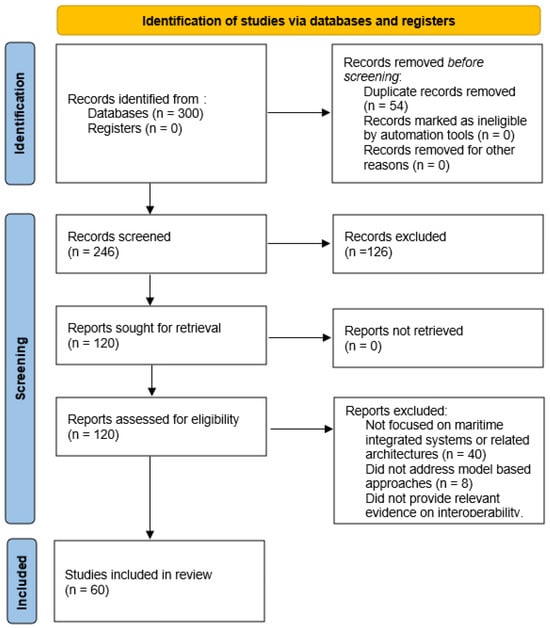
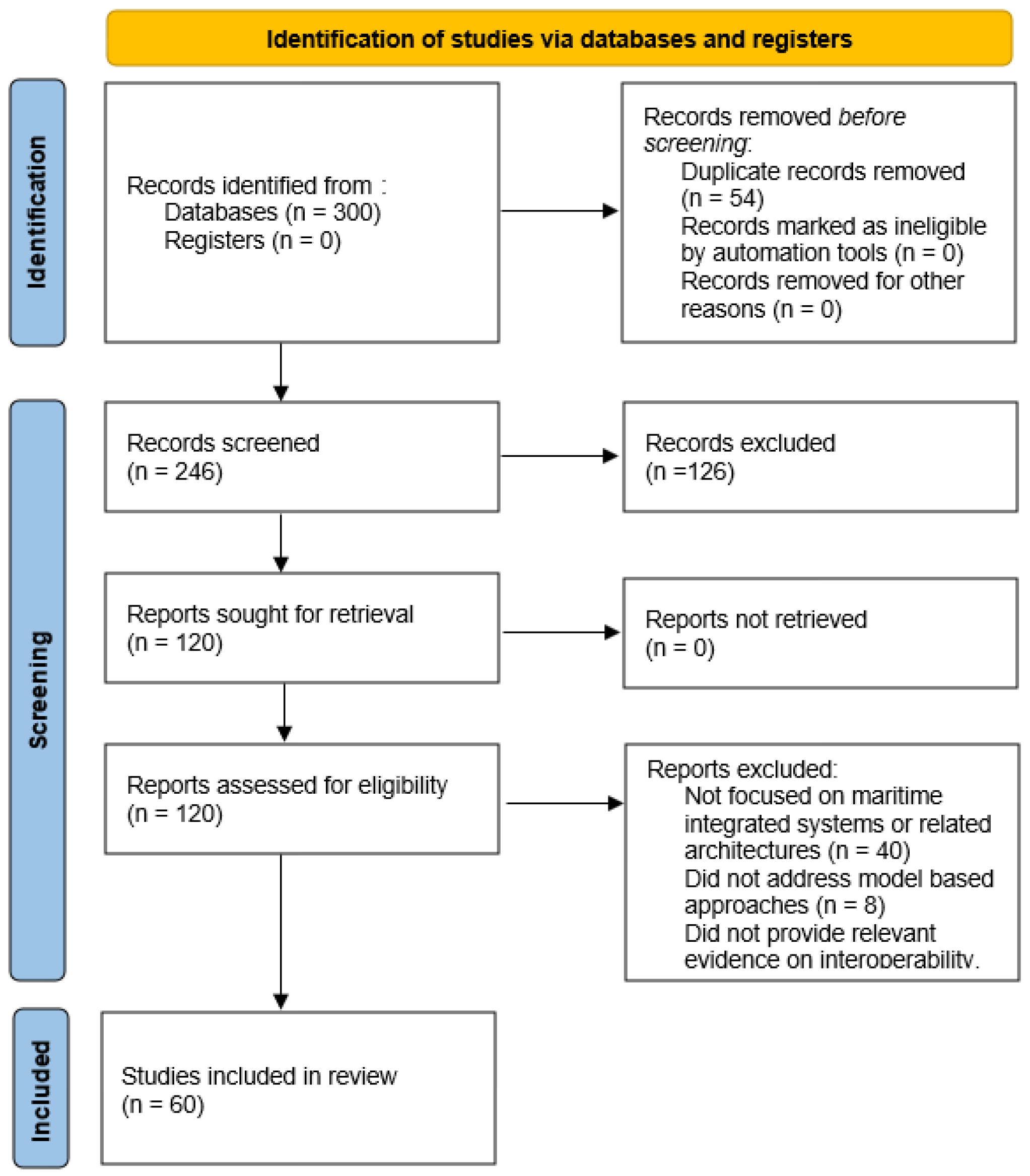
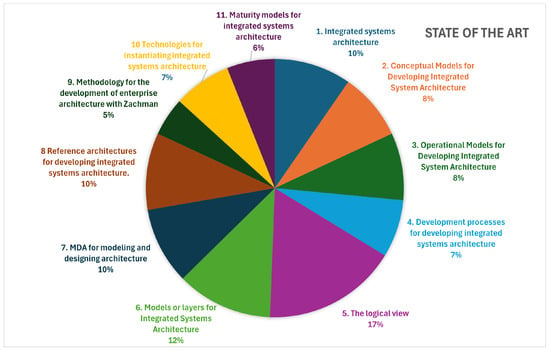
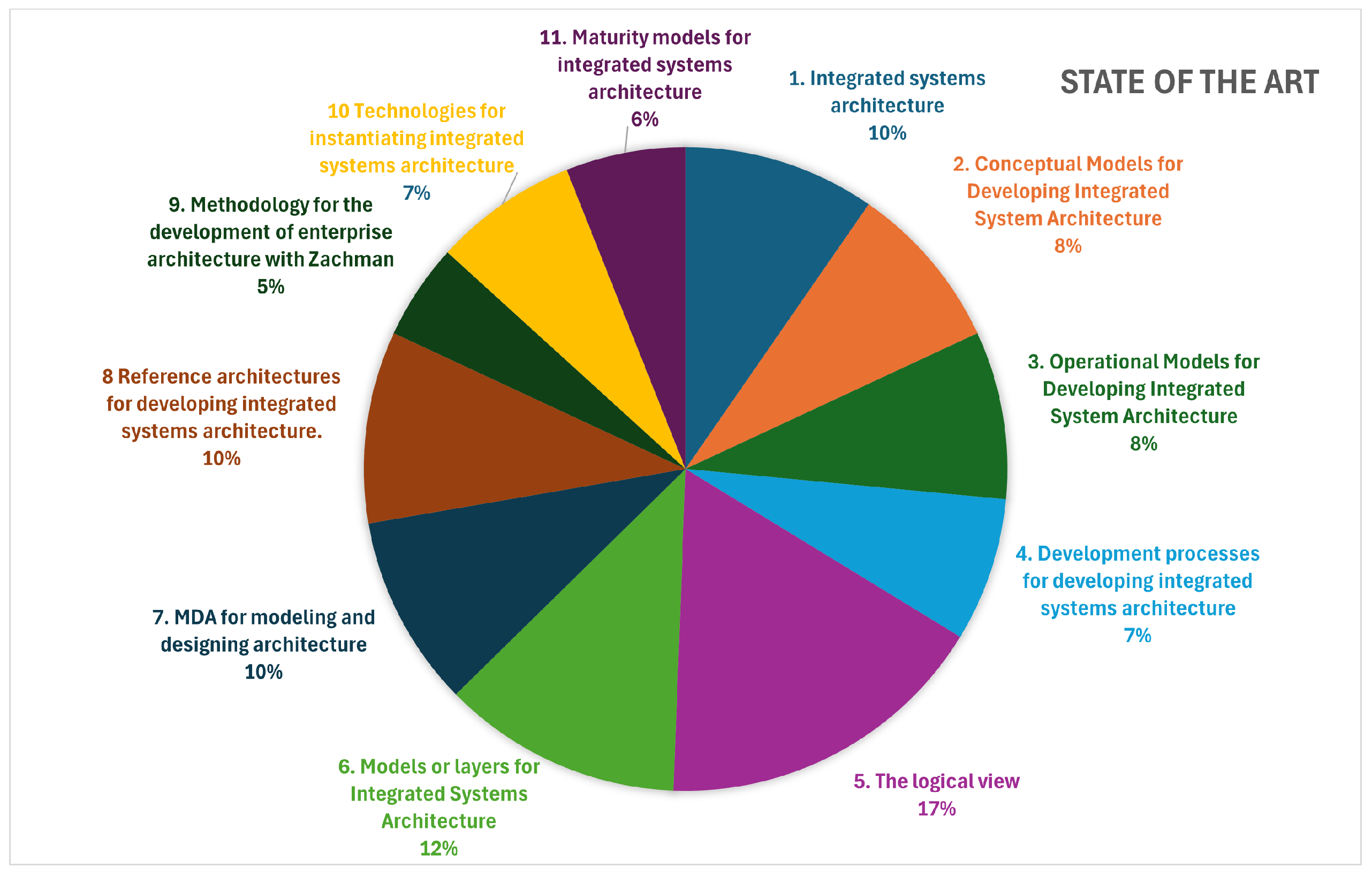
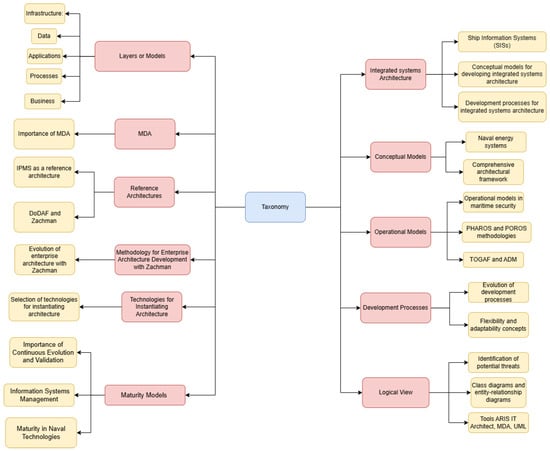
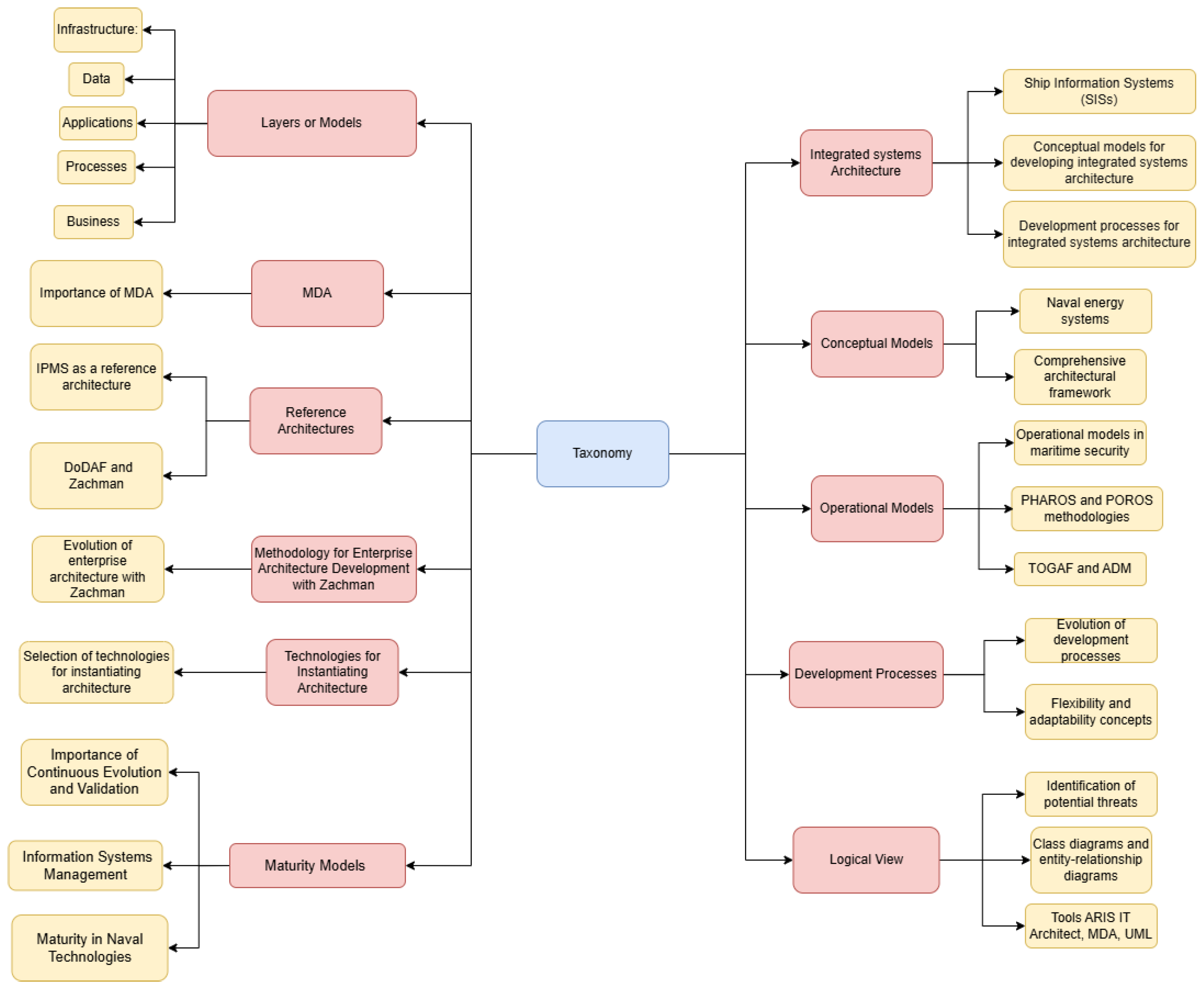
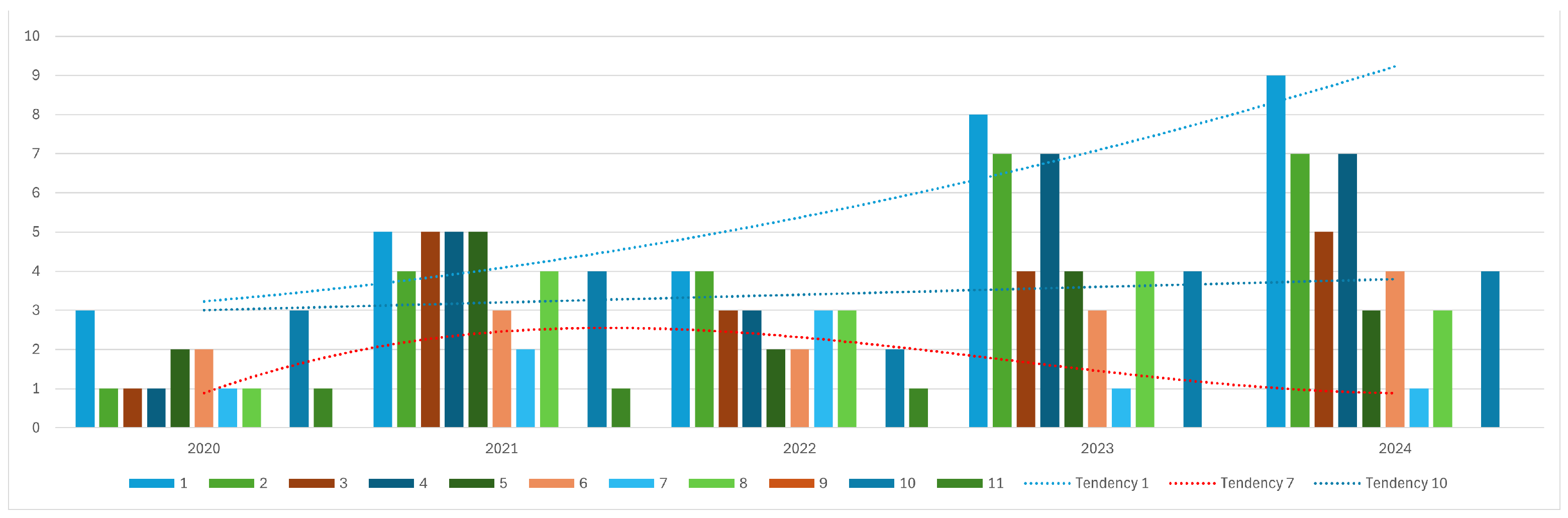


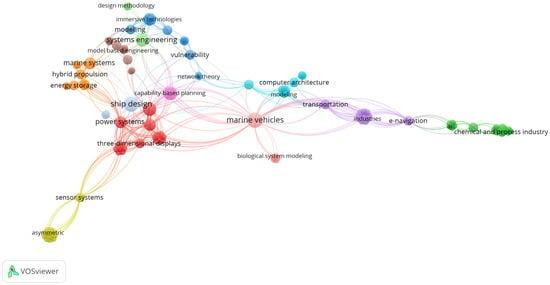
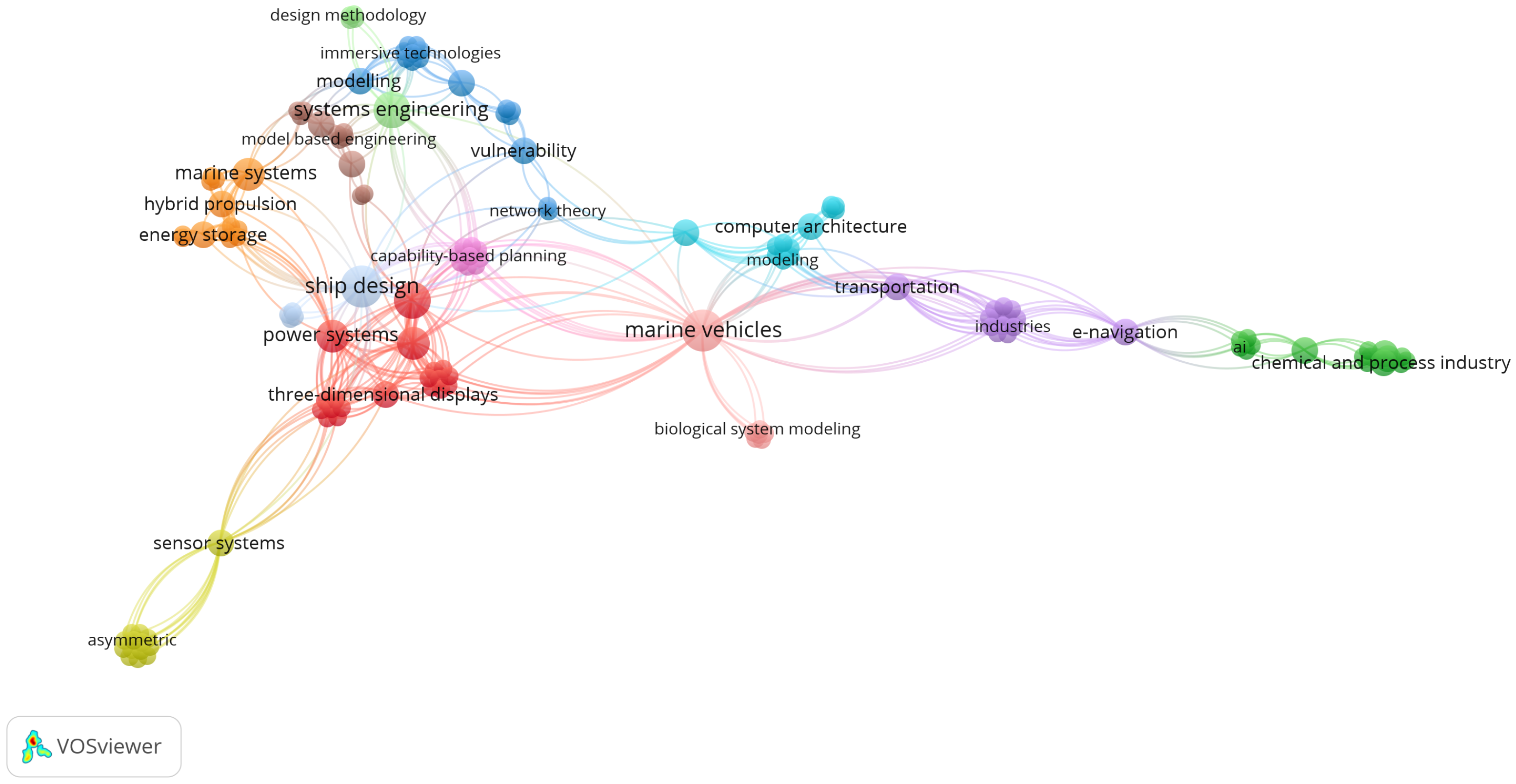
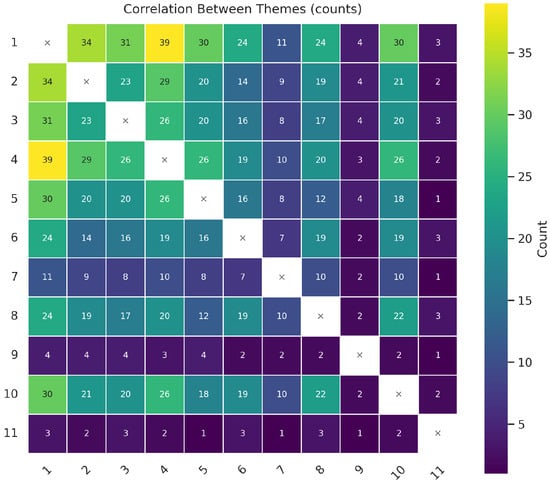
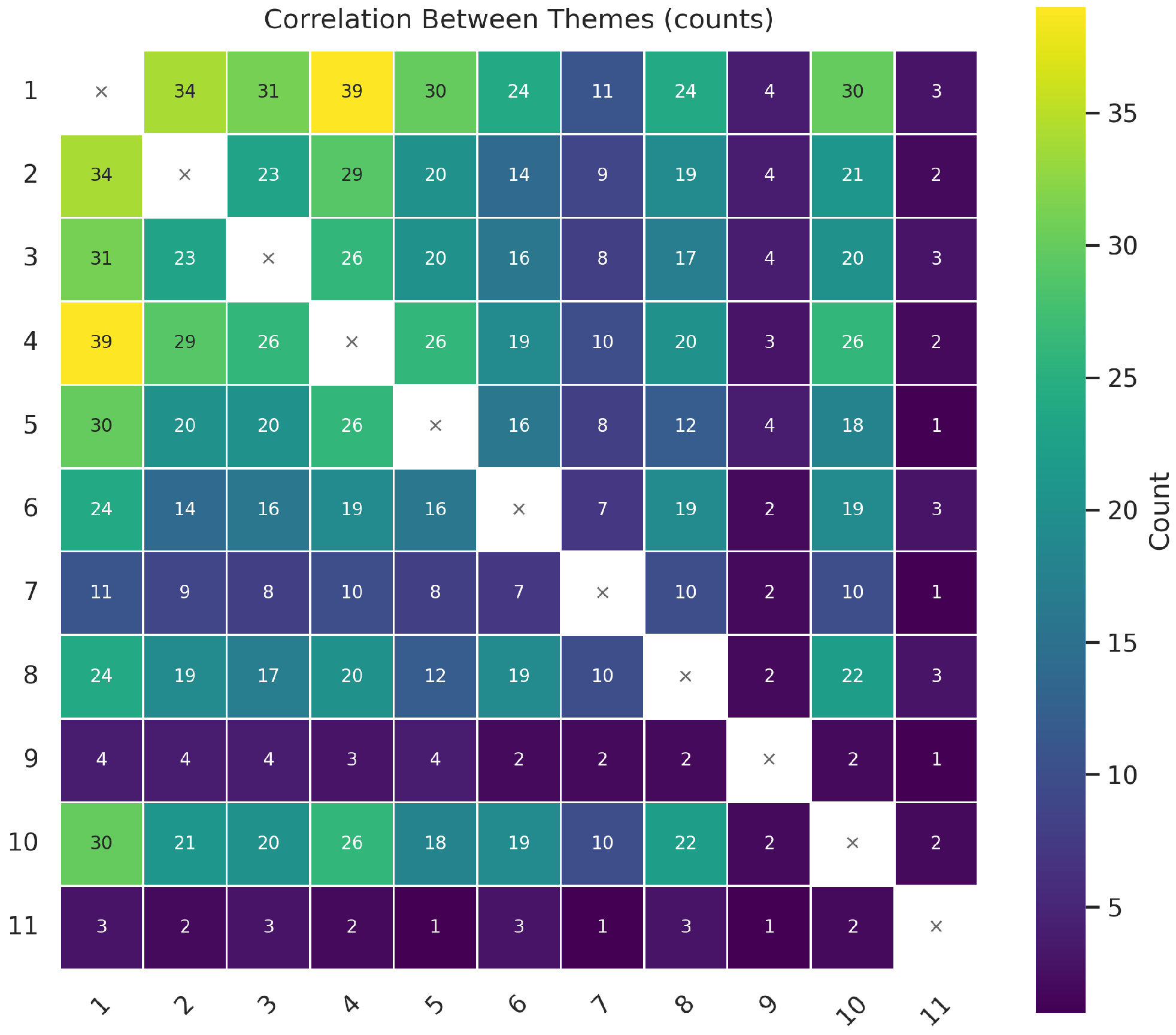
Disclaimer/Publisher’s Note: The statements, opinions and data contained in all publications are solely those of the individual author(s) and contributor(s) and not of MDPI and/or the editor(s). MDPI and/or the editor(s) disclaim responsibility for any injury to people or property resulting from any ideas, methods, instructions or products referred to in the content. |
© 2026 by the authors. Published by MDPI on behalf of the International Institute of Knowledge Innovation and Invention. Licensee MDPI, Basel, Switzerland. This article is an open access article distributed under the terms and conditions of the Creative Commons Attribution (CC BY) license.