


Abstract
Stable carbon (δ13C) and nitrogen (δ15N) isotope analysis of bone collagen has become a cornerstone method for reconstructing the diets of past populations. This critical review moves beyond the mere presentation of data to examine the theoretical foundations, methodologies, and applications of this approach. The principles of the method are based on isotopic fractionation during photosynthetic pathways (C3, C4, and CAM) and the trophic-level enrichment of 15N, which together enable the differentiation of plant food sources and the identification of consumer trophic position, respectively. The methodology encompasses sampling strategies, challenges posed by diagenesis, collagen extraction protocols, including the Longin method, and quality-control criteria (collagen yield, C:N ratio). Key applications include the reconstruction of baseline diets, the determination of weaning practices, and the identification of social inequalities. However, confounding factors—such as climate-driven variation in baseline nitrogen values, physiological effects (disease, lactation), and the consequences of human activities (manuring)—can complicate interpretation. Future directions include compound-specific amino acid analysis, multi-isotope approaches, and Bayesian modelling. In conclusion, isotopic data require a contextual and interdisciplinary approach to achieve a realistic understanding of diet and socio-cultural dynamics during the Quaternary.
1. Introduction
Diet occupies a dual role in archaeological inquiry: it is simultaneously a biological necessity for survival and a profoundly cultural and social phenomenon. Human food choices are shaped not only by physiological requirements and resource availability but also by a complex web of factors including religious taboos, socio-economic status, collective identity, and even supernatural beliefs [1,2]. Consequently, reconstructing the diets of past societies can offer a window into subsistence economies, social structures, human-environment interactions, and worldviews. Nevertheless, obtaining an accurate and reliable picture of what ancient humans actually consumed remains one of the most challenging questions in archaeological research.
Traditional methods of dietary reconstruction—such as the analysis of plant and animal remains from archaeological sites (archaeobotany and zooarchaeology), iconography, or the study of food preparation tools—each provide valuable insights but are accompanied by inherent limitations. For instance, refuse deposited in a midden typically reflects the collective activities of a household or community, making it difficult, if not impossible, to disentangle individual dietary patterns [3]. Furthermore, the presence of food remains within a ceramic vessel does not necessarily imply consumption; such material may have been placed for ritual or votive purposes and never eaten [4]. These constraints underscore the need for complementary approaches that can more directly address the diets consumed by individuals.
A revolution in this field occurred during the late 1970s and early 1980s. Researchers working on radiocarbon dating observed patterns in the stable carbon isotope ratios (δ13C) that appeared to correlate with diet [5,6]. These observations laid the groundwork for a novel approach: the application of stable isotope analysis to human skeletal remains as a direct means of palaeodietary reconstruction. Since then, this method has become one of the most firmly established and widely applied tools in bioarchaeology [7,8].
The underlying principle is that the isotopic composition of hard tissues, particularly bone collagen, reflects the isotopic composition of foods consumed over an individual’s lifetime. Collagen, which constitutes approximately 90% of the organic fraction of bone, primarily reflects the protein component of the diet [9]. δ13C values in collagen enable discrimination between dietary resources derived from plants employing C3 (e.g., wheat and barley) and C4 (e.g., maize and millet) photosynthetic pathways [10,11]. Meanwhile, δ15N values provide information on an individual’s trophic level, allowing distinctions to be made among herbivorous, omnivorous, and carnivorous diets, and can also reveal the consumption of freshwater or marine resources, which are often characterized by longer food chains and consequently elevated δ15N values [12,13,14].
Despite the maturity of this method and its widespread global application, numerous challenges and limitations continue to confront researchers. Diagenesis and post-depositional contamination can compromise the chemical integrity of collagen [15]. The selection of appropriate collagen extraction protocols, along with the importance of quality control criteria (such as atomic C:N ratios and collagen yield), critically influences the final interpretation of data [16,17]. Moreover, environmental variables such as aridity or soil salinity, as well as physiological factors, including lactation or disease, can alter isotopic values in ways that may be misinterpreted as dietary signals [7,18].
The aim of the present critical review is to move beyond the mere reporting of isotopic data and their common applications. The objective is to scrutinize the theoretical foundations, achievements, and—most importantly—the methodological challenges and interpretative limitations of this approach. The structure of the paper is as follows: first, the isotopic principles and theoretical framework underpinning the method are elucidated. Next, the methodology is examined in detail, from sampling strategies and the problem of diagenesis to collagen extraction protocols and quality control criteria. In the data interpretation section, while reviewing the contributions of this method to areas such as baseline dietary reconstruction, weaning practices, and social inequalities, confounding factors and interpretative challenges are critically evaluated. Finally, future research directions—including compound-specific amino acid isotope analysis and multi-isotope approaches—are discussed. It is hoped that this critical review will provide researchers with a comprehensive and realistic perspective on the capabilities and limitations of this powerful method, thereby contributing to the more rigorous design of future studies.
2. Isotopic Fundamentals and Theoretical Framework
2.1. Basic Principles: Isotopic Fractionation and Delta Notation
Isotopes are variants of a chemical element that share the same number of protons but differ in their number of neutrons. In nature, many elements possess stable isotopes that do not undergo radioactive decay over time [19,20]. For carbon, two stable isotopes exist: 12C (the more abundant, at 98.89%) and 13C (the rarer, at 1.11%); for nitrogen, the two stable isotopes are 14N (99.634%) and 15N (0.366%) [21,22,23].
The phenomenon of isotopic fractionation constitutes the foundation of stable isotope analysis in archaeology. During physical, chemical, and biological processes, the lighter and heavier isotopes of an element exhibit slightly different behaviors owing to their mass differences. This leads to a change in the ratio of heavy to light isotopes in the products of reactions relative to the starting materials [19,24].
These variations are measured using isotope ratio monitoring mass spectrometry (IRMS). Owing to the difficulty of measuring absolute isotope abundances, results are reported in relative terms using delta (δ) notation, which expresses the deviation of a sample’s isotopic ratio from an international standard [19,25].
δX (‰) = [(Rsample/Rstandard) − 1] × 1000
In this equation, X denotes the element of interest, and R represents the ratio of the heavier to the lighter isotope (13C/12C or 15N/14N). The δ value is reported in per mil (‰). The international standard for carbon is the Vienna Pee Dee Belemnite (VPDB) scale, which was established after depletion of the original Pee Dee Belemnite (PDB) carbonate reference material. For nitrogen, the international standard is atmospheric nitrogen (AIR) [26,27].
2.2. Stable Carbon Isotopes (δ13C): Tracing Photosynthetic Pathways and Plant Sources
Carbon isotopes were the first, and remain among the most important, tools in palaeodietary studies [28]. The variation in δ13C values among living organisms originates with primary producers (plants), which fix carbon through photosynthesis from different sources—atmospheric CO2 for terrestrial plants and dissolved inorganic carbon for aquatic plants [11,29].
Terrestrial plants are divided into three main groups based on their photosynthetic pathway. C3 plants (Calvin–Benson cycle), which include the majority of temperate-zone plants such as wheat, barley, rice, legumes, and most trees and shrubs, exhibit δ13C values ranging from −36‰ to −20‰, with an average of approximately −26.5‰ [10,30,31]. In contrast, C4 plants (Hatch–Slack cycle), which are adapted to warm, arid climates and include crops such as maize, millet, and sugarcane, display δ13C values between −21‰ and −9‰, averaging around −12.5‰ [11,32,33]. The third group, CAM (Crassulacean Acid Metabolism) plants—such as cacti and pineapple—exhibit a wide range of δ13C values (from −27‰ to −12‰) due to their ability to shift between the C3 and C4 pathways, resulting in overlap with both groups [34,35,36].
In addition to the photosynthetic pathway, the primary carbon source also introduces significant variation. Marine plants utilize dissolved inorganic carbon from ocean waters, which is enriched in 13C compared to atmospheric CO2; consequently, they generally yield higher δ13C values (approximately −19‰) than terrestrial C3 plants (approximately −26‰) [37,38]. Freshwater plants, influenced by the carbon isotopic composition of bedrock (particularly in limestone regions) and soil organic matter, exhibit a much wider range of values, and their interpretation requires detailed baseline data from the local ecosystem [31].
The δ13C values of animal tissues, including bone collagen, reflect those of the diet, with a small and relatively constant offset (approximately +1‰). Laboratory studies have demonstrated that bone collagen is slightly depleted in 13C (more negative) relative to the whole diet [10,39]. However, more complex metabolic processes are involved in synthesizing collagen from essential and non-essential amino acids, which can also influence the final values [10].
2.3. Stable Nitrogen Isotopes (δ15N): Tracing Trophic Level and Protein Source
Nitrogen isotopes provide complementary and critical information regarding an organism’s position within the food web. The primary source of nitrogen in ecosystems is atmospheric N2, which is converted into plant-available forms by nitrogen-fixing bacteria (e.g., Rhizobium in legume root nodules). These plants (legumes) exhibit δ15N values closer to that of atmospheric nitrogen (approximately 0‰). Other plants obtain their nitrogen from soil nitrates and ammonium derived from the decomposition of organic matter, which typically yield higher δ15N values [40,41].
A cornerstone of nitrogen isotope analysis is the enrichment of 15N with increasing trophic level. At each consumer step (from plant to herbivore and from herbivore to carnivore), the lighter isotope (14N) is preferentially excreted during metabolic processes (primarily as urea), while the heavier isotope (15N) is retained in consumer tissues. This increase is typically estimated at 3‰ to 5‰ per trophic level [12,13,42].
Aquatic ecosystems, particularly marine environments, generally support longer food chains than terrestrial ones. Consequently, top consumers in these settings—such as seals or large predatory fish—can exhibit very high δ15N values, sometimes reaching 20‰ or more. This marked difference provides a powerful tool for identifying the consumption of marine or freshwater resources in the diets of ancient human populations [12,14,43,44]. Nitrogen in bone collagen is derived exclusively from dietary protein, as lipids and carbohydrates contain no nitrogen [45,46].
Essential amino acids, which cannot be synthesized by the body, are incorporated into collagen with their isotopic composition largely intact. Non-essential amino acids are synthesized using nitrogen from various bodily pools. In practice, however, a relatively consistent offset between dietary δ15N and tissue δ15N (approximately 3‰ to 5‰) has been observed across many mammalian species [12,47]. The general relationships between δ13C and δ15N values, dietary resources, and trophic levels commonly used in palaeodietary reconstruction are summarized in Figure 1.
Figure 1.
General overview of dietary sources and trophic patterns inferred from stable carbon (δ13C) and nitrogen (δ15N) isotopes.
2.4. Interpreting Diet Through Coupled δ13C and δ15N Analysis
The interpretive power of isotopic data is substantially enhanced when carbon and nitrogen isotopes are examined together. For instance, a δ13C value of approximately −12‰ could indicate either C4 plant consumption or marine resource utilization. In such cases, the δ15N value provides the key to discrimination: if δ15N is low (e.g., below 10‰), the protein source was most likely C4 plants or animals feeding on them. However, if δ15N is elevated (e.g., above 15‰), this strongly suggests marine resource consumption, as the longer marine food chain results in greater 15N enrichment [7,48].
The combined analysis of δ13C and δ15N values provides a robust framework for distinguishing between terrestrial and marine dietary resources, identifying the relative contribution of C3 and C4 plants, and assessing trophic level differences among individuals and populations. In archaeological contexts, this dual-isotope approach is widely used to reconstruct palaeodietary patterns and evaluate variability in subsistence strategies through time and across regions [7].
2.5. Critical Discussion: Limitations and Sources of Variability in Isotopic Interpretation
Despite the widespread application of this theoretical framework, several critical points warrant consideration. First, the δ13C boundaries between C3 and C4 plants are not absolute; under environmental stress conditions such as aridity or salinity, C3 plant values can shift toward more positive values [29]. Second, CAM plants exhibit δ13C values that overlap completely with both C3 and C4 groups, making their identification solely from human collagen δ13C values challenging without supporting archaeobotanical evidence [34].
Regarding nitrogen, the concept of the nitrogen baseline is crucial. The δ15N values of plants—and consequently of herbivores—within an ecosystem can vary significantly owing to factors such as climate (e.g., temperature and precipitation), soil salinity, and land-use history. For example, plants in hot, arid environments typically display higher δ15N values than those in temperate regions. Therefore, the interpretation of human δ15N values must always be referenced against contemporaneous herbivore data from the same locality [7,33,49]. Furthermore, factors such as physiological stress, health status, and breastfeeding can also influence δ15N values, topics that will be examined in detail in subsequent sections [7,18].
3. Methodology: From Excavation to Analysis
3.1. Skeletal Sample Selection for Stable Isotope Analysis
The selection of appropriate skeletal samples is a critical step in stable isotope analysis, as it directly affects the reliability of the results and their interpretation. Commonly, less than 0.5 g of bone is required for C and N isotope analysis [50]. However, the selection of the skeletal element and sampling site should consider the research objectives, as different skeletal tissues differ in their remodeling rates and consequently record dietary information over different periods.
In adult individuals, cortical bone from long bones such as the femur and tibia is commonly selected because of its relatively slow remodeling rate. As a result, the collagen preserved in these bones reflects the individual’s average dietary intake over several years before death [51,52]. In contrast, ribs are preferred for investigating questions such as weaning age in infants and children because their faster turnover rate records dietary changes over shorter time intervals [50]. Teeth also provide valuable information; however, unlike bone collagen, dentine collagen reflects diet only during tooth formation in childhood and does not undergo remodeling [53].
In archaeological contexts, skeletal remains are frequently fragmented and exhibit variable states of preservation. Consequently, well-preserved bone samples of suitable size are selected for analysis, and the sampling area is isolated using a precision saw. It should also be recognized that elemental composition and collagen preservation may vary among different bones and even between different regions of the same bone, making careful sample selection essential for obtaining reliable isotopic results [51,52].
3.2. Diagenesis and Challenges of Collagen Preservation
Following the death of an organism, skeletal remains may undergo eogenetic transformations in the water column and at the sediment–water interface prior to burial. Eogenesis represents the earliest stage of diagenesis, during which microbial activity and low-temperature physicochemical reactions modify biomolecules and initiate their transformation pathways [54]. Once buried, bones are subjected to subsequent diagenetic processes that further alter their chemical composition and physical structure, potentially compromising the integrity of isotopic information [15,55,56].
Bone comprises three main components: the mineral fraction (approximately 70%), composed primarily of hydroxyapatite (calcium phosphate), which confers rigidity; the organic fraction (approximately 22%), of which nearly 90% consists of Type I collagen protein; and water (approximately 8%) [57,58,59]. Collagen, owing to its proteinaceous nature, is the primary target for isotopic analysis, yet it is precisely this component that is susceptible to microbial degradation and hydrolysis in the burial environment.
The extent and nature of diagenesis depend on multiple factors: soil pH, climatic conditions (temperature and humidity), microbial activity, and burial depth. Each skeleton or bone experiences its own unique diagenetic history, even within a single burial site [60,61]. For instance, soil studies from the Deh Dumen cemetery in southwestern Iran have demonstrated that the alkaline pH (7.94 to 8.08) and low salinity (EC between 185.5 and 233 μs/cm) of these soils create relatively favorable conditions for the preservation of skeletal remains. Furthermore, the very low soil organic matter (SOM) content at this site reduces the likelihood of microbial contamination [62]. Other factors influencing bone diagenesis include microbial and oxidative processes. Recent evidence suggests that sulfur-oxidising bacteria may mediate the precipitation of secondary minerals such as barite within fossil bone cavities, highlighting the potential role of microbial sulfur cycling in modifying the geochemical composition of buried skeletal tissues [15,63,64]. More broadly, microbial activity and mineral alteration are recognised as important drivers of skeletal diagenesis [15,63,64].
Bones that have undergone significant diagenetic alteration are typically identifiable through physical indicators: brittle, chalky, or burned bones generally retain little collagen and are unsuitable for analysis. In cases of severe degradation, the demineralization step during collagen extraction may result in complete sample dissolution or the production of amorphous gelatinous material, yielding unreliable isotopic results [56].
3.3. Collagen Extraction Protocols
Following sample selection, the extraction of collagen from bone is a requisite step. The objective of this process is to isolate the intact organic fraction (collagen) from the mineral component and to remove post-depositional contaminants such as humic acids.
The most widely employed collagen extraction method derives from the Longin protocol [56,65], which has subsequently undergone numerous modifications. The principal stages of this method, along with subsequent modifications and recommendations, are as follows:
- Demineralization: Bone fragments are immersed in dilute hydrochloric acid (HCl), typically at concentrations of 0.05 to 0.2 M, to dissolve the mineral fraction (hydroxyapatite). Higher acid concentrations (up to 1 M) are occasionally used, but for small or fragile samples, lower concentrations are preferable owing to the slower rate of dissolution [66,67]. The insoluble residue, consisting primarily of collagen, is retained.
- Contaminant Removal: In modified versions of the protocol, a step using sodium hydroxide (NaOH) or similar reagents is added to remove humic acids (soil-derived organic contaminants) [6,68]. This step is performed after demineralization.
- Gelatinization: The demineralized residue was heated in dilute hydrochloric acid (0.001 M HCl) at 90–95 °C to solubilize collagen and produce a gelatinous extract, which was subsequently filtered to separate insoluble residues prior to isotopic analysis [6,68].
- Filtration and Ultrafiltration: In some advanced protocols, ultrafiltration is employed to isolate collagen fragments of a specific molecular weight (typically > 30 kDa) [69]. This technique can assist in removing degraded collagen fragments.
Comparative studies have indicated that the use of NaOH can increase δ13C values by an average of approximately 0.3‰, whereas ultrafiltration does not produce measurable changes in isotopic ratios. Furthermore, the basic Longin protocol, even without advanced modifications, can yield collagen of acceptable quality, and more complex methods are not necessary in all cases [56].
An alternative approach to demineralisation involves the use of ethylenediaminetetraacetic acid (EDTA) [70]. However, because EDTA contains carbon and nitrogen within its structure, this method requires extremely thorough rinsing following treatment and is consequently less frequently employed in archaeology [7]. Moreover, the EDTA process is considerably longer (weeks to months) than HCl-based methods [71,72]. A schematic overview of the principal stages involved in bone collagen extraction and preparation for stable isotope analysis is presented in Figure 2.
Figure 2.
Main stages of bone collagen extraction and preparation for δ13C and δ15N analysis. The workflow is based on commonly applied protocols used in archaeological stable isotope research.
3.4. Quality Control and Data Acceptance Criteria
Following collagen extraction, it is essential to assess its quality and integrity prior to isotopic analysis. Samples that have undergone extensive degradation or have become contaminated with exogenous materials will yield misleading data. Several standard criteria are employed for this assessment [16,17,68].
- Collagen Yield: Collagen yield, expressed as the percentage of extracted collagen relative to the initial bone weight, is commonly used as an indicator of collagen preservation. Collagen yields below 1% are generally considered indicative of poor preservation, although higher threshold values have also been [56,68].
- Total Bone Nitrogen Content (%N): As collagen degrades, the nitrogen content of bone decreases. A threshold of approximately 0.8% nitrogen for well-preserved young bones has been shown to increase analytical success rates to 84%, although this precision diminishes for older bones [73]. This pre-screening method not only saves time and resources but also reduces the extent of destructive sampling [50,74].
- Atomic Carbon-to-Nitrogen Ratio (C:N): This criterion is the most important and widely used indicator of collagen quality. Fresh, intact collagen contains approximately 46% carbon and 16% nitrogen, yielding an atomic C:N ratio of around 3.21. The acceptable range for archaeological specimens is conventionally defined as 2.9 to 3.6 [16,17,56,68,74,75].
In addition to these methods, Fourier Transform Infrared Spectroscopy (FTIR) has been proposed as a cost-effective and accessible technique for assessing collagen structure and quality [76]. A summary of these key quality control parameters is presented in Figure 3.
Figure 3.
Collagen quality criteria for stable isotope analysis.
3.5. Critical Discussion: Standardization Versus Methodological Flexibility
Despite broad consensus regarding collagen quality-control criteria, variability in extraction protocols remains a challenge for inter-laboratory data comparability. Although several widely adopted procedures have been developed, a universally accepted standard protocol has not yet been established. Different extraction approaches, including the use or omission of NaOH treatment and ultrafiltration, have been shown to produce acceptable collagen for isotopic analysis, although methodological differences may affect collagen recovery and data comparability among laboratories [69,77].
Furthermore, the success of collagen extraction is strongly influenced by burial environment and diagenetic history. Samples recovered from acidic soils or contexts characterized by substantial moisture fluctuations may exhibit poor collagen preservation despite careful laboratory treatment. Consequently, transparent reporting of extraction procedures, collagen quality indicators, and geoarchaeological context is essential for assessing data reliability and facilitating meaningful comparisons among studies [16,17,78].
4. Data Interpretation: Achievements and Challenges
4.1. Reconstructing Baseline Diets: Distinguishing Plant and Animal Resources
The primary application of stable carbon and nitrogen isotope analysis in palaeodietary research is to distinguish the major dietary protein sources consumed by past populations. Bone collagen δ13C values are widely used to evaluate the relative contribution of C3 and C4 resources, as well as terrestrial and marine protein sources, to ancient diets. However, bone collagen δ13C should not be interpreted as an exclusively protein-derived dietary signal. Although dietary protein provides the dominant source of carbon for collagen biosynthesis, metabolic routing and the de novo synthesis of non-essential amino acids also incorporate carbon derived from dietary carbohydrates and lipids. Consequently, bulk collagen δ13C values are best regarded as a protein-biased proxy rather than an exclusively protein-derived indicator of diet, and their interpretation should take macronutrient routing into account [79,80,81].
Plants using the C3 photosynthetic pathway (e.g., wheat, barley, rice, and legumes) typically exhibit more negative δ13C values, with a mean of approximately −26.5‰, whereas C4 plants (e.g., maize and millet) show more positive values, with a mean of approximately −12.5‰ [5,30,34]. In bone collagen, these differences are reflected in consumer values, with C3-based diets yielding δ13C values of approximately −20‰ to −18‰ and C4-based diets resulting in values of approximately −7‰ to −5‰ [5,53].
Nitrogen isotopes provide equally critical complementary information. The increase of 3‰ to 5‰ in δ15N values with each trophic level enables discrimination among herbivores, omnivores, and carnivores [12,13,82]. Consequently, a human individual exhibiting δ15N values significantly higher than those of contemporaneous herbivores can be inferred to have consumed a diet rich in animal protein.
One of the most powerful combined applications of these two isotopes is the identification of aquatic resource consumption. Marine ecosystems, characterized by longer food chains, typically yield very high δ15N values (up to 20‰). Meanwhile, marine plants exhibit higher δ13C values (approximately −19‰) than terrestrial C3 plants. Thus, coastal populations whose diets are based on marine resources display elevated values for both isotopes [7,10,12,14,43]. For example, early studies in Denmark and Canada employed this approach to identify the substantial contribution of marine resources to the diets of Mesolithic and Neolithic populations [6,83]. More recent studies have confirmed the continued value of combined δ13C and δ15N analyses for reconstructing aquatic resource exploitation and dietary variability in prehistoric populations, including coastal hunter-gatherer and Mesolithic–Neolithic communities from different regions of Europe [84,85,86].
Despite these characteristic isotopic patterns, marine δ13C values are not uniform across all environments. Marine δ13C signatures are influenced not only by the isotopic composition of dissolved inorganic carbon (DIC) but also by environmental and physiological factors that regulate isotopic fractionation during photosynthesis. Variations in aqueous CO2 availability, growth rate, cell geometry, light conditions, and species-specific carbon acquisition mechanisms (e.g., utilization of CO2 versus HCO3−) can significantly affect the δ13C composition of marine primary producers. Consequently, marine isotopic baselines may vary across regions and through time, and marine δ13C values should therefore be interpreted within their specific ecological and oceanographic contexts rather than as a uniform isotopic signal [87,88,89].
4.2. Beyond Diet: Socio-Biological Applications
4.2.1. Weaning Age and Infant Feeding Practices
One important area of isotopic application is the study of weaning age. Due to the consumption of breast milk—which effectively functions as maternal tissue—breastfeeding infants occupy a higher trophic level than their mothers, exhibiting elevated δ15N values. As the infant’s body processes this milk, isotopic fractionation raises their tissue δ15N values by approximately 3‰ to 5‰ relative to the mother. With the introduction of supplementary foods and the gradual reduction in breastfeeding, these values progressively decrease and approach adult levels [7,90,91,92]. Ultimately, this distinct isotopic pattern has enabled the reconstruction of weaning ages, infant feeding practices, and periods of nutritional stress in ancient populations [93,94].
4.2.2. Social Distinctions, Resource Access, and Gender Roles
Variability in isotopic values among burials within a single site can reflect social inequalities in access to high-quality food resources. Studies from Bronze Age sites in China have demonstrated that individuals of higher social status (as inferred from tomb size and type) exhibited elevated δ15N values, indicating greater consumption of animal protein [95,96]. Similarly, at medieval sites in Spain, significant differences in access to animal protein and marine resources have been observed among distinct social groups [97]. Evidence from Deh Dumen (Iran) suggests that intra-cemetery isotopic variation may be associated with differences in access to dietary protein and social status [98].
In addition to social distinctions, investigating dietary differences between males and females can provide insights into labor division and gender roles in past societies. Although empirical data in this area remain more limited compared to other isotopic applications, case studies from various regions reveal diverse patterns. For instance, a dental study at Gohar Tappeh in Mazandaran, Iran, suggested that women had more limited access to protein resources [99].
In contrast, a study at Tepe Hissar in central Iran found no significant diachronic differences between male and female diets [100]. This variability in findings underscores the importance of cultural and economic context in each region.
Interpretation of such differences, however, requires caution and must be integrated with independent archaeological evidence (e.g., grave type, funerary offerings, burial location, and paleopathological analyses). Furthermore, disentangling the overlapping effects of social and gendered factors necessitates adequate sample sizes and advanced statistical approaches.
4.3. Confounding Factors: Environmental and Physiological Challenges
4.3.1. Climatic and Environmental Influences on Baseline Values
The δ15N values of plants, and consequently of the entire food web, are strongly influenced by environmental conditions. In hot, arid climates, bacterial processes in the soil lead to an enrichment of plant-available nitrogen in 15N. Thus, in general, plants from hot, arid regions, and the herbivores that feed on them, naturally exhibit higher δ15N values than plants and herbivores from temperate and humid regions [30,33,101,102].
Water stress can also elevate plant δ15N values. This implies that elevated δ15N values in human remains do not necessarily indicate meat or marine resource consumption; they may instead reflect arid environmental conditions. Consequently, the availability of isotopic data from contemporaneous, locally derived herbivores (a local baseline) is essential for accurate interpretation [7,49].
4.3.2. Anthropogenic Impacts: Manuring and Soil Management
Agricultural practices, such as the application of animal manure to arable fields, can significantly increase the δ15N values of crops. This phenomenon, known as the “manuring effect,” can elevate plant δ15N values by approximately +6 to +8‰ [103]. As a result, consumers of these plants (human and non-human animals) will exhibit elevated δ15N values that could be misinterpreted as evidence for marine resource or meat consumption.
4.3.3. Physiological Factors: Disease, Pregnancy, and Lactation
Physiological conditions can also influence isotopic values. Periods of nutritional stress (fasting) and malnutrition can increase δ15N values through enhanced catabolism of body protein tissues [90,104]. Diseases associated with tissue wasting have a similar effect [18]. As previously noted, lactation elevates the δ15N values of infants. Pregnancy may also reduce maternal δ15N values due to alterations in nitrogen balance. These factors complicate data interpretation and must be considered in population-level studies, employing adequate sample sizes and integrating paleopathological evidence.
4.4. Critical Discussion: Interpretation in Context and the Necessity of a Contextual Approach
The review of the achievements and challenges outlined above demonstrates that stable isotope analysis, despite its high resolving power, is not a “one-dimensional” method. Interpreting data without consideration of the archaeological, environmental, and biological context can lead to misleading conclusions. Several key principles warrant emphasis in this regard:
- The Necessity of Local Baseline Data: Interpreting human δ15N values without knowledge of baseline values from contemporaneous, locally derived herbivores lacks scientific validity. Climatic changes over time also affect this baseline, making it erroneous to compare humans with herbivores from significantly earlier or later periods [7,49].
- Integration with Archaeological Evidence: Isotopic data must be interpreted in conjunction with archaeobotanical, zooarchaeological, histological, and paleopathological evidence. For example, the presence of millet remains at a site strengthens the hypothesis of C4 plant consumption [105]. Parasitological evidence can also confirm close human–animal interactions [106].
- Variability in Trophic Enrichment Factors: A persistent methodological controversy in stable isotope paleodietary research concerns the assumption of fixed trophic enrichment factors (TEFs). Although archaeological studies commonly apply a nitrogen enrichment of approximately 3–5‰ per trophic level, experimental evidence suggests that TEFs can vary substantially depending on species, tissue type, dietary composition, protein quality, physiological condition, and nutritional stress [107,108]. Furthermore, controlled dietary studies in humans have questioned the universal applicability of a single enrichment factor, demonstrating that diet–tissue offsets may differ significantly from traditionally accepted values [27]. This variability has important implications for paleodietary reconstruction because Bayesian mixing models, including FRUITS and MixSIAR, are highly sensitive to TEF selection, and different enrichment assumptions can lead to substantially different estimates of dietary source contributions [109,110]. Consequently, some researchers advocate the use of ecosystem- or taxon-specific TEFs derived from experimentally validated datasets, whereas others argue that such reference data are often unavailable for archaeological populations and may introduce additional uncertainty. The absence of consensus regarding appropriate TEFs highlights a broader interpretative challenge: dietary reconstructions are influenced not only by measured collagen isotope values but also by the assumptions embedded within trophic discrimination models. Therefore, uncertainty associated with TEF selection should be explicitly acknowledged and incorporated into paleodietary interpretations rather than treated as a fixed parameter.
- Intra-individual and Intra-population Variability: Bone collagen turnover rates vary among skeletal elements and between individuals, and physiological factors can also influence isotope values. Consequently, dietary interpretations should account for tissue turnover and biological variation and, wherever possible, integrate multiple isotope systems together with faunal baseline data from the same archaeological site to improve the reliability of population-level reconstructions [7].
Ultimately, a critical approach requires careful evaluation of whether observed differences in isotopic data genuinely reflect dietary variation or are influenced by environmental, physiological, or diagenetic factors. Distinguishing among these potential sources of variation is essential for improving the reliability of palaeodietary reconstructions and guiding future research.
5. Future Perspectives: Towards Higher Resolution
5.1. Compound-Specific Isotope Analysis (CSIA)
One of the most advanced and promising developing areas in palaeodietary research is compound-specific isotope analysis (CSIA) of individual amino acids. Conventional bulk collagen analysis provides a weighted average of all amino acids. However, different amino acids have distinct metabolic fates and can reflect disparate dietary sources [7,111].
Amino acids are divided into two main categories: essential amino acids, which cannot be synthesized by the body and must be derived directly from dietary protein, and non-essential amino acids, which the body can synthesize from various carbon and nitrogen sources. For compound-specific isotope analysis, amino acids must first be separated chromatographically. When gas chromatography (GC) is employed, amino acids must be converted into volatile derivatives. Because derivatization introduces additional carbon atoms from the reagent, the measured δ13C values reflect both the original amino acid and the added derivatizing carbon. Therefore, correction procedures are required to recover the original isotopic composition of the amino acids [112,113]. By measuring the δ13C and δ15N values of individual amino acids, researchers can:
- Distinguish protein sources with greater precision: For example, the δ13C values of essential amino acids directly reflect the protein source in the diet (plant, terrestrial animal, or aquatic), whereas the δ13C values of non-essential amino acids are also influenced by dietary carbohydrates and lipids [111,114].
- Determine trophic level more accurately: Certain amino acids (e.g., glutamic acid) exhibit significant 15N enrichment with increasing trophic level, while others (e.g., phenylalanine) show very little change. By comparing these two categories, the trophic position of a consumer can be determined with high precision without requiring knowledge of the baseline value [111,115].
Although this method remains relatively costly and time-consuming, requiring larger sample sizes, its capacity to disentangle dietary sources and overcome the limitations of conventional bulk analysis positions it as one of the most important future research directions [7].
Bulk Collagen Versus CSIA: Strengths and Limitations
While CSIA-AA offers important advantages over conventional isotopic approaches, its growing popularity has also stimulated debate regarding whether its increased analytical resolution justifies the additional cost and methodological complexity. Although bulk collagen stable isotope analysis (δ13C and δ15N) remains the most widely applied method for paleodietary reconstruction, its interpretative power is constrained by several limitations. Bulk collagen values represent an integrated isotopic signal derived from all constituent amino acids and therefore provide only an averaged representation of dietary protein sources. Consequently, different dietary scenarios may produce similar isotopic signatures, making it difficult to distinguish between isotopically overlapping resources or resolve complex food webs [111,116]. Furthermore, interpretation of bulk collagen data relies heavily on externally derived trophic enrichment factors (TEFs) and baseline isotope values, both of which may vary considerably among ecosystems and populations, introducing uncertainty into dietary reconstructions [111].
In response to these limitations, compound-specific isotope analysis of amino acids (CSIA-AA) has emerged as a powerful alternative. By distinguishing source amino acids, such as phenylalanine, from trophic amino acids, such as glutamic acid, CSIA-AA can provide more accurate estimates of trophic position while reducing dependence on baseline corrections and generalized TEFs [111,115,117]. This approach is particularly valuable in studies involving mixed terrestrial and aquatic diets or highly variable environmental baselines. However, CSIA-AA requires well-preserved collagen, extensive sample preparation, and specialized GC-C-IRMS instrumentation, resulting in substantially higher analytical costs and complexity than conventional bulk analysis [111,112]. Consequently, CSIA-AA should be viewed as a complementary rather than a replacement approach. While it offers superior resolution for complex dietary questions, bulk collagen analysis remains the most practical and cost-effective method for many archaeological investigations, particularly where sample preservation or analytical resources are limited.
5.2. Multi-Isotope Approaches
Relying solely on carbon and nitrogen isotopes, while powerful, is not always sufficient to address complex archaeological questions. Integrating these with other stable isotopes can open new avenues of inquiry:
- Sulphur isotopes (δ34S): Sulphur isotopes are particularly useful for distinguishing between marine, coastal, and terrestrial diets. Marine sulphur exhibits higher δ34S values than terrestrial sulphur, and this difference is recorded in consumer tissues. Sulphur isotopes can also indicate migration between regions with different geological substrates [7,118].
- Strontium isotopes (87Sr/86Sr): Although strontium is a radiogenic isotope rather than a strictly stable isotope, its application alongside stable isotope analyses has become widespread in archaeological research. Strontium present in water and soil is derived from local geological substrates and becomes incorporated into the mineral tissues of bones and tooth enamel. As a result, strontium isotope analysis provides valuable information on population mobility, migration, and geographic origin [119,120,121]. The integration of multiple isotope systems has significantly enhanced the interpretation of archaeological human remains. While carbon and nitrogen isotope analyses provide important information on dietary practices, combining these data with mobility indicators such as strontium isotopes allows for a more comprehensive reconstruction of past lifeways, including patterns of migration, resource use, and population interaction [7].
- Oxygen isotopes (δ18O): Oxygen isotopes, obtained primarily from the phosphate or carbonate fractions of bioapatite in bone and teeth, reflect the source of drinking water and, consequently, the climatic and geographical conditions of the place of residence. This isotope is also employed in migration studies and palaeoclimate reconstruction [53,122].
The multi-isotope approach enables researchers to move beyond the limitations of any single method and achieve more nuanced interpretations of past lifeways [7].
5.3. Isotope Mixing Models
A persistent challenge in interpreting isotopic data has been the quantitative estimation of the proportional contribution of each dietary source. Traditional approaches were largely confined to qualitative interpretations (e.g., C3 versus C4, terrestrial versus marine). However, over the past two decades, the development of Bayesian mixing models has revolutionized this field [110].
These models—such as FRUITS [109], SIAR [123], and MixSIAR [124]—incorporate:
- Isotopic values of human samples;
- Isotopic values of potential food sources (plants, terrestrial animals, fish);
- Trophic enrichment factors between source and consumer;
- Uncertainty associated with all these variables.
They can then estimate the probable proportional contribution of each food source as a percentage. This approach allows researchers to move beyond simplistic interpretations and construct more complex and realistic models of diet [110].
However, the application of these models requires high-quality input data and careful selection of appropriate sources and trophic enrichment factors. Failing to do so can yield misleading model outputs.
5.4. Critical Discussion: Promise and Limitations of Novel Approaches
The methodological advances outlined above herald a new era in palaeodietary research. Nevertheless, a critical appraisal of these techniques remains essential:
- Cost and accessibility: Methods such as CSIA or simultaneous multi-isotope analysis remain expensive and require advanced laboratory facilities. This can exacerbate inequalities in access to data.
- Interpretive complexity: Increasing data dimensionality (from two isotopes to multiple isotopes or multiple amino acids) also complicates interpretation and demands greater interdisciplinary expertise.
- Need for more detailed baseline data: Both Bayesian modelling and CSIA rely on precise isotopic data from potential food sources. The absence of such data for many regions and time periods limits the applicability of these methods.
- Standardization: As with conventional methods, the need for standardized extraction and analytical protocols extends to these novel techniques as well.
Ultimately, the future of palaeodietary research lies in moving towards an integrated, interdisciplinary approach; an approach in which high-resolution isotopic data are interpreted alongside archaeological, geological, and biological evidence, utilizing advanced statistical tools, to provide an increasingly refined picture of the diet and lives of our ancestors.
6. Conclusions
Over recent decades, stable carbon and nitrogen isotope analysis of bone collagen has emerged as one of the most powerful and widely applied tools in bioarchaeology. By providing direct data from human remains, this method enables the reconstruction of individual and population-level diets with a precision surpassing that of traditional approaches. The review of theoretical foundations, methodologies, and applications presented here has demonstrated that this technique is effective not only for distinguishing C3 and C4 plant resources and identifying animal protein and aquatic resource consumption but also for addressing more complex questions concerning weaning practices, social inequalities, and the influence of environmental factors on dietary patterns.
However, the critical approach adopted in this review has underscored the necessity of a deep understanding of the method’s limitations and challenges. Diagenesis and collagen degradation in the burial environment, the impact of climatic and environmental conditions on isotopic baselines, physiological effects such as lactation and disease, and the complexities introduced by anthropogenic activities like manuring—all are factors that can lead superficial interpretations astray. Consequently, isotopic data interpreted without due consideration of the archaeological, geological, and biological context of the study site lack scientific validity.
Several key principles warrant particular attention in future research. First is the need to establish local baseline datasets to disentangle dietary signals from environmental influences. Second is the integration of isotopic data with other archaeological evidence, including archaeobotanical, zooarchaeological, and palaeopathological remains. Third is the continued development and standardization of novel techniques, such as compound-specific amino acid isotope analysis and multi-isotope approaches. Fourth is the application of Bayesian mixing models for quantitative estimation of dietary source contributions.
Ultimately, the overarching goal of this field of research is to move beyond simply describing “what was eaten” and towards a deeper understanding of the cultural, social, economic, and environmental dynamics that shaped the dietary choices of past human populations. Achieving this objective will require a critical perspective, rigorous methodology, and sustained interdisciplinary collaboration. Future research across diverse world regions, employing such an integrated approach, holds the promise of revealing further unknown dimensions of human-environment interaction during the Quaternary.
Author Contributions
Conceptualization, A.K.; methodology, A.K.; validation, A.K.; formal analysis, A.K.; resources, E.M.M.; data curation, E.M.M.; writing—original draft preparation, A.K. and E.M.M.; writing—review and editing, A.K.; supervision, A.K.; project administration, A.K. All authors have read and agreed to the published version of the manuscript.
Funding
This research received no external funding.
Data Availability Statement
No new data were created or analyzed in this study. Data sharing is not applicable to this article.
Acknowledgments
We would like to express our heartfelt thanks to Tabriz Islamic Art University for their invaluable financial and institutional support throughout our research. The authors acknowledge the use of ChatGPT (GPT-5.5; OpenAI) and Google Gemini (Gemini 2.0 Pro; Google) for language editing and improving readability. Additionally, Gemini 2.0 Pro was utilized to assist in the conceptual development, drafting, and refinement of the schematic illustrations under the authors’ scientific direction. Adobe Photoshop was subsequently used for figure editing, layout, and final preparation. All AI-assisted outputs—both textual and visual—were critically reviewed, modified, and approved by the authors, who retain full responsibility for the scientific accuracy and final content of the manuscript.
Conflicts of Interest
The authors declare no conflicts of interest.
References
- Schrader, S. Examining Diet and Foodways via Human Remains. In Activity, Diet and Social Practice: Addressing Everyday Life in Human Skeletal Remains; Springer: Berlin/Heidelberg, Germany, 2018; pp. 127–164. [Google Scholar]
- Mintz, S.W.; Du Bois, C.M. The anthropology of food and eating. Annu. Rev. Anthropol. 2002, 31, 99–119. [Google Scholar] [CrossRef] [Scilit]
- Twiss, K. The archaeology of food and social diversity. J. Archaeol. Res. 2012, 20, 357–395. [Google Scholar] [CrossRef] [Scilit]
- Méry, S.; Tengberg, M. Food for eternity? The analysis of a date offering from a 3rd millennium BC grave at Hili N, Abu Dhabi (United Arab Emirates). J. Archaeol. Sci. 2009, 36, 2012–2017. [Google Scholar] [CrossRef] [Scilit]
- Van der Merwe, N.J.; Vogel, J.C. 13C content of human collagen as a measure of prehistoric diet in woodland North America. Nature 1978, 276, 815–816. [Google Scholar] [CrossRef] [Scilit] [PubMed]
- Chisholm, B.S.; Nelson, D.E.; Schwarcz, H.P. Stable-carbon isotope ratios as a measure of marine versus terrestrial protein in ancient diets. Science 1982, 216, 1131–1132. [Google Scholar] [CrossRef] [Scilit] [PubMed]
- Richards, M.P.; Britton, K. Archaeological Science: An Introduction; Cambridge University Press: Cambridge, UK, 2020. [Google Scholar]
- Britton, K. A stable relationship: Isotopes and bioarchaeology are in it for the long haul. Antiquity 2017, 91, 853–864. [Google Scholar] [CrossRef] [Scilit]
- Lambert, J.B.; Grupe, G. Prehistoric Human Bone: Archaeology at the Molecular Level; Springer Science & Business Media: Berlin/Heidelberg, Germany, 2013. [Google Scholar]
- DeNiro, M.J.; Epstein, S. Influence of diet on the distribution of carbon isotopes in animals. Geochim. Cosmochim. Acta 1978, 42, 495–506. [Google Scholar] [CrossRef] [Scilit]
- O’Leary, M.H. Carbon isotope fractionation in plants. Phytochemistry 1981, 20, 553–567. [Google Scholar] [CrossRef] [Scilit]
- Schoeninger, M.J.; DeNiro, M.J. Nitrogen and carbon isotopic composition of bone collagen from marine and terrestrial animals. Geochim. Cosmochim. Acta 1984, 48, 625–639. [Google Scholar] [CrossRef] [Scilit]
- Bocherens, H.; Drucker, D. Trophic level isotopic enrichment of carbon and nitrogen in bone collagen: Case studies from recent and ancient terrestrial ecosystems. Int. J. Osteoarchaeol. 2003, 13, 46–53. [Google Scholar] [CrossRef] [Scilit]
- Richards, M.P.; Hedges, R.E. Stable isotope evidence for similarities in the types of marine foods used by Late Mesolithic humans at sites along the Atlantic coast of Europe. J. Archaeol. Sci. 1999, 26, 717–722. [Google Scholar] [CrossRef] [Scilit]
- Kendall, C.; Eriksen, A.M.H.; Kontopoulos, I.; Collins, M.J.; Turner-Walker, G. Diagenesis of archaeological bone and tooth. Palaeogeogr. Palaeoclimatol. Palaeoecol. 2018, 491, 21–37. [Google Scholar] [CrossRef] [Scilit]
- DeNiro, M.J. Postmortem preservation and alteration of in vivo bone collagen isotope ratios in relation to palaeodietary reconstruction. Nature 1985, 317, 806–809. [Google Scholar] [CrossRef] [Scilit]
- Van Klinken, G.J. Bone collagen quality indicators for palaeodietary and radiocarbon measurements. J. Archaeol. Sci. 1999, 26, 687–695. [Google Scholar] [CrossRef] [Scilit]
- Katzenberg, M.A.; Lovell, N.C. Stable isotope variation in pathological bone 1. Int. J. Osteoarchaeol. 1999, 9, 316–324. [Google Scholar] [CrossRef] [Scilit]
- Fry, B. Stable Isotope Ecology; Springer: Berlin/Heidelberg, Germany, 2006. [Google Scholar]
- Sharp, Z. Principles of Stable Isotope Geochemistry; University of New Mexico: Albuquerque, NM, USA, 2017. [Google Scholar]
- Hoefs, J. Stable Isotope Geochemistry; Springer: Berlin/Heidelberg, Germany, 2009. [Google Scholar]
- Newton, R.; Bottrell, S. Stable isotopes of carbon and sulphur as indicators of environmental change: Past and present. J. Geol. Soc. 2007, 164, 691–708. [Google Scholar] [CrossRef] [Scilit]
- Gornitz, V. Encyclopedia of Paleoclimatology and Ancient Environments; Springer Science & Business Media: Berlin/Heidelberg, Germany, 2008. [Google Scholar]
- Criss, R.E. Principles of Stable Isotope Distribution; Oxford University Press: Oxford, UK, 1999. [Google Scholar]
- Andrew Royle, J.; Rubenstein, D.R. The role of species abundance in determining breeding origins of migratory birds with stable isotopes. Ecol. Appl. 2004, 14, 1780–1788. [Google Scholar] [CrossRef] [Scilit]
- Coplen, T.B. Reporting of stable hydrogen, carbon, and oxygen isotopic abundances (technical report). Pure Appl. Chem. 1994, 66, 273–276. [Google Scholar] [CrossRef] [Scilit]
- O’Connell, T.C.; Kneale, C.J.; Tasevska, N.; Kuhnle, G.G. The diet-body offset in human nitrogen isotopic values: A controlled dietary study. Am. J. Phys. Anthropol. 2012, 149, 426–434. [Google Scholar] [PubMed]
- Van der Merwe, N.J. Carbon isotopes, photosynthesis, and archaeology: Different pathways of photosynthesis cause characteristic changes in carbon isotope ratios that make possible the study of prehistoric human diets. Am. Sci. 1982, 70, 596–606. [Google Scholar]
- Tieszen, L.L. Natural variations in the carbon isotope values of plants: Implications for archaeology, ecology, and paleoecology. J. Archaeol. Sci. 1991, 18, 227–248. [Google Scholar] [CrossRef] [Scilit]
- Smith, B.N.; Epstein, S. Two categories of 13C/12C ratios for higher plants. Plant Physiol. 1971, 47, 380–384. [Google Scholar] [CrossRef] [Scilit] [PubMed]
- Van der Merwe, N.J.; Medina, E. The canopy effect, carbon isotope ratios and foodwebs in Amazonia. J. Archaeol. Sci. 1991, 18, 249–259. [Google Scholar] [CrossRef] [Scilit]
- Bender, M.M. Variations in the 13C/12C ratios of plants in relation to the pathway of photosynthetic carbon dioxide fixation. Phytochemistry 1971, 10, 1239–1244. [Google Scholar] [CrossRef] [Scilit]
- McCall, A.; Gamarra, B.; Carlson, K.S.D.; Bernert, Z.; Cséki, A.; Csengeri, P.; Domboróczki, L.; Endrődi, A.; Hellebrandt, M.; Horváth, A. Stable carbon and nitrogen isotopes identify nuanced dietary changes from the Bronze and Iron Ages on the Great Hungarian Plain. Sci. Rep. 2022, 12, 16982. [Google Scholar] [CrossRef] [Scilit] [PubMed]
- Deines, P. The isotopic composition of reduced organic carbon. In Handbook of Environmental Isotope Geochemistry; Elsevier: Amsterdam, The Netherlands, 1980. [Google Scholar]
- Lerman, J.; Queiroz, O. Carbon fixation and isotope discrimination by a crassulacean plant: Dependence on the photoperiod. Science 1974, 183, 1207–1209. [Google Scholar] [CrossRef] [Scilit] [PubMed]
- Osmond, C. Environmental control of photosynthetic options in crassulacean plants. In Environmental and Biological Control of Photosynthesis: Proceedings of a Conference Held at the ‘Limburgs Universitair Centrum’, Diepenbeek, Belgium, 26–30 August 1974; Springer: Berlin/Heidelberg, Germany, 1975; pp. 311–321. [Google Scholar]
- Deuser, W.; Degens, E.; Guillard, R. Carbon isotope relationships between plankton and sea water. Geochim. Cosmochim. Acta 1968, 32, 657–660. [Google Scholar] [CrossRef] [Scilit]
- Keegan, W.F.; DeNiro, M.J. Stable carbon-and nitrogen-isotope ratios of bone collagen used to study coral-reef and terrestrial components of prehistoric Bahamian diet. Am. Antiq. 1988, 53, 320–336. [Google Scholar] [CrossRef] [Scilit]
- Teeri, J.; Schoeller, D. δ13C values of an herbivore and the ratio of C3 to C4 plant carbon in its diet. Oecologia 1979, 39, 197–200. [Google Scholar] [CrossRef] [Scilit] [PubMed]
- Brill, W.J. Biological nitrogen fixation. Sci. Am. 1977, 236, 68–81. [Google Scholar] [CrossRef] [Scilit]
- Lee-Thorp, J.A. On isotopes and old bones. Archaeometry 2008, 50, 925–950. [Google Scholar] [CrossRef] [Scilit]
- DeNiro, M.J.; Epstein, S. Influence of diet on the distribution of nitrogen isotopes in animals. Geochim. Cosmochim. Acta 1981, 45, 341–351. [Google Scholar] [CrossRef] [Scilit]
- Owens, N. Natural variations in 15N in the marine environment. In Advances in Marine Biology; Elsevier: Amsterdam, The Netherlands, 1988; Volume 24, pp. 389–451. [Google Scholar]
- Fry, B. Stable isotope diagrams of freshwater food webs. Ecology 1991, 72, 2293–2297. [Google Scholar] [CrossRef] [Scilit]
- Koch, P.L. Isotopic study of the biology of modern and fossil vertebrates. In Stable Isotopes in Ecology and Environmental Science; Blackwell Publishing Ltd.: Oxford, UK, 2007; pp. 99–154. [Google Scholar]
- Makarewicz, C.A.; Sealy, J. Dietary reconstruction, mobility, and the analysis of ancient skeletal tissues: Expanding the prospects of stable isotope research in archaeology. J. Archaeol. Sci. 2015, 56, 146–158. [Google Scholar] [CrossRef] [Scilit]
- Hedges, R.E.; Reynard, L.M. Nitrogen isotopes and the trophic level of humans in archaeology. J. Archaeol. Sci. 2007, 34, 1240–1251. [Google Scholar] [CrossRef] [Scilit]
- Schoeninger, M.J. Stable isotope analyses and the evolution of human diets. Annu. Rev. Anthropol. 2014, 43, 413–430. [Google Scholar] [CrossRef] [Scilit]
- Drucker, D.G.; Bocherens, H.; Billiou, D. Evidence for shifting environmental conditions in Southwestern France from 33 000 to 15 000 years ago derived from carbon-13 and nitrogen-15 natural abundances in collagen of large herbivores. Earth Planet. Sci. Lett. 2003, 216, 163–173. [Google Scholar] [CrossRef] [Scilit]
- Mays, S.; Elders, J.; Humphrey, L.T.; White, W.; Marshall, P. Science and the Dead: A Guideline for the Destructive Sampling of Archaeological Human Remains for Scientific Analysis; English Heritage with the Advisory Panel on the Archaeology of Burials in England: Swindon, UK, 2013. [Google Scholar]
- Ezzo, J.A. Putting the “chemistry” back into archaeological bone chemistry analysis: Modeling potential paleodietary indicators. J. Anthropol. Archaeol. 1994, 13, 1–34. [Google Scholar] [CrossRef] [Scilit]
- Grupe, G. Impact of the choice of bone samples on trace element data in excavated human skeletons. J. Archaeol. Sci. 1988, 15, 123–129. [Google Scholar] [CrossRef] [Scilit]
- Katzenberg, M.A.; Waters-Rist, A.L. Stable isotope analysis: A tool for studying past diet, demography, and life history. In Biological Anthropology of the Human Skeleton; John Wiley & Sons, Inc.: Hoboken, NJ, USA, 2018; pp. 467–504. [Google Scholar]
- Melendez, I.; Grice, K.; Schwark, L. Exceptional preservation of Palaeozoic steroids in a diagenetic continuum. Sci. Rep. 2013, 3, 2768. [Google Scholar] [CrossRef] [Scilit] [PubMed]
- Wilson, L.; Pollard, A.M. Here today, gone tomorrow? Integrated experimentation and geochemical modeling in studies of archaeological diagenetic change. Acc. Chem. Res. 2002, 35, 644–651. [Google Scholar] [CrossRef] [Scilit] [PubMed]
- Sealy, J.; Johnson, M.; Richards, M.; Nehlich, O. Comparison of two methods of extracting bone collagen for stable carbon and nitrogen isotope analysis: Comparing whole bone demineralization with gelatinization and ultrafiltration. J. Archaeol. Sci. 2014, 47, 64–69. [Google Scholar] [CrossRef] [Scilit]
- Pate, F.D. Bone chemistry and paleodiet. J. Archaeol. Method Theory 1994, 1, 161–209. [Google Scholar] [CrossRef] [Scilit]
- Triffitt, J.T. The organic matrix of bone tissue. In Fundamental and Clinical Bone Physiology; J.B. Lippincott: Philadelphia, PA, USA, 1980; pp. 45–82. [Google Scholar]
- Marks, J.S.C.; Odgren, P.R. The structure and development of the skeleton, Principles of Bone Biology. In Principles of Bone Biology; Elsevier: Amsterdam, The Netherlands, 2002; pp. 3–15. [Google Scholar]
- Smith, C.I.; Nielsen-Marsh, C.M.; Jans, M.; Collins, M.J. Bone diagenesis in the European Holocene I: Patterns and mechanisms. J. Archaeol. Sci. 2007, 34, 1485–1493. [Google Scholar] [CrossRef] [Scilit]
- Nielsen-Marsh, C.M.; Smith, C.I.; Jans, M.M.; Nord, A.; Kars, H.; Collins, M.J. Bone diagenesis in the European Holocene II: Taphonomic and environmental considerations. J. Archaeol. Sci. 2007, 34, 1523–1531. [Google Scholar] [CrossRef] [Scilit]
- Oudbashi, O.; Naseri, R.; Heidarpour, B.; Ahmadi, A. Study on the corrosion mechanisms and morphology of archaeological bronze objects from a Bronze Age graveyard in southwestern Iran. In Proceedings of the Interim Meeting of the ICOM-CC Metals Working Group; Pulido & Nunes Publication: Neuchâtel, Switzerland, 2019; pp. 150–157. [Google Scholar]
- Jans, M.M.; Nielsen-Marsh, C.M.; Smith, C.I.; Collins, M.J.; Kars, H. Characterisation of microbial attack on archaeological bone. J. Archaeol. Sci. 2004, 31, 87–95. [Google Scholar] [CrossRef] [Scilit]
- Jian, A.J.Y.; Schwark, L.; Poropat, S.F.; Holman, A.I.; Brosnan, L.M.; Diaz Mateus, M.; Böttcher, M.E.; Grice, K. Microbial oxidation and carbonate cementation led to three-dimensional preservation of ichthyosaur bones. Commun. Earth Environ. 2026, 7, 268. [Google Scholar] [CrossRef] [Scilit]
- Longin, R. New method of collagen extraction for radiocarbon dating. Nature 1971, 230, 241–242. [Google Scholar] [CrossRef] [Scilit] [PubMed]
- Pestle, W.J. Chemical, elemental, and isotopic effects of acid concentration and treatment duration on ancient bone collagen: An exploratory study. J. Archaeol. Sci. 2010, 37, 3124–3128. [Google Scholar] [CrossRef] [Scilit]
- Trayler, R.B.; Landa, P.V.; Kim, S.L. Evaluating the efficacy of collagen isolation using stable isotope analysis and infrared spectroscopy. J. Archaeol. Sci. 2023, 151, 105727. [Google Scholar] [CrossRef] [Scilit]
- Ambrose, S.H. Preparation and characterization of bone and tooth collagen for isotopic analysis. J. Archaeol. Sci. 1990, 17, 431–451. [Google Scholar] [CrossRef] [Scilit]
- Brown, T.A.; Nelson, D.E.; Vogel, J.S.; Southon, J.R. Improved collagen extraction by modified Longin method. Radiocarbon 1988, 30, 171–177. [Google Scholar] [CrossRef] [Scilit]
- Tuross, N.; Fogel, M.L.; Hare, P. Variability in the preservation of the isotopic composition of collagen from fossil bone. Geochim. Cosmochim. Acta 1988, 52, 929–935. [Google Scholar] [CrossRef] [Scilit]
- Tuross, N. Comparative decalcification methods, radiocarbon dates, and stable isotopes of the VIRI bones. Radiocarbon 2012, 54, 837–844. [Google Scholar] [CrossRef] [Scilit]
- Smith, C.B.; Littleton, J. Multi-species analysis of stable carbon and nitrogen isotope data from Qalʿat al-Baḥrayn. In Proceedings of the Seminar for Arabian Studies; JSTOR: New York, NY, USA, 2022; Volume 51, pp. 35–54. [Google Scholar]
- Brock, F.; Wood, R.; Higham, T.F.; Ditchfield, P.; Bayliss, A.; Ramsey, C.B. Reliability of nitrogen content (% N) and carbon: Nitrogen atomic ratios (C: N) as indicators of collagen preservation suitable for radiocarbon dating. Radiocarbon 2012, 54, 879–886. [Google Scholar] [CrossRef] [Scilit]
- Harvey, V.L.; Egerton, V.M.; Chamberlain, A.T.; Manning, P.L.; Buckley, M. Collagen fingerprinting: A new screening technique for radiocarbon dating ancient bone. PLoS ONE 2016, 11, e0150650. [Google Scholar] [CrossRef] [Scilit] [PubMed]
- Schwarcz, H.P.; Schoeninger, M.J. Stable isotopes of carbon and nitrogen as tracers for paleo-diet reconstruction. In Handbook of Environmental Isotope Geochemistry: Volume I; Springer: Berlin/Heidelberg, Germany, 2011; pp. 725–742. [Google Scholar]
- Martinez Cortizas, A.; López-Costas, O. Linking structural and compositional changes in archaeological human bone collagen: An FTIR-ATR approach. Sci. Rep. 2020, 10, 17888. [Google Scholar] [CrossRef] [Scilit] [PubMed]
- Higham, T.F.; Jacobi, R.M.; Ramsey, C.B. AMS radiocarbon dating of ancient bone using ultrafiltration. Radiocarbon 2006, 48, 179–195. [Google Scholar] [CrossRef] [Scilit]
- Nielsen-Marsh, C.; Gernaey, A.; Turner-Walker, G.; Hedges, R.; Pike, A.; Collins, M. The chemical degradation of bone. In Human Osteology in Archaeology and Forensic Science; Greenwich Medical Media: London, UK, 2000; pp. 439–454. [Google Scholar]
- Ambrose, S.H.; Norr, L. Experimental evidence for the relationship of the carbon isotope ratios of whole diet and dietary protein to those of bone collagen and carbonate. In Prehistoric Human Bone: Archaeology at the Molecular Level; Springer: Berlin/Heidelberg, Germany, 1993; pp. 1–37. [Google Scholar]
- Jim, S.; Jones, V.; Ambrose, S.H.; Evershed, R.P. Quantifying dietary macronutrient sources of carbon for bone collagen biosynthesis using natural abundance stable carbon isotope analysis. Br. J. Nutr. 2006, 95, 1055–1062. [Google Scholar] [CrossRef] [Scilit] [PubMed]
- Fernandes, R.; Nadeau, M.-J.; Grootes, P.M. Macronutrient-based model for dietary carbon routing in bone collagen and bioapatite. Archaeol. Anthropol. Sci. 2012, 4, 291–301. [Google Scholar] [CrossRef] [Scilit]
- Higuero-Pliego, A.; Drak, L.; Salazar-García, D.C.; Fernández-Crespo, T.; Czermak, A.; Garralda, M.D.; Le Roux, P.; Schulting, R.; Arias, P. A Multi-Isotope Approach to Early Childhood Palaeolithic Diet and Provenance from a Magdalenian Individual from Northern Iberia. J. Paleolit. Archaeol. 2026, 9, 14. [Google Scholar] [CrossRef] [Scilit]
- Tauber, H. 13C evidence for dietary habits of prehistoric man in Denmark. Nature 1981, 292, 332–333. [Google Scholar] [CrossRef] [Scilit] [PubMed]
- Fontanals-Coll, M.; Soncin, S.; Talbot, H.M.; Von Tersch, M.; Gibaja, J.F.; Colonese, A.C.; Craig, O.E. Stable isotope analyses of amino acids reveal the importance of aquatic resources to Mediterranean coastal hunter–gatherers. Proc. R. Soc. B Biol. Sci. 2023, 290, 20221330. [Google Scholar] [CrossRef] [Scilit]
- Martinoia, V.; Papathanasiou, A.; Talamo, S.; MacDonald, R.; Richards, M.P. High-resolution isotope dietary analysis of Mesolithic and Neolithic humans from Franchthi Cave, Greece. PLoS ONE 2025, 20, e0310834. [Google Scholar] [CrossRef] [Scilit] [PubMed]
- Pickard, C.; Bonsall, C. Reassessing Neolithic diets in western Scotland. Humans 2022, 2, 226–250. [Google Scholar] [CrossRef] [Scilit]
- Close, H.G.; Henderson, L.C. Open-ocean minima in δ13C values of particulate organic carbon in the lower euphotic zone. Front. Mar. Sci. 2020, 7, 540165. [Google Scholar] [CrossRef] [Scilit]
- Farmer, J.R.; Hertzberg, J.; Cardinal, D.; Fietz, S.; Hendry, K.; Jaccard, S.L.; Paytan, A.; Rafter, P.; Ren, H.; Somes, C.J. Assessment of C, N, and Si Isotopes as Tracers of Past Ocean Nutrient and Carbon Cycling; Wiley Online Library: Hoboken, NJ, USA, 2021. [Google Scholar]
- Peterson, B.J.; Fry, B. Stable isotopes in ecosystem studies. Annu. Rev. Ecol. Syst. 1987, 18, 293–320. [Google Scholar] [CrossRef]
- Fuller, B.T.; Fuller, J.L.; Sage, N.E.; Harris, D.A.; O’Connell, T.C.; Hedges, R.E. Nitrogen balance and δ15N: Why you’re not what you eat during nutritional stress. Rapid Commun. Mass Spectrom. 2005, 19, 2497–2506. [Google Scholar] [CrossRef] [Scilit] [PubMed]
- Tsutaya, T.; Yoneda, M. Reconstruction of breastfeeding and weaning practices using stable isotope and trace element analyses: A review. Am. J. Phys. Anthropol. 2015, 156, 2–21. [Google Scholar] [PubMed]
- Farese, M.; Formichella, G.; Soncin, S.; Fernandes, R.; Tafuri, M.A. Stable isotope reconstruction of the” Mediterranean” diet throughout the millennia. Bull. Mém. Soc. d’Anthropologie Paris 2023, 35. [Google Scholar] [CrossRef] [Scilit]
- Cheung, C.; Herrscher, E.; Thomas, A. Compound specific isotope evidence points to use of freshwater resources as weaning food in Middle Neolithic Paris Basin. Am. J. Biol. Anthropol. 2022, 179, 118–133. [Google Scholar] [CrossRef] [Scilit]
- Väre, T.; Harris, A.J.; Finnilä, M.; Lidén, K. Breastfeeding in low-income families of the turn of the 19th-century town of Rauma, Southwestern Finland, according to stable isotope analyses of archaeological teeth. J. Archaeol. Sci. Rep. 2022, 44, 103521. [Google Scholar] [CrossRef] [Scilit]
- Zhou, L.; Mijiddorj, E.; Erdenebaatar, D.; Lan, W.; Liu, B.; Iderkhangai, T.O.; Ulziibayar, S.; Galbadrakh, B. Diet of the Chanyu and his people: Stable isotope analysis of the human remains from Xiongnu burials in western and northern Mongolia. Int. J. Osteoarchaeol. 2022, 32, 878–888. [Google Scholar] [CrossRef] [Scilit]
- Hou, L.; Sun, Y.; Sun, X.; Yang, S.; Wang, H.; Xie, Y.; Zhu, H.; Zhang, Q. Social hierarchy of the Peng state in the Western Zhou Dynasty: Stable isotope analysis of animals and humans from the Hengshui Cemetery, Shanxi, China. J. Archaeol. Sci. Rep. 2022, 44, 103522. [Google Scholar] [CrossRef] [Scilit]
- Pérez-Ramallo, P.; Lorenzo-Lizalde, J.I.; Staniewska, A.; Lopez, B.; Alexander, M.; Marzo, S.; Lucas, M.; Ilgner, J.; Chivall, D.; Grandal-d’Anglade, A. Stable isotope analysis and differences in diet and social status in northern Medieval Christian Spain (9th–13th centuries CE). J. Archaeol. Sci. Rep. 2022, 41, 103325. [Google Scholar] [CrossRef] [Scilit]
- Maghsoud, E.M.; Koochakzaei, A.; Naseri, R. Stable isotope analysis reveals Bronze Age diets at Deh Dumen Iran. Sci. Rep. 2026, 16, 18081. [Google Scholar] [CrossRef] [Scilit] [PubMed]
- Sheikhshoaee, F.; Niknami, K.-A. Stable Isotope Analysis to Determining Gender Differences in Ancient Dietary Systems. J. Archaeol. Stud. 2016, 8, 77–89. [Google Scholar]
- Afshar, Z.; Millard, A.; Roberts, C.; Gröcke, D. The evolution of diet during the 5th to 2nd millennium BCE for the population buried at Tepe Hissar, north-eastern Central Iranian Plateau: The stable isotope evidence. J. Archaeol. Sci. Rep. 2019, 27, 101983. [Google Scholar] [CrossRef] [Scilit]
- Balasse, M.; Mainland, I.; Richards, M.P. Stable isotope evidence for seasonal consumption of marine seaweed by modern and archaeological sheep in the Orkney archipelago (Scotland). Environ. Archaeol. 2009, 14, 1–14. [Google Scholar] [CrossRef] [Scilit]
- Britton, K.; Müldner, G.; Bell, M. Stable isotope evidence for salt-marsh grazing in the Bronze Age Severn Estuary, UK: Implications for palaeodietary analysis at coastal sites. J. Archaeol. Sci. 2008, 35, 2111–2118. [Google Scholar] [CrossRef] [Scilit]
- Bogaard, A.; Heaton, T.H.; Poulton, P.; Merbach, I. The impact of manuring on nitrogen isotope ratios in cereals: Archaeological implications for reconstruction of diet and crop management practices. J. Archaeol. Sci. 2007, 34, 335–343. [Google Scholar] [CrossRef] [Scilit]
- Waters-Rist, A.L.; Bazaliiskii, V.I.; Weber, A.W.; Katzenberg, M.A. Infant and child diet in Neolithic hunter-fisher-gatherers from Cis-Baikal, Siberia: Intra-long bone stable nitrogen and carbon isotope ratios. Am. J. Phys. Anthropol. 2011, 146, 225–241. [Google Scholar] [CrossRef] [Scilit] [PubMed]
- Herrscher, E.; Poulmarc’h, M.; Pecqueur, L.; Jovenet, E.; Benecke, N.; Decaix, A.; Lyonnet, B.; Guliyev, F.; André, G. Dietary inferences through stable isotope analysis at the Neolithic and Bronze Age in the southern Caucasus (sixth to first millenium BC, Azerbaijan): From environmental adaptation to social impacts. Am. J. Phys. Anthropol. 2018, 167, 856–875. [Google Scholar] [CrossRef] [Scilit] [PubMed]
- Mowlavi, G.; Mokhtarian, K.; Makki, M.S.; Mobedi, I.; Masoumian, M.; Naseri, R.; Hoseini, G.; Nekouei, P.; Mas-Coma, S. Dicrocoelium dendriticum found in a Bronze Age cemetery in western Iran in the pre-Persepolis period: The oldest Asian palaeofinding in the present human infection hottest spot region. Parasitol. Int. 2015, 64, 251–255. [Google Scholar] [CrossRef] [Scilit] [PubMed]
- Robbins, C.T.; Felicetti, L.A.; Sponheimer, M. The effect of dietary protein quality on nitrogen isotope discrimination in mammals and birds. Oecologia 2005, 144, 534–540. [Google Scholar] [CrossRef] [Scilit] [PubMed]
- Caut, S.; Angulo, E.; Courchamp, F. Variation in discrimination factors (Δ15N and Δ13C): The effect of diet isotopic values and applications for diet reconstruction. J. Appl. Ecol. 2009, 46, 443–453. [Google Scholar] [CrossRef] [Scilit]
- Fernandes, R.; Millard, A.R.; Brabec, M.; Nadeau, M.-J.; Grootes, P. Food reconstruction using isotopic transferred signals (FRUITS): A Bayesian model for diet reconstruction. PLoS ONE 2014, 9, e87436. [Google Scholar] [CrossRef] [Scilit] [PubMed]
- Cheung, C.; Szpak, P. Interpreting past human diets using stable isotope mixing models—Best practices for data acquisition. J. Archaeol. Method Theory 2022, 29, 138–161. [Google Scholar]
- Larsen, T.; Fernandes, R.; Wang, Y.V.; Roberts, P. Reconstructing hominin diets with stable isotope analysis of amino acids: New perspectives and future directions. BioScience 2022, 72, 618–637. [Google Scholar] [CrossRef] [Scilit] [PubMed]
- Corr, L.T.; Berstan, R.; Evershed, R.P. Optimisation of derivatisation procedures for the determination of δ13C values of amino acids by gas chromatography/combustion/isotope ratio mass spectrometry. Rapid Commun. Mass Spectrom. 2007, 21, 3759–3771. [Google Scholar] [CrossRef] [Scilit] [PubMed]
- An, Y.; Schwartz, Z.; Jackson, G.P. δ13C analysis of amino acids in human hair using trimethylsilyl derivatives and gas chromatography/combustion/isotope ratio mass spectrometry. Rapid Commun. Mass Spectrom. 2013, 27, 1481–1489. [Google Scholar] [PubMed]
- Corr, L.T.; Richards, M.P.; Jim, S.; Ambrose, S.H.; Mackie, A.; Beattie, O.; Evershed, R.P. Probing dietary change of the Kwädąy Dän Ts’ìnchį individual, an ancient glacier body from British Columbia: I. Complementary use of marine lipid biomarker and carbon isotope signatures as novel indicators of a marine diet. J. Archaeol. Sci. 2008, 35, 2102–2110. [Google Scholar] [CrossRef] [Scilit]
- McClelland, J.W.; Montoya, J.P. Trophic relationships and the nitrogen isotopic composition of amino acids in plankton. Ecology 2002, 83, 2173–2180. [Google Scholar] [CrossRef]
- Styring, A.K.; Sealy, J.C.; Evershed, R.P. Resolving the bulk δ15N values of ancient human and animal bone collagen via compound-specific nitrogen isotope analysis of constituent amino acids. Geochim. Cosmochim. Acta 2010, 74, 241–251. [Google Scholar] [CrossRef] [Scilit]
- Chikaraishi, Y.; Ogawa, N.O.; Kashiyama, Y.; Takano, Y.; Suga, H.; Tomitani, A.; Miyashita, H.; Kitazato, H.; Ohkouchi, N. Determination of aquatic food-web structure based on compound-specific nitrogen isotopic composition of amino acids. Limnol. Oceanogr. Methods 2009, 7, 740–750. [Google Scholar] [CrossRef] [Scilit]
- Petzke, K.J.; Boeing, H.; Klaus, S.; Metges, C.C. Carbon and nitrogen stable isotopic composition of hair protein and amino acids can be used as biomarkers for animal-derived dietary protein intake in humans. J. Nutr. 2005, 135, 1515–1520. [Google Scholar] [CrossRef] [Scilit] [PubMed]
- B Kasiri, M.; Abedi, A. Application of strontium isotope analysis of bone and tooth in the study of ancient immigrations. J. Res. Archaeom. 2020, 6, 17–31. [Google Scholar] [CrossRef] [Scilit]
- Khojasteh, R.A.; Kasiri, M.B.; Abedi, A. A Preliminary Study on the Ancient Migrations in Tepe Silveh Piranshahr, (North-Western Iran) Based on Strontium Isotopes of Skeletons. Mediterr. Archaeol. Archaeom. 2020, 20, 35. [Google Scholar]
- Frei, K.M.; Price, T.D. Strontium isotopes and human mobility in prehistoric Denmark. Archaeol. Anthropol. Sci. 2012, 4, 103–114. [Google Scholar]
- Luz, B.; Kolodny, Y.; Horowitz, M. Fractionation of oxygen isotopes between mammalian bone-phosphate and environmental drinking water. Geochim. Cosmochim. Acta 1984, 48, 1689–1693. [Google Scholar] [CrossRef] [Scilit]
- Parnell, A.C.; Inger, R.; Bearhop, S.; Jackson, A.L. Source partitioning using stable isotopes: Coping with too much variation. PLoS ONE 2010, 5, e9672. [Google Scholar] [CrossRef] [Scilit] [PubMed]
- Stock, B.C.; Jackson, A.L.; Ward, E.J.; Parnell, A.C.; Phillips, D.L.; Semmens, B.X. Analyzing mixing systems using a new generation of Bayesian tracer mixing models. PeerJ 2018, 6, e5096. [Google Scholar] [CrossRef] [Scilit] [PubMed]
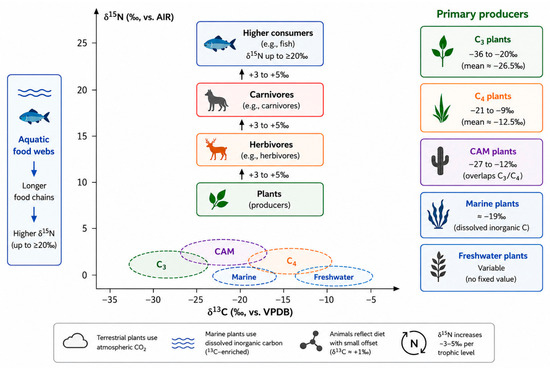
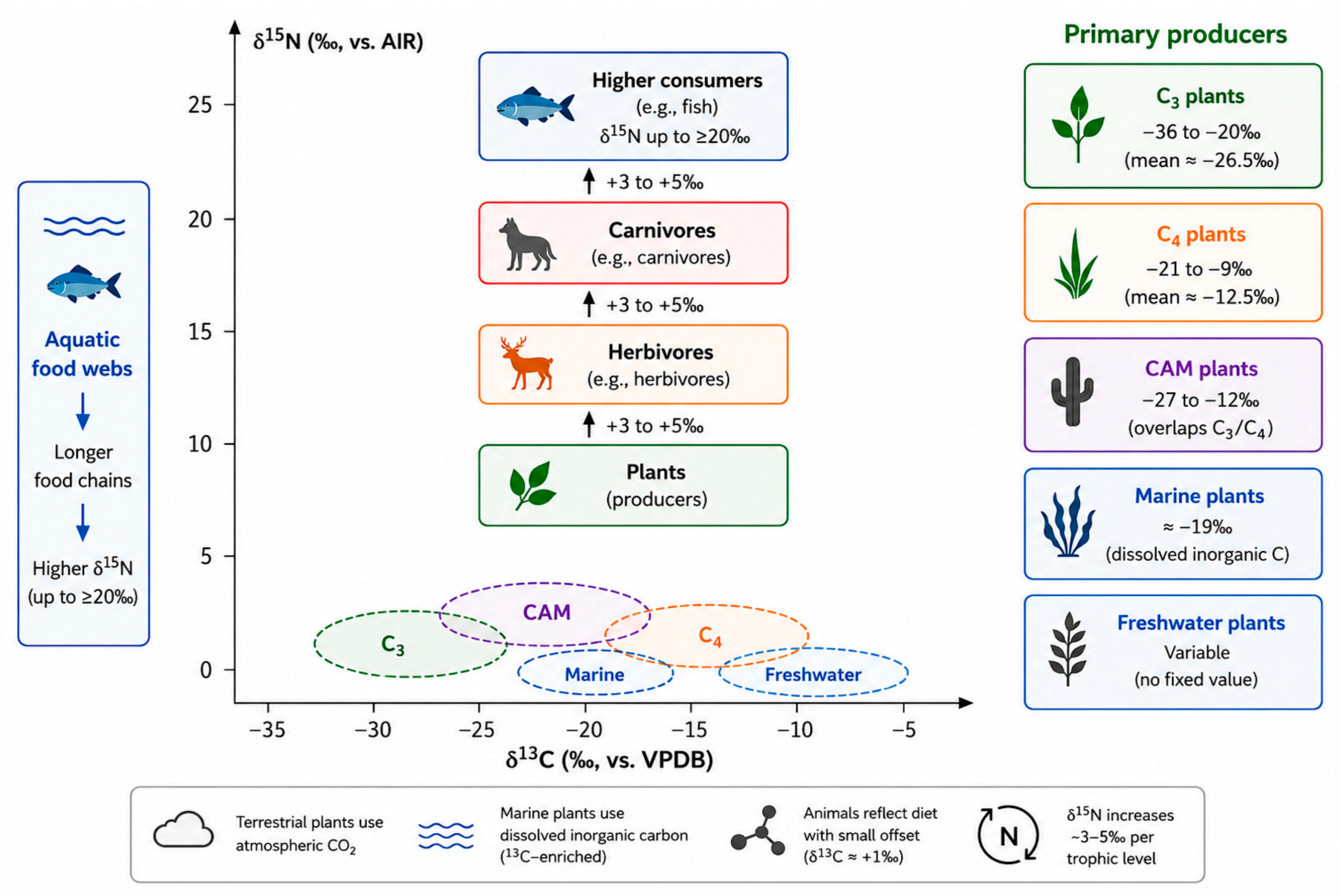
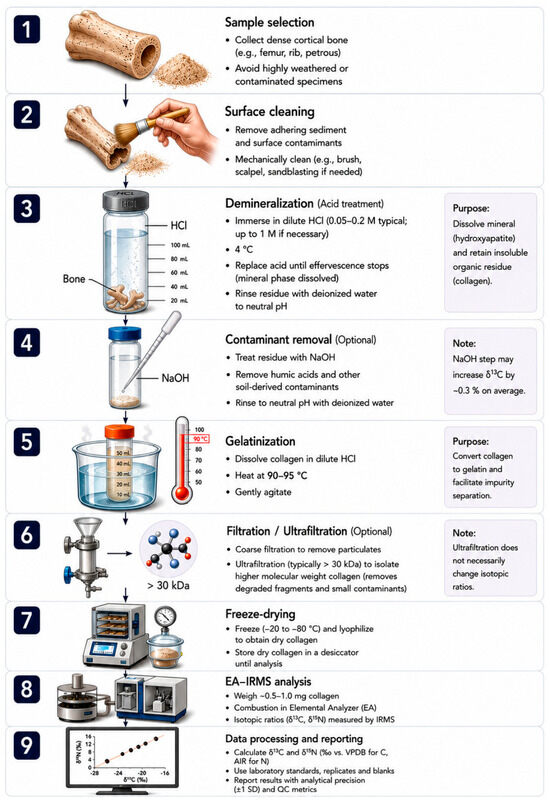
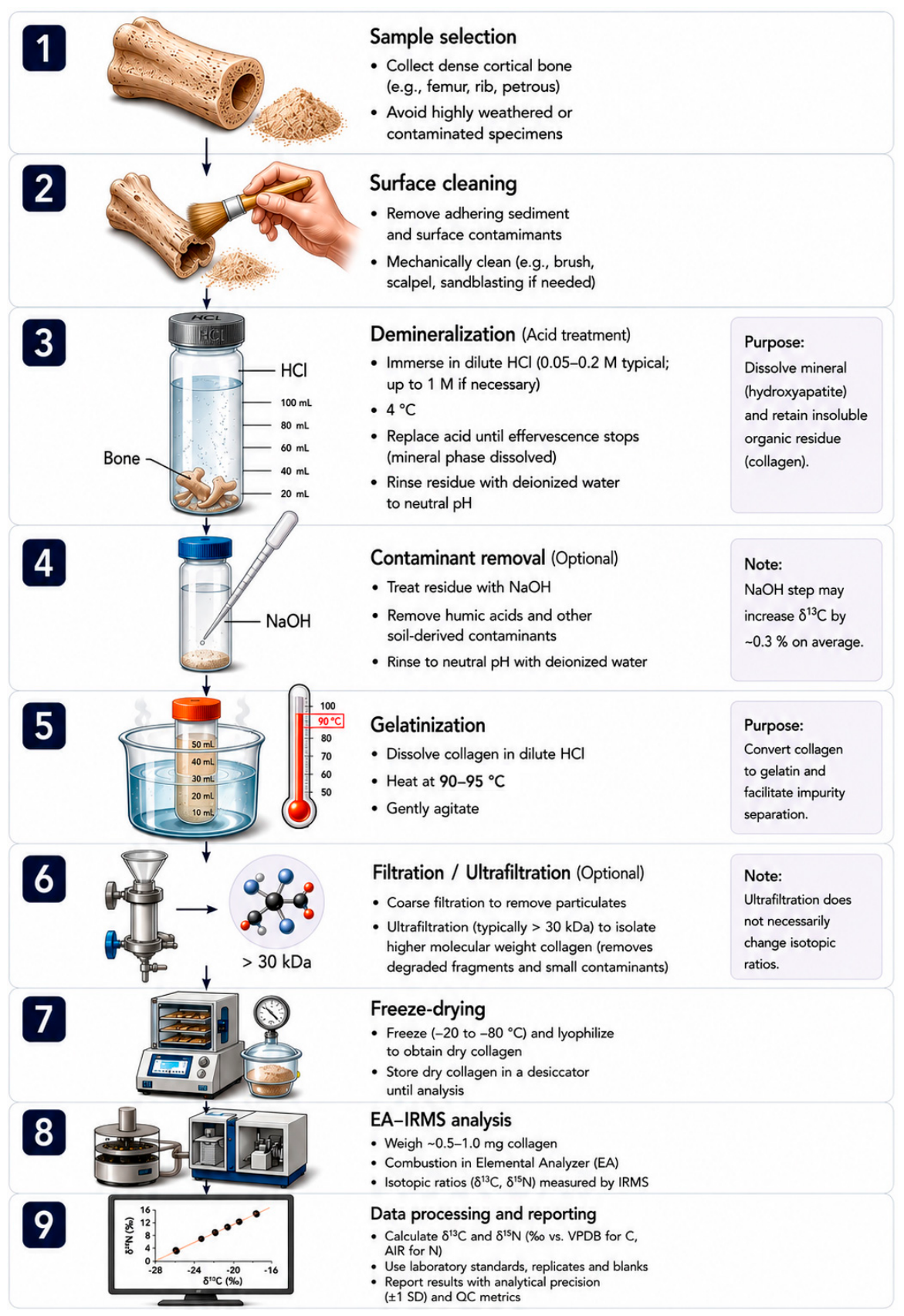
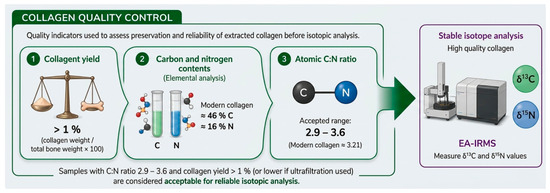
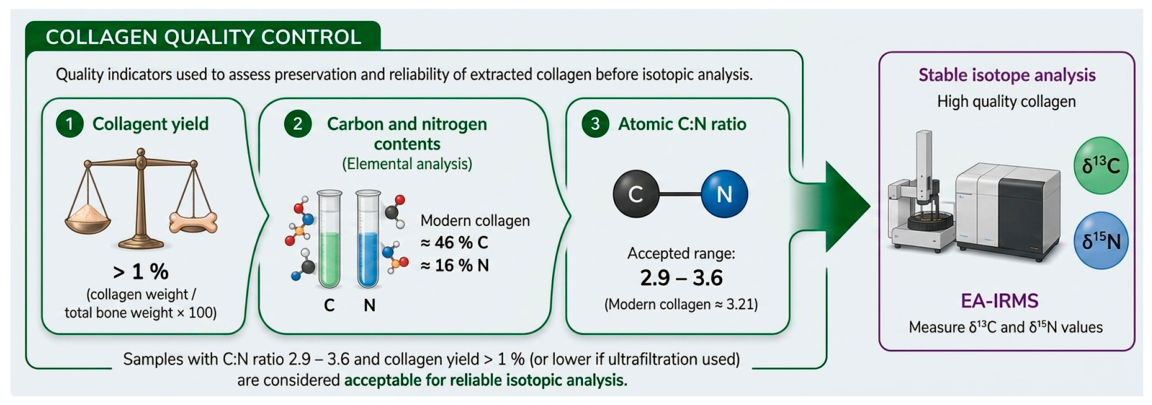
Disclaimer/Publisher’s Note: The statements, opinions and data contained in all publications are solely those of the individual author(s) and contributor(s) and not of MDPI and/or the editor(s). MDPI and/or the editor(s) disclaim responsibility for any injury to people or property resulting from any ideas, methods, instructions or products referred to in the content. |
© 2026 by the authors. Licensee MDPI, Basel, Switzerland. This article is an open access article distributed under the terms and conditions of the Creative Commons Attribution (CC BY) license.