


Abstract
High-salinity waters, including seawater, brines, and saline radioactive effluents, contain recoverable uranium or require uranium removal, but their complex chemistry complicates both capture and regeneration. Under seawater-relevant conditions, U(VI) occurs mainly as uranyl carbonate complexes and ternary uranyl carbonate complexes containing Ca2+ or Mg2+ rather than as free UO22+. Selective separation therefore depends on coupled transport, hydration-shell reorganization, carbonate displacement, and interfacial coordination. Conventional sorbents largely optimize binding strength and adsorption capacity, often at the expense of harsh stripping and secondary waste. This review frames thermoresponsive uranium separation as a coupled aqueous-speciation, interfacial-state, and process-design problem. It examines how LCST and UCST transitions, polymer-brush reorganization, hydration-layer reconstruction, pore gating, and localized photothermal heating regulate access to binding sites and release pathways. Polymer brushes, hydrogels and microgels, membranes and nanochannels, ion-imprinted magnetic composites, and MXene-based hybrids are critically compared using cycle-level criteria, including U/V selectivity, switching time, regeneration demand, energy input, fouling resistance, material loss, synthesis reproducibility, and environmental performance. Particular emphasis is placed on distinguishing genuine structural gating from the generic effects of temperature on diffusion, ligand exchange, and adsorption equilibria. Current evidence supports the feasibility of programmable capture–release interfaces but remains limited by matrix-dependent transition windows, incomplete mechanistic attribution, scarce quantitative energy and temperature-gradient data, short cycling tests, and limited device-scale validation. Progress will require standardized testing in realistic saline matrices and complete capture–release mass and energy balances rather than evaluation by maximum adsorption capacity alone.
1. Introduction
The recovery or removal of uranium from high-salinity waters is no longer a purely niche topic at the boundary of radiochemistry and adsorbent design. It now lies at the intersection of resource sustainability, interfacial science, and process intensification [1,2]. Seawater contains uranium at only a few parts per billion, yet its total uranium inventory is orders of magnitude larger than that of conventional terrestrial reserves. At the same time, saline wastewaters generated in uranium mining, nuclear fuel processing, membrane concentration, metallurgical operations, and associated brine-management processes may contain uranium at concentrations high enough to motivate treatment or recovery in matrices where elevated ionic strength, carbonate, alkaline earth ions, and complex dissolved organic backgrounds fundamentally alter separation behavior [3,4,5,6]. In both scenarios, the central challenge is the same: uranium must be recognized, transported, accumulated, and eventually released at an interface that is itself strongly perturbed by salt [7,8].
Most established uranium-separation strategies still begin from a coordination-chemistry perspective [9,10,11,12]. Functional groups such as amidoxime, phosphonate, phosphate, carboxylate, catechol, and hydroxypyridinone derivatives are introduced onto fibers, porous polymers, hydrogels, membranes, metal–organic frameworks, covalent organic frameworks, or inorganic oxides, with the goal of maximizing affinity for uranyl species [13]. This logic has been remarkably successful in pushing capacities upward and in improving selectivity relative to many common cations. However, it also has a built-in limitation in high-salinity systems: stronger binding often implies more difficult regeneration [6,14]. Many uranium adsorbents still rely on concentrated acid, carbonate, or chelator solutions for stripping, which can impose significant material degradation, complicated downstream handling, corrosion, and secondary liquid-waste burdens. In other words, strong coordination solves the “capture” step only partially if release remains chemically harsh and operationally expensive.
A thermoresponsive strategy changes the problem framing. Rather than treating capture and release as fixed consequences of equilibrium binding strength, thermoresponsive interfaces seek to switch interfacial accessibility, hydration, and transport resistance with temperature [15,16,17]. In an ideal case, one temperature favors access of uranium species to binding sites, water-rich interfacial channels, and rapid ligand exchange, whereas another temperature decreases affinity or accessibility and accelerates release. This idea is well established in separation science, biointerfaces, and responsive membranes, where lower critical solution temperature (LCST) or upper critical solution temperature (UCST) transitions are used to regulate wettability, permeability, colloidal stability, or molecular recognition. Yet uranium separation brings additional complications that make a simple transfer of biomedical or desalination concepts inadequate. Uranium in seawater is not present mainly as free UO22+, but as uranyl–carbonate and Ca/Mg–uranyl–carbonate species [3,4,5]. These complexes differ in charge and hydration structure, and their transformation into inner-sphere surface complexes requires ligand exchange steps that are strongly conditioned by the interfacial environment. Consequently, temperature does not merely trigger polymer collapse or swelling; it may shift multiple coupled factors simultaneously: local dielectric environment, hydration-shell disruption, chain mobility, steric accessibility of ligands, and the effective kinetics of converting solution complexes into surface-bound uranium.
This coupling is precisely why the topic is attractive to a journal centered on colloids and interfaces [18,19]. The most important variable is not simply “material composition,” but the dynamic state of the interface. Polymer brushes and thin responsive coatings can reorganize over nanometer length scales, forming or relieving soft barriers for ion transport. Hydrogels and microgels can alter porosity, tortuosity, and local water structure over multiple scales [20,21]. Responsive membranes and nanochannels can translate phase transition into a gating effect on mass transport [22]. Layered materials such as MXenes can further contribute photothermal conversion, interfacial electrostatics, and mechanically constrained pathways for an ion approach [23,24,25]. A thermoresponsive uranium sorbent is therefore best understood not as a static adsorbent with a temperature-dependent capacity, but as a programmable interfacial system in which the free-energy landscape for approach, complexation, and release changes reversibly with temperature.
The direct literature on thermoresponsive uranium capture remains relatively limited compared with the extensive work on amidoxime fibers, ion-imprinted sorbents, and general responsive polymers. Nevertheless, several studies have already demonstrated ion-imprinted thermoresponsive hydrogels for uranium accumulation from seawater, amidoxime-bearing temperature-sensitive hydrogels with rapid uptake and cycling performance, and thermally switchable ion-imprinted magnetic composites for selective separation and release from highly saline effluents [12,13]. In parallel, a much broader adjacent literature has clarified the behavior of temperature-responsive brushes, membranes, nanochannels, and layered hybrid systems under salt gradients, fouling conditions, and repeated switching [26,27,28,29]. Previous reviews of seawater uranium recovery have comprehensively summarized ligand chemistry, adsorbent classes, membrane configurations, and marine engineering strategies [1,30,31], whereas broader reviews of stimuli-responsive ion adsorbents have focused on general separation principles across multiple target ions [32]. However, these contributions are still largely organized around material composition, equilibrium uptake, or device category, and rarely integrate carbonate-rich U(VI) speciation, salt-dependent polymer transitions, interfacial transport, and regeneration metrics within a complete capture–release cycle. Bringing these research streams together therefore requires an analytical framework that connects solution chemistry, responsive interfacial behavior, and process-level performance.
Against this background, the novelty of this review lies in treating thermoresponsive uranium separation as a coupled problem of aqueous speciation, interfacial state, and process design, as summarized in Figure 1. The proposed framework links Ca2+/Mg2+-associated uranyl carbonate chemistry with hydration, ligand accessibility, transport gating, and localized thermal actuation while distinguishing genuine structural gating from the generic kinetic and thermodynamic effects of temperature. Rather than organizing the discussion solely by material composition or maximum adsorption capacity, the review compares polymer brushes, microgels, bulk hydrogels, membranes, ion-imprinted composites, and MXene-based hybrids using cycle-level criteria that are rarely considered together, including U/V selectivity, switching time, chemical and thermal regeneration demand, fouling resistance, material loss, synthesis reproducibility, and environmental performance.
Figure 1.
Conceptual framework for thermoresponsive U(VI) capture and release from high-salinity waters. The framework links saline-water chemistry, temperature-dependent interfacial states, representative material platforms, and cycle-level performance evaluation, highlighting the transition from static adsorbents to programmable capture–release interfaces.
Accordingly, the review first establishes how U(VI) speciation and hydration in high-salinity waters govern an interfacial approach, ligand exchange, binding, and release, and then critically evaluates the physical basis and experimental evidence for thermal switching across representative platforms. Particular attention is given to distinguishing uranium-specific evidence from transferable insights derived from adjacent responsive systems. The subsequent analysis addresses competitive selectivity, regeneration, energy demand, continuous operation, long-term durability, synthesis and scale-up, secondary contamination, sustainability, and standardized reporting. The aim is not to present thermoresponsive interfaces as a mature turnkey technology, but to identify where they offer genuine mechanistic and process advantages over conventional strong-binding sorbents and where current evidence remains insufficient for practical deployment.
2. U(VI) Speciation and Hydration in High-Salinity Waters
2.1. Chemical Landscapes of Seawater, Brines, and Saline Effluents
High-salinity waters should not be treated as a single category [33]. Natural seawater, evaporatively concentrated seawater, inland salt-lake brines, and saline radioactive effluents differ in ionic composition, alkalinity, carbonate inventory, sulfate content, dissolved organic matter, pH, and temperature history. Nevertheless, several features are broadly shared. Ionic strength is high enough to compress electrical double layers and modify ion activities; background Na+ and Cl− dominate bulk electrostatics; Ca2+ and Mg2+ are sufficiently abundant to compete for surface sites and alter water structure; and carbonate species often determine uranium complexation under circumneutral and alkaline conditions. As a result, the uranium species that an interface encounters are not the same as those in dilute laboratory uranyl solutions, and the pathways by which surface complexation occurs are correspondingly different [34,35,36]. These differences are schematically supported by Figure 2, which links the chemical complexity of seawater-relevant matrices with the ligand-bound uranyl coordination states formed after interfacial recognition and ligand exchange [37,38].
Figure 2.
Seawater chemical complexity and ligand-bound uranyl coordination relevant to interfacial uranium capture. (a) pH-dependent U(VI) adsorption and zeta-potential evolution, together with uranium uptake from natural seawater, showing that seawater uranium extraction is strongly affected by interfacial charge regulation and realistic saline matrices. Reproduced with permission from [37]. (b) Crystal and DFT-optimized structures of uranyl–amidoxime-type complexes, revealing representative ligand-bound uranyl coordination states formed after interfacial recognition and ligand exchange. Reproduced with permission from [38].
As illustrated in Figure 2, the distinction between idealized uranyl solutions and seawater-relevant matrices is especially important in seawater-uranium research, where standard batch tests sometimes begin with simple uranyl salts in deionized or weakly buffered water for convenience [39,40]. Such conditions can overestimate both accessibility and apparent affinity because they neglect the free-energy penalty associated with dissociating uranyl–carbonate or Ca/Mg–uranyl–carbonate complexes before binding can occur [41]. Saline radioactive effluents introduce additional complexity: depending on process origin, chloride, nitrate, sulfate, fluoride, phosphate, and organic complexants may coexist, producing speciation patterns distinct from those of seawater while still imposing strong ionic-strength effects [42,43]. Therefore, a meaningful discussion of thermoresponsive uranium capture must begin with the actual chemistry of the source water rather than with idealized uranyl ions alone.
2.2. Dominance of Uranyl–Carbonate and Ca/Mg–Uranyl–Carbonate Complexes
The thermodynamic picture of U(VI) in marine and saline carbonate-bearing waters has been clarified through spectroscopy, thermodynamic modeling, molecular-scale structural analysis, and surface-complexation studies [44,45,46,47]. Under neutral to weakly alkaline conditions, free UO22+ is a minor species. Carbonate coordination produces negatively charged uranyl carbonato complexes, while Ca2+-associated uranyl–carbonate complexes can strongly modify uranium mobility, adsorption, and reduction behavior in carbonate-bearing waters. These studies collectively show that calcium–uranyl–carbonate speciation is not a secondary detail but a controlling factor for the environmental reactivity of U(VI), especially when interfaces, mineral surfaces, or functional ligands are involved [48,49]. Therefore, “uranium in seawater” should be understood as calcium/magnesium-associated uranyl carbonate chemistry rather than simple uranyl chemistry. This carbonate-dominated solution chemistry is illustrated in Figure 3a, where U(VI) speciation in a simulated seawater carbonate system shows the dominance of uranyl–carbonate complexes over free UO22+ under near-neutral to weakly alkaline conditions.
Figure 3.
Carbonate-dominated U(VI) speciation and ligand-bound uranyl coordination in seawater-relevant capture. (a) Speciation distribution of U(VI) in a simulated seawater carbonate system, showing that free UO22+ is not the dominant species under near-neutral to weakly alkaline conditions. Instead, uranyl–carbonate complexes, particularly UO2(CO3)22− and UO2(CO3)34−, dominate the solution chemistry and define the species initially encountered by uranium-capturing interfaces. (b) EXAFS fitting results and structural models of adsorbed uranyl species, indicating the formation of ligand-bound uranyl coordination environments involving amidoxime and carbonate-associated binding after interfacial recognition and ligand exchange. Reproduced with permission from [38].
This change in speciation matters for at least four reasons. First, charge state changes the way species experience electrostatic fields near a surface. A negatively charged uranyl tricarbonate complex, a doubly charged calcium uranyl tricarbonate complex, and a neutral calcium-rich ternary complex will not partition into interfacial regions in the same way [43,50,51]. Second, hydration structure changes with complexation. The number, orientation, and lability of water molecules in the first and second coordination spheres govern how readily an approaching binding group can displace carbonate or reorganize the coordination environment [52]. Third, ligand exchange becomes kinetically relevant. Even if a surface ligand is thermodynamically favored relative to the aqueous complex, the approach to the bound state may be limited by carbonate displacement or by partial dissociation of the ternary complex. Consistent with this view, Figure 3b shows EXAFS fitting results and structural models of adsorbed uranyl species, indicating that uranium capture involves the formation of ligand-bound uranyl coordination environments rather than simple uptake of free uranyl ions. Fourth, co-associated Ca2+ or Mg2+ may influence the local structure of thermoresponsive polymers or soft interfaces directly, shifting phase transitions or modifying swelling behavior [53,54,55].
Several computational studies have helped make these ideas more concrete. First-principles molecular dynamics simulations of Ca2UO2(CO3)3 in water revealed a highly structured aqueous environment around the ternary complex, with distinct roles for the two calcium ions and strong coupling to hydrogen-bond networks [8]. Complementary free-energy simulations showed how amidoxime-based ligands can displace carbonate from calcium uranyl tricarbonate complexes, helping explain why amidoxime sorbents still function in seawater despite the high stability of aqueous complexes [41]. Together with the experimental speciation and EXAFS evidence summarized in Figure 3a,b, these simulations support a multistep view of U(VI) capture in seawater-relevant systems. These studies are conceptually important for thermoresponsive systems because they indicate that the barrier to uranium capture is not merely “bringing uranium to a binding site.” It is a multistep interfacial transformation involving approach, partial dehydration, local electrostatic screening, and ligand exchange [56]. A temperature-triggered interface may affect any or all of these substeps [57,58].
2.3. Hydration and the Interfacial Cost of Capture
Hydration is often discussed only qualitatively in uranium-separation literature, yet it is central to understanding why thermoresponsive interfaces may be valuable. The transition from a mobile aqueous complex to a surface-bound uranium species requires reorganizing not only the inner coordination sphere of uranium but also the solvent structure of the interface and of neighboring ions [59,60]. In concentrated electrolyte solutions, water activity decreases, ion–water and ion–ion correlations become stronger, and soft interfacial layers can either enrich or exclude water depending on the polymer state [61,62,63,64]. Thus, the local environment encountered by uranium at the interface may deviate strongly from the bulk.
Evidence from neutron scattering and EXAFS on uranyl hydration in concentrated solutions confirms that the uranyl hydration shell is not immutable and can be perturbed by coordinating anions and concentration effects [65,66]. Although chloride-rich systems differ from carbonate-dominated seawater, the broader lesson is transferable: uranium capture is always coupled to solvent reorganization [67]. In the context of thermoresponsive materials, this means that a collapse transition is not merely a morphological event. When a brush or gel loses water and becomes denser, the local dielectric environment changes, hydrogen-bond networks reorganize, and the energy required for a bulky aqueous uranium complex to penetrate the interface can rise sharply [68,69,70]. Conversely, a swollen, highly hydrated interface can facilitate access but may also dilute ligand density or reduce selectivity if the interfacial region becomes too permissive.
2.4. Interfacial Consequences of Speciation in High-Salinity Media
Because uranium speciation in high-salinity waters is dominated by carbonate and alkaline-earth associations, a successful interface must do more than provide affinity. It must balance several competing functions. First, it should enrich uranium-containing species near the interface or at least avoid excluding them through unfavorable charge or steric interactions [71,72]. Second, it must promote the local conditions required for ligand exchange from aqueous carbonate complexes to surface-bound complexes [73,74]. Third, it must remain selective in the presence of vanadium and other competitive species that are often enriched by amidoxime-bearing materials [75,76]. Fourth, it should retain enough reversibility that the captured uranium can be released without excessive chemical treatment.
These requirements create a useful perspective on thermoresponsive design. The interfacial state that is optimal for uptake is unlikely to be identical to the state optimal for release. During capture, a surface may benefit from a hydrated, permeable, weakly repulsive microenvironment with accessible ligands and sufficient local chain mobility to accommodate complex transformation. During release, the same material may benefit from a more collapsed, less accessible, or more weakly coordinating state that reduces rebinding and accelerates outward diffusion into an eluent or clean receiving phase. This fundamental asymmetry is the central motivation for thermoresponsive interfaces. If temperature can reversibly shift the interface between two operationally distinct states, then one can stop thinking of regeneration as simply “chemically breaking a strong bond” and instead treat it as “changing the entire interfacial free-energy landscape”.
2.5. Salinity, Carbonate, and Temperature as Coupled Variables
A final point deserves emphasis: temperature cannot be considered independently of salinity and carbonate chemistry. Formation constants of uranyl–carbonate and ternary calcium complexes are temperature-dependent [5]. The phase-transition temperatures of common thermoresponsive polymers are also highly salt-dependent, often in ion-specific ways [77,78]. Therefore, when a material is heated or cooled in high-salinity water, two coupled changes occur simultaneously: the aqueous uranium speciation landscape shifts, and the material’s interfacial state shifts [13,56]. Much of the current literature still interprets higher uptake at higher temperature simply as “endothermic adsorption” or interprets lower uptake after switching as “thermally controlled desorption.” For thermoresponsive uranium separation to mature, these intertwined effects must be disentangled experimentally. Otherwise, temperature-triggered capture or release may be misassigned to polymer transition when the dominant contribution actually comes from speciation changes in bulk solution, or vice versa.
From a design standpoint, this coupling is not necessarily problematic. It may even be advantageous. For example, if the desired uptake state coincides with a temperature range that also thermodynamically favors uranium over vanadium on a given ligand class, then heating can simultaneously improve both interfacial accessibility and intrinsic selectivity [2]. But exploiting such synergies requires that the field move beyond batch-capacity comparisons and toward a mechanistic description of uranium capture as a coupled aqueous-speciation/interfacial-state problem.
3. Physical Chemistry of Thermoresponsive Interfaces
3.1. LCST and UCST Transitions in Saline Environments
Temperature-responsive polymers are usually introduced into separation science through their LCST or UCST behavior. In LCST systems, polymer–water interactions dominate at lower temperature, leading to hydrated and swollen states, whereas increasing temperature strengthens effective polymer–polymer attraction, causing dehydration and collapse [77,79]. Poly(N-isopropylacrylamide) (PNIPAM) remains the canonical example, exhibiting an LCST in water near ambient physiological temperature. As illustrated schematically in Figure 4a, the temperature-induced LCST transition and salt-induced salting-out transition are mechanistically related in that both promote dehydration, coil-to-globule transformation, and polymer–polymer association. This behavior is visually reflected by the transition of PNIPAM from a transparent hydrated state to an opaque solidified state upon heating or exposure to concentrated CaCl2 solutions (Figure 4b). Moreover, the recovery/re-solidification behavior and the response to different salt solutions further show that the apparent thermoresponsive window of PNIPAM is strongly governed by ionic strength and salt identity (Figure 4c). In UCST systems, the direction is reversed: phase separation or aggregation is favored at lower temperature and dissolves upon heating [80,81]. Both behaviors are relevant to uranium separation because either can, in principle, be used to create asymmetric capture–release cycles [78,82].
Figure 4.
Salt-regulated LCST transition and reversible salting-out behavior of PNIPAM. (a) Schematic comparison of temperature-induced LCST transition and salt-induced salting-out transition. (b) Optical images showing thermally induced and CaCl2-triggered PNIPAM solidification. (c) Reversible recovery/re-solidification and salt-dependent solidification behavior of PNIPAM. Reproduced with permission from [83].
However, the transition temperature measured in pure water is only a starting point. High-salinity environments shift LCST and UCST values through both ionic-strength effects and ion-specific effects associated with the Hofmeister series. Salts can strengthen hydrophobic association, disrupt or reinforce hydrogen-bonding networks, and modify polymer–solvent interaction parameters [84,85,86]. Importantly, the magnitude and direction of these effects depend on material architecture, so the salt response of a thermoresponsive brush cannot be inferred directly from that of free chains, microgels, or bulk networks [87]. Mixed electrolytes may further produce non-additive changes in brush conformation and hydration through charge screening, specific ion binding, and osmotic effects [88]. A thermoresponsive layer tuned to switch near 32 °C in deionized water may transition at a substantially different temperature in seawater or brine, and the transition may broaden, become hysteretic, or lose sharpness altogether. This is a particularly serious issue for uranium separation because the useful operational window is often narrow: one wants a transition near ambient or mildly heated conditions, not one that requires extreme temperatures or becomes washed out in saline media. Beyond the polymer phase transition itself, saline environments also regulate interfacial ion transport through soft, hydrated, and charged layers. A representative non-thermoresponsive example is shown in Figure 5, where introducing a three-dimensional charged hydrogel interface into a heterogeneous membrane reduces interfacial transport resistance and provides continuous ion-transport pathways under a salinity gradient [89]. Although this system does not involve thermally induced switching, it highlights an important transferable principle for thermoresponsive uranium interfaces: hydrated soft interphases should be evaluated as dynamic ion-transport environments rather than as passive supports.
Figure 5.
Hydrogel interface for enhancing ion transport across heterogeneous membranes. A three-dimensional charged hydrogel interface improves interfacial coupling and directional ion transport across heterogeneous membranes under a salinity gradient. Reproduced with permission from [89].
For this reason, a thermoresponsive uranium platform should be characterized in its target ionic matrix rather than only in pure water. Differential scanning calorimetry, turbidimetry, ellipsometry, quartz crystal microbalance with dissipation monitoring (QCM-D), and temperature-dependent swelling measurements all provide valuable information, but they must be performed in seawater analogues, brines, or at least carbonate- and alkaline-earth-containing solutions representative of the application [90,91,92,93,94]. This requirement is further supported by recent studies on hydrogel and membrane-based ion-transport systems, where underwater stability, anti-swelling behavior, ion transport, and salt-gradient performance are strongly governed by the surrounding aqueous electrolyte environment [95,96]. Without such measurements, a material may be called “thermoresponsive” in a formal sense while lacking a useful switching window under realistic conditions.
3.2. Polymer Brushes as Dynamic Soft Interfaces
Surface-grafted polymer brushes provide one of the clearest conceptual models for thermoresponsive uranium separation [97,98]. When chains are tethered densely enough to a surface, excluded-volume interactions cause them to stretch away from the substrate, creating a soft interfacial layer whose thickness, hydration, and mechanical response can change dramatically with temperature [99]. In the hydrated state, the brush behaves as a water-rich region with relatively low steric resistance to appropriately sized or weakly repelled solutes. After collapse, the layer becomes denser, less hydrated, more hydrophobic in many cases, and often much less permeable.
Several features make brushes appealing for uranium capture–release design. First, the responsive region is thin, which can enable relatively fast switching compared with bulk hydrogels. Second, brush architecture is highly tunable: ligand-bearing comonomers, charged units, zwitterionic units, or adhesive motifs can be integrated without sacrificing grafting density. Third, the brush can be located exactly where it is most useful—on external surfaces, pore mouths, channel walls, or membrane skin layers—so that relatively small changes in conformation can exert disproportionately large effects on transport. Fourth, brushes can be combined with rigid substrates that provide mechanical stability under flow or repeated switching [100,101].
For uranium applications, however, a brush must satisfy two contradictory requirements. It must be open and hydrated enough to admit bulky carbonato complexes or their precursor states during uptake, yet dense enough in the alternate state to suppress rebinding during release or to block access of fouling species. This points to a design space in which thermoresponsive chains do not merely carry ligands but regulate whether ligand-bearing sublayers are accessible. One can imagine, for example, an outer thermoresponsive corona that opens in the uptake state and closes partially during release, or a mixed brush in which thermoresponsive chains and uranium-coordinating chains segregate vertically as a function of temperature. Such strategies are not yet common in uranium-specific studies, but they are strongly suggested by the broader responsive-brush literature.
3.3. Hydration-Layer Reconstruction and Local Solvent Structure
A recurring challenge in thermoresponsive-interface research is that hydration changes are more important than gross morphology, yet often less directly measured [102,103]. The capture of uranium from high-salinity water is especially sensitive to hydration because the relevant solution complexes are large, strongly solvated, and entangled with carbonate and alkaline-earth ion association. When a polymer interface passes through a thermal transition, the number and organization of water molecules around polymer segments changes, as does the interfacial hydrogen-bond network. Surface-sensitive vibrational spectroscopy, neutron reflectivity, molecular simulation, and force-probe measurements have shown that these changes can control adhesion, fouling, permeability, and ion transport in responsive systems even when visual swelling differences appear modest [104].
For uranium capture, hydration-layer reconstruction affects at least three sub-processes. It changes the effective barrier for the aqueous complex to enter the interfacial region. It changes the local environment in which ligand exchange from carbonate or calcium carbonate complexes to surface ligands occurs. And it changes the possibility of undesired species—natural organic matter, proteins, microorganisms, or colloids—occupying the same interfacial space. Thus, an ideal thermoresponsive uranium interface should be discussed not only in terms of “swollen” and “collapsed” states, but also in terms of “hydration-enabled access” and “hydration-suppressed rebinding/fouling.” This perspective is particularly important in saline media because salts themselves restructure interfacial water and may compete strongly for hydration [105,106].
3.4. Thermal Gating of Transport
The term “gating” is widely used in responsive membrane and nanochannel research, but it deserves careful application in uranium separation. True thermal gating implies that a change in temperature modulates transport resistance or site accessibility in a controlled and reversible way, rather than merely changing equilibrium uptake through van ’t Hoff behavior. In a membrane or pore, gating may appear as a change in effective pore radius, tortuosity, friction, or interfacial energy barrier. In a hydrogel, it may appear as a change in porosity, diffusion coefficient, or the formation of a dense outer skin during collapse. In a brush-coated adsorbent, it may appear as an altered path length and steric exclusion at the surface.
This distinction matters because some uranium sorbents show higher capacity at higher temperature simply because adsorption is endothermic, not because a gate opens. Conversely, some systems release uranium more efficiently at a different temperature because binding weakens, not because the interface closes or reopens. Both effects can be useful, but they are mechanistically different. A mature thermoresponsive uranium-separation field should therefore ask: does temperature change transport into the active region, the binding affinity within the active region, the release rate out of the active region, or more than one of these simultaneously?
Model systems from responsive nanochannels are instructive [107,108]. Temperature-gated nanochannels have been shown to modulate ion transport under high-salt gradients and to preserve reversible gating over multiple cycles. These studies are not uranium specific, but they demonstrate that a thin thermoresponsive layer can retain functional switching under precisely the type of ionic environments relevant to seawater and brines. For uranium capture, analogous architectures could use responsive gating to separate a “through-put” function from a “binding” function: uranium-containing species pass readily into a channel or porous scaffold in the uptake state, where a deeper ligand-rich zone captures them, whereas in the release state the interfacial barrier minimizes backward capture and favors flushing into a receiving phase.
3.5. Thermal Regulation of Coordination-Site Accessibility
Thermoresponsive interfaces can influence uranium separation even when the ligands themselves do not undergo a large change in intrinsic binding chemistry. Accessibility is enough [109]. Ligands such as amidoxime or phosphonate may be effective only when sufficiently exposed to the aqueous phase and not buried in a dehydrated, glassy, or sterically congested microenvironment. Temperature can change the average exposure of these ligands, their orientational freedom, and the local polymer density surrounding them [110]. These effects alter the probability that a complex uranyl–carbonate species can approach close enough for ligand exchange to occur.
This is especially relevant for ion-imprinted and mixed-functional systems. In a purely equilibrium picture, an imprinted cavity or chelating cluster is either complementary or not. In a responsive interfacial picture, the cavity may be “available” in one thermal state and partially shielded in another. The same logic applies to layered hybrids such as MXene/polymer composites: the thermoresponsive component may not bind uranium directly, but it can determine whether uranium-containing species can access MXene surfaces, interlayer spaces, or adjacent ligand domains [111]. Thus, the most powerful thermoresponsive platforms may be those that decouple “recognition” from “accessibility,” assigning one module to chemical selectivity and another to thermal gating.
3.6. Thermoresponsiveness Under Real Operating Constraints
The practical implication of the above discussion is that thermoresponsive behavior must be evaluated under realistic constraints of cycle time, heating/cooling rate, salt composition, and hydrodynamic condition. Responsive transitions that are sharp in quiescent laboratory solutions may become sluggish in packed beds or thick gel monoliths. The temperature needed to switch may be easy to achieve in small vials but costly in continuous systems. Local photothermal heating may differ dramatically from bulk heating in its effect on speciation, diffusion, and polymer state. High flow can distort weak gels; repeated collapse can densify brushes irreversibly; salts can accumulate inside networks and alter subsequent cycles. These constraints do not diminish the conceptual value of thermoresponsive interfaces. Rather, they make it clear that “temperature-responsive uranium capture” is as much an interfacial process-engineering problem as a materials problem.
4. Representative Thermoresponsive Platforms for Uranium Capture and Release
4.1. Thermoresponsive Polymer Brushes and Surface-Grafted Architectures
Polymer brushes are valuable not because they maximize uranium capacity, but because they confine the switching function to the outer tens of nanometres of an interface. Mixed brushes can position thermoresponsive chains above or alongside ligand-bearing chains, allowing temperature to regulate access to a chemically selective sublayer without changing the ligand itself [97,98,99,100,101]. This spatial control is conceptually more informative than simply combining PNIPAM and a chelating monomer in an uncontrolled network.
However, the small thickness of a brush layer does not automatically guarantee rapid or durable switching. The broader literature on PNIPAM-based smart hydrogels shows that thermoresponsive behavior arises from coupled changes in polymer hydration, volume, hydrophilicity, and transport properties, and that the magnitude and kinetics of the response depend strongly on material architecture and structural organization [112]. By extension, switching in surface-grafted systems is governed not only by transport distance, but also by grafting density, chain arrangement, substrate confinement, solvent exchange, and salt-induced modification of the phase transition. The principal advantage of polymer brushes is therefore the precise placement of a programmable responsive layer at pore entrances or channel walls, whereas their main limitations include a relatively low ligand inventory per unit volume and susceptibility to salt compression, fouling, chain rearrangement, and irreversible compaction. Because uranium-specific evidence remains limited, future studies should quantify temperature-dependent brush thickness, hydration, uranium flux, ligand accessibility, transition hysteresis, and release behavior in the same representative saline matrix, rather than infer interfacial gating from temperature-dependent uptake alone.
4.2. Thermoresponsive Hydrogels and Microgels
Hydrogels are the most developed uranium-specific thermoresponsive platform because they can combine ligand loading, ion imprinting, and temperature-dependent swelling in one water-rich network [113,114]. The DNA hydrogel in Figure 6 is not itself thermoresponsive, but it demonstrates the broader advantage of a three-dimensional hydrated matrix: dense recognition domains can remain accessible and selective in natural seawater [115]. Introducing thermoresponsive units adds a second function by changing porosity, hydration, and diffusion, but it also creates a trade-off among ligand density, transport, and mechanical stability [116,117]. Related non-thermoresponsive PAO hydrogels prepared through sunlight polymerization or yeast-assisted pore formation further show that pore architecture can improve ligand accessibility and uranium transport under seawater-relevant conditions, although these systems provide structural rather than thermoresponsive evidence [118,119].
Figure 6.
Hydrogel networks for selective uranium capture in seawater. (a) Structure of uranyl-binding DNA strand from DNAzyme and mechanism for selective uranyl binding. (b) Strategy for fabrication of hydrogel DNA-based uranium extraction hydrogel (DNA-UEH). (c) Uranium extraction kinetic of the hydrogel DNA-UEH and change of uranium concentration in natural seawater during the extraction process. (d) Extraction selectivity to metals in natural seawater. The error bars indicate standard deviation (n = 3). Reproduced with permission from [115].
Against this structural background, uranium-specific thermoresponsive hydrogels have demonstrated that ion imprinting, amidoxime chemistry, and temperature-dependent swelling can be integrated within the same network [118]. The available evidence includes reversible phase transitions, rapid uranium uptake, and repeated adsorption–desorption. However, most studies still rely on concentrated model solutions, short experimental periods, and only a limited number of cycles. Temperature-dependent diffusion, the fraction of uranium retained in deeper network regions, reductions in chemical regenerant demand, and changes in network mechanics after cycling are rarely quantified. These systems should therefore be regarded as convincing proofs of concept rather than process-ready technologies.
Hydrogels also illustrate the central trade-offs of thermoresponsive capture. Higher crosslinking density improves mechanical integrity but decreases mesh size and solute diffusivity, while greater hydrophilicity can improve salt tolerance and antifouling behavior at the cost of a weaker thermal transition [120,121]. High ligand density increases capacity but can deepen uranium retention and raise regeneration demand if the network states before and after switching are insufficiently differentiated [122]. Consequently, qmax should be interpreted together with saline-state swelling, diffusion length, site accessibility, release kinetics, and mechanical recovery after cycling [123].
These transport limitations of bulk hydrogels provide the main rationale for considering microgels. Microgels shorten diffusion paths and can undergo volume transitions on the millisecond scale, but their small size creates a different operational problem: colloidal recovery, attrition, and material loss under flow [124,125,126,127,128]. Immobilization on membranes or fibers can improve handling, although it may partially sacrifice the rapid switching that motivates the microgel format. Uranium-specific studies should therefore compare free, immobilized, and bulk networks under matched hydrodynamic conditions rather than assume that smaller particles automatically produce a faster overall capture–release cycle.
4.3. Thermoresponsive Membranes and Nanochannels
Thermoresponsive membranes are attractive because they combine directional transport with a spatially confined switching layer, but their value should be judged by more than a temperature-dependent change in water flux. The PNIPAM-modified graphene oxide membrane in Figure 7 demonstrates that channel hydration and interlayer accessibility can be reversibly altered across the LCST [129], while broader membrane studies show that surface-grafted chains, matrix-embedded responsive domains, and pore-level actuators can regulate permeability and transport resistance [30,130,131,132]. For uranium separation, the main opportunity is therefore not simply higher uptake, but the possibility of separating transport, recognition, and release within one flow-through architecture. This advantage is counterbalanced by a limited ligand inventory per unit area and by the possibility that a gate optimized for rapid switching may contribute little equilibrium capacity.
Figure 7.
Thermoresponsive gating in PNIPAM-modified graphene oxide membranes. (a) Fabrication process of the temperature-responsive membrane and its water gating property. (b) Temperature-dependent water permeance of different membranes. (c) Temperature-tunable interlayer nanochannels in PNIPAM-modified graphene oxide membranes(P-GOMs). Reproduced with permission from [129].
Responsive membrane architectures can be grouped into surface- or pore-wall-grafted gates, matrix-integrated responsive domains, and two-dimensional lamellar channels [112,129,133,134,135]. These configurations should not be regarded as interchangeable. Surface gates can respond rapidly but may be vulnerable to coating loss and fouling; matrix-responsive membranes can generate larger permeability changes but often require more heat and exhibit slower internal equilibration; layered channels provide nanoscale control but are sensitive to swelling, restacking, and entrance blockage. Moreover, a closed state that suppresses rebinding may also trap uranium within internal pores, so reduced permeance does not necessarily translate into improved desorption. The relevant design question is therefore whether the thermal transition creates a productive asymmetry between inward transport during capture and outward transport during regeneration.
Evidence from artificial nanochannels and salinity-gradient membranes shows that responsive transport can persist in concentrated electrolytes [136,137,138,139,140], but its transferability to uranium remains conditional. Most adjacent studies use small inorganic ions or neutral molecules, whereas seawater uranium is present mainly as bulky, negatively charged uranyl carbonate and Ca/Mg-associated complexes. A channel that gates Na+, K+, or water efficiently may exclude these complexes in both thermal states or may alter their residence time without promoting ligand exchange. Accordingly, adjacent nanochannel studies should be treated as evidence for the feasibility of responsive transport, not as direct proof of uranium selectivity or recoverability.
A convincing uranium-specific membrane study should therefore demonstrate four linked responses: a reversible structural change in the membrane, a corresponding change in uranium-species transport or site accessibility, a measurable benefit during release, and retention of these functions after fouling and repeated cycling. Temperature-dependent flux alone is insufficient because water viscosity and ordinary adsorption thermodynamics also vary with temperature. Nonresponsive controls, direct measurements of uranium breakthrough and release, and structural probes such as in situ ATR-FTIR, SAXS, QCM-D, porometry, and impedance analysis are needed to establish causality. Long-term tests should additionally quantify coating delamination, pore blockage, switching hysteresis, and the energy required to heat the active membrane volume.
4.4. Thermally Switchable Ion-Imprinted and Magnetic Composites
Thermally switchable ion-imprinted composites provide some of the most direct uranium-specific evidence that recognition and release can be assigned to different material functions [141,142,143]. Their principal strength is not imprinting alone, but the possibility of combining a uranium-selective coordination environment with a responsive layer that changes site accessibility and a magnetic support that simplifies solid–liquid recovery. This functional separation is attractive for saline radioactive effluents, yet it also creates a demanding design problem: the imprinted cavity, the switching segment, and the magnetic or mesoporous support must remain mutually compatible during synthesis, template removal, high-salt exposure, and repeated regeneration.
The thermoresponsive ion-imprinted magnetic microsphere reported for highly saline radioactive effluents illustrates this process logic [6]. Fast magnetic recovery and temperature-dependent adsorption and release can, in principle, reduce contact time and eluent demand. However, qualitative evidence of easier release does not by itself establish a process advantage. The relevant comparison is the amount of acid, carbonate, or chelator avoided per mole of recovered uranium, together with the heat input, cycle time, uranium mass balance, and retention of imprinting selectivity. Without these data, improvements in laboratory desorption efficiency may conceal a shift from chemical consumption to thermal or manufacturing burden.
Function-partitioned magnetic mesoporous composites further show how recognition, switching, mass transfer, and recovery can be spatially separated [141].The broader principle is illustrated in Figure 8 by a seaweed-inspired sorbent that integrates uranium binding, interfacial redox conversion, site regeneration, and antibiofouling functions [37]. This analogy is useful because it emphasizes role assignment rather than compositional complexity. At the same time, every additional functional layer introduces new sources of variability, including particle-size distribution, shell thickness, pore accessibility, magnetic content, and incomplete template removal. A multifunctional composite should therefore be considered superior only when the added architecture produces a quantifiable gain in cyclic uranium recovery that exceeds the penalties of synthesis complexity and quality control.
Figure 8.
Function-partitioned composite sorbent for seawater uranium extraction. (a) Schematic representation of enhanced uranium adsorption in seawater by seaweed-like adsorbents bearing micro-redox reactors. (b,c) SEM image of string and ball adsorbents ((i) before activation; (ii) after activation; (iii) cross section). (d) Uranium adsorption kinetics in spiked seawater at different initial concentrations. (e) Uranium uptake and residual uranium concentration during long-term exposure in natural seawater. Reproduced with permission from [37].
Several mechanistic uncertainties remain. Cavities imprinted with free UO22+ may not reproduce the approach geometry or ligand-exchange pathway of the dominant calcium/magnesium uranyl carbonate species in seawater. High ionic strength can contract or screen the polymer network, reducing access to otherwise complementary sites, while repeated switching can distort the cavity or bury ligands. Magnetic actuation may also generate local heating and polymer reorganization that are difficult to separate from the nominal thermoresponsive transition [144,145,146]. Future studies should therefore compare free-uranyl and carbonate-containing imprinting strategies, report batch-to-batch variation and template leakage, and verify selectivity and release in realistic carbonate media rather than relying only on dilute uranyl solutions.
4.5. MXene-Based and Other Layered Hybrid Interfaces
MXene-based hybrids offer a distinct combination of two-dimensional confinement, hydrophilic and chemically active surfaces, high photothermal conversion, and electronic conductivity [23,24,25]. These properties make MXenes potentially useful as uranium-binding planes, local heat sources, and structural components of responsive channels. Their promise, however, should not be inferred from photothermal performance alone. A layered hybrid is only functionally thermoresponsive when temperature produces a reversible and useful change in access, transport, or release; rapid heating without a corresponding interfacial state change remains thermally assisted adsorption rather than genuine gating.
Ti2CTx and Ti3C2Tx derivatives can adsorb U(VI) and, under suitable conditions, promote its reduction or sequestration [147,148]. This reactivity is an advantage for removal but may conflict with recovery. Irreversible reduction, precipitation, or strongly bound surface products can increase apparent uranium uptake while making regeneration more difficult. Consequently, MXene surfaces should be evaluated according to the intended process objective: reversible capture requires evidence that uranium remains chemically recoverable, whereas permanent immobilization represents a different treatment pathway and should not be presented as a capture–release mechanism.
The MXene-loaded nanoporous polyamidoxime membrane using solar heating provides an important demonstration of photothermally enhanced uranium uptake [149]. Likewise, the m-MXene architecture in Figure 9 shows efficient light absorption and rapid interfacial heating [25]. These examples support localized thermal actuation, but they do not yet prove that photothermal integration lowers the total energy demand of uranium recovery. Such a claim requires the local temperature profile, irradiation area and duration, heat loss to the saline phase, switching or desorption yield, and energy consumed per mole of uranium recovered. It is also necessary to separate faster diffusion and ligand exchange caused by heating from a reversible change in polymer conformation or channel accessibility.
Figure 9.
Photothermal MXene layers for localized thermal actuation. (a) Surface modification of MXene into m-MXene and the resulting changes in optical reflection and layered structure. (b) Optical images and 2D WAXS patterns of MXene and m-MXene films. (c,d) Temperature responses of MXene and m-MXene films under 808 nm laser irradiation at different power densities. (e) Comparison of photothermal conversion efficiencies among representative photothermal materials. (f) Schematic of (I) MXene (lighter purple color) and (II) m-MXene (darker purple color) layer coating process on the aLCE fibers (g,h) MXene/aLCE and m-MXene/aLCE fibers, showing SEM images and corresponding 2D WAXS patterns. Reproduced with permission from [25].
Layered hybrids may couple steric confinement with coordination selectivity by placing responsive polymers between sheets or at channel entrances [31,150]. Yet confinement has opposing effects: a narrowed interlayer space can sharpen size or charge discrimination, but it can also exclude bulky uranyl carbonate complexes and create slow-release regions. Swelling, restacking, oxidation, coating delamination, and fouling may progressively alter the same interlayer structure used for gating [111,151]. Polymer incorporation may improve colloidal stability, but it may also mask active MXene sites or introduce leachable components. Therefore, MXene hybrids should be assessed through repeated capture–release tests that track the oxidation state, interlayer spacing, sheet loss, uranium speciation, and photothermal efficiency, rather than by single-cycle uptake and temperature-rise data alone.
4.6. Adjacent Thermoresponsive Systems as Design Inspiration
Adjacent responsive systems are valuable only when the boundary between direct evidence and transferable analogy is made explicit. Thermoresponsive MXene/PNIPAM phase-separation systems, for example, demonstrate that heating above the LCST can concentrate dissolved metal ions into a polymer-rich phase and that cooling can redisperse the material [111]. This establishes a reversible enrichment concept, but not uranium selectivity. Translation to seawater would additionally require recognition of carbonate-associated U(VI) at trace concentration, discrimination against vanadium and abundant cations, and recovery of the enriched phase without polymer or nanoparticle loss.
Anti-polyelectrolyte hydrogels for concentrated seawater provide a second transferable principle: salt-promoted swelling can preserve or increase accessibility under conditions that collapse many conventional networks [152]. Coupling this behavior with a thermal switch could help maintain transport in brines, but the two responses may also interfere. A network designed to remain highly swollen in salt may exhibit a weakened thermal volume transition, while additional ionic groups can increase nonspecific ion uptake. Dual responsiveness should therefore be justified through orthogonal measurements showing that salinity resilience and thermal release remain independently controllable.
Responsive biointerfaces and antifouling surfaces offer lessons on hydration retention, state reversibility, and repeated operation in multicomponent media [121,153]. These characteristics are directly relevant to seawater exposure, but antifouling performance cannot be assumed to preserve uranium capture. Dense hydration layers that resist proteins and microorganisms may also hinder access of uranyl carbonate complexes or reduce ligand density. The useful design objective is not maximum resistance to all adsorption, but selective exclusion of foulants while maintaining uranium transport and ligand exchange.
Accordingly, evidence from adjacent systems should be classified at three levels. Direct evidence demonstrates temperature-dependent uranium capture and release in realistic saline media. Transferable evidence demonstrates a relevant physical mechanism, such as reversible gating, salt-resilient swelling, or local heating, using other ions or matrices. Speculative design concepts combine these mechanisms without uranium-specific validation. Maintaining this hierarchy prevents promising analogies from being presented as established uranium-separation performance and clarifies which experiments are still required.
4.7. What the Current Platform Landscape Reveals
Across the platform landscape, the decisive trade-off is between responsive length scale and functional loading. Brushes and thin membranes provide short transport paths and precise actuation but limited sorbent inventory per unit area. Bulk hydrogels provide high ligand loading but suffer from slower equilibration, internal trapping, and mechanical fatigue. Microgels shorten diffusion distances but complicate solid recovery under flow. Ion-imprinted magnetic composites improve recognition and handling but require multistep synthesis and template removal. MXene hybrids enable localized heating, yet introduce oxidation, restacking, and nanomaterial-loss risks.
No platform is universally superior. The appropriate architecture depends on the rate-limiting step, the intended hydrodynamic configuration, and the system boundary used for energy and waste accounting. Table 1 summarizes the numerical evidence currently available across representative platforms. The comparison exposes a central weakness of the field: switching time, temperature gradients, and energy per cycle are seldom measured directly, even when rapid response or low-energy regeneration is presented as a principal advantage.
Table 1.
Quantitative comparison of response times and temperature-related parameters across representative thermoresponsive platforms.
5. How Thermoresponsive Interfaces Reshape Selectivity, Regeneration, and Process Design
5.1. From Strong Coordination to Process-Selective Separation
The usual benchmark in uranium-adsorbent literature is maximum uptake, sometimes accompanied by distribution coefficients or selectivity factors. These metrics are necessary but insufficient for thermoresponsive systems. The defining promise of a thermoresponsive interface is not merely higher capacity. It is the ability to create a process-selective cycle in which capture and release occur under different interfacial states. In practice, this means that a material should be evaluated on how well it separates uranium over an entire cycle, not only at the point of highest equilibrium loading.
This perspective is particularly important in high-salinity systems. A ligand that binds uranium strongly in the presence of carbonate and vanadium may still fail as a practical sorbent if the corresponding release step requires aggressive acid, carbonate, chelators, or oxidants. Thermoresponsive interfaces offer a different route: they may lower the chemical demand of release by shifting accessibility, polymer density, hydration, or local affinity, so that uranium leaves the material more readily once the interface changes state [32]. The advantage, therefore, should be quantified as reduced chemical regeneration burden per mole of recovered uranium, not only as an increment in uptake.
5.2. Selectivity Under Competitive Seawater Chemistry
Selectivity in seawater cannot be reduced to the affinity of a ligand for free UO22+. Amidoxime and related groups encounter negatively charged uranyl carbonate complexes together with vanadate, Ca2+, Mg2+, transition metals, dissolved organic matter, and microorganisms. Vanadium is especially problematic because polyamidoximes can bind V(V) strongly, while Ca2+ and Mg2+ alter both U(VI) speciation and the hydration or conformation of responsive polymers [5,77]. A thermal transition may therefore change apparent selectivity through differential partitioning of U and V species into the responsive phase, unequal access to size- or charge-selective pathways, or temperature-dependent competition for the same coordination sites.
A photoresponsive pore system has achieved a U(VI)/V(V) separation factor of 215 through the coupled regulation of pore size, coordination geometry, and mass transfer [154]. This example provides a useful reference for thermoresponsive materials because it shows that responsive behavior is most meaningful when interpreted together with the accompanying changes in transport and binding environments. Future studies should therefore report U/V separation factors and distribution coefficients at both capture and release temperatures in synthetic seawater containing carbonate and realistic Ca2+ and Mg2+ concentrations, followed by validation in natural seawater. Compositionally matched nonresponsive controls should also be included to distinguish changes in intrinsic coordination selectivity from those arising from transport or site accessibility. More broadly, meaningful evaluation should combine realistic saline matrices, state-dependent measurements, appropriate controls, and mechanistic analysis of coordination, transport, and site accessibility. Such an integrated assessment can better clarify the role of structural switching in selectivity.
5.3. Temperature as Both Gate and Kinetic Accelerator
Temperature plays two roles in uranium separation, and the distinction must be kept explicit. First, it can act as a true gate by changing the interfacial structure. Second, it can accelerate diffusion and ligand exchange while shifting adsorption equilibria even in the absence of any phase transition. In seawater amidoxime systems, uranium uptake is known to be strongly temperature-dependent, and the temperature dependence can differ from that of vanadium. This means that thermal modulation may improve selectivity even in the absence of a responsive polymer. Once a thermoresponsive interface is introduced, the total effect becomes a superposition of intrinsic adsorption thermodynamics and structural gating.
This superposition is not necessarily a drawback. It can be advantageous when the two contributions reinforce each other. For example, a higher temperature may simultaneously increase transport rates, expose a more uptake-favorable interfacial state, and improve uranium selectivity relative to vanadium. Conversely, the temperature used for release may promote a denser or less accessible interfacial state while also weakening uranium–ligand association, thereby favoring desorption [7,155]. The central difficulty is mechanistic attribution. Future studies should therefore report adsorption and release kinetics for nonresponsive control materials alongside responsive materials in the same saline matrix, so that the contribution of thermally induced interfacial restructuring can be distinguished from the generic kinetic and thermodynamic effects of temperature.
This process-state perspective is illustrated by the state-adaptive cyclized polyacrylonitrile–polyethyleneimine conjugate (CPAP) system shown in Figure 10 [156]. Although the trigger in this example is pH rather than temperature, the material demonstrates the type of evidence that is needed for responsive uranium sorbents: a defined structural transformation, direct visualization of state-dependent contraction and expansion, dynamic uranium uptake during continuous exposure, cycling stability, and comparison of elution efficiency under different regenerants. Such evidence shifts the evaluation from a single equilibrium loading value to the ability of a material to move uranium through a complete capture–release cycle.
Figure 10.
State-adaptive uranium capture and release as a cycle-based evaluation model. (a) The schematic diagram of CPAP fibers synthesis. (b,c) In-situ optical microscopy images of CPAP and polyacrylonitrile (PAN) in different solutions (Scale bar 20 μm). (d,e) Functional group transformation mechanisms in various solvent environments. (f) Dynamic uranium uptake performance in simulated seawater over 10 days. (g) Reusability and stability of CPAP adsorbent over six adsorption–desorption cycles. (h) Desorption efficiencies using various eluents. Reproduced with permission from [156].
5.4. Regeneration Metrics Beyond Stripping Efficiency
Regeneration is the decisive test for thermoresponsive uranium separation. A material that binds uranium well but cannot release it cleanly offers little operational advantage. Yet stripping efficiency alone can be misleading. A high desorption percentage achieved with large amounts of acid, long contact times, or repeated harsh treatment may be less attractive than a lower desorption percentage achieved with minimal chemicals, rapid actuation, and preserved cycling performance. Therefore, conventional desorption efficiency should be reported together with chemical consumption per mole of uranium released, heat input per mole of uranium released, cycle time, residual fouling after regeneration, and retention of responsive behavior after repeated cycles.
Thermoresponsive platforms are especially well positioned to benefit from such metrics because their strongest claim often lies in regeneration rather than in equilibrium capacity. Ion-imprinted thermally switchable composites have explicitly emphasized reduced eluent consumption and lower secondary-waste generation [6,141]. A similar logic should be generalized across the field. A uranium sorbent should not be called “superior” simply because it releases uranium under a different temperature program; temperature dependence is meaningful only if it translates into a measurable reduction in regeneration burden, faster cyclic productivity, or improved long-term material recovery.
5.5. Energy Demand and the Importance of System Boundaries
A common assumption is that temperature-triggered regeneration is automatically greener than chemical regeneration. This is not always true. The answer depends on system boundaries. If a packed bed of seawater sorbent must be heated and cooled repeatedly in bulk, the energy penalty may offset the benefits of reduced chemical use. If, instead, a thin responsive interface is actuated locally through photothermal or electrothermal means, the energy cost can be much lower. Likewise, if low-grade waste heat or solar heating is available, temperature-responsive regeneration may be highly attractive; if only electrical heating of large water volumes is feasible, it may be less so.
This is why the integration of photothermal materials such as MXenes is strategically important. By converting sunlight or localized irradiation into heat at the interface, one can potentially decouple interfacial switching from bulk thermal management. The relevant benchmark then becomes not “temperature used” but “energy dissipated per cycle in the active interfacial volume.” In future reports, temperature-responsive uranium systems should therefore move beyond descriptive phrases such as “mild heating” and provide at least first-order energy accounting.
5.6. Continuous Operation and Capture–Release Architectures
Thermoresponsive interfaces may also change how uranium separation processes are architected. Instead of batch adsorption followed by off-line stripping, one can imagine spatially or temporally segregated states within a device. In a membrane module, one zone could be maintained in an uptake-favoring state while another is cycled for release. In a photothermally addressable fiber mat, local heating could regenerate portions of the material sequentially while the rest continues to capture uranium. In a hierarchical packed bed, an outer brush or gate could switch rapidly while a deeper ligand domain remains mechanically stable. Such architectures are largely prospective at present, but they illustrate an important conceptual point: thermoresponsive uranium separation is not merely about making the same adsorption process temperature-dependent. It is about creating a richer set of process states than is possible with a fixed interface.
6. Major Challenges, Research Gaps, and Future Directions
6.1. Matching Transition Windows to Realistic Saline Environments
One immediate barrier is mismatch between the transition measured in pure water and the transition that remains accessible in seawater or brine. Ionic strength, specific ions, carbonate, pH, and multivalent cations can shift or broaden LCST and UCST behavior, introduce hysteresis, and reduce switching amplitude. A material designed to switch at a specific temperature in deionized water may therefore fail to undergo the intended transition within the temperature range available from ambient seawater, low-grade waste heat, or solar heating.
Transition windows should be designed directly in representative matrices rather than transferred from pure-water studies. Copolymer composition, sequence, ionic units, and block architecture can tune the transition [87,157], but tuning is useful only if ligand accessibility, competitive selectivity, and antifouling hydration are preserved. Heating and cooling curves, hysteresis, swelling amplitude, and transport response should be reported after equilibration and after repeated cycling in the target saline matrix.
6.2. Durability Under Repeated Cycling, Biofouling, and Secondary Contamination
Repeated capture and release can alter the material rather than return it to its original state. Potential failure modes include chain scission, crosslink loss, irreversible densification, crack growth, delamination, distortion of imprinted cavities, ligand burial, magnetic-core-induced damage, and oxidation or restacking of MXenes [13,109,141,151,158,159]. Thermally trainable hydrogels show that stimulus history can permanently increase or decrease subsequent swelling and mechanical response [158], while long-term cycling studies of other hydrogel systems demonstrate that contact with device metals can accelerate polymer-chain degradation and salt leakage [159]. Capacity retention alone is therefore insufficient; transition temperature, swelling ratio, modulus, pore structure, mass loss, and release kinetics should be tracked over substantially more than five or ten cycles.
Biofouling creates a distinct failure pathway in seawater. Conditioning films, bacteria, extracellular polymeric substances, and mineralized biofilms can block ligands and pores, compress soft layers, alter surface charge, and increase thermal and mass-transfer resistance. A biofouling-resistant polymeric peptide inhibited approximately 99% of marine microorganisms while retaining uranium extraction performance in natural seawater [160], and recent micro-redox adsorbents have incorporated reactive-oxygen-species-based antifouling functions [37]. However, short-term antimicrobial performance should not be equated with long-term fouling resistance under natural flow, because dead biomass and extracellular residues may still accumulate and suppress switching. Interfacial blockage is not limited to biological growth. Evidence from membrane systems shows that natural organic matter (NOM) and colloidal mineral phases, including iron oxides, can form mixed deposits that alter surface charge, increase transport resistance, and reduce access to responsive layers [161]. Although this evidence is not uranium-specific, it indicates that biological, organic, and inorganic foulants may act simultaneously during long-term operation in natural waters.
Beyond external fouling, polymer leaching and secondary contamination must also be treated as measurable risks. Unreacted monomers, soluble oligomers, surfactants, physically trapped responsive blocks, chelators, magnetic nanoparticles, and MXene fragments may be released during swelling, heating, abrasion, or oxidative aging. Future work should include mass balances and leachate analysis by total organic carbon (TOC), chromatography or mass spectrometry, inductively coupled plasma mass spectrometry (ICP-MS), particle-release measurements, and ecotoxicity screening. The relevant benchmark is not only uranium recovered, but also foreign material released per cycle.
6.3. Synthesis Complexity, Reproducibility, and Scale-Up
Many proposed platforms combine surface-initiated polymerization, ion imprinting, template removal, magnetic-core synthesis, mesoporous coating, ligand conversion, or MXene modification. Each added step can improve function but also introduces variability in grafting density, crosslink density, ligand loading, pore size, residual template, particle size, oxidation state [162], and transition temperature. These variables directly control selectivity and switching, yet they are often reported for a single batch. Complex architectures may therefore appear mechanistically precise while remaining difficult to reproduce outside the originating laboratory [31,97,143,144,151].
Reproducibility should be assessed using independent synthesis batches and reported as variation in composition, transition window, uranium uptake, release efficiency, and cycling response. Scale-up studies should disclose isolated yield, solvent and water consumption, purification steps, template-recovery efficiency, processing time, and the fraction of material rejected during fabrication. Aqueous, one-pot, continuous-coating, or roll-to-roll-compatible routes should be prioritized where possible, and the added performance of each functional component should be justified against the manufacturing burden it introduces.
6.4. Bridging Molecular Mechanism and Device-Scale Performance
A persistent scale gap separates molecular studies of uranium speciation and ligand exchange from material studies of capacity and switching [163,164]. The rate-limiting step may be approach to the interface, entry into a polymer-rich phase, carbonate displacement, diffusion to deeper sites, or desorption during regeneration. Different platforms are likely limited by different steps, and a temperature-dependent change in one step may be masked by another. Mechanistic claims should therefore be framed as a causal sequence rather than inferred from equilibrium uptake alone.
Multiscale measurements are needed to connect actuation to separation. QCM-D and ellipsometry can resolve brush collapse and rehydration; temperature-dependent flux and impedance can quantify gating; ATR-FTIR, XPS, XANES, and EXAFS can identify changes in coordination or oxidation state; SAXS, USAXS, neutron scattering, and cryogenic microscopy can probe the network and channel structure; and molecular simulations can estimate barriers for carbonate displacement and entry into polymer-rich domains. The strongest studies will combine these measurements with nonresponsive controls and device-scale mass balances so that interfacial restructuring is distinguished from generic heating effects.
6.5. Environmental Impact and Sustainability
Temperature-triggered regeneration is not automatically more sustainable than chemical regeneration. The conclusion depends on the full system boundary, including monomer and solvent production, initiators and crosslinkers, template removal, synthesis of magnetic or MXene components, heating and cooling, regenerant treatment, sorbent lifetime, uranium recovery from the eluate, transport, and end-of-life management. Local photothermal actuation may reduce the heated water volume, but the embodied impacts and possible release of the photothermal component must also be included.
The recent thermally switchable magnetic mesoporous adsorbent is notable because it included life-cycle assessment (LCA) and techno-economic assessment (TEA) [141], but such analyses remain exceptional. Future studies should report cumulative energy and chemical demand per mole of recovered uranium, solvent intensity, sorbent replacement rate, leachate burden, and feasible reuse or recycling routes. Biobased matrices can reduce dependence on persistent polymers [165,166,167,168], but biodegradability should not be pursued at the expense of uncontrolled degradation during operation. The preferred material is the one that minimizes total environmental burden over a verified service life, not simply the one that uses the mildest single regeneration step.
6.6. Standardization and Reporting
A concise standardized protocol is needed to make claims comparable. First, intrinsic responsive behavior should be measured in simple electrolytes to establish baseline transition physics. Second, capture and release should be tested in controlled synthetic saline matrices containing carbonate, Ca2+, Mg2+, and major competitors, particularly vanadium. Third, performance should be validated in natural seawater, real brines, or authentic saline effluents with a documented pretreatment and microbial history.
Each study should report the target-matrix transition range, heating and cooling rates, hysteresis, switching time, uranium uptake and release kinetics, matched nonresponsive controls, U/V selectivity at both operational states, chemical consumption, thermal or optical energy input, cycle time, retained switching amplitude, sorbent mass loss, leachate composition, and biological fouling after cycling. Batch-to-batch variation and the number of independent replicates should be stated. Where values are estimated rather than measured, the assumptions and system boundaries should be explicit.
Benchmarking should distinguish equilibrium batch capacity from flow-through productivity and cyclic capture–release operation. A thin coating may have modest qmax but high productivity because it switches rapidly, whereas a thick hydrogel may have high equilibrium capacity but low throughput. Metrics such as uranium recovered per unit sorbent mass and time, per unit active area, per unit energy, and per unit chemical regenerant are therefore more informative than qmax alone.
6.7. Integrating Multiple Stimuli and Moving Toward Capture–Release Systems
Temperature need not act alone. Photothermal conversion can localize heating, electrothermal actuation can provide addressable control in conductive scaffolds, anti-polyelectrolyte or zwitterionic components can preserve hydration in brines, and pH- or redox-responsive units can support staged release. Such combinations could separate capture, concentration, release, and regeneration in space or time. The aim, however, should be orthogonal control rather than accumulation of functions.
As complexity increases, mechanistic ambiguity and manufacturing burden also increase. Each component should therefore have a testable role: one controls chemical recognition, one regulates accessibility or transport, one stabilizes the interface in saline and biological environments, and one supplies low-cost actuation. Removing any component should produce a predictable loss of function. This requirement makes compositionally matched controls and factorial experimental designs essential.
The broader conceptual shift is from temperature-sensitive adsorbents to capture–release systems. The key question is not how much uranium can be stored at equilibrium, but how effectively uranium can be cycled through the interface with high selectivity, limited material loss, low waste, and acceptable energy input. This systems view favors thin active interphases, hierarchical transport architectures, localized actuation, recoverable components, and verified long-term operation over ever stronger static binding sites.
7. Conclusions
Thermoresponsive interfaces offer a compelling conceptual framework for uranium capture from seawater, brines, and saline waste streams because they address a central weakness of conventional uranium sorbents: the mismatch between strong capture and practical release. In high-salinity waters, uranium exists mainly as carbonate-rich and Ca/Mg-associated complexes whose approach to an interface, transformation into surface-bound species, and eventual release are all strongly conditioned by hydration, steric accessibility, and local electrostatics. Temperature-responsive polymers, brushes, membranes, hydrogels, ion-imprinted composites, and layered hybrids can reshape these interfacial variables reversibly, allowing one material to operate in distinct capture- and release-favoring states.
The literature already demonstrates the feasibility of this idea through thermoresponsive ion-imprinted hydrogels, amidoxime-based temperature-sensitive networks, thermally switchable magnetic composites, and photothermally assisted MXene/polyamidoxime membranes. Yet the broader lesson is more important than any single platform: thermoresponsive uranium separation succeeds when temperature is used to program the interface and not merely to alter equilibrium adsorption. The decisive questions are therefore whether the switching window remains useful in the target saline matrix, whether thermal actuation truly regulates access or release, whether fouling and salt effects preserve or destroy reversibility, and whether the overall cycle reduces waste and energy demand compared with conventional regeneration.
Future progress will depend on moving from static sorbent optimization to interfacial systems design. That means measuring responsive behavior in realistic saline media, disentangling bulk-speciation effects from interfacial gating, integrating anti-fouling and anti-scaling functions, adopting cycle-based metrics, and exploiting localized actuation strategies such as photothermal heating. If these challenges are addressed, thermoresponsive interfaces may evolve from elegant laboratory concepts into a practical route for selective, low-waste uranium capture and release in some of the most chemically demanding aqueous environments.
Practical progress will also require evidence that responsive performance survives manufacturing variability and prolonged exposure. Competitive-ion selectivity, switching time, energy and regenerant demand, polymer or nanoparticle loss, biofouling, and material degradation should therefore be treated as co-equal design variables rather than as secondary validation tests. Only platforms that retain their interfacial function over repeated cycles and reduce the full environmental burden of uranium recovery should be considered genuinely superior.
Author Contributions
Conceptualization, J.G., Y.L. and X.X.; methodology, J.H. and J.G.; validation, J.H., M.L., F.S. and J.G.; formal analysis, J.H., M.L. and F.S.; investigation, J.H., M.L., F.S., P.W. and J.C.; resources, Y.L., X.X. and J.G.; data curation, J.H., M.L., P.W. and J.C.; writing—original draft preparation, J.H., M.L., F.S. and J.G.; writing—review and editing, J.H., Y.L., X.X. and J.G.; visualization, J.H., P.W., J.C. and J.G.; supervision, Y.L., X.X. and J.G.; funding acquisition, Y.L., X.X. All authors have read and agreed to the published version of the manuscript.
Funding
This work appreciatively acknowledged the support from National Natural Science Foundation of China (Grant Number: 52270166) and National Natural Science Foundation of China (Grant Number: 22578421).
Data Availability Statement
No new data were generated in this review article.
Conflicts of Interest
The authors declare no conflicts of interest.
Abbreviations
The following abbreviations are used in this manuscript:
| LCST | Lower critical solution temperature |
| UCST | Upper critical solution temperature |
| PNIPAM | Poly(N-isopropylacrylamide) |
| NOM | Natural organic matter |
| MXene | Two-dimensional transition-metal carbide/nitride/carbonitride |
| QCM-D | Quartz crystal microbalance with dissipation monitoring |
| EXAFS | Extended X-ray absorption fine structure |
| ATR-FTIR | Attenuated total reflection Fourier-transform infrared spectroscopy |
| XPS | X-ray photoelectron spectroscopy |
| XANES | X-ray absorption near-edge structure |
| SAXS | Small-angle X-ray scattering |
| USAXS | Ultra-small-angle X-ray scattering |
| DFT | Density functional theory |
| SEM | Scanning electron microscopy |
| WAXS | Wide-angle X-ray scattering |
| GO | Graphene oxide |
| P-GOMs | PNIPAM-modified graphene oxide membranes |
| CPAP | Cyclized polyacrylonitrile–polyethyleneimine conjugates |
| PAN | Polyacrylonitrile |
| DNA | Deoxyribonucleic acid |
| LCA | Life-cycle assessment |
| TEA | Techno-economic assessment |
| TOC | Total organic carbon |
| ICP-MS | Inductively coupled plasma mass spectrometry |
| DNA-UEH | DNA-based uranium extraction hydrogel |
References
- Abney, C.W.; Mayes, R.T.; Saito, T.; Dai, S. Materials for the Recovery of Uranium from Seawater. Chem. Rev. 2017, 117, 13935–14013. [Google Scholar] [CrossRef] [Scilit] [PubMed]
- Yuan, Y.; Cao, D.; Cui, F.; Yang, Y.; Zhang, C.; Song, Y.; Zheng, Y.; Cao, J.; Chen, S.; Song, Y.; et al. High-capacity uranium extraction from seawater through constructing synergistic multiple dynamic bonds. Nat. Water 2025, 3, 89–98. [Google Scholar] [CrossRef] [Scilit]
- Endrizzi, F.; Rao, L. Chemical Speciation of Uranium(VI) in Marine Environments: Complexation of Calcium and Magnesium Ions with [(UO2)(CO3)3]4− and the Effect on the Extraction of Uranium from Seawater. Chem.—A Eur. J. 2014, 20, 14499–14506. [Google Scholar] [CrossRef] [Scilit]
- Lee, J.-Y.; Yun, J.-I. Formation of ternary CaUO2(CO3)32− and Ca2UO2(CO3)3(aq) complexes under neutral to weakly alkaline conditions. Dalton Trans. 2013, 42, 9862–9869. [Google Scholar] [CrossRef] [Scilit] [PubMed]
- Jo, Y.; Kirishima, A.; Kimuro, S.; Kim, H.-K.; Yun, J.-I. Formation of CaUO2(CO3)32− and Ca2UO2(CO3)3(aq) complexes at variable temperatures (10–70 °C). Dalton Trans. 2019, 48, 6942–6950. [Google Scholar] [CrossRef] [Scilit] [PubMed]
- Yang, S.; Xu, M.; Yin, J.; Zhao, T.; Li, C.; Hua, D. Thermal-responsive Ion-imprinted magnetic microspheres for selective separation and controllable release of uranium from highly saline radioactive effluents. Sep. Purif. Technol. 2020, 246, 116917. [Google Scholar] [CrossRef] [Scilit]
- Kuo, L.-J.; Gill, G.A.; Tsouris, C.; Rao, L.; Pan, H.-B.; Wai, C.M.; Janke, C.J.; Strivens, J.E.; Wood, J.R.; Schlafer, N.; et al. Temperature Dependence of Uranium and Vanadium Adsorption on Amidoxime-Based Adsorbents in Natural Seawater. ChemistrySelect 2018, 3, 843–848. [Google Scholar] [CrossRef] [Scilit]
- Priest, C.; Tian, Z.; Jiang, D.-E. First-principles molecular dynamics simulation of the Ca2UO2(CO3)3 complex in water. Dalton Trans. 2016, 45, 9812–9819. [Google Scholar] [CrossRef] [Scilit] [PubMed]
- Carboni, M.; Abney, C.W.; Liu, S.; Lin, W. Highly porous and stable metal–organic frameworks for uranium extraction. Chem. Sci. 2013, 4, 2396–2402. [Google Scholar] [CrossRef] [Scilit]
- Wang, L.L.; Luo, F.; Dang, L.L.; Li, J.Q.; Wu, X.L.; Liu, S.J.; Luo, M.B. Ultrafast high-performance extraction of uranium from seawater without pretreatment using an acylamide- and carboxyl-functionalized metal–organic framework. J. Mater. Chem. A 2015, 3, 13724–13730. [Google Scholar] [CrossRef] [Scilit]
- Demir, S.; Brune, N.K.; Van Humbeck, J.F.; Mason, J.A.; Plakhova, T.V.; Wang, S.; Tian, G.; Minasian, S.G.; Tyliszczak, T.; Yaita, T.; et al. Extraction of Lanthanide and Actinide Ions from Aqueous Mixtures Using a Carboxylic Acid-Functionalized Porous Aromatic Framework. ACS Cent. Sci. 2016, 2, 253–265. [Google Scholar] [CrossRef] [Scilit] [PubMed]
- Tang, L.; Ren, S.; Zhang, T.; Wei, X.; Li, M.; Yin, X.; Wei, S. UO22+-imprinted thermoresponsive hydrogel for accumulation of uranium from seawater. Chem. Eng. J. 2021, 425, 130589. [Google Scholar] [CrossRef] [Scilit]
- Liu, X.; You, Y.; Yang, W.; Yang, L.; Zhang, X.; Qin, Z.; Yin, X. Temperature-sensitive amidoxime-based hydrogels for fast and efficient adsorption of uranium ions. Sep. Purif. Technol. 2024, 340, 126630. [Google Scholar] [CrossRef] [Scilit]
- Feng, J.; Zhang, J.; Tang, M.; Zhang, X.; Chen, X.; Feng, X.; Du, K.; Li, W.; Yin, H.; Deng, B.; et al. Selective capture of Cs(I) from aqueous solution using kaolinite-derived sodalite. Chem. Eng. J. 2026, 537, 176017. [Google Scholar] [CrossRef] [Scilit]
- Stuart, M.A.C.; Huck, W.T.S.; Genzer, J.; Müller, M.; Ober, C.; Stamm, M.; Sukhorukov, G.B.; Szleifer, I.; Tsukruk, V.V.; Urban, M.; et al. Emerging applications of stimuli-responsive polymer materials. Nat. Mater. 2010, 9, 101–113. [Google Scholar] [CrossRef] [Scilit] [PubMed]
- Roy, D.; Brooks, W.L.A.; Sumerlin, B.S. New directions in thermoresponsive polymers. Chem. Soc. Rev. 2013, 42, 7214–7243. [Google Scholar] [CrossRef] [Scilit] [PubMed]
- Benight, S.J.; Wang, C.; Tok, J.B.H.; Bao, Z. Stretchable and self-healing polymers and devices for electronic skin. Prog. Polym. Sci. 2013, 38, 1961–1977. [Google Scholar] [CrossRef] [Scilit]
- Barbey, R.; Lavanant, L.; Paripovic, D.; Schüwer, N.; Sugnaux, C.; Tugulu, S.; Klok, H.-A. Polymer Brushes via Surface-Initiated Controlled Radical Polymerization: Synthesis, Characterization, Properties, and Applications. Chem. Rev. 2009, 109, 5437–5527. [Google Scholar] [CrossRef] [Scilit] [PubMed]
- Minko, S. Responsive Polymer Brushes. J. Macromol. Sci. Part C 2006, 46, 397–420. [Google Scholar] [CrossRef] [Scilit]
- Nayak, S.; Lyon, L.A. Soft Nanotechnology with Soft Nanoparticles. Angew. Chem. Int. Ed. 2005, 44, 7686–7708. [Google Scholar] [CrossRef] [Scilit]
- Karg, M.; Pich, A.; Hellweg, T.; Hoare, T.; Lyon, L.A.; Crassous, J.J.; Suzuki, D.; Gumerov, R.A.; Schneider, S.; Potemkin, I.I.; et al. Nanogels and Microgels: From Model Colloids to Applications, Recent Developments, and Future Trends. Langmuir 2019, 35, 6231–6255. [Google Scholar] [CrossRef] [Scilit] [PubMed]
- Yameen, B.; Ali, M.; Neumann, R.; Ensinger, W.; Knoll, W.; Azzaroni, O. Synthetic Proton-Gated Ion Channels via Single Solid-State Nanochannels Modified with Responsive Polymer Brushes. Nano Lett. 2009, 9, 2788–2793. [Google Scholar] [CrossRef] [Scilit] [PubMed]
- Li, G.; Lian, S.; Wang, J.; Xie, G.; Zhang, N.; Xie, X. Surface chemistry engineering and the applications of MXenes. J. Mater. 2023, 9, 1160–1184. [Google Scholar] [CrossRef] [Scilit]
- Zeng, W.; Ye, X.; Dong, Y.; Zhang, Y.; Sun, C.; Zhang, T.; Guan, X.; Guo, L. MXene for photocatalysis and photothermal conversion: Synthesis, physicochemical properties, and applications. Coord. Chem. Rev. 2024, 508, 215753. [Google Scholar] [CrossRef] [Scilit]
- Shin, H.; Jeong, W.; Han, T.H. Maximizing light-to-heat conversion of Ti3C2Tx MXene metamaterials with wrinkled surfaces for artificial actuators. Nat. Commun. 2024, 15, 10507. [Google Scholar] [CrossRef] [Scilit] [PubMed]
- Wandera, D.; Wickramasinghe, S.R.; Husson, S.M. Stimuli-responsive membranes. J. Membr. Sci. 2010, 357, 6–35. [Google Scholar] [CrossRef] [Scilit]
- Hou, X.; Guo, W.; Jiang, L. Biomimetic smart nanopores and nanochannels. Chem. Soc. Rev. 2011, 40, 2385–2401. [Google Scholar] [CrossRef] [Scilit] [PubMed]
- Chen, S.; Li, L.; Zhao, C.; Zheng, J. Surface hydration: Principles and applications toward low-fouling/nonfouling biomaterials. Polymer 2010, 51, 5283–5293. [Google Scholar] [CrossRef] [Scilit]
- Pelton, R. Temperature-sensitive aqueous microgels. Adv. Colloid Interface Sci. 2000, 85, 1–33. [Google Scholar] [CrossRef] [Scilit]
- Yang, L.; Xiao, H.; Qian, Y.; Zhao, X.; Kong, X.-Y.; Liu, P.; Xin, W.; Fu, L.; Jiang, L.; Wen, L. Bioinspired hierarchical porous membrane for efficient uranium extraction from seawater. Nat. Sustain. 2022, 5, 71–80. [Google Scholar] [CrossRef] [Scilit]
- Du, Y.; Yu, J.; Chen, B.; Zhu, X. Recent progresses in the modification strategies of MXene-based membranes for water and wastewater treatments. Environ. Sci. Nano 2025, 12, 150–188. [Google Scholar] [CrossRef] [Scilit]
- Li, N.; Hou, J.; Ou, R.; Yeo, L.; Choudhury, N.R.; Zhang, H. Stimuli-Responsive Ion Adsorbents for Sustainable Separation Applications. ACS Nano 2023, 17, 17699–17720. [Google Scholar] [CrossRef] [Scilit] [PubMed]
- Nayar, K.G.; Sharqawy, M.H.; Banchik, L.D.; Lienhard, V.J.H. Thermophysical properties of seawater: A review and new correlations that include pressure dependence. Desalination 2016, 390, 1–24. [Google Scholar] [CrossRef] [Scilit]
- Jones, E.; Qadir, M.; van Vliet, M.T.H.; Smakhtin, V.; Kang, S.-M. The state of desalination and brine production: A global outlook. Sci. Total Environ. 2019, 657, 1343–1356. [Google Scholar] [CrossRef] [Scilit]
- Boström, M.; Williams, D.R.M.; Ninham, B.W. Specific Ion Effects: Why DLVO Theory Fails for Biology and Colloid Systems. Phys. Rev. Lett. 2001, 87, 168103. [Google Scholar] [CrossRef] [Scilit] [PubMed]
- Marcus, Y. Effect of Ions on the Structure of Water: Structure Making and Breaking. Chem. Rev. 2009, 109, 1346–1370. [Google Scholar] [CrossRef] [Scilit] [PubMed]
- Zhang, Y.; Wang, Y.; Dong, Z.; Wang, Y.; Liu, Y.; Cao, X.; Zhang, Z.; Xu, C.; Wang, N.; Liu, Y. Boosting uranium extraction from Seawater by micro-redox reactors anchored in a seaweed-like adsorbent. Nat. Commun. 2024, 15, 9124. [Google Scholar] [CrossRef] [Scilit] [PubMed]
- Sun, Q.; Aguila, B.; Perman, J.; Ivanov, A.S.; Bryantsev, V.S.; Earl, L.D.; Abney, C.W.; Wojtas, L.; Ma, S. Bio-inspired nano-traps for uranium extraction from seawater and recovery from nuclear waste. Nat. Commun. 2018, 9, 1644. [Google Scholar] [CrossRef] [Scilit] [PubMed]
- Ladshaw, A.P.; Wiechert, A.I.; Das, S.; Yiacoumi, S.; Tsouris, C. Amidoxime Polymers for Uranium Adsorption: Influence of Comonomers and Temperature. Materials 2017, 10, 1268. [Google Scholar] [CrossRef] [Scilit] [PubMed]
- Clark, D.L.; Hobart, D.E.; Neu, M.P. Actinide Carbonte Complexes and Their Importance in Actinide Environmental Chemistry. Chem. Rev. 1995, 95, 25–48. [Google Scholar] [CrossRef] [Scilit]
- Li, B.; Priest, C.; Jiang, D.-E. Displacement of carbonates in Ca2UO2(CO3)3 by amidoxime-based ligands from free-energy simulations. Dalton Trans. 2018, 47, 1604–1613. [Google Scholar] [CrossRef] [Scilit] [PubMed]
- Paiva, A.P.; Malik, P. Recent advances on the chemistry of solvent extraction applied to the reprocessing of spent nuclear fuels and radioactive wastes. J. Radioanal. Nucl. Chem. 2004, 261, 485–496. [Google Scholar] [CrossRef] [Scilit]
- Andrews, M.B.; Cahill, C.L. Uranyl Bearing Hybrid Materials: Synthesis, Speciation, and Solid-State Structures. Chem. Rev. 2013, 113, 1121–1136. [Google Scholar] [CrossRef] [Scilit] [PubMed]
- Kelly, S.D.; Kemner, K.M.; Brooks, S.C. X-ray absorption spectroscopy identifies calcium-uranyl-carbonate complexes at environmental concentrations. Geochim. Cosmochim. Acta 2007, 71, 821–834. [Google Scholar] [CrossRef] [Scilit]
- Brooks, S.; Fredrickson, J.; Carroll, S.; Kennedy, D.; Zachara, J.; Plymale, A.; Kelly, S.; Kemner, K.; Fendorf, S. Inhibition of Bacterial U(VI) Reduction by Calcium. Environ. Sci. Technol. 2003, 37, 1850–1858. [Google Scholar] [CrossRef] [Scilit] [PubMed]
- Bargar, J.R.; Reitmeyer, R.; Lenhart, J.J.; Davis, J.A. Characterization of U(VI)-carbonato ternary complexes on hematite: EXAFS and electrophoretic mobility measurements. Geochim. Cosmochim. Acta 2000, 64, 2737–2749. [Google Scholar] [CrossRef] [Scilit]
- Fox, P.M.; Davis, J.A.; Zachara, J.M. The effect of calcium on aqueous uranium(VI) speciation and adsorption to ferrihydrite and quartz. Geochim. Cosmochim. Acta 2006, 70, 1379–1387. [Google Scholar] [CrossRef] [Scilit]
- Catalano, J.G.; Brown, G.E. Uranyl adsorption onto montmorillonite: Evaluation of binding sites and carbonate complexation. Geochim. Cosmochim. Acta 2005, 69, 2995–3005. [Google Scholar] [CrossRef] [Scilit]
- Ilton, E.S.; Pacheco, J.S.L.; Bargar, J.R.; Shi, Z.; Liu, J.; Kovarik, L.; Engelhard, M.H.; Felmy, A.R. Reduction of U(VI) Incorporated in the Structure of Hematite. Environ. Sci. Technol. 2012, 46, 9428–9436. [Google Scholar] [CrossRef] [Scilit] [PubMed]
- Israelachvili, J.; Wennerström, H. Role of hydration and water structure in biological and colloidal interactions. Nature 1996, 379, 219–225. [Google Scholar] [CrossRef] [Scilit] [PubMed]
- Raviv, U.; Laurat, P.; Klein, J. Fluidity of water confined to subnanometre films. Nature 2001, 413, 51–54. [Google Scholar] [CrossRef] [Scilit] [PubMed]
- Cowie, B.E.; Purkis, J.M.; Austin, J.; Love, J.B.; Arnold, P.L. Thermal and Photochemical Reduction and Functionalization Chemistry of the Uranyl Dication, [UVIO2]2+. Chem. Rev. 2019, 119, 10595–10637. [Google Scholar] [CrossRef] [Scilit] [PubMed]
- Zhang, Y.; Furyk, S.; Bergbreiter, D.E.; Cremer, P.S. Specific Ion Effects on the Water Solubility of Macromolecules: PNIPAM and the Hofmeister Series. J. Am. Chem. Soc. 2005, 127, 14505–14510. [Google Scholar] [CrossRef] [Scilit] [PubMed]
- Okur, H.I.; Hladílková, J.; Rembert, K.B.; Cho, Y.; Heyda, J.; Dzubiella, J.; Cremer, P.S.; Jungwirth, P. Beyond the Hofmeister Series: Ion-Specific Effects on Proteins and Their Biological Functions. J. Phys. Chem. B 2017, 121, 1997–2014. [Google Scholar] [CrossRef] [Scilit] [PubMed]
- Zhang, Y.; Cremer, P.S. Interactions between macromolecules and ions: The Hofmeister series. Curr. Opin. Chem. Biol. 2006, 10, 658–663. [Google Scholar] [CrossRef] [Scilit]
- Lin, T.; Chen, T.; Jiao, C.; Zhang, H.; Hou, K.; Jin, H.; Liu, Y.; Zhu, W.; He, R. Ion pair sites for efficient electrochemical extraction of uranium in real nuclear wastewater. Nat. Commun. 2024, 15, 4149. [Google Scholar] [CrossRef] [Scilit] [PubMed]
- Ivanov, A.S.; Leggett, C.J.; Parker, B.F.; Zhang, Z.; Arnold, J.; Dai, S.; Abney, C.W.; Bryantsev, V.S.; Rao, L. Origin of the unusually strong and selective binding of vanadium by polyamidoximes in seawater. Nat. Commun. 2017, 8, 1560. [Google Scholar] [CrossRef] [Scilit] [PubMed]
- Gagliardi, L.; Roos, B.O. Quantum chemical calculations show that the uranium molecule U2 has a quintuple bond. Nature 2005, 433, 848–851. [Google Scholar] [CrossRef] [Scilit] [PubMed]
- Laage, D.; Hynes, J.T. A Molecular Jump Mechanism of Water Reorientation. Science 2006, 311, 832–835. [Google Scholar] [CrossRef] [Scilit] [PubMed]
- Bakker, H.J.; Skinner, J.L. Vibrational Spectroscopy as a Probe of Structure and Dynamics in Liquid Water. Chem. Rev. 2010, 110, 1498–1517. [Google Scholar] [CrossRef] [Scilit] [PubMed]
- Suo, L.; Borodin, O.; Gao, T.; Olguin, M.; Ho, J.; Fan, X.; Luo, C.; Wang, C.; Xu, K. “Water-in-salt” electrolyte enables high-voltage aqueous lithium-ion chemistries. Science 2015, 350, 938–943. [Google Scholar] [CrossRef] [Scilit] [PubMed]
- Yamada, Y.; Usui, K.; Sodeyama, K.; Ko, S.; Tateyama, Y.; Yamada, A. Hydrate-melt electrolytes for high-energy-density aqueous batteries. Nat. Energy 2016, 1, 16129. [Google Scholar] [CrossRef] [Scilit]
- Yu, Y.; Kieviet, B.D.; Kutnyanszky, E.; Vancso, G.J.; de Beer, S. Cosolvency-Induced Switching of the Adhesion between Poly(methyl methacrylate) Brushes. ACS Macro Lett. 2015, 4, 75–79. [Google Scholar] [CrossRef] [Scilit] [PubMed]
- Schlaich, A.; Knapp, E.W.; Netz, R.R. Water Dielectric Effects in Planar Confinement. Phys. Rev. Lett. 2016, 117, 048001. [Google Scholar] [CrossRef] [Scilit] [PubMed]
- Edwards, S.J.; Bowron, D.T.; Baker, R.J. Insights into the solution structure of the hydrated uranyl ion from neutron scattering and EXAFS experiments. Dalton Trans. 2022, 51, 13631–13635. [Google Scholar] [CrossRef] [Scilit] [PubMed]
- Neuefeind, J.; Soderholm, L.; Skanthakumar, S. Experimental Coordination Environment of Uranyl(VI) in Aqueous Solution. J. Phys. Chem. A 2004, 108, 2733–2739. [Google Scholar] [CrossRef] [Scilit]
- Soderholm, L.; Skanthakumar, S.; Neuefeind, J. Determination of actinide speciation in solution using high-energy X-ray scattering. Anal. Bioanal. Chem. 2005, 383, 48–55. [Google Scholar] [CrossRef] [Scilit] [PubMed]
- Afroze, F.; Nies, E.; Berghmans, H. Phase transitions in the system poly(N-isopropylacrylamide)/water and swelling behaviour of the corresponding networks. J. Mol. Struct. 2000, 554, 55–68. [Google Scholar] [CrossRef] [Scilit]
- Okada, Y.; Tanaka, F. Cooperative Hydration, Chain Collapse, and Flat LCST Behavior in Aqueous Poly(N-isopropylacrylamide) Solutions. Macromolecules 2005, 38, 4465–4471. [Google Scholar] [CrossRef] [Scilit]
- Zhulina, E.B.; Birshtein, T.M.; Borisov, O.V. Theory of Ionizable Polymer Brushes. Macromolecules 1995, 28, 1491–1499. [Google Scholar] [CrossRef] [Scilit]
- Ballauff, M.; Borisov, O. Polyelectrolyte brushes. Curr. Opin. Colloid Interface Sci. 2006, 11, 316–323. [Google Scholar] [CrossRef] [Scilit]
- Tagliazucchi, M.; Szleifer, I. Transport mechanisms in nanopores and nanochannels: Can we mimic nature? Mater. Today 2015, 18, 131–142. [Google Scholar] [CrossRef] [Scilit]
- Leggett, C.J.; Parker, B.F.; Teat, S.J.; Zhang, Z.; Dau, P.D.; Lukens, W.W.; Peterson, S.M.; Cardenas, A.J.P.; Warner, M.G.; Gibson, J.K.; et al. Structural and spectroscopic studies of a rare non-oxido V(v) complex crystallized from aqueous solution. Chem. Sci. 2016, 7, 2775–2786. [Google Scholar] [CrossRef] [Scilit] [PubMed]
- Parker, B.F.; Zhang, Z.; Rao, L.; Arnold, J. An overview and recent progress in the chemistry of uranium extraction from seawater. Dalton Trans. 2018, 47, 639–644. [Google Scholar] [CrossRef] [Scilit] [PubMed]
- Kim, J.; Tsouris, C.; Mayes, R.; Oyola, Y.; Saito, T.; Janke, C.; Dai, S.; Schneider, E.; Sachde, D. Recovery of Uranium from Seawater: A Review of Current Status and Future Research Needs. Sep. Sci. Technol. 2013, 48, 367–387. [Google Scholar] [CrossRef] [Scilit]
- Das, S.; Brown, S.; Mayes, R.T.; Janke, C.J.; Tsouris, C.; Kuo, L.J.; Gill, G.; Dai, S. Novel poly(imide dioxime) sorbents: Development and testing for enhanced extraction of uranium from natural seawater. Chem. Eng. J. 2016, 298, 125–135. [Google Scholar] [CrossRef] [Scilit]
- Bruce, E.E.; Bui, P.T.; Rogers, B.A.; Cremer, P.S.; van der Vegt, N.F.A. Nonadditive Ion Effects Drive Both Collapse and Swelling of Thermoresponsive Polymers in Water. J. Am. Chem. Soc. 2019, 141, 6609–6616. [Google Scholar] [CrossRef] [Scilit] [PubMed]
- Arsuffi, B.; Siqueira, G.; Nyström, G.; Titotto, S.; Magrini, T.; Daraio, C. Programmable Multi-Responsive Nanocellulose-Based Hydrogels With Embodied Logic. Adv. Funct. Mater. 2024, 34, 2409864. [Google Scholar] [CrossRef] [Scilit]
- Halperin, A.; Kröger, M.; Winnik, F.M. Poly(N-isopropylacrylamide) Phase Diagrams: Fifty Years of Research. Angew. Chem. Int. Ed. 2015, 54, 15342–15367. [Google Scholar] [CrossRef] [Scilit]
- Seuring, J.; Agarwal, S. Polymers with Upper Critical Solution Temperature in Aqueous Solution: Unexpected Properties from Known Building Blocks. ACS Macro Lett. 2013, 2, 597–600. [Google Scholar] [CrossRef] [Scilit] [PubMed]
- Kreuzer, L.P.; Widmann, T.; Geiger, C.; Wang, P.; Vagias, A.; Heger, J.E.; Haese, M.; Hildebrand, V.; Laschewsky, A.; Papadakis, C.M.; et al. Salt-Dependent Phase Transition Behavior of Doubly Thermoresponsive Poly(sulfobetaine)-Based Diblock Copolymer Thin Films. Langmuir 2021, 37, 9179–9191. [Google Scholar] [CrossRef] [Scilit] [PubMed]
- Hauck, M.; Saure, L.M.; Zeller-Plumhoff, B.; Kaps, S.; Hammel, J.; Mohr, C.; Rieck, L.; Nia, A.S.; Feng, X.; Pugno, N.M.; et al. Overcoming Water Diffusion Limitations in Hydrogels via Microtubular Graphene Networks for Soft Actuators. Adv. Mater. 2023, 35, 2302816. [Google Scholar] [CrossRef] [Scilit]
- Ji, D.; Liu, J.; Zhao, J.; Li, M.; Rho, Y.; Shin, H.; Han, T.H.; Bae, J. Sustainable 3D printing by reversible salting-out effects with aqueous salt solutions. Nat. Commun. 2024, 15, 3925. [Google Scholar] [CrossRef] [Scilit] [PubMed]
- Dhamankar, S.; Webb, M.A. Asymmetry in Polymer–Solvent Interactions Yields Complex Thermoresponsive Behavior. ACS Macro Lett. 2024, 13, 818–825. [Google Scholar] [CrossRef] [Scilit] [PubMed]
- Heyda, J.; Muzdalo, A.; Dzubiella, J. Rationalizing Polymer Swelling and Collapse under Attractive Cosolvent Conditions. Macromolecules 2013, 46, 1231–1238. [Google Scholar] [CrossRef] [Scilit]
- Li, J.; Mooney, D.J. Designing hydrogels for controlled drug delivery. Nat. Rev. Mater. 2016, 1, 16071. [Google Scholar] [CrossRef] [Scilit] [PubMed]
- Akar, I.; Foster, J.C.; Leng, X.; Pearce, A.K.; Mathers, R.T.; O’Reilly, R.K. Log Poct/SA Predicts the Thermoresponsive Behavior of P(DMA-co-RA) Statistical Copolymers. ACS Macro Lett. 2022, 11, 498–503. [Google Scholar] [CrossRef] [Scilit] [PubMed]
- Willott, J.D.; Humphreys, B.A.; Webber, G.B.; Wanless, E.J.; de Vos, W.M. Combined Experimental and Theoretical Study of Weak Polyelectrolyte Brushes in Salt Mixtures. Langmuir 2019, 35, 2709–2718. [Google Scholar] [CrossRef] [Scilit] [PubMed]
- Zhang, Z.; He, L.; Zhu, C.; Qian, Y.; Wen, L.; Jiang, L. Improved osmotic energy conversion in heterogeneous membrane boosted by three-dimensional hydrogel interface. Nat. Commun. 2020, 11, 875. [Google Scholar] [CrossRef] [Scilit] [PubMed]
- Koenig, M.; Rodenhausen, K.B.; Rauch, S.; Bittrich, E.; Eichhorn, K.-J.; Schubert, M.; Stamm, M.; Uhlmann, P. Salt Sensitivity of the Thermoresponsive Behavior of PNIPAAm Brushes. Langmuir 2018, 34, 2448–2454. [Google Scholar] [CrossRef] [Scilit] [PubMed]
- Adam, S.; Koenig, M.; Rodenhausen, K.B.; Eichhorn, K.-J.; Oertel, U.; Schubert, M.; Stamm, M.; Uhlmann, P. Quartz crystal microbalance with coupled spectroscopic ellipsometry-study of temperature-responsive polymer brush systems. Appl. Surf. Sci. 2017, 421, 843–851. [Google Scholar] [CrossRef] [Scilit]
- Robertson, H.; Johnson, E.C.; Gresham, I.J.; Prescott, S.W.; Nelson, A.; Wanless, E.J.; Webber, G.B. Competitive specific ion effects in mixed salt solutions on a thermoresponsive polymer brush. J. Colloid Interface Sci. 2021, 586, 292–304. [Google Scholar] [CrossRef] [Scilit]
- Robertson, H.; Gresham, I.J.; Nelson, A.R.J.; Gregory, K.P.; Johnson, E.C.; Willott, J.D.; Prescott, S.W.; Webber, G.B.; Wanless, E.J. Solvent-Modulated Specific Ion Effects: Poly(N-isopropylacrylamide) Brushes in Nonaqueous Electrolytes. Langmuir 2024, 40, 335–347. [Google Scholar] [CrossRef] [Scilit]
- Yuan, Y.; Raheja, K.; Milbrandt, N.B.; Beilharz, S.; Tene, S.; Oshabaheebwa, S.; Gurkan, U.A.; Samia, A.C.S.; Karayilan, M. Thermoresponsive polymers with LCST transition: Synthesis, characterization, and their impact on biomedical frontiers. RSC Appl. Polym. 2023, 1, 158–189. [Google Scholar] [CrossRef] [Scilit]
- Liu, S.; Zhan, H.; Wu, P.; Lei, Z. Underwater-Stable Conductive Hydrogels: From Molecular Design to Next-Generation Aquatic Sensors. Chin. J. Chem. 2026, 44, 571–582. [Google Scholar] [CrossRef] [Scilit]
- Zhong, J.; Qi, H.; Xu, T.; Sun, W.; Zhao, Z.; Zhang, H.; Zhu, X.; Jiang, Z. Space Charge Improved Poly(Aryl Ether Sulfone) Composite Membrane for Osmotic Energy Conversion. Chin. J. Chem. 2025, 43, 814–822. [Google Scholar] [CrossRef] [Scilit]
- Zhang, Y.; Li, M.; Li, B.; Sheng, W. Surface Functionalization with Polymer Brushes via Surface-Initiated Atom Transfer Radical Polymerization: Synthesis, Applications, and Current Challenges. Langmuir 2024, 40, 5571–5589. [Google Scholar] [CrossRef] [Scilit] [PubMed]
- Conrad, J.C.; Robertson, M.L. Shaping the Structure and Response of Surface-Grafted Polymer Brushes via the Molecular Weight Distribution. JACS Au 2023, 3, 333–343. [Google Scholar] [CrossRef] [Scilit] [PubMed]
- Fan, D.; Bajgiran, S.R.; Samghabadi, F.S.; Dutta, C.; Gillett, E.; Rossky, P.J.; Conrad, J.C.; Marciel, A.B.; Landes, C.F. Imaging Heterogeneous 3D Dynamics of Individual Solutes in a Polyelectrolyte Brush. Langmuir 2023, 39, 8532–8539. [Google Scholar] [CrossRef] [Scilit] [PubMed]
- Sun, P.; Yang, C.; Peng, F.; Dang, J.; Wang, W.; Deng, D.; Zhang, N.-N.; Yang, Y.; Liu, K. Free-Radical Polymerization Induced Grafting-to of Polymer Chains onto Aluminum Nanoparticles. Chin. J. Chem. 2024, 42, 3193–3200. [Google Scholar] [CrossRef] [Scilit]
- Zhou, Y.; Xu, Y.; Yin, X.; Hou, W.; Liu, Z.; Shi, Y.; Chen, Y. Synthesis of Dendronized Polymers via a “m + n” Grafting-onto Strategy with Reaction-Enhanced Reactivity of Intermediates (RERI) Mechanism. Chin. J. Chem. 2025, 43, 805–813. [Google Scholar] [CrossRef] [Scilit]
- Leng, C.; Hung, H.-C.; Sun, S.; Wang, D.; Li, Y.; Jiang, S.; Chen, Z. Probing the Surface Hydration of Nonfouling Zwitterionic and PEG Materials in Contact with Proteins. ACS Appl. Mater. Interfaces 2015, 7, 16881–16888. [Google Scholar] [CrossRef] [Scilit] [PubMed]
- Sarker, P.; Lu, T.; Liu, D.; Wu, G.; Chen, H.; Jahan Sajib, M.S.; Jiang, S.; Chen, Z.; Wei, T. Hydration behaviors of nonfouling zwitterionic materials. Chem. Sci. 2023, 14, 7500–7511. [Google Scholar] [CrossRef] [Scilit] [PubMed]
- Li, P.; Yang, X.; Chen, F.; Wang, D.; Hao, D.; Xu, Z.; Qiu, M.; He, S.; Xia, F.; Tian, Y. Confined Water Dominates Ion/Molecule Transport in Hydrogel Nanochannels. Nano Lett. 2024, 24, 897–904. [Google Scholar] [CrossRef] [Scilit] [PubMed]
- Li, X.-Y.; Zhang, Z.-M.; Zhuang, X.-X.; Jia, Z.-T.; Wang, T. Electrolyte Effects in Electrocatalytic Kinetics. Chin. J. Chem. 2024, 42, 3533–3552. [Google Scholar] [CrossRef] [Scilit]
- Peng, H.; Dong, K.; Wang, X.; Wang, D.; Tang, Y.; Li, Y.; Ma, G.; Lei, Z. Tuning Solvation Structure and Interfacial Chemistry through High Polarity Additive toward Highly Stable Zn Anode. Chin. J. Chem. 2025, 43, 3075–3084. [Google Scholar] [CrossRef] [Scilit]
- Wu, C.; Xiao, T.; Tang, J.; Zhang, Q.; Liu, Z.; Liu, J.; Wang, H. Biomimetic temperature-gated 2D cationic nanochannels for controllable osmotic power harvesting. Nano Energy 2020, 76, 105113. [Google Scholar] [CrossRef] [Scilit]
- Lin, X.; Dong, Y.; Tao, S.; Feng, X.; Wang, X.; Song, T.; Liu, J.; Zhong, Z.; Wang, Y.; Qi, H. Temperature-gated nanocellulose membrane for enhanced and controllable osmotic energy harvesting. Nano Energy 2023, 107, 108156. [Google Scholar] [CrossRef] [Scilit]
- Ren, S.; Li, Z.; Lv, J.; Han, P.; Zhang, X.; Pan, L.; You, Y.; Yin, X.; Xiao, X. Tunable Swelling Behaviors of Temperature-Responsive UO22+-Imprinted Polymeric Hydrogel Tailored for Highly Selective Uranium Extraction. ACS Appl. Polym. Mater. 2025, 7, 6706–6718. [Google Scholar] [CrossRef] [Scilit]
- Nagase, K.; Ishii, S.; Takeuchi, A.; Kanazawa, H. Temperature-modulated antibody drug separation using thermoresponsive mixed polymer brush-modified stationary phase. Sep. Purif. Technol. 2022, 299, 121750. [Google Scholar] [CrossRef] [Scilit]
- Peng, C.; Li, X.; Jiang, P.; Peng, W.; Tang, J.; Li, L.; Ye, L.; Pan, S.; Chen, S. Thermoresponsive MXene composite system with high adsorption capacity for quick and simple removal of toxic metal ions from aqueous environment. J. Hazard. Mater. 2022, 440, 129740. [Google Scholar] [CrossRef] [Scilit]
- Tang, L.; Wang, L.; Yang, X.; Feng, Y.; Li, Y.; Feng, W. Poly(N-isopropylacrylamide)-based smart hydrogels: Design, properties and applications. Prog. Mater. Sci. 2021, 115, 100702. [Google Scholar] [CrossRef] [Scilit]
- Xie, Y.; Liu, Z.; Geng, Y.; Li, H.; Wang, N.; Song, Y.; Wang, X.; Chen, J.; Wang, J.; Ma, S.; et al. Uranium extraction from seawater: Material design, emerging technologies and marine engineering. Chem. Soc. Rev. 2023, 52, 97–162. [Google Scholar] [CrossRef] [Scilit] [PubMed]
- You, Y.; Liu, X.; Yang, W.; Zhang, X.; Qin, Z.; Yin, X. Thermosensitive hydrogel from amidoximated bacterial cellulose for uranium adsorption. Cellulose 2025, 32, 5539–5558. [Google Scholar] [CrossRef] [Scilit]
- Yuan, Y.; Liu, T.; Xiao, J.; Yu, Q.; Feng, L.; Niu, B.; Feng, S.; Zhang, J.; Wang, N. DNA nano-pocket for ultra-selective uranyl extraction from seawater. Nat. Commun. 2020, 11, 5708. [Google Scholar] [CrossRef] [Scilit] [PubMed]
- Wang, Y.; Li, Z.; Ouyang, J.; Karniadakis, G.E. Controlled release of entrapped nanoparticles from thermoresponsive hydrogels with tunable network characteristics. Soft Matter 2020, 16, 4756–4766. [Google Scholar] [CrossRef] [Scilit] [PubMed]
- Cao, M.; Luo, G.; Peng, Q.; Wang, L.; Wang, Y.; Zhao, S.; Wang, H.; Zhang, J.; Yuan, Y.; Wang, N. Poly(amidoxime)/polyzwitterionic semi-interpenetrating network hydrogel with robust salt-shrinkage resistance for enhanced uranium extraction from seawater. Chem. Eng. J. 2024, 481, 148536. [Google Scholar] [CrossRef] [Scilit]
- Yang, X.; Liu, W.; Han, P.; You, Y.; Lv, J.; Zhang, X.; Qin, Z.; Yin, X. Antimicrobial ion-imprinted chitosan-derived hydrogel with quaternary ammonium and thermoresponsive components for UO22+ adsorption. Int. J. Biol. Macromol. 2024, 275, 133532. [Google Scholar] [CrossRef] [Scilit]
- Ma, C.; Gao, J.; Wang, D.; Yuan, Y.; Wen, J.; Yan, B.; Zhao, S.; Zhao, X.; Sun, Y.; Wang, X.; et al. Sunlight Polymerization of Poly(amidoxime) Hydrogel Membrane for Enhanced Uranium Extraction from Seawater. Adv. Sci. 2019, 6, 1900085. [Google Scholar] [CrossRef] [Scilit]
- Richbourg, N.R.; Peppas, N.A. The swollen polymer network hypothesis: Quantitative models of hydrogel swelling, stiffness, and solute transport. Prog. Polym. Sci. 2020, 105, 101243. [Google Scholar] [CrossRef] [Scilit]
- Guo, J.-W.; Wang, C.-F.; Lai, J.-Y.; Lu, C.-H.; Chen, J.-K. Poly(N-isopropylacrylamide)-gelatin hydrogel membranes with thermo-tunable pores for water flux gating and protein separation. J. Membr. Sci. 2021, 618, 118732. [Google Scholar] [CrossRef] [Scilit]
- Li, Y.; Zheng, Y.; Ahamd, Z.; Zhu, L.; Yang, J.; Chen, J.; Zhang, Z. Strategies for designing highly efficient adsorbents to capture uranium from seawater. Coord. Chem. Rev. 2023, 491, 215234. [Google Scholar] [CrossRef] [Scilit]
- Wang, H.; Cao, C.; Chen, J.; Zhou, G.; Liu, T.; Yuan, Y.; Wang, N. Hierarchical triple-channel architectures unlock scalable and high-efficient uranium extraction from seawater. Nat. Commun. 2025, 16, 10799. [Google Scholar] [CrossRef] [Scilit] [PubMed]
- Wrede, O.; Reimann, Y.; Lülsdorf, S.; Emmrich, D.; Schneider, K.; Schmid, A.J.; Zauser, D.; Hannappel, Y.; Beyer, A.; Schweins, R.; et al. Volume phase transition kinetics of smart N-n-propylacrylamide microgels studied by time-resolved pressure jump small angle neutron scattering. Sci. Rep. 2018, 8, 13781. [Google Scholar] [CrossRef] [Scilit] [PubMed]
- Lyon, L.A.; Fernandez-Nieves, A. The Polymer/Colloid Duality of Microgel Suspensions. Annu. Rev. Phys. Chem. 2012, 63, 25–43. [Google Scholar] [CrossRef] [Scilit]
- Plamper, F.A.; Richtering, W. Functional Microgels and Microgel Systems. Acc. Chem. Res. 2017, 50, 131–140. [Google Scholar] [CrossRef] [Scilit] [PubMed]
- Feng, Q.; Li, D.; Li, Q.; Cao, X.; Dong, H. Microgel assembly: Fabrication, characteristics and application in tissue engineering and regenerative medicine. Bioact. Mater. 2022, 9, 105–119. [Google Scholar] [CrossRef] [Scilit]
- Wang, Y.; Liu, C.; Shi, D.; Dong, L.; Chen, M.; Dong, W. Thermo-responsive membranes fabricated by immobilization of microgels with enhanced gating coefficinent and reversible behavior. Compos. Commun. 2021, 27, 100840. [Google Scholar] [CrossRef] [Scilit]
- Liu, J.; Wang, N.; Yu, L.-J.; Karton, A.; Li, W.; Zhang, W.; Guo, F.; Hou, L.; Cheng, Q.; Jiang, L.; et al. Bioinspired graphene membrane with temperature tunable channels for water gating and molecular separation. Nat. Commun. 2017, 8, 2011. [Google Scholar] [CrossRef] [Scilit] [PubMed]
- Uredat, S.; Gujare, A.; Runge, J.; Truzzolillo, D.; Oberdisse, J.; Hellweg, T. A review of stimuli-responsive polymer-based gating membranes. Phys. Chem. Chem. Phys. 2024, 26, 2732–2744. [Google Scholar] [CrossRef] [Scilit] [PubMed]
- Park, Y.; Gutierrez, M.P.; Lee, L.P. Reversible Self-Actuated Thermo-Responsive Pore Membrane. Sci. Rep. 2016, 6, 39402. [Google Scholar] [CrossRef] [Scilit] [PubMed]
- Liu, Z.; Tan, H.; Shao, Y.; Nie, G.; Hou, Z.; Yang, P.; Li, S.; Liu, C. Membrane-based adsorbent materials for uranium extraction from seawater: Recent progress and future prospects. Nanoscale 2025, 17, 9764–9785. [Google Scholar] [CrossRef] [Scilit] [PubMed]
- Huang, T.; Su, Z.; Hou, K.; Zeng, J.; Zhou, H.; Zhang, L.; Nunes, S.P. Advanced stimuli-responsive membranes for smart separation. Chem. Soc. Rev. 2023, 52, 4173–4207. [Google Scholar] [CrossRef] [Scilit] [PubMed]
- Zeng, C.-Y.; Lv, X.-B.; He, P.; Liu, Z.; Ju, X.-J.; Wang, W.; Bilotti, E.; Xie, R.; Chu, L.-Y. Smart thermo-responsive polyvinylidene fluoride membranes with superior gating characteristics. J. Membr. Sci. 2025, 721, 123735. [Google Scholar] [CrossRef] [Scilit]
- Wang, Y.; Wang, Y.; Liu, C.; Shi, D.; Dong, W.; Peng, B.; Dong, L.; Chen, M. Biomimetic MXene membranes with negatively thermo-responsive switchable 2D nanochannels for graded molecular sieving. Green Energy Environ. 2024, 9, 1058–1067. [Google Scholar] [CrossRef] [Scilit]
- Shen, J.; Liu, G.; Han, Y.; Jin, W. Artificial channels for confined mass transport at the sub-nanometre scale. Nat. Rev. Mater. 2021, 6, 294–312. [Google Scholar] [CrossRef] [Scilit]
- Liu, Z.; Zhai, Y.; Zhou, K.-G.; Chu, L.-Y. Advanced membranes with responsive two-dimensional nanochannels. Adv. Membr. 2021, 1, 100012. [Google Scholar] [CrossRef] [Scilit]
- Yu, L.; Wang, M.; Li, X.; Hou, X. Thermally responsive ionic transport system reinforced by aligned functional carbon nanotubes backbone. Chin. Chem. Lett. 2023, 34, 107785. [Google Scholar] [CrossRef] [Scilit]
- Xiao, T.; Lu, B.; Liu, Z.; Zhang, Q.; Zhai, J.; Diao, X. Action-potential-inspired osmotic power generation nanochannels. J. Membr. Sci. 2022, 642, 119999. [Google Scholar] [CrossRef] [Scilit]
- Xiao, T.; Li, X.; Liu, Z.; Lu, B.; Zhai, J.; Diao, X. Low-cost 2D nanochannels as biomimetic salinity- and heat-gradient power generators. Nano Energy 2022, 103, 107782. [Google Scholar] [CrossRef] [Scilit]
- Zuo, B.; Wang, R.; Zuo, J.; Abdelfattah, W.; Helal, M.H.; Yan, G.; Liu, S.; Wang, T.; Bao, J.; Bai, L.; et al. Thermally-switchable adsorbent for selective uranium extraction from wastewater. Chem. Eng. J. 2024, 500, 156484. [Google Scholar] [CrossRef] [Scilit]
- Qian, J.; Zhang, S.; Zhou, Y.; Dong, P.; Hua, D. Synthesis of surface ion-imprinted magnetic microspheres by locating polymerization for rapid and selective separation of uranium(vi). RSC Adv. 2015, 5, 4153–4161. [Google Scholar] [CrossRef] [Scilit]
- Guo, S.; Xu, M.; Li, D.; Wu, N.; Wei, Y. Temperature-responsive molecular imprinting: From fundamental principles to cutting-edge applications. Talanta Open 2025, 12, 100598. [Google Scholar] [CrossRef] [Scilit]
- Lamaoui, A.; Mani, V.; Durmus, C.; Salama, K.N.; Amine, A. Molecularly imprinted polymers: A closer look at the template removal and analyte binding. Biosens. Bioelectron. 2024, 243, 115774. [Google Scholar] [CrossRef] [Scilit]
- Chen, W.; Ma, Y.; Pan, J.; Meng, Z.; Pan, G.; Sellergren, B. Molecularly Imprinted Polymers with Stimuli-Responsive Affinity: Progress and Perspectives. Polymers 2015, 7, 1689–1715. [Google Scholar] [CrossRef] [Scilit]
- Gupta, R.; Gupta, P.; Footer, C.; Stenning, G.B.G.; Darr, J.A.; Pancholi, K. Tuneable magnetic nanocomposites for remote self-healing. Sci. Rep. 2022, 12, 10180. [Google Scholar] [CrossRef] [Scilit] [PubMed]
- Wang, L.; Song, H.; Yuan, L.; Li, Z.; Zhang, Y.; Gibson, J.K.; Zheng, L.; Chai, Z.; Shi, W. Efficient U(VI) Reduction and Sequestration by Ti2CTx MXene. Environ. Sci. Technol. 2018, 52, 10748–10756. [Google Scholar] [CrossRef] [Scilit] [PubMed]
- Yu, K.; Jiang, P.; Wei, J.; Yuan, H.; Xin, Y.; He, R.; Wang, L.; Zhu, W. Enhanced uranium photoreduction on Ti3C2Tx MXene by modulation of surface functional groups and deposition of plasmonic metal nanoparticles. J. Hazard. Mater. 2022, 426, 127823. [Google Scholar] [CrossRef] [Scilit]
- Fu, M.; Huang, C.; Ma, L.; Yao, Y.; Chen, J.; Han, L.; Chen, K.; Sun, P.; Wu, M.; Ma, H. Solar enhanced uranium extraction from seawater with the efficient strategy of MXene loaded nano-porous polyamidoxime membrane. Sep. Purif. Technol. 2024, 332, 125803. [Google Scholar] [CrossRef] [Scilit]
- Chang, C.-M.; Chen, H.-T.; Chuang, S.-H.; Tsai, H.-C.; Hung, W.-S.; Lai, J.-Y. Mechanisms of one-dimensional and two-dimensional synergistic thermal responses on graphene oxide-modified PNIPAm framework membranes for control of molecular separation. Sep. Purif. Technol. 2021, 266, 118568. [Google Scholar] [CrossRef] [Scilit]
- Kumar, S.; Zain Mehdi, S.M.; Taunk, M.; Kumar, S.; Aherwar, A.; Singh, S.; Singh, T. Synergistic effects of polymer integration on the properties, stability, and applications of MXenes. J. Mater. Chem. A 2025, 13, 11050–11113. [Google Scholar] [CrossRef] [Scilit]
- Wang, H.; Gao, F.; Xu, T.; Liu, P.; Guo, Z.; Zhou, G.; Yuan, Y.; Wang, N. Anti-Polyelectrolyte-Effect Hydrogel Unlocks Efficient Uranium Extraction from Concentrated Seawater. Engineering 2026, 60, 198–209. [Google Scholar] [CrossRef] [Scilit]
- Chen, H.; Yang, J.; Xiao, S.; Hu, R.; Bhaway, S.M.; Vogt, B.D.; Zhang, M.; Chen, Q.; Ma, J.; Chang, Y.; et al. Salt-responsive polyzwitterionic materials for surface regeneration between switchable fouling and antifouling properties. Acta Biomater. 2016, 40, 62–69. [Google Scholar] [CrossRef] [Scilit]
- Zhang, P.; Zhang, Y.; Wu, F.; Xiao, W.; Hua, W.; Tang, Z.; Liu, W.; Chen, S.; Wang, Y.; Wu, W.; et al. Photoisomerization-mediated tunable pore size in metal organic frameworks for U(VI)/V(V) selective separation. Nat. Commun. 2025, 16, 2361. [Google Scholar] [CrossRef] [Scilit] [PubMed]
- Jiang, Y.; Tan, P.; Cheng, L.; Shan, S.-F.; Liu, X.-Q.; Sun, L.-B. Selective adsorption and efficient regeneration via smart adsorbents possessing thermo-controlled molecular switches. Phys. Chem. Chem. Phys. 2016, 18, 9883–9887. [Google Scholar] [CrossRef] [Scilit] [PubMed]
- Wang, Y.; Zhao, R.; Xu, Y.; Yu, P.; Yang, S.; Qu, Y.; Feng, R.; Zhang, M.; Liu, Y. Designing self-adaptative cyclized polyacrylonitrile-polyethyleneimine conjugates enhance uranium extraction from natural seawater. Nat. Commun. 2025, 16, 9249. [Google Scholar] [CrossRef] [Scilit] [PubMed]
- Zhao, C.; Ma, Z.; Zhu, X.X. Rational design of thermoresponsive polymers in aqueous solutions: A thermodynamics map. Prog. Polym. Sci. 2019, 90, 269–291. [Google Scholar] [CrossRef] [Scilit]
- Hu, S.; Fang, Y.; Liang, C.; Turunen, M.; Ikkala, O.; Zhang, H. Thermally trainable dual network hydrogels. Nat. Commun. 2023, 14, 3717. [Google Scholar] [CrossRef] [Scilit] [PubMed]
- Díaz-Marín, C.D.; Wilson, C.T.; Song, W.J.; Yan, X.-Y.; Shi, Y.; Li, S.; Liu, C.; Lin, E.; Zhong, Y.; Masetti, L.; et al. Long-term stability of moisture-capturing hydrogels by preventing metal-mediated degradation. Nat. Commun. 2026, 17, 3783. [Google Scholar] [CrossRef] [Scilit] [PubMed]
- Yuan, Y.; Yu, Q.; Cao, M.; Feng, L.; Feng, S.; Liu, T.; Feng, T.; Yan, B.; Guo, Z.; Wang, N. Selective extraction of uranium from seawater with biofouling-resistant polymeric peptide. Nat. Sustain. 2021, 4, 708–714. [Google Scholar] [CrossRef] [Scilit]
- Davidkova, D.F.; Graham, M.; Romero-Vargas Castrillón, S.; Semião, A.J.C. Influence of colloidal iron oxide and natural organic matter fouling on nanofiltration membrane performance: Role of feed composition and membrane properties. Environ. Sci. Water Res. Technol. 2023, 9, 2942–2953. [Google Scholar] [CrossRef] [Scilit]
- Gan, G.; Wu, J.; Cheng, Q.; Xing, J.; Tian, G.; Li, Y.; Zhang, G. Revealing the Role of MnO2 Phase Structure for Efficient Oxidation of Formaldehyde at Room Temperature. Adv. Sustain. Syst. 2026, 10, e70459. [Google Scholar] [CrossRef] [Scilit]
- Tsantis, S.T.; Iliopoulou, M.; Tzimopoulos, D.I.; Perlepes, S.P. Synthetic and Structural Chemistry of Uranyl-Amidoxime Complexes: Technological Implications. Chemistry 2023, 5, 1419–1453. [Google Scholar] [CrossRef] [Scilit]
- Zhu, J.; Luo, Y.; Wang, J.; Yu, J.; Liu, Q.; Liu, J.; Chen, R.; Liu, P.; Wang, J. Highly efficient uranium extraction by aminated lignin-based thermo-responsive hydrogels. J. Mol. Liq. 2022, 368, 120744. [Google Scholar] [CrossRef] [Scilit]
- Liu, Y.; Ma, Y.; Deng, Z.; Yang, F.; Ding, Y.; Xiang, M.; Chen, X.; Liu, H.; Liang, Y.; Zhang, Z. Self-doped biochar by in-situ copper adsorption as an efficient peroxymonosulfate activator for antibiotics degradation: Non-covalent bond driving direct electron transfer and surface-bound radicals mechanisms. Sep. Purif. Technol. 2026, 405, 138786. [Google Scholar] [CrossRef] [Scilit]
- Xiang, X.; Ma, Y.; Ding, H.; Deng, Z.; Liu, Y.; Xiang, M.; Zhang, R.; Zhang, Z. Sludge biochar self-doping with adsorbed aqueous phosphorus to activate peroxymonosulfate for antibiotics degradation: Non-covalent bond driven non-radicals mechanism. Sep. Purif. Technol. 2025, 378, 134688. [Google Scholar] [CrossRef] [Scilit]
- Wu, S.; Wang, J.; Wang, Z.; Han, N.; Hu, H.; Yang, L.; Huang, M.; Li, B.; Zheng, S. Electronic structure tailoring of sludge biochar via Zn and N co-doping for boosted peroxydisulfate activation toward norfloxacin removal. Process Saf. Environ. Prot. 2026, 214, 109028. [Google Scholar] [CrossRef] [Scilit]
- Zheng, S.; Li, B.; Wang, J.; Huang, S.; Wu, S.; Wang, Z.; Bai, G. Oxygen vacancy-engineered Co–Mn/chitosan-modified natural zeolite: Synergistic regulation of non-radical 1O2-dominated ROS for efficient levofloxacin degradation via heterogeneous catalytic ozonation. J. Environ. Manag. 2026, 404, 129534. [Google Scholar] [CrossRef] [Scilit]
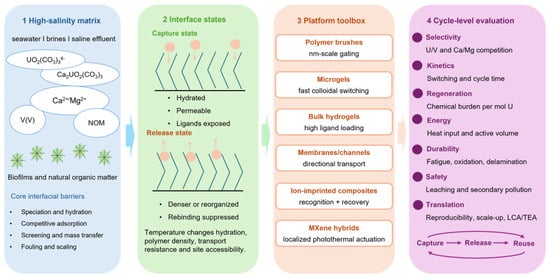
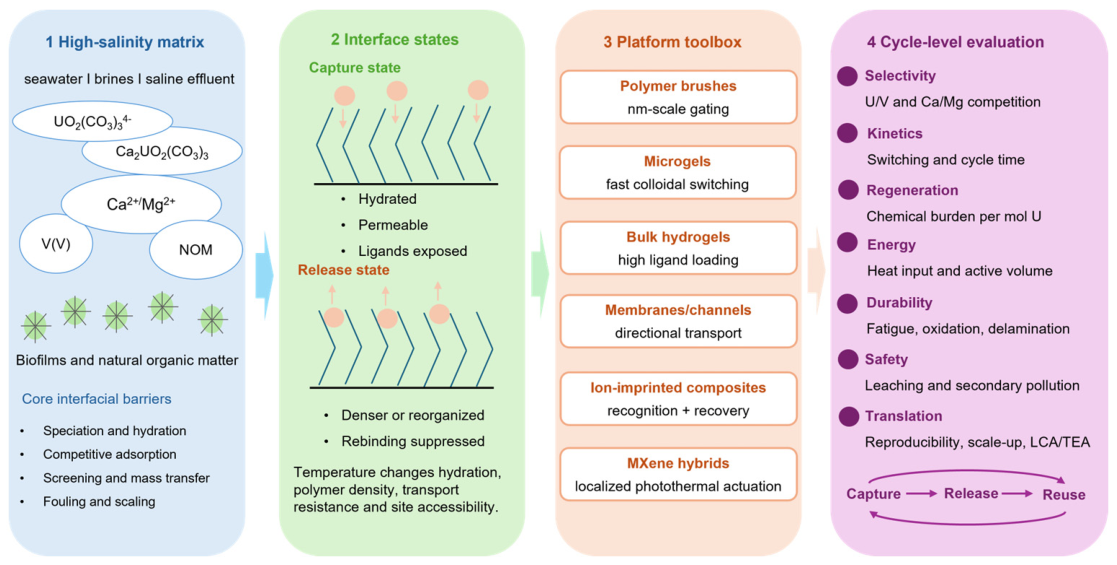
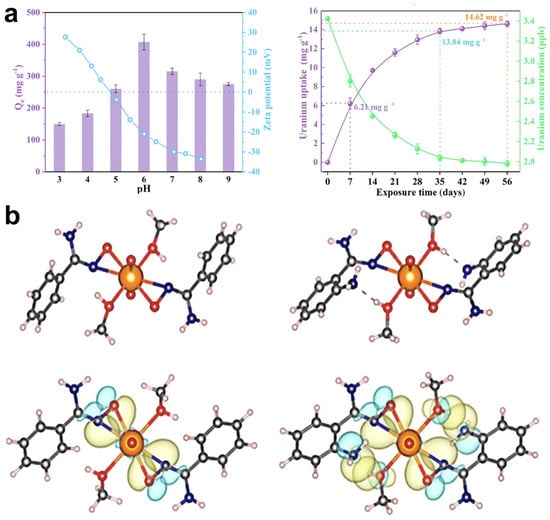
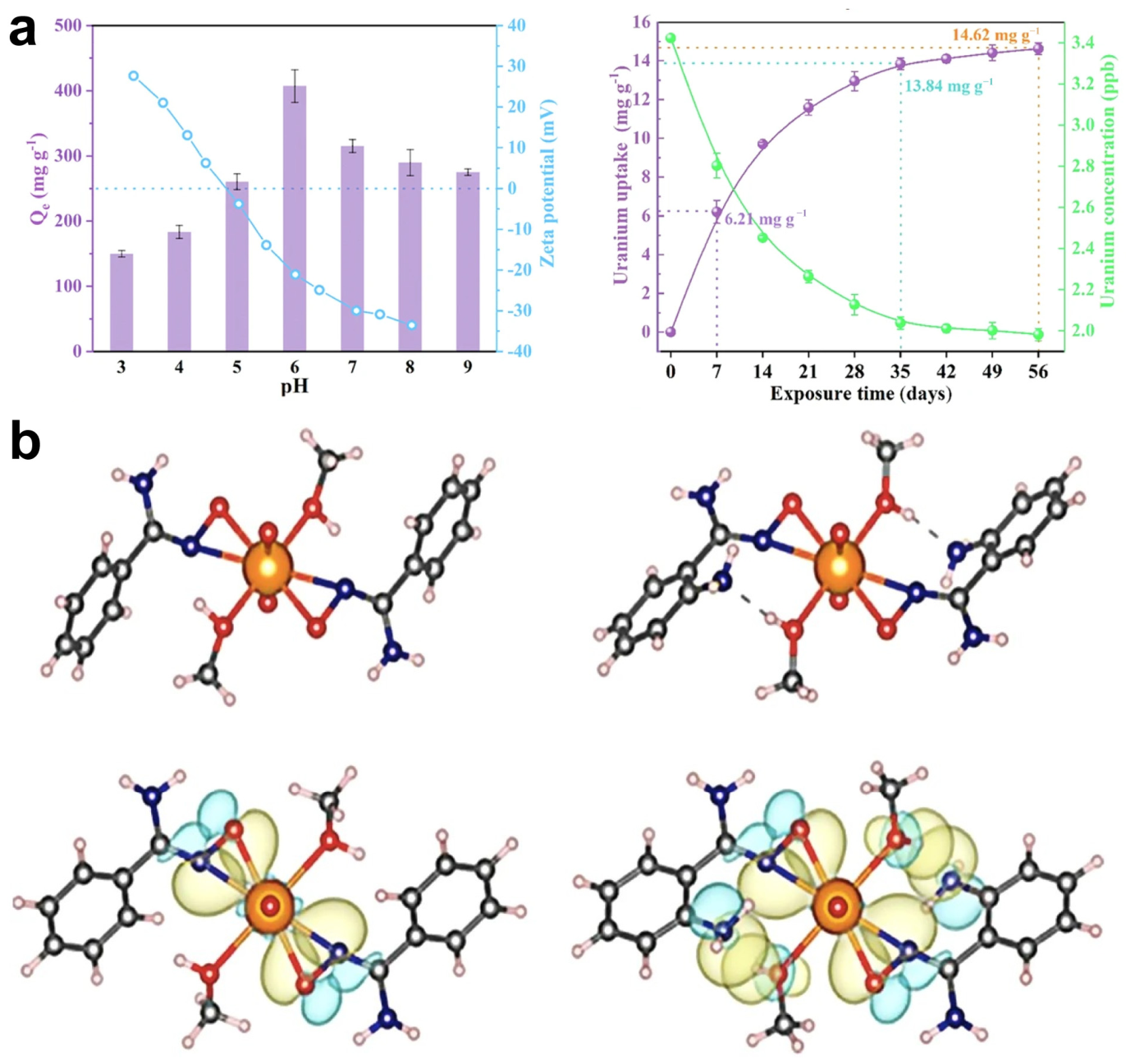
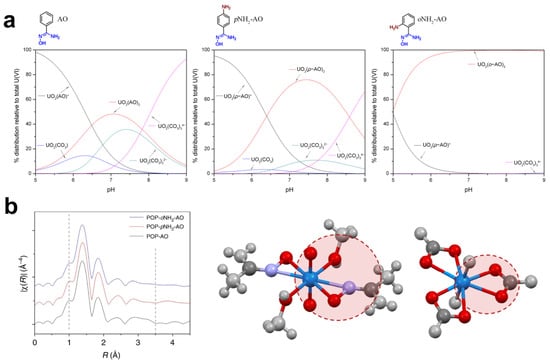
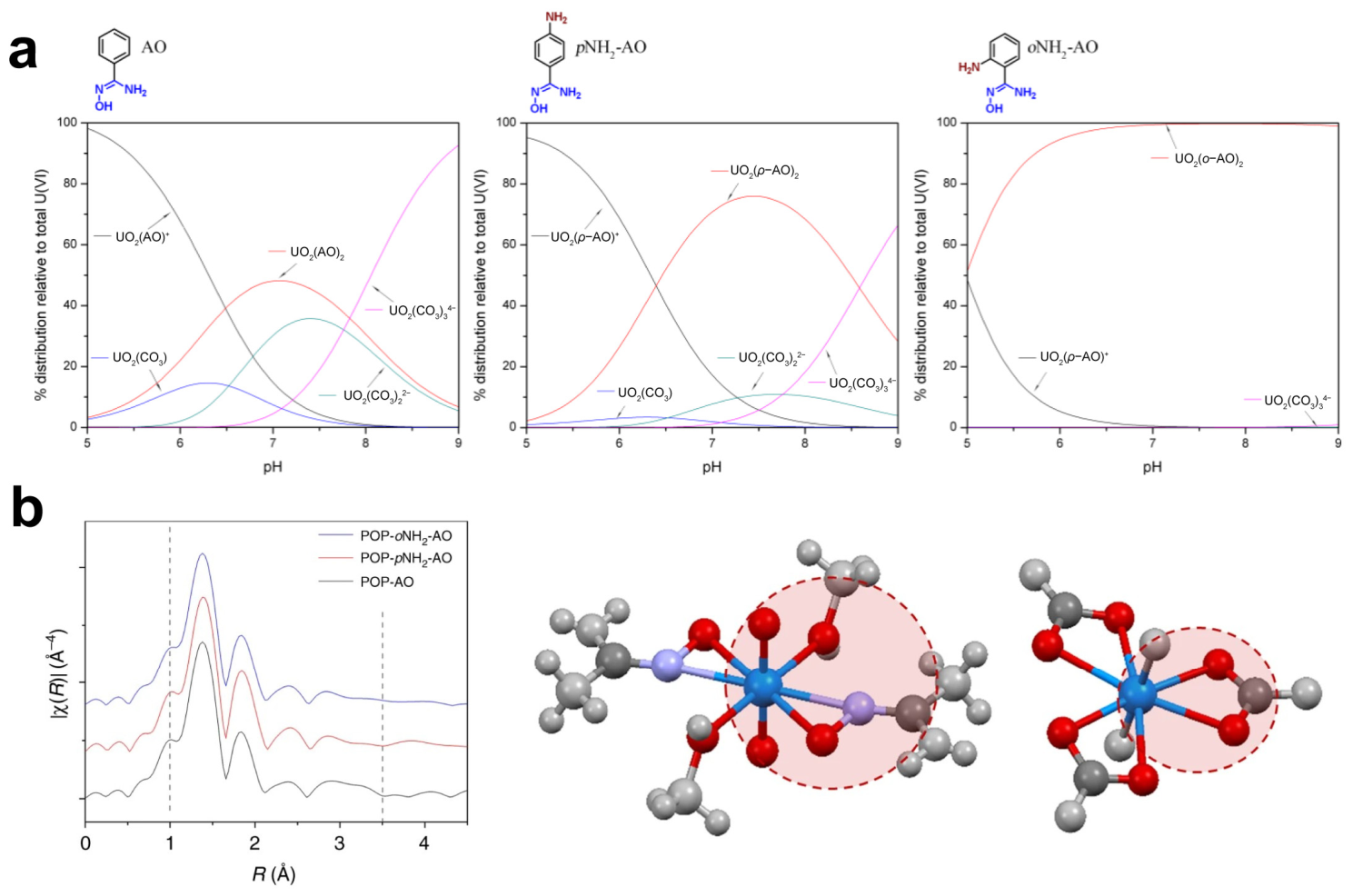
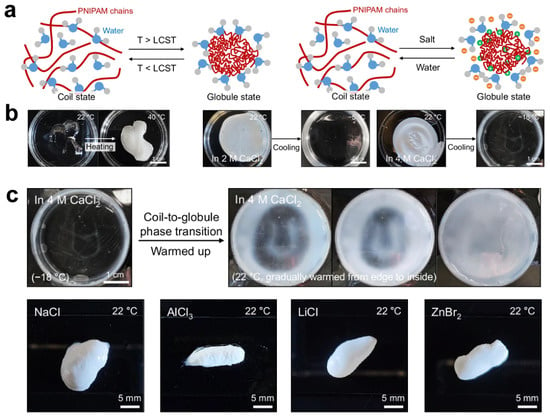
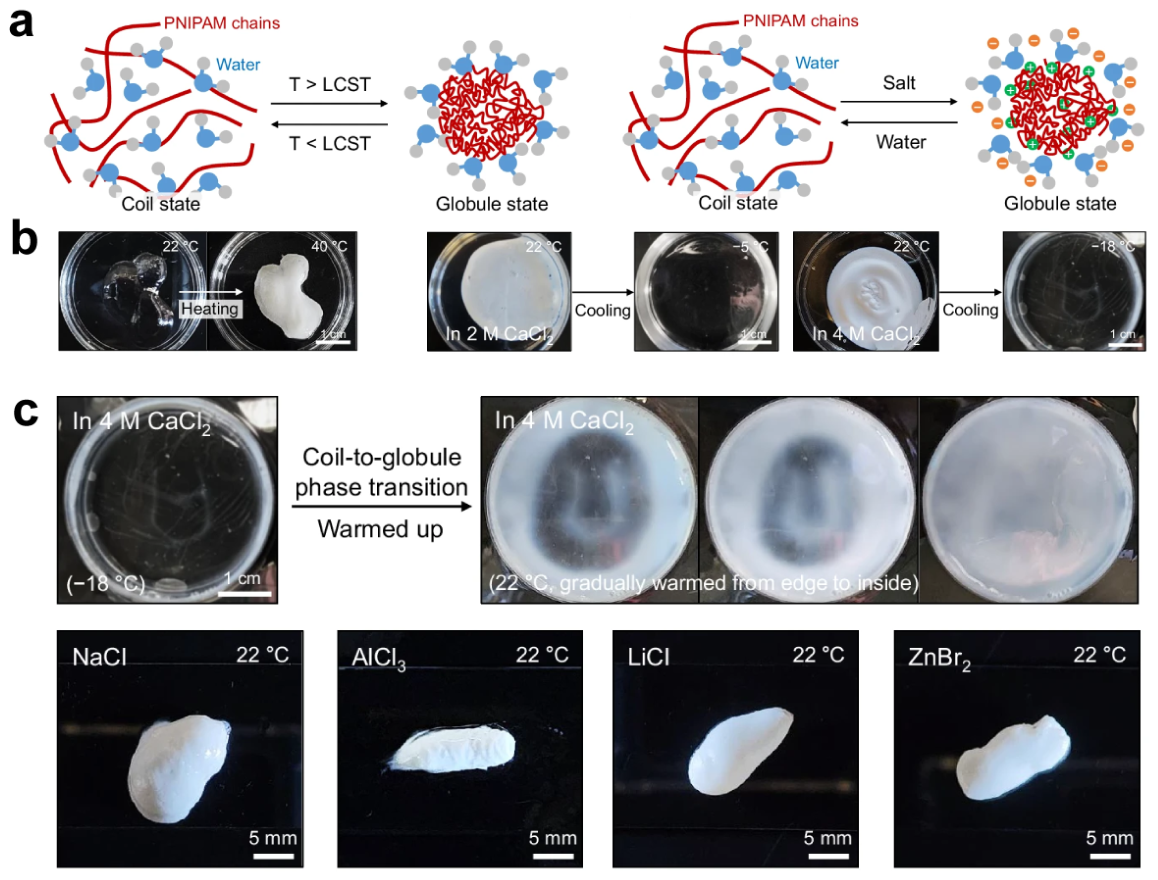
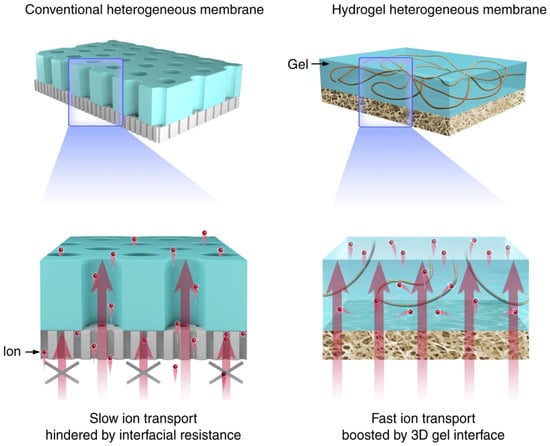
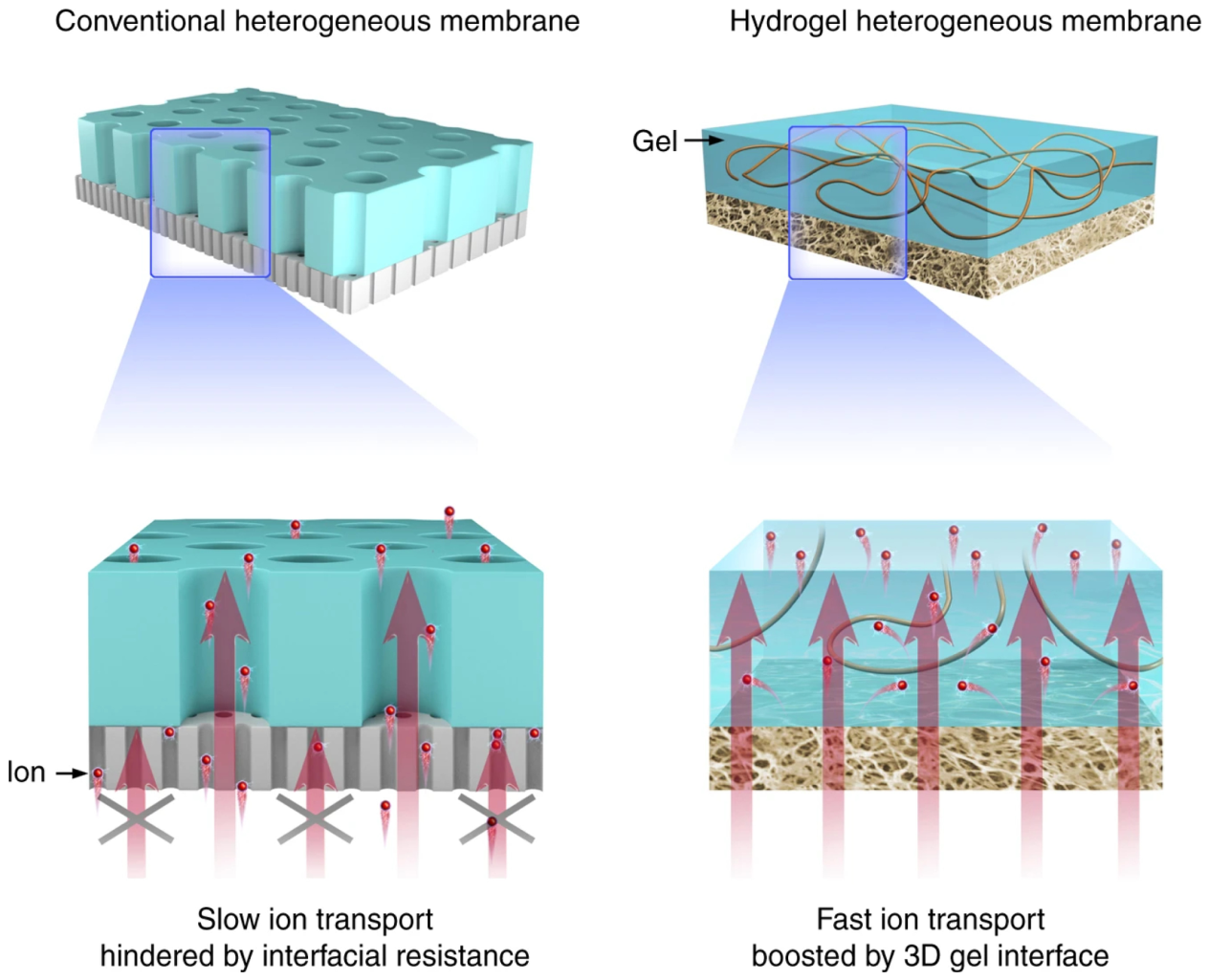
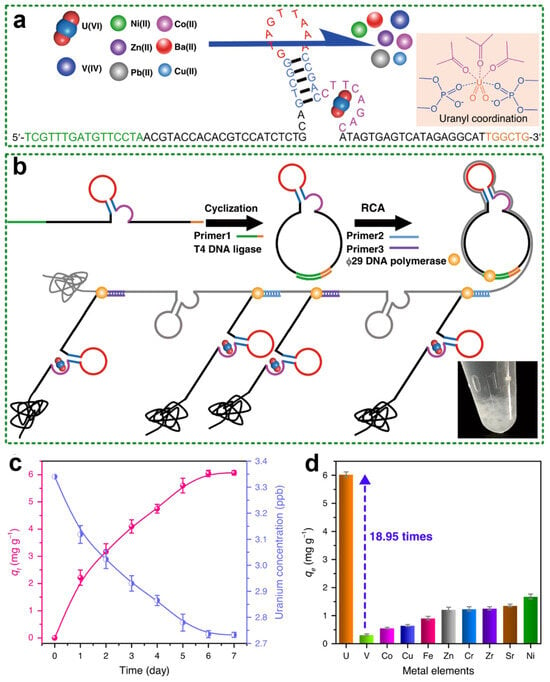
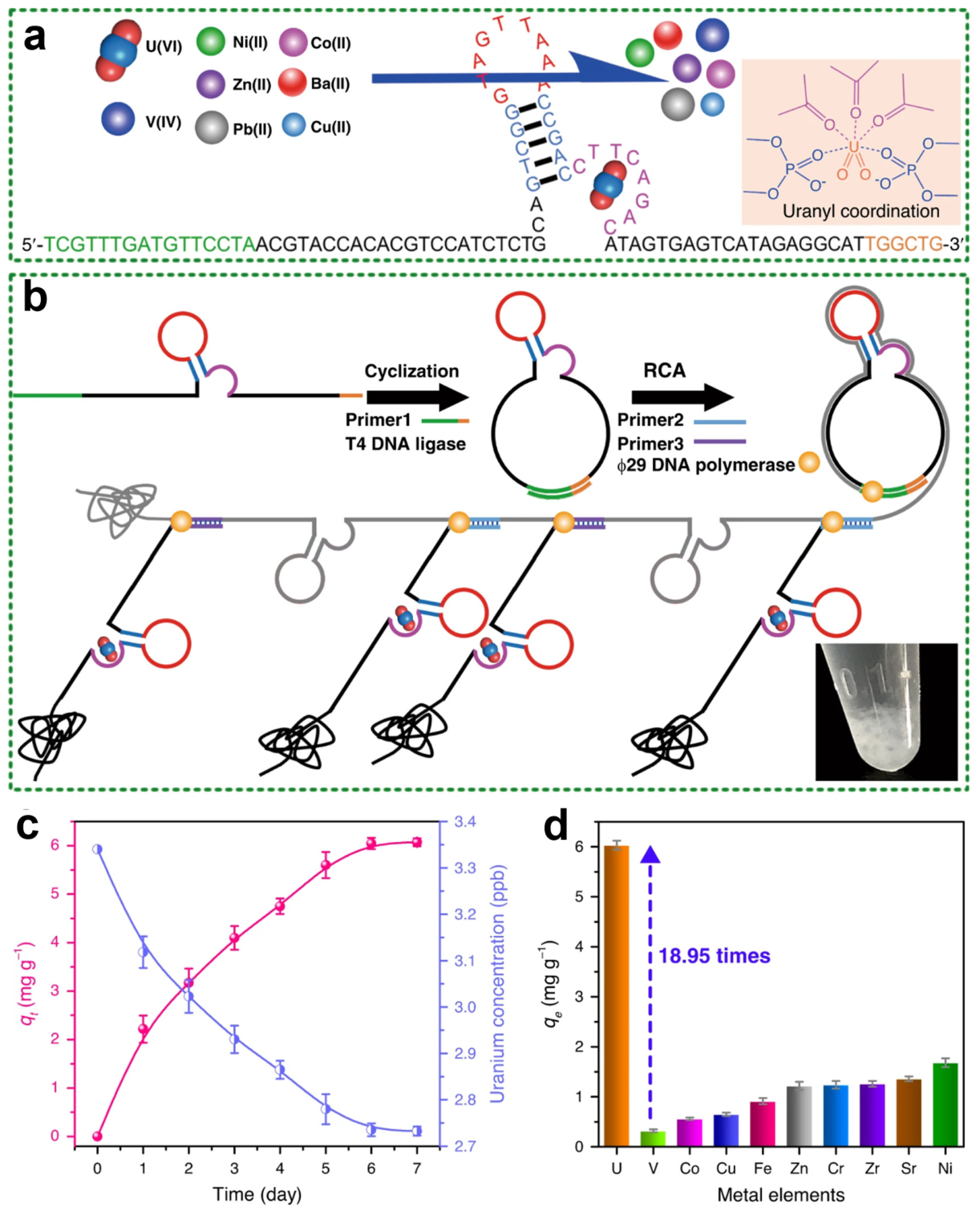
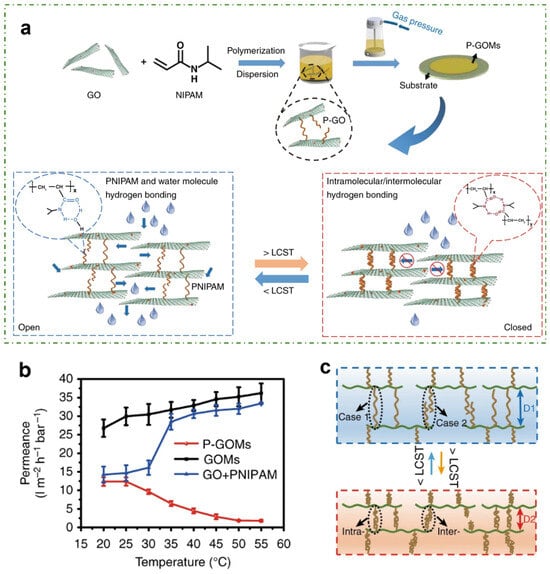
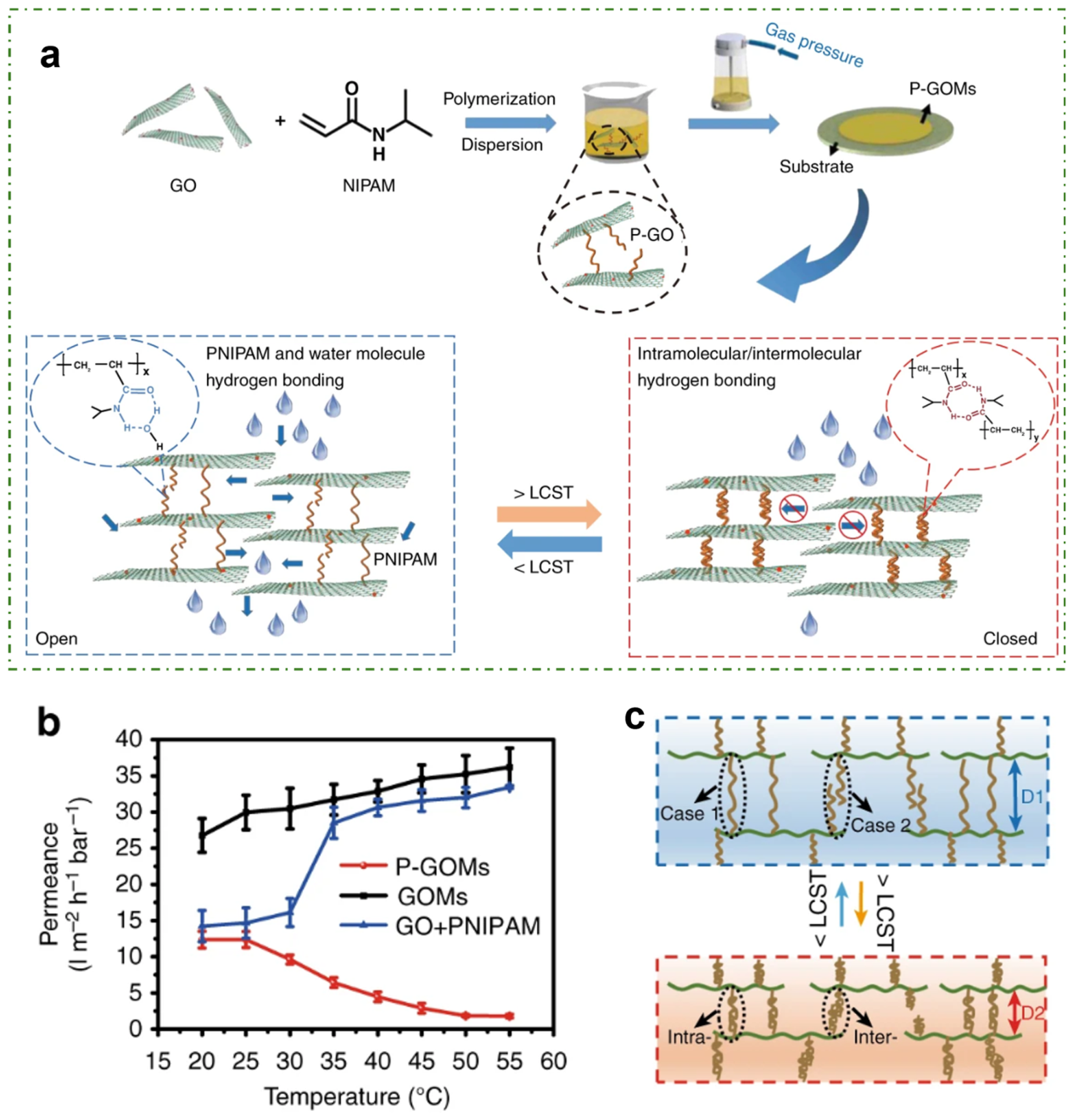
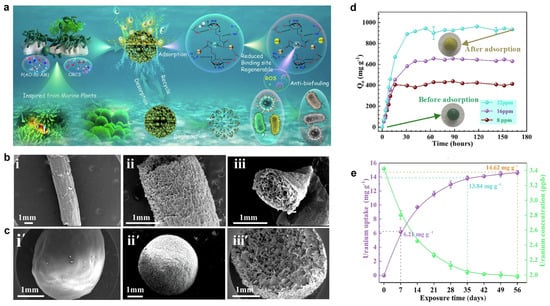
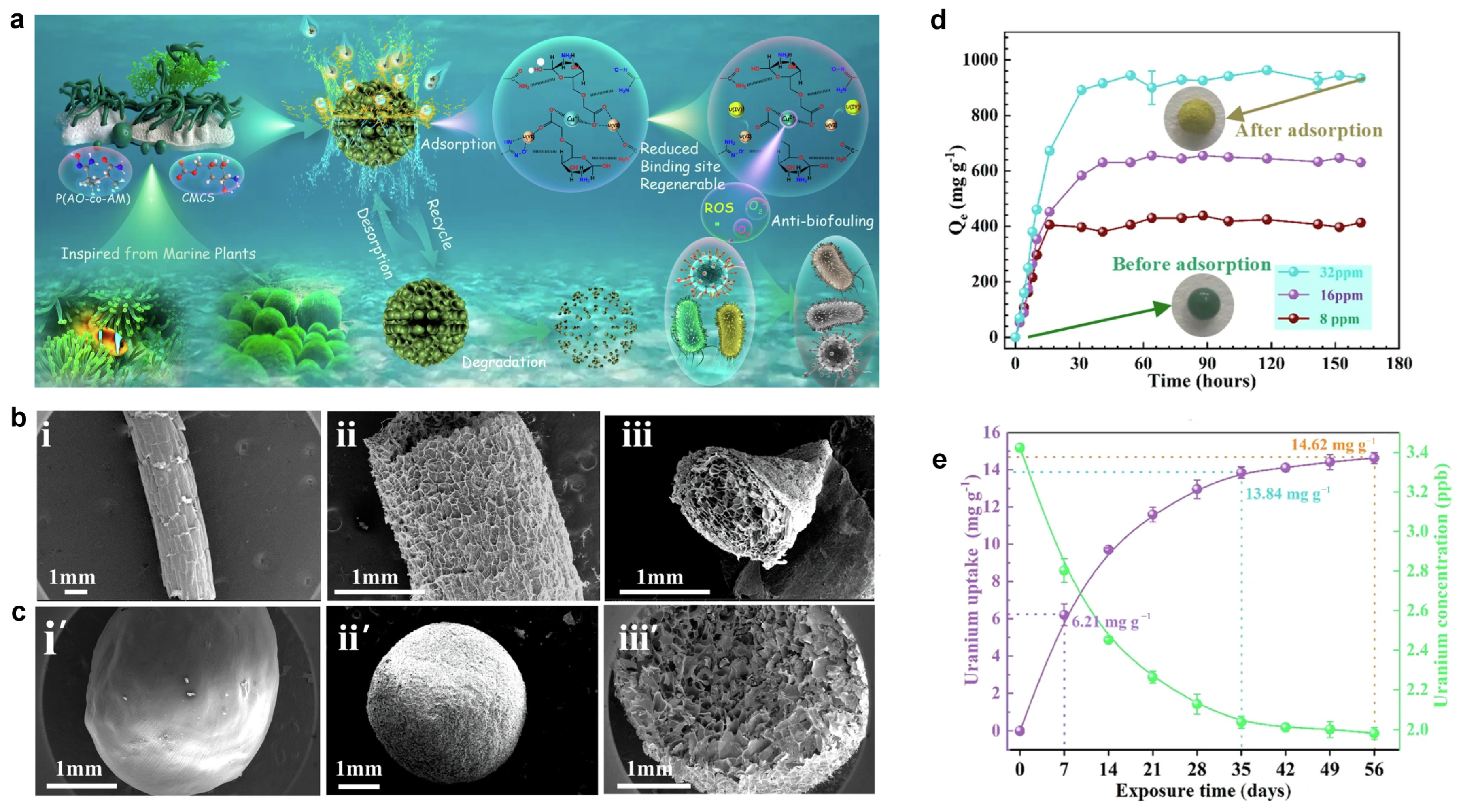
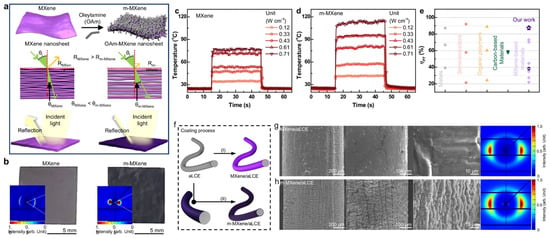
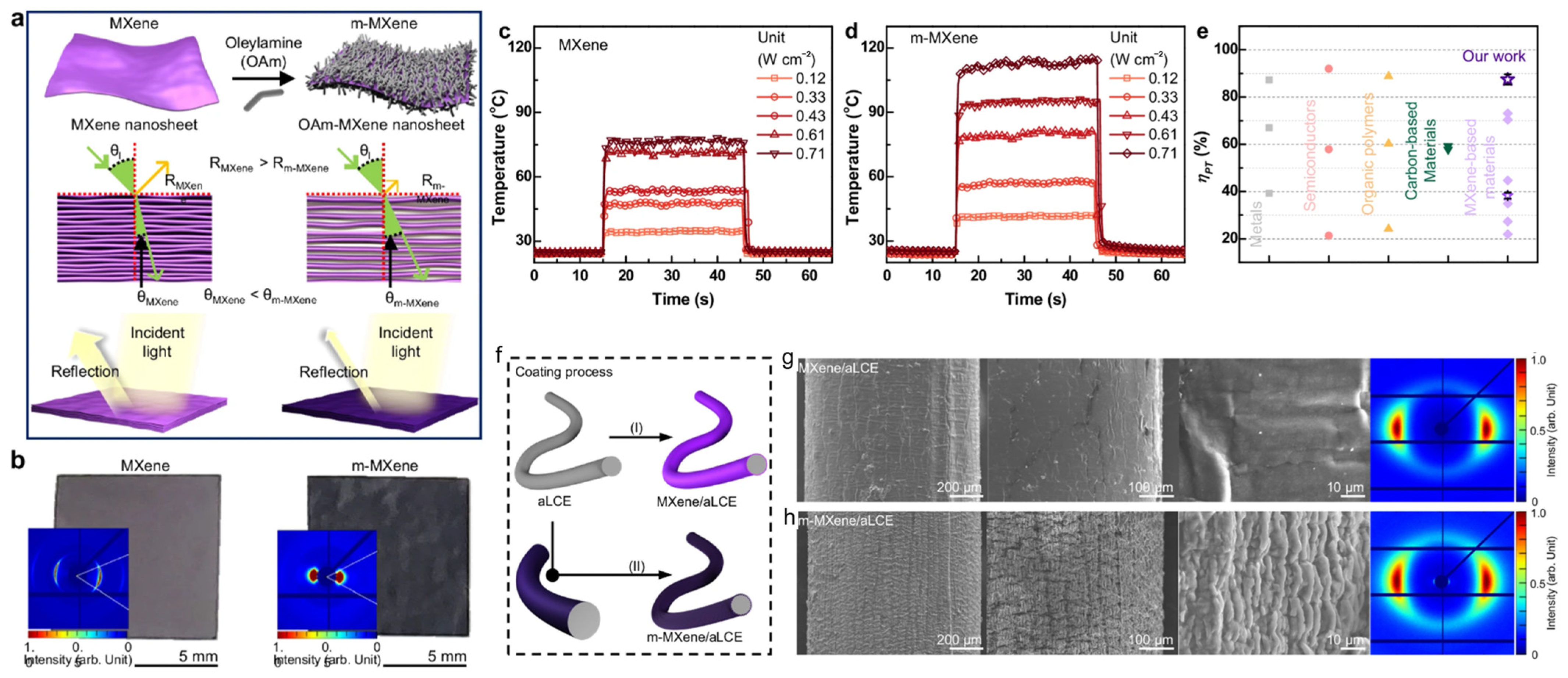
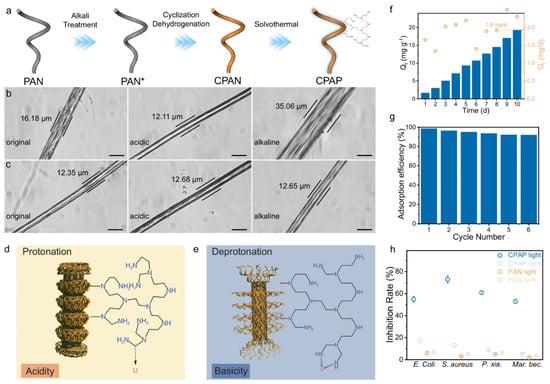
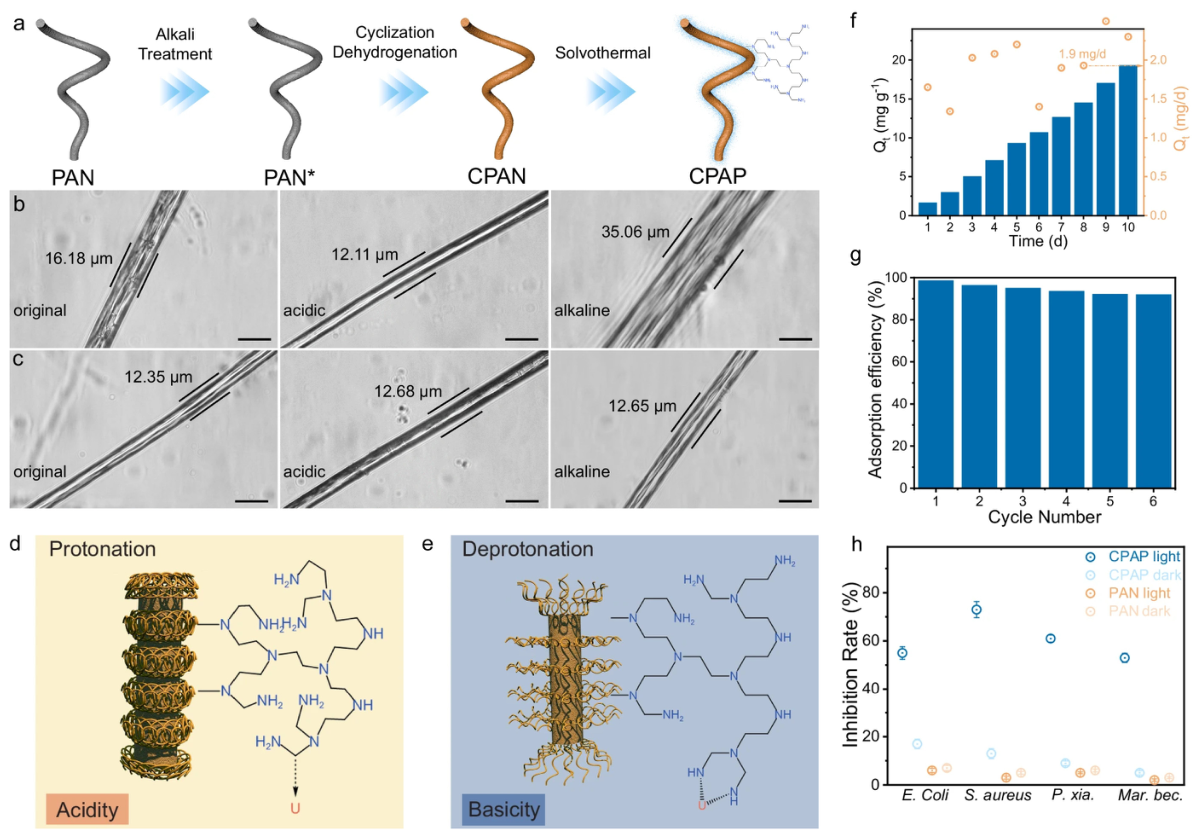

Disclaimer/Publisher’s Note: The statements, opinions and data contained in all publications are solely those of the individual author(s) and contributor(s) and not of MDPI and/or the editor(s). MDPI and/or the editor(s) disclaim responsibility for any injury to people or property resulting from any ideas, methods, instructions or products referred to in the content. |
© 2026 by the authors. Licensee MDPI, Basel, Switzerland. This article is an open access article distributed under the terms and conditions of the Creative Commons Attribution (CC BY) license.