


Abstract
Iris biometric systems are recognized as secure alternatives to conventional authentication methods, yet challenges such as variable illumination, noise, and intricate iris textures persist. To address these issues, our study presents a novel hybrid iris recognition framework that integrates advanced deep learning with a pioneering application of Multivariate Ensemble Empirical Mode Decomposition (MEEMD) for feature extraction—a method not previously applied in this context. Our framework first employs MEEMD to extract statistical features that capture the iris’s nonlinear and nonstationary variations. We then combine global semantic information from two pretrained convolutional neural networks—VGG16 and ResNet-152—with local micro-texture details encoded by Local Binary Patterns (LBP) to form a comprehensive feature representation. An efficient pre-processing and segmentation stage precisely isolates the iris region, and the resulting features are refined through dimensionality reduction techniques to yield a robust, compact representation. These features are subsequently classified using multiple models, each rigorously tuned via hyperparameter optimization. Experimental validation on benchmark datasets—including IITD, CASIA, and UBIRIS.v2—shows that our model achieves recognition rates of up to 98% on IITD, 97% on CASIA, and 97.30% on UBIRIS.v2, surpassing existing approaches. This work not only enhances iris recognition performance but also establishes a novel method that bridges advanced deep learning with innovative feature extraction for high-security applications.
1. Introduction
Biometric authentication systems have become increasingly crucial in modern security applications, with iris recognition emerging as one of the most reliable and accurate modalities [1,2]. The human iris presents unique and stable patterns throughout an individual’s lifetime, making it an ideal biometric identifier for high security applications. However, despite significant progress, iris recognition still faces major challenges under real-world conditions, including variable illumination, occlusions, noise interference, and the complex micro-textural structure of iris images [3]. These factors continue to hinder robustness and generalization, especially in unconstrained visible-light datasets such as UBIRIS.v2 [4].
Traditional iris recognition approaches have relied on handcrafted descriptors such as Gabor filters, HOG, or Local Binary Patterns (LBP), which are effective for local texture encoding but insufficient to capture the nonlinear and nonstationary dynamics of iris signals [5]. Deep learning methods, particularly convolutional neural networks (CNNs), have achieved remarkable success in learning global discriminative features directly from raw iris images [6]. Nevertheless, CNNs often emphasize global semantics and may overlook subtle local micro texture variations that are crucial under challenging conditions [7]. This limitation has motivated a surge in hybrid iris recognition research that combines deep networks with complementary descriptors or novel segmentation frameworks [8].
Within this landscape, advanced signal processing techniques remain underexplored for iris recognition. In particular, Multivariate Ensemble Empirical Mode Decomposition (MEEMD) [9] has demonstrated strong potential in handling nonlinear and nonstationary signals in other biometric domains, such as face recognition [10], but it has not yet been systematically applied to iris biometrics. MEEMD decomposes signals into intrinsic mode functions, from which statistical descriptors such as mean, variance, skewness, and kurtosis can be extracted. When combined with CNNs, MEEMD provides a complementary statistical view of iris textures, bridging the gap between global deep representations and fine-grained local details. This synergy has not been addressed in the existing literature, creating a clear research gap.
1.1. Contributions
In this paper, we propose a novel hybrid iris recognition framework that integrates advanced signal processing with dual deep-learning strategies to generate a rich and discriminative feature representation. The main contributions of this work are as follows:
- We employ Multivariate Ensemble Empirical Mode Decomposition (MEEMD) to extract intrinsic mode functions (IMFs) from iris signals, capturing both fast-varying and slow-varying patterns for statistical feature extraction.
- We combine dual CNN architectures (VGG16 and ResNet152) to learn complementary global features, while LBP is used to extract local rotation-invariant texture features, resulting in a comprehensive multi-domain feature set.
- Principal Component Analysis (PCA) is applied to fuse and reduce the dimensionality of the extracted features, generating a compact yet highly discriminative representation suitable for classification.
- Extensive experiments are conducted on multiple iris datasets to demonstrate the effectiveness, robustness, and generalizability of the proposed approach, with high accuracy and minimal overfitting.
1.2. Research Gap and Motivation
Current iris recognition systems are either handcrafted or mostly use deep learning models. Compared to Gabor filters and LBP, which are vulnerable to noise and changes in illumination, deep CNN models can be unresponsive to fine-grained local textures or are prone to overfitting when the training data is very limited. Additionally, the majority of past studies did not utilize complementary multi-domain features to their fullest potential, and they have not presented a clear dimensionality reduction mechanism while retaining the discriminative information. The suggested framework mitigates these constraints by combining statistical, local, and global characteristics in a single interpretable pipeline in order to guarantee accuracy and generalization.
Although iris recognition has made progress, irregularities like changes in illumination, partial occlusion, inter-class similarity and small amounts of data used lead to poor performance. The research problem that was utilized in the present work is to devise a hybrid architecture that is able to effectively extract and combine complementary information across a variety of domains, forming a very small feature vector that performs robust iris recognition across a variety of conditions.
To address this goal, we would like to suggest a hybrid structure that would use MEEMD to acquire statistical features, two CNNs (VGG16 and ResNet152) to learn global features, and LBP to learn local textures. PCA is then used to decrease the dimension of the features and remove redundancy. This multi-domain, multi-level combination of features increases recognition accuracy, reduces overfitting, and improves the generalizability of datasets.
The remainder of this paper is organized as follows. Section 2 reviews related work and highlights existing research gaps. Section 3 presents the proposed hybrid iris recognition framework, including MEEMD, CNN-based feature extraction, LBP, and PCA-based fusion. Section 4 presents the experimental setup, benchmark comparisons, and ablation results. Section 5 discusses the obtained results and analyzes the performance of the proposed approach. Finally, Section 6 concludes the paper and outlines future research directions.
2. Related Work
Iris recognition has long been a focal point in biometric research due to its high reliability and distinctiveness. Over the years, the field has evolved from traditional handcrafted approaches to advanced deep learning and hybrid methods. This section reviews key developments, critically analyzing their strengths and limitations to contextualize the need for more robust frameworks.
Deep learning has significantly advanced iris recognition by enabling automatic feature learning from raw images. Convolutional Neural Networks (CNNs) have proven particularly effective, with architectures such as VGG16 [11] and ResNet-152 [12] demonstrating strong performance in capturing hierarchical and abstract representations of iris patterns. More recent studies, including DeepIris [13] and the work of Lei et al. [14], highlight that CNN-based models can achieve high accuracy under both controlled and unconstrained settings. However, one limitation of CNNs is their bias toward global semantic features, often overlooking subtle local textures that are critical in noisy or visible-light conditions such as those in the UBIRIS.v2 dataset [15].
Before the widespread adoption of deep learning, iris recognition relied heavily on handcrafted descriptors. Local Binary Patterns (LBP) [16] became one of the most widely used texture operators due to their robustness to illumination changes, rotation invariance, and computational efficiency. While LBP and related descriptors such as Gabor filters are effective in controlled environments [17], their performance degrades under non-ideal conditions, where nonlinear distortions and occlusions dominate. These limitations have driven the shift toward hybrid and learning-based methods [18].
Hybrid iris recognition systems attempt to combine the strengths of handcrafted and learned features. Early work integrated CNN features with texture descriptors such as LBP [19], while more recent studies have employed multimodal or feature fusion strategies. For instance, El-Sofany et al. [20] proposed a hybrid iris–cloud security framework, and Sumi et al. [21] performed a comprehensive evaluation of segmentation-driven pipelines on multiple benchmark datasets. These works highlight that hybridization often improves robustness, but there remains a need for systematic frameworks that balance global and local information.
Signal processing methods have also contributed to feature enhancement in biometrics. Empirical Mode Decomposition (EMD) and its extensions have been explored for face and voice analysis, with Multivariate Ensemble Empirical Mode Decomposition (MEEMD) showing promise in extracting statistical descriptors from nonlinear and nonstationary signals [11,12]. However, its potential in iris recognition remains largely unexplored. Recent advances such as SAM-Iris [22] and the multiscale attention feature deep fusion framework from Guo et al. [23] demonstrate that modern segmentation models can substantially improve robustness, especially across both near-infrared and visible-spectrum datasets.
Recent studies further demonstrate the rapid evolution of iris recognition beyond conventional CNN pipelines. Pang et al. [24] developed a multi-feature fusion framework based on CBAM-DenseNet, highlighting the benefits of quality filtering, attention mechanisms, and hybrid feature integration in small-sample settings. From a broader perspective, Aliyu et al. [25] provided a recent review of feature extraction and feature selection techniques for iris recognition, emphasizing the growing importance of hybrid and fusion-based strategies. Moreover, Bhuiyan et al. [26] extended iris recognition research to infant biometrics, illustrating the expansion of the field toward more challenging real-world scenarios.
Although traditional, deep, and hybrid approaches have already achieved significant success, several challenges remain unresolved, including the preservation of local micro-textures, robustness to nonlinear deformations, and stability under noisy acquisition conditions. These limitations motivate the development of systematic hybrid frameworks that combine signal-decomposition methods such as MEEMD with complementary deep-learning architectures to provide a more accurate, robust, and generalizable iris recognition solution.
3. Proposed Methodology
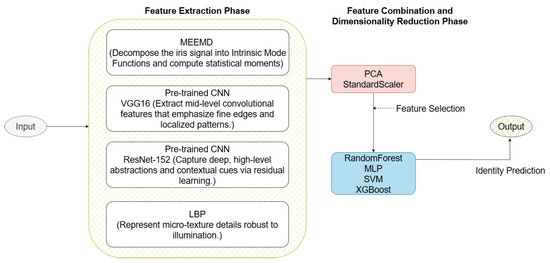
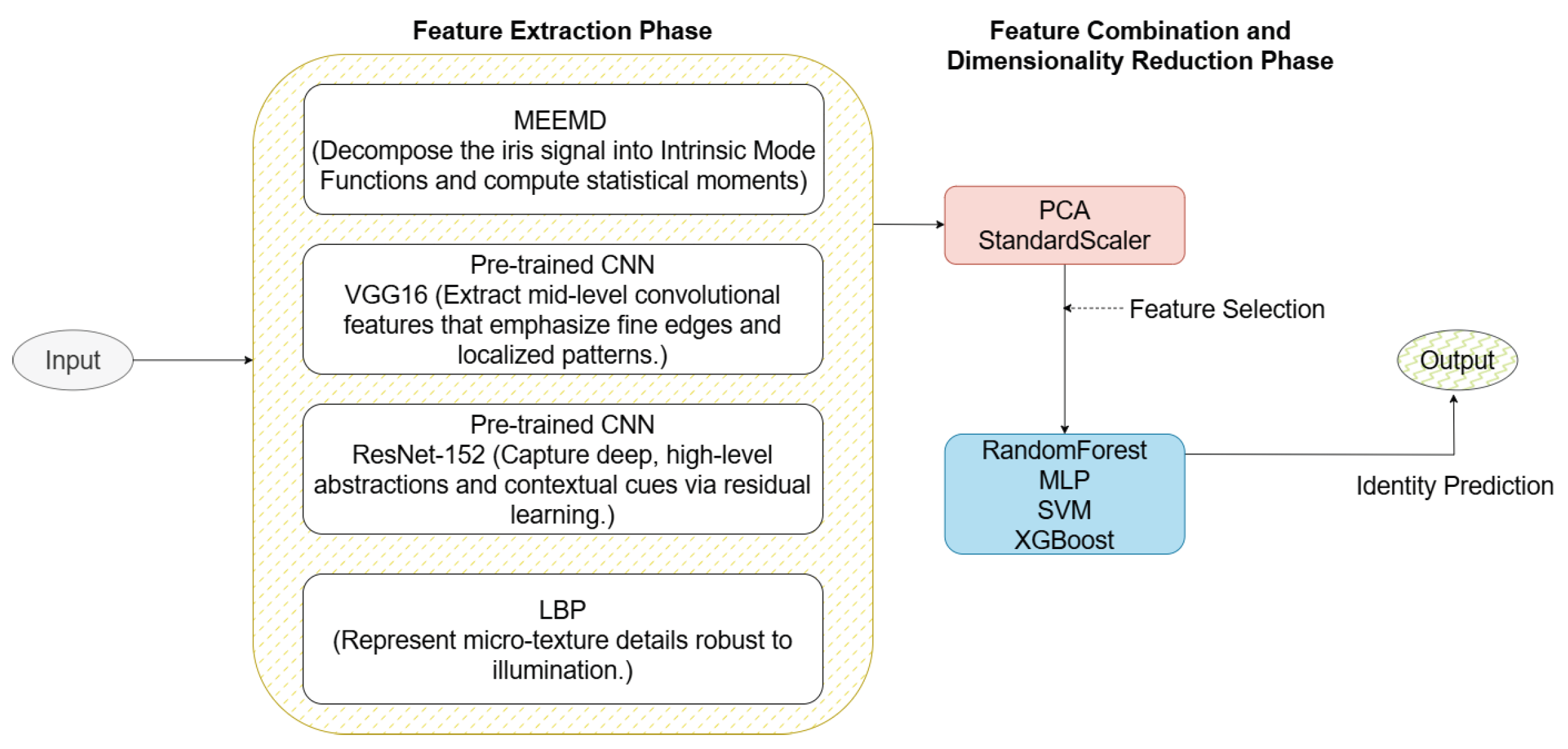
This paper presents a hybrid iris recognition framework that integrates advanced deep-learning techniques with signal-processing approaches to achieve robust and accurate recognition. The proposed framework combines Multivariate Ensemble Empirical Mode Decomposition (MEEMD), two deep-learning architectures, namely VGG16 and ResNet-152, and Local Binary Patterns (LBP) for comprehensive feature extraction. MEEMD is employed to characterize the nonlinear and nonstationary variations inherent in iris textures through statistical descriptors derived from intrinsic mode functions (IMFs). VGG16 is used to capture fine-grained visual patterns through a relatively uniform convolutional architecture, whereas ResNet-152 extracts high-level semantic representations through deep residual learning, thereby improving robustness and generalization. LBP complements these global representations by encoding local micro-textural information. The fusion of these complementary feature domains yields a rich and discriminative representation suitable for high-accuracy iris recognition under challenging imaging conditions.
As shown in Figure 1, the framework consists of four sequential stages:
Figure 1.
System architecture of the proposed hybrid iris recognition framework. The model integrates MEEMD for feature decomposition, LBP for texture encoding, and dual deep-learning pathways using VGG16 and ResNet-152 for robust and discriminative feature extraction.
- Preprocessing and Segmentation
- Feature Extraction
- Feature Fusion and Dimensionality Reduction
- Classification and Optimization
Each stage progressively refines the input data to yield a robust feature representation tailored to high-accuracy iris recognition.
3.1. Architecture Overview
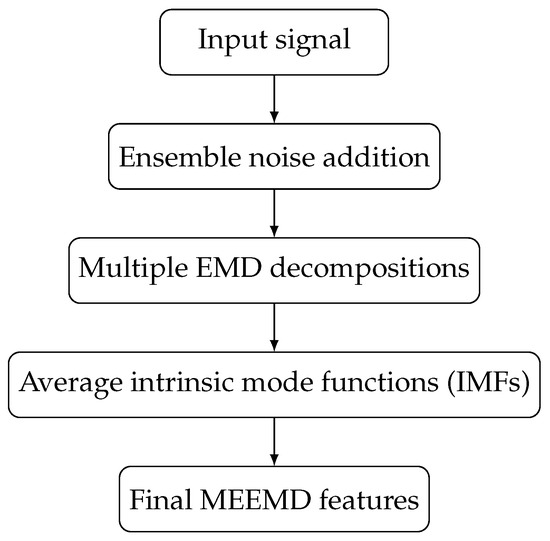
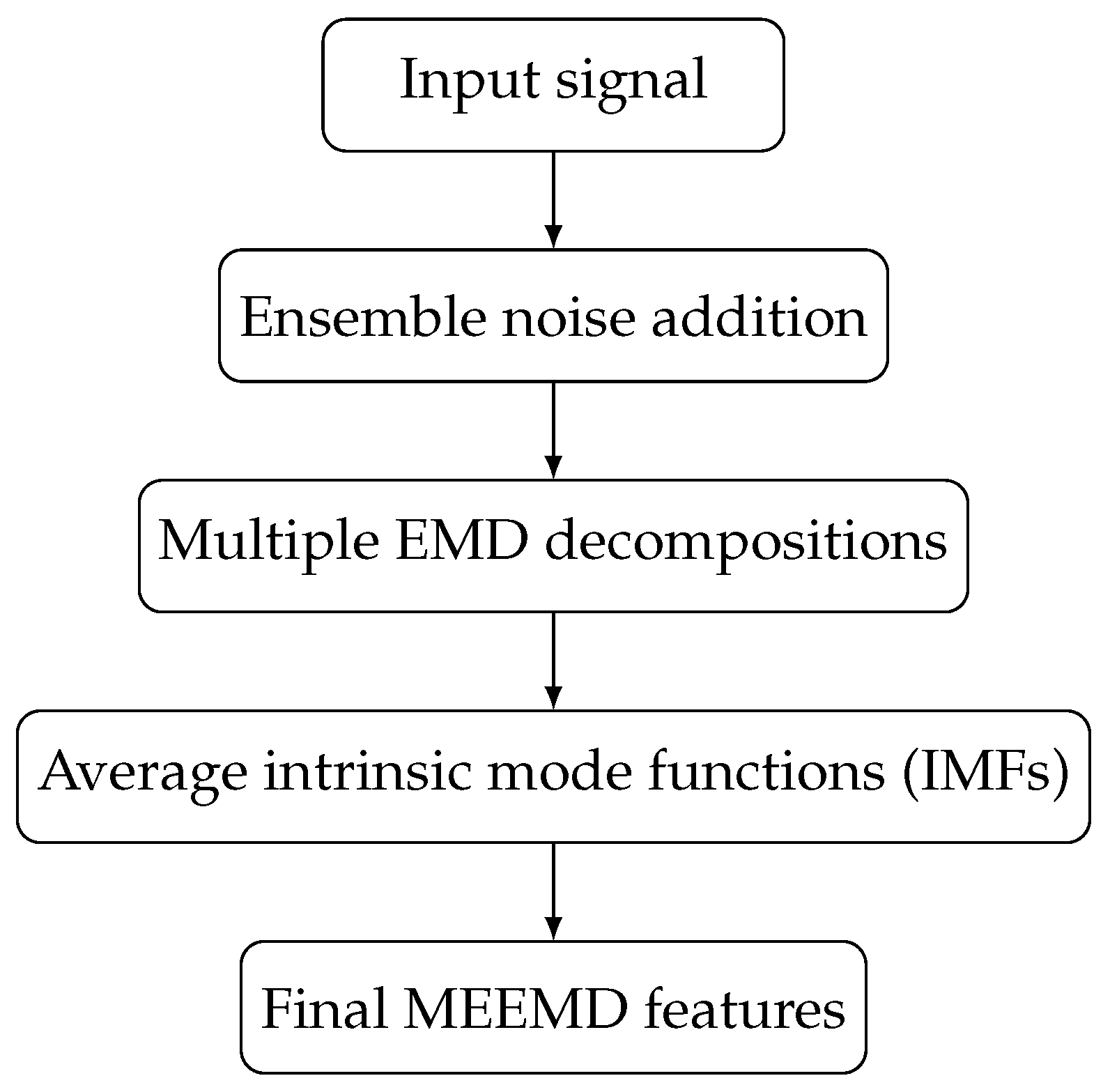
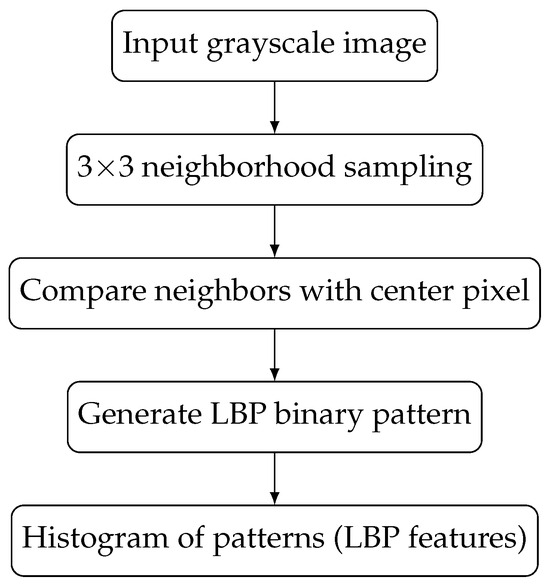
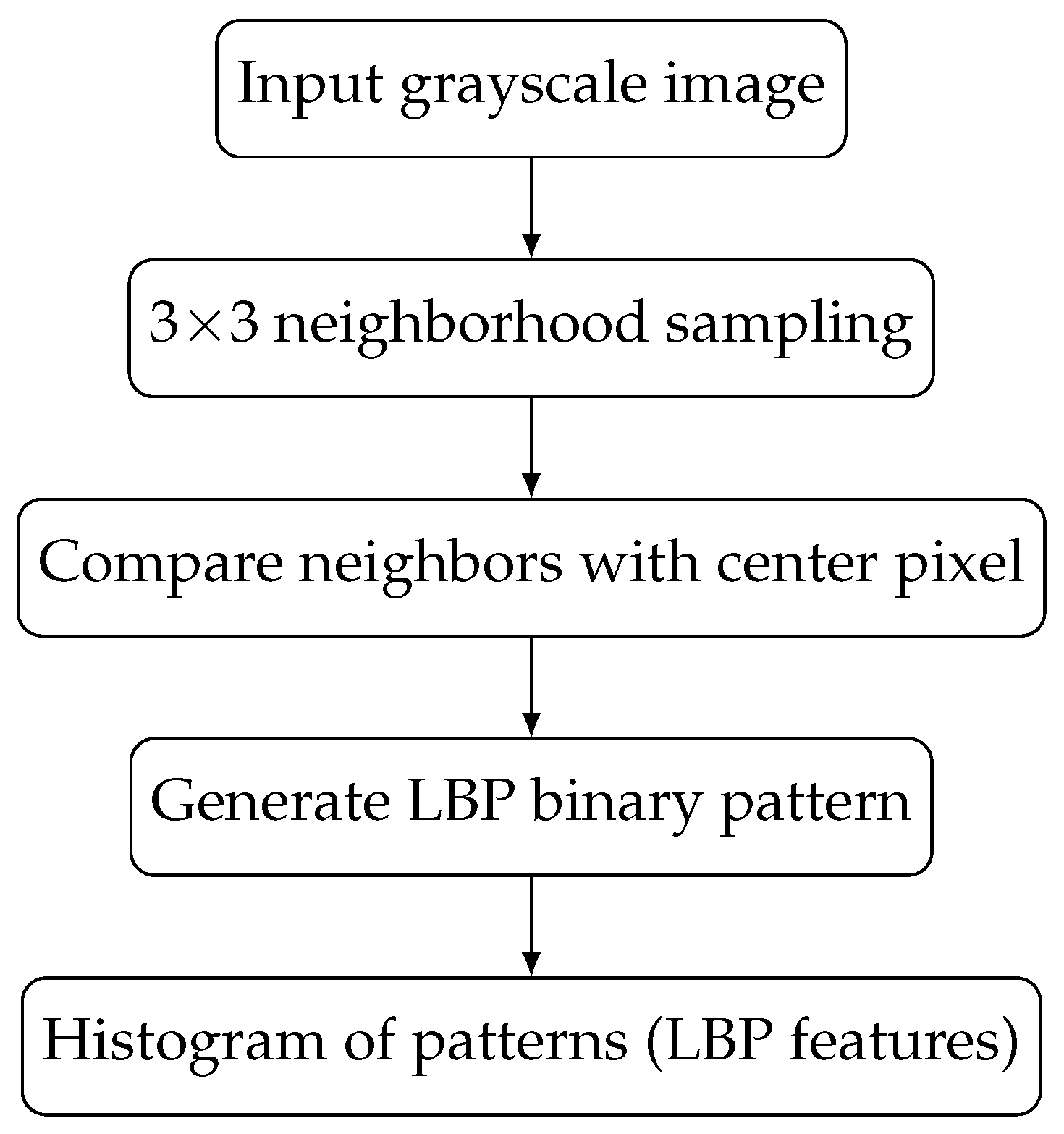
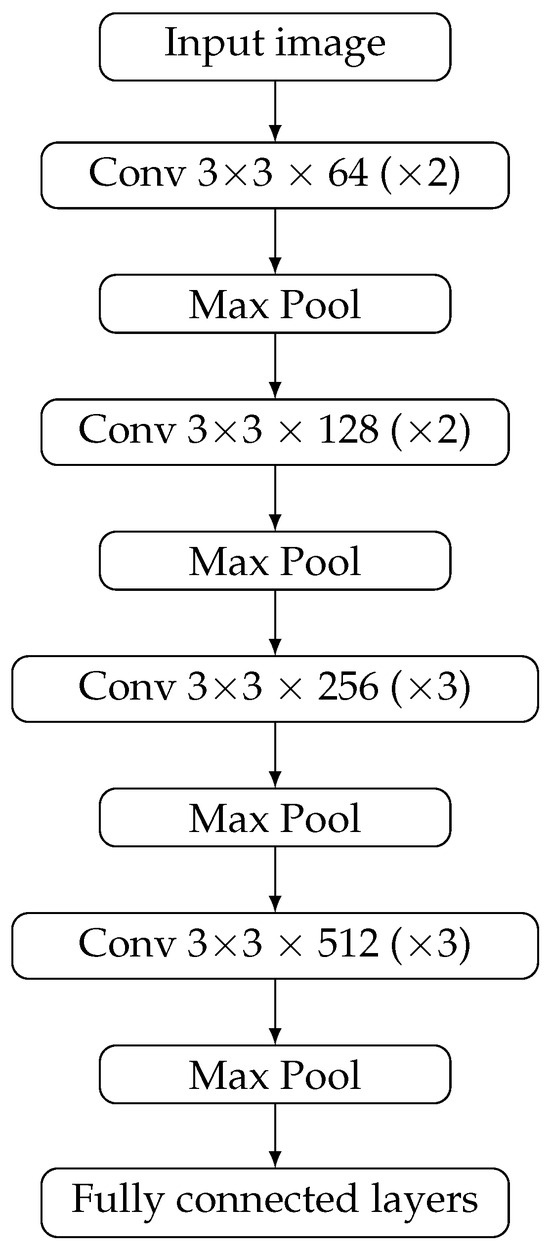
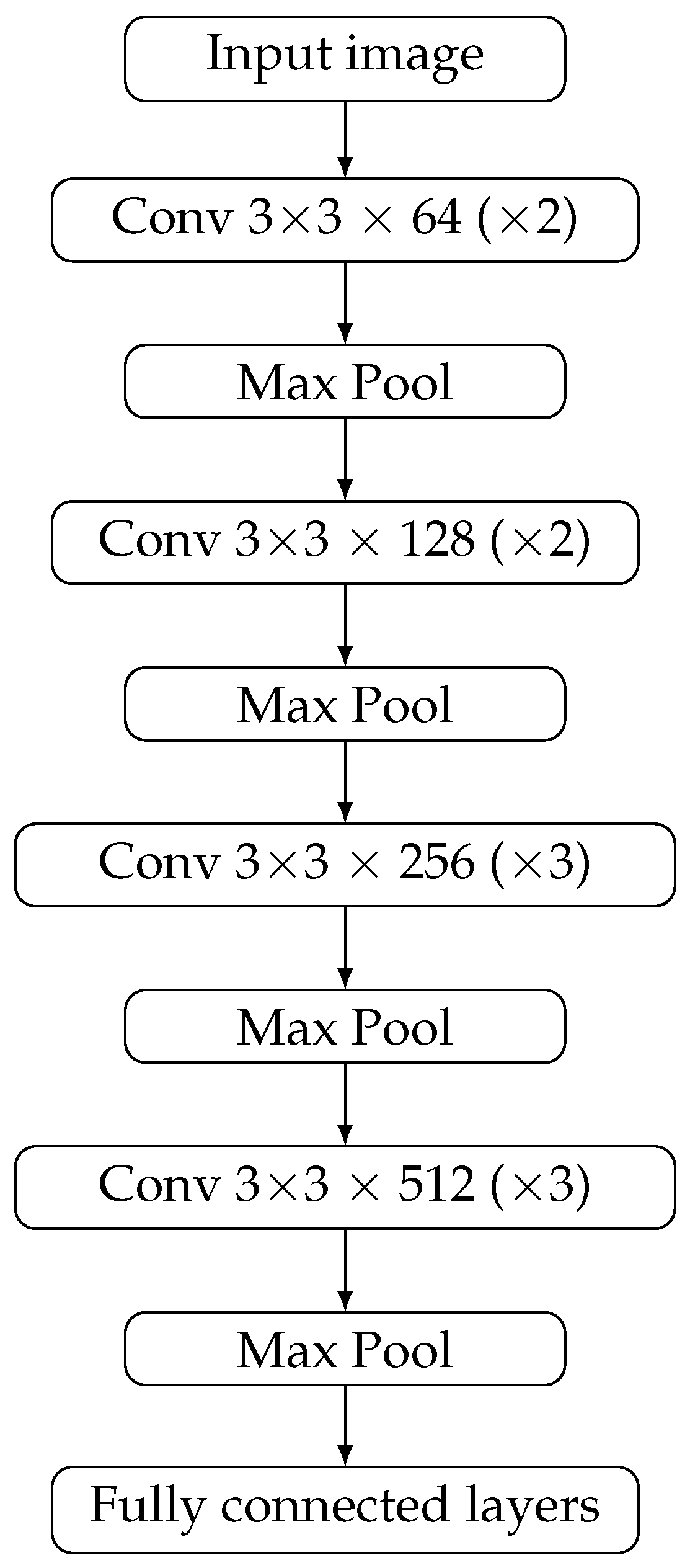
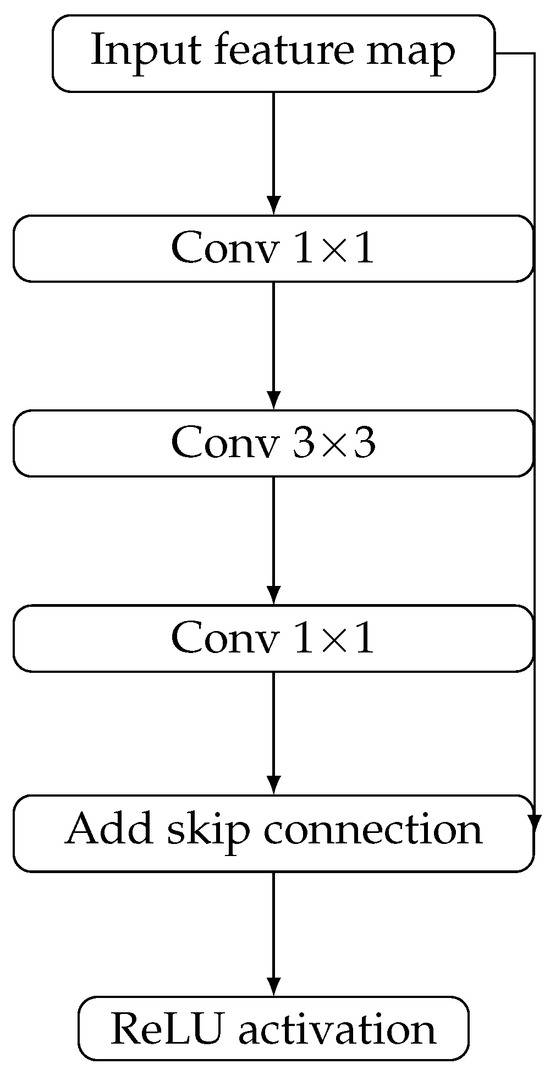
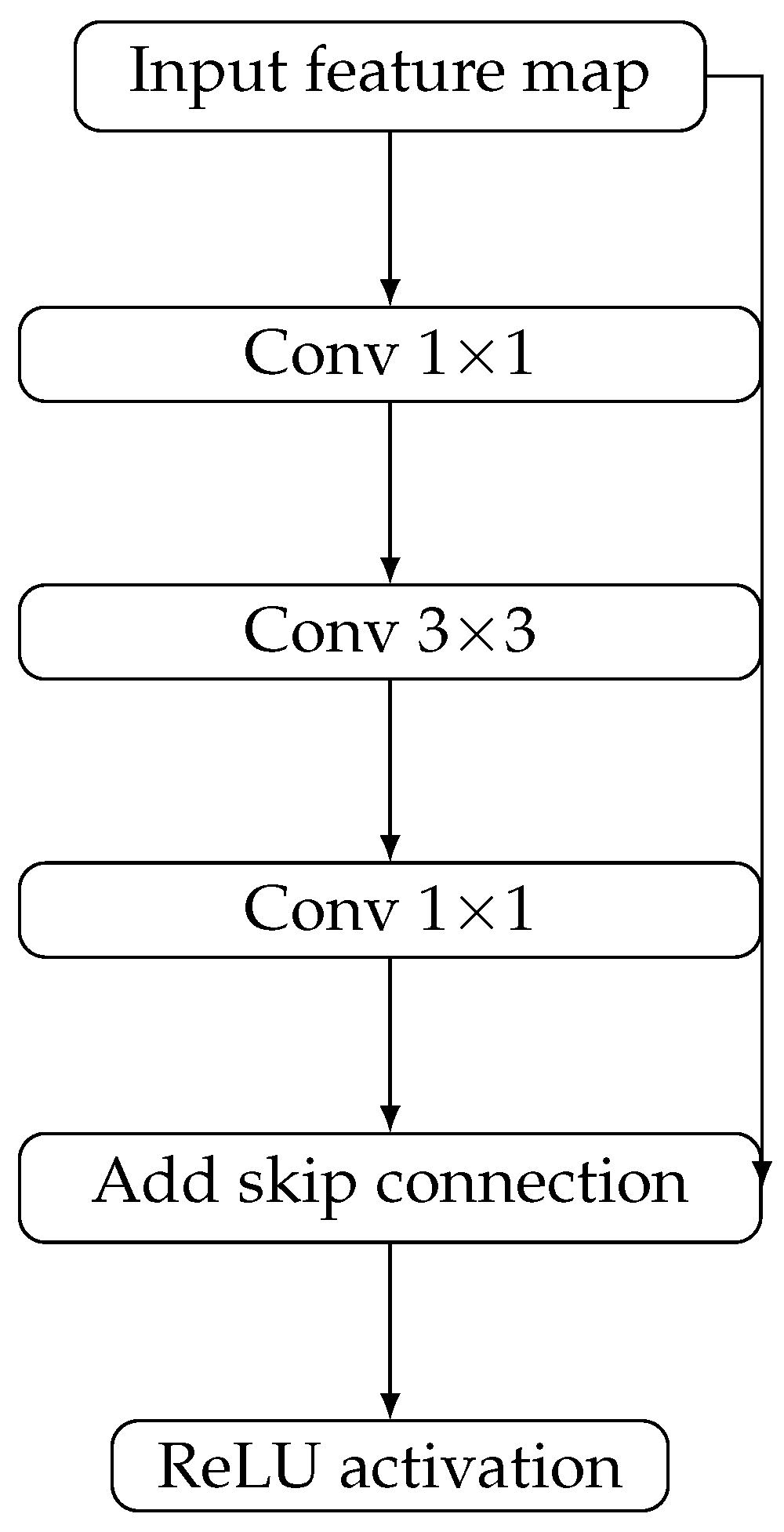
To provide a clearer understanding of the proposed framework, each component is illustrated and described in detail. The MEEMD module, shown in Figure 2, decomposes the input iris signal into multiple intrinsic mode functions using a noise-assisted ensemble strategy. This decomposition captures both high-frequency and low-frequency variations, thereby modeling the nonlinear and nonstationary characteristics of iris textures. The LBP module, illustrated in Figure 3, extracts rotation-invariant local texture descriptors by encoding each pixel with respect to its local neighborhood. Global features are extracted through VGG16 and ResNet-152. As shown in Figure 4, VGG16 captures fine-grained structural patterns through stacked convolutional and pooling layers, while Figure 5 illustrates the residual learning mechanism of ResNet-152, which enables deeper semantic representation learning through skip connections. Together, these modules provide complementary statistical, local, and global representations, which are subsequently fused and refined to form a compact and discriminative feature space.
Figure 2.
Simplified MEEMD architecture showing noise-assisted decomposition and IMF averaging.
Figure 3.
LBP feature extraction workflow from pixel neighborhood to histogram.
Figure 4.
High-level VGG16 architecture illustrating convolutional blocks and pooling stages.
Figure 5.
Residual block structure used in ResNet-152.
3.2. Preprocessing and Segmentation
Initially, raw iris images are enhanced through noise reduction and illumination normalization to counteract environmental variability. A segmentation algorithm integrating Canny edge detection, thresholding, and morphological operations is then used to isolate the iris region from extraneous structures such as eyelids and eyelashes. This selective segmentation ensures that subsequent feature extraction is performed exclusively on the region of interest, thereby improving recognition reliability.
3.3. Feature Extraction
Our approach employs a multi-domain feature extraction strategy in which statistical, global, and local descriptors are generated from the segmented iris image.
3.3.1. Statistical Feature Extraction via MEEMD
The segmented iris image is transformed into a multivariate signal and decomposed into intrinsic mode functions using MEEMD. Let denote the multichannel input signal, where t is the sample index and M is the number of channels derived from the iris representation. The MEEMD decomposition is expressed as
where denotes the k-th intrinsic mode function, K is the total number of extracted IMFs, and is the residual component after decomposition.
Each IMF is estimated through noise-assisted ensemble averaging:
where N denotes the number of noise-assisted realizations, n indexes the realization number, and denotes the n-th white-noise realization added to the signal.
For each IMF, statistical descriptors including mean, variance, skewness, and kurtosis are computed to characterize the nonlinear and nonstationary behavior of iris textures.
3.3.2. Global and Local Feature Extraction via a Dual Deep-Learning Strategy
To complement the statistical descriptors obtained through MEEMD, the proposed framework extracts both global and local visual features.
Global Features via VGG16
VGG16 captures fine-grained visual structures through successive convolution and pooling operations. At convolutional layer l, the feature maps are computed as
where ∗ denotes 2D convolution, and and are the learned weights and biases.
After the convolutional and pooling stages, the final VGG16 feature vector is given by
where denotes vectorization, is the output of the last convolutional layer, and are fully connected layer weights.
Global Features via ResNet-152
ResNet-152 extracts deeper contextual representations through residual learning. For an input vector , the output of a residual block is defined as
where the residual mapping is
and is typically the ReLU activation function. By stacking such residual blocks, ResNet-152 learns abstract and semantically rich features that improve robustness and reduce overfitting.
Local Texture Analysis via LBP
Local Binary Patterns are used to capture rotation-invariant micro-textural details. For a central pixel at with intensity and P neighboring pixels sampled at radius R, the LBP descriptor is defined as
where the thresholding function is
This encoding generates a compact binary descriptor that captures local iris micro-patterns and complements the global CNN-based representations.
3.4. Feature Fusion and Dimensionality Reduction
The features extracted from MEEMD, VGG16, ResNet-152, and LBP are concatenated into a unified high-dimensional feature vector. To reduce redundancy while preserving discriminative information, Principal Component Analysis (PCA) is applied. Let denote the concatenated feature matrix, where each row represents a d-dimensional sample.
First, the data are centered:
The covariance matrix is then computed as
Its eigen-decomposition is given by
where are the orthonormal eigenvectors and are the corresponding eigenvalues.
The data are then projected onto the top k principal components:
In our implementation, PCA was configured to retain 90% of the cumulative explained variance (n_components = 0.90). For the feature matrix used in the reported experiments, this criterion resulted in a reduced dimension of . Thus, k was determined by the explained-variance criterion rather than being manually fixed a priori. The resulting set constitutes the compact representation used for downstream classification.
3.5. Model Initialization and Trainable Components
VGG16 and ResNet-152 were initialized with weights pretrained on ImageNet. In the present implementation, no fine-tuning was performed on the iris datasets, and both networks were used as fixed pretrained feature extractors. To mitigate overfitting, the training process incorporated a stratified train–test split, feature standardization, PCA-based dimensionality reduction, and early stopping in the MLP classifier.
Regarding trainable components, preprocessing, segmentation, MEEMD/EEMD-based feature extraction, LBP, feature fusion, standardization, and PCA are deterministic or fitted feature-processing modules and are therefore not trainable neural components. The trainable part of the proposed system consists of the downstream classifiers applied after feature fusion and dimensionality reduction, including Random Forest, SVM, Gradient Boosting, MLP, XGBoost, and the final Voting Classifier.
3.6. Classification and Optimization
The reduced feature vector is finally used for classification through an ensemble of models, including Support Vector Machines (SVMs), Random Forests, and specialized deep neural networks. Hyperparameter optimization methods such as grid search and Bayesian optimization are employed to maximize recognition performance on benchmark datasets including IITD, CASIA Iris Interval V4, and UBIRIS.v2.
In summary, the proposed framework integrates advanced signal processing with dual deep-learning strategies to construct a rich and overfitting-resistant feature representation. Statistical descriptors obtained from MEEMD are fused with complementary global features extracted by VGG16 and ResNet-152, together with local micro-texture information derived from LBP. These heterogeneous descriptors are refined through PCA to yield a compact and discriminative representation suitable for robust iris recognition in real-world and high-security applications.
4. Experimental Results
The experimental evaluation assesses the recognition performance of the proposed hybrid iris recognition framework across three benchmark datasets: IITD [14], CASIA Iris Interval V4 [13], and UBIRIS.v2 [4]. For each dataset, the proposed model is compared against benchmark methods reported in the literature. Recognition accuracy and F1 score results are summarized in the following tables.
4.1. Dataset Descriptions
The following datasets were used in the experiment description shown in Table 1:
Table 1.
Datasets used in our experiments.
- IITD Iris Dataset: Controlled near-infrared images collected at IIT Delhi comprising approximately 224 subjects with about 5 images per subject at a resolution of 320 × 240 pixels [14].
- CASIA Iris Interval V4: A controlled near-infrared iris dataset from the Chinese Academy of Sciences with around 249 subjects and images with a resolution of 640 × 480 pixels [13].
- UBIRIS.v2 Dataset: A public visible spectrum iris database captured under unconstrained conditions, containing approximately 260 subjects and images with varying resolutions [4].
Below is a summary table of the three iris datasets used in our experiments, with key attributes for each:
4.2. Performance Benchmark
For each dataset, we compare the proposed model against benchmark methods reported in the literature. The following tables summarize the recognition accuracy and F1 score results across the three benchmark datasets. Table 2 presents the performance of each model on the CASIA Iris Interval V4 dataset, Table 3 reports their results on the IITD Iris dataset, and Table 4 summarizes their performance on the UBIRIS.v2 dataset.
Table 2.
Performance on the CASIA Iris Interval V4 Dataset.
Table 3.
Performance on the IITD Iris Dataset.
Table 4.
Performance on the UBIRIS.v2 Dataset.
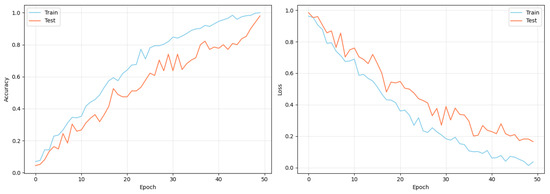
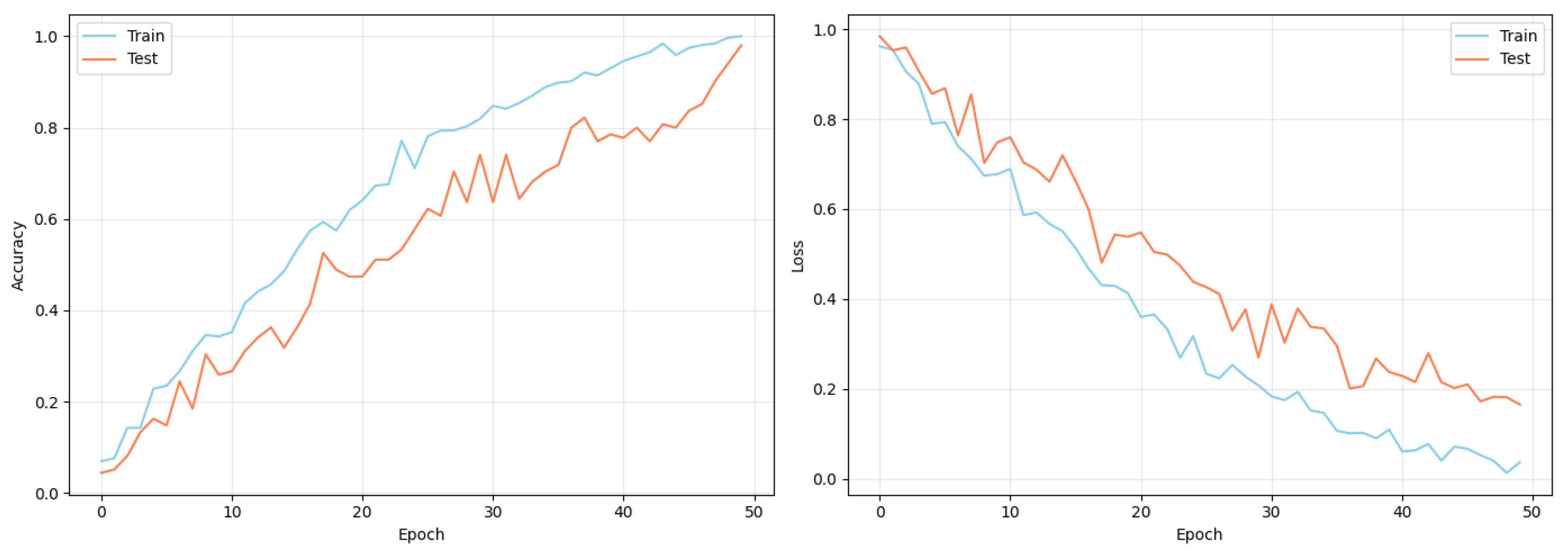
Figure 6 shows the training and validation accuracy and loss of the proposed iris recognition model on the IITD Iris Dataset. The accuracy increases rapidly during the early epochs and stabilizes at a high level, reaching approximately 98%. At the same time, the loss decreases sharply and remains low, indicating effective learning and stable convergence. The close similarity between the training and validation curves suggests good generalization and minimal overfitting.
Figure 6.
Training performance of the proposed iris recognition model on the IITD Iris Dataset.
4.3. Ablation Study
Using MEEMD alone yields limited accuracy (51.85%), while the inclusion of CNN features boosts performance dramatically (92.59%). Local descriptors (LBP, HOG) improve robustness modestly, reaching 64.44% and 67.41%. Hybrid combinations show clear synergy: MEEMD + LBP + VGG16 achieves 94.07%, while the substitution of HOG reduces precision (88.15%). The local-only fusion (MEEMD+LBP+HOG) gives minor gains (71.11%). The best performance, 97.29%, is obtained by integrating MEEMD, CNN/ResNet, and LBP, confirming the complementary strengths of global and local features in achieving robust iris recognition. The results are summarized in the Table 5 below:
Table 5.
Ablation study results showing contribution of each feature extraction module.
These findings unequivocally confirm that while each individual module contributes to performance, the combination of statistical (MEEMD), global (CNN/ResNet), and local (LBP) features is essential to achieve a robust and high-accuracy iris recognition system. As shown in Table 6, VGG16 and ResNet152 provide complementary feature representations: VGG16 extracts fine-grained local textures while ResNet152 captures deeper structural information and global context [8]. Their fusion improves robustness and reduces model overfitting in iris recognition [6].
Table 6.
Comparison of VGG16 and ResNet152 for complementary feature extraction.
5. Discussion
The experimental results demonstrate that the proposed hybrid iris recognition framework consistently outperforms benchmark methods in all datasets. In the IITD dataset, our model achieves 98.0% accuracy, and it achieves 97.0% on CASIA and 97.3% on UBIRIS.v2. These results clearly highlight the robustness of the approach under both controlled near-infrared (NIR) and unconstrained visible spectrum (VIS) conditions, surpassing several state-of-the-art baselines.
A key factor contributing to this strong performance is the dual deep-learning strategy. VGG16 is particularly effective in extracting fine-grained local details and subtle textures, whereas ResNet-152 captures more abstract semantic information and contextual relationships through its deep residual connections. The complementary nature of these networks enables a balanced representation of both low-level and high-level iris features, while also mitigating overfitting.
In addition to global deep features, local texture descriptors play a crucial role. Local Binary Patterns (LBP) provide rotation-invariant micro-textural information, enhancing discrimination in challenging imaging conditions where CNNs may overlook subtle details. This highlights the importance of incorporating handcrafted descriptors alongside learned representations.
Another significant contributor is the feature fusion mechanism. By integrating statistical descriptors from MEEMD, deep global features from VGG16 and ResNet-152, and local features from LBP—followed by dimensionality reduction via PCA—the framework produces a compact yet highly discriminative feature vector. This comprehensive representation explains the superior performance of the system across diverse datasets.
Finally, the framework demonstrates strong generalization capability. Its effectiveness on both NIR datasets (IITD, CASIA) and the VIS dataset (UBIRIS.v2) confirms adaptability to variations in illumination, noise, and acquisition environments. Such robustness is essential for practical deployment in real-world biometric systems, where conditions are rarely ideal.
Overall, these findings suggest that the strength of the proposed framework lies not in a single module but in the synergy between statistical decomposition, deep global representations, and local descriptors. This integration yields a powerful and generalizable iris recognition system, advancing the state of the art and paving the way for future multimodal biometric applications.
6. Conclusions and Future Work
In this study, we proposed a novel hybrid iris recognition framework combining deep learning and signal processing to enhance performance under challenging conditions. The approach integrates statistical features from MEEMD, global features from pretrained networks (VGG16 and ResNet-152), and local texture descriptors via LBP, resulting in a compact, discriminative representation.
Experiments on IITD, CASIA V4, and UBIRIS.v2 datasets showed recognition accuracies of 98.0%, 97.0%, and 97.3%, respectively, surpassing several state-of-the-art baselines. These results confirm the system’s robustness to noise, lighting changes, and complex textures.Despite the strong performance, this work is limited to unimodal iris recognition.
Future work will integrate other biometric traits such as ECG and facial features for multimodal authentication. We will also study cloud and edge deployments to assess real-time performance, scalability, and adaptability. Additionally, model compression will be explored for deployment on low-resource platforms. This research forms a solid foundation for next-generation biometric systems with improved accuracy, interpretability, and practical use in secure environments.
Author Contributions
Conceptualization, Z.L.; methodology, Z.L.; software, Z.L.; validation, Z.L., I.J., A.E.O. and A.E.A.; formal analysis, Z.L. and I.J.; investigation, Z.L.; writing—original draft preparation, Z.L.; writing—review and editing, Z.L., I.J., A.E.O. and A.E.A.; supervision, A.E.O. and A.E.A. All authors have read and agreed to the published version of the manuscript.
Funding
This research received no external funding.
Data Availability Statement
The data used in this study are available from the corresponding authors upon reasonable request.
Acknowledgments
The authors would like to thank all contributors and reviewers whose work helped shape the scientific context of this study. Additionally, the authors used an AI-based language tool for language editing and to improve readability. All scientific content, including analysis, interpretation, and final validation, was prepared and verified by the authors.
Conflicts of Interest
The authors declare no conflicts of interest.
Abbreviations
The following abbreviations are used in this manuscript:
| MEEMD | Multivariate Ensemble Empirical Mode Decomposition |
| CNN | Convolutional Neural Network |
| LBP | Local Binary Patterns |
| PCA | Principal Component Analysis |
| IMF | Intrinsic Mode Function |
| SVM | Support Vector Machine |
| NIR | Near-Infrared |
References
- Jain, A.K.; Nandakumar, K.; Ross, A. Biometrics: A tool for information security. IEEE Trans. Inf. Forensics Secur. 2007, 2, 187–197. [Google Scholar]
- Chaabane, S.B.; Harrabi, R.; Seddik, H. Iris Recognition System Using Advanced Segmentation Techniques and Fuzzy Clustering Methods for Robotic Control. J. Imaging 2024, 10, 288. [Google Scholar] [CrossRef] [Scilit]
- Sumi, M.R.; Das, P.; Hossain, A.; Dey, S.; Schuckers, S. A comprehensive evaluation of iris segmentation on benchmarking datasets. Sensors 2024, 24, 7079. [Google Scholar] [CrossRef] [Scilit]
- Proenca, H.; Filipe, S.; Santos, R.; Oliveira, J.; Alexandre, L.A. The UBIRIS.v2: A database of visible wavelength iris images captured on-the-move and at-a-distance. IEEE Trans. Pattern Anal. Mach. Intell. 2010, 32, 1529–1535. [Google Scholar] [CrossRef] [Scilit]
- Khayyat, M.; Zamzami, N.; Zhang, L.; Umer, M. Fuzzy-CNN: Improving Personal Human Identification Based on Iris Recognition Using LBP Features. J. Inf. Secur. Appl. 2024, 83, 103761. [Google Scholar] [CrossRef] [Scilit]
- Guo, Z.; Zhang, L.; Zhang, D. A completed modeling of local binary pattern operator for texture classification. IEEE Trans. Image Process. 2010, 19, 1657–1663. [Google Scholar] [CrossRef] [Scilit] [PubMed]
- Simonyan, K.; Zisserman, A. Very deep convolutional networks for large-scale image recognition. arXiv 2014, arXiv:1409.1556. [Google Scholar]
- He, K.; Zhang, X.; Ren, S.; Sun, J. Deep residual learning for image recognition. In Proceedings of IEEE Conference on Computer Vision and Pattern Recognition (CVPR); IEEE: New York, NY, USA, 2016; pp. 770–778. [Google Scholar]
- Lei, S.; Shan, A.; Liu, B.; Zhao, Y.; Xiang, W. Lightweight and efficient dual-path fusion network for iris segmentation. Sci. Rep. 2023, 13, 14034. [Google Scholar] [CrossRef] [Scilit]
- El-Sofany, H.; Bouallegue, B.; Abd El-Latif, Y.M. A proposed biometric authentication hybrid approach using iris recognition for improving cloud security. Heliyon 2024, 10, 36390. [Google Scholar] [CrossRef] [Scilit]
- Wu, Z.; Huang, N.E. Ensemble Empirical Mode Decomposition: A Noise-Assisted Data Analysis Method. Adv. Adapt. Data Anal. 2009, 1, 1–41. [Google Scholar] [CrossRef] [Scilit]
- Abbad, A.; Elharrouss, O.; Abbad, K.; Tairi, H. Application of MEEMD in post-processing of dimensionality reduction methods for face recognition. IET Biom. 2018, 7, 554–562. [Google Scholar] [CrossRef] [Scilit]
- CASIA-IrisV4 Image Database. Institute of Automation, Chinese Academy of Sciences (CASIA). Available online: http://www.cbsr.ia.ac.cn/english/IrisDatabase.asp (accessed on 13 April 2025).
- Kumar, A.; Passi, A. Comparison and combination of iris matchers for reliable personal authentication. Pattern Recognit. 2010, 43, 1016–1026. [Google Scholar] [CrossRef] [Scilit]
- Minaee, S.; Abdolrashidi, A. DeepIris: Iris Recognition Using a Deep Learning Approach. arXiv 2019, arXiv:1907.09380. [Google Scholar] [CrossRef] [Scilit]
- Ojala, T.; Pietikäinen, M.; Mäenpää, T. Multiresolution Gray-Scale and Rotation Invariant Texture Classification with Local Binary Patterns. IEEE Trans. Pattern Anal. Mach. Intell. 2002, 24, 971–987. [Google Scholar] [CrossRef] [Scilit]
- Saraf, T.O.Q.; Fuad, N.; Taujuddin, N.S.A.M. Feature Encoding and Selection for Iris Recognition Based on Variable Length Black Hole Optimization. Computers 2022, 11, 140. [Google Scholar] [CrossRef] [Scilit]
- Farmanifard, P.; Ross, A. Iris-SAM: Iris segmentation using a foundation model. arXiv 2024, arXiv:2404.00906. [Google Scholar] [CrossRef] [Scilit]
- Abdi, H.; Williams, L.J. Principal component analysis. Wiley Interdiscip. Rev. Comput. Stat. 2010, 2, 433–459. [Google Scholar] [CrossRef] [Scilit]
- Rana, H.K.; Azam, M.S.; Akhtar, M.R.; Quinn, J.M.W.; Moni, M.A. A fast iris recognition system through optimum feature extraction. PeerJ Comput. Sci. 2019, 5, e184. [Google Scholar] [CrossRef] [Scilit] [PubMed]
- Sheena, S.; Mathew, S. CNN based iris recognition system: A novel approach. In Proceedings of 2nd International Conference on IOT, Social, Mobile, Analytics and Cloud in Computational Vision and Bio-Engineering (ISMAC-CVB 2020); Elsevier: Amsterdam, The Netherlands, 2020; pp. 689–697. [Google Scholar] [CrossRef] [Scilit]
- Jiang, J.; Zhang, Q.; Wang, C. SAM-Iris: A SAM-Based Iris Segmentation Algorithm. Electronics 2025, 14, 246. [Google Scholar] [CrossRef] [Scilit]
- Guo, S.; Chen, Y.; Xu, L.; Deng, J.; Chen, H.; Heidari, A.A. Multiscale attention feature deep fusion network for iris region localization and segmentation from dual-spectral iris image. Appl. Soft Comput. 2025, 179, 113334. [Google Scholar] [CrossRef] [Scilit]
- Pang, Y.; Wang, Z.; Jiang, N.; Qin, J.; Li, S. CBAM-DenseNet with multi-feature quality filtering: Advancing accuracy in small-sample iris recognition. Front. Artif. Intell. 2026, 8, 1714882. [Google Scholar] [CrossRef] [Scilit] [PubMed]
- Aliyu, M.G.; Jamel, S.; Danlami, M. Advances in Feature Extraction and Selection for Iris Recognition Systems: A Review. J. Electron. Volt. Appl. 2025, 6, 148–165. [Google Scholar] [CrossRef] [Scilit]
- Bhuiyan, R.A.; Trokielewicz, M.; Maciejewicz, P.; Bucher, S.; Czajka, A. Iris Recognition for Infants. In Proceedings of the IEEE/CVF Winter Conference on Applications of Computer Vision Workshops; IEEE: New York, NY, USA, 2025; pp. 83–92. [Google Scholar]

Disclaimer/Publisher’s Note: The statements, opinions and data contained in all publications are solely those of the individual author(s) and contributor(s) and not of MDPI and/or the editor(s). MDPI and/or the editor(s) disclaim responsibility for any injury to people or property resulting from any ideas, methods, instructions or products referred to in the content. |
© 2026 by the authors. Licensee MDPI, Basel, Switzerland. This article is an open access article distributed under the terms and conditions of the Creative Commons Attribution (CC BY) license.