


Abstract
The reciprocal relationship between large language models (LLMs) and knowledge graphs (KGs) opens new opportunities for knowledge discovery from scientific literature; however, most approaches address only one direction of this interaction. In complex biomedical domains, ensuring reliability, interpretability, and traceability remains challenging, making expert supervision essential. In this work, we propose a framework that integrates LLMs, KGs, and a Human-in-the-Loop scheme for constructing, evaluating, and reasoning over Evidence-based Knowledge Graphs (E-KGs), explicitly linking each extracted triplet to supporting textual evidence, and demonstrate its application to study the phenomenon of resistance in ovarian cancer. The E-KG was constructed using MedGemma-27B, with experts participating throughout the E-KG lifecycle, supported by our interactive visualization tools. We evaluated the E-KG through an expert-driven protocol assessing coherence and biological plausibility with inter-annotator agreement (Gwet’s AC1 coefficient), complemented by GraphRAG-based tasks, including link prediction (Hits@k, MRR) and a question-answering case study (faithfulness and answer relevance by LLM-as-a-judge and expert audit). The framework produced a coherent, plausible, and auditable E-KG, highlighting the potential of evidence-grounded knowledge to support LLM-based reasoning. To our knowledge, we introduce the first E-KG specialized in ovarian cancer resistance, providing an expert-validated resource that advances trustworthy and explainable AI for biomedical knowledge discovery.
1. Introduction
The exponential growth of biomedical literature opens new opportunities for scientific discovery and automated knowledge generation; however, it also poses significant challenges for integration and understanding of available information [1]. Databases such as PubMed® reflect the rapid advancement of scientific knowledge, but the overwhelming volume of articles makes it difficult to identify and analyze relevant information [2]. While systematic reviews constitute a standard approach, preparing them requires considerable human effort. Consequently, areas such as literature-based discovery seek to support this process through the automated analysis of large-scale information [3].
Large Language Models (LLMs) have demonstrated remarkable ability in information extraction and text synthesis tasks in biomedicine [4]. However, their stochastic nature and black-box characteristics face challenges such as hallucinations, biases, and high computational costs [5,6], as well as concerns about data transparency and privacy [7]. Multiple approaches address these limitations by combining the power of LLMs with external knowledge, such as Retrieval-Augmented Generation (RAG) [8], Graph Retrieval-Augmented Generation (GraphRAG) [9,10], multi-step reasoning through Chain-of-Thought [11], and the development of neuro-symbolic approaches [12]. In this context, Knowledge Graphs (KGs) have emerged to structure and unify information from multiple sources, obtaining semantic representations that facilitate their analysis and exploitation [13,14]. Nevertheless, their construction and maintenance still face significant challenges [15]. Therefore, the integration of LLMs and KGs allows for combining generative capabilities with structured reasoning [16]. This offers a promising approach for complex problems in the biomedical sciences, such as identifying biological associations, drug repurposing, and clinical decision-making support, where reliability is essential [17].
Furthermore, the recent evolution of foundation models unlocks new opportunities for healthcare and biomedical research domains [18,19]. Recent models such as MedGemma [20] demonstrate LLMs’ potential for reasoning about medical information. However, these advances also underscore the need to understand and carefully evaluate these models in critical domains [21], especially given the current lack of standardized and validated evaluation systems [22]. In this context, the Human-in-the-Loop (HITL) paradigm has become a key approach for incorporating expert judgment, promoting transparency, robustness, and human supervision in decision-making rather than pursuing complete artificial intelligence (AI) autonomy [23]. Knowledge discovery requires mechanisms that guarantee information traceability and the validation of results [24], which is why various approaches are exploring collaboration between AI and human experts [25]. Nevertheless, the systematic integration of HITL still presents challenges related to effectively incorporating expert knowledge and supervising complex systems, constituting a highly active research area.
These challenges are particularly critical in specific and complex domains such as the study of resistance in ovarian cancer, the third most common gynecological malignancy and one of the deadliest worldwide [26]. This disease encompasses distinct types that differ in their clinicopathological characteristics and molecular profiles, with epithelial origin being the most prevalent [27]. The nonspecific nature of the symptoms and the lack of effective biomarkers often lead to diagnosis at advanced stages, limiting therapeutic options. This is compounded by recurrence rates exceeding 70% within two years post-treatment and platinum-based chemotherapy resistance in approximately 60% to 75% of patients, reducing five-year overall survival to less than 40% [28]. Understanding the phenomenon of resistance in ovarian cancer involves considering its associated clinical, molecular, and pharmacological factors, encompassing both intrinsic cellular resistance and acquired therapeutic resistance.
Despite advances, current approaches often address knowledge representation, validation, and reasoning in a decoupled manner. On the one hand, although there is a reciprocal relationship between LLMs and KGs [29], most approaches focus on only one side of this relationship, either using LLMs to construct KGs [30] or leveraging KGs to improve LLM outputs [31,32]. On the other hand, despite the important role of humans in the automated knowledge discovery process, the application of HITL approaches remains limited, primarily focusing on tasks such as improving predictions [33,34] and validating final results [35]. In any case, although some frameworks, such as [36], explore KGs as both inputs and outputs for LLMs, integrating systematic methodologies that ensure essential properties such as traceability and accountability through explainable AI remains an open challenge [29]. Consequently, this methodological fragmentation hinders the generation of reliable representations needed to support automated knowledge discovery in biomedical domains.
To address this methodological gap, this work aims to develop a unified framework that simultaneously: (a) leverages LLMs to construct KGs from scientific literature, (b) applies that structured knowledge to improve the quality and interpretability of the LLM outputs, and (c) integrates human participation through a systematic HITL scheme throughout the construction, validation, and reasoning stages. A key aspect of our approach is the formal definition of the Evidence-based Knowledge Graph (E-KG) concept, a data structure in which each extracted semantic triplet is explicitly associated with its supporting textual evidence and metadata, enabling traceability of the extracted knowledge.
We demonstrate the application of our framework to the study of ovarian cancer resistance through three complementary components: automated E-KG construction, continuous expert evaluation, and a reasoning module for evidence-based knowledge discovery. To assess the resulting E-KG, we conduct an expert-driven protocol to analyze the coherence and biological plausibility of the extracted knowledge and quantify inter-annotator agreement, alongside GraphRAG-based tasks, including link prediction and a domain case study. To facilitate expert analysis, we developed an interactive visualization tool and a Question-Answering (QA) environment for reasoning over the E-KG. Importantly, our design prioritizes reproducibility and cost-efficiency through local model deployment, while supporting data privacy and confidentiality in future sensitive scenarios. Through this integrative framework, we constructed the first E-KG specialized in ovarian cancer resistance, providing a structured, traceable, expert-validated resource that supports knowledge discovery in this complex biomedical domain.
The remainder of this article is organized as follows. Section 2 reviews related work on biomedical KGs, LLM-based knowledge extraction and reasoning, and HITL approaches. Section 3 presents the proposed methodology by introducing the E-KG definition and describing the framework for its construction, evaluation, and reasoning. Section 4 details the experimental setup, including data collection, E-KG construction, expert validation, reasoning tasks, and semantic entity analysis. Section 5 reports the results, covering the E-KG’s structural and semantic properties, connectivity and path analysis, expert validation, link prediction, and GraphRAG-based reasoning. Section 6 discusses the main findings, implications, limitations of the proposed framework, and directions for future research. Finally, Section 7 concludes by summarizing the main contributions.
2. Related Work
Constructing KGs in biomedical domains has become a fundamental strategy for representing and supporting scientific discovery from the literature [13]. Traditional approaches such as SemRep [37] and its repository SemMedDB [38] remain foundational references in semantic relation extraction, inspiring the development of pathology-specific KGs for diseases such as hepatocellular carcinoma [39] and breast cancer [40]. Other KG-based approaches have focused on integrating heterogeneous sources and modeling multidimensional biological phenomena [41], drug repositioning [42,43,44], analyzing complex interactions involving natural products [45], and identifying drivers of drug resistance in lung cancer [46]. In the specific context of ovarian cancer, current efforts have focused mainly on bibliometric and co-occurrence analyses to characterize research trends related to inflammatory markers [47], immunotherapy [48], and biomarkers of drug resistance [49]. Some recent studies have explored integrating clinical data with scientific literature for recurrence prediction [50] and personalized therapies [51]. However, advances toward precision medicine require more scalable and flexible methods capable of extracting and modeling biological relationships and their underlying context directly from the literature. The availability of large-scale biomedical resources such as PrimeKG [52], PrimeKG++ [53], and SPOKE [54], along with frameworks such as Wikidata [55] and BioCypher [56], enables the integration and standardization of biomedical knowledge. Even so, constructing and maintaining KGs remains a challenge, especially in dynamic, complex, and highly specialized domains [15,30].
Recent advances in LLMs have boosted new strategies to automate and accelerate biomedical KG construction [36]. One of the main lines of research has focused on the automatic extraction of entities, relations, and structured semantic triplets from biomedical texts using zero-shot and few-shot prompting strategies [57,58,59,60]. Furthermore, the capabilities of LLMs have been leveraged in subsequent stages, including refining extracted knowledge [61,62], normalization and ontological alignment using standardized vocabularies such as MeSH, SNOMED CT, and UMLS [63,64,65,66], and graph completion through link prediction [67]. Recently, automated pipelines for KG construction and refinement from scientific literature have been proposed [68,69,70], as well as agent-based strategies aimed at improving the quality of knowledge representation [71]. Despite these advances, challenges related to the reliability of knowledge extracted through LLMs persist, including the need to improve explainability, context control, and factual fidelity [29].
LLMs have been explored in various biomedical applications, including clinical decision-making [72], healthcare record analysis [73], and the evaluation of their performance in clinical QA tasks [74,75]. However, in these critical domains, relying solely on the LLMs’ parametric knowledge has limitations, including generating unsupported information, poor generalization, difficulty in incorporating up-to-date knowledge, and ethical challenges [76]. To mitigate these limitations, RAG strategies have been widely adopted to improve the quality and relevance of LLM responses by incorporating external knowledge [9,77]. In particular, GraphRAG has emerged as a paradigm that allows the integration of graph-based knowledge representations, leveraging their structural information [9,10]. Unlike conventional RAG approaches, GraphRAG retrieves graph elements such as nodes, triplets, paths, or subgraphs that contain relational knowledge to support response generation [9]. Several studies apply GraphRAG to medical QA tasks [32,78,79], diagnostic prediction [80], and biomedical literature processing [81], with recent extensions incorporating agent-based frameworks [82,83]. These advances demonstrate the complementary relationship between LLMs and KGs, where LLMs can assist in KG construction and refinement, and KGs can provide structured knowledge to enhance LLM-based applications. However, approaches that integrate both capabilities within unified, domain-specific architectures remain limited.
The integration of LLMs and KGs has also increased the need to develop explainable and reliable systems [29], where HITL strategies have emerged as a key component for addressing aspects such as ethics, accuracy, and safety [84]. Several studies have proposed interactive visualization tools to support expert supervision in specific tasks, such as entity resolution and disambiguation using explainable collaborative methodologies [85], KG refinement and completion [86], and detecting structural inconsistencies [87]. Furthermore, in biomedical knowledge curation, direct human involvement remains essential for interpreting complex causal relationships and maintaining the semantic depth of scientific evidence [88,89]. Additionally, some studies have begun to explore the integration of LLMs with HITL strategies to validate the consistency of automatically generated KGs [90]. In this context, recent literature identifies the expert’s role, the dynamics and granularity of human-AI collaboration, trust calibration, and cognitive load mitigation as key dimensions of these strategies [23]. However, methods that integrate HITL throughout the entire cycle of joint application of LLMs and KGs are still needed, where expert supervision continues to play a central role in ensuring the validity and traceability of structured knowledge.
3. Methodology
Formally, an Evidence-based Knowledge Graph (E-KG) is a 5-tuple , where: V is the set of vertices (nodes) and R is the set of relation types; is the set of triplets, where each triplet represents a semantic statement (relation); E is the set of evidence, where each element is a tuple of attributes that describe its provenance and context (DOI, text fragments, and other associated metadata); and is a mapping function that assigns to each triplet a subset of evidence that supports it, such that and . In this way, the E-KG allows not only knowledge representation but also complete traceability back to the sources that validate each triplet.
3.1. Framework Overview
We propose a framework for the construction, evaluation, and reasoning over E-KGs that integrates LLMs under an HITL scheme, aiming to obtain a consistent and reliable representation in complex domains. The architecture is organized into three interdependent components (Figure 1): (i) Construction, responsible for extracting and structuring knowledge from scientific literature; (ii) Evaluation, focused on the exploration, refinement, and continuous validation of the E-KG through expert judgment; and (iii) Reasoning, designed to exploit the E-KG in inference and knowledge discovery processes.
Figure 1.
Architecture of the proposed framework. The construction component extracts and structures an Evidence-based Knowledge Graph (E-KG) from scientific literature, and the evaluation component continuously refines and validates it through expert judgment. Finally, the reasoning component performs inference tasks on the final E-KG. The design prioritizes evidence traceability by integrating Large Language Models (LLMs) and a Human-in-the-Loop (HITL) approach.
The construction and evaluation components operate iteratively through feedback loops, incorporating expert criteria from the initial stages of development. The reasoning component uses the resulting E-KG as a structured and traceable knowledge base.
3.2. Construction
This component enables the creation of an E-KG from unstructured knowledge in scientific literature. To address the trade-off between contextual depth and domain breadth, we propose a two-layer construction strategy comprising the Article Builder and Abstract Augmenter. Both operate under an HITL scheme, in which expert judgment guides the criteria for extraction, normalization, and refinement.
3.2.1. Article Builder
This module operates on a curated collection of full-text scientific articles within a defined sub-domain. Its purpose is to capture core concepts and complex relations embedded in rich contextual narratives. It defines the graph’s structural basis and establishes its conceptual scope according to expert-defined axes of interest. Each article is processed to generate a document-level subgraph , and the resulting subgraphs are subsequently integrated into an initial graph G. The pipeline is composed of the following stages:
- Preprocessing and chunking. This stage performs cleaning and structural normalization of the documents to reduce noise and preserve informational elements. The content is then divided into text blocks (chunks) that maintain the original coherence and facilitate subsequent processing.
- Evidence and triplet extraction. Knowledge is extracted in two sequential steps. First, an LLM identifies relevant evidence (E) based on expert-defined criteria, limiting the search to thematic areas of interest. The model acts as a rule-conditioned extractor, rather than an autonomous heuristic filter. Second, for each piece of evidence, semantic triplets (T) are derived, preserving an explicit and verifiable correspondence with the original source ().
- Structuring and local normalization. Based on the extracted triplets, document-level subgraphs () are constructed. Local normalization is applied to unify terminological variations and resolve ambiguities within the article context. Using expert-defined semantic consistency rules, nodes and relations are transformed into canonical forms while preserving the link to their original evidence.
- Graph unification. The individual subgraphs are integrated to create the initial graph (G). During this process, knowledge is consolidated into thematic clusters, yielding a unified representation that reflects the areas of interest of the studied domain.
3.2.2. Abstract Augmenter
This module performs large-scale processing of scientific abstracts to expand the initial graph’s coverage. Its objective is to identify emerging findings, underexplored associations, and latent connections that may not be represented in the full-text collection. The process comprises the following stages:
- Abstract retrieval. Abstracts are obtained from external databases using predefined search criteria. Relevance filters and text normalization are applied before extraction.
- Evidence and triplet extraction. Unlike Article Builder, extraction is performed jointly in a single step. LLM generates a structured summary of the main findings present in the abstracts to construct the evidence (E), from which the semantic triplets (T) are derived. This design allows the extraction process to scale to large volumes of data while maintaining representation consistency.
- Graph augmentation. The extracted triplets are incrementally incorporated into the graph, extending its coverage while preserving evidence traceability.
- Global normalization and refinement. After the massive processing of abstracts is complete, global normalization is applied to the nodes of the augmented graph to consolidate equivalent nodes from multiple sources using an LLM and expert rules. Finally, the graph is refined through expert inspection and declarative rules to detect redundancies and correct possible structural inconsistencies. In this way, the final E-KG is obtained.
3.3. Evaluation
This component constitutes the core of the HITL scheme, acting as a mechanism for continuous optimization and validation of the extracted knowledge. Expert judgment is integrated into the construction stages—including extraction, normalization, and refinement—followed by a final validation once the E-KG is obtained. We define an evaluation protocol based on three axes:
- Semantic coherence and plausibility. Experts assess whether the triplets are derived from their associated evidence and whether they represent biologically plausible facts within the domain.
- Evidence retrieval. It is verified that the evidence associated with each triplet has sufficient granularity to support the assertion and effectively originates from the source.
- Inter-Annotator Agreement (IAA). Multiple experts analyze overlapping subsets to quantify the consistency of the criteria and establish a statistical confidence threshold for the represented knowledge.
To support expert work, visual exploration tools are incorporated, which are particularly relevant in large-scale KGs, contributing to the interpretation and validation of the E-KG within the HITL scheme.
3.4. Reasoning
This module leverages the E-KG structure as a knowledge base for inference tasks, using a GraphRAG-style reasoning scheme. Given a query q, a subgraph consisting of triplets and their associated evidence is extracted using the operator. Both elements form the LLM context, which generates a response according to the distribution . Finally, the generated response y is assessed through two independent LLM-as-a-judge that evaluate the correspondence between y and the retrieved evidence (Faithfulness) and the relevance of y to q (Answer Relevance), according to and , respectively, estimating a consistency score c along with a textual justification r.
4. Experimental Setup
This section describes the application of the framework to the domain under study, covering data collection, pipeline configurations, the expert evaluation protocol, and reasoning tasks.
4.1. Data Collection
The E-KG was built using two complementary datasets:
- Full-text articles. Domain experts systematically selected five review articles to form the graph’s structural backbone. To mitigate selection bias, these articles were restricted to high-impact journals ranked in the First Quartile (Q1) of Oncology, Biochemistry, or Molecular Biology, selected based on high citation rates or, for more recent publications, the rigorous peer-review standards of the publishing journal. Furthermore, the inclusion criteria required the comprehensive coverage of four core thematic axes: Clinical Outcomes, Resistance, Tumor Features, and Therapeutic Strategies (comprising resistance mechanisms, therapeutic interventions, biomarkers, and clinical trials, among others).
- Abstracts. Abstracts were collected from PubMed® using structured queries through the NCBI Entrez E-utilities API [91]. The search covered publications between 2020 and 2025 (including articles indexed in 2026 at the time of the query) using a strategy that combined main terms (e.g., ovarian cancer) and secondary terms (e.g., drug resistance). The results were filtered using exclusion criteria to discard reviews, meta-analyses, and retracted publications, among others, obtaining a final corpus of 3408 abstracts.
To ensure traceability, key metadata from both datasets—including DOI, title, authors, publication date, and journal—were integrated as attributes of the evidence within the E-KG.
4.2. Construction Pipeline
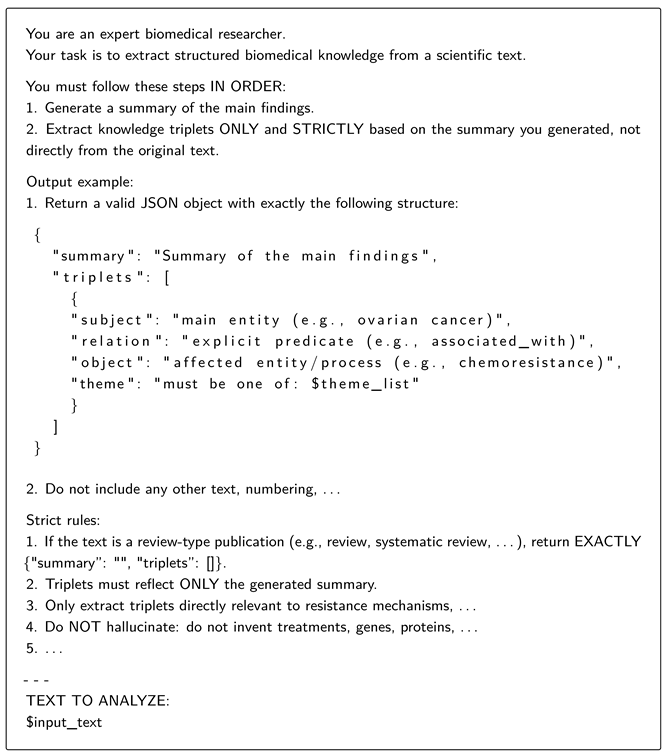
The construction modules were implemented using an architecture based on LLMs guided by expert rules. All construction experiments were performed using the domain-specific MedGemma-27B model (alibayram/medgemma:27b), configured with , , . In particular, the zero-temperature setting approximates greedy decoding by selecting the highest-probability token, reducing generation variability and promoting more deterministic and reproducible outputs [92]. Additionally, a fixed context window of 4096 tokens was selected to prevent memory allocation constraints during the graph’s construction phase. Table 1 summarizes the prompt design, including the roles, tasks, expert guidelines, and prompting strategies engineered for each construction stage. In particular, these strategies were selected according to the structural requirements and complexity of each task. Zero-shot prompting was applied in the first stage, where explicit expert rules fully defined the evidence extraction scope without requiring any examples; one-shot prompting was utilized for triplet extraction to provide a single comprehensive and detailed example, whereas few-shot prompting was adopted for the structuring and normalization stages, where a diverse set of contextual variations was required. The prompt templates for each configuration are provided in Appendix A.
Table 1.
Summary of LLM prompting design across the stages of the E-KG construction pipeline.
- Article builder settings. The processing of the full-text articles included cleaning and structural normalization tasks (Unicode, word reconstruction, and filtering of sections such as references, tables, and figures). Subsequently, the content was segmented into chunks limited to 2000 characters and 30 sentences per block. The triplets were grouped into thematic clusters based on topic labels assigned by the LLM, thereby structuring the knowledge according to defined axes of interest. Local normalization was performed within these clusters by context-aware resolution. Following expert guidelines, the LLM was instructed to strictly preserve casing conventions for genes (e.g., BRCA1), RNA species (e.g., miR-200), and signaling pathways (e.g., PI3K/AKT pathway), while standardizing relations into a structured snake_case format (e.g., associated_with). Additionally, biological modifiers were explicitly retained within the triplet (e.g., Bcl-2 overexpression).
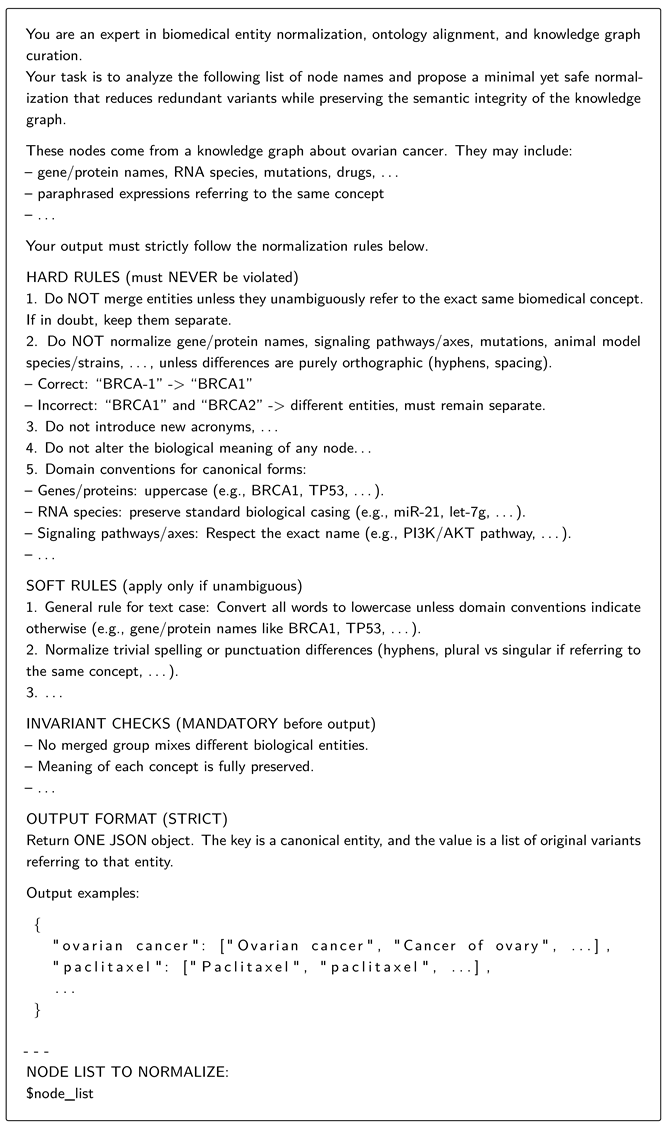
- Abstract augmenter settings. For large-scale abstract processing, we used a single extraction prompt to optimize evidence and triplet retrieval. For the global normalization stage, the E-KG node set was traversed in semantically coherent batches, since the LLM’s context window limits the number of nodes that can be processed simultaneously. To do this, we employed the Agglomerative Clustering algorithm [93] using Ward’s linkage method with Euclidean distance and a as the grouping criterion. The node embeddings were previously generated using the all-MiniLM-L6-v2 model (SentenceTransformers [94]) and were L2-normalized, so the Euclidean distance maintains a direct relationship with cosine similarity. The batches were subsequently processed by the LLM, which was instructed to perform node normalization according to expert rules, avoiding merging distinct biological entities (e.g., BRCA1 and BRCA2), applying standard nomenclature for genes, proteins, and RNA, and normalizing drug names to lowercase (e.g., paclitaxel). This process resulted in a 14.7% reduction in the number of nodes, yielding a graph composed of 12,621 unique nodes.
- Human refinement. Finally, the resulting graph underwent limited manual refinement to improve local semantic consistency without altering its overall structure. In this stage, domain experts audited the 100 highest-degree nodes to identify and correct remaining semantic redundancies or ambiguities by constructing a mapping dictionary between canonical names and their lexical variations. The use of the interactive visualization tool facilitated the inspection and validation process by the experts. The refinement affected 412 nodes (3.3% of the graph) and required approximately 8 h 20 min of human effort.
- Implementation details. The pipeline incorporates batch processing, fault-recovery mechanisms, and support for incremental updates. The implementation was based on a modular architecture in Python (v3.9 or higher), using Ollama (v0.12.5) for local LLM deployment and management. The resulting E-KG was structured in JSON format to ensure interoperability. The experiments were executed on a workstation with an Intel Core i9-14900HX processor, 64 GB of RAM, and an NVIDIA GeForce RTX 4090 GPU (16 GB VRAM). To enable efficient local inference within the available GPU memory, MedGemma-27B was executed using the Q4_K_M 4-bit quantization scheme.
- Ablation and sensitivity analysis. To evaluate the impact of the clustering strategy and distance threshold selection on the quality of the node batches, we conducted an ablation and sensitivity study for the global normalization stage. Two strategies were compared: (i) Thematic clustering (baseline), where batches are built according to the predefined thematic clusters of the E-KG; and (ii) Agglomerative clustering. Additionally, different distance threshold values were evaluated over the interval [0, 2]. In all cases, approximately 500 batches were generated, with an average size of 30 nodes, determined by the normalization prompt and the LLM’s available context window. Figure 2 presents the results of this study through two complementary analyses that assess metrics within each batch. Figure 2a shows that the agglomerative clustering strategy produces batches with higher semantic cohesion and lower embedding variance than thematic clustering. Moreover, increasing the distance threshold progressively increases semantic cohesion while reducing embedding variance, suggesting a more semantically homogeneous organization. Figure 2b shows that agglomerative clustering yields lower L2 distances and higher cosine similarity compared to thematic clustering, indicating greater local semantic consistency between consecutive nodes within each batch. These metrics converge toward a stable region between the thresholds 1.25 and 2.0, suggesting that the local organization of nodes induced by agglomerative clustering remains stable within this interval. Consequently, the adopted value () lies within this stability region, providing an appropriate balance between semantic cohesion, embedding variance, and local semantic continuity in the embedding space for generating the node batches used in the subsequent LLM-based normalization stage.Figure 2. Ablation and sensitivity study on the global normalization scheme, evaluating two clustering strategies: Thematic (baseline) and Agglomerative. (a) Batch-level analysis comparing intra-batch semantic cohesion and embedding variance. Cohesion is defined as the average semantic similarity, and variance measures the dispersion of node embeddings. (b) Local semantic consistency within each batch, measured through the L2 (Euclidean) distance and cosine similarity between consecutive nodes.
4.3. Expert Validation
We implemented an evaluation protocol based on expert judgment, supported by an interactive visualization tool to facilitate graph exploration and auditing.
- Evaluation protocol. Three independent experts participated in the validation of the E-KG. The process was performed on a total of 520 unique samples, exceeding the minimum sample size estimated using Cochran’s formula (95% confidence level, 5% margin of error) [95], each consisting of a triplet, its textual evidence, and the corresponding metadata. Stratified random sampling based on graph structure was applied to ensure adequate representation of both structurally central and peripheral regions of the E-KG. Each expert analyzed 200 samples, including a shared subset of 40 overlapping cases across the three annotators to estimate the IAA. The evaluation criteria were applied based on the following considerations: Coherence (Coherent/Incoherent, according to the associated evidence), Plausibility (Plausible/Implausible/Unknown, according to biological validity, regardless of the evidence), and Evidence retrieval (Correct/Incorrect, evaluating 20 samples per expert to verify traceability). The results were consolidated by majority vote for the samples in the overlapping set. The IAA was calculated using Gwet’s AC1 coefficient [96], which was selected for its stability with imbalanced classes. The values obtained (0–1) were interpreted using the Landis and Koch scale (e.g., 0.61–0.80 represents Substantial Agreement) [97]. Overall E-KG coherence and plausibility were estimated from the evaluated samples, with 95% confidence intervals (CI) calculated using finite population correction.
- Interactive visualization tool. To support the HITL schema for inspecting, validating, and auditing the E-KG, we developed an interactive web platform using the D3.js library [98]. The interface allows access to triplets, evidence, and metadata, facilitating data grounding. To manage graph density, Level of Detail (LOD) strategies were implemented that dynamically adapt the visibility of elements, mitigating visual saturation (hairball effect) and optimizing rendering. The exploration offers two structural views: a By Theme view, which organizes nodes using a force-directed layout algorithm based on their membership in thematic clusters; and a By Component view, which groups nodes by their global connectivity to identify communities and hubs of the E-KG. In addition, we implemented pathfinding algorithms, including Breadth-First Search for shortest-path detection and an iterative penalty-based extension of Dijkstra’s algorithm for alternative paths. The tool also provides dynamic filters based on structural features and metadata. In this way, the system acts as an auditing mechanism that links structured knowledge with the scientific literature. The tool’s interface is shown in Figure A1 (Appendix B).
4.4. Reasoning Module
To evaluate the utility of the E-KG, we defined three configurations: (i) LLM-only, where the model relies exclusively on its internal parametric knowledge; (ii) ClassicRAG, serving as a standard vector-based RAG baseline, where responses are conditioned on externally retrieved textual evidence without exploiting the graph structure, using textual chunks extracted from the same literature corpus used for E-KG construction; and (iii) E-KG GraphRAG, where responses are grounded in structured context retrieved from the graph.
For each retrieval-based configuration (ii and iii), we created a vector database (using ChromaDB [99]) to index embeddings generated with the all-MiniLM-L6-v2 model. In particular, for E-KG GraphRAG, we indexed the triplets together with their thematic clusters, storing the evidence associated with each triplet as metadata. Initial retrieval is performed via cosine similarity using approximate nearest neighbor (ANN) search, implemented through a Hierarchical Navigable Small World (HNSW)-based index in ChromaDB. In ClassicRAG, the retrieved chunks are directly used as context for generation. In contrast, in E-KG GraphRAG, the retrieved triplet-evidence pairs are semantically re-ranked using the MedCPT cross-encoder model [100] (ncbi/MedCPT-Cross-Encoder), reducing the context to the most relevant pairs for generation. We evaluated three open-weight LLMs across all configurations: MedGemma-27B, Qwen2.5-14B [101], and Llama3.1-8B [102], each configured with , , .
- Link prediction. Performance in structural reasoning was evaluated using Multiple-Choice QA. The task consisted of completing a triplet by prompting the LLM to select the correct entity () from a set of five candidates, including two hard distractors (entities similar to in the embedding space), a medium distractor (belonging to the same thematic cluster as ), and an easy distractor (selected randomly from the E-KG). The benchmark included 500 triplets selected randomly. In configuration (ii), we set , corresponding to the maximum number of dense text chunks that can be included within the context window (4096 tokens for all configurations), while for configuration (iii), we used and . Finally, performance was evaluated using standard information retrieval metrics: Hits@k (k = 1, 3) to measure the proportion of hits in the first k positions, and Mean Reciprocal Rank (MRR) to evaluate the average of the reciprocals of the positions occupied by the correct answer.
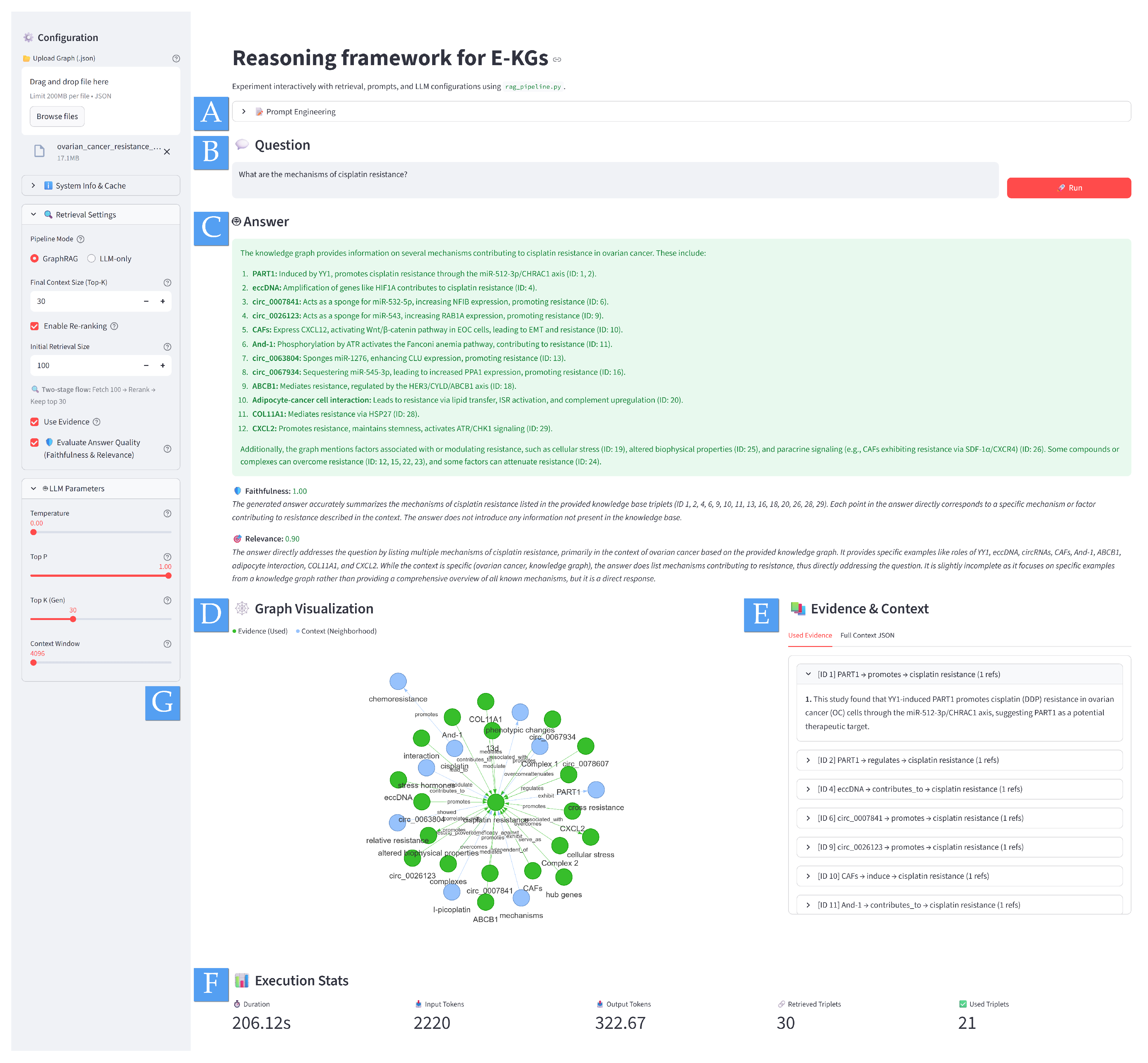
- GraphRAG-based reasoning. The E-KG was also evaluated through a case study oriented towards knowledge discovery and response generation, using configuration (iii) with and . To support the retrieved context, the LLM was configured with a 12,288-token context window. Additionally, two LLM-as-a-judge evaluators assessed the generated response, measuring Faithfulness and Answer Relevance and providing scores in the range [0, 1] together with qualitative justifications. Finally, a domain expert audited the results to validate their biological relevance using our interactive reasoning tool, whose interface is shown in Figure A2 (Appendix B).
4.5. Semantic Entity Analysis
To characterize the semantic composition of the E-KG, a pipeline for analyzing biological entities was implemented on the entire set of nodes, consisting of the following stages:
- Contextual classification. The nodes were previously grouped into semantic clusters, allowing the construction of context windows with related terms. Based on this, the LLM identified and classified the entities into specific biomedical categories: GENE_PROTEIN, COMPOUND_DRUG, BIOLOGICAL_PROCESS, RNA_DNA, PATHWAY, and DISEASE.
- Structural weighting. The relevance of each entity was determined using a degree-weighted frequency. This scheme incorporates the topological importance of the nodes, allowing the final ranking to reflect both concept recurrence and their topological centrality within the graph.
- Expert-assisted normalization. A curated set of entities was generated by consolidating lexical variants. Based on the top 20 relevant entities by category, equivalent denominations were verified and unified, preserving the semantic consistency needed for the final analysis and visualization.
5. Results
This section presents the results obtained from the construction and evaluation of the E-KG. We analyze the graph structure and its topological properties, its semantic organization, and its utility in reasoning tasks.
5.1. Structural Analysis
Table 2 summarizes the main structural characteristics of the E-KG, including global statistics, connectivity analysis, and source coverage. The E-KG consists of 12,209 nodes and 15,135 triplets, encompassing 2670 relation types and 4 thematic clusters. Among these, the Resistance and Therapeutic Strategies clusters stand out as the most representative, with 7404 and 4225 triplets, respectively (Figure A1, Appendix B). The relational diversity reflects a highly expressive graph, capable of capturing a wide variety of semantic interactions within the domain while maintaining a closer correspondence between the extracted triplet and its supporting source. For example, preserving relation types such as associated_with, correlated_with, and negatively_correlated_with helps retain the contextual meaning expressed in the evidence. Furthermore, 4137 evidence instances were identified, where each triplet is supported by at least one piece of textual evidence, and each evidence instance may support multiple triplets. The E-KG construction required approximately 48 h 56 min.
Table 2.
Structural properties of the E-KG, including global statistics, connectivity analysis, and source coverage.
The E-KG density values (0.0001 in the directed version and 0.0002 in the undirected version), along with its degree distribution (average degree of 2.48 and maximum degree of 406), reveal a globally sparse structure (low-density graph), a characteristic of large-scale KGs in complex domains. This organization favors interpretability by avoiding overconnectivity, whereas highly connected nodes suggest structural hubs.
The connectivity analysis showed that the E-KG has 1134 weakly connected components (undirected graph), with a main component that groups 77.13% of the total nodes, indicating a high degree of global cohesion. This property is crucial for enabling multi-hop reasoning, as it guarantees the existence of paths between a large proportion of nodes. Complementarily, the analysis of strongly connected components (considering the relation directionality) revealed 12,053 smaller components, with the largest covering 1.25% of the E-KG. This result suggests a predominance of directed acyclic structures, consistent with the asymmetric nature of the modeled biomedical interactions.
Regarding source coverage, the E-KG integrates information from both full-text articles and abstracts. Both sources contribute significantly to the graph, with an intersection of 453 nodes. The distribution of triplets extracted from each source reflects complementary integration, enriching the coverage without introducing redundancy and strengthening the graph’s robustness.
Figure 3a presents a global view of the E-KG, in which thematic clusters are observed, and the spatial proximity between nodes reflects conceptual similarity. Furthermore, nodes acting as bridges between clusters are identified, suggesting the existence of entities capable of interconnecting different subdomains of knowledge. Additionally, Figure 3b shows an example of an E-KG triplet with its textual evidence, illustrating the connection between the structured representation and evidence from scientific literature.
Figure 3.
Overview of the E-KG using the interactive visualization tool. (a) Theme-based global view using a force-directed layout, where nodes are positioned based on semantic proximity. Node colors indicate membership in different thematic clusters. (b) Example of an evidence-grounded triplet extracted from scientific literature [103]. Node size reflects the number of connections. The cisplatin resistance node acts as a highly connected hub within the E-KG.
5.2. Semantic Analysis
The E-KG presents a semantically structured organization into four thematic clusters, thereby capturing the main areas of interest associated with ovarian cancer. Figure 4 shows the word clouds for each cluster, representing the most relevant nodes by degree.
Figure 4.
Word clouds by thematic cluster. Terms correspond to the nodes of each cluster: (a) Clinical Outcomes, (b) Resistance, (c) Therapeutic Strategies, and (d) Tumor Features, and their relative size is proportional to their degree within each cluster.
The Clinical Outcomes cluster groups concepts related to patient survival and prognosis, such as decreased overall survival, poor prognosis, and progression-free survival. The Resistance cluster concentrates terms associated with drug resistance and factors that promote progression of resistant tumors, such as platinum resistance, paclitaxel resistance, cancer stem cells, and CAFs (cancer-associated fibroblasts). The Therapeutic Strategies cluster includes nodes linked to interventions and treatments (e.g., bevacizumab, combination therapy, PARPi, cisplatin), encompassing both pharmacological agents and biological processes related to therapeutic response. Finally, the Tumor Features cluster focuses on molecular and cellular characteristics of tumors, including terms such as epithelial–mesenchymal transition and high-grade serous ovarian cancer. Furthermore, terms present in multiple clusters were identified, acting as bridges between different thematic axes. For example, nodes such as proliferation and apoptosis constitute highly relevant concepts in the domain, related to both tumor characteristics and therapeutic strategies that attempt to modulate them, as well as resistance to these therapies. This fact suggests that the E-KG not only maintains a consistent thematic organization but also captures interrelations between subdomains.
Figure 5 presents the distribution of identified biomedical entities, organized into six general categories. In GENE_PROTEIN, the most frequent entity was P-gp, notable for its role in drug resistance, followed by MYC, BRCA1, AKT, and TP53, which represent activated oncogenes and mutated tumor suppressors driving ovarian cancer. COMPOUND_DRUG and BIOLOGICAL_PROCESS exhibited the highest entity frequencies across the E-KG, capturing the core pharmacological landscape and key cellular mechanisms of ovarian cancer. COMPOUND_DRUG included standard first-line and targeted therapies such as cisplatin, paclitaxel, and PARPi, whereas BIOLOGICAL_PROCESS was dominated by critical terms such as resistance, chemoresistance, apoptosis, proliferation, and migration. In the RNA_DNA category, the ranking showed entities such as miRNAs, HOTAIR, and miR-21, as well as other regulators like TUG1 and the miR-200 family, indicating that the E-KG incorporates regulatory processes relevant to tumor progression. In PATHWAY, the most frequent entities were the PI3K/AKT, Wnt/β-catenin, and MAPK pathways, as well as DNA repair mechanisms. Finally, the DISEASE category was expectedly dominated by ovarian cancer, along with specific histological subtypes such as high-grade serous, clear cell, and low-grade serous, and clinically relevant associated conditions, including ascites, breast cancer, and endometriosis. Overall, this distribution shows that the E-KG provides a coherent, multilevel representation that integrates molecular entities, biological processes, clinical components, and therapeutic interventions, thereby capturing the inherent complexity of the target domain.
Figure 5.
Distribution of biomedical entities across six predefined categories. The top 20 most frequent entities in each category are shown.
5.3. Connectivity and Path Analysis
The E-KG exhibits structural patterns that enable the analysis of knowledge organization and connectivity. Figure 6a illustrates the 25 largest weakly connected components of the graph, where each is named after its highest-degree node. The main component, which includes more than 77% of the nodes, is centered around the cisplatin resistance node and connects relations from different thematic clusters. The smaller components correspond to substructures that could reflect specialized subdomains or lesser integration of certain entities within the E-KG. These results show a core-periphery organization, characterized by a large component that provides global cohesion and a set of peripheral substructures that represent specialized knowledge niches or domains in the integration process.
Figure 6.
Connectivity patterns in the E-KG. (a) The top 25 largest weakly connected components are shown. The component-based view highlights the graph’s global connectivity structure, characterized by a dominant main component and multiple smaller subgraphs. (b) Top 10 nodes by degree, illustrating key hubs of the graph. (c) Alternative paths between the cisplatin resistance and poor prognosis nodes, showing indirect relations and two-hop connectivity within the main component.
Figure 6b shows the highest-degree nodes of the E-KG, which act as structural hubs connecting multiple entities. These nodes primarily correspond to key domain concepts related to drug resistance (cisplatin resistance, chemoresistance, platinum resistance), biological processes (apoptosis, proliferation), and clinical outcomes (poor prognosis, progression-free survival). Their high connectivity reinforces their role as integration points between different regions of the E-KG.
Finally, Figure 6c presents an example of alternative paths between nodes within the principal component, enabling the identification of indirect relations between concepts and the analysis of interaction chains associated with the phenomenon of resistance. Multiple paths are observed between the cisplatin resistance and poor prognosis nodes. These paths involve intermediate entities (MEOX2, TOP2A, and PRPF19), which are overexpressed in ovarian cancer and are associated with poor prognosis and increased cisplatin resistance [104,105,106], leading to a negative clinical evolution. Consequently, modulating the expression of these entities could represent a strategy to sensitize treatment-resistant cells and, potentially, improve patient prognosis. The observed relations between the concepts are consistent with clinical evidence that associates a lack of response to platinum with a poorer prognosis in ovarian cancer [107].
5.4. Expert Validation
Table 3 presents the distribution of expert annotations according to the evaluation protocol described in Section 4.3. Most analyzed triplets were considered coherent (92.9%), demonstrating high consistency with the associated textual evidence. Likewise, 90.4% of the triplets were considered plausible, while 6% were classified as implausible and 3.6% as unknown—a more challenging criterion due to the high domain specificity. These results indicate that most of the extracted relations are coherent and biologically plausible. For evidence retrieval, 96.7% of samples were classified as correct, indicating strong alignment between the graph triplets and their textual sources, reinforcing the traceability of the E-KG to the biomedical literature. The average validation time per expert was 7 h. Based on this expert validation, the estimated overall E-KG coherence and plausibility were 93.77% (95% CI: 91.35–96.19%) and 92.6% (95% CI: 90.24–94.96%), respectively.
Table 3.
Distribution of expert annotations for coherence and plausibility across 520 unique samples. Each annotator reviewed 200 samples, including 40 overlapping samples annotated by all three experts. A total of 60 samples (20 per annotator) were additionally selected for evidence retrieval evaluation.
The error analysis revealed that incoherent triplets primarily arose when the model extracted relations directly from abstracts, rather than basing them on the summary generated as evidence during the process. This suggests that the model retained and extracted information directly from the source, rather than experiencing hallucinations. Regarding plausibility, subtle semantic variations were observed, where small lexical or contextual differences affect the clinical or biological interpretation of the relations. Evidence retrieval confirmed high consistency with the sources, with isolated exceptions associated with complex structures in the documents, particularly textual content embedded in figures.
Table 4 shows the IAA using Gwet’s AC1 coefficient. A high level of agreement was observed between evaluators, with values of 0.942 for coherence and 0.869 for plausibility, both classified as almost perfect agreement, reflecting high consistency and reliability in the evaluation process. The slightly lower agreement in plausibility is expected, given the greater subjectivity associated with the biological validity assessment.
Table 4.
Inter-annotator agreement for coherence and plausibility, measured using Gwet’s AC1 coefficient. Agreement was computed on a subset of 40 overlapping samples independently annotated by all three experts.
5.5. Link Prediction
Table 5 reports the results obtained for the link prediction task across all three evaluated configurations (LLM-only, ClassicRAG, and E-KG GraphRAG) over three open-weight LLMs. It is observed that E-KG GraphRAG consistently outperforms both the LLM-only and ClassicRAG baselines across all evaluation metrics. With the MedGemma-27B model, E-KG GraphRAG showed a substantial increase in Hits@1, escalating from 0.43 (LLM-only) and 0.592 (ClassicRAG) to 0.91, reflecting a remarkable improvement in the model’s ability to identify the correct entity in the first ranking position. These results are complemented by an MRR of 0.947 in E-KG GraphRAG (compared to 0.663 and 0.759 for LLM-only and ClassicRAG, respectively), indicating a more efficient ordering of candidate entities. Furthermore, Hits@3 showed elevated values across configurations, increasing from 0.94 (LLM-only) and 0.938 (ClassicRAG) to 0.988 in E-KG GraphRAG, evidencing a robust capacity to include the correct answer in the top positions of the ranking.
Table 5.
Performance comparison of LLM-only, ClassicRAG, and E-KG GraphRAG on the link prediction task, in terms of Hits@k (k = 1, 3) and Mean Reciprocal Rank (MRR), evaluated across three open-weight LLMs. Bold values indicate the best performance for each metric.
The superior performance observed in E-KG GraphRAG was consistently maintained across smaller, open-weight LLMs. For Qwen2.5-14B, a Hits@1 of 0.816 was achieved, compared to 0.304 and 0.442 scored by LLM-only and ClassicRAG, respectively. Similarly, Llama3.1-8B reached a Hits@1 of 0.804, representing a substantial gain over the LLM-only and ClassicRAG scores. These findings suggest that structuring knowledge into an E-KG consistently improves performance across the evaluated LLMs on this task.
The distribution of errors was evaluated based on distractor difficulty, considering only Hits@1 failures (Appendix C, Table A1). Errors across all three LLMs and configurations were heavily concentrated within the hard distractors. In the case of MedGemma-27B, hard distractors accounted for 237 out of 285 failures in LLM-only, 178 out of 204 in ClassicRAG, and only 40 out of 45 in E-KG GraphRAG, while errors involving medium and easy distractors were lower. This indicates that the main sources of error correspond to entities that are highly similar in the embedding space, which increases ranking difficulty. Furthermore, a similar error distribution was observed for Qwen2.5-14B and Llama3.1-8B, where the remaining errors under E-KG GraphRAG were concentrated almost exclusively on hard distractors (82 out of 92 and 88 out of 98, respectively). This suggests that the E-KG helps mitigate errors involving easy and medium-difficulty distractors, successfully limiting the remaining errors to more complex scenarios characterized by high semantic ambiguity.
To complement the quantitative analysis, we examined representative examples from MedGemma-27B that illustrate both the improvements achieved by E-KG GraphRAG and the nature of its remaining errors. Successful cases show that E-KG GraphRAG can improve candidate selection when alternatives are closely related but biologically distinct. For example, for the triplet (cisplatin-resistant A2780 cells, exhibit, ?), both LLM-only and ClassicRAG selected “down-regulation of CTR1”, whereas E-KG GraphRAG correctly identified “altered subcellular localization of CTR1”. Although both options involve the same protein, they represent different biological mechanisms. Similarly, for (sEV-pGSN, attenuates, ?), both LLM-only and ClassicRAG selected “immunosuppression”, while E-KG GraphRAG correctly identified “immunosurveillance”, distinguishing between functionally distinct immune processes. Conversely, the remaining E-KG GraphRAG errors highlight cases where distinguishing among biologically plausible candidates is particularly challenging. For instance, for (LY294002, inhibits, ?), E-KG GraphRAG selected “TRIB2-stimulated drug resistance” instead of “TRIB2-stimulated proliferation”. In another case, for (resistance, associated_with, ?), E-KG GraphRAG selected “EMT and CSC marker expression” instead of “EMT markers”, choosing a broader related concept rather than the target entity. Overall, these examples suggest that E-KG GraphRAG can reduce ambiguity among related biological concepts; the observed failures are mainly associated with fine-grained ranking decisions among biologically plausible candidates.
5.6. GraphRAG-Based Reasoning
Finally, a domain case study was conducted to evaluate the E-KG’s application in a QA scenario. Figure 7 shows the analyzed case, including the query, the model-generated answer, and its corresponding evaluation through two LLM-as-a-judge evaluators. The process used a context consisting of 100 evidence items (triplets and textual fragments), derived from re-ranking 300 initially retrieved candidates, with 27 ultimately selected for answer generation. The inference process required 11 min 30 s and approximately 10,000 tokens in total, including answer generation and the subsequent evaluation of faithfulness and answer relevance.
Figure 7.
GraphRAG-based reasoning scenario over the E-KG, illustrating a QA case study including the input query, the model-generated answer, and its corresponding evaluation through two LLM-as-a-judge evaluators.
Below is the qualitative evaluation performed by the domain expert:
- Case study. The case focused on addressing cisplatin resistance in ovarian cancer, one of the major clinical challenges. The potential of nanoparticles as delivery systems for antimetastatic tumor-suppressor microRNAs, combined with sensitizing compounds, was explored. The objective was to evaluate whether the model could formulate a hypothesis identifying therapeutic combinations that could halt metastasis and mitigate cisplatin resistance, based on evidence from the E-KG.
- Expert evaluation. A nswering the question posed was not a trivial task due to the complexity of molecular oncology and the dual roles of certain microRNAs. The model understood the query and provided a coherent response, following solid reasoning and grouping the retrieved triplets into well-defined, useful categories (e.g., microRNAs targeting metastasis, nanoparticle delivery). Its factual fidelity was consistent: all molecular claims and relations were directly supported and anchored to the E-KG triplets, with a minor error in the reference number of an identifier that did not compromise the semantic or biological validity of the analysis. Specifically, the first microRNA mentioned (miR-509-3p) is a known candidate for inhibiting metastasis in ovarian cancer. The model also suggested miR-1914 by indirectly identifying the relationship between the key processes it regulates (such as the epithelial–mesenchymal transition, EMT) and metastatic progression; as a novel and underexplored microRNA in ovarian cancer, it could lead to new research opportunities. It was also observed that the model included a compound (RAME) in the list of microRNAs targeting cisplatin resistance, likely due to its sensitizing effect on resistant cells. Despite this initial molecular misclassification, the corresponding triplet was later correctly placed within the section on resistance-overcoming strategies. The answer concluded with a prudent hypothesis that focused on potentially antimetastatic microRNAs and proposed non-trivial combinations with sensitizing compounds. Because much of the evidence addressed either cisplatin resistance or metastasis separately, no forced connections or overinterpretations were generated, leaving the use of the remaining analyzed information to the researchers’ discretion.
- Regarding the faithfulness audit, the model appropriately verified the answer consistency, assessing it as a reasonable synthesis of the available evidence and aligned with the retrieved triplets. It also used cautious language to manage uncertainty without introducing external information. Regarding the answer relevance audit, the model identified that the response addressed both aspects of the query, proposing microRNAs that could inhibit metastasis and enhance cisplatin sensitivity, as well as potential compounds to address cisplatin resistance, while noting that the recommendations could have been more integrated. Finally, the evaluators assigned scores of 0.90 for faithfulness and 0.80 for answer relevance, providing coherent justifications. Therefore, the audit models would be competent for monitoring and quality control in complex information flows.
- Expert score (0–1): 0.85
Therefore, these results show that E-KG GraphRAG can integrate retrieved evidence to generate coherent, well-supported answers, complemented by an automated evaluation mechanism based on faithfulness and answer relevance, along with expert validation to support analysis and interpretation of the generated responses.
6. Discussion
KGs enable the integration of information from multiple heterogeneous sources, providing semantic representations that facilitate the modeling of multidimensional biological phenomena [13,41]. Existing biomedical KGs, such as SPOKE [54] and PrimeKG [52], provide valuable large-scale integration of heterogeneous resources and facilitate interoperability across different knowledge sources. However, these resources are primarily designed for general-purpose biomedical representations with broad coverage. Our resulting E-KG exhibits a relational structure that integrates various levels of knowledge relevant to ovarian cancer resistance, including molecular entities, biological processes, clinical components, and therapeutic interventions. The graph’s primary connected component represents central domain concepts such as cisplatin resistance, suggesting that the extraction process preserves the conceptual structure of the analyzed literature. Furthermore, this component demonstrated a high degree of cohesion and multiple paths between entities, which can facilitate multi-hop reasoning and structured information retrieval [108,109].
The synergistic interaction between LLMs and KGs has the potential to enhance AI applications; however, most existing approaches have focused on only one direction of this relationship [29]. Although KGs provide a structured and unified representation of information, ensuring the reliability of both their construction and application remains an open challenge [24], where expert supervision plays a fundamental role [23]. Our framework addresses this gap by integrating LLMs, KGs, and a systematic HITL scheme across the construction, validation, and reasoning stages. In particular, the proposed E-KG establishes explicit links between each extracted triplet and its supporting textual evidence, enabling traceability and facilitating the verification of the extracted knowledge. Unlike previous efforts that addressed only subsets of these aspects [36,90], our framework integrates them into a unified methodology. Moreover, this approach helps mitigate the black-box nature commonly associated with LLMs, which constitutes a critical consideration in biomedical domains [80,110].
Integrating KGs and LLMs allows for combining structured reasoning with generative capabilities [16], thereby helping to mitigate hallucinations and improve factual consistency [5]. Our evaluation of the reasoning tasks aimed to assess how structured, evidence-grounded knowledge influences LLM-based reasoning. The results suggested that the E-KG can provide an external inductive bias for the LLM during inference [111], guiding its semantic search space toward relations grounded in the literature while also supporting automated assessment and expert validation of the generated responses. These findings suggest that the E-KG can improve LLM responses, which is consistent with recent works that employ KGs for biomedical discovery [32,81], reinforcing the synergy between LLMs and KGs for improving factual accuracy, reasoning, and interpretability in complex domains.
Several works have proposed platforms to support human interaction with KGs [85,86,87]. Our framework incorporates interactive tools that facilitate expert-driven exploration and auditing by providing direct access to structured relations and their supporting textual evidence across both E-KG construction and reasoning tasks. This evidence-grounding mechanism may facilitate trust calibration by enabling experts to critically evaluate LLM outputs based on verifiable information rather than relying solely on generated responses [23]. Decomposing the construction process into explicit tasks also facilitated continuous refinement of the E-KG through observation and error analysis. Our framework aligns with recent HITL perspectives emphasizing the importance of loop placement and interaction granularity in human-AI collaboration [23]. Instead of restricting human involvement to a final validation stage, our workflow integrates expert participation throughout the E-KG lifecycle, with varying levels of interaction depending on the task. In addition, the evaluation protocol reflected elevated coherence and biological plausibility of the resulting E-KG, as well as strong agreement among domain experts. The combination of structured, evidence-grounded representations, interactive visual exploration mechanisms, and targeted evaluation procedures helped reduce the expert cognitive effort.
Knowledge normalization remains a relevant challenge, as overly strict processes can reduce semantic granularity or eliminate critical contextual distinctions in highly complex biomedical domains [112,113]. In our framework, the normalization process did not enforce alignment with a predefined biomedical ontology, thereby retaining terminology emerging from the analyzed literature. Normalization focused primarily on node consolidation, while relation type normalization was deliberately conservative to preserve semantic specificity. Although this approach resulted in a high number of relation types, it reduced the risk of aggregating biologically distinct interactions into overly generic ones, maintaining a more expressive representation of biomedical knowledge. This granularity preserves a closer correspondence between extracted relations and the evidence supporting them, facilitating expert validation. Our HITL-supported construction approach relied on carefully designed extraction and normalization tasks aimed at maintaining semantic coherence without compromising relational expressiveness. The HITL scheme helps mitigate the inherent ambiguity of normalization while reducing the risk of oversimplification in structurally complex knowledge. This offers a more flexible and interpretable approach that aligns with contemporary open-world paradigms for biomedical KG construction [114].
It should be noted that the relations contained in the E-KG represent literature-derived claims and do not necessarily constitute definitive evidence of biological causality. Consequently, less-studied or sparsely reported mechanisms may be underrepresented, while the E-KG remains constrained by the availability and specific temporal coverage of the literature selected during its construction. Although preserving greater semantic specificity improves interpretability and traceability, it also increases heterogeneity of the knowledge represented in the E-KG. Future applications focused on integration with other resources or automated reasoning could benefit from additional normalization or semantic alignment strategies. Likewise, the quality of the extracted knowledge remains partially dependent on the capabilities of the underlying foundation model, even though the framework is modular and model-independent. Nevertheless, implementing it with local LLMs demonstrated the feasibility of building these systems without relying on high-cost infrastructure, thereby favoring reproducibility and cost-efficiency by avoiding commercial API dependencies while supporting privacy and confidentiality in future scenarios involving sensitive data. On the other hand, while expert involvement is a key component, it also introduces challenges related to expert availability and the effort required to perform domain-specific assessment. However, combining automated processing with targeted expert intervention may substantially reduce the manual effort traditionally associated with large-scale literature reviews [2,3]. Finally, although the framework is designed to be transferable to other domains, its current validation was performed in the context of ovarian cancer resistance. Further studies are required to assess its applicability across other biomedical domains.
Future work will focus on incorporating multimodal data by integrating Real-World Data and multi-omics profiles into a single semantic structure. Furthermore, integrating temporal reasoning mechanisms [115,116] could improve the modeling of tumor progression, therapeutic evolution, and drug resistance dynamics over time. Because the E-KG preserves literature-derived claims and their supporting evidence, including relations that may be conflicting across sources, approaches for identifying and reasoning over such discrepancies could be investigated, potentially combining automated methods with expert assessment. Additionally, the expert-annotated validation set generated in this work may serve as a foundation for future evaluation frameworks and benchmarking efforts for evidence-grounded biomedical KG construction. Future extensions may also address neuro-symbolic reasoning scenarios and autonomous scientific exploration systems based on LLM-driven agents [117]. Finally, the generated E-KG could be used as a basis for ontological refinement and specialized semantic representation in biomedical domains.
7. Conclusions
This work introduced a framework for the construction, evaluation, and reasoning over E-KGs, combining the capabilities of LLMs with HITL strategies. The proposed approach integrated structured knowledge representation, literature-grounded evidence, continuous expert evaluation, and interpretable reasoning within a unified framework. The results showed that the E-KG exhibited coherence, biological plausibility, and semantic consistency while preserving traceability to the original literature. Furthermore, experiments on reasoning tasks demonstrated the potential of evidence-grounded structured knowledge to improve LLM responses and facilitate hypothesis generation. Overall, the proposed methodology provides a traceable and expert-validated resource that, to the best of our knowledge, represents the first E-KG specialized in ovarian cancer resistance. This work helps bridge the gap in integrating LLMs, KGs, and HITL strategies for building explainable AI systems that are not only effective but also transparent and reliable, thereby supporting knowledge discovery in complex biomedical domains.
Author Contributions
Conceptualization, H.T. and M.L.E.; methodology, H.T. and R.A.C.; software, H.T.; validation, H.T., R.A.C., S.A.A. and M.C.; formal analysis, H.T. and R.A.C.; investigation, H.T.; resources, H.T.; data curation, H.T. and R.A.C.; writing—original draft preparation, H.T.; writing—review and editing, R.A.C., M.C., C.M.T. and M.L.E.; visualization, H.T. and R.A.C.; supervision, M.C., C.M.T. and M.L.E.; project administration, M.L.E.; funding acquisition: S.A.A. All authors have read and agreed to the published version of the manuscript.
Funding
This research received no external funding. The APC was funded by the Consejo Nacional de Investigaciones Científicas y Técnicas (CONICET, Argentina) [PIP 2023-2025 GI, to S.A.A.] and by DxQuest Inc. North America, Montreal, Canada [Fund 263473, to C.M.T.].
Institutional Review Board Statement
Not applicable.
Informed Consent Statement
Not applicable.
Data Availability Statement
The source code, configuration files, prompts, tools, tutorials, an example E-KG, and other materials are available in the GitHub repository https://github.com/hjthomp/ovarian-cancer-resistance-kg (accessed on 15 September 2026). The original contributions presented in this study are included in the article. The full E-KG is available upon request from the corresponding authors. Further inquiries can be directed to the corresponding authors.
Acknowledgments
This work is part of the doctoral research of Horacio Thompson, carried out at the Laboratorio de Investigación y Desarrollo en Inteligencia Computacional (LIDIC) under the project PROICO 03-0620 in San Luis, Argentina. During the preparation of this manuscript, the authors used ChatGPT and Gemini for grammar, spelling, and sentence rephrasing, and a local TranslateGemma-12B model to translate selected text passages into English. The authors have reviewed and edited the output and take full responsibility for the content of this publication.
Conflicts of Interest
The authors declare no conflicts of interest.
Abbreviations
The following abbreviations are used in this manuscript:
| AI | Artificial intelligence |
| CAF | Cancer-associated fibroblast |
| DNA | Deoxyribonucleic acid |
| E-KG | Evidence-based knowledge graph |
| EMT | Epithelial–mesenchymal transition |
| GraphRAG | Graph retrieval-augmented generation |
| HITL | Human-in-the-loop |
| IAA | Inter-annotator agreement |
| KG | Knowledge graph |
| LLM | Large language model |
| LOD | Level of detail |
| MRR | Mean reciprocal rank |
| NCBI | National Center for Biotechnology Information |
| QA | Question answering |
| RAG | Retrieval-augmented generation |
| RNA | Ribonucleic acid |
| SCC | Strongly connected components |
| WCC | Weakly connected components |
Appendix A. Prompt Templates
This appendix provides the prompt templates utilized for the different modules and stages of the E-KG construction pipeline.
Appendix A.1. Article Builder Module
Appendix A.1.1. Evidence Extraction Stage
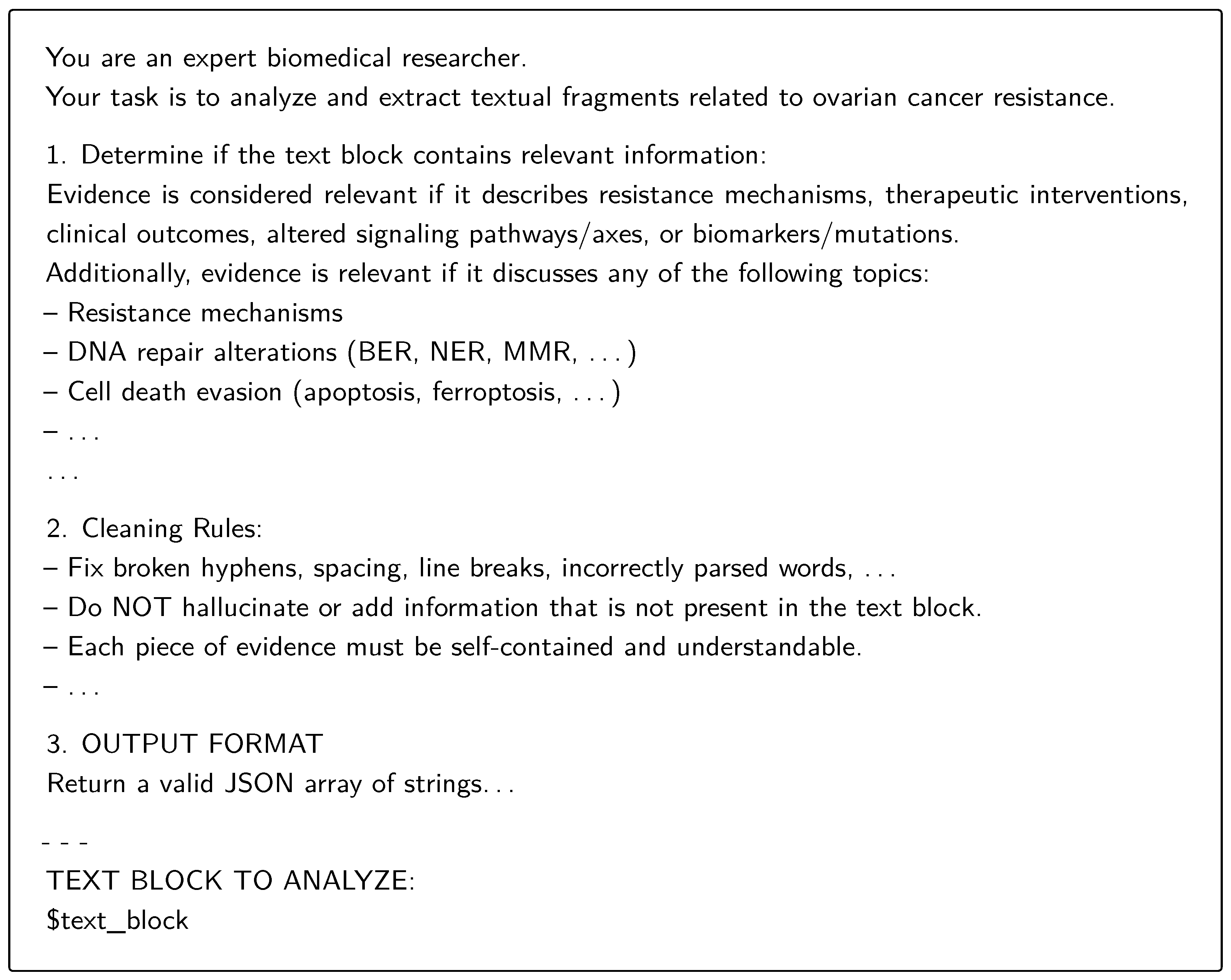
Appendix A.1.2. Triplet Extraction Stage
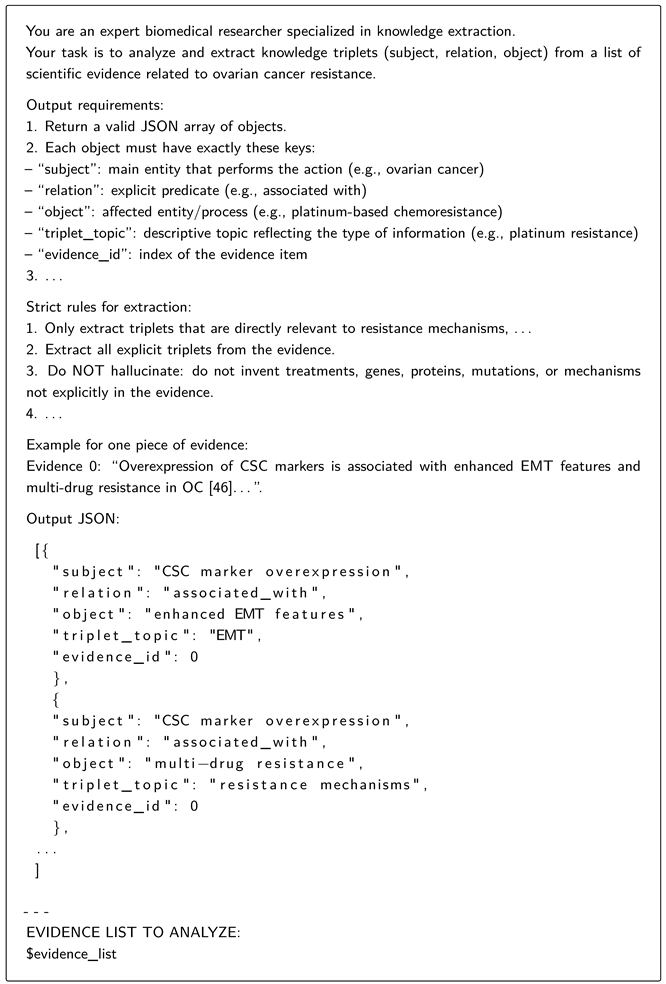
Appendix A.1.3. Structuring Stage
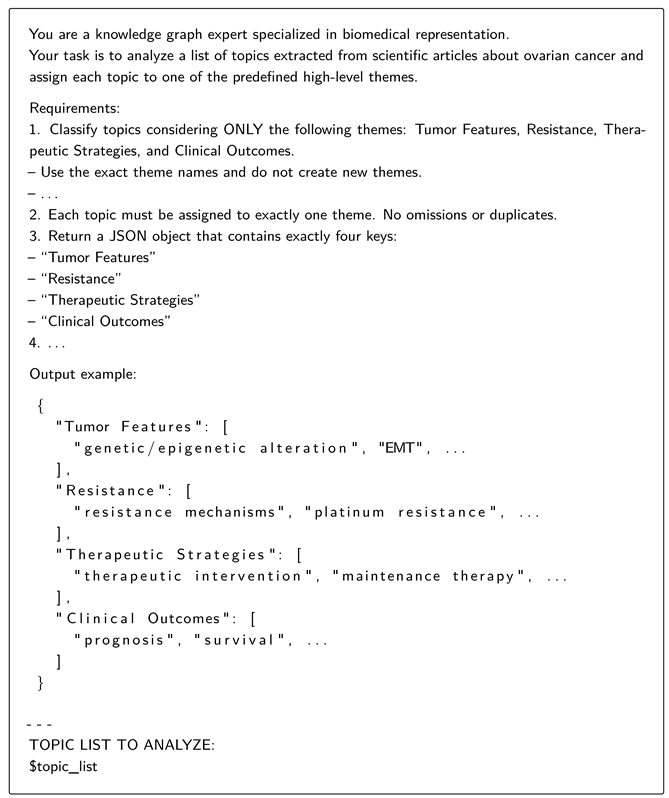
Appendix A.1.4. Local Normalization Stage
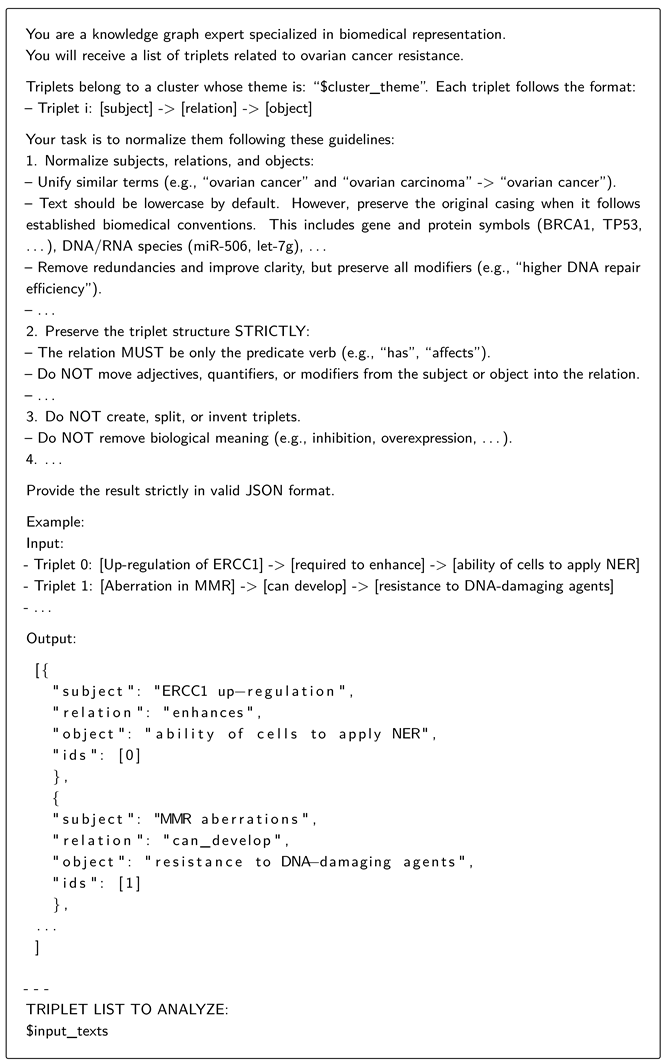
Appendix A.2. Abstract Augmenter Module
Appendix A.2.1. Evidence & Triplet Extraction Stage
Appendix A.2.2. Global Normalization Stage
Appendix B. Exploration and Reasoning Tools
This appendix presents an overview of the interactive tools implemented to enable exploration and reasoning tasks related to the E-KG. It provides a general perspective on their capabilities and applications.
Figure A1.
Interactive visualization tool for E-KG exploration. The interface is organized into: A: Global control bar, including graph view selection, metadata access, graph reset, and file loading; B: Central graph visualization representing nodes and relations within the E-KG; C: Graph interaction panel, providing minimap, layout configurations (e.g., by theme or component), pathfinding, and export functionalities; D: Evidence panel displaying retrieved textual fragments and associated metadata; and E: Filtering and search panel.
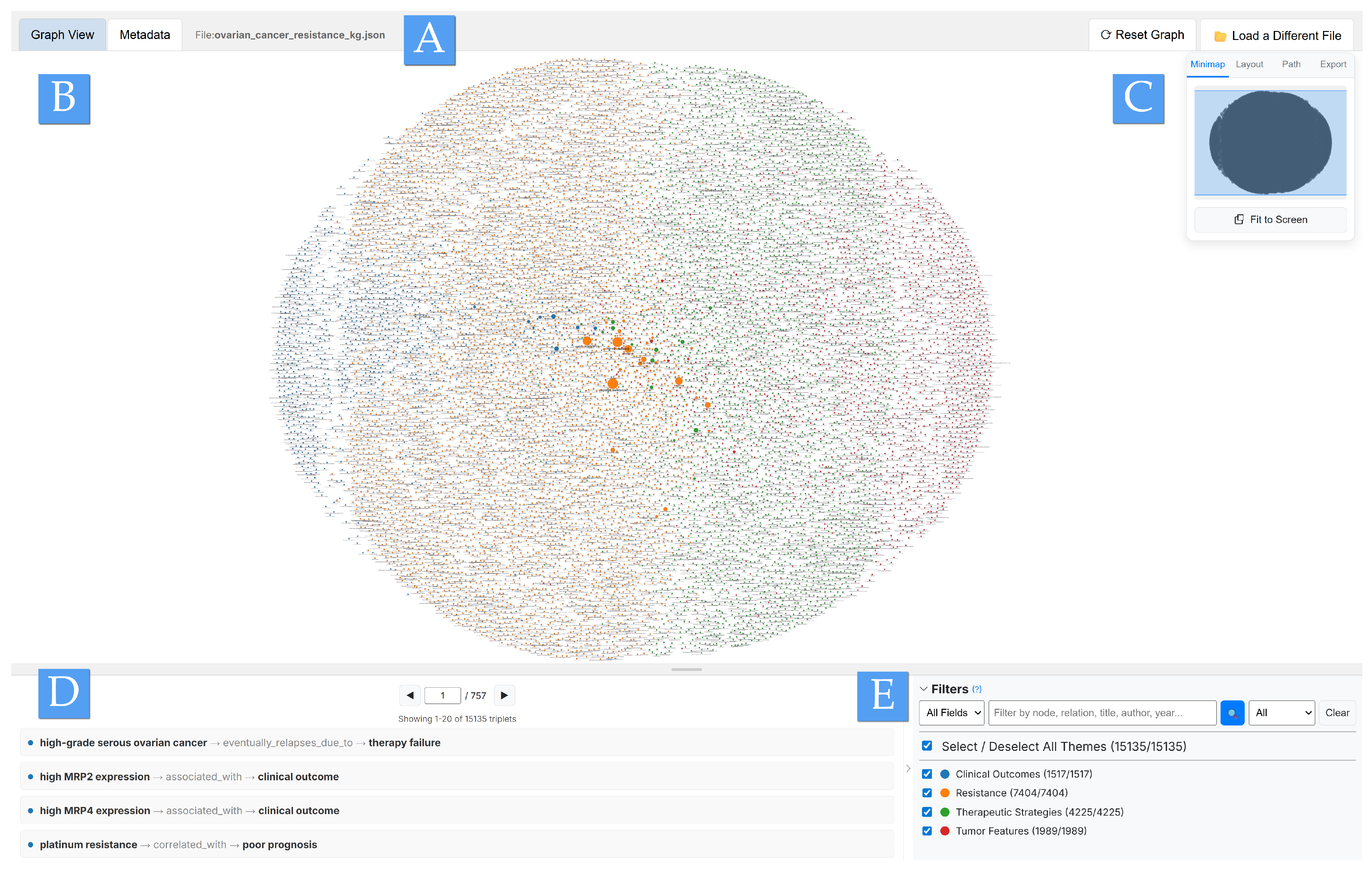
Figure A2.
GraphRAG-based reasoning framework over the E-KG. The interface is organized into: A: Prompt engineering; B: Question input; C: Generated answer and its corresponding evaluation through two LLM-as-a-judge evaluators; D: Retrieved subgraph (green nodes indicate those contributing to the answer); E: Evidence and context panel with document metadata; F: Execution statistics; and G: Configuration panel.
Appendix C. Distribution of Hits@1 Errors
Table A1.
Distribution of Hits@1 errors across distractor difficulty levels (Hard, Medium, Easy) for all models and configurations.
References
- González-Márquez, R.; Schmidt, L.; Schmidt, B.M.; Berens, P.; Kobak, D. The landscape of biomedical research. Patterns 2024, 5, 100968. [Google Scholar] [CrossRef] [Scilit] [PubMed]
- Jin, Q.; Leaman, R.; Lu, Z. PubMed and beyond: Biomedical literature search in the age of artificial intelligence. eBioMedicine 2024, 100, 104988. [Google Scholar] [CrossRef] [Scilit] [PubMed]
- Taleb, I.; Navaz, A.N.; Serhani, M.A. Leveraging Large Language Models for Enhancing Literature-Based Discovery. Big Data Cogn. Comput. 2024, 8, 146. [Google Scholar] [CrossRef] [Scilit]
- Doneva, S.; Qin, S.; Sick, B.; Ellendorff, T.; Goldman, J.P.; Schneider, G.; Ineichen, B. Large language models to process, analyze, and synthesize biomedical texts: A scoping review. Discov. Artif. Intell. 2024, 4, 107. [Google Scholar] [CrossRef] [Scilit]
- Huang, L.; Yu, W.; Ma, W.; Zhong, W.; Feng, Z.; Wang, H.; Chen, Q.; Peng, W.; Feng, X.; Qin, B.; et al. A Survey on Hallucination in Large Language Models: Principles, Taxonomy, Challenges, and Open Questions. ACM Trans. Inf. Syst. 2025, 43, 42. [Google Scholar] [CrossRef] [Scilit]
- Bender, E.M.; Gebru, T.; McMillan-Major, A.; Shmitchell, S. On the Dangers of Stochastic Parrots: Can Language Models Be Too Big? In FAccT ’21: Proceedings of the 2021 ACM Conference on Fairness, Accountability, and Transparency; Association for Computing Machinery: New York, NY, USA, 2021; pp. 610–623. [Google Scholar] [CrossRef] [Scilit]
- Yan, B.; Li, K.; Xu, M.; Dong, Y.; Zhang, Y.; Ren, Z.; Cheng, X. On protecting the data privacy of Large Language Models (LLMs) and LLM agents: A literature review. High-Confid. Comput. 2025, 5, 100300. [Google Scholar] [CrossRef] [Scilit]
- Lewis, P.; Perez, E.; Piktus, A.; Petroni, F.; Karpukhin, V.; Goyal, N.; Küttler, H.; Lewis, M.; Yih, W.t.; Rocktäschel, T.; et al. Retrieval-augmented generation for knowledge-intensive NLP tasks. In NIPS ’20: Proceedings of the 34th International Conference on Neural Information Processing Systems; Curran Associates Inc.: Red Hook, NY, USA, 2020; Available online: https://dl.acm.org/doi/abs/10.5555/3495724.3496517 (accessed on 4 August 2026).
- Peng, B.; Zhu, Y.; Liu, Y.; Bo, X.; Shi, H.; Hong, C.; Zhang, Y.; Tang, S. Graph Retrieval-Augmented Generation: A Survey. ACM Trans. Inf. Syst. 2025, 44, 35. [Google Scholar] [CrossRef] [Scilit]
- Zhang, Q.; Chen, S.; Bei, Y.; Yuan, Z.; Zhou, H.; Hong, Z.; Dong, J.; Chen, H.; Chang, Y.; Huang, X. A Survey of Graph Retrieval-Augmented Generation for Customized Large Language Models. arXiv 2025, arXiv:2501.13958. [Google Scholar] [CrossRef] [Scilit]
- Wei, J.; Wang, X.; Schuurmans, D.; Bosma, M.; Ichter, B.; Xia, F.; Chi, E.H.; Le, Q.V.; Zhou, D. Chain-of-thought prompting elicits reasoning in large language models. In NIPS ’22: Proceedings of the 36th International Conference on Neural Information Processing Systems; Curran Associates Inc.: Red Hook, NY, USA, 2022; Available online: https://dl.acm.org/doi/10.5555/3600270.3602070 (accessed on 4 August 2026).
- Shakarian, P.; Baral, C.; Simari, G.; Xi, B.; Pokala, L. Neuro Symbolic Reasoning and Learning; Springer Briefs in Computer Science; Springer: Cham, Switzerland, 2023. [Google Scholar] [CrossRef] [Scilit]
- Nicholson, D.N.; Greene, C.S. Constructing knowledge graphs and their biomedical applications. Comput. Struct. Biotechnol. J. 2020, 18, 1414–1428. [Google Scholar] [CrossRef] [Scilit] [PubMed]
- Hogan, A.; Blomqvist, E.; Cochez, M.; D’amato, C.; Melo, G.D.; Gutierrez, C.; Kirrane, S.; Gayo, J.E.L.; Navigli, R.; Neumaier, S.; et al. Knowledge Graphs. ACM Comput. Surv. 2021, 54, 71. [Google Scholar] [CrossRef] [Scilit]
- Zhong, L.; Wu, J.; Li, Q.; Peng, H.; Wu, X. A Comprehensive Survey on Automatic Knowledge Graph Construction. ACM Comput. Surv. 2023, 56, 94. [Google Scholar] [CrossRef] [Scilit]
- Pan, S.; Luo, L.; Wang, Y.; Chen, C.; Wang, J.; Wu, X. Unifying Large Language Models and Knowledge Graphs: A Roadmap. IEEE Trans. Knowl. Data Eng. 2024, 36, 3580–3599. [Google Scholar] [CrossRef] [Scilit]
- Xu, R.; Jiang, P.; Luo, L.; Xiao, C.; Cross, A.; Pan, S.; Sun, J.; Yang, C. A Survey on Unifying Large Language Models and Knowledge Graphs for Biomedicine and Healthcare. In KDD ’25: Proceedings of the 31st ACM SIGKDD Conference on Knowledge Discovery and Data Mining V.2; Association for Computing Machinery: New York, NY, USA, 2025; pp. 6195–6205. [Google Scholar] [CrossRef] [Scilit] [PubMed]
- Bommasani, R.; Hudson, D.A.; Adeli, E.; Altman, R.; Arora, S.; von Arx, S.; Bernstein, M.S.; Bohg, J.; Bosselut, A.; Brunskill, E.; et al. On the Opportunities and Risks of Foundation Models. arXiv 2021, arXiv:2108.07258. [Google Scholar] [CrossRef] [Scilit]
- Khan, W.; Leem, S.; See, K.B.; Wong, J.K.; Zhang, S.; Fang, R. A Comprehensive Survey of Foundation Models in Medicine. IEEE Rev. Biomed. Eng. 2026, 19, 283–304. [Google Scholar] [CrossRef] [Scilit] [PubMed]
- Sellergren, A.; Kazemzadeh, S.; Jaroensri, T.; Kiraly, A.; Traverse, M.; Kohlberger, T.; Xu, S.; Jamil, F.; Hughes, C.; Lau, C.; et al. Medgemma technical report. arXiv 2025, arXiv:2507.05201. [Google Scholar] [CrossRef] [Scilit]
- Thirunavukarasu, A.J.; Ting, D.S.J.; Elangovan, K.; Gutierrez, L.; Tan, T.F.; Ting, D.S.W. Large language models in medicine. Nat. Med. 2023, 29, 1930–1940. [Google Scholar] [CrossRef] [Scilit] [PubMed]
- Carl, N.; Schramm, F.; Haggenmüller, S.; Kather, J.N.; Hetz, M.J.; Wies, C.; Michel, M.S.; Wessels, F.; Brinker, T.J. Large language model use in clinical oncology. npj Precis. Oncol. 2024, 8, 240. [Google Scholar] [CrossRef] [Scilit] [PubMed]
- Lazaros, K.; Vrahatis, A.G.; Kotsiantis, S. Human-in-the-Loop Artificial Intelligence: A Systematic Review of Concepts, Methods, and Applications. Entropy 2026, 28, 377. [Google Scholar] [CrossRef] [Scilit] [PubMed]
- Zhang, B.; Meroño-Peñuela, A.; Simperl, E. Towards Explainable Automated Knowledge Engineering with Human-in-the-Loop. Semant. Web 2025, 16, 1–36. [Google Scholar] [CrossRef] [Scilit]
- Shi, C.; Ren, X.; Wang, Y.; Li, J.; Sun, Y.; Luo, Y.; Sheng, R. A Survey of Human-AI Collaboration for Scientific Discovery. Preprints 2026. [Google Scholar] [CrossRef] [Scilit]
- Sung, H.; Filho, A.M.; Laversanne, M.; Ferlay, J.; Siegel, R.L.; Soerjomataram, I.; Jemal, A.; Bray, F. Global cancer statistics 2024: GLOBOCAN estimates of incidence and mortality worldwide for 34 cancers in 186 countries. CA Cancer J. Clin. 2026, 76, e70090. [Google Scholar] [CrossRef] [Scilit] [PubMed]
- Lisio, M.A.; Fu, L.; Goyeneche, A.; Gao, Z.h.; Telleria, C. High-Grade Serous Ovarian Cancer: Basic Sciences, Clinical and Therapeutic Standpoints. Int. J. Mol. Sci. 2019, 20, 952. [Google Scholar] [CrossRef] [Scilit] [PubMed]
- Caruso, G.; Weroha, S.; Cliby, W. Ovarian Cancer: A Review. JAMA 2025, 334, 1278–1291. [Google Scholar] [CrossRef] [Scilit] [PubMed]
- Dehal, R.S.; Sharma, M.; Rajabi, E. Knowledge Graphs and Their Reciprocal Relationship with Large Language Models. Mach. Learn. Knowl. Extr. 2025, 7, 38. [Google Scholar] [CrossRef] [Scilit]
- Bian, H. LLM-empowered knowledge graph construction: A survey. arXiv 2025, arXiv:2510.20345. [Google Scholar] [CrossRef] [Scilit]
- Yang, J. Integrated Application of LLM Model and Knowledge Graph in Medical Text Mining and Knowledge Extraction. Soc. Med. Health Manag. 2024, 5, 56–62. [Google Scholar] [CrossRef] [Scilit]
- Feng, Y.; Zhou, L.; Ma, C.; Zheng, Y.; He, R.; Li, Y. Knowledge graph-based thought: A knowledge graph-enhanced LLM framework for pan-cancer question answering. GigaScience 2025, 14, giae082. [Google Scholar] [CrossRef] [Scilit] [PubMed]
- Mao, Y.; Xie, C.; Li, F.; Li, D.; Zhang, W.; Zhang, Y.; Li, B.; Zhao, C.; Zhang, Z.; Tan, Y.; et al. An Interactive Trustworthy AI Pathology Copilot to Improve Biomarker-Driven Prognostic Stratification and Therapeutic Response Prediction. medRxiv 2026. [Google Scholar] [CrossRef] [Scilit]
- Jiang, H.; Shi, S.; Zhang, S.; Zheng, J.; Li, Q. SLInterpreter: An Exploratory and Iterative Human-AI Collaborative System for GNN-Based Synthetic Lethal Prediction. IEEE Trans. Vis. Comput. Graph. 2025, 31, 919–929. [Google Scholar] [CrossRef] [Scilit] [PubMed]
- Fahad, A.; Huang, C.Z. Human-in-the-Loop AI: A Framework for Continuous Validation of Generative AI Outputs in Healthcare. JMIR AI 2025. Available online: https://www.researchgate.net/publication/389377161_Human-in-the-Loop_AI_A_Framework_for_Continuous_Validation_of_Generative_AI_Outputs_in_Healthcare (accessed on 4 August 2026).
- Zhu, Y.; Wang, X.; Chen, J.; Qiao, S.; Ou, Y.; Yao, Y.; Deng, S.; Chen, H.; Zhang, N. LLMs for knowledge graph construction and reasoning: Recent capabilities and future opportunities. World Wide Web 2024, 27, 58. [Google Scholar] [CrossRef] [Scilit]
- Rindflesch, T.C.; Fiszman, M.; Libbus, B. Semantic Interpretation for the Biomedical Research Literature. In Medical Informatics: Knowledge Management and Data Mining in Biomedicine; Springer: Boston, MA, USA, 2005; pp. 399–422. [Google Scholar] [CrossRef] [Scilit]
- Kilicoglu, H.; Shin, D.; Fiszman, M.; Rosemblat, G.; Rindflesch, T. SemMedDB: A PubMed-Scale Repository of Biomedical Semantic Predications. Bioinformatics 2012, 28, 3158–3160. [Google Scholar] [CrossRef] [Scilit] [PubMed]
- Li, N.; Yang, Z.; Luo, L.; Wang, L.; Zhang, Y.; Lin, H.; Wang, J. KGHC: A knowledge graph for hepatocellular carcinoma. BMC Med. Inform. Decis. Mak. 2020, 20, 135. [Google Scholar] [CrossRef] [Scilit] [PubMed]
- Jin, S.; Liang, H.; Zhang, W.; Li, H. Knowledge Graph for Breast Cancer Prevention and Treatment: Literature-Based Data Analysis Study. JMIR Med. Inform. 2024, 12, e52210. [Google Scholar] [CrossRef] [Scilit] [PubMed]
- Silva, M.; Eugénio, P.; Faria, D.; Pesquita, C. Ontologies and Knowledge Graphs in Oncology Research. Cancers 2022, 14, 1906. [Google Scholar] [CrossRef] [Scilit] [PubMed]
- Himmelstein, D.S.; Lizee, A.; Hessler, C.; Brueggeman, L.; Chen, S.L.; Hadley, D.; Green, A.; Khankhanian, P.; Baranzini, S.E. Systematic integration of biomedical knowledge prioritizes drugs for repurposing. eLife 2017, 6, e26726. [Google Scholar] [CrossRef] [Scilit] [PubMed]
- Geleta, D.; Nikolov, A.; Edwards, G.; Gogleva, A.; Jackson, R.; Jansson, E.; Lamov, A.; Nilsson, S.; Pettersson, M.; Poroshin, V.; et al. Biological Insights Knowledge Graph: An integrated knowledge graph to support drug development. bioRxiv 2021. [Google Scholar] [CrossRef] [Scilit]
- Ma, C.; Zhou, Z.; Liu, H.; Koslicki, D. KGML-xDTD: A knowledge graph-based machine learning framework for drug treatment prediction and mechanism description. GigaScience 2023, 12, giad057. [Google Scholar] [CrossRef] [Scilit] [PubMed]
- Taneja, S.B.; Callahan, T.J.; Paine, M.F.; Kane-Gill, S.L.; Kilicoglu, H.; Joachimiak, M.P.; Boyce, R.D. Developing a Knowledge Graph for Pharmacokinetic Natural Product-Drug Interactions. J. Biomed. Inform. 2023, 140, 104341. [Google Scholar] [CrossRef] [Scilit] [PubMed]
- Gogleva, A.; Polychronopoulos, D.; Pfeifer, M.; Poroshin, V.; Ughetto, M.; Martin, M.; Thorpe, H.; Bornot, A.; Smith, P.; Sidders, B.; et al. Knowledge graph-based recommendation framework identifies drivers of resistance in EGFR mutant non-small cell lung cancer. Nat. Commun. 2022, 13, 1667. [Google Scholar] [CrossRef] [Scilit] [PubMed]
- Zhang, L.; Guo, L.; Wang, H.; Yang, H.; Dong, J. Knowledge graph and bibliometric analysis of inflammatory indicators in ovarian cancer. Front. Oncol. 2025, 15, 1533537. [Google Scholar] [CrossRef] [Scilit] [PubMed]
- Shaie, K.M.; Lian, S.; Wang, Y.; Han, M.; Feng, R.; Hu, Y. Knowledge mapping and visualization of trends in immunotherapy for ovarian cancer over the past five years: A bibliometric analysis. Front. Immunol. 2024, 15, 1465917. [Google Scholar] [CrossRef] [Scilit] [PubMed]
- Cabarca, S.; Ili, C.; Vanegas, C.; Gil, L.; Vertel-Morrinson, M.; Brebi, P. Drug resistance biomarkers in ovarian cancer: A bibliometric study from 2017 to 2022. Front. Oncol. 2024, 14, 1450675. [Google Scholar] [CrossRef] [Scilit] [PubMed]
- Zhao, X.; Ma, L.; Li, P.; Hu, Z.; Ding, Y.; Liu, Q.; Liu, K. A prediction model for platinum-resistant recurrence of ovarian cancer was established using multimodal artificial intelligence machine learning methods. Front. Med. 2026, 13, 1842344. [Google Scholar] [CrossRef] [Scilit] [PubMed]
- Najm, M.; Baric, M.; Muranen, T.; Gaydukova, E.; Maarala, A.I.; Oikkonen, J.; Bolelli, F.; Pipoli, V.; Isoviita, V.M.; Hynninen, J.; et al. Using OntoWeaver to Integrate Heterogeneous Information in the OncodashKB Semantic Knowledge Graph for Finding Personalized Actionable Drugs in Ovarian Cancer. In Proceedings of the JOBIM, Journées Ouvertes en Biologie, Informatique et Mathématiques, Bordeaux, France, 8–11 July 2025; Available online: https://pasteur.hal.science/pasteur-05121901v1 (accessed on 4 August 2026).
- Chandak, P.; Huang, K.; Zitnik, M. Building a knowledge graph to enable precision medicine. Sci. Data 2023, 10, 67. [Google Scholar] [CrossRef] [Scilit] [PubMed]
- Dang, T.; Nguyen, V.T.D.; Le, M.T.; Hy, T.S. BioMedKG: Multimodal contrastive representation learning in augmented BioMedical knowledge graphs. Front. Syst. Biol. 2025, 5, 1651930. [Google Scholar] [CrossRef] [Scilit] [PubMed]
- Morris, J.H.; Soman, K.; Akbas, R.E.; Zhou, X.; Smith, B.; Meng, E.C.; Huang, C.C.; Cerono, G.; Schenk, G.; Rizk-Jackson, A.; et al. The scalable precision medicine open knowledge engine (SPOKE): A massive knowledge graph of biomedical information. Bioinformatics 2023, 39, btad080. [Google Scholar] [CrossRef] [Scilit] [PubMed]
- Waagmeester, A.; Stupp, G.; Burgstaller-Muehlbacher, S.; Good, B.M.; Griffith, M.; Griffith, O.L.; Hanspers, K.; Hermjakob, H.; Hudson, T.S.; Hybiske, K.; et al. Science Forum: Wikidata as a knowledge graph for the life sciences. eLife 2020, 9, e52614. [Google Scholar] [CrossRef] [Scilit] [PubMed]
- Lobentanzer, S.; Aloy, P.; Baumbach, J.; Bohar, B.; Carey, V.J.; Charoentong, P.; Danhauser, K.; Doğan, T.; Dreo, J.; Dunham, I.; et al. Democratizing knowledge representation with BioCypher. Nat. Biotechnol. 2023, 41, 1056–1059. [Google Scholar] [CrossRef] [Scilit] [PubMed]
- Mraz, J.; Curk, T.; Zupan, B. Few-Shot Biomedical Relation Extraction with Large Language Models: A Viable Alternative to Supervised Learning? arXiv 2026, arXiv:2606.15412. [Google Scholar] [CrossRef] [Scilit]
- Qin, M.; Feng, L.; Lu, J.; Sun, Z.; Yu, Z.; Han, L. ZeroTuneBio NER: A three-stage framework for zero-shot and zero-tuning biomedical entity extraction using large language models and prompt engineering. Comput. Methods Programs Biomed. 2025, 272, 109070. [Google Scholar] [CrossRef] [Scilit] [PubMed]
- Agrawal, M.; Hegselmann, S.; Lang, H.; Kim, Y.; Sontag, D. Large language models are few-shot clinical information extractors. In Proceedings of the 2022 Conference on Empirical Methods in Natural Language Processing; Goldberg, Y., Kozareva, Z., Zhang, Y., Eds.; Association for Computational Linguistics: Abu Dhabi, United Arab Emirates, 2022; pp. 1998–2022. [Google Scholar] [CrossRef] [Scilit]
- Zhao, L.; Kang, L.; Guo, Q. Zero-shot document-level biomedical relation extraction via scenario-based prompt design in two-stage with LLM. Comput. Biol. Chem. 2026, 123, 108978. [Google Scholar] [CrossRef] [Scilit] [PubMed]
- Zhang, B.; Soh, H. Extract, Define, Canonicalize: An LLM-based Framework for Knowledge Graph Construction. In Proceedings of the 2024 Conference on Empirical Methods in Natural Language Processing; Al-Onaizan, Y., Bansal, M., Chen, Y.N., Eds.; Association for Computational Linguistics: Miami, FL, USA, 2024; pp. 9820–9836. [Google Scholar] [CrossRef] [Scilit]
- Trajanoska, M.; Stojanov, R.; Trajanov, D. Enhancing knowledge graph construction using large language models. arXiv 2023, arXiv:2305.04676. [Google Scholar] [CrossRef] [Scilit]
- Babaei Giglou, H.; D’Souza, J.; Auer, S. LLMs4OL: Large Language Models for Ontology Learning. In The Semantic Web—ISWC 2023: 22nd International Semantic Web Conference, Athens, Greece, 6–10 November 2023; Springer: Cham, Switzerland, 2023; pp. 408–427. [Google Scholar] [CrossRef] [Scilit]
- Lu, J.; Shen, J.; Xiong, B.; Ma, W.; Staab, S.; Yang, C. HiPrompt: Few-Shot Biomedical Knowledge Fusion via Hierarchy-Oriented Prompting. In SIGIR ’23: Proceedings of the 46th International ACM SIGIR Conference on Research and Development in Information Retrieval; Association for Computing Machinery: New York, NY, USA, 2023; pp. 2052–2056. [Google Scholar] [CrossRef] [Scilit] [PubMed]
- Xie, Y.; Lu, J.; Ho, J.; Nahab, F.; Hu, X.; Yang, C. PromptLink: Leveraging Large Language Models for Cross-Source Biomedical Concept Linking. In SIGIR ’24: Proceedings of the 47th International ACM SIGIR Conference on Research and Development in Information Retrieval; Association for Computing Machinery: New York, NY, USA, 2024; pp. 2589–2593. [Google Scholar] [CrossRef] [Scilit] [PubMed]
- Xiang, C.; Ma, T.; Fu, X.; Liu, Y.; Song, B.; Zeng, X. From Knowledge to Treatment: Large Language Model Assisted Biomedical Concept Representation for Drug Repurposing. In Proceedings of the Findings of the Association for Computational Linguistics: EMNLP 2025; Christodoulopoulos, C., Chakraborty, T., Rose, C., Peng, V., Eds.; Association for Computational Linguistics: Suzhou, China, 2025; pp. 13967–13982. [Google Scholar] [CrossRef] [Scilit]
- Jiang, Y.; Li, Z.; Xu, Y.; Sun, H.; Xu, B.; Liu, X. KLaR: Fusing knowledge graphs and language models for biomedical target discovery. Bioinformatics 2026, 42, btag320. [Google Scholar] [CrossRef] [Scilit] [PubMed]
- Gao, S.; Yu, K.; Yang, Y.; Yu, S.; Shi, C.; Wang, X.; Tang, N.; Zhu, H. Large language model powered knowledge graph construction for mental health exploration. Nat. Commun. 2025, 16, 7526. [Google Scholar] [CrossRef] [Scilit] [PubMed]
- Feng, X.; Cui, H.; Hayashi, K.; Vu, H.H.; Suzuki, K.T.; Nishida, N.; Kamigaito, H.; Matsumoto, Y.; Watanabe, T.; Yang, C. LLMKG+: Systematically improving knowledge quality and coverage in KGs using LLMs—A case study in medical domain. AI Open 2025, 6, 299–313. [Google Scholar] [CrossRef] [Scilit]
- Zheng, Y.; Liu, W.; Zeng, B.; Feng, Y.; Du, X.; Zhou, L.; Li, Y. Automating Biomedical Knowledge Graph Construction for Context-Aware Scientific Inference. bioRxiv 2026. [Google Scholar] [CrossRef] [Scilit]
- Elliott, T.J.; Levitt, S.P.; Nixon, K.; Bekker, M. Data Overdose? Time for a Quadruple Shot: Knowledge Graph Construction Using Enhanced Triple Extraction. In South African Computer Science and Information Systems Research Trends; Gerber, A., Ed.; Springer: Cham, Switzerland, 2026; pp. 224–240. [Google Scholar] [CrossRef] [Scilit]
- Yang, K.; Lee, J.; Jang, J.W.; Sung, P.S.; Han, J.W. Evaluating the clinical utility of large language models for hepatocellular carcinoma treatment recommendations: A nationwide retrospective registry study. PLoS Med. 2026, 23, e1004855. [Google Scholar] [CrossRef] [Scilit] [PubMed]
- Funston, G.; Park, N.; Thompson, M.; Yetisgen, M.; Goff, B.A.; Kessler, L.; Walter, F.M. Using large language models to identify prediagnostic clinical features of ovarian cancer from healthcare records: A population-based case–control study. Br. J. Gen. Pract. 2026, 76, e544–e551. [Google Scholar] [CrossRef] [Scilit] [PubMed]
- Quaranta, M.; Tan, Y.S.; Karamanou, A.; Kalampokis, E.; Orsi, N.M.; DeJong, D.; Laios, A. Evaluating 11 Large Language Models in Answering Key Questions on Ovarian Cancer. Preprints 2026. [Google Scholar] [CrossRef] [Scilit]
- Cai, H.; Wang, C.; Zhang, Y.; Ding, H.; Hong, W.; Zhao, Y.; Cheng, S.; Wang, Y. Decoding AI Competence: Benchmarking Large Language Models (LLMs) in Ovarian Cancer Diagnosis and Treatment—A Systematic Evaluation of Generative AI Accuracy and Completeness. Diagnostics 2026, 16, 616. [Google Scholar] [CrossRef] [Scilit] [PubMed]
- Chen, D.; Parsa, R.; Swanson, K.; Nunez, J.J.; Critch, A.; Bitterman, D.S.; Liu, F.F.; Raman, S. Large language models in oncology: A review. BMJ Oncol. 2025, 4, e000759. [Google Scholar] [CrossRef] [Scilit] [PubMed]
- Neha, F.; Bhati, D.; Shukla, D.K. Retrieval-Augmented Generation (RAG) in Healthcare: A Comprehensive Review. AI 2025, 6, 226. [Google Scholar] [CrossRef] [Scilit]
- Wu, J.; Zhu, J.; Qi, Y.; Chen, J.; Xu, M.; Menolascina, F.; Jin, Y.; Grau, V. Medical Graph RAG: Evidence-based Medical Large Language Model via Graph Retrieval-Augmented Generation. In Proceedings of the 63rd Annual Meeting of the Association for Computational Linguistics (Volume 1: Long Papers); Association for Computational Linguistics: Vienna, Austria, 2025; pp. 28443–28467. [Google Scholar] [CrossRef] [Scilit]
- Kim, D.; Yoo, S.; Jeong, O. MedSumGraph: Enhancing GraphRAG for medical QA with summarization and optimized prompts. Artif. Intell. Med. 2026, 172, 103311. [Google Scholar] [CrossRef] [Scilit] [PubMed]
- Gao, Y.; Li, R.; Croxford, E.; Caskey, J.; Patterson, B.W.; Churpek, M.; Miller, T.; Dligach, D.; Afshar, M. Leveraging Medical Knowledge Graphs Into Large Language Models for Diagnosis Prediction: Design and Application Study. JMIR AI 2025, 4, e58670. [Google Scholar] [CrossRef] [Scilit] [PubMed]
- Meng, G.; Shen, L.; Zhong, Q.; Wang, W.; Zhang, H.; Wang, X. fastbmRAG: A Fast Graph-Based RAG Framework for Efficient Processing of Large-Scale Biomedical Literature. arXiv 2025, arXiv:2511.10014. [Google Scholar] [CrossRef] [Scilit]
- Su, X.; Wang, Y.; Gao, S.; Liu, X.; Giunchiglia, V.; Clevert, D.A.; Zitnik, M. KGARevion: An AI agent for knowledge-intensive biomedical QA. In Proceedings of the International Conference on Learning Representations; ICLR: Singapore, 2025; Volume 2025, pp. 40572–40599. Available online: https://proceedings.iclr.cc/paper_files/paper/2025/file/64c43928ae2d9ccea03d893a5edd9cb2-Paper-Conference.pdf (accessed on 4 August 2026).
- Rezaei, M.R.; Fard, R.S.; Parker, J.L.; Krishnan, R.G.; Lankarany, M. Agentic Medical Knowledge Graphs Enhance Medical Question Answering: Bridging the Gap Between LLMs and Evolving Medical Knowledge. In Proceedings of the Findings of the Association for Computational Linguistics: EMNLP 2025; Christodoulopoulos, C., Chakraborty, T., Rose, C., Peng, V., Eds.; Association for Computational Linguistics: Suzhou, China, 2025; pp. 12682–12701. [Google Scholar] [CrossRef] [Scilit]
- Olawade, D.B.; Plabon, S.B.; Ojo, A.; Ogunbona, M.A.; Makanjuola, B.D.; Olasilola, O.R. Human in the loop artificial intelligence in healthcare: Applications, outcomes, and implementation challenges. Int. J. Med. Inform. 2026, 213, 106362. [Google Scholar] [CrossRef] [Scilit] [PubMed]
- Qian, K.; Popa, L.; Sen, P. SystemER: A human-in-the-loop system for explainable entity resolution. Proc. VLDB Endow. 2019, 12, 1794–1797. [Google Scholar] [CrossRef] [Scilit]
- Bikaun, T.; Stewart, M.; Liu, W. Cleangraph: Human-in-the-loop knowledge graph refinement and completion. arXiv 2024, arXiv:2405.03932. [Google Scholar] [CrossRef] [Scilit]
- Guo, J.; Du, Y.; Ding, F.; Wang, X.; Pei, X.; Zhao, Y.; Zhou, F.; Li, F.; Guo, K.; Zhang, J. Visual analytics for high reliable knowledge graph fact prediction. Vis. Inform. 2026, 10, 100321. [Google Scholar] [CrossRef] [Scilit]
- Thomas, P.D.; Hill, D.P.; Mi, H.; Osumi-Sutherland, D.; Van Auken, K.; Carbon, S.; Balhoff, J.P.; Albou, L.P.; Good, B.; Gaudet, P.; et al. Gene Ontology Causal Activity Modeling (GO-CAM) moves beyond GO annotations to structured descriptions of biological functions and systems. Nat. Genet. 2019, 51, 1429–1433. [Google Scholar] [CrossRef] [Scilit] [PubMed]
- Wood, V.; Jeffryes, M.; Green, A.F.; Blum, M.; Orchard, S.; Panni, S.; Quaglia, F.; Rodriguez-Esteban, R.; Seager, J.; Tosatto, S.C.E.; et al. Empowering biological knowledgebases: Advances in human-in-the-loop AI-driven literature curation. Bioinform. Adv. 2026, 6, vbag028. [Google Scholar] [CrossRef] [Scilit] [PubMed]
- Tsaneva, S.; Dessì, D.; Osborne, F.; Sabou, M. Knowledge graph validation by integrating LLMs and human-in-the-loop. Inf. Process. Manag. 2025, 62, 104145. [Google Scholar] [CrossRef] [Scilit]
- Sayers, E.W.; Bolton, E.E.; Fine, A.M.; Kelly, C.; Kim, S.; Landrum, M.; Lathrop, S.; Malheiro, A.; Murphy, T.D.; Phan, L.; et al. Database resources of the National Center for Biotechnology Information in 2026. Nucleic Acids Res. 2026, 54, D20–D27. [Google Scholar] [CrossRef] [Scilit] [PubMed]
- Zhao, W.X.; Zhou, K.; Li, J.; Tang, T.; Wang, X.; Hou, Y.; Min, Y.; Zhang, B.; Zhang, J.; Dong, Z.; et al. A Survey of Large Language Models. arXiv 2023, arXiv:2303.18223. [Google Scholar] [CrossRef] [Scilit]
- Pedregosa, F.; Varoquaux, G.; Gramfort, A.; Michel, V.; Thirion, B.; Grisel, O.; Blondel, M.; Prettenhofer, P.; Weiss, R.; Dubourg, V.; et al. Scikit-Learn: Machine Learning in Python. J. Mach. Learn. Res. 2011, 12, 2825–2830. [Google Scholar]
- Reimers, N.; Gurevych, I. Sentence-BERT: Sentence Embeddings using Siamese BERT-Networks. In Proceedings of the 2019 Conference on Empirical Methods in Natural Language Processing and the 9th International Joint Conference on Natural Language Processing (EMNLP-IJCNLP); Association for Computational Linguistics: Hong Kong, China, 2019; pp. 3982–3992. [Google Scholar] [CrossRef] [Scilit]
- Cochran, W.G. Sampling Techniques, 3rd ed.; John Wiley & Sons: Hoboken, NJ, USA, 1977. [Google Scholar]
- Gwet, K.L. Computing inter-rater reliability and its variance in the presence of high agreement. Br. J. Math. Stat. Psychol. 2008, 61, 29–48. [Google Scholar] [CrossRef] [Scilit] [PubMed]
- Landis, J.R.; Koch, G.G. The measurement of observer agreement for categorical data. Biometrics 1977, 33, 159–174. [Google Scholar] [CrossRef] [Scilit]
- Bostock, M.; Ogievetsky, V.; Heer, J. D3 Data-Driven Documents. IEEE Trans. Vis. Comput. Graph. 2011, 17, 2301–2309. [Google Scholar] [CrossRef] [Scilit] [PubMed]
- Chroma: The Open-Source Data Infrastructure for AI. Available online: https://github.com/chroma-core/chroma (accessed on 4 August 2026).
- Jin, Q.; Kim, W.; Chen, Q.; Comeau, D.C.; Yeganova, L.; Wilbur, W.J.; Lu, Z. MedCPT: Contrastive Pre-trained Transformers with large-scale PubMed search logs for zero-shot biomedical information retrieval. Bioinformatics 2023, 39, btad651. [Google Scholar] [CrossRef] [Scilit] [PubMed]
- Yang, A.; Yang, B.; Zhang, B.; Hui, B.; Zheng, B.; Yu, B.; Li, C.; Liu, D.; Huang, F.; Wei, H.; et al. Qwen2.5 Technical Report. arXiv 2025, arXiv:2412.15115. [Google Scholar] [CrossRef] [Scilit]
- Grattafiori, A.; Dubey, A.; Jauhri, A.; Pandey, A.; Kadian, A.; Al-Dahle, A.; Letman, A.; Mathur, A.; Schelten, A.; Vaughan, A.; et al. The llama 3 herd of models. arXiv 2024, arXiv:2407.21783. [Google Scholar] [CrossRef] [Scilit]
- Liu, Z.; Weng, T.; Cheng, M.; Lei, T.; Xiao, D.; Deng, Q.; Wu, T. KRT14 knockdown reduces cisplatin resistance by lowering LRP11 expression levels in cisplatin-resistant ovarian cancer cell lines. Transl. Cancer Res. 2025, 14. [Google Scholar] [CrossRef] [Scilit] [PubMed]
- Wang, F.; Zhang, H.; Liu, X.; Dou, Y.; Yang, H. MEOX2 mediates cisplatin resistance in ovarian cancer via E2F target and DNA repair pathways. J. Ovarian Res. 2025, 18, 58. [Google Scholar] [CrossRef] [Scilit] [PubMed]
- Liu, X.; Wang, J.; Liu, Y.; Han, Y.; Qin, Z.; Wang, Y.; Gao, S.; Li, X.; Suo, Y. Knockdown of TOP2A reverses cisplatin resistance in ovarian cancer by inhibiting EMT via ferroptosis mediated by the TP53/GPX4/SLC7A11 axis. Front. Immunol. 2025, 16, 1675373. [Google Scholar] [CrossRef] [Scilit] [PubMed]
- Wei, W.; Zhang, Y.; Li, Y.; Huang, J.; Kang, F.; Tan, S.; Lin, L.; Lu, X.; Wei, H.; Wang, N. Hypoxia-induced PRPF19 modulates TPT1 alternative splicing to facilitate cisplatin resistance in high-grade serous ovarian cancer. Biochim. Biophys. Acta (BBA)-Mol. Basis Dis. 2025, 1871, 167721. [Google Scholar] [CrossRef] [Scilit] [PubMed]
- Elyashiv, O.; Aleohin, N.; Migdan, Z.; Leytes, S.; Peled, O.; Tal, O.; Levy, T. The Poor Prognosis of Acquired Secondary Platinum Resistance in Ovarian Cancer Patients. Cancers 2024, 16, 641. [Google Scholar] [CrossRef] [Scilit] [PubMed]
- Sun, C.; Chen, J.; Chen, D.; Huang, J. Potential subgraph rule and reasoning context enhancement for sparse multi-hop knowledge graph reasoning. Knowl.-Based Syst. 2025, 330, 114483. [Google Scholar] [CrossRef] [Scilit]
- Zhu, Z.; Huang, T.; Wang, K.; Ye, J.; Chen, X.; Luo, S. Graph-Based Approaches and Functionalities in Retrieval-Augmented Generation: A Comprehensive Survey. ACM Comput. Surv. 2026, 58, 261. [Google Scholar] [CrossRef] [Scilit]
- Ozkan, E.; Celebi, R.; Yilmaz, A.; Emonet, V.; Dumontier, M. Generating Knowledge Graph Based Explanations for Drug Repurposing Predictions. In Proceedings of the 14th International Conference on Semantic Web Applications and Tools for Health Care and Life Sciences, Basel, Switzerland, 13–16 February 2023; pp. 22–31. Available online: https://ceur-ws.org/Vol-3415/paper-3.pdf (accessed on 4 August 2026).
- Jelodar, H.; Bai, S.; Meymani, M.; Hamedi, P.; Razavi-Far, R.; Ghorbani, A. Integrating graphs, large language models, and agents: Reasoning and retrieval. Inf. Fusion 2026, 137, 104586. [Google Scholar] [CrossRef] [Scilit]
- Liyanage, H.; Krause, P.; de Lusignan, S. Using ontologies to improve semantic interoperability in health data. BMJ Health Care Inform. 2015, 22, 309–315. [Google Scholar] [CrossRef] [Scilit] [PubMed]
- Chang, E.; Sung, S. Quantitative analysis of the comprehensiveness and granularity of biomedical terminology systems. Sci. Rep. 2025, 15, 34525. [Google Scholar] [CrossRef] [Scilit] [PubMed]
- Cui, H.; Lu, J.; Xu, R.; Wang, S.; Ma, W.; Yu, Y.; Yu, S.; Kan, X.; Ling, C.; Zhao, L.; et al. A review on knowledge graphs for healthcare: Resources, applications, and promises. J. Biomed. Inform. 2025, 169, 104861. [Google Scholar] [CrossRef] [Scilit] [PubMed]
- Adlassnig, K.P.; Combi, C.; Das, A.K.; Keravnou, E.T.; Pozzi, G. Temporal representation and reasoning in medicine: Research directions and challenges. Artif. Intell. Med. 2006, 38, 101–113. [Google Scholar] [CrossRef] [Scilit] [PubMed]
- Cai, B.; Xiang, Y.; Gao, L.; Zhang, H.; Li, Y.; Li, J. Temporal knowledge graph completion: A survey. In Proceedings of the Thirty-Second International Joint Conference on Artificial Intelligence (IJCAI ’23), Macao, China, 19–25 August 2023. [Google Scholar] [CrossRef] [Scilit] [PubMed]
- Dip, S.A.; Mallick, D.; Acharjee Shuvo, U.; Barua Soumma, S.; Rafsani, F.; Kumar Paul, B.; Ahmed Moumi, N.; Ahmed, S.; Zhang, L. Large language model agents for biological intelligence across genomics, proteomics, spatial biology, and biomedicine. Brief. Bioinform. 2026, 27, bbag110. [Google Scholar] [CrossRef] [Scilit] [PubMed]
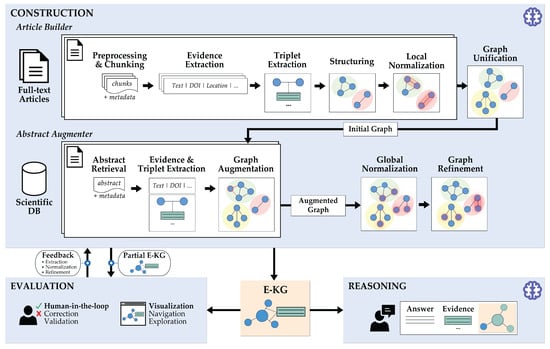
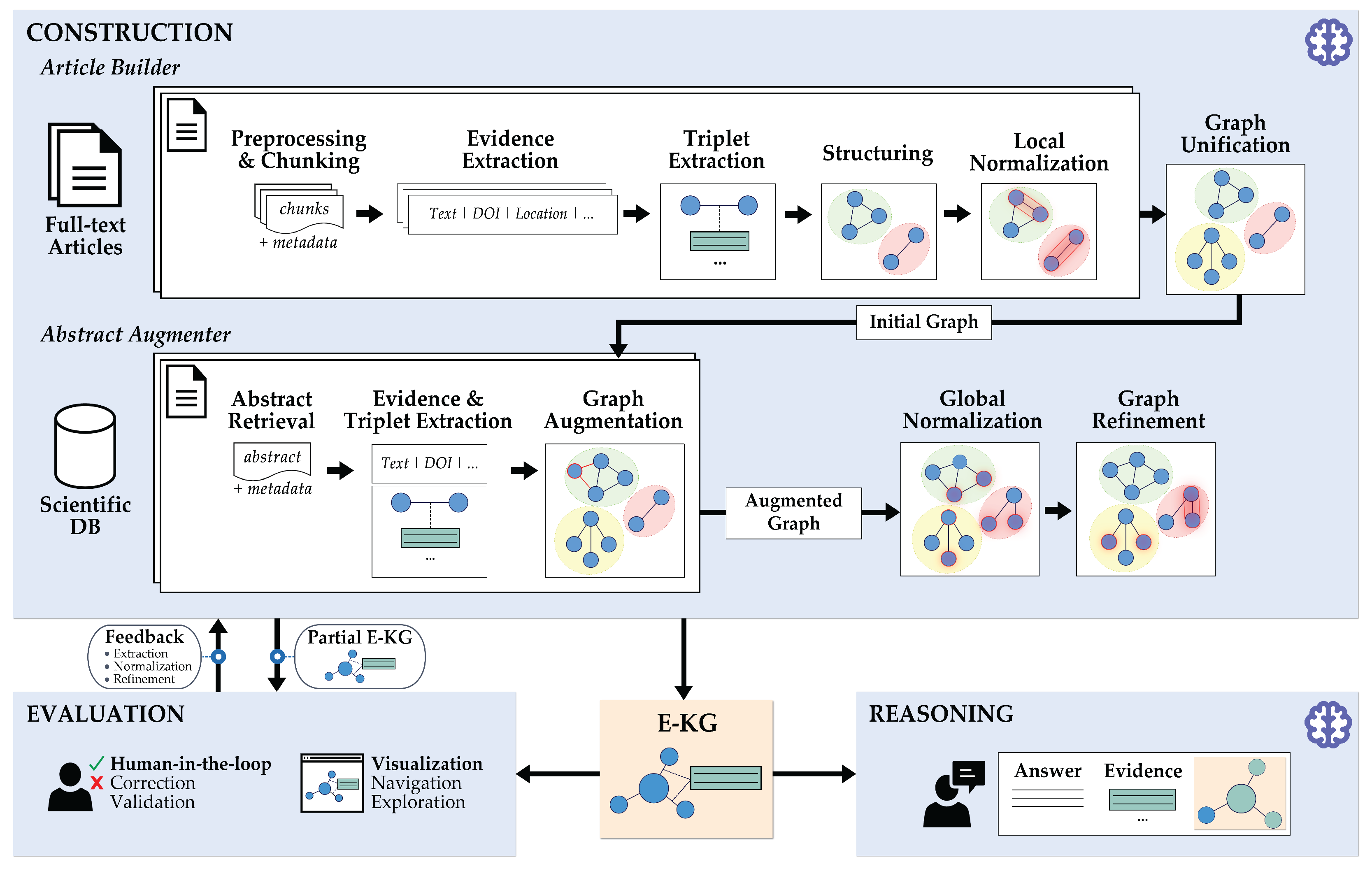
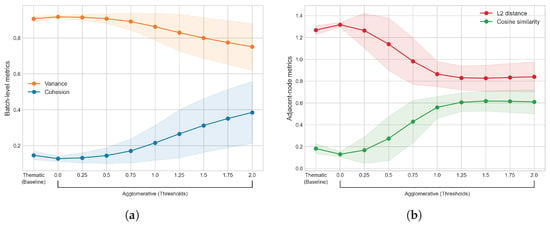
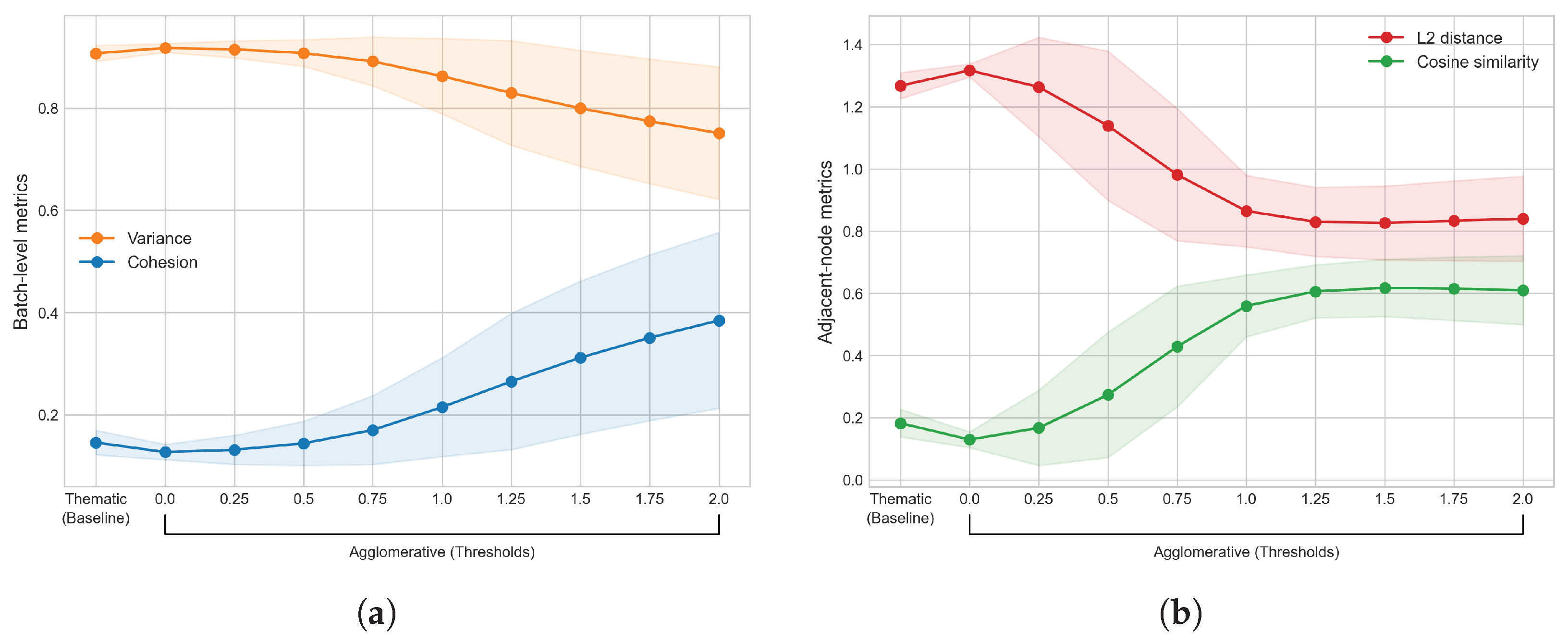
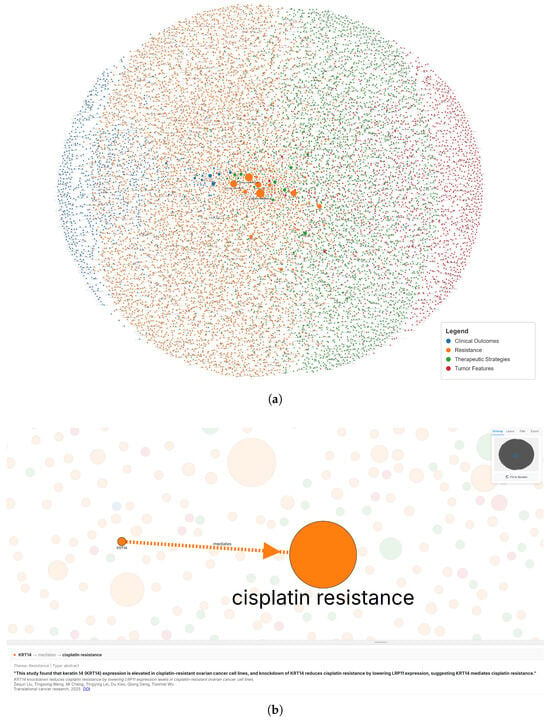
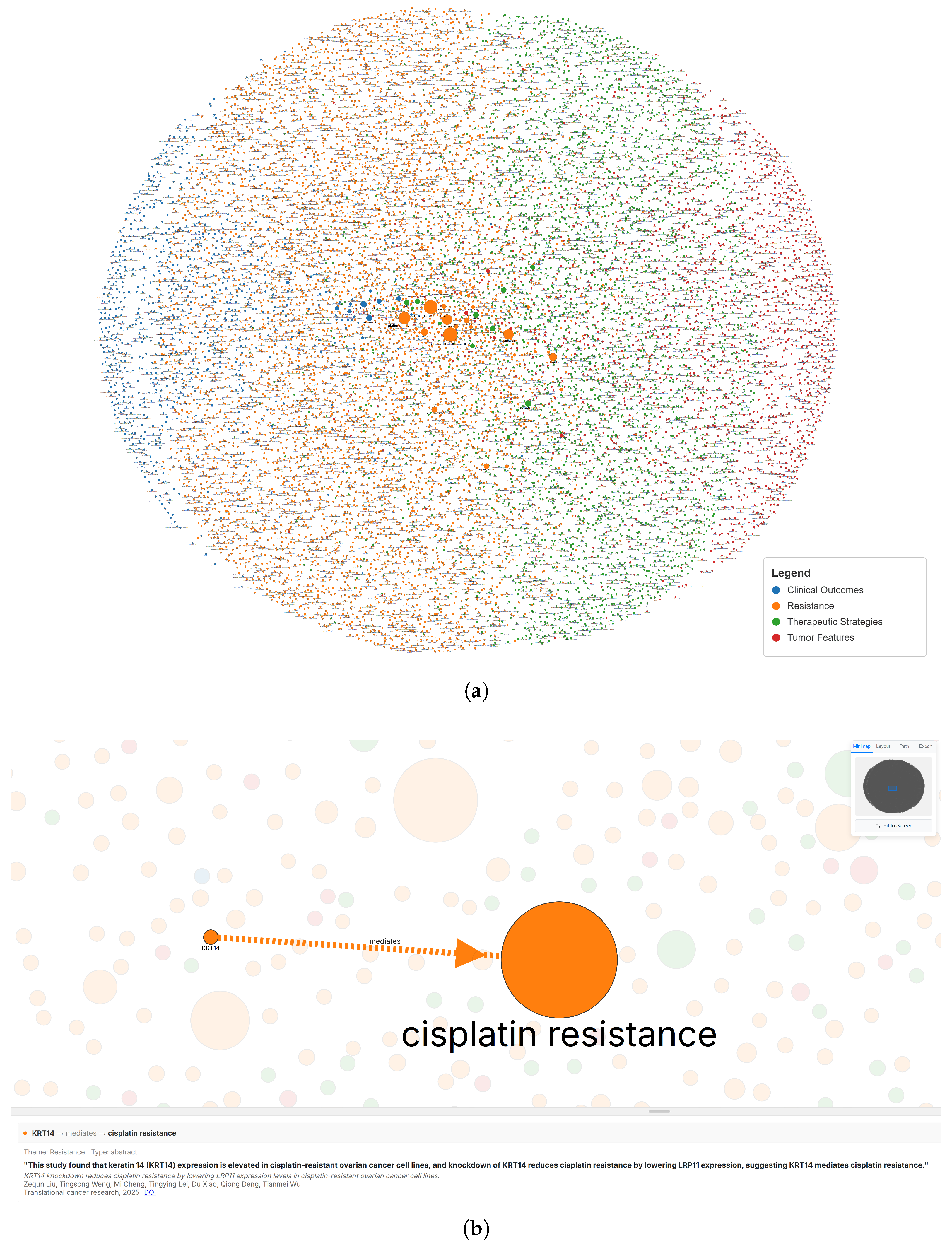
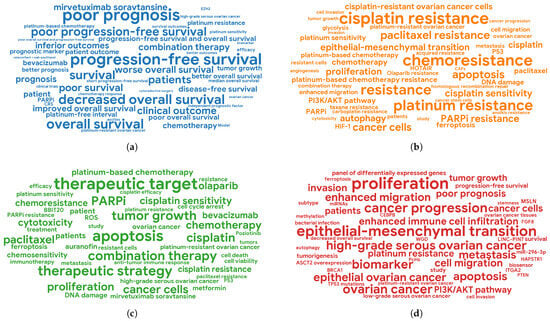
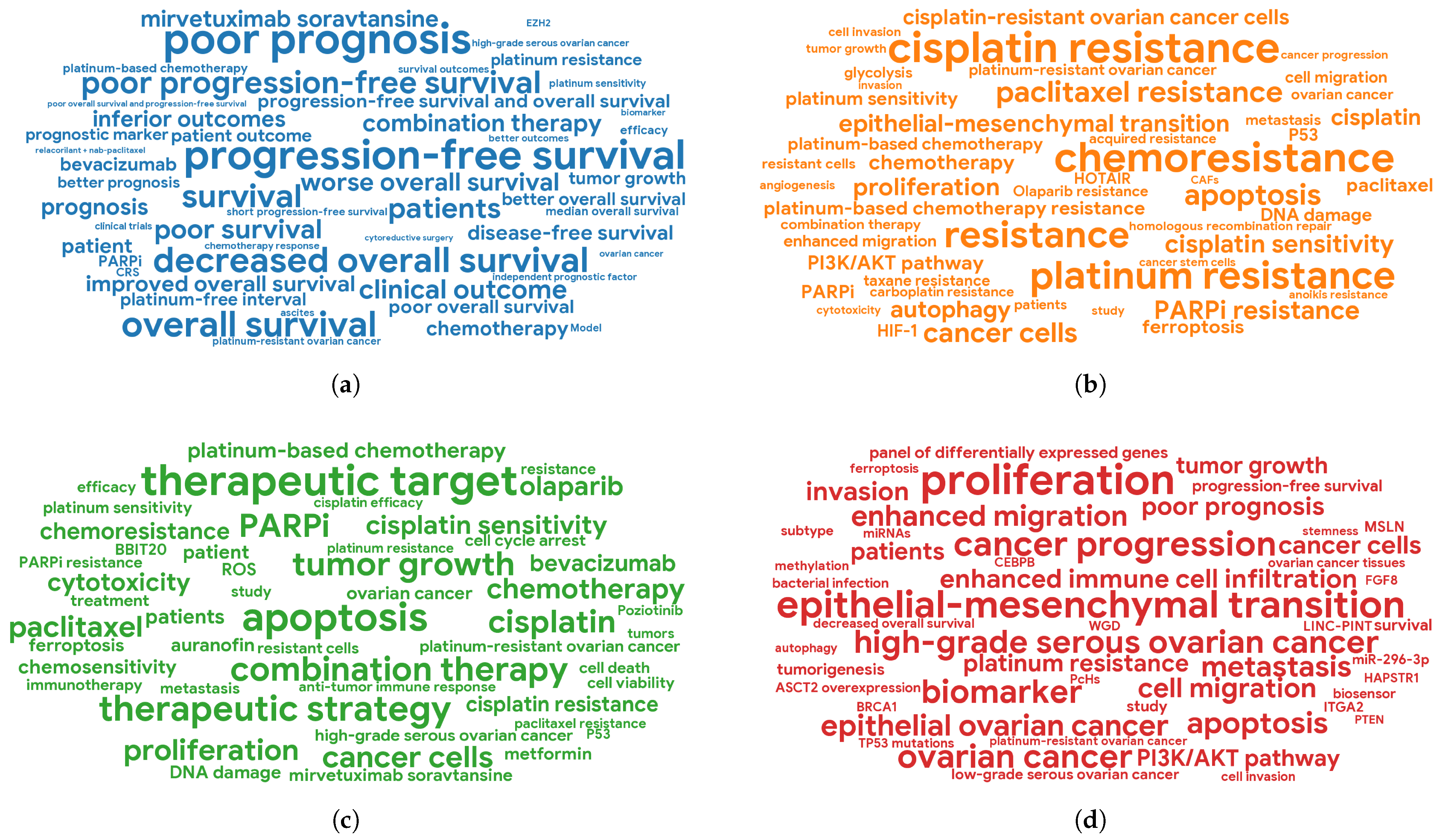
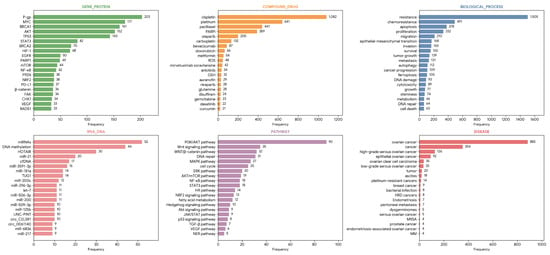
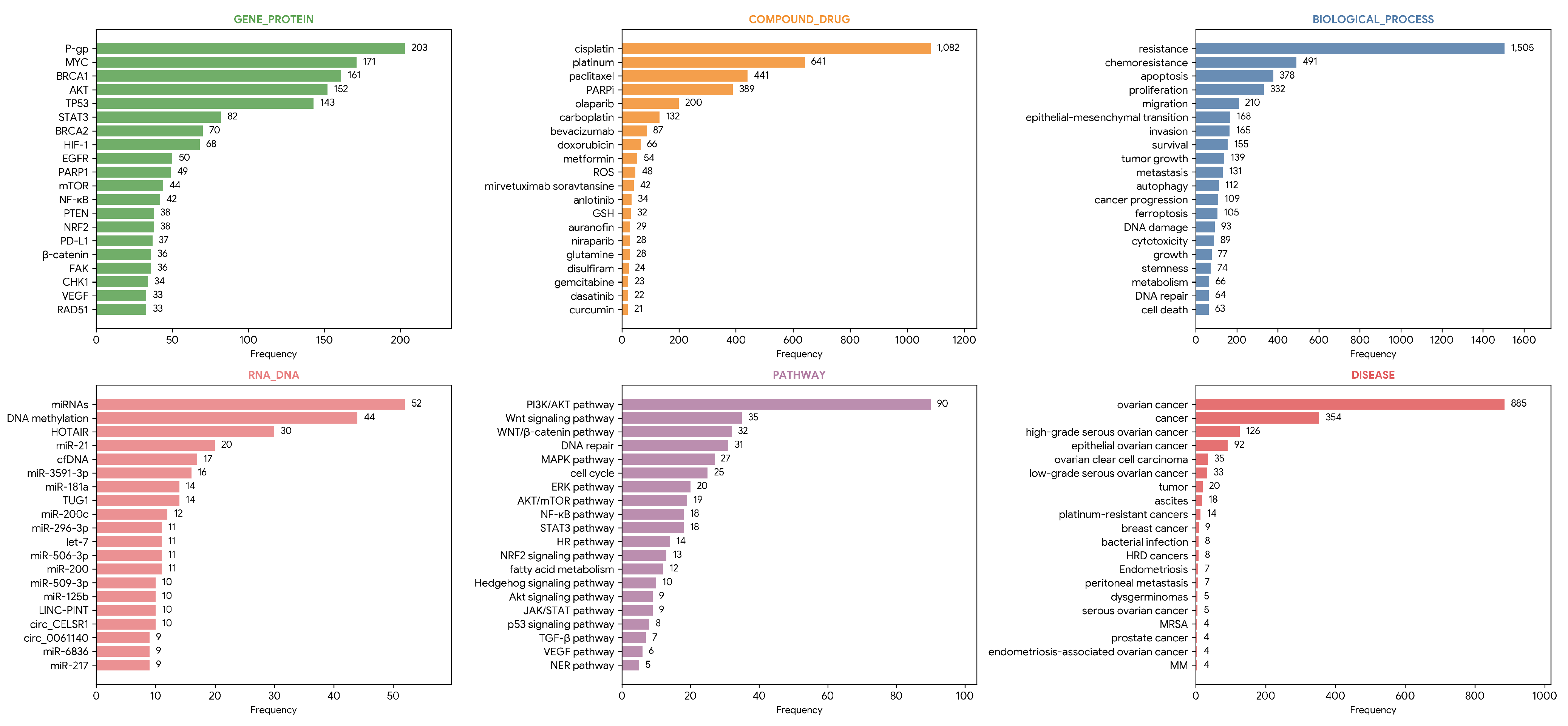
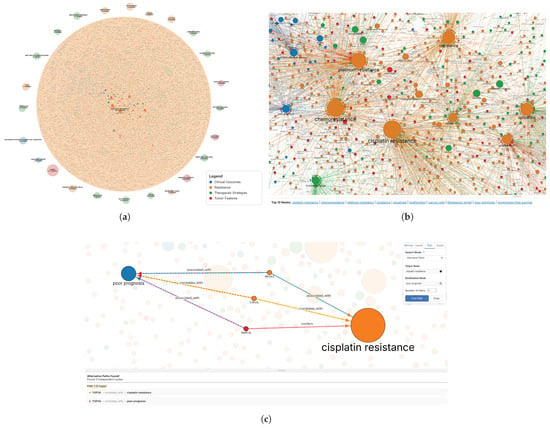
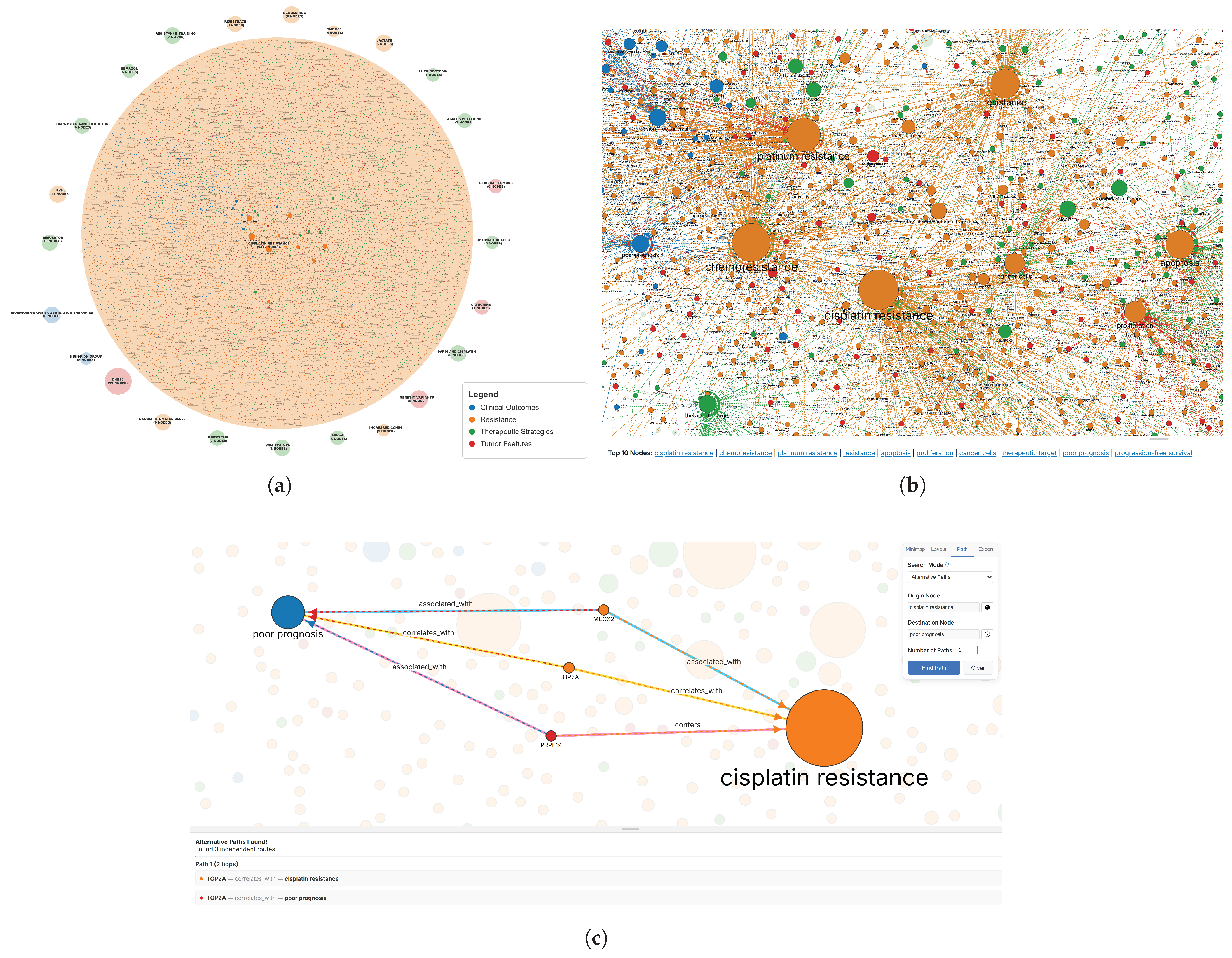
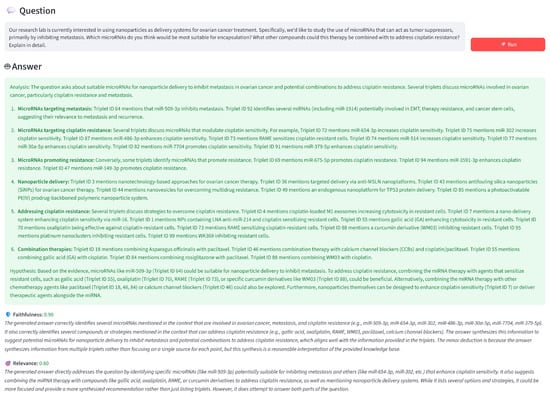
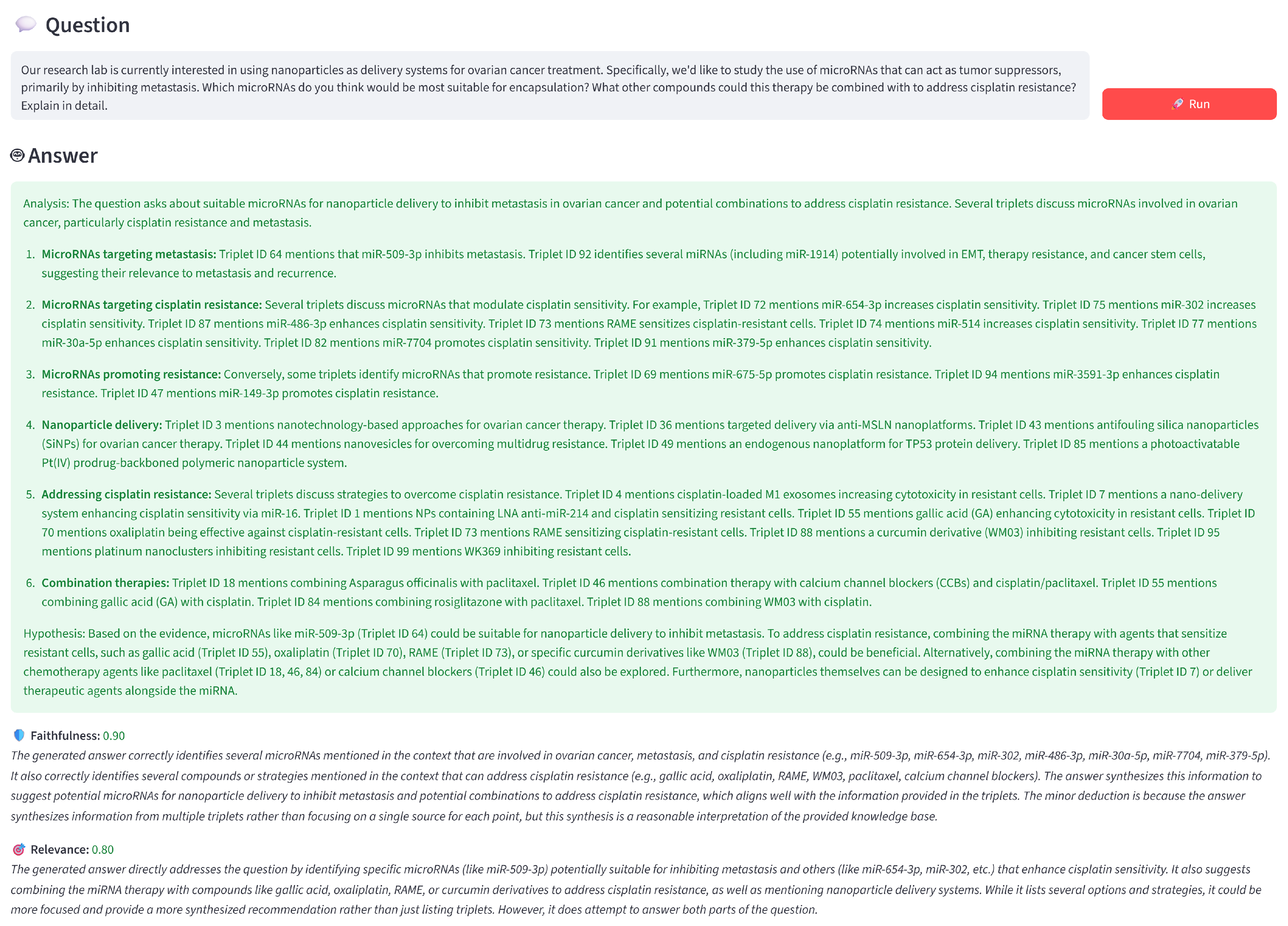

Disclaimer/Publisher’s Note: The statements, opinions and data contained in all publications are solely those of the individual author(s) and contributor(s) and not of MDPI and/or the editor(s). MDPI and/or the editor(s) disclaim responsibility for any injury to people or property resulting from any ideas, methods, instructions or products referred to in the content. |
© 2026 by the authors. Licensee MDPI, Basel, Switzerland. This article is an open access article distributed under the terms and conditions of the Creative Commons Attribution (CC BY) license.