


Abstract
Textile wastewater is among the most challenging industrial effluents due to its complex composition, high pollutant load, and low biodegradability. Conventional treatment methods often fall short in achieving complete removal of dyes and emerging contaminants. Photocatalytic composite membranes have emerged as a promising solution by integrating membrane separation and advanced oxidation processes. This review provides a comprehensive overview of the design, fabrication, and performance of photocatalytic composite membranes for textile wastewater treatment. Key aspects include the types of photocatalysts employed, methods of incorporation into membranes, and their synergistic role in pollutant removal and membrane fouling mitigation. Recent advancements in materials science, such as visible-light-responsive catalysts, carbon-based nanocomposites, and self-cleaning surfaces, are discussed, along with current limitations related to catalyst stability, operational scalability, and cost. This review underscores the potential of photocatalytic composite membranes as a next-generation platform for sustainable and effective textile wastewater treatment.
1. Introduction
The textile industry ranks among the most water intensive human activities. In Europe alone, fabric manufacturing is responsible for an annual water consumption of approximately 600 million m3. On average, between 50 and 100 L of water are required to process each kilogram of textile material, with dyeing operations accounting for nearly 20 to 30 percent of this demand. Most of the water used throughout the production cycle is ultimately released as wastewater. Similarly, the laundry sector also contributes significantly to water consumption, as industrial laundries may discharge up to 400 m3 of effluent per day, typically using around 15 L of water per kilogram of processed textiles [1]. Wastewaters generated by these activities are commonly characterized by high turbidity and substantial loads of dyes, inorganic substances, and organic matter. In the absence of adequate treatment, these contaminants can disrupt the physicochemical balance of aquatic ecosystems, adversely affect the growth, reproduction, behavior, and survival of aquatic organisms, while also posing potential risks to human health. Consequently, there is an urgent need for efficient treatment strategies capable of managing such effluents and enabling water reuse [2].
Conventional treatment methods, including coagulation–flocculation, sedimentation, flotation, adsorption, and biological processes, are widely implemented in textile wastewater treatment plants [3]. However, these approaches often suffer from incomplete dye removal, limited effectiveness toward recalcitrant compounds, and instability under fluctuating wastewater compositions [4]. Membrane separation processes have emerged as an alternative to conventional techniques or as a polishing step for the treatment of textile wastewater due to their high separation efficiency, modular design, and ability to produce permeates suitable for reuse [3]. Techniques such as microfiltration (MF), ultrafiltration (UF), nanofiltration (NF), reverse osmosis (RO), and membrane distillation (MD) enable the selective removal of suspended solids, macromolecules, dissolved contaminants, and even trace pollutants, supporting both effluent discharge compliance and water reuse strategies. However, membrane filtration is fundamentally a physical separation process and therefore does not degrade pollutants. In addition to permeate production, it generates a concentrated retentate stream enriched with dyes, salts, and organic compounds that requires further treatment. Moreover, membrane fouling remains a critical operational challenge, leading to flux decline, increased energy demand, frequent chemical cleaning, and reduced membrane lifespan [5].
To overcome these limitations, increasing research efforts have focused on integrating membrane separation with advanced oxidation mechanisms in a single multifunctional platform. Photocatalytic membranes represent a particularly promising approach, as they combine filtration with in situ generation of reactive oxygen species under light irradiation [6]. By immobilizing photocatalysts within or onto membrane matrices, these systems enable simultaneous pollutant separation and degradation. This dual functionality can mitigate fouling through self-cleaning effects, reduce pollutant accumulation in the concentrate stream, and enhance overall treatment efficiency [7].
Most photocatalytic membranes are designed as composite materials, typically consisting of a polymeric or ceramic support integrated with photocatalytic nanoparticles such as TiO2, ZnO, g-C3N4, metal–organic frameworks (MOFs), or heterojunction-based nanostructures [8]. Advances in materials engineering, including visible-light-responsive catalysts, carbon-based nanocomposites, heterostructure construction, and multifunctional surface modifications, have significantly improved light utilization, charge separation efficiency, and operational stability. Despite these advancements, challenges related to catalyst immobilization, membrane durability under oxidative conditions, long-term stability in real wastewater matrices, and economic scalability remain to be fully addressed.
Therefore, this review provides a comprehensive and critical analysis of photocatalytic composite membranes for textile wastewater treatment. First, the fundamental principles of photocatalysis and membrane separation processes are discussed. Subsequently, fabrication strategies and design approaches for composite photocatalytic membranes are examined. Their performance in textile wastewater treatment is then evaluated, with emphasis on degradation efficiency, antifouling behavior, and operational stability. Finally, current limitations, technological challenges, and future research directions are highlighted, aiming to support the transition of this technology from laboratory-scale development to practical industrial implementation.
2. Fundamentals of Photocatalysis
Advanced oxidation processes (AOPs) have emerged as promising technologies for the treatment of complex wastewaters. These processes are based on the in situ generation of reactive oxygen species (ROS), particularly hydroxyl radicals (HO•), which promote the non-selective oxidation of organic contaminants. Among AOPs, photocatalysis has demonstrated notable effectiveness in treating water matrices containing recalcitrant pollutants [9]. This technique employs photoactive catalysts, such as semiconductor metal oxides, to produce ROS under ultraviolet or solar irradiation. Photocatalysts accelerate such reactions under light irradiation while remaining chemically stable and unconsumed. Upon photon absorption, reactive species are produced, initiating a cascade of chemical transformations. Owing to these properties, photocatalytic materials have gained considerable attention for applications in green synthesis, renewable energy conversion, and environmental remediation [10].
Titanium dioxide (TiO2) is the most extensively investigated photocatalyst for wastewater treatment; however, its activation is restricted to near ultraviolet radiation with wavelengths below 390 nm. Zinc oxide (ZnO) has gained attention as an alternative due to its intrinsic structural defects, which enable absorption over a broader portion of the solar spectrum, extending up to 425 nm, thereby enhancing its suitability for visible light driven applications. Moreover, the production cost of ZnO can be up to 75% lower than that of TiO2 [11,12,13].
The photocatalytic mechanism of ZnO involves the absorption of photons with energy equal to or greater than its band gap (Eg = 3.1 eV), leading to the excitation of electrons from the valence band to the conduction band and the formation of electron hole pairs. These charge carriers can migrate to the catalyst surface, where they participate in redox reactions that generate various radical species [14,15]
In other words, photocatalysis is an advanced treatment process that combines light irradiation with a semiconductor catalyst to degrade organic pollutants into less harmful products. This process is governed by the excitation of electrons across the energy band gap separating the valence band (VB) and conduction band (CB) of the photocatalyst. When photons with energy equal to or greater than the band gap are absorbed, electrons are promoted from the VB to the CB, generating electron–hole pairs. The photogenerated charge carriers migrate to the catalyst surface, where they participate in redox reactions with adsorbed species. Conduction band electrons reduce molecular oxygen to form superoxide radicals (•O2−), while valence band holes oxidize water or hydroxide ions to produce hydroxyl radicals (•OH). The resulting reactive oxygen species (ROS) exhibit high oxidative efficiency, enabling the degradation of a broad range of organic compounds [16].
One of the most effective approaches to prolong exciton lifetime involves constructing heterojunctions by coupling two or more semiconductors. Depending on the intended application, different heterojunction architectures, such as Schottky junctions, p–n (or non-p–n) junctions, van der Waals junctions, and facet heterojunctions, can be engineered. Each configuration presents distinct advantages and limitations, making the rational selection of heterojunction type crucial for optimized performance. A broad spectrum of semiconductor materials with appropriate band gap energies, including metal oxides, perovskites, chalcogenides, MOFs, covalent organic frameworks (COFs), and MXenes, has been explored for such purposes. In general, exciton lifetime can be extended by integrating semiconductors with other semiconductors, metals, or carbon-based materials to mitigate charge recombination. When materials with different band structures are coupled, electronic hybridization occurs, generating interfacial band bending and a built-in potential difference. This creates an internal electric field within the space-charge region that promotes spatial separation of photogenerated charge carriers, a phenomenon characteristic of heterojunction systems [17].
To better understand the influence of heterojunctions on photocatalytic performance, they are commonly classified into three main types based on band alignment: type I, type II, and type III. In type II heterojunctions, electrons typically migrate toward the semiconductor with a more positive conduction band potential, while holes transfer to the material with a more negative valence band. This spatial separation enhances light utilization and reduces recombination. However, from a kinetic perspective, repulsive interactions between similar charge carriers can hinder their migration, indicating that additional factors must be considered. In this regard, the internal electric field formed at the interface has been recognized as a key driving force for charge transfer, being largely determined by the relative Fermi levels of the coupled materials. Based on the relationship between conduction band positions and Fermi levels, type II systems can be further subdivided into distinct configurations with different charge transfer behaviors [18].
Direct-Z scheme heterojunctions, earlier also known as S-scheme, photocatalysts have emerged as an important advancement, aiming to overcome the limitations of conventional systems. Unlike earlier Z scheme designs that require mediators or conductive pathways, direct Z scheme heterojunctions enable charge transfer without intermediate components. These systems retain strong redox potentials and exhibit high photocatalytic efficiency, although their charge transfer mechanisms are still under investigation [19].
Accurate identification of heterojunction types remains a critical challenge in the design of efficient photocatalysts. Despite extensive studies demonstrating the benefits of heterojunctions, distinguishing between configurations such as type II and S scheme systems is not always straightforward. This difficulty arises because both exhibit similar band alignment characteristics, while their charge transfer mechanisms differ significantly and require advanced analytical techniques to be properly understood. As a result, increasing attention has been directed toward heterojunction systems, particularly type II and S scheme or direct Z scheme configurations, due to their important role in promoting charge separation and enhancing photocatalytic activity [19].
In organic semiconductors, the inherently low dielectric constant often leads to inefficient charge separation and the formation of strongly bound Coulombic excitons. Consequently, heterojunction engineering has been extensively applied to organic systems to improve charge dissociation efficiency. Similarly, heterojunction strategies are widely implemented in inorganic semiconductors to enhance both charge separation and light absorption, ultimately improving photocatalytic performance [17].
The performance of a heterojunction system is governed by multiple interrelated parameters. Close interfacial contact between the coupled components is essential to enable efficient charge separation and to establish an internal electric field at the junction. Beyond the electronic factors, the spatial orientation between the interfacing materials is also important. For example, different configurations of α-Fe2O3 and Bi2O3 heterostructures have been engineered in ring to face, face to face, and rod to face arrangements. Among these architectures, the face-to-face configuration exhibited superior photocatalytic performance, attributed to enhanced interfacial contact and more effective pathways for charge transfer [20].
Advances in Photocatalysis
Advances in photocatalyst engineering have focused on improving solar light utilization and charge separation efficiency. For instance, a sonochemically synthesized MgTiO3 modified with Ag nanoparticles demonstrated enhanced photocatalytic activity toward Fuchsin dye under natural sunlight, achieving 99.2% removal within 50 min and a kinetic constant of 0.0314 min−1 [21]. The Ag-modified material significantly outperformed pristine MgTiO3 (55.6% removal) and commercial TiO2-P25 (42% removal), even at a low catalyst dosage of 0.3 g/L. Optimal degradation occurred at neutral pH, and the catalyst retained 81.8% efficiency after five reuse cycles. Mechanistic investigations indicated superoxide radicals (O2•−) as the dominant reactive species, while total organic carbon (TOC) reduction reached 67.8%, confirming partial mineralization and the formation of simpler intermediates [21]. Hybrid nanocomposites integrating graphene oxide with plasmonic silver nanoparticles have also shown multifunctional potential for wastewater remediation. Moreover, when applied in membrane-assisted processes, the nanocomposites demonstrated significant dye rejection (~98%) with a permeate flux of about 6 L m−2 h−1 bar−1 under low-pressure NF conditions [22].
Solar-responsive ZnO nanomaterials synthesized via probe ultrasonication have likewise demonstrated promising performance in textile wastewater treatment. Optimization of ultrasonication amplitude (up to 80%), irradiation time (up to 45 min), and precursor concentration (0.1–0.3 M) yielded well-dispersed, non-agglomerated nanoparticles with enhanced visible-light activity. Under optimized conditions, up to 98% degradation of textile wastewater was achieved within 60 min, following pseudo-first-order kinetics with a rate constant of 0.0365 min−1. The catalyst also maintained structural stability and high performance over three consecutive cycles, underscoring its suitability for sustainable applications [23].
Despite significant progress, complete mineralization remains a major challenge in photocatalytic dye degradation. The transformation of dyes such as methylene blue, rhodamine B, and malachite green often generates intermediate compounds, including aromatic amines, phenolic derivatives, and low-molecular-weight organic acids, which may exhibit higher toxicity than the parent molecules. Therefore, comprehensive identification of degradation pathways using analytical tools such as Fourier transform infrared spectroscopy (FTIR), UV–Visible spectroscopy, gas chromatography–mass spectrometry (GC–MS), high-performance liquid chromatography (HPLC), and TOC analysis is essential to ensure environmental safety [10].
Recent research has emphasized the development of sustainable and reusable photocatalysts tailored for practical wastewater remediation. A hybrid ZnO/activated carbon material derived from low-cost date-pit biomass and immobilized within alginate beads demonstrated strong applicability under natural solar irradiation [24]. The encapsulated composite achieved dye removal efficiencies of 83% for Basic Red 46 and 78% for Basic Yellow 28 at ambient pH using 15 g L−1 of catalyst over 6 h. Importantly, the system maintained high activity over twenty consecutive reuse cycles, confirming its operational stability. Phytotoxicity and biodegradability assessments further validated the improved environmental compatibility of treated effluents, while cost analysis supported the economic feasibility of large-scale implementation, highlighting its potential for sustainable and scalable wastewater treatment applications.
Similarly, visible-light-responsive molybdenum-doped TiO2 has demonstrated significant promise for solar-assisted degradation of persistent azo dyes. Urea-assisted molybdenum (Mo)-doped incorporation effectively narrowed the band gap and suppressed electron–hole recombination, enabling enhanced performance under both UV and solar irradiation [25]. An optimized 0.2 wt% Mo-U-TiO2 catalyst achieved 99.2% degradation of Acid Black 1 within 120 min under UV light, while sunlight-driven experiments resulted in removal efficiencies of 91% and 89.2% for Acid Black 1 and Reactive Red 120, respectively. Beyond dye degradation, the catalyst exhibited sustained reusability, confirmed degradation pathways via GC–MS, and demonstrated antibacterial activity against Gram-positive and Gram-negative strains. These multifunctional properties underscore its applicability not only for pollutant removal but also for integrated water disinfection strategies.
Morphology-engineered photocatalysts have also emerged as effective candidates for dye-contaminated wastewater treatment. A hollow-sphere cobalt sulfide (CoS) photocatalyst synthesized through a structure-controlled approach achieved removal efficiencies of 98.7% for methylene blue, 93% for crystal violet, 76% for rhodamine B, and 84.5% for rhodamine 6G under simulated solar irradiation at neutral pH [26]. The cavity-sphere architecture enhanced light harvesting and surface availability, significantly improving photocatalytic degradation efficiency. Process optimization through response surface methodology and artificial intelligence modelling identified pH, catalyst dosage, and irradiation time as critical parameters. The catalyst maintained structural integrity and high performance over multiple cycles, reinforcing its potential for cost-effective, large-scale environmental remediation.
Moreover, increasing emphasis on mineralization pathways, by-product identification, ecotoxicological evaluation, and cost assessment reflects a shift toward more comprehensive and application-oriented research. These advancements demonstrate that photocatalysis is transitioning from a predominantly laboratory-scale technique to a viable, scalable, and environmentally responsible solution for textile wastewater remediation.
Photocatalysis, owing to its compatibility with sustainable and environmentally friendly energy sources, represents a fundamental strategy within environmental remediation. Considerable efforts have been devoted to the development of advanced photocatalysts for diverse applications, including dye degradation, CO2 and NOx reduction, organic synthesis, and hydrogen production. Among the key parameters governing photocatalytic efficiency, suppression of electron–hole recombination is widely recognized as critical. Enhancing the lifetime of photogenerated excitons is therefore essential to improving overall catalytic performance.
3. Membrane Separation Processes
Techniques such as MF, UF, NF, and RO enable the selective removal of suspended solids, macromolecules, dissolved contaminants, and even trace pollutants, supporting both wastewater discharge compliance and water reuse strategies. These processes rely on pressure differences as the driving force and are typically classified in accordance with their pore size range, which defines their applications [27]. According to Faneer et al. [28], MF membranes have pore sizes ranging from 0.1 to 1 µm, UF membranes from 0.01 to 0.1 µm, NF membranes from 1 to 10 nm, and RO have pore sizes lower than 1 nm. UF, NF and RO membranes are usually characterized based on their molecular weight cutoff (MWCO) instead of pore size: typically, UF membranes MWCO ranges from 1 to 500 kDa, NF membranes from 0.5 to 2 kDa and RO lower than 500 Da [29,30].
MF membranes have been employed to retain suspended solids and colloidal dyes from textile wastewaters, and they may also serve as a pre-treatment step to reduce subsequent fouling in UF or NF membrane systems [31,32]. UF membranes are commonly used to recover high-molecular-weight compounds, processing auxiliaries, and various dyes such as reactive, direct, and indigo types [33]. Moreover, UF permeate can be reused for rinsing and washing operations within textile manufacturing [34]. However, both MF and UF cannot retain dissolved salts and dyes with low molecular weight [4]. NF membranes are capable of removing dissolved organic substances, multivalent ions, and hydrolyzed reactive dyes from wastewater streams; however, monovalent salts can still pass through them [35]. And RO membranes can effectively retain both multivalent and monovalent salts, in addition to remaining dye molecules, being the most used system when water reuse is required [36]. Normally a combination of membrane processes is applied. For instance, by integrating MF as a pretreatment step prior to NF, Özgün et al. [37] obtained approximately 85% reduction in chemical oxygen demand (COD) and 98% color removal. When RO was applied after MF instead of NF, the treatment efficiency further improved, reaching about 97.5% COD removal and 99.3% color removal [37]. Comparable outcomes have been observed in systems employing UF as a preliminary stage to mitigate fouling and improve the operational efficiency of the downstream NF or RO processes [38].
Regarding the membrane material, polymers, ceramics, and mixed matrices have been studied for textile wastewater treatment. Polymeric membranes are the most used ones due to their lower costs and easier production processes. Commonly used polymers include polyvinylidene fluoride (PVDF), polyethersulfone (PES), cellulose acetate (CA), polystyrene (PS), and polyvinyl chloride (PVC) [39,40,41,42,43]. Nevertheless, because most polymeric materials are inherently hydrophobic, polymer-based membranes tend to be more prone to fouling leading to reduced permeate flux, shorter operational periods, and a decreased membrane service life [44]. To overcome that, studies are focusing on surface modification and polymer blending to improve membrane hydrophilicity and on optimizing the separation process parameters such as cross-flow velocity and transmembrane pressure (TMP) [44,45].
Because of their strong chemical stability, ceramic membranes typically exhibit extended operational lifetimes and improved durability. Common materials used in their production include alumina (Al2O3), titania (TiO2), and zirconia (ZrO2) [46,47]. Despite their technical benefits compared with polymeric membranes, their broader application in environmental fields—such as wastewater treatment—has been constrained by the high costs associated with raw materials and fabrication processes. To address this limitation, lower-cost ceramic precursors like mullite, bentonite, kaolinite, and various inorganic waste-derived materials have been investigated as alternative sources for ceramic membrane manufacturing [48,49].
To explore the benefits of different materials, some studies have been focusing on mixed-matrix membranes, which consist of combinations of two or more materials from different classes [33,50]. These composites can enhance membrane properties and improve separation performance. Typically, mixed-matrix membranes comprise a continuous phase, most often polymeric, embedded with a dispersed phase such as ceramics, zeolites, or carbon-based materials. As a result, the final structure may combine processability and scalability of polymers with the physicochemical robustness of inorganic materials. Although significant progress has been achieved, mixed-matrix membranes remain an emerging technology that requires further investigation to fully realize their considerable potential.
When evaluating membrane processes for wastewater treatment, key performance indicators must be thoroughly assessed, such as permeate flux, resistance to fouling, and rejection rate [51]. In the context of textile wastewater, these factors become even more critical due to the complex composition of the effluent, which typically contains high concentrations of dyes, surfactants, salts, suspended solids, and auxiliary chemicals [50]. These compounds may lead to severe membrane fouling through pore blockage and cake layer formation, resulting in flux decline and increased operational costs. Therefore, the selection of appropriate membrane materials and operational conditions, such as TMP, crossflow velocity, and pretreatment strategies, is essential to maintain stable performance. Continuous monitoring of rejection efficiency and long-term fouling behavior is also necessary to ensure consistent permeate quality and reliable operation in full-scale applications [52].
There are various membrane module designs that can be implemented, including flat-sheet, tubular, hollow fiber, spiral-wound, and capillary configurations [53]. Flat-sheet membranes are predominantly utilized in laboratory-scale investigations due to their simplicity to assemble, operate, and monitor [54]. Nevertheless, their membrane surface area relative to module volume (i.e., packing density) is limited, which restricts their practicality at industrial scale due to the substantial footprint required [55]. To overcome this limitation, flat membranes can be arranged in stacks separated by spacers, rolled around a central tube, and enclosed within a cylindrical housing to create spiral-wound modules. This design significantly increases the effective membrane area available for filtration within a compact volume [56]. A drawback of spiral-wound systems, however, is the inability to perform backflushing, whereas tubular modules allow this cleaning strategy [57]. Tubular, capillary, and hollow fiber membranes share a similar cylindrical geometry but differ mainly in their internal diameters. Although the literature does not establish strict boundaries between these categories, Mulder [58] suggested that tubular membranes typically exceed 10 mm, capillary membranes range from 0.5 to 10 mm, and hollow fibers have diameters below 0.5 mm.
Membrane processes may be operated either in dead-end configuration (normal flow to the membrane surface) or in cross-flow configuration (tangential flow along the membrane surface). In the treatment of textile wastewater under dead-end filtration, pollutants such as dye molecules, suspended solids, colloidal particles, and auxiliary chemicals tend to accumulate rapidly on the membrane surface [59]. Initially, smaller particles and macromolecules may block membrane pores, and over time, a compact cake layer is formed, intensifying hydraulic resistance and reducing permeate flux. Due to the pronounced fouling, dead-end systems are generally operated in batch mode, as frequent cleaning or membrane replacement becomes necessary [60]. For large-scale textile wastewater treatment, continuous systems are more appropriate. These systems commonly operate under cross-flow conditions. The tangential movement of the feed stream generates shear stress at the membrane surface, which helps to limit the deposition of foulants and reduces cake layer compaction [61]. As a result, cross-flow operation better controls fouling development and maintains more stable permeate flux over time.
However, because textile wastewater presents a highly complex matrix, membrane processes are generally unsuitable as single, stand-alone treatment solutions [62,63]. Supplying untreated wastewater directly to membrane modules often triggers intense fouling, which is one of the main operational challenges of membrane separation processes. This phenomenon leads to permeate flux reduction, changes in separation efficiency, and a decrease in membrane service life. Consequently, the implementation of adequate primary treatment (screening, oil and grease separation, coagulation, flocculation, flotation, sedimentation) is essential prior to membrane filtration [3]. When suitable, biological processes may additionally reduce the fraction of biodegradable organic matter; however, their performance is frequently constrained in dye-laden textile wastewater, which typically exhibits low biodegradability [64].
Despite appropriate primary and pretreatment strategies, membrane fouling remains an inherent challenge during long-term operation, affecting flux stability, selectivity, and operational costs. In addition, as membrane processes are based on physical separation, they inevitably generate a concentrated retentate stream enriched with dyes, organic compounds, and salts, which requires further management and treatment. These limitations highlight the need for more integrated and sustainable approaches. In this context, increasing attention has been directed toward photocatalytic membranes, which combine filtration with in situ pollutant degradation. By coupling separation and advanced oxidation within a single system, these hybrid materials aim not only to mitigate fouling but also to reduce pollutant accumulation in the concentrate stream. The next sections discuss the development of photocatalytic membranes and their use in textile wastewater treatment.
4. Fabrication and Design of Photocatalytic Composite Membranes
The fabrication and design of photocatalytic composite membranes are decisive in defining their structural integrity, multifunctional performance, and long-term operational stability [65]. Contemporary photocatalytic membranes are increasingly engineered as integrated platforms that go beyond conventional separation, combining photocatalysis with additional functionalities such as photothermal conversion, piezoelectric activation, antifouling, superhydrophobicity, and self-cleaning [66]. Achieving such multifunctionality requires fabrication strategies that ensure robust immobilization of active materials, controlled hierarchical morphology, strong interfacial interactions, and efficient exposure of catalytic sites, while maintaining permeability, mechanical stability, and chemical resistance [67].
Current fabrication approaches can be broadly categorized into polymer-based bulk incorporation methods, surface modification and coating strategies, in situ growth of functional nanostructures, and ceramic or hybrid ceramic architectures. Each route presents distinct advantages and limitations in terms of scalability, catalyst accessibility, durability, and applicability under realistic operating conditions [68].
4.1. Blending and Phase Inversion-Based Fabrication
Blending remains one of the most widely adopted strategies for polymeric photocatalytic membranes due to its simplicity and compatibility with industrial-scale production. In this approach, photocatalyst nanoparticles are dispersed in polymer solutions prior to membrane formation, most commonly via non-solvent-induced phase separation (NIPS). Typical polymer matrices include polysulfone (PSU), PES, PVDF, polyacrylonitrile, sulfonated polymers, and cellulose acetate, while TiO2, ZnO, g-C3N4, and doped metal oxides are frequently employed as photocatalysts [69,70,71].
In a representative blending-NIPS process, photocatalysts are ultrasonically dispersed in a solvent or co-solvent system and incorporated into a homogeneous polymer casting solution. The solution is cast onto a substrate and immersed in a non-solvent bath, yielding porous membranes with interconnected pore networks that enhance mass transfer and light penetration. Post-fabrication treatments, such as alkaline immersion, are often applied to tailor surface charge and hydrophilicity, improving adsorption of charged pollutants and synergistically enhancing photocatalytic degradation efficiency [72]. Despite its scalability, blending may result in partial catalyst encapsulation and reduced light accessibility.
Finally, blending combined with in situ polymerization involves dispersing photocatalysts within monomer solutions prior to polymer network formation [73]. This approach enhances nanoparticle immobilization and promotes strong interfacial interactions between polymer chains and catalytic particles. Membranes fabricated via this route typically exhibit improved mechanical stability, homogeneous catalyst distribution, and reduced particle migration, although synthesis complexity may limit industrial scalability.
4.2. Surface Coating and Post-Modification Strategies
Surface coating and post-modification strategies are particularly effective when maximizing exposure of active sites while preserving membrane bulk properties. In this approach, pristine membranes are first fabricated, typically by NIPS or other conventional techniques, and subsequently functionalized by depositing catalytic or multifunctional layers onto their surface [74].
Photocatalysts and hybrid materials are commonly immobilized via immersion coating, dip-coating, or spray-coating from well-dispersed suspensions or solutions. Among these, spray-coating has attracted increasing attention due to its simplicity, controllability, and scalability. This technique enables uniform deposition of composite layers over large membrane areas while minimizing pore blockage. To enhance coating durability and interfacial adhesion, polymeric binders or crosslinking agents are frequently incorporated, while low-surface-energy modifiers can be used to tailor wettability [75].
Representative surface-modified membranes include those fabricated by spray-coating MOF-based composites onto nanocellulose substrates. In such systems, photocatalytically active MOFs are dispersed together with polymeric binders and hydrophobic modifiers to form stable coating formulations, which are then uniformly sprayed onto nanocellulose membranes. Subsequent drying promotes strong interfacial bonding and yields multifunctional membranes with enhanced photocatalytic activity, superhydrophobicity, and efficient oil–water separation performance [76]. Despite these advantages, challenges related to long-term coating adhesion and mechanical robustness under continuous flow remain important considerations.
4.3. In Situ Growth and Hybrid Nanostructure Integration
In situ growth strategies enable the formation of strongly anchored photocatalytic architectures by synthesizing functional nanostructures directly on support materials prior to or during membrane fabrication. These approaches are particularly effective for constructing hierarchical systems that enhance charge separation and reduce catalyst leaching [77].
Representative examples include the in situ growth of covalent organic frameworks on carbon-based or polymer-modified supports, followed by incorporation into polymer matrices via solution casting. Such hybrid systems exhibit improved light utilization, photocatalytic efficiency, and interfacial stability due to strong chemical and physical interactions between components [78]. Figure 1 shows the in situ deposition of TiO2 on the membrane surface by a hydrothermal reaction method.
Figure 1.
In situ deposition of TiO2 on the membrane surface by a hydrothermal reaction method. Reproduced from [77].
4.4. Ceramic and Hybrid Ceramic-Based Photocatalytic Membranes
Ceramic membranes have emerged as robust alternatives to polymeric systems for applications requiring high thermal, chemical, and mechanical stability. These membranes are typically fabricated using non-solvent-induced phase separation combined with high-temperature sintering to produce porous hollow fiber or tubular structures with well-defined pore architectures.
Advanced ceramic-based photocatalytic membranes incorporate functional layers through post-fabrication modification techniques. A representative strategy involves vacuum-assisted filtration to deposit photocatalytic nanostructures, such as sulfur-doped TiO2 nanotubes, onto porous mullite hollow fiber supports. To further expand functionality, secondary catalytic phases can be grown in situ via hydrothermal routes. In particular, the in situ growth of calcium-doped barium titanate on TiO2-nanotube-modified mullite membranes results in hierarchical heterostructures capable of synergistic piezo-photocatalytic activity, yielding composite ceramic membranes with high permeability, effective rejection, and enhanced catalytic performance under continuous operation [79].
4.5. Layer-by-Layer Assembly
Layer-by-layer (LbL) assembly is a highly versatile and precise surface engineering strategy for fabricating photocatalytic membranes. This approach relies on the alternating deposition of oppositely charged species, such as polyelectrolytes and photocatalyst nanoparticles, enabling nanoscale control over layer thickness, composition, and surface chemistry [73].
In photocatalytic membrane fabrication, LbL assembly is particularly attractive for immobilizing semiconductor nanoparticles onto polymeric substrates without significantly altering membrane bulk morphology. Typically, membrane surfaces are first activated or functionalized to introduce polar or charged groups, thereby promoting strong electrostatic interactions with subsequently deposited layers. Photocatalyst nanoparticles and polyelectrolytes are then sequentially deposited, forming multilayered architectures with uniform coverage and tunable catalyst loading. Figure 2 shows fabrication procedures of LbL-modified membranes.
Figure 2.
Schematic description of the fabrication of the material. (a) Electrospinning deposition technique; (b) Layer-by-layer assembly deposition technique. Reproduced from [73].
Luo et al. [80] demonstrated that TiO2-based photocatalytic membranes fabricated via LbL assembly using oppositely charged TiO2 nanoparticles and polyelectrolytes exhibit highly uniform catalytic layers and enhanced stability against particle detachment. The alternating deposition process enables precise control over the number of TiO2 layers, directly influencing photocatalyst loading, surface roughness, and photocatalytic activity. Importantly, intermediate rinsing steps and post-deposition cleaning remove weakly bound particles, significantly improving coating robustness under hydraulic agitation.
LbL-fabricated membranes benefit from maximized exposure of photocatalytic active sites, improved light utilization, and reduced catalyst leaching compared to bulk-blended systems. However, the multistep nature of the process, longer fabrication times, and challenges related to large-scale implementation remain key limitations for industrial application.
4.6. Electrospinning-Based Fabrication
Electrospinning has emerged as a versatile technique for fabricating photocatalytic membranes with interconnected nanofibrous networks, high porosity, and exceptionally large specific surface area. These structural characteristics significantly enhance mass transfer, light penetration, and accessibility of photocatalytic active sites, making electrospun membranes particularly suitable for advanced oxidation processes and photocatalytic filtration [73].
In electrospinning-based systems, photocatalysts are typically incorporated by dispersing them directly into the polymer spinning solution prior to fiber formation [81]. Carbon-based photocatalysts, such as graphitic carbon nitride, have received considerable attention for their visible-light activity, chemical stability, and metal-free nature [82]. Sonication-assisted dispersion and exfoliation strategies are often employed to improve catalyst dispersion and reduce agglomeration, enabling the formation of uniform nanofibers with embedded photocatalytic domains.
Alias et al. [83] demonstrated that the incorporation of exfoliated g-C3N4 nanosheets into polyacrylonitrile (PAN) electrospun nanofibers leads to a significant enhancement in photocatalytic performance compared to bulk g-C3N4 counterparts. The nanofibrous architecture not only prevents restacking of g-C3N4 nanosheets but also facilitates improved charge separation and light utilization. Moreover, the strong interaction between the polymer matrix and the photocatalyst contributes to mechanical stability and minimizes catalyst leaching during operation.
Electrospun photocatalytic membranes fabricated via this approach exhibit synergistic advantages arising from the combination of nanoscale fiber morphology and well-dispersed photocatalytic phases. However, challenges related to mechanical robustness, long-term durability under hydraulic stress, and scalability of electrospinning processes remain important considerations for practical applications.
4.7. Sol–Gel Processing, Heterojunction Engineering, and Multifunctional Coatings
Sol–gel and hydrothermal synthesis routes have recently been extended to the fabrication of multifunctional photothermal and superhydrophobic coatings designed to impart advanced surface properties to membrane systems. In this context, complex heterostructures combining semiconductors, layered double hydroxides (LDHs), and auxiliary catalytic phases have demonstrated significant potential [84].
Peng et al. [85] reported the synthesis of a g-C3N4-loaded zinc-titanium layered double hydroxide through a controlled sol–gel-hydrothermal process, in which metal precursors and organic ligands were reacted to form a hierarchical LDH structure with embedded g-C3N4 domains. The integration of g-C3N4 within the LDH matrix enhances visible-light absorption and promotes efficient charge separation, while the LDH framework provides structural stability and facilitates electron transport.
Subsequent modification with manganese dioxide further endows the composite with photothermal and redox-active functionalities, yielding a multifunctional composite capable of simultaneous photothermal conversion and photocatalytic activity. When applied as a surface coating, this heterostructured material imparts superhydrophobicity through increased surface roughness and synergistic interfacial effects, enabling efficient oil–water separation, contaminant adsorption, and self-cleaning behavior. Importantly, the resulting coatings exhibit high physicochemical stability and sustained performance under harsh operating conditions, highlighting their suitability for demanding filtration and separation applications [85].
Therefore, the rational design of photocatalytic composite membranes requires balancing catalytic efficiency, membrane permeability, durability, and scalability. As summarized in Table 1, no single fabrication route simultaneously maximizes catalyst accessibility, leaching resistance, mechanical robustness, and manufacturing reproducibility. Blending and phase inversion remain the most attractive options for large-scale production because they are simple and highly reproducible, but they may partially embed the photocatalyst within the polymer matrix, thereby limiting active-site exposure. Surface coating and layer-by-layer assembly provide greater catalyst accessibility and more efficient light utilization, although their long-term durability under continuous pressure-driven filtration depends strongly on coating adhesion. In situ growth strategies offer improved catalyst anchoring and lower leaching, but their synthesis is generally more complex and less straightforward to reproduce at large scale. Electrospun membranes provide exceptional surface area and photocatalyst dispersion, yet their mechanical stability under sustained hydraulic stress remains a concern. Ceramic and hybrid ceramic architectures are the most robust under harsh operating conditions and high-pressure filtration, although their fabrication is more energy-intensive and costly. Consequently, while polymer-based blending and coating strategies remain attractive for industrial implementation, advanced surface functionalization, in situ growth, and ceramic hybrid architectures offer enhanced catalyst accessibility and multifunctionality. Future research should prioritize environmentally benign fabrication routes, improved solar-driven performance, and long-term stability under realistic and harsh operating conditions.
Table 1.
Critical comparison of fabrication techniques for photocatalytic composite membranes in terms of catalyst leaching, mechanical robustness, and manufacturing reproducibility.
4.8. Photocatalyst Loading and Distribution in Composite Membranes
The optimization of photocatalyst loading and its spatial distribution within the membrane matrix are critical determinants of the system’s efficiency and longevity [86]. To increase the loading amount of photocatalyst without compromising structural integrity, researchers have employed various strategies, such as the use of bio-adhesive interlayers or specific crosslinking agents [86,87]. For instance, pretreating PVDF membranes with polydopamine (PDA) significantly enhances the adhesion of nanoparticles, allowing for a more stable and higher density of catalyst on the surface compared to simple physical assembly [86]. However, there is a critical threshold for catalyst loading. For example, it has been observed that while the incorporation of metal–organic frameworks (MOFs) up to 0.2 wt% improves performance, concentrations reaching 1.0 wt% lead to a decline in system efficiency due to the agglomeration of particles [88]. Such agglomeration is often driven by particle–particle interactions and can result in a non-uniform distribution that reduces the available active surface area [88].
The phenomenon of photocatalysts blocking membrane pores is a persistent challenge in the design of high-flux membranes [89]. In some systems, as the dosage of active material increased, the permeation flux was found to decrease, which was explicitly attributed to the filling and obstruction of surface pores [89]. To mitigate this, techniques such as ultrasonic homogenization during the preparation of the dope solution are frequently used to ensure uniform nanoparticle dispersion and prevent the formation of large clusters that would otherwise impede water transport [90].
Moreover, ensuring that the photocatalyst is present in the membrane separation layer rather than settling at the membrane bottom is essential for maximizing light utilization [91]. Fabrication techniques such as interfacial polymerization and vacuum-assisted filtration are particularly effective for this purpose [89,91]. Interfacial polymerization has been utilized to create a dense separation layer where nanocomposites were dispersed specifically within the top layer, ensuring they were directly exposed to both the pollutant stream and the light source [91]. Cross-sectional SEM analysis in several studies confirms that such surface-oriented deposition creates a distinct boundary between the active photocatalytic layer and the underlying porous support, preventing the “burial” of the catalyst within the bulk structure where it would be shielded from irradiation [87,92]. This structural arrangement not only enhances the self-cleaning capability of the membrane by allowing reactive oxygen species to degrade foulants directly at the interface but also maintains the necessary porosity of the sublayer for efficient filtration [88,89]
5. Photocatalytic Composite Membranes: Performance and Evaluation
Membrane-based methods have emerged as efficient alternatives for the treatment of textile effluents, as processes such as microfiltration, ultrafiltration, nanofiltration, and reverse osmosis enable effective removal of dye molecules through physical separation, regardless of the chemical structure of the contaminants [36,93,94,95]. Nevertheless, challenges such as membrane fouling, permeate flux reduction, and the inability to degrade pollutants have driven the development of photocatalytic composite membranes. These systems combine conventional membrane filtration with advanced photocatalytic oxidation, enabling simultaneous separation and degradation of dye molecules (Table 2).
The integration of photocatalysis into membrane systems provides a multifunctional platform that significantly improves traditional filtration performance by addressing its inherent physical limitations. One of the most significant enhancements is the mitigation of membrane fouling through the in-situ generation of reactive oxygen species (ROS), such as hydroxyl (•OH) and superoxide (•) radicals, which degrade organic pollutants deposited on the surface and within the pores [96]. By actively decomposing the filter cake and macromolecules that cause pore blockage, photocatalysis maintains a stable permeation flux and enables the membrane to self-clean under light irradiation, thereby reducing the frequency and cost of chemical cleaning [88].
Photocatalytic membranes combine the physical sieving mechanism of the membrane with the chemical degradation of the photocatalyst, allowing for high water flux while simultaneously achieving high rejection rates [97]. This synergy effectively breaks the conventional flux-rejection trade-off, where increasing permeability typically results in decreased rejection efficiency [98]. Furthermore, the activation of photocatalysts under light can induce a photo-induced hydrophilicity effect, which reduces the water contact angle and allows water molecules to penetrate the membrane structure more rapidly [86]. This effect, coupled with the increased surface roughness and larger filtration area provided by nanoparticle incorporation, results in significantly higher permeate fluxes compared to unmodified membranes [90].
In specialized processes like membrane distillation (MD), traditional hydrophobic membranes often suffer from the permeation of volatile and semi-volatile organic compounds (SVOCs), which can contaminate the freshwater side [87]. The integration of photocatalysis allows for the in-situ decomposition of these SVOCs before they can penetrate the membrane, ensuring high-quality permeate even when treating complex hypersaline wastewater [87]. Additionally, the ROS generated during the photocatalytic process provide potent antibacterial properties and biofouling control by neutralizing waterborne pathogens and inhibiting bacterial adhesion [90]. By killing microorganisms and suppressing the formation of biofilms, photocatalysis prevents biofouling, which is one of the most difficult types of fouling to manage in long-term industrial operations [99].
Finally, the overall durability and operational lifespan of the membrane are substantially extended by reducing the accumulation of pollutants and the need for aggressive backwashing or acidic/alkaline chemical treatments [89]. Systems that utilize protective interlayers, such as polydopamine (PDA), further enhance this stability by preventing the oxidative degradation of the underlying polymeric matrix by the ROS themselves [86].
Recent studies show that the incorporation of photocatalytic nanomaterials into polymeric membranes significantly improves separation performance and antifouling behavior. Ibrahim et al. [100] developed PES membranes functionalized with TiO2–BiFeO3 nanoparticles via a non-solvent-induced phase separation method. The addition of low nanocomposite loadings increased membrane porosity, wettability, and pure-water flux while maintaining high dye rejection. Congo Red removal reached 94.84% under visible light, which was attributed to photocatalytic activity-induced self-cleaning and reduced fouling.
Beyond conventional photocatalysts, multifunctional photocatalytic membrane designs that synergistically combine different materials and physical mechanisms are being explored to enhance photocatalytic performance. These integrated configurations promote the separation and transport of photogenerated charge carriers, suppress electron–hole recombination, and broaden the spectral response to light, resulting in higher pollutant degradation efficiency, improved self-cleaning capability, and enhanced operational stability in wastewater treatment applications [101,102]. A novel floating photocatalytic membrane composed of poly(vinylidene fluoride) (PVDF), carbon quantum dots (CQDs), and graphitic carbon nitride (g-C3N4) was synthesized via an aqueous-phase conversion method, representing a promising strategy for the degradation of organic pollutants [66]. This configuration synergistically integrates a distinct pyroelectric substrate (PVDF), a typical photothermal material (CQDs), and a representative photocatalyst (g-C3N4), combining the upconversion and photothermal properties of CQDs with the pyroelectric effect of PVDF. Under visible light irradiation, the rapid increase in the membrane surface temperature generates a pyroelectric field that promotes efficient charge separation, suppresses electron–hole recombination, and consequently enhances photocatalytic performance. Under optimized experimental conditions, the PVDF/CQDs/BCN membrane achieved complete degradation of Rhodamine B and Malachite Green within 6 h, with a degradation efficiency of 98.5% for Methylene Blue, demonstrating its high efficiency and broad applicability to various dye pollutants. Moreover, after four consecutive cycles, only a 3.1% decrease in degradation efficiency was observed, indicating excellent stability and reusability.
Photocatalytic membrane reactors (PMRs) further expand the applicability of these systems by integrating membrane separation and photocatalytic degradation within a single unit, enabling the continuous treatment of real effluents with high compositional complexity. This configuration provides improved control of residence time, enhanced contact between pollutants and in situ-generated reactive species, and effective retention of photocatalysts within the system, minimizing material loss. As a result, PMRs are more efficient at simultaneously removing color, organic matter, and recalcitrant contaminants, with improved operational performance and strong potential for scale-up in industrial applications [103].
Table 2.
Performance of photocatalytic composite membranes applied to textile effluent treatment.
A photocatalytic membrane reactor based on PES mixed-matrix membranes incorporating titanium dioxide-graphene oxide (TiO2–GO) nanocomposites was developed and applied to the treatment of real textile effluents from different stages of the production process (dyeing, printing, washing, and finishing). The synergistic integration of GO and TiO2 resulted in enhanced photocatalytic activity, improved mechanical properties, and superior antifouling performance compared with conventional PES membranes, while also enabling assessment of reversible and irreversible fouling behavior. The UV irradiation strategy applied to both sides of the membrane was crucial to the high reactor performance, achieving decolorization efficiencies of up to 92% and 96% and COD removals of up to 56–78% for synthetic and real effluents, respectively, containing direct and reactive dyes such as Reactive Red 120, Reactive Black 5, and Reactive Blue 4 [106].
The performance of photocatalytic membrane systems in the treatment of real textile effluents is strongly influenced by the complex composition of these wastewaters. High concentrations of dissolved salts may inhibit photocatalytic reactions by scavenging or neutralizing reactive oxygen species (ROS), particularly hydroxyl and superoxide radicals, thereby reducing the efficiency of pollutant degradation. In this context, a BiOClBr@PTFE composite membrane with dual functionality was developed, integrating visible-light-driven photocatalysis with membrane distillation, enabling the simultaneous degradation of organic compounds and desalination of highly saline effluents. The membrane exhibited high photocatalytic efficiency, achieving more than 98% degradation of different organic pollutants, including the dye methylene blue. Under dynamic operating conditions in the photocatalytic membrane distillation system, the process maintained a stable water flux of approximately 18.08 kg m−2 h−1, organic matter removal above 95%, and salt rejection greater than 99.9%, demonstrating the potential of this technology for the treatment of hypersaline textile effluents [88].
A novel composite membrane based on polyacrylic acid (PAA), NH2-MIL-88B(Fe) (NM88B), and graphene oxide (GO) was developed to enhance dye removal performance. The incorporation of the porous NM88B structure together with PAA crosslinking modification significantly improved the membrane hydrophilicity, water permeability, and dye rejection efficiency. The PAA@NM88B/GO membrane exhibited a water flux of 68.21 L m−2 h−1 bar−1, which is approximately 15 times higher than that of the pristine GO membrane. In addition, the composite membrane exhibited high rejection rates (>97%) for methylene blue (MB), crystal violet (CV), and Congo red (CR). Furthermore, the PAA@NM88B/GO membrane demonstrated excellent degradation performance within an initial pH range of 4–7, indicating its effective applicability under both acidic and neutral conditions [98].
Extending these advances, other studies have explored alternative polymer matrices and nanofiller combinations to further enhance photocatalytic efficiency and operational robustness. In this regard, PVDF-based nanocomposite membranes containing 9% TiO2 and varying loadings of multi-walled carbon nanotubes were evaluated for the photocatalytic treatment of textile wastewater. The optimized nanocomposite exhibited high efficiency under solar irradiation, reducing the COD of real effluents to regulatory limits and showing good recyclability, retaining 87% of its initial activity after eight reuse cycles. This improved performance was attributed to the increased surface area, reduced band gap, and improved dispersion of the nanoparticles, which collectively resulted in enhanced degradation kinetics of the dye Reactive Yellow 145 compared to pristine PVDF membranes [109].
Material engineering strategies, particularly the rational design of heterojunctions, play a crucial role in enhancing the performance of photocatalytic membranes. Various photocatalysts, such as metal oxides, sulfides, nitrides, carbon nitride, and metal–organic frameworks (MOFs), have been explored, with heterojunction configuration standing out for promoting efficient charge separation through favorable interfacial band alignment. This effect reduces electron–hole recombination while preserving high redox potentials, thereby enhancing reactive species generation and improving photocatalytic efficiency and stability. In this context, NH2-MIL-101(Fe)/WO3 heterojunctions were synthesized and incorporated into PVDF membranes, yielding recyclable photocatalytic membranes with high performance in methylene blue degradation. The membrane containing 30 mg of WO3 achieved complete dye degradation within 100 min and 85% TOC removal, with superoxide radicals (•O2−), hydroxyl radicals (•OH), and photogenerated holes (h+) playing dominant roles, while maintaining high activity over multiple reuse cycles [110].
In addition to photocatalytic efficiency, antimicrobial and antifouling functionalities are increasingly recognized as essential performance parameters because they directly affect membrane lifetime and operational stability [111]. The incorporation of antimicrobial agents and antifouling features helps inhibit bacterial adhesion, biofilm formation, and the accumulation of organic matter on the membrane surface, thereby reducing flux decline and cleaning frequency. These functionalities are important for long-term operation in real wastewater systems, where complex biological and organic contaminants can significantly compromise membrane performance and overall process efficiency [106,112]. Graphene oxide-based composite membranes functionalized with ethylenediamine and crosslinked with dialdehyde cellulose nanocrystals that contain in situ-formed silver nanoparticles (AgNPs) exemplify this trend. These membranes exhibited strong visible-light-driven photocatalytic activity, high dye rejection, and pronounced antibacterial performance against E. coli, resulting from efficient charge separation and the surface plasmon resonance effect of AgNPs. The substantial increase in pure water flux and sustained performance across multiple self-cleaning cycles further show the potential of multifunctional photocatalytic composite membranes for robust, long-term textile effluent treatment [111].
In addition to photocatalytic efficiency, antimicrobial and antifouling functionalities are increasingly recognized as essential performance parameters because they directly affect membrane lifetime and operational stability [111]. The incorporation of antimicrobial agents and antifouling features helps inhibit bacterial adhesion, biofilm formation, and the accumulation of organic matter on the membrane surface, thereby reducing flux decline and cleaning frequency. These functionalities are important for long-term operation in real wastewater systems, where complex biological and organic contaminants can significantly compromise membrane performance and overall process efficiency [106,112]. Graphene oxide-based composite membranes functionalized with ethylenediamine and crosslinked with dialdehyde cellulose nanocrystals that contain in situ-formed silver nanoparticles (AgNPs) exemplify this trend. These membranes exhibited strong visible-light-driven photocatalytic activity, high dye rejection, and pronounced antibacterial performance against E. coli, resulting from efficient charge separation and the surface plasmon resonance effect of AgNPs. The substantial increase in pure water flux and sustained performance across multiple self-cleaning cycles further show the potential of multifunctional photocatalytic composite membranes for robust, long-term textile effluent treatment [111].
The integration of membrane filtration and photocatalytic processes enables simultaneous pollutant separation and degradation, effectively mitigating fouling, flux decline, and catalyst loss while enhancing operational stability and membrane longevity. Performance evaluations consistently demonstrate high degradation efficiencies, improved antifouling and antimicrobial properties, and good reusability, even when applied to complex real effluents. Furthermore, advances in material design, particularly heterojunction engineering and the incorporation of multifunctional nanocomposites, have been important in promoting charge separation, suppressing electron–hole recombination, and broadening the range of light utilization. These combined attributes position photocatalytic composite membranes as a mature, scalable technology with significant potential for sustainable, long-term use in industrial textile wastewater treatment.
6. Limitations, Challenges and Opportunities
The combination of photocatalysis with membrane separation processes is a promising strategy to address the increasing complexity of textile wastewater treatment, particularly in the removal of persistent dyes, auxiliary chemicals, pharmaceuticals, and emerging organic contaminants. Despite significant advances at the laboratory scale, numerous technical, operational, and economic limitations continue to hinder the large-scale deployment of photocatalytic composite membranes. Clarifying these challenges is essential for guiding future research toward scalable and industrially viable systems.
6.1. Catalyst Leaching and Membrane Stability
One of the most critical challenges associated with photocatalytic composite membranes is the long-term stability of both the photocatalyst and the membrane matrix. Catalyst leaching remains a persistent concern, especially in systems where nanoparticles are immobilized as surface coatings. Although coating-based immobilization maximizes catalytic accessibility to light, it often suffers from catalyst detachment during prolonged operation, leading to performance loss and potential secondary contamination of treated water streams [113].
The release of nanoparticles into aquatic environments represents an additional environmental and health risk. Concentrations as low as 5–50 µg L−1 of nanoparticles have been reported to induce physiological alterations and oxidative stress in biological systems, reinforcing the need for robust immobilization strategies [114]. The potential toxicity of photocatalysts is discussed in Section 6.2.
Blending photocatalysts into polymeric matrices has been proposed to mitigate leaching; however, this approach introduces new limitations, including reduced photocatalytic accessibility and mass-transfer resistance. Polymeric membranes are particularly vulnerable to degradation under photocatalytic operating conditions. Combined exposure to ultraviolet irradiation and reactive oxygen species (ROS), especially hydroxyl radicals (•OH), accelerates membrane aging by inducing polymer chain scission and oxidation. As polymers primarily consist of long hydrocarbon chains, oxidative degradation can reduce their mechanical strength, permeability, stability, and service lifetime [114].
To avoid polymeric membrane oxidation during photocatalytic degradation of contaminants, some strategies can be evaluated, such as protective coating deposition, regulation of radicals’ reactivity, and introduction of radical scavengers in the membrane material. Inorganic oxides and carbon-based materials have been used as protective coatings of polymeric membranes [115]. Thin layers of silica (SiO2), alumina (Al2O3), zirconia (ZrO2) as well as graphene can be deposited on polymeric membranes surface. Due to their enhanced chemical stability and resistance to oxidation, they act as physical barriers, avoiding direct interaction between the radicals and the polymer [115]. Zhang et al. [116], for example, coated TiO2 nanoparticles with silica and then embedded the nanoparticles in a polymeric matrix. They concluded that the shell prevented TiO2 nanoparticles from damaging the polymeric material.
Moreover, organic coatings can be used to protect polymeric photocatalytic membranes against UV radiation. These organic coatings can act as radical scavengers able to neutralize excess radicals before they cause polymer degradation. Le et al. [117], for example, protected photocatalytic PVDF–TiO2 membranes by introducing interlayers of the anti-oxidative polymers polyaniline (PANI) and polydopamine (PDA) between the membrane surface and the TiO2 layer. After 24 h of UV irradiation, the surface of the PVDF–TiO2 membrane presented some holes, which increased with continued exposure. After 72 h the PVDF–TiO2 membrane was completely destroyed. In contrast, the PVDF–PDA–TiO2 and PVDF–PANI–TiO2 membranes exhibited strong resistance to UV-induced degradation [117]. The radical-scavenging behavior of PDA mimics that of natural melanin, specifically because 5,6–dihydroxyindole, which is a primary constituent of melanin, is also found in the structure of PDA. In contrast, PANI exhibits antioxidant performance on par with well-known phenolic compounds such as ascorbic acid and catechin. Its ability to neutralize oxidative stress is largely attributed to the presence of benzenoquin, which has demonstrated a specific capacity for scavenging superoxide radicals [117].
Current research trends indicate that overcoming the oxidative vulnerability of polymeric membranes lies in the transition from passive barriers to active and selective protection systems, especially the design of multifunctional protective layers capable of simultaneously controlling radical reactivity, improving interfacial compatibility, and maintaining photocatalytic efficiency. In this context, future developments are expected to focus on hybrid organic–inorganic coatings, advanced antioxidant polymers, and nanostructured interlayers, aiming to achieve photocatalytic membranes with sufficient stability for long-term and large-scale applications.
In contrast, ceramic photocatalytic membranes demonstrate superior chemical and thermal resistance. TiO2-coated Al2O3 membranes have shown enhanced durability in oxidative environments generated during photocatalysis, maintaining structural integrity and achieving organic removal efficiencies above 96% in dye-degradation experiments [118]. Nevertheless, higher fabrication costs and more complex manufacturing processes still limit their broader adoption.
Morphological control of photocatalyst distribution is another major challenge. Non-uniform catalyst dispersion reduces active surface area and promotes localized fouling. Polymer-template-assisted fabrication approaches have demonstrated improved catalytic homogeneity and antifouling behavior, yet scalable manufacturing routes remain under development [118].
6.2. Environmental Safety and Ecotoxicity
The environmental safety and potential toxicity of photocatalysts represent a critical consideration in the design of wastewater treatment systems, as these materials must eliminate pollutants without introducing secondary hazards to aquatic ecosystems. Many commonly used semiconductors are inherently characterized by high stability and low toxicity; for instance, TiO2 is the most widely utilized material due to its reported non-toxicity and chemical stability [86].
However, catalyst leaching from the membrane and photocorrosion of the material presents potential risks of toxicity. For example, extremely small nanoparticles, such as quantum dots (QDs), can release secondary pollutants through photocorrosion; specifically, cadmium sulfide (CdS) [119]. QDs are prone to leaching toxic ions under prolonged light exposure, which can destroy their structural stability. In a study conducted by Farzadkia et al., it was observed that the toxicity of zinc oxide (ZnO) and TiO2 nanocomposites to the freshwater crustacean Daphnia magna is primarily attributed to the release of metal ions and the detachment of nanoparticles that may accumulate in the organism [120]. Furthermore, ZnO nanoparticles can also be toxic to green algae like Chlorella vulgaris. This toxicity is largely linked to dissolved Zn2+ ions, which can induce oxidative stress levels ten times higher than those caused by TiO2 [121].
The mechanisms by which these materials exert toxicity include oxidative stress, mechanical damage, and the generation of harmful by-products. Chubenko et al. describe how ternary heterosystems like g−C3N4/ZnO/ZnS can kill microorganisms through both chemical interactions, where reactive oxygen species (ROS) interact with cell membranes, and mechanical interactions caused by direct contact between nanoparticles and bacterial protein shells [99]. As highlighted by Adochite et al., ROS produced during photocatalysis can lead to lipid peroxidation, the fragmentation of peptide chains, and DNA strand breakage in microalgae [121].
To mitigate these risks, recent research has focused on utilizing biocompatible functionalization. Shivaji et al., for example, demonstrated a cost-effective strategy using tea leaf extract to biofunctionalize CdS QDs, which significantly reduced the leaching of Cd2+ ions and improved the survival rate of zebrafish embryos compared to conventionally synthesized particles [119].
Besides the direct effects of photocatalysts, the intermediates generated during the degradation reactions can also present environmental toxicity. While the objective of photocatalysis is to mineralize complex organic structures into harmless substances like carbon dioxide and water, the process often proceeds through the formation of intermediate compounds. Farzadkia et al. utilized Daphnia magna bioassays to assess the environmental impact of ZnO/Polyaniline and TiO2/Polyaniline nanocomposites, as well as the byproducts of metronidazole (MNZ) photocatalysis [120]. Both nanocomposites showed moderate toxicity, with ZnO/Polyaniline exhibiting slightly higher toxicity levels than TiO2/Polyaniline. While the photocatalytic treatment significantly lowered the solution’s overall toxicity, residual toxicity persisted even after complete degradation [120]. This suggests that intermediate products remain and mineralization is incomplete, highlighting the need to evaluate both nanomaterials and their catalytic derivatives to ensure ecological sustainability.
The persistence of these intermediates underscores the necessity of achieving high degrees of mineralization to ensure the ecological safety of treated effluents. In the treatment of azo dyes like Reactive Red 239, Le et al. observed that while dyes are transformed into smaller molecule compounds, mineralization is often incomplete, with nitrogen being partially converted into nitrates, nitrites, or gaseous nitrogen species [86]. Consequently, the evaluation of organic matter conversion through Chemical Oxygen Demand (COD) and Total Organic Carbon (TOC) reduction is essential for confirming the effectiveness of the treatment beyond simple decolorization [107,108].
In conclusion, the environmental safety of photocatalytic systems depends not only on the inherent stability of the semiconductors used but also on the management of leaching, photocorrosion, and incomplete mineralization. While materials like TiO2 and ZnO are effective for pollutant degradation, their potential to release metal ions or generate toxic intermediates necessitates a comprehensive ecotoxicological approach. Integrating strategies such as biofunctionalization and rigorous toxicity monitoring using model organisms is essential. By addressing these secondary hazards, researchers can ensure that photocatalytic technologies fulfill their promise as truly sustainable and green solutions for water remediation without compromising aquatic biodiversity.
6.3. Photocatalytic Efficiency Under Real Wastewater Conditions
Most photocatalytic membrane studies use synthetic model solutions under controlled laboratory conditions. However, textile wastewaters feature significantly more complex chemical matrices, including salts, surfactants, heavy metals, and competing organic compounds.
Under real wastewater conditions, inorganic ions may act as radical scavengers, reducing hydroxyl radical availability and consequently lowering degradation rates. Additionally, dissolved species may compete for adsorption sites or induce photocatalyst aggregation, further decreasing catalytic efficiency [122].
Mass transfer limitations represent another intrinsic drawback of immobilized photocatalytic systems. Although immobilization simplifies catalyst recovery and reuse, it reduces pollutant–catalyst contact compared with slurry reactors, which generally exhibit higher degradation efficiencies due to larger accessible catalytic surface areas [113].
Operating mode strongly influences performance. Dead-end filtration configurations promote cake-layer formation, which decreases permeability and reduces photocatalytic activity by weakening pollutant–light–catalyst interaction. In contrast, cross-flow operation is more suitable for industrial applications, as tangential flow mitigates fouling accumulation and improves mass transport conditions [113].
Turbidity is another critical factor, as it limits light penetration within the reactor volume. High pollutant concentrations may shield catalytic surfaces, reducing photon utilization efficiency and slowing reaction kinetics [122].
Another major limitation is the dependence on ultraviolet irradiation. Conventional semiconductor photocatalysts such as TiO2 exhibit wide band gaps and require UV activation, which accounts for only approximately 5% of the solar spectrum. Artificial UV sources increase operational energy demand and system complexity. Although doping and heterojunction engineering have expanded visible-light activation capabilities, recombination losses and thermal instability may arise depending on dopant selection [123].
6.4. Scalability and Cost Considerations
Scaling photocatalytic membrane systems from laboratory prototypes to industrial treatment facilities remains a major barrier to implementation. Key scalability challenges include reactor design optimization, light distribution efficiency, membrane manufacturing reproducibility, and operational durability. Over time, membrane fouling and pressure drop increase operational energy requirements, especially in highly loaded industrial wastewater streams [123].
Polymeric membranes offer lower manufacturing costs and easier processing than ceramic alternatives, favoring their industrial adoption. However, their shorter lifetime under oxidative photocatalytic conditions may offset initial economic advantages [114].
Ceramic membranes, while more durable, require higher energy and capital costs during fabrication. The energy consumption associated with artificial illumination remains another economic constraint. Although photocatalysis operates under mild temperature and pressure conditions, the energy requirements of UV lamps and maintenance costs contribute significantly to operational expenditures. Consequently, visible-light-driven or solar-assisted photocatalytic membranes are increasingly considered essential for improving economic feasibility [123].
Large-scale implementation introduces additional techno-economic constraints related to photon management within reactor volumes [124]. Unlike laboratory systems, industrial reactors must ensure uniform light distribution across extended membrane surfaces while minimizing energy losses from scattering, absorption by suspended solids, and geometric shading [125]. Non-uniform irradiation can lead to localized underperformance, catalyst deactivation in poorly illuminated regions, and inefficient utilization of installed membrane area. Reactor design parameters such as optical path length, lamp positioning, reflectivity of internal surfaces, and hydrodynamic regime, therefore, become critical determinants of process efficiency [124,125].
Energy consumption associated with artificial UV illumination is a dominant operational cost in photocatalytic membrane systems. Continuous operation of high-intensity UV lamps not only increases electricity demand but also generates thermal loads that may accelerate membrane aging and reduce catalyst stability. Consequently, techno-economic analyses increasingly emphasize the comparison between conventional UV-driven modules and solar-assisted or hybrid illumination systems. While solar photocatalysis offers significant potential for reducing energy costs, its practical implementation is challenged by diurnal variability, weather dependence, and the need for large reactor footprints to capture sufficient irradiance. Hybrid configurations combining solar input with auxiliary artificial lighting have been proposed as a compromise, ensuring operational continuity while lowering net energy consumption [125].
From an economic perspective, optimizing photon delivery efficiency—rather than simply increasing light intensity—emerges as a key strategy for scalable deployment [124]. Advanced reactor concepts incorporating optical fibers, reflective coatings, or internal light-guiding structures are being explored to maximize photon utilization and reduce the energy required per unit of pollutant removed. Future scale-up efforts must therefore integrate photonic engineering with membrane and catalyst design to achieve economically viable treatment systems [124].
Additionally, slurry photocatalytic systems often demonstrate higher degradation rates but require post-treatment catalyst recovery stages. Photocatalytic membrane reactors eliminate this separation step, aligning with process intensification strategies that aim at reducing equipment footprint, waste generation, and downstream processing requirements [113].
Recent techno-economic assessments of industrial-scale photocatalytic wastewater treatment provide quantitative benchmarks that highlight the magnitude of scale-up challenges. A full-scale process designed to treat 10,000 m3·d−1 of preconditioned industrial effluent (COD ≈ 300 mg·L−1) requires an installed electrical load of approximately 280 kW for continuous operation, including both irradiation and auxiliary systems. Under realistic time-of-use electricity tariffs, the annual energy expenditure alone may reach approximately 1.56 million CNY (Chinese Yuan), representing a dominant operating cost. This high energy demand arises from the inherently low quantum efficiency of heterogeneous photocatalysis, which necessitates sustained high-intensity illumination to achieve regulatory discharge targets [126].
Capital investment requirements are also substantial. In one representative design, the total initial investment exceeded 30 million CNY, with major contributions from reactor construction, illumination systems, catalyst preparation, and supporting infrastructure. Although operational revenues from treatment fees can offset these costs, profitability remains highly sensitive to external economic variables, including electricity price, financing conditions, and catalyst lifetime. For example, sensitivity analyses indicate that a modest increase in the discount rate from 10% to 12% may reduce project net present value by more than one-third, underscoring the dependence of large-scale photocatalytic systems on favorable financing conditions [126].
Catalyst durability emerges as a particularly critical factor. Replacement intervals shorter than approximately three years can render the system economically unviable due to recurring material costs and operational downtime. In contrast, improvements in intrinsic photocatalytic activity alone produce comparatively minor economic benefits unless they translate into extended catalyst lifespan or reduced energy consumption. Furthermore, fluctuations in influent composition significantly influence economic performance; a 20% increase in organic load can reduce projected profitability by more than 60%, reflecting the strong coupling between feedwater characteristics, treatment time, and energy demand [126].
These findings collectively indicate that the economic feasibility of large-scale photocatalytic membrane systems is determined less by peak catalytic performance than by long-term operational stability, energy efficiency, and robustness to wastewater variability. Consequently, successful scale-up requires integrated optimization of catalyst durability, reactor design, and process control rather than isolated improvements in material properties [126].
6.5. Integration into Existing Treatment Systems
Integrating photocatalytic composite membranes into existing wastewater treatment infrastructures represents both a challenge and a significant opportunity. Conventional wastewater treatment plants often fail to remove emerging contaminants and persistent dyes effectively. Photocatalytic membrane reactors enable simultaneous degradation and separation, improving permeate quality by retaining both pollutants and toxic degradation intermediates within the reaction environment until mineralization occurs [113].
Hybridization with biological treatment, adsorption processes, or other advanced oxidation technologies has been proposed as a promising pathway for industrial deployment. Combined technologies may reduce photocatalytic energy demand while improving overall contaminant removal efficiency [122].
However, integration requires overcoming hydraulic compatibility issues, managing long-term membrane fouling, and maintaining operational stability under fluctuating wastewater compositions typical of textile industries. Industrial effluents often exhibit variable pH, temperature, and pollutant loading, all of which influence photocatalytic activity and membrane performance. Furthermore, reactor configuration must ensure adequate photon distribution and oxygen availability to minimize electron–hole recombination and sustain reactive oxygen species generation. Inadequate illumination geometry or oxygen transfer may significantly reduce degradation efficiency.
Despite these constraints, photocatalytic composite membranes offer substantial opportunities for next-generation textile wastewater treatment systems. Advances in catalyst modification strategies such as doping, heterojunction construction, and sensitization have demonstrated improved visible-light utilization and reduced recombination losses [123].
The development of hierarchical porous nanostructures has also enhanced adsorption capacity and antifouling properties by increasing catalytic accessibility [118]. Process intensification approaches combining reaction and separation in a single unit reduce sludge production and eliminate catalyst recovery stages, offering substantial operational advantages over conventional advanced oxidation processes [113].
Future research should prioritize long-term durability studies under real textile wastewater conditions, scalable fabrication routes for composite membranes, solar-driven photocatalysis, and hybrid treatment configurations capable of operating under variable industrial loads. Addressing these aspects will be essential for transitioning photocatalytic membrane technology from experimental systems to reliable, full-scale industrial solutions.
7. Recent Advances and Innovation
In recent years, the development of photocatalytic composite membranes has shifted from conventional UV-driven TiO2/ZnO formulations toward multifunctional architectures that enhance light harvesting, improve charge separation, minimize electron–hole recombination, and mitigate membrane fouling through self-cleaning mechanisms. In particular, a convergence has emerged among (i) novel photocatalysts and hybrid nanomaterials, (ii) visible-light-responsive systems, (iii) dual-functional and self-cleaning membranes, and (iv) carbon-based and two-dimensional (2D) materials (e.g., graphene oxide, carbon nanotubes, and MXenes), which act as charge transport platforms, co-catalysts, and surface modifiers.
7.1. Novel Photocatalysts and Hybrid Nanomaterials
A major trend is the transition from isolated semiconductor particles to hybrid heterostructures, in which two or more phases operate synergistically to enhance photocatalytic performance. In this context, quantum dots (QDs) have attracted particular attention because they combine nanoscale dimensions, typically below 10 nm, tunable optical properties, and a high surface-area-to-volume ratio, which promotes interfacial adsorption and reactivity while expanding spectral response when incorporated into heterostructures [127].
Recent reviews on QD-reinforced photocatalytic membranes, including carbon quantum dots (CQDs) and non-carbonaceous QDs, report pollutant removal efficiencies approaching ~99%, depending on contaminant type, heterostructure design, and reactor operating conditions [127]. These improvements are generally attributed to enhanced charge separation and transport, quantum-confinement effects that influence the bandgap and light absorption, and improved catalyst anchoring within the membrane matrix, which contributes to structural stability [127].
In parallel, TiO2-based engineering strategies (still the most widely used photocatalyst) remain highly relevant, particularly through doping, semiconductor coupling, and nanocomposite formation with high-surface-area supports. Mineral supports such as clay materials help reduce nanoparticle aggregation and increase adsorption capacity, enabling preconcentration of organic contaminants at catalytic interfaces and improving overall degradation efficiency [128].
7.2. Visible-Light-Responsive Systems
The transition from UV-dependent photocatalysis toward visible-light-driven systems represents one of the most decisive advances toward energy feasibility. Conventional TiO2 exhibits limited activity under visible light, with photoactivation largely restricted to wavelengths around 380–400 nm, thereby motivating extensive efforts to engineer its bandgap through doping, sensitization, and heterojunction formation [128].
Two-dimensional materials have emerged as key components in visible-light photocatalysis, particularly as electron mediators and co-catalysts. Among these, MXene-based photocatalytic membranes have attracted significant attention. Derived from MAX phases, MXenes exhibit high surface area, abundant functional surface terminations, and remarkable electrical properties. For example, Ti3C2Tx MXenes present near-metallic electrical conductivity of approximately 9880 S·cm−1, making them highly effective for facilitating photogenerated charge extraction and suppressing recombination losses [129].
Their optoelectronic properties can also be tuned through surface functionalization. Reports indicate variations of nearly 40% in optical conductivity within the visible spectrum. In contrast, theoretical Fermi level values for pristine and terminated Ti3C2 have been reported at approximately −0.45, 0.18, and 0.71 V versus NHE (pH 7), demonstrating the potential for fine control of interfacial energetics and directional charge transfer when coupled with semiconductor photocatalysts [129].
7.3. Dual-Functional and Self-Cleaning Membranes
Another important innovation involves the development of dual-functional membranes, capable of simultaneously performing separation and degradation while exhibiting self-cleaning properties that mitigate fouling and reduce operational maintenance. Localized generation of reactive oxygen species (ROS), including hydroxyl radicals (•OH), superoxide radicals (O2•−), and photogenerated holes, promotes degradation of organic matter deposited on membrane surfaces and within pores. This process reduces cake-layer formation and inhibits biofilm growth, thereby extending membrane operational lifetime [127].
Photocatalytic membrane reactors integrating reaction and filtration have long been explored as part of process intensification strategies. Configurations including catalyst recycling via MF/UF membranes, reagent recovery via UF/RO systems, and immobilized photocatalysts in cross-flow modules have demonstrated the ability to suppress polymer accumulation and microbial growth, which are responsible for fouling [130]. These integrated concepts remain highly relevant today, now combined with advanced nanomaterials and improved reactor geometries.
7.4. Role of Carbon-Based Materials: Graphene Oxide and Carbon Nanotubes
Carbon-based nanomaterials play a strategic role in photocatalytic composite membranes due to three primary contributions: (i) modification of wettability and surface charge, (ii) enhanced electrical conductivity and electron transport, and (iii) improved structural stability and antifouling performance through hierarchical microstructures.
Graphene and graphene oxide (GO) illustrate a classical materials trade-off. While graphene offers exceptional electrical conductivity, it suffers from limited dispersibility in aqueous media. Conversely, graphene oxide exhibits excellent aqueous dispersibility but lower conductivity, influencing nanocomposite design strategies. GO is therefore frequently used as a dispersive scaffold for semiconductor nanoparticles or as a hydrophilic surface modifier, while additional conductive phases compensate for electron transport limitations [129]. In photocatalytic membranes, GO commonly forms heterostructures with TiO2, ZnO, and g-C3N4, thereby improving catalyst dispersion, increasing interfacial area, and enabling electron-transfer pathways that suppress recombination losses [127].
Carbon nanotubes (CNTs) contribute not only as conductive reinforcements but also as structural transport channels. Membrane separation studies have reported that single-walled carbon nanotube (SWCNT) films exhibit permeation fluxes two to three orders of magnitude higher than those of commercial filtration membranes during ultrafast oil–water emulsion separation. Although this example originates from separation research rather than photocatalysis alone, it highlights the exceptional transport properties CNT architectures may provide in hybrid photocatalytic membranes [131]. Combining CNT-based high-permeability architectures with immobilized photocatalysts such as TiO2, g-C3N4, MXenes, or QDs offers a promising approach to improve productivity and degradation efficiency simultaneously.
Recently, members of our research group [132] developed an innovative strategy for fabricating electrospun composite microfibers incorporating graphene oxide (GO), demonstrating significant advances in the engineering of functional materials for contaminated water treatment. In this study, microfibers were produced by electrospinning using a biopolymeric matrix composed of poly(butylene succinate) (PBS) and poly(lactic acid) (PLA), with GO directly incorporated into the precursor solution, resulting in a homogeneous fibrous architecture with highly accessible surface characteristics. Physicochemical characterization confirmed the formation of continuous fibers with an average diameter of approximately 1.213 µm, a specific surface area of 8.167 m2 g−1, and an isoelectric point below pH 3, properties that favor electrostatic interactions and selective adsorption under aqueous conditions. The methodological approach aimed to overcome classical limitations associated with the isolated use of GO nanoparticles, whose recovery from aqueous systems is often hindered by their colloidal size.
Adsorption experiments were conducted using widely detected emerging contaminants, specifically ciprofloxacin and tetracycline antibiotics, demonstrating that GO incorporation significantly enhanced the material’s adsorption capacity. The composite containing 10% GO exhibited maximum adsorption capacities predicted by the Sips isotherm model of 38.45 mg g−1 for ciprofloxacin and 16.10 mg g−1 for tetracycline, indicating strong adsorptive affinity, particularly under acidic conditions. The adsorption process also exhibited endothermic behavior, with improved removal efficiency at higher temperatures, suggesting an important contribution from energy-dependent interfacial physicochemical mechanisms. In addition to the high removal efficiency, the immobilization of GO within electrospun microfibers provides important operational advantages, including improved material recovery, enhanced structural stability, and potential integration into advanced membrane systems or hybrid reactor configurations. These findings clearly demonstrate how functionalized carbon-based materials combined with electrospun architectures can enhance the performance and applicability of advanced water treatment technologies, aligning with contemporary trends toward multifunctional materials designed for the efficient removal of emerging contaminants [132].
Collectively, recent advances point toward a new paradigm centered on engineered interfaces and multifunctionality, integrating separation, degradation, and self-cleaning capabilities within a single platform. However, successful translation to real textile wastewater applications still requires demonstration of long-term chemical and mechanical stability, robust performance under complex effluent matrices containing salts and surfactants, and scalable fabrication routes that ensure reproducible catalyst dispersion and anchoring without compromising permeate flux. Recent literature already provides strong proof-of-concept evidence, including removal efficiencies approaching 99% in QD-based heterostructures and the emergence of MXenes as highly conductive photocatalytic platforms. The most promising research direction moving forward is to integrate these innovations into scalable, energy-efficient modules driven by visible or solar light, capable of maintaining antifouling resilience under continuous industrial operation.
8. Conclusions and Future Perspectives
Photocatalytic composite membranes have emerged as a powerful strategy for the treatment of textile wastewater by integrating membrane separation and advanced oxidation within a single multifunctional system. This review has demonstrated that the combination of pressure-driven membrane processes, such as microfiltration, ultrafiltration, nanofiltration, and reverse osmosis, with semiconductor-based photocatalysis enables simultaneous pollutant retention and in situ degradation, addressing critical limitations of conventional membrane technologies. In particular, the incorporation of photocatalysts into membrane matrices promotes continuous degradation of retained dyes and organic contaminants, mitigating membrane fouling, reducing flux decline, and decreasing the accumulation of highly concentrated retentate streams. Reported dye removal efficiencies frequently exceed 90%, with several systems approaching near-complete degradation under optimized irradiation conditions. Photocatalytic membrane reactors further expand these capabilities by enhancing pollutant–catalyst contact, improving reactive oxygen species utilization, and preventing catalyst loss during continuous operation.
Material selection plays a decisive role in overall performance and durability. Polymeric membranes, including PVDF, PES, PAN, and cellulose-based materials, remain the most widely studied due to their ease of processing and relatively low production costs. However, their susceptibility to oxidative degradation under prolonged exposure to irradiation and reactive oxygen species remains a challenge for long-term operation. Ceramic membranes, in contrast, offer superior chemical and thermal stability, maintaining structural integrity under harsh oxidative environments, although their higher fabrication costs limit widespread industrial adoption. Mixed-matrix and hybrid architectures have therefore gained prominence as promising alternatives, combining the processability of polymers with the robustness and catalytic efficiency of inorganic phases. The rational design of heterojunctions, doping strategies, and conductive interfacial platforms has proven essential for improving charge separation, suppressing electron–hole recombination, and extending light absorption into the visible spectrum.
Recent advances highlight a clear transition from conventional UV-driven TiO2-based systems toward multifunctional and visible-light-responsive materials designed to enhance energy efficiency and operational resilience. Carbon-based nanomaterials such as graphene oxide, carbon nanotubes, and carbon quantum dots have been increasingly incorporated as conductive scaffolds and surface modifiers, improving catalyst dispersion, electron transport, and antifouling behavior. Two-dimensional materials, including MXenes, demonstrate remarkable electrical conductivity and tunable surface chemistry, enabling efficient interfacial charge transfer when coupled with semiconductor photocatalysts. Metal–organic frameworks, layered double hydroxides, and quantum-dot-based heterostructures introduce hierarchical porosity and synergistic adsorption–photocatalysis mechanisms, often achieving degradation efficiencies approaching complete mineralization under optimized conditions. In parallel, electrospinning, layer-by-layer assembly, in situ growth techniques, and multifunctional coatings integrating photothermal or piezoelectric effects represent innovative fabrication strategies that maximize active-site exposure while preserving membrane permeability.
Despite these significant scientific advances, several challenges remain before full-scale industrial deployment can be realized. Most reported studies rely on synthetic dye solutions under controlled laboratory conditions, whereas real textile effluents contain complex mixtures of salts, surfactants, heavy metals, and competing organic species that may reduce photocatalytic efficiency through radical scavenging, light attenuation, or catalyst aggregation. Long-term stability, catalyst leaching prevention, and membrane aging under continuous irradiation must be systematically evaluated under realistic operating conditions. Furthermore, the dependence on artificial ultraviolet light in many systems increases operational costs and limits energy sustainability, reinforcing the importance of developing solar-driven or visible-light-responsive membranes. Reactor-scale optimization, including improved photon distribution, oxygen transfer, and cross-flow hydrodynamics, is also essential to ensure stable performance and minimize fouling under industrially relevant loads.
From an industrial perspective, photocatalytic composite membranes align with process intensification principles by integrating reaction and separation in a single unit, reducing equipment footprint, minimizing sludge generation, and eliminating post-treatment catalyst recovery steps required in slurry photocatalytic systems. Their combined ability to remove color, degrade recalcitrant organic compounds, and suppress biofouling makes them particularly attractive for water reuse applications within textile manufacturing plants. Future research should prioritize scalable fabrication routes, techno-economic assessments, life-cycle analyses, and pilot-scale demonstrations to validate long-term reliability and cost-effectiveness. With continued interdisciplinary efforts integrating materials science, membrane engineering, reactor design, and sustainability evaluation, photocatalytic composite membranes hold strong potential to become a cornerstone technology for sustainable textile wastewater treatment and circular industrial water management.
Author Contributions
Conceptualization, J.M., A.H.d.S.J., E.F.R., C.E.D.O. and C.R.S.d.O.; investigation, J.M., A.H.d.S.J., E.F.R., C.E.D.O. and C.R.S.d.O.; writing—original draft preparation, J.M., A.H.d.S.J., E.F.R., C.E.D.O. and C.R.S.d.O.; writing—review and editing, J.M. and R.S.; visualization, J.M., and A.H.d.S.J.; supervision, J.M. and C.R.S.d.O. All authors have read and agreed to the published version of the manuscript.
Funding
This research received no external funding.
Data Availability Statement
No new data were created or analyzed in this study. Data sharing is not applicable to this article.
Acknowledgments
During the preparation of this manuscript/study, the author(s) used the free versions of ChatGPT and Gemini for the purposes of English grammar corrections. The authors have reviewed and edited the output and take full responsibility for the content of this publication.
Conflicts of Interest
The authors declare no conflicts of interest.
References
- Cardito, A.; Mancuso, A.; Pipolo, A.; Sacco, O.; Albarano, L.; Vaiano, V.; Libralato, G.; Carotenuto, M.; Lofrano, G. ZnO-Based Photocatalysis for the Treatment of Synthetic Laundry Wastewater Derived from Textiles: Performance Optimization and Ecotoxicological Assessment. J. Environ. Chem. Eng. 2026, 14, 121663. [Google Scholar] [CrossRef] [Scilit]
- Oro, C.E.D.; Puton, B.M.S.; Schein, D.; Pedott, V.; Dresch, A.P.; Bender, J.P.; Dallago, R.M.; Tres, M. V Photocatalytic Conversion of Biomass: Current Challenges and Emerging Opportunities—A Review. Next Res. 2025, 2, 100851. [Google Scholar] [CrossRef] [Scilit]
- Keskin, B.; Ersahin, M.E.; Ozgun, H.; Koyuncu, I. Pilot and Full-Scale Applications of Membrane Processes for Textile Wastewater Treatment: A Critical Review. J. Water Process Eng. 2021, 42, 102172. [Google Scholar] [CrossRef] [Scilit]
- Espinosa, M.; Afonso, C.; Saraiva, B.; Vione, D.; Fernandes, A. Textile Wastewater Treatment by Membrane and Electrooxidation Processes: A Critical Review. Clean Technol. 2026, 8, 9. [Google Scholar] [CrossRef] [Scilit]
- Alsawaftah, N.; Abuwatfa, W.; Darwish, N.; Husseini, G. A Comprehensive Review on Membrane Fouling: Mathematical Modelling, Prediction, Diagnosis, and Mitigation. Water 2021, 13, 1327. [Google Scholar] [CrossRef] [Scilit]
- Nasrollahi, N.; Ghalamchi, L.; Vatanpour, V.; Khataee, A. Photocatalytic-Membrane Technology: A Critical Review for Membrane Fouling Mitigation. J. Ind. Eng. Chem. 2021, 93, 101–116. [Google Scholar] [CrossRef] [Scilit]
- Lim, T.T.; Goei, R. Combined Photocatalysis–Separation Processes for Water Treatment Using Hybrid Photocatalytic Membrane Reactors. In RSC Energy and Environment Series; Royal Society of Chemistry: London, UK, 2016; pp. 130–156. [Google Scholar] [CrossRef] [Scilit]
- Pastrana-Martínez, L.M.; Morales-Torres, S.; Pérez-Molina, Á.; Maldonado-Hódar, F.J. Photocatalytic Membranes: Synthesis, Properties, and Applications. In Photocatalytic Systems by Design: Materials, Mechanisms and Applications; Elsevier: Amsterdam, The Netherlands, 2021; pp. 385–406. [Google Scholar] [CrossRef] [Scilit]
- Zhou, X.; Wang, C.; Huang, M.; Zhang, J.; Cheng, B.; Zheng, Y.; Chen, S.; Xiang, M.; Li, Y.; Bedia, J.; et al. A Review of the Present Methods Used to Remediate Soil and Water Contaminated with Organophosphate Esters and Developmental Directions. J. Hazard. Mater. 2024, 475, 134834. [Google Scholar] [CrossRef] [Scilit] [PubMed]
- Shishir, M.K.H.; Akand, M.S.; Maola, M.; Monira, M.F.; Rifat, M.; Sayeem, N.R.; Masud, A.; Mondal, S.; Khan, G.M.A. Photocatalytic Removal of Textile Dyes: Analytical Strategies for Post-Degradation Evaluation. Desalination 2026, 617, 119437. [Google Scholar] [CrossRef] [Scilit]
- Ahuja, T.; Brighu, U.; Saxena, K. Recent Advances in Photocatalytic Materials and Their Applications for Treatment of Wastewater: A Review. J. Water Process Eng. 2023, 53, 103759. [Google Scholar] [CrossRef] [Scilit]
- Widiyandari, H.; Ketut Umiati, N.A.; Dwi Herdianti, R. Synthesis and Photocatalytic Property of Zinc Oxide (ZnO) Fine Particle Using Flame Spray Pyrolysis Method. J. Phys. Conf. Ser. 2018, 1025, 012004. [Google Scholar] [CrossRef] [Scilit]
- Wu, X.P.; Yang, M.Y.; Zhou, Z.J.; Luan, Z.X.; Zhao, L.; Chu, Y.C. Photocatalysis. In Theoretical and Computational Photochemistry: Fundamentals, Methods, Applications and Synergy with Experimental Approaches; Elsevier: Amsterdam, The Netherlands, 2023; pp. 387–415. [Google Scholar] [CrossRef] [Scilit]
- Ivanenko, I.; Hutsul, K.; Krymets, G. The Precipitation Synthesis of Zinc (II) Oxide for Photocatalytic Degradation of Anionic and Cationic Dyes. Appl. Nanosci. 2022, 12, 755–759. [Google Scholar] [CrossRef] [Scilit]
- Islam, D.A.; Choudhury, G.M.; Acharya, H. Layered Double Hydroxide (LDH)-Derived Zinc Oxide (ZnO) Nanorod on Exfoliated Graphene Oxide (GO) Nanosheet for Photocatalytic Dye Degradation and Hexavalent Chromium Reduction. J. Solid State Chem. 2024, 336, 124776. [Google Scholar] [CrossRef] [Scilit]
- Zin, L.E.F.; Mulinari, J.; Oro, C.E.D.; Di Luccio, M.; Dallago, R.M. Effect of Carboxylic Acids in the Decomposition of H2O2 in Fenton Processes for the Degradation of Agrochemicals. Int. J. Environ. Sci. Technol. 2024, 22, 5887–5896. [Google Scholar] [CrossRef] [Scilit]
- Atri, A.K.; Singh, S.; Qadir, I.; Sharma, S.; Manhas, U.; Singh, D. Recent Advances in Semiconductor Heterojunctions: A Detailed Review of the Fundamentals of Photocatalysis, Charge Transfer Mechanism and Materials. RSC Appl. Interfaces 2024, 1, 43–69. [Google Scholar] [CrossRef] [Scilit]
- Li, J.; Tu, P.; Yang, Q.; Cui, Y.; Gao, C.; Zhou, H.; Lu, J.; Bian, H. A Novel Type-II–II Heterojunction for Photocatalytic Degradation of LEV Based on the Built-in Electric Field: Carrier Transfer Mechanism and DFT Calculation. Sci. Rep. 2024, 14, 10643. [Google Scholar] [CrossRef] [Scilit] [PubMed]
- Salazar-Marín, D.; Oza, G.; Real, J.A.D.; Cervantes-Uribe, A.; Pérez-Vidal, H.; Kesarla, M.K.; Torres, J.G.T.; Godavarthi, S. Distinguishing between Type II and S-Scheme Heterojunction Materials: A Comprehensive Review. Appl. Surf. Sci. Adv. 2024, 19, 100536. [Google Scholar] [CrossRef] [Scilit]
- Xiong, Z.; Liu, Q.; Gao, Z.; Yang, J.; Zhang, X.; Yang, Q.; Hao, C. Heterogeneous Interface Design to Enhance the Photocatalytic Performance. Inorg. Chem. 2021, 60, 5063–5070. [Google Scholar] [CrossRef] [Scilit] [PubMed]
- Tiwari, V.; Pal, B.; Kaur, S. Photocatalysis of Ag-Loaded MgTiO3 for Degradation of Fuchsin Dye and Dyes Present in Textile Wastewater under Sunlight. Sol. Energy 2025, 296, 113587. [Google Scholar] [CrossRef] [Scilit]
- Jeffrin I, A.; Ramasamy, P.; Sathe, V.; Mahalingam, U. Graphene Oxide-Silver Nanocomposite Platforms for Multimodal Applications: From SERS Detection to Photocatalysis and Nano-Filtration Removal of Textile Effluent for Environmental Remediation. J. Water Process Eng. 2025, 71, 107378. [Google Scholar] [CrossRef] [Scilit]
- Al-Tohamy, R.; Ali, S.S.; Li, F.; Okasha, K.M.; Mahmoud, Y.A.G.; Elsamahy, T.; Jiao, H.; Fu, Y.; Sun, J. Sustainable Removal of Pigment Dye from Traditional Batik Textile Wastewater Using ZnO Photocatalysis. S. Afr. J. Chem. Eng. 2024, 50, 223–234. [Google Scholar] [CrossRef] [Scilit]
- Cherif, S.; Bonnet, P.; Rezzaz-Yazid, H.; Krai, N.; Hadbi, L.; Boudechiche, N.; Frezet, L.; Sadaoui, Z.; Djelal, H. Reusable ZnO/Activated Carbon–Alginate Beads for Photocatalytic Textile Dye Degradation: Synthesis, Efficiency and Cost Evaluation. Int. J. Biol. Macromol. 2025, 328, 147579. [Google Scholar] [CrossRef] [Scilit]
- Leela N, S.; S, K.; Abisheik, T.; Tiffany, M.; Pandiyan, V.; Periyasami, G.; Barmavatu, P.; Shanmugaraj, K.; Balu, K. Enhanced Photocatalytic Activity of Azo Dyes Degradation by Urea Assisted Mo-Doped TiO2 under UV-A Light and Sunlight Irradiation. J. Alloys Compd. 2025, 1020, 179389. [Google Scholar] [CrossRef] [Scilit]
- Gomaa, H.; Zhai, Y.; Wang, T.; An, C.; Lee, A.; Deng, Q.; Hu, N. Morphology-Performance Relationship in Hollow-Sphere Cobalt Sulfide Photocatalysts for Solar-Light-Driven Dye Degradation: Integration of RSM, DFT, and Machine Learning. J. Environ. Chem. Eng. 2025, 13, 119235. [Google Scholar] [CrossRef] [Scilit]
- Baker, R.W. Membrane Technology and Applications, 3rd ed.; John Wiley and Sons: Chichester, UK, 2012; ISBN 9780470743720. [Google Scholar]
- Faneer, K.A.; Mahmoudi, E.; Ba-Abbad, M.; Rohani, R. Graphene Oxide Nanocomposite for Sustainable Pure Water by PES Membrane. J. Sustain. Environ. Manag. 2022, 1, 94–98. [Google Scholar] [CrossRef] [Scilit]
- Imbrogno, A.; Calvo, J.I.; Breida, M.; Schwaiger, R.; Schäfer, A.I. Molecular Weight Cut off (MWCO) Determination in Ultra- and Nanofiltration: Review of Methods and Implications on Organic Matter Removal. Sep. Purif. Technol. 2025, 354, 128612. [Google Scholar] [CrossRef] [Scilit]
- Mosqueda-Jimenez, D.B.; Narbaitz, R.M.; Matsuura, T.; Chowdhury, G.; Pleizier, G.; Santerre, J.P. Influence of Processing Conditions on the Properties of Ultrafiltration Membranes. J. Membr. Sci. 2004, 231, 209–224. [Google Scholar] [CrossRef] [Scilit]
- Lafi, R.; Gzara, L.; Lajimi, R.H.; Hafiane, A. Treatment of Textile Wastewater by a Hybrid Ultrafiltration/Electrodialysis Process. Chem. Eng. Process.-Process Intensif. 2018, 132, 105–113. [Google Scholar] [CrossRef] [Scilit]
- Alaei Shahmirzadi, M.A.; Kargari, A. Nanocomposite Membranes. In Emerging Technologies for Sustainable Desalination Handbook; Elsevier: Amsterdam, The Netherlands, 2018; pp. 285–330. [Google Scholar] [CrossRef] [Scilit]
- Johari, N.A.; Mohd Hamzah, M.A.A.; Yusof, N.; Abdullah, N.; Ismail, A.F.; Lau, W.J.; Salleh, W.N.W.; Aziz, F. Efficient Textile Wastewater Treatment by Hybrid Ultrafiltration Membrane Incorporated with Novel Tannin-Modified Metal-Organic Framework. J. Environ. Chem. Eng. 2025, 13, 115617. [Google Scholar] [CrossRef] [Scilit]
- Koseoglu-Imer, D.Y. The Determination of Performances of Polysulfone (PS) Ultrafiltration Membranes Fabricated at Different Evaporation Temperatures for the Pretreatment of Textile Wastewater. Desalination 2013, 316, 110–119. [Google Scholar] [CrossRef] [Scilit]
- Namla, D.; Oves, M.; Alshaeri, M.A.; Al-Maaqar, S.M.; Issa, H.N.Y.; Mangse, G. Nanofiltration as an Advanced Wastewater Treatment Technique: A Comprehensive Review. Discov. Appl. Sci. 2025, 7, 355. [Google Scholar] [CrossRef] [Scilit]
- Wang, Z.; Ouyang, R.; Zhang, G.; Wei, C.; Ji, S.; Li, Q.; Tao, C.; Rong, H. Reverse Osmosis Membrane Cleaning Optimization from Textile Dyeing Wastewater Reuse Applications. Membranes 2026, 16, 29. [Google Scholar] [CrossRef] [Scilit]
- Özgün, H.; Sakar, H.; Ağtaş, M.; Koyuncu, I. Investigation of Pre-Treatment Techniques to Improve Membrane Performance in Real Textile Wastewater Treatment. Int. J. Environ. Sci. Technol. 2022, 20, 1539–1550. [Google Scholar] [CrossRef] [Scilit]
- Bousbih, S.; Errais, E.; Darragi, F.; Duplay, J.; Trabelsi-Ayadi, M.; Daramola, M.O.; Ben Amar, R. Treatment of Textile Wastewater Using Monolayered Ultrafiltation Ceramic Membrane Fabricated from Natural Kaolin Clay. Environ. Technol. 2021, 42, 3348–3359. [Google Scholar] [CrossRef] [Scilit]
- Al-Husaini, I.S.; Yusoff, A.R.M.; Lau, W.J.; Ismail, A.F.; Al-Abri, M.Z.; Al-Ghafri, B.N.; Wirzal, M.D.H. Fabrication of Polyethersulfone Electrospun Nanofibrous Membranes Incorporated with Hydrous Manganese Dioxide for Enhanced Ultrafiltration of Oily Solution. Sep. Purif. Technol. 2019, 212, 205–214. [Google Scholar] [CrossRef] [Scilit]
- Diao, Z.; Wang, L.; Yu, P.; Feng, H.; Zhao, L.; Zhou, W.; Fu, H. Super-Stable Non-Woven Fabric-Based Membrane as a High-Efficiency Oil/Water Separator in Full PH Range. RSC Adv. 2017, 7, 19764–19770. [Google Scholar] [CrossRef] [Scilit]
- Nadjafi, M.; Reyhani, A.; Al Arni, S. Feasibility of Treatment of Refinery Wastewater by a Pilot Scale MF/UF and UF/RO System for Reuse at Boilers and Cooling Towers. J. Water Chem. Technol. 2018, 40, 167–176. [Google Scholar] [CrossRef] [Scilit]
- Wang, W.; Lin, J.; Cheng, J.; Cui, Z.; Si, J.; Wang, Q.; Peng, X.; Turng, L.S. Dual Super-Amphiphilic Modified Cellulose Acetate Nanofiber Membranes with Highly Efficient Oil/Water Separation and Excellent Antifouling Properties. J. Hazard. Mater. 2020, 385, 121582. [Google Scholar] [CrossRef] [Scilit]
- Yang, J.; Wang, L.; Xie, A.; Dai, X.; Yan, Y.; Dai, J. Facile Surface Coating of Metal-Tannin Complex onto PVDF Membrane with Underwater Superoleophobicity for Oil-Water Emulsion Separation. Surf. Coat. Technol. 2020, 389, 125630. [Google Scholar] [CrossRef] [Scilit]
- Zuo, J.H.; Cheng, P.; Chen, X.F.; Yan, X.; Guo, Y.J.; Lang, W.Z. Ultrahigh Flux of Polydopamine-Coated PVDF Membranes Quenched in Air via Thermally Induced Phase Separation for Oil/Water Emulsion Separation. Sep. Purif. Technol. 2018, 192, 348–359. [Google Scholar] [CrossRef] [Scilit]
- Ikhsan, S.N.W.; Yusof, N.; Aziz, F.; Misdan, N.; Ismail, A.F.; Lau, W.-J.; Jaafar, J.; Salleh, W.N.W.; Hairom, N.H.H. Efficient Separation of Oily Wastewater Using Polyethersulfone Mixed Matrix Membrane Incorporated with Halloysite Nanotube-Hydrous Ferric Oxide Nanoparticle. Sep. Purif. Technol. 2018, 199, 161–169. [Google Scholar] [CrossRef] [Scilit]
- Jarrar, R.; Abbas, M.K.G.; Al-Ejji, M. Environmental Remediation and the Efficacy of Ceramic Membranes in Wastewater Treatment—A Review. Emergent Mater. 2024, 7, 1295–1327. [Google Scholar] [CrossRef] [Scilit]
- Qin, G.; Rietveld, L.C.; Heijman, S.G.J. Ceramic Membrane Filtration of Natural and Synthetic Fibers in Laundry Wastewater. Sep. Purif. Technol. 2026, 382, 136027. [Google Scholar] [CrossRef] [Scilit]
- Taha, M.A.; Abdel-Ghafar, H.M.; Amin, S.K.; Ali, M.E.A.; Mohamed, E.A.; Mohamed, F.M. Development of Low-Cost Ceramic Membranes from Industrial Ceramic for Enhanced Wastewater Treatment. Int. J. Environ. Sci. Technol. 2024, 22, 6005–6020. [Google Scholar] [CrossRef] [Scilit]
- Bahrouni, J.; Attia, A.; Elberrichi, F.Z.; Dammak, L.; Baklouti, L.; Ben Aissa, M.A.; Ben Amar, R.; Deratani, A. Green and Sustainable Clay Ceramic Membrane Preparation and Application to Textile Wastewater Treatment for Color Removal. Membranes 2025, 15, 292. [Google Scholar] [CrossRef] [Scilit] [PubMed]
- Johari, N.A.; Yusof, N.; Ismail, A.F. Performance of Mixed Matrix Ultrafiltration Membrane for Textile Wastewater Treatment. Mater. Today Proc. 2022, 65, 3015–3019. [Google Scholar] [CrossRef] [Scilit]
- Abbasi, M.; Salahi, A.; Mirfendereski, M.; Mohammadi, T.; Rekabdar, F.; Hemmati, M. Oily Wastewater Treatment Using Mullite Ceramic Membrane. Desalination Water Treat. 2012, 37, 21–30. [Google Scholar] [CrossRef]
- Chebil, S.; Ruiz-García, A.; Farhat, S.; Bali, M. Long-Term Performance Evaluation and Fouling Characterization of a Full-Scale Brackish Water Reverse Osmosis Desalination Plant. Water 2024, 16, 1892. [Google Scholar] [CrossRef] [Scilit]
- Cui, Z.F.; Jiang, Y.; Field, R.W. Fundamentals of Pressure-Driven Membrane Separation Processes. In Membrane Technology: A Practical Guide to Membrane Technology and Applications in Food and Bioprocessing; Elsevier: Amsterdam, The Netherlands, 2010; pp. 1–18. [Google Scholar] [CrossRef] [Scilit]
- Bopape, M.F.; Van Geel, T.; Dutta, A.; Van Der Bruggen, B.; Onyango, M.S. Numerical Modelling Assisted Design of a Compact Ultrafiltration (UF) Flat Sheet Membrane Module. Membranes 2021, 11, 54. [Google Scholar] [CrossRef] [Scilit]
- Lee, M.; Wu, Z.; Li, K. Advances in Ceramic Membranes for Water Treatment. In Advances in Membrane Technologies for Water Treatment: Materials, Processes and Applications; Elsevier: Amsterdam, The Netherlands, 2015; pp. 43–82. [Google Scholar] [CrossRef] [Scilit]
- Latif, A.A.A.; Lau, K.K.; Low, S.C.; Azeem, B. Multicomponent Spiral Wound Membrane Separation Model for CO2 Removal from Natural Gas. Membranes 2021, 11, 654. [Google Scholar] [CrossRef] [Scilit]
- Frank, M.; Bargeman, G.; Zwijnenburg, A.; Wessling, M. Capillary Hollow Fiber Nanofiltration Membranes. Sep. Purif. Technol. 2001, 22–23, 499–506. [Google Scholar] [CrossRef] [Scilit]
- Mulder, M. Basic Principles of Membrane Technology, 2nd ed.; Springer Science & Business Media: Berlin/Heidelberg, Germany, 2012; ISBN 9789400917668. [Google Scholar]
- Ennaceri, H.; Mkpuma, V.O.; Moheimani, N.R. Nano-Clay Modified Membranes: A Promising Green Strategy for Microalgal Antifouling Filtration. Sci. Total Environ. 2023, 902, 166479. [Google Scholar] [CrossRef] [Scilit]
- Thakur, G.; Hebbi, V.; Parida, S.; Rathore, A.S. Automation of Dead End Filtration: An Enabler for Continuous Processing of Biotherapeutics. Front. Bioeng. Biotechnol. 2020, 8, 549665. [Google Scholar] [CrossRef] [Scilit]
- Du, X.; Wang, Y.; Leslie, G.; Li, G.; Liang, H. Shear Stress in a Pressure-Driven Membrane System and Its Impact on Membrane Fouling from a Hydrodynamic Condition Perspective: A Review. J. Chem. Technol. Biotechnol. 2017, 92, 463–478. [Google Scholar] [CrossRef] [Scilit]
- Azanaw, A.; Birlie, B.; Teshome, B.; Jemberie, M. Textile Effluent Treatment Methods and Eco-Friendly Resolution of Textile Wastewater. Case Stud. Chem. Environ. Eng. 2022, 6, 100230. [Google Scholar] [CrossRef] [Scilit]
- Al-Tohamy, R.; Ali, S.S.; Li, F.; Okasha, K.M.; Mahmoud, Y.A.G.; Elsamahy, T.; Jiao, H.; Fu, Y.; Sun, J. A Critical Review on the Treatment of Dye-Containing Wastewater: Ecotoxicological and Health Concerns of Textile Dyes and Possible Remediation Approaches for Environmental Safety. Ecotoxicol. Environ. Saf. 2022, 231, 113160. [Google Scholar] [CrossRef] [Scilit]
- Castillo-Suárez, L.A.; Sierra-Sánchez, A.G.; Linares-Hernández, I.; Martínez-Miranda, V.; Teutli-Sequeira, E.A. A Critical Review of Textile Industry Wastewater: Green Technologies for the Removal of Indigo Dyes. Int. J. Environ. Sci. Technol. 2023, 20, 10553–10590. [Google Scholar] [CrossRef] [Scilit] [PubMed]
- Chen, Y.; Wang, Y.; Lin, Z.; Lin, W.; Chen, R.; Chen, P.; Lv, W.; Liu, G. Enhanced Photocatalytic Performance and a Mechanistic Study of Novel Black Phosphorus/Graphene/TiO2 Composite Membrane for o-Chlorophenol Removal. Environ. Res. 2025, 267, 120636. [Google Scholar] [CrossRef] [Scilit]
- Nie, L.; Gao, Y.; Xue, K.; Zheng, N.; Su, W.; Ma, Y.; Han, X.; Ren, L.; Shi, J.; Boyer, C. Floating PVDF/CQDs/g-C3N4 Photocatalytic Composite Membrane with Pyroelectric Effect for Effective Degradation of Dyes from Wastewater under Broad Light Spectrum. Colloids Surf. A Physicochem. Eng. Asp. 2025, 725, 137672. [Google Scholar] [CrossRef] [Scilit]
- Dai, W.; Zhang, H.; Zhang, Z.; Yang, W.; Sun, J.; Liu, Y.; Xia, M.; Jiang, Q. Construction of a Photocatalytic-Membrane Separation Coupled System via Click Chemistry-Synthesized TiO2/Biochar Composites for Ranitidine Degradation in Water: Mechanisms, Pathways, and Theoretical Calculations. Sep. Purif. Technol. 2025, 371, 133327. [Google Scholar] [CrossRef] [Scilit]
- Nurpeisova, D.T.; Mashentseva, A.A.; Abuova, F.; Aleskhanova, S.H.; Barsbay, M. Highly Efficient CuO/Cu@PC Composite Membranes for the Photocatalytic Degradation and Sorption of Roxithromycin from Aqueous Solutions. Results Mater. 2025, 26, 100677. [Google Scholar] [CrossRef] [Scilit]
- da Silva Júnior, A.H.; de Oliveira, C.R.S.; Moraes, P.A.D.; Pellenz, L.; Guelli Ulson de Souza, S.M.d.A.; de Souza, A.A.U.; da Silva, L.; da Silva, A. Perovskite-Type Catalyst for Tetracycline Abatement under Dark Ambient over a Wide PH Range. J. Sol-Gel Sci. Technol. 2024, 110, 1–13. [Google Scholar] [CrossRef] [Scilit]
- da Silva Júnior, A.H.; de Oliveira, C.R.S.; Pellenz, L.; Moraes, P.A.D.; Marques, W.P.; Mazur, L.P.; Costa, T.G.; Horn, A.; Guelli Ulson de Souza, S.M.d.A.; de Souza, A.A.U.; et al. Perovskite-Type Strontium Ferrite-Based Catalyst: Characterization and Antibiotic Degradation Approach. Process Saf. Environ. Prot. 2024, 187, 1403–1421. [Google Scholar] [CrossRef] [Scilit]
- da Silva Júnior, A.H.; de Oliveira, C.R.S.; Wolff Leal, T.; Pellenz, L.; de Souza, S.M.d.A.G.U.; de Souza, A.A.U.; Mapossa, A.B.; Tewo, R.K.; Rutto, H.L.; da Silva, L.; et al. Reviewing Perovskite Oxide-Based Materials for the Effective Treatment of Antibiotic-Polluted Environments: Challenges, Trends, and New Insights. Surfaces 2024, 7, 54–78. [Google Scholar] [CrossRef] [Scilit]
- Liu, X.; Wang, L.; Zhou, X.; He, X.; Zhou, M.; Jia, K.; Liu, X. Design of Polymer Composite-Based Porous Membrane for in-Situ Photocatalytic Degradation of Adsorbed Organic Dyes. J. Phys. Chem. Solids 2021, 154, 110094. [Google Scholar] [CrossRef] [Scilit]
- Sandua, X.; Rivero, P.J.; Esparza, J.; Fernández-Palacio, J.; Conde, A.; Rodríguez, R.J. Design of Photocatalytic Functional Coatings Based on the Immobilization of Metal Oxide Particles by the Combination of Electrospinning and Layer-by-Layer Deposition Techniques. Coatings 2022, 12, 862. [Google Scholar] [CrossRef] [Scilit]
- Chen, Z.; Zhang, X.; Xu, K.; He, X.; Li, J.; Zhang, L.; Wang, G. Facile Fabrication of Nanocellulose-Supported Membrane Composited with Modified Carbon Nitride and HKUST-1 for Efficient Photocatalytic Degradation of Formaldehyde. Int. J. Biol. Macromol. 2024, 268, 131937. [Google Scholar] [CrossRef] [Scilit]
- Vilamova, Z.; Czernek, P.; Zagora, J.; Svoboda, L.; Bednar, J.; Simonova, Z.; Placha, D.; Dvorsky, R. Fibrous PVDF Membranes Modified by Anchored G-C3N4@GO Composite with Enhanced Photocatalytic Activity. Appl. Surf. Sci. 2024, 677, 161055. [Google Scholar] [CrossRef] [Scilit]
- Yin, Z.; Yu, Q.; Chen, H.; Chen, X.; Liu, K.; Li, M.; Yang, X.; Chen, Y.; Xie, Y.; Luo, Y.; et al. Ce-MOF-Based Superhydrophobic Nancellulose Composite Membrane with Rapid Photocatalytic Properties and Continuous Oil-Water Separation. Int. J. Biol. Macromol. 2025, 308, 142520. [Google Scholar] [CrossRef] [Scilit]
- Li, C.; Yu, H.; Huang, B.; Liu, G.; Guo, Y.; Zhu, H.; Yu, B. Fabrication of Anatase TiO2/PVDF Composite Membrane for Oil-in-Water Emulsion Separation and Dye Photocatalytic Degradation. Membranes 2023, 13, 364. [Google Scholar] [CrossRef] [Scilit] [PubMed]
- Hou, C.; Zou, S.; Cheng, D.; Gao, J.; Fu, T.; Wang, J.; Wang, Y. All-in-One Transparent Cellulose-Based Composite Membrane for Simultaneous Colorimetric Detection and Photocatalytic Degradation of Amine VOCs. Sep. Purif. Technol. 2025, 360, 130960. [Google Scholar] [CrossRef] [Scilit]
- Zhang, L.; Fu, W.; Mo, Q.; Feng, M.; Sun, M.; Zhao, Y.; Chen, L. Calcium-Doped Barium Titanate (Ba0.8Ca0.2TiO3)-Modified Piezo-Photocatalytic Self-Cleaning Ceramic Composite Membrane for Oily Wastewater Remediation. Chem. Eng. J. 2025, 523, 168875. [Google Scholar] [CrossRef] [Scilit]
- Luo, J.; Chen, W.; Song, H.; Liu, J. Fabrication of Hierarchical Layer-by-Layer Membrane as the Photocatalytic Degradation of Foulants and Effective Mitigation of Membrane Fouling for Wastewater Treatment. Sci. Total Environ. 2020, 699, 134398. [Google Scholar] [CrossRef] [Scilit] [PubMed]
- Mapossa, A.B.; da Silva Júnior, A.H.; Mhike, W.; Sundararaj, U.; Silva de Oliveira, C.R. Electrospun Polymeric Nanofibers for Malaria Control: Advances in Slow-Release Mosquito Repellent Technology. Macromol. Mater. Eng. 2024, 309, 2400130. [Google Scholar] [CrossRef] [Scilit]
- Da Silva, A.H.; De Oliveira, C.R.S.; Francisco, I.B.M.; De Oliveira, P.V.; De Aguiar, C.R.L.; Da Silva, A. Graphitic Carbon Nitride as an Efficient Metal-Free Photocatalyst for Tetracycline Removal. Funct. Mater. Lett. 2024, 17, 2451014. [Google Scholar] [CrossRef] [Scilit]
- Alias, N.H.; Jaafar, J.; Samitsu, S.; Ismail, A.F.; Mohamed, M.A.; Othman, M.H.D.; Rahman, M.A.; Othman, N.H.; Nor, N.A.M.; Yusof, N.; et al. Mechanistic Insight of the Formation of Visible-Light Responsive Nanosheet Graphitic Carbon Nitride Embedded Polyacrylonitrile Nanofibres for Wastewater Treatment. J. Water Process Eng. 2020, 33, 101015. [Google Scholar] [CrossRef] [Scilit]
- Dolatshah, M.; Zinatizadeh, A.A.; Zinadini, S.; Khiadani, M. A Novel Multifunctional Photocatalytic Membrane Based on TiO2@S-AZMB/ZnTi-LDH Composite with Boosted Antifouling and Self-Cleaning Properties. J. Ind. Eng. Chem. 2025, 157, 749–765. [Google Scholar] [CrossRef] [Scilit]
- Peng, L.; Yin, Z.; Han, X.; Yang, Y.; Xu, J.; Ma, Y.; Hong, Z.; Xie, C.; Luo, Y.; Jiang, Z.; et al. Biomimetic Lotus-Inspired Superhydrophobic Composite Membrane for Simultaneous Photocatalytic Degradation and Ultraclean Filtration for Aircraft Engine Lubricant Purification. Colloids Surf. A Physicochem. Eng. Asp. 2026, 730, 139017. [Google Scholar] [CrossRef] [Scilit]
- Le, T.M.H.; Wang, R.; Sairiam, S. Self-Protecting PVDF-PDA-TiO2 Membranes towards Highly Efficient and Prolonged Dye Wastewater Treatment by Photocatalytic Membranes. J. Membr. Sci. 2023, 683, 121789. [Google Scholar] [CrossRef] [Scilit]
- Bao, Y.; Gu, C.; Zhang, G.; Tian, Y.; Liao, Y.; Yi, J.; Meng, S. Integrated Solar-Driven Photocatalytic Membrane Distillation for Synergistic Removal of Organics and Desalination towards Hypersaline Organic Wastewater Treatment. J. Membr. Sci. 2025, 736, 124699. [Google Scholar] [CrossRef] [Scilit]
- Ahmadi, A.; Sarrafzadeh, M.H.; Hosseinian, A.; Ghaffari, S.B. Foulant Layer Degradation of Dye in Photocatalytic Membrane Reactor (PMR) Containing Immobilized and Suspended NH2-MIL125(Ti) MOF Led to Water Flux Recovery. J. Environ. Chem. Eng. 2022, 10, 106999. [Google Scholar] [CrossRef] [Scilit]
- Dantas, E.J.M.; Alves, M.E.; Arias, S.; Camara, A.G.; Cavalvanti, J.V.F.L.; Silva, G.L.; Barbosa, C.M.B.M.; Pacheco, J.G.A. Cellulose-MIL-88A Photocatalytic Membrane to Treat Effluents Containing Dyes and Oil Emulsions. Catal. Today 2024, 441, 114846. [Google Scholar] [CrossRef] [Scilit]
- Sakarkar, S.; Muthukumaran, S.; Jegatheesan, V. Polyvinylidene Fluoride and Titanium Dioxide Ultrafiltration Photocatalytic Membrane: Fabrication, Morphology, and Its Application in Textile Wastewater Treatment. J. Environ. Eng. 2020, 146, 04020053. [Google Scholar] [CrossRef] [Scilit]
- Elbakry, S.; Alharthi, F.A.; Abutaleb, A.A.; Alshareef, M.; Althumayri, K.; Ali, M.E.A. Cellulose Acetate Membrane Doped with Silver-Reduced Graphene Oxide Nanocomposites to Enhance the Visible-Light Photocatalytic Degradation of Organic Contaminants. J. Mater. Res. 2024, 39, 3218–3231. [Google Scholar] [CrossRef] [Scilit]
- Mpelane, A.; Katwire, D.M.; Mungondori, H.H.; Nyamukamba, P.; Taziwa, R.T. Application of Novel C-TiO2-Cfa/Pan Photocatalytic Membranes in the Removal of Textile Dyes in Wastewater. Catalysts 2020, 10, 909. [Google Scholar] [CrossRef] [Scilit]
- Dasgupta, J.; Sikder, J.; Chakraborty, S.; Curcio, S.; Drioli, E. Remediation of Textile Effluents by Membrane Based Treatment Techniques: A State of the Art Review. J. Environ. Manag. 2015, 147, 55–72. [Google Scholar] [CrossRef] [Scilit]
- Abdel-Karim, A.; El-Naggar, M.E.; Radwan, E.K.; Mohamed, I.M.; Azaam, M.; Kenawy, E.-R. High-Performance Mixed-Matrix Membranes Enabled by Organically/Inorganic Modified Montmorillonite for the Treatment of Hazardous Textile Wastewater. Chem. Eng. J. 2021, 405, 126964. [Google Scholar] [CrossRef] [Scilit]
- Ben Amar, N.; Kechaou, N.; Palmeri, J.; Deratani, A.; Sghaier, A. Comparison of Tertiary Treatment by Nanofiltration and Reverse Osmosis for Water Reuse in Denim Textile Industry. J. Hazard. Mater. 2009, 170, 111–117. [Google Scholar] [CrossRef] [Scilit] [PubMed]
- Ke, X.; Ribbens, S.; Fan, Y.; Liu, H.; Cool, P.; Yang, D.; Zhu, H. Integrating Efficient Filtration and Visible-Light Photocatalysis by Loading Ag-Doped Zeolite Y Particles on Filtration Membrane of Alumina Nanofibers. J. Membr. Sci. 2011, 375, 69–74. [Google Scholar] [CrossRef] [Scilit]
- Kusworo, T.D.; Purwanto, P.; Jos, B.; Budiyono, B.; Astuti, D.A.P.; Inamullah, A.M.A.; Dalanta, F. Photocatalytic Nanohybrid UV-Light-Driven PVDF/GO-NiFe@SiO2 Membrane Coupled with Bentonite Adsorption and Ozonation Process for a Sustainable Textile Wastewater Treatment. Process Saf. Environ. Prot. 2024, 190, 438–457. [Google Scholar] [CrossRef] [Scilit]
- Gao, Y.; Yan, S.; He, Y.; Fan, Y.; Zhang, L.; Ma, J.; Hou, R.; Chen, L.; Chen, J. A Photo-Fenton Self-Cleaning Membrane Based on NH2-MIL-88B (Fe) and Graphene Oxide to Improve Dye Removal Performance. J. Membr. Sci. 2021, 626, 119192. [Google Scholar] [CrossRef] [Scilit]
- Chubenko, E.B.; Baglov, A.V.; Dudchik, N.V.; Drozdova, E.V.; Yemelyanova, O.A.; Borisenko, V.E. Estimation of the Integral Toxicity of Photocatalysts Based on Graphitic Carbon Nitride in a Luminescent Test. Kinet. Catal. 2022, 63, 166–171. [Google Scholar] [CrossRef] [Scilit]
- Ibrahim, H.A.; Rashid, K.T.; AbdulRazak, A.A.; Shehab, M.A.; Salih, M.A.; Al-lami, M.; Al-Mayyahi, M.A.T.; Al-Ashoor, S.Z.; Shakir, S.K.; Mohammed, H.H.; et al. A Novel Poly(Ether-Sulfone) Mixed Matrix Membranes Infused with TiO2-BiFeO3 Nanomaterials for the Removal of Toxic Congo Red Dye from Textile Wastewater. Chem. Eng. J. Adv. 2025, 24, 100867. [Google Scholar] [CrossRef] [Scilit]
- An, Z.; Xu, S.; Zhang, P.; Moon, M.-W.; Yoo, P.J. Highly Efficient and Sustainable Photocatalytic Fenton Reactions Utilizing Catalyst-Embedded Inverse-Opal Structured Membranes. Sep. Purif. Technol. 2025, 354, 129288. [Google Scholar] [CrossRef] [Scilit]
- Jiang, J.; Chen, Z.; Yu, Z.; Hou, J.; Xia, S.; Chen, Y.; Xiao, X. Photocatalytic Composite Membrane Synergy Contributes to Efficient Oil-Water Separation, Metal Ion Removal and Dye Degradation. Sep. Purif. Technol. 2025, 371, 133356. [Google Scholar] [CrossRef] [Scilit]
- Zhang, J.; Wu, H.; Shi, L.; Wu, Z.; Zhang, S.; Wang, S.; Sun, H. Photocatalysis Coupling with Membrane Technology for Sustainable and Continuous Purification of Wastewater. Sep. Purif. Technol. 2024, 329, 125225. [Google Scholar] [CrossRef] [Scilit]
- Tran, D.P.-H.; Le, U.T.T.; Bui, X.-T.; Wang, Y.-F.; You, S.-J. Electrosprayed G-C3N4/ZnO Photocatalytic Membrane for Self-Cleaning Dye Degradation and Fouling Mitigation. J. Water Process Eng. 2026, 83, 109687. [Google Scholar] [CrossRef] [Scilit]
- Ghadhban, M.Y.; Shehab, M.A.; Abdulabbas, A.A.; Rashid, K.T.; Abdulrazak, A.A.; Nánai, L.; Kocserha, I. A Novel Bi2WO6/MWCNTs-Decorated PES Photocatalytic Membrane for Efficient Dye Removal. J. Membr. Sci. 2026, 741, 125100. [Google Scholar] [CrossRef] [Scilit]
- Bhattacharyya, S.; Heran, M.; Chakraborty, S.; Calabro, V.; Algieri, C. Enhancing the Efficiency of Photocatalytic Membrane Reactors for Textile Effluent Remediation. Sep. Purif. Technol. 2025, 375, 133714. [Google Scholar] [CrossRef] [Scilit]
- Phan, H.N.Q.; Leu, H.-J.; Nguyen, V.N.D. Unleashing the Potential of Electrooxidation and PVDF/TiO2 Photocatalysis for Textile Dye Wastewater Treatment. Int. J. Environ. Sci. Technol. 2025, 22, 4905–4922. [Google Scholar] [CrossRef] [Scilit]
- Santana, R.M.d.R.; Napoleão, D.C.; Rodriguez-Diaz, J.M.; Gomes, R.K.d.M.; Silva, M.G.; de Lima, V.M.E.; Neto, A.A.d.M.; Vinhas, G.M.; Duarte, M.M.M.B. Efficient Microbial Cellulose/Fe3O4 Nanocomposite for Photocatalytic Degradation by Advanced Oxidation Process of Textile Dyes. Chemosphere 2023, 326, 138453. [Google Scholar] [CrossRef] [Scilit] [PubMed]
- Pashameah, R.; Abumelha, H.M.; Hameed, A.; Alessa, H.; Alkhatib, F.M.; Shah, R.; Shaaban, F.; El-Metwaly, N.M. Distinguishable Photorecycling of PVDF Nanocomposites Membrane for Reactive Yellow 145 Dye and Real Industrial Wastewater Treatment by Different Photocatalytic Processes. J. Water Process Eng. 2024, 60, 105115. [Google Scholar] [CrossRef] [Scilit]
- Sun, E.; Li, H.; Xu, L.; Zhang, S. NH2-MIL-101(Fe)/WO3 Heterojunction Composite PVDF Photocatalytic Membrane for Highly Efficient Dye Degradation under Visible Light. Colloids Surf. A Physicochem. Eng. Asp. 2026, 736, 139626. [Google Scholar] [CrossRef] [Scilit]
- Zhang, T.; Wu, D.; He, Y.; Chen, H.; Wu, J.; Peng, W.; Zhang, Y.; He, Y. Integrated Dual Antifouling Mechanism onto Graphene Oxide Membranes for Dye Wastewater Treatment: Synergistic Effects of Photocatalytic and Antimicrobial. Sep. Purif. Technol. 2025, 378, 134356. [Google Scholar] [CrossRef] [Scilit]
- Xu, C.; Xu, Y.; Zhu, J. Photocatalytic Antifouling Graphene Oxide-Mediated Hierarchical Filtration Membranes with Potential Applications on Water Purification. ACS Appl. Mater. Interfaces 2014, 6, 16117–16123. [Google Scholar] [CrossRef] [Scilit] [PubMed]
- Argurio, P.; Fontananova, E.; Molinari, R.; Drioli, E. Photocatalytic Membranes in Photocatalytic Membrane Reactors. Processes 2018, 6, 162. [Google Scholar] [CrossRef] [Scilit]
- Romay, M.; Diban, N.; Rivero, M.J.; Urtiaga, A.; Ortiz, I. Critical Issues and Guidelines to Improve the Performance of Photocatalytic Polymeric Membranes. Catalysts 2020, 10, 570. [Google Scholar] [CrossRef] [Scilit]
- Hassnain, M.; Ali, A.; Azhar, M.R.; Abutaleb, A.; Mubashir, M. Challenges and Perspectives on Photocatalytic Membrane Reactors for Volatile Organic Compounds Degradation and Nitrogen Oxides Treatment. Glob. Chall. 2025, 9, 2500035. [Google Scholar] [CrossRef] [Scilit]
- Zhang, Y.; Zhu, J. Composite Photocatalytic Membrane Prepared by Embedding Porous SiO2 Shell/Void/TiO2 Core Particles into Polycarbonate for Photodegrading and Removing Pollutant from Water. Chem. Eng. Sci. 2015, 126, 390–398. [Google Scholar] [CrossRef] [Scilit]
- Le, T.M.H.; Chuchak, R.; Sairiam, S. Empowering TiO2–Coated PVDF Membranes Stability with Polyaniline and Polydopamine for Synergistic Separation and Photocatalytic Enhancement in Dye Wastewater Purification. Sci. Rep. 2024, 14, 15969. [Google Scholar] [CrossRef] [Scilit]
- Ahmad, R.; Kim, J.; Kim, J.; Kim, J. Nanostructured Ceramic Photocatalytic Membrane Modified with a Polymer Template for Textile Wastewater Treatment. Appl. Sci. 2017, 7, 1284. [Google Scholar] [CrossRef] [Scilit]
- Shivaji, K.; Sridharan, K.; Kirubakaran, D.D.; Velusamy, J.; Emadian, S.S.; Krishnamurthy, S.; Devadoss, A.; Nagarajan, S.; Das, S.; Pitchaimuthu, S. Biofunctionalized CdS Quantum Dots: A Case Study on Nanomaterial Toxicity in the Photocatalytic Wastewater Treatment Process. ACS Omega 2023, 8, 19413–19424. [Google Scholar] [CrossRef] [Scilit] [PubMed]
- Farzadkia, M.; Esrafili, A.; Asgari, E.; Jafari, A.J.; Kalantary, R.R. Investigating the Toxicity of Photocatalytic Degradation Products from Metronidazole Using ZnO/Polyaniline and TiO2/Polyaniline Nanocomposites: A Bioassay Study. Desalination Water Treat. 2025, 321, 101005. [Google Scholar] [CrossRef] [Scilit]
- Adochite, C.; Andronic, L. Aquatic Toxicity of Photocatalyst Nanoparticles to Green Microalgae Chlorella vulgaris. Water 2021, 13, 77. [Google Scholar] [CrossRef] [Scilit]
- Chalatsi-Diamanti, P.; Isari, E.A.; Grilla, E.; Kokkinos, P.; Kalavrouziotis, I.K. Recent Prospects, Challenges and Advancements of Photocatalysis as a Wastewater Treatment Method. Water Emerg. Contam. Nanoplastics 2025, 4, 12. [Google Scholar] [CrossRef] [Scilit]
- Nelson, K.; Mecha, A.C.; Samuel, H.M.; Suliman, Z.A. Recent Trends in the Application of Photocatalytic Membranes in Removal of Emerging Organic Contaminants in Wastewater. Processes 2025, 13, 163. [Google Scholar] [CrossRef] [Scilit]
- Kurniawan, T.A.; Othman, M.H.D. Challenges and Outlooks of Photocatalytic Membrane: System Scaling up to Pilot-Scale. In Advanced Ceramics for Photocatalytic Membranes; Elsevier: Amsterdam, The Netherlands, 2024; pp. 501–512. [Google Scholar]
- Molinari, R.; Severino, A.; Lavorato, C.; Argurio, P. Which Configuration of Photocatalytic Membrane Reactors Has a Major Potential to Be Used at an Industrial Level in Tertiary Sewage Wastewater Treatment? Catalysts 2023, 13, 1204. [Google Scholar] [CrossRef] [Scilit]
- Liu, H.; Song, M. Techno-Economic Assessment and Process Design Considerations for Industrial-Scale Photocatalytic Wastewater Treatment. Water 2026, 18, 221. [Google Scholar] [CrossRef] [Scilit]
- Fattah-alhosseini, A.; Chaharmahali, R.; Nasiriani, T.; Veisi, P.; Dikici, B.; Kaseem, M. Recent Advances in Photocatalytic Membranes Modified by Quantum Dots-Based Heterostructures: A Comprehensive Review. Adv. Compos. Hybrid Mater. 2026, 9, 111. [Google Scholar] [CrossRef] [Scilit]
- Mallah, S.; El Mchaouri, M.; Boumya, W.; Machrouhi, A.; Elmoubarki, R.; Barka, N.; Elhalil, A. Recent Advances and Modification Strategies of TiO2 Semiconductors for the Photocatalytic Remediation of Water-Containing Organic Pollutants. EuroMediterr. J. Environ. Integr. 2025, 10, 4849–4884. [Google Scholar] [CrossRef] [Scilit]
- Chen, C.; Wang, B.; Xu, J.; Fei, L.; Raza, S.; Li, B.; Zeng, Q.; Shen, L.; Lin, H. Recent Advancement in Emerging MXene-Based Photocatalytic Membrane for Revolutionizing Wastewater Treatment. Small 2024, 20, 2311427. [Google Scholar] [CrossRef] [Scilit]
- Ollis, D.F. Integrating Photocatalysis and Membrane Technologies for Water Treatment. Ann. N. Y. Acad. Sci. 2003, 984, 65–84. [Google Scholar] [PubMed]
- Khan, N.; Tabasi, Z.A.; Liu, J.; Zhang, B.H.; Zhao, Y. Recent Advances in Functional Materials for Wastewater Treatment: From Materials to Technological Innovations. J. Mar. Sci. Eng. 2022, 10, 534. [Google Scholar] [CrossRef] [Scilit]
- Pellenz, L.; da Silva Júnior, A.H.; de Oliveira, C.R.S.; Mazur, L.P.; Mei, L.H.I.; Medeiros Rodrigues, N.M.; de Souza, A.A.U.; da Silva, A. Application of Graphene Oxide Incorporated into Biopolymer Microfibers as a Novel Adsorbent for Removing Pharmaceuticals from Water. Int. J. Environ. Sci. Technol. 2025, 22, 13021–13036. [Google Scholar] [CrossRef] [Scilit]
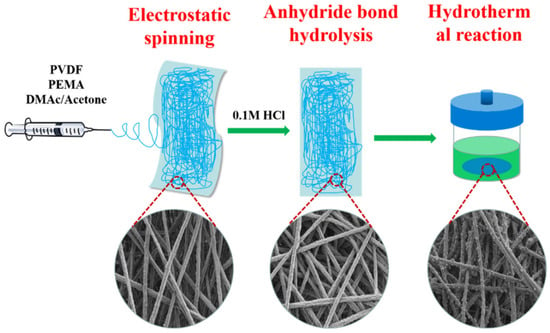
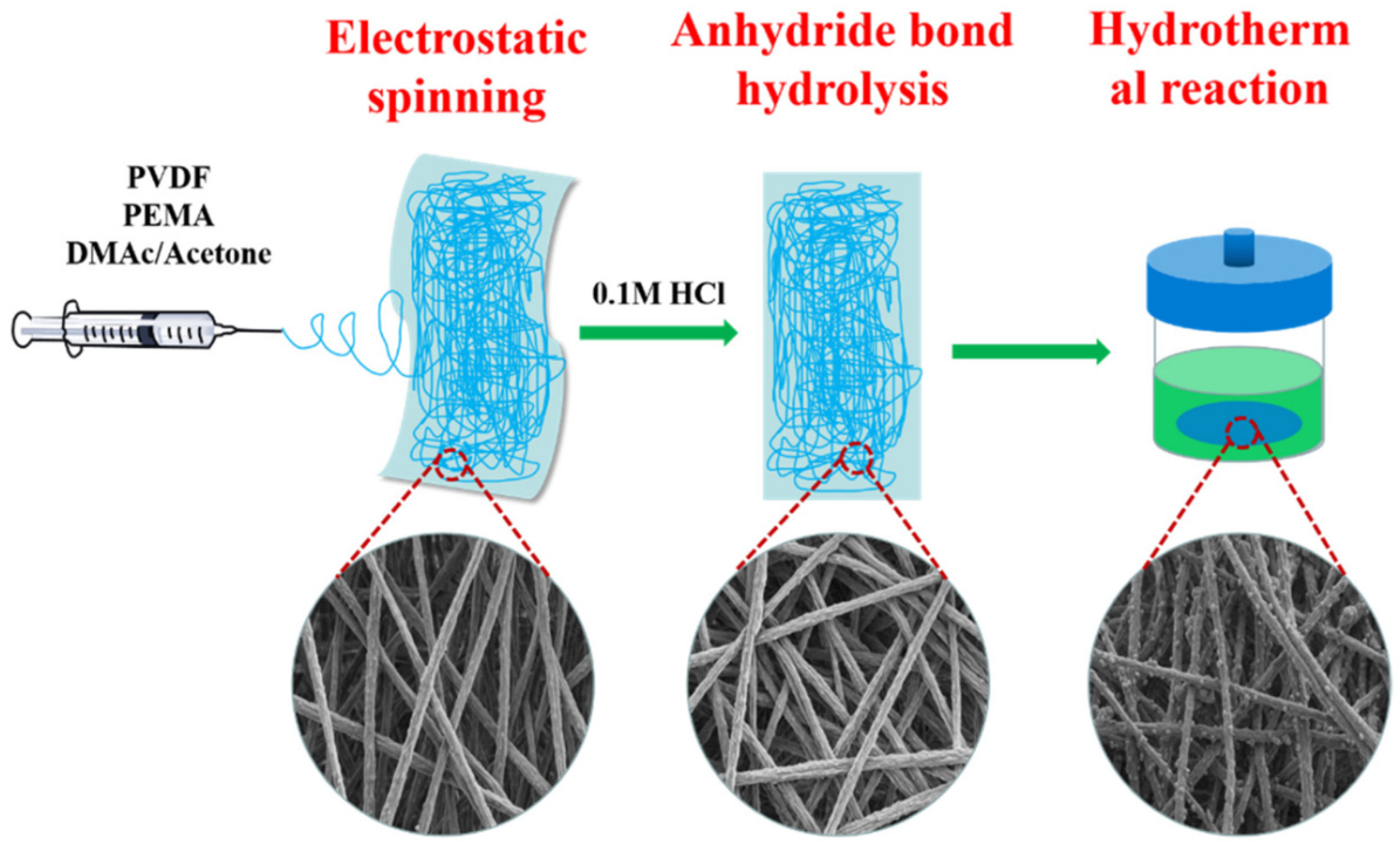
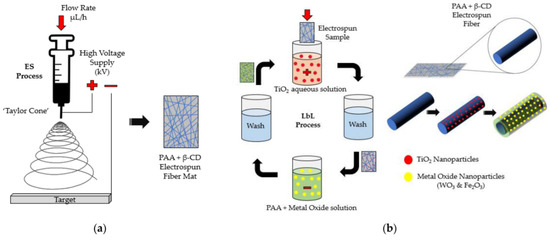
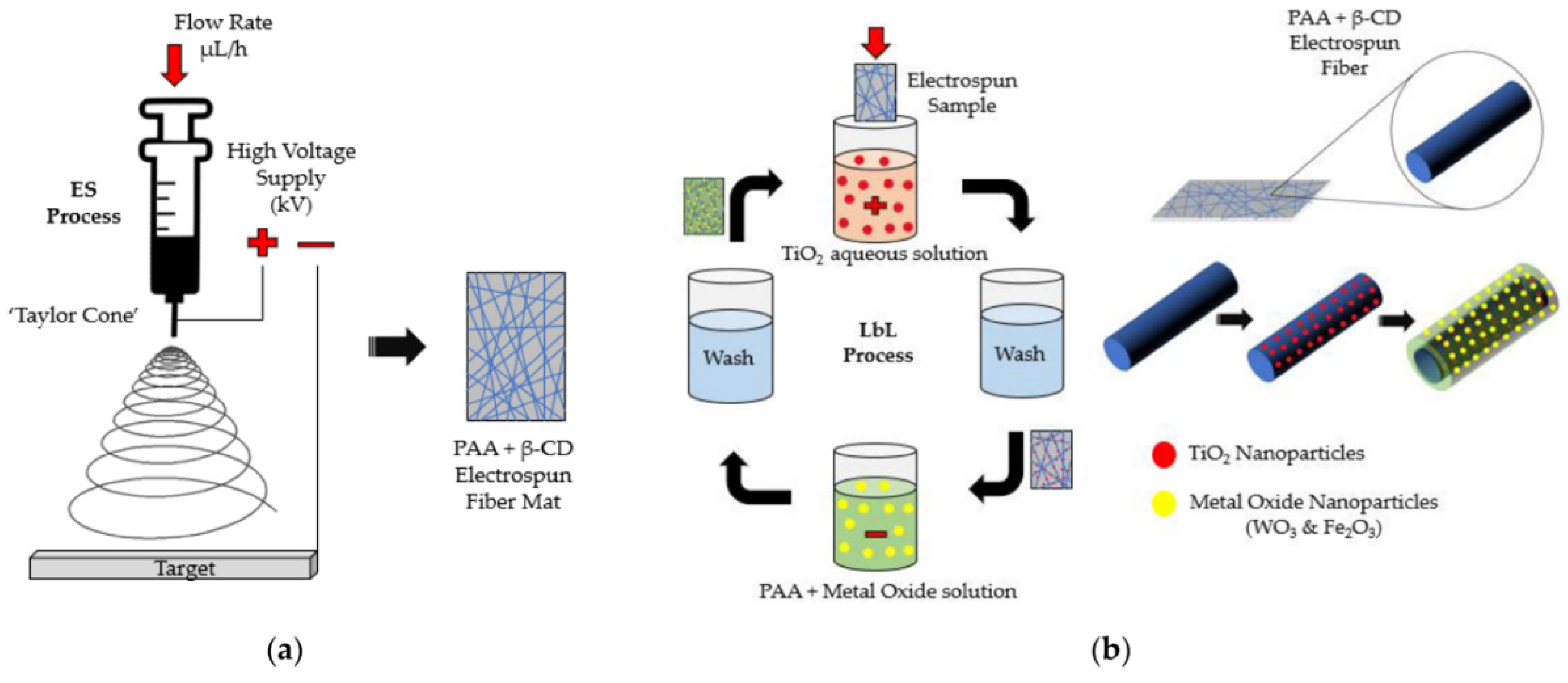

Disclaimer/Publisher’s Note: The statements, opinions and data contained in all publications are solely those of the individual author(s) and contributor(s) and not of MDPI and/or the editor(s). MDPI and/or the editor(s) disclaim responsibility for any injury to people or property resulting from any ideas, methods, instructions or products referred to in the content. |
© 2026 by the authors. Licensee MDPI, Basel, Switzerland. This article is an open access article distributed under the terms and conditions of the Creative Commons Attribution (CC BY) license.