


Abstract
This research explores alternatives to reduce the environmental impact of industrial waste and indirectly mitigate carbon dioxide CO2 emissions by diverting waste from incineration through a circular economy model. The approach is to reuse these wastes as secondary aggregates in new materials, specifically for applications in the construction sector. The material being analyzed is a type B gypsum-based compound incorporating low-density (LDP), high-density (HDP) and polyurethane powder (PPO) particles. These recycled and virgin materials are obtained by mechanical crushing in several stages. The study examines how the relationship between the proportions of the mixture (R) and the amount of polyurethane used as an aggregate affects the properties of the compound. Density, mechanical strength and thermal resistance are mainly analyzed. For this purpose, a three-level two-factor experimental design (DOE) was used to evaluate the interactions between variables. The results indicate that the material with HDP shows notable improvements in bending and compressive strength, demonstrating a favorable structural transition that improves load-bearing capacity. Finally, clear recommendations are provided for optimizing mixtures, seeking a balance between sustainability and technical performance. This could lead to more efficient and environmentally friendly solutions in industry, promoting more responsible practices in the production of building materials.
1. Introduction
In recent years, awareness of the effects associated with climate change has increased. Excessive emissions of gases such as carbon dioxide (CO2) into the atmosphere are one of the main causes of the greenhouse effect [1,2]. The aim is to reverse this problem. The European Union (EU) is one of the main players imposing a series of actions to mitigate this problem and reduce emissions, seeking new, more efficient solutions to reduce the overconsumption of natural resources through improvements in materials [3,4]. This requires policymakers, businesses, and other actors to build a more robust circular economy for plastics in Europe [3]. The rapid growth of polymer products and their commercialization have had a major negative impact in terms of waste generated in the environment, with repercussions for climate change [5,6].
The revaluation of polymeric materials through mechanical recycling represents a sustainable strategy for reducing the environmental impact of plastic waste by converting it into reusable materials without significantly altering their chemical structure. In this context, their application as an aggregate in gypsum mixtures is presented as an innovative alternative in the field of construction materials. Ecological gypsum refers to these sustainable matrices incorporating secondary raw materials, such as recycled aggregates, aimed at lowering the environmental footprint of the final product. This sector is one of the largest consumers of natural resources, making it essential to redesign alternative materials in search of improvements that contribute to reducing energy consumption. Various types of polymer waste are increasingly integrated into advanced composite matrices to optimize their manufacturing processes and mechanical properties [7]. In the construction sector, this translates into their growing use as additives in gypsum-based materials [8].
Gypsum is a material widely used in the manufacture of laminated panels, blocks, false ceilings, interior walls, and cladding [9], with fundamental applications in home interiors, thanks to its fire-retardant, acoustic, and thermal insulation properties that contribute to low energy consumption [10,11,12,13] and regulate hydrothermal conditions [14], a passive buffering behavior strongly dependent on porosity and moisture–matrix interactions, analogous to the hygroscopic dynamics observed in filled composite systems [15]. Furthermore, controlling the porosity and filler interaction within gypsum-based matrices has proven to be a key strategy to manage water absorption and environmental regulation [16]. The applications of gypsum materials are limited by their fragile behavior under loads or impacts [17], as well as their low resistance to prolonged exposure to water, which reduces their mechanical properties. Another limitation is that, as a material with air micropores that help reduce thermal conduction, it behaves oppositely in high-humidity environments by absorbing a large amount of moisture and losing its thermal insulation capacity [18]. Such environmental exposure severely alters the internal microstructural diversity, leading to mechanical degradation, a phenomenon well documented in dispersed composite materials [19].
New innovations provide solutions for the sustainable recycling of polymeric wastes, allowing their use as a secondary raw material in the development of ecological gypsum compounds. Recent manufacturing studies emphasize that reusing thermoplastics through mechanical processing and compounding successfully produces secondary raw materials that preserve the mechanical stability of the final composites [20]. In the construction sector, this feasibility translates into incorporating recycled low-density fractions into ecological gypsum compounds, primarily to actively reduce thermal conductivity and material weight. Other studies are based on the production of gypsum bicomposites, comparable or even better than pure gypsum (NGP). They seek to protect the environment by recovering two common types of waste: date palm petiole fibers (DPP) in percentages of 0, 5, 10, and 15%, and expanded polystyrene (EPS) waste in 0.3%. The bicomposites produced are characterized by thermal conductivities ranging from 0.265 to 0.414 W/(m·K). Modest improvements were obtained when compared to NGP, which has a thermal conductivity of 0.425 W/(m·K) and an apparent density of 977 kg/m3, this parameter being less significant because there is no great variation [21]. In the study by Mélinge et al. [22], the thermochemical behavior of gypsum panels exposed to direct fire is experimentally analyzed, according to ISO 834 [23]. During heating, the temperature distribution within the sample and in the convection zone beyond the cold face is analyzed, estimating the evolution of the sample mass, demonstrating that gypsum retains its endothermic properties but undergoes significant mass loss, highlighting the importance of composite stability under heat.
In their research, Akinyemi et al. [24] analyze a gypsum compound with a waterproofing chemical additive, bamboo fiber, and cement powder. Evaluating the mechanical behavior and compressive strength, they obtained significant results from the combination that was able to slow down the rate of moisture ingress, resulting in lower water absorption in the sample made of 50:50 gypsum–cement + 0.1 chemical additive + bamboo fiber. As Balarim et al. show [25], a more sustainable solution to current environmental challenges is the use of waste from the paper and pulp industry as filler material in gypsum compounds. This waste is used as a substitute in a proportion of 15% during the production of new construction materials. Similarly, Iqbal et al. [26] in their study promote environmental sustainability by evaluating the thermal and mechanical performance of gypsum composites reinforced with natural banana fibers and recycled textile fibers. To achieve this, the reinforcement proportions were varied between 2.5% and 7.5%. The results show improvements of up to 5% in the composite reinforced with banana fiber, reaching compressive and flexural strengths of 2.26 MPa and 5.30 MPa, respectively. Furthermore, a thermal conductivity of 0.0669 W/m·K was obtained, representing an 83% improvement compared to the control sample. Similarly, incorporating waste aggregates into composite matrices heavily influences these combined properties. Research into sustainable composite manufacturing reveals that carefully controlling the filler volume fraction and the mixing parameters optimizes the integration of the secondary materials. This strategic proportioning not only promotes a more homogeneous matrix but also significantly reduces the thermal conductivity and density of the resulting hybrid structures compared to the pure baseline [27].
Committed to sustainability and reducing environmental impact, Balti et al. [28] recycled wood materials, especially natural wood in two forms: wood chips (RS, 0–10 mm) and wood waste (OW, 0–5 mm). By incorporating a 20% inclusion rate of (RS) and (OW) into the gypsum base compound, they observed improvement, such as a 57% reduction in thermal conductivity. This behavior of organic, low-density aggregates provides a benchmark for understanding how polymeric inclusions might similarly reduce thermal conductivity in the present study. Experimental studies carried out by Gutiérrez et al. [29] reused polyamide (Pa) to create a new material with improved properties. The analyzed samples were characterized by determining the quantities that affect the mechanical properties and reduce the density, concluding that polyamide addition successfully decreases density while maintaining acceptable mechanical thresholds for non-structural applications.
This study analyzes the behavior of gypsum modified with three types of polymer aggregates, each with determined dimensions and characteristics. These aggregates were added to the gypsum compound to evaluate its physical-mechanical properties and its potential for improving thermal conductivity reduction, thereby determining the optimal configurations that provide beneficial improvements to the materials. Specifically, this study aims to systematically evaluate the effect of the liquid-to-solid mixing ratio and the type of polymer (recycled foams vs. virgin powder) on the dry mechanical and thermal performance. This preliminary study focuses strictly on the dry mechanical and thermal characterization to establish the baseline viability of these new composites. The evaluation of their durability and hygroscopic behavior in wet environments falls outside the current scope and will be addressed in future investigations.
2. Materials, Method and Performed Mechanical and Thermal Tests
2.1. The Processed Materials
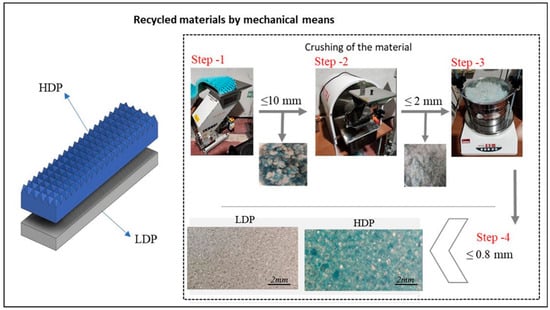
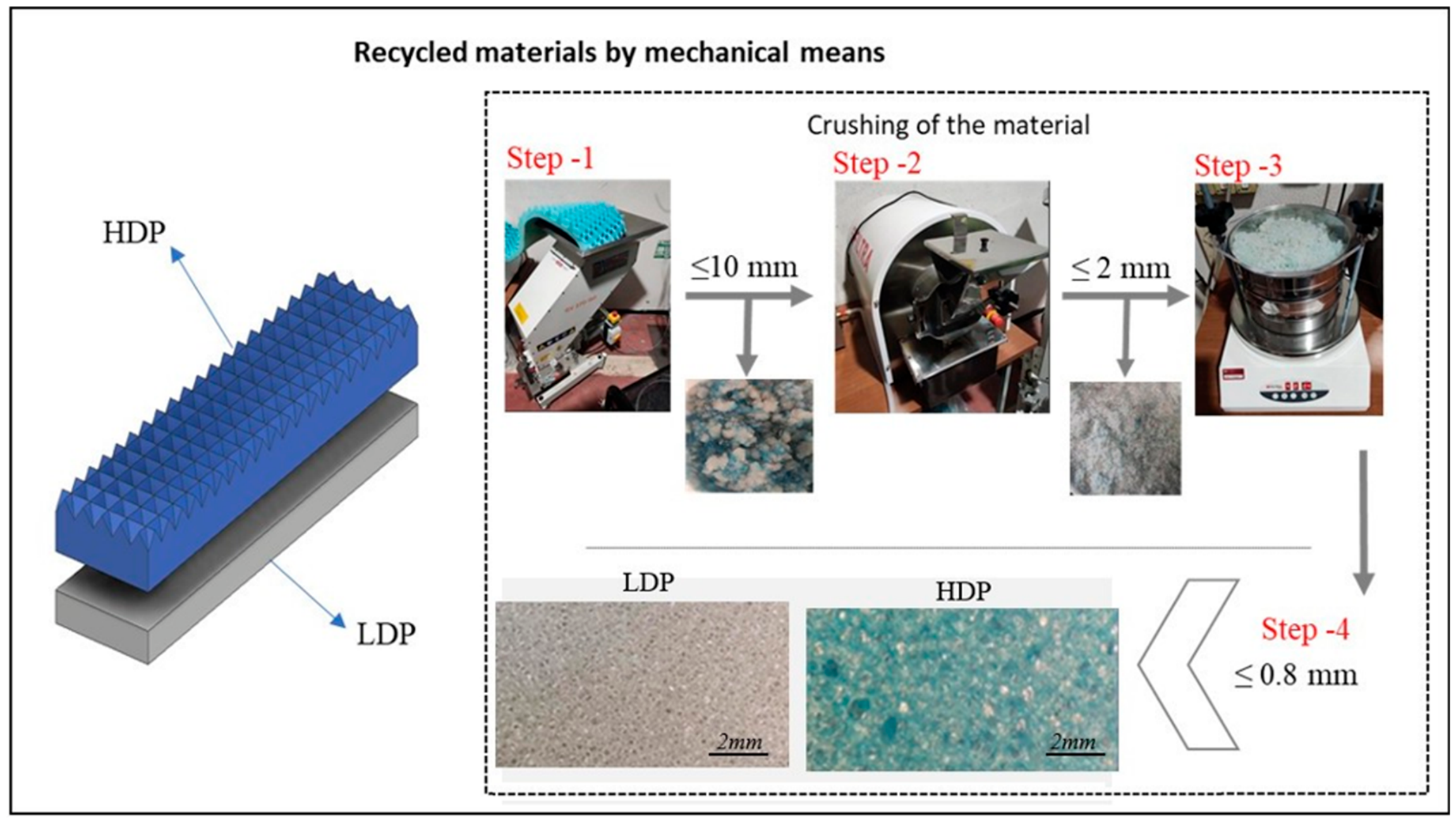
This section describes the methodology used for the production of gypsum composites (G-gypsum) with polymer aggregates. Three types of polymer aggregates were used in this study. Two of these, low-density foamed polyurethane (LDP) and high-density foamed polyurethane (HDP), were derived from the cutting waste of local mattress manufacturing. These materials were mechanically recycled to obtain particles smaller than 0.8 mm. The third aggregate, polyurethane powder (PPO), was commercially purchased specifically to investigate the effect of the pulverized polymer on the resulting composite material. Figure 1 illustrates the mechanical recycling flow used, which consists of four stages in total, two initial crushing stages, followed by classification in a screen to obtain the specific dimensions required to use these recycled polymers as aggregate in various applications.
Figure 1.
Diagram of the processing of polymeric waste.
The characteristics of the investigated polyurethane foams can be obtained from the technical data sheets [30], where LDP and HDP are commercially labeled as GAIA 43 S and WL 50 VE, respectively. Moreover, the PPO is taken from [31]. The gypsum material used in the experimental campaign was selected due to its widespread use in the construction sector, especially in the manufacture of interior wall panels. It is a standardized material classified as B1 according to the UNE-EN 13279-1 standard [32]. Table 1 shows the main characteristics of B1 gypsum.
Table 1.
Properties of gypsum for construction type B1 (provided by manufacturer).
2.2. The Applied Experimental Procedure
The planning of the experimental campaign is shown in Table 2. In particular, a complete factorial DOE experimental design with 3 levels and 2 factors was chosen. The influences of the ratio R and of the three polymeric additives were analyzed.
Table 2.
Design of experiments (full factorial design).
Specifically, the ratio R is calculated using Equation (1) [32]:
where W, G and P are the masses of water, gypsum and polymer, respectively. The polymer percentages represent mass fractions substituting the solid gypsum base. The parameters for R (0.5, 0.6, 0.7) and polymer content (5%, 10%) were selected based on preliminary trials to ensure adequate workability and structural integrity within standard gypsum bounds.
R = W/(G + P)
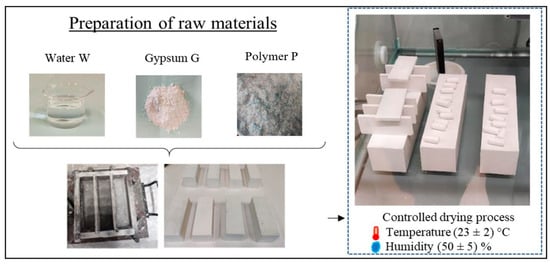
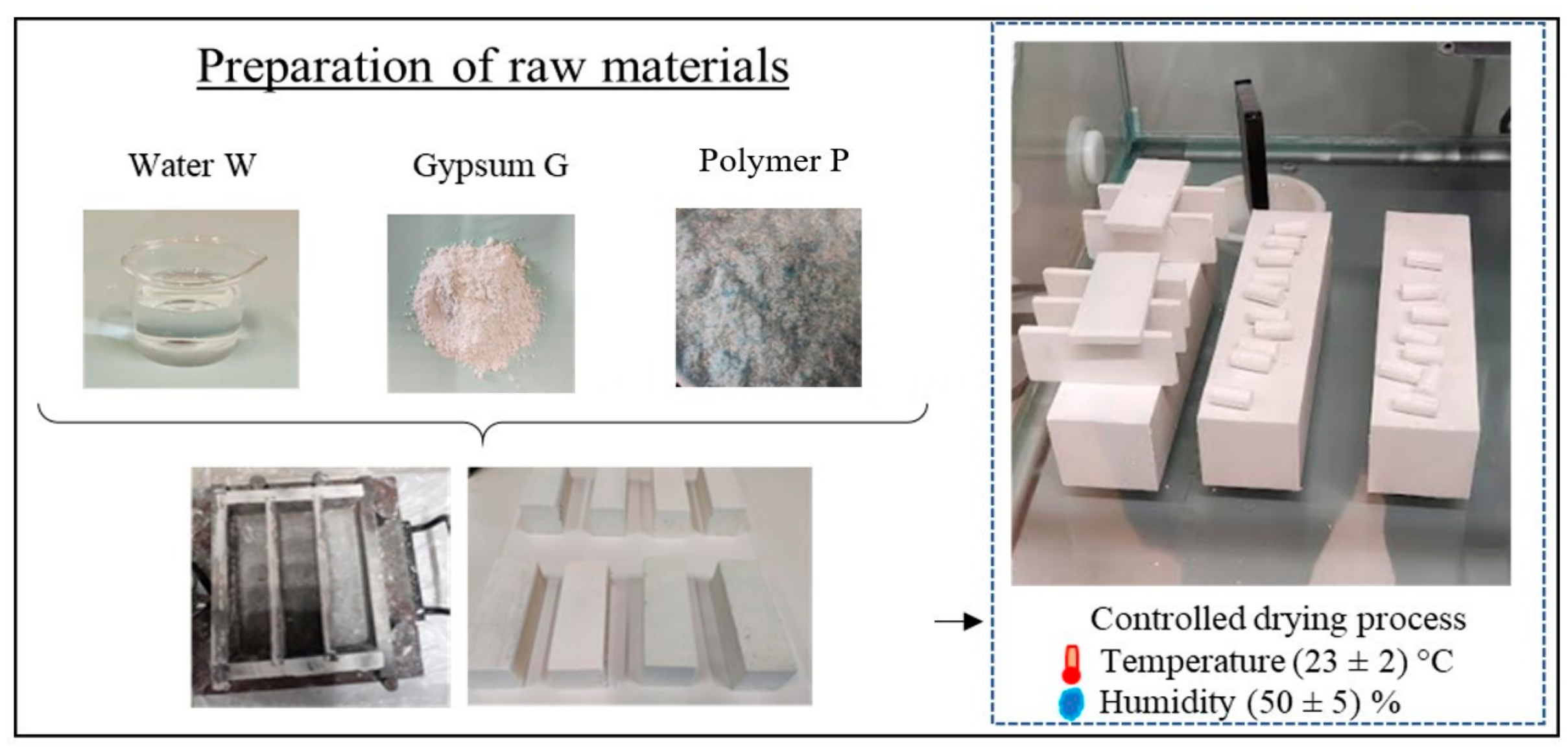
The mixing stage consisted of dry-homogenizing the solid powders, followed by mechanical stirring in water for 60 s to ensure uniform dispersion and prevent polymer particle settling during the early curing stages. The specimens were then mechanically compacted on a vibrating table to minimize large entrapped air voids. The mixture was molded into standardized dimensions of 160 × 40 × 40 mm. It was then demolded and subjected to rigorous visual inspection to discard any specimens with surface defects or imperfections, as these could cause significant variations in the experimental results due to irregularities in the material structure. Five repetitions for each configuration were considered (representing independently prepared batches).
The test specimens were subjected to a curing process under controlled conditions, maintained at a temperature of (23 ± 2) °C and a relative humidity of (50 ± 5) % for a period of 28 days, in accordance with the methodological recommendations established in [32]. The manufacturing procedure followed is summarized in the flow chart shown in Figure 2.
Figure 2.
Graphical representation of the flow to produce gypsum composites with the polymeric aggregates.
2.3. Mechanical Resistance Testing: Flexion and Compression
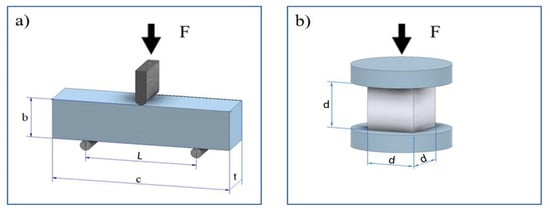
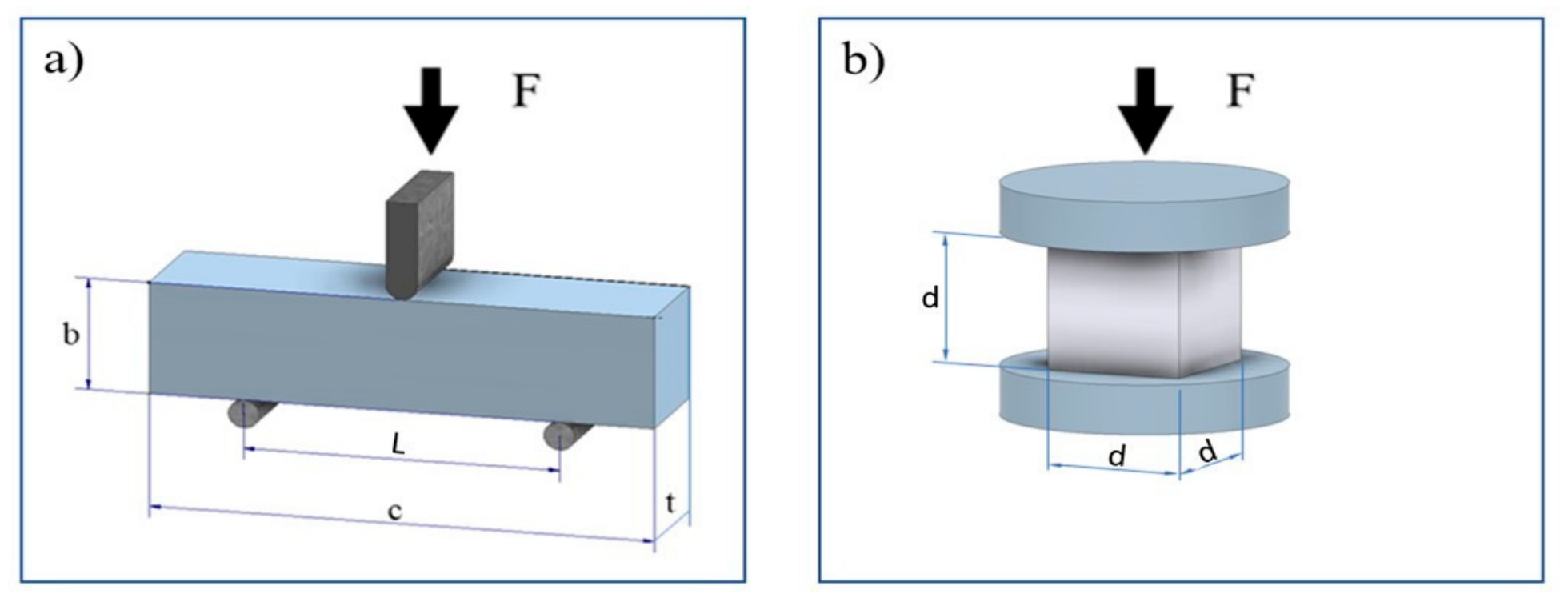
To evaluate the mechanical behavior of the developed materials, experimental tests were carried out to determine their flexural and compressive strength, in accordance with the methodology established in the relevant standard EN 13279-2 [33] (Figure 3). The flexural strength (σf), measured in MPa, was determined by a standard three-point flexural test using an MTS Criterion 42 universal testing machine supplied by MTS Systems Corporation, Eden Prairie, MN (USA). Standardized procedures were strictly followed for loading rates (0.5 N/s) and support spans (100 mm). Following the standard guidelines, the detailed equations and standard setup descriptions are omitted for brevity, but all tests adhered precisely to EN 13279-2 specifications.
Figure 3.
Executed (a) flexural and (b) compression strength tests.
2.4. Thermal Conductivity Testing
A complementary analysis was performed to evaluate the thermal conductivity of gypsum compounds using the transient linear heat source method in accordance with ASTM D5334.
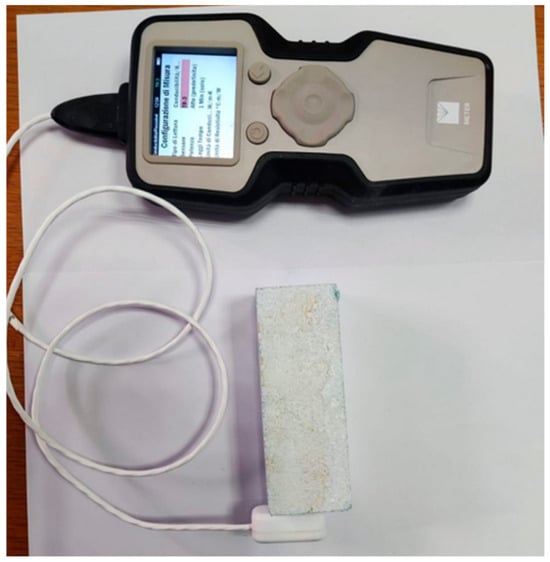
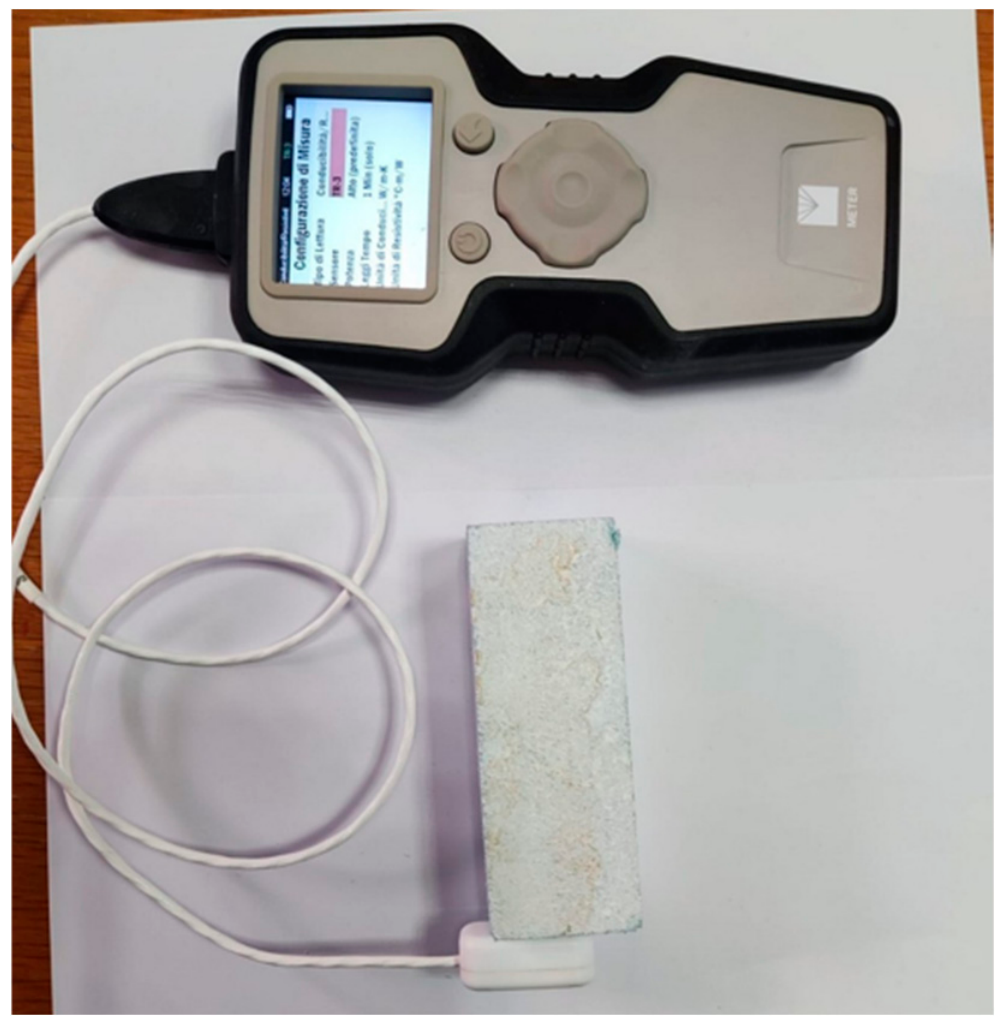
For this purpose, the TEMPOS measuring device, supplied by METER Group AG, Munich (Germany), was used in conjunction with the METER TR-3 sensor. This sensor utilizes a single needle, measuring 100 mm in length and 2.4 mm in diameter (Figure 4). The sensor probe was inserted into a pre-drilled hole in the dry specimens, applying thermal paste to ensure perfect contact and minimize measurement uncertainty. Three measurement repetitions were taken for each sample.
Figure 4.
Thermal conductivity measurements according to ASTM 5334.
3. Results and Discussion
This section presents and discusses in detail the results obtained from the tests carried out. Initially, findings related to the physical properties of gypsum compounds and their morphology are presented, followed by an analysis of the results corresponding to their mechanical and thermal characterization.
3.1. Compounds’ Density
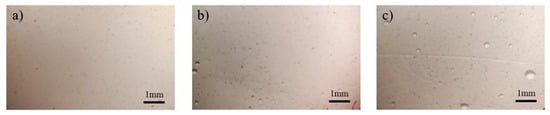
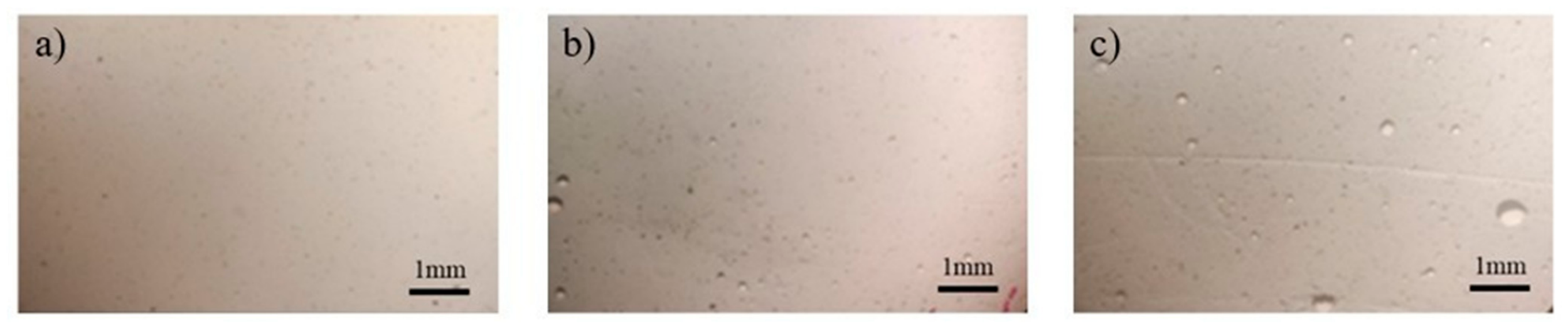
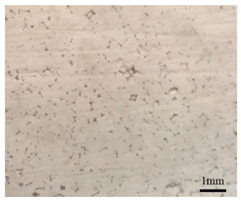
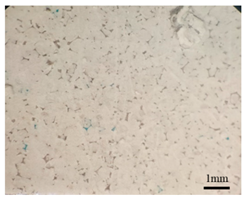
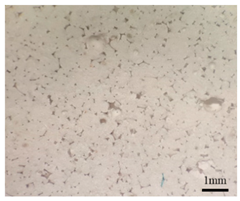
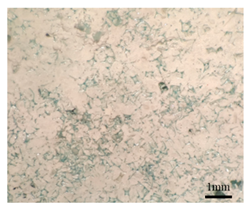
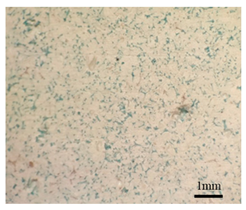
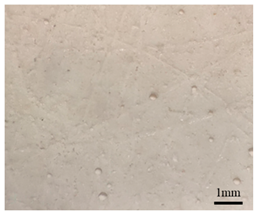
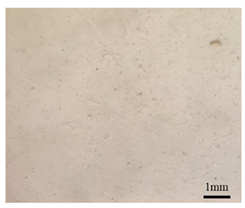
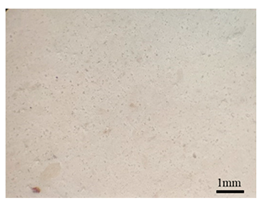
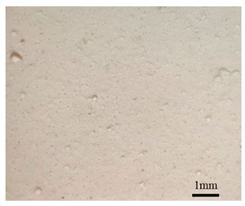
Bulk density was determined prior to mechanical testing by precisely measuring the mass and volume of the fully dried specimens. To characterize the gypsum compound, Figure 5 presents images of the matrices of the three gypsum compounds produced, showing the investigated mixing ratios (R). The presence of micropores is evident, and their number increases significantly with an increase in R, leading to a reduction in the apparent density.
Figure 5.
Variation of material porosity with changing R values: (a) R0.5, (b) R0.6 and (c) R0.7.
This effect, shown in Figure 5, results in a decrease in the density of the gypsum material of 8.03% and 12.91% when the mix with ratio R0.5 is compared to those with ratios R0.6 and R0.7, respectively.
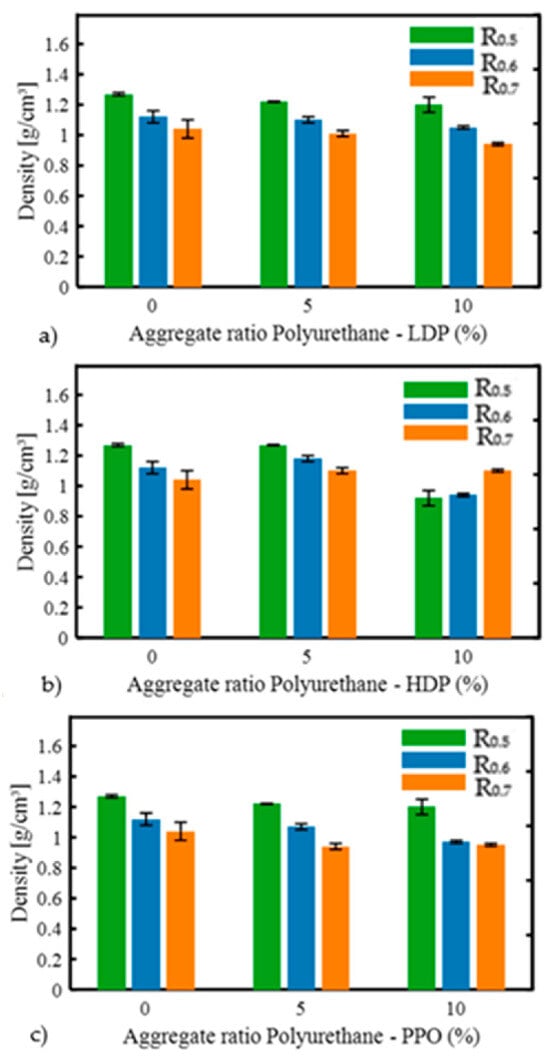
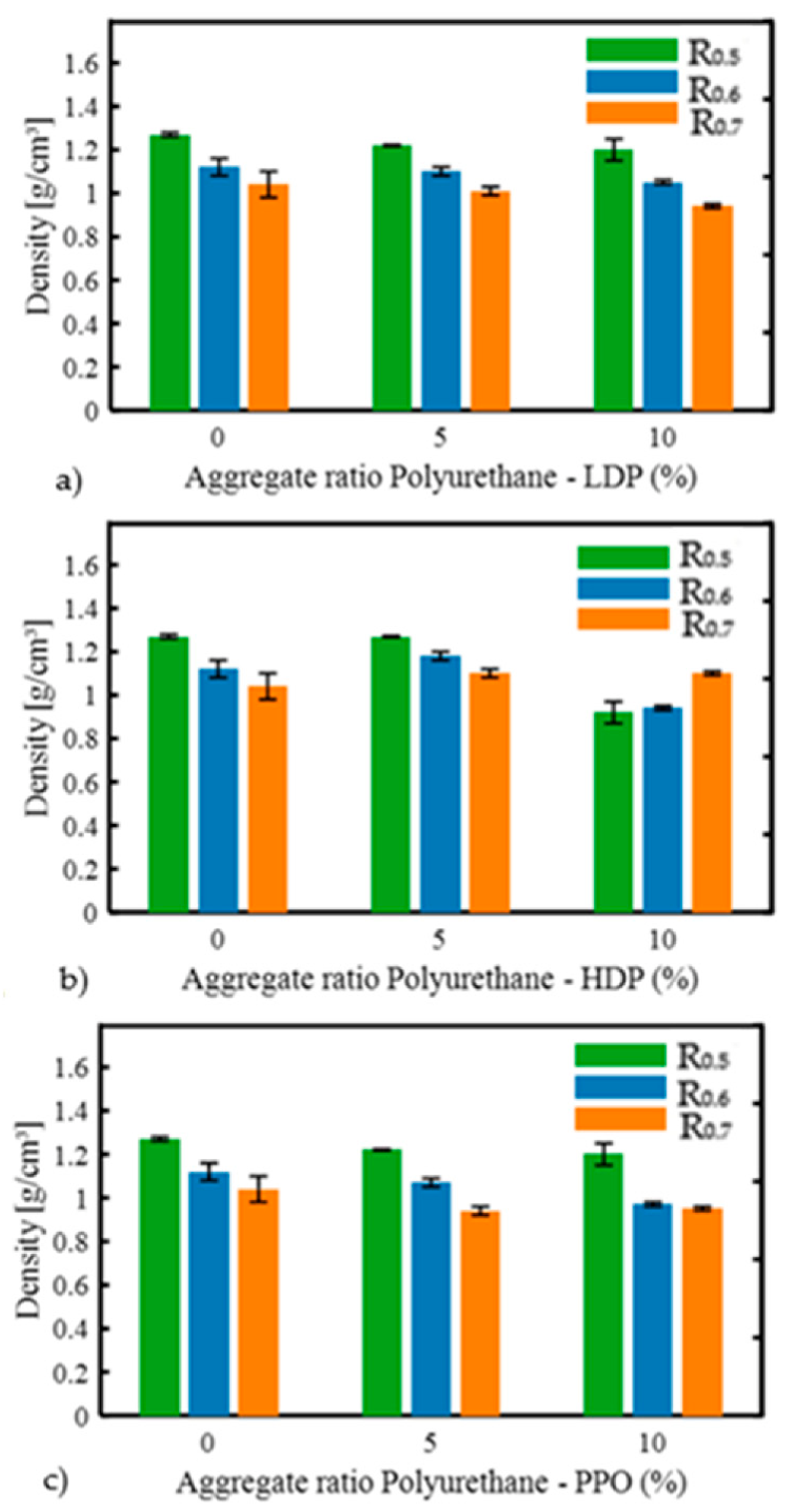
The density trends for all investigated configurations are reported in Figure 6.
Figure 6.
Results of the measured densities: (a) LDP, (b) HDP, and (c) PPO.
Analysis of the obtained results clearly shows (see Figure 6) that both pure gypsum and compounds incorporating polymer aggregates exhibit a decrease in bulk density as the mixing ratio (R) increases. Table 3, Table 4 and Table 5 illustrate the morphological evolution of the gypsum compounds as a function of the mixing ratio (R) and the incorporation percentages (5% and 10%) of the polymer aggregates (LDP, HDP, and PPO).
Table 3.
Surface structure magnification of the composite compounds for visualizing the influence of LDP concentration.
Table 4.
Surface structure magnification of the composite compounds for visualizing the influence of HDP concentration.
Table 5.
Surface structure magnification of the composite compounds for visualizing the influence of PPO concentration.
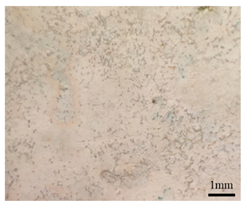
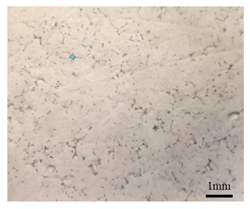
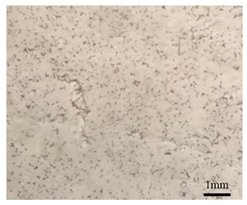
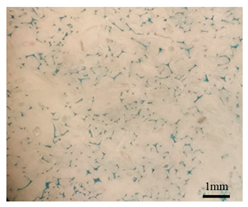
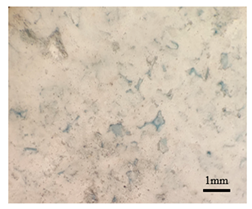
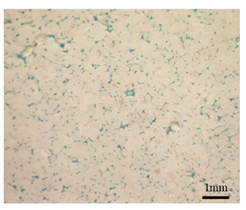
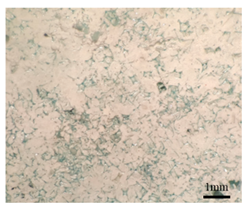
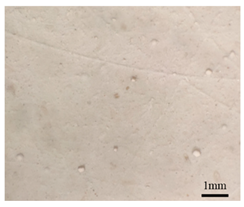
The distribution of the added foamed polymers within the internal gypsum structure (Table 3 and Table 4) influences the reduction of micropores and interferes with the homogeneous growth of the gypsum crystals. This results in a finer and less orderly microstructure. This evidence suggests (as a hypothesis pending microstructural SEM validation) that the foam absorbs water, and during the drying phase, the subsequent loss of water caused the foam to expand, thereby preventing the formation of evident voids inside the compound. This mechanism is more pronounced for the LDP aggregate due to its increased water absorption capability.
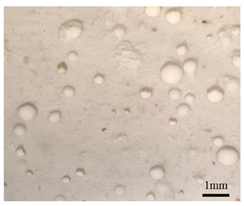
The reduction of voids attributable to the polymer aggregate must be ascribed to the foamed nature of the reinforcement. Indeed, this effect is not observed when the compound containing polyurethane powder (PPO) is used (Table 5) [Note: The image size for PPO 10% R0.5 has been adjusted for visual uniformity in the final layout], where configurations with an increasing mixing ratio (R) are characterized by an increase in voids.
3.2. Analysis of Flexural and Compressive Strengths
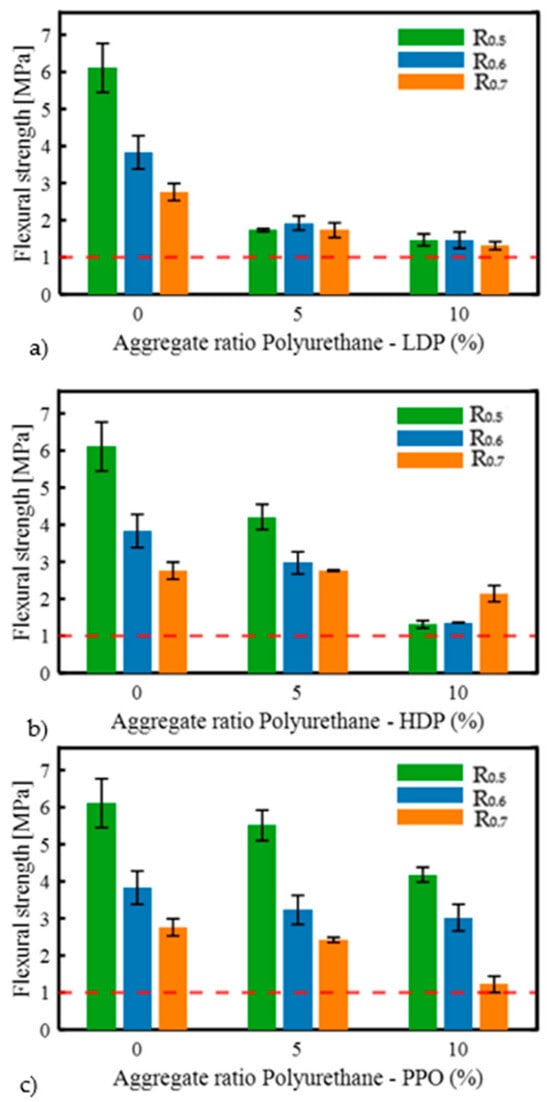
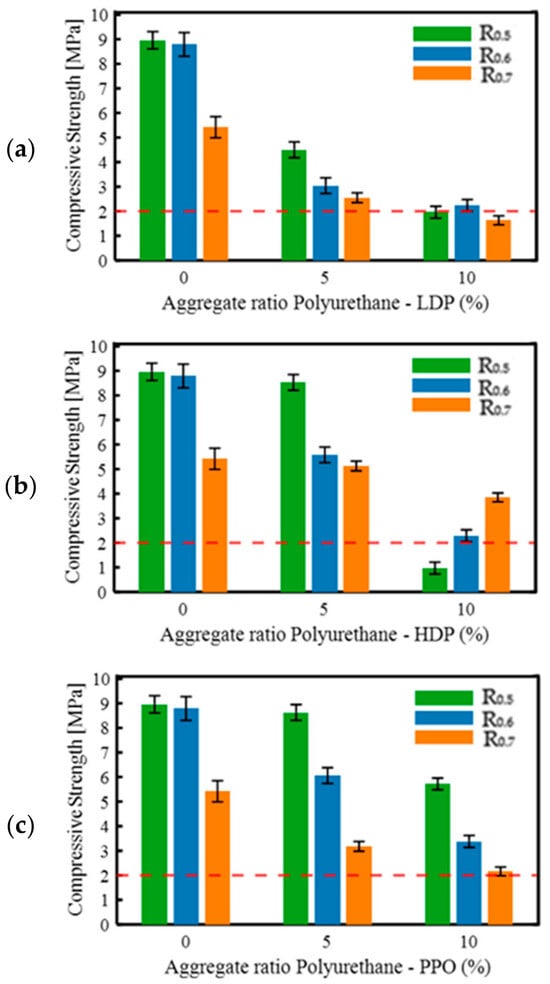
The mechanical strength of the analyzed composite materials is primarily correlated with the apparent density and the type of incorporated polyurethane granules. The graphs in Figure 7 and Figure 8, for the mixtures prepared with polyurethane aggregate, both show the expected decrease in flexural and compressive strength.
Figure 7.
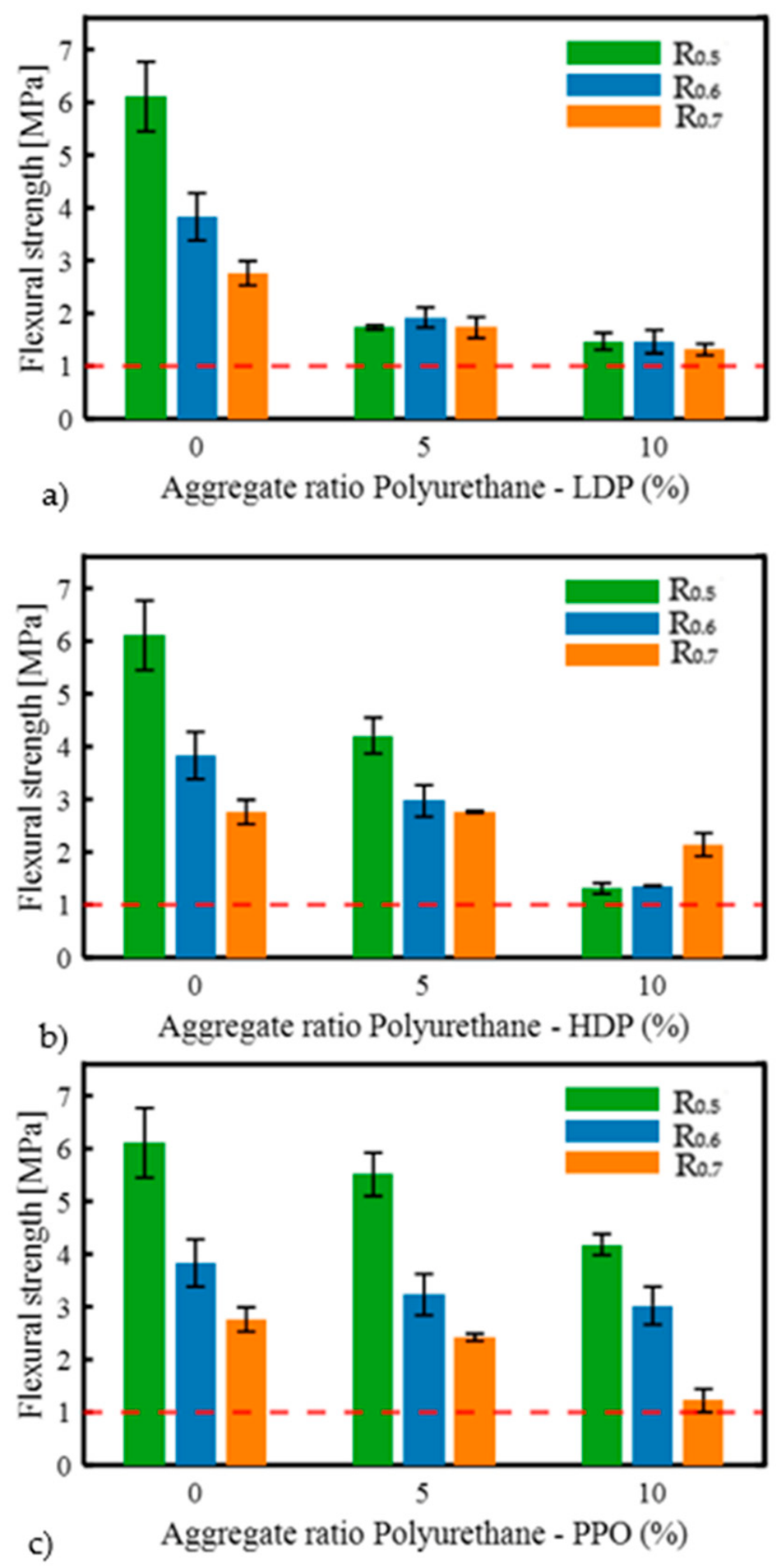
Results of the measured flexural strength: (a) LDP, (b) HDP, and (c) PPO.
Figure 8.
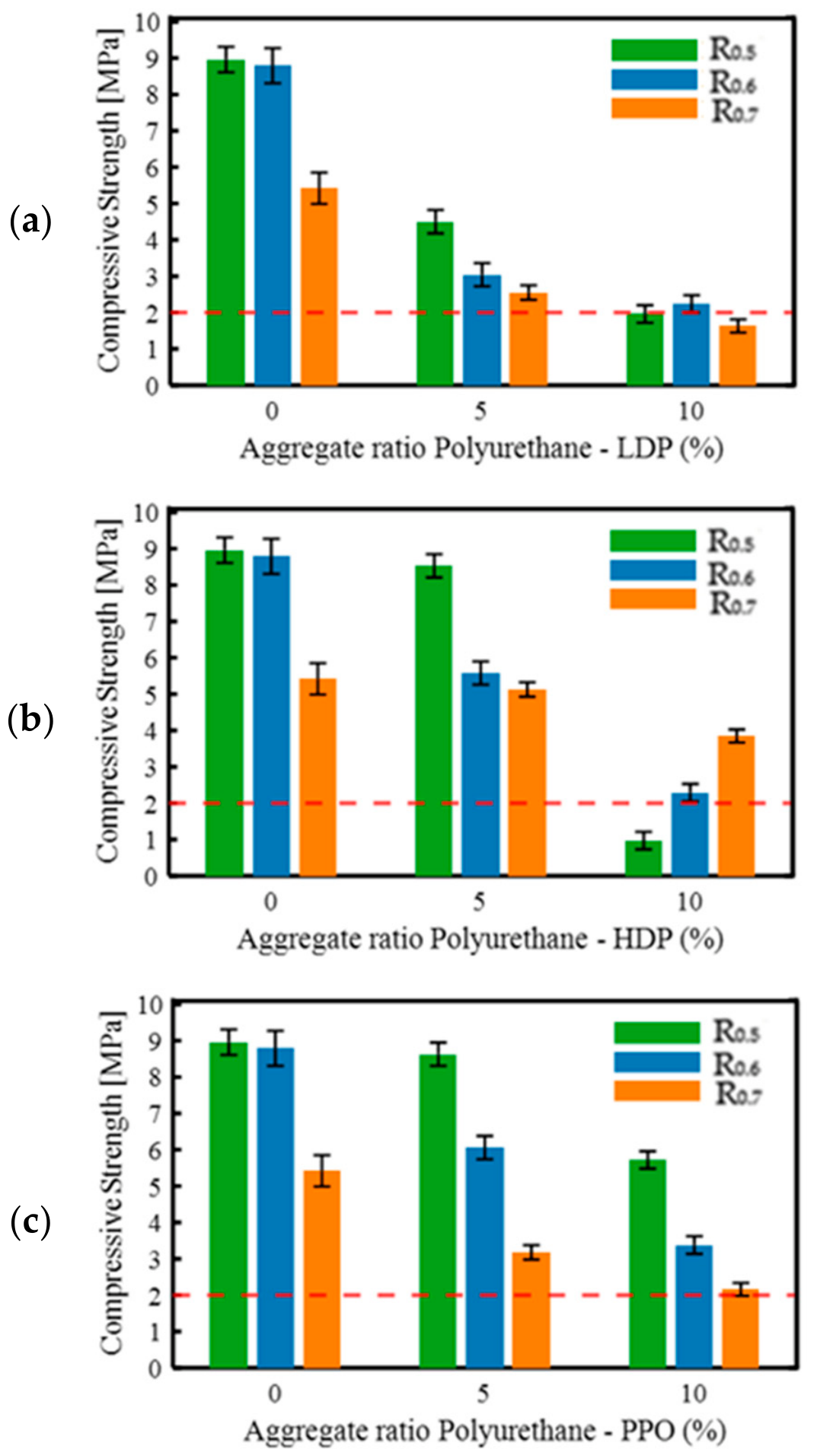
Results of the measured compressive strength: (a) LDP, (b) HDP, and (c) PPO.
Although a full ANOVA was not performed for this initial screening, the standard deviations from the five independent batch repetitions (shown in Figure 7 and Figure 8) confirm the reliability of the observed macroscopic trends. According to the EN 13279-2 standard, the minimum structural requirements are 1.0 MPa for flexural strength and 2.0 MPa for compressive strength. Regarding the modified mixtures, the highest mechanical properties at a 5% replacement level were observed for the PPO and HDP specimens. Specifically, at the R0.5 configuration, peak values of 5.52 MPa (flexural) and 8.63 MPa (compressive) were achieved for PPO, while the HDP composite yielded 4.20 MPa and 8.53 MPa, respectively.
However, the mechanical performance is heavily penalized at higher polymer concentrations (10%), where the standard threshold often becomes a limiting factor. For instance, the compressive strength drops below the required 2.0 MPa for the LDP 10% mixture at R0.7, and experiences a severe drop down to approximately 1.0 MPa for the HDP 10% mixture at R0.5, restricting the standalone structural applicability of these specific configurations.
However, the observed increase in dry density with higher water content for the higher density foam is expected to positively correlate with the mechanical performance of the composite. Effectively, the compound with HDP presented diverse characteristics. By eliminating macro-interstitial voids, it is hypothesized that there is an enhancement of the interfacial bonding between the gypsum matrix and the polymeric foam, which improves the structural integrity of the specimen. This leads to higher compressive and flexural strength, as the material transitions from a poorly compacted, defect-prone structure to a more homogeneous composite matrix. Consequently, the material exhibits an enhanced mechanical response as the water-to-gypsum ratio (R) increases. The R0.7 configuration demonstrated superior performance, achieving a flexural strength of 2.20 MPa and a compressive strength of 3.90 MPa. Compared to the pure gypsum R0.5 baseline, these values represent an improvement of approximately 40% in flexural strength and an increase of over 200% in compressive strength.
3.3. Analysis of Thermal Conductivity
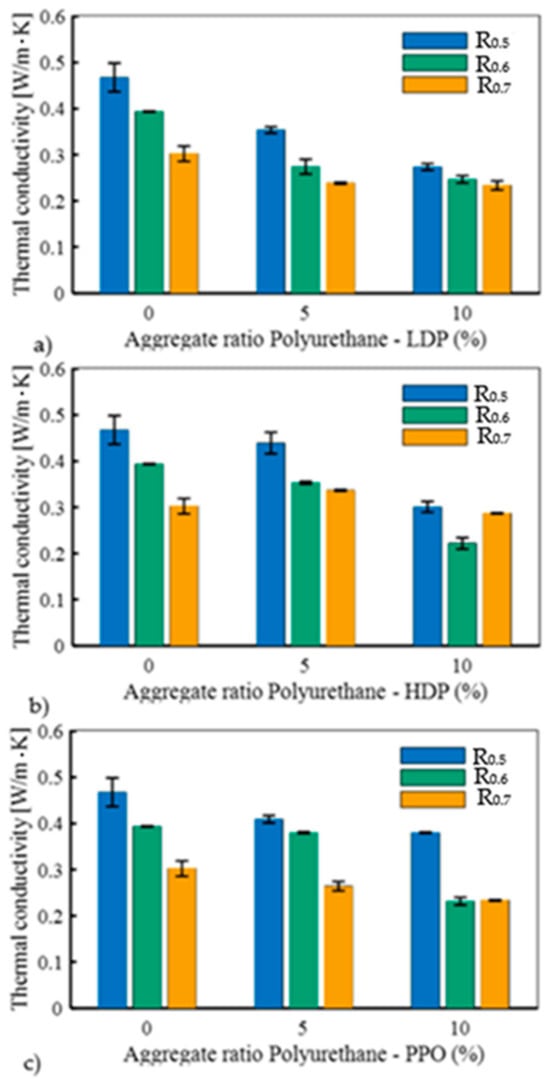
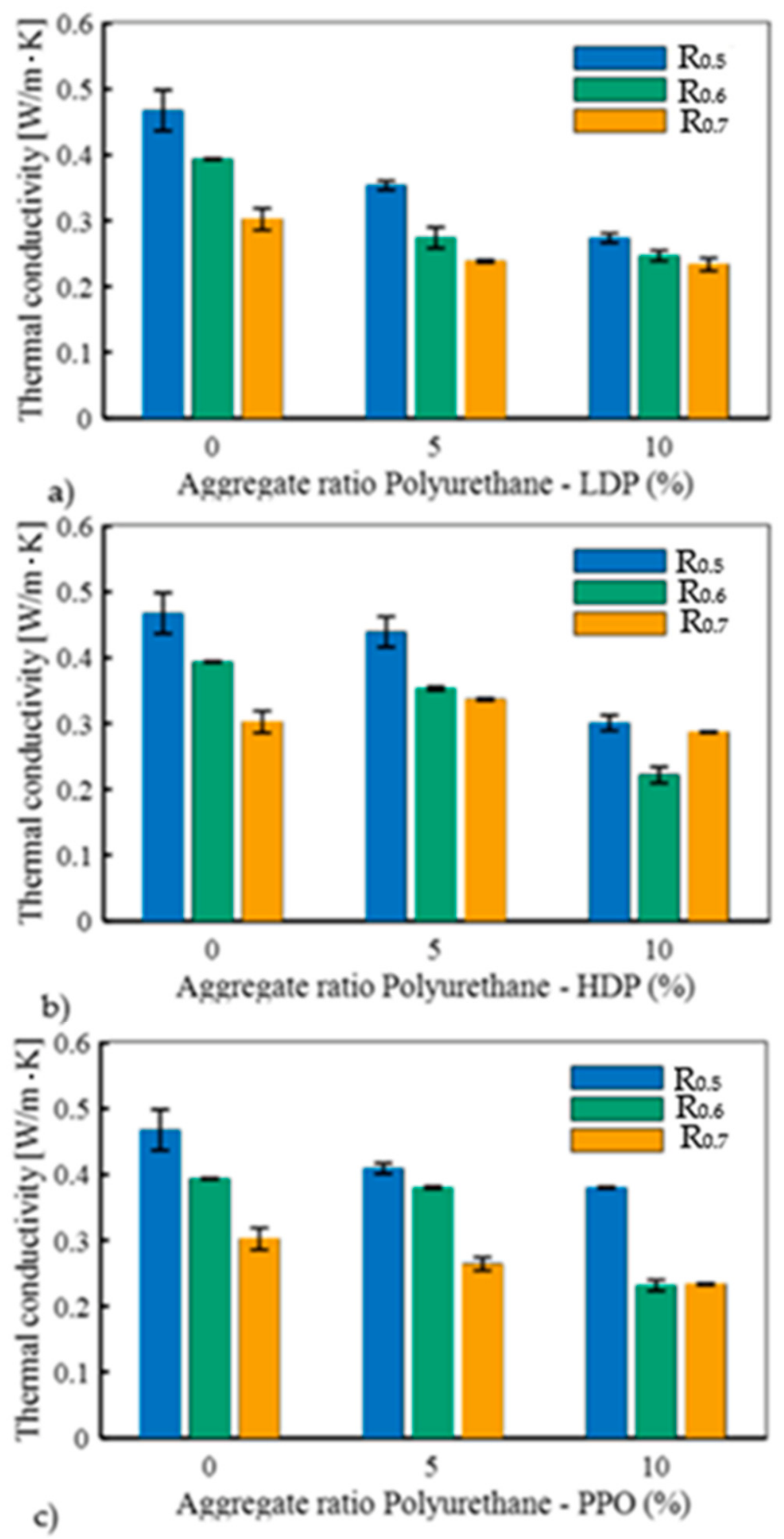
Regarding thermal properties, pure gypsum and composites containing LDP exhibited a consistent decrease in thermal conductivity as the R ratio increased (Figure 9). This monotonic trend is attributed to the higher volume of microscopic pores generated by the evaporation of excess water, which enhances the insulation capacity of the matrix. However, a slight deviation from this monotonic behavior was observed for the PPO composite at a 10% concentration, where the thermal conductivity ceased to decrease and stabilized at 0.23 W/m·K as R increased from 0.6 to 0.7.
Figure 9.
Results of the measured thermal conductivity: (a) LDP, (b) HDP, (c) PPO.
A distinctive behavior was observed for the high-density foam (HDP) specimens. At a 5% replacement level, the conductivity followed the standard decreasing trend with higher R values. However, at a 10% concentration, a non-monotonic trend emerged: thermal conductivity decreased as R moved from 0.5 to 0.6, but subsequently increased when R reached 0.7. This inversion can be explained by the competition between two opposing phenomena. While increasing R introduces micro-porosity into the gypsum matrix (lowering conductivity), at high polymer concentrations (10% HDP), it also significantly improves the mixture’s workability. At R0.7, the paste reaches a critical fluidity that allows it to displace the macro-scale air gaps trapped between the rigid HDP fragments. The transition from a structure containing large air-filled voids to a more continuous gypsum–polymer matrix leads to an overall increase in the material’s bulk density and, consequently, its thermal conductivity. This suggests that at high loading rates of dense polymers, the effective contact between phases becomes the dominant factor governing heat transfer. The measured conductivity values for each analyzed mixture, reported in Table 6, highlight the influence of polymeric materials as secondary aggregates in gypsum-based matrix composites in terms of contributing to thermal conductivity variation.
Table 6.
Thermal conductivity results for the materials analyzed.
4. Conclusions
This study investigated the mechanical and thermal properties of gypsum-based composites reinforced with three polyurethane variants, Low-Density (LDP), High-Density (HDP), and Powder (PPO), at concentrations of 5% and 10%. The experimental findings demonstrate that the performance of these composites is governed by a complex synergy between the polymer morphology and the water-to-gypsum ratio (R). The R parameter emerged as the most critical factor in determining the final density and structural integrity of the material.
Starting from pure gypsum behavior, where density typically decreases with increasing R, HDP-reinforced composites exhibited a significant increase in dry density as R moved from 0.5 to 0.7. This unconventional trend, which contrasts with the behavior of LDP and PPO mixtures, is attributed to the enhanced workability of the paste at higher water contents. The increased fluidity allows the matrix to overcome the arch effect of the rigid HDP fragments, effectively displacing macro-scale interstitial air voids. The mechanical response directly followed this densification trend. The HDP-reinforced composite at a 10% concentration demonstrated a distinctive and positive sensitivity to the mixing ratio, with the R0.7 configuration achieving a flexural strength of 2.20 MPa and a compressive strength of 3.90 MPa. Compared to its poorly compacted R0.5 counterpart, these values represent a remarkable improvement of approximately 69% in flexural strength and an increase of nearly 290% in compressive strength. This confirms that for dense polymer aggregates at high concentration, increasing the R value induces a transition from a defect-prone, macro-porous structure to a more continuous composite matrix, significantly recovering the load-bearing capacity of the material.
Furthermore, the thermal conductivity results mirrored this structural evolution, specifically for the denser foam. While LDP and, to a lesser extent, PPO composites were predominantly influenced by the micro-porosity caused by water evaporation, the HDP samples were primarily governed by the elimination of macro-air gaps at high concentration. In these mixtures, the restoration of effective contact between the gypsum and polymer phases became the dominant factor for heat transfer, outweighing the insulating effects of matrix micro-porosity. Future microstructural analyses, such as Scanning Electron Microscopy (SEM), are planned to definitively characterize the interfacial adhesion between the gypsum matrix and the polymer aggregates and to confirm the hypotheses regarding foam expansion and crystal growth interference. Consequently, optimizing the R ratio proves essential for tailoring both the structural and thermal efficiency of high-density polymer–gypsum composites.
Author Contributions
Conceptualization, R.I.D. and G.F.; methodology, R.I.D. and F.L.; software, B.C.; validation, G.F. and B.C.; formal analysis, R.I.D. and G.F.; investigation, B.C. and R.I.D.; resources, F.L.; data curation, R.I.D.; writing—original draft preparation, R.I.D. and G.F.; writing—review and editing, F.L.; visualization; supervision, F.L.; project administration, F.L.; funding acquisition, G.F. All authors have read and agreed to the published version of the manuscript.
Funding
Part of this research acknowledges the Italian project “Tech4You—Technologies for climate change adaptation and quality of life improvement” (ECS 00000009, CUP H23C220003/0006, “Piano Nazionale di Ripresa e Resilienza”, Missione 4, Componente 2, Investimento 1.5) for funding part of this research.
Data Availability Statement
The original contributions presented in this study are included in the article. Further inquiries can be directed to the corresponding author.
Conflicts of Interest
The authors declare no conflicts of interest.
References
- Chemke, R. Persistent austral winter storm track weakening beyond doubling of CO2 concentrations. Nat. Commun. 2025, 16, 1935. [Google Scholar] [CrossRef] [Scilit] [PubMed]
- Mikropoulos, E.; Roelfsema, M.; Chen, H.H.; Staffell, I.; Oreggioni, G.; Hdidouan, D.; van Vuuren, D.P. Examining pathways for a climate neutral Europe by 2050; A model comparison analysis including integrated assessment models and energy system models. Energy 2025, 319, 134809. [Google Scholar] [CrossRef] [Scilit]
- Kwilinski, A. Understanding the nonlinear effect of digital technology development on CO2 reduction. Sustain. Dev. 2024, 32, 5797–5811. [Google Scholar] [CrossRef] [Scilit]
- Napper, I.E.; Thompson, R.C. Plastics and the Environment. Annu. Rev. Environ. Resour. 2023, 48, 55–79. [Google Scholar] [CrossRef] [Scilit]
- Landrigan, P.J.; Dunlop, S.; Treskova, M.; Raps, H.; Symeonides, C.; Muncke, J.; Rocklöv, J. The Lancet Countdown on health and plastics. Lancet 2025, 406, 1044–1062. [Google Scholar] [CrossRef] [Scilit] [PubMed]
- Ragaert, K.; Delva, L.; Van Geem, K. Mechanical and chemical recycling of solid plastic waste. Waste Manag. 2017, 69, 24–58. [Google Scholar] [CrossRef] [Scilit] [PubMed]
- Brauner, C.; Givel, F.; Kupski, J.; Hajikazemi, M. Sustainable Aerospace Brackets from Recycled Carbon Fiber/PEI Tapes: Life Cycle, Microstructure, and Structural Validation. J. Manuf. Mater. Process. 2026, 10, 280. [Google Scholar] [CrossRef] [Scilit]
- Touil, M.; Lachheb, A.; Saadani, R.; Sanbi, M.; Talidi, A.; Rahmoune, M. Experimental investigation on the combined effect of the water mixing ratio and the addition of spent coffee grounds on plaster’s thermo-mechanical properties. Therm. Sci. Eng. Prog. 2022, 36, 101488. [Google Scholar] [CrossRef] [Scilit]
- Jia, R.; Wang, Q.; Feng, P. A comprehensive overview of fibre-reinforced gypsum-based composites (FRGCs) in the construction field. Compos. Part B Eng. 2021, 205, 108540. [Google Scholar] [CrossRef] [Scilit]
- Krause, F.; Renner, B.; Coppens, F.; Dewanckele, J.; Schwotzer, M. Reactivity of gypsum-based materials subjected to thermal load: Investigation of reaction mechanisms. Materials 2020, 13, 1427. [Google Scholar] [CrossRef] [Scilit] [PubMed]
- Kaptan, M.; Ustabas, I.; Cuce, E.; Mert Cuce, P.; Alvur, E.; Saxena, A.; Bouabidi, A. Structural and Mechanical Performance Characteristics of Construction Plasters with Different Material Compositions and Advanced Geopolymerization. Jordan J. Civ. Eng. 2025, 19, 145–163. [Google Scholar] [CrossRef] [Scilit]
- Kang, Y.; Chang, S.J.; Kim, S. Hygrothermal behavior evaluation of walls improving heat and moisture performance on gypsum boards by adding porous materials. Energy Build. 2018, 165, 431–439. [Google Scholar] [CrossRef] [Scilit]
- Mesli, I.F.Z.; Hachemi, H.; Benosman, A.S.; Taleb, O.; Houti, F.B.; Seladji, C.; Mouaissa, M.S. Enhancing thermal insulation and humidity control in composite plaster mortars with olive pomace waste: Experimental and numerical study. Energy Build. 2025, 351, 116726. [Google Scholar] [CrossRef] [Scilit]
- Osanyintola, O.F.; Simonson, C.J. Moisture buffering capacity of hygroscopic building materials: Experimental facilities and energy impact. Energy Build. 2006, 38, 1270–1282. [Google Scholar] [CrossRef] [Scilit]
- Kodra, S.; Kazmer, D.O.; Mashburn, M.; Gohl, E.; Ferrell, P. Transient Characterization and Feedforward Compensation in Fused Granular Fabrication Using Post-Consumer Recycled and Wood-Filled Polypropylenes. J. Manuf. Mater. Process. 2026, 10, 263. [Google Scholar] [CrossRef] [Scilit]
- Saaidia, R. Thermomechanical Behavior of Phosphogypsum Composites Reinforced with Olive and Eucalyptus Wood Chips. J. Manuf. Mater. Process. 2026, 10, 349. [Google Scholar] [CrossRef] [Scilit]
- Wakefield, Z.; Griffiths, C.A.; de Wet, T.D.; Thomas, A.J. Mechanical Testing of Polyethylene Terephthalate Glycol Processed with Fused Deposition Modelling. J. Manuf. Mater. Process. 2026, 10, 266. [Google Scholar] [CrossRef] [Scilit]
- López-Zaldívar, O.; Lozano-Díez, R.; del Cura, S.H.; Mayor-Lobo, P.; Hernández-Olivares, F. Effects of water absorption on the microstructure of plaster with end-of-life tire rubber mortars. Constr. Build. Mater. 2017, 150, 558–567. [Google Scholar] [CrossRef] [Scilit]
- Mityushev, V.; Kurtyka, P.; Zhunussova, Z.; Akylkerey, A. Microstructural Diversity in Dispersed Composites Governed by Inclusion Distribution. J. Manuf. Mater. Process. 2026, 10, 202. [Google Scholar] [CrossRef] [Scilit]
- Kirve, S.G. Polymer Recycling and Production of Hybrid Components from Polypropylene and a Thermoplastic Elastomer Using Additive Manufacturing. J. Manuf. Mater. Process. 2025, 9, 175. [Google Scholar] [CrossRef] [Scilit]
- Benchouia, H.E.; Boussehel, H.; Guerira, B.; Sedira, L.; Tedeschi, C.; Becha, H.E.; Cucchi, M. An experimental evaluation of a hybrid bio-composite based on date palm petiole fibers, expanded polystyrene waste, and gypsum plaster as a sustainable insulating building material. Constr. Build. Mater. 2024, 422, 135735. [Google Scholar] [CrossRef] [Scilit]
- Mélinge, Y.; Nguyen, K.S.; Lanos, C. Experimental study of thermo-chemical behaviour of gypsum based material under standard ISO 834 fire condition. Eur. J. Environ. Civ. Eng. 2010, 14, 561–577. [Google Scholar] [CrossRef]
- ISO Standard No. 834-1:1999/Amd 1:2025; Fire-Resistance Tests—Elements of Building Construction—Part 1: General Requirements. International Organization for Standardization: Geneva, Switzerland, 2014.
- Akinyemi, B.A.; Orogbade, B.; Kayode, J.; Alaba, P.A. Physico-mechanical and thermal properties of chemical admixture modified bamboo reinforced gypsum-cement composite. Eur. J. Environ. Civ. Eng. 2023, 27, 1730–1746. [Google Scholar] [CrossRef] [Scilit]
- Balarim, N.G.; Dognani, G.; Santos, G.T.A.; Teixeira, S.R.; Okimoto, F.S.; Santos, R.J.D.; Job, A.E. Eco-friendly construction materials: New gypsum-based composite with dregs waste from the cellulose industry. Eur. J. Environ. Civ. Eng. 2024, 28, 3875–3893. [Google Scholar] [CrossRef] [Scilit]
- Iqbal, A.; Mubin, S.; Riaz, A.; Masood, R.; Iqbal, A. Thermo-mechanical properties of the gypsum composites reinforced with natural and recycled fibers. J. Asian Archit. Build. Eng. 2025, 25, 3389–3405. [Google Scholar] [CrossRef] [Scilit]
- Aidoo, E.K.; Sumaila, A.; Jahan, M. Thermomechanical Properties of Sustainable Polymer Composites Incorporating Agricultural Wastes. J. Manuf. Mater. Process. 2025, 9, 315. [Google Scholar] [CrossRef] [Scilit]
- Balti, S.; Boudenne, A.; Belayachi, N.; Dammak, L.; Hamdi, N. Advancing the circular economy: Reusing hybrid bio-waste-based gypsum for sustainable building insulation. Buildings 2023, 13, 2939. [Google Scholar] [CrossRef] [Scilit]
- Gutiérrez-González, S.; Gadea, J.; Rodríguez, A.; Blanco-Varela, M.T.; Calderón, V. Compatibility between gypsum and polyamide powder waste to produce lightweight plaster with enhanced thermal properties. Constr. Build. Mater. 2012, 34, 179–185. [Google Scholar] [CrossRef] [Scilit]
- ORSA Foam S.p.A. Sommario delle Specifiche Tecniche. 2025. Available online: https://orsafoam.it/wp-content/uploads/2025/05/Sommario-delle-Specifiche-Tecniche-2025.pdf (accessed on 10 March 2026).
- IGP Powder Coatings. Technical Data Sheet IGP-DURA®than 8009A-A0. Available online: https://igp-powder.com/en/tds/9015/igp-dura-r-than-8009a-a0 (accessed on 17 March 2026).
- EN 13279-1:2009; Gypsum Binders and Gypsum Plasters. Definitions and Requirements. European Committee for Standardization (CEN): Brussels, Belgium, 2009.
- EN 13279-2:2004; Gypsum Binders and Gypsum Plasters. Test Methods. European Committee for Standardization (CEN): Brussels, Belgium, 2004.

Disclaimer/Publisher’s Note: The statements, opinions and data contained in all publications are solely those of the individual author(s) and contributor(s) and not of MDPI and/or the editor(s). MDPI and/or the editor(s) disclaim responsibility for any injury to people or property resulting from any ideas, methods, instructions or products referred to in the content. |
© 2026 by the authors. Licensee MDPI, Basel, Switzerland. This article is an open access article distributed under the terms and conditions of the Creative Commons Attribution (CC BY) license.